Sir Edward Fox wonderful to listen to such beautifully spoken English with his housekeeping instructions
Another fine concert in the Young Artists Series at the Bechstein Hall. Jeremy Chan a young pianist I had first heard in the summer master classes that Angela Hewitt holds in her hometown of Perugia . I later discovered that he had been at school with the daughter of my first cousin, Michael Axworthy who I had become very close to in Rome where his love of music made his cruel journey with pancreatic cancer more acceptable. His wife was Ambassador to the Holy See and they were living in the Eternal City with their four children, Michael being wonderfully looked after in the ‘Pope’s’ hospital Gemelli. (https://www.google.com/url?sa=t&source=web&rct=j&opi=89978449&url=https://en.wikipedia.org/wiki/Michael_Axworthy&ved=2ahUKEwiyp7XA49mLAxVgYEEAHZeZGb0QFnoECCcQAQ&usg=AOvVaw0YhlvKhH-Yoe3SJDSJ9qIb).Triffy one of his four children with his Ambassador wife studied Japanese in University and is actually pursuing her passion in Japan.
Jeremy after his degree in English Literature at Durham is pursuing his advanced piano studies, and the start of a career in music. Having more time to dedicate to the keyboard his piano playing is fast catching up on his formal intellectual studies .
His learned introductions to the two works he played today were a revelation of poetic intelligence where his formal studies are combining with interpretative skills allowing him to communicate both in words and in music .
Franck’s ‘Prelude Chorale and Fugue’ he described as being in three sections : ‘Gloom and Doubt -Triumph and Glory – combining to produce an ending like no other.’ Words worthy of Cortot .
Words reflected in playing of great weight and nobility, worthy of the resident organist of Saint Clotilde in Paris. Some very sensitive playing and a kaleidoscope of colour gradually allowing the music to take wing as the magical opening returned building with architectural integrity always from the bass. An almost colourless simplicity to the Chorale until the celestial harps brought the vision of beauty of a fervent believer with melodic notes that glowed like jewels. Gradually the passionate intensity increased as passion and power combined with fervent conviction and brilliance, laying spent preparing for the monumental rejoicing of the Holy Trinity.
Rhetorical outbursting glimpses of what was to follow just allowed the simplicity of Franck’s knotty twine to expose the third strand of the genial leit motifs that are to combine to create ‘ an ending like no other ‘ and the transformation of a work into the Glory of God. And what a climax Jeremy produced building the sound with musicianly intelligence but also with youthful passionate energy.
The final chords placed with masterly precision after such improvised reckless brilliance.
Fantasia Baetica was commissioned by Rubinstein who rarely played it as he found it too long, actually not having learned it in time for the proposed Spanish first performance which he gave at a later date in New York.
The composer stated that he was inspired by Rubinstein’s own personality and maybe it was this mirror to the world that the great master was not happy to publicise! He never recorded it either ! But at least it did not receive the ignominious fate of his Stravinsky commission of the ‘Piano Rag Music’ that he refused to play ! Petrushka was the pardon that his great friend was to concede.
It is a work of great effect and as Jeremy said :’Dark,Passionate and very exciting’.Jeremy also told us that he had visited Andalucia and had not realised with what emotion the flamenco rhythms were lived.
He gave a brilliant performance playing with fearless abandon. A piercing shout of joy and suffering as melodies were etched at the octave with extraordinarily evocative sounds.There were beautiful lazy moments of beguiling musings. Streams of glissandi and pungent rhythmic frenzy always building from the bass that gave an overall architectural shape to a work that can so often sound like a collection of separate episodes. Animalistic emotions and technical brilliance living together under one roof!
No encores encouraged as the next pianist needs to practice for the ‘Roast’ concert, this was after all just the ‘hors d’oeuvres’. Can’t wait for the main course after that ………Mussorgsky Pictures from Nikita Lukinov promises to be monumental!
A sumptuous Roast of Beef and vegetables cooked to perfection.The bread and roast potatoes were memorable as was the wonderful Salento wine.All served with linen and crystal with impeccable service and very reasonably priced.
Viva the Bechstein Hall and the platform that they are offering to the great talents of the next generation.
Rarely has the piano been treated to such unabashed emotions as in the hands of 84 year old Alberto Portugheis in his annual recital at the Royal Academy of Music.
The Mozart D minor Fantasy was truly an operatic experience as one could savour the drama that was being enacted by Alberto’s ten fingers. A mysterious troubling opening where this intense atmosphere was interrupted by disarming simplicity of innocence. And after such drama only the genius of Mozart could defuse it with the eloquence of its pastoral mellifluous ending.
Beethoven’s original slow movement for the ‘Waldstein’ Sonata was the ‘Andante Favorì’, that the composer substituted for a much simpler introduction to the final bell like beauty of the rondó. It is much too an important work which Alberto showed us today and made us understand why Beethoven had realised that his pen had taken him to a work that could only stand on it’s own (as with the poignancy of Mozart’s B minor Adagio). It was played with extraordinary intensity as the opening ‘gasps’ were transformed into a question and answer of dialogue and the extraordinary melodic invention that genius could convey in variations of such varied character. The intensity that Alberto brought to this great work was diffused by the simplicity and haunting beauty of Schumann’s ‘Eintritt’ (Entrance). Played with a feeling of innocence as it is a true Hymn to the exhilaration and joy of being free. Alberto painted each of the nine scenes with vivid characterisation and a weight that reminded me of his childhood friend Martha Argerich. They both spent their early, formative years in Buenos Aires and were given a technical training from Vincenzo Scaramuzza that has seen them through a long and distinguished life in music. It is most noticeable not only for the etched beauty and solidity of their touch but to watch the arch of their hand with wrists kept very low shows us even in their 80’s a mastery that is so natural that age has no relevance.
I have heard Martha play the ‘Fantasiestücke’ but never the ‘Waldscenen’ which her friend and colleague beguiled us with today. I imagine that she would have approved of her friend’s performance as Alberto brought his vivid sense of characterisation to each of the scenes that Schumann’s imagination could describe in his Indian summer return to the piano.
There is an element of nostalgia and a feeling of looking back with reminiscences of the youthful impact the beauty and magic of the forest could hold. It was this that shone through Alberto’s performance today. From the whimsical sense of improvisation ‘Jäger auf der Lauer’ (Hunters on the Lookout) with its cheeky ending finishing in a puff of smoke. A beautifully etched ‘Einsame Blumen’ (Lonely Flowers) , where the loneliness of these few lost blooms were depicted with a knowing weight of a lifetime at the keyboard. Projection and communication were one of the most significant features of Alberto’s playing. Not afraid of his emotions as he delved deep into each of these picture postcards to show us the very essence of the music. There was a luminosity to ‘Verrufene Stelle’ (Haunted Place) suddenly bathed in a mist of pedal with Schumann’s dotted rhythms describing the fear and secrets that the forest can hold. A continual forward movement to ‘Freudliche Landschaft’ (Friendly Landscape) where a ray of light suddenly illuminated the keyboard and the nobility that he found on the discovery of ‘Herberge’ (Wayside Inn). There was a tone of melancholy too, but a surprise afterthought brought a smile to Alberto’s vivid enjoyment of this outing in the forest! ‘Vogel also Prophet’ (Bird as Prophet) had a glowing luminosity as this feathered friend flitted from branch to branch with a knowing glance over its shoulder. It could foresee the gloriously warming hymn that was in the distance advancing with Brahmsian richness. A capriciously improvised ‘Jagdlied’ (Hunting Song) lead to the nostalgic beauty of the ‘Abschied’ (Farewell) which Alberto played with deeply felt intensity.
The Fauré nocturne in E flat was played with the aristocratic beauty that Perlemuter used to describe. A composer in whose house he lived and would be the first to try out his compositions when the ink was still wet on the page. Sentiment without sentimentality and scrupulous attention to the composers indications. Alberto has that same rich sound of true weight that Perlemuter had inherited from his teachers Moszkowski and Cortot. It is a weight of fingers that never leave the keys but suck the vital juice from each sound never striking the key from above. Perlemuter’s fingerings were legendary and an example of how he would change fingers while holding the note so as to reposition the hand to the shape of the music. A timeless beauty as Alberto created a miniature tone poem from Fauré’s rich expressive imagination.
The Ginastera Sonata was given a performance of a pianist who had known and worked with the composer. A testament for future generations where above all the intensity and deeply felt emotion that he brought to the ‘Adagio’ was vividly portrayed also on Alberto’s face. An explosion of Latin temperament and quite considerable technical demands brought Alberto’s recital to its climax.
Chopin ‘s shortest Prelude was a peaceful introduction to the Nobel Peace Prize winner Dr Shirin Ebadi who had come to the Royal Academy not only to enjoy Alberto’s concert but also to receive from Professor Antonio Imeneo’s hands the ‘Books for Peace Prize’ for her heroic, tireless work for women’s rights.
Alberto as president of HUFUD – Humanity United for Universal Demilitarisation – was very honoured to share the platform with such a distinguished guest, who was awarded the Nobel Peace Prize for her pioneering efforts for democracy and women’s, children’s and refugee rights. She was the first Muslim woman and the first Iranian to receive the award and has lived in exile in London since 2009 https://en.wikipedia.org/wiki/Shirin_Ebadi
Since winning the prestigious Sydney International Piano Competition Andrey has performed on some of the most prestigious stages in the world, including the Musikverein,Vienna, Konzerthaus, Berlin, Carnegie Hall,New York and the Grand Hall of the Moscow State Conservatory.
BBC Music Magazine Awards chose Andrey as the winner of the Instrumental category for his Shostakovich recording for Hyperion Records.
‘extraordinarily versatile and agile technique, which serves an often inspired musical imagination’ – Gramophone
Andrey Gugnin at Bechstein Hall with 48 Chopin Studies !
Mastery of a stylist shaping each of the complete studies op 10 and op 25 with loving care and sensitivity where technical hurdles disappeared in a cloud of poetic beauty. Two performances back to back to content the demand in the beautiful intimacy of the New Bechstein Hall. It was nice to see Tasmin Little in the audience and imagine her musical partner Piers Lane the artistic director of the Sydney International Piano Competition ,which Gugnin won ,must be on the other side of the world.
These were masterly performances more in the style of De Pachmann,Novaes,Freire ( dare I mention also Horowitz as a unique supreme stylist ) than Cortot ,Perahia or Perlemuter ( dare I mention Arrau as the unique interpreter of the composers written intentions).
A feat of transcendental piano playing and concentration that he could perform both sets of studies in the same evening with barely a break between the two performances. He also played the two sets without a break. There was absolute clarity and character that he gave to the ‘Revolutionary Study’ op 10 n. 12, played very simply and passionately with the searing intensity of the swirls of notes in the left hand on which Chopin places one of his noblest most heroic outpourings of nationalistic fervour ( similar to his Polonaise Héroique op 53 where the cavalry almost out number the military band!).
After such a clear and highly characterised performance it was a surprise and even a revelation to hear the gentle almost improvised opening of Chopin’s ‘Aeolian’ Harp op 25 n. 1 gently trying to find its way in a magic mist until the beautiful bel canto that Chopin floats so magically on a wave of changing harmonies took wing and became ever more fervent and passionately involved.These were the improvised inventions of a supreme stylist .A freedom that may not always succeed but when it does it can create imaginary visions of searing beauty. The study op 25 n.2 that followed was played very simply with a stream of jeux perlé sounds that rose and fell with poetic beauty. It was this study that Artur Rubinstein had surprised us with at his very last concert appearance to save the Wigmore Hall ( ex Bechstein Hall -sic) from demolition. Being partially blind he could no longer negotiate his famous B flat minor Scherzo so he stopped and in all honesty said he could not manage the skips but nevertheless proceeded to seduce us with Chopin studies some of which we had never heard him play before in a career that spanned over 70 years. Gugnin played it with the same simplicity and velvet clarity of great fluidity and beauty. Not the fluidity of Geza Anda but a richer more warm sound of reassuring comfort.
In fact for all the technical wonders that Gugnin demonstrated and shared with us tonight it was the two slow studies from op 10 that will remain with me for a long time. ‘How sweet is my heart’ indeed comes to mind when one hears op 10 n. 3 played with such subtle timeless beauty. Even the second subject was played unusually delicately almost whispered and the alternation between melody and its growing radiance was played with a poetic understanding that rarely I have been aware of. It may be a study but this only underlines Schumann’s words to describe Mazurkas as ‘canons covered in flowers, which could be applied to so many magical moments in Chopin’s works. The same magic web he was to spin in the E flat minor study op 10 n. 6. A breathtaking bel canto that was allowed to breathe with a timeless wonder that I have only been aware of before in Cherkassky’s wondrous performance of Godowsky’s reimagining for the left hand alone.
Of course 25 n. 7 was a tone poem of searing intensity and beauty with an architectural line that was like a Gothic Cathedral full of wondrous visions of poignant intense beauty. The studies op 10 n 4 and the ‘Black Key’ study n. 5 ( that Myra Hess used to play with two carrots and an orange which is hard to imagine from the rather matronly appearance of a dedicated musician who also had a sense of humour) and it was exactly the sense of humour and charm that Gugnin brought to this study. A jeux perlé mastery that needed no help from vegetables as his extraordinary fingers could weave a web with the same charm that De Pachmann enchanted generations with. Gugnin did not need to resort to telling the audience how he was doing as we listened with baited breath and could hear and appreciate his mastery for ourselves!
Op 10 n. 4 that Rubinstein often used to play and that he did play on that last occasion too.He would rise up in his seat at the end with the breathtaking effect that Chopin indicates ‘con più fuoco possible’- red rag to a bull for Rubinstein but that Gugnin preferred to play with a crystal clear cleanliness of enviable precision but more of a digital perfection than a blaze of military victory! Op 10 n. 2, the chromatic scale study, showed a technical mastery of art that conceals art as the gentle undulating chromatic scales were played with fingers that are not made to do that without encouragement and hours of early training. Gugnin turned it into a bauble of beguiling charm and lilting grace.Not quite that of Smeterlin who used to highlight inner harmonies much to astonishment of us mortals. After contenting the family with a law degree he had secretly studied with that pianist of pianists Leopold Godowsky who remanaged 57 studies based on Chopin’s 27 sometimes combining two studies together under the title of ‘Badinage’. Gugnin too played the sailing wave of notes of op 10 n. 8 with the same easy grace and drive as Horowitz throwing the ending off with the nonchalant ease of a circus entertainer milking his audience with irresistible charm preferring to finish pianissimo instead of Chopin’s (more prosaic?!) fortissimo. Op 10 n. 9 Gugnin like Rubinstein played as a mysterious tone poem with the magical questioning and whispering answer given all the time necessary to speak with haunting appeal. The ending ( similar to Rachmaninov’s famous Prelude in G sharp minor) was played very slowly and gently creating an ending of whispered magic. Chopin does after all write leggierissimo and smorzando. This was where the stylist Gugnin really convinced, as he was to do later with the central episode of op 25 n.10 the so called ‘Octave’ study. Of course the great passion and drive of octaves held no fear for such a well equipped virtuoso but it was the quiet legato octaves of the central episode that revealed the real poet of the keyboard. A fantasy too as the gentle tiptoed return to the mighty onslaught of octaves was done with a barely audible staccato of great suggestion which was truly memorable even if Chopin had marked it legato!
Poetic license can on occasion be inspirational! The barely whispered opening of the ‘Winter Wind’ op 25 n. 11 that followed gave no hint of the cavalry that were about to jump the fence and take over this idyllic opening.Breathtaking playing of nobility and pyrotechnics and a declamation of all the forces together with a final scale that was indeed like the entry of a hurricane onto the scene.
Bursting into the ‘Ocean’ study with dynamic drive and passionate intensity. Not following the usual change of colour or underlining the harmonic changes but preferring to ride out the storm with overwhelming intensity. I must just mention the wonderful song that he was able to spin of alternating sixths and very particular phrasing in op 10 n. 10 that I have only ever heard played with similar legato and staccato mastery from Richter. The arpeggio study just before the ‘Revolutionary’ was played with the same timeless mastery and sense of style as Richter with Gugnin maybe finding even more timeless beauty with the addition of the melodic acciaccaturas. An ending that was thrown off with a timeless charm and grace before the cavalry advanced.
These are just some of the thoughts and memories of a memorable performance of mastery and poetic beauty. Maybe on occasion allowing himself a freedom from the composers very precise instructions but it was done with a poetic integrity of someone who loves the piano deeply. The fact that he could play the two sets consecutively is of course a tour de force of unheard of mastery. I was glad he did not offer an encore after filling this unique space for over two hours with forty-eight jewels of enticing delight and astonishment but above all with radiant beauty and love.
Concert pianist Andrey Gugnin is rapidly gaining international acclaim as a passionately virtuosic performer, who possesses an “extraordinarily versatile and agile technique, which serves an often inspired musical imagination” (Gramophone). One of his recent achievements is winning the prestigious 12th International German Piano Award in 2023. In 2024, Andrey Gugnin won first place at the Classic Piano International Competition in Dubai, claiming the grand prize with a performance of Rachmaninoff’s Piano Concerto No. 3. In 2020, the BBC Music Magazine Awards named Gugnin the winner of the Instrumental Award for his recording Shostakovich: 24 Preludes – Piano Sonatas 1 & 2 (Hyperion). Since winning the prestigious Sydney International Piano Competition in 2016, Gugnin has gone from strength to strength in concerts and recordings which exhibit his impassioned interpretations. In addition to winning in Sydney, Gugnin also received prizes at this illustrious competition for Best Overall Concerto, Best 19th/20th Century Concerto, Best Violin and Piano Sonata, and Best Preliminaries for his first-round recital. He won the Gold Medal and Audience Award at the XCI International Gina Bachauer Piano Competition in 2014, and second prize at the 2013 Beethoven International Piano Competition in Vienna. Increasingly in demand as a concerto soloist, Gugnin has been invited to perform as a guest artist with notable orchestras worldwide, such as the London Philharmonic Orchestra, Danish Radio Orchestra, the Mariinsky Symphony Orchestra, the Netherlands Symphony Orchestra, Utah Symphony, West Australian Symphony Orchestra and the Sydney Symphony, and has performed under the distinguished batons of Maestro Valery Gergiev, Jaap Van Zweden, Reinbert de Leeuw, Daniel Raiskin, Stanislav Kochanovsky and Asher Fisch. He has also collaborated in a more chamber context with the Asko Schönberg ensemble, Orchestre de Chambre de Genève, Jerusalem Camerata and Camerata Salzburg and on several occasions as the duo partner of violinist Tasmin Little. As a recording artist, Gugnin has published a broad scope of repertoire ranging from solo piano to symphonic works. His release of Liszt’s Transcendental Etudes (Piano Classics, 2018) were commended as Editor’s Choice, and distinguished Gugnin as “one to watch” (Gramophone). Other notable recordings include his duo programme with violinist Ioana Cristina Goicea (Atoll Records, 2019), an inspired selection of solo piano suites entitled Pictures (Steinway & Sons, 2016), and a collection of piano duets with Vadim Kholodenko (Delos International, 2010). Andrey has also extensively recorded for TV and radio in Russia, The Netherlands, Croatia, Austria, Australia, Switzerland and the USA. Currently Gugnin continues his collaboration with Hyperion Records. His latest album of complete Scriabin’s Mazurkas (2022) was awarded the Recording of the Month by Limelight Magazine. In addition to these recordings, Gugnin’s Shostakovich Concertos (Delos International, 2007) were selected to feature on the soundtrack of Steven Speilberg’s Oscar®-winning film Bridge of Spies. Gugnin’s expanding list of performance venues include Vienna’s Musikverein, Auditorio Nacional in Madrid, Victoria Hall in Geneva, Carnegie Hall in New York, Abravanel Hall in Salt Lake City, Sydney Opera House, the Great Hall of the Moscow State Conservatory, Mariinsky Concert Hall, the Louvre in Paris, Tokyo Metropolitan Art Space and Asahi Hamarikyu Hall. Gugnin has also participated in a plethora of international festivals, including Verbier, Klavier Festival Ruhr, Mariinsky International Festival, Dubrovnik Summer Festival, the Ohrid Summer Festival and the Duszniki Chopin International Festival.
In 2020-21, as allowed by the covid pandemic, Gugnin embarked on performing numerous solo recitals at prestigious venues in Russia. Gugnin joined Tasmin Little in her farewell concert at the Southbank Centre as one of her four favourite pianists to collaborate with, which was broadcast live on BBC Radio 3 and for which Andrey was praised for his ‘emphatic, mesmerising playing’ (Bachtrack).
The 2022/23 season is seeing Gugnin performing solo recitals across Europe, Asia and America, including Lithuanian National Philharmonic Hall in Vilnius and Rose Wagner Performing Arts Center in Salt Lake City, Utah and Seattle recitals as well as in Thailand, Koerner Recital Hall in Vancouver, at the Cziffra Festival in Budapest, at the Bard Music Festival in New York and Leamington Festival as well as in Tel Aviv Museum of Art. Gugnin is also showcasing a number of piano concertos in the 2022/23 season, including Ravel’s Piano concerto for the left hand with Danish National Symphony Orchestra, Rachmaninoff’s Piano concerto no. 3 with National Symphony Orchestra of Taiwan, Grieg Piano concerto with South Czech Philharmonic Orchestra, Rachmaninoff’s Piano concerto no. 4 with Armenian State Symphony Orchestra, Schumann’s Piano concerto with Tenerife Symphony Orchestra, Rhapsody on a theme of Paganini with Bulgarian National Radio Symphony Orchestra, to name few. As a chamber musician, he is actively performing with Andrei Baranov and Alexey Zhilin in trio, having a recital with Julian Rachlin and Sarah McElravy as well as performances with Roman Simovic, Milena Simovic and Antonio Meneses. In the season 2023/24, he will be returnin to the Bard Music Festival in New York, Husum Festival in Germany, having a recitals in Salzburg and Linz in Austria, a tour in Japan (recitals in Tokyo, Hiroshima and Takasaki and Rachmaninoff’s Piano concerto no. 2 with Nagoya Phillharmonic Orchestra), in Spain (Beethoven Piano concerto no. 5 with Orquesta Clasica Santa Cecilia in Auditorio Nacional de Musica in Madrid), recitals in Portugal, Singapore, Taiwan and Australia, where he will have a recitals in Sydney and Melbourne and will be acting as an artistic director of the OutWest Piano Fest.
Vladimir de Pachmann or Pachman (27 July 1848 – 6 January 1933) was was born in Odesa as Vladimir Pachmann and died in Rome in 1933, aged 84. Von or later De was most probably added to his name by himself to study music at the Vienna Conservatory , studying piano with Josef Dachs (a pupil of Carl Czerny) and theory with Anton Bruckner . He gained the Conservatory’s Gold Medal and made his concert debut in Odesa in 1869, but until 1882 he appeared in public infrequently, spending his time in further study. He then toured throughout Europe and the United States , and was acclaimed as a top player of his era. His programmes consisted almost exclusively of the works of Chopin.Alfred Denis Cortot 26 September 1877 – 15 June 1962 was a French pianist, conductor, and teacher who was one of the most renowned classical musicians of the 20th century. Born in Nyon,Vaud, in the French-speaking part of Switzerland, to a French father and a Swiss mother. His nationality was French and he was a pianist of massive repertory, he was especially valued for his poetic insight into Romantic piano works, particularly those of Chopin,Franck,Saint-Saëns and Schumann For Éditions Durand he edited editions of almost all piano music by Chopin, Liszt and Schumann. He participated in official concerts in Paris during the occupation as well as in Germany in 1942.After the war’s conclusion, Cortot was found guilty by a French government panel of collaboration with the enemy and was suspended from performing for a year. He said in his defence, “I’ve given 50 years of my life to helping the French cause […] when I was asked to become involved with the interests of my comrades, I felt I couldn’t refuse. […] I represented the interests of the French government less than the interests of France. […] I have never been involved in politics.”[Once the suspension expired he returned to performing more than 100 concerts a seasonGuiomar Novaes (February 28, 1895 – March 7, 1979) was a Brazilian pianist known for individuality of tone and phrasing, singing line, and a subtle and nuanced approach to her interpretations.Harold Schonberg states :”The sheer beauty of her playing managed to transcend any other considerations; it was its own reward. There may have been more monumental pianists, more intellectual pianists, but it is hard to think of a pianist whose playing gave as much sheer pleasure as that of Guiomar Novaes.” David Dubal writes in The Art of the Piano that her playing was “first and always personalized. She delighted in details, leaving one wondering why others never saw or savored them. Even at capricious moments, she had that marvelous and indispensable trait of a great interpreter — the power to convince. In whatever she touched there was a feeling of intimacy, and it was Chopin she touched most.” Nelson Freire said that he was deeply influenced by Novaes’ recording of Chopin F minor Concerto with Klemperer, which he first heard at age 14 and regards as an ideal to strive for
The Études published during the 1830s. Ther are twenty-seven compositions overall, comprising two separate collections of twelve, numbered op.10 and op. 25, and a set of three without opus number. They form the foundation for what was then a revolutionary playing style for the piano. They are some of the most challenging and evocative pieces of all the works in concert piano repertoire. Trois novellas études were written in 1839 as a contribution to Méthode des méthodes de piano, a piano instruction book by Ignaz Moscheles and François- Joseph Fétis, and were not given a separate opus number. While less technically brilliant than those of Op. 10 and 25, these three études nevertheless retain Chopin’s original formula for harmonic and structural balance.
Some remarkable playing at the Pharos Arts Foundation from the young Italian virtuoso Giovanni Bertolazzi. A programme that ranged from the imperious nobility of the Bach Chaconne through the driving intensity of Beethoven’s Waldstein Sonata to Liszt’s ravishing revisitation of Verdi and his funabulistic vision of Dante.
Fearless dynamic drive and power was contrasted with ravishing beauty and whispered seduction from a pianist who has a story to share with intelligence and mastery.The Bach Chaconne in Busoni’s miraculous ‘elaborazione concertistica per pianoforte a due mani’, immediately opened with nobility and breathtaking authority. There were dramatic contrasts from the imperious to the almost expressionless innocence with a quite extraordinary command of the keyboard and of the three pedals. A technical mastery that allows him to play the left hand octaves with lightweight ease without ever having to accommodate the surge of inner energy that Bach’s genius could incorporate on a single violin line.The whispered repeated notes between the hands ‘tranquillo’ and ‘subito piano’ had just as much impact as the mighty fortissimo passages that followed .There was a masterly control that could pass from one layer of sound to another. ‘Quasi tromboni’, Busoni writes and Giovanni finding a heartrending richness at the beginning of the build up to the mighty climax and the final glorious declamation ‘largamente maestoso’ with the blaze of glory that Busoni brings to this Chaconne with devastating effect. Giovanni entering into this world of majesty and nobility with authoritative abandon on this magnificent instrument and if sometimes the bass notes were overpowering it was the energy behind the notes that enthralled and astonished an audience that had not expected such youthful mastery from the very first notes.
the famous octave glissandi
The ‘Waldstein’ Sonata together with the ‘Emperor’ concerto are both from Beethoven’s ‘middle ‘ period and one can see why Delius dismissed Beethoven with ‘all scales and arpeggios’, Bach he simply dismissed as ‘knotty twine’.There is an element of truth ,though, because the ‘Waldstein’ has a driving intensity and burning rhythmic drive in the first and last movements that needs a transcendental mastery to be able to maintain the undercurrent of surging energy. It also needs intelligence to be able to interpret Beethoven’s very meticulous indications. Giovanni has both the technical mastery and also the intelligent musicianship that allows him to maintain the tempo of the first movement, taking the opening tempo from the mellifluous second subject so there is no sickly slowing down where Beethoven combines strength with beauty.This first movement is a series of electric shocks with the opening like a wind that every so often erupts with Beethoven’s irascible impatience and without warning. It was with these contrasts that we could appreciate Giovanni’s intelligent musicianship and absolute respect for the composers indications.Not just playing them because they are written in black and white on the page but understanding what the composers intentions were at the moment of creation. Remarkable finger legato in the final pages that allowed him to keep the burning rhythmic motif in the left hand with legato descending octaves in the right all pianissimo without pedal! The final few bars were also quite extraordinary with three isolated chords as if Beethoven was slamming the door in our face. The audience dared not breathe such was the state of shock provoked by Giovanni’s burning authority. Beethoven’s irascible character had silenced and mesmerised the audience as the solemn beauty of the ‘Adagio molto’ opened with orchestral nobility and a kaleidoscope of colour. ‘Rinforzando’ Beethoven writes and here Giovanni brought an intensity, building to a burning agitation that died away almost as soon as it was born, as Giovanni pointed with one outstretched finger to the top ‘G’ that was to be transformed into the magic opening of the Rondò. Beethoven’s long held pedal indications giving a pastoral feel to the undulating accompaniment of the rondò. The contrasting episodes were ever more exhilarating and virtuosistic with some extraordinarily masterful playing of relentless dynamic rhythmic energy. Gradually the majestic chordal declamations died away to a ‘pianississimo’ whisper suddenly to be awakened by an electric shock change of character that in Giovanni’s hands was truly startling.The ‘Prestissimo’ coda was played with remarkable brilliance and control with Beethoven’s glissando octaves first in the right hand and then the left played with a mastery that is not of all pianists on the pianos of today that have much more weight.The long pedals and Beethoven’s trills were played like streams of sound on which the bell like rondò theme could ring out with music box precision.
The second half of the concert was dedicated to Liszt who is a composer that is close to Giovanni’s heart. He was justly feted in the Liszt Academy with a top prize in the International Franz Liszt Piano Competition at the age of twenty two. The remarkable thing about his Liszt playing is his total identification with the sound world that the genius of Liszt could bring to the piano. I have heard him in Rome play all seven of the transcriptions and paraphrases that Liszt made of Verdi operas. Today he chose just three with the deep bass brooding of the ‘Miserere’ from il Trovatore where out of these dark sounds a ravishing melody emerges ever more elaborate played with a beguiling style and astonishing virtuosity. The ‘Rigoletto’ paraphrase is perhaps the most often played of these Liszt revisitations of Verdi. Giovanni played it with great style with swirls of notes with the so called ‘three handed piano playing’ that Liszt and Thalberg were to use with such extraordinary effect on pianos that now had a sustaining pedal that allowed a melodic line to be shared between the hands in the tenor register with swirls of notes all around. Giovanni brought a richness and beauty together with breathtaking pyrotechnics but also a bewitching sense of dance that was quite hypnotic in its charm and even daring.
But the most beautiful and strangely rarely played ‘Aida’ paraphrase was a revelation as the genius of Liszt combines with that of Verdi with mists of notes on which emerges the final ravishing duet of what is really a chamber opera of extraordinary intimacy.There may be the sacred dance music that Giovanni played with clockwork precision ( luckily Liszt did not add the Triumphal March ) but it was magic that illuminated the keyboard as the final duet reached its emotional climax just to die away to a barely audible whisper. The poetic beauty and ravishing sounds that Giovanni created just illustrated his quite extraordinary poetic artistry.
His complete identification with Liszt’s Dante Sonata was quite remarkable for the dramatic opening and the beauty of the central episode as it gradually reawakens and reveals a burning cauldron of sounds, where octaves and technical hurdles abound that Giovanni fearlessly took in his stride as he revealed the true musical shape of this might tone poem.
An ovation from a distinguished audience gathered in this remarkable space that has been bringing culture to Nicosia for the past twenty years.
Three encores that included Cziffra ‘s magical transcription of Vecsey’s Valse Triste and Liszt’s 12th Hungarian Rhapsody, but it was the last piece of the evening that touched us even more. A disarming waltz by Puccini, his only original piano piece, that he was to use in La Boheme. Giovanni dedicated it to the memory of the founder of the Keyboard Trust ,John Leech, who had passed away in his hundredth year on S.Cecilia ‘s day – the patron saint of music! It was the piece that Giovanni had played on a Keyboard Trust tour in Germany the day before S. Cecilia day, and a live recording had been sent to our beloved founder as he was about to be called to a far more beautiful place than we could ever imagine.
Evgeny Kissin not only playing wonderfully but talking about Noretta and John so movingly on the Valentine’s Day celebration beautiful programme designed by Alison Sale Michael Tatham ,The British High Commissioner with H.E. The Ambassador of QatarGaro’s remarkable 94 year old mother Stella Keheyan with H.E.Italian Ambassador Federica Ferrari Bravo with Christopher Axworthy with dancer Jana Federici from New York Giovanni with Garo in the Shoe Factory and in the proposed site for the New Arts Centre in the Olive GroveSuperb programme notes orchestrated by the Artistic Director Yvonne Georgiadouwith Polina the resident photographer After concert dinner in the polyfunctional Shoe Factory- ‘penne all’ arrabiata’ ‘on the menu cooked by our host the Founder and President of Pharos who also offered a surprise birthday cake for Polina the photographer with music provided by Giovanni Bertolazzi pre concert rehearsal Garo presenting the concert and Giovanni’s Liszt CD’s produced by Borgato Pianos (the longest piano in the world!)with Constantinos the most important man – the piano technician Ludwig van Beethoven baptised 17 December 1770 Bonn – 26 March 1827 Vienna
Piano Sonata No. 21 in C major , Op. 53, known as the Waldstein, is one of the three most notable sonatas of his period middle (the other two being the Appassionata op 57 and Les Adieux op 81a . It was completed in summer 1804 and surpassing Beethoven’s previous piano sonatas in its scope, the Waldstein is a key early work of Beethoven’s “Heroic” decade (1803–1812) and set a standard for piano composition in the grand manner.
The sonata’s name derives from Beethoven’s dedication to his close friend and patron Count Ferdinand Ernst Gabriel von Waldstein , member of Bohemian noble Waldstein family. It is the only work that Beethoven dedicated to him. It is in three movements :
Allegro con brio
Introduzione: Adagio molto
Rondo . Allegretto moderato — Prestissimo
The Andante favori was written between 1803 and 1804, and published in 1805. It was originally intended to be the second of the three movements of Beethoven’s Waldstein op 53.The following extract from Thayer’s Beethoven biography explains the change:Ries reports (Notizen, p. 101) that a friend of Beethoven’s said to him that the sonata was too long, for which he was terribly taken to task by the composer. But after quiet reflection Beethoven was convinced of the correctness of the criticism. The andante… was therefore excluded and in its place supplied the interesting Introduction to the rondo which it now has. A year after the publication of the sonata, the andante also appeared separately.
It was composed as a musical declaration of love for Countess Josephine Brunsvik but the Brunsvik family increased the pressure to terminate the relationship. She could not contemplate marrying Beethoven, a commoner.The reason for the title was given by Beethoven’s pupil Czerny, quoted in Thayer: “Because of its popularity (for Beethoven played it frequently in society) he gave it the title Andante favori (“favored Andante”).
Johann Sebastian bach 21 March 1685 Eisenach 28 July 1750 (aged 65) LeipzigFerruccio Busoni 1 April 1866 – 27 July 1924
Alfred Brendel said of Busoni’s playing that it “signifies the victory of reflection over bravura” after the more flamboyant era of Liszt. He cites Busoni himself: “Music is so constituted that every context is a new context and should be treated as an ‘exception’. The solution of a problem, once found, cannot be reapplied to a different context. Our art is a theatre of surprise and invention, and of the seemingly unprepared. The spirit of music arises from the depths of our humanity and is returned to the high regions whence it has descended on mankind.” Busoni, born in Italy of an Italian father and a German mother, displayed a passion for Bach at an early age. A prodigy who played some of his own compositions in a piano recital in Vienna when he was 10 years old, Busoni made an exhaustive study of Bach’s music and throughout his adult life worked tirelessly at editing and making transcriptions of works by the Baroque master. His philosophical notions of music and the advanced practices of composition that he applied to his own pieces seem now to be at odds with such a bravura, flamboyant piece of work as his transcription for piano of the Chaconne from Bach’s Partita No. 2 for solo violin. The transcription was made sometime in the late 1890s and was dedicated to the pianist Eugene d’Albert; Busoni himself played it frequently on his own blazingly brilliant recitals.
Lest it be thought that Busoni was being irreverent in appropriating the lofty Chaconne for showpiece purposes, one must remember that the unimpeachably ethical Brahms made a piano transcription of the selfsame piece, for left hand alone. It must be said that, whereas Brahms imitates the original as closely as possible, Busoni ventures an arrangement that seems to be a piano realization of a grand orchestral or organ work rather than one for a single violin.
In fact, the Chaconne, the final movement of the Partita, is monumental in its original version—a set of more than 60 variations on a simple bass theme. The great Bach scholar Philipp Spitta (1841-1894) gave a description of the Chaconne that might have quickened Busoni’s fascination with it. Wrote Spitta:
“The overpowering wealth of forms displays not only the most perfect knowledge of the technique of the violin, but also the most absolute mastery over an imagination the life of which no composer was ever endowed with… What scenes the small instrument opens to our view!… From the grave majesty of the beginning to the 32nd notes which rush up and down like very demons; from the tremulous arpeggios that hang almost motionless, like veiling clouds above a gloomy ravine, till a strong wind drives them to the tree tops, which groan and toss as they whirl their leaves into the air; to the devotional beauty of the movement in D major, where the evening sun sets in the peaceful valley. The spirit of the master urges the instrument to incredible utterances; at the end of the major section, it sounds like an organ, and sometimes a whole band of violins seems to be playing. [Busoni took this reference seriously.] The Chaconne is a triumph of spirit over matter such as even Bach never repeated in a more brilliant manner.”Busoni’s transcriptions go beyond literal reproduction of the music for piano and often involve substantial recreation, although never straying from the original rhythmic outlines, melody notes and harmony. This is in line with Busoni’s own concept that the performing artist should be free to intuit and communicate his divination of the composer’s intentions.https://www.google.com/url?sa=t&source=web&rct=j&opi=89978449&url=https://derricksblog.wordpress.com/2016/02/28/johann-sebastian-bach-and-bach-busoni-chaconne-in-d-minor-jascha-heifetz-violin-and-helene-grimaud-piano/&ved=2ahUKEwjgstfF6syLAxVuVqQEHR4iMZUQFnoECCkQAQ&usg=AOvVaw3k3IORkRtzNnpOa48knBMv
Franz Liszt 22 October 1811 Doborján Kingdom of Hungary, Austrian Empire 31 July 1886 (aged 74) Bayreuth , Kingdom of Bavaria, German Empire
Liszt generally approaches transcriptions one of two ways. The first is a relatively faithful transcription, taking songs and phrases from operas or symphonies and composing a reproduction of the music for the keyboard. In other transcriptions he is more improvisational, taking a work and building it in his own image.
In Liszt’s transcriptions and paraphrases of Verdi, we hear as much of Liszt as we do of the great Giuseppe. The composer makes sure the beautiful melodies are kept intact as much as possible, while still putting his own Lisztian spin on them. Liszt coined the terms “transcription ” and “paraphrase”, the former being a faithful reproduction of the source material and the latter a more free reinterpretation.He wrote substantial quantities of both over the course of his life, and they form a large proportion of his total output—up to half of his solo piano output from the 1830s and 1840s is transcription and paraphrase, and of his total output only approximately a third is completely original. In the mid-19th century, orchestral performances were much less common than they are today and were not available at all outside major cities; thus, Liszt’s transcriptions played a major role in popularising a wide array of music such as Beethoven’s symphonies . Liszt’s transcriptions of Italian opera, Schubert songs and Beethoven symphonies are also significant indicators of his artistic development, the opera allowing him to improvise in concert and the Schubert and Beethoven influence indicating his compositional development towards the Germanic tradition. He also transcribed his own orchestral and choral music for piano in an attempt to make it better known.
Verdi wrote his Egyptian opera Aida for the opening of the Cairo Opera House in 1871. Aida, daughter of the King of Ethiopia but enslaved by the Egyptians, is in love with Radames, appointed captain of the Egyptian armies in their fight against the Ethiopians. Victorious in battle, Radames is promised the hand of Aida’s mistress, Amneris, daughter of the King of Egypt, as a reward for his triumph. In an assignation with Aida, whom he loves, he divulges military secrets to her, overheard by her father, a prisoner of the Egyptians. Accused of treachery, Radames is condemned to death, to the dismay of Amneris, and, immured in a tomb, he is joined by Aida, allowing the two to die together, while Amneris mourns the fate of her beloved Radames. Liszt offers a paraphrase of the Danza sacra e duetto final,published in 1879. The sacred dance, from the end of the first act, accompanies the reception by Radames of the sacred sword, the symbol of his army command. Priestesses in the temple chant their prayer to the god Phtha, Possente, possente Phtha!, followed by their dance. In the fourth act the chant of the priestesses in the temple is heard, as Radames and Aida, entombed below, bid farewell to life in O terra addio, o valle di pianti (O earth, farewell, O vale of tears, farewell), and Amneris, distraught, offers her own prayer.
First staged in Rome in 1853, Il trovatore has a plot of some complexity. The troubadour of the title, Manrico, is the supposed son of the gypsy Azucena, but actually the stolen child of the old Count di Luna, a rebel and declared enemy of the young Count di Luna. Both are in love with Leonora, and Manrico, in his stronghold, is preparing to marry her, when news comes of the imminent death of his supposed mother, taken by the Count and condemned to death by burning. In his attempt to save her, Manrico is taken prisoner by the Count. In the fourth act Leonora, brought to a place outside Manrico’s prison, thinks to bring him new hope. From the tower the Miserere is heard, Miserere d’un’ alma già vicina / Alla partenza che non ha ritorno! (Have mercy on a soul already near / To the parting from which there is no return). Leonora’s horrified exclamation, Quel suon, quelle preci solenni, funeste (What sound, what solemn, mournful prayers) leads to Manrico’s Ah che la morte ognora / È tarda nel venir (Ah how slow the coming of death), from the tower, his farewell to his beloved. Once again Liszt has chosen the point of highest tragedy for his 1859 paraphrase. It is followed by Leonora’s offer of herself to the Count, in return for her lover’s release, having secretly taken poison, her death, and that of Manrico, executed, but now finally revealed by Azucena to the Count as his own brother.
Liszt’s concert paraphrases, are more than mere transcriptions, offering a re-interpretation based on thematic material drawn from their source. Among the best known of his Verdi arrangements is his Rigoletto Paraphrase de concert, written in 1859. Verdi’s opera had had its first performance in Venice in 1851. The plot centres on the court jester of the title, a servant and accomplice of the Duke of Mantua in his amorous adventures. Cursed by a courtier whose daughter the Duke has dishonoured, Rigoletto suffers the loss of his own daughter, Gilda, seduced by the Duke and then abducted, for the Duke’s pleasure, by the courtiers. In the last act of the opera Rigoletto has hired an assassin, Sparafucile to murder the Duke as he dallies with Sparafucile’s sister, Maddalena. They are observed from the darkness outside by Rigoletto and his daughter, who is to die at the assassin’s hands. It is this final scene that Liszt takes as the basis of his paraphrase. The theme that dominates is the Duke’s Bella figlia d’amore (Fair daughter of love), interspersed with the light-hearted replies of Maddalena, and the exclamations of Gilda, as she sees her lover’s infidelity exposed.
The highly programmatic themes depict the souls of Hell wailing in anguish.
Après une lecture du Dante: Fantasia quasi Sonata also known as the Dante Sonata is a piano sonata in one movement, writen in 1849. It was first published in 1856 as part of the second volume of his Années de pèlerinage (Years of Pilgrimage) and was inspired by the reading of Victor Hugo’s poem “Après une lecture de Dante” (1836).The Dante Sonata was originally a small piece entitled Fragment after Dante, consisting of two thematically related movements , which Liszt composed in the late 1830s.He gave the first public performance in Vienna in November 1839. When he settled in Weimar in 1849, he revised the work along with others in the volume, and gave it its present title derived from Victor Hugo’s own work of the same name and was published in 1858.
Masterclasses in Cyprus
Giovanni Bertolazzi working with Maria Matheus ( Chopin Fantasie Impromptu) Ella Zhou ( Chopin 2nd Ballade ) Anna Avramidou ( a student of Tessa Nicholson at the Purcell School playing Beethoven op 57 Ist Movement and Debussy Feux d’Artifice). Two local pianists playing Chopin with passion and intelligence.
A Fantasie Impromptu all too rarely heard in the concert hall these days was played with loving care and beauty and just needs sorting out technical details before taking flight .
A second Ballade played with remarkable control and technical brilliance for an 18 year old schoolgirl. A search for more beauty and delicacy of phrasing will turn this into a remarkable performance.
An Appassionata played with mastery and total respect for the score. Quite considerable technical mastery too but above all a musical intelligence and dynamic drive. Debussy was played with a clarity and precision that was quite remarkable for a 17 year old student on a short return home for half term from the Purcell School in the UK
FRANCK/BAUER: Prelude, fugue and variations op. 18
CHOPIN: 12 etudes op. 25
SCRIABIN: Fantasy in B minor Op.28.
Guns full blast today for the Bechstein ‘Roast’ Concerts.
Dmitri Kalashnikov playing Chopin Studies op 25 that were truly miniature tone poems of ‘canons covered in flowers’ as this young artist imbued each one with a life of its own of beauty and passion.
Of course he has a transcendental mastery where technical obstacles were not a consideration but where the poetic content was his true goal.
There was immediately a mastery and architectural shape to the ‘Aeolian Harp’ study. It was Sir Charles Hallé who had written about Chopin’s own performance in Manchester that resembled a bel canto melody just floating on etherial changing harmonies. It was exactly this that Dmitri shared with us today not only with delicacy but also with passion and a wonderful flexibility. As Chopin himself had described the elusive word ‘rubato’ as being like a tree with roots firmly planted in the ground that the branches above were free to move in the wind. A masterly use of the pedal even in the final bass trill with a ‘flutter’ pedal that would put Fred Astaire to shame! The teasing brilliance and undulating beauty of the second was followed by an unusually ‘giocoso’ third.The fourth was rather too fast for comfort but was played with a dynamic rhythmic energy.
But it was the fifth study that will remain in my memory for its beguiling style of charm and grace and the sweeping beauty of the almost Schumannesque central episode.The ending rarely understood was masterly in Dmitri’s poetic hands. It lead into the double third study that was played with remarkable control but slightly lost the feux follets lightness that just accompanies the left hand melody.There was a poignant beauty to the seventh which cost Dmitri much more emotionally with the playing of a tone poem of grief and compassion.
It was the same effort as Chopin that one can see from the printed page almost Beethovenian in its tortured birth.There was brilliance and dynamic drive to the eighth – the study in sixths and the ‘Butterfly’ study number nine just jumped off the page with lightness and ebullience.There was massive power and energy to the octave study maybe a little too much but it was breathtaking and overwhelming in its impact as it contrasted with the flowing beauty of the central episode.The concentration that Dmitri gave to the innocent opening of the ‘Winter Wind’ made the opening of the window on this wave of notes even more exciting with the majestic nobility of the left hand played with masterly control.
The final ‘Ocean’ study was quite breathtaking in the sweep and passion that Dmitri gave with fearless abandon as he brought these studies to a magnificent end.
His playing too of Franck/ Bauer showed a master musician who could build up sonorities from the bass from which Franck’s magical melodic invention could take flight in so many wondrous ways. An imperious preparation for the Fugue with enormous sonorities that one could just imagine echoing around the great edifice of Sainte- Clotilde in Paris where Franck was organist. The barely whispered entry of the fugue was played with absolute simplicity and clarity as it gradually grew to enormous heights only to dissolve into streams of golden sounds out of which could be heard in the distance the haunting opening melody that was to pervade the whole of this magical transcription for piano by the Scottish pianist Harold Bauer.Floating on sounds sustained by the great bass notes that were placed by Dmitri with knowing mastery.
Scriabin’s early Fantasy showed off the passion and sumptuous sounds of a composer who later was to see his star shining brightly, emerging from this early cauldron of ravishment. Luminosity and sumptuous beauty combined with an architectural understanding that could guide us through this densely inhabited work of passion and youthful energy.
But after all these notes and the wondrous voyage we had been treated to by this Russian master it took two of his charming little students with a bouquet of flowers, almost as big as they, to persuade him to play just one more piece.
It was the wondrous sounds of Bach / Siloti : Prelude in B minor that cleared the air of his magnificent performances as we were treated to the refined simple beauty of this true poet of the piano.
Wonderful to see this new intimate space finally taking its place as a major venue for many artists denied an adequate place in which to play, in what is the undisputed capital of the music world.
The New Bechstein Hall after its initial launching is now accessible to all with a Sunday morning Young Artists Series at only five pounds, with as much coffee as you need at 10.30am! Thomas Masciaga opened the Bechstein Young Artists Series with canons covered in flowers https://christopheraxworthymusiccommentary.com/2025/02/02/thomas-masciaga-opens-the-bechstein-young-artists-series-with-canons-covered-in-flowers/ Evening concerts starting from 18 pounds and a sumptuous restaurant that is also opening for luncheon. A beautiful new hall that is just complimenting the magnificence of the Wigmore Hall and the sumptuous salon of Bob Boas.Providing a much need space for the enormous amount of talent that London,the undisputed capital of classical music,must surely try to accommodate
The new Bechstein Hall resounding to the sound of music …..and what music !
Dmitrii Kalashnikov was born in Russia, Moscow. He has been a postgraduate student at the Royal College of Music, London, since 2018 in the class of Professor Vanessa Latarche as a Ruth West Scholar supported by the Neville Wathen Scholarship, and more recently as a Blüthner Pianos scholar. His earlier studies began at the age of five at the Moscow secondary special music school named after Gnessin in the classes of Ada Traub and Tatyana Vorobieva. In 2017 he graduated with honours from the Moscow State Conservatory P.I. Tchaikovsky, where he was taught by Professor Elena Kuznetsova and Mira Yevtich. His prizes have included the Queen Elizabeth the Queen Mother Rosebowl at the RCM, awarded to a student of distinction, the winner of the 2019 final of the Jacques Samuel Intercollegiate Piano Competition (London) and, in the same year, the first prize at Les Etoiles Du Piano International Piano Competition (France). In 2021 he won first price on the Junior Intercollegiate Piano Competition (Beethoven Piano Society of Europe). Dmitrii performs regularly with the Russian National Orchestra under the direction of Mikhail Pletnev. In December 2014, Mikhail Pletnev and Dmitrii Kalashnikov gave a two -piano recital in the Great Hall of the Moscow State Conservatory. Other performances have included those at the House of Music in Moscow, Concert Hall of Mariinsky theatre in St. Petersburg, and major halls in UK, France, Austria, Estonia, Italy, Poland, Belgium. He has performed Hummel Piano Concerto in. A minor no 2 with the RCM Symphony Orchestra as winner of the RCM Concerto competition. In 2019 Imogen Cooper chose Dmitrii for her master-classes after audition in the Royal Academy of Music who sponsored Imogen Music Trust fund. Helping others plays a big role in Dmitrii’s life. For several years, together with a young talented artist – Gavriil Kochevrin, Dmitrii Kalashnikov organized evenings for the benefit of orphans in the House-Museum of Marina Tsvetaeva. Recent major concerts have included those at the State Tretyakov gallery in Moscow where he played at the opening of the largest projects of the Museum (Valentin Serov, Vasily Kandinsky and others), and at the opening of the season at the Theater Opera and Ballet of Nizhniy Novgorod in the presence of HE the Ambassador of Japan to Russia. In may 2021 Dmitrii Kalashnikov played for Sir Andras Schiff in Royal College of Music and after this master-class Sir Andras Schiff invited him to play on the Oxford Piano Festival Masterclass in 2021. Director of the London Philharmonic Orchestra invited Dmitrii to play Concerto by Tchaikovsky №1 in 2023 with LPO. Dmitrii Graduated the Royal College of Music in 2021 with distinction and now he is a student in University of Music and Performing Arts (Vienna), prof. Anna Malikova. In July he participated on the Lille’s piano festival in Louvre 2 (France) the concert in the Wigmore Hall, and in November 2021 he played on the Lang Lang’s master class (konzerthause, Vienna). Also, he had performances in the USA (2022).
César-Auguste-Jean-Guillaume-Hubert Franck 10 December 1822 – 8 November 1890
Franck was inspired to write this organ piece for the instrument at the church of Sainte-Clotilde. While it sounds majestic on the organ, it is also frequently heard in Harold Bauer’s transcription for the piano.The Prelude, Fugue and Variation, Op. 18 is one of Franck’s Six Pieces for organ, premiered by the composer at Sainte-Clotilde on 17 November 1864. They mark a decisive stage in his creative development, revealing how he was building on the post-Beethoven Germanic tradition in terms of the importance given to musical construction. The Prelude, Fugue and Variation is dedicated to Saint-Saëns. Years earlier, when Franck published his Op. 1 trios, Liszt was among their admirers but had advised his younger colleague to write a new finale for the third of the trios and create a separate work from the original finale – this became Franck’s Fourth Piano Trio, Op. 2, dedicated to Liszt. In spring 1866, the Hungarian composer was in Paris for the French premiere of his Missa solennis for the consecrationof the Basilica in Gran (Esztergom) at the Église Saint-Eustache on 15 March, a work about which Franck was enthusiastic. At the beginning of his stay, Liszt had come to listen to Franck improvising at Sainte-Clotilde and, apparently at Duparc’s instigation, a second private performance took place on 3 April. Franck wanted to play Liszt’s Preludeand Fugue on the Name BACH but the latter asked instead to hear Franck’s own Prelude,Fugue and Variation. The piano transcription of this organ work was made by Harold Bauer (1873-1951), the British pianist who gave the world premiere of Debussy’s Children’s Corner and was the dedicatee of Ondine, the first piece in Ravel’s Gaspard de la nuit.Harold Bauer made his debut as a violinist in London in 1883, and for nine years toured England. In 1892, however, he went to Paris and studied with Paderewski for a year.In 1900, Harold Bauer made his debut in America with the Boston Symphony Orchestra, performing the U.S. premiere of Brahms’Piano Concerto No.1 in D minor. On 18 December 1908, he gave the world premiere performance of Debussy’s Children’s Corner Suite in Paris.After that he settled in the United States.He was also an influential teacher and editor, heading the Piano Department at the Manhattan School of Music . Starting in 1941, Bauer taught winter master classes at the University of Miami and served as a Visiting Professor at the University of Hartford Hartt .Students of Harold Bauer include notably Abbey Simon and Dora Zaslavsky.
Alexander Nikolayevich Scriabin. 6 January 1872 Moscow 27 April 1915 (aged 43) Moscow
Alexander Scriabin’s Fantasie in B minor, op. 28, was written in 1900 and is a single sonata form movement which bridges the gap between Scriabin’s third and his fourth sonata . Scriabin wrote this piece during an otherwise compositionally unproductive period during his tenure at the Moscow Conservatory in fact its existence was forgotten by the composer. When Sabaneiev started to play one of its themes on the piano in Scriabin’s Moscow flat (now a museum), Scriabin called out from the next room, ‘Who wrote that? It sounds familiar.’ ‘Your Fantasy’, was the response. ‘What Fantasy?’ The first edition was published by Belaieff. The Fantasy contains some of Scriabin’s most difficult writing before his late period. The dense and contrapuntal textures are extremely difficult to voice, the collisions between the hands require careful working out, and the left-hand accompaniment is in places more or less impossible (requiring redistribution)
Fryderyk Franciszek Chopin 1 March 1810 Żelazowa Wola. 17 October 1849 (aged 39) Paris
The Études by Frédéric Chopin and are in three sets published during the 1830s. There are twenty-seven compositions overall, comprising two separate collections of twelve, numbered op. 10 and op. 25, and a set of three without opus number.
Chopin’s Études formed the foundation for what was then a revolutionary playing style for the piano. They are some of the most challenging and evocative pieces of all the works in concert piano repertoire.Chopin’s Études not only presented an entirely new set of technical challenges, but were the first to become a regular part of the concert repertoire. His études combine musical substance and technical challenge to form a complete artistic form. They are often held in high regard as the product of mastery of combining the two.His effect on contemporaries such as Franz Liszt was apparent, based on the revision Liszt made to his series of concert études after meeting Chopin.The first set of Études was published in 1833 (although some had been written as early as 1829). Chopin was twenty-three years old and already famous as a composer and pianist in the salons of Paris, where he made the acquaintance of Liszt . Subsequently, Chopin dedicated the entire opus to him – “à mon ami Franz Liszt” (to my friend, Franz Liszt).Chopin’s second set of Études was published in 1837, and dedicated to Franz Liszt’s mistress, Marie d’Agoult, the reasons for which are a matter of speculation.
MOZART: 12 Variations on ‘Ah vous dirai-je, Maman’
MOZART: Sonata No. 11 in A major, K. 331
I. Andante grazioso
II. Menuetto
III. Alla turca – Allegretto
Intermission
SCHUBERT: Fantasia in F minor, D.940
arr. Grinberg for solo piano
GRIEG / GINZBURG: Peer Gynt Suite
“In the Hall of the Mountain King”.
The New Bechstein Hall after its initial launching is now accessible to all with a Sunday morning Young Artists Series at only five pounds, with as much coffee as you need at 10.30am! Thomas Masciaga opened the Bechstein Young Artists Series with canons covered in flowers https://christopheraxworthymusiccommentary.com/2025/02/02/thomas-masciaga-opens-the-bechstein-young-artists-series-with-canons-covered-in-flowers/ Evening concerts starting from 18 pounds and a sumptuous restaurant that is also opening for luncheon. A beautiful new hall that is just complimenting the magnificence of the Wigmore Hall and the sumptuous salon of Bob Boas.Providing a much needed space for the enormous amount of talent that London,the undisputed capital of classical music,must surely try to accommodate
The new Bechstein Hall comes of age as the suave elegance and mastery of the Leeds Gold Medal winner of 2012 ,Federico Colli, conquers a full hall greeting his extraordinary playing with an ovation usually only reserved for the stadium .
It is a unique blend of modern and old style playing that holds one’s attention with whatever he does, as the music speaks with the beauty and expression of the human voice.
To see him gently allow his hand to glide silently over the keyboard before letting his fingers caress the keys with Matthayan sensitivity, as the first notes of one of the great masterpieces for keyboard was allowed to take wing .
I have only seen the like from Rosalyn Tureck who would insist the piano lid was shut before she came on stage so as not to allow even a speck of dust to lie on the keys that might upset her quite unique sense of touch.
Federico’s sense of colour and delicacy allowed Mozart’s B minor Adagio to share its whispered profundity with an audience that were immediately mesmerised by notes that were more operatic than instrumental.
Gently ornamenting Mozart’s bare outline with infinite grace and style but at the recapitulation allowing Mozart’s simple notes to speak for themselves with quite heartrending effect. This was a musician, much in the Russian tradition, as Horowitz was to show us, where every note has a vibrant sound and a life of its own like the human voice. It was Horowitz who astonished and even shocked a whole generation when he performed Mozart and Scarlatti with more respect for the music than dry tradition .
Always with intelligence and not a little scholarship allowing notes born for instruments with limited possibility of expression the ability to ring free on the modern day piano with the inflections of the human voice, that together with the dance was, and is, the inspiration for all composers.
Federico has been trained in the Russian tradition at the International Piano Academy in Imola with Boris Petrushansky. A master pianist himself but one who with generosity, humility and sense of freedom has guided so many musicians who have passed through his class over the past three decades. This, of course, accounted for the transcriptions of Schubert and Grieg by Russian pianist composers.
Transcriptions more to highlight pianistic mastery than reveal hidden secrets of masterpieces. Schubert’s Fantasie ,whilst the opening theme was played with breathtaking beauty and sensitivity. A sense of balance that with two instead of four hands could allow Schubert’s sublime melodic outpouring to shine as never before. But later the added chords and pianistic tricks turned a masterpiece into something it was never born to be. Like Busoni’s ending of the Goldberg Variations with the triumph of a showman rather than the poetic whispers of a genius . Grinberg too turns Schubert’s sublime poetic world into a triumphant shout from the rooftops . These works like a lot of Busoni or Stokowski transcriptions were born to bring unknown masterworks into the concert platform long before recordings or live performances were readily available. It was interesting to hear these rather dated transcriptions that like old photographs are turning a little brown at the edges. Performances of ‘Schubert’ and ‘Grieg’ in which Federico’s mastery shone through, not just digital but also of colour and insinuating sounds, created by a magician who understood the meaning of balance and the importance of the pedals, like the masters of the Golden Era of piano playing at the start of the 20th century.
A collage of Grieg under the title ‘In the Hall of the Mountain King’, because after the sublime pastoral opening and the quixotic dance of true jeux perlé playing of yester year, the climax and whole point of the exercise was the burning intensity and exhilarating excitement that could be generated by playing of enormous power and velocity as was to be found in the Hall ! The final triumphant chords were greeted by an audience who had been involved with the same fever pitch participation as at the World Cup.
But it was the encore of a simple Scarlatti Sonata that showed off the true artistry of this remarkable artist .A crystalline clarity and sense of style, with trills that unwound like tightly wound springs with a buoyancy and charm that was irresistible.
It had been the same simple mastery that we had experienced in the first half of this recital with the Variations by Mozart on ‘Ah vous direi -je Maman’ and the Sonata ‘Alla Turca’ K 331. The Variations entered immediately after the Adagio in B minor where maybe the audience were frightened to clap after such intimate profound musings. But it worked wonderfully well to hear this nursery rhyme theme played with such charm and beguiling simplicity.The variations too unfolded with a sense of timing and charm that often brought a smile of childhood recollection.There was also a scintillating ‘fingerfertigkeit’ of quite remarkable clarity and precision and a dynamic drive at the end like a hurricane of ‘joie de vivre’. Federico’s remarkable sensitivity and artistry were so intense it was hard to concentrate for an entire first half, as well as he obviously could .And maybe this intensity and continual change of colour and dynamics should have been rationed more wisely for us mere mortals.
A mellifluous beauty to the opening theme and variations of the Sonata in A was followed by an imperious minuet and beautifully contrasted trio. But it was the simplicity and dynamic drive of the Rondo all Turca that woke us up out of our dreamy soporific state. Ornaments that were played in an unusual way but I am sure that the musician Federico had researched this with intelligence and dedication. There was even an improvised cadenza before the final triumphant ride to glory which was breathtaking in its dynamic drive and energy .
Praised by The Daily Telegraph for “his beautifully light touch and lyrical grace” and labelled “one of the more original thinkers of his generation” by Gramophone, Federico Colli has been rapidly gaining worldwide recognition for his compelling, unconventional interpretations and clarity of sound. The remarkable originality and highly imaginative, philosophical approach to music-making has distinguished Federico’s performances and recordings as miraculous and multidimensional. Federico’s first release of Sonatas by Domenico Scarlatti, recorded on Chandos Records for whom he is an exclusive recording artist, was awarded “Recording of the Year” by Presto Classical. The second volume of Scarlatti’s Sonatas was named “Recording of the Month” by both BBC Music Magazine and International Piano Magazine, and it has been chosen by BBC Music Magazine as “one of the best classical albums released in 2020″.
Following his many early successes, one being the Gold Medal at the 2012 Leeds International Piano Competition, the International Piano magazine selected him as “one of the 30 pianists under 30 who are likely to dominate the world stage in years to come”. More recent successes include being selected for Fortune Italia’s ’40 under 40’ list of most influential people in Arts and Culture. Federico has performed with renowned orchestras including the Mariinsky Orchestra and St Petersburg Philharmonic, Philharmonia Orchestra, Royal Philharmonic, BBC Symphony and BBC Philharmonic, Royal Liverpool Philharmonic, Euskadiko Orkestra, Royal Stockholm Philharmonic, Accademia Nazionale di Santa Cecilia, RAI Symphony Orchestra and Orchestre National d’Île-de-France. He has also worked with esteemed conductors including Valery Gergiev, Vladimir Ashkenazy, Yuri Temirkanov, Juraj Valčuha, Ion Marin, Thomas Søndergård, Ed Spanjaard, Vasily Petrenko, Sir Mark Elder, Dennis Russel Davies and Sakari Oramo. Federico enjoys a busy chamber music schedule, working with artists including Josef Špaček, Francesca Dego,Timothy Ridout and Laura van der Heijden. In July 2024, he made a successful play-direct debut with the Academy of St Martin in the Fields, which was followed by a return to Helsingborg Piano Festival, where Federico play-directed the Helsingborg Symphony Orchestra in the Festival’s opening concert.
One of the most prolific and intriguing recitalists, Federico showcased his mastery in some of the world’s most famous halls, such as Vienna Musikverein and Konzerthaus, Berlin Konzerthaus, Munich Herkulessaal, Leipzig Gewandhaus, Amsterdam Royal Concertgebouw, London Royal Albert Hall and Royal Festival Hall, Prague Rudolfinum, Paris Philharmonie, Rome Auditorium Parco della Musica, Tokyo Nikkei Hall, Hong Kong City Hall, Seoul Kumho Art Hall, New York Lincoln Centre and Chicago Bennet Gordon Hall. He has appeared in festivals such as Klavier Festival Ruhr in Dortmund, Dvorak International Festival in Prague, Chopin and his Europe International Festival in Warsaw, Lucerne Festival and Ravinia Festival in Chicago.
In 24/25 season, Federico is Artist-in-Residence with the Janáček Philharmonic Ostrava in Czech Republic. Throughout the season he will perform Rachmaninov Rhapsody on a Theme of Paganini with conductor Tomáš Netopil and the Janáček Philharmonic Ostrava, in addition to a solo recital and a chamber music concert with the musicians from the orchestra. In the same season, he will twice perform with Orchestre National d’Île-de-France at the Philharmonie de Paris (Rachmaninov Piano Concerto no 3 and a chamber music programme), tour the UK with Nürnberger Symphoniker (Beethoven Piano Concerto no. 5 and Grieg Piano Concerto), debuts with the Warsaw Philharmonic (Grieg Piano Concerto), and the ‘George Enescu’ Philharmonic in Bucharest (Shostakovich Piano Concerto no. 1). In recitals, Federico will return to Prague Rudolfinum, play twice at the Bechstein Hall in London, return to Brescia Bergamo Piano Festival, and perform in Ravenna and Rovereto (Italy), Chiasso (Switzerland) and Vilagarcia (Spain). In February 2025, Federico will collaborate with the Calidore String Quartet in concerts at the Warsaw Philharmonic and Louisiana Museum of Modern Arts in Denmark.
In addition to live performances, Federico maintains a busy recording schedule and records exclusively for Chandos Records. To demonstrate his love for Mozart, during the pandemic Federico created an educational series of short videos for his YouTube channel, designed to re-discover Mozart’s Fantasy in C minor K475 and place Mozart’s musical ideas in a historical and cultural context. Inspired by the mystery surrounding the genesis of the piece, Federico created an invigorating story based on his deep-dive research into Mozart’s biographies, letters and XVIII century history and culture. First in a series of Mozart albums is a disc featuring works for solo piano released in May 2022, followed by Mozart’s Piano Quartets released in August 2023 and gathered highly positive reviews. The Times wrote: “His [Colli’s] crisp, inquisitive phrasing is promptly displayed in the more turbulent of the two quartets (K478 in G minor). Without being mannered he grabs your attention, while leaving plenty of space, as Mozart does, for the other performers to spread delight.” Federico’s future recording plans for Chandos include a Russian project focused on Shostakovich.
Born in Brescia in 1988, he has been studying at the Milan Conservatory, Imola International Piano Academy and Salzburg Mozarteum, under the guidance of Sergio Marengoni, Konstantin Bogino, Boris Petrushansky and Pavel Gililov.
Wolfgang Amadeus Mozart 27 January 1756 Salzburg – 5 December 1791 Vienna (aged 35)
Twelve Variations on “Ah vous dirai-je, Maman” K 265/300e, was composed when Mozart was around 25 years old (1781 or 1782). There are twelve variations on the French folk song “Ah! vous dirai-je,maman “. The French melody first appeared in 1761, and has been used for many children’s songs, such as “Twinkle,Twinkle,Little Star”,”Baa,Baa,Black Sheep”, and the “Alphabet Song.” For a time, it was thought that these variations were composed in 1778, while Mozart stayed in Paris from April to September in that year, the assumption being that the melody of a French song could only have been picked up by Mozart while residing in France. For this presumed composition date, the composition was renumbered from K. 265 to K. 300e .
facsimile of the Theme and first variation
Later analysis of Mozart’s manuscript of the composition indicated 1781/1782 as the probable composition date.They were first published in Vienna in 1785.Only very few piano works have become as popular as this theme with twelve variations. It already caught on soon after Mozart’s death, as witnessed by the numerous handwritten copies and prints. Although nothing is known with any certainty regarding its genesis, we can now conclusively date “Ah, vous dirai-je Maman” to 1781. At that time Mozart wanted to make his way as a prominent piano teacher in Vienna.
The Adagio in B minor K. 540, Mozart added it into his Verzeichnis aller meiner Werke (Catalogue of all my Works) on 19 March 1788.
At 57 bars , the length of the piece is largely based on the performer’s interpretation, including the decision of whether to do both repeats; it may last between 6 and 16 minutes. The key of B minor is very rare in Mozart’s compositions and is used in only one other instrumental work, the slow movement from the Flute Quartet n. 1 in D , K. 285. Mozart specifically noted the key of B minor in his catalogue, which he did for no other piece.Mozart composed his Adagio in B minor K. 540 at a time when his financial situation was steadily deteriorating. The war against the Turks was constraining the Viennese people’s interest in music – works were not commissioned and concerts did not take place. It was of no matter that Mozart had shortly before (in 1787) been appointed a salaried k.k. Kammer-Kompositeur. Nevertheless in this year he composed several of his most important works: the “Coronation Concerto” K. 537, the three late symphonies as well as several piano trios. And he also composed this extraordinarily poignant Adagio in B minor .
The Piano Sonata No. 11 in A major, K . 331 , was published by Artaria in 1784, alongside K. 330 and K. 332 The third movement the “Rondo alla Turca“, or “Turkish March“, is often heard on its own and regarded as one of Mozart’s best-known piano pieces.The opening movement is a theme and variation , Mozart defied the convention of beginning a sonata with an allegro movement in sonata form. The theme is a siciliana , consisting of an 8-measure section and a 10-measure section, each repeated, a structure shared by each variation. In autumn 2014 a hitherto unknown Mozart autograph of the famous Piano Sonata in A major (with the enduring “Turkish March”) surfaced in Budapest. After a painstaking study of the manuscript and a meticulous comparison with all of the other sources it emerged that there are serious deviations from the musical text as we know it. The Hungarian librarian Balázs Mikusi discovered in Budapest’s National Széchényi Library four pages from the first and middle movements in Mozart’s autograph manuscript of the sonata. Until then, only the last page of the last movement, which is preserved in the International Mozarteum Foundation , had been known to have survived. The paper and handwriting of the four pages matched that of the final page of the score, held in Salzburg. The original score is close to the first edition, published in 1784. In the first movement, however, in bars 5 and 6 of the fifth variation, the rhythm of the last three notes was altered. In the menuetto, the last quarter beat of bar 3 is a C♯ in most editions, but in the original autograph an A is printed. In the first edition, an A is also printed in bar 3, as in the original, but on the other hand a C♯ is printed in the parallel passage at bar 33, mirroring subsequent editions. On 26 September 2014 Zoltán Kocsis gave the first performance of the rediscovered score, at the National Library in Budapest. Federico has studied these scores and many of the differences are incorporated into his performance not least the unusual ornamentation of the Turkish March.
Marija Israilevna Grinberg; September 6, 1908 – July 14, 1978 Born in Odessa.She became a pupil of Felix Blumenfeld (who also taught Vladimir Horowitz) and later, after his death, continued her studies with Konstantin Igumnov at the Moscow Conservatory .She became a major figure of the Russian piano school . A much-sought-after pianist in Moscow , with concerts in Leningrad,Riga,Tallinn,Voronezh,Tblisi,Baku and other cities throughout the Soviet Union . At the age of 50, after Stalin died, she was finally allowed to travel abroad. In all, Grinberg went on 14 performing tours – 12 times in the Soviet bloc countries and twice in the Netherlands where she became a nationally acclaimed figure. Critics compared her performances with those of Horowitz,Rubinstein and Haskil. Only at the age of 55, was she granted her first – and last – honorary title of Distinguished Artist of the Russian Soviet Federation. At 61, she was given a professorship at the Gnessin Institute of Music , where she had a close friendship with pianist Maria Yudina, who said Grinberg was the “one person she wanted to play at her funeral”. Maria Grinberg died on July 14, 1978, in Tallinn ,Estonia, ten weeks before her seventieth birthday. The Gnessin Institute’s director, chorus master Vladimir Minin (who a year before had forced Grinberg to resign from her teaching position), refused to hold a memorial ceremony on the Institute’s premises, and it was only thanks to the efforts of Deputy Minister of Culture Kukharsky, the great pianist was given her last honour in a proper way. Her sense of humour was legendary. Those who knew her recall a story. Her patronymic was Israilyevna (that is, “daughter of Israel”, Israel being the first name of her father). In 1967, during the period of heightened tension between the Soviet Union and the State of Israel which the Soviets always addressed as “Israeli aggressors,” Grinberg introduced herself as “Maria Aggressorovna.”
Grigory Ginzburg was born on 29 May 1904 in Nizhny Novgorod, which lies at the confluence of the Volga and Oka rivers about 400km east of Moscow. His parents noticed his unusual affinity for music and started him on the piano at the age of five. ‘Already when I was five, I liked to spend time and play by ear what my older brother played. Everybody was shocked by that,’ Ginzburg recalled. He progressed so rapidly that the following year they took him to play for the renowned pianist and pedagogue Alexander Goldenweiser at the Moscow Conservatory. Ginzburg was accepted as a student by Goldenweiser, who put his wife Anna in charge of the child’s early pianistic development. Tragedy struck a year later. Ginzburg’s father died unexpectedly, leaving the family in dire financial straits. Goldenweiser offered to take him in, and so the young boy continued his studies while living with the Goldenweisers. One advantage of living with such an illustrious figure was the circle of friends and colleagues who frequently visited. During those formative years, Ginzburg met and heard Rachmaninov, Medtner, Scriabin, Blumenfeld and many other important musical figures. He often made the front page of newspapers and was compared not unfavourably to Cortot, Hofmann and Rachmaninov It was during these years that Ginzburg built up his legendary piano technique. Although Anna Goldenweiser was his main teacher, her illustrious husband also worked with the boy. ‘He gave me fantastic technical preparation. I played all kinds of scales with different accents and rhythmic patterns. I really knew all 60 Hanon exercises in all keys and I could play each one perfectly,’ Ginzburg later said of his studies with Goldenweiser. In 1916 Ginzburg formally entered the Moscow Conservatory. As he recalled, ‘they considered me a prodigy, especially in technique’. His work with Goldenweiser continued: ‘I played Czerny’s Op 299 [The School of Velocity] and Op 740 [The Art of Finger Dexterity] … Absolute accuracy was required. Goldenweiser could come in the room at any time and check. He was very thorough with me and generous with his time. Sometimes it was very difficult. One time he got mad and threw all my notebooks out the window from the fifth floor and I had to run and get them.’ In 1924 Ginzburg graduated from the Moscow Conservatory with a gold medal. In the Conservatory he had been a star, always praised, but after graduating things didn’t come easily to him. For the first time in his life his playing was criticised, and as he had no management he found it difficult to get concert engagements. Ginzburg began to feel dissatisfied with his playing and technique, and finally decided that a full re-evaluation was in order. Although this was a difficult realisation for the young pianist, he later stated that had this not happened he never would have developed into the pianist he became. A turning point in Ginzburg’s career occurred in 1927. He was selected to compete in the First International Chopin Piano Competition in Warsaw, where he won fourth prize (his countryman Lev Oborin took first). Following that success, his career took off. A wildly successful tour of Poland quickly followed. More and more engagements came, including an invitation to tour America, and critics were universally enthusiastic about the playing of this young virtuoso. Interestingly, in the midst of all this, he received a letter from Anna Goldenweiser in which she expressed fear that this success might change him for the worse. ‘Never feel that the quality of your performance is measured by external success, which is so capricious … Please don’t misunderstand me, I know more than anyone what you are worth … No matter what they say and no matter how they shout, you yourself should know better than anyone what the truth is.’ Ginzburg took this advice to heart and decided to return to Russia. He turned down numerous engagements, including the USA tour, so that he could finish his studies, continue to improve his playing and learn more repertoire. Despite adding works by Brahms, Schumann, Ravel and Scriabin (all of the Op 8 Études) to his repertoire, as well as various transcriptions, Ginzburg continued to be associated most of all with the music of Chopin and Liszt. Critics singled out his exceptional virtuosity, finding him an ideal interpreter of Liszt. In the 1930s he further expanded his repertoire with works by Beethoven, Mozart and, surprisingly, Kabalevsky, a contemporary composer whose music he particularly enjoyed. In 1936 he toured Sweden, the Baltic countries and Poland again. His success was overwhelming everywhere he played. He often made the front page of newspapers and was compared not unfavourably to Cortot, Hofmann and Rachmaninov, who were also touring Poland at that same time. However, the demands of such an intense touring schedule took their toll. ‘During 12 days [in Poland] I played 10 concerts,’ he recalled. ‘I hardly slept a single night because I was travelling all the time.’ Despite the exuberant reviews and ecstatic public reception, Ginzburg again began to have self-doubts. There was never time to develop his artistry and he became more and more dissatisfied with his playing. Adding to his workload, he had accepted a position at the Moscow Conservatory in 1932, and he was frequently invited to sit on piano competition juries. Ginzburg’s Chopin is highly refined and elegant with tasteful but expressive rubato Over the next five years, Ginzburg maintained a busy schedule, but also worked on his art. It was the beginning of a transformation in his playing towards a more mature style that penetrated deeper into the music’s meaning. Works by Beethoven started to feature more often in Ginzburg’s programmes: whereas in 1936 he played a series of concerts devoted to Liszt’s music, on 14 May 1940 he played an all-Beethoven programme for the first time. In the past, with few exceptions, he had avoided playing chamber music, but he began to add this increasingly to his activities. Such a transformation was difficult for the critics to grasp, as virtuosos are typically typecast as not being deeply penetrating musicians or sensitive collaborators. This was an issue that plagued him for the rest of his life, and even today he is often described as a virtuoso who excelled in Liszt rather than the well-rounded, fine musician he actually was. As one critic wrote, with a note of surprise: ‘Ginzburg is a brilliant virtuoso. But at the same time, he is also a subtle chamber musician.’ Any hopes Ginzburg had of touring outside of the Soviet Union were dashed by the outbreak of the Second World War. During the war Ginzburg was kept extremely busy. He taught not only his own students but also those of Lev Oborin when the latter was on tour. Ginzburg’s own concert tours within Russia continued, and he also played numerous times for soldiers and for the radio. ‘Today I play at 2, 6, and 9pm on the radio … I am very tired … the radio always orders new things and I never refuse anything.’ When the war ended, Ginzburg’s activities ramped up even further with over 100 concerts a year and frequent trips to the recording studio. He also got more interested in Russian repertoire and added many works by Tchaikovsky, Arensky, Anton Rubinstein, Scriabin, Borodin, Balakirev, Glinka and Medtner to his repertoire. In the late 1940s Ginzburg became increasingly interested in the music of Mozart. ‘When I was younger I loved the Romantics and was scared of the Classics. When I was older it was the reverse … When I play Mozart I feel every note. I breathe this music. There is a real creative joy when you feel you have discovered the composer’s hidden treasures.’ The one composer conspicuously missing from his programmes (not just then but throughout his career) was Rachmaninov. His reason for this was simple. He idolised Rachmaninov but could not imagine playing this music better than the composer himself – although it should be noted that he did play Rachmaninov’s Suites for two pianos several times during his career. Ginzburg was never in favour with the ruling Communists, but in 1956 the regime finally allowed him to leave the Soviet Union to perform in Hungary. After huge success there, he was allowed to tour Czechoslovakia in 1959. His concerts were received so enthusiastically that further foreign tours and engagements were planned. There was great optimism for the future, but health issues tragically interfered with those plans. In May 1960 he suffered a heart attack and spent two months in hospital. After regaining his strength he resumed playing concerts, and was able to tour Yugoslavia in early 1961. Those concerts were also a resounding success, but Ginzburg’s health was in serious decline. He had been diagnosed with an untreatable cancer, and by August 1961 it became clear that the end was near. On 10 November 1961 Goldenweiser, who was also very ill at the time, sent him a deeply touching letter: ‘Dear Grisha … I love you so much that I fell ill together with you … Unfortunately your illness seems more serious than mine … Get well soon! I think about you all the time. I love you very much like a dear son. Your old (very old) A Goldenweiser.’ On 26 November Goldenweiser died. His student, Grigory Ginzburg, followed nine days later, on 5 December 1961. Ginzburg’s death was a huge loss to the music world, but his legacy lives on through his brilliant transcriptions, his many students and his wonderful recordings. From his earliest days of concert-giving, Ginzburg often included transcriptions by Liszt, Busoni, Godowsky and others in his programmes. His virtuoso renditions would drive his audience into a frenzy. This fascination with transcriptions led to his creating his own. The most famous of these is of Figaro’s cavatina from Rossini’s Il barbiere di Siviglia, which is still played today by a few pianists. He also transcribed Grieg’s Peer Gynt Suite, Kreisler’s Praeludium and Allegro (in the style of Pugnani), Róz˙ycki’s Casanova waltz and Rakov’s Russian Song. The sheet music for all of these is available in a beautiful edition from the Jurgenson publishing house in Moscow. As a professor for nearly three decades at the Moscow Conservatory, Ginzburg taught many students who went on to have successful careers. The pianist Gleb Axelrod is widely considered to be his greatest student. Although Axelrod is barely known in the West, he taught for many years at the Moscow Conservatory, and his recordings for Melodiya show him to have been a formidable pianist. Another student, Sergei Dorensky, became a legendary teacher in his own right, whose students include Nikolai Lugansky, Denis Matsuev and Olga Kern. Sulamita Aronovsky, another Ginzburg pupil, was for years one of the most sought-after piano teachers in England. We are fortunate that Ginzburg left several hours of recordings for posterity. His recordings are consistently of a very high level, which is in no small part due to the fact that he enjoyed the process of making them. His recordings of Liszt’s Norma and Don Juanopera paraphrases, the Mozart/Liszt/Busoni Figaro Fantasy and the Tchaikovsky/Pabst Polonaise from Eugene Onegin are legendary. Although the virtuosic ease of the playing is what initially leaves one awestruck, the overall musicianship and ability to let the works unfold are equally impressive. He also made excellent recordings of various transcriptions by Godowsky, Galston and Tausig, his own Rossini transcription, several Schubert/Liszt songs and four of Liszt’s Paganini Études. These acclaimed recordings have always been a double-edged sword, since as fine as they were they have overshadowed his accomplishments in other areas of more ‘serious’ repertoire. For example, his recordings of Mozart’s A minor Piano Sonata, K310, and C major Piano Concerto, K503, rank among the finest recorded versions of these works yet they are nowhere near as well-known.
Korean pianist Tomoki Park was born in Yokohama, Japan. As a soloist and chamber musician, he has appeared worldwide in venues including Wigmore Hall, Elbphilharmonie, Tokyo Suntory Hall and Philharmonie Berlin. Described by his mentor Sir András Schiff as “a brilliant mind, intellectual in the best sense but full of emotions,” his interpretations were noted as a “standout” (Boston Globe) and “among the highlights and played sensitively” (New York Times). Among his most meaningful collaborations were performances with his late teacher Peter Serkin of the J.S. Bach and the Takemitsu Double Piano Concertos with the Sacramento Philharmonic, and Adolf Busch’s two-piano music at the Marlboro Music Festival. At Sir András Schiff’s invitation, Tomoki gave solo recitals across Europe as part of the mentorship program Building Bridges and commissioned a new work by American composer Katherine Balch. He was also supported as an artist in the Classeek Ambassador roster (’23-’24).Tomoki has also premiered over 50 new works in diverse settings, including as a member of the Ensemble Modern Academy in Frankfurt and as part of the Ostasien-Institut’s program at Beethoven Haus Bonn, working with composers such as Rebecca Saunders, George Benjamin, Heinz Holliger, and Dai Fujikura, whose new piano piece Tomoki will premiere next summer in Gstaad Menuhin Festival and Schloss Elmau. His musical education began in England at age 11, studying piano with Tessa Nicholson at the Purcell School while also pursuing composition. He continued his studies at the University of the Arts in Berlin with Pascal Devoyon, at Bard Conservatory in New York with Peter Serkin, and later at the Lake Como Piano Academy. He is currently on faculty at the Paris Institute of Critical Thinking, through which he is publishing a biography on Peter Serkin.
The Historic return to the concert platform at the Teatro Ghione Rome in September 1991 and the start of an Indian Summer Rosalyn Tureck with Ileana Ghione in Sabaudia – Mount Circeo in the distanceprize winning photo with the Philharmonia in 1959
Some extraordinary playing from Julian Chan, a young Malaysian graduate from the class of Ian Fountain at the Royal Academy.
Arriving from Kuala Lumpur at the age of 10 to study with John Bird at Wells Cathedral School followed by six years under Ian Fountain at the RAM ( the only British pianist to have won the Rubinstein Gold medal together with Benjamin Frith much to Dame Fanny’s annoyance).Ian had been trained by Sulamita Aronowsky when at 19 he took the piano world by storm .
the spies were out today – heated post concert discussionswith Ian Fountain
So it was hardly surprising to hear Julian Chan astonish and amaze us last night for his Keyboard Trust showcase recital .
Sounds that have never been heard in this hall before on a magnificent Steinway D often criticised for being too big for this small space .
As Julian explained in his brief interview with Elena Vorotoko after his recital, the sounds he makes are those that come from what he hears .
in conversation with Elena Vorotko
A search for sounds by an intelligent questioning musician who has a transcendental command of the instrument .
When Richter first appeared in the West it was not the fire and passionate abandon that astonished as much as a pianist who could control sound and play more quietly than we had heard before .Not projecting the sound out but drawing the audience in.
Julian taught us today that it is not the size of the piano that counts but the measure of the pianist at the helm of such a powerful instrument .
An all French programme but that chosen by an eclectic master musician.
Julian having chosen Poulenc Novelettes and the Alkan Symphony for piano had also made a research for a French ‘classical’ composer. Having played through various scores of mostly unknown composers, as that period in French music is amazingly scarse, he came across the work of Hyacinthe Jadin and was happy to present his Sonata op 4 n 2. A work of elegance and beauty somewhat in the style of Weber but at the age of twenty showed a composer who alas was to survive only to the age of 24 and such early promise was not to be allowed to flower.
Alkan on the other hand was something of a recluse and much admired by Chopin and Liszt . He created, on the newly transformed keyboard instruments, innovative sounds but with music that was considered too difficult for mortals to play. He died a lonely misunderstood broken man but one that Chopin esteemed so highly that on his death bed he gave him his half started treatis on piano for Fetis to finish .
Poulenc too, whose piano music is of such Parisian elegance and style. Rubinstein in Paris in that golden period played him well, but since then it has been unjustly neglected or played with Sancon like cold precision or sugary sweet sounds that just do not suit it or do justice to the music of a refined debonair ‘bon viveur.’
Julian’s playing put all three on the map tonight in an astonishing display of mastery and style
Ravishing beauty of Poulenc, not sentimental but with sentiment. Full of ravishing insinuating colours where Poulenc’s irresistible melodies were allowed to appear and disappear like glimpsing colours gleaming in a prism.The second novelette was treated to the naughty impish sounds that only Poulenc could portray with his improvised mastery of the keyboard. Julian played it like a man possessed and if he slightly missed its wickedly ebullient character he certainly did not miss the bubbling energy.
He brought a refined tone palette of elegance and beauty to the Jadin sonata.There was rare beauty to the inner harmonic structure ( that Elena touched on in her interesting conversation with Julian ). Passion mixed with style and an extraordinary sense of refined colour. A Menuet of unexpected vehemence which contrasted with the simple almost Waldteufelian Trio! The Finale was pure Weber with its insistence and dramatic drive with playing of jeux perlé brilliance mixed with not a little Beethovenian weighty contrasts .
The Alkan Symphony I have heard some brilliant performances recently but nothing like the mastery and architectural understanding of today.Extraordinary orchestral colours played with both power and beauty. There was a richness to his chordal playing that I have not heard since Cherkassky . A sense of balance and measure that at the climax reached an overwhelming peak of sound that was never hard, ungrateful or even overpowering. Here was a master musician listening to the sounds that he was conducting from his agile players with above all a masterly control and true understanding of the pedals. It was this mastery that allowed the genial ‘Marche Funèbre’ to be played with a remarkable sense of control as the tenor melody was allowed to sing with all the subtle colouring of the human voice accompanied by dry dead whispered chords. When suddenly Alkan asks for the pedal to be added, it is like the sun coming out and a glimpse of ravishing, breathtaking beauty with an ending that was far more extraordinary that that of his colleague Chopin!
A ‘Menuet’ that was like the ‘witches sabbath’ but contrasting with a barely whispered trio .The return of the ‘Menuet’ and a triumphant ending was not for the genius of Alkan who interrupts the ‘baccanale’ with a magic glimpse back of the trio which he allows to breathe its last whispered dying sounds to conclude this extraordinary movement .
The finale was played with breathtaking pyrotechnics but above all a musical shape and architectural whole that was quite remarkable for its breadth and power.
An ovation as rarely experienced in a hall full of distinguished guests wanting more.
Julian was just happy to share a beguiling whispered prelude by Alkan showing us the other more introvert side of a misunderstood genius who this young man is fast putting on the map
with Bobby Chenwith the distinguished stage and film director Tony Palmer with our ever faithful Mario Ian Fountain with students past and present both from Wells Cathedral School Such a joyous welcome from Wiebke Greinus – Concert and Artists manager of Steinway & SonsHyacinthe Jadin (27 April 1776 – 27 September 1800) was a French composer who came from a musical family. His uncle Georges Jadin was a composer in Versailles and Paris, along with his father Jean Jadin, who had played bassoon for the French Royal Orchestra. He was one of five musical brothers, the best known of whom was Louis – Emmanuel Jadin.
Jadin was born in Versailles . At the age of 9, Jadin’s first composition, a Rondo for piano, was published in the Journal de Clavecin. By the age of thirteen, Jadin had premiered his first work with the Concertt Spirituel.Jadin took a job in 1792 as assistant rehearsal pianist (Rezizativbegleiter) at the Theatre Feydeau. In this year he composed the Marche du siège de Lille (“March of the Siege of Lille”), commemorating the successful resistance of the citizens of Lille when besieged by Austrian forces..
In 1794, Jadin published an overture for 13 wind instruments entitled Hymn to 21 January. The piece commemorated the one-year anniversary of the execution of Citizen Capet (the name given to Louis XVI during his trial for treason). In 1795, he began teaching a female piano class at the Paris Conservatoire.From 1795 until his death Jadin suffered from tuberculosis. At the time of his death, he was impoverished.
While chamber music formed a large part of Jadin’s creative career, he is most well known for his progressive style of piano composition. Jadin’s works anticipated the music of Franz Schubert; his piano sonatas in particular display a proto-Romanticism, which in parts both rejected and extended the heritage of his Classicall predecessors.
Orchestra
Piano Concerto No. 1 (1796–97)
Allegro brillante
Adagio
Rondeau – Allegretto
Piano Concerto No. 2 in D minor (1796), accompanied by 2 violins,viola,double bass ,flutes,oboes,bassoons and horns
Allegro moderato
Adagio
Rondo – Allegro
Piano Concerto No. 3 in A (1798), accompanied by 2 violins, viola, double bass, 2 flutes, 2 bassoons, and 2 horns
Allegro moderato
Rondo – Allegro
Ouverture pour instruments à vent (c. 1795)
Wind band with chorus
Hymne du vingt-un janvier (1794), based on text by Charles Le Brun
Chanson pour la fête de l’agriculture (1796), based on text by Ange Etienne Xavier Poisson de Lachabeaussière
Hymne du dix germinal, based on text by Théodore Désorgues
Stage
Le testament mal-entendu (1793),comédie mêlée d’ariettes in 2 acts, libretto by François Guillaume Ducray-Duminil
Cange ou Le commissionnaire de Lazare (1794), fait historique in 1 act, libretto by André-Pépin Bellement.
Piano
Rondo (1785)
Piano ( or Harpsichord ) No. 1 in D (1794), accompanied by violin
Allegro
Andantino un poco allegretto
Menuet: Allegro
Final: Presto
Piano (or Harpsichord) Sonata No. 2 in B-flat (1794), accompanied by violin
Allegro fieramente
Rondo: Allegretto non tropo
Piano (or Harpsichord) Sonata No. 3 in F minor (1794), accompanied by violin
Allegretto poco agitato
Adagio
Menuet: Allegro
Rondo: Allegro non tropo
Piano Sonatas, op. 3 nos. 1-3 (1795)
Piano Sonata in B-flat, op. 4 no. 1 (1795)
Allegro
Andante
Finale: Presto
Piano Sonata in F-sharp minor, op. 4 no. 2 (1795)
Allegro motto
Menuet – Trio
Finale: Allegro
Piano Sonata in C-sharp minor, op. 4 no. 3 (1795)
Allegro moderato
Adagio
Rondeau: Allegretto
Piano Sonata in F minor, op. 5 no. 1 (1795)
Allegro moderato
Adagio
Final: Allegro
Piano Sonata in D, op. 5 no. 2 (1795)
Allegro
Andante
Final: Presto
Piano Sonata in C minor, op. 5 no. 3 (1795)
Allegro maestoso
Andante
Allegro
Duo in F (1796), for four hands
Allegro brillante
Andante
Rondo: Allegro
Piano Sonata in C minor, op. 6 no. 1 (1800)
Allegro moderato
Andante sostenuto
Final: Allegro
Piano Sonata in A, op. 6 no. 2 (1800)
Andante
Rondeau: Allegretto
Piano Sonata in F, op. 6 no. 3 (1800)
Allegro moderato
Adagio
Allegro assai
Chamber
String Quartets for 2 violins, viola, and violoncello
B-flat, op. 1 no. 1 (1795)
Largo – Allegro non troppo
Adagio
Menuet – Trio
Finale – Allegro
A, op. 1 no. 2 (1795)
Allegro
Menuet – Trio
Pastoral Andante
Finale
F minor, op. 1 no. 3 (1795)
Allegro moderato
Menuet
Adagio
Polonaise
E-flat, op. 2 no. 1 (1796)
Largo – allegro moderato
Adagio
Menuetto
Allegro Finale
B minor, op. 2 no. 2 (1796)
Allegro
Menuetto
Adagio non troppo
Allegro Finale
C, op. 2 no. 3 (1796)
Allegro
Andante
Menuetto
Presto Finale
C, op. 3 no. 1 (1797)
Allegro moderato
Adagio
Menuette – Andante
Presto Finale
E, op. 3 no. 2 (1797)
Allegro moderato
Menuet
Adagio
Allegro
A minor, op. 3 no. 3 (1797)
Allegro moderato
Adagio
Menuet
Finale
G, op. 4 no. 1 (1798)
Allegro moderato
Rondo Allegro
F, op. 4 no. 2 (1798)
Allegro non troppo
Minuetto Trio
Adagio molto
Allegro assai
D, op. 4 no. 3 (1798)
Largo – Allegro moderato
Minuetto
Andante
Finale Allegro
String Trios books 1 & 2 for violin, viola, and violoncello.
Opus 2, 1797 dedicated ‘a son ami Kreutzer’ for ‘Violon, Alto et Basse’:
E flat major, op. 2 no. 1
Allegro moderato
Menuet
Siciliane
Finale: Allegro
G major, op. 2 no. 2
Allegro
Menuet
Finale: Allegro
F major, op. 2 no. 3
Allegro
Menuet: Andante/ Trio: Allegro
Adagio
Rondeau: Allegro
IMSLP also lists a set of three string trios, Opus 1a -First Published 1790, dedicated to ‘Son ami Montbeillard’ for the combination of 2 violins & bass.
Vocal
Marche du siège de Lille (1792) for voice and piano (or harp)
Romance à la lune (1796) for voice and piano (or harp)
Le tombeau de Sophie (1796) for voice and harpsichord (or harp)
Charles-Valentin Alkan 30 November 1813 – 29 March 1888 was a French composer and virtuoso pianist. At the height of his fame in the 1830s and 1840s he was, alongside his friends and colleagues Chopin and Liszt, among the leading pianists in Paris, a city in which he spent virtually his entire life.
The Symphony for Solo Piano op 39 4-7,is a large-scale romantic work for piano composed by Charles – Valentin Alkan and published in 1857.
Although it is generally performed as a self-contained work, it comprises études Nos. 4–7 from the Douze études dans tour les tons mineurs (Twelve Studies in All the Minor Keys), Op. 39, each title containing the word Symphonie . The four movements are titled Allegro moderato, Marche funèbre,Menuet and Finale ( described by Raymond Lewenthal as a ride in hell). Much like the Concerto for Solo Piano (Nos. 8–10), the Symphony is written so as to evoke the broad palette of timbres and harmonic textures available to an orchestra. It does not contain the excesses of the Concerto or the Grande Sonate (Op. 33). But, rather like the Sonatine Op. 61, it proves that Alkan was also capable of writing perfectly balanced and almost ‘Classical’ works.”Unlike a standard classical symphony, each movement is in a different key, rising in progressive tonality by a perfect fourth.
Christopher Chalmers introducing the concert for Blüthner’s
Gabrielé Sutkuté at the Lansdowne Club for her second recital for Bluthner Concerts. Following on from her superb recital eighteen months ago she was invited to fill this magnificent hall again with her supreme artistry
Playing of astonishing energy and dynamic drive but also charm and ravishing delicacy in this short showcase recital. A programme that ranged from the trifles of a youthful Beethoven, through the sumptuous rich orchestral sounds of Brahms, the refined simplicity of Rameau but above all the astonishing brilliance of Liszt.
An extraordinary display of transcendental piano playing but above all of a musicianship that could give such differing character to all she did.
There was charm and humour from the very first notes of Beethoven’s seven bagatelles op. 33 which opened the programme. She was living and relishing each note, whether it be a slight twitch of her nose or a glance of recognition, that were just part of the extraordinary vibrant sounds that she was producing at the keyboard. It was Brendel who was sometimes criticised for affectations such as these, but as he said I do not grunt or groan like Glenn Gould but just make grimaces . He tried unsuccessfully to cure himself with a mirror placed strategically in his practice studio, alas to no avail because his love and self recognition with the music were far too strong for such personal trivia ! The second Bagatelle marked ‘Scherzo’ was played with dynamic contrasts and a driving intensity as Beethoven’s spirited humour burst into effervescence. This was followed by the beautiful Schubertian outpouring of radiance and sunshine as one could see and hear what fun she was having. A simple ‘ländler’ followed, interrupted by contrasting brooding harmonic progressions before the return of the opening disarming earthly simplicity. Cascades of notes of the fifth were played with teasing brilliance with a passing cloud and dark change of character for the central episode. It was with simple grace and charm that the sixth was allowed to unfold before the frenzy and hysterical impatience of the final seventh. Long held pedals allowed streams of misty harmonies to interrupt this hurricane of Beethoven at his most impatient – A rage indeed – but with spirited good humour and simply a masterly storm in a teacup!
The two Brahms rhapsodies that followed were played with orchestral sounds of grandeur and potency. Gabrielé’s instinctive driving passion and energy allowed the two overpowering masterworks to ravish and seduce. Such rich sonorities from this very fine Blüthner piano and it was on the vibrations of such intensity that a radiant star was allowed to appear pianissimo with glowing beauty. Dynamic dramatic scales were played with electric energy as Gabrielé landed on the bass chords with terrifying power. There was also the disarming simplicity of the central ‘ländler’ that was allowed to unfold under the gentle sound of a distant bagpipe. There was magic in the air as Gabrielé allowed the music to rest exhausted and contemplate with golden whispered sounds the story that had been told.
The second rhapsody was bathed in pedal with its ponderous march allowed to wend its way forward with timeless insistence .It was the juxtaposition of these two elements that ignited with romantic colours a sumptuous world of orchestral sounds and majesty.
Four pieces from Rameau’s suite in D showed off a world of refined elegance and simplicity with ornaments that were like well oiled springs just adding a sparkling colour to this more formal world of elegance and style. Ravishing beguiling beauty of ‘Les Tendres Plaintes’ was followed by the crystal clear articulation and the dynamic contrasts of its time of ‘La Joyeuse’. The simplicity of ‘La Follette’ was followed by the rhythmic energy and teasing enticement of ‘Les Cyclopes’. Showing another side of the technical and stylistic perfection of Gabrielé which was like a breath of fresh air inbetween the boiling cauldron of Brahms and Liszt.
And it was Liszt that concluded this short but substantial ‘Concerto aperitivo’. Gabrielé bursting on to the scene like in all Rossini’s great operatic works with the great baritone aria from Otello. Drama and arresting rhythms immediately caught our attention as the great aria is allowed to pour from the very soul of the piano with Gabrielé’s total conviction and passionate adhesion. Waves of glorious sounds just enhance the opening of the curtain on such a rhetorical outpouring. The Tarantella entering on the final breath with stealth and cunning. Astonishing pianistic pyrotechnics played by this super charged young Lithuanian artist with clarity precision and overwhelming dynamic drive. To contrast was the ravishing beauty of the Neapolitan song that sings its heart out with unashamed abandon and seductive innuendo. Gabrielé played it with the ravishment and seduction it merits having a well earned rest bathed in the Neapolitan sun. That was before the kiss of the ‘Tarantella’ that ignited a bombshell in this delicate looking young artist who suddenly showed us how appearances can be deceptive.You have been warned!
with the distinguished classical guitarist Conçalo Maia Caetano
After such a bombshell she needed much persuasion before finally relenting and offering us the civilised refined beauty of the Minuet and Trio of Haydn’s B minor Sonata n. 47 Hob XVI 32.
Now headed for Kaunas where she will perform the Grieg Piano Concerto with the State Symphony Orchestra at the weekend. A hall she tells me that is already sold out. It does not surprise me in the slightest knowing the growing reputation of this young Lithuanian artist.
The Bagatelles reflect Beethoven’s diverse compositional cosmos in miniature and span almost his entire oeuvre from 1801/02 to 1824/25. In terms of playing technique, they range from moderate dexterity to demanding virtuosity.
In addition to the well-known collections Opp.33, 119 and 126, ten more pieces were found after Beethoven’s death in an envelope labelled “Bagatelles”. These included the revised version of “Für Elise” as well as two further revisions of bagatelles which appear here in print for the first time. For a long time it was assumed that Beethoven reworked seven older pieces for his op. 33, published in 1803. But in the meantime it has been determined that all the surviving sketches came into being in 1801/02, and that the autograph dates from 1802. The fact that the composer wrote such bagatelles for amateurs in temporal proximity to the demanding Piano Sonatas op. 31 may at first glance be unsettling. But the pieces, in simple dance and song forms, display remarkable refinement. The collection, which already appeared in innumerable editions during Beethoven’s lifetime, enjoys great popularity to the present day, not least because – apart from the technically more demanding no. 5 – all the pieces are of medium difficulty, and thus are also accessible to proficient amateurs.Ludwig van Beethoven (1770-1827), the builder of imposing monuments for the keyboard required compositional diversions, needed to work from modest rather than mammoth blueprints. Apart from the several sonatas in which a relaxation of supreme striving is apparent, there are those pieces that are determinedly “small,” little things, or as Beethoven called them, Bagatelles, or Kleinigkeiten. An early set of the composer’s “little bits,” seven in number, were published in 1803 as Op. 33. Eleven pieces, Op. 119, came out in 1820, and the six of Op. 126, the last of his Bagatelles, were composed around 1823, the year he was finishing the Ninth Symphony, the Missa solemnis, and the Diabelli Variations for piano.
In regard to the Bagatelles, Eric Blom (1888-1959), the distinguished English writer on music and a Beethoven scholar, says that, in spite of their modest size [or perhaps because of it], the Bagatelles “reveal [Beethoven’s] character more intimately than anything else he ever wrote. They are,” he continues, “if anything in music can be, self-portraits, whereas his larger compositions express not so much personal moods as ideal conceptions requiring sustained thought and an unchanging emotional disposition for many day or weeks – indeed in Beethoven’s case sometimes years. But these short pieces could be dashed off by the composer, whatever he felt like at the moment, while the fit was on him. No doubt,” Blom concedes [and well he should], “there is an element of exaggeration in this theory of a difference between composition on a large and small scale, but the fact remains that in the Bagatelles we have some perfect and almost graphically vivid sketches of Beethoven in his changeable daily moods, tender or gently humorous one morning and full of fury, rude buffoonery or ill-temper the next. Not even his letters, in which we may find all these turns of mind too, reveal him more clearly than that.”
Beethoven thoroughly revised his Bagatelles op 33 shortly before publication. At the same time, however, he was incredibly busy and worked on his Piano Concerto No. 3, the Symphony No. 2 and the oratorio “Christ on the Mount of Olives.” In the light of Beethoven’s rising fame, he may have felt that he needed to satisfy a growing demand from students and amateurs for easy pieces from his pen.
We find a simple and innocent tune in No. 1, garnished with plenty of ornamentation and light-hearted transitions. No. 2 has the character of a scherzo that humorously manipulates rhythm and accents, while No. 3 appears folk-like in its melody and features a delicious change of key in the second phrase. The A-Major Bagatelle No. 4 is essentially a parody of a musette with a stationary bass pedal, and the minor-mode central section offers harmonic variety.
Beethoven provides some musical humour in No. 5 as this playful piece is a parody of dull passagework. In a really funny moment, the music gets stuck on a single note repeated over and over, like Beethoven can’t decide what to do next. In the end, he decides to repeat what he has already written before. In No. 6, we find a tune of conflicting characters, with the first phrase being lyrical and the second phrase being tuneful. The beginning of No. 7 almost suggests Beethoven’s Waldstein Sonata.
Johannes Brahms 7 May 1833 – 3 April 1897
The Rhapsodies, Op. 79, for piano were written by Brahms in 1879 during his summer stay in Portschach, when he had reached the maturity of his career. They were inscribed to his friend, the musician and composer Elisabeth von Herzogenberg. At the suggestion of the dedicatee, Brahms reluctantly renamed the sophisticated compositions from “Klavierstücke” (piano pieces) to “rhapsodies”.
No. 1 in B minor. Agitato is the more extensive piece, with outer sections in sonata form enclosing a lyrical, nocturne-like central section in B major and with a coda ending in that key.
No. 2 in G minor. Molto passionato, ma non troppo allegro is a more compact piece in a more conventional sonata form
Franz Liszt 22 October 1811 – 31 July 1886
Venezia e Napoli are three pieces based on what was familiar material in the streets of Italy at the time.Gondoliera ,Canzone and Tarantella. Gabrielé played the last two which Liszt indicates in the score with a very specific pedal indication that they are to played as a pair.
Gondoliera is described by Liszt in the score as La biondina in gondoletta—Canzone di Cavaliere Peruchini (Beethoven’s setting of it, WoO157/12, for voice and piano trio just describes it as a Venetian folk-song). This is followed by a dark musing upon Rossini’s Canzone del Gondoliere—‘Nessùn maggior dolore’ (Otello) which itself recalls Dante’s Inferno (‘There is no greater sorrow than to remember past happiness in time of misery’); and the Tarantella—incorporating themes by Guillaume Louis Cottrau (1797–1847)—emerges from the depths, ultimately triumphantly boisterous. The ominous hemidemisemiquaver tremolos, quotes from Act 3 of Rossini’s opera – Dante’s ‘There is no greater sorrow than to recall in misery the time when we were happy’ (Inferno, Canto V). The Tarantella’s arabesque-variations elaborate two canzoni of the day by the Frenchman Guillaume Louis Cottrau (1797-1847), included in his Passatempi musicali (‘Musical Pastimes’), printed in Naples in 1824: ‘Lu milo muzzicato’, generating the theme, key and D flat shifts of the opening third, and ‘Fenesta vascia’ – the ‘Canzona napolitana’ of the middle section, familiar (in varied form, its first bar scalic/diatonic rather than gapped/chromaticised) from Thalberg’s 1853 L’art du chant appliqué au piano (No 24).
What a wonderful reunion with this incredible Orchestra and Conductor after 4 years. Receiving a full standing ovation in a sold out Kauno valstybinė filharmonija was something I have been dreaming of for years
Also, I think it is fair to say that my support team is THE BEST! Thank you to my family, friends, teachers and all the people who came to my performance with the KMSO last Friday. The amount of love (and flowers!) I received was absolutely incredible! AČIŪ!!!
From the very first notes of Dénes Várjon’s solo recital it was clear that here was a representative of the great Hungarian school of piano playing . The school of Dohnányi epitomised by the fluidity of sound as exemplified by Geza Anda but also that influenced the unmistakable sound of György Sándor, Peter Frankl ,Tamas Vasary,Andor Foldes and Andras Schiff.
A sound of such clarity and luminosity that one can only marvel at the completely relaxed and masterly musicianship that pours naturally from their body.
If I had not seen Alfred Brendel in the audience I would have sworn that this was his reincarnation on stage of the era when pianists were kapellmeisters. When Kempff with his long arms outstretched like we see in the caricature of Brahms, a musician who had digested the music for a lifetime and would arrive in the recording studio asking what they would like him to play!
And it was Brahms that opened the concert tonight by a musician we are more often used to seeing in partnership with other remarkable Hungarian musicians like Miklos Perenyi than on his own.
‘Presto energico’ Brahms writes and it was with this hurricane of energy that Dénis Várjon immediately started his recital .A wave of beautiful glowing resonant sounds almost orchestral in its concept. A grandeur sweeping all before it and immediately establishing his credentials as a master musician fearless in the face of sharing the message of the music entrusted to his wonderfully well oiled technical mastery. The sweeping left hand octaves were like great waves of sound ,never hard but always with a flowing fluidity like gasps of astonishment. It contrasted with the crystal clear resonance he brought to the Intermezzo in A minor. The crystalline clarity and delicacy he brought to the central episode was quite breathtaking and was like opening a window in a sultry atmosphere and letting fresh air in. The Capriccio in G minor was a whirlwind of sounds of passion and drive with the sumptuous full string orchestral sound of ‘un poco meno Allegro’, before the breathtaking depth and astonishing exhilaration of the final pages. There was a naked beauty to the Intermezzo in E with inner emotions revealed of innocence and desolate beauty. An etherial central episode of quite ravishing beauty before the questioning and searching of the Intermezzo in E minor. Finding solace in the mellifluous outpouring ‘dolce’ Brahms marks, and so his final questioning was ever more whispered ‘dolcissimo’.The Intermezzo in E that follows was a deeply melancholic outpouring as beauty is suddenly seen on the horizon, revealed with unashamed romantic abandon. And a wild abandon in the final Capriccio that was a cauldron of red hot emotions and an intricate web of sounds that flew from the pianist’s hands with silf like perfection. An astonishing performance that I have not heard played in public with the simplicity and mastery that we were treated to today since Kempff and Brendel’s unforgettable performances.
Gyórgy Sándor with Bela Bartók
The Bartók dance suite followed that brought back memories of the many recitals that Sándor gave for us in Rome. The clarity and rhythmic precision with a kaleidoscope of colours and rhythmic variations that brought so vividly to life the Hungarian Dance idioms. Dénes Várjon played it with extraordinary conviction and energy with a breathtaking tour de force of mastery.There were music box sounds ,the mysterious drone of the bagpipes and the simple melodic lines doubled at the octave adding extraordinary flavour to music that is rarely heard in the concert hall.
György Sándor at the Teatro Ghone Rome with Ileana Ghione after one of his many concerts and masterclasses in her theatre in Rome
The second half of the programme was dedicated to some of the most popular works from the romantic piano repertoire. Liszt ‘Les jeux d’eau à la Villa d’Este’ was played with a refined tonal palette of radiance and beauty that brought to life the imagery that Liszt can so miraculously depict. The gentle sprays of water played with whispered glistening delicacy just as the great monumental fountains brought forth sumptuous rich sounds of magnificence and grandeur.
Six of Chopin’s most loved pieces followed and were played with simplicity and a musicianship that was refreshing for its lack of rhetoric as the music was allowed to unfold so naturally. The Fantasie- Impromptu flowed with the same grace and beauty he had brought to Liszt, with a jeux perlé of undulating grace and passion.The final entry of the melody in the tenor register with the undulating accompaniment above was quite memorable as was the simple glowing beauty of the D flat nocturne that followed. A sense of balance that allowed the bel canto to sing with disarming simplicity as the embellishments were merely whispered streams of sounds of magical beauty. The two studies op 25 n. 1 and 2 were played with a refined sensibility where in the A flat study the melodic line just floated an a carpet of magical sounds. And it was these same sounds that spun a golden web around the second study.The Mazurka in B flat minor was played with the same robust dance character that he had brought to Bartók but there was also a sense of mystery and fantasy that made one realise why Schumann had described the Mazurkas as ‘canons covered in flowers’. The Fantasy in F minor suffered from a fluctuation of tempo and his holding up before the climax of the octave embellishments was rather disturbing, but of course there were many beautiful things not least the ravishing beauty of the central episode or the magic he brought to the final page with the long pedals allowing Chopin’s final thoughts to resonate with whispered simplicity.
It was curious though that whilst Dénis Várjon’s Brahms and Bartók had been so overwhelming I found the Liszt and Chopin lacking in the aristocratic weight and variety of sounds. Whilst his wonderfully fluid sound had created remarkable orchestral sounds suited to the two B’s but had belied the velvet rich beauty of the refined aristocratic world of Chopin.
Two encores by Bartók showed us where this pianist’s heart really lies and were truly breathtaking and exhilarating performances rarely heard in the concert hall.
Dénes Várjon
His sensational technique, deep musicality, wide range of interest have made Dénes Várjon one of the most exciting and highly regarded participants of international musical life. He is a universal musician: excellent soloist, first-class chamber musician, artistic leader of festivals, highly sought–after piano pedagogue. Widely considered as one of the greatest chamber musicians, he works regularly with preeminent partners such as Steven Isserlis, Tabea Zimmermann, Kim Kashkashian, Jörg Widmann, Leonidas Kavakos, András Schiff , Heinz Holliger, Miklós Perényi, Joshua Bell. As a soloist he is a welcome guest at major concert series, from New York’s Hall to Vienna’s Konzerthaus and London’s Wigmore Hall. He is frequently invited to work with many of the world’s leading symphony orchestras (Budapest Festival Orchestra, Tonhalle Orchestra, Berlin Radio Symphony Orchestra, St. Petersburg Philharmonic Orchestra, Chamber Orchestra of Europe, Russian National Orchestra, Kremerata Baltica, Academy of St. Martin in the Fields). Among the conductors he has worked with we find Sir Georg Solti, Sándor Végh, Iván Fischer, Ádám Fischer, Heinz Holliger, Horst Stein, Leopold Hager, Zoltán Kocsis. He appears regularly at leading international festivals from Marlboro to Salzburg and Edinburgh. He also performs frequently with his wife Izabella Simon playing four hands and two pianos recitals together. In the past decade they organized and led several chamber music festivals, the most recent one being „kamara.hu” at the Franz Liszt Music Academy in Budapest. In recent years Mr. Várjon has built a close cooperation with Alfred Brendel: their joint Liszt project was presented, among others, in the UK and Italy. He has recorded for the Naxos, Capriccio and Hungaroton labels with critical acclaim. Teldec released his CD with Sándor Veress’s “Hommage à Paul Klee” (performed with András Schiff, Heinz Holliger and the Budapest Festival Orchestra). His recording “Hommage à Géza Anda”, (PAN-Classics Switzerland) has received very important international echoes. His solo CD with pieces of Berg, Janáček and Liszt was released in 2012 by ECM. In 2015 he recorded the Schumann piano concerto with the WDR Symphonieorchester and Heinz 1 Holliger, and all five Beethoven piano concertos with Concerto Budapest and András Keller.
Dénes Várjon graduated from the Franz Liszt Music Academy in 1991, where his professors included Sándor Falvai, György Kurtág and Ferenc Rados. Parallel to his studies he was regular participant at international master classes with András Schiff. Dénes Várjon won first prize at the Piano Competition of Hungarian Radio, at the Leó Weiner Chamber Music Competition in Budapest and at the Géza Anda Competition in Zurich. He was awarded with the Liszt, the Sándor Veress and the Bartók-Pásztory Prize. In 2020 he received Hungary’s supreme award in culture, the Kossuth Prize. Mr. Várjon works also for Henle’s Urtext Editions.
Johannes Brahms 7 May 1833 Hamburg 3 April 1897 (aged 63)Vienna
After an early focus on works for solo piano, including the three sonatas that Robert Schumann described as “veiled symphonies,” Brahms tended to employ his chosen instrument, the piano, in collaborative works, producing a variety of duo sonatas (with violin, cello, and clarinet), piano trios, piano quartets, and one piano quintet, as well as two more trios (one with horn and one with clarinet). His final efforts for solo keyboard were published in four sets of shorter works (Opp. 116-119), which appeared between 1891 and 1893.
These four sets of late solo piano pieces are all in effect abstract instrumental songs, though unfailingly idiomatic. (So much so, that he abandoned his attempt to orchestrate the immediately popular Intermezzo, Op. 117, No. 1.) All are in the A-B-A song form typical of character pieces and are as highly concentrated as his greatest songs.
Only the first of these groups (Op. 116) has a continuity that argues for continuous performance. The other sets range widely in tone and temperament, by turns reflective and pensive, then agitated and restless. The individual pieces carry different titles, but more than half are designated cryptically as intermezzos, including all three of Op. 117, all but two of the six in Op. 118, and three of the four in Op. 119. These intimate works are the offspring of a composer whose greatest love was music itself. Johannes Brahms presumably wrote the Fantasies op. 116 at the same time as the Intermezzi op. 117 in the summer of 1892 in Bad Ischl. His sojourn in the Salzkammergut obviously inspired Brahms to write music for solo piano, as a year later he worked on other cycles when he was there. Amongst these late melancholy piano pieces, op. 116 is in particular characterised by opposites. Four “dreamy” – according to Clara Schumann – intermezzi are juxtaposed with three “deeply passionate” capricci.Composed in 1892-93, Brahms’s piano pieces opp. 116 to 119 are the last collections that he wrote for the instrument. Particularly noteworthy is his use of ‘small forms’ accompanied by a further increase in musical expression compared to his earlier works. In November 1892 Clara Schumann, probably the secret dedicatee of these pieces, confided to her diary that they were ‘a true source of enjoyment, everything, poetry, passion, rapture, intimacy, full of the most marvellous effects […]. In these pieces I at last feel musical life re-enter my soul, and I play once more with true devotion.’ The Fantasies, op. 116, were composed in the Austrian resort of Bad Ischl in summer 1892. Clara described them ecstatically as ‘wonderfully original piano pieces’, four ‘dreamlike’ intermezzos and three ‘deeply passionate’ capriccios. The former are moderately difficult to play, while the capriccios require considerable virtuosity.
Béla Viktor János Bartók. 25 March 1881 Nagyszentmiklós,Hungary
26 September 1945 (aged 64) New York
In 1923, the Budapest city council threw a vast party to celebrate the 50th anniversary of the merging of the towns of Buda and Pest: two rather distinct although neighboring — on opposite banks of the Danube — entities: Buda, the old city, with its imperial traditions and aristocratic residences; Pest, the commercial hub and abode of both the middle class and the working class. The resultant city instantly became one of Europe’s major metropolitan areas. The commemoration of this marriage of convenience also represented a return to life for the entire nation of Hungary three years after the Treaty of Trianon, which dismembered the Austro-Hungarian Empire after its defeat in the First World War, divesting Hungary of half of its land, virtually all of its natural resources, and most of the ethnic minorities that made it the most diverse of European cultures. To cap the celebration the city fathers staged, among other events, a grand concert for which the country’s leading composers. Ernö Dohnányi, Béla Bartók, and Zoltán Kodály were each commissioned to contribute a score, all to be performed by the orchestra of the Budapest Philharmonic Society under Dohnányi’s baton. The concert, on November 19, 1923, was a partial success. Bartók’s contribution, the present Dance Suite, suffered the dread, proverbial “mixed reception,” which means it wasn’t much liked, but not disliked sufficiently to create a career-enhancing scandal. “My Dance Suite was so badly performed that it could not achieve any significant success,” Bartók wrote. “In spite of its simplicity there are a few difficult places, and our Philharmonic musicians were not sufficiently adult for them. Rehearsal time was, as usual, much too short, so the performance sounded like a sight-reading, and a poor one at that.” Two years later, however, the Suite was heard again, in the context of the International Society for Contemporary Music Festival in Prague, in a performance by the Czech Philharmonic under Václav Talich, and was rapturously received — with performances throughout Europe following. It did more for Bartók’s reputation, in the positive sense, than all his previous works combined. The work was frequently heard, but ill-used, during the post-World War II communist era in Hungary and elsewhere in Eastern Europe. While it may likely express its composer’s nostalgia for a Hungary that was, with its extraordinary ethnic mix, the post-World War II communist interpreters of history turned it into a “hymn of brotherhood of nations and people” — Hungarian, Romanian, Slovak, gypsy, and Arab. But the composer had earlier stated, simply, that “the Dance Suite was the result of my researches and love for folk music,” which he had been studying and recording since 1905. Nowhere did he suggest its possible function as a “hymn” to anything.
The five-part suite, in which all the tunes are Bartók’s own inventions rather than actual folk melodies, prominently — but not exclusively — employs Hungarian rhythms (2/4 and 4/4 abound). Finally after its great success, the director of Universal Edition ,Emil Hertzka , commissioned from him an arrangement for piano, which was published in 1925. However, he never publicly performed this arrangement, and it was premiered in March 1945, a few months before his death, by his friend György Sándor
This suite has six movements, even though some recordings conceive it as one single full-length movement. A typical performance of the whole work would last approximately fifteen minutes.
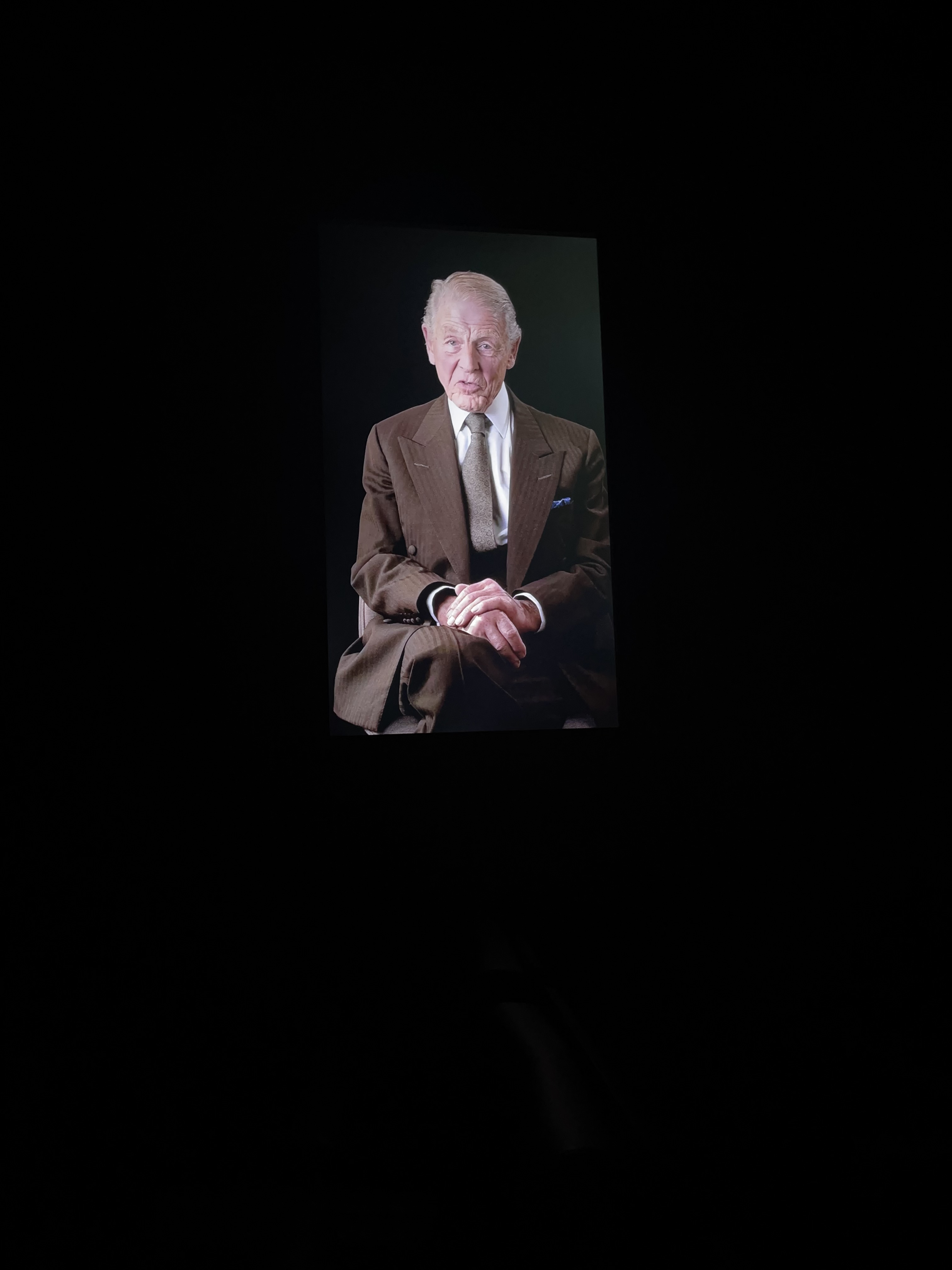
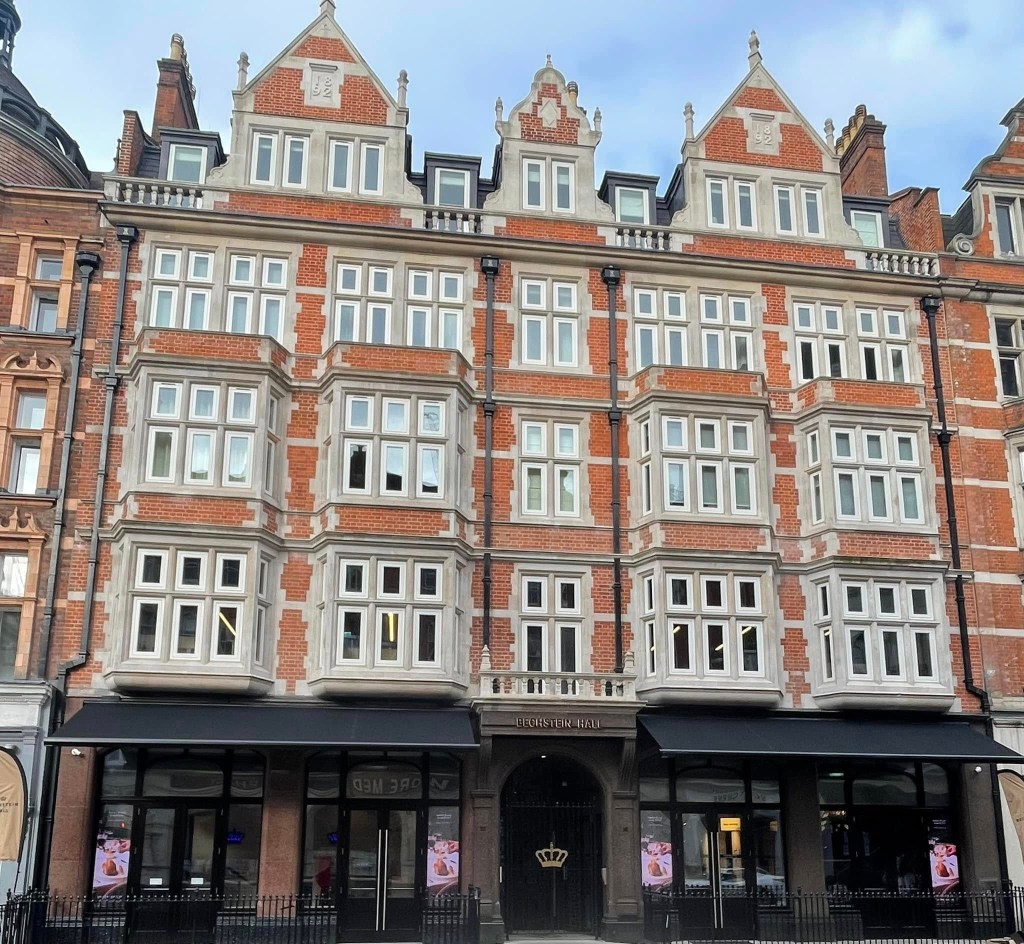
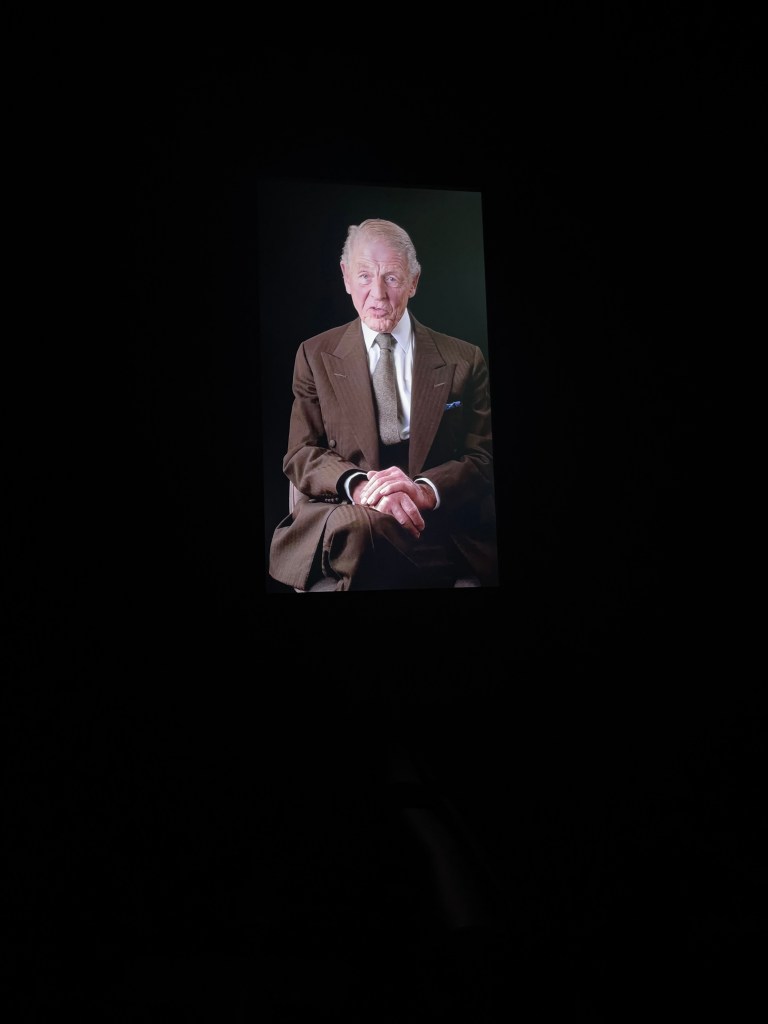
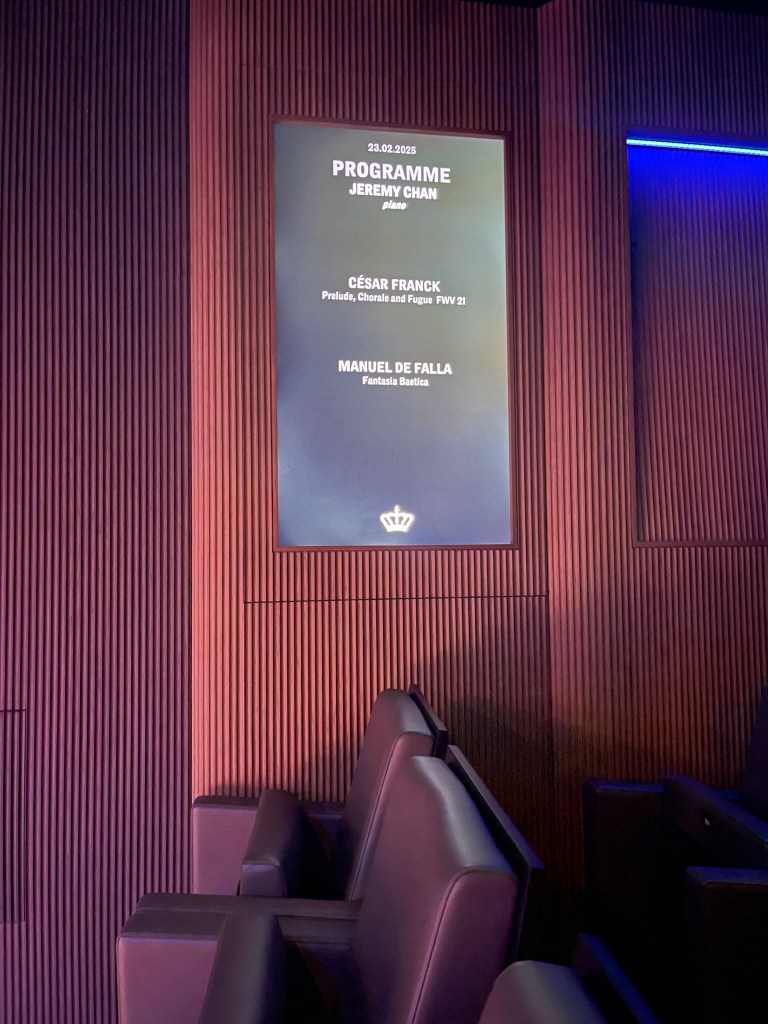
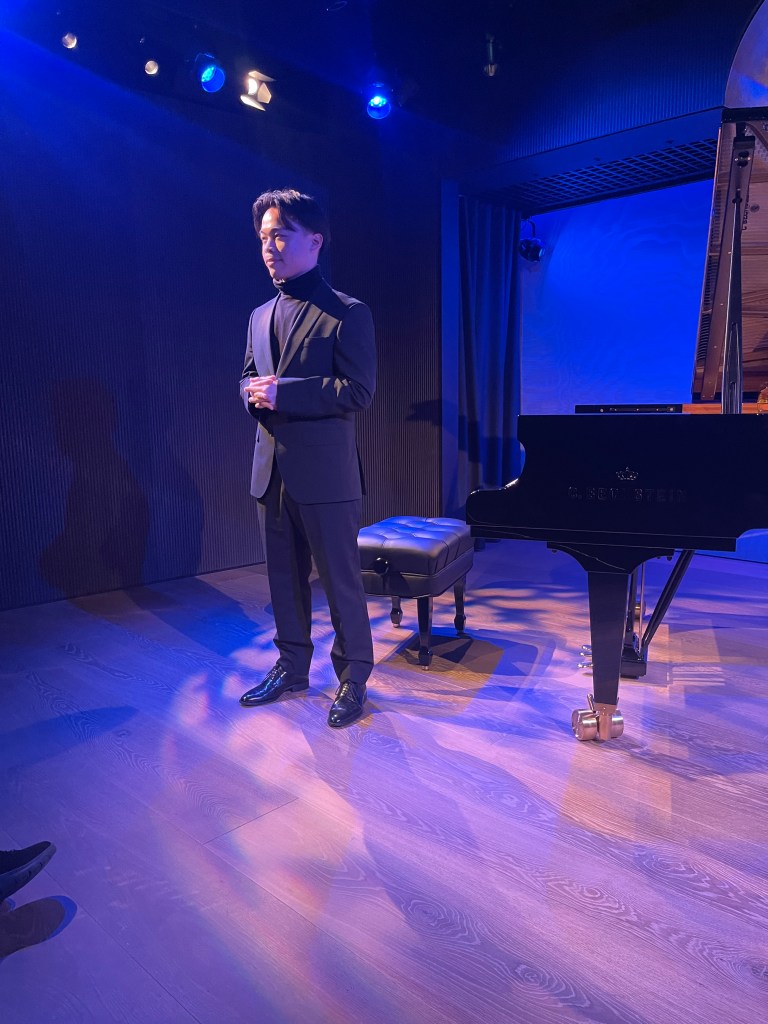
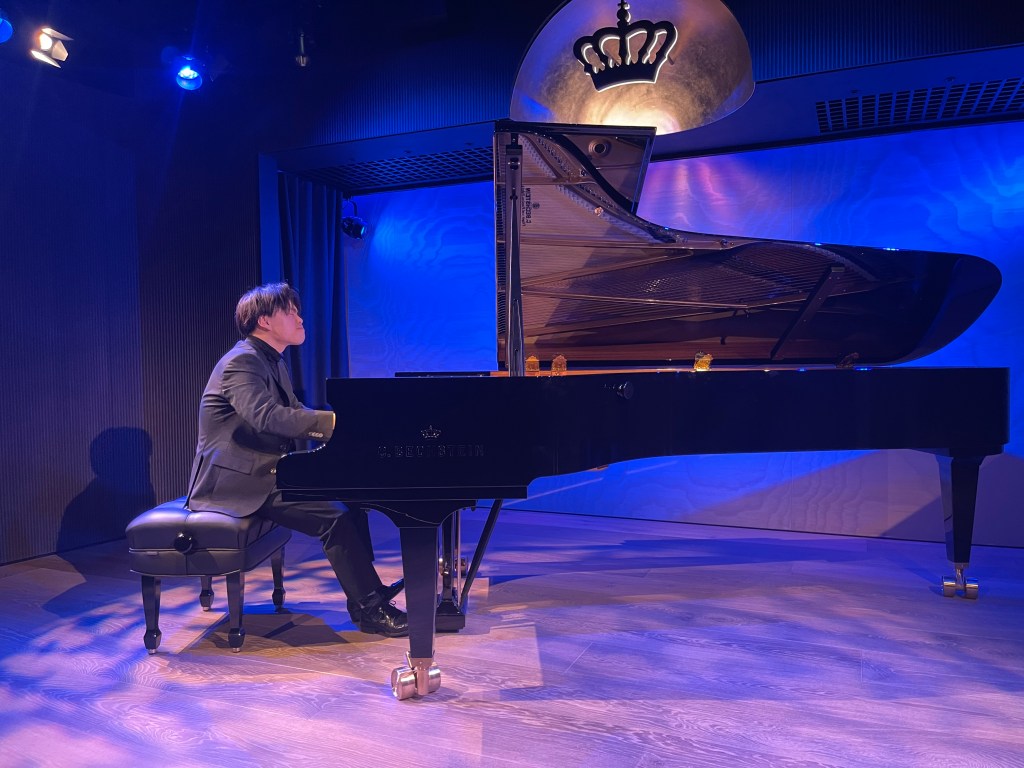
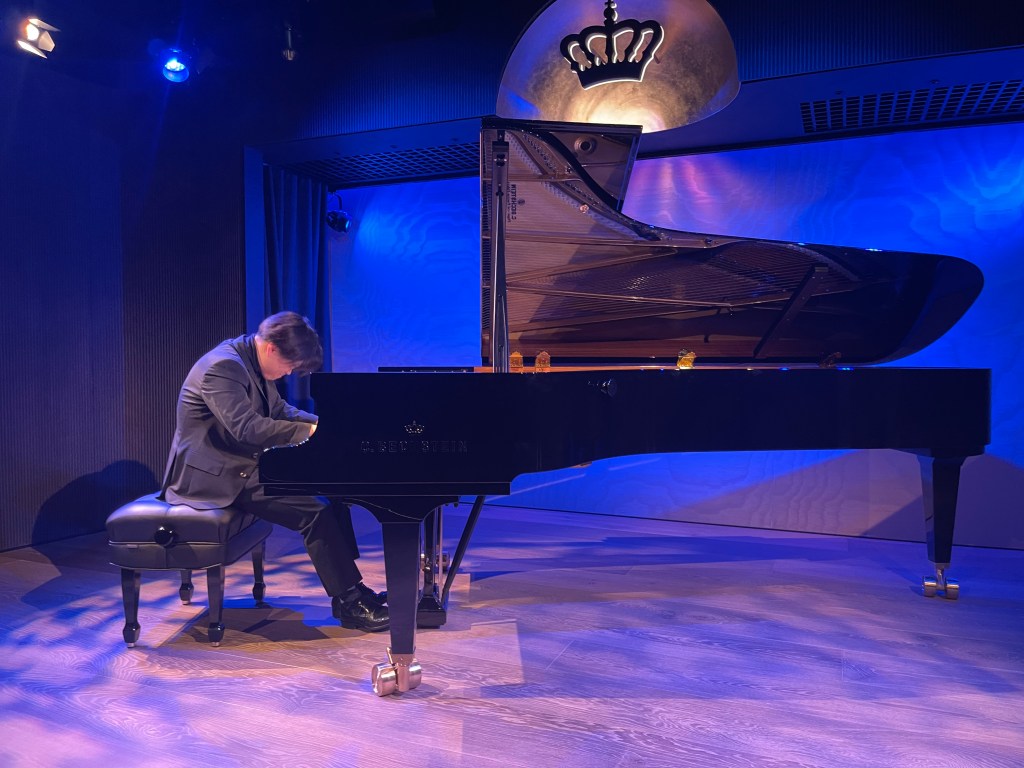
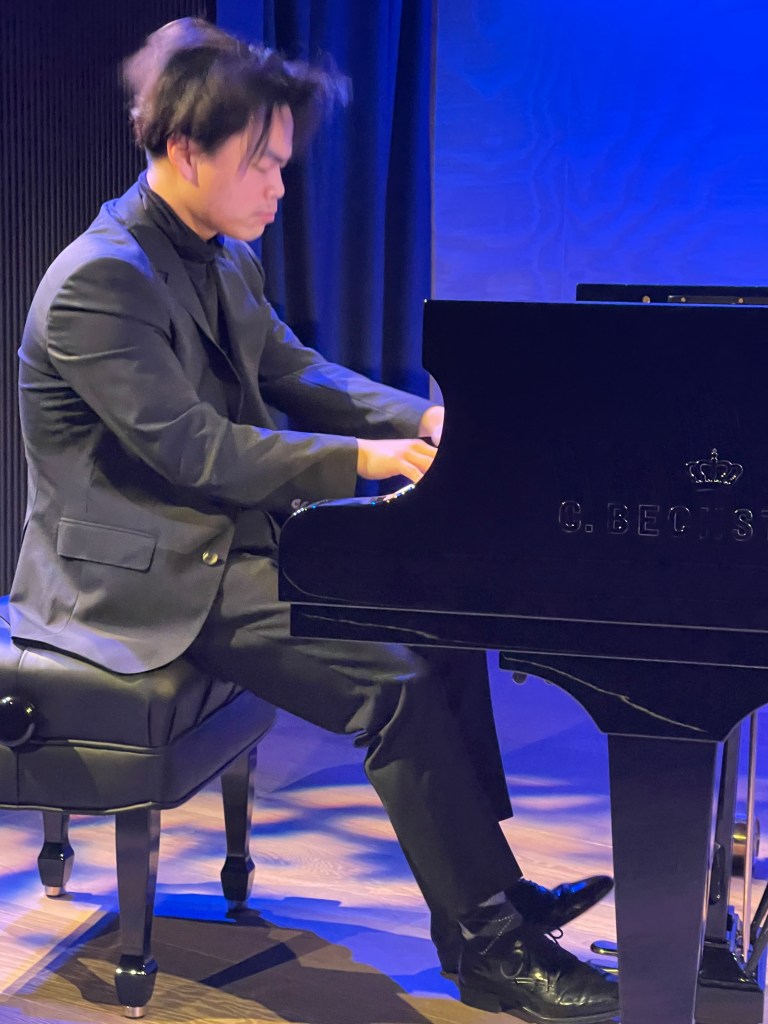
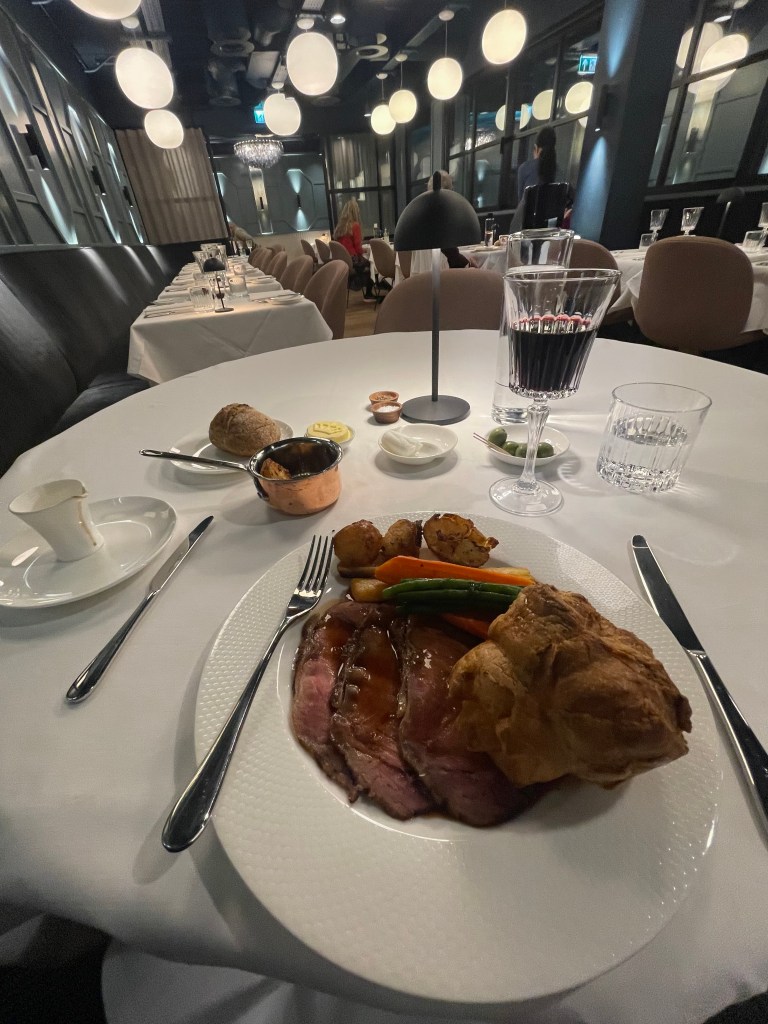
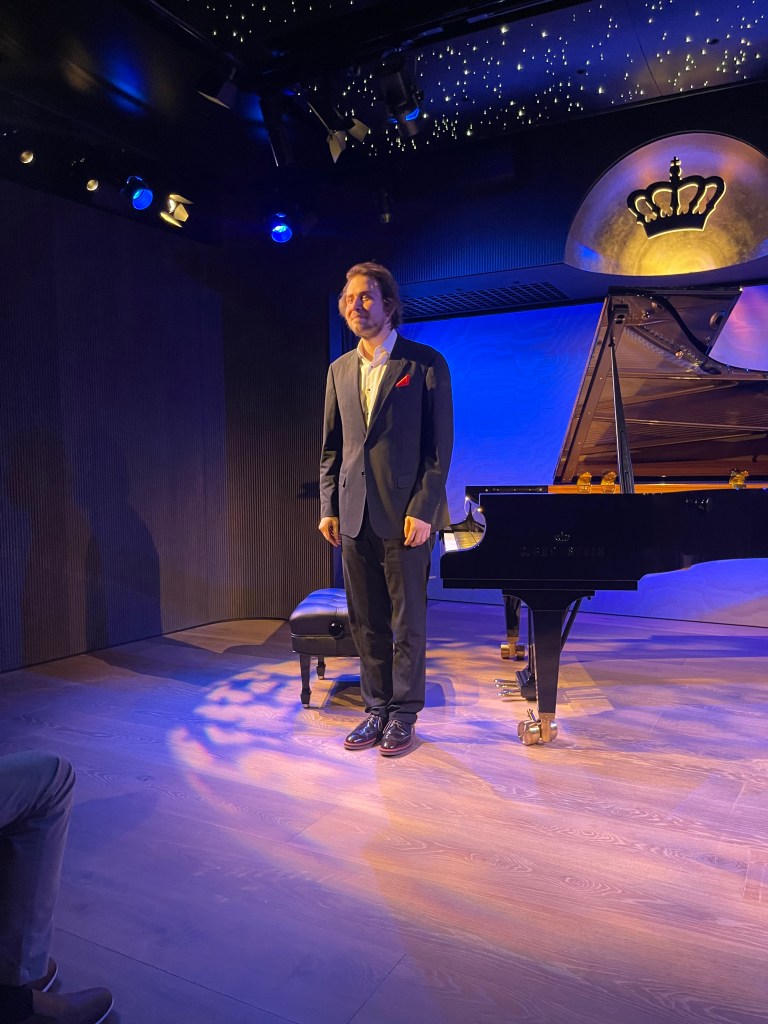
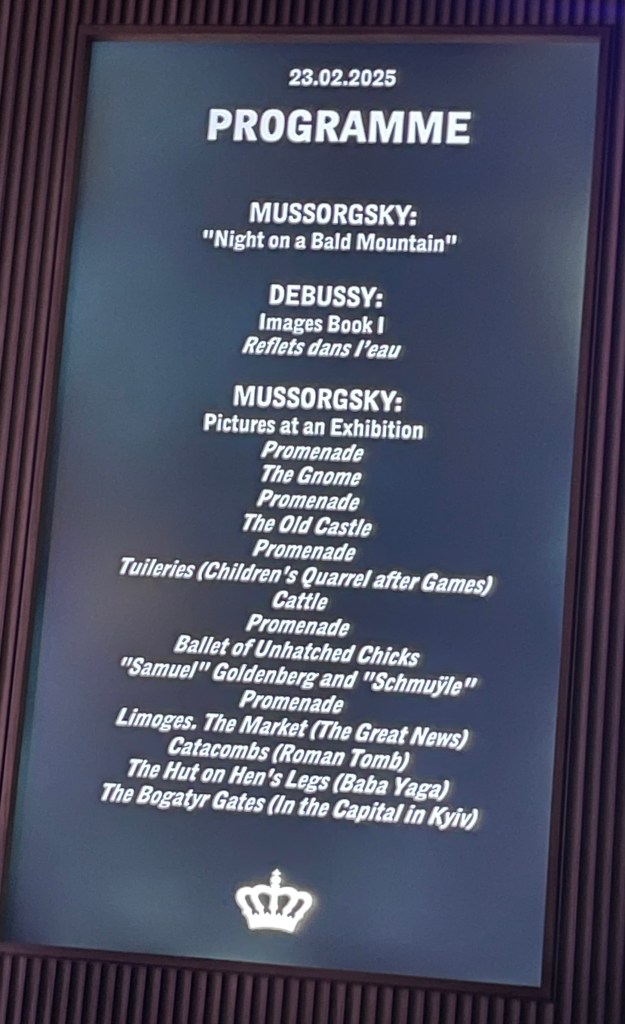

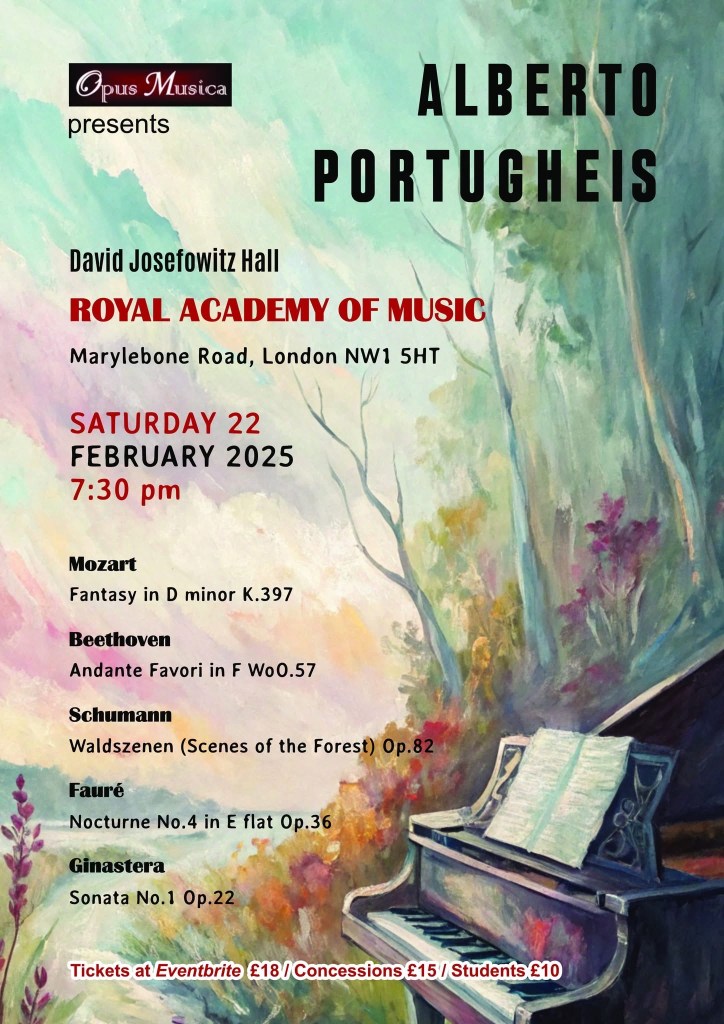
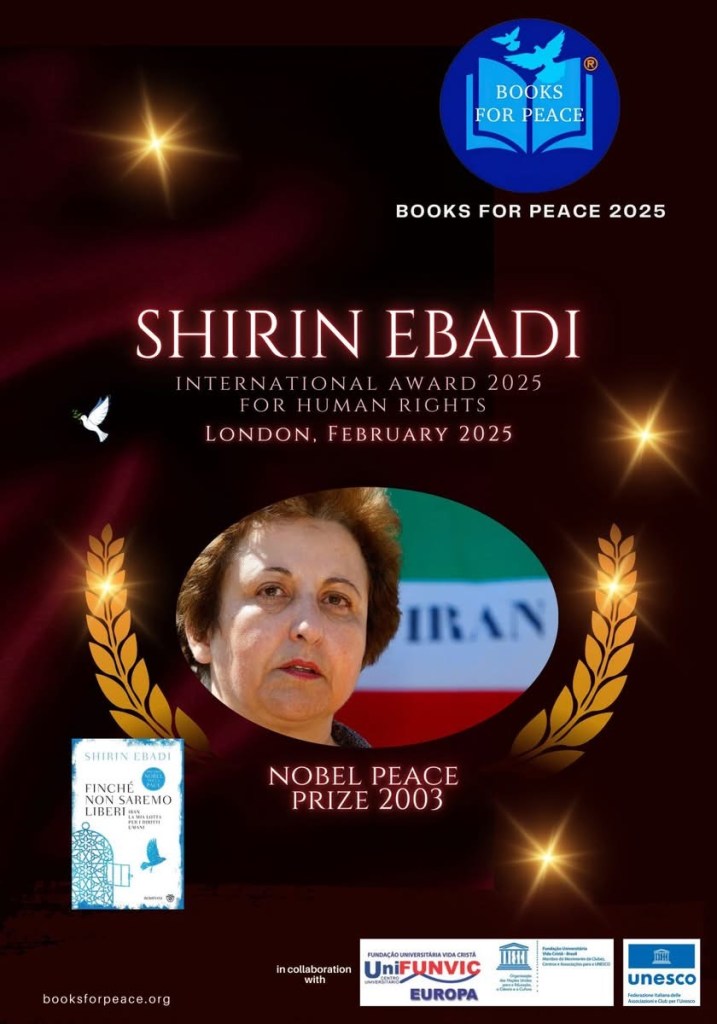
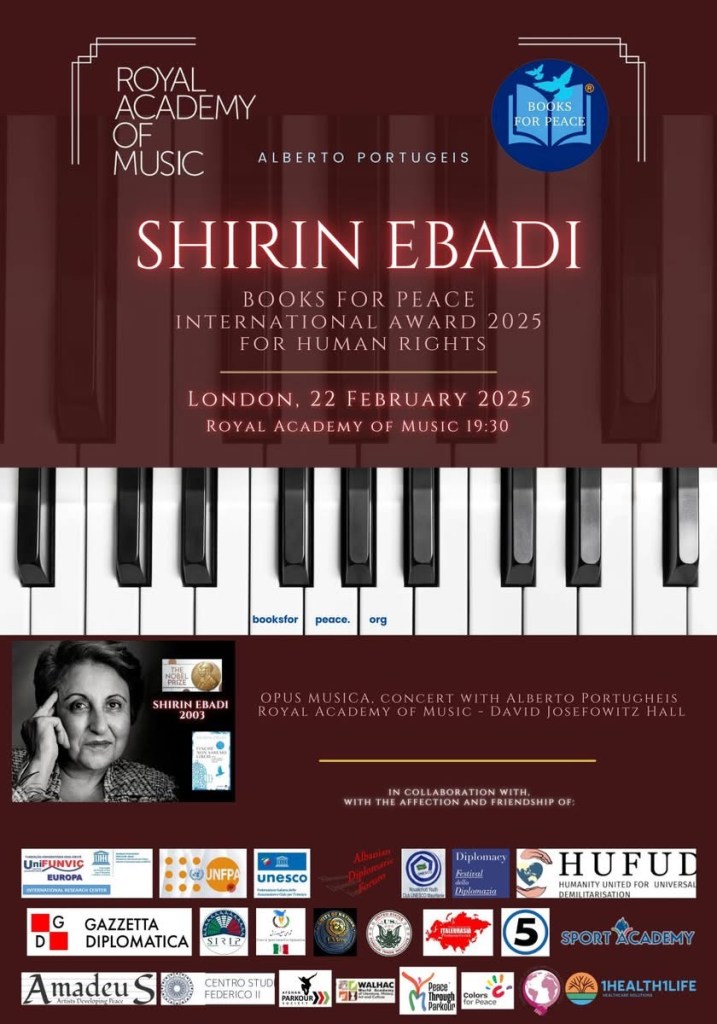
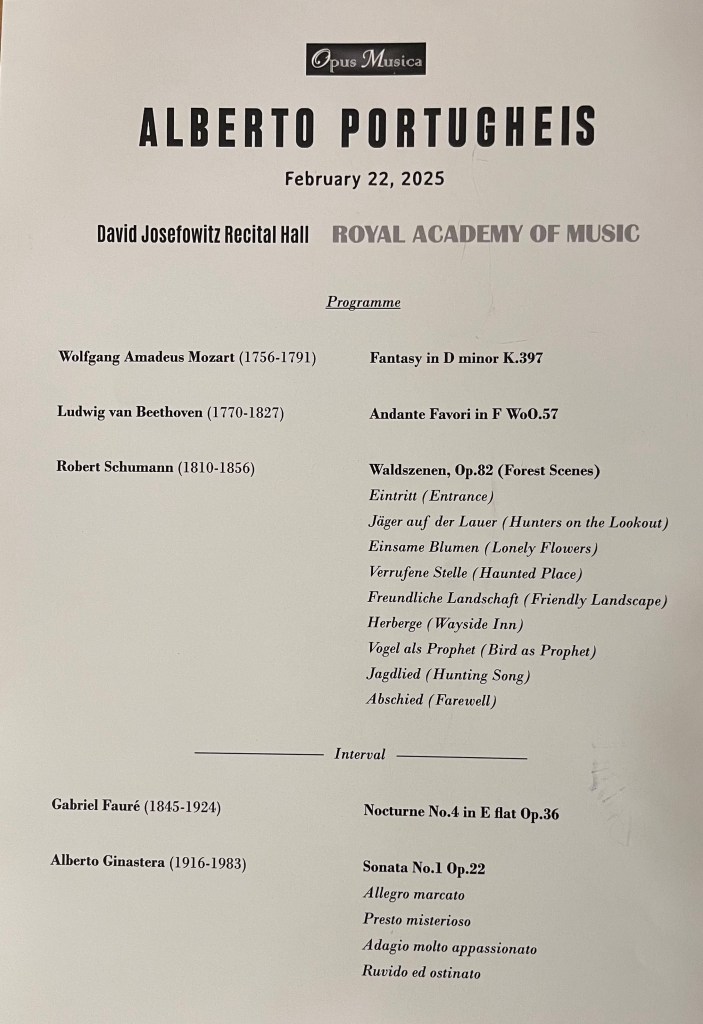
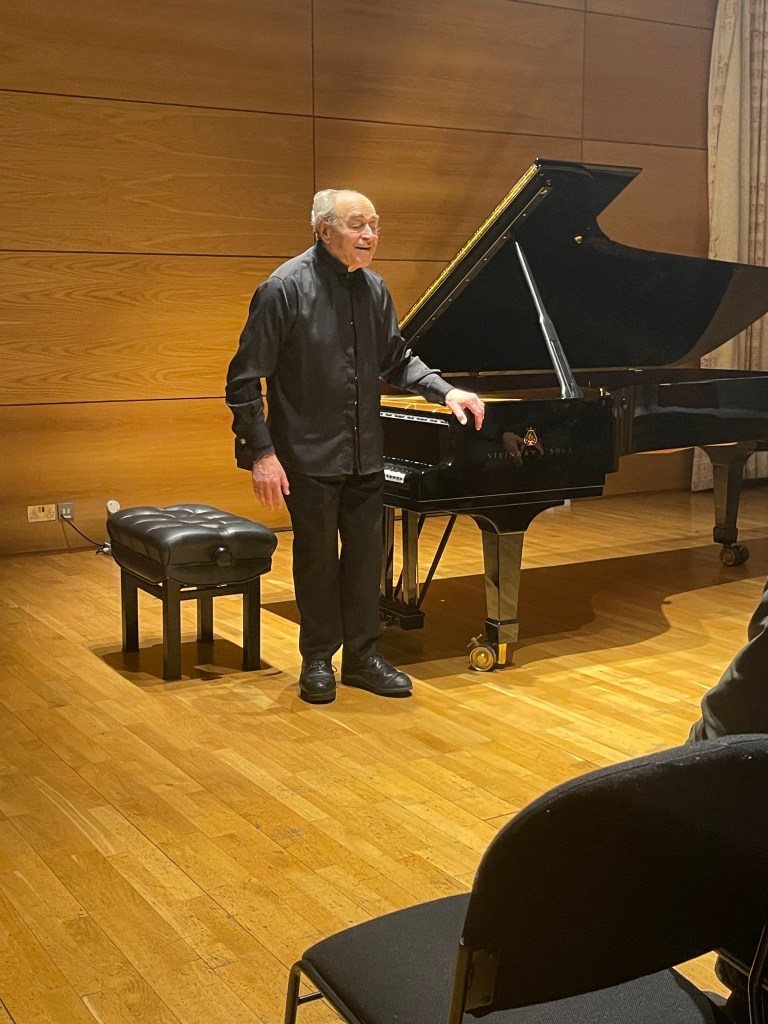
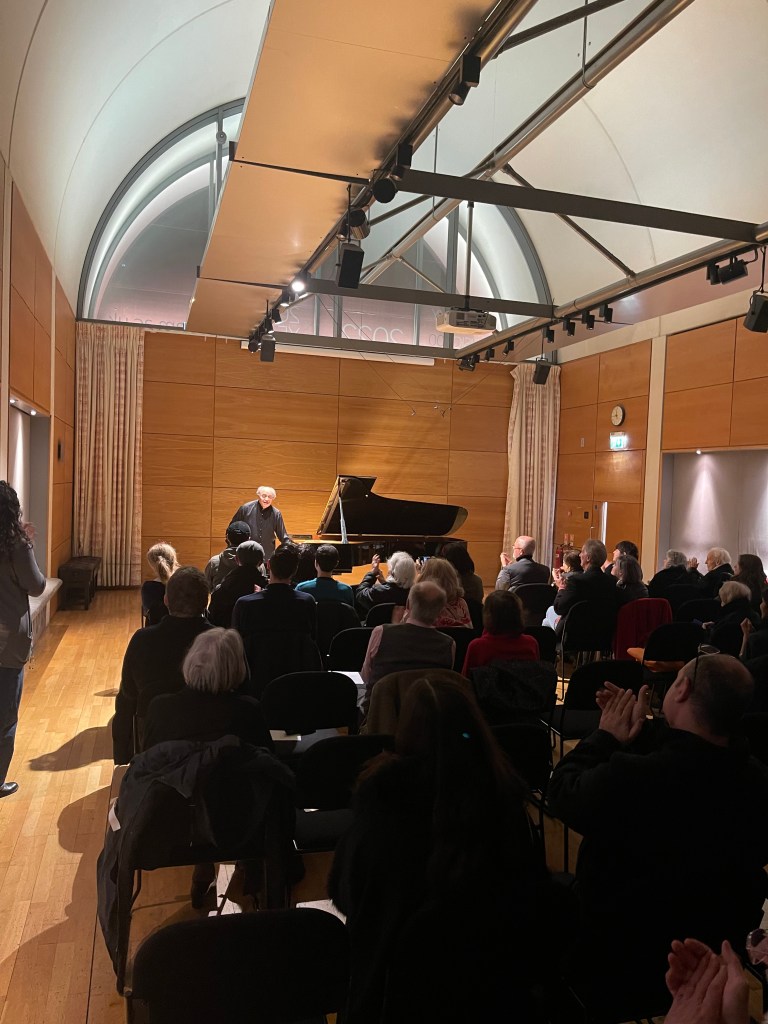
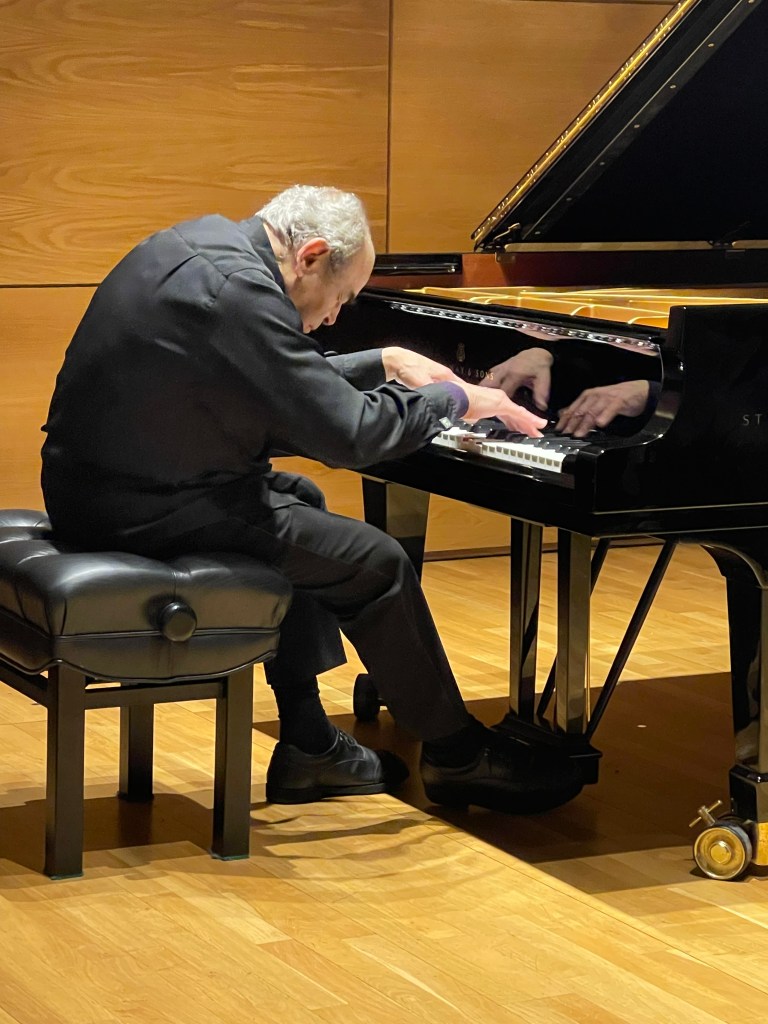
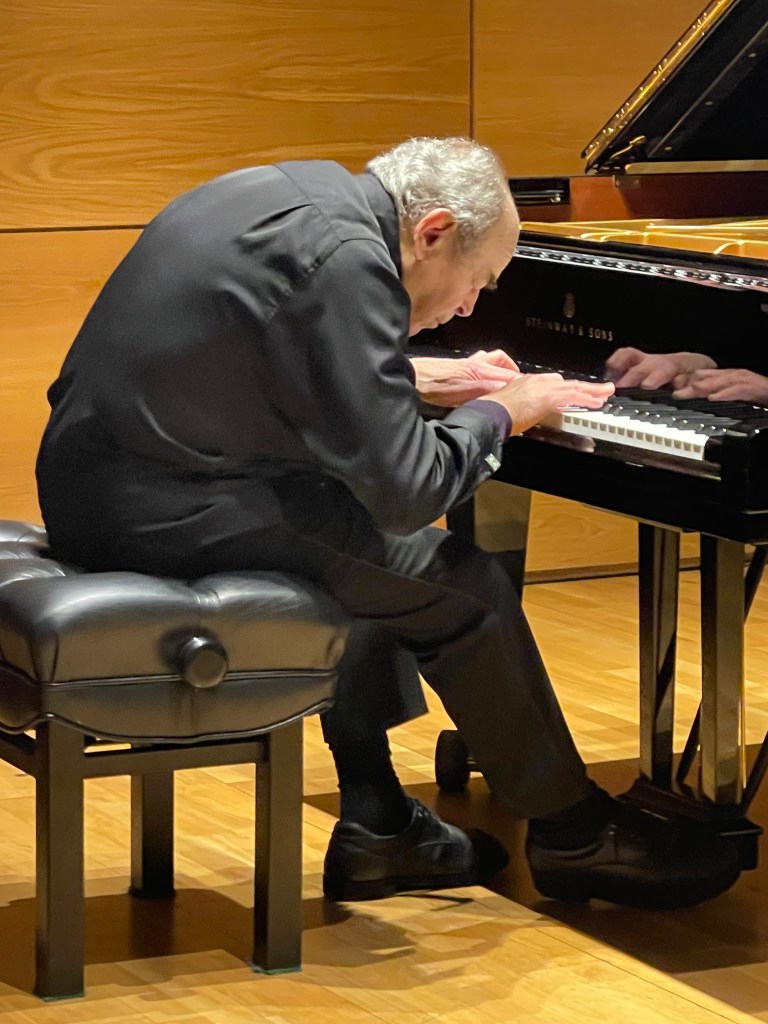
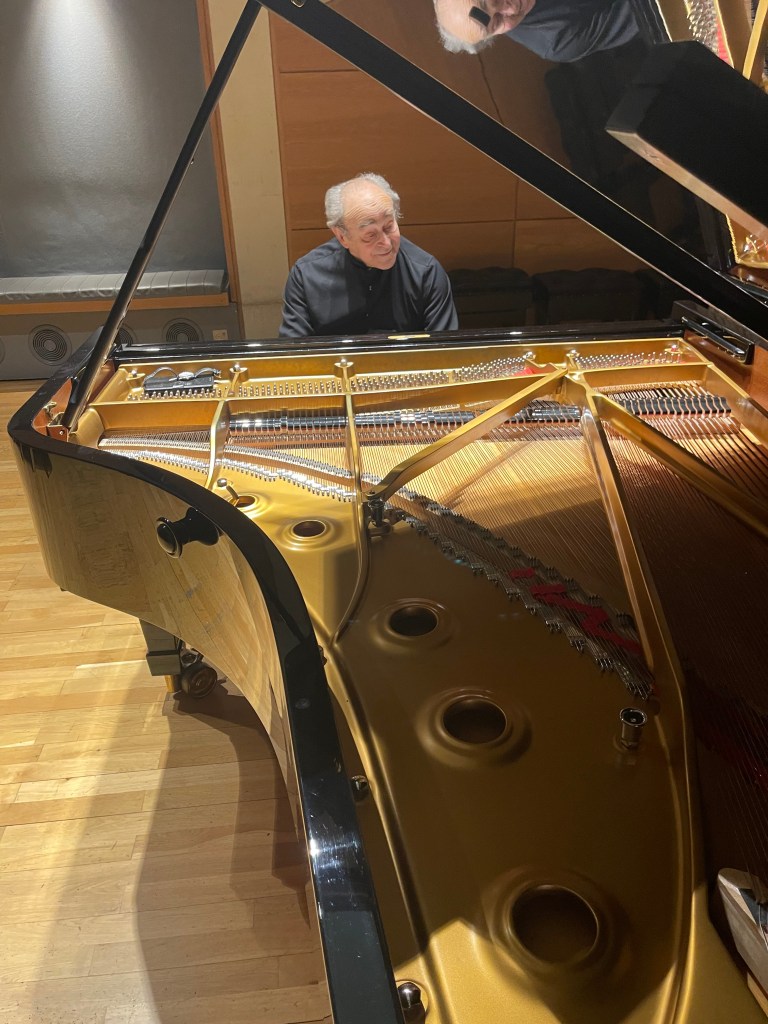
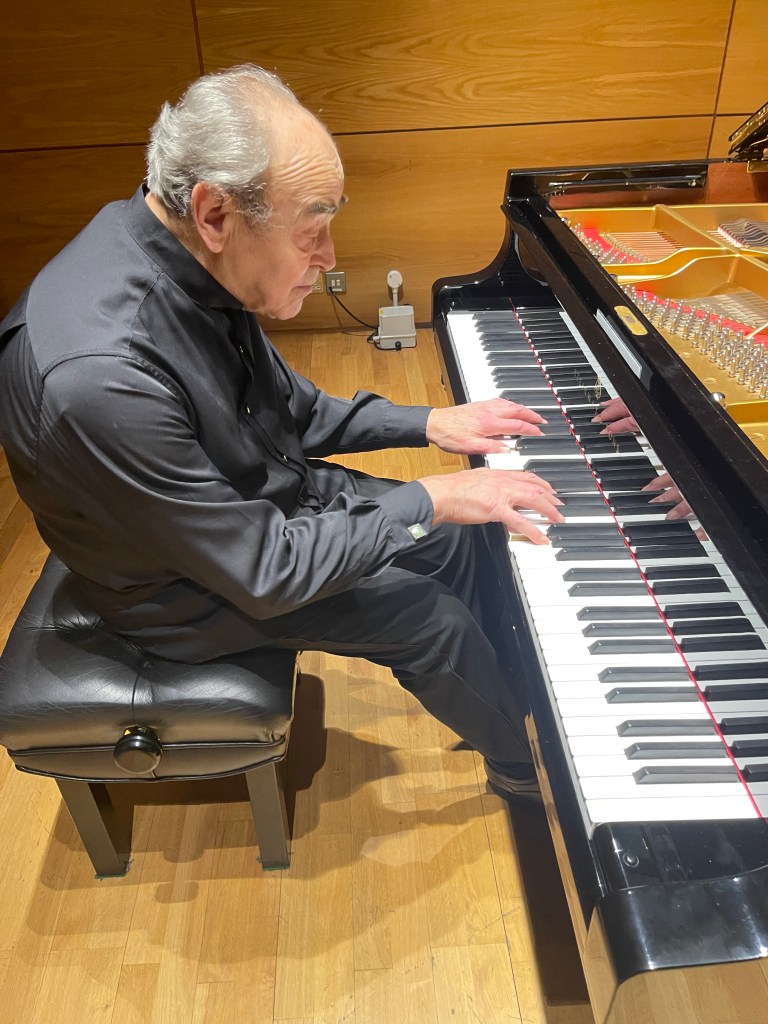
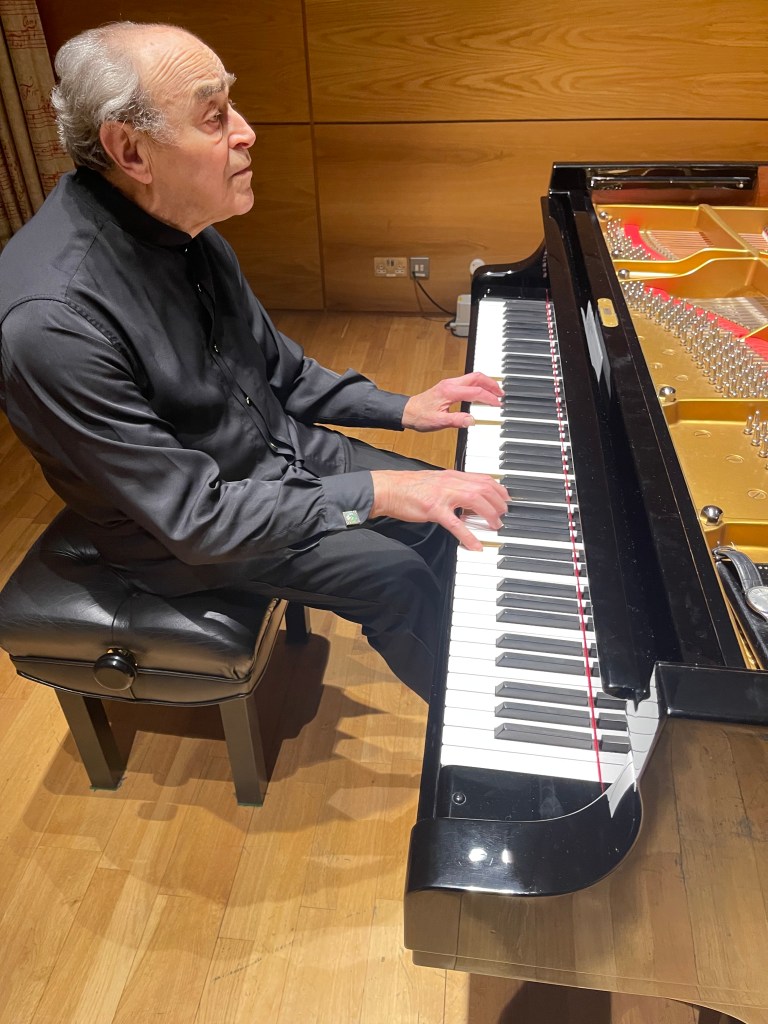
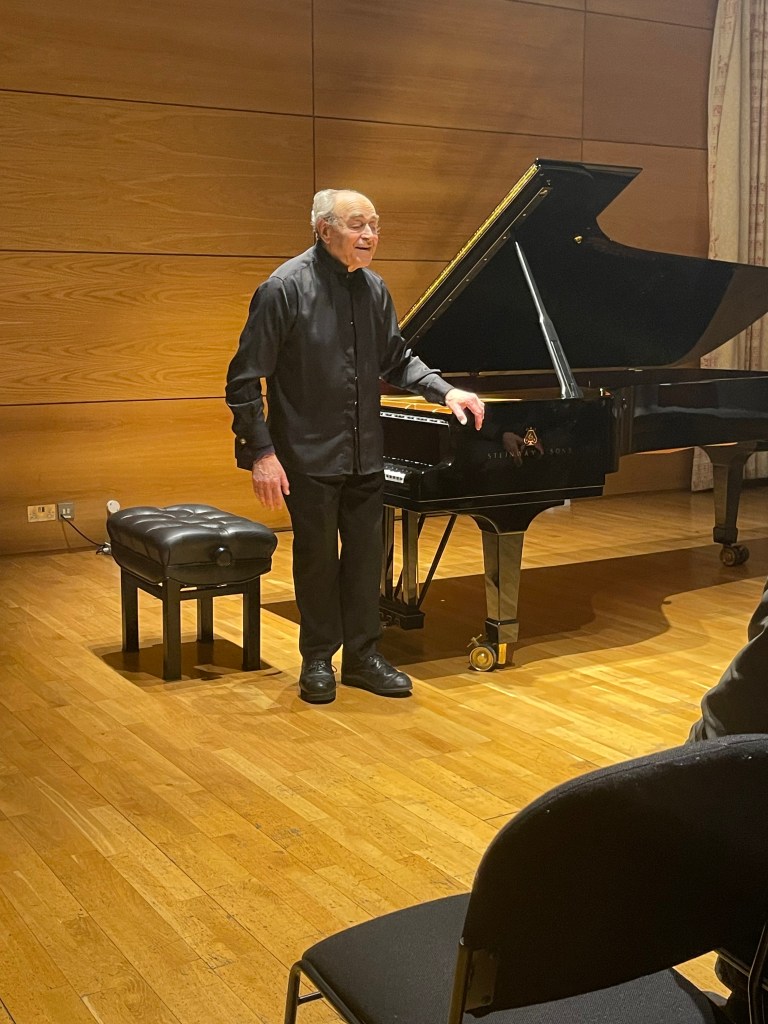
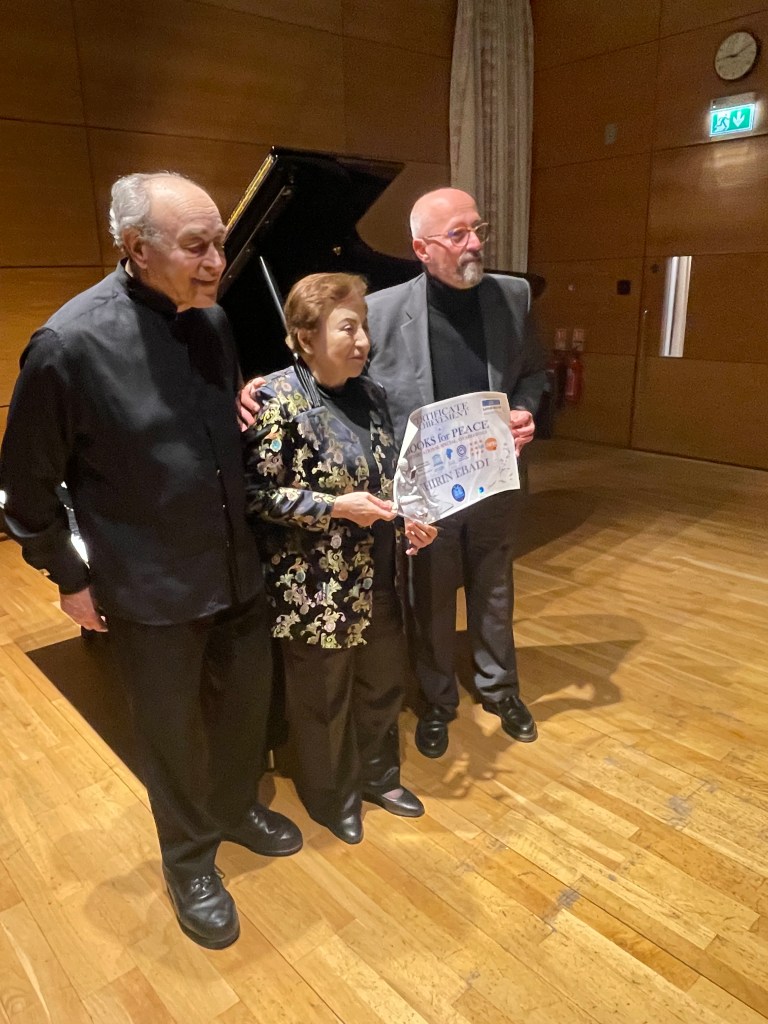
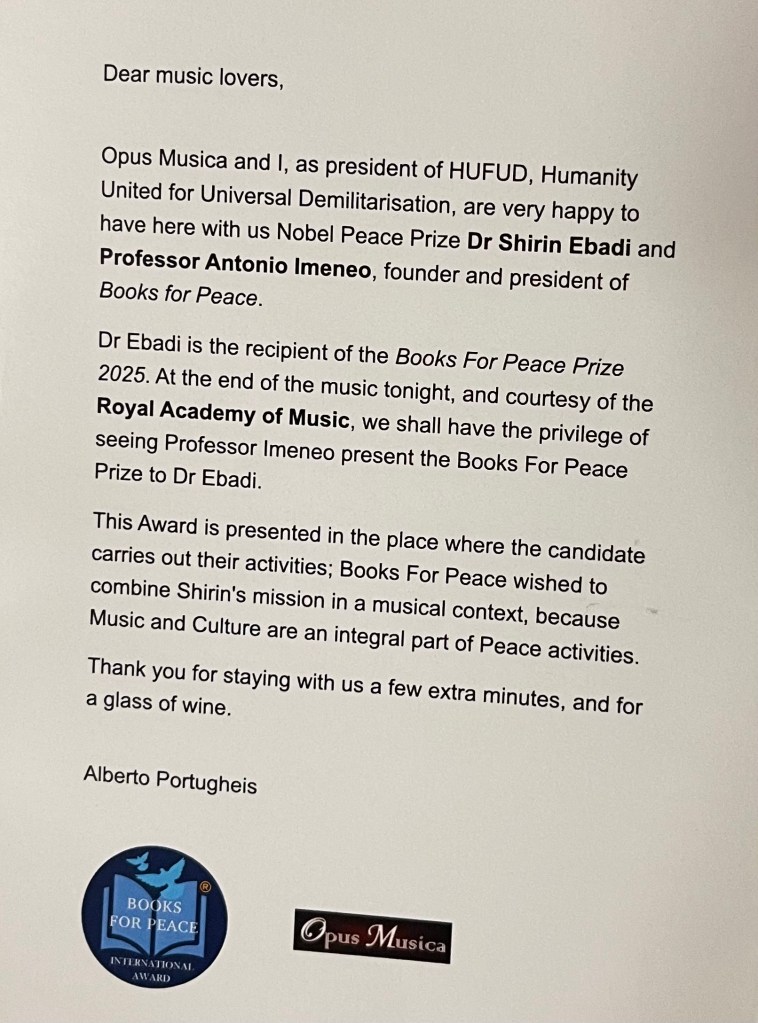
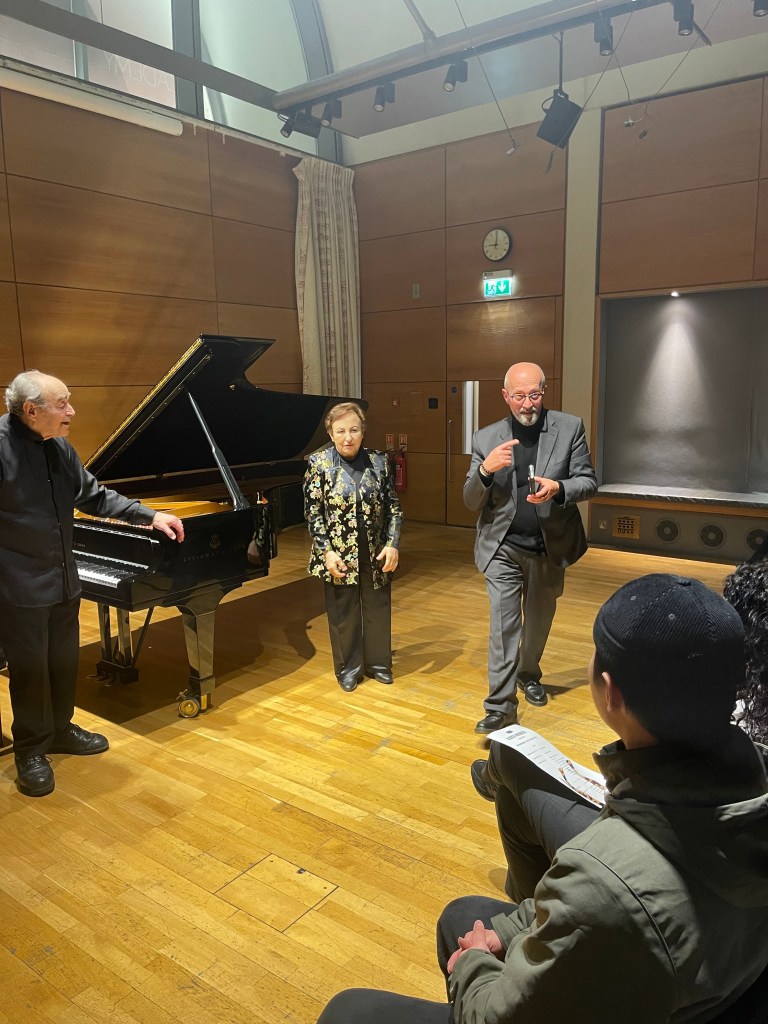
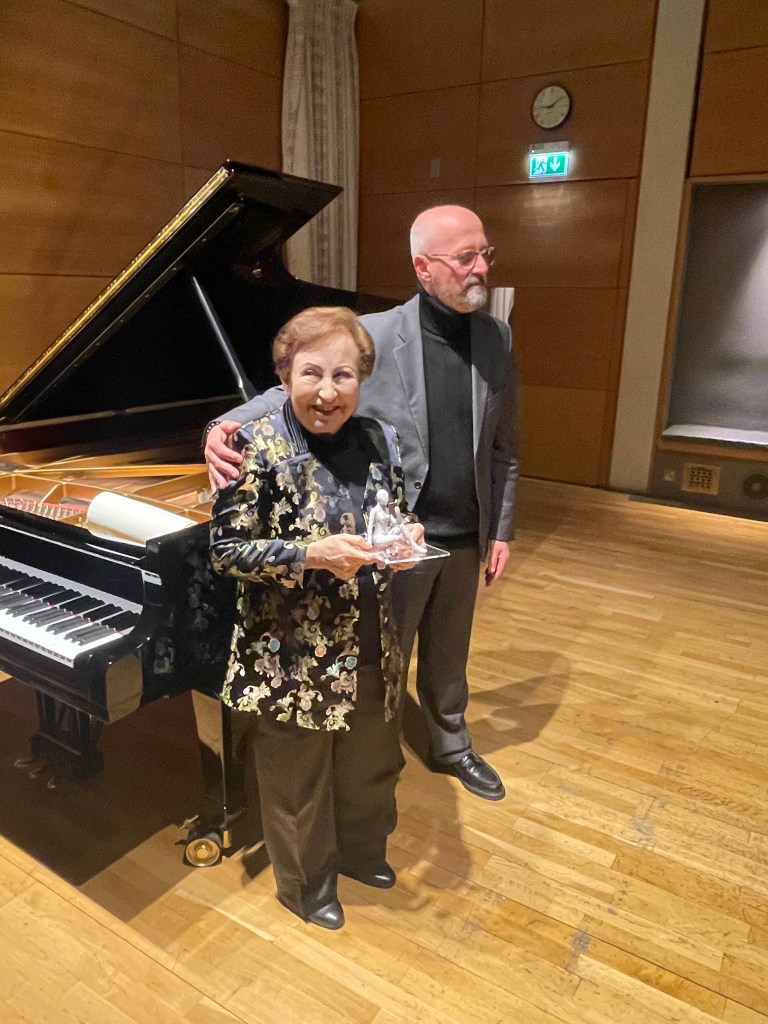
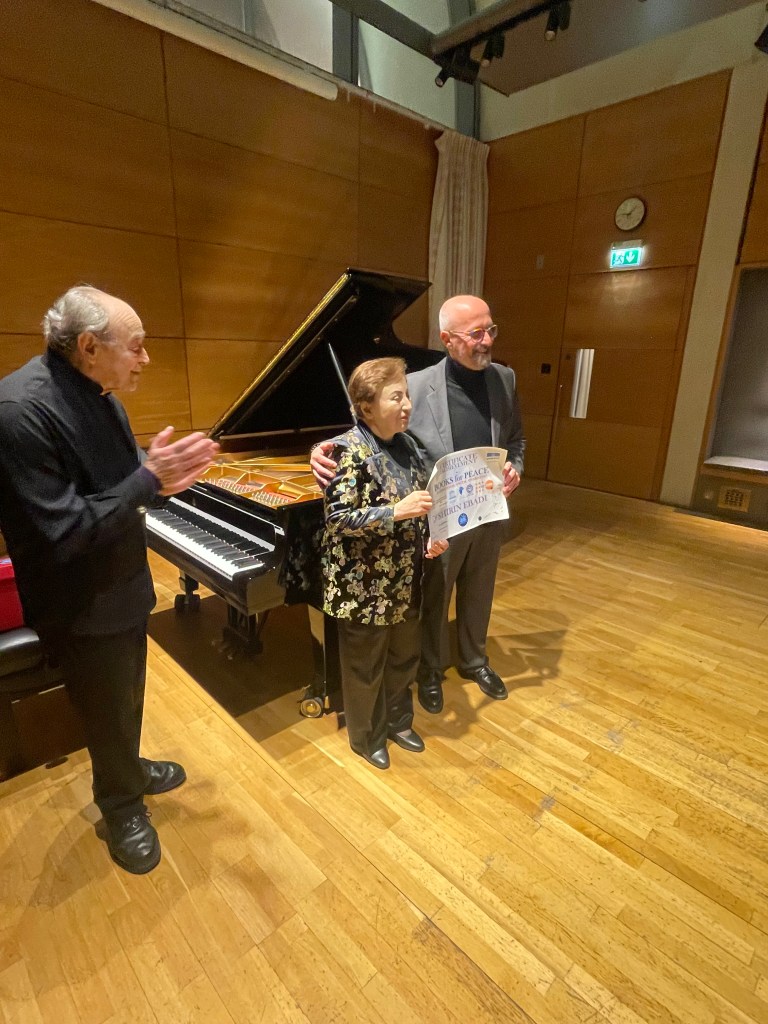
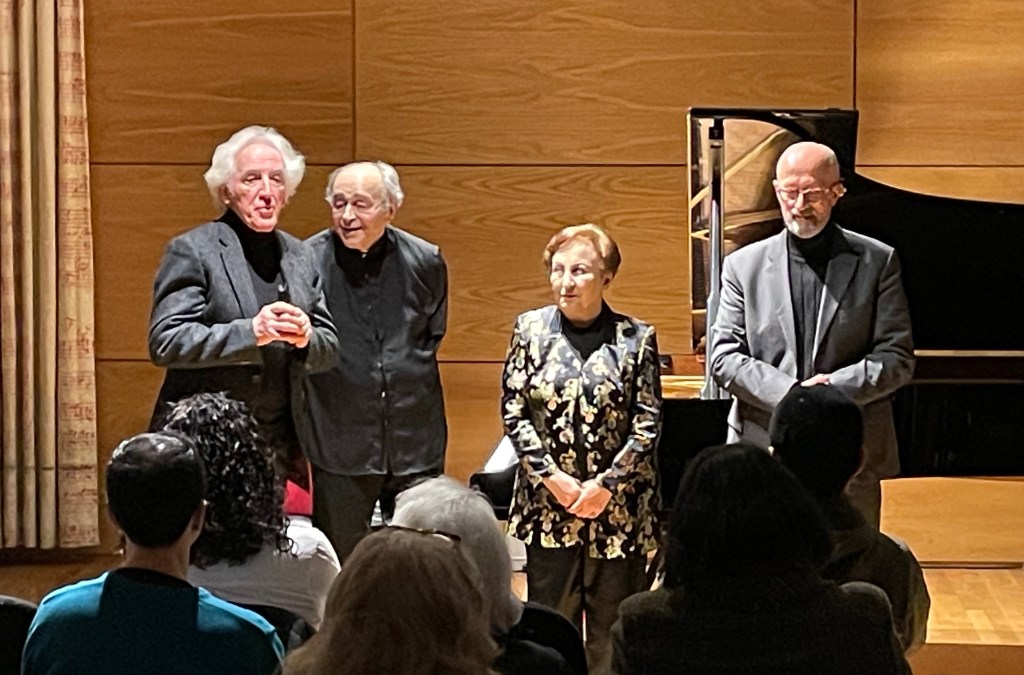

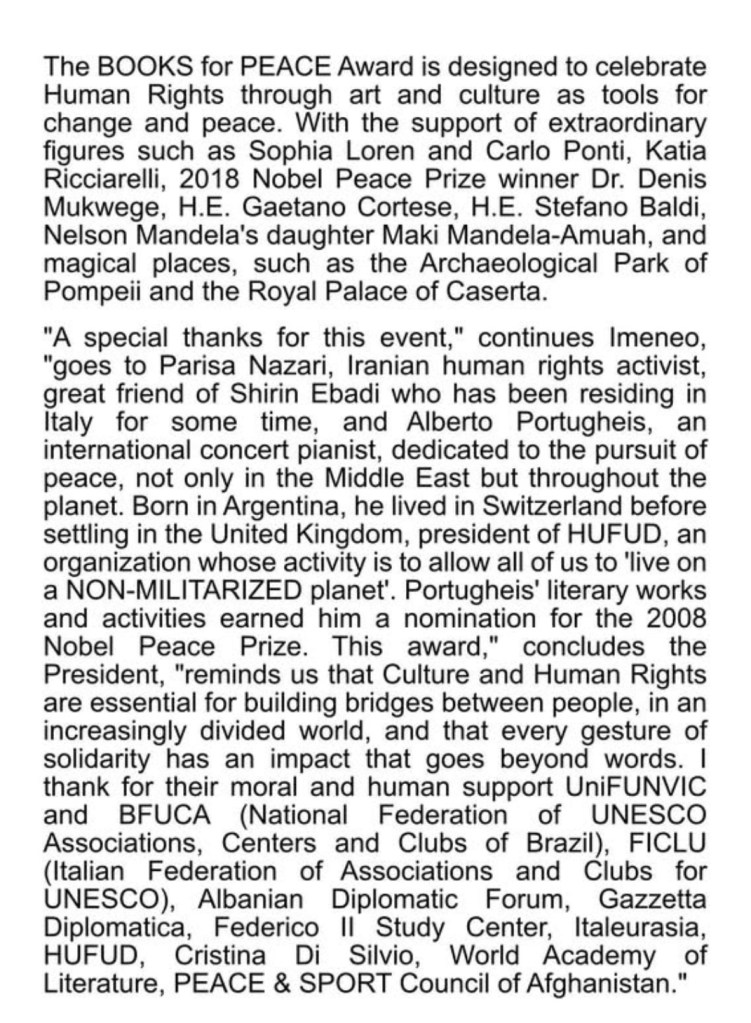
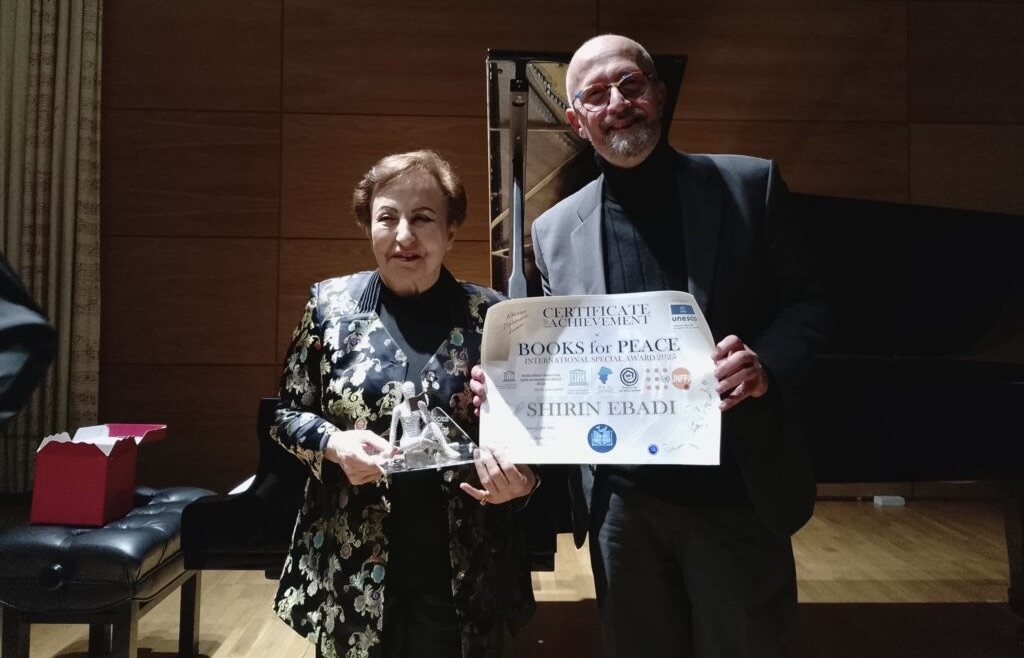
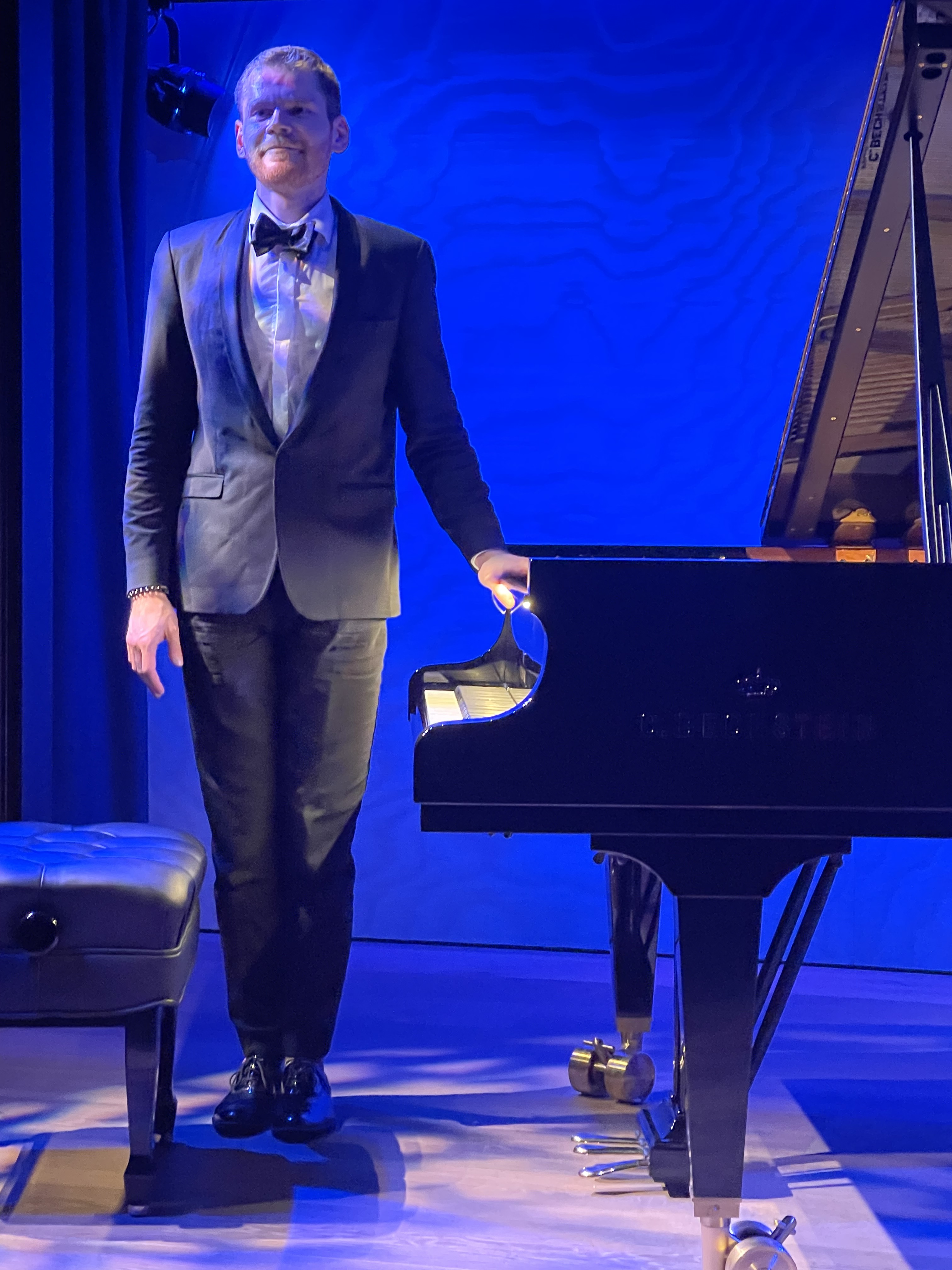
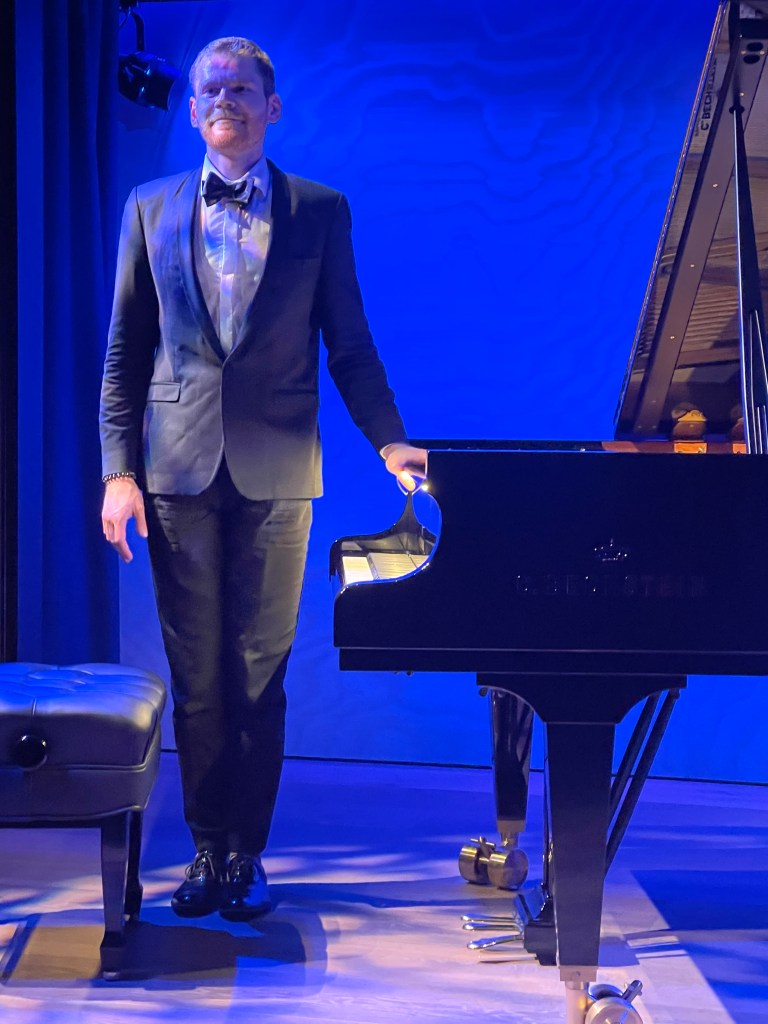
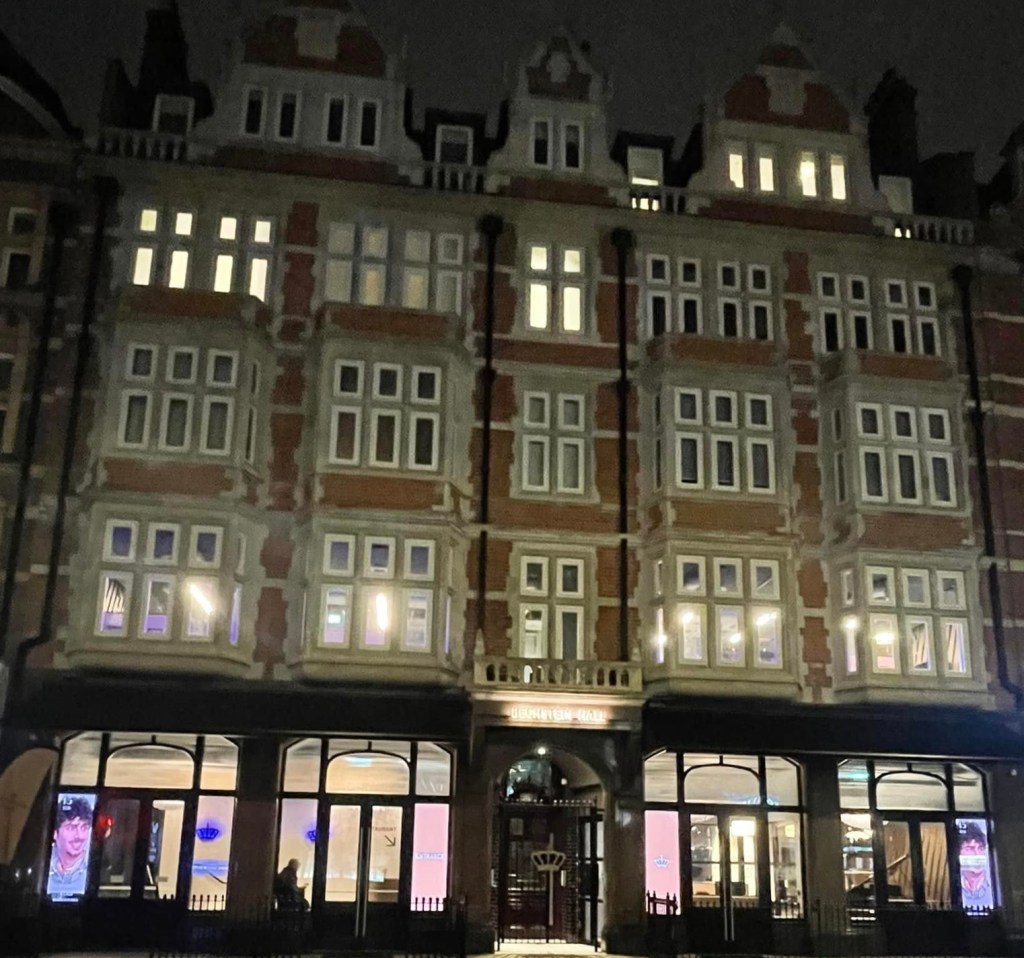
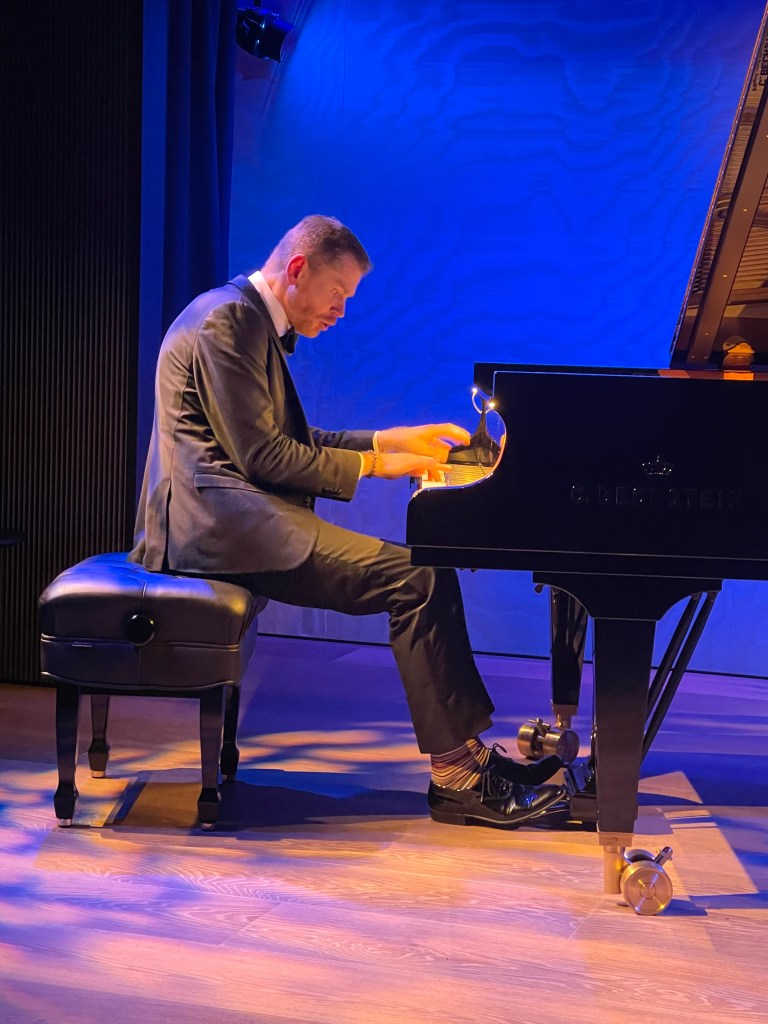
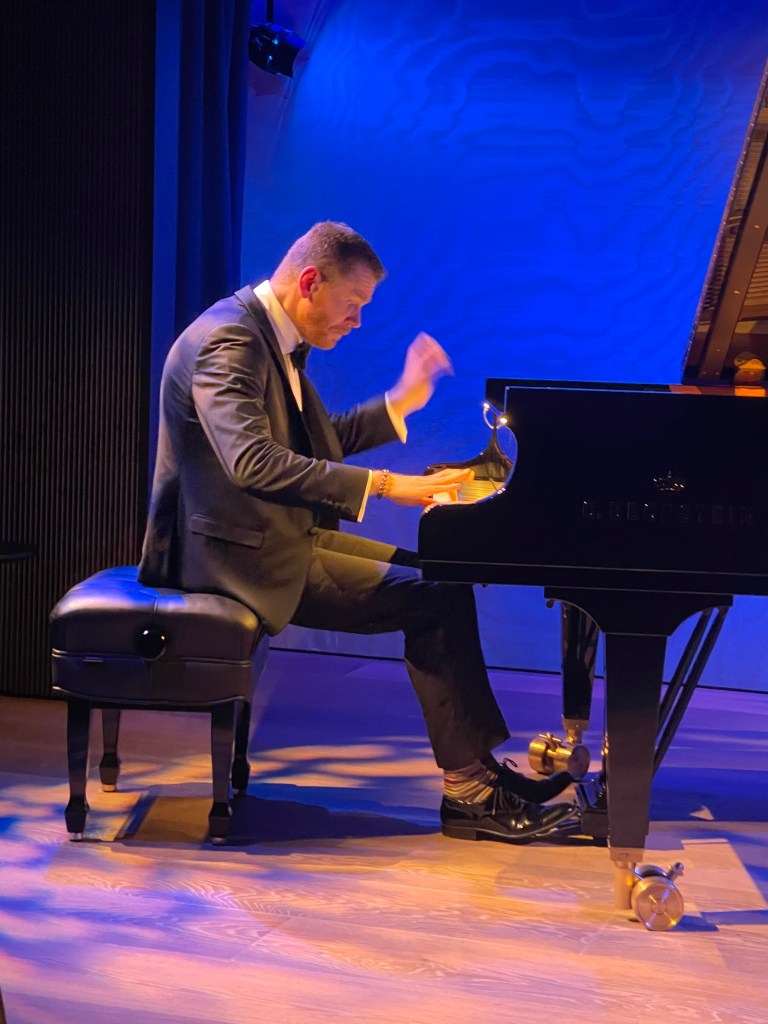
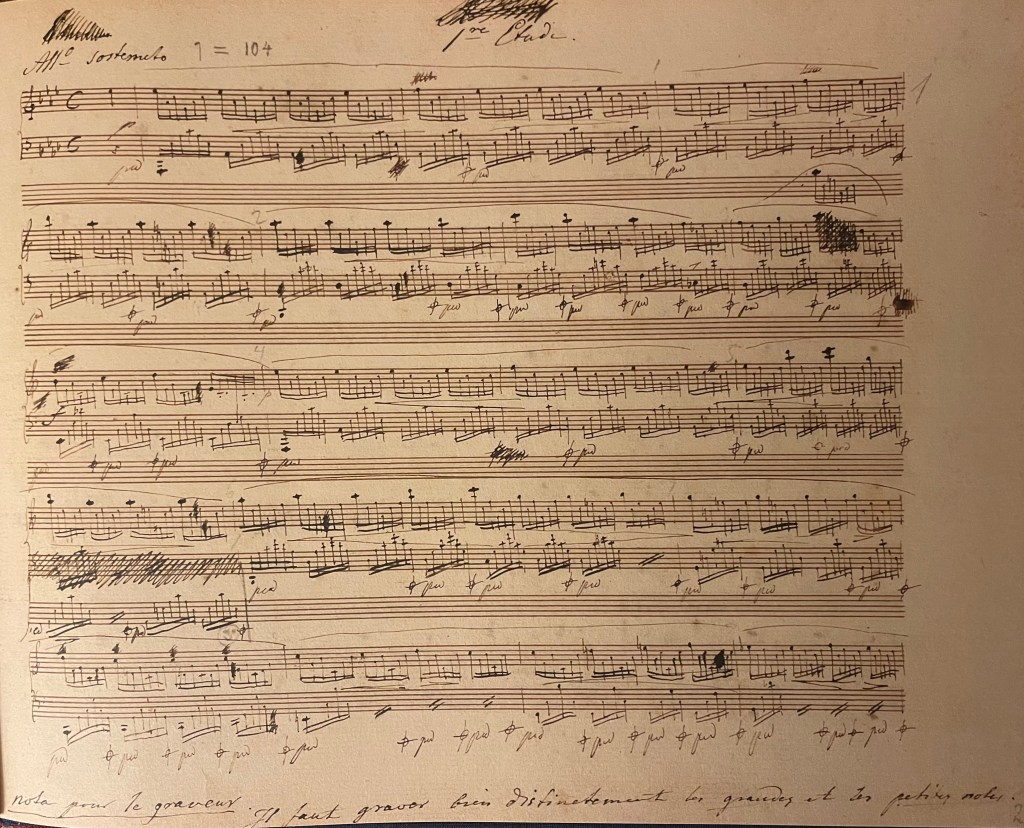
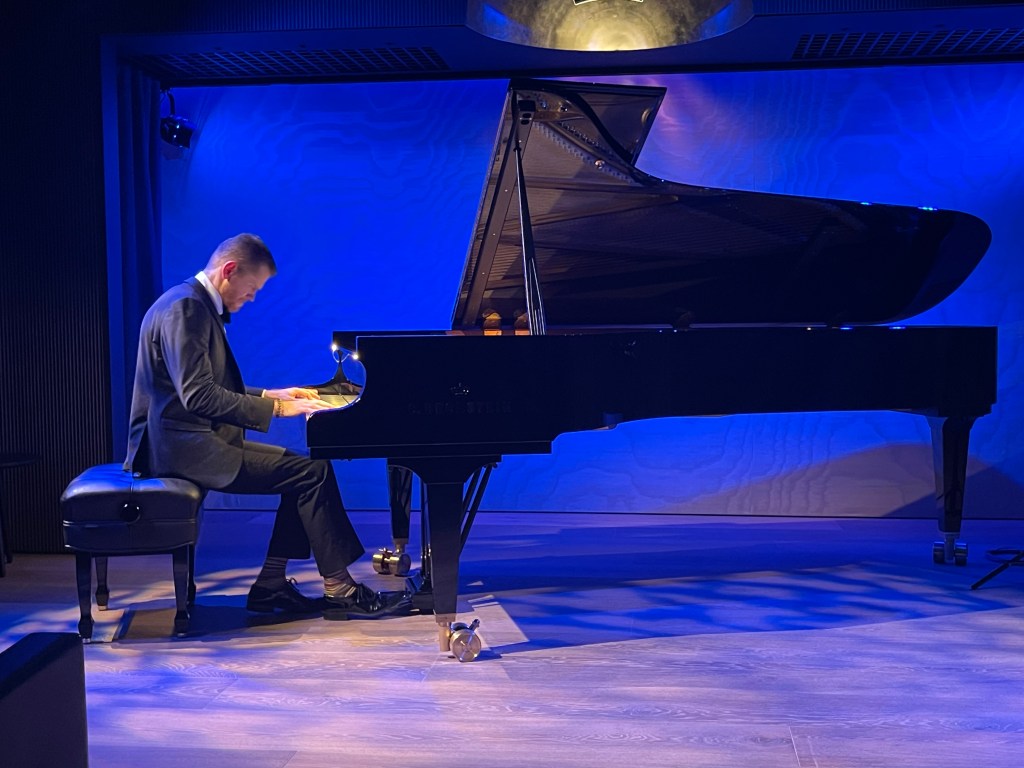
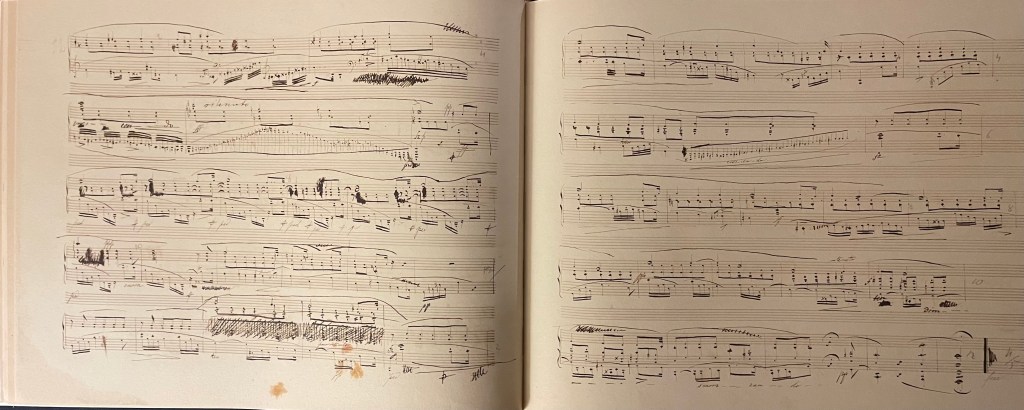
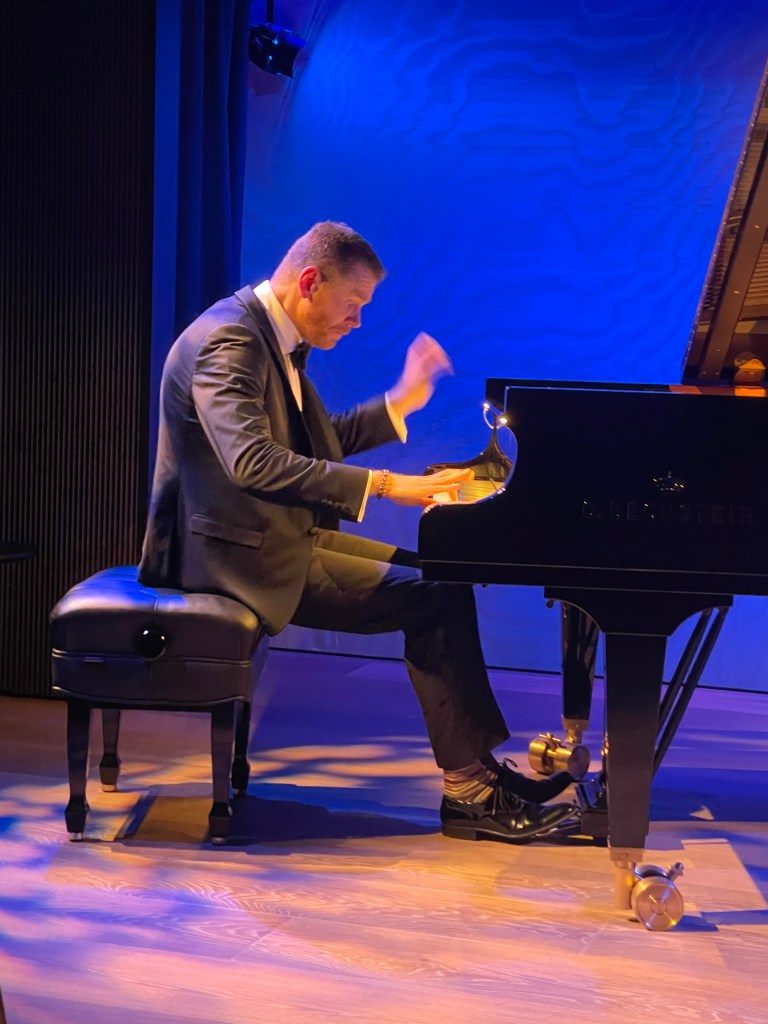
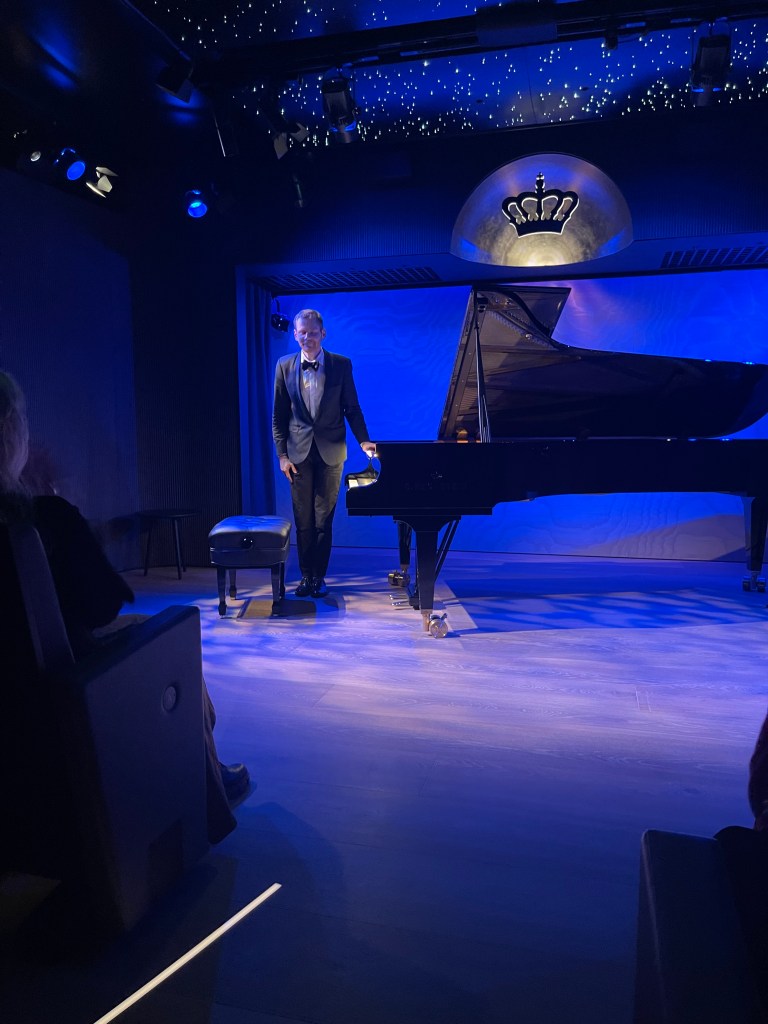
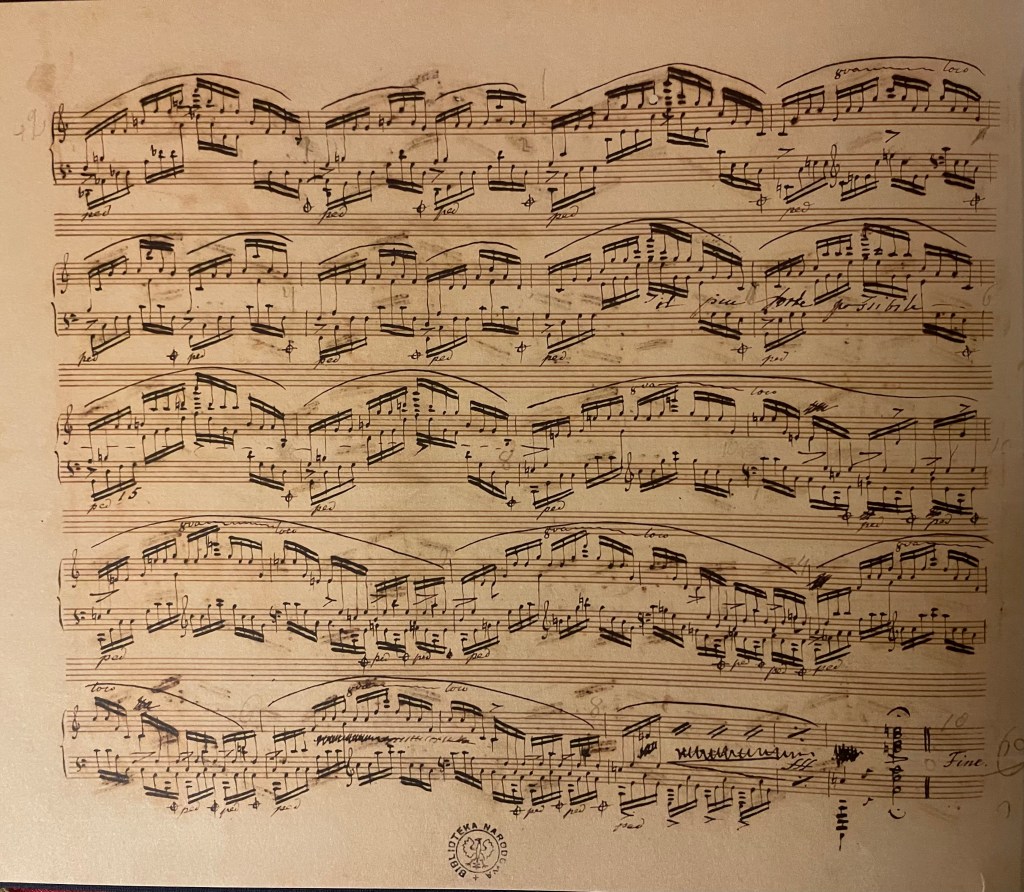
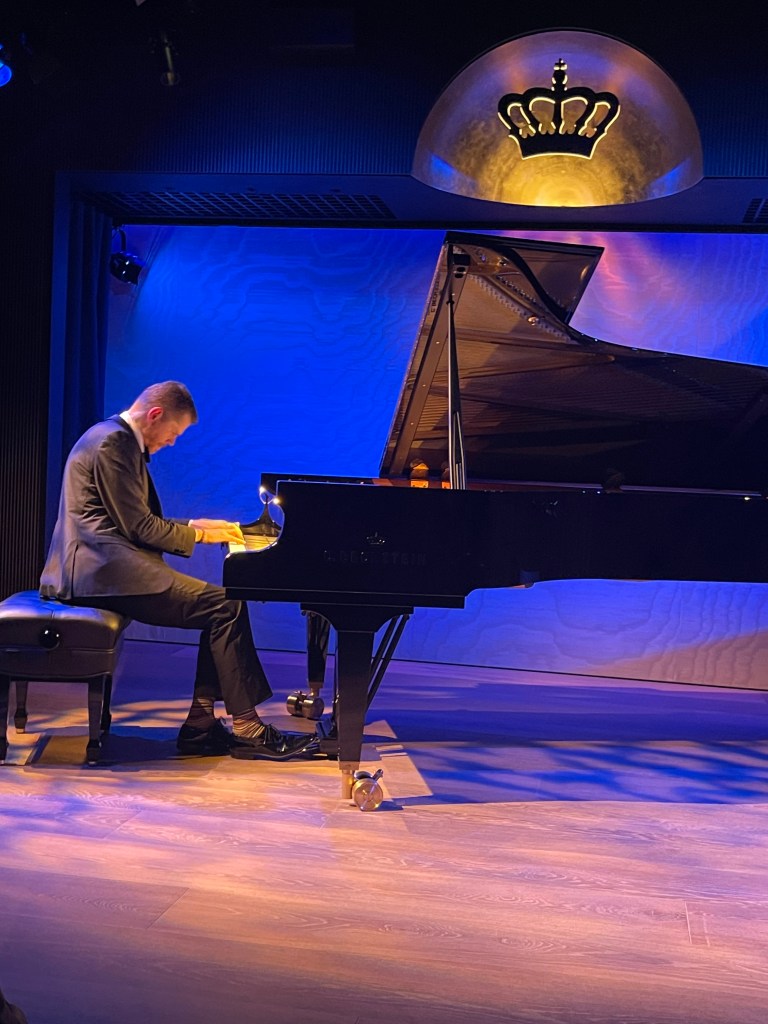
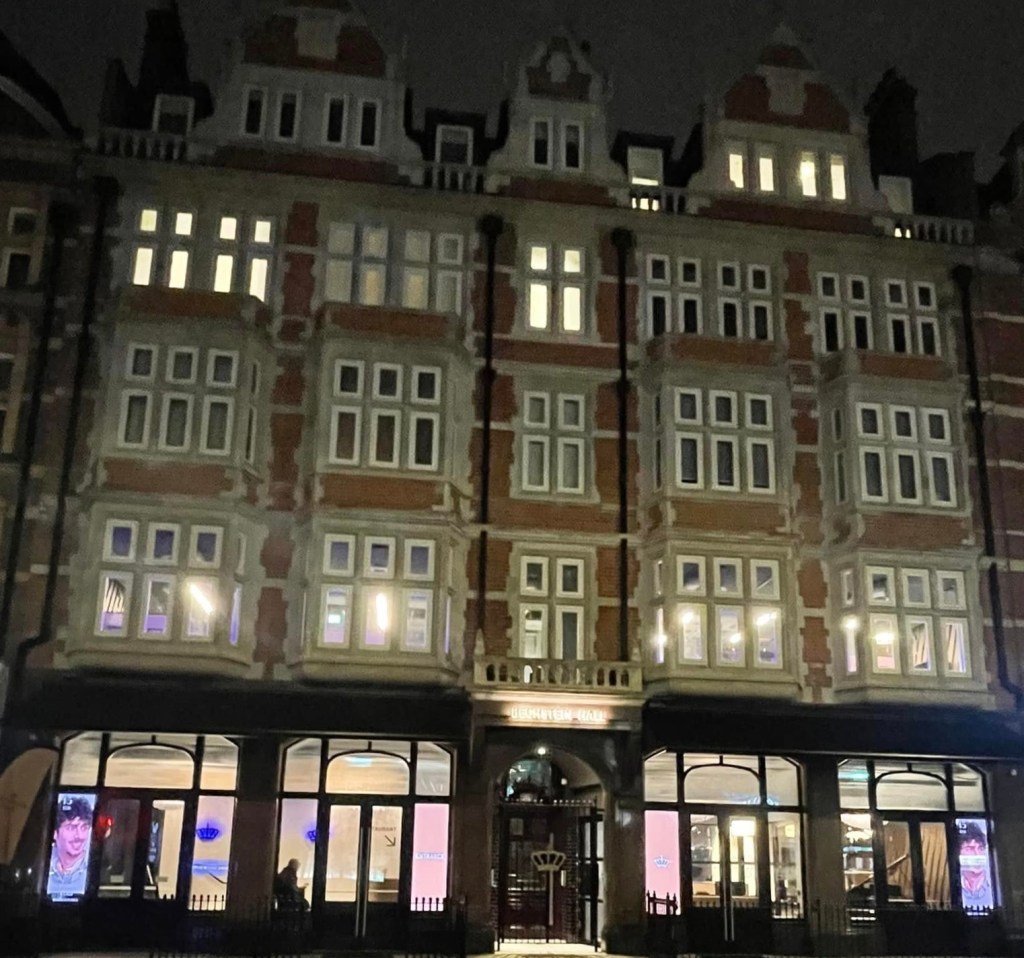
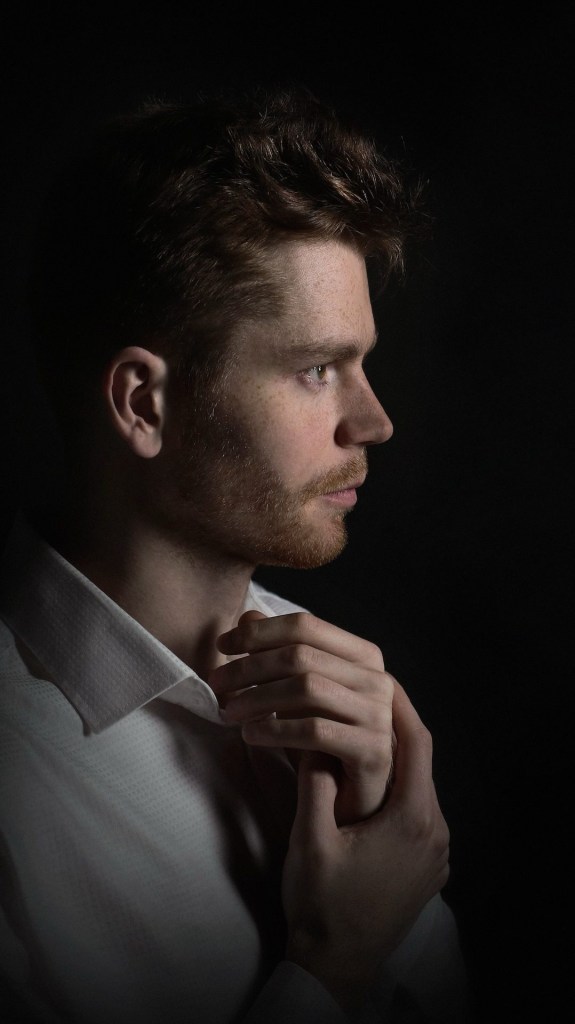
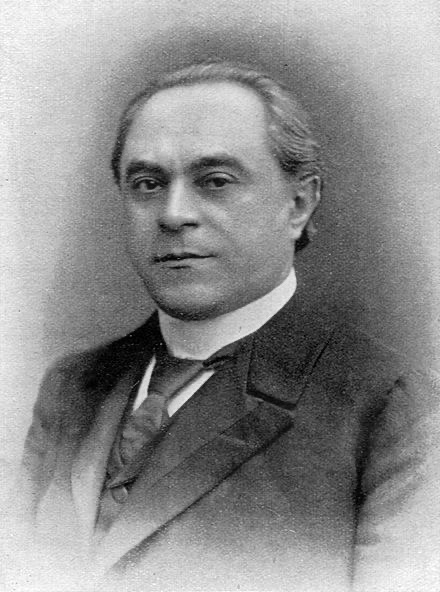
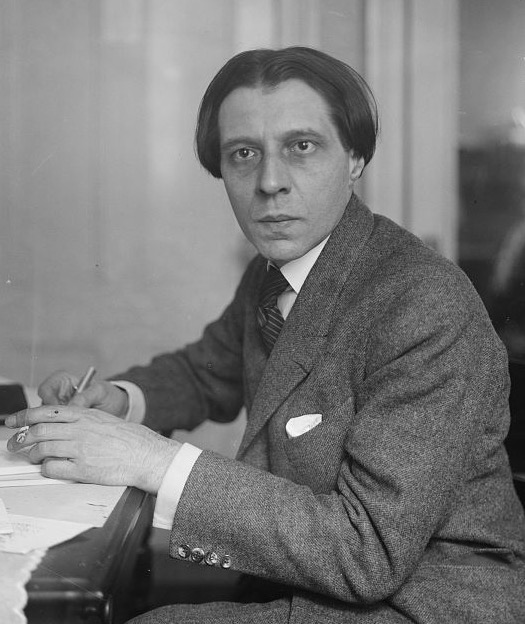
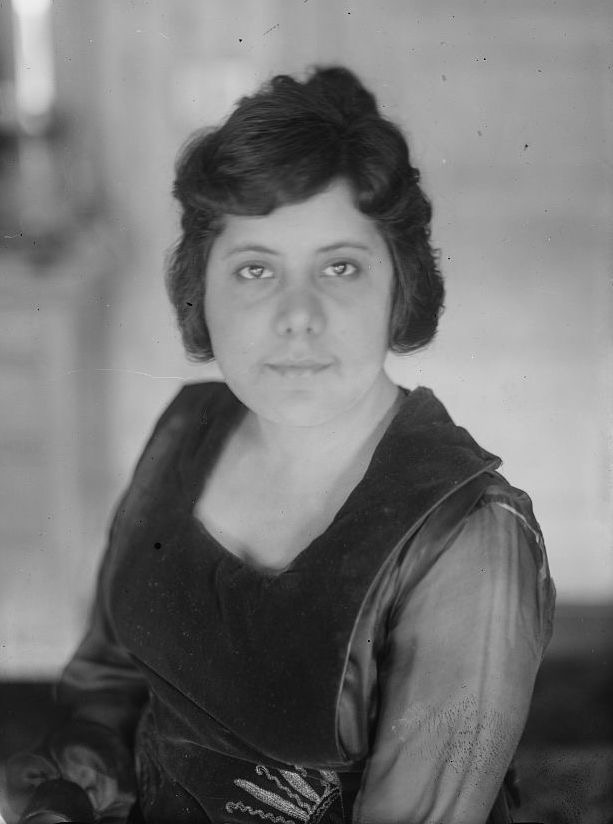
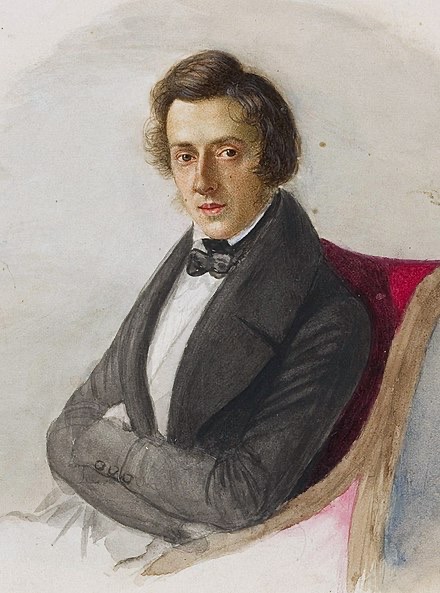
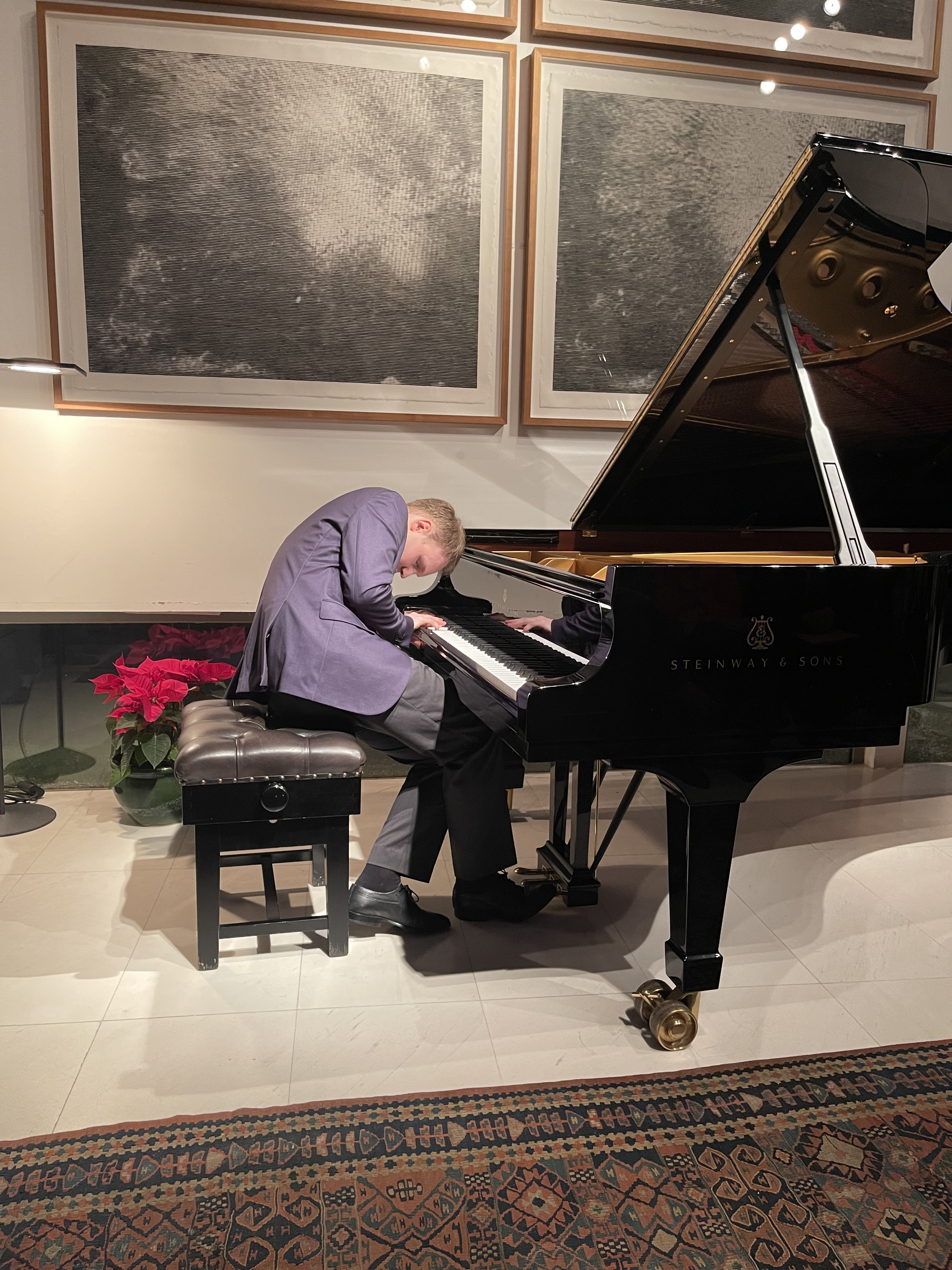
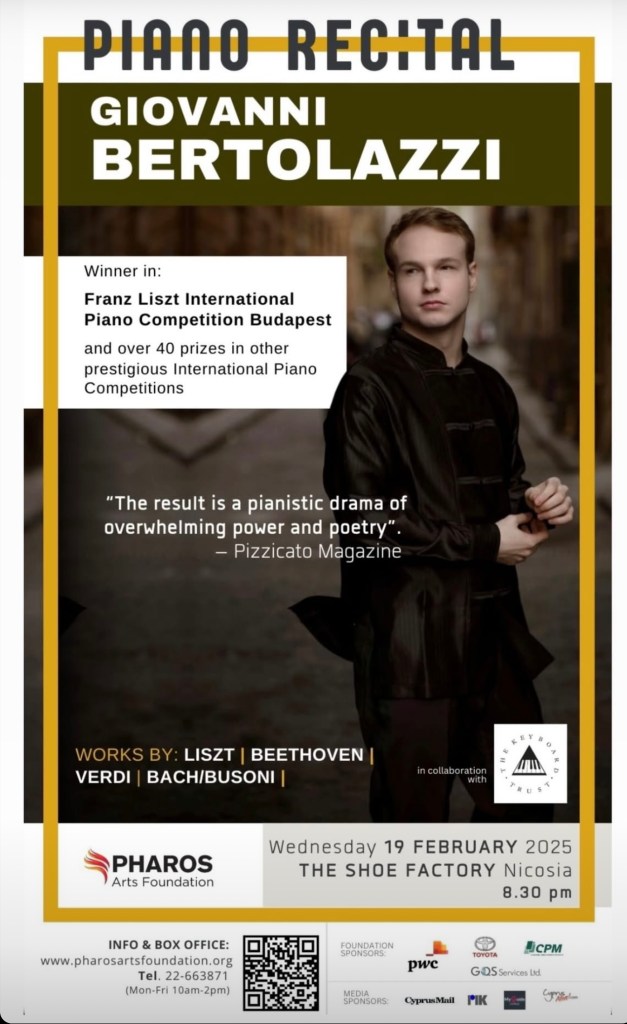
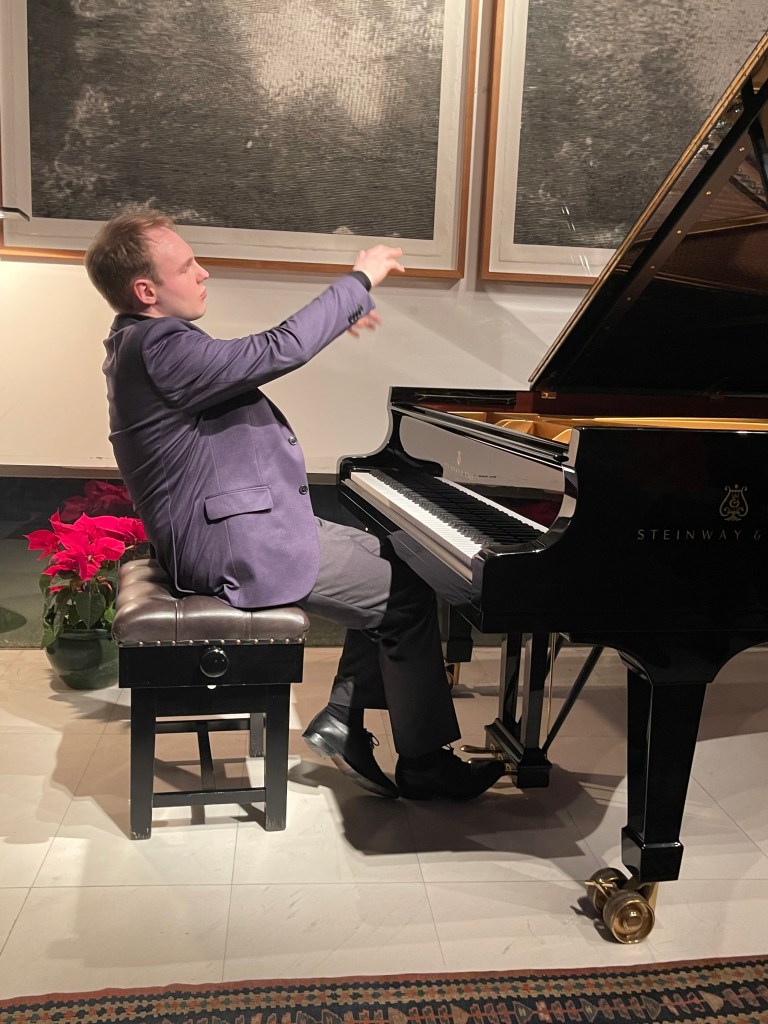
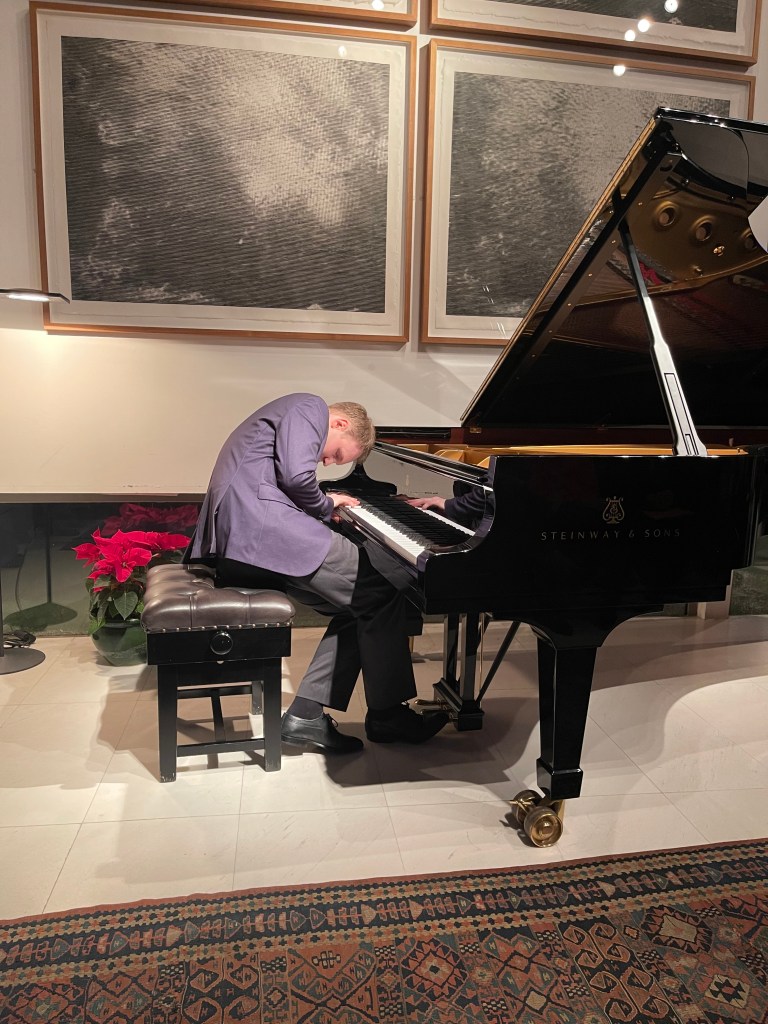
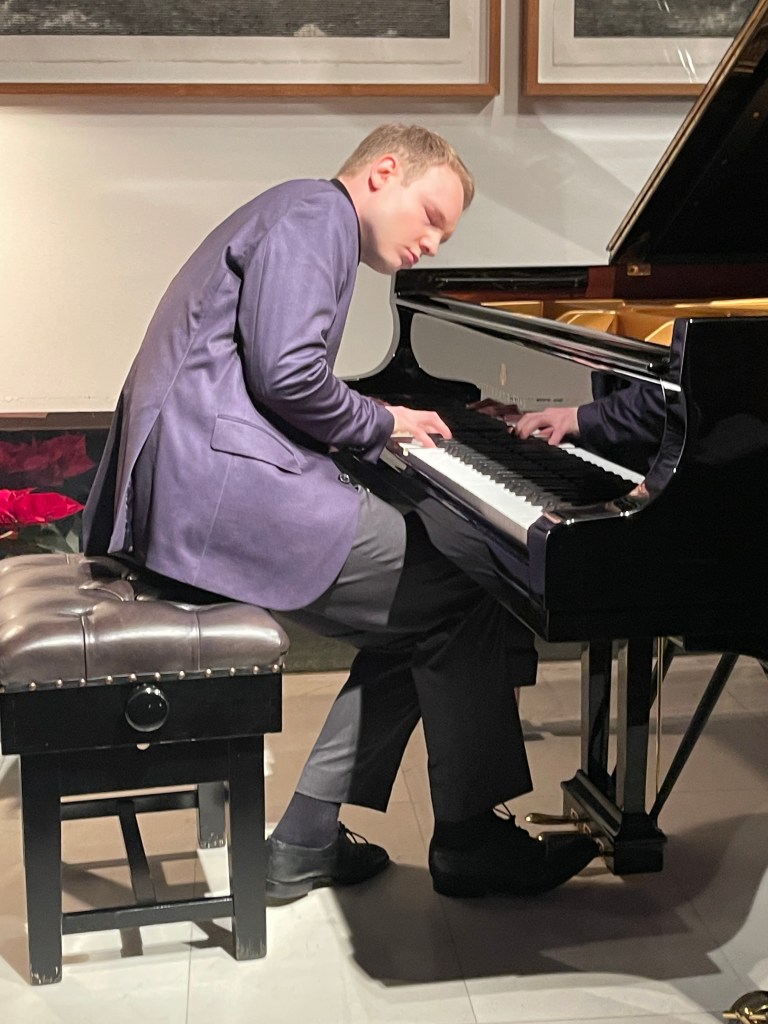
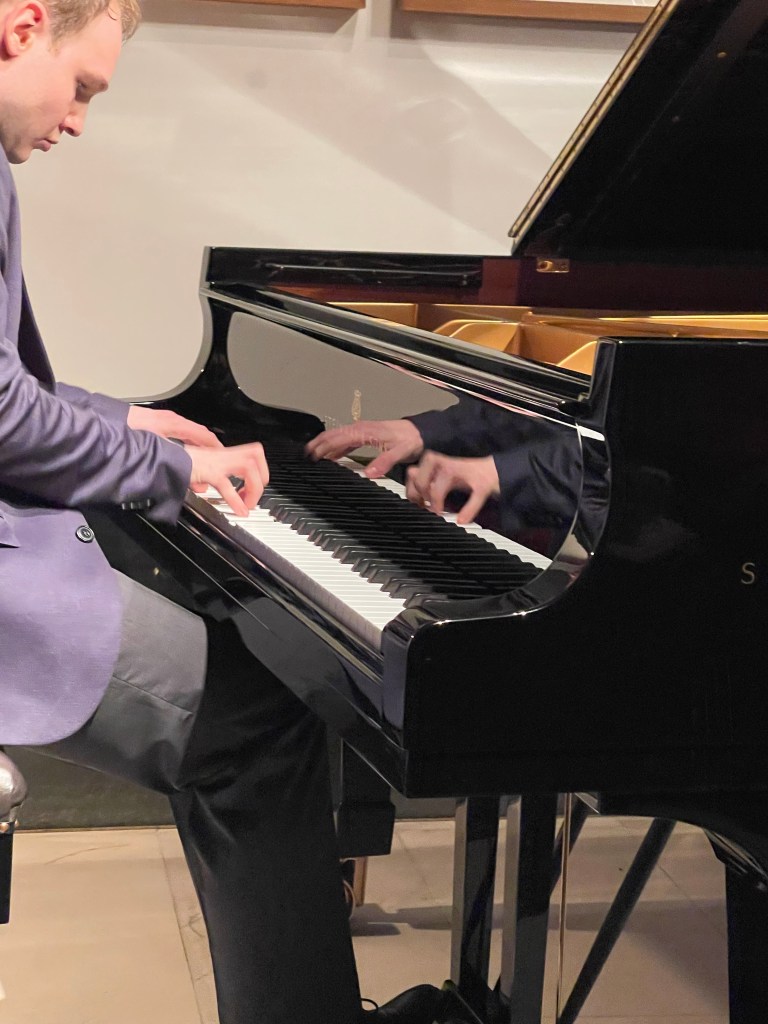
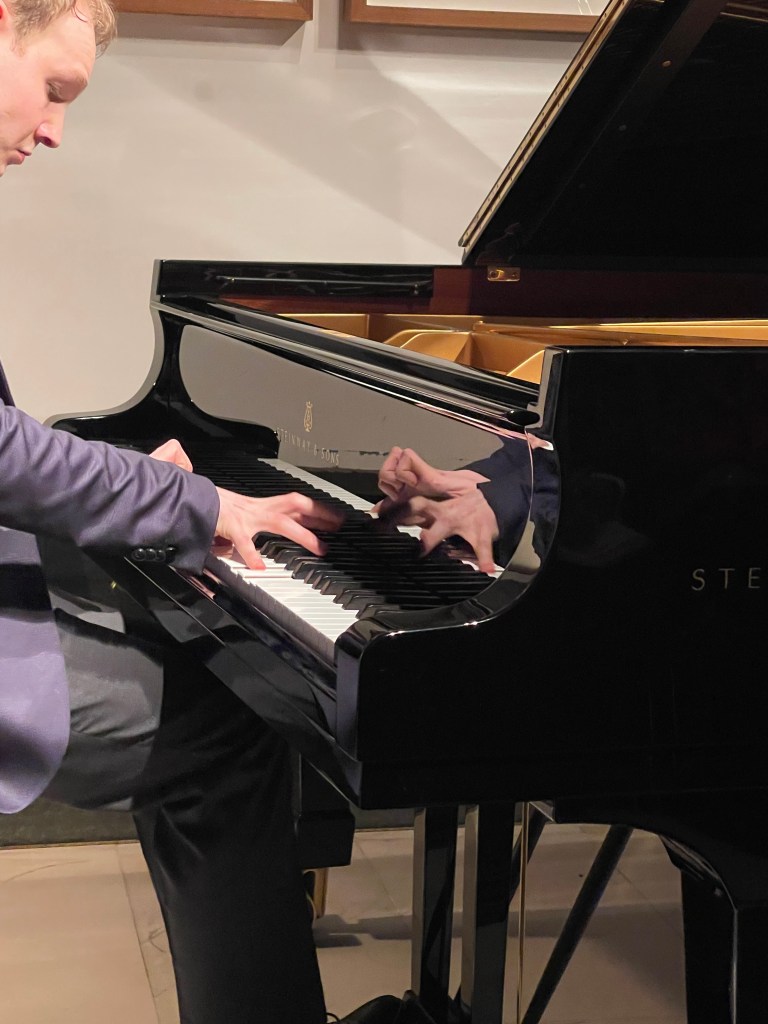
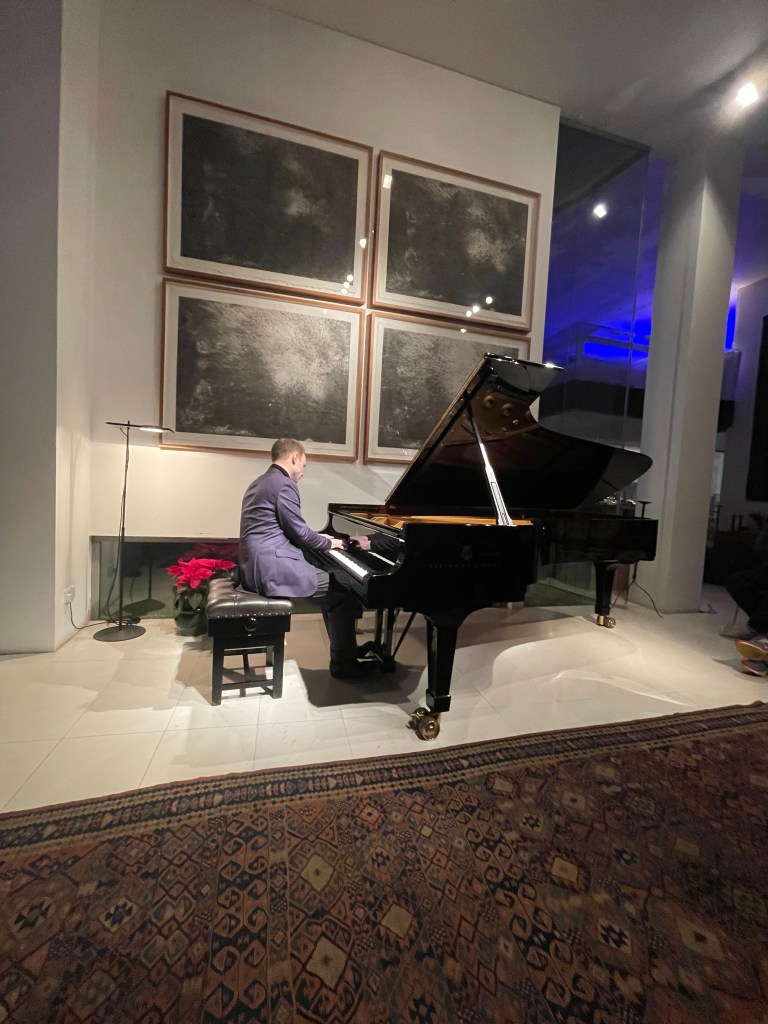
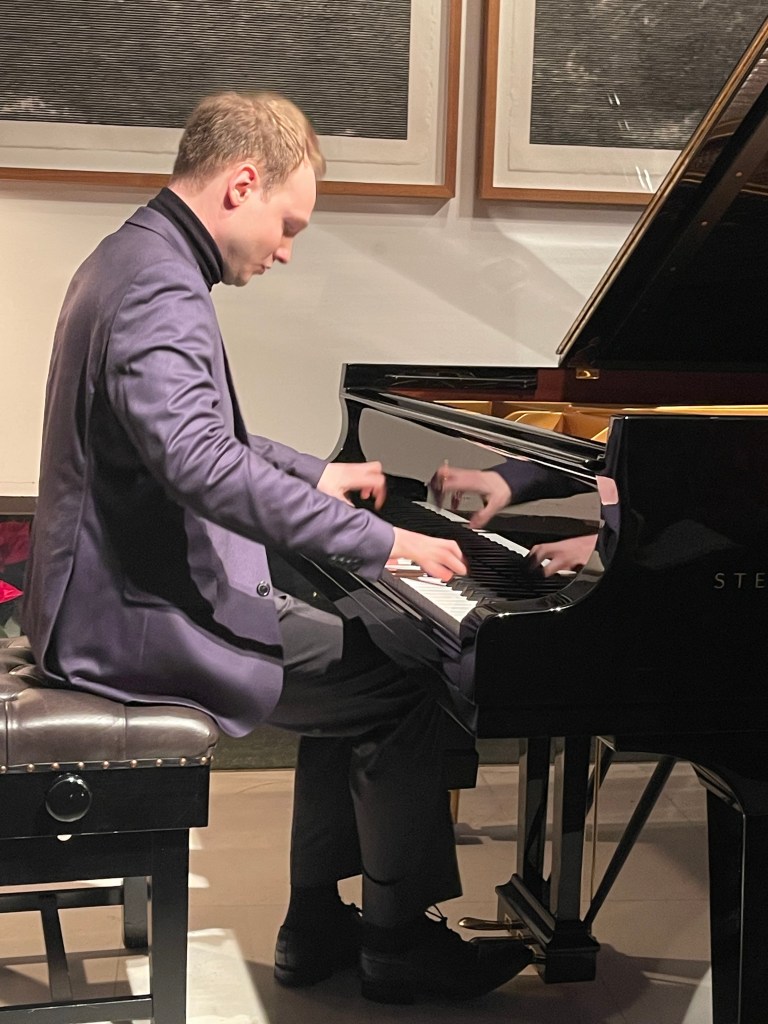
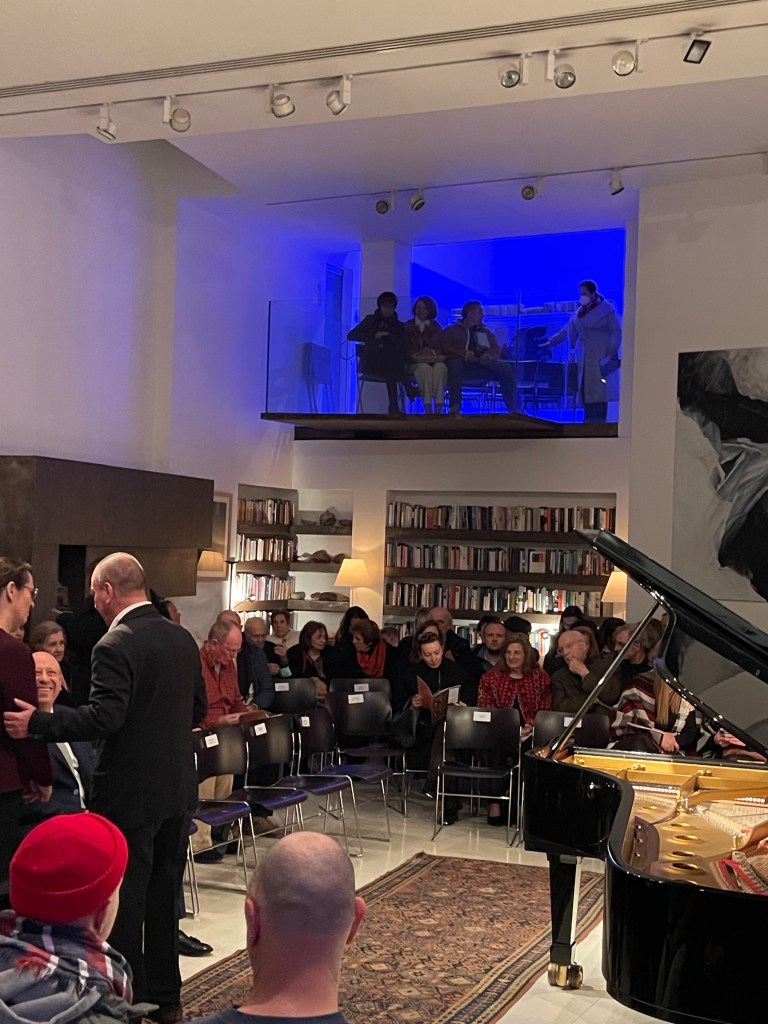
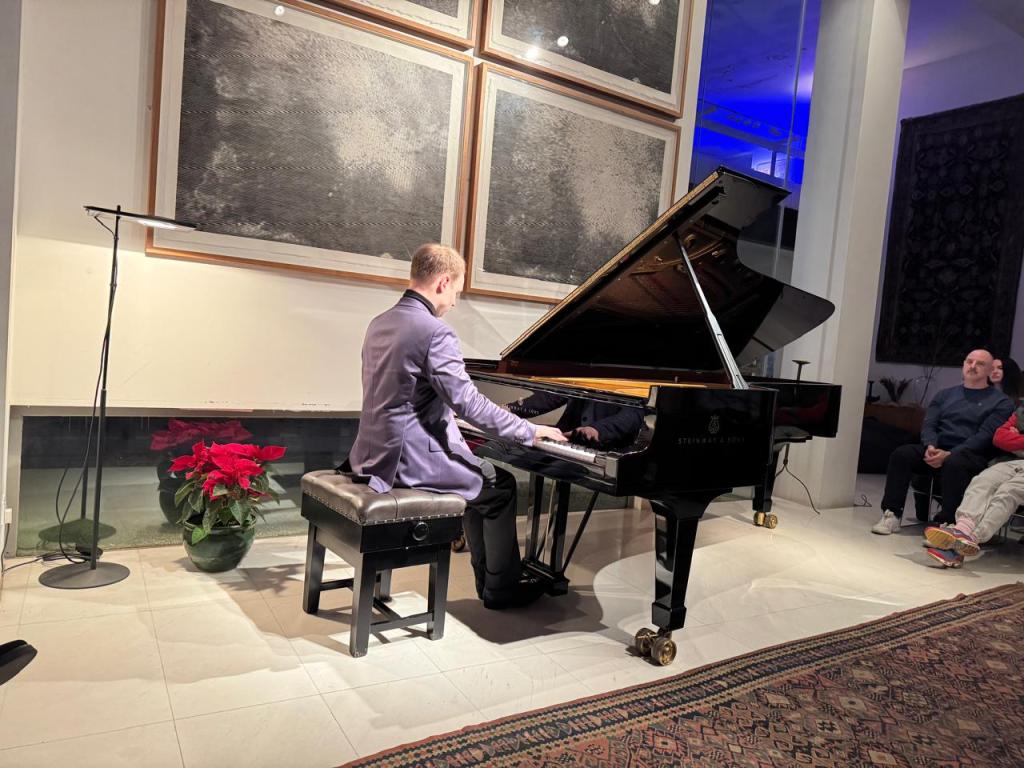
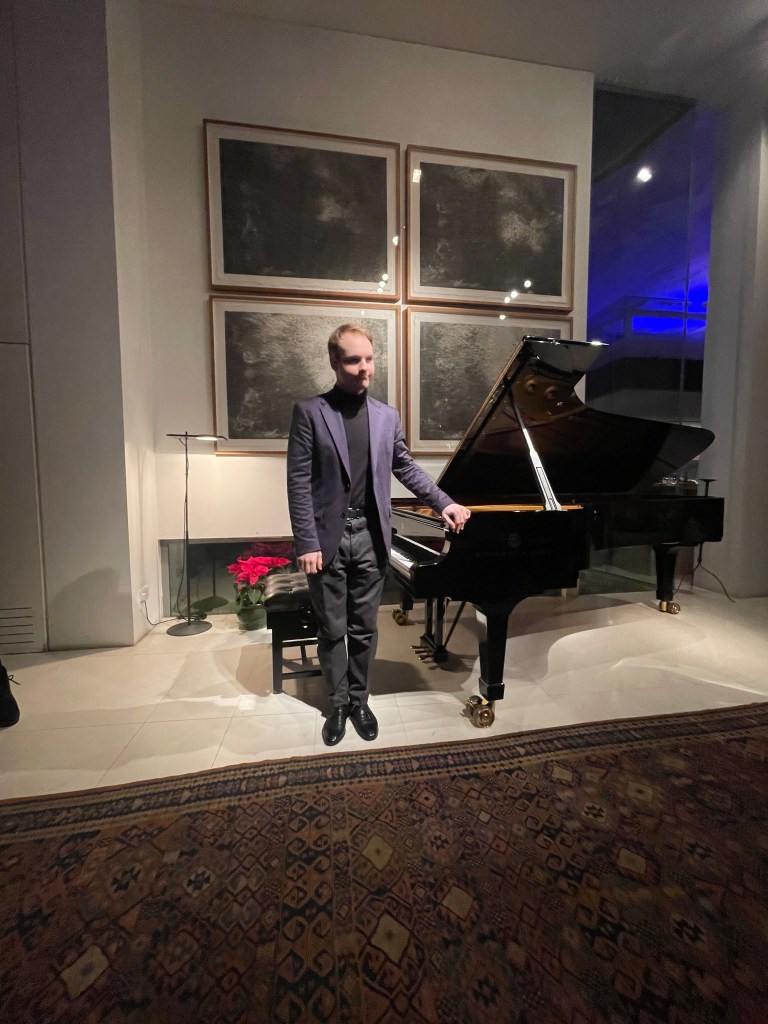
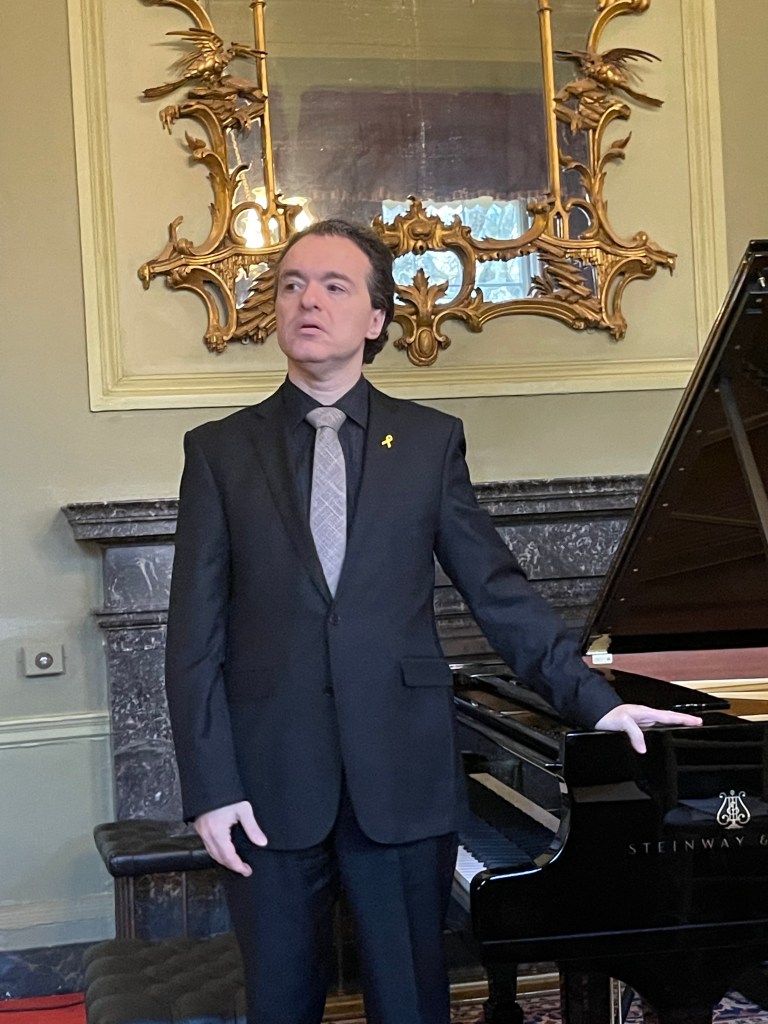
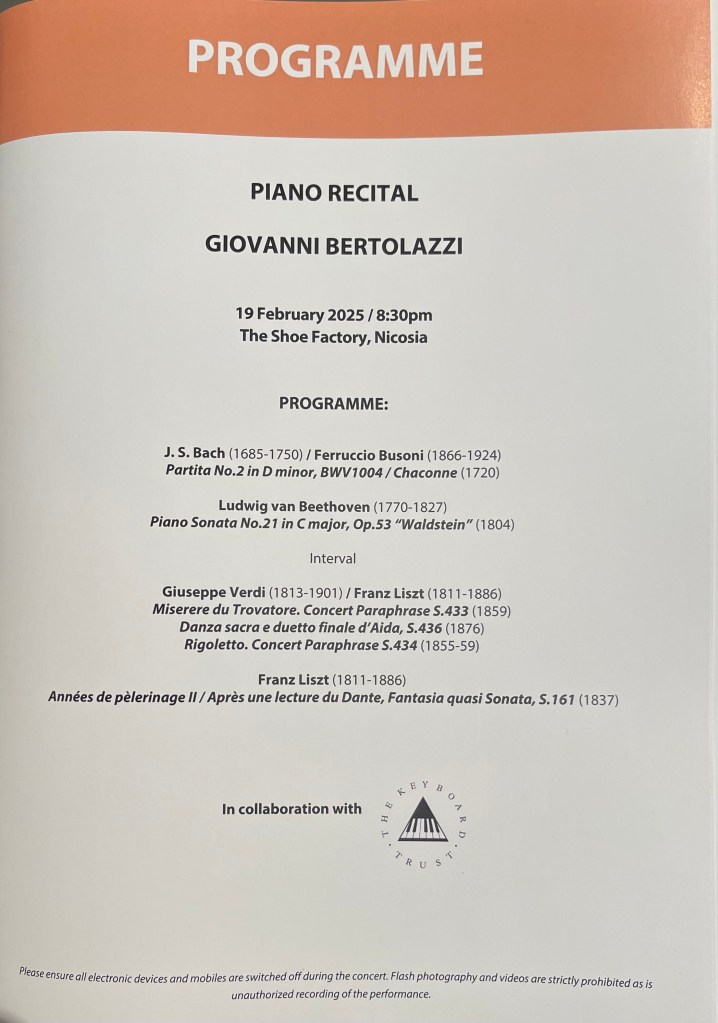
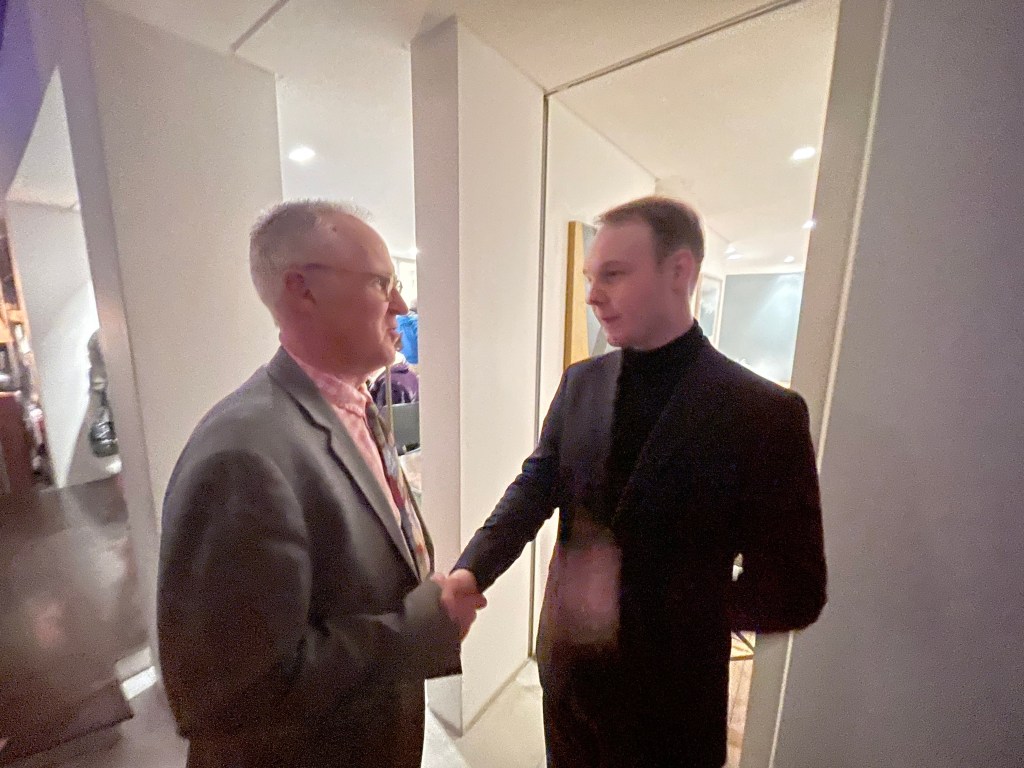
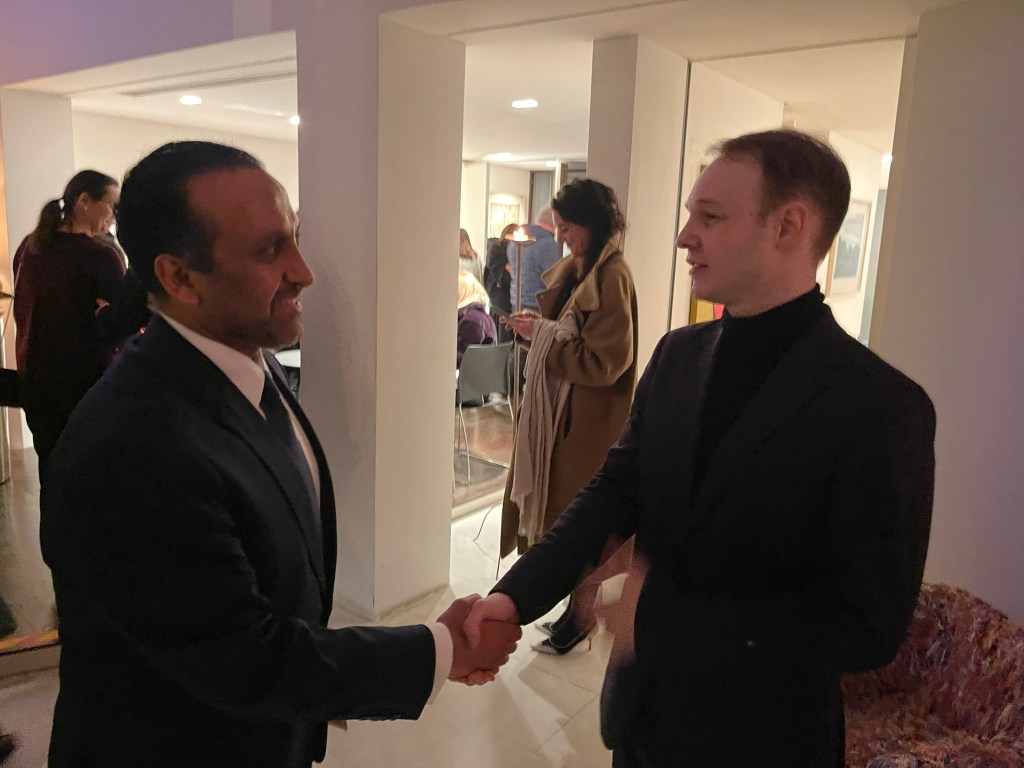
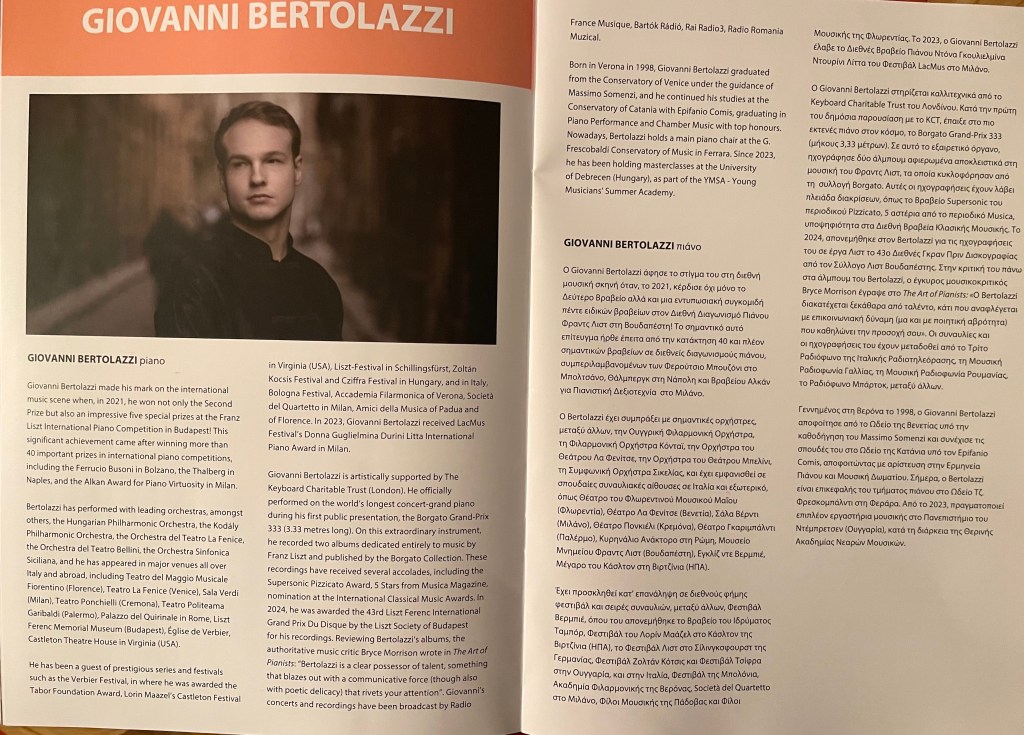
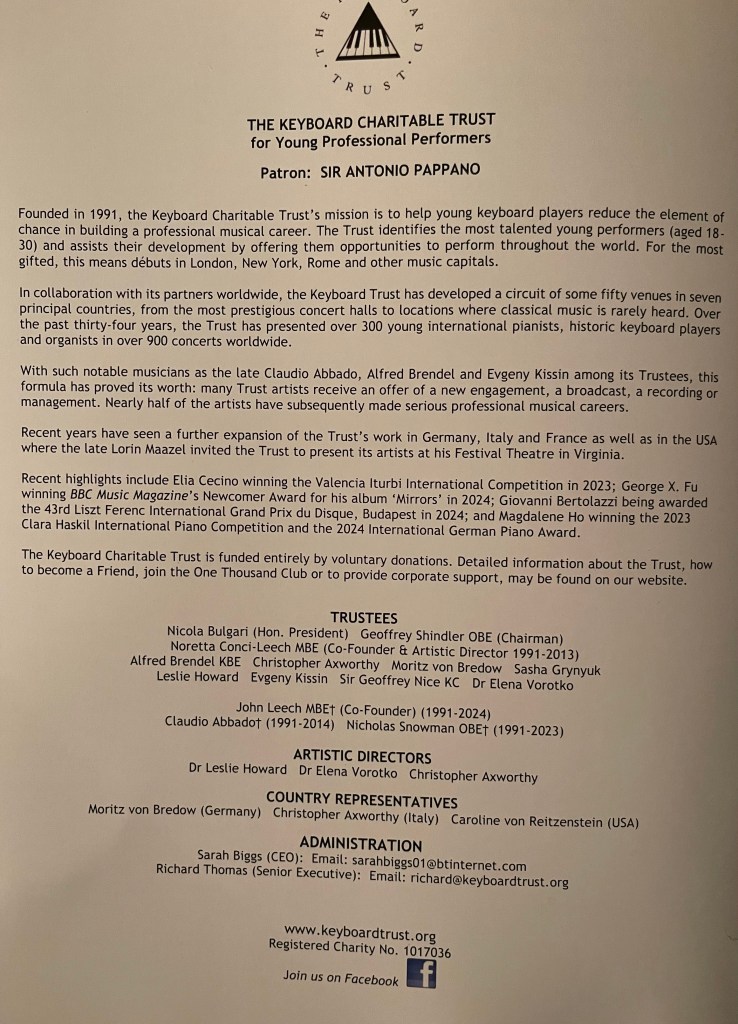
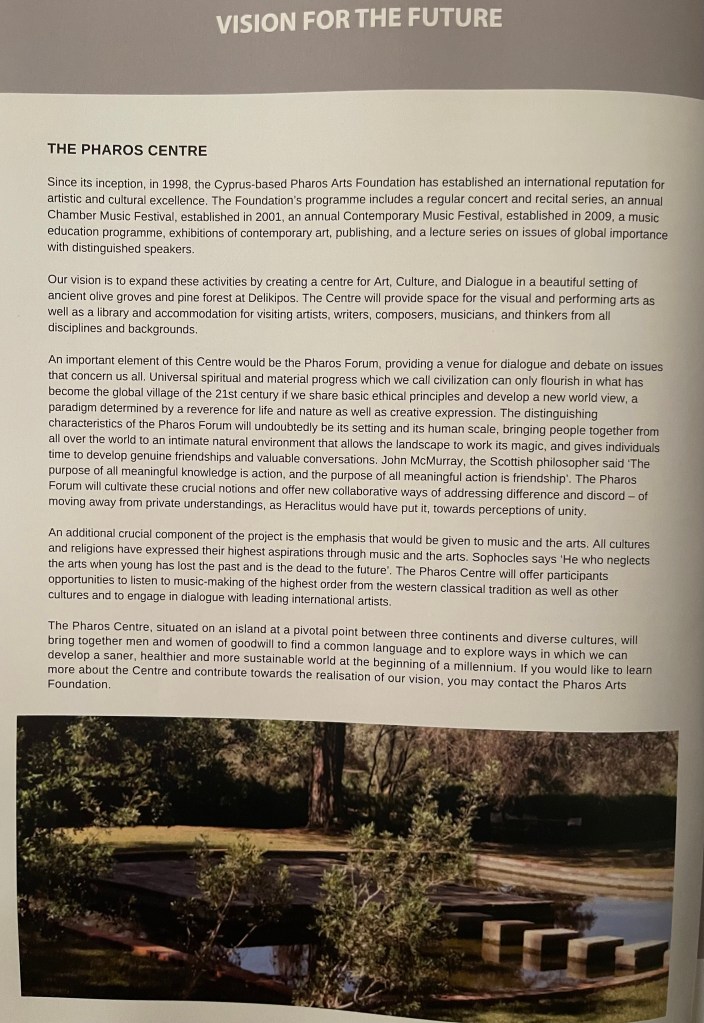
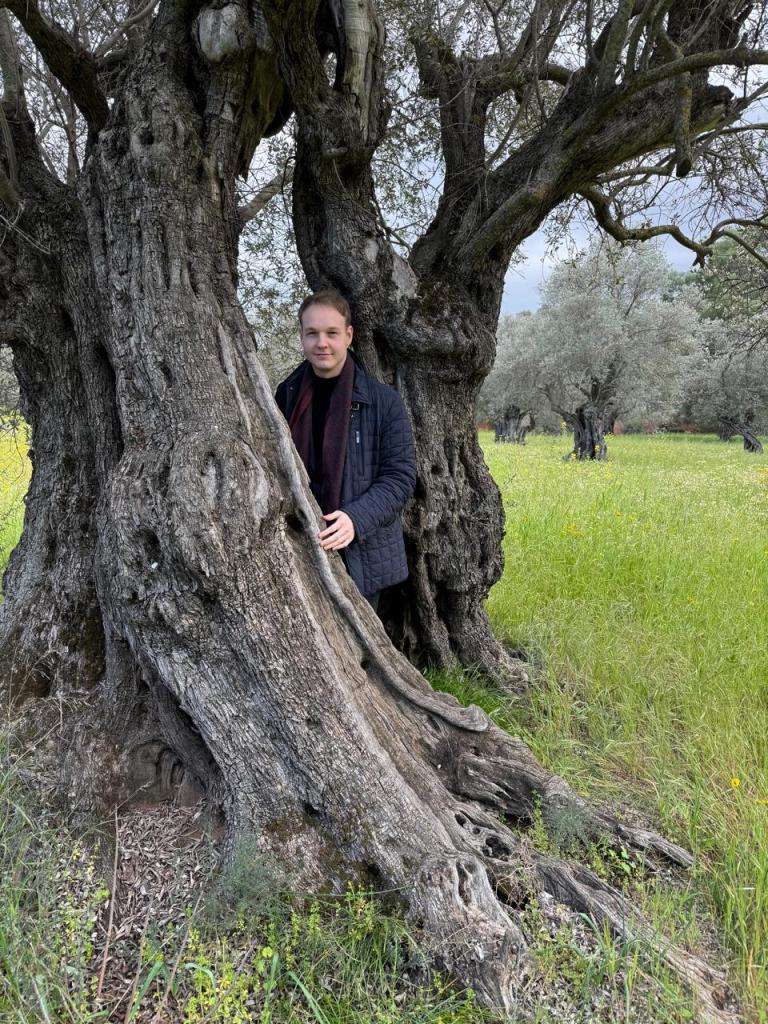
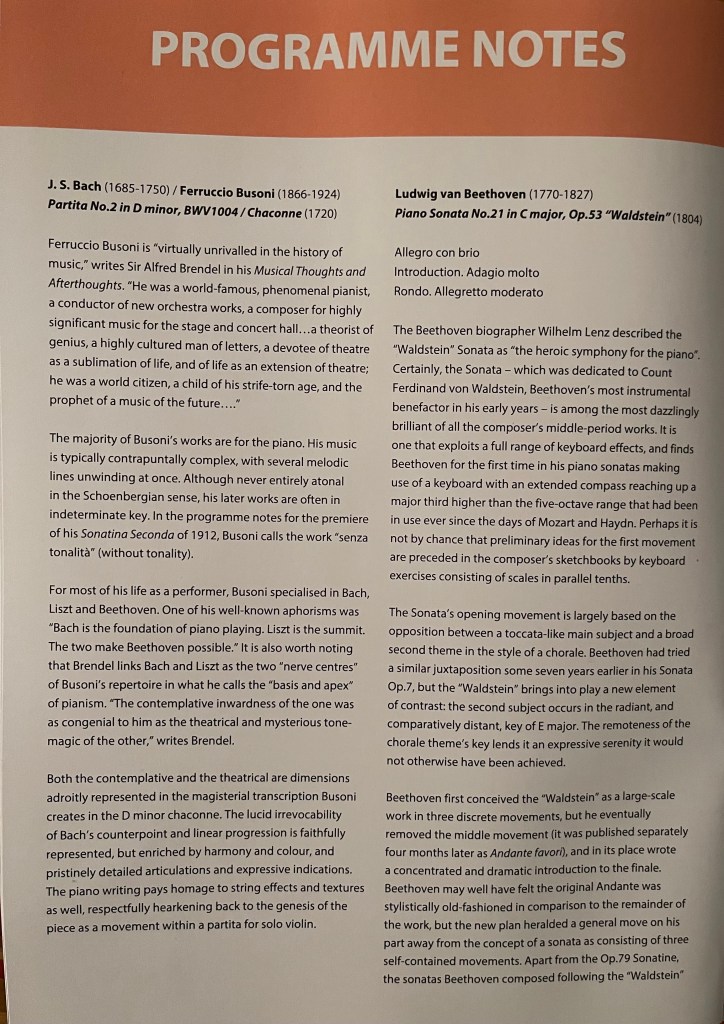
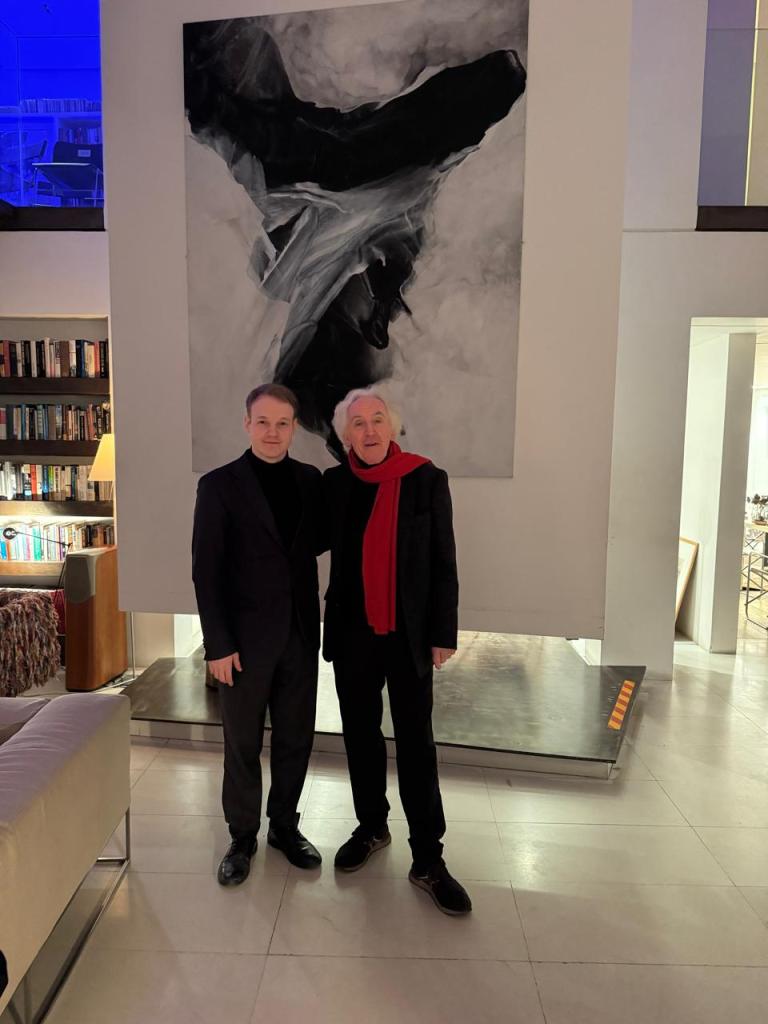
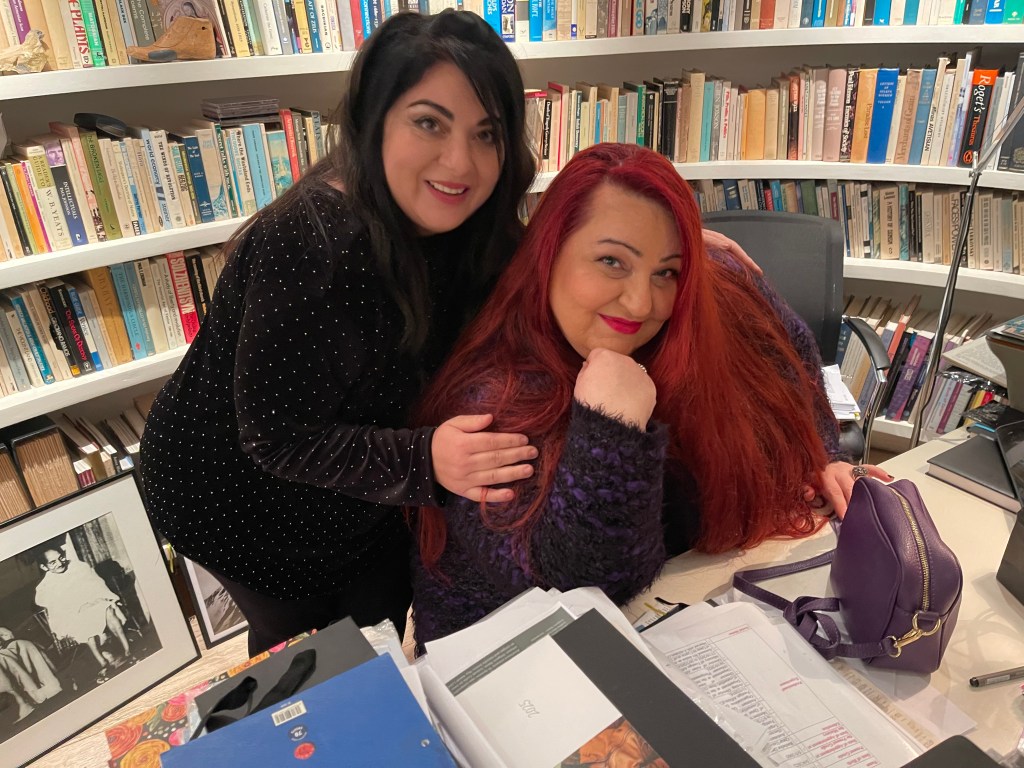
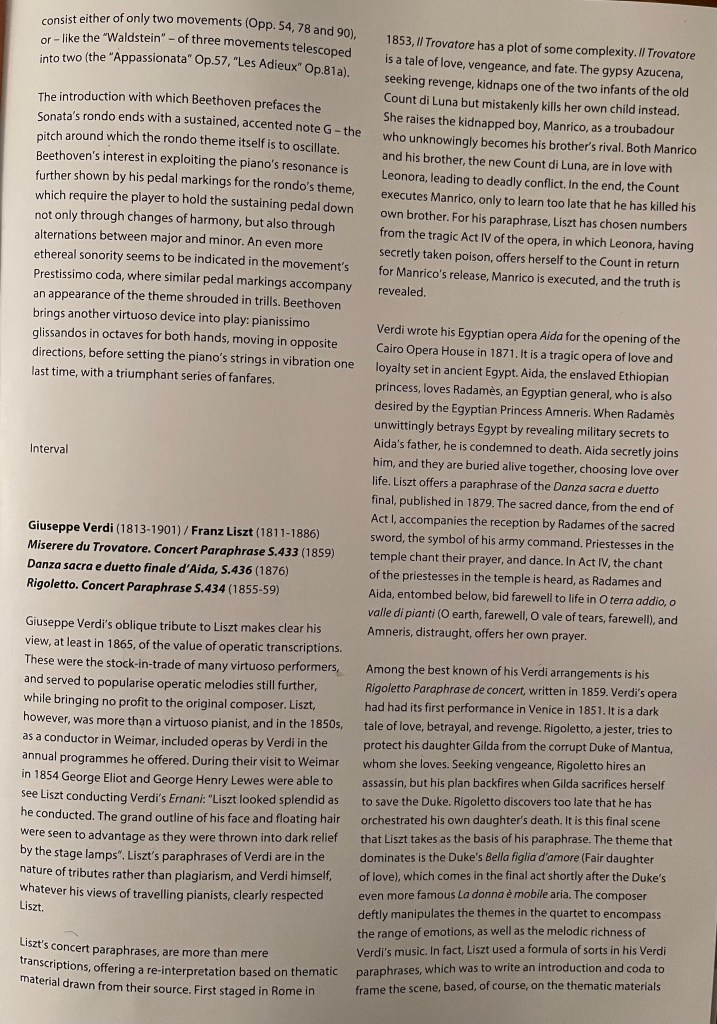
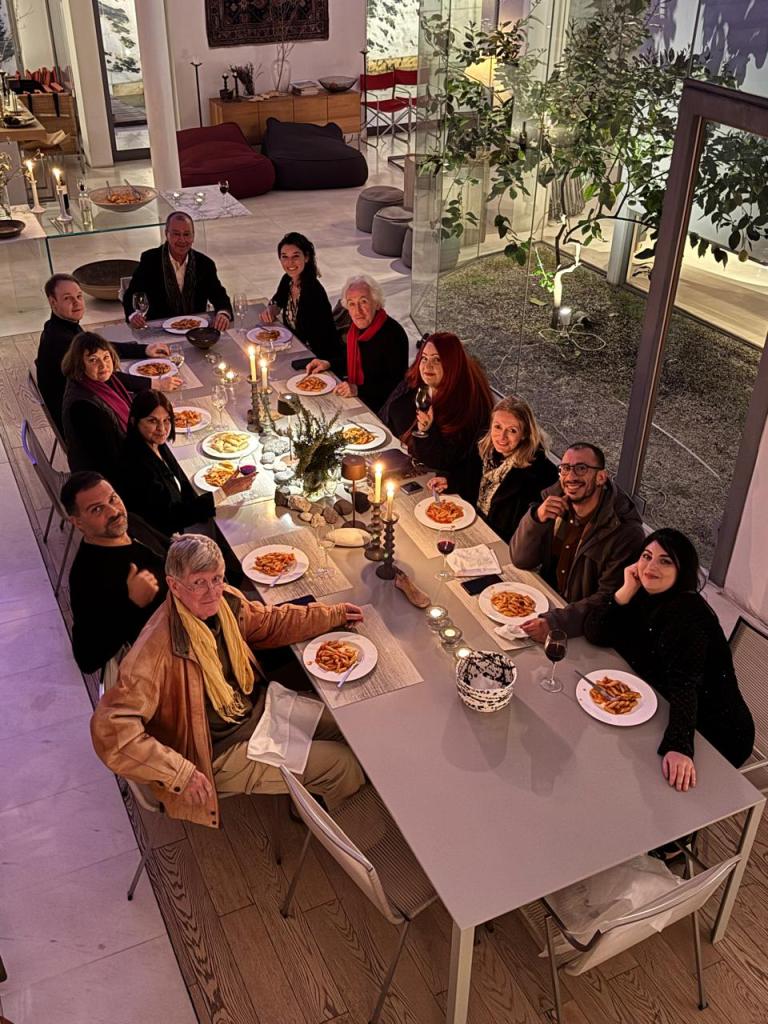
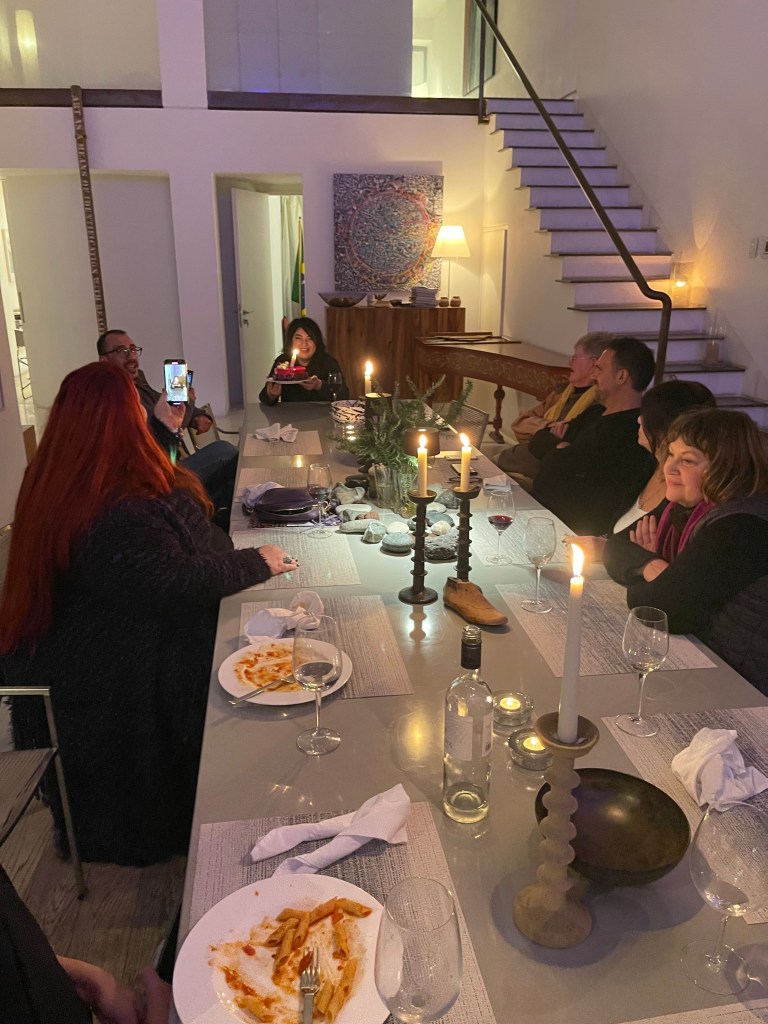
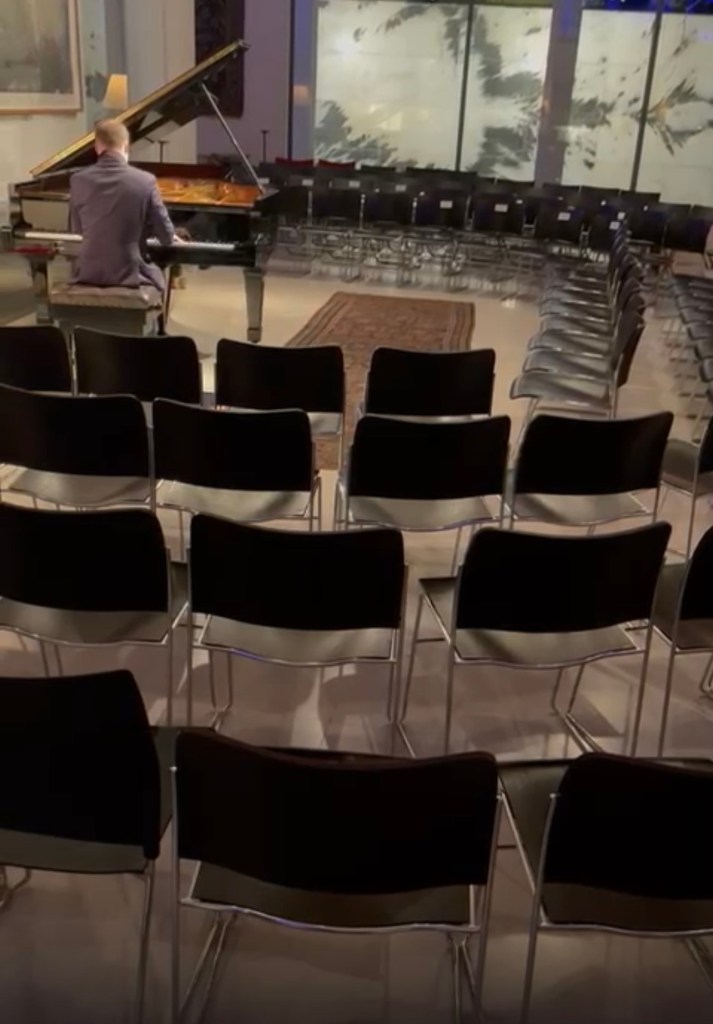
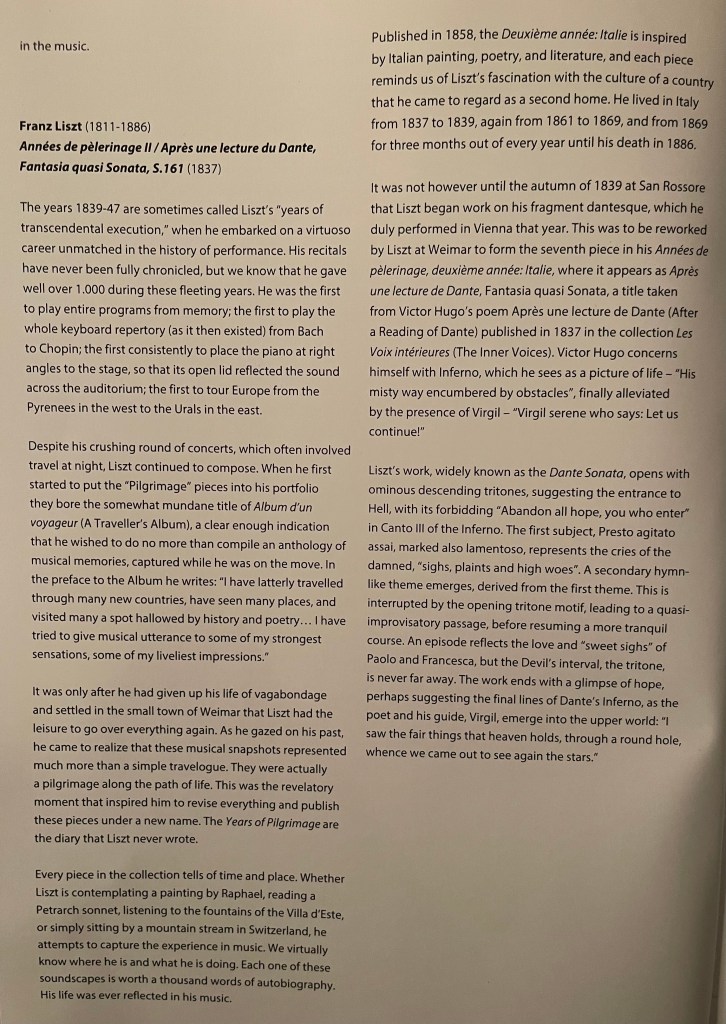
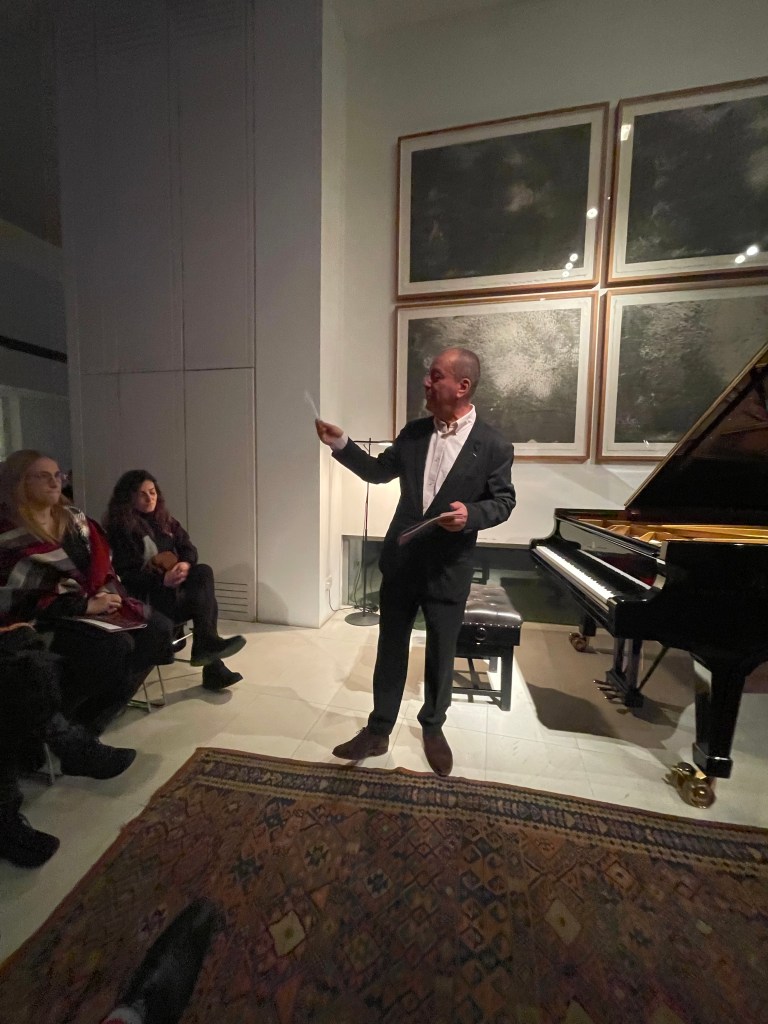
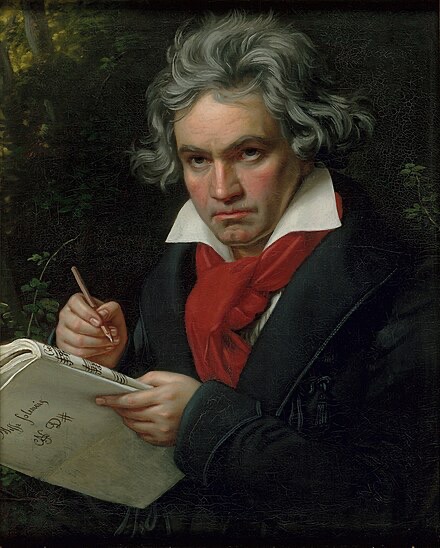
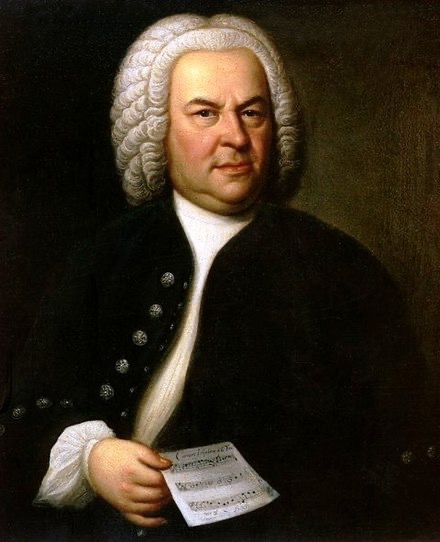
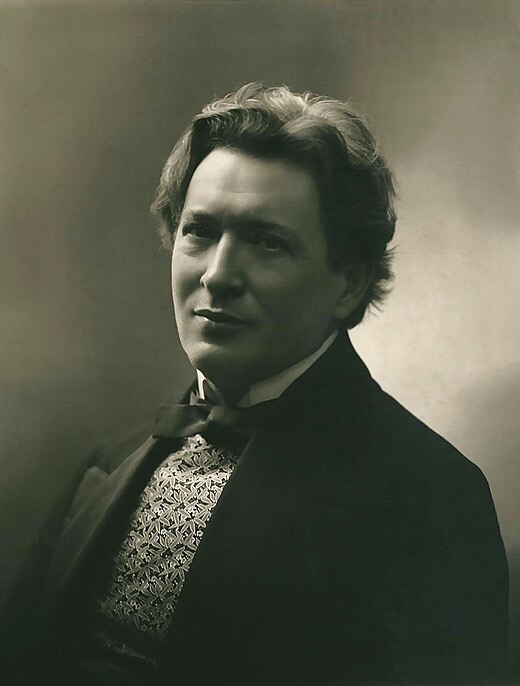
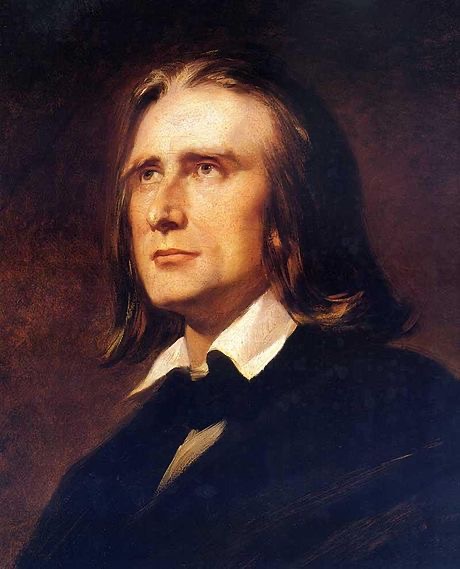
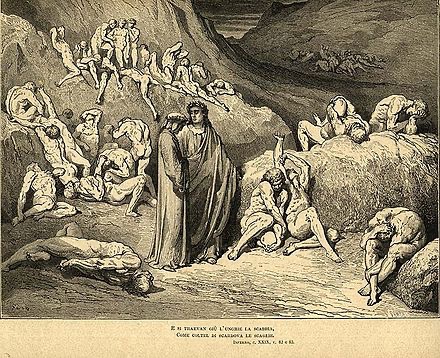
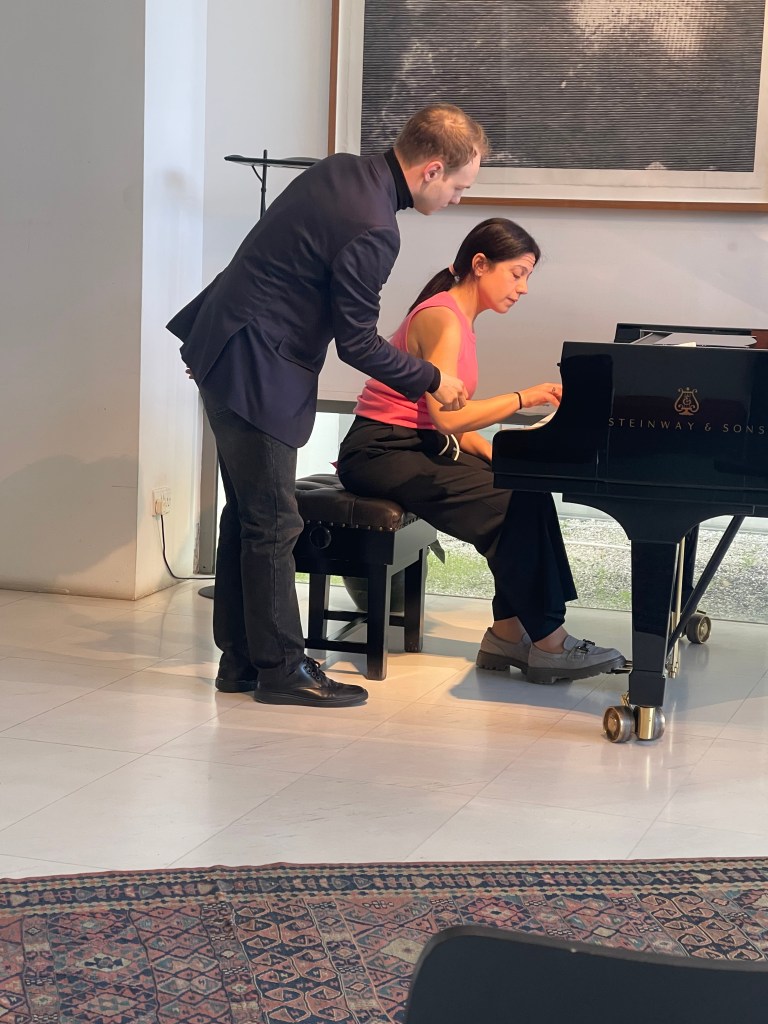
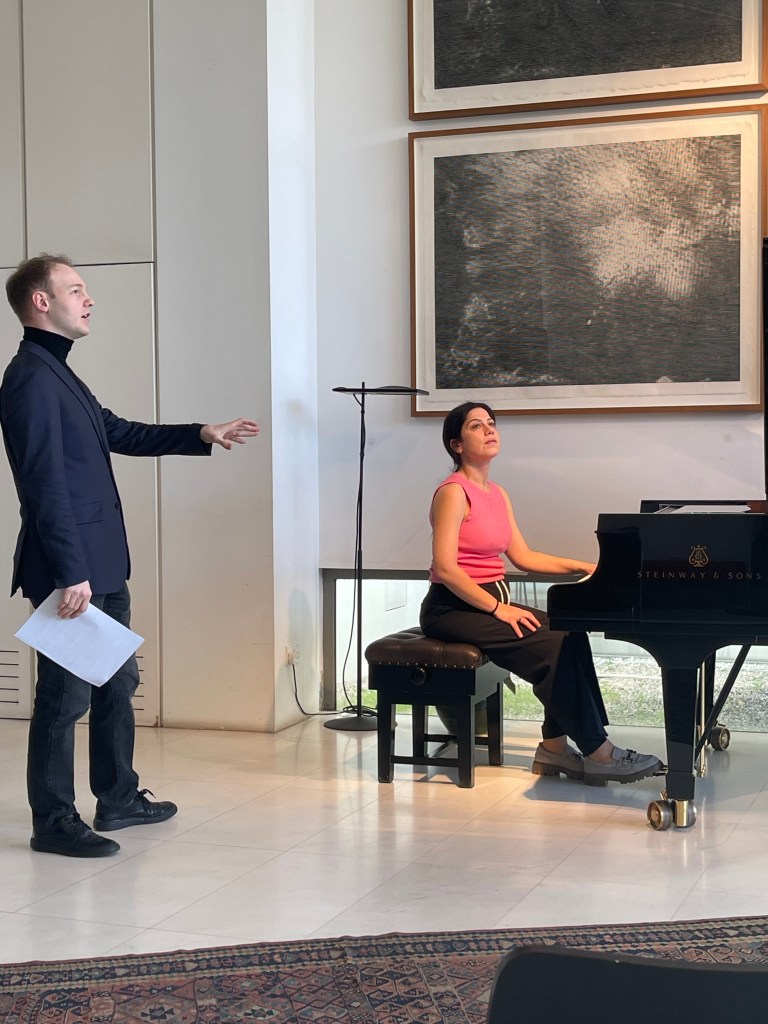
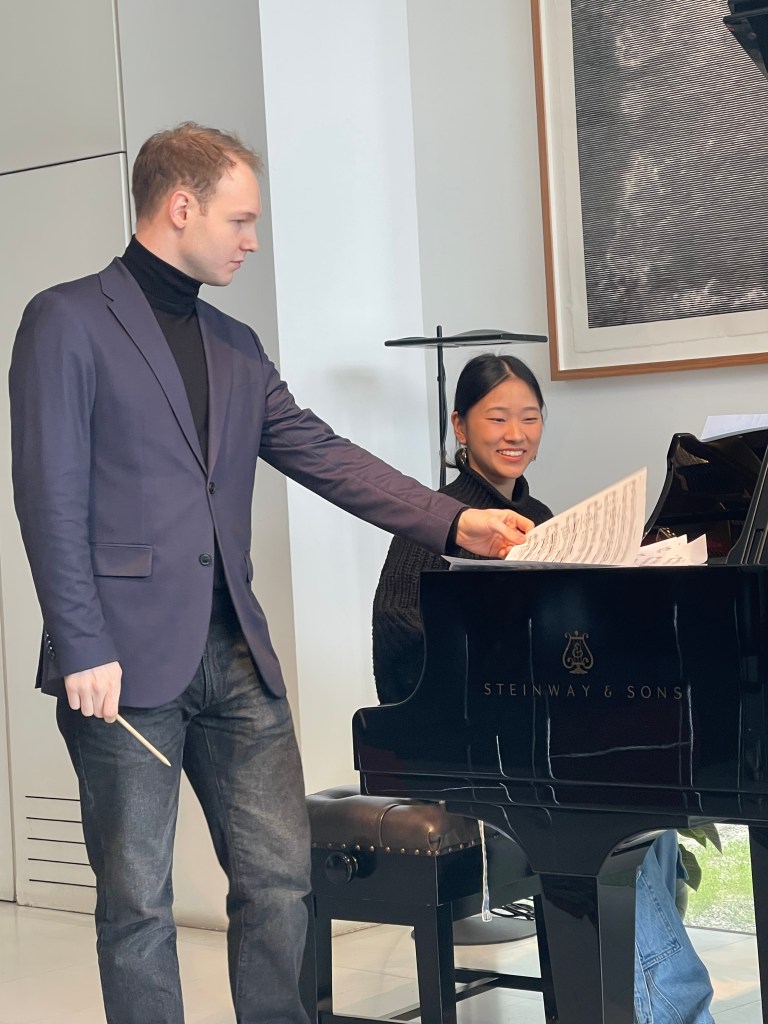
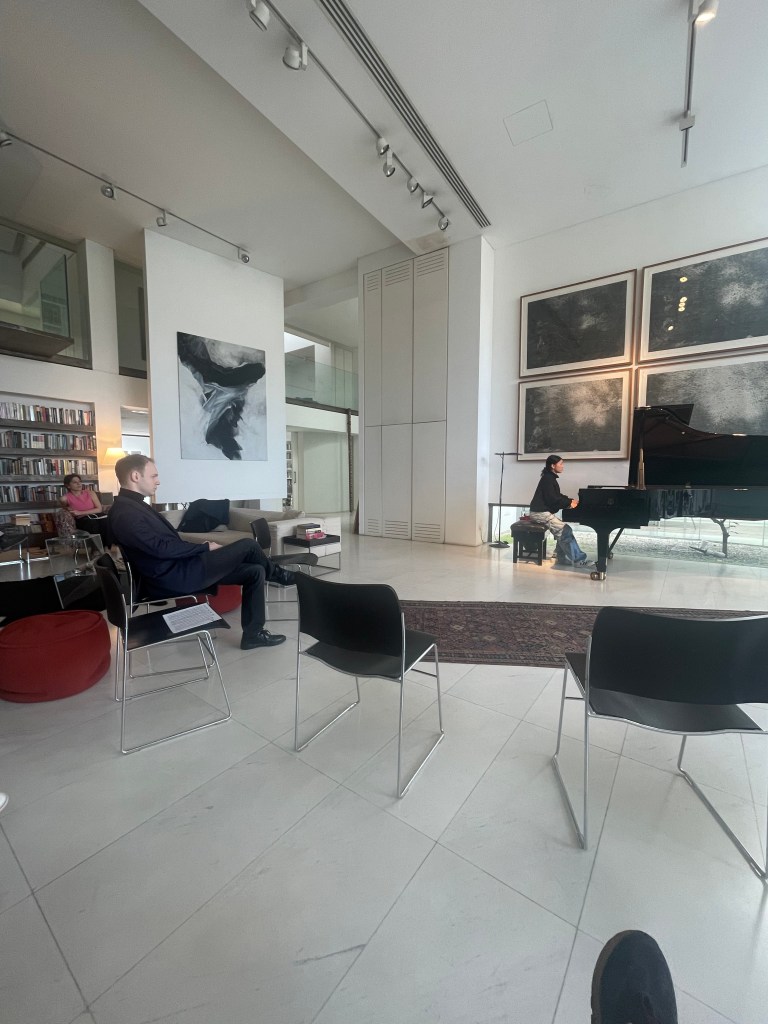
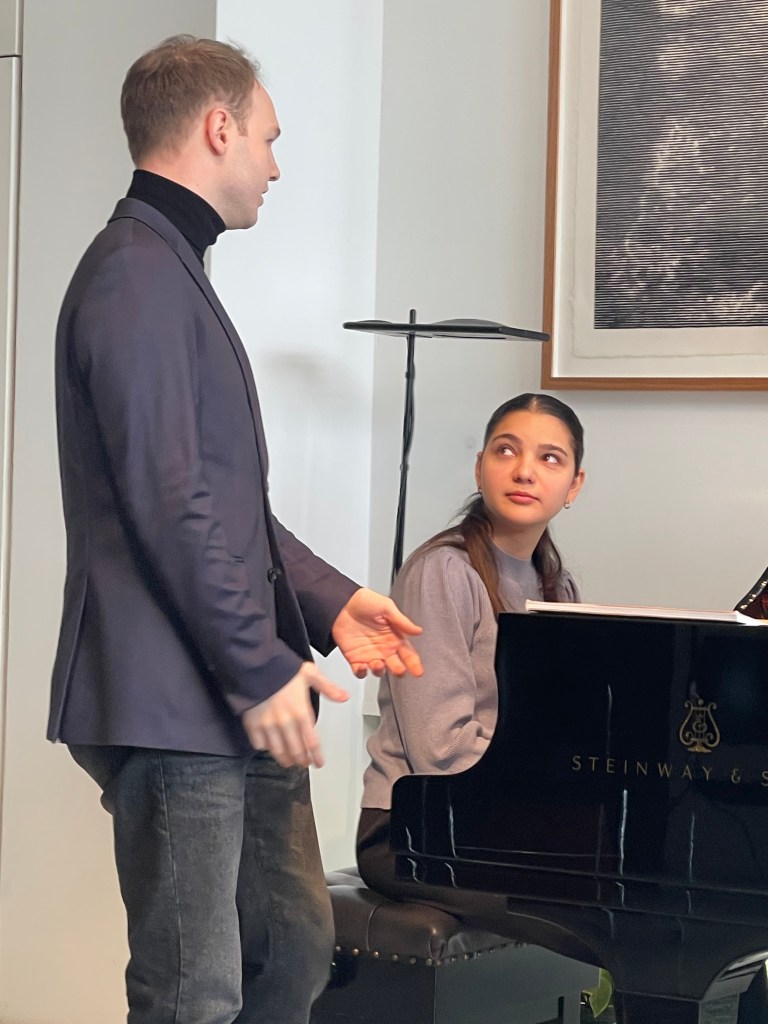
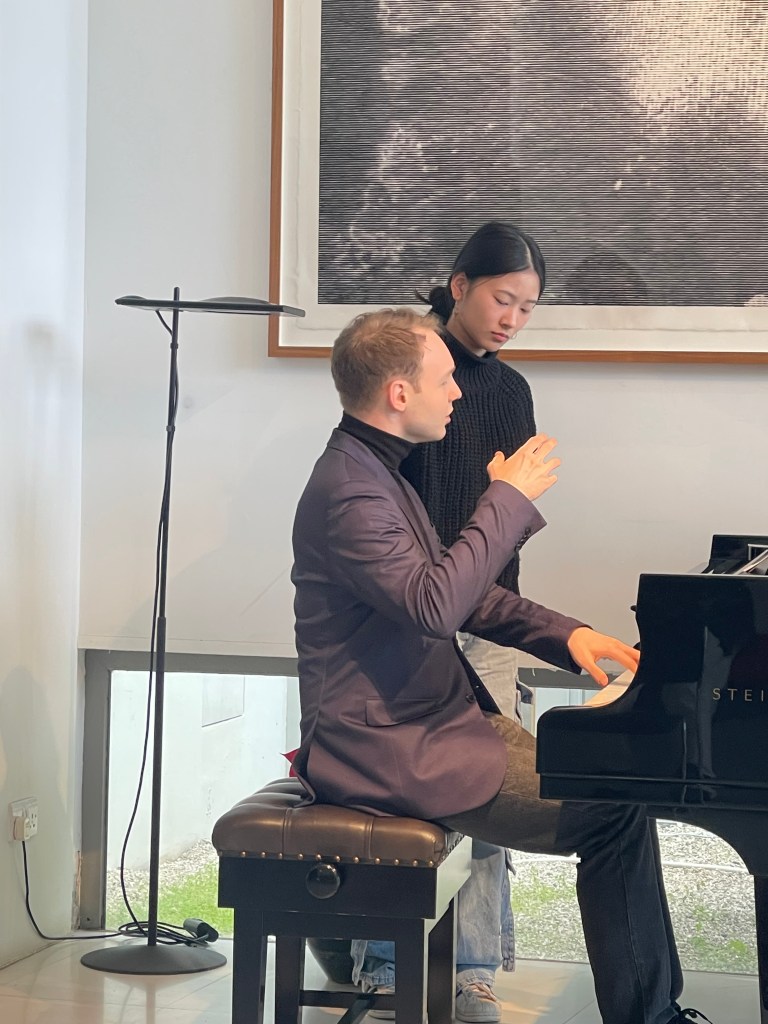
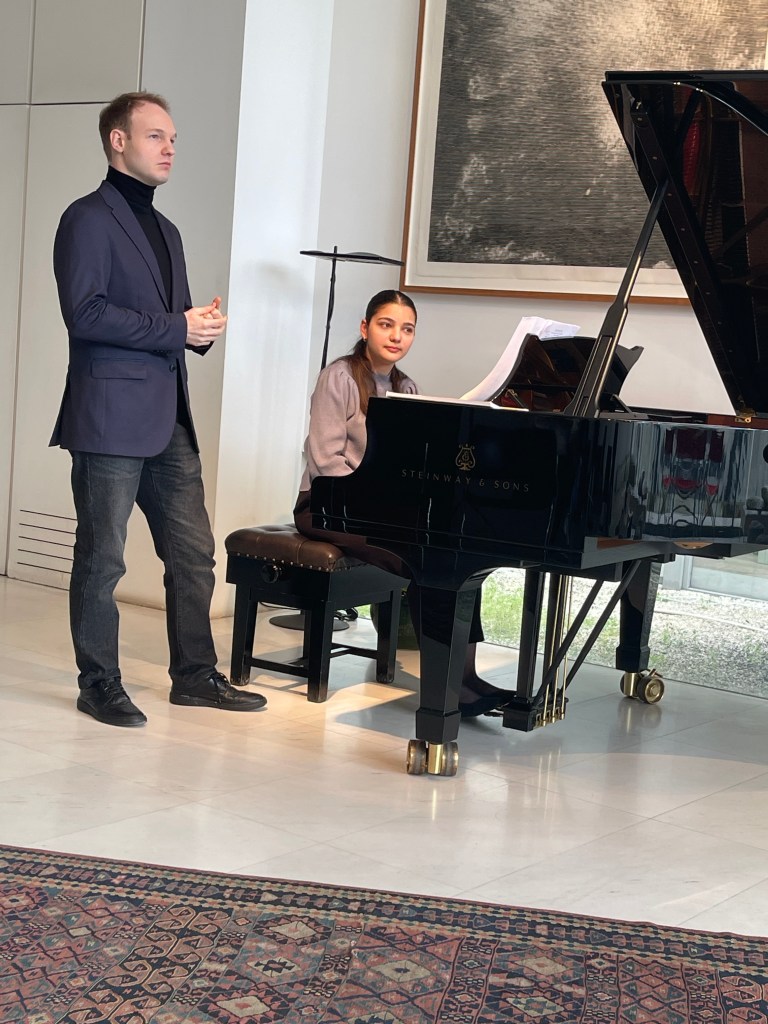
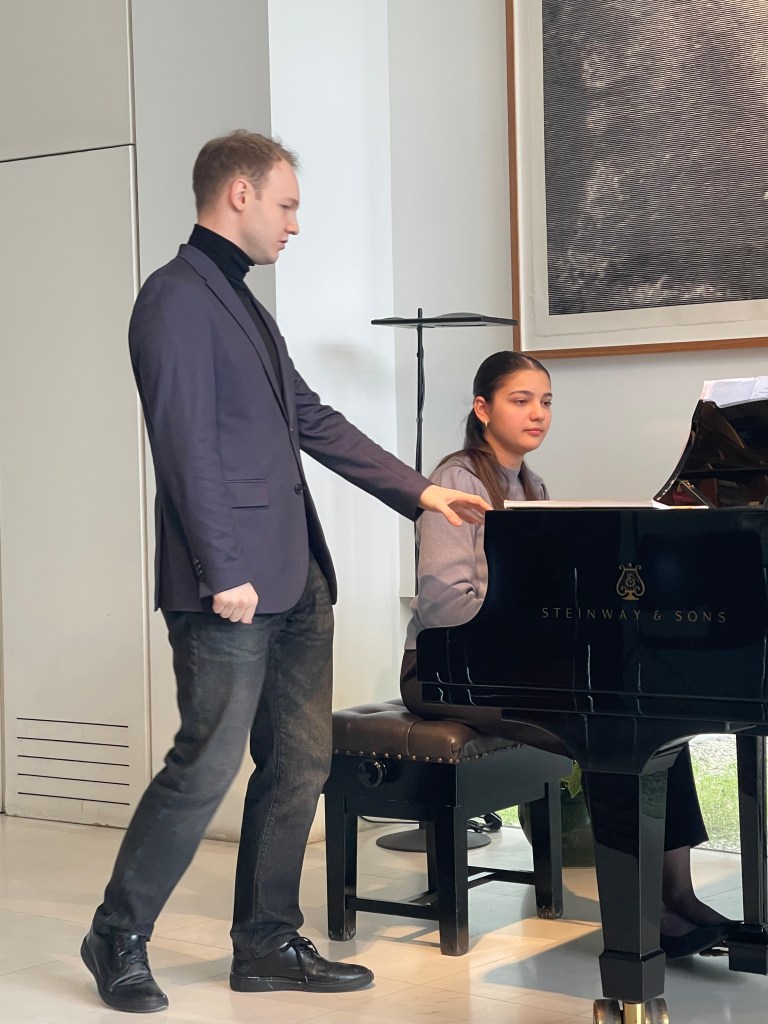

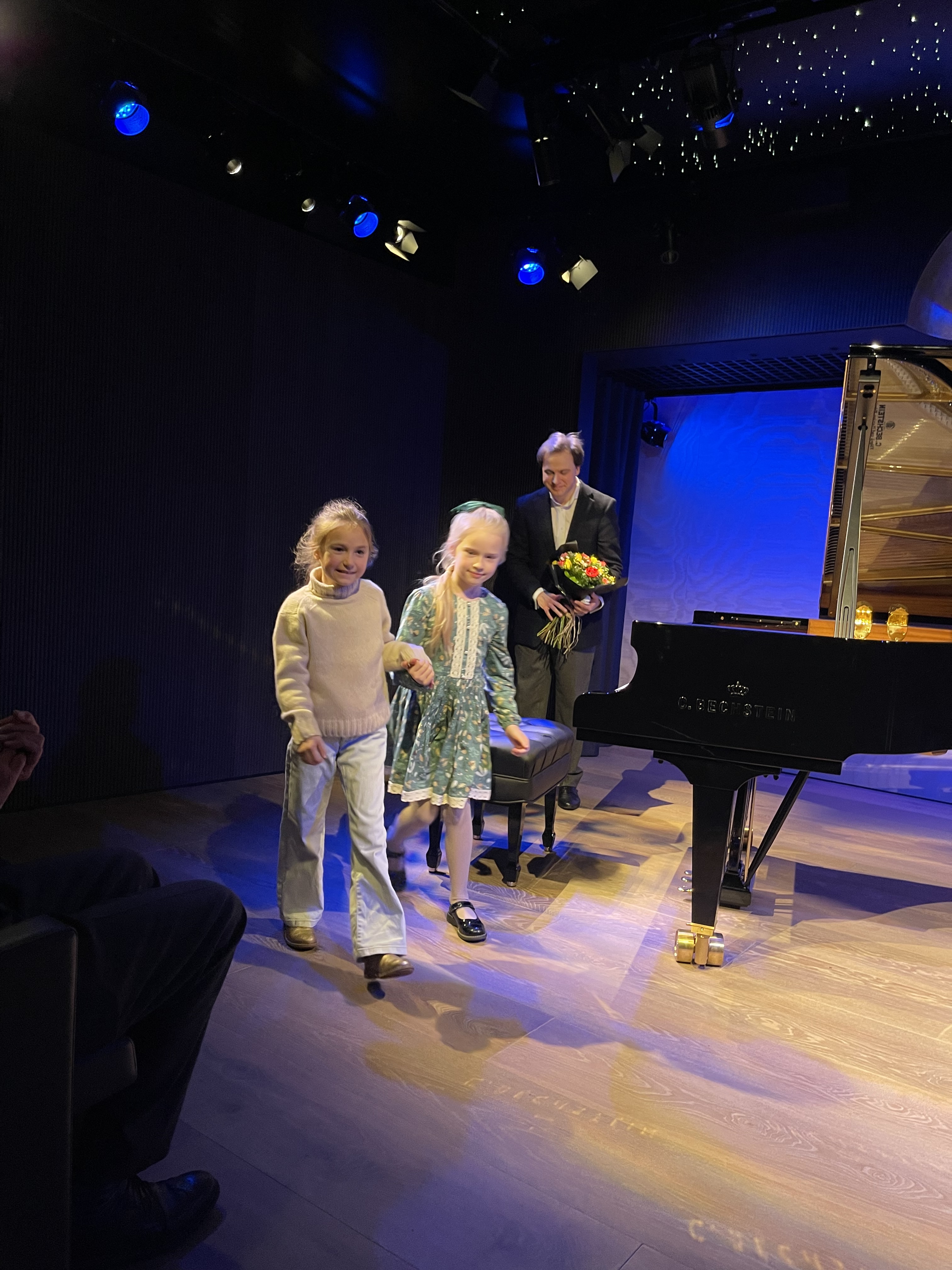
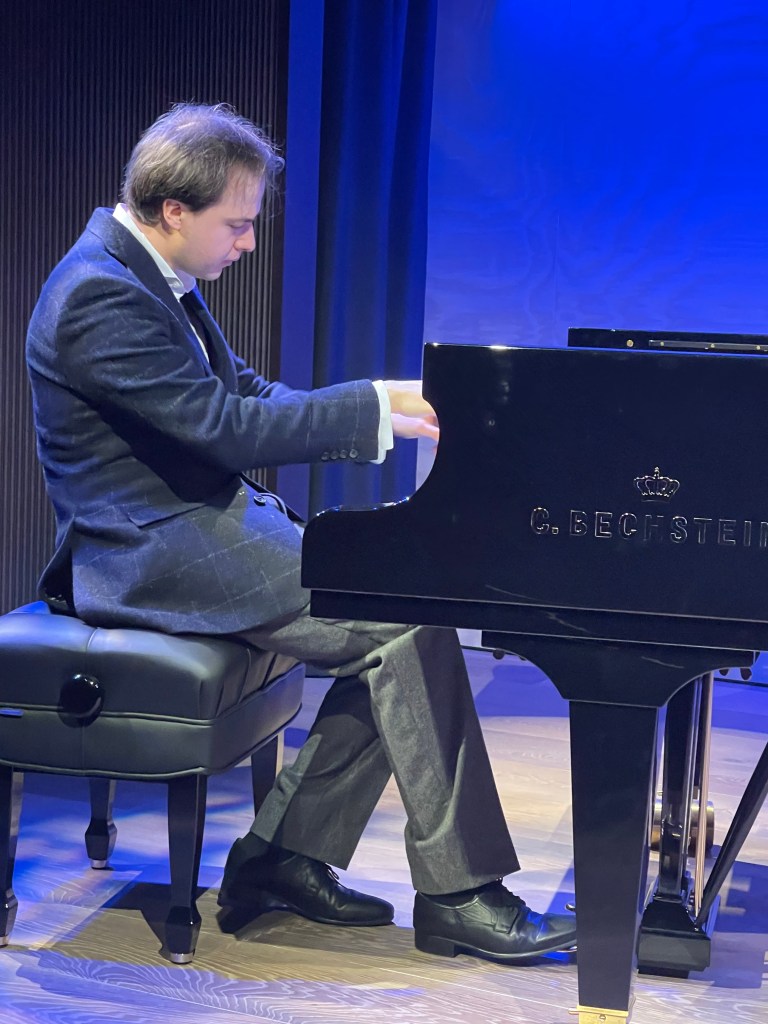
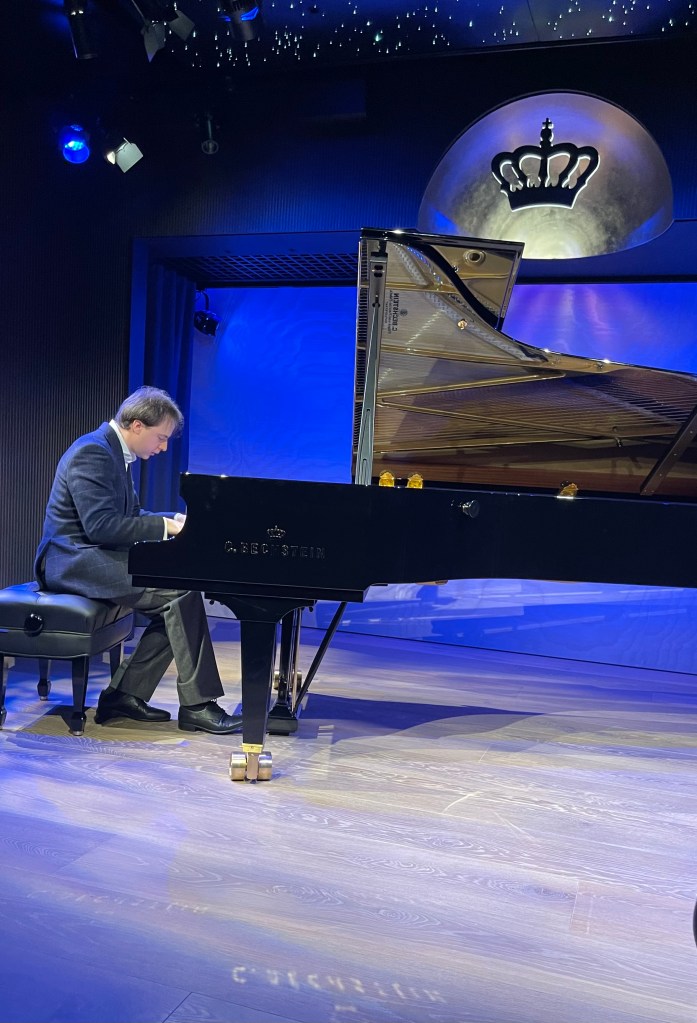
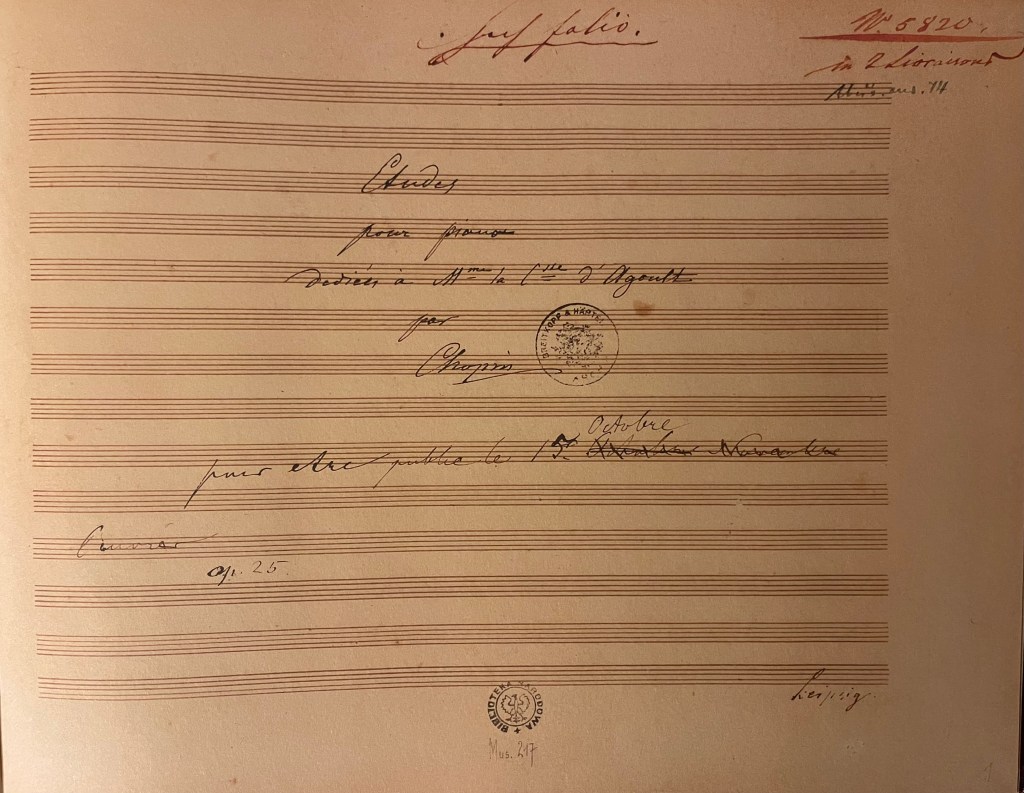
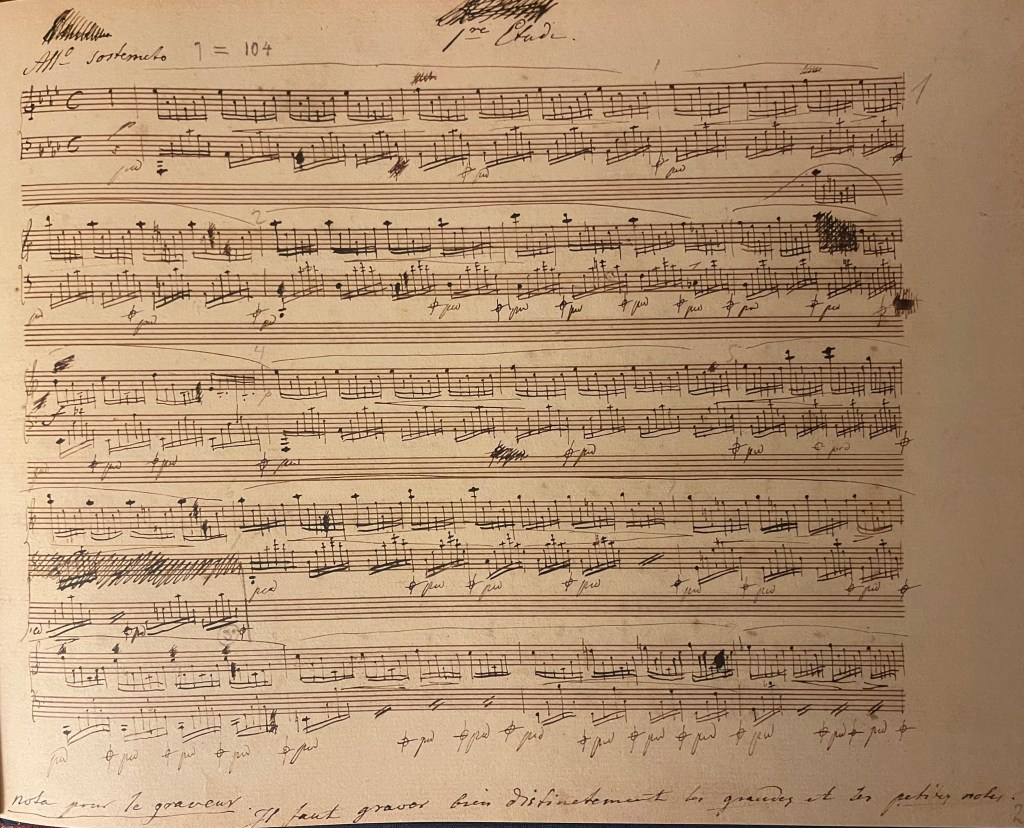
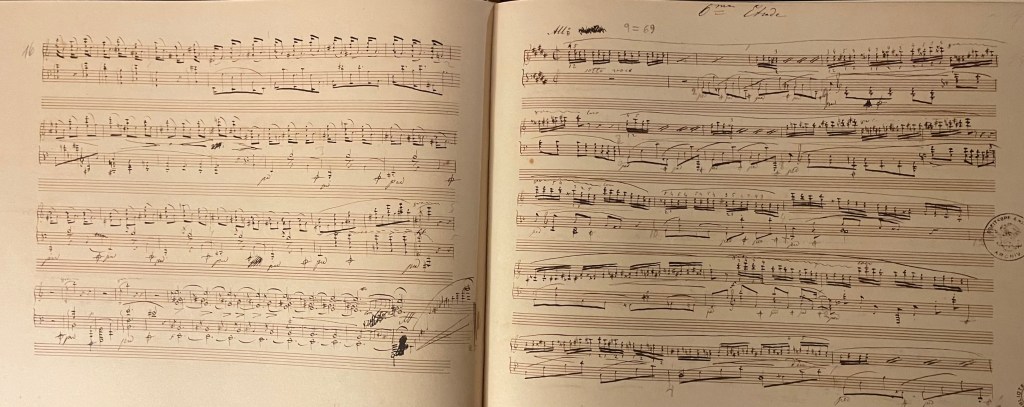
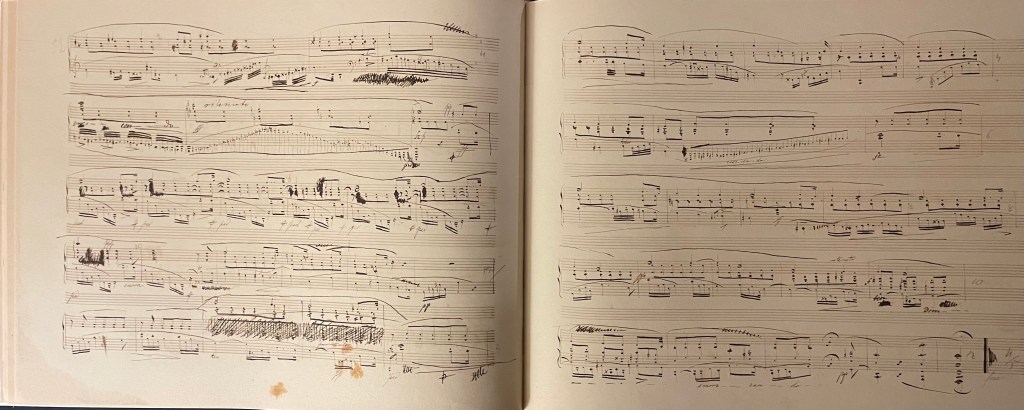
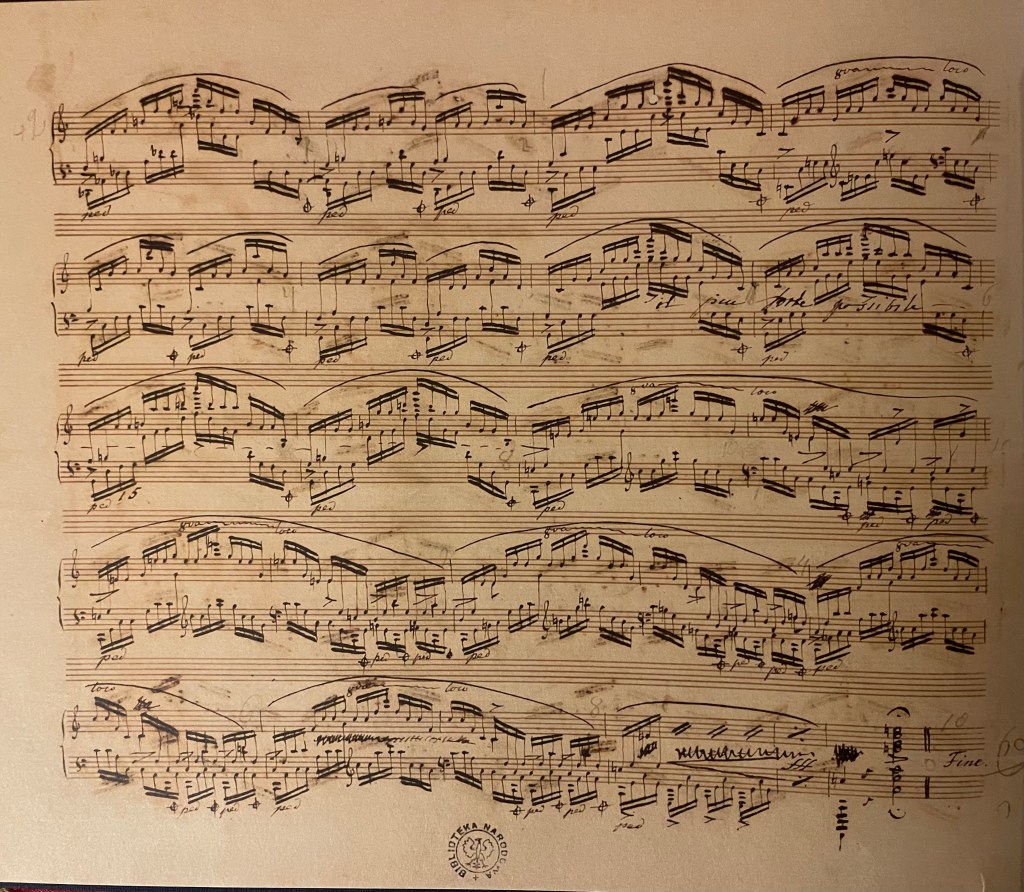
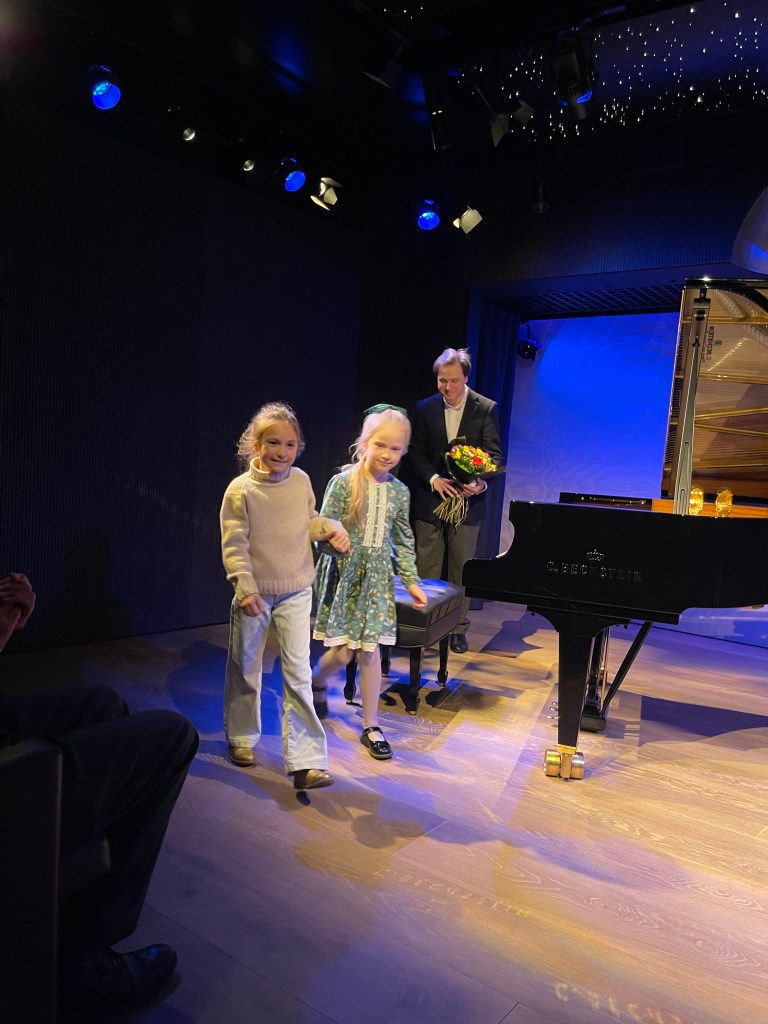
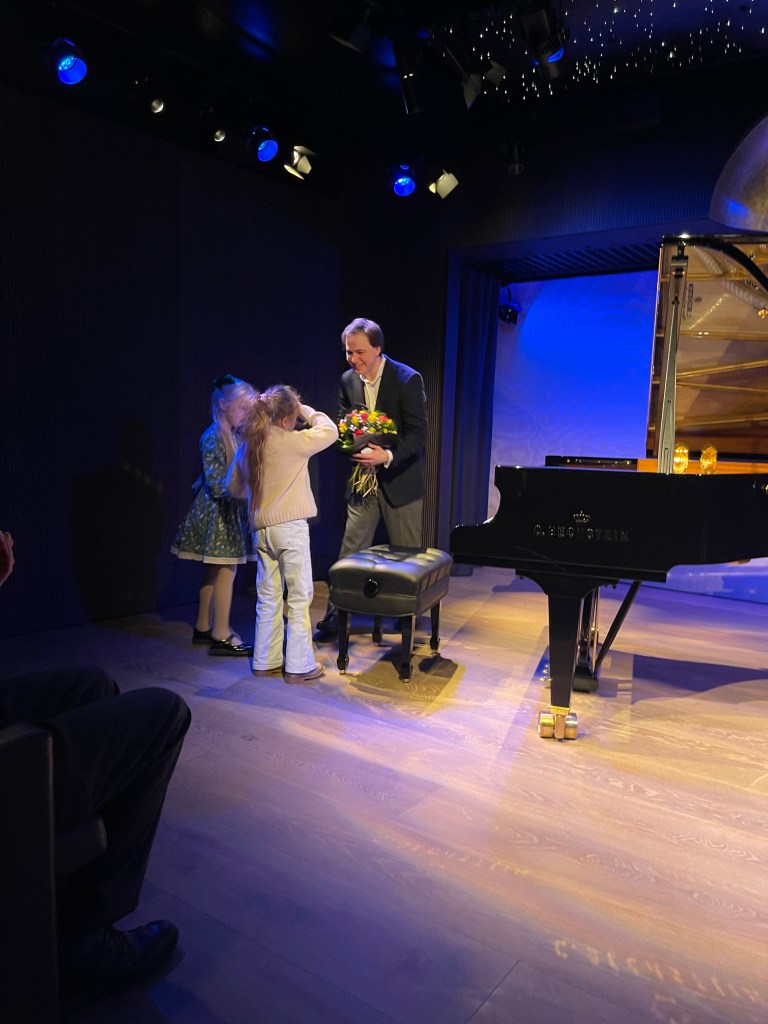
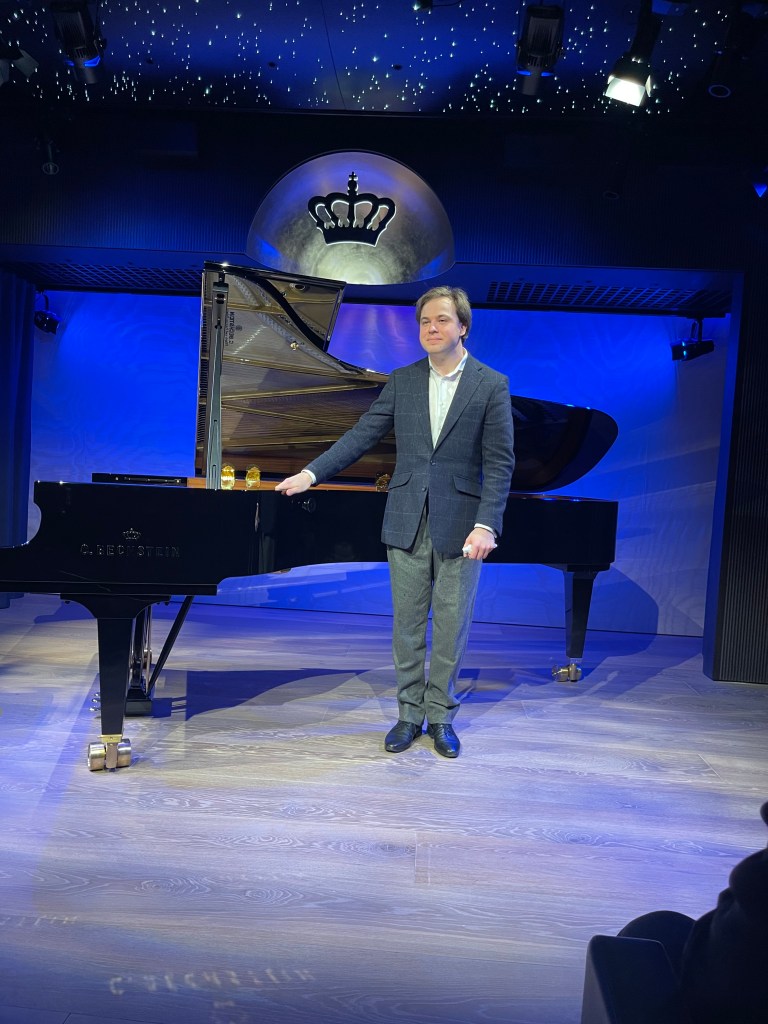
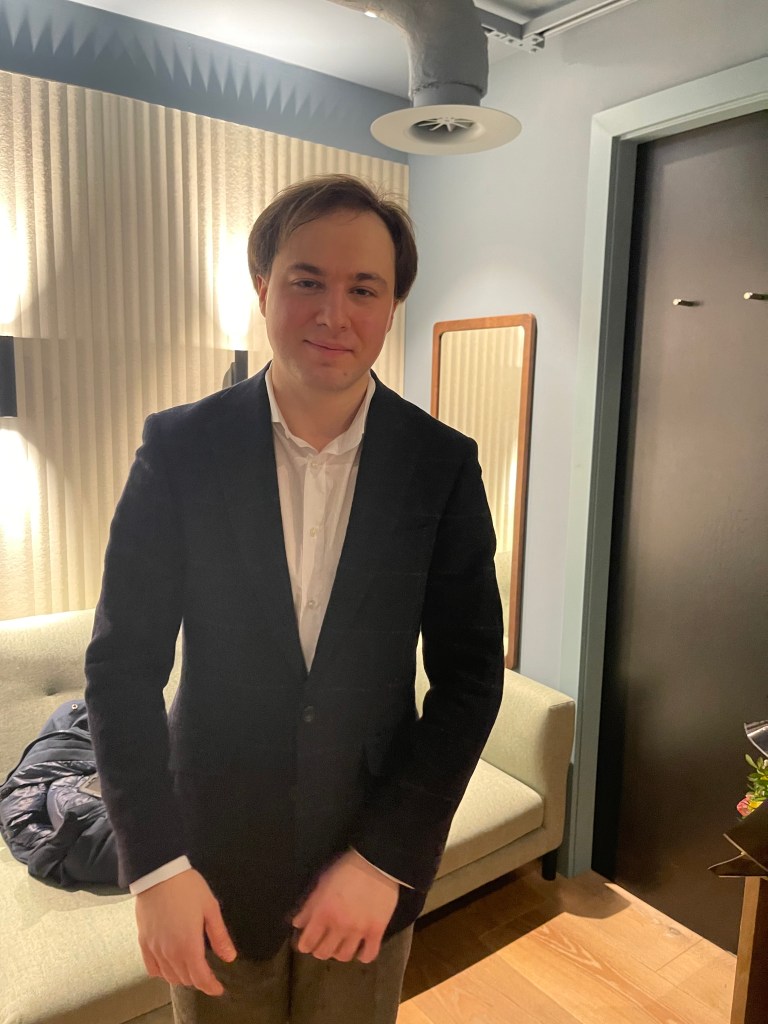
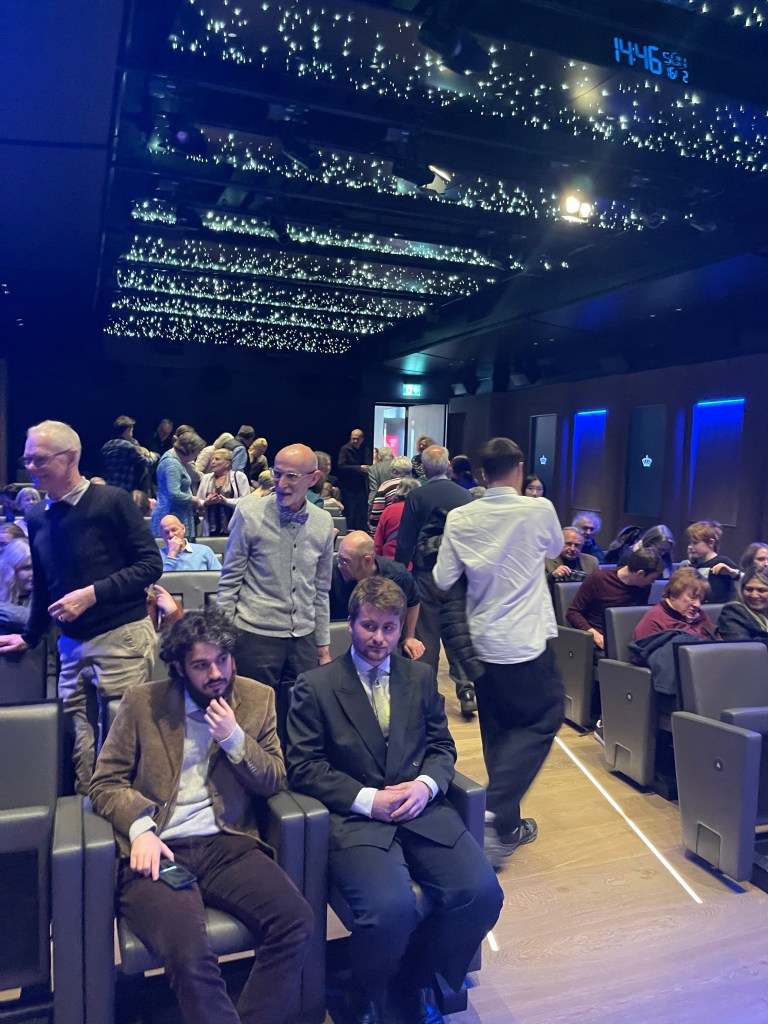
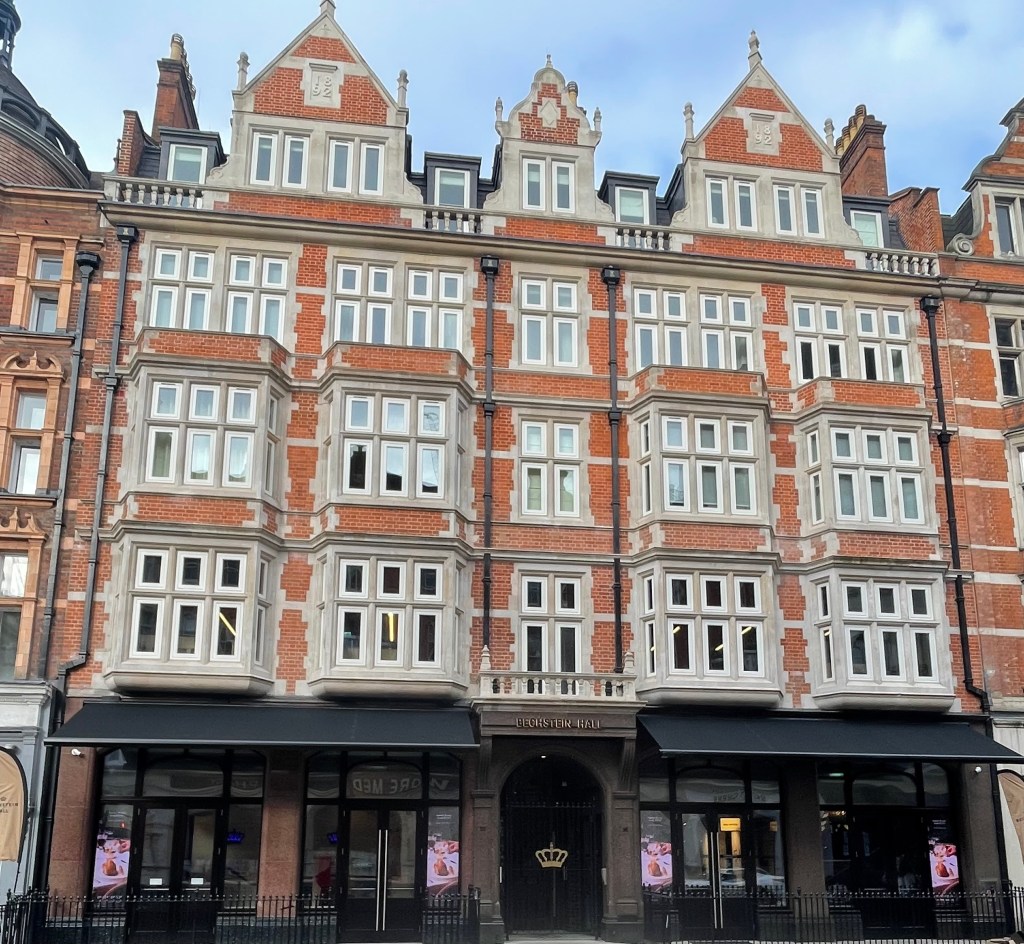
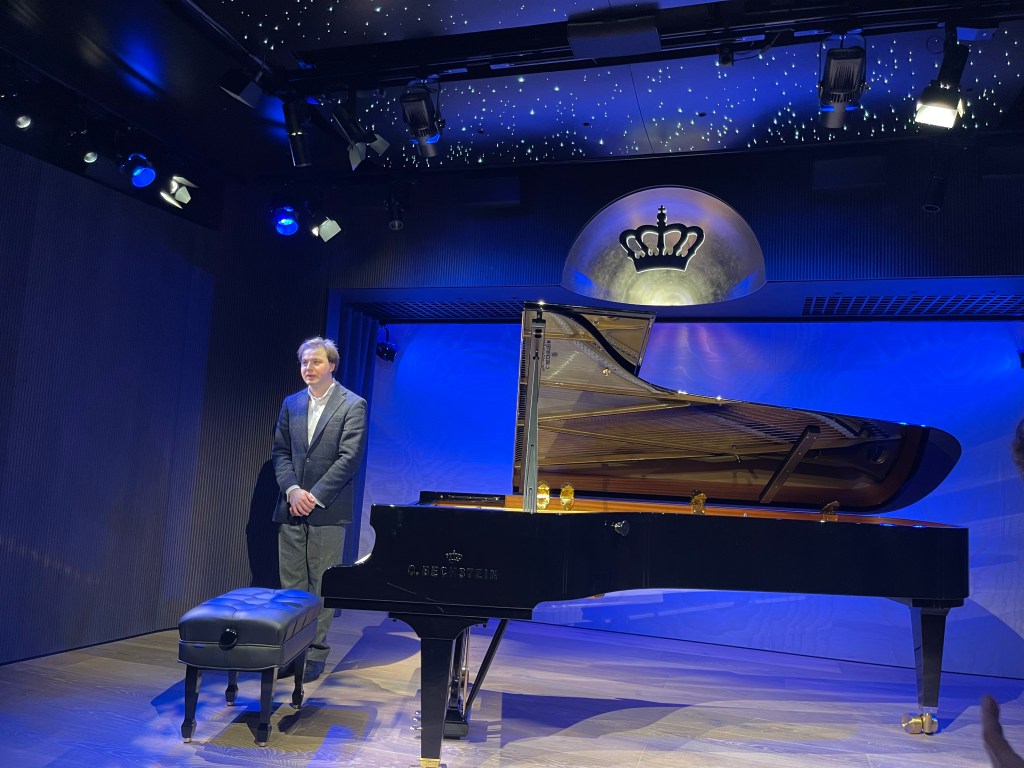
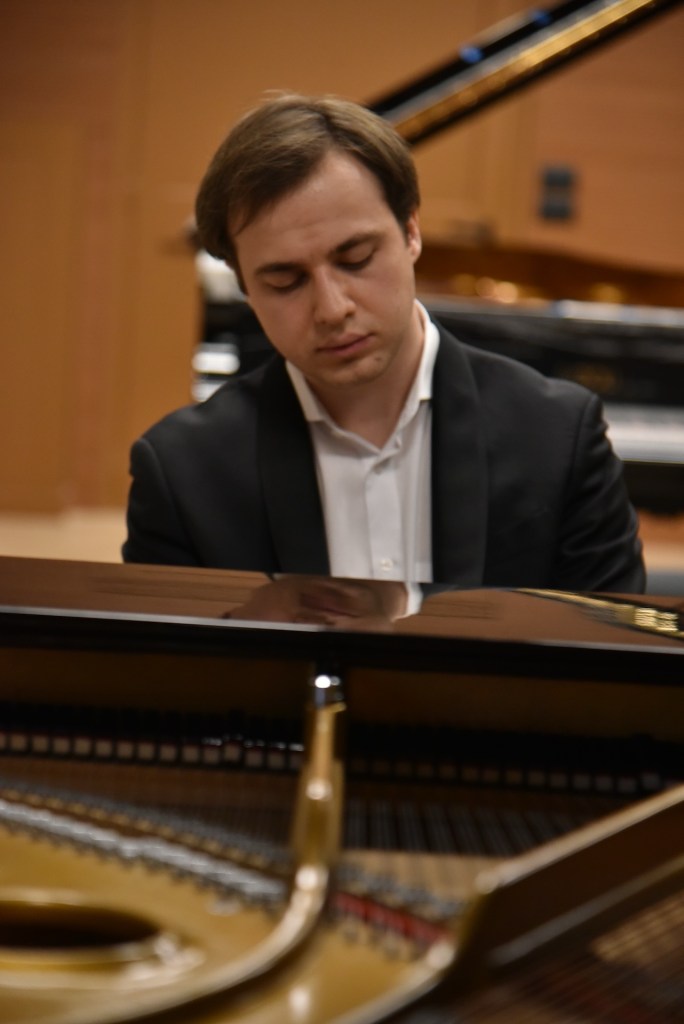
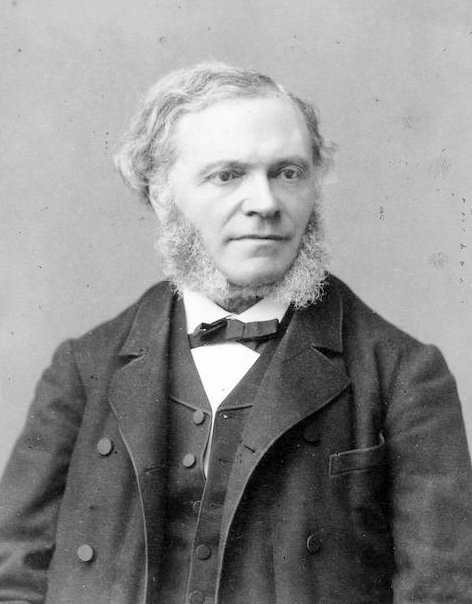
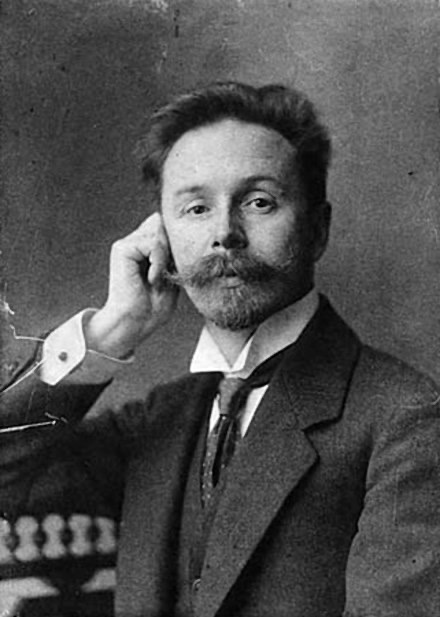
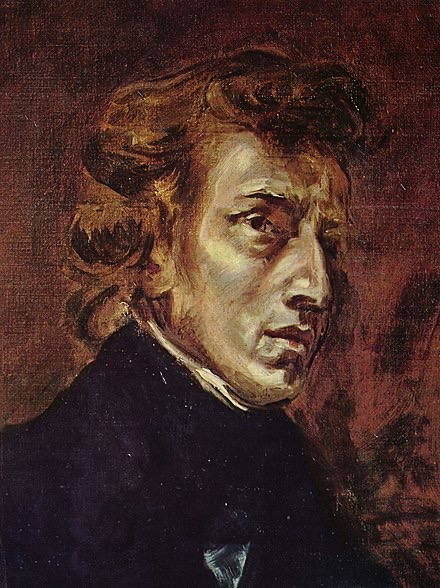
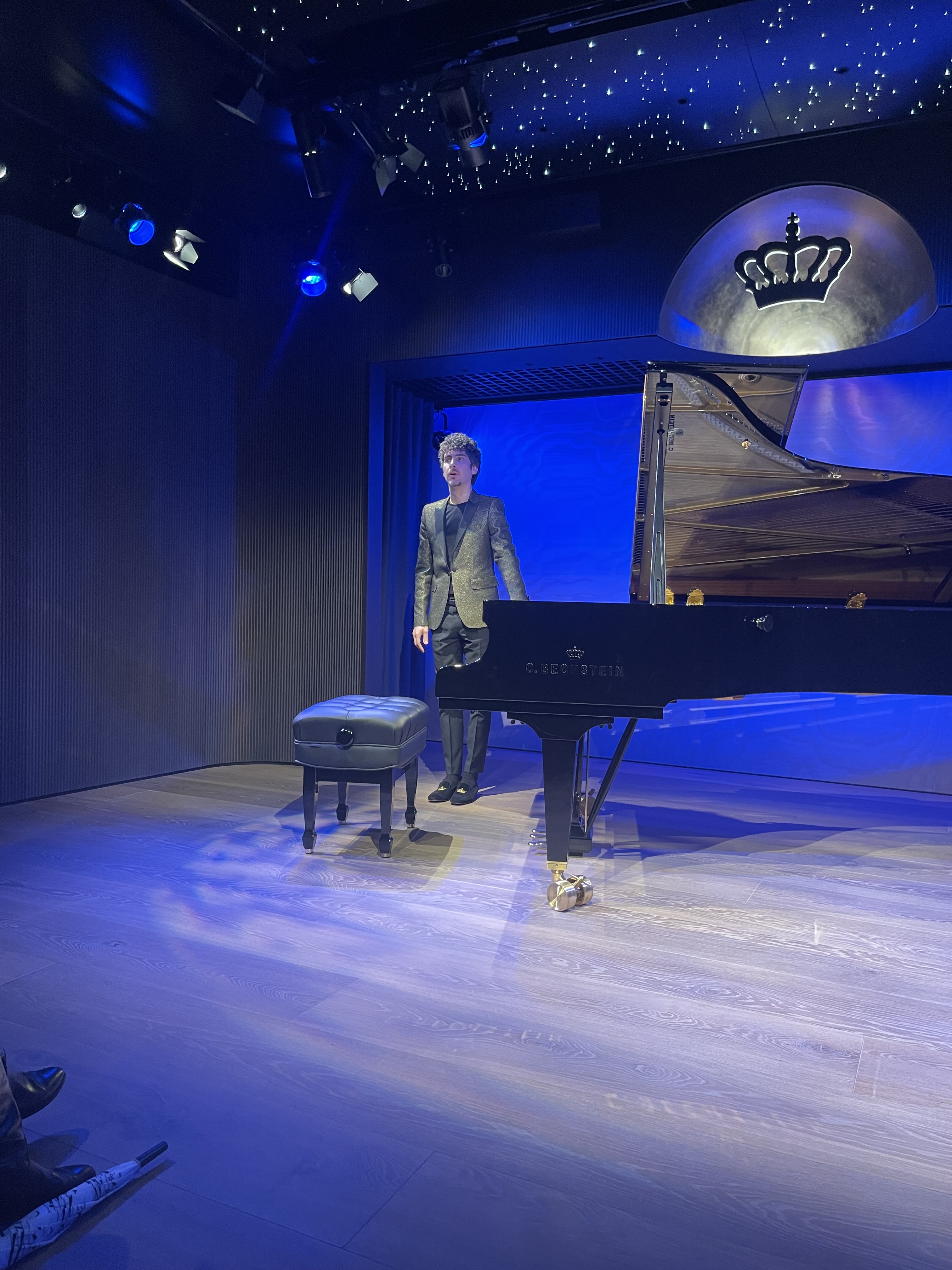
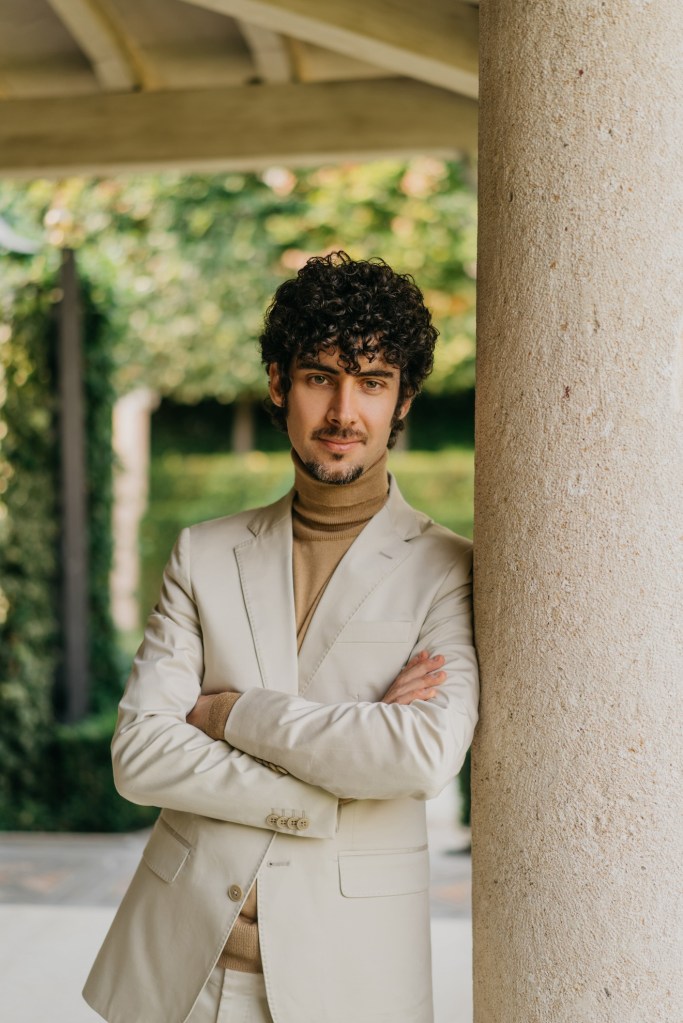
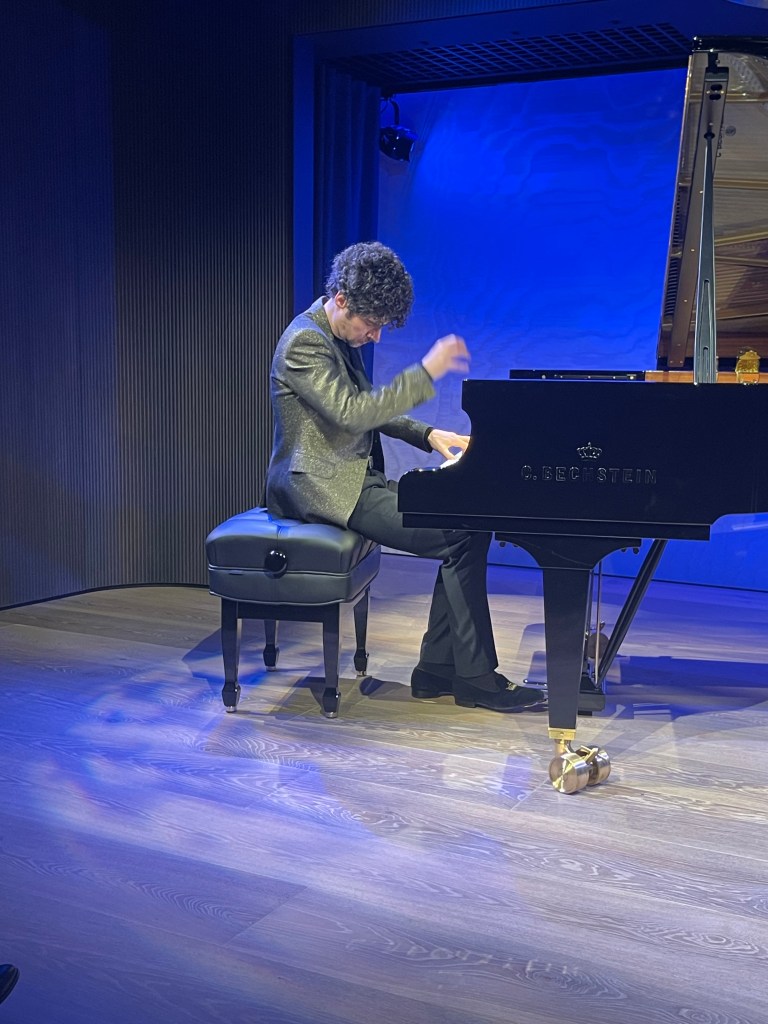
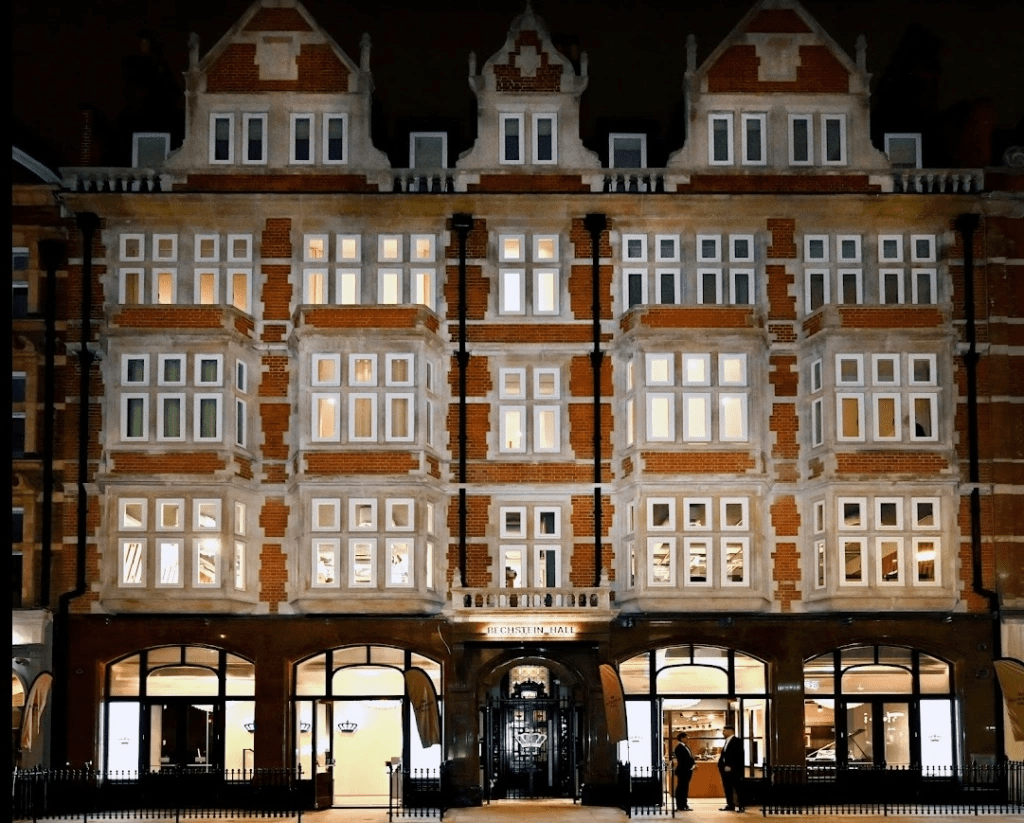
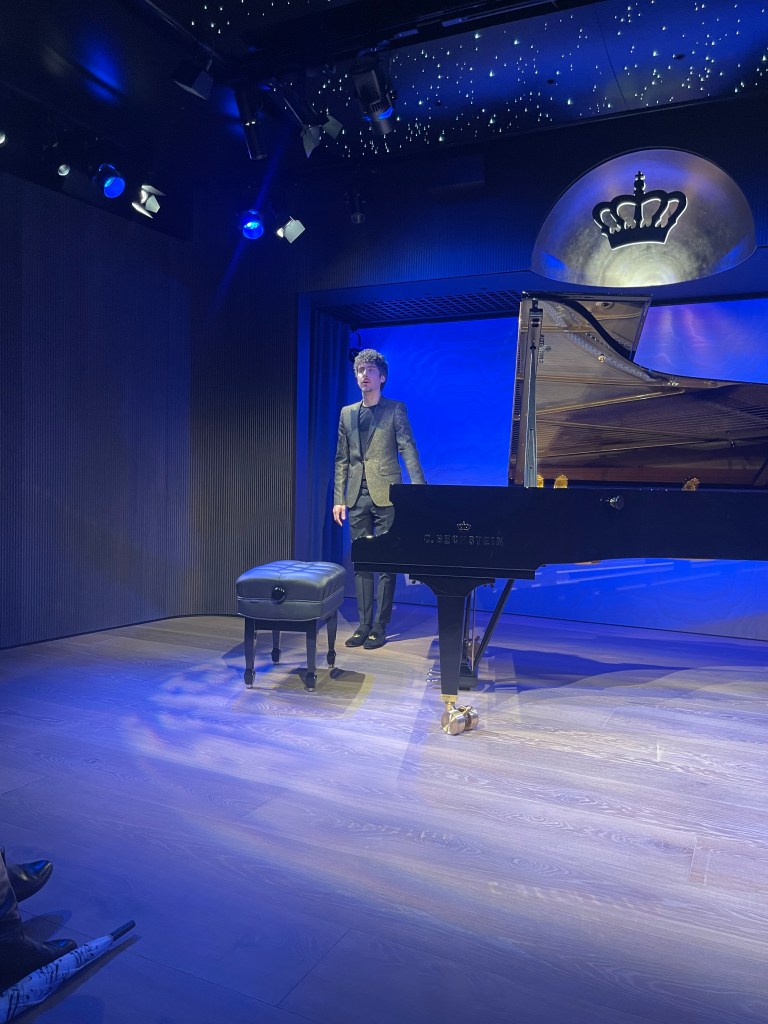
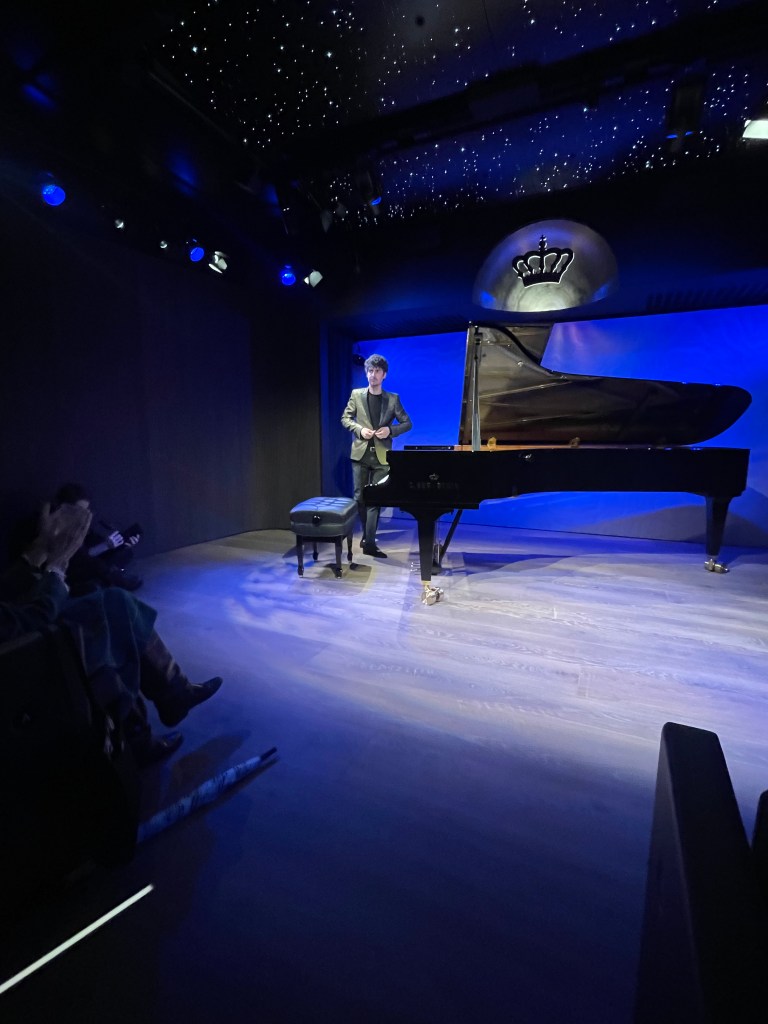
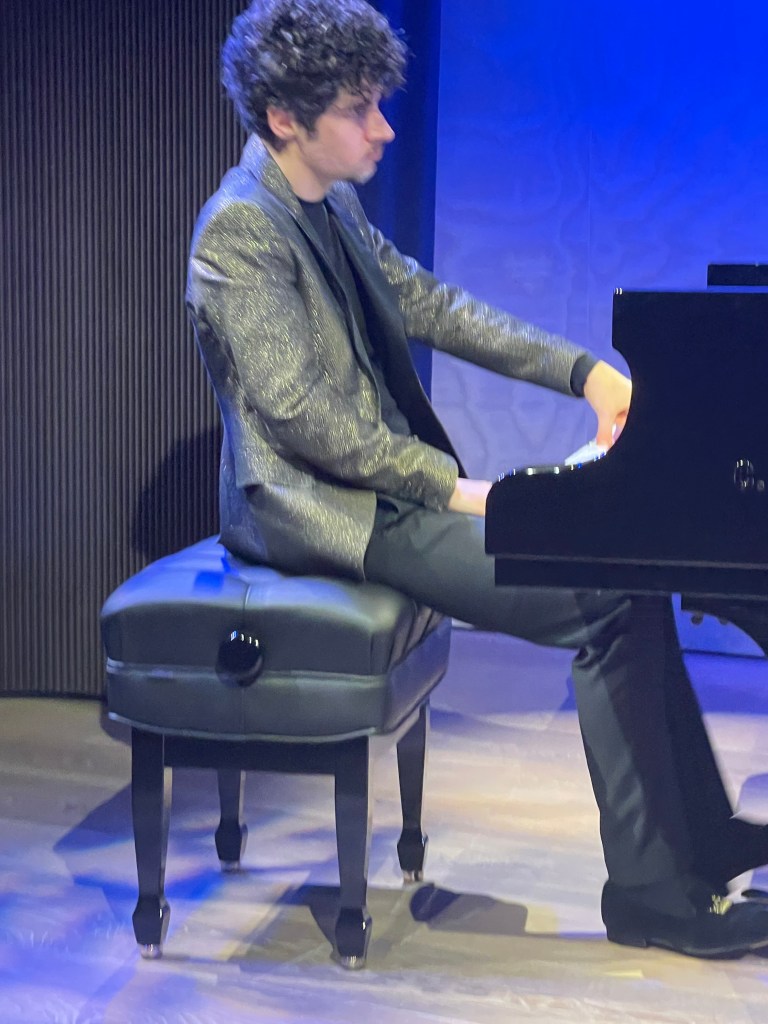
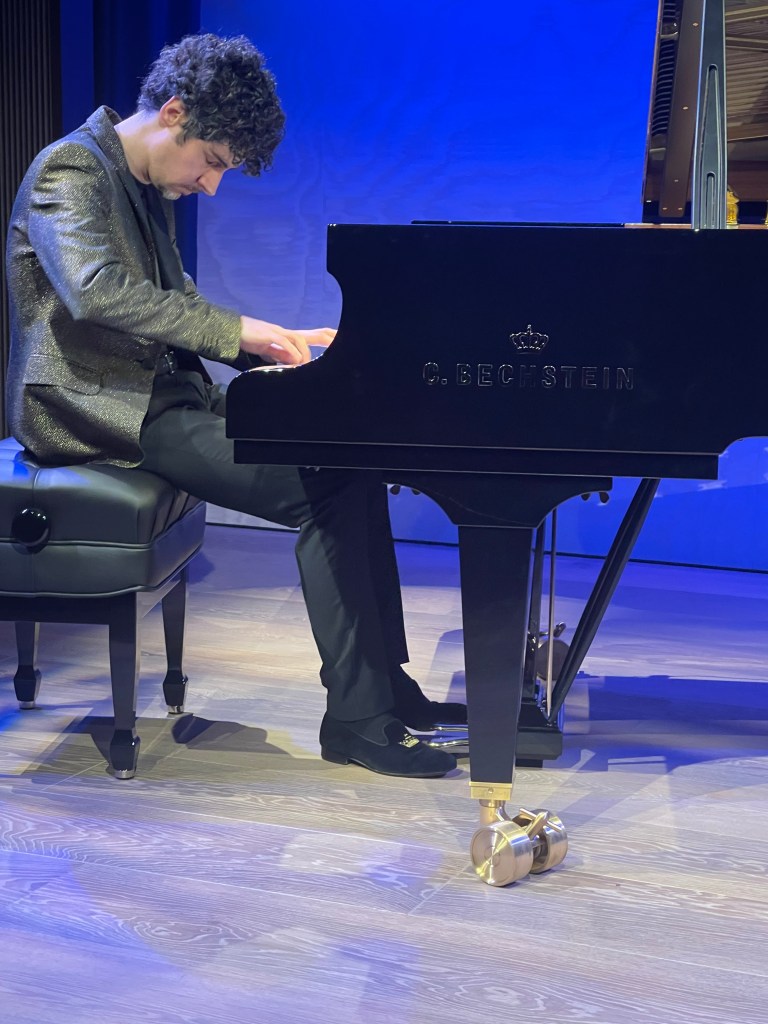
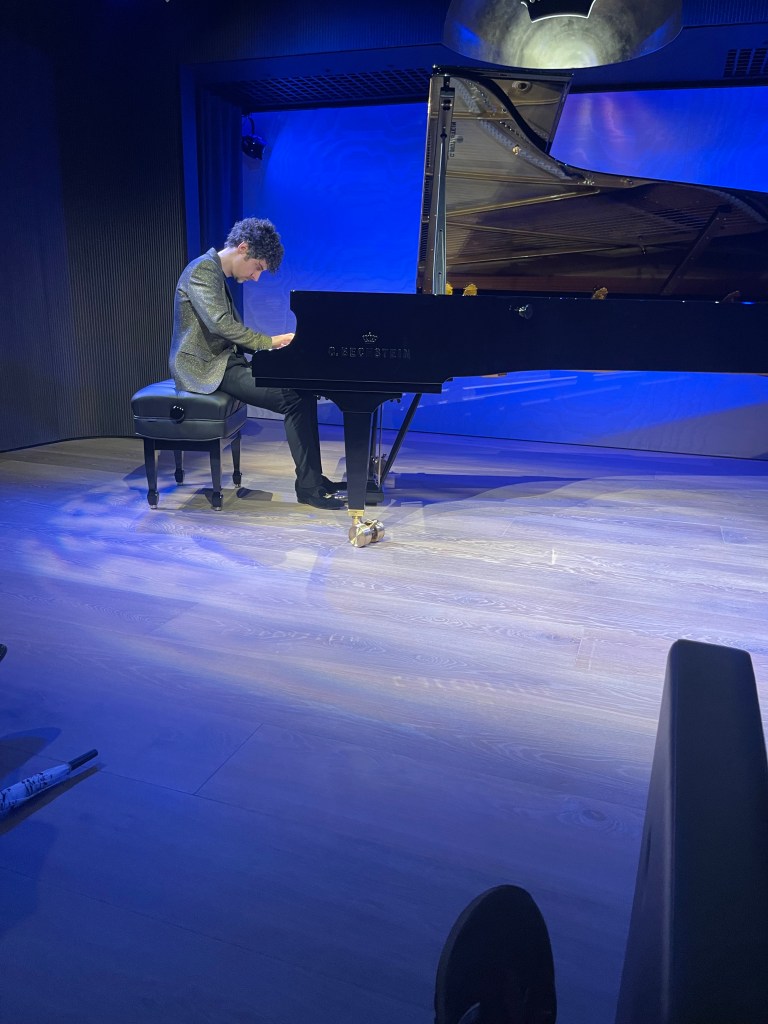
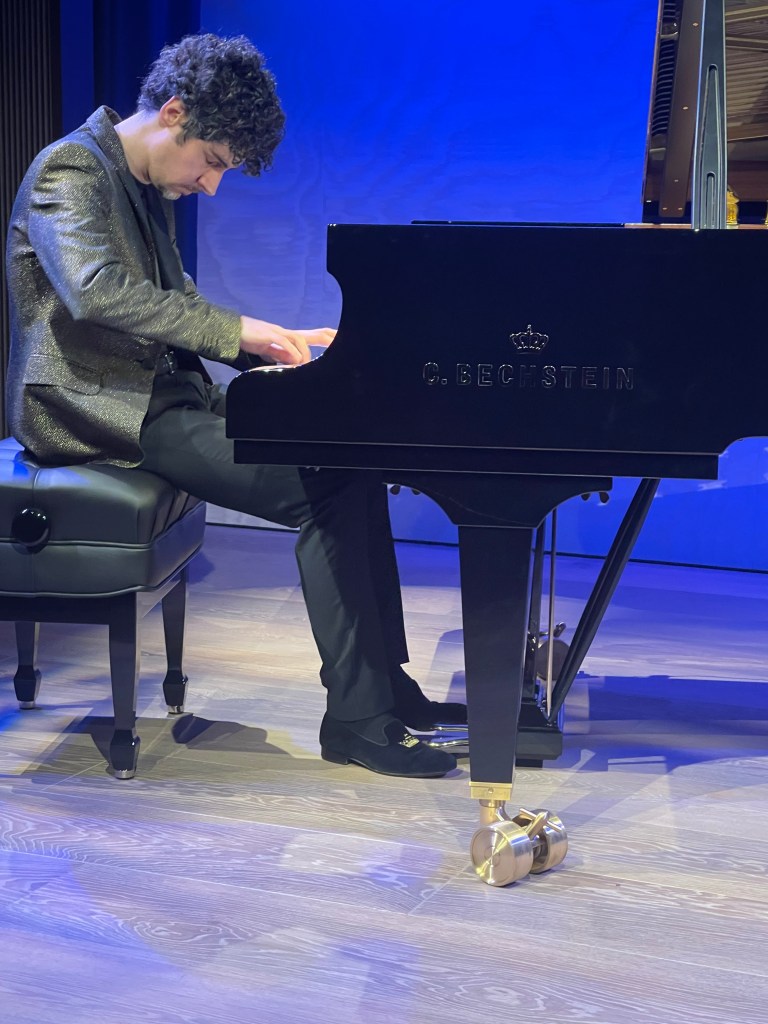
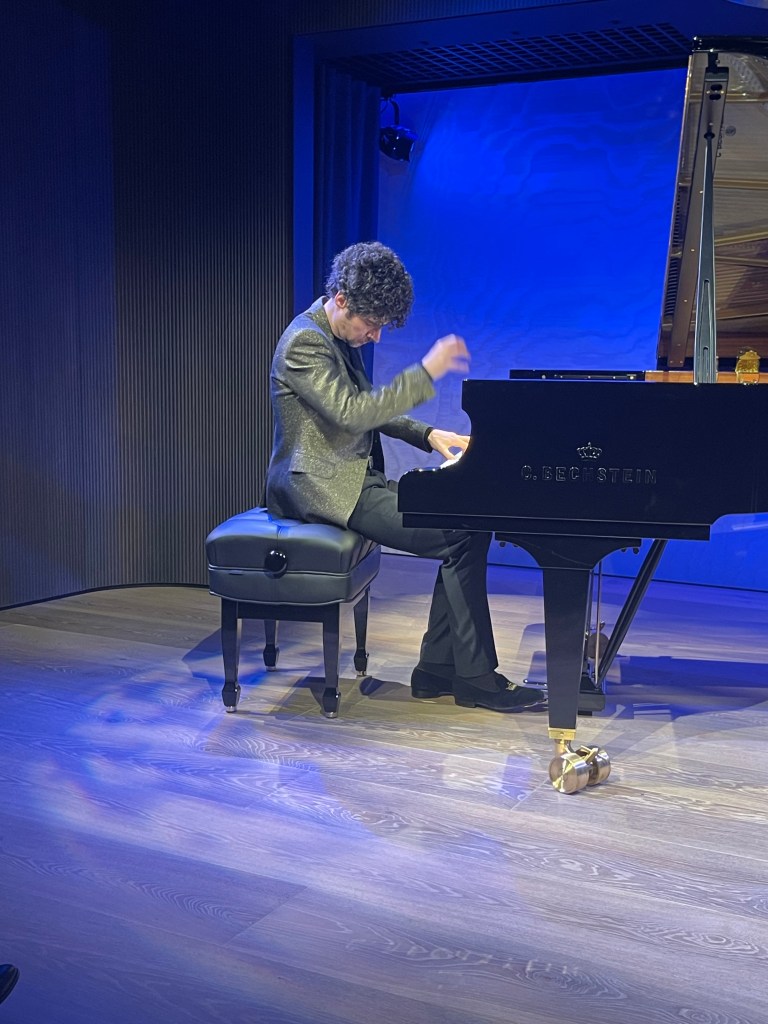
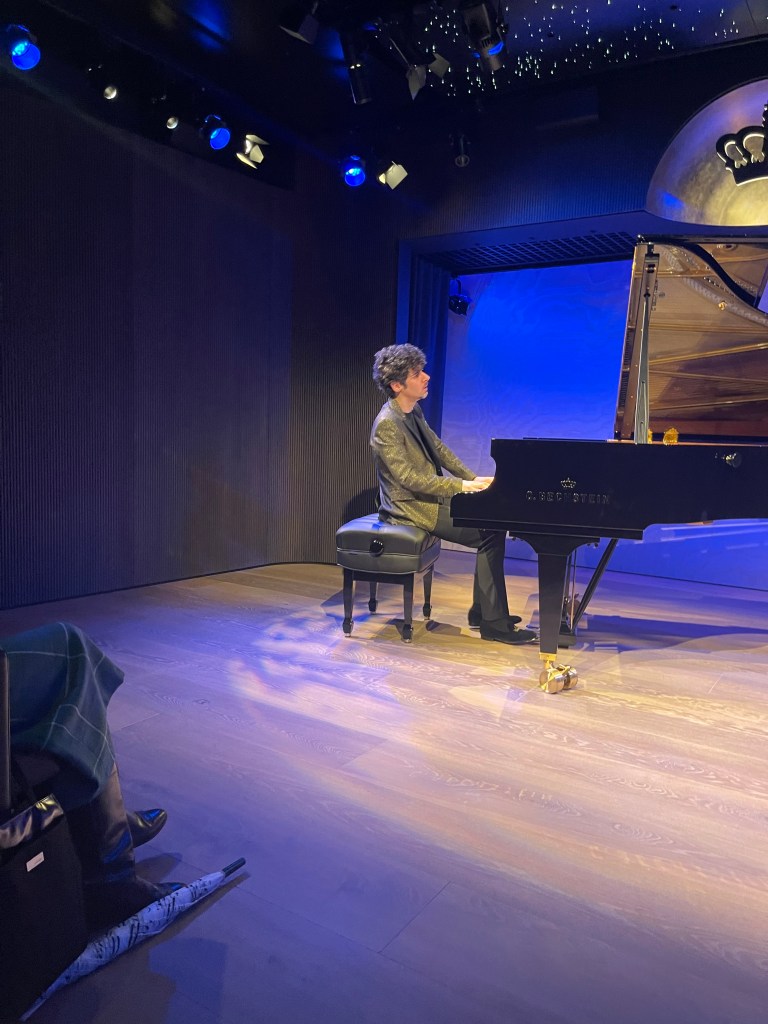
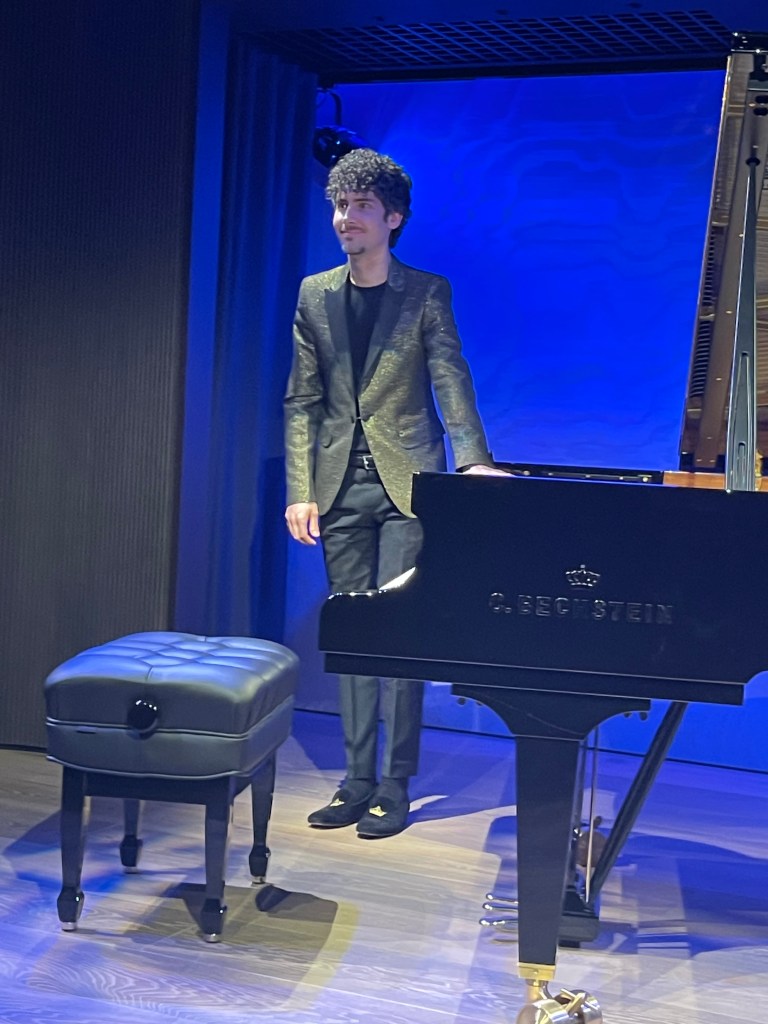
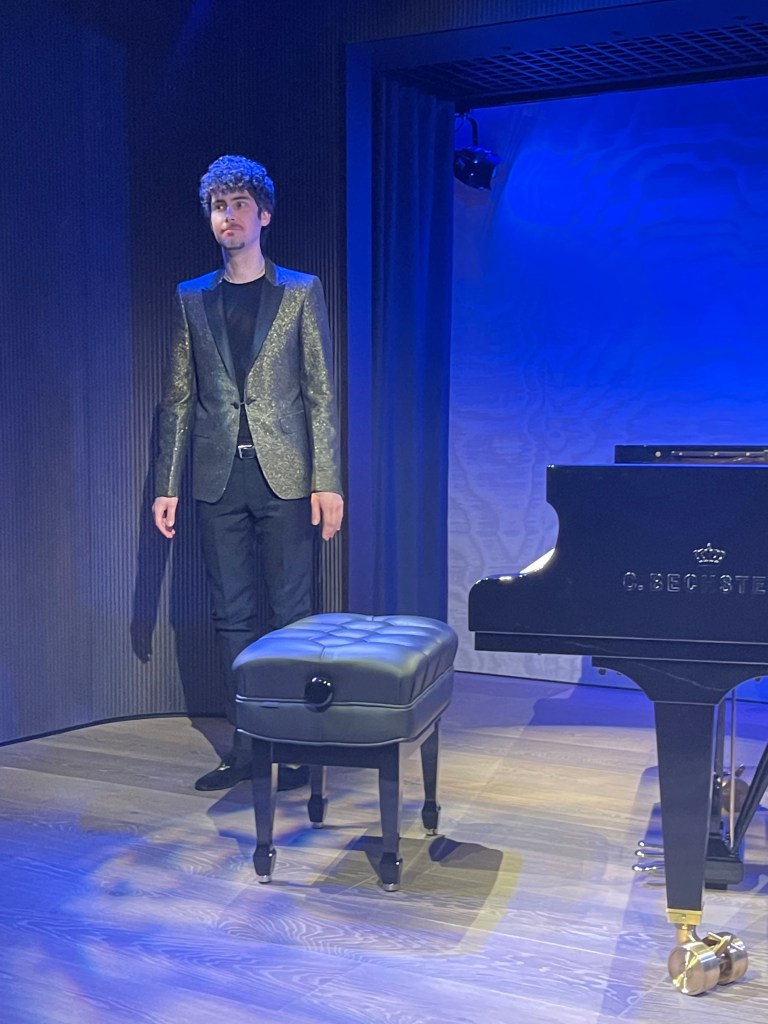
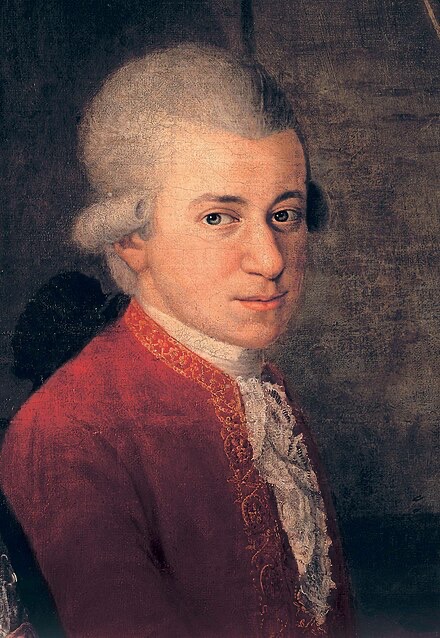
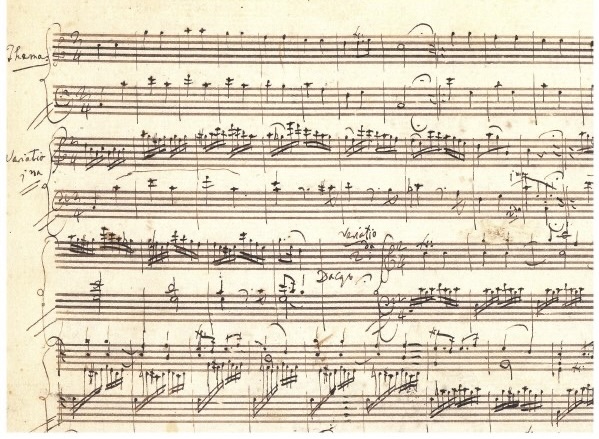
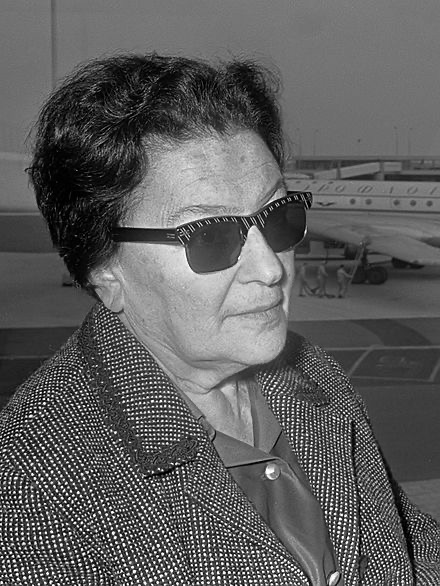
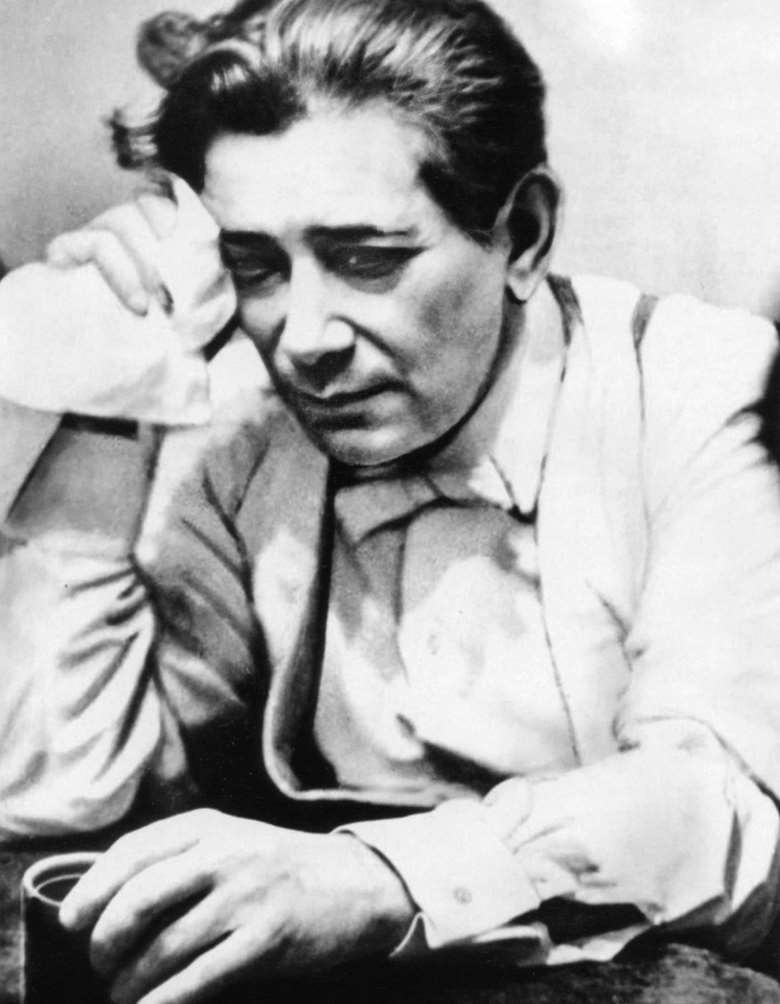
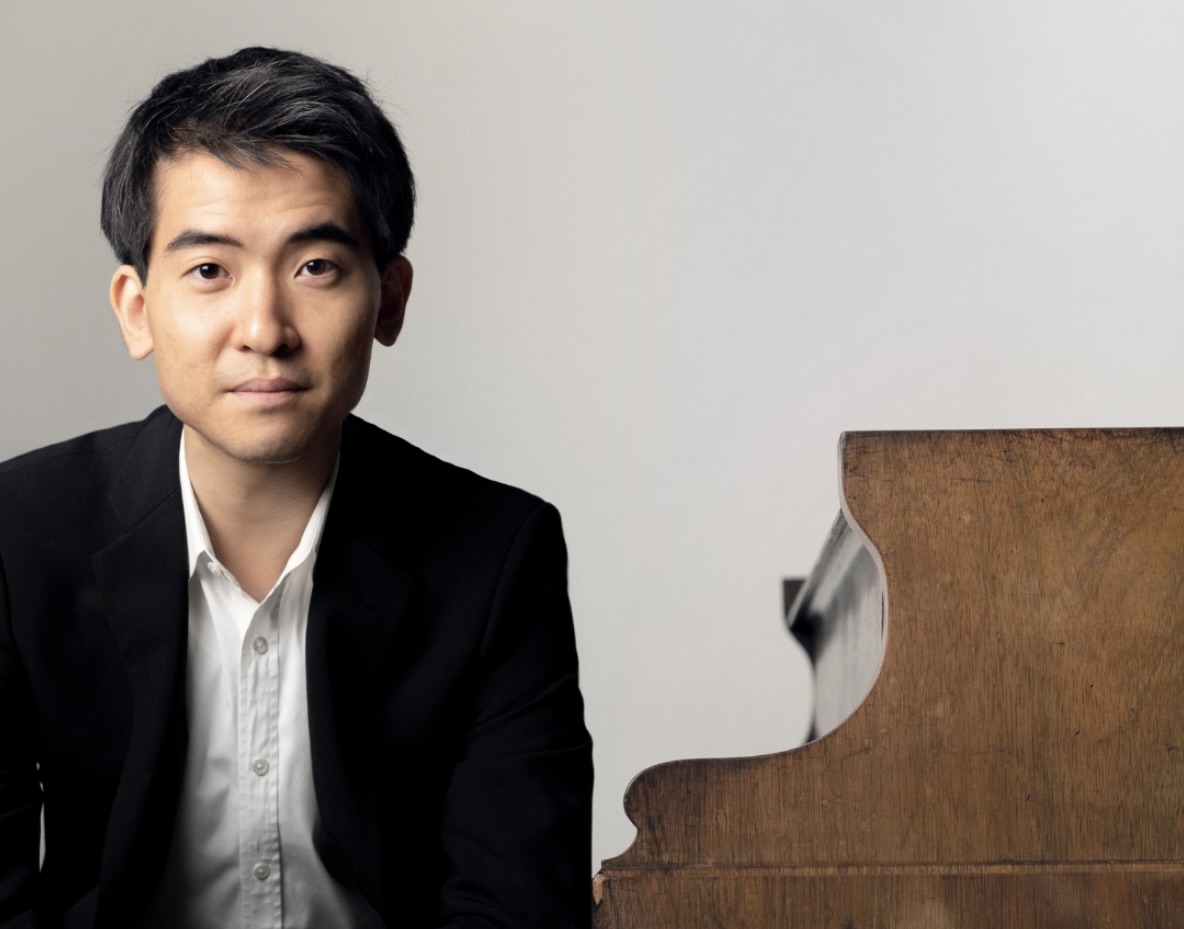
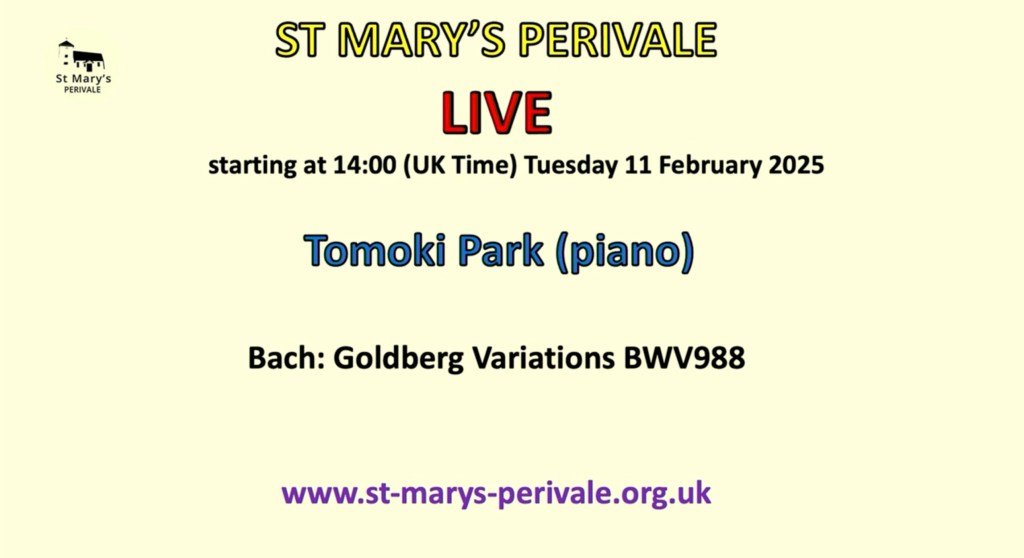

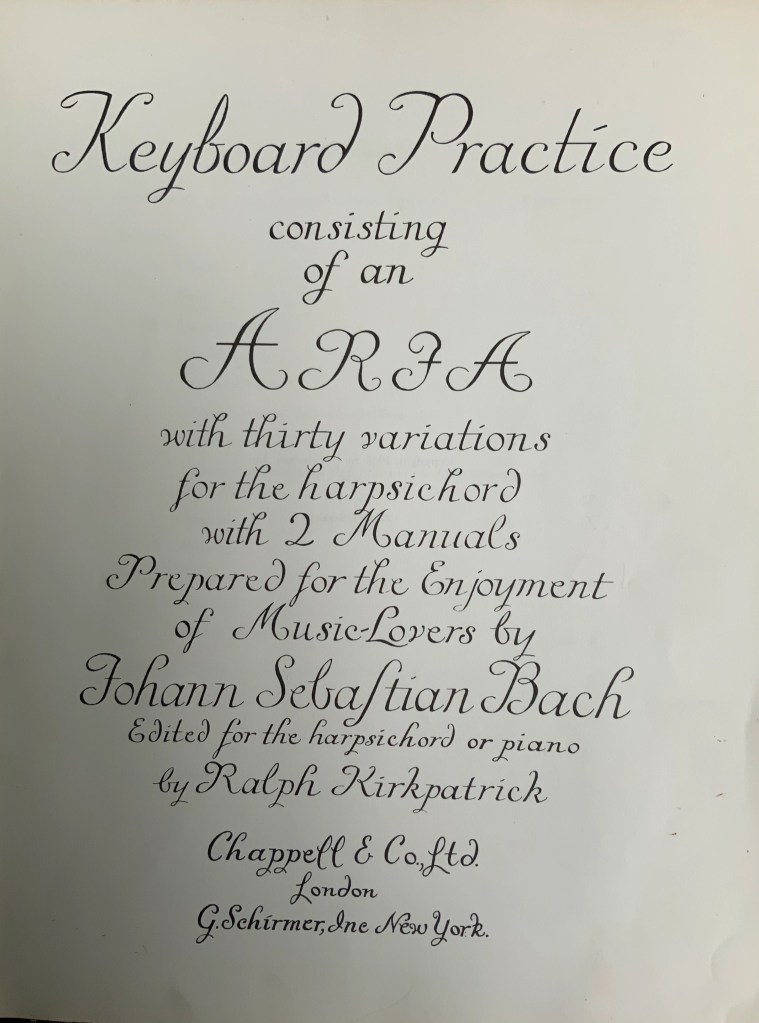
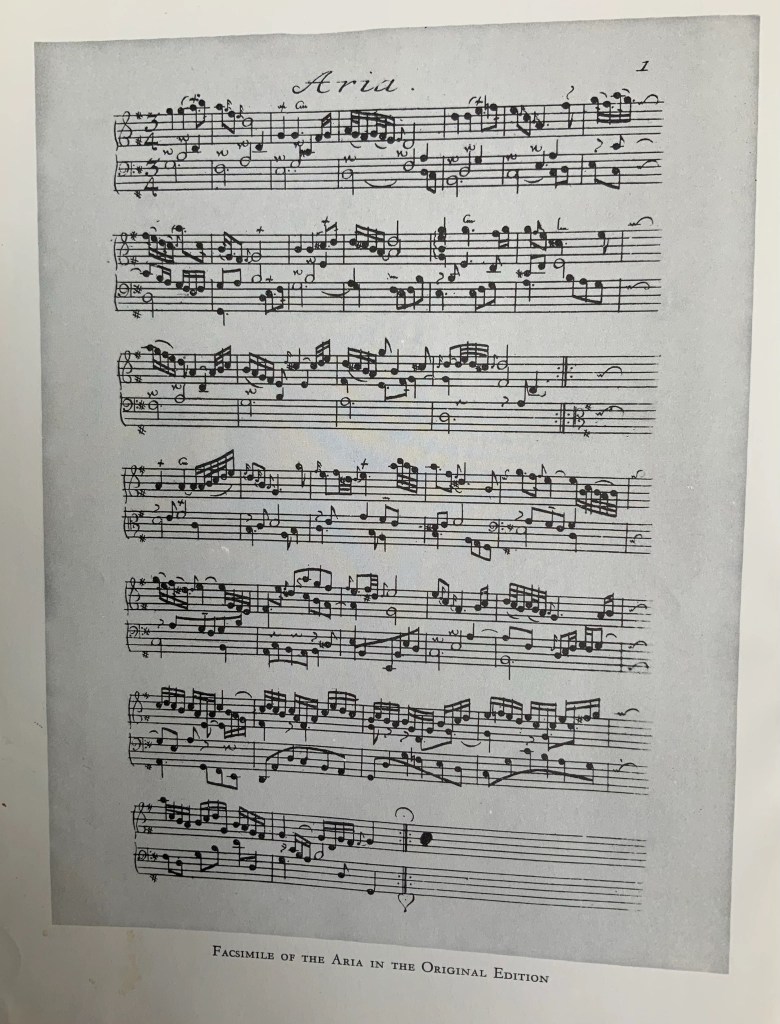
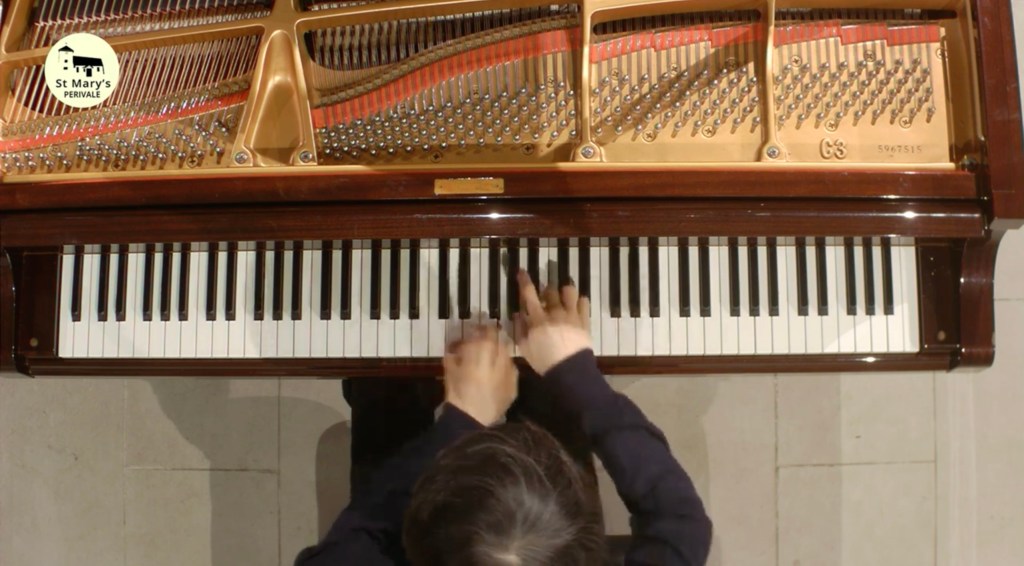
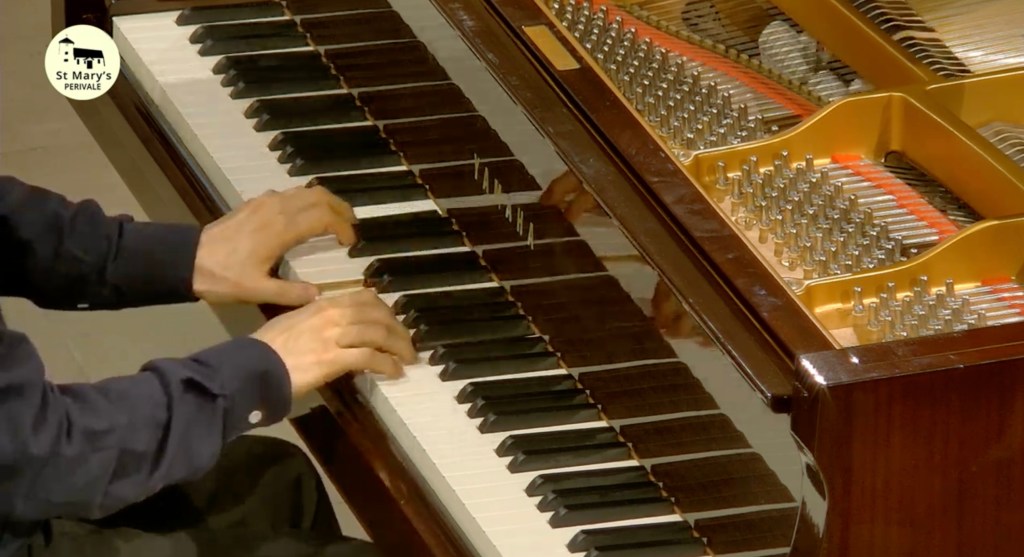

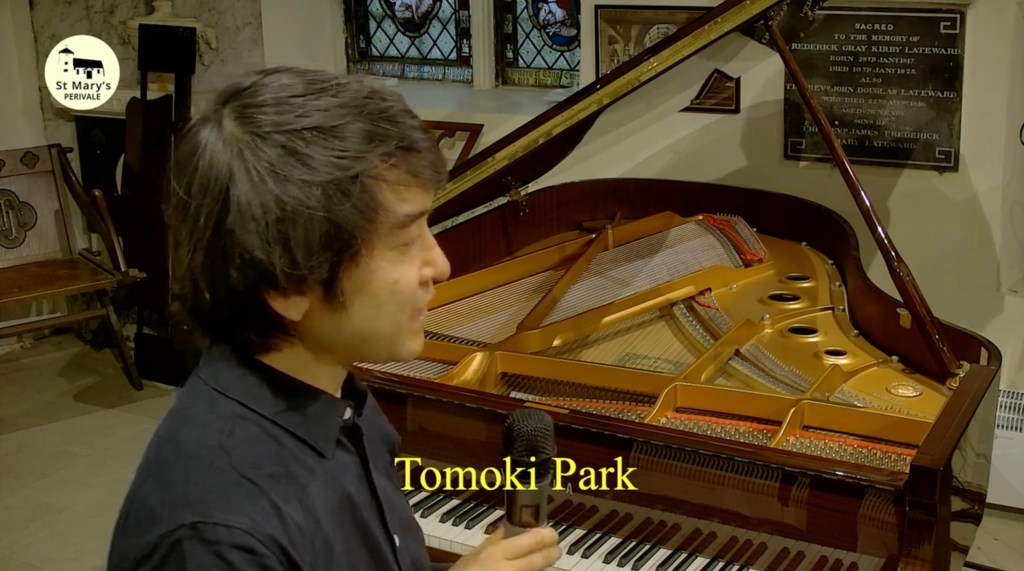
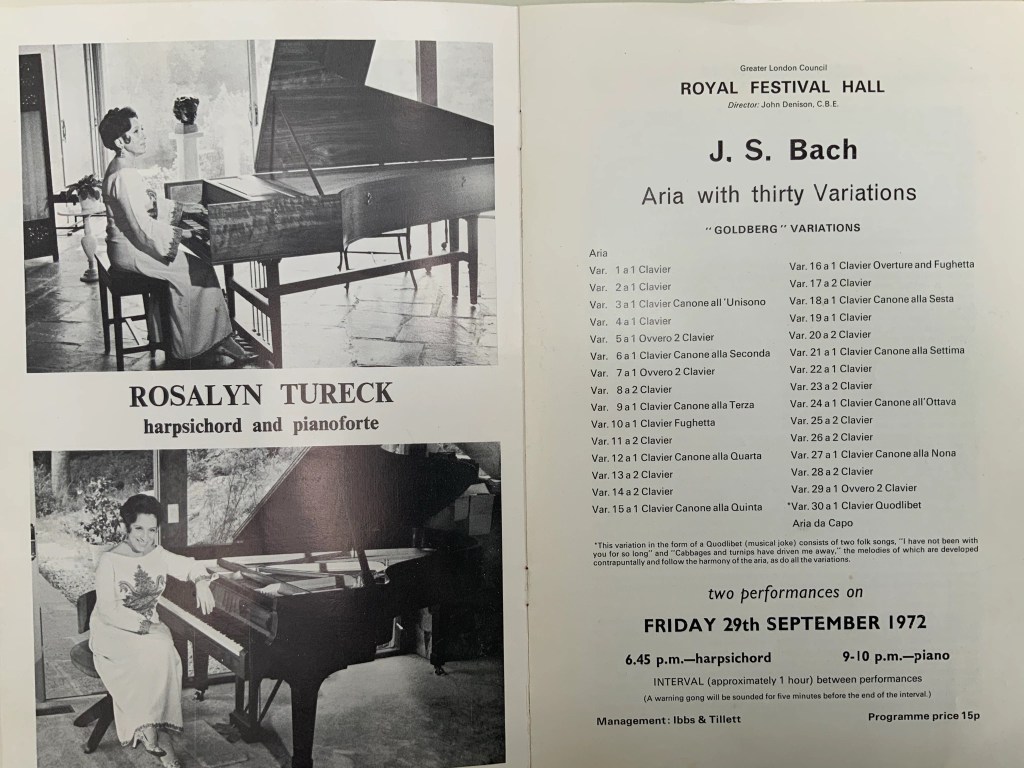
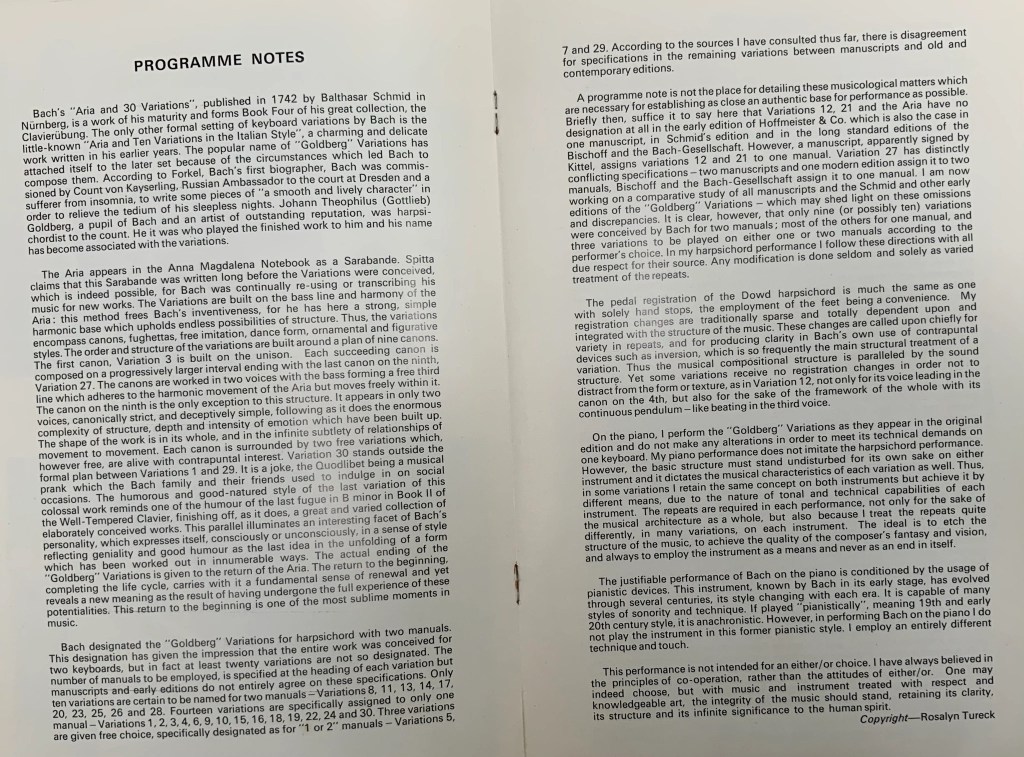
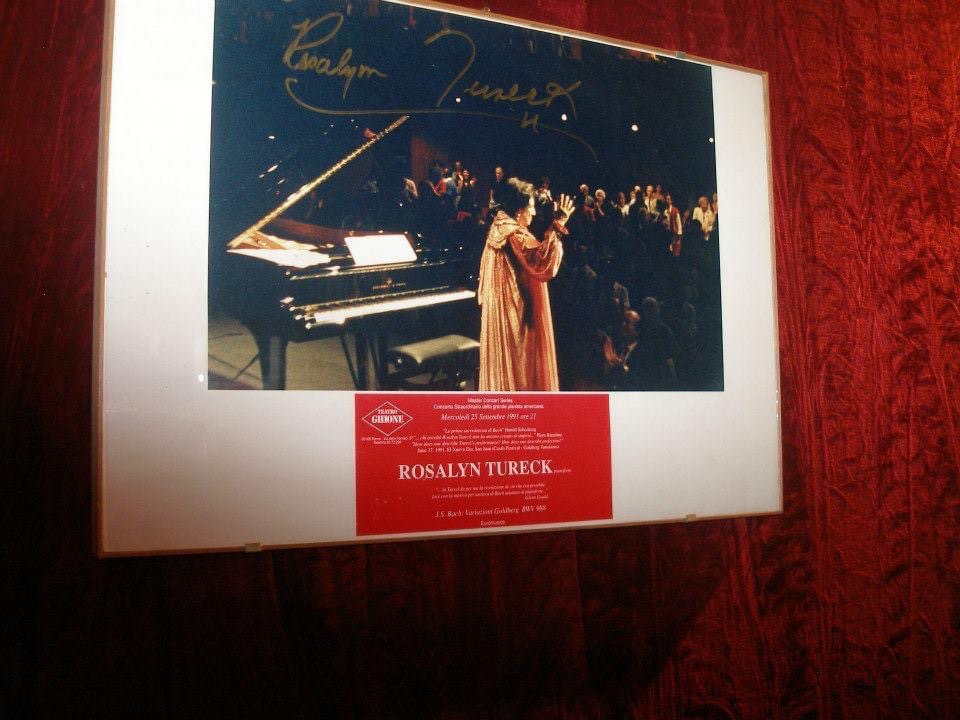
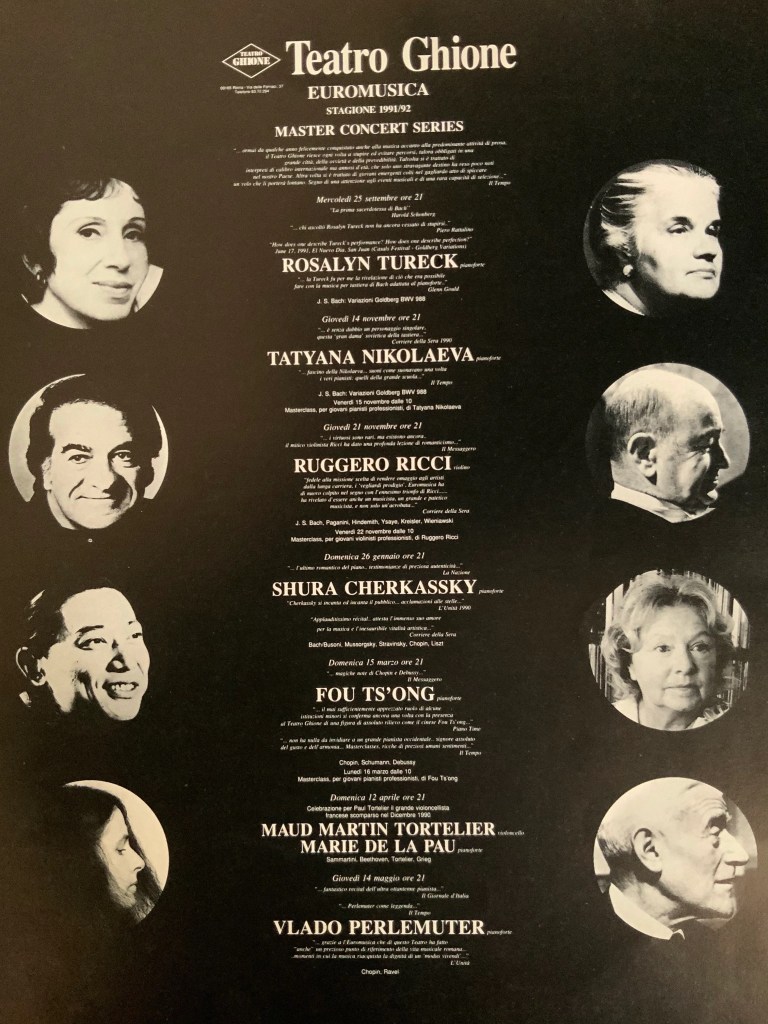
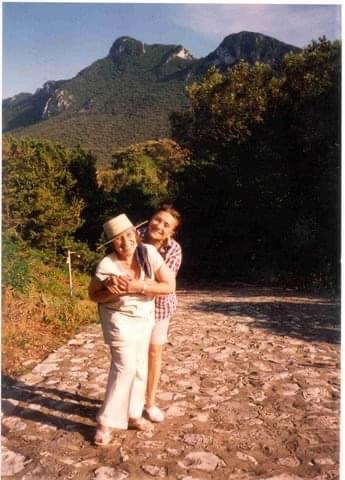
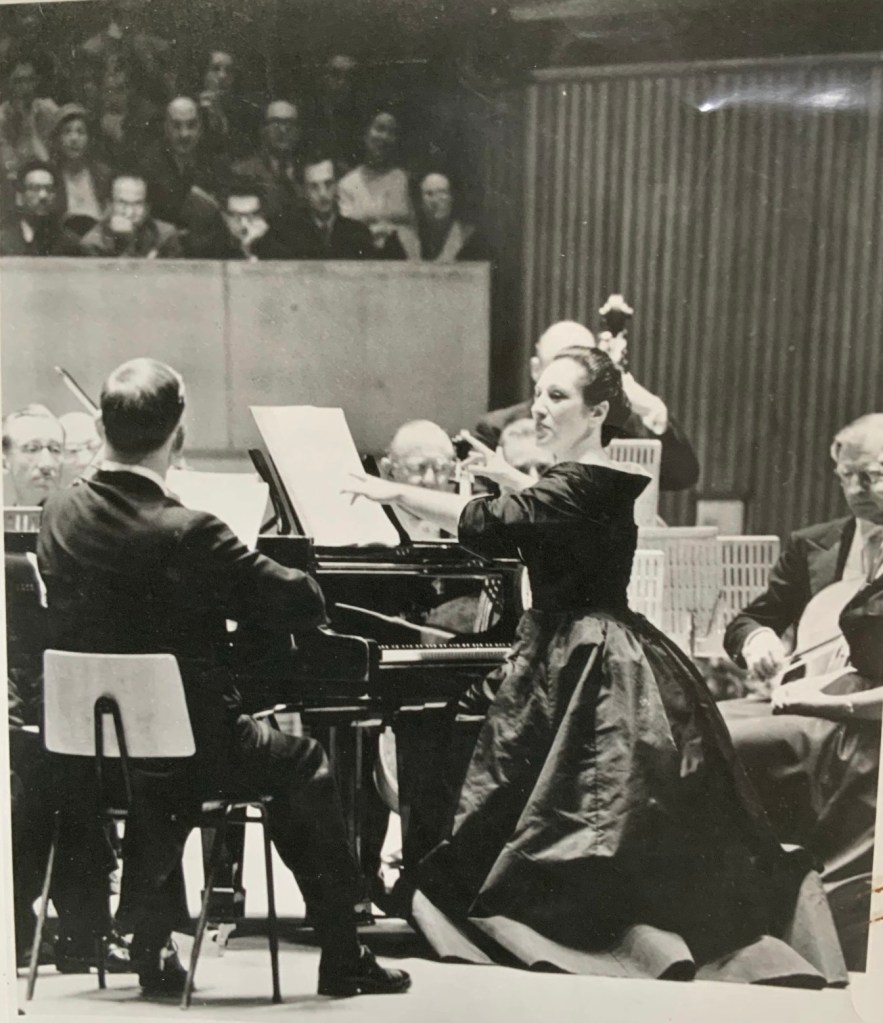

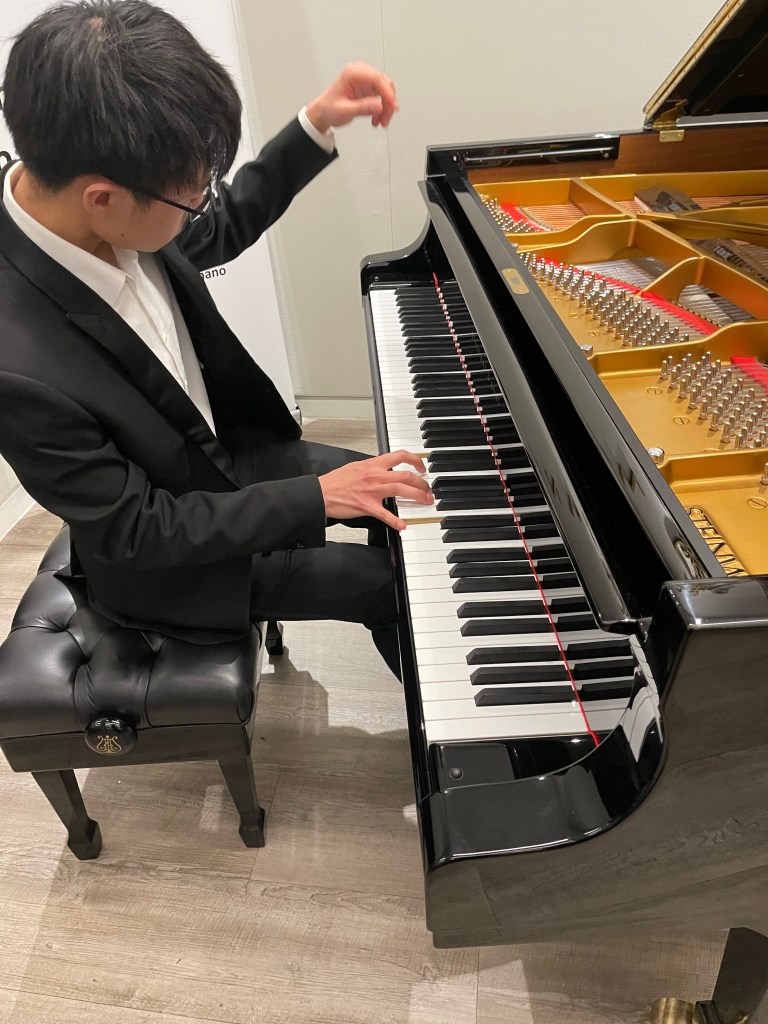

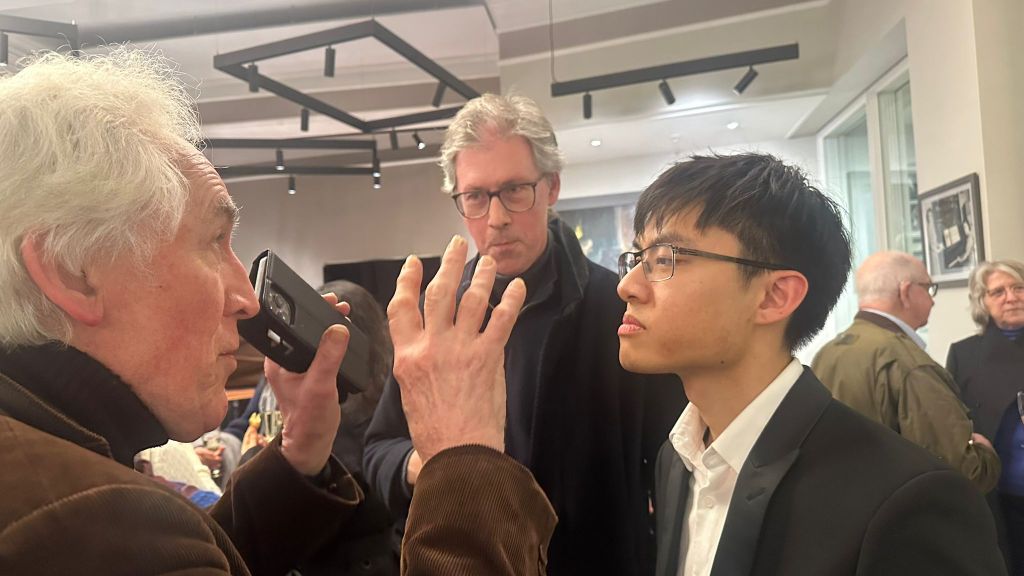
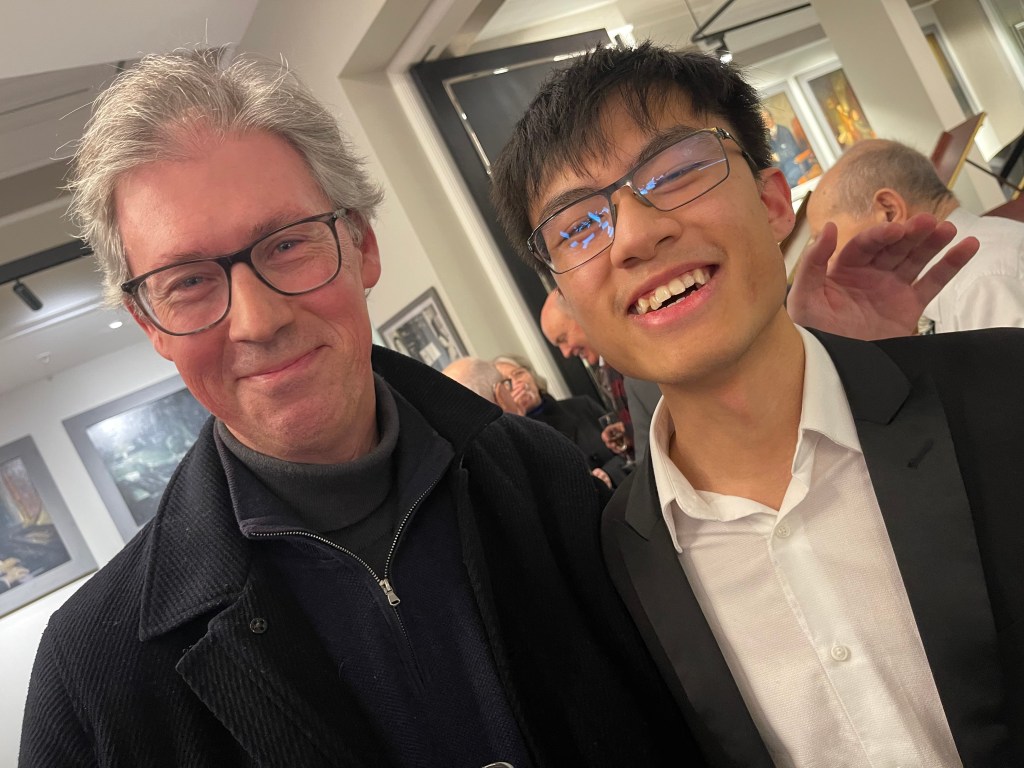
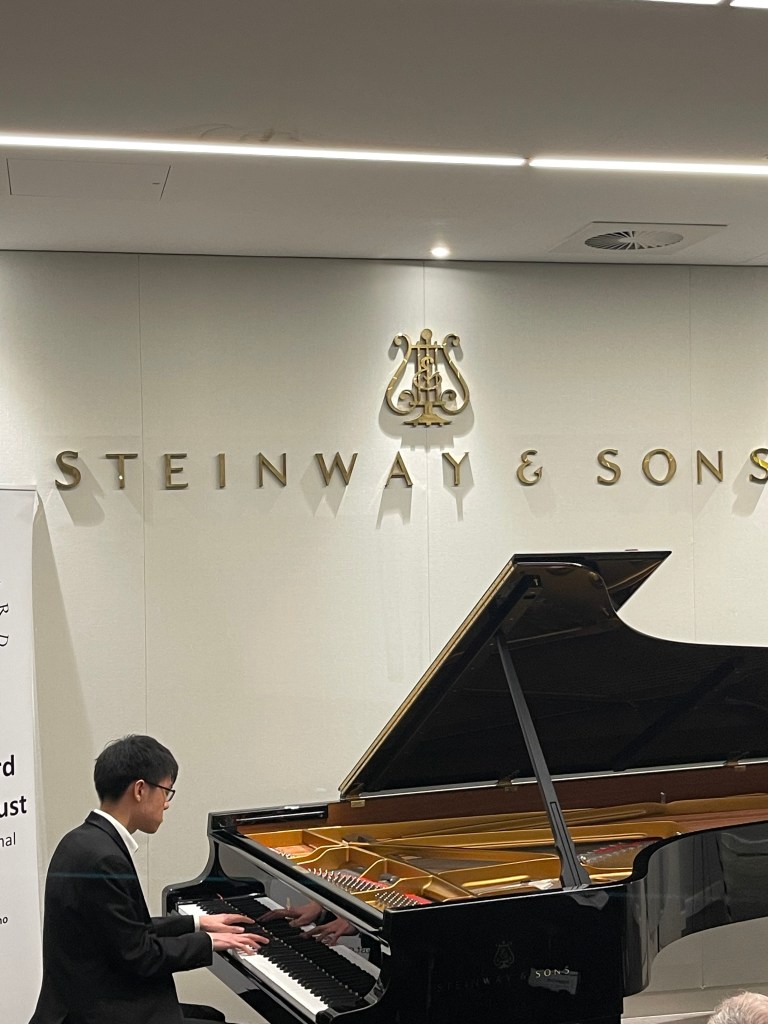
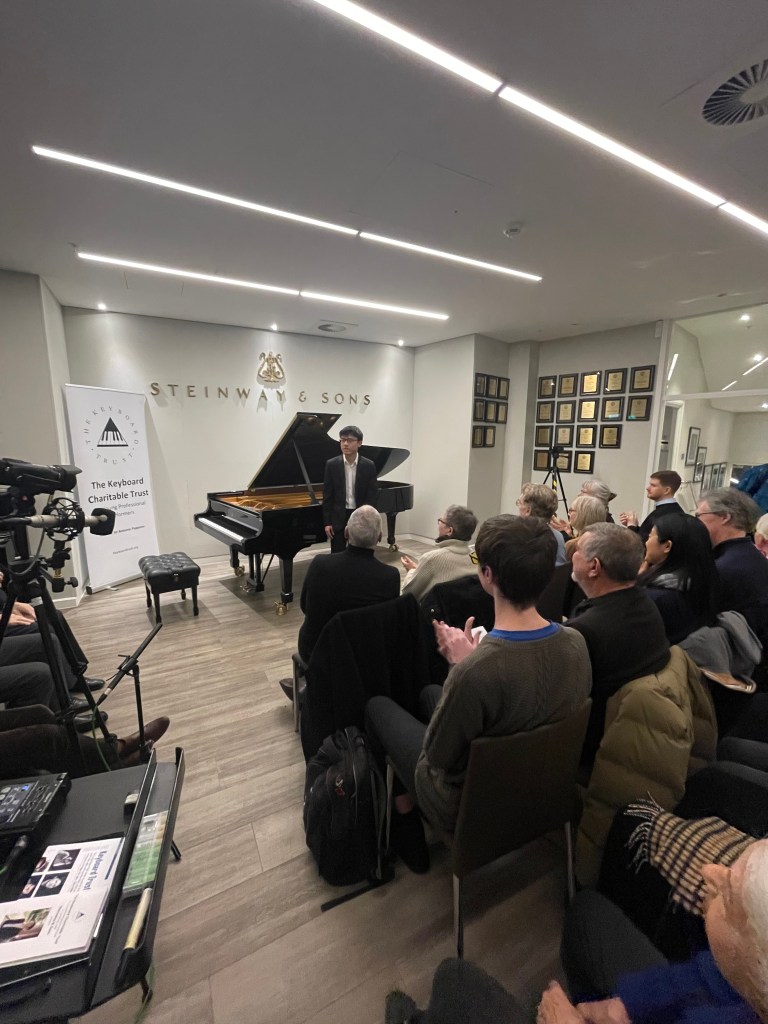


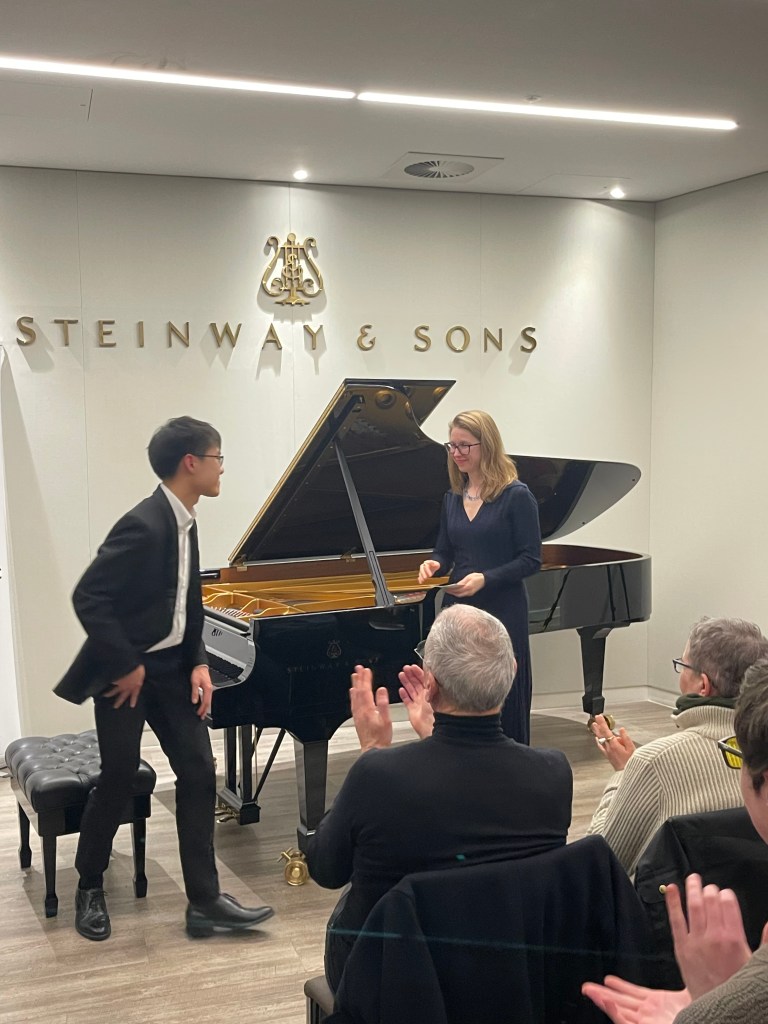
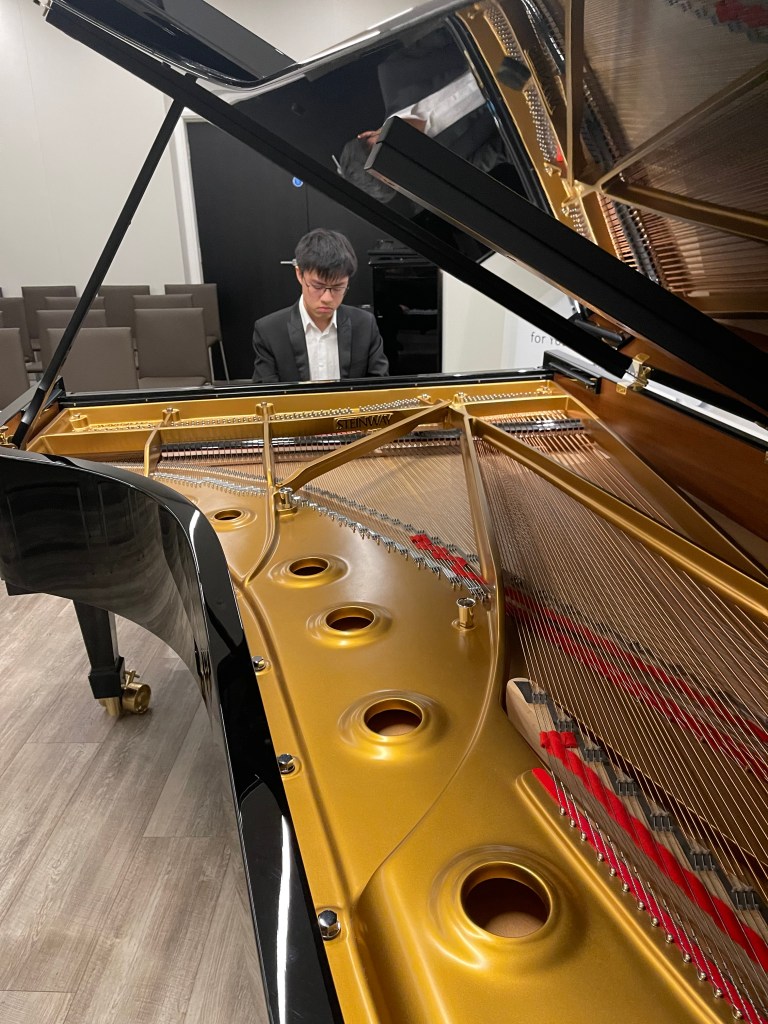
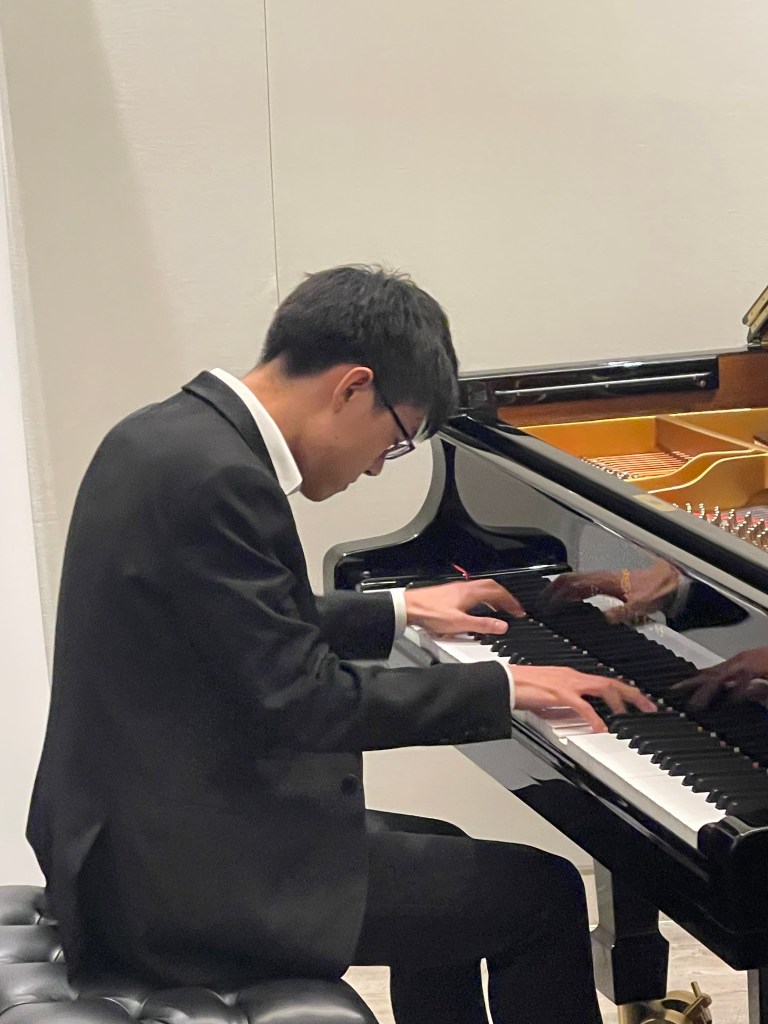
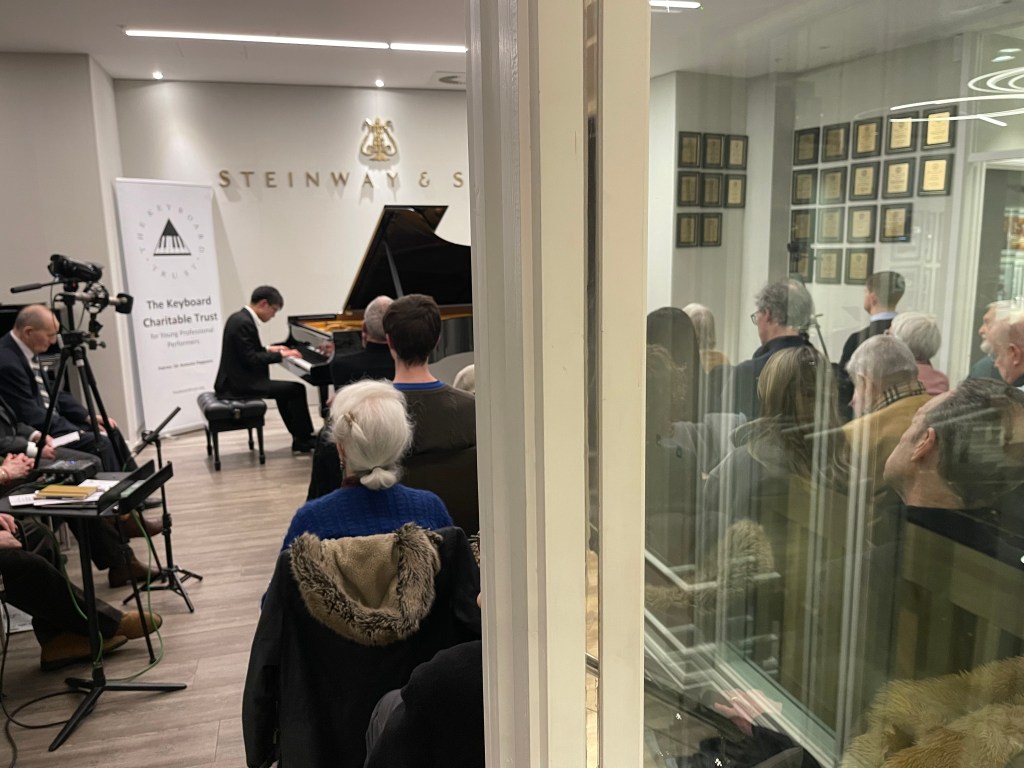


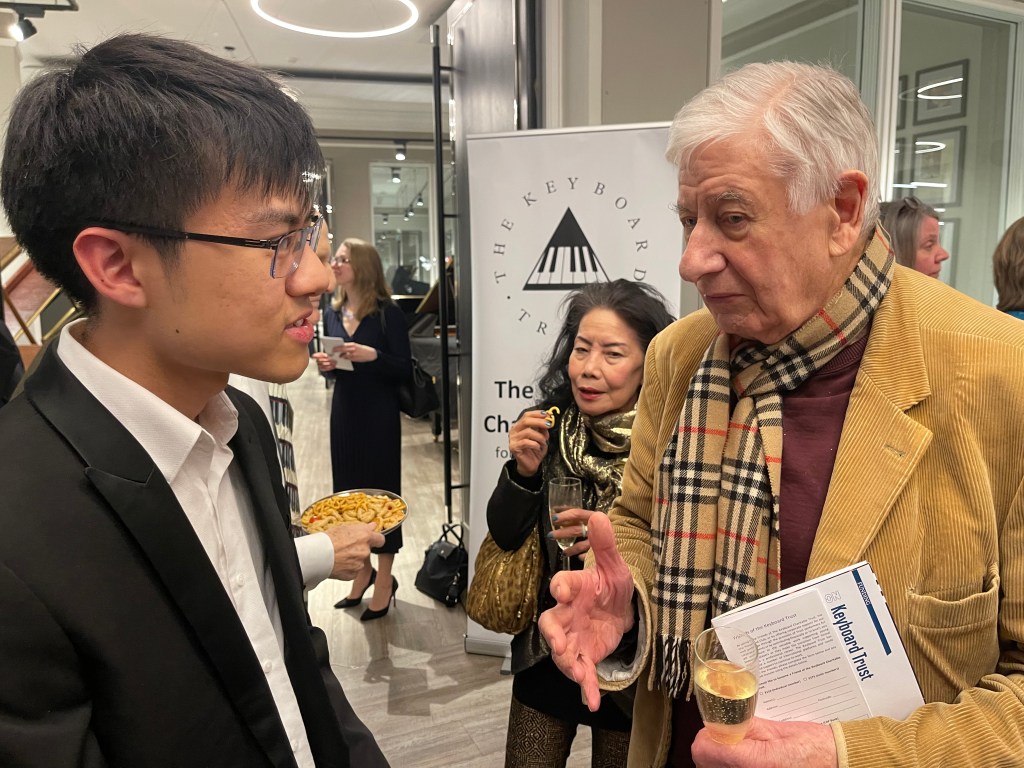

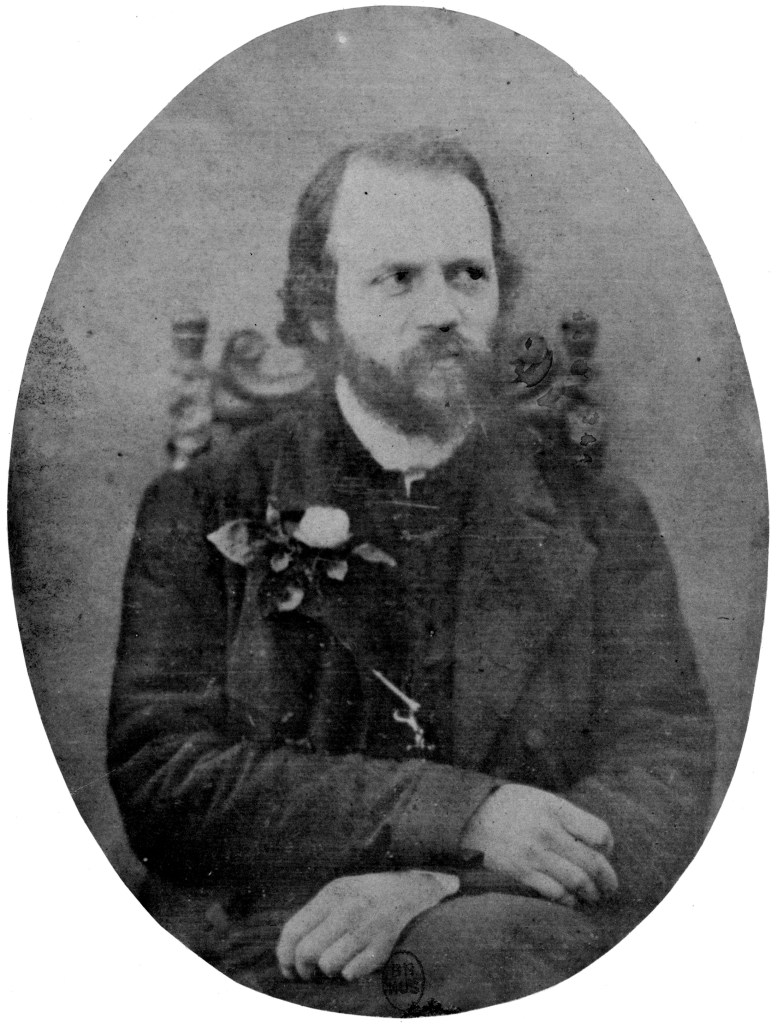

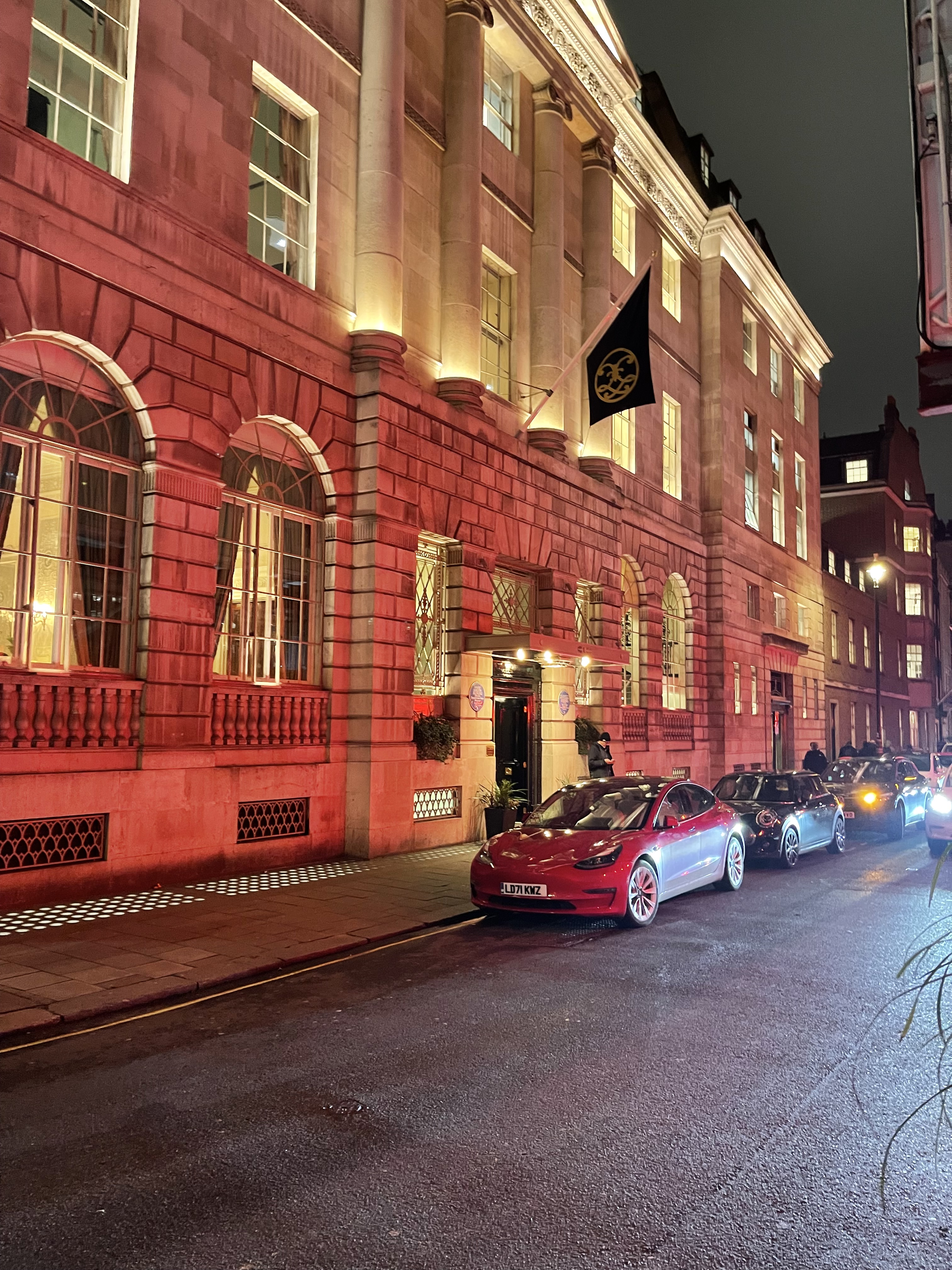
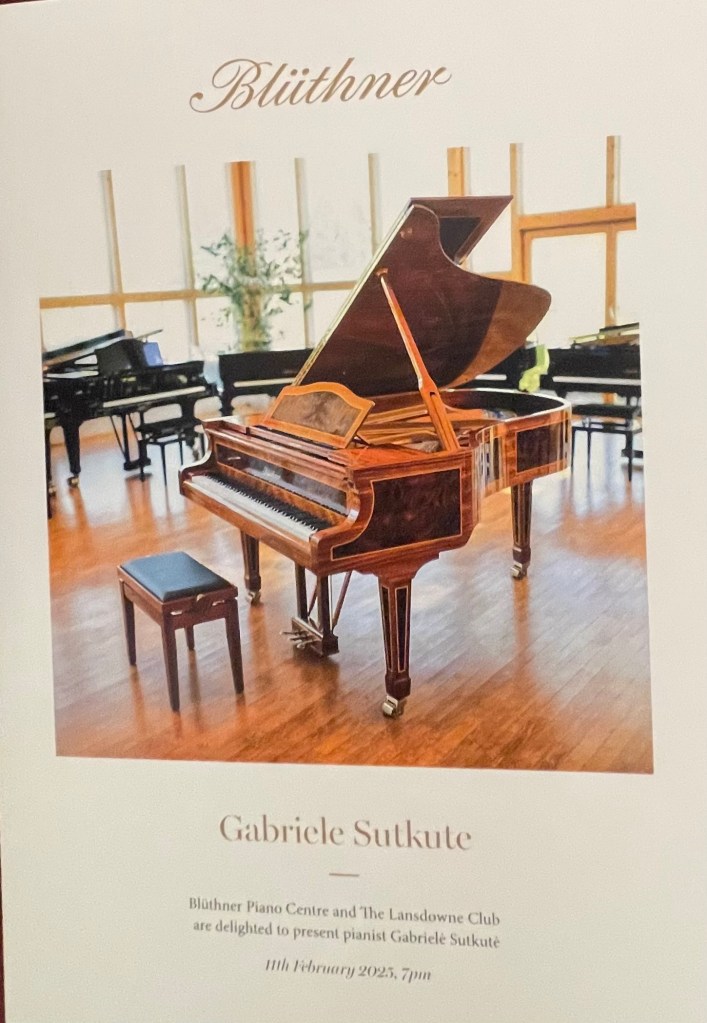
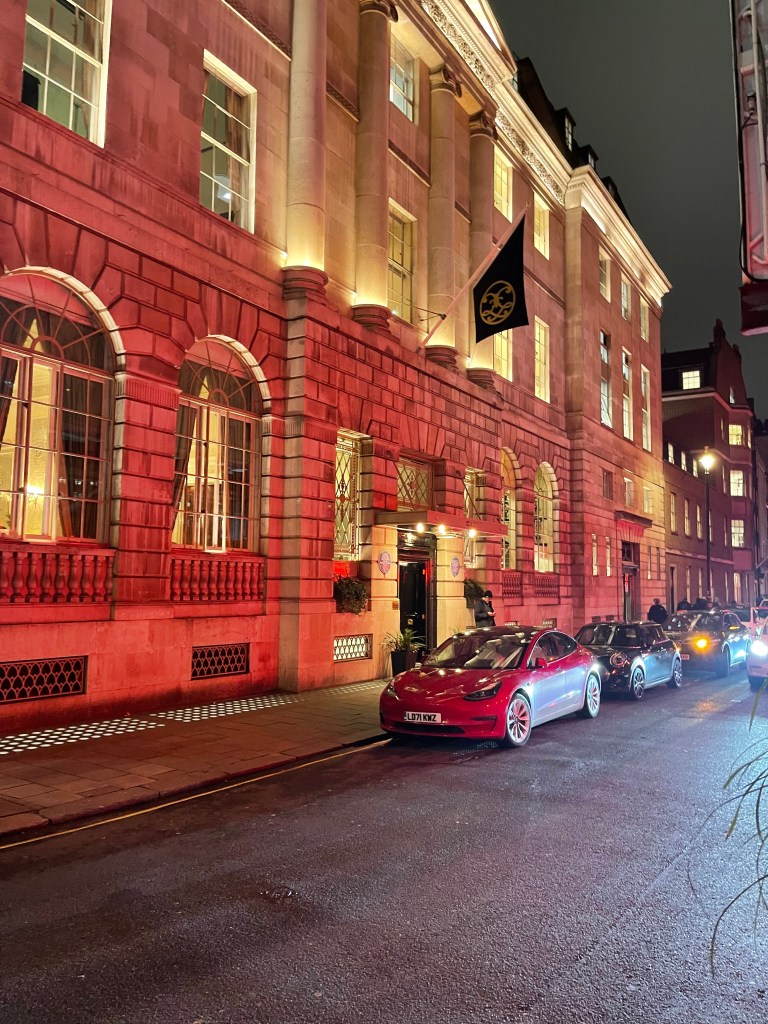

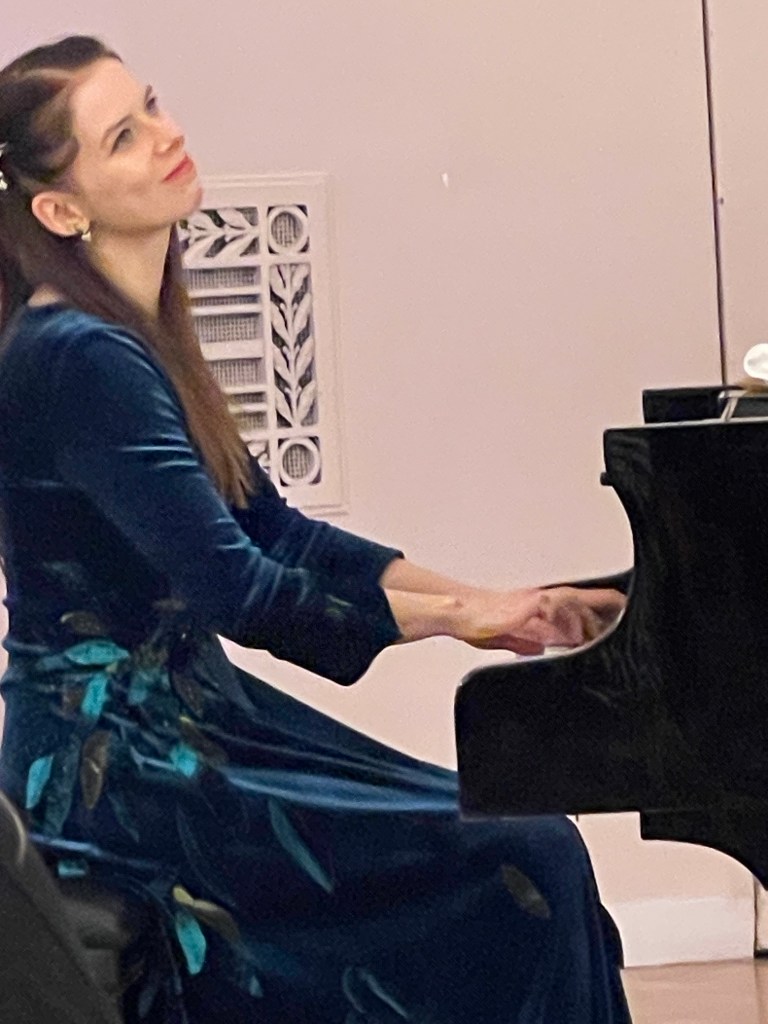
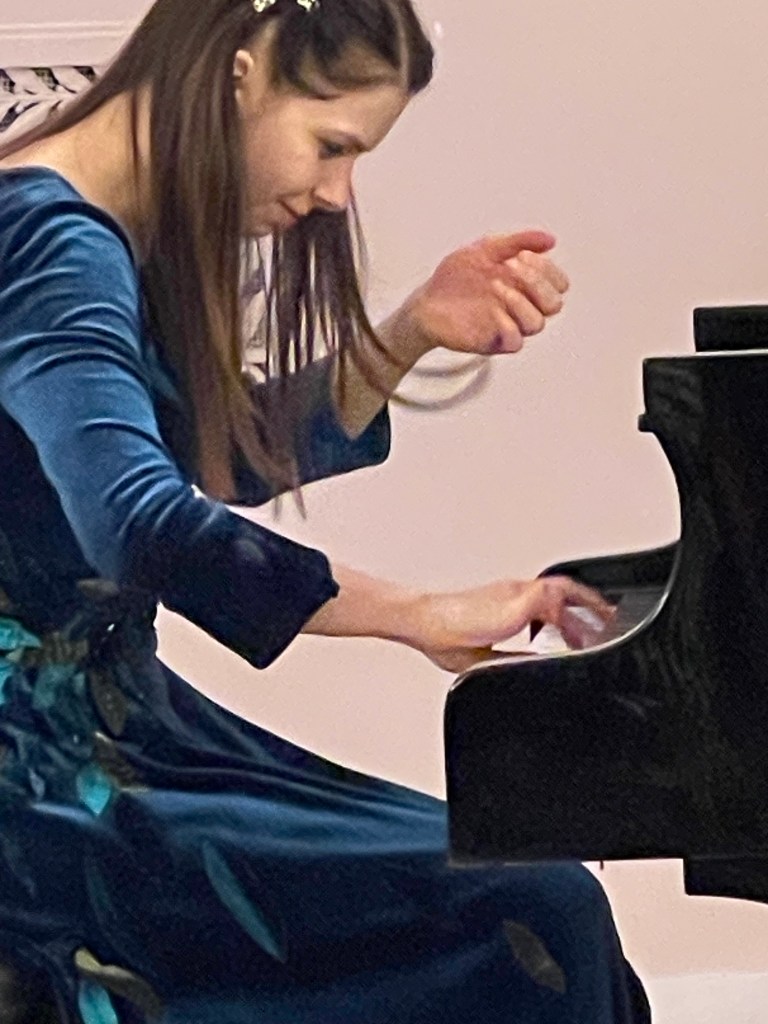


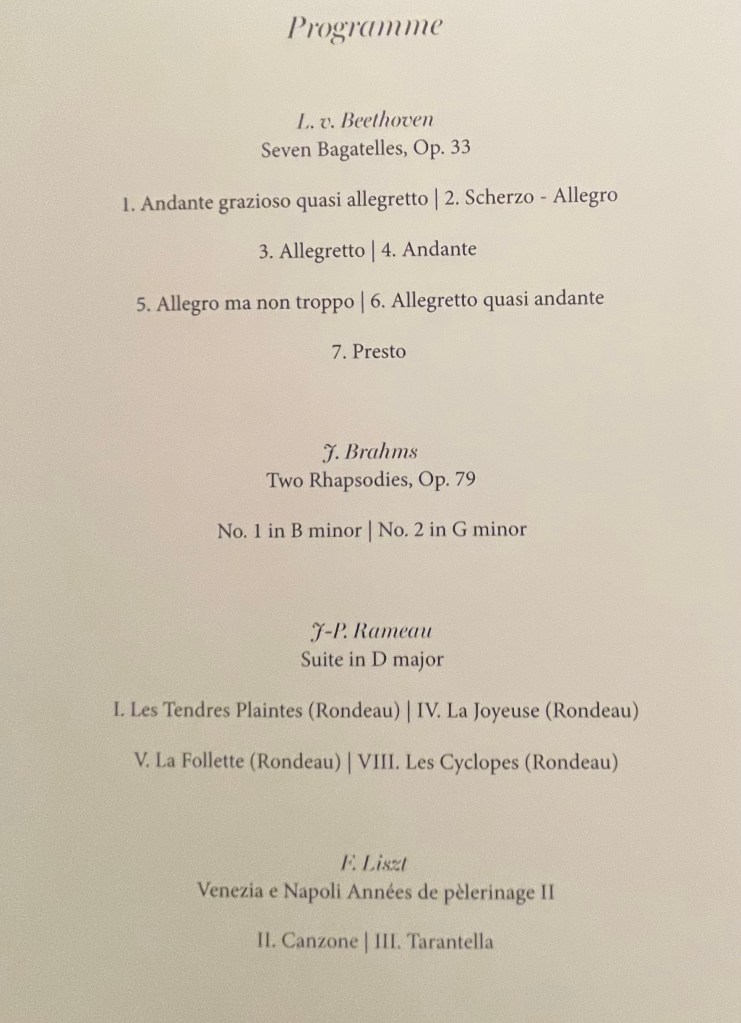

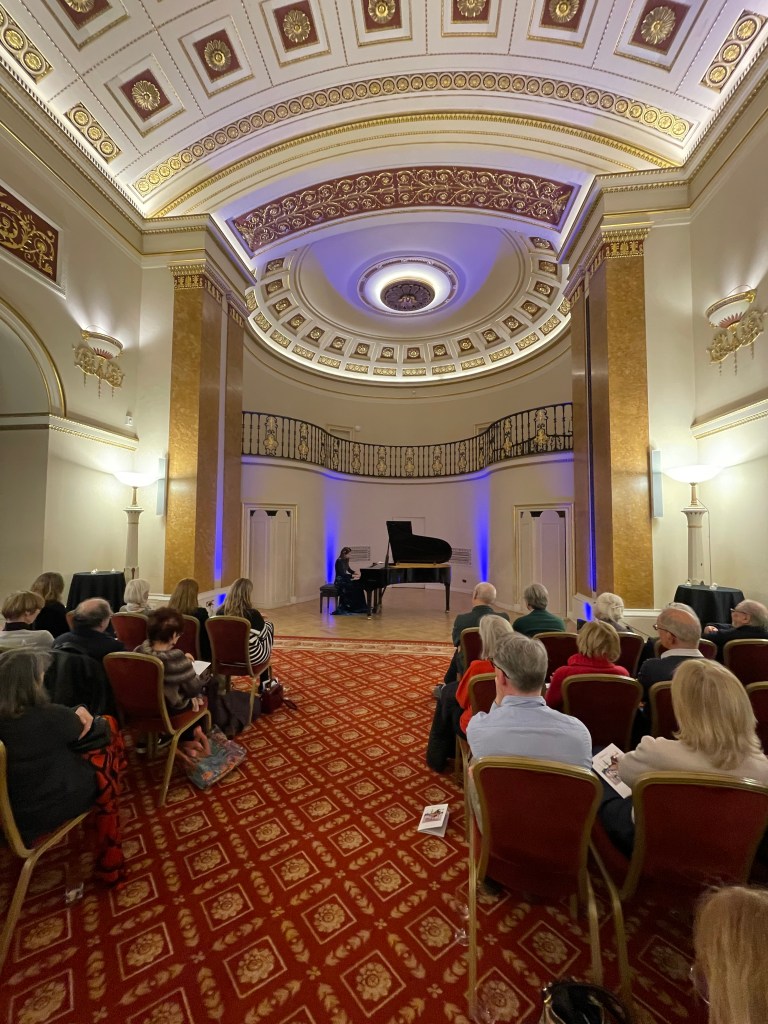


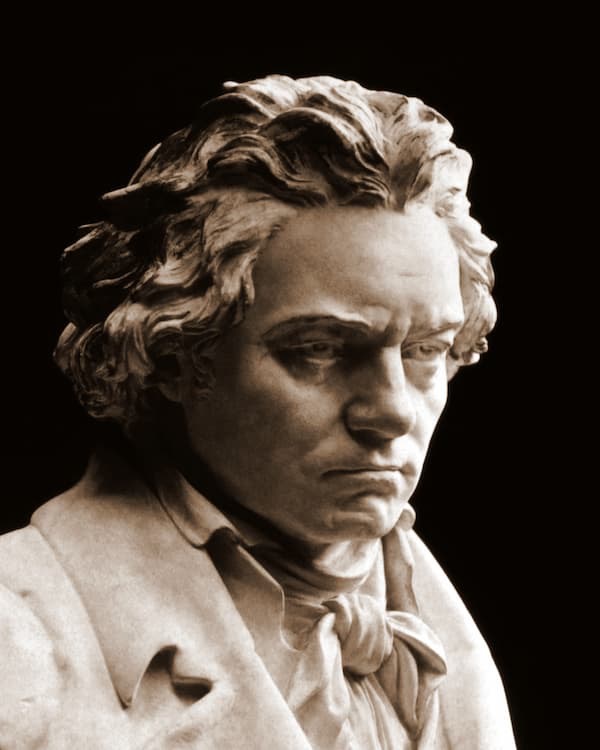
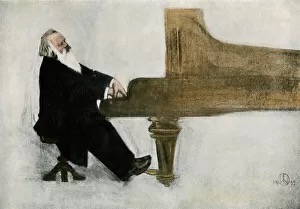
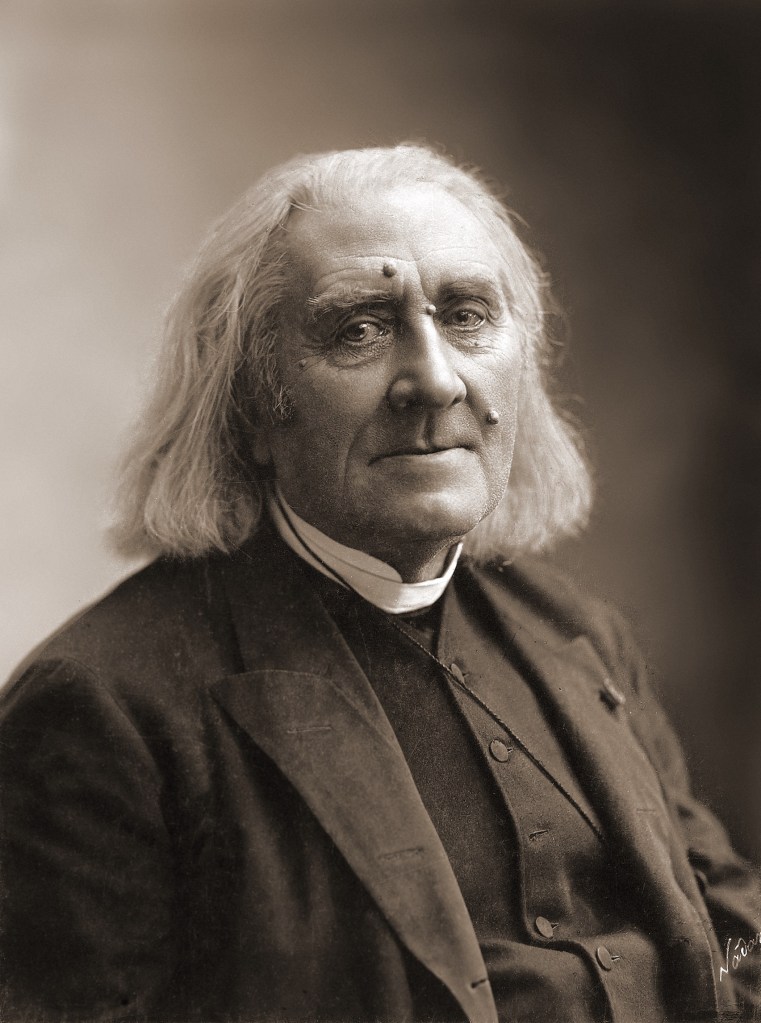
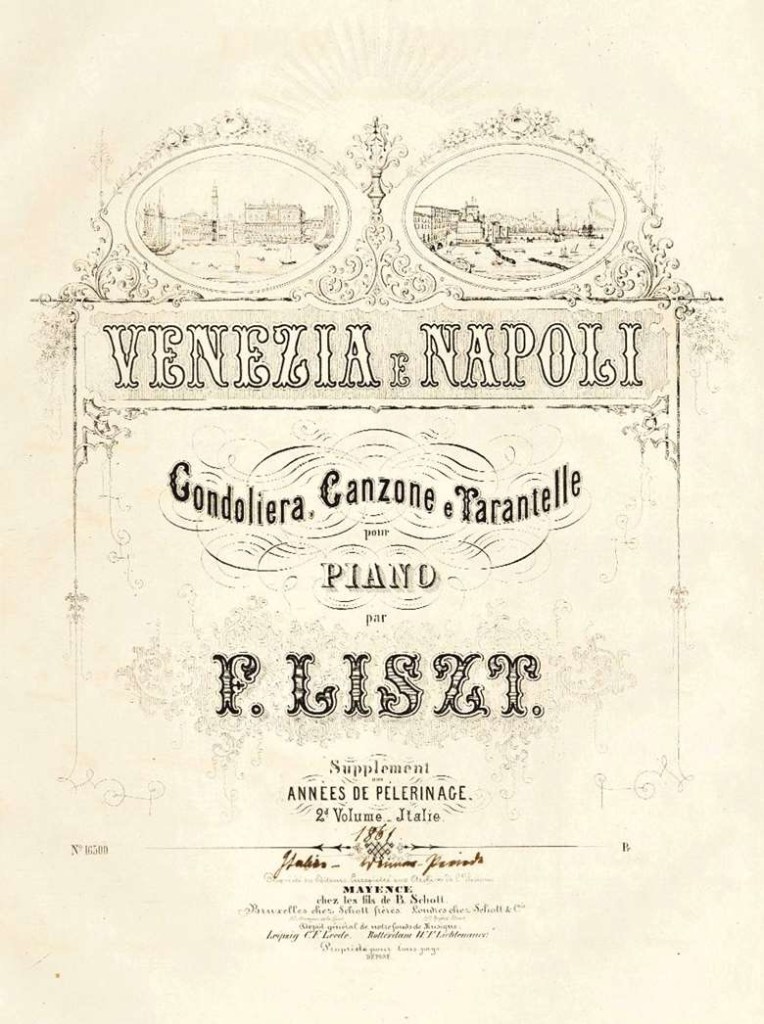
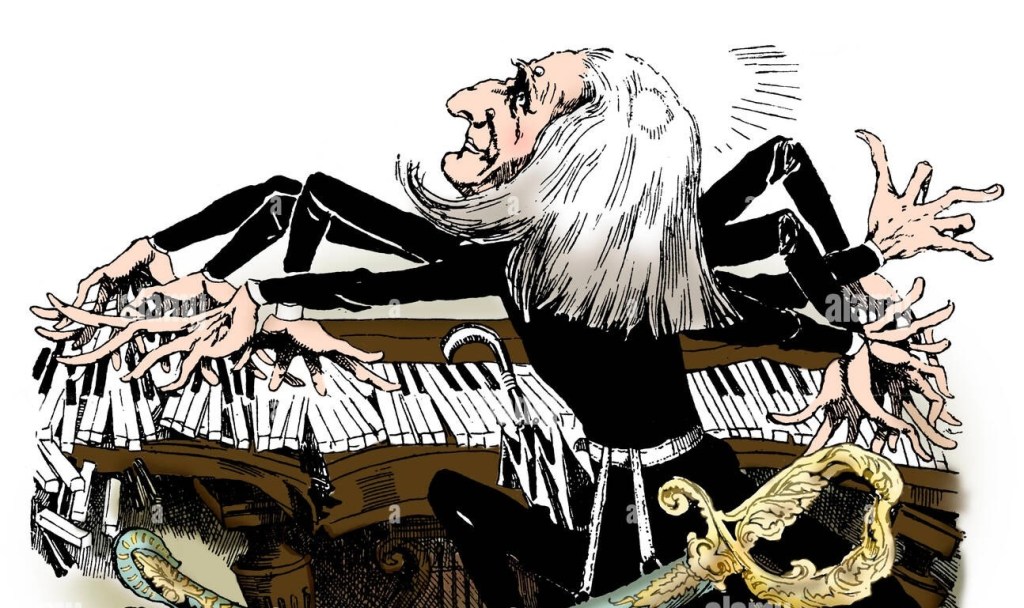
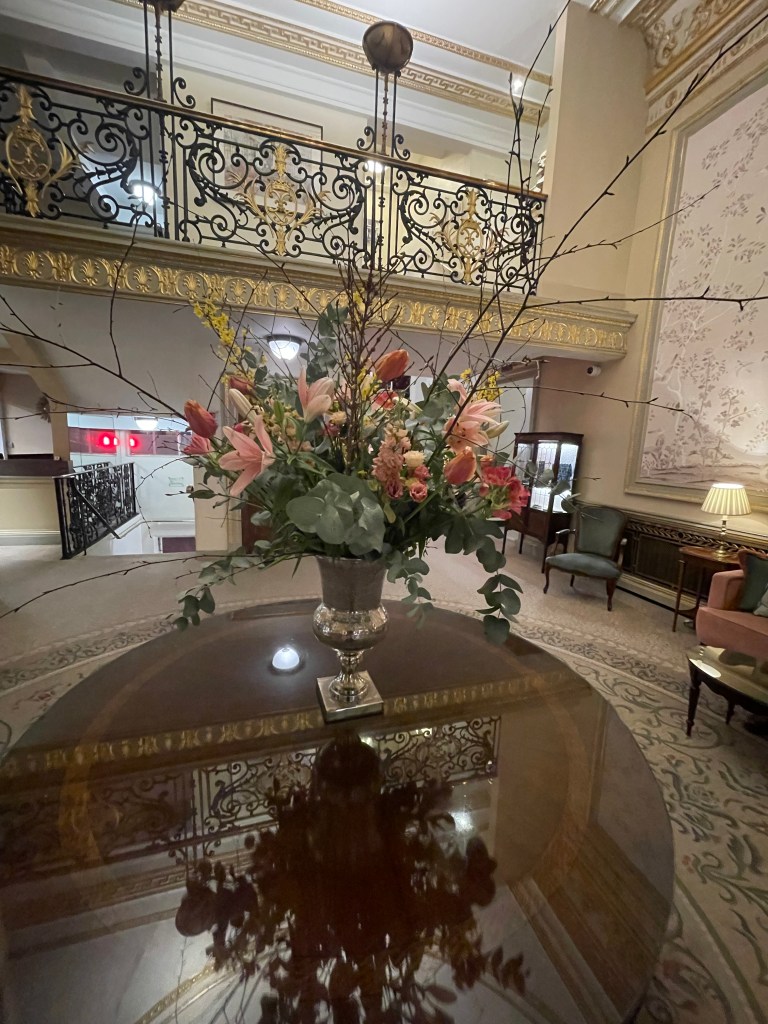


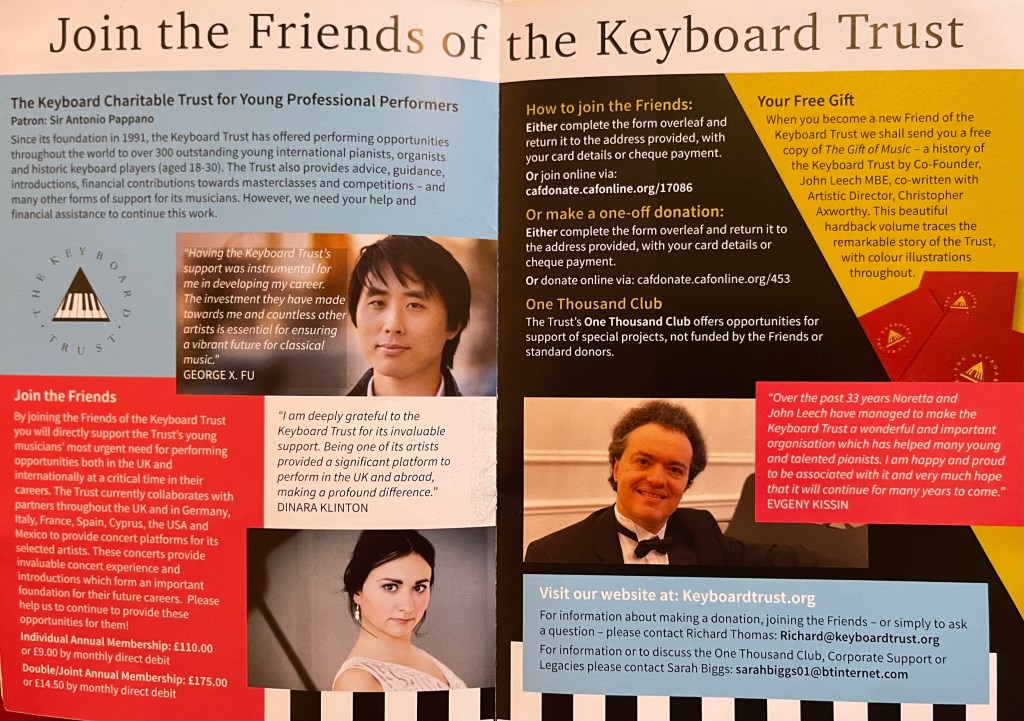
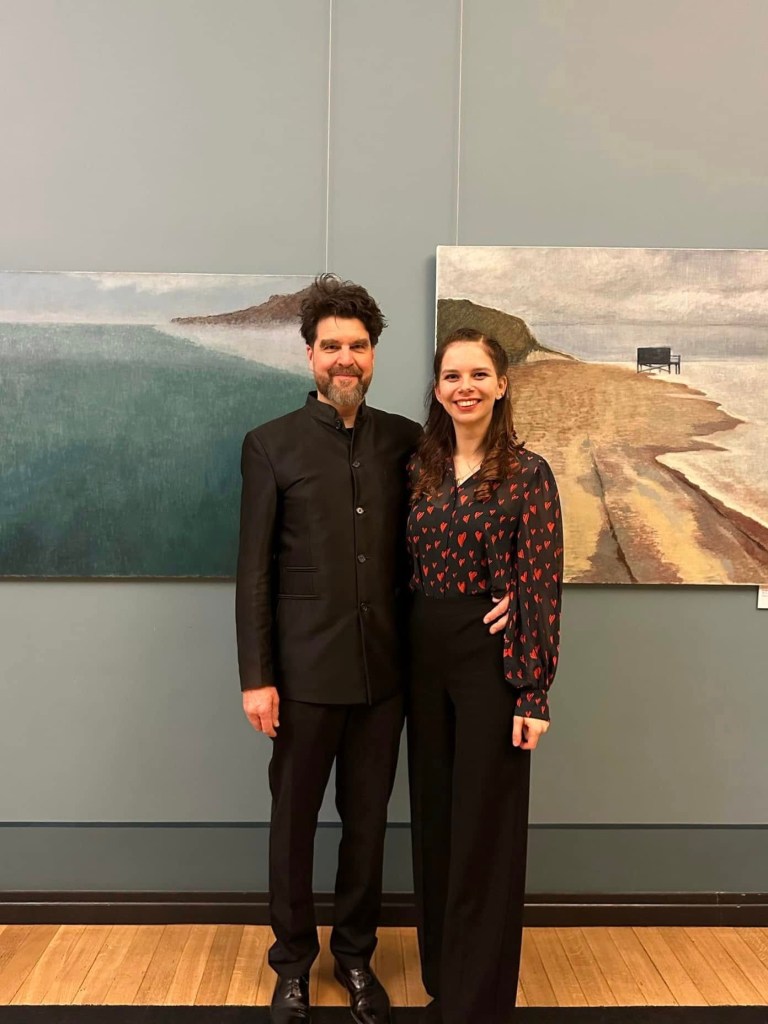




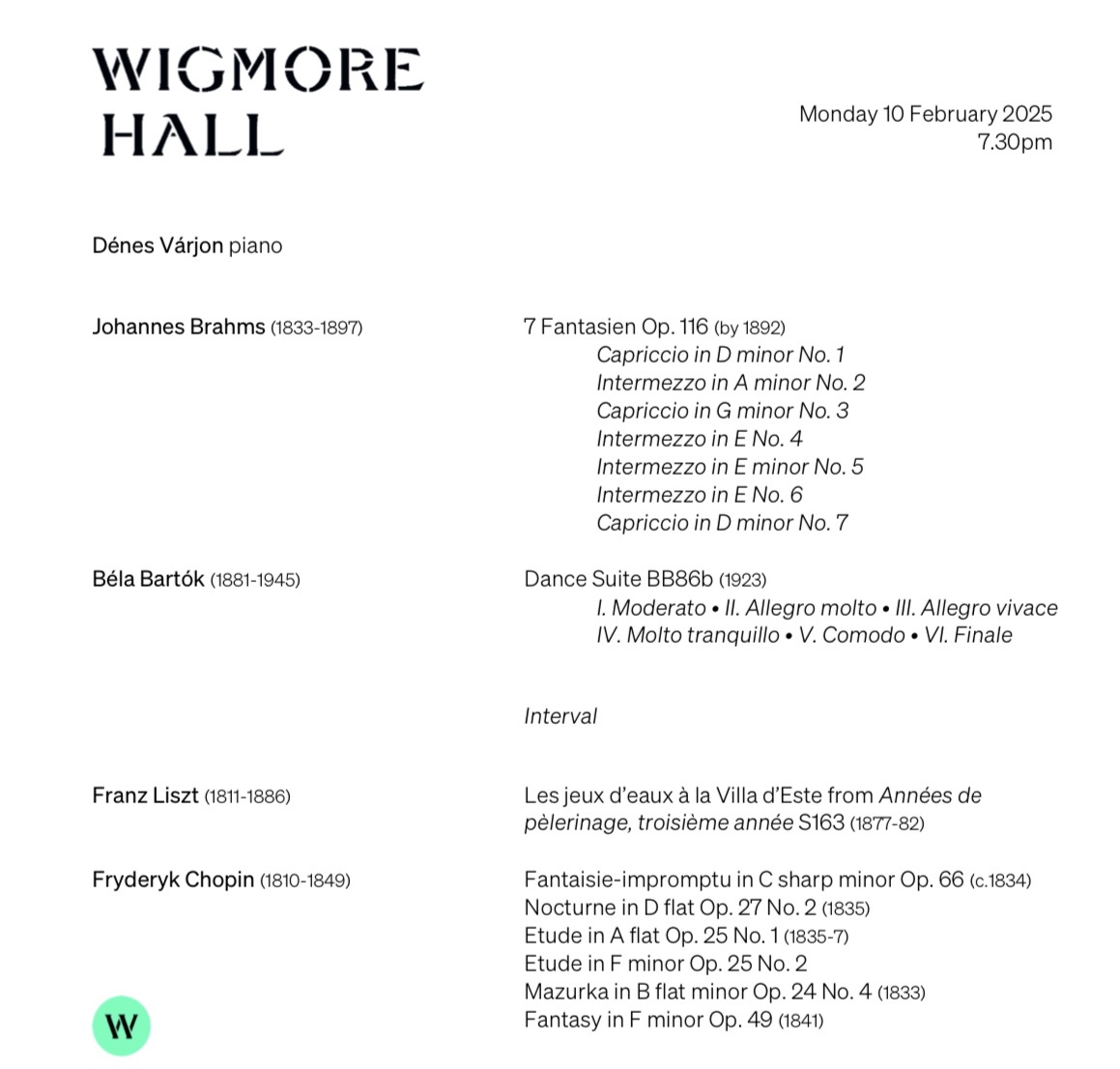
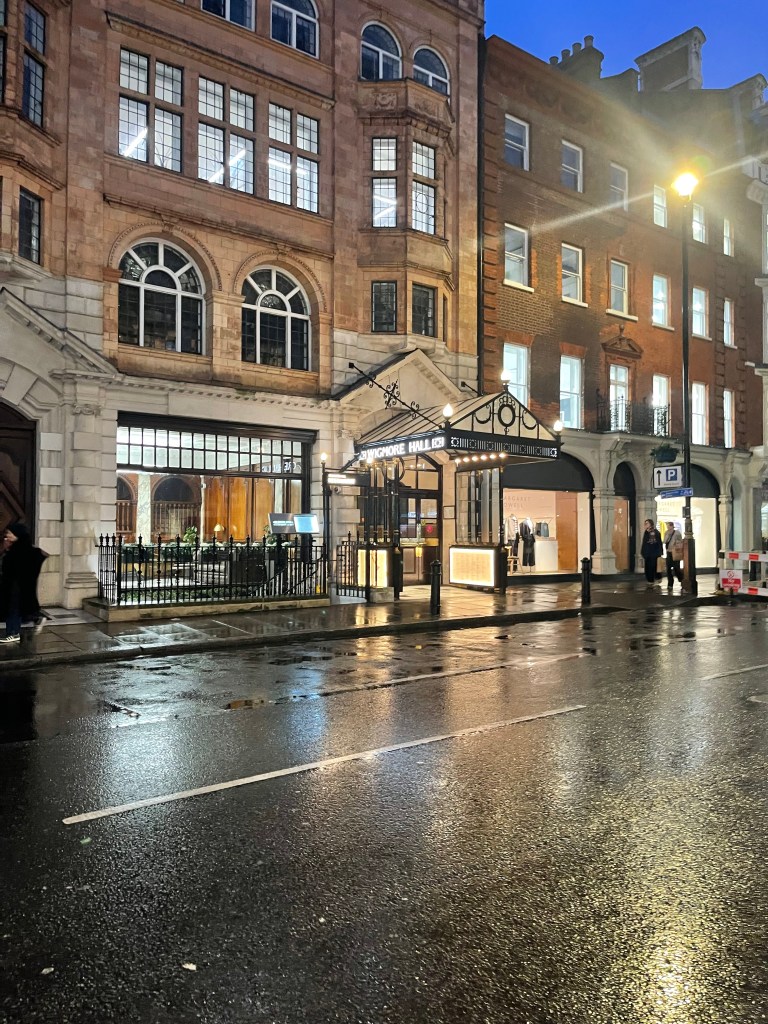
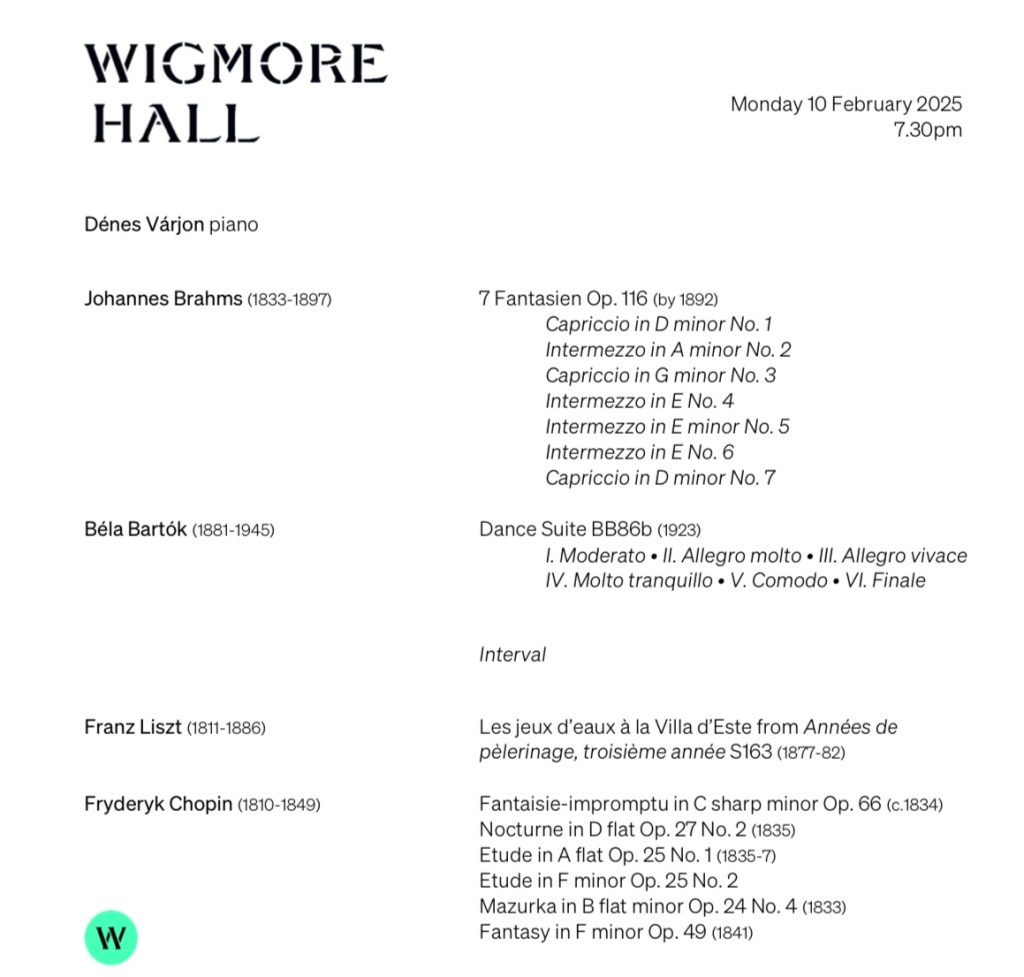
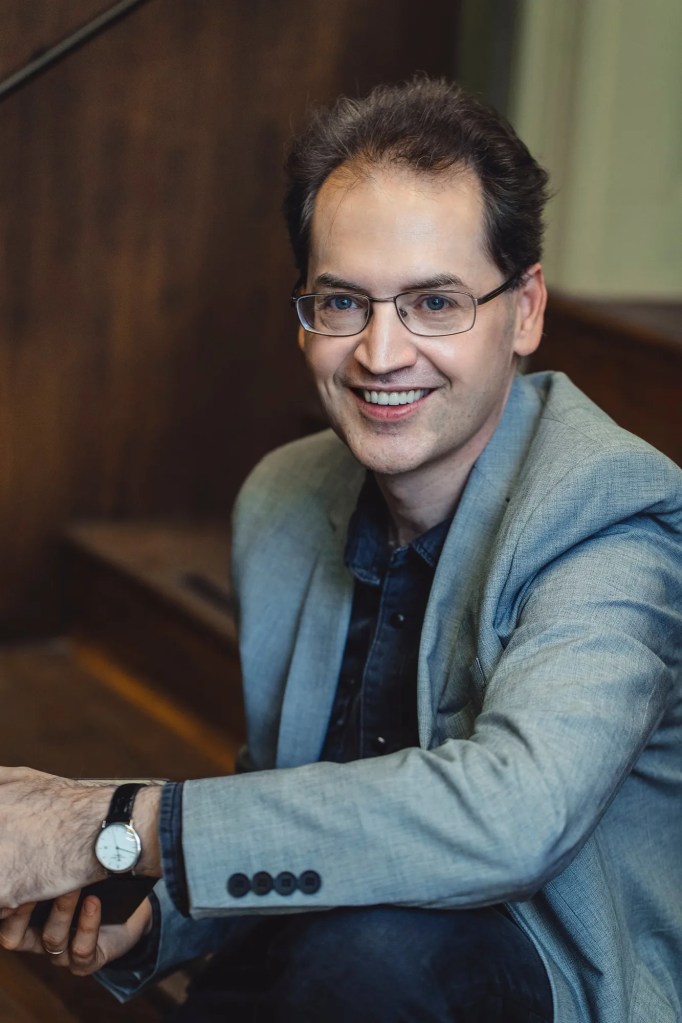

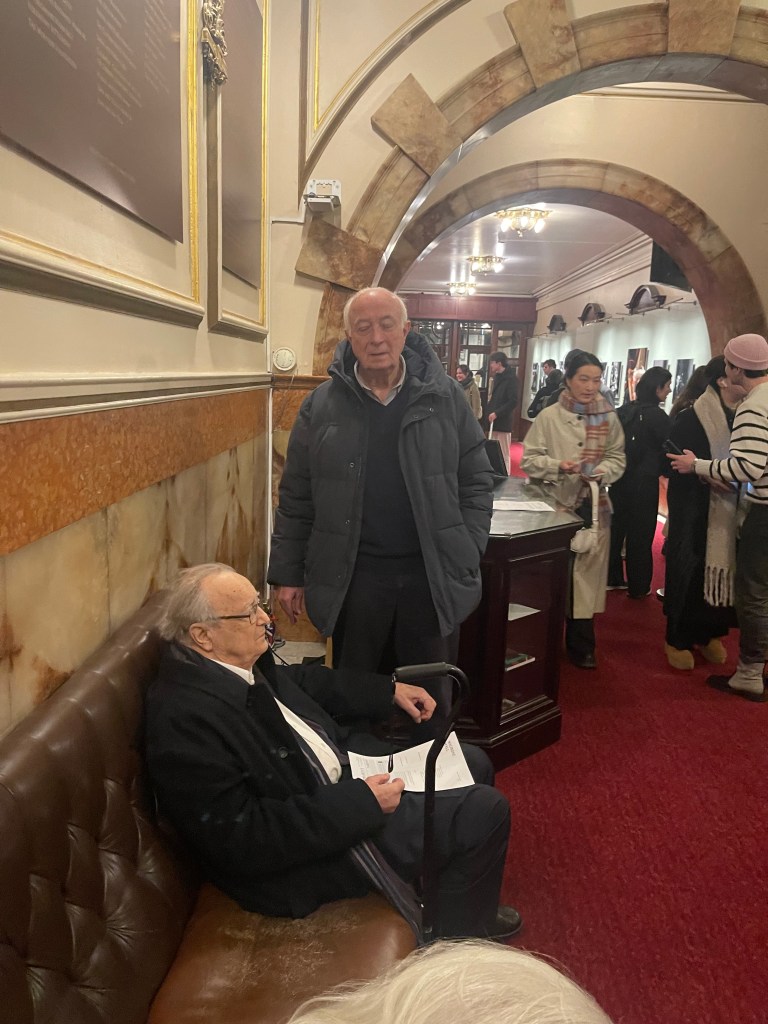
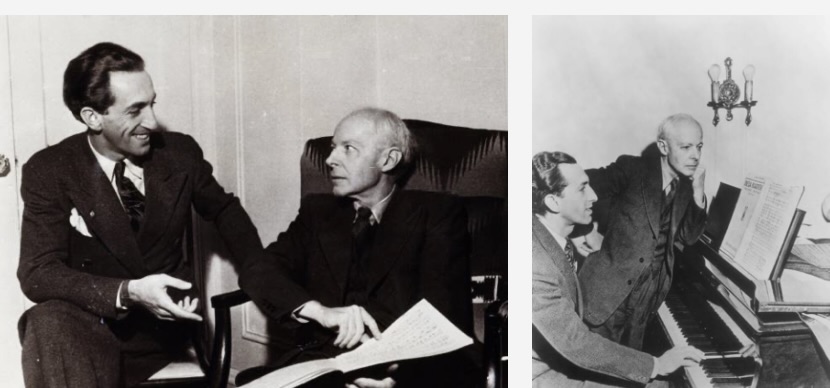
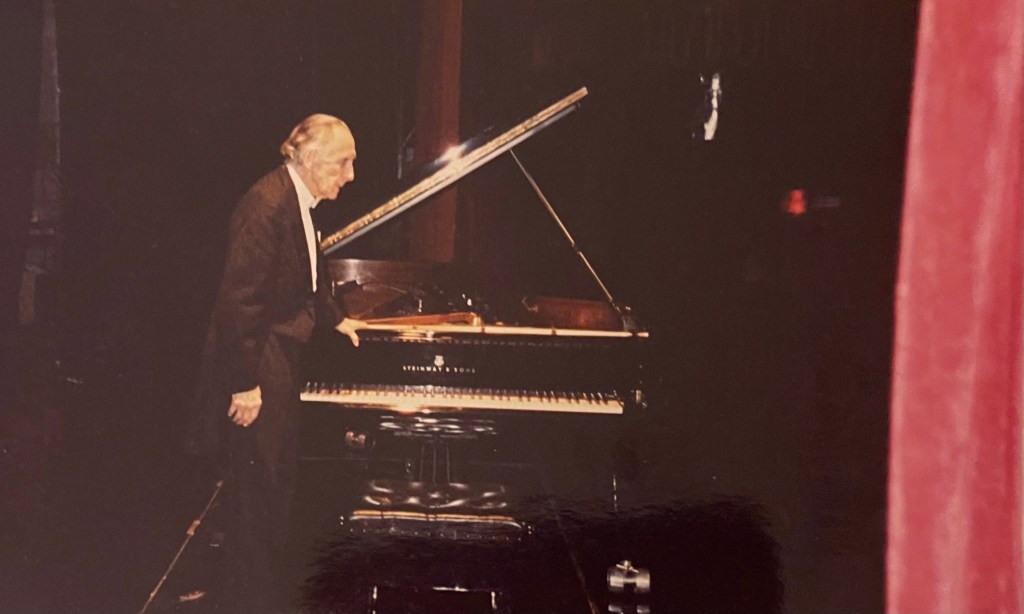
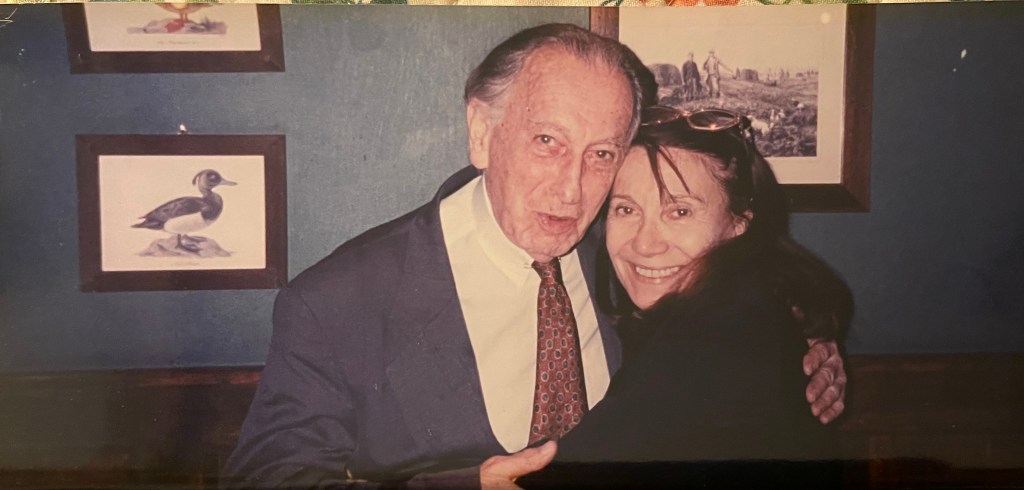

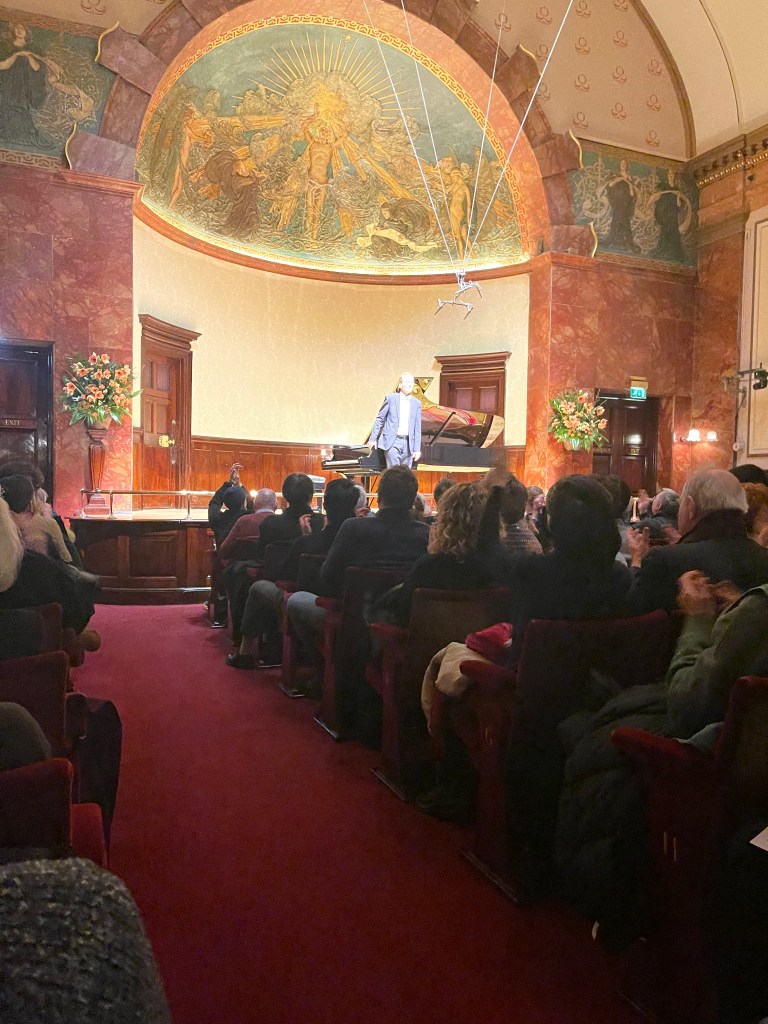
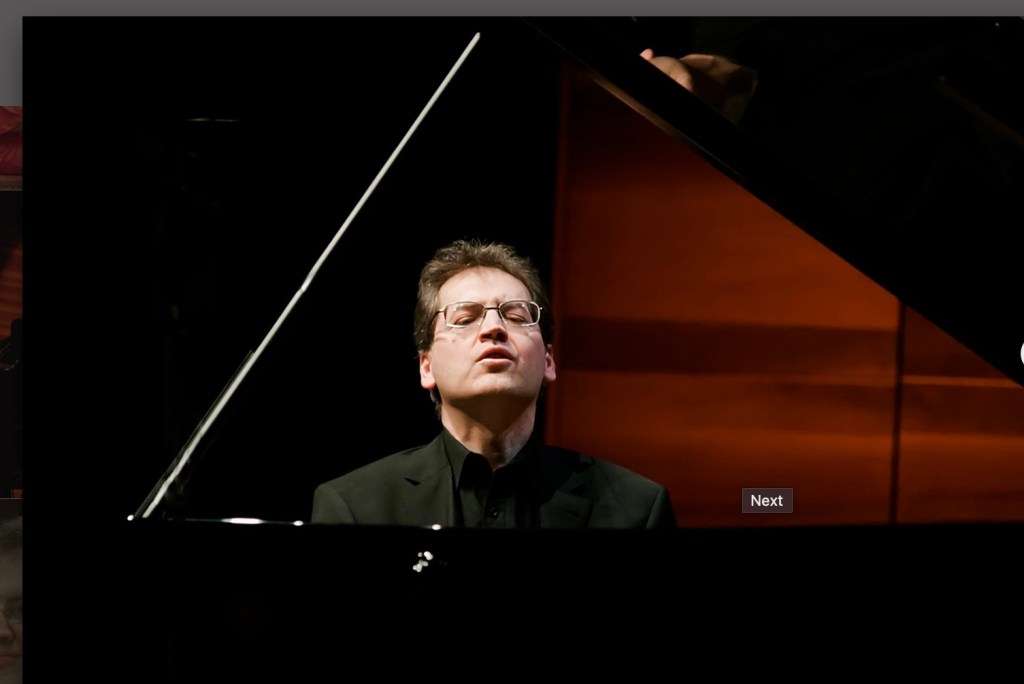

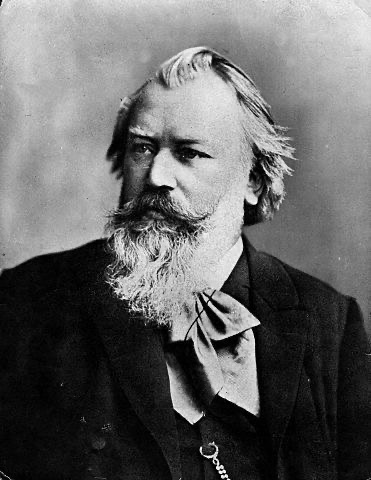
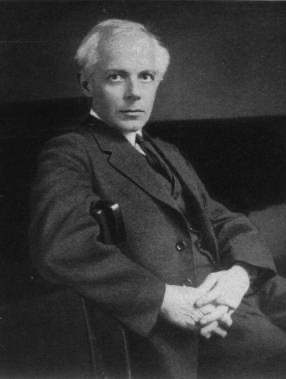
 ChristopherAxworthy-MusicCommentary