Peter Frankl and the Kelemen Quartet in Budapest tonight with superb performances of the Franck and Brahms Quintets.What a lesson Peter Frankl in his 87th year playing with all the youthful passion of the superb Kelemen Quartet less than half his age.I remember Peter remarking about his friend Menahem Pressler playing the Franck Quintet for the first time in his nineties and remarking that it was one of the most difficult and strenuous works in the repertoire. And yet here in Budapest Peter played not only the Franck Quintet but also the Brahms Quintet – two monuments of the chamber music repertoire. And what a lesson it was as he weaved his way in and out with his magnificent players in a musical conversation that today has no peers. Hugh Mather,of that musical Mecca of St Mary’s in Perivale,just commented that he thought Peter no longer played in public. How wrong can you be! Just listen to these performances last night!
Peter had to have two 80th birthday parties in London – one for his English friends and one for his Hungarian friends – there were so many people that wanted to pay tribute to one of the most loved musicians of the day.Together with his inseparable wife Annie they are one of the most loved couples for their intelligence warmth,humility and supreme artistry.A rarity indeed these days where quantity has been mistaken for quality. Many people thought he no longer lived in London as he never plays there any more. Peter would commute to Yale University for many years but always came back home to London. He would often come with Annie to play for us in Rome and it would of course include a visit to the Villa Borghese or other famous monuments.But they also insisted on coming to see my wife on stage and I well remember the fun we had in my wife’s green room afterwards.One year Peter got a letter from Dame Moura Lympany congratulating on his superb performance of the Liszt Sonata at the Ghione Theatre.He had no idea that such an illustrious colleague had been present.Little did anyone know that when Moura was housebound in Montecarlo due to a stroke just before her 80th birthday,I used to send her videos of all the concerts at the Ghione theatre.We would then discuss and enjoy the performances together.I well remember a young Canadian pianist Katherine Chi from the International Piano Academy in Como ,playing the Hammerklavier Sonata and both Moura and Peter after hearing the video asking how they could help such an enormous talent.Moura and Peter – two of the most generous artists that has been my privilege to know. Peter and Annie go more to the opera and the theatre than to piano concerts and they would often ring us up to say they had seen a play that would be particularly ideal for Ileana. ‘Glass Menagerie’ was a terrific success for Ileana thanks to them.( Rosalyn Tureck made a journey especially from Florence to Empoli to see her in it)
Peter now feels uncomfortable to play solo piano from memory and refuses to use a score.So in the past few years he has dedicated himself to the vast Chamber music repertoire of which he is the indisputed master now that Menahem Pressler has retired.(There are only us two left as Horowitz said to Cherkassky when Bolet died).
This can be seen and heard in Budapest last night and it is indeed strange that so many great artists living in London are never actually invited to perform there.Cheethams in Manchester (where he gave the greatest performance of Beethoven’s 4th Concerto that Craig Shepherd had ever heard ) and the Oxford Philamusica have been two enlightened oasis that have been able to enjoy his performances and precious advice in Masterclasses,but London has been deaf for too long to the gold that is hidden at the bottom of its garden!
Beethoven: Piano sonata in E Op 109 Vivace / Prestissimo / Andante and variations
Brahms: Piano sonata in F minor Op 5 Allegro / Andante / Scherzo / Intermezzo / Finale
It was very stimulating to be able to hear Jianing Kong in the Brahms F minor Sonata just a few days after hearing his mentor Dmitri Alexeev play it in his series of concerts dedicated to his own mentor Dmitri Bashkirov.Of course both are superb musicians and real artists with all the technical resources at their fingertips to be able to concentrate on the actual meaning behind the notes and the overall architectural shape of this monumental work.One cannot make comparisons between two such committed performances.Each one stands on it’s own and in that moment is totally convincing.But it is possible on reflection to make some comments and observations as one rethinks of the performances and of things that linger in ones mind and are to cherish for a long time after the sounds have died away.Let me say immediately that the comparison for me is between Alexeev at the helm of the Philadelphia under Ormandy and Jianing with the New York Philharmonic under Boulez.
Some time ago I heard Volodos play the Brahms second piano concerto at the Festival Hall.Volodos ,also a pupil of Bashkirov,has been glibly but with a grain of truth described as the greatest pianist alive or dead!It was a magnificent performance that just slipped out of his fingers with his ravishing tone and transcendental technical control. I remember very little else about subtle details or those velvet moments (to use Joseph Coopers very apt remark about the F sharp major episode of the slow movement). I do though still remember 30 years on the performance by Curzon at the Proms where he sweated blood and tears together with the Concertgebouw orchestra .I was standing almost next to him and could see the enormous effort that went into the performance.My teacher Sidney Harrison listening on the radio confirmed that it was indeed a memorable performance.
Recently a well known critic went to hear the Beethoven trilogy played by a very fine artist who having come to the end of his cycle of 32 sonatas had to repeat the trilogy on the same day such was the demand for tickets.I listened to the first performance on the radio in my garden ,the score at hand ,and was overwhelmed by a performance of such perfection and absolute fidelity.The critic had been only able to secure a seat for the second performance and he confirmed my impression of the earlier concert.’There is only one point though’ he said very wisely ‘ when I heard Arrau play this trilogy in the Festival Hall he was so exhausted and exhilarated at the end of such a mammoth journey as was his audience too.It would have been unthinkable that he could have just had a cup of tea and done it all over again’.Wise words indeed.Make of it what you will!Music ,must be a struggle. Like climbing a mountain a life embracing all or nothing effort.
Jaining’s performance of Brahms op 5 I have admired enormously for his formidable technical control and superb musicianship.A rhythmic precision that in this sonata is a great challenge to the performer.There were some beautiful counterpoints in the ‘con espressione’ of the first movement and the transition to D flat was quite magical.His sense of architectural shape was also quite remarkable.The beauty and colouring he found in the Andante duet between voices was only surpassed by the delicacy with which he played the ‘poco più lento.’There was passion too in the gradual build up to the climactic outpourings.Sumptuous rich sounds in the coda that started with a mere whisper and built up to a climax of orchestral proportions.The scherzo was played with enviable clarity and rhythmic energy and his colouring of the trio was of great beauty. The startling Intermezzo was played with great attention to detail but did not quite create the desolate atmosphere of this extraordinary movement.The Finale was played with enviable precision and kept firmly in control as the beautiful mellifluous ‘con espressione’ created a wonderful contrast.There was such a rich sound to the chorale melody too that built to up to an overwhelming opulence.His very clean and precise ‘più mosso’ was just the right maze on which this beautiful chorale melody was to wind it’s way to a tumultuous climax.A remarkable performance that I admired enormously.It is however the struggle and turmoil of Alexeev’s conquest that will remain with me for a long time to come.
Jaining’s Beethoven playing I have always admired for it’s precision,clarity and utmost fidelity to the score.But in Beethoven he seems to have understood also the very soul of the composer and I have never forgotten a quite remarkable recital he gave at St Mary’s a few years ago.
Today I will add his op.109 as a thing to cherish.The very opening was played with the feeling that the melodic line had started like a bubbling brook in a distant paradise and had just momentarily resurfaced before disappearing just as mysteriously.It was played with a sense of improvisation that made the ‘Adagio espressivo’ episodes so startling in their rhetorical freedom.Written in such a way that one was not aware that ‘vivace’ was being interrupted by an ‘adagio.’It was a continual magical discovery played by Jianing with such understanding that allowed Beethoven’s notes to unwind with a simplicity that seemed to let the music speak for itself.The ‘prestissimo’ was played very deliberately giving time to allow the intricate details to speak so clearly.Even the ‘fortissimo’ opening was played with an understanding of the overall architectural shape of this rude interruption that Beethoven places as a contrast between two of his most meaningful statements.The opening of the last movement showed the true stature of Jaining’s Beethoven.The theme was played like in the last quartets with a richness of sound where every strand had a deep meaning as Beethoven asks ‘mit innigster Empfindung’ .A first variation was played with such restrained dignity,the almost waltz time accompaniment played with great weight.Rarely have I heard it so full of emotional significance.The ‘leggermente’staccato of the second variation was contrasted so well by the mellifluous ‘teneramente’ where his sense of contrapuntal line was quite extraordinary in it’s logical simplicity.Each semiquaver in the Allegro vivace third variation was give a significance that stopped it running ‘helter skelter’ as it so often does in lesser hands.It led so naturally to the gradual unwinding of the fourth variation before the great weight of the fifth,’Allegro.’’Non troppo’ Beethoven marks and it was this utmost precision that gave such significance to the great rhythmic impulse of this movement.It takes us to a magical realm that only Beethoven could experience in his inner ear but by some miracle could write down to share this celestial world with posterity.In Jaining’s hands it was truly a magical experience and the sublime reappearance of the theme with its subdued sumptuous string quartet writing brought to a close one of Beethoven’s most perfect creations.
Jianing is one of group of musicians from the school of Alexeev who now have illustrious careers of their own.Jianing Kong,Caterina Grewe and Vitaly Pisarenko in pauses from their own concert tours are sharing their knowledge and experience with the next generation at the Royal College of Music so ably run by Vanessa Latarche Head of Keyboard studies.An Ealing girl and like Dr Mather has her origins in the remarkable school of the much missed Eileen Rowe.
Jianing Kong has performed to great critical acclaim throughout the UK, US, Continental Europe and Asia. He appeared in many major concert venues as well as with renowned orchestras such as the Hallé Orchestra, Sydney Symphoney Orchestra, Orchestre Royal de Chambre Wollone, Orquesta Sinfónica de Radiotelevisión Espanõla, Scottish National Symphony Orchestra and National Symphony Orchestra of Dominican Republic. Jianing has been awarded numerous prizes in many prestigious international piano competitions such as the Leeds, Scottish, Santander, Beethoven (Bonn), Valsesia and Tunbridge Wells. In 2016, he became finalist and prizewinner at the Sydney International Competition, where his performances of Beethoven Diabelli Variations and Mozart K.467 concerto won unanimous praise and was awarded the Ignaz Friedman best semi-final prize and the best classical concerto prize, respectively. During 2012-13 season, Jianing was invited by the Keyboard Charitable Trust to give a series of recital tour at venues across Europe and America, including a gala-recital Maestro Lorin Maazel’s home Estate — the Castelton Festival Theatre in Virginia, at which Maestro Christopher Eschenbach was one of his audience. In the same year, Jianing was also selected by the Kirckman Concert Society as one of their artists and has since given his Wigmore Hall Debut Recital to an enthusiastic public. In recent seasons, Jianing gave extensive tours in Spain (Madrid, Seville, Córdoba, Santander and Bilbao); in China (all major cities) and in New Zealand. In 2019, Jianing has begun to embark on a new journey of recording and performing the complete Beethoven piano sonatas cycle and the complete chamber music. Jianing studied at the Purcell School with the legendary British pianist Ronald Smith and at the Royal College of Music, first with Ruth Nye and Gordon Fergus-Thompson, and then with Prof. Dmitri Alexeev. He also received regular coaching and mentoring from the renowned Chinese pianist Fou Ts’ong. Apart from a busy performing schedule, Jianing has joined the piano faculty at the Purcell School since 2011, and is now a professor of piano at Royal College of Music.
Talents of the future at Santa Cecilia Shunta Morimoto Pianoforte in collaborazione con International Piano Academy Lake Como
Sala Accademica 23 novembre 2021 ore 20:30
Johann Sebastian Bach: Partita Nr.4 in Re maggiore BWV 828 Overture, Allemande, Courante, Aria, Sarabande, Menuet, Gigue
César Franck: Prelude, Chorale et Fugue in Si minore M.21.
Manuel De Falla: Fantasia Bætica
Maurice Ravel : da “Miroirs” Oiseaux tristes, Alborada del gracioso
Chopin, Fryderik: Sonate no.2 “Marche funèbre” in si bemolle minore Op.35 Grave, Doppio movimento Scherzo, Lento, Marche Funèbre Presto
Wonderful to be back in this hall where as a student at S Cecilia I heard all the greatest musicians of our time.I even remember sitting on stage behind Elisabeth Schwarzkopf and Murray Perahia substituting an indisposed Serkin to play the three Brahms Sonatas with Pina Carmirelli.I remember too our old piano tuner Mordacchini telling me of a certain M°Brendel who he was most impressed with. Mordacchini was a marvellous tuner from the old school who did not bother with the top or bottom registers of the piano that in his opinion were rarely used!This historic hall was immortalised by Visconti in the film ‘Death in Venice.’
Shunta at the after concert celebrations engrossed in Beethoven
A eclectic programme that showed off every facet of his artistry. From the precision of Bach,through the passionate out pourings of César Franck.The throbbing heartbeat of the Spain of De Falla,the refined transcendental pianism of Ravel to the aristocratic marvels of Chopin.A programme chosen together with his esteemed mentor William Grant Naboré for his European debut in the historic Sala Accademica of S.Cecilia where Shunta is enrolled in the class of Giovanni Velluti.
William Naboré ( left),Giovanni Velluti (centre).Shunta,Roberto Giuliani (right)
A special event organised by Roberto Giuliani,director of S.Cecilia Conservatory and William Naboré founder and director of the International Piano Academy Lake Como.
Shunta with Giovanni Velluti
Giovanni Velluti I have known since as a student he often used to play in the Ghione theatre and went on to accompany great singers such as Katia Ricciarelli.William(Bill) Naboré I first heard play in Rome in 1972 when he gave a remarkable performance of the Diabelli variations in the Gonfalone Chapel of the indomitable Gaston Tosati.When I had already launched my concert season in Rome in 1982 with Guido Agosti and Vlado Perlemuter both in their 80’s it caused quite a stir with many great artists strangely neglected in Italy .I also gave a much needed platform to many of the most gifted of the younger generation.Bill was starting up his Academy in Como as fellow student of Carlo Zecchi ,Franco Scala,would do too, later in Imola.They have become the two most important Academies in Europe and a living testimony of the need of a place of excellence where the finest young pianists could find specialist training and help in building a career.Bill would often call me up to ask if I could persuade Alicia de Larrocha,Moura Lympany,Rosalyn Tureck ,Fou Ts’ong and many others to come to Como for brief periods to live and work with some of the finest young pianists.They flocked to his Academy that was dedicated to the serious study of the piano with some of the most revered artists of our day.Martha Argerich is the President.
Bill Naboré,Shunta,Giovanni Velluti
Bill has been helping this young boy together with his early teacher Shohei Sekimoto for some time in Japan.Now at 16 Shunta has come to Rome to work more intensively with Bill and also is enrolled in the class of Giovanni at the historic S.Cecilia Conservatory.
The Bach Partita n.4 was a perfect visiting card to show the serious musicianship and intent of this young man.Nobility together with rhythmic authority were the hallmarks of an interpretation of a maturity way above his 16 years!Ornamentation that was never exaggerated but just added to the architectural structure and emotional content of Bach’s ‘knotty twine’- to quote Delius!Together with the second Partita it is one of the noblest of openings where in just a few bars one knows who one is talking to!It was contrasted with wonderful bass voicing leading to extreme lightness and fleeting agility too.Contrasts in dynamic colouring that seemed to point to the different keyboards of the period all played with the minimum of pedal that allowed for a remarkable clarity of texture.A beautiful mellifluous Allemande with such a subtle telling rubato of a vocal quality that allowed the music to live and breathe so naturally.The rhythmic very decided characterful spirit of the Courante contrasted with the delicacy of the Aria.There was a subtle luminosity to the opening question mark posed by the Sarabande full of such noble,aristocratic sentiment.A Menuet of limpid fluidity was followed by the tornado of the final Gigue.An amazing feat of transcendental playing but I just felt a little too fast for this imperious ending of such nobility.Separate bows not slurred would necessitate a speed limit as with the first of the Goldberg variations and is the only slight blemish for me in a truly exemplary performance.
There was a complete change of scene for the César Franck with its gentle wash of etherial fluidity.A heartfelt sense of yearning (with a Casals inspired effort) had a sense of improvisation and wondrous colouring.The transition to the Chorale and to the Fugue was so subtle where Shunta’s silences and delicate sounds took us unawares to our inevitable destinations.The chorale always anchored from the bass upwards which gave it a remarkable architectural shape leading to a climax of overwhelming authority.One could fully imagine Franck seated at the organ of the Basilica of St Clotilde in Paris with the stops fully open with an outpouring of true religious intensity.There was great clarity in the fugue contrasted with a scherzotic middle section where clarity was sacrificed to the burning intensity of the gradual build up.Pure magic returned though as the fleeting arpeggiandi created a cloud on which the theme appeared like a truly celestial vision.It gradually built up to its mighty conclusion with the bass stops again now fully opened.There was an overpowering passionate outpouring of exhilaration and brilliance that brought us to the tumultuous conclusion of an extraordinary performance.
De Falla’s scintillatingly atmospheric Fantasia Baetica was written for Artur Rubinstein and is full of the passion,fire and pure showmanship that was so much part of that much missed artist.Shunta is an ideal champion with his youthful passionate involvement and a fearless technical control that can comunicate such animal excitement.He also has the clarity and the sensual sense of colour that is so much part of this ‘earthy’ music.Sharp,crisp sounds and swirling notes like being caught up in the wild frenzy of flamenco.Better than Alicia de Larrocha I heard from an exhilarated member of the audience -and certainly on a par say I-for a work too rarely played in recital these days where Ginastera and Piazzola seem to have taken pride of place.
Have Ravel’s Oiseaux Tristes ever been in such a sumptuous atmospheric aura of stillness and isolation as in the hands of this young magician?There was a wild sense of improvisation in Alborada del gracioso and a driving sense of rhythmic frenzy contrasted with the most sensuous ‘X’ certificate outpourings.His sense of colour was every bit as astonishing as the double glissandi that he just rattled off with such transcendental ease.I am not surprised that his you tube performances have broken all records of listeners ! https://youtube.com/watch?v=wCvIWUBj5yg&feature=share
Shunta surrounded by admirers
Shunta is a born Chopin player as was shown tonight with an exemplary performance of the masterpiece that is the Second sonata in B flat minor.A very sonorous opening ,never hard or heavy opened the flood gate for the burning drive of passionate forward movement.It became overwhelming with its power and great insistence on the bass in the development and the contrasts between the demonic and the sublime.The second subject was played with an aristocratic nobility that truly reminded one of the majesty and nobility of Rubinstein rather than that of sickly sentimentality that is too often inflicted on it in the name of tradition!The scherzo began with a lighter texture with a gradual build up in sound and tension.The beautiful middle section was played with a continual forward movement that gave strength to the sublime beauty of one of Chopin’s greatest creations.The utmost simplicity of the Trio section of famous Funeral March showed a transcendental control of sound where his fingers barely brushed the keys but with his superb sense of balance sang out without any obvious projection but with a tenderness that was truly remarkable as it was moving.Of course the last movement was truly a masterly wind blowing over the graves but always with a subtle sense of architectural line and shape.One of the finest performances I have heard was matched and even superseded by a magical performance of the Waltz in A flat op 34 n.1 .The great Nikita Magaloff must be turning in his grave to hear such wondrous jeux perlé from this young master.A scintillating display of style and technical brilliance that was the highlight of an extraordinary evening!
Deep in thought with a newly found book on the works of Beethoven
That is until Shunta reappeared with nothing less than the mighty octaves of Liszt’s transcription of Schubert’s Erlkonig.An amazing array of power,delicacy resilience allied to a sense of artistry where Schubert’s terrifying vision was brought vividly to life.
An evening to remember and seeing telecameras in the hall surely a record breaker again for YouTube visitors.
What more do they want?
Shunta Morimoto (with apologies for his biography that I could only find in Italian) Nato a Kyoto, in Giappone nel dicembre del 2004. Fin dalla più tenera età mostra un grandissimo talento per il pianoforte sorprendendo e sbalordendo il mondo della musica. Vince all’età di 12 anni, nel 2017, il prestigioso Primo Premio e la borsa di studio “Fukuda Scholarship Award” riconoscimento messo in palio dalla Piano Teachers Association of Japan, uno dei più importanti premi per un giovane musicista.Questo gli permette di studiare con alcuni dei più importanti pianisti pedagoghi del mondo. Partecipa al concorso Van Cliburn Junior a Dallas, in Texas a 14 anni nel maggio del 2019 con eccezionale successo di pubblico. Le sue esibizioni sono diventate virali su Internet e gli hanno procurato un vasto seguito di appassionati, critici, musicisti in tutto il mondo. Da allora si è esibito in concerto con importanti musicisti e orchestra sinfoniche in Giappone e all’estero. A settembre 2020 ancora neanche,sedicenne, ha vinto il Secondo Premio nel concorso “Piano Teachers Association of Japan”, uno dei più importanti concorsi del Giappone . https://youtube.com/watch?v=beUHzao-ZXw&feature=share In seguito a questa vittoria ha suonato il Terzo Concerto per pianoforte e orchestra di S.Rachmaninov in con al Tokyo Simphony Orchestra e a Graz, in Austria,il sestetto per pianoforte ed archi di F.Mendelssohn Bartholdy con i membri del famoso quartetto Hagen. Nel 2021 ha eseguito il concerto per pianoforte e orchestra in la minore di R.Schumann con Tacticart orchestra e ,sempre a Tokyo, il quintetto per archi e pianoforte di C.Franck e la seconda sonata per violino e pianoforte di Brahms. Attualmente studia con il Maestro William Grant Naboré come studente speciale della International Piano Academy Lake Como e studia accompagnamento pianistico nella classe del Maestro Giovanni Velluti presso il Conservatorio di S.Cecilia a Roma
The final concert in this series of four that Dmitri Alexeev dedicated to his mentor Dmitri Bashkirov. Visibly moved the usually reticent Alexeev made a short speech to point out the importance of Bashkirov and the Russian tradition of piano playing via Goldenweiser to Liszt.
Dmitri Alexeev paying tribute to a Genius
Dmitri Aleksandrovich Bashkirov November 1, 1931 – March 7, 2021.Trained in his hometown Tbilisi and Moscow and began an International career as a soloist when he won the Marguerite Long Competition in Paris in 1955. He taught at the Moscow Conservatory from 1957 to 1991, and at the Queen Sofia College in Madrid from 1991 to 2021. He taught also as a guest at other international conservatories and is regarded as Dmitri Alexeev said as a representative of the Russian piano school. He taught many internationally renowned artists such as Dmitri Alexeev,Arcadi Volodos,Nikolai Demidenko,Kiril Gernstein ,Stanislav Ioudenitch ,Denis Kozhukhin,Dang Thai Son and many others .He also taught at the International Piano Academy on Lake Como,the Shanghai Conservatory,the Chapelle musicale Reine Elisabeth in Brussels,the Paris Conservatoire,Salzburg Mozarteum etc.His daughter,also his pupil,is married to Daniel Barenboim.
The Royal College of Music pays tribute to a Genius
Memorable for many reasons were his Masterclasses at the Royal College on this very stage.In private he was a revelation but in public he was a tyrant.I well remember a young Serbian pianist preparing with him in private lessons the Rachmaninov Corelli Variations .Invited to play them at his public masterclass he dressed in his best concert outfit to find that the Maestro in front of a shocked public shrieked and shouted at him and he only got as far as the first bar.Another young pianist ,who had just won the coveted Schumann prize with the Sonata op 14 he reduced to tears and most of the public at this point left in a state of shock and disbelief.Genius is never easy to live with,which is easy to appreciate from the list of pianists who passed through his hands and thanks to him have gone on to great careers.
JunLin Wu,Thomas Kelly,Nikita Burzanitsa, Alexander Doronin,Mykyta,Dmitri Alexeev,Jacky Zhang
And so now to the Alexeev school of piano playing at the Royal College in London with five of his actual students invited to give a scintillating display of this remarkable tradition of piano playing.
Jacky Zhang
A very young looking Jacky Zhang gave a remarkable account of the Brahms Handel variations. From the clarity of the theme through a series of episodes of such character but with such burning intensity and drive.From the most delicate sounds to the mighty and powerful and from the veritable music box to the menacing build up with swirling crescendi from the bass to the triumphant exhilaration of Handel’s mighty theme. There was astonishing clarity in the fugue where the bells of Kiev rang out first in the treble answered by the bass with overwhelming authority while the knotty twine of the fugue was wending its way to the tumultuous final bars.
Alexander Doronin
A very pale looking Russian boy Alexander Doronin proceeded to ravish us with a sumptuous performance of Berg’s one movement sonata.There was magic in the air as the sounds he produced were pure streams of gold with so many layers,one overlapping the other but with a sense of architectural line that was quite remarkable. The absolute clarity and rhythmic control he brought to Ligeti’s extraordinary ‘l’escalier du diable’showed a remarkable technical control and rhythmic drive -a real Jekyll and Hyde and a name to look out for in the future.
Shura,me,and Connie Channon Douglass in Sabaudia on holiday
I well remember the legendary Russian virtuoso,Shura Cherkassky arriving one summer at my beach house with a tattered BBC copy of this study.Even in his 80’s he made himself learn a new contemporary work each season.He had previously learnt Copland’s El Salon Mexico and what impish joy he took is attacking the deep bass notes .Morton Gould’s Boogie Woogie Etude he teased his audiences with.So it was in fact the title of the piece that he loved but little had he realised the transcendental difficulties that Ligeti demands in his studies.It is a young man’s piece as Alexander showed us so magnificently today.But Shura eternally youthful performed and recorded it to great effect too.
Nikita Burzanitsa
Nikita Burzanitsa played with just the demonic control that I had heard a year ago from his teacher Dmitri Alexeev in a concert streamed live from Poland.The star ringing out at the beginning in a mist of mysterious sounds that grew in intensity until the final ecstatic explosion. A very fine performance just missing the absolute frenzy of his mentor who had literally brought the final few bars to an unrelenting fever pitch that was so hypnotically exhausting as it was memorable. https://christopheraxworthymusiccommentary.wordpress.com/2020/08/11/dmitri-alexeev-in-poland-a-master-speaks-the-supreme-stylist/
Thomas Kelly
Thomas Kelly is now making a mark for himself and his great artistry is being revealed.I heard him in this hall four years ago when he gave an extraordinary account of Schumann’s Carnaval and much to everyone’s surprise, except mine,he swept the board and was awarded the much coveted Joan Chissell Schumann prize. It is she that had turned the phrase ‘Mr Rubinstein turned baubles into gems’ referring to Villa Lobos ‘O prol do bebe’ suite. The same could be said of the works by Medtner that Thomas played today.I know I risk a black eye but have always thought of Medtner to be Rachmaninov without the tunes ! Today with the great artistry of Thomas he convinced me that I was wrong. The absolute charm of the melodic line in ‘Canzona Matinata’ had all the aristocratic colour and sound of the Poulenc Intermezzo in A flat in the hands of Rubinstein – that sense of elegance without sentimentality.But what wondrous colours Thomas could conjure from the piano and this was just a prelude to the eruption of the Sonata Tragica. Sounding like the opening of Rachmaninov’s much overplayed second sonata there followed a continuous outpouring of sumptuous sounds.But sounds with a meaning and overall sense of direction and a subtle sense of balance that never once lost the illusive thread.A quite extraordinary performance from an artist who is fast getting the recognition that he deserves.A finalist in the Leeds piano competition,he has shown the world what talent there is on the horizon.
JunLin Wu
JunLin Wu I had heard three years ago he was astonishing then but now matured into a quite amazing artist. https://christopheraxworthymusiccommentary.wordpress.com/2019/03/27/jun-lin-wu-a-star-is-born/ A sense of style and colour that brought Albeniz’s ‘baubles’ to life as only Alicia de Larrocha could have done.A driving insistence in the Prelude interspersed with a melodic line doubled at the octave that was so atmospheric with such quixotic changes of character.A sense of rubato or flexibility as a Spanish singer would do instinctively,born into the Spanish tradition.A wonderfully mellifluous Córdoba was answered by the infectious rhythmic outpouring of Triana. But this was just the prelude to a transcendental performance of Ravel’s La Valse. Ravished,seduced,astonished! How was that possible from this youthful young musician. Pure magic! Only a true magician knows the secrets of how to turn this black box of strings and hammers into an instrument of blazing emotions and searing excitement. Glissandi shot out of his fingers like rockets as the Valse did it’s demonic deed and we were all caught up in this diabolical display of transcendental piano playing.’X’ certificate stuff indeed!
JunLin Wu
The Russian school of piano playing as shown by Alexeev not only from his teaching but also as he showed us last week in his magnificent totally committed performances. https://www.russianartandculture.com/dmitri-alexeev-mastery-and-communication-beyond-all-boundaries/ It is a misunderstood school that for once has been clarified today not as a school of extremes but a school where the absolute fidelity to the composers intentions are exulted by a total command of the keyboard. First and foremost with orchestral colours added to a transcendental technique where any difficulties are those of interpretation,any others just do not exist. This is what was on display today in these young musicians hands and there could be no greater tribute to the genius of Bashkirov thanks to Dmitri Alexeev
An exhausting two days for two remarkable young pianists recently graduated with Masters Degrees from the Royal Conservatoire of Scotland. Thanks to the indefatigable Yulia Chaplina who had lined up a series of concerts for these extraordinarily talented young pianists together with a Masterclass with their remarkable teacher Aaron Shorr.
A masterclass at the Coachhouse piano stable in the Kings Road. A true oasis for pianists with its amazing array of pianos from the greatest German makes to the most remarkable modern instruments from Japan. I had only been able to admire Sinae Sung from South Korea and Jianing Ng from Singapore,though,at Goldsmiths Rush Hour concert series in Deptford Town Hall.
Deptford Town Hall – Goldsmiths College University of London
A noble edifice from another era now sitting in a very vibrant multi ethnic part of South London. Truly from another age but with its superb Steinway D where I remember the Liszt Society used to hold their annual meeting and competition.
Yulia Chaplina and Thomas Kelly
But first stop today was at the Coachhouse for a private play through of Rachmaninov’s Second Concerto with indomitable Yulia Chaplina at the helm with that Berlin Philharmonic of orchestras kept within the noble fingers of Thomas Kelly,recent finalist at the Leeds International Piano Competition. In fact it was again the unstoppable Yulia who had made a documentary about the competition which had opened the doors of the Coachhouse to her and allowed her to get to know and admire the notable artistry of Thomas Kelly. A scintillating display of transcendental piano playing from Yulia on the wonderfully resonant Bosendorfer Imperial Grand and a suitably passionate Thomas Kelly on a Steinway B imitating and even matching the rich velvet sounds of Rachmaninov’s much loved Philadelphia orchestra.
Thomas Kelly enjoying every minute of these sumptuous sounds they were creating together
The ravishing beauty of Thomas’s clarinet was something to marvel at as it was enveloped in Yulia’s golden web of sounds. Amazing virtuosity from Yulia and in the last movement her passionate transcendental involvement was only matched by the polyphonic playing of her orchestra. The final Hollywoodian climax had all the other wonderful instruments -Steinway,Shegaru Kwai,Yamaha,Fazioli,Steingraber and all – looking on with envy as they too would have liked to be ravished and caressed by our two young virtuosi. Lucky Philharmonic of the Isle of Man with whom Yulia is playing on Sunday!
Yulia Chaplina with her mentor Dmitri Alexeev
Jianing Ng had also played Rachmaninov with his second sonata (1931) rediscovered by Horowitz and presented to an astonished world during his come back recitals of the 70’s.
Jianing Ng taking us by storm with Rachmaninov’s 2nd Sonata
This delicate looking young musician revealed a powerhouse of passion and rich sumptuous sounds.An amazing range of colour too,from the most delicate and luminous cantabile to the enormous sounds of a full orchestra. Some amazing feats of virtuosity but all scrupulously within the architectural framework of this now over popular rhapsodic work. Sinae Sung played Lyadov’s Variations on a Polish Folk Theme op 51 with a stream of golden sounds in the style and delicacy of another age.A scintillating display of wondrous playing.From the charm,delicate staccato and jeux perlé to a beautiful mellifluous legato played with such natural flowing sounds of great musical intelligence.
Sinae Sung ravishing us with Lyadov and Henselt
The Ballade op 31 by Adolf von Henselt was a real discovery being a real cross between Mendelssohn and Liszt. He was born May 9, 1814 in Schwabach, Bavaria and died Oct. 10, 1889, Warmbrunn, Silesia, Germany.He was a pianist and composer, considered to be one of the greatest virtuosi of his time having studied piano with Johann Hummel in Weimar.The only piece of his that I know is the encore that Rachmaninov used to play ‘Si oiseau j’etais’ .Here today in this Ballade op 31 the beautiful opening melody was played with a superb sense of balance with a passionate outpouring of romantic sounds. A tumultuous climax led to an ending of breathtakingly subtle virtuosity. I am sure we will be hearing a lot more from these highly gifted young artists and compliments must surely go to the RCS ready to share their wonderfully trained musicians and eclectic choice of repertoire to a discerning world that awaits.
This world of Henselt had me researching the enormous amount of his compositions that are still never given an airing in the modern day concert hall . Repertoire that could do with just such an injection of new blood.To some ears, Henselt’s playing combined Franz Liszt’s sonority with Hummel’s smoothness. It was full of poetry, remarkable for his use of extended chords and technique. His cantabile playing was highly regarded too: “Find out the secret of Henselt’s hands,” Liszt told his pupils. Once he commented on the lengths Henselt took to achieve his famous legato, saying, “I could have had velvet paws like that if I had wanted to.” Henselt’s influence on the next generation of Russian pianists was immense and his playing and teaching greatly influenced the Russian school of music, developing from seeds planted by John Field. Sergei Rachmaninoff held him in very great esteem, and considered him one of his most important influences. Henselt excelled in his own works and in those of Weber and Chopin. His Piano Concerto in F minor, Op. 16 was once frequently played in Europe, and of his many valuable studies the Étude in F-sharp major ‘Si oiseau j’étais’ was very popular and there is a famous recording from the hands of Rachmaninov himself.At one time Henselt was second to Anton Rubinstein in the direction of the Saint Petersburg Conservatory. However, despite his relatively long life, Henselt ceased nearly all composition by the age of thirty and his chronic stage fright, bordering on paranoia, caused him to withdraw from concert appearances by the age of thirty-three.I see an extended list of works starting with op 1 Variations on ‘Io son’ ricco’ from Donizetti’s ‘L’elisir d’amore’ through variations on a theme by Meyerbeer op 11,the concerto op 16,a cadenza for Beethoven’s 3rd Concerto,Concert studies ,Nocturnes,Scherzi.Impromptus and much more besides!
Rush Hour Concert programme
Our two young pianist dashed off after this rush hour concert to perform yet again,thanks to Yulia,in another venue in the centre of town.Steeped as they are in an almost lost tradition of piano playing that has much more to do with charm and colour than the speed mongering that too many wizz kids prefer these days.Hats off to Yulia Chaplina for generously sharing her discoveries with us whilst giving magnificent performances herself.
And so to the final concert this evening that,just by chance,I happened to notice passing by the Festival Hall on my way home. Andras Schiff at the helm of the Philharmonia orchestra playing and conducting an all Mozart programme. Kapellmeister Schiff ,par excellence,as he shared his infectious love of music with us all last night.Pouncing on the keyboard of his modern Steinway in K.291 with all the ‘Jeunehomme’ energy of one genius talking through another.A continual outpouring of glorious music making and the visibly noticeable total participation of every component of this magnificent complex led by a totally involved concert master,Benjamin Marquise Gilmore. Schiff or should I say Mozart shed a spell over us all. The dark brooding of the D minor Concerto K 466 with the suitably gruff Beethoven cadenzas was paired with the two earth shaking chords of the opening of Mozart’s chilling Don Giovani overture.
A wonderfully characterised ‘Linz’Symphony saw Schiff on the podium alone without his piano or score as he became an indispensable coordinator and instigator to this glorious group of musicians. But in the end it was Schiff alone at the piano surrounded by his valiant ‘campagni di viaggio’ that sublime heights were reached.The simplicity and humility with which the Adagio from Mozart Sonata K.570 just poured so naturally out of him reached every one of us lucky to be present.
Cheers and a standing ovation were just a way of letting off steam after the extreme tension of love and beauty that had been shared with us all. Viva Santa Cecilia,the patron Saint of music whose birthday will be three days hence.
Hats off to Marcella Crudeli who in her 80th year is still very much at the helm of the competition she created for Rome thirty years ago. Teaming up with that other tireless supporter of young talent Valerio Vicari of Roma 3 Orchestra.
Valerio Vicari with Marcella Crudeli
An orchestra that he had founded over 15 years ago to give a much needed platform to young highly qualified musicians recently graduated from major conservatories. It is not so much the competition result that counts as much as the competing itself and the amount of enthusiasm it generates. Bringing the excitement and exhilaration that only a competition atmosphere can create. In the past thirty years the competition has seen participants from 80 different countries with a jury from 25! And this morning after performances of Tchaikowsky,Mozart and Beethoven concerti we discover that the jury had gone more for flamboyance than subtlety.
Yulia Lin Beethoven 4 op 58
The very shy Chinese contestant Yijia Lin gave a superb performance of Beethoven Fourth Concerto full of refined phrasing,delicacy and crystal clear sounds.But she was so shy she hid behind a great shroud of hair that made her look more like the black widow than the angelic messenger sharing with us the glory of Beethoven’s most perfect creation.
Ivan Basic Tchaikowsky op 23
She was voted in third prize as the two young men from Serbia and France swept caution and intellect to the wind in return for performances of playing to the ‘Gods’with Tchaikowsky’s old B flat minor war horse and Mozart’s most loved concerto K488 in A.
Slava Guerchivitch Mozart K.488
In fact it was to Mozart and the young French contestant that the Premio Chopin was awarded: Slava Guerchivitch. Runner up was the young Serbian Ivan Basic for his heroic performance of Tchaikowsky at 11 in the morning!
Marcella Crudeli with Prof.Franco Ricci
Tonight the indefatigable Marcella Crudeli will delight in awarding prizes to all the various categories as well as letting us share in part of the prize winning performances that we were treated to this morning. A special thanks must go to the Roma 3 ,their superb orchestra and in particular Valerio Vicari for looking after Madam Crudeli with such affection and professionalism and overseeing the quite considerable organisation needed.Thanks too to Pawel Gorajski,the very fine but totally exhausted conductor after uniting all the inexperienced strands before him into as near perfect whole as his excellent musicianship would allow.
The President Patrick Dheur and jury members announcing the result
Jean-Yves Thibaudet in Rome Ravishing playing and a tour de force of transcendental control of sound and colour.Twenty four Preludes by Debussy are 24 problems as Fou Ts’ong used to say about the Chopin Preludes.
I would say even bigger problems as each one is a miniature tone poem with a quite unique way of touching the keys and using the pedals.
A golden glissando in diminuendo in Feux d’artifice was astonishing as it was ravishing. The layers of sound in Voiles was the stuff that legends are made of. The subtle projection of Des pas sur la neige was breathtaking. The monumental performance of La Cathédrale engloutie I have never been so overwhelmed since Cortot’s memorable account What fun he had with Général Lavine and the tongue in cheek Hommage à Samuel Pickwick Esq. I remember a documentary of Fou Ts’ong once where the camera was silently roaming about his big house in Hermitage Lane while he was playing Canope that he loved so much for its total feeling of desolation.The same atmosphere that Thibaudet captured in this far from full Symphony Hall. Les tierces alternées like his late studies were a lesson in how an exercise can be turned into a magic atmosphere of invention and imagination.
Astonishing virtuosity in ‘Ce qu’a vu le vent d’ovest’ and ‘La Puerta Del Vino.’’Ondine’was every bit as beautiful as it was in Rubinstein’s hands although played with much more mystery and scintillating colours.The same magical sounds that he brought to ‘La terrasse des audiences du Clair de lune.’’Brouillards’and ‘Bruyères’were bathed in subtle murmurs from an etherial world.But ‘La fille aux cheveux de lin’was made of streams of gold.To ‘Feuilles mortes’he brought such an extraordinary sense of subtle emptiness immediately interrupted by the explosive ‘La Puerta Del Vino.’
A continual voyage of discovery shared secretly with us with a kaleidoscopic range of colour.It was a much more luminous sound that he brought to Elgar’s ‘Salut d’Amour’ played with that aristocratic elegance and style that is never weak or sentimental.This was the nobility of sound and elegance of Paris of the 30’s that we had been treated to today as we had been in the past by Rubinstein or Ciccolini with their inimitable performances of Poulenc.
A small but very enthusiastic audience greeted each book with cheers. Obviously the handful of connoisseurs that abound in our great cities were not going to miss a pianist that even Perlemuter admired when he heard him playing Ravel as a teenager. Looking ever more like his teacher Aldo Ciccolini. After 75 minutes of absolute perfection and total concentration he played ‘Salut d’Amour’ Ciccolini’s favourite encore. What better tribute could there be from one great artist to another and indeed to his much missed mentor?
Many more great performances to look forward to in Rome
A great evening with Dmitri Alexeev tonight. Celebrations after unforgettable performances by one of the great pianists of our time. Brahms F minor Sonata and Schumann Fantasie played with the authority and weight that we have not heard since Arrau. Six encores for a packed audience overwhelmed by performances that are sadly lacking these days from our concert halls.Performances so often today where solid reliability has taken the place of the artist ready to risk everything on a journey of discovery with the audience. The melody of the first of two Bunte blatter encores was what Schumann claimed was sent to him by the angels. Later used by Brahms in his homage to Schumann as the master himself was to use it in his violin concerto that was discovered only by chance after his death.
After such emotionally overpowering performances of Brahms op 5 and Schumann op 17 what more subtle choice could there be from an artist where every note and rhythm had such a noble inevitability. In crucial emotional moments the right hand would help the left in creating even more sonority from the bass. Always rich Philadelphian sounds that Stokowski would draw from his orchestra and that so beguiled Rachmaninov that he wrote everything with their sound in mind. There was the weight of sound even in the most tender passages. Where the Russian school,of which the master was Richter,has often shown us with their extreme attention to the sounds from pianissimo to mezzo piano sacrificing in lesser hands forte and fortissimo that can become ungratefully hard and abusive. It was Gilels in particular who showed how playing with weight could produce golden sounds throughout the range creating a complete orchestra. Allowing the architectural line to evolve naturally as with the great German conductors like Klemperer or Furtwangler where the brass were kept rigorously under control. Six encores just poured out of this great artist’s hands. Two supremely characterised Albumblatter op 124 by Schumann following on from the two Bunte blatter op 99 and a fleetingly beguiling Mendelssohn song without words in F sharp minor op 67. A passionately savage Intermezzo from Carnaval jest of Vienna op 26 was followed by Chopin’s Mazurka in C sharp minor played with heartbreaking nostalgia but also rumbustous rhythmic stamping of feet as rarely we hear so authentically played.
Flowers,cheers and a hall on their feet with the adrenaline entering into all that were privileged to be present. Brahms F minor Sonata and Schumann Fantasie,words just fail me as I was so overcome by such powerful performances ………however for the pure pleasure of reliving such an experience I will try my best to describe some of the marvels that will remain ingrained for a long time to come ………………Mention too must be made of his own truly magical transcriptions of three of Brahms’ Chorale Preludes played as a luxurious ‘hors d’oevre’ to the main course! The one op 122 n.8 played before the Schumann Fantasie even sounded from the same world of Schumann. An artist in conflict within himself with the delicate Eusebius contrasted with the rumbustuous Florestan ………the conflict of all true artists that some might give a name to………. ‘soul’. Just what we were so unexpectedly treated to tonight! I had flown in especially from Rome where a few years ago Alexeev gave two recitals for us. Not having heard of him playing Brahms F minor or Schumann op 17 before I had a feeling that this was something not to miss. Indeed it was a very special evening and it was ‘a far far better thing that I have done than I have ever done before ‘ to quote Dickens. In the 60’s we used to wait anxiously in June for the annual visit of Artur Rubinstein who would show us just what it meant to be a legendary virtuoso …a true inspiration to all aspiring young pianists. Alexeev showed us and many of his students ,that he very generously divides his time with, just what they should be striving for too.
The third recital in a series of four that Alexeev wanted to dedicate to his mentor Dmitri Bashkirov.Under the title Beyond Boundaries over the last month St John’s Smith Square has been resounding with the sort of presence that Artur Rubinstein used to offer us annually during the month of June.
From the very first notes of Alexeev’s own transcriptions of two of Brahms’ Chorale Preludes for Organ op.122 n.6 there was a luminosity of sound as this deeply felt religious prayer unfolded.Op 122 n.10 slipped in so unobtrusively with its deeply moving tenor melody allowed to sing with such subtle inflections surrounded by a golden halo of sumptuous sounds.This was the preparation for the monumental opening of the F minor Sonata !
There were glorious golden sounds created from the outset with Alexeev’s wonderful attention to the bass knowing that without this anchor there would be only immaculate details and no real sense of line .The fiendishly difficult jumps were just thrown off as he leapt up to them ,with such vehemence,from deep in the bass.There was an overwhelming authority and a wonderful flexibility all coming from the sumptuous sounds that he had carved deep in the piano from the very first notes.The deliberate and rhythmic pointing was played with an orchestral fullness of tone where it seemed there was time for every detail.The meltingly beautiful ‘con espressione’ was played with subtle beauty only matched by the sublime heights he touched with the cello melody in the D flat episode.To watch his expression as he played the final alternating loud and then quiet chords was a lesson in itself.Like the menacing glances that Toscanini must have shot at his long suffering orchestral players!Reaching deep down with both hands for the final earth shattering chord the scene was set with an audience now very much on the edge of their seats.
‘Through evening’s shade, the pale moon gleams While rapt in love’s ecstatic dreams Two hearts are fondly beating.’ Is the poem that Brahms prefaces his Andante espressivo that Alexeev played with such subtle luminous sounds of rare beauty.It was here that one could really feel the weight of a great artist as he conjured up magical sounds of pure velvet richness.The ‘poco più lento’ was indeed dolcissimo as it led so naturally to a build up of passionate longing,the ornaments never getting in the way but an integral part of the melodic line just adding more intensity.The coda also marked Andante molto espressivo just grew out of the opening melodic line but which is so often slowed down as a separate episode instead of returning to the original tempo.This gave a great sense of line to the passionate build up and it was the Adagio that became the true climax of this movement with the quite ravishing ‘con molto espressione’ falling phrases reaching truly sublime heights as the chords spread over the whole keyboard gradually dying to less than a mere whisper.Catapulting himself into the Scherzo with the animal like intensity of someone just waiting to pounce,I have never known the syncopated rhythms to be so poignant and crystal clear.There was some beautiful doubling with the thumb in the trio before returning to the hypnotic animal intensity of the Scherzo.Menace too in the Intermezzo with the rhythmic insistence of the bass notes reaching unbearable intensity gradually disintegrating to the three final heart beat chords played with absolute perfection of colour and shape demonstrating,yet again,his amazing tour de force of transcendental control.The Finale was played very deliberately and allowed the syncopated chords to really have great impact.There was warmth in the chorale melody, played so simply as it gradually grew in intensity.Brahms stopping seemingly to search for his way and which Alexeev treated in such a wonderfully improvisatory manner.The ‘più mosso’ was played very deliberately as the melody was interwoven into this knotty twine that was so clearly played.Saving the full impact for the Presto and the passionate build up to the climax of the whole Sonata .The final five chords were played with a monumental sense of colour and effort that kept the unbearable tension until the very last vibrations had died away
In conversation afterwards with Dina Parakhina both having studied at the Central Music School in Moscow with Tamara Bobovich
The Schumann Fantasie was preceded by Brahms’ Choral Prelude op 122 n.8 with some very Schumannesque turn of phrase and a magical doubling of octaves before bursting into the red hot passion of the Schumann Fantasie.Written as an outpouring of love for his future wife Clara Wieck Alexeev plunged in with a passion and savage rhythmic intensity that was quite overwhelming .The burning passion and unrelentless forward movement found momentary respite in the ‘Im legendenton’ played with such a mellifluous freedom that the bar lines ceased to exist as it built in tension to the true climax of this movement. The right hand once again found itself in foreign territory as it added to the enormous sonority being created.Schumann’s quote from Beethoven’s ‘An die ferne Geliebte ’ was played with great liberty and I wonder if Alexeev knows something more than is just printed in the score as the movement moved to it’s magical conclusion
The original title of Schumann’s work was “Obolen auf Beethovens Monument: Ruinen, Trophaen, Palmen, Grosse Sonate f.d. Piano f. Für Beethovens Denkmal”. The movements’ subtitles (Ruins, Trophies, Palms) became Ruins, Triumphal Arch, and Constellation, and were then removed altogether before Breitkopf & Härtel eventually issued the Fantasie in May 1839.Dedicated to Franz Liszt , who replied in a letter dated June 5, 1839: “The Fantaisie dedicated to me is a work of the highest kind – and I am really proud of the honour you have done me in dedicating to me so grand a composition” Liszt in return dedicated his B minor Sonata to Schumann – two pinnacles of the Romantic piano repertoire .The piece has its origin in early 1836, when Schumann composed a piece entitled Ruines expressing his distress at being parted from his beloved Clara Wieck (later to become his wife). This later became the first movement of the Fantasy adding later that year two more movements to create a work intended as a contribution to the appeal for funds to erect a monument to Beethoven in his birthplace of Bonn.
Tatiana Sarkissova- Alexeev with renowned concert promoter Lisa Peacock
So it was hardly surprising the imperious opening of Alexeev’s second movement – Triumphal Arch indeed .Although written mezzo forte in the score it was of truly orchestral proportions building unbelievably in sonority each time it reappeared.The beauty of the ‘etwas langsamer’came as a true relief from the relentless rhythmic drive and enormous sounds that Alexeev coaxed out of this beautiful instrument.
The beautiful,Steinway ‘D’ concert grand at St John’sSteinway serial numbers with year of manufacture an invaluable guide kept in the pocket of that master piano technician Zanta in Padua
An even greater relief was the pianissimo scherzando before the mighty build up to the infamous leaps that Schumann demands in the ‘più animato’coda.Even here there was a total command and authority that the transcendental difficulties just disappeared in a resonance of overwhelming power and majesty.
“Resounding through all the notes. In the earth’s colourful dream.There sounds a faint long-drawn note.For the one who listens in secret.”is the poem that prefaces the Fantasie and nowhere can it be more appropriate that in the final ‘Langsam getragen Durchweg leise zu halten’.The enormous sforzando E flat chord,ending the second movement,was allowed to die away before the magical opening in C major just seemed to appear from afar.I remember Agosti writing in my score ‘Cla …ra’over the long held A and G as a sign that this really was as Schumann wrote to Clara: ‘the most passionate thing I have ever composed – a deep lament for you.’They still had many tribulations to suffer before they finally married four years later.In Alexeev’s hands there was a continual outpouring of ravishing sounds always with deep,true feeling never for a second becoming sentimental or weak.The three carefully judged final chords brought this miraculous programme to a close ………or so we thought ……not counting in the generosity of this much loved artist.
The second concert was to have been with Alexeev’s long time piano partner in a concert where the brilliance of Demidenko and Alexeev has thrilled audiences worldwide for many years.
An unexpected injury to Demidenko’s hand allowed Alexeev to give the chance of playing with their master to Vitaly Pisarenko,Thomas Kelly and Jun Lin Wu .Allowing not only the same programme but adding all the fun and games of pianists alternating in an exhilarating exhibition of superlative music making
Vitaly Pisarenko,Thomas Kelly,Jun Lin Wu with AlexeevAlexeev with Thomas KellyDmitri Alexeev,Vitaly Pisarenko,Thomas Kelly,Jun Lin Wu
Roman Kosyakov winner of the 2018 Hastings International Piano Competition with the Royal Philharmonic at Cadogan Hall London
The Piano Concerto No. 2 in C minor,op.18, was written between the autumn of 1900 and April 1901 and the second and third movements were first performed with the composer as soloist on 2 December 1900 and the complete work was premiered, again with the composer as soloist, on 9 November 1901,with his cousin Alexander Siloti conducting.At its 1897 premiere, Rachmaninoff’s first symphony considered a significant achievement now,was derided by contemporary critics.Aggravated by problems in his personal life, Rachmaninoff fell into a depression that lasted for several years with only his second piano concerto confirming his recovery having been cured by courses of hypnotherapy and psychotherapy and helped by support from his family and friends. The concerto was dedicated to Nikolai Dahl the physician who had done much to restore Rachmaninoff’s self-confidence.
Roman Kosyakov gave a superb performance of Rachmaninov’s Concerto op 18 to a hall that had been sold out for months.A programme that included the Pastoral Symphony but also a rarely performed work by Samuel Coleridge -Taylor.A very fine German conductor Kevin John Edusei making his debut with the RPO and many other orchestras worldwide as his musical credentials are gradually being discovered.’Praised,repeatedly for the drama and tension that he brings to his music making ,for his clear sense of architecture and attention to detail’ It was exactly this that came across from the very first notes of the Ballade by Coleridge -Taylor.Rhythmic drive combined with sumptuous Philadelphian style sonorities that of course are very much the sound world of the Rachmaninov that was to follow.It was in fact with the Philadelphia orchestra under Stokowski that Rachmaninov recorded his second concerto in 1929.The “Philadelphia Sound” emerged under the leadership of Leopold Stokowski (music director from 1912 to 1938), who discarded a baton and conducted with his enormous, expressive hands. The sound continued to develop under Eugene Ormandy (music director from 1936 to 1980) with balance favouring the bottom voices (bass and cello) adding to the tonal richness and depth. Rachmaninov is said to have composed with the Philadelphia Orchestra’s sound in his mind and there are many original recordings of his works ending in 1941 with their performance of Rachmaninov’s last work the Symphonic Dances .
The concerto was played with a sense of line and natural architectural shape as the sweeping romantic sounds carried the music along on a carpet of sumptuous sounds of great power and delicacy .The opening chords had been played by Roman with such aristocratic poise and assurance and the great bass notes allowed to ring out with the sumptuous passionate outpouring on top from the strings.Delicacy too in a slow movement played with disarming simplicity of almost chamber music proportions as the players were listening so attentively to each other and the melodic line was passed from one to another .The opening of the last movement shot out of Roman’s hand like a thunderbolt as the driving rhythms and scintillating cascades of notes led to the final great outpouring of melody of almost Hollywoodian proportions.An exciting race to the final full stop brought the audience to their feet and Roman was persuaded by the orchestra and public to play an solo encore.A charming study by Sibelius of such delicacy and almost Scarlattian precision that we were reminded of the all to distant past visits and the clockwork precision of that other great Russian:Sokolov.His performance tonight has certainly made one aware that in Hastings there is another great piano competition on the horizon to join Leeds.All with ladies at their helm.Fanny Waterman,Imogen Cooper in Leeds and now Vanessa Latarche in Hastings and the indomitable Marcella Crudeli in Rome.
Roman Kosyakov embracing conductor Kevin John Edusei
Samuel Coleridge-Taylor (15 August 1875 – 1 September 1912) was an English composer and conductor achieving such success that he was referred to by white New York musicians as the “African Mahler”when he had three tours of the United States in the early 1900s.He was particularly known for his three cantatas on the epic poem Song of Hiawatha by American poet Longfellow and premiered the first section in 1898, when he was 22.He married an Englishwoman, Jessie Walmisley, and both their children had musical careers.Their son Hiawatha adapted his father’s music for a variety of performances whilst their daughter Avril became a composer-conductor.Coleridge-Taylor was brought up in Croydon where there were numerous musicians on his mother’s side and her father played the violin. He studied at the Royal College of Music from the age of 15 changing from violin to composition, working under professor Charles Villiers Stanford .After completing his degree, Taylor became a professional musician, soon being appointed a professor at the Crystal Palace School of Music and conducting the orchestra at the Croydon Conservatoire.He used the name “Samuel Coleridge-Taylor”, with a hyphen, said to be following a printer’s typographical error.
The Ballade is a fascinating piece rarely if ever heard in concert.It was commissioned for the Three Choirs Festival sometime around April 1898 at the suggestion of Edward Elgar (who was approached by them with a commission April 17 1898, and suggested Coleridge-Taylor instead – “I am sorry I am too busy to do so. I wish, wish, wish you would ask Coleridge-Taylor to do it. He still wants recognition, and he is far and away the cleverest fellow going amongst the young men.” A bold choice for a conductor making his debut in London.But played with such drive and colour it immediately became apparent the extraordinary clarity and communication that he was able to achieve from the very first notes.The Pastoral Symphony too had such clarity and architectural shape but at the same time a precision and delicacy that was so obviously greatly appreciated by an orchestra who played for him with such sumptuous sounds and a sense of balance that is the legacy of the great German school of Jochum or Klemperer.
The Hastings International Piano Concerto Competition is an internationally renowned biennial competition for young concert pianists from around the world, attracting 170 applicants in 2019 from across the globe, 40 of which came to compete in Hastings during February and March. Their prize: the opportunity to perform with the Royal Philharmonic Orchestra on a two-night final and to win a first prize of £15,000 and concert engagements across the UK and overseas.The next competition dates are now confirmed to be the 24th February – 5th March 2022 with successful entrants being selected from video auditions by a panel appointed by our President of the Jury Professor Vanessa Latarche, who is Head of Keyboard at The Royal College of Music in London .Professor Latarche joined the competition team last year to curate the competition, which was rescheduled to 2022, because of the White Rock’s closure. Professor Latarche will oversee record numbers of entrants through the audition process, as well as presiding over the esteemed international jury, who she has invited to join her in Hastings next summer.
The 2018 Hastings International Piano Concerto Competition winner Roman Kosyakov was born in a musical family and made his debut with an orchestra at the age of 12 with the Mozart Concerto No 23 in A Major. In 2012, he graduated from the Central Music School in Moscow where he studied with F.I. Nurizade and then in 2017 from the Tchaikovsky Moscow Conservatory with V. Ovchinnikov. Since September 2017, he has studied at the Royal Birmingham Conservatoire on a full scholarship with P. Nemirovski.He is a laureate and a winner of many national and international competitions, among them “Young Talents of Russia” (Russia, Moscow 2006), the 1st International competition “Sforzando” (1st Prize, Berlin, 2007), the International Alexander Scriabin Piano Competition (1st Prize, Paris 2011), the 8th Open Competition of Musicians Performers N. Savita (1st Prize, Russia, Ufa, 2012), the International Piano Competition “Minsk-2014” (2nd Prize, Republic of Belarus, Minsk, 2014), the 4th International Piano Competition “ Russian season in Ekaterinburg “ (1st Prize, Russia, Ekaterinburg, 2015), the 4th International Piano Competition “Vera Lotar-Shevchenko” (2nd Prize, Russia, Ekaterinburg, 2016), the 4th Prize of the 1st Saint-Priest International Piano Competition Saint-Priest (Lyon-France, 2017), the Gold award for the 3rd Manhattan International Music Competition ( 2018 ) and 1st Prize and the Audience prize for 10th Sheepdrove Piano Competition ( 2018, UK). He is regularly invited to give concerts in France, Italy, Germany, Republic of Belarus, Russia, UK, USA, and was guest soloist from 2014 to 2017 at the Kemerovsky State Symphony Orchestra.
This was the original programme : F. Schubert / F. Liszt: Wanderer-Fantasie, versione per pianoforte e archi (arr. I Massun) F. Liszt: Malédiction per archi e pianoforte G. Mahler: Adagietto dalla Sinfonia n. 5 in do diesis minore A. Copland: Concerto per clarinetto e archi Maurizio D’Alessandro, clarinetto Francesco Navelli, pianoforte Roma Tre Orchestra Sieva Borzak, direttore
Francesco Navelli a star shining brightly at Teatro Palladium
Roma 3 orchestra playing at home in their own Teatro Palladium in Rome after a brief tournée around Rome including an appearance at the Liszt Festival in Albano Laziale.A superb young pianist Francesco Navelli from the class of Magarius in Imola astonished ravished and seduced us with his total command of Liszt’s rarely heard Malédiction for piano and string orchestra.
On the programme was to have been an arrangement for string orchestra of Liszt’s also rarely performed transcription of the Wanderer Fantasie by Schubert. The ink was not yet dry on the page of this newly commissioned reduction for string orchestra (where Liszt had envisaged larger forces) so our valiant pianist stepped in performing the original by Schubert.
All’s well that ends well as they say and we were treated to a masterly performance of intelligence,rhythmic drive and enviable technical command.
Francesco Navelli’s monumental solo performance of Liszt’s much loved Schubert Fantasie
Followed by the famous Adagietto from Mahler’s fifth symphony played with subtle artistry guided by the sensitive hands of Sieva Borzak.
Sieva Borzak instilling artistry and poetry into his young colleagues performance of Mahler
They were joined by Maurizio D’Alessandro for a superb performance of Copland’s Clarinet Concerto written in 1947 for Benny Goodman.
Maurizio D’Alessandro in a heart rending duet with the orchestra harpist .
By great request Francesco Navelli had played an encore of Scarlatti but it was Maurizio D’Alessandro who had seduced us with a ravishing duet with the orchestral harpist in a transcription of Puccini’s much loved :’O mio babino caro’
Francesco Navelli’s superb performance of Liszt with Roma 3 Orchestra under Sieva Borzak
It is to Leslie Howard that we turn to learn more about these rarely performed works of Liszt:’We do not know if Liszt ever heard his Concerto for Piano and Strings—the so-called Malédiction—even in rehearsal, and yet, on the evidence of surviving manuscripts, he spent some time over a period of years preparing the work . (A large manuscript of an earlier fragment for piano and strings containing some material in common with the final score is held at the Goethe-Schiller Archive in Weimar.) Nor do we know why he wrote on this occasion for strings only, since all his other works with solo piano of the same period, whether performed, published, completed or not, are all for symphony orchestra including trombones and percussion. This powerful single-movement piece is among Liszt’s earliest efforts at finding a way forward for the sonata principle; although its outlines conform to the general pattern of exposition (with the obligatory second subject and codetta), development and recapitulation, its narrative is susceptible to almost operatic changes of scene, mood and tempo’The opening motif is just this motif which Liszt labels ‘Malédiction’, rather than the whole score, which he left untitled.The strings first accompany this menacing theme with quiet trills, and next build a sinuous chromatic line around it. The opening motif generates the livelier transition material, the last much calmer section of which Liszt marked ‘Pleurs, angoisse’ (‘Tears, anguish’). A Recitativo introduced by piano and cello brings us to the second theme proper, in the traditional relative major, and to material which Liszt would recall in as late a work as the Valse oubliée No 3 of 1883. The recitative is fully incorporated into this theme before the livelier tempo Vivo is reached—effectively the codetta, which Liszt marks ‘Raillerie’—and a full close in G major is reached. The cello motif is incorporated into the first thematic group before a further increase in tempo brings the second subject material, transformed anon into the coda, with just a brief recall of the first theme in the last four bars.’
Indebted again to Leslie Howard :’Franz Schubert: Grosse Fantasie opus 15—symphonisch bearbeitet für Piano und Orchester—Liszt’s beloved ‘Wanderer’ Fantasy in his transcription which was for many years extremely popular. (I remember famous recordings of Clifford Curzon and Claudio Arrau).Apart from the tiny cadenza which forms the transition to the E flat section of the first movement, Liszt adheres scrupulously to Schubert’s work, very rarely allowing himself very much in the way of decoration.
Maurizio D’Alessandro in Copland’s concerto for clarinet,strings and harp
In 1947 clarinetist Benny Goodman commissioned Copland to write a concerto for clarinet: “I made no demands on what Copland should write. He had completely free rein, except that I should have a two-year exclusivity on playing the work. I paid two thousand dollars and that’s real money. At the time there were not too many American composers to pick from… We never had much trouble except for a little fracas about the spot before the cadenza where he had written a repetition of some phrase. I was a little sticky about leaving it out—it was where the viola was the echo to give the clarinet a cue. But I think Aaron finally did leave it out… Aaron and I played the concerto quite a few times with him conducting, and we made two recordings”While lecturing and conducting in Rio de Janeiro Copland made many drafts of the concerto. On August 26, 1948, he wrote that the concerto was still “dribbling along” and a month later, he wrote in a letter that the piece was almost done and in December 6, 1948, he wrote to composer Carlos Chavez that he had completed the composition and was pleased with the result.Benny Goodman premiered the concerto on an NBC radio broadcast with the conducted by Fritz Reiner on November 6, 1950.The concerto was later choreographed by Jerome Robbins for the ballet Pied Piper (1951).
Francesco Maria Navelli
Francesco Maria Navelli was born in 2003, he soon began studying the piano with Maestro Massimo Bertucci. He immediately established himself in several national and international competitions, including: 1st prize at the International Competition “Leopoldo Mugnone” city of Caserta, International Competition “Paola Galdi” of Vietri sul Mare, 1st prize at the “Napolinova” Piano Competition, 6th International Competition “Youth Academy Award 2016” city of Rome, 1st prize at the “Bach” Competition in Sestri Levante, 1st prize in both its category and up to 17 years at the “Città di Airola” International Performance Competition , 1st absolute prize and best performer prize of the entire Competition, at the 4th European Competition of musical performance “Jacopo Napoli” of Cava de ‘Tirreni. He recently won the 1st prize at the International Music Competition city of Nocera, section “Piano Execution”, without age limit and 3rd prize at the 21st International Competition “Pietro Argento” of Gioia del Colle, Section “Piano Execution (without age limit) also winning the” Best Italian Finalist “Award. At the age of 16, he won the third prize at the 29th International Competition for Piano and Orchestra Città di Cantù, reaching the final as the only Italian of the two sections: classical and romantic.At the age of 13 he entered, after hard selection, at the International Piano Academy “Incontri col Maestro” in Imola, where he still studies with Maestro Leonid Margarius. He participated in the Masters held by Alexander Romanovsky, Alexia Mouza., Ruben Talon, Antonio Pompa Baldi. Invited by various associations to hold recitals in various cities of Italy:, Verbania, Naples, Venice, Imola and abroad, Madrid and Leon in Spain. Participate in Piano City Naples and Milan 2018 edition, enjoying huge success. Invited by the Milan Quartet Society, in June he performed in the Sala Puccini of the “G. Verdi” Conservatory of Milan. In July he participated in the “Concerts on the terrace” organized by the San Carlo Theater in Naples and in August he made his debut as a soloist at the 34th Tagliacozzo Festival with the State Orchestra of Georgia, performing Concerto No. 3 for piano and orchestra of LV Beethoven. In September 2018 he received a three-year scholarship, one of the best talents of the Piano Academy, from the Imola Academy in collaboration with the Rotary Club of Imola. In addition to solo activity, he also works in the chamber, playing with his brother in a Violin-Piano duo, winning prizes in various competitions, gaining huge critical and public success.
Francesco Maria Navelli Nato nel 2003, Inizia prestissimo lo studio del pianoforte col M° Massimo Bertucci.Si afferma subito in diversi concorsi nazionali ed internazionali, tra questi: 1° premio al Concorso Internazionale “Leopoldo Mugnone” città di Caserta, Concorso Internazionale “Paola Galdi” di Vietri sul Mare, 1° premio al Concorso pianistico “Napolinova”, 6° Concorso Internazionale “Premio Accademia Giovani 2016” città di Roma, 1° premio al Concorso “Bach” di Sestri Levante, 1° premio assoluto sia nella sua categoria che in quella fino a 17 anni al Concorso Internazionale di Esecuzione Musicale “Città di Airola”, 1° premio assoluto e premio miglior esecutore di tutto il Concorso, al IV Concorso Europeo di esecuzione musicale “Jacopo Napoli” di Cava de’ Tirreni. Ha recentemente vinto il 1° premio al Concorso Internazionale Musicale città di Nocera, sezione “Esecuzione Pianistica”, senza limite di età e 3° premio al 21° Concorso Internazionale “Pietro Argento” di Gioia del Colle, Sez. “Esecuzione Pianistica (senza limite d’età) vincendo anche il Premio “ Miglior Finalista Italiano”.A soli 16 anni, vince il terzo premio al 29* Concorso Internazionale per Pianoforte e Orchestra Città di Cantù, giungendo in finale come unico italiano delle due sezioni: classica e romantica.All’età di 13 anni entra, dopo dura selezione, all’Accademia Pianistica Internazionale “Incontri col Maestro” di Imola, dove studia tuttora col M° Leonid Margarius. Ha partecipato ai Master tenuti dai Maestri Alexander Romanovsky , Alexia Mouza., Ruben Talon, Antonio Pompa Baldi. Invitato da diverse associazioni a tenere recitals in varie città d’Italia: , Verbania, Napoli, Venezia, Imola e all’estero, Madrid e Leon in Spagna.Partecipa a Piano City Napoli e Milano edizione 2018, riscuotendo enorme successo. Invitato dalla Società del Quartetto di Milano, a giugno si è esibito nella Sala Puccini del Conservatorio “G.Verdi” di Milano. A luglio ha partecipato alla rassegna “Concerti in terrazza” organizzato dal Teatro San Carlo di Napoli e In agosto ha debuttato come solista,, al 34° Festival di Tagliacozzo, con l’orchestra di Stato della Georgia , eseguendo il Concerto N. 3 per pianoforte e orchestra di L.V. Beethoven.Nel mese di Settembre 2018 ha ricevuto dall’Accademia di Imola in collaborazione col Rotary Club di Imola, una borsa di studio, della durata di 3 anni, come uno dei migliori talenti dell’Accademia Pianistica.All’attività solistica affianca anche quella da camera, suonando con suo fratello in duo Violino-Pianoforte, premiati in diversi concorsi, riscuotendo enorme successo di critica e di pubblico.
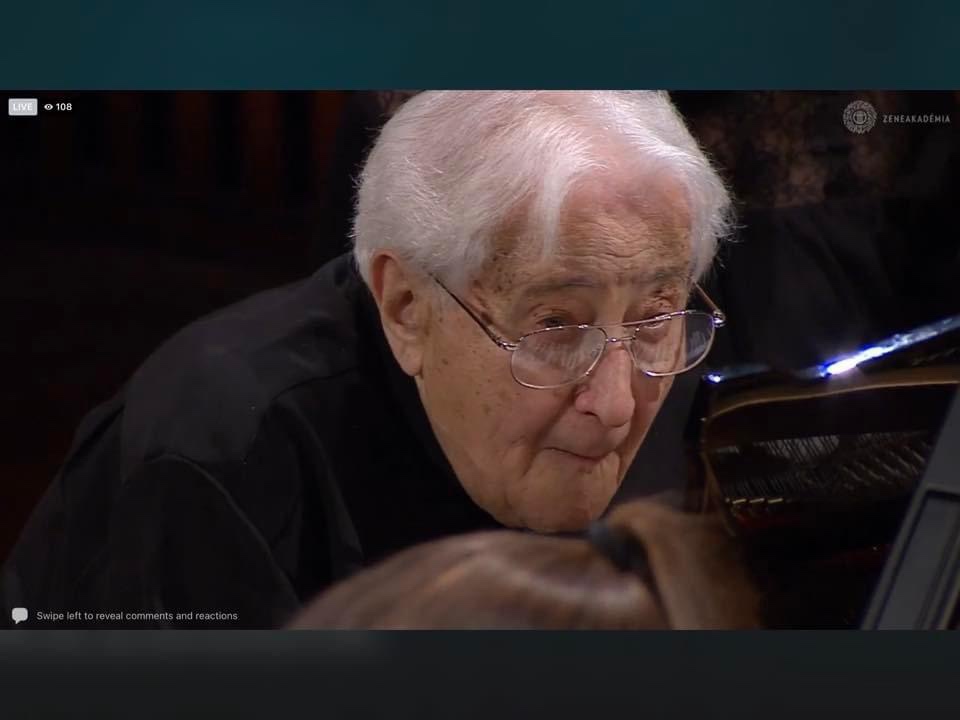
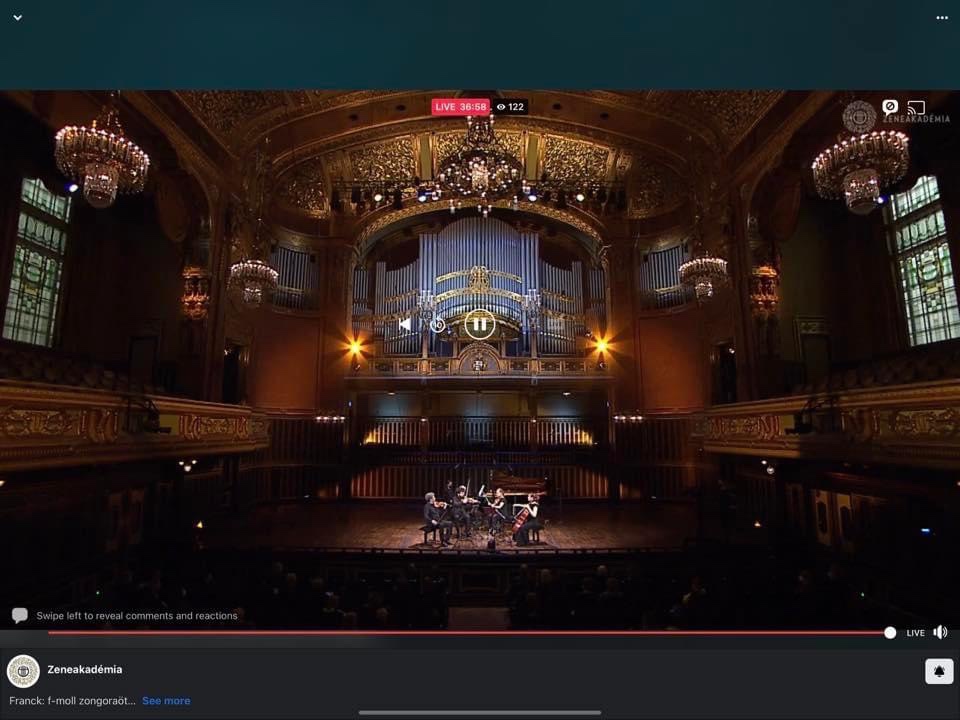
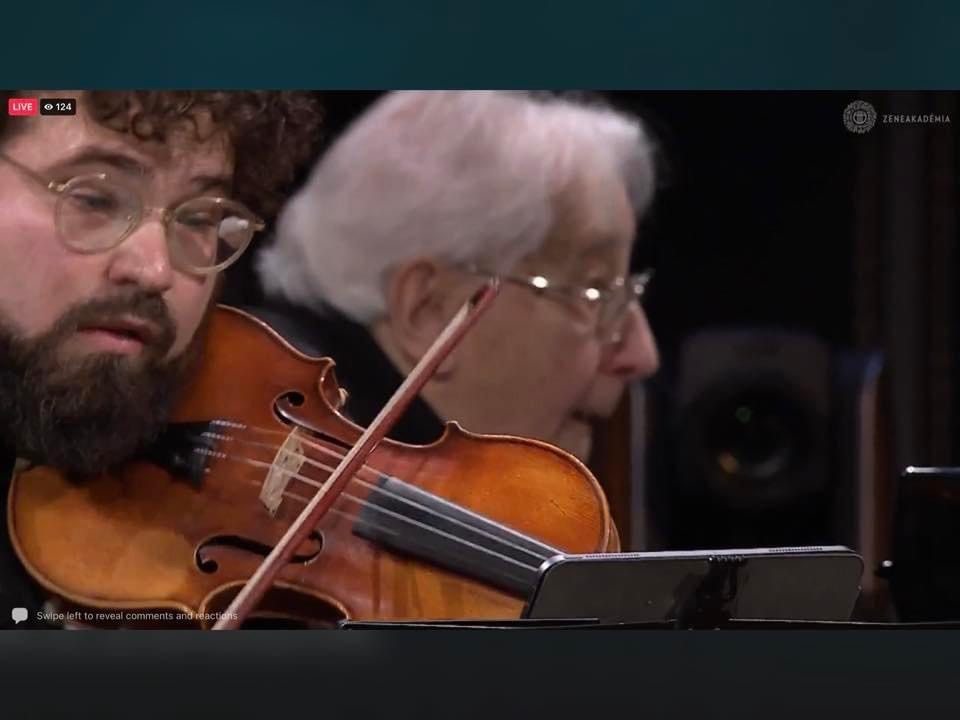
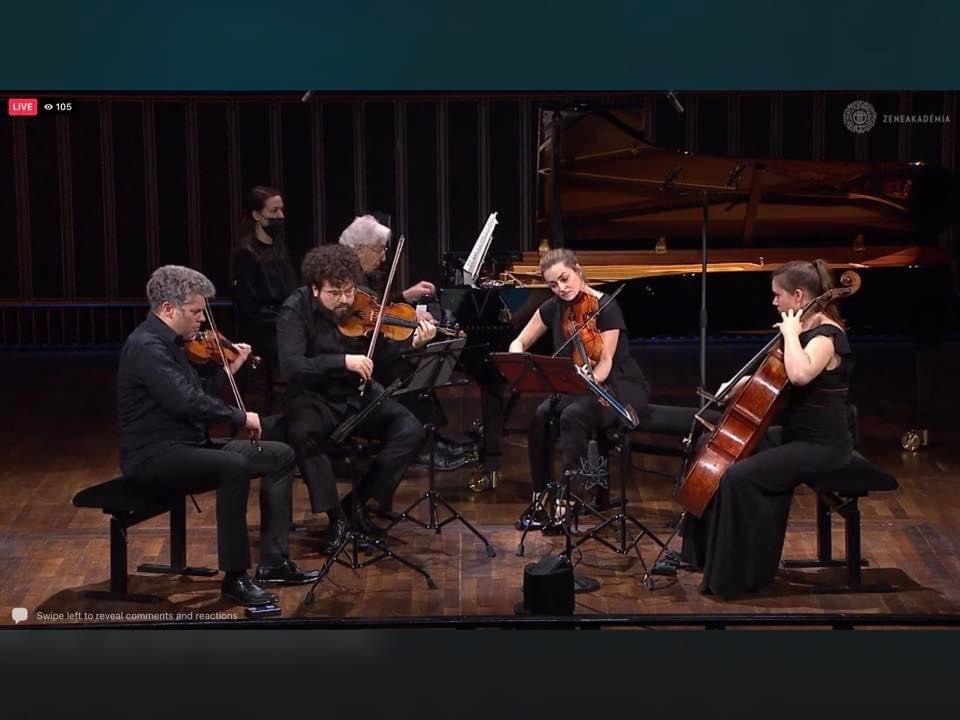
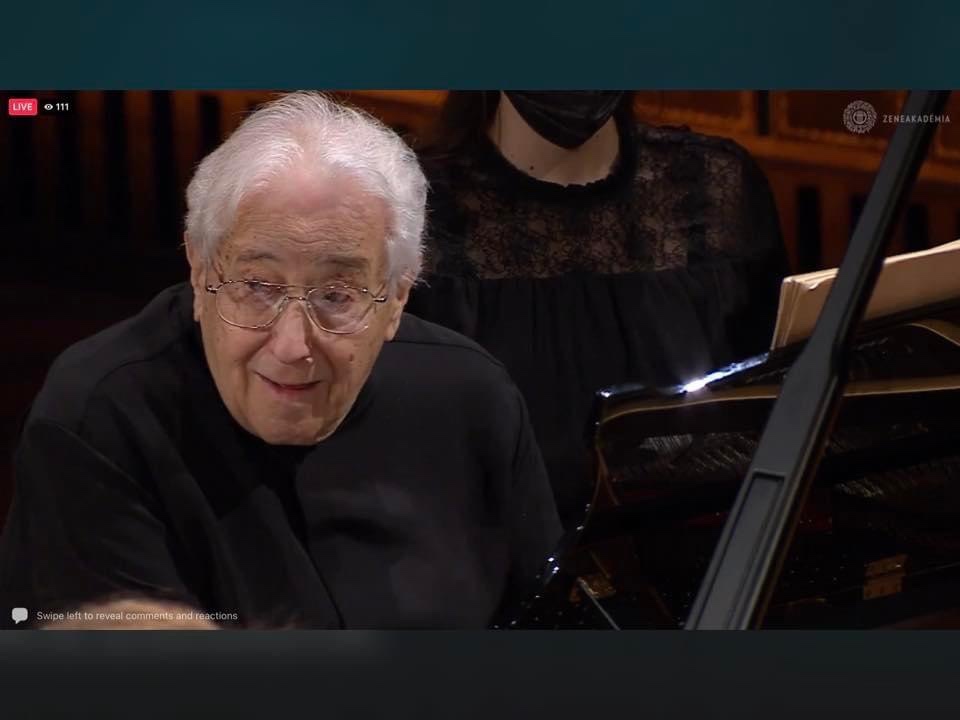
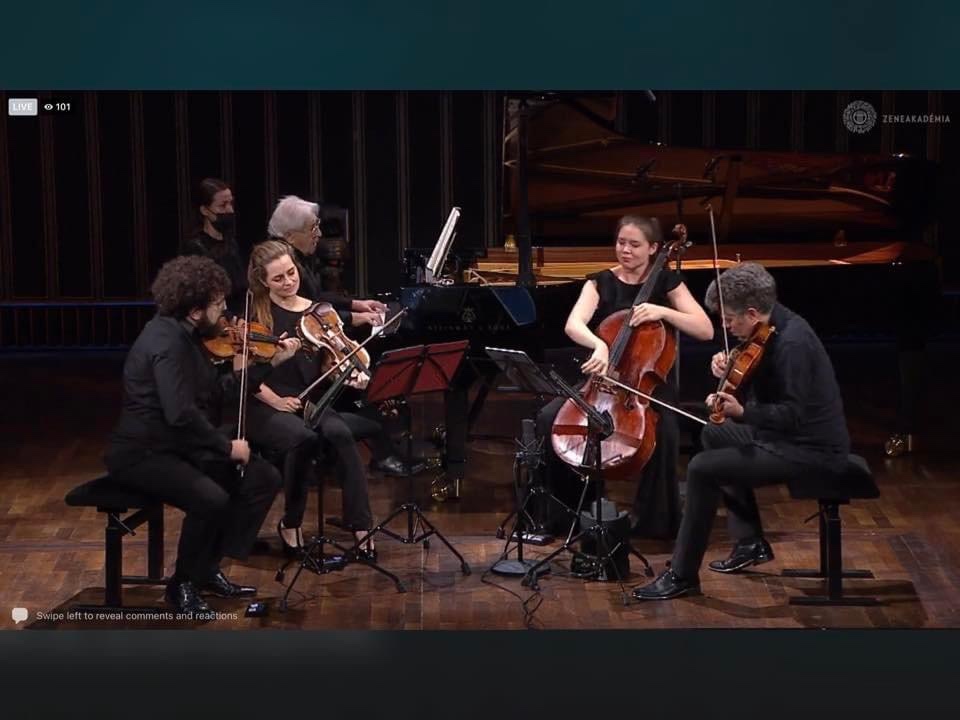
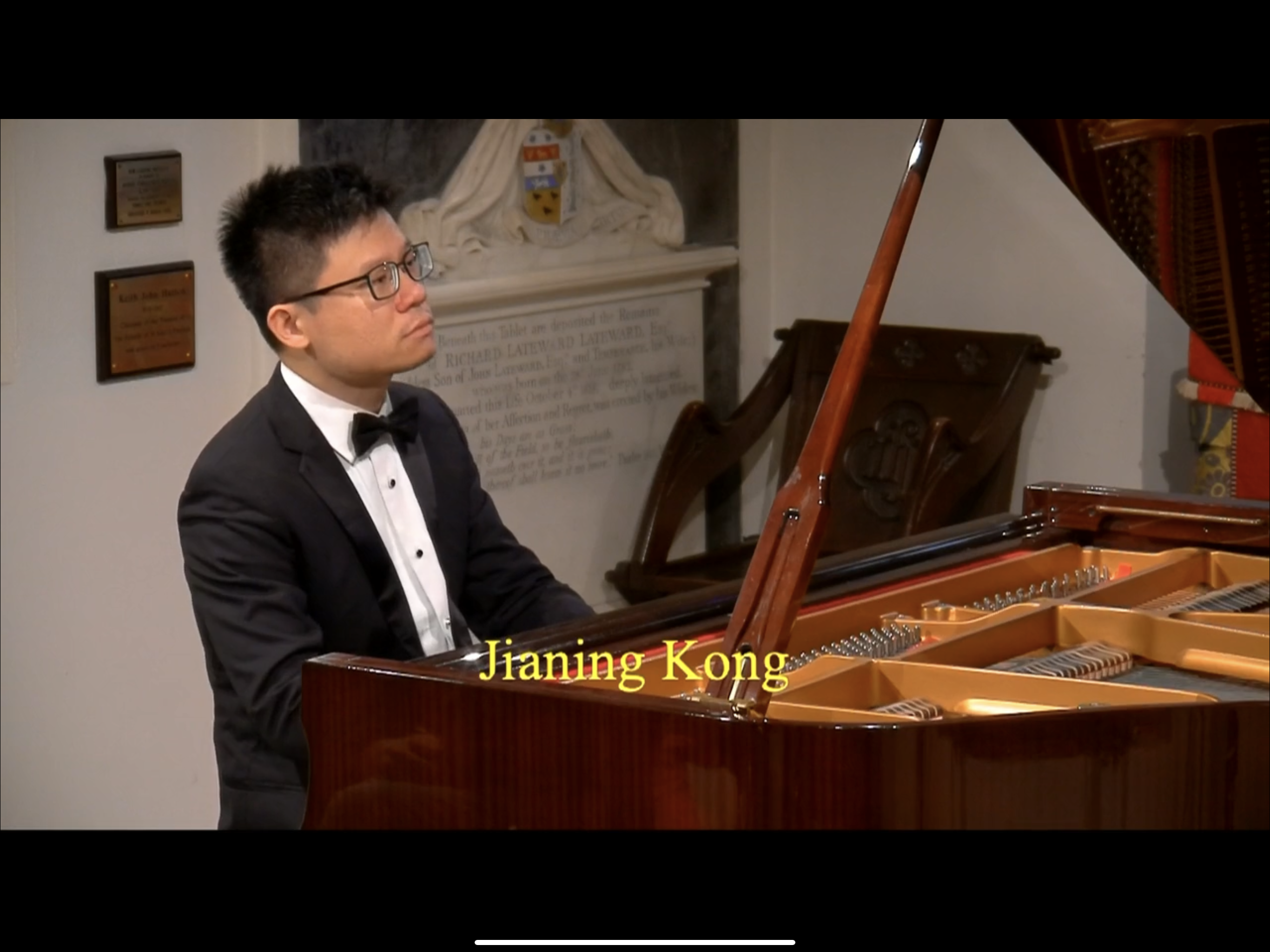
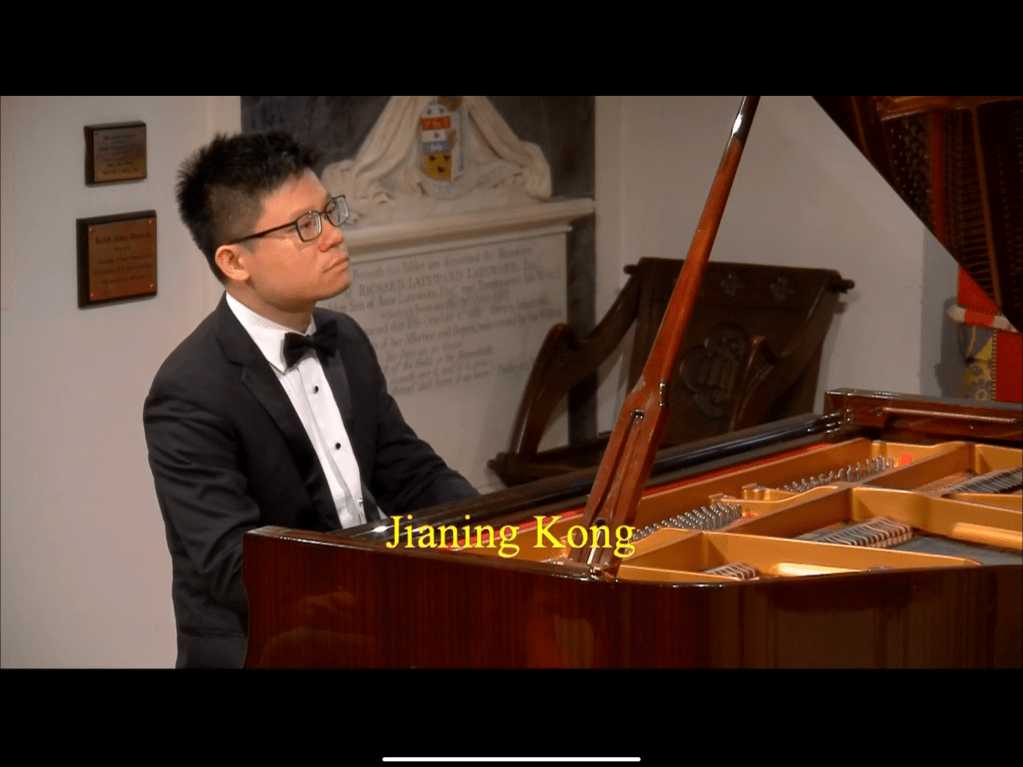
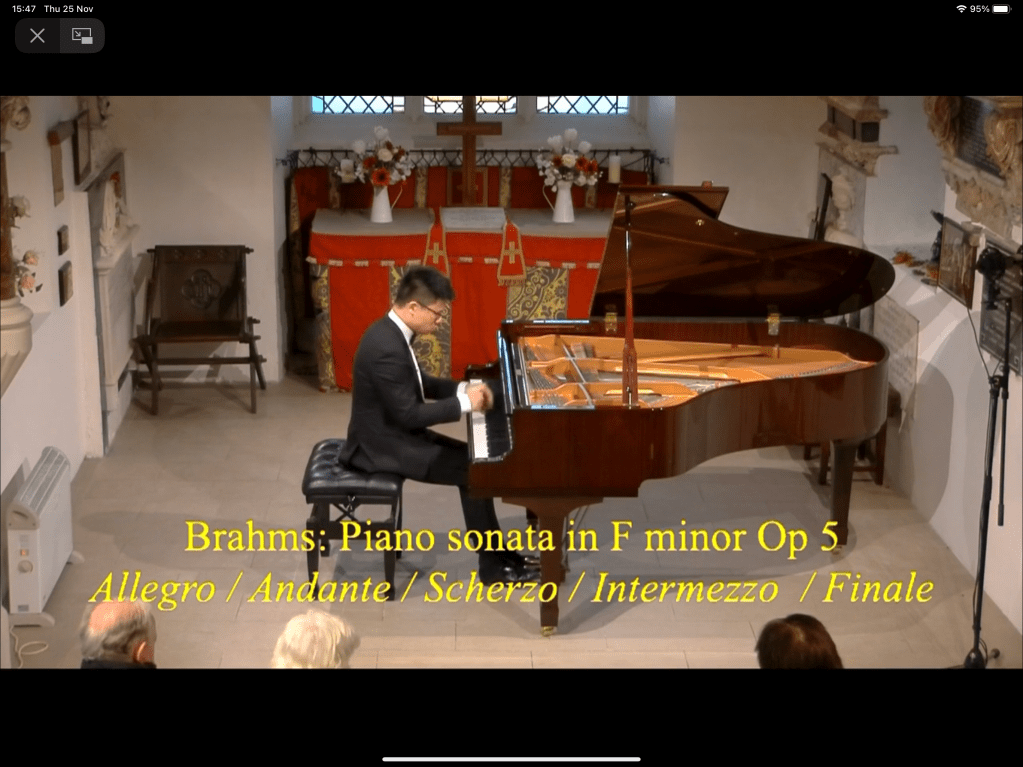
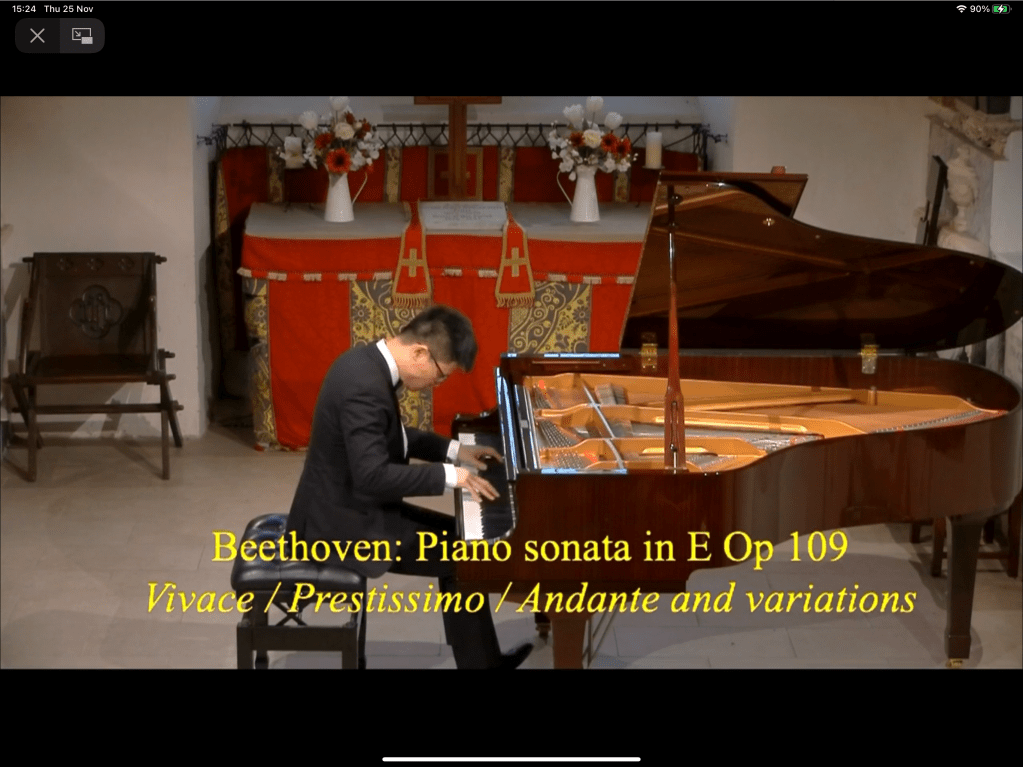
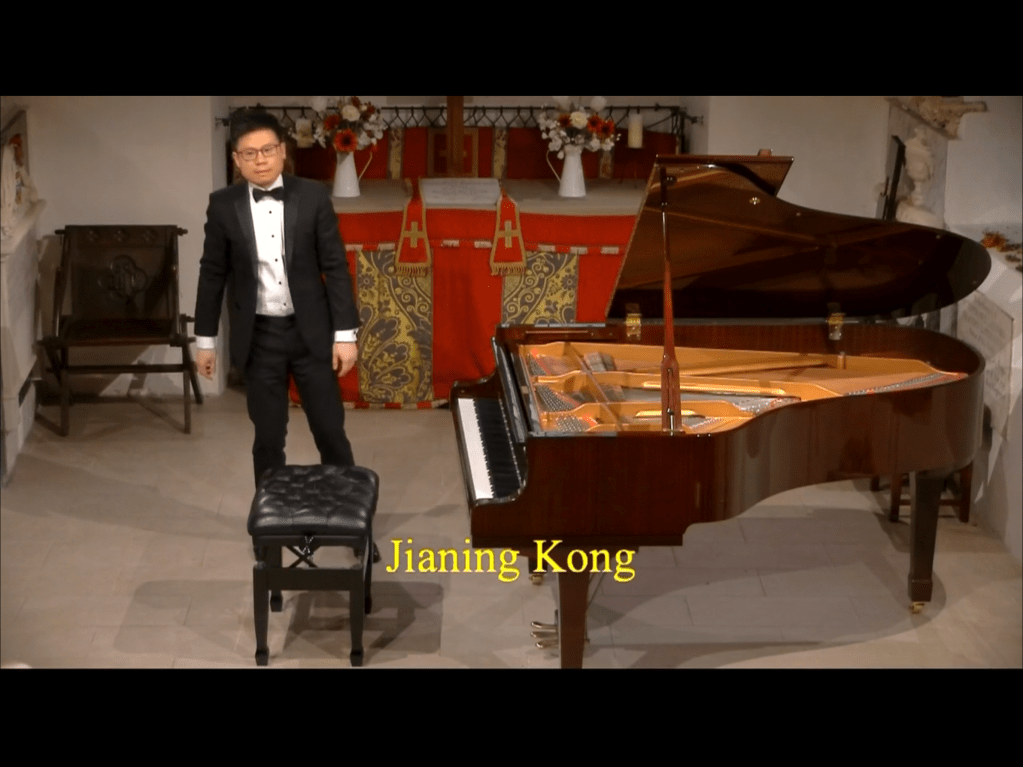
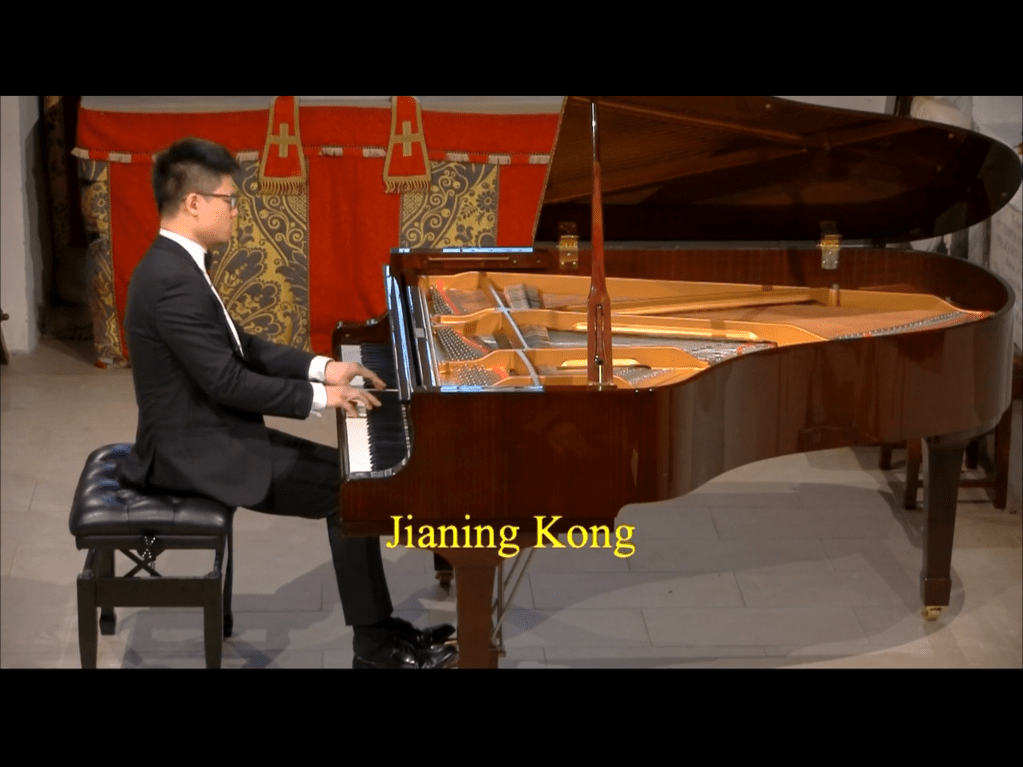
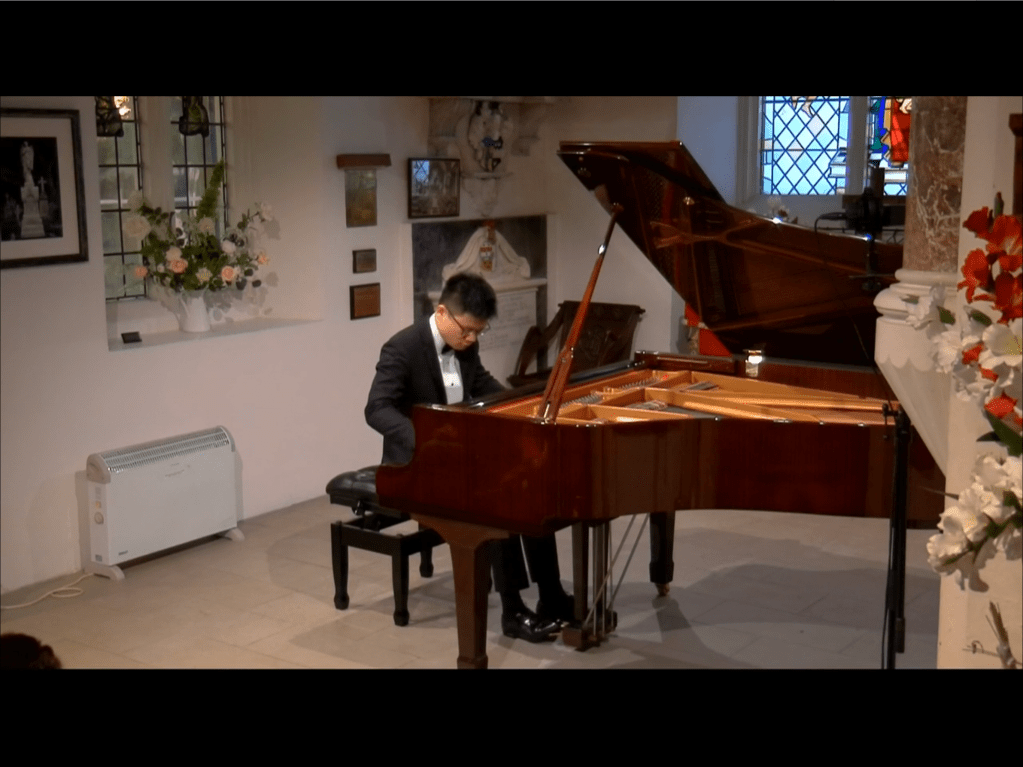
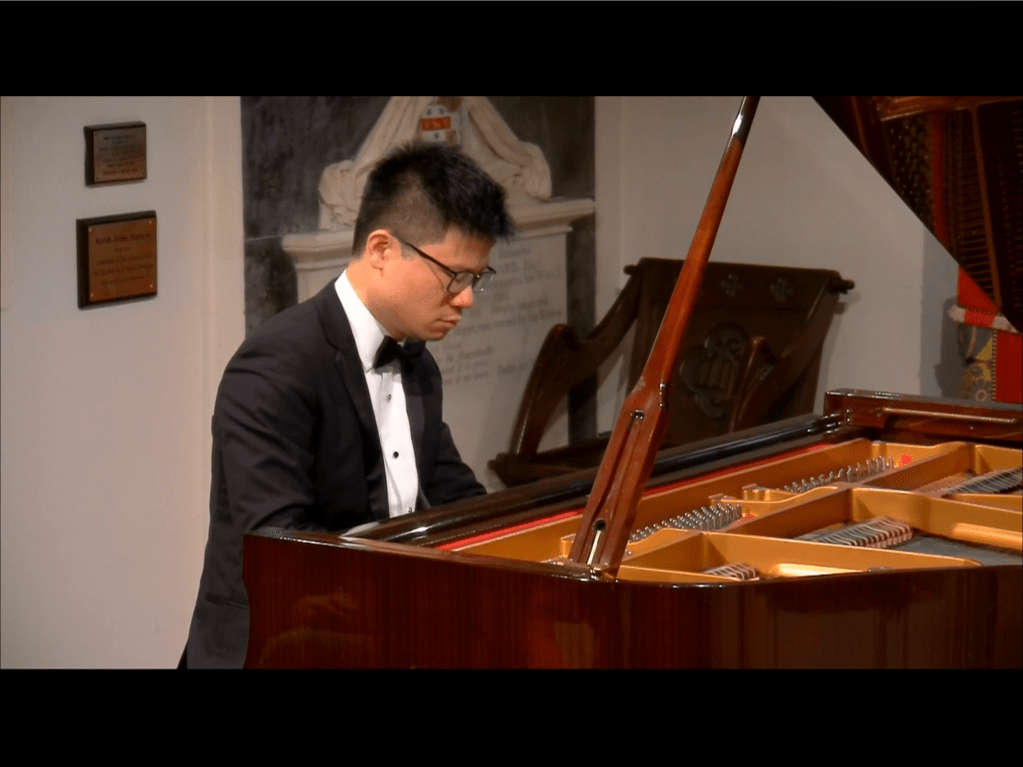
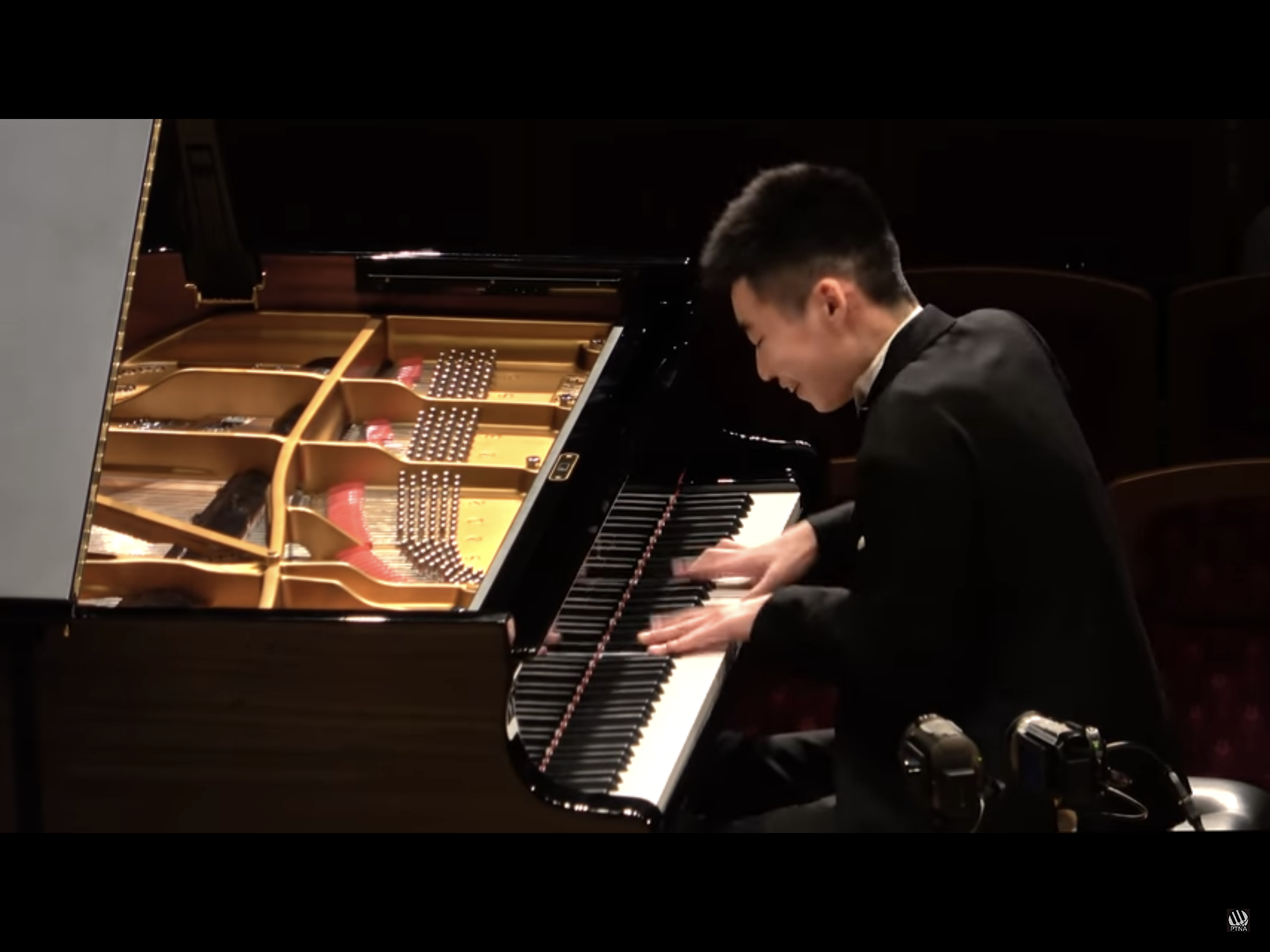
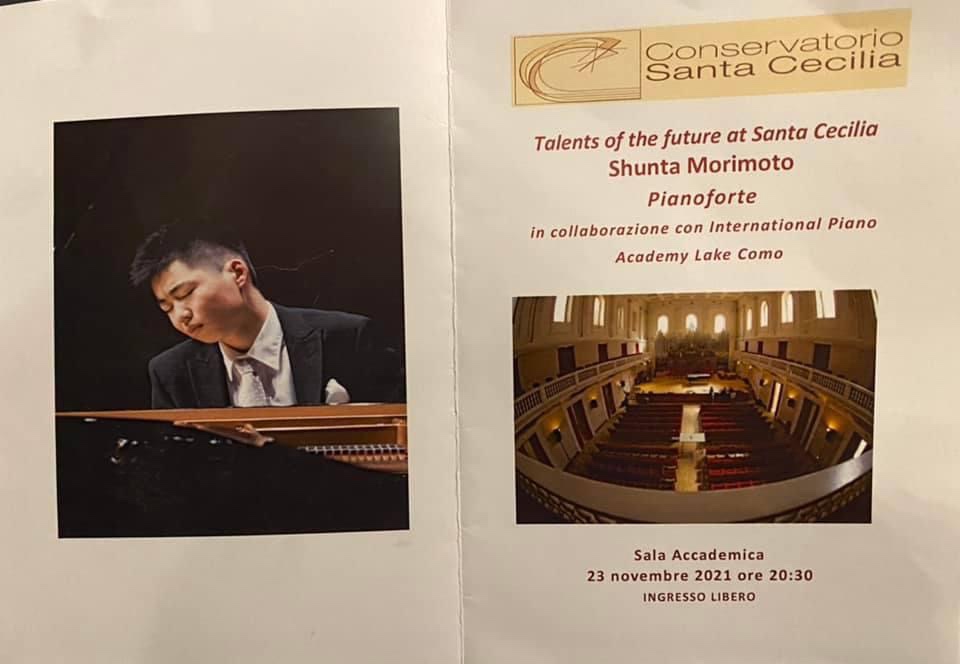
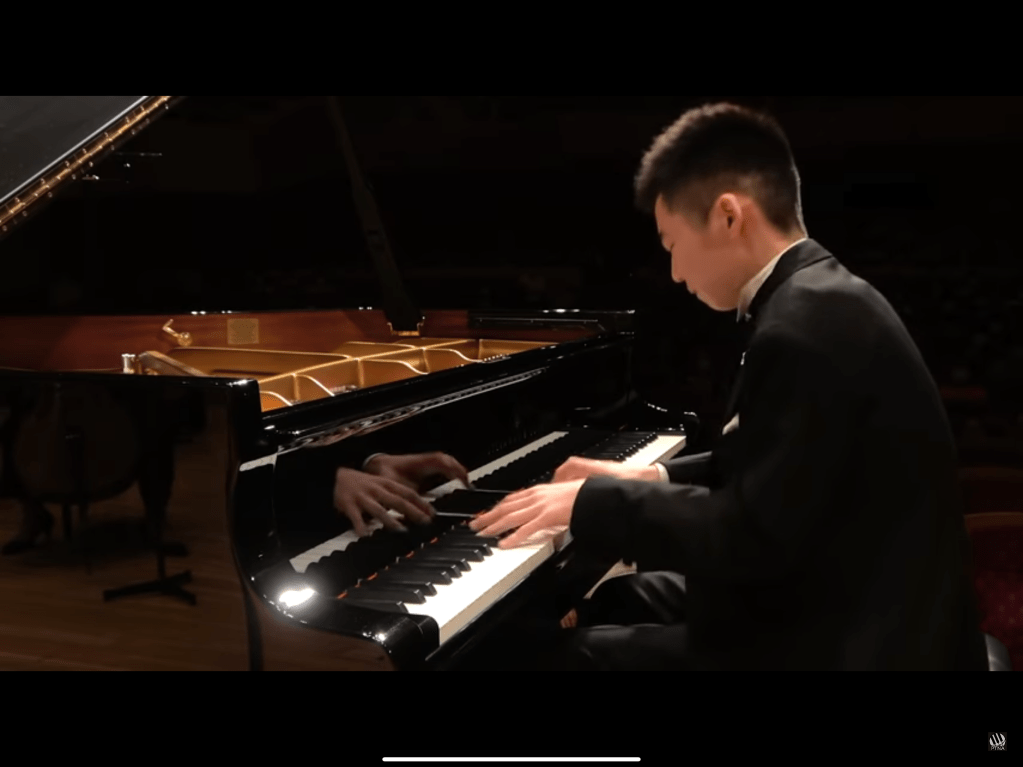
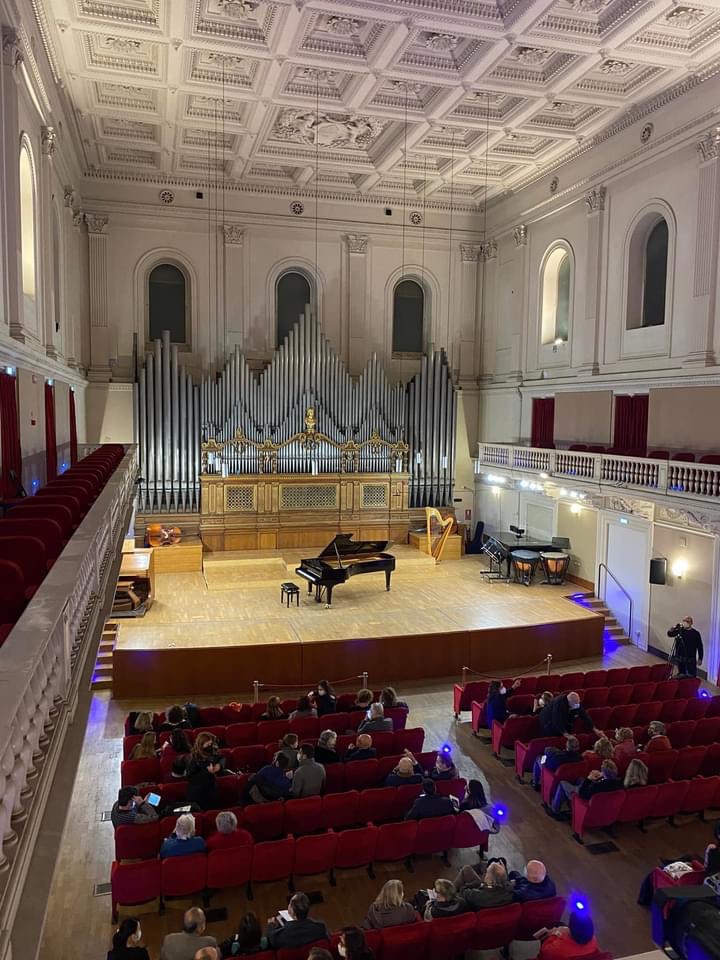
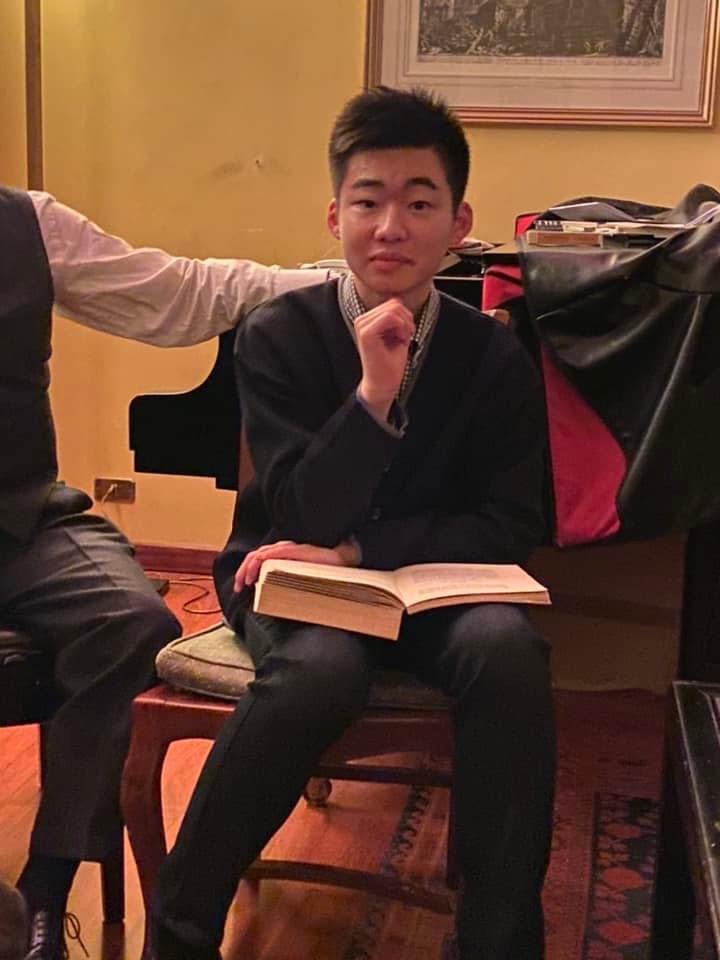
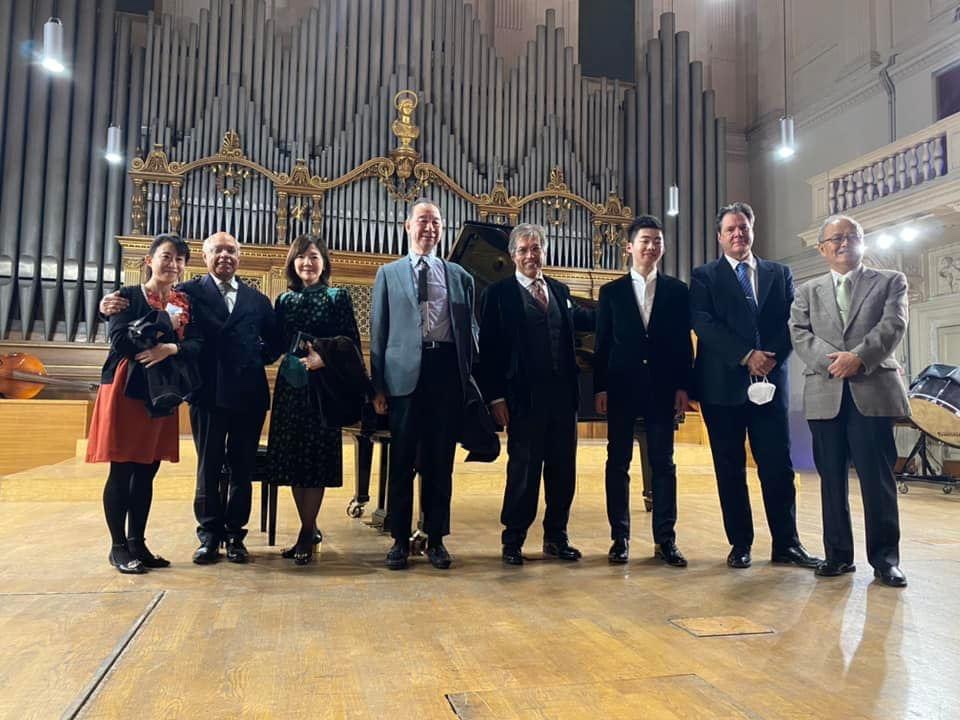
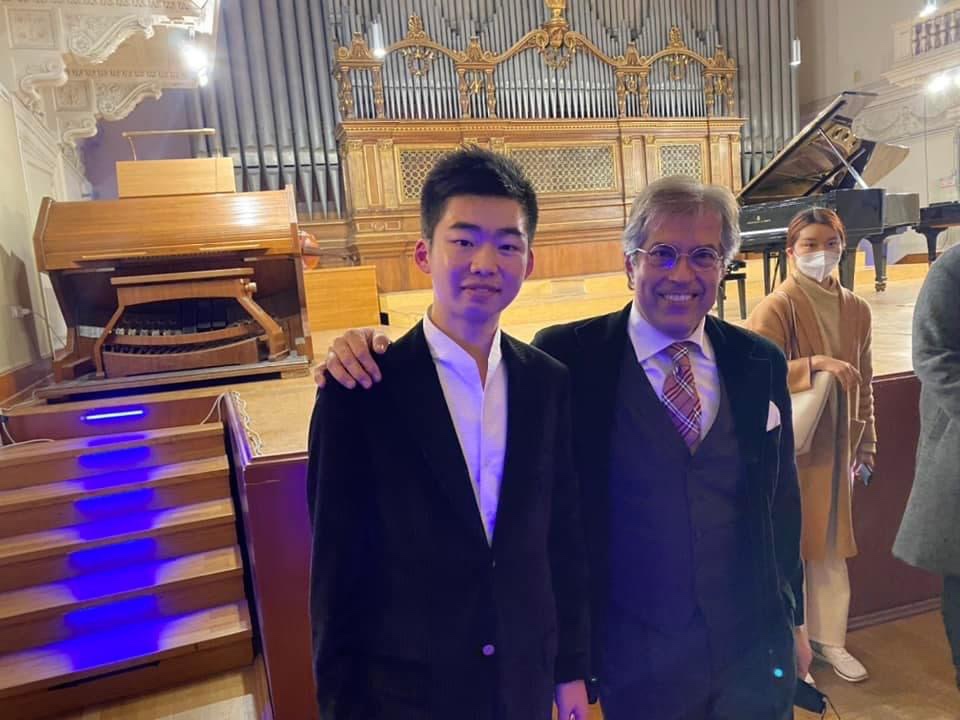
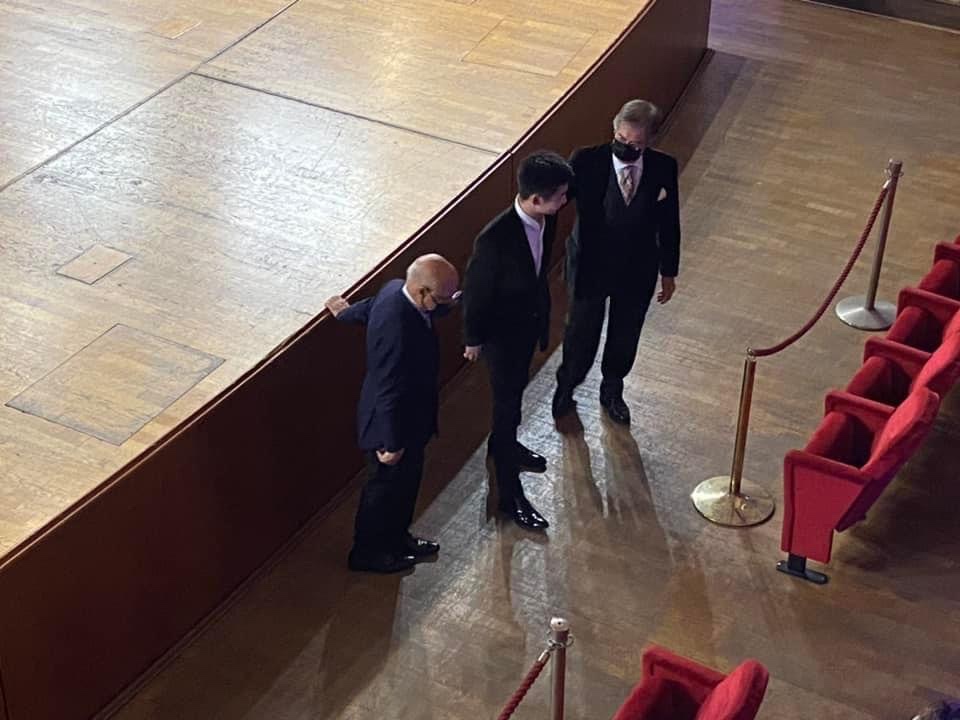
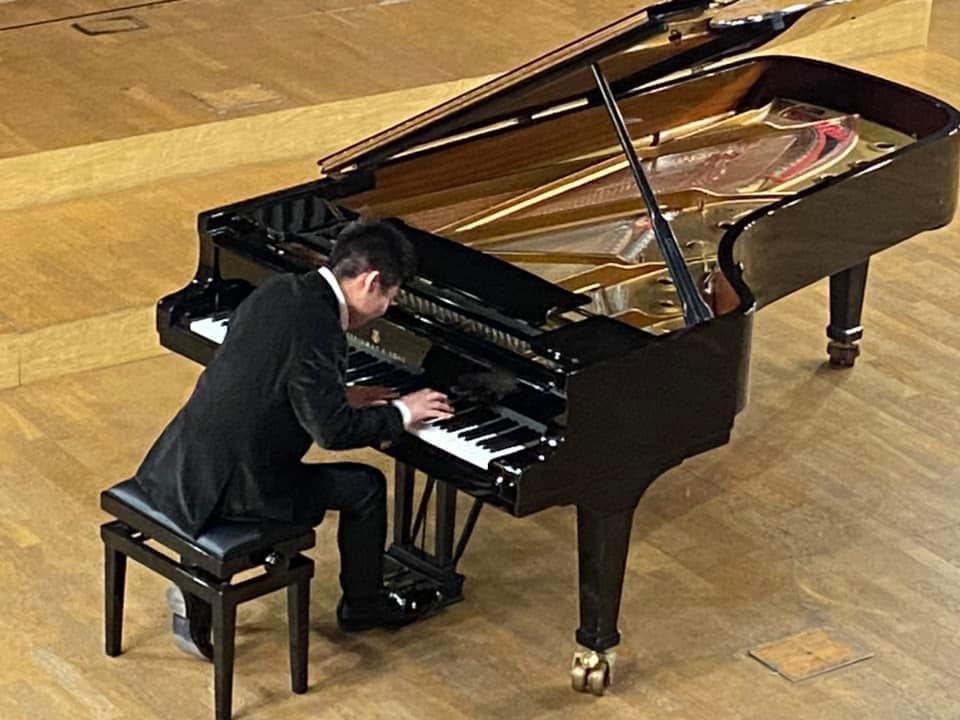
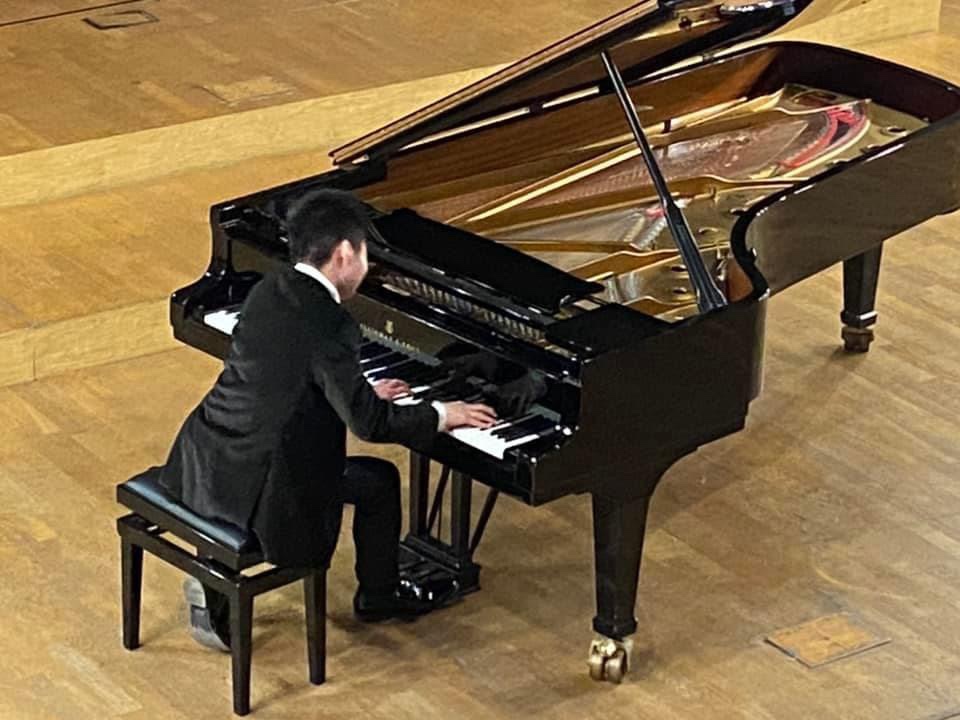
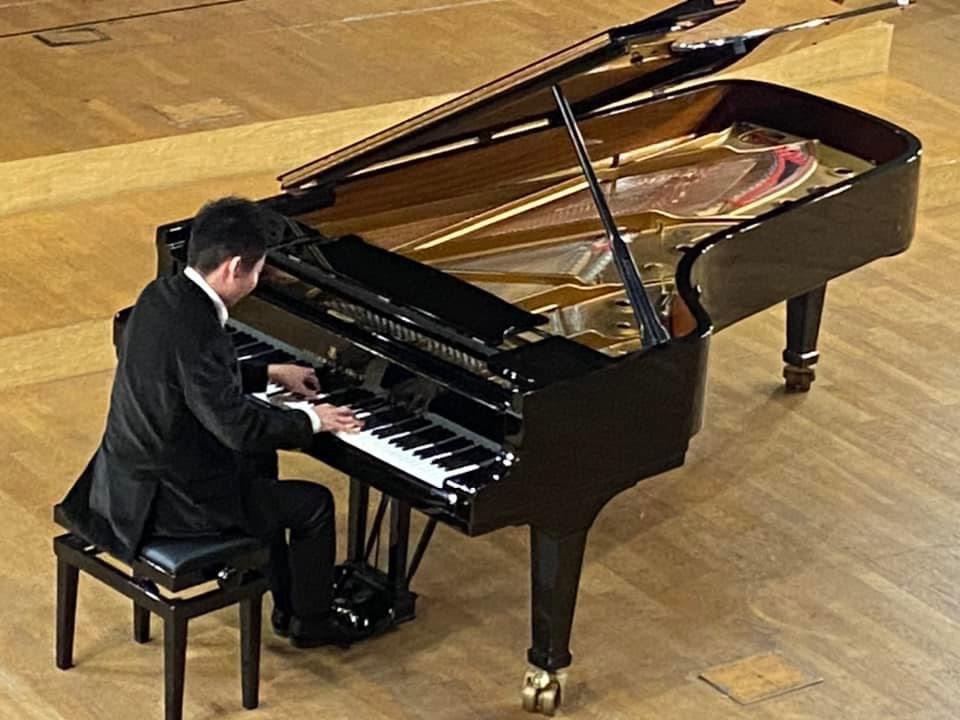
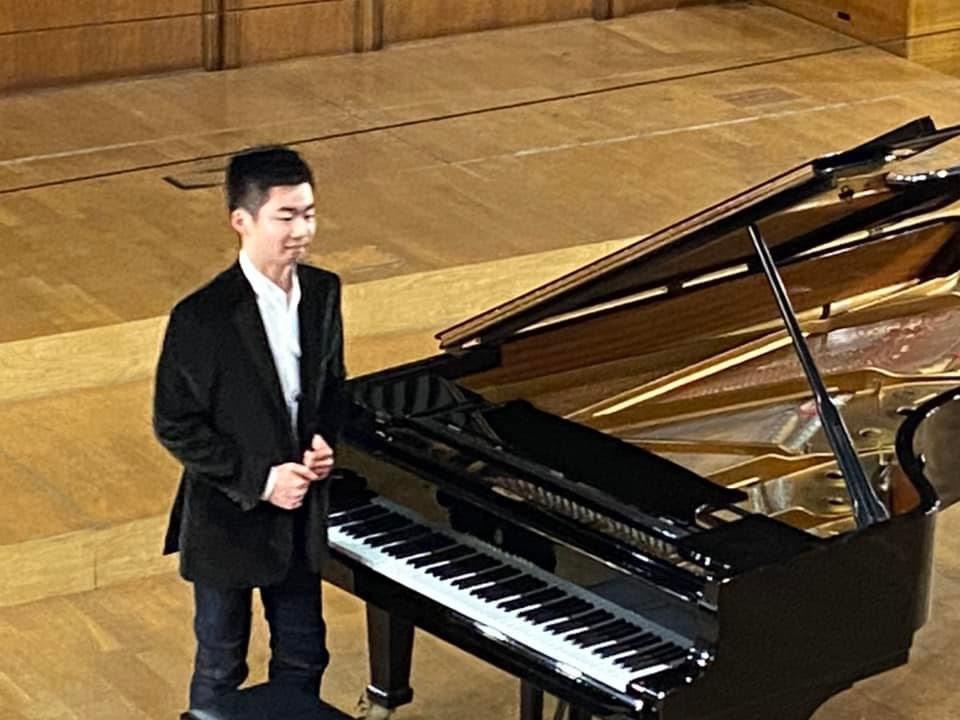
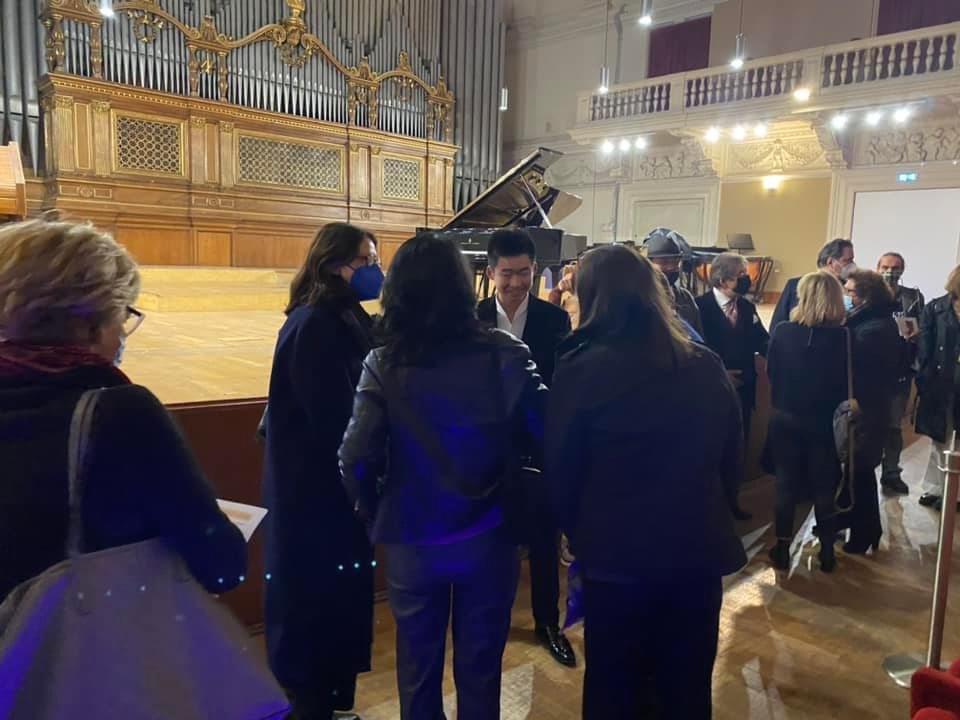
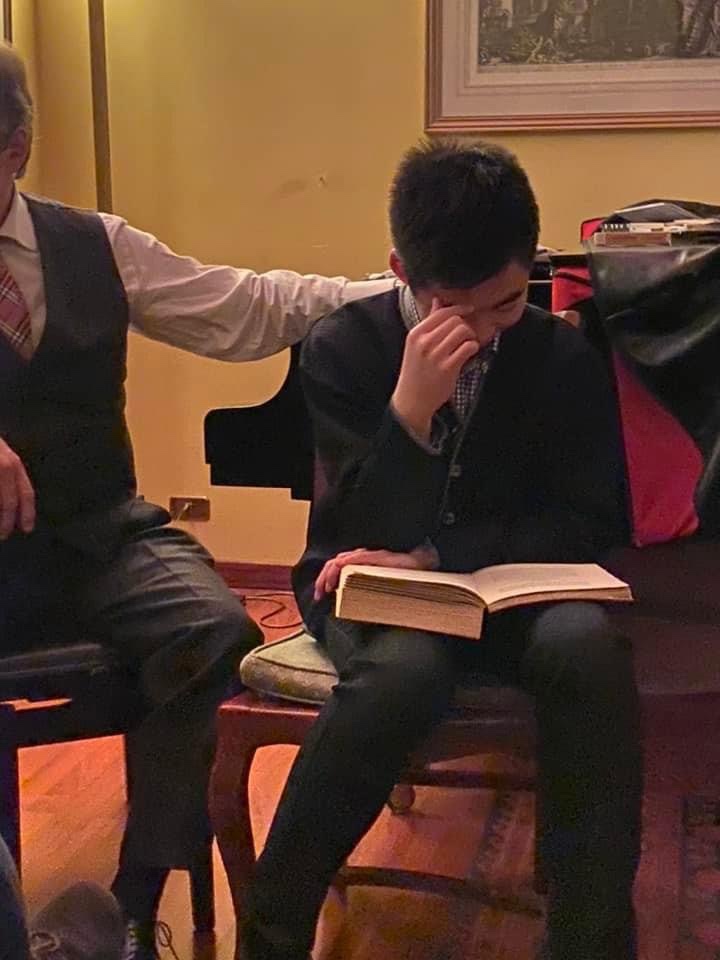
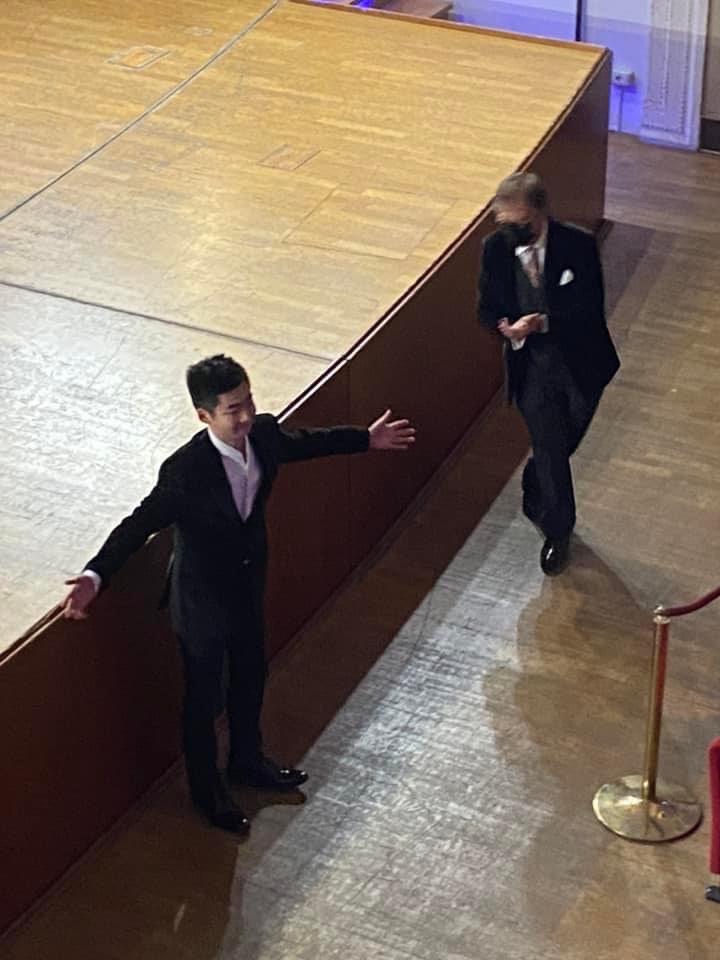
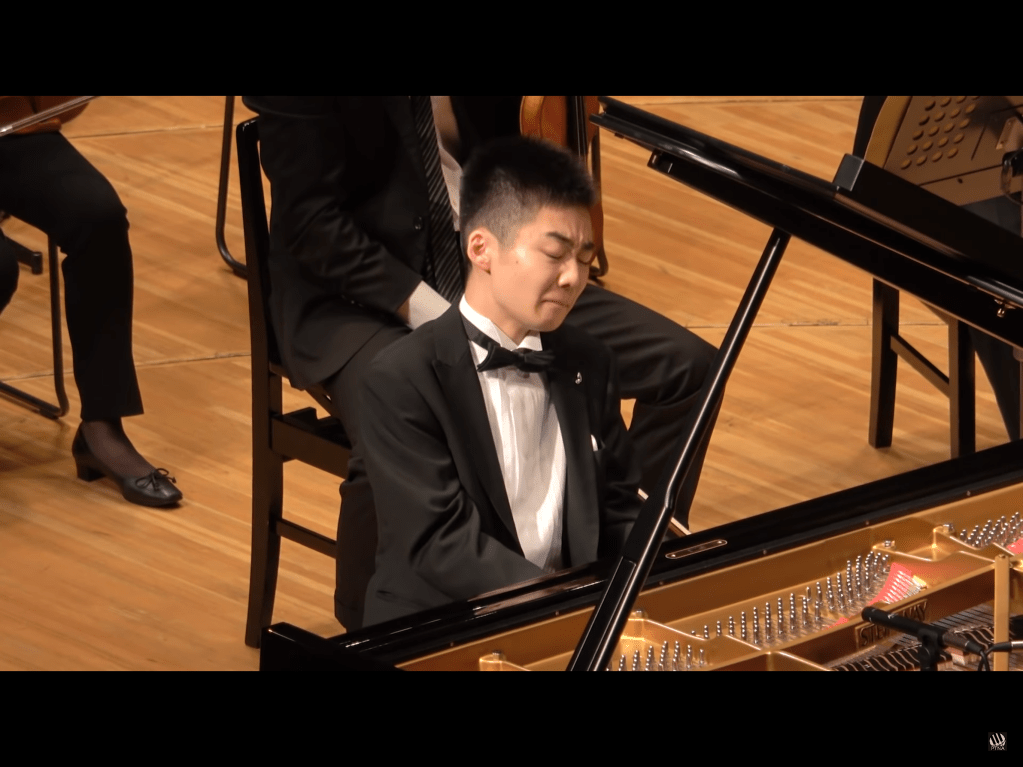
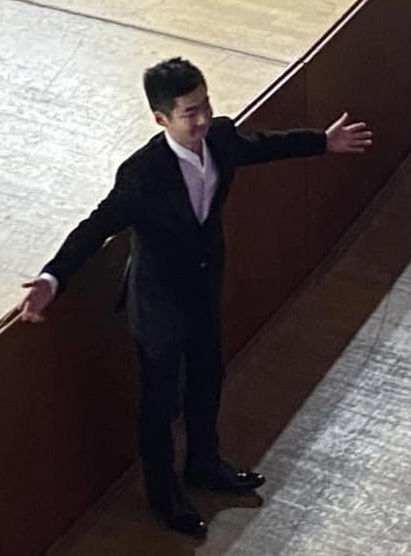
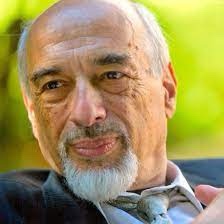
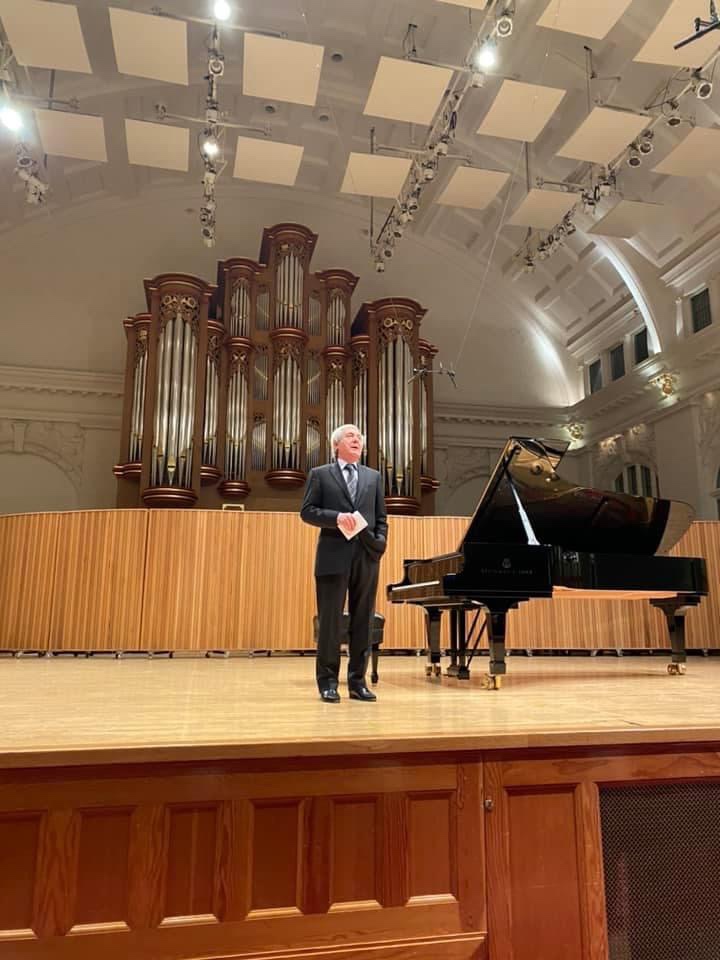
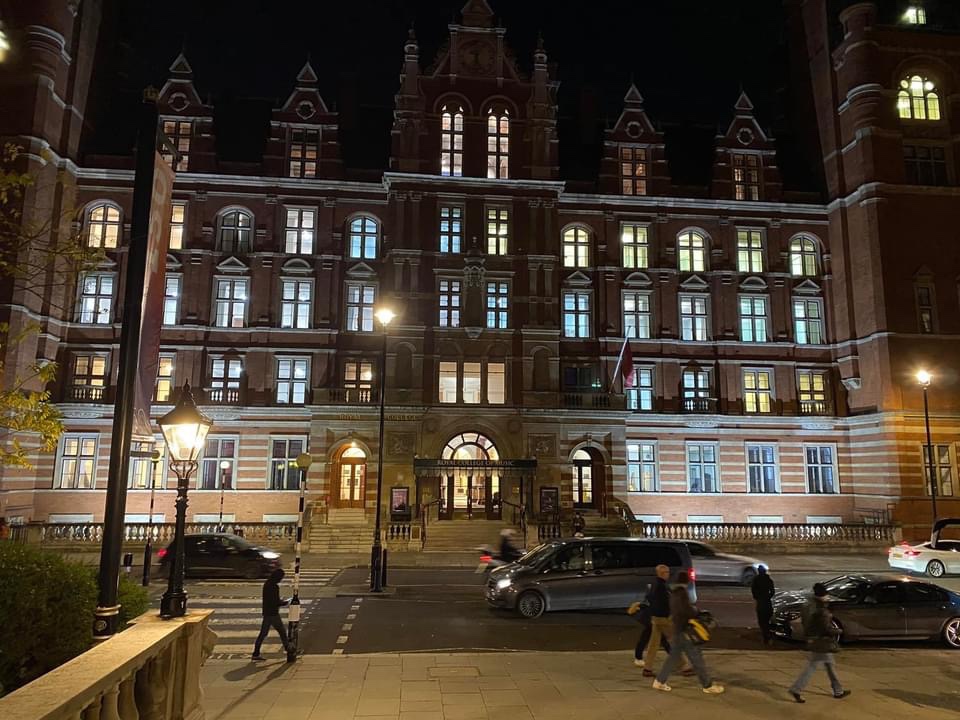
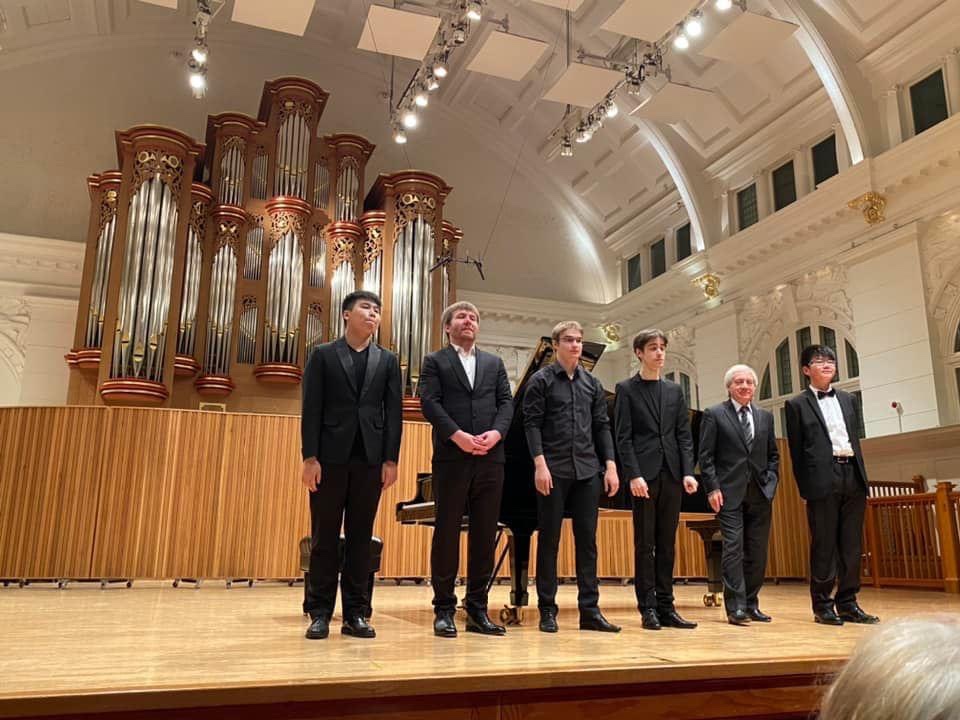
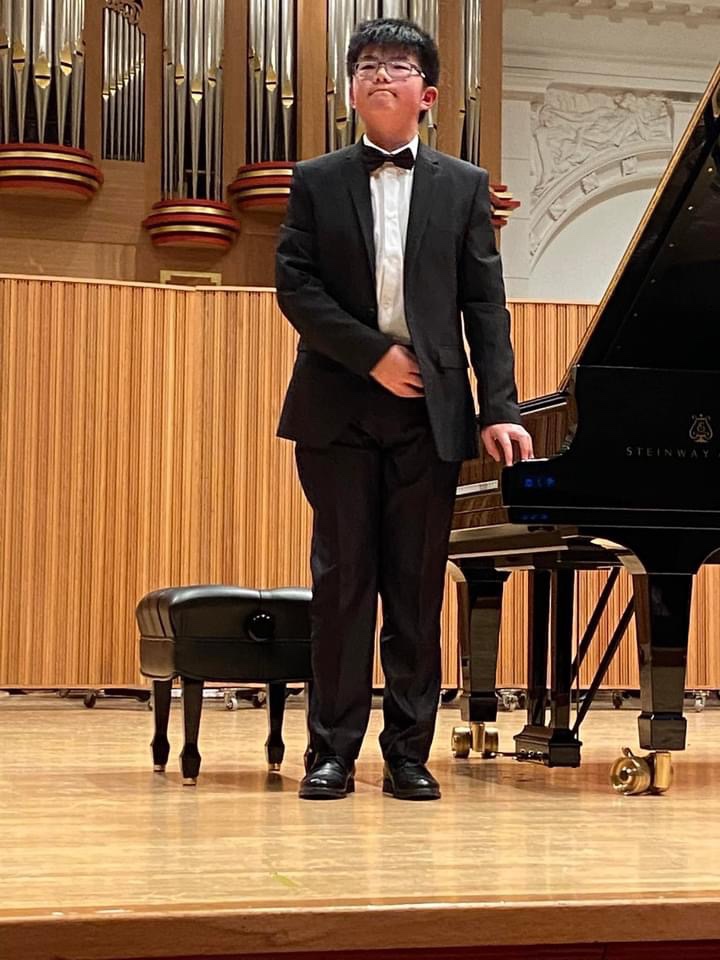

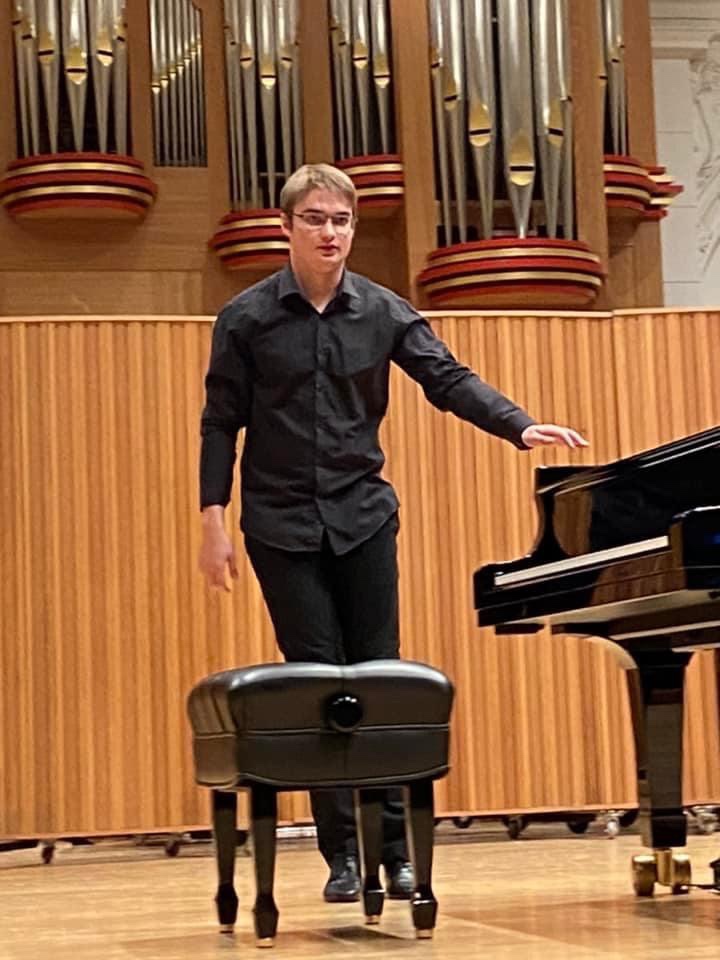
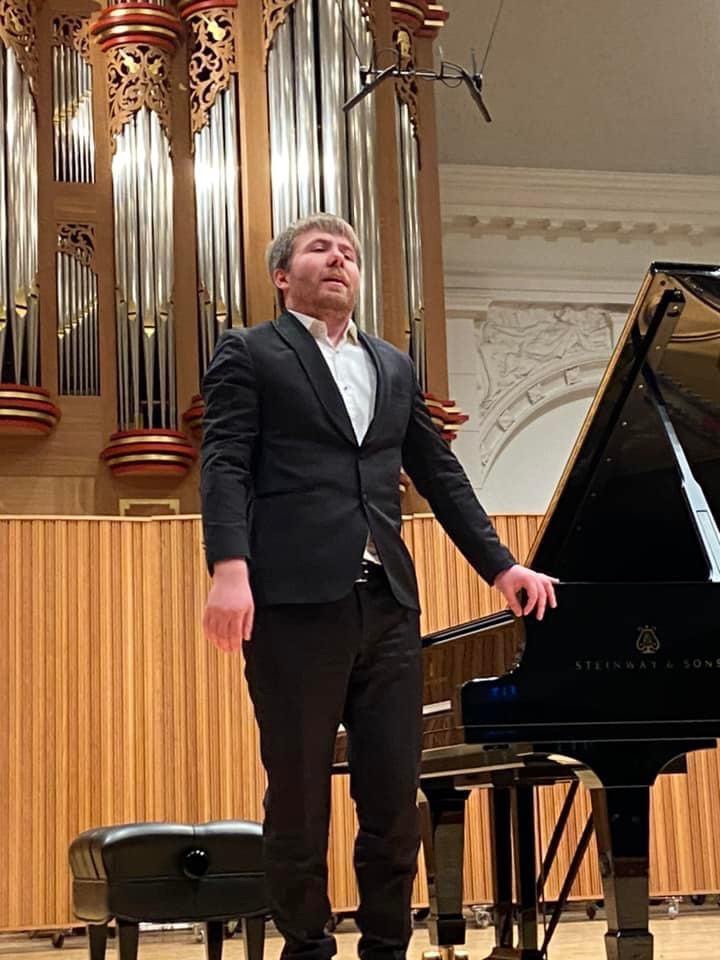
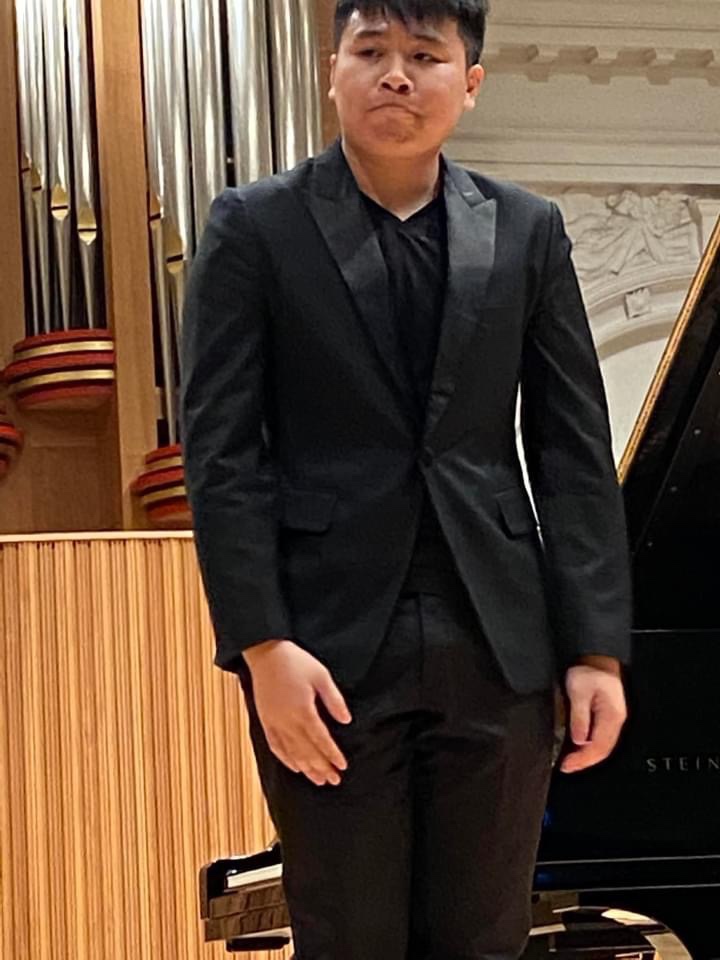
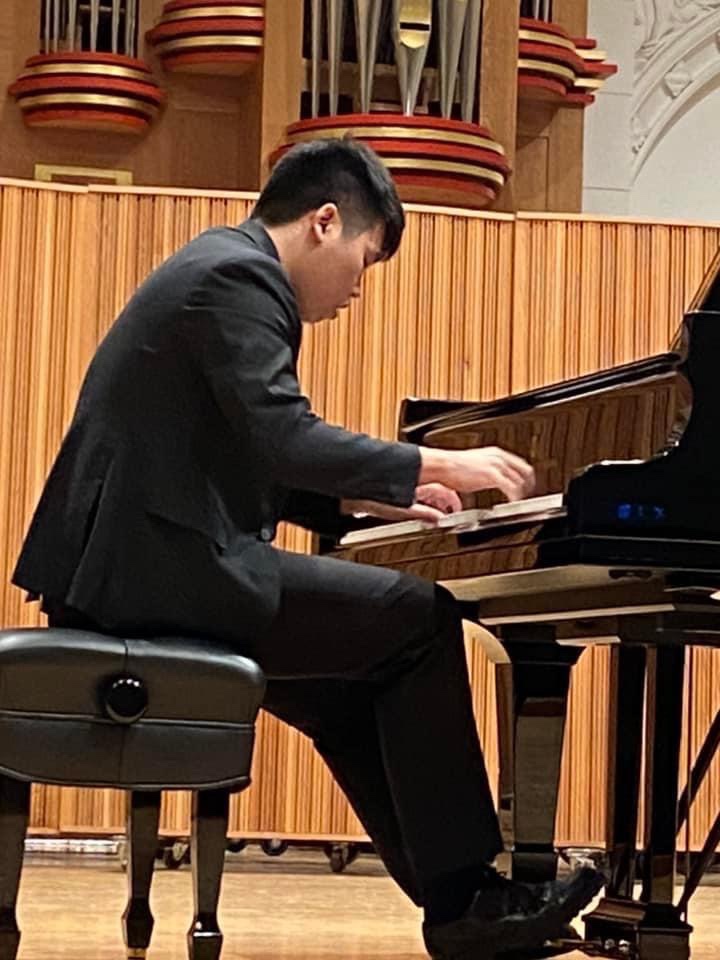
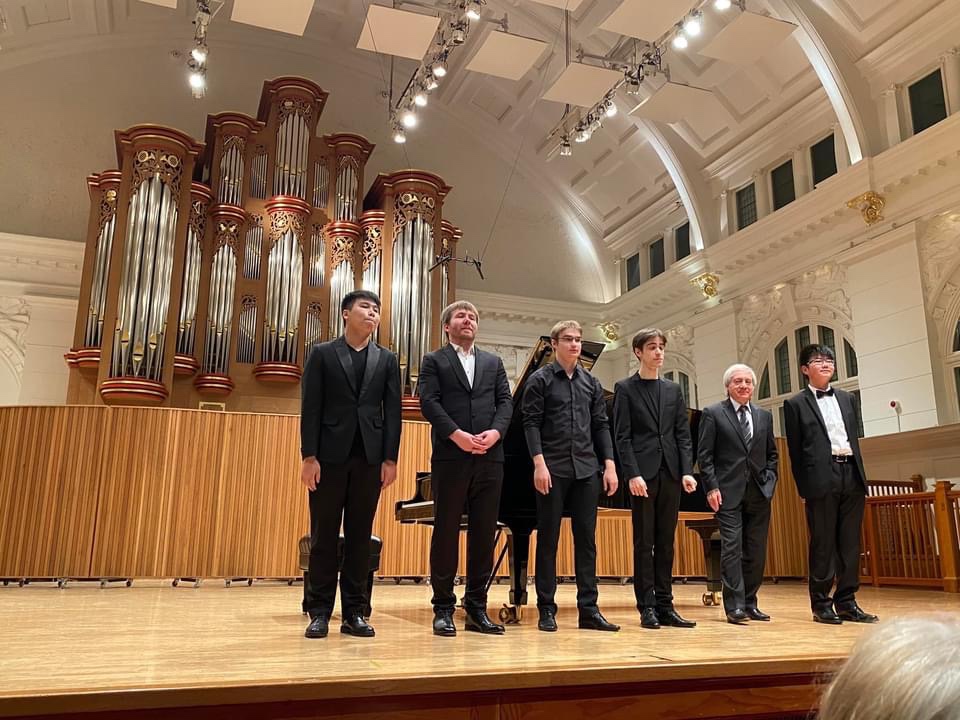
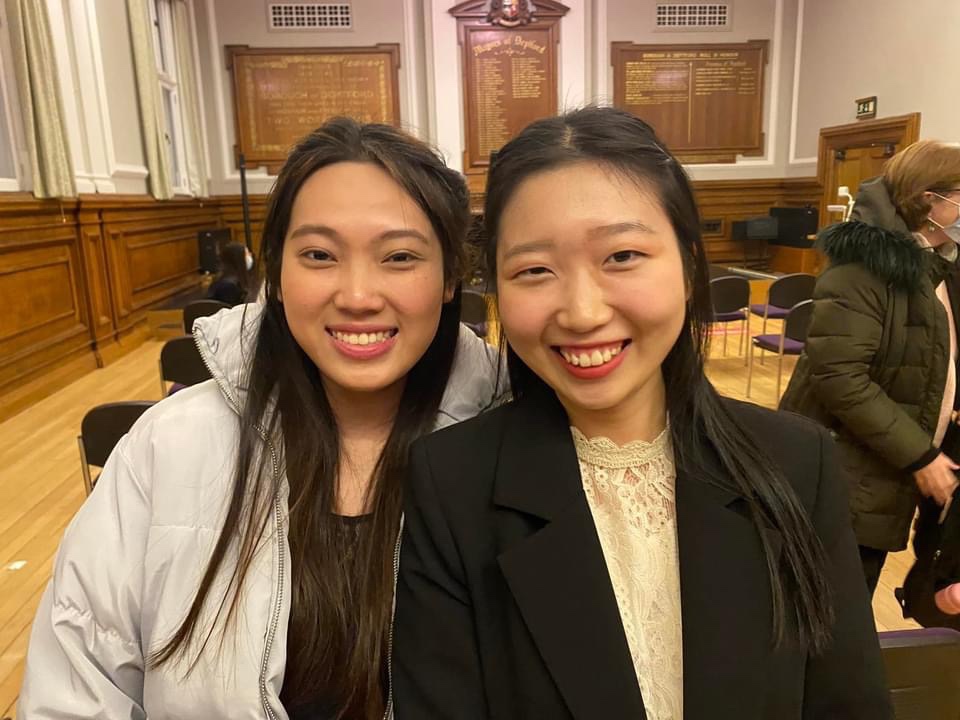
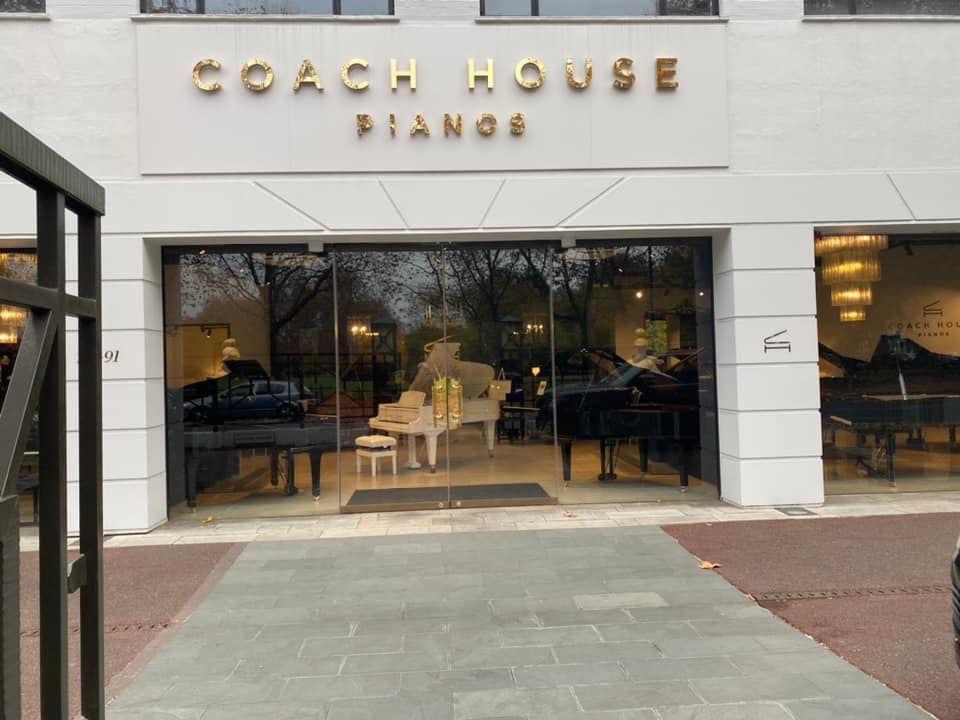
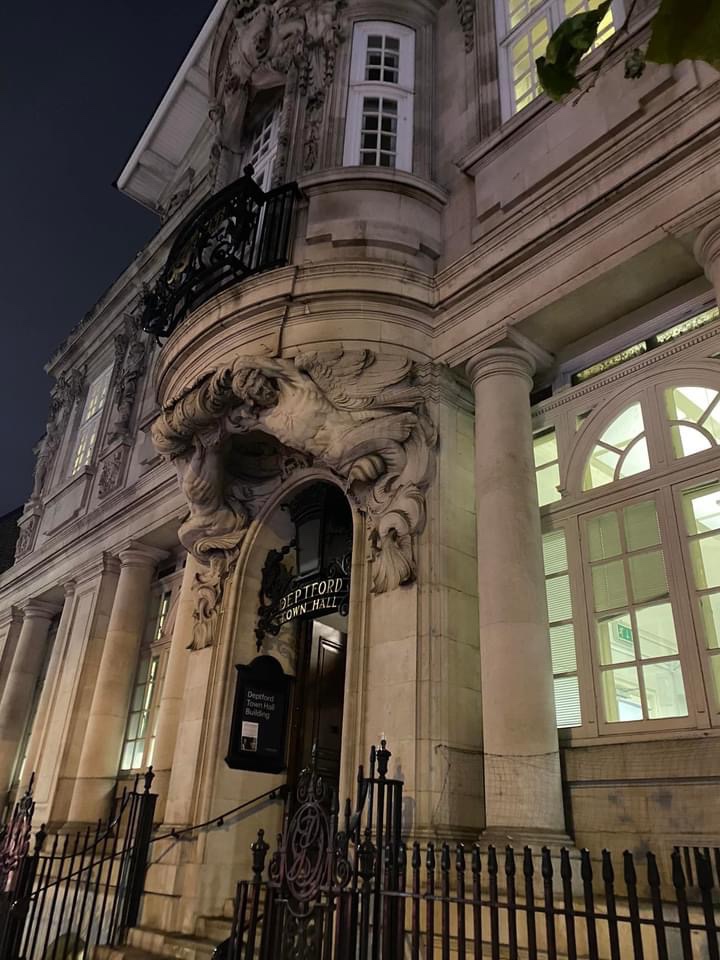
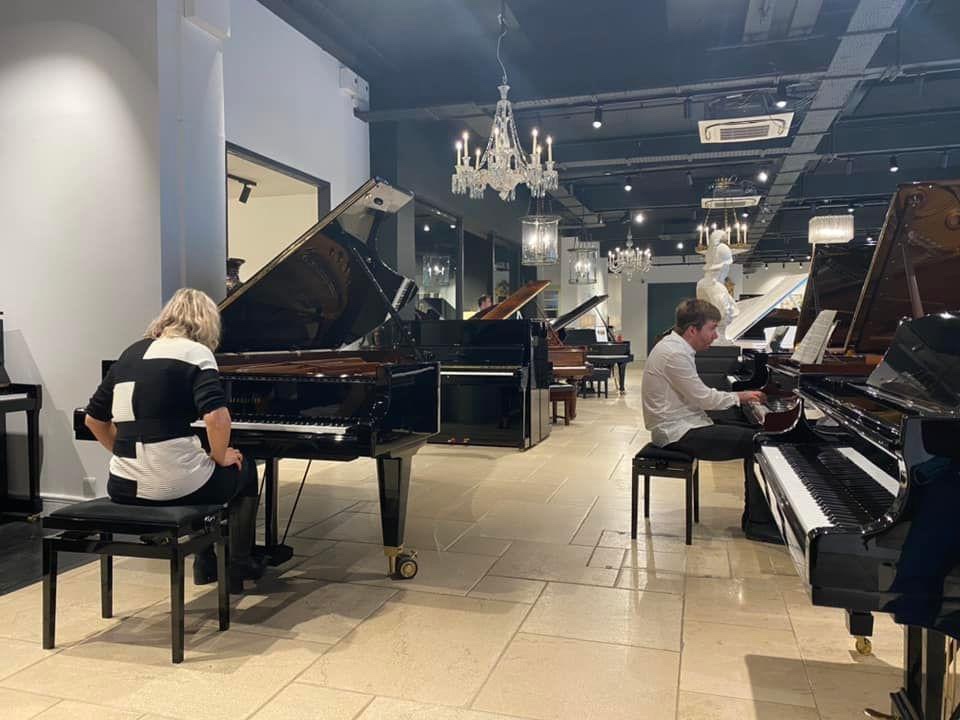
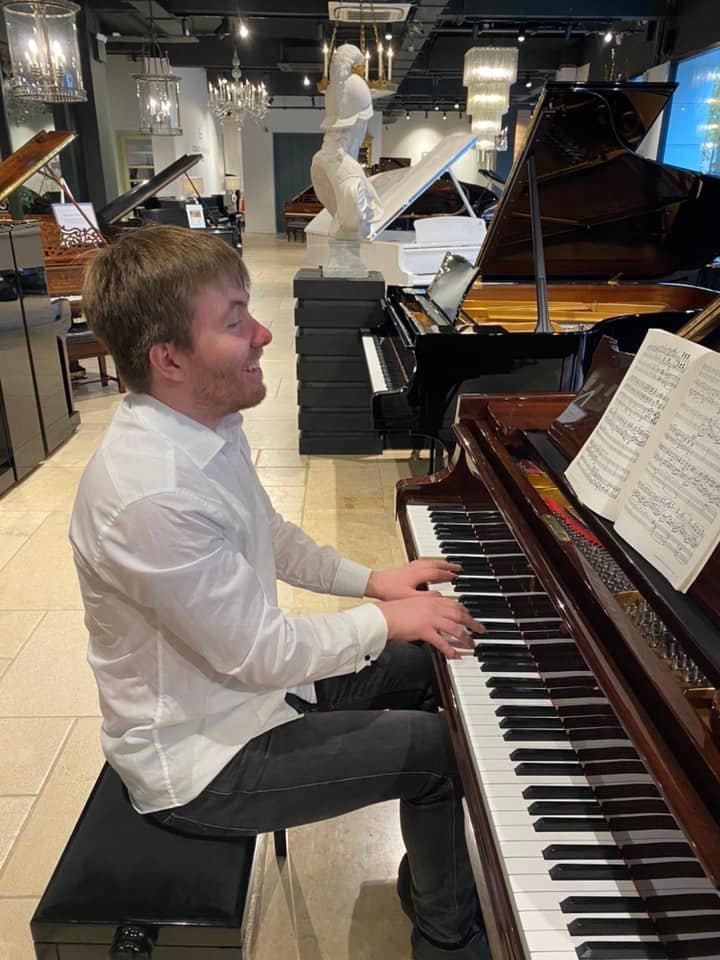
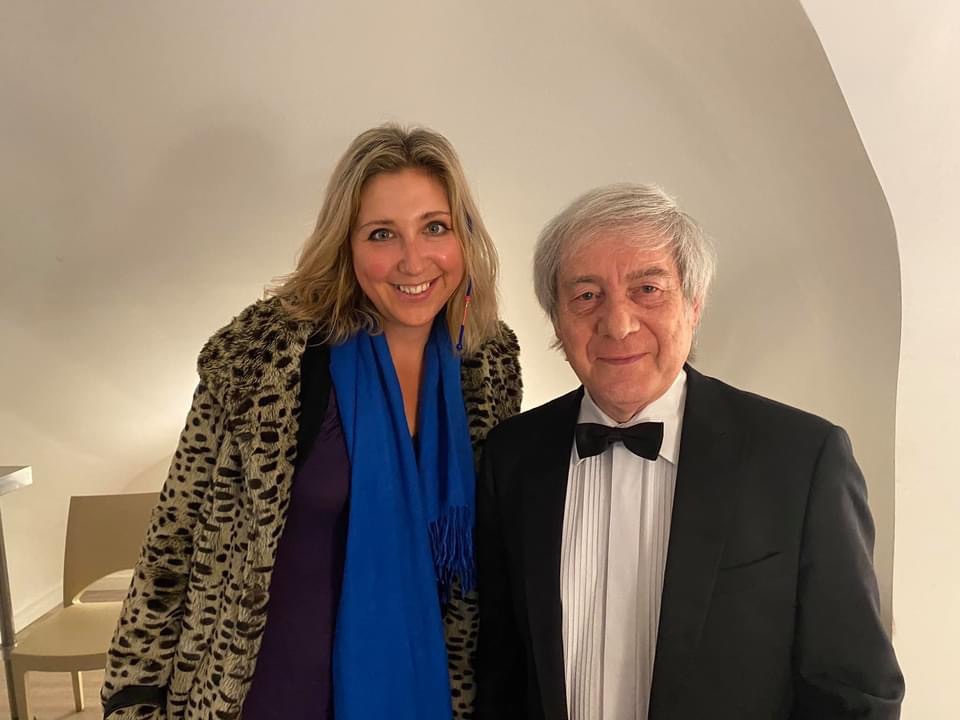
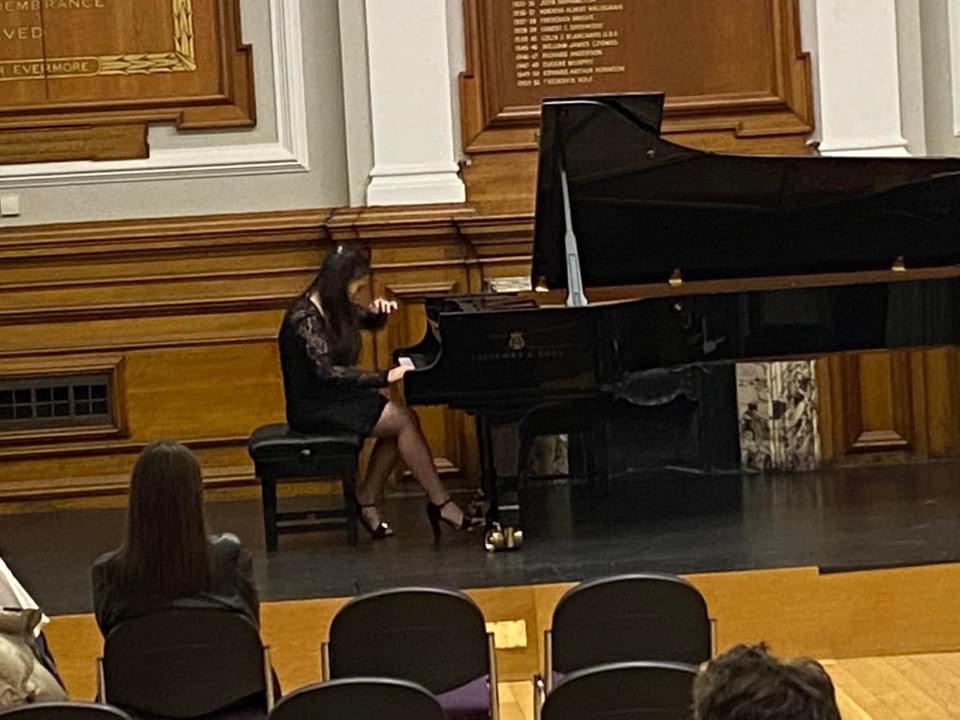
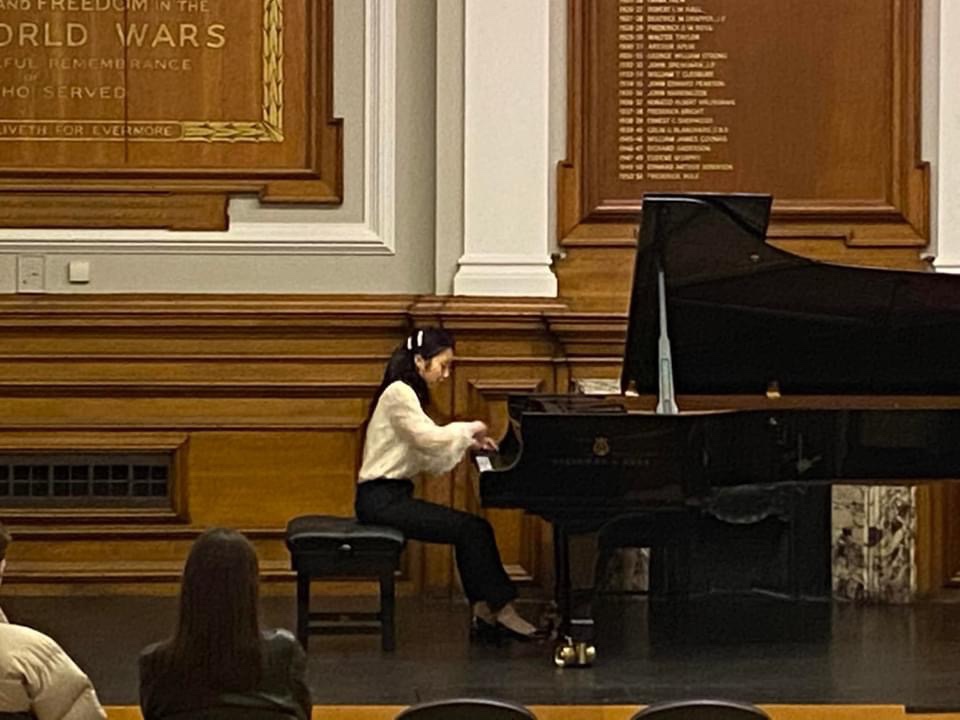
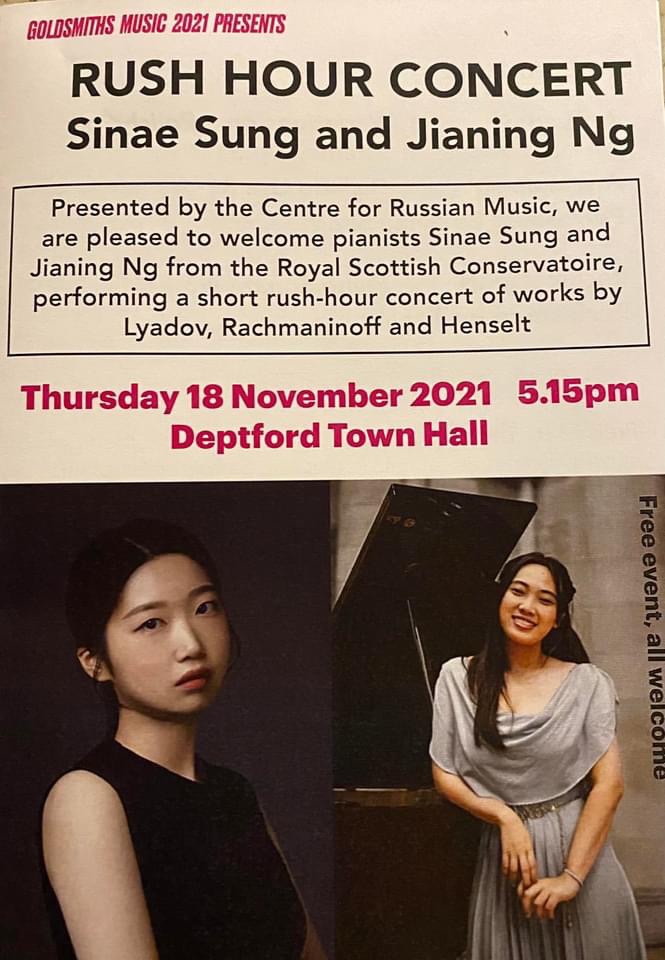
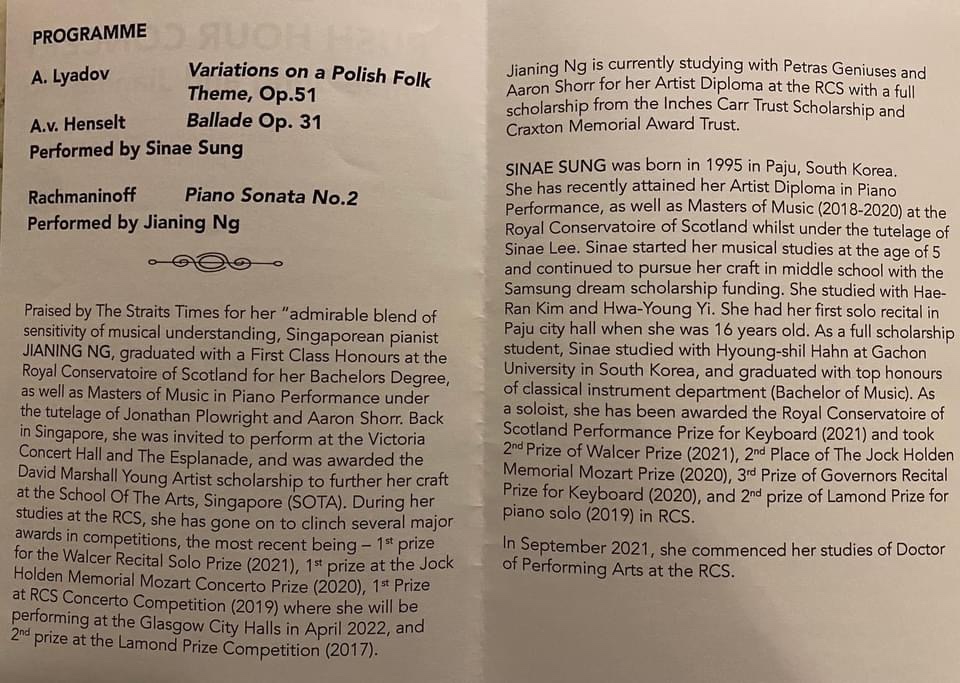
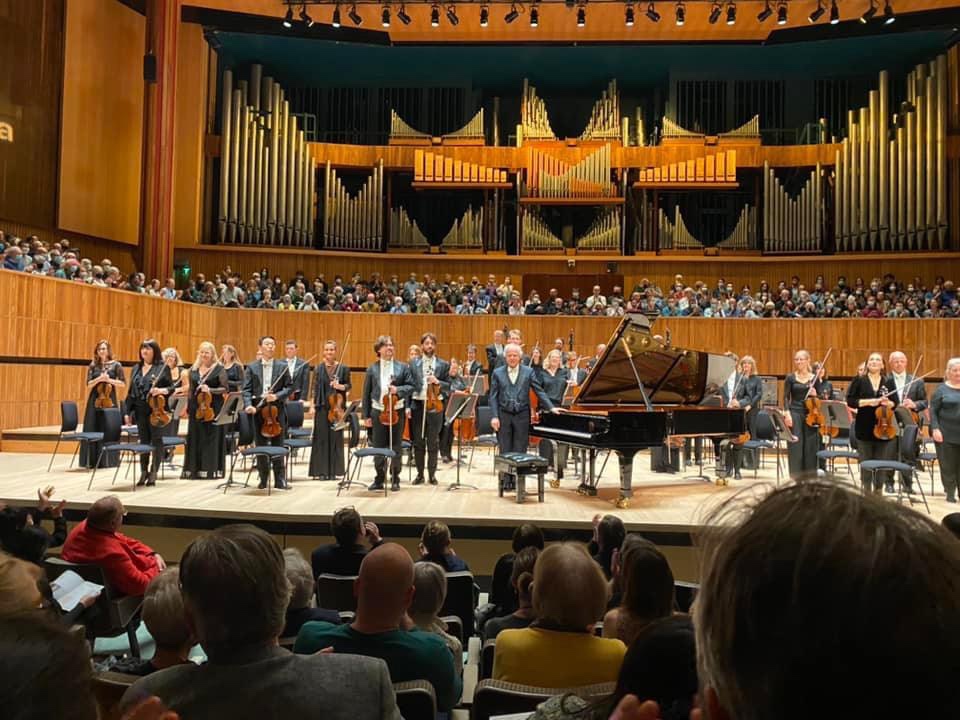
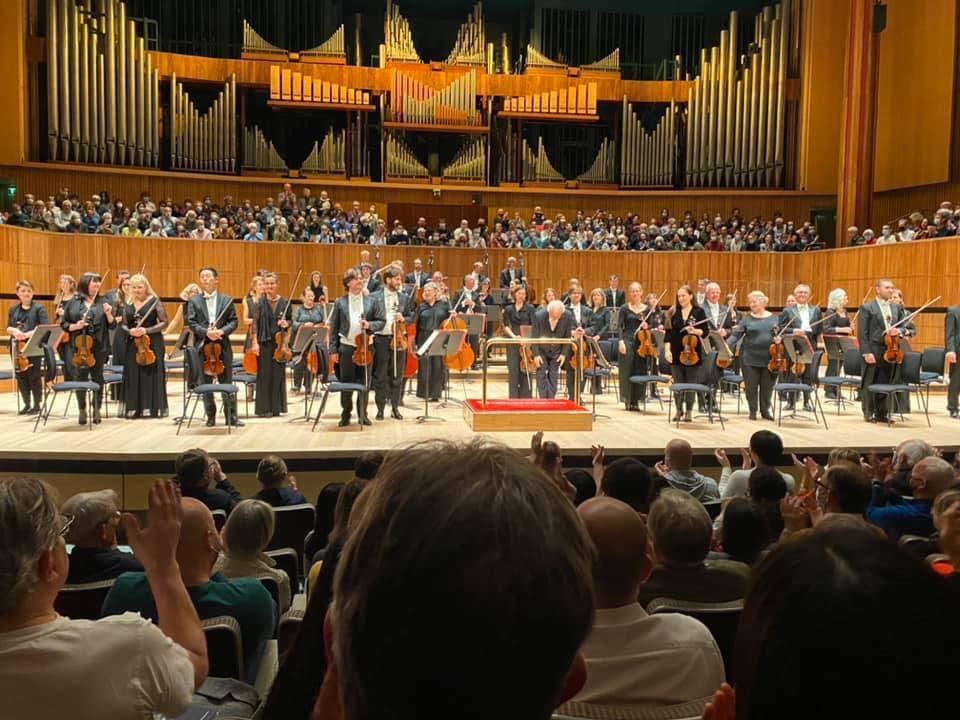
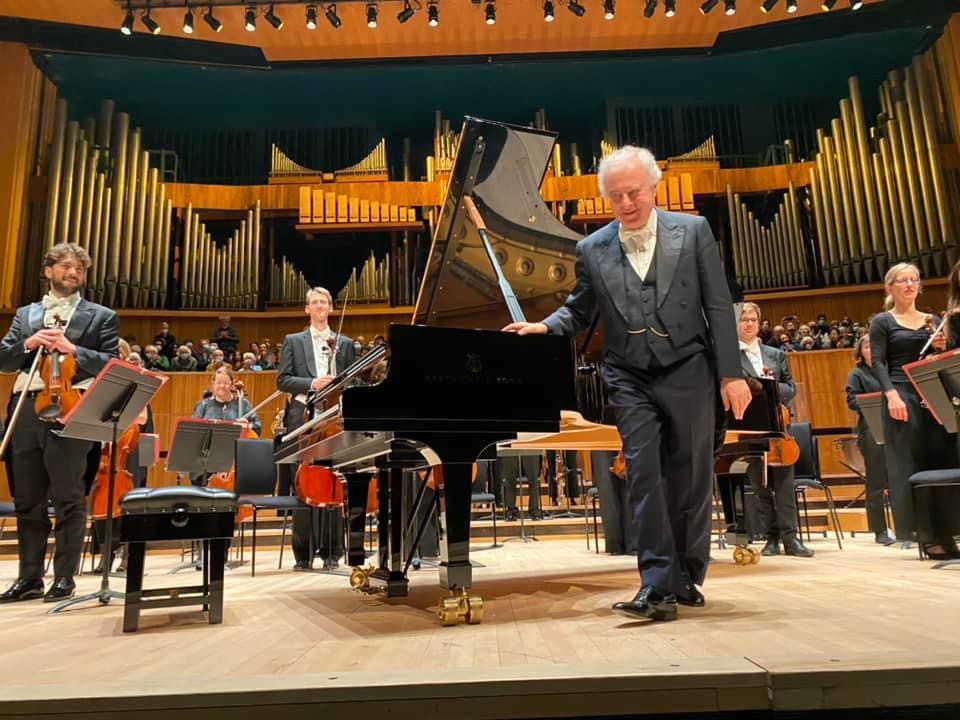
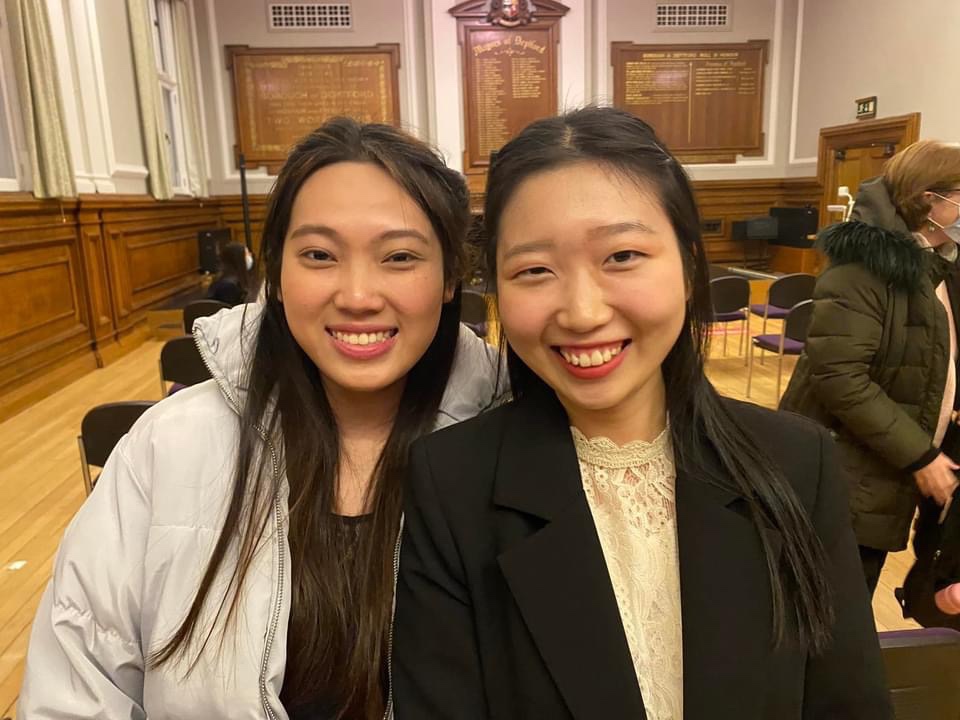
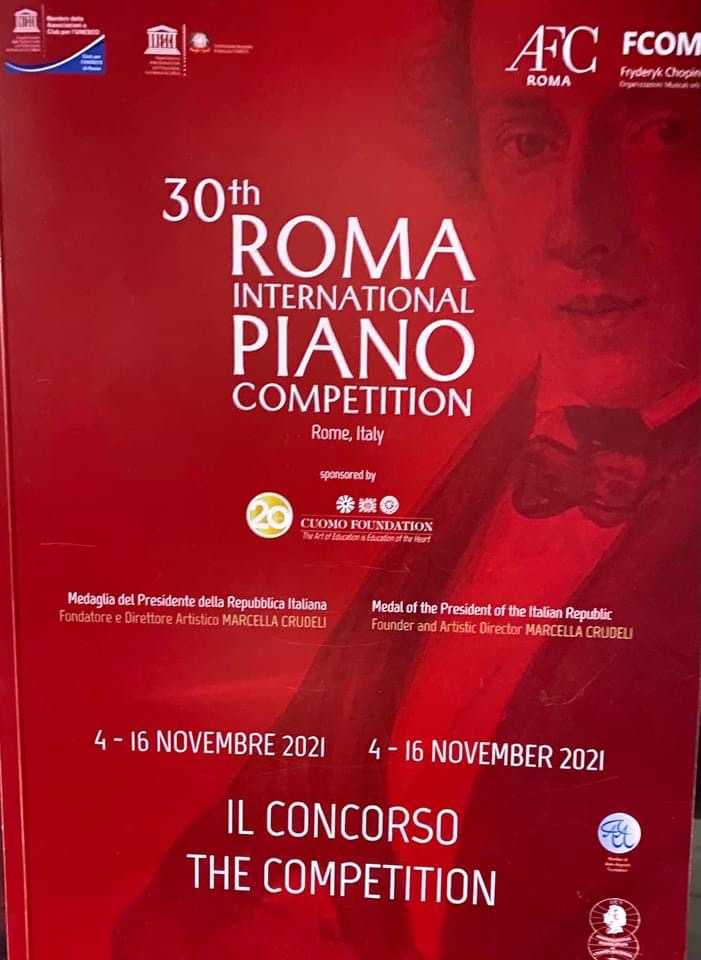
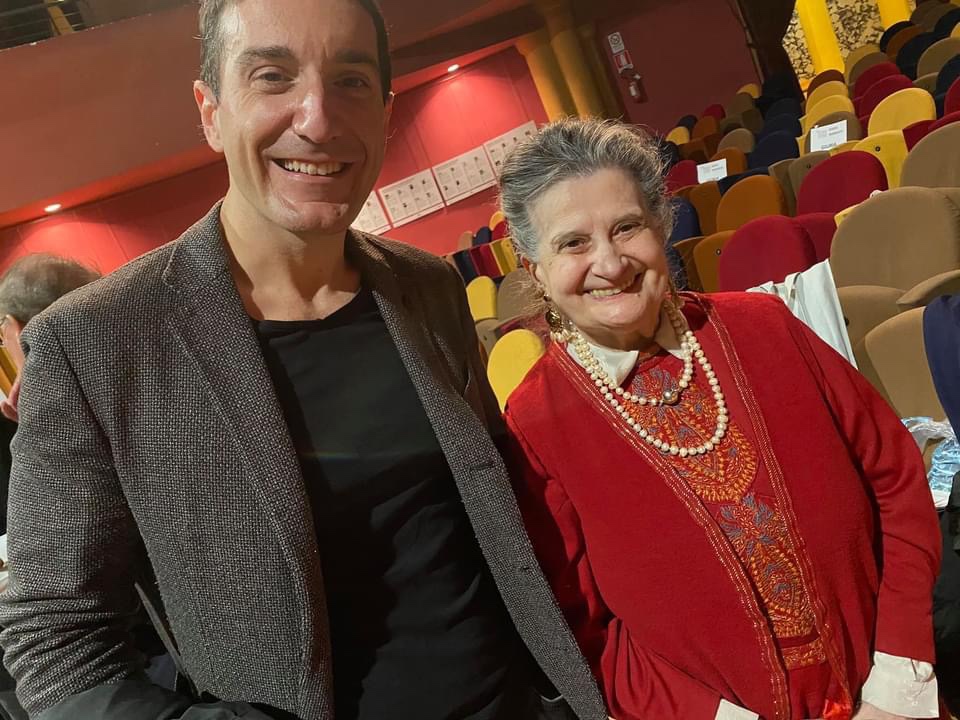


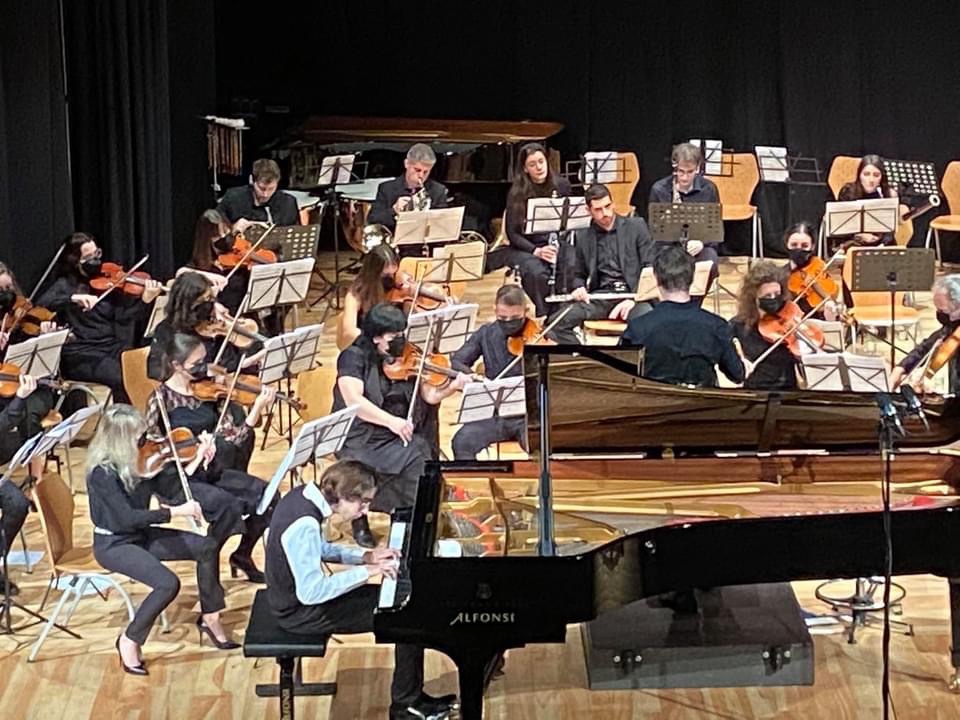
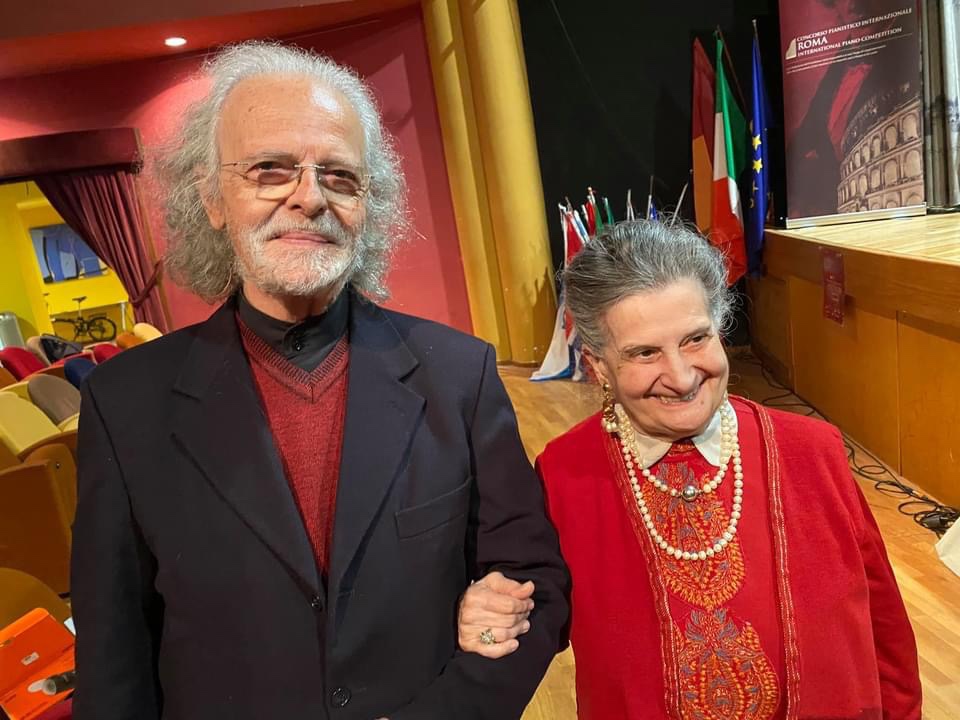
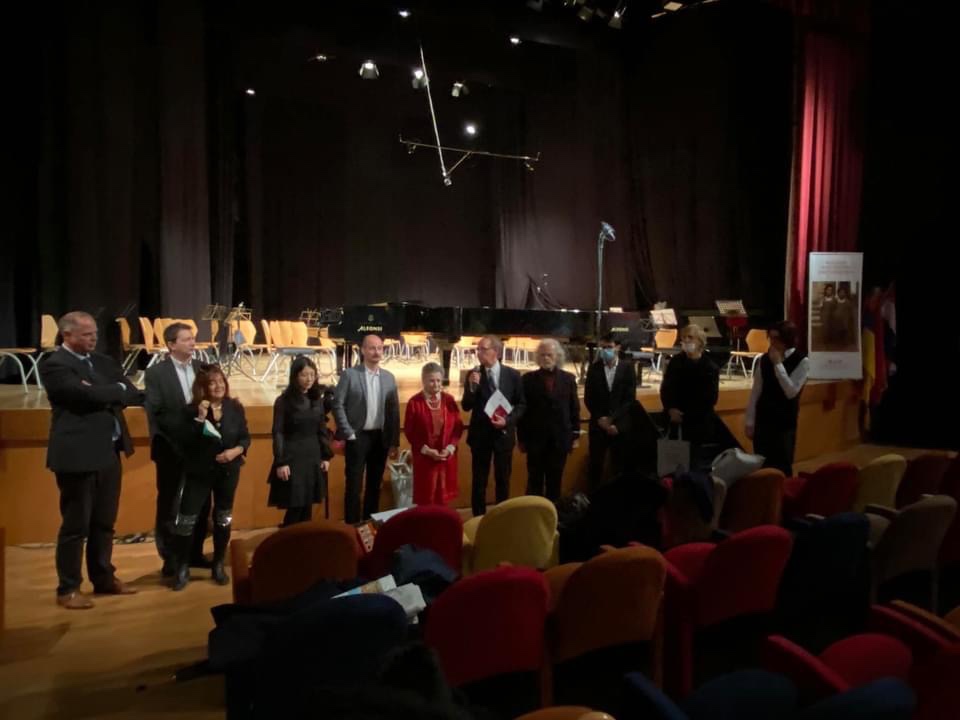
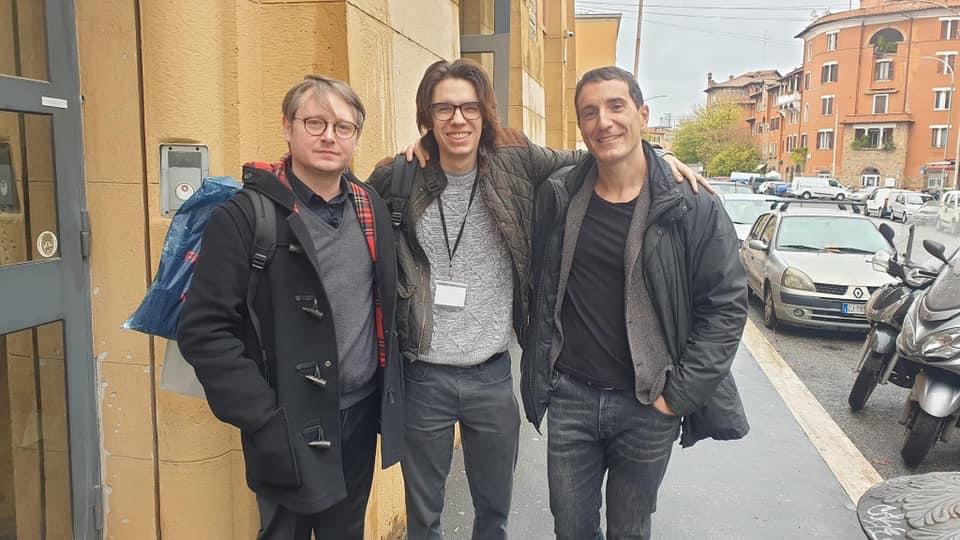
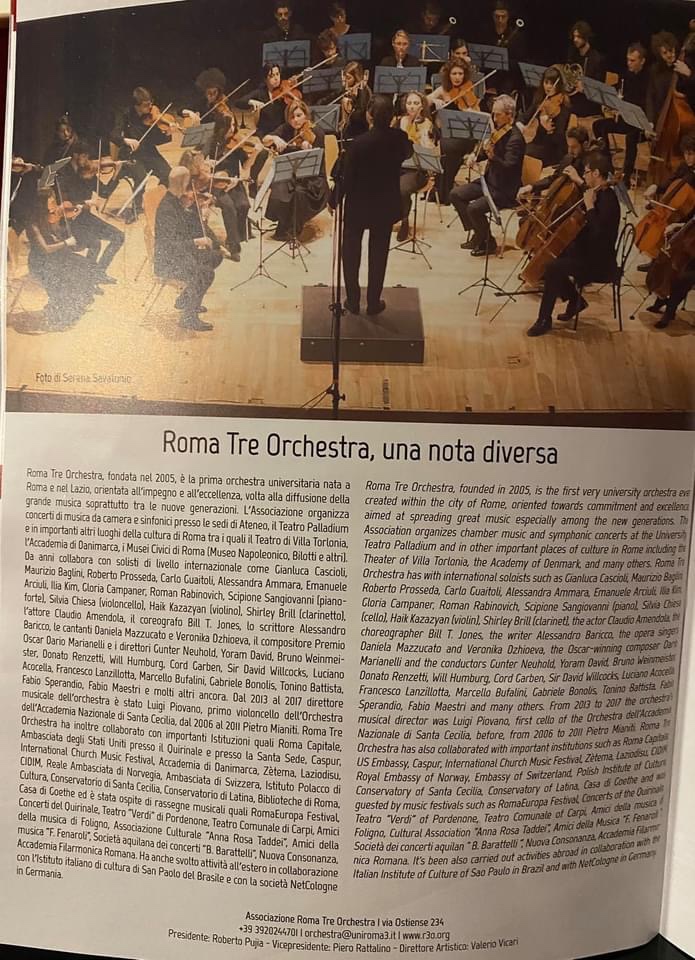
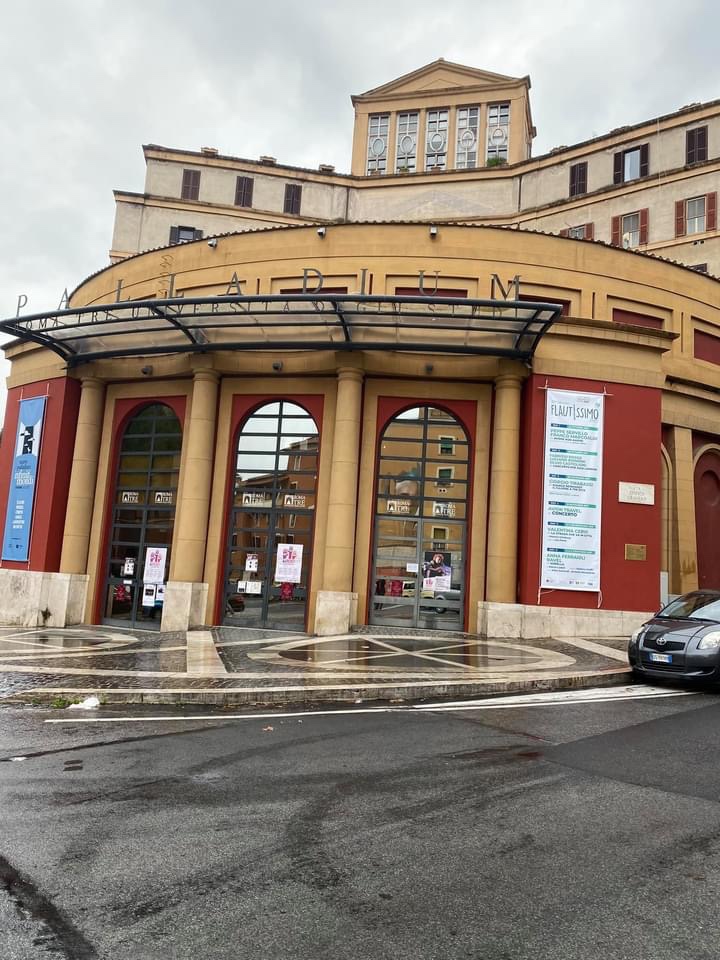
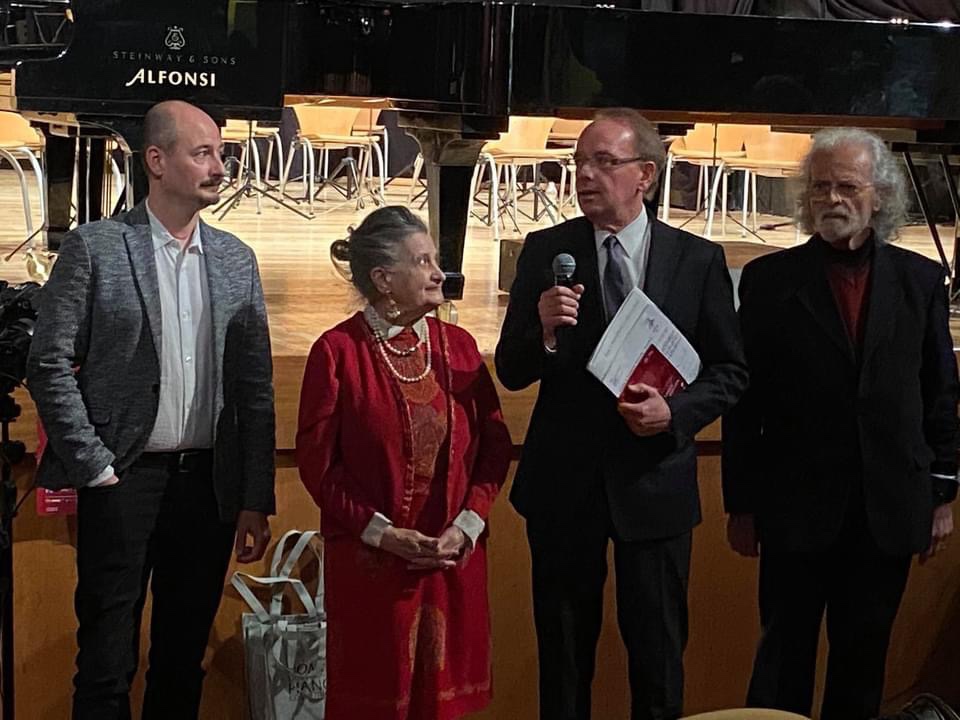

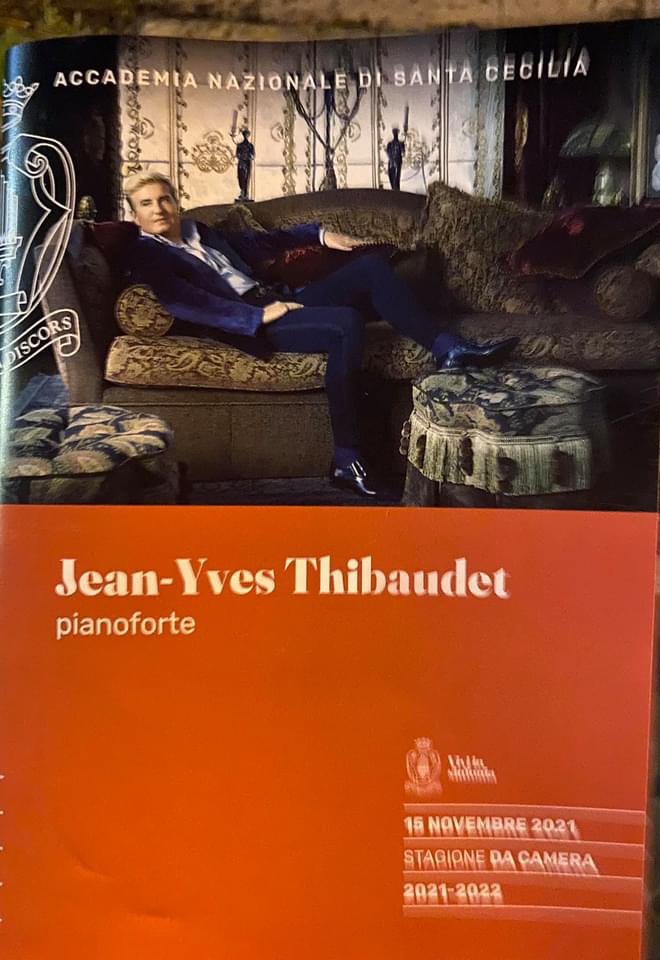

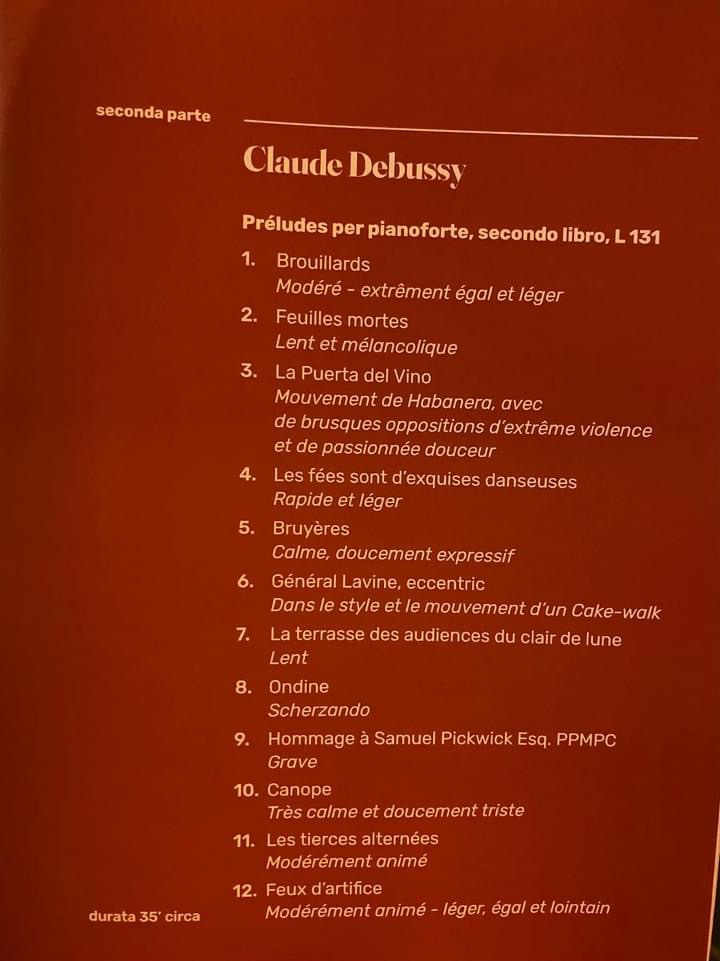
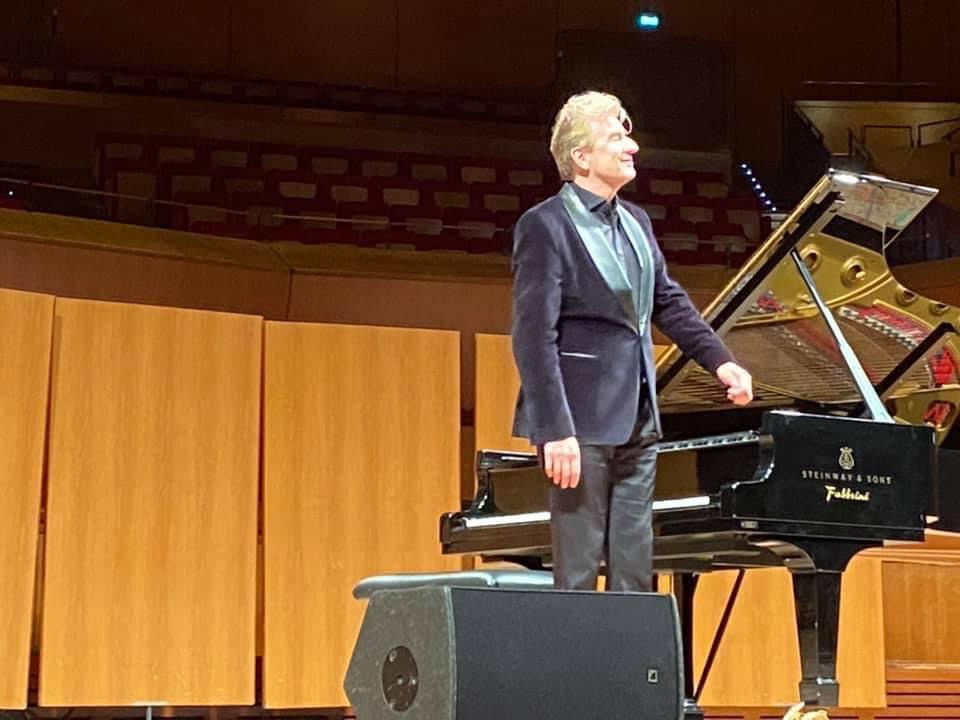

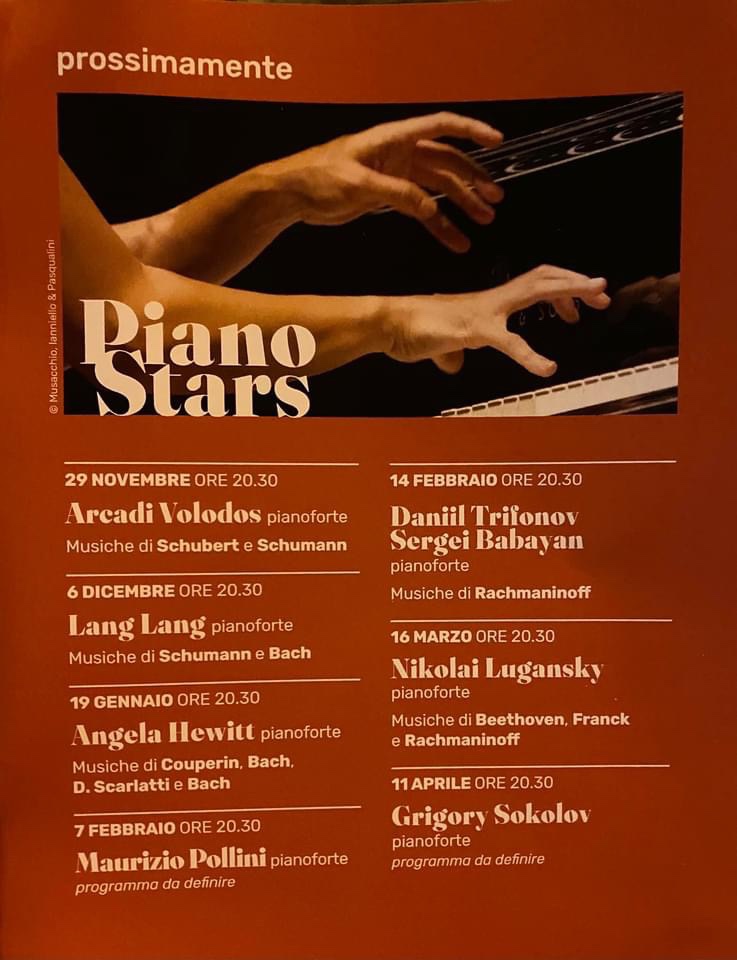
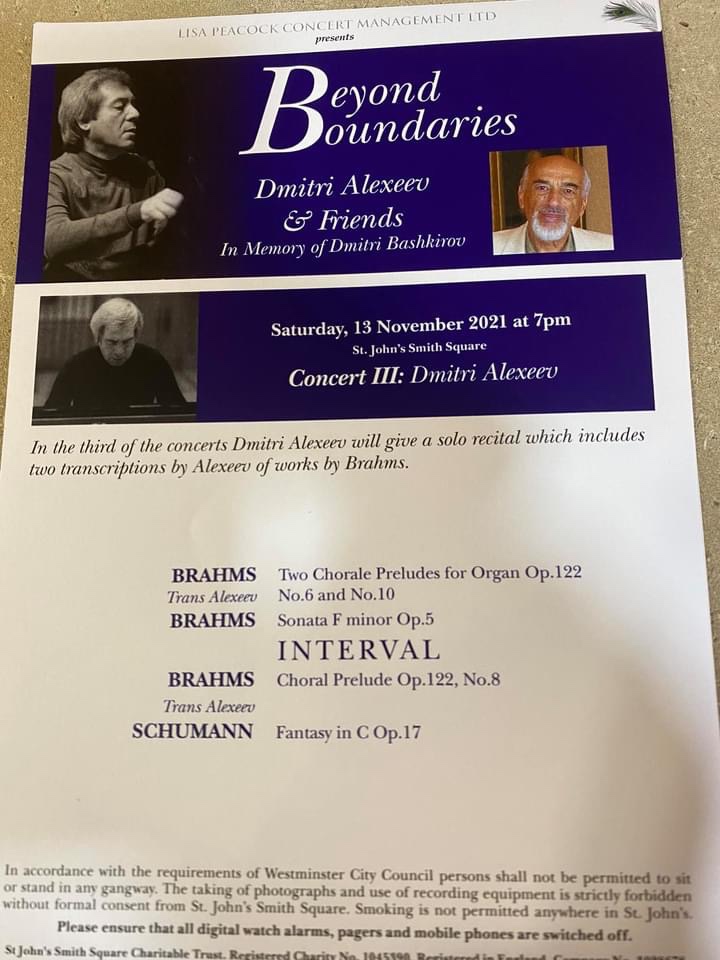
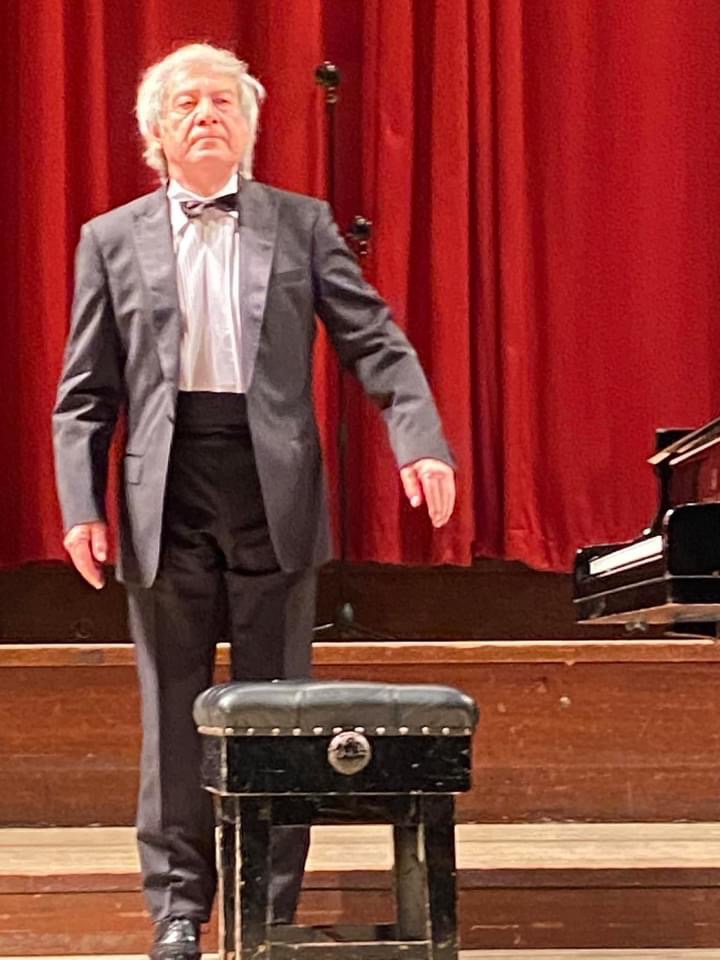
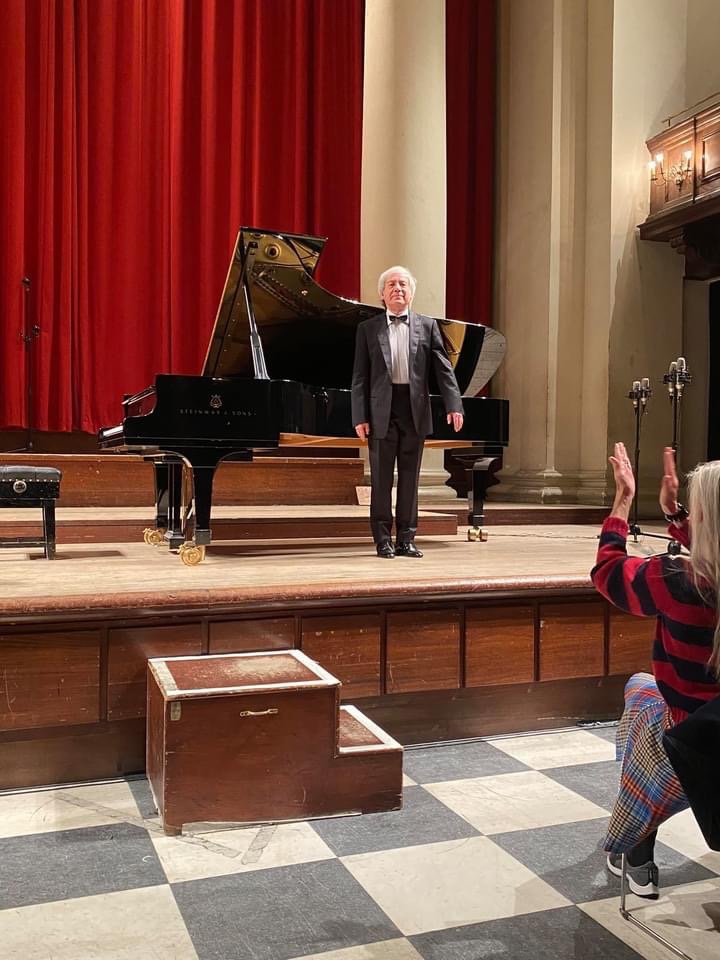
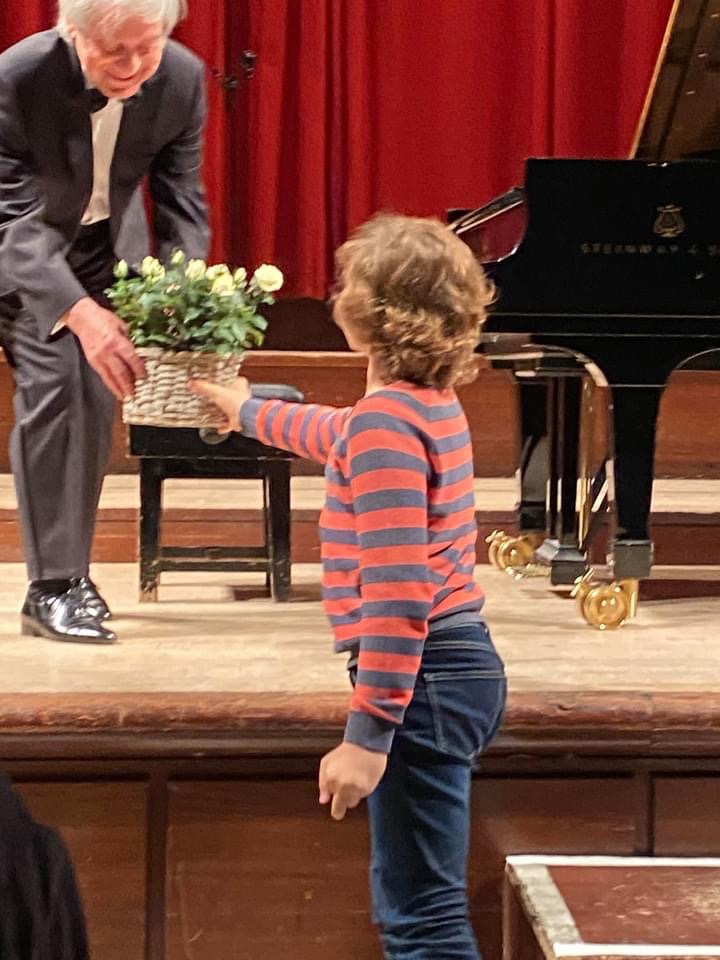

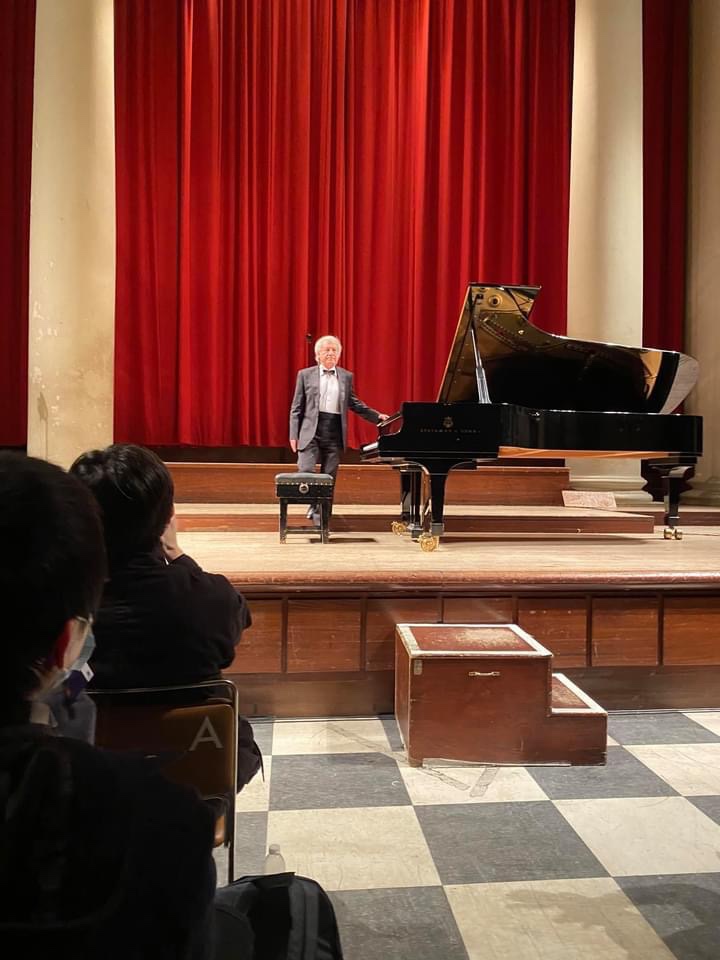
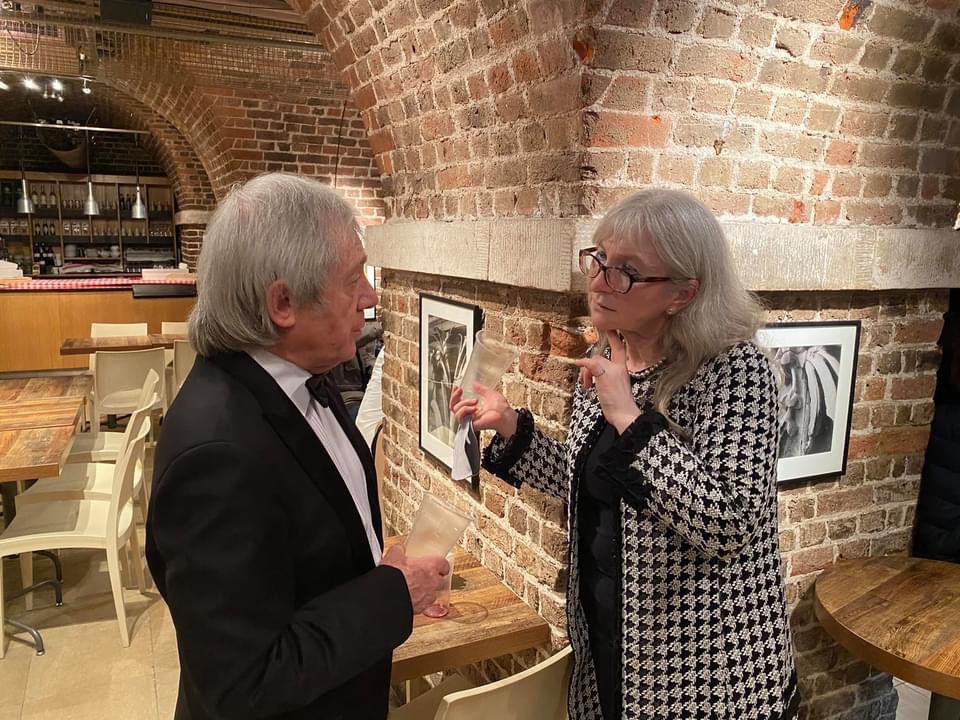
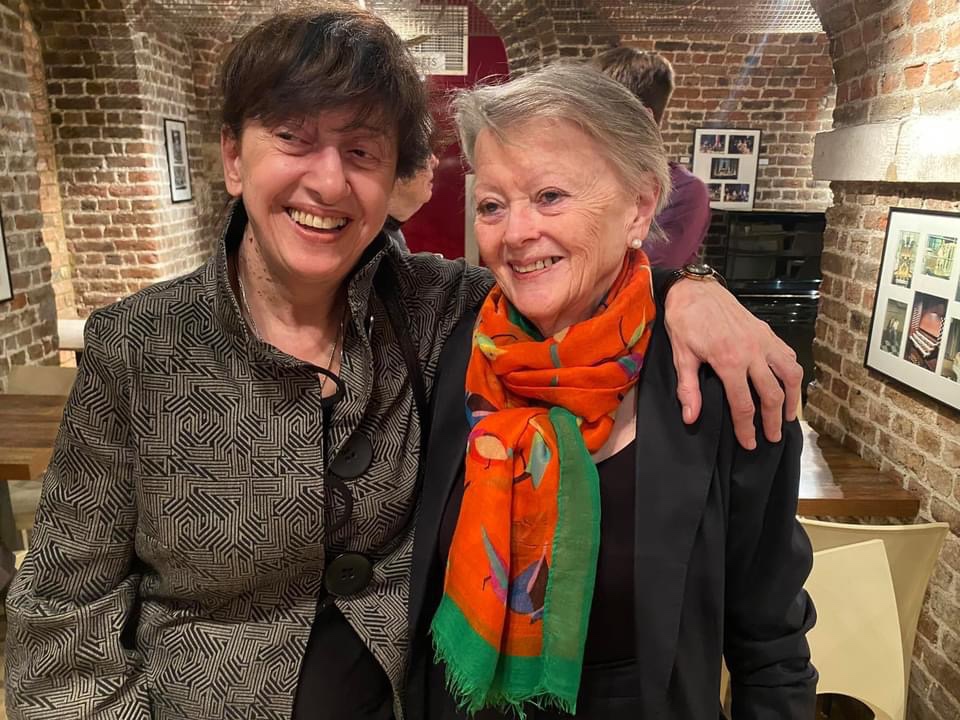
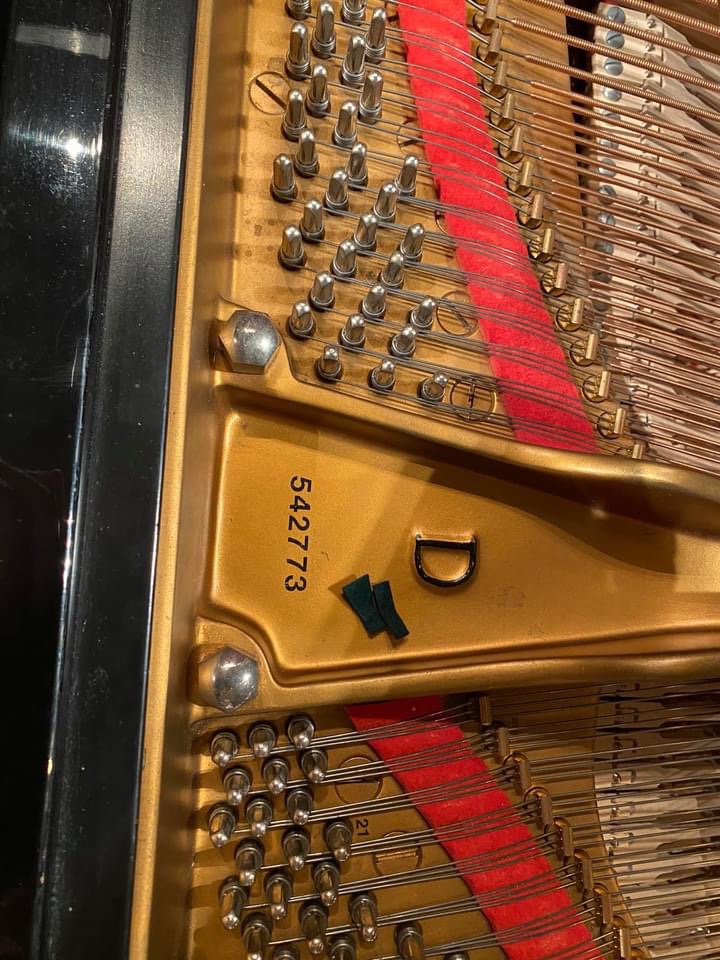
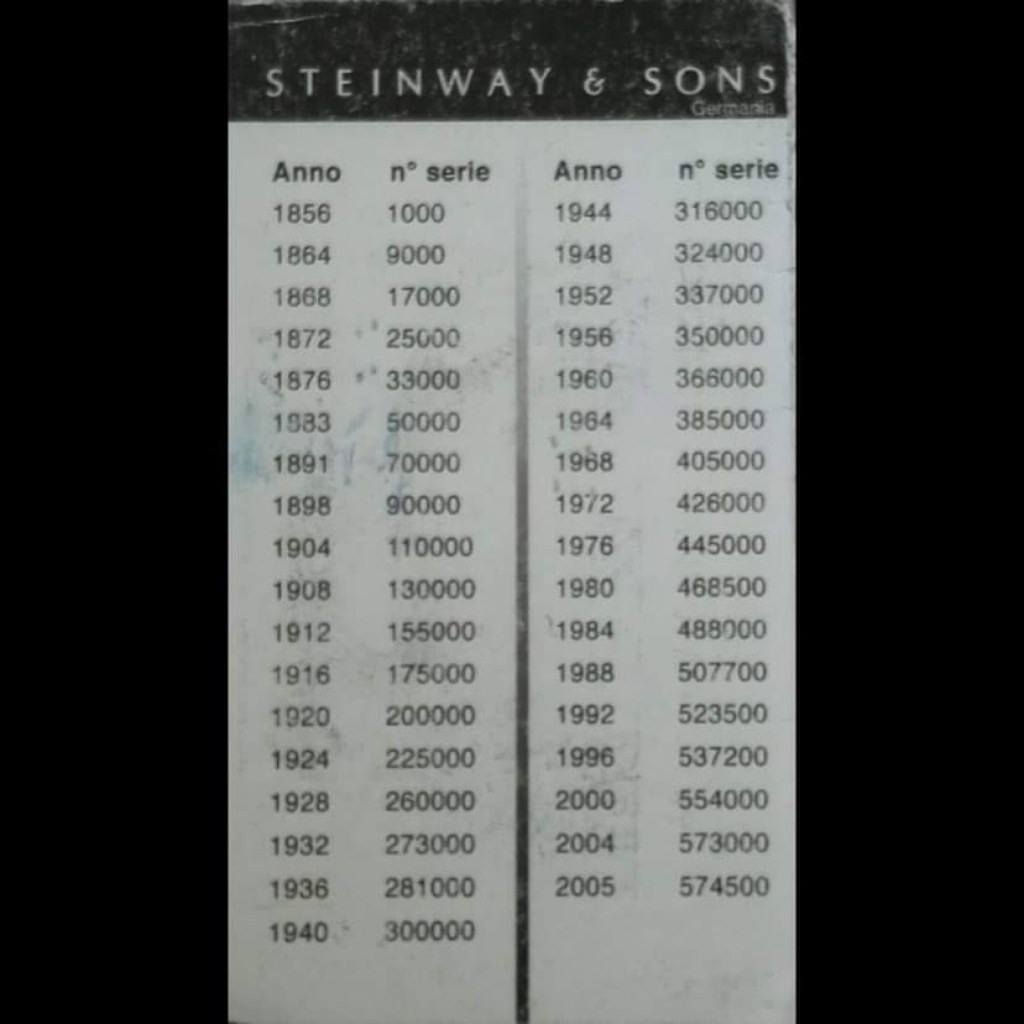

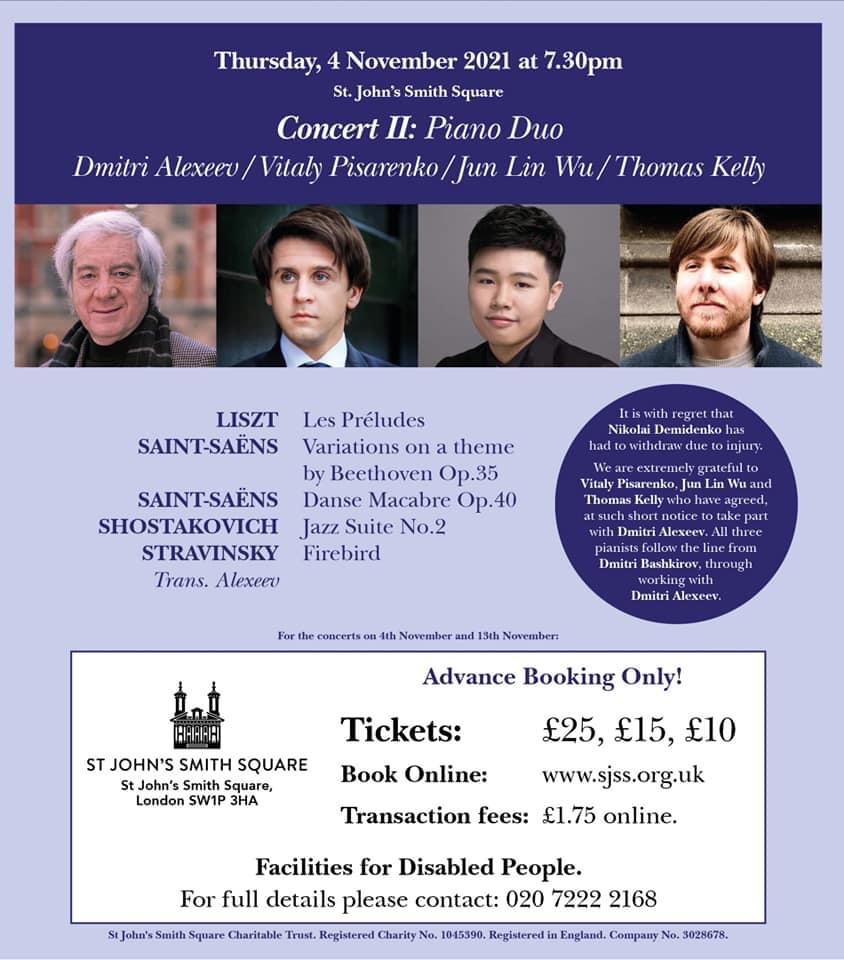

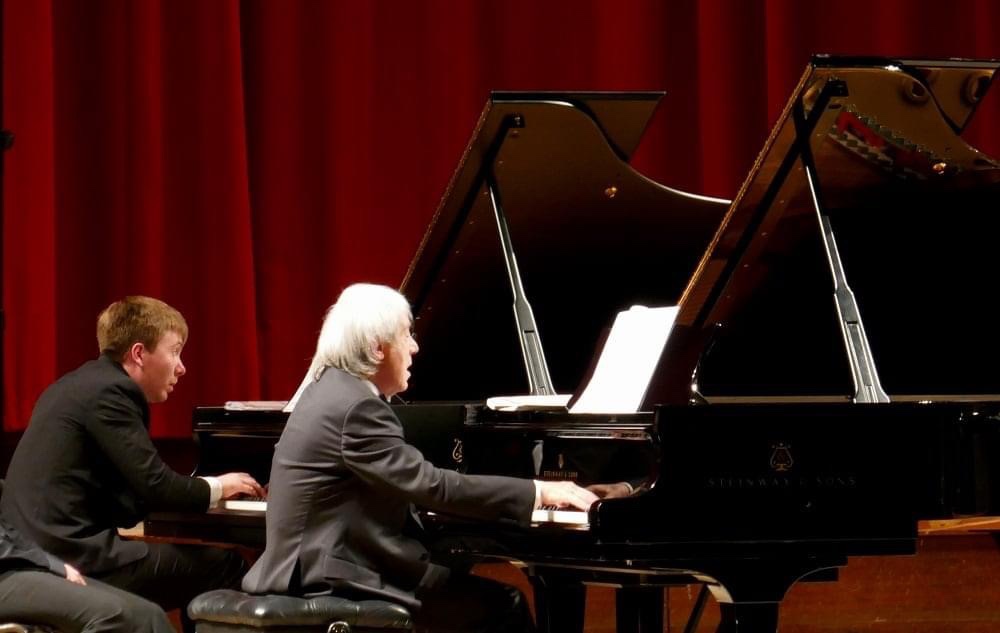

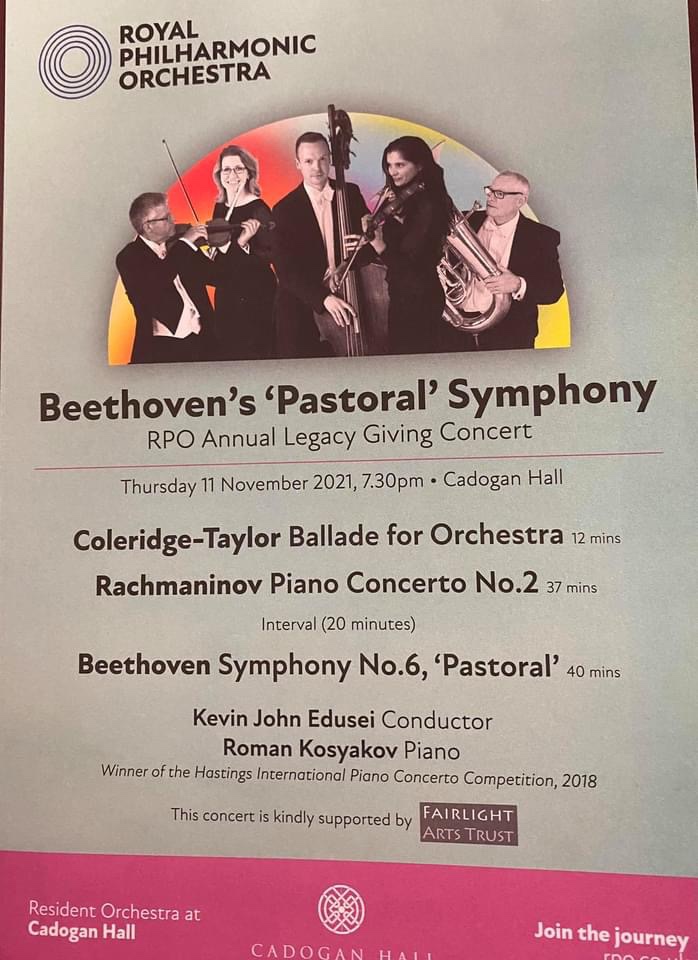


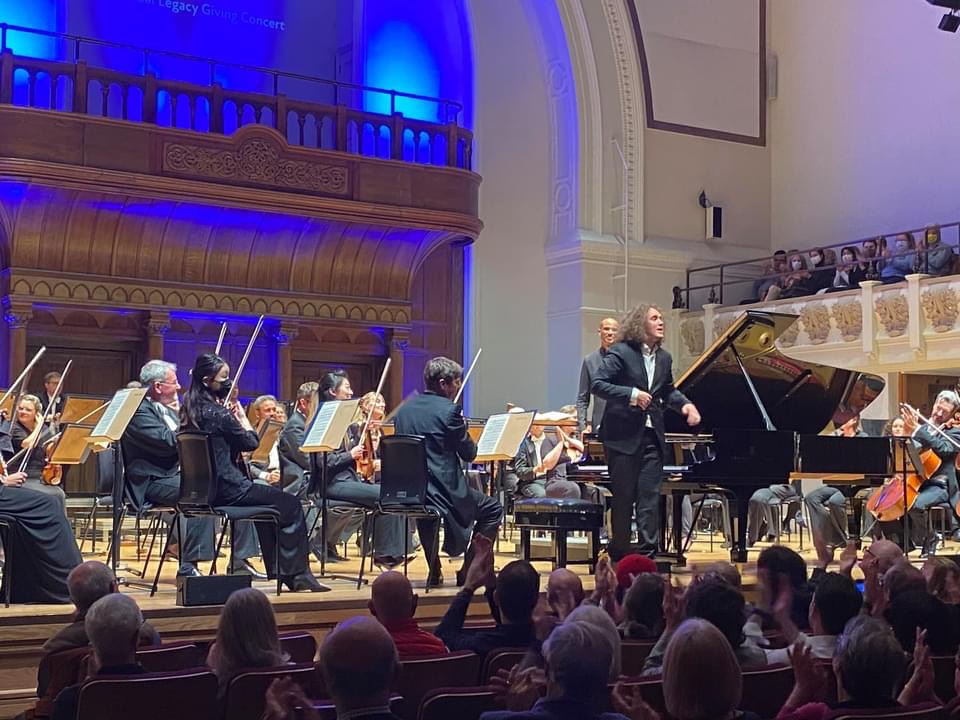
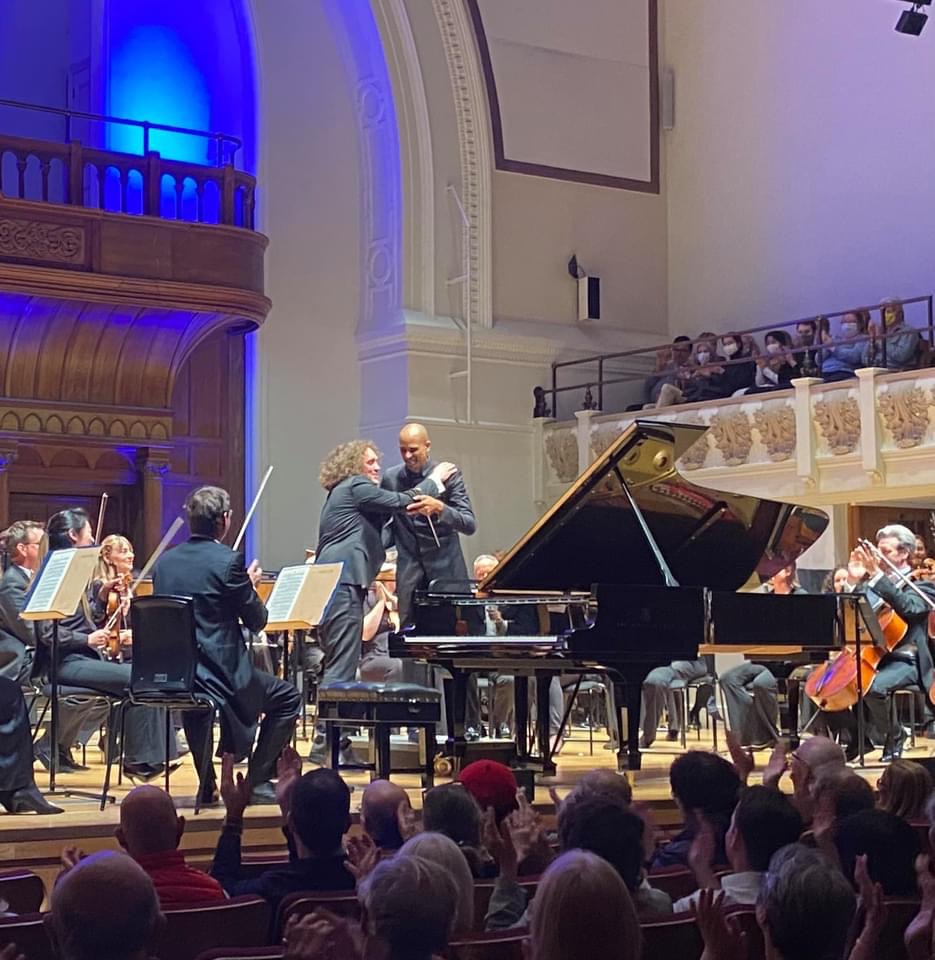
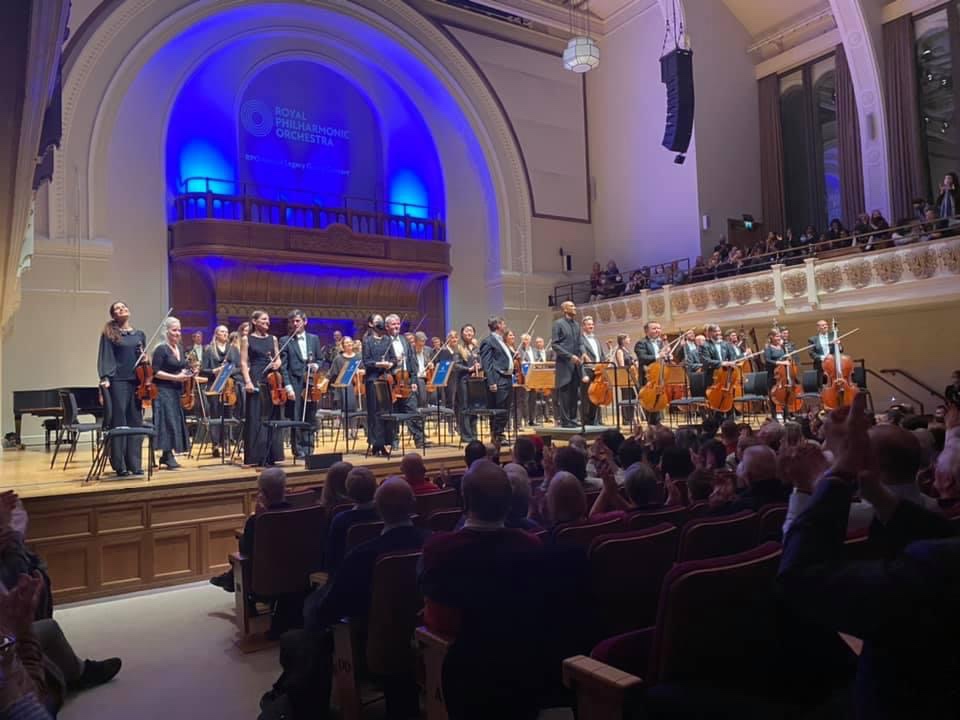
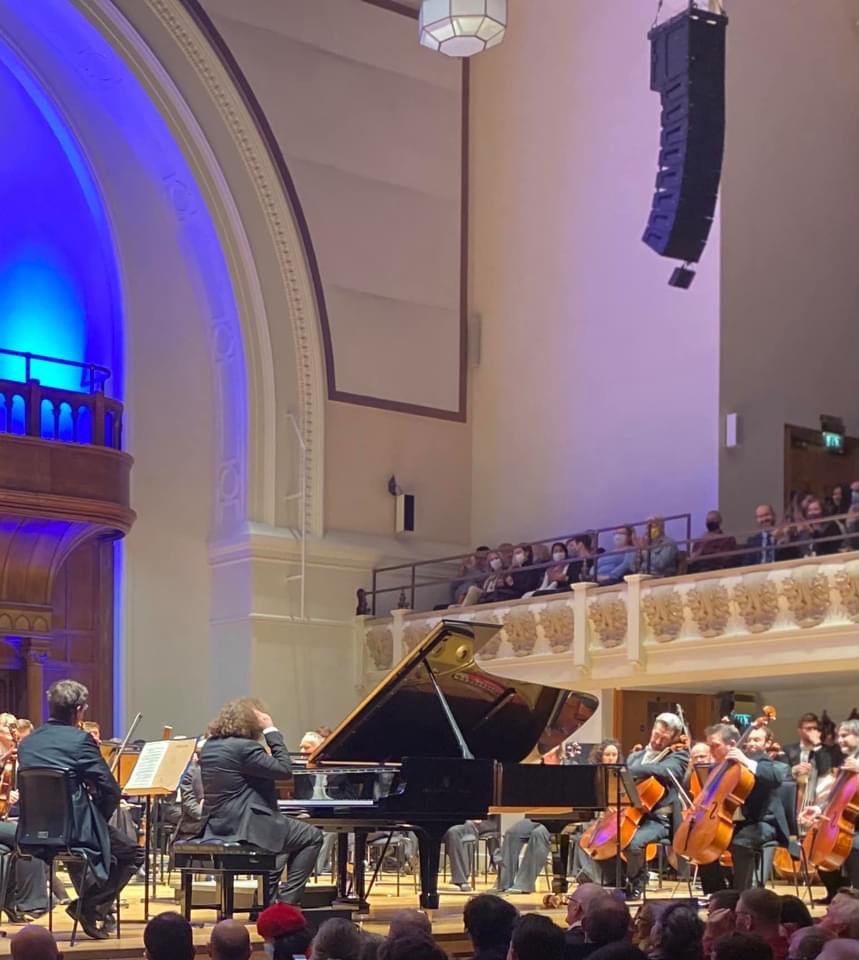
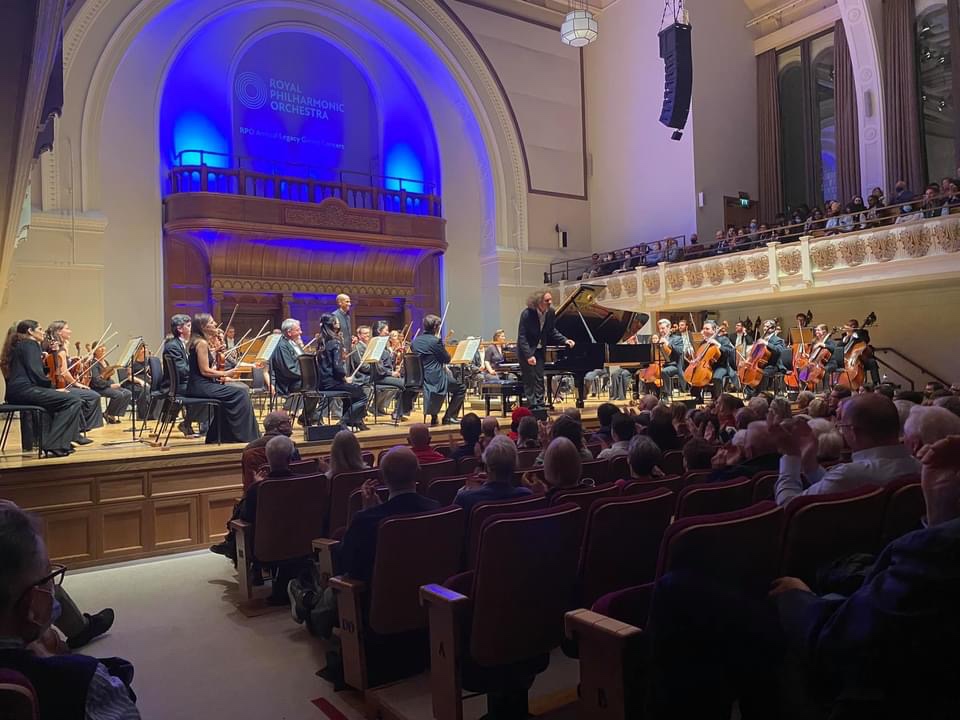
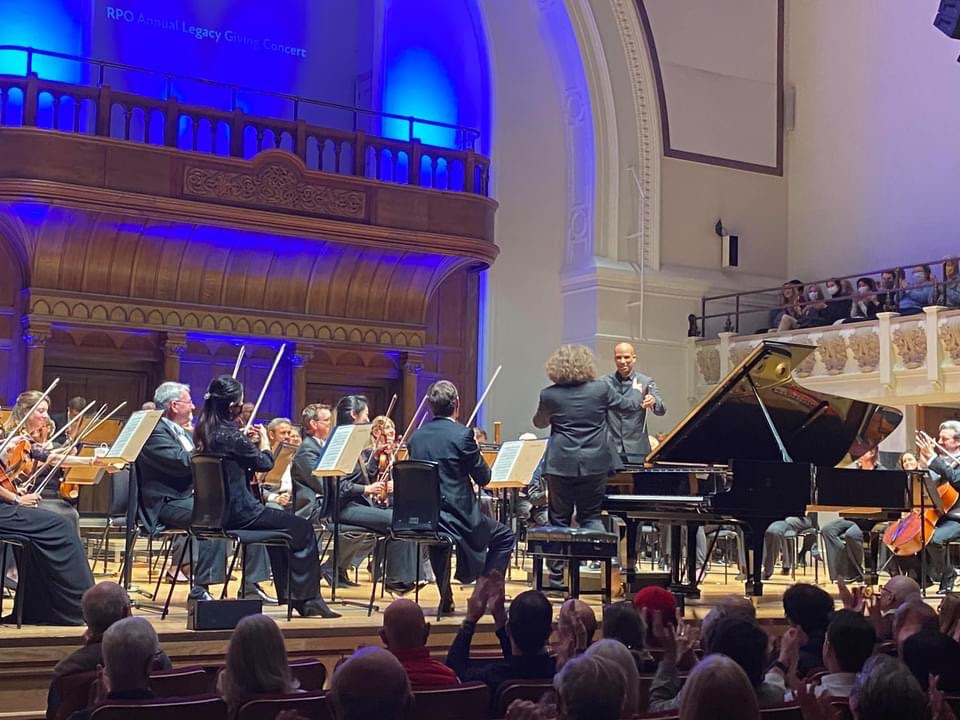
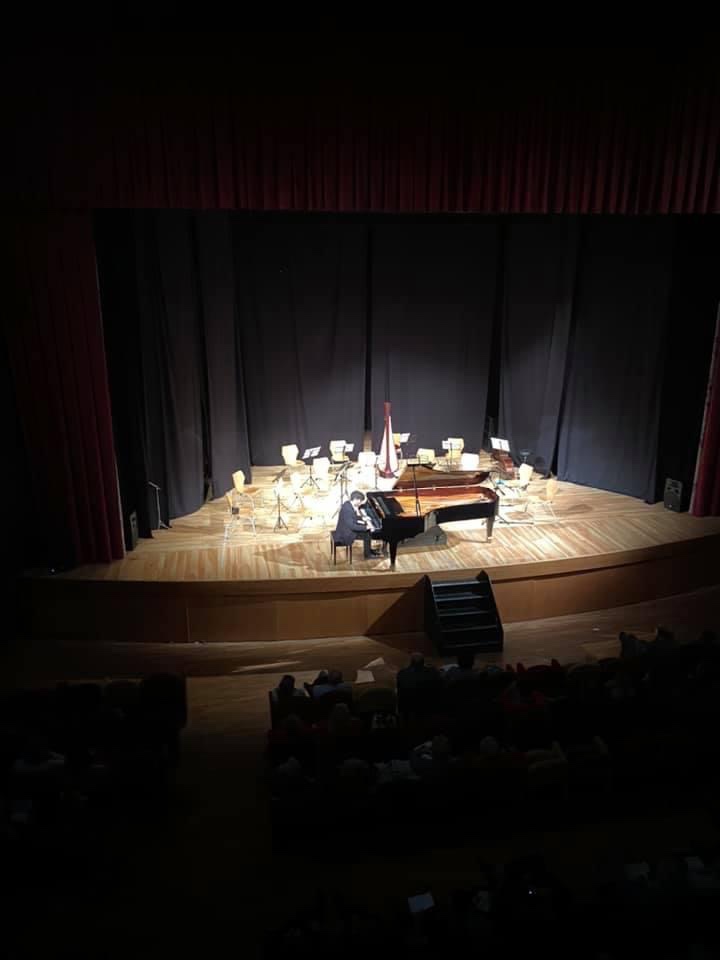


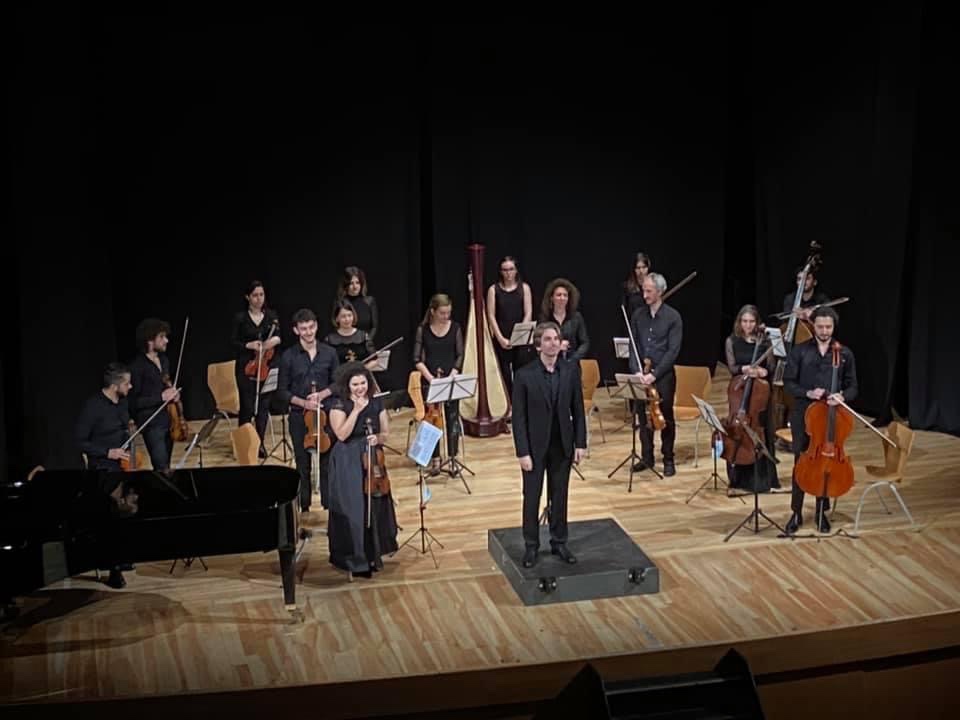
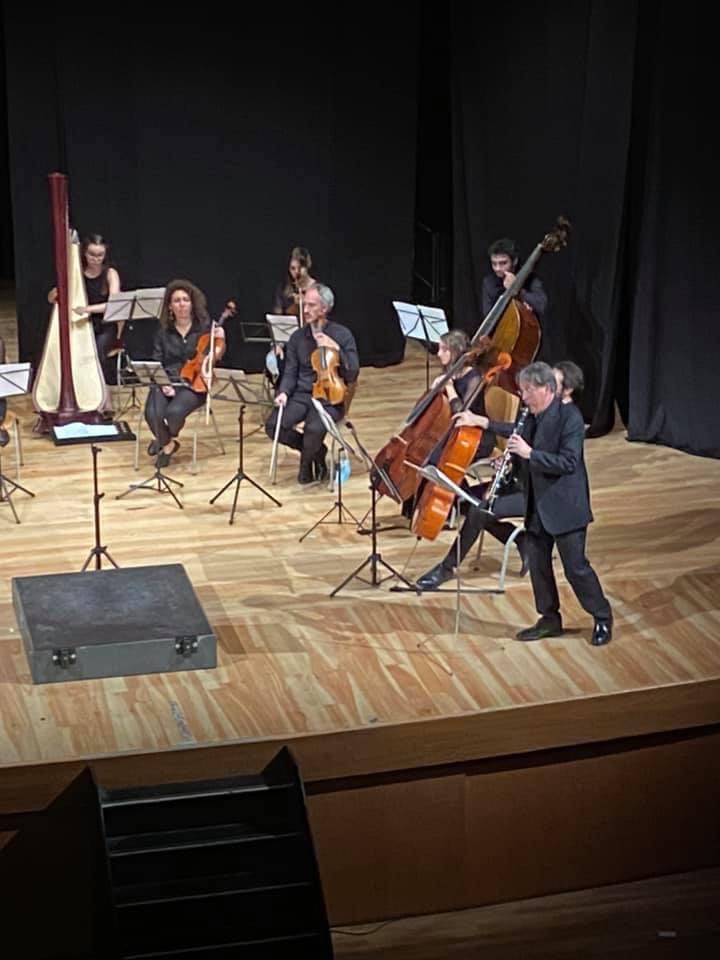

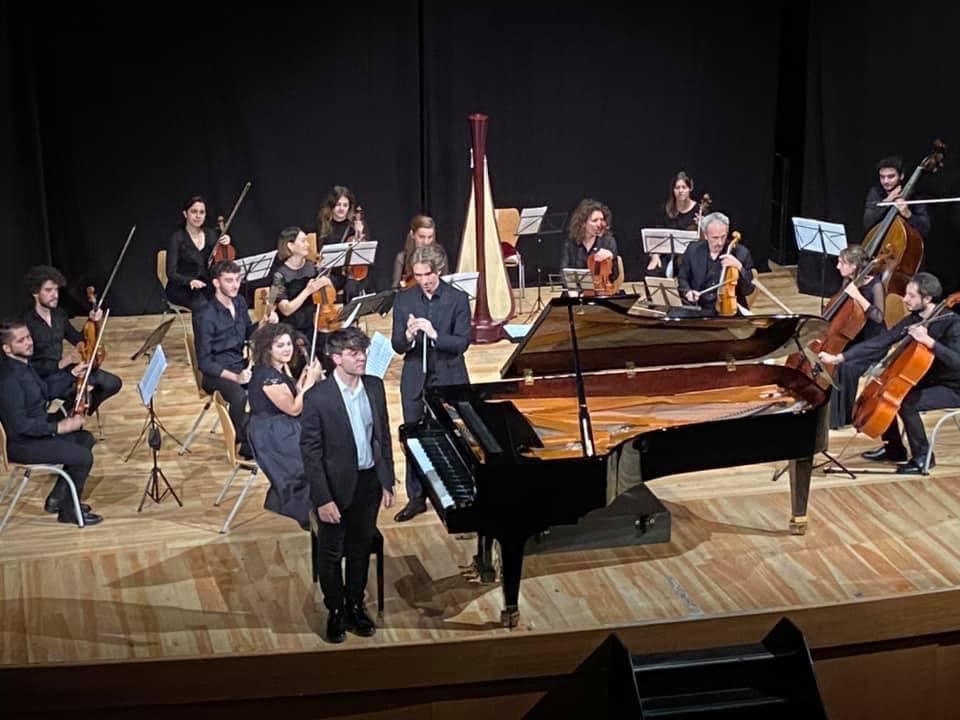

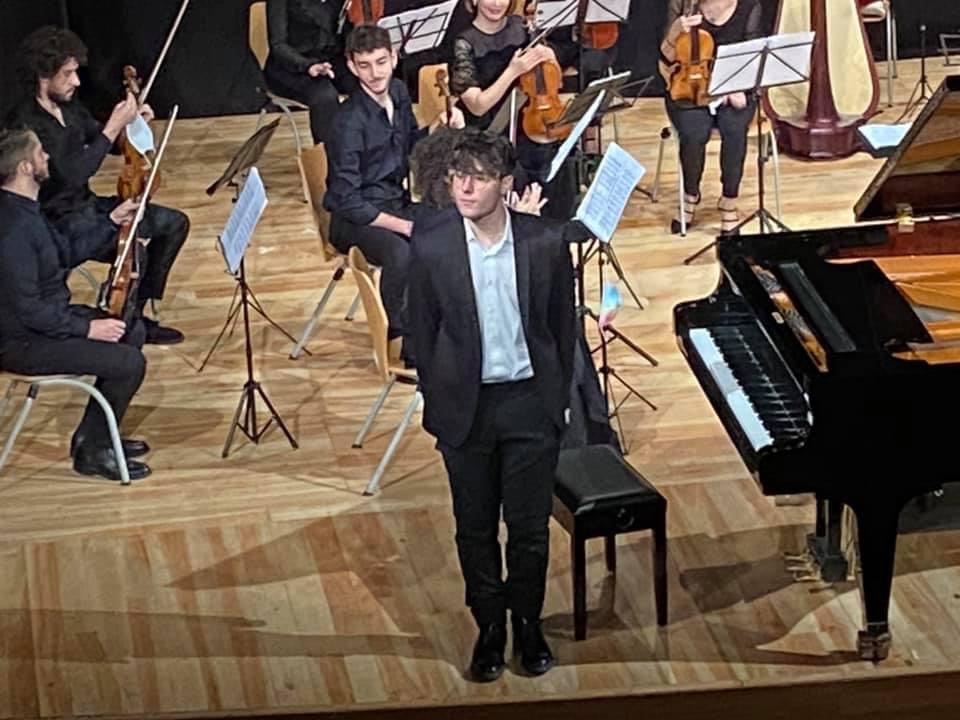
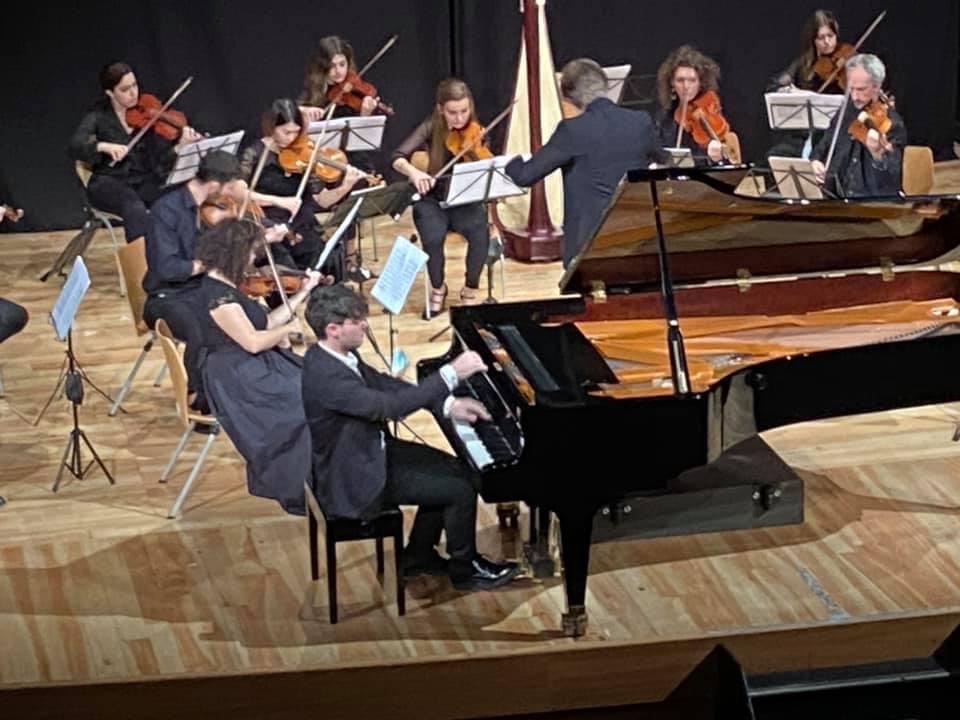
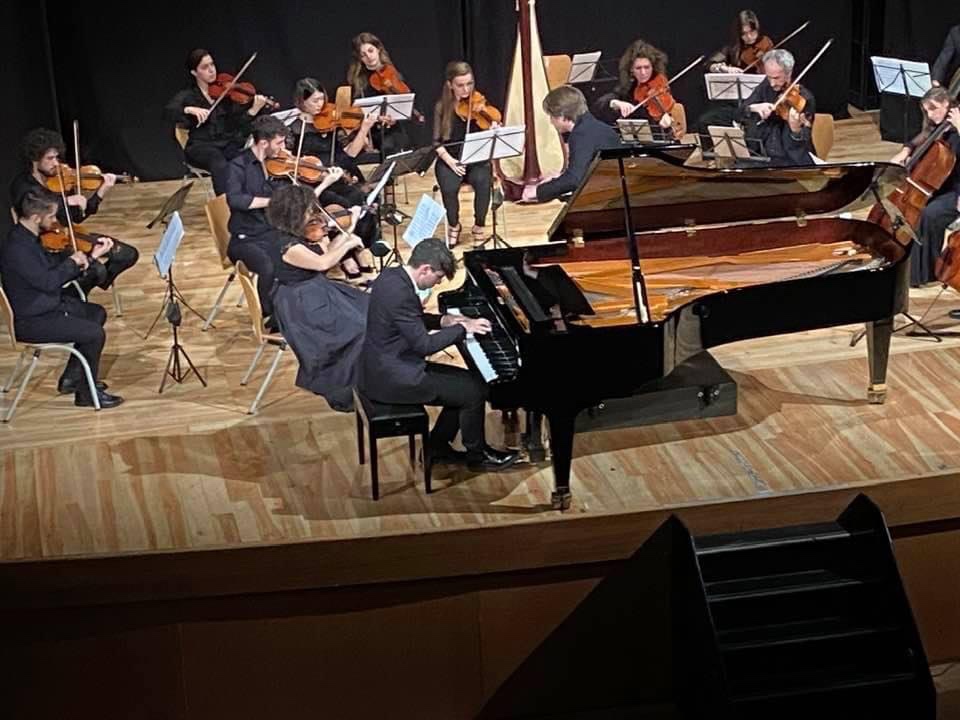
 ChristopherAxworthy-MusicCommentary