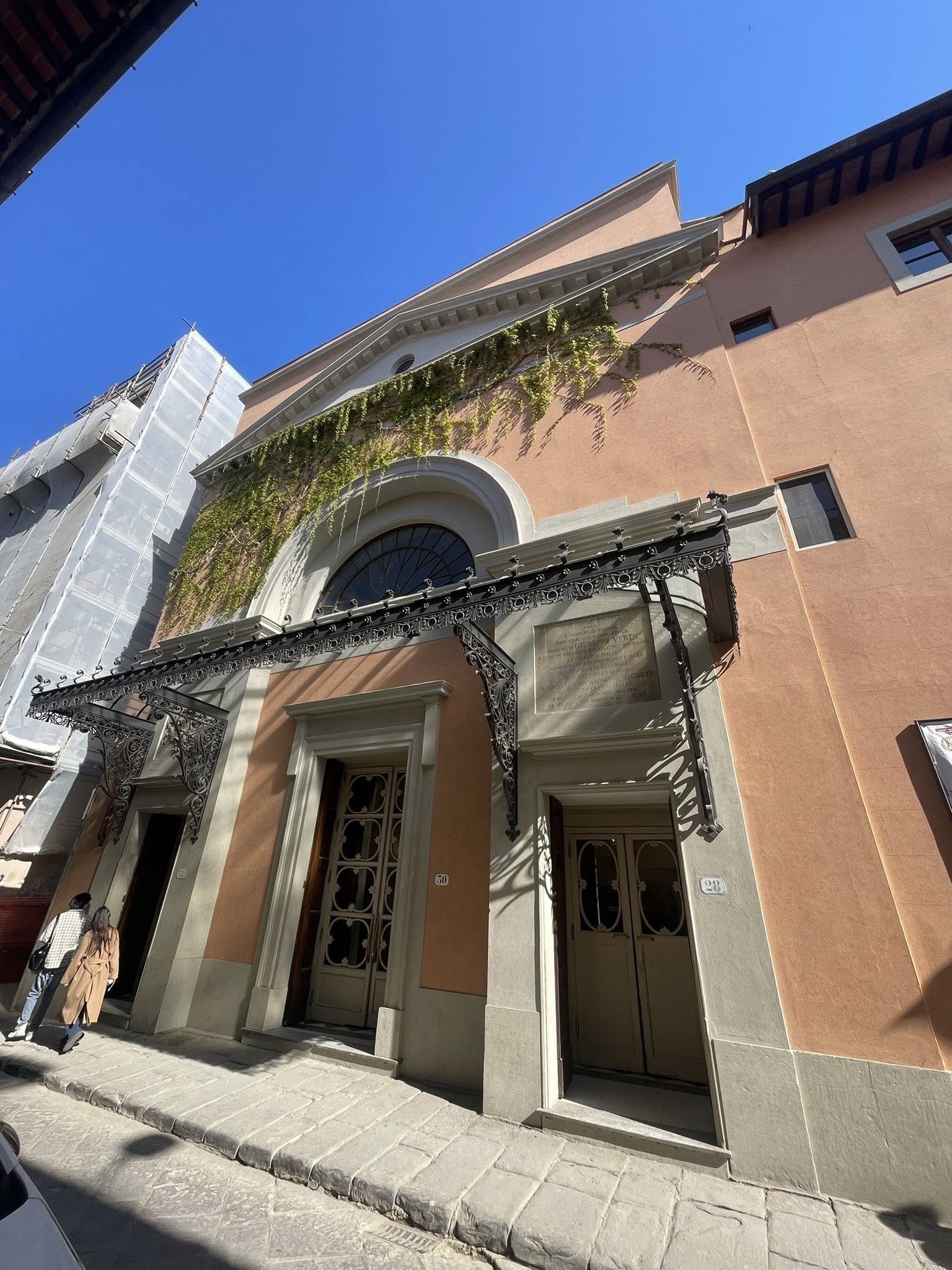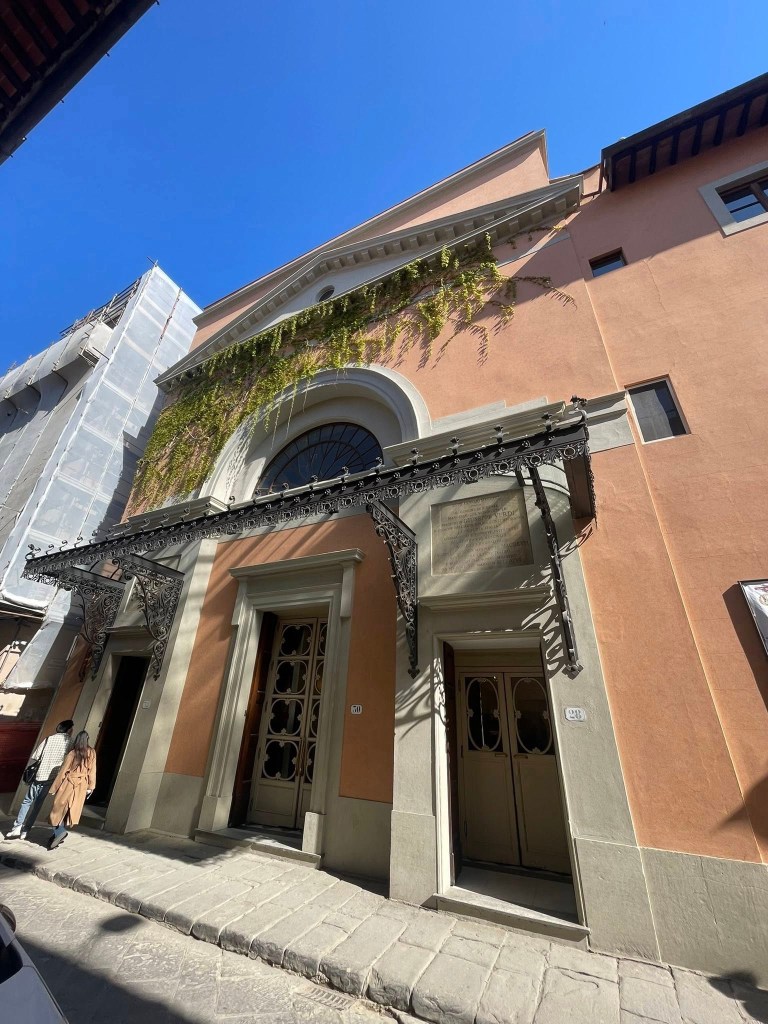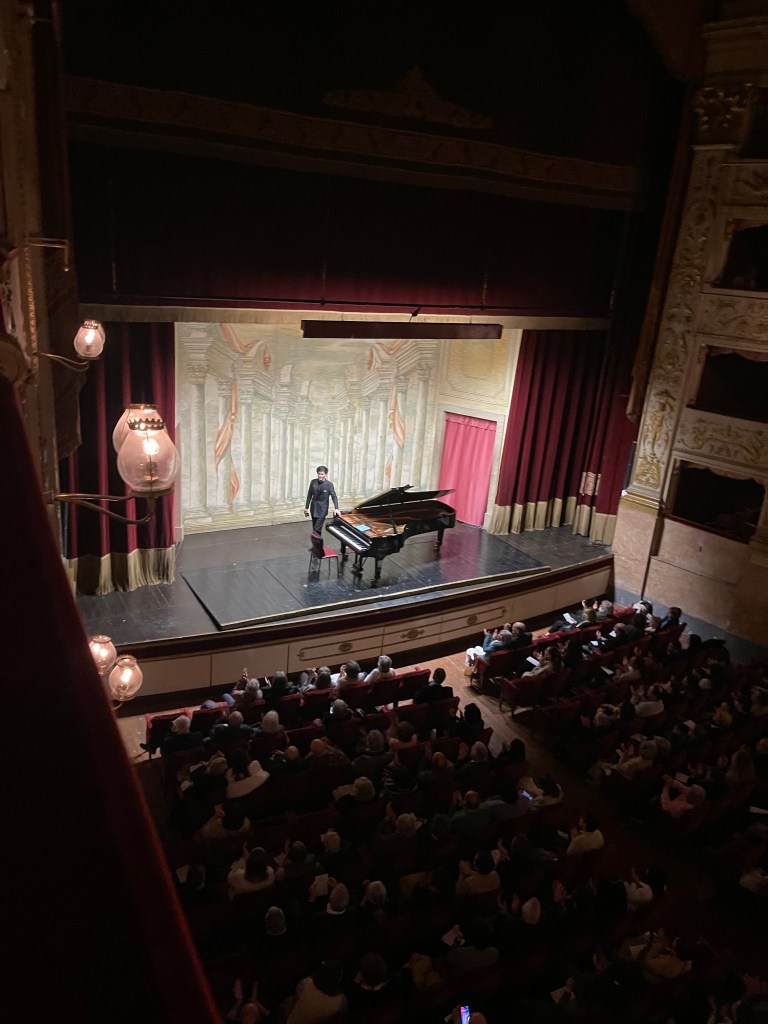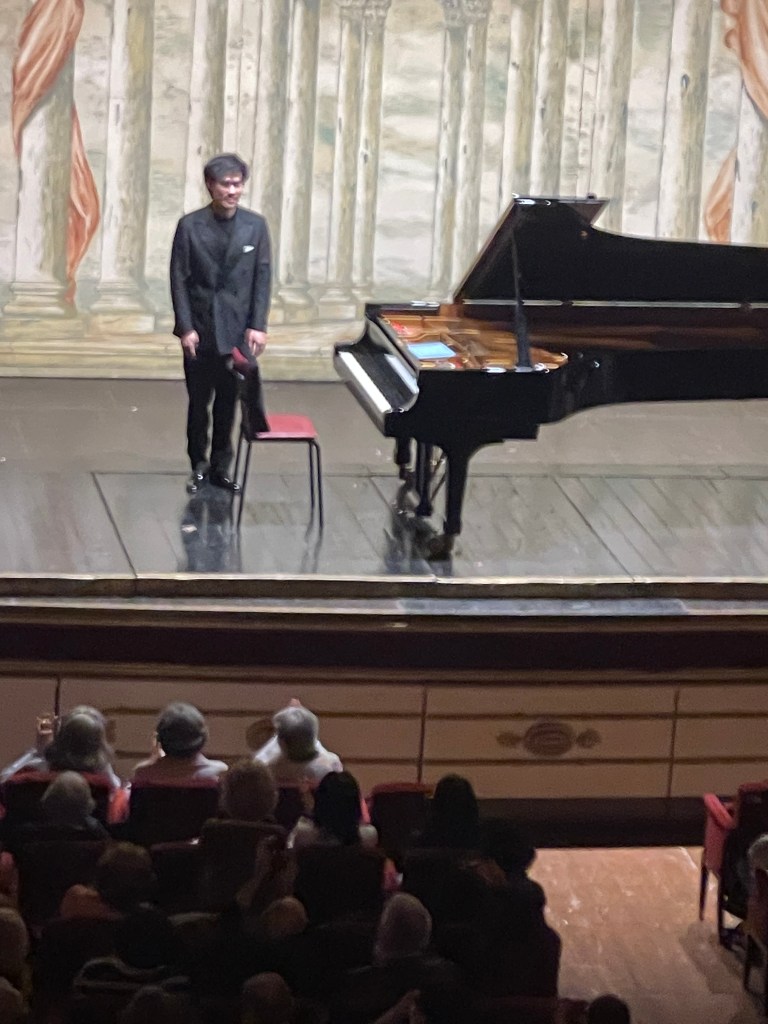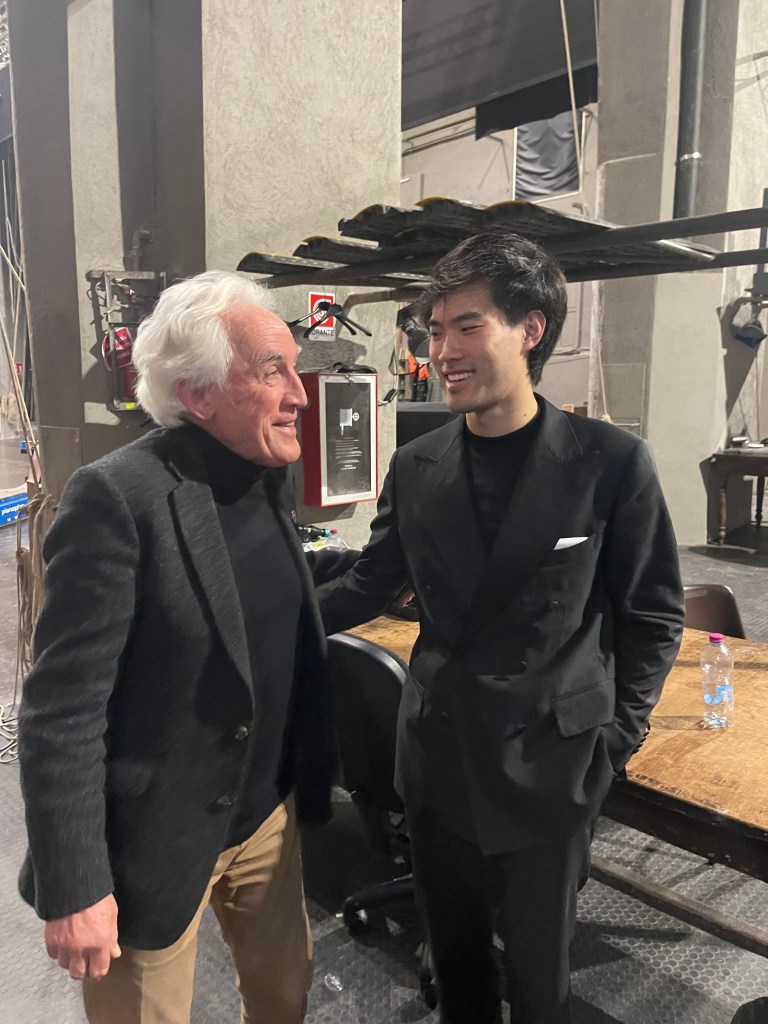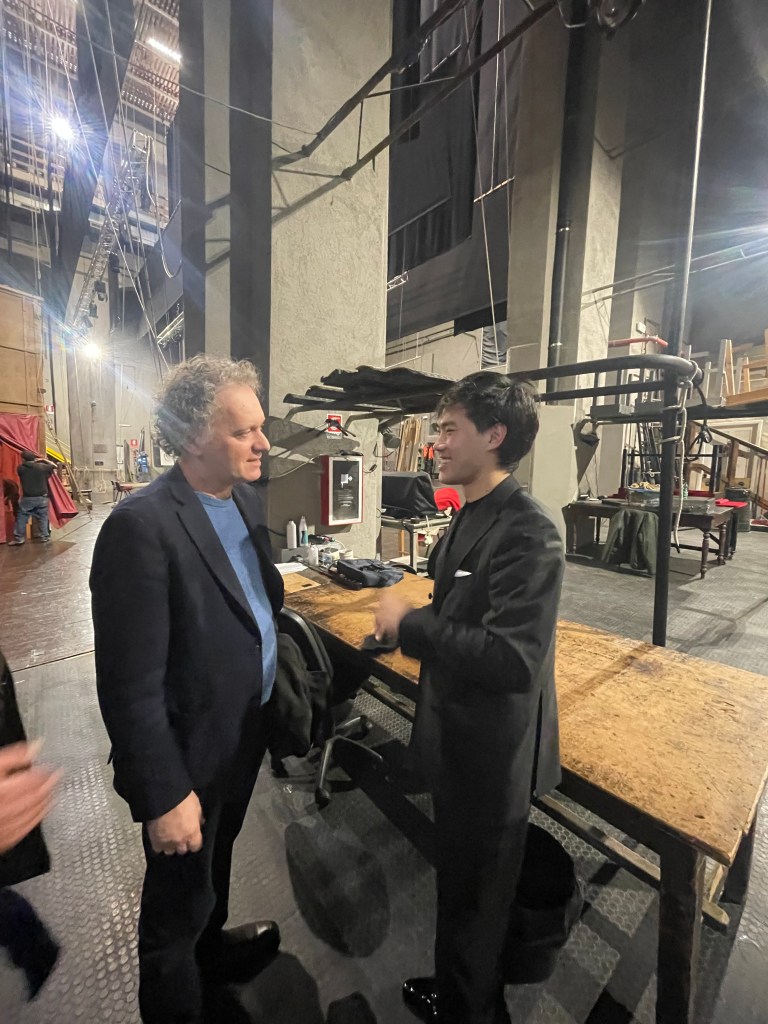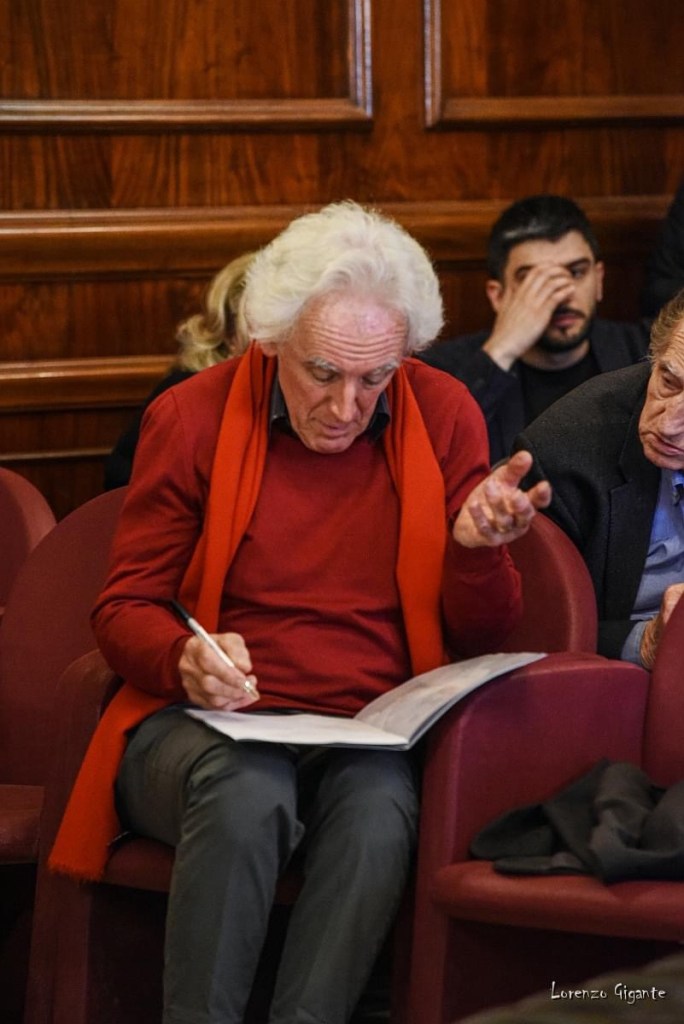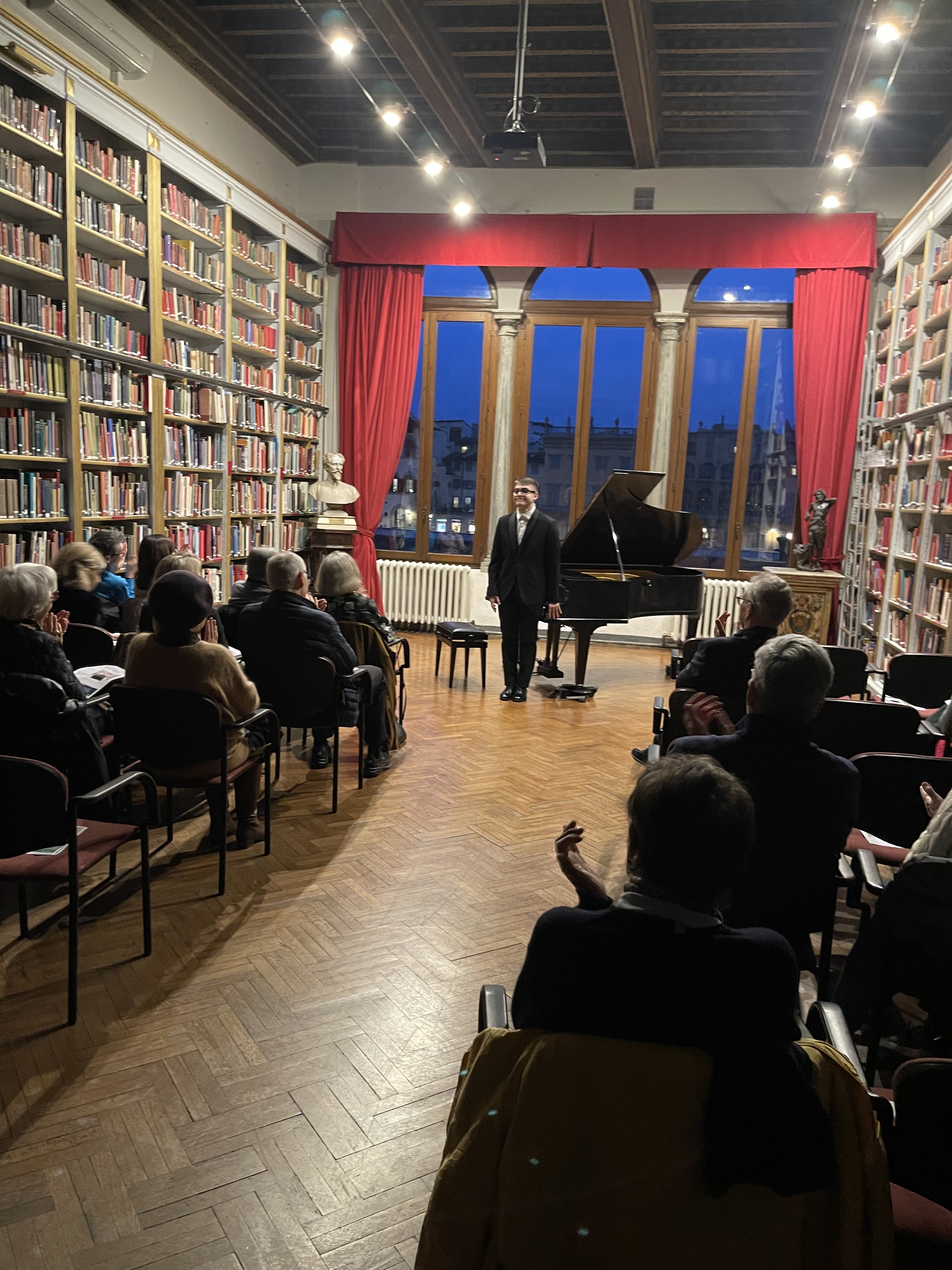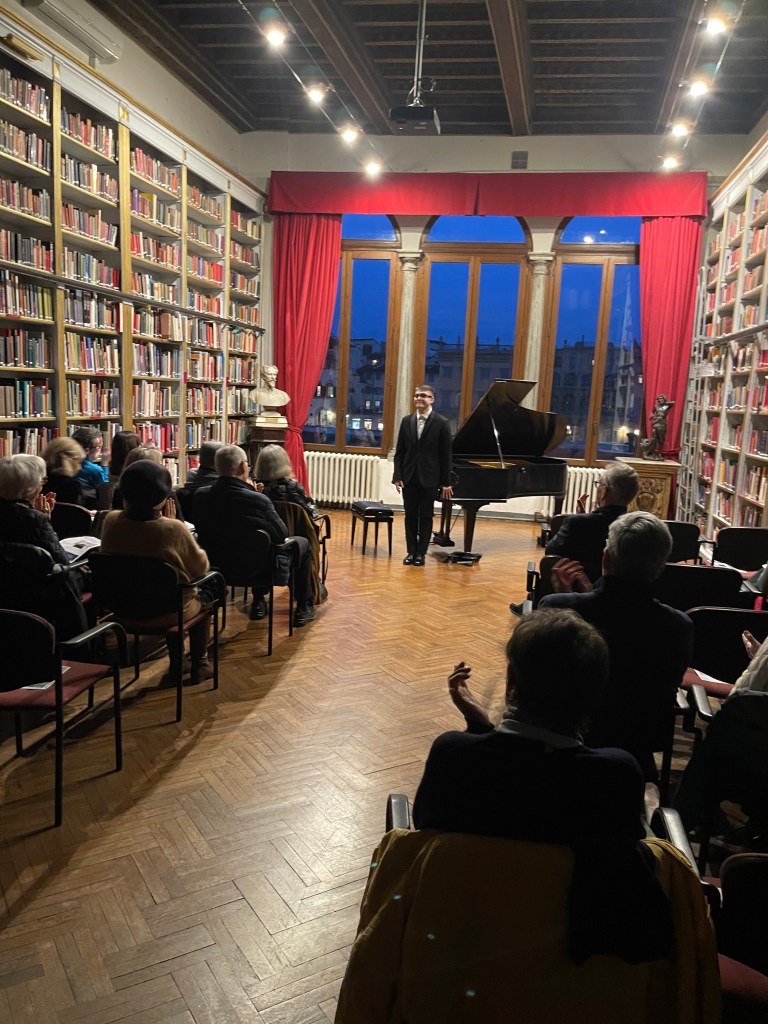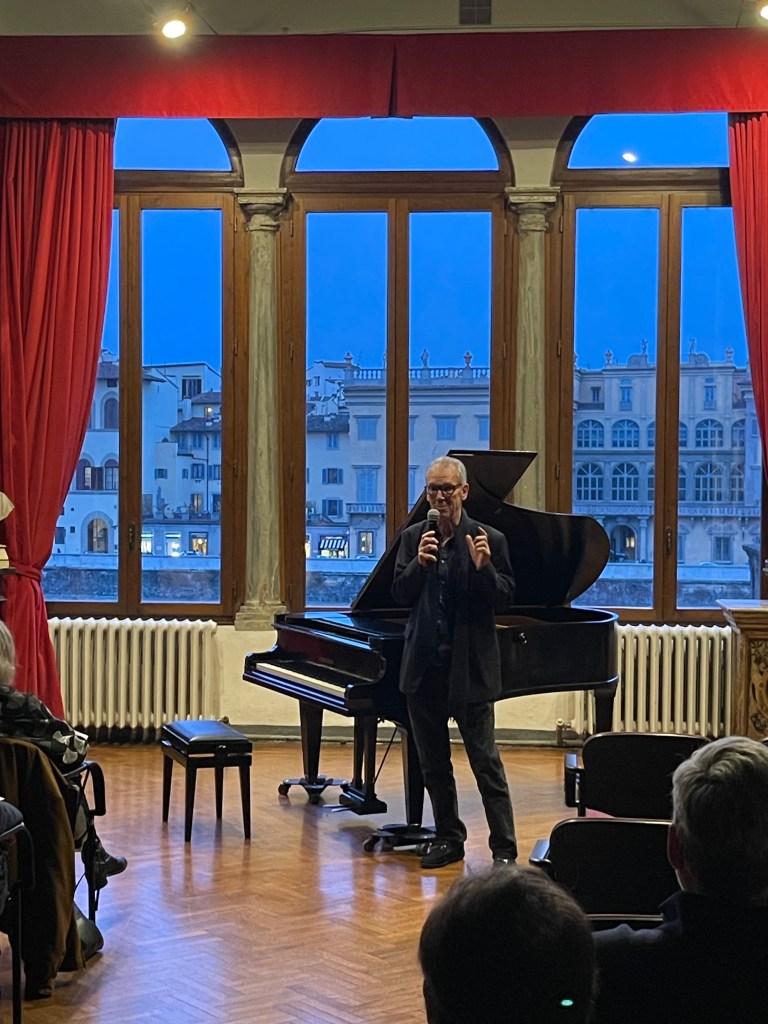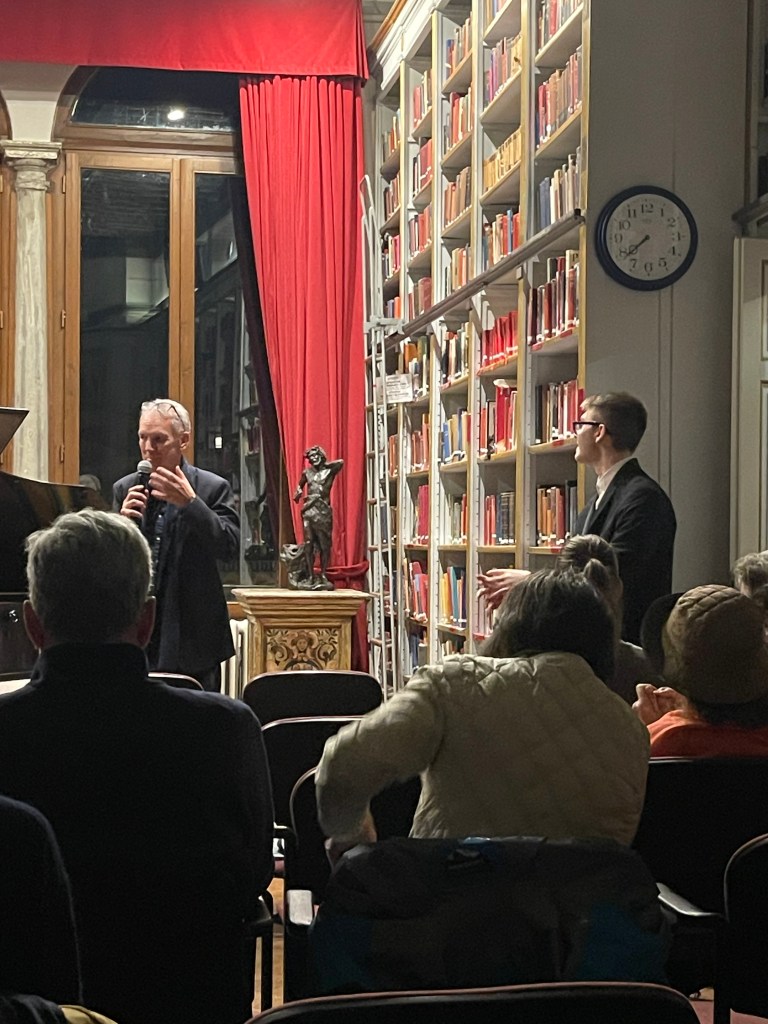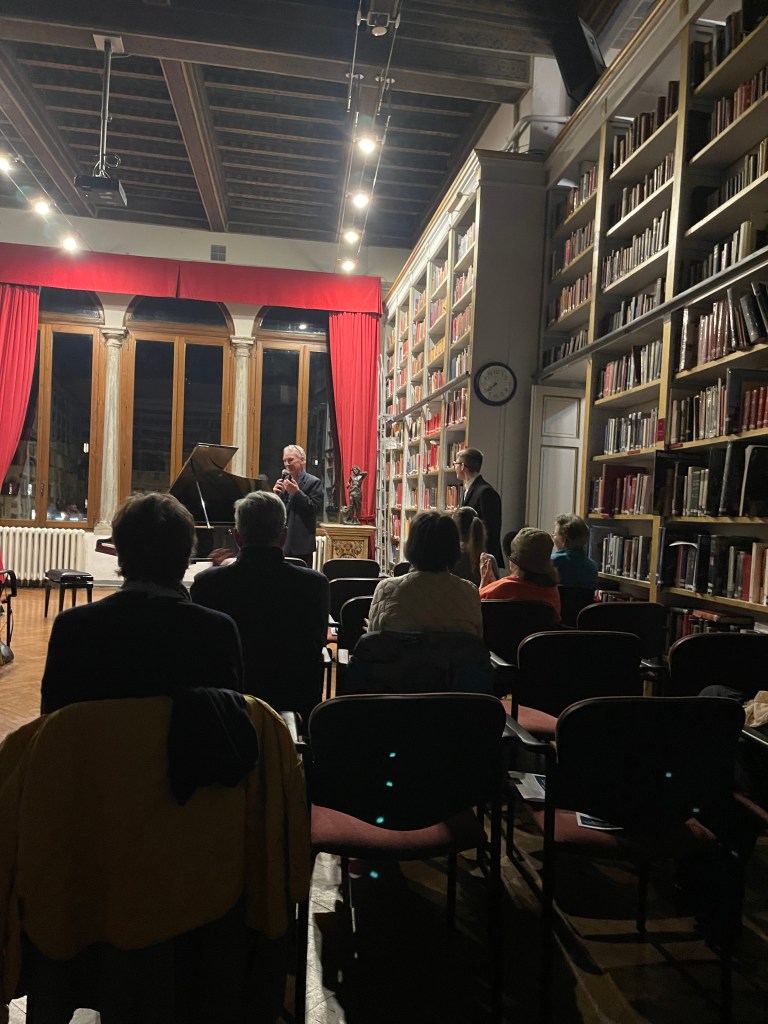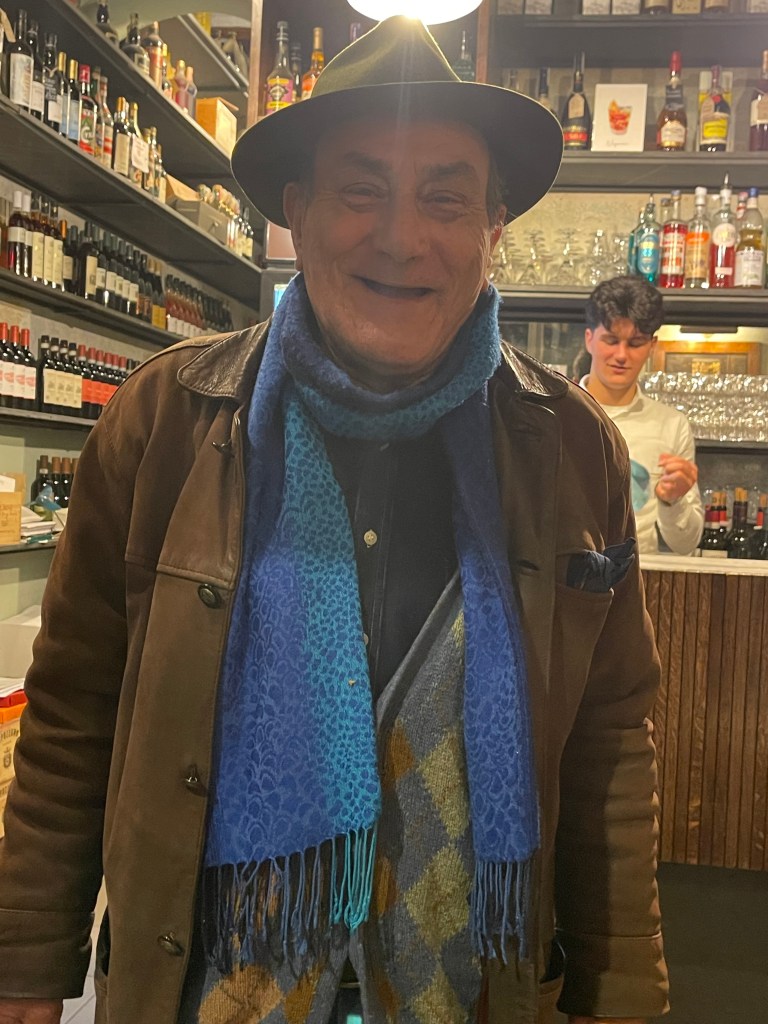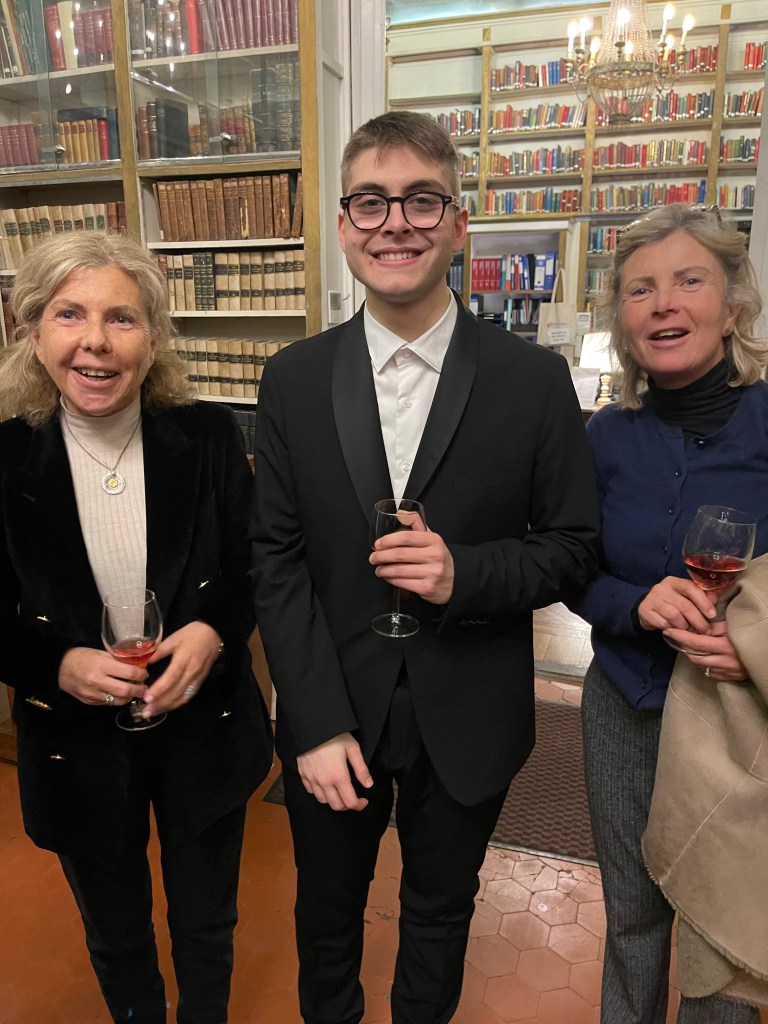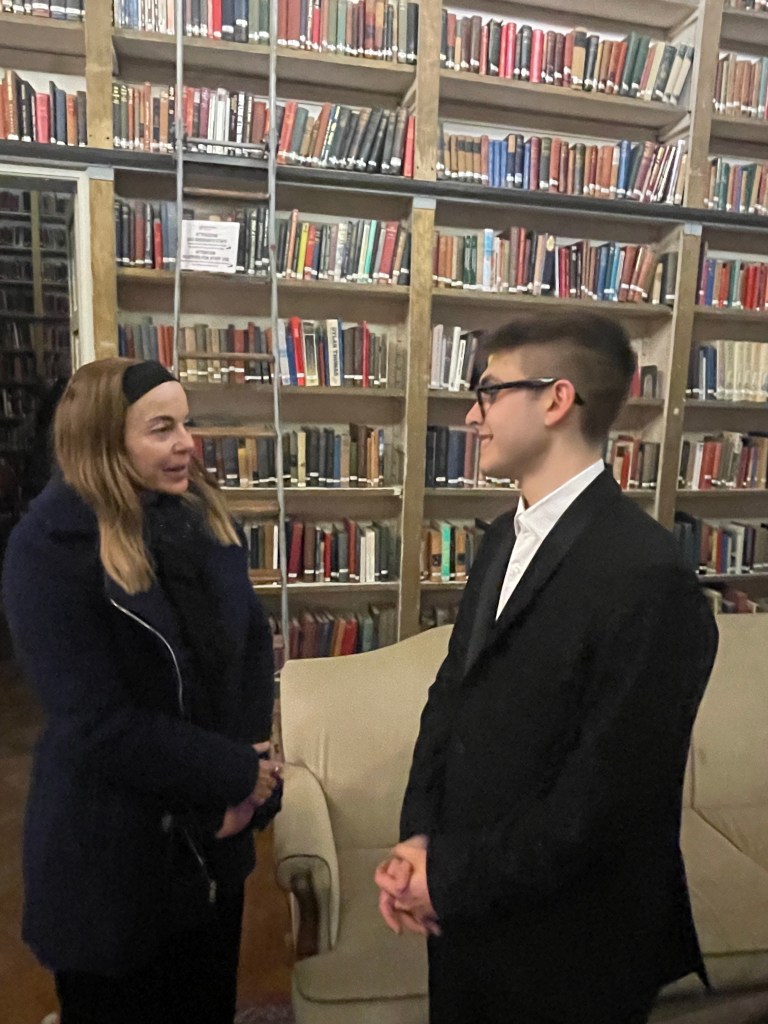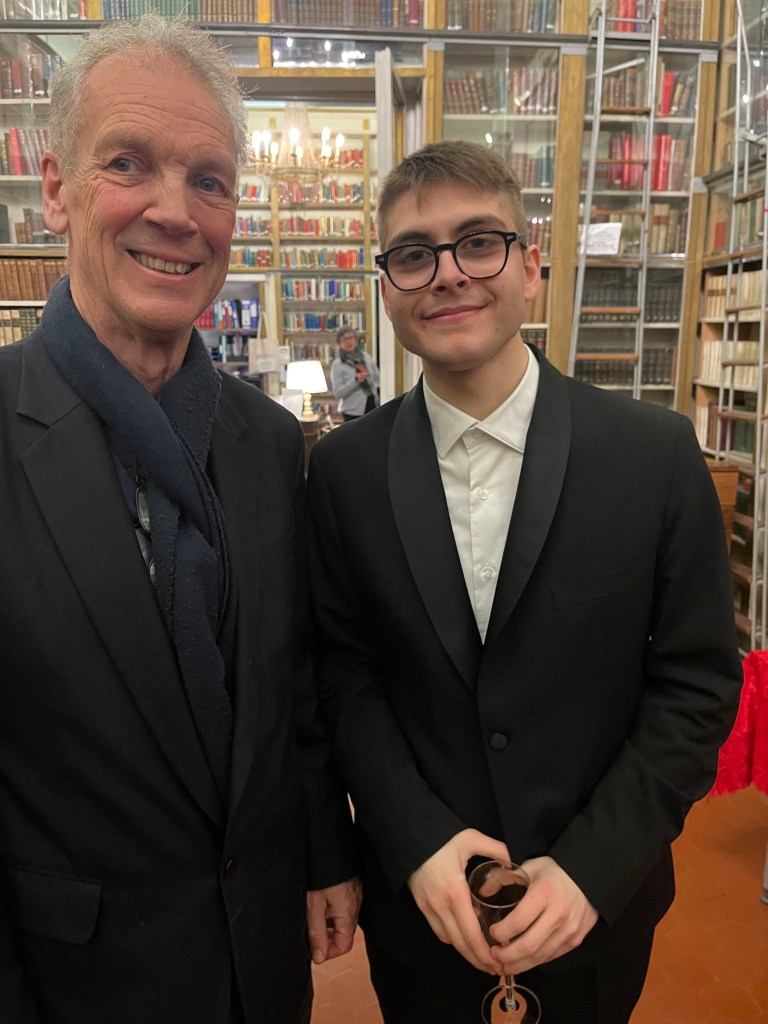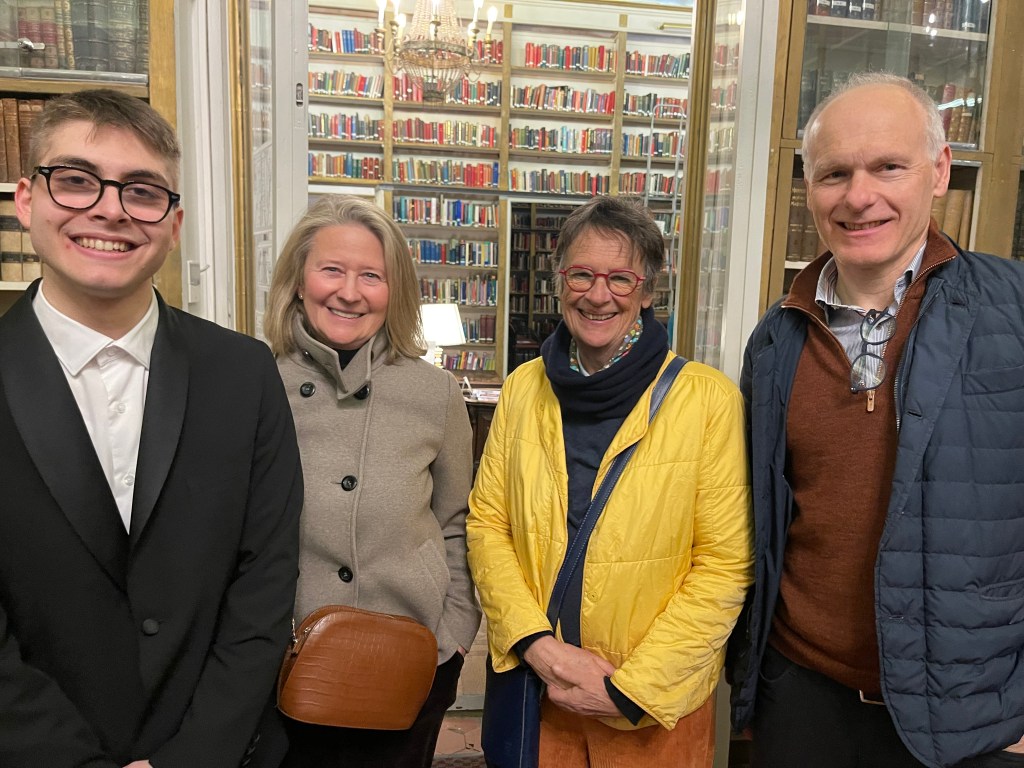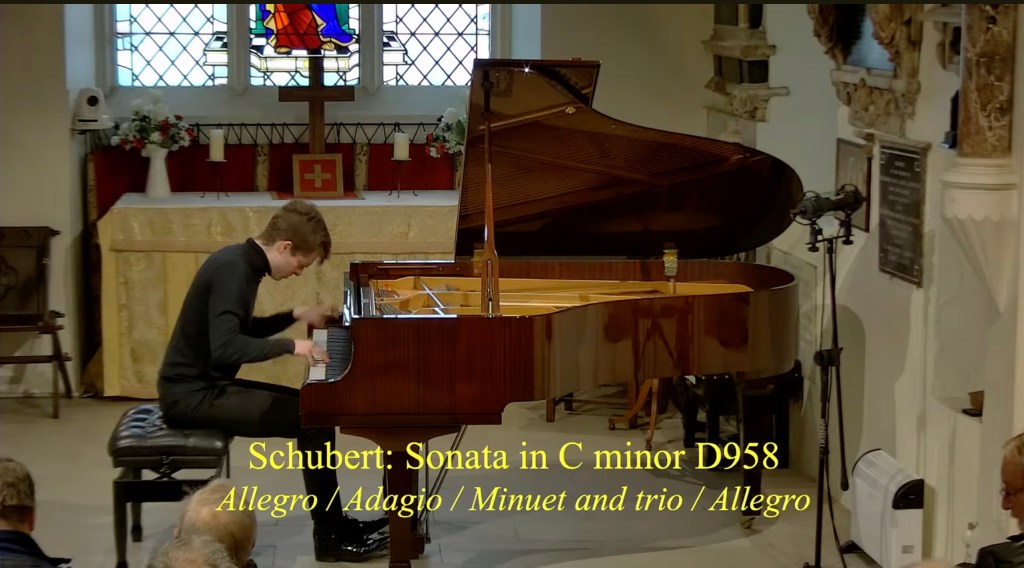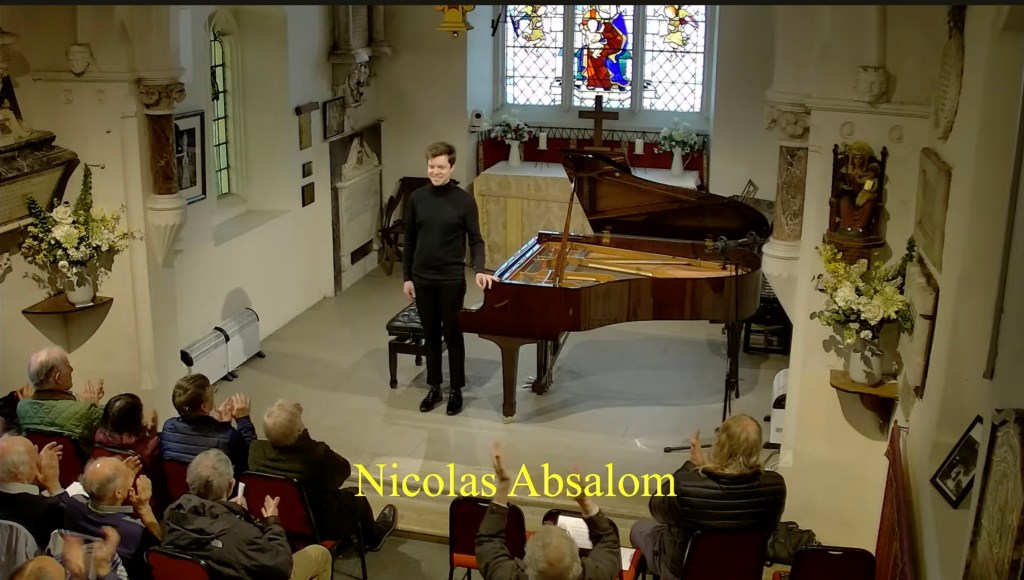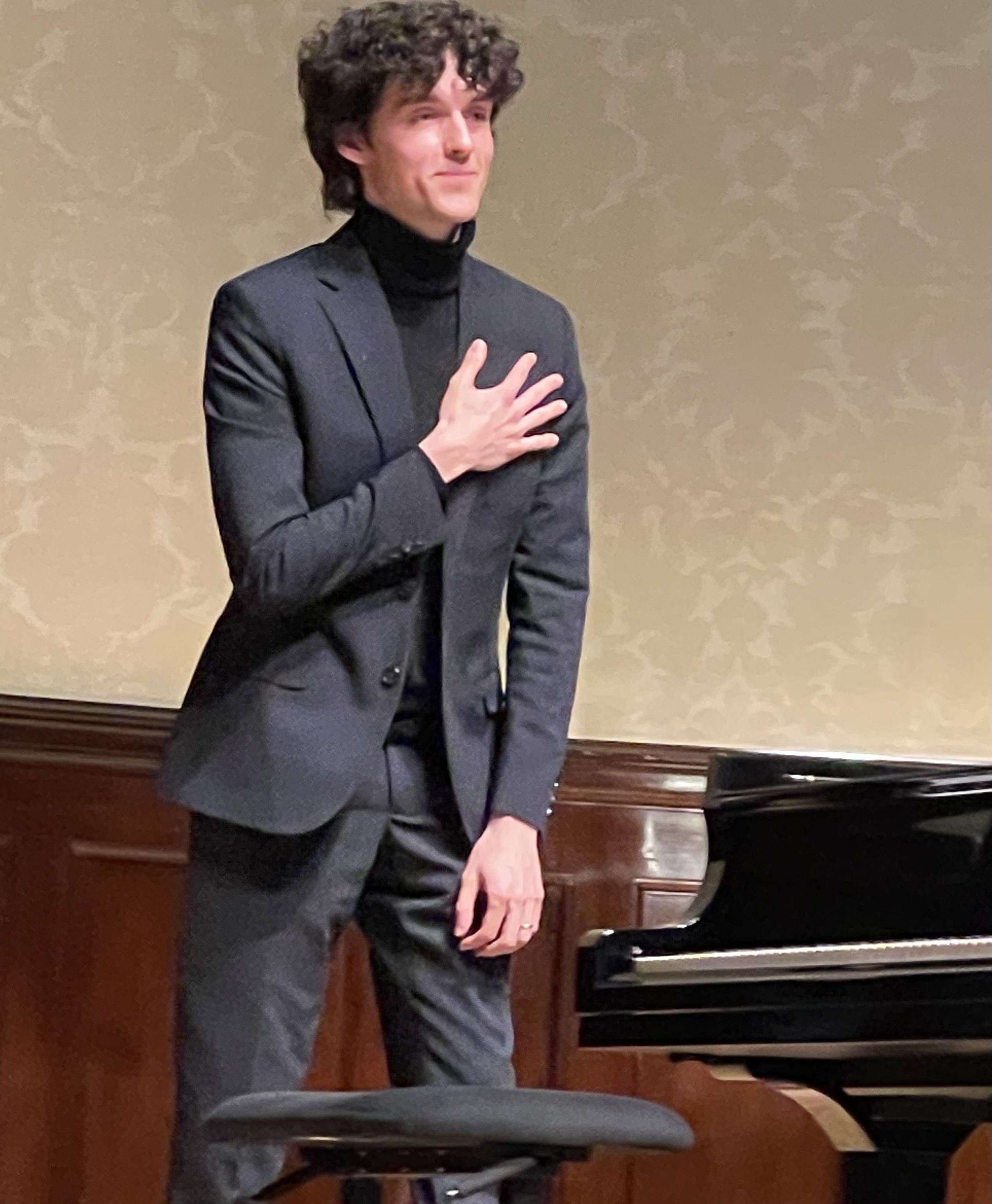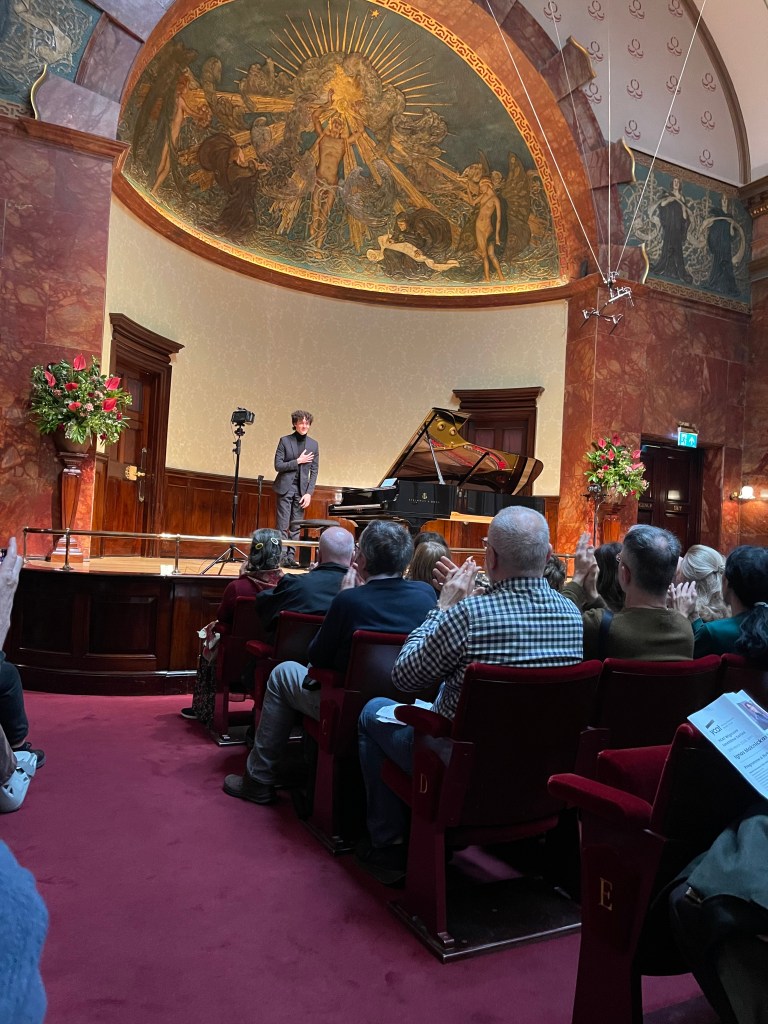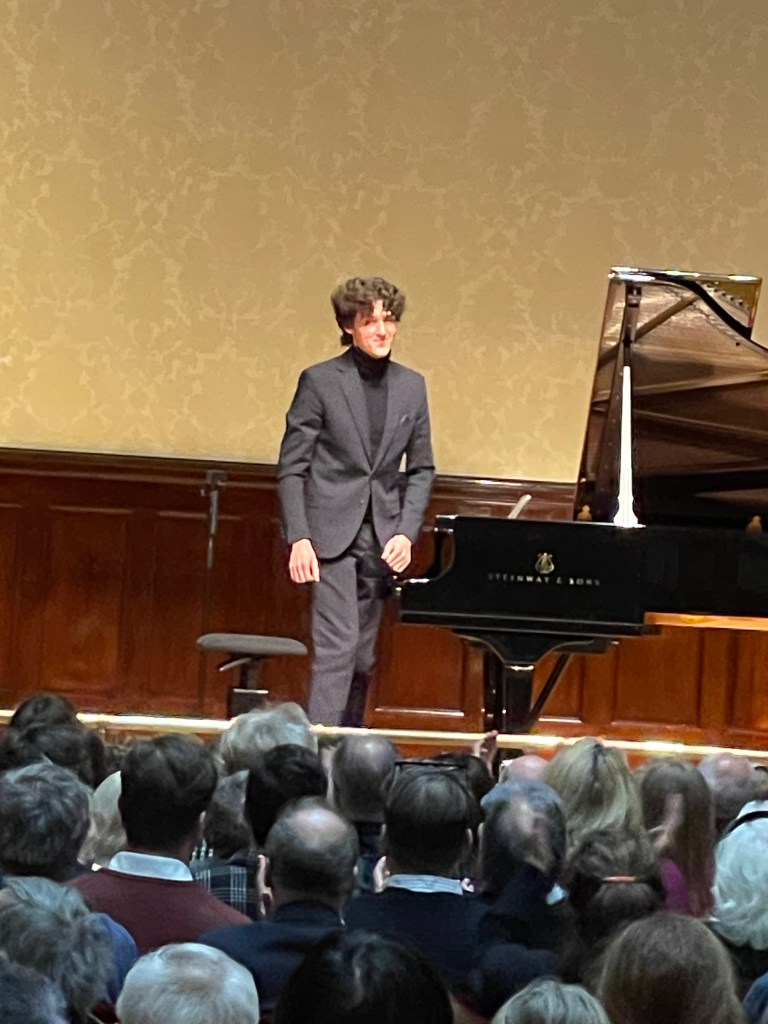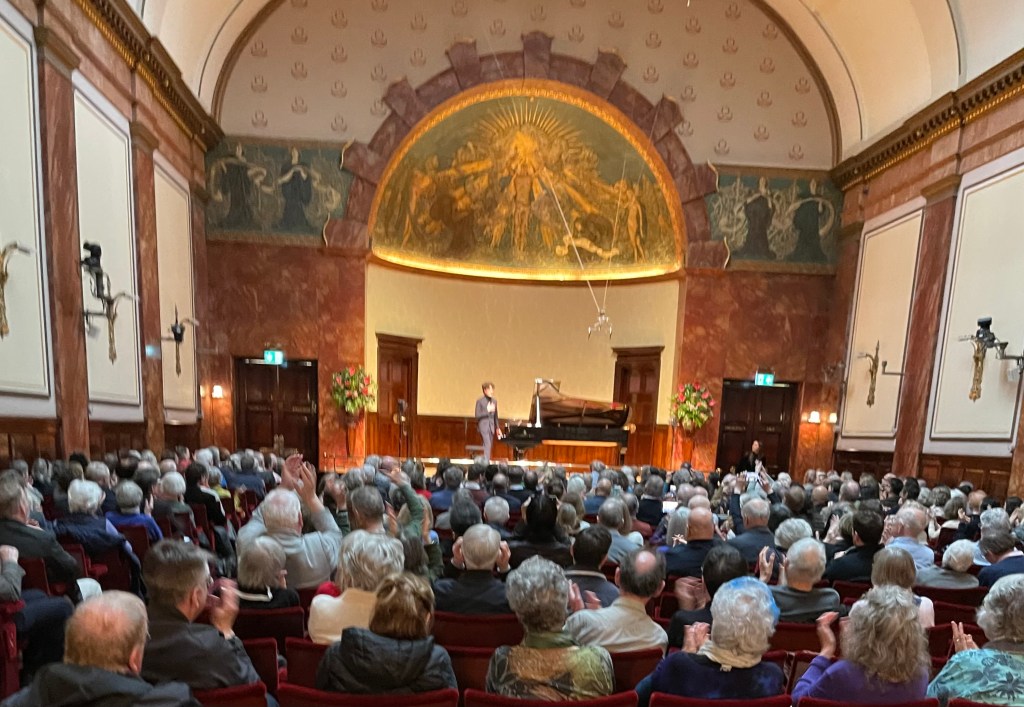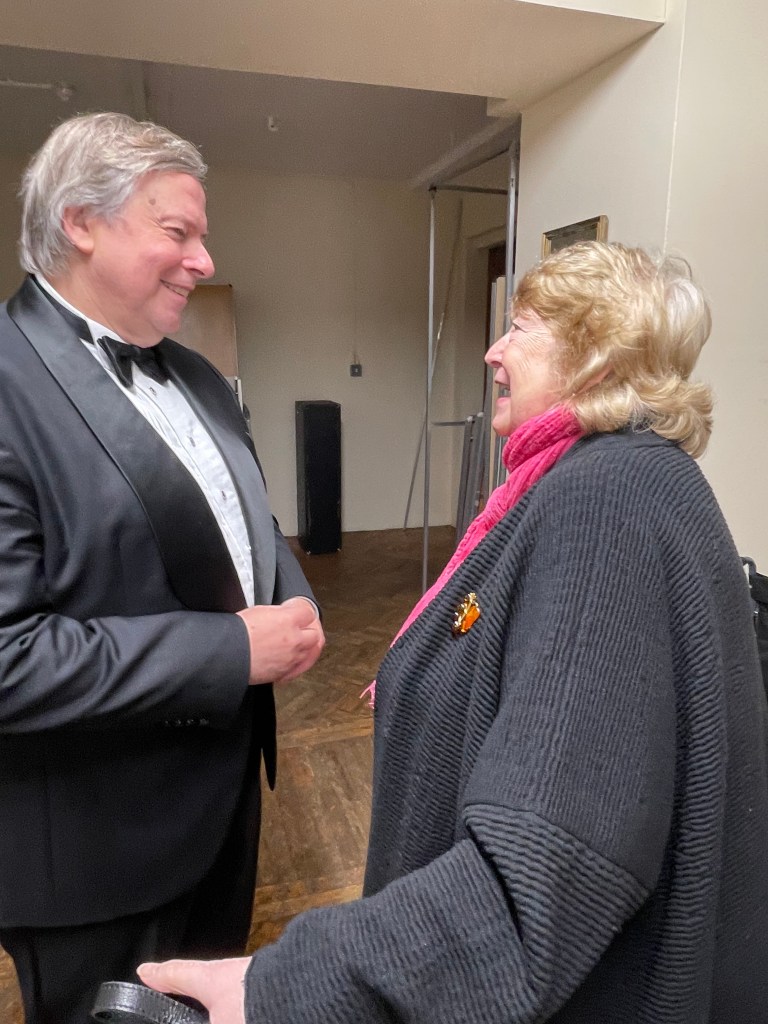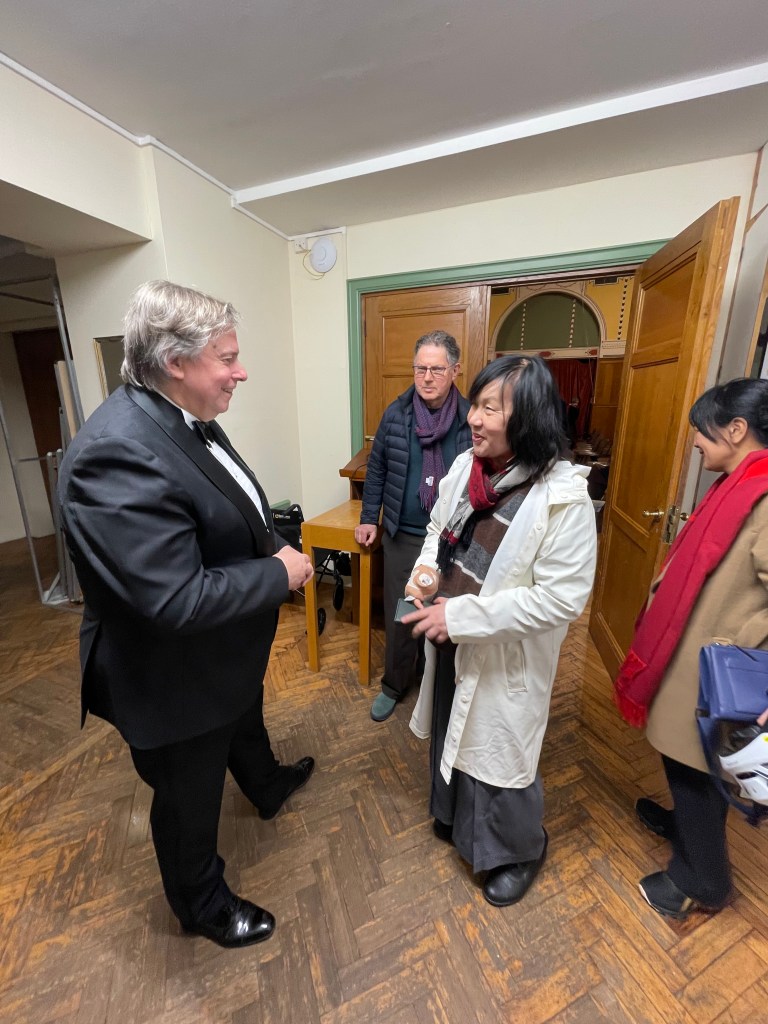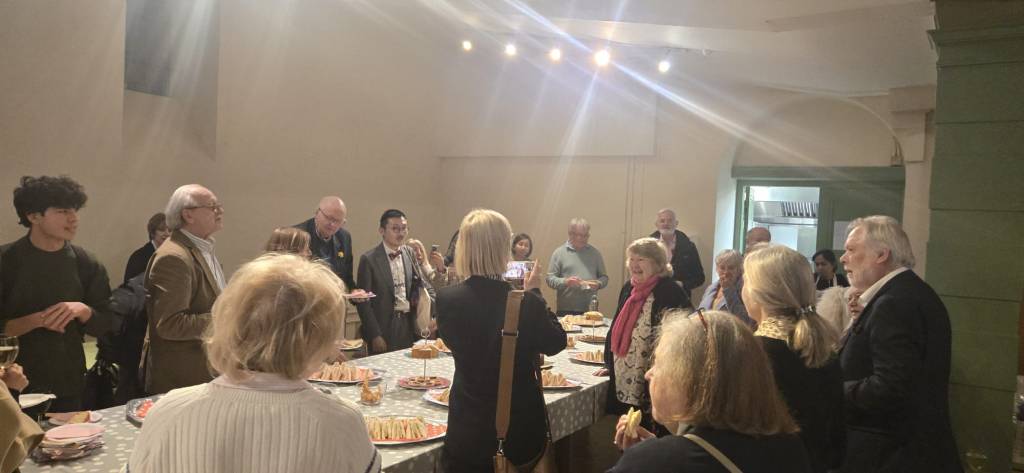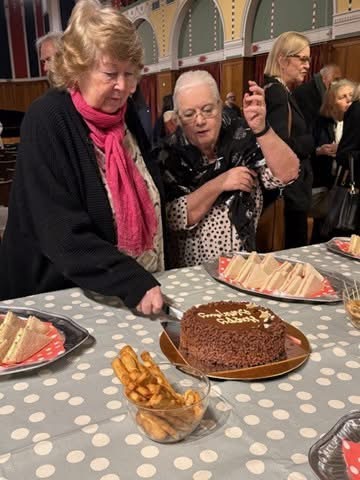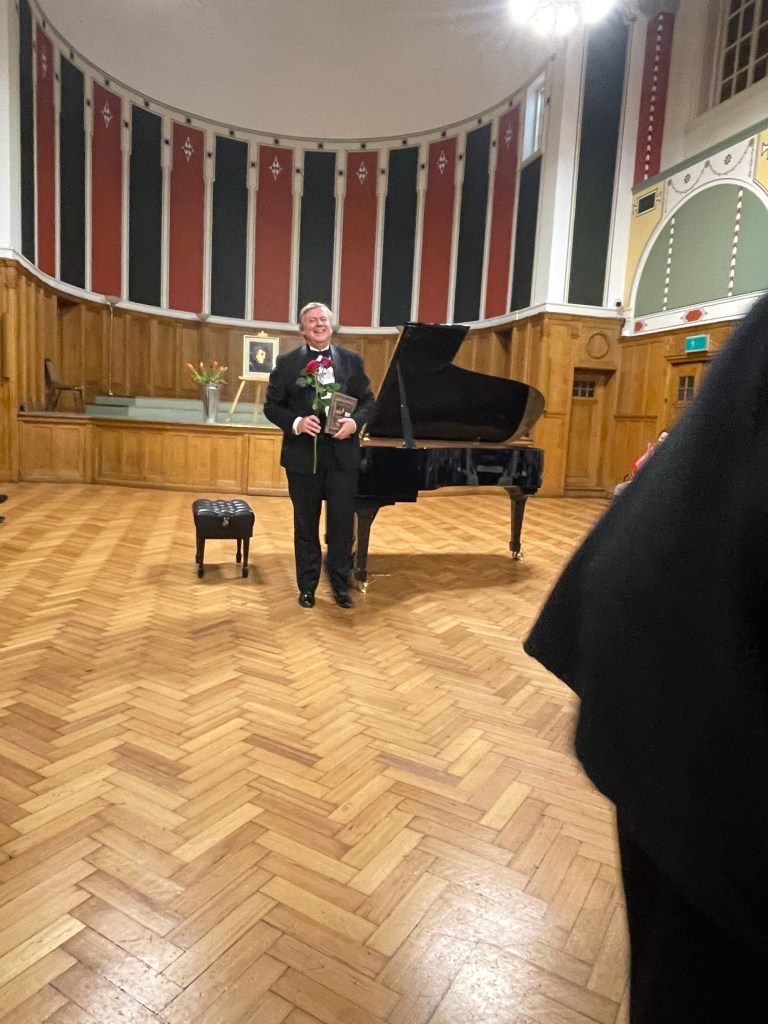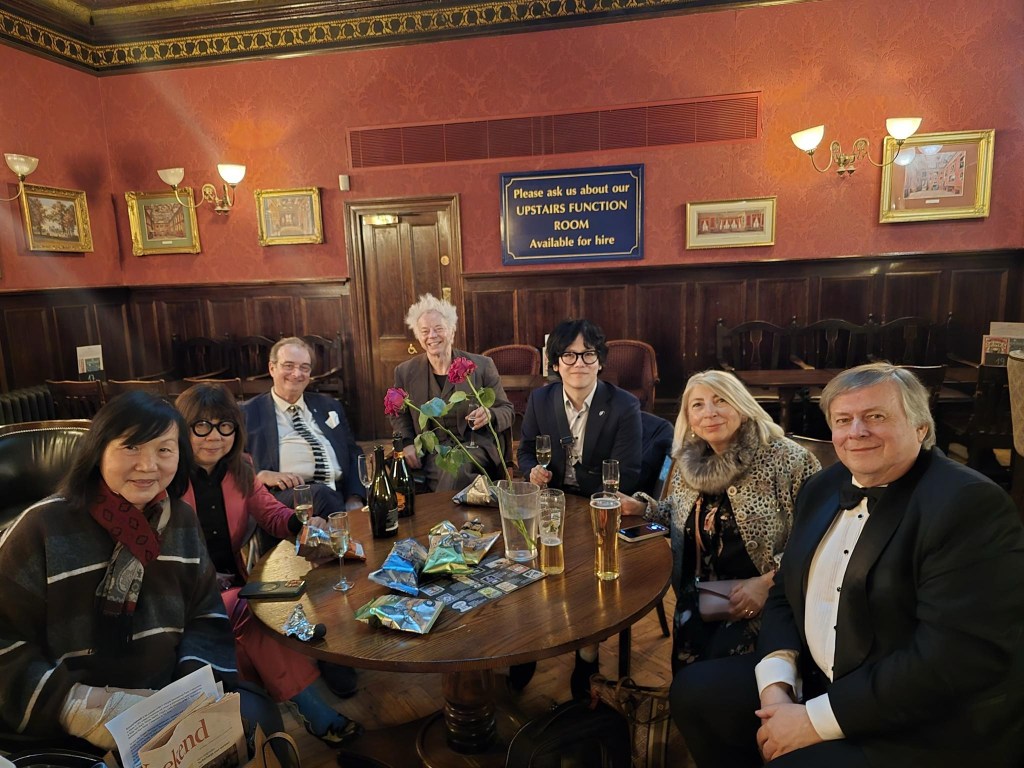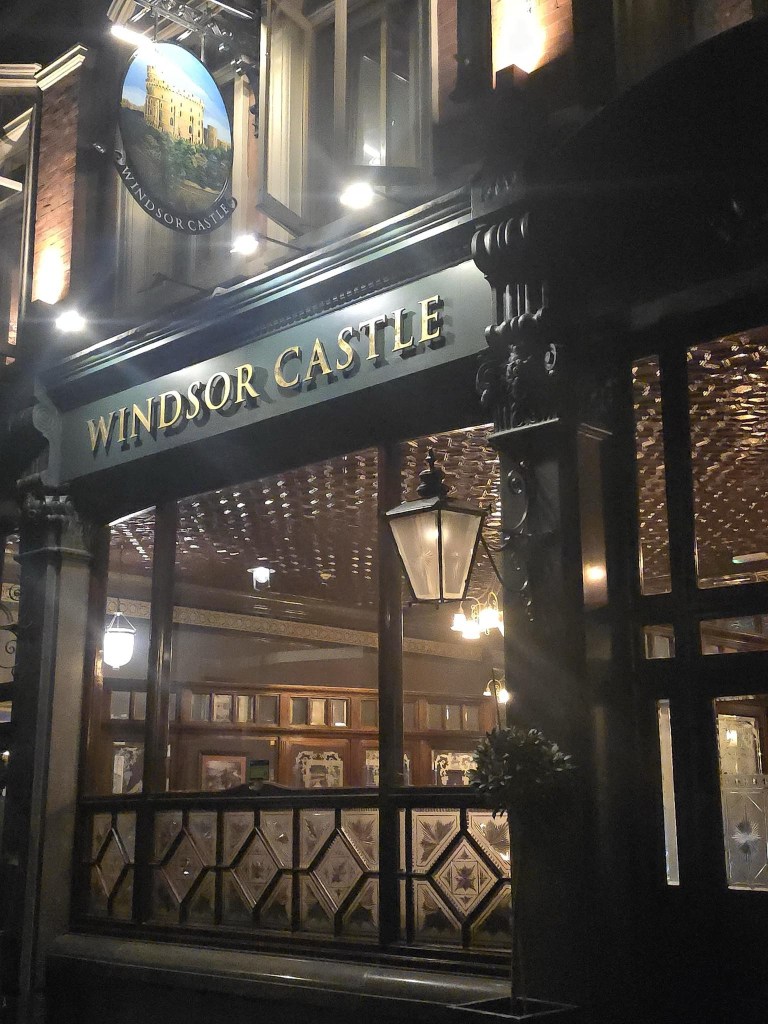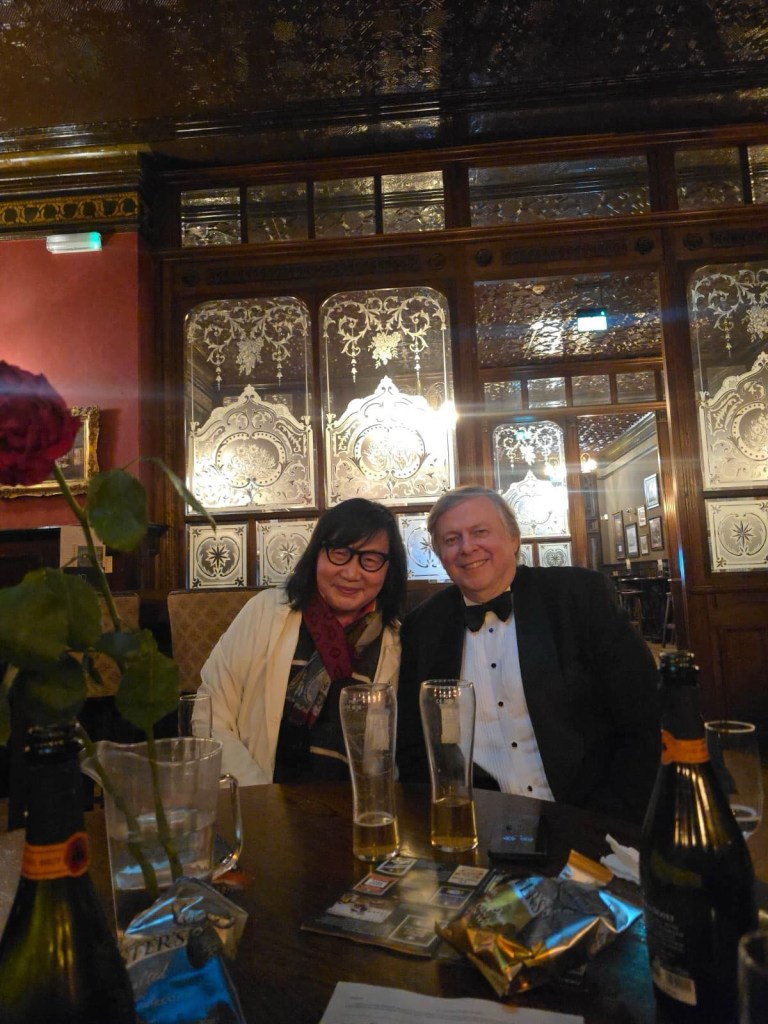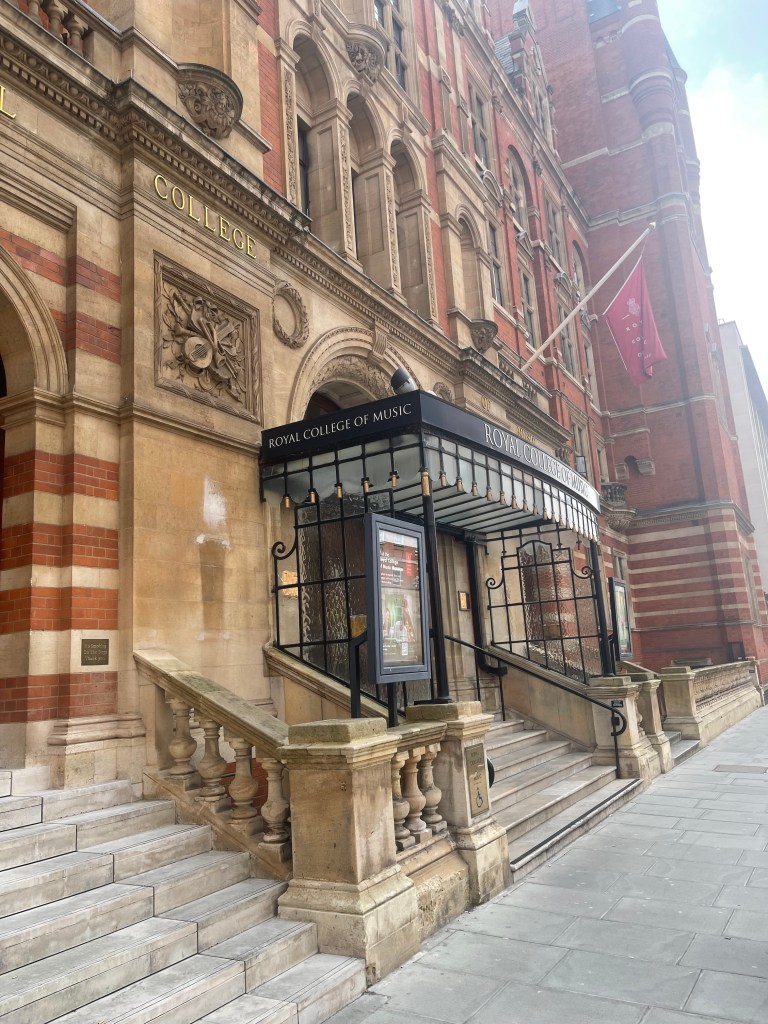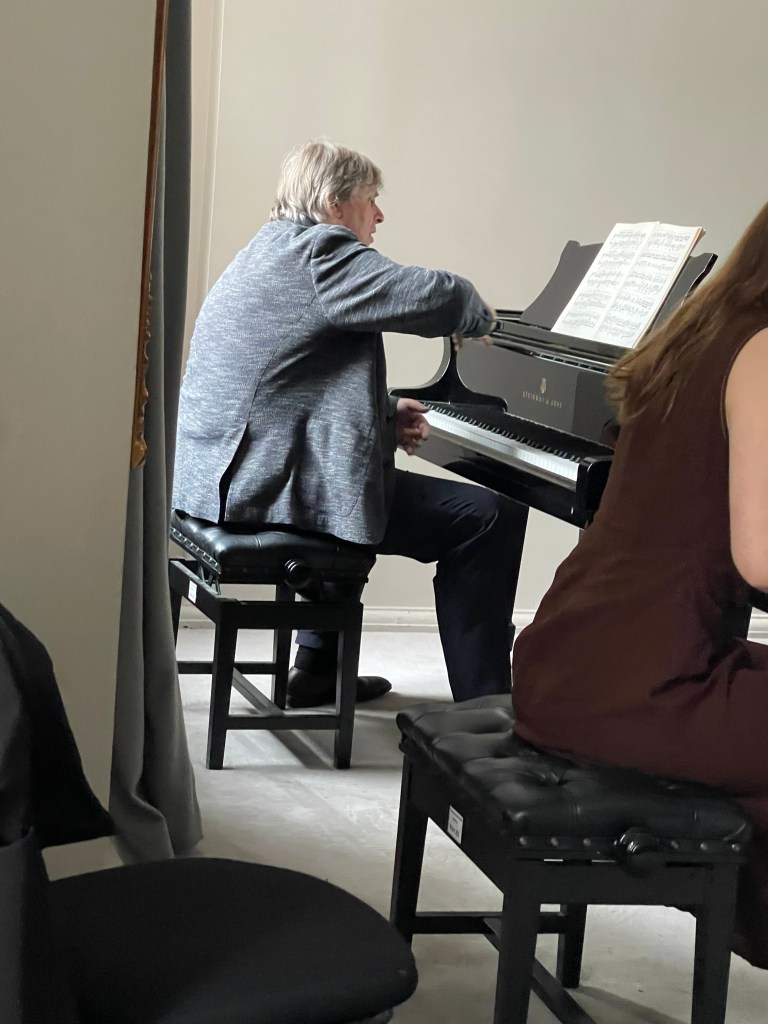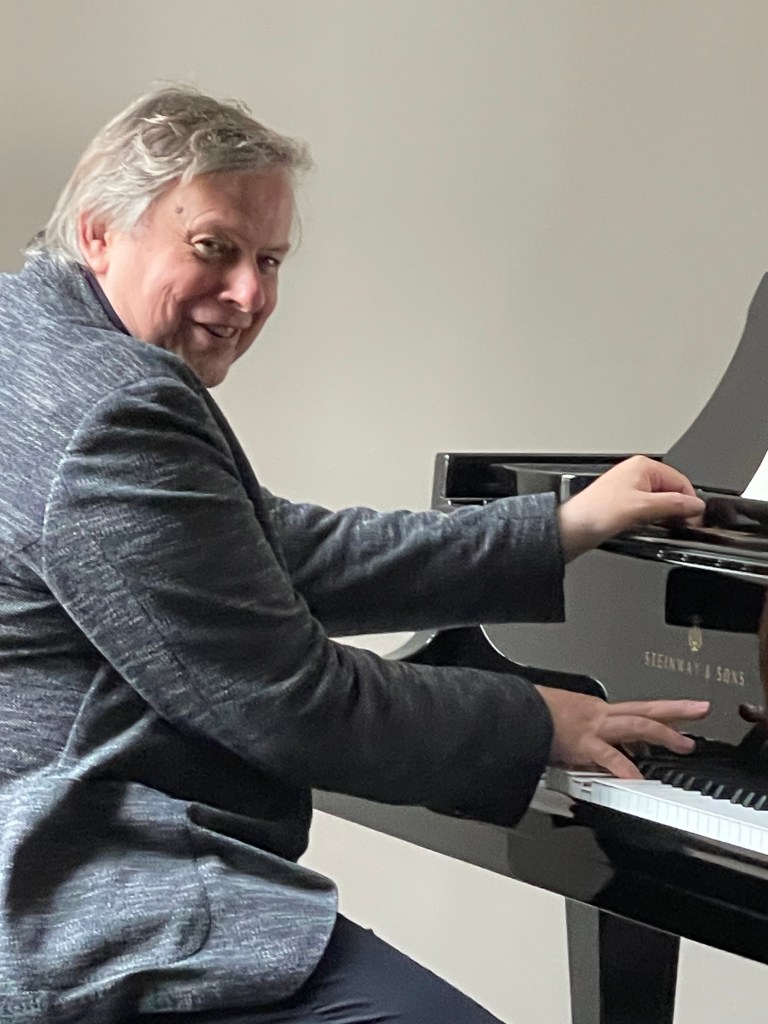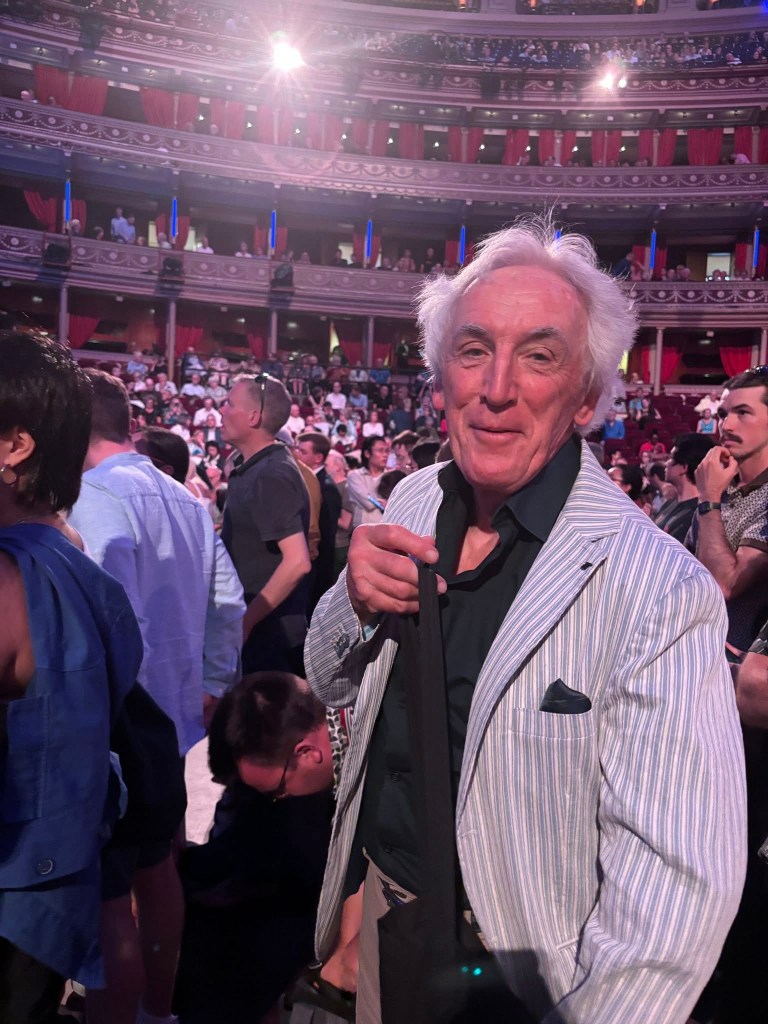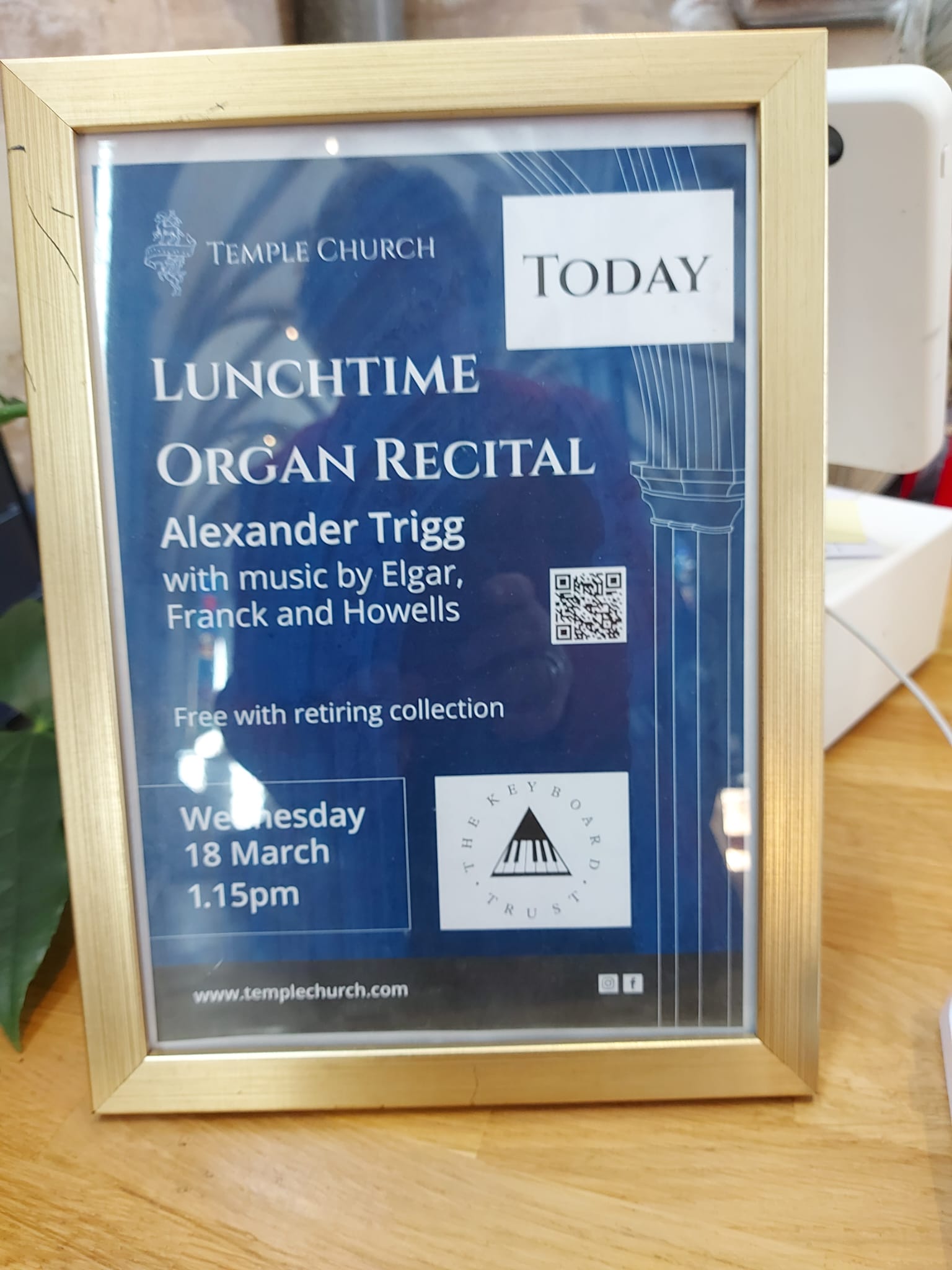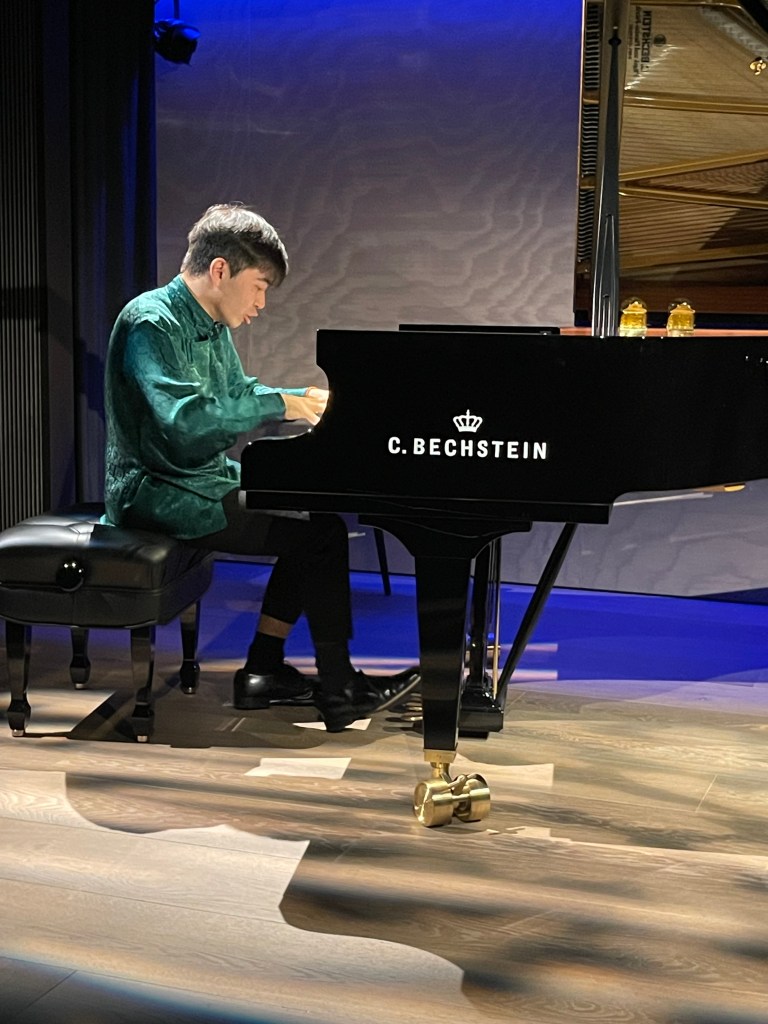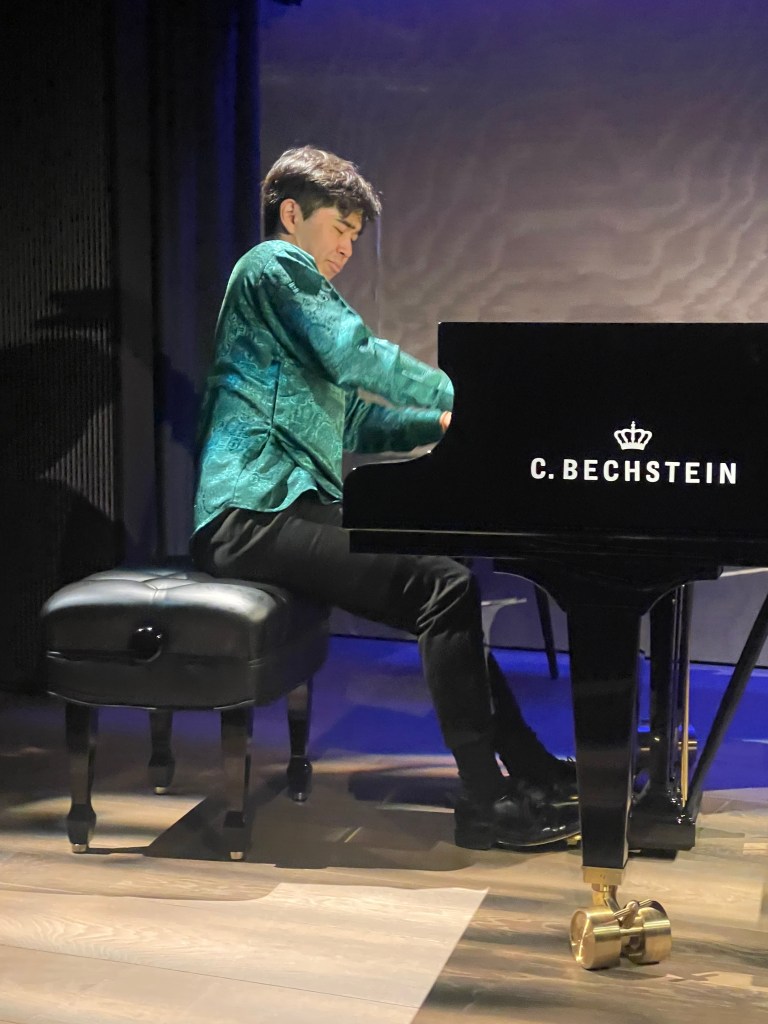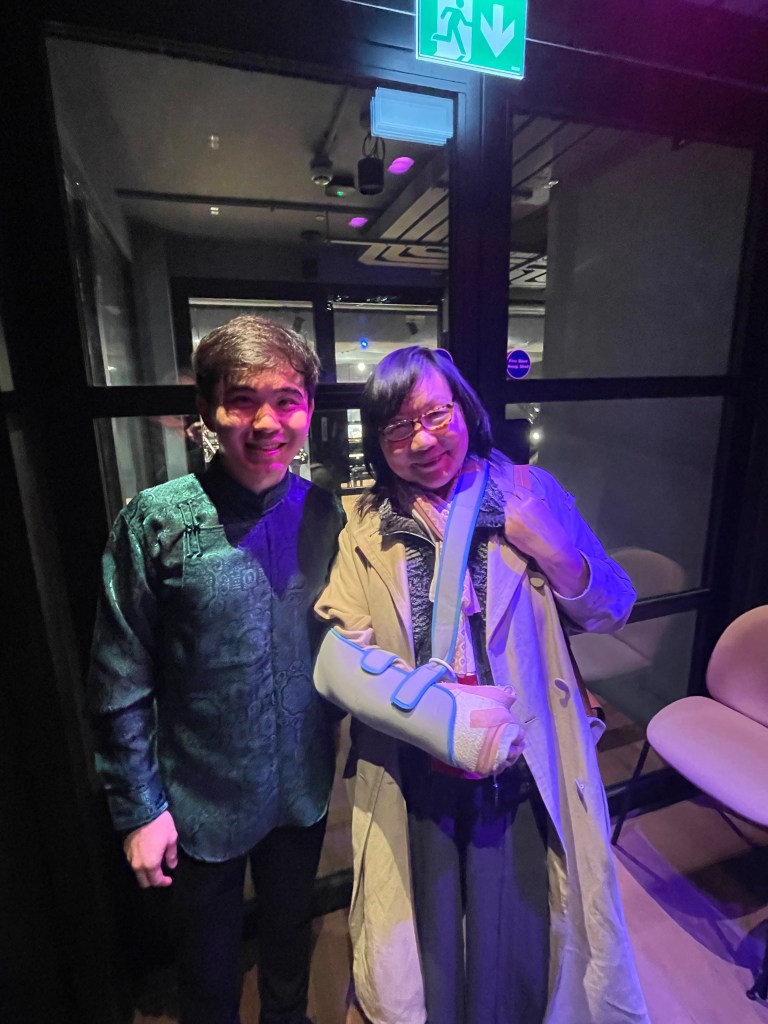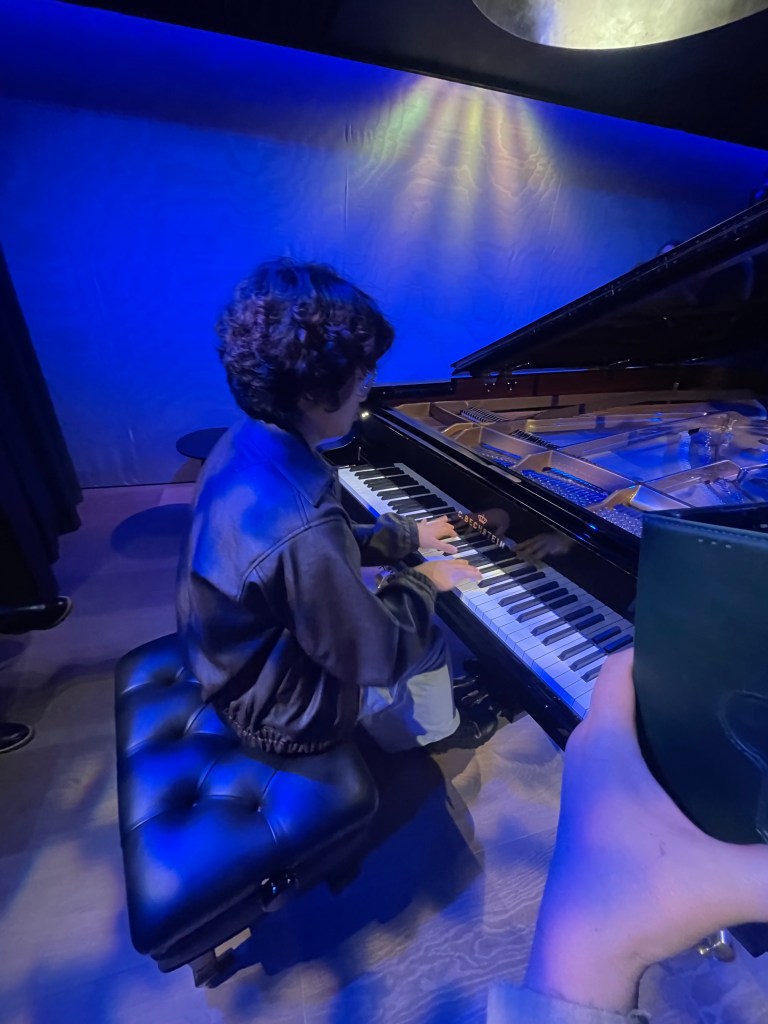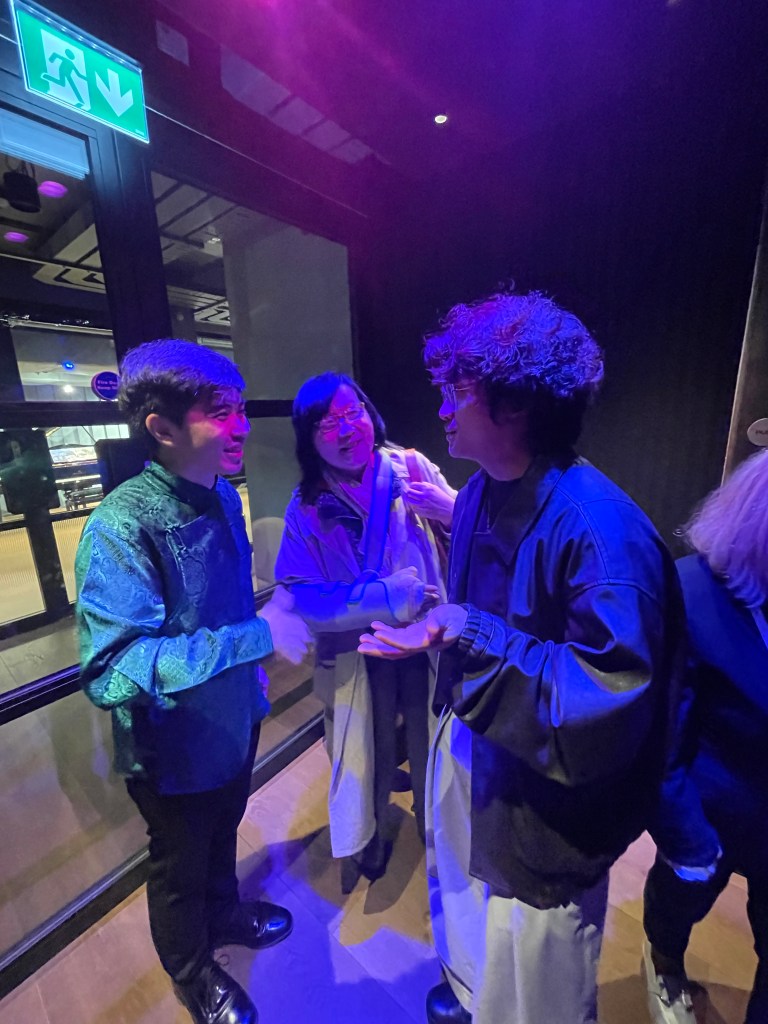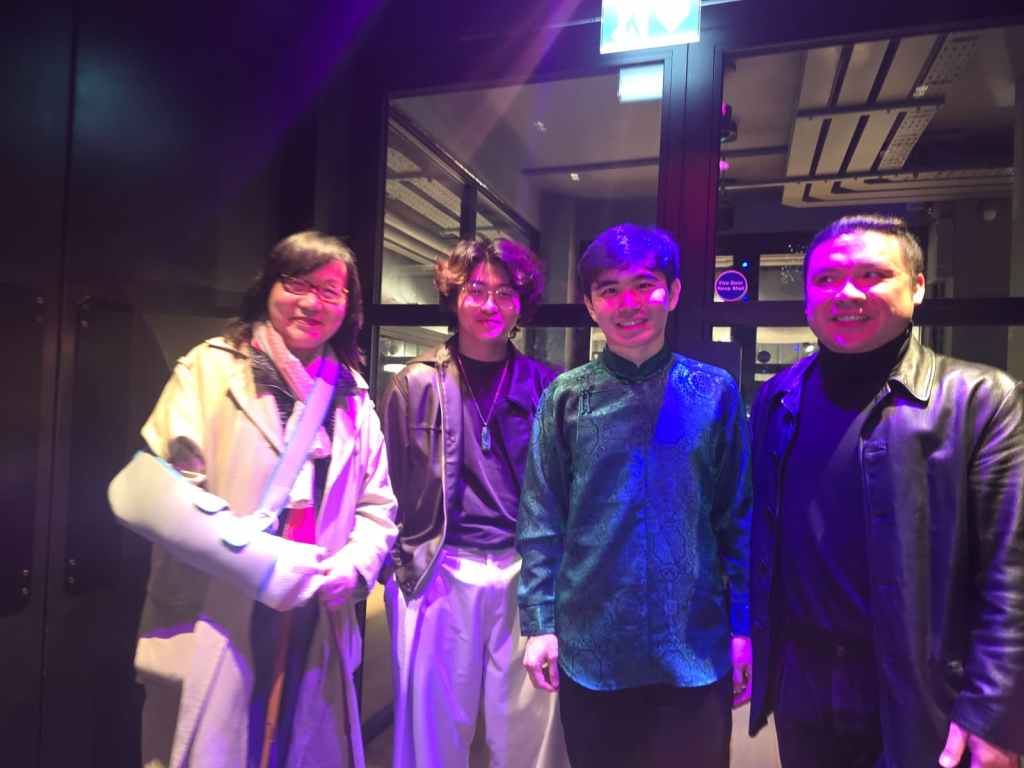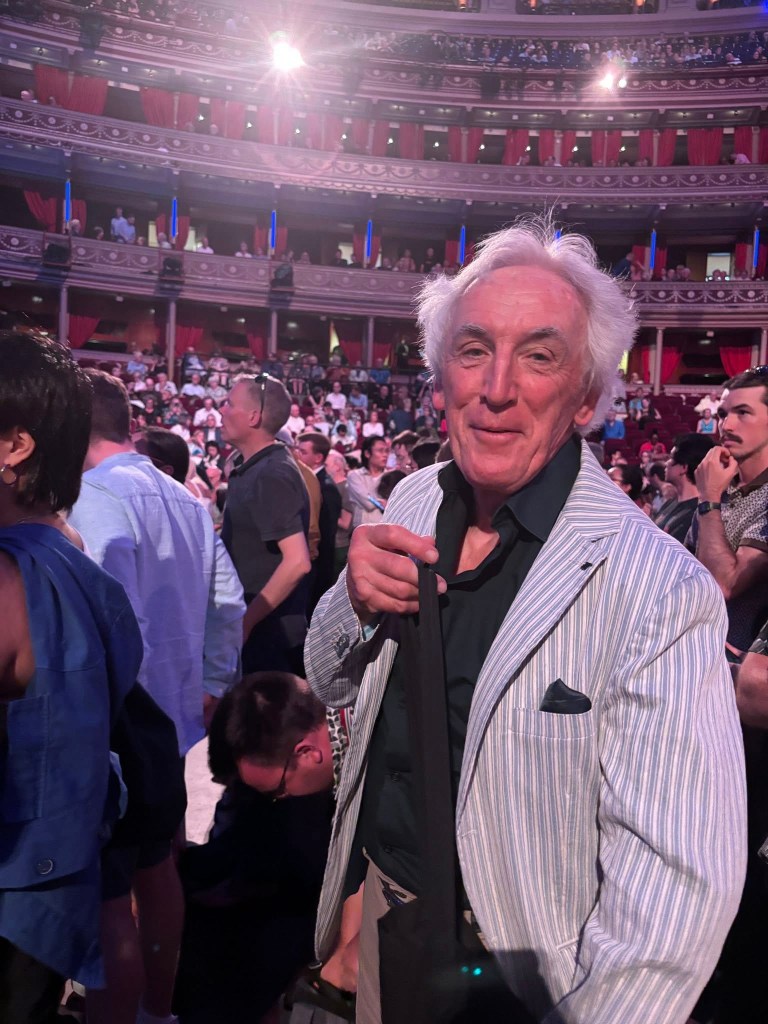
Mulled wine made by our host,Glenn, for a Liederabend in the intimate atmosphere of the 1901 Arts Club in Waterloo.
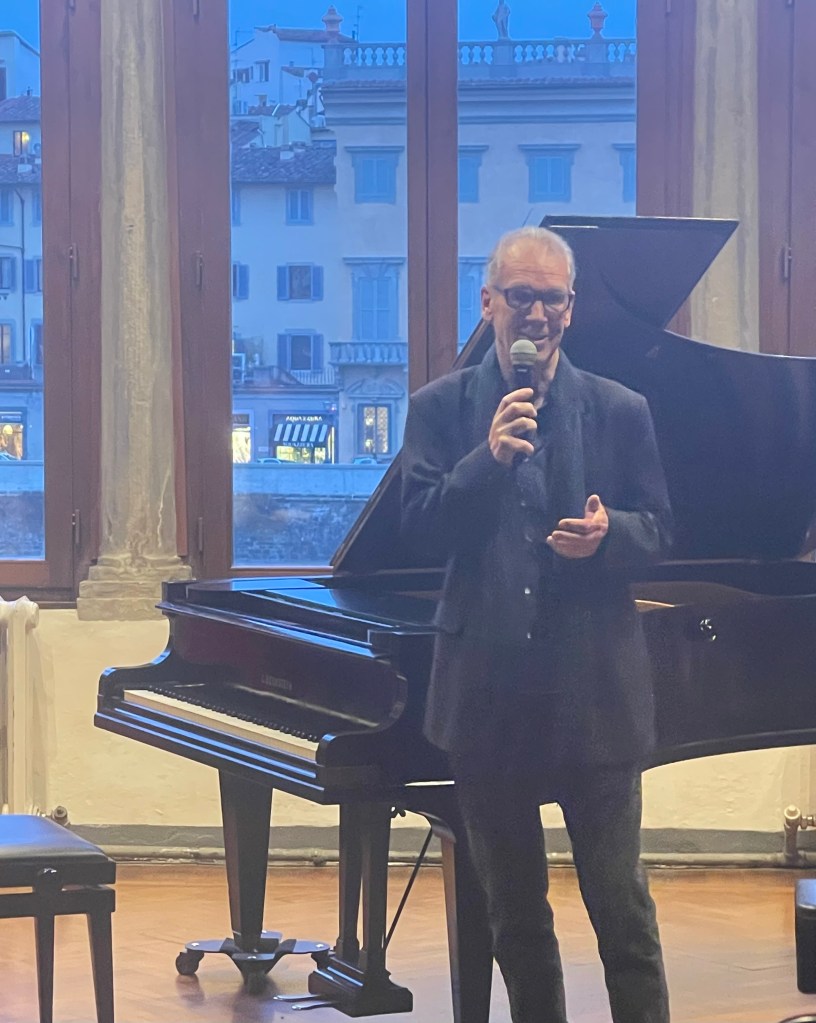
General Manager Glenn Kesby
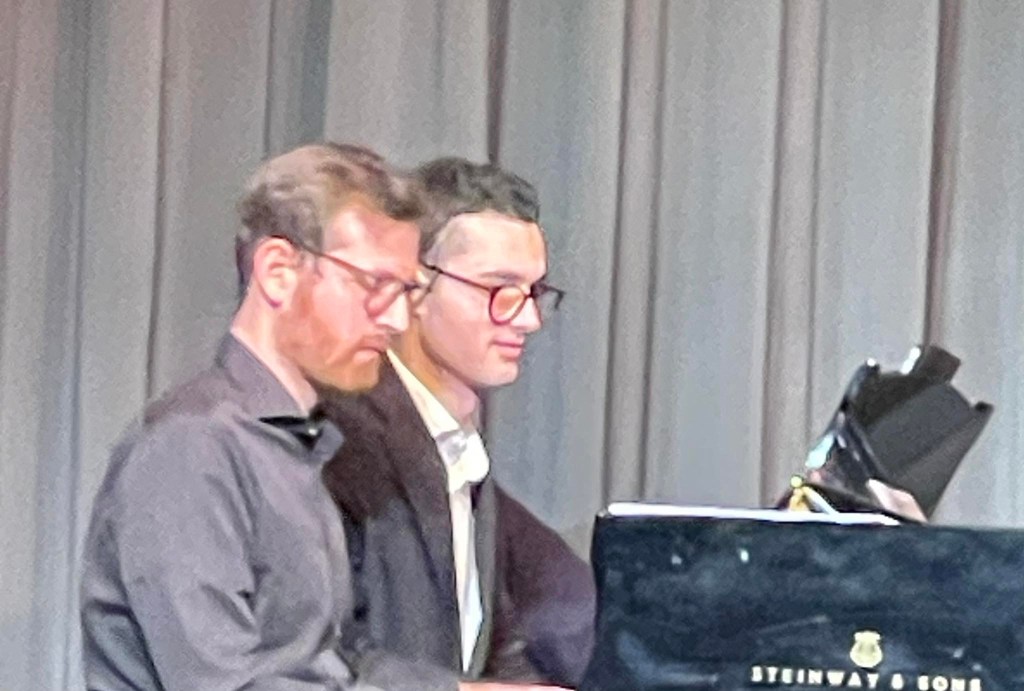
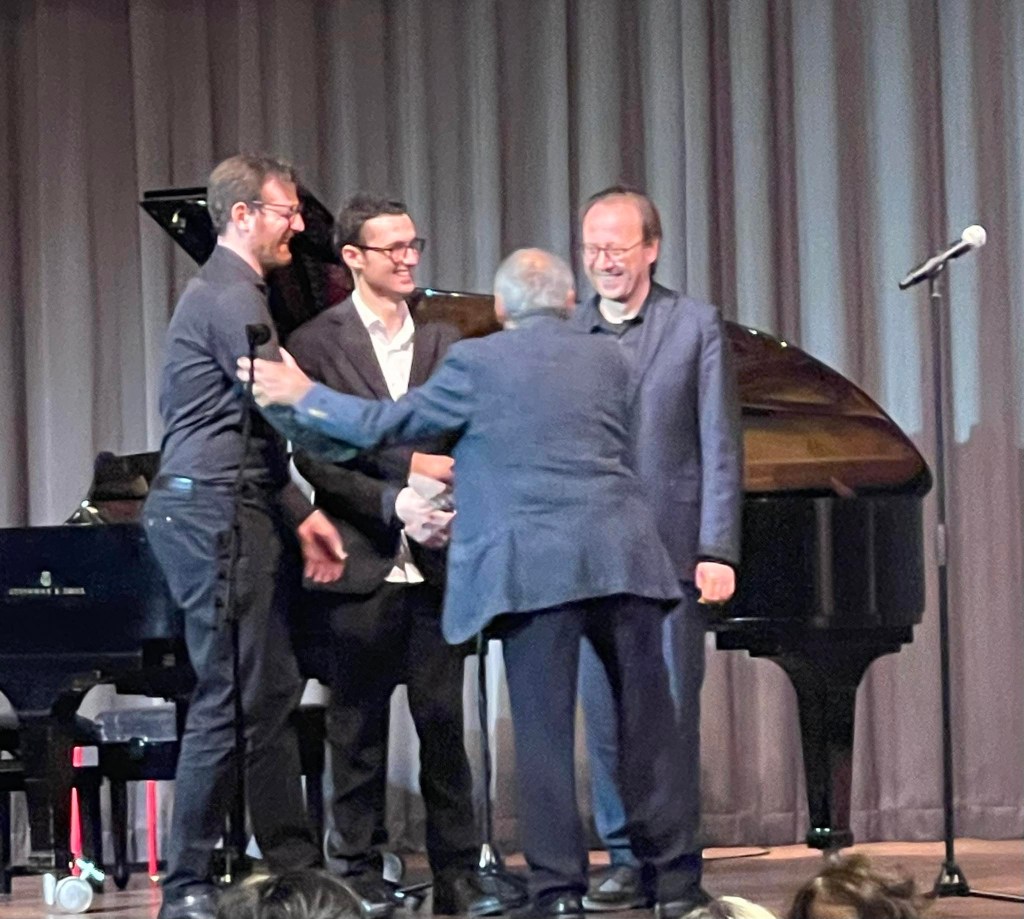
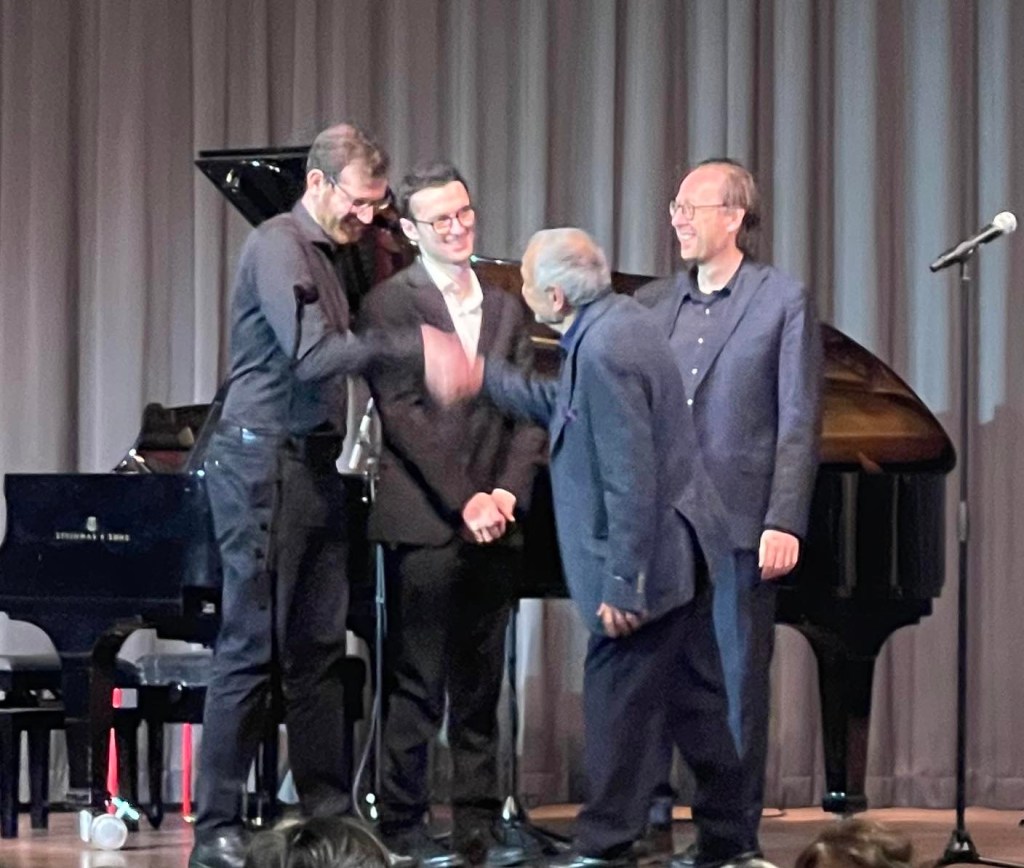
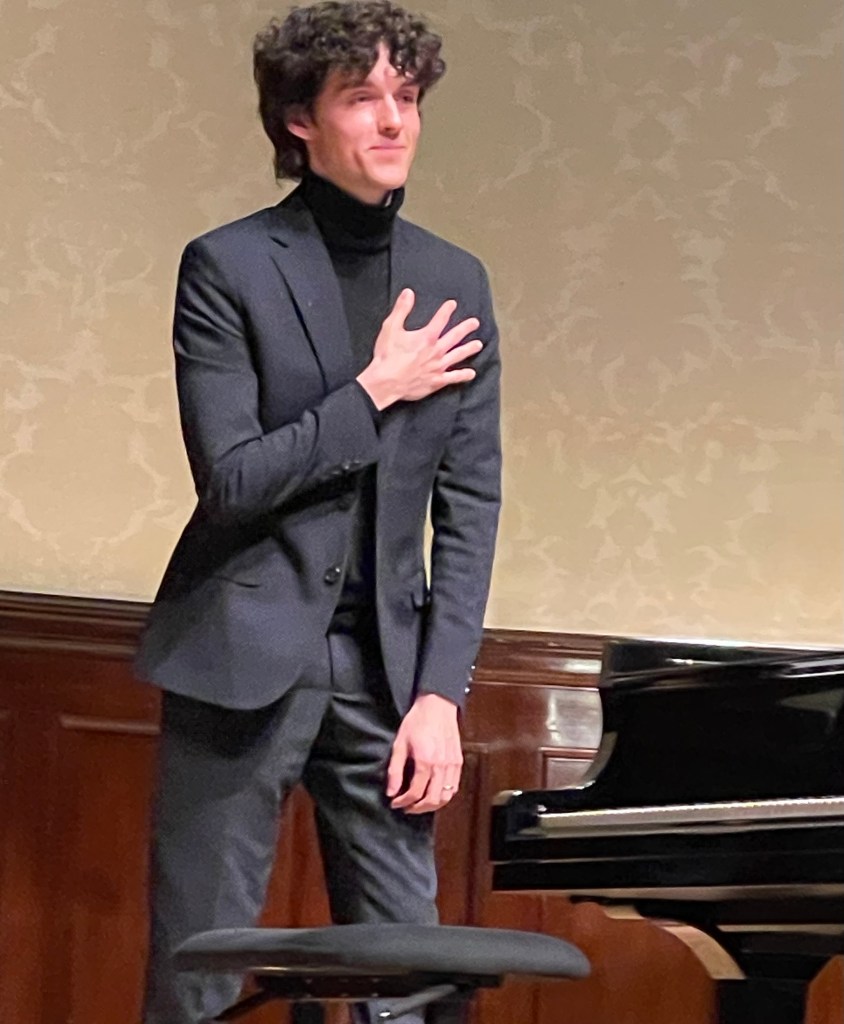
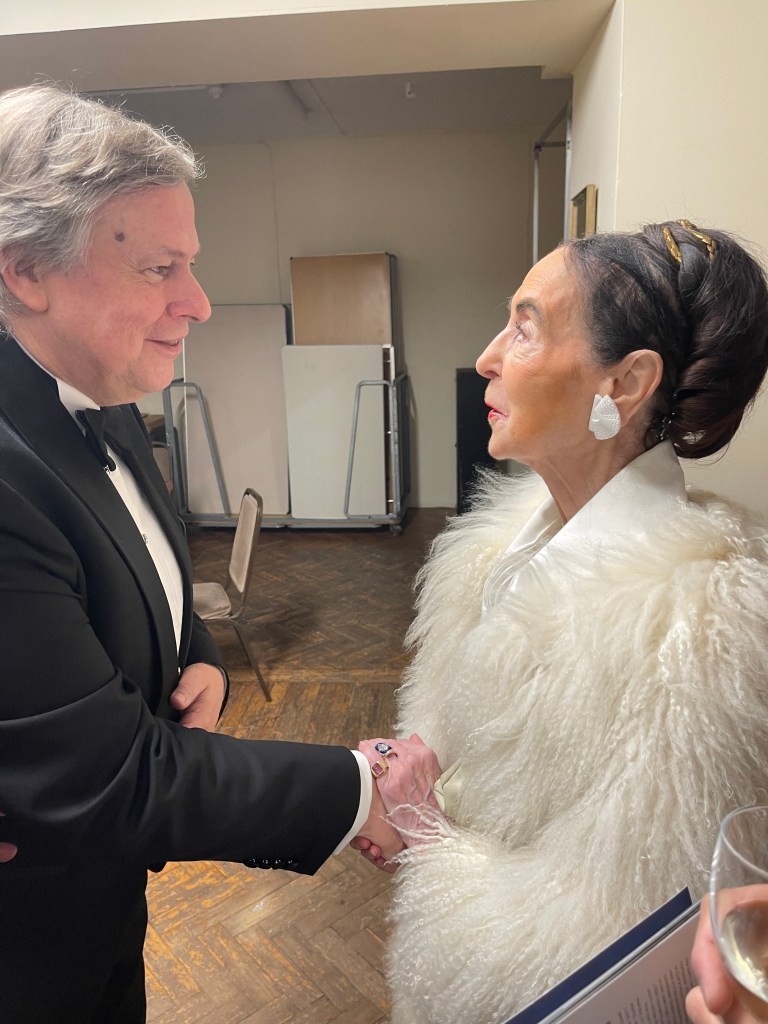
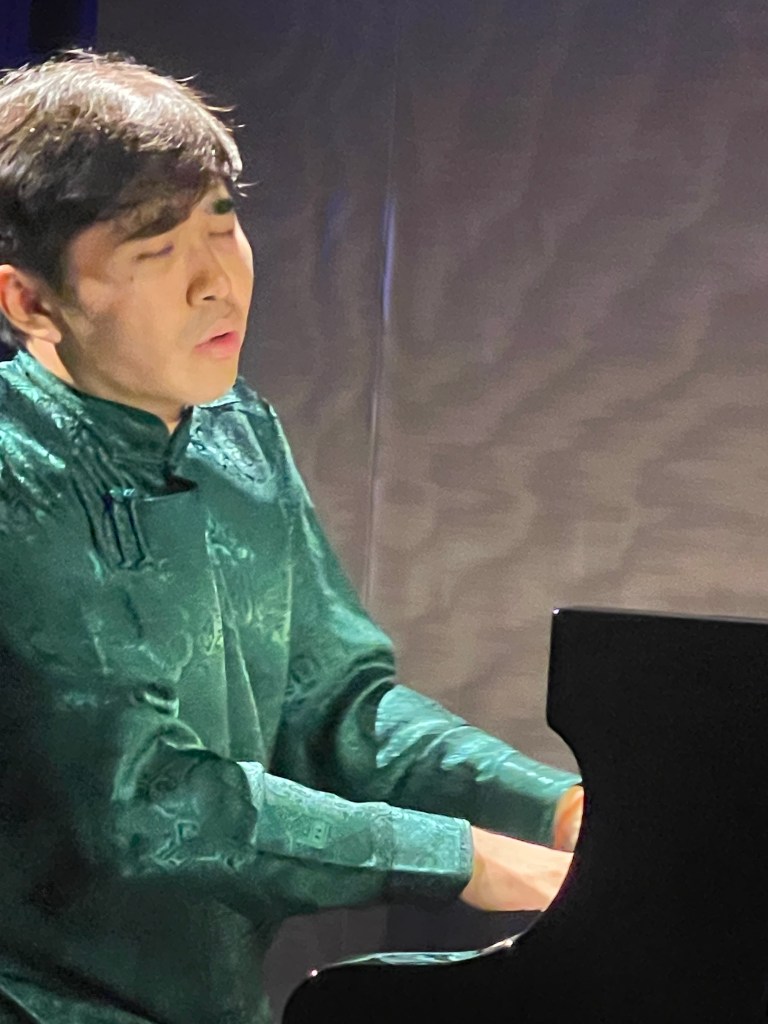
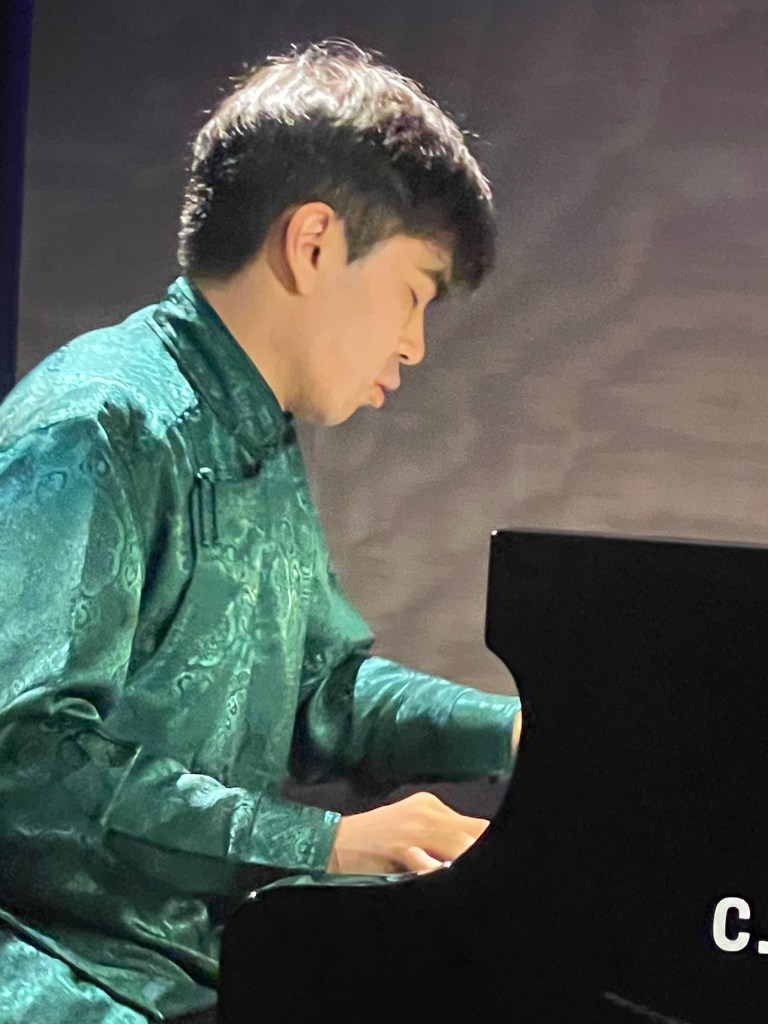
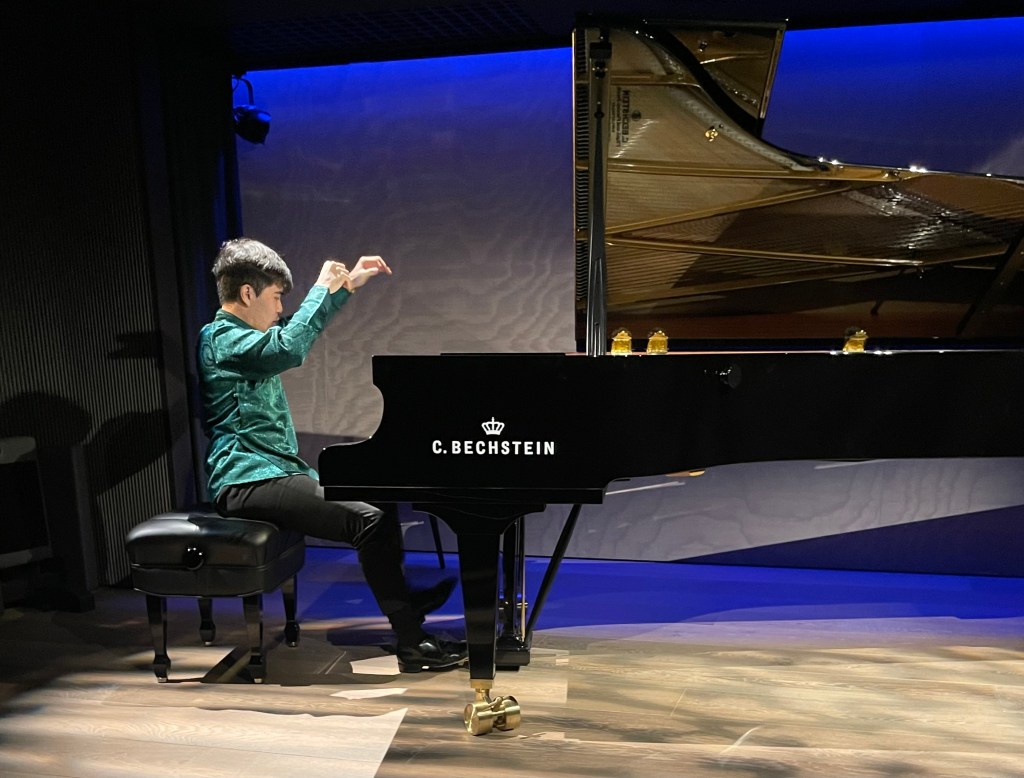
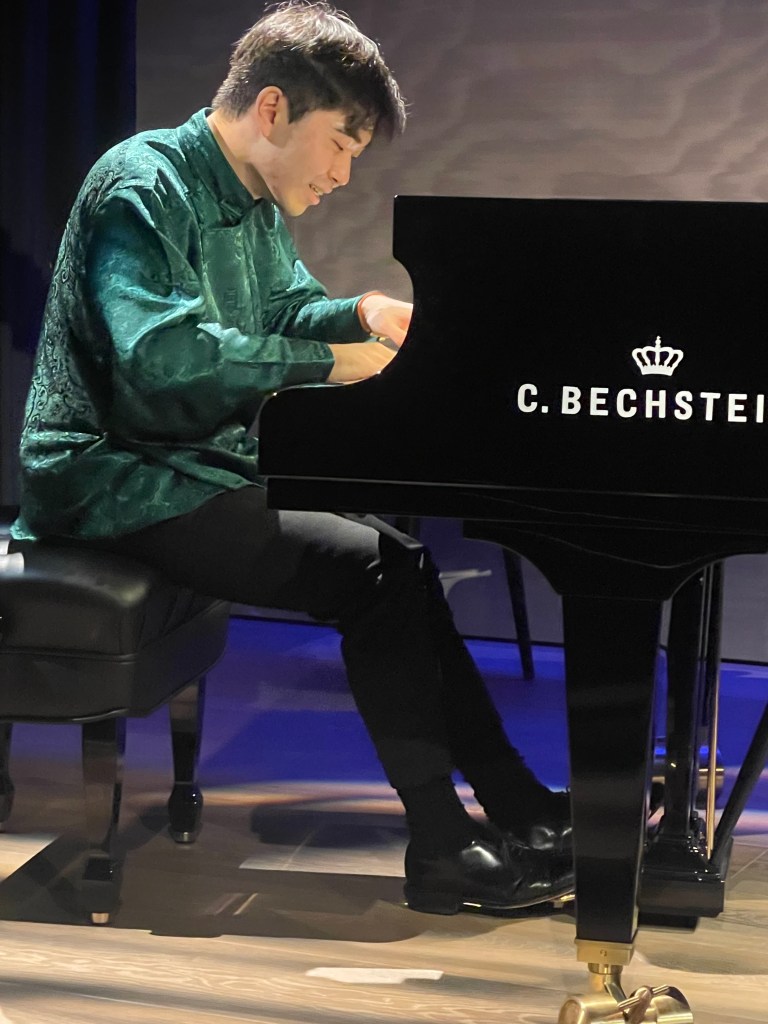
Jakob Schad and Parvis Hejazi Dreaming of Love with Echoes of Loss. Schumann’s Dichterliebe and Brahms Neun Lieder und Gesänge with a duo united as one, as magical sounds wafted around this beautiful candlelit salon with passionate intensity and poetic poignancy.
Jakob Schad’s superb voice need not fear having the piano lid wide open because not only does he have the power but also his pianist has the sensibility to blend together in the recreation of one of Schumann’s greatest song cycles.It was the equal mastery of both that was able to convey the deeply personal message in Heine’s poetry. Sometimes music can speak louder than words and after the poignant message of the voice it was the piano of Parvis that concluded and had the last ‘word’.
Nowhere more than in the final bars for solo piano with which this song cycle ends. Parvis hardly looking at the score as he was able to continue the poignant beauty of Jakob’s voice and add deeply expressive meaning with playing of ravishing beauty.
Brahms was much more for Jacob’s magnificently expressive voice where Parvis’s was more orchestral than pianistic with sumptuous rich sounds just sustaining Jacob’s powerful voice. After such an intense and refined evening of superb music making the audience that had been listening so attentively managed to persuade these two young artists to sing just one more lied before adjourning upstairs to the bar.
Robert Schumann 8 June 1810 Zwickau Saxony. 29 July 1856 (aged 46). Bonn Germany
Dichterliebe, A Poet’s Love (composed 1840), Robert Schumann op 48). The texts for its 16 songs come from the Lyrisches Intermezzo by Heinrich Heine, written in 1822–23 and published as part of Heine’s Das Buch der Lieder. Though Schumann originally set 20 songs to Heine’s poems, only 16 of the 20 were included in the first edition. Dein Angesicht (Heine no. 5) is one of the omitted items. Auf Flügeln des Gesanges, On Wings of Song (Heine no 9), is best known from a setting by Mendelssohn. The introduction to the first song, Im wunderschönen Monat Mai, is a direct quote from Clara Wieck- Schumann’s piano Concerto in A minor (1835}
Songs
(The synopses here are made from the Heine texts.)
Im wunderschönen Monat Mai (Heine, Lyrical Intermezzo no 1). (“In beautiful May, when the buds sprang, love sprang up in my heart: in beautiful May, when the birds all sang, I told you my desire and longing.”)
Aus meinen Tränen sprießen (Heine no 2). (“Many flowers spring up from my tears, and a nightingale choir from my sighs: If you love me, I’ll pick them all for you, and the nightingale will sing at your window.”)
Die Rose, die Lilie, die Taube, die Sonne (Heine no 3). (“I used to love the rose, lily, dove and sun, joyfully: now I love only the little, the fine, the pure, the One: you yourself are the source of them all.”)
Wenn ich in deine Augen seh (Heine no 4). (“When I look in your eyes all my pain and woe fades: when I kiss your mouth I become whole: when I recline on your breast I am filled with heavenly joy: and when you say, ‘I love you’, I weep bitterly.”)
Ich will meine Seele tauchen (Heine no 7). (“I want to bathe my soul in the chalice of the lily, and the lily, ringing, will breathe a song of my beloved. The song will tremble and quiver, like the kiss of her mouth which in a wondrous moment she gave me.”)
Im Rhein, im heiligen Strome (Heine no 11). (“In the Rhine, in the sacred stream, great holy Cologne with its great cathedral is reflected. In it there is a face painted on golden leather, which has shone into the confusion of my life. Flowers and cherubs float about Our Lady: the eyes, lips and cheeks are just like those of my beloved.”)
Ich grolle nicht (Heine no 18). (“I do not chide you, though my heart breaks, love ever lost to me! Though you shine in a field of diamonds, no ray falls into your heart’s darkness. I have long known it: I saw the night in your heart, I saw the serpent that devours it: I saw, my love, how empty you are.”)
Und wüßten’s die Blumen, die kleinen (Heine no 22). (“If the little flowers only knew how deeply my heart is wounded, they would weep with me to heal my suffering, and the nightingales would sing to cheer me, and even the starlets would drop from the sky to speak consolation to me: but they can’t know, for only One knows, and it is she that has torn my heart asunder.”)
Das ist ein Flöten und Geigen (Heine no 20). (“There is a blaring of flutes and violins and trumpets, for they are dancing the wedding-dance of my best-beloved. There is a thunder and booming of kettle-drums and shawms. In between, you can hear the good cupids sobbing and moaning.”)
Hör’ ich das Liedchen klingen (Heine no 40). (“When I hear that song which my love once sang, my breast bursts with wild affliction. Dark longing drives me to the forest hills, where my too-great woe pours out in tears.”)
Ein Jüngling liebt ein Mädchen (Heine no 39). (“A youth loved a maiden who chose another: the other loved another girl, and married her. The maiden married, from spite, the first and best man that she met with: the youth was sickened at it. It’s the old story, and it’s always new: and the one whom she turns aside, she breaks his heart in two.”)
Am leuchtenden Sommermorgen (Heine no 45). (“On a sunny summer morning I went out into the garden: the flowers were talking and whispering, but I was silent. They looked at me with pity, and said, ‘Don’t be cruel to our sister, you sad, death-pale man.'”)
Ich hab’ im Traum geweinet (Heine no 55). (“I wept in my dream, for I dreamt you were in your grave: I woke, and tears ran down my cheeks. I wept in my dreams, thinking you had abandoned me: I woke, and cried long and bitterly. I wept in my dream, dreaming you were still good to me: I woke, and even then my floods of tears poured forth.”)
Allnächtlich im Traume (Heine no 56). (“I see you every night in dreams, and see you greet me friendly, and crying out loudly I throw myself at your sweet feet. You look at me sorrowfully and shake your fair head: from your eyes trickle the pearly tear-drops. You say a gentle word to me and give me a sprig of cypress: I awake, and the sprig is gone, and I have forgotten what the word was.”)
Aus alten Märchen winkt es (Heine no 43). “(The old fairy tales tell of a magic land where great flowers shine in the golden evening light, where trees speak and sing like a choir, and springs make music to dance to, and songs of love are sung such as you have never heard, till wondrous sweet longing infatuates you! Oh, could I only go there, and free my heart, and let go of all pain, and be blessed! Ah! I often see that land of joys in dreams: then comes the morning sun, and it vanishes like smoke.”)
Die alten, bösen Lieder (Heine no 65). (“The old bad songs, and the angry, bitter dreams, let us now bury them, bring a large coffin. I shall put very much therein, I shall not yet say what: the coffin must be bigger than the great tun at Heidelberg. And bring a bier of stout, thick planks, they must be longer than the Bridge at Mainz. And bring me too twelve giants, who must be mightier than the Saint Christopher in the cathedral at Cologne. They must carry away the coffin and throw it in the sea, because a coffin that large needs a large grave to put it in. Do you know why the coffin must be so big and heavy? I will put both my love and my suffering into it.”)
Johannes Brahms 7 May 1833 Hamburg 3 April 1897 (aged 63) Vienna
There is a strong case for thinking of Brahms’ Neun Lieder und Gesänge op 32 as a kind of latter-day Dichterliebe, or rather Komponistenliebe. The composer’s self-identification with the nine songs of Op 32, which feature lost love, isolation, nostalgia and amorous self abasement Aand his careful selection and dovetailing of five Platen settings and four Daumer, is very much a personal statement.
A quite extraordinary recital by a pianist who was as a child much admired by Karajan, and since birth has been linked to the piano which is his friend and companion and whose secrets he has unearthed over a lifetime dedicated to a continual research of sound. In 2006 he played in my series in Rome the ‘Goldberg Varatiations’ and during the pandemic he recorded in an empty hall in Genoa,where he lives ,the second book of the Well Tempered Klavier. I was honoured when he asked me to write the notes for the CD that was issued of that performance.
Today in a programme that spanned two centuries he opened with Four Preludes and Fugues from Book 2. He had asked me if the piano in Perivale had three pedals, and neither I ,Dr Hugh Mather or even Michael Lewis the piano tuner understood why he needed to know about a pedal that is almost obsolete for the vast majority of pianists. The reason soon became evident as Michael pointed out in the rehearsal that he was only using the central pedal. Could it be that he had got lost and was confusing the middle pedal for the sustaining pedal? Michael asked me not to mention it in case it was just pre concert nerves! Well I did gently mention it and he said I was quite right to notice, and for classical music he only uses the middle pedal that can fill in some holes in his finger legato. In fact from Bach to Mozart taking in Scarlatti, Cimarosa and surprisingly the unknown Romance of Verdi there was a quite extraordinary clarity of his perfect finger legato without any smudging from the sustaining pedal, creating a purity and radiance to the sound that I have rarely heard before.
The Four Bach were played with crystalline clarity and a range of sound where his finger independence could lead the way with Bach’s knotty twine and make the path forward always so clear. A sense of balance that was quite extraordinary as the gradations of sound seemed to be infinite and never throughout the whole recital was there any ugly or forced sound.
Even the Busoni transcription of ‘Ich ruf zu dir’ was played with shining beauty with a very dry bass accompaniment, very measured and unusually respectful for a work that is usually drowned in pedal. It lost nothing of its beauty as the bass sustained the melodic line with deep majestic sonorities. A remarkably original and ravishingly beautiful performance that in a way mirrors Busoni’s own playing,as much as we can discern from the piano roll recordings that he bequeathed to the world and that were housed by Frank Holland in the Brentford Piano Museum just a stones throw away.
The little Cimarosa Sonata was beautifully shaped with great delicacy with only the use of the central pedal giving a chiselled beauty to this disarming short work.
Scarlatti too was played with a poignant shining beauty where Andrea’s finger legato could bring infinite colour to three of these remarkable jewels of which the composer was to pen over 500 during his lifetime.
What a voyage of discovery this recital was turning out to be, as Andrea opened Mozart’s Little Funeral March with noble majesty and imperious authority.
The Fantasy in D minor that was to followed I have never heard played with such poignant clarity. All the usual rhetoric and over pedalled cadenzas were gone and replaced with sounds of chiselled beauty. A radiance and multitude of sounds where Andrea’s sensitive fingers could dig deep into the notes and extract sounds of quite extraordinary delicacy and significance. Gasping phrases played with discreet sensitivity and long repeated notes played with fearless authority. Very discreet ornamentation to the final episode was just enough to bring a smile for a work that I had never considered to be the miniature tone poem that Andrea showed us today. Around the world in eight minutes ,you might say, with a range of emotions and characters of a piece that I played for grade six, and is certainly too difficult for children and considered much too easy by most budding virtuosi!
Schubert played with both pedals in the traditional manner except that Andrea’s perfect legato was just enhanced by the sustaining pedal adding a radiance and ravishing beauty to one of Schubert’s most beautiful melodies. Just underlining some inner harmonies on the repeat that were like jewels shining in this wonder world of Schubert. Streams of notes in the central episode played with remarkable poignant clarity as this work rose from its companions like a mighty eagle rising out of the depths and showing us the miracle of creation.
The Liszt consolation was bathed in pedal as the deep D flat sustained the glowing beauty of the chiselled melodic line of timeless refined elegance and nostalgic beauty.
The Rota I had not heard before but was played with the same chiselled beauty as Liszt, but with a melodic line of purity and piercing directness.
Debussy’s lonesome Little Shepherd was of haunting beauty as his single long lament rang out with beseeching luminosity. Greeted by the bass of Jumbo’s lullaby with haunting bells ringing out as he trespassed into unknown territory only to return more deeply into the woods with ever more decisive bass meanderings!
There had been a slight change of order so Verdi and Oscar Peterson remained without captions which had no importance when the playing was of such ravishing beauty . The Verdi we actually got to hear twice, as I asked Andrea if he would play it again at the end as an encore, together with one of the four of the preludes and fugues advertised but had realised he only played three at the beginning ! As Hugh said ‘who is counting when playing of such magnificence is unfolding on this cold winter’s day!’
The Verdi was a ‘song without words’ indeed with the fiortiori of Bel Canto played with the same radiance and incredible perfection as Monserrat Caballé. What nostalgia to hear the pieces by Morricone forever linked for me by two of the most evocative films I have ever seen. Moon River was to follow, even more nostalgic as Audrey Hepburn of Breakfast at Tiffany fame was my next door neighbour in Rome. Taking her son, Luca, to school every day as she had split up with his father Dr Dotti but did not intend abandoning their son. She was the refined icon of a period but also one of the most generous and kindest people I have ever known. Even in illness she thought of the poor and suffering and used her fame to create funds to make the world she was about to leave a better place for others.
The last two pieces are rarely played in public but the Doll Suite by Villa Lobos is a collection of beautifully evocative pieces that Joan Chissell, the critic, described in a performance with words that have remained with me ever since : “Mr Rubinstein turned baubles into gems” . It was Rubinstein who was responsible for bringing Villa Lobos to Europe in the thirties having a whole orchestra play his music in his hotel suite to his friendly impresarios . Andrea too turned them into gems and it was a fitting end to a memorable recital of mastery and quite simply pianistic genius.
Andrea Bacchetti was born in Recco (GE) in 1977. A precocious talent, he took inspiration from Karajan, Berio, Horszowsky, and Magaloff at a young age. He earned a Master’s degree from the Imola Piano Academy with Franco Scala. He made his debut at age 11 in Milan with the Solisti Veneti conducted by Scimone. Since then, he has performed at major festivals such as Lucerne, Salzburg, Sapporo, La Coruña, Toulouse, La Roque d’Anthéron, Warsaw, Ravenna, Brescia, and Bergamo. He has performed at international music centers in Berlin, Paris, Tokyo, Moscow, Prague, Madrid, São Paulo, Bern, and Leipzig, and with orchestras such as Festival Strings Lucerne, Camerata Salzburg, PKO Prague, Filarmonica della Scala, OSN Rai Turin, Filarmonica Enescu, Bucharest, Kyoto Symphony, and ORF Vienna, with conductors such as Baumgartner, Gimeno, Lü Jia, Urbanski, Luisi, Venzago, Manacorda, Flor, Chung, and Tjeknavorian.
He records for Sony Classical, and his extensive discography includes the Cherubini Sonatas (Penguin Guide UK Rosette), The Scarlatti Restored Manuscript, for which he won the 2014 ICMA Award, and Bach’s The Inventions and Sinfonias (CD of the Month in BBC Music Magazine). He is passionate about chamber music, collaborating with R. Filippini, the Prazak Quartet, U. Ughi, F. Dego, the Quatour Ysaye, and the Cremona Quartet.
In recent seasons, he has performed with the Milan Symphony Orchestra, the OSI Lugano, the Haydn Orchestra of Bolzano, the Teatro Comunale di Bologna, the Teatro Carlo Felice in Genoa, the Solisti Aquilani, and in recital at two consecutive editions of the Brescia and Bergamo International Piano Festivals. He performed Book II of Bach’s Well-Tempered Clavier in a single performance in the Aula Magna of Sapienza University for the IUC, at the Teatro Carlo Felice in Genoa for the G.O.G., and at La Fenice in Venice for Musikamera, as well as in a recital for the Friends of Music of Florence. This season, he has performed in South Africa, South America, Germany, Japan, Switzerland, and Portugal.
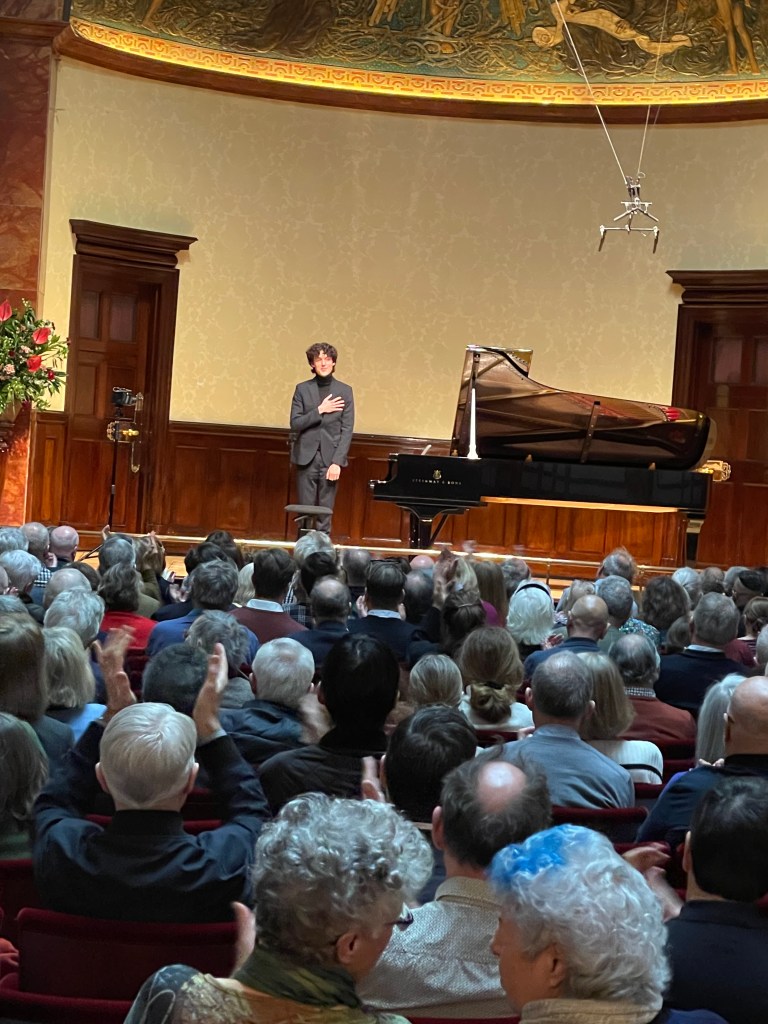
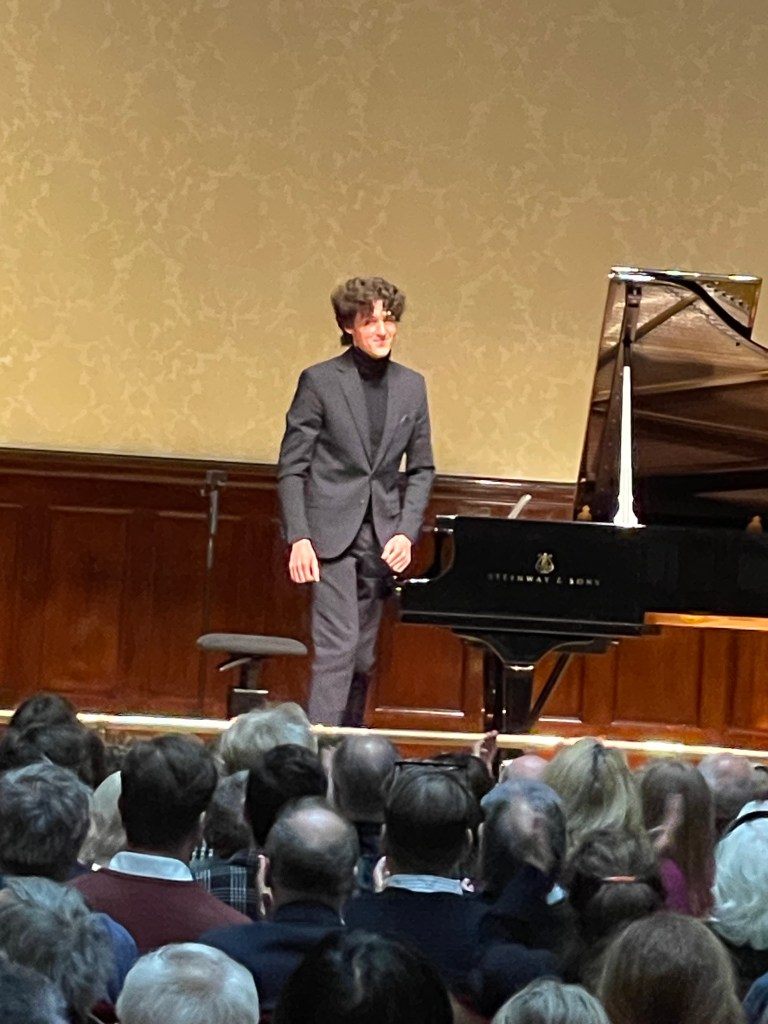
Jaeden Izik- Dzurko making his London debut at the Wigmore Hall as Gold medalist of the ‘Leeds.’
A monumental performance of Bach’s Fourth Partita opened the concert with playing of exemplary clarity and purity, where his remarkable musicianship was of an architectural awareness that gave great shape to all he did. Discreet ornamentation just added to the noble grandeur of the ‘Ouverture’ as the poignant beauty of the ‘Allemande’ was allowed to unfold with great fluidity. A ‘Courante’ that was indeed a flood of sounds played with a rhythmic elan and spritely gait. A breath of fresh ‘Air’ before the plaintive beseeching cry of the ‘Sarabande’. He chose a completely different,much paler,sound for the Minuet before the dynamic drive of the ‘Gigue’. Quite extraordinary clarity and brilliance with polyphonic playing of transcendental mastery even though loosing something of its nobility with such a high notch virtuosity.
It was in the César Franck that suddenly Jaeden opened his Pandora’s box of colours and with ravishing whispered beauty allowed the music to unfold with masterly poetic beauty. A ‘Chorale’ that was of magic sounds of glowing radiance gradually growing in intensity until the glorious declaration of a true believer. A ‘Fugue’ that built to the enormous climax that dissolves so magically into the waves of undulating sounds with which the ‘Prelude’ had opened . This time the theme was floated on this magic cloud as all three themes were joined together. Jaeden’s remarkable sense of balance allowing for a burning intensity without any hardness. A glorious final outpouring and true exultation played with aristocratic control and sumptuous full sounds.
It was after the interval, though, that Jaeden threw off his noble jacket of masterly musicianship that in some way had inhibited his extraordinary poetic fantasy. Now he was to unleash on a public mesmerised by such perfection but not yet hypnotised completely by his poetic imagination.
It was with Scriabin and Rachmaninov that Jaeden could give full reign to his chameleonic palette of colours and allow himself to wallow in the ravishing sounds that he could draw from the piano.
As in Leeds it was not his Brahms that astonished, although of masterly making, but it was his Rachmaninov sonata that was breathtaking and showed his supreme poetic and intellectual mastery for which he was justly covered in Gold.
From the opening whispered radiance of the Scriabin Fantaisie there was magic in the air, as it gradually grew in intensity with a boiling cauldron of sounds ever more turbulent. Suddenly the clouds passed and a melody of glowing radiance appeared out of the dark and illuminated the piano. Light and dark were united with passionate intensity and a mastery of balance, where no matter how many notes unfolded Jaeden could point his way to the ‘stars’ with ever more vehemence and conviction. A range of sounds that had been missing with his more classical approach to the works in the first half of the concert. It was as though his remarkable credentials had been demonstrated to us and now he could open his heart and poetic imagination and be as free as his mastery would allow him.
The ten preludes op 23 by Rachmaninov were more remarkable for their poetic content than for the masterly technical control of the quite considerable hurdles that Rachmaninov, with his giant hands, could throw in the path of lesser pianists !
The first prelude immediately created an aura of magic as its whispered glowing utterances drew us in, to share the ravishing beauty that poured from Jaeden delicate hands with such simplicity and elasticity. Of course this was immediately dispelled by the startling nobility and agility of the second. A stream of sumptuous sounds on which Rachmaninov places a heroic exclamative melody . Sumptuous sounds that fade into the distance as a ravishing melody can be heard in its midst. A masterly sense of balance and transcendental technical control allowed Jaeden to shape the melodic line whilst creating an aura of Philadelphian sumptuousness . This was an oasis of radiance and beauty before unleashing the turbulent crescendo of emotions that heralds the return of the main theme, ever more triumphant and heroic, both technically and poetically speaking. It was in fact Jaeden’s technical mastery that paled into insignificance as the poetry and imagination completely consumed him. A capricious third prelude with a rare sense of balance and subtle almost jeux perlé lightness with the ending played with a beguiling insinuating simplicity like the elusive end of the Paganini rhapsody. A nonchalance that is too easy for children but too difficult for adults here found the perfect balance. There was a simple radiance to the beautiful melodic outpouring of the fourth, and although not as mysterious as Richter was of compelling beauty and masterly poetic content. The fifth in G minor was played at high speed, but of breathtaking brilliance and with a dynamic range and control that was masterly. The central unashamedly romantic outpouring was played with chameleonic colours that were allowed to intertwine with insinuating beauty. Again the nonchalant ending was played with absolute perfection.There was bewitching beauty to one of Rachmaninov’s most romantic outpourings in the sixth prelude that was played with a sense of rubato that held us mesmerised, as the melodic line was stretched to its absolute persuasive limit.The C minor Prelude that followed was played with etherial sounds of swirling energy like a wind on which arose with nobility the long melodic line gradually growing in intensity and sparkling brilliance. After such scintillating exuberance the nobility of the ending was played with aristocratic poise. The eighth prelude of continual shifting harmonies was played with etherial beauty as the bass became the anchor on which the wash of notes was linked. The demonic ‘feux follets’ of the ninth was played with an extraordinary legato as Jaeden turned technical impossibilities into beguiling gems of lightness and beguiling brilliance. The last prelude with it’s beautiful languid melodic line in the bass was played with a ravishing sense of balance as the voices duetted with each other with the poetic intensity that had characterised all ten of this first set of preludes op 23.
Jaeden was now ready to let his hair down with two encores starting with the extraordinarily capricious and masterly ‘fingerfertigkeit ‘ of Medtner’s fairy tale.
Enjoying his mastery and freedom now, Jaeden finally let rip with a quite breathtaking account of one of Kapustin’s most ingenious Jazz etudes. A glissando finishing deep in the bass of the piano was played with relish and was greeted by a public now ready to hear and appreciate even more what this phenomenal pianist had to offer.
Would the real Jaeden Izik- Djorko please stand up !
An extraordinary debut by a master pianist and above all, as Dame Fanny would have underlined , master musician!
Johann Sebastian Bach (1685-1750)
Partita No. 4 in D BWV828 (1729)
I. Ouverture • II. Allemande • III. Courante •
IV. Aria • V. Sarabande • VI. Menuet • VII. Gigue
César Franck (1822-1890),
Prélude choral et fugue (1884)
I. Prélude. Moderato • II. Choral. Poco più lento •
III. Fugue. Tempo I
Interval
Aleksandr Skryabin (1872-1915)
Fantasie Op. 28 (1900)
Sergey Rachmaninov (1873-1943)
10 Preludes Op. 23 (1901-3)
No. 1 in F sharp minor • No. 2 in B flat •
No. 3 in D minor • No. 4 in D •
No. 5 in G minor • No. 6 in E flat •
No. 7 in C minor • No. 8 in A flat •
No. 9 in E flat minor • No. 10 in G flat
Canadian pianist Jaeden Izik-Dzurko is a current recipient of the Borletti-Buitoni Trust Fellowship and the 2024 winner of the Dame Fanny Waterman Gold Medal at the Leeds International Piano Competition. He also recently became the first Canadian instrumentalist to be awarded the Grand Prize Laureate at the Concours Musical International de Montréal. The 2025/26 season features high profile debut performances at London’s Wigmore Hall, San Francisco’s Davies Symphony Hall, the Leipzig Gewandhaus (Mendelssohn-Saal), and Hamburg’s Elbphilharmonie. Jaeden will also make his debut as soloist with both the Orchestre Symphonique de Montréal and the National Symphony Orchestra of Ireland, and makes returns to the Kamloops Symphony Orchestra, Edmonton Symphony Orchestra, and the National Arts Centre Orchestra. His repertoire this season includes works by Chopin, Brahms, Grieg, and Rachmaninoff, with collaborations alongside conductors Jessica Cottis, Gemma New and Alexander Shelley. Jaeden has also made debuts at Carnegie Hall’s Weill Recital Hall, Salle Cortot, Auditorio Nacional de Música in Madrid, Krannert Center for the Performing Arts in Illinois, Vancouver Recital Society, Münchner Künstlerhaus and Sociedad Filarmónica de Bilbao. In concerto he has performed with Edmonton Symphony, Bilbao Orkestra Sinfonikoa, Orchestre Symphonique de Montréal, Orquesta Sinfónica de Madrid, Oviedo Filarmonía, Oxford Philharmonic and the RTVE Symphony Orchestra. Recent conductor collaborations include with Domingo Hindoyan, John Storgårds and Joseph Swensen. Other awards include first prize of the Hilton Head, Maria Canals, and Paloma O’Shea Santander International Piano Competitions where he also won the Canon Audience Prize and Chamber Music Award.Born in British Columbia with Hungarian-Ukrainian heritage, Jaeden formerly attended the Juilliard School and now studies with Jacob Leuschner at the Hochschule für Musik Detmold and Benedetto Lupo at the Accademia Nazionale di Santa Cecilia.
A sumptuous outpouring of sounds as varied and delectable as the multi ethnic fast food stalls that adorn the church courtyard.
One of the remarkable McLachlan clan that can boast to date five star pianists and a star footballer.His father Murray tells me that Alec can also play a mean Bach Prelude and Fugue!
Alec (Betty) Rose. Callum. Matthew
A home goal indeed for the youngest who is on a prestigious Football Scholarship to New York University.
The pianists with Kathryn Page McLachlan very much at the helm of her family
An eclectic opening with a composition by Alicia De Larrocha that she with her innate modesty did not want published in her life time!
It was an equally modest young man today who played it with sumptuous sounds that entered so beautifully into the maze of notes that was to pour forth from the pen of Nicolai Medtner. Two fairy tales played with dynamic rhythmic drive with a passionate mellifluous outpouring and kaleidoscope of subtle colours. The very resonant acoustic of St James’s helping a composer sometime overloaded with notes but that in knowing hands can become clouds of sound out of which emerge a melodic line of jewel like beauty.
It was with this that Matthew knew how to guide us through this maze of notes and turn two seeming baubles into ravishing gems.
It was the same with the Preludes op 11 by Scriabin. A work that immediately became part of Matthew’s fantasy world as he was awarded the Chappell Gold Medal for his performance whilst only in his second year at the Royal College.
Of course it helps to have a wonderful Russian pianist ,Dina Parakhina, by his side for his first 10 formative years.
Now graduated with honours at the RCM he is perfecting his studies in Paris with Pierre Reach at the Ecole Normale.
Matthew chose to close this lunchtime recital with the last twelve of these twenty-four preludes which have matured and become truly part of him.
Golden sounds were wafter around this vast edifice, with a sumptuous Fazioli grand allowing him to carve out sounds and emotions that have matured over these past few years.
In-between, at ‘half time’ let us say, he played the Chopin Fantasy op 49. Entering on tiptoe after the final notes of the Medtner the work unfolded with aristocratic control and radiant beauty. The central episode revealed after an ascending scale of golden lightness leading to one of Chopin’s most beautiful and simple melodies that Matthew played with poignant significance. Exploding into passionate outbursts of dynamic drive and technical brilliance before the disarming simplicity of the final cadenza and the return of the magic gossamer staircase this time taking us to the final two chords of aristocratic nobility
The indomitable Canan Maxton of talent Unlimited promoting so many young artists St James’s full for this lunchtime performance
St James’s is grateful for the generous support of Rolex for this music programme.
After gaining the ATCL and LTCL recital diplomas with distinction in 2014 and 2015, Matthew was awarded the FTCL in 2016. This followed on from winning third prize in the senior division of the first Scottish International Youth Prize Competition, held at the Royal Conservatoire of Scotland in July 2016. In 2014 Matthew’s performance of Ravel’s G Major Piano Concerto was commended in the Chetham’s Concerto competition and in the same year he was a prizewinner at the 2014 Mazovia Chopin Festival in Poland. As a result of his performance in Mazovia, he was selected to perform a 60-minute solo recital at the 2015 World Piano Teachers’ Conference (WPTC) in Novi Sad, Serbia. In 2016 Matthew gave many recitals and was a finalist in the Chetham’s Beethoven Piano Competition for the second year running. In March 2017 he was awarded first prize in the Chetham’s Senior Bach competition. In August 2017 he performed Tchaikovsky’s Piano Concerto no. 1 in the Paderewski Festival in Poland. In Autumn 2017 he had a tour of concert performances featuring Brahms’ Sonata no. 1 in C major. Before leaving Chetham’s, Matthew won the school’s Bosendorfer competition, playing Stravinsky’s ‘Three movements from Petrushka’. In 2018 he performed Mozart’s 13th concerto in Trieste, Haddington and Rhyl as well as Tchaikovsky’s first and Beethoven’s fourth concerto in Buxton with the orchestra of the High Peak. In the winter of 2018, the Knights of The Round Table awarded Matthew with a full scholarship at the Royal College of Music in London, where he now studies. Although 2020 saw many concert cancelled, Matthew gave online performances and has recently been taken under the wing of Talent Unlimited, thanks to Canan Maxton.
After a soul searching ‘Resurrection’ of Morales, a glimpse of Paradise with the genius of Volodos
A magic carpet of sounds and emotions with Schumann’s Davidsbündler. Whispered sounds clouded in pedal out of which shone glistening jewels of poetic beauty . A golden sound that I have only ever heard from Gilels. After the breathtaking beauty of Schumann’s duel poetic personality Volodos let his hair down with a performance of Liszt’s 13th Hungarian Rhapsody.
Unbelievable palette of sounds and the mind boggling virtuosity of refined brilliance of a pianist who might well be described as the greatest pianist alive or dead.
Resurrected and ready for one of Schumann’s most naively poetic works, I took my place in the Barbican Hall for a performance of Davidsbündler that was a cross between Wilhelm Kempff and Radu Lupu, yet completely original and unique to Volodos . A vision of poetic beauty and understanding that was a revelation, as he brought the printed page to life with extraordinary poetic fantasy and whispered beauty.
From the very subdued opening, dry and very literal but immediately transformed into flights of poetic fantasy, where the final G was like a wondrous star shining brightly. A mastery of sound and an impeccable style of radiance and whispered beauty that was quite ravishing and of an extraordinary ordered freedom. Improvisation and interpretation is a very difficult line to follow but for Volodos it was such a natural progression that it illuminated all he did with a refreshing sense of discovery. Such radiance and beauty to Eusebius’s poetic musings was followed by the impish good humour of the third dance and a coda that just appeared miraculously on a wave of notes thrown off with ‘jeux perlé’ ease. There was a whispered entry to the fourth and a disarming simplicity to the fifth with its whispered meanderings of insinuating nonchalance. I have never heard the sixth played with such featherlight rhythmic precision ,like a wind passing over the keys, with a mastery of balance as the bass was gently underlined.The broken chords of the seventh were born out of the last chord of the sixth and were of a delicacy and timeless beauty unfolding into a melody of restrained nostalgia with a beseeching beauty of gasping questioning that was barely audible on its repetition. There was a capricious chase to the eighth leading straight into the hurdy gurdy world of the circus with an ending of two impishly placed chords. There was the sumptuous Brahmsian outpouring of the tenth ‘Ballade’ and the childlike simplicity of the eleventh with its miraculous doubling of the tenor voice with such extraordinary subtlety and understated beauty that was quite breathtaking. The twelfth was thrown off with whispered impishness and shaped with a freedom and style that was of gipsy origin. Majesty and nobility of the thirteenth with a central episode that was just a cloud of sounds on which floated the chorale like melodic line, disappearing to a whisper as the coda emerged out of a mist of beauty. The fourteenth is one of the most beautiful things that Schumann wrote and it was played with a chiselled beauty as the melodic line intertwined and communed with ravishing beauty.The opening of the fifteenth was played with two hands as the piano became awash with sumptuous sounds on which arose a melodic line of subdued passionate intensity. The sixteenth was a passionate outpouring of great freedom that I have never heard played with such originality, as it lead to the whispered magic of the seventeenth like a vision from afar. The added deep bass notes of the coda giving a radiance before the arpeggiandi chords and the final whispered ending. A long pause before the opening chord of the final waltz, that was like the first glimpse of light at dawn as this languid farewell was played out with glowing beauty.
This was the most remarkable re creation of Schumann that I have ever witnessed. A musician who could convince us, like a visionary magician, that the piano is not a percussive instrument but a real orchestra full of rarified sounds of sumptuous beauty.
The Hungarian Rhapsody n 13 has long been a ‘cavallo di battaglia’ even if Volodos has preferred not to be known as just a juggler of notes. There were ravishing sounds of extraordinary subtlety and a use of the pedals that truly became the soul of an instrument made of hammers and strings. An improvised freedom that when he moved into top gear created sounds that had more power that the LSO, whose home we were in this evening.
A public by now on their feet, hypnotised by a magician who was a pied piper who could take us to places that we never knew existed.
Four encores, starting with the Intermezzo op 117 n.1 by Brahms, that was played with a Caballé sense of bel canto with streams of notes of glowing beauty and radiance. Followed by Schubert’s teasingly beguiling Moment Musicaux in F minor every bit as enticing as Curzon. ‘Malguena’ has long been associated with this artists and it brought the house down and the entire audience on their feet to greet our hero who had been able to ignite and seduce us as never before. A simple melody by Mompou was a calming balm to an audience in a state of delirium after such an overwhelming experience.
The distinguished pianist Deniz Gelenbe writes about Schubert A major Sonata D959 in the first part of the concert that I decided to miss for ‘Resurrection!’
‘ Volodos’ rendering of the Schubert Sonata D 959 was overwhelming, transcendental and magical. Time literally stopped and this monumental work seemed to pass in one breath.There was such beauty in tonal colour, rich imagination, natural flow and poetry in expression. His exquisite use of pedal and voicing allowed infinite nuances. He made silences and extreme pianissimos speak.
Even the problematic middle section of the second movement was handled with such mastery and imagination. He had control over chaos, and made it sound like an improvisation.
This was one of those unique performances which will ever be engraved in our souls.’ ‘ Reaching the sublime through the subliminal… A night I’ll never forget.’ Petar Dimov
Arcadi Volodos Born in St Petersburg in 1972, Arcadi Volodos began his musical studies with lessons in singing and conducting. He did not begin serious training as a pianist until 1987 at the St Petersburg Conservatory before pursuing advanced studies at the Moscow Conservatory with Galina Egiazarova and in Paris and Madrid. Since making his New York debut in 1996 he has performed throughout the world in recital and with leading orchestras and conductors. He has worked with, among others, the Berliner Philharmoniker, Israel, Muninch and New York Philharmonic orchestras, Philharmonia Orchestra, Royal Concertgebouw Orchestra, Dresden Staatskapelle, Orchestre de Paris, Leipzig Gewandhausorchester, Zurich Tonhalle Orchestra and the Boston and Chicago Symphony orchestras. He has collaborated with conductors such as Myung-Whun Chung, Lorin Maazel, Valery Gergiev, James Levine, Zubin Mehta, Seiji Ozawa, Jukka-Pekka Saraste, Paavo Järvi, Christoph Eschenbach, Semyon Bychkov and Riccardo Chailly. Piano recitals have played a central role in Arcadi Volodos’s artistic life since he began his career. His repertoire includes major works by Schubert, Schumann, Brahms, Beethoven, Liszt, Rachmaninov, Scriabin, Prokofiev and Ravel, together with less often performed pieces by Mompou, Lecuona and Falla.
He is a regular guest of the most prestigious concert halls in Europe. This season he appears here at the Barbican Centre, as well as at the Philharmonie de Paris, Teatro alla Scala in Milan, Vienna Konzerthaus, Victoria Hall in Geneva, Tonhalle in Zurich, Elbphilharmonie in Hamburg, Prinzregententheater in Munich and Auditorium National in Madrid, as well as 8 Fri 12 Dec, Hall in Lisbon, Rome, Brussels, Monte-Carlo, Lyon, Seville and at the Salzburg, Roque d’Anthéron and Klavier Ruhr festivals. Since his Gramophone Award-winning debut at Carnegie Hall in 1999 (Sony Classical), he has built a singular and carefully curated discography. Each album is built with exceptional artistic depth, representing a personal artistic statement, offering revelatory interpretations that have earned him prestigious awards worldwide. His early discography includes three recordings that brought him worldwide recognition: Volodos: Piano Transcriptions, Volodos Live at Carnegie Hall and Volodos in Vienna. These were followed by acclaimed live performances with the Berliner Philharmoniker – Rachmaninov’s Third Piano Concerto conducted by James Levine, and Tchaikovsky’s First Piano Concerto conducted by Seiji Ozawa. In 2007 Volodos plays Liszt was released to great acclaim, earning numerous international prizes. His 2010 recital at the Musikverein was issued on both CD and DVD, and and garnered similar praise. In 2013 he released Volodos plays Mompou, a deeply personal album devoted to the music of Frederic Mompou which won a Gramophone Award and an ECHO Klassik Prize. Volodos plays Brahms followed a couple of years later and was immediately considered a landmark in Brahms interpretation. It received numerous accolades, including the Edison Classical Award, a Diapason d’Or, and a Gramophone Award. In 2019 Volodos plays Schubert was released and also gained an Edison Classical Award. Arcadi Volodos will release a new album in spring 2026, featuring a live recording of Volodos in Paris, performing works by Schubert and Schumann.
Fidelio Orchestra of Raffaello Morales ignites and excites but above all touches deep into our soul
While Volodos was making music of an intimacy and beguiling beauty in the Barbican Hall, next-door at Milton Court we were seduced and ravished by the genius of Mahler.
Gustav Mahler 7 July 1860 Bohemia – 18 May 1911 Vienna
Having had a ticket burning in my pocket for the much awaited annual recital of Volodos I could not see any way of being able to hear Raffaello’s Mahler Resurrection Symphony in the hall next door! Where there is a will there is always a way as Raffaello was happy to leave me a pass for the rehearsal.
The concert was recorded for BBC Radio 3
Little could we have imagined an alert over the intercome to vacate the hall immediately, as we were all escorted to the regrouping point in such emergencies which was by the artificial lake at the centre of the Barbican complex . A long snake of choir and orchestra trailed across the road to safety hoping that Resurrection might save us!
Rehearsal time was from two to five so this interruption around three thirty was certainly not welcome for a symphony that lasts ninety minutes. Half an hour later we were all allowed back and the final movement with choir and magnificent soloists was allowed to fill the turbulent air with radiance and heart rending beauty.
How could I possibly miss a performance of this symphony that is not only a Resurrection but a true recreation of the incredible intensity and soul searching ecstasy of a true believer. Raffaello who has been living with Mahler for some years as his book amply demonstrates . A Renaissance man with a burning desire to exult the glory of Mahler with his wonderful flowing movements like someone swimming in a sea of sounds on a timeless journey to paradise.
Pianist, economist, impresario, cordon bleu chef ,writer and now superb conductor how could I think of missing his or rather Mahler’s great cry of salvation. Mahler at seven with Volodos Schubert at seven thirty . Sorry maestro Volodos but Mahler won or rather I won, as with my heart resurrected and with a soul replenished I crossed the road to be ravished ,astonished and bewildered by a magician who could conjure sounds from the piano in Schumann and Liszt as only Horowitz before him. The greatest pianist alive or dead the critics exclaimed on the arrival of Horowitz in Paris. Rubinstein was alarmed and not a little dismissive of his rivals repertoire.
As the Princess Belgiojoso very diplomatically declared in 1837 after a similar duel in her Parisian salon : ‘Thalberg is the first pianist in the world – Liszt is unique.’ Comparative performance is for circus entertainers but can be very compelling, and is where Gulliver’s big end and little end is still so actual. It is human nature of course to find a number one and sponsors demand it, but it has little to do with the very ‘raison d’etre’ of art, but it is a little bit of fun and creates an interest in what can be a very stuffy and ignorant world . https://christopheraxworthymusiccommentary.com/2025/12/13/arcadi-volodos-poetic-mastery-and-genius-of-the-greatest-pianist-alive-or-dead/
Volodos is a great pianist but Mahler is unique
Christmas is a coming and the geese are getting fatter.
The second symphony is arguably his most famous work. The piece moves from the funeral visions of Totenfeier, the first movement originally conceived as a tone poem, to the apotheosis of the choral finale that earned Mahler the reputation as a leading composer that he would enjoy for the following fifteen years of his life.
Whereas the symphony is written for large orchestra, solo voices and chorus, it also includes some extraordinary moments of intimacy.
Join the Fidelio Orchestra, Raffaello Morales in their first partnership with the London Oriana Choir, Lotte Betts-Dean and Betty Makharinsky for this epic concert at Milton Court Concert Hall in the Barbican.
G. Mahler, Symphony No. 2 in C minor “Auferstehung”
Fidelio Orchestra
London Oriana Choir
Lotte Betts-Dean, mezzo-soprano
Betty Makharinsky, soprano
Raffaello Morales, conductor
The Symphony No. 2 in C minor by Gustav Mahler, known as the Resurrection Symphony, was written between 1888 and 1894, and first performed in 1895 and was one of Mahler’s most popular and successful works during his lifetime. It was his first major work to establish his lifelong view of the beauty of afterlife and resurrection . In this large work, the composer further developed the creativity of “sound of the distance” and creating a “world of its own”, aspects already seen in his First Symphony . When Mahler took up his appointment at the Hamburg Opera in 1891, he found the other important conductor there to be Hans von Bulow , who was in charge of the city’s symphony concerts. Bülow, not known for his kindness, was impressed by Mahler. His support was not diminished by his failure to like or understand Totenfeierwhen Mahler played it for him on the piano. Bülow told Mahler that Totenfeier made Tristansound to him like a Haydn symphony. As Bülow’s health worsened, Mahler substituted for him. Bülow’s death in 1894 greatly affected Mahler. At the funeral, Mahler heard a setting of Friedrich Gottlieb Klopstock’s poem “Die Auferstehung ” (The Resurrection), where the dictum calls out “Rise again, yes, you shall rise again / My dust”.
“It struck me like lightning, this thing,” he wrote to conductor Anton Seidl, “and everything was revealed to me clear and plain.” Mahler used the first two verses of Klopstock’s hymn, then added verses of his own that dealt more explicitly with redemption and resurrection.[5] He finished the finale and revised the orchestration of the first movement in 1894, then inserted the song “Urlicht” (Primal Light) as the penultimate movement. This song was probably written in 1892 or 1893
Domenico Turi,Artistic director of the Filarmonica Romana presenting the evening in the Sala Casella generously offered for the presentation of the book dedicated to Sergio Cafaro.
Much loved by all those musicians who became part of their family of young aspiring pianists .Sergio and Mimi created an oasis of warmth and welcome for young musicians struggling to come to terms with a talent that had chosen them, and that would guide their lives. Providing, like the Craxton’s in London, a shelter where music reigned and was treated with respect and humility that did not exclude hard work and discipline . But it could also be fun especially when Sergio got to the piano and could let rip with improvisations that would incorporate a world of music irreverently poking impish fun at something that professionally was their raison d’etre.
Sergio was an entomologist first and pianist second according to his drole sense of humour.
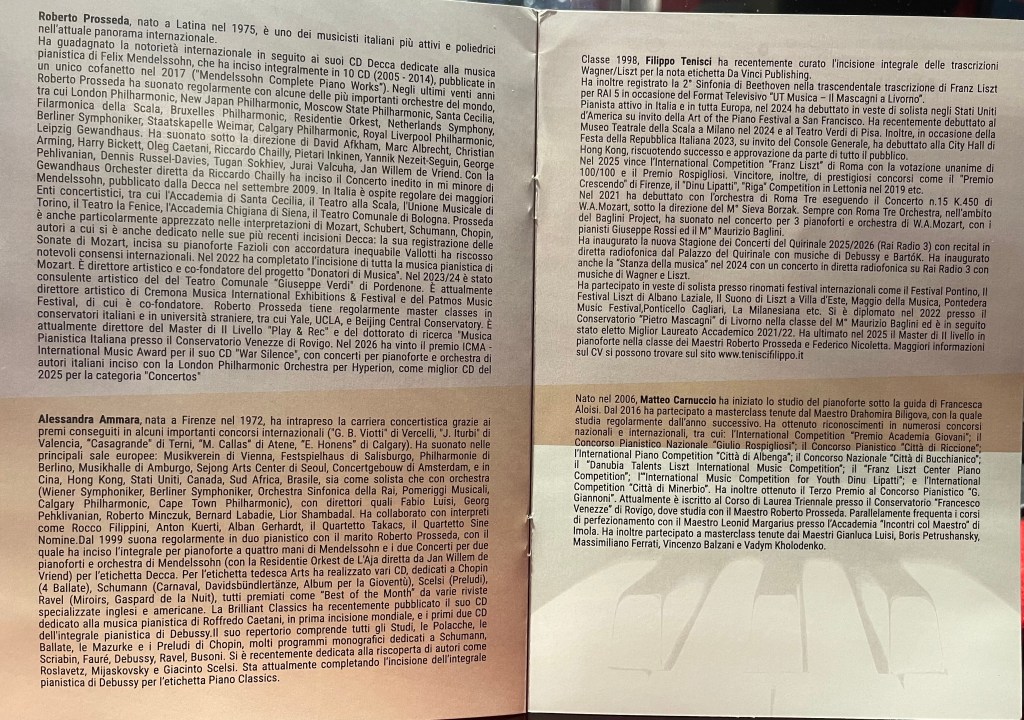
Francesco Libetta has compiled with love and respect a collection of recollections of a family that meant so much to so many. Together with Roberto Prosseda they closed this ‘at home’ with a skit on Carmen -Cafaro style.
Tiziana CosentinoChristopher Axworthy
It was the work that they had surprised their Maestro with during the 80th birthday celebrations in 1997 in that ‘Salotto di Roma ‘ of Teatro Ghione and which in that period was frequented by the likes of Franco Manino, Carlo Zecchi, Guido Agosti , Goffredo Petrassi, Franco Ferrara , Lya de Barberiis, Bruno Nicolai and even their next door neighbour, Arrigo Tassinari , Toscanini’s first flute and teacher of generations of flautists including Gazzeloni. There were many other illustrious musicians living in Rome too numerous to add here but you could look below on my web site at the end of this article.
It was the Cafaro’s salotto that he and his illustrious students felt at home in and could make glorious music together to share with a world that did not always realise what a sacrifice it was to be an interpreter where MUSIC was more important than showmanship.
Ecco la prima delle due novità, novembre 2025.
“Sergio Cafaro. Il collezionista di meraviglie” di Francesco Libetta con Alessio Zuccaro, è il ritratto sfaccettato di un artista coltissimo e fuori dal tempo – tra Scelsi, Rota, fossili e disegni ironici – raccontato da colleghi e amici, con un ricordo di Carlo Verdone.
Francesco Libetta con Alessio Zuccaro
SERGIO CAFARO
Il collezionista di meraviglie
con una antologia di scritti e disegni
Pagine VIII+296 – Collana “Personaggi della Musica”, 38 – Illustrato – Euro 33,00
Con testimonianze di: Anna Maria Martinelli, Mauro Arbusti, Christopher Axworthy, Pieralberto Biondi, Paola Bučan Porena, Tiziana Cosentino, Daniela Costa, Michele Dall’Ongaro, Paolo Fazioli, Stefano Fiuzzi, Laura Manzini, Michele Marvulli, Luisa Prayer, Roberto Prosseda, Riccardo Risaliti, Giuliana Soscia, Gianni Tangucci, Luca Verdone.
Il libro contiene “Un ricordo di Sergio Cafaro” di Carlo Verdone.
Pianista e compositore, collezionista di coleotteri e fossili, scrittore dal caratteristico umorismo e disegnatore, Sergio Cafaro nacque a Roma e, a parte i pochi anni trascorsi in nord Africa durante la Seconda Guerra, visse ininterrottamente nella sua città.
Questo è poter prendere il tè con Noretta Conci.
Nel presente volume, tra scritti autobiografici e di fantasia, con testimonianze dirette della moglie, di amici, colleghi e allievi di Cafaro, ritroviamo l’infanzia a Tripoli, l’esperienza al Concorso di Ginevra e l’incontro con Sergio Fiorentino, ammirato poi per tutta la vita, il ruolo nelle creazioni di avanguardia di Giacinto Scelsi, fino alle collaborazioni con Milstein, Szering, Carmirelli, Biondi, A. Ciammarughi, Bučan, De Barberiis, Rota. E la cerchia di amici: il professore Mario Verdone, il compositore Boris Porena.
Emerge il profilo individuale di una personalità artistica e un ambiente culturale: il vivace panorama musicale offerto dalla capitale nel dopoguerra. Qui Cafaro seppe costruirsi una vita da artista, la sua bolla senza nemici naturali, dove la musica fu intesa come un impegno etico, nel dialogo del mondo domestico con la dimensione inattingibile dell’Arte.
Richiedete il libro nei migliori negozi o a questo link:
Premio Pianistico Sergio Cafaro Accademia Nazionale di Santa Cecilia Luca Ciammarughi Naturalmente Pianoforte Pianoforte PianoTeam Italia Concours de Genève FAZIOLI法吉歐利鋼琴中心 Teatro dell’Opera di Roma Auditorium Parco della Musica Ennio Morricone.
Francesco Libetta visits Noretta Conci Leech co founder with her husband of the Keyboard Trust.
In pieno 2025, è meraviglioso poter continuare a incontrare un pezzo di storia della società pianistica europea: la leggendaria Noretta Conci. Condividere i ricordi delle comuni conoscenze (tra gli altri, era lei ad avermi presentato Lord Londonderry, il quale mi raccontava della sua amicizia con Earl Wild, mi mandava lettere in un italiano surreale e ricercato, e i bigliettini natalizî più sontuosi possibile, con immagini dei suoi bisnonni ritratti dal mondo dei Reynolds o Gainsborough…), i piccoli fatti (quando ci eravamo incontrati per caso camminando nelle strade di Manhattan; quando Noretta e suo marito John mi avevano raggiunto a Lecce per un concerto, si erano fermati un paio di giorni e poi eravamo andati insieme a cenare a Gallipoli; o quando alla fine del mio primo concerto a New York aveva preso dalla platea Kissin ed era venuta in camerino – tenendolo per mano – a presentarci, ché per lei eravamo tutti ragazzini…). E le settimane che ho trascorso suo ospite nella meravigliosa casa londinese, e le storie di Pollini che vuole la bistecca prima del concerto, del suo maestro Arturo Benedetti Michelangeli che le sceglie e impone il pianoforte (uno Steinway ancora magnifico).
Oggi Noretta ha novantaquattro anni (“ma sai, sto benissimo, me ne sento non più di ottanta”…). Custode di una rara arte della conversazione, mi ha insegnato a diffidare dalle signore che sfoggiano incessantemente superlativi superflui; e poche cose mi danno la soddisfazione di vederla sorridere alle mie battute. Per il compleanno del 1991 il marito John Leech (di cui ricorre quest’anno il centenario della nascita) le regalò una Fondazione, il Keyboard Trust. Organizzavano concerti per giovani pianisti; ci suonai anche io, a Londra e New York. Anno dopo anno fu coinvolto Abbado, poi Brendel, Pappano; Nicola Bulgari (che Noretta e John incontrarono infatti proprio a Lecce in occasione del mio concerto…) come Presidente Onorario, e tante altre personalità che tuttora sono attive per tenere in piedi la Fondazione in molte nazioni.
Noretta e John hanno poi regalato la loro Fondazione al mondo pianistico; e nel tempo hanno offerto un concreto esempio di impareggiabile eleganza di comportamenti.
I have known Julian since he came to the attention of the public as an unknown 16 year old who had won top prize at the much coveted Long-Thibaud-Crespin competition in Paris where Stephen Kovacevich had been President of the jury. Thanks to Dr Mather and his team I have been able to follow his career, also thanks to Talent Unlimited of Canan Maxton that has given him a platform in which to grow and refine his extraordinary intellectual and musical talents. An interruption to his studies at Oxford University to become assistant to the remarkable and notoriously severe pedagogue Rena Shereshevskaya has been just part of the long journey of this eclectic thinking musician. Completing his studies in Oxford he has been on the competition circuit where his remarkable talent has grown and become recognised as a quite unique musical personality. A mature pianistic mastery that I was aware of with his superb performance of Bartòk Third Concerto as he arrived in the final of the Leeds where he had interrupted his honeymoon to take part unexpectedly, having been placed on the reserve list! Today I was reminded of Richard Goode as I watched this eclectic artist who thinks more of the music than himself as he literally devours the pianistic repertoire and brings to our notice works that have been neglected for too long. He is able to synthesise in just a few well chosen words, the scores he is presenting, that illuminate the music that pours from his fingers with remarkable mastery and fluidity. A unique panorama of French music that was so fascinating and convincingly played that it had me searching for more information about some of the composers from D’Anglebert to De Séverac.
D’Anglebert’s Prélude from his Suite in G. Music without bar lines that was to be a great influence on all those that came after him. Julian brought it to life with an inner intensity and nobility of fluidity and clarity giving an architectural shape to music that I have never heard in a piano in recital before.
The two pieces by Rameau are well know works often played by Sokolov and others as encores, but rarely included in a panorama tracing the evolution of the remarkable French keyboard school.
‘Le Coucou’ is often given to students to acquire a finger technique as they pass on upwards from their Grade 5 ! Julian showed us today what real ‘fingerfertigkeit’ can mean as he brought this work alive not only with scintillating brilliance and glowing fluidity but with a sense of character where Rameau’s busy little ‘Coucou’ could be relished as only a great artist could show us.
There was a call to arms in ‘Le Rappel’, where Julian had warned us of the double meaning of these particular birds. Piercing sounds of great clarity with trills glistening like tightly wound springs and a forward drive of exhilaration and sparkling brilliance.
Satie as Julian told us liked to do nothing, and his music is indeed very sparse on the page. Like Debussy’s ‘Canope’, these few notes, when played with poetic understanding and masterly control, can convey the impression of stillness and chiselled beauty of these ancient relics that they describe so atmospherically.
Julian is quite right when he says that Fauré’s piano music has not been given then place in the concert repertoire that it deserves. Even if Julian is a year late to celebrate the centenary of Fauré’s death it is never too late, when played with the mastery, beauty and understanding that Julian demonstrated today . A ‘Valse Caprice’ of brilliance with a glowing jeux perlé of dynamic drive and a chameleonic range of sounds. Cascades of notes played with the beauty and elegance of pianists of the Golden age of playing when the piano could be transformed into a magic box of sounds with balance and style instead of force and showmanship. And what style Julian brought to this ‘Valse’ and the perpetuum mobile of the ‘Impromptu’ op 31 that he linked it with! The ‘Valse’ had a pulsating rhythmic energy that seemed to possess his entire body as he swayed and moved with the music, giving a natural fluidity to the sounds he produced. Never percussive but with a glowing beauty of ravishingly subtle sounds as he moved as a singer would breathe. The ‘Impromptu’ was an enlightened partner and is slightly better known in the concert hall for the beautiful central episode of radiance and beauty that is revealed, inbetween the ever more bewitching lightness of the Impromptu as it weaves it’s way inexorably forward.
Two nocturnes, the first and the last, were placed together, side by side as my teacher Vlado Perlemuter would do in his many recitals in my series in Rome. Vlado even wanted me to announce before he played them that he had lived in the same street as Fauré ( who was director of the Paris Conservatoire ) and he would send these nocturnes over with the ink still wet on the page for the young prodigy of Cortot to try out for him to hear.
There was a chiselled beauty to the Nocturne in E flat minor that Julian played with simplicity and poignant beauty. As Perlemuter would always point out, playing with sentiment but never sentimentality. There is a strength to Fauré’s music that comes from his inner faith and his dedication to the grandeur of the organ. The ominous central episode was played with masterly control of the pedal where luminosity and orchestral clarity could live happily together. There was magic in the air as the melodic line was shadowed high up on the keyboard ( another manual on the organ ) with Julian’s arms accommodating with masterly ease this extraordinary doubling of the melodic line as it builds in intensity for a tone poem of glowing beauty and radiance.
The B minor Nocturne has long been considered a masterpiece by many great pianists . Horowitz in particular in his Indian Summer of recitals would play it with great intensity as Julian did today. A seamless, mellifluous outpouring of daring harmonic audacity, with a continuous outpouring of sumptuous sounds of poignant significance. A composer who by now, was deaf and blind but could still issue the great cry of ecstasy of a true believer.
Cortot described Fauré’s Romances as his ‘sins of youth ‘ and they are very simple beautiful pieces of popular appeal. As Julian said :’one could imagine a young lady showing off her new attire ready to be admired ‘. It was played with touching sensitivity and a nostalgic beguiling beauty shaped with the elasticity of a great Bel Canto artist .
Séverac was described by Julian as the country bumpkin of French music and it was an apt description of a composer of great originality who could paint a simple picture in sound. In this piece it is the horse and cart arriving in Cerdagne.The Spanish part of France that is all light and brilliance where Julian’s playing was very descriptive, as we could almost see this horse and cart lazily making it’s way ahead.
Roussel was described by Julian as a cross between Debussy and Prokofiev. The composer had been a sailor before dedicating himself to composition and sea songs and the clanking of ropes and chains can be discerned usually in his compositions. In this particular ‘Sicilienne’ though, there was a beautiful effusion of romantic sounds played with freedom and conviction. The quiet ending suddenly becoming the vision of Jersey that inspired Debussy to write his ‘L’Isle Joyeuse’ whilst holidaying in Eastbourne.
A remarkable performance of burning intensity building into a frenzy of passionate sounds. A wonderful sense of legato as in a momentary oasis of calm a melody unwound that was to taken us to the climax played by Julian with the same passionate intensity that I remember from Annie Fischer’s memorable performance many years ago as she played it as an encore in Rome.
As an encore Julian chose an work by a lady composer. Augusta Holmès is the lady that had stolen Saint- Saëns’ heart much to the annoyance of César Franck. A little piece chosen by Julian , one of the very few she had written for piano, and it was a fitting end to such an illuminating and eclectic programme from a young man who has been transformed from a gifted teenager into a unique thinking artist. .
Julian Trevelyan is a concert pianist who performs regularly throughout Europe and in the UK. He is 26 years old, and moved to France after winning the 2015 Long-Thibaud-Crespin international competition at the age of 16, becoming the youngest prize-winner in the competition’s history. He has since won prizes at international piano competitions such as the Leeds, Géza Anda & Horowitz.
He has appeared as a piano Soloist with the BBC National Orchestra of Wales, City of Birmingham Symphony Orchestra, Royal Liverpool Philharmonic, London Mozart Players & Worthing Symphony Orchestra in the UK. He has played with the Orchestre de Chambre de Paris, Orchestre national du capitole de Toulouse, Orchestre de Picardie, Orchestre de la Suisse Romandie, Musikkolegium Winterthur Tonhalle Zurich, Moscow Chamber Orchestra, State Academic Symphony Orchestra of Russia & St Petersburg Philharmonic, NMA Academic Symphony Orchestra, Sofia Soloists, I Pomeriggi Musicali, ORF Wien, Danubia Obuda Orchestra & Baden-Baden Philharmonic.
Julian has made recordings with the Vienna Radio Symphony Orchestra, the London Mozart Players and the BBC National Orchestra of Wales. The first CD under the baton of Christian Zacharias was released in 2022 with the label ALPHA: Mozart’s Concertos Nos. 23 and 24. Further releases under the baton of Howard Griffiths will follow in 2025.
Julian is the assisant of Rena Shereshevskaya at the École Normale de Musique de Paris “Alfred Cortot”. He studied in London with Christopher Elton and Elizabeth Altman. As a teenager he was part of Aldeburgh Young Musicians. This fuelled his love for contemporary music, where he premiered new music every month. He cares about supporting female and living composers and is pianist and composer in residence with Ensemble Dynamique.
Augusta Mary Anne Holmès (16 December 1847 – 28 January 1903) was a French composer of Irish descent. In 1871 and became a French national and added the accent to her last name.She also published music under the name Hermann Zenta, because women in European society at that time were not taken seriously as artists and were discouraged from publishing.Despite showing talent at the piano, she was not allowed to study at the Paris Conservatoire but took lessons privately. She developed her piano playing under the tutelage of local pianist Mademoiselle Peyronnet, the organist of Versailles Cathedral ,Henri Lambert, and Hyacinthe Klosé. Also, she showed some of her earlier compositions to Franz Liszt and around 1876, she became a pupil of César Franck , whom she considered her real master.
Camille Saint- Saëns was among the many artists – musicians, poets, painters – who became enamoured of her and fell in love with her, eventually proposing marriage, but he was turned down.Later, he wrote of Holmès in the journal Harmonie et Mélodie: “Like children, women have no idea of obstacles, and their willpower breaks all barriers. Mademoiselle Holmès is a woman, an extremist.”
Her Piano music includes :
Rêverie tzigane (1887) Ce qu’on entendit dans la nuit de Noël (1890) Ciseau d’hiver (1892)
Albert Charles Paul Marie Roussel (5 April 1869 – 23 August 1937) He spent seven years as a midshipman, turned to music as an adult, and became one of the most prominent French composers of the interwar period . His early works were strongly influenced by Debussy and Ravel , turning later towards neoclassiciam.Roussel will never attain the popularity of Debussy or Ravel, as his work lacks sensuous appeal….yet he was an important and compelling French composer. Upon repeated listening, his music becomes more and more intriguing because of its subtle rhythmic vitality. He can be alternately brilliant, astringent, tender, biting, dry, and humorous. His splendid Suite for Piano (Op. 14, 1911) shows his mastery of old dance forms. The ballet scores Le Festin de l’araignée(The Spider’s Feast Op. 17, 1913) and Bacchus et Ariane (Op. 43, 1931) are vibrant and pictorial, while the Third and Fourth Symphonies are among the finest contributions to the French symphony. His piano music includes : Des heures passent, Op. 1 (1898), Conte à la poupée (1904), Rustiques, Op. 5 (1906), Suite in F-sharp minor, Op. 14 (1910), Petite canon perpetuel (1913), Sonatine, Op. 16 (1914), Doute (1919), L’Accueil des Muses [in memoriam Debussy] (1920), Prelude and Fugue, Op. 46 (1932), Three Pieces, Op. 49 (1933)
Marie-Joseph Alexandre Déodat de Séverac 20 July 1872 – 24 March 1921) was a French composer born in the Haute-Garonne, descended from a noble family, profoundly influenced by the musical traditions of his native Languedoc. Séverac is noted for his vocal and choral music, which includes settings of verse in Occitan (the historic language of Languedoc ) and Catalan (the historic language of Roussillon) as well as French poems by Verlaine and Baudelaire. His compositions for solo piano have also won critical acclaim, and many of them were titled as pictorial evocations and published in the collections Chant de la terre, En Languedoc, and En vacances.
A popular example of his work is The Old Musical Box (“Où l’on entend une vieille boîte à musique”, from En vacances). His masterpiece, however, is the piano suite Cerdaña (written 1904–1911), filled with the local colour of Languedoc.
Jean-Henri d’Anglebert (baptised 1 April 1629 – 23 April 1691) was a French composer, harpsichordist and organist and was one of the foremost keyboard composers of his day.
The complete table of ornaments from d’Anglebert’s Pièces de clavecin.
D’Anglebert’s principal work is a collection of four harpsichord suites published in 1689 in Paris under the title Pièces de clavecin. The volume is dedicated to Marie Anne de Bourbon , a talented amateur harpsichordist who later studied under Couperin. Apart from its contents, which represents some of the finest achievements of the French harpsichord school (and shows, among other things, D’Anglebert’s thorough mastery of counterpoint and his substantial contribution to the genre of unmeasured prelude ), Pièces de clavecin is historically important on several other counts. The collection was beautifully engraved with utmost care, which set a new standard for music engraving. Furthermore, D’Anglebert’s table of ornaments is the most sophisticated before Couperin’s (which only appeared a quarter of a century later, in 1713). It formed the basis of J.S.Bach’s own table of ornaments (Bach copied D’Anglebert’s table ca. 1710), and provided a model for other composers, including Rameau. Finally, D’Anglebert’s original pieces are presented together with his arrangements of Lully’s orchestral works. D’Anglebert’s arrangements are, once again, some of the finest pieces in that genre, and show him experimenting with texture to achieve an orchestral sonority.
Most of D’Anglebert’s other pieces survive in two manuscripts, one of which contains, apart from the usual dances, harpsichord arrangements of lute pieces by composers such as Ennemond and Denis Gaultier, and René Mesangeau . They are unique pieces, for no such arrangements by other major French harpsichord composers are known. The second manuscript contains even more experimental pieces by D’Anglebert, in which he tried to invent a tablature-like notation for keyboard music to simplify the notation of style brisé textures.D’Anglebert died on 23 April 1691 and his only published work, Pièces de clavecin, appeared just two years before, in 1689. The rest of his music—mostly harpsichord works, but also five fugues and a quatuor for organ—survives in manuscripts.
The third visit to Tuscia University of a duo that plays as one with a programme of favourite works by Grieg,Tchaikowsky and Liszt . A husband and wife team with a family of two children and a growing activity in their home town of Grosseto.
Below you can read the two reviews of their previous concerts with many of the works played today.
They not only perform but help to enrich the lives of young musicians with their encouragement and expert training which they had both acquired at the International Piano Academy of Imola, where they had met. Their first CD of Tchaikowsky has been acclaimed by the critics and they have just released their second with the complete piano duet works by Erik Satie.
An opening with Grieg that from the very first notes of the Dances op 35 they showed their complete authority with an imposing opening of great rhythmic drive and urgency. Sumptuous rich sounds from the bass dissolving to a heartrending mellifluous outpouring of the innocent simplicity that was so much part of Grieg’s musical personality, bursting into the gleeful impish dance rhythms to end. A beguiling melody from Gala in the second dance was accompanied with insinuating rubato by Diego with an interruption of dynamic drive and exhilaration before the return of the opening haunting melody ever more teasingly beautiful. There was a capricious dance to the third played with a fleeting lightness and great sense of character as it built in intensity contrasting with the ravishing beauty of the central episode. A grandiose opening to the fourth with an almost too serious opening deep, in the bass, bursting into a rhythmic dance of question and answer between the players with a central episode of great intensity and beauty.
‘Solveigs’ song from Peer Gynt Suite op 55 opened with a solitary voice from Gala creating a magical atmosphere for one of Grieg’s most haunting melodies that opened out as it was ‘sung’ so sensitively by them both, with elaborations of subtle beauty.
They brought a radiance and flowing beauty to Grieg’s vision of daybreak at the opening of the suite op 46. It was followed by the poignant beauty and stillness of the slow moving chords perfectly coordinated for the ‘Death of Ase’. A brilliance to ‘Anitra’s dance’, with scintillating ornaments like tightly wound springs of jewel like subtlety. A menacing dance deep in the bass from Diego deep in ‘The Hall of the Mountain King’ gradually took flight with devilish trills from Gala as the air was ignited with ferocity and exhilaration.
Their interpretations of Tchaikowsky’s sumptuous ballet music are full of the colours of theatre. Excitement, exhilaration and with a palette of sounds that could create the eternal magic of Tchaikowsky’s best loved scores from ‘Swan Lake’,’The Sleeping Beauty’ and ‘Nutcracker.’ And after such a feast of music they chose Liszt’s transcendental second rhapsody to close their programme. An extraordinary sense of style and colour allied to a scintillating fearless bravura brought the concert to a brilliant end.
An encore of Brahms Hungarian Rhapsody n. 5 was played with gleeful mastery and was their way of thanking Viterbo for inviting them back for the third year in succession.
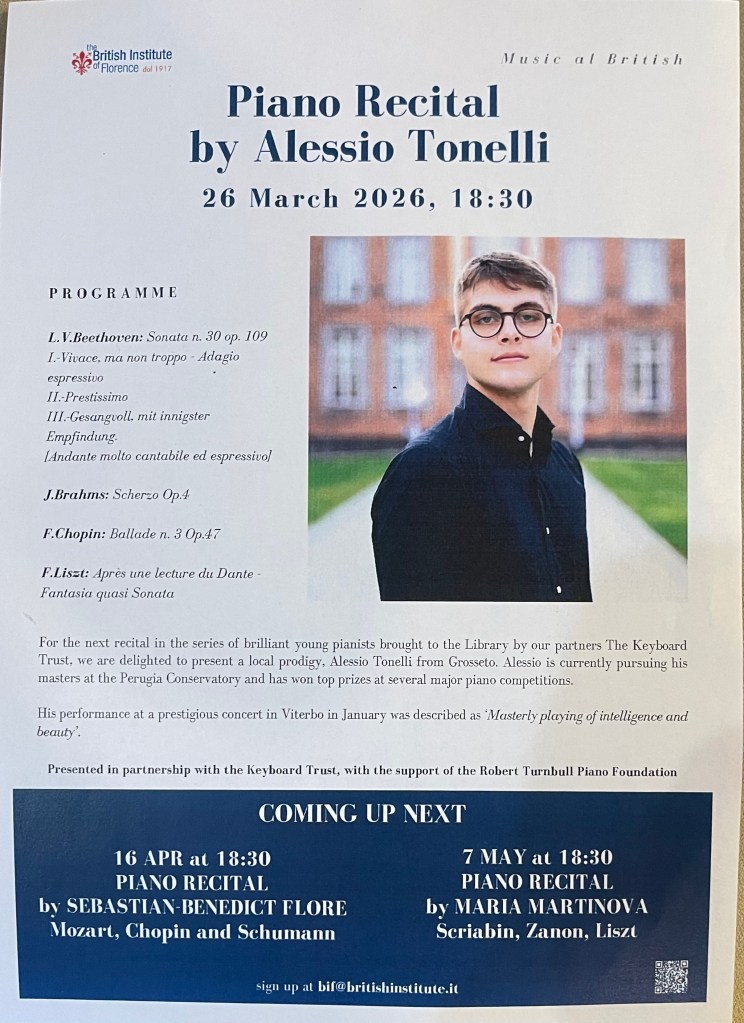
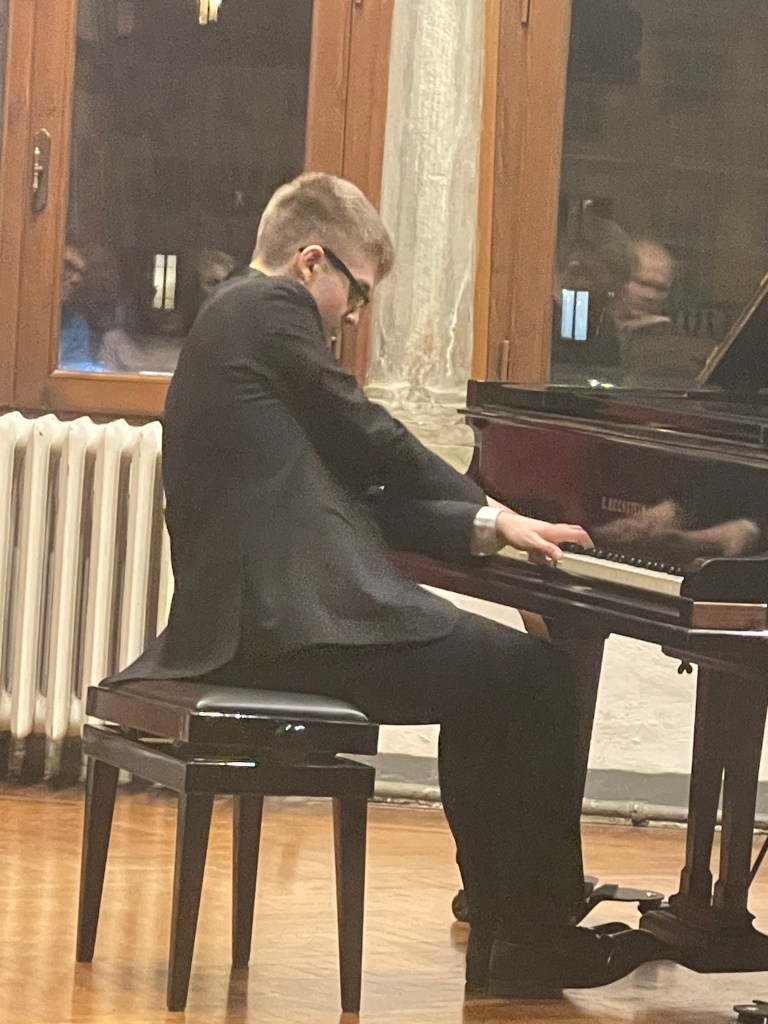
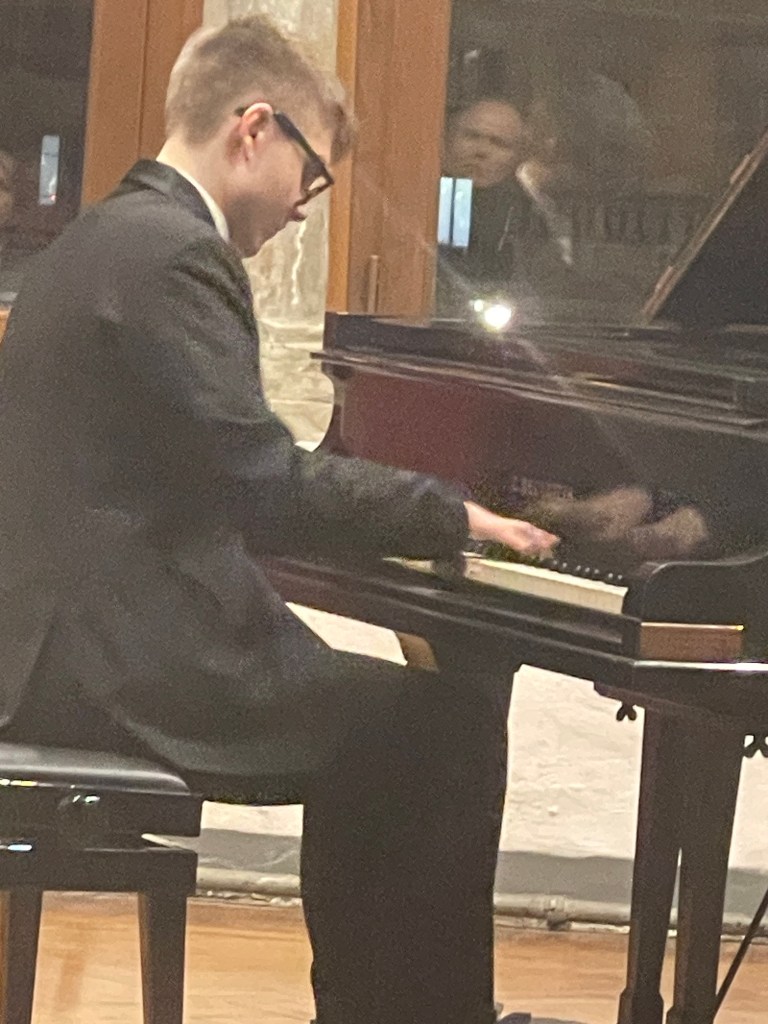
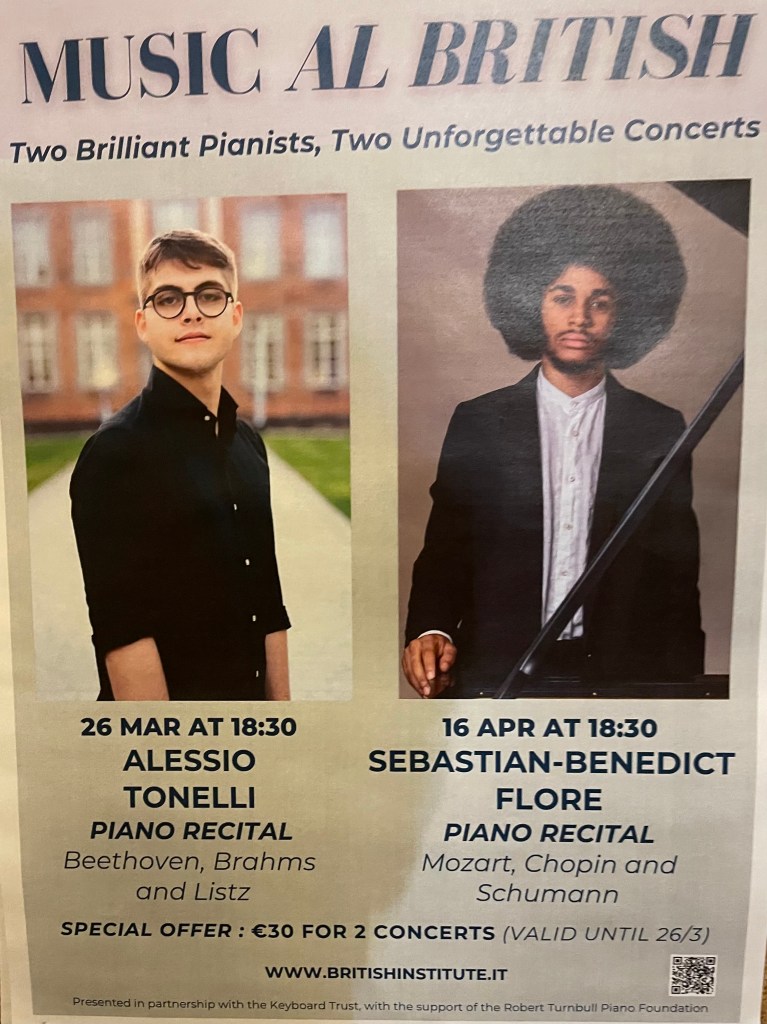
Alessio Tonelli the finalist chosen by Prof. Vitaly Pisarenko to play in the special concert in Viterbo on the 24th January 2026 for the Keyboard Charitable Trust in their long standing collaboration with Prof Ricci. . Edvard Grieg 15 June 1843. 4 September 1907 (aged 64) Bergen, Norway
Grieg’s incidental music for Henrik Ibsen’s drama “Peer Gynt” contains some of his best-known compositions, such as “Morning mood” and “In the hall of the Mountain King”. Grieg later extracted the most beautiful pieces to form two orchestral suites and arranged himself these versions for piano solo and piano four-hands. Peer Gynt Suite no. 2 includes Solvejg’s Song op. 55,4. The decisive role that Norwegian folk music played for Edvard Grieg can be felt in almost all of his works. For his Norwegian Dances op 35, Grieg took old folk tunes from a collection published by the musician and researcher Ludvig Mathias Lindeman and arranged them for piano four hands in 1880. Peer Gynt Suite no. 1 op. 46 Morning Mood op. 46,1 The Death of Ase op. 46,2 Anitra’s Dance op. 46,3 In the Hall of the Mountain King op. 46.
We are delighted to announce that we have now recorded the complete works for piano four hands by Erik Satie, performed by the Duo Degas — Gala Chistiakova and Diego Benocci. In the centenary of the French composer’s passing, our collection stands as the most complete integral of Satie’s piano music ever produced.
“This musician (i.e. Satie), whose influence on the evolution of contemporary French music has been considerable, has not always been understood; yet at the same time he did everything possible to provoke precisely this reaction.” — André Cœuroy, obituary for Satie (who left us 100 years ago) #ErikSatie#Satie100#PianoFourHands#DuoDegas#OnClassical#PianoMusic#ClassicalMusic#NewRecording#SatieCompleteEdition — with Diego Benocci and Gala Chistiakova.Earliest known photograph of Liszt by Hermann Biow in 1843 Franz Liszt 22 October 1811 Doborján Hungary 31 July 1886 (aged 74) Bayreuth , Germany
Franz Liszt was strongly influenced by the music heard in his youth, particularly Hungarian folk music, with its unique gypsy scale rhythmic spontaneity and direct, seductive expression. These elements would eventually play a significant role in Liszt’s compositions. Although this prolific composer’s works are highly varied in style, a relatively large part of his output is nationalistic in character, the Hungarian Rhapsodies being an ideal example. Composed in 1847 and dedicated to Count Laszlo Teleki,the Hungarian Rhapsody No. 2 was first published as a piano solo in 1851 by Senff and Ricordi. Its immediate success and popularity on the concert stage lead to an orchestrated version, arranged (together with five other rhapsodies) in 1857–1860 by the composer in collaboration with Franz Doppler and published by Schuberth in 1874–1875. In addition to the orchestral version, the composer arranged a piano duet version in 1874, published by Schuberth the following year.the version that was played today was of Richard Kleinmichel/Franz Bendel.
I remember Gordon Green and his wife both telling me of the extraordinary technical and intellectual capacity of Peter Donohoe to play some of the most strenuous works in the piano repertoire. I am talking about fifty years ago, before Peter went on to his success at the Tchaikovsky Competition in Moscow in 1982, which launched his international standing and was the start of a career that has spanned over forty years. His curiosity to delve deeply into the piano repertoire and find works that are not always readily accessible to lesser mortals has never left him, and it reminds me of John Ogdon who like Peter could fearlessly discover a world where others dare not tread.
Gordon Green had studied for a period with Egon Petri, a pupil of Busoni and it was here that his passion for the works of Busoni was born and which he transmitted to his many illustrious pupils.
Peter Donohoe had opened this marathon recital with a work that he openly declared was the Beethoven sonata nearest to his heart. Op 101 could be described as a Sonata ‘quasi fantasia’ with it’s beautiful opening that returns towards the end giving a pastoral shape to a Sonata that is really the calm before the storm of op 106, which was to follow after the interval. A beautiful opening of luminosity, and like everything Peter played, an architectural shape of masterly musical understanding. An outpouring of poignant meaning played with simplicity and knowing musicianship with a beautiful sense of legato and extraordinary mastery of balance. A tightly drawn ‘Vivace’ had a continual rhythmic pulsation but with a line of absolute clarity and a contrasting ‘Trio’ of pastoral fluidity before the return of the ‘Vivace’. He brought great weight to the ‘Adagio’ which was played with simplicity and disarming beauty. The ‘Allegro’ entered gently as the knotty twine became ever more entangled but always with absolute clarity, and it was here that his masterly use of the pedal became ever more evident. There was a beguiling duet between voices with their inquisitive question and answer and trills brilliantly incorporated into the musical line like tightly wound springs as the movement became ever more entwined and grandiose. There was a beautiful pastoral coda before being interrupted by Beethoven’s final triumphant outburst.
A performance that was classical in its overall approach but romantic in its actual musical language. Playing without the score because this was a work deeply ingrained in his heart and obviously an important part of his concert repertoire.
I think it is the first time I have heard the work in concert and it was indeed a formidable challenge that only a musician with a great intellect and endless curiosity could have undertaken. A fantasmagorical opening of grandeur and mystery. A continual outpouring of knotty twine of extreme intellectual importance and a ‘tour de force’ of resilience and above all musical intelligence. A truly grandiose ending, as Busoni is not one to leave the stage quietly! Busoni,of course, was well known for his long difficult programmes. In a period when pianists were titivating the senses, Busoni was delving deeply into the very meaning and future of music as his teacher Franz Liszt was to do in the last half of his life.
Mozart’s C minor Fantasy was where Peter combined simplicity, luminosity and drama with a beautiful sense of song where every note and every rest were played with disarming simplicity and great meaning. Sandwiched in-between the extreme intellectual complexity of Busoni and the dynamic drive of Beethoven it came as an oasis of simplicity where so few notes could mean so much.
One of the drawbacks of not being able to actually be in St Mary’s is that the wine so generously offered in the interval at the evening concerts, cannot be shared like the sounds on their superb streaming.
After the interval followed the longest and most difficult of all 32 Sonatas of Beethoven. Many pianists who are happy to perform cycles of the sonatas tremble at the thought of including the ‘Hammerklavier’. In four long movements with a slow movement that lasts over twenty minutes and a fugue that is so un-pianistic that it can only be undertaken by the most fearless of pianists who possess a virtuoso technical command of the keyboard.
It opens with a mighty fanfare and a treacherous leap, as this is a work where from the outset Beethoven shows us it is only for the fearless. Peter plays the first leap with one hand and the second with two which works very well as it shows fearlessness but not recklessness! A monumental performance of the ‘Allegro’, with of course the repeat of the exposition, and always with a driving undercurrent of energy that drove the music forward with clarity and luminosity.The opening of the development was bathed in pedal which contrasted so well with the clarity of the fugato that follows. Adding occasional deep bass notes, that Beethoven obviously intended, but did not have on the instruments of the day, it gave an aristocratic nobility to this most orchestral of opening movements. The ‘Scherzo’ was played with solidity rather than as a dance which contrasted well with the fluidity of the ‘Trio’.The ‘Adagio’ which is the very heart of this work was given a beautifully flowing tempo which did not exclude some exquisite moments, but always moving forward on a great wave of passionate intensity. All through this ‘Adagio’ there was a beauty of sound and a perfect sense of balance that allowed the melodic line to sing so naturally with a glowing luminosity of great poignancy. There was a rhythmic energy that gave strength to the architectural line where even the intricate embellishments were sustained by the inexorable inevitability of the bass. Peter made a very definite break between the ravishing end of this movement and before the improvised introduction to the mighty fugue that took flight with fearless virtuosity and dynamic drive. The difficulties just disappeared under Peter’s masterly hands as he drove the music forward to the final climax where he added even more notes to Beethoven’s mighty final chords. A monumental performance played with a musicianship where notes became just a means of expressing the impossible on an instrument that Beethoven had taken to its limit and beyond !
After such a marathon Peter wanted to play just one more fugue . It was the last fugue that Bach was to write and that he left unfinished at the end of his ‘Art of Fugue’ which had been the inspiration for Busoni’s Fantasia Contrappuntistica.
After nearly three hours of red hot music making the only way to calm the air was with the very first simple Prelude and Fugue in C major by Bach.
Memorable performances from a great pianist and unique thinking musician. Thanks to Dr Mather and his team it has been recorded and will act as a reference for the hundreds of pianists that will fill this redundant church with glorious music in the future.
Peter Donohoe was born in Manchester in 1953. He studied at Chetham’s School of Music for seven years, graduated in music at Leeds University, and went on to study at the Royal Northern College of Music with Derek Wyndham and then in Paris with Olivier Messiaen and Yvonne Loriod. He is acclaimed as one of the foremost pianists of our time, for his musicianship, stylistic versatility and commanding technique.
In recent seasons Donohoe has appeared with Dresden Philharmonic Orchestra, BBC Philharmonic and Concert Orchestra, Cape Town Philharmonic Orchestra, St Petersburg Philharmonia, RTE National Symphony Orchestra, Belarusian State Symphony Orchestra, and City of Birmingham Symphony Orchestra. He has undertaken a UK tour with the Russian State Philharmonic Orchestra, as well as giving concerts in many South American and European countries, China, Hong Kong, South Korea, Russia, and USA. Other past and future engagements include performances of all three MacMillian piano concertos with the BBC Scottish Symphony Orchestra; a ‘marathon’ recital of Scriabin’s complete piano sonatas at Milton Court; an all-Mozart series at Perth Concert Hall; concertos with the Moscow State Philharmonic Orchestra, St Petersburg Symphony Orchestra and the London Philharmonic Orchestra at Royal Festival Hall; and a residency at the Buxton International Festival.
Donohoe’s most recent discs include six volumes of Mozart Piano Sonatas with SOMM Records. Other recent recordings include Haydn Keyboard Works Volume 1 (Signum), Grieg Lyric Pieces Volume 1 (Chandos), Dora Pejacevic Piano Concerto (Chandos), Brahms and Schumann viola sonatas with Philip Dukes (Chandos), and Busoni: Elegies and Toccata (Chandos), which was nominatedfor BBC Music Magazine Award. Donohoe has performed with all the major London orchestras, as well as orchestras from across the world: the Royal Concertgebouw, Leipzig Gewandhaus, Munich Philharmonic, Swedish Radio, Orchestre Philharmonique de Radio France, Vienna Symphony and Czech Philharmonic Orchestras. He has also played with the Berliner Philharmoniker in Sir Simon Rattle’s opening concerts as Music Director. He made his twenty-second appearance at the BBC Proms in 2012 and has appeared at many other festivals including six consecutive visits to the Edinburgh Festival, La Roque d’Anthéron in France, and at the Ruhr and Schleswig Holstein Festivals in Germany.
The 23/24 season kicked off with Peter Donohoe performing as a soloist with the London Symphony Orchestra and Simon Rattle with four performances of Messiaen’s Turangalîla-Symphonie in London, Edinburgh, and Bucharest. In January 2024, Peter returned to Philadelphia for performance with the Ama Deus Ensemble and travelled to Dubai to adjudicate the 3rd Classic Piano Competition 2024.
Busoni was not only one of the greatest pianists of his age but also a composer and theorist of daunting intellect. His three idols were Bach, Mozart and Liszt.The Fantasia contrappuntistica has at its heart a realization of the incomplete final fugue from Bach’s Art of Fugue but seen in terms of twentieth-century harmony. The fugal sections are preceded by a chorale arrangement and interspersed with an intermezzo and variations; Busoni then creates an entirely new fugue on four subjects which Bach is thought to have planned, though he did not live to carry it out. In this work Busoni hoped to create ‘one of the most significant works of modern piano literature’. If its daunting complexity both for pianist and listener never make it a standard of the repertoire, it is certainly one of the most imposing of piano works
Brendel writes “the piece is a monumental fusion of thesis and antithesis, counterpoint and fantasy, Bach and Busoni, unexpected refinement of the piano sound and baroque independence from the means of sound—you will perhaps find a new sphere of instrumental art spread out before you.” In 1909, Busoni was working on a critical edition of Bach’s The Art of Fugue and he became fascinated with the last fugue, which Bach broke off at the entry of the fourth subject and abandoned the work at that point. Peter Donohoe suggested it might have been that he had brought the work to it’s ultimate state and he left it open for future composers to complete ,having pointed the way. Busoni consulted with the composer and theorist Bernhard Ziehn, who had published various theories for a modern approach to polyphony, in which “the symmetrical treatment of melodic lines gave rise to a wealth of new harmonies.”
Bach’s unfinished fugue
Berhnard Ziehn was a German-born theorist based in Chicago, and he advocated the use of transpositions and inversions to combine Bach’s original line in an absolutely symmetrical way. The original intervals are preserved at all time, “with no regard for the very un-Bach-like harmonies that resulted. This way of working, of choosing apt combinations of lines from an almost unlimited realm of possibilities, rather than searching for combinations consistent with pre-existing rules of harmony,” immediately appealed to Busoni. He certainly had a complete and exhaustive command of traditional technique, but also realized the “inadequacy of such a technique for a contemporary composer.” As a biographer writes, “Busoni was perfectly conscious of his powers: he paid homage to the past by embracing it in the gigantic sweep of his intellect and he saluted the future through his consciousness of his own moral and intellectual superiority, a consciousness that was compatible with true dignity and humility.” In his Fantasia contrappuntistica, Busoni achieves a perfect synthesis of models from the past presented in a completely modern form.
In March 1910, Busoni completed his “Grosse Fuge,” which he described as “the most corseted of his compositions.” He writes to his wife, “Every note is spot on! Today is the first of March. I had planned to finish this monster fugue in February and I succeeded, but I won’t do it again!” Bach’s original fugue is built on three themes, but at the start of the third theme the manuscript is interrupted, and within its development, a fourth theme is introduced. Busoni identifies this fourth theme as the basic motif of the whole cycle. However, Busoni is not yet satisfied, and he created a fifth theme, which acts as a conclusion. Busoni assures his wife that he had been “working in the spirit of Bach,” but in the end he does not limit himself to these five fugues, “but further develops the piece through the addition of several other movements, so as to achieve, as he affirms, “the form of a grand fantasia.”Busoni prefaces his “Grosse Fuge” with his own variations on the Bach chorale “Allein Gott in der Höh sei er,” composed three years earlier. Breitkopf & Härtel explain the overall form of the work at the beginning of the published score: An “Introduzione” based on Bach’s chorale (Maestoso deciso, Allegro, Andantino) leads to the first three fugues on themes by Bach; an “Intermezzo,” which then leads to the “Variazioni” on the same fugues; then a cadenza leading into the fourth fugue. Before the final “Stretta” the Chorale reappears, with ‘dolcissimo’ chords in the high register of the keyboard.”
Published as the so-called “Edizione definitva” of the Fantasia contrappuntistica, the work nevertheless underwent a substantial number of revisions and versions. This includes an “Edizione minore” in 1912, basically a study edition with expanded but simplified fugal writing and different variations on the same chorale. Busoni had also planned to produce an orchestral version, but that project never materialized. Instead, on 6 August 1921, audiences were treated to a two-piano version, which integrates both sets of chorale variations and “clarifies but also abbreviates Bach’s underlying fugal arguments.” Regardless of version, Busoni created a work rooted in Bach and expanded with Lisztian textures, “that places him in a historical continuum, with a clear focus on the future.” According to critics, “it remains one of the most impressive works in the entire piano literature, a monumental undertaking that stretches the possibilities of composer, instrument, and performer to the limit.” Busoni’s seven-volume Bach Edition includes not only performing editions and analyses of most of Bach’s keyboard works but also several contrapuntal studies, most of his own transcriptions and two versions of the immense Fantasia contrappuntistica. This life-long study and absorption was what led him in the first instance to the belief that a revival of the art of counterpoint might prove a guiding light to the future.
Bach’s The Art of Fugue, an uncompleted sequence of studies in fugal writing called Contrapuncti (‘his last and greatest work’, according to Busoni), is a compendium of contrapuntal skills at that summit of perfection to which the great master had taken them at the end of his life. Its final fugue, Contrapunctus XIV, was in Busoni’s words ‘planned on four fugue subjects, of which two are complete and the third commenced’. In the manuscript, a note thought to be in the hand of his son, Carl Philipp Emanuel, states that ‘At this point where the theme B–A–C–H becomes the countersubject, the composer died’, although some scholars believe that the work was abandoned at an earlier date. (In this recording this melancholy moment arrives at 2’05 in Fugue III.) In any event, a quadruple fugue is a fearsome event. In the first place the four themes must at some point combine, and the additional possibilities of interlocking countersubjects and their inversions become, as Busoni suggested, ‘as numerous as chess moves’. Conjecture as to the identity of the missing fourth subject was pursued by musicologists with the same fervour as mathematicians unravelling an unproven theorem. From his encounters with two German-born scholars then living in Chicago, Busoni was satisfied that the theme must be the opening subject of Contrapunctus I, which met all the requirements of compatibility and thus would ‘close the circle of the whole work’. He then set about completing Fugue III and composing Fugue IV, initially with a fairly vague idea of creating ‘something between a composition by C[ésar] Franck and the Hammerklavier Sonata’.
No sooner had his first version been published under the title Grosse Fuge, Busoni withdrew it and started work on the version heard in this recording, which he named Fantasia contrappuntistica, edizione definitiva. Later two further versions appeared: a simplified and abbreviated Versio minore and a version for two pianos.
Where Bach had been constrained by the laws of harmony as they then existed (though stretching them to the limit), Busoni decided that he should honour Bach’s genius while pursuing each line according to its own integrity and logic thus creating new and viable harmonies for his own time. ‘But new harmony could only arise naturally from the foundation of an extremely cultivated polyphony and establish a right for its appearance; this requires strict tuition and a considerable mastery of melody.’ And it is sometimes startling to discover that the most jarring moments have their origin not far away in Bach. A case in point is the tumultuous pile-up in the final Stretta which emanates from Contrapunctus VIII.Busoni devoted as much thought to the overall form as to the contrapuntal detail. He went so far as to add drawings to represent the architecture of his conception—a ship with five taut sails (‘moving over difficult waters’) superimposed on a cross (‘the form of a cathedral’) and a building whose doors represent the different ‘chapters’ of his narrative.
His most radical change from the Grosse Fuge (and an inspired one) was to begin the work with an evocative Prelude based on the ancient chorale ‘Allein Gott in der Höh sei Ehr’, not such a huge task since much of it existed already as one of his Elegies. In Fugues I, II and III, Busoni follows the plan of Contrapunctus XIV more or less exactly but adds his own voice in several ways, notably in the vastly extended compass and the chromatic modification of some voices to accord with his logical ‘modern’ vision of harmony, together with the insertion of references to a fifth theme of his own device which is first heard at the beginning of the piece. Another feature is the anchoring of Fugue I on a deep pedal D, causing it to emerge as if from a great depth, something we can observe in the distortions of old music ‘through a glass darkly’ of composers like Berio and Schnittke at the other end of the twentieth century. There follow an eerie Intermezzo (misticamente, visionario), three Variations of increasing complexity and a Cadenza before Fugue IV, which (of necessity) is entirely Busoni’s own composition. An ethereal reminiscence of the opening chorale presages the hectic Stretta before three imposing statements of the subject of Fugue I (two partial, one decisive) bring the huge edifice to a fittingly grand conclusion.
Gordon Green, OBE (1905–1981) His numerous pupils include several concert artists and conservatoire professors, such as Philip Fowke (b. 1950),Martin Tirimo (b. 1942), Sir Stephen Hough (b. 1961),Martin Roscoe (b. 1952), Stephen Coombs (b. 1960), John Blakely (b. 1947), Peter Bithell (b.1950),Tessa Uys (b. 1948), Martin Jones (b. 1940), Richard McMahon,Ann Shasby,Christian Blackshaw] MBE (b. 1949), Harold James Taylor(1925–2014), John McCabe (1939–2015),Malcom Lipkin (1932–2017), Tessa Uys (b. 1948),Christopher Axworthy ,Heather Slade-Lipkin (1947-2017) . Other notable musicians who trained with him during the course of their studies include Gordon Fergus -Thompson(b. 1952), Peter Donohoe , CBE (b. 1953), conductor Sir Simon Rattle (b. 1955) among many others. He also coached John Ogdon (1937–1989) for his participation in the 1962 Tchaikovsky International Piano Competition, in which Ogdon won first prize (ex-aequo with Vladimir Ashkenazy).
Sir Stephen Hough writes “I was really pleased to be sent this photo of my most important teacher, Gordon Green. He taught at both RNCM- Royal Northern College of Music and Royal Academy of Music. To one foreign student he said, as she graduated: “Now I want you to go home and forget everything I said”. We will always remember. “A teacher’s role is to become dispensable.” His indispensable advice inspires me to this day. “How you play now doesn’t interest me. Rather how you will play in ten years time,” wise words for a 15 year-old”