‘ Carsen filled the space with visionary poetic beauty as the four main components delved deeply into their souls ……………….time stood still such was the intense atmosphere created with earth and air rather than bricks and mortar, by a director and company who could transmit such emotions with poignant immediacy………..’
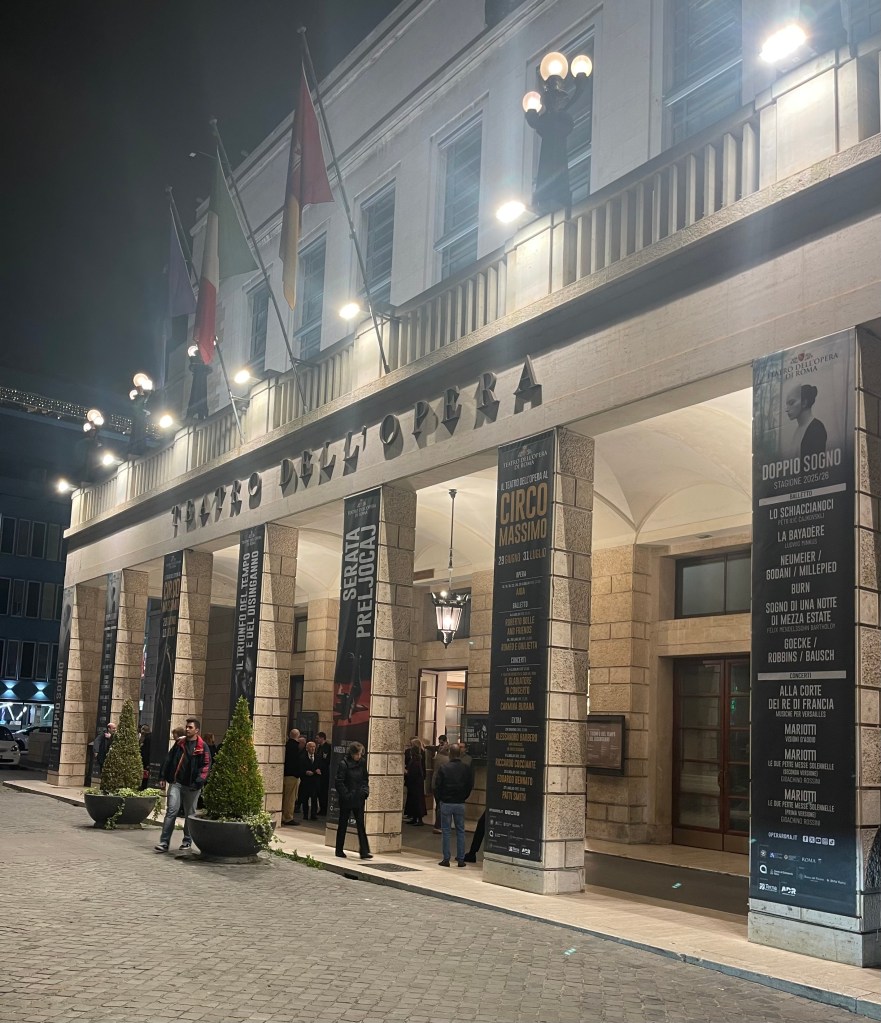
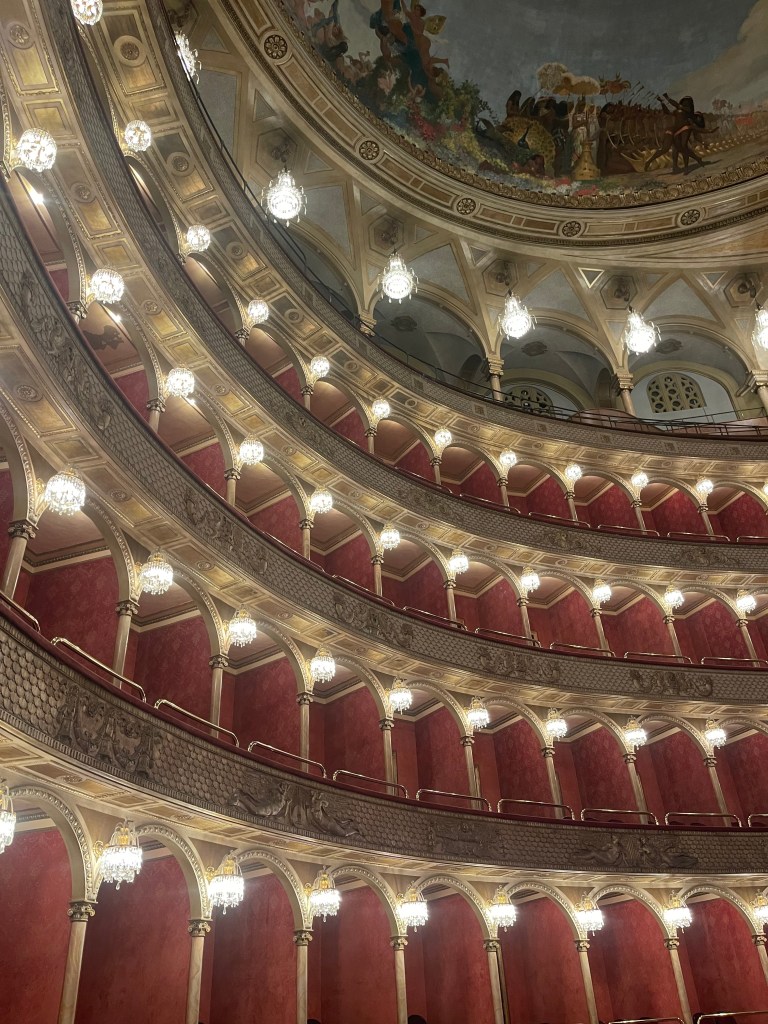
A timeless production at Rome Opera of Handel’s Oratorio ‘The Triumph of Time and Disillusion’ directed by Robert Carsen. “Leave the spine and collect the rose” “Lascia la spina, cogli la rosa” from George Frideric Handel’s 1707 oratorio ‘Il trionfo del Tempo e del Disinganno’ (The Triumph of Time and Truth is a variation of “gather ye rosebuds,” advising the listener to leave behind the thorn (the pain, the struggle, or the fleeting, worldly pleasures that cause pain) and take the rose (the beauty, virtue, and true joy).
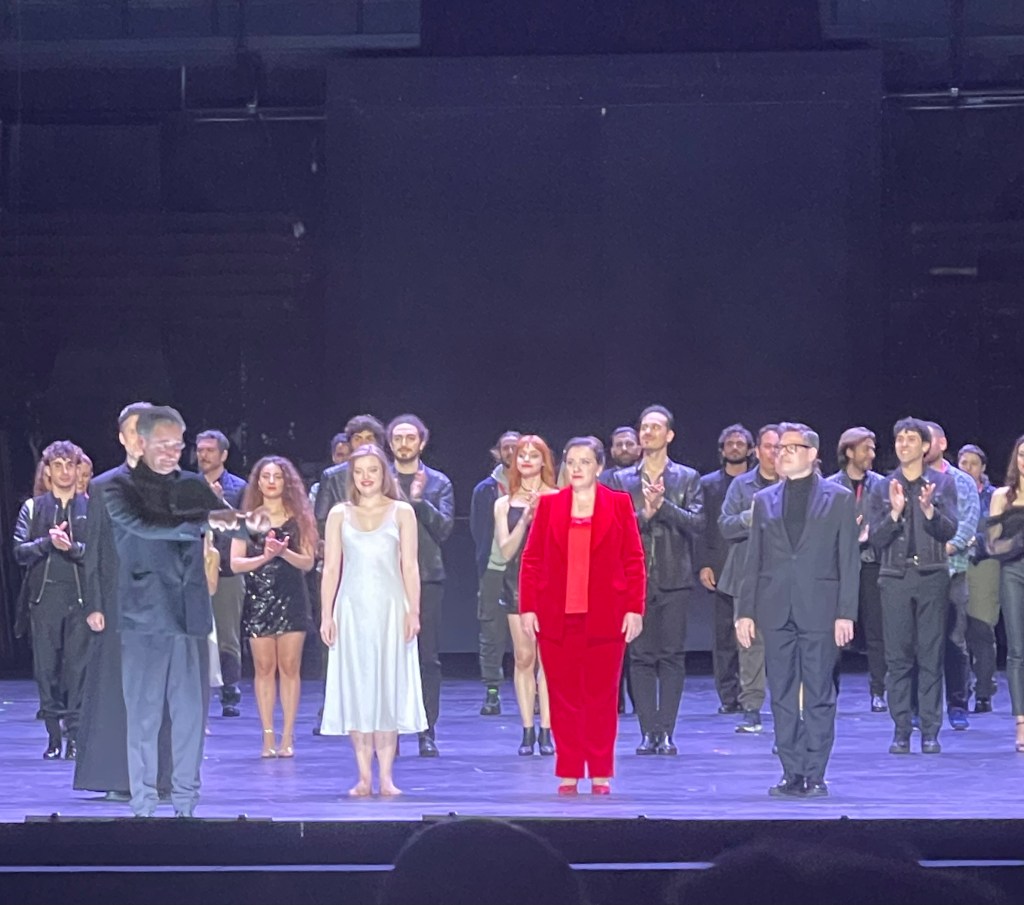
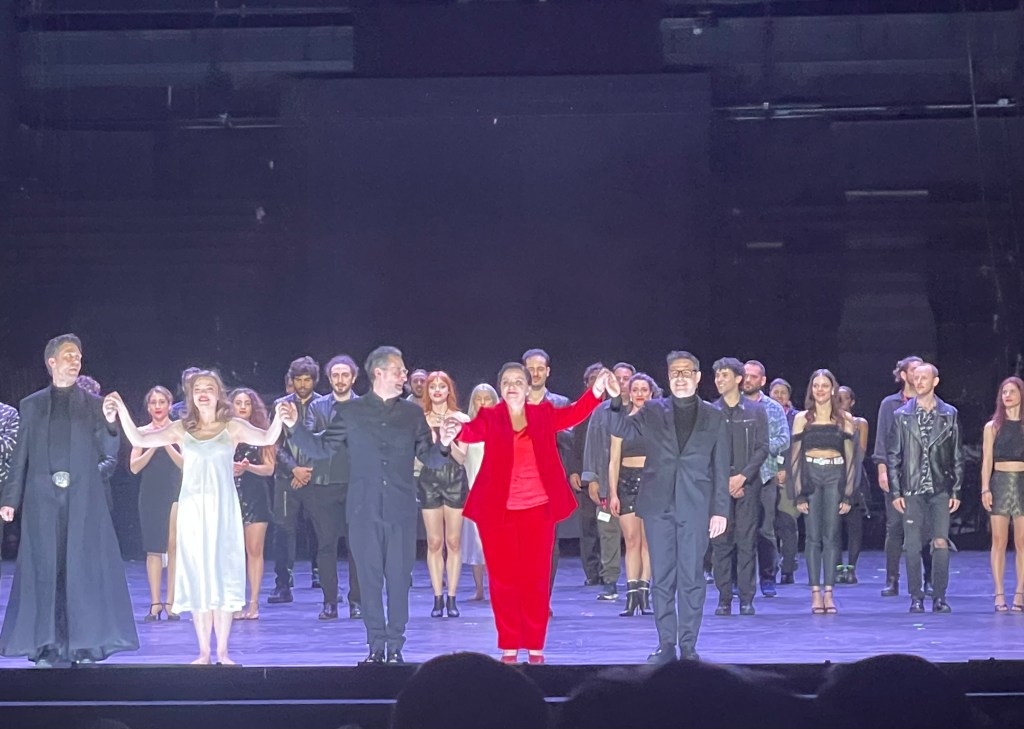
The aria is sung by the character Pleasure (Piacere) Anna Bonitatibus to cajole a young woman named Beauty (Bellezza) Johanna Wallroth . Pleasure argues that one should enjoy the beauty of life without dwelling on the pain or the constraints of time, urging her to seize the moment of pleasure.The overarching theme is the transience of life, with Time, Ed Lyon, and Truth, Raffaele Pe, trying to persuade Beauty to abandon false, fleeting pleasures and follow the path of virtue. Written by Cardinal Benedetto Pamphilj for the twenty two year old Handel on his arrival in Rome in 1707 it has been given a refreshingly new lease of life by Robert Carsen in a production that has been able to maintain faith to Cardinal Pamphilj’s parable brought to life by the beauty of Handel’s score with the Rome Opera Orchestra conducted by Gianluca Capuano.
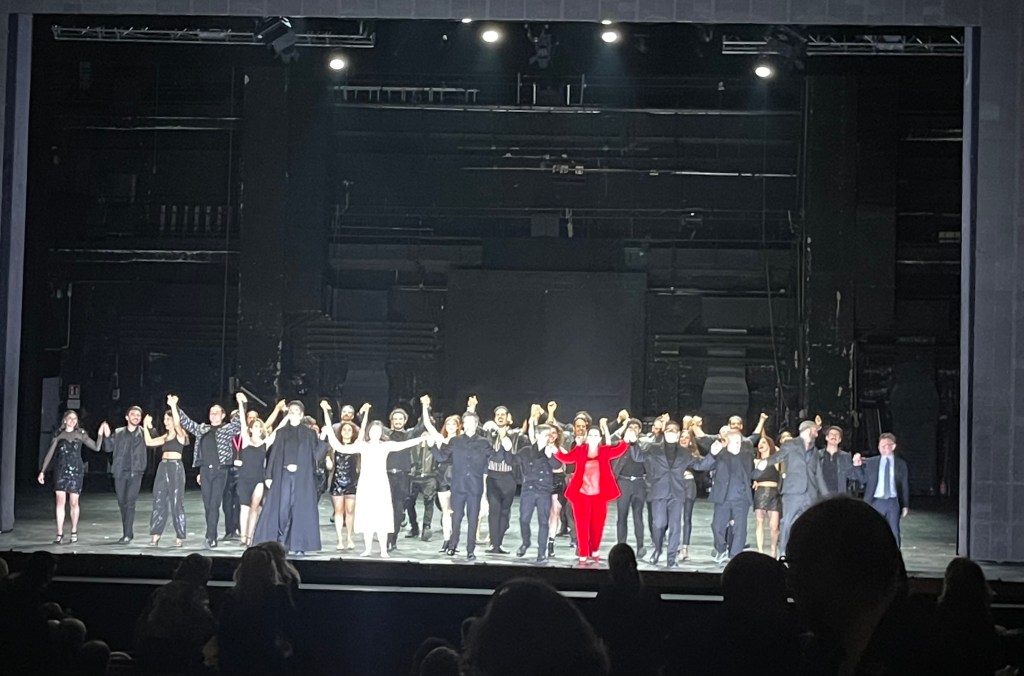
Lighting, mirrors and many young dancers filled the space with visionary poetic beauty as the four main components delved deeply into their souls. A production where time stood still, such was the intense atmosphere created with earth and air rather than bricks and mortar, by a director and company who could transmit such emotions with poignant immediacy .
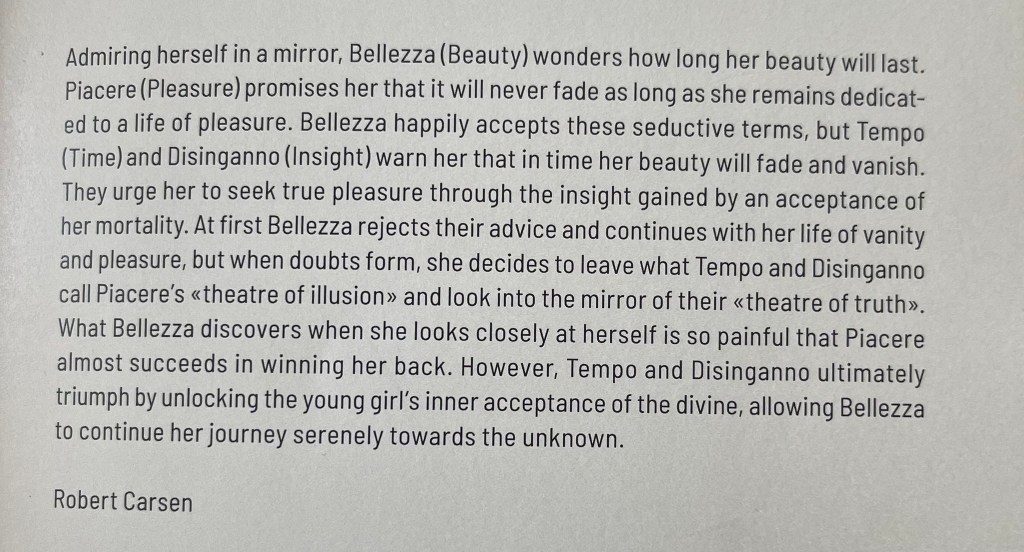
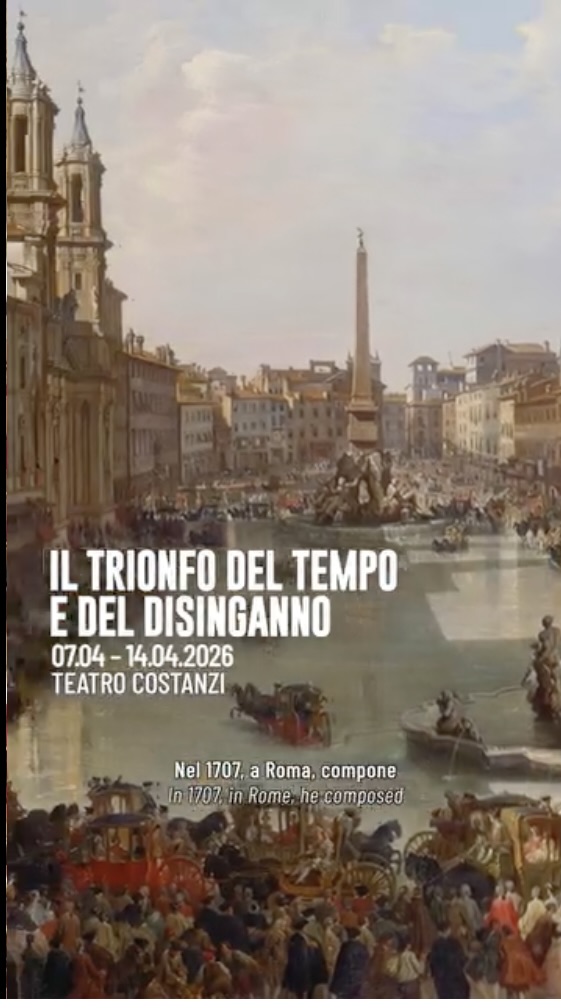
The Triumph of Time and Truth is the final name of an oratorio by George Frideric Handel produced in three different versions across fifty years of the composer’s career:In 1706, the young Georg Friedrich Handel (1685-1759) went to study with Italian musicians. Among the many personalities he met in the most prestigious salons of Rome, he became friends with Cardinal Benedetto Pamphili (1653-1730), poet and philosopher. The latter presented him with a secular oratorio libretto: Il Trionfo del Tempo e del Disinganno (The Triumph of Time and Disillusionment). The poet’s inspiring language and the opportunity to create a lyrical work that could circumvent the papal ban on performing an opera in Rome were two inevitable reasons for Handel to compose his first oratorio. Premiered in June 1708 at the palace of the cardinal and great patron Pietro Ottoboni, the work confronts four allegories: Beauty, influenced by her friend Pleasure, is finally convinced that she cannot escape her cruel destiny, which is to grow old and then die, by the all-powerful Time and the wise Disillusionment. Often revised, up to an English version in 1757, Handel did not hesitate to re use certain airs for other of his works. This is why some consider Il Trionfo to be his first and last oratorio.
https://youtu.be/xd6QQ8LUKXk?si=mlEG5_qiX3ph-VF8
Il trionfo del Tempo e del Disinganno (The Triumph of Time and Disillusion), HWV 46a
Handel’s very first oratorio, composed in spring 1707, to an Italian-language libretto by Cardinal Benedetto Pamphili . Time and Disillusion are personified (thus spelled with an initial capital even in Italian). Comprising two sections, the oratorio was premiered that summer in Rome. One of its famous arias is Lascia la spina, cogli la rosa (Leave the Thorn, Take the Rose), later recast as “Lascia chi’s ping”(Leave Me to Weep) in the opera Rinaldo and for Pena Tiranna in Amadigi di Gaula.
Il trionfo del Tempo e della Verità (The Triumph of Time and Truth), HWV 46b
Revised and expanded into three sections in March 1737, the work also had its name adjusted. Handel was by that time living in England and producing seasons of English-language oratorio and Italian opera. This version premiered on March 23, received three more performances the next month, and was revived on one date in 1739.
The Triumph of Time and Truth, HWV 71
In March 1757, possibly without much involvement from the blind and aging Handel, the oratorio was further expanded and revised. The libretto was reworked into English, probably by the composer’s prolific last librettist, Thomas Morell , while John Christopher Smith Jr.probably assembled the score. Although Jephtha(1751) is considered the composer’s true last oratorio, this third version of Il trionfo comes later.Isabella Young sang the role of Counsel (Truth) at the premiere.
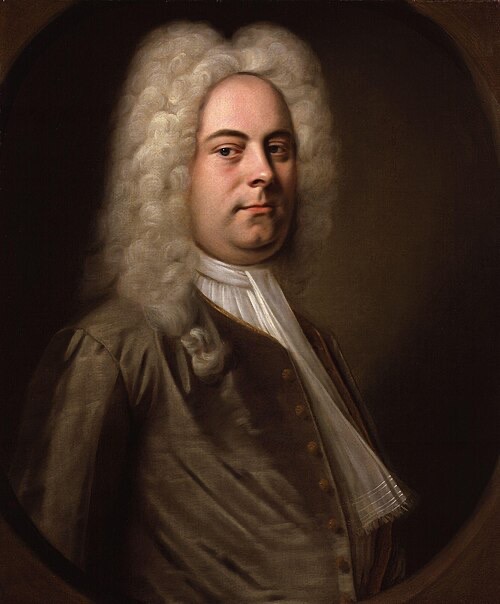
5 March 1685. Halle, Brandenburg–Prussia. 14 April 1759 (aged 74) Westminster London
 ChristopherAxworthy-MusicCommentary