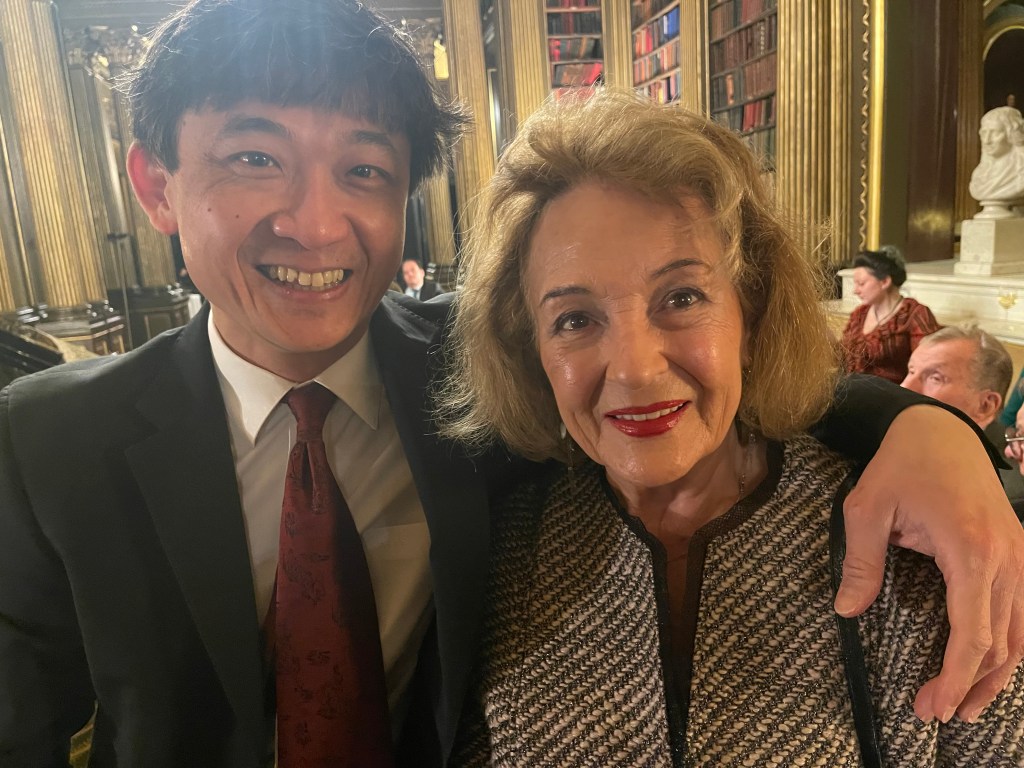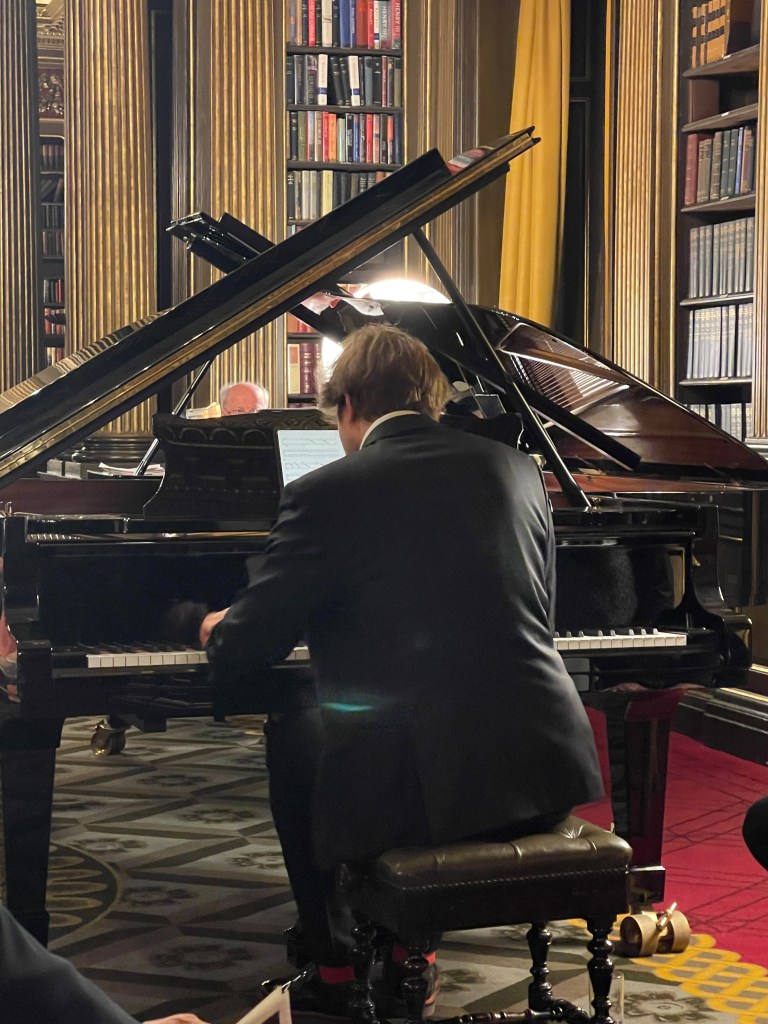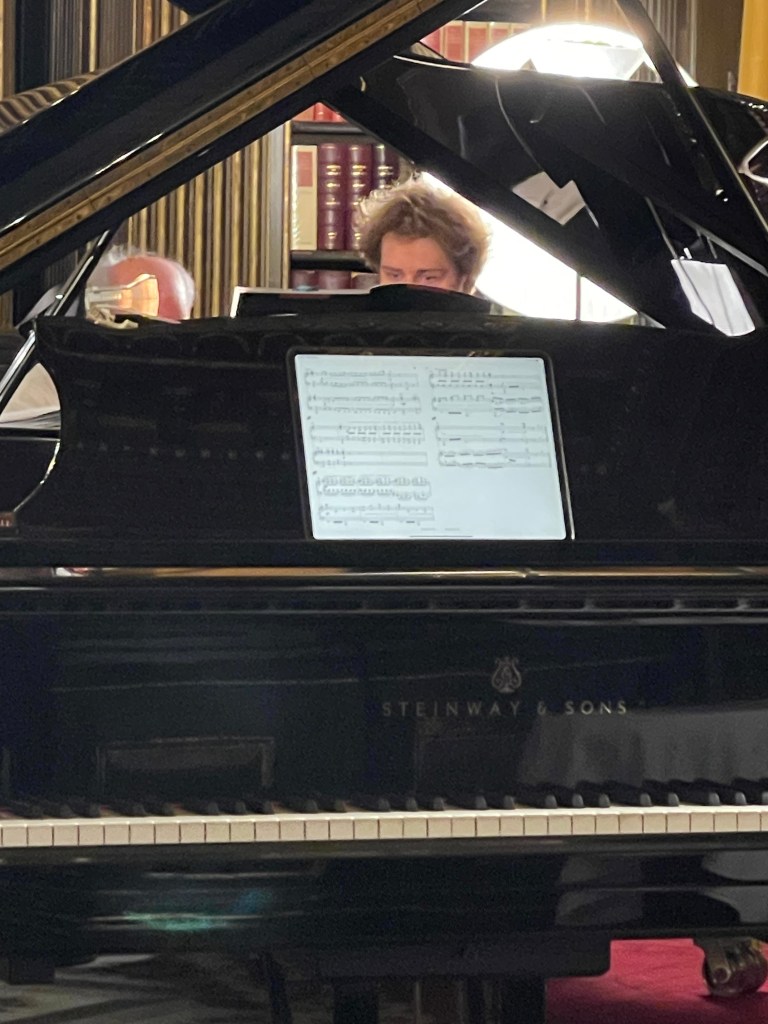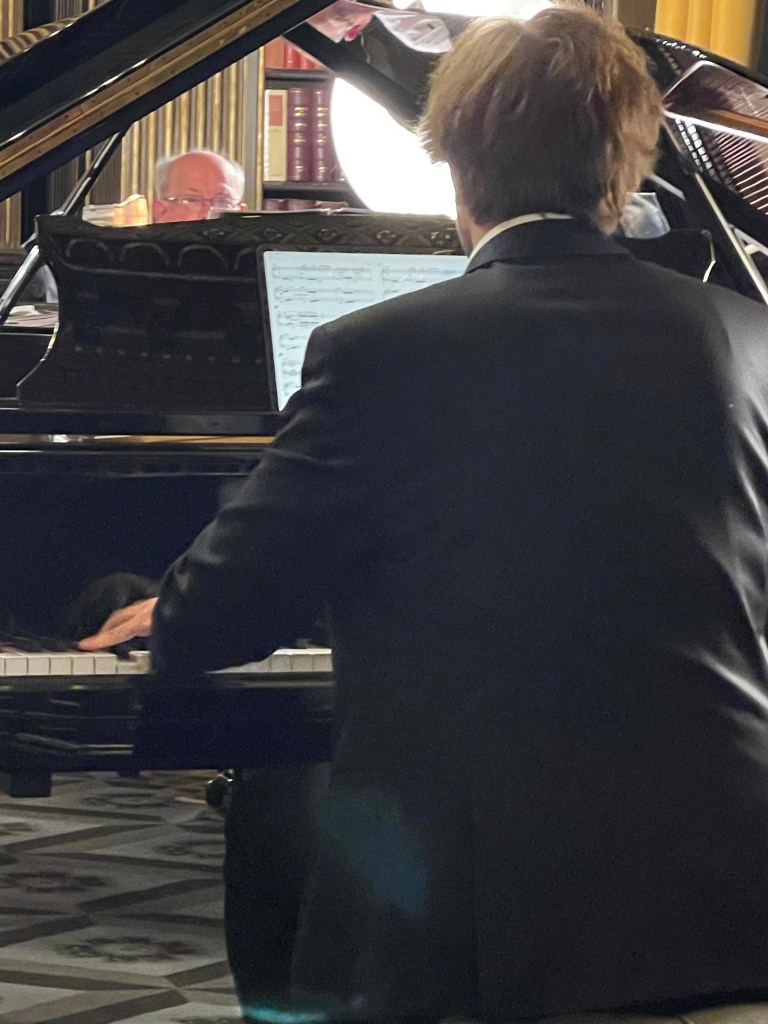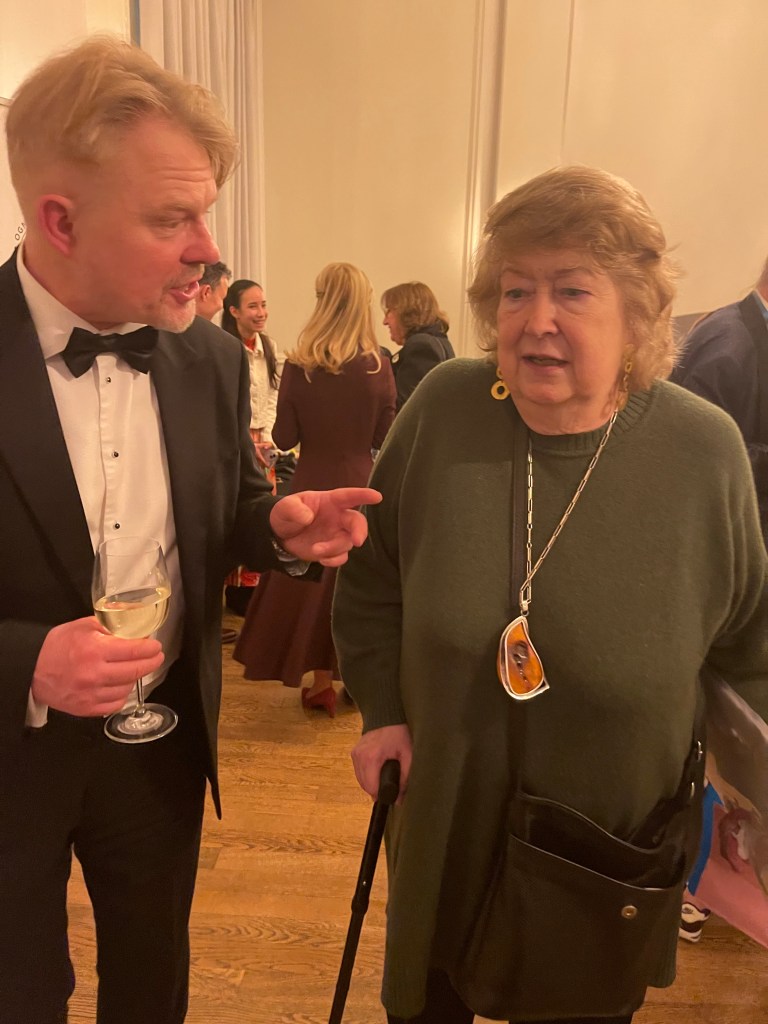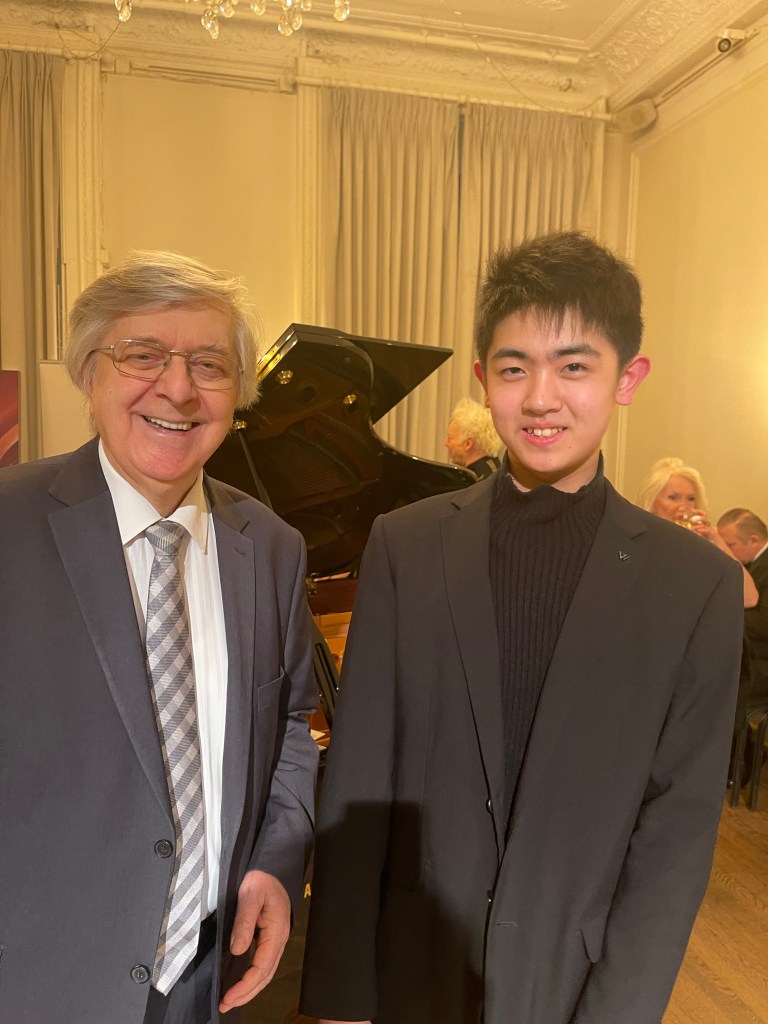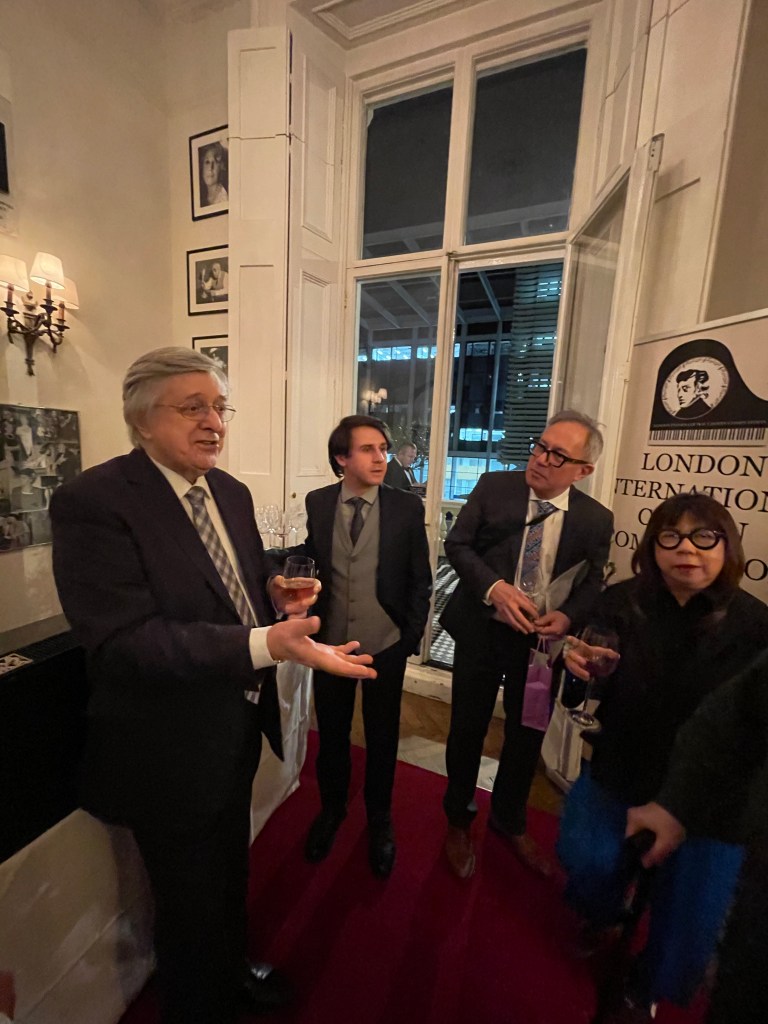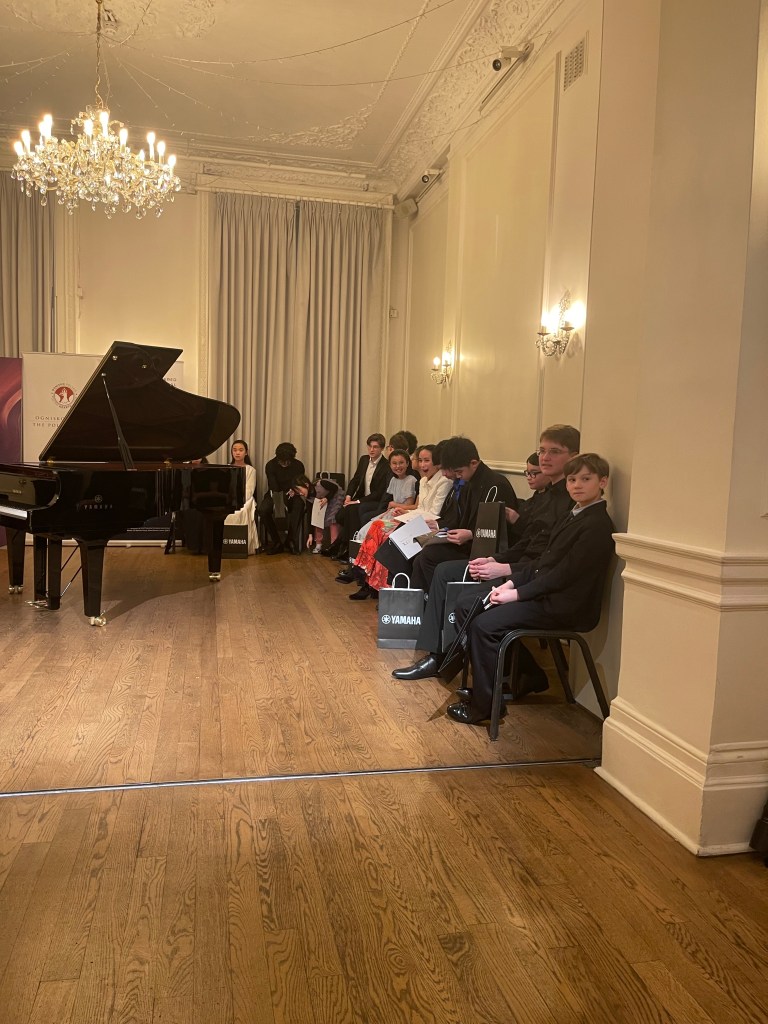
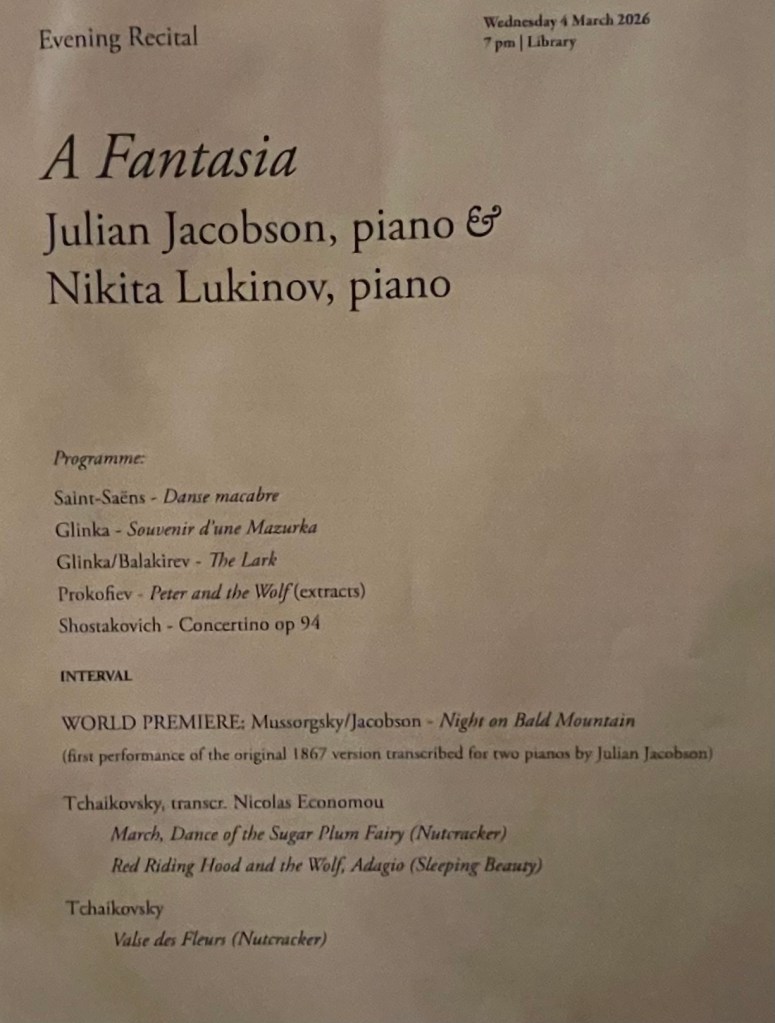
Julian Jacobson and Nikita Lukinov spend A Night on a Bald Mountain amongst ‘Reformed’ Wolves and Flowers

Julian is used to much headier, more intellectual programmes such as the 32 Beethoven Sonatas in one sitting, or providing ten or so different programmes as he is stranded on luxurious cruise ships headed to the Bahamas or Bermuda! https://christopheraxworthymusiccommentary.com/2022/08/26/julian-jacobson-and-cristian-sandrin-a-life-on-the-ocean-waves-liberally-speaking/

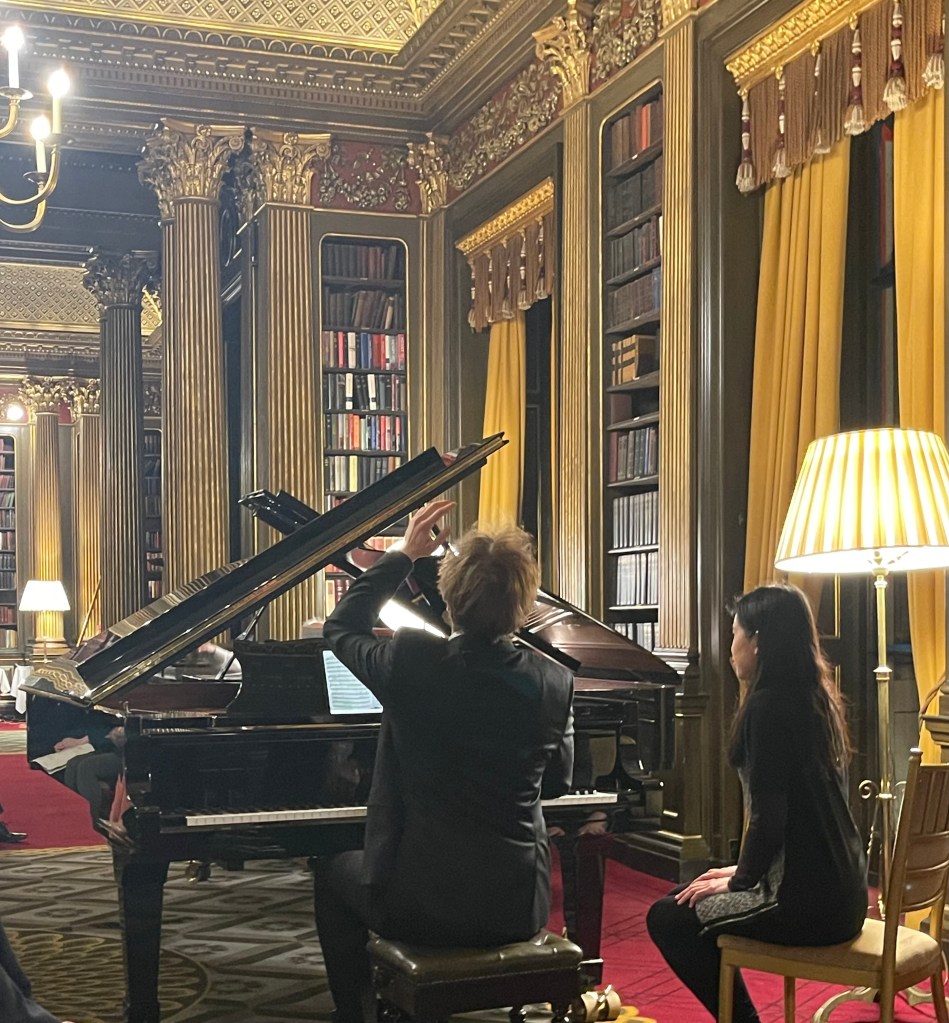
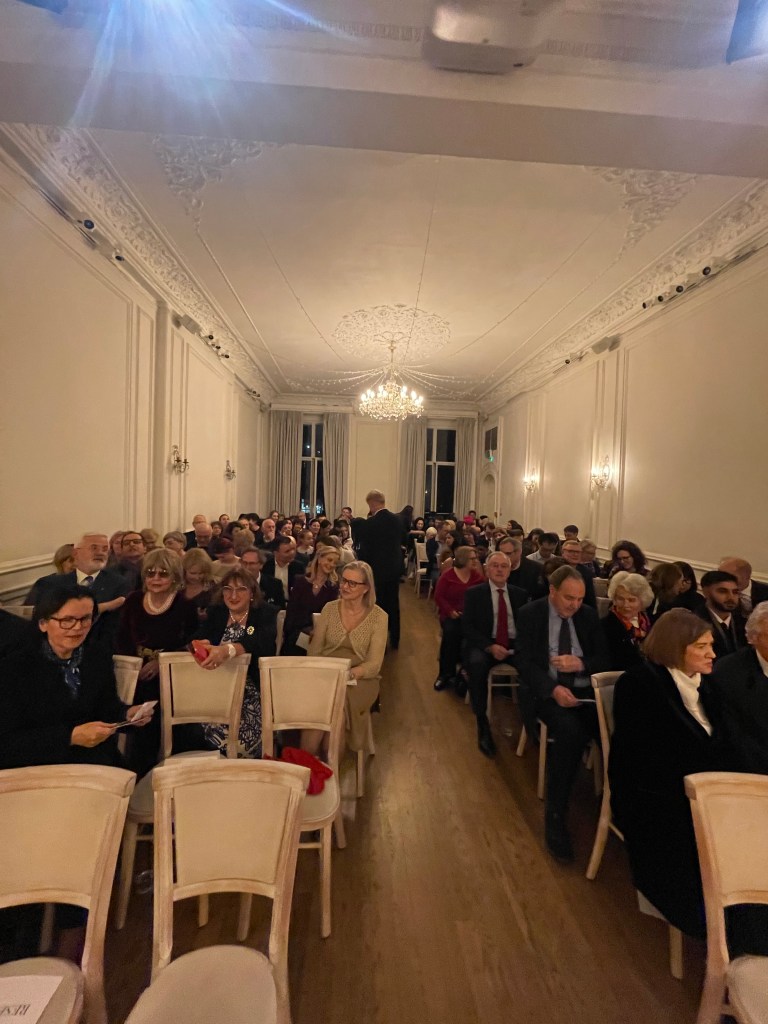
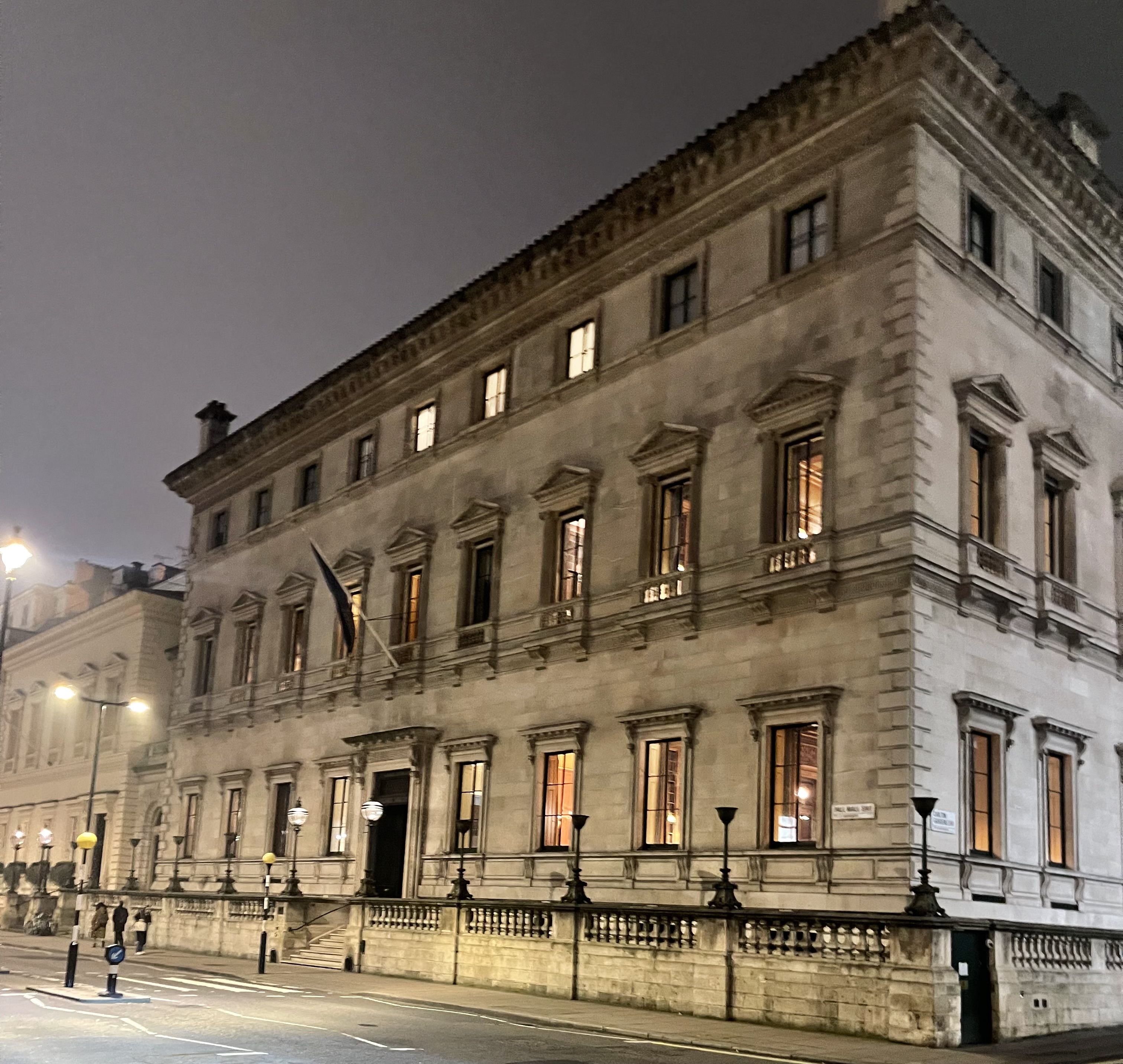
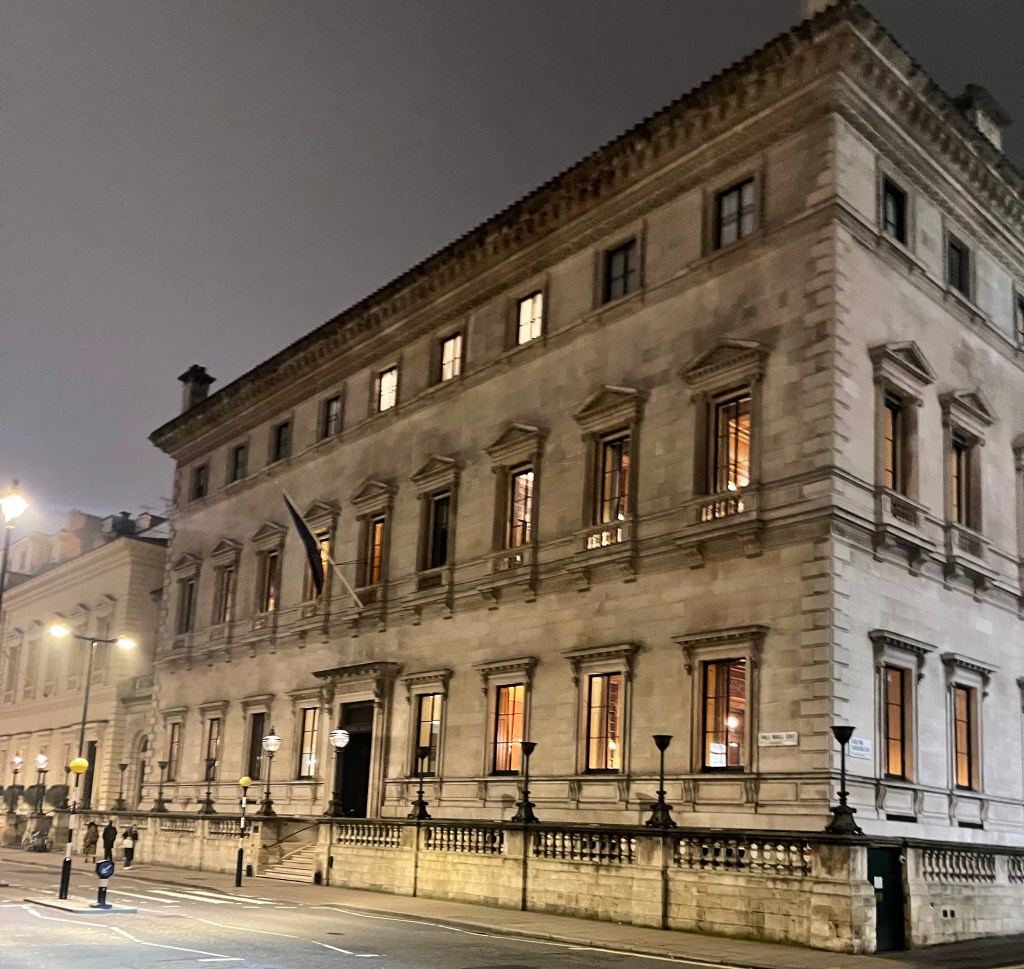
Today he could let his hair down with scintillating performance for two pianos of Saint- Saëns, Shostakovich, Mussorgsky and ending with Tchaikowsky’s ‘Nutcracker’. Enticed into playing less serious fare by Michael Corby ,at the helm of two magnificent Steinway ‘D’ pianos that stand proudly in the ‘Golden’ library at the Reform Club.
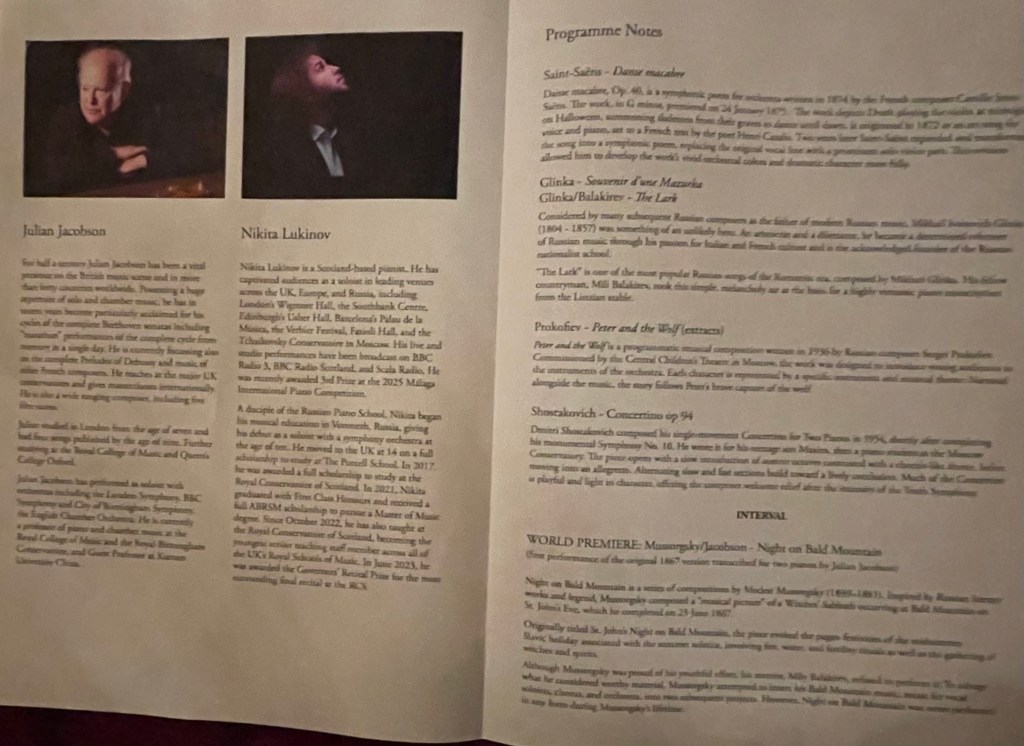
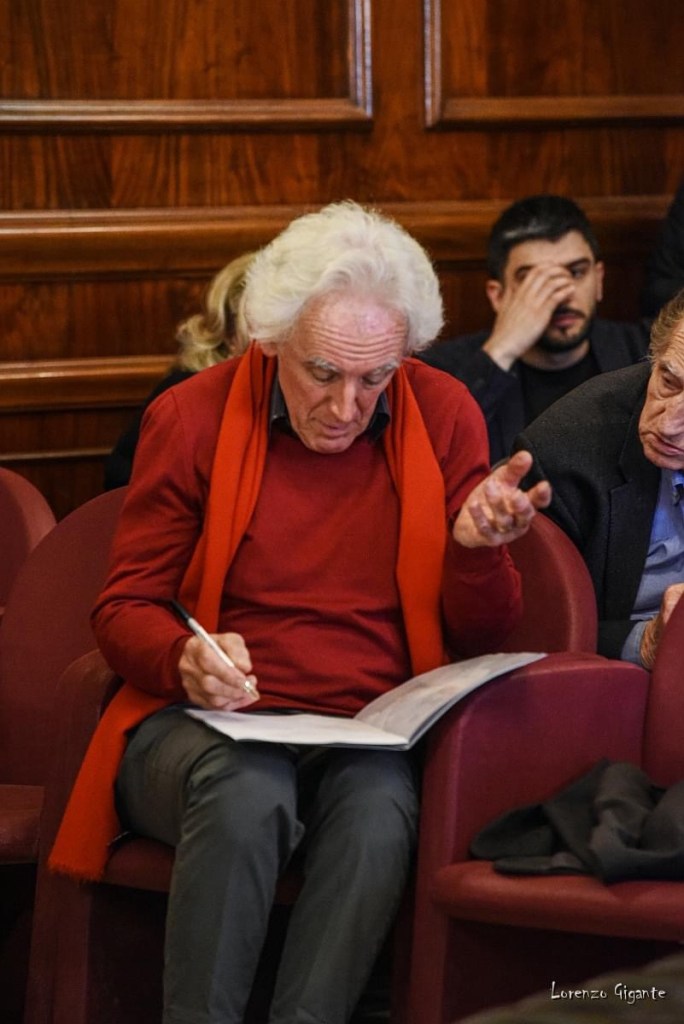
A fascinating concert devised by the eclectic Professor Jacobson, who also happens to be a virtuoso pianist as is Nikita Lukinov. A star shining brightly in an overcrowded sky, Nikita has long included in his solo programmes his own arrangement of Mussorgsky’s elusive early ‘Bald Mountain’, It is a youthful work that from an early age had haunted Mussorgsky and which he never actually heard performed, in any form, in his lifetime. It has also haunted Julian who wrote his arrangement for two pianos to play with Andrew Ball, the much missed head of piano at the Royal College of Music. https://christopheraxworthymusiccommentary.com/2023/02/14/a-celebration-of-the-life-of-andrew-ball-the-thinker-pianist-at-the-r-c-m-london/

Various revisions have now resulted in this latest one, even more faithful to the original intentions of the composer. May the composer now rest in peace with this faithful transcription of what had lain in his heart and mind for a lifetime. Two superb Steinways proudly showing their teeth and played by two pianists listening to each other as they follow the long architectural lines with utmost care and attention. A sense of balance that only two musicians could find, as one accompanied the other with mutual anticipation, united too in glorious outbursts of excitement and exhilaration.
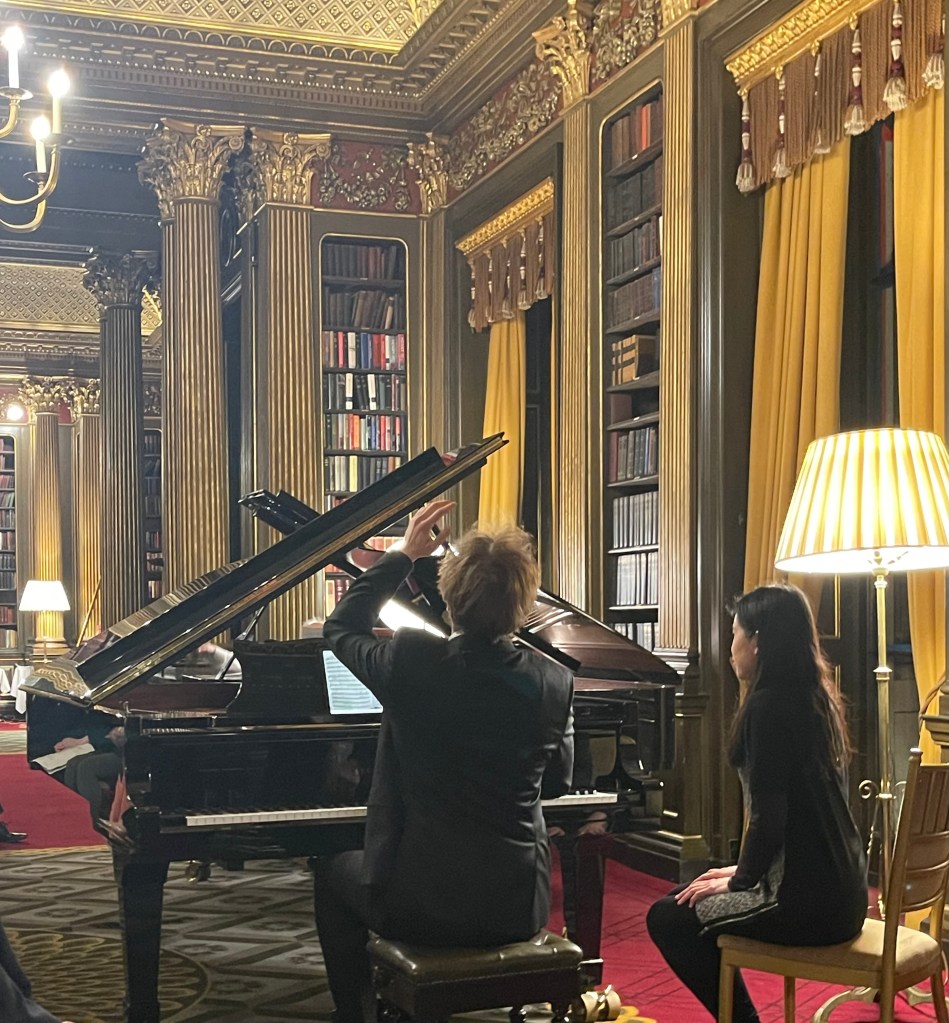
The concert had begun with the ‘Dance Macabre’ , a harrowing tale of demonic sounds from Saint -Saëns, a great pianist who knew all the tricks of the trade, and which he used to diabolical effect in this work. Nikita working harder than Julian with scintillating playing of passionate intensity. Julian at the helm with the pulsating heart beat never wavering but encouraging his younger colleague to even greater heights of demonic exhilaration.
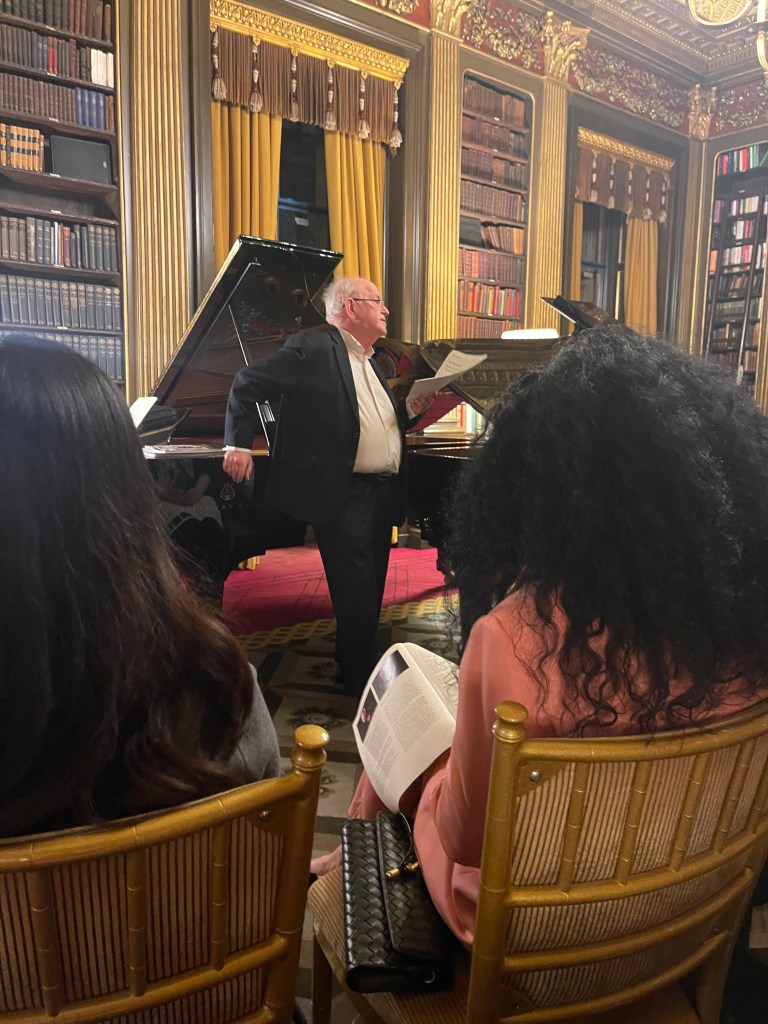
Two solo pieces played by Julian. Two ‘salon’ pieces of charm and fantasy. Glinka’s ‘Souvenir d’une Mazurka’ a rarity that I have never heard in the concert hall before, but that Julian had found in the archives and brought to life with beguiling insinuation and subtle charm. Balakirev made a ravishing transcription of Glinka’s well known song ‘The Lark’ that was played by many great pianists of the ‘Golden Age’ and is still to be found as an encore of many Russian virtuosi such as Kissin and Pletnev. It is a beautiful piece of great effect and Julian played it with a whispered cantabile and delicate accompaniment that was transformed as this Lark flew into action with a scintillating flight of notes before an even more embellished return of enchantment .
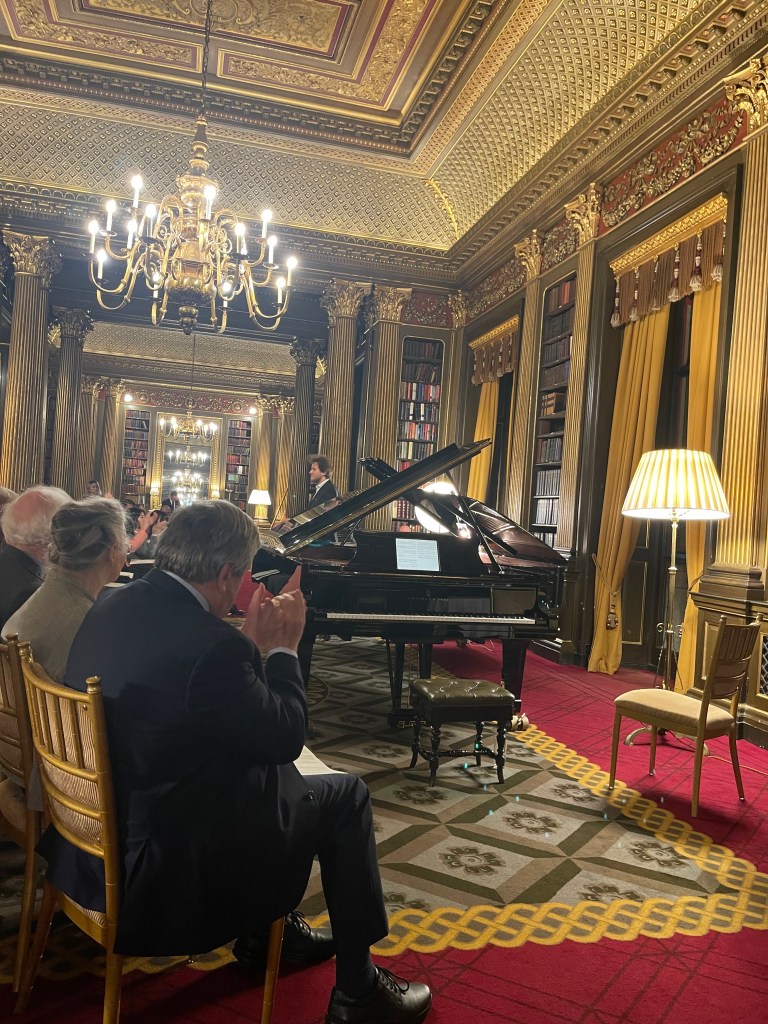
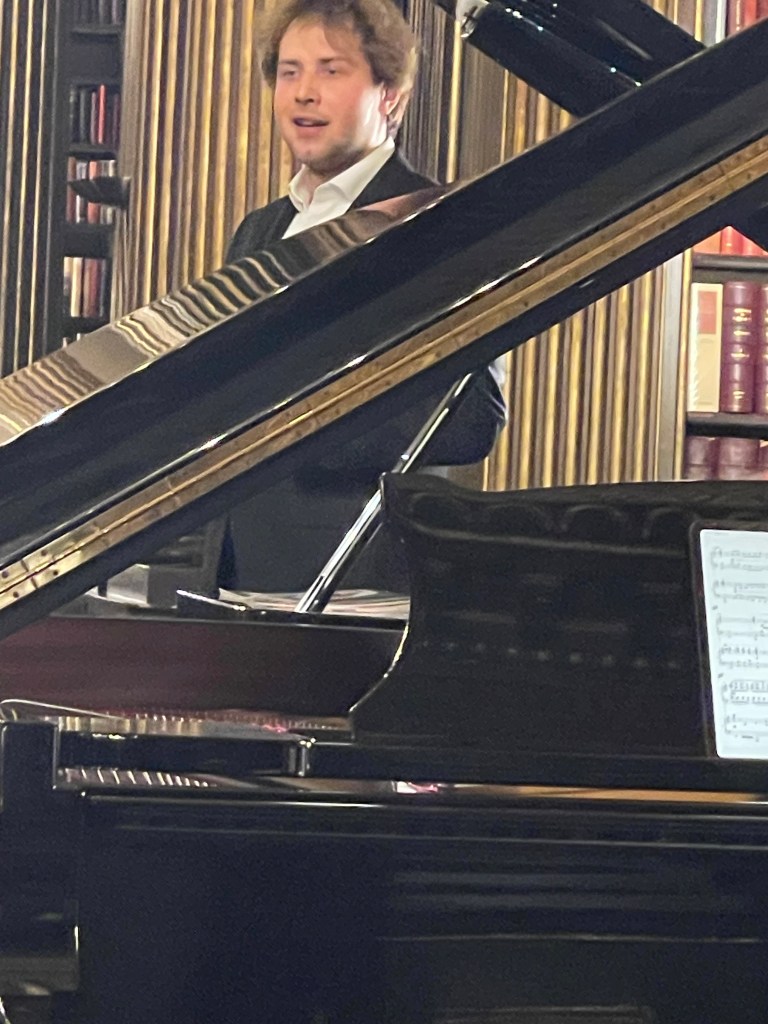
Nikita, in his turn, had played some solo pieces transcribed by that modern day virtuoso, Mikhail Pletnev. Two scenes from the Nutcracker and two from the Sleeping beauty were played with an extraordinary palette of colour and passionate dynamic drive. But it was the sumptuous arrangement of the ‘Adagio’ from the Sleeping Beauty that really prepared us for the ‘Grande Finale.’ Tchailkowsky’s ‘Valse des Fleurs’ transcribed for two pianos by another virtuoso pianist Nicolas Economou ,a protégé of Martha Argerich for whom he wrote this transcription ,but whose life was tragically cut short in a sports car accident.I had heard them both at his Festival at La Fenice in Venice in the ’80’s ,a very handsome couple indeed and what talent !
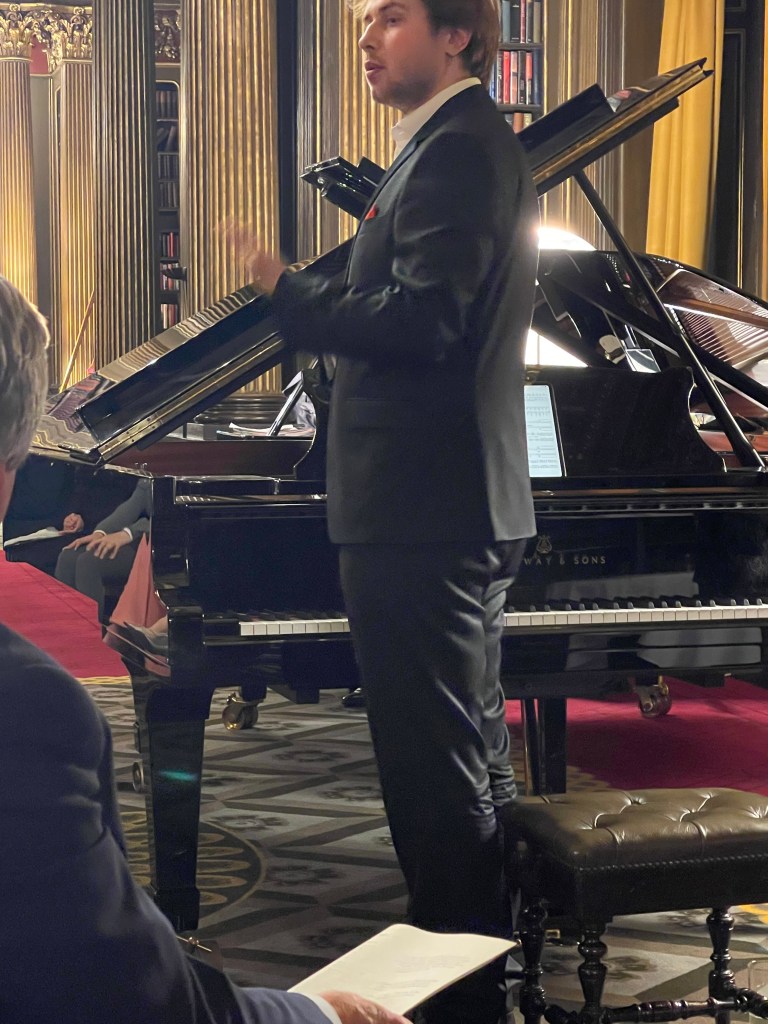
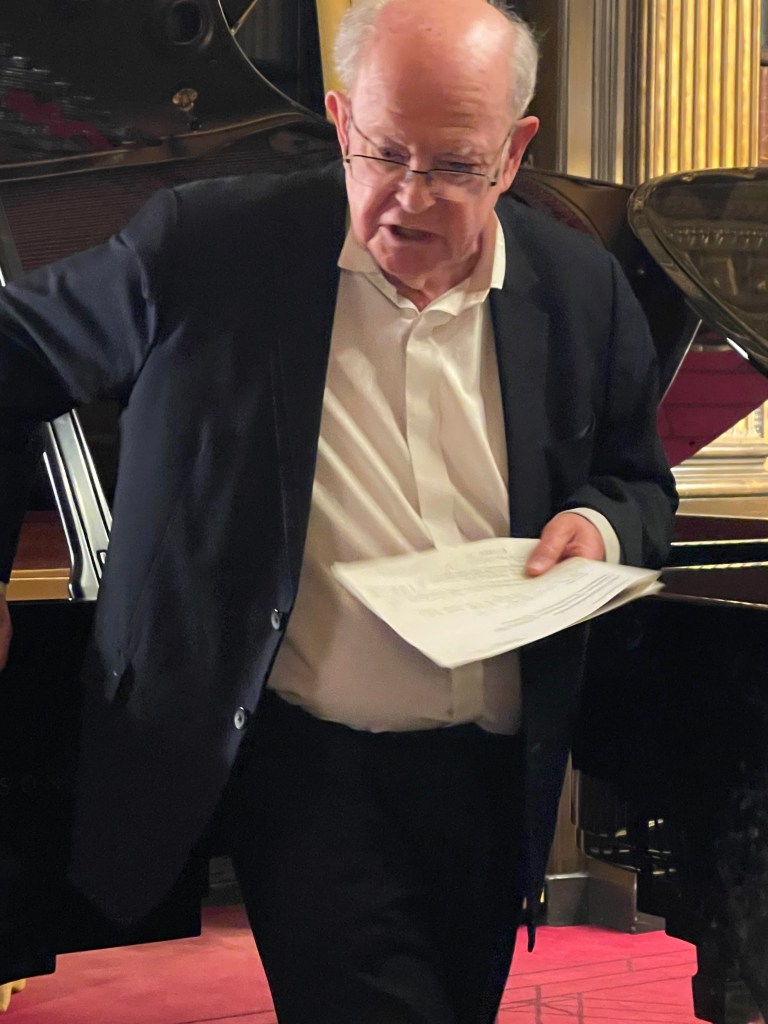
The first half of the programme had ended with Shostakovich’s one movement Concertino op 94, a very effective piece written for his son to play, as was his second piano concerto. Full of effects and moments of surprising beauty, from a proud father wanting to exult the mastery of his very talented son, Maxim.Julian and Nikita played it with dynamic drive of rugged nobility and meandering beauty.

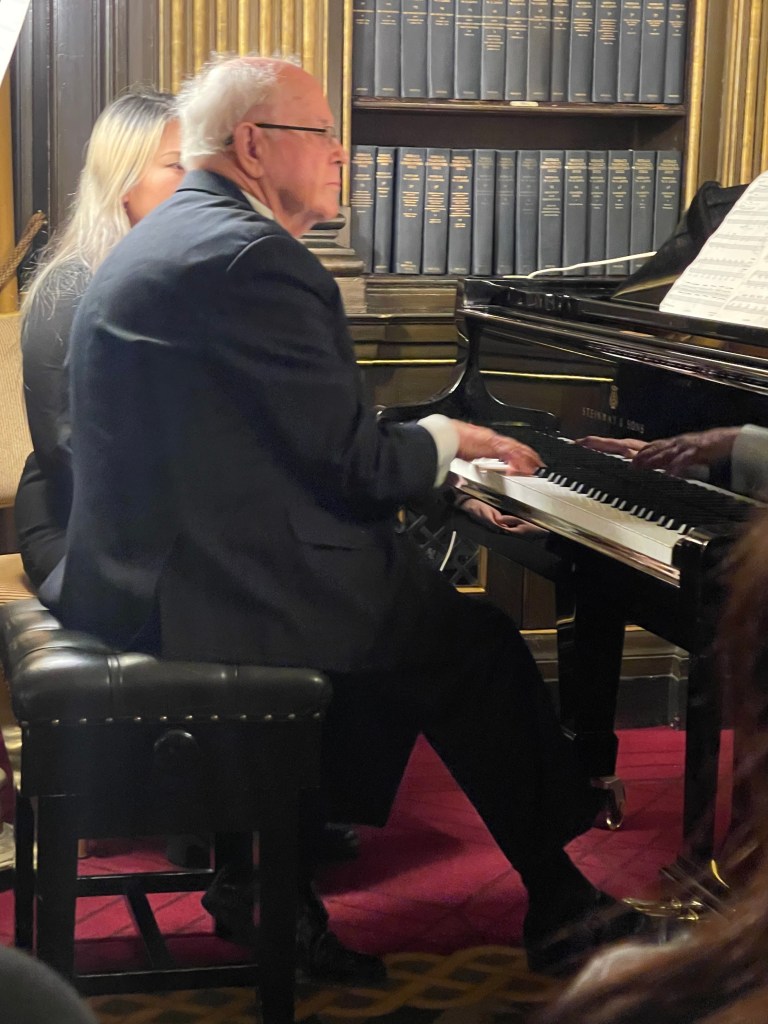
A quick visit to Peter and the Wolf saw Julian and Nikita share the same keyboard, as Julian prefaced a few episodes, narrating the story as well as describing it in sounds on the keyboard!
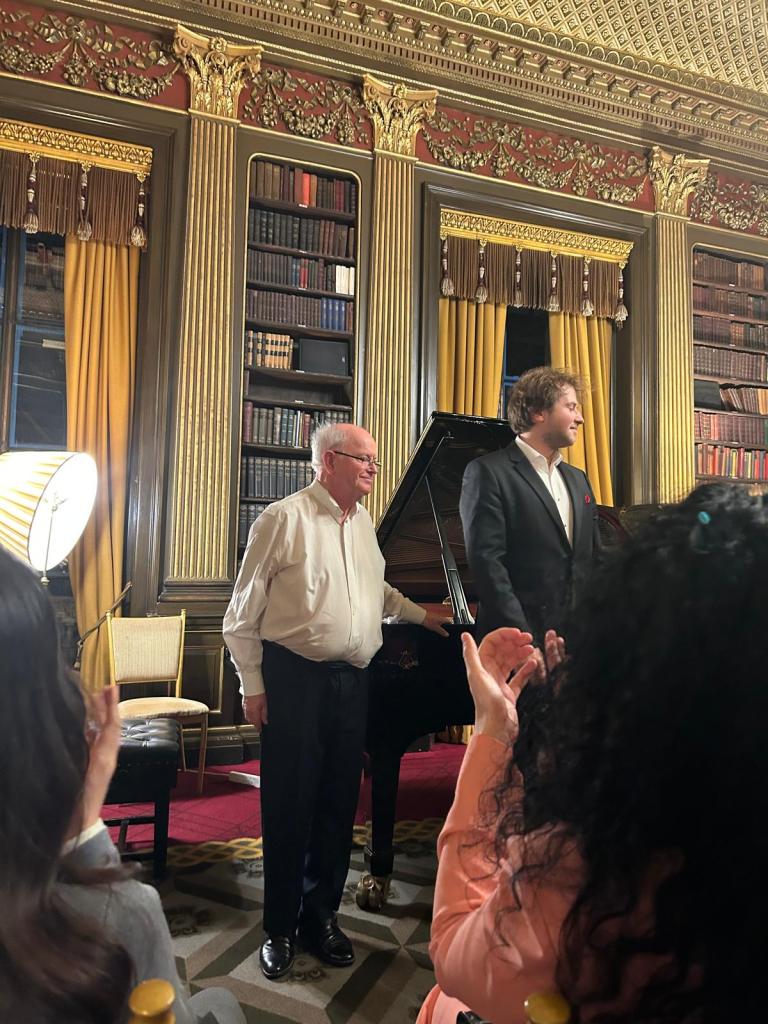
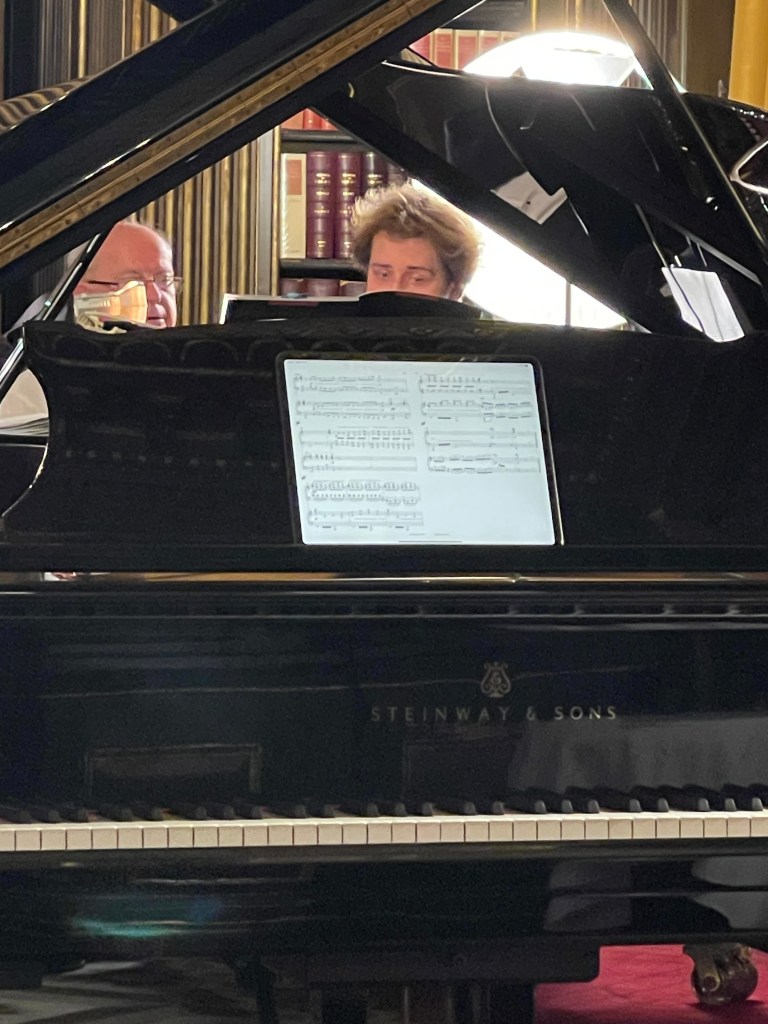
A glorious final visit to the ballet, with Tchaikowsky’s ‘Valse des Fleurs’ , filled this beautiful ‘Sala Dorata’ with the sumptuous fullness that only two Steinway Concert Grands can offer from the hands of two master musicians.
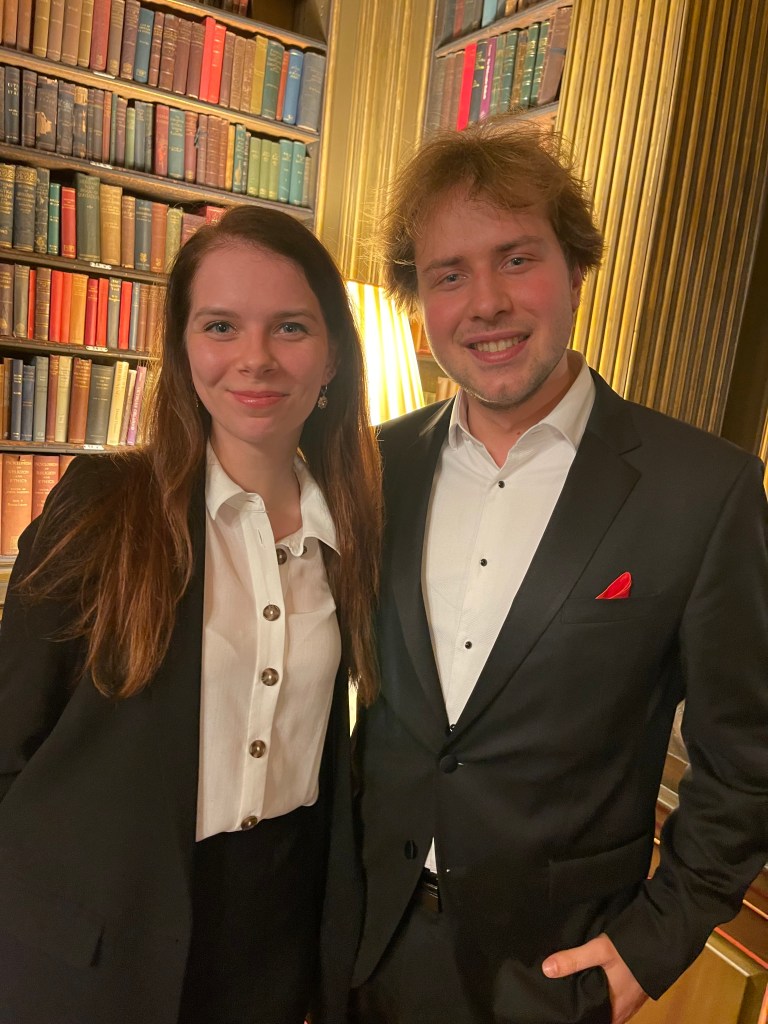
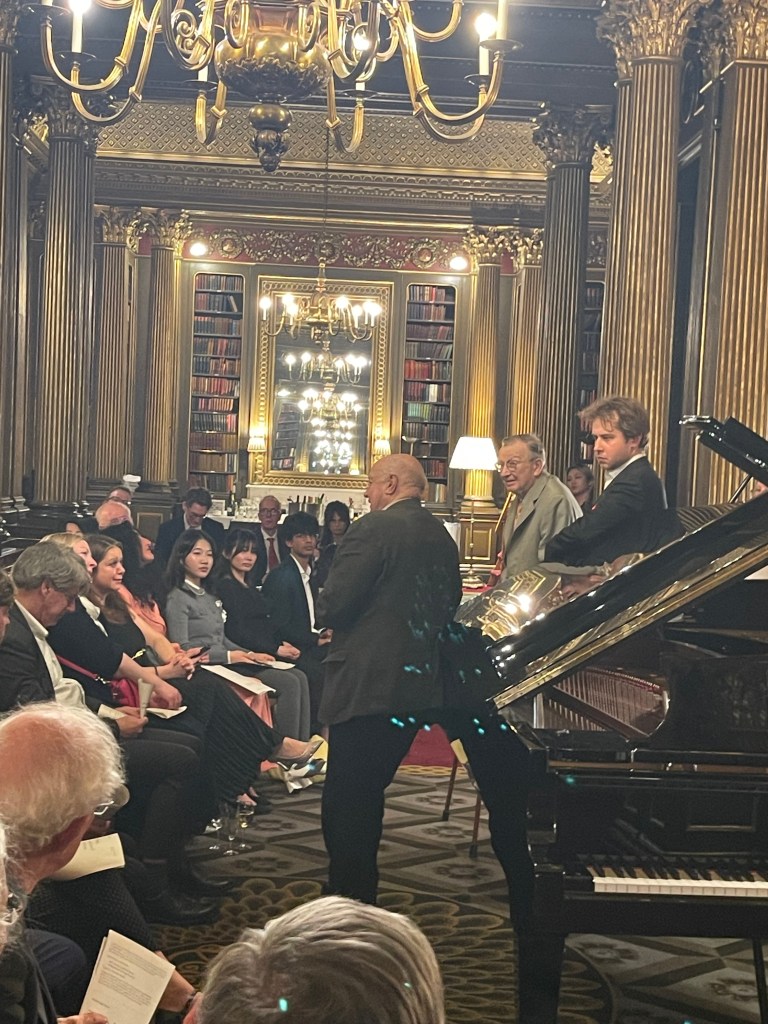
photo credit Dinara Klinton https://christopheraxworthymusiccommentary.com/2024/03/20/christopher-axworthy-dip-ram-aram/

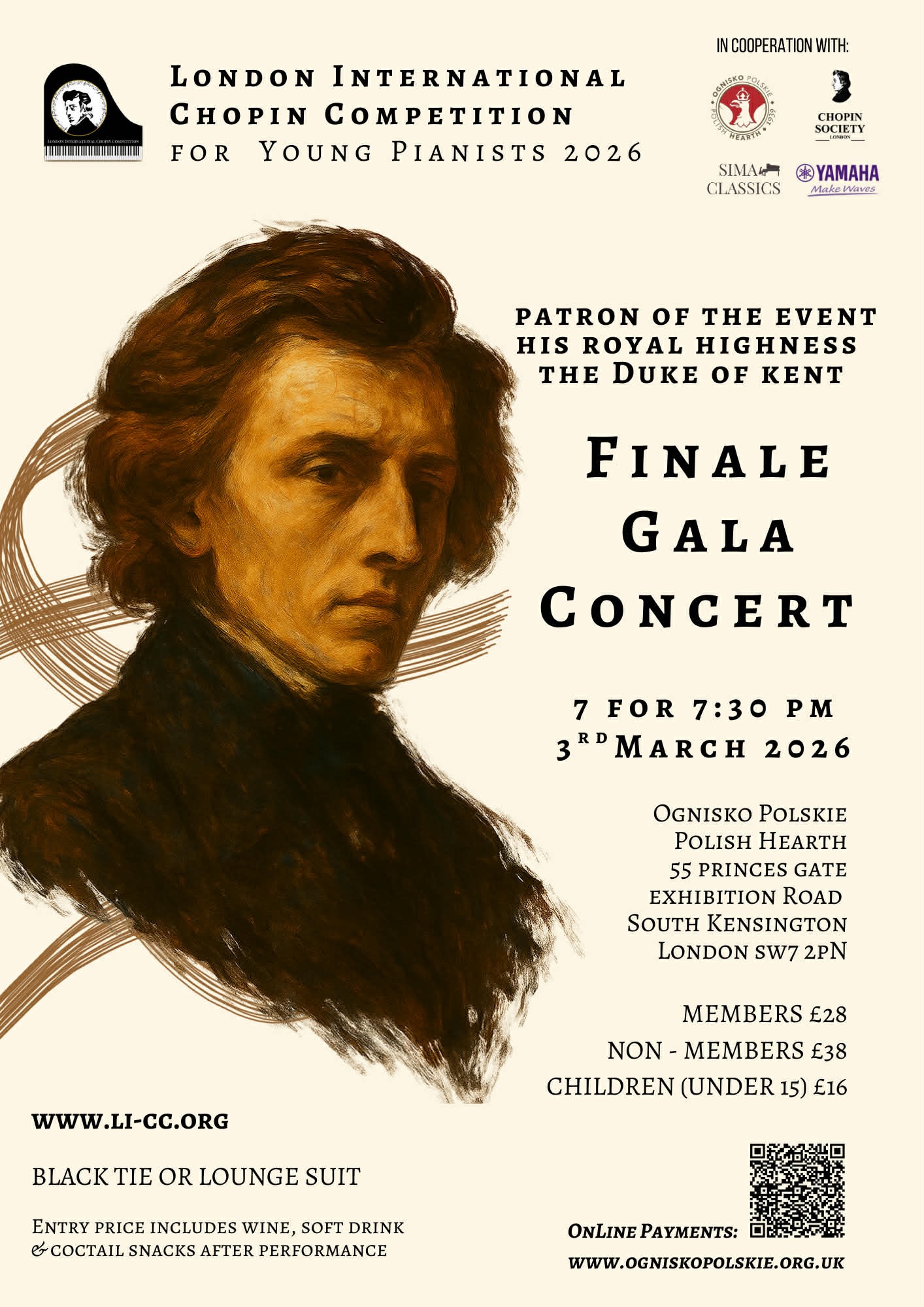
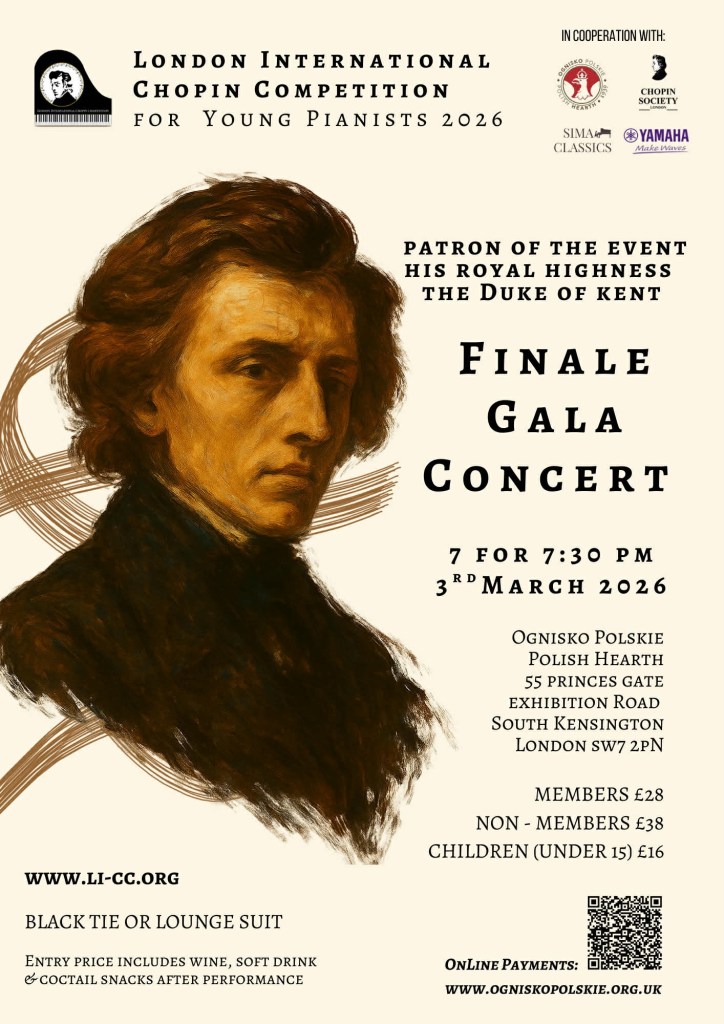
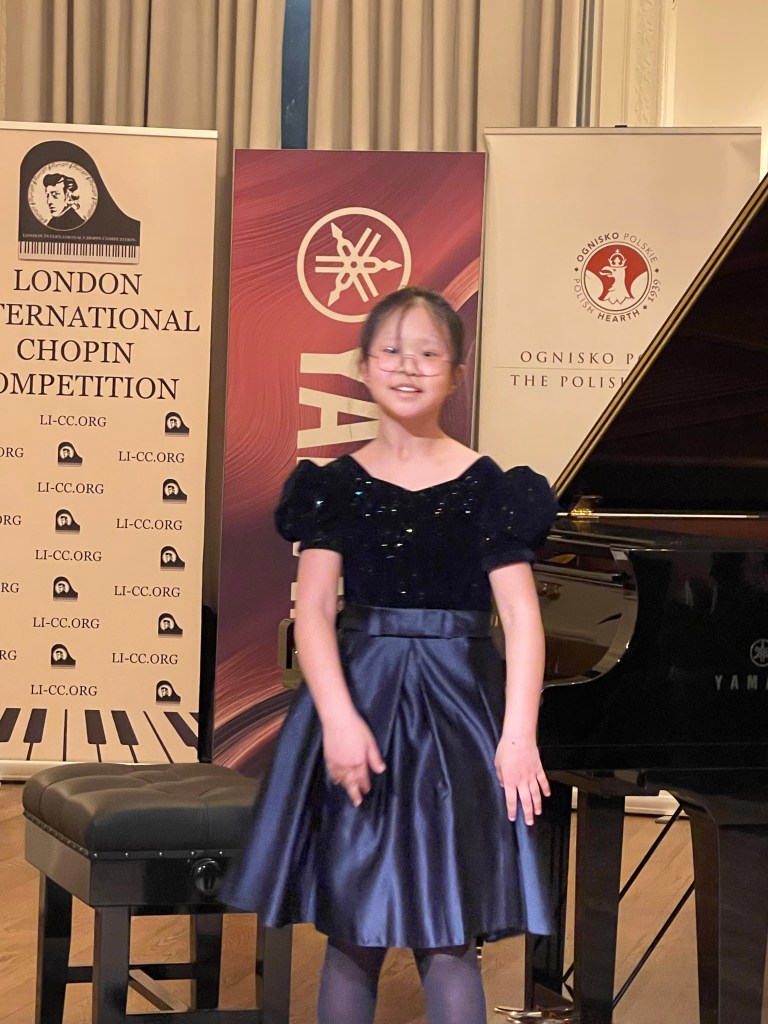
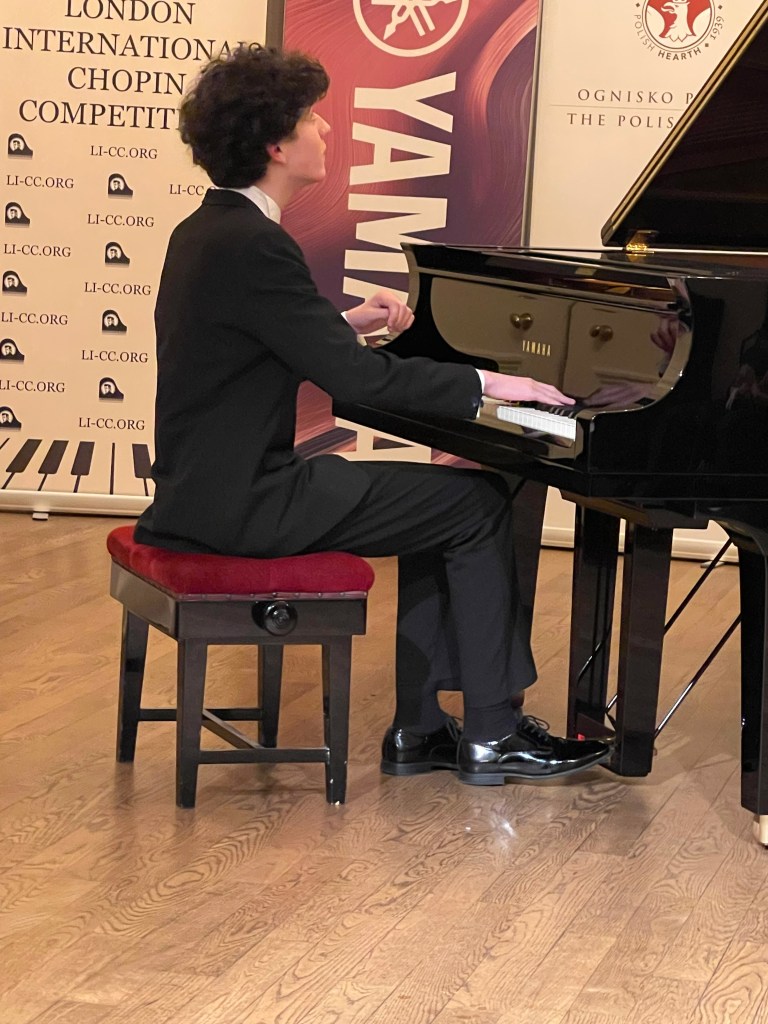
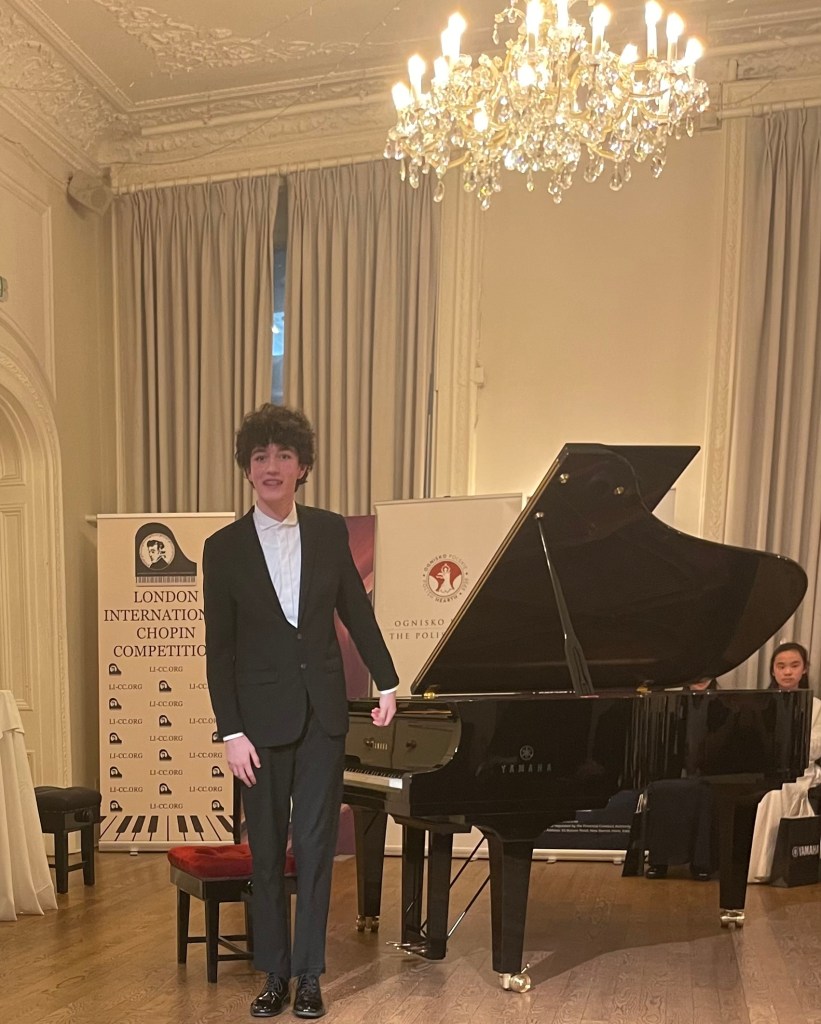
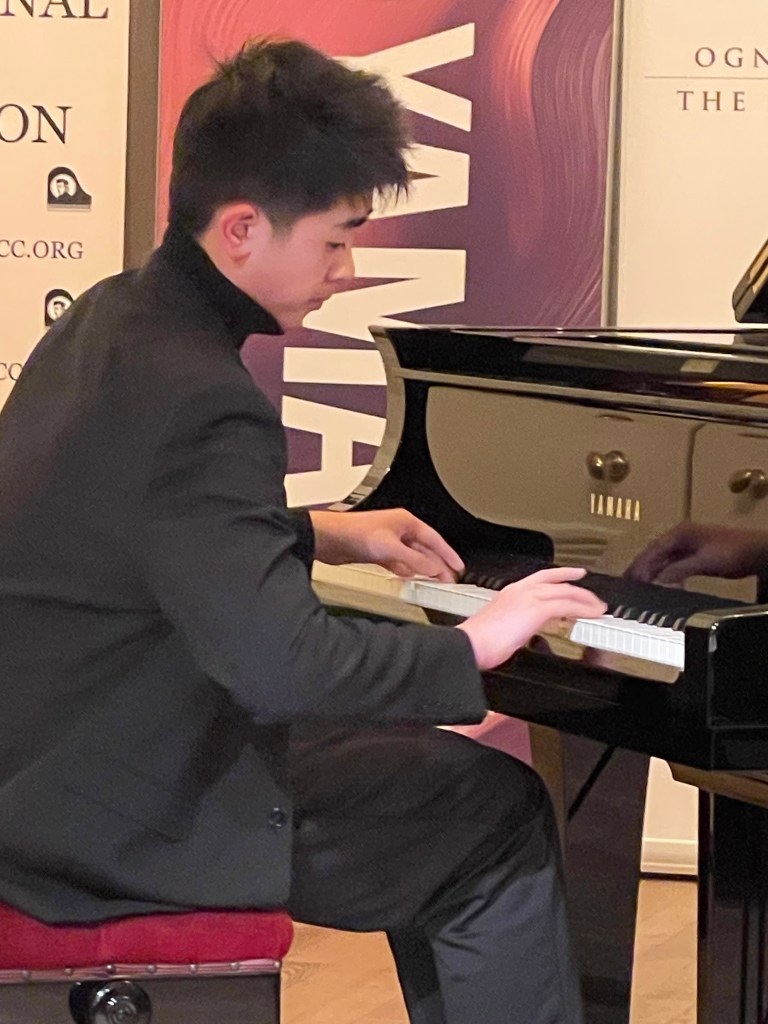
Chopin Competition London International for Young Pianists Artur Haftman, Jenny Lee and Piotr Michalik create a showcase for the pianists of tomorrow.

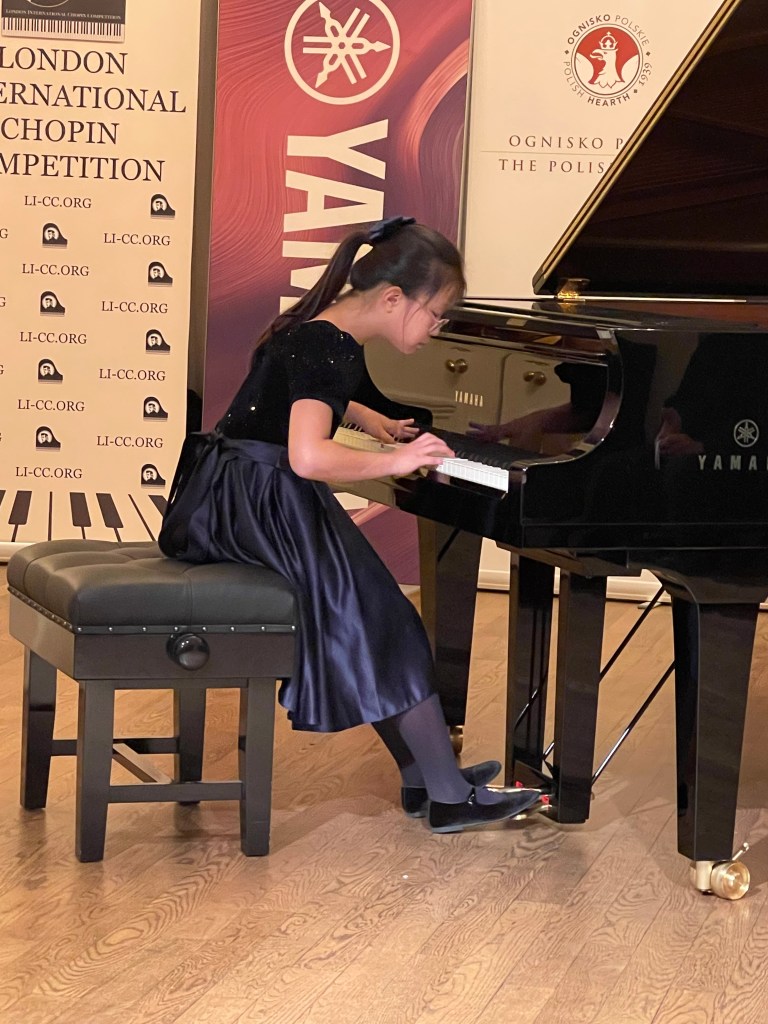
An eagerly awaited annual event to find the young pianists of tomorrow and it is thanks to Artur Haftman and Jenny Lee who have created this showcase where young musicians can be heard by many of the most distinguished musicians of our day.

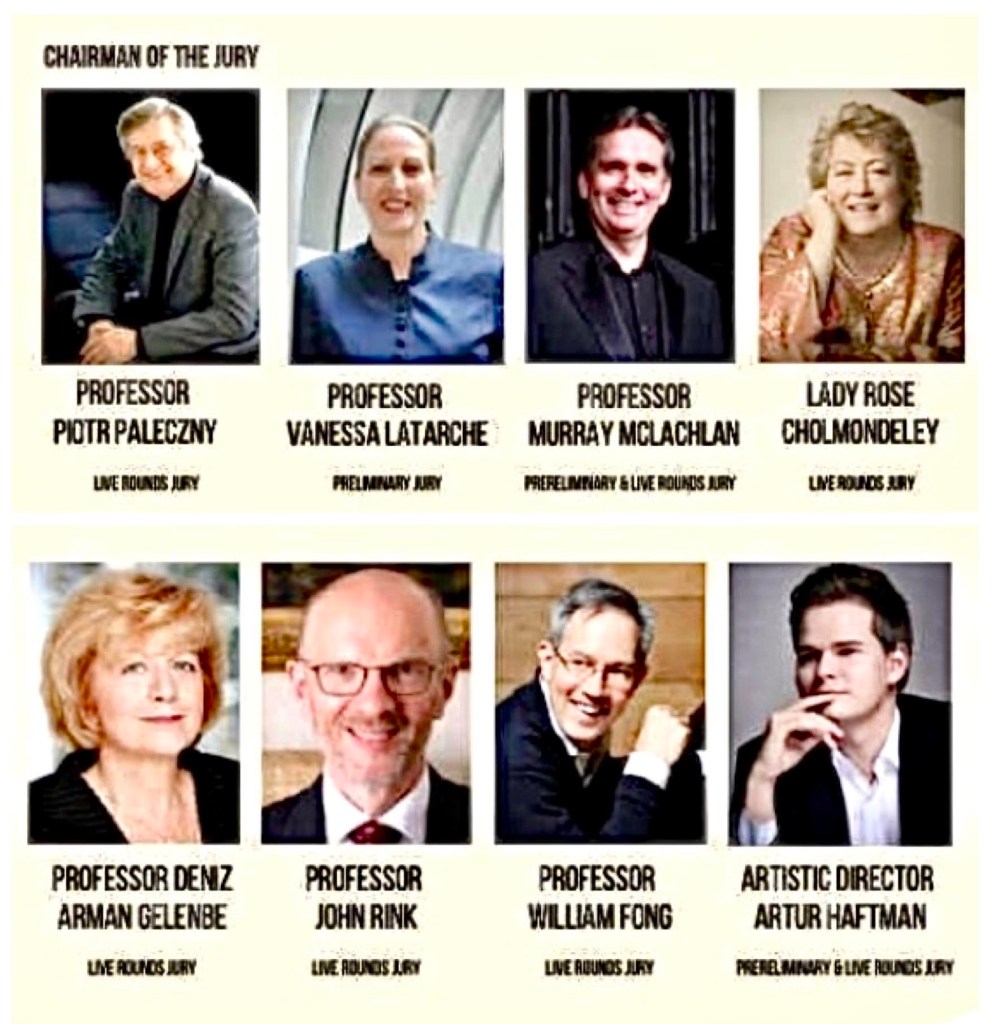
Some superb piano playing of untainted natural talent and a distinguished jury ready to encourage and nurture young musicians who already show signs of artistry that will blossom, as they mature and gain experience on their journey in music

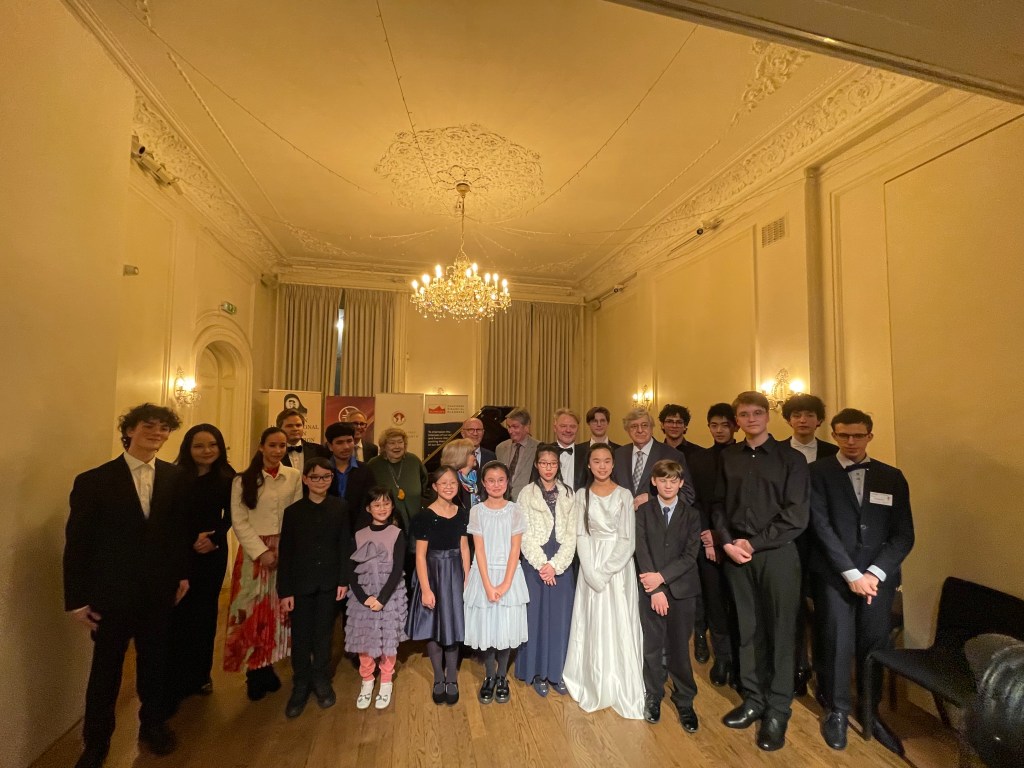
Jury members and competitors

Four categories according to age : I have added my own personal comments on the impression they made to me and am sure the distinguished jury will have come to their own expert conclusions.
Category A, was won by Eileen Zhang who showed a remarkable natural talent of fluidity and quite considerable weight in the central melodic episode. She seemed to enjoy allowing her fingers to fly over the keys like swimming in sounds with horizontal movements allowing her agile fingers to shape the music with extraordinary facility . If she got impatient with the long expansive bel canto it was because she is a live wire who could not wait to allow her fingers full reign again.

Category B , was won by Gustaw Mazur who played the glorious Nocturne op 55 n. 2 . He showed great independence of voices in the knotty counterpoints that he shaped with a sense of style and intricately played detail .Of course he did not understand at his age the pure outpouring of ecstasy that this nocturne is, and consequently his rather slow tempo did not allow for an expansive improvised freedom but rather a considered and detailed contemplation.

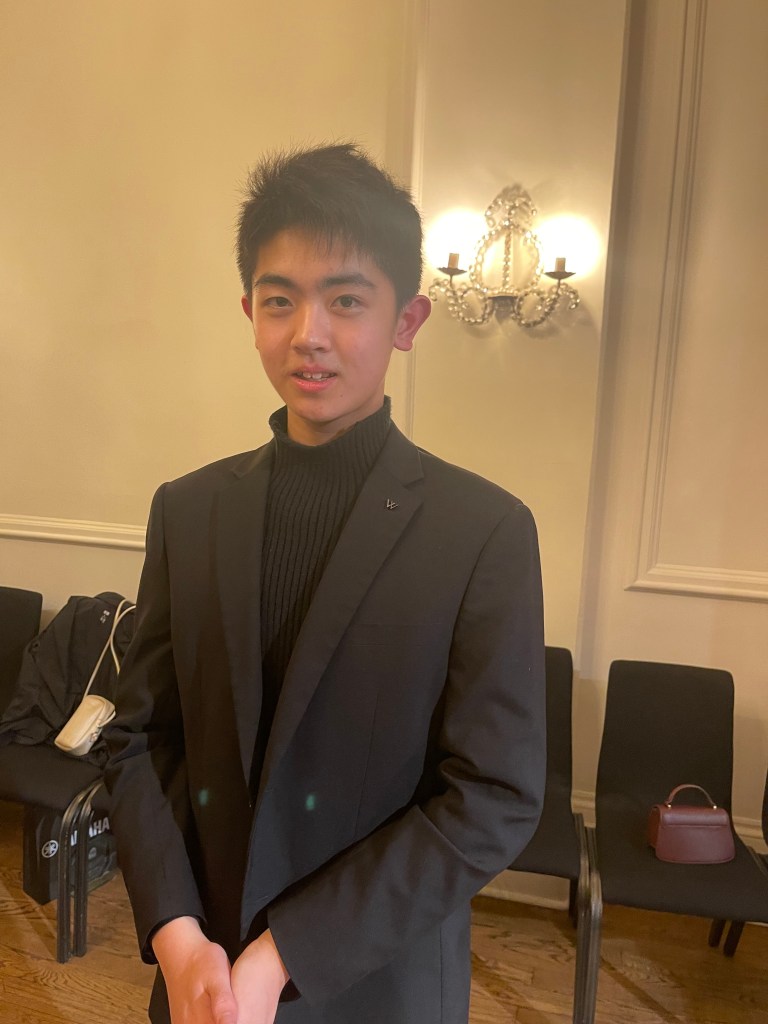
Category C , the winner was Julian Zhu , a revelation, as this young English born Chinese student at Chethams, revealed a natural talent that cannot be taught. Breaking all the rules, but creating his own as he had the gift of listening to himself and creating music with quite considerable artistry. The Andante Spianato immediately revealed a wonderful arch to his left hand as flat fingers chiselled out Chopin’s youthful bel canto with the freedom that Chopin himself described to his pupils of a tree firmly planted in the ground but with the branches free to move naturally above. A Grande Polonaise that was truly ‘Grand’. Note picking accuracy is not for him, as he needed to communicate what he found within the notes, the external details which were pretty good, will be easy to perfect as he matures and his playing gains in weight.

I was not surprised that he won not only the category prize, but also the Jury special prize and shared the Audience prize with Ameli- Sakai -Ivanova winner of Category D.

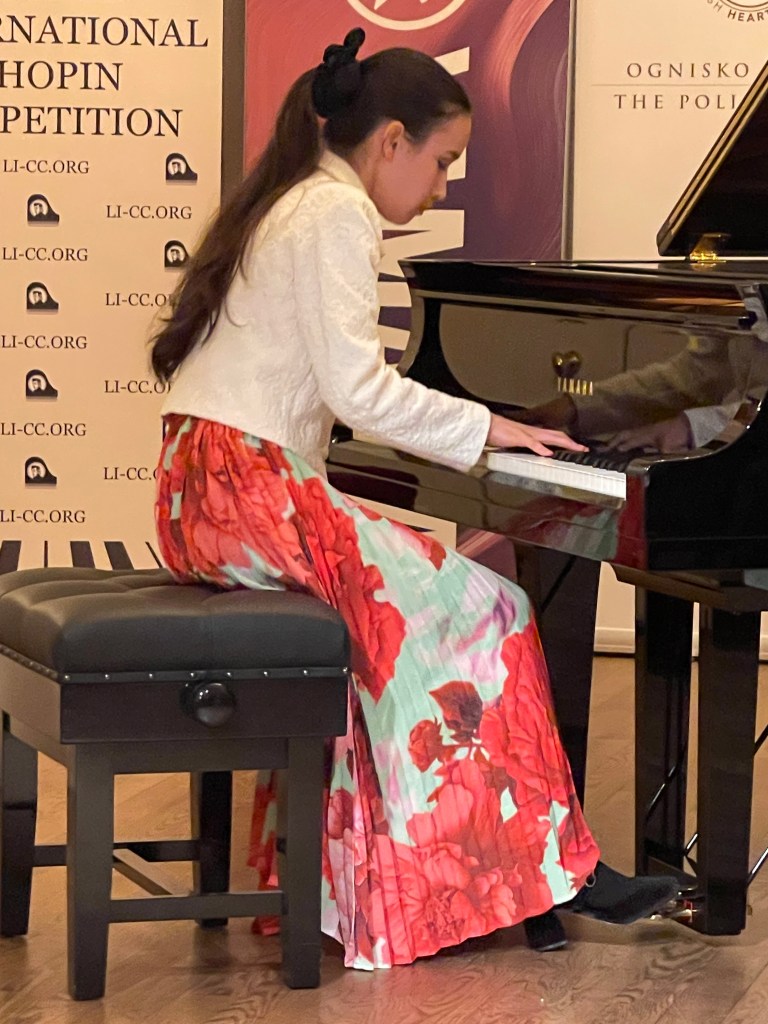
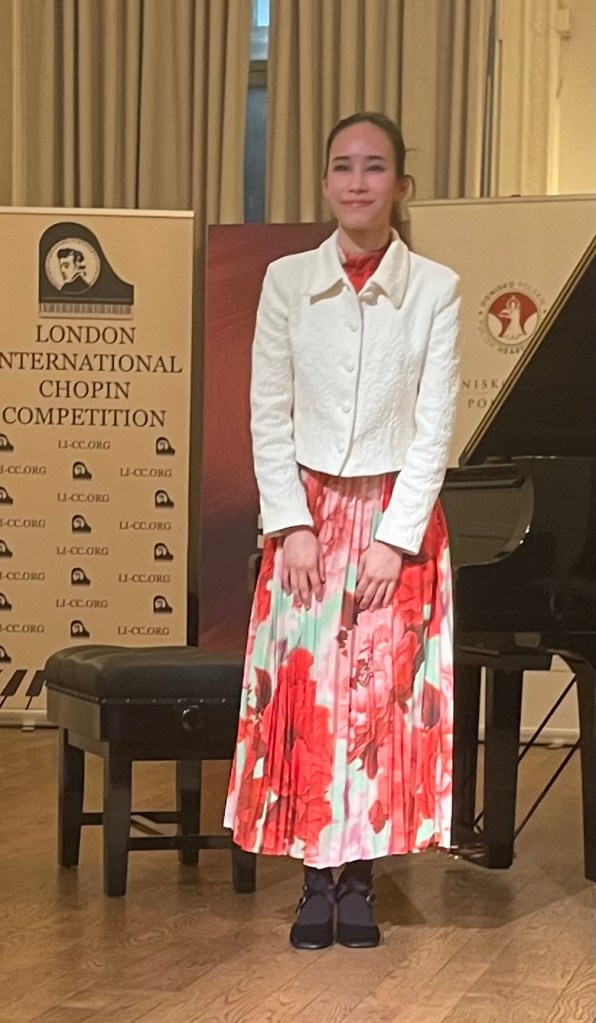
Category D, was won by Ameli Sakai-Ivanova who also shared the Audience prize with Julian Zhu. A distinguished performance of fluidity and natural musicality.Playing of real weight and a mature style of sumptuous rich sounds and beguiling flexibility. The infamous octaves of the advancing cavalry in the Polonaise Héroique were played at an incredible pace which she was able to maintain with masterly control .Her sense of balance even allowed the advancing cries to be heard with extraordinary clarity over this wind of advancing octaves! An ending of exhilaration and excitement to which as she matures she will add aristocratic nobility and timeless wonder.

photo credit Dinara Klinton https://christopheraxworthymusiccommentary.com/2024/03/20/christopher-axworthy-dip-ram-aram/

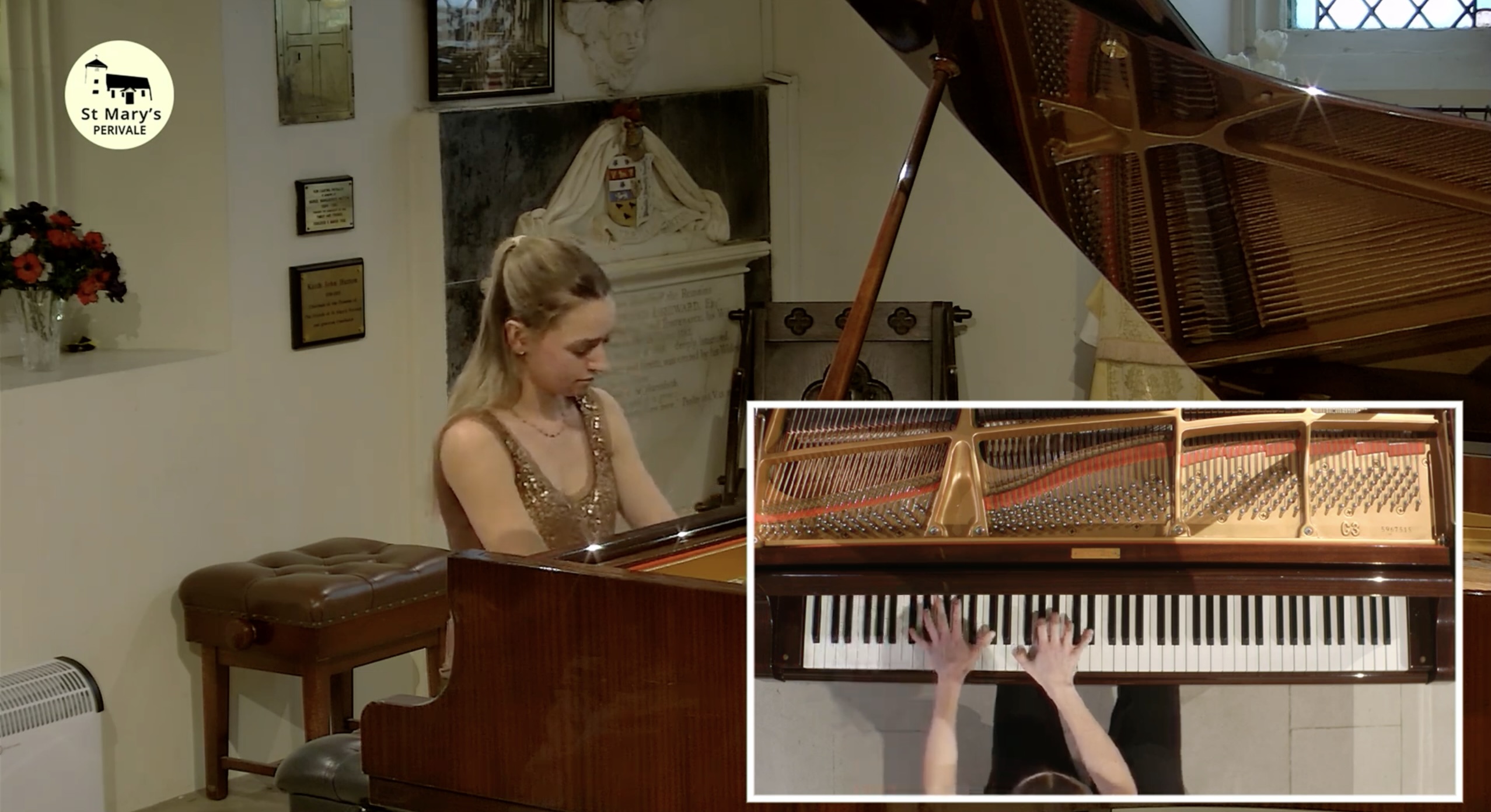
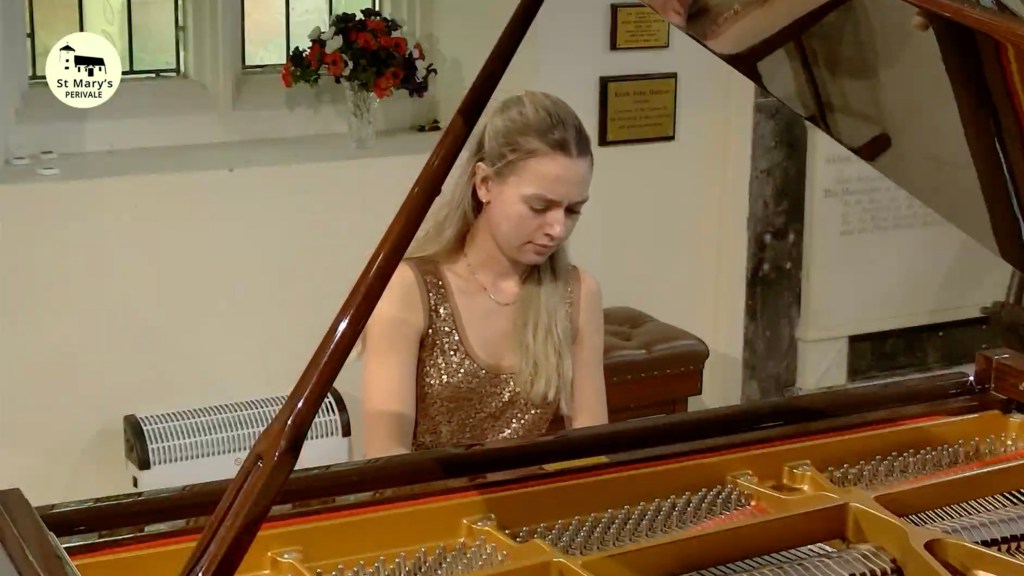
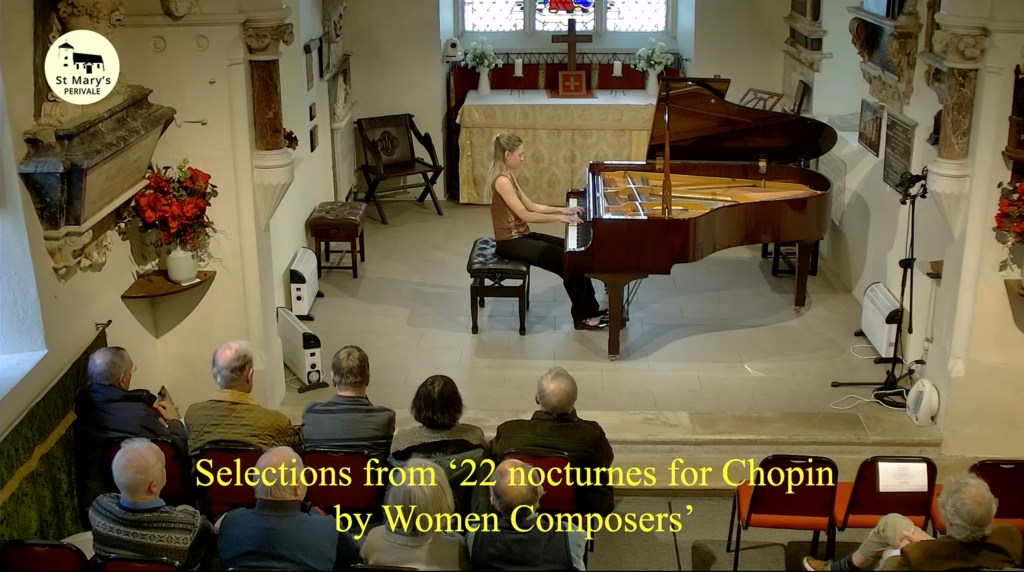
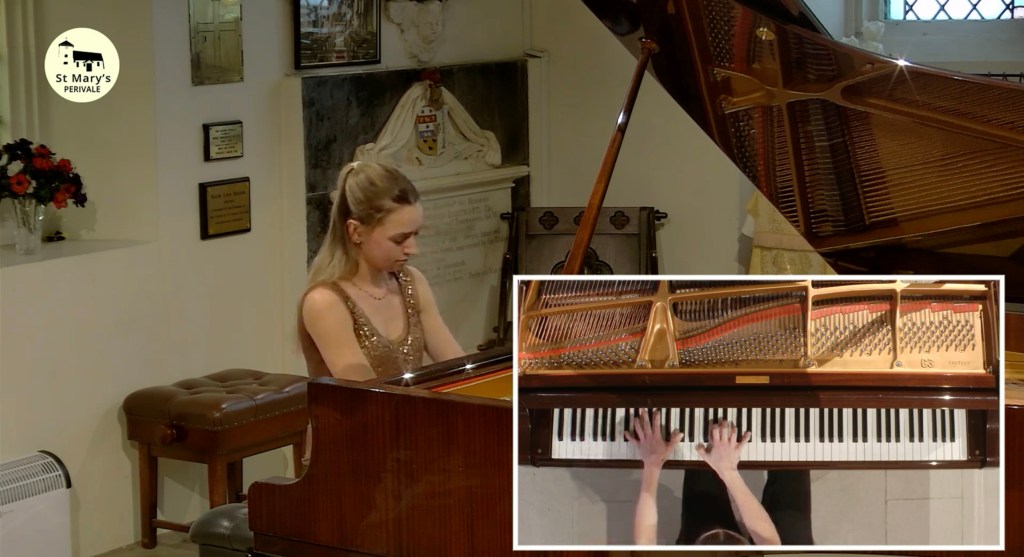
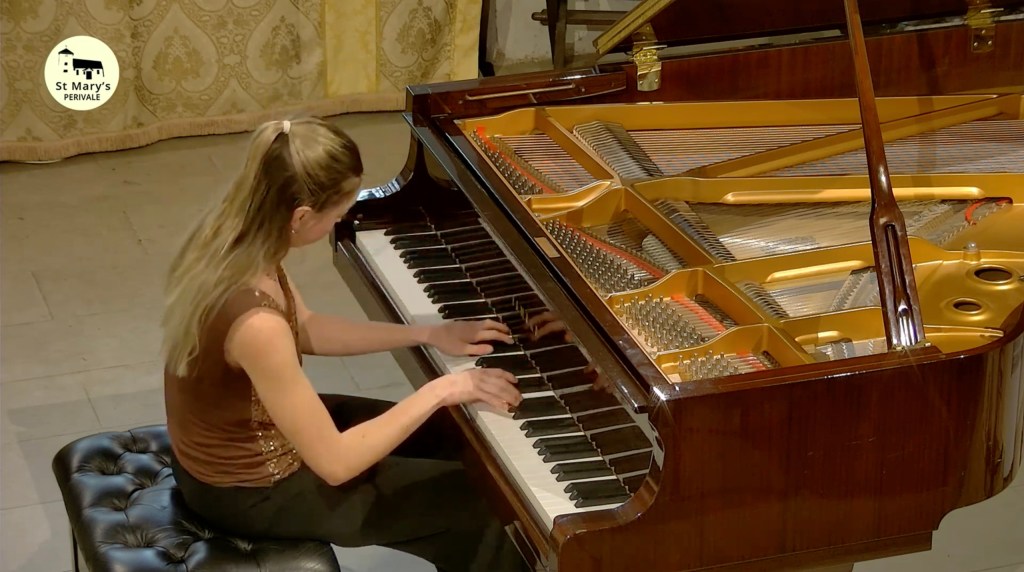
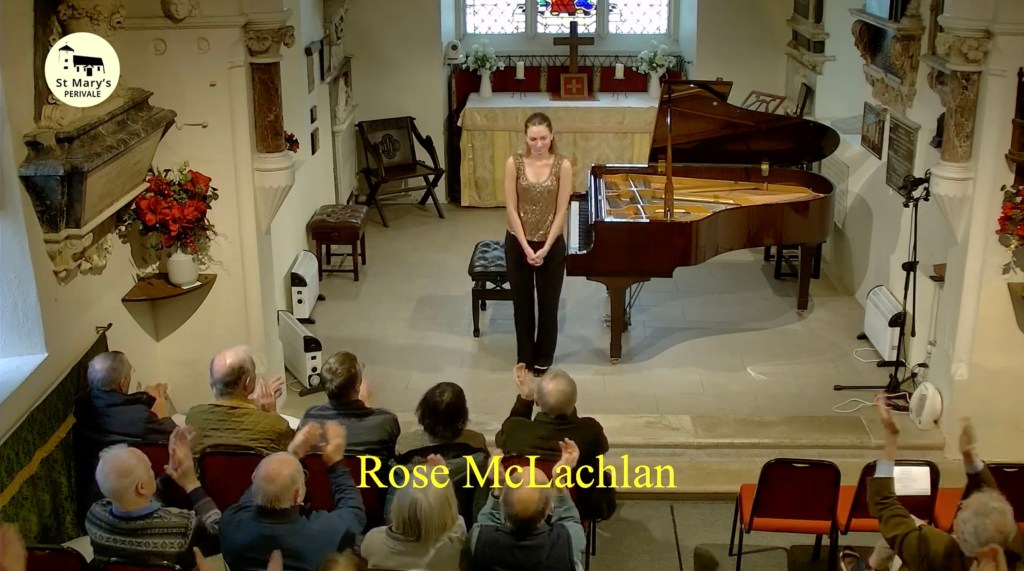
Rose McLachlan in Perivale ‘A vision of beauty from a Poet of the Piano’

https://www.youtube.com/live/NVm7n632H6Y?si=AWJlVnghB-CPXemL

Debussy: Images Book 1, Faure: Barcarolle in G flat Op 42 no 3, Chopin: Barcarolle Op 60, Debussy : Etude ‘pour les agrements’ Selections from ‘22 nocturnes for Chopin by Women Composers’,Katie Jenkins-Nicole Di Paolo-Zoe Rahman , Chopin: Ballade no 1 in G minor Op 23

A slightly different order to the programme that showed the poetic path that Rose wanted to share with us today. A musical intelligence where her kaleidoscopic palette of sounds were used to illuminate the poetic vision that pervades all that she plays. Including three Nocturnes inspired by Chopin and commissioned by Rose in 2022 from 22 women composers. https://christopheraxworthymusiccommentary.com/2023/09/18/rose-mclachlan-inspires-and-performs-22-nocturnes-for-chopin-by-women-composers/
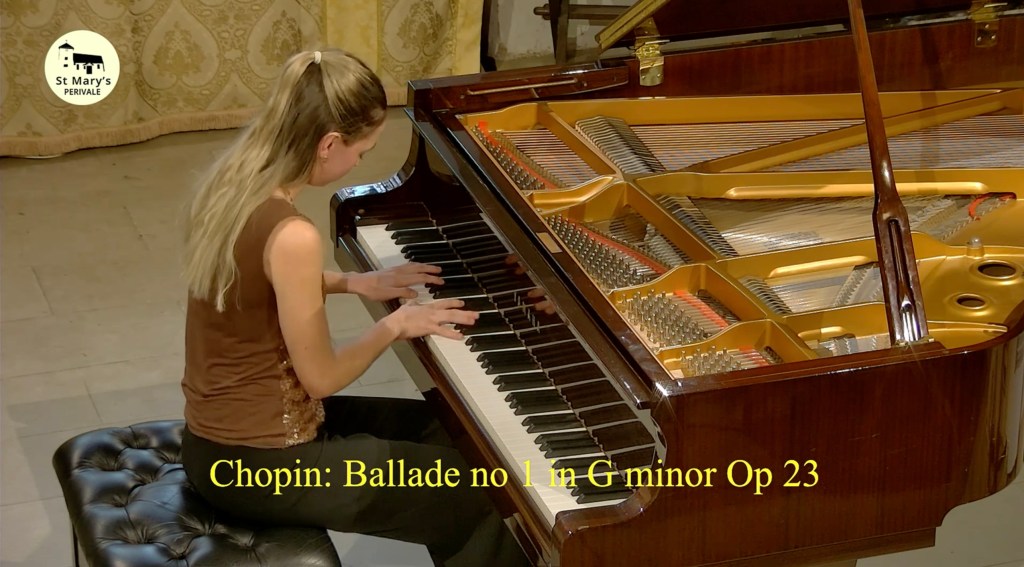
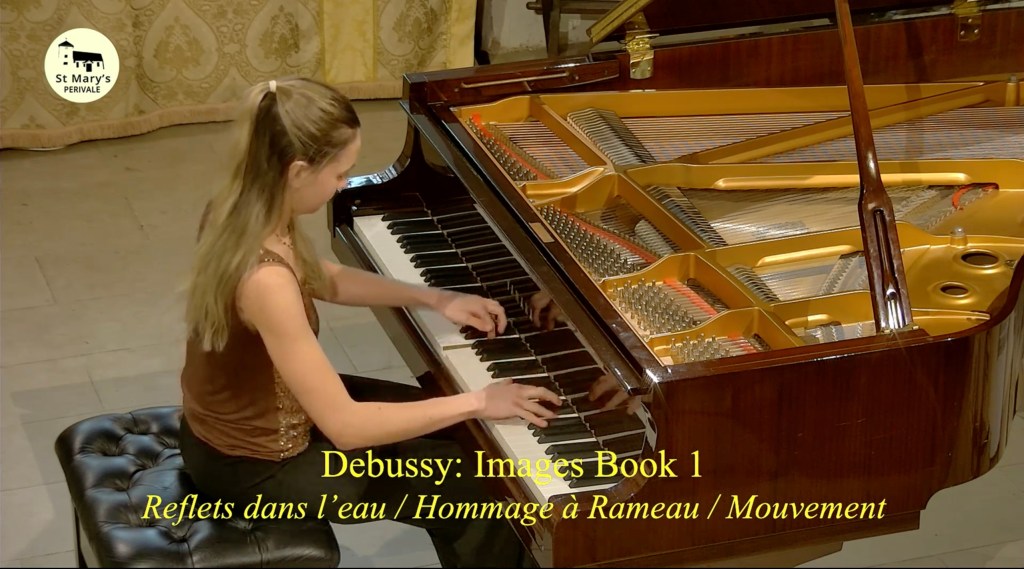
Of course the French repertoire has long been Rose’s great love and it was with Debussy Images that she opened her programme. The three tone poems from the first book opened with a magical account of ‘Reflets dans l’ eau’ which she played with luminosity and fluidity. Notes became streams of wondrous sounds on which Debussy floats a melody of glistening beauty. The final bars in particular were played with delicacy and strength where Rose could combine the musical meaning with an architectural line of refined poetic beauty. ‘Hommage à Rameau’ was played with aristocratic authority and a refined sensibility where even the climax was of controlled elegance. A very sedate tempo for Mouvement allowed Rose to maintain the same tempo throughout with control and relentless forward movement. Never loosing sight of the musical line no matter how many hurdles Debussy adds to this spellbinding journey.

Two Barcarolle’s were next on this wondrous journey that Rose had organised for us today.

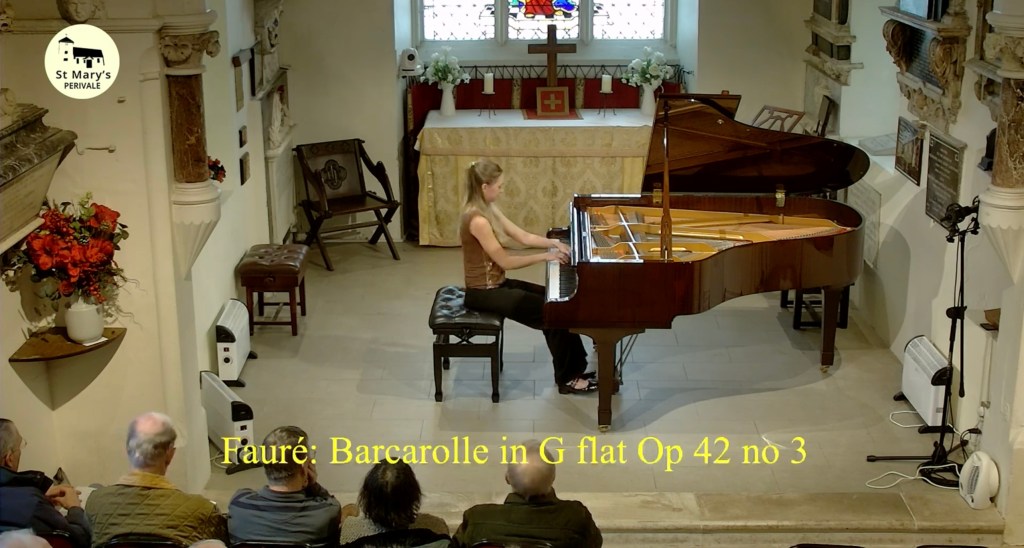
Fauré’s Barcarolle in G flat , a work all too rarely heard in the concert hall, but that Rose imbued with a melancholic beauty of timeless mellifluous outpourings in which her ravishing jeux perlé added to the sumptuous rich harmonic sounds creating a tone poem of great delicacy and style.

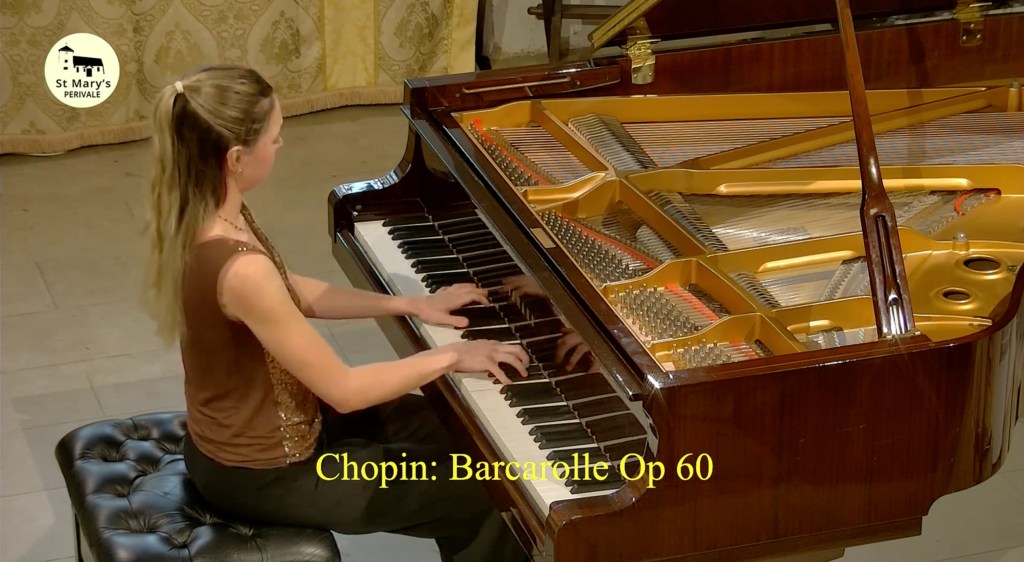
Chopin’s Barcarolle op 60 is one of the composer’s greatest works, written towards the end of his life, it is one long song from the first to the last note. Rose played it with glowing beauty where the melodic line was allowed to sing thanks to her wondrous sense of balance. Never disturbing the poetic beauty that Chopin is carving out but finding within the accompaniment, sounds that appeared like lights shining on a prism creating moments of wondrous beauty. An aristocratic control that gave nobility to the climax that she played with sumptuous rich sounds that were always covered in velvet never hard or ungrateful but ever more intense.

Prefacing three nocturnes for Chopin with one of Debussy’s Études, that were written late in life after he had been editing the works of Chopin to whom they are dedicated. They are considered to be late masterpieces and his finest most original works for piano. Debussy like Chopin hides the quite considerable technical difficulties as he creates a magic world of subtle sounds of great poetic significance just as Chopin had done with his second set of studies written a century earlier. Rose had chosen two, playing ‘pour les Agréments’ which prefaced a group of three ‘Nocturnes’ for Chopin by Katie Jenkins,Nicole DiPaolo and Zoe Rahman. She played ‘pour les Notes répétées’ as an encore after playing another great work of Chopin ,the Ballade in G minor op 23.

This first étude, the longest, was the last to be completed and is also the most elaborate; originally placed at the end of the set, Debussy said: “it borrows the form of barcarolle on a somewhat Italian sea”. Debussy was also a sensitive pianist, enriching the tradition of Chopin and advancing the integral soul of the sustaining pedal; he apparently played with penetrating softness and a flexible, caressing depth of touch, creating extraordinary expressive power. Rose brought just such sensitivity to this étude that she played with mysterious sounds of subtle glistening beauty, a mastery of the pedal that could create a ravishing atmosphere without ever loosing the clarity despite the most intricate stream of notes. A technical mastery that could allow her to play with scrupulous attention to the minute details that litter the score in which Debussy incorporates fantasy with transcendental difficulties, creating a sound world of extraordinary poetic imagination. The ‘Notes répétées’ that she played as an encore immediately follows this étude in Debussy’s own set of twelve Études following in the footsteps of Chopin. This is a capricious play with repeated notes that requires great agility, as Debussy creates a perpetuum mobile of knotty repetitions of every conceivable combination. Rose played with crystalline clarity with very little pedal, where her extraordinary sensitive dexterity could bring this work to life with impish delight. Even the tongue in cheek ending was with the final three chords of dry sarcastic humour that Rose played with playful glee. Debussy obviously had a great sense of humour despite the enormous difficulties he encountered throughout his life, and he had added at the top of the score a witty introduction to his fingering-free etudes: “Absence of fingering is an excellent exercise, negating musicians’ perverse desire to completely dismiss the composer’s (and editor’s), and thereby vindicating words of eternal wisdom: ‘If you want something done well, do it yourself’. Let us devise our own fingering!”

Debussy and Chopin were combined with Nocturnes commissioned in 2022 for new piano works by women composers inspired by Chopin’s Nocturnes .Each nocturne speaks with its own authentic voice as it stirs emotions and reveals the composers own cultural influence. The first ‘Cerddorieth i Bronwyn’ was by Katie Jenkins and was a work of whispered beauty that Rose played with subtle colour, creating a magical world of suggestive sounds.The second by Nicole DiPaolo was a beautiful bel canto with a flowing bass on which was etched a melody of chiselled beauty that Rose played with a poetic weight of beguiling sensitivity. The final Nocturne by Zoe Rahman was an elusive mazurka of great chromaticism and sombre beauty in which a subtle jazz influence pervaded as it reached for the sky with whispered beauty.

Rose restored Chopin’s First Ballade to its rightful place as a masterpiece of poetic beauty and passionate romantic fervour. Paying scrupulous attention to Chopin’s indications she managed to recreate a work, much tainted by the so called Chopin tradition, and restore it to the genius that the composer had bequeathed with his very precise indications written in the score. The opening I have rarely heard played with such simple beauty as she allowed the melodic line to flower with delicacy and poignant beauty. Cascades of notes were played with aristocratic authority where every note had a significance and meaning and was never an empty display of virtuosity. It was interesting how Rose gave such significance to the bass, especially the left hand thumb which acted as an anchor to the exhilarating outpouring of romantic effusions that poured so naturally from her well oiled fingers.The climax was played with aristocratic control and sumptuous full sounds always from the bass upwards.A coda that was shaped with controlled excitement where even the most transcendentally difficult passages were given and architectural shape and burning significance.

Rose McLachlan comes from a family of musicians and began piano lessons with her father at the age of seven. She studied at Chetham’s School of Music with Helen Krizos before entering the Royal Northern College of Music in 2020, and now continues her studies at the Guildhall School of Music and Drama with Charles Owen, Martin Roscoe and Ronan O’Hora.

Rose performs regularly as a soloist with orchestra. She made her debut aged 13 at the Edinburgh Fringe Festival and has since appeared with the BBC Concert Orchestra under Barry Wordsworth, broadcast twice on BBC Radio 3, and with the Fort Worth Symphony Orchestra as winner of the PianoTexas Festival concerto competition. Recent highlights include Saint-Saëns’ Carnival of the Animals with the Hallé at the Bridgewater Hall, and a 2024 performance of Mozart’s Triple Concerto alongside Jean-Efflam Bavouzet and Andrea Nemecz, broadcast on BBC Radio 3 and to be released on the Chandos label.

A prizewinner at numerous national and international competitions, Rose has received major awards including the Scottish International Youth Prize, the Yamaha Prize (EPTA UK), the RNCM Chopin Prize and the Musicians’ Company Silver Medal. Her recordings appear on Divine Art and Naxos, and she is supported by The Caird Trust, the Leverhulme Trust and Talent Unlimited.

photo credit Dinara Klinton https://christopheraxworthymusiccommentary.com/2024/03/20/christopher-axworthy-dip-ram-aram/


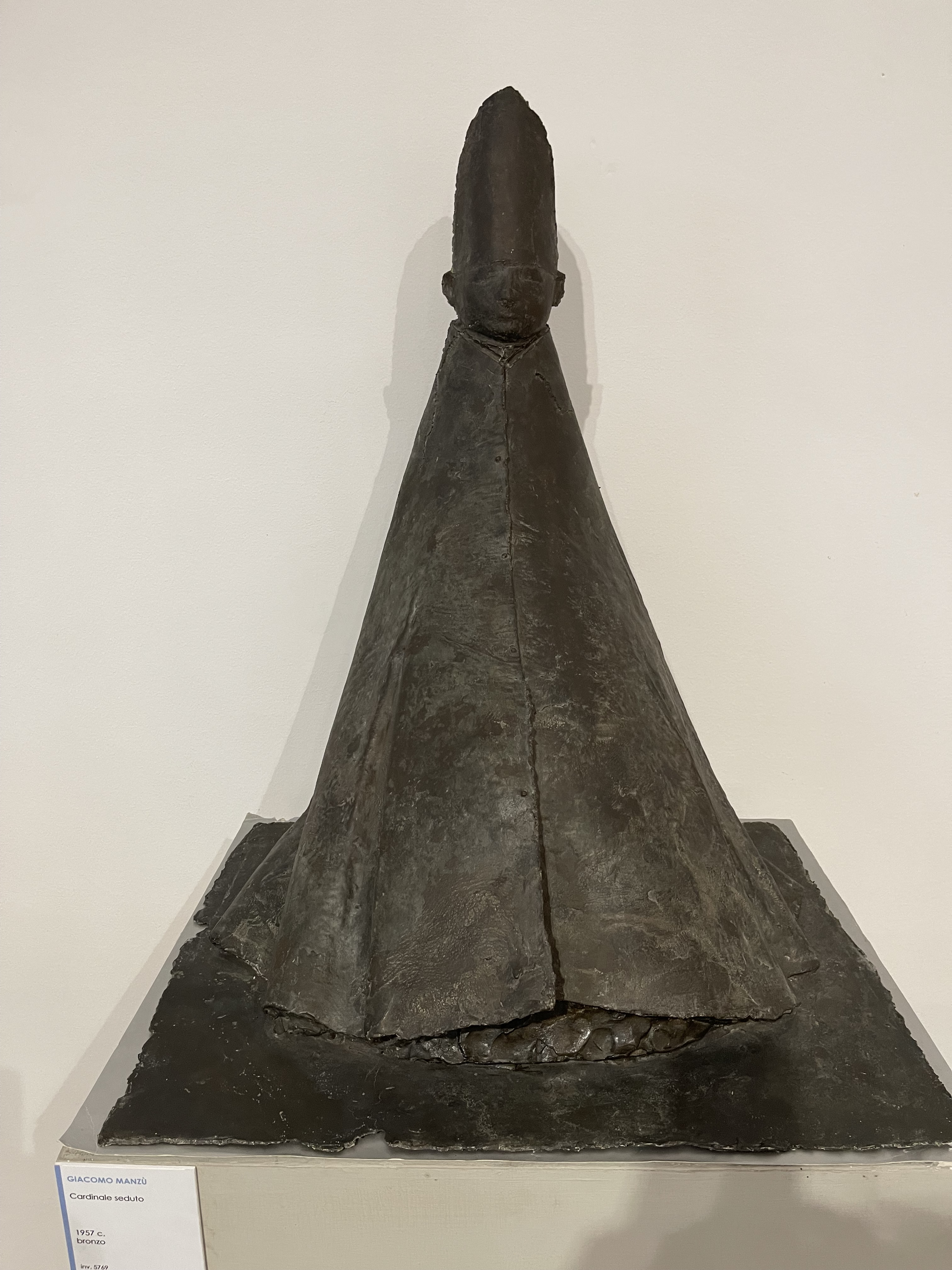
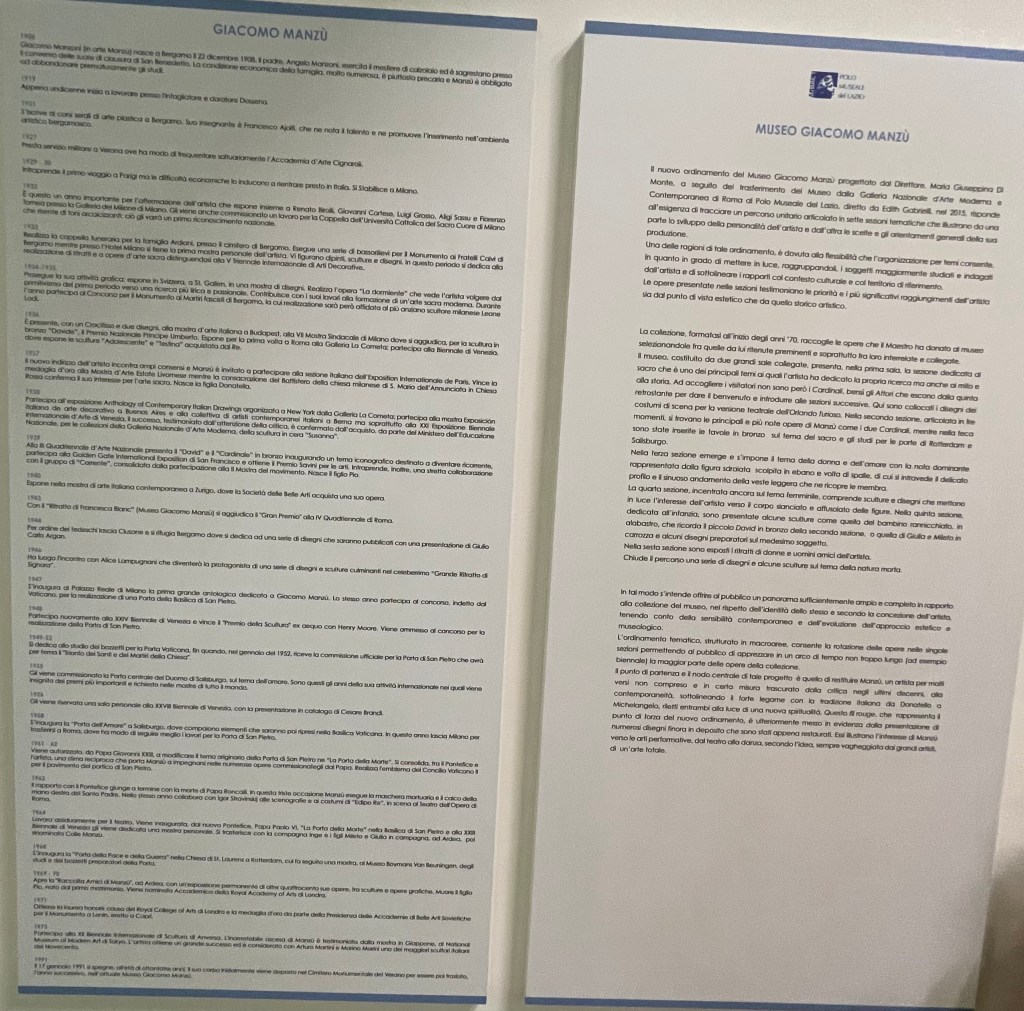
Alfredo Conte ‘Monumental sounds for the monumental sculptures of Manzù’

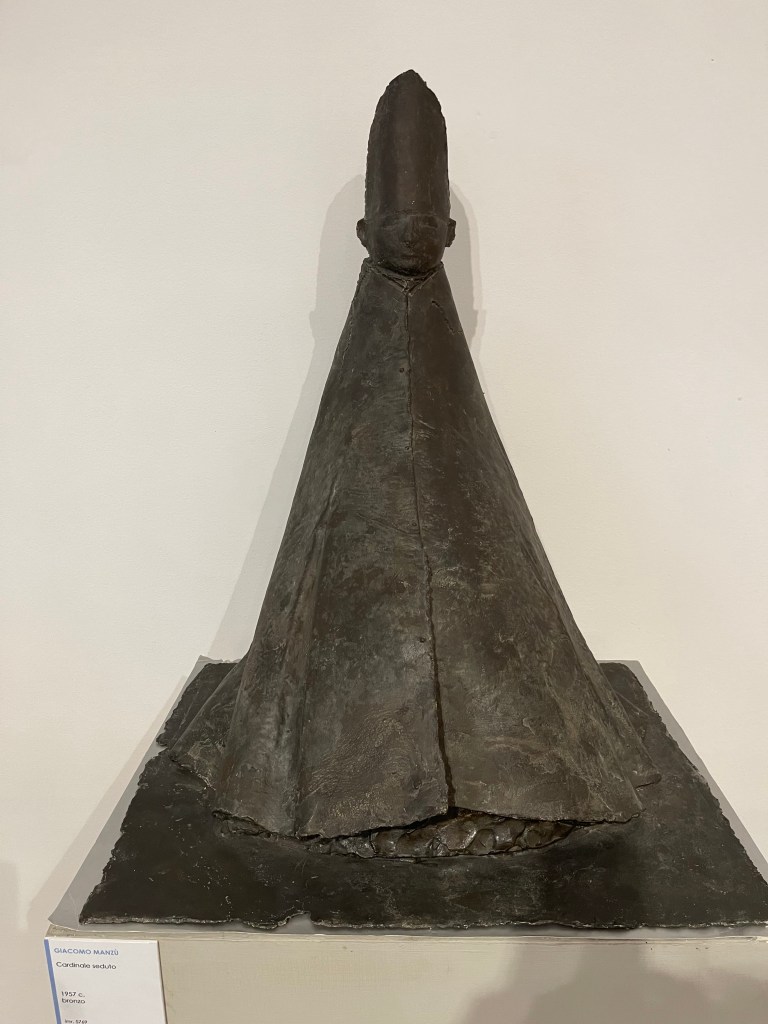
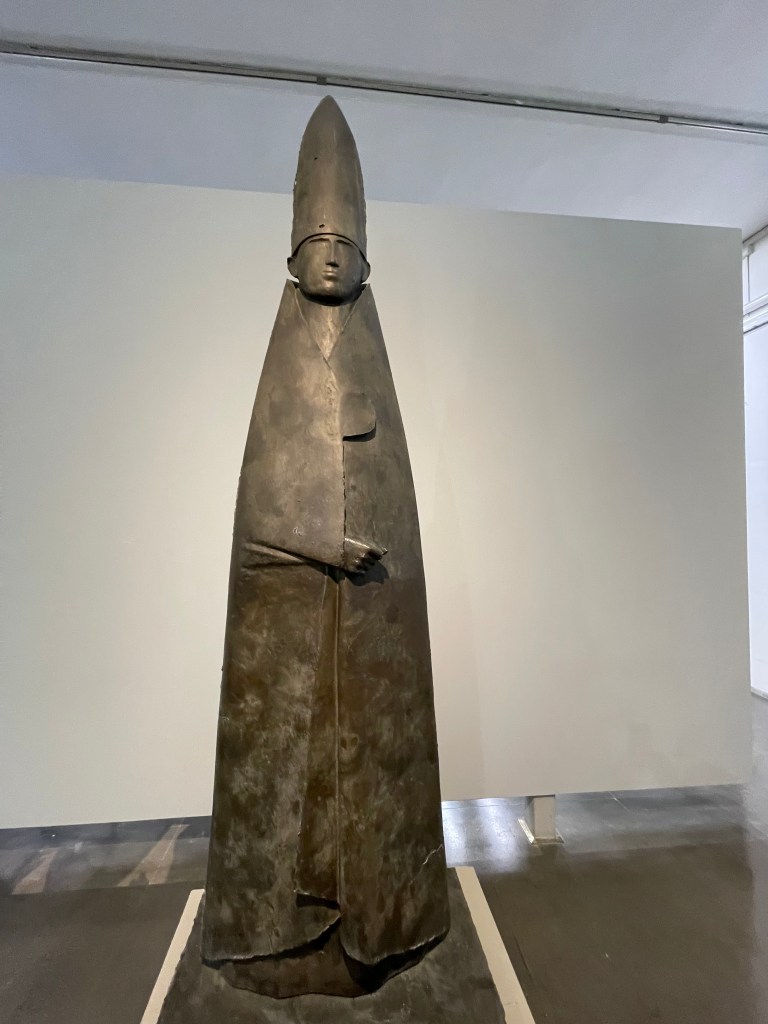
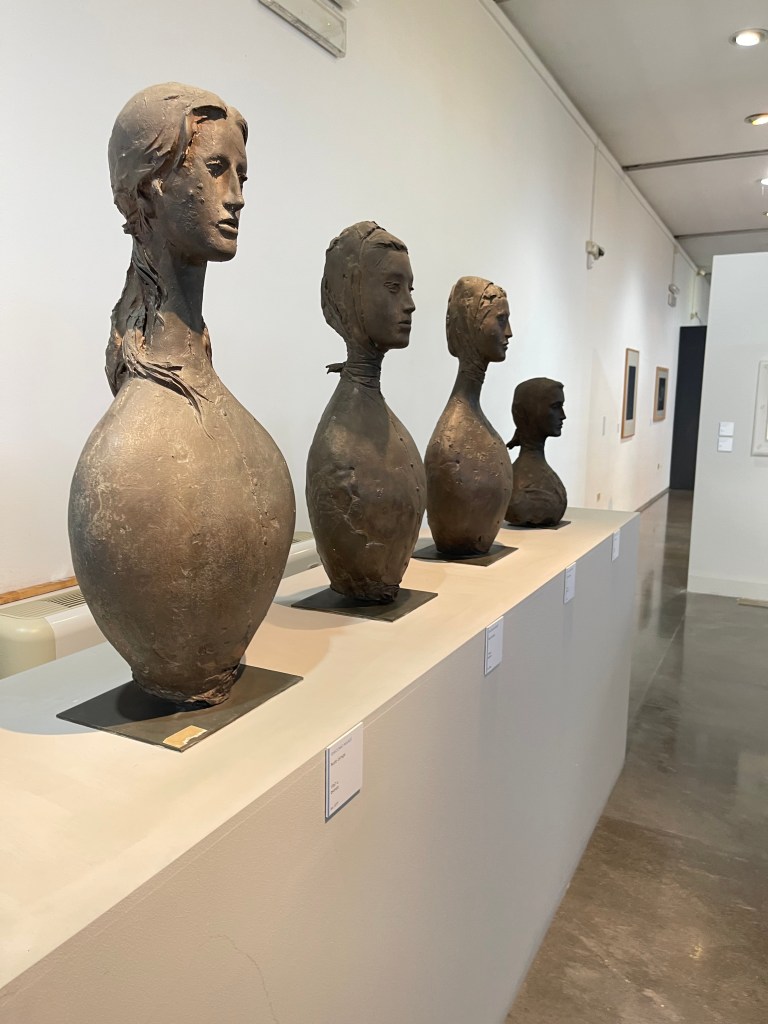
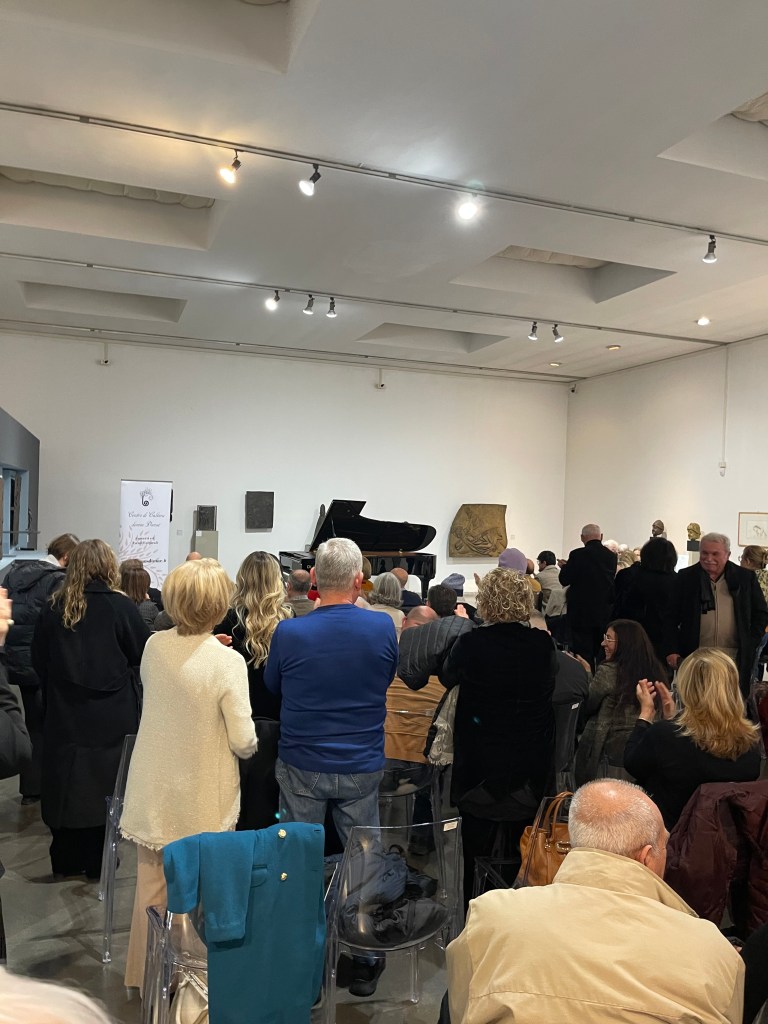
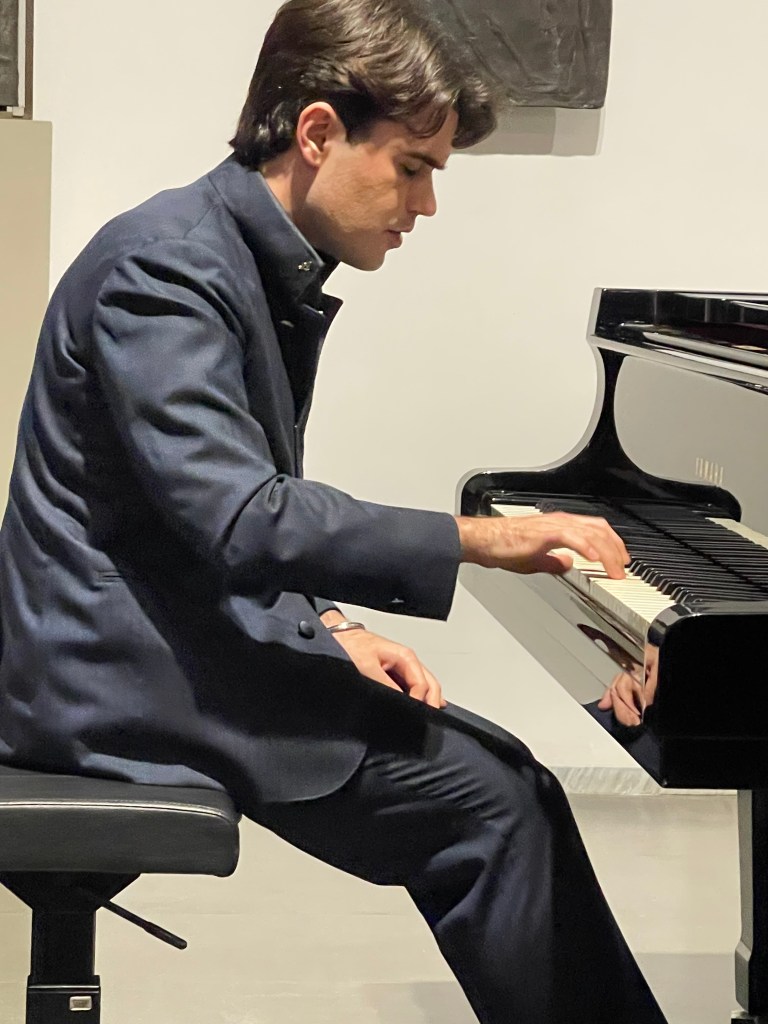
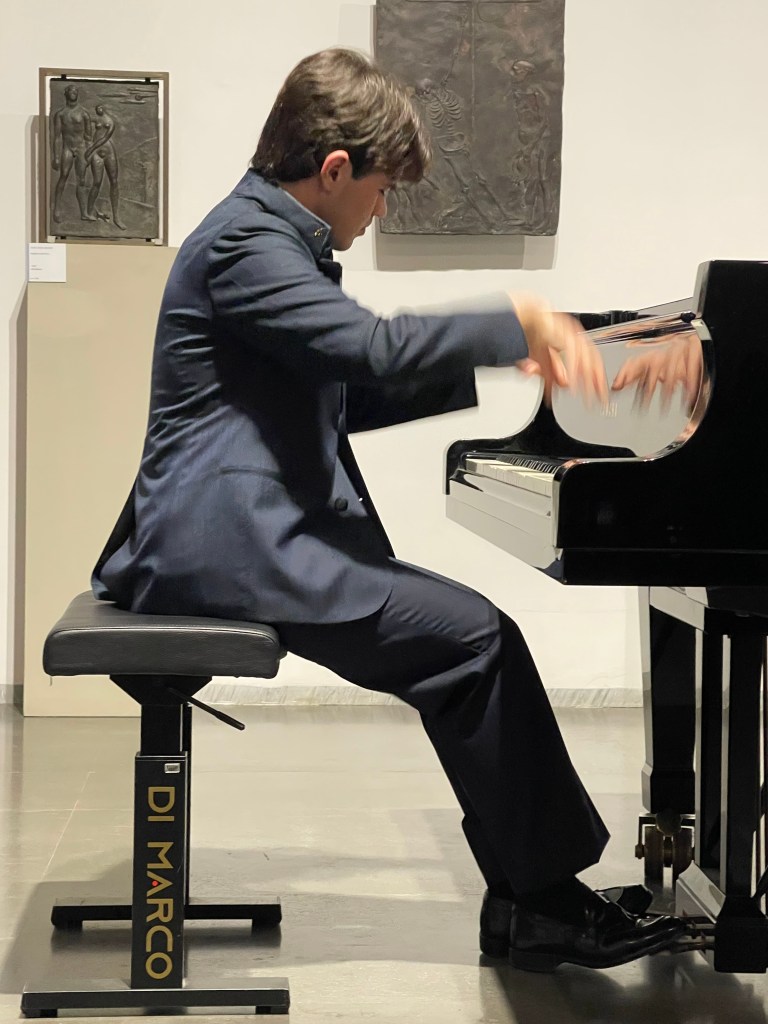
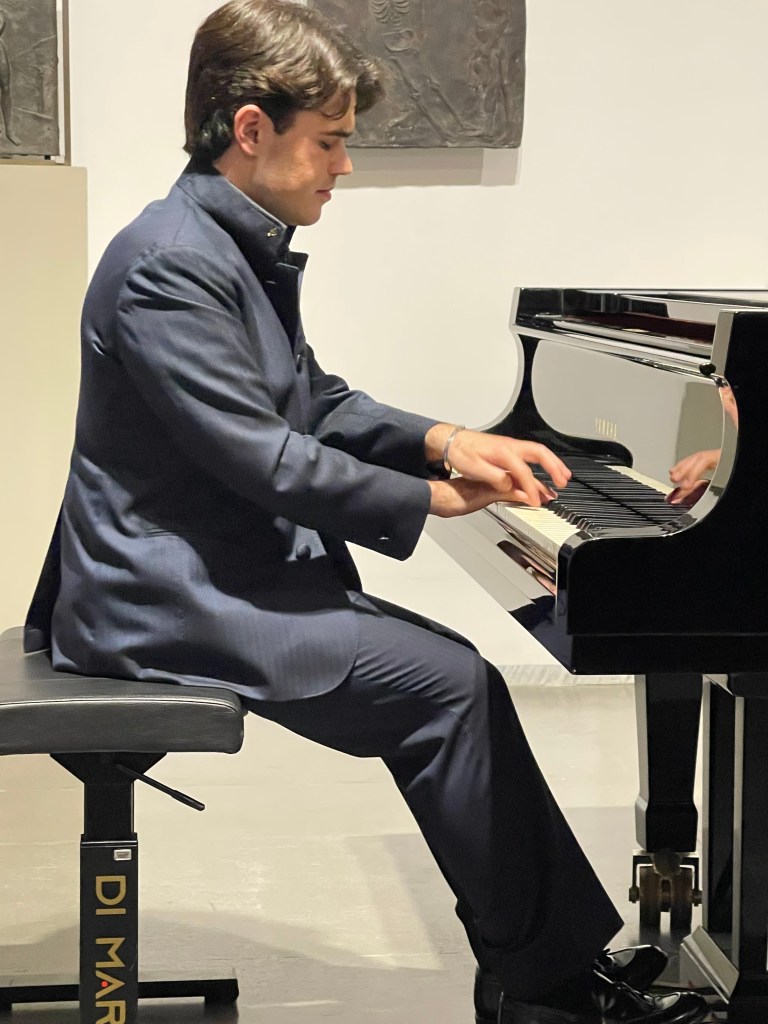
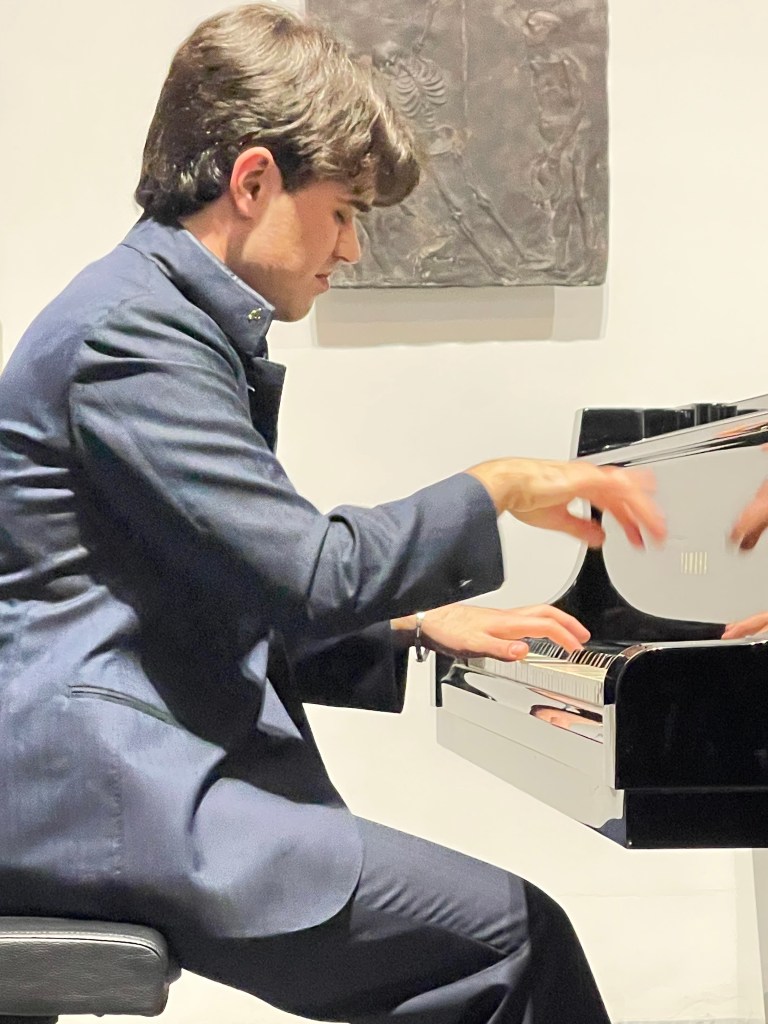
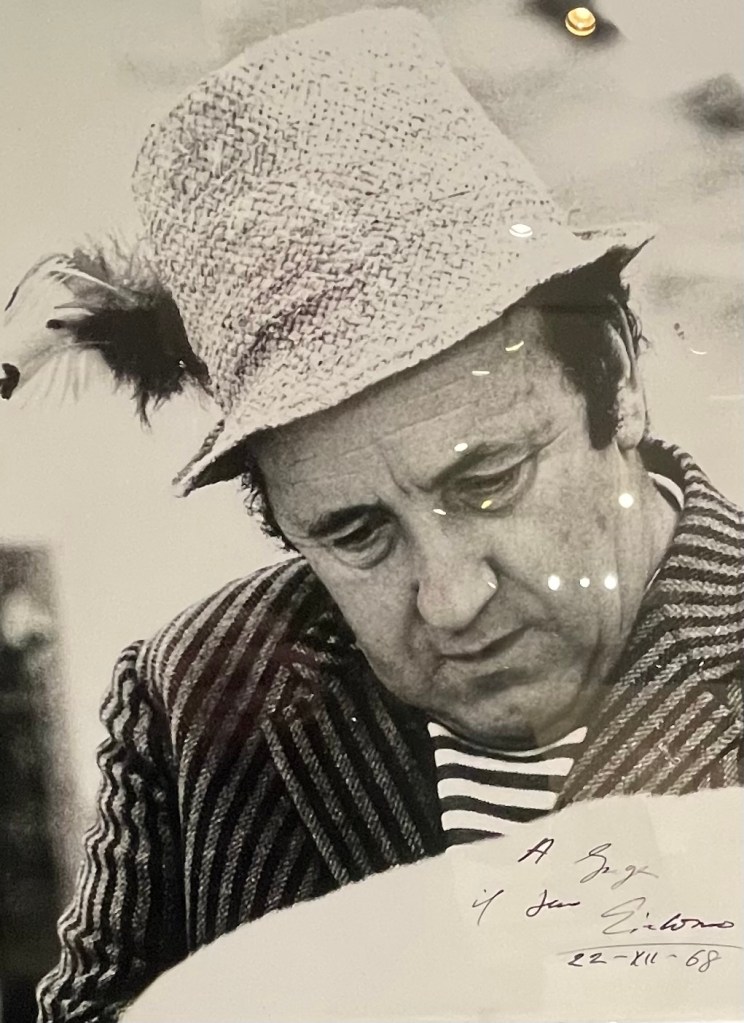
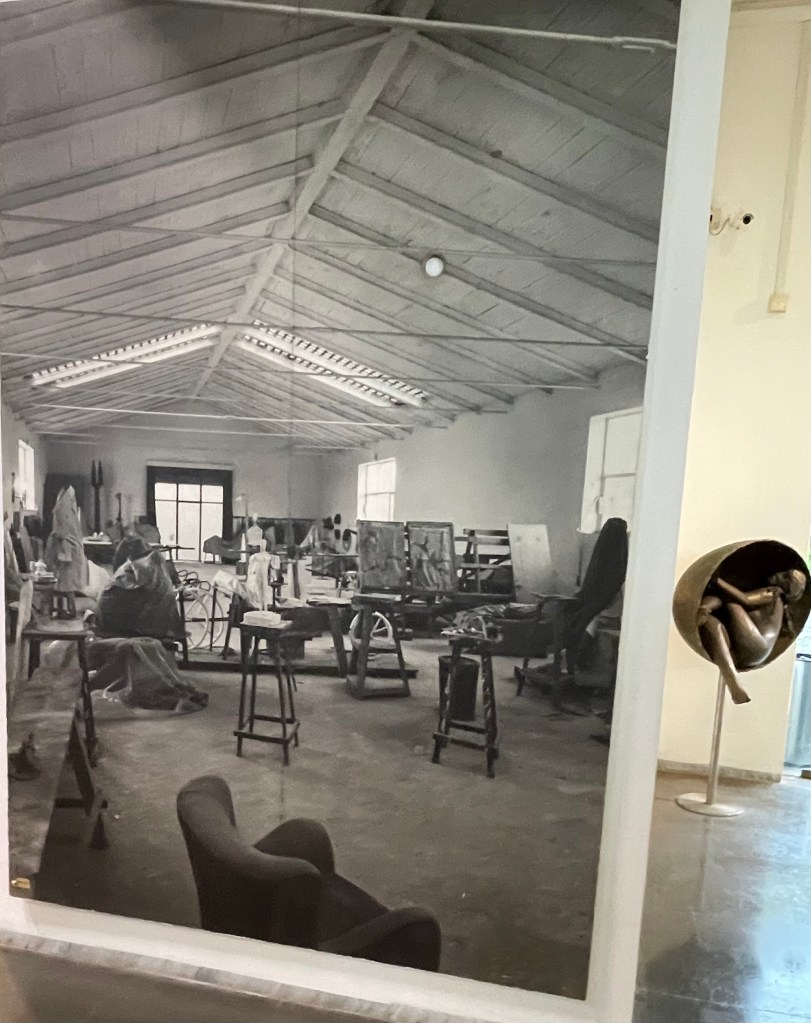
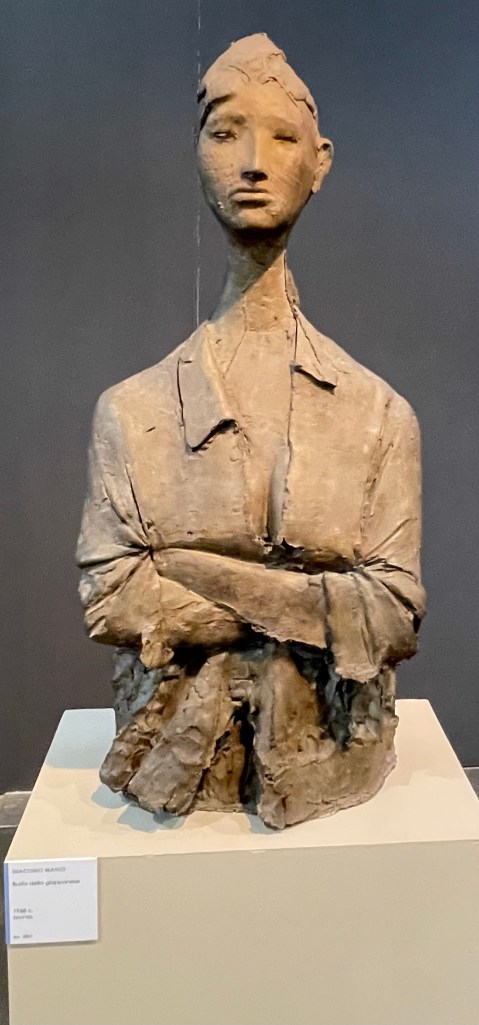
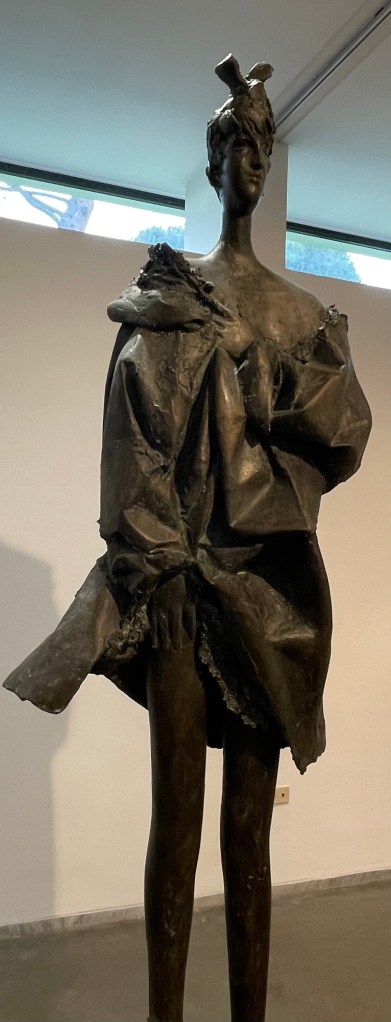
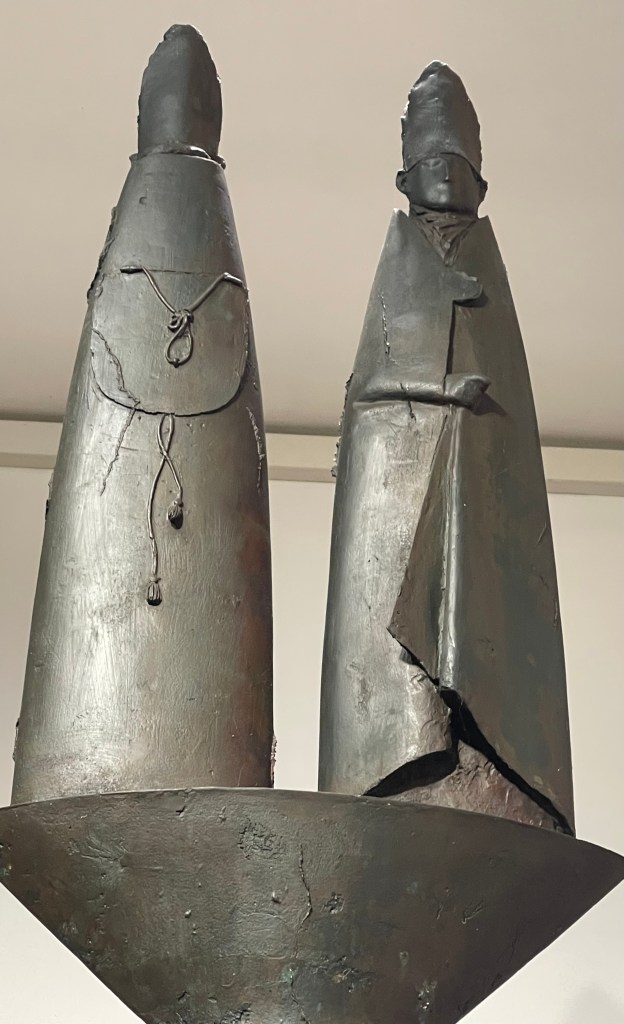
There was magic in the air as Manzù’s imposing sculptures suddenly came to life with the sound of music .

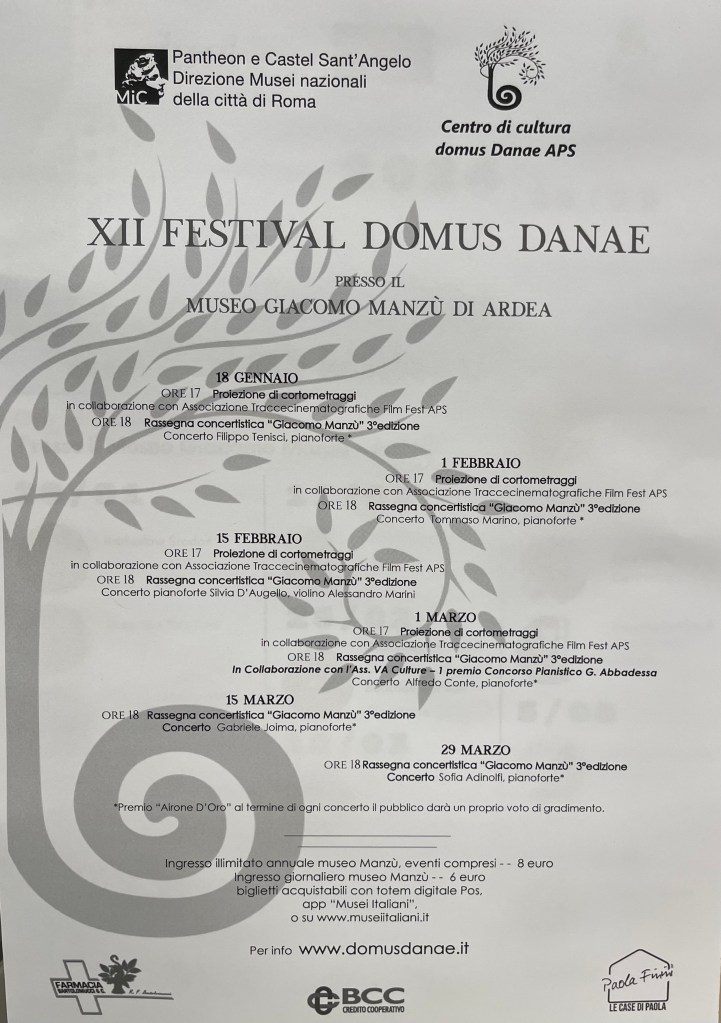
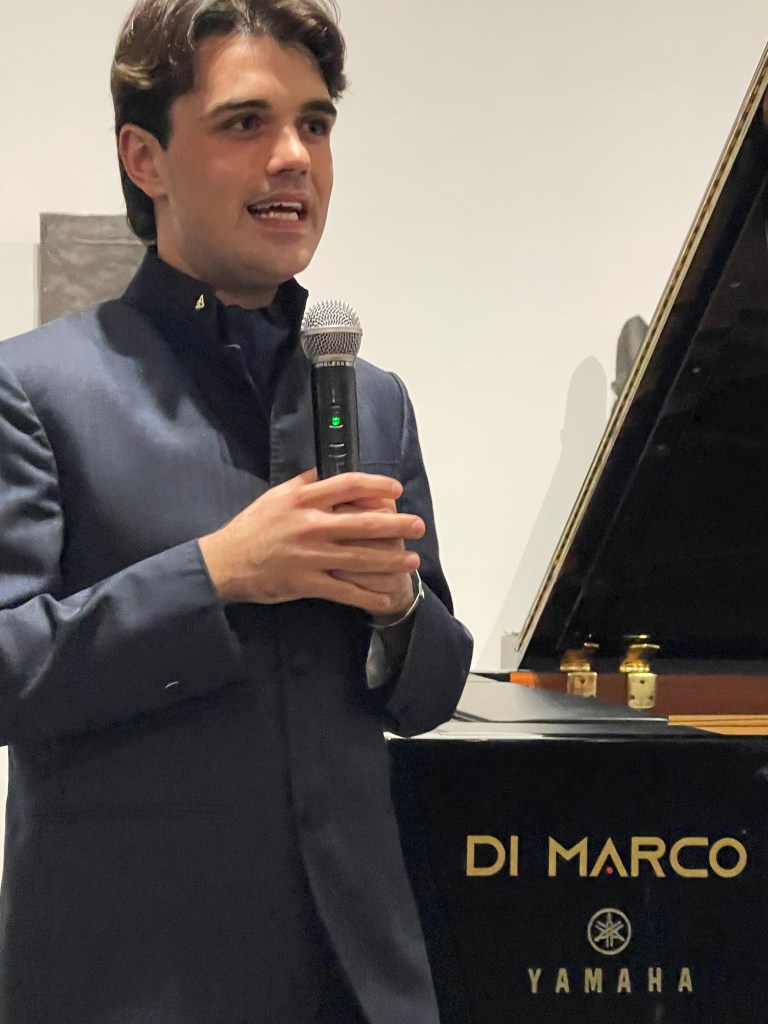
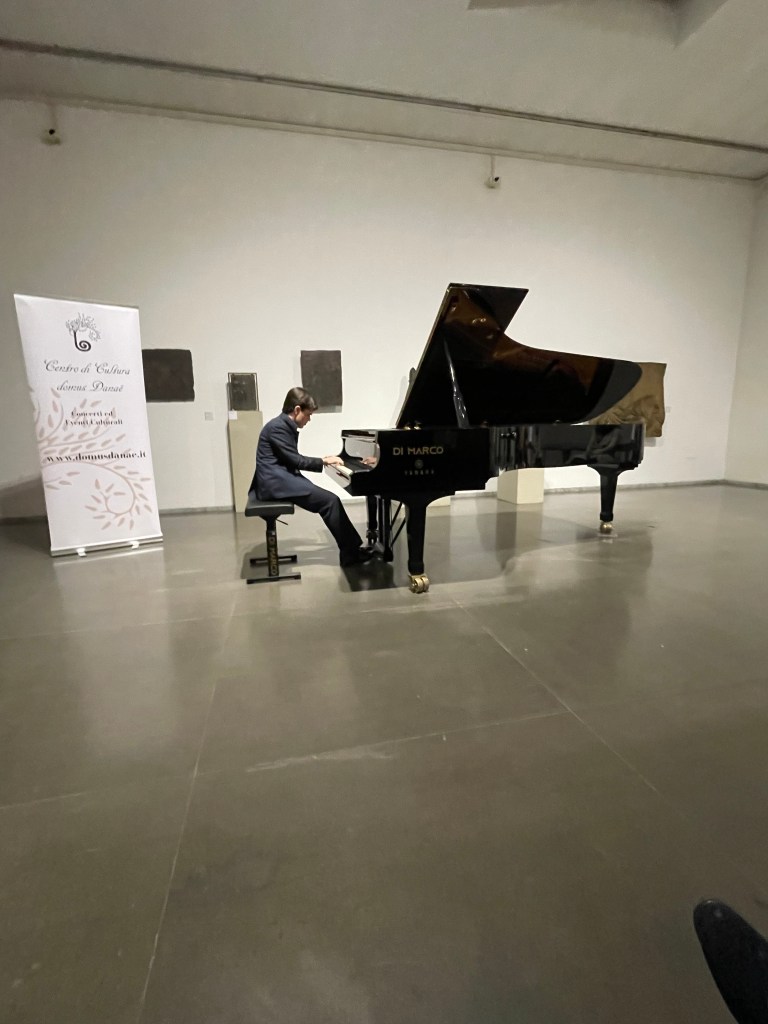
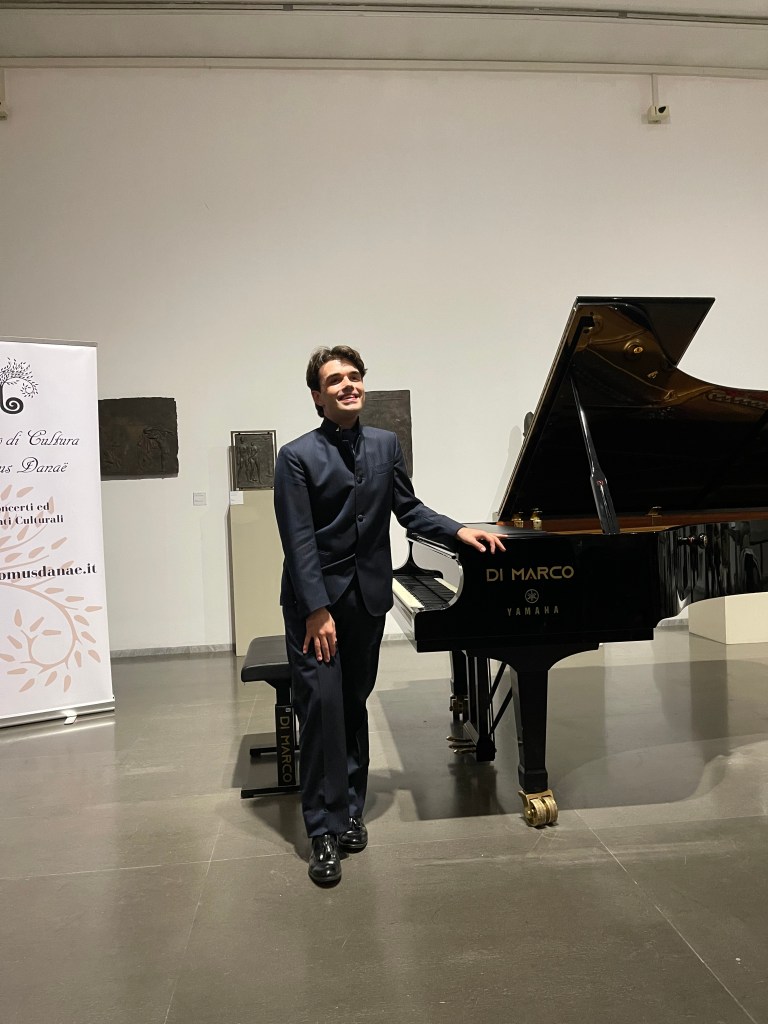
Thanks to the Domus Danae festival, Alfredo Conte, an aspiring young multi celebrated pianist, could fill this ex studio of Manzù with works by Bach, Schumann, Scriabin and Rota.

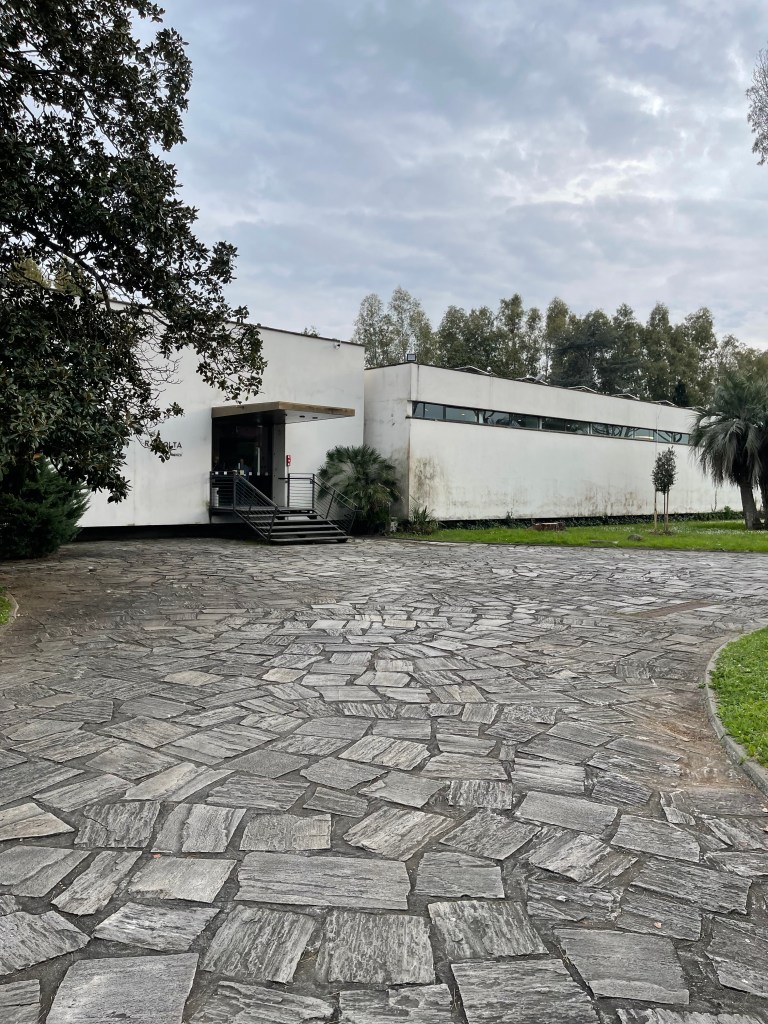
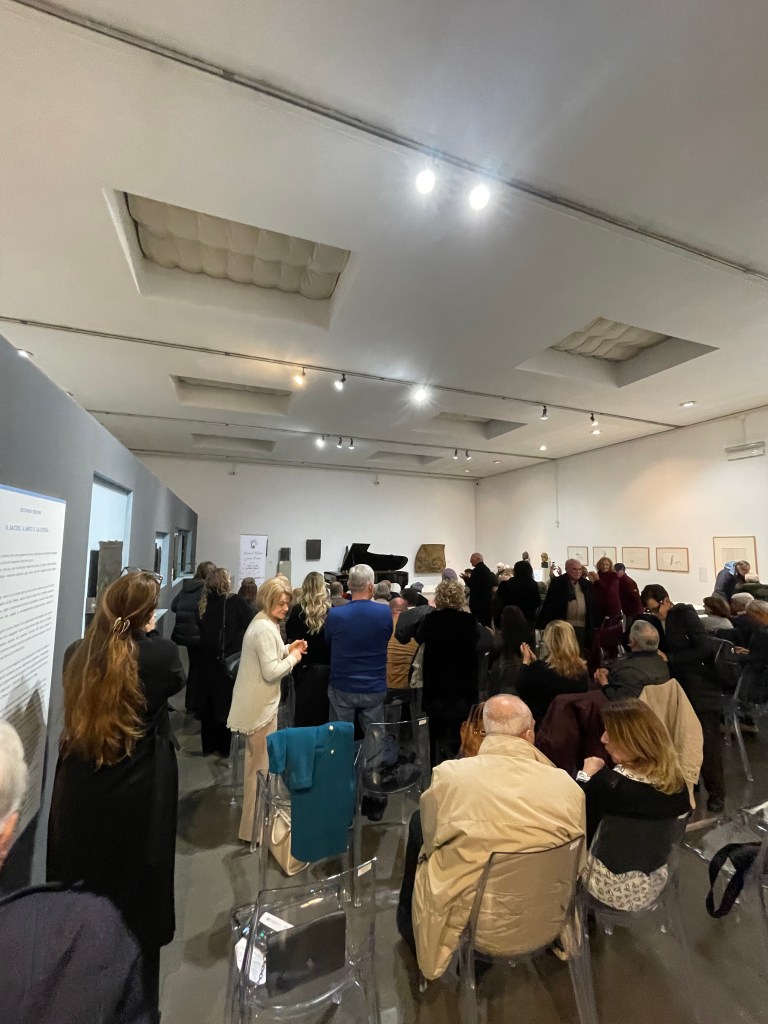
Beginning and ending with a fantasy as the world of Manzù, now transformed into a museum, was filled with noble sounds that much suited the genial sculptures that fill this vast space in Ardea, just thirty kilometres south of the eternal city .

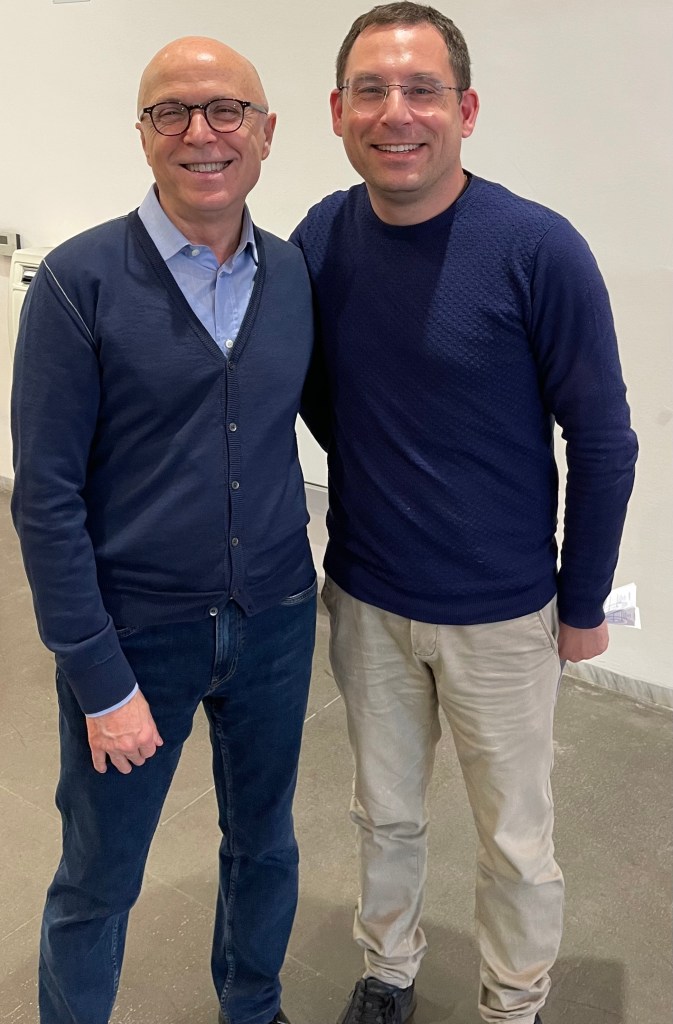
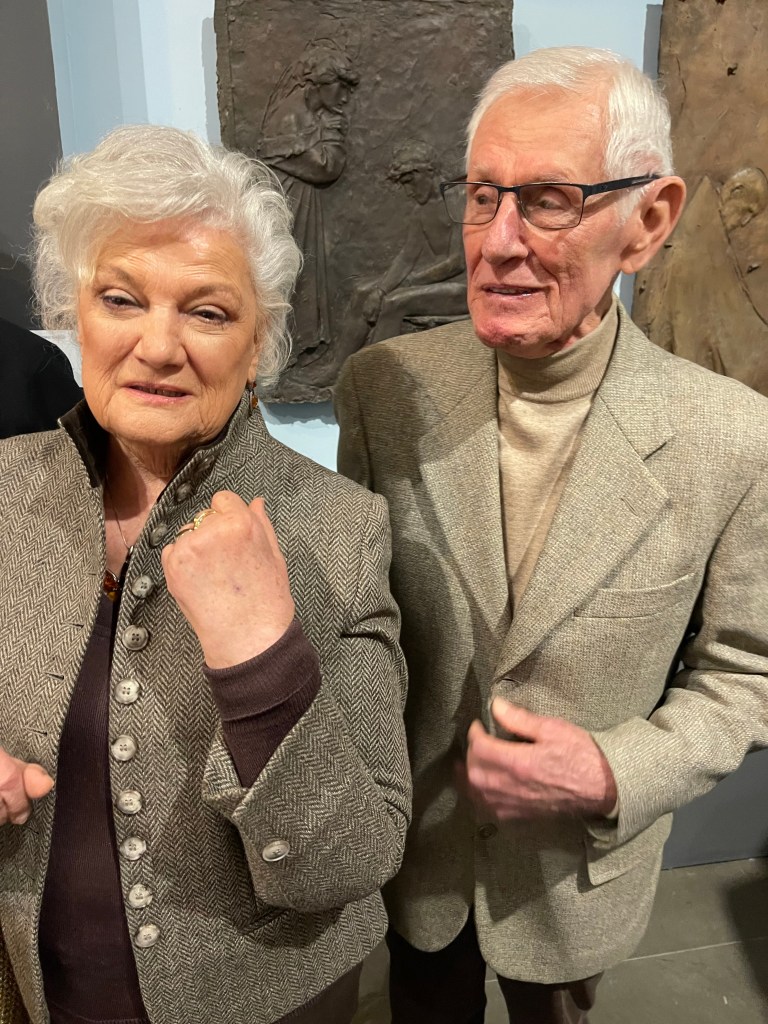
Alfredo had flown in especially from London where he is perfecting his studies at the Guildhall with Ronan o’Hora. On the 13th March he will give his final recital at the S. Cecilia Conservatory in Rome where he had completed his studies with the late Prof.ssa Maura Pansini https://christopheraxworthymusiccommentary.com/2025/11/08/professor-maura-pansini-r-i-p-renowned-advocate-of-the-neapolitan-school-of-piano-playing/

His final recital in her absence is being mentored by Prof. Pesce, who was present today to hear their young prodigy give his first performance of Scriabin’s Fantasy Sonata. A performance full of ‘viola’ coloured sounds, which was the colour that the composer had chosen for G sharp minor from his palette of colours that each key inspired in his own fantasmagorical sound world .

A work much inspired by the music of Chopin whose 216th birthday it would have been today.

A programme that had begun with the Chromatic Fantasy and Fugue by Bach, that Alfredo played with the improvised Fantasy realised by Busoni. Alfredo played with aristocratic authority, as like the statues that surrounded us, there was an inner strength to the disarming simplicity of the architectural line. This was Busoni not the composer of transcriptions of the great organ works or the Chaconne for solo violin for which Bach/Busoni signifies almost shared responsibility. This was Busoni who with great respect for the genius of Bach could realise the improvised chordal progressions that Bach would have expected from the kappellmeisters of his day. An elaboration that Guido Agosti, whose total respect for the composers wishes was much respected and revered, also admired this edition as being a faithful realisation of Bach’s figured bass. Alfredo played it with fluidity and clarity as the shifting harmonies were interrupted by imposing recitativi before the simple lone voice of the Fugue emerged. Bach’s knotty twine was allowed to unwind with a dynamic drive as the voices entered one by one leading to the final imposing climax and simple majestic ending.

The eighteen scenes that make up Schumann’s ‘Davidsbündlertänze’ were played with great strength, as Alfredo showed us the architectural line of this early pre-nuptual work op 6 .It was to lead to a continuous outpouring of masterpieces as Schumann found the marital bliss with Clara Wieck that had been denied them by her father, who did not want his child prodigy daughter to be distracted. She bore her husband,Robert, eight children but also became the first woman virtuoso of her age. Her husband who was also a pupil of her father, Friedrich Wieck, had to abandon a performing career having damaged his fingers trying to strengthen them with a mechanical aid! They were a formidable team until Robert’s duel artistic personality of Florestan and Eusebius was to lead to an asylum and death at only 46 , having tried to commit suicide by throwing himself into the Rhine . Alfredo played this difficult work with great understanding and considerable technical mastery but more of Florestan than Eusebius. A more horizontal approach would have allowed the slower episodes to be inbued with more fluidity and natural freedom. However his architectural understanding of a work made up of eighteen fragments showed his intelligence and musicianship as he managed to unite them into one unified whole, from the capricious, fleetingly elusive opening, to the striking of midnight as the final dance turns into a dream. The fourteenth dance is one of the most beautiful melodic outpourings that Schumann, the poet, was to write and pointed to the Lieder that he was to pen immediately after he found marital bliss. Alfredo played it with a glowing radiance and poetic understanding allowing an oasis of Eusebian beauty to beguile us in-between the impish antics and passionate outbursts of Florestan.

The Scriabin Fantasy Sonata is a new addition to Alfredo’s repertoire, and it was here that he caressed the keys and found a fluidity and kaleidoscope of colours that had eluded him in Schumann. A beautiful opening played with great sensitivity where a web of glistening sounds was born, as the melodic line was allowed to shine in its midst with radiance and glowing beauty. A dynamic drive to the second movement was played with passionate intensity as it burst into a flame of melodic outpouring of unashamed romantic ardour which Alfredo played with masterly control and exhilarating brilliance.

An ovation from an audience that filled every corner of this magnificent space allowed Alfredo a moment of peace and calm to share with us a final delicate Prelude by Nino Rota

https://christopheraxworthymusiccommentary.com/2026/02/17/nikita-burzanitsa-programme-notes-for-wingham-concerts-compiled-by-christopher-axworthy/