‘It is every artist’s dream to be understood and to convey even the most intimate thoughts, feelings, and emotions to our audiences. Thank you, Christopher Axworthy for making me speechless after reading your kind review of my London Recital. It’s like a dream-come-true moment when my heart is filled with joy, a joy so deep and meaningful, which happens only after spending more than half a century mastering something and finally having it not only noticed but understood by others. It’s as if you were X-raying my whole being, and reading even the most subtle and sublime thoughts and emotions.’
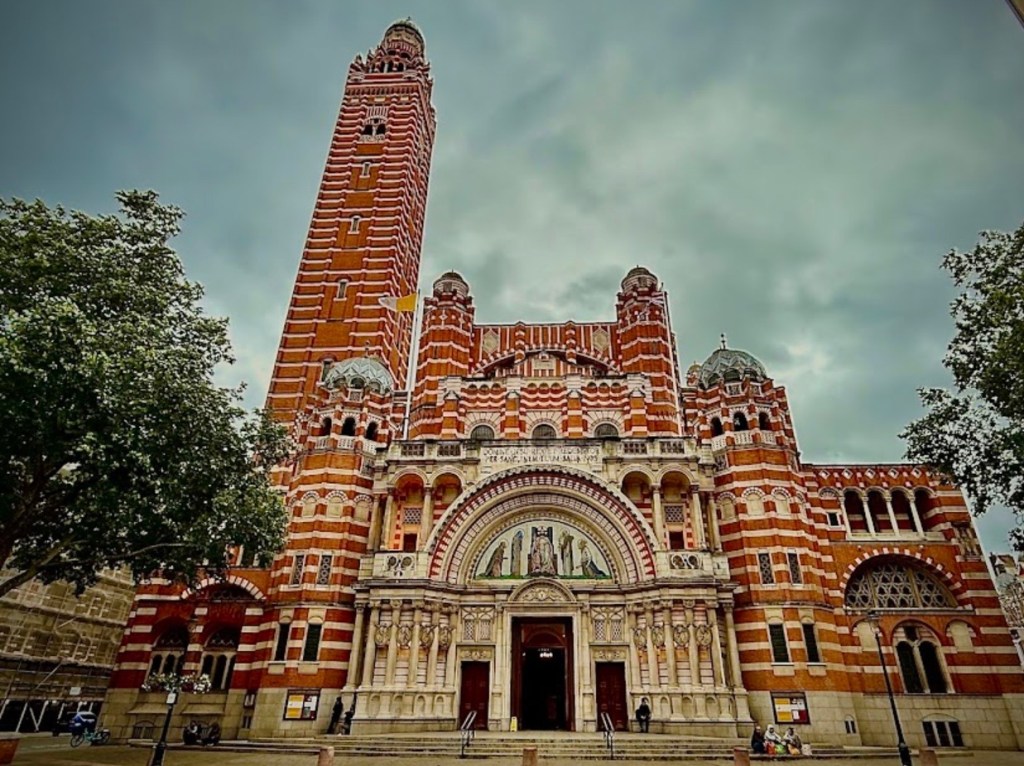
Jabłoński at the Chopin Society with a programme of Chopin lollipops which unexpectedly turned into the visiting card of a great pianist. These, like Sir Thomas Beecham’s Lollipops were jewels in the crown of a supreme stylist.
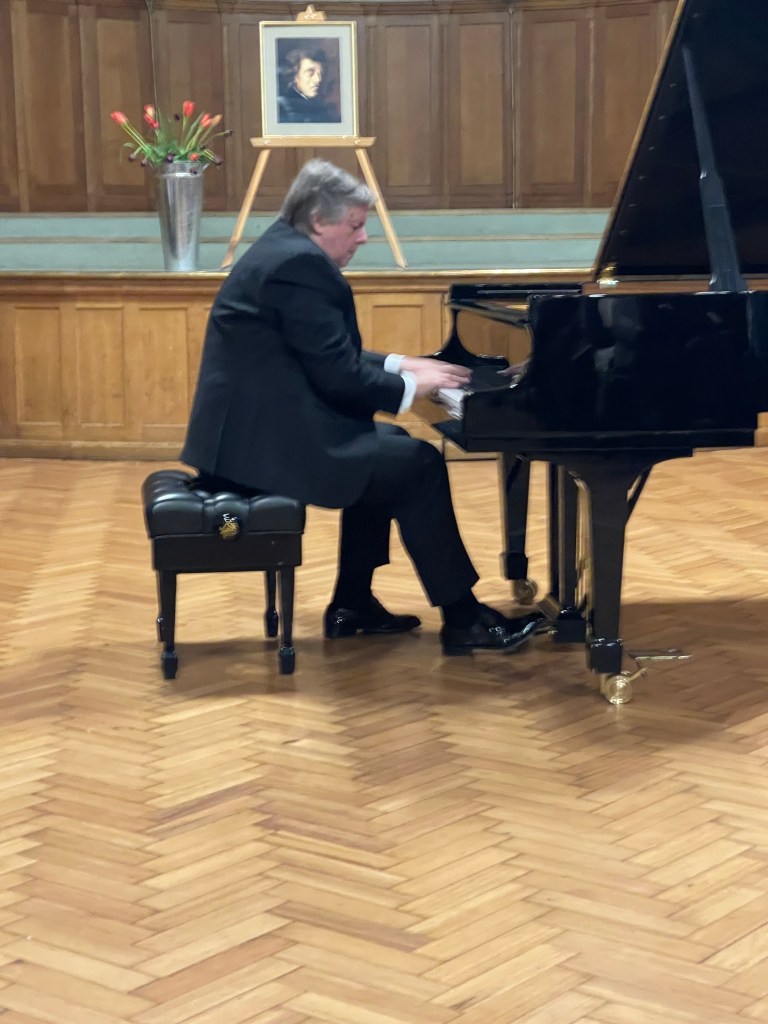
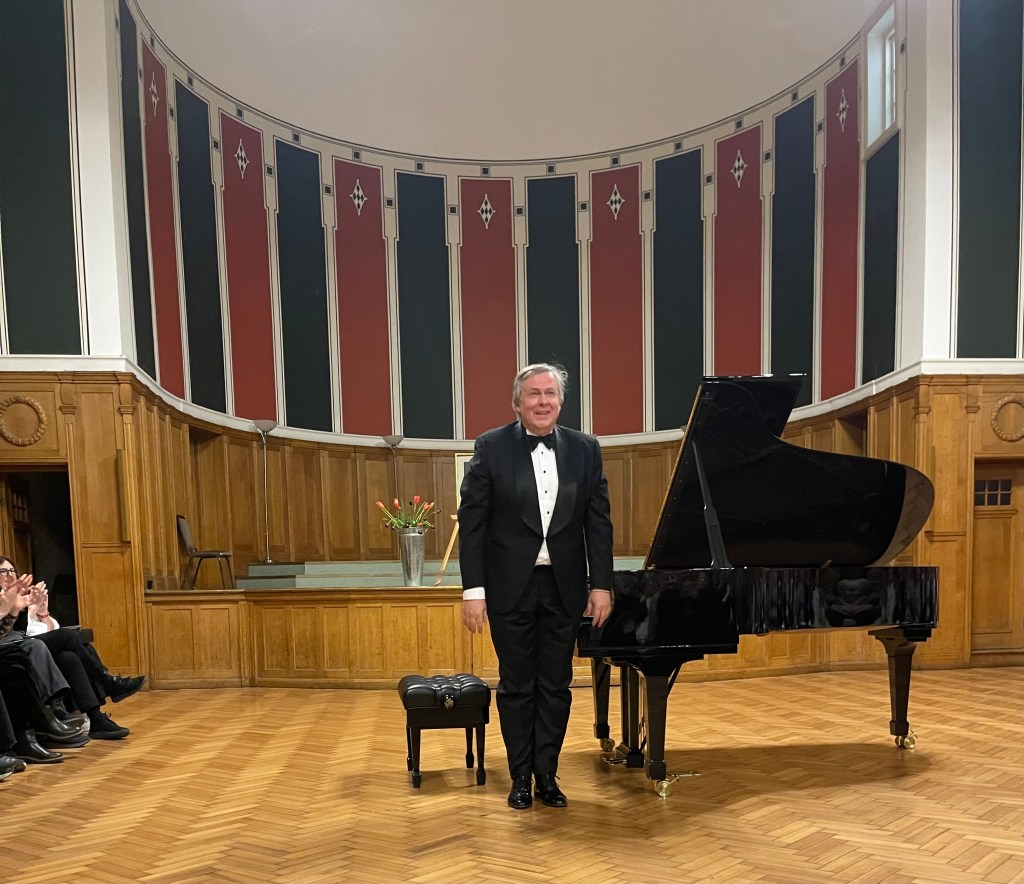
Playing of great weight with simplicity and humility giving new life to these well known works. From the very first notes it was obvious that we were in the presence of a master. A limpet like touch, reminiscent of Gilels , where the fingers could delve deep into the keys and extract sounds that were always beautiful and fully rounded. A palette of sounds that could make the music speak without affectation or any self awareness.
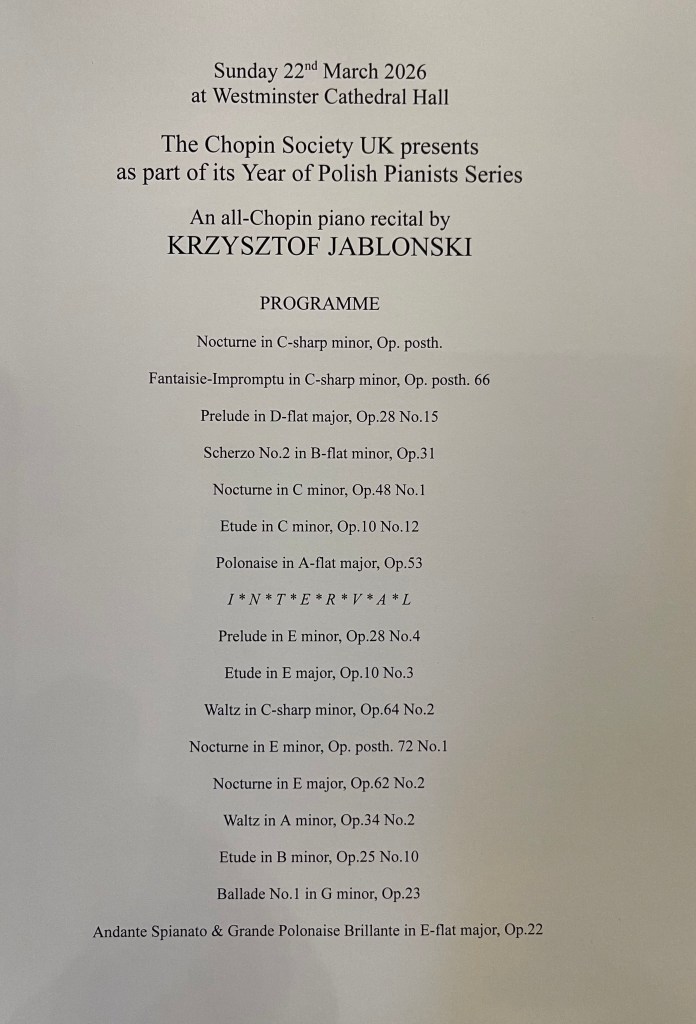
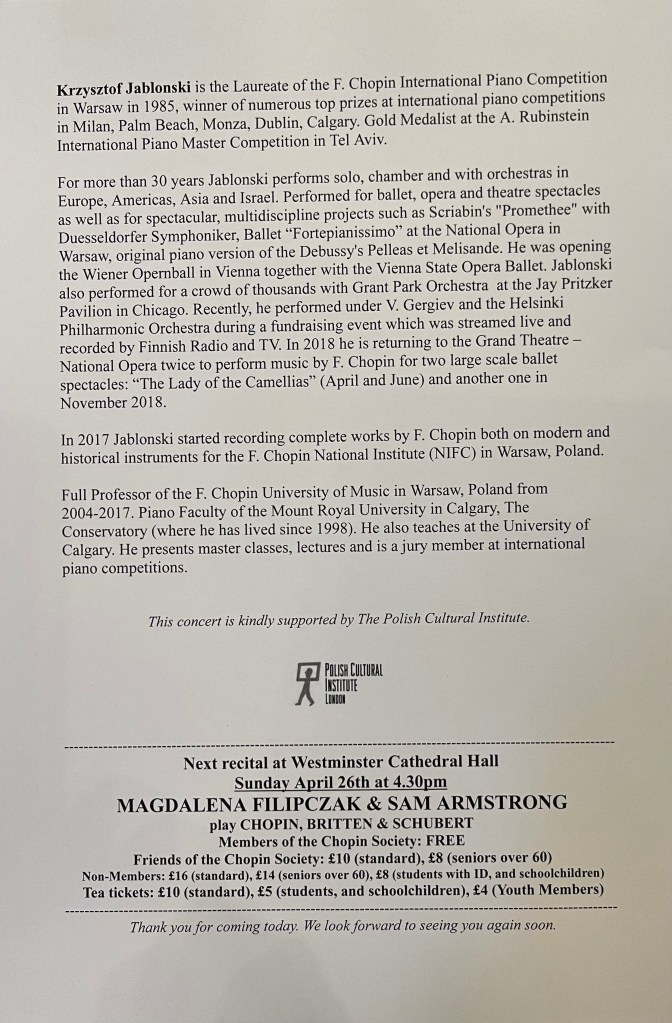
The Nocturne in C sharp minor op. post, he may have pedalled over the rests at the beginning but he played with such beauty giving an architectural shape and subtle meaning to even these opening chords. A belcanto of glowing warmth and beauty was played with a masterly sense of balance where the melodic line was never overpowered by the bass accompaniment but was allowed to float on a shimmering wave of richly harmonic sounds.
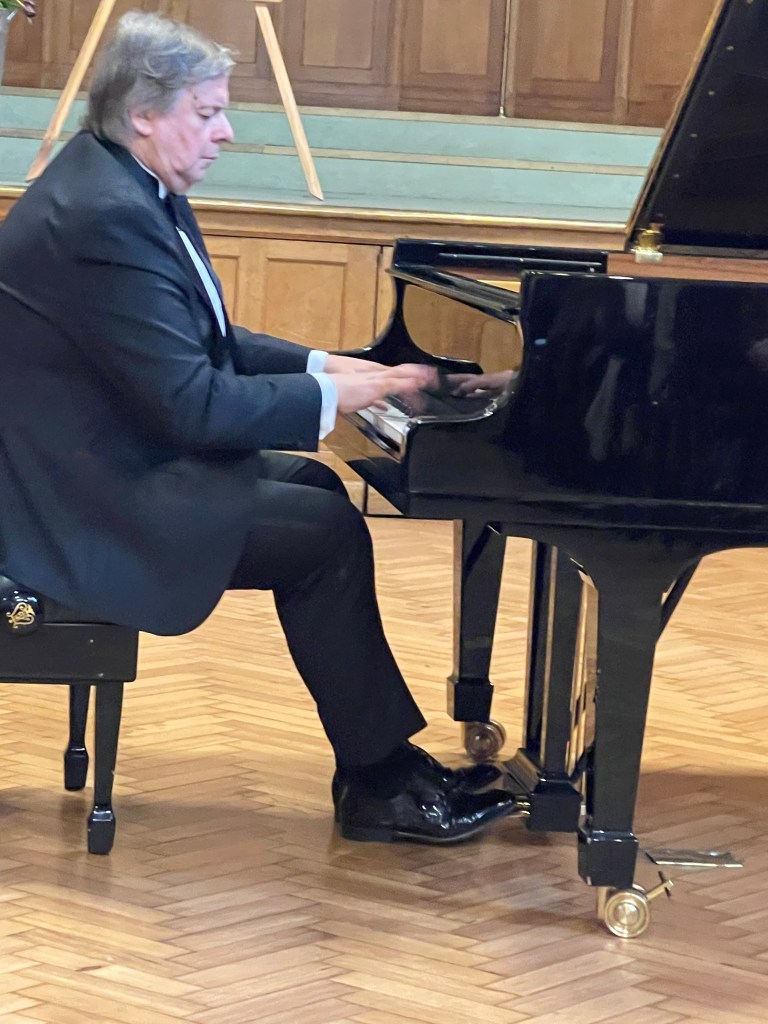
The Fantasie -Impromptu op 66 was played with a sense of style that permitted a knowing freedom.That which Chopin himself described as the roots firmly planted in the ground but the branches above allowed to sway in the wind. A whirlwind of golden sounds,where streams of undulating notes were allowed to breathe, bathed in sumptuously rich sounds. Dissolving into the beauty of the central episode which was played with the freedom of a singer, where ornaments opened with timeless beauty and poignant significance.
In fact all through the recital nothing was just thrown off, but all was shaped under an umbrella of sound, where Jablonski could be free to shape the music with aristocratic simplicity, where every note had a meaning in a musical conversation of searing significance.
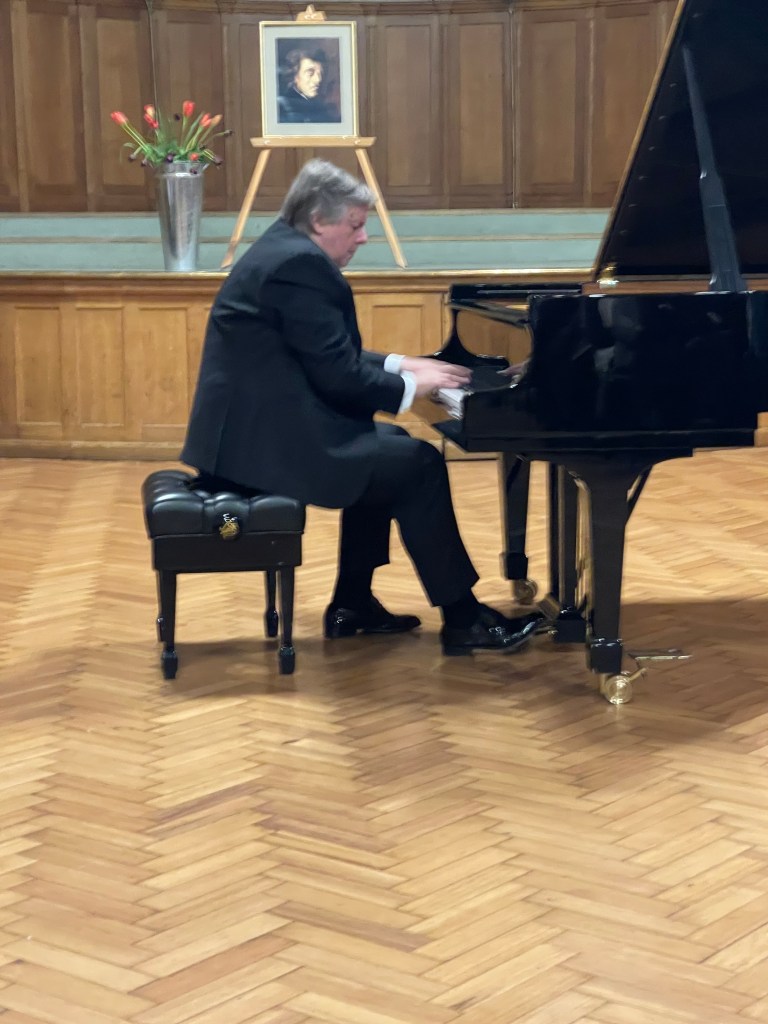
The ‘Raindrop’ prelude op 28 n.15 was played with a glowing belcanto, with an emotional strength that was never sentimental but had a sense of line and direction. Leading into the lament of nostalgic yearning of the central section which built to an emotional peak of burning intensity. The disarming simplicity of the return of the opening was played with even more radiance and whispered beauty.
The B flat minor Scherzo showed Jablonski’s masterly musicianship, where the first note usually played as a launching pad was here quite simply the anchor of the chords that followed in the treble. All through this performance so many bad habits handed down from the Chopin tradition were ignored in favour of a musician who could look deeply into what Chopin had actually indicated in the score. Of course there was radiance and beauty but also strength and aristocratic nobility. A central episode of whispered chords as the music gradually took wing with the mastery of exhilaration and excitement. A coda that had something of orchestral colour, where waves of sound, not just notes, built up to the final explosion of emotional power and excitement.
The C minor Nocturne op 48 n. 1 was played with timeless wonder, where the melodic line glowed over the giant steps that were accompanying it. Chords that seemed to appear from within as they built in intensity and volume without ever having a hard edge.The octaves inbetween the chords were like vibrations taking us on a journey step by step until reaching the peak of the mountain and the explosion of joyous exhilaration. The same sound allowed to die away where the melody emerged riding on waves of passionate urgency in this the longest of the nocturnes. Chopin had created a tone poem of a whole landscape opening and closing in a whisper, encompassing a whole world of emotions depicted with poetic genius.
The ‘Revolutionary’ study op 10 n. 12, was played almost without accents as notes just poured from Jablonski’s fingers without ever hitting the keys. Leaning deep into the notes and extracting rich beautiful sounds of burning intensity.The left hand waves of notes were an undulating mass of sounds like water boiling in a cauldron at a hundred degrees . An extraordinary mastery where each finger became a chain of horizontal sounds that were shaped with ever more intensity. Chopin marking forte and then echoed piano was played in context ,as a real musician, with his eye on the overall shape.It was always under this cloud of sound that was a protective shield against any prickly thorns that might have escaped. An extraordinary amalgam of sounds where the music was allowed to evolve without any pyrotechnics of vertical aversity.
‘Revolutionary’ indeed , as these well known master works were recreated as new. Simplicity and aristocratic good taste were allied to a natural technical mastery of fingers of steel but wrists and arms of rubber, allowing Jablonski to swim with wings of song.
Nowhere more was this evident than in the Polonaise ‘Héroique’ op 53, a work that Arthur Rubinstein made very much his own. Jablonski brought a similar aristocratic nobility and strength, and of course I am in no way comparing it to Rubinstein which in many ways was a broader, more monumental performance that will never be forgotten. But Jablonski brought a freshness without any rhetoric to a work of burning significance for the Polish Nation. Even the gentle unwinding after the cavalry march was played with an inner strength and sense of direction that lead so naturally into the final exhortation and poignant ending of this very ‘heroic’ Polonaise. The coda was of a final brilliance and breathtaking audacity where even the rests before the final chords had the same burning intensity as their surrounds .They were the final declaration of intent as only the of greatest of musicians are inspired, not by mere virtuosity, but by poetic sensibility.
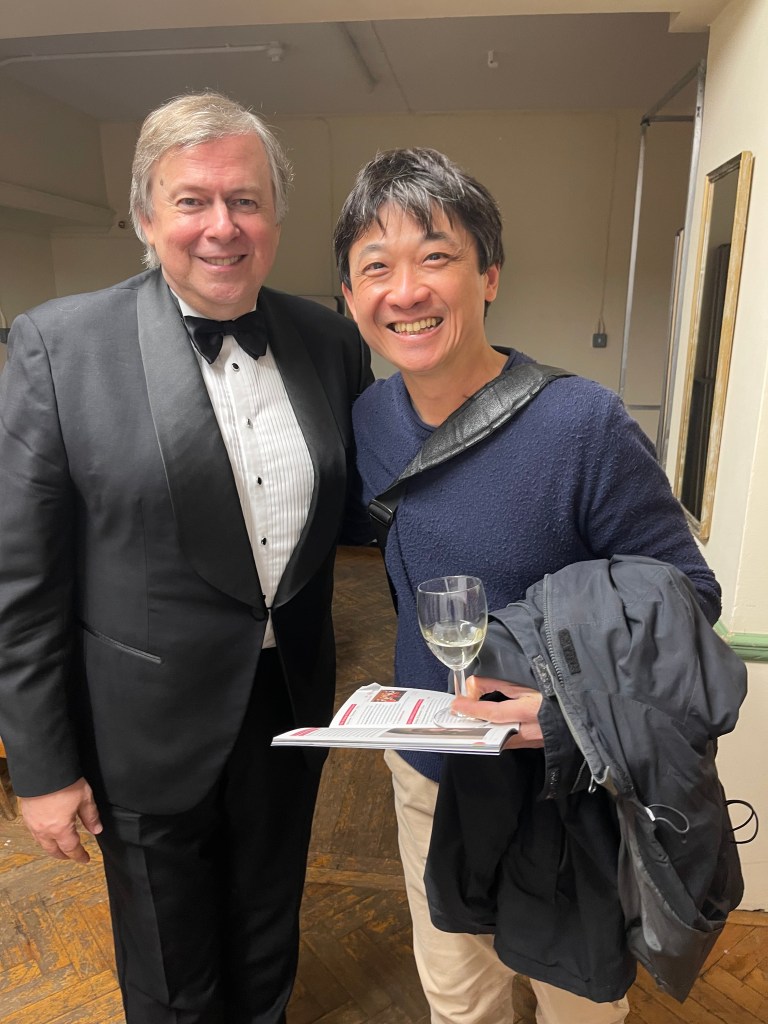
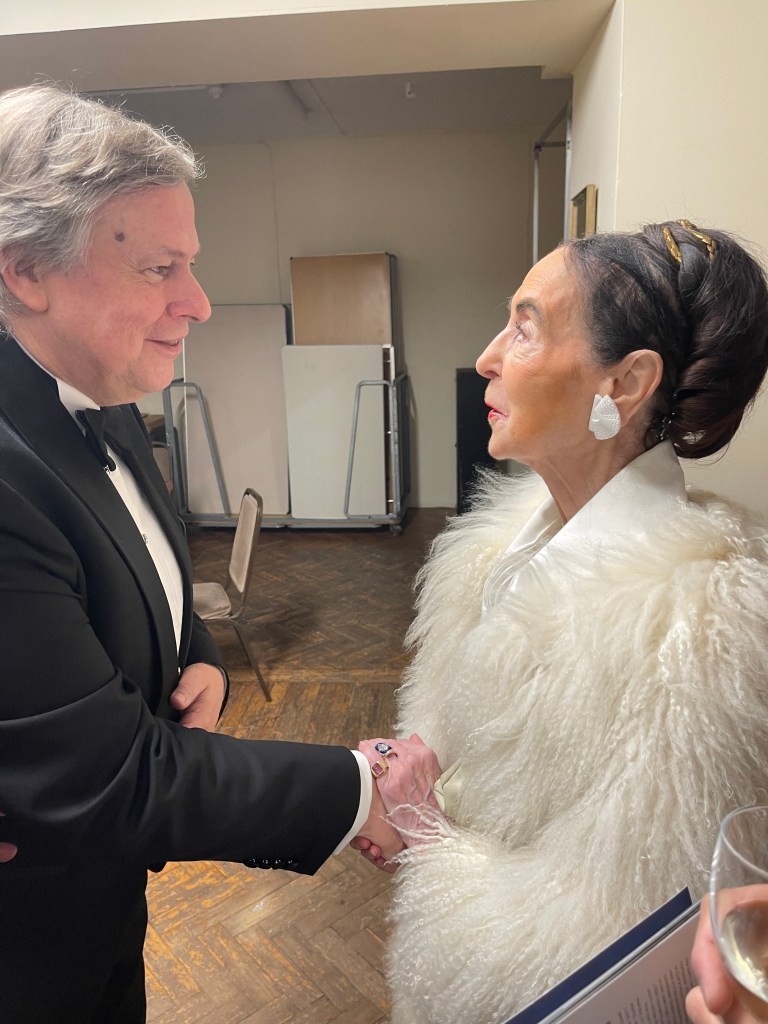
After the interval another selection of newly minted masterpieces were seen through the eye of this eclectic master musician.
The Prelude in E minor op 28 n. 4 is a harrowing and deeply felt tale . Jablonski’s control of the left hand chords revealed his masterly control of sound as he could underline various notes within them with the precision and artistry of a string quartet. The melodic line soared with passionate intensity until a burning silence and the three final chords played with jewel like character.
This was playing that reminded me ever more of Guiomar Novaes, who I never had the chance to hear in public, but have never forgotten the impact her playing made on me with the recordings that I found as a boy for just fifty pence. The simple beauty of Lipatti or Gelber, maintaining a simplicity and rich beauty of sound but leaving room for a personality of extraordinary intelligence and poetic sensibility.
The study op 10 n. 3 ‘How deep is your heart’ revealed the heart of a great artist who did not need to wallow or exaggerate with sickly sentimentality. It was played in two as Chopin wrote and a tempo that could accommodate the central episode without having to divide the study into separate parts . It was one glorious outpouring of the poignant sentiment that was within the very notes and not just applied to the surface. These were real sentiments of heartrending nostalgia and warmth for a homeland that Chopin was to abandon at eighteen and never to see again until after his untimely death at only 39. Jablonski played the central episode with limpet like virtuosity building almost unnoticed to the climax before the deep bass turn on a shimmering cooling wave of sounds heralded the return of ‘how sweet is your heart’ played with even more whispered poignant beauty.

The Waltz in C sharp minor op 64 n. 2 was played with simplicity as Jablonski’s jeux perlé was of such subtle flexibility that there was no need to bring out inner harmonies or find interesting variants within, as the simple elegance and radiant beauty of Chopin’s own voice was all that was necessary.
Two late nocturnes op 72 n.1 and op 62 n. 2 were played with a poetic beauty of inner strength and masterly shape.
Op 72 in particular showed a sense of balance that could allow the melodic line to grow in strength always supported by undulating sounds. Jablonski was not afraid to give a nobility and strength of passionate intensity to the belcanto because it contrasted with the whispered coda of pure magic. His Sokolovian stature allowing his right hand to play the last note deep in the bass, not wanting to disturb the constant wave of sounds created with his left hand.
The ‘Nocturne’ in E major op 62 n. 2 is one of Chopin’s last and most poetic creations. Like the ‘Barcarolle’ it is an outpouring of song from beginning to end. Distilled sounds of timeless beauty etched in chiselled marble with wondrous counterpoints that are strands of gold and silver under a melodic line of seamless beauty. A coda of breathtaking poignancy was a moment to cherish in a recital of extraordinary originality for its utter simplicity.
These are all works that have been covered in grime and dust for too long. Like the frescos of Michelangelo in the Sistine Chapel that so shocked the world when this masterpiece was restored to its original glory.
The Waltz op 34 n. 2 unlike it partner n. 1 is a gasping whispered lament where the bass melody is a soul in anguish relieved only by the glowing beauty of refined elegance of the contrasting belcanto voice.
Jablonski brought astonishing rich sounds of pyrotechnics to the ‘octave’ study op 25 where these were just undulating sounds of quite astonishing controlled intensity. The beautiful long central episode was played with a legato and sense of line where the study was not divided into two but was one glorious whole under the roof of sound created by a master musician who also happens to be a master technician. A technical mastery at the service of the composer and not a meaningless demonstration of personal prowess or showmanship.
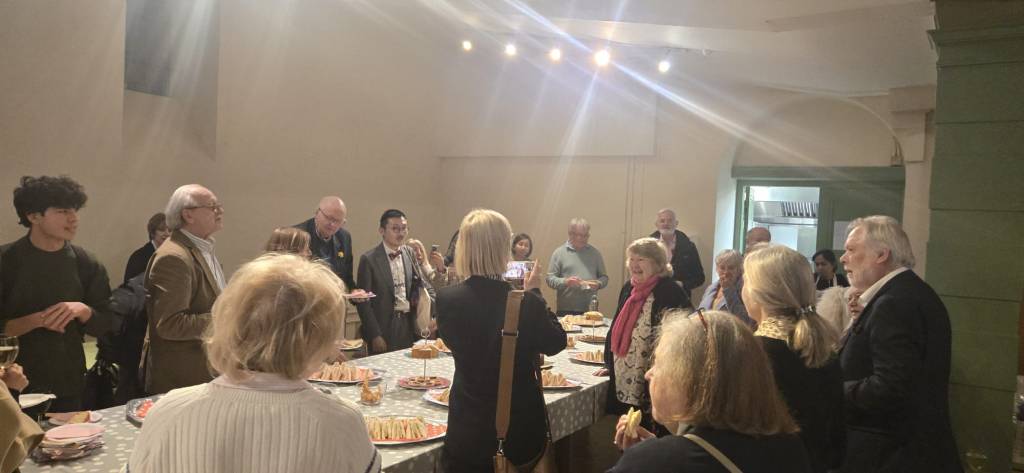
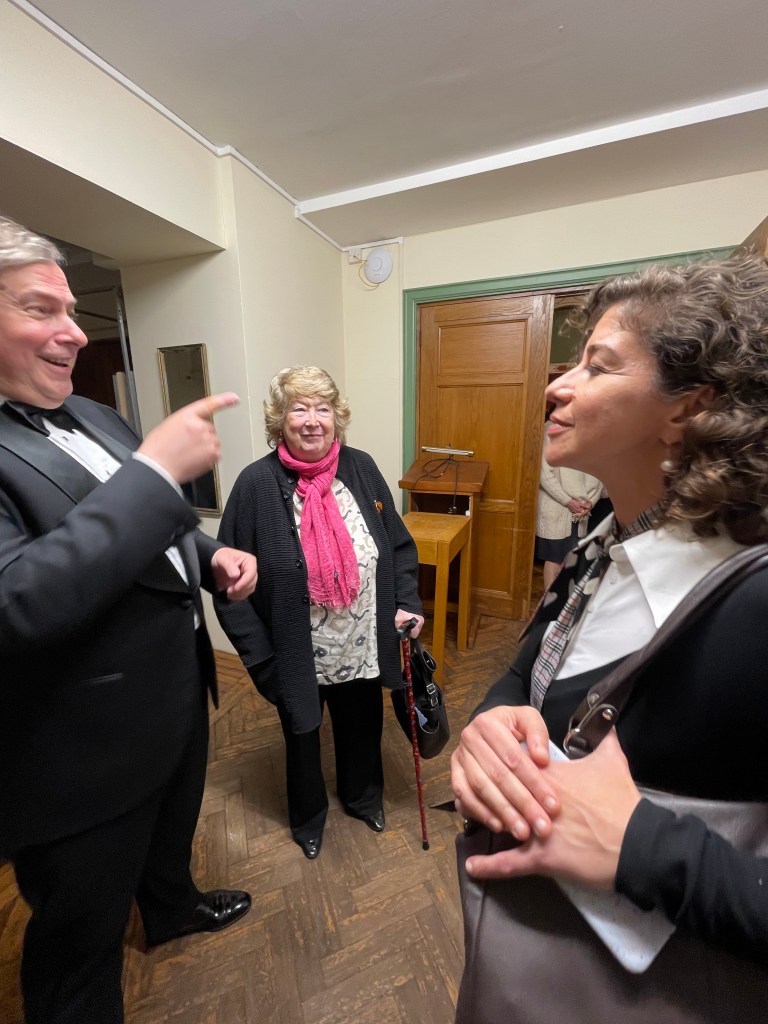
The first Ballade is probably the most frequently distorted masterpiece in the repertoire. Chopin has written in the score ( like Liszt at the opening of this B minor Sonata) all that is required and if the rests, rhythm and dynamics are respected it can reproduce the masterpiece that Chopin actually wrote! Jablonski produced an outpouring of whispered beauty contrasting with passionate intensity where one world grew out of the other giving an overall shape to this unique form that Chopin had created. A tone poem of great originality, contrasting brilliance with beauty in a continuous outpouring of genial invention.
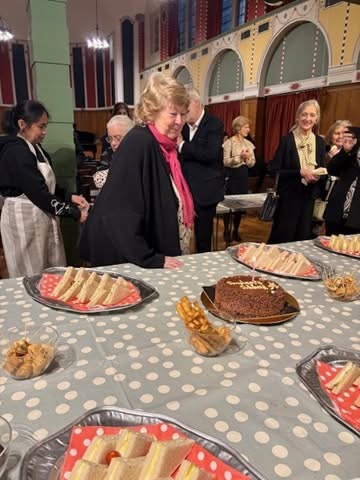
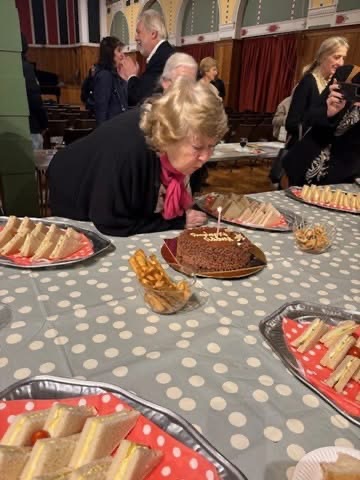
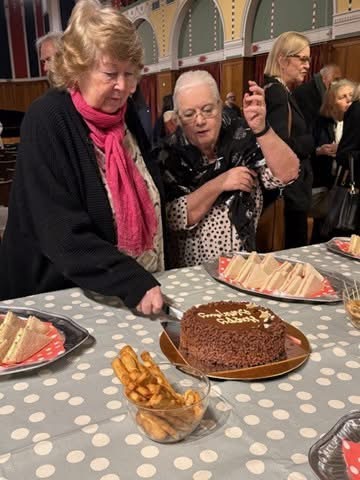
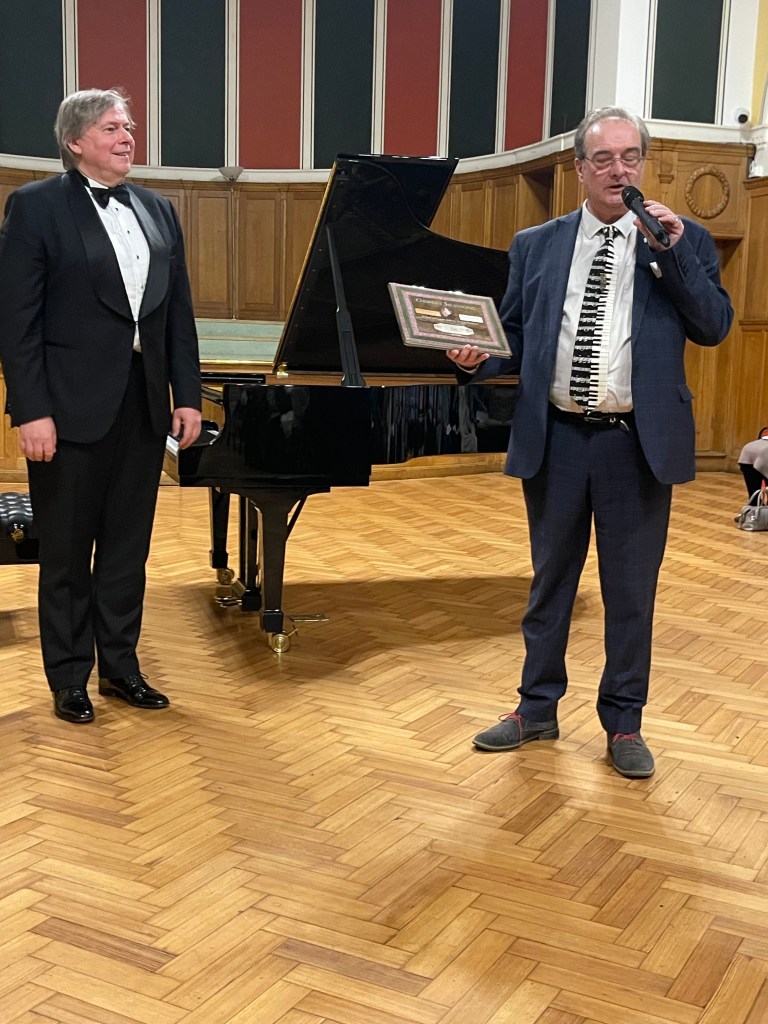
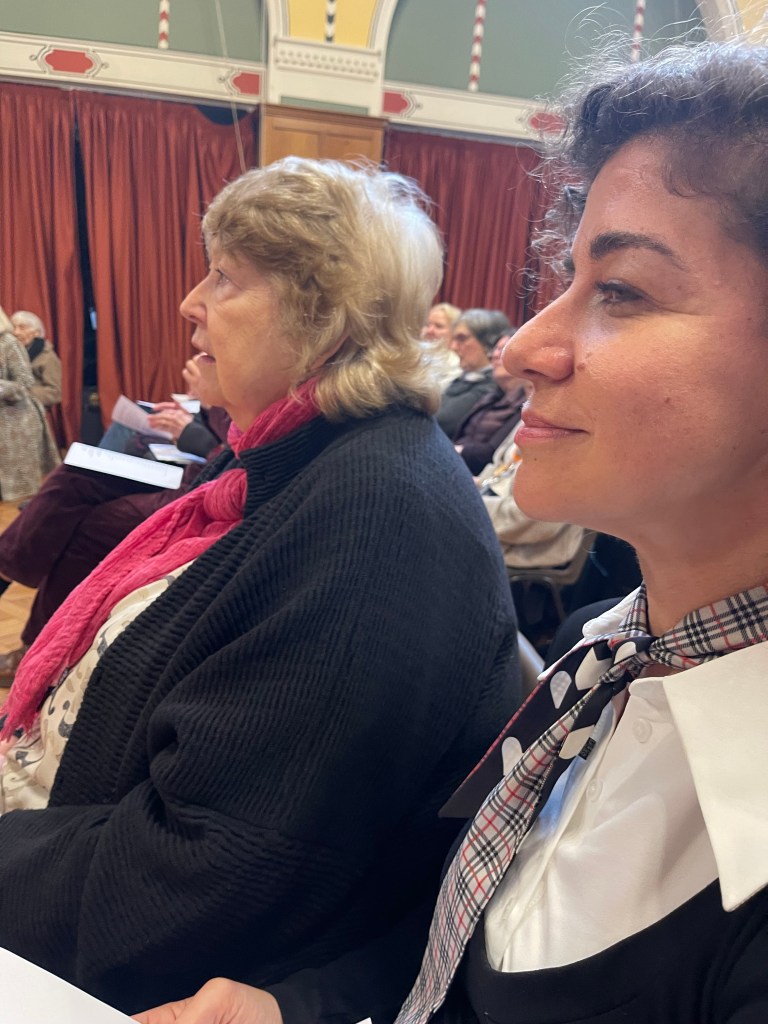
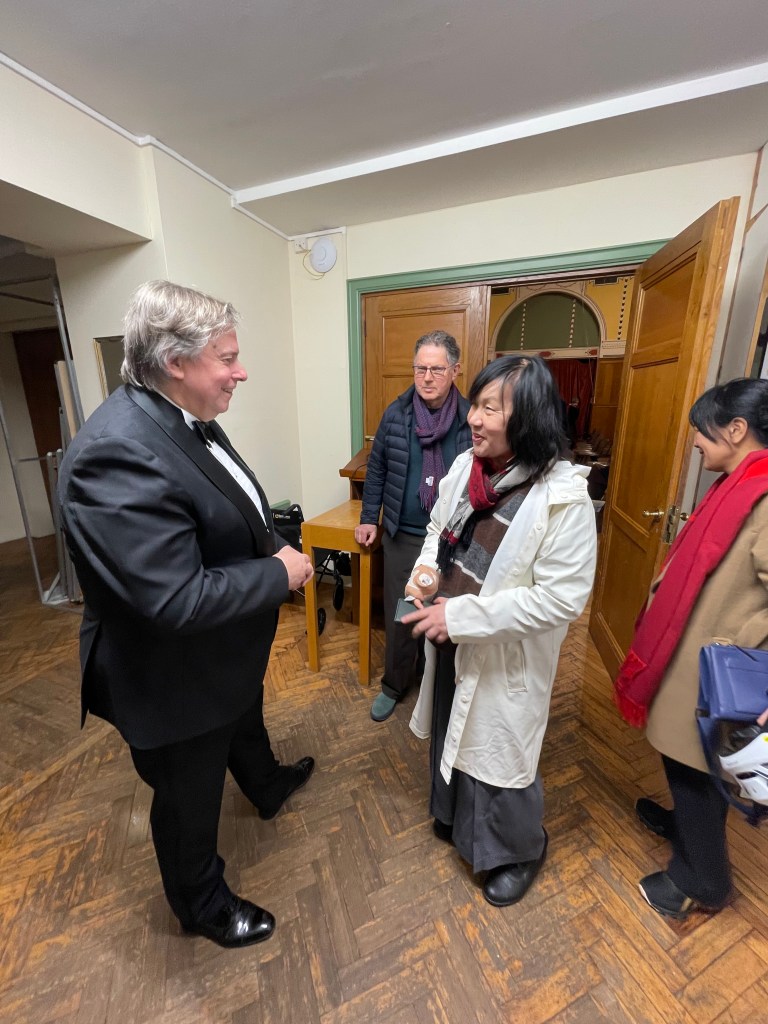
Jablonski’s creamy rich sounds and refined elegance created a spell of absolute magic in the ‘Andante spianato.’ His seamless legato and timeless unfolding of the flowering ornaments were of quite ravishing beauty and contrasted with the rude awakening of the Grande Polonaise op 22. Nobility and grandeur were very much in evidence even if slightly over pedalled to allow the crystalline clarity that a teenage Chopin would have astonished his audiences with. However an exciting and exhilarating ending to a recital where the refined Sunday afternoon audience hosted by Lady Rose Cholmondely (whose birthday would be celebrated over tea and cake) and Gillian Newman, knew instinctively when to interrupt the performances with applause.
Only bursting with spontaneous applause after the B flat minor Scherzo or the G minor Ballade but otherwise they were accomplices to an outpouring of poetic playing of masterly communication.
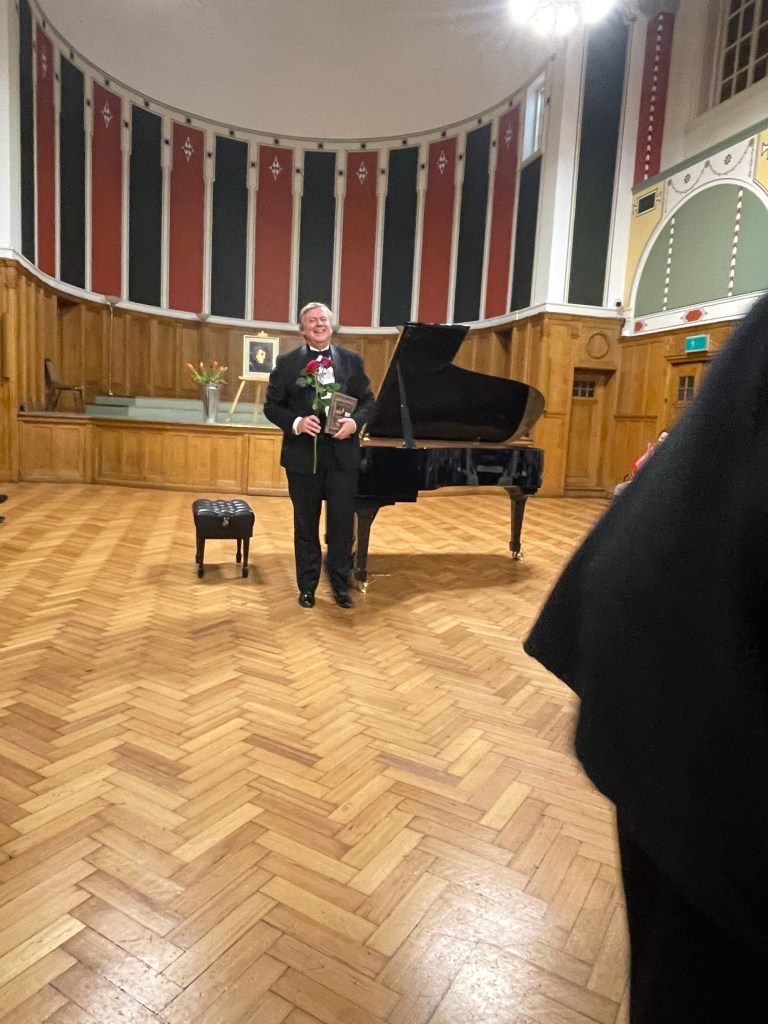
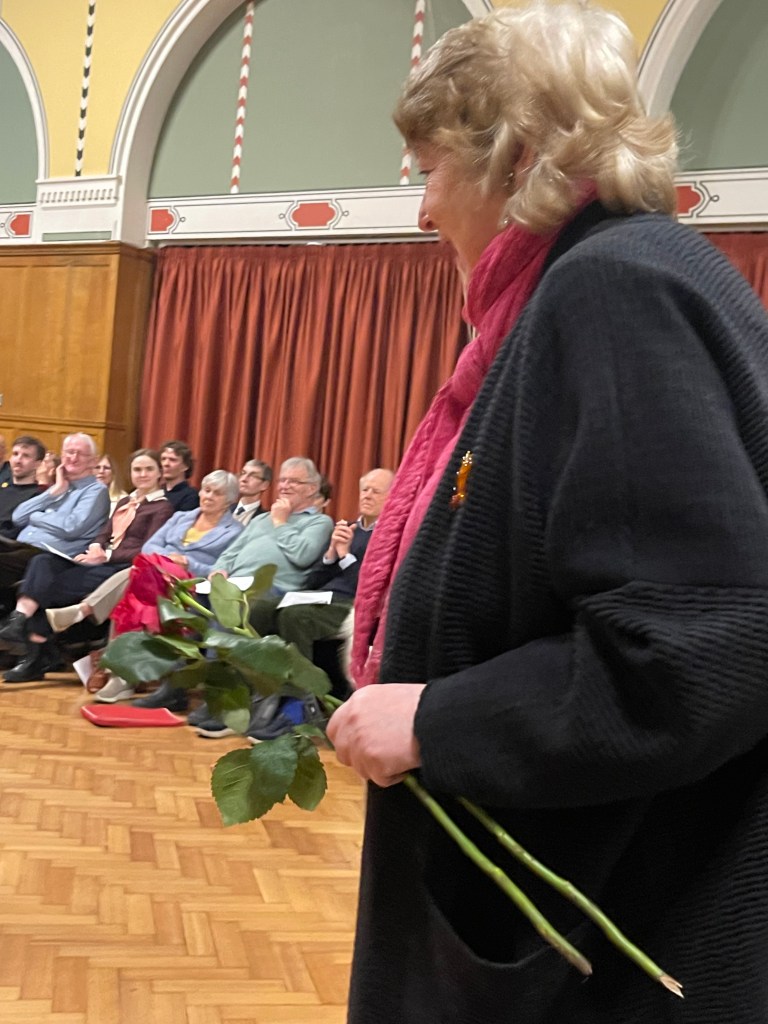
What to play as an encore after a programme of encores? Jablonski had just the answer with a ‘canon covered in flowers’. Chopin’s Mazurkas are 59 miniature masterpieces that were to depict Chopin’s short life and the yearning of an exile for his homeland.

 ChristopherAxworthy-MusicCommentary