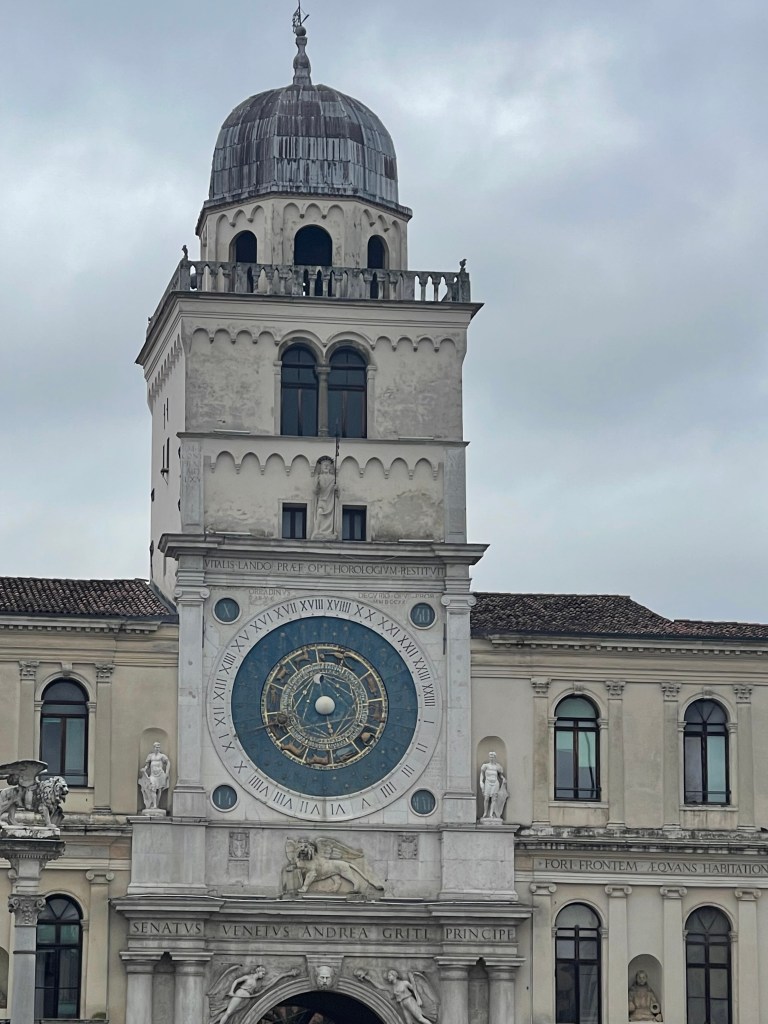
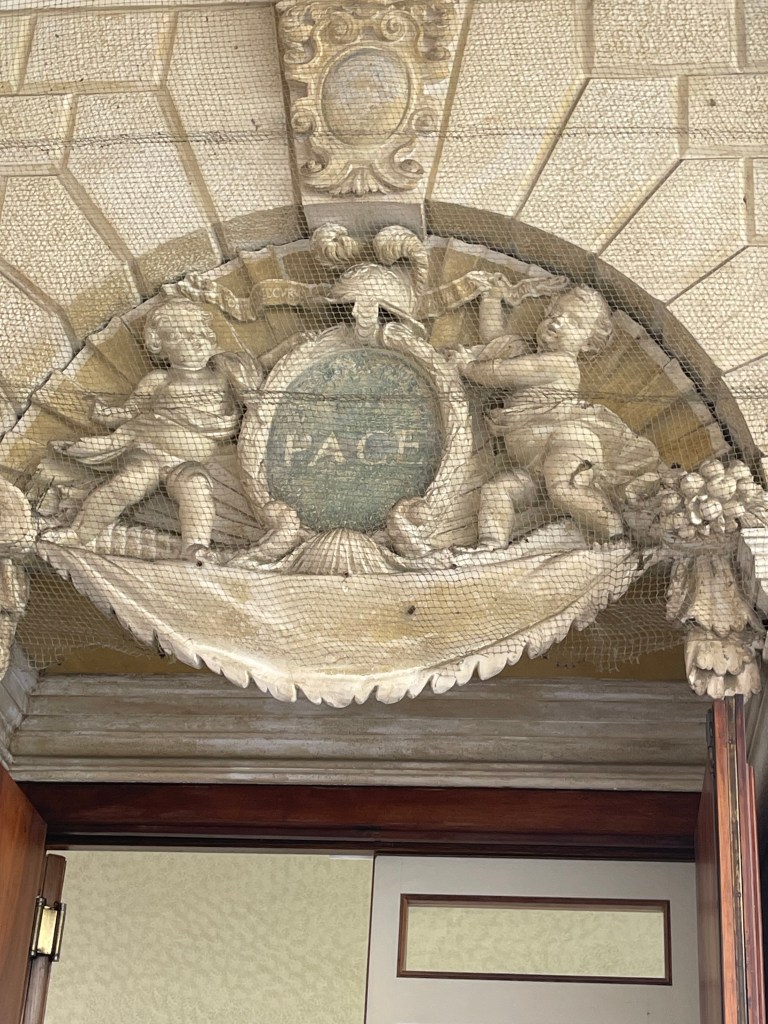
There is music in the air in Padua this morning with the last concert of Filippo Juvarra’s Sunday in Music dedicated to young prize winning Italian musicians
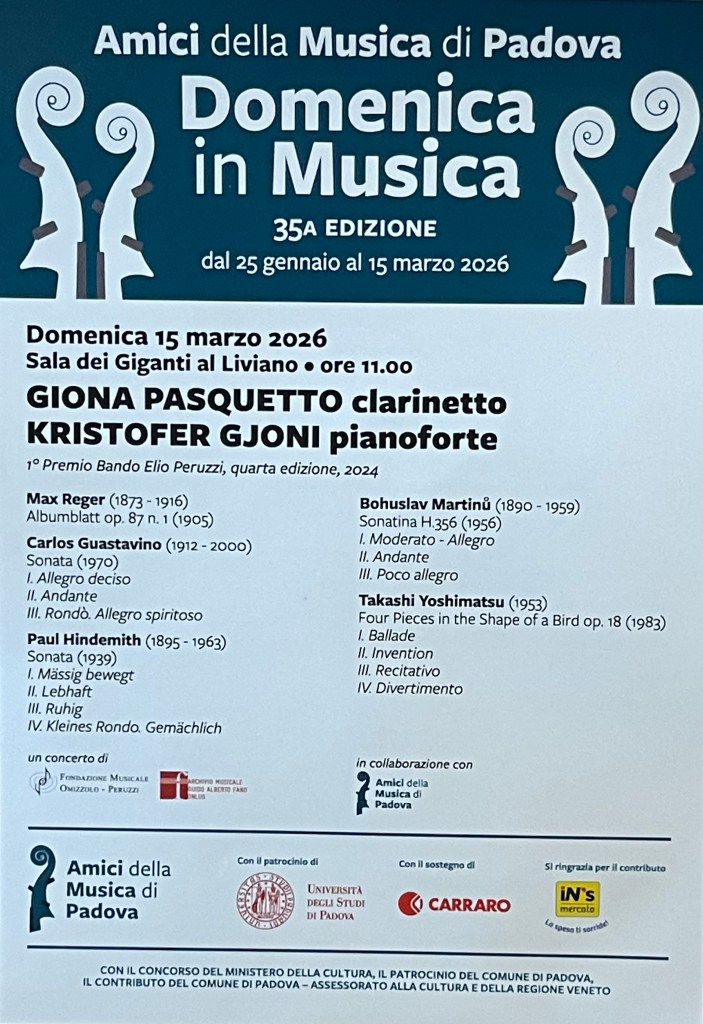
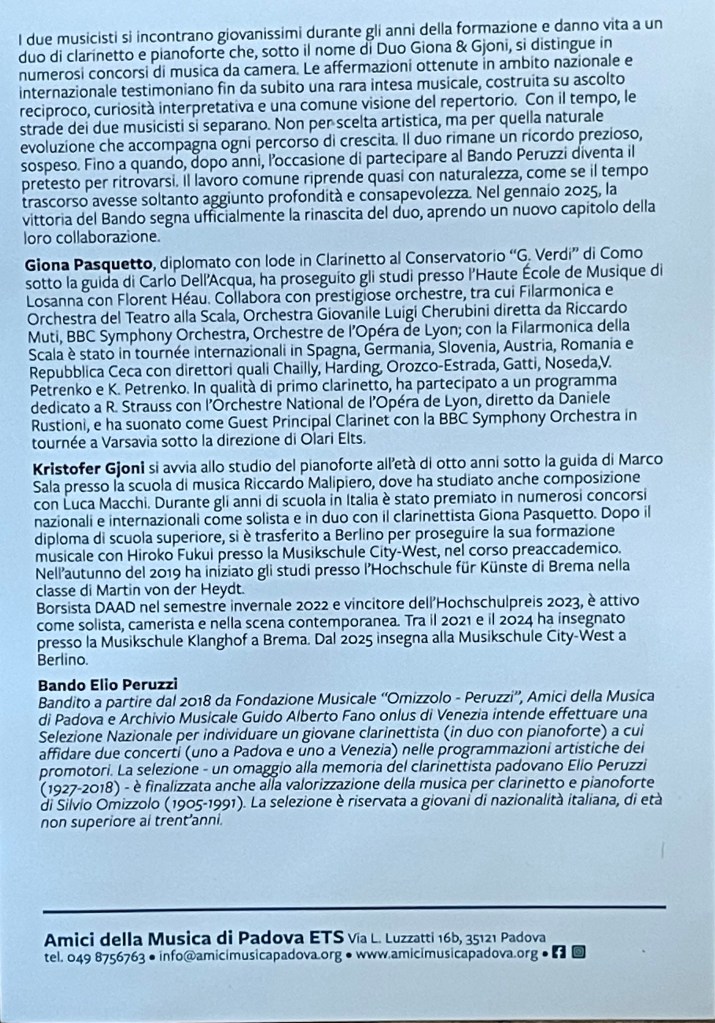
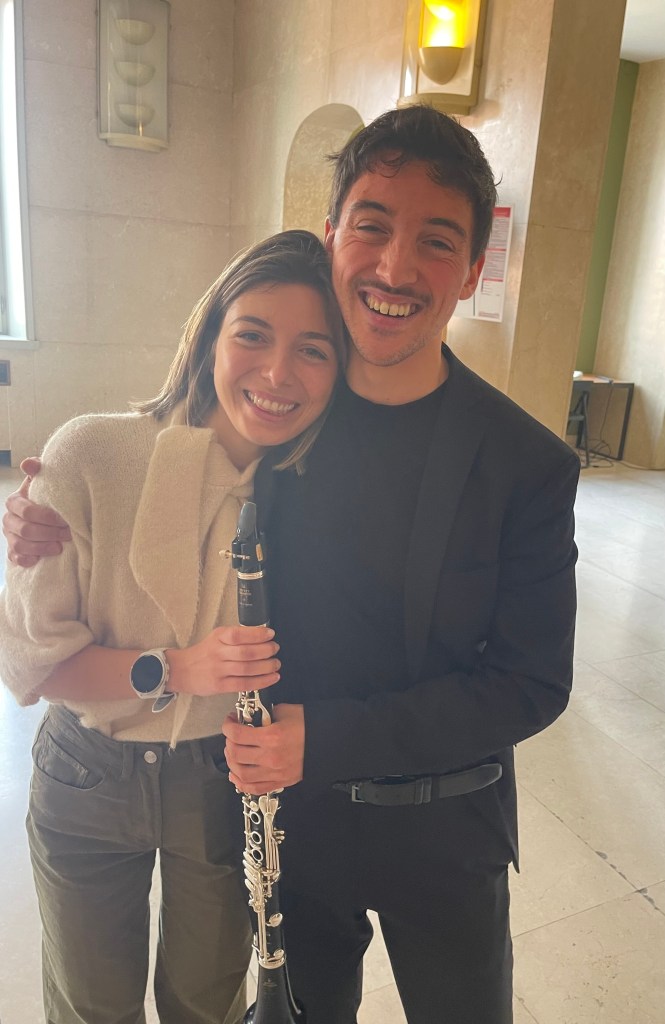
Today I was in time to hear the clarinet duo of Giona Pasquetto and Kristofer Gjoni . A duo that was formed as students and now at the start of professional careers has been crowned by recognition in numerous competitions .
Today they were brought to Padua as winners of the prize created to celebrate the memory of the Paduan clarinettist Elio Peruzzi of 1927- 2018 .
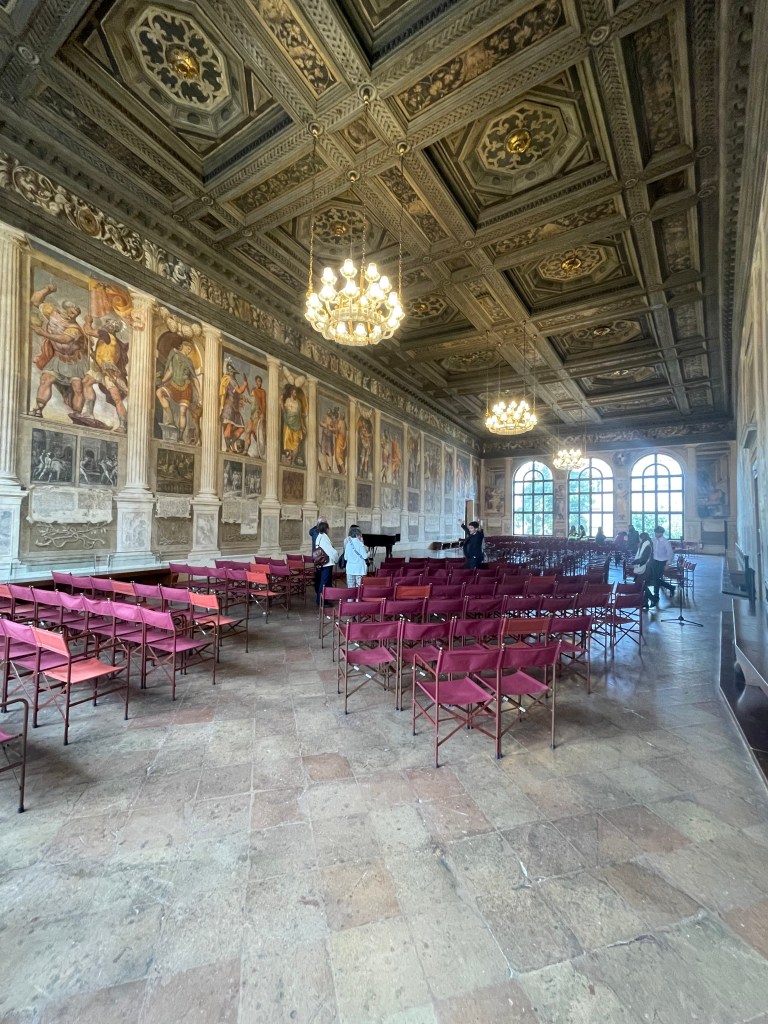
A duo that plays as one, as Giona played in the shadow of the lid of this magnificent piano.
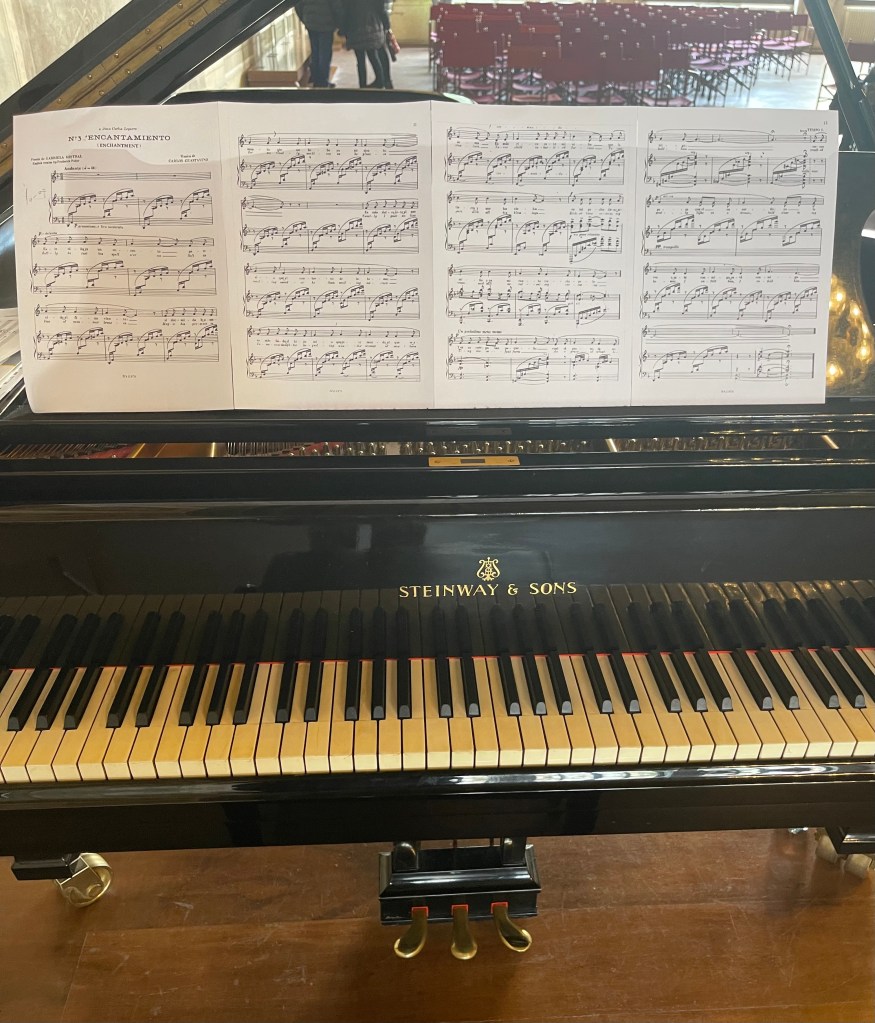
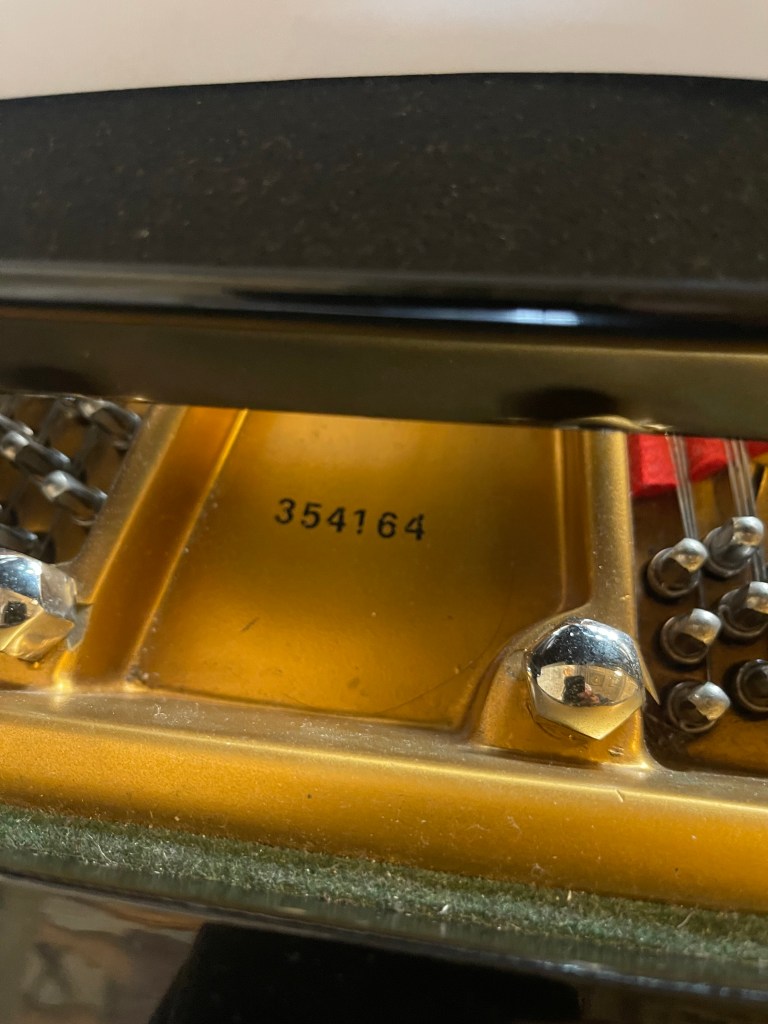
A piano of great pedigree , lovingly cared for by that piano magician Zanta . It was the preferred piano of Richter and the piano that Vlado Perlemuter played at the age of 81 when I brought him to Padua on the express invitation of the eclectic Maestro Filippo Juvarra, artistic director of the Amici della Musica.
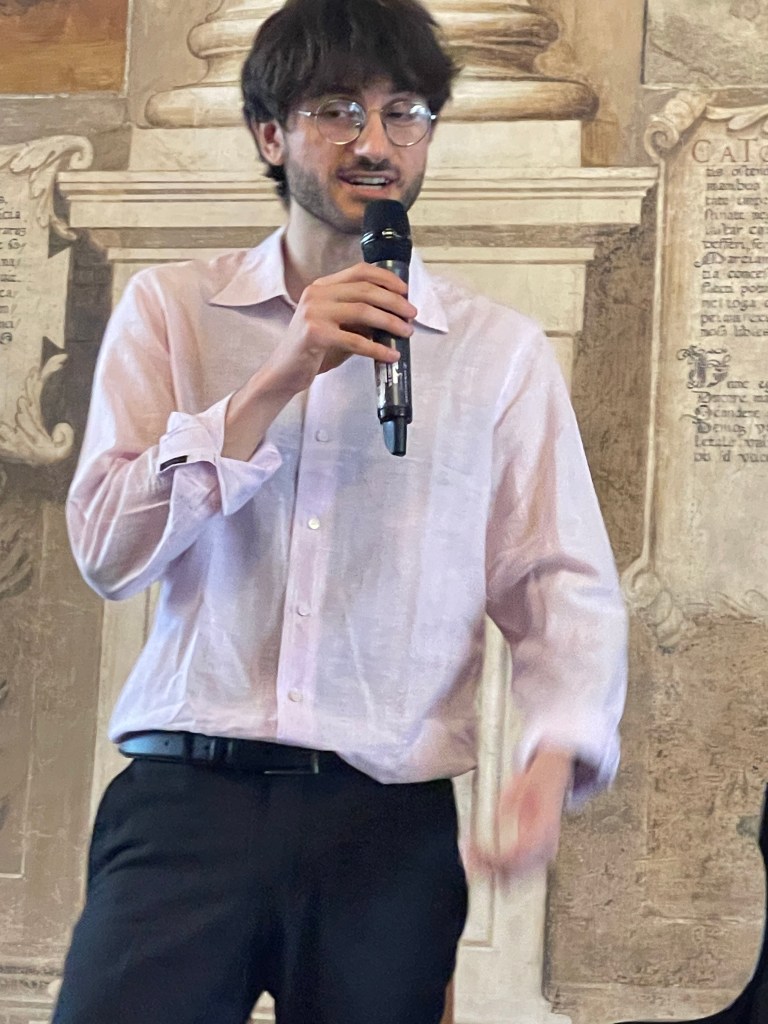
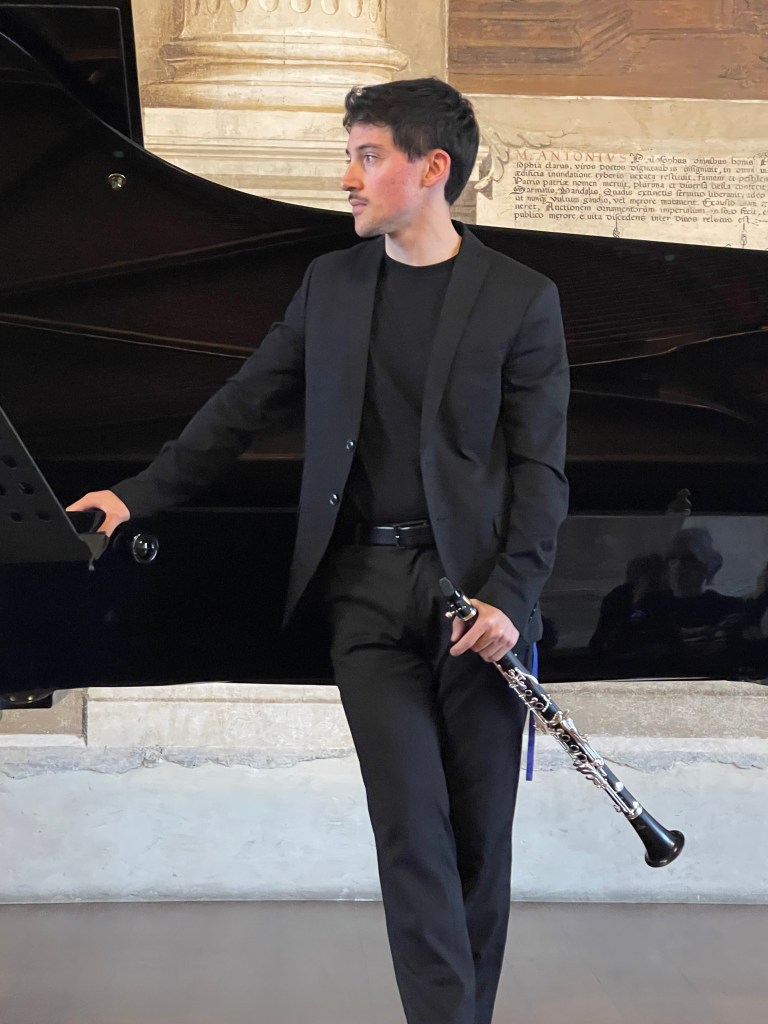
The piano today was in the hands of Kristofer Gjoni who had come especially from Berlin where he is perfecting his studies. Playing of great fluidity and the extraordinary thing was the amalgam of sound they produced together.
Opening with the Albumblatt 1905 of Max Reger with its Schumannesque outpouring, as the clarinet and piano moulded into an amalgam of sumptuous sounds.
An imposing opening to the Sonata 1970 of Carlos Guastavino opening up a great fantasy world of traditional songs in the style of composers of a century earlier than its actual 1970 compositional date. Music of great effect played as one with the two instruments entwined in the sweet melodic outpouring of quasi Hollywoodian radiance. A melodic line of searing beauty in the ‘Andante’ passing from the clarinet to the piano in a haze of romantic passion and a rhetoric of great brilliance. The beseeching beauty of the clarinet, barely whispered, due to Giona’s extraordinary breath control, as he carved out a beguiling melody with refined grace and quasi Brahmsian beauty.Taken up by the piano as the clarinet wove a web of ever more passionate effusions . There were the pulsating rhythm from the piano in the Rondò as the clarinet continued it’s ever more impish meanderings.
Hindemith’s 1939 Sonata opened up a much more complex sound world of knotty twine of masterly construction. A very particular voice, instantly unmemorable, as this was absolute music of cerebral invention where Hindemith like Busoni was searching for a voice via his absolute mastery of counterpoint and compositional techniques. It is a search in itself remarkable, especially when played with the musicianship and personality of these two young musicians today. After the lightness and impish good humour of the ‘Lebhaft’ there was the deep contemplation of the ‘Ruhig’. Intensity and emotional weight was combined by the two musicians with remarkable unity of intent. It contrasted with the scintillating brilliance of the Rondò which was not as little as the composers title would have us believe.
A joyous outpouring of brilliance and rhythmic playfulness signalled the opening of Bohuslav Martinů’s 1956 Sonatina. A fluidity from the piano mirrored by the mastery of the clarinet. Leading straight into the ‘Andante’ with the beauty and simplicity of the piano’s stepping stones on which the clarinet could intone a deep lament, all too short, as the ‘Poco allegro’ erupted with burning energy and intricacy.
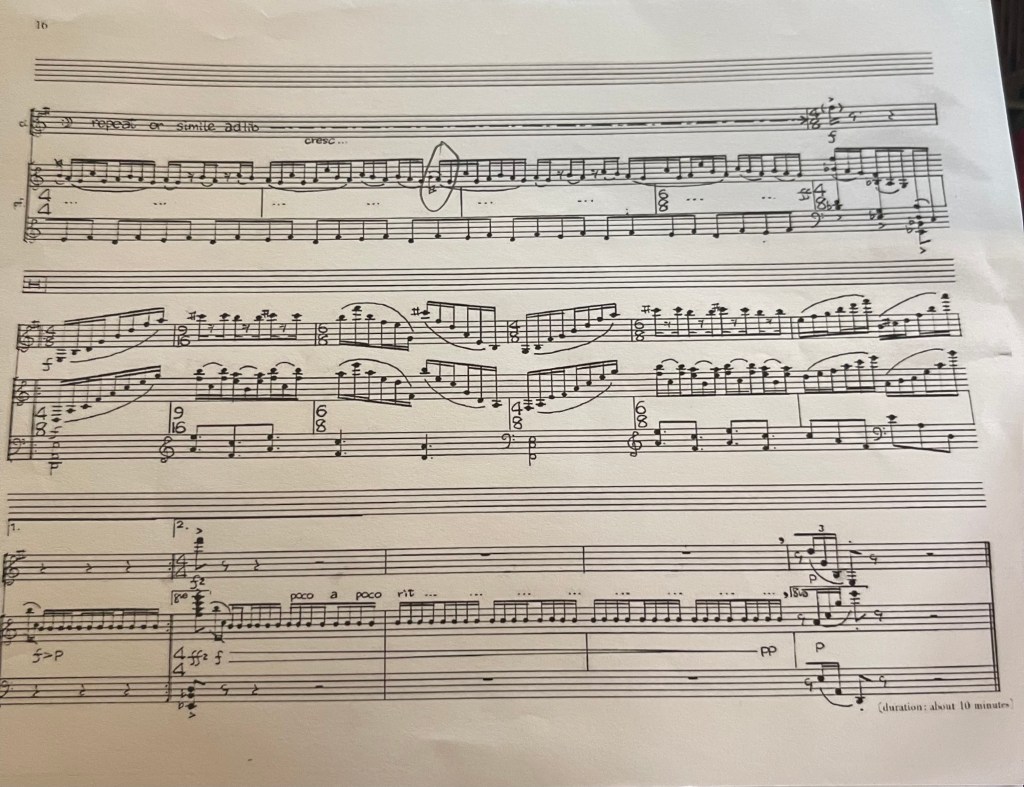
Four pieces in the shape of a Bird with piercingly unearthly sounds. A dynamic drive contrasted with fluidity. An invention of playfully repetitive invention, and a cadenza for clarinet with interruptions of pianistic outbursts.
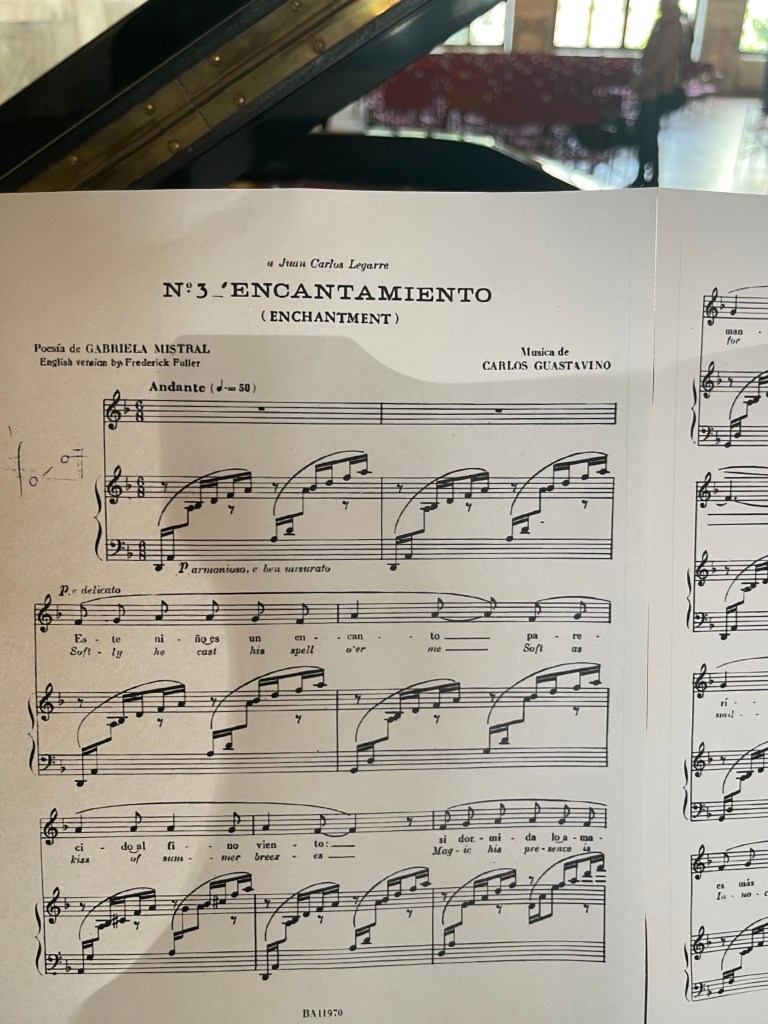
An encore brought us full circle with Guastavino’s ‘Enchantment’ played with the same poetic beauty that had pervaded the entire recital
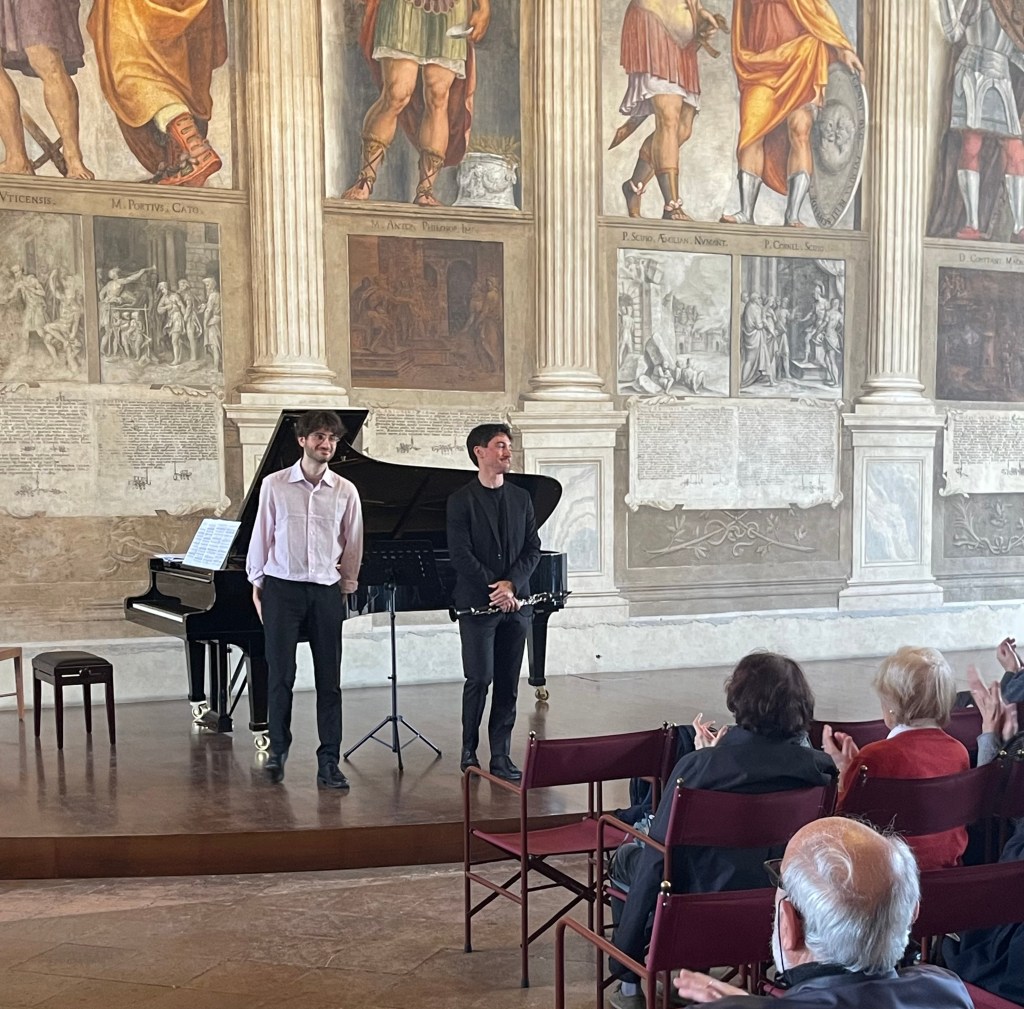
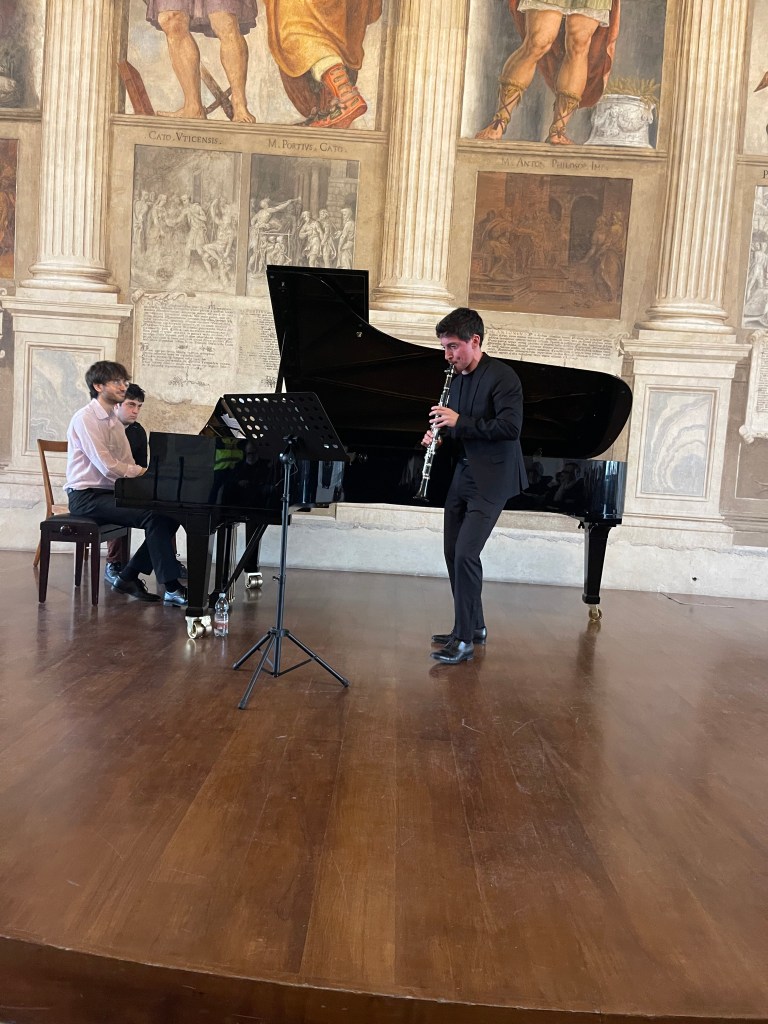
The clarinet taking on the warm sounds of the piano, playing under the same roof so to speak, where their chameleonic musicianship meant they could shape the sounds with extraordinary poetic beauty . The clarinet for me has always been an instrument of very present sometimes even invasive sounds (and I have played in duo with Gervase de Peyer,one of the greatest players of our day). Rarely do artists trust each other to stand or sit apart , as eye contact is also fundamental in playing chamber music . But above all in music it is listening and discovering the sounds together that is the very ‘raison d’etre ‘of creating music together.
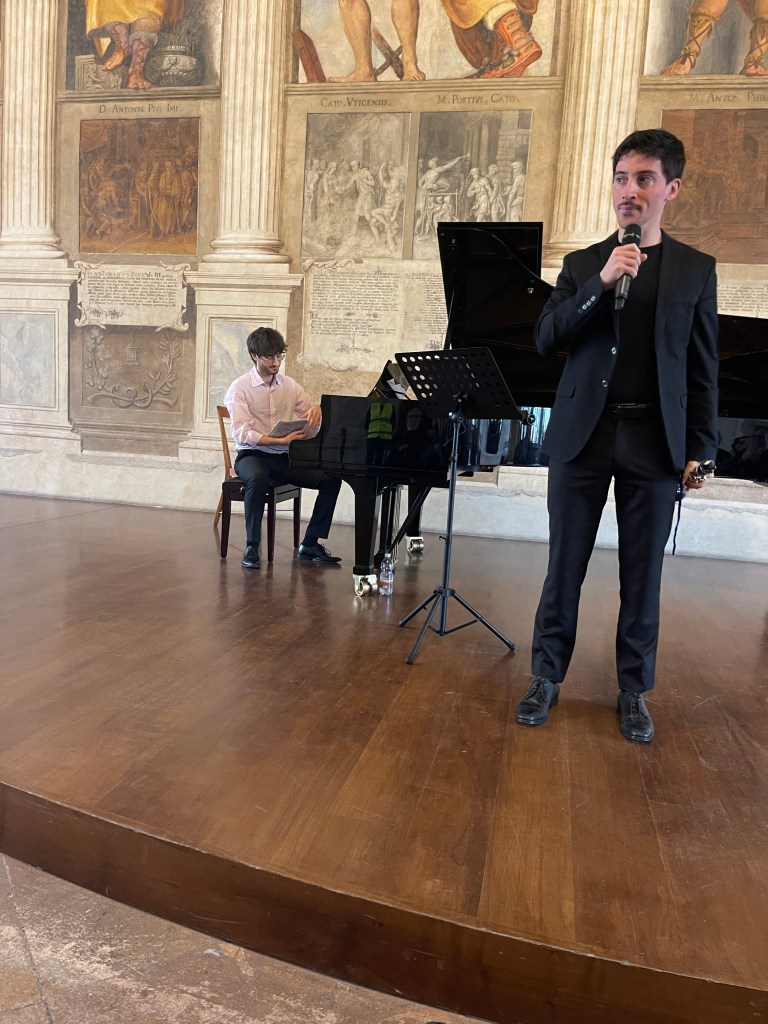
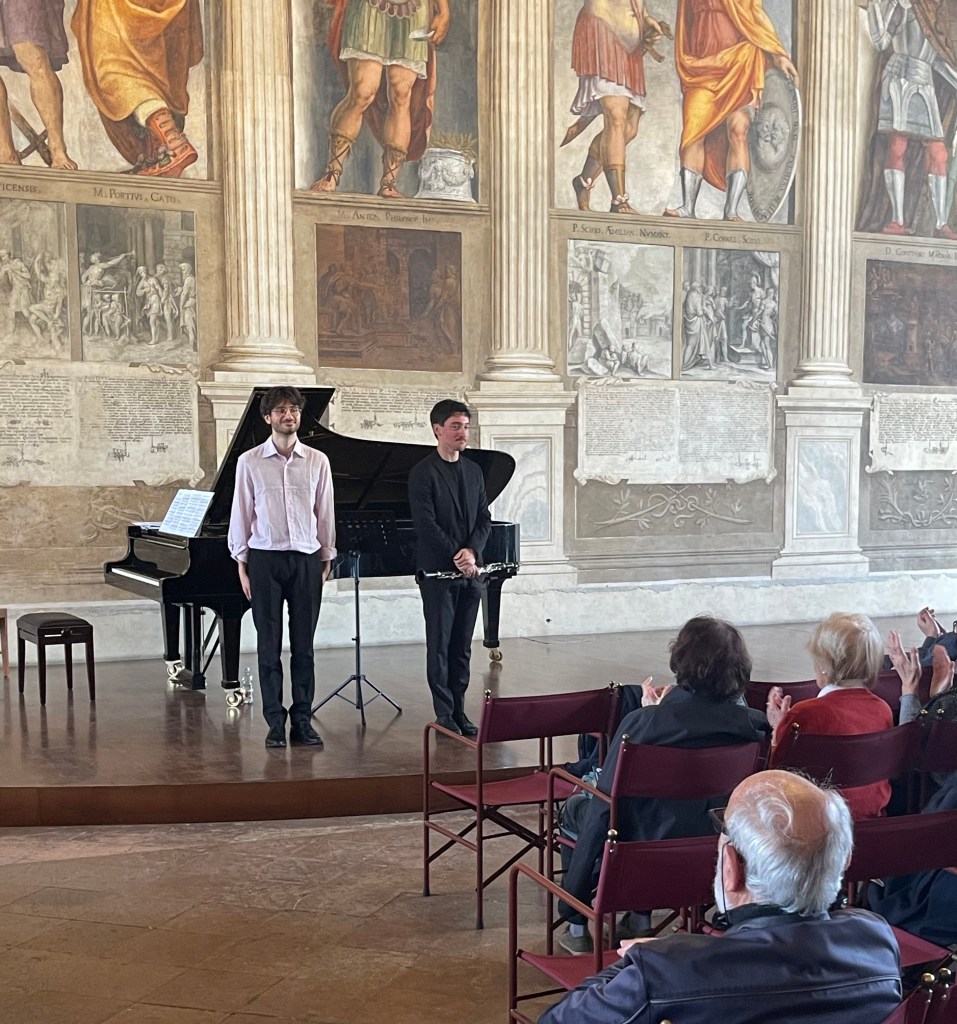
Today the two young artists showed us what it means to make music together in a programme that started and ended with the Hollywoodian sounds of Guastavino. But there was plenty of music of more complex character, from the exquisite Schumannesque ‘Albumblatt’ of Reger to the extraordinarily imaginative sounds of Yoshimatsu.
Hindemith’s B flat Sonata was played with mastery and mystery as the almost anonymous sound world of genial invention was given a character and depth that I have rarely heard in this strange world of composers searching for a voice of their own. The Martinu sonata sprang to life with impish good humour and remarkable technical mastery.
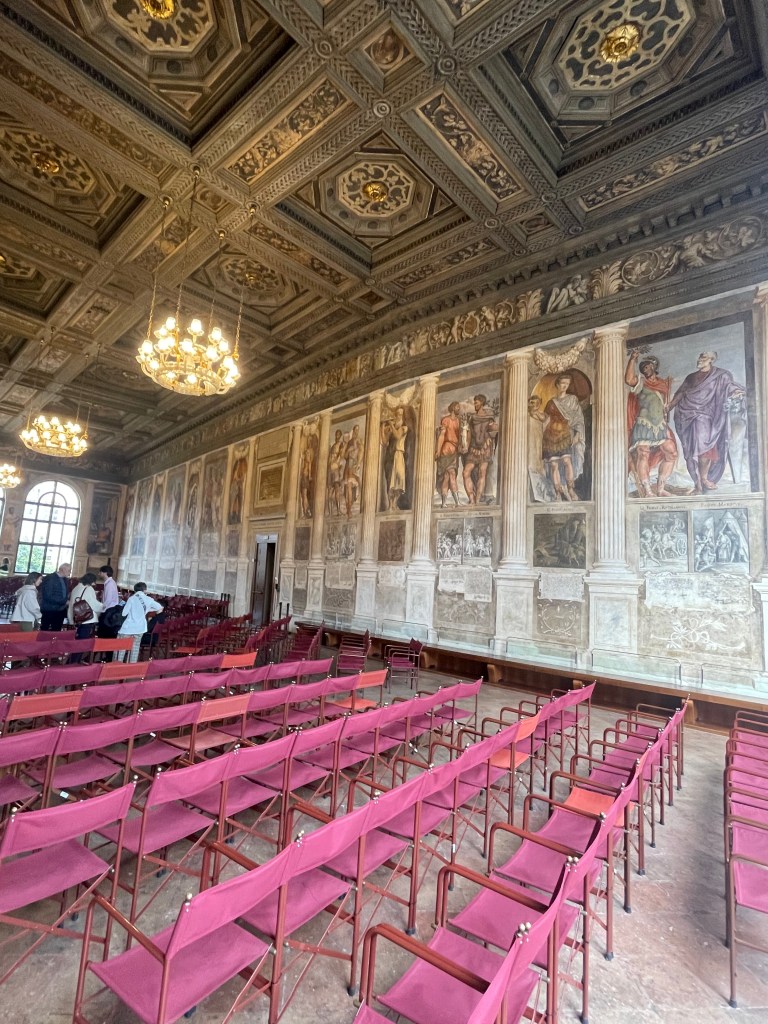
Playing as one as this was a musical conversation between artists that were equals .They choose to finish as they had begun with the enchanting world of Carlos Guastavino with his openly declared ‘Enchantment’.
https://christopheraxworthymusiccommentary.com/2024/03/20/christopher-axworthy-dip-ram-aram/
 ChristopherAxworthy-MusicCommentary