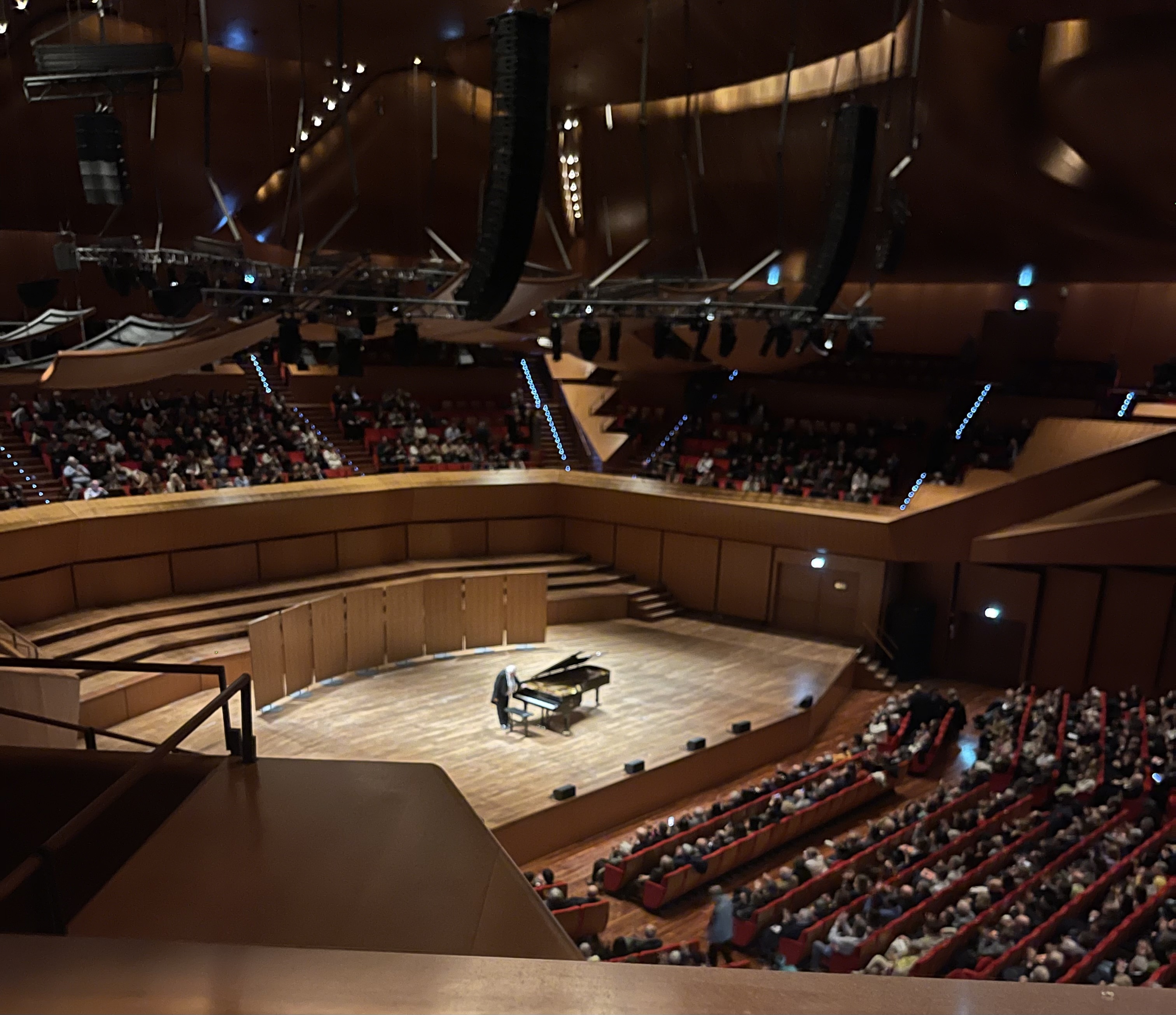
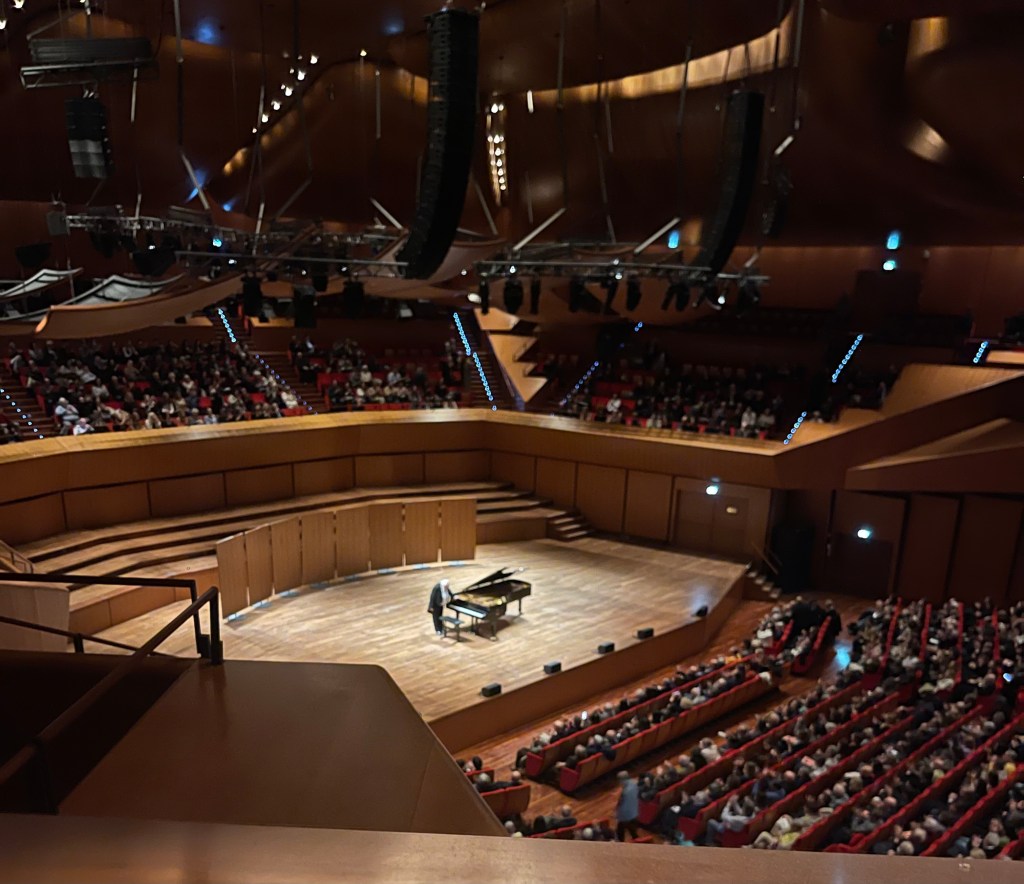
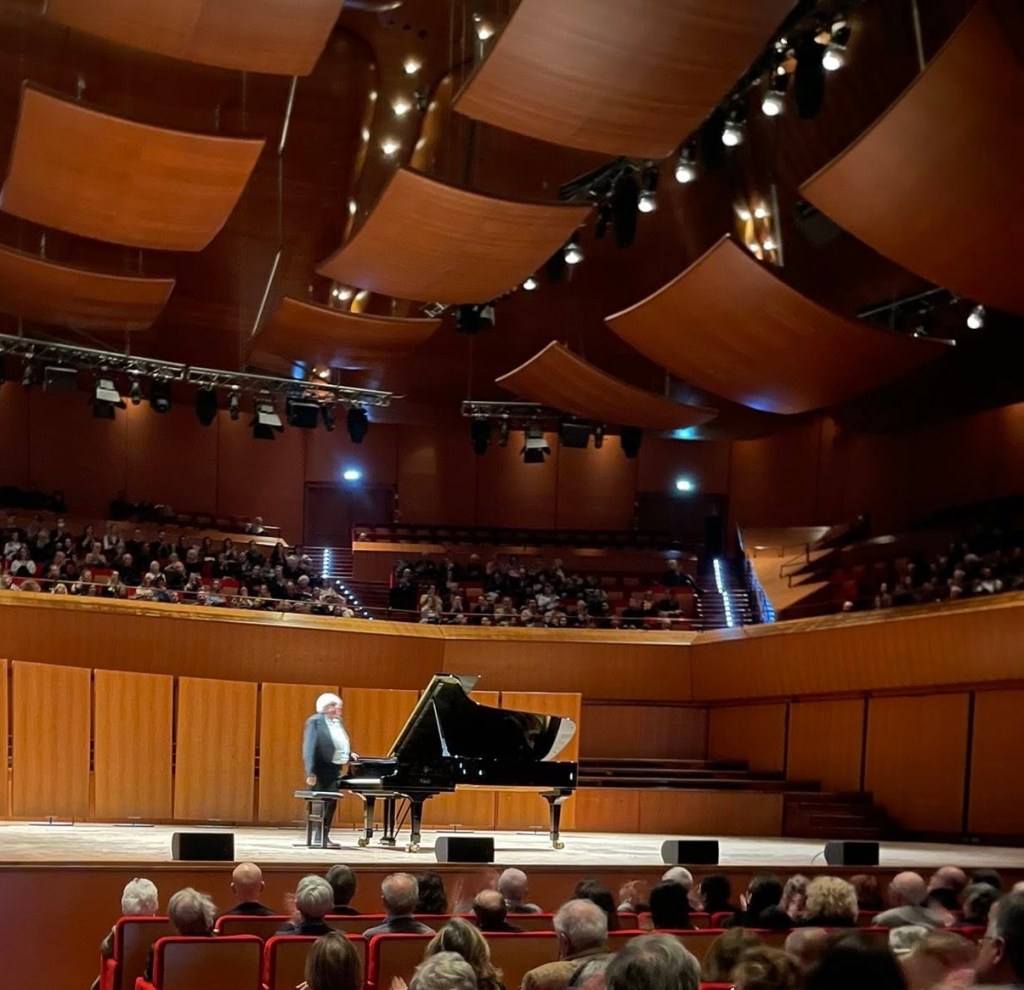
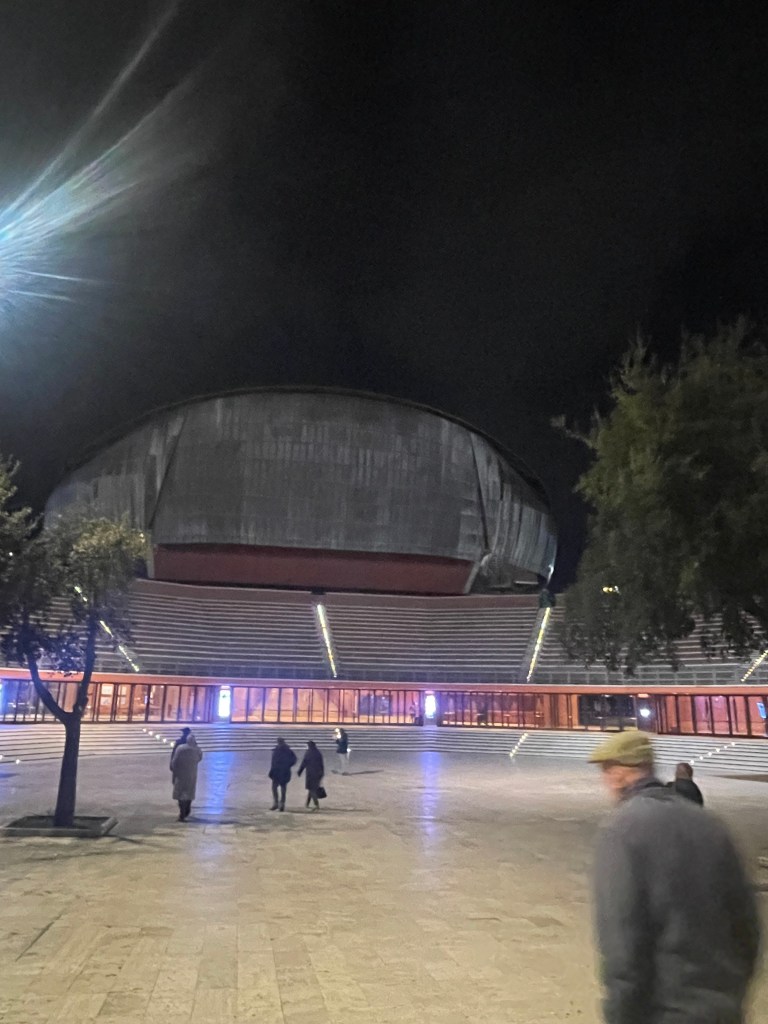
I have heard Sokolov play many times in Rome, much to the envy of those in the UK where he no longer feels the need to set foot. Rules and regulations have made many artists’ lives a burocratic nightmare, where even Trifonov was forced to cancel many engagements recently. No worries for those in Rome where Prof Bruno Cagli, the much missed artistic director of so many important institutions in Italy, had stipulated a lifelong friendship between Sokolov and the Accademia di Santa Cecilia. Even if Prof Cagli is no longer with us his influence is still to be felt in Rome where he was artistic director of L’Accademia di Santa Cecilia, Teatro dell’Opera and the Filarmonica Romana and in Pesaro, where he founded the Rossini Festival too.
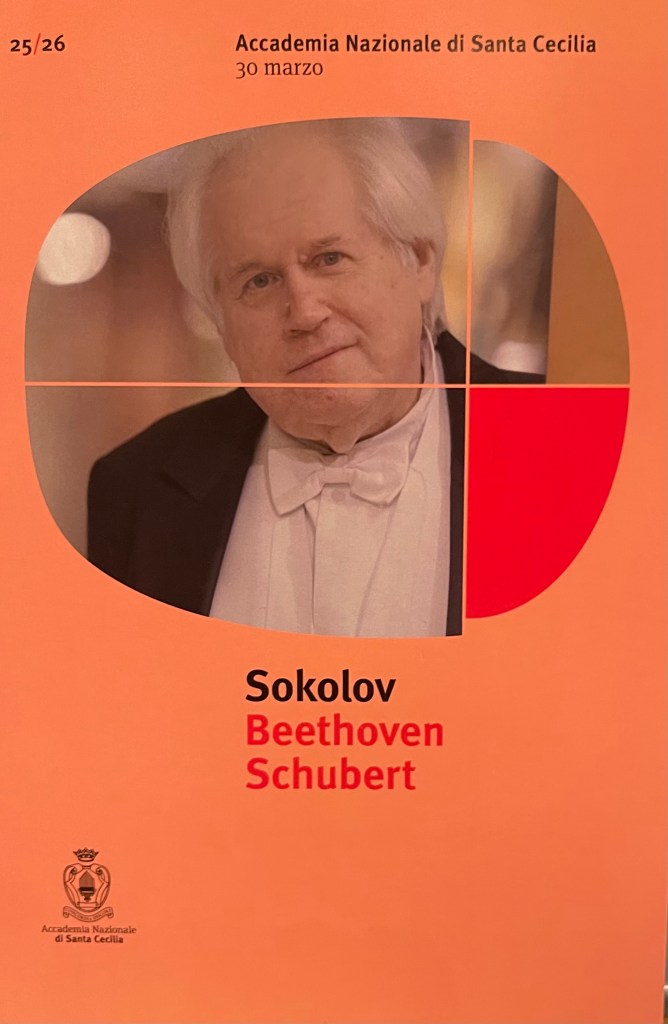
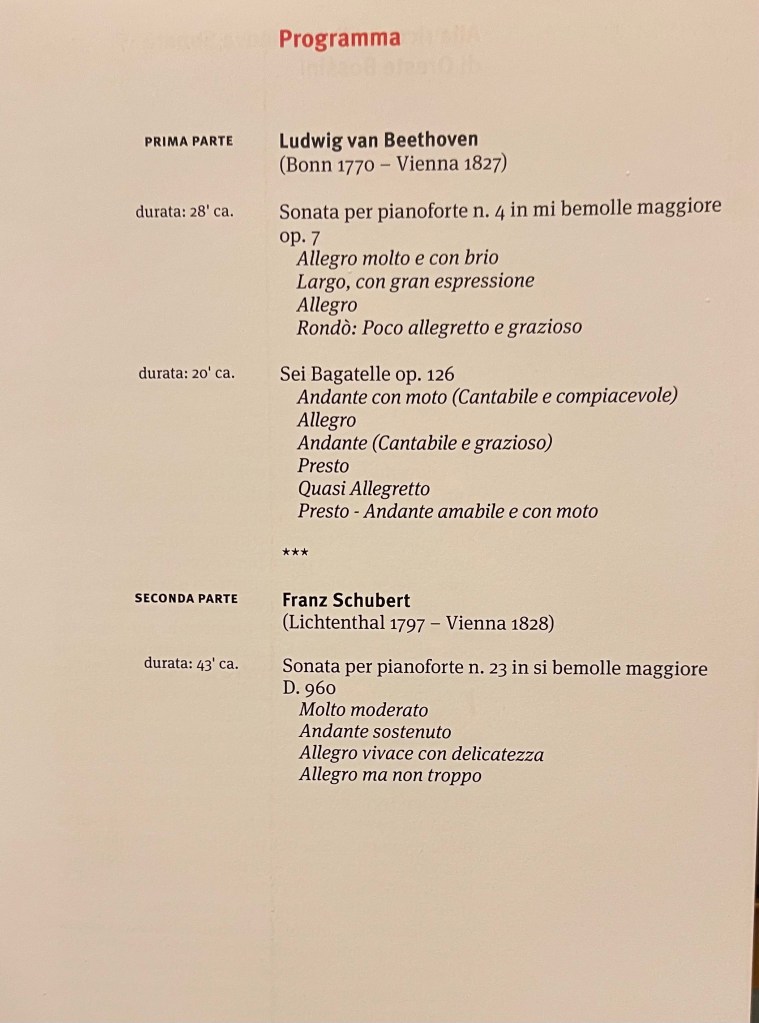
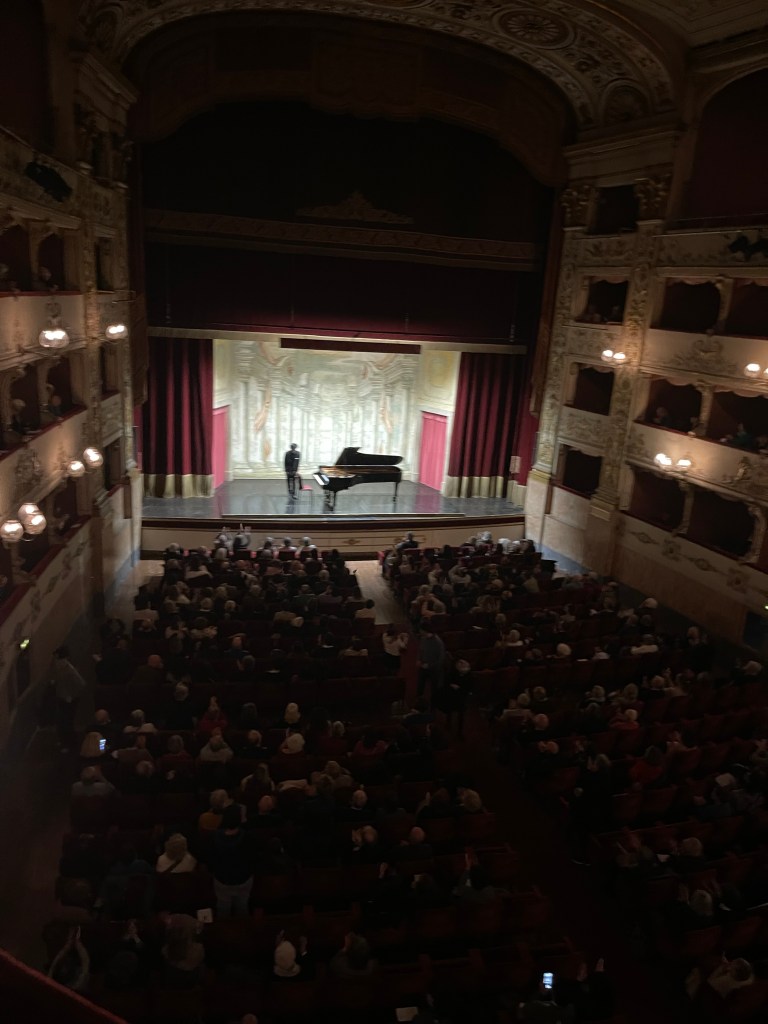
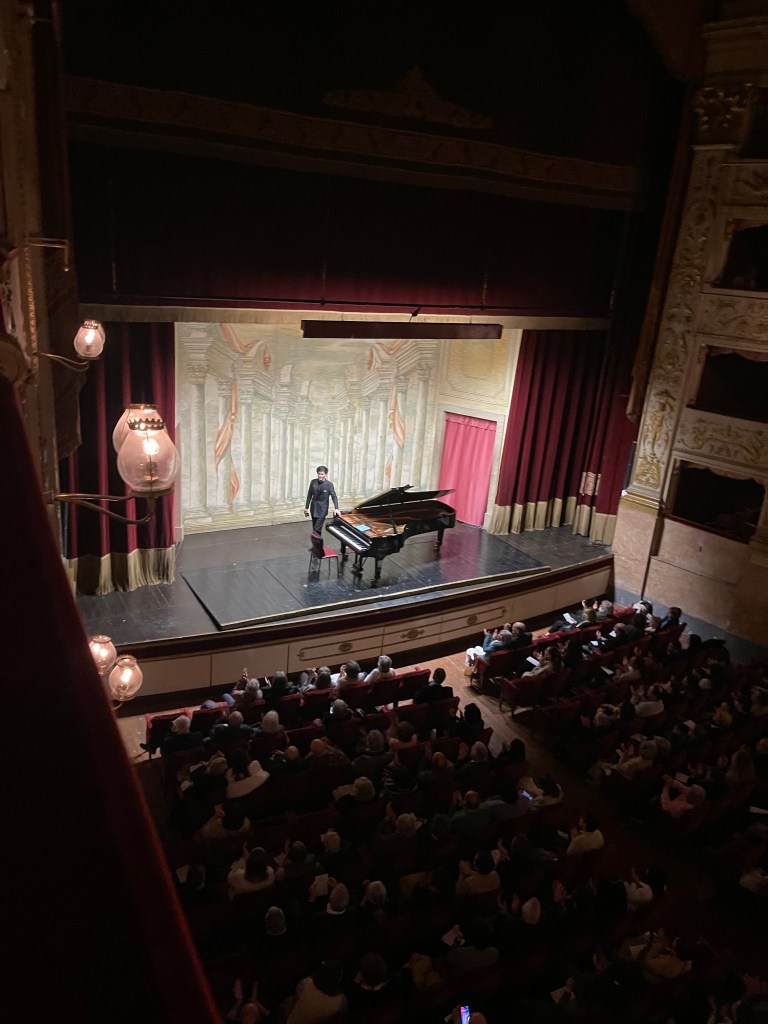
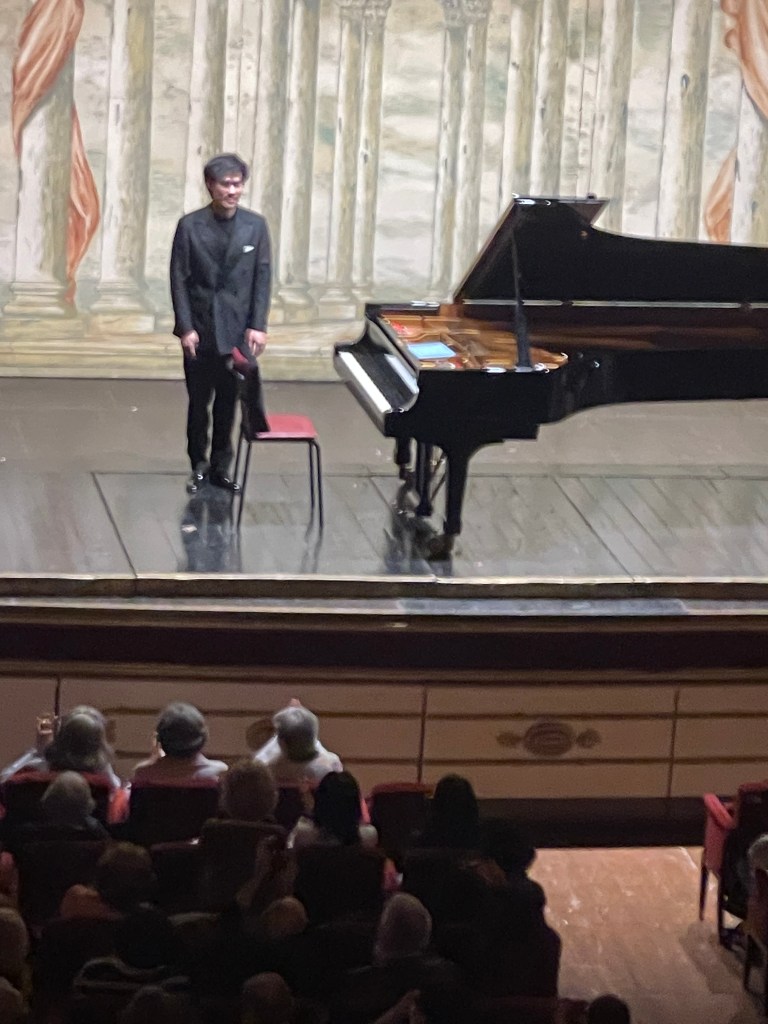
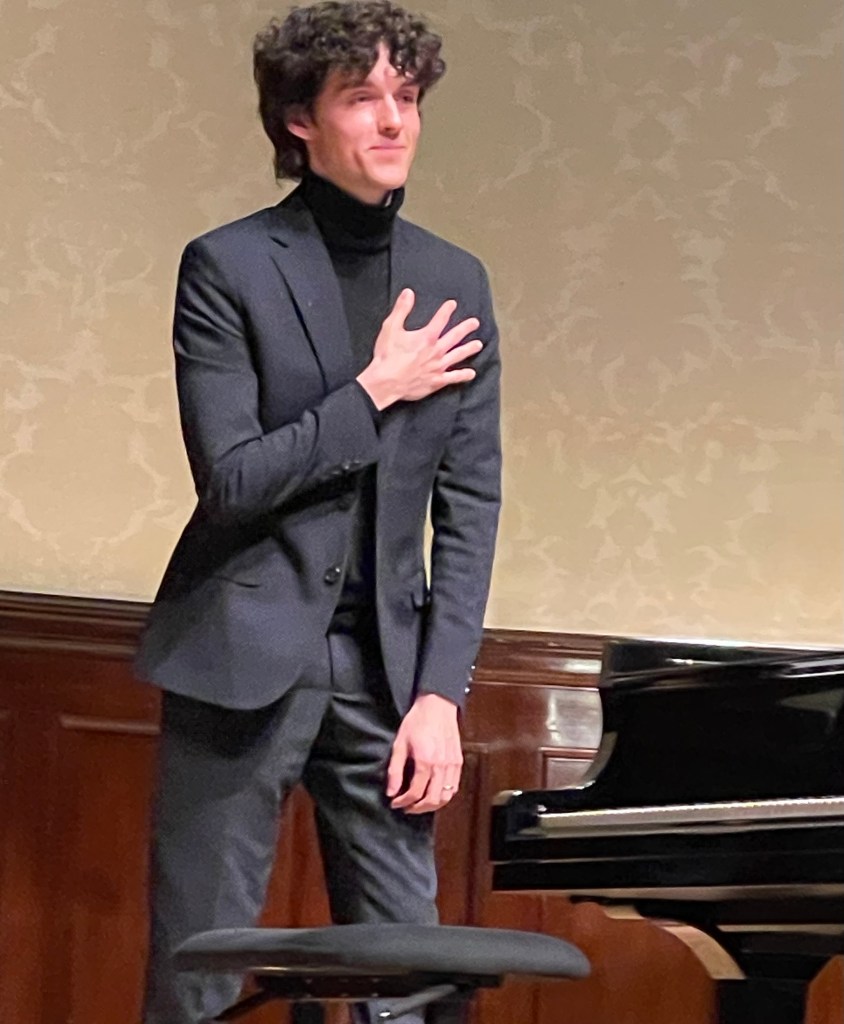
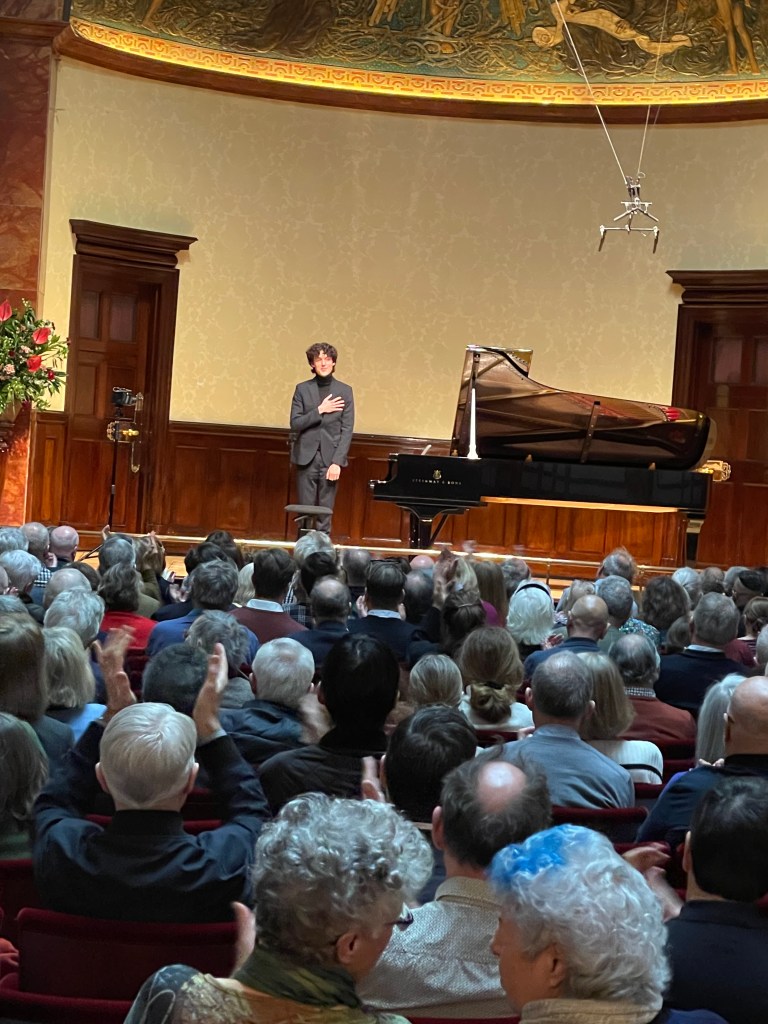
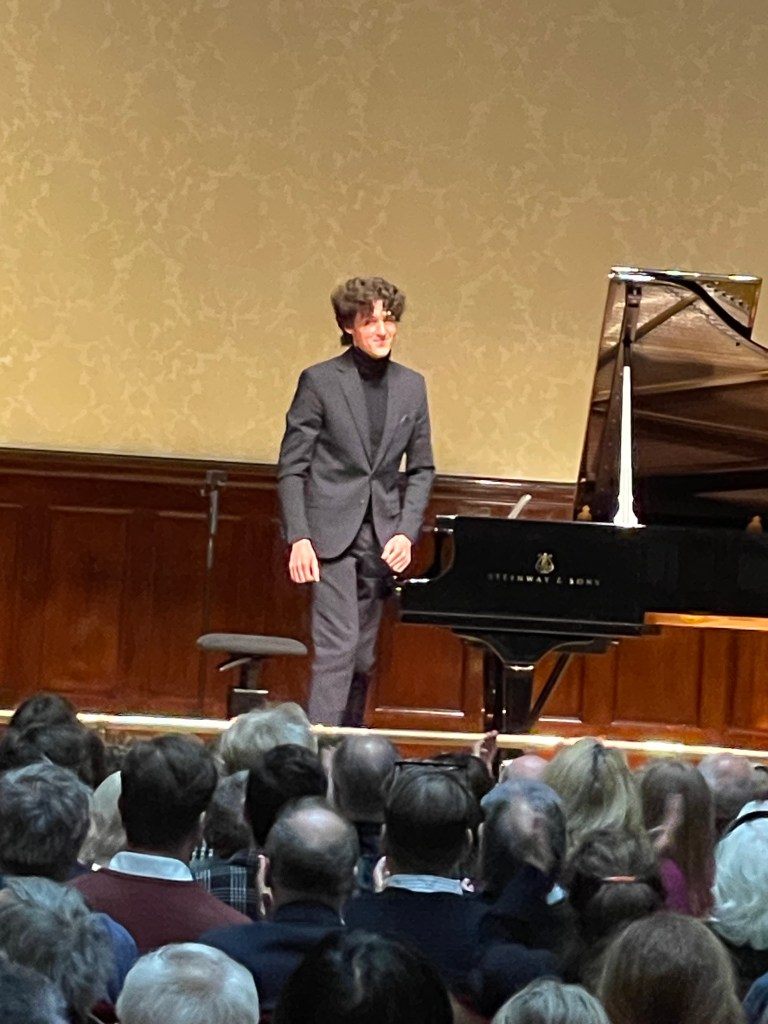
Sokolov appeared in semi darkness to play a programme that was made up of three master works of Beethoven and Schubert. The programme,like Arrau’s programmes, were a statement in themselves of the serious intent of a Master. Sokolov unlike Arrau though, after this sumptuous feast would adjourn to the drawing room for more lightweight conversation of intimate reflections. And so it was that at almost eleven o’clock with an artist who even he towards the end of a monumental performance of Schubert’s last sonata was beginning to show signs of fatigue, such had been the intense concentration. Returning to the platform two or three times with his inimitable penguin like stance of aristocratic bearing, greeted by an audience that also needed time to recover from the trance that had been created, waiting for the moment when the atmosphere was ready for more music.
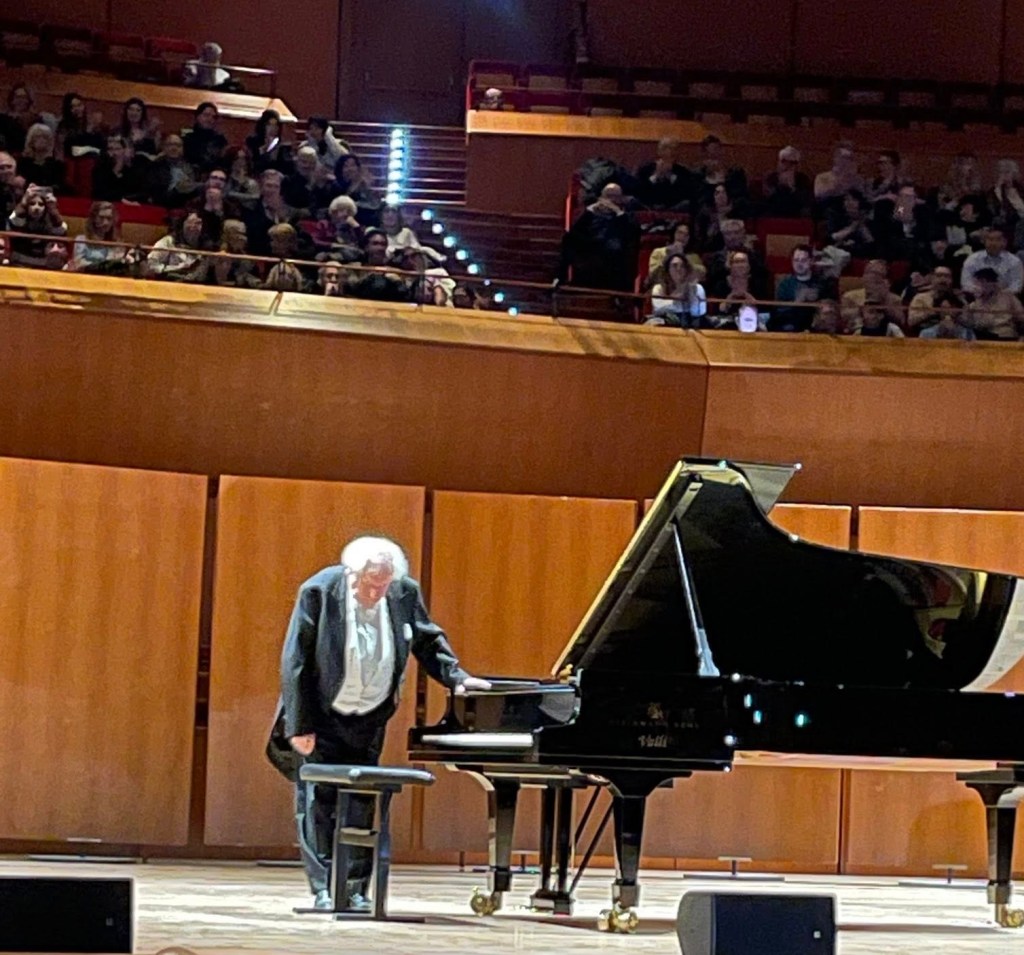
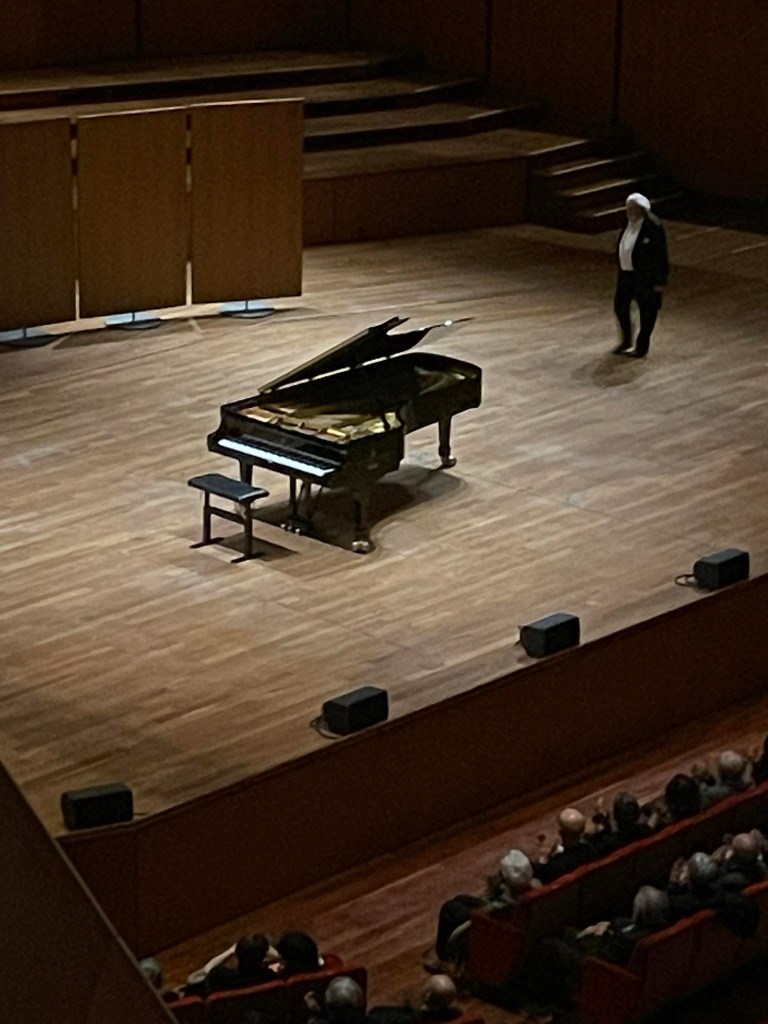
And what music! Starting this ritual after dinner contemplation together in good company, with a Chopin Mazurka op 50 n. 3 in C sharp minor that was in many ways the highlight of the concert. Schumann had describe the 59 miniature tone poems as ‘canons covered in flowers’ . They were written by a poet of the keyboard, exiled from roots that had been ingrained in his soul from birth, and it was this that came through so meaningfully in Sokolov’s performance tonight.Of course there was the ravishing sound of velvet beauty but also a full orchestral sound of sumptuous richness that was never hard or ungrateful but rich and meaningful. The coda of the mazurka was one of those moments that will remain with me for long to come. As Mitsuko Uchida says it is a memory that becomes ever more beautiful with time, not a printed postcard that turns brown at the edges and fades. The same sumptuous richness filled this vast space with the sounds of Brahms’s Rhapsody in B minor op 79 n. 2, with its even more marked final ritardando, where Sokolov underlined the composer’s very precise notation with ever more poignant breathless meaning. There were sublime etherial sounds in the ‘Intermezzo’ that is the 3rd Ballade op 10 . After the disjointed veiled symphonic sounds ( similar to his op. 4 Scherzo) ,Brahms takes us to a place that was his own secret world of solace and isolation and that Sokolov whispered with sounds that reached even the paradisical heights of this vast auditorium, with searing intensity. Two more Mazurkas followed with an audience about to turn into pumpkins before long, but that refused to leave the hall. Sokolov dusting the keys with the refined beauty of Chopin’s op 68 n. 2 in A minor showing as Volodos is won’t to do, that the movements of the body are like an artist before his canvas and the strokes of the keys are the shape of the very sounds that he is creating.
I think one might quote the Princess Belgiojoso who after the duel between Liszt and Thalberg in her Parisian Salon on the 31st March 1837 (N.B.) declared Thalberg a great pianist but Liszt unique. I think one could make the same comparison today between these two remarkable artists declaring that Arcadi Volodos is a great pianist ( who will also play Schubert D 960 in Rome on the 5th May ) but Sokolov is unique!
The art of creation is all one, as Chopin described music to his aristocratic students, it is like trees with roots firmly planted in the ground but the branches free to move with natural Godgiven freedom. A refined grandiose Mazurka in D flat op 30 n. 3 was played with a beguiling rubato of aristocratic timelessness. And finally the intimate confessions of glistening ambiguity of Scriabin’s Prelude in E minor op 11 n. 4. With the clock about to chime midnight we may have only just made it in time to our carriages before they turned into pumpkins!
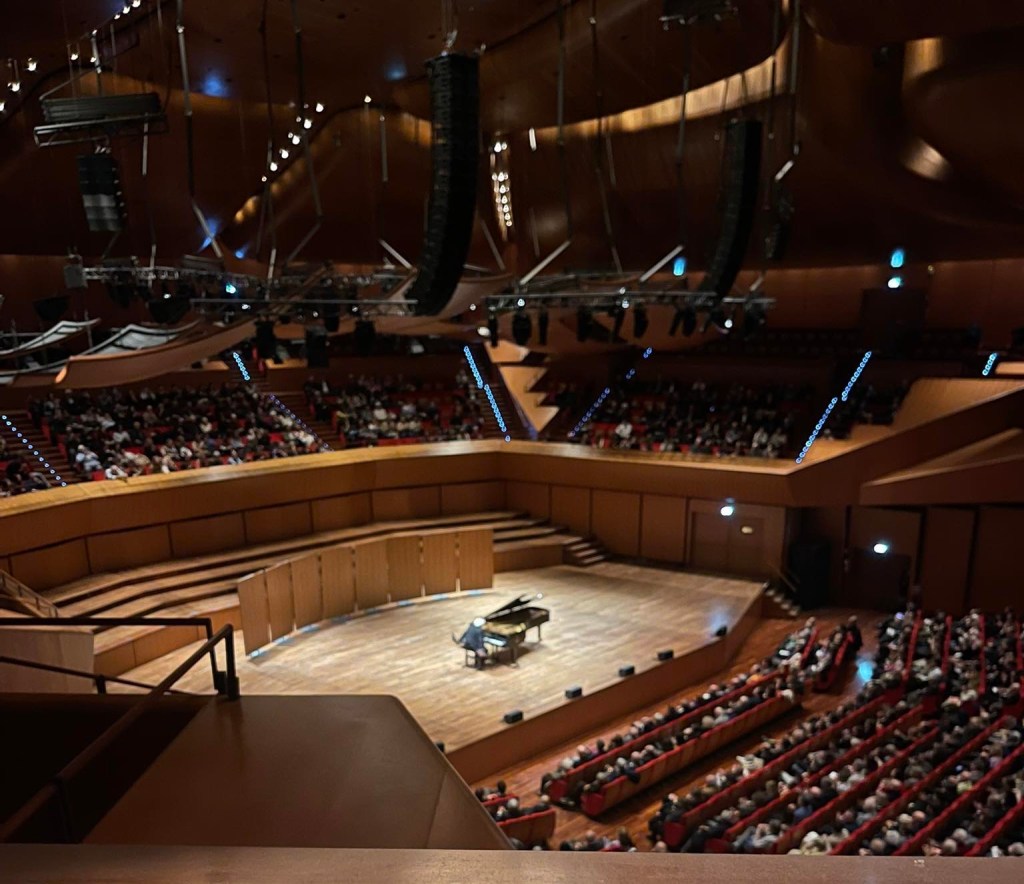
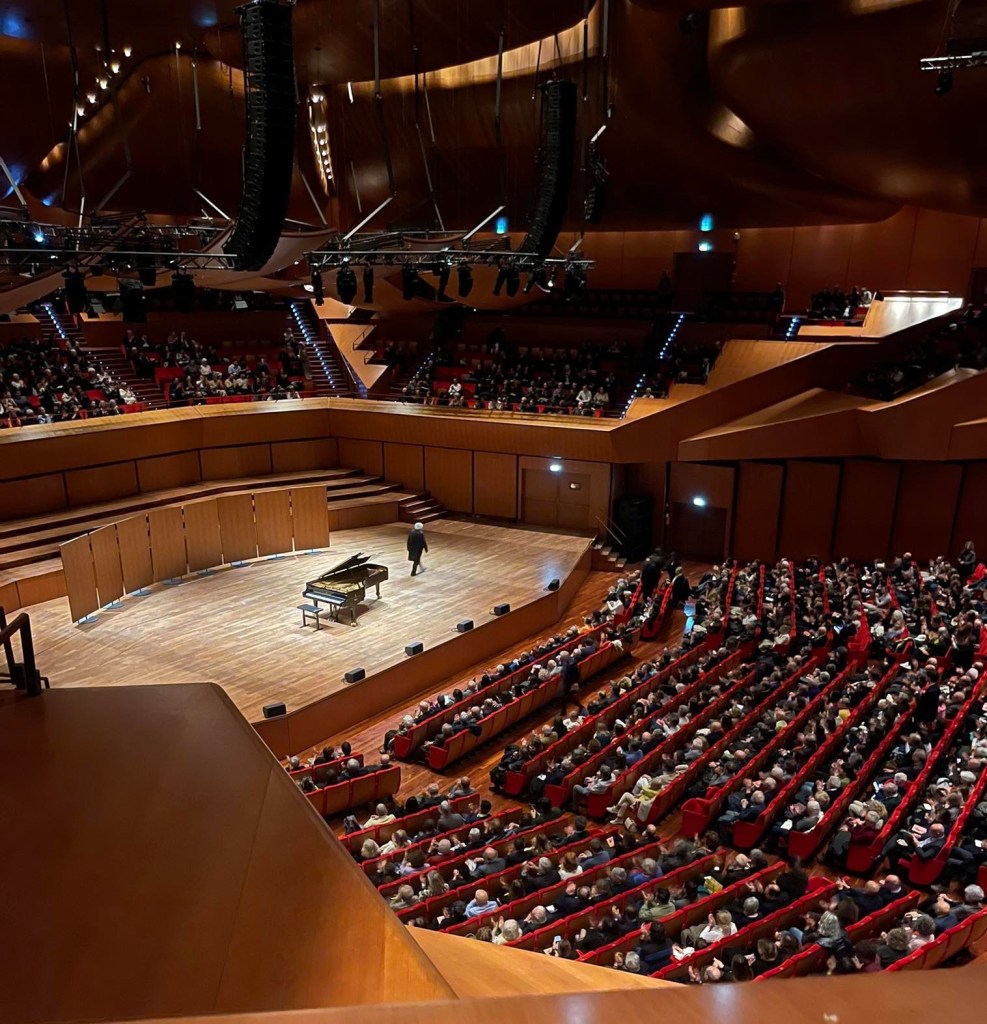
The actual programme had begun with Beethoven. The Sonata op 7 one of three of the early sonatas where the composer breaks away from Papà Haydn’s influence and the slow movements in particular become imposing statements of profundity.The Sonatas op 2 n. 3 ,op 7 and op 10 n. 3 pave the way for the genial invention of Beethoven throughout his thirty two Sonatas that are like a barometer of the turbulent life of a genius. This was followed by the last work that Beethoven wrote for the piano which are the Bagatelles op 126, that like the Chopin Mazurka’s are concentrated thoughts and emotions condensed into just a few bars. Sokolov today though was under the influence of Schubert and whatever he touched was an outpouring of song of ravishing beauty with the expansive flexibility of a singer. The Sonata was more of Haydn than is usual with many great pianists who have championed this work from Glenn Gould to Michelangeli. They have given more edge to the sound and made more of the dramatic contrasts as they had been influenced by the future whereas Sokolov was influenced by the past. The first movement opened with a sedate almost pastoral ‘Allegro molto e con brio’ where, of course, there were contrasts as Sokolov followed Beethoven’s indications with scrupulous attention to detail.It was, though, a performance that belonged more to the 1700’s than the 1800’s and it produced some wonderful playing of surprising beauty. The remarkable ‘Largo,con gran espressione’ had sumptuous rich chords of string quartet quality where every strand had a meaning of its own and where Sokolov gave great depth to the sound. The reply at the top of the piano sounded like a bird commenting from on high and was a remarkable moment that took me totally by surprise. The Allegro (Scherzo) too was played with pastoral beauty as the (Trio) was like a diabolical wind suddenly entering this peaceful landscape. Real Schubertian beauty to the Rondò where the undulating beauty of the final bars could almost have been Schumann rather than Beethoven. It was a remarkable, unexpected performance, where Sokolov was able to recreate this early work with the originality that people of the day must have discovered. A public and perhaps even composer that still had no idea to what heights of innovative genius the turbulent life of a genius would lead to. We that know, are often influenced in performance and impose on the music things that are still to come. Sokolov with genial intuition of a master interpreter could enter a world that is rare to experience, especially when using the modern day instruments that Beethoven could only envisage in the later part off his life when he could no longer produce the sounds that he could hear in his head.
The Six Bagatelles op 126 are miniature tone poems that Sokolov played with simplicity and profound understanding. From the ‘Andante con moto’ of whispered glowing beauty to the irascible ‘Allegro’ always tempered by beauty rather than brutality. The beautiful ‘Andante Cantabile’ was allowed to unfold so simply and even the usually tempestuous ‘Presto’ was more beautifully played than I can remember, with the etherial melodic line floating on the bagpipe sounds in the bass. The simple unfolding of the ‘Quasi Allegretto’ was interrupted by the tempestuous outburst of the last Bagatelle. Dissolving into the fragmented searching of the Beethoven in his last piano sonata, where gradually the pieces come together on a miraculous wash of sounds. Even the final outburst was tempered by Sokolov’s wish today to make everything sing.
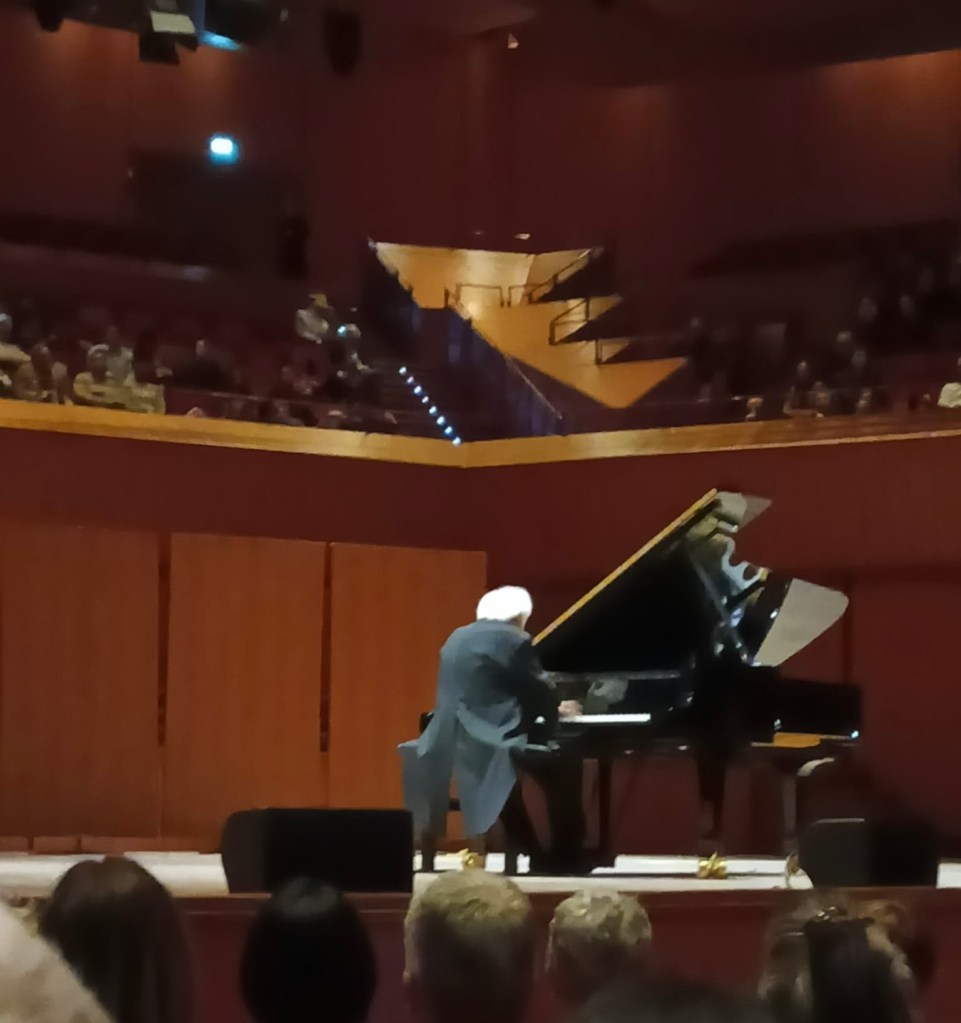
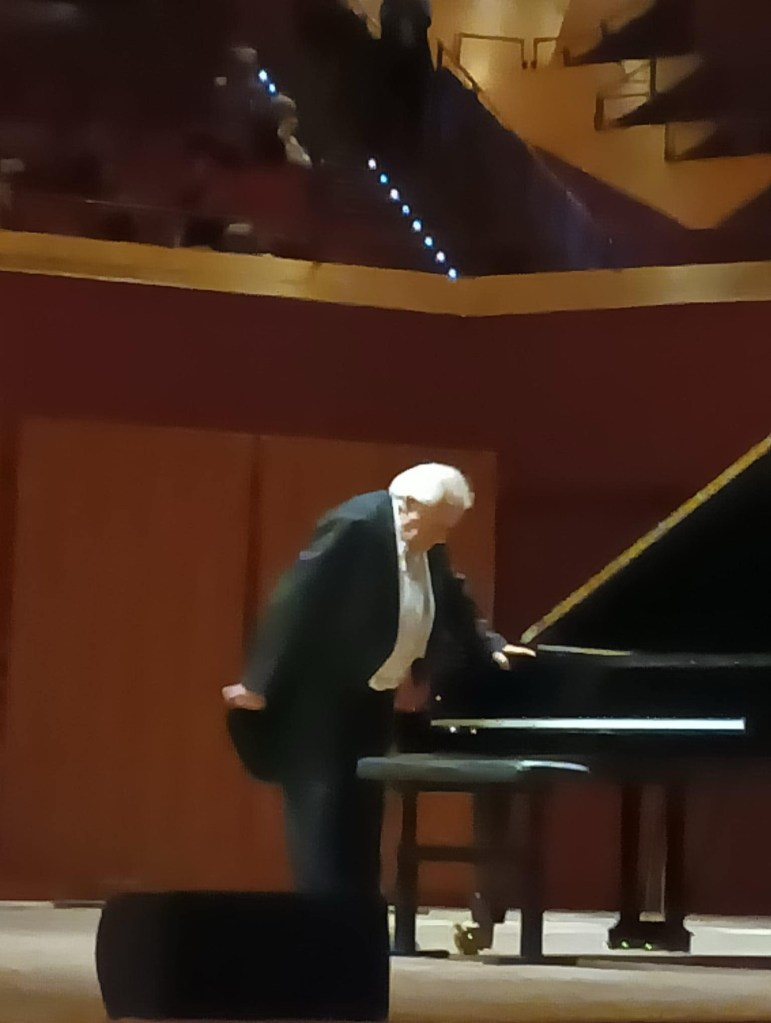
And it was Schubert’s B flat Sonata that was the glorious monument that Sokolov revealed to us today. An outpouring of beauty, similar to Volodos, but Sokolov has something within the notes that is beauty tempered by visionary intuition of an interpretative genius. I missed sometimes the hard edge of Brendel or Serkin or the aristocratic beauty of Rubinstein.It had something of the beauty of Uchida or Zimerman but Sokolov seemed to have much more freedom and intuitive sentiments ,with the raising of an eyebrow or a knowing nod and other slight inflections that allowed the music speak with a voice that I have never noticed before ( as Brendel said to Simon Rattle preparing to play together – here I do things!). They are changes of colour ,inflections, chords that have a fullness of sonority, in fact a kaleidoscope of colour and chameleonic character at the service of the composer. Those remarkable bars of the ritornello of the first movement will haunt me for long to come as will the extraordinary freedom he gave the melodic line in the last movement. The simple radiance of the ‘Scherzo’ that was indeed ‘vivace con delicatezza’ and the ‘Trio’ with its unnerving left hand accents that were played without any enfasis or ulterior meaning.
In short it was a voyage of discovery that revealed today the true Universal genius of Schubert ready to meet his maker on equal terms.



 ChristopherAxworthy-MusicCommentary