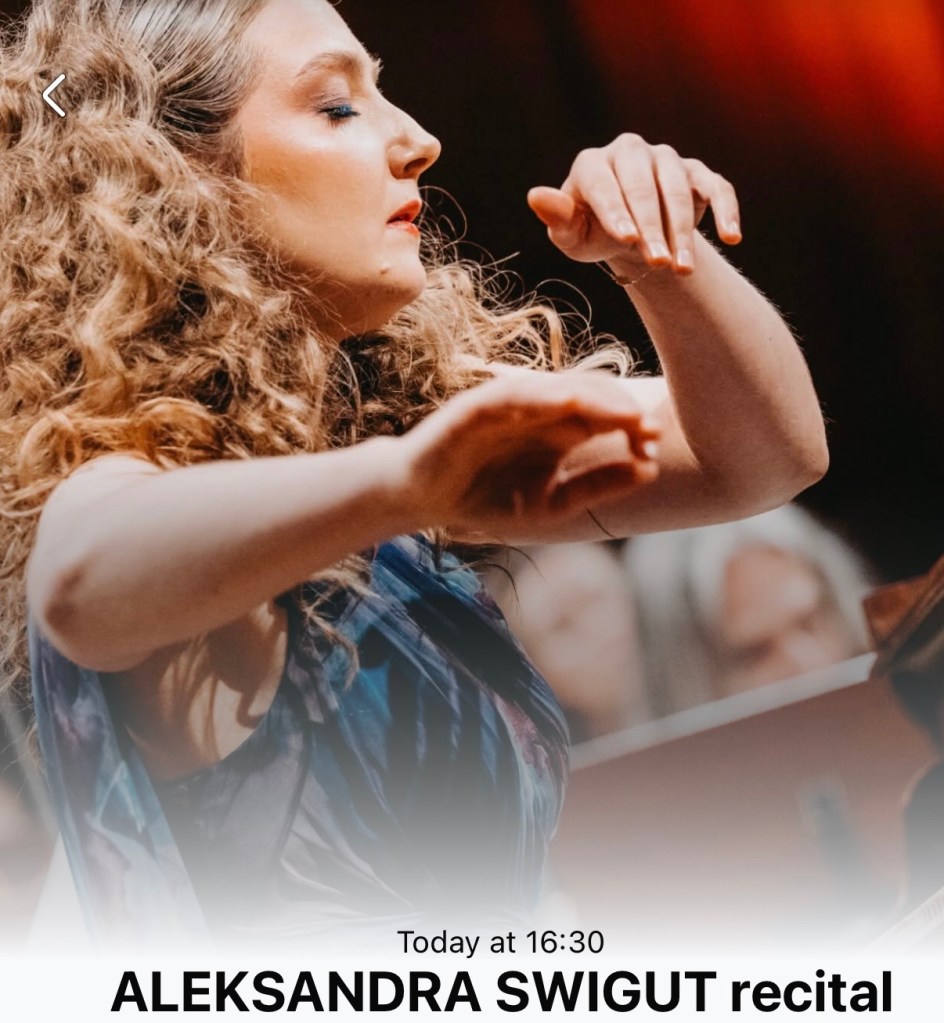
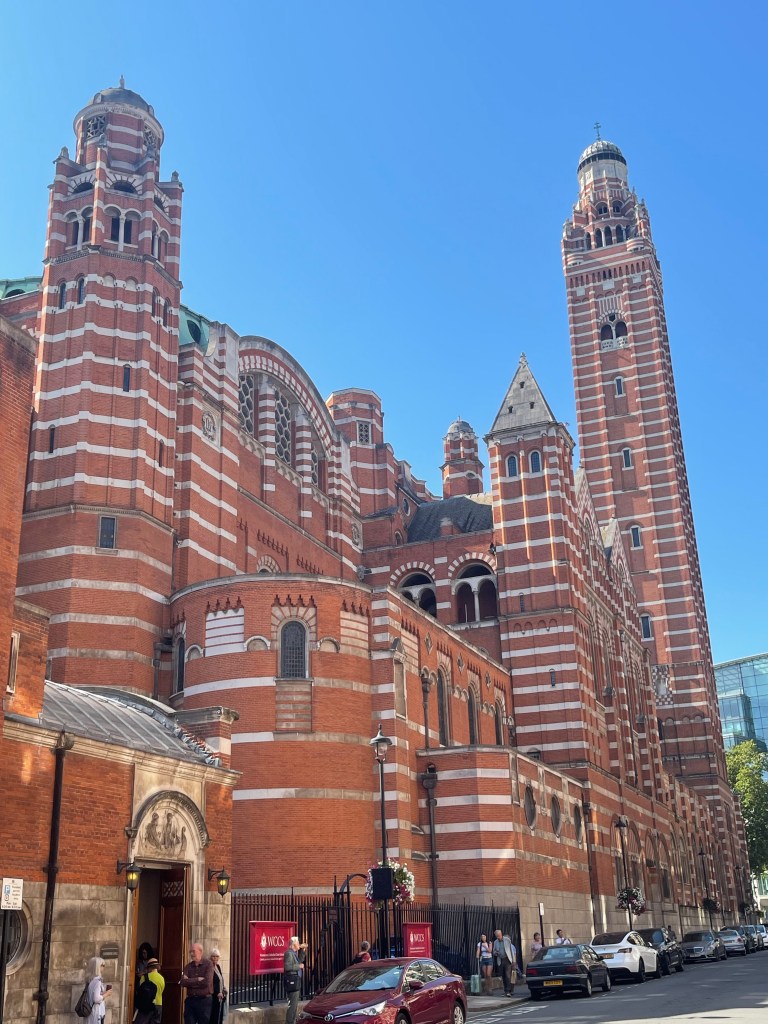
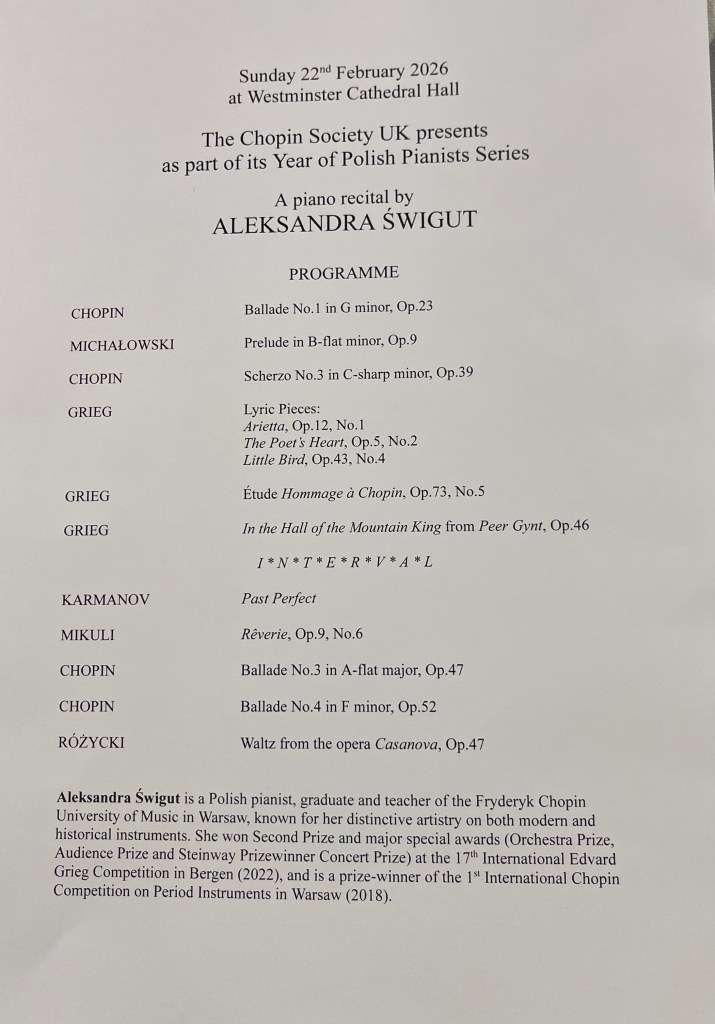
Aleksandra Świgut’s exquisite appearance was matched by equally exquisite sounds that she found in the black and white keys of the Chopin Society’s superb Steinway in Westminster Hall this afternoon. There was nothing black and white about the kaleidoscope of colours that she could conjure from this box of hammers and strings.
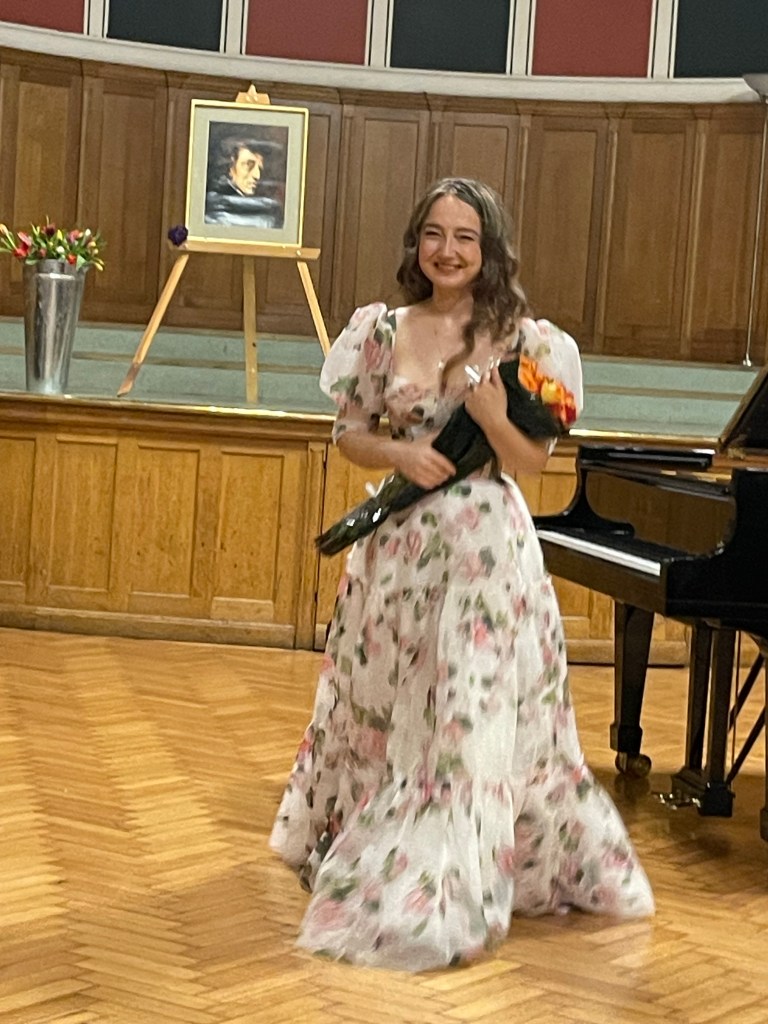
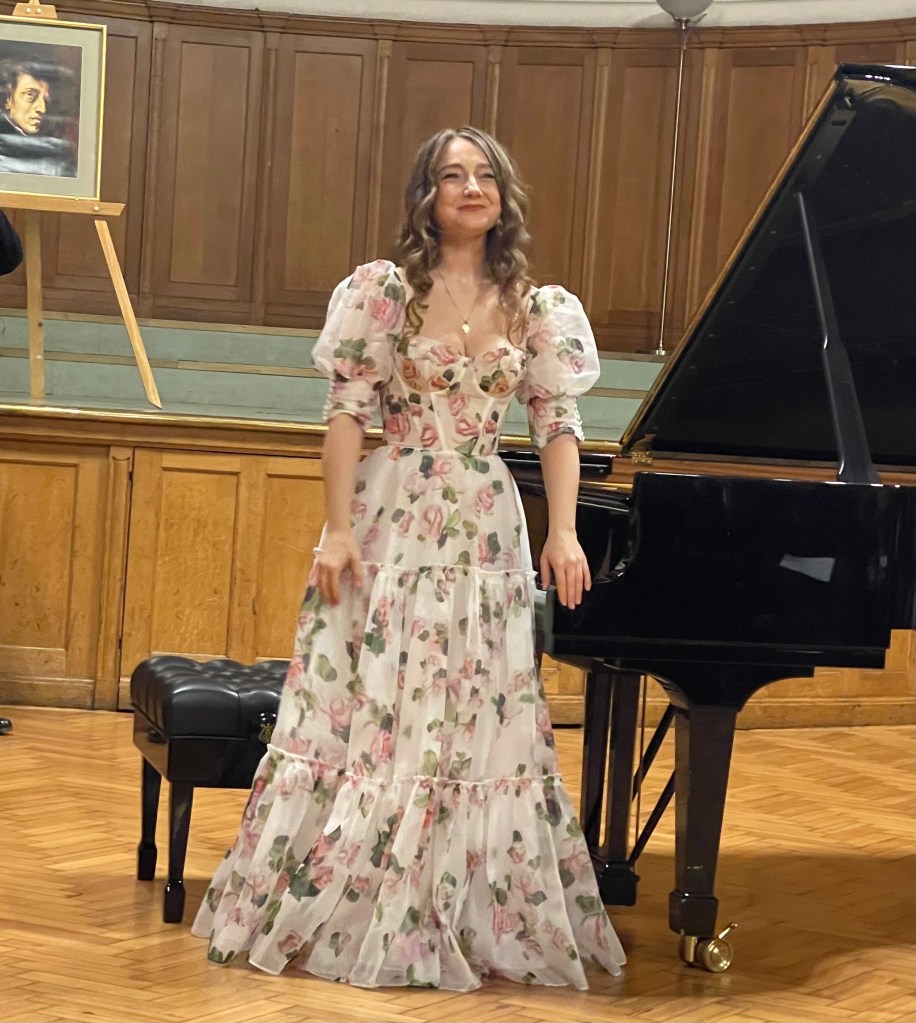
Lingering on sounds as she was transported by the magic that her hands could find in each key. An improvised freedom that suited more the miniatures on her programme, especially by Grieg , where I doubt his ‘Arietta’ has ever been played with such whispered radiance. If the larger works consisting of four of Chopin’s greatest works suffered from a lack of architectural shape it was because Aleksandra was delving deeply on a more personal voyage of discovery. Lingering in wonder on certain passages or adding passionate rubati forgetting that Chopin expected his tree to be firmly planted in the ground and only then were the branches allowed their natural freedom.
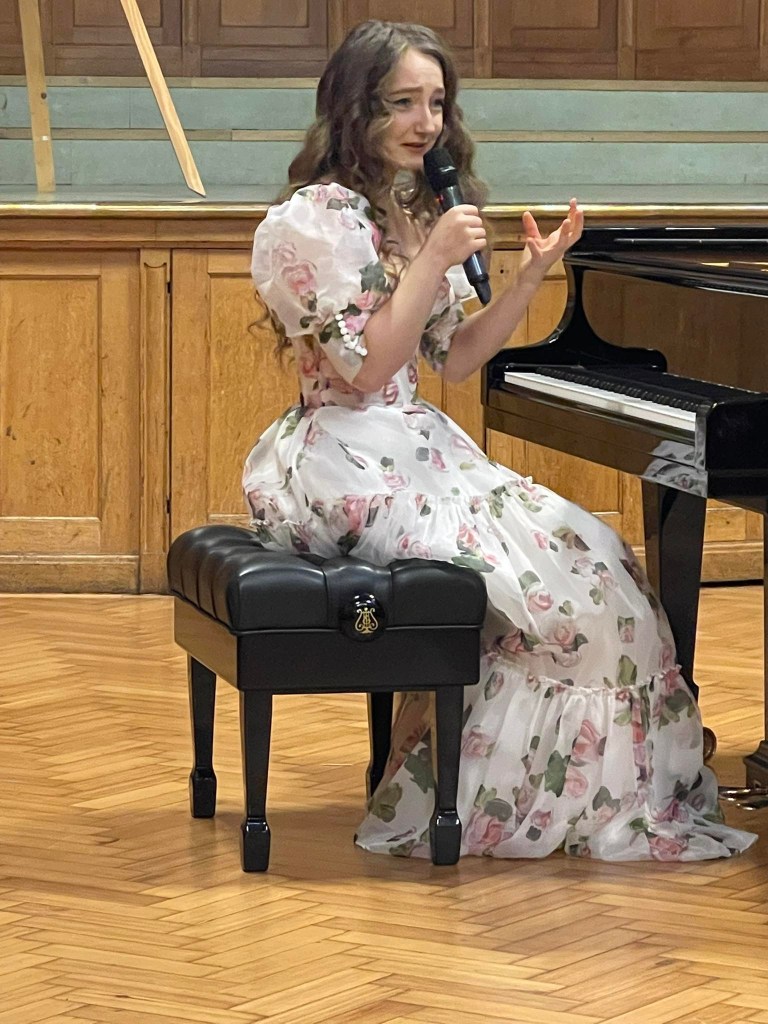
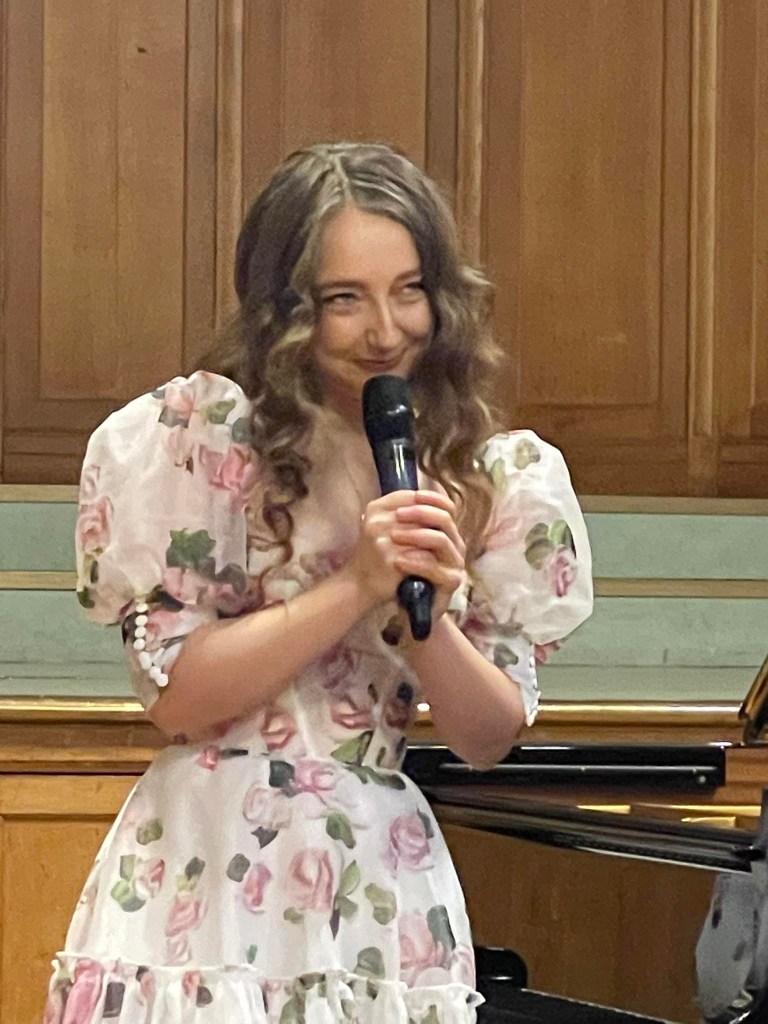
Aleksandra had chosen not only masterworks by Chopin for her London recital, but had included some miniatures by Michalowski, Mikuli, Różycki and Karmanov. Small pieces that Aleksandra introduced to the audience, unfortunately not always audibly, due to the poor amplification system in most concert halls and this is certainly better than most!
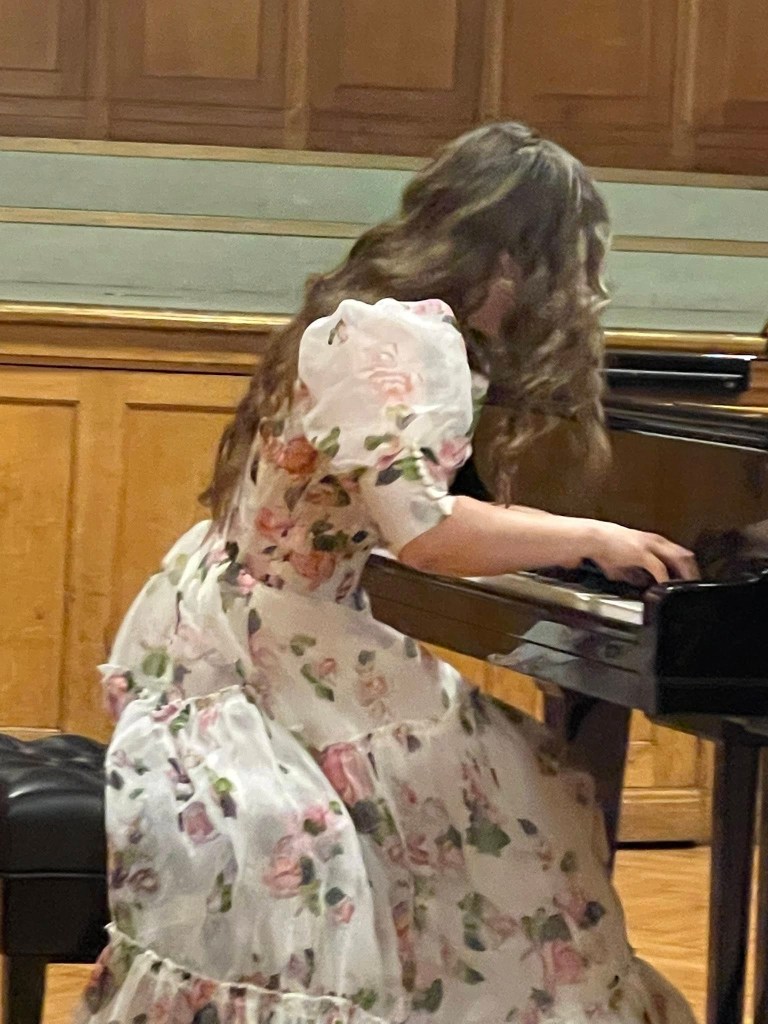
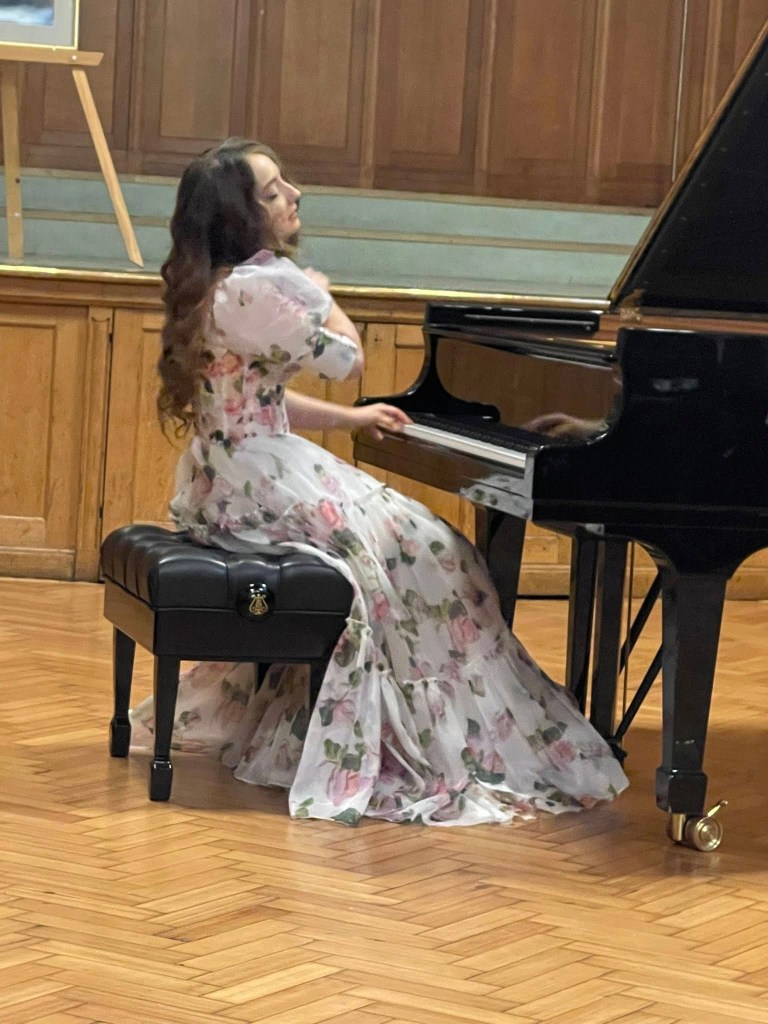
However it was her playing that spoke louder than any words and in particular the whispered delicacy of Mikuli’s ‘Rêverie’ or the vibrating sounds of Karmanov’s ‘Past Perfect’ with their Reich type insistence of moving harmonies and undulating sounds of glowing repetition. Michalowski’s ‘Prelude in B minor’ was played with exquisite sounds of ravishing beauty.
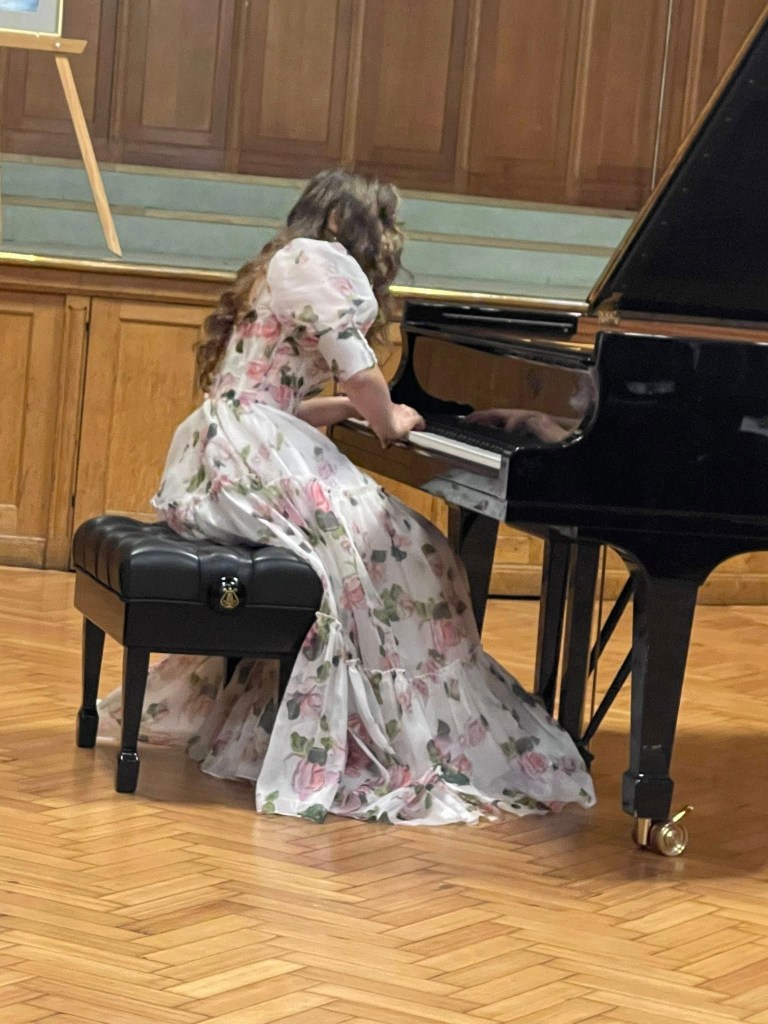
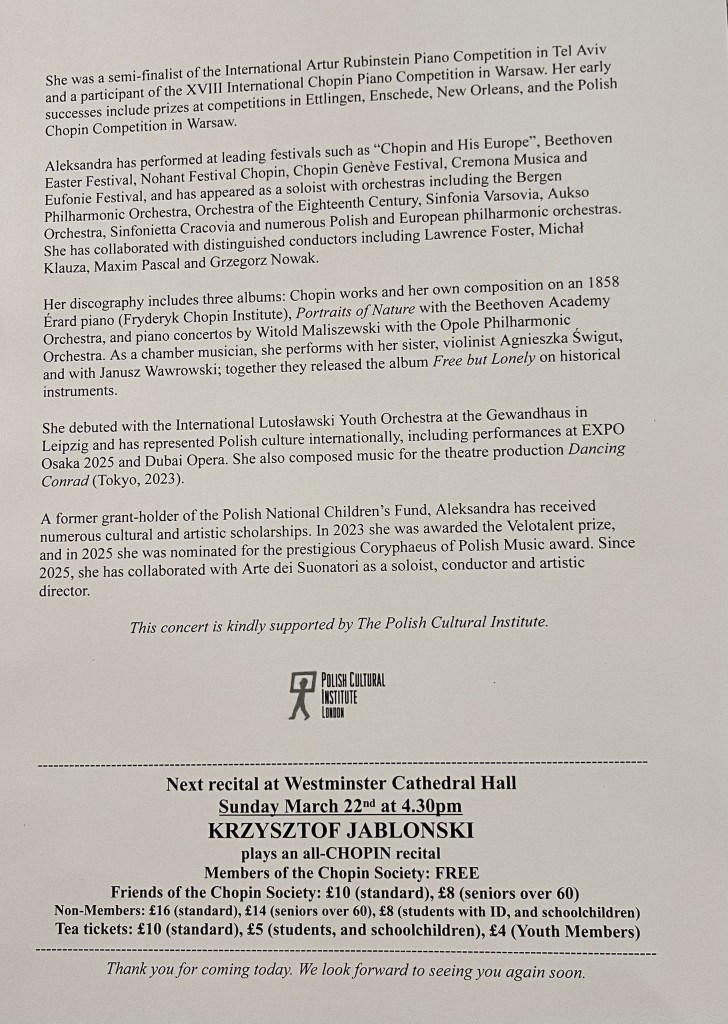
Four little pieces by Grieg closed the first half of the programme and are real gems, much overlooked in the concert hall but that Aleksandra’s exquisite playing could bring to life with vibrant beauty. The ‘Arietta’ of radiance and whispered beauty; ‘The Poet’s Heart’ of flowing passionate intensity; the radiance of ‘The Little Bird ‘ or the wistful beauty of ‘Hommage à Chopin.’ The final work by Grieg was the passionate outcry of ‘The Hall of the Mountain King’ and it was here that my Queen Bodicea returned armed with passionate drive and burning intensity, playing with glissandi up and down the keys of fearless abandon . This is the Aleksandra that had so surprised me a few years ago with one of the finest performances of Grieg’s piano concerto that I have ever heard. On that occasion too she had also shown us her ‘Mountain King’ as an encore , where her intimate self effacing innocence and sweetness turned into a demon ready for battle.
The Waltz from Różycki’s opera ‘Casanova’ was really the encore that she had added to the programme after the two final Chopin Ballades. It was played with the beguiling charm and scintillating brilliance and jeux perlé of pianists of a past age. It was an exquisite way for Alexandra to finish a recital that had seduced the audience with her delicacy, charm and chameleonic range of beautiful sounds.
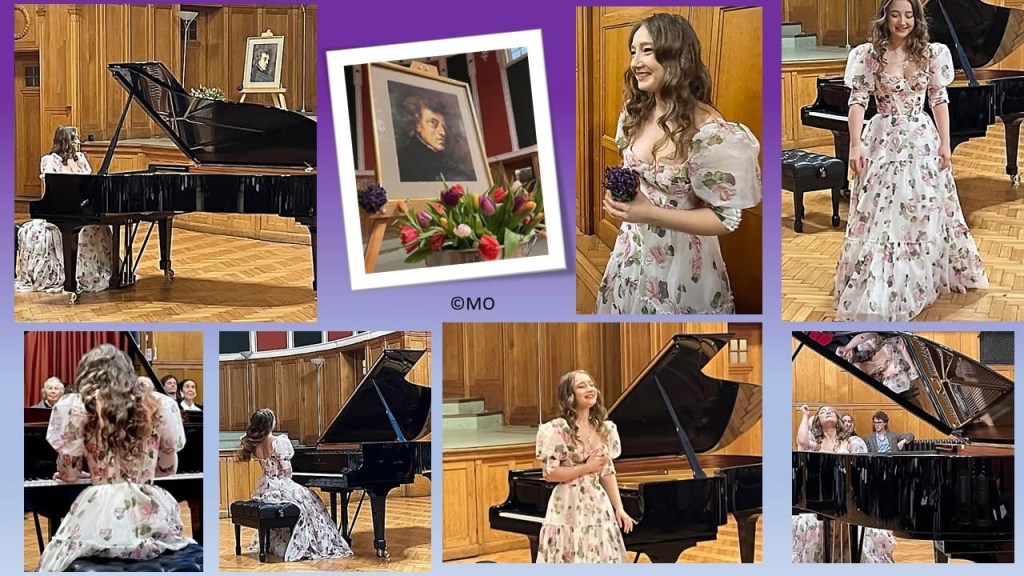
Her Chopin playing whilst of exquisite playing contrasting with a passion of almost frightening audacity, it belongs to a tradition where the strength and nobility of Chopin are confused with the improvised charm and intimate beauty of a frail sickly aristocratic pianist of refined good manners. It is a tradition that was challenged by Rubinstein and Lipatti who brought aristocratic beauty but also strength to Chopin who is often overlooked as a master of form. His B flat minor sonata may have been described by Robert Schumann ‘as four of Chopin’s maddest children under the same roof’ or his wife Clara describing Liszt’s B minor Sonata as ‘merely a blind noise’. These supreme masterpieces have since been recognised as works of innovative genius .
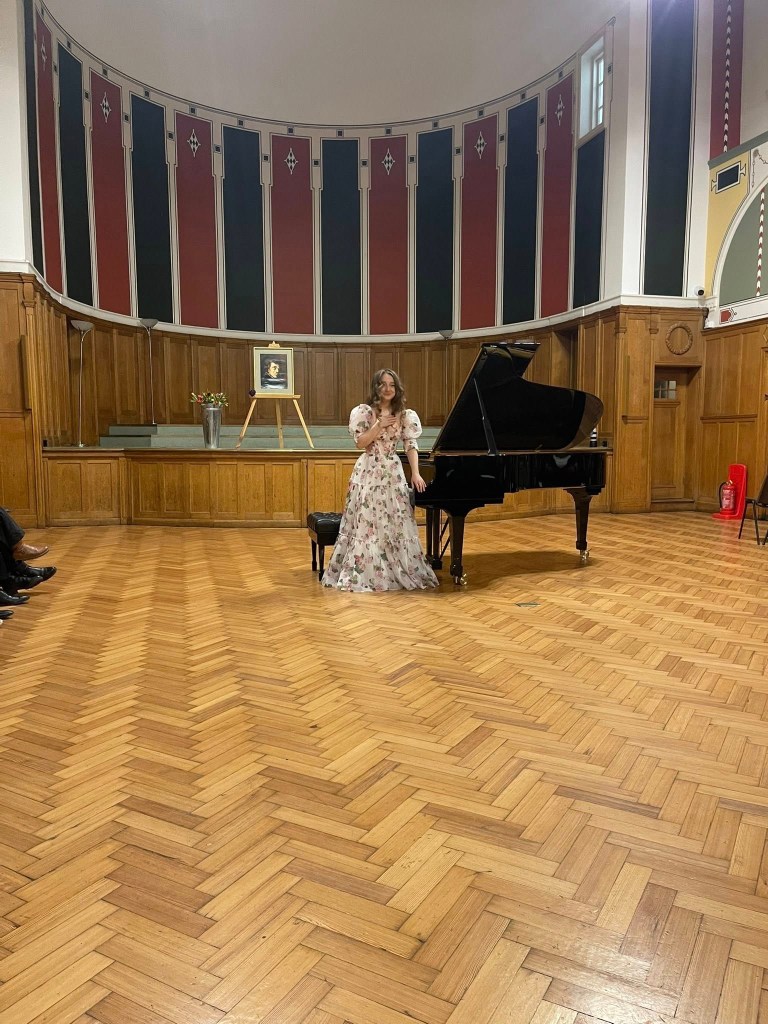
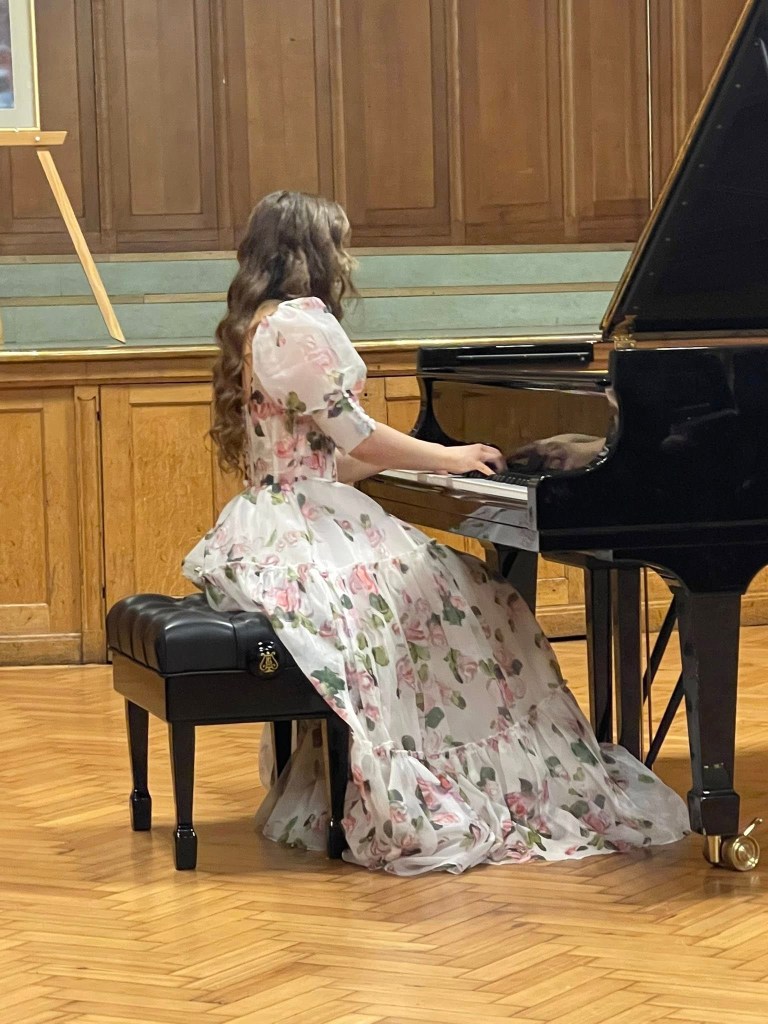
Alexandra played Three Ballades n.1/3/4 and the Third Scherzo with exquisite beauty and at times fearless passion but her constant rubati and changes of tempi disturbed the architectural shape and reduced these works to a series of beautiful unrelated episodes. I have never seen the final scale in the A flat Ballade played with such alternating hands or additions to a scale that is simply a noble descent from the top to the bottom of the keys with one arm movement as Chopin so clearly marks in the score. The opening of the Fourth ballade was breathtakingly beautiful but then the theme was varied before she got to the variations. The opening of the First Ballade was also ravishingly beautiful but then she got distracted by searching out beauty and secret phrasing where we lost the vision of Chopin’s early mastery, lost in a wood where Aleksandra could dwell and enjoy every angle but could never really find her way out except by chance.The Third Scherzo opened with great poetic fantasy but then the passionate vehemence that followed was overpowering and unrelated to the beauty of the chorale that followed . Exquisite streams of notes accompanied the chorale that I have rarely heard played with such glistening beauty but the coda seemed strangely out of place and totally unrelated to the majesty and nobility of this Scherzo. More in tune with a Mountain King than the aristocratic Prince of the Keyboard .
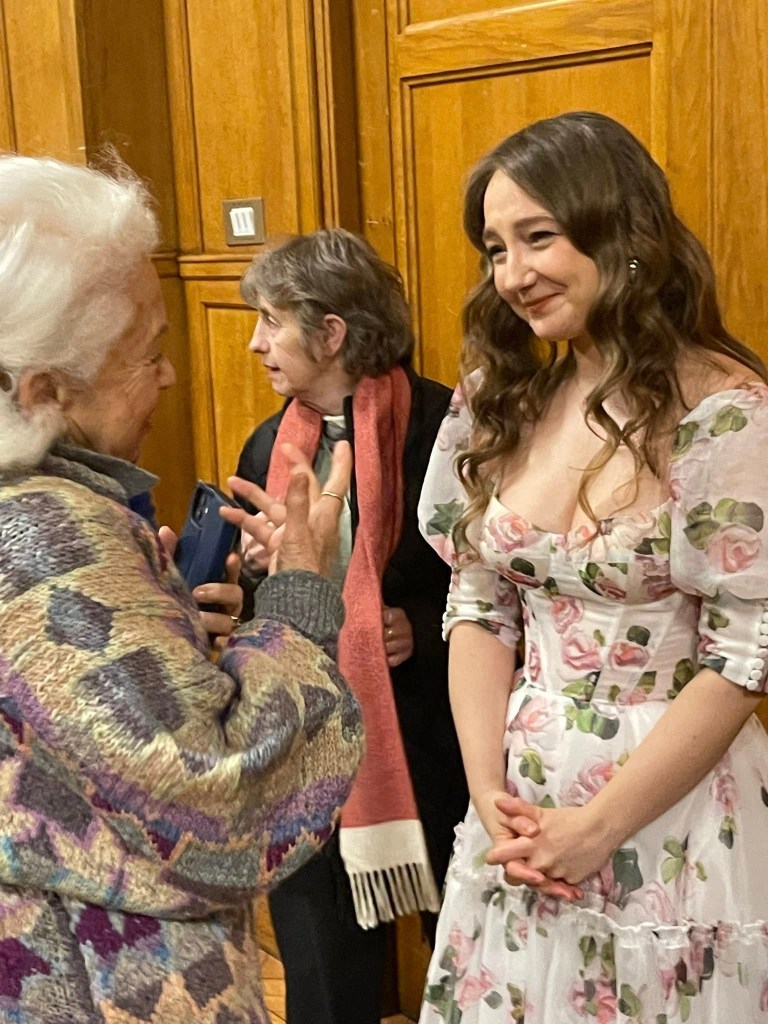
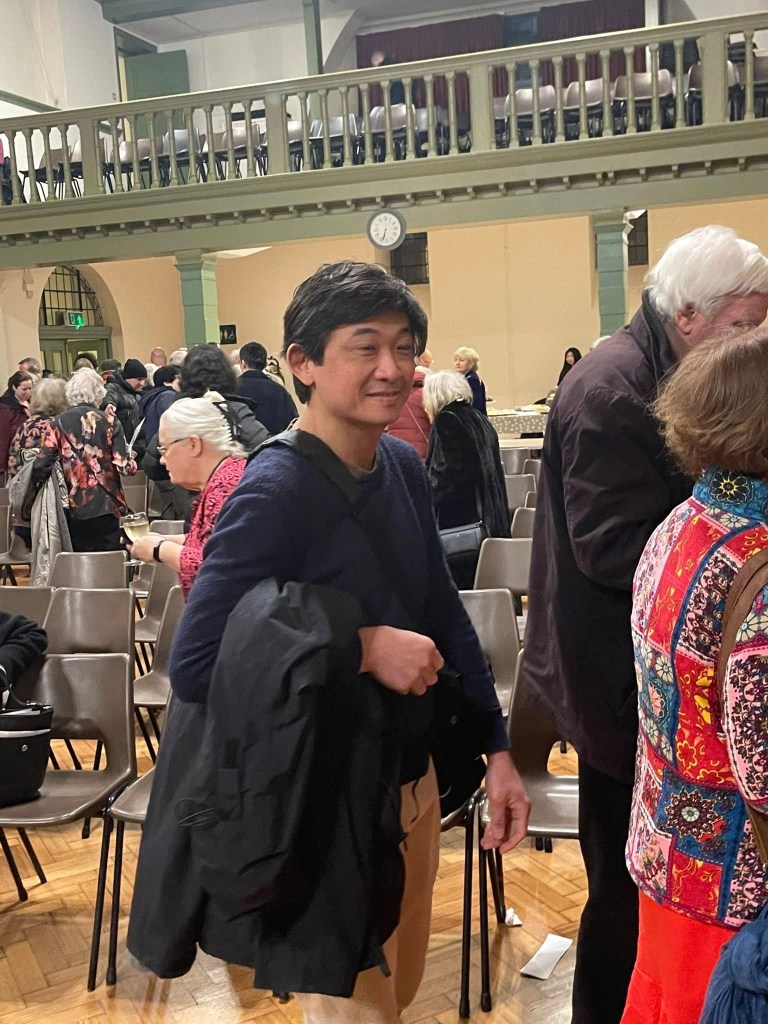
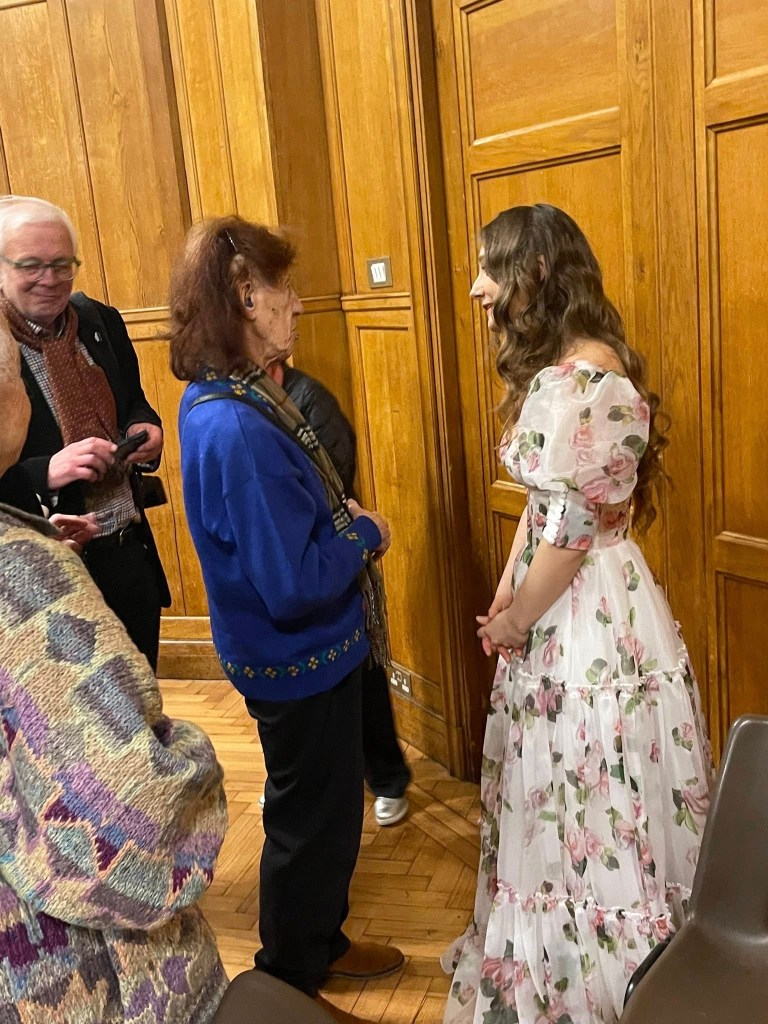
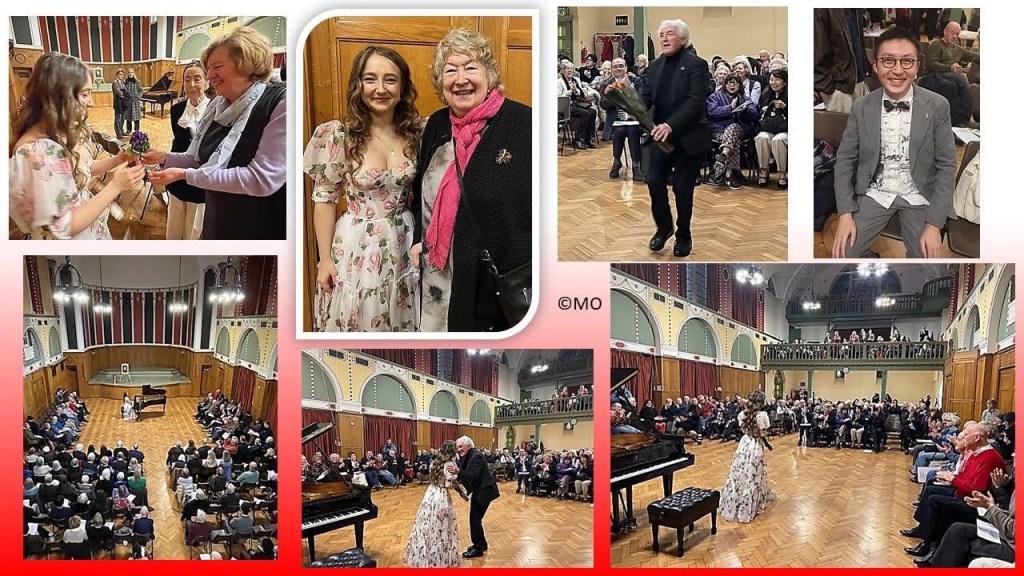
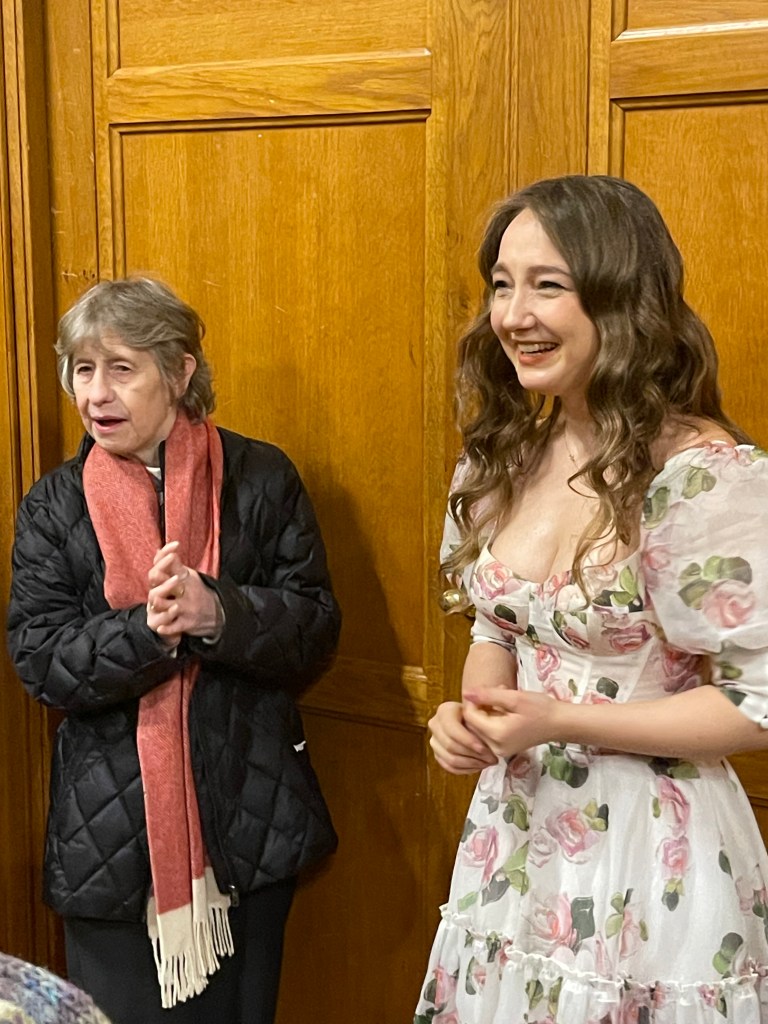
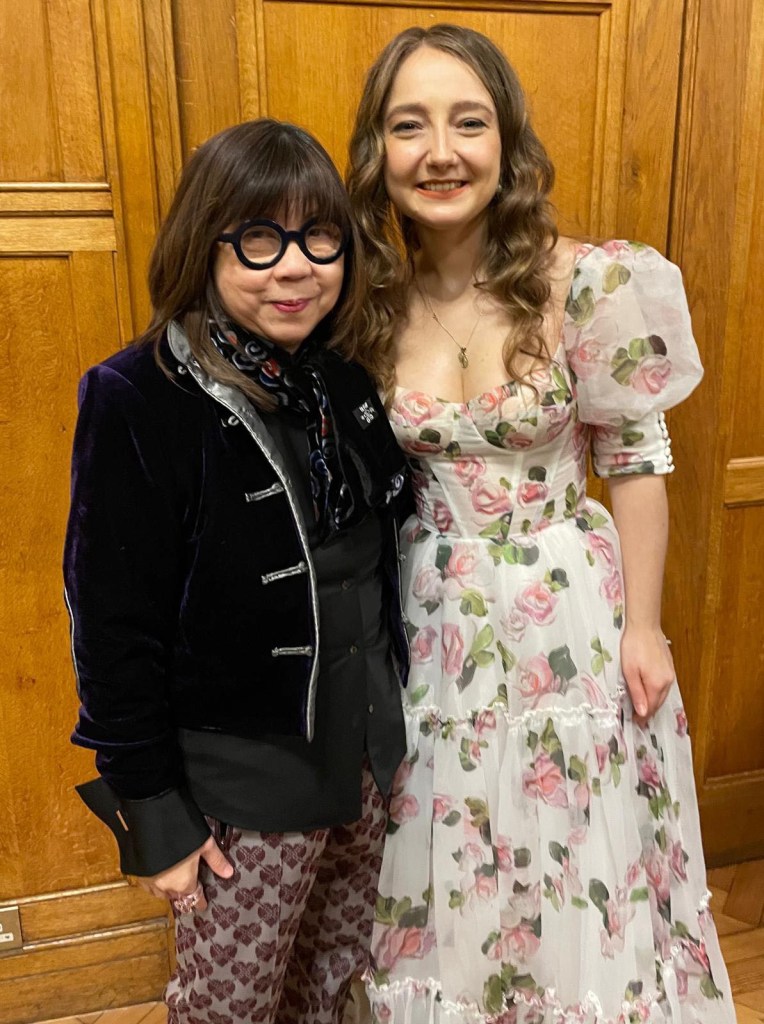
Surrounded by admirers, including myself armed with Roses , who enjoyed the ravishingly beautiful playing from a charming young artists who obviously is in love with the piano.
 ChristopherAxworthy-MusicCommentary