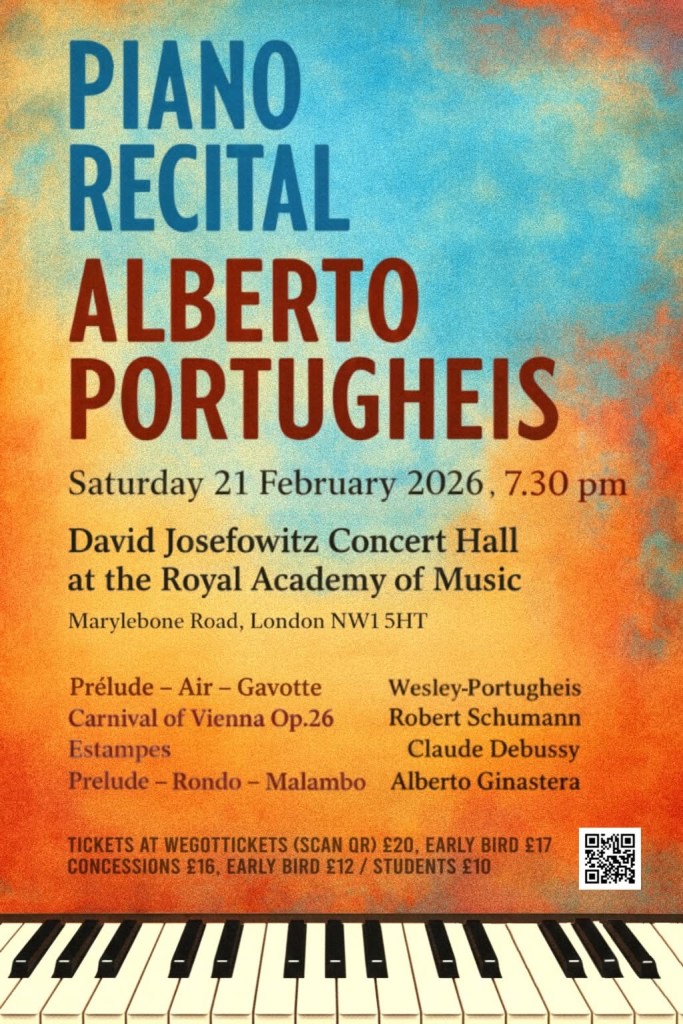
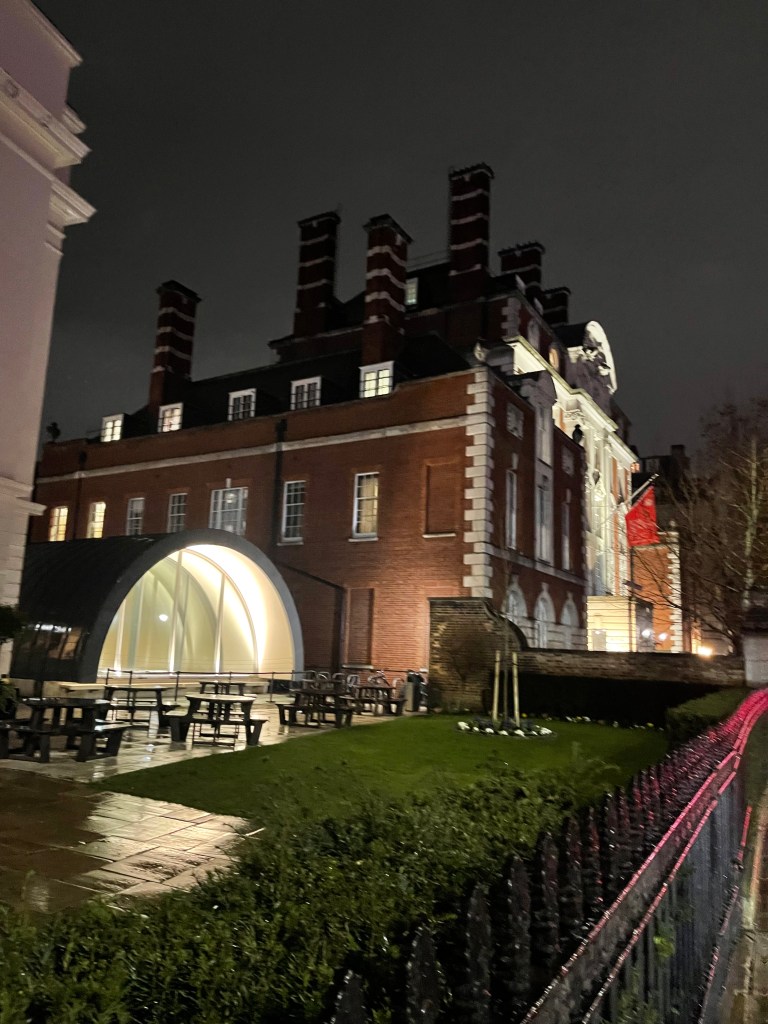
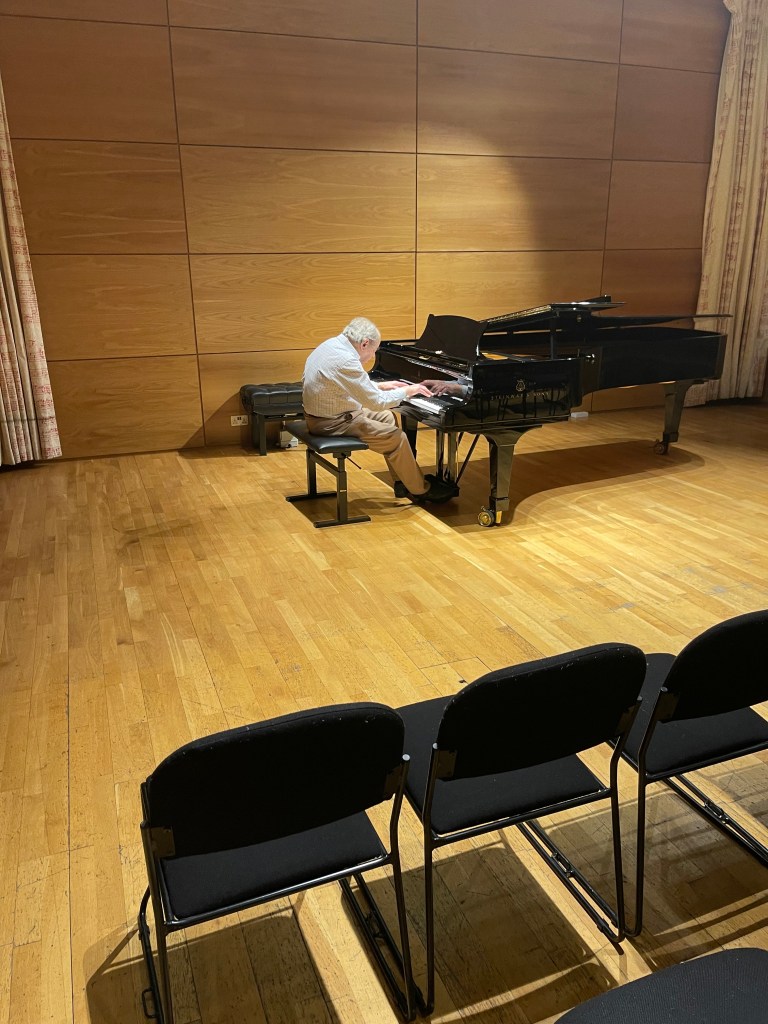
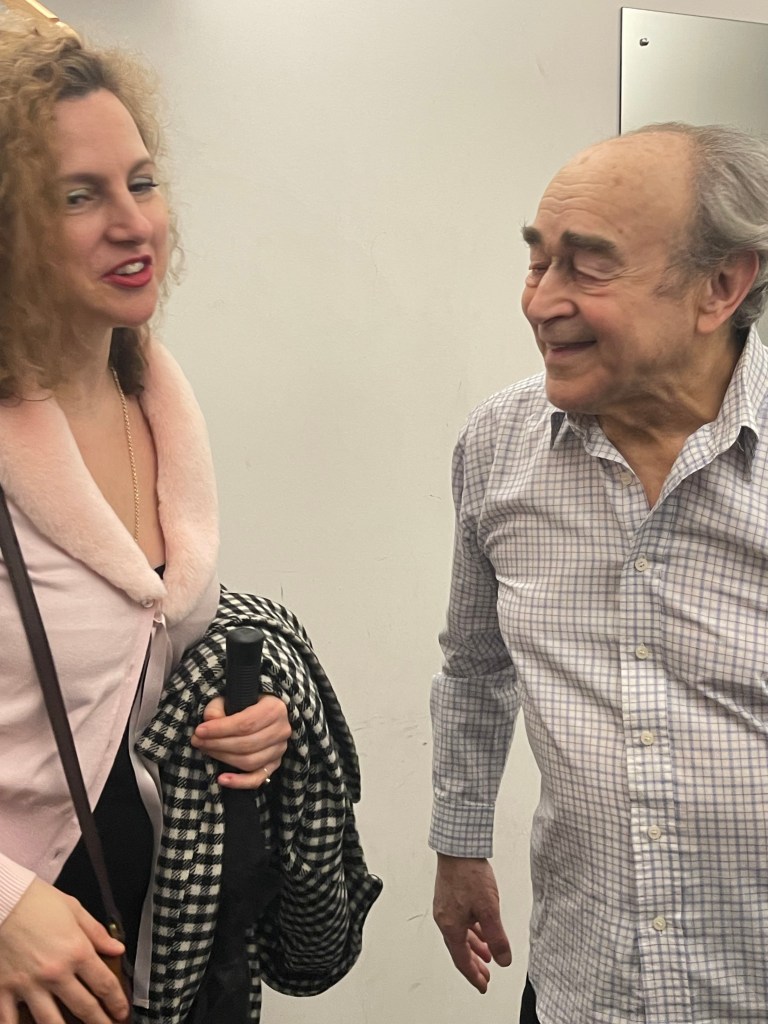
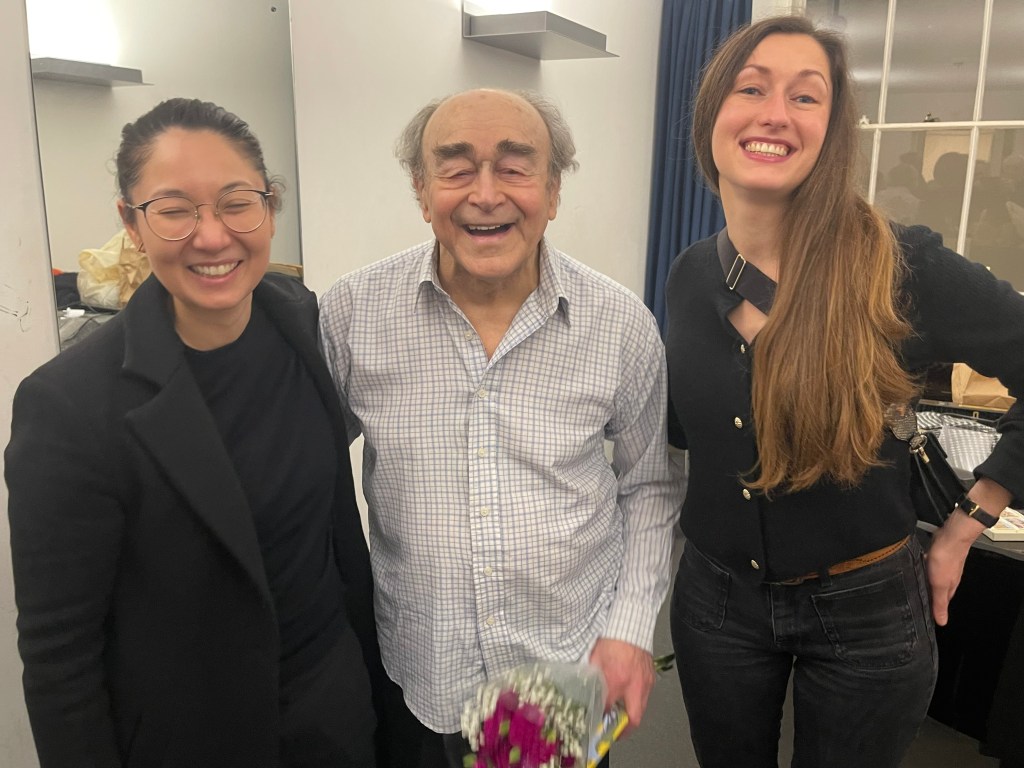
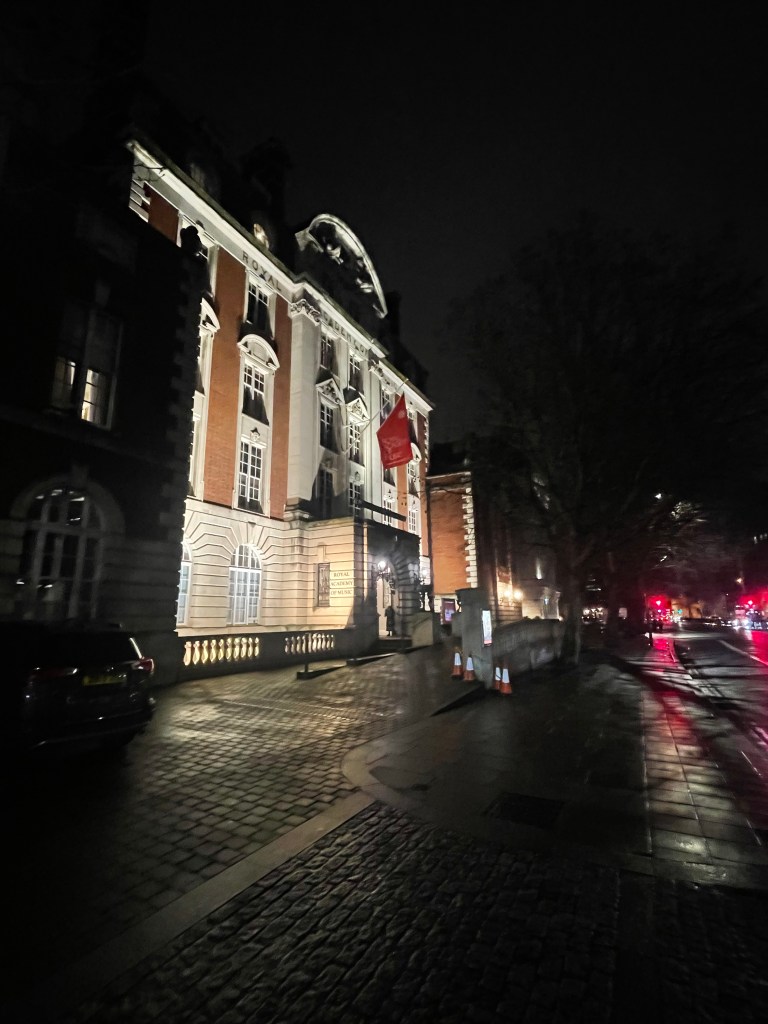
The amazing 85 year old Alberto Portugheis astonishes and amazes at the Royal Academy of Music in London.
An eclectic Renaissance man dedicated to the discovery of beauty, with a life of trying to convincing the world powers to put aside their arms and embrace a world of beauty and wonder.
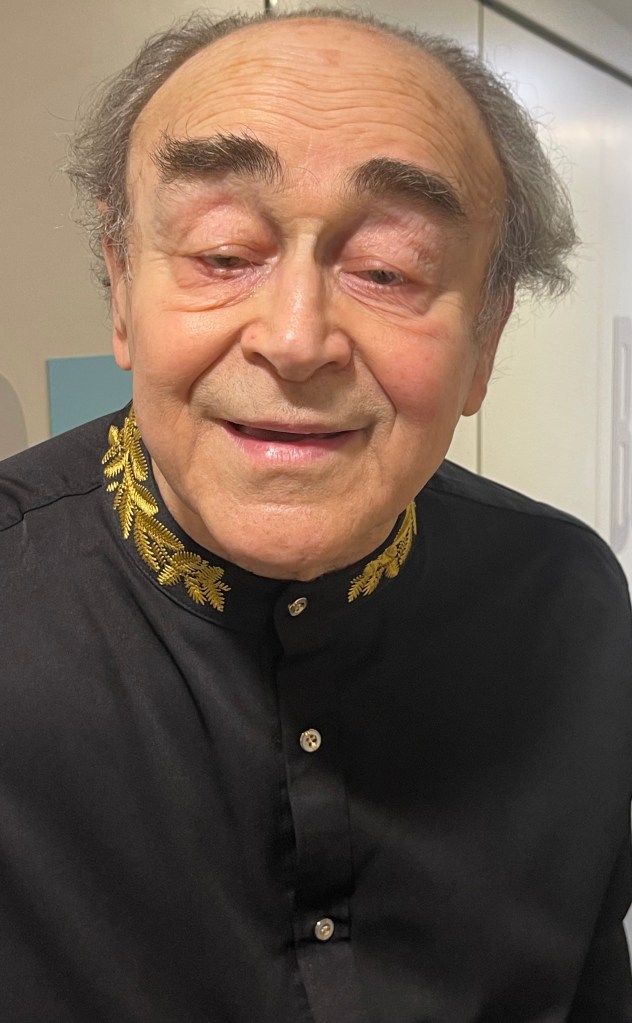
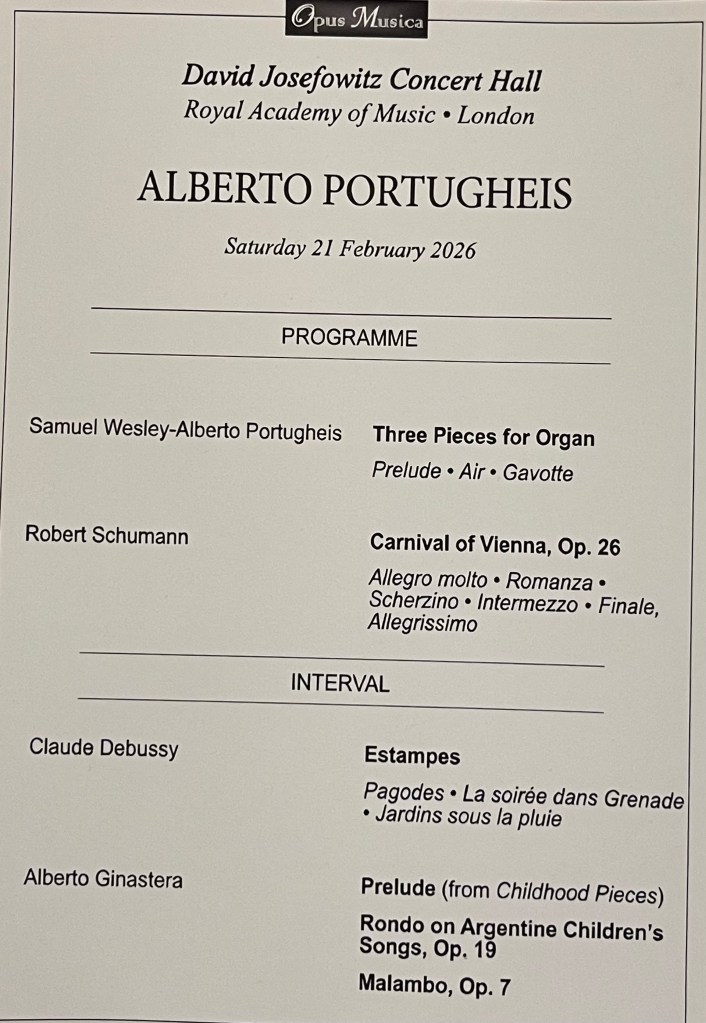
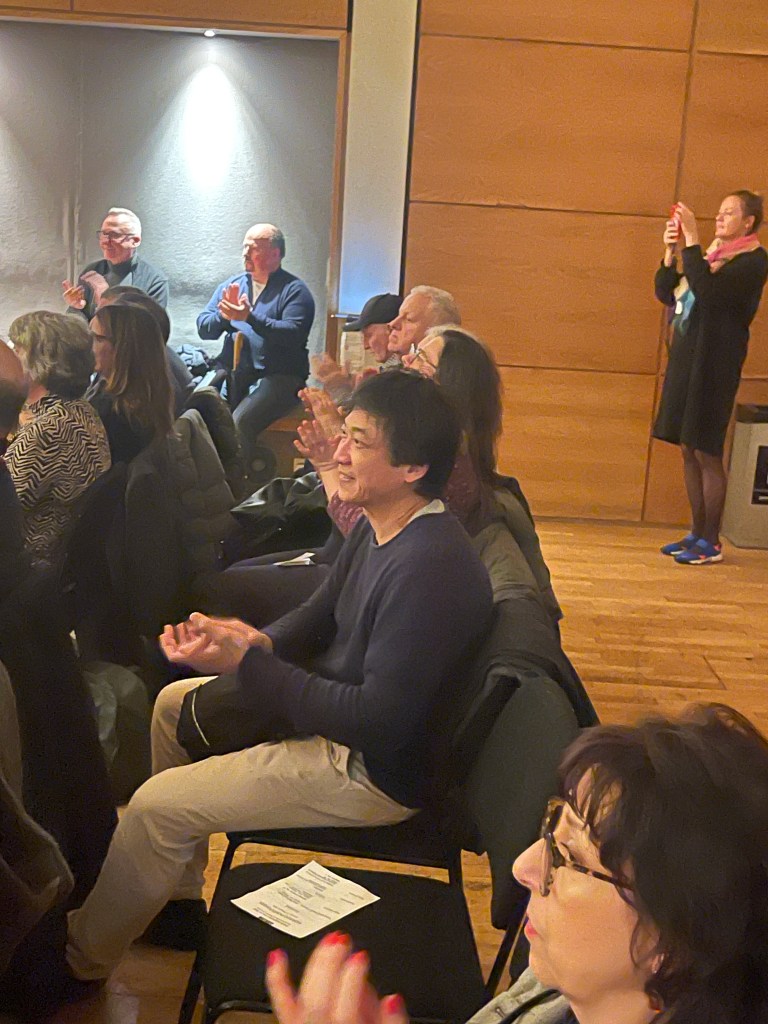
Defying time with a long and difficult programme played by memory to a capacity audience who had battled with the elements to applaud this remarkable man.
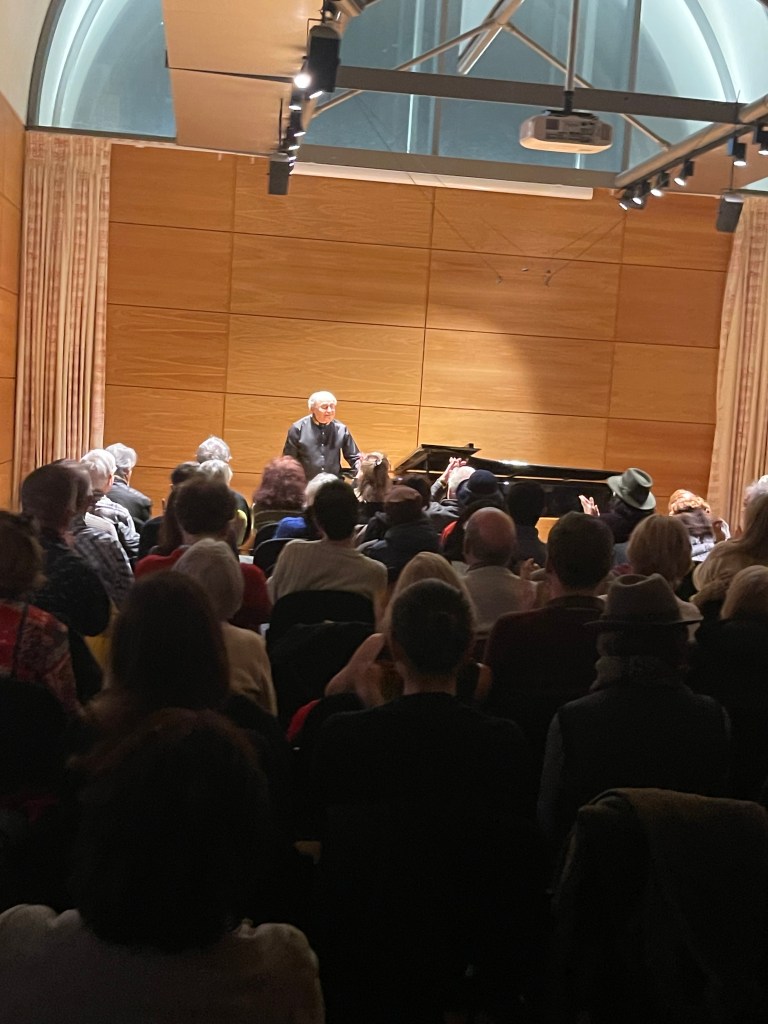
The programme began with Alberto’s own arrangement of three pieces for Organ by Samuel Wesley. “Prelude – Air – Gavotte’. A Prelude of chiselled beauty of nobility and grandeur with deep bass resonance adding such depth to the sound. An ‘Aria’ of simple purity and poignant beauty where Alberto was visibly moved by such beauty as he delved deeply into the very core of creation. It was followed by a ‘Gavotte’ that was imbued with all the charm and grace of a noble age. It was not specified if this work was by the father or the organist composer son Samuel Sebastian, but I happily assume it was by the father, who in his day was known as the ‘English Mozart’.
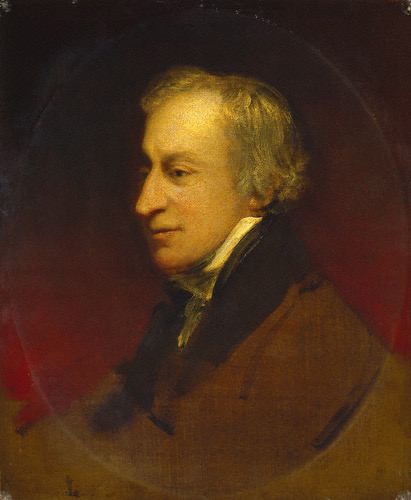
Samuel Wesley 24 February 1766 , Bristol – 11 October 1837 Marylebone, London (aged 71)
He had 7 Children including the organist Samuel Sebastian Wesley .He was known as the ‘English Mozart’ and was buried in St Marylebone Parish Church that sits opposite this Royal Academy of Music.
In 1784, Wesley privately converted to Roman Catholicism , to the dismay of his uncle John Wesley. His hymnodist father expressed his opinion in the following words:
While ready and resolved is he to plunge into the dark abyss
And cast his soul away
That poison of the Romish sect
O let not his soul infect
To celebrate his conversion, Samuel composed an elaborate Mass , the Missa de Spiritu Sancto, dedicating it to Pope Pius VI , but according to his obituary, he may subsequently have denied any conversion. Samuel had informed his mother of his philosophical conviction that his marriage had been constituted by sexual intercourse, precluding any civil or religious ceremony, but after a scandalous delay he married Charlotte Louise Martin in 1793, and they had three children. This marriage broke up with Charlotte’s discovery of Samuel’s affair with the teenage domestic servant ,Sarah Suter. Samuel and Sarah never married but had four children amongst whom, Samuel Sebastian Wesley (1810–1876) who was a cathedral organist and notable composer. However, much of father Sebastian’s work was published at the time of composition and then forgotten, and so copies of these works are rare and mostly unavailable in modern performing editions. A considerable body of work exists in manuscript only.
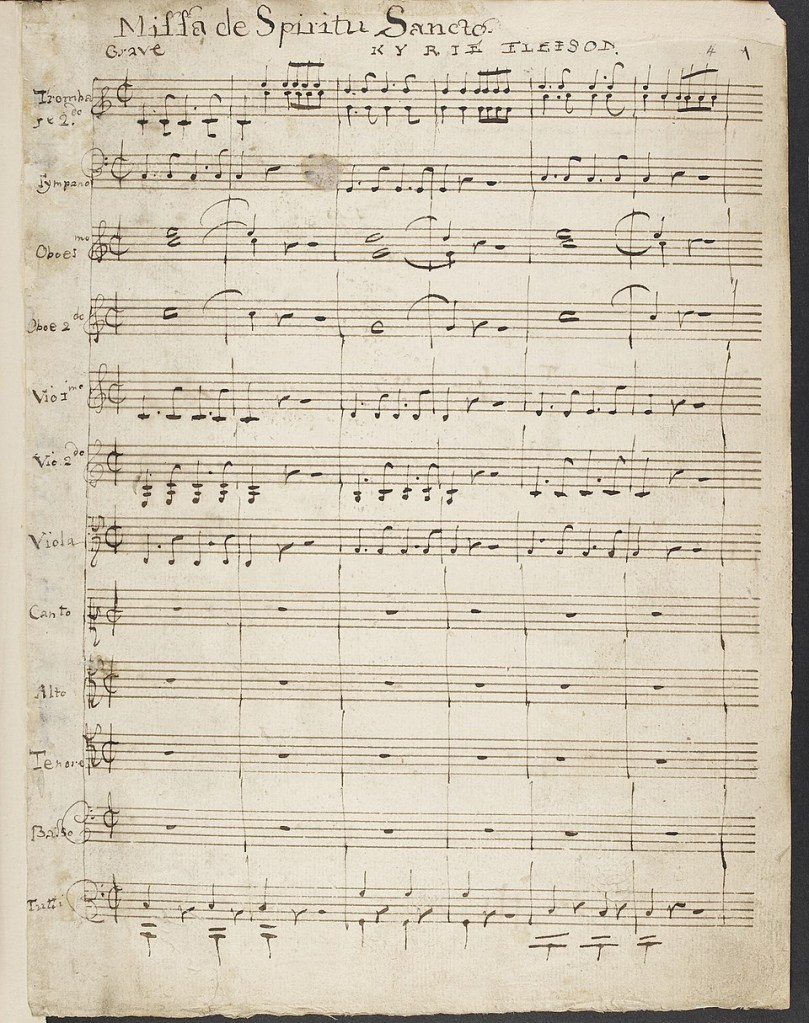
Wesley’s compositional style was eclectic, with influences from the late Baroque era, Classicism and, later, early Romanticism.
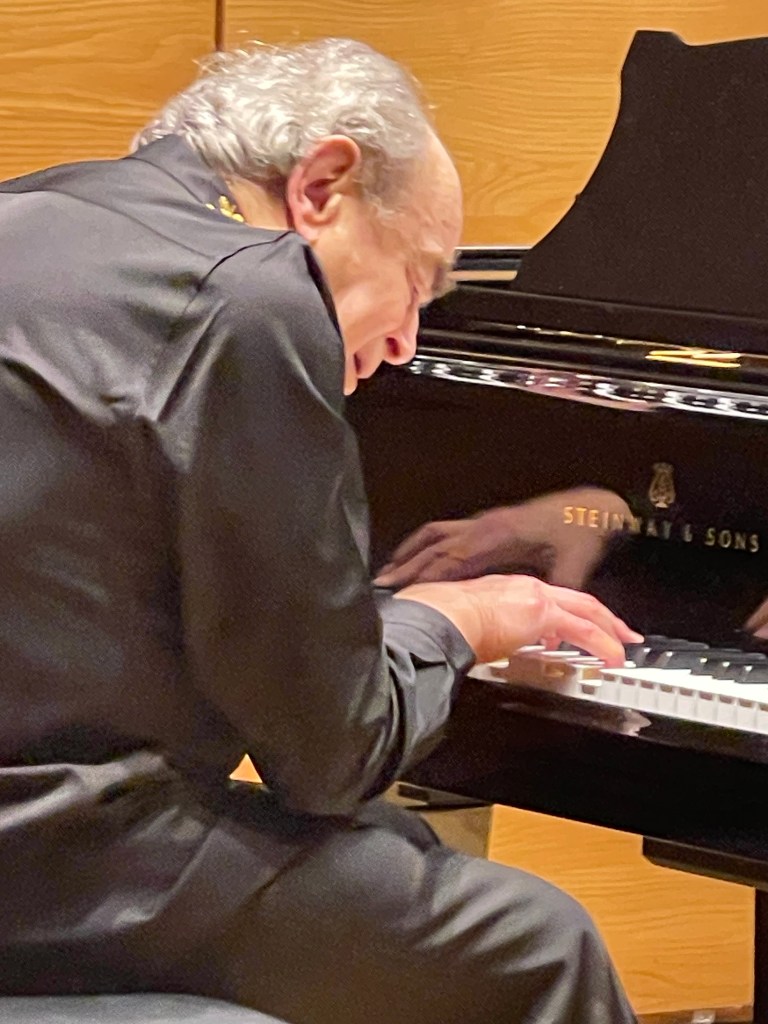
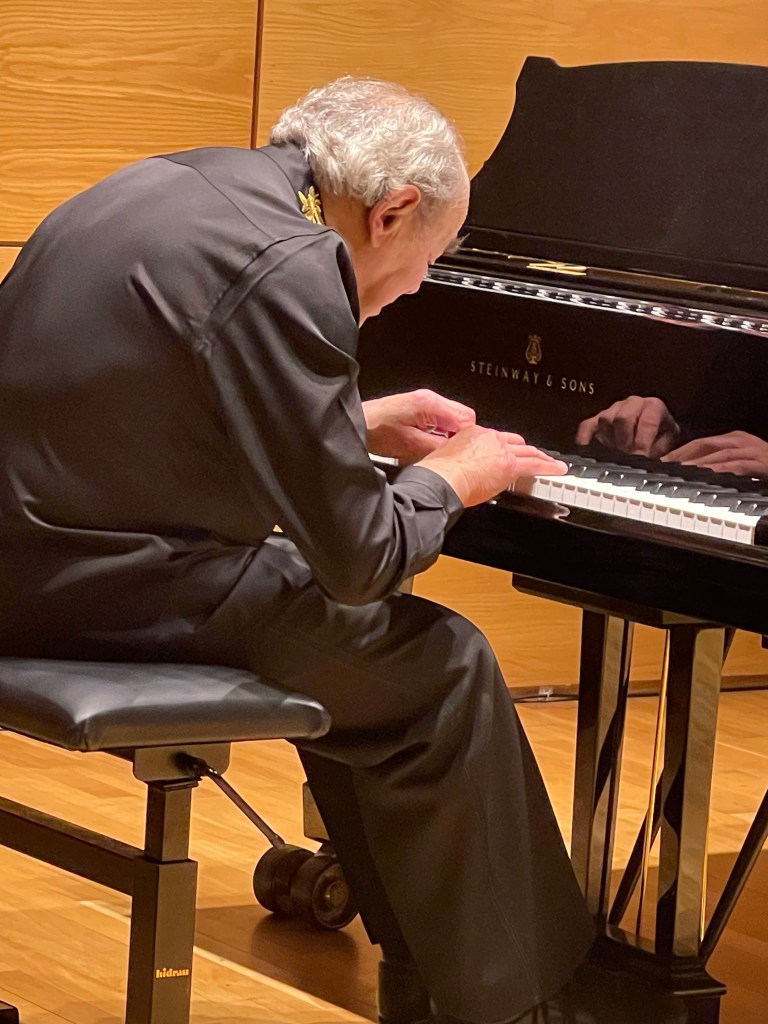
An eclectic choice and noble opening to a programme that continued with the ‘Jest’ that was to be found in Schumann’s ‘Carnaval of Vienna’ ! It was played with great conviction and aristocratic forward movement.The long ‘Allegro molto’ interrupted with such eloquence by episodes of beguiling beauty and even with questioning chords where Schumann quotes ‘La Marseillaise’, that Alberto played with fervent conviction! He brought a poignant cry of simplicity to the ‘Romanza’ that he played with an improvised freedom, before embarking on the sparkling ebullience of the ‘Scherzo’ , played with a teasingly rhythmic drive. The ‘Intermezzo’,the very heart of this work, was played with searing passion and great emotional participation and the ‘Finale’ was where Alberto could finally let his hair down and play with even more character and driving intensity.
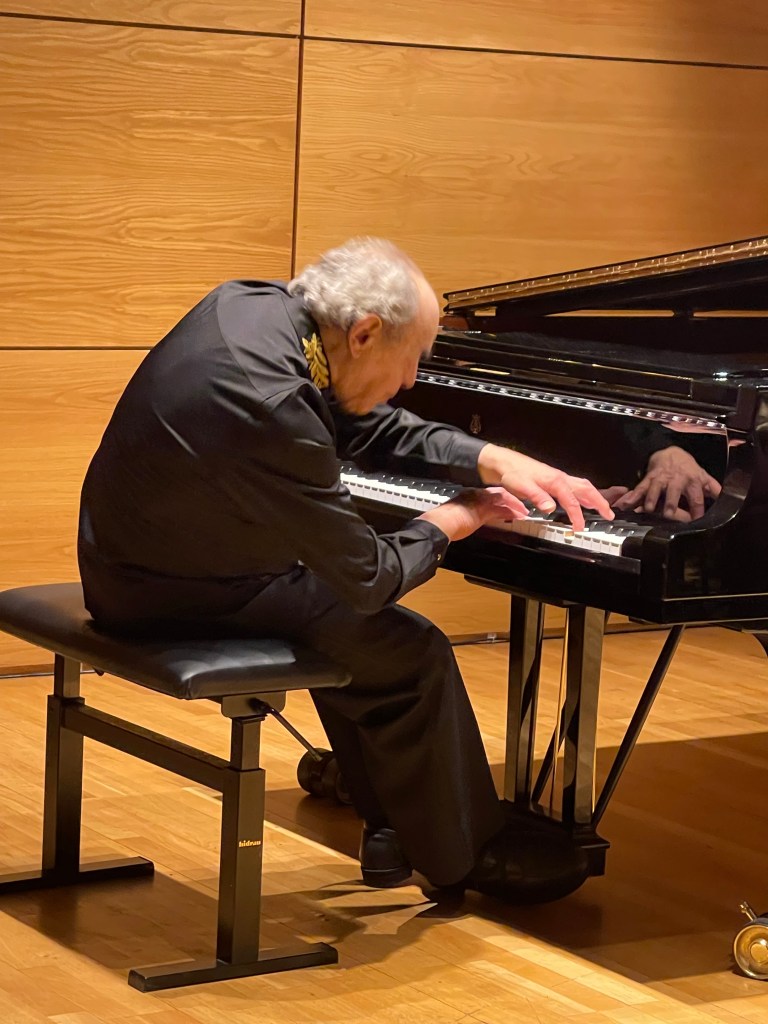
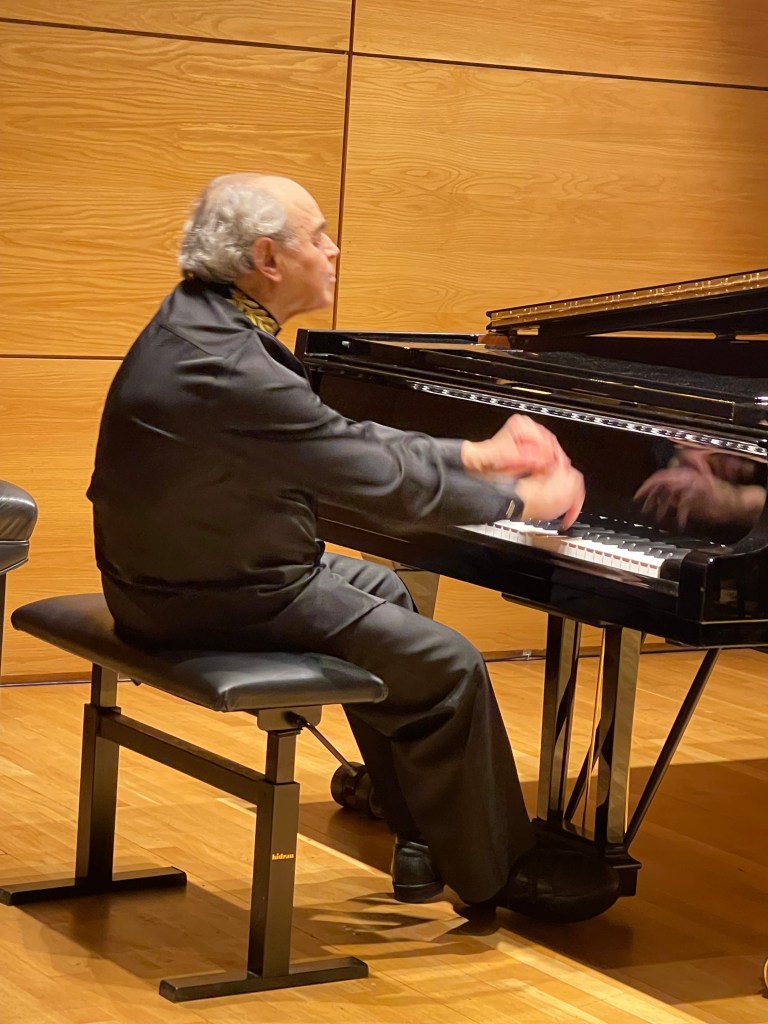
He brought a radiance and oriental beauty to ‘Pagodes’, the first piece of Debussy’s ‘Estampes’ .A great resonance with long held pedals, as gongs were heard within the midst of this etherial web of sounds. Building to a passionate declamation where notes were revealed cascading out of this outcry as they spread over the entire keyboard with atmospheric strands of melody intertwined with a fantasy that Alberto imbued with poetic atmospheric meaning.. He brought a nostalgia and languid beauty to the haunting ‘Soirée dans Grenade’ and a jeux perlé of brilliance to ‘Jardins sous la pluie’. It was here that he could combine two folk melodies, the lullaby “Dodo,l’enfant do” and “Nous n’irons plus au bois parce qu’il fait un temps insupportable” (We will no longer go to the woods because the weather is unbearable). Playing of simple innocence as the incessant rain reminded us of what was awaiting for us outside, after this delectable feast of music that had drawn us in, out of the ‘woods’ today.
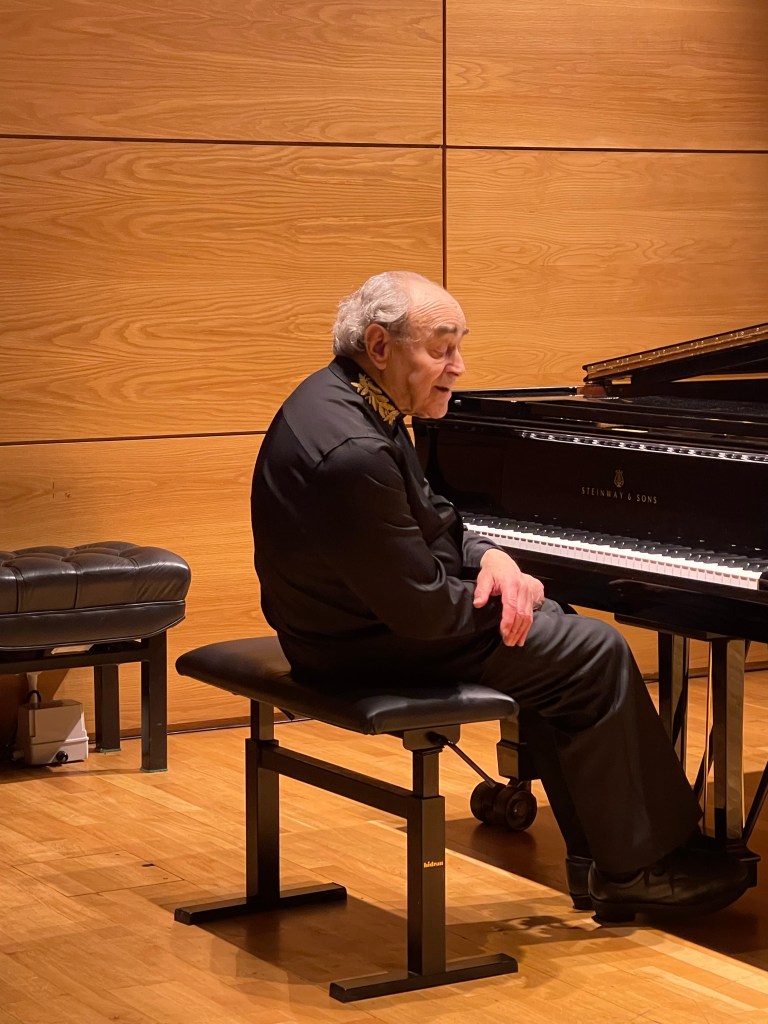
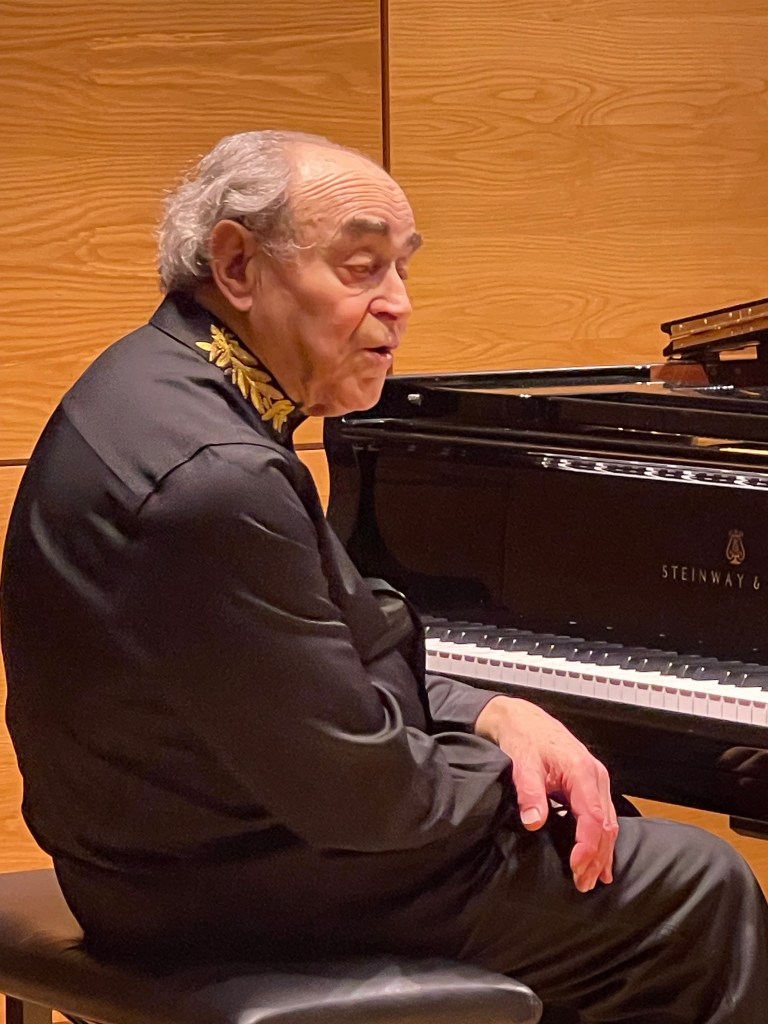
Three works by Ginastera were of course played to the manner born . A very early ‘Prelude’ and a Rondo op 19 all reminders of Alberto’s own youth when he actually studied these pieces with the composer. Finishing this delectable feast of music with the Latin frenzy and drive of Malambo op 7.
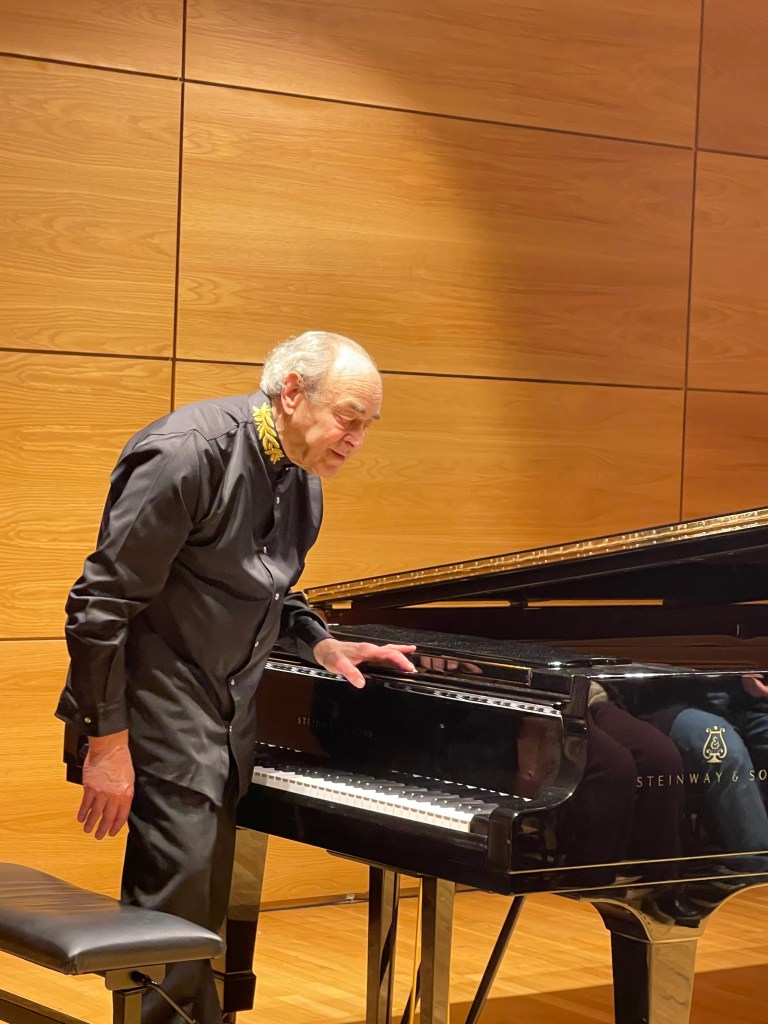
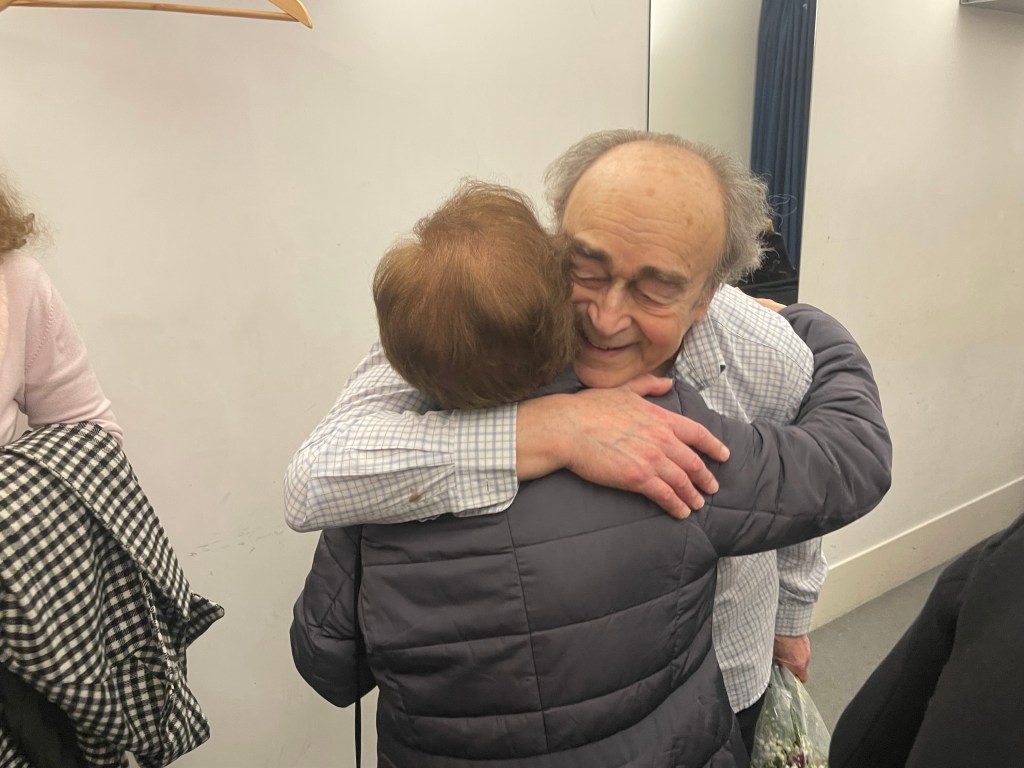
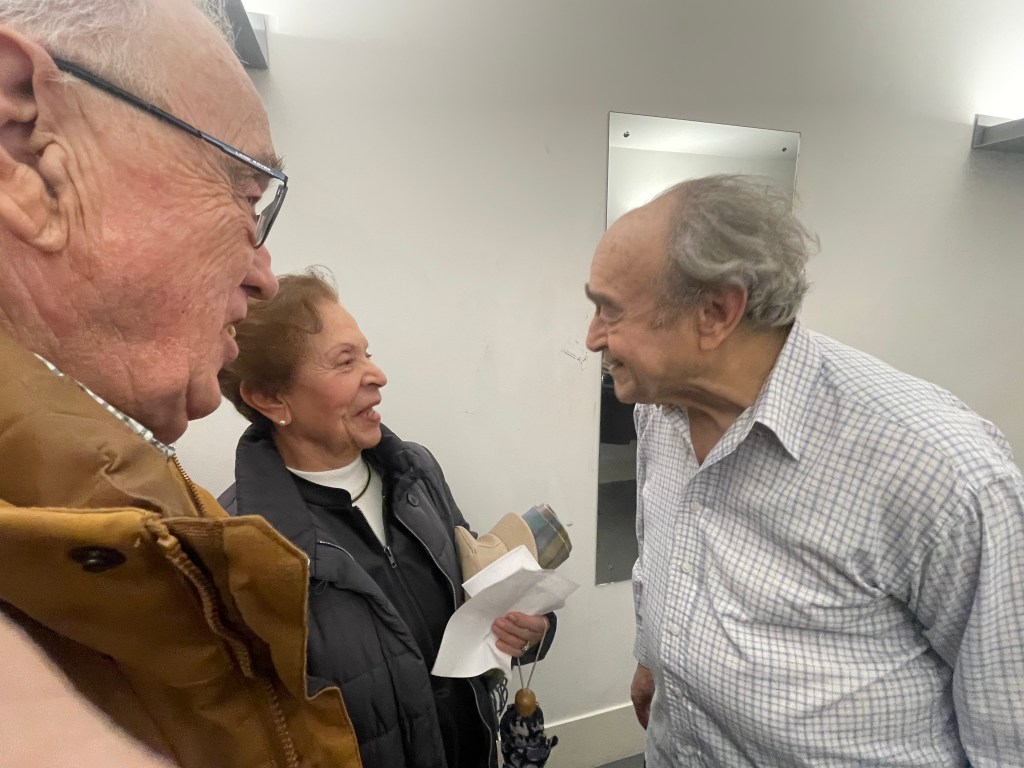
A heartfelt standing ovation from an audience who had come to thank a friend who has dedicated his life to others with such generosity and warmth.
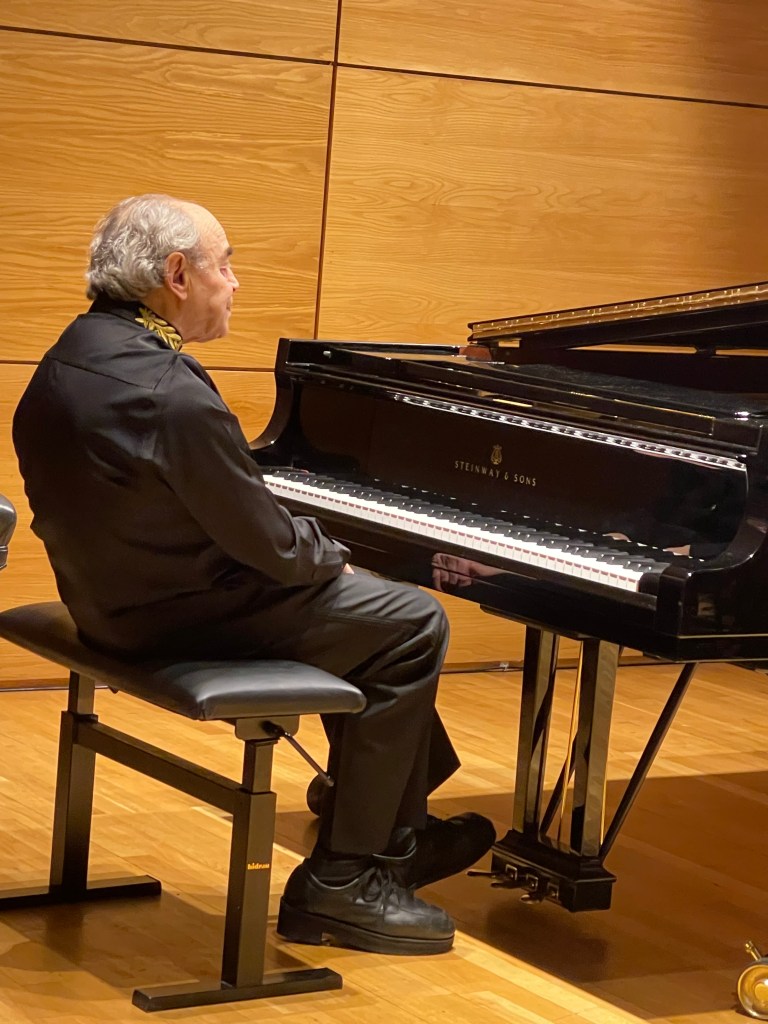
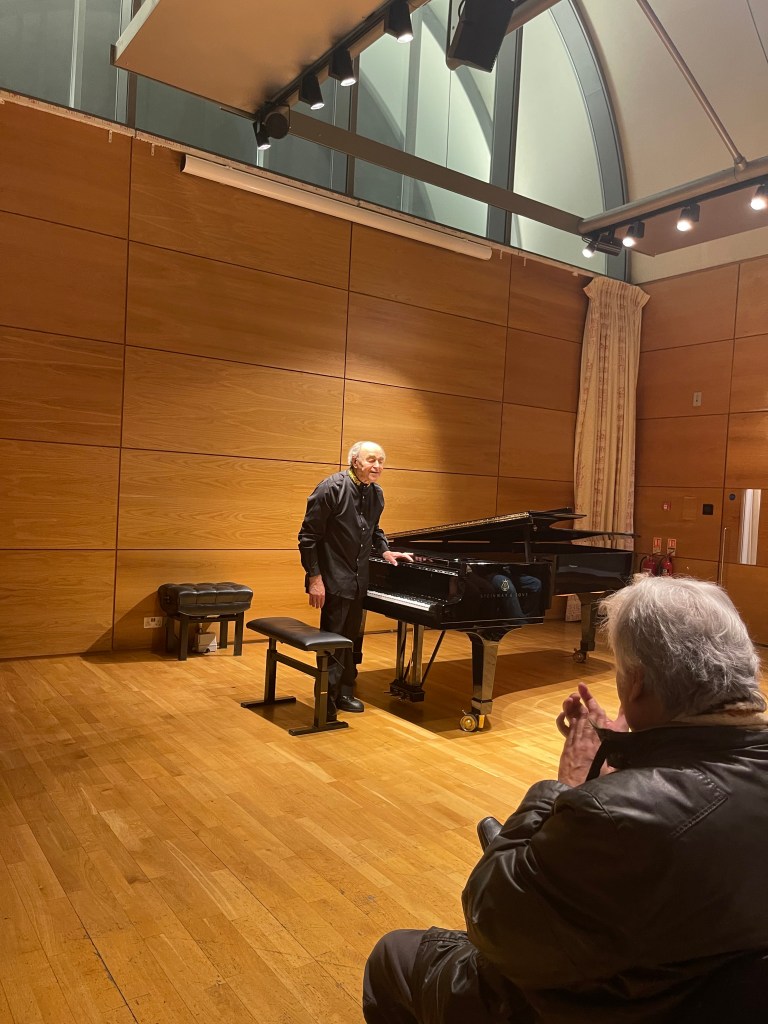
As Alberto said, he would finish with a piece from the other side of the world with a ‘canon’ covered in flowers by the greatest poet of the piano, Frédéric Chopin. A simple Mazurka played with fervent meaning from the hands of a great man of integrity, humanity and above all peace!
 ChristopherAxworthy-MusicCommentary