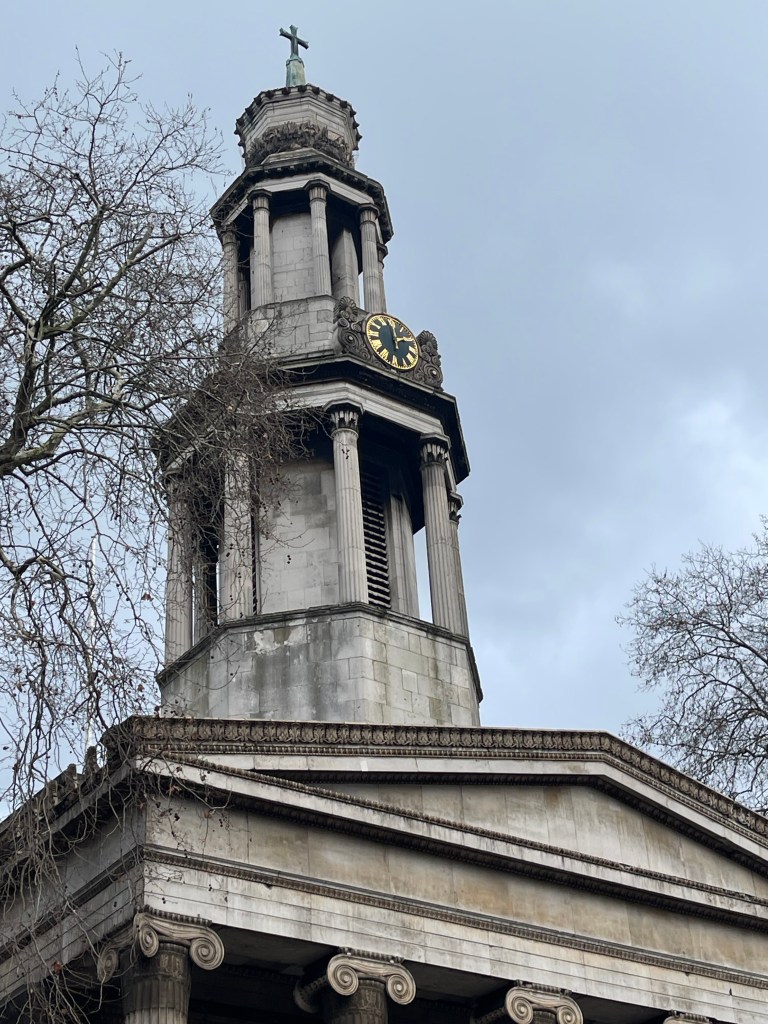
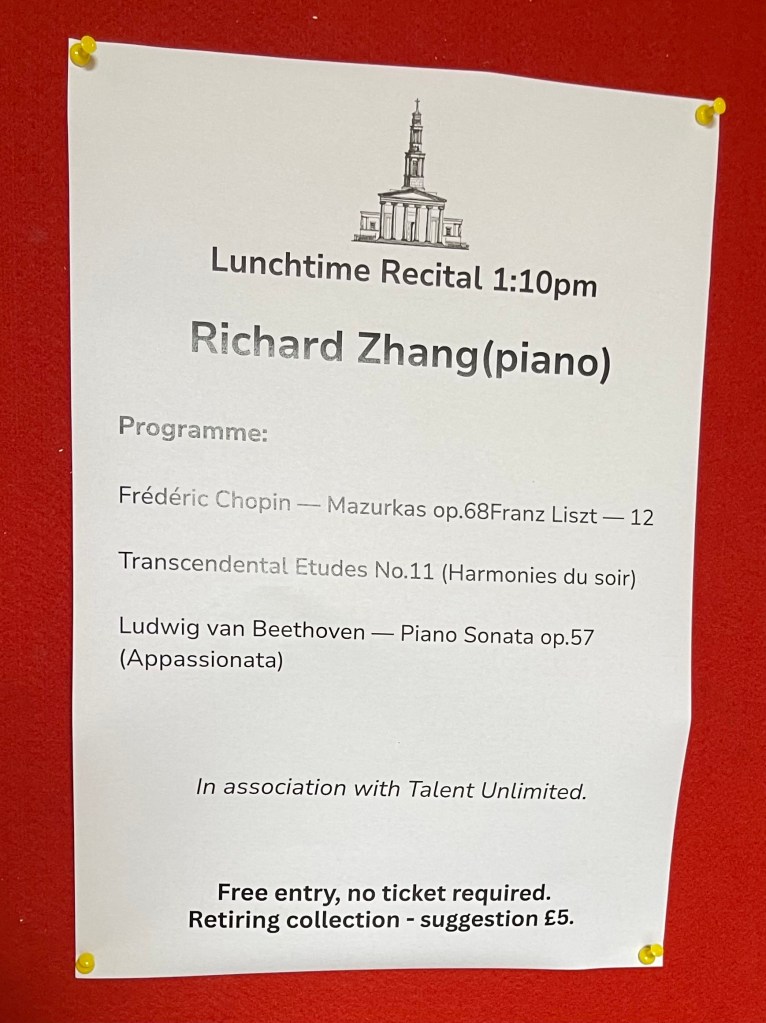
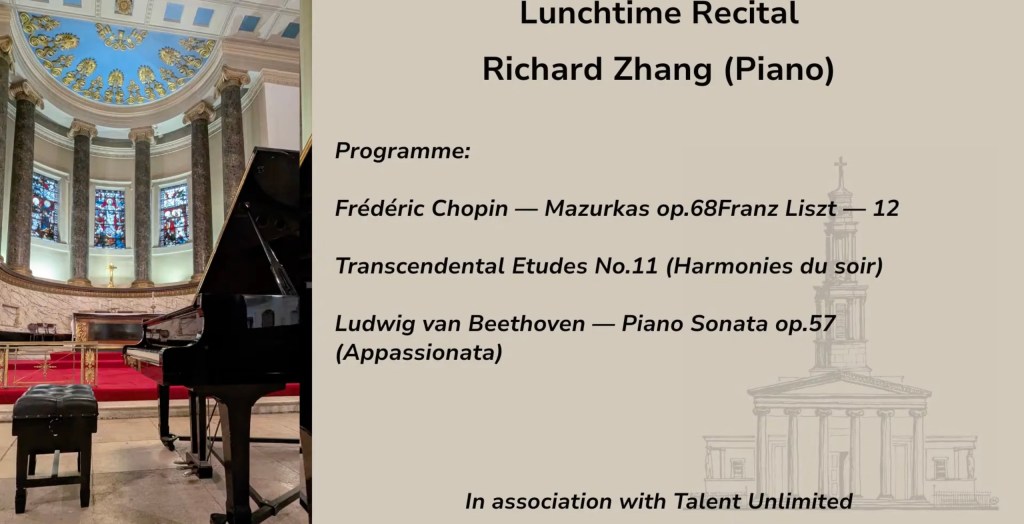
Richard Zhang at St Pancras Euston with playing of rare sensibility and intelligence . Chopin Mazukas played with a glowing beauty and subtle palette of colour where these ‘canons covered in flowers’ immediately revealed Richard’s power to combine intellect and soul. A crystalline clarity and beauty to the first and a delicacy to the second where trills were mere vibrations of glowing beauty with a wide palette of sounds etched out with rare sensibility. The third had a rhythmic drive but still with a luminosity and refined beauty of sound. Even the central episode of bagpipes were merely delicately placed left hand chords. The last Mazurka had a beguiling melodic line played with great freedom and a disarming beauty full of nostalgia and innermost intensity.
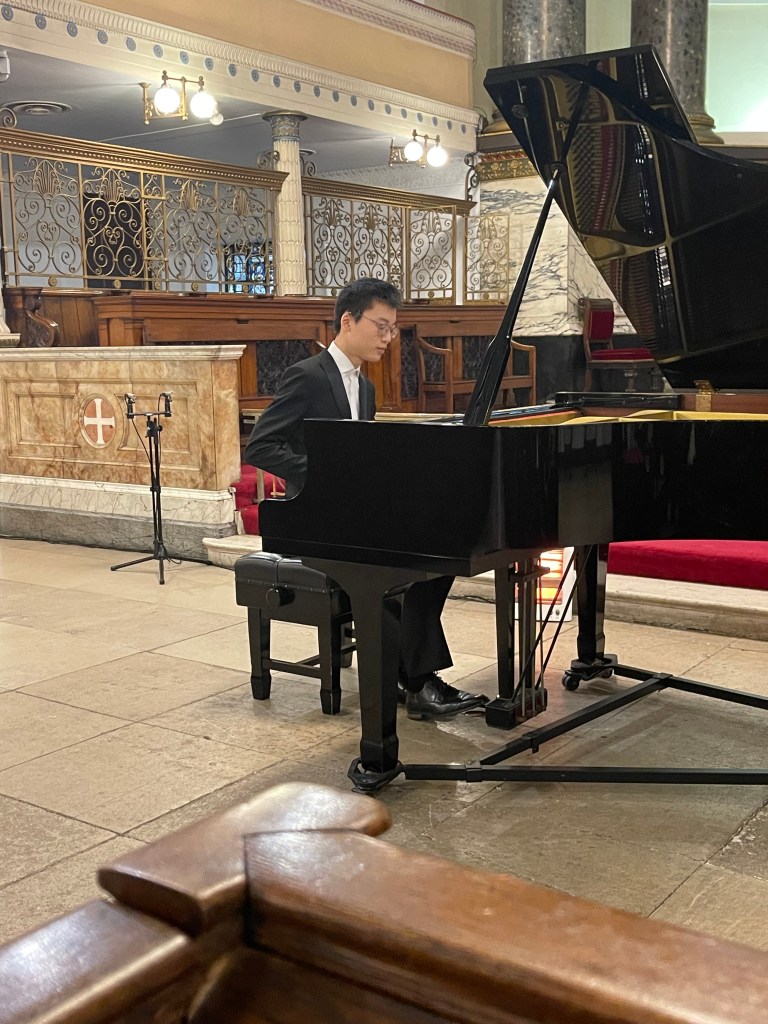
Liszt’s ‘Harmonies du soir’ was where Richard could carve out a tone poem of extraordinary power and beauty . From the whispered opening through glowing mellifluous outpourings that gradually built to a searing intensity of emotions. Richard’s mastery and control ignited the piano with sumptuous richness before returning to the whispered secrets of the opening which had now been revealed to us with poetic mastery.
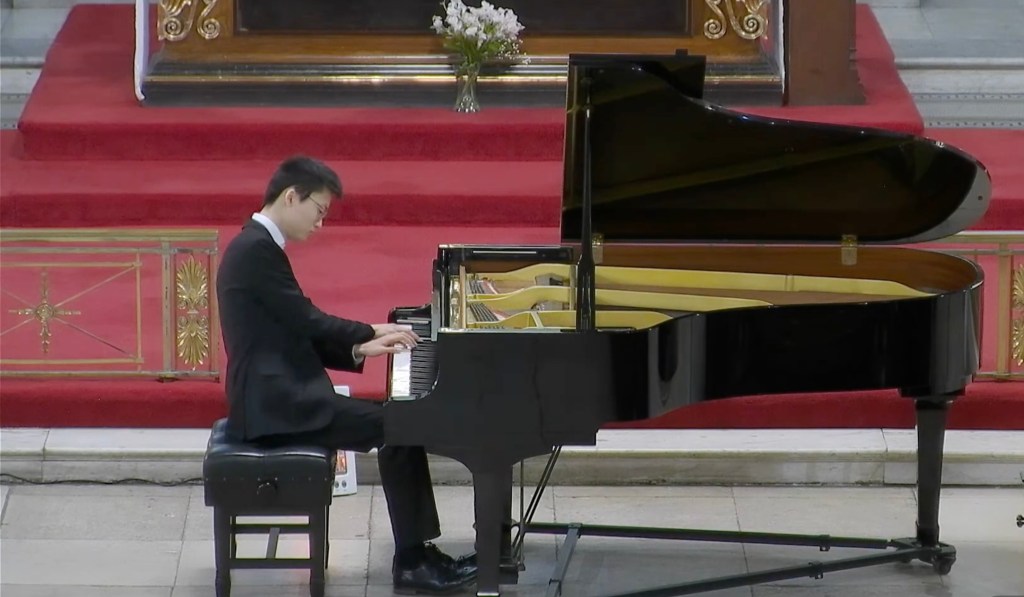
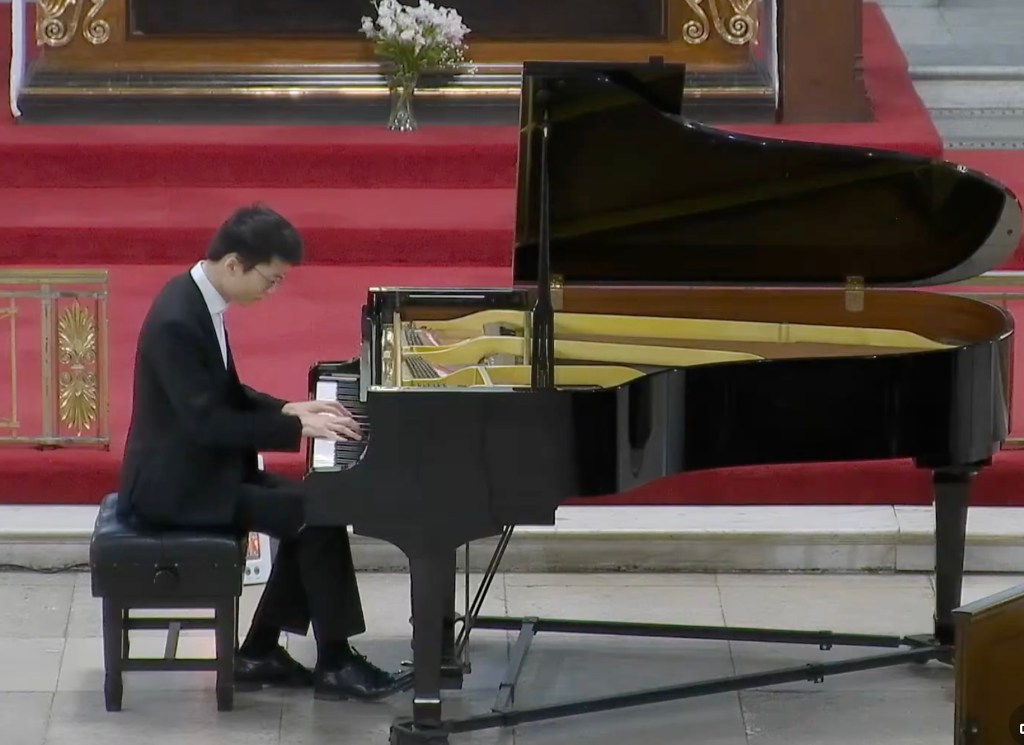
Liszt’s ‘Harmonies du Soir’ the penultimate and one of the most poetic of his twelve transcendental studies. There was a whispered opening as this great tone poem was about to be revealed with poetic vibrancy. A tonal palette of extraordinary sensitivity that drew us in to Richard as he created a glowing radiance with a masterly use of the pedals. The whispered ‘pianississimo’ that Liszt indicates was a wash of sounds on which the delicately placed chords could grow imperceptibly in intensity. Bursting into an ‘appassionato’ outpouring but never with harsh or ungrateful sounds but a sumptuous fullness. Allowing the melodic line to shine with ‘intimo sentimento’ , subtle wisps of chords magically sustaining this ‘recitativo’ which was to lead to a triumphal climax of vibrancy and quite considerable technical mastery. Always with the melodic line glowing with passionate intensity no matter the hurdles that Liszt puts in it’s way in what is a transcendental study covered in velvet. Dying away to a mere whisper as Richard shaped the arpeggios like aeolian harps ascending into the heavenly beauty of serenity after such passionate turbulence. A remarkable recreation of this glistening jewel hidden amongst all the thorns of transcendental pianism that Liszt actually simplified before the final publication!
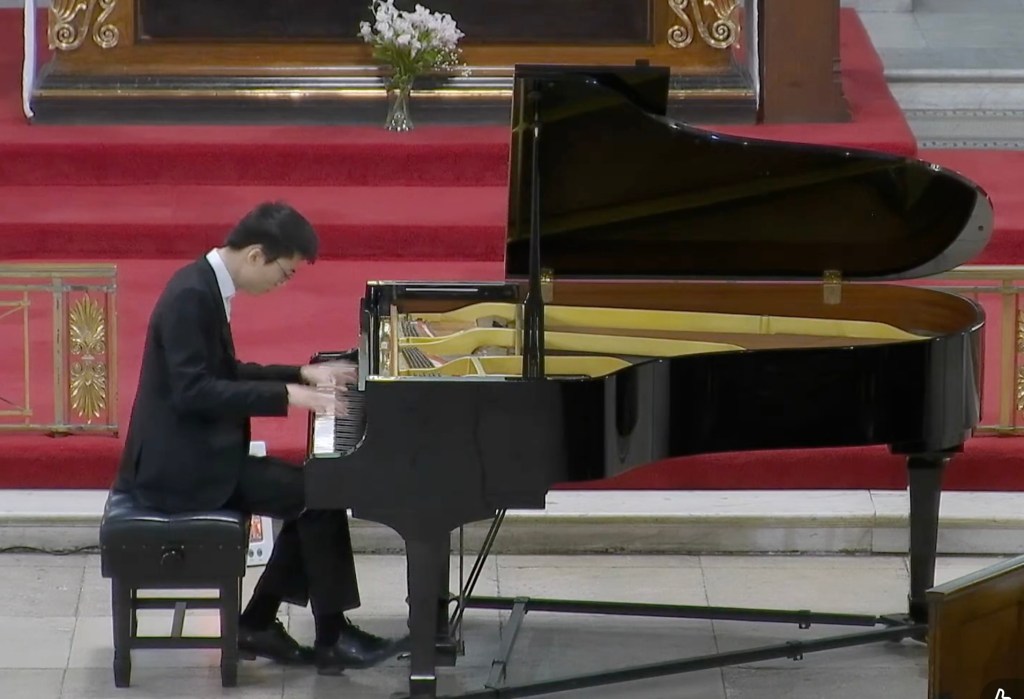
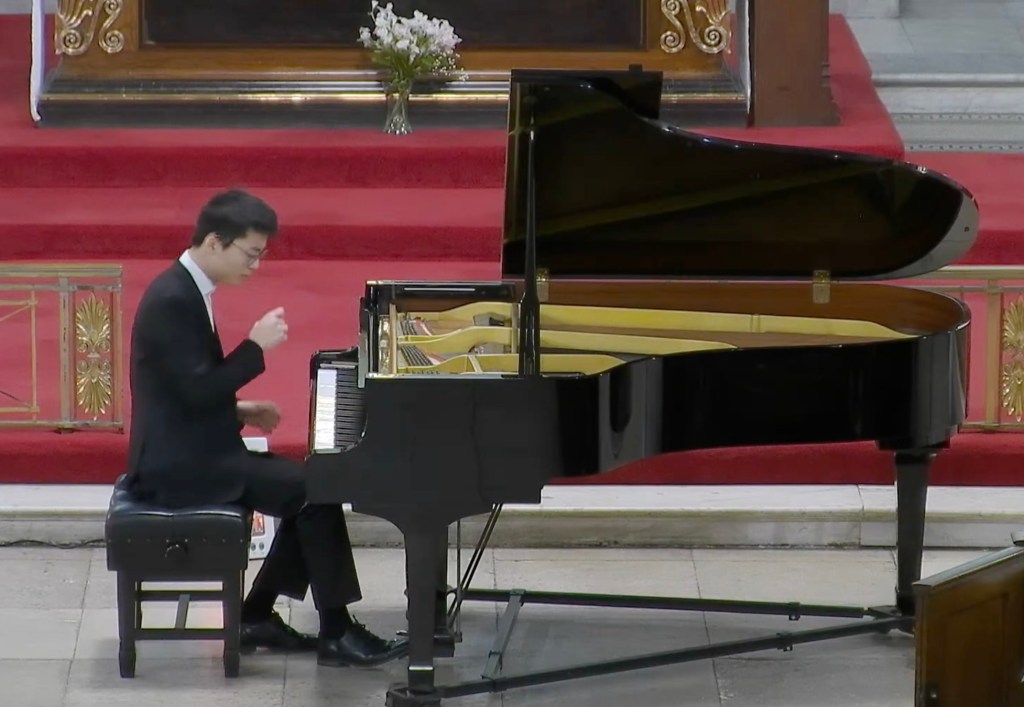
Beethoven’s ‘Appassionata’ received a remarkable, newly minted, performance where Beethoven’s precise indications were scrupulously interpreted with mastery and sensitivity.
A dynamic rhythmic drive from the first to the last notes where Richard could delve deeply into the score and reveal a sonata that was of a revolutionary genius but has been tainted by tradition for too long .
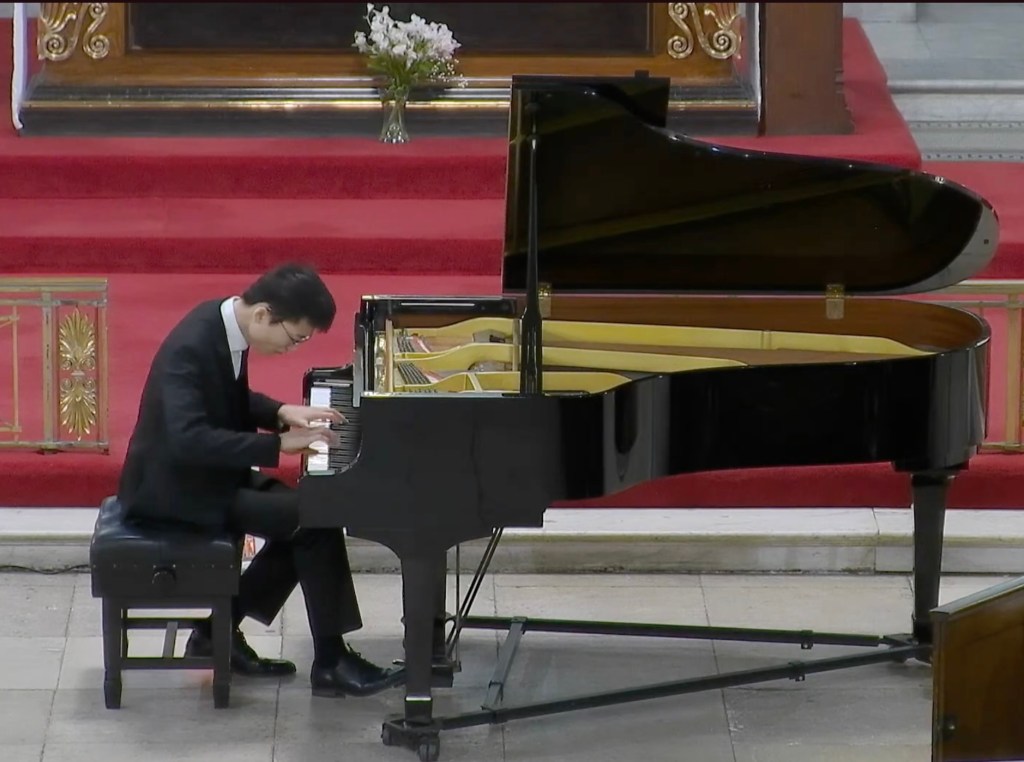
Richard brought a freshness as he shone light on the score which he brought to life with mastery and the relentless struggle with which this masterpiece was penned. Playing of power and beauty with real Beethovenian energy coming from the bass and driving the music forward without any noticeable fluctuations of tempo. Richard was able to shape the music with a kaleidoscope of colour without allowing the pace to slacken. Silences were menacing too as they became such an important voice especially after the opening menacing trills. A beautifully sung second subject of great nobility as a pianissimo scale played so perfectly that the explosion on its arrival over four bars was quite overwhelming. The opening motif passing from the bass to the top of the piano with a clarity and dynamic drive that was of burning intensity. After the cadenza of notes spread over the entire keyboard, that Richard played as a musician not as a pianist, following Beethoven’s own indication of the struggle he intended. The long held pedal after the exciting coda was judged to absolute perfection leading us so naturally into the opening of the ‘Andante con moto’ as the composer obviously intended.
An ‘Andante’ that was truly ‘con moto’ as the cortège moved forward with the sublime unwinding of streams of glistening notes only to be interrupted by the extraordinarily shocking intrusion of the last movement .
An ‘Allegro’ that was also ‘non troppo’ as the relentless forward movement carried a momentum that was not of speed but of searing inner intensity. The explosion of the coda now marked ‘Presto’ was all the more breathtaking for its audacity and fearless brilliance. I wonder why Richard did not leave the pedal on in the final nine bars as Beethoven indicates, and can only surmise that the excitement and exhilaration at the end of such a performance required a cleaner more crystalline brilliance in this acoustic.
Biographies:
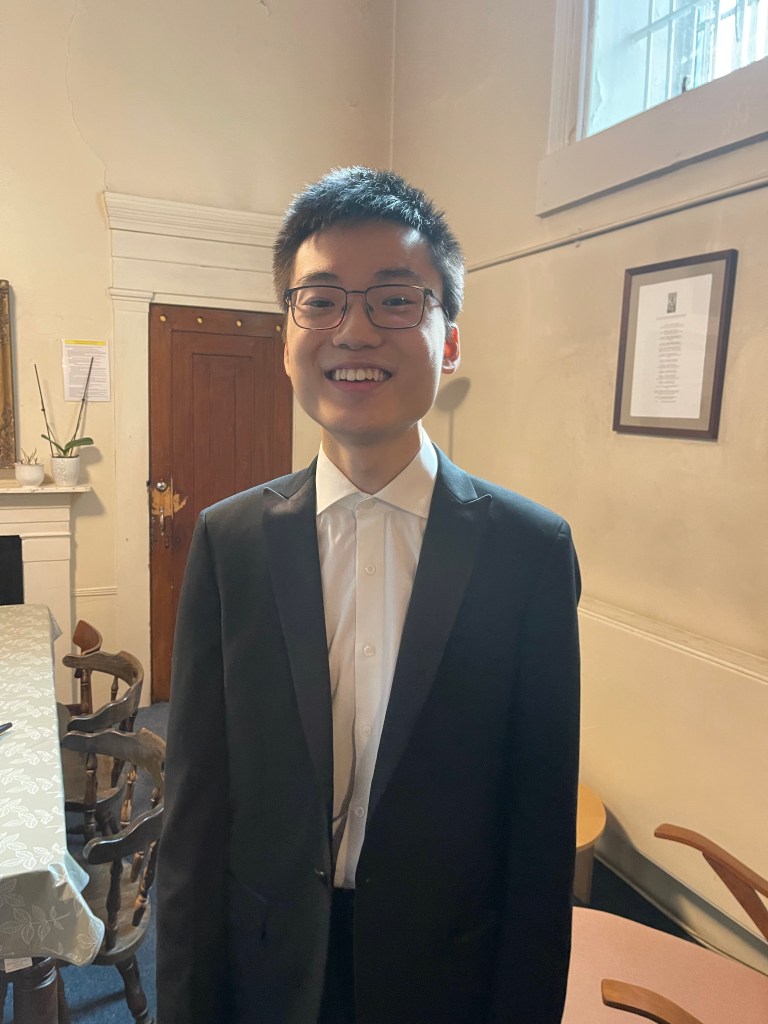
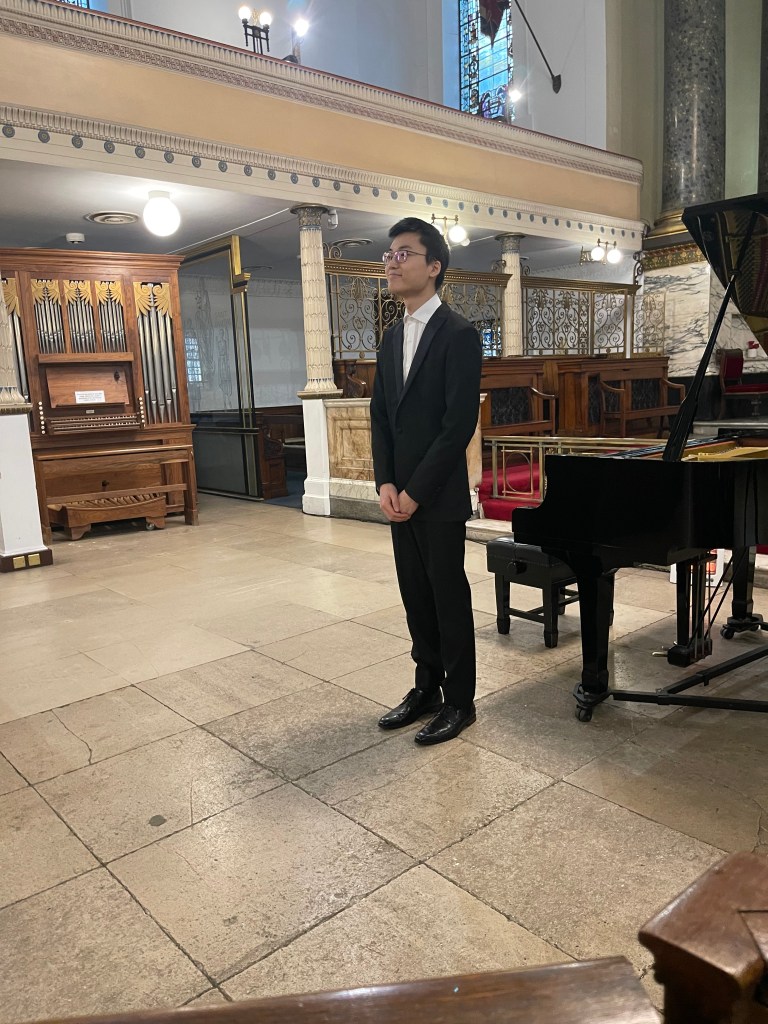
Richard Zhang was born in Jiashan, China in 2005 and showed a great interest in music at a very early age. He began playing the piano when he was six, studying with William Zhou. In October 2015 he met the harpsichord maker Ferguson Hoey at the China Music Exhibition, and tried a harpsichord for the first time. Immediately realising his exceptional talent, Mr. Hoey arranged for him to come to the UK and audition at the Yehudi Menuhin School. Here he continued his piano studies with Marcel Baudet.
Richard has given various solo performances in China and Europe, taking part in a number of concerts in the Menuhin Hall and other venues since joining the school. In December 2017 he was the soloist for a performance of Finzi’s Eclogue with the school’s Junior Orchestra, a mature performance much praised for its meditative qualities. In February 2018 he performed Liszt Transcendental Studies in Amsterdam to considerable acclaim.
His love of chamber music came to the fore in the Menuhin School’s Summer Festival 2018, when he performed Schumann’s Piano Quintet with other pupils. In March 2019 he progressed to the finals of the Aarhus International Piano Competition in Denmark and in June performed with other students at London’s Wigmore Hall. In the Summer Festival he joined string players at the school in a dazzling performance of the Dvorak Piano Quintet. Then in October he partnered Alina Ibragimova in the Violin Sonata by Debussy at Zamira Menuhin Benthall’s 80th Birthday Concert in the Menuhin Hall. In 2021 Richard was awarded Distinction in the Tunbridge Wells International Music Competition.
Richard has taken part in master classes with many distinguished teachers including Cristina Ortiz, Angela Hewitt, Klaus Hellwig and Jacques Rouvier. His musical interests and repertoire are wide-ranging, from early C17th keyboard masters up to contemporary composers. He also composes and has been a contributor to the “250 Piano Pieces for Beethoven” international composition project.
He has been awarded a scholarship to study at the Guildhall School of Music and Drama and in addition to this generous bursary, he has been selected by the Keyboard Trust to receive the 2024 Dr. Weir Legacy Award to help support his further studies.
He will also be joining Talent Unlimited since his study at the Guildhall School of Music and Drama.
Presented in association with Talent Unlimited.
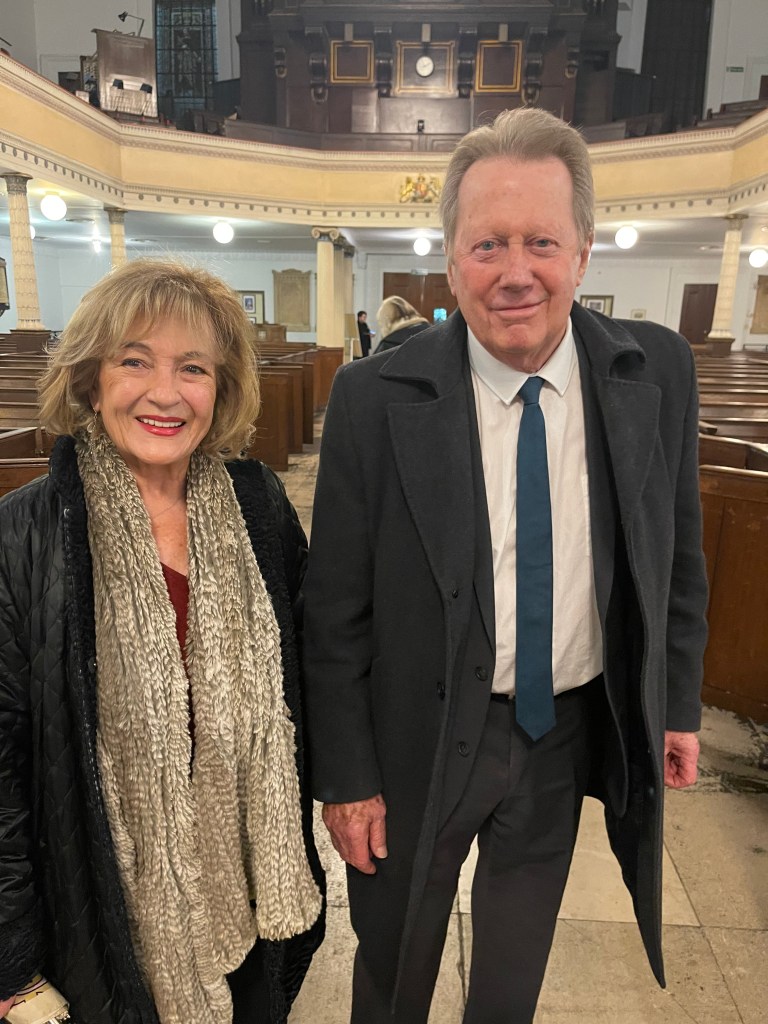
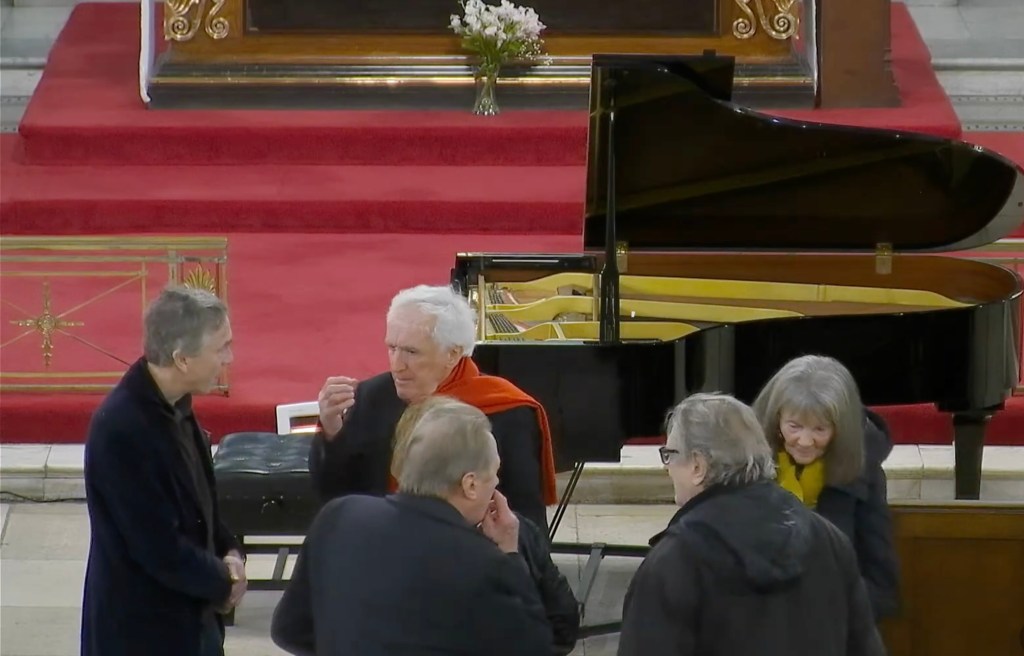
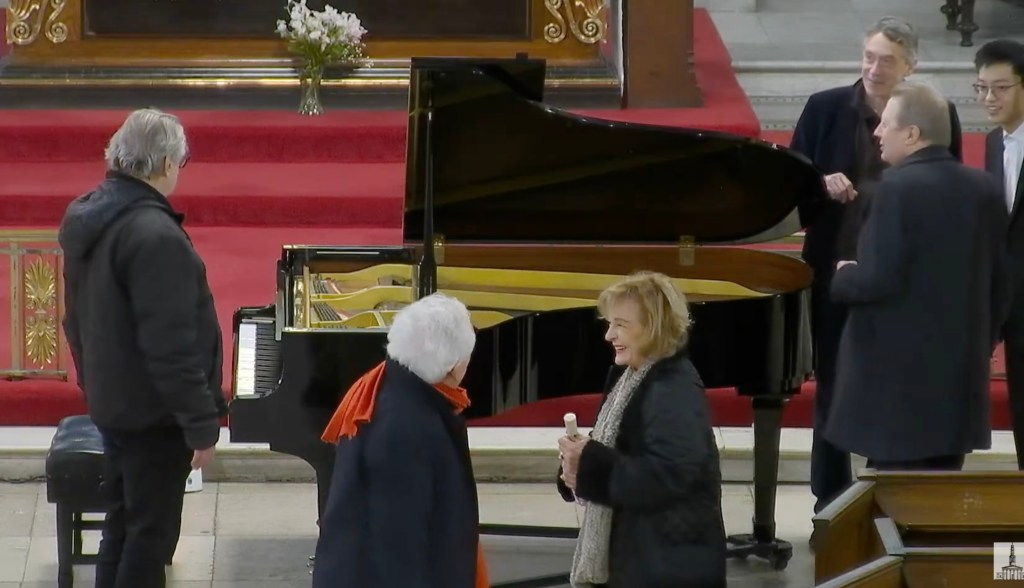
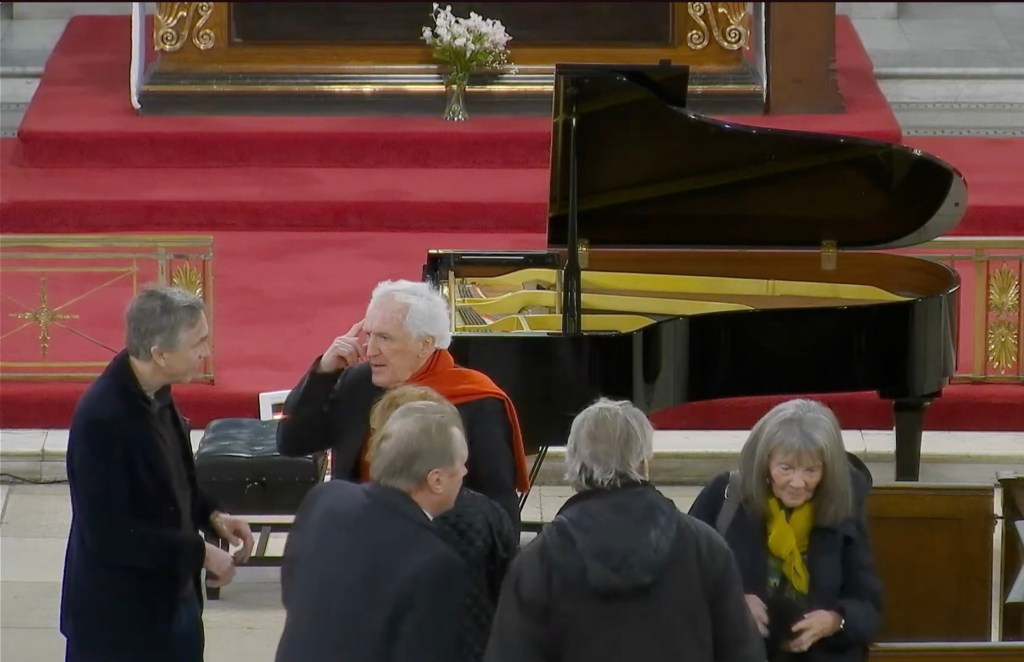
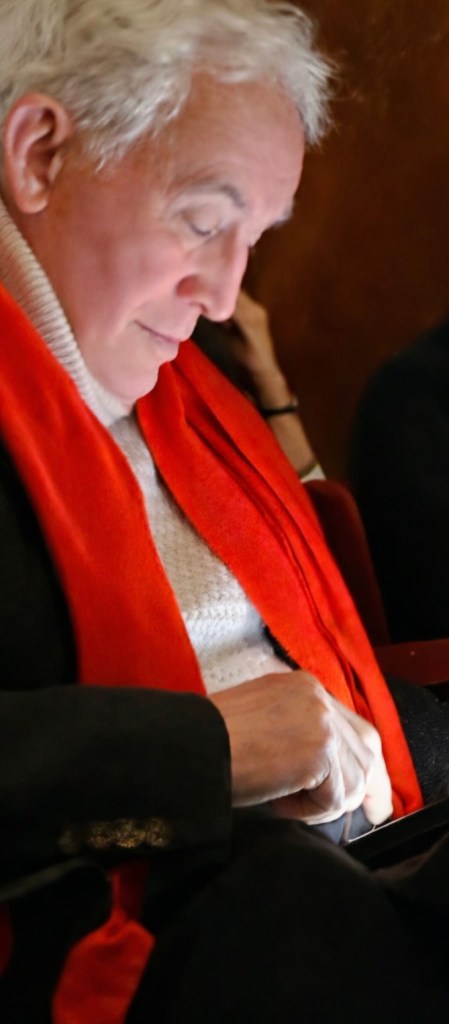
And below discussions about Richard’s playing by people who are following and helping Richard in his pursuit for Parnassus . Fergus Hoey, Canan Maxton, Lord David Cholmondeley ,Barry Wordsworth and Christopher Axworthy of the Keyboard Trust Weir Foundation.
 ChristopherAxworthy-MusicCommentary