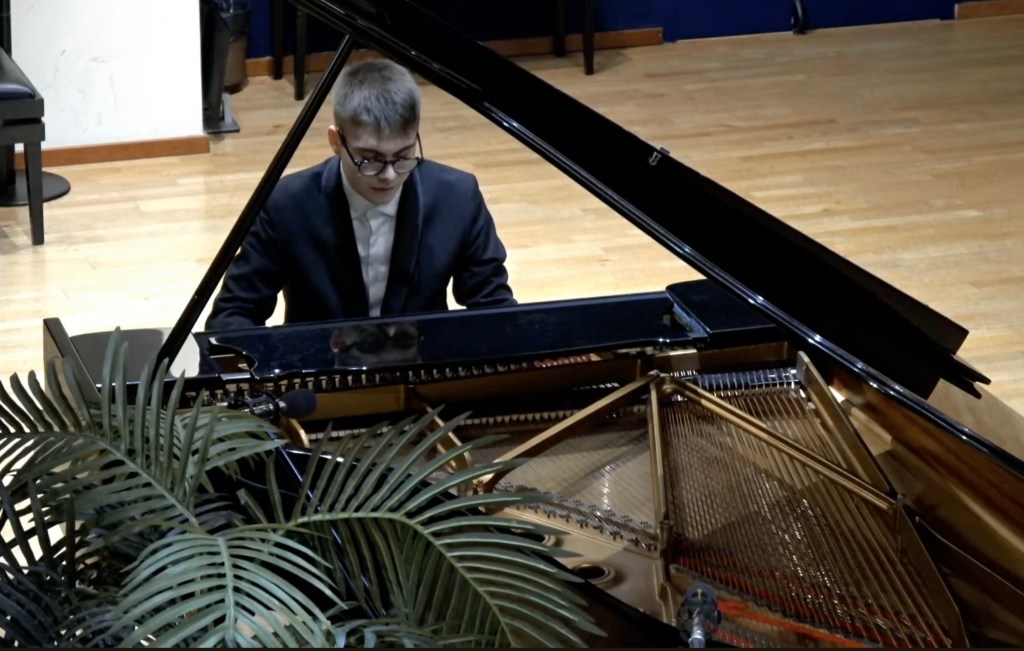
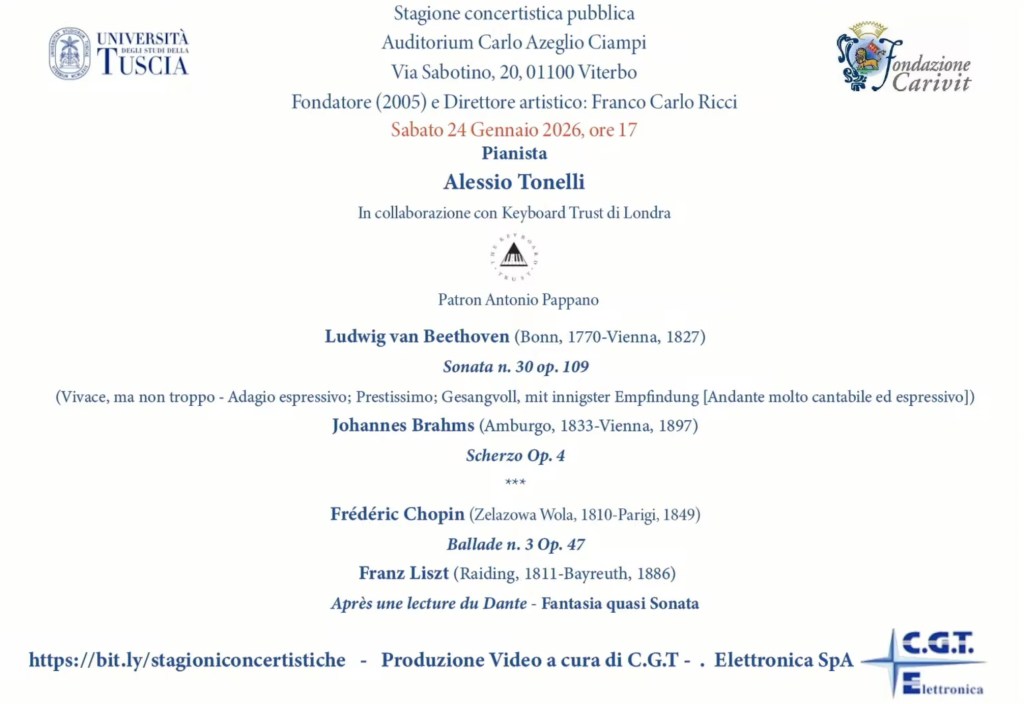
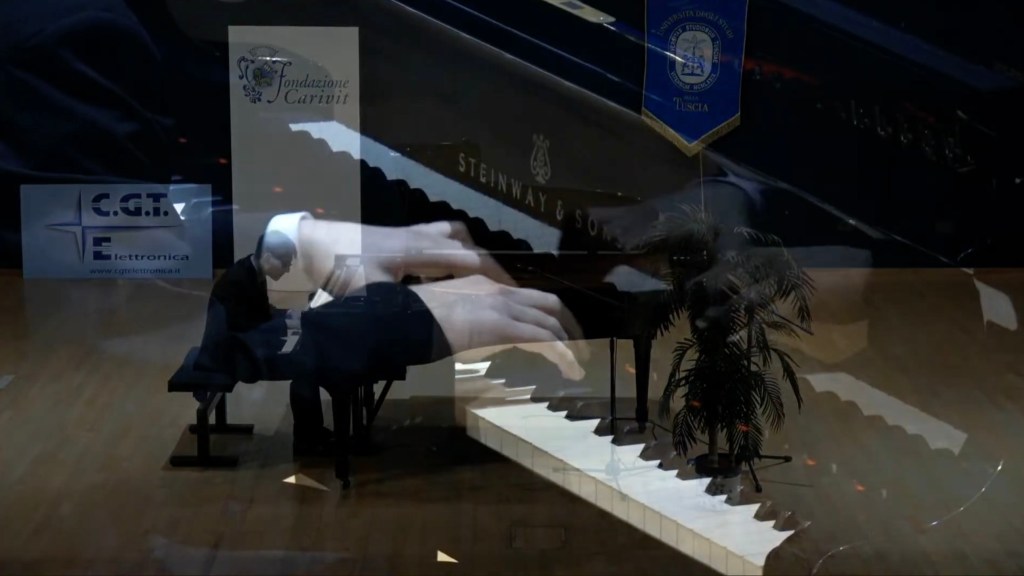
Alessio Tonelli playing in Viterbo as a top prize winner of the Recondite Armonie Competition in his home town of Grosseto and chosen by Vitaly Pisarenko to play in the prestigious concert season of Tuscia University . The 21st anniversary season created and organised every year by Prof Franco Ricci who was the first to applaud the mastery and musicianship of this young musician from the class of Giuliano Schiano, Hector Luis Moreno and Daniel Rivera . Now perfecting his studies with Mariangela Vacatello who was on the jury this week of the Utrecht Liszt Competition which Vitaly Pisarenko had won in 2008 and Mariangela was a top prize winner in 1999.
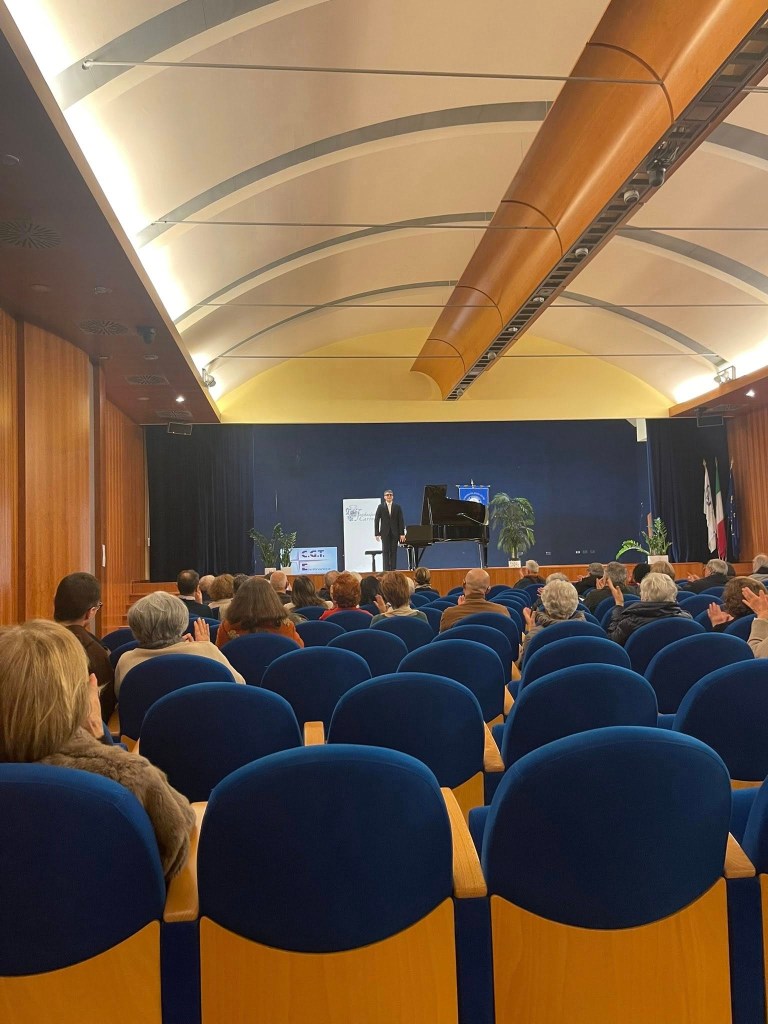
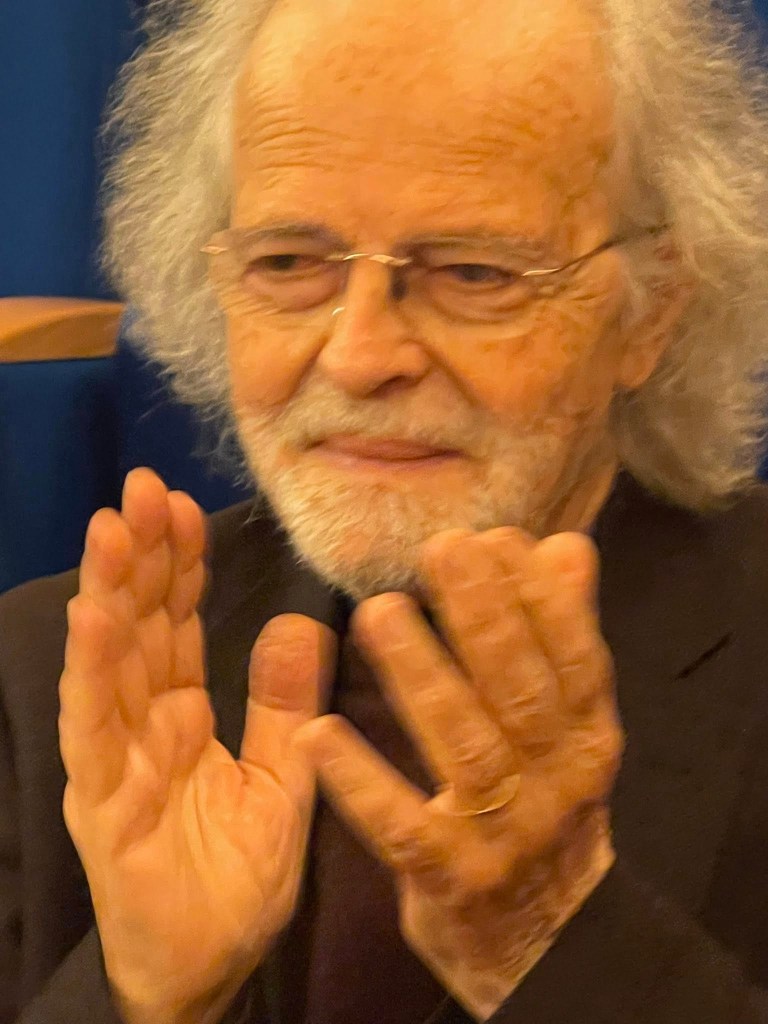
It was obvious from the very first notes of Beethoven’s Sonata op 109 that here was a young man with an impeccable musical pedigree . A young artist who delves deeply into the score paying scrupulous attention to the composer’s very precise indications . But this was only the start of a musical journey of a young artist who listens to himself and produces a range of sounds of great beauty. Whether the sumptuous rich sounds of Liszt or the delicacy of Beethoven this is a young man who loves the piano and is not capable of making ugly or ungrateful sounds at the expense of the composer of which he is a devoted servant .
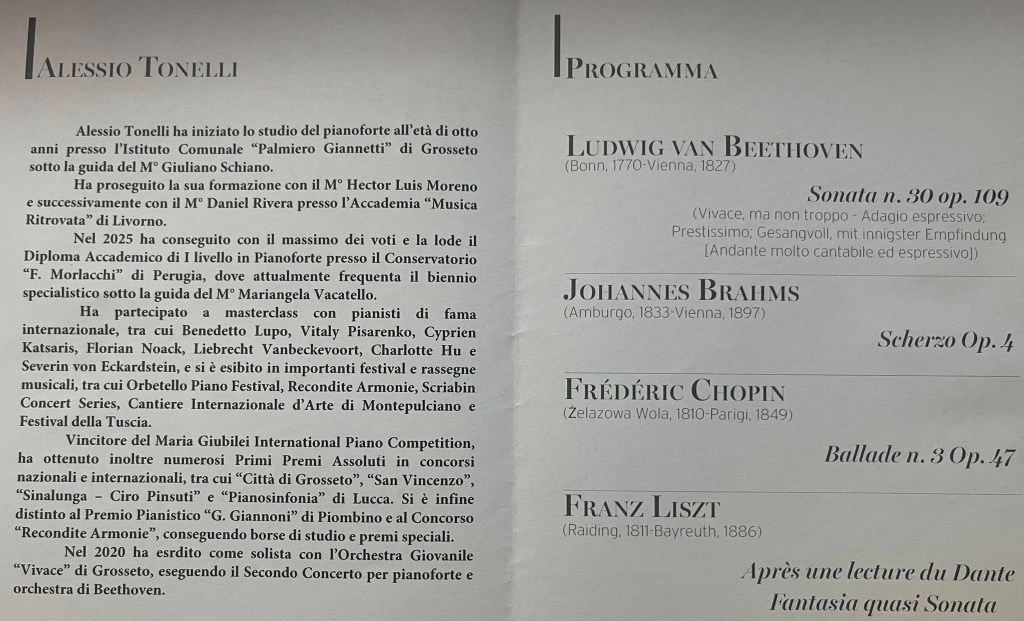
Beethoven op 109, the first of the trilogy of the last of the composers cycle of thirty two sonatas, was played with sensitivity and intelligence.The ‘Vivace ,ma non troppo’ movement opened on a wave of sound that was to take us on this final journey. It is where Beethoven at last finds peace and consolation as in his isolation after a turbulent life he can only experience sounds with his inner ear. The miracle of course is that Beethoven could write these sounds down for posterity, that were only in his head, as he was totally deaf at this point . Alessio with scrupulous musicianship was able to transform these indication into sounds of mellifluous beauty.
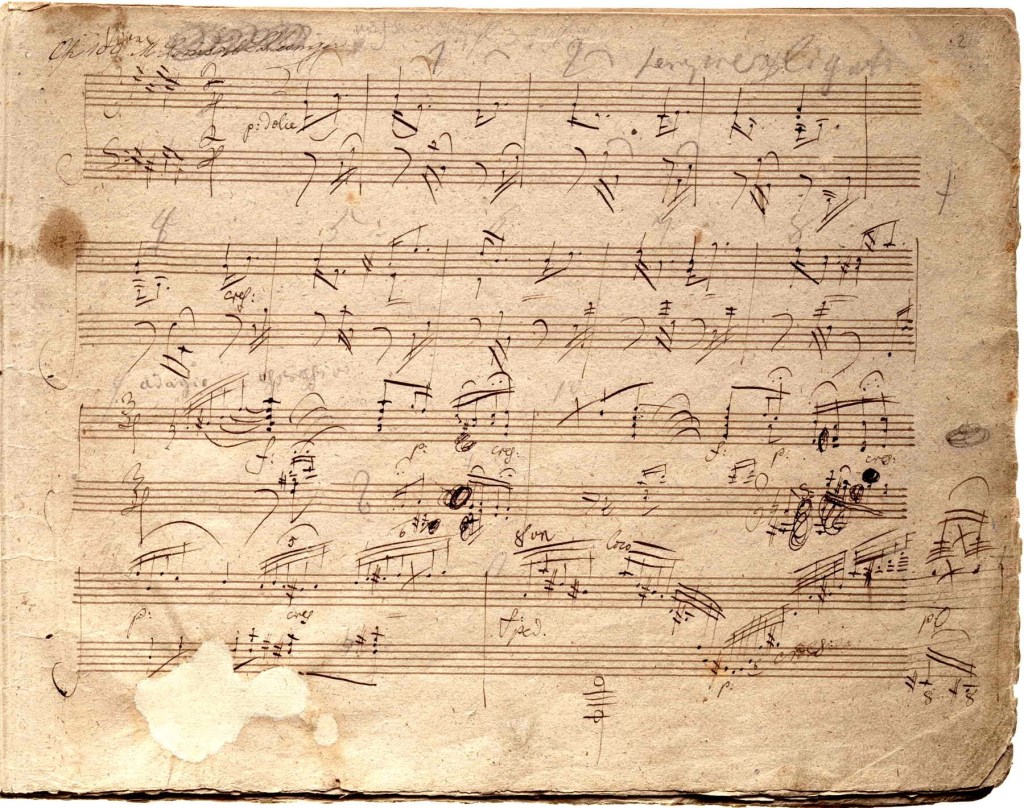
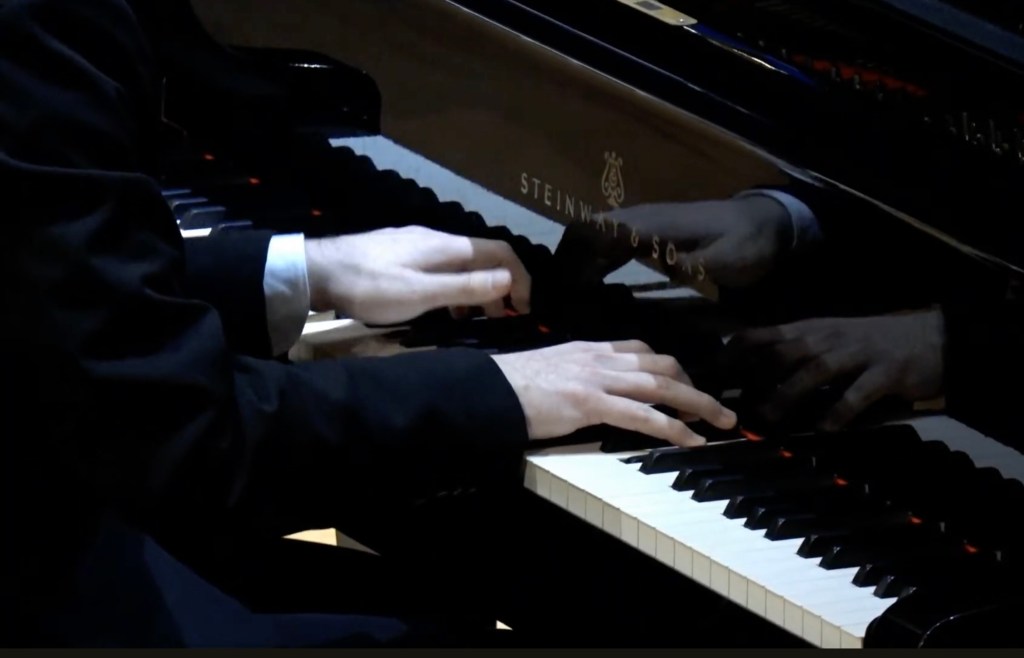
The opening ( see above the original manuscript) was like a long improvisation only interrupted by ‘recitativi’ of poignant significance. The second movement ‘Prestissimo’ was played with the dynamic drive that is indicated but there was also beauty of sound and a clarity no matter the technical hurdles he surmounted with ease. Alessio also brought a sense of struggle that is implied behind the notes and which was a complete contrast to what was to follow. The ‘Theme and Variations’ that make up the last movement were played with aristocratic poise and a maturity where this young man could allow the music to pour simply from his fingers without any unnecessary rhetoric or fussy unwanted interventions. The clarity of the ‘Allegro’ third variation was transformed into a web of meandering sounds searching for a way forward. It was here that Alessio brought a beautiful flowing shape to his playing finishing on high before the dynamic drive of the fifth variation. Played with great clarity as Beethoven’s intricate counterpoints take us to the dismantled theme. A theme that Alessio transformed on magic waves of sound gradually finding the melodic line with playing of technical authority and masterly control. Alessio allowed this wave of sounds to unwind so naturally that the theme was literally reborn with an inner intensity and delicacy. This was a masterly mature reading and hats off to Alessio’s mentors for showing him the path of a true interpreter putting his considerable technical baggage at the service of the composer.
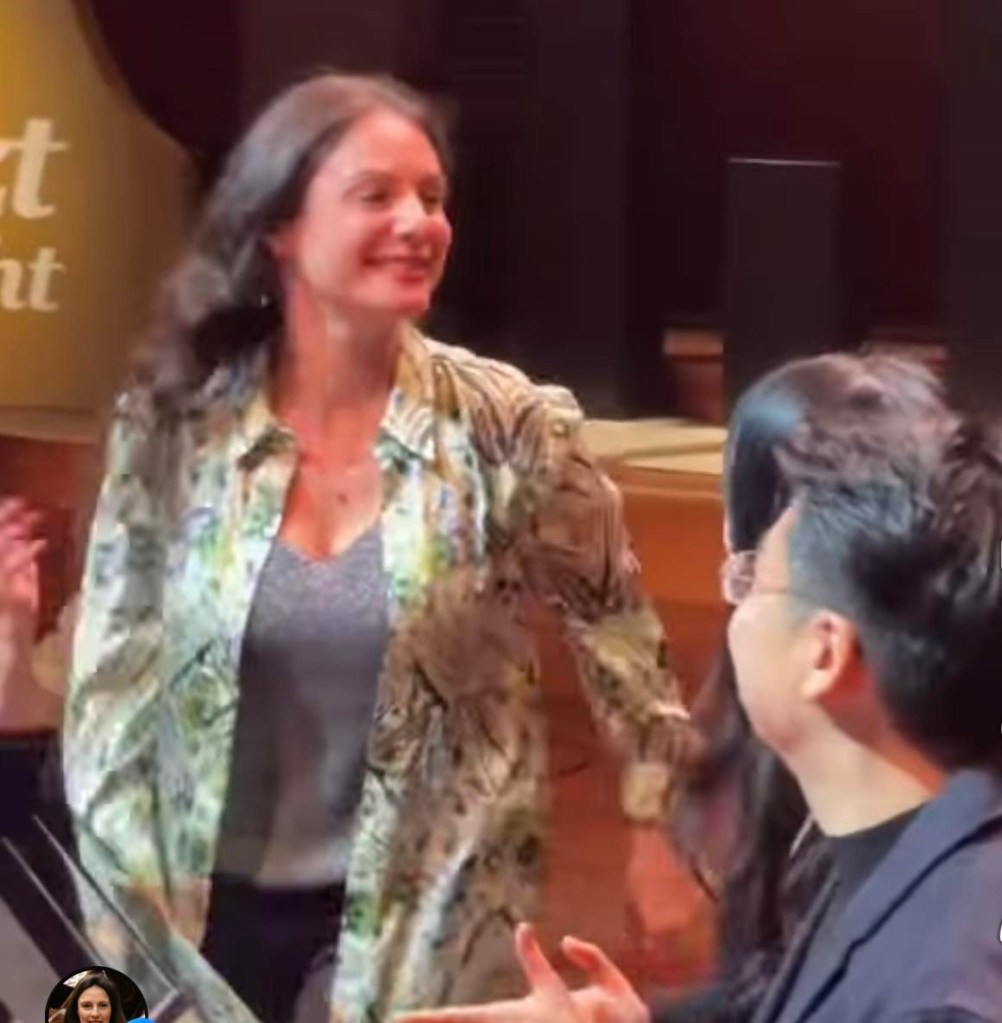
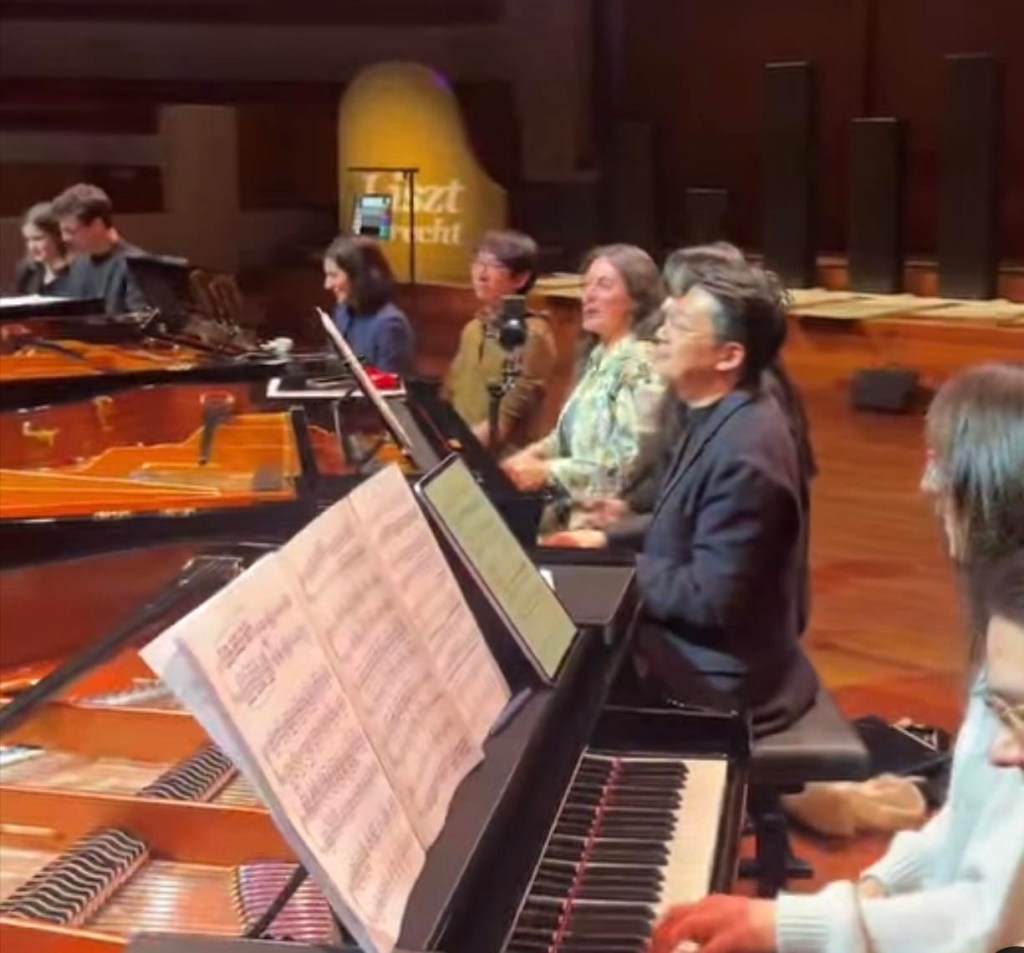
Brahms early Scherzo op 4 was played with great rhythmic clarity and a kaleidoscope of sounds from whispered insinuating impulses to sumptuous exciting symphonic sounds. A whimsical first episode was given great character and the second that followed was beautifully phrased with passionate virtuosity. This was the work in-between the three Sonatas of Brahms of op 1 op 2 and op 5 , that Schumann was to call ‘veiled symphonies’.It was just this symphonic sense of colour that Alessio brought to this Scherzo that has for a long time been eclipsed by it’s more imposing brothers!
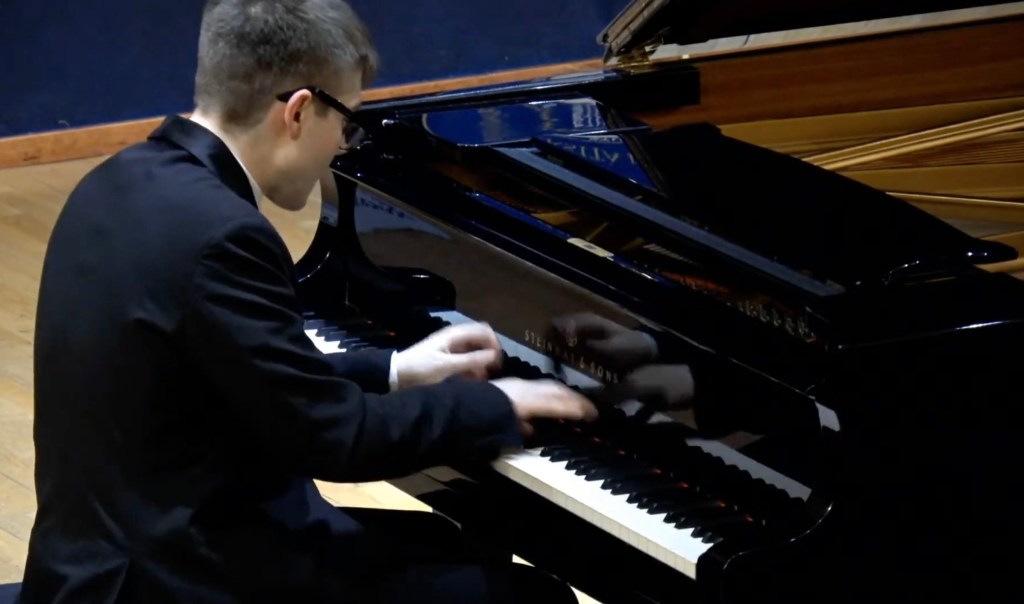
It was in Chopin that Alessio’s simple and beautiful musicianship allowed this most ‘pastoral’ of Chopin’s four ballades to flow so naturally. Always supported by the bass that gave great solidity to the beautiful variations that he could float with great style above. It was Chopin that described to his pupils that music like a tree should have its roots firmly planted in the ground but the branches above allowed freedom to move naturally. Alessio playing with an aristocratic style of timeless beauty but also showing considerable technical assurance with the sumptuous full sonorities of the first great climax. There followed a menacing crescendo that Alessio played with remarkable control arriving at the final glorious outpouring of passionate intensity and glowing brilliance.
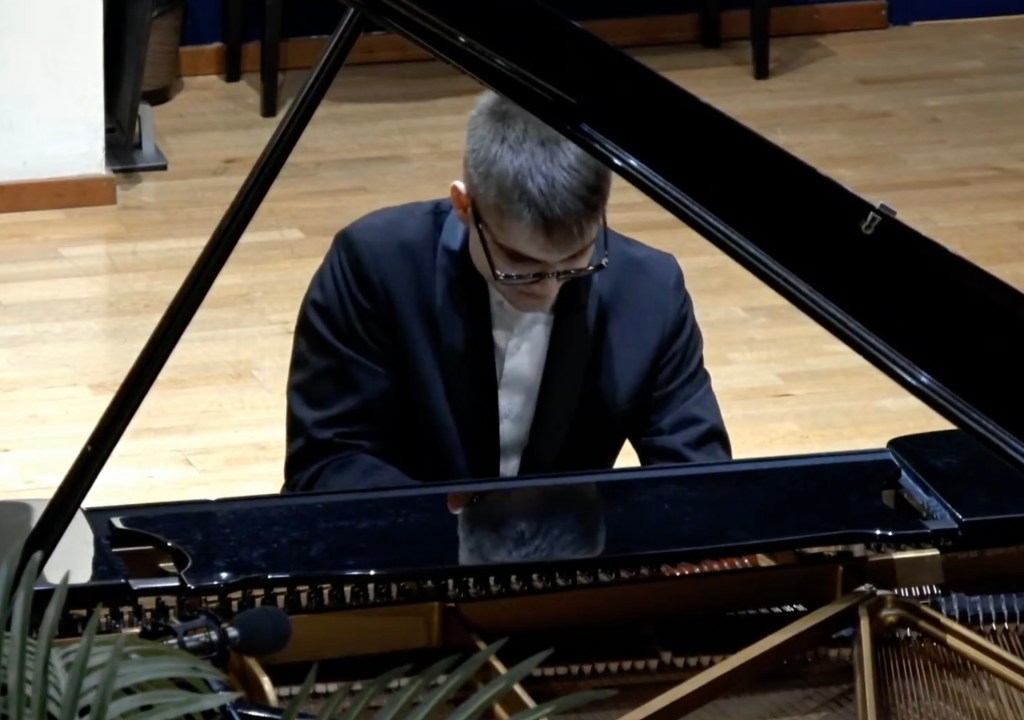
Liszt’s imposing ‘Dante Sonata’ was where all Alessio’s remarkable qualities were put at the disposal of Liszt’s extraordinary vision. It was the work of Dante that was to touch Liszt so deeply whilst on his travels with Marie d’Agoult in Switzerland and Italy .There are a multitude of emotions in a work that is a true tone poem full of passionate outbursts of heartrending intensity. Alessio showed a scrupulous attention to the composers indications where there was no empty rhetoric or mere showmanship but a story that unfolded with extraordinary emotional clarity and meaning. Alessio brought sumptuous full sounds and a remarkable technical control to the demands that the composer imposes. But there was also a great architectural line that bound this mighty work together into a unified whole. The central episode was played with delicacy and whispered beauty but always with the melodic line projected into the hall with glowing beauty. A ‘tour de force’ with playing of great authority and a technical mastery that even the treacherous final leaps were incorporated into a musical conversation and not just hurdles to be surmounted as is often the case with lesser artists.
A larger audience today than I have seen before, despite the bad weather, and who were happy to give an ovation to this young artist now perfecting his studies at Perugia Conservatory.
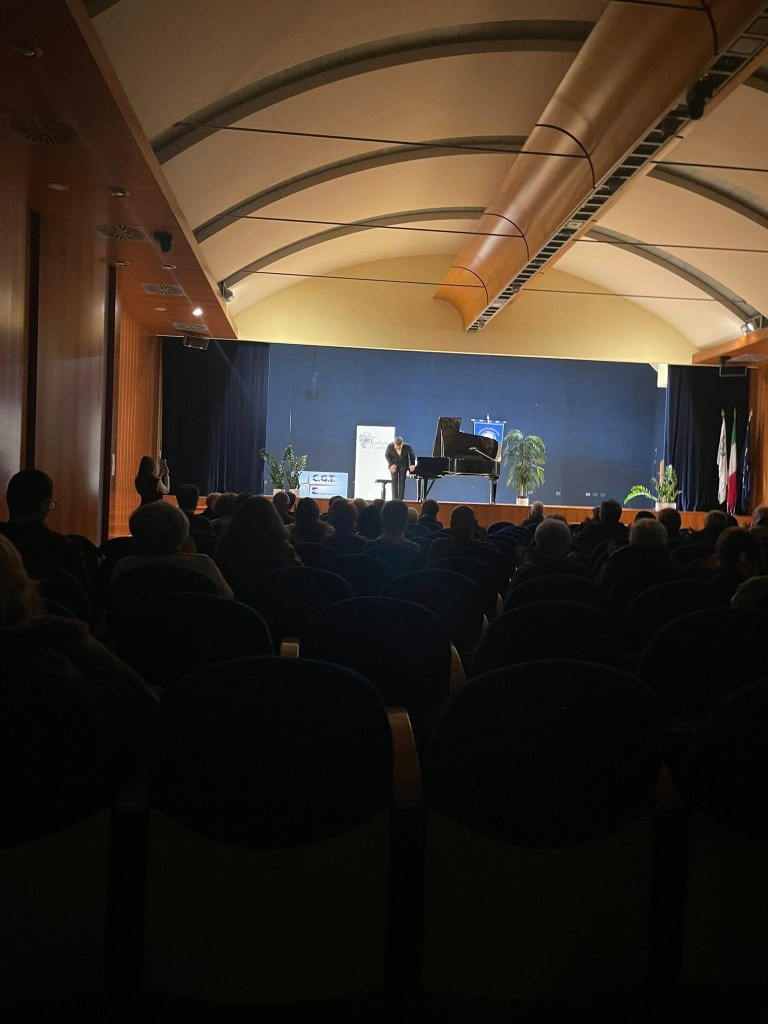
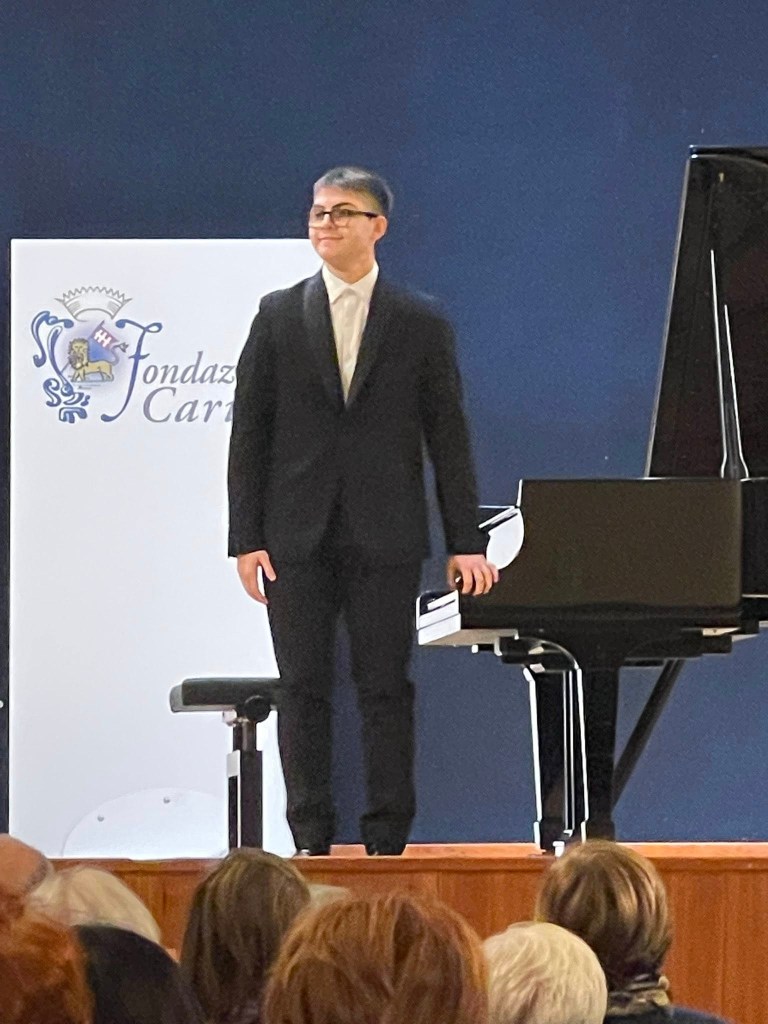
Alessio responded with the last of Chopin’s 24 Studies – the so called ‘Ocean’ study op 25 n.12 that he played with flowing ease and passionate intensity. Even here the phrasing and shaping of this whirlwind of sounds was of an artist who is listening to himself and shaping the sounds with sensitivity,intelligence and great style.
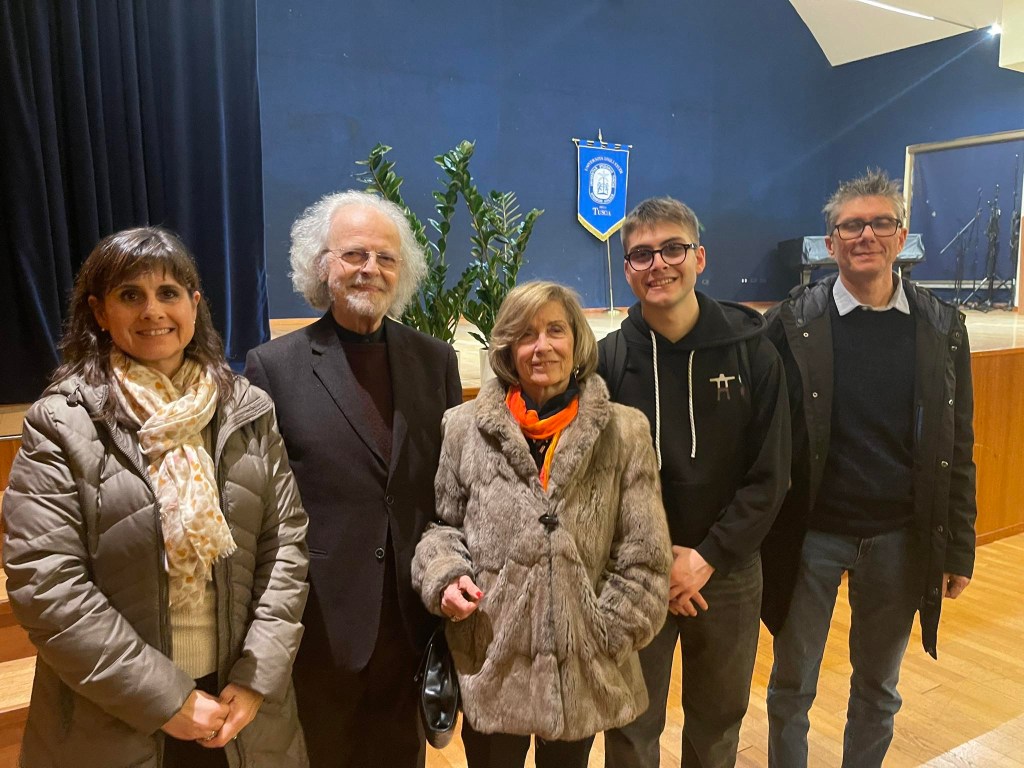
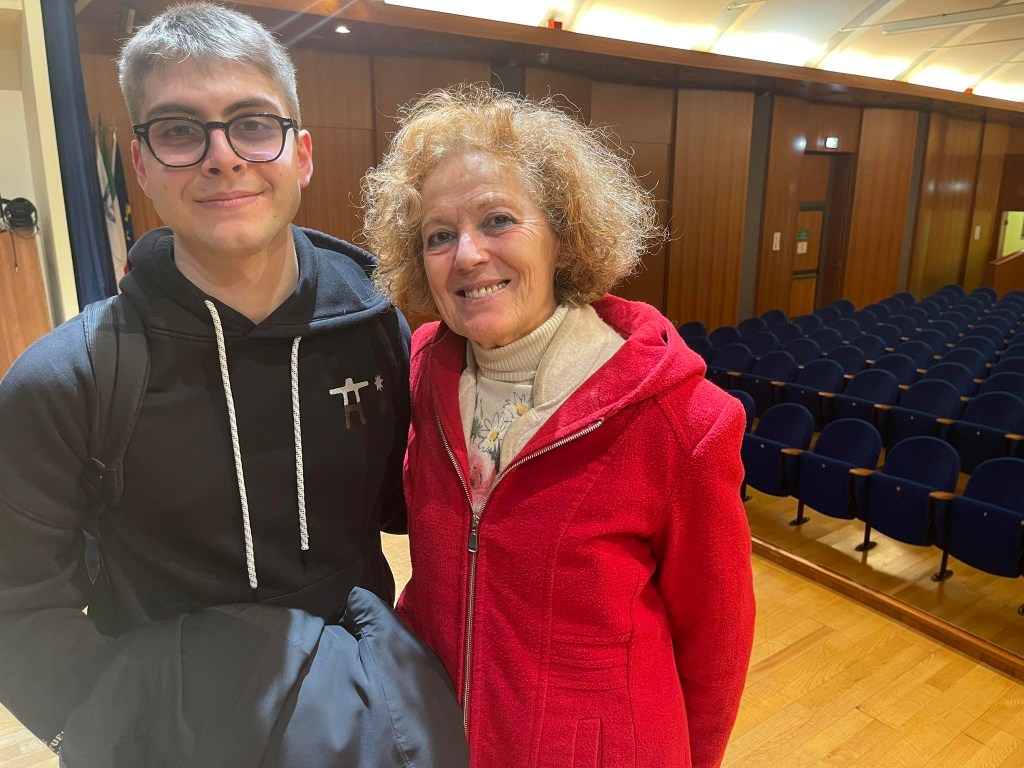
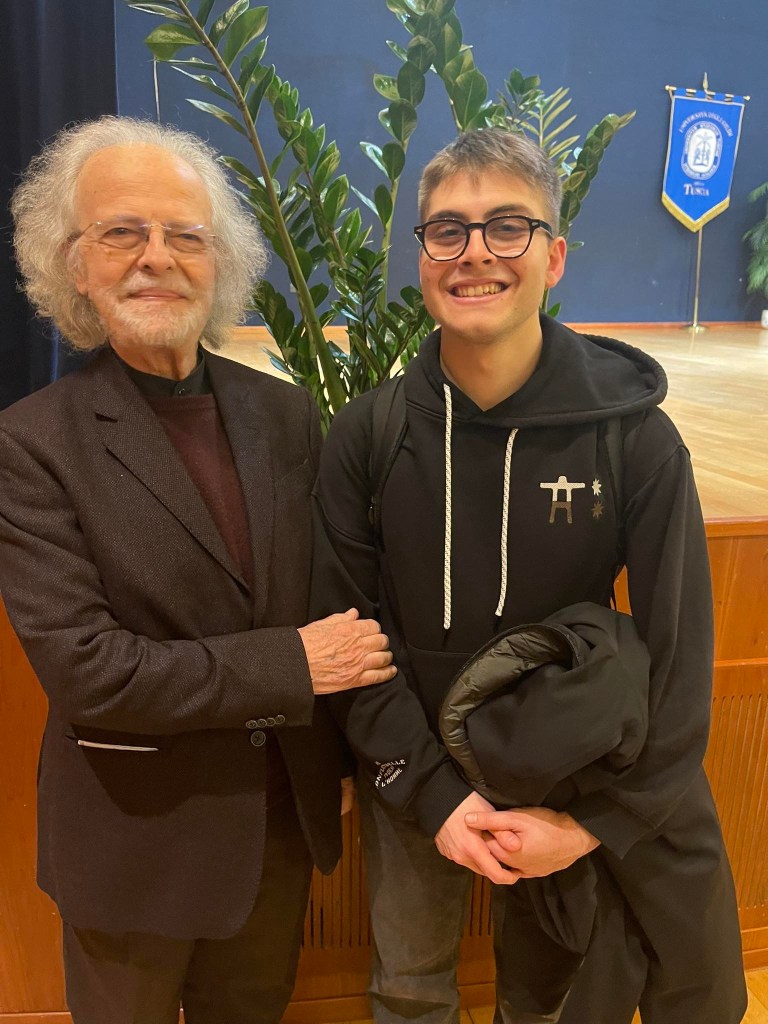
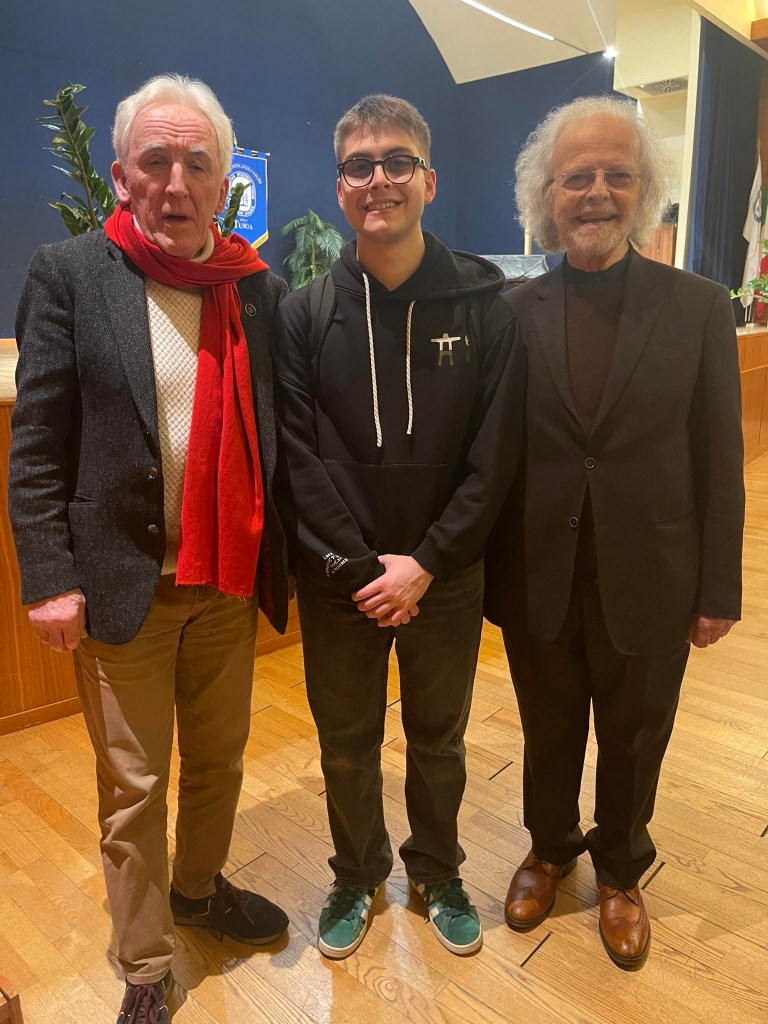
Mention should be made of Gala Chistiakova and Diego Benocci who have created a vast musical activity in Grosseto including the competition of which Alessio is such a shining example of excellence.

https://christopheraxworthymusiccommentary.com/2023/06/02/the-gift-of-music-the-keyboard-trust-at-30/


https://christopheraxworthymusiccommentary.com/2024/03/20/christopher-axworthy-dip-ram-aram/
 ChristopherAxworthy-MusicCommentary