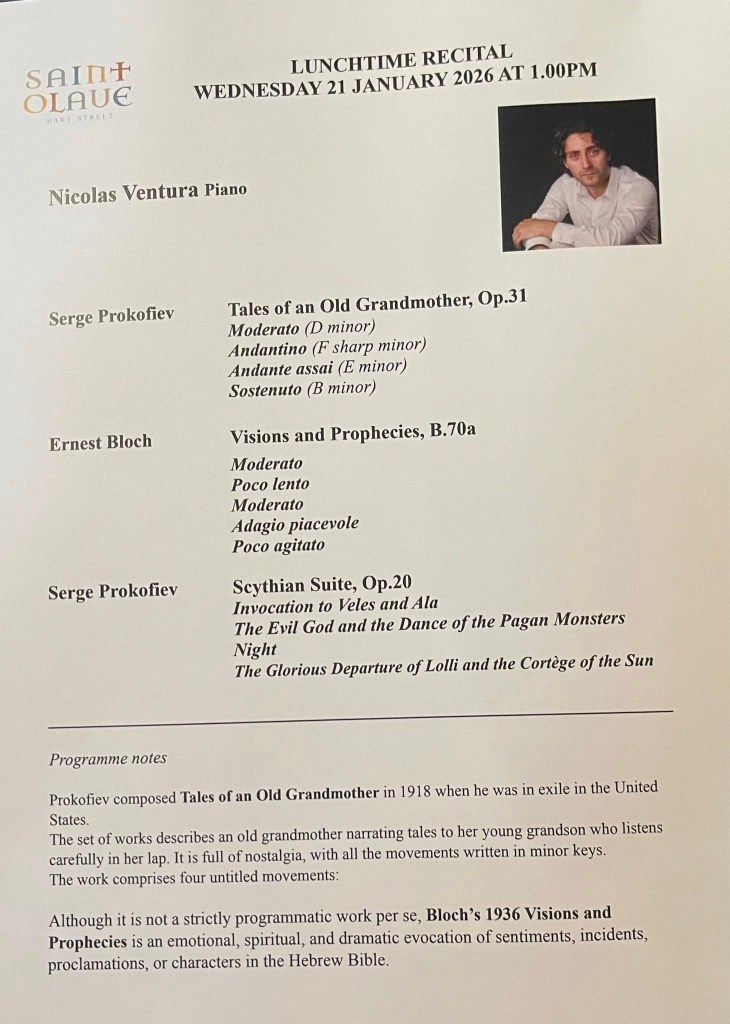
I have heard Nicolas Ventura many times during his studies in London with varied repertoire and even a magnificent performance of Prokofiev’s 3rd Concerto at Cadogan Hall . But I never thought that his inquisitive musicianship would lead to a recital of works that I have never heard before.
Nicolas just added (en passant!!!) ‘ By the way, I just noticed in the programme it was not mentioned that the Suite is my transcription and was the premiere of it (first time playing it live). That’s why you couldn’t have heard it anywhere else before’
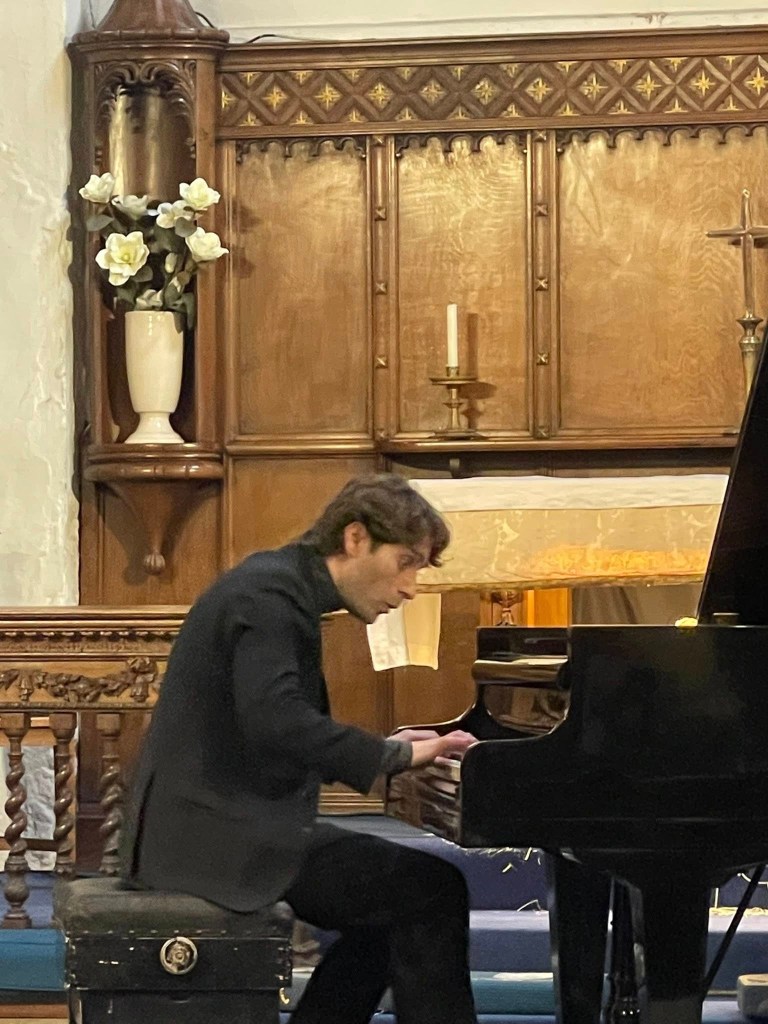
Prokofiev’s ‘Old Grandmother Tales’ I had heard from Iso Elinson when I was a child but never since.
Nicolas is now being mentored by Dina Parakhina whose advocacy of the works of Medtner is much appreciated by a discerning public . Nicolas following in her footsteps bringing us today neglected works of Prokofiev and Bloch with masterly performances of astonishing poetic conviction
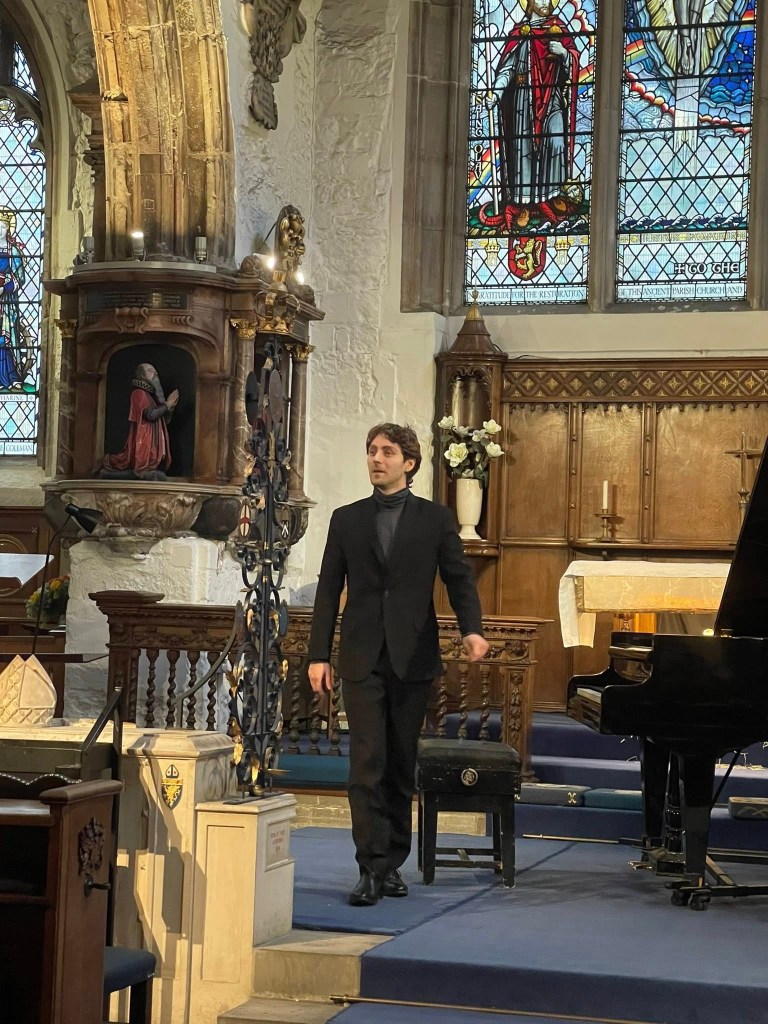
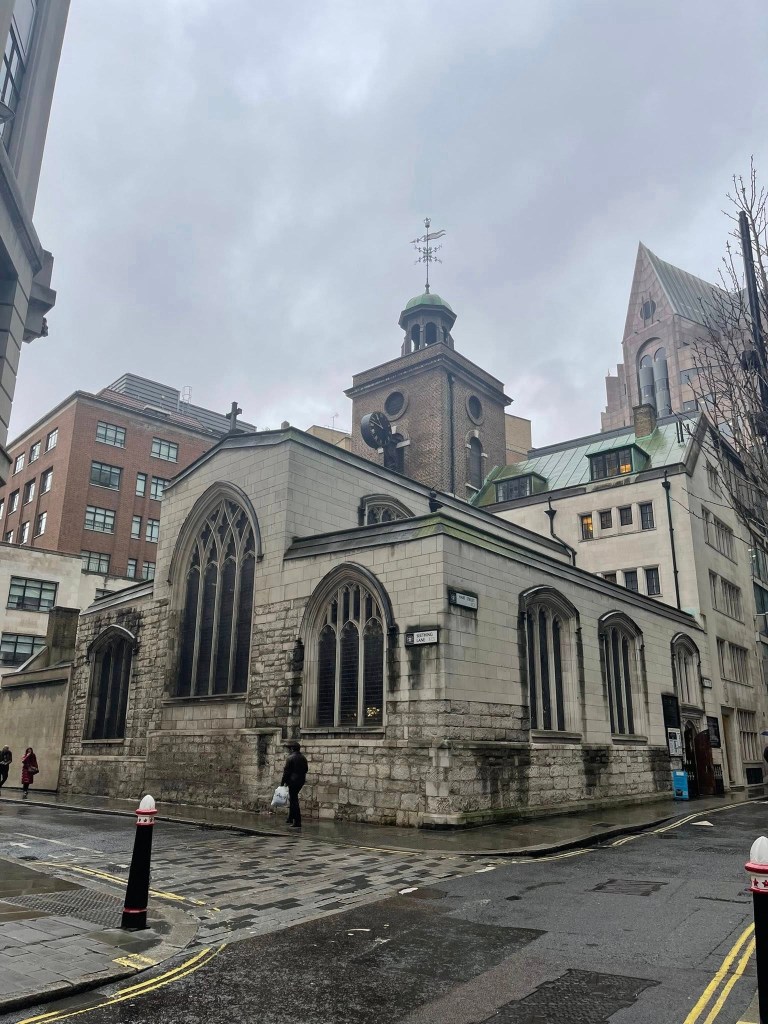
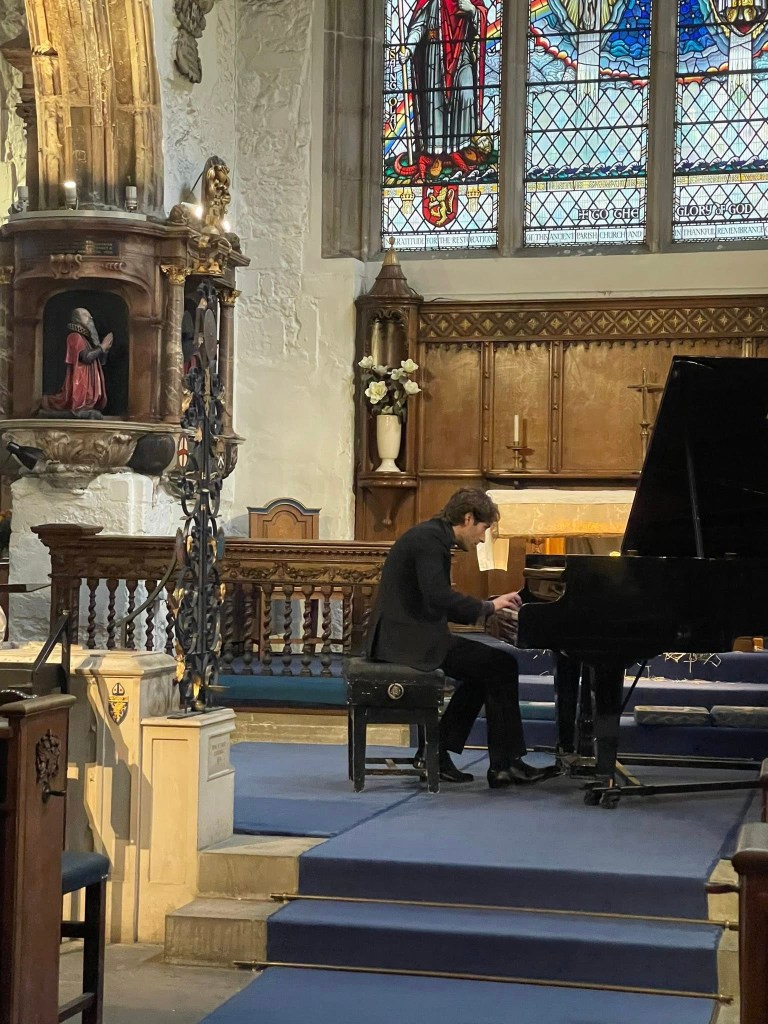
This vintage Bosendorfer at St Olave’s in the shadow of the ‘Tower of London ‘ not to say the ‘Guerkin’ and ‘Shard’, I have heard many pianists play with differing success. Today Nicolas found the noble pedigree of this instrument imbuing it with colours and pedal effects that I would not have thought possible until today .
Brendel was fond of saying there are no such things as bad pianos only bad pianist! Brendel was never wrong!
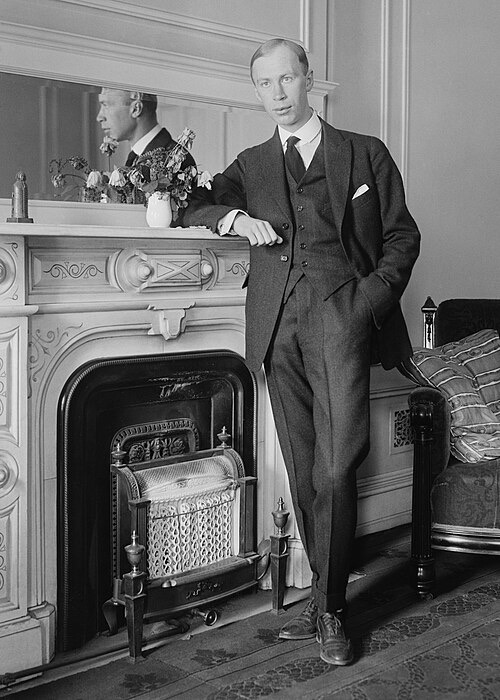
Moscow, Soviet Union
Tales of an Old Grandmother . op.31 (Russian: Сказки старой бабушки, romanized: Skazki staroy babushki) is a set of four piano pieces composed in 1918 and premiered by the composer himself on January 7 the following year in New York City.It was composed during Prokofiev’s exile in the United States after the outbreak of the Russian Revolution. An arrangement for orchestra also exists. Prokofiev’s pianistic output of this period is scarce since he put all his efforts into composing his opera The Love of Three Oranges . He also composed, around that time, Four Pieces, Op. 32. Both were written in order to mitigate his economic situation because of the delay of the opera’s premiere; however, he did not obtain the money in royalties he expected for them.
The set of works describes an old grandmother narrating tales to her young grandson who listens carefully in her lap. It is full of nostalgia, with all the movements written in minor keys Tales of Old Grandmother, Op. 31 by Prokofiev is based on a fairy tale theme and can be considered as both a most valuable pedagogical piece for young students and as a piece for the concert repertoire. However, this piece was under-appreciated by most piano performers and piano pedagogues for many years, even though it was praised by several well-known composers and was often played by other pianists and Prokofiev himself. The main aim of this study is to promote the Tales so that they will be performed and taught more often. All of the complex harmonic language, unique unforgettable lyricism and Prokofiev’s typical compositional elements are presented in this score, allowing it to serve as a great concert repertoire choice. At the same time, the simple format setting, less demanding technique and the fairy tale theme can easily catch and hold a children’s interest. Therefore, Tales of Old Grandmother contains both performance value and pedagogical value. This premise is achieved through a discussion of Prokofiev’s unfailing interest in fairy tales and comparisons between Tales of Old Grandmother with Prokofiev’s advanced piano works and with his Music for Children, Op. 65.
The Scythian Suite, Op. 20 is an orchestral suite written in 1915.
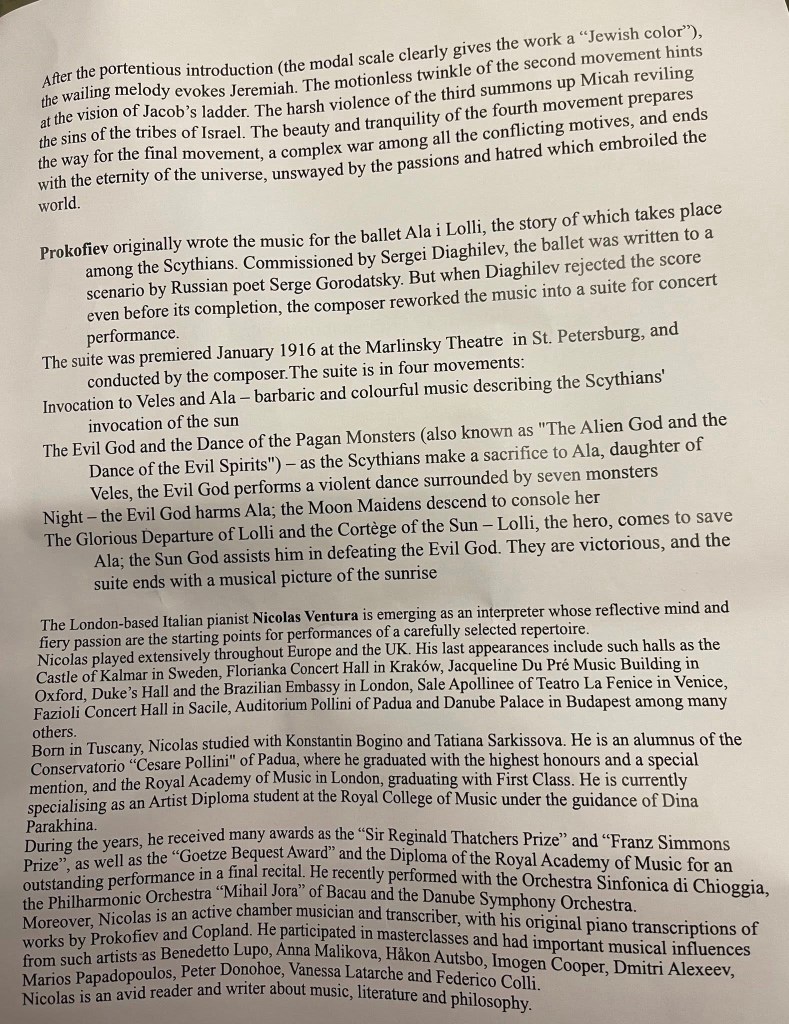
Prokofiev originally wrote the music for the ballet Ala i Lolli, the story of which takes place among the Scythians . Commissioned by Sergei Diaghilev , the ballet was written to a scenario by Russian poet Sergey Gorodetsky . But when Diaghilev rejected the score even before its completion, the composer reworked the music into a suite for concert performance.
The suite was premiered on 29 January 1916 at the Marinsky Theatre in St. Petersburg, conducted by the composer.
A scheduled Moscow performance of the suite that December was cancelled at the last minute due to the difficulty of finding musicians to play the piece; it called for an enlarged orchestra and, as many performers had been mobilized due to World War 1 enough players could not be found. Nevertheless, the Moscow music critic Leonid Sabaneyev gave the music a scathing review. Prokofiev responded that the supposed performance must have been a product of Sabaneyev’s imagination, as the only copy of the score was in the composer’s hands and thus he had not even been able to see it.
The suite is in four movements and lasts around 20 minutes.
- Invocation to Velesand Ala – barbaric and colourful music describing the Scythians’ invocation of the sun
- The Evil God and the Dance of the Pagan Monsters (also known as “The Alien God and the Dance of the Evil Spirits”) – as the Scythians make a sacrifice to Ala, daughter of Veles, the Evil God performs a violent dance surrounded by seven monsters
- Night – the Evil God harms Ala; the Moon Maidens descend to console her
- The Glorious Departure of Lolli and the Cortège of the Sun – Lolli, the hero, comes to save Ala; the Sun God assists him in defeating the Evil God. They are victorious, and the suite ends with a musical picture of the sunrise
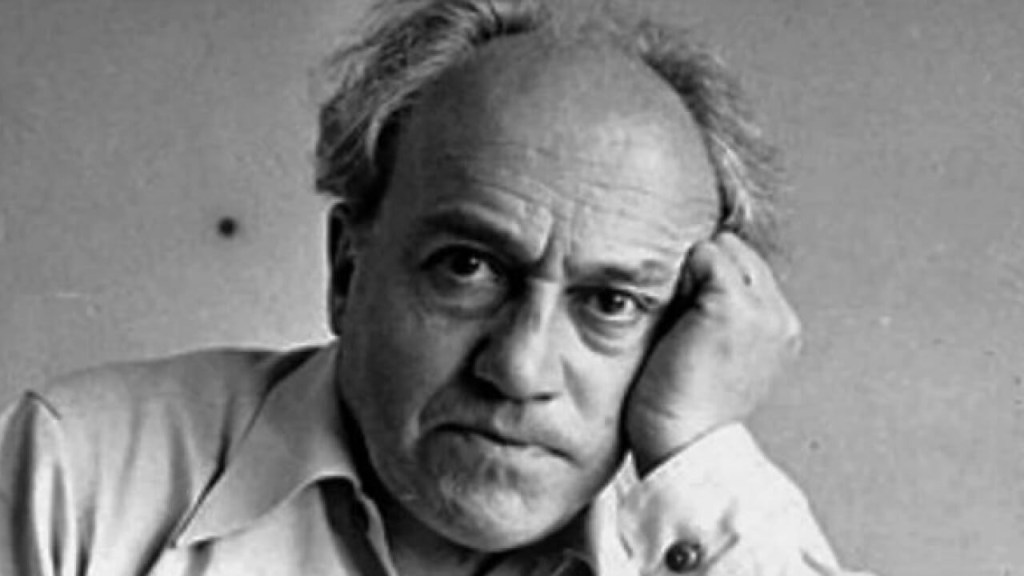
Although it is not a strictly programmatic work per se, Bloch’s 1936 Visions and Prophecies—a five-movement piece for solo piano—is an emotional, spiritual, and dramatic evocation of sentiments, incidents, proclamations, or characters in the Hebrew Bible. For the pianist on this recording, David Holzman, the movements representing biblical visions are clearly distinguishable from those reflecting prophecies. And in Bloch’s own interpretation of the work, he identifies or intuits—albeit admittedly tentatively (“to some extent”)—specific biblical personalities:
After the portentious introduction (the modal scale clearly gives the work a “Jewish color”), the wailing melody evokes Jeremiah. The motionless twinkle of the second movement hints at the vision of Jacob’s ladder. The harsh violence of the third summons up Micah reviling the sins of the tribes of Israel. The beauty and tranquility of the fourth movement prepares the way for the final movement, a complex war among all the conflicting motives, and ends with the eternity of the universe, unswayed by the passions and hatred which embroiled the world.
The first movement is marked Moderato; the second, Poco lento; the third is also Moderato; the indication of the fourth movement is Adagio, piacevole; and the final movement is Poco agitato.
The writing throughout the piece is characterized by an interplay between pianistically idiomatic tone clusters (prominent from the outset in the first movement) and expositions of continuously unfolding melody—especially in the second and fourth movements. Elsewhere, there are shorter, biting melodic and rhythmic motives, as in the third movement, where a mood of controlled fury is portrayed. The fourth movement is generally reflective and meditative in spirit—almost dreamlike, and lean in its clarity. All these elements are juxtaposed against one another in the finale, as the agitation ebbs and flows and as the movement builds to a penultimate climax that fades to a calm, resolute conclusion.
 ChristopherAxworthy-MusicCommentary