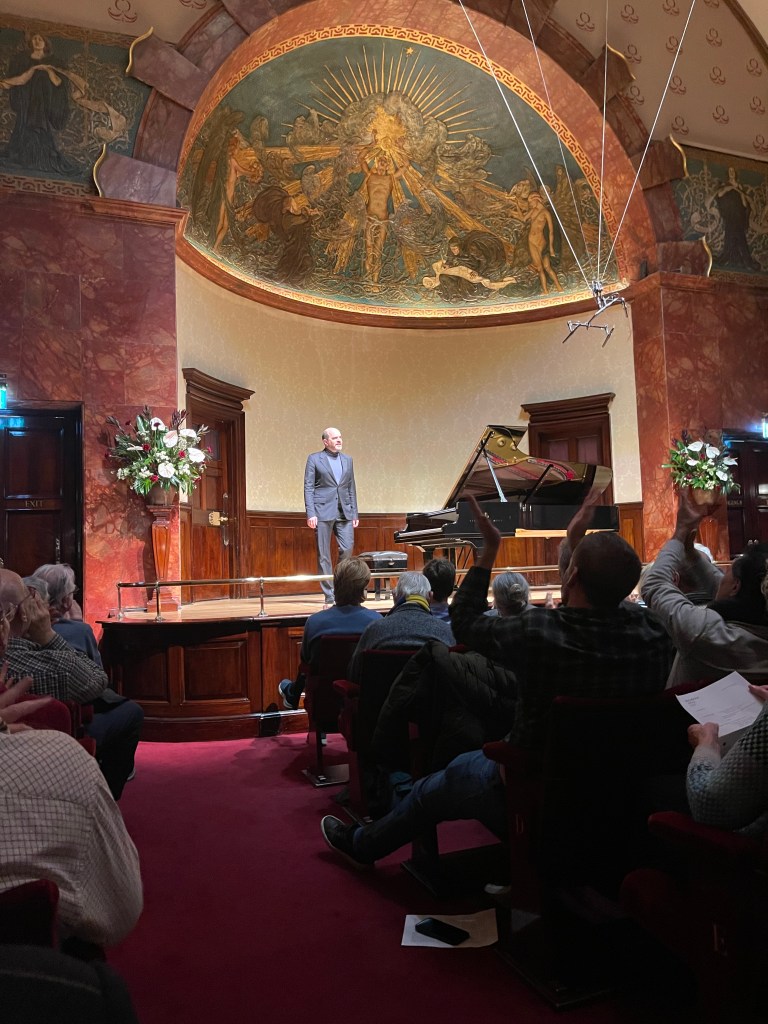

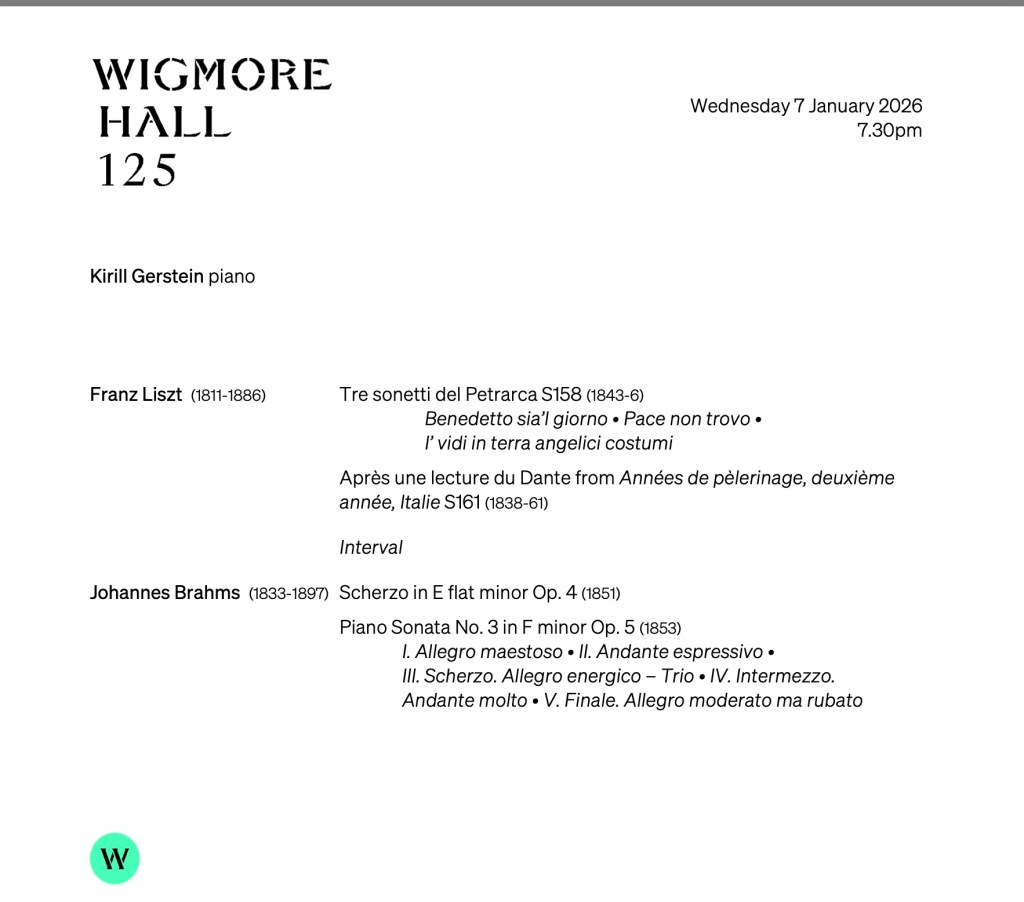
The three Petrarch sonnets played with disarming simplicity and radiance. There was passion and astonishing feats of subtle pianistic mastery as explosions of sentiment were spread over the entire keyboard like a flame of pulsating abandon. The ending of Sonetto 123 after such a passionate explosion did not want to say adieu such was the reticence and whispered insistence of a long drawn out farewell .

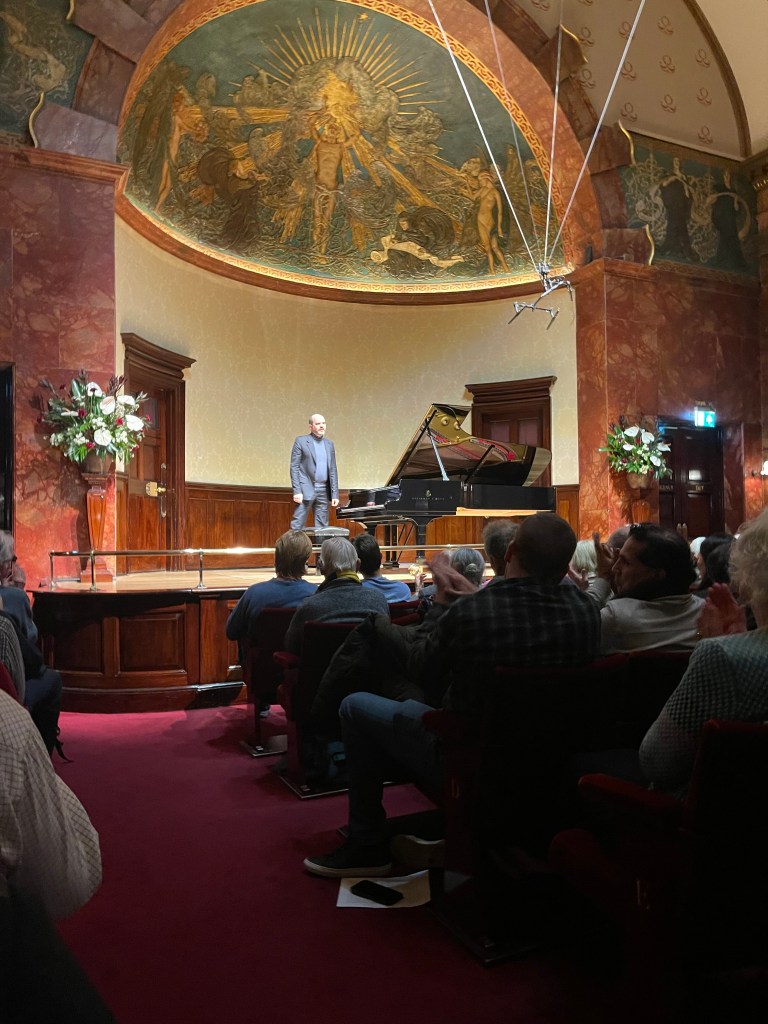
The Dante Sonata like Gerstein’s B minor Sonata in this very hall was monumental . From the opening harrowing outburst to the passionate pulsating of shimmering menace contrasting with passages of whispered disarming beauty . This was a tone poem as rarely conceived by a pianist who sees not notes but landscapes and who sees not octaves but vibrations of sound. A harrowing tale and a towering recreation by one of the great Lisztians of our time . https://christopheraxworthymusiccommentary.com/2023/07/03/kirill-gerstein-busoni-is-alive-and-well-and-returned-to-the-wigmore-hall/
How could one ever forget the understanding that he demonstrated to us of Liszt’s disciple, Busoni , who was the continuation of the future world that Liszt already inhabited . Here is a master musician completely entering the world of Liszt ,the innovative poetic genius , and not the empty note spinner that many would have us believe.
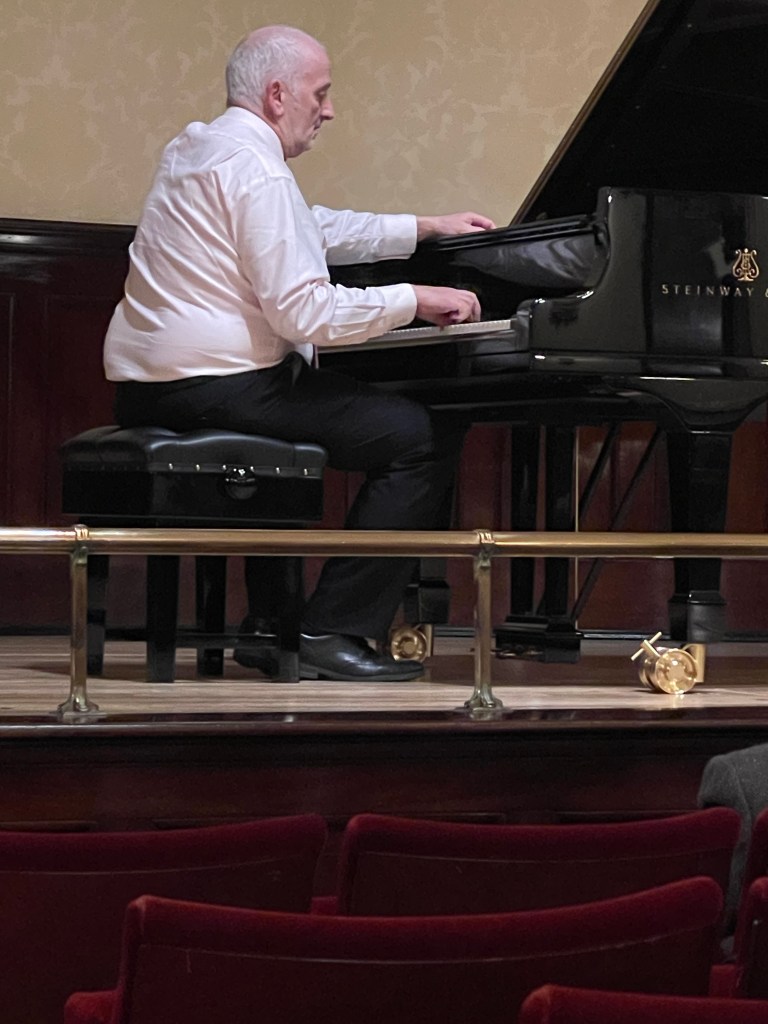
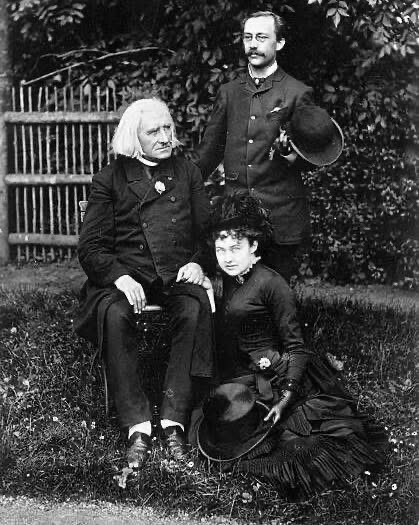
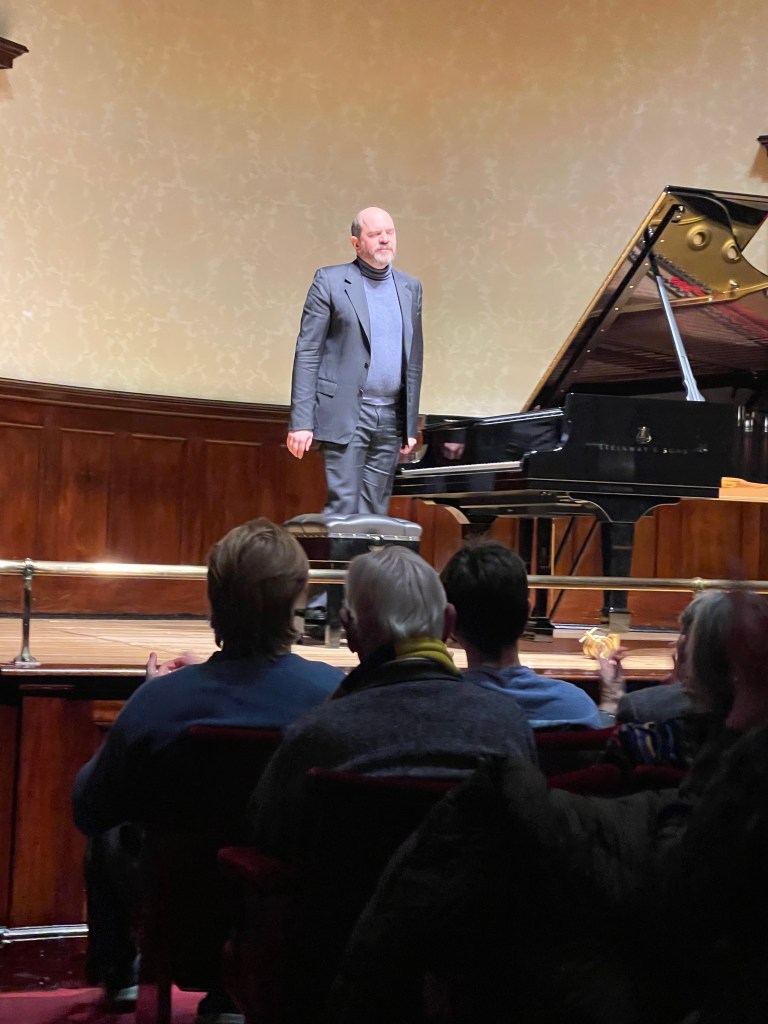
After the interval Brahms entered but not the shy intimate secret lover but a towering figure of blistering dynamism.
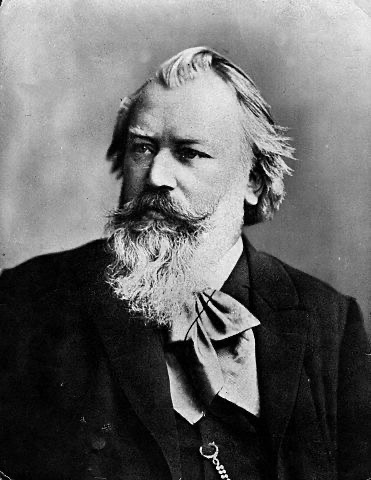
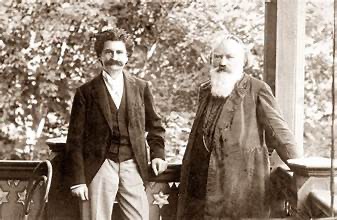
The much overlooked Scherzo op 4 was given a new life with orchestral colours and a kaleidoscope of changing character. It was the ideal partner for op 5 not because of numerical ordering but because it prepared us for a symphony that was anything but ‘veiled.’ An opening of aristocratic grandeur that was played with mesmerising mastery. An ‘Andante espressivo’ that was bathed in an aura of harmonic sounds as the melodic line was etched with poignant simplicity. Passionate outburst were played with a sumptuous fullness and radiance as they lay spent only to be reborn in one of the most magical codas of all time. A ‘Scherzo’ that shot from Kirill’s fingers with Olympic dynamism and the Intermezzo to the Finale was a harrowing tale indeed. A Finale that began on earth and was a continuous ascension into the tumultuous explosion of Brahms’ final exultation and naked abandon to his senses, declared with searing intensity.
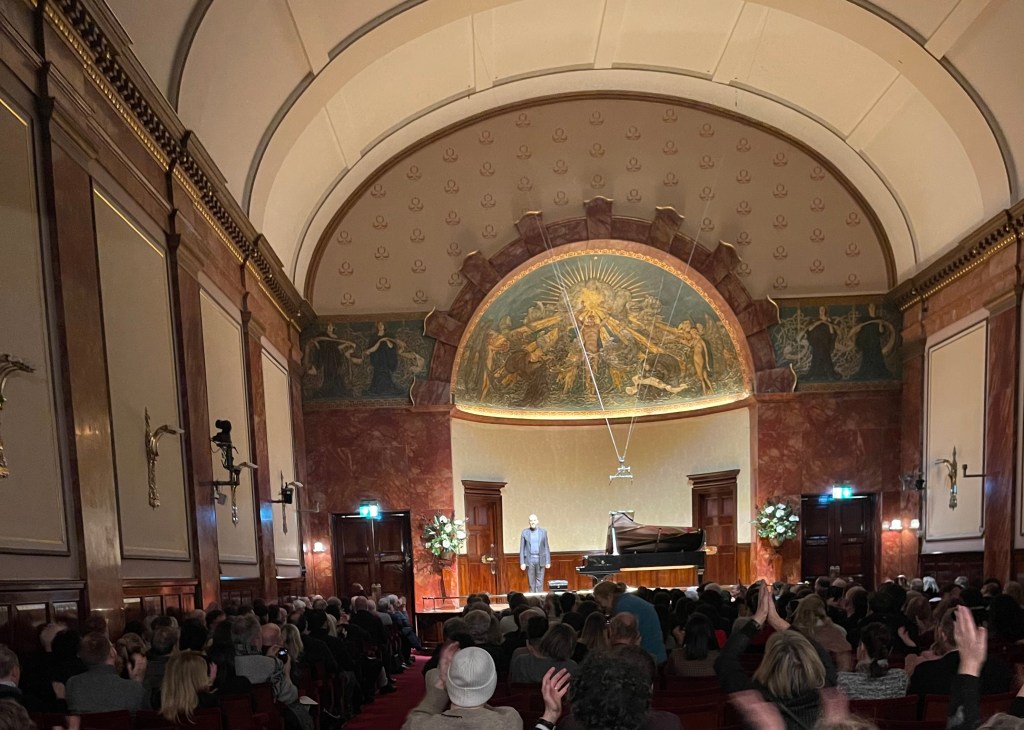
After Liszt and Brahms, Schumann was ever present in their circle as was Chopin. It was to these two companions that Kirill reserved his two hard earned encores extracted only by an insistent public !
Schumann’s undeservedly neglected Blumenstück op 19 was recreated with subtle half colours and insinuating whispered asides. Gerstein restoring this work to its rightful place beside the C major Fantasy op 17 and the Arabesque op 18. Gerstein more like Serkin than Horowitz not savouring or dwelling on sounds of perfumed beauty but reaching more for the earth bound beauty of intellect.
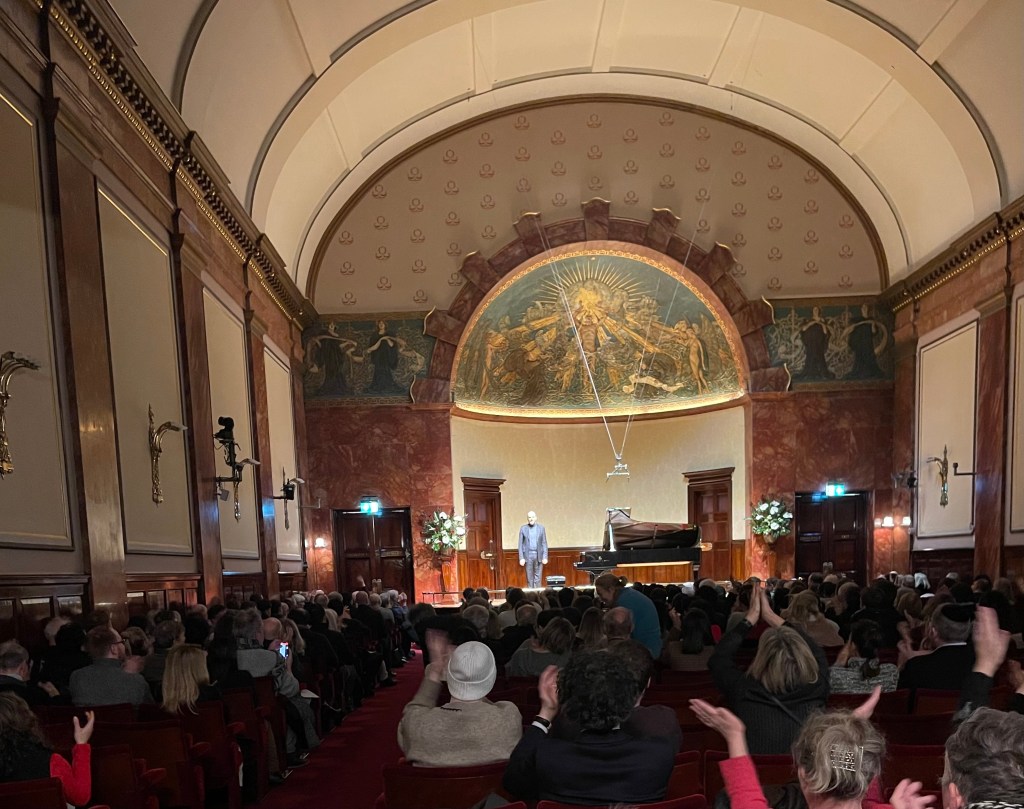
With Chopin we could have danced all night in the arms of such a perfect partner. The waltz op 42 was played with such beguiling insinuation and mastery that one was reminded of the greatest Chopin players of the past whose presence today we could feel as here was an artist worthy to join their ranks.
 ChristopherAxworthy-MusicCommentary