The Resurrection of a Renaissance Man
Fidelio Orchestra of Raffaello Morales ignites and excites but above all touches deep into our soul
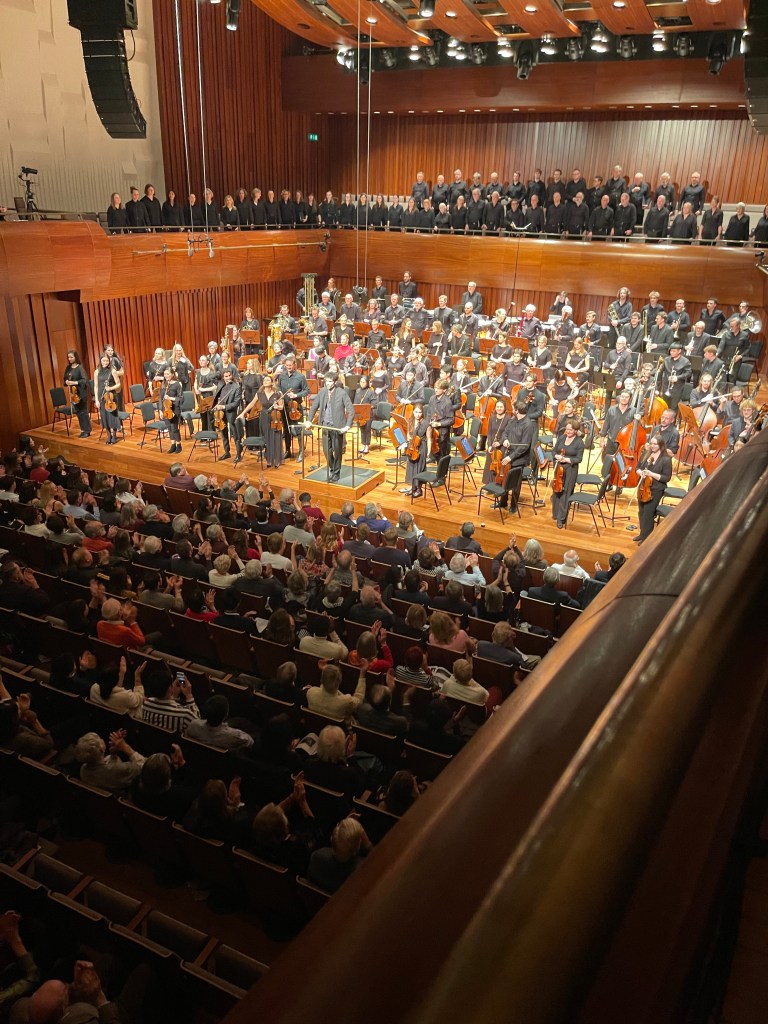
While Volodos was making music of an intimacy and beguiling beauty in the Barbican Hall, next-door at Milton Court we were seduced and ravished by the genius of Mahler.
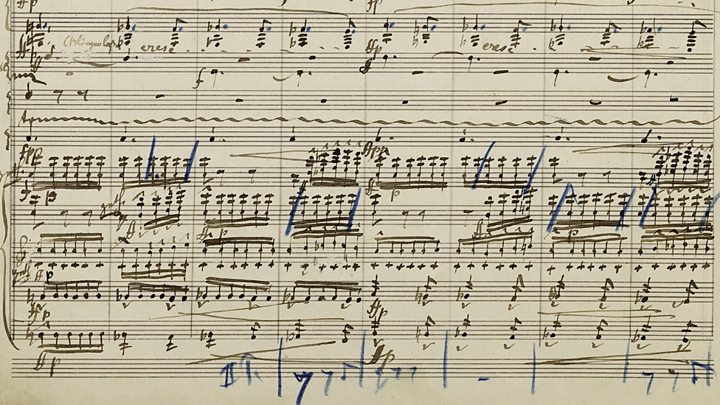
Having had a ticket burning in my pocket for the much awaited annual recital of Volodos I could not see any way of being able to hear Raffaello’s Mahler Resurrection Symphony in the hall next door!
Where there is a will there is always a way as Raffaello was happy to leave me a pass for the rehearsal.
The concert was recorded for BBC Radio 3
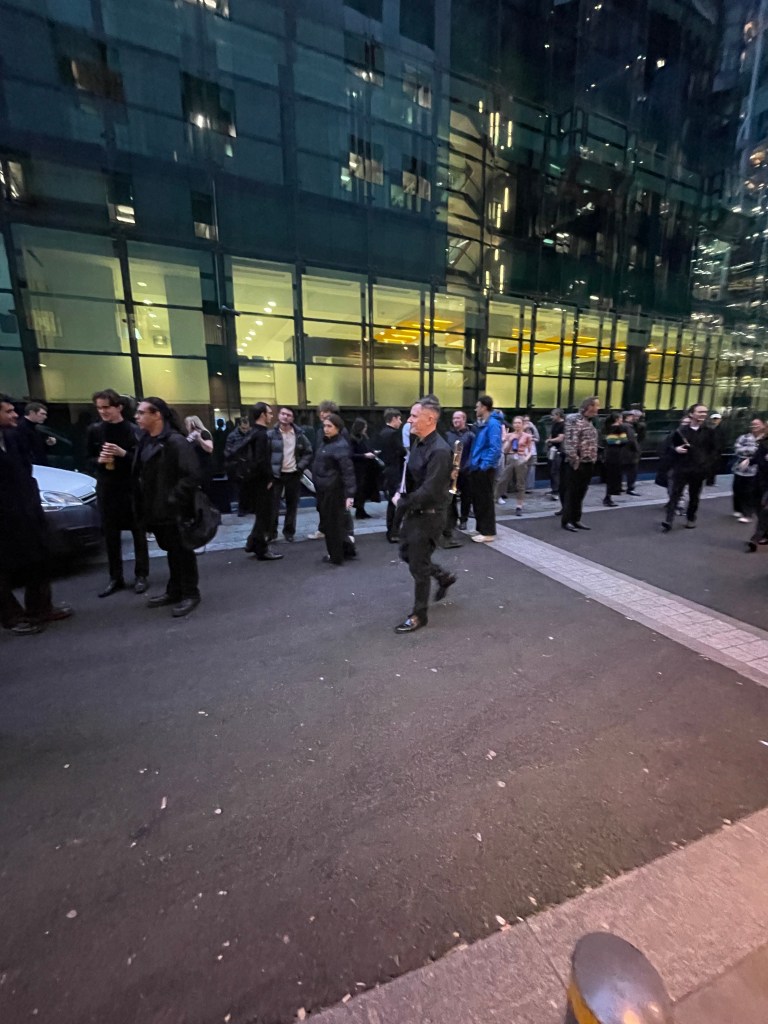
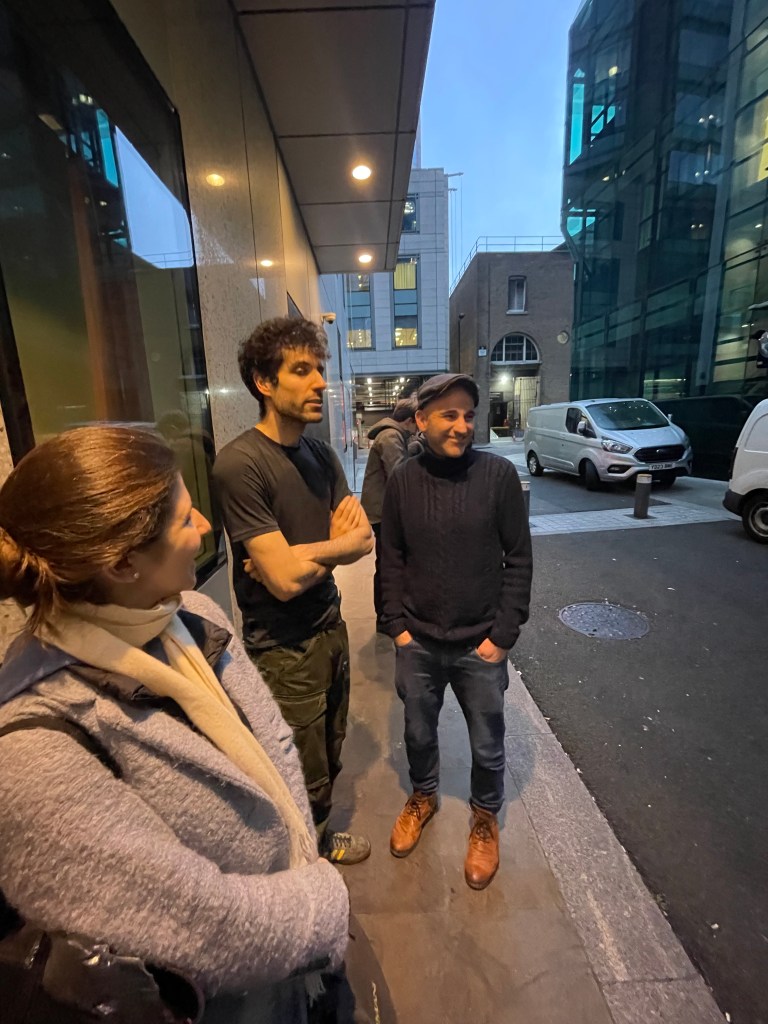
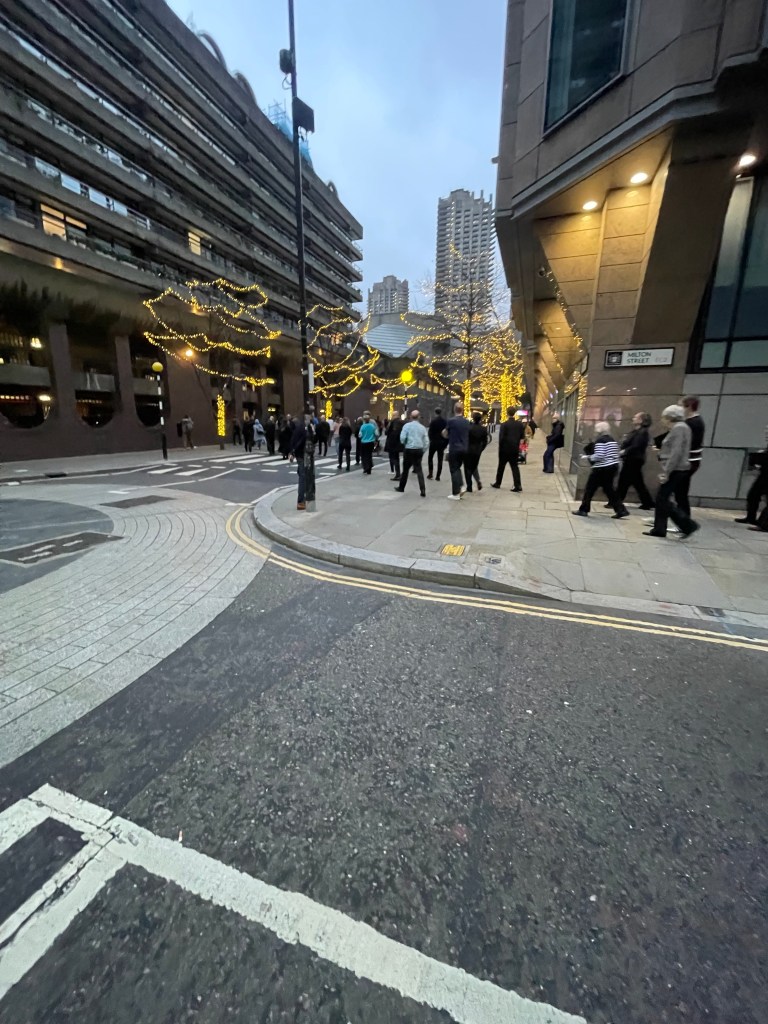
Little could we have imagined an alert over the intercome to vacate the hall immediately, as we were all escorted to the regrouping point in such emergencies which was by the artificial lake at the centre of the Barbican complex . A long snake of choir and orchestra trailed across the road to safety hoping that Resurrection might save us!
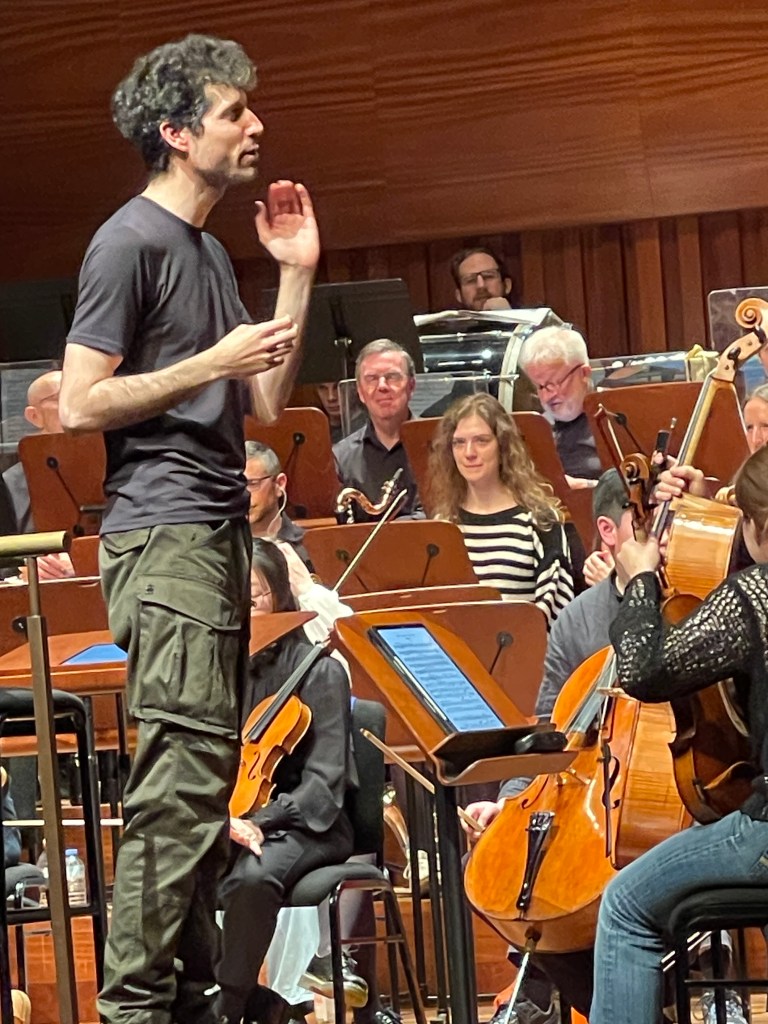
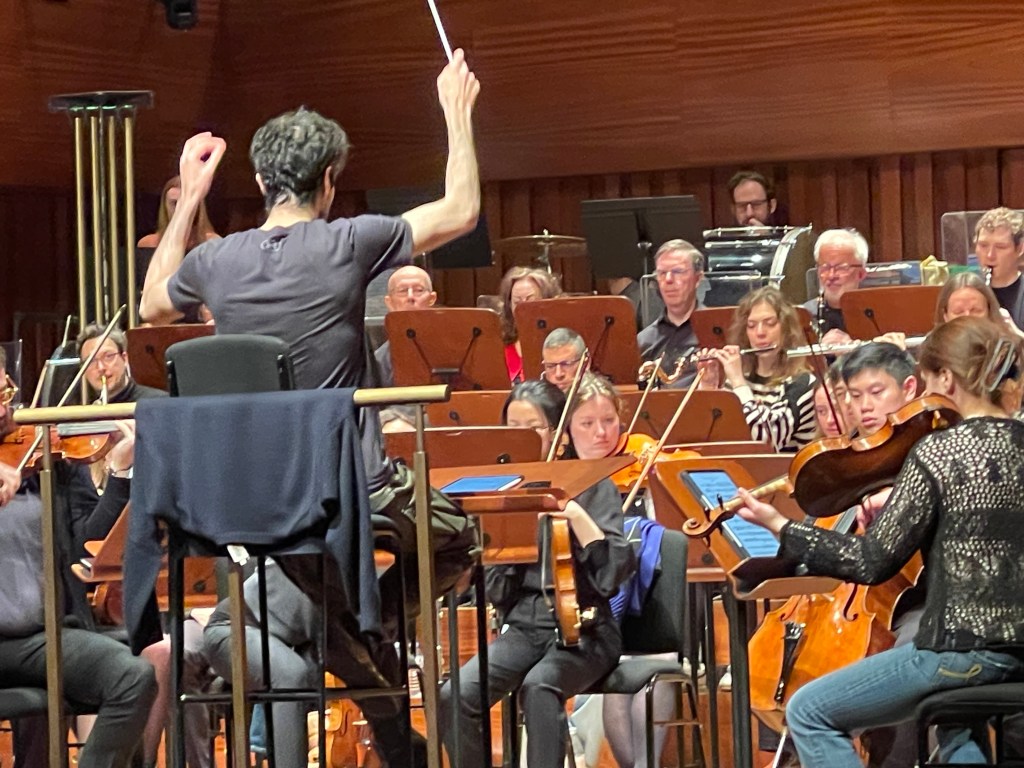
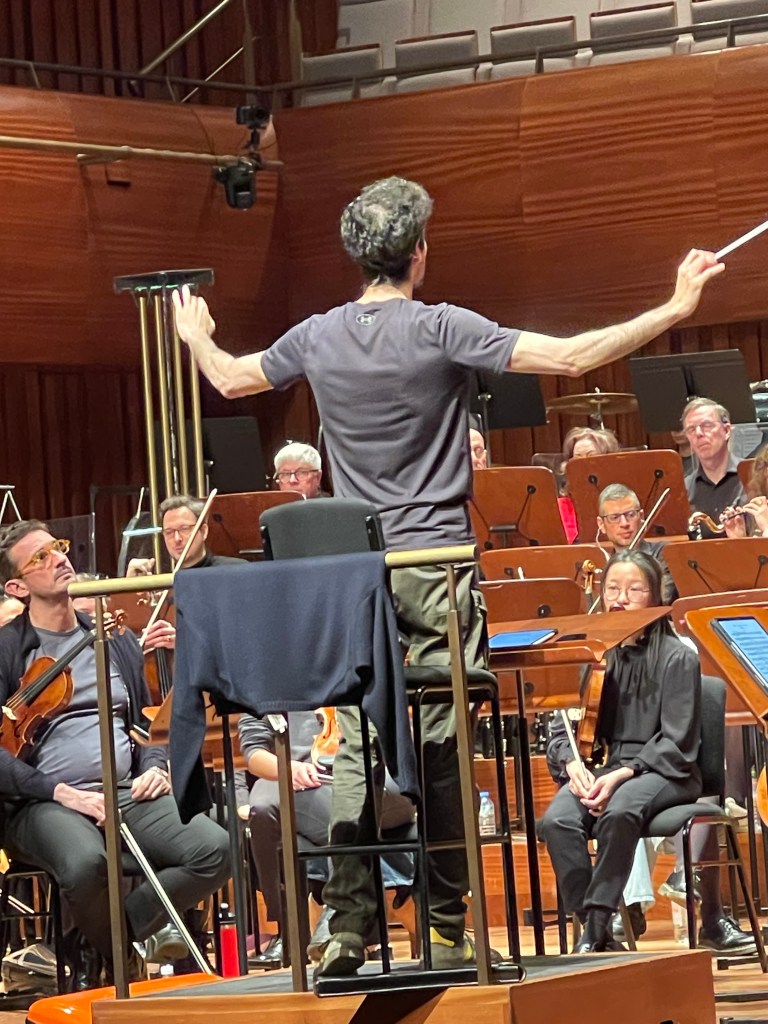
Rehearsal time was from two to five so this interruption around three thirty was certainly not welcome for a symphony that lasts ninety minutes. Half an hour later we were all allowed back and the final movement with choir and magnificent soloists was allowed to fill the turbulent air with radiance and heart rending beauty.

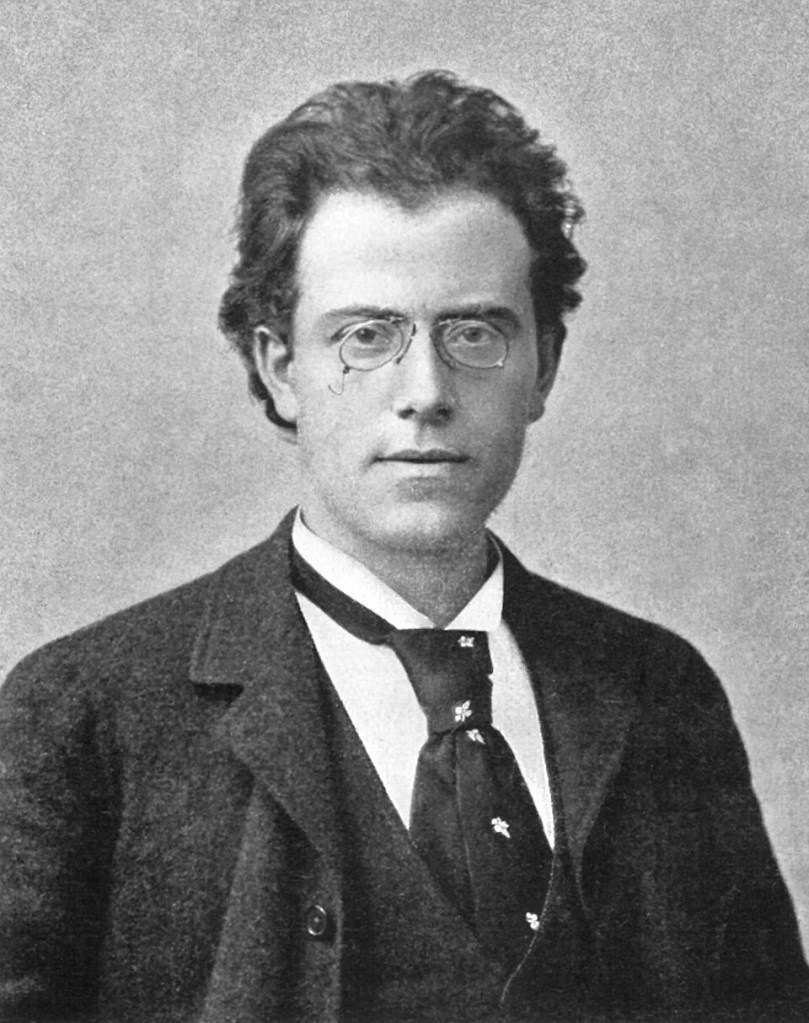
How could I possibly miss a performance of this symphony that is not only a Resurrection but a true recreation of the incredible intensity and soul searching ecstasy of a true believer. Raffaello who has been living with Mahler for some years as his book amply demonstrates . A Renaissance man with a burning desire to exult the glory of Mahler with his wonderful flowing movements like someone swimming in a sea of sounds on a timeless journey to paradise.
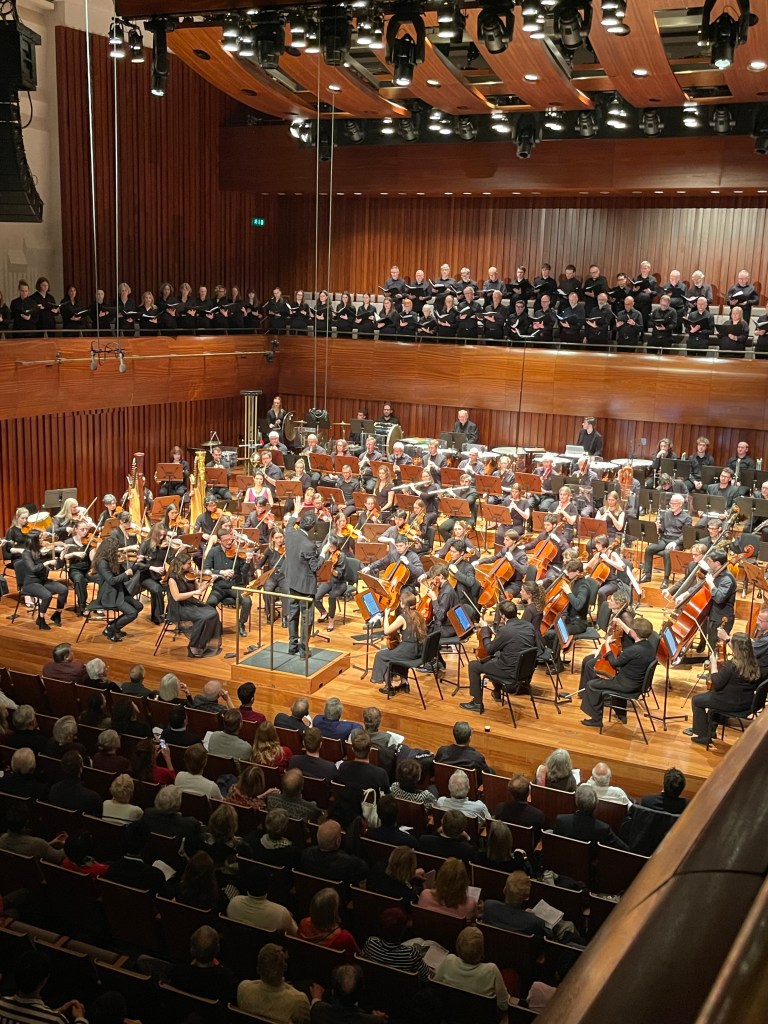
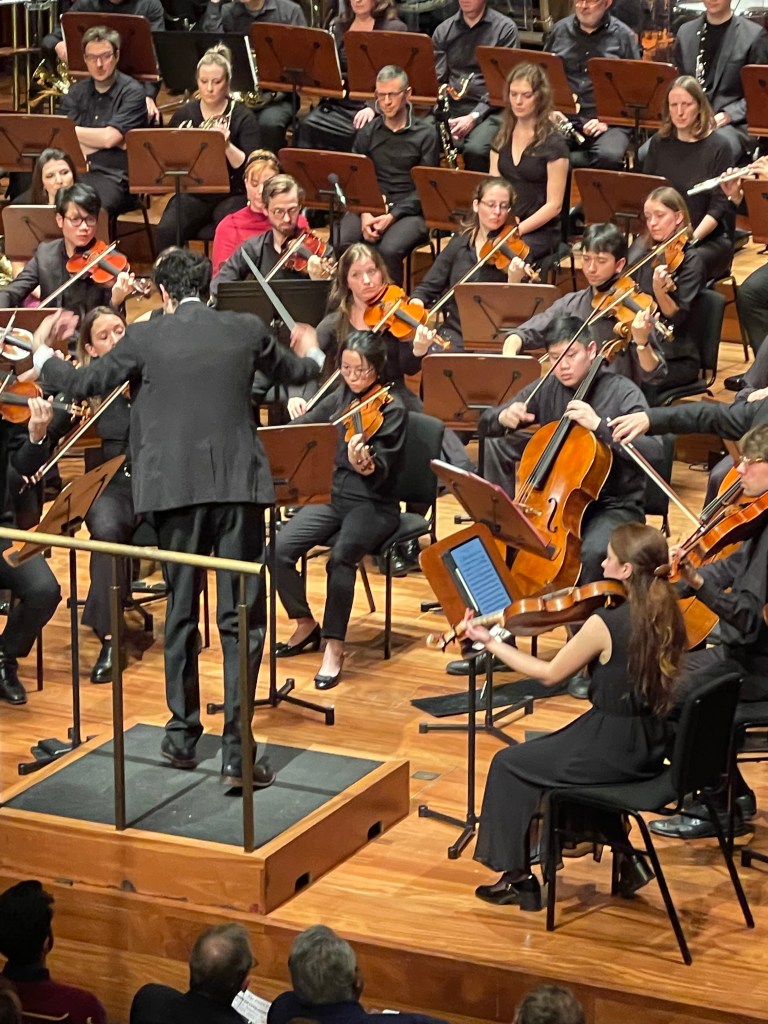
Pianist, economist, impresario, cordon bleu chef ,writer and now superb conductor how could I think of missing his or rather Mahler’s great cry of salvation. Mahler at seven with Volodos Schubert at seven thirty . Sorry maestro Volodos but Mahler won or rather I won, as with my heart resurrected and with a soul replenished I crossed the road to be ravished ,astonished and bewildered by a magician who could conjure sounds from the piano in Schumann and Liszt as only Horowitz before him. The greatest pianist alive or dead the critics exclaimed on the arrival of Horowitz in Paris. Rubinstein was alarmed and not a little dismissive of his rivals repertoire.
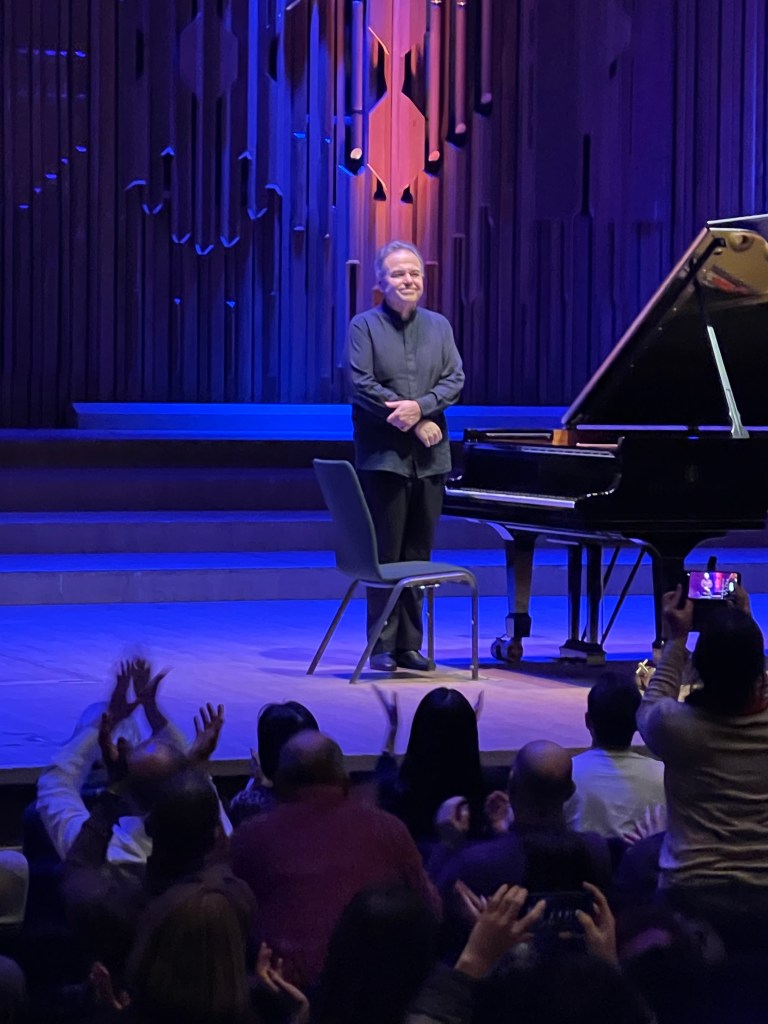
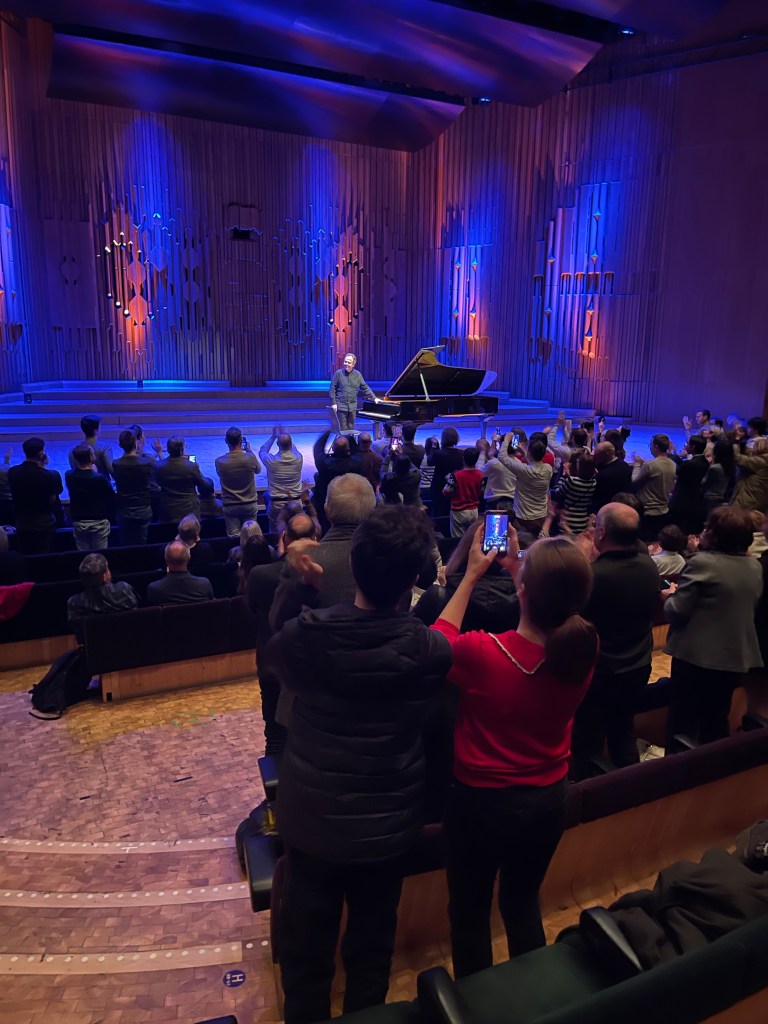
As the Princess Belgiojoso very diplomatically declared in 1837 after a similar duel in her Parisian salon : ‘Thalberg is the first pianist in the world – Liszt is unique.’
Comparative performance is for circus entertainers but can be very compelling, and is where Gulliver’s big end and little end is still so actual. It is human nature of course to find a number one and sponsors demand it, but it has little to do with the very ‘raison d’etre’ of art, but it is a little bit of fun and creates an interest in what can be a very stuffy and ignorant world . https://christopheraxworthymusiccommentary.com/2025/12/13/arcadi-volodos-poetic-mastery-and-genius-of-the-greatest-pianist-alive-or-dead/
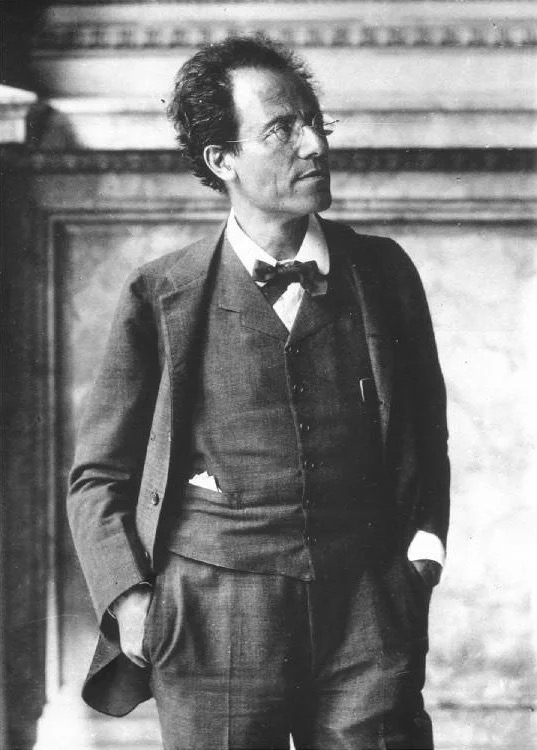
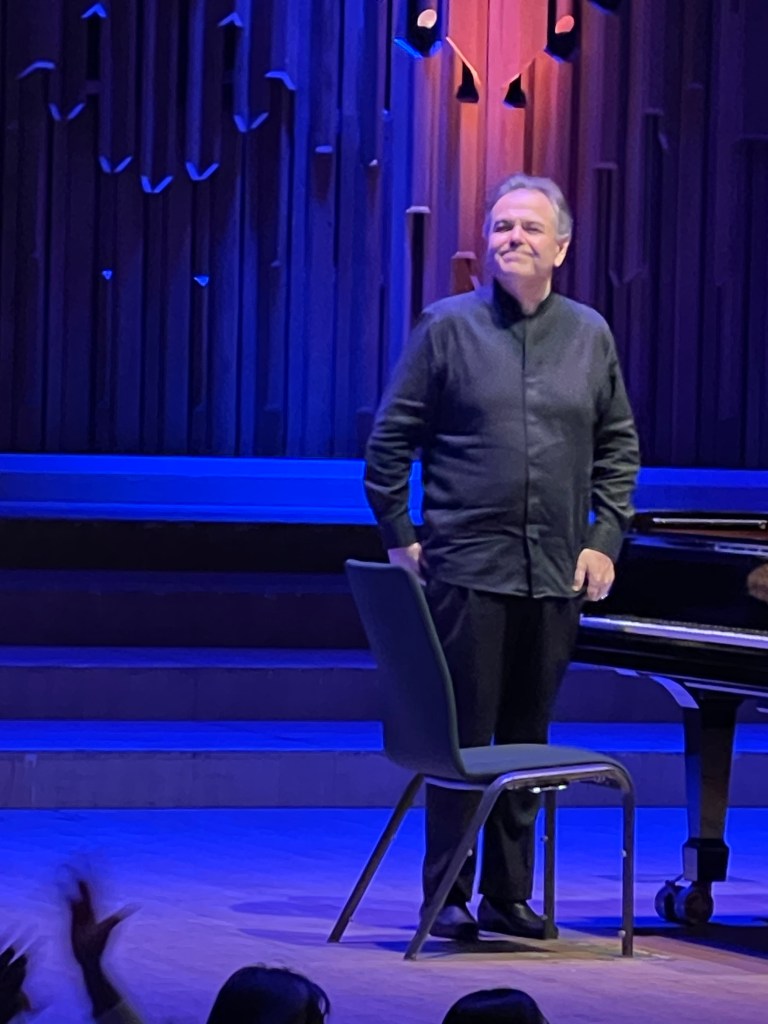
Volodos is a great pianist but Mahler is unique
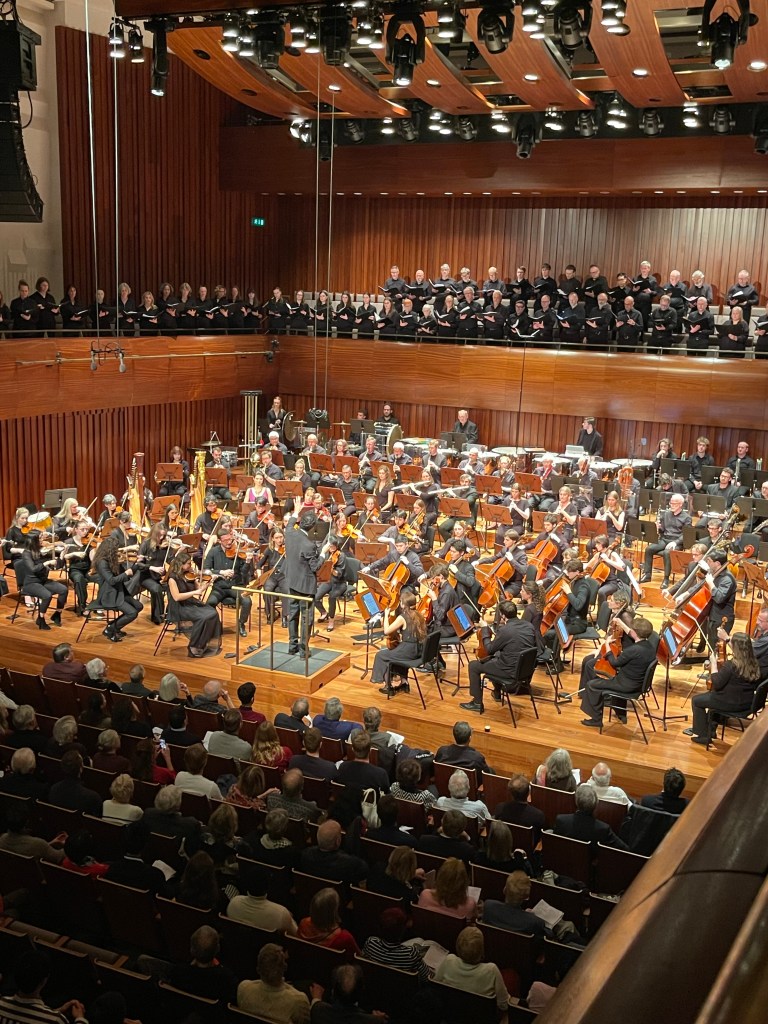
Christmas is a coming and the geese are getting fatter.
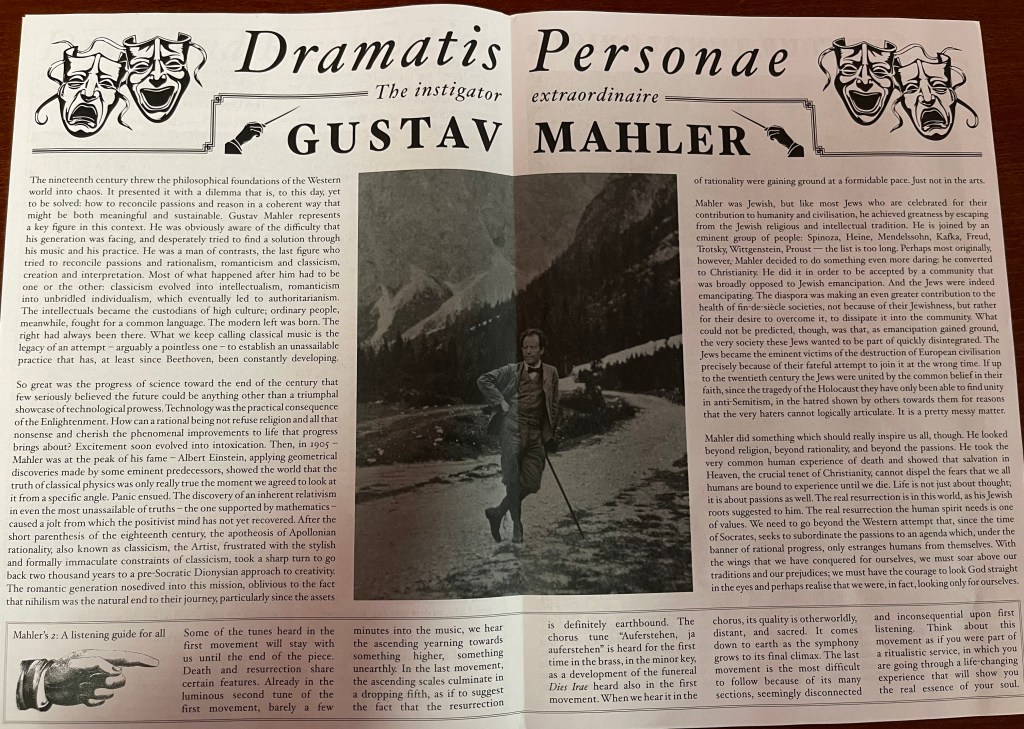
The second symphony is arguably his most famous work. The piece moves from the funeral visions of Totenfeier, the first movement originally conceived as a tone poem, to the apotheosis of the choral finale that earned Mahler the reputation as a leading composer that he would enjoy for the following fifteen years of his life.
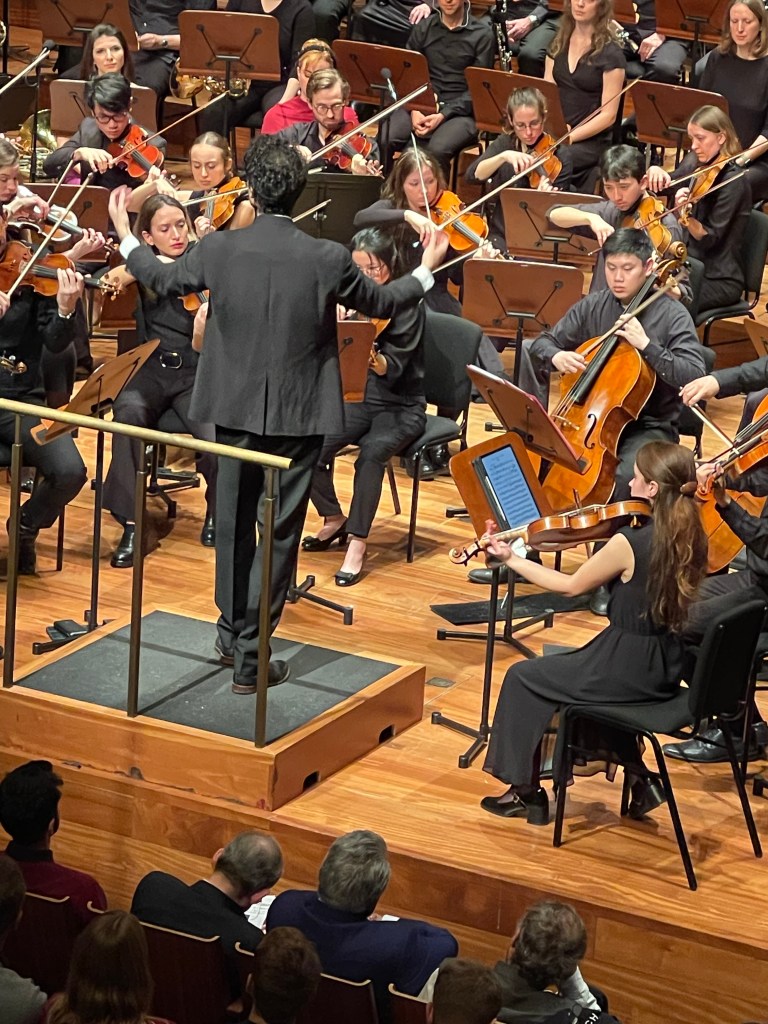
Whereas the symphony is written for large orchestra, solo voices and chorus, it also includes some extraordinary moments of intimacy.
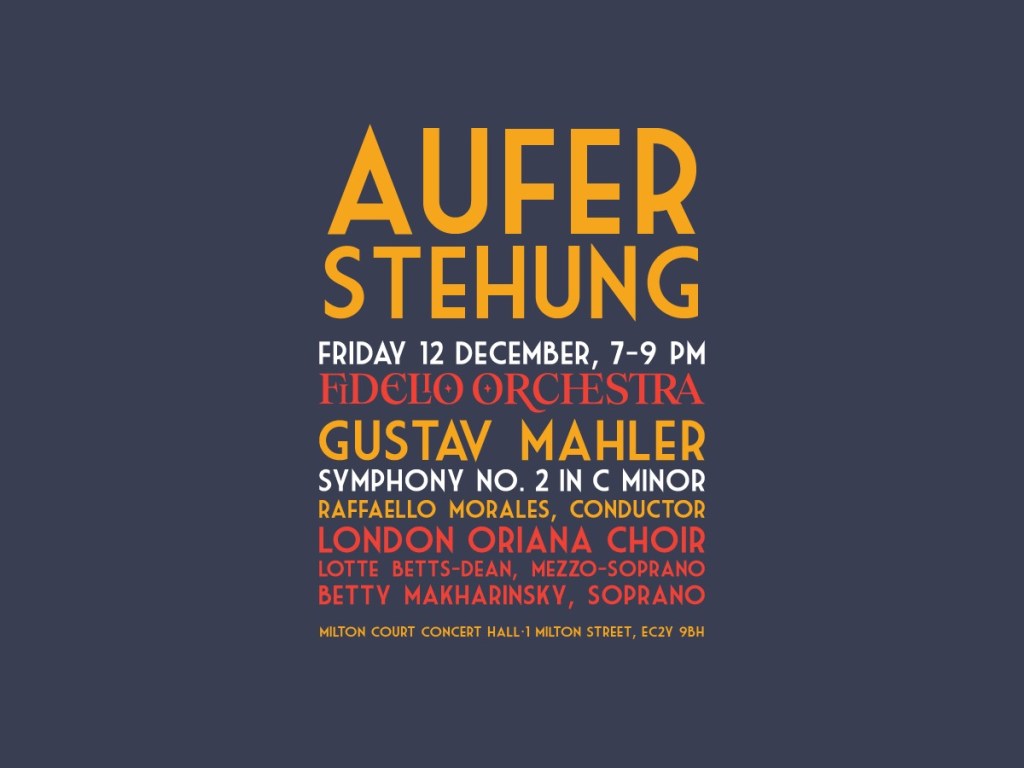
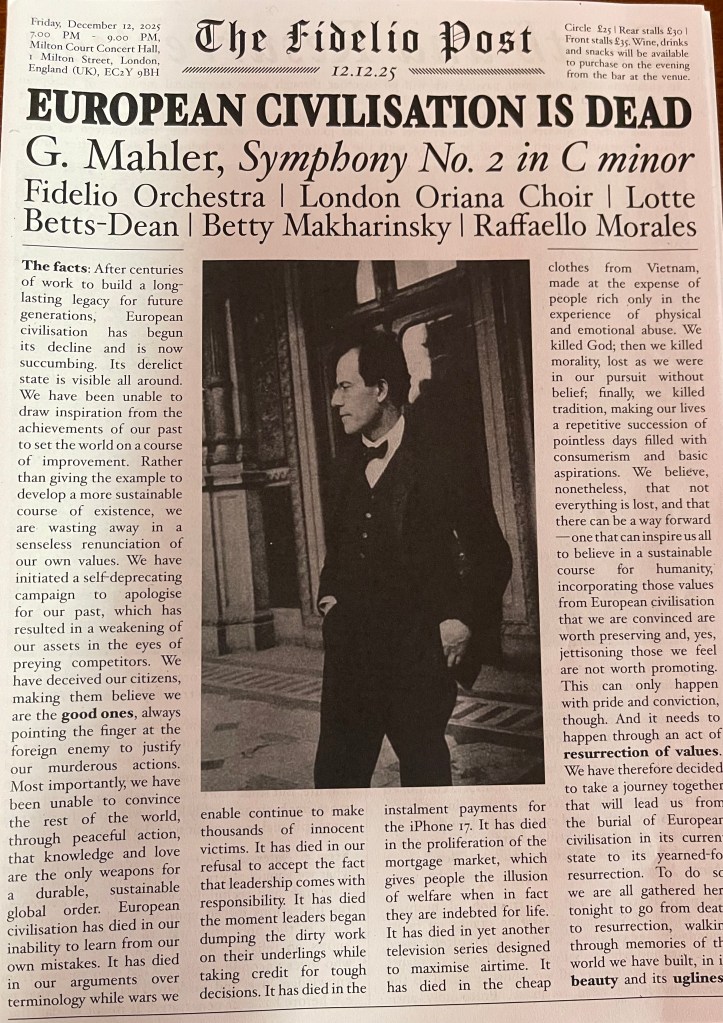
Join the Fidelio Orchestra, Raffaello Morales in their first partnership with the London Oriana Choir, Lotte Betts-Dean and Betty Makharinsky for this epic concert at Milton Court Concert Hall in the Barbican.
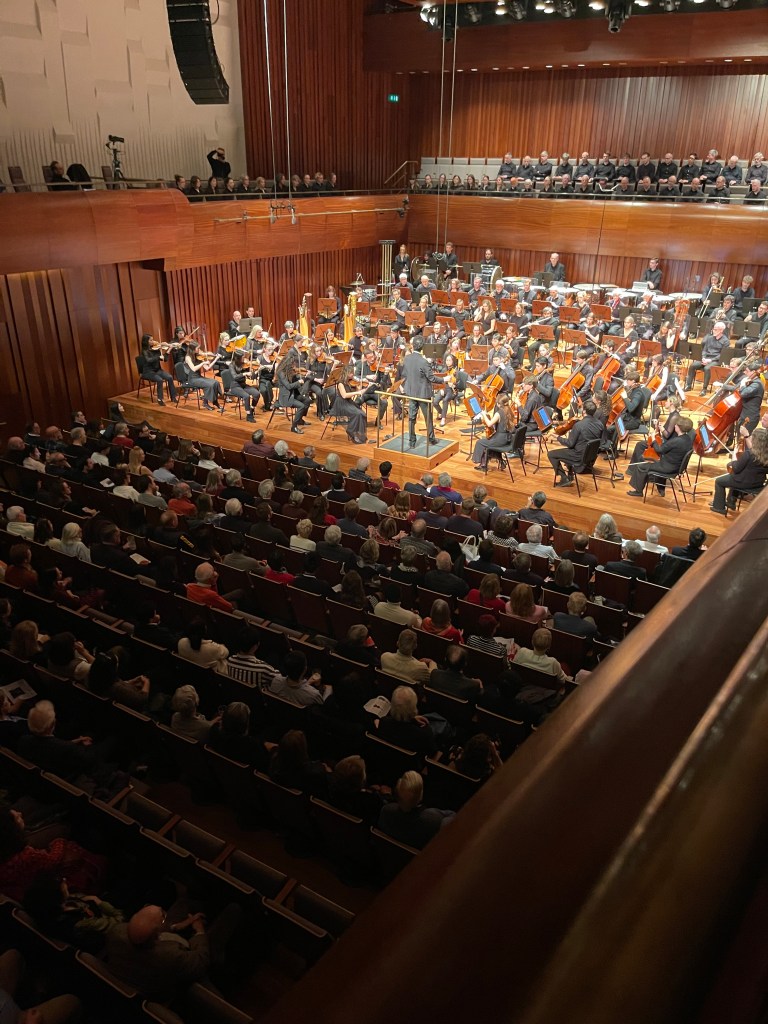
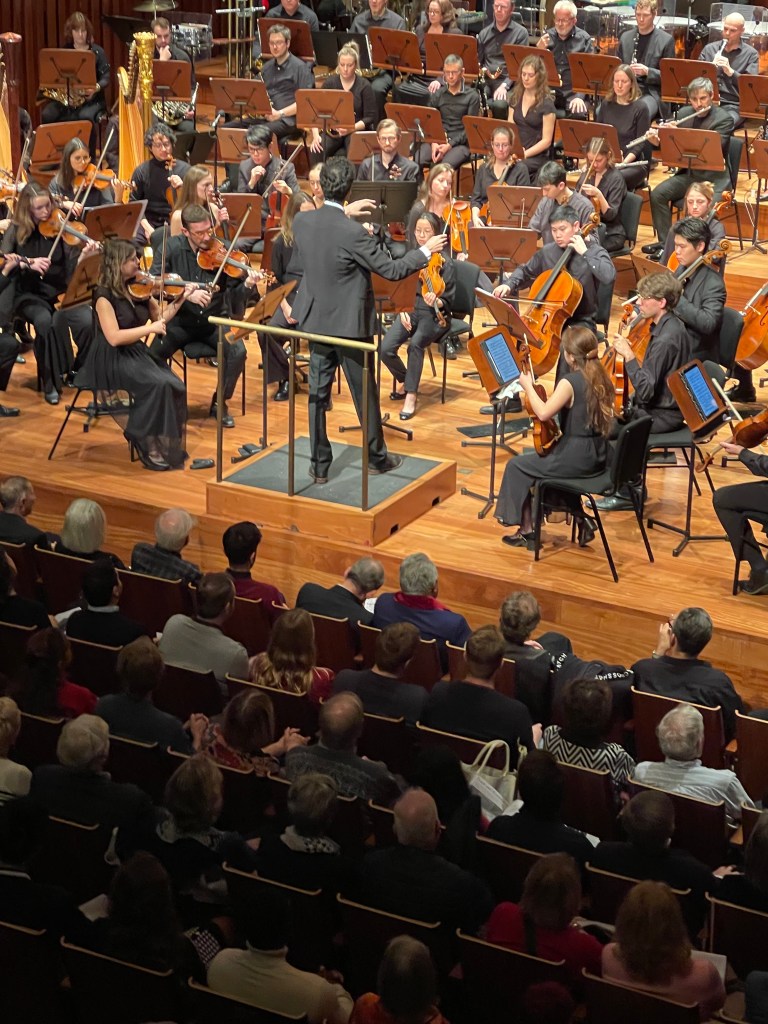
G. Mahler, Symphony No. 2 in C minor “Auferstehung”
Fidelio Orchestra
London Oriana Choir
Lotte Betts-Dean, mezzo-soprano
Betty Makharinsky, soprano
Raffaello Morales, conductor
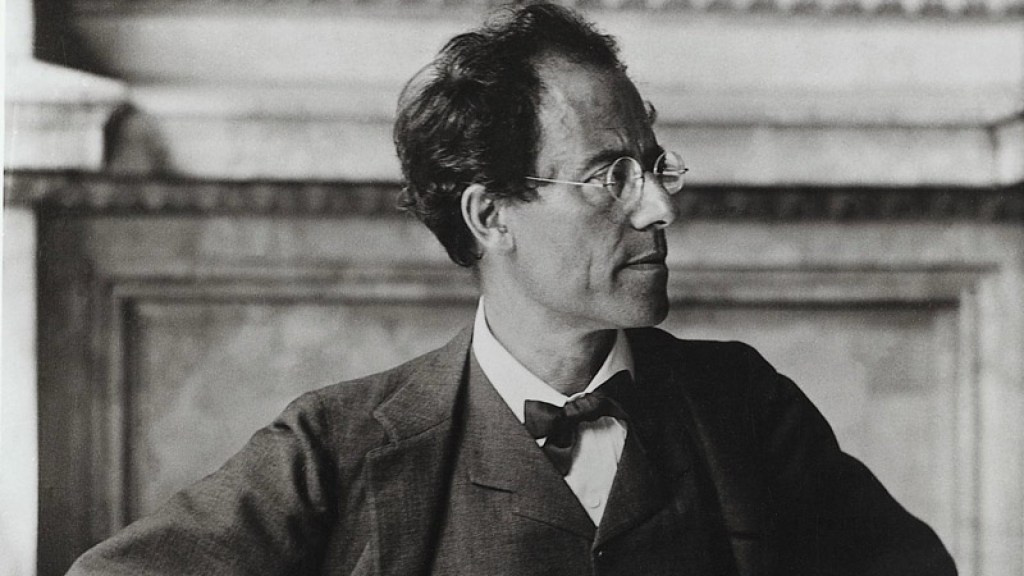
The Symphony No. 2 in C minor by Gustav Mahler, known as the Resurrection Symphony, was written between 1888 and 1894, and first performed in 1895 and was one of Mahler’s most popular and successful works during his lifetime. It was his first major work to establish his lifelong view of the beauty of afterlife and resurrection . In this large work, the composer further developed the creativity of “sound of the distance” and creating a “world of its own”, aspects already seen in his First Symphony . When Mahler took up his appointment at the Hamburg Opera in 1891, he found the other important conductor there to be Hans von Bulow , who was in charge of the city’s symphony concerts. Bülow, not known for his kindness, was impressed by Mahler. His support was not diminished by his failure to like or understand Totenfeierwhen Mahler played it for him on the piano. Bülow told Mahler that Totenfeier made Tristansound to him like a Haydn symphony. As Bülow’s health worsened, Mahler substituted for him. Bülow’s death in 1894 greatly affected Mahler. At the funeral, Mahler heard a setting of Friedrich Gottlieb Klopstock’s poem “Die Auferstehung ” (The Resurrection), where the dictum calls out “Rise again, yes, you shall rise again / My dust”.
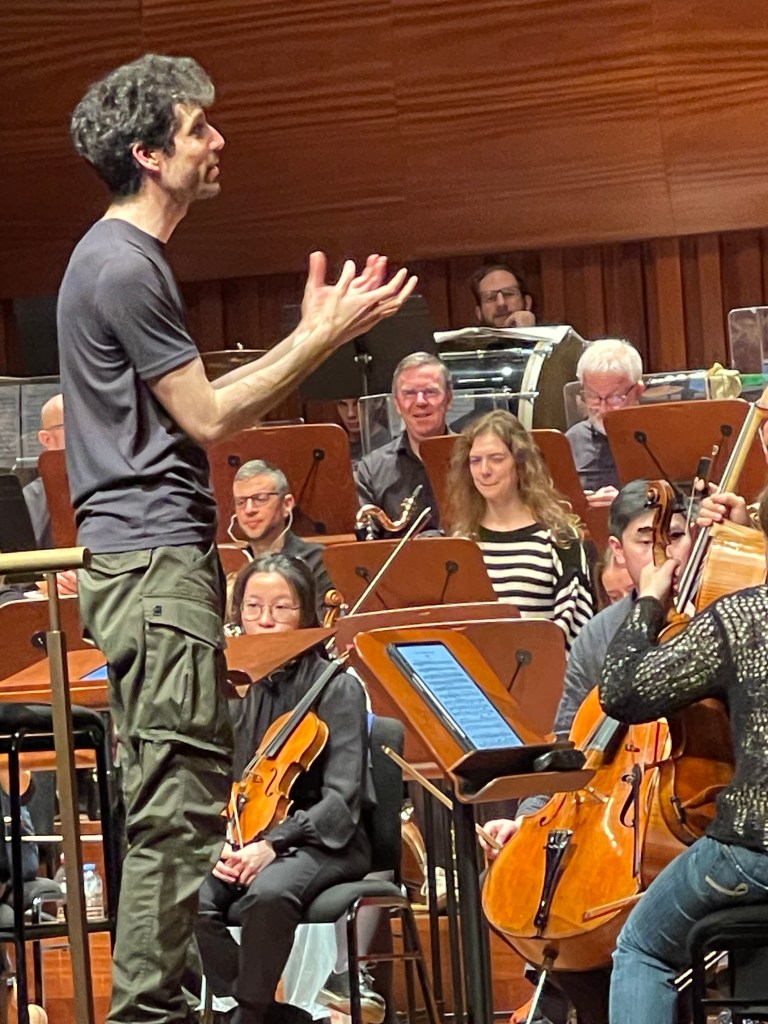
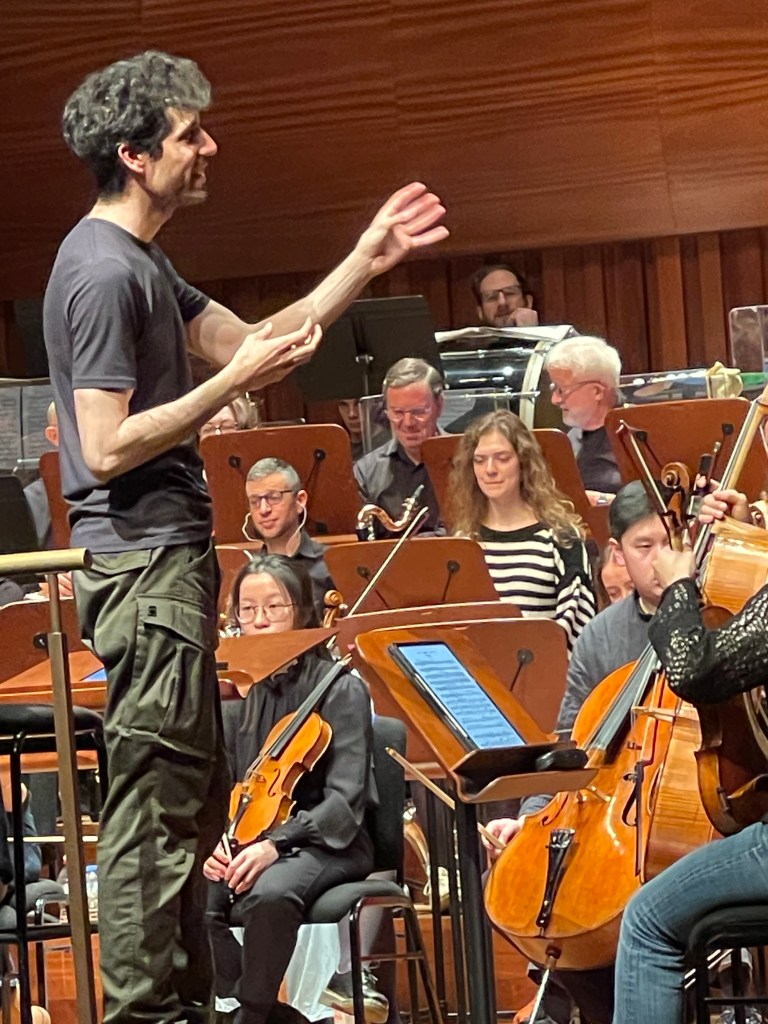
“It struck me like lightning, this thing,” he wrote to conductor Anton Seidl, “and everything was revealed to me clear and plain.” Mahler used the first two verses of Klopstock’s hymn, then added verses of his own that dealt more explicitly with redemption and resurrection.[5] He finished the finale and revised the orchestration of the first movement in 1894, then inserted the song “Urlicht” (Primal Light) as the penultimate movement. This song was probably written in 1892 or 1893
 ChristopherAxworthy-MusicCommentary