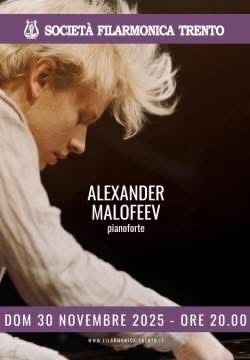
From phenomenal child prodigy to becoming a refined seeker of sounds, the path must have been long and arduous. This 23 year old artist had performed at the Società Filarmonica when he was only fourteen and was known for his superb early training and enviable technical prowess .
Today we heard a different pianist where technical mastery was at the complete service of an intelligent musical fantasy and with a palette of colours of extraordinary originality. An eclectic programme where some works were born out of others in this artist’s musical world that seems to know no frontiers.
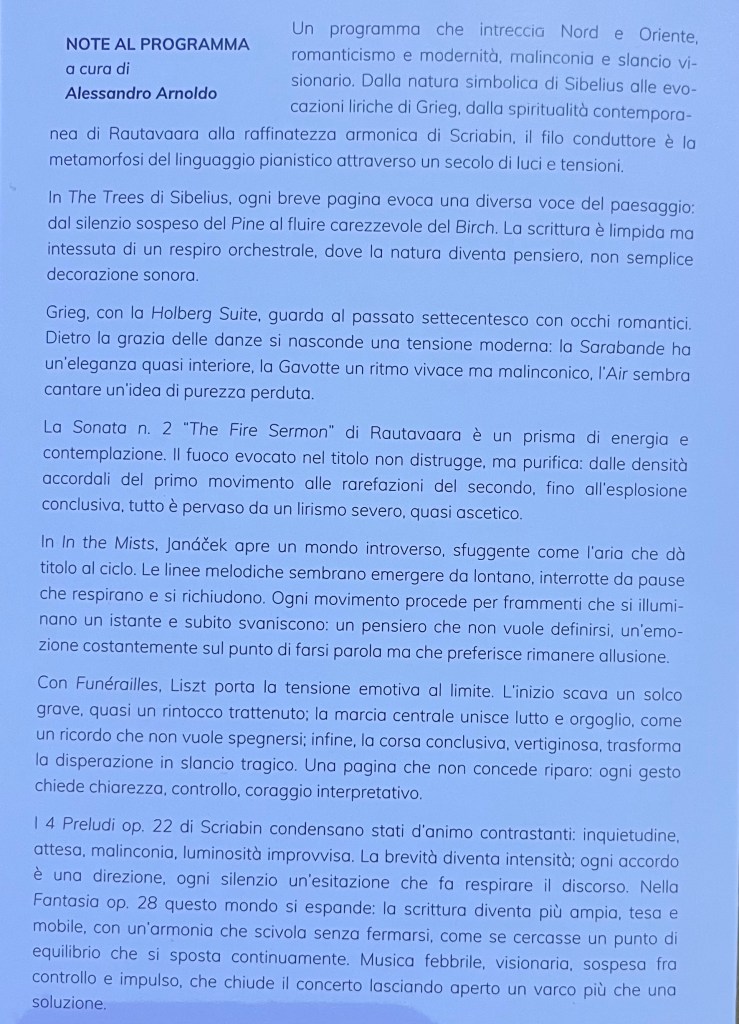
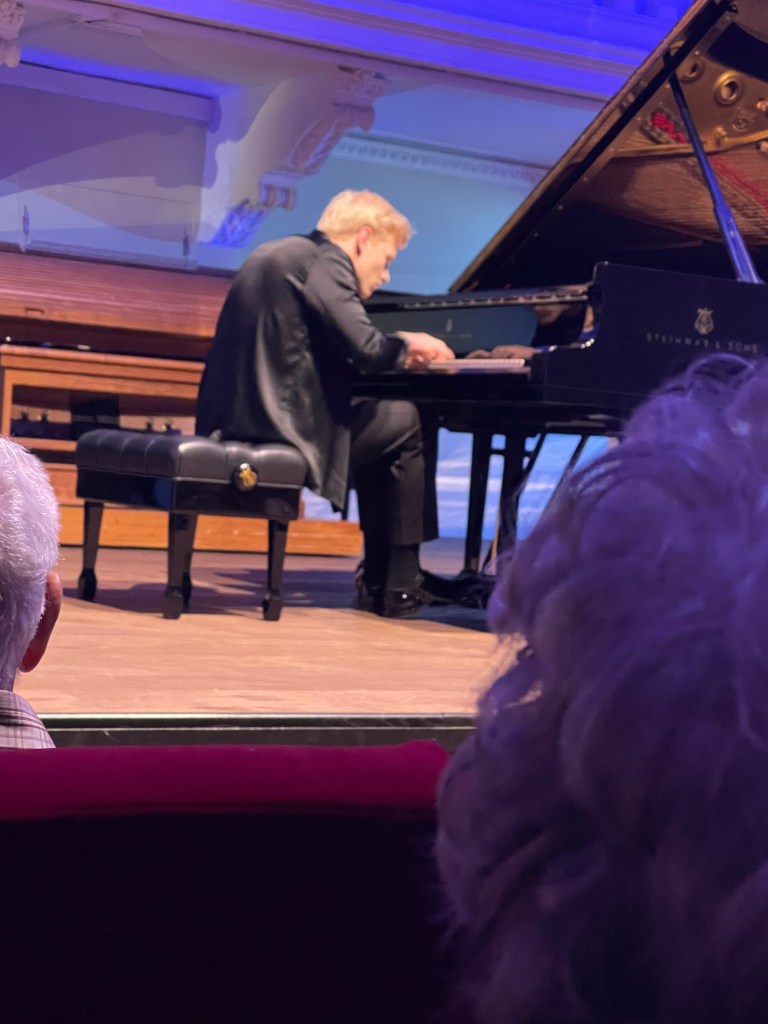
A change to the second half in an already eclectic programme, brought us Janáček and Liszt instead of Prokofiev, Stravinsky and Lourié. As this young man shared his very particular sound world with us one could understand more fully the change as we could see the path he was following. He took us on a wondrous voyage of discovery together, into a sound world where the final notes of Janáčeck became the very mist out of which Liszt’s Funérailles could emerge as we have never been aware of before. A mist that opened and closed this great tone poem within which Liszt manages to encapsulate so many different moods and atmospheres in the same way that Janáček could show us a whole harrowing world, of searing originality, in such a short space of time. Poetry and real technical mastery were used by this young man to reveal the very soul of the notes that were pouring from his fingers with a palette of emotions and an extraordinary range of orchestral colours.
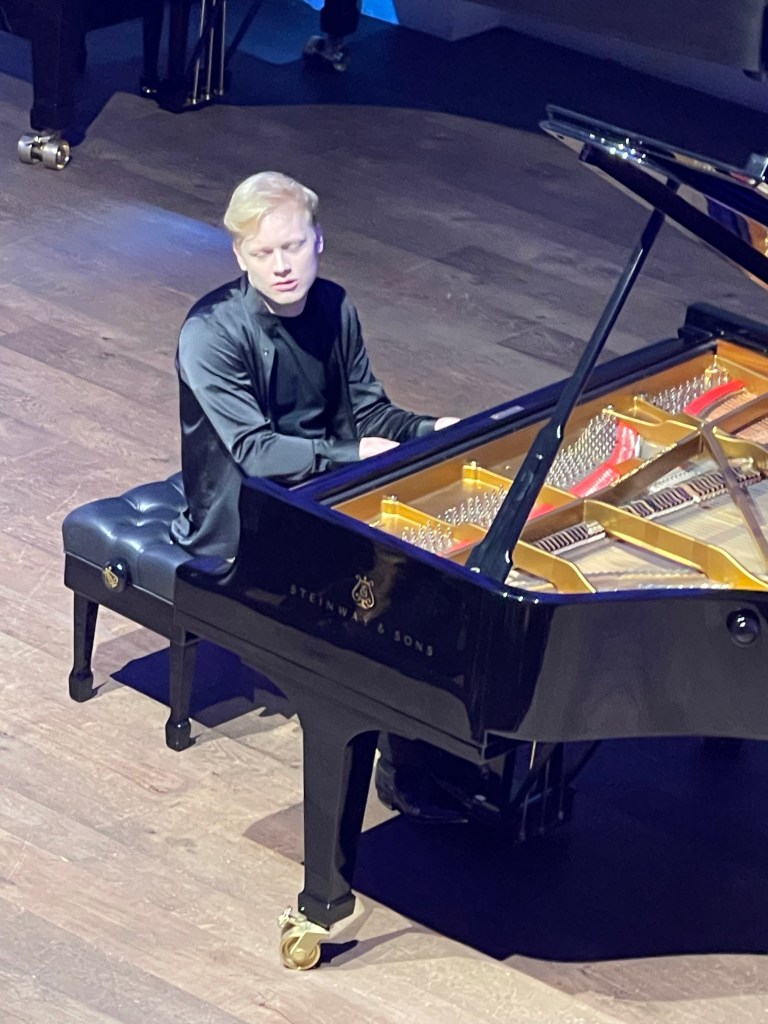
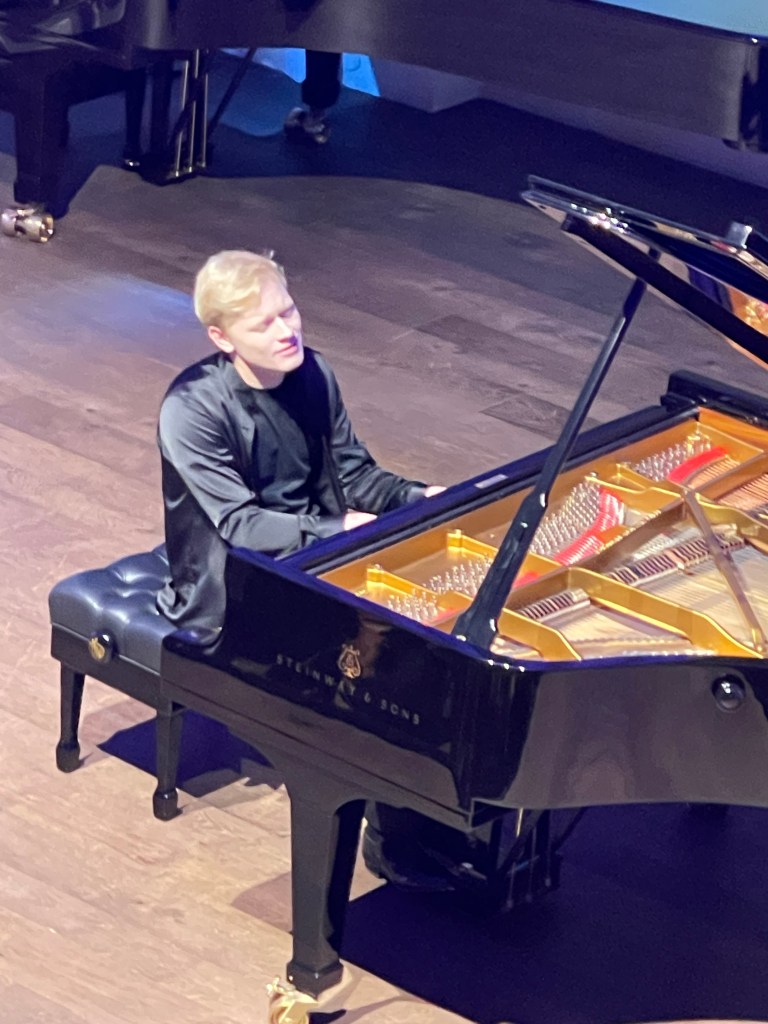
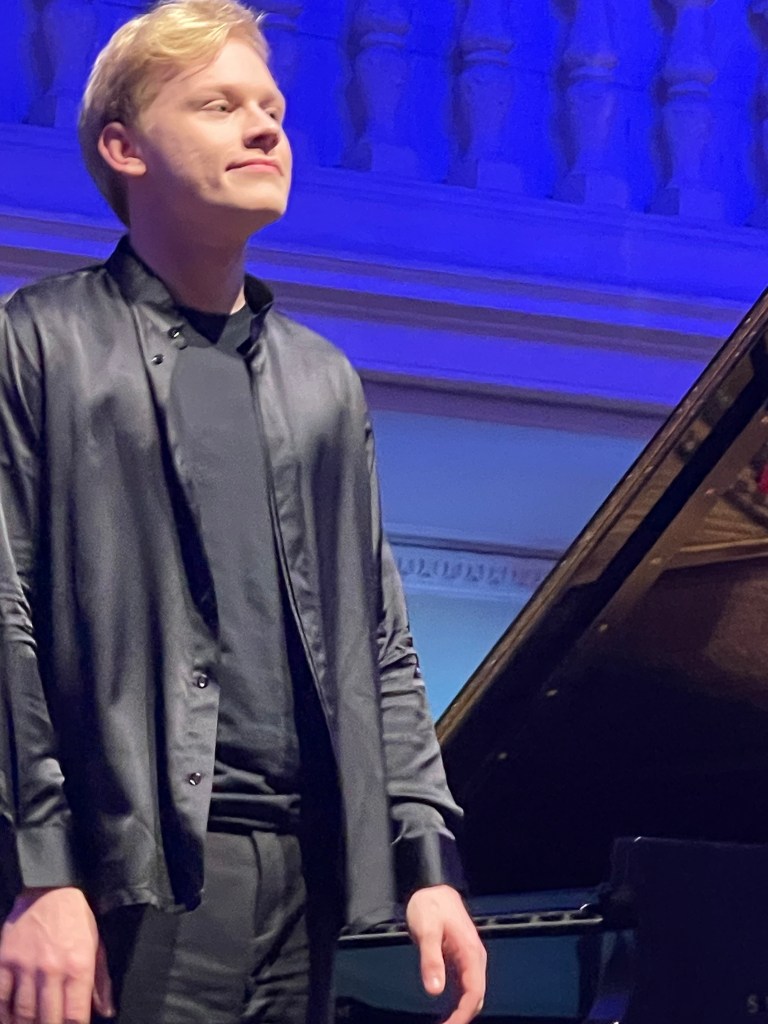
Malofeev having been endowed from a very early age with an extraordinary ‘fingerfertigkeit’ has now discovered in these well trained fingers that he has an orchestra in his hands, but more importantly he has a very deeply rooted poetic soul. Of course sounds speak louder than words, but also to see the desperate look on his face as he too is moved by the discovery that audience and pianist are making together. His artistry reminds me of the extraordinary physical beauty of Arcadi Volodos where his whole body shapes the magical sounds that he, like a painter before his canvas, is describing with natural horizontal movements like riding on a big wave of sound. An almost improvised freedom that makes one feel that we are on a voyage of discovery together as music become louder than words and can express things that are too deeply locked inside us to be describe with the black and white precision of mundane words.
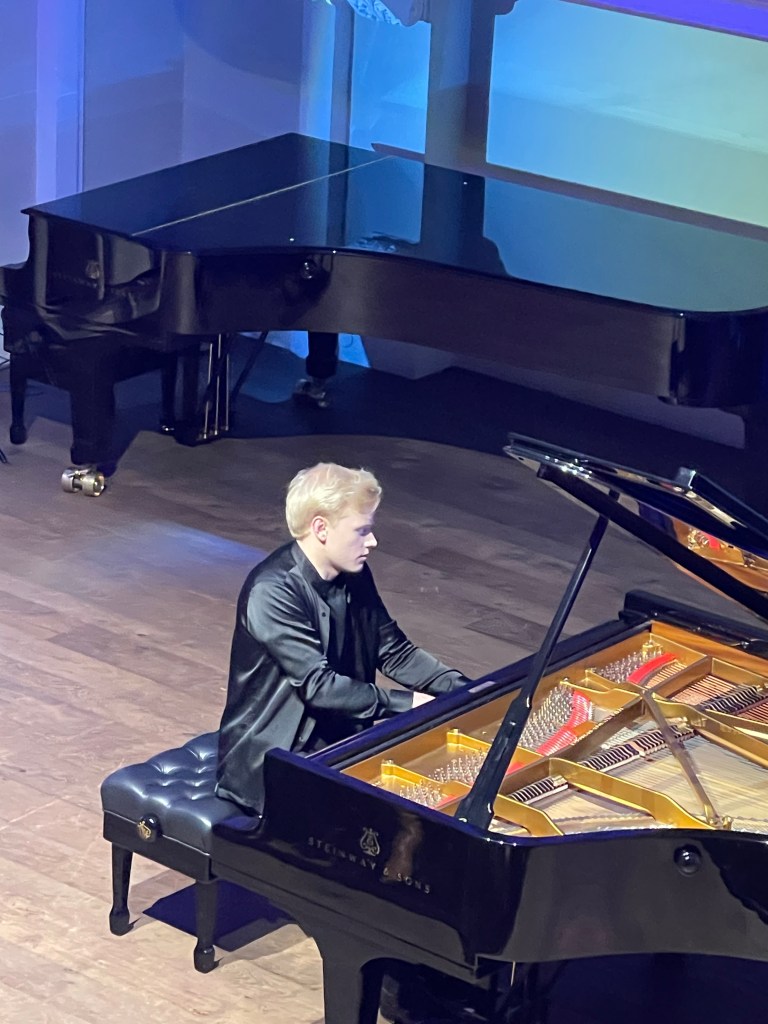
The concert had begun with Sibelius’s poetic description of ‘Trees’. There was immediately a beauty and melancholy with a whispered searching for sounds with the Scriabinesque counterpoints of ‘The Lonely Pine’ with its atmospheric pedal effects and pompous ending. Simple folk songs of ‘The Aspen’ and ‘The Birch’ were played with fluidity and an improvised freedom. The final Spruce was a languid ‘salon’ outpouring that took us straight from Finland to that other great expanse of Norway, that Grieg was able to capture with the same disarming simplicity as Sibelius. We suddenly discovered that the Holberg suite had been born out of these atmospheric sounds as the ‘Praeludium’ was heard with whispered shimmering sounds that were notes of crystalline clarity of disarming simplicity and naivety mixed with grandeur.
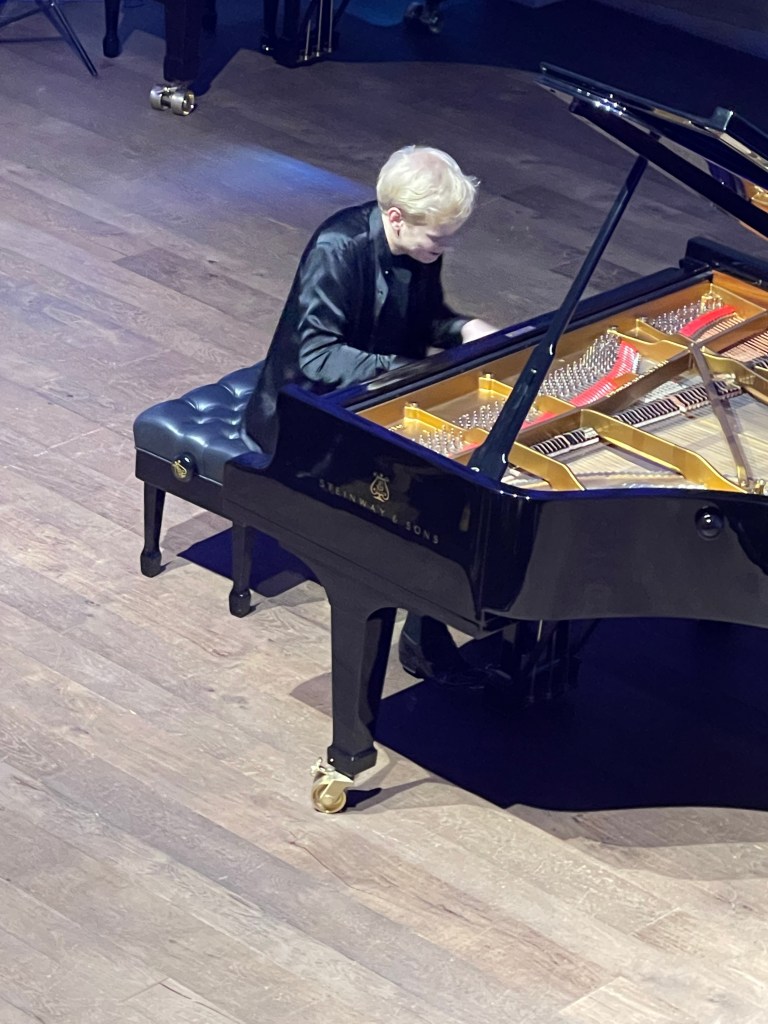
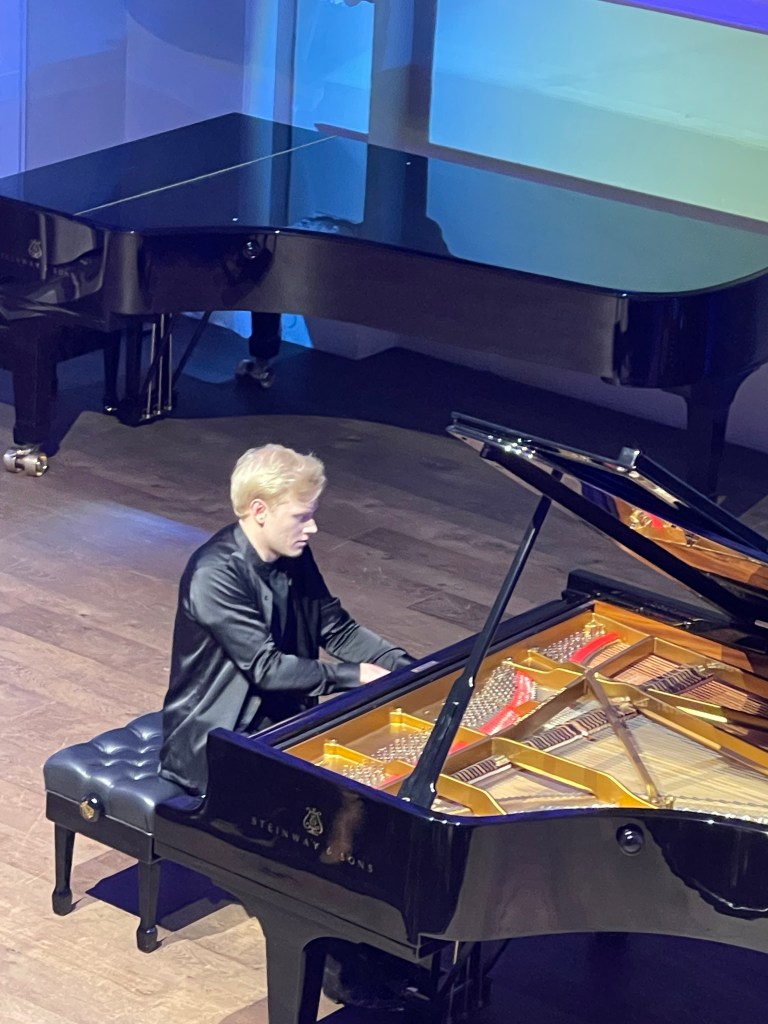
All through this recital the pedal became the real soul of the piano (to quote Anton Rubinstein) as it allowed for a subtle sense of touch and for notes that became clouds of sound. It was very noticeable too his use of the ‘soft’ pedal, playing ‘loudly’ to create yet another effect, or instrument in the orchestra, that this young artist had in his hands. Both Perlemuter and Arrau were masters of finding this extra colour which could give the music an unexpected extra dimension. Fazil Say does similarly, by placing a hand over the strings to produce a dull ‘oud’ like sound. These are all masters of sound where rules do not apply. Richter was the greatest example of that. There is no right or wrong way, ‘Convince Me ‘ a famous actor told a young inexperienced actress ( actually Sergio Tofano with my wife,Ileana Ghione, auditioning for the Silvio D’Amico Academy in Rome).
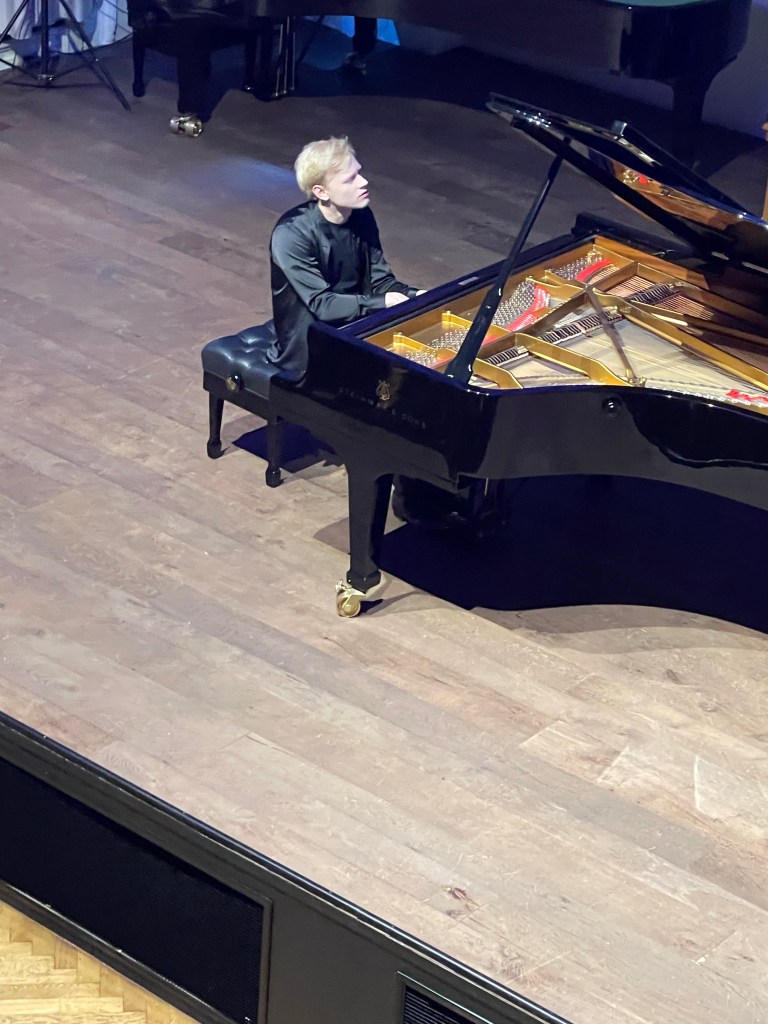
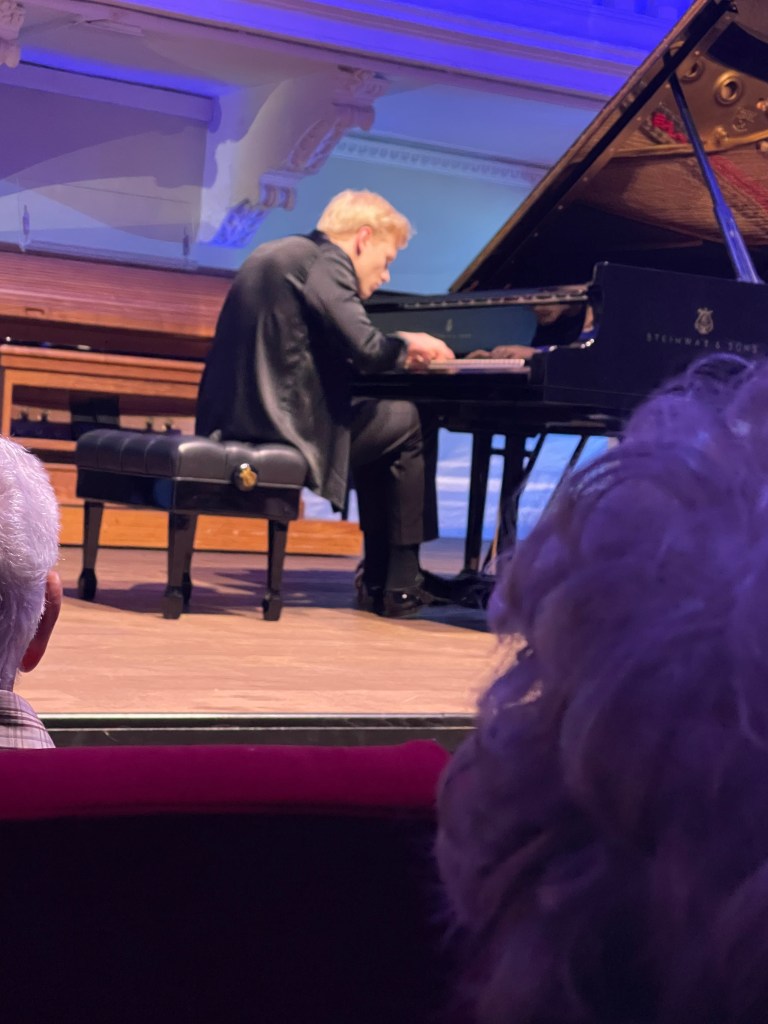
The ‘Sarabande’ where the ornaments added such subtle beauty of yearning with their poignant sighs. The ‘Gavotte’ was played with lightness and a real sense of dance with the etherial drone like long held pedal of the ‘Musette’ before the return of the spritely ‘Gavotte.’ The piercing beauty of the ‘Air’ gave it an extraordinary poignant purity and radiance with Malofeev’s wrist below the keys as his limpet touch extracted a glistening beauty from each chiselled note.The melody passing to the tenor voice where the right hand was allowed to sigh, like the light on a prism, in this wondrous land that Grieg describes with heartrending potency. The ‘Rigaudon’ burst onto the scene with a lightness of jeux perlé of beguiling subtlety, as suddenly the clouds were lifted and the glory of the sun was allowed to shine with brilliance and Tchaikovskian fervour.
The ‘Fire Sermon’ by another Scandanevian composer, Rautavaara, burst onto the scene with troubled menace. Agitated sounds deep in the bass were played with a dynamic drive as a melody with difficulty appeared, bathed in pedal with cascades of notes spread over the entire keyboard with fearless mastery. A transcendental control and mastery with great chords punched with violence into the keys but then allowed to reverberate out of which emerged whispered sounds of searingly painful contrasts. A palette of sounds but always a musicianly sense of line even though using his arms ( did not Charles Ives do the same a century earlier) where mere fingers were not enough for the great cluster of sounds that this deeply troubled composer needed to express. An ‘Andante’ of languid beauty allowed a brief respite before the ‘Allegro brutale’ whose very title needs no description from me.
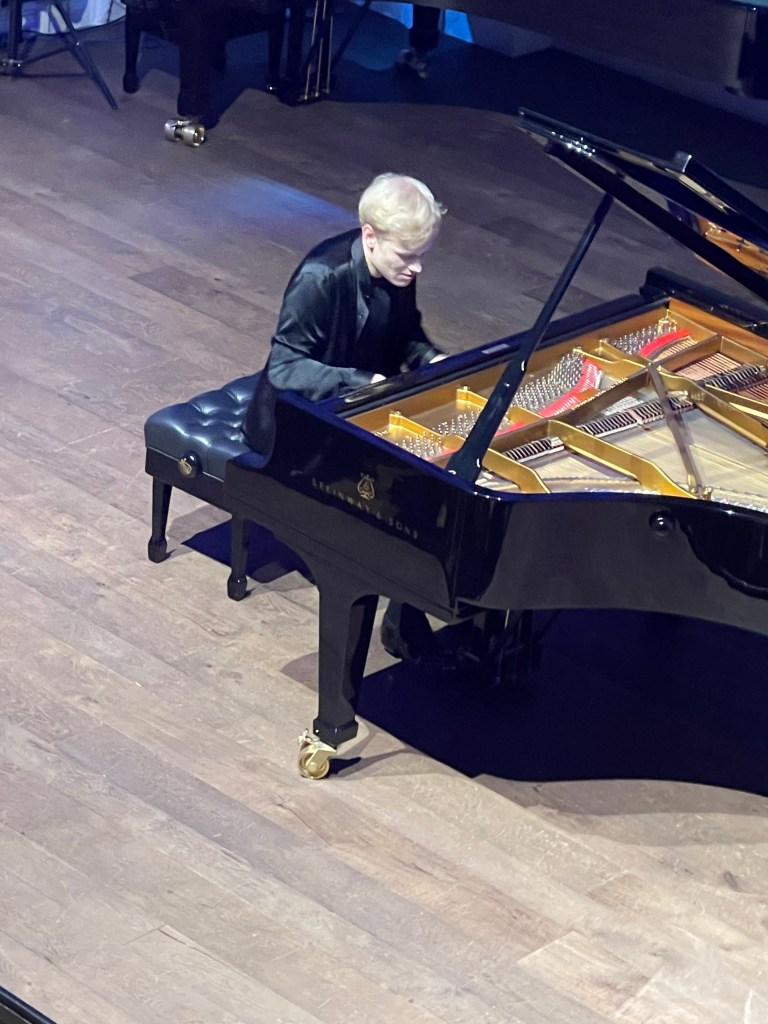
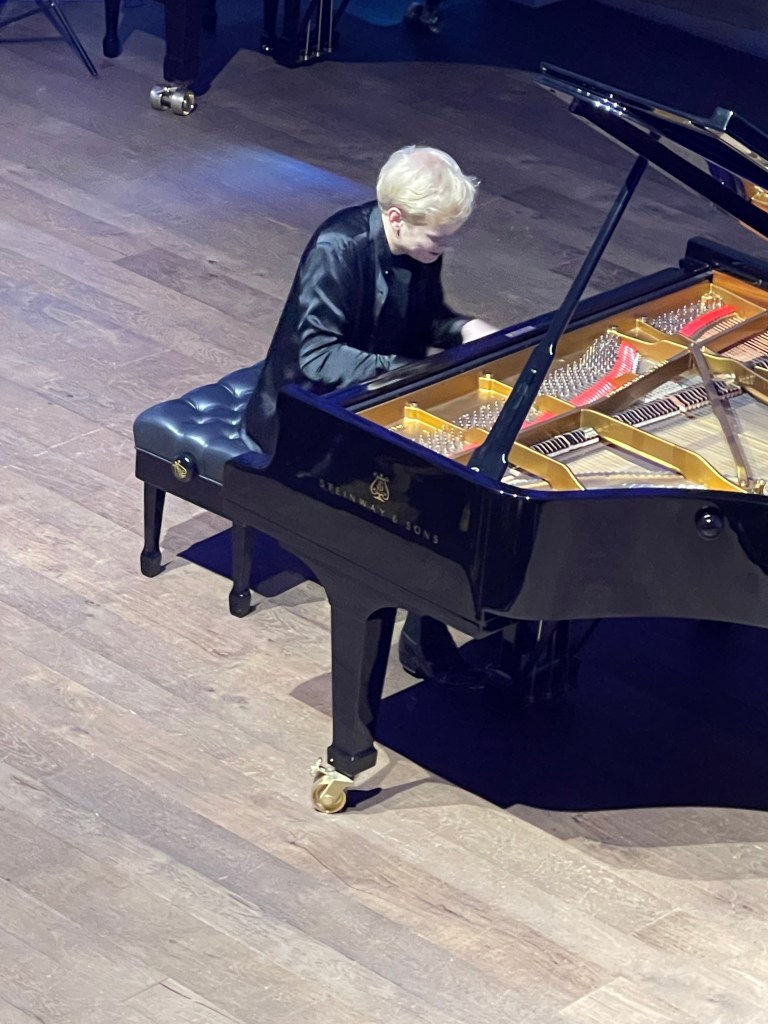
Janáčeck’s extraordinarily modern sound world found in Malofeev the ideal interpreter. A mysterious world with washes of colours of unearthly beauty interrupted by cries in the dark and a leit motif that pervades this whole extraordinarily modern work and gives it a strangely melancholic feel of great originality.
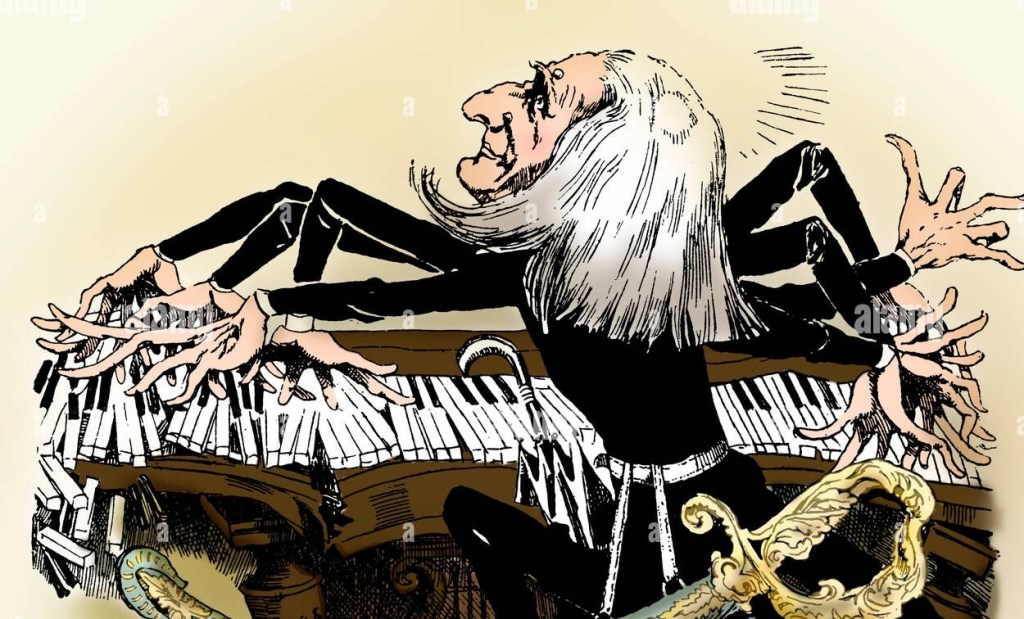
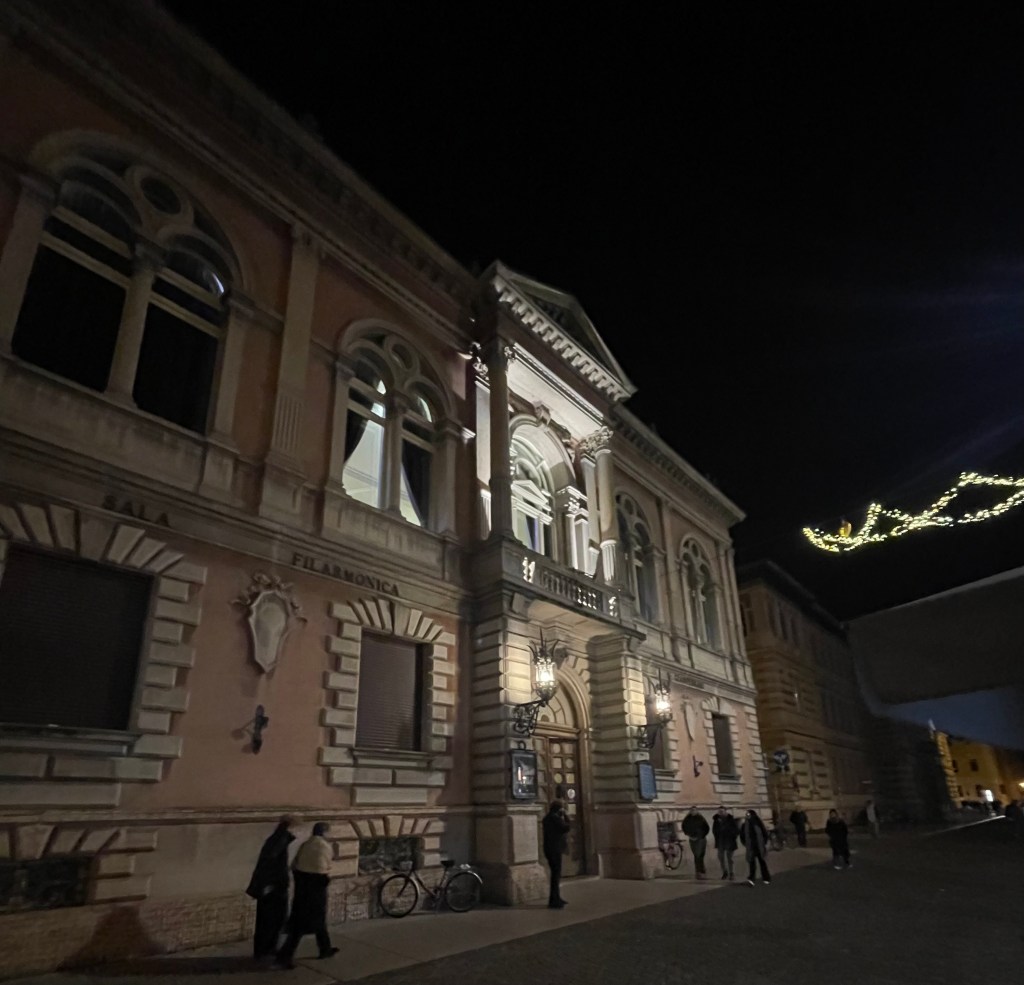
Leading straight into ‘Funérailles’ where the range of Malofeev’s sound was quite extraordinary ,barely whispered sounds contrasted with the most enormous outbursts that I imagine this hall has ever experienced. A cavalry where Malofeev’s considerable technical mastery passed unnoticed such was the poetic significance of the legions racing across the field with the bugle calls barely able to be heard over the sound of hooves racing to their triumphant glory.
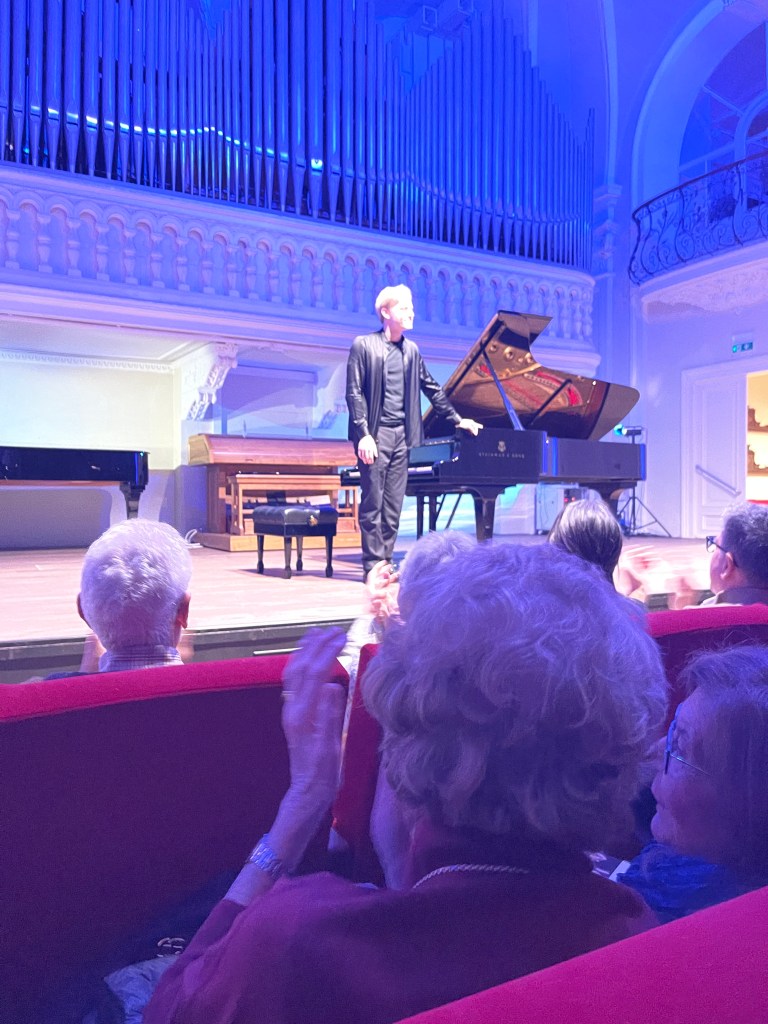
The four Scriabin Preludes op 22 were but a poetic preparation for the Fantasia that they were transformed into. A brooding scintillating display of ravishing beauty and passionate abandon played with absolute mastery by this poet of the keyboard.
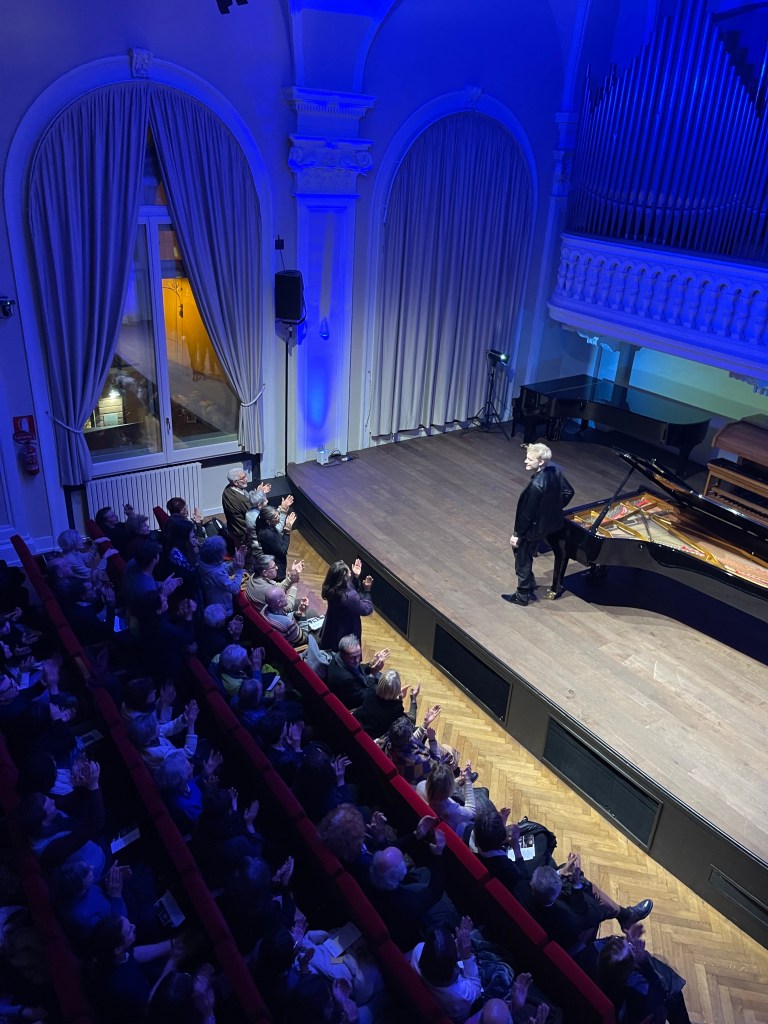
A true triumph for a young master who has returned as a mature artist and was happy to offer four encores to this very full hall of convinced listeners.
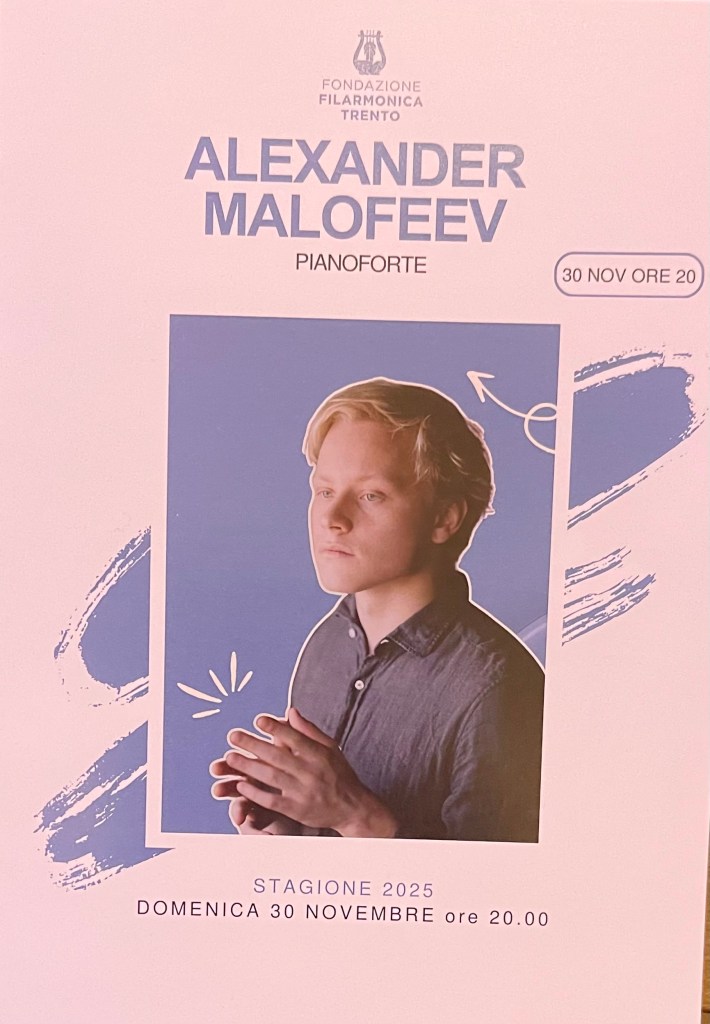
Scriabin and Handel were crowned with an extraordinarily original performance of THE Prelude by Rachmaninov. This was the synthesis of all we had experienced during the recital with a work so well known but reborn on a wave of sounds that I doubt even Rachmaninov could have imagined possible.
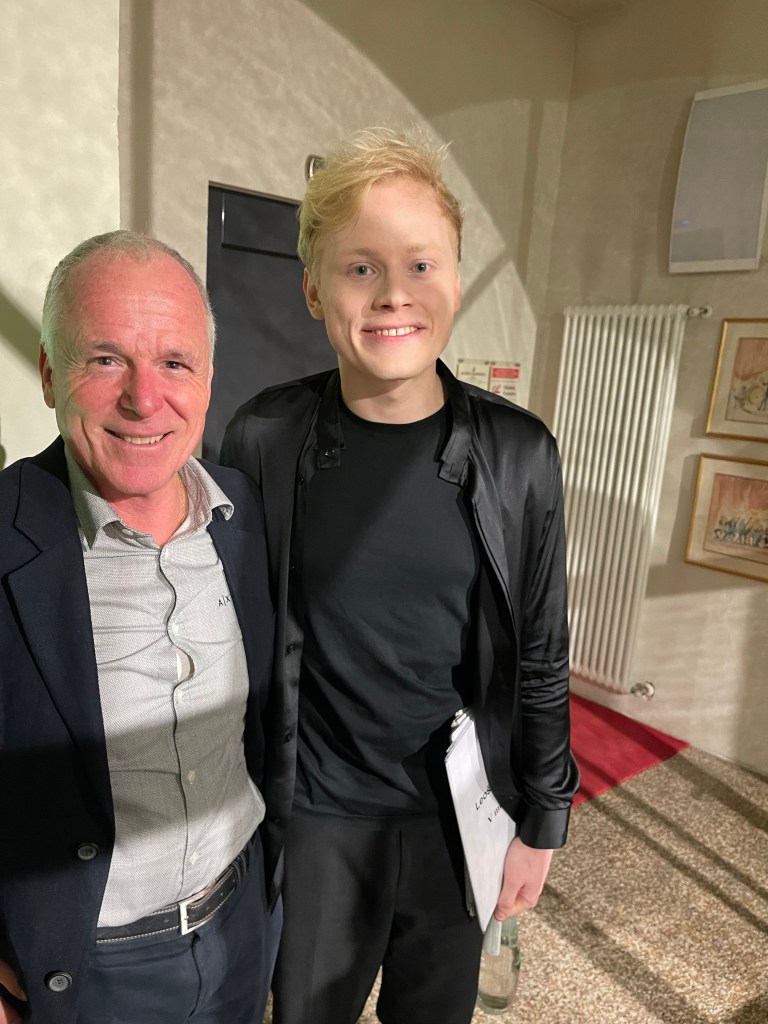
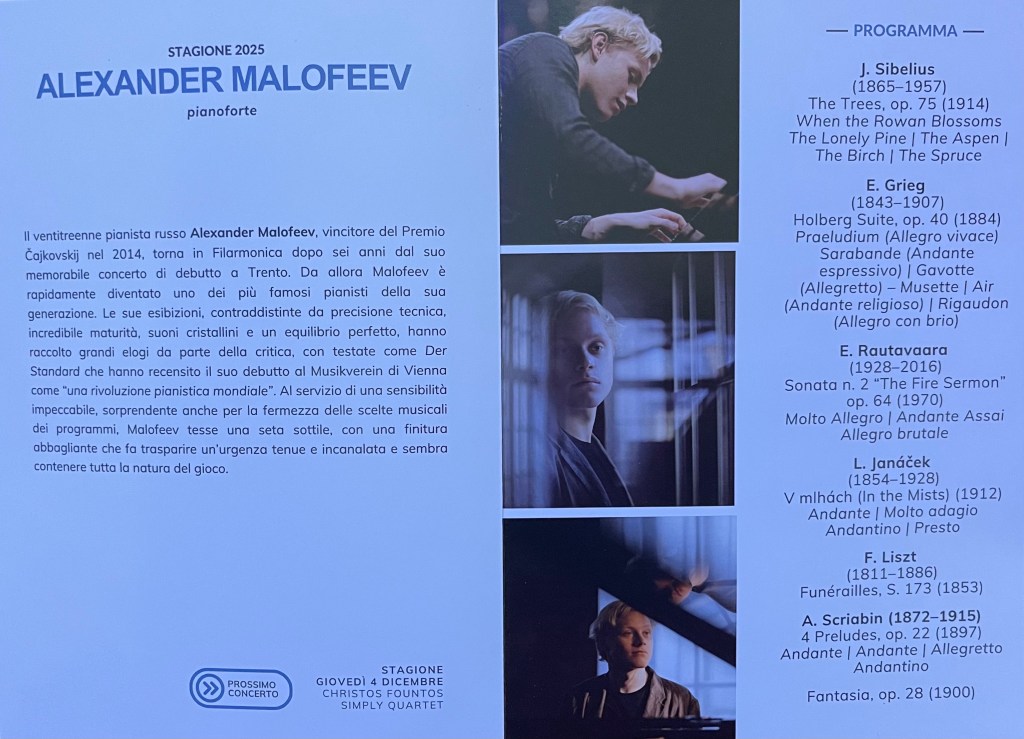
The twenty-three-year-old Russian pianist Alexander Malofeev, winner of the 2014 Tchaikovsky Prize, returns to the Philharmonic six years after his memorable debut concert in Trento. Since then, Malofeev has rapidly become one of the most renowned pianists of his generation. His performances, characterized by technical precision, incredible maturity, crystalline sound, and perfect balance, have garnered high critical praise, with publications such as Der Standard calling his debut at the Vienna Musikverein “a global piano revolution.” Serving an impeccable sensibility, also surprising for the firmness of his program musical choices, Malofeev weaves a fine silk, with a dazzling finish that reveals a subtle, channeled urgency and seems to encompass the entire nature of his playing.
“The latest phenomenon of the Russian piano school” (Corriere della Sera),
“Alexander Malofeev manifests the piano mastery of the new millennium in itself” (Il Giornale)
The young “Russian genius” (Corriere della Sera) came to international prominence when, in 2014, he won the International Tchaikovsky Competition for Young Musicians at age thirteen. “Contrary to what could be expected of a youngster …, he demonstrated not only high technical accuracy but also an incredible maturity. Crystal clear sounds and perfect balance revealed his exceptional ability” (Amadeus). Malofeev has quickly established himself as one of the most prominent pianists of his generation. His performances have garnered high praise from critics, with publications such as Der Standard declaring his debut at the Musikverein as “a world piano revolution”.
For the 2023-2024 season, highlights include Malofeev’s return to the Bournemouth Symphony for a multi-concert residency, solo tour in China, and European tour with Filarmonica della Scala and Riccardo Chailly, as well as performances at the Amsterdam Concertgebouw, Munich Isarphilharmonie, Elbphilharmonie in Hamburg and Carnegie Hall in New York, continuing to perform with the best orchestras: National Symphony Orchestra, Lucerne Festival Orchestra, Frankfurt Radio Orchestra, Netherlands Radio Philharmonic Orchestra under Kent Nagano and Orchestre de la Suisse Romande under Marin Alsop and many others.
Maestro Riccardo Chailly said about the pianist: “I first heard Malofeev when Valery Gergiev performed with him at the Teatro alla Scala three years ago. He was only 14, and he amazed me with his talent. Because that is not just a child prodigy: he is very young, but already possesses depth and technical abilities, and also musical and mnemonic, which makes him an excellent interpreter of the 3rd Concerto of Rachmaninov, which is a problem for many pianists in the world.” (Corriere della Sera) Alexander was born in Moscow in October 2001. Now residing in Berlin, he continues to give concerts in Concertgebouw (Amsterdam), where he opened the 30th anniversary concert of the renowned Meester Pianists series, Carnegie Hall (New York), Teatro alla Scala (Milan), Musikverein Wien, Kurhaus Wiesbaden (Germany), Alte Oper Frankfurt (Germany), Munich Herkulessaal (Germany), Tanglewood (USA), Philharmonie de Paris, Philharmonie Luxembourg, Theater of the Champs-Elysees (France), Auditorium Parco della Musica in Roma and Teatro Petruzzelli in Bari (Italy), Queensland Performing Arts Centre (Australia), Davies Symphony Hall in San Francisco, Bunka Kaikan Theatre in Tokyo, Seoul Art Center, Shanghai Oriental Art Center, National Centre for the Performing Arts (Beijing), Royal Opera House Muscat in Oman.
Over the years, he has performed with renowned orchestras such as the Philadelphia Orchestra, Boston Symphony Orchestra, Orchestra of the National Academy of Santa Cecilia, Frankfurt Radio Symphony Orchestra, Lucerne Festival Orchestra, Orchestra Filarmonica della Scala, RAI National Symphony Orchestra, Korean Symphony Orchestra, the Verbier Festival Orchestra, Orchestre National de Lille and many others
Alexander Malofeev regularly appears with the most distinguished conductors on a stage today, including Riccardo Chailly, Mikhail Pletnev, Myung-Whun Chung, Charles Dutoit, Michael Tilson Thomas, Jo Ann Falletta, Alain Altinoglu, Susanna Mälkki, Yannick Nézet-Séguin, Lionel Bringuier, Alondra de la Parra, Kazuki Yamada, Vasily Petrenko, Juraj Valcuha, Kirill Karabits, Andris Poga, Fabio Luisi and others.
Malofeev was a guest of world famous music festivals and series such as Verbier Festival, International de Piano de La Roque d’Anthéron Festival, Rheingau Music Festival (Germany), Tanglewood Music Festival and Aspen Music Festival (USA), Tsinandali Festival (Georgia), Master Pianist Series (Amsterdam) and Celebrity Series of Boston.
In addition to his 1st prize at the Tchaikovsky Competition for Young Musicians, he has won numerous awards and prizes at international competitions and festivals, including the Grand Prix of the I International Competition for Young Pianists Grand Piano Competition, the Premio Giovane Talento Musicale dell’anno 2017 (Best Young Musician of 2017). Also in 2017, Alexander became the first Young Yamaha Artist.
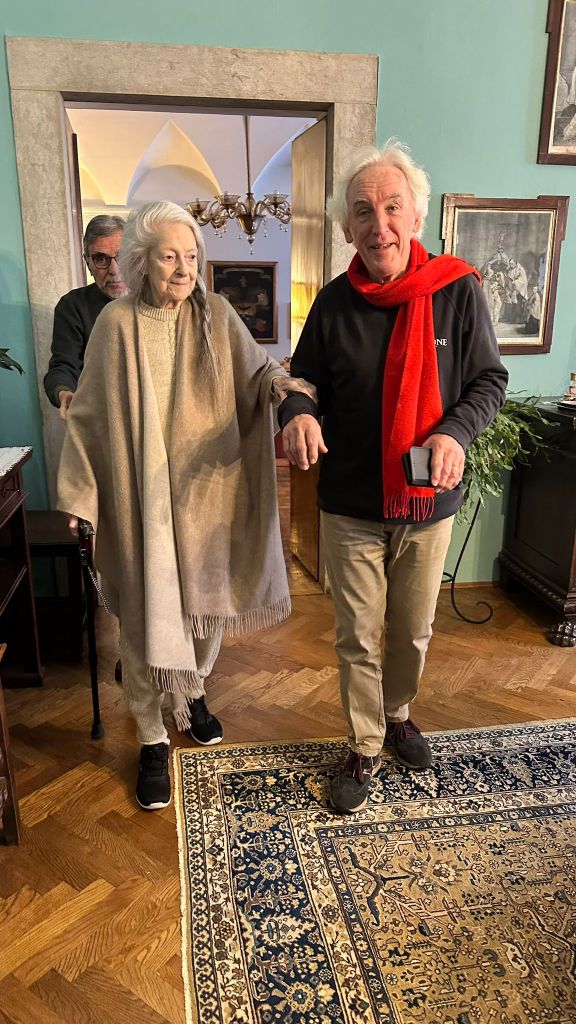
On the 5th February 2026 the Filarmonica will celebrate Noretta’s 95th birthday with a concert in her honour of KT artist Eva Gevorgyan.

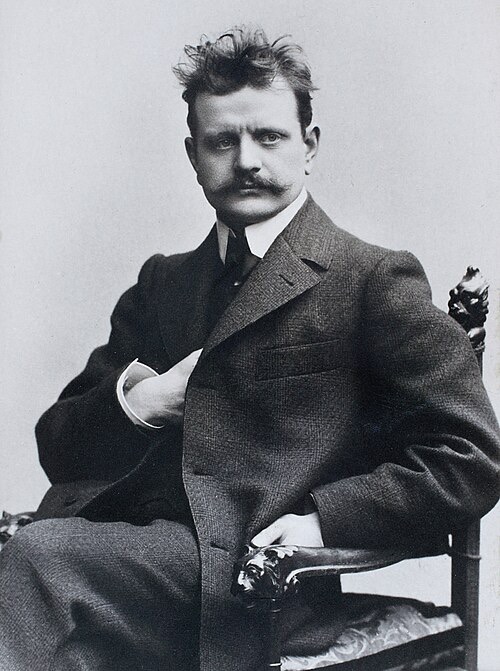
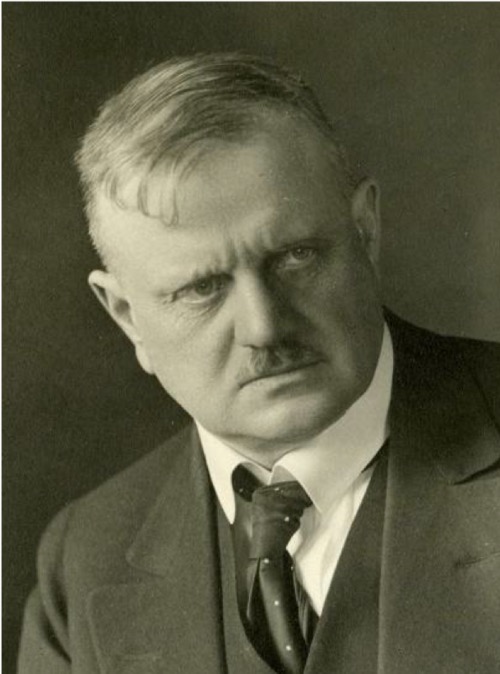
Jean Sibelius 8 December 1865 – 20 September 1957 Finland
The Five Pieces op. 75, is a collection of compositions for piano written in 1914 . The Five Pieces, however, is more commonly referred to by its informal nickname The Trees due to the fact that the descriptive titles of the five pieces share a thematic link.
No. 1: When the Rowan Blossoms
When the Rowan Blossoms (Swedish: När rönnan blommar; in Finnish: Kun pihlaja kukkii) was published in 1921 by the London-based firm of Augener & Co. Marked Allegretto, it has a duration of about two minutes.
No. 2: The Solitary Fir Tree
The Solitary Fir Tree (in Swedish: Den ensamma furan; in Finnish: Yksinainen honka) was published in 1921 by London’s J. & W. Chester. Marked Grave, it has a duration of about two minutes.
No. 3: The Aspen
The Aspen (in Swedish: Aspen; in Finnish: Haapa) was published in 1922 by Edition Wilhelm Hansen in Copenhagen. Marked Andantino.
No. 4: The Birch
The Birch (in Swedish: Björken; in Finnish: Koivu) was also published in 1922 by Hansen. Marked Allegro – Misterioso.
No. 5: The Spruce
The Spruce (in Swedish: Granen; in Finnish: Kuusi) was also published in 1922 by Hansen, after Sibelius had revised the piece in 1919. Marked Stretto – Lento – Risoluto – Lento.
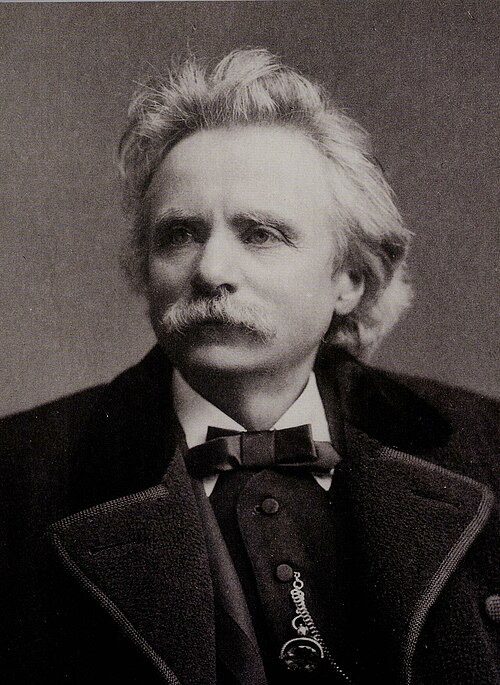
In 1884 Grieg composed a suite in Baroque style on the occasion of the 200th birthday of the poet Ludvig Holberg (1684–1754) who was very well-known in Norway. Taking inspiration from Holberg’s time there are dances and forms from Baroque music here – Präludium, Sarabande, Gavotte, Air and Rigaudon. But they are combined with the melodic and harmonic language of the 19th century, and with Grieg’s characteristic compositional style. In this way the music achieves the charming mix that is the reason for its popularity. Even though the string orchestra version is better known today, Grieg first wrote the work for piano.It exemplifies nineteenth-century music which makes use of musical styles and forms from the preceding century. Although not as famous as Grieg’s incidental music from Peer Gynt, which is itself usually performed as arranged in a pair of suites, many critics regard the works as of equal merit.
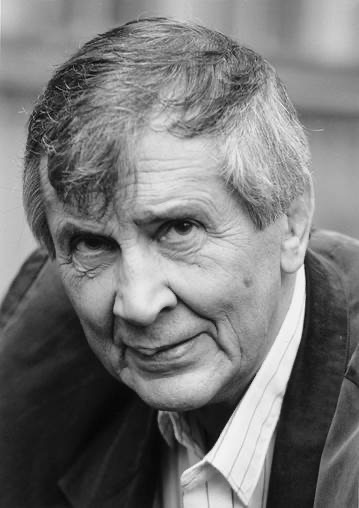
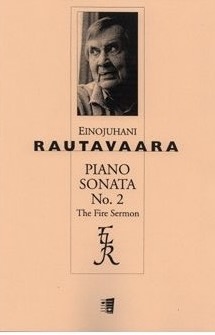
Rautavaara’s two piano sonatas share a close family resemblance. Both have a subtitle, but according to the composer they are not programme music. According to Rautavaara himself, the Second Piano Sonata, The Fire Sermon (1970), is simply associated with the words “fire sermon”, with no reference intended to the section of the same name in T.S. Eliot’s famous poem The Waste Land. Rautavaara’s piano style is at its most sumptuous in the sonatas. It is characterized by chorale-like chord textures and rolling arpeggios, based on rich harmonies often built up of thirds; in the climaxes the music is crammed into dense clusters.
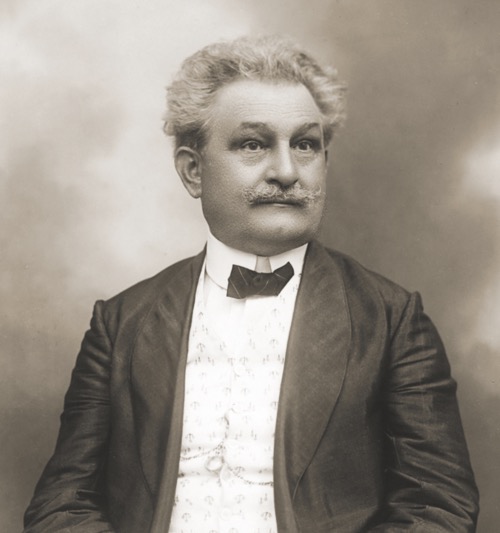
Leoš Janáček
3 July 1854 Hukvaldy ,Moravia,Austrian Empire 12 August 1928 Ostrava Czechoslovakia
In the Mists is the last of his more substantial solo work .It was composed in 1912, some years after Janáček had suffered the death of his daughter Olga and while his operas were still being rejected by the Prague opera houses. All four parts of the cycle are largely written in “misty” keys with five or six flats; characteristic of the cycle are the frequent changes of meter. Czech musicologist Jiří Zahrádka compared the atmosphere of the cycle to impressionist works, in particular those of Claude Debussy.The première took place on 7 December 1913, when Marie Dvořákova played it at a concert organized by the choral society Moravan in Kroměříz.
On January 24, 1914, the cycle had its first public performance at the third concert of the Organ School in Brno by pianist Marie Dvořákova, teacher of the school.
The cycle consists of four parts:
Presto
Andante
Molto adagio
Andantino
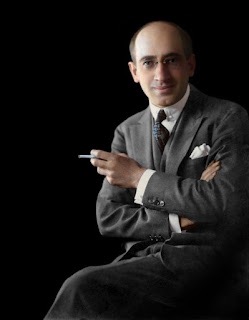
Below is the work that was changed and not included this time ,but still of great interest so I left it here …..for next time ?
Arthur-Vincent Lourié was a Russian born composer that was associated with Igor Stravinsky for part of his career. He began as a supporter of the Russian Revolution of 1917, and played a role in the development of Soviet music, serving as the head of the music department for the Commissariat of Popular enlightenment.
He became disenchanted with the new Russian order, and when he went on an official visit to Berlin in 1921, he never returned to Russia. Like many expatriated Russians, he went to France and settled in Paris in 1922. He met Stravinsky in Paris and had a close association with him until 1931. When France was occupied by the Germans in 1940, Lourié moved to the United States and settled in New York City. He died in Princeton, New Jersey in 1966. Lourié was a highly cultured man with diverse interests that moved in the circles of the avant-garde writers and artists of the early 20th century.
The Cinq Préludes Fragiles (5 Frail Preludes) were composed between 1908-1910 when the composer was 16-18 years old. They reflect the influence of Scriabin and French Impressionism on the young man. He graduated from the St. Petersburg Conservatory in 1913, but was self taught as well.
 ChristopherAxworthy-MusicCommentary