
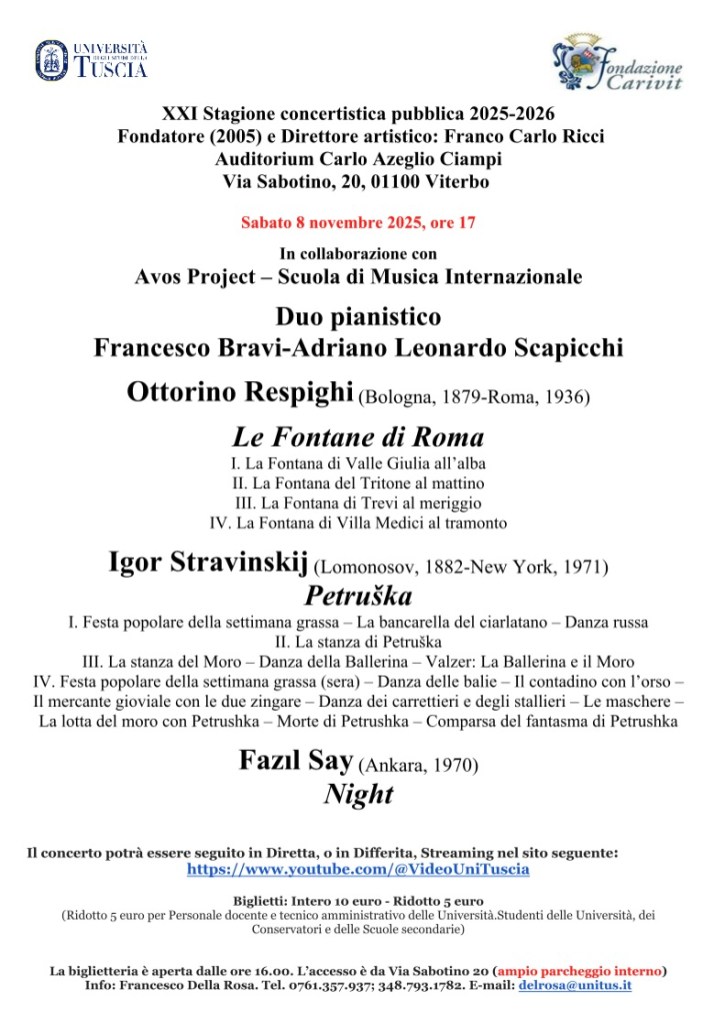
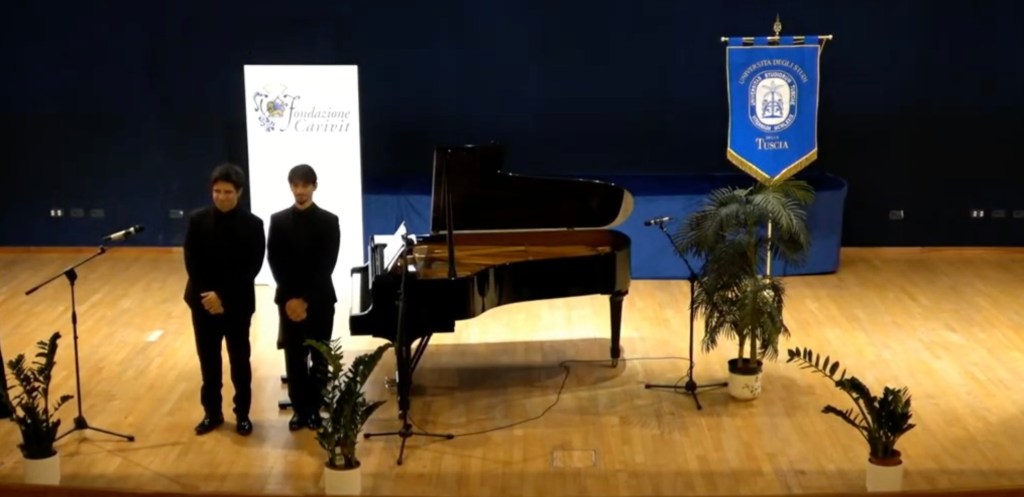
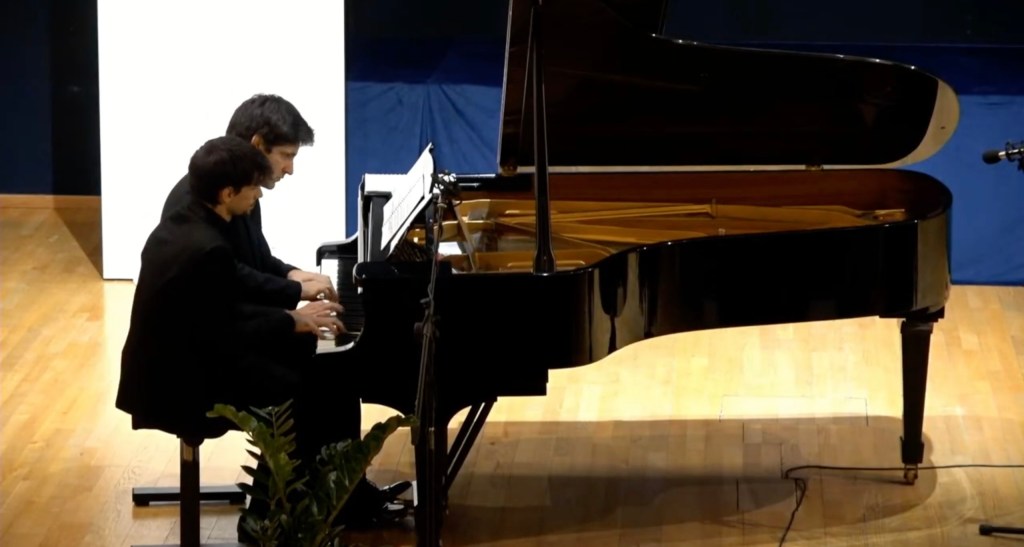
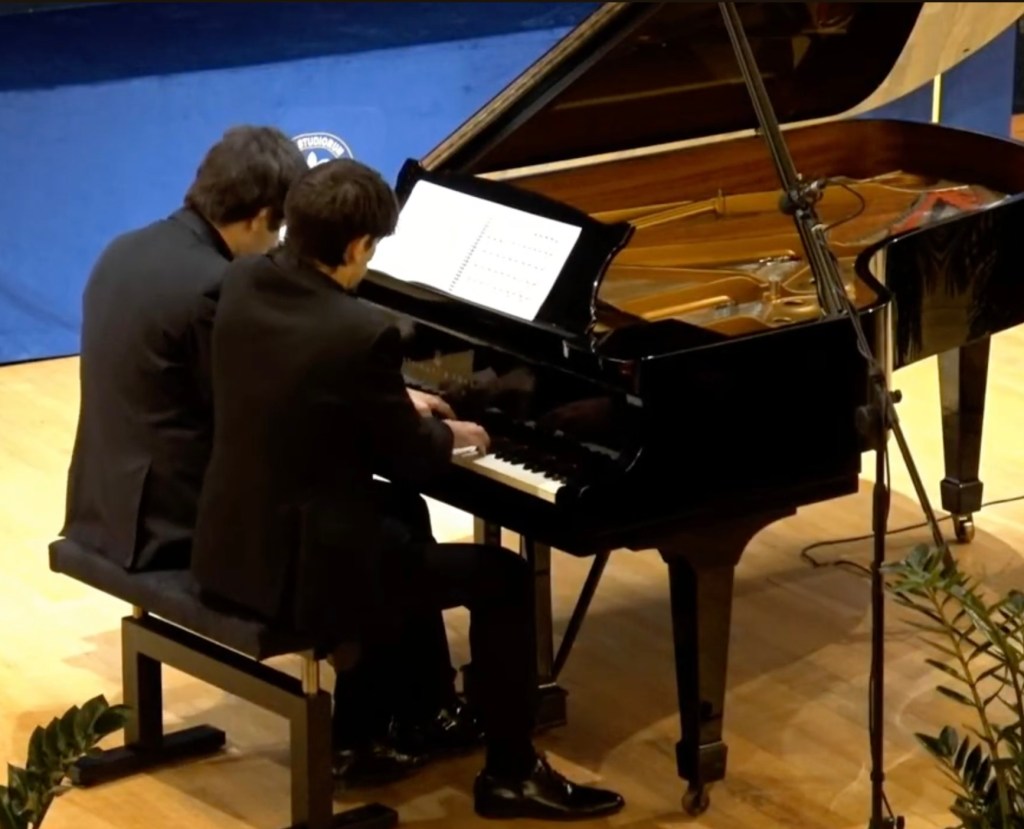
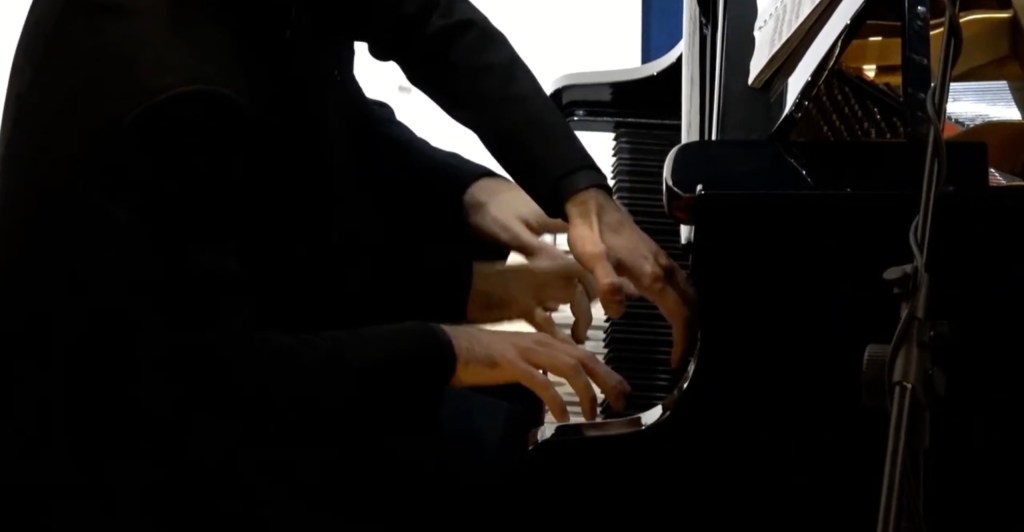
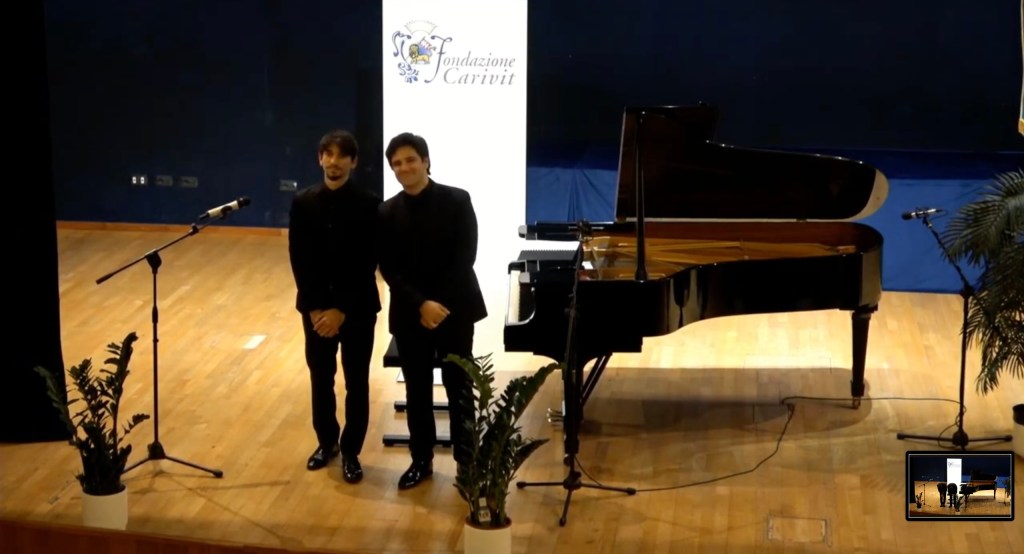
I have heard this piano duo now over the past five years and from their first streamed performance during the pandemic in 2020 they have grown in stature and experience and play truly as one. Two players that listen to each other and above all find the musical line and the architectural shape of what they are creating together. I have heard them play Stravinsky on many occasions and their dynamic drive and characterisation of The Rite of Spring and Petrushka is remarkable not only for their logistical mastery together but above all because these works were conceived not as virtuoso show pieces but as dance. Petrushka we are used to hearing the solo piano suite played with transcendental virtuosity ( the piano transcription was written for Artur Rubinstein with that very idea in mind!). Menahem Pressler on hearing a top prize winning pianist play it at his London debut, astonishing as his octaves were , exclaimed ‘ But I could never dance to that !’
Bravi and Scapicchi made everything they played speak as the extraordinarily complex score was transformed into a tone poem with a kaleidoscope of colour and chameleonic character.
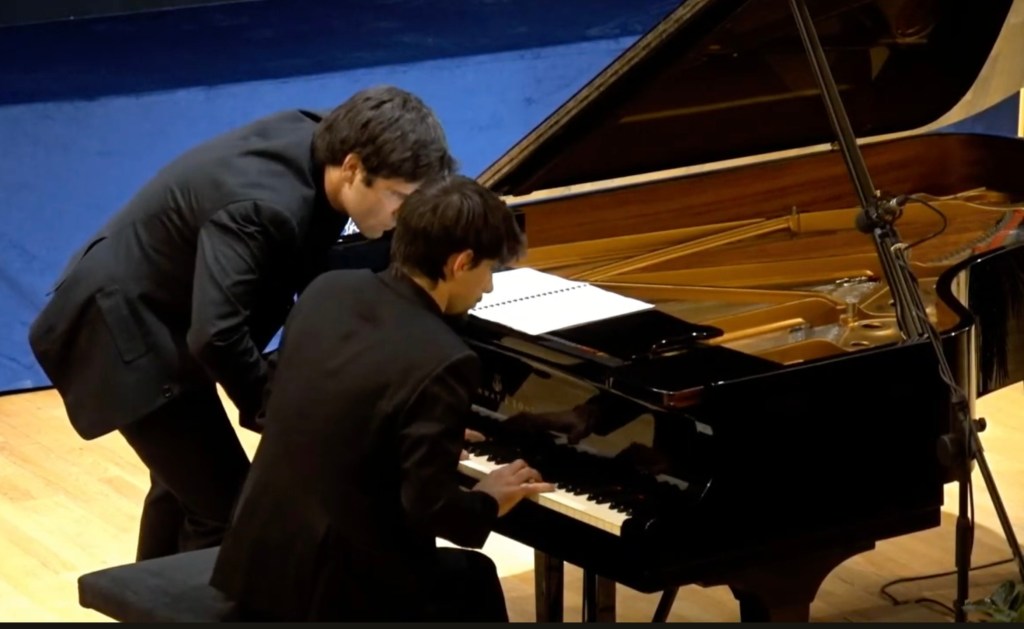
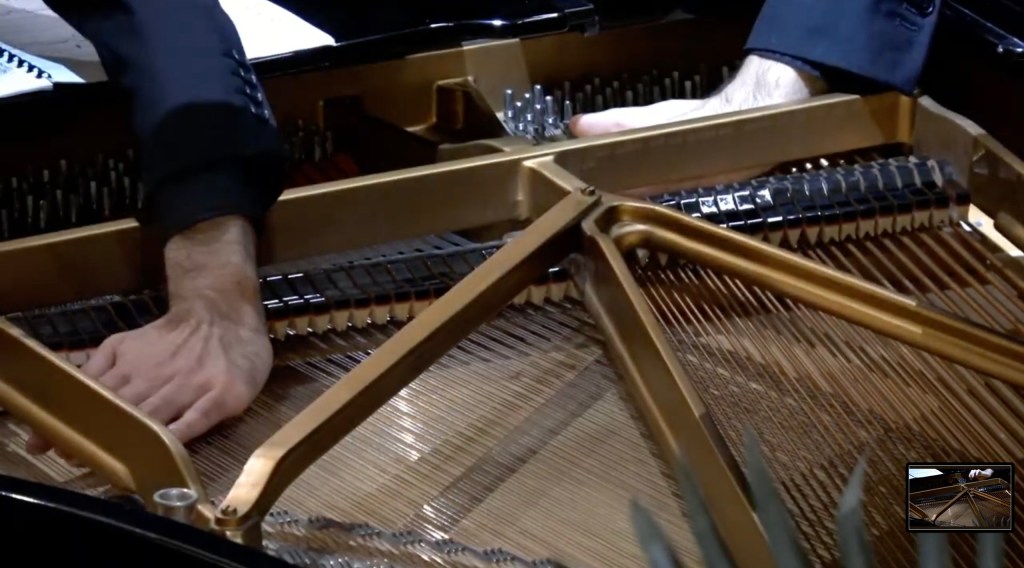
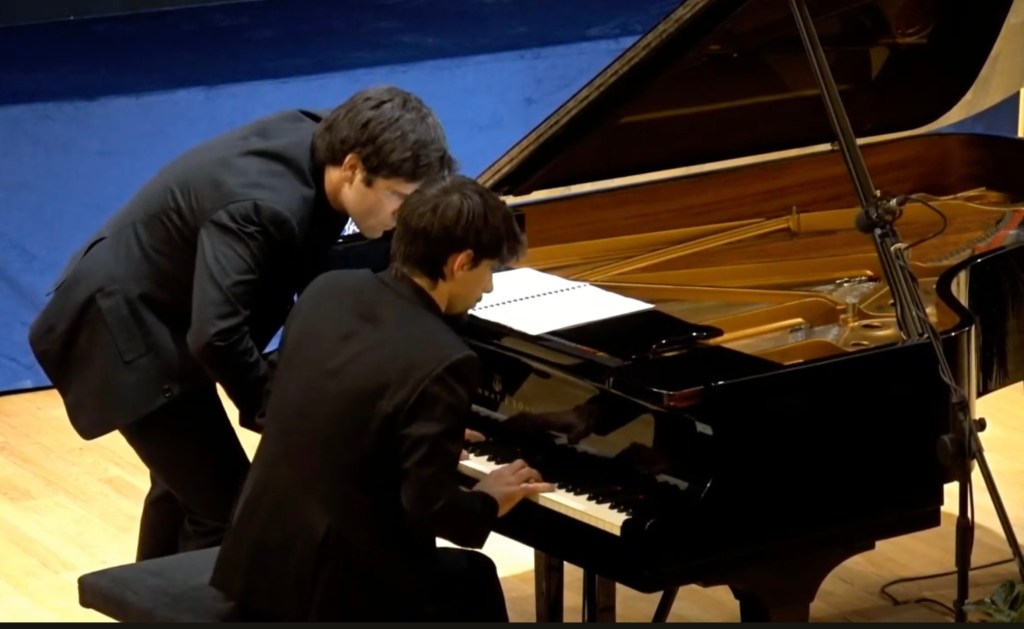
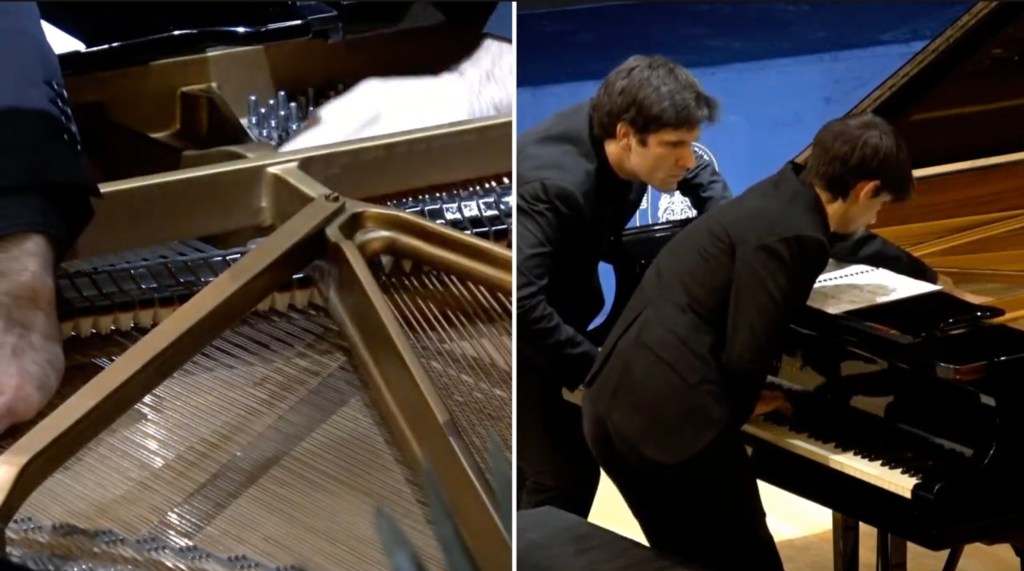
The encore I had not heard them play before, written by Fazil Say for another piano duo The Jussen brothers. Similar to his piano work ‘Black Earth’, that is quite often played these days, it relies on atmospheric effects with strange etherial sounds created by dampening the strings with the hand inside the piano.They are works that are usually played without the score simply because logistics cannot cope with so much movement on and around the keys and turning pages as well might be too much to ask. Such was the mastery of our duo today that even the page turn was incorporated into a performance that took the audience by surprise! Demanding another encore our formidable duo offered ‘La Canzonetta’,a simple one page jewel to commemorate the 100 anniversary of Luciano Berio
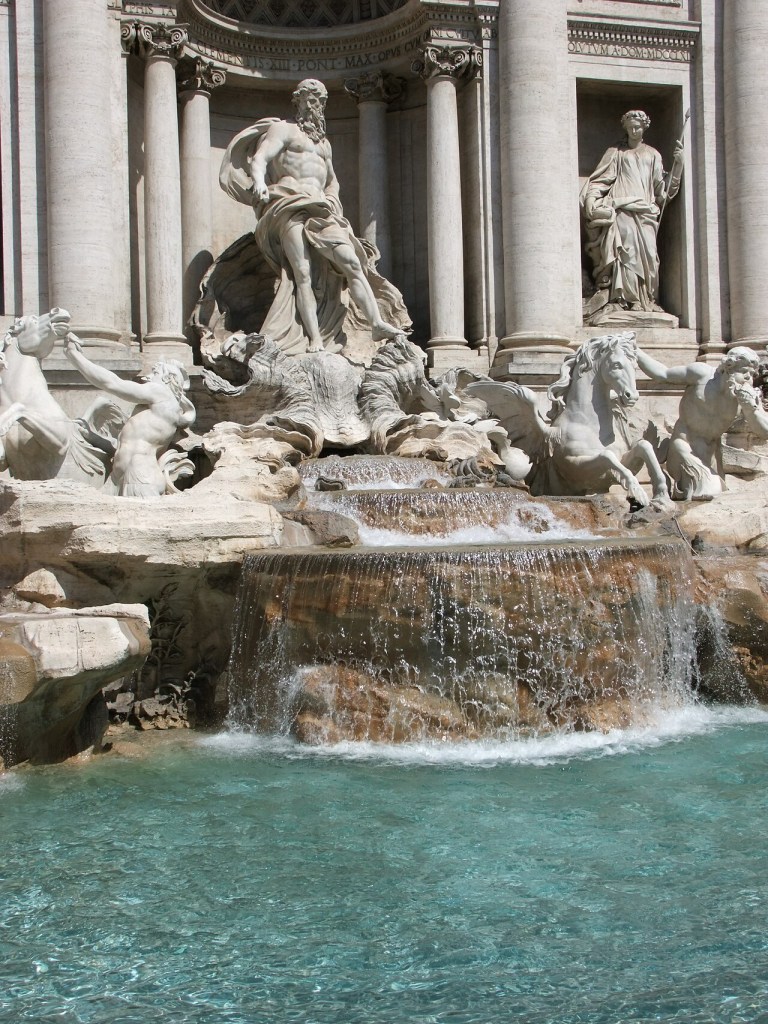
Respighi too is a new work to their repertoire and each of the four episodes of the Fountains of Rome were played with an outpouring of radiance and languid flowing beauty. Streams of notes were played with a dynamic drive and kaleidoscope of colour and no matter how many notes the sense of line and architectural shape was always beautifully outlined with clarity and sumptuous beauty. What a beautifully suggestive ending they brought to Villa Medici at sunset with its whispered vibrancy that I know so well.
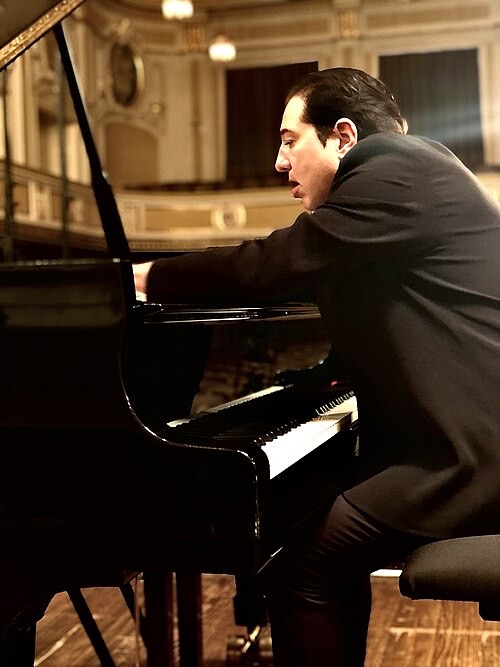
Fazil Say born 14 January 1970 (age 55) Ankara, Turkey Composer and pianist who attracted international attention with the piano piece Black Earth, Op. 8 (1997), in which he employs techniques made popular by John Cage’s works for prepared piano.In April 2012, Say came under investigation by the Istanbul Prosecutor’s Office over statements made on Twitter, after declaring himself an atheist and retweeting a famous poem of 11th century muslim polymath Omar Khayyam which criticises twisted conception of paradise of some fundamentalist schools and movements .Say then announced that he was considering leaving Turkey to live in Japan because of the rise of conservative Islam and growing intolerance in his home country.
On 1 June 2012, an Istanbul court indicted Say with the crime of “publicly insulting religious values that are adopted by a part of the nation”, a crime that carries a penalty of up to 18 months in prison. Say told the Istanbul court he did not seek to insult anybody, but was merely expressing his uneasiness.
On appeal, Turkey’s Supreme Court of Appeals reversed the conviction on 26 October 2015, ruling that Say’s Twitter posts fell within the bounds of freedom of thought and freedom of expression.
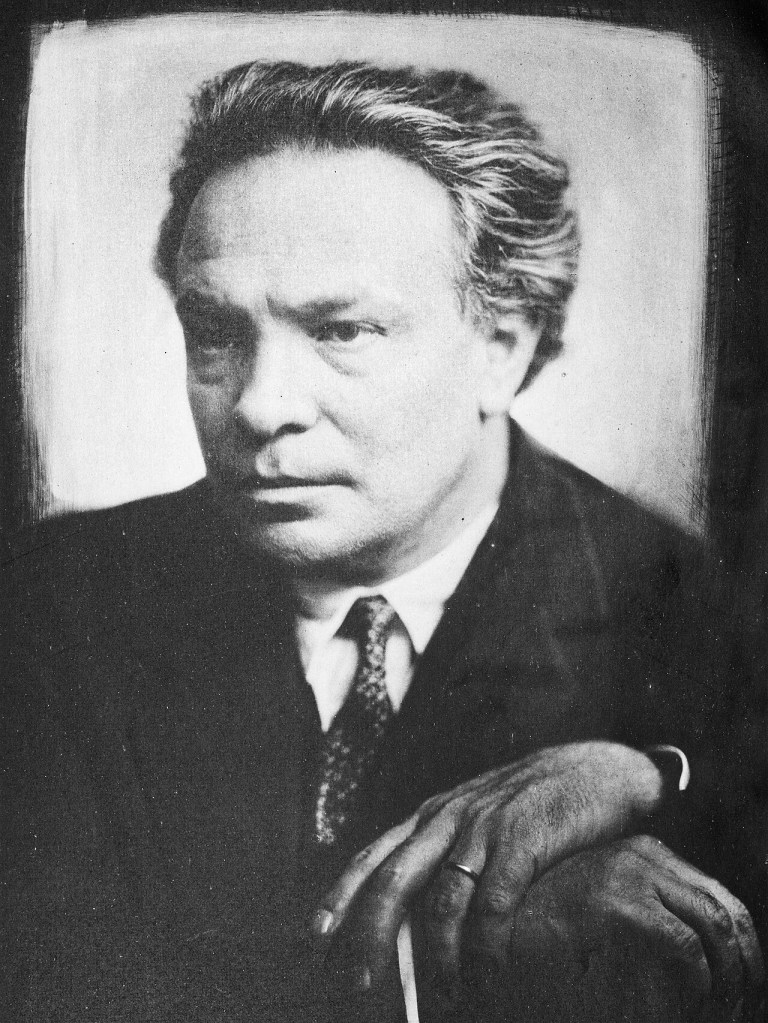
Ottorino Respighi 9 July 1879. Bologna, Italy. 18 April 1936 (aged 56). Rome, Italy
The symphonic poems ‘Fountains of Rome’ (performed for the first time 100 years ago) by the Italian composer Ottorino Respighi, whisk us to the Eternal City for a unique journey between the flowing water of its famous fountains and some of its most legendary sites. Thanks to the Suites n°1 and n°2 of’ Ancient Airs and Dances for Lute’ we can travel back in time to discover once again Italian and French music of the 16th and 17th centuries reinterpreted by Respighi.
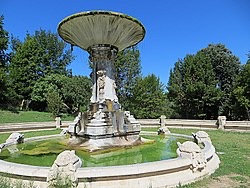
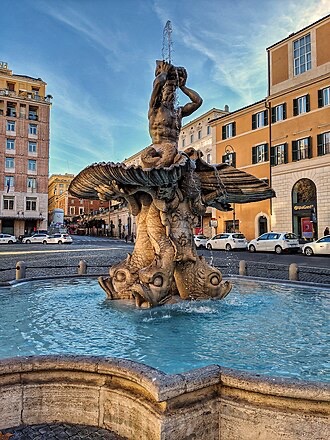
Fountains of Rome is a tone poem in four movements completed in 1916 by the Italian composer Ottorino Respighi . It is the first of his three tone poems about Rome, preceding Pines of Rome (1924) and Roman Festivals (1928). Each movement depicts a setting at one of Rome’s fountains at a different time of the day, specifically the Valle Giulia, Triton, Trevi, and Villa Medici. The premiere was held at the Teatro Augusteo on 11 March 1917, with Antonio Guarnierii conducting the Augusteo Orchestra. Respighi was disheartened at its initial mild reception and put away the score, until the piece was re-evaluated by the public following a February 1918 performance by conductor Arturo Toscanini which brought the composer international fame] The piece was published by Casa Ricordi in 1918.Fountains of Rome calls for the following large orchestra, including piano, celesta , harps, chimes, and organ ad lib.It was also transcribed for piano four hands by the composer.
 ChristopherAxworthy-MusicCommentary