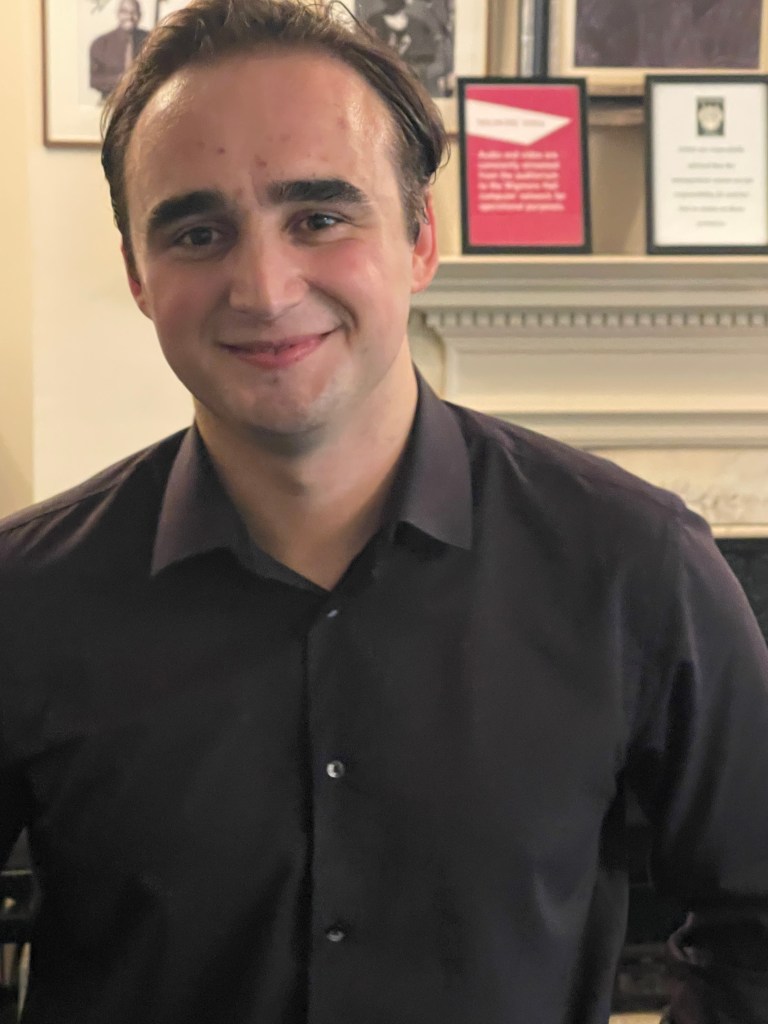

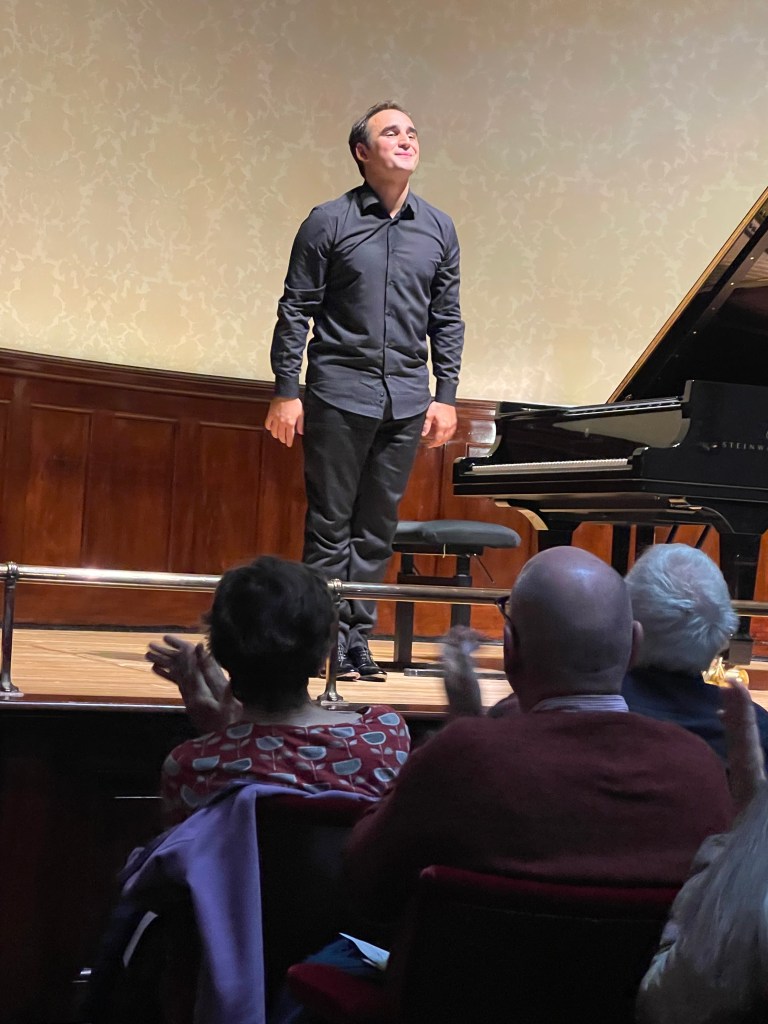
Sounds rarely heard in this hallowed shrine of chamber music wafted around the hall from the very first notes as Illia caressed the notes of this magnificent vintage instrument known amongst the privileged few as the ‘old lady’ . Illia did not know which piano he had been given for his long awaited debut at the Wigmore Hall. It has no importance because the kaleidoscope of sounds and wondrous sense of balance spoke for itself.
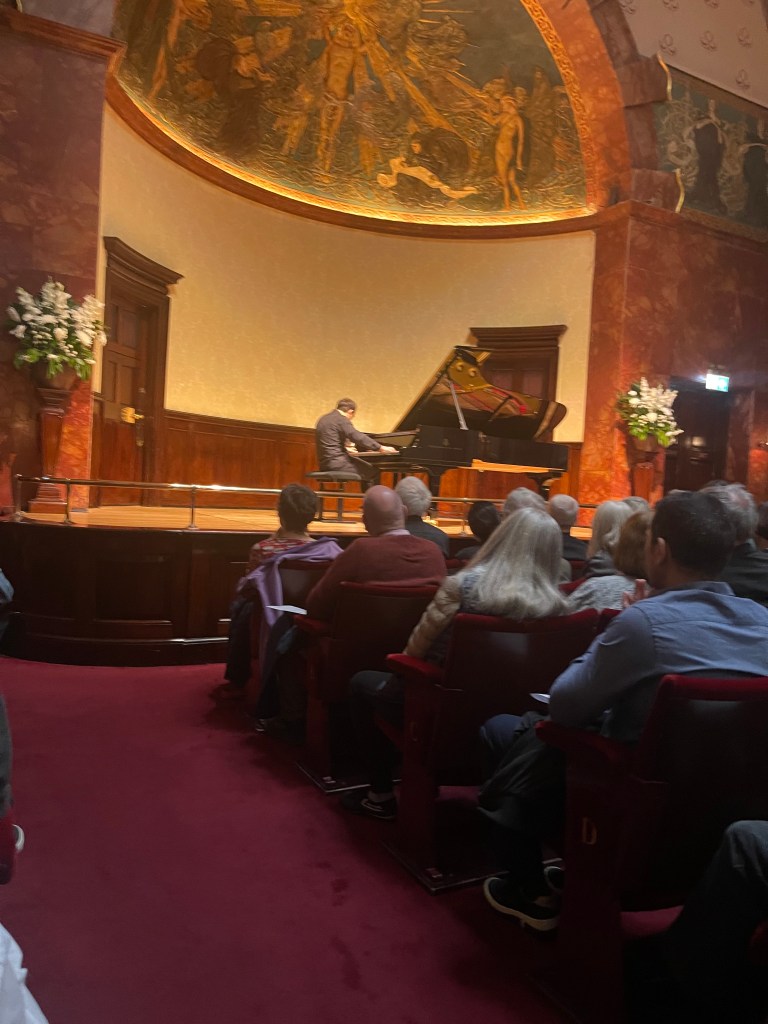

A young man who has been on the radar for some time since growing in stature from being heard in the Paderewski and the Busoni Competitions. Finally reaching his just recognition in Canada in the Honens Competition .
His recent CD of the Liszt Sonata got the praise it deserves from the critics and it was this pinnacle of the Romantic piano repertoire that he chose for this concert.
Variations on the Allegretto from Beethoven’s 7th by Corigliano and Schumann before playing Liszt’s extraordinary transcription all preceded a monumental recreation of Liszt’s mighty B minor sonata .

Visibly moved as we all were with many minutes of contemplative silence after such a ritual, Illia offered a prelude by a Ukrainian compatriot very much in the style of Scriabin .

Wondrous sounds filled the hall where emotion and mastery created a magic which will long resounds within these walls.
The B minor Sonata was of a nobility with an extraordinary range of sounds. A sense of balance that these days is rarely taken into consideration. In this very hall the great master pianists of the past were above all magicians who by means of subtle colouring could give the illusion that the piano could sing with the same inflections as the human voice. In every note there is an infinite variety of sounds where this black box of hammers and strings was not all black and white but multi coloured.
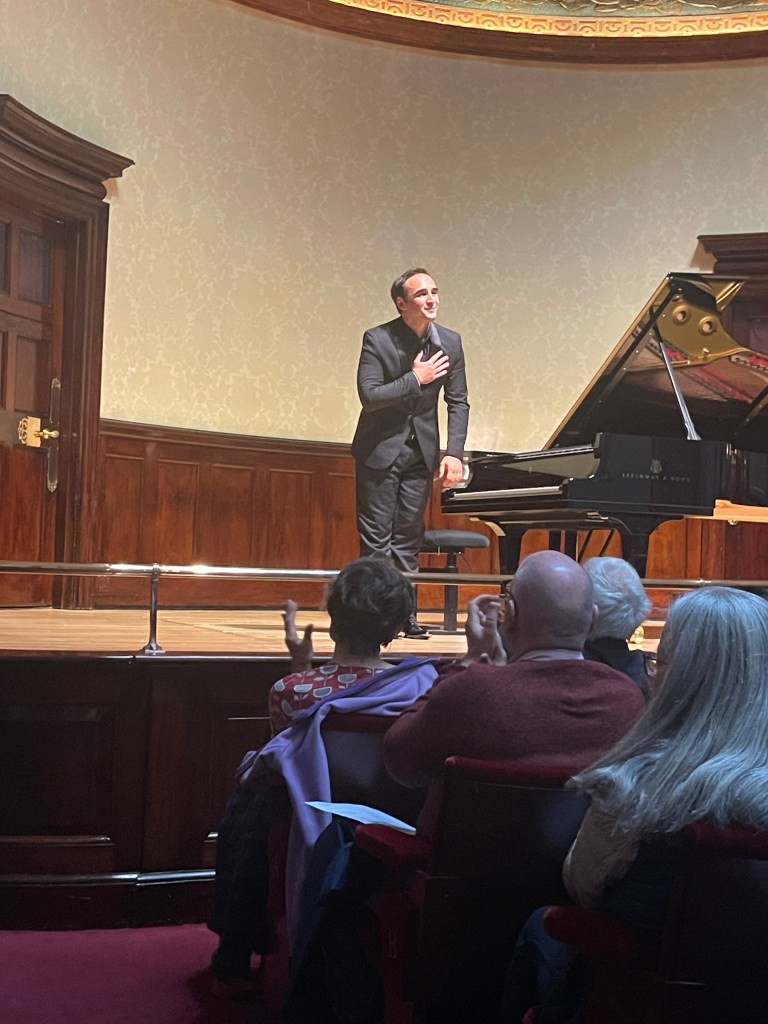
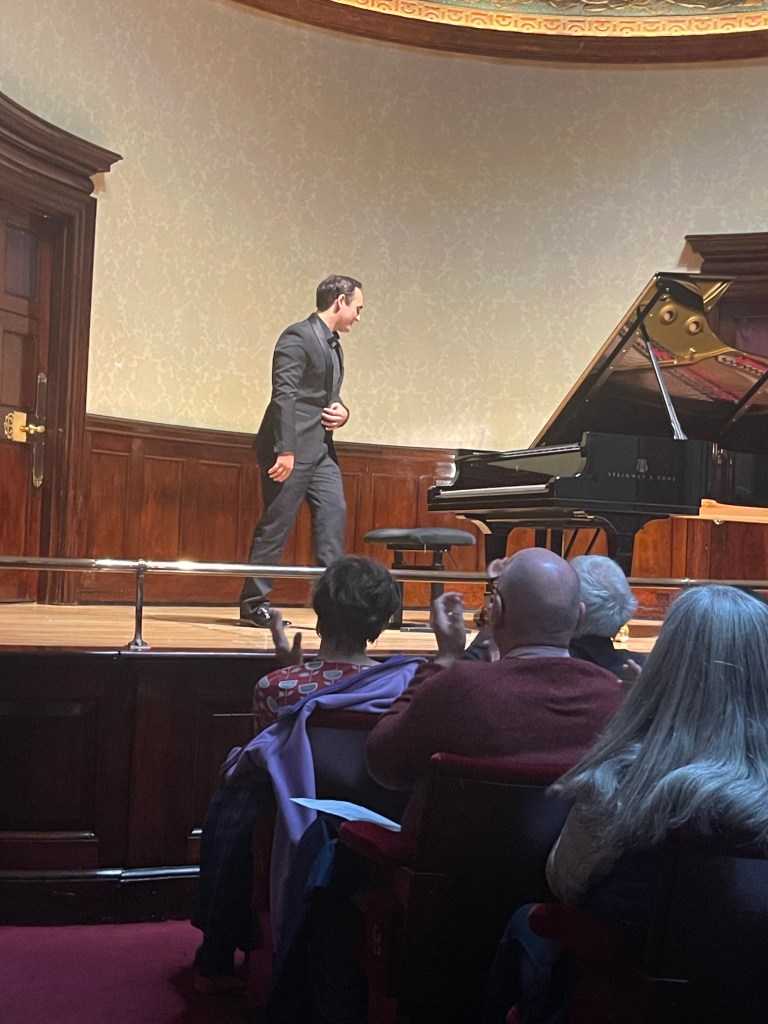
From the very first sounds of Corigliano ,written as a test piece for the Cliburn Competition a few years ago, Illia created an amazing range of whispered sounds showing a masterly control of dynamics . He created a very evocative warmth with sumptuous depth, out of which piercing sounds were heard shrieking within this ghostly atmosphere. Suddenly in the distance like a submerged cathedral gradually coming into view, there could be heard the rhythm of the 7th which was felt vibrating as it revealed itself with glowing clarity. A pointilist painting in sound where this poet of the keyboard could take us to a world of make believe with a vision of wondrous beauty only revealed so potently because there was also piercing brutality. Music is made of contrasts and it was this that gave such meaning and architectural shape to a work that in lesser hands could be just a series of disjointed sounds.


I must confess I do not know this early work of Schumann but obviously Beethoven was bathed in a golden web of wondrous moving harmonies. Illia has an extraordinary lightness ,not exactly jeux perlé, but a way like Kantarow of being able to see the true musical line and the wood enveloped by trees which have branches blowing in wind – to use Chopin’s words. A wondrous sense of balance allowed the melodic line to be revealed amongst a continuous stream of golden sounds played with a kaleidoscope of colours . Magic was in the air as the theme was played with chiselled beauty with a bare minimum of suggestive accompaniments. Here was a transcendental display of playing from another age where sumptuous rich sounds filled this hall from a truly grand sounding piano in the hands of a master magician.
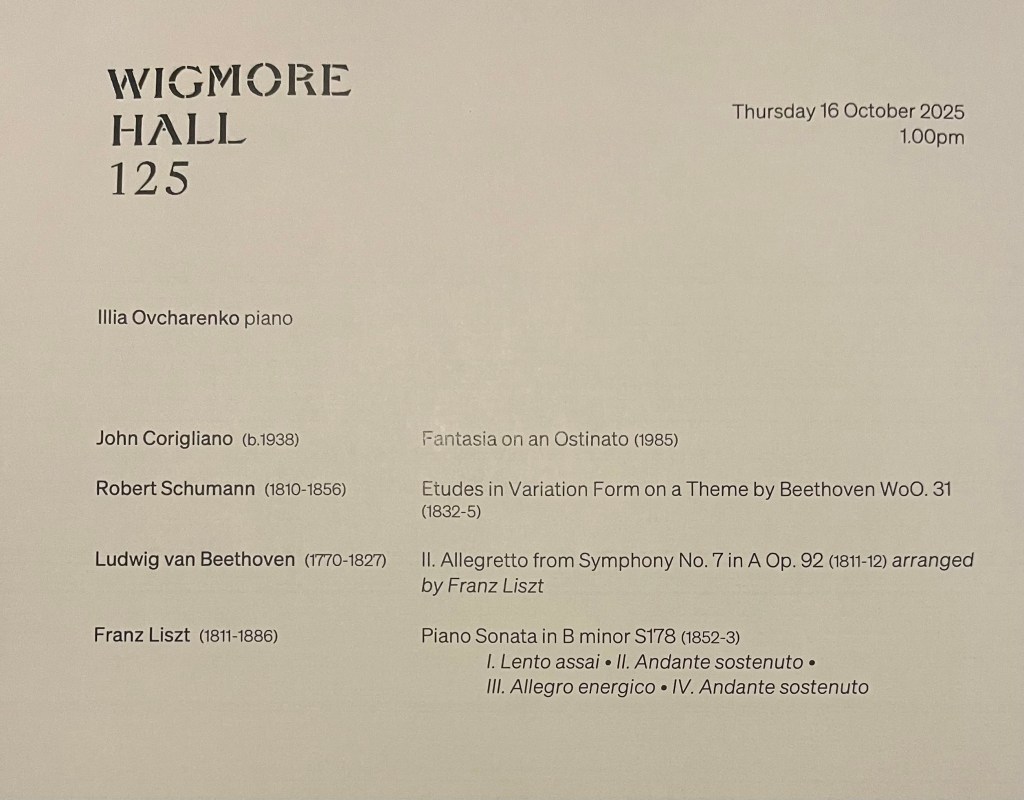
A masterly performance of Liszt’s transcription of the Allegretto from the Seventh Symphony where Illia ‘s ten spindly fingers could find an infinite variety of sounds . What marvels there were when the melodic line soared above the pounding insistent bass. A quite extraordinary fluidity to the sound as it became ever more intense.
The opening of the Liszt Sonata was a lesson in how to read the score In the introduction the three leit motifs were played ‘piano’ and ‘forte’ the fortissimo appearing only as the Sonata takes wing. If the ‘sempre forte ed agitato’ was played rather too fast to allow the third theme to be clearly underlined it was because Illia’s passion and driving energy swept all before it with a wondrous sense of balance and architectural shape never allowing us to loose sight of the musical line. Even the great chordal accompaniments to the most passionate of outpourings were merely vibrations that accompanied the melodic line. Breathtaking fearless brilliance was always kept under control by a master musician with octaves played with extraordinary clarity and the melodic episodes played with heartrending simplicity. I have never heard the fugato played with such whispered whimsy as it gradually built to a tumultuous climax.The final visionary page was played with quite extraordinary clarity where legato and staccato lived happily together as all three themes became entwined in a final etherial farewell.The final three repeated chords were played with ever diminishing whispered sounds as the final ‘B’ deep in the bass brought this harrowing tale to a sombre ending. There were many minutes of absolute silence as the entire audience were as one with Illia, in one of those unforgettable magic moments that only live music making can offer.
A star is truly born tonight and is shining brightly.This young artist will surely enrich the lives of us all for years to come.


 ChristopherAxworthy-MusicCommentary