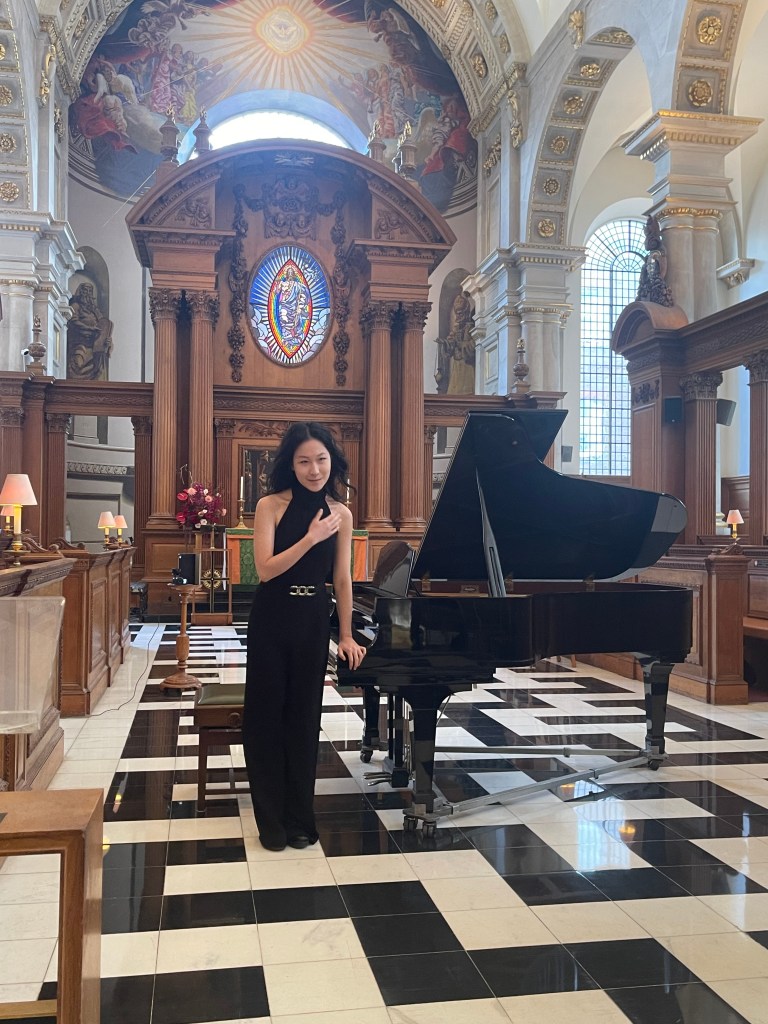
Playing of great authority and mastery at St Brides today. Brahms that filled this beautiful church with sumptuous orchestral sounds as Jiali threw herself into this challenging opening movement of the Second Sonata with fearless abandon . A nobility of Lisztian bravura dissolving into intimate deeply felt poignant beauty before exploding again with breathtaking authority and dynamic drive . It was a pity to be robbed of the other movements but with limited time Jiali wanted to treat us also to the extraordinary sound world of Dutilleux and Stravinsky.
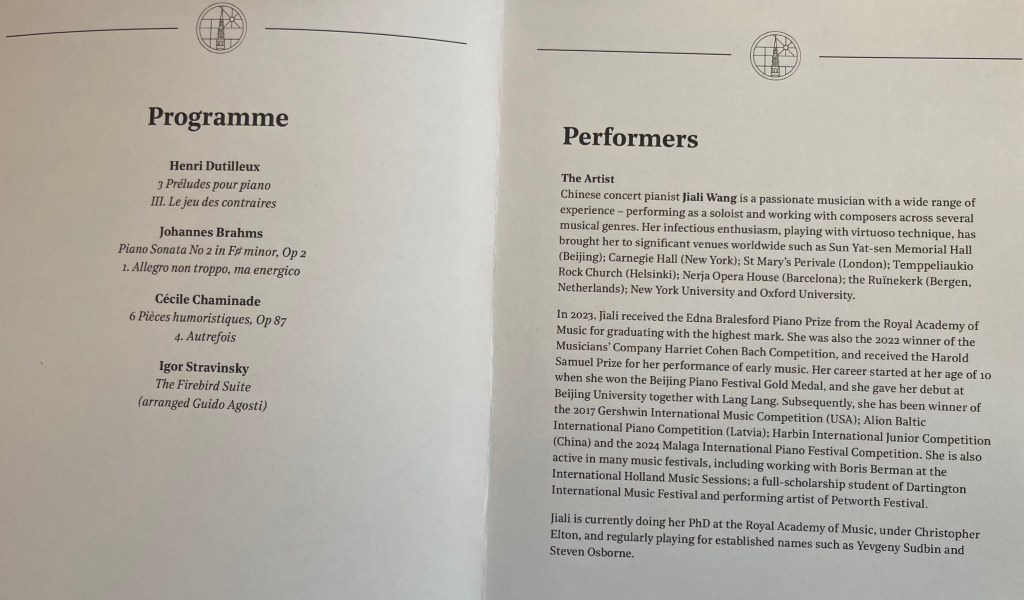
Playing both with a kaleidoscope of sounds and masterly authority with the contrasting episodes of ‘Le jeu des contraires’ played with extraordinary conviction as the chameleonic changes of character were truly enacted with breathtaking mastery.A dynamic drive and technical mastery with its complex sound structure of reverberations of subtle beauty.
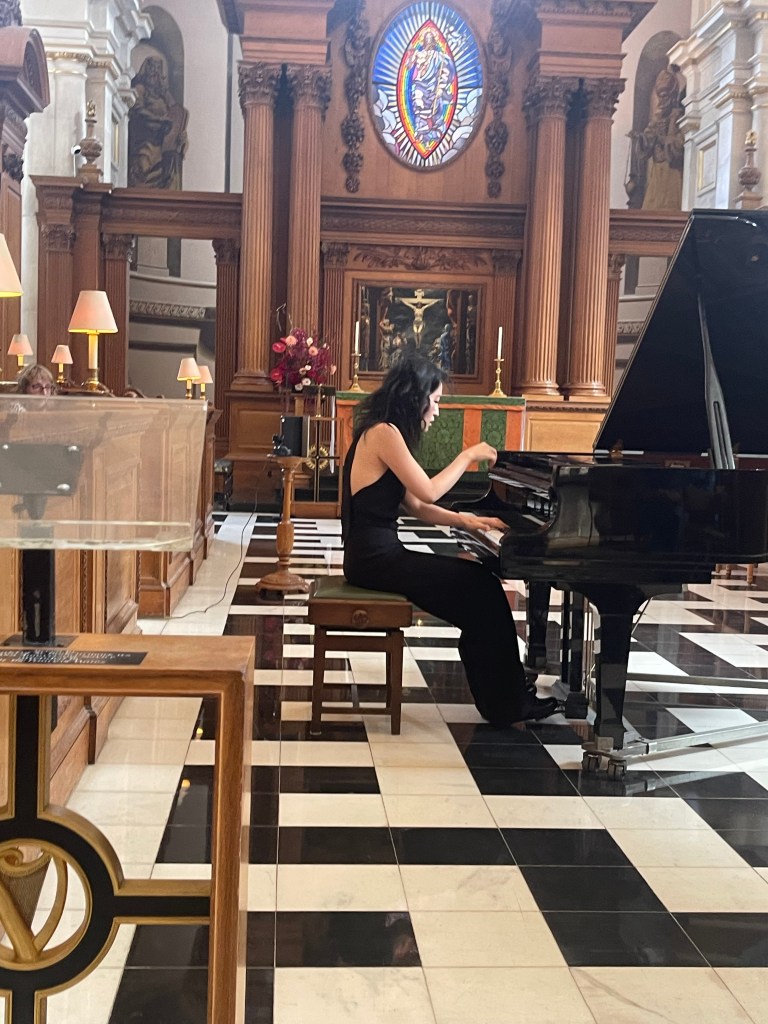
Agosti’s ‘Firebird’ sanctioned by the composer ,Stravinsky, in 1928 has long been a war horse of the greatest virtuosi .
Jiali not only conquered the extraordinary technical problems that abound but she imbued it with a range of colours that was truly seductive with a remarkable luminosity created by shadowing of the melodic line with remarkable sensitivity.
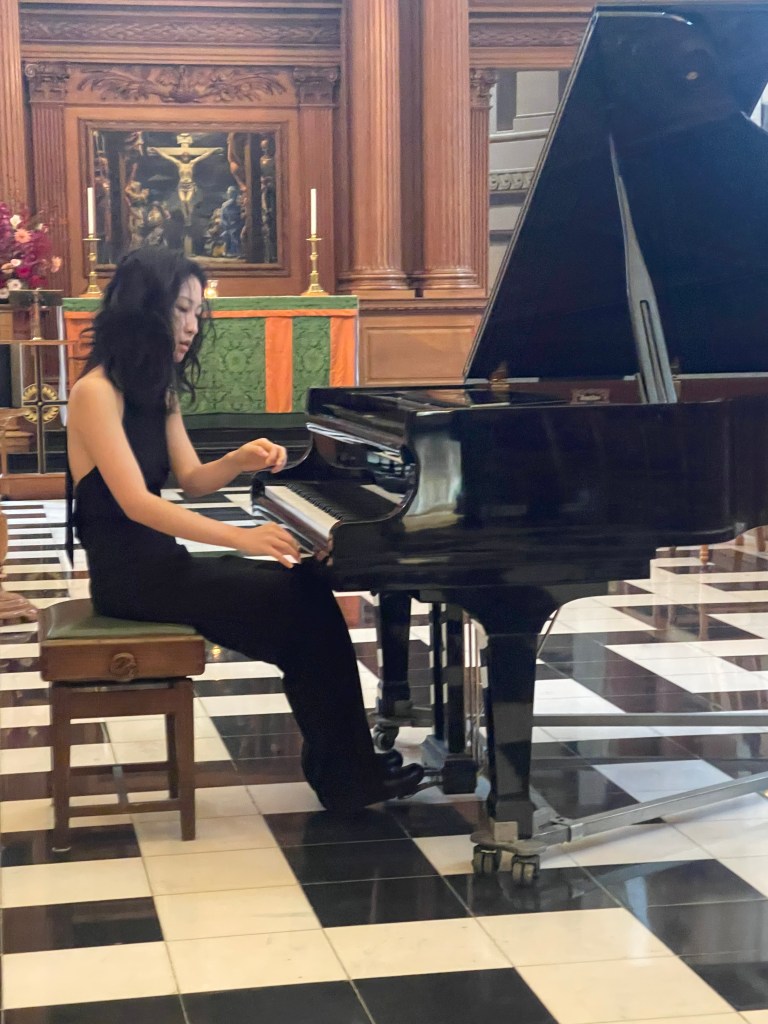
The entry of the ‘Firebird’ was indeed magical as it gradually built up to the breathtaking climax that was of searing exhilaration and excitement. Chaminade’s charming ‘Autrefois’ I have not heard since Cherkassky’s inimitable performances .
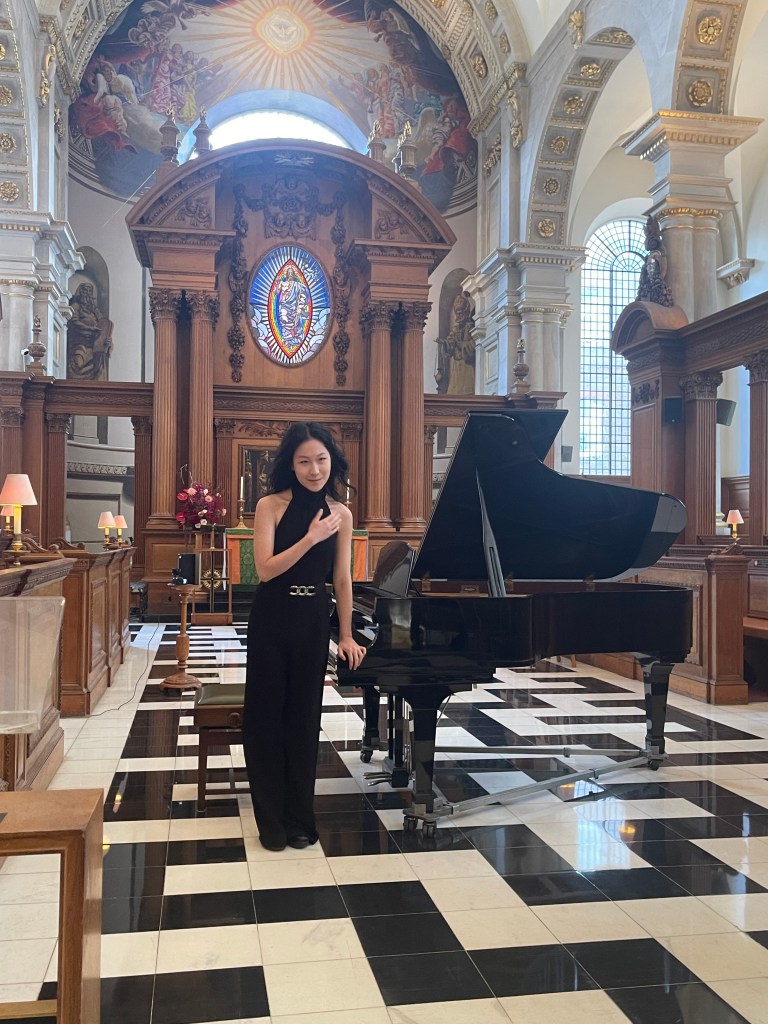
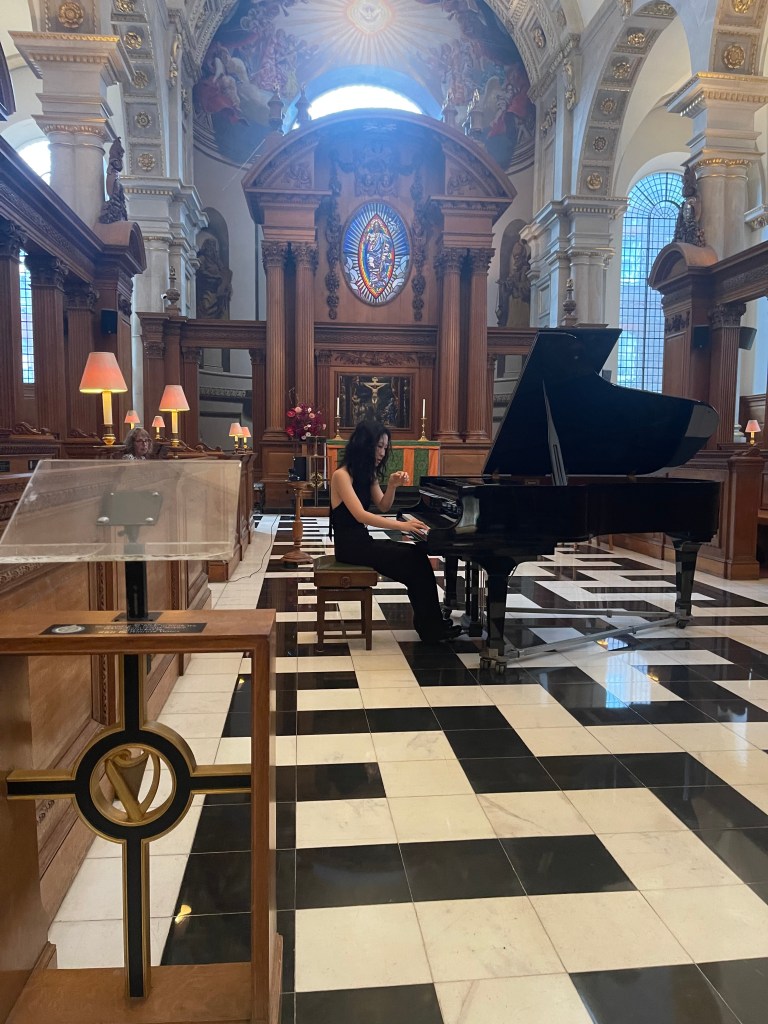
Jiali played it with the beguiling charm of a world when pianists would play Scarlatti sonatas dressed up by Tausig as a ‘ Pastorale and Capriccio.’ The beauty of the outer frame work was contrasted with the ‘fingerfertigkeit’ of the central episode and it made a refreshing contrasting interlude to the masterworks that it accompanied.
I look forward to hearing the whole Brahms Sonata on the 19th at Regents Hall in Oxford Street .
Brahms in instalments is a very exciting prospect when it is from the hands of a masterly musician
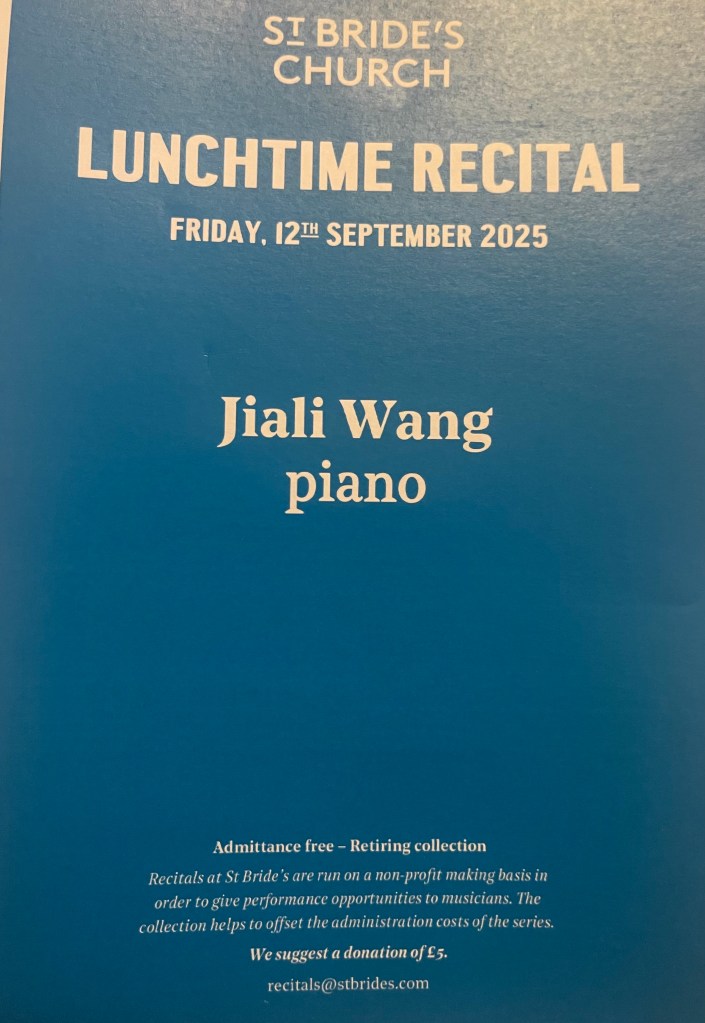

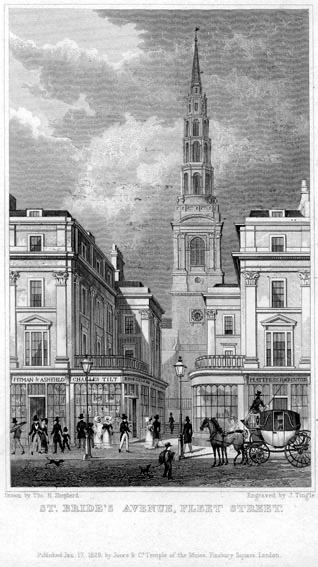
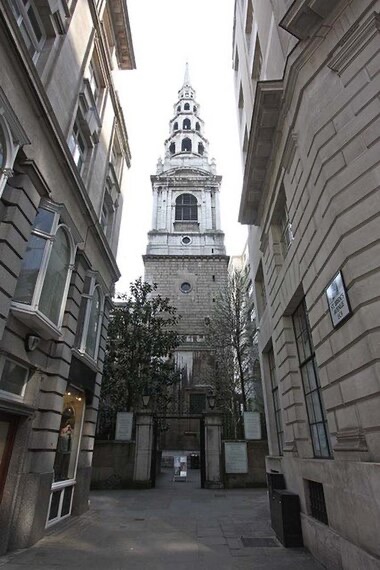
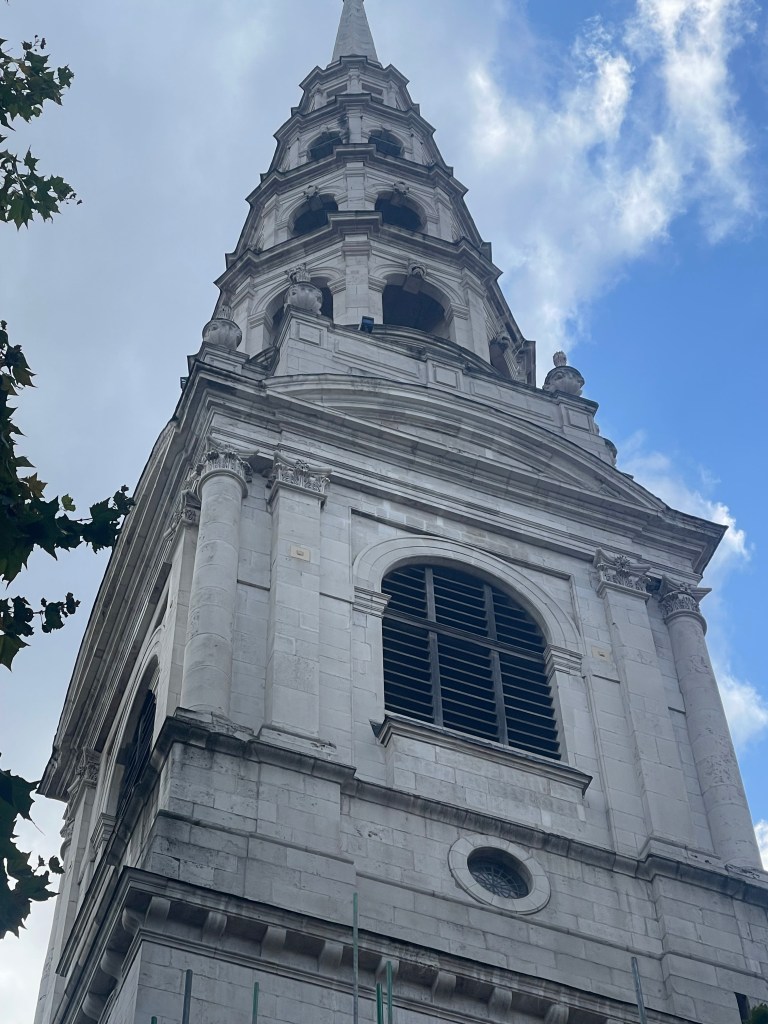
Due to its location in Fleet Street, it has a long association with journalists and newspapers. The church is a distinctive sight on London’s skyline and is clearly visible from a number of locations. Since 2012, St Bride’s celebrates usually on the first or second Thursday of November, the “Journalists’ Commemorative Service”.
With its steeple standing 226 feet (69m) tall, it is the second highest of all Wren’s church spires, with only St Paul’s itself having a higher pinnacle.
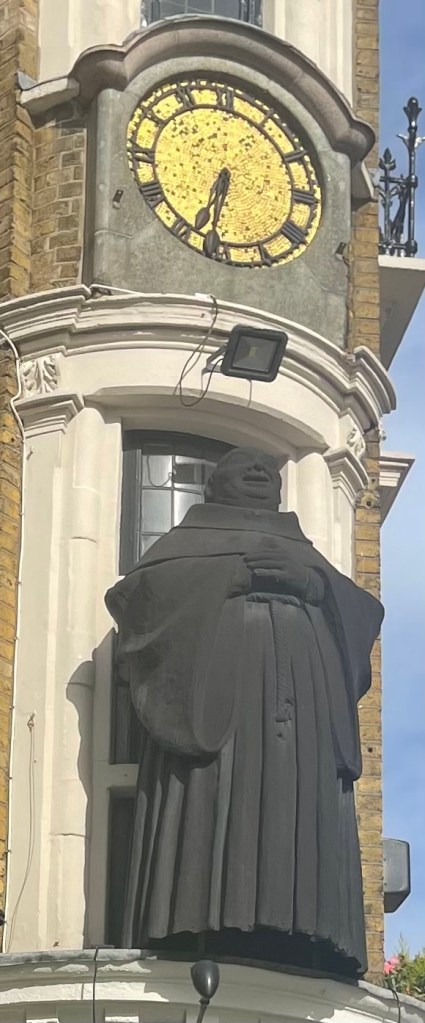
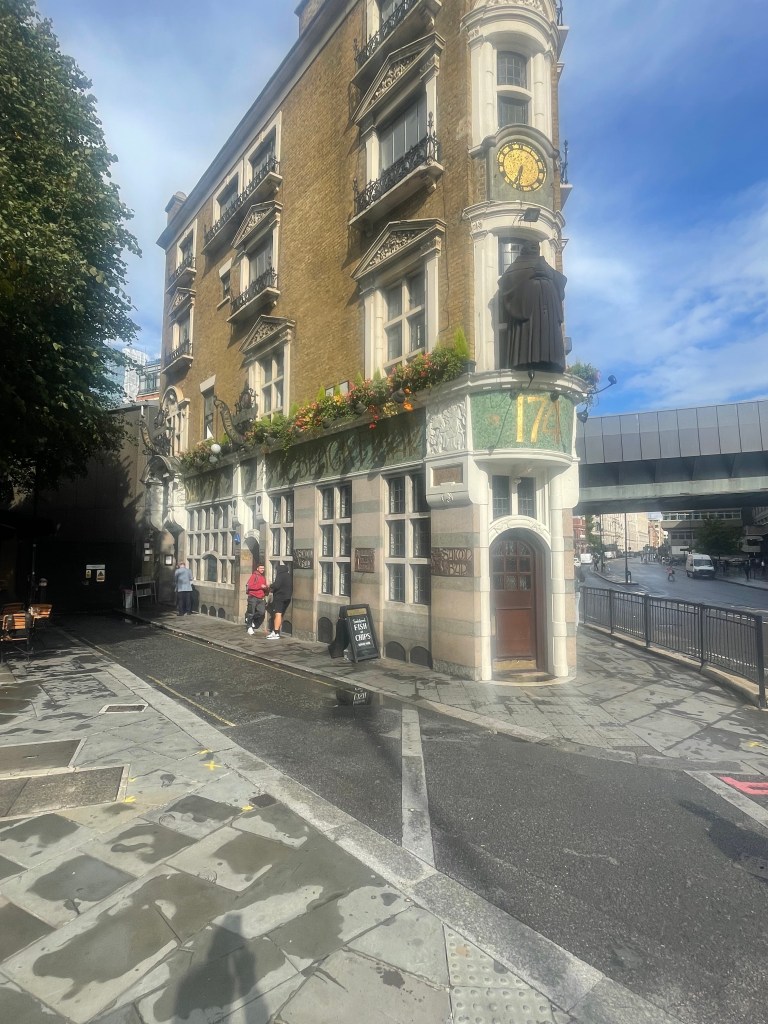

22 January 1916 Angers Maine et Loire 22 May 2013 (aged 97)Paris
He was a French composer of late 20th century classical music . Among the leading French composers of his time, his work was rooted in the Impressionistic style of Debussy and Ravel but in an idiosyncratic, individual style. Among his best known works are his early Flute Sonatina and Piano Sonata ; concertos for cello Tout un Monde lointain (“A whole distant world”) and violin L’arbre des songesv(“The tree of dreams”); a string quartet known as Ainsi la Nuit (“Thus the night”); and two symphonies: N. 1 ( 1951) and N 2 Le Double (1959)
Henri Dutilleux (1916–2013) was among the leading French composers of his time. His output was particularly small and he disowned many of the compositions he wrote before his Piano Sonata (1948).
Tous les chemins… mènent à Rome [All roads lead to Rome] (1947)
Bergerie (1947)
Piano Sonata (1947–48):
- Allegro con moto
- Lied
- III Choral et variations
Petit air à dormir debout [Little nonsensical air] (1981)
Blackbird (1950)
Résonances (1965)
Figures de résonances (1970) for two pianos
Trois Préludes (1973–1988):
D’ombre et de silence [In shadow and silence] (1973)
Sur un même accord [On one chord] (1977)
Le jeu des contraires [The game of opposites] (1988)
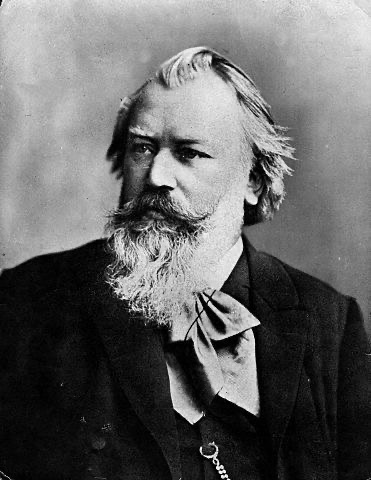
The Piano Sonata No. 2 in F sharp minor op 2, was written in 1852 in Hamburg, Germany, and it was published the year after.Despite being his second published work, it was actually composed before his Sonata n. 1 in C major , but was published later because Brahms recognized the importance of an inaugural publication and felt that the C major sonata was of higher quality. It was sent along with his first sonata to Breitkopf und Härtel with a letter of recommendation from Robert Schumann . Schumann had already praised Brahms enthusiastically, and the sonata shows signs of an effort to impress, with its technical demands and highly dramatic nature. It was dedicated to Clara Schumann .
The sonata is in four movements :
- Allegro non troppo, ma energico
- Andante con espressione
- Scherzo: Allegro – Poco più moderato
- Finale: Sostenuto – Allegro non troppo e rubato – Molto sostenuto
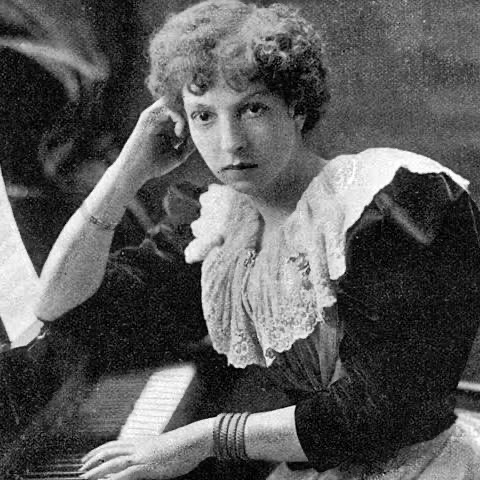
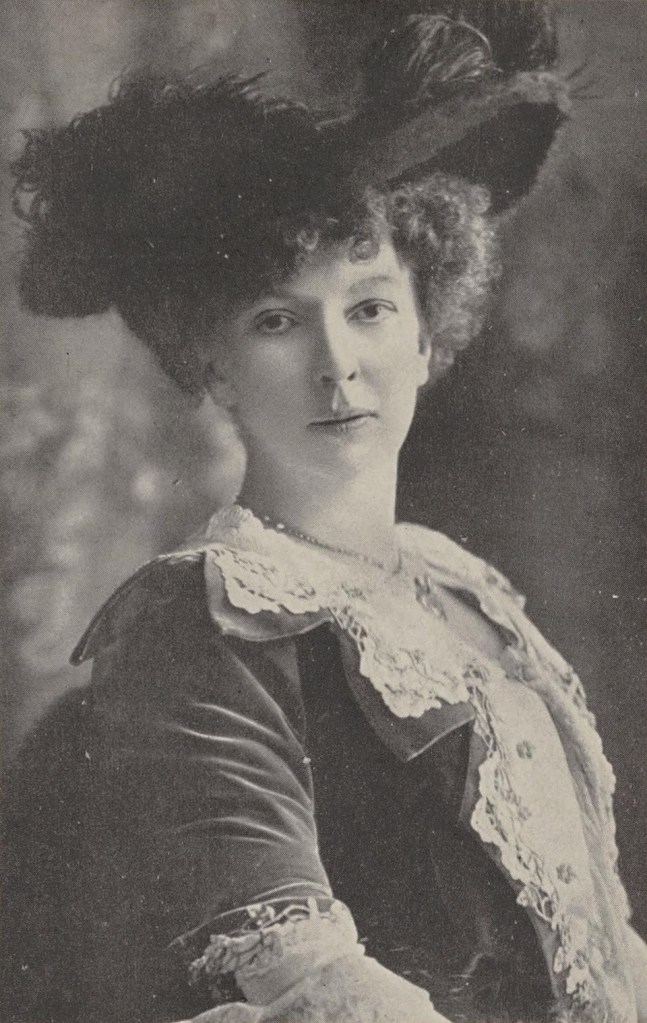
8 August 1857. Paris, France 13 April 1944 (aged 86)Monte Carlo
Chaminade experimented in composition as a young child, composing pieces for her cats, dogs and dolls. In 1869, she performed some of her music for Georges Bizet , who was impressed with her talents. In 1878, Chaminade gave a salon performance under the auspices of her professor, Le Couppey, consisting entirely of her compositions. This performance marked the beginning of her emergence as a composer and became the archetype for the concerts she gave for the rest of her career in which she only performed her own works.
Op. 87 Six Pièces Humoristiques (Enoch) 1897
Réveil. Sous Bois. Inquiétude. Autrefois. Consolation. Norvégienne.
Cécile Chaminade’s (1857-1944) ‘Autrefois’ is the fourth piece in the composer’s collection, 6 Pièces humoristiques Op.87 (Six humorous pieces). Translated as ‘in the past’ or ‘formerly’, ‘Autrefois’ is nostalgic and bittersweet in character. Composed in 1897, the compisition begins with a gentle, ornamented theme, marked by subtle shifts in harmony. This music is then contrasted with a middle section comprised of cascading figures and rich chromatic textures, before the piece then returns to the tranquillity of its opening musical idea. Appoggiaturas (short notes that ‘decorate’ the melody), dynamic contrasts, and chromatic voice-leading – within the work’s formal structure – make this a piece rich with expressive and interpretive potential, typifying Chaminade’s talents with deeply characterful and pianistic writing.
Cherkassky plays Chaminade
https://youtu.be/O36vZzIum5g?si=hIuLTQRLonWFkzI9
Three numbers from the end of Stravinsky’s ballet The Firebird create a convincing sequence on their own. The raucous ‘Infernal dance’ is set in the kingdom of the evil Kashchei, a frantic melée full of wild leaps and syncopations. The monsters that populate the kingdom are forced by the Firebird’s spell to dance until they drop dead. The Firebird, triumphant, dances a lullaby (‘Berceuse’), which serves as her touching farewell to Prince Ivan whom she has aided in his struggles with Kashchei. In the glorious ‘Finale’, Prince Ivan and his consort establish their reign over the now liberated kingdom, in the kind of celebratory chorus we might expect at the close of an operatic epic, but there is a Stravinskian twist: there are seven beats to the bar. The Italian pianist Guido Agosti made this virtuosic transcription in 1928 (eighteen years after the ballet’s premiere), and dedicated the work to the memory of his teacher, Ferruccio Busoni—the latter was one of the great masters of transcription, well known for his imposing piano versions of Bach’s organ works. Agosti learned much from his teacher, but had to apply his skills to the very different music of Stravinsky, in passages that rapidly traverse the whole length of the keyboard, recreating much of the excitement of the original in pianistic terms.
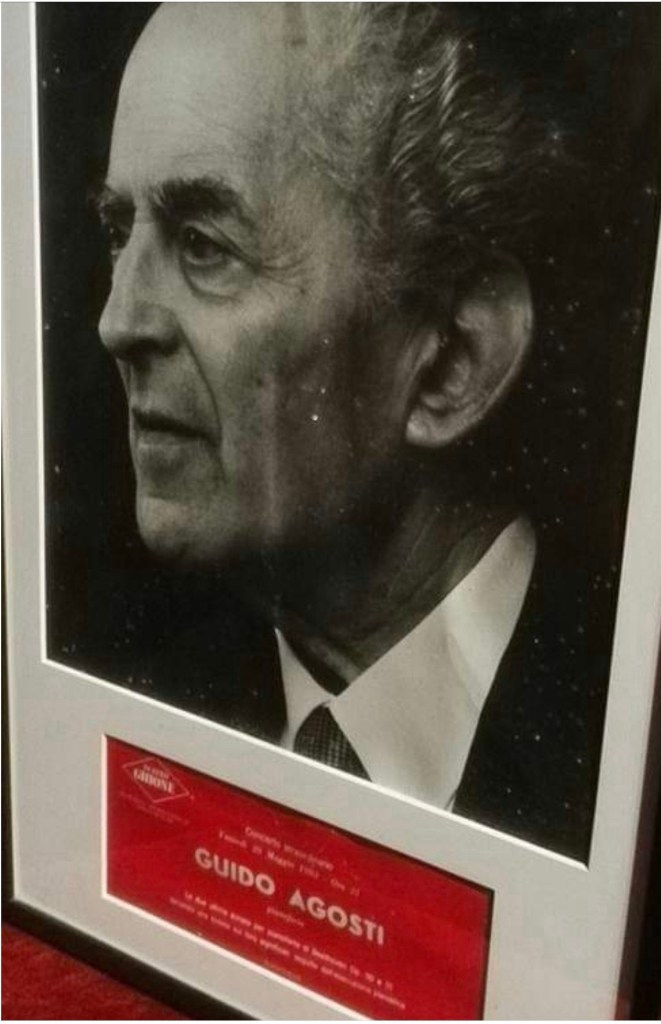
 ChristopherAxworthy-MusicCommentary