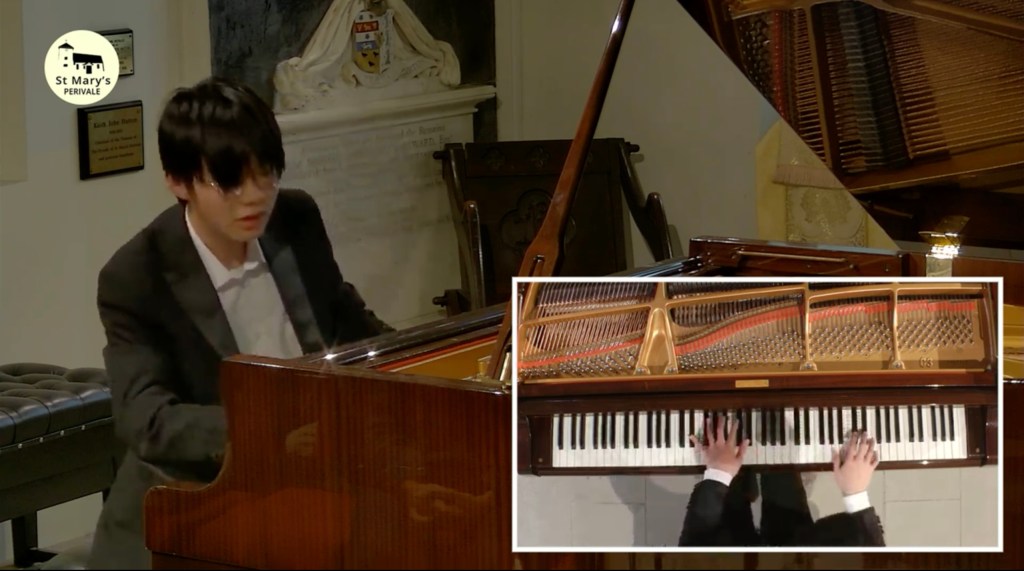
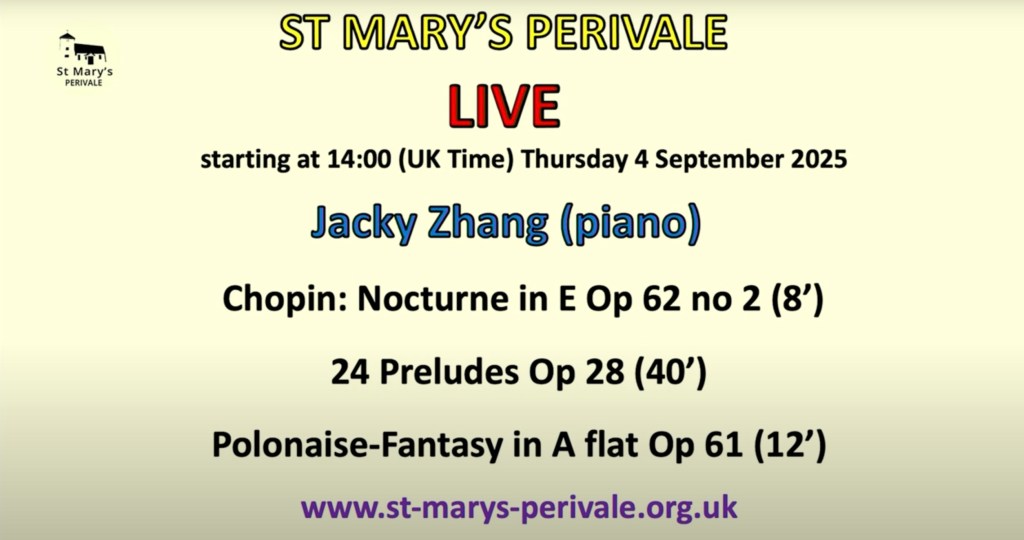
Genius is certainly not easy to live with as we have experienced today from a young man who I have followed and admired for some years whilst he has been studying with Dmitri Alexeev. A young boy who could master some of the most complicated works ever written for the keyboard from Bach’s Goldberg Variations to Beethoven’s Diabelli. Then we experienced the rebellious youth with flowing locks and individual ideas. Today we are experiencing a young man where every sound he makes on the keyboard touches him almost painfully. I remember Graham Johnson with whom I shared chamber music lessons with John Streets, who would tell him that he did not have to play as though a knife was being driven into him with every note he played. But there was a super sensibility to sounds that touched him so deeply and is why and how he has become the Gerald Moore of our day . I often tell aspiring young ‘virtuosi’ to listen to Graham to learn how to make the piano sing.
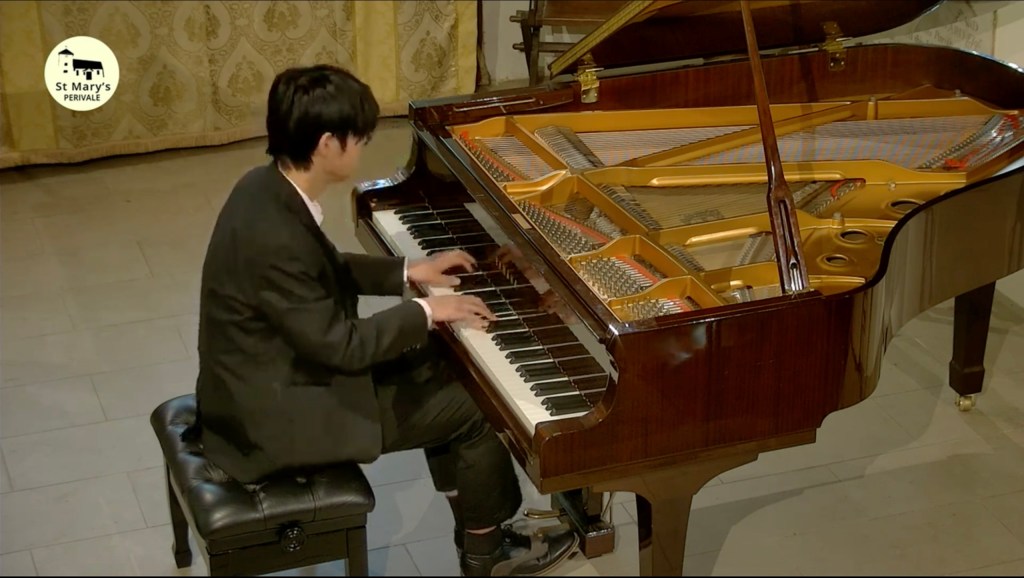
Jackie’s is a very exciting talent because it is a real voyage of discovery that is continually evolving. Of course what comes across is his passionate love of the sounds he is making and how they touch him so deeply. Sometimes with exaggeration as there are no half measures with his all or nothing playing of searing intensity.But as Barbirolli was to say in defence of Jacqueline Du Pré, often criticised for playing with too much passion and extravagance, ‘ If you don’t play with passion in your youth what do you pare off in maturity?’.
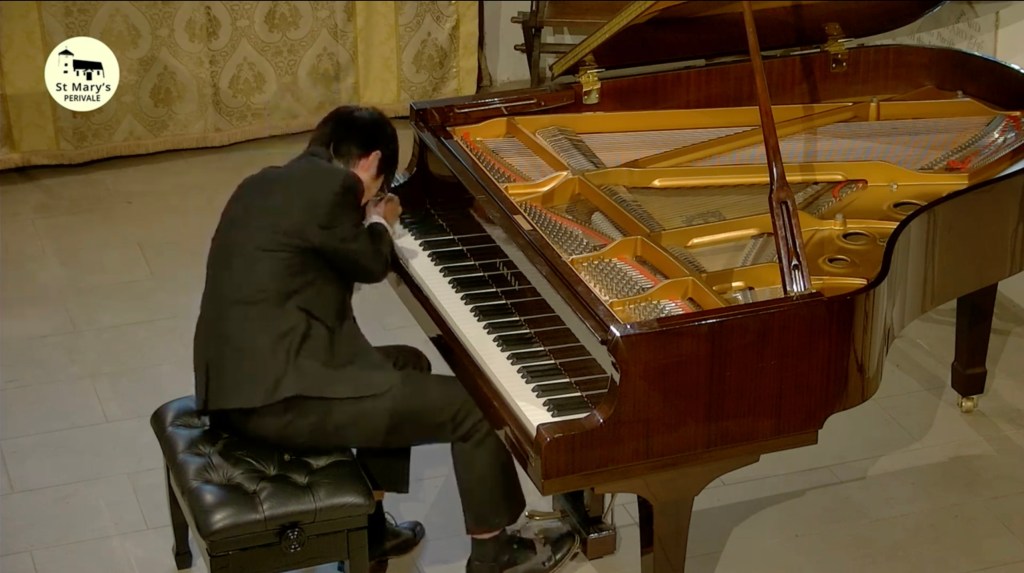
Certainly to see Jackie hit the final three D’s of the preludes with his fist is hard to accept or his strange arrangements of notes in the third prelude or the jiggery pokery of alternate hands for the vibrating flourishes of the Polonaise – Fantaisie.This was a small price to pay for a Chopin Nocturne op 62 n.1 that had a rare sense of freedom with a wondrous range of colour. Less successful was the Polonaise -Fantaisie op 61 where his playing lacked an overall architectural shape, sacrificing it for some memorable moments.Proven by the fact that he played the final A flat like a shot in the dark instead of like a gentle closing of fantasy as it had opened.The Barcarolle op 60 the twin of the Polonaise too, starts with a deep C sharp that just opens up the sonority of the piano and closes with the same sound. The actual climax of the work, as with the Polonaise Fantaisie comes long before the end.
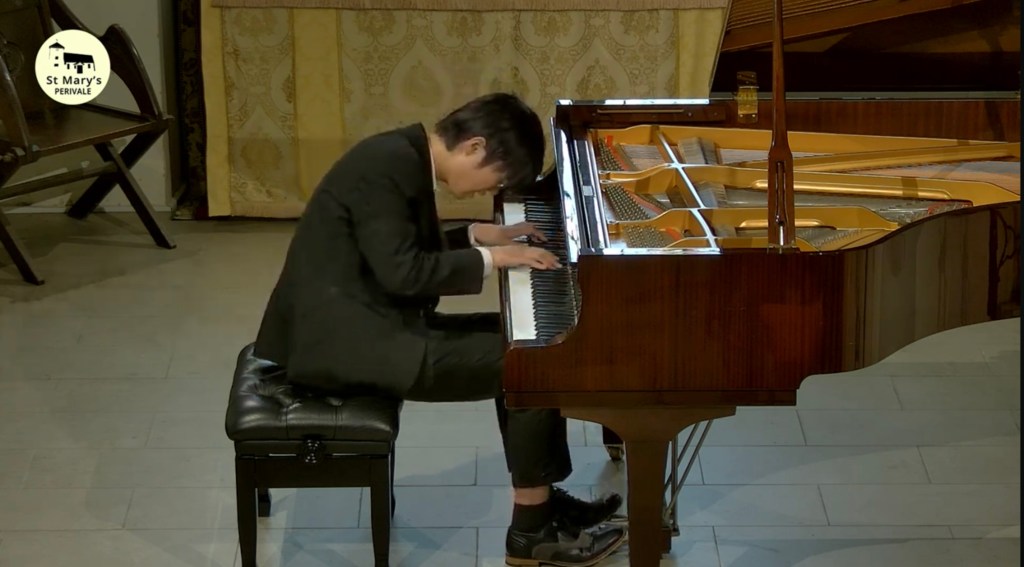
It was in the smaller forms that the true genius of this young man rang out so memorably. Fou Ts’ong called these Preludes 24 problems because they each have problems, whether interpretative or technical, and Jackie imbued each one with life or death intensity that kept us enthralled.These well known preludes were reborn as he recreated each one with burning passion and ravishing beauty. Nowhere in this consideration have I spoken about the technical mastery and perfection of this young man, which was remarkable. It was just the means to allow him to express the deep inner meaning that the music provoked in him.
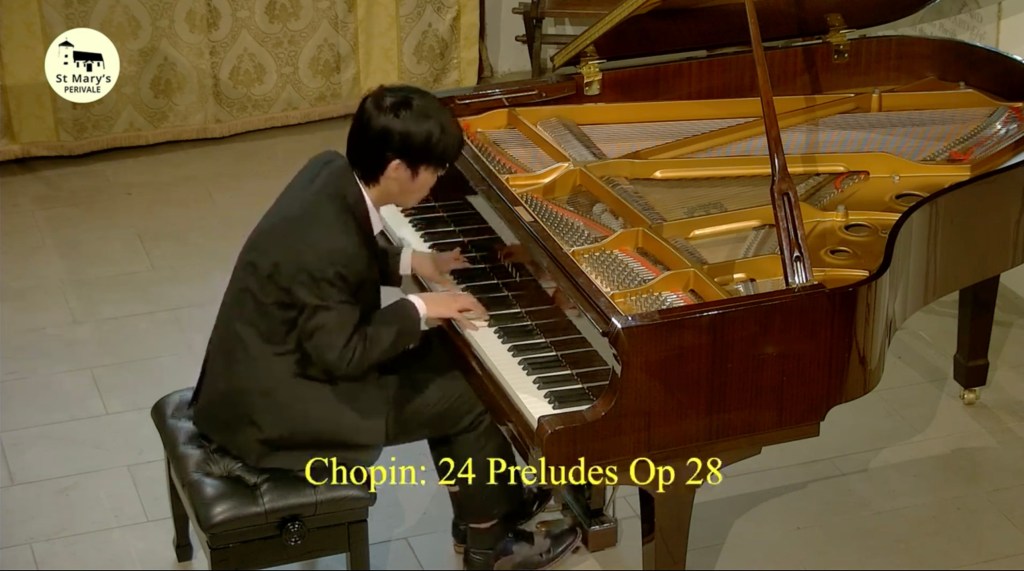
Waving his hands like a painter before they actually stroked the canvas with the improvised freedom of the first prelude. A deep brooding to the second where the accompaniment almost eat the melody live as it was allowed a voice of its own. No idea why he wanted to play the opening of the third with two hands when he has a technical mastery the envy of most! He allowed the melodic line, though, to float above this wave of sounds.The famous fourth prelude was played with a drama enacted with riveting intensity followed by the subtle brilliance of fifth and the ravishing beauty of the melodic line in the sixth. The seventh may be the shortest prelude but when played as Jackie did it became a breath of fresh air of glowing beauty.
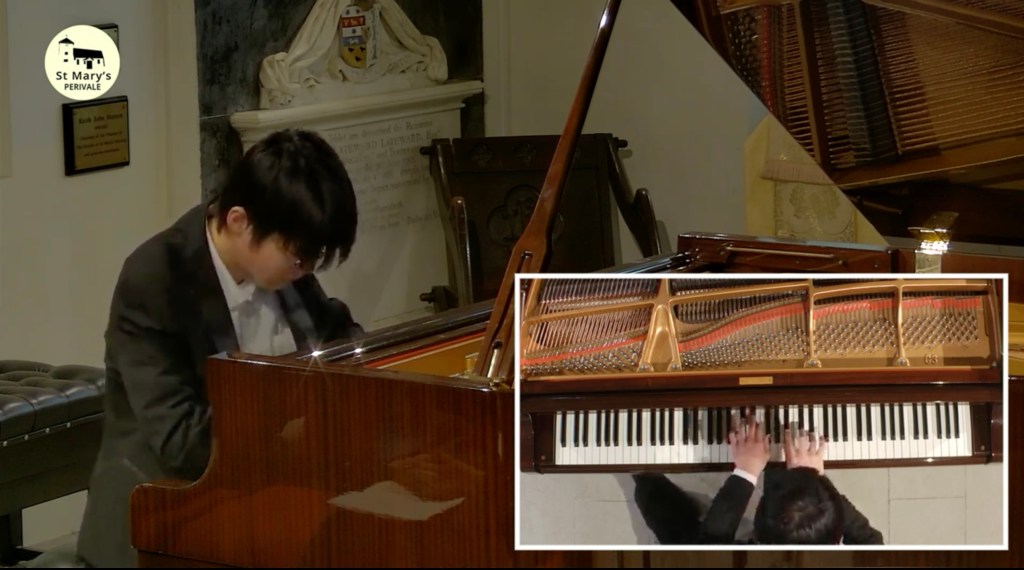
It was the eighth which ignited the passion and burning intensity within this young man where he was allowed this outlet with playing of mastery and conviction. The grandeur of the ninth with its sumptuous climax and miraculous ending was followed by a brilliant fleeting jeux perlé just ornamenting the sumptuous melodious chords of arrival. A beguiling rubato to the eleventh where the branches of Chopin’s trees were allowed to flow with extraordinary natural beauty and freedom. A burning intensity to the twelfth with its dynamic drive. The thirteenth in many ways the most strikingly beautiful of the preludes was played old style with broken hands because he was searching for the magic sounds that the great pianists of the past knew lay in the cracks. Jackie listening to every note with quite extraordinary sensibility. The wind of the fourteenth ,a mere breeze as it built in intensity only to burn itself out revealing the radiant beauty of the ‘Raindrop’. A real tone poem opened as the central episode unwound with disturbing turbulence.The sixteenth with its study like brilliance was played with the amazing assurance of a young virtuoso who must now listen more to the bass which will give more meaning and depth of sound to this study that is above all a miniature tone poem. Beautiful long lines and ravishing freedom to the seventeenth was greeted by the dynamic cadenza of the eighteenth. The nineteenth is one of the technically most difficult of the preludes ,but in Jackie’s masterly hands it became the Aolean Harp of Chopin’s dreams. The mighty C minor was played with the enormous conviction of this young artist as it disappeared so magically, leaving the beautifully mellifluous twenty-one to lead us to the final three preludes , played with poetic fantasy and passionate persuasion. A remarkable performance full of blemishes and exaggerations but the preludes have never kept me riveted to the seat as much as they did today. This was a young man with a poetic soul gradually coming to terms with his youthful passion and mastery , where his deep love for music was overpowering and deeply moving. I look forward to the next instalment in Jackie’s thrilling voyage of discovering himself through his music.
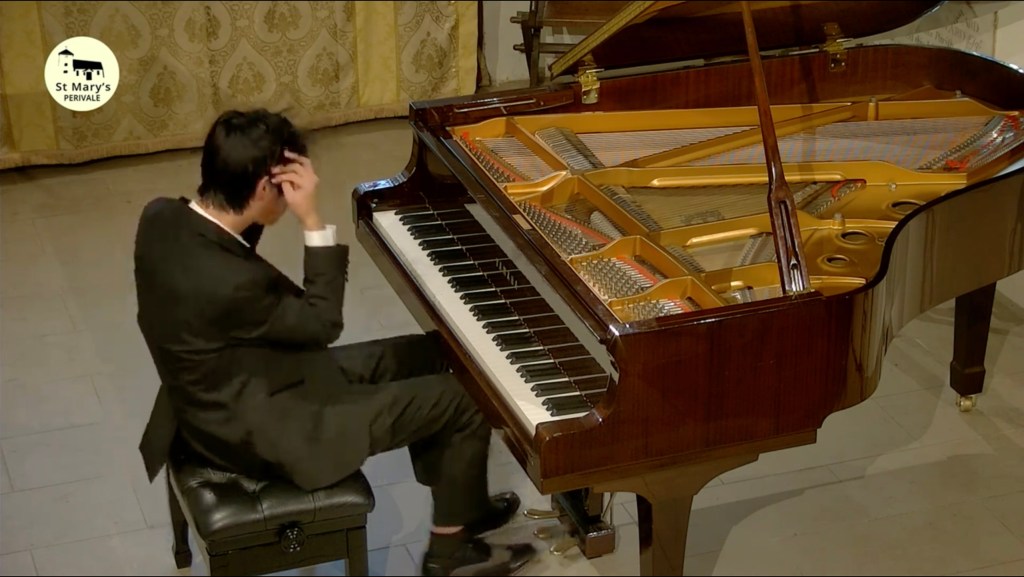
The waltz op 18 was an unexpected encore. It was played with brilliance rather than charm, starting with chiselled notes that might well have broken the toes of Les Sylphydes!
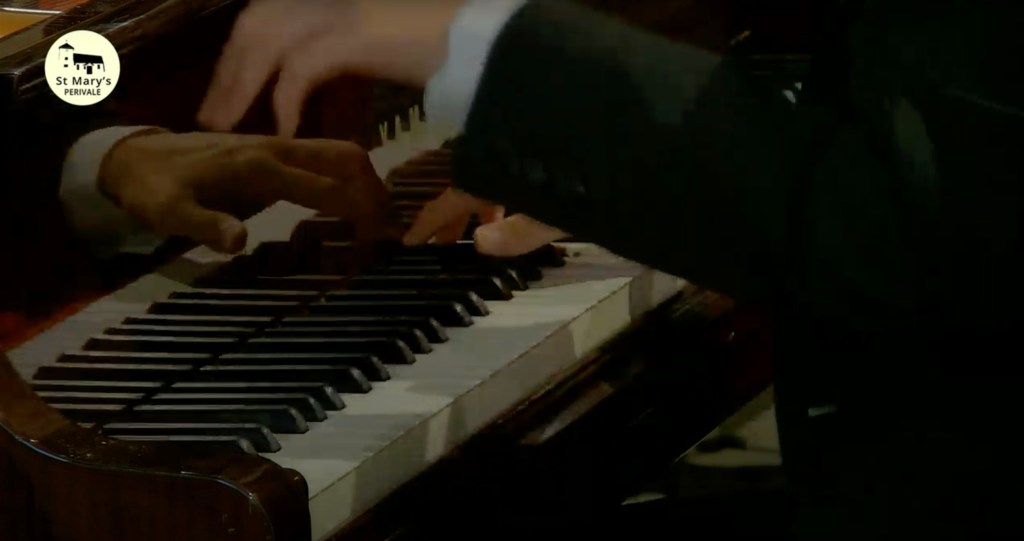
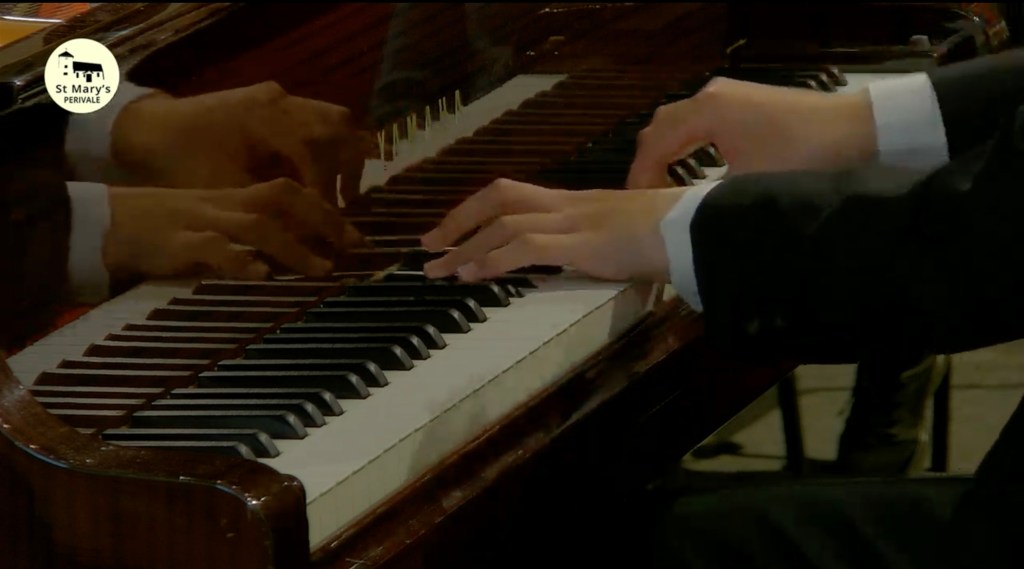
Jackie is a great artist who is living, searching, suffering every moment as he strives to recreate the vision of his poetic sound world.
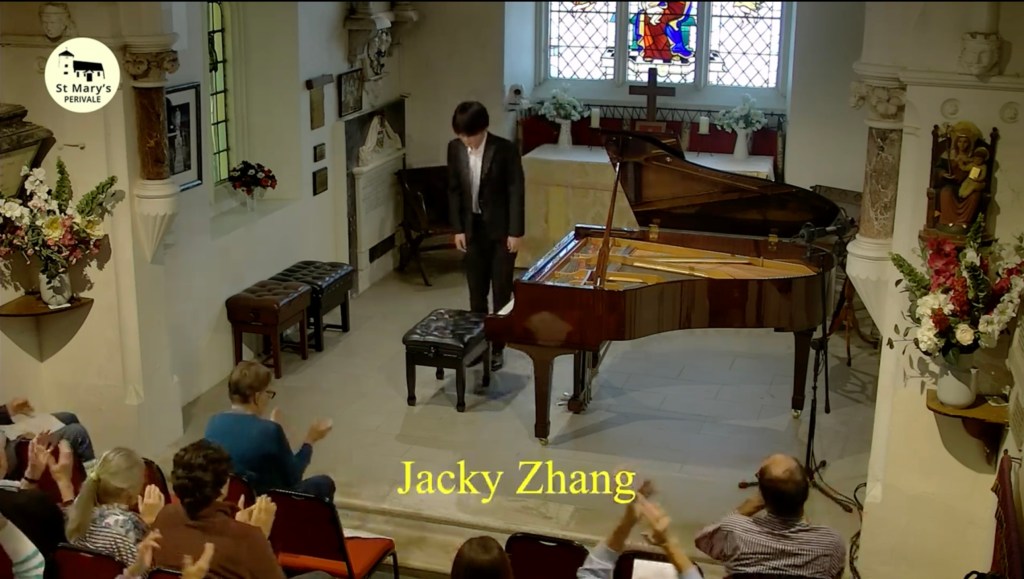
Jacky Zhang is a young composer, pianist, songwriter, and producer. Still only 17 he is a fourth year undergraduate currently studying piano and composition at the Royal College of Music. He has won the first prize of the UK Piano Open International Competition in 2020, Premio Alkan International Piano Competition in 2022, and both Classical and Romantic sections at the Cantù International Piano and Orchestra Competition in 2023 and was a finalist in the BBC Young Musician 2024. Jacky has performed at many festivals and venues and has played concertos by Saint-Saëns, Mozart, Beethoven, and Rachmaninoff with well-known world-class conductors.
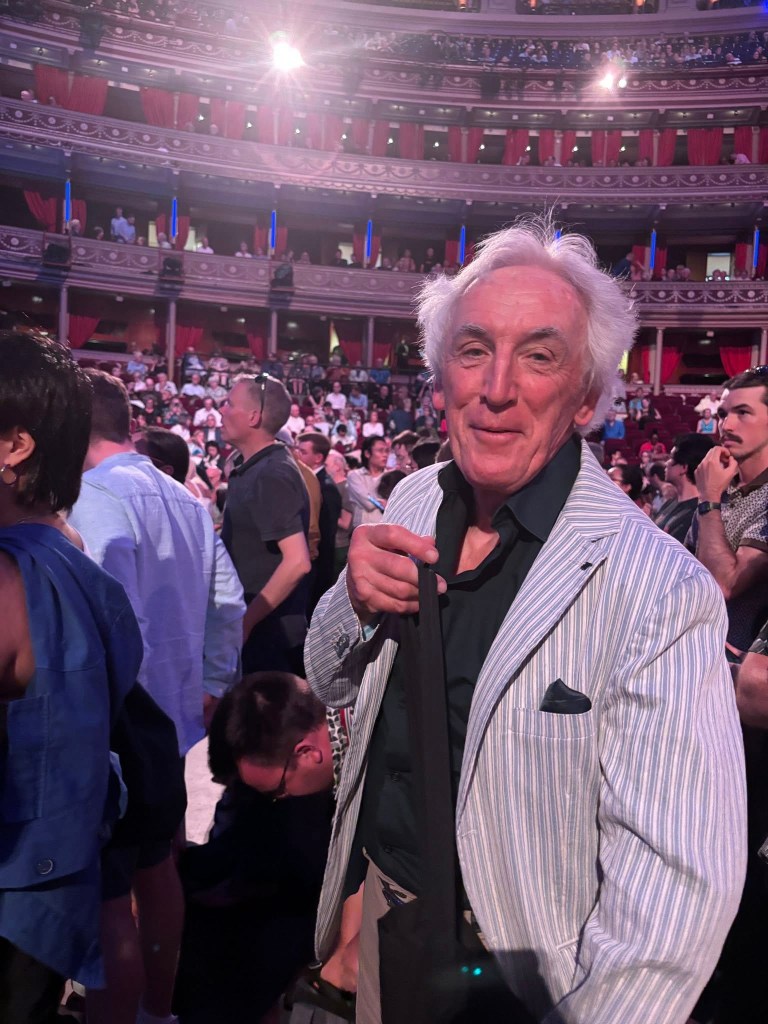
 ChristopherAxworthy-MusicCommentary