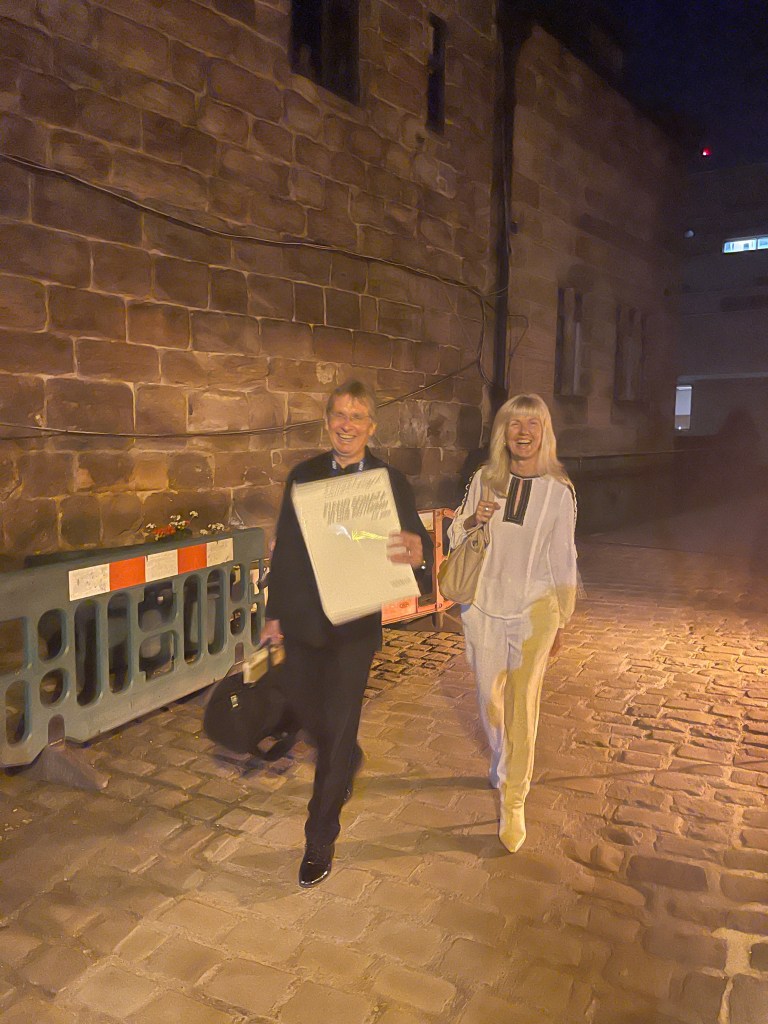
There is obviously something very special in the air in Manchester these days. Music of radiance and beauty is filling the air from musicians of dedication with a musicianship of integrity and honesty . Artists dedicated to serving the composer and not abusing the composer, as Brendel would say.

Today the first of four concerts began with two young artists : Susanna Braun and Luis Ribeiro perfecting their studies at the RNCM .
The first in the Young Artists Recital lunchtime series that Susanna opened with Scarlatti of delicacy and precision. A dynamic drive and energy within the notes themselves with subtle refined phrasing, managing to create a jewel of glistening brilliance. It was the same intelligence and refined tonal palette that gave such weight and importance to Liszt’s late Hungarian Rhapsody. A work rarely heard in the concert hall was here rediscovered and reborn with a refined musicianship that was of radiance and beauty rather than rhetorical showmanship.
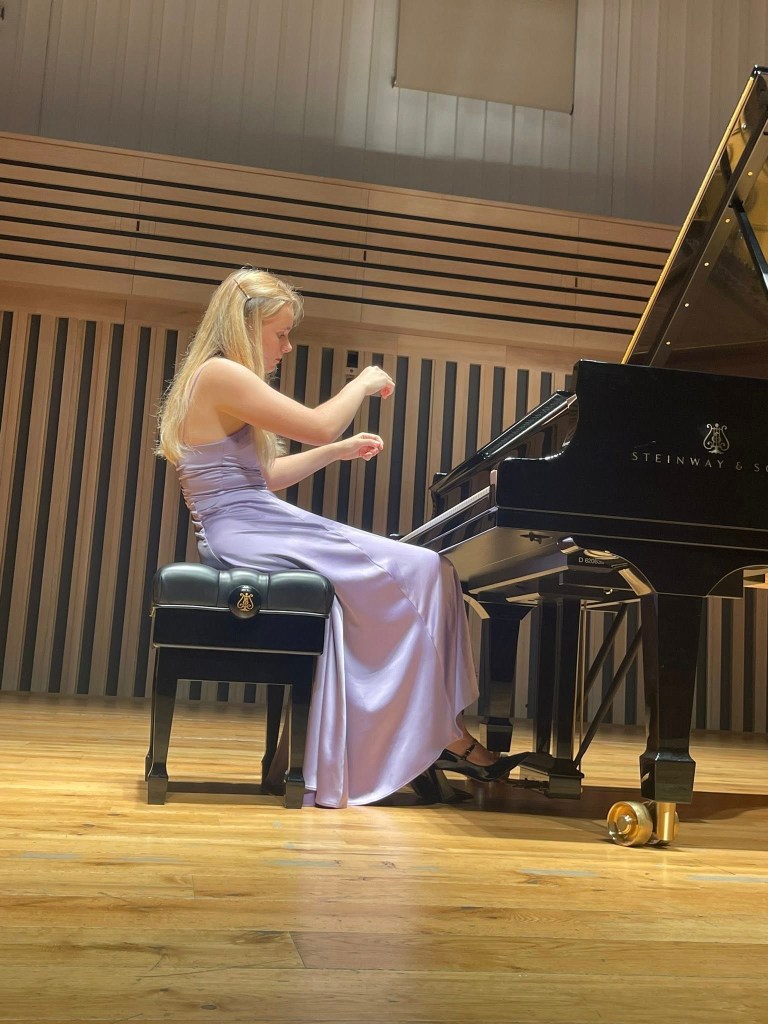

Scriabin’s magical fourth sonata found the ideal interpreter in Susanna with a sense of balance that could allow Scriabin’s mellifluous invention to sing with glowing beauty wrapped in arabesques of gold and silver. Such sensitivity and sensibility that the melodic line was revealed rather than projected. The pianistic gymnastics of the second movement were played with masterly precision but always allowing for the sense of line the builds to the sumptuous vision of the star which she allowed to overpower and fill the piano with sumptuous sounds of exhilaration and excitement.

Chethams is far from the circus arena mentality of comparative performance.It is a living , vibrant shrine to music with a capital ‘M’. Luis Ribeiro who I had just met having an early lunch , like me, before the music making began. The difference of course I can listen passively but a performer has to actively produce the sounds .
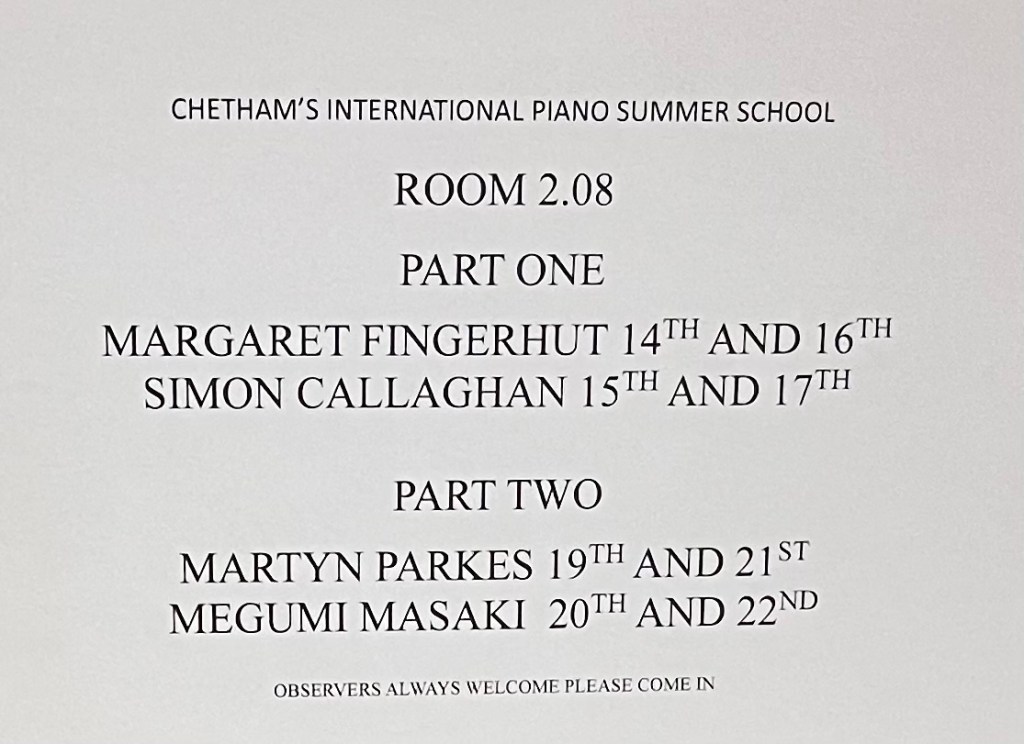
Luis had obviously enjoyed his early lunch as was evident from the authority and beauty he brought to all he did. An innocence of humility and mastery as music just poured from his fingers with a glowing radiance of beauty. Rarely performed works of Bortkiewicz who I had heard in a recital of Ukrainian composers given recently by Margaret Fingerhut at the Wigmore Hall , who will be performing here on Saturday.
Luis, a student of Murray McLachlan played four of the lamentations and consolations from op 17 . The two lamentations were played with a flowing mellifluous output of great beauty . The seventh in E flat minor , in Scriabinesque style, full of technical challenges that Luis played with masterly musicianship and passionate persuasion . The two consolations were played with an ethereal beauty that Luis projected with great poignancy and subtle colouring.


Suddenly Luis tuned into fifth gear for the sound world of Prokofiev . A menacing relentless rhythmic drive but played with a kaleidoscope of colour with wild insinuating sounds thrown onto this throbbing persistent outpouring . A tour de force for any pianist but in an artist’s hands,as today, it can turn into a tone poem of remarkable potency and brilliance . It was a teenage Martha Argerich who astonished the world with the same combination of transcendental brilliance combined with a kaleidoscope of fantasy and colour.

The exquisite cuisine at Chethams obviously played its part today too !!!
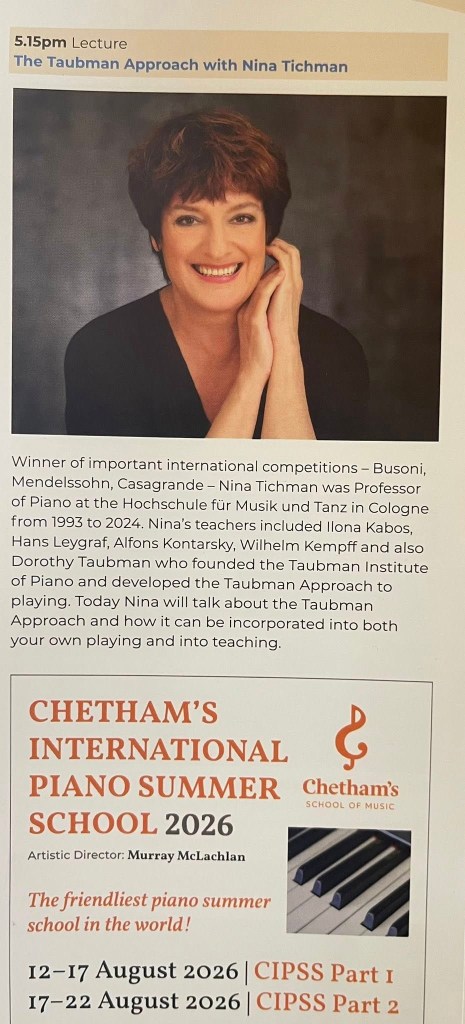
The Taubman Approach explained by Nina Tichman in a fascinating illustrated talk where we were given just a snippet of her superb playing. Music speaks louder than words but Nina’s ability to explain the Taubman myth was fascinating and cleared up
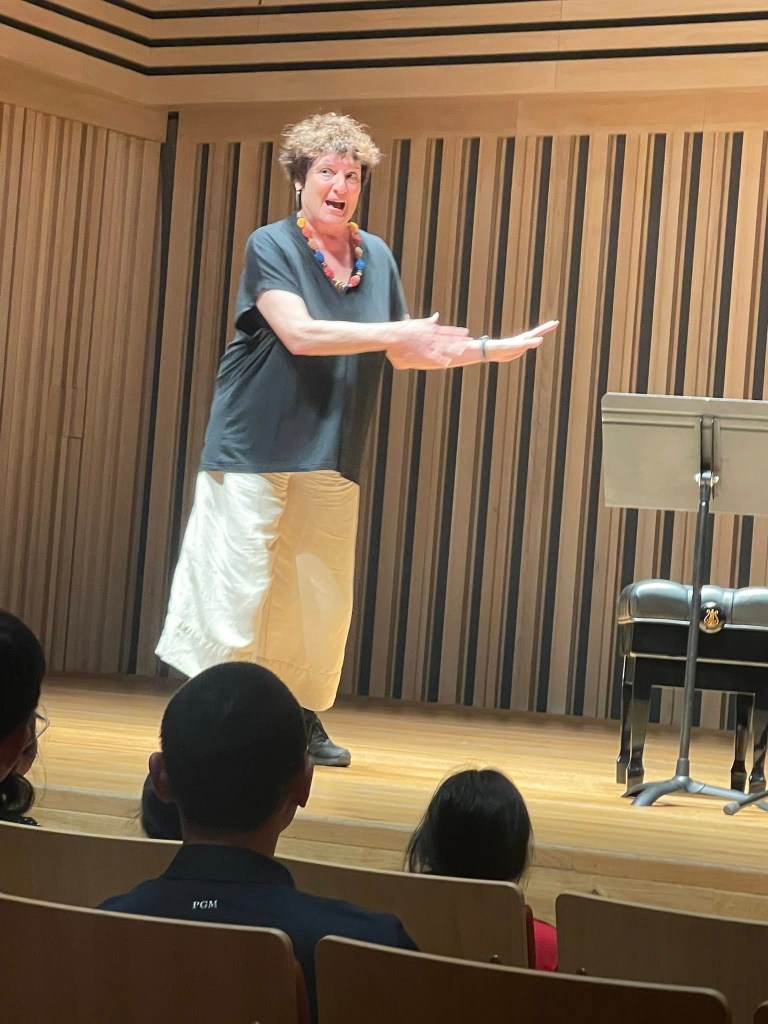

many misunderstandings that have grown over the years via musical gossip and ignorance .


Nina tells me she is playing a Schubert Sonata programme next month: the little A major , big Aminor and the D major. Her range of sound and kaleidoscope of colour will speak louder than any words ever could. The ending of the D major was pure magic as I could appreciate as she tried the piano before her talk.
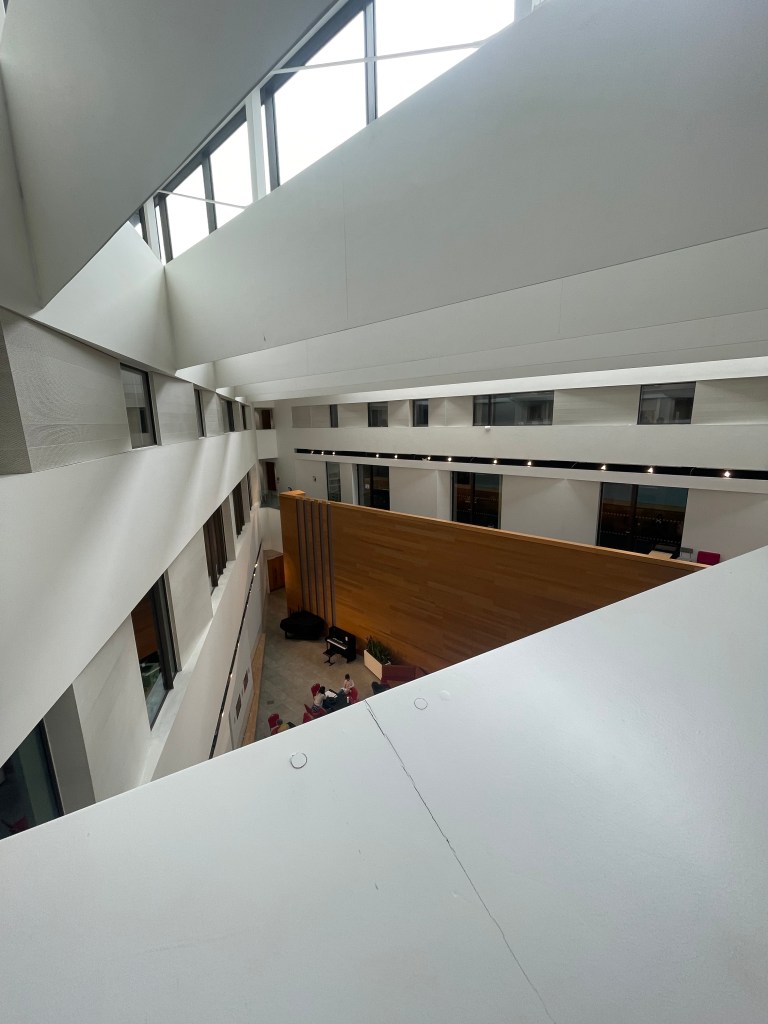
……..in the meantime ………..Goings on at Chethams
Two great ladies : Dina Parakhina and Noriko Ogawa sharing their artistry with aspiring students
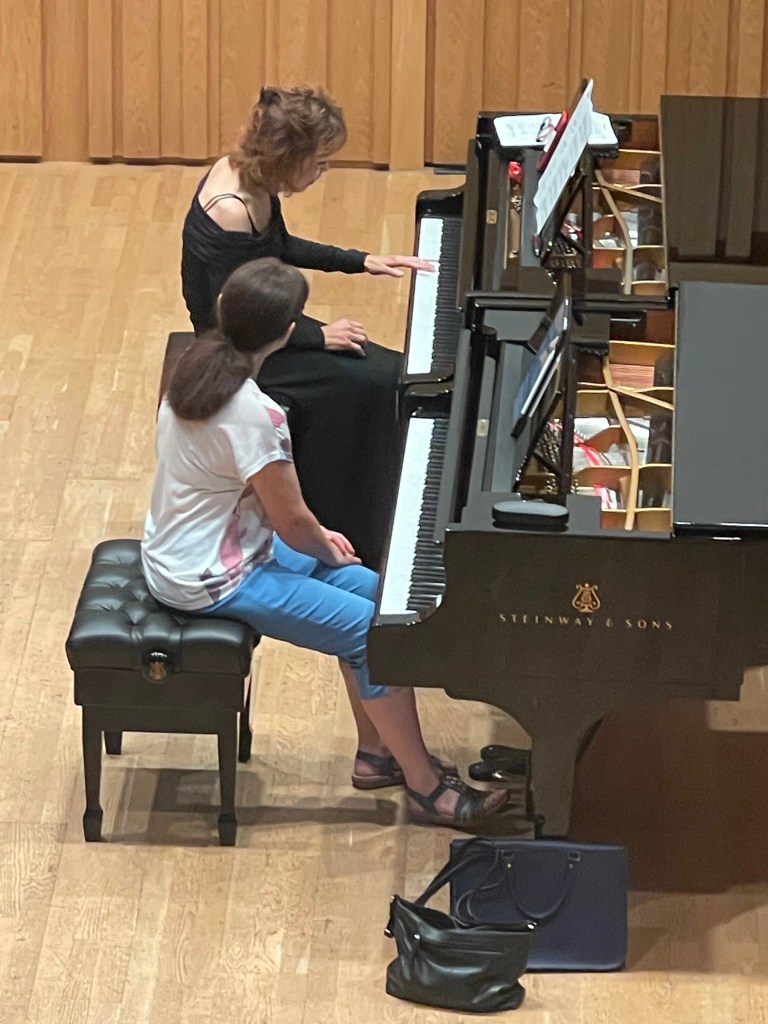


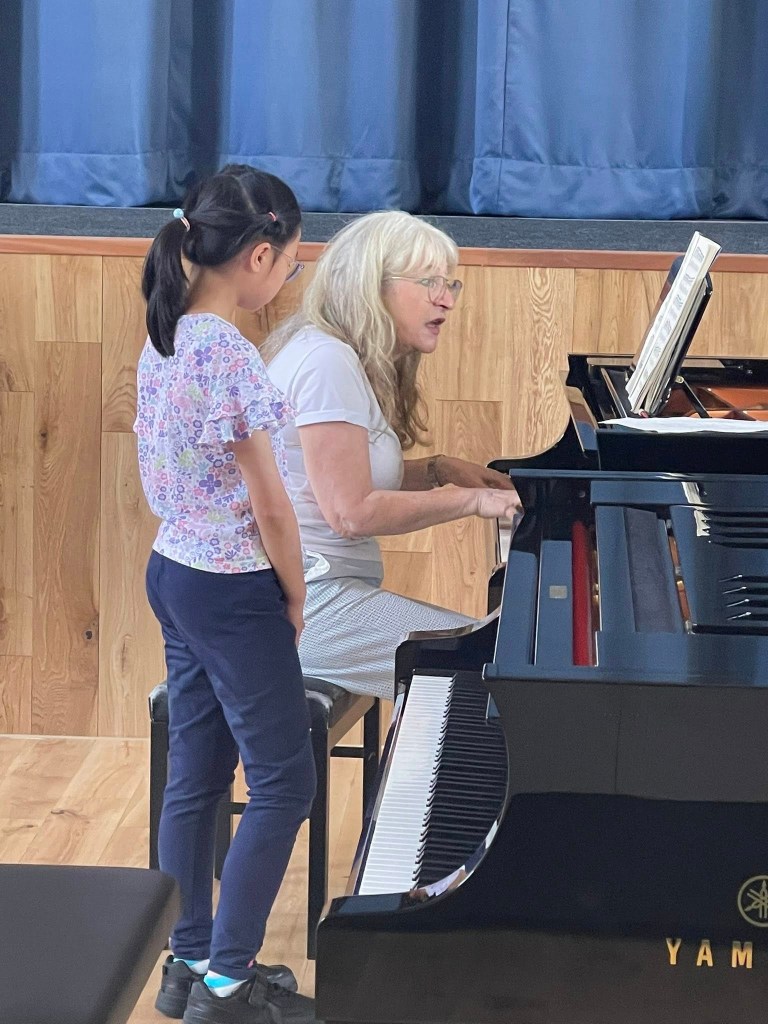
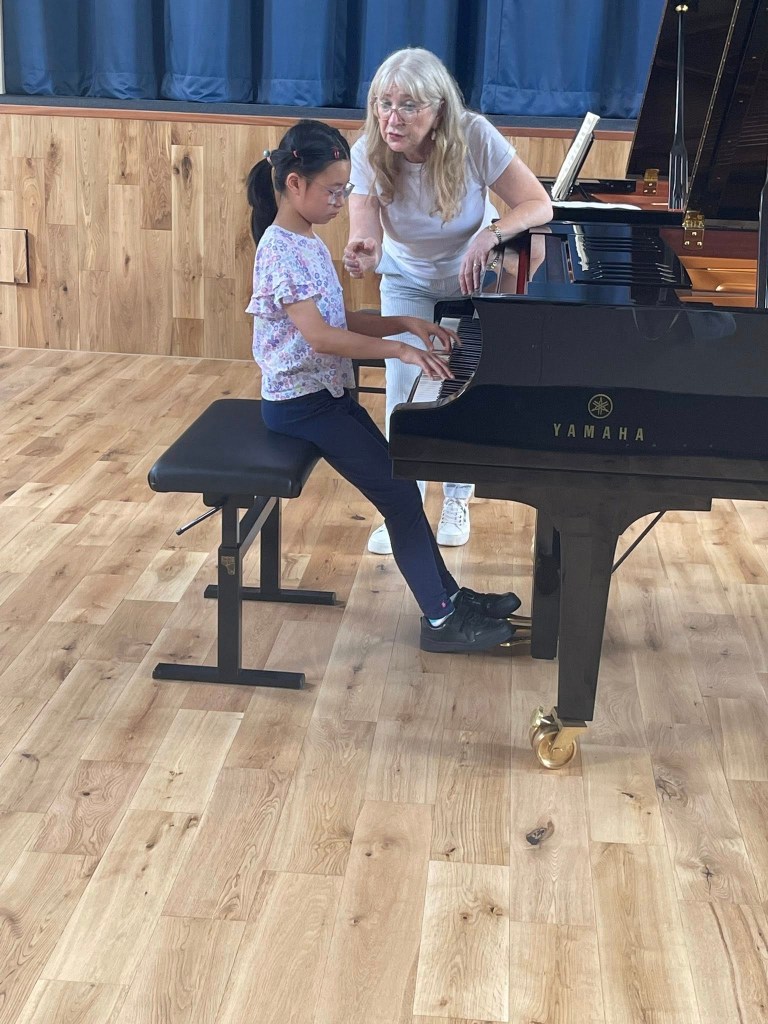

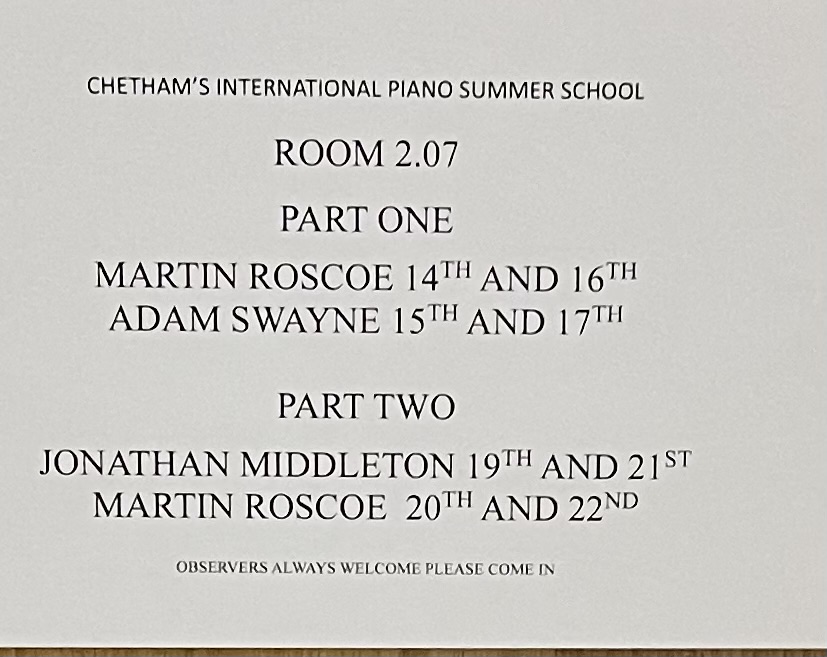


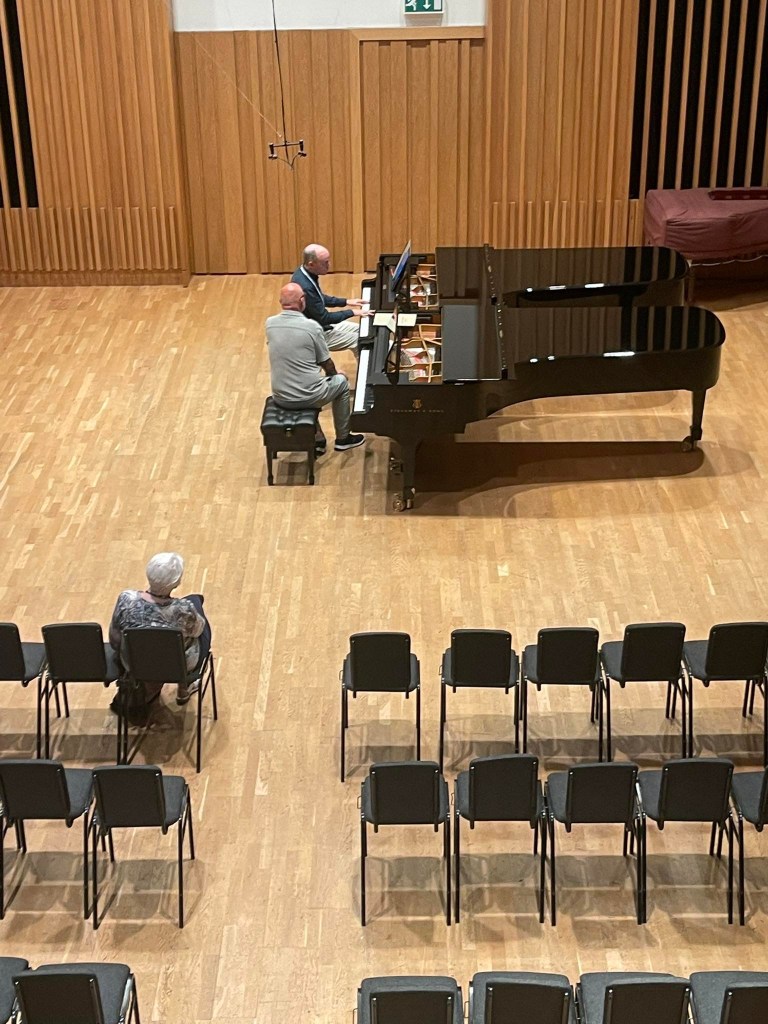


An incredible ‘ tour de force ‘ with a recital by Murray Mc Lachlan based on the Fantasy.
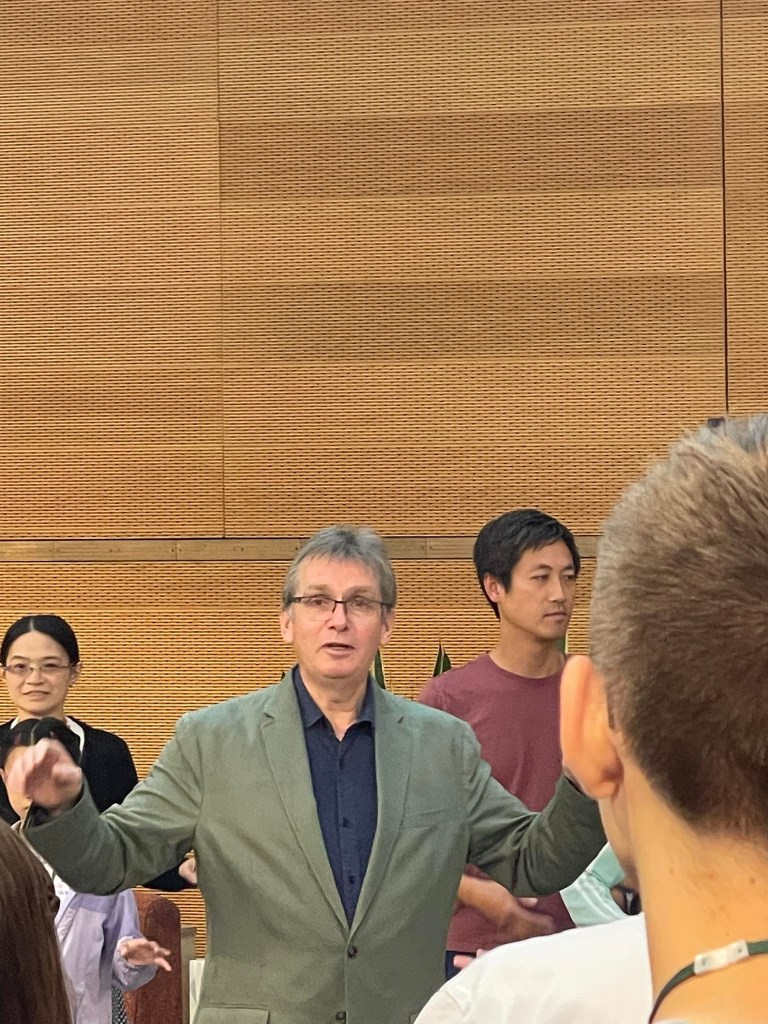

Murray who had started the day with early morning warm- ups at 8.15 and a full teaching schedule all day. He even presented Nina Tichman just a couple of hours before sitting at the piano himself to embark on a recital that would strike fear into the most courageous of pianists.
But then the Mc Lachlan clan are renowned for their seeming endless amounts of energy and organisational skills and its is thanks to them that this oasis for pianists has existed for the past 22 years.It was nice that Murray remembered his mentor Peter Katin to whom he dedicated the concert, having studied the first two works with him .Peter Katin was a great friend of mine too and he would often come and play in my concert series in Rome towards the end of his life when his fame seemed to be on the wane after his return from a long period spent in Canada.

A monumental performance of the Chromatic Fantasia and Fugue of Bach. There are many editions of the opening Fantasia that is a great improvisation of monumental proportions of drama ,brilliance and recitativi of poignant significance. I like to think he used the Busoni elaborations as he was to shine a spotlight on Busoni later in the programme with the Carmen fantasy and the works of Ronald Stevenson dubbed by many as the Scottish Busoni.
Murray played then Bach with crystalline clarity and remarkable rhythmic precision bringing all the improvised elements of the Fantasia together to create a unified whole of monumental proportions. The Fugue subject entering on the whispered final chord of the fantasia and building into a complex work of knotty twine, where Murray could steer us through the genial maze with superb musicianship and a sense of line that brought the work to a conclusion of nobility and searing emotional intensity.


From the very first notes of the Chopin Fantasy I could feel the presence of Peter Katin who in his day would regularly give Chopin recitals in a sold out Festival Hall. There was a weight and sense of portamento to Murray’s playing which allowed for a continuous flow of music invention under a roof of sound that united all the exquisite details and passionate outpourings into one unified whole.
The extraordinary central episode was played with a poignant simple beauty before exploding with dynamic drive and passionate commitment with playing of remarkable strength and a harmonic precision that allowed for such freedom and intensity.
The Busoni Carmen Fantasy burst onto the scene with an enviable dynamic drive as it’s hustle and bustle just prepared us for the arrival of Carmen. Voluptuous beauty and scintillating beguiling streams of notes created the red hot atmosphere that Busoni could conjure up in his hotel room, one afternoon, as a refreshing change to the challenge of the birth of his masterpiece Doktor Faust. This is a tour de force for any pianist and a display of jeux perlé and dynamic brilliance added to a chameleonic change of character. Needing a kaleidoscopic palette of sounds that Murray amazingly demonstrated with his scintillating playing of ravishing seduction. It was unearthed in my day by the young John Ogdon and it was Ogdon that Murray mentioned when talking about his first meeting with that genial musician Ronald Stevenson.
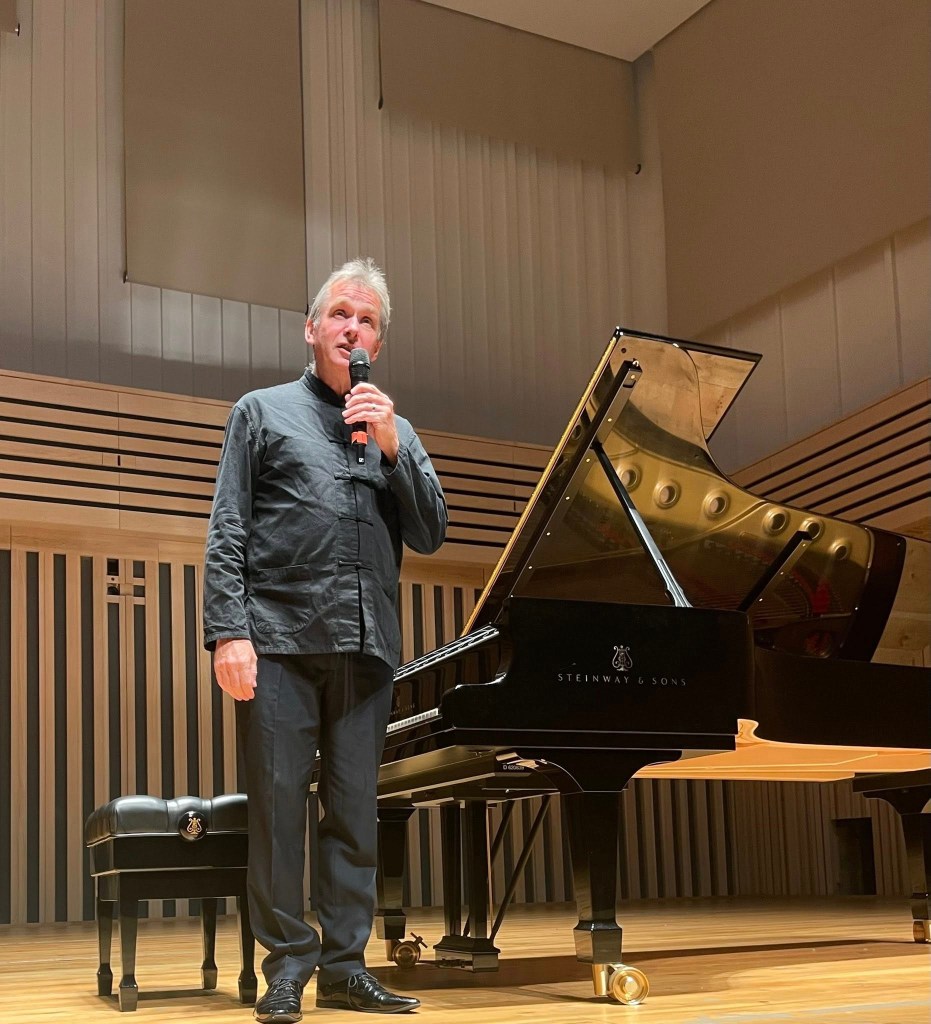
Arriving at the composers house he was asked to sight read the Fantasy on Peter Grimes that he had just written. Murray tells us that Stevenson did not think much of his sight reading as Ogdon had done much better the week before! Approved by Benjamin Britten himself in 1974 who was responsible for finding a publisher too, it is a work that is part of Murray’s repertoire. It shows a remarkable range of colour as Stevenson seems ,like Busoni , to find the very essence of the work and is able to elaborate a free and improvised work of great invention and originality. The final piece on the programme was in fact a rarity that is Stevenson’s fantasy on Busoni’s Doktor Faust .It was fascinating to hear Murray tell us about the birth of a work that had been put to one side until quite recently. It was a work conceived in Victoria Station just next door to Chethams when Stevenson had finally got hold of the score of Busoni’s monumental Doktor Faust. It was a life changing experience for Stevenson and this very early work had been put to one side until only recently.
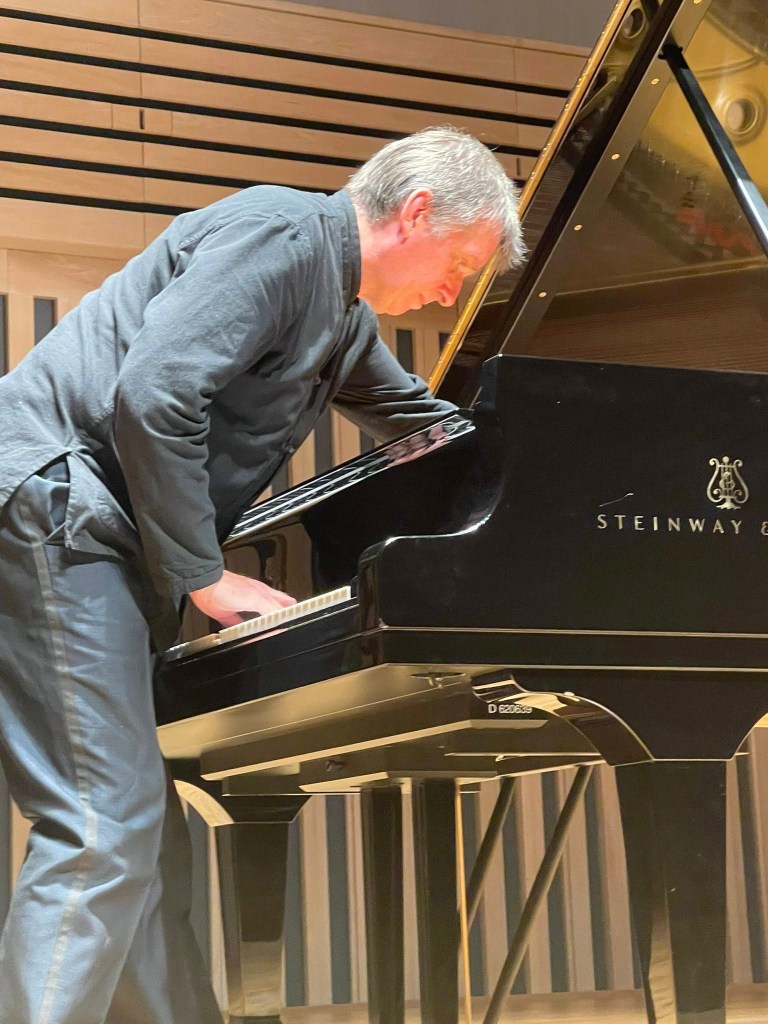
Tonight was perhaps only the second public performance and its was a heroic gesture that Murray could include it tonight in his recital which comes in the midst of a musical activity that would strike terror in to the most intrepid souls.
Not our Murray who after an authoritative performance of this innovative work he also played an encore written by a composer actually present in the hall.

A charming waltz by Euan T Moseley who is an 82 year old geography teacher whose complete works Murray is recording .Murray will also celebrate the works of another composer Edward Gregson whose 80th birthday Murray will be celebrating on Saturday with a recital dedicated entirely to a selection of his piano works.
Murray after such a tour de force still had the energy to present the next recital by Leon McCawley just half an hour later!
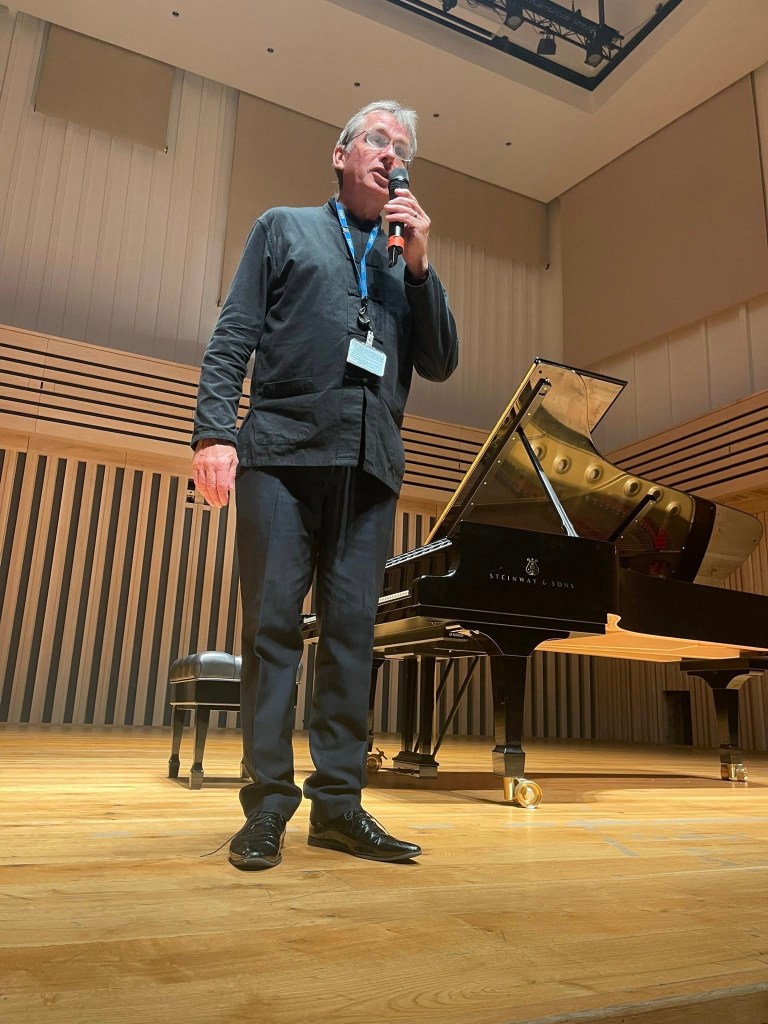
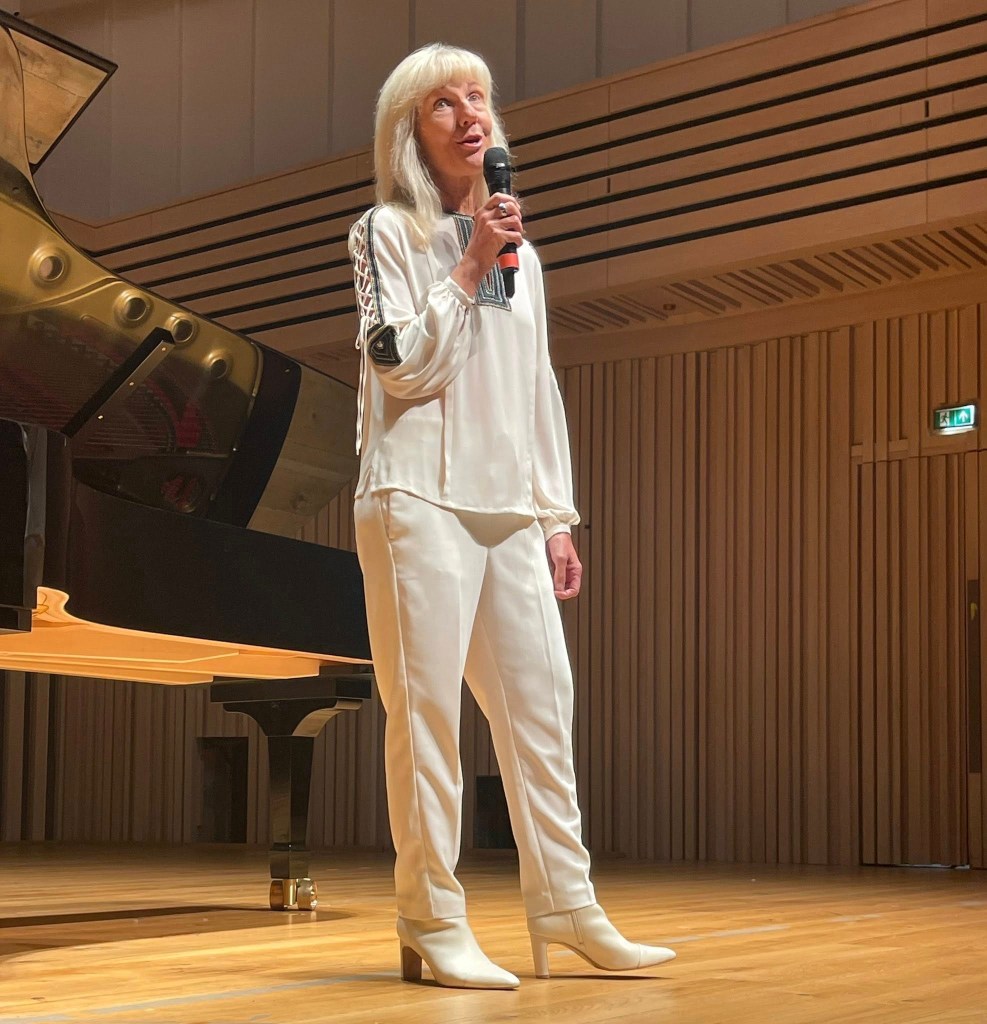
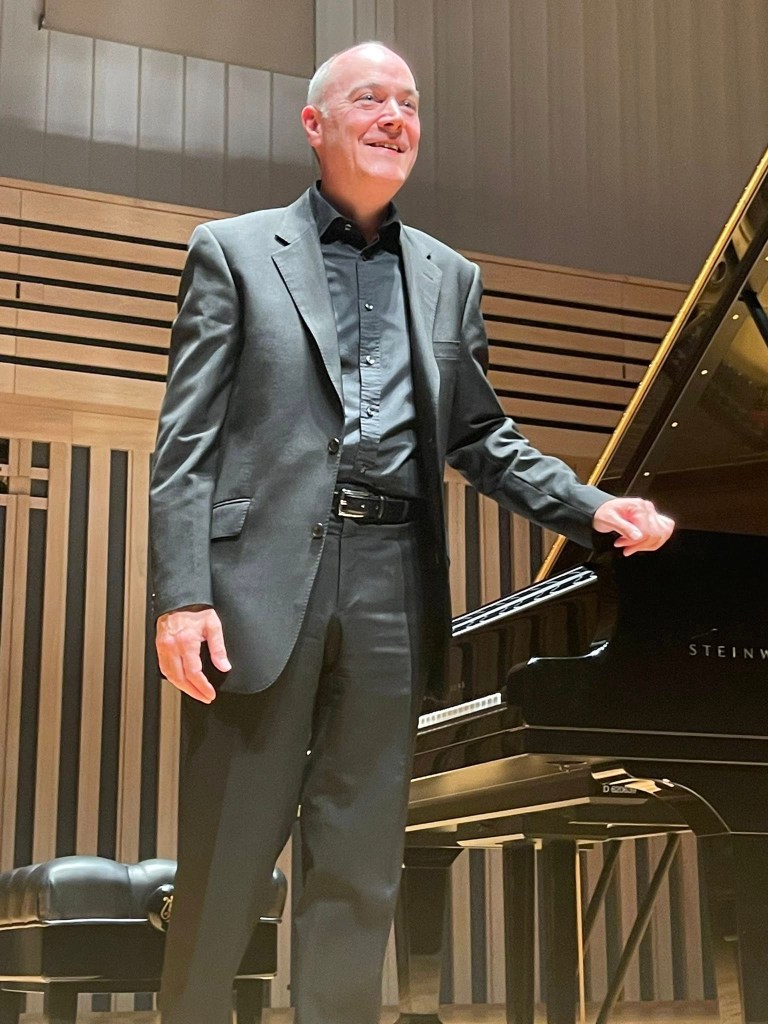

Hot on the heels of Murray McLachlan, Leon McCawley bestrode the Stoller Hall like a Colossus. Playing of such intelligence and integrity and a pianist who could bring Beethoven’s ill fated Andante favori into the spotlight with an extraordinary range of sounds.A classical discipline that was filled with music making of such character never allowing Beethoven’s dynamic drive to loose its momentum or the constant undercurrent of energy or to be distracted by fussy detail. This was playing of refined artistry combined with a scrupulous attention to the indications of the composer. It was strong vibrant playing with moments of Beethoven’s constant changes of character played with a mastery that brought the music vividly to life .
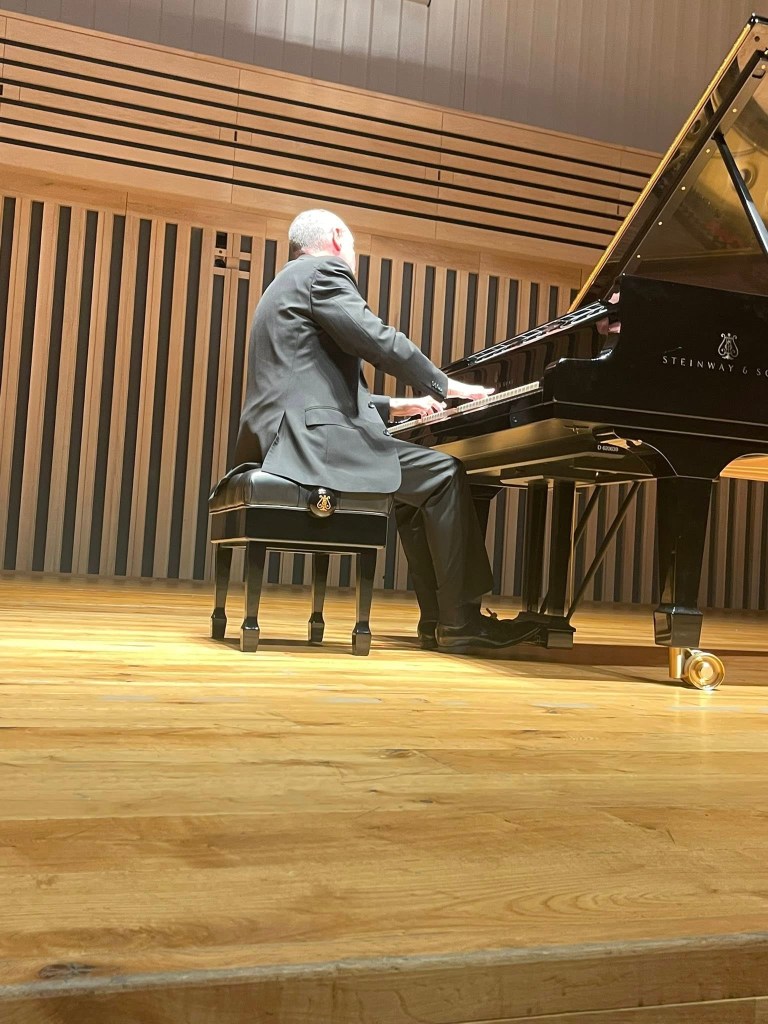
The ‘Waldstein’ Sonata burst into life on the tail of the Andante Favori, which originally was to have been the slow movement. Beethoven obviously realised that it was far too an important work to include in the sonata and it was published separately, the composer substituting it with an introduction to the Rondò. It was an intelligent choice to preface the sonata with the Andante and in Leon’s magical hands it seemed that this was its rightful place rather than actually being part of it.The ‘Waldstein’ just flew from his hands with a whispered rhythmic drive played with remarkable clarity and precision. The second subject beautifully shaped without any slowing, which allowed the music to flow with a continuous forward movement leading to the gradual build up of harmonies in the development that Leon played with rich full sounds before returning to the pulsating rhythmic energy of the beginning. The introduction to the Rondò was played with sonorous sounds of great poignancy until the final G rang out with a luminosity that became the beginning of the beautiful Rondò theme of the ‘Allegretto moderato.’ Beethoven’s pedalling was scrupulously observed and it gave a magic sheen to the theme, contrasting with the ever more strenuous intervening episodes where power and extraordinary clarity was allied to an exhilarating rhythmic drive .Delius was quoted as describing Beethoven’s works as all scales and arpeggios, and nowhere is that more evident than in this sonata. But when there is such a burning energy behind the notes even scales and arpeggios become a giant spring unwinding before our very eyes.The coda too was beautifully played even if the famous glissandi were not attempted on this modern piano . Leon was so fleet of finger that it was not of any importance as the music moved inexorably forward with beauty and drive united in a master work of power and originality. It was the exciting sequel to the overwhelming ‘Appassionata’ that Martin Roscoe had played in the opening concert here at Chethams.


Franck’s Prelude, Chorale and Fugue is another work that needs a great musician to transform the rather rhapsodic nature into one monumental whole. Leon began with a wondrous whisper on which the theme emerged, as it was to do later in the last movement after the fugue. Leon has a masterly sense of balance and proportion and his scrupulous attention to detail makes for a wondrous journey.The expanding chords of the chorale are a magical way to make the chords vibrate and live with radiance and beauty – reaching for the stars which was the chorale played by Leon with masterly authority.The enormous build up to the climax of the fugue was defused by the glorious appearance on the horizon of the opening theme. It floated on the magical web of sounds that Leon could conjure from the piano and led to the aristocratic authority of the final joyous outpouring of chords reaching ever higher, with the majesty and devotion of a fervent believer.
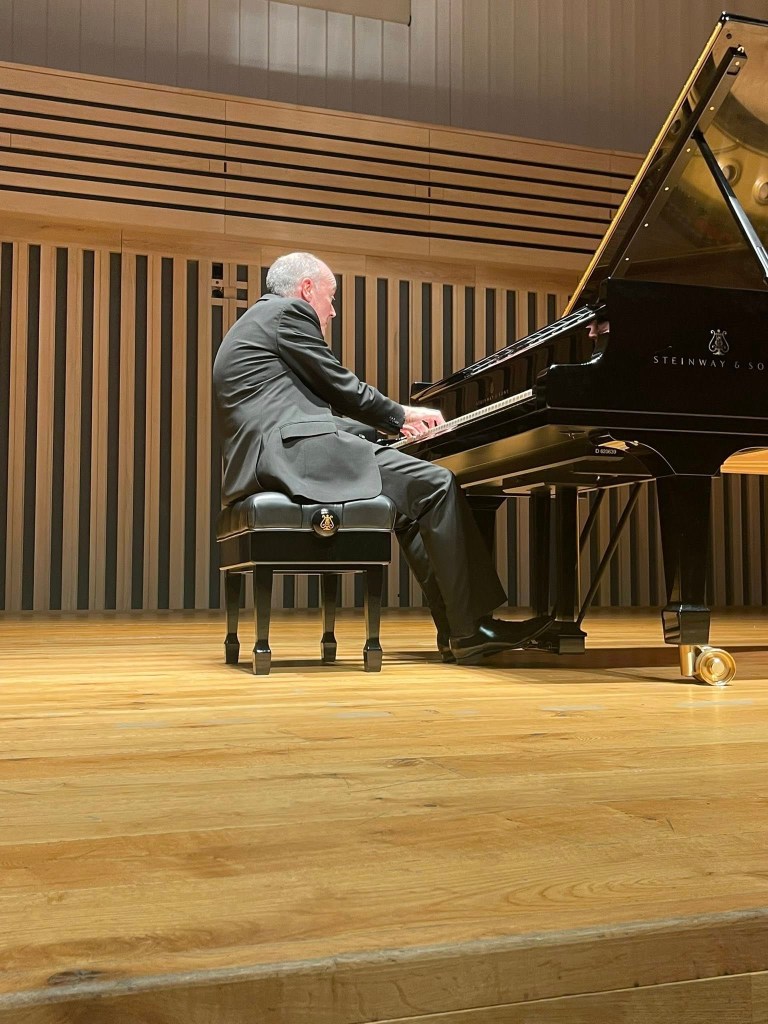
A whispered prelude by Rachmaninov op 32 n. 5 offered as an encore, was played with magical sounds and sumptuous sonorities built up with a masterly use of the pedals.


Cheered to the rafters by a public that included many of Leon’s illustrious colleagues and was a concert to add to the memorable music making that we have been treated to in the past few days.

Corey Hamm
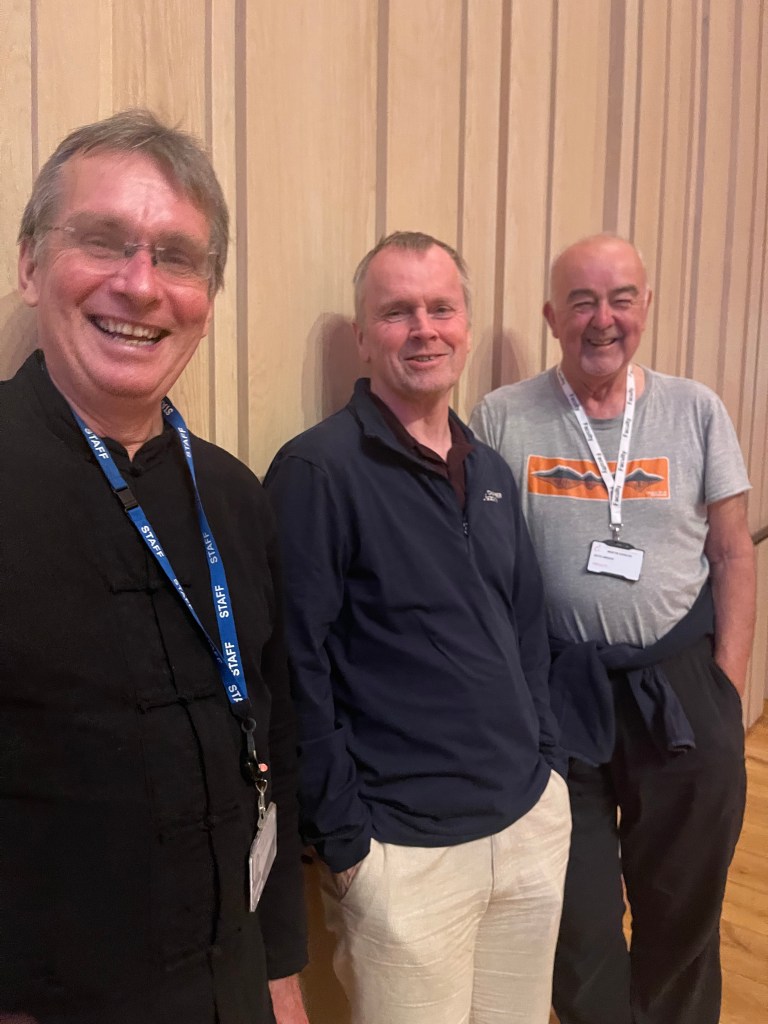


Yuanfan Yang giving two late night concerts playing through his repertoire for the International Chopin Competition in Warsaw for which he was one of the few selected from hundreds of applicants of aspiring young pianists.
His first recital was with the works he will present in the first round.
Beginning with the famous Chopin Study op 10.n.3 the so called ‘Tristesse’ etude or ‘How deep is the night’ – a good title for a concert that started at 10 and was the fourth on this very full day!

Corey Hamm , on the faculty this year , his former student Jaeden Izik-Dzurko will give a recital tonight, had been asked by Yuanfan to make notes during his performance of some of the major works of Chopin.

From the very first notes of this much abused study the refined elegance and sense of style was the key to all he played.
The Barcarolle one of the greatest works of Chopin with it’s outpouring of mellifluous invention was allowed to flow on a wave simple natural beauty reaching heights of radiant bel canto before the increase of intensity to the climax that Yuanfan played with nobility and remarkable control . Letting his hair down with the impish cross rhythms of the waltz op 42 that Yuanfan played with a brilliant jeux perlé and almost improvised freedom of passionate intensity .
The Polonaise op 44 showed Yuanfan’s sense of architectural design, nowhere more than in the mazurka central episode that in lesser hands can seem so shapeless and more often than not pointless! Not in Yuanfan’s hands where the long repetitive motiv was given a sense of direction as it dissolved into the ravishing beauty of long drawn out bel canto. The rhythmic drive and technical mastery of the actual Polonaise was played within a sound world where the technical challenges passed unnoticed, as the forward propulsion and architectural shape were played with extraordinary musicianship and understanding. This is not always the case with an often misunderstood masterwork.
The six preludes from the heart of Chopin’s twenty four, 13 to 18, allowed Yuanfan to pass from the sublime to the ridiculous ! The thirteenth a sublime outpouring of bel canto where the beauty and delicacy of the meandering left hand should be of harmonic support but also discreet to allow the melodic line to sing with a natural glowing radiance. Yuanfan did not project the sound but allowed it to emerge with his masterly sense of balance. A rumbustuous wind blew over the fourteenth before the simple refined beauty of the ‘Raindrop’ prelude. It was played with restraint and aristocratic good taste and it lead to the sweeping mellifluous beauty of the seventeenth. Allowed to flow with a natural unaffected beauty where even the deep A flats in the bass allowed the melody to return floating on a cloud of wondrous sonorities. The sixteenth is in fact a ridiculous stream of notes with a relentless pounding bass that leaves no room for a moments doubt . A ‘tour de force’ played with mastery but also with passionate intensity by Yuanfan. A dramatic cadenza was thrown off with transcendental streams of notes before Yuanfan’s teasing escapade into the bel canto world to be found in Chopin’s Nocturnes .
The famous nocturne in E flat with unexpected variations that the new definitive version of Chopin’s works has included as authenticated elaborations by Chopin himself. It was true to Yuanfan’s enquiring musicianship that he should have uncovered this somewhat controversial element in performances practices of the day. Embellishments or not it was played with the same intelligence of refined good taste and style that is the hallmark of all he plays.
Yuanfan is a remarkable composer and improviser so can appreciate the motivation behind these practices that can seem to some an unnecessary intrusion on modern day instruments that can sustain and resonate in a way that was not possibile in the day when the ink was still wet on the page .
A controversial subject that really is of little importance when structure and architectural shape are paramount and as Yuanfan showed us with the final two works on his programme, the second Ballade and second Scherzo . A masterly control of musical intelligence that with humility and respect can recreate these masterpieces with strength and beauty leaving the so called Chopin tradition to self indulgent entertainers .These are not the dedicated interpreters delving deep into the composers scores to extract the very essence of the creation of such masterworks like we were witnessing at this late hour tonight – Je resens, je joue, je trasmets….Bravo Yuanfan onwards and upwards
 ChristopherAxworthy-MusicCommentary