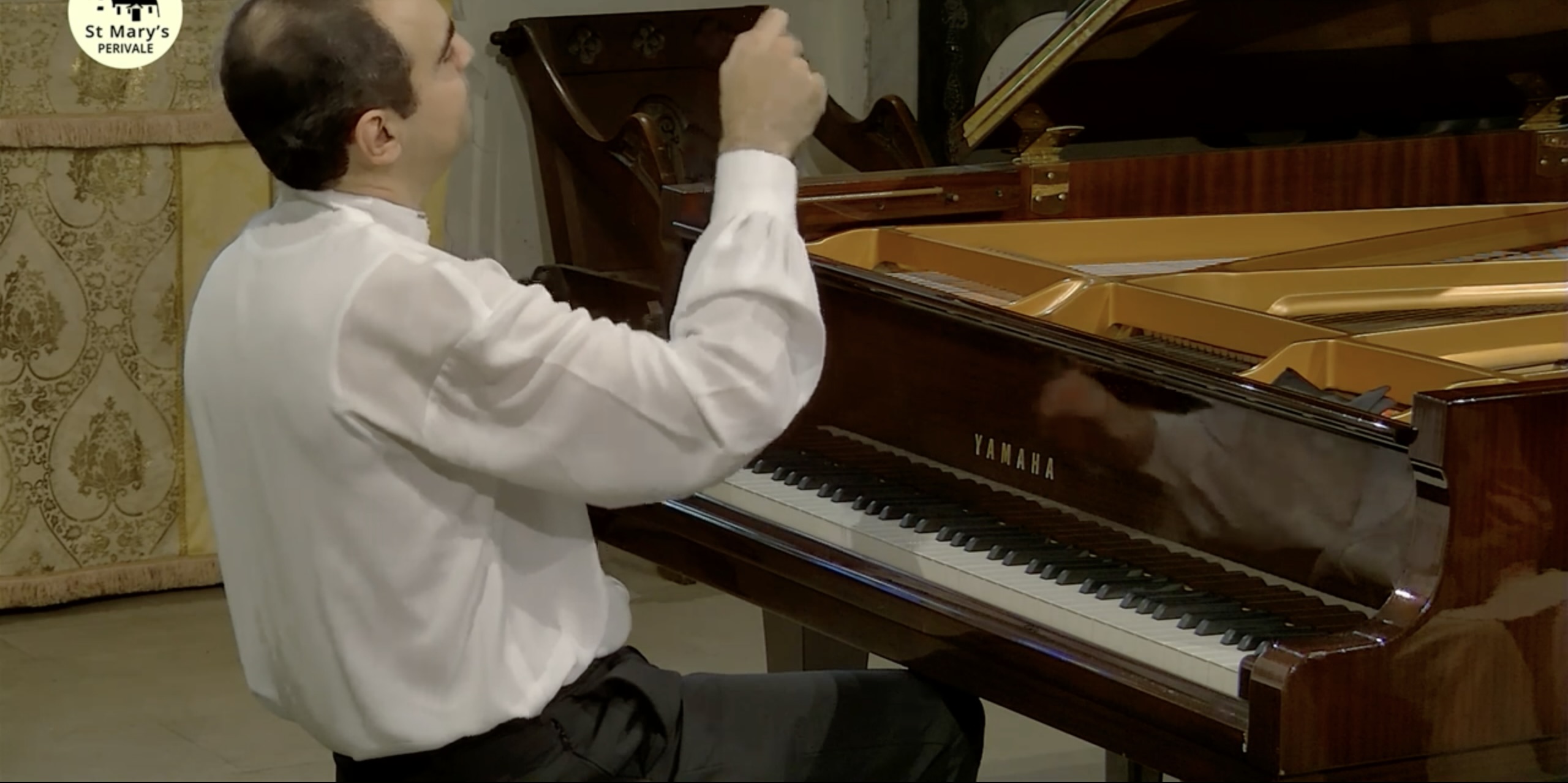
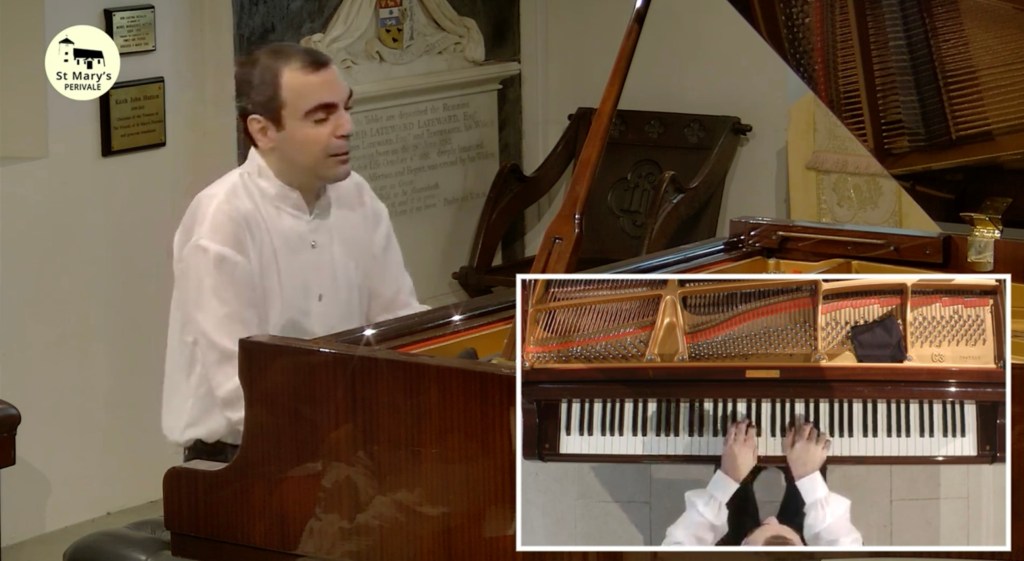
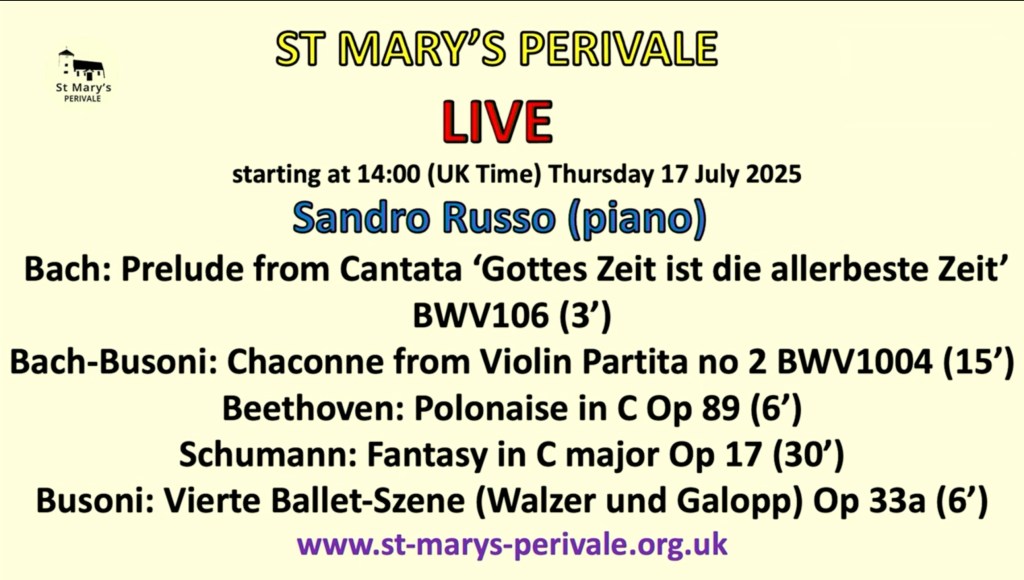
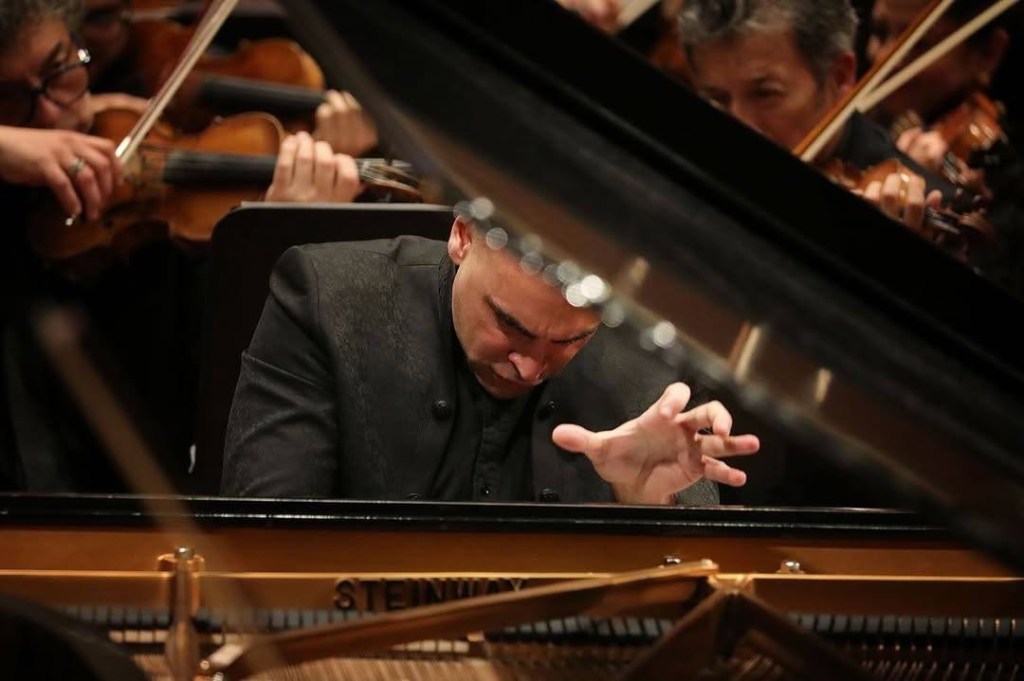
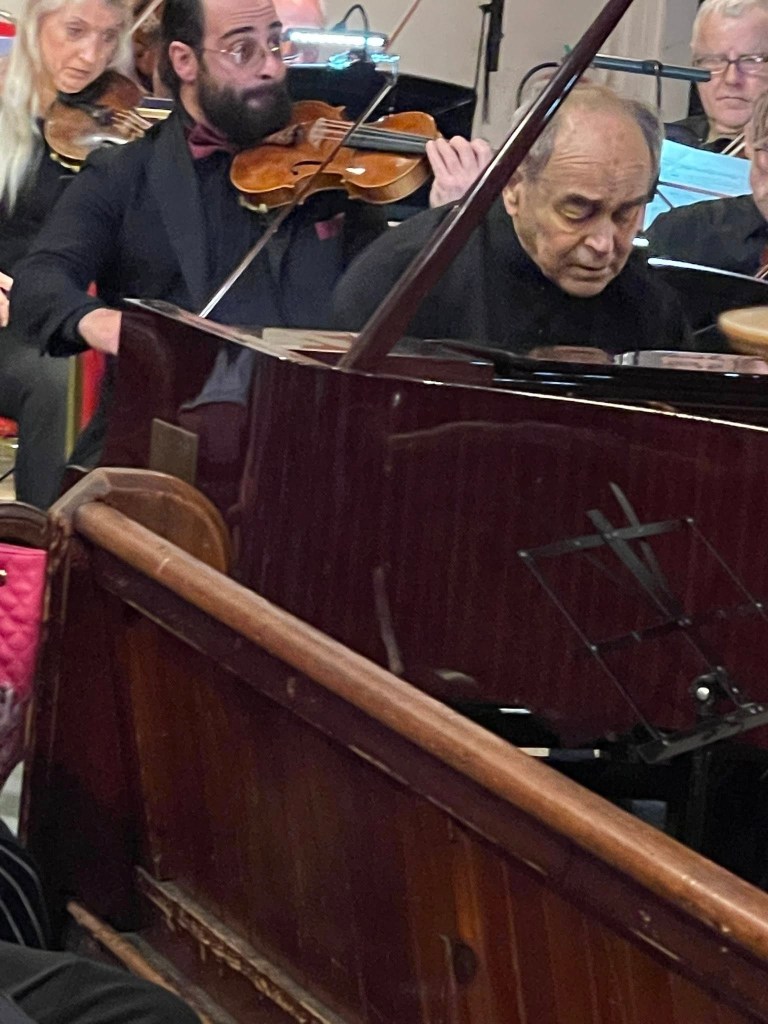
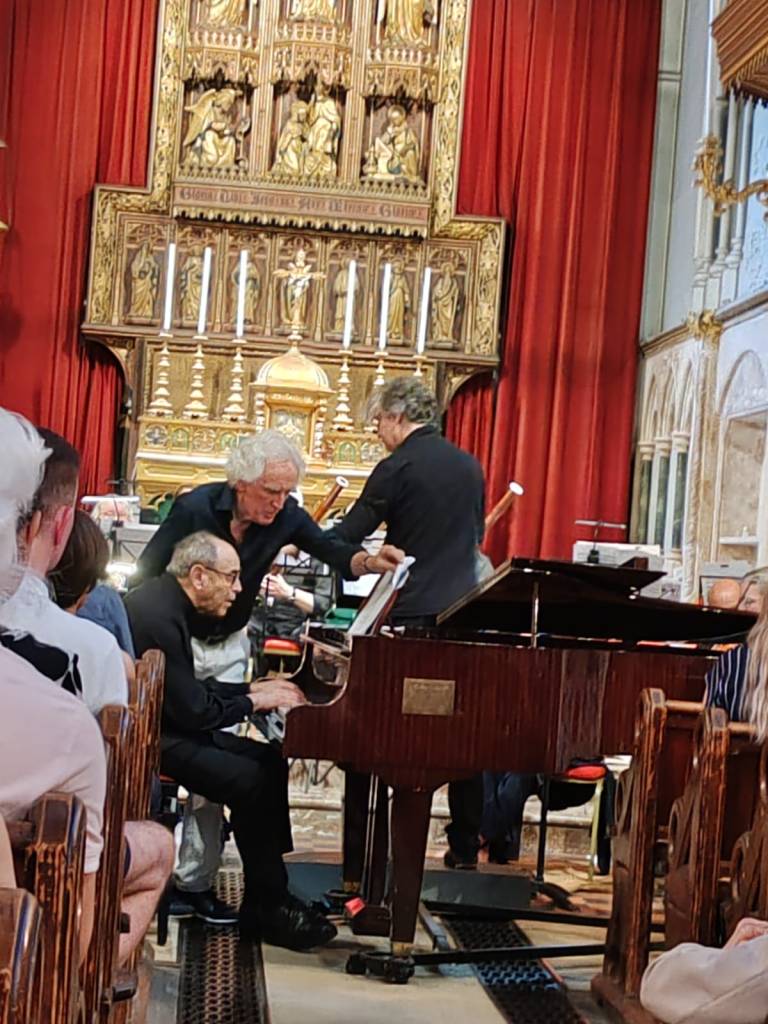
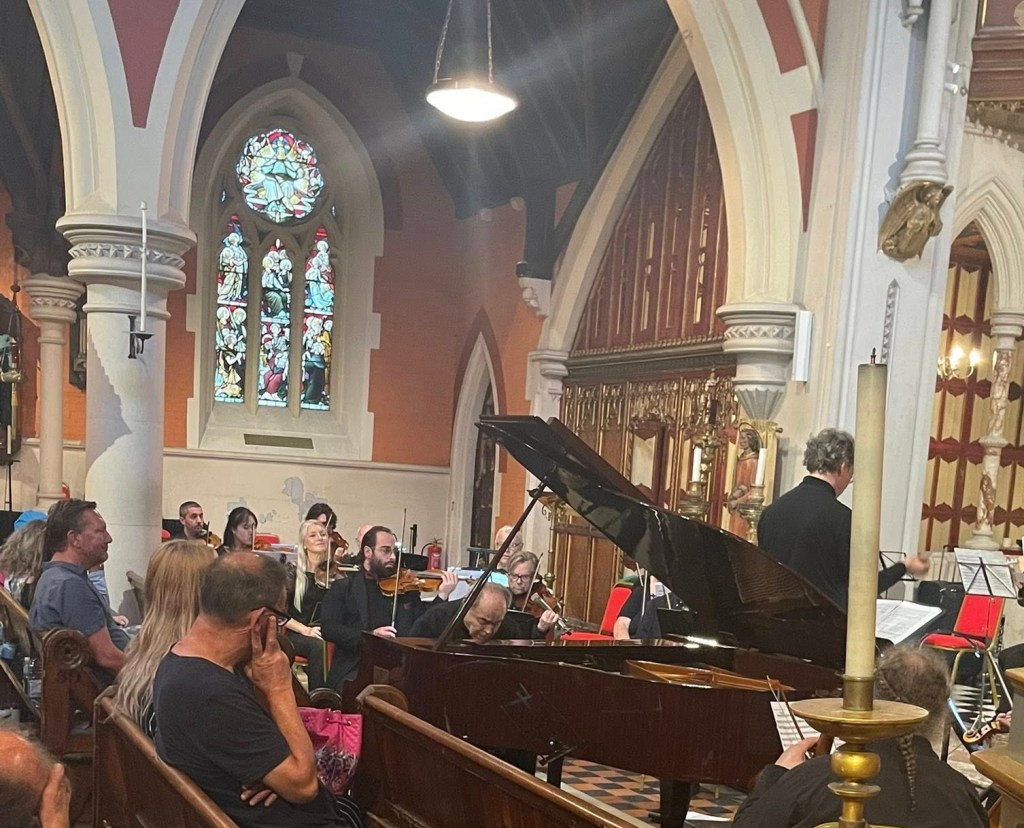
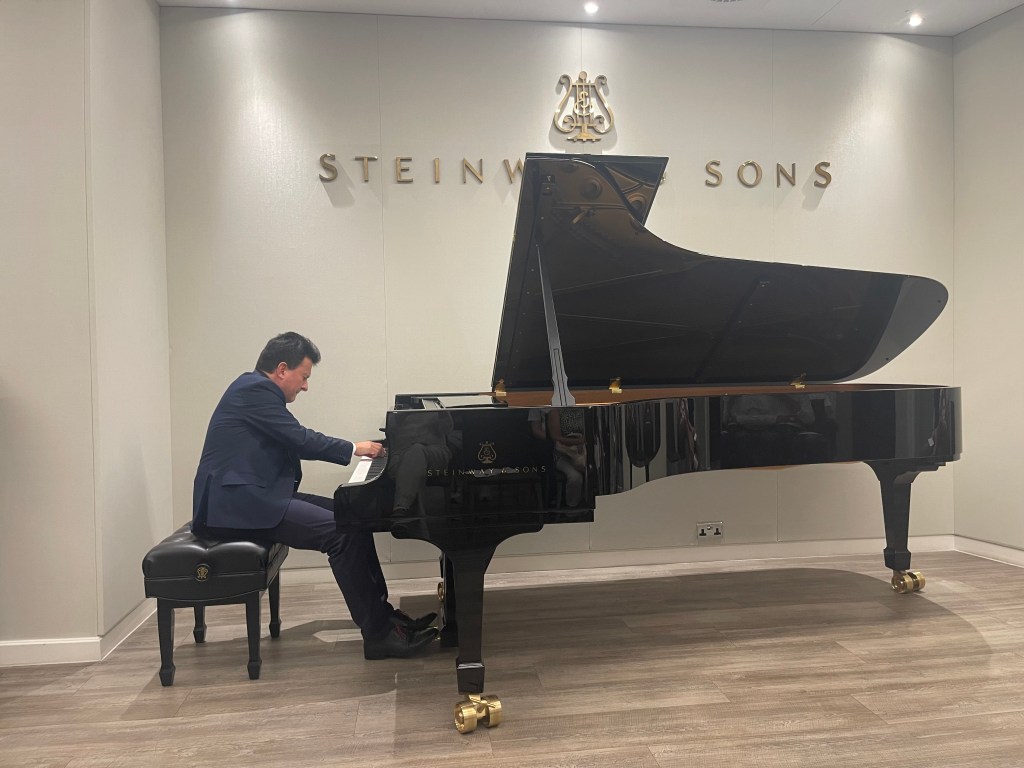
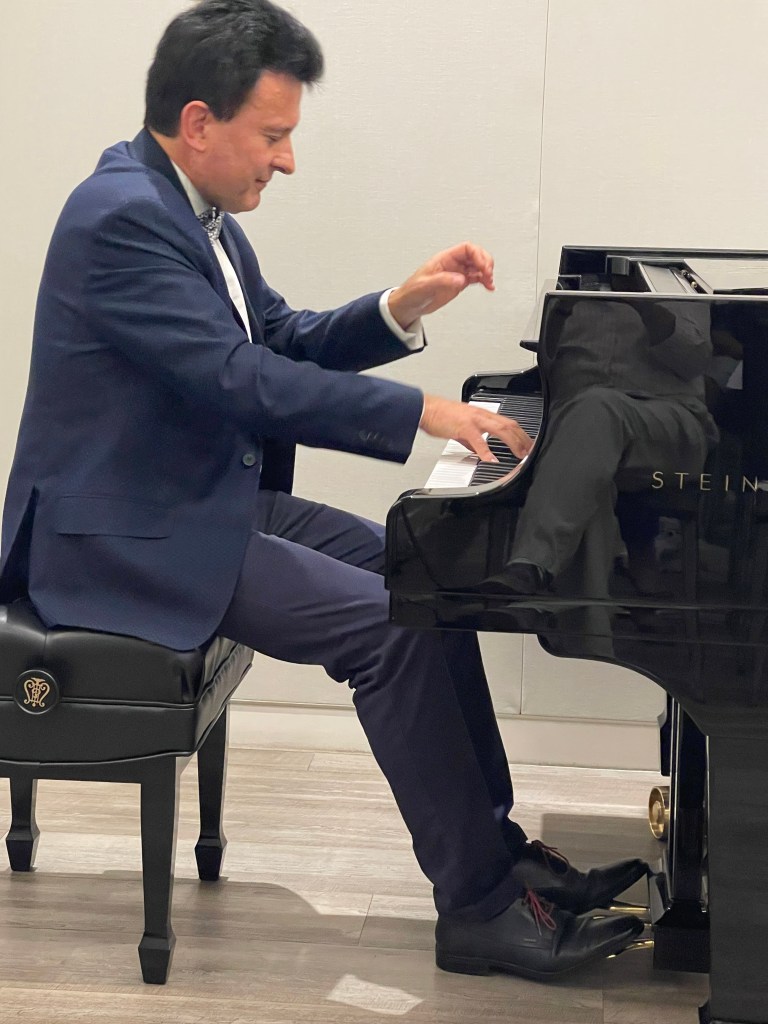
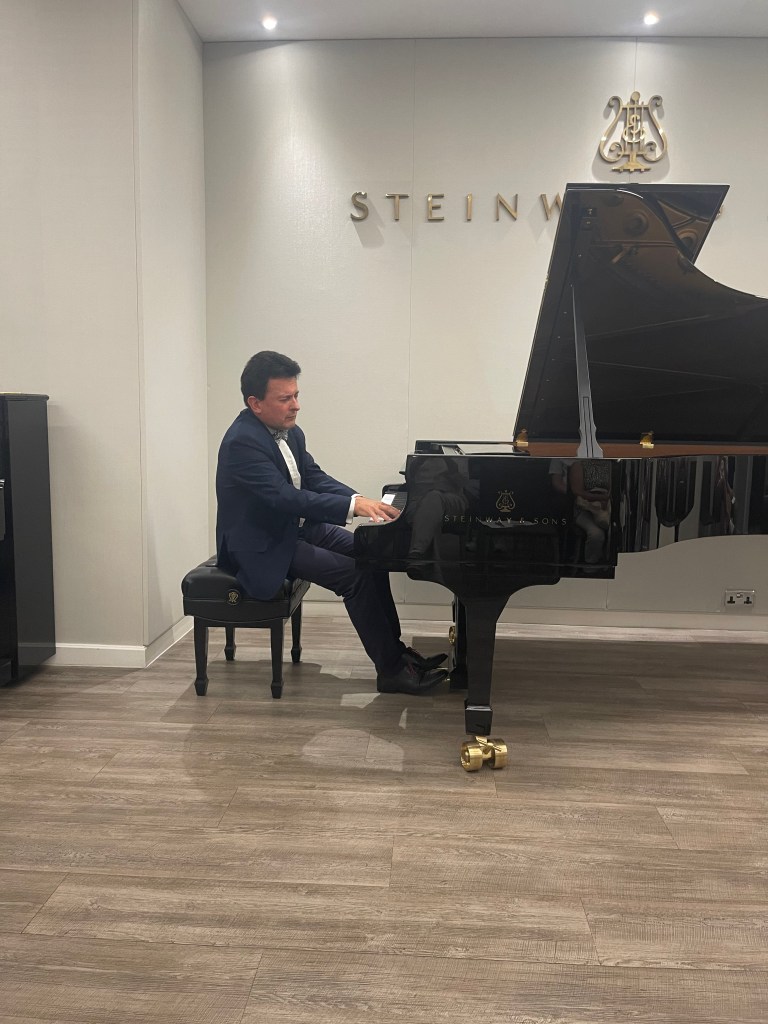
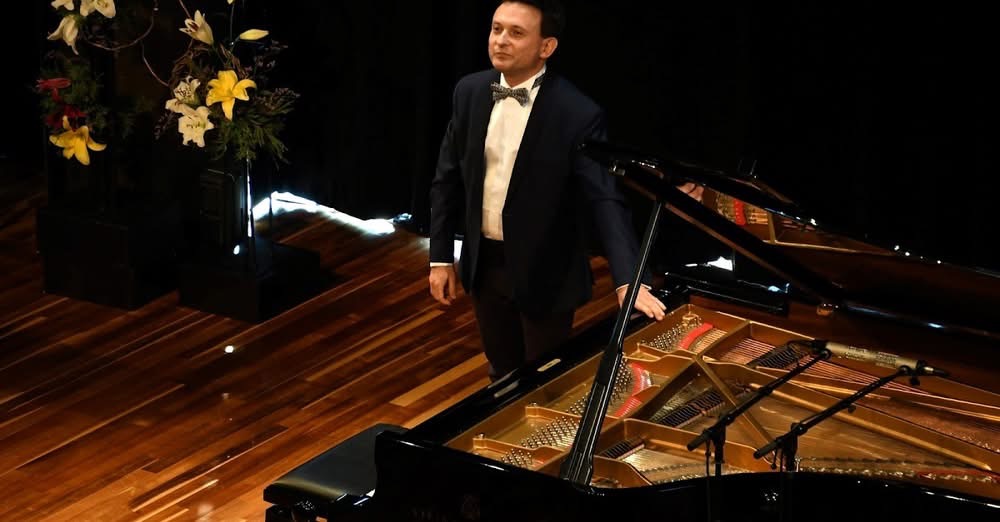
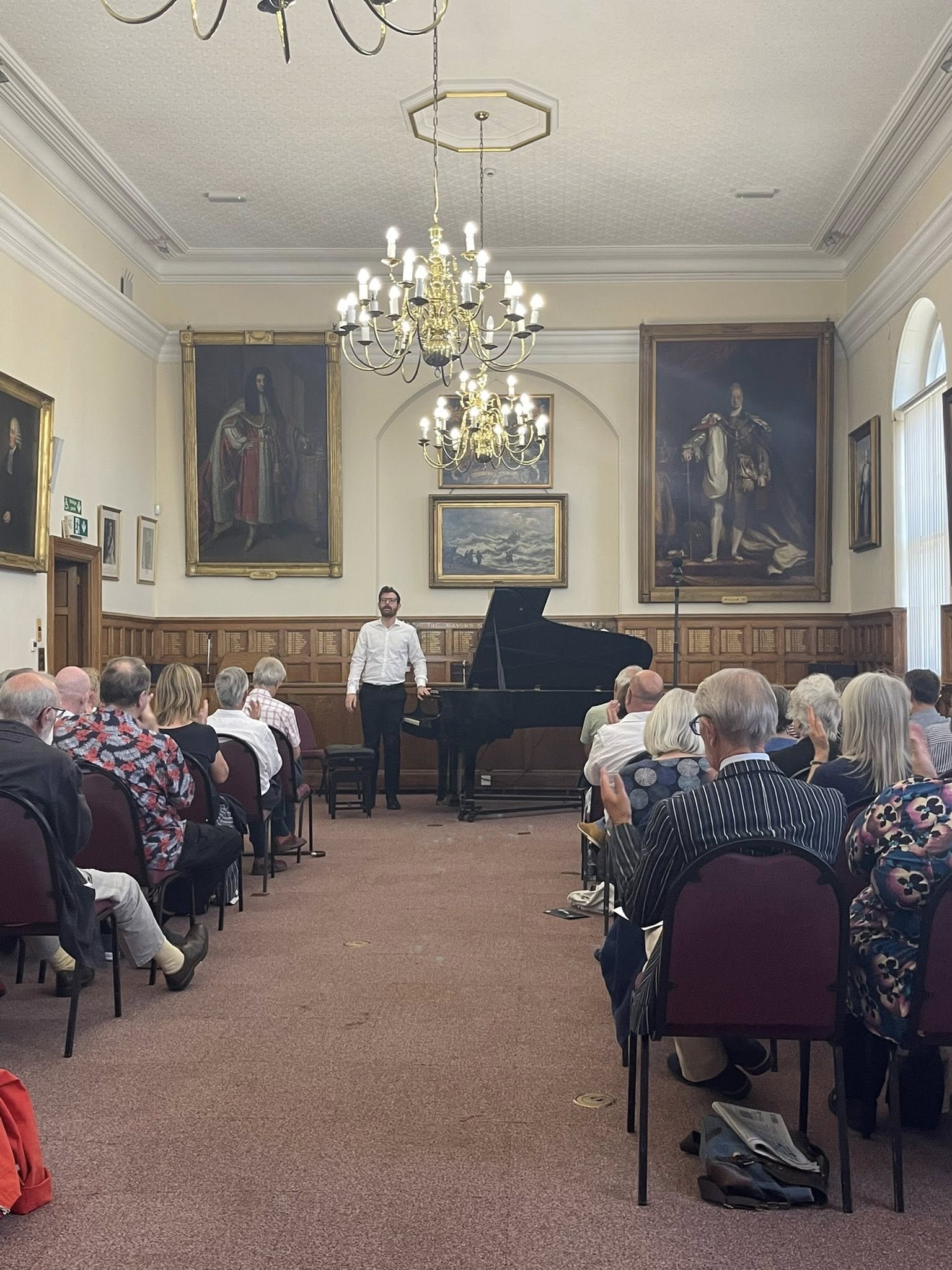
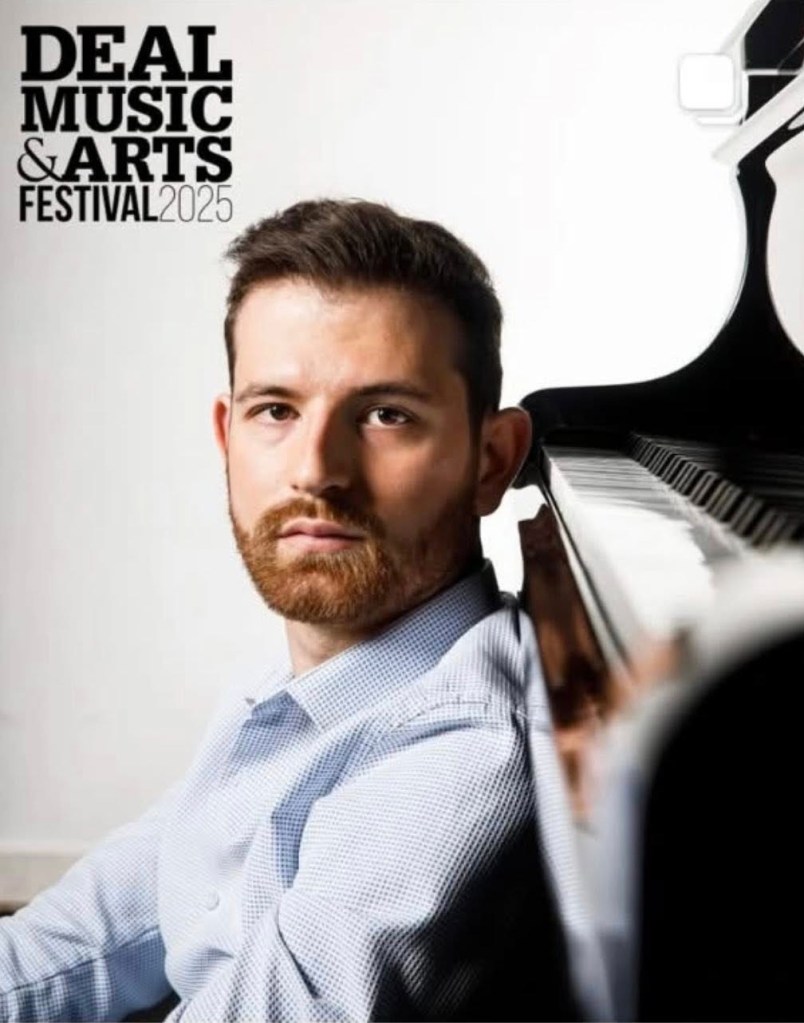
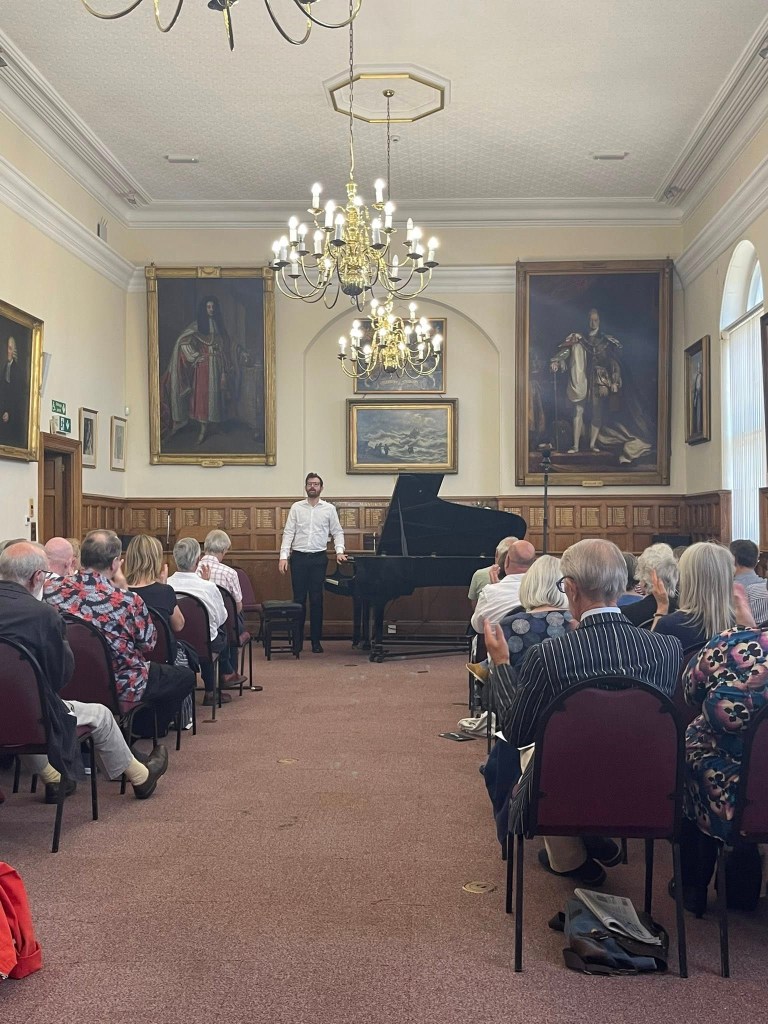
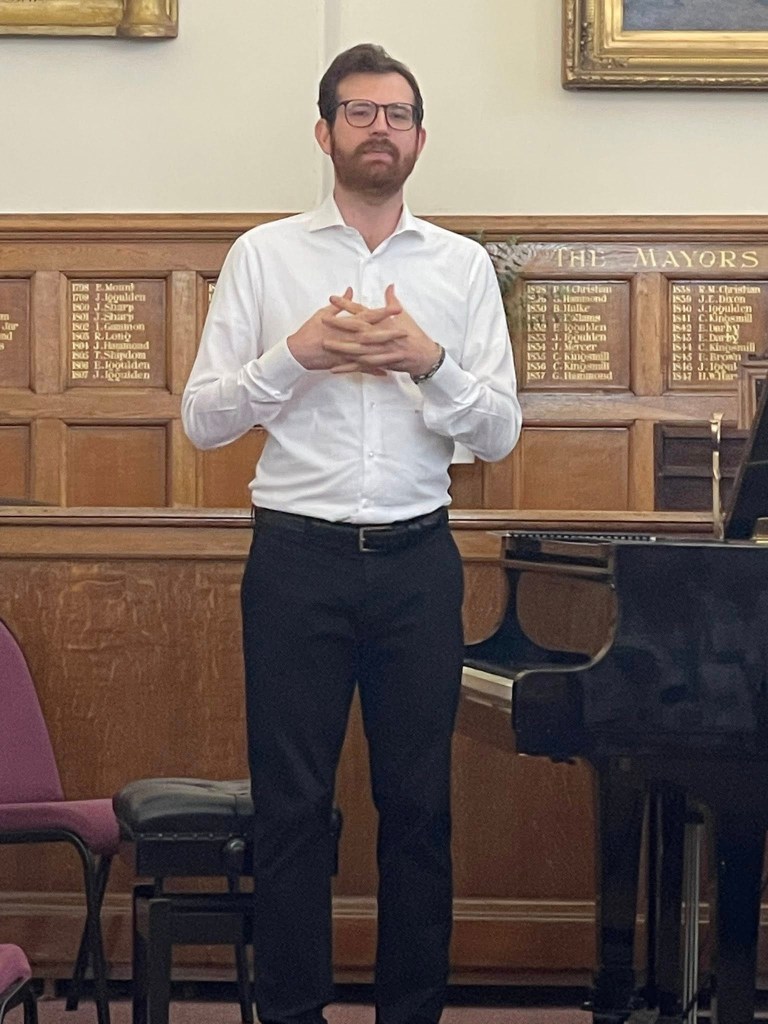
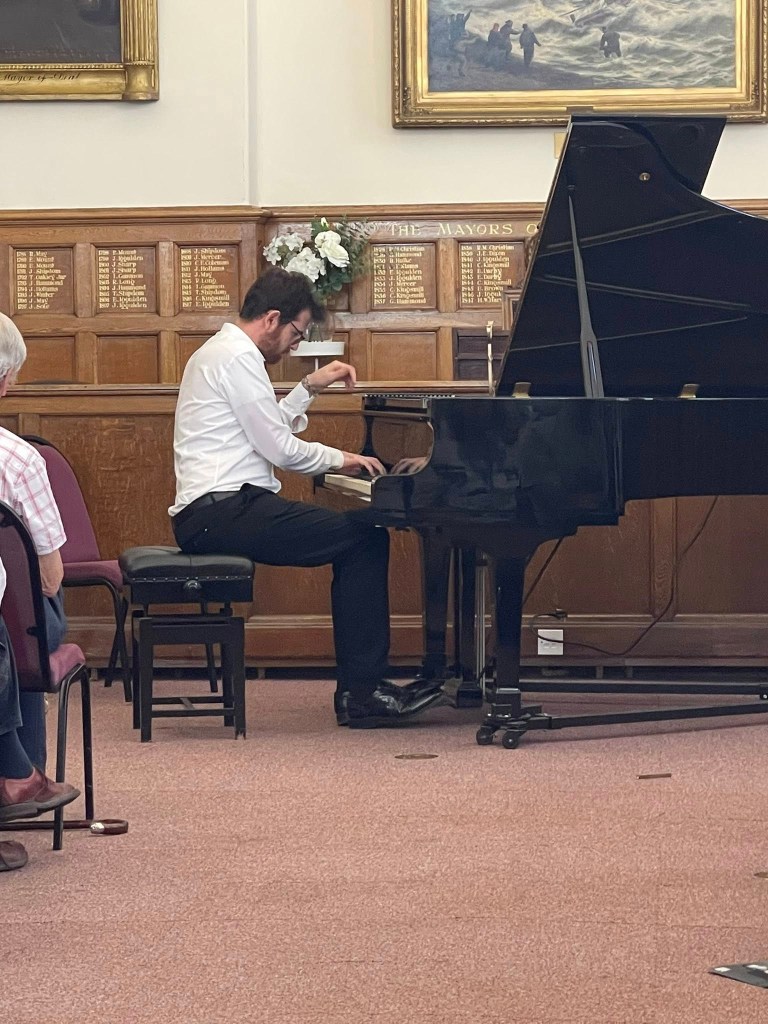
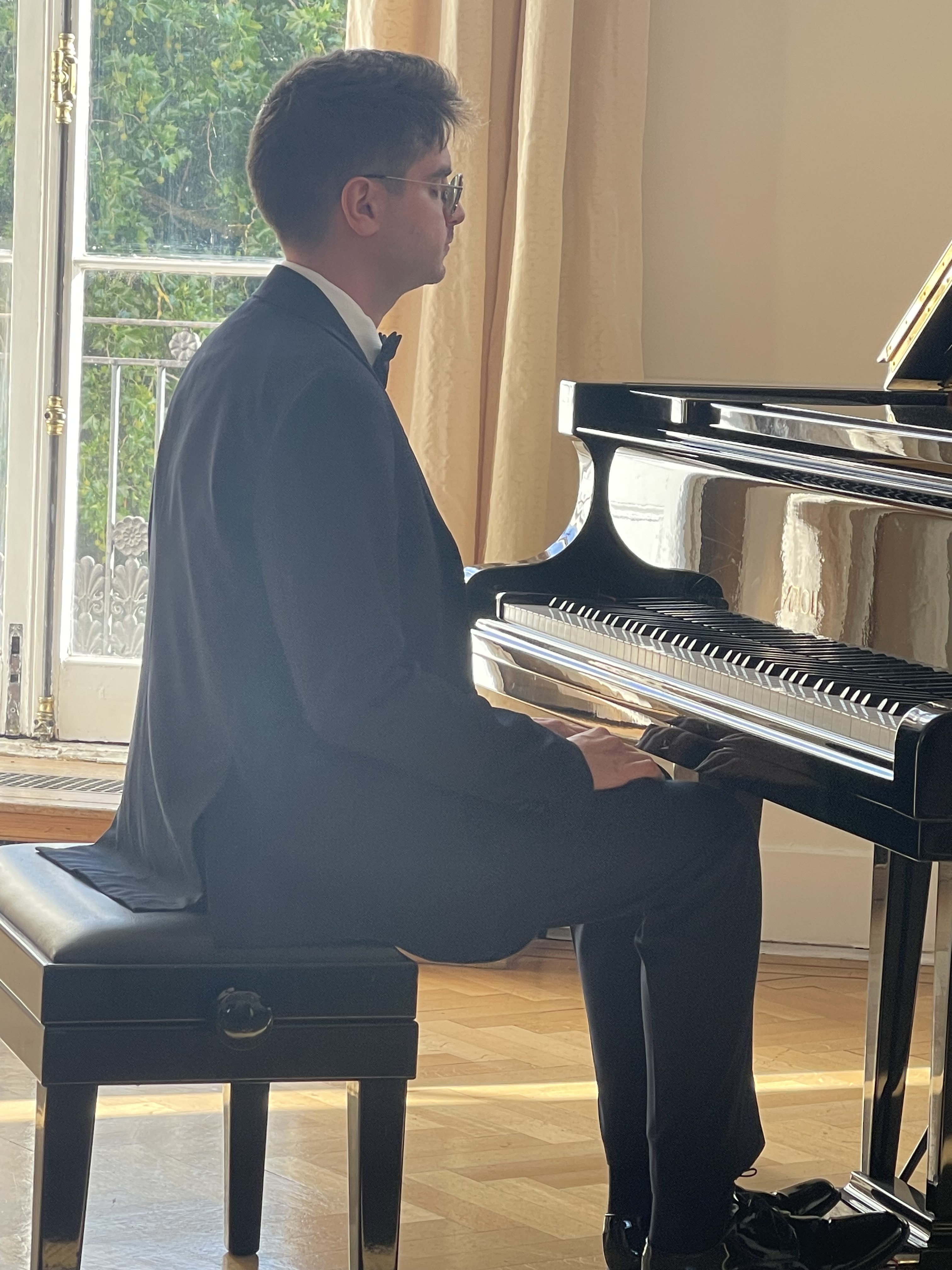
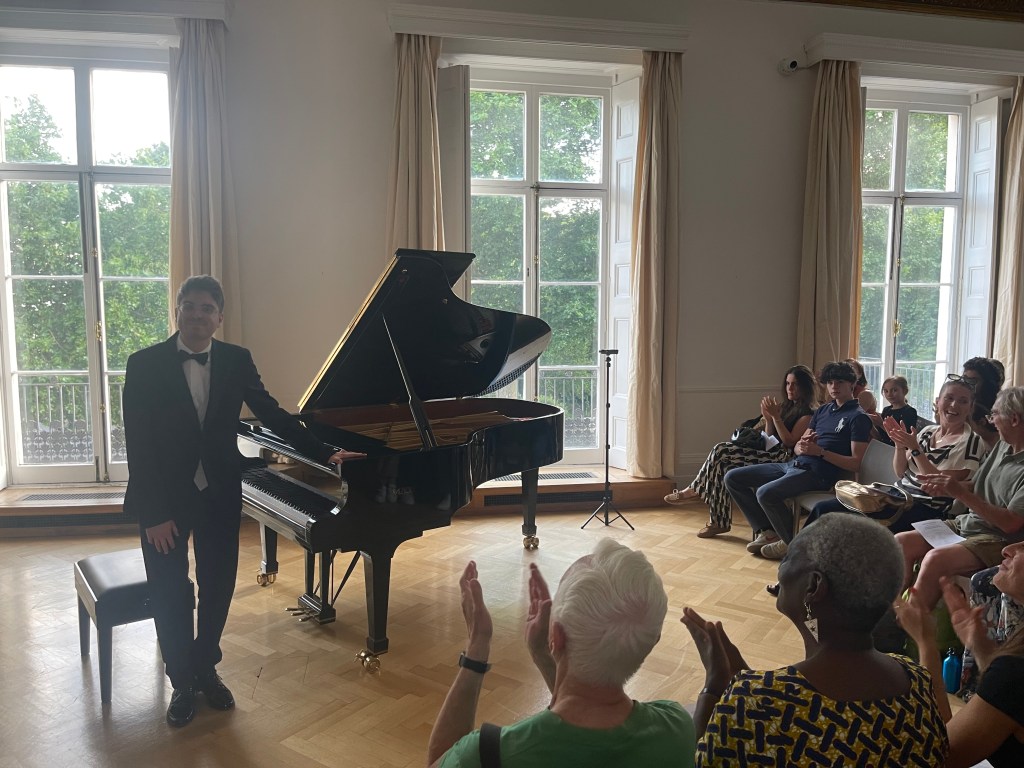
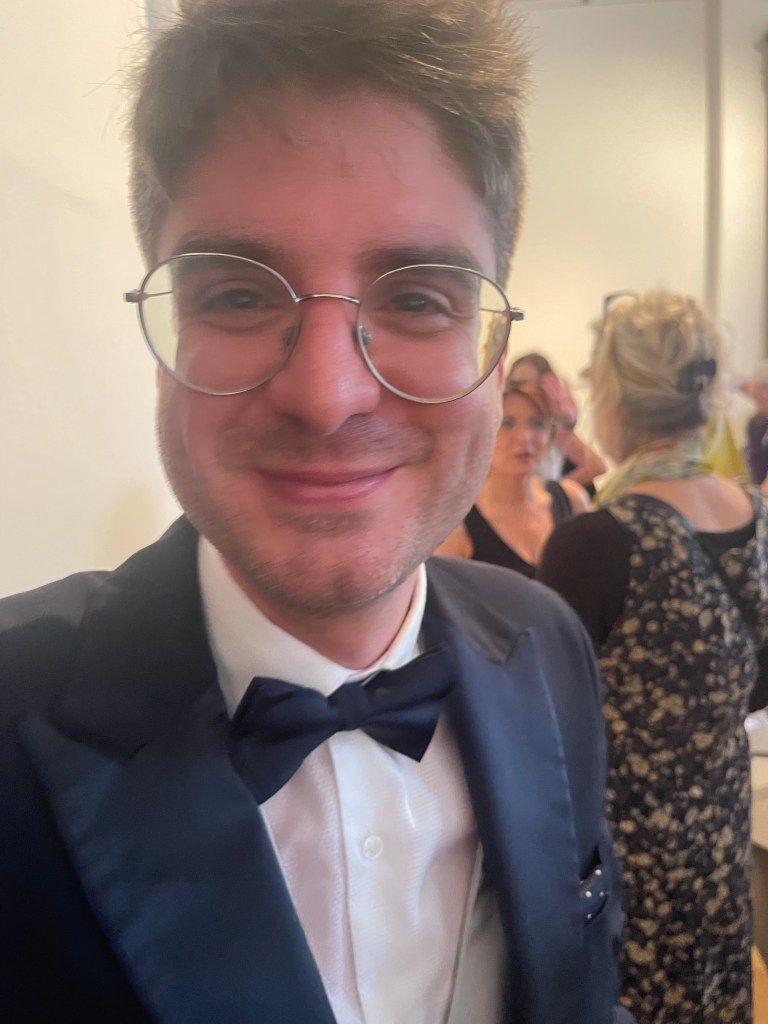
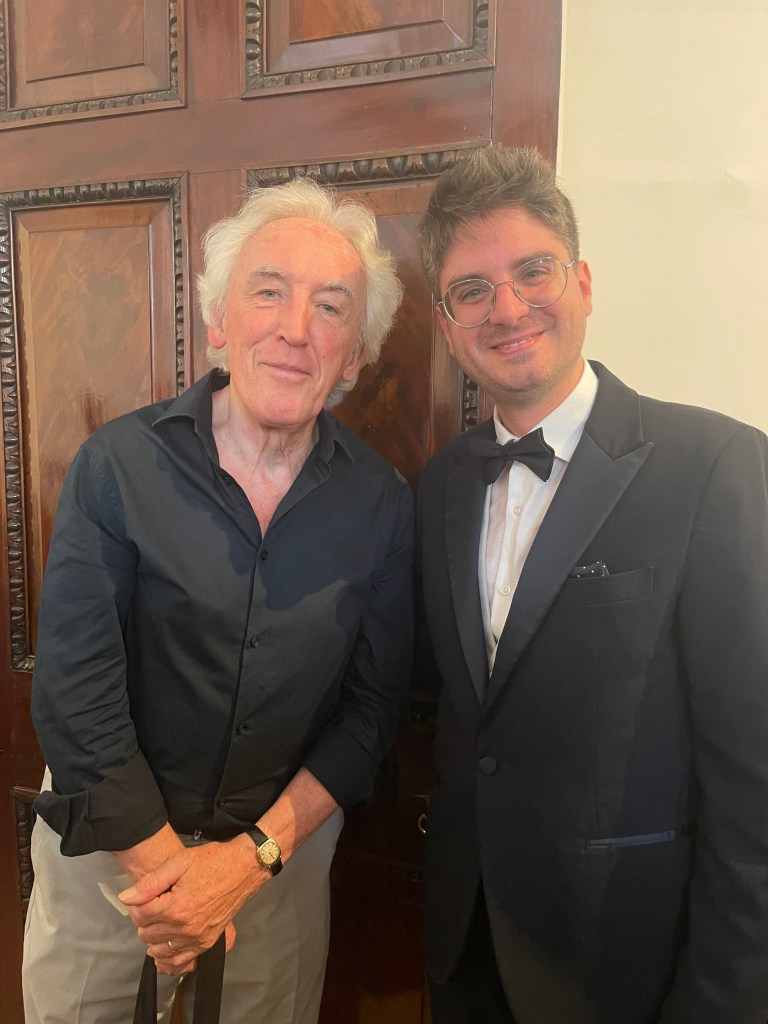
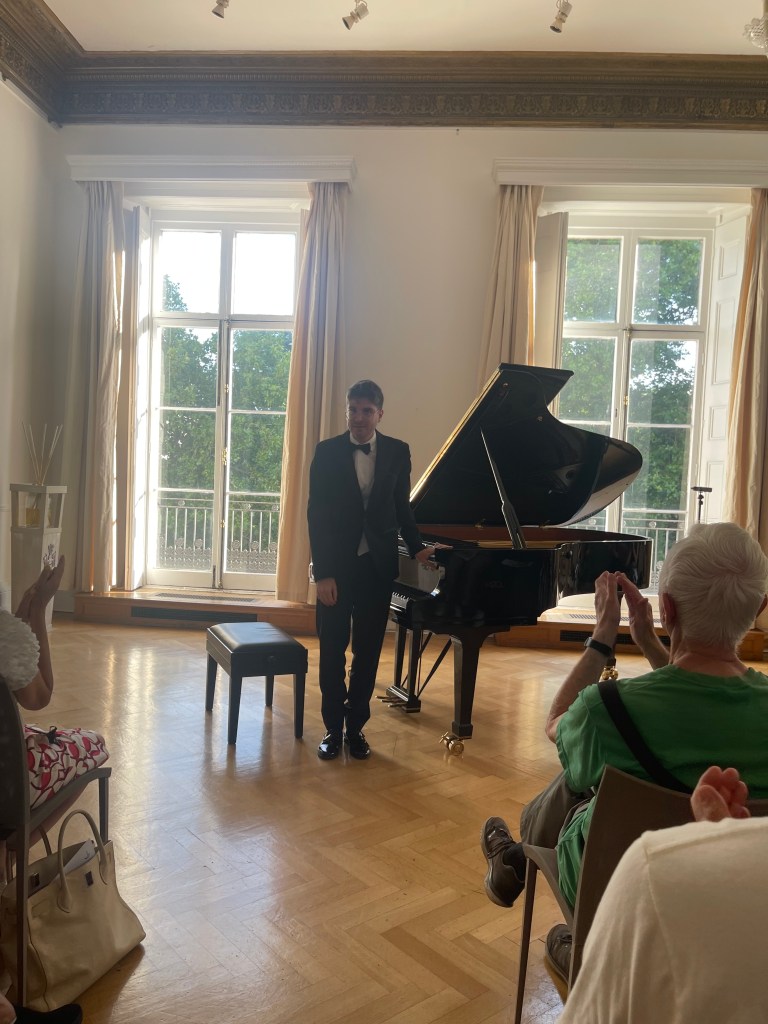
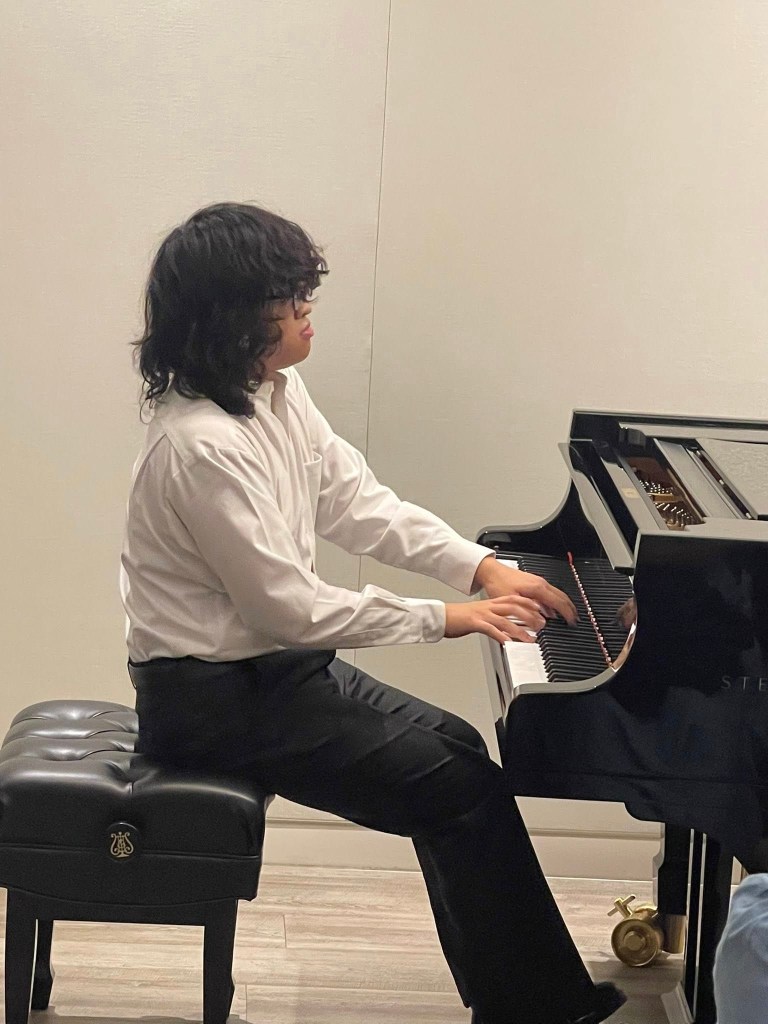
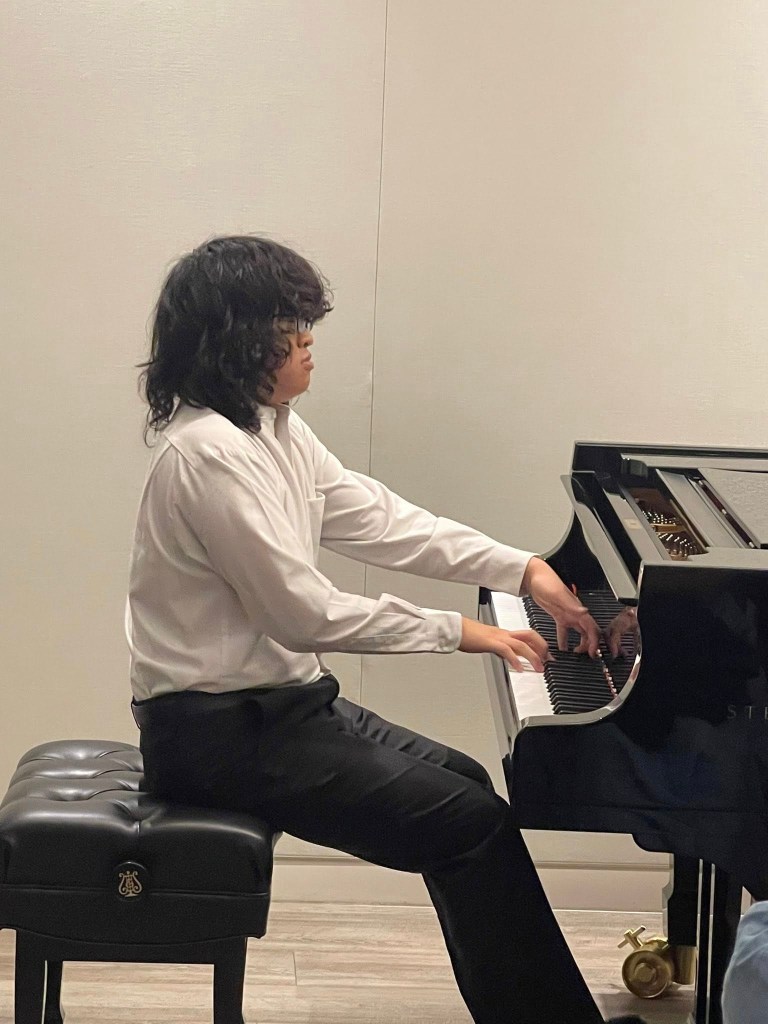
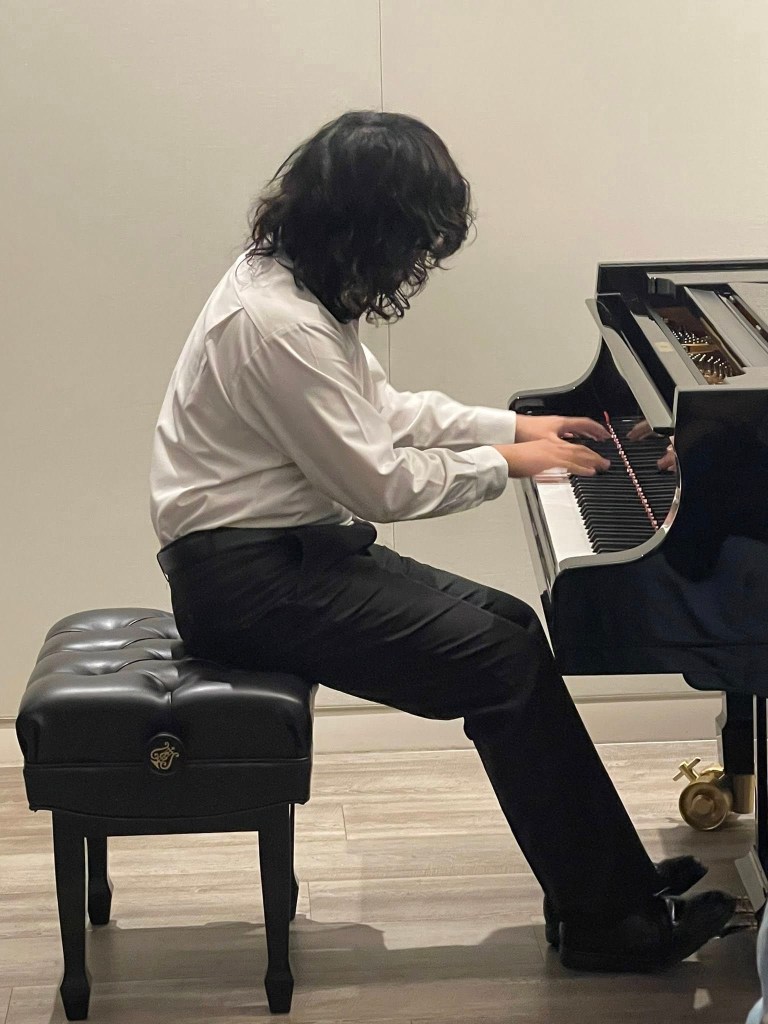
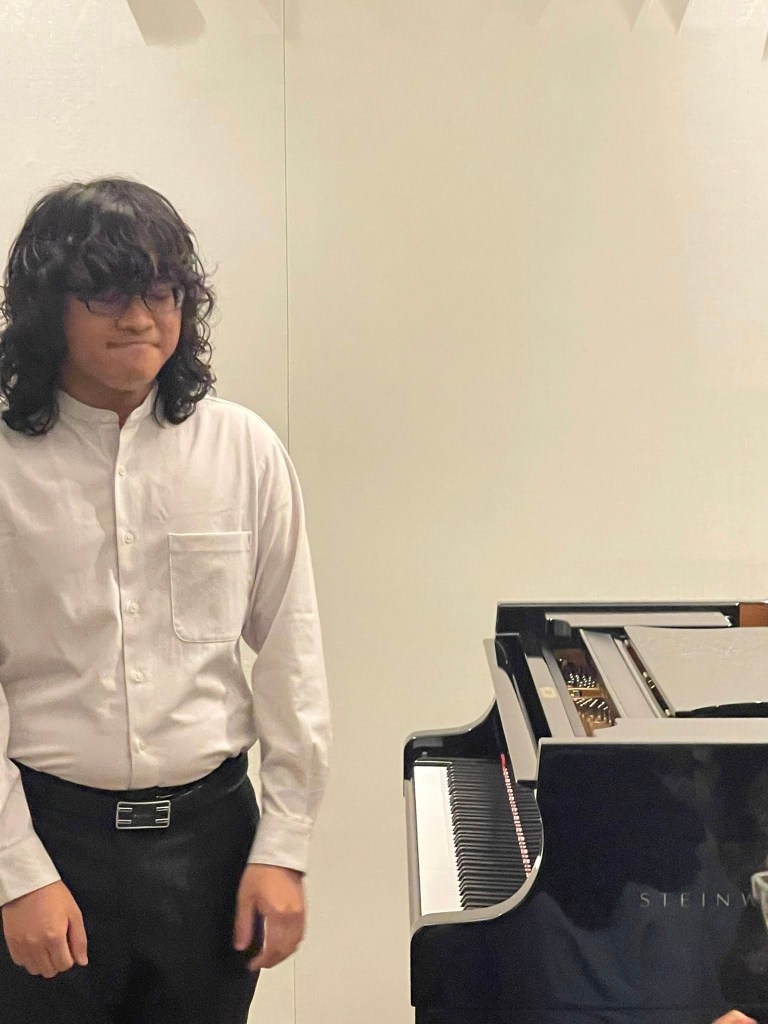
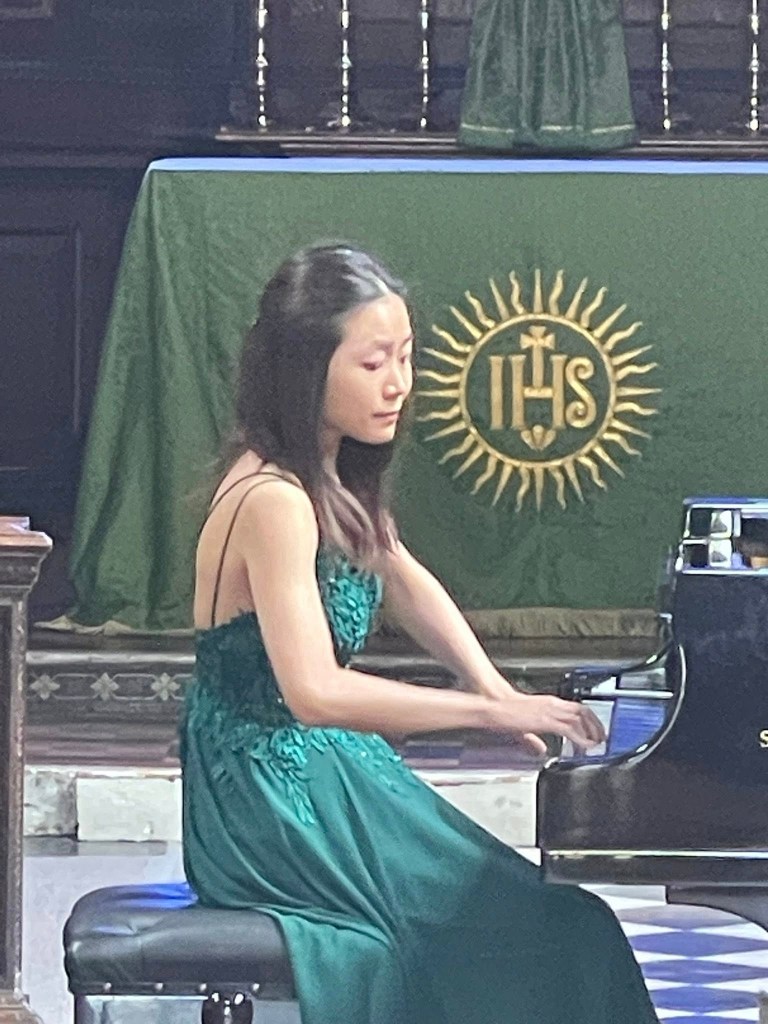
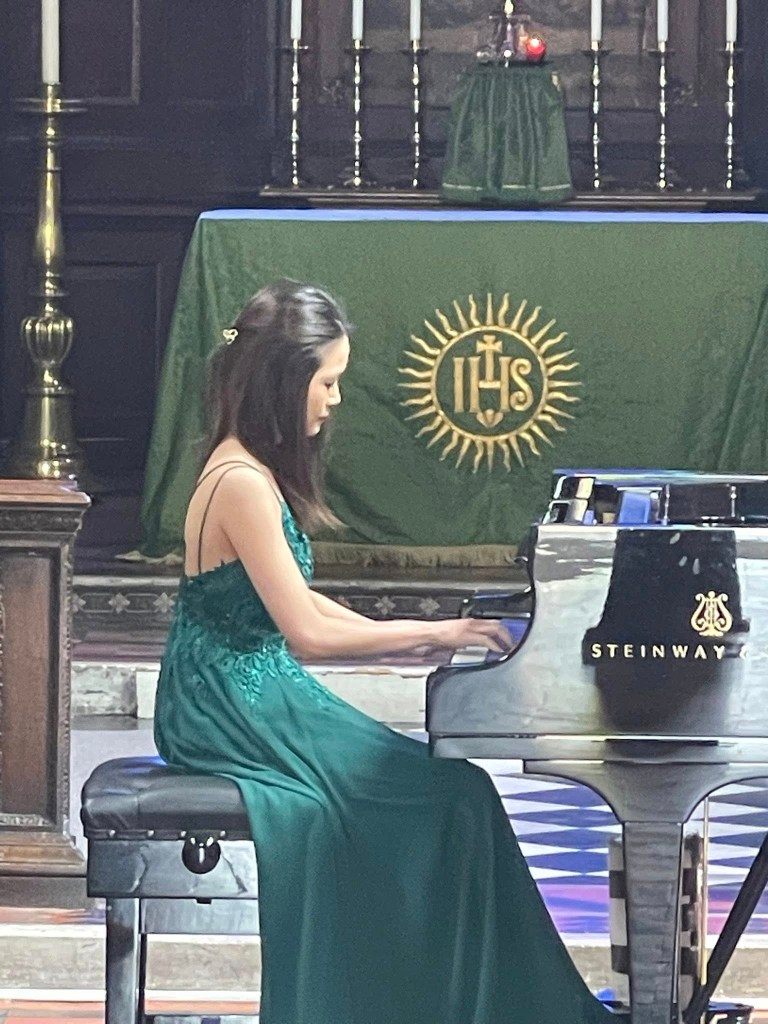
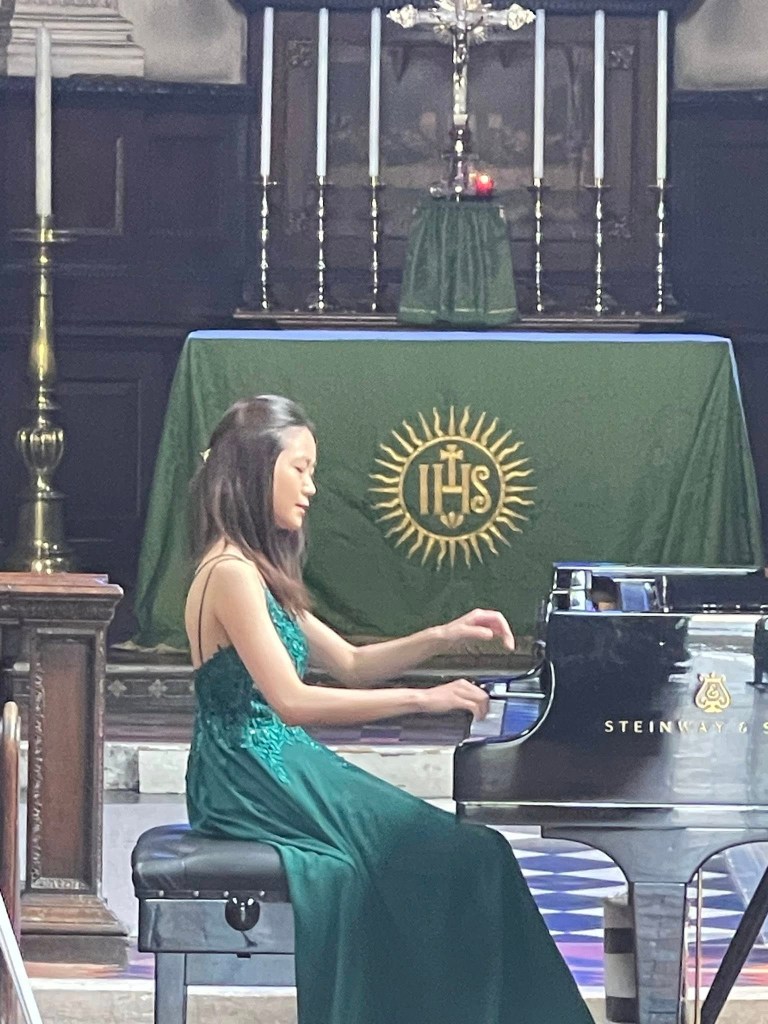
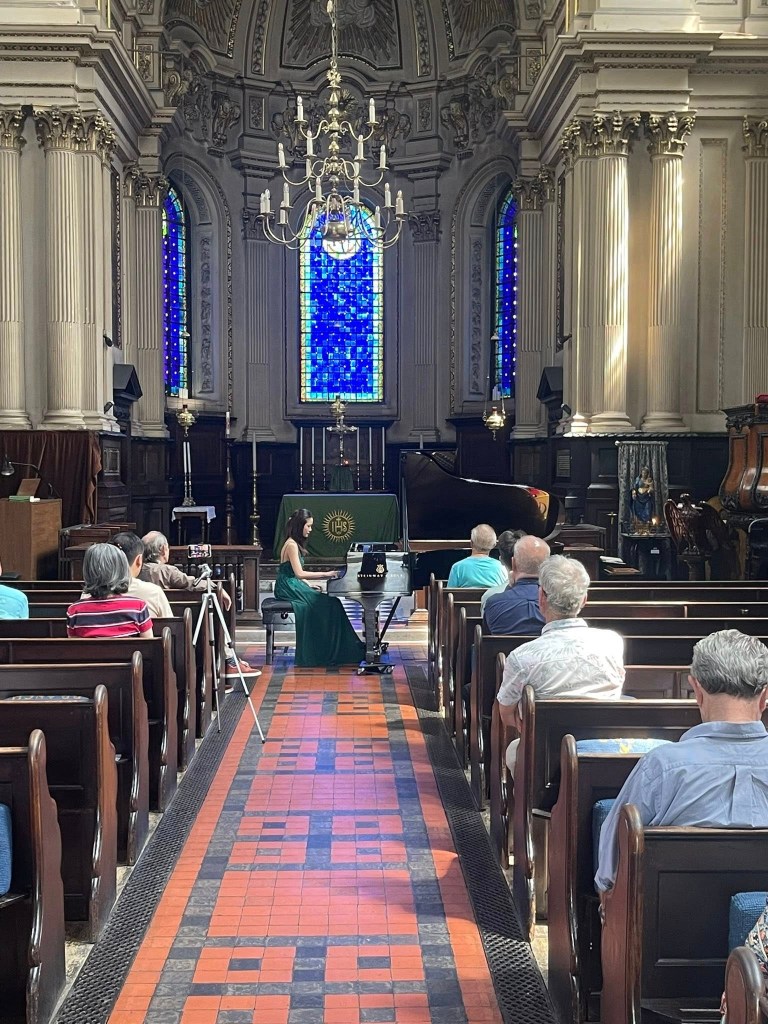
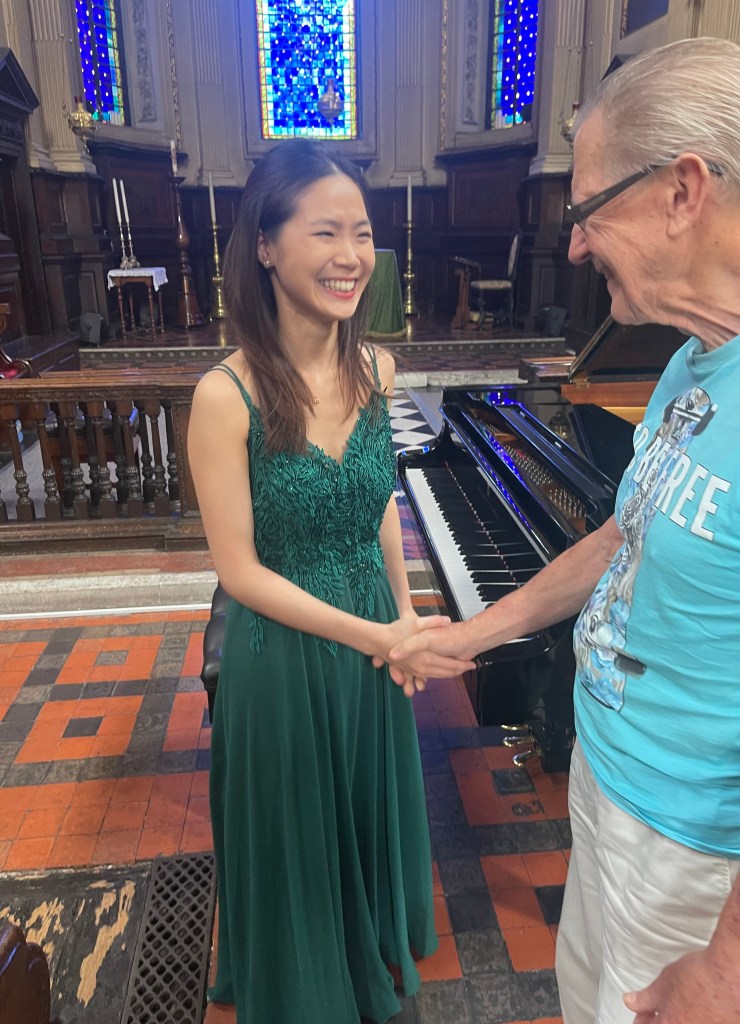
Sandro Russo a pianist who I heard some years ago in my Euromusica concert season in Rome and who I was very pleased to be able to hear again this side of the Atlantic. A very interesting programme of two master works surrounded by some unjustly neglected pieces by Beethoven, Busoni and even Bach. Throughout the recital there was an aristocratic sense of style and a very clear sense of line of masterly musicianship allied to a poetic beauty of sumptuous sound.

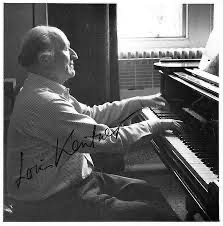
A delicacy and poignant beauty from the very opening of the Prelude from the Bach Cantata BWV 106 in the arrangement of the 98 year old America pianist ,teacher and composer Seymour Bernstein. A ravishingly subtle beauty to this arrangement of Bach as you would expect from the Leschetitsky school and a student of Brailowsky, Curzon, Boulanger and Enescu. There were counterpoints of flowing radiance and a melodic line of simple glowing beauty. Sandro played it with a subtle beguiling flexibility of pulse that was of respectful dignity combined with poetic poignancy.
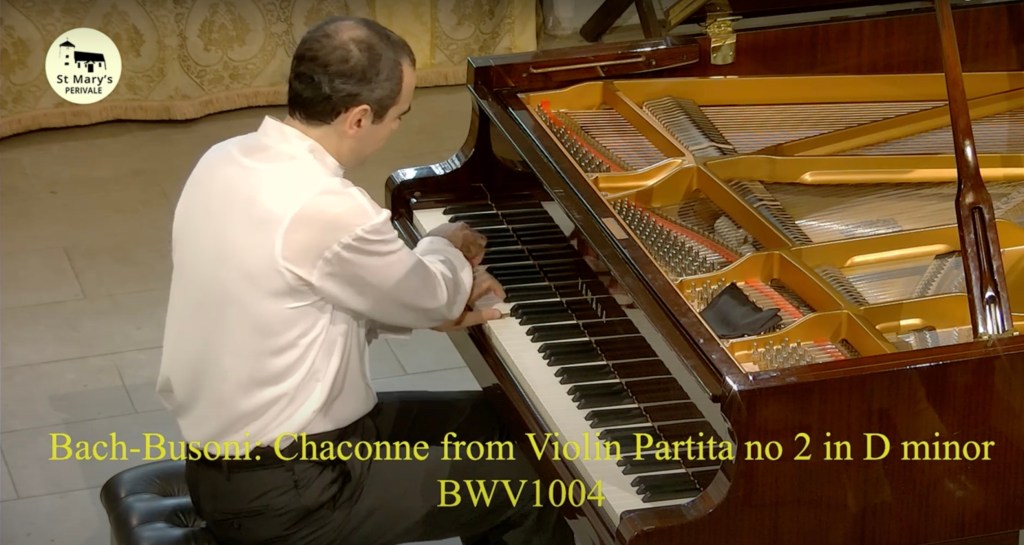
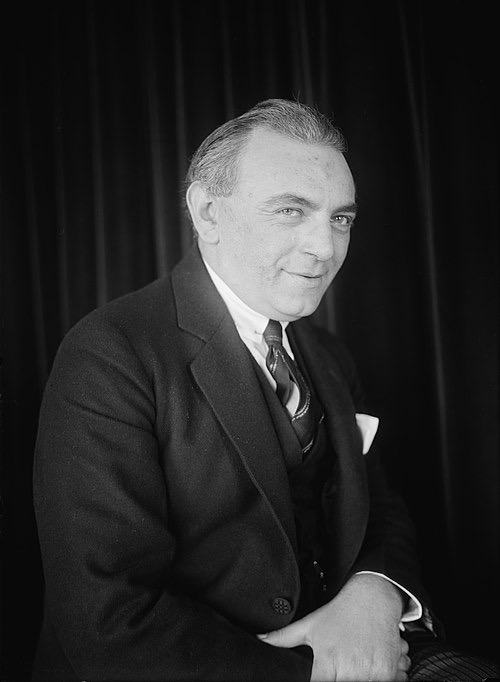
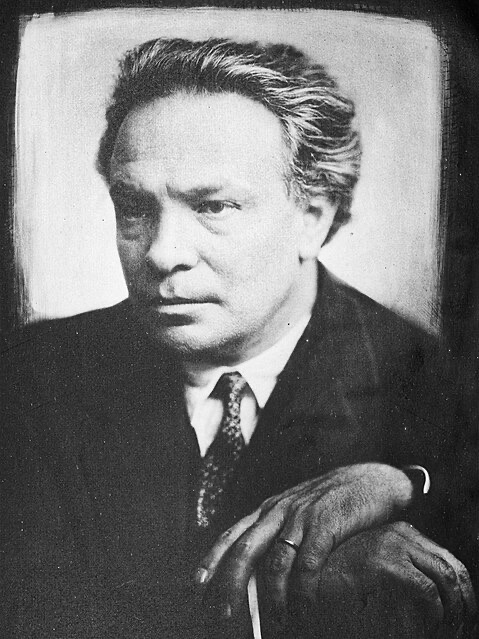
The Busoni reworking of the Bach Chaconne is a recreation of Bach’s genial masterpiece. Not only is there a piano roll performance of Busoni himself playing it, but I first fell in love with it when, as a teenager, I heard the recording of Arturo Benedetti Michelangeli. It ignited a passion in me and despite my teacher ,Sidney Harrison, trying to discourage me I learnt it in a week, and it was the work that earned me a place at The Royal Academy !
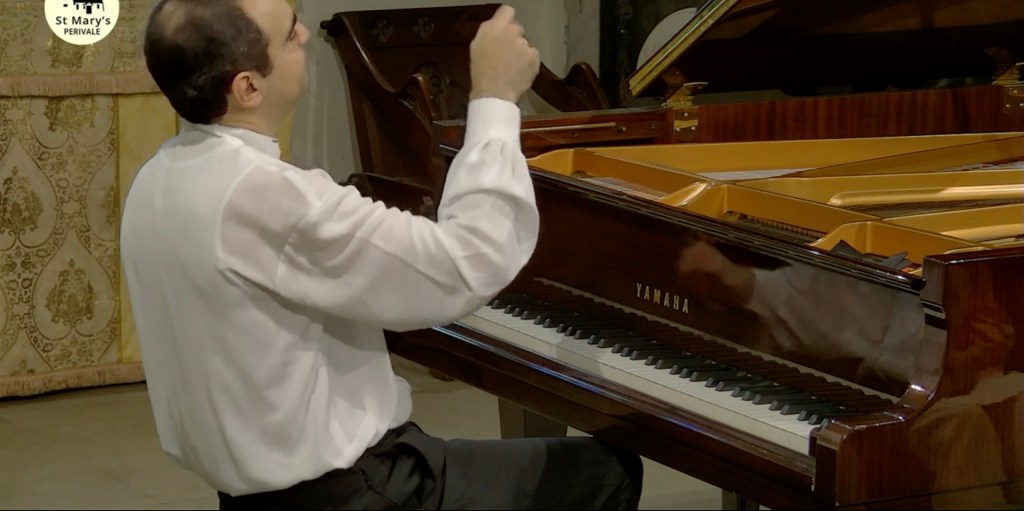
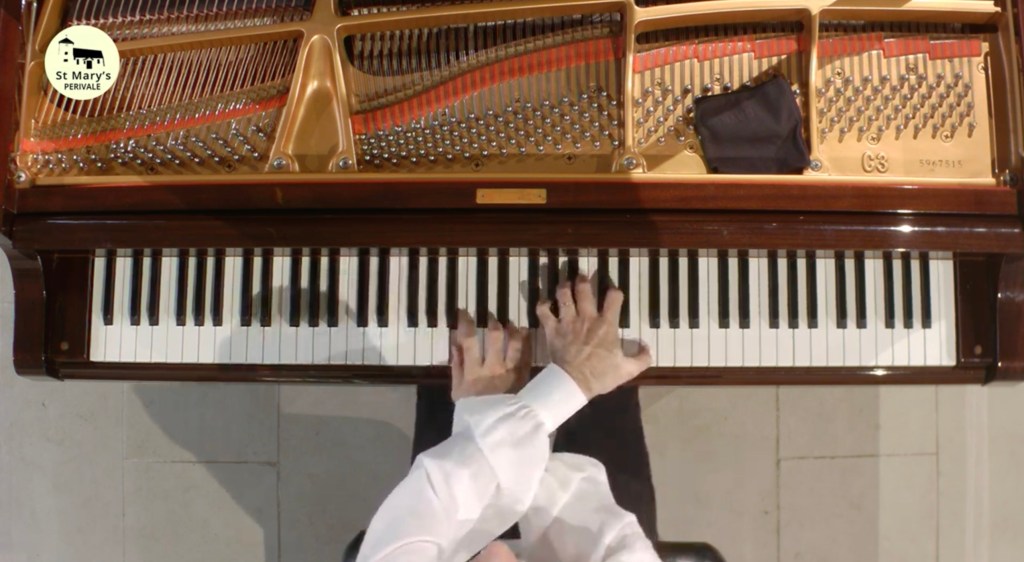
Sandro Russo played it with a chiselled beauty of nobility and aristocratic restraint.There were some moments of very expressive almost romantic playing, but always in style and with the continual forward movement of the undercurrent that carries us from the opening Chaconne theme to the triumphantly exhilarating final declamation. Playing of great precision and rhythmic drive with a very clear sense of line and an overall architectural shape. There was a radiant beauty to the tenor line that is given the spotlight after great feats of pianistic arpeggiandi spread over the entire keyboard. This was a remarkable performance of absolute clarity and simplicity but above all of mastery and nobility.
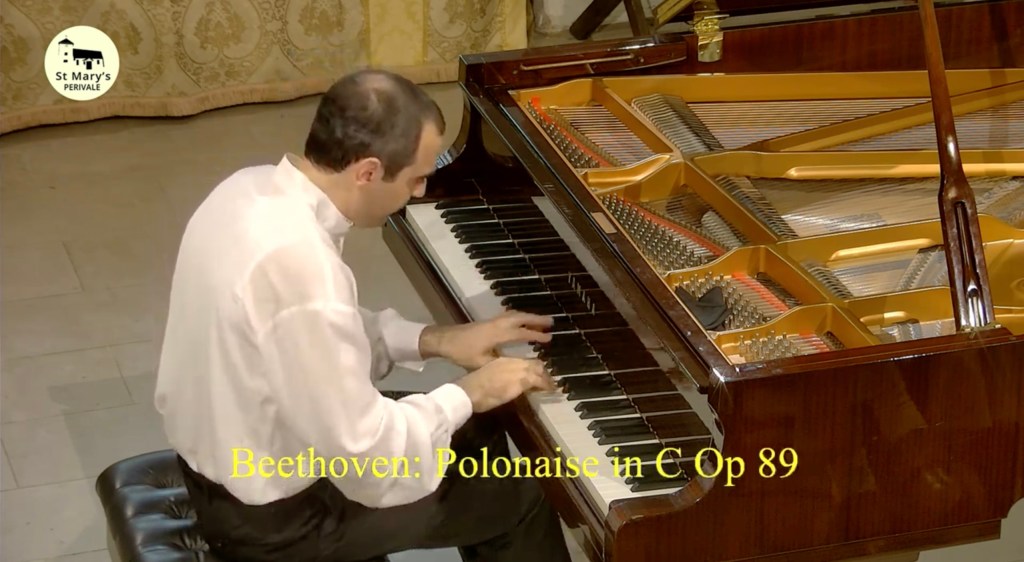
The Beethoven Polonaise, I do not think I have ever heard in concert before, and it is a charming work full of ‘joie de vivre’ and refined good taste. It was played with authority and a Beethovenian charm more allied to the world of Haydn than to the romantic school. It is interesting to note that it was written at the time of the Eighth symphony and the reworking of the opera Fidelio. It also precedes the equally beautifully simple Sonata op 90 and would seem to be a refreshing oasis for Beethoven before plunging into the depths of his final sonatas and Ninth symphony. Sandro played it with great style , knowing how to end with the flourish that the Polonaise demands even from Beethoven!
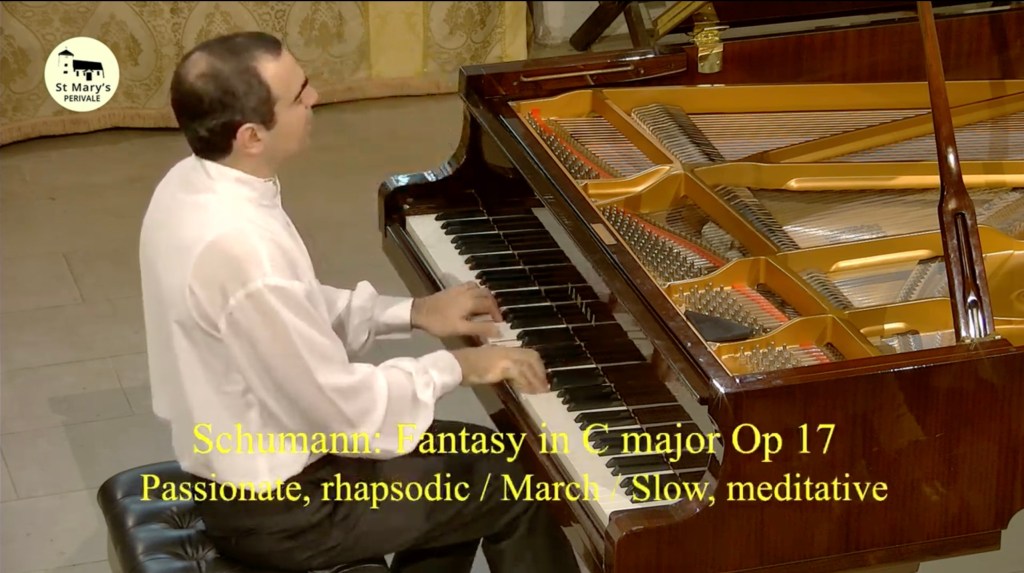
Schumann Fantasy was the second masterwork on the programme and is together with the Liszt Sonata the pinnacle of the romantic repertoire with Schumann and Liszt dedicating these works to each other. The opening was played with passion but also a mature control and a sense of line that was so clearly defined throughout. The ending ,a quote from Beethoven ,’To the distant beloved’, was played with disarming simplicity and remarkable tonal control. A beauty also in the central episode where the melodic line was allowed to float so magically over the hovering ever changing harmonies. The second movement was allowed to flow so naturally and Schumann’s dotted rhythms were shaped with poetic understanding where counterpoints glistened and glowed within this bubbling outpouring of radiance and beauty. There were some very interesting harmonies in the central melodic episode of great originality that Sandro highlighted with subtle poetic understanding. A beautiful transition from the virtuosity ending of this movement, where not only did Sandro play with enviable clarity but also giving a great sense of shape to a notoriously difficult coda. Timing the opening of the final movement to perfection and creating an atmosphere of the love and beauty that the composer wanted to share with his beloved Clara. A sense of fantasy and improvisation but also keeping a flowing tempo sustained by deep bass notes . A glorious luminosity to the two declamations of romantic fervour, never sacrificing absolute rhythmic precision as is rarely the case. Ravishing beauty to the final mellifluous outpouring as it built to a gentle climax only to die away to three magically placed final chords.
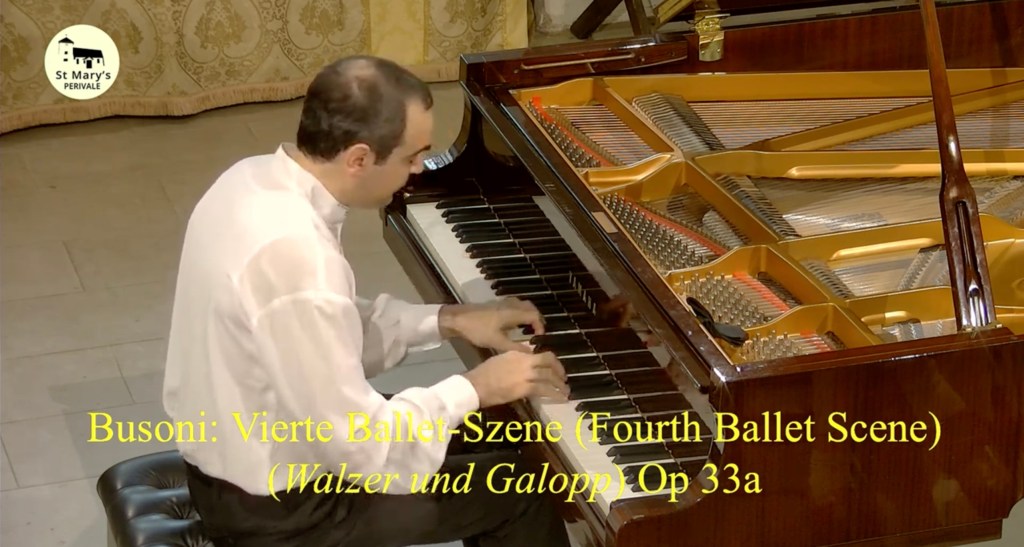
Another work that I have never heard in concert before was the final showpiece of a Busoni more of the Belle Epoque than the intellectual futuristic heir to late Liszt. A work written more in the style of Tausig with its unashamedly pianistic showmanship and that Sandro could play with the style of the pianists of the Golden Age .
An encore with one of the most famous pieces from the piano repertoire but strangely rarely heard in the concert hall these days. Liszt Liebestraum n. 3 was played with sumptuous poetic beauty and just adding the occasional bass note at moments of great Romantic intensity with a sense of style of a bygone age. An age when pianists had a voice of their own and were in love with the magic sounds that could be conjured out of this box of hammers and strings and made to sing as beautifully as the human voice.
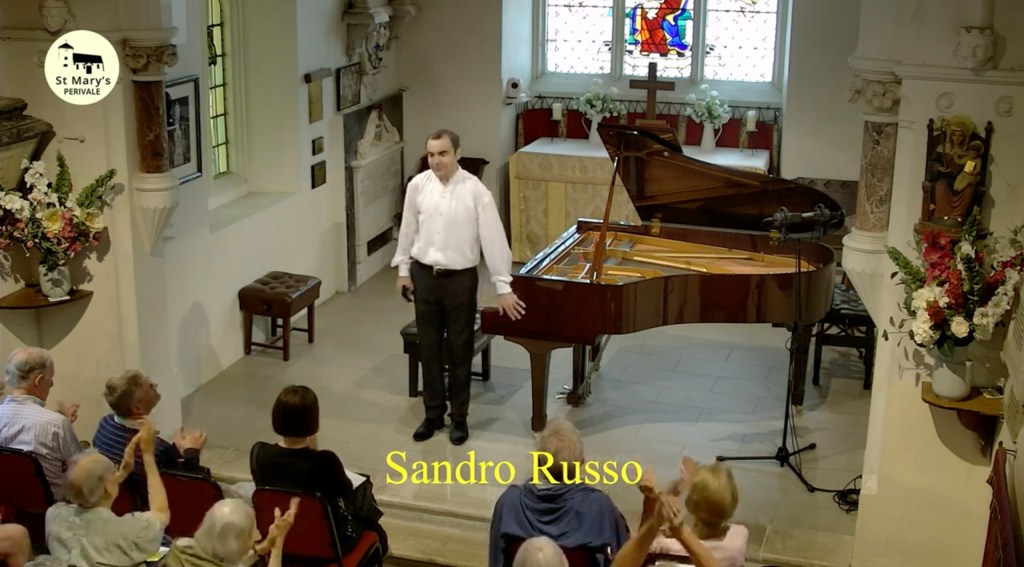
Sandro Russo‘s playing has often been referred to as a throwback to the grand tradition of elegant pianism and beautiful sound. Composer Lowell Liebermann wrote of him, “Sandro Russo is a musician’s musician and a pianist’s pianist. There is no technical challenge too great for him, but it is his musicianship that ultimately makes the greatest impression. His interpretations reveal a unique and profound artist at work.”
Born in San Giovanni Gemini, Italy, Mr. Russo displayed exceptional musical talent from an early age. He later entered the V. Bellini Conservatory, from which he graduated summa cum laude. He also earned the Pianoforte Performing Diploma from the Royal College of Music in London with honours. After moving to the United States in 2000, he won the Bergen Philharmonic Orchestra Concerto Competition and has since performed in prestigious concert halls, including the Concertgebouw in Amsterdam, Weill and Zankel halls at Carnegie Hall, Kilbourn Hall (Eastman Theatre), Salle Cortot in Paris, Teatro Politeama in Palermo, Konzerthaus Berlin, and Stoller Hall in Manchester (UK).
His recitals include performances for The Rachmaninoff Society, the Dame Myra Hess series in Chicago, the American Liszt Society, the Houston International Piano Festival, the Husum Festival of Piano Rarities in Germany, the Chetham’s International Piano Festival in Manchester (UK), and the Fernando Laires series at the Eastman Theatre. Mr. Russo has appeared as a soloist with the Slovak Philharmonic in Bratislava, the Jacksonville Symphony in Florida, and the Brussels Chamber Orchestra, among others.
Mr. Russo’s performances have aired on major radio stations in the US and abroad, with recordings earning rave reviews from magazines such as Italy’s Classic Voice and Gramophone . On May 3, 2024, the Steinway & Sons label released his latest recording of Liszt’s 12 Transcendental Etudes .
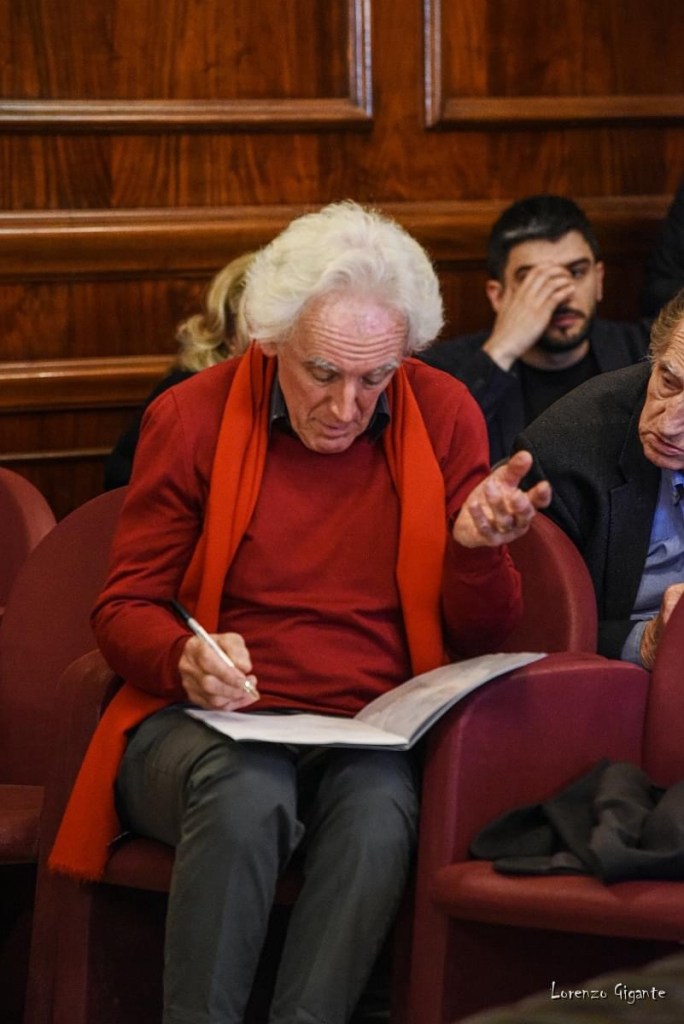
‘Caro Sandro, congratulations!! While I haven’t been able to access the concert’s recording as yet, I have carefully read every word of Mr. Christopher Axworthy’s review; it brought tears to my eyes. What an acknowledgement of your extraordinary talent — your jaw-dropping technique and musicianship, and the breathtaking poetry of your interpretations. He even captured that magical touch of yours! As Jesus Garcia and I always say, you should be on the world’s stage!! Thank you, Mr. Axworthy, for writing a magnificent and well-deserved review of this extraordinary talent.’
‘Thank you, Mallory, for such heartfelt remarks. I’m truly touched by what you wrote. You may have noticed I didn’t use the word “review” when sharing this, as reviews are typically written by journalists, rather than musicians searching for music. Regardless of the praise in Mr. Axworthy’s reflections, it’s always incredibly meaningful when someone captures something that lies at the very core of our artistic language and expression. Sending hugs to you and Jesus!’























































 ChristopherAxworthy-MusicCommentary