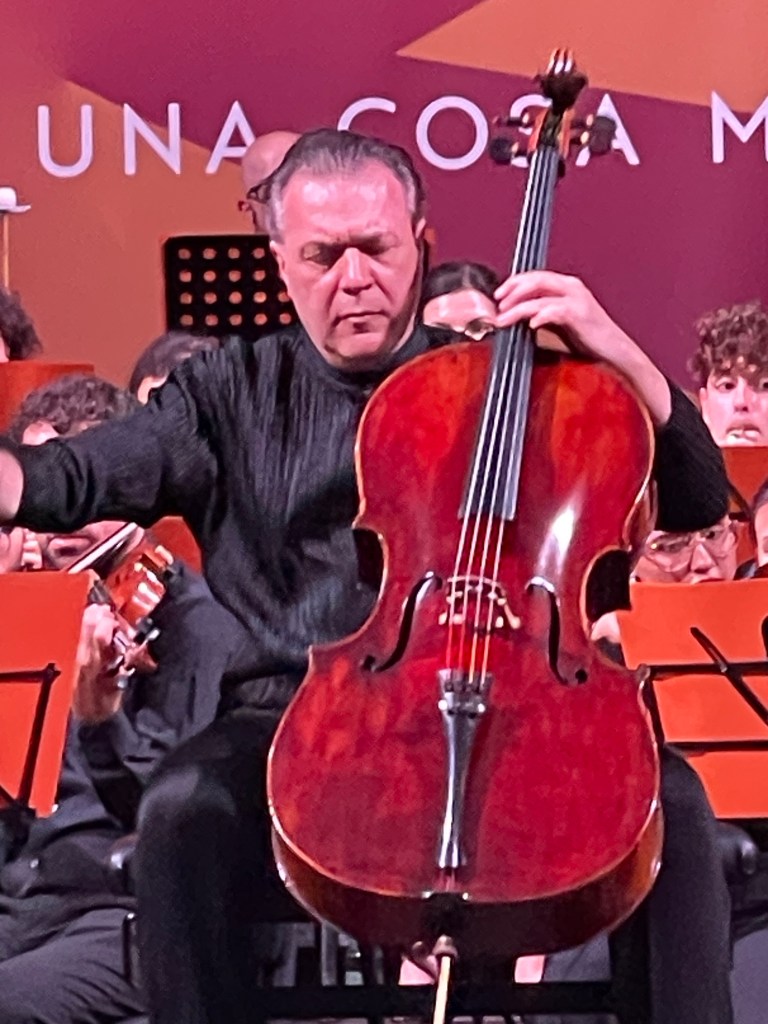
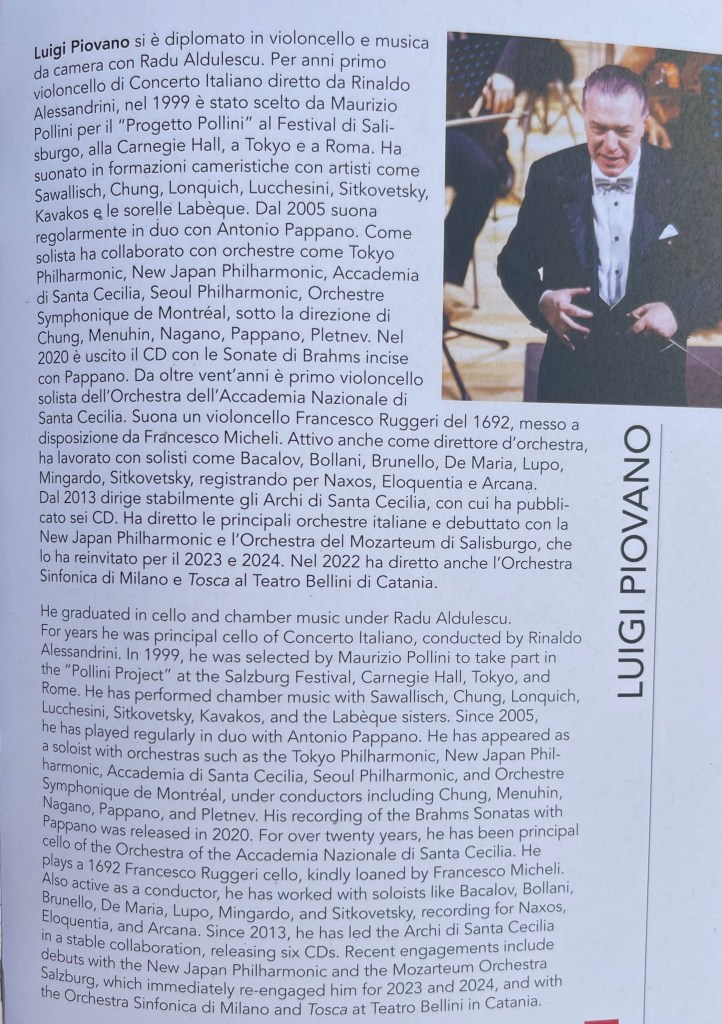
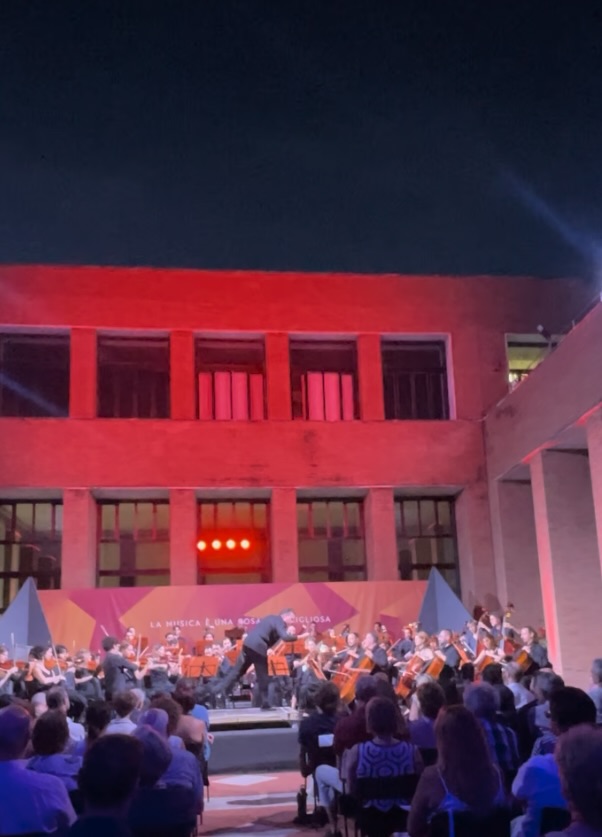
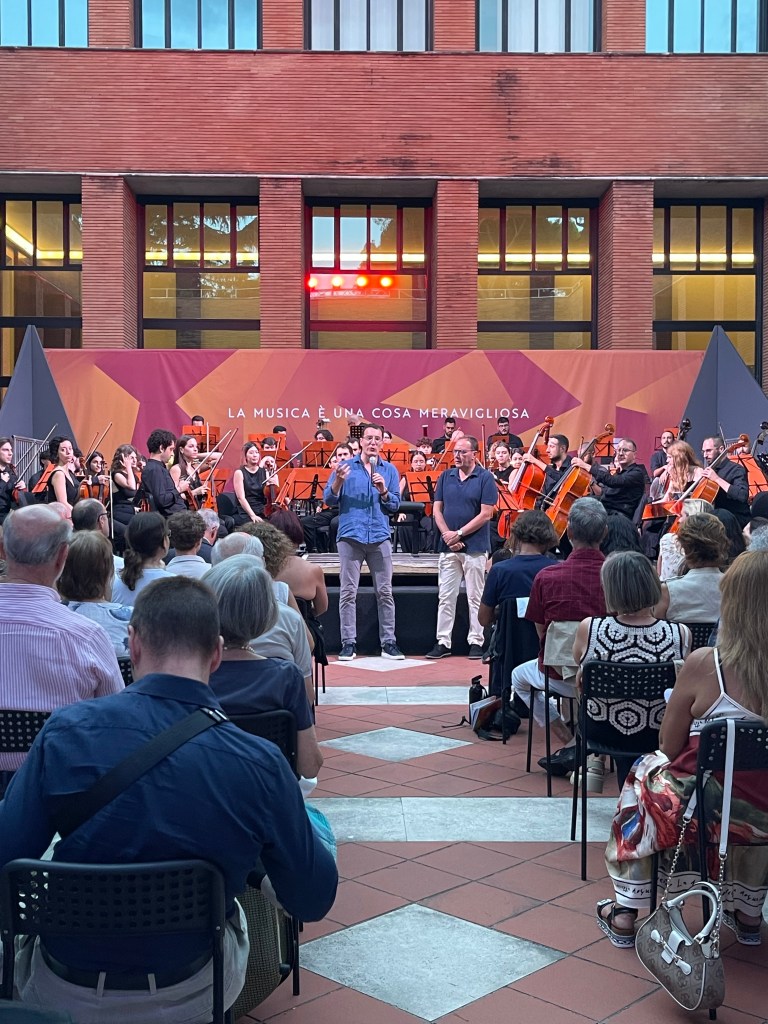
Luigi Piovano swept away on a wave of inspired inspiration taking the Roma 3 Orchestra on a journey that will long be remembered.
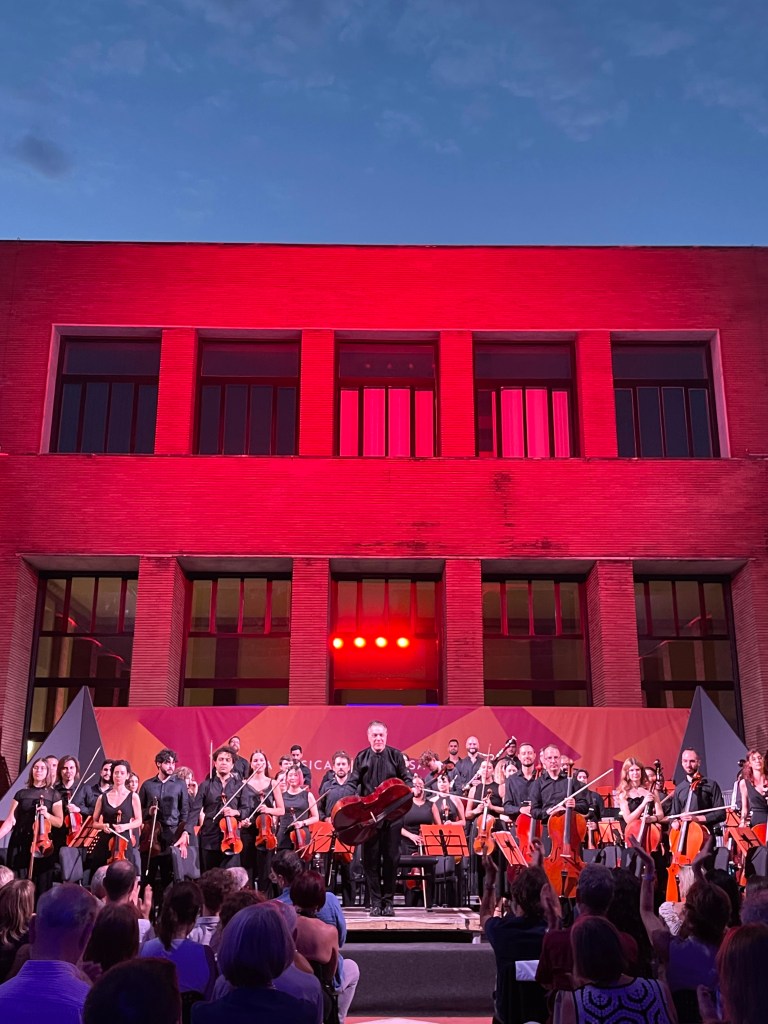
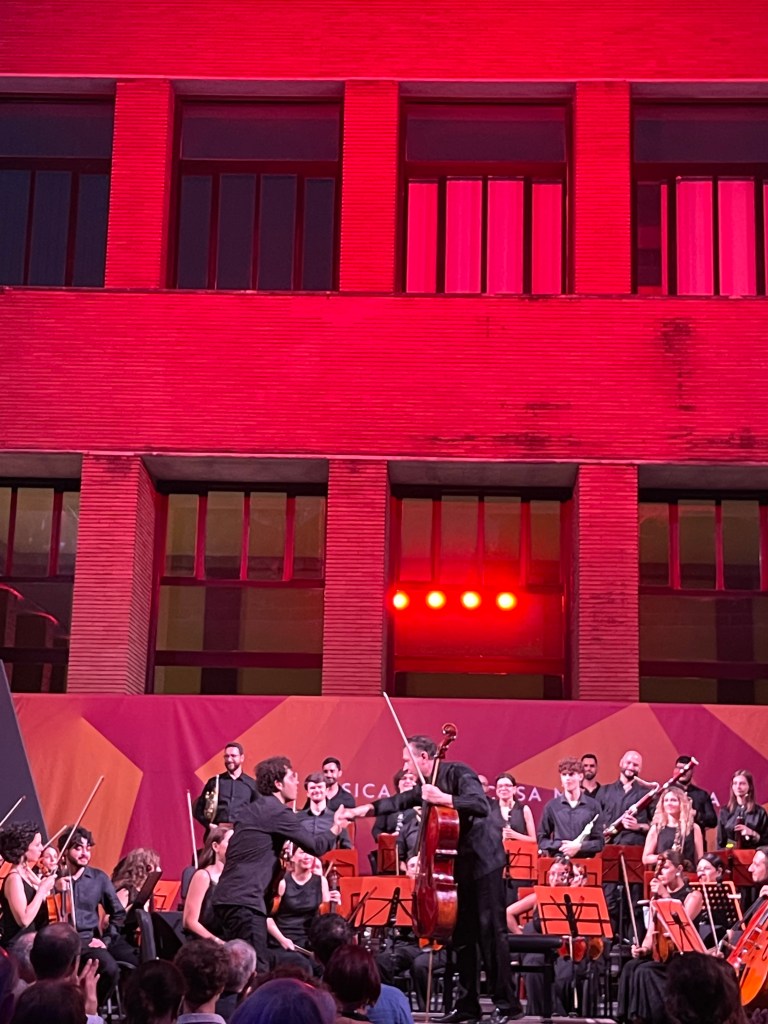
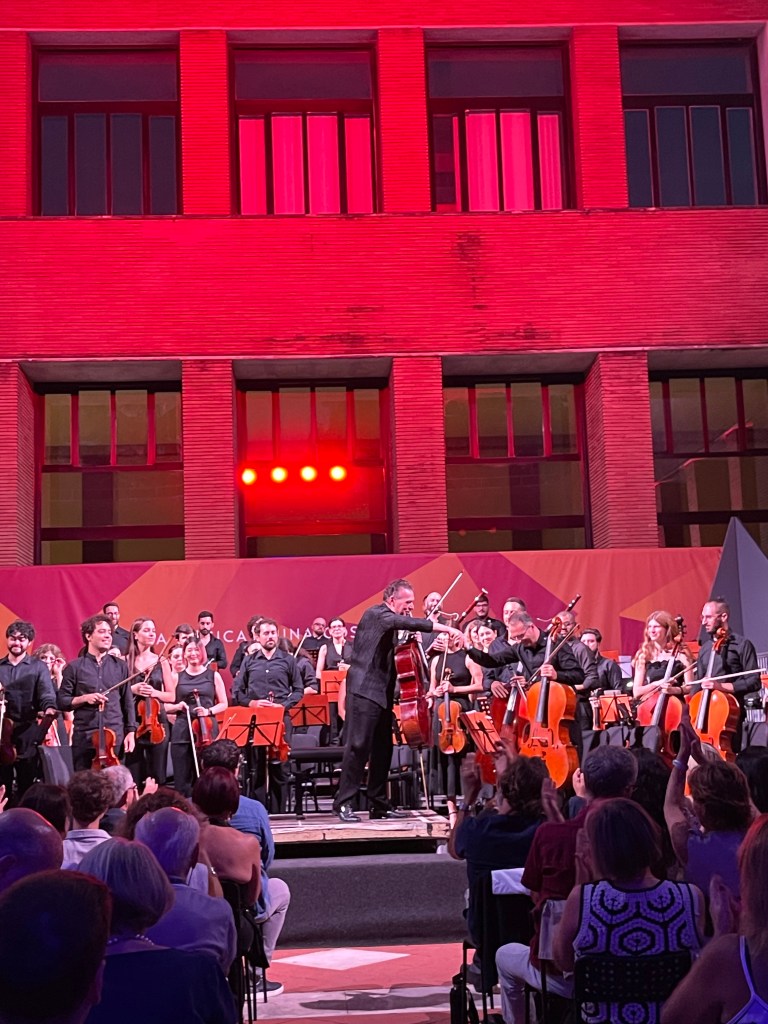
Schumann’s cello concerto conducted from the cello, where Luigi’s passionate music making ignited this youthful orchestra and inspired them to heights that surprised even them .
As Piovano said at the end it is only possible to play without the ‘policeman’ because this orchestra listens to themselves. Like a true chamber ensemble they are ready to take on a voyage of discovery where every twist and turn is eagerly anticipated and enriches their music making with vibrant subtlety and ravishing beauty.
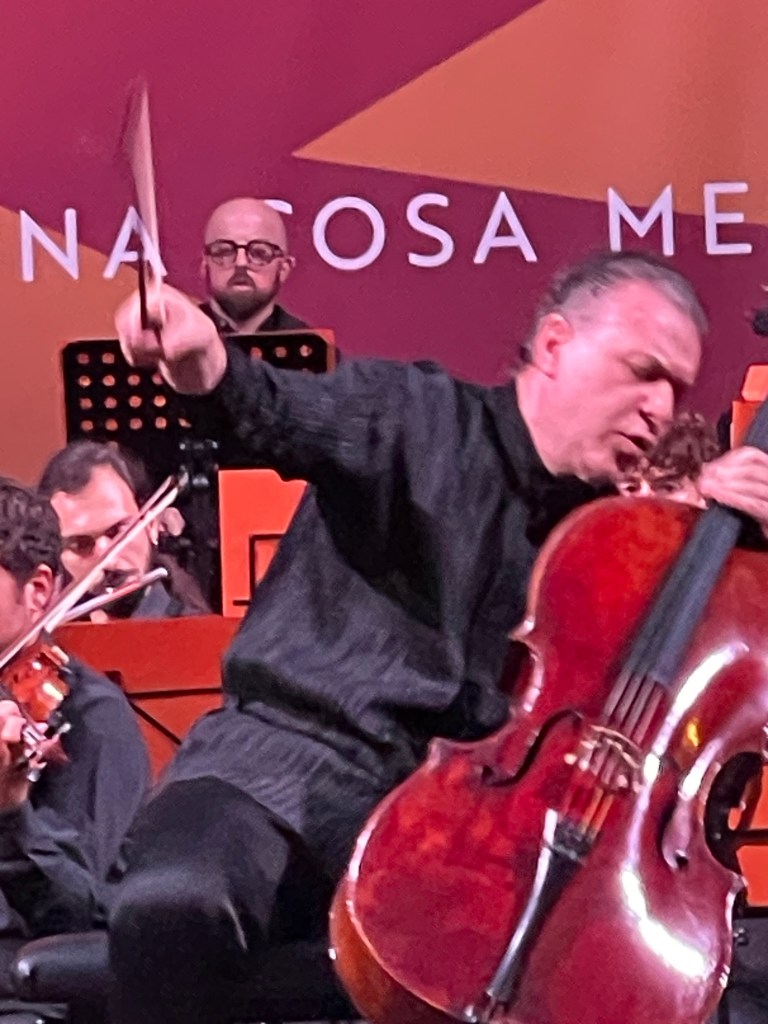
I remember Rostropovich in London, when he played thirty concertos in a festival of six concerts dedicated to his astonishing mastery. His enthusiasm and inspiration was such that some of the lesser known concertos such as by Mayakovsky or Saint Saens, he seemed to play even before he sat down. It was like a hurricane overwhelming all that stood between him and his music making.
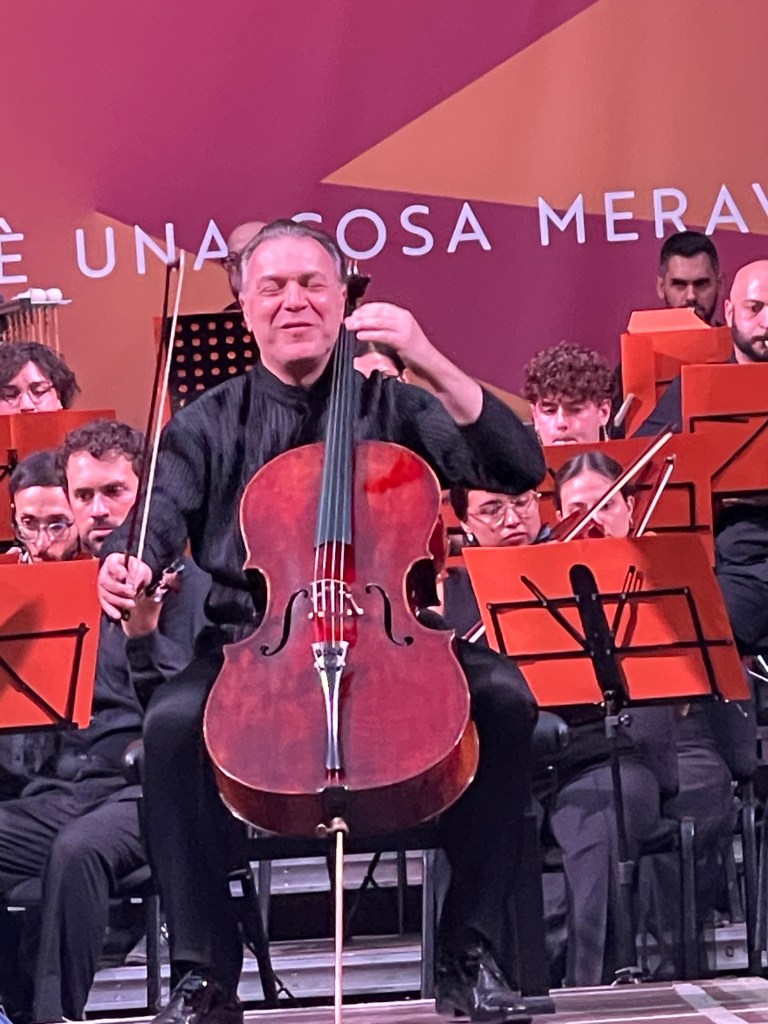
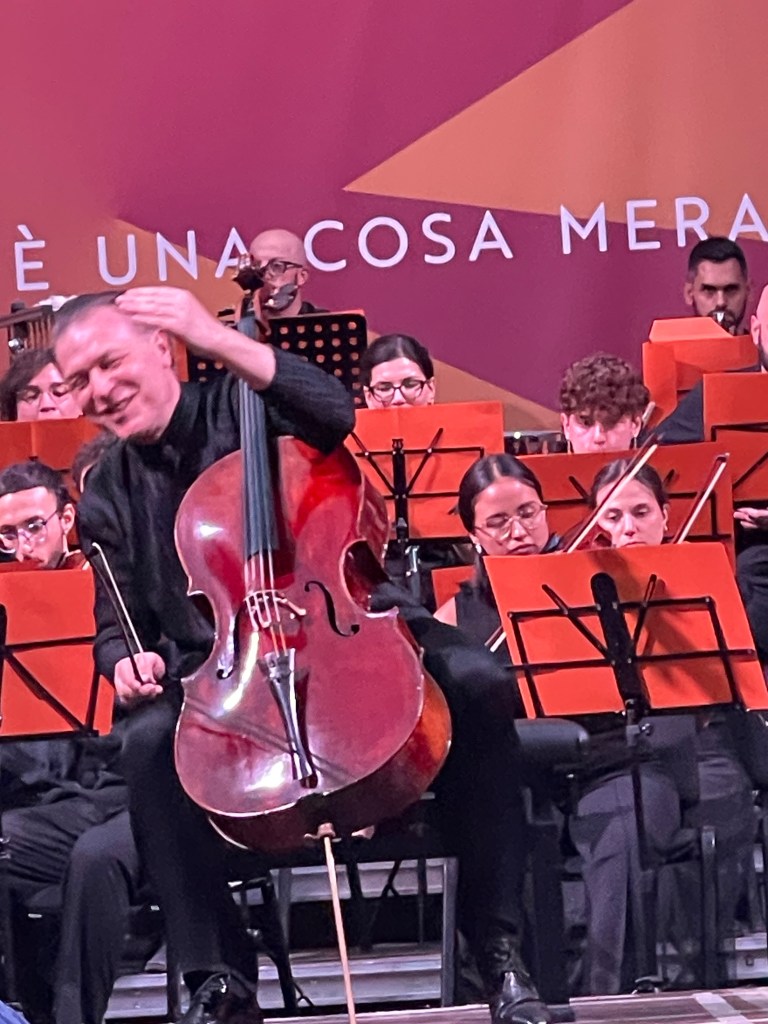
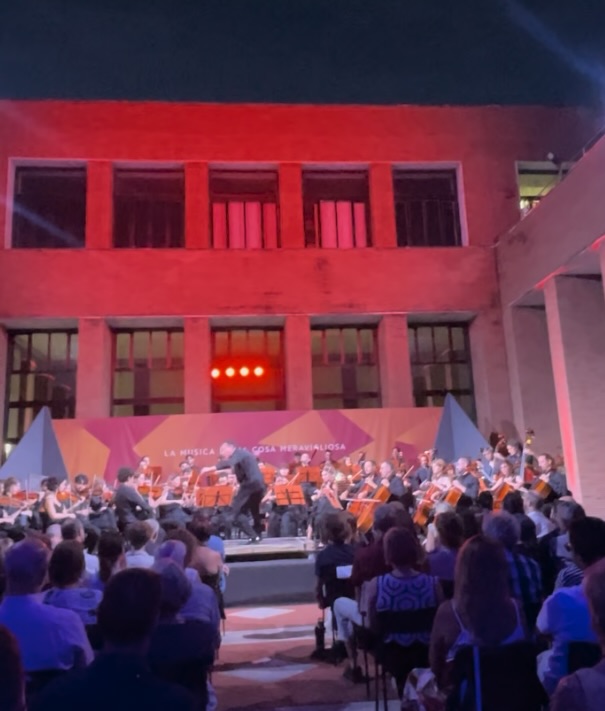
Today it was that same wind of sublime inspiration that blew through the beautiful open air venue that INPS so generously shares with the genial Valerio Vicari and Roberto Pujia. A quest to offer a stepping stone to some of the most talented young musicians of their generation and allow them the possibility to gain valuable experience playing together, as Menuhin was to described it : with ‘ mutual anticipation’
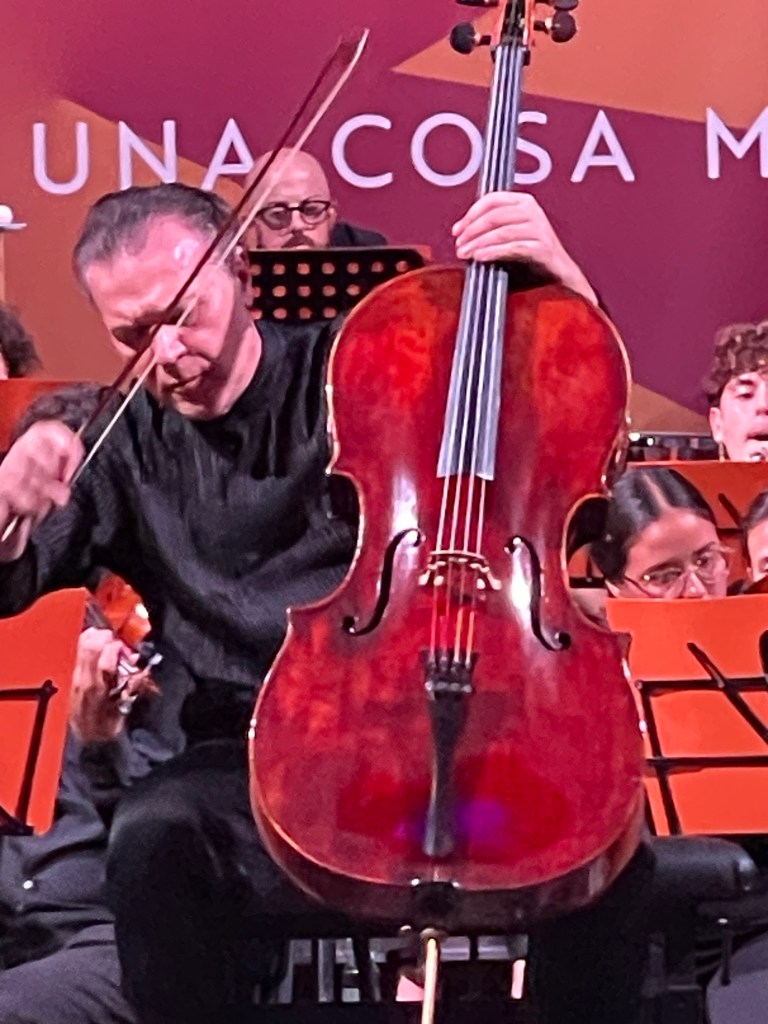
Luigi with passion and mastery offered a continuous outpouring of sublime music making. A fluidity of movement that allowed the music to float on the air of a wave of beauty with a natural outpouring of poetic commitment. Creating a wonderful dialogue between the musicians in a musical conversation usually only possible with smaller more intimate chamber ensembles .
As Andras Schiff stated when he was asked why he played without a conductor, he very spiritedly replied that one is sometimes freer to play without a policeman leading the way.
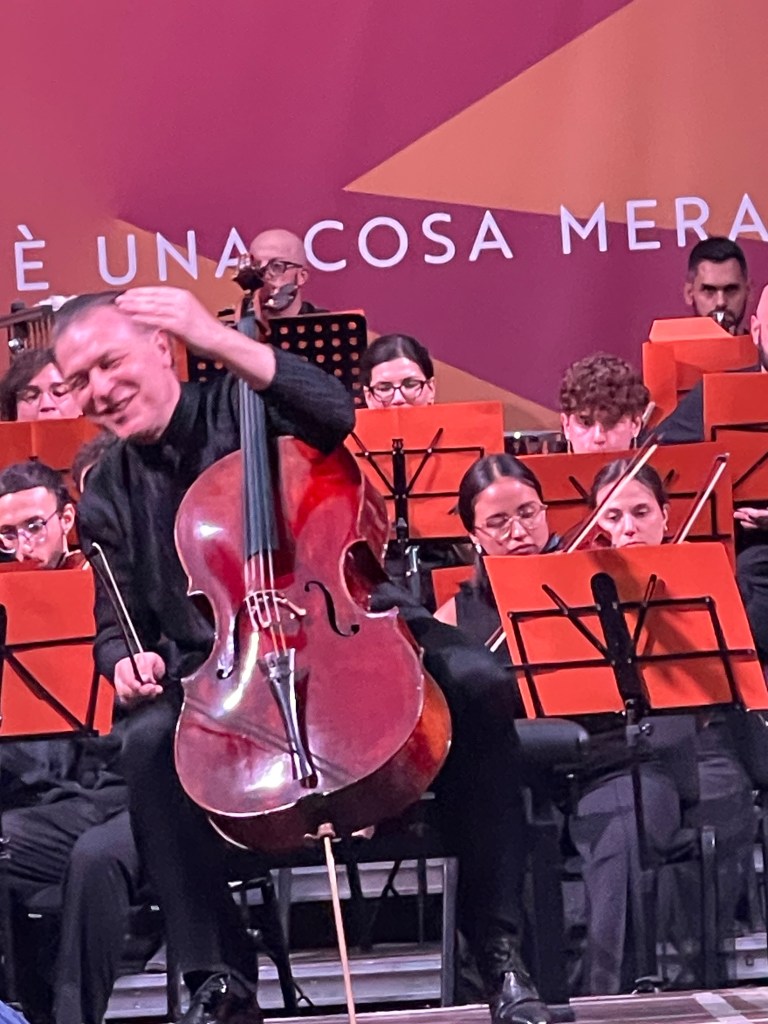
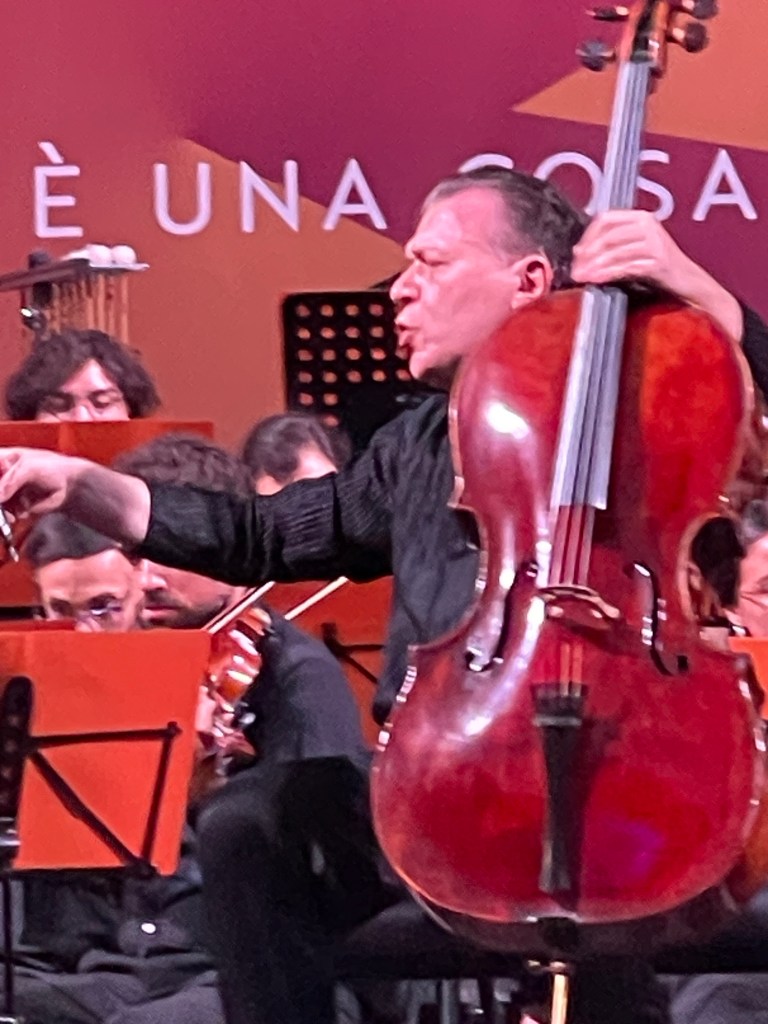
As Piovano rightly added this is only possible when you have masterly musicians ready to listen and risk all, like a tightrope walker climbing onto the high wire with all the exhilaration and breathtaking panoramas that can be experienced but is only for those that dare to risk all.
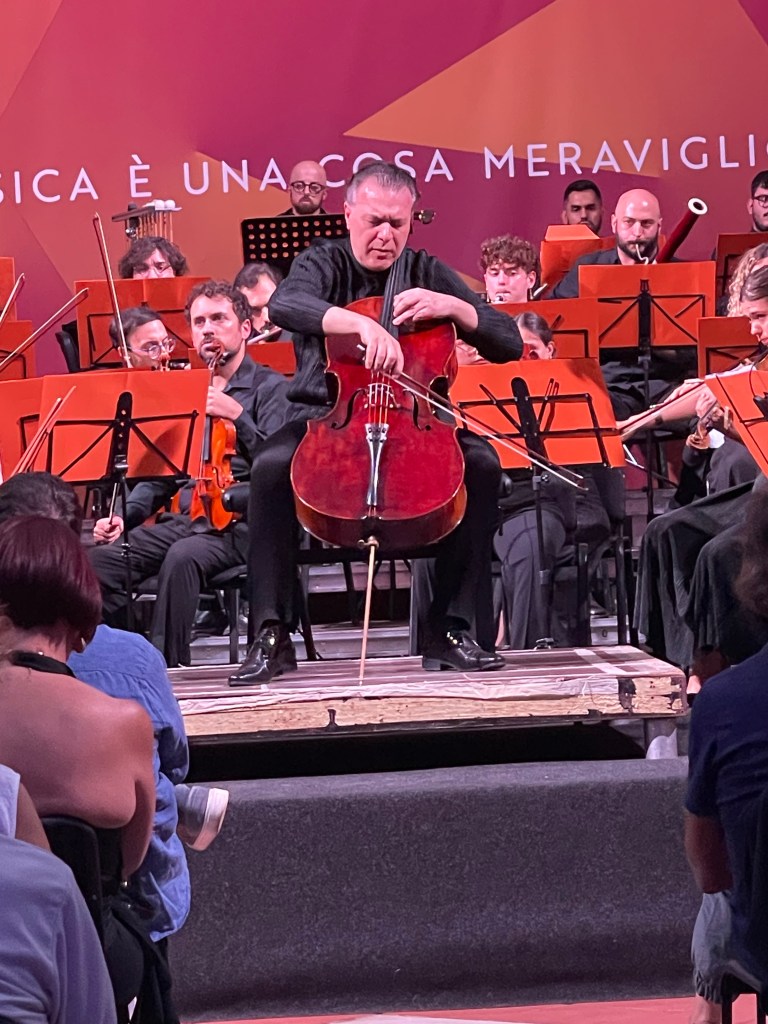
Piovano is a master celllist but above all an inspired musician who lives every moment with vibrant anticipation. A cat on the prowl ready to pounce! A moment of creation so immediate, and a two way journey with the audience sharing in the voyage, and inspiring him to heights that he could never reach without the stimulation of live performance.
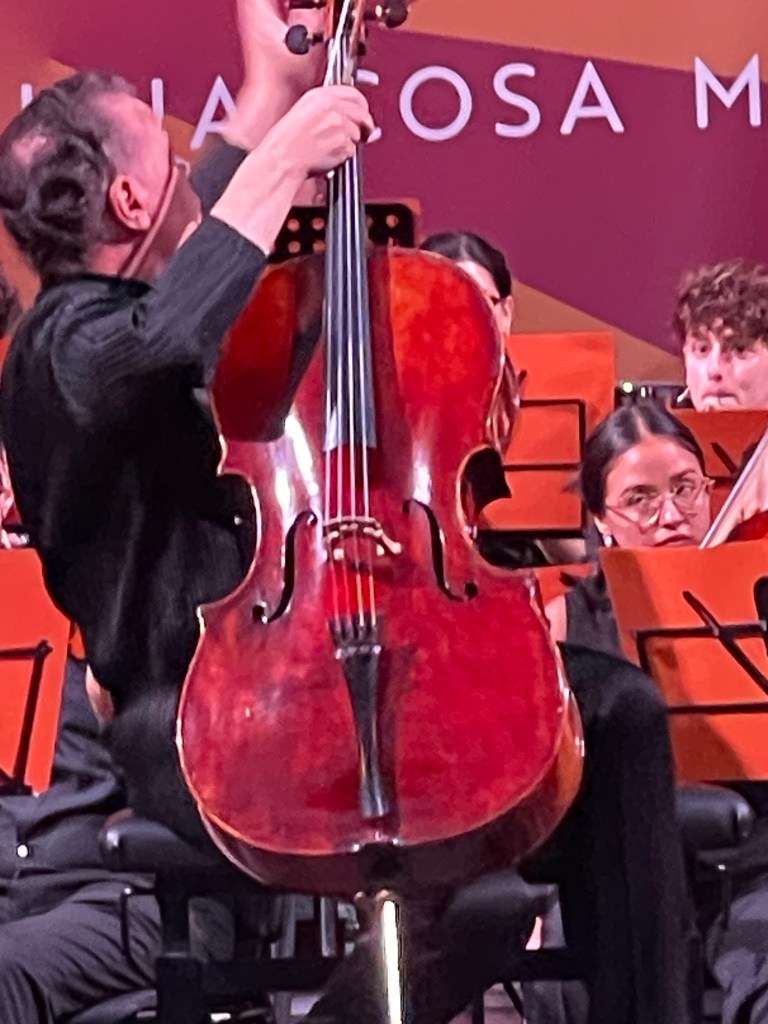
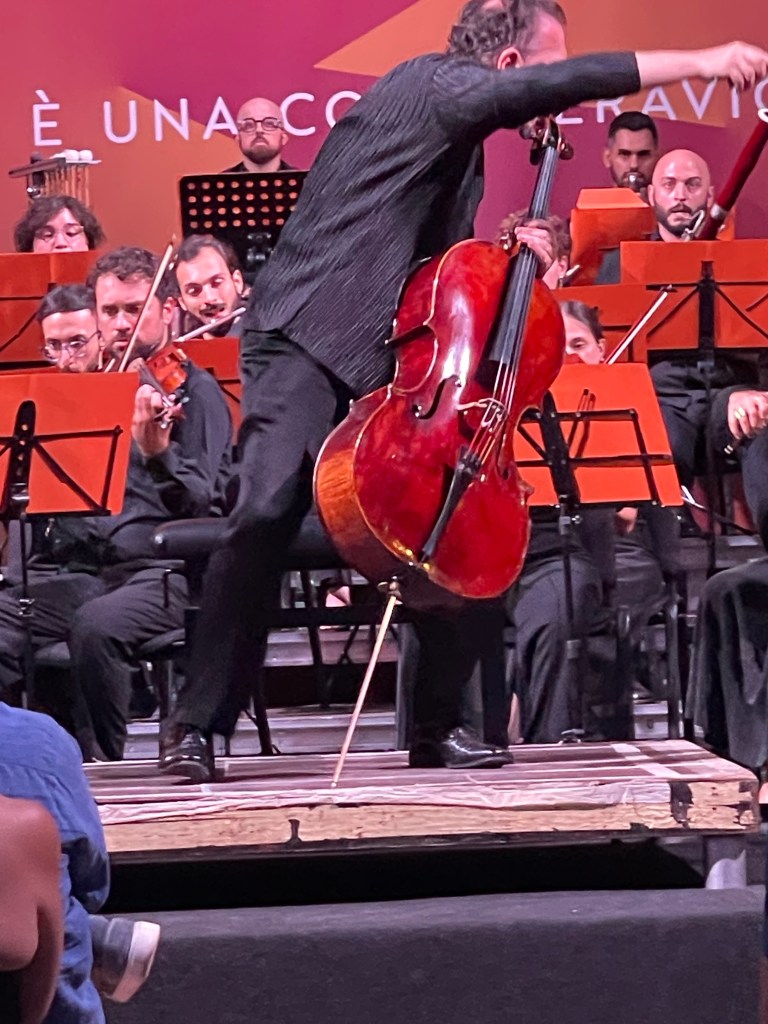
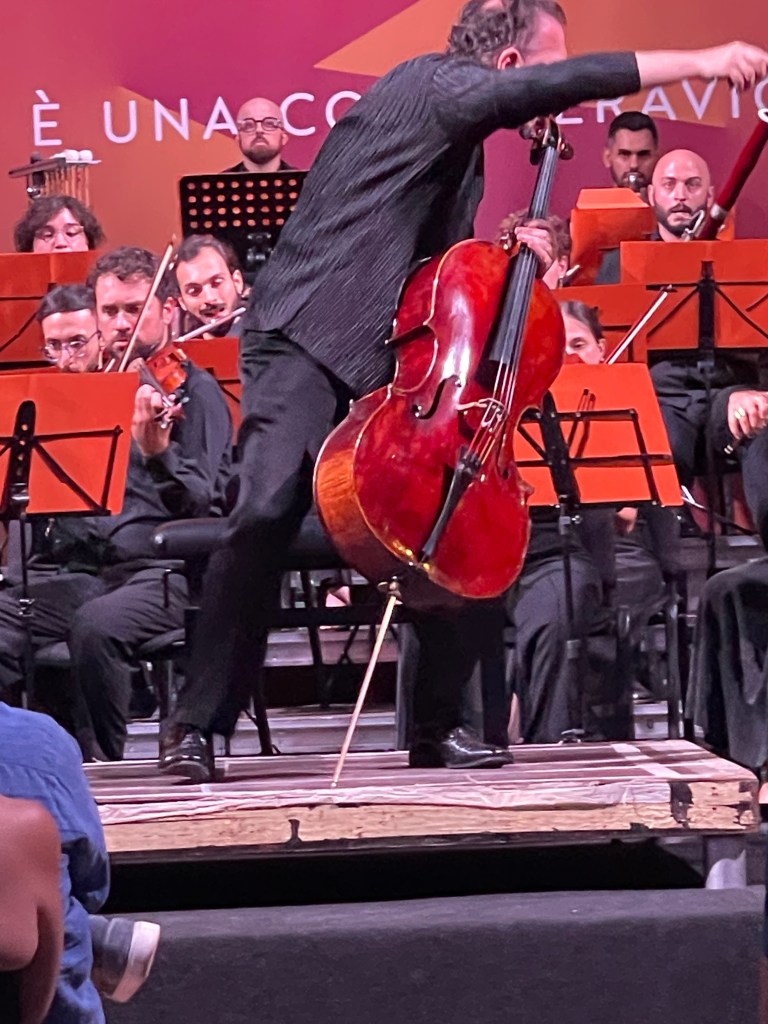
Playing the cello ,as he later conducted, is like swimming in a sumptuous sea of sounds in which the horizontal beauty of his whole body allowed us all to be submerged by a constant wave of sounds . Even jumping up from his cello , just as I remember Rostropovich would do , in moments when he was not physically required to produce sounds and where even his bow became a magic wand on this voyage of discovery.
It was later when he was conducting that his arms and whole body were swaying and persuading his players to join this great wave of mutual anticipation and where Piovano was merely the bridge coordinating the traffic with the shared vision of the paradise and rewards that awaited them all .
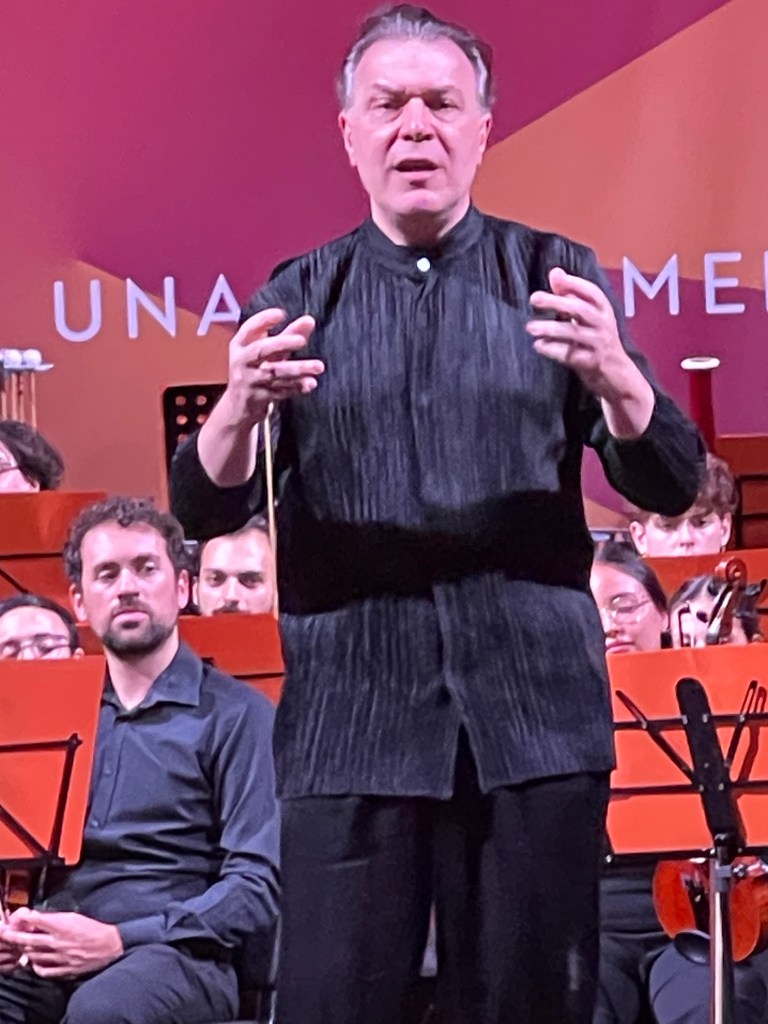
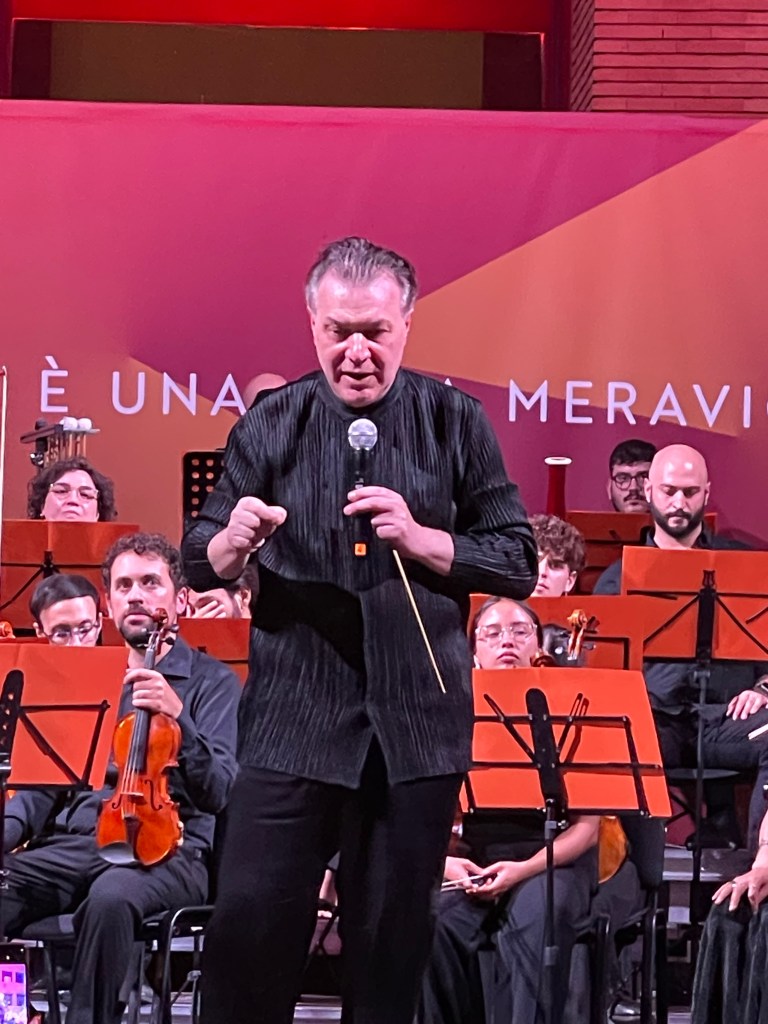
Luigi even had time to offer a short encore after the concerto but almost without a break returning to share in words his vision of Schumann’s Rhenish Symphony. His undying passion was as hypnotic as the music making he drew from this valiant band of youthful players.
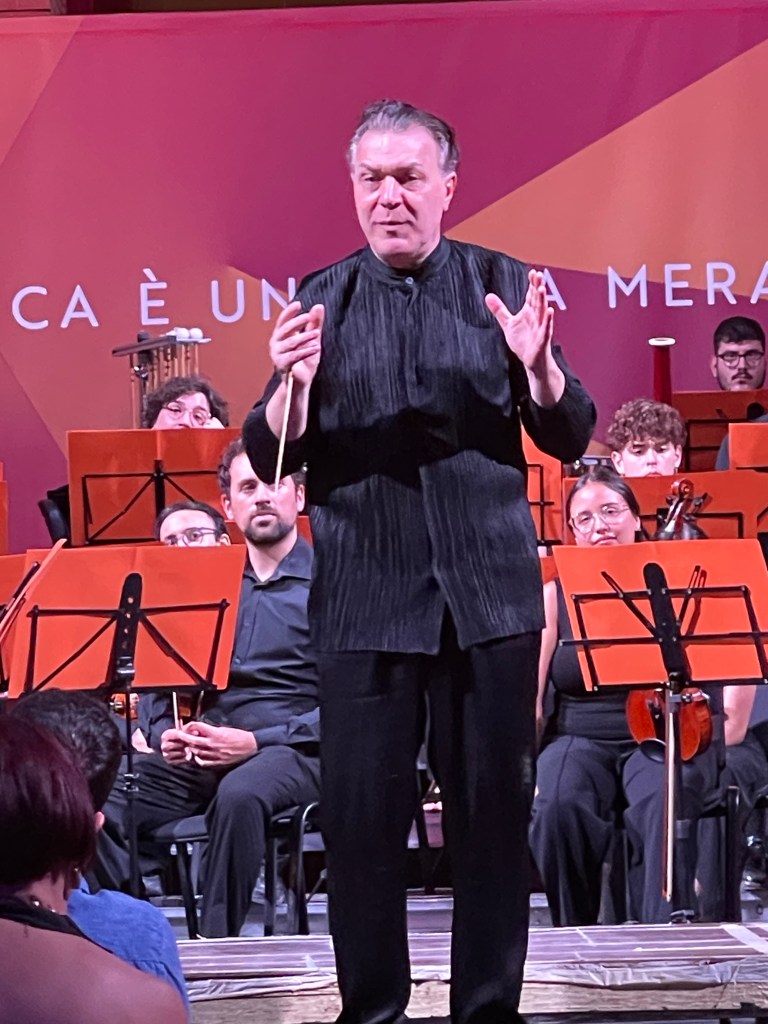
Piovano like his great friend and partner in crime Antonio Pappano have a passion and sense of communication that is rare indeed . And the twenty years that Pappano spent on a voyage of discovery together with Piovano and his colleagues turned a fine orchestra into a great one.
It just proved Barenboim’s prediction when he took a young accompanist under his wing having heard the young Pappano accompanying an aspiring singer in an audition . ‘I’ll take the pianist you keep the singer !’
It takes genius to recognise genius !
Some things cannot be taught, and talent is one of them, as Barenboin’s mentor Artur Rubinstein so rightly pointed out .https://youtu.be/gex0sOR7XZ0?si=HWOXZwXjBTJdUZb-
I would add that it cannot be taught but it can so easily be ruined or dampened.
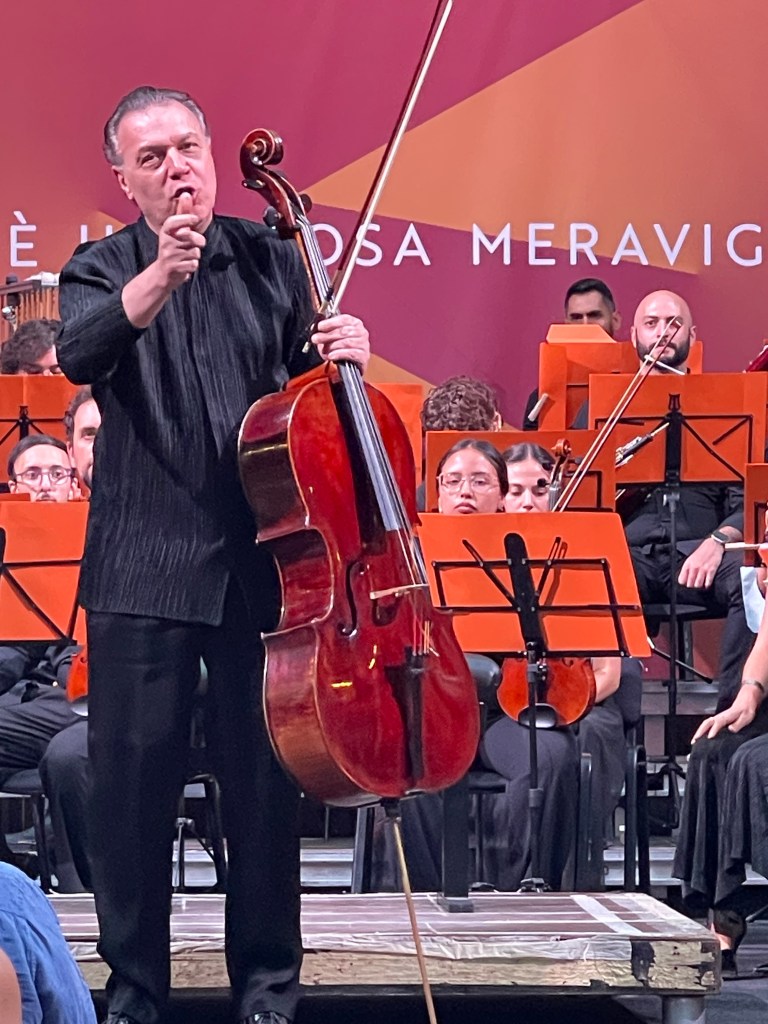
It was Luigi who showed us today that with encouragement and freedom the sky is the limit for the inspired music making that we were treated to today in the Eternal City.
It just proves that music truly is a marvellous thing !
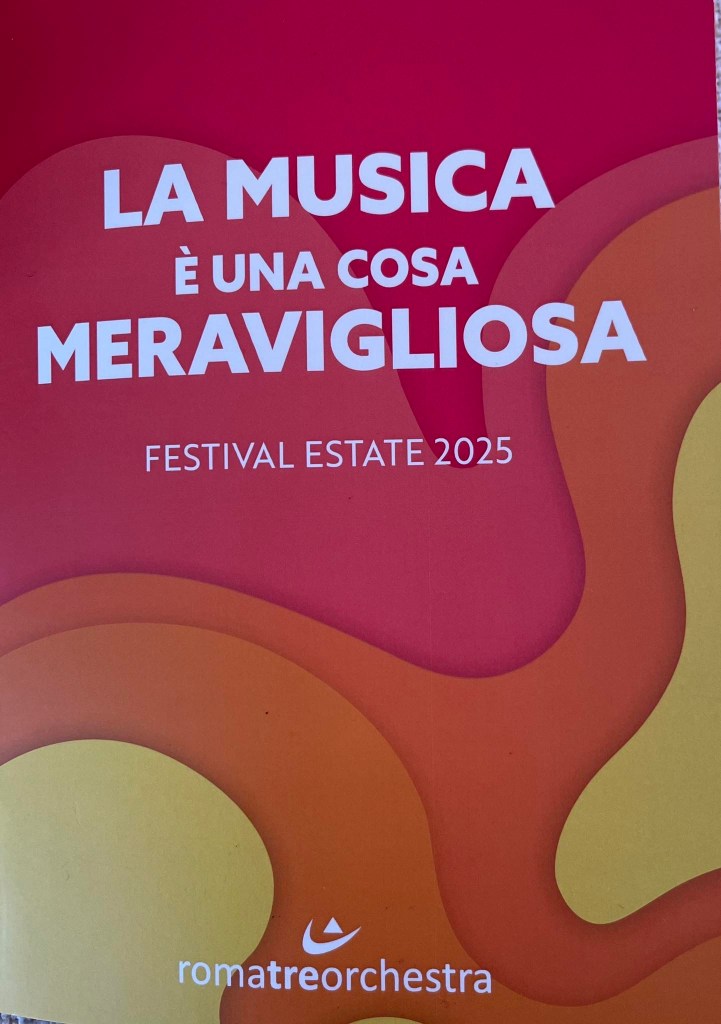
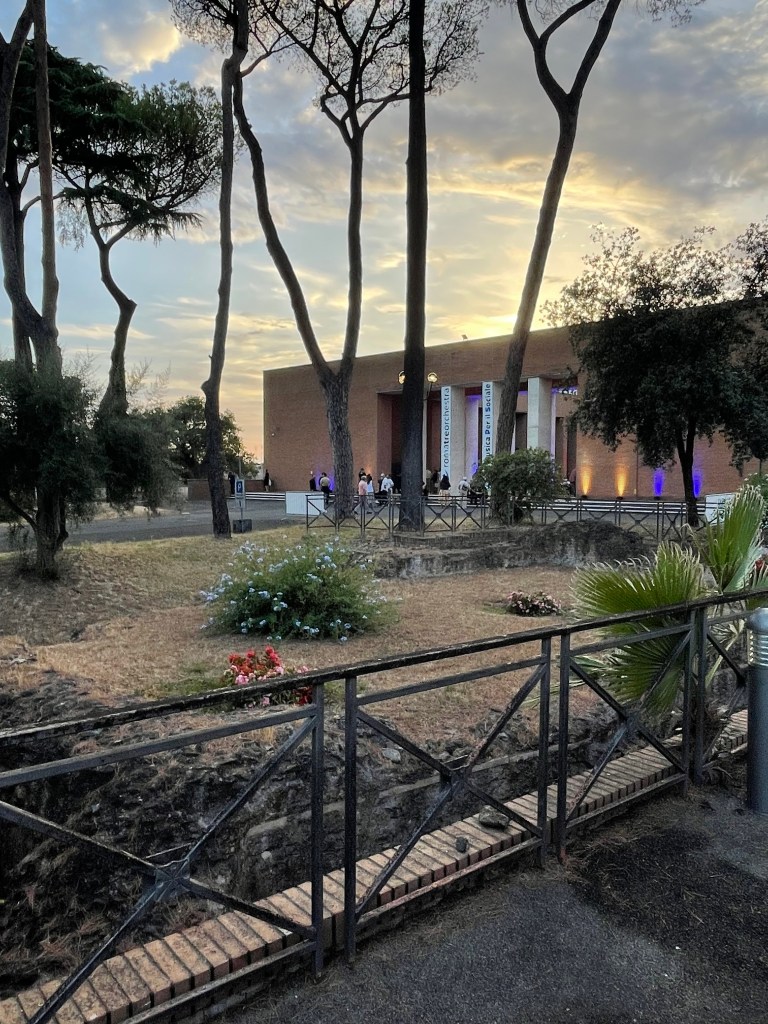
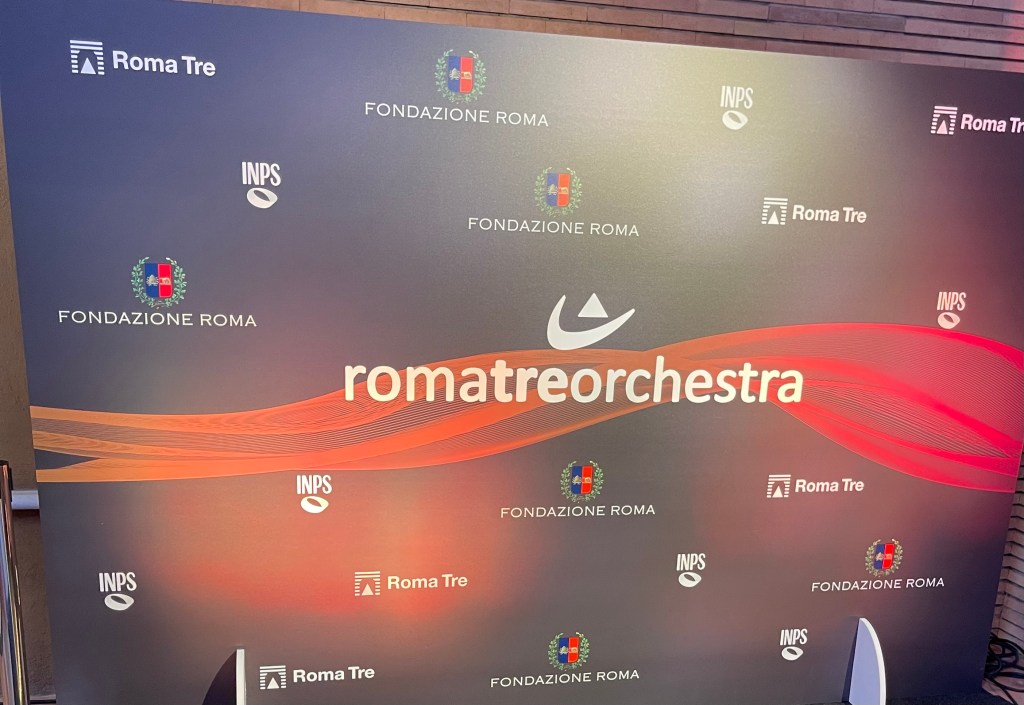
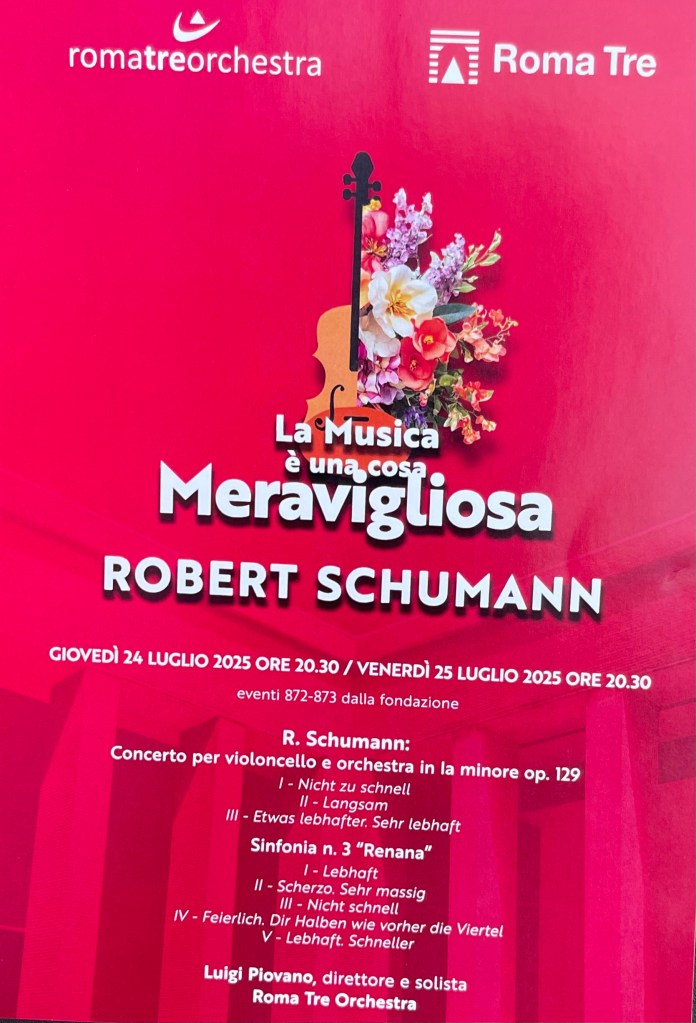
Giovedì 24 luglio 2025 / Venerdì 25 luglio 2025 ore 20.30, Convitto Vittorio Locchi, via Carlo Spinola 11
La musica è una cosa meravigliosa: Robert Schumann
Robert Schumann: Concerto per violoncello e orchestra in la minore op. 129; Sinfonia n. 3 “Renana”
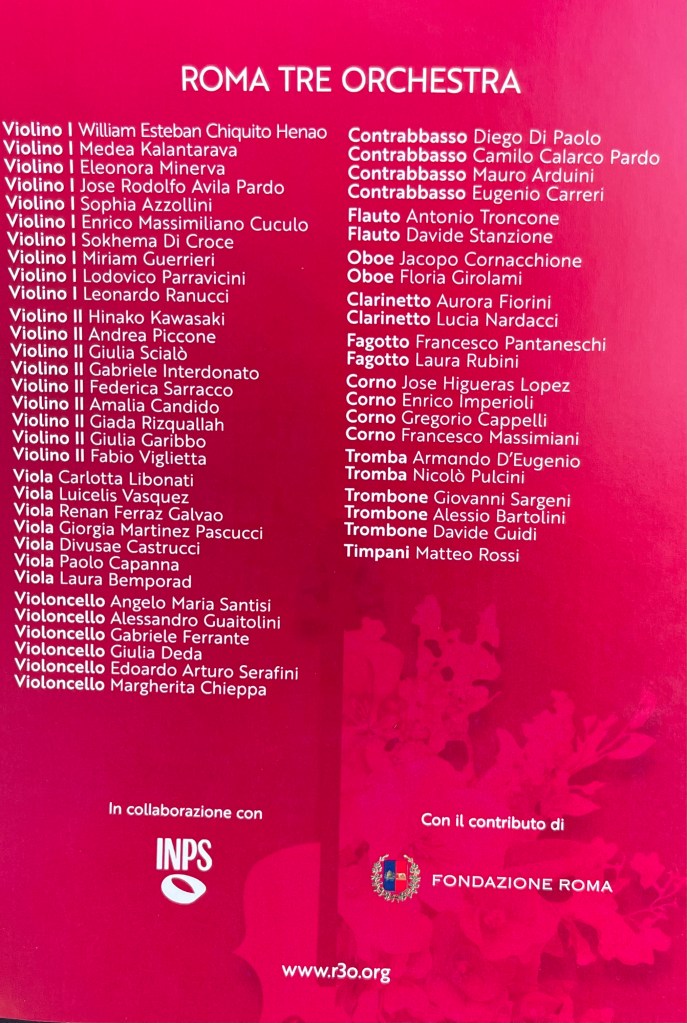
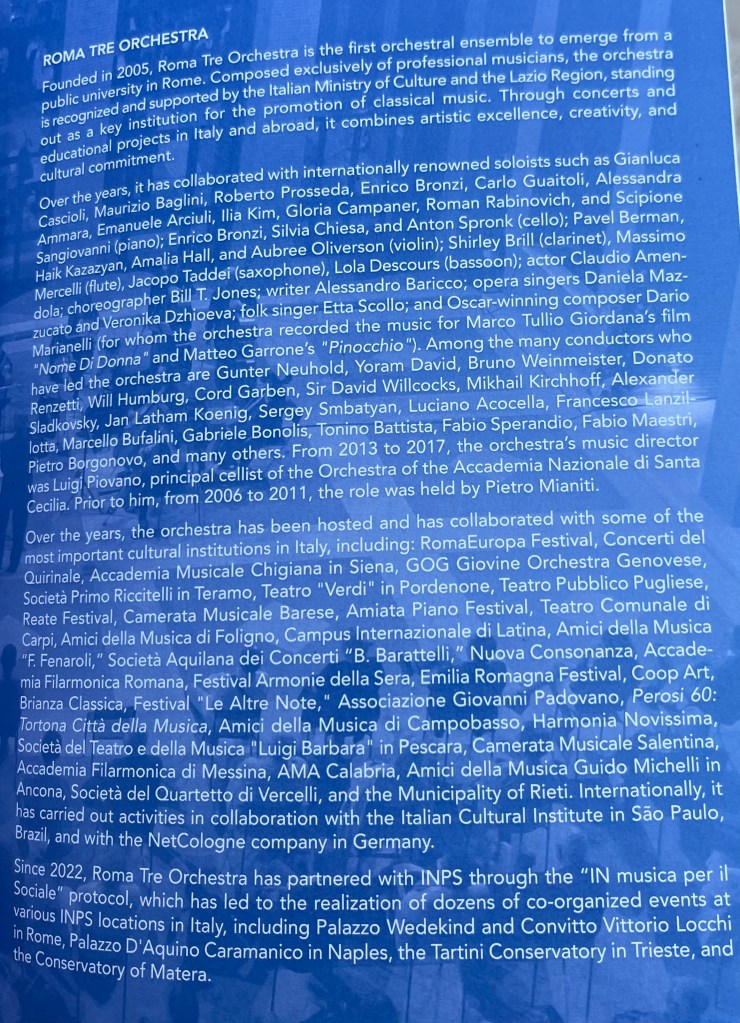
Roma Tre Orchestra
Luigi Piovano, direttore e solista
Robert Schumann (1810–1856) è una delle figure più affascinanti del romanticismo musicale tedesco. Compositore, critico musicale e intellettuale raffinato, Schumann ha saputo esprimere come pochi altri l’intimità, le inquietudini e i sogni della sensibilità romantica.
La sua musica, che spazia dai capolavori pianistici (come i Carnaval, le Kinderszenen, la Kreisleriana) ai Lieder, dalle sinfonie alla musica da camera, è segnata da una forte tensione espressiva e da una profonda introspezione psicologica. Celebre è anche la sua attività di critico e fondatore della Neue Zeitschrift für Musik, con cui promosse giovani talenti come Chopin e Brahms.
La sua vita fu segnata da alti slanci creativi e da una fragilità emotiva crescente, fino alla tragica fine in un ospedale psichiatrico. Accanto a lui, sempre, l’amata moglie Clara Wieck, straordinaria pianista e compositrice, che fu per lui musa, interprete e sostegno umano.
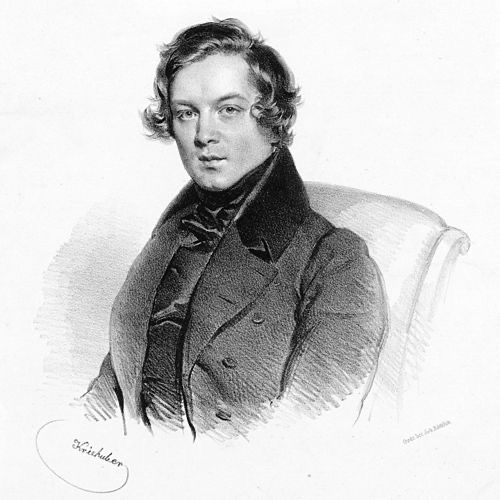
Born
8 June 1810 Zwickau, Saxony 29 July 1856 (aged 46) Bonn, Rhine Province, Prussia
The Cello Concerto in A minor, op 129, by Robert Schumann was completed in a period of only two weeks, between 10 October and 24 October 1850, shortly after Schumann became the music director at Düsseldorf.
The concerto was never played in Schumann’s lifetime. It was premiered on 23 April 1860, four years after his death, in Oldenburg , with Ludwig Ebert as soloist. Written late in his short life, the concerto is considered one of Schumann’s more enigmatic works due to its structure, the length of the exposition , and the transcendental quality of the opening as well as the intense lyricism of the second movement.On the autograph score , Schumann gave the title Konzertstück rather than Konzert , which suggested he intended to depart from the traditional conventions of a concerto from the beginning.
 ChristopherAxworthy-MusicCommentary