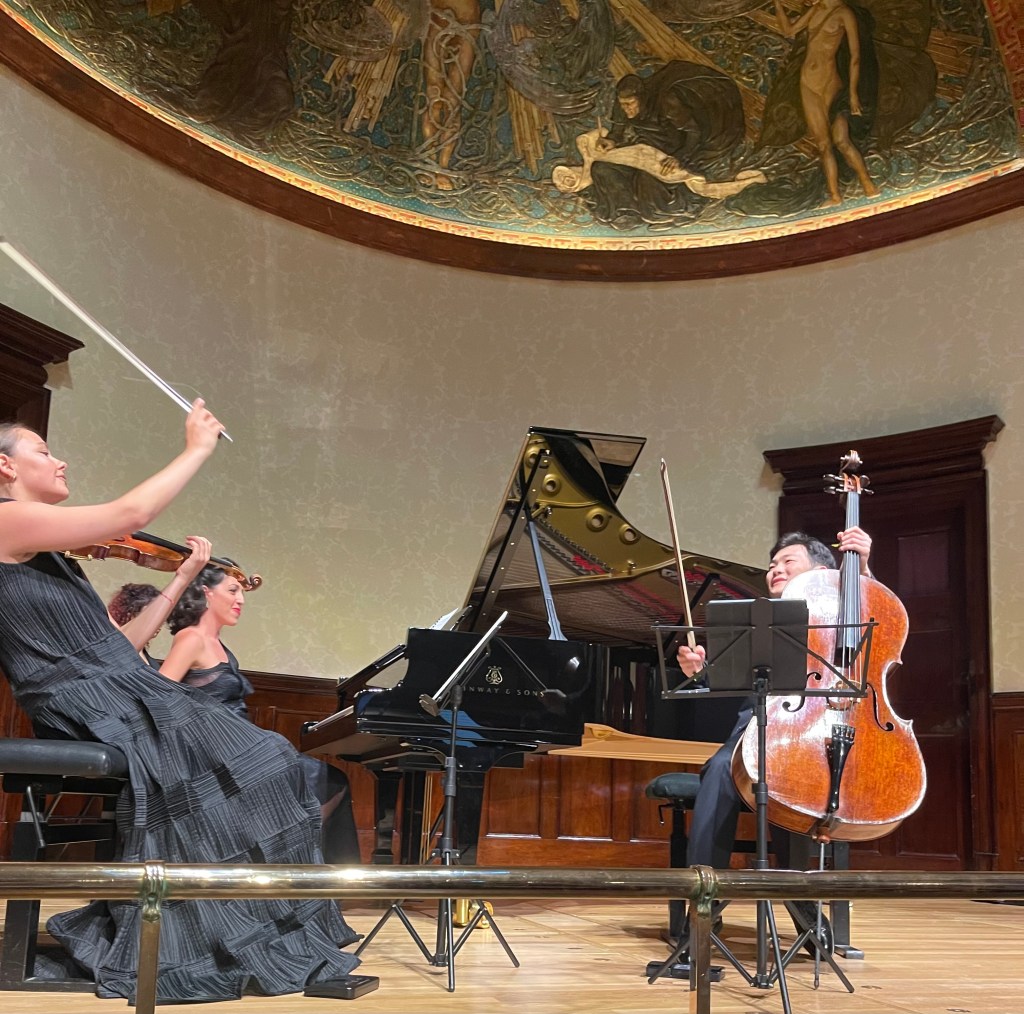
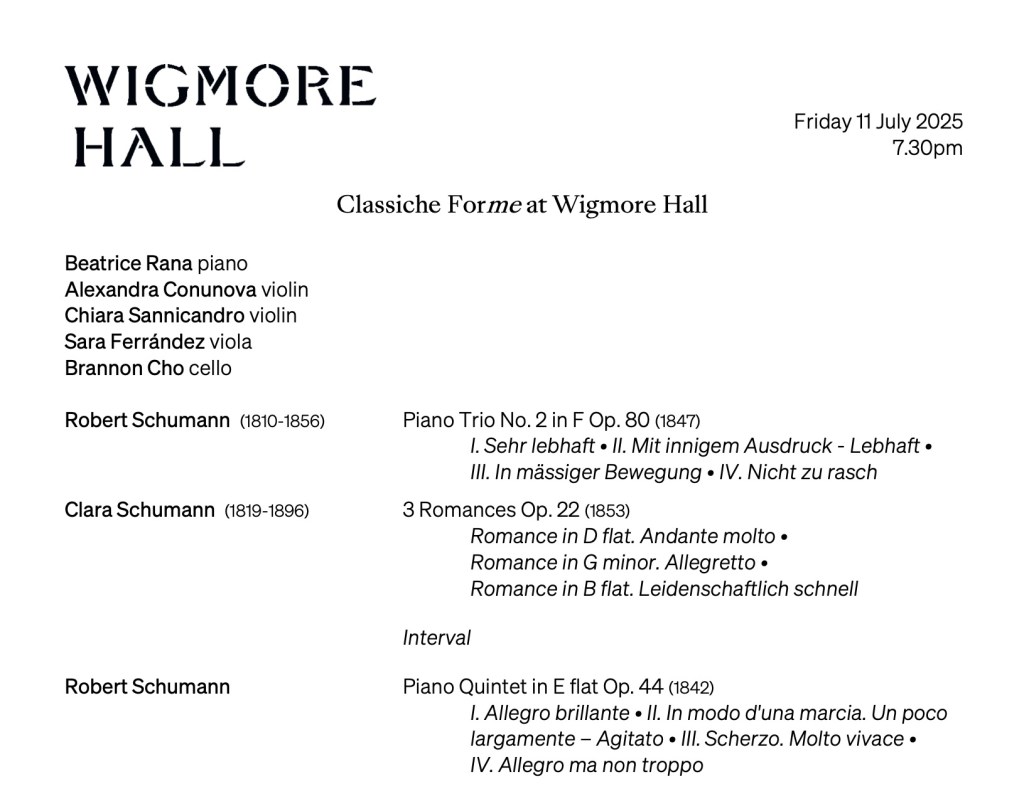

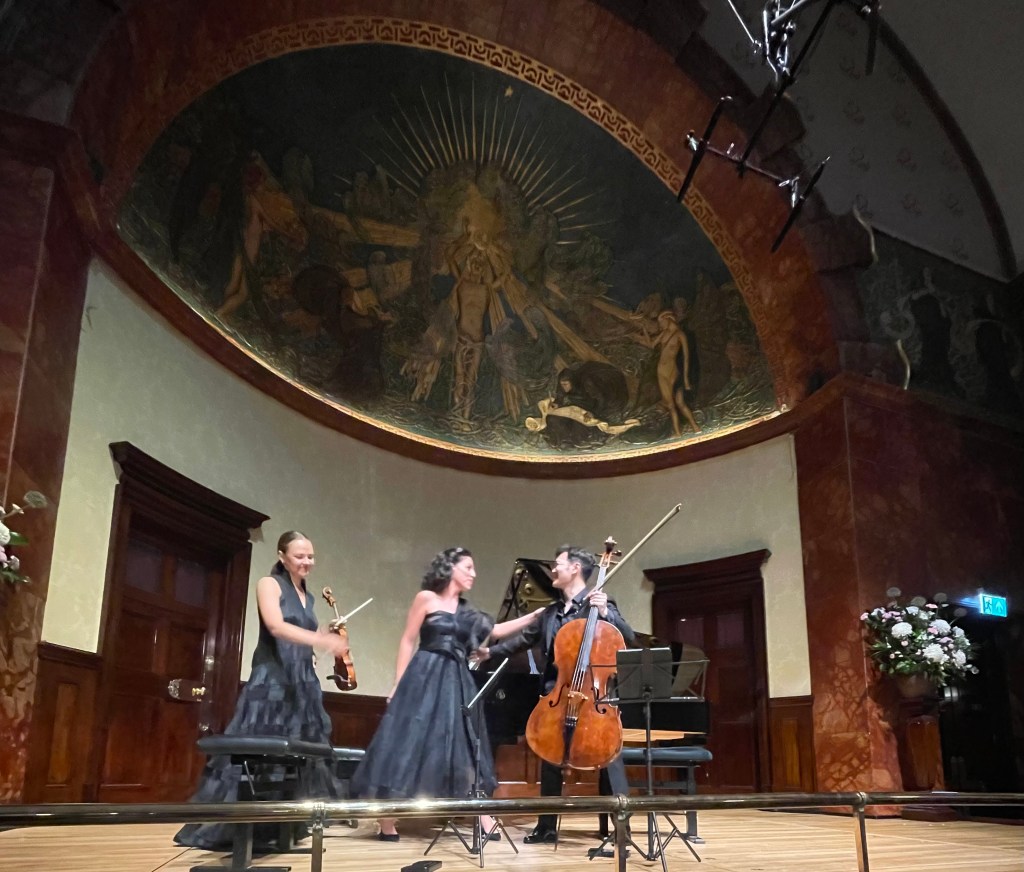
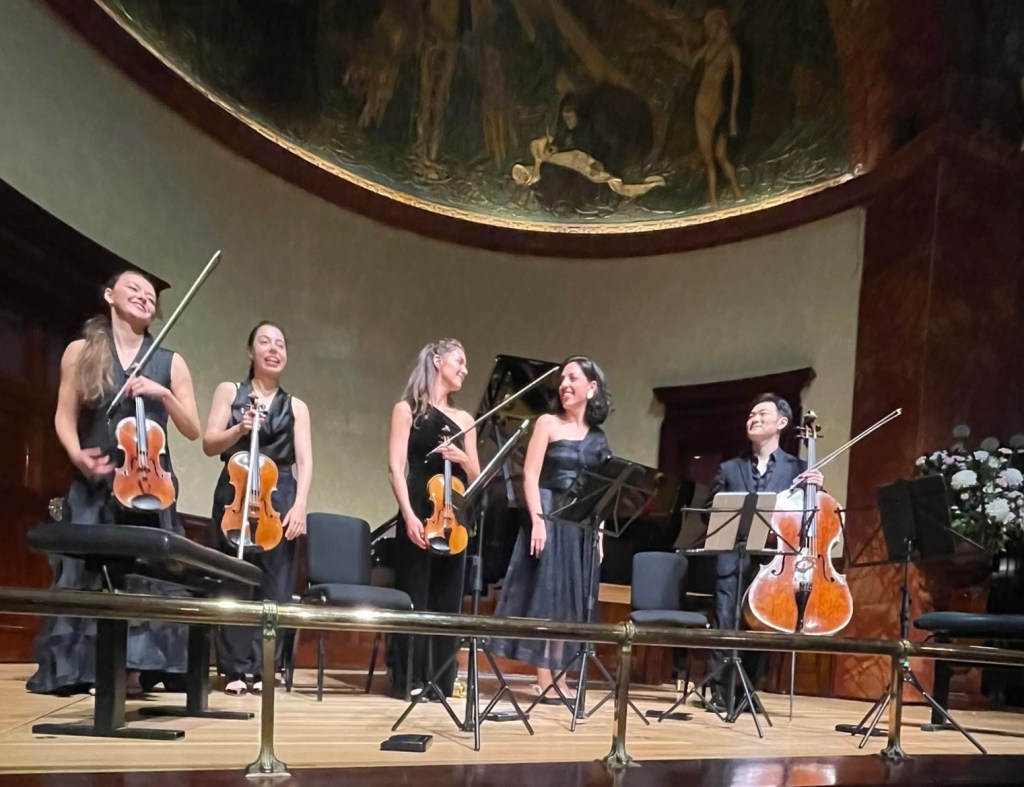
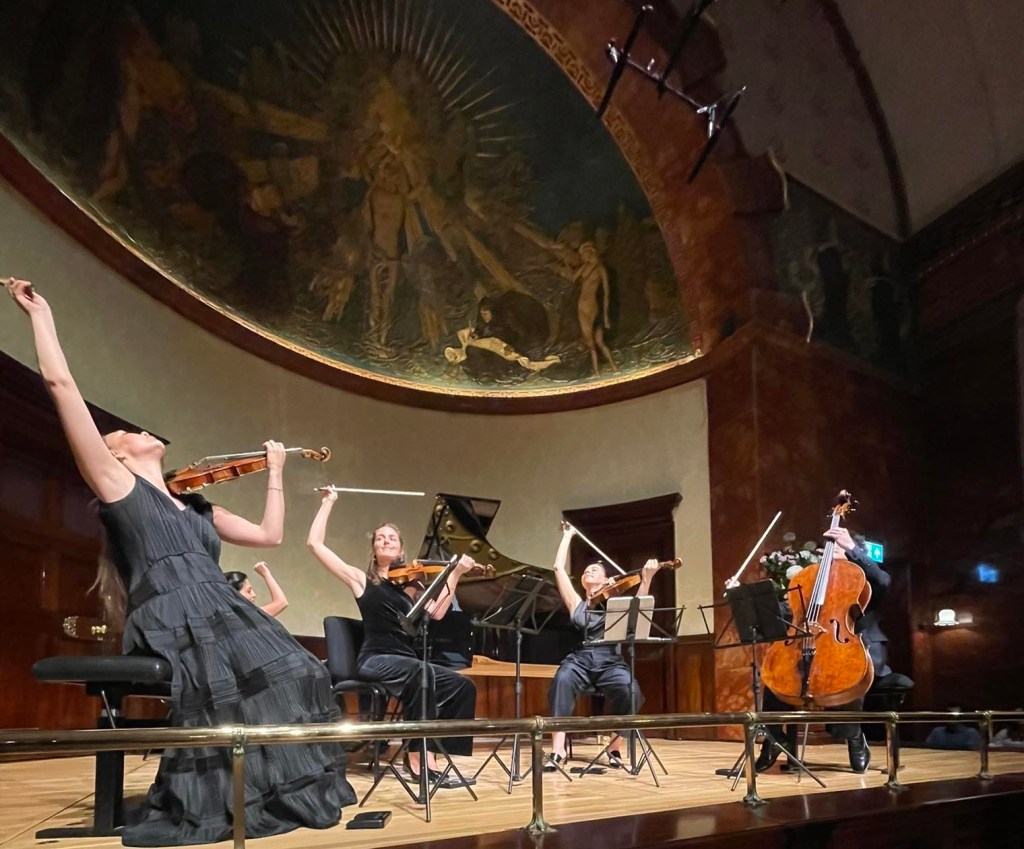
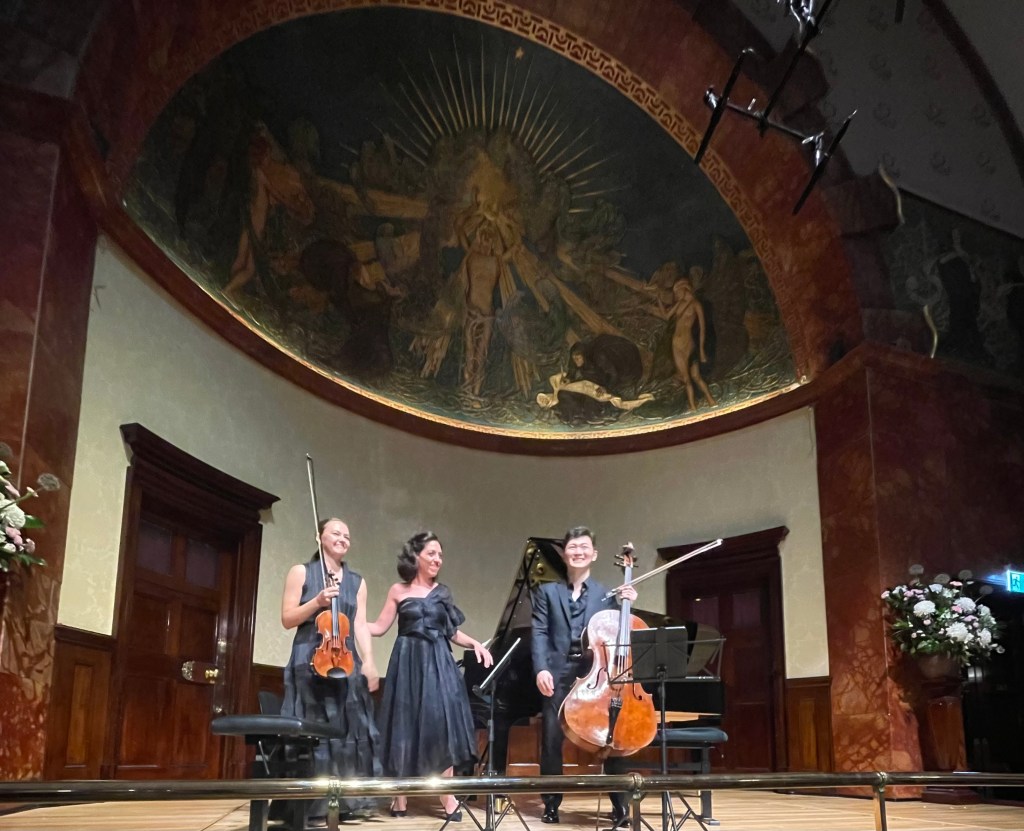
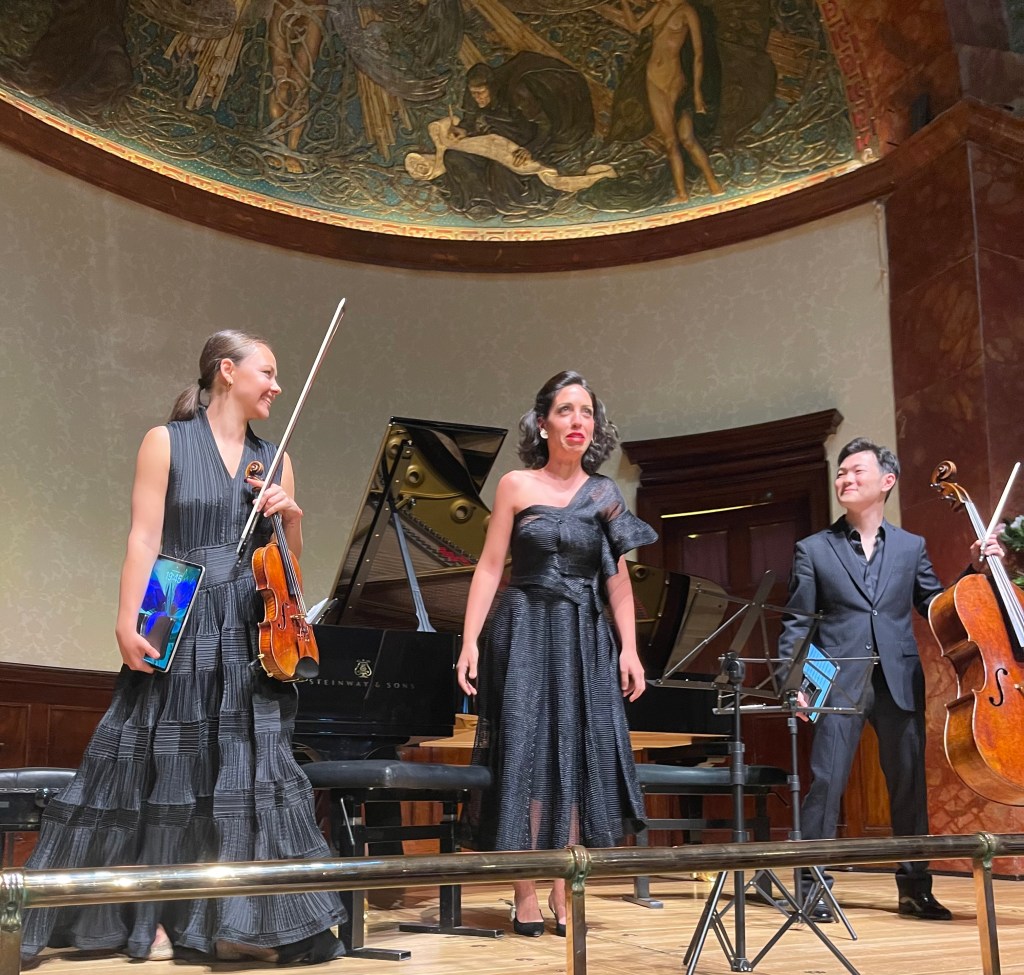
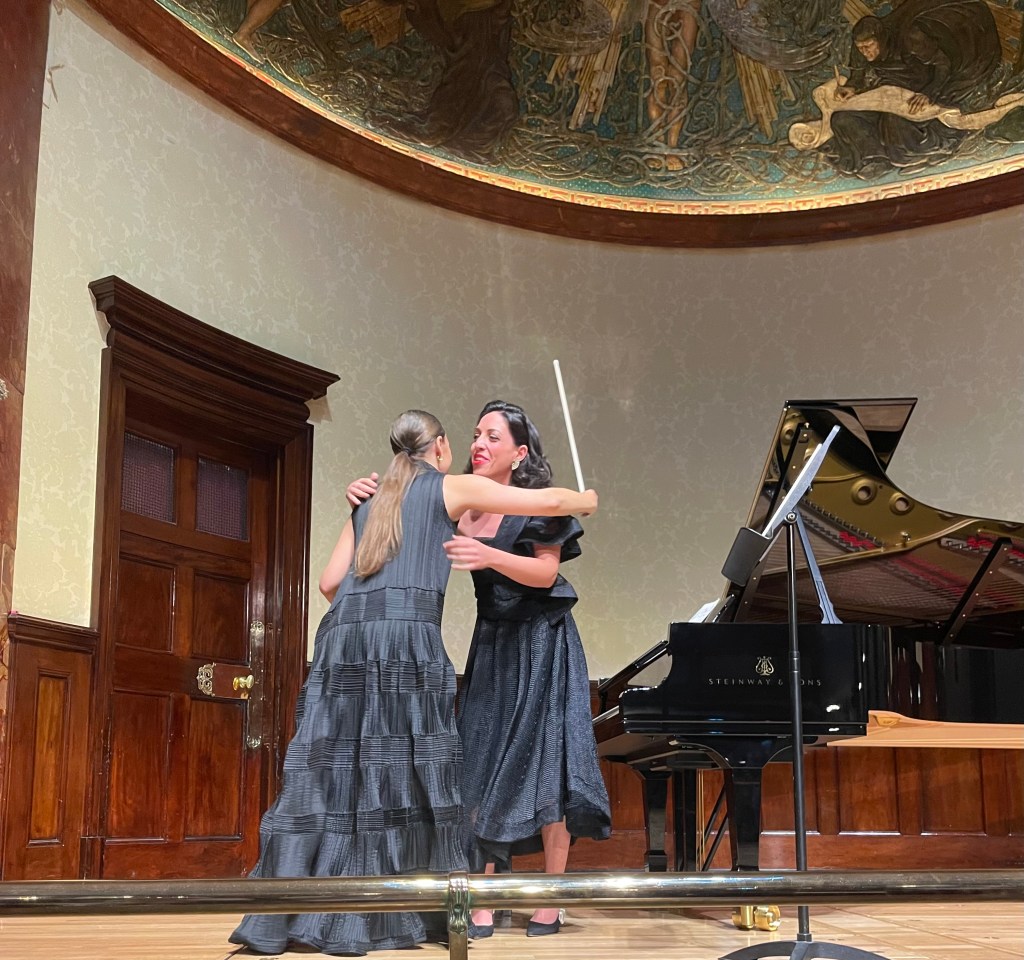
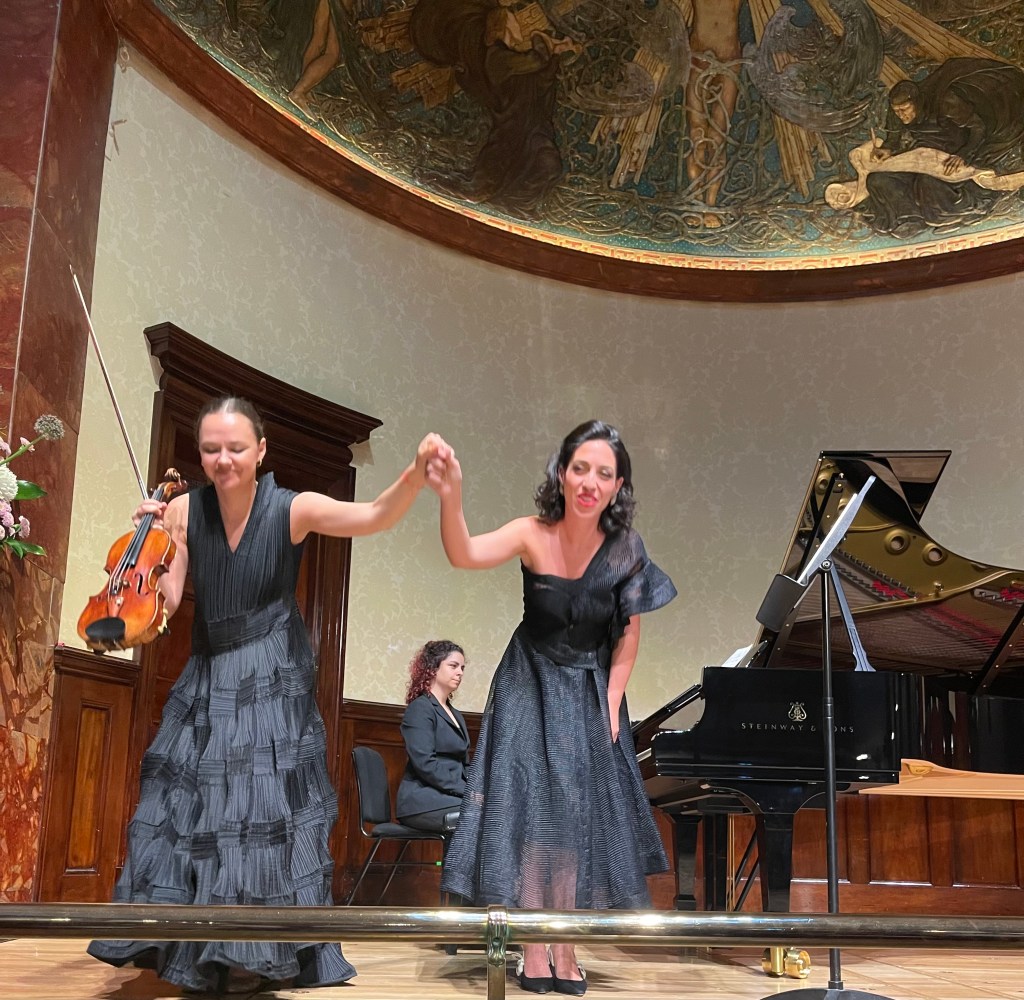
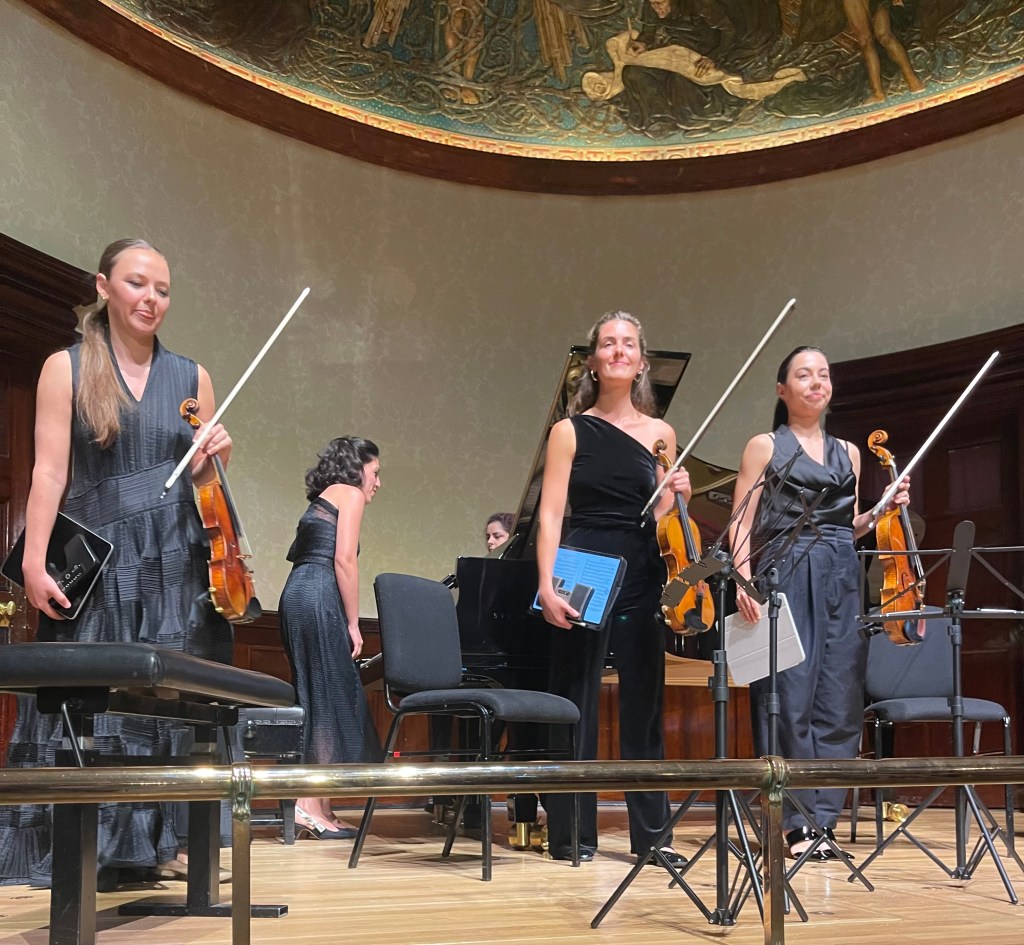
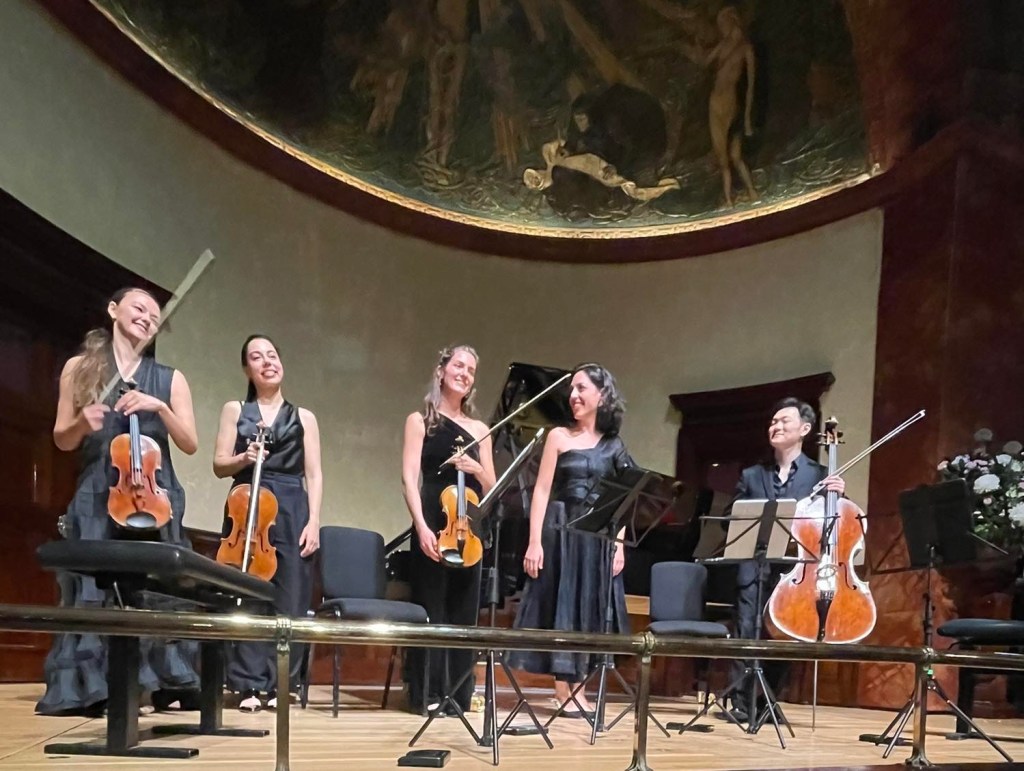
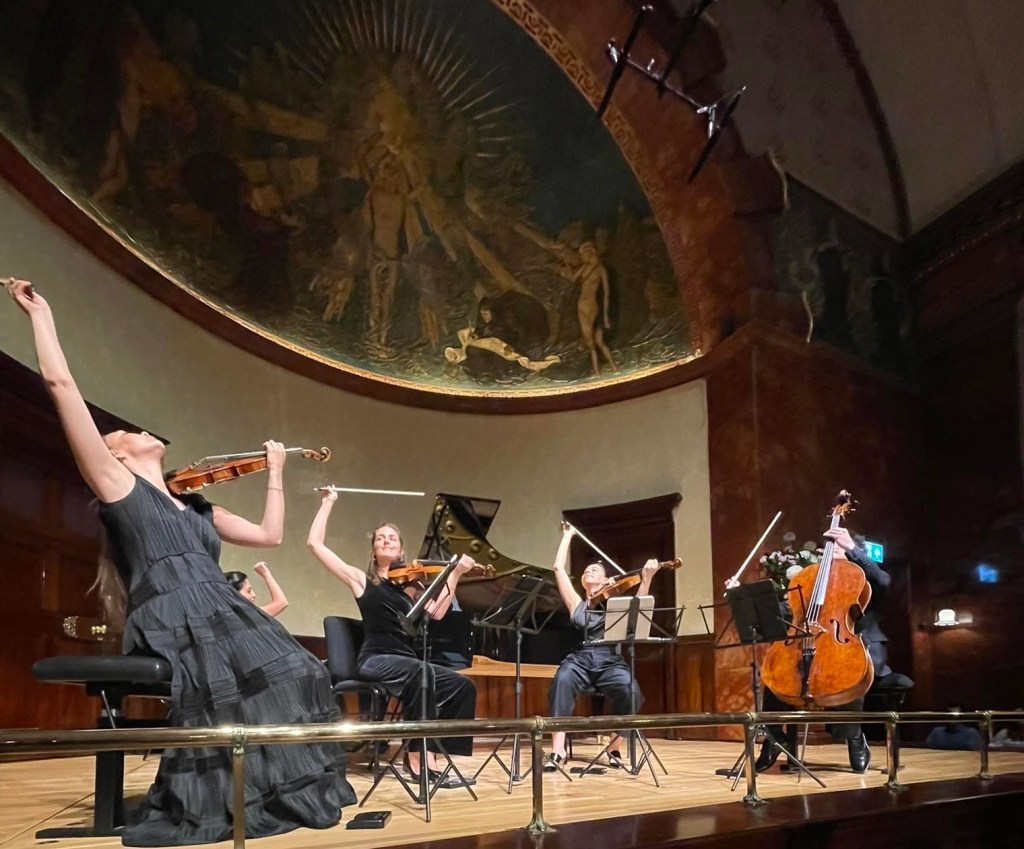
What a treat to find the same temperature in London as in Lecce. But it was Beatrice Rana who brought the sun, together with her quite extraordinary companions who could ignite and illuminate the music not only of Robert but also of Clara Schumann.
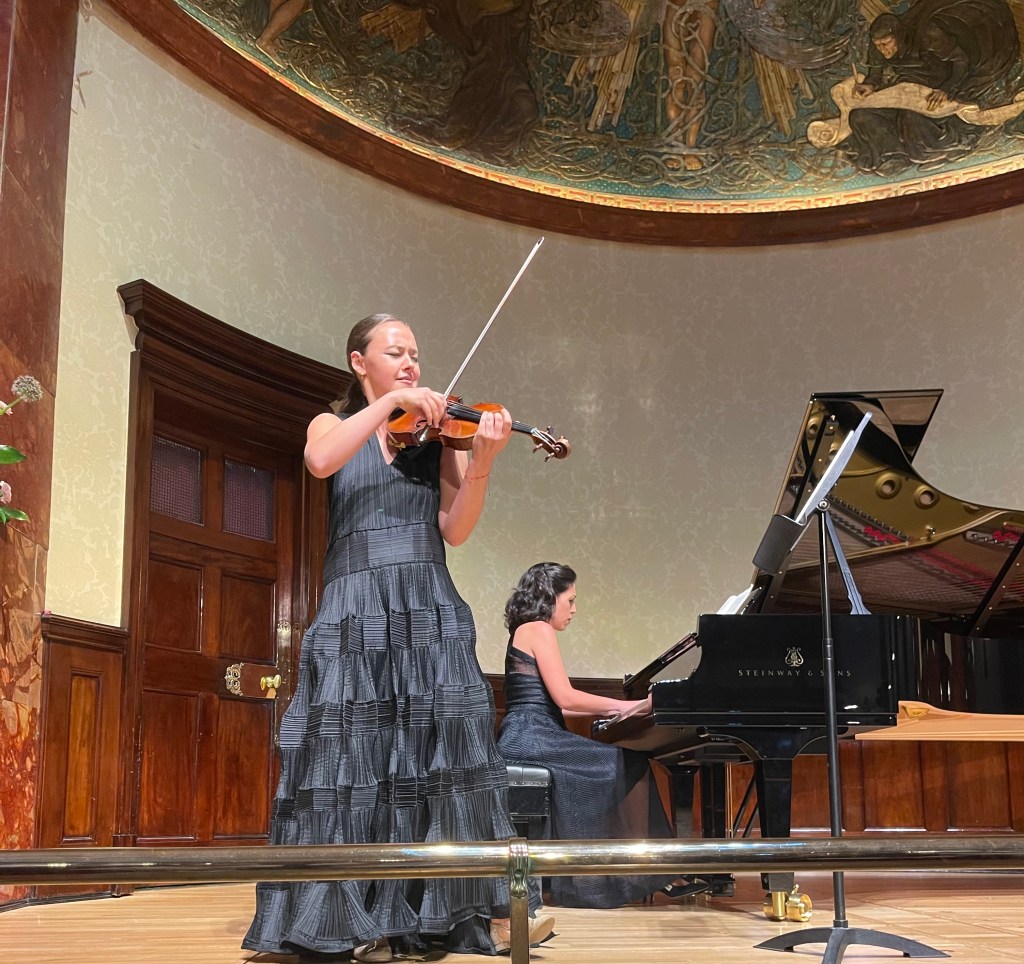
Three Romances by Clara Schumann played by the extraordinary Alexandra Conunova with a burning intensity and insinuating beauty as our two ‘gals’, Beatrice and Alessandra, looked at each other with knowing glances of a complicity that was quite spellbinding. Hardly glancing at the score but more into each other’s eyes,bringing radiance and beauty. to all they did . A mellifluous outpouring, where the Romance in B flat could have been penned by Mendelssohn such was the lightness and refined style of florid beauty that swept across the stage and into our hearts.
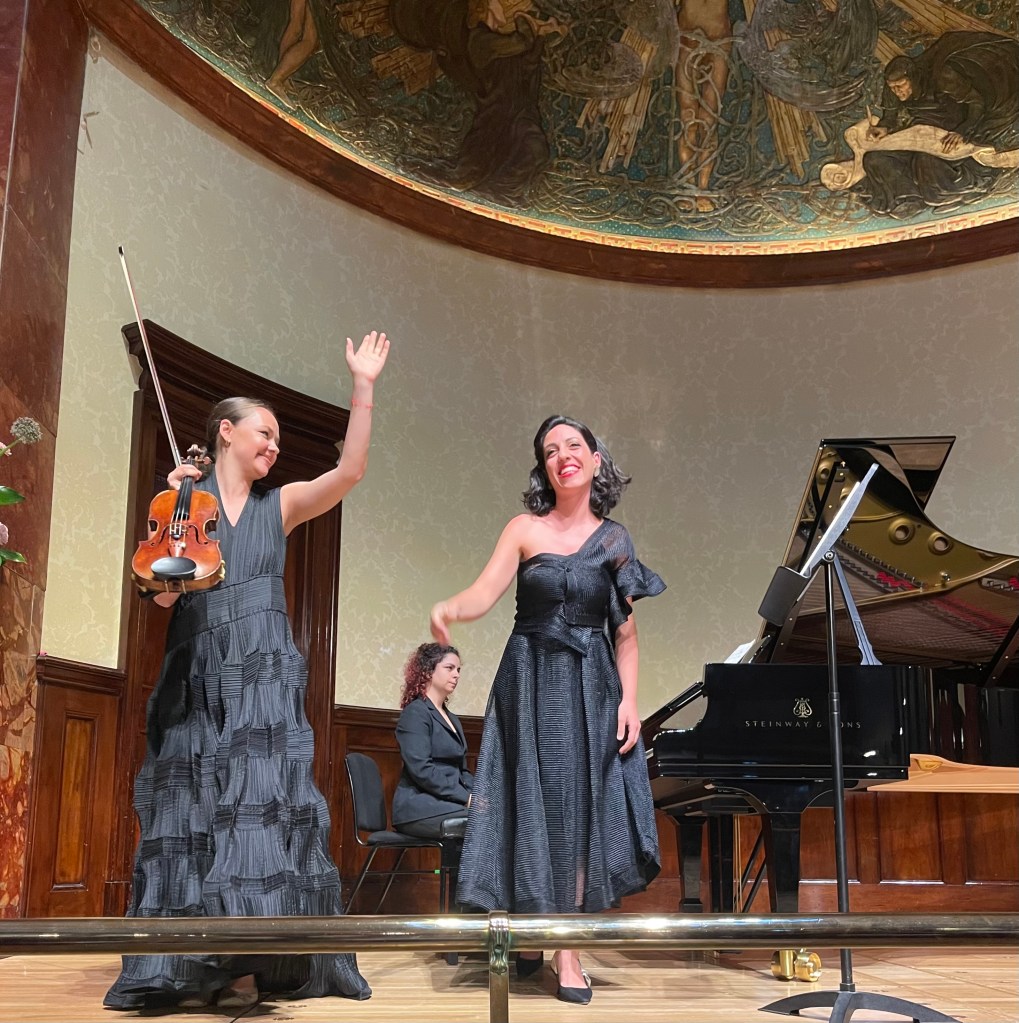
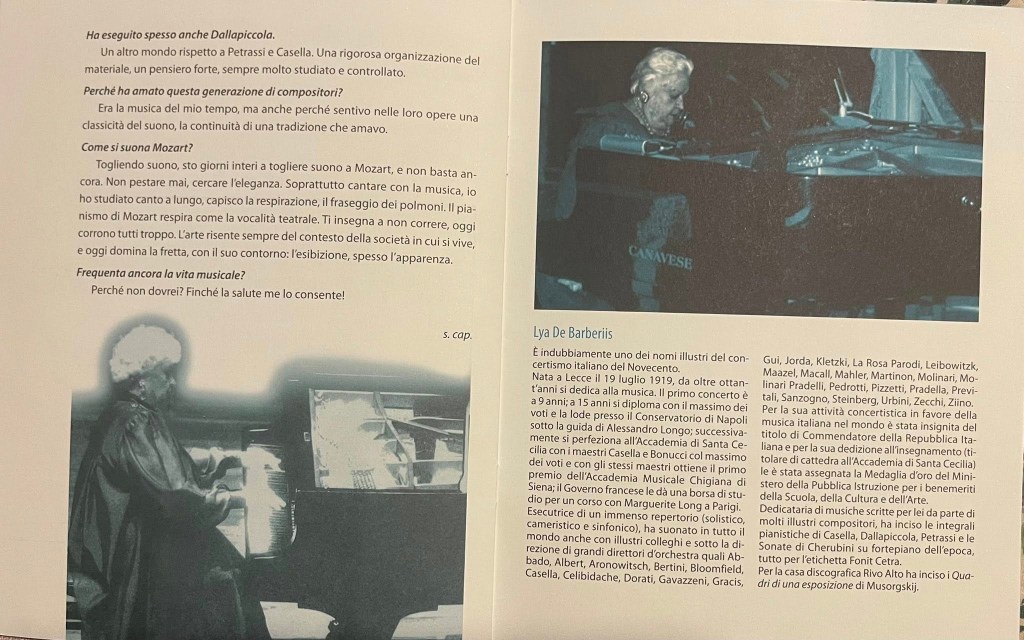
Beatrice has brought her chamber festival to London, that she has created in the Florence of the south that is Lecce.Tomorrow she opens her festival in her homeland in Italy but today she shared with us the radiance and beauty of what is, in many ways, the cultural centre of Italy. The homeland of Riccardo Muti ,Benedetto Lupo, Giaconda de Vito, Lya de Barberiis, Francesco Libetta, Paolo Grassi and with the Festival of the Valle d’Itria ,now in its fiftieth year, in beautiful Martina Franca bringing unknown operas to the fore every summer, in this land ‘Kissed by the Gods’.
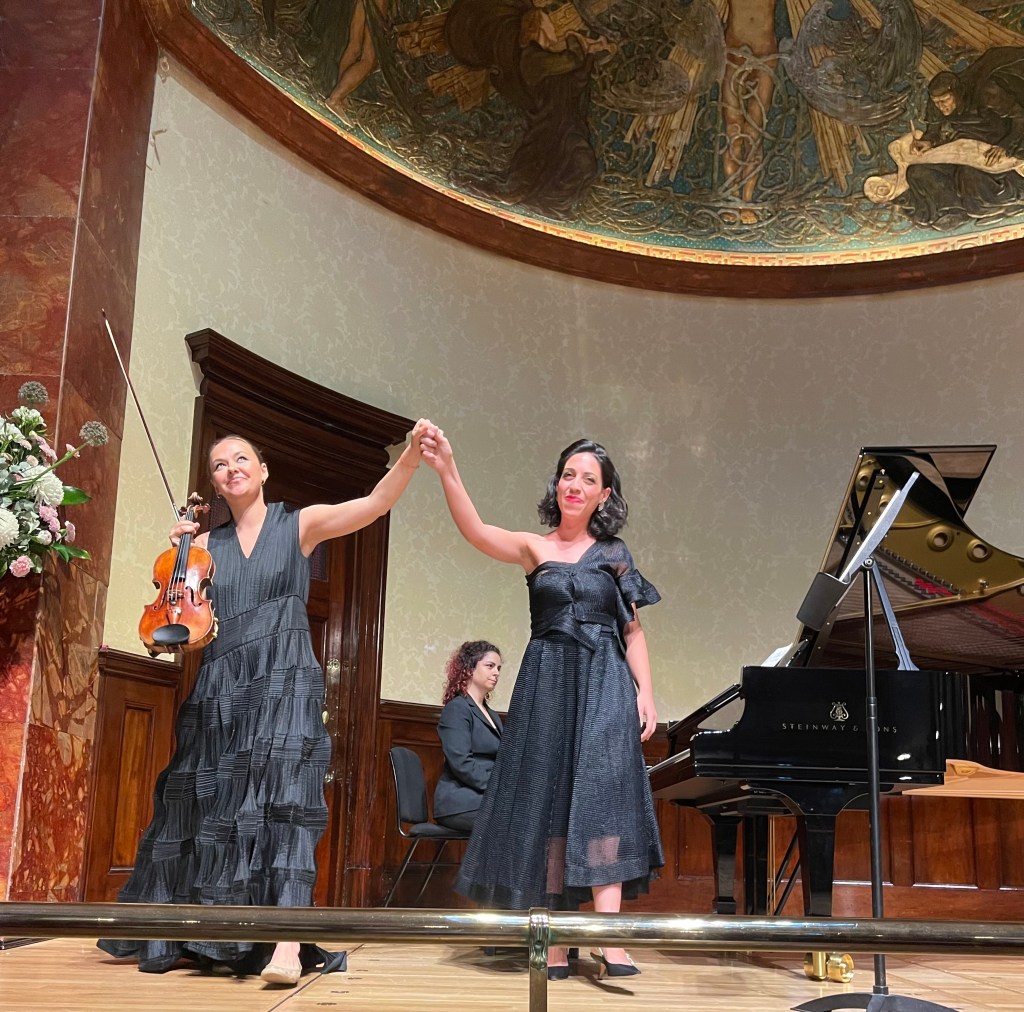
Clara Schumann was played with sumptuous sounds of insinuating seductive beauty and a late Trio by her husband, shortly to be in an asylum, was played with exhilaration and exuberance. Roberts,by now knotty counterpoints, creating an amalgam of sounds where the passion and mastery of these three players was quite breathtaking.Their inspired musicianship combined creating a breath of fresh air in the torrid heat that has hit London, and created a wave of communication where we the audience were not mere spectators, but participants in a voyage of discovery together. It was quite extraordinary how we became one as their music making enveloped us in a poetic outpouring of such immediacy.
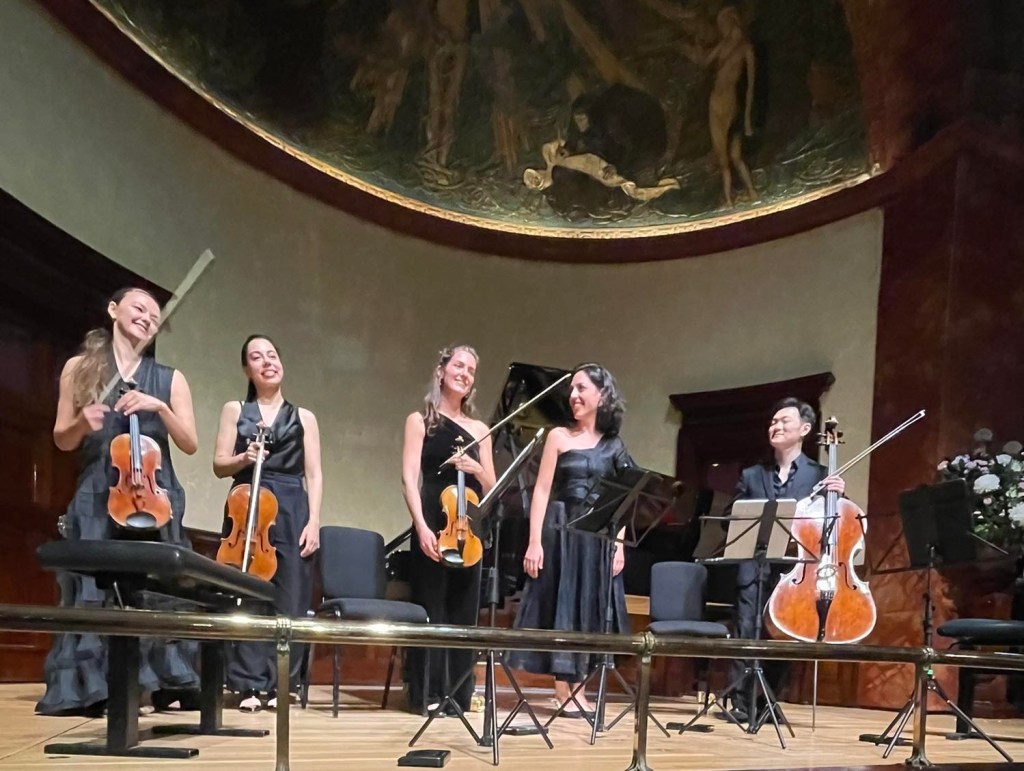
But it was the monumental performance of Schumann’s quintet that truly showed us what chamber music is all about. Passion and poetry combined, with each of the five masterly musicians looking at each other as they travelled on a wondrous voyage together. Each waiting to pounce as the musical conversation reached a burning intensity combined with moments of sublime beauty. The cello and viola communing with each other as the violins added poignant comments of extraordinary intensity. Beatrice of course at the helm but listening so intently to her colleagues, and even with the piano lid fully open she never became a soloist but a fellow traveller in a wonderland of sumptuous music making. I remember Rubinstein at 85 running onto the stage in London and not even waiting for the Guarneri Quartet to begin, such was his joy at the idea of making music with his colleagues. It was the same today, although Beatrice a third of his age was less impetuous and was surveying all around her, creating moments of magic with her whispered meanderings just adding to the beauty of her surroundings. A Scherzo that was played with daring exuberance and exhilaration. Almost dancing in their seats as the Brahmsian dance rhythms took hold of them. Sharing smiles of recognition as they discovered even more secrets revealed to players prepared to risk all with the ‘joie de vivre’ participation of trusted friends.The barely whispered final chord of the second movement had something truly celestial about it after a gentle march of poignant significance. Such dynamic drive but also moments when the sun came out, as in Schubert, where wondrous melodies were allowed to sing with touching simplicity . Beatrice understating rather than projecting the music drawing us all into a world of wondrous music making.

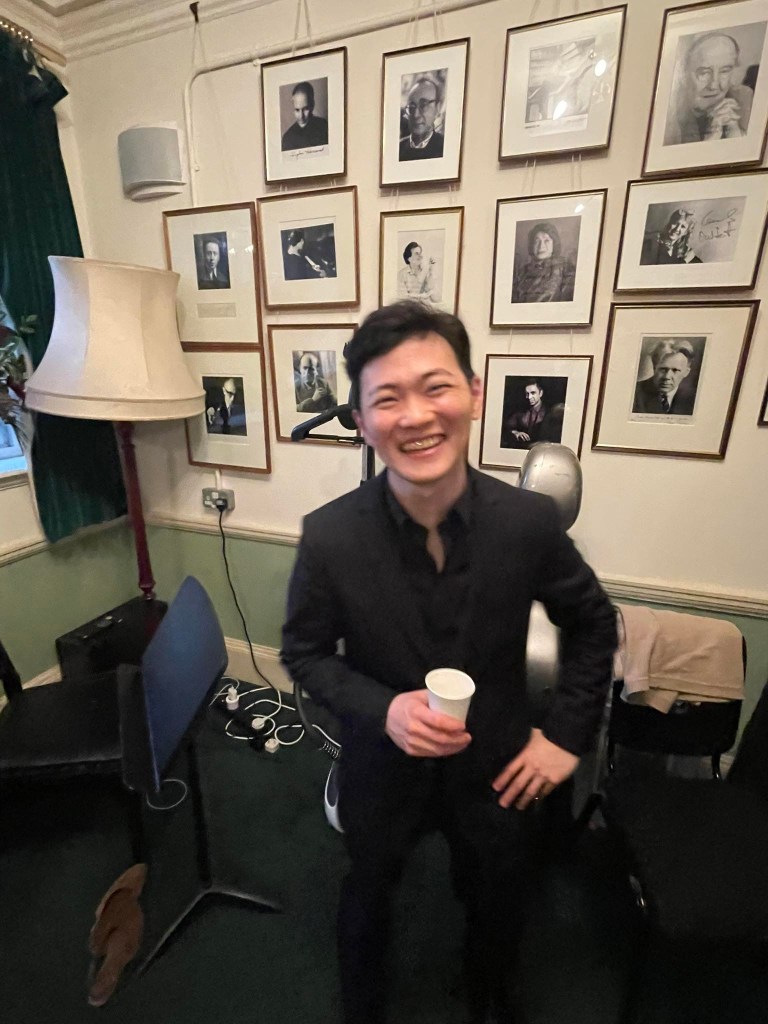
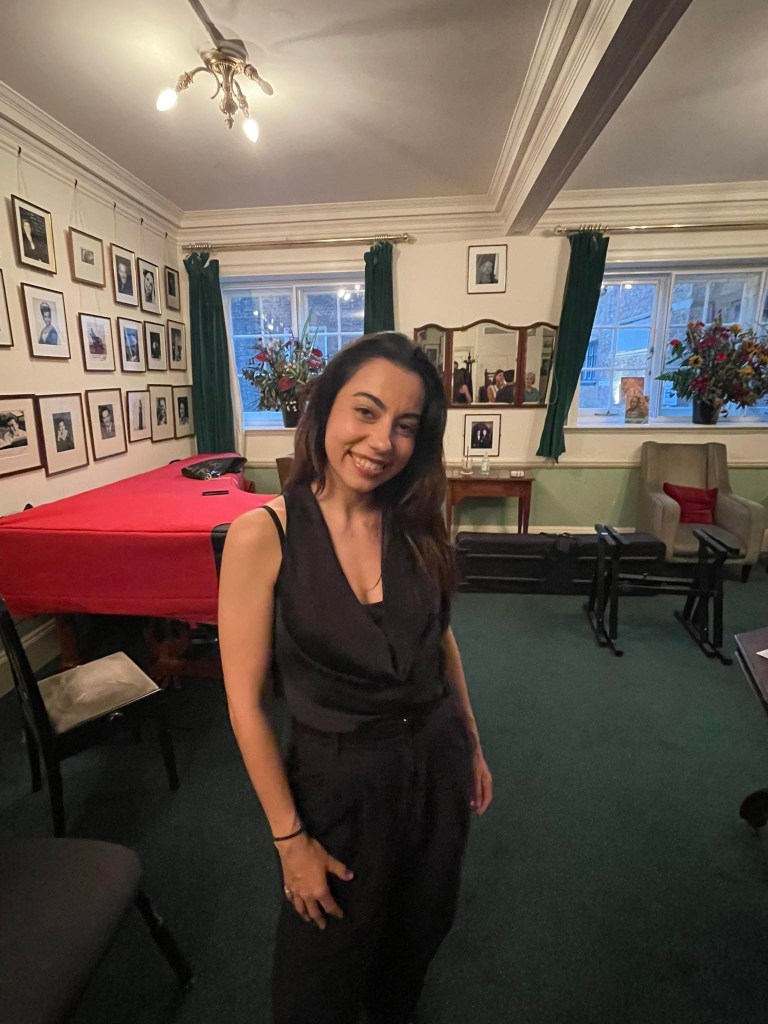
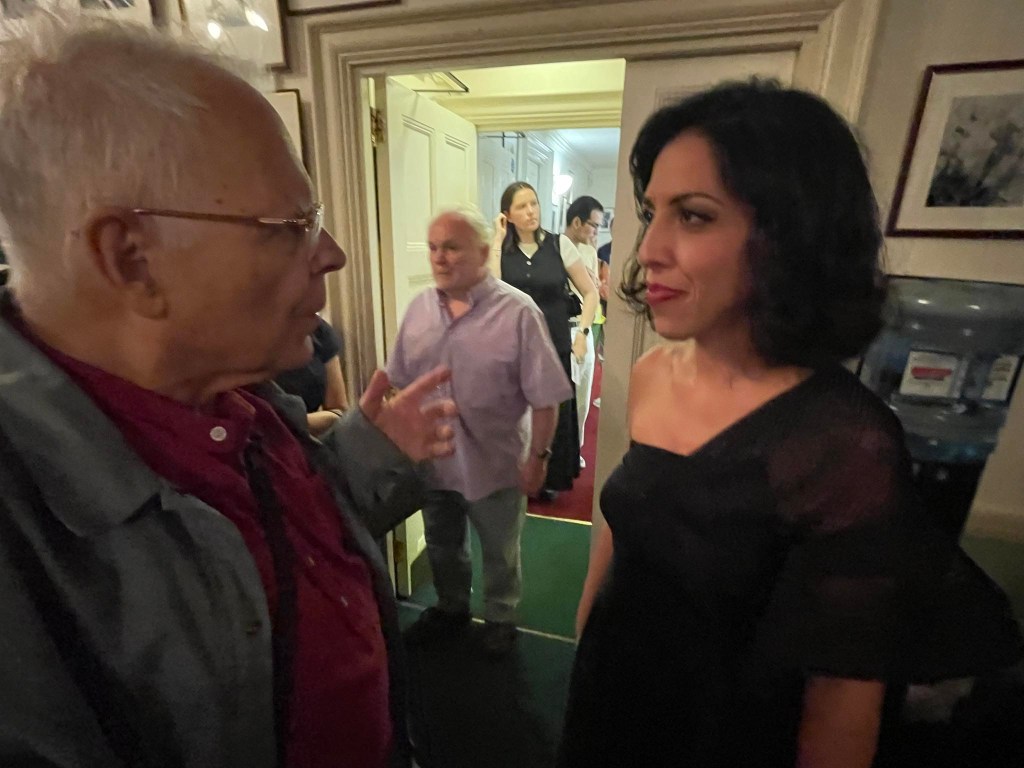
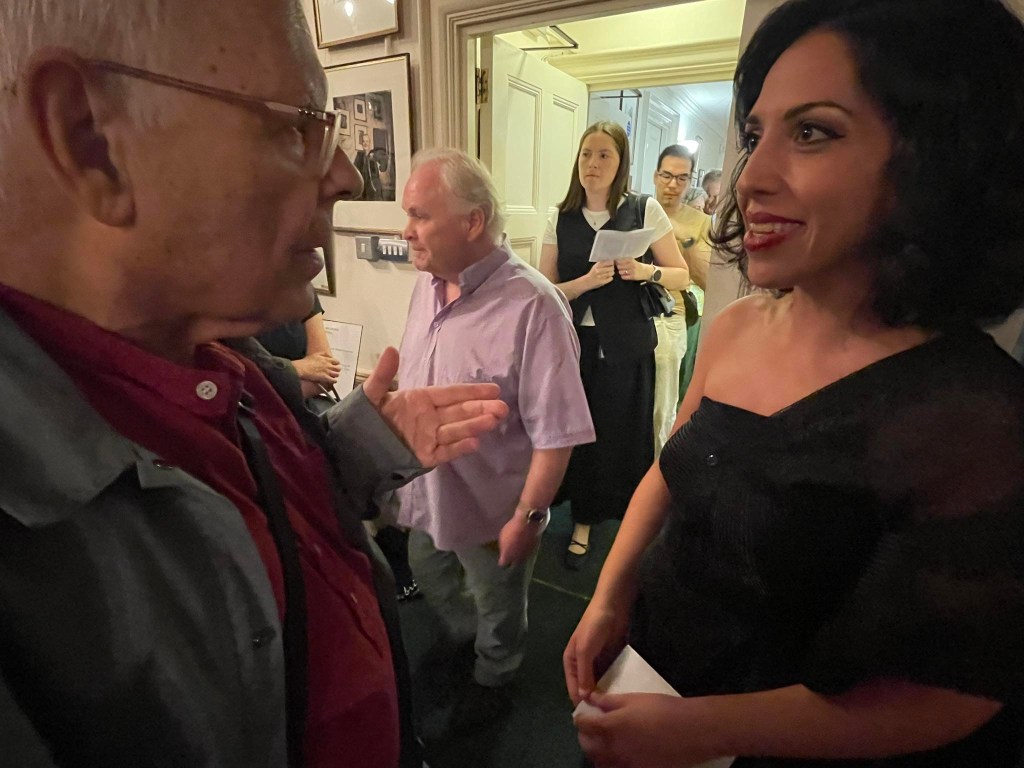
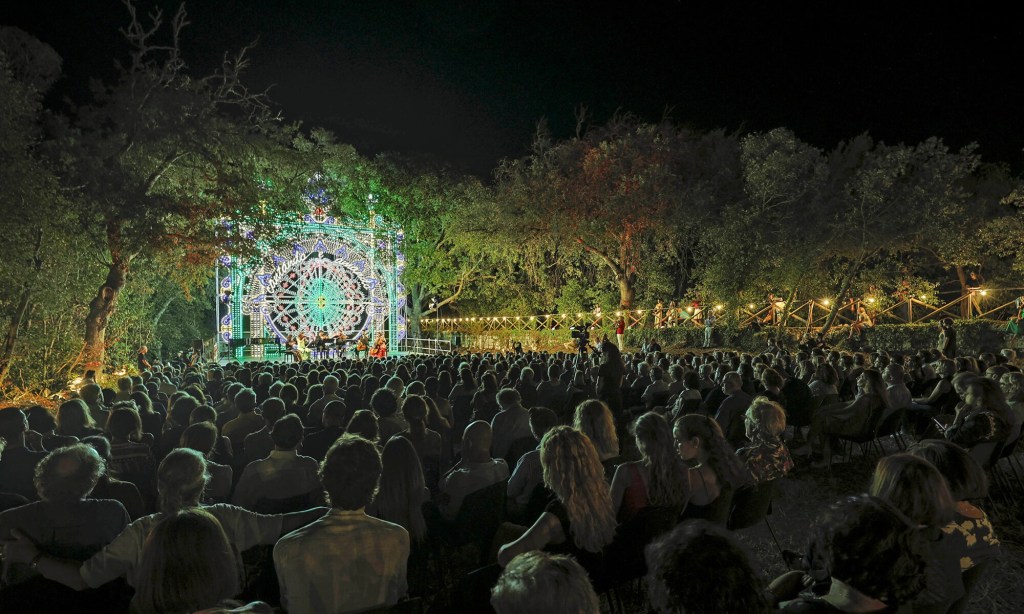
All the colours of Classiche Forme 2025
To remove barriers between stage and audience, to combine popular Salento traditions with classical music, to present artists with established careers alongside emerging young artists, to commission new works, to discuss current musical issues, to invest in the renovation of the audience: these are the founding prerogatives of Classiche Forme. My desire is to bring to my Salento all the emotions that I experience playing around the world, creating a strong connection among the territory, the artists, the audience and music.
BEATRICE RANA
Artistic director
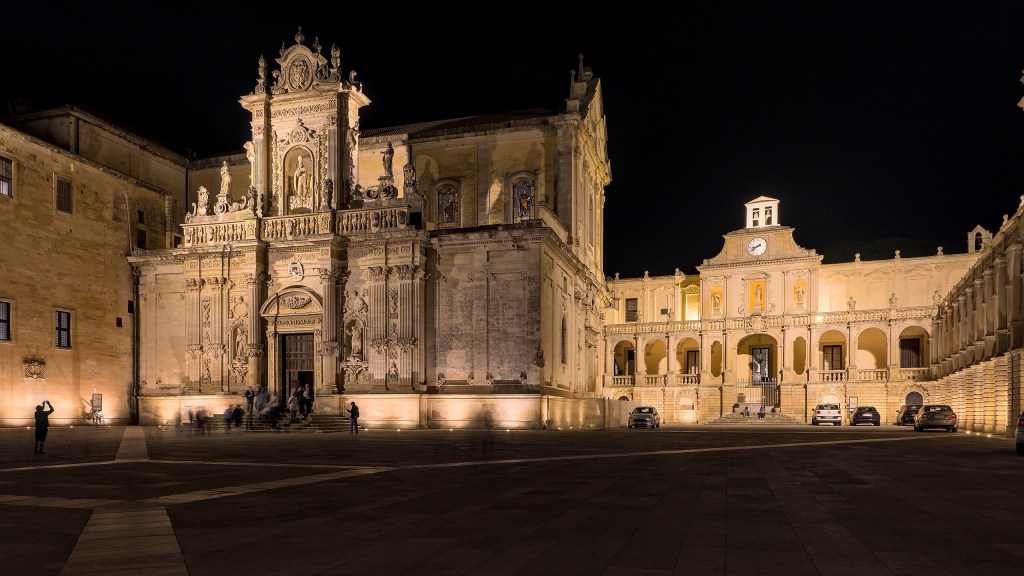
The baroque of Lecce with its range of colours from white to golden, the masseria dotted with the green-grey of the olive trees and the brown of the soil, the deep blue of the Salento sea: from July 13th to 20th2025, the colours of Apulia will light up the ninth edition of Classiche Forme, the international chamber music festival founded and directed since 2017 by pianist Beatrice Rana, promoted by the Associazione Musicale Opera Prima, with the support of the MIC – Ministry of Culture, the Apulia Region and SIAE as part of the “Per chi Crea” project, in collaboration with the Province of Lecce, the City of Lecce, the University of Salento, Terre del Capo di Leuca and the Lecce Biblio-museum Pole.
Eight concerts and three conversations in iconic locations in the Salento (normally not used for chamber music) to form an unprecedented ‘sound postcard’ thanks to programmes devised by Beatrice Rana for her ‘friends’: internationally renowned artists who will gather to make music together in the ever-popular cloisters of Lecce, in the farms of Supersano and Casamassella and, for the first time, in Santa Maria di Leuca, where the easternmost tip of Italy faces the sea.
‘Organising a festival like Classiche Forme, dipping into and involving the public in a week of concerts, encounters and great performers,’ says Beatrice Rana, ‘is my way of creating new connections between music and current events every year. Our art has always had a strong identity power: this is why I am committed to making Salento, for a week, the heart of the international chamber music scene, not without an open reflection on social issues and, in particular in 2025, on the power of listening, which is so mistreated today.
The backbone of this year’s programming is held by composers who have drawn inspiration from this theme. From Mozart to Weill, from Messiaen to Weinberg: their pages have often made themselves interpreters of their era, just as today’s pages by Verunelli, Sollima and Panfili – who has written a new Quartet especially for us – do of contemporaneity. Space will also be given to the music of Ravel, an indispensable 20th century composer, whose 150th anniversary of his birth falls in 2025′.
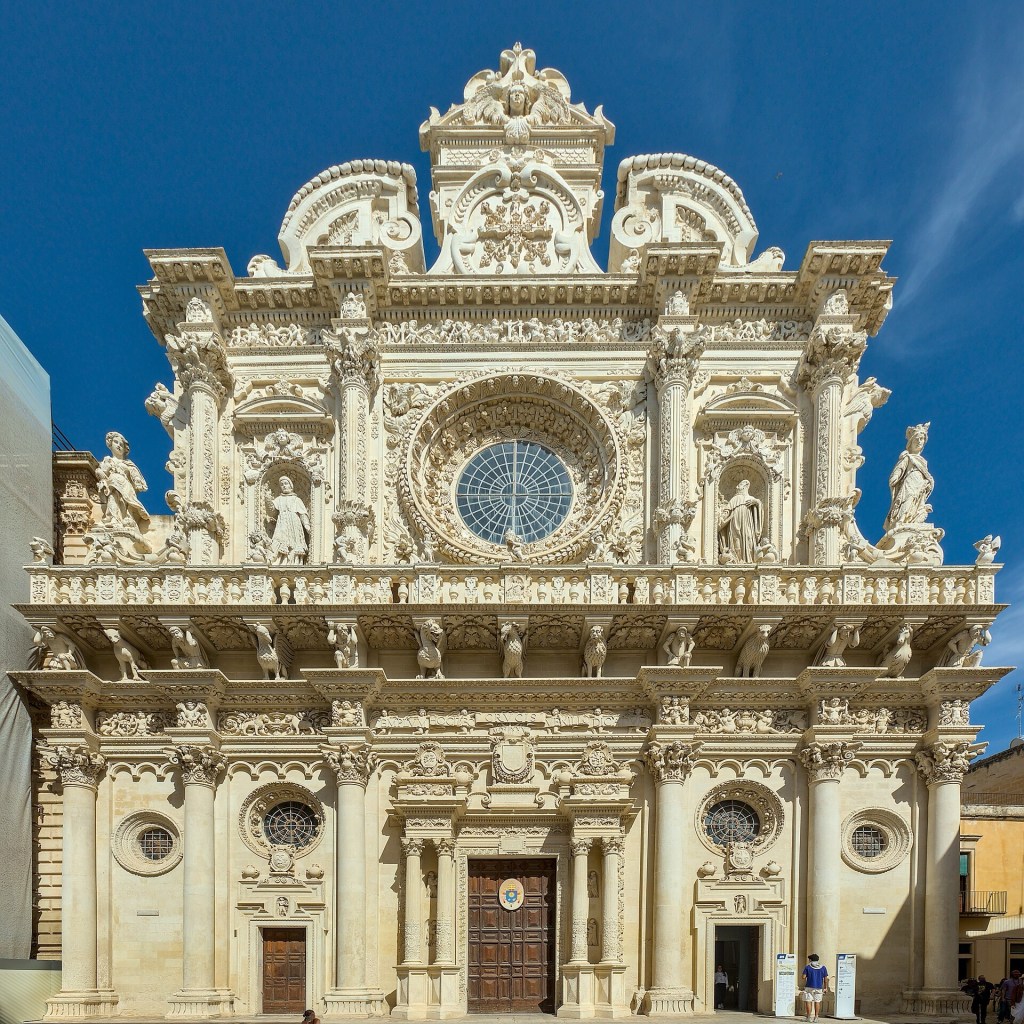
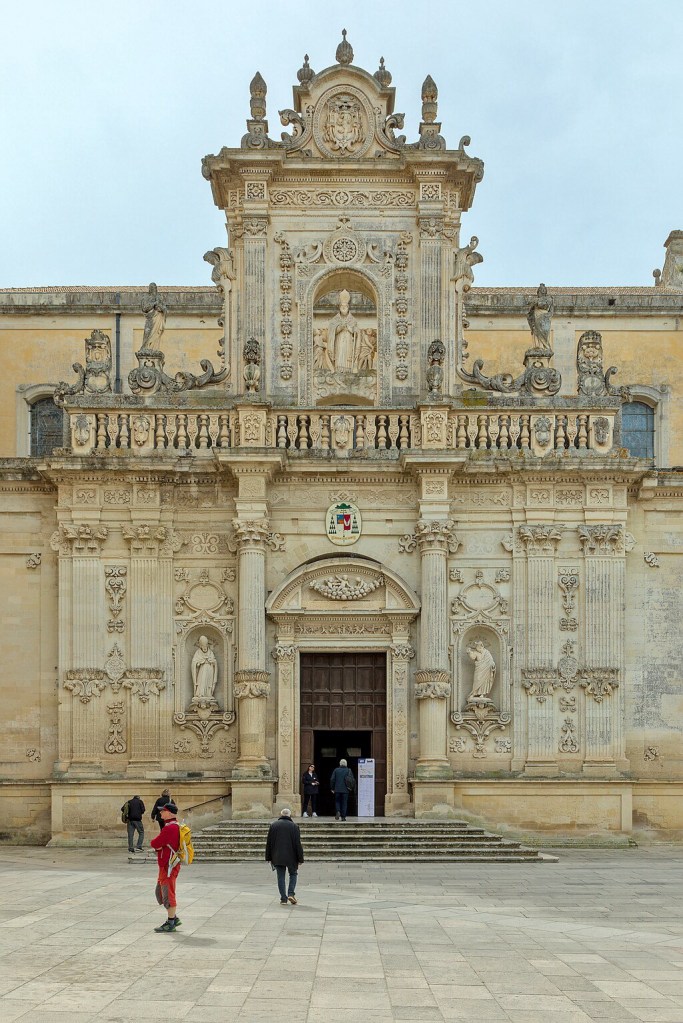
Also in 2025 Classiche Forme will be preceded, on July 12th, by the Concert for the City in the Belloluogo Park in Lecce, where the Classiche Forme Oasis was born in 2022.
This year, moreover, the festival will inaugurate a series of initiatives dedicated to young people, an OFF section, to broaden the possibilities of participation in the concerts and also opportunities for knowledge and training.
P.S. On a more personal note I have always had strong links with Puglia – the heel of Italy. With our theatre company we toured many of the theatres and cinemas and in the Valle d’Itria in particular there was always as public that was not just made up of the usual season ticket holders but also the shop keepers and petrol pump attendants who would lap up the culture as rarely seen elsewhere.
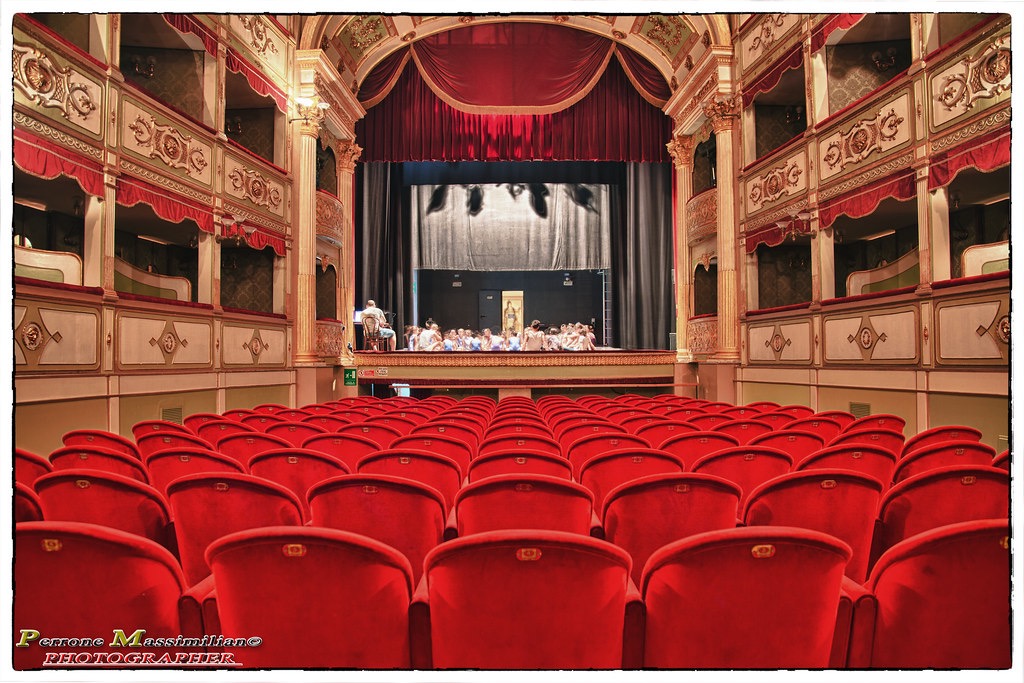
We opened the restored Teatro Paiseillo with Pirandello ‘La Vita Che Ti Diedi’ and at the Teatro Politeama Greco ‘The Importance of being Ernest ‘ that much to my wife’s dismay and delight sold out for twenty one years all over Italy. Peter Hall had persuaded Judy Dench to play Lady Bracknell who had thought it too early for a leading actors career to start playing character parts.I had persuaded my wife to follow suit.


In the wings of the Teatro Politeama we found a plaque hidden away on the back wall of the stage dedicated to Tito Schipa who had made his debut in the theatre with Conchiata Supervia in 1911!
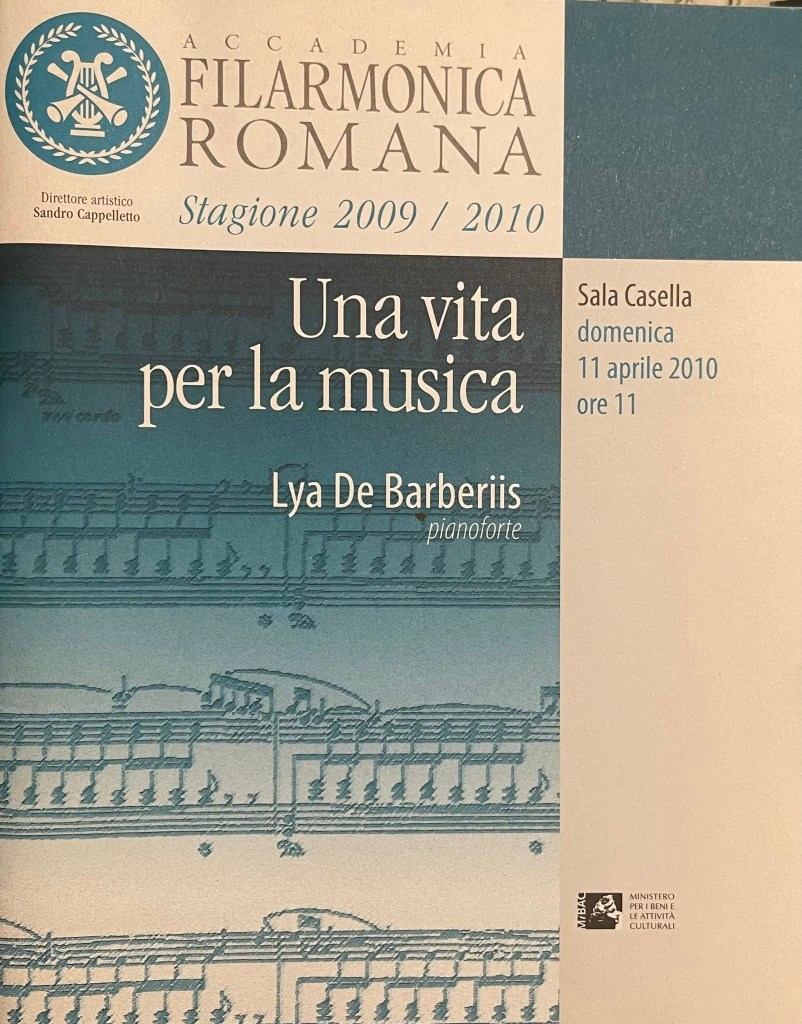
We also played in the Teatro Comunale in nearby Nardò the birth place of our dear friend and distinguished pianist Lya de Barberiis. In her later years we formed a piano duo and gave many concerts all over Italy. My wife would come too and was relieved to push me on stage instead of the other way around.
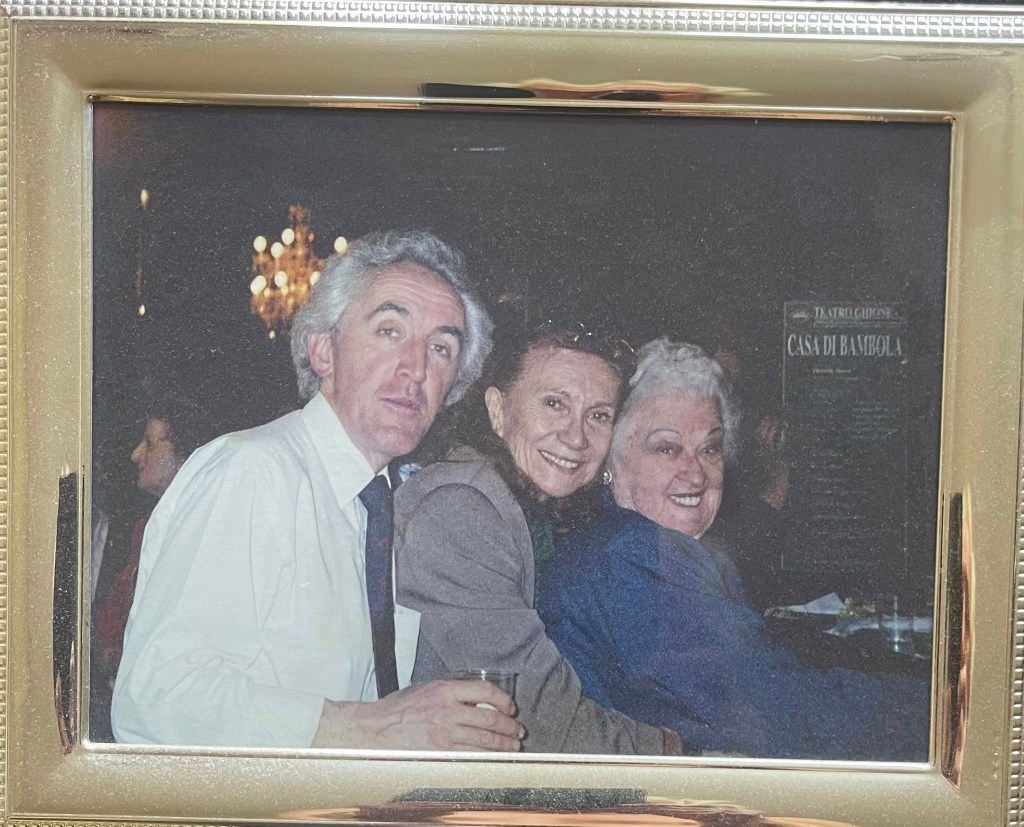

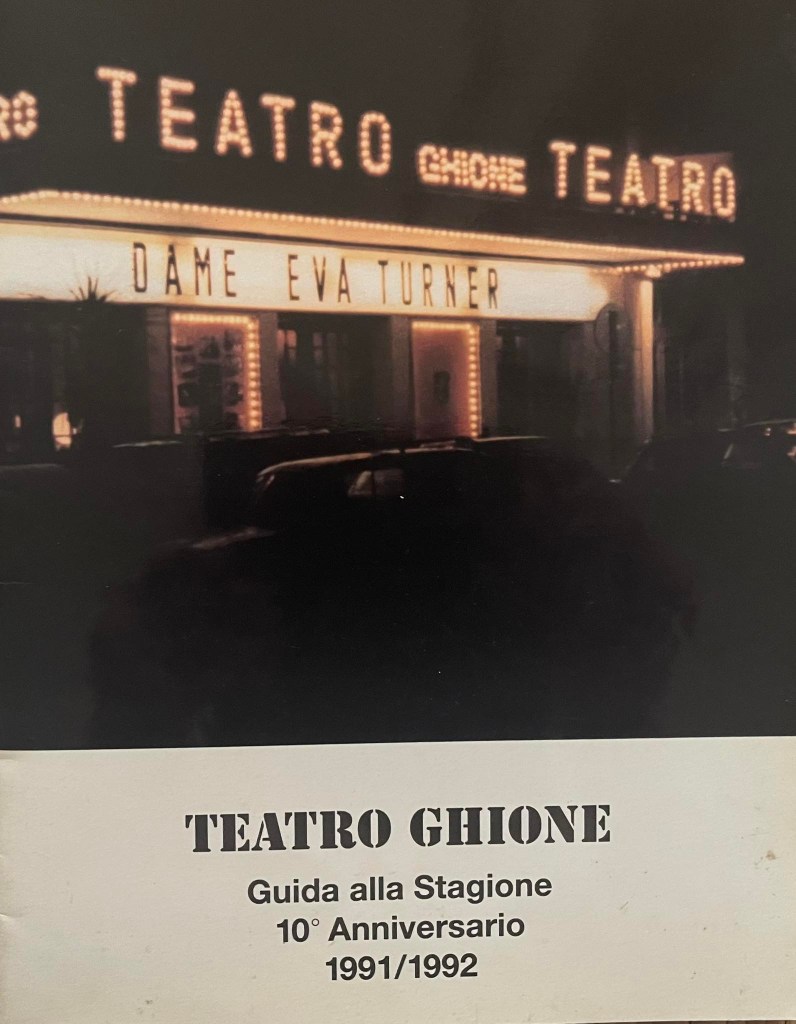
On one occasion in Racconigi I remember Lya and I giving a very successful Sunday morning concert and being flabbergasted when the mayor thanked us but gave a special prize to our driver, Ileana Ghione ( who was a hero in her native Piedmonte) !

As a student of Agosti in Rome I was helped by the British council who allowed me to practice in their hall in Palazzo Del Drago in the centre of Rome . They had also accompanied a choir from Cambridge University to Martina Franca in the Valle d’Itria for the first festival in the early 70’s. It was run by Avv. Archangelo and his assistant was Dott. Messiah! Grace Bumbry was to sing the leading role of Norma for the first time in her career ( she always sang Adalgisa) .It was to be a try out for her performances with Monserrato Caballé at Covent Garden, where they would alternate roles. Bumbry of course got to London and found that Caballé had no intention of alternating roles! We in Martina Franca were treated to Bumbry’s memorable Norma
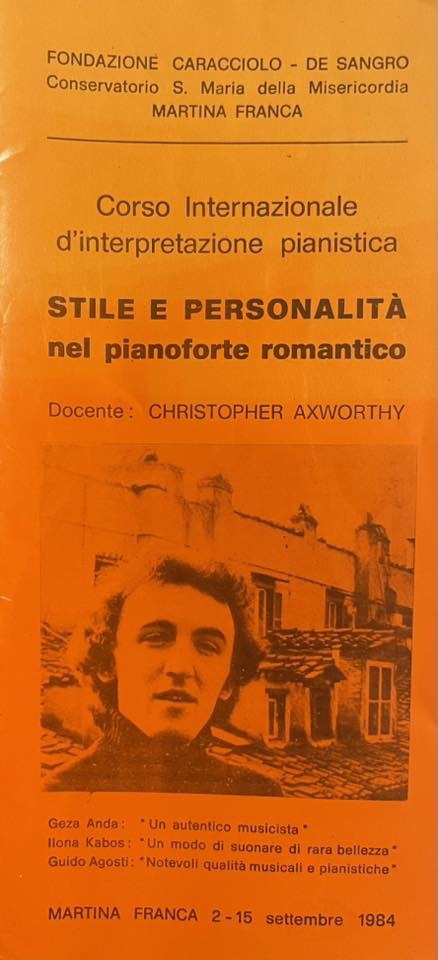
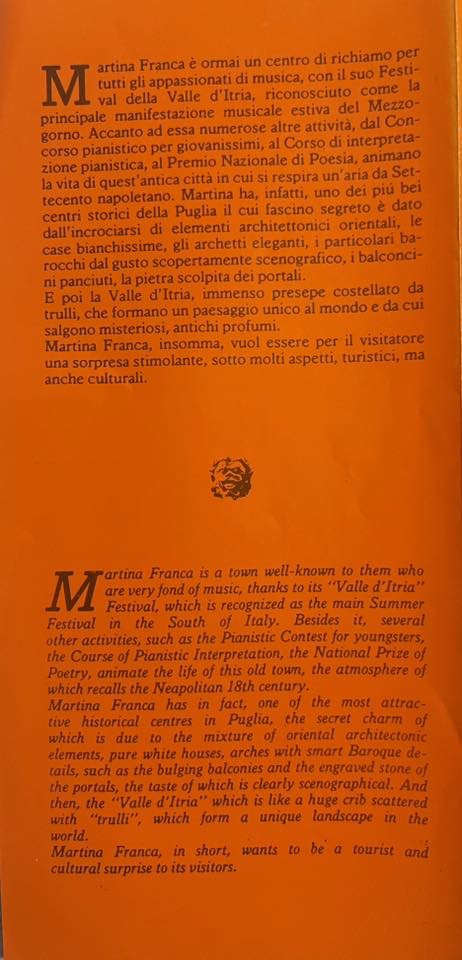
Via the British council a call for help for a pianist who could substitute a famous Italian pianist who was to give masterclasses in Martina Franca but had been killed in a car crash. I was sent and in a convent in the centre of this most beautiful town of Spanish baroque, where the streets looked as though they had been polished, I gave classes for the students of Sigra Messiah. A wonderful dedicated local teacher where music making was social as well as practical and the classes took place with they eyes of the Nuns looking down on us from grills high in the ceiling.This was a closed convent which the nuns never left even after death
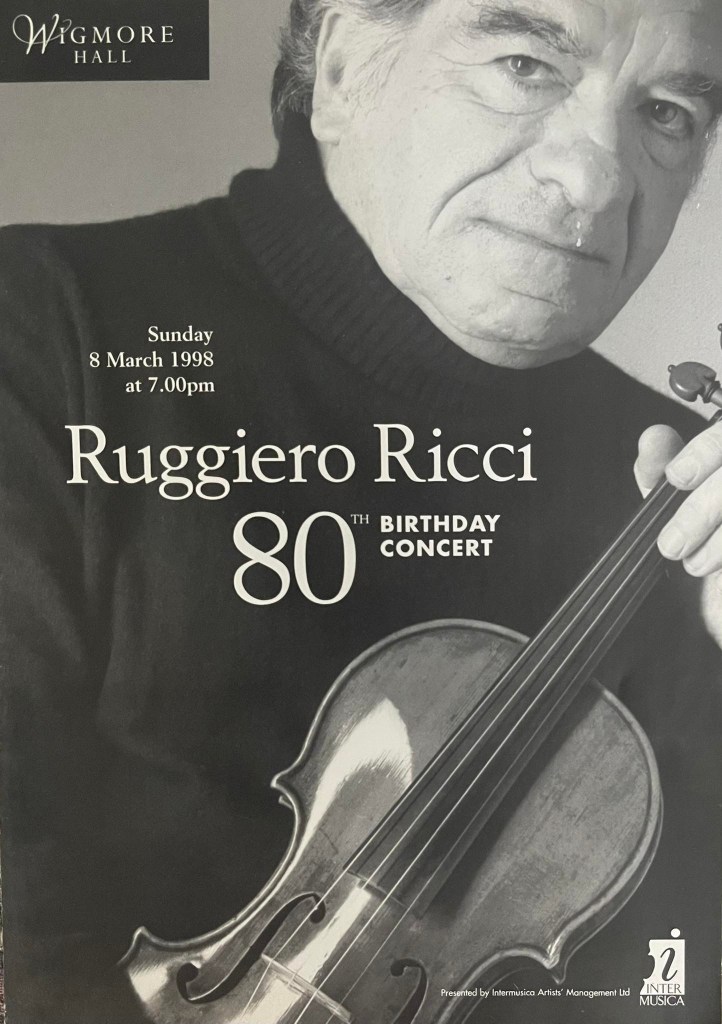

Much later Ruggiero Ricci was giving one of his many recitals and master classes for us in Rome when Jack Rothstein our dear friend and distinguished violinist appeared on a surprise visit .He could not get over how beautiful the Huberman Strad was that Ruggiero played . Giaconda de Vito had recently died and I don’t know what me say I wonder what happened to her violin? I had no idea that Jack was on a secret mission to Rome to evaluate her violin . It turned out that she had sold her priceless Strad years before when she retired to the English countryside with her husband who had been head of EMI .
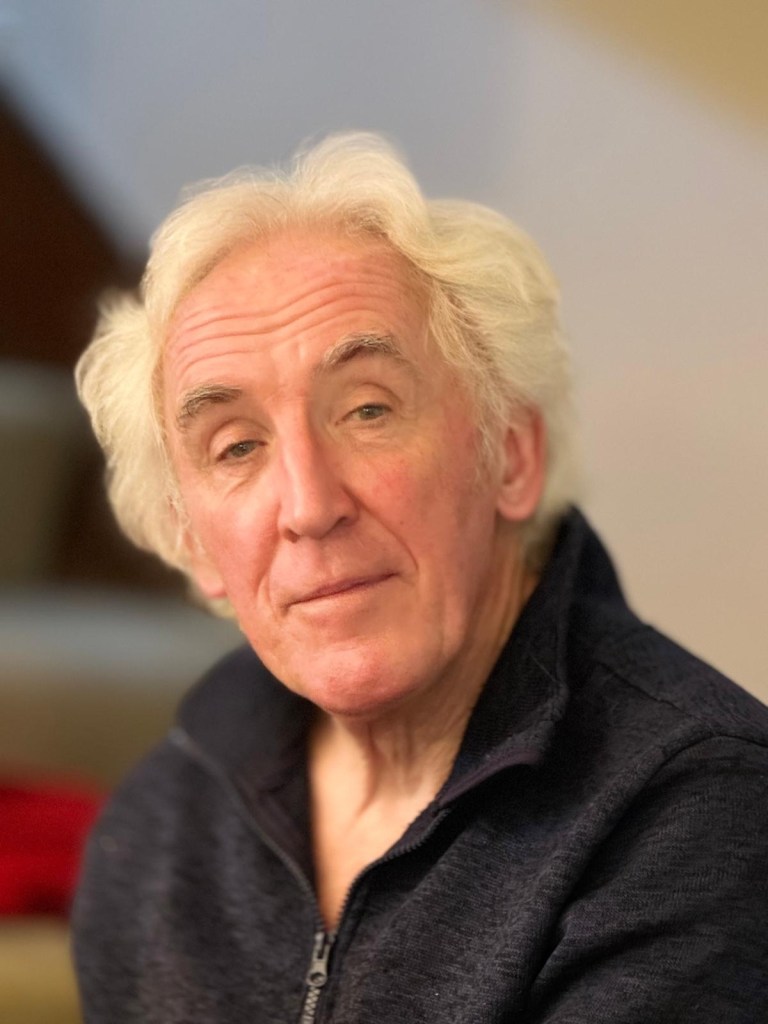
 ChristopherAxworthy-MusicCommentary