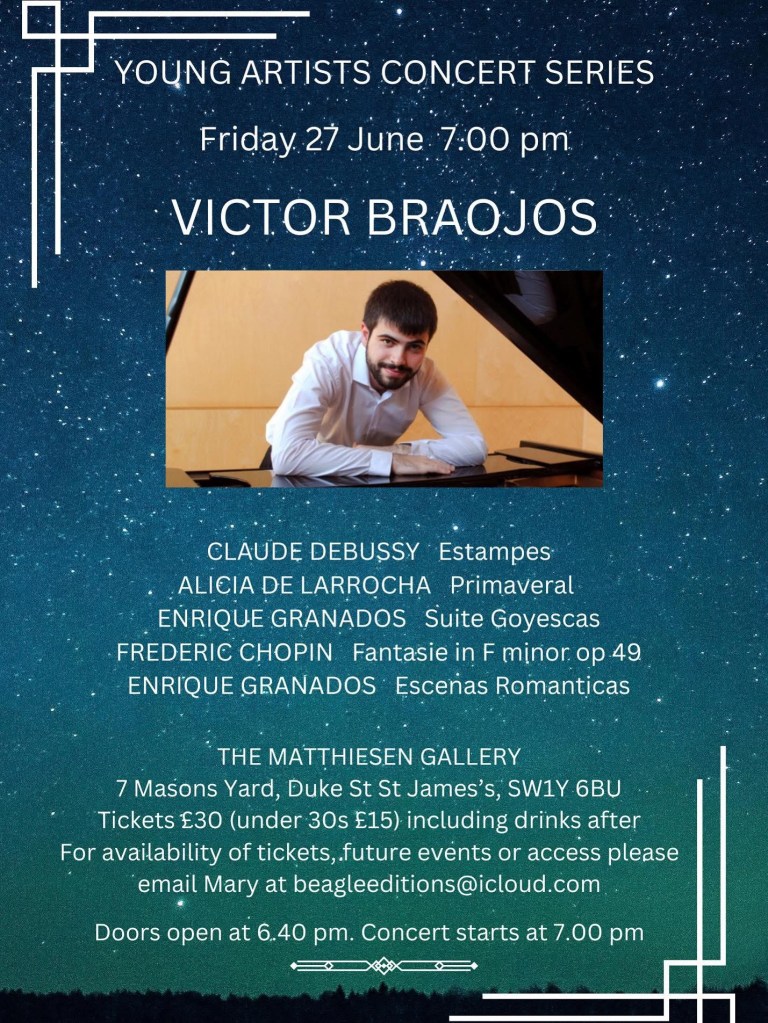
‘Parting is such sweet sorry so we will say adieu until the morrow.’
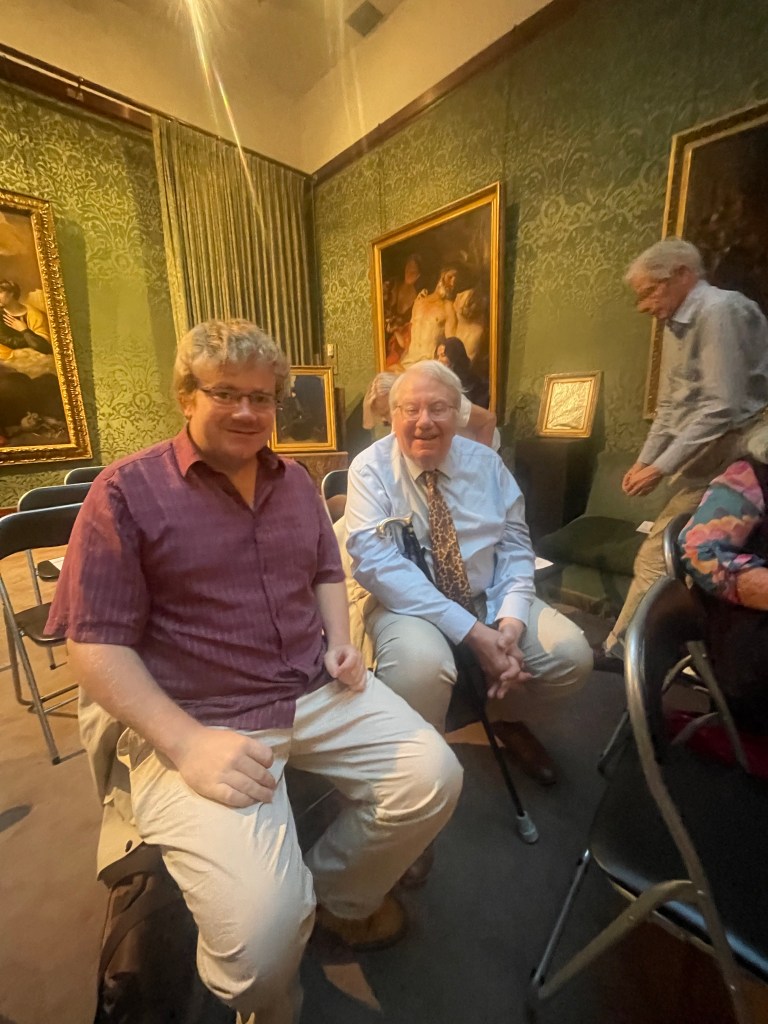
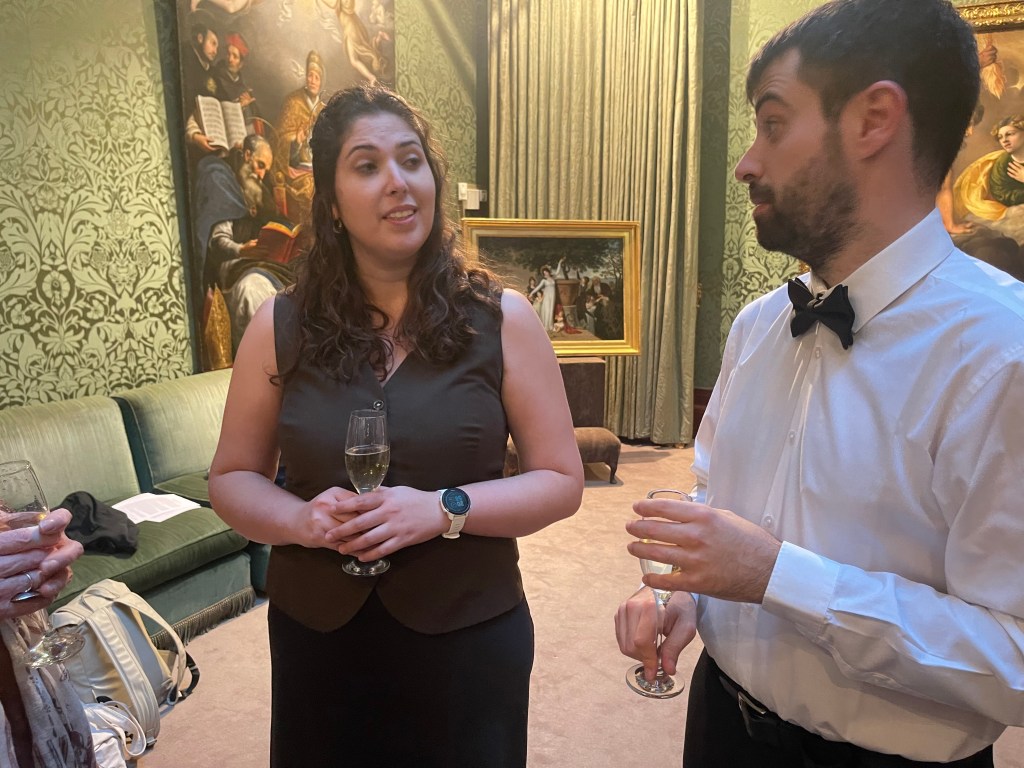
Víctor Braojos pays Homage to Alicia de Larrocha at the Matthiesen Gallery.
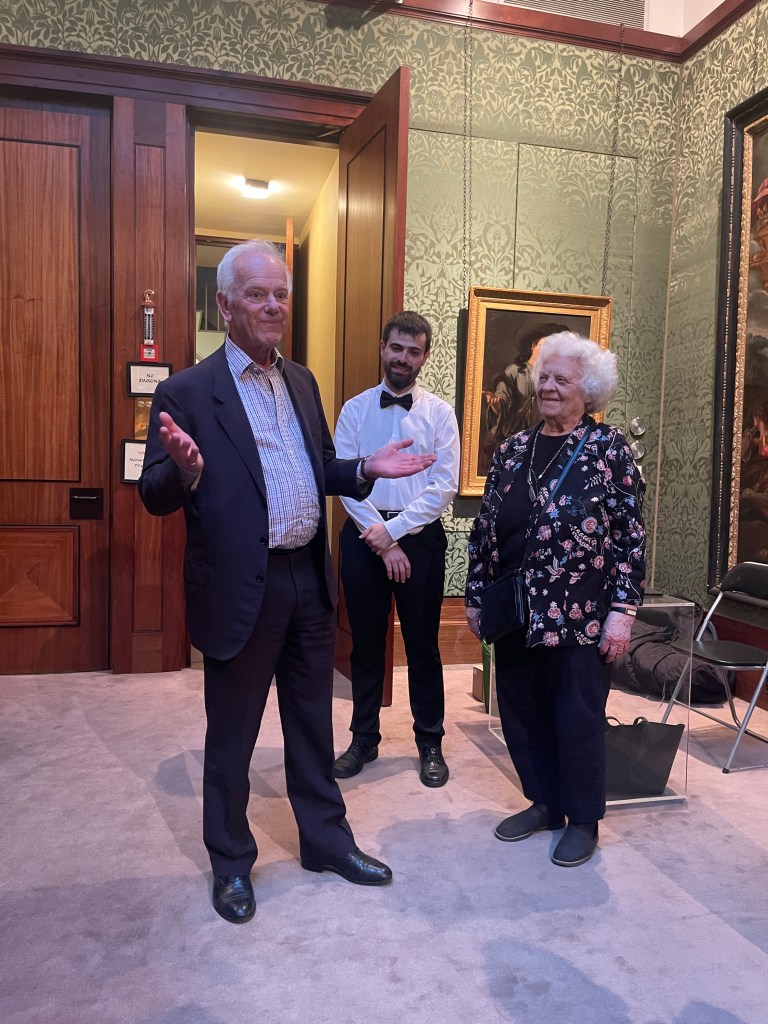
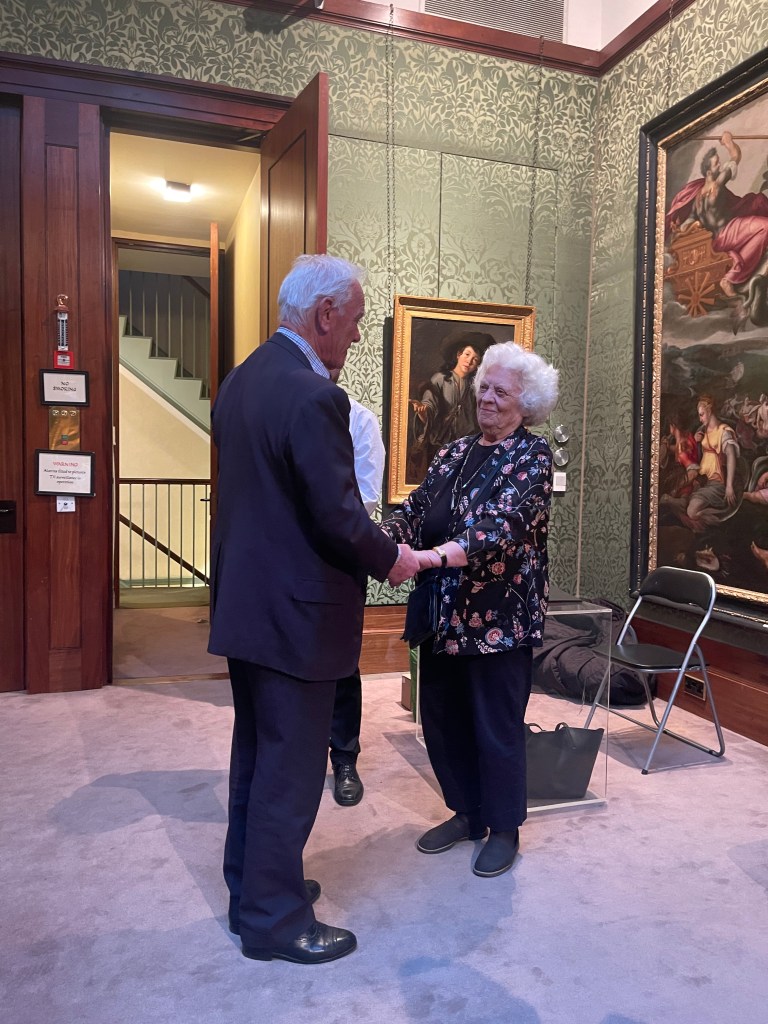
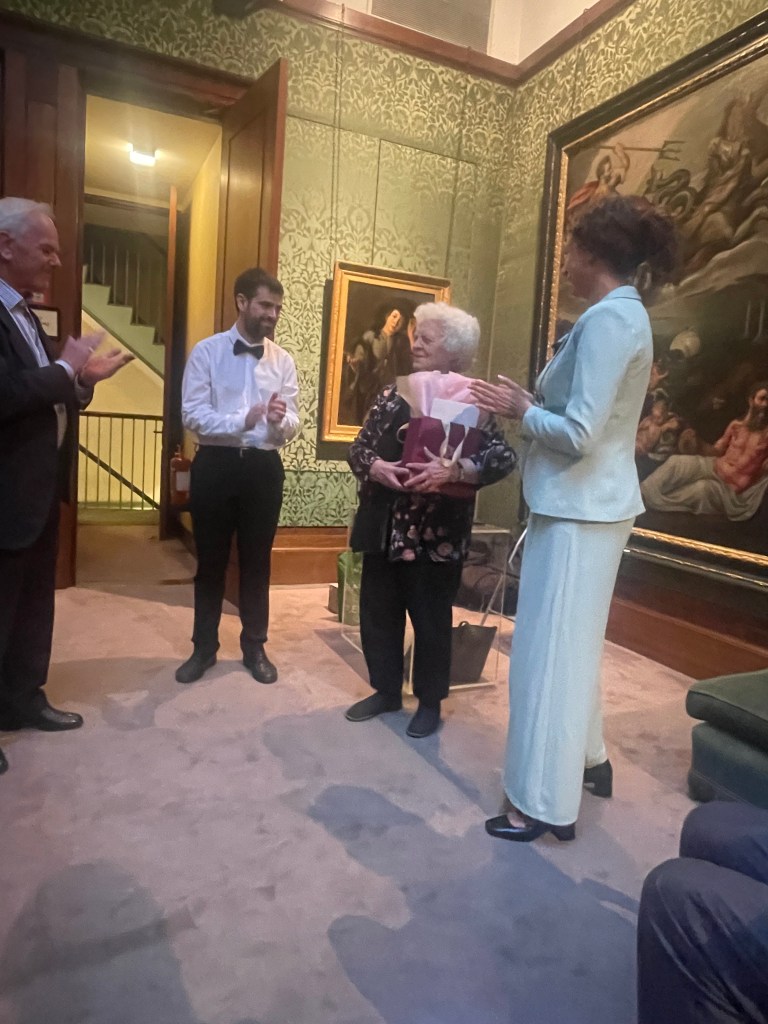
Adieu to the piano in storage at the gallery on loan from the Imogen Cooper Music Trust where Mary Orr courageously has continued the Young Artists Series . There may be no more piano concerts but there are many magnificent ensembles awaiting to play in such sumptuous surrounds in the heart of Mayfair.
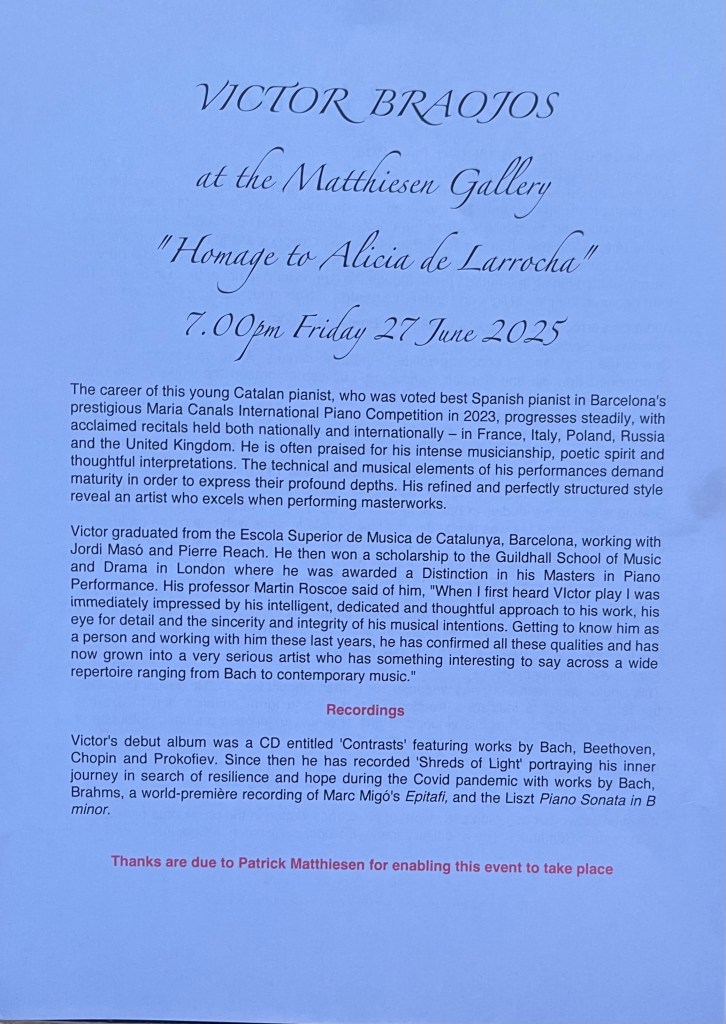
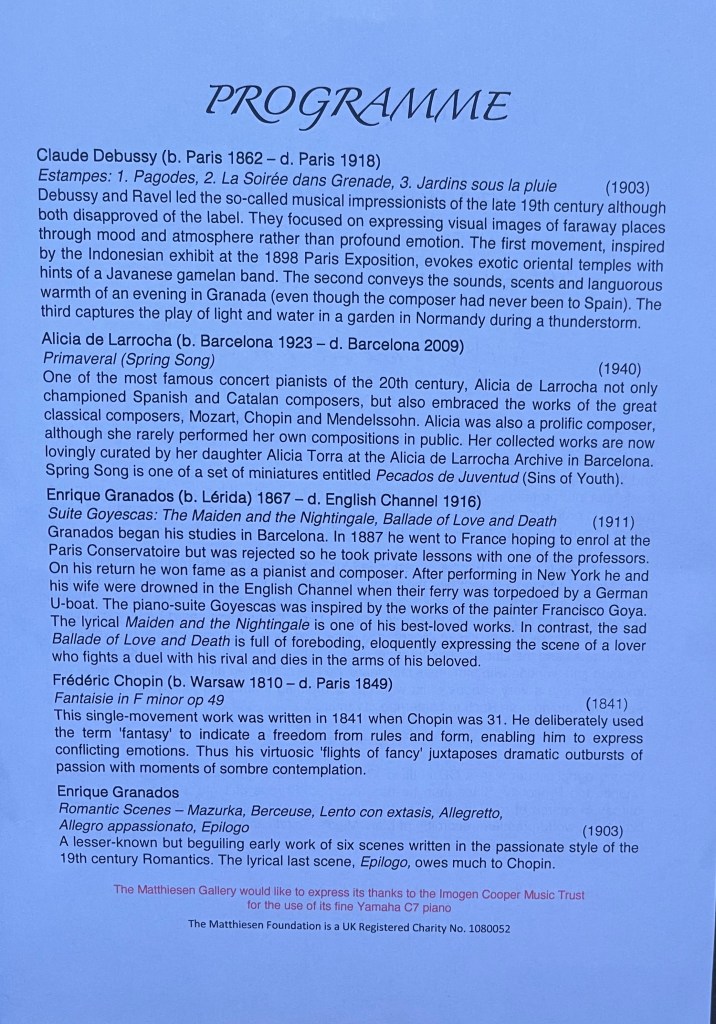
Victor playing with such sumptuous beauty and intelligent musicianship that his homage was doubly significant. ‘Sins of Youth’ might be the title of compositions written by the great pianist between the age of 7 and 30 but when played so persuasively I look forward to hearing more of her ‘sinning’ past .
Alicia the great pianist we all know and loved for her humility, integrity and reverence for music with a capital M. She was the simplest most lovely of people off stage, but in front of the piano she was totally dedicated to serving the composer to the best of her ability.
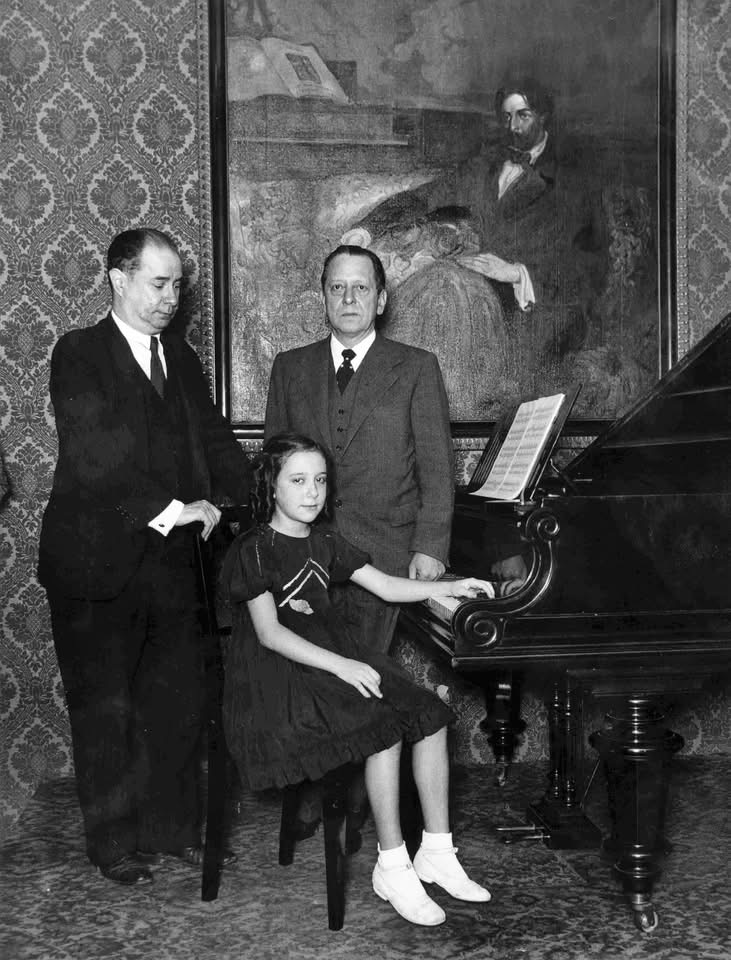
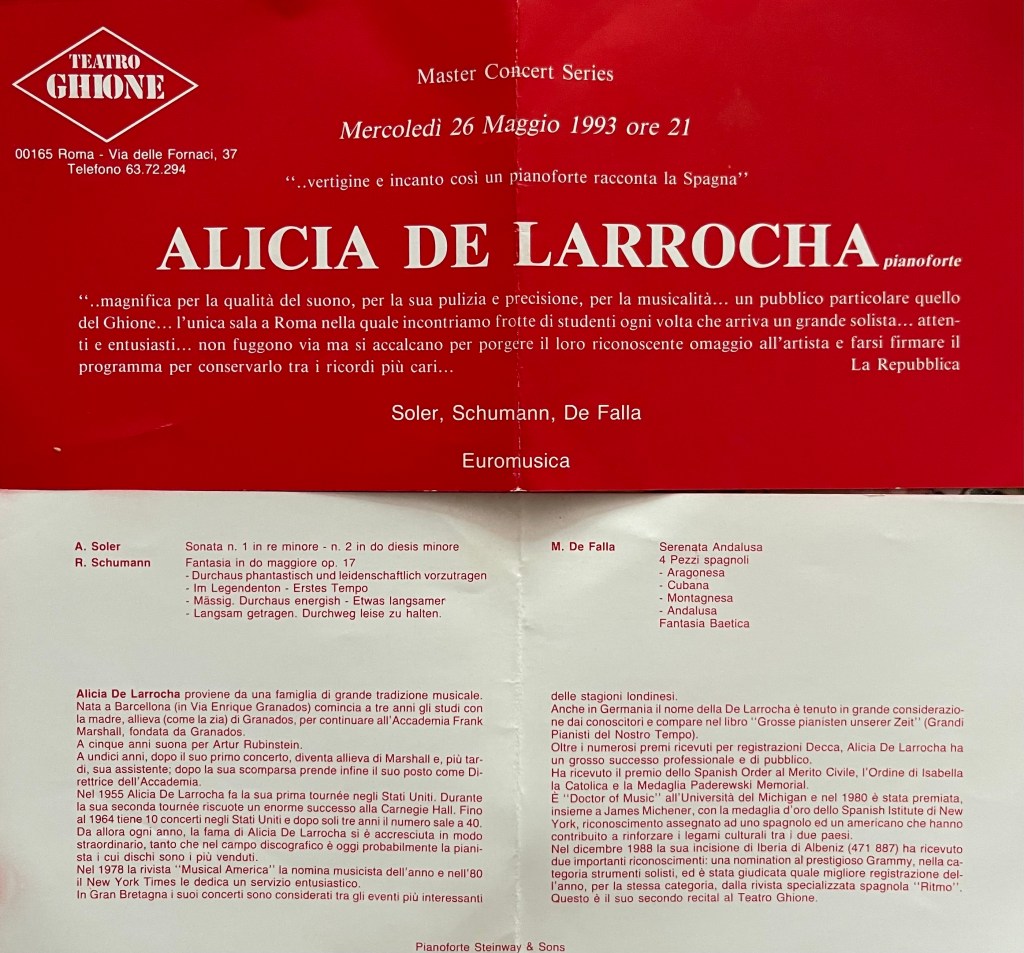
From the school of Frank Marshall a remarkable pianist from the turn of the last century, who had created his own Academy of which Alicia later in life became director.
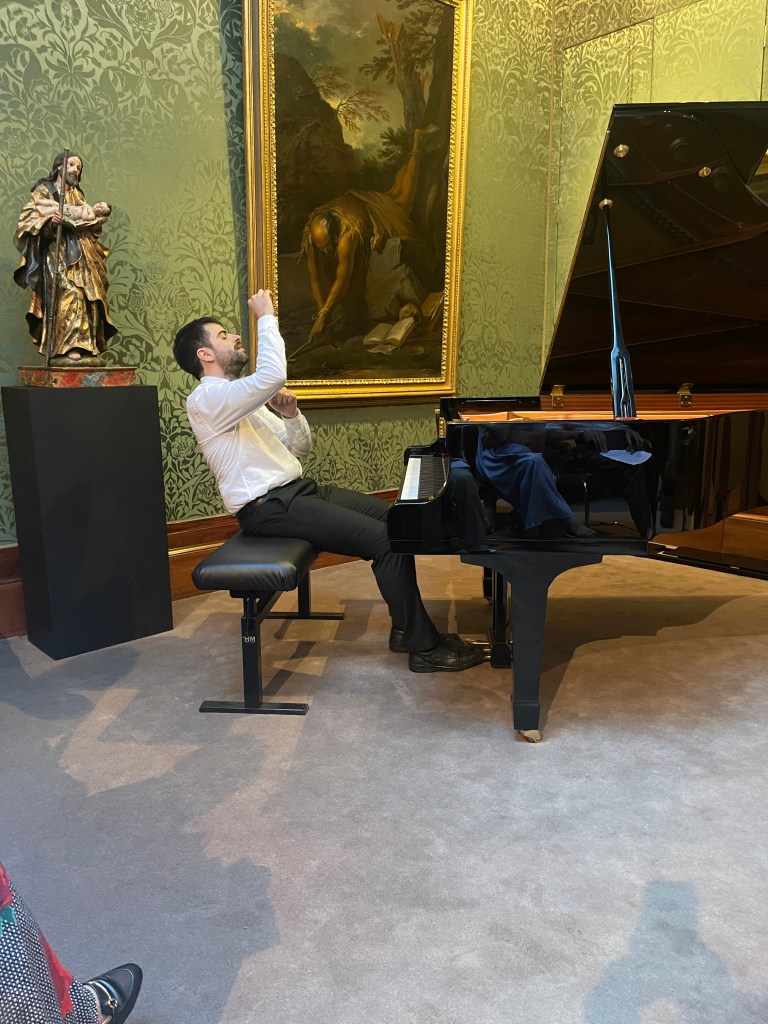
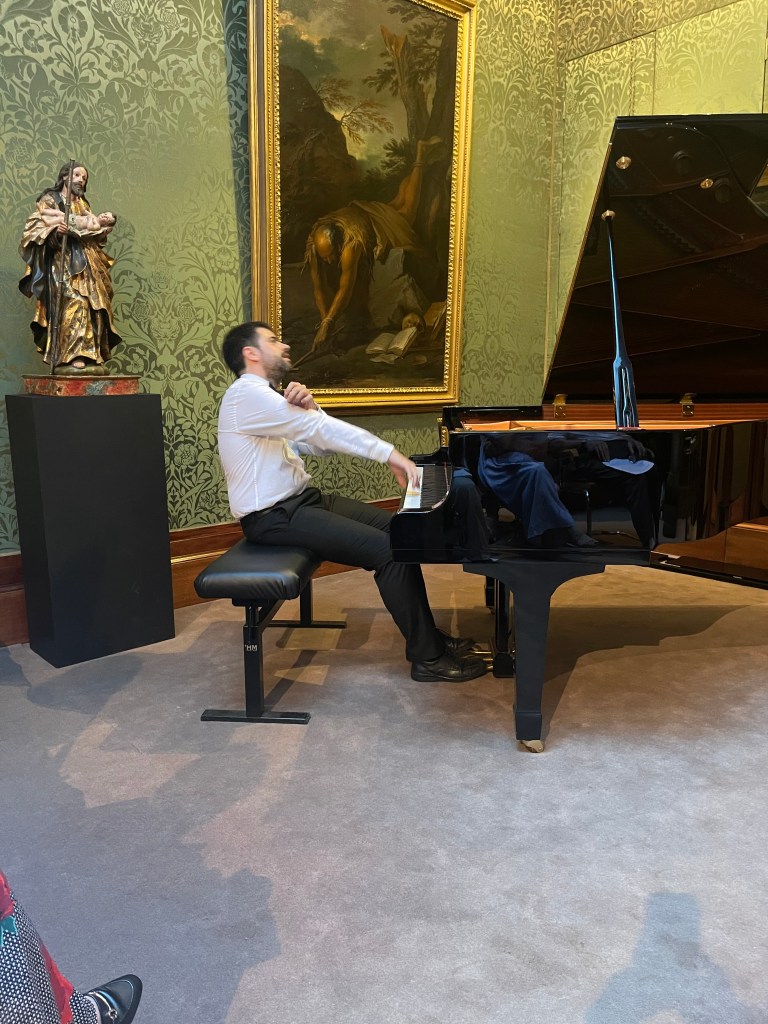
Victor had chosen works with which she was mostly associated.
Beginning with ‘Estampes’ that he played with the same simplicity and kaleidoscopic palette of colour as I imagine Alicia would have used. ‘Pagodes’ of radiant beauty and a wondrous sense of balance in which the musical line was inextricably entwined in a magic web of sounds with notes that were merely vibrations of extraordinary golden mastery. ’La Soirée dans Grenade’ was full of mystery and beauty added to a nostalgia and a memory of past experience. What ravishment there was with the tenor melody accompanied by the beguiling dance rhythms glistening above such decadence. Victor’s rain drops were of the same crystalline purity that I remember was so much part of Alicia’s playing . Gradually building in intensity until the purity of a child’s song appears in its midst as if by magic.
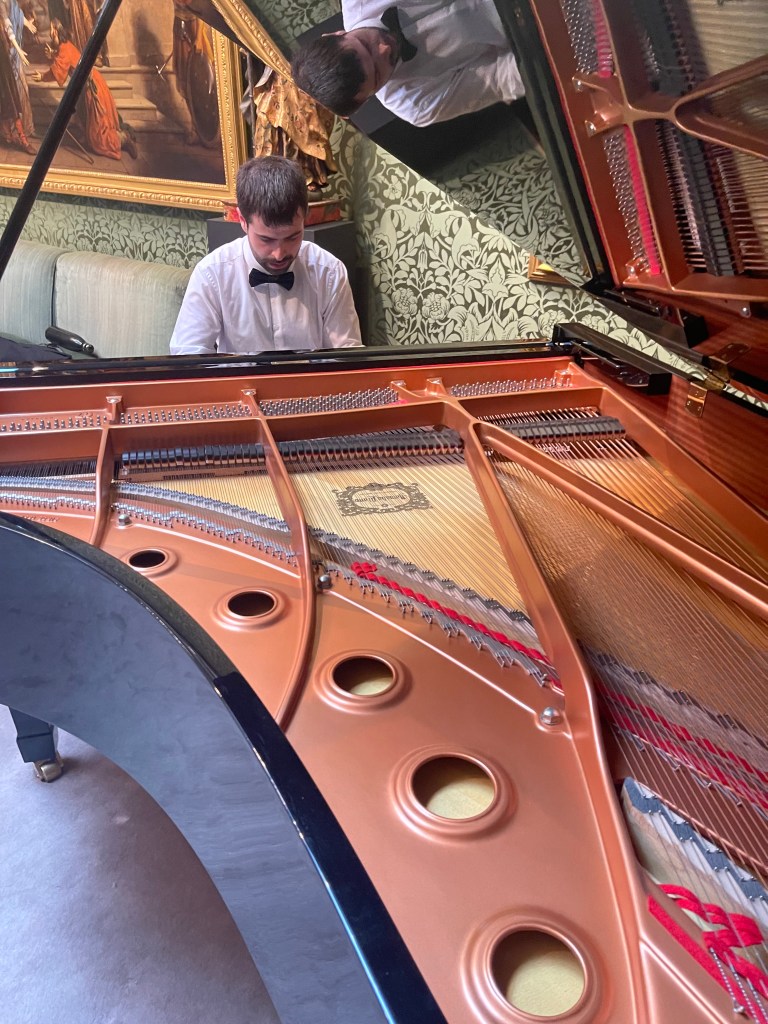
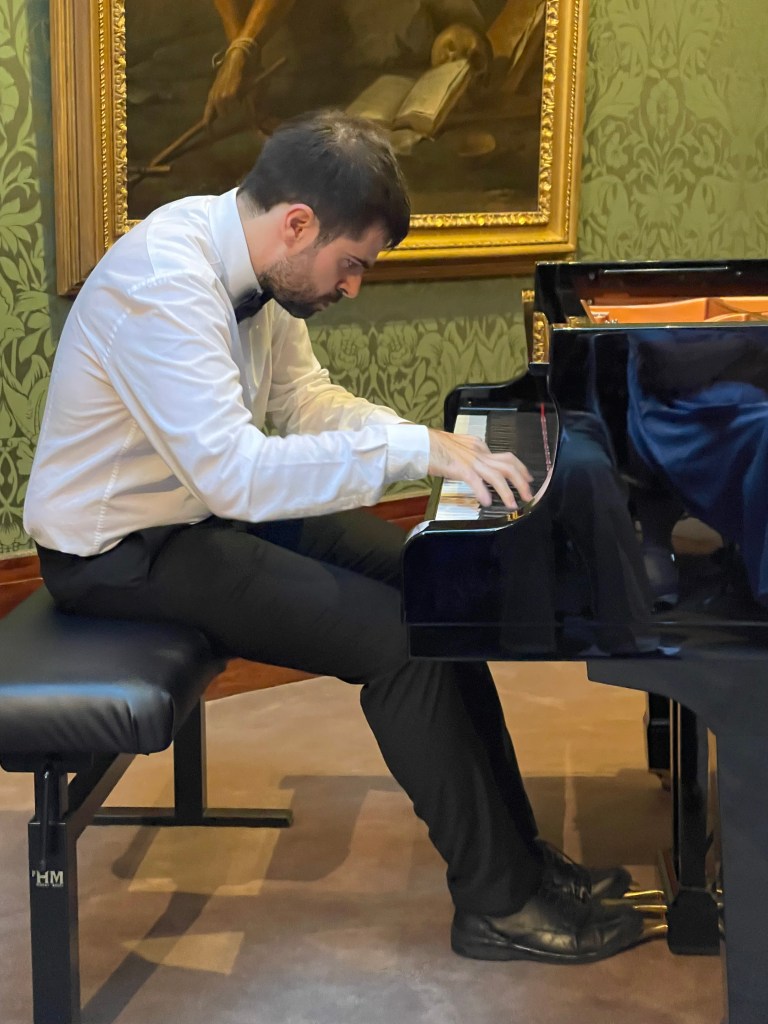
Alicia’s sin was called ‘Spring Song’ which Victor played with simple beauty with its rhapsodic mellifluous unfolding. There was the same simplicity and beauty to the ‘Maiden and the Nightingale’ that brought back memories of standing in the wings where I could appreciate the simple purity of her playing.The purity and simplicity of Granados’s Nightingale was certainly not the same one as in Berkeley Square! The Ballade of Love and Death is a tone poem of whispered profundity of deep contemplation and played by Victor with extraordinary poignancy and deeply felt concentration .
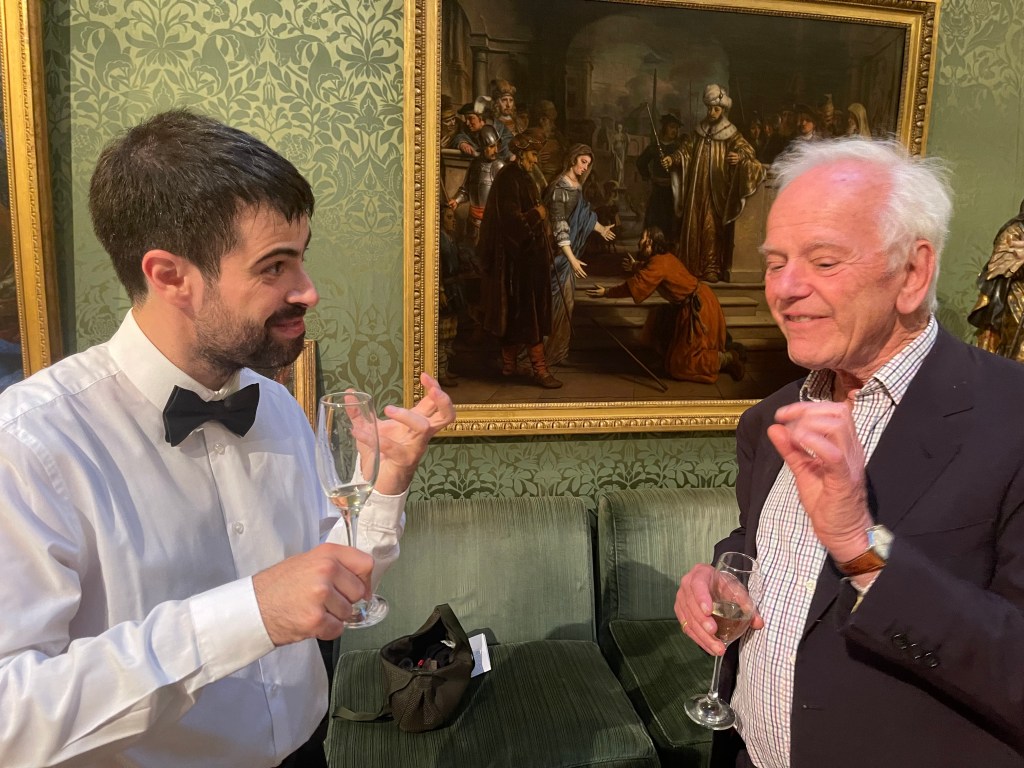
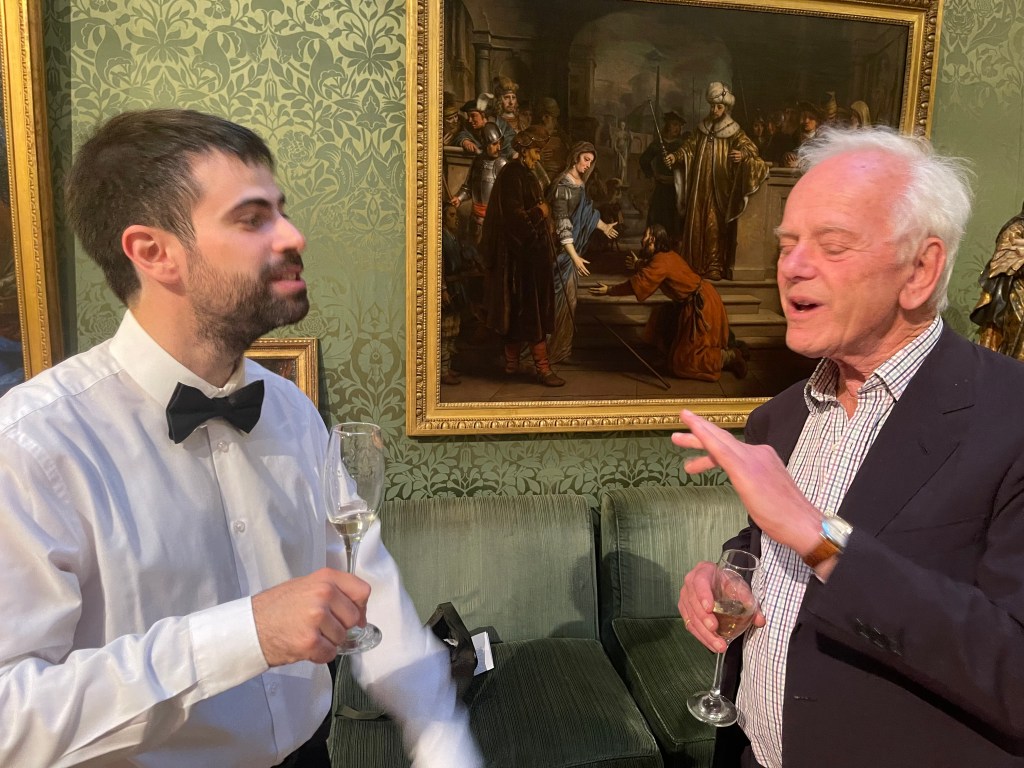
I cannot recall Alicia playing much Chopin but Schumann I could never forget . And neither could I forget the Schumannesque encore that Victor repeated today .The ‘Epilogo’ from Granados Romantic Scenes.
As Victor said maybe the Chopin Fantaisie was not in Alicia’s programmes but I am sure I had heard her play it together with the Fourth Ballade . I can imagine her supreme musicianship and remarkable technical mastery giving strength to the two Chopin Sonatas and will search for her recordings inspired by this Homage to one of the great pianist of our age. Victor’s performance of the Fantasie restored an often maligned masterpiece to the pinnacle that it surely deserves.
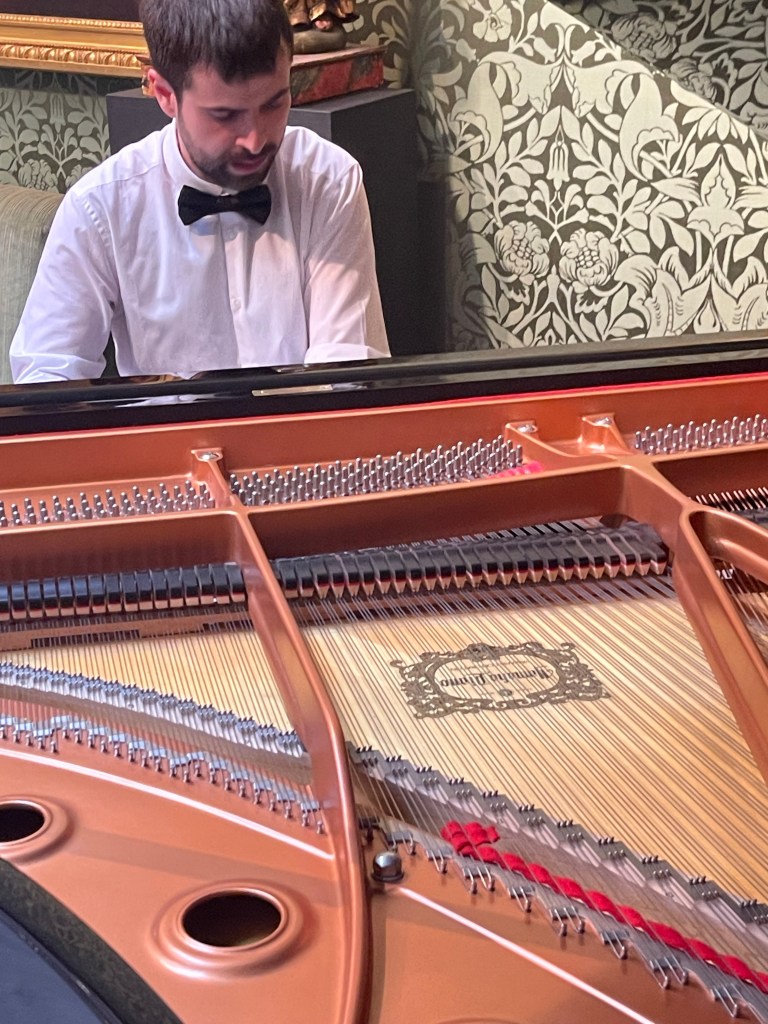
I have heard Victor many times over the past six years when he had been studying in a London with Martin Roscoe at the Guildhall
A talented student transformed into the great artist we heard tonight, on the wings of his revered Spanish idol, Alicia de Larrocha
Alicia de Larrocha, Composer
Jed Distler
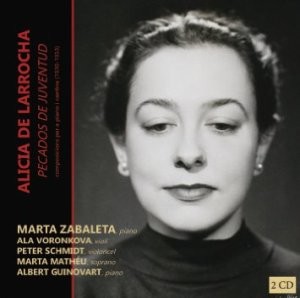
Yes, it’s the same Alicia de Larrocha. Few knew that the 20th century’s foremost Spanish pianist wrote music. She started composing at age seven and continued on and off until her 30th year, with a prolific spurt in her late teens. Admittedly, she composed for her own private pleasure, mostly for family and friends, and not for public performance. While the pianist played down her creative efforts as sins of her youth, she didn’t entirely disown them, and allowed her family to decide whether or not to make these works available after her death.
The majority of pieces are solo-piano miniatures, along with eight songs, a Romance for Cello and Piano, and a three-movement Violin Sonata. Although the music’s ambitions are modest, every piece communicates charm and sincerity, not to mention Larrocha’s command of keyboard texture and excellent harmonic sense influenced in part by early- to mid-20th century Spanish piano music by Turina, Mompou, and Nin. Listen to Aiguablava’s disarming melodies and sophisticated manipulation of registral extremes, or to Burlesca’s rhythmic snap and suave chromatic sleights-of-hand, and you’ll understand what I mean.
Ten Inventions and a four-movement Suite from 1939, plus the 1941 Sonata antigua add up to delightful faux Scarlatti. Sandwiched between the Violin Sonata’s two bland outer movements is a gorgeous Adagio packed with harmonic intensity. It’s let down, however, by violinist Ala Voronkova’s ugly tone and wobbly vibrato. It’s the complete opposite of cellist Peter Schmidt’s elegance and control in the little Schumannesque Romanza. Marta Zabaleta does an admirable job with the solo piano selections, especially in slower, lyrical works. However, faster virtuosic fare would have benefited from more lightness and élan on the level of a pianist like…hmmm…let me see…Alicia de Larrocha.
For me, the songs represent Larrocha’s strongest compositions. I love the folksy tunefulness and neo-Gershwin chords in Canço d’un doble amor and Maite, and admire how the rippling extroversion of Hoy creo en Dios never becomes cloying. Inspiration flows freest when Larrocha lets her dark and brooding side emerge in the desolate Tal vida tal fin, and in Mi vida es un erial, where soprano Marta Mathéu gorgeously floats the long lines as if she never needs breath. Her lovingly characterized performances further stand out by virtue of Albert Guinovart’s world-class accompaniments. Indeed, Guinovart ought to have been recruited for some of the solo pieces; he’s an underrated artist whose terrific Harmonia Mundi solo CDs deserve serious attention.
The booklet notes couldn’t be more informative, and there are full texts and translations for the songs. Had the performances been uniformly consistent, I’d be able to recommend this release without qualification. At the very least, it’s worth it for the songs.
Recording Details:
Album Title: Pecados de Juventud
Reference Recording: None for this collection
- LARROCHA, ALICIA DE:
Chamber & Piano works
- Record Label: Columna Musica – 001
- Medium: CD
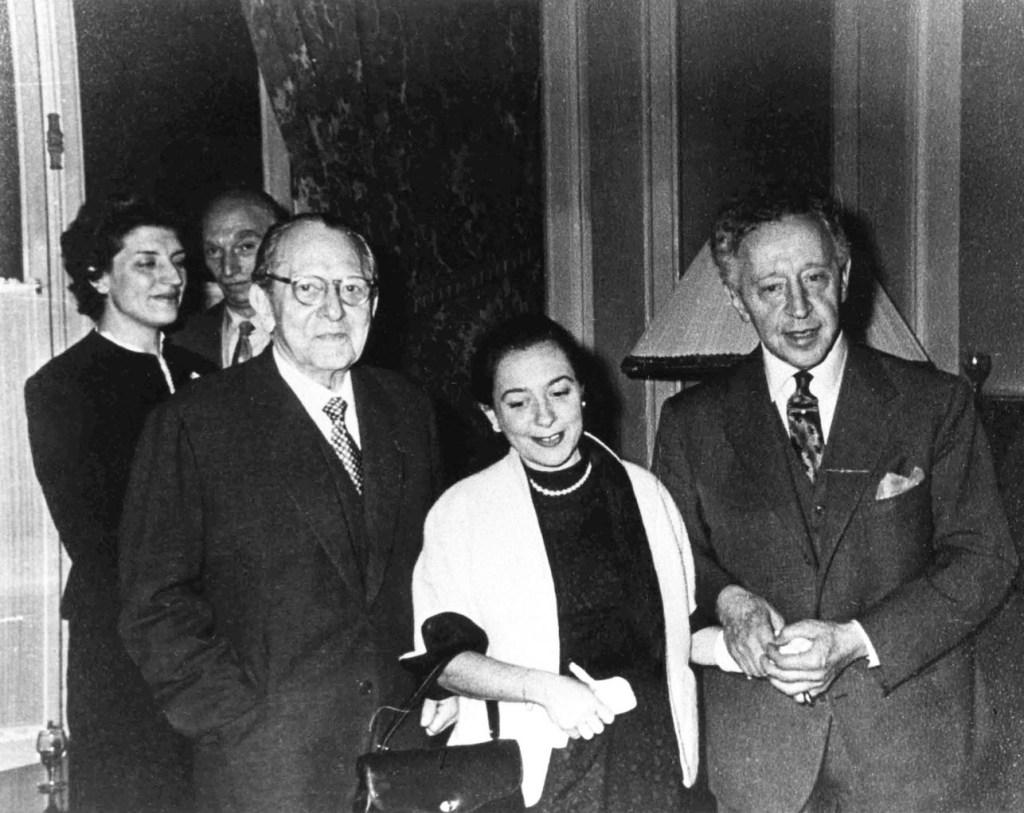
Frank Marshall King (November 28, 1883 – May 29, 1959), was a Spanish Catalan pianist and pedagogue born to parents of English heritage.
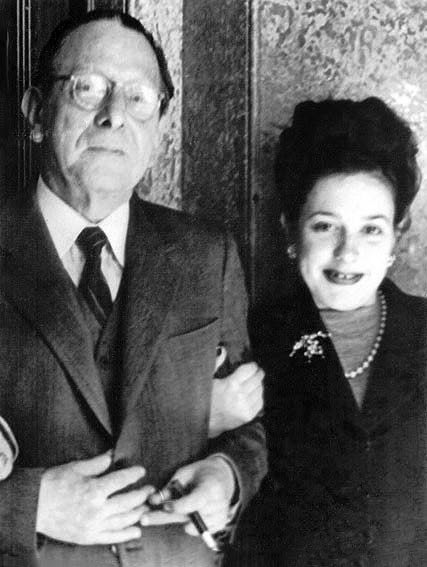
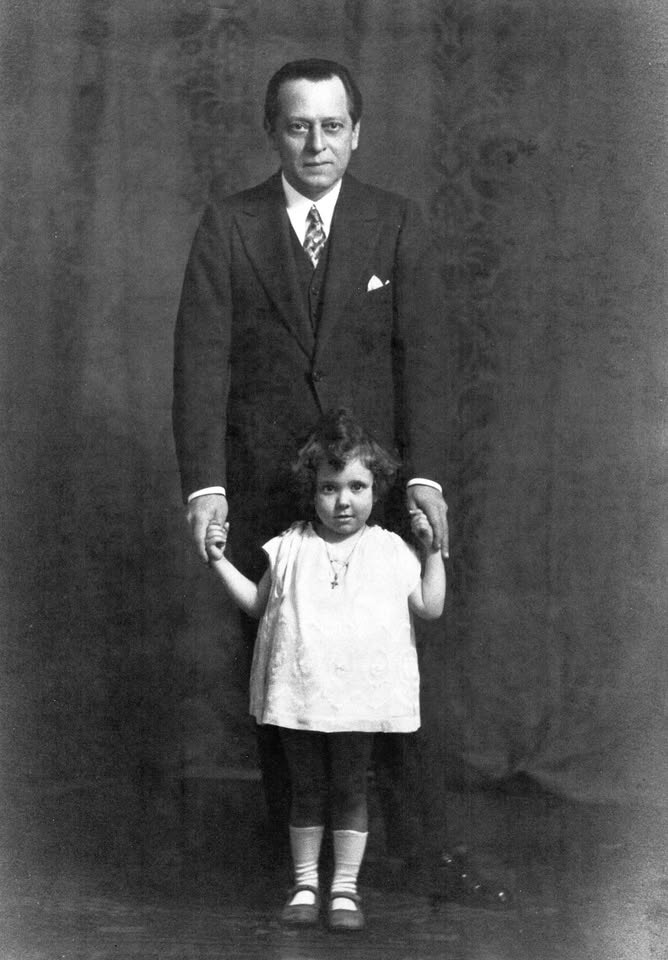
Marshall was born in Mataró, Catalonia, Spain . He attended the Conservatori Superior de Musica del Liceu and then began studying with Enrique Granados . Marshall and Granados became close musical associates, and Marshall became Granados’s teaching assistant at the latter’s academy.
When Granados died in 1916, Marshall became its director; he remained director until his death in 1959, and the institute’s name was eventually changed to Académia Frank Marshall. Its administrators and faculty included Alicia de Larrocha and Mercedes Roldós Freixes. Among his pupils at the school was the composer Vincente Asencio. He published two pedagogic works, Estudio práctico sobre los pedales del piano(Madrid, 1919) and La sonoridad del piano, which attempted to notate piano pedalling more precisely.
Marshall’s influence as a pianist and teacher impacted Catalan piano playing heavily; his approaches to pedaling and voicing helped refine the distinctive style of piano playing from the region. No. 3 of Federico Mompou’s Cancons I Danses was dedicated to him. His students included Alicia de Larrocha, Mercedes Roldós Freixes, and the Catalan pianist Albert Attenelle, who premiered Mompou’s Chopin Variations.
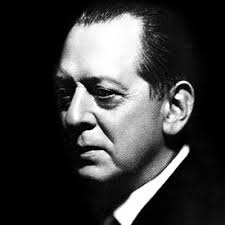
Marshall died in Barcelona in 1959, aged 75.
 ChristopherAxworthy-MusicCommentary