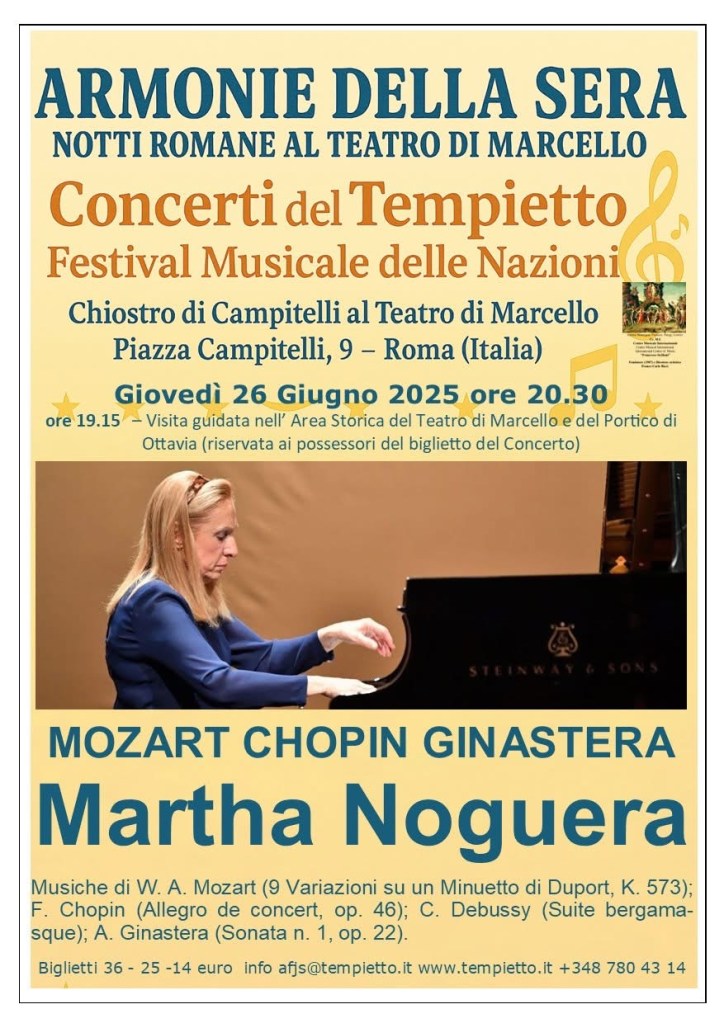
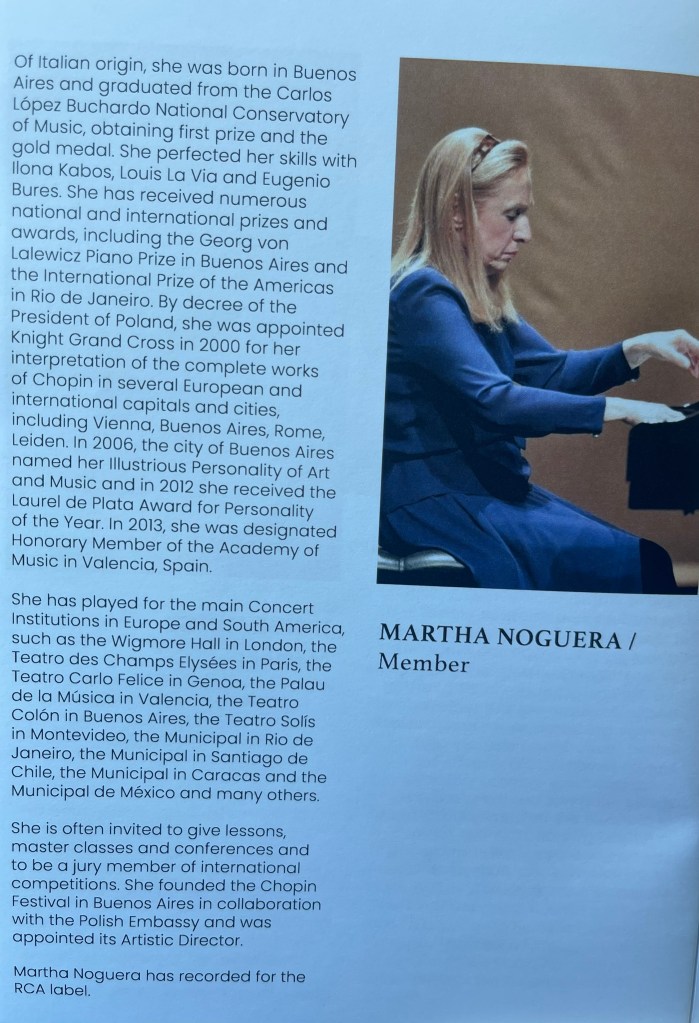
There is only one other person who used to regularly finish his marathon programmes with the Polonaise Héroique when he was well into his 80’s. Martha at 84 showed us that they don’t make them like she and Rubinstein any more.
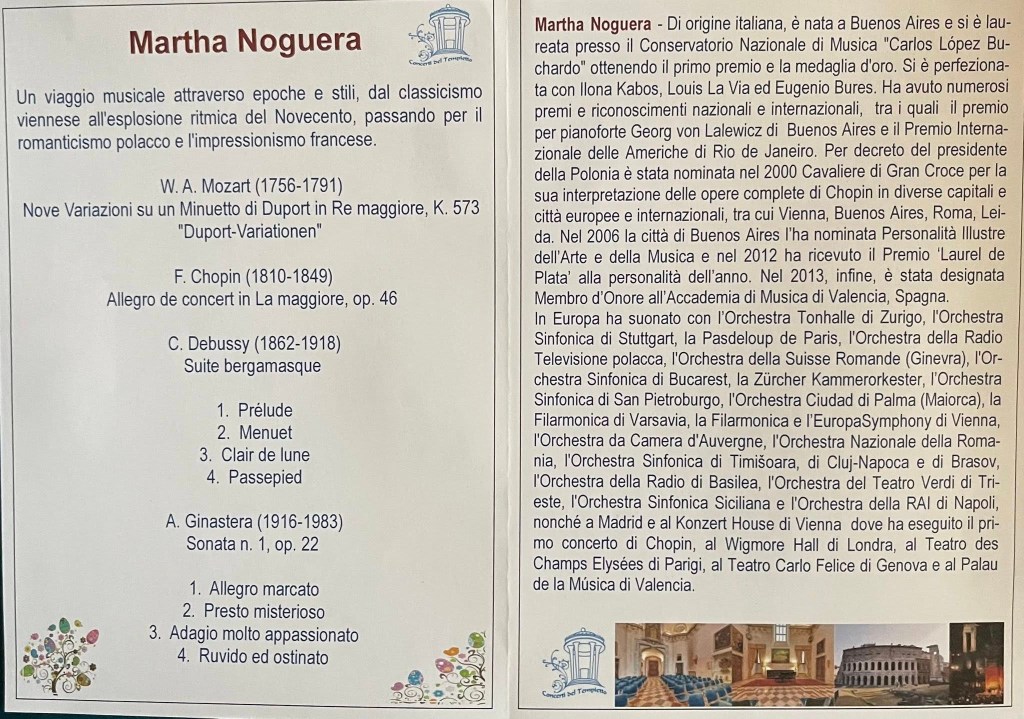
A programme that would have struck fear into a pianist half her age. With Chopin’s monstrously unpianistic ‘Allegro de Concert’ and Ginastera’s explosive first sonata. Including also Mozart’s Duport variations of punctilious fingerfertigkeit , so exposed but with such delectable style.
Sumptuous almost decadent Debussy with his Suite Bergamasque played with expansive improvised freedom.
A first encore of a Guastavino dance,Bailecito, and finally the explosion of dynamic drive and sumptuous rich sounds of Chopin’s Polonaise.
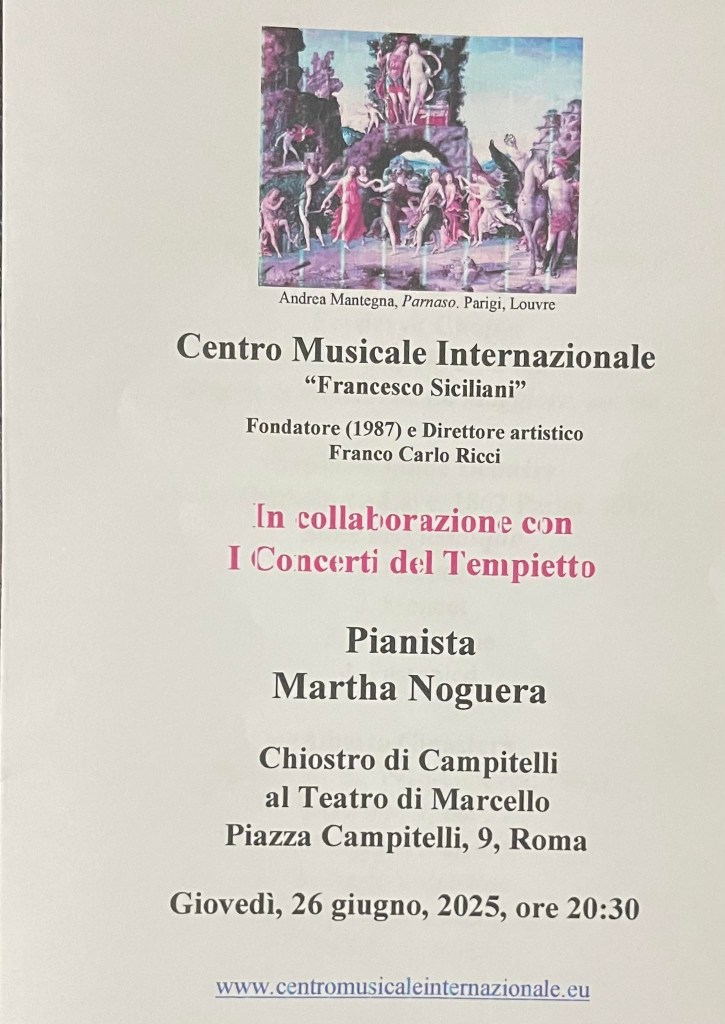
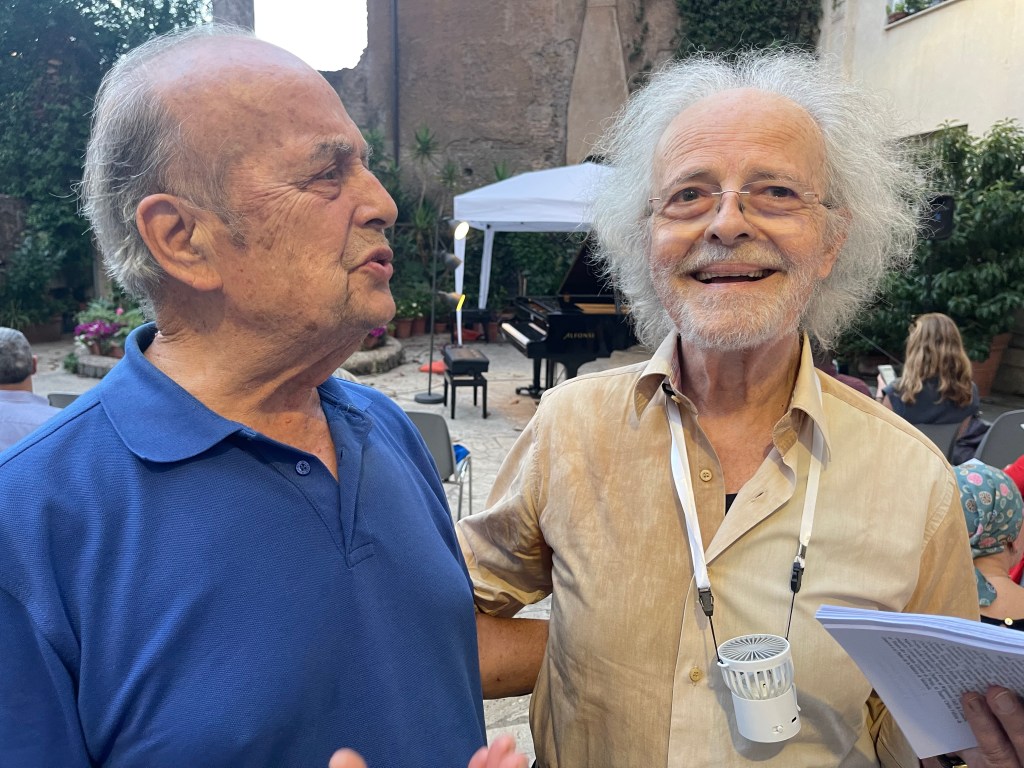
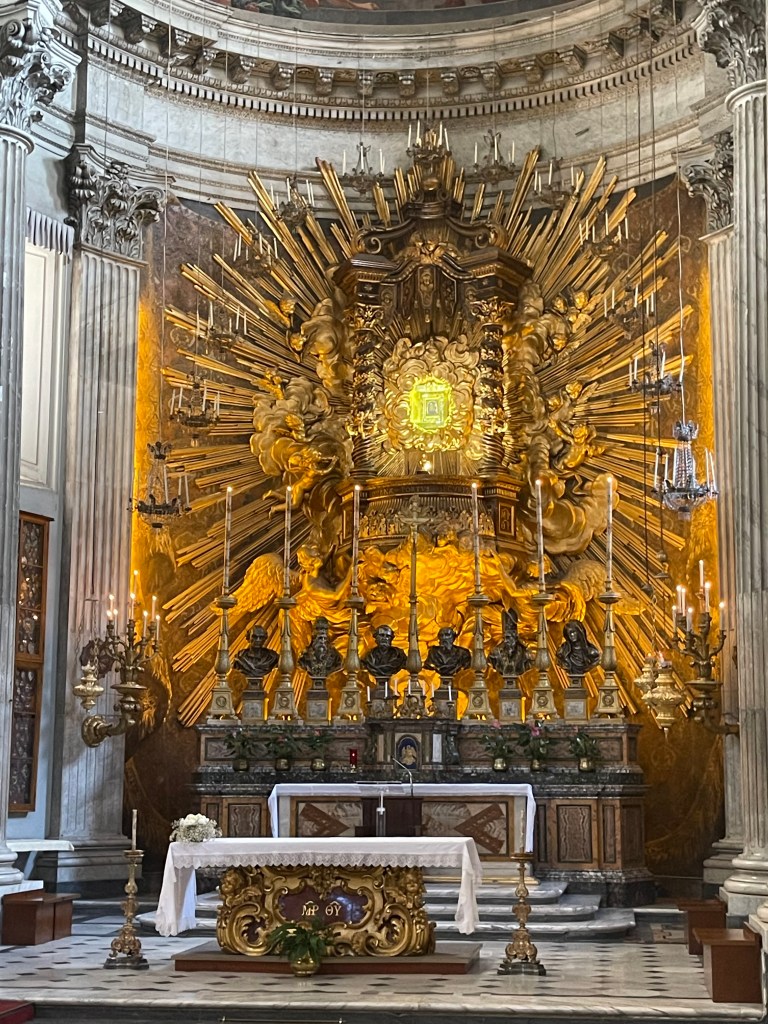
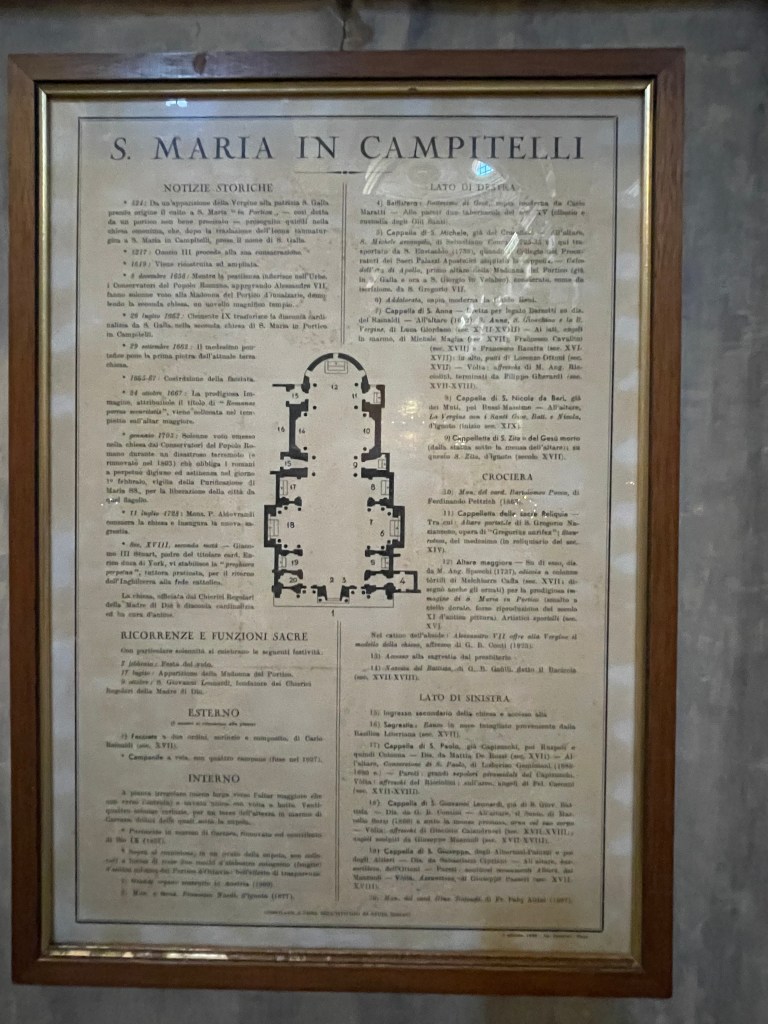
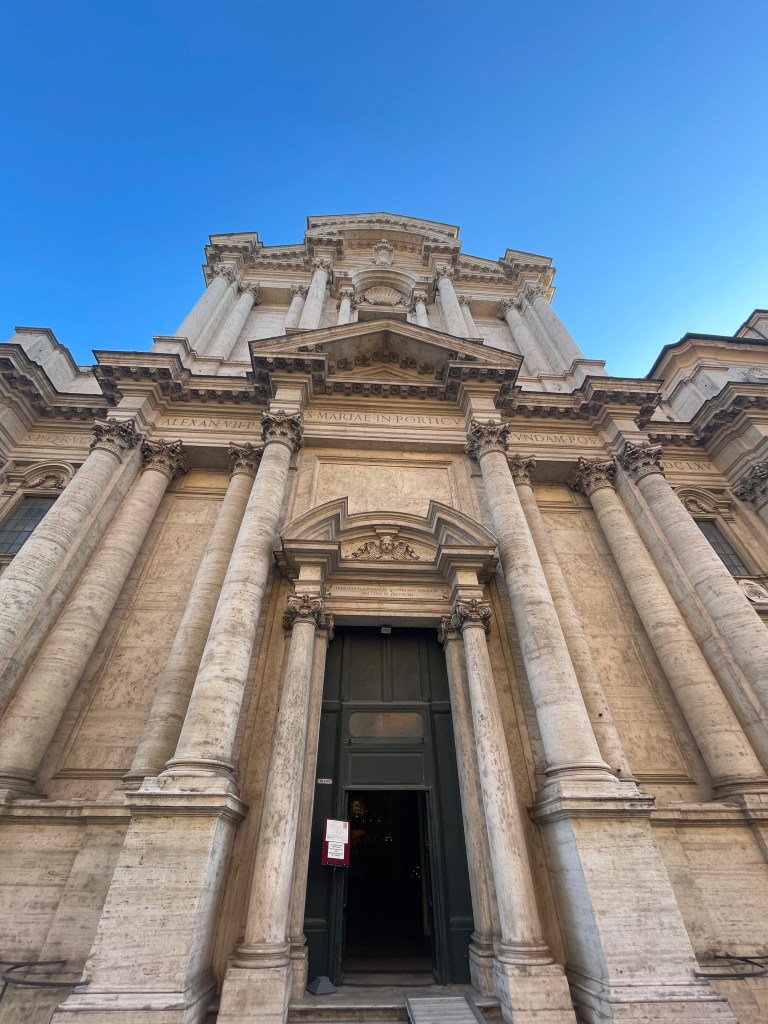
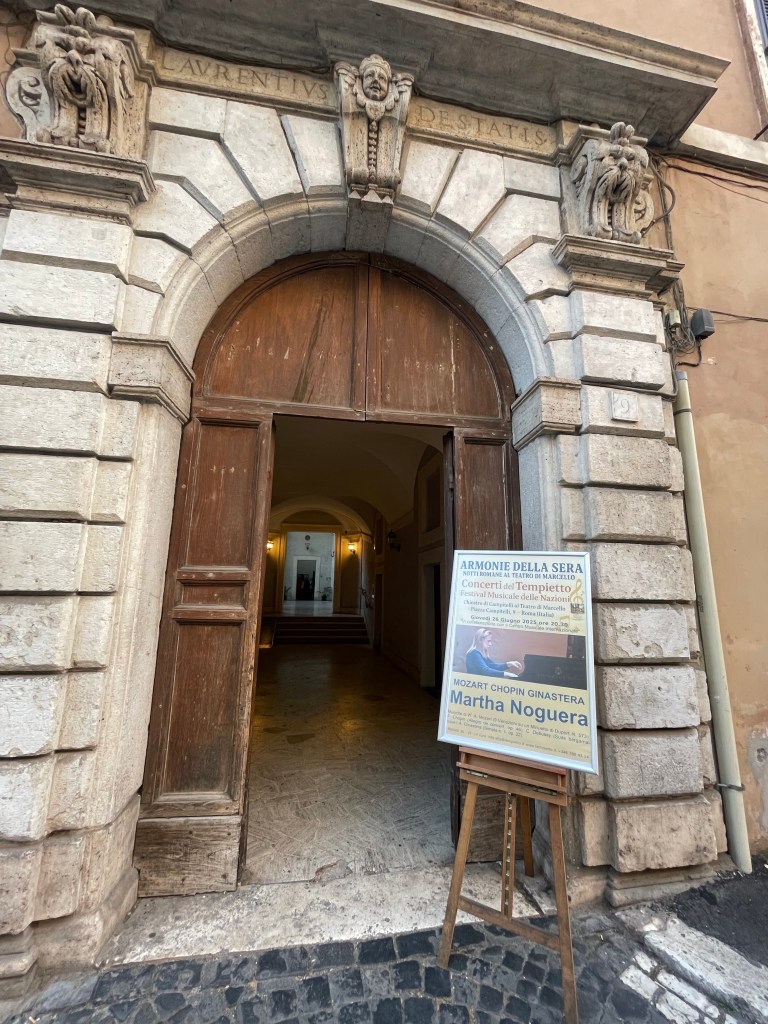
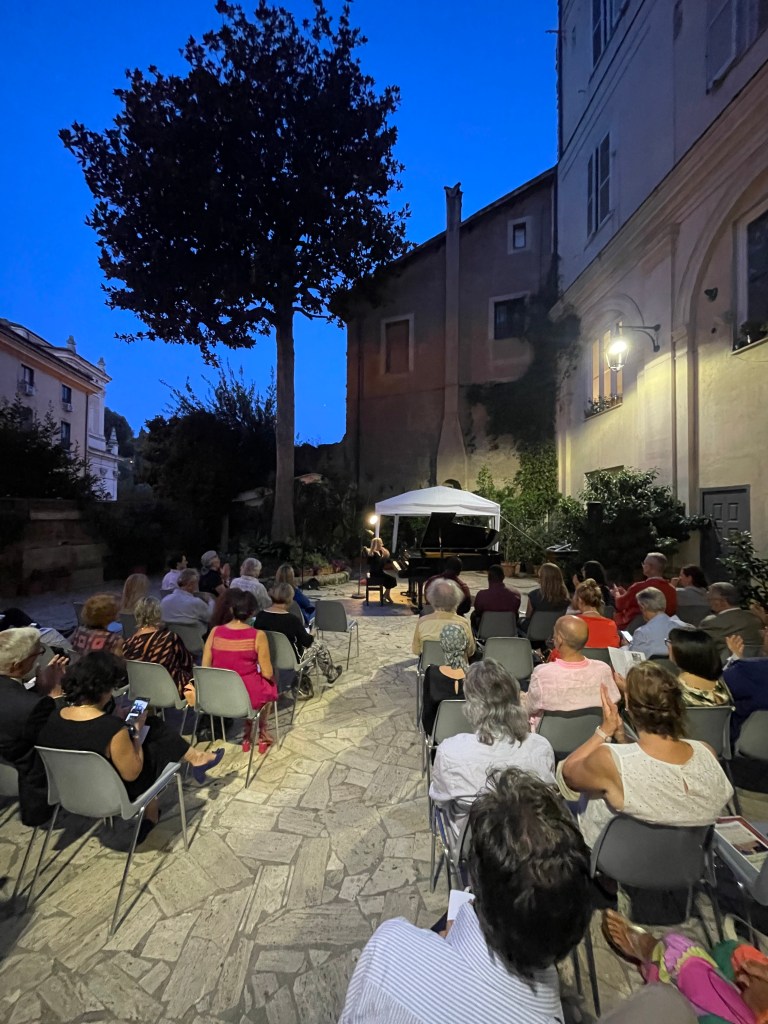
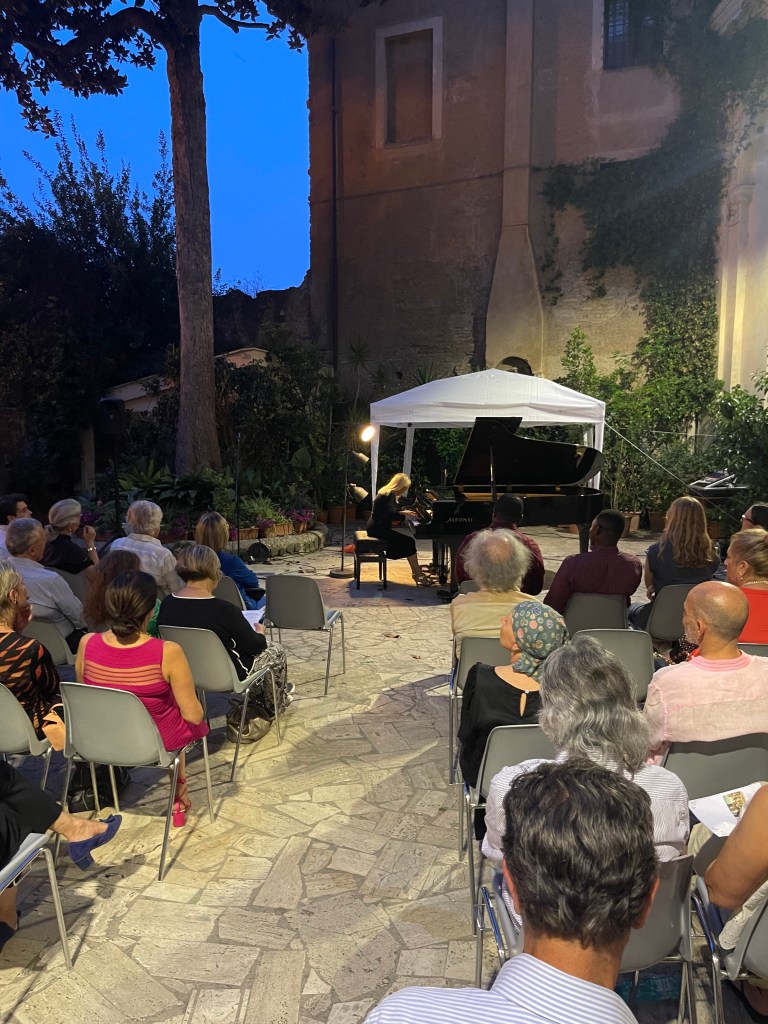
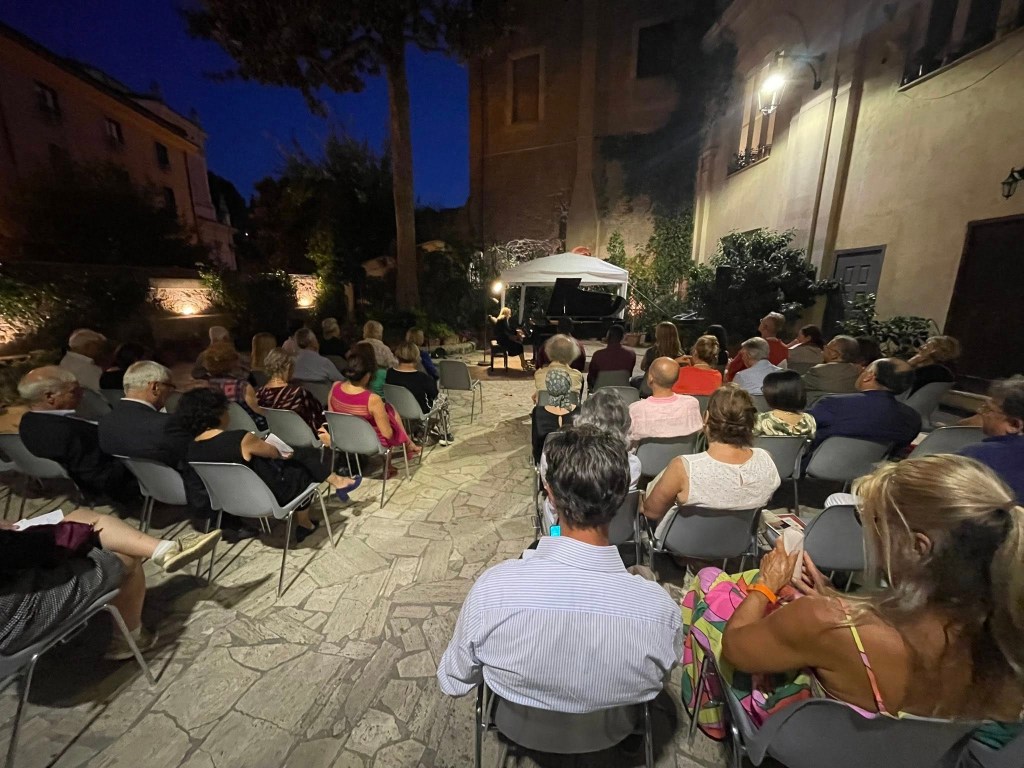
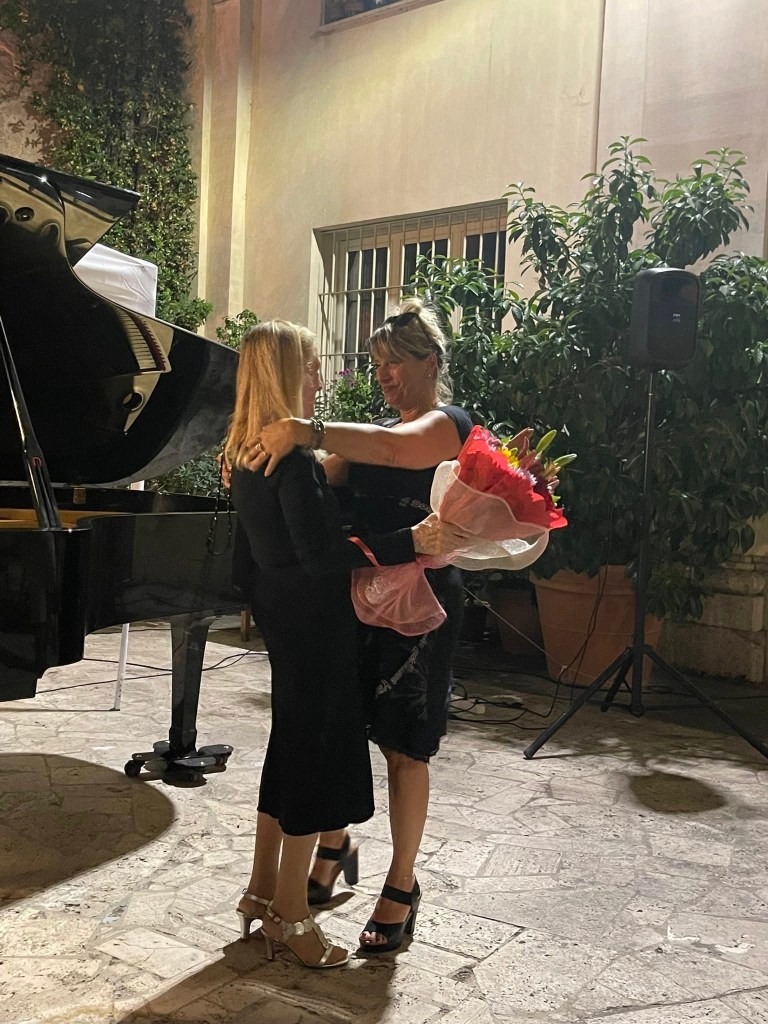
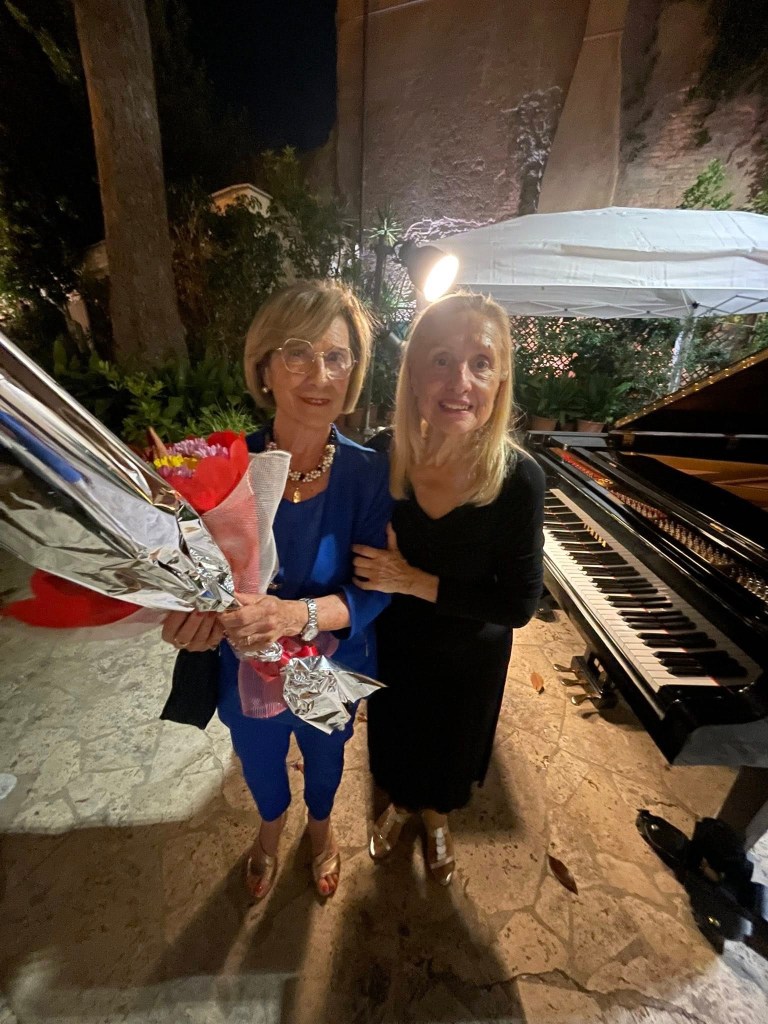
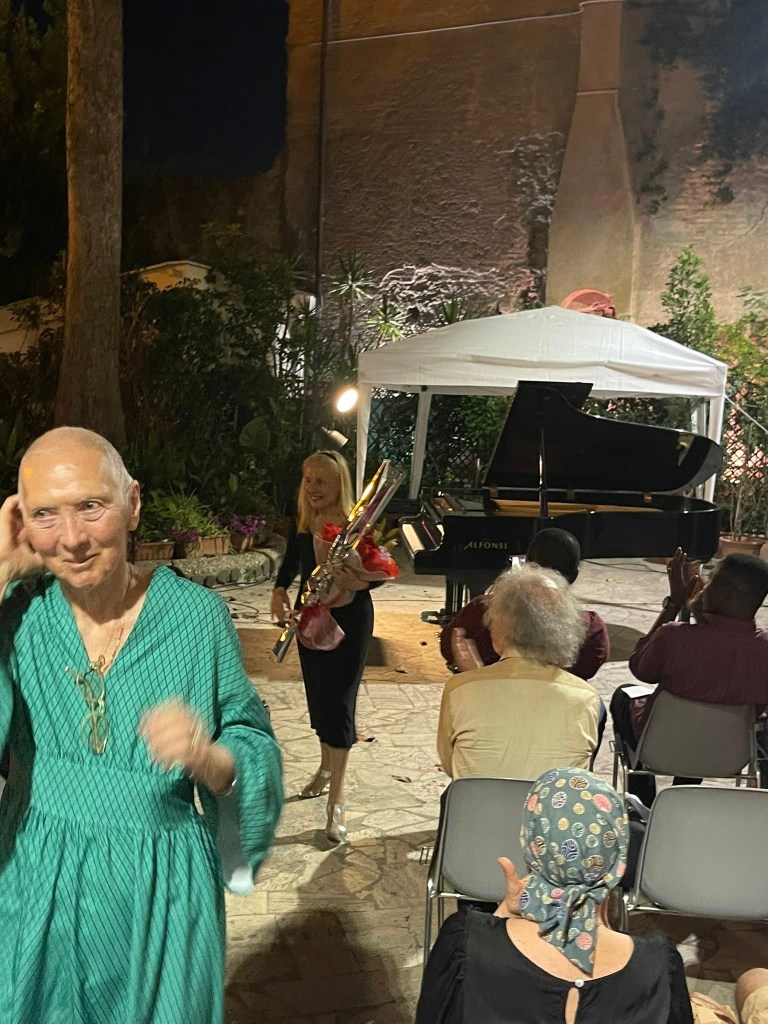
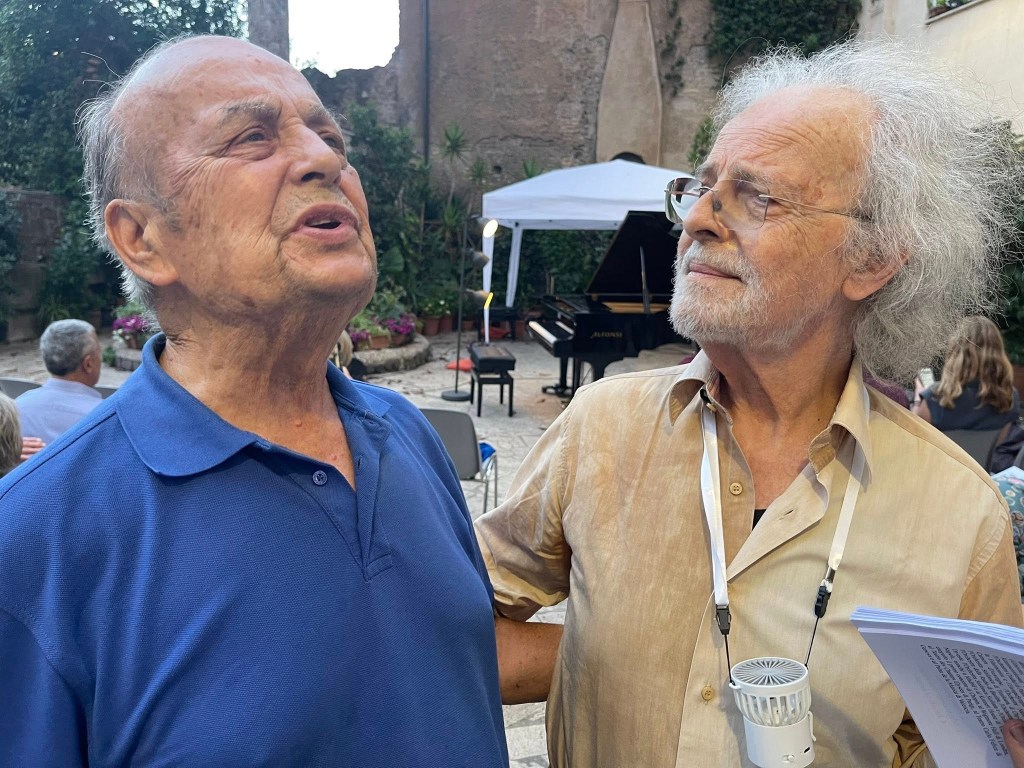
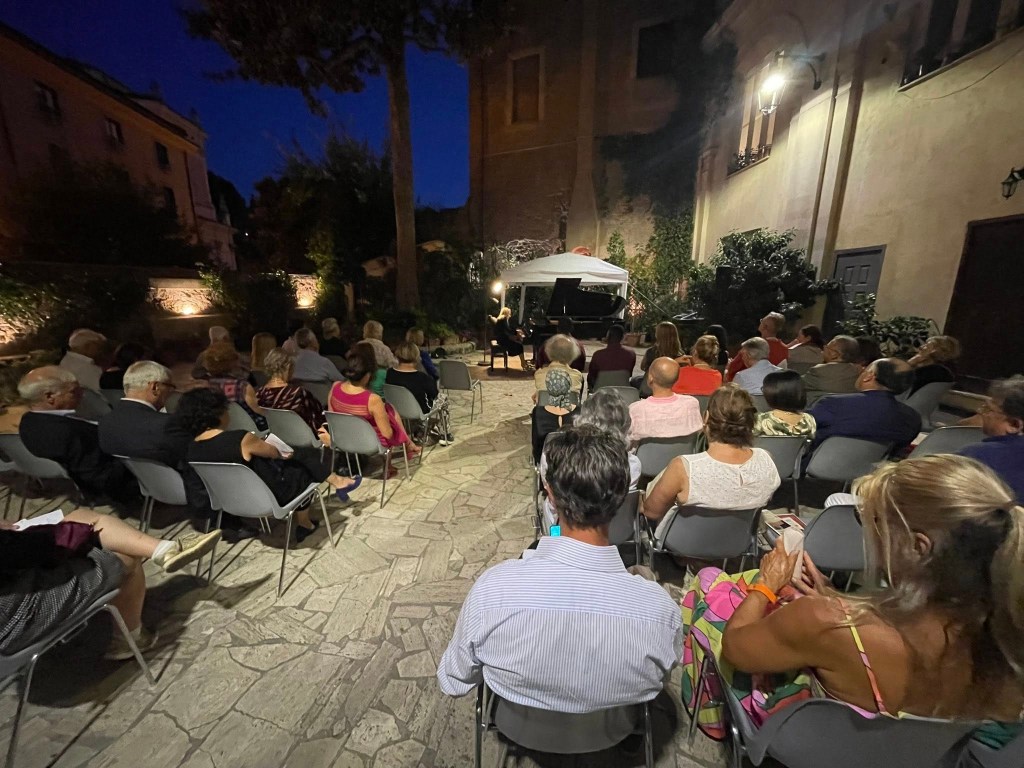
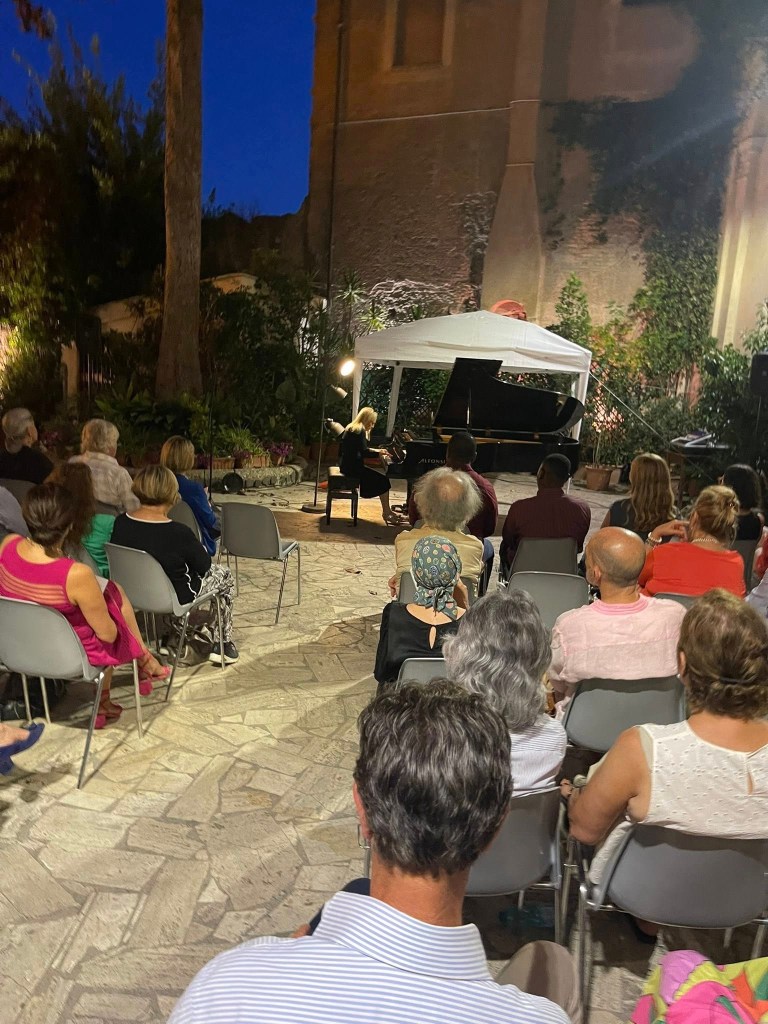
What a marvel for the opening concert of the Festival of Nations at the Tempietto in the centre of Rome. In collaborazione with Prof Ricci’s Centro Musicale Internazionale ( Francesco Siciliani ) that filled this unique courtyard surrounded by the grandeur of Il Tempio di Marcello and attached to the most beautiful baroque church in Rome.
Martha very generously sharing her music with the birds who were obviously happy to find a fellow musician in their midst . More used to police sirens and helicopters that seem to be de rigeur in all the major cities these days. Mozart variations played with a crystalline clarity of purity and childlike simplicity. Appearances can he deceptive as Schnabel was to point out with his much quoted remark about Mozart being too easy for children but too difficult for adults. This veteran pianist was able to play with a refreshing sense of improvisation as indeed must have been the case at their birth. Extraordinary precision and depth of sound allowed her to play with very sparing use of the pedal that gave a sparkling jewel like feel to the mischievous meanderings that Mozart would have improvised much to the amazement of his contemporaries.
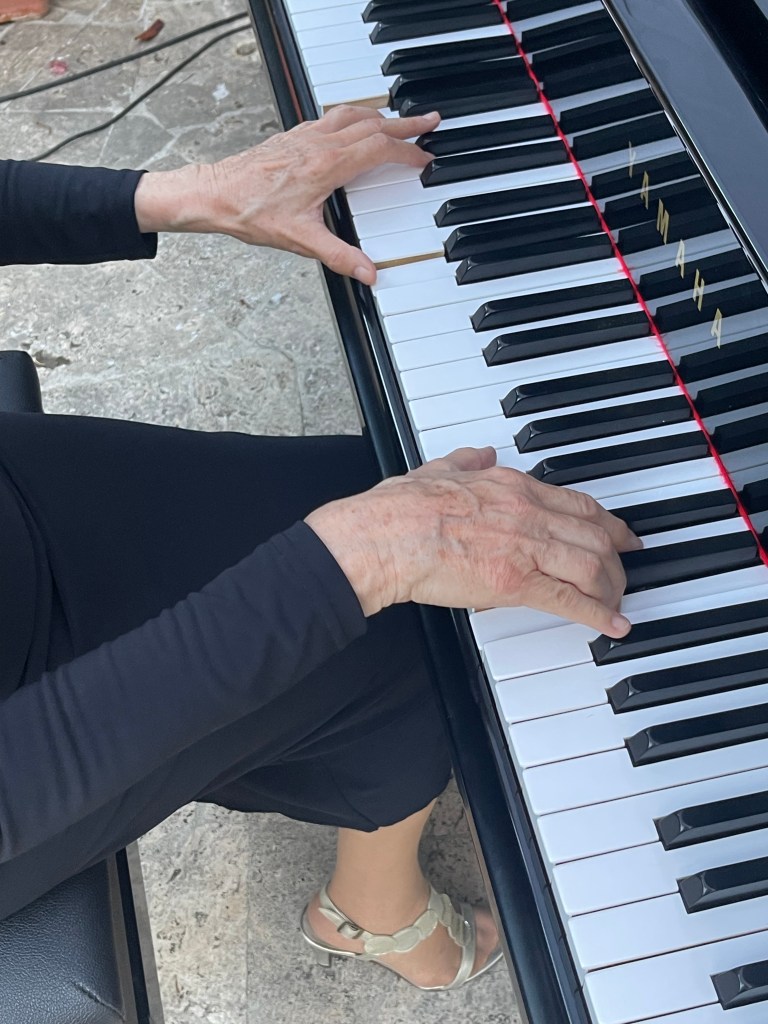
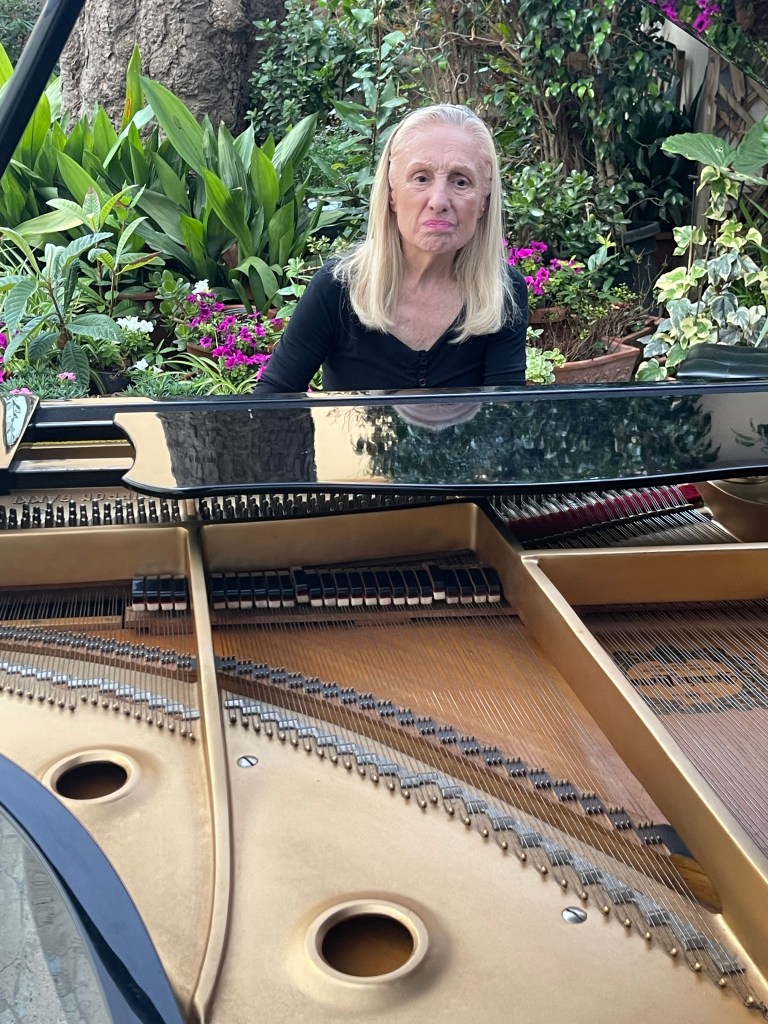
There is truly glorious melodic invention to what may well have been the first movement of Chopin’s intended Third Piano Concerto. It was wonderful to hear the majestic nobility and touching bel canto pour from Martha’s hands with the same aristocratic nobility that was Arrau’s. Rarely played in the concert hall probably because of the stamina and technical mastery required for music that is often more orchestral than pianistic. After the opening sumptuous tutti there was a lone voice high in the keyboard as the soloist was about to make her appearance. Ravishing beauty and a beguiling freedom of exquisite good taste allowed Chopin’s poetic web of bel canto to ring out much to the joy of the birds in the giant pine that sits so regally in this historic garden.A glorious ending of nobility and sumptuous virtuosity brought this one movement work to a triumphant end.
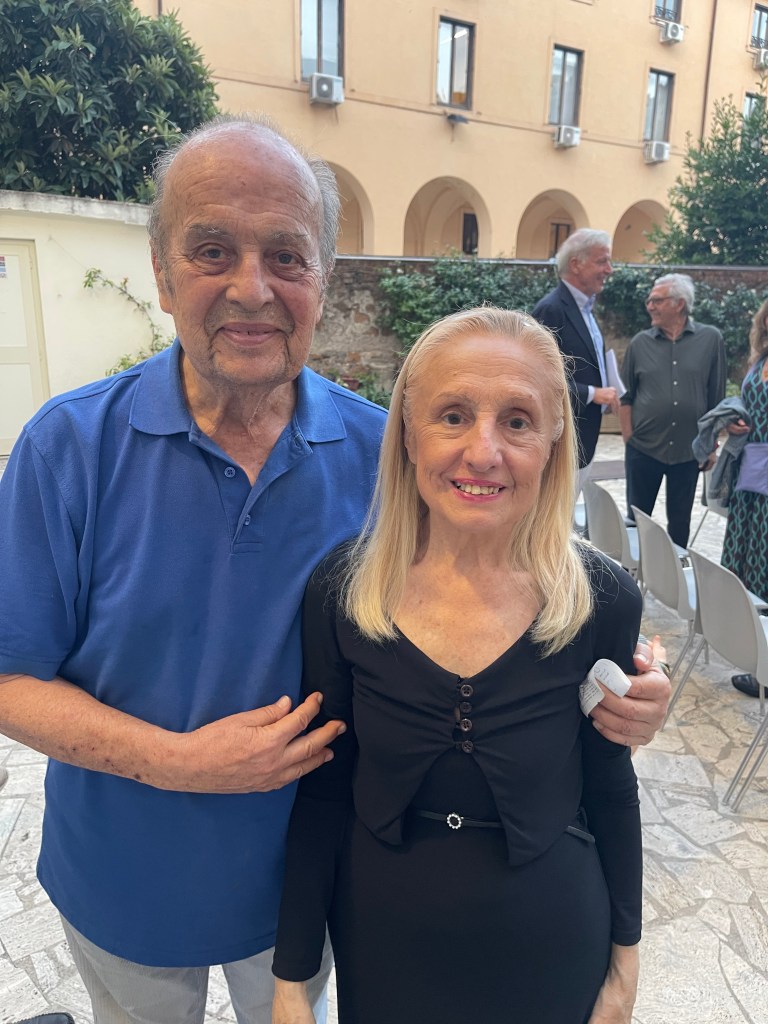
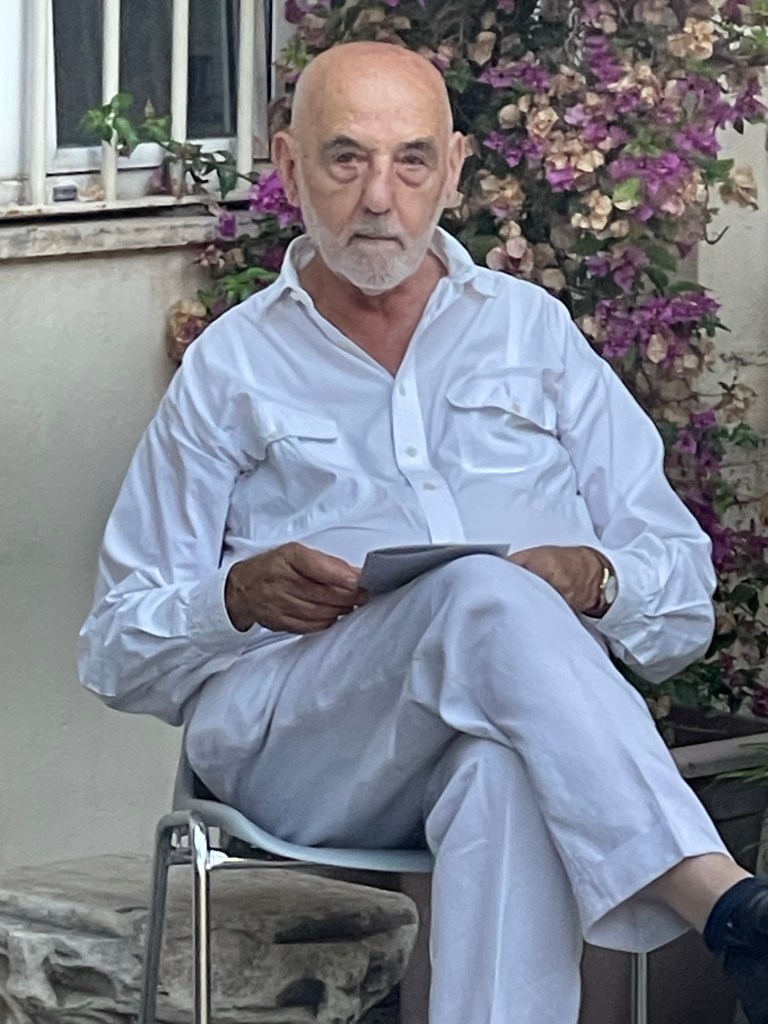
A short break for a piece of chocolate and a glass of water that was waiting for her at the back of the courtyard .
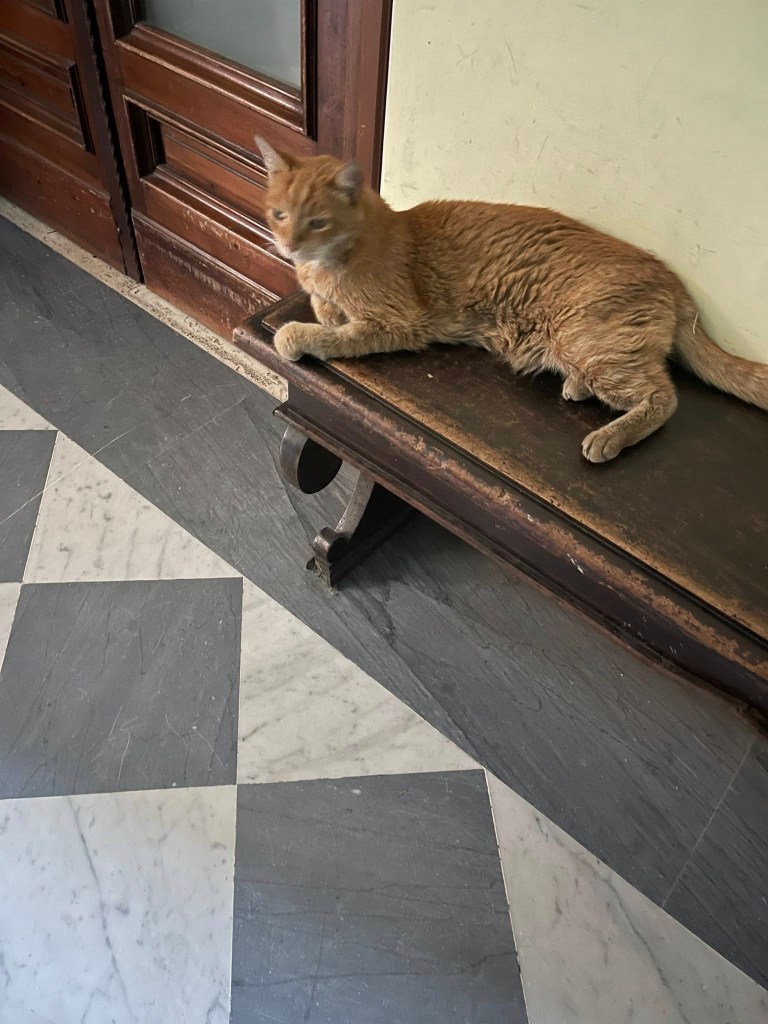
Her long time colleague Hector Pell was holding fort, amazed as we all were, by Martha’s stamina and infectious enjoyment of sharing her music with us all : public, birds, sirens, helicopter and even Gus the theatre cat. ( I often in exasperation describe the Eternal city as the Infernal city )
Another work all to rarely heard these days, is Debussy’s early Suite Bergamasque. A suite of four pieces of evocative and insinuating beauty. This too was played with an air of expansive improvised freedom. From the nobility of the opening Prélude with its grandiose flourishes and a Menuet of capricious beauty expanding to a wondrous pulsating melody of romantic outpouring. Clair de lune was the ideal work for this balmy night in Rome. Magic sounds glowed with subtle inflections of palpitating emotions, with the central episode a wave of sounds on which Debussy places one of his most enticing melodies with inner counterpoints just hinted at with the refined artistry where things are suggested rather than stated. A masterly use of the pedal allowed Martha to float sounds into this balmy air with the magic of the ‘feux follets’ that were attracted to such a magically illuminated scene. ‘Passepied’ was played with an impish sense of fun and character which underlined her masterly use of touch and palette of colour that had brought this suite vividly to life -A Midsummer Nights Dream indeed !
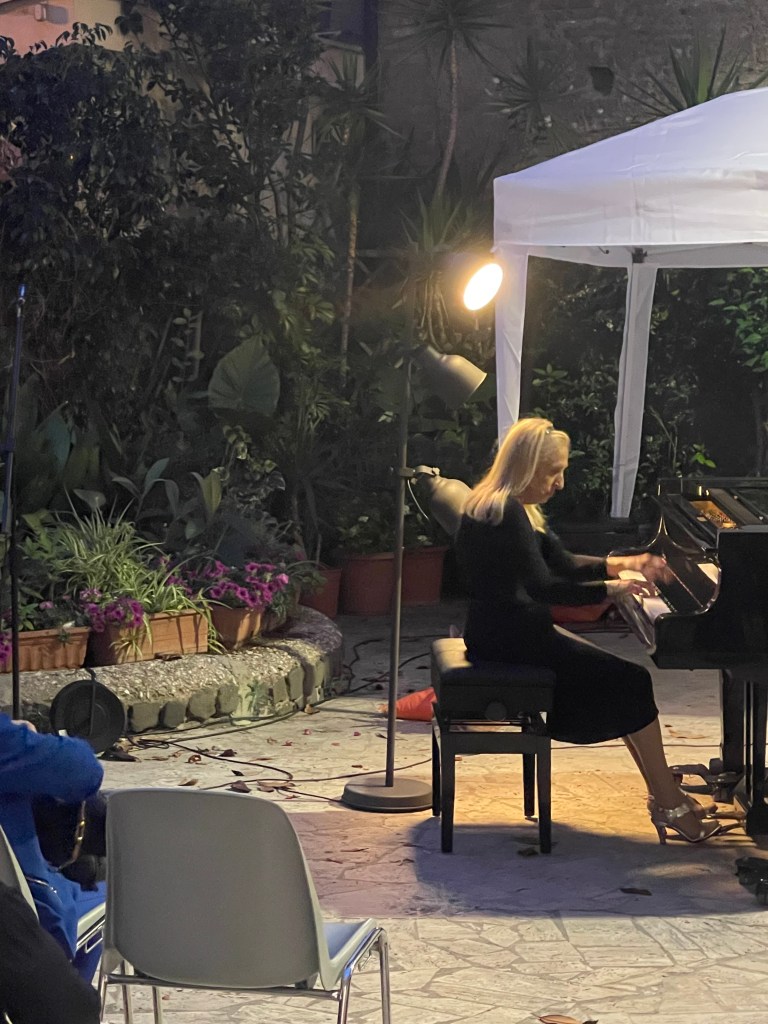
Last year Martha surprised us with a ‘Hammerklavier’ Sonata of dynamic strength and intellectual understanding .This year she astonished us with the call to arms and breathtaking physicality of Ginastera’s Sonata n 1 op 22. Prokofiev had written his three ‘War ‘ Sonatas too during the war years ,with the conviction and percussive barbarity mingled with deeply contemplative reflections of heart rending poignancy. Martha had studied this work of Ginastera with the composer and is a work so similar in many ways to Prokofiev.Martha’s performance was obviously definitive with the composer‘s voice speaking through Martha’s masterly hands.
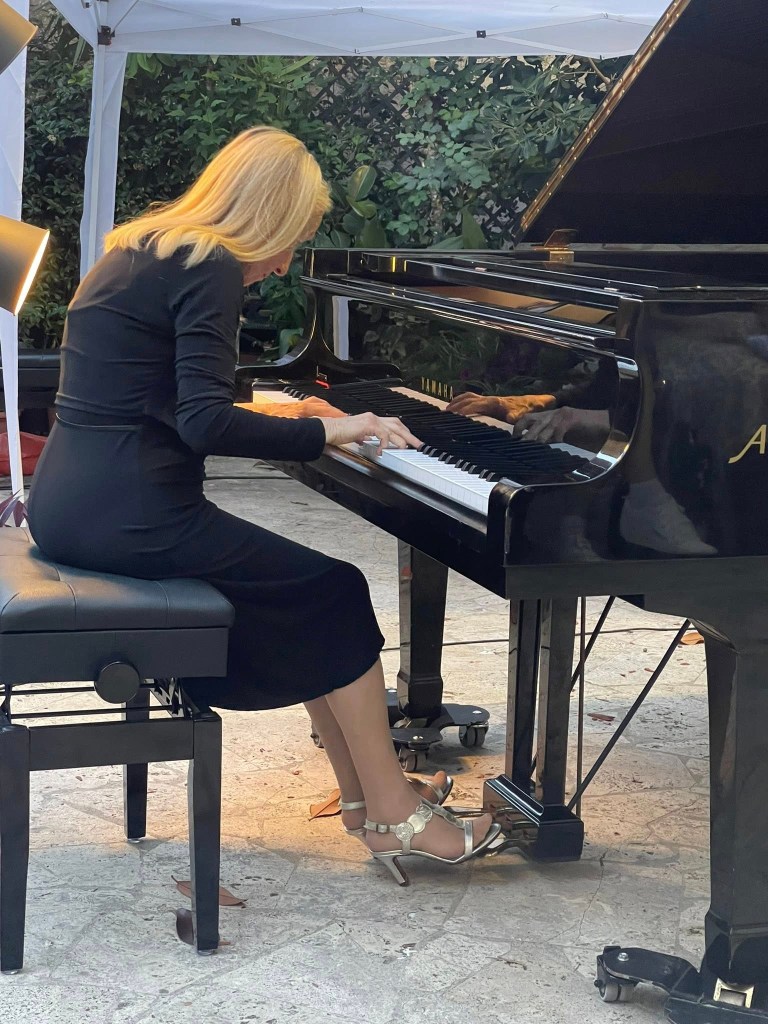
A call to arms of dynamic drive and insistent animalistic cries took many by surprise, as our ‘Signora’ of the keyboard proceeded to pound the very life out of the keys with a percussive brilliance that would have had Stravinsky applauding and Rubinstein sobbing! But Ginastera has a secret up his sleeve with a ‘Presto misterioso’ of whispered murmurings. The hands playing in unison, reminiscent of the last movement of Chopin’s Funeral March Sonata, that has been likened to the wind blowing over the graves. Martha played with a remarkable whispered spidery legato that almost caught her out for a second, but a momentary lapse of concentration was a wake up call to what was a ‘tour de force’ of transcendental playing. There was a languid beauty to the Adagio expanding to passionate outbursts and the shrieks of horror from Ginastera’s tormented soul.The naked barbarism of the ruvido ed ostinato was of passionate dramatic effect.
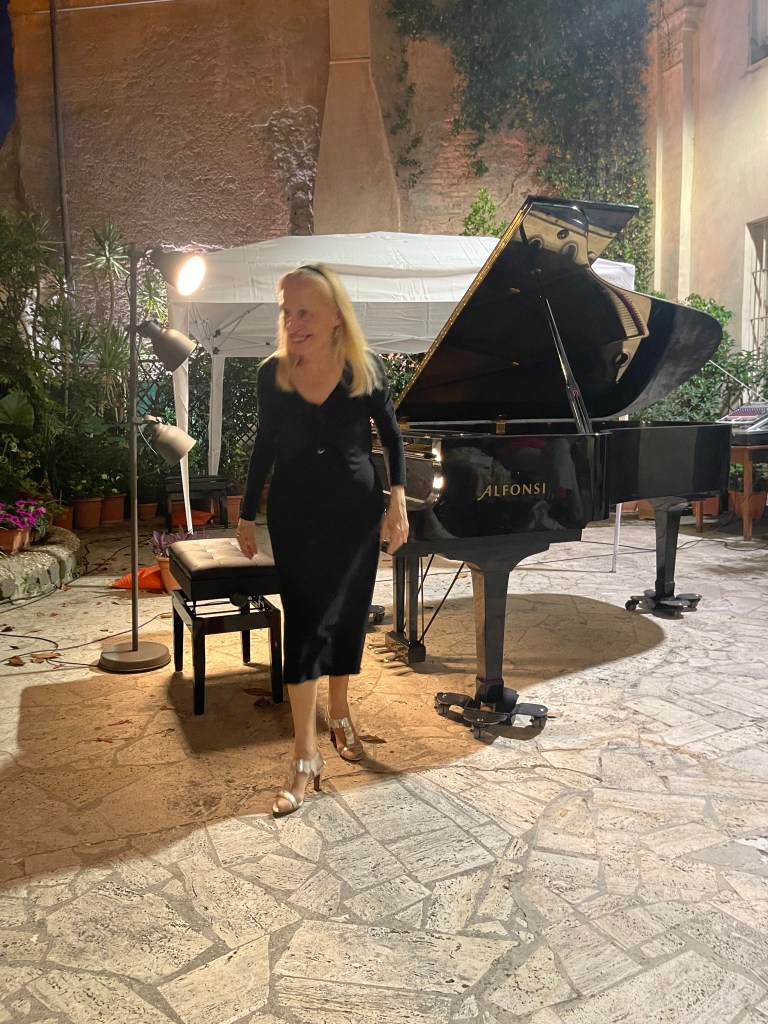
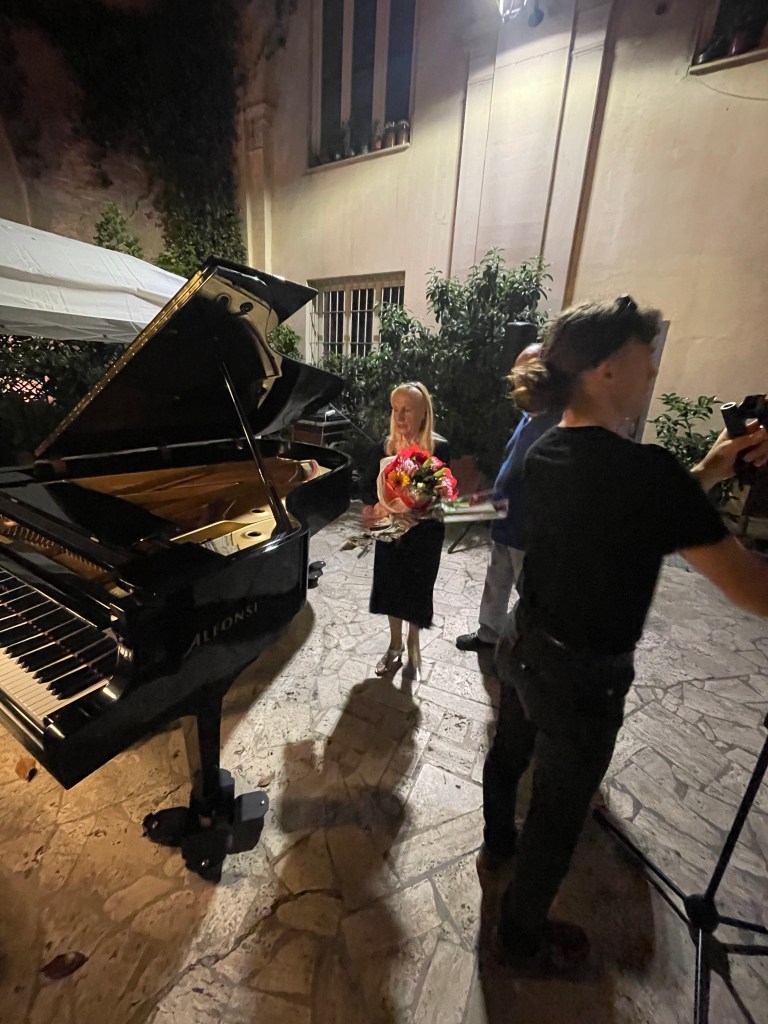
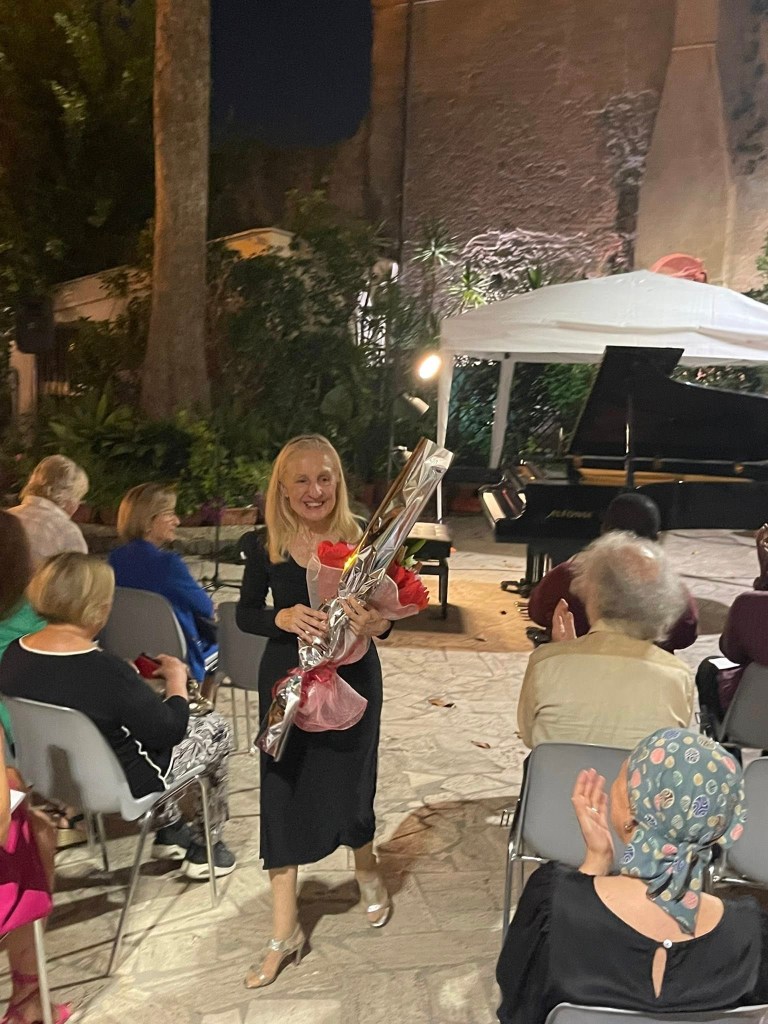
Not expecting such an overwhelming success Martha had to rack her brain to think of a suitable encore to offer as a thank you to Prof Ricci and his faithful followers, who had invited her to play for them. An insinuating little dance by Guastavino was the ideal antidote to a Ginastera of such overwhelming potency.
Martha was enjoying herself and with a twinkle in her eye announced she would now end with Chopin’s Polonaise Héroique.The same energy and noble drive that I remember from many of Rubinstein’s recitals where life truly began at 80!


 ChristopherAxworthy-MusicCommentary