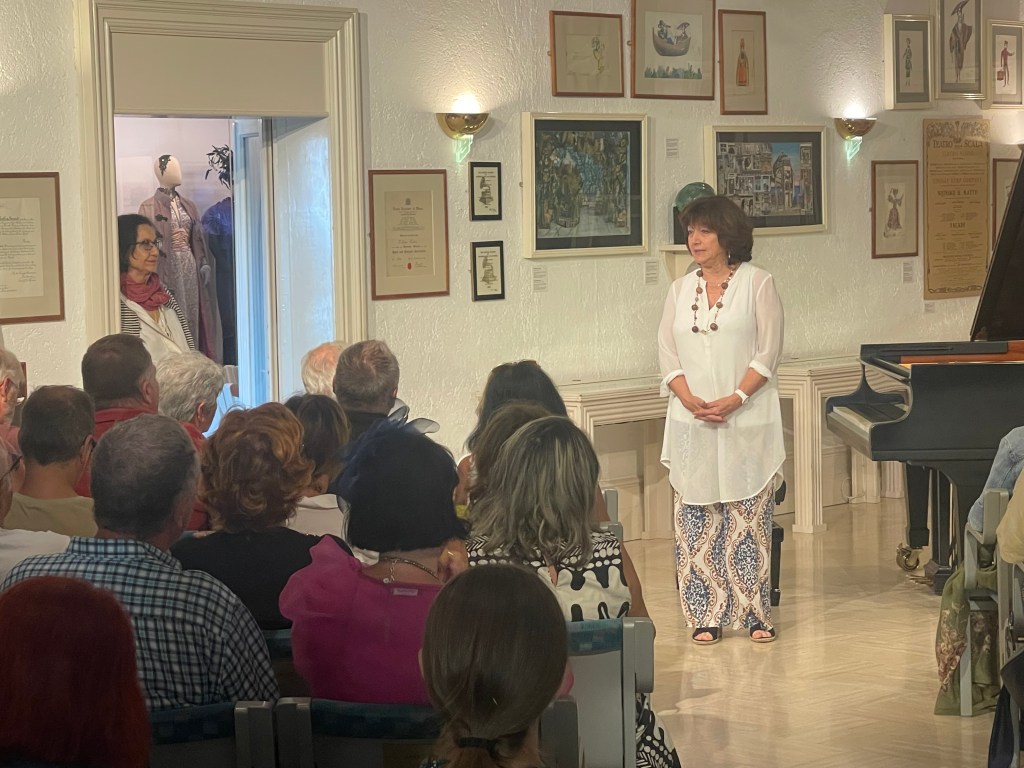
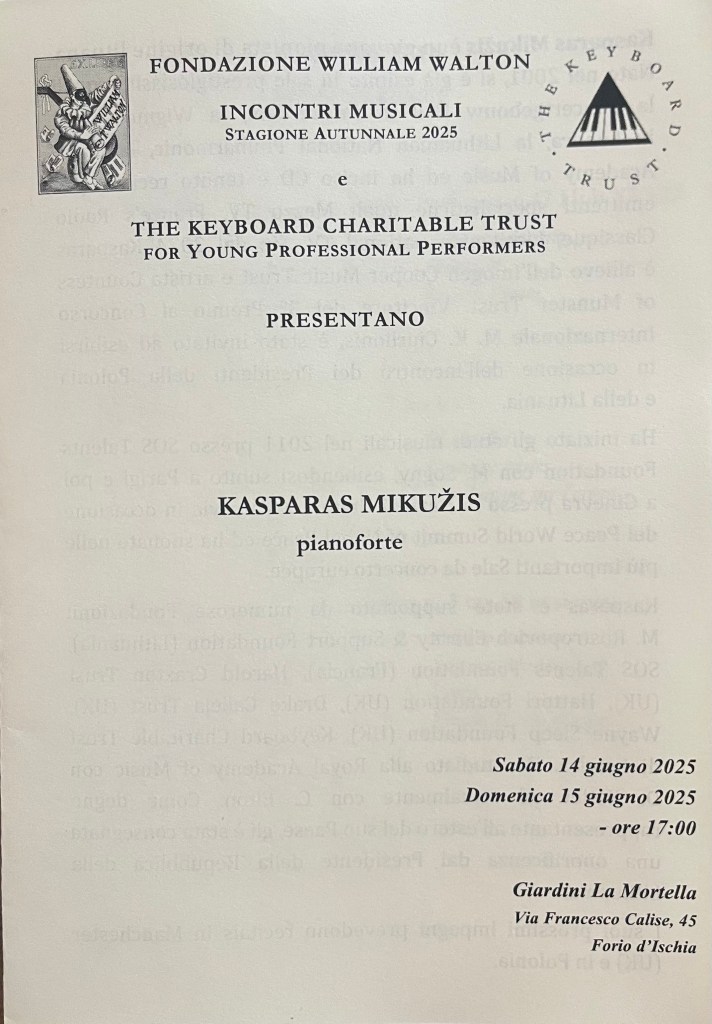
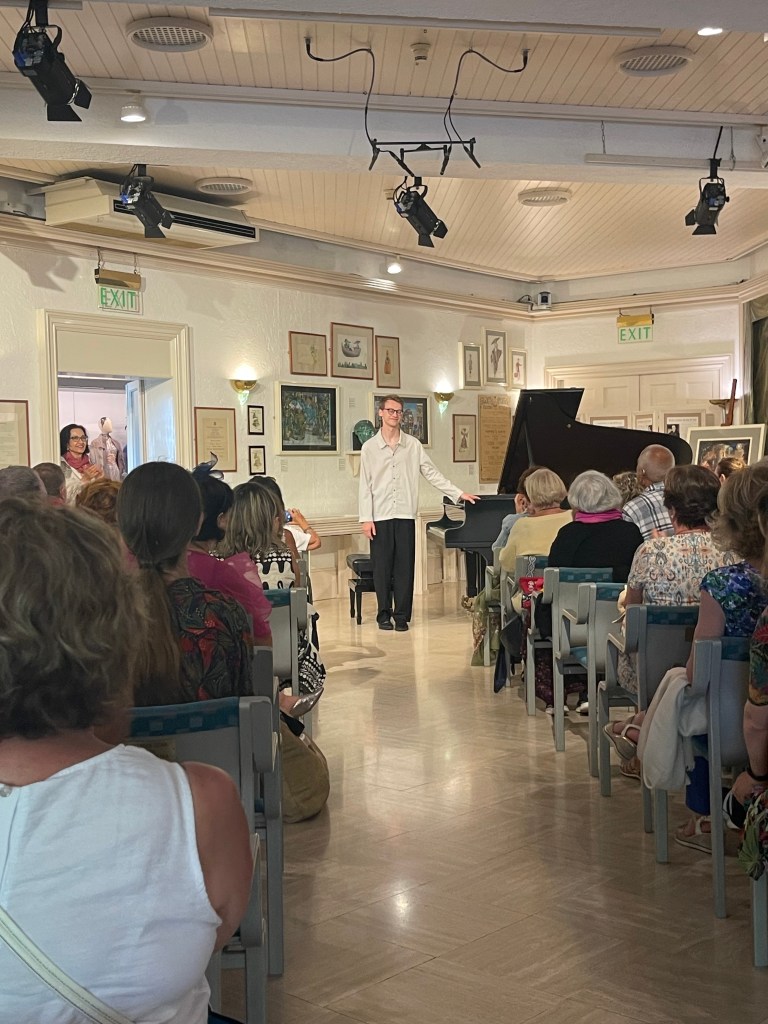
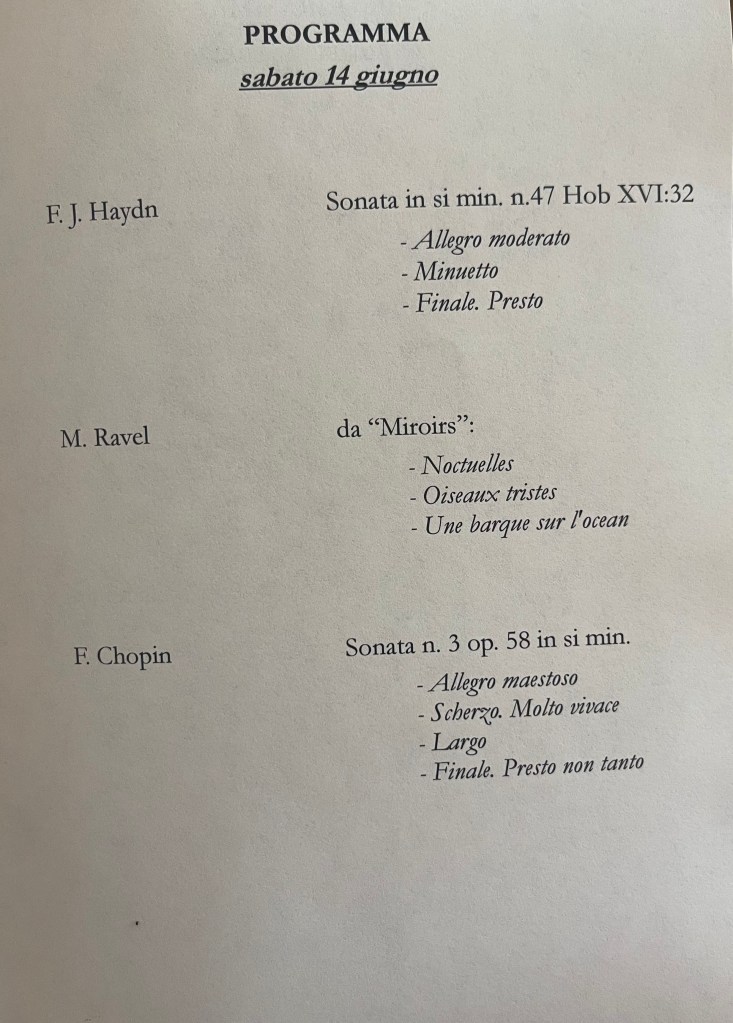
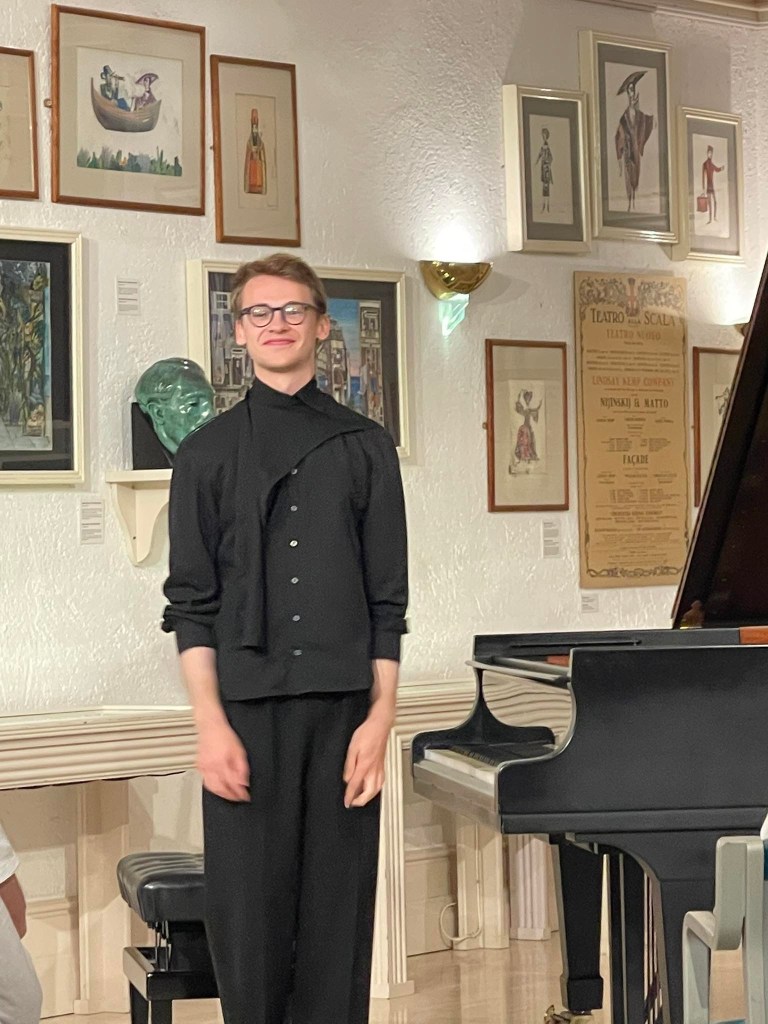
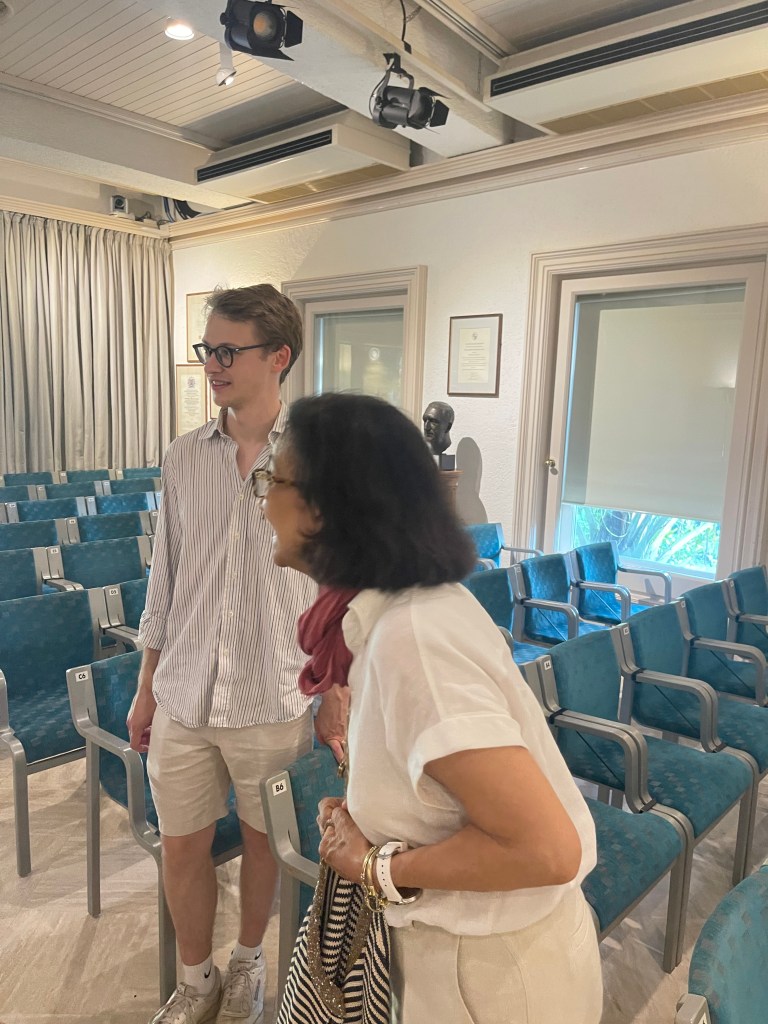
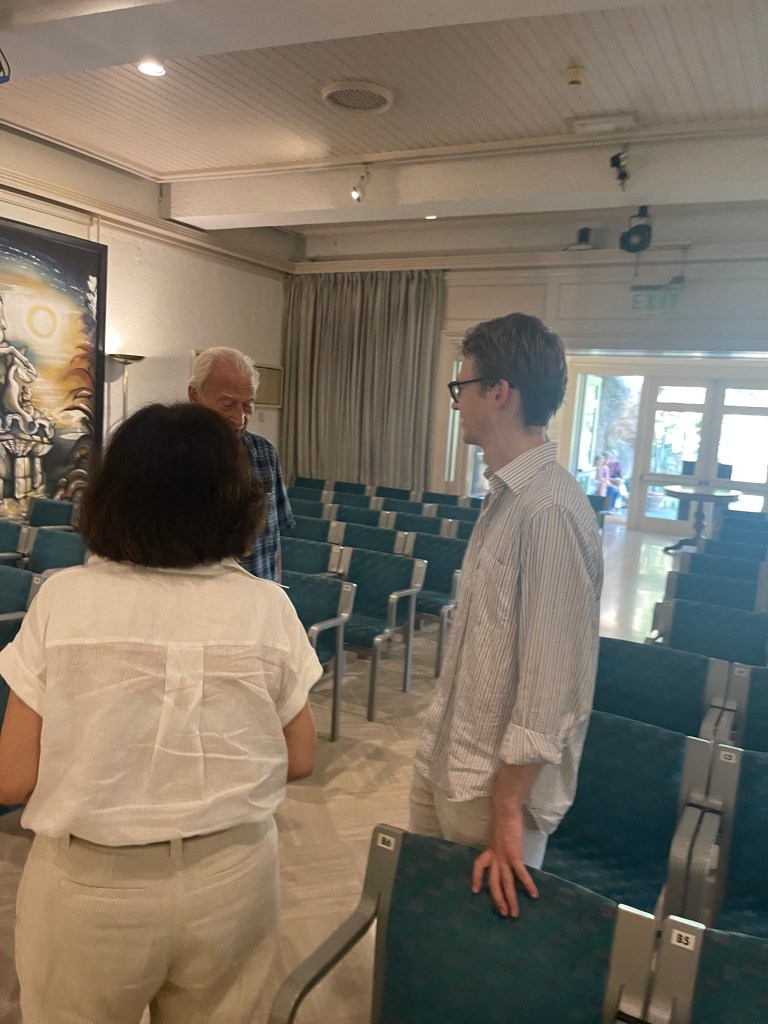
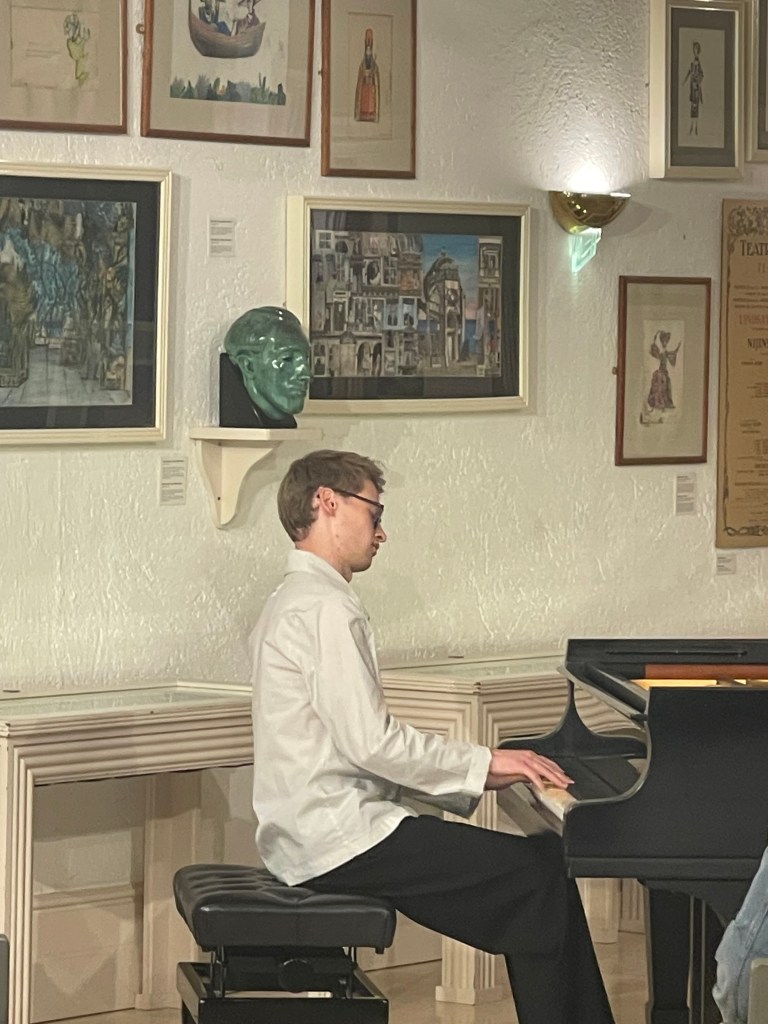
Kasparas opened his first programme at La Mortella on Ischia with the Sonata in B minor n.47 Hob XVI:32. Having chosen the older of the two Steinways that sit in the music room created by Susana Walton next to her husband’s studio. It is a concert hall created to give a platform to gifted young musicians, who after years of perfecting their art, need an audience with which to share their artistry, allowing it to mature, flourish and flower as everything seems to do on this sceptered isle. Pianos ,like good wine ,mature with age and it was this maturity that Kasparas brought to all he played. Having spent the past six years at the Royal Academy in London under the eagle eye of Christopher Elton, his sense of style and innate musicianship has been nurtured by this renowned mentor of pianists, passing on his heritage from Tobias Matthay and Gordon Green not forgetting the enormous influence of Guido Agosti and Maria Curcio.
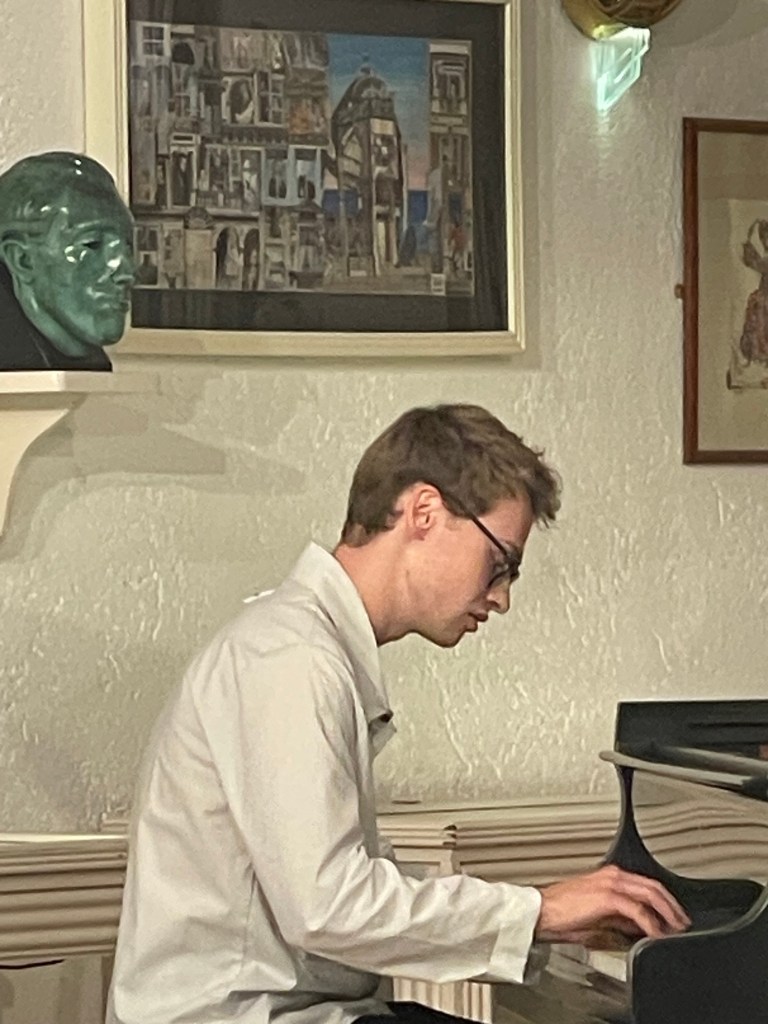
The Haydn Sonata was of crystalline purity and elegance and revealed a real picture painted in the style of its time. Played with remarkable control and beauty of shape he allowed the music to unfold with unusual eloquence and elegance.The Minuet of birdsong beauty was imbued with beguiling subtle phrasing and the interruption of the trio was gently persuasive.The finale just sprang from his well oiled fingers with restrained brilliance but with moments of scintillating exhilaration. I have often noticed that Lithuanian pianists play with a natural fluidity that reminds me of the Hungarian school of Geza Anda. It was this fluidity and glowing palette of sounds that brought three of Ravel’s five ‘Miroirs’ vividly to life. These are truly pictures painted in sound and Kasparas with his subtle kaleidoscope of colours created the atmosphere that brought the magic of our surroundings into the concert hall.
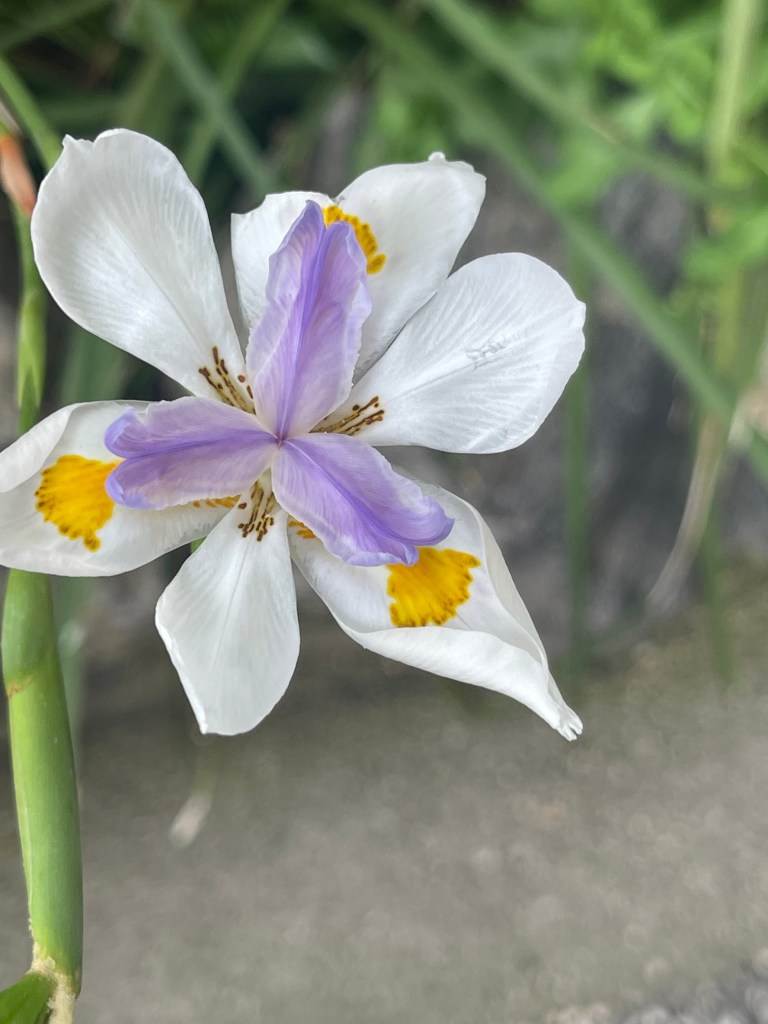
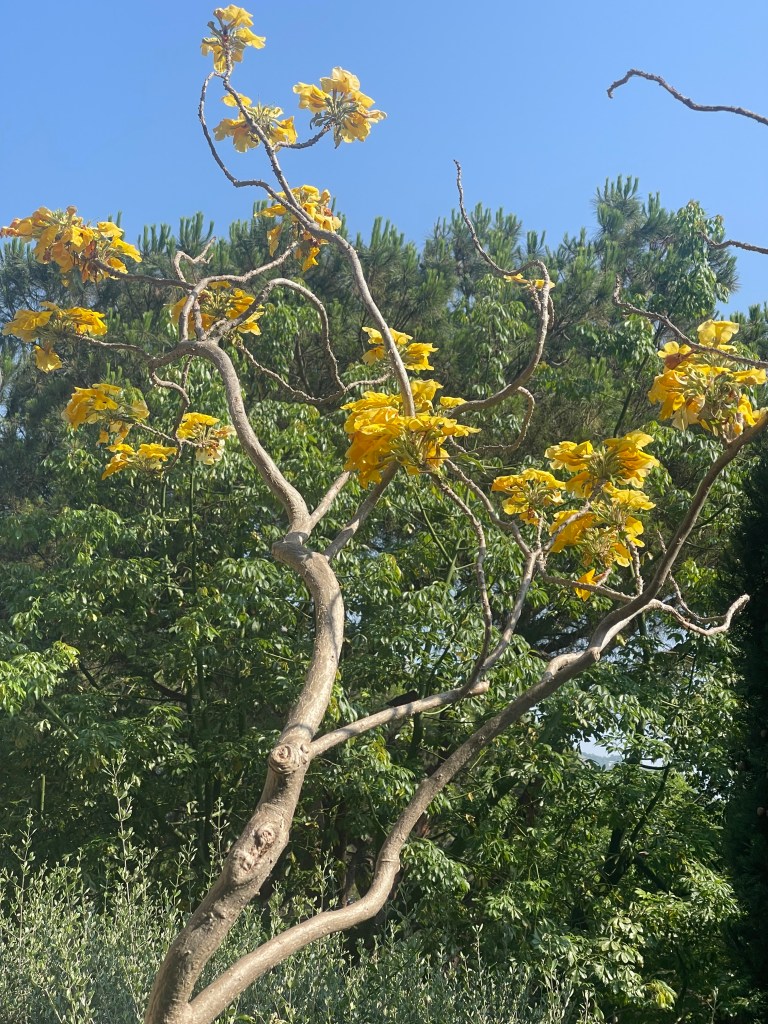
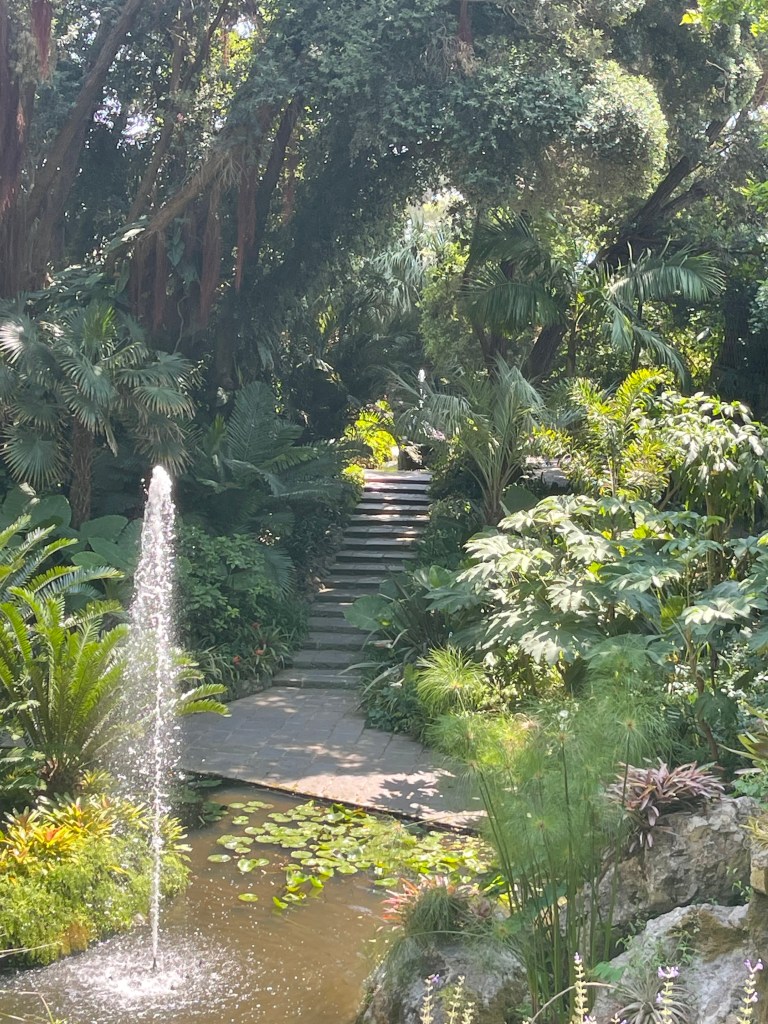
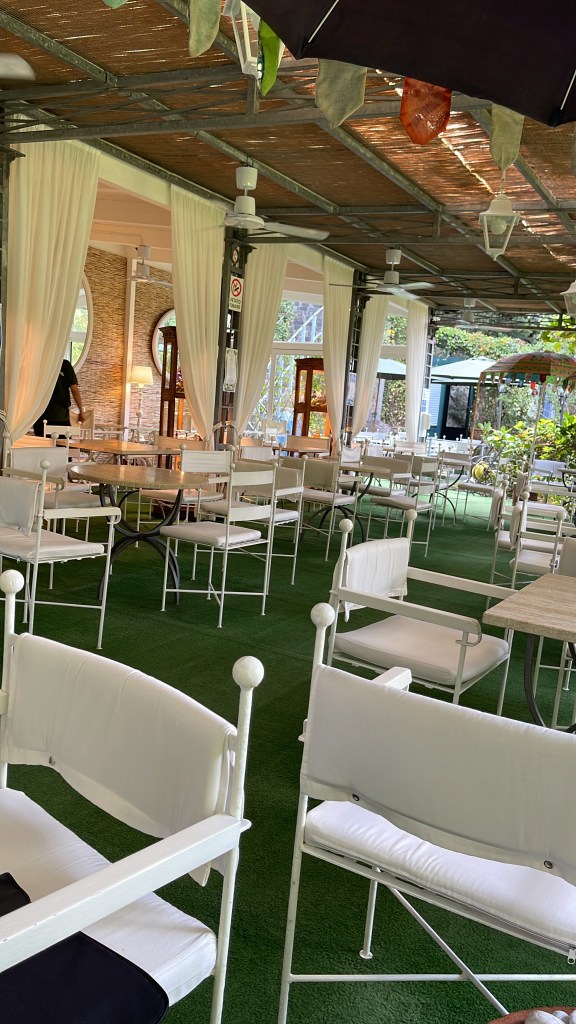
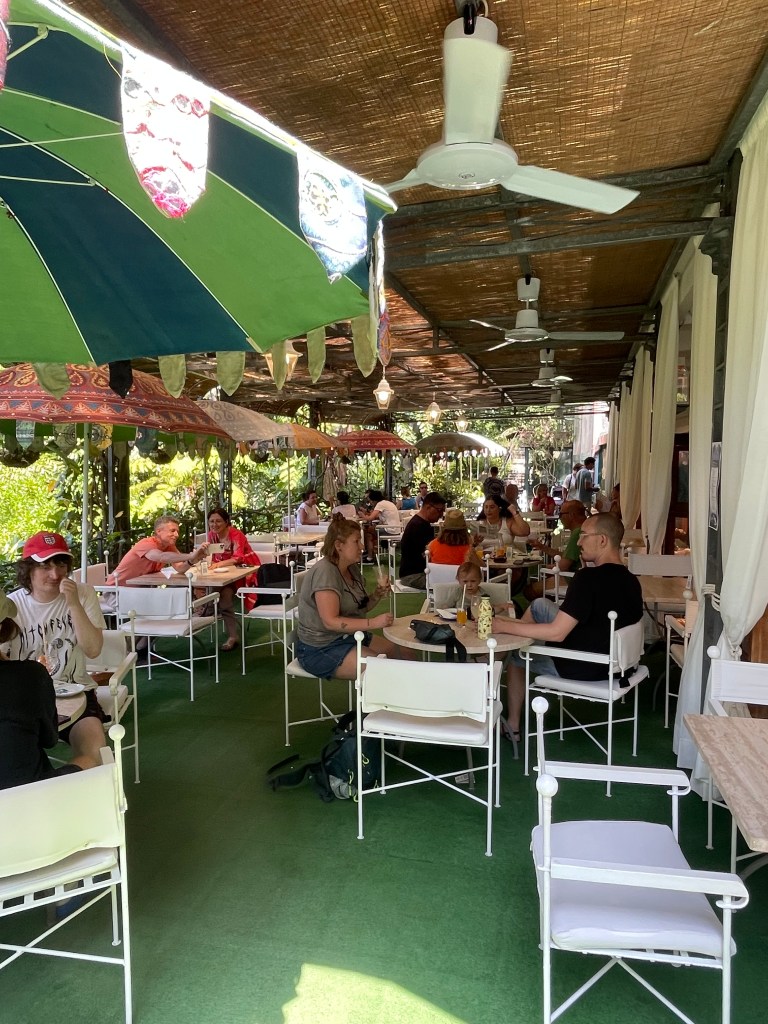
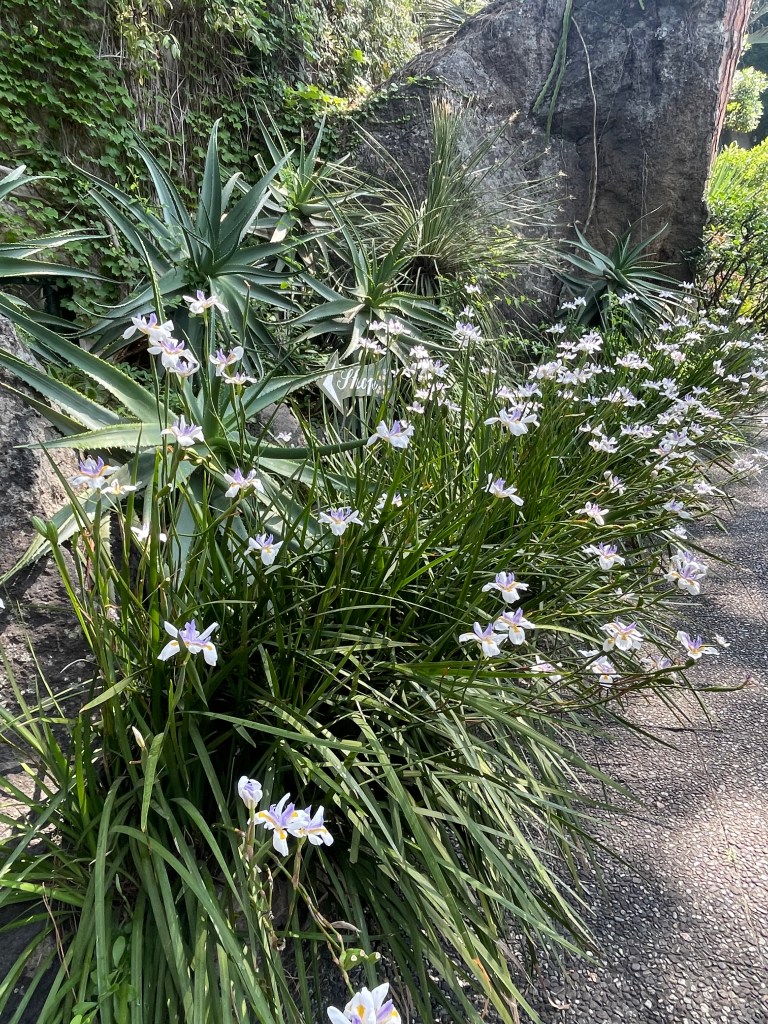
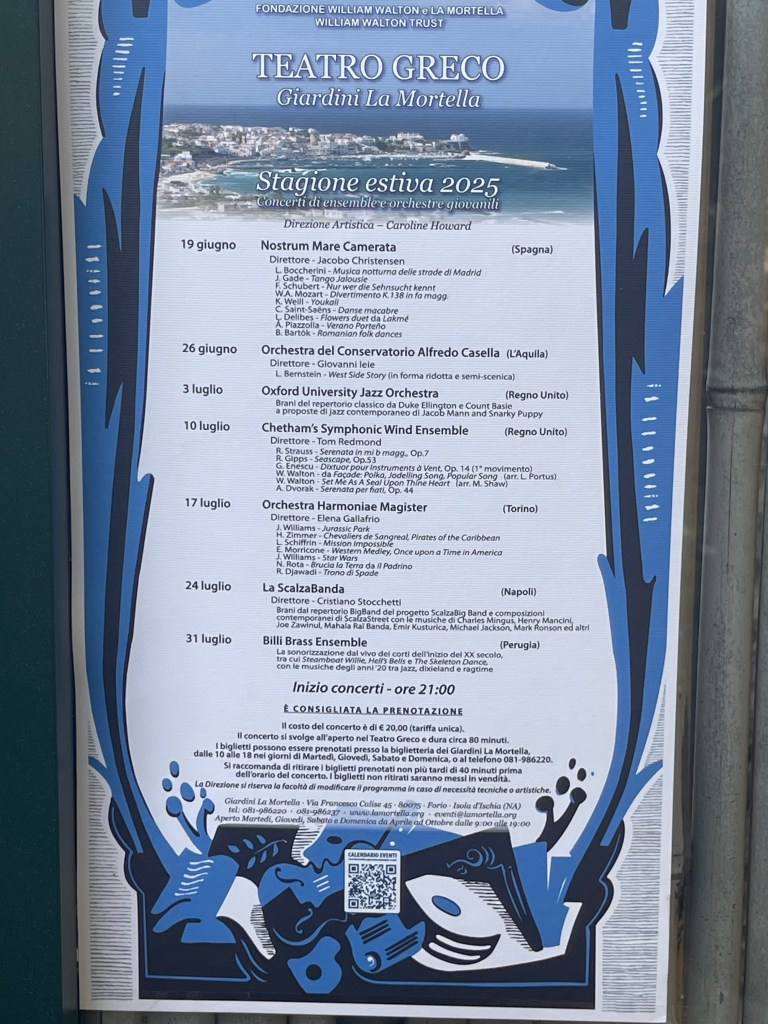
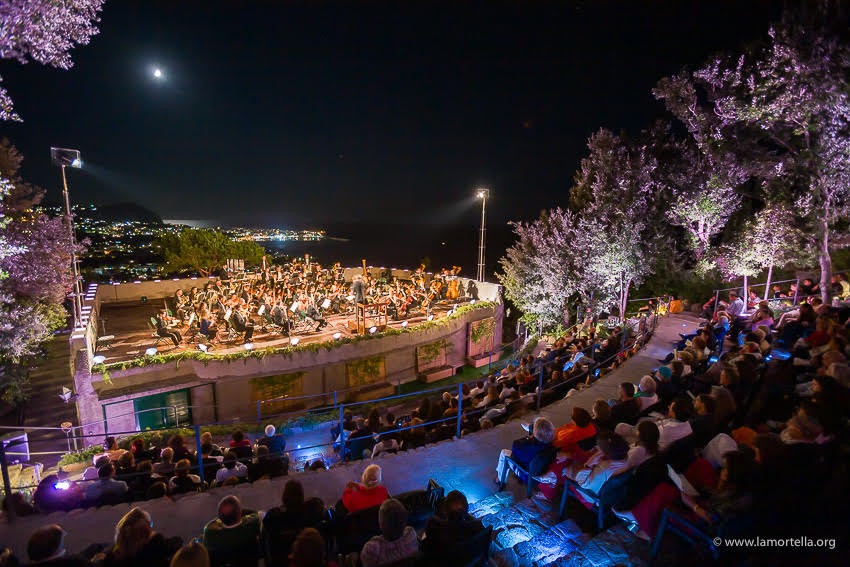
Words cannot describe the paradise that the Walton’s have created on this Island, sitting so regally in the Gulf of Naples. It is a true oasis of peace and beauty far removed from the hustle and bustle of one of the most tightly wound up cities in the world.(Only equalled by Buenos Aires, which by coincidence is where Susana Walton was born).
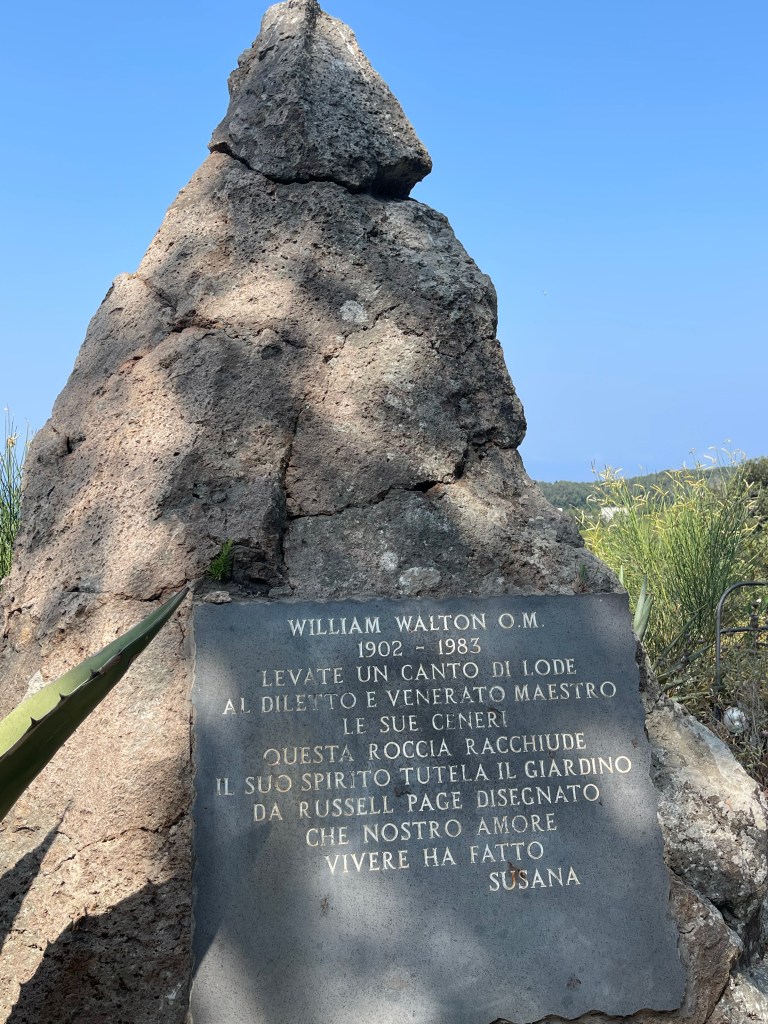
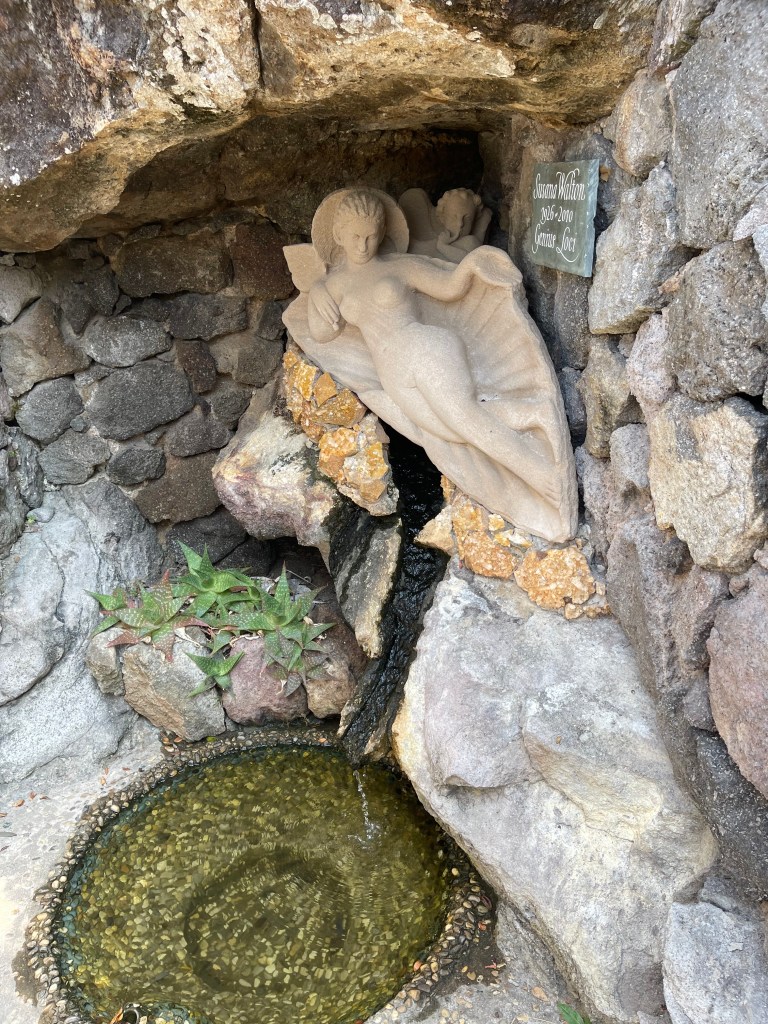
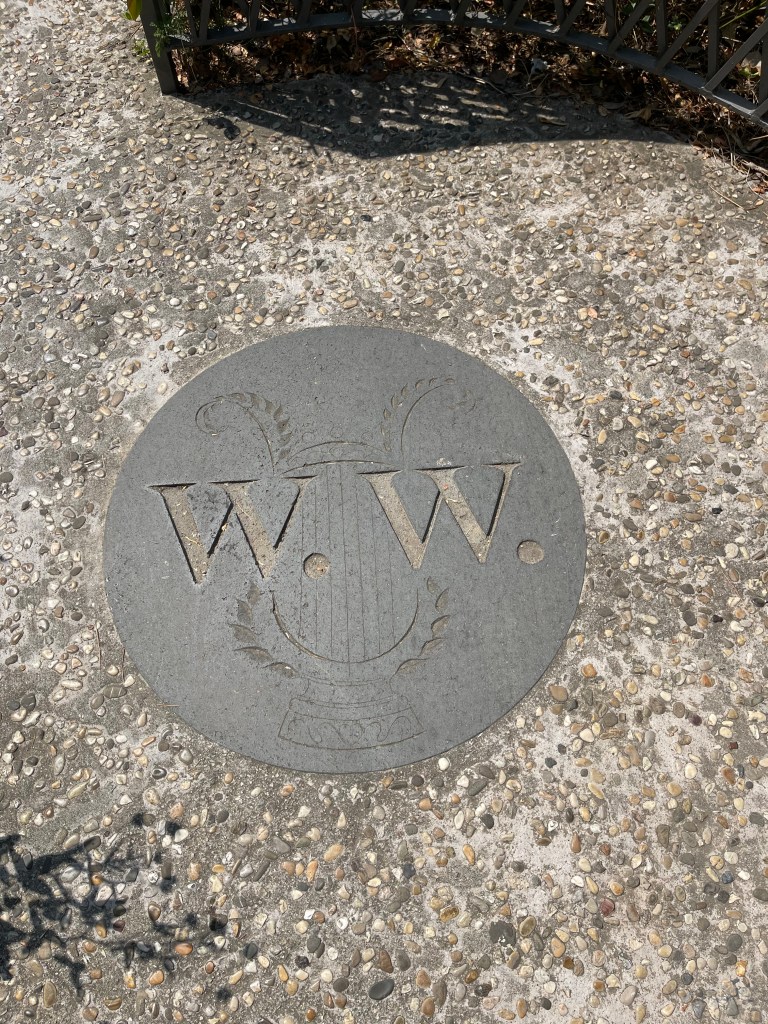
This was the ideal frame for Ravel’s magical imagination and genial mastery. One could almost feel the presence of the ‘moths’ that Ravel depicts with such extraordinary reality. Kasparas playing with a subtle beauty and radiance and a kaleidoscope of subtle inflections of fleeting brilliance. There was sheer magic as the beautiful rich sound of a chorale could be heard in the distance with a sense of nostalgia and languid timeless beauty, as the moths began to invade this illuminated scene, drawn in by a light that glowed so brightly. There was pure magic as Kasparas’s featherlight jeux perlé disappeared into the far reaches of the keyboard.
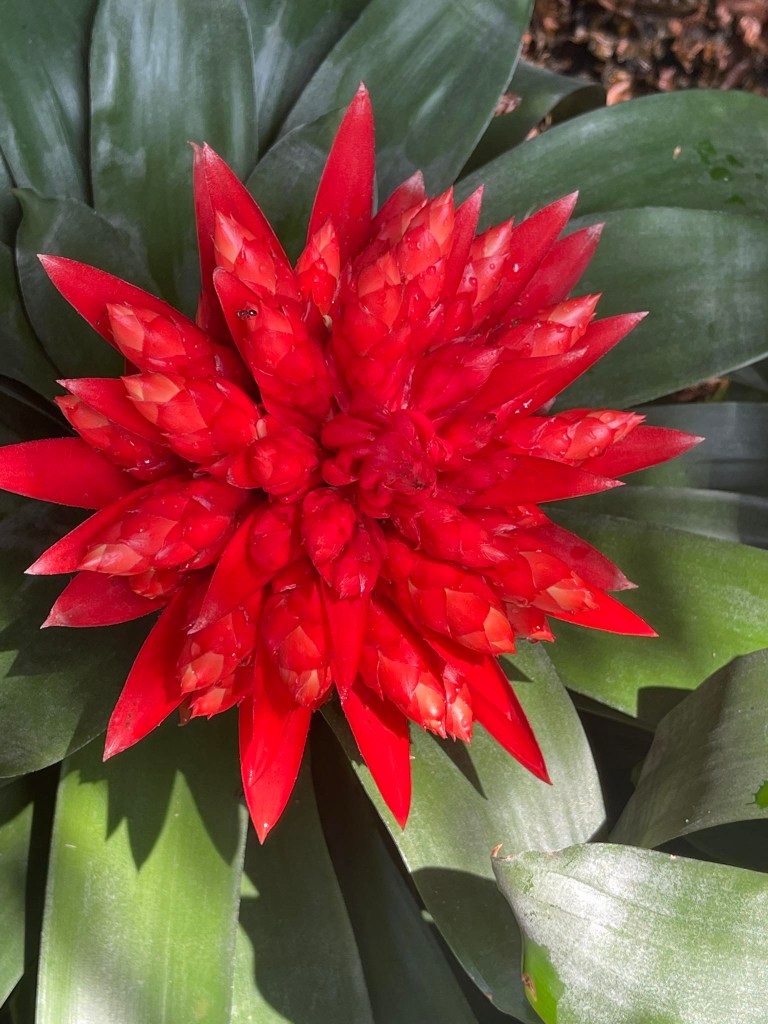
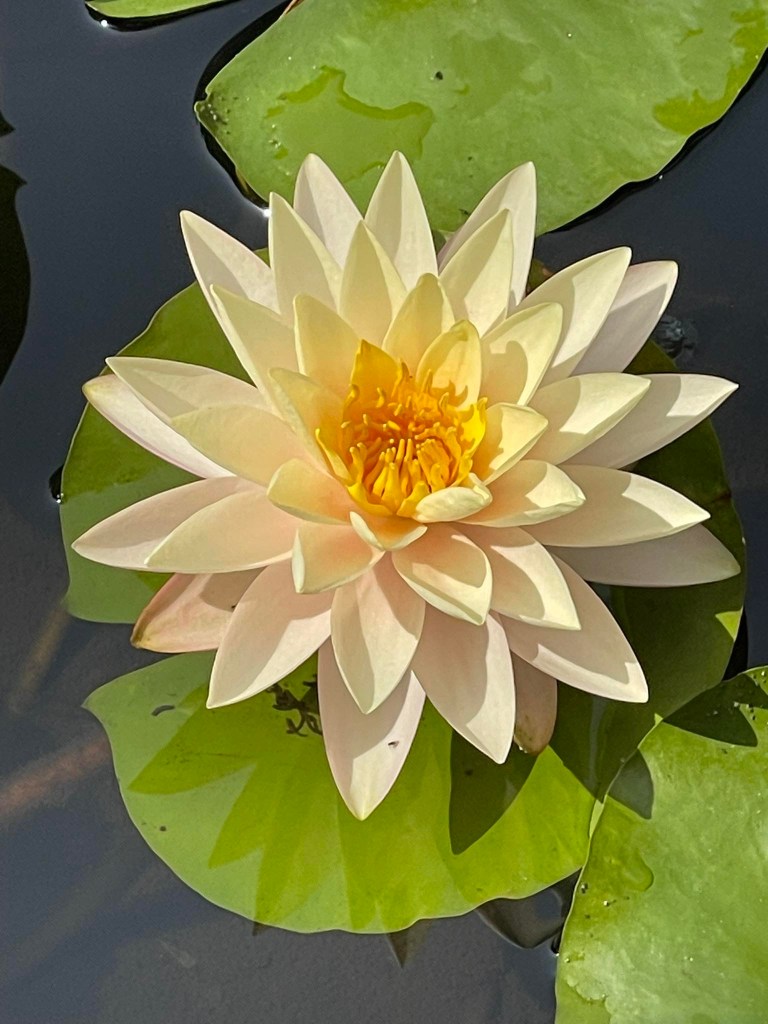
The birds that surround us, like the frogs too, are much happier than the one’s that Ravel depicts. Ravel’s ‘Oiseaux tristes’ have never sounded so yearningly expressive as the sounds that Kasparas produced on this vintage instrument glowing with a fluidity and gleaming delicacy. Tenor counterpoints that appeared within this lugubrious scene just added to the poignancy and languid beauty of such a sad scene. Luxuriant gentle waves of ‘Une barque sur l’océan’ can soon turn into violence as the Islanders here well know. On many occasions with rough seas the port of Forio ( where La Mortella is based ) is not accessible by sea. Within the depths of these lapping waves a melody is heard singing out with glowing reassuring warmth. A transcendental command of balance and brilliance from Kasparas brought not only a crystal clear melodic line but also wrapped it in luxuriant harmonic colours that never interrupted the their glowing beauty. Turbulence brought brilliant cascades of notes as the waves became more and more agitated until a magical calm was restored with a mirage of beauty, played with a disarming simplicity of religious fervour. Radiance and beauty restored from Kasparas’s delicate fingers, barely caressing the keys with the whispered wafts of the final sprays of water spread over the upper most register of the piano.
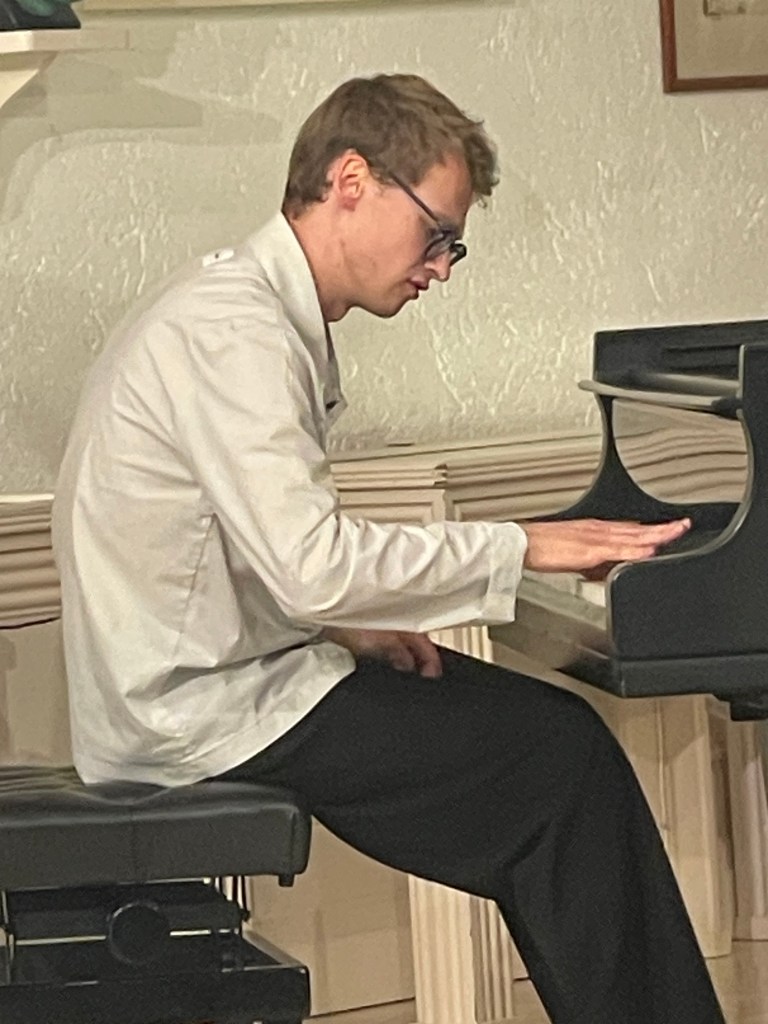
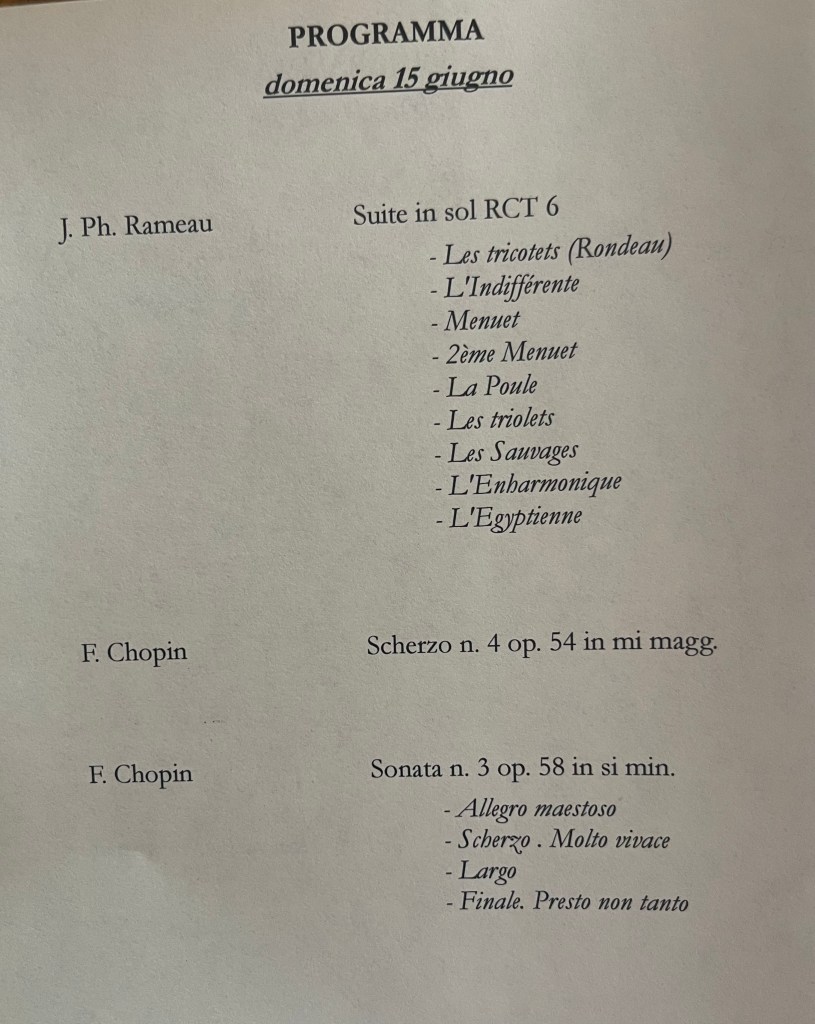
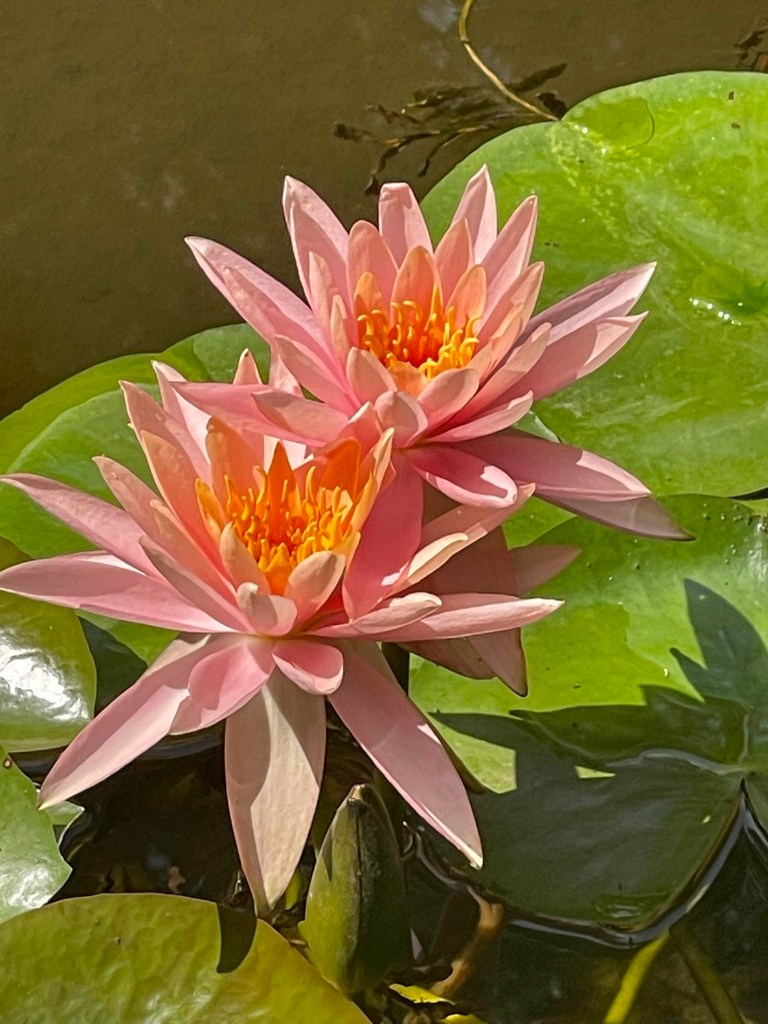
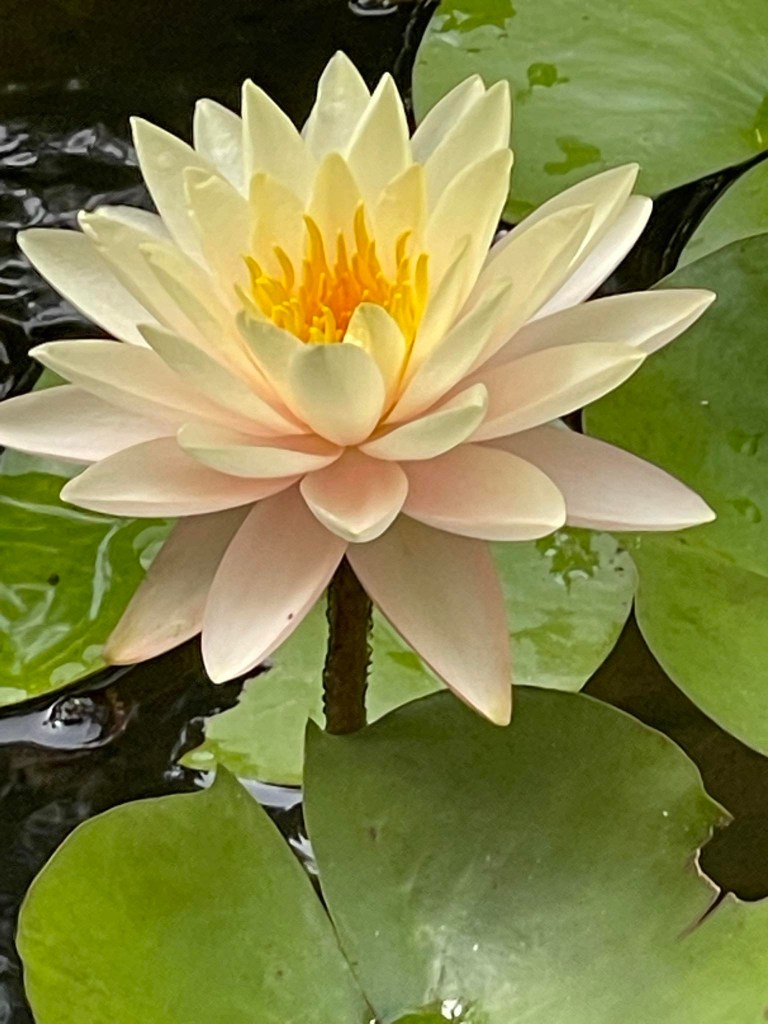
Chopin’s B minor sonata was the work that took up the second half of the programme of both concerts and is one of the monuments of the romantic piano repertoire. Often criticised for its lack of architectural form it is in the right hands one of the most tightly constructed works by a genial master, not only of small forms. A composer who had the vision and originality to take the standard sonata form and transform it with the bel canto romanticism of a pianistic innovator. A beautifully phrased opening, with extreme care of the rests, immediately showed us the credentials of a musician who could shape Chopin’s masterly construction with intelligence and poetic invention. The glistening beauty of the second subject ,’sostenuto’, but not a change of tempo as tradition would have us believe,but allowed to breathe with the natural bel canto that was the composers inspiration. No repeat ,that may have been Chopin just adhering to the formal structure that he had inherited. But a development of dynamic strength and driving energy. It was this driving urgency and complicated contrapuntal mastery that led to the glorification of the second subject played with the exhilarating liberation of a flower in full bloom.
The Scherzo I have never heard played so beautifully phrased, not just the usual ‘fingerfertigkeit’ of demonstrative rather than poetic artists. The Trio too had a sense of line and disarming delicacy that gave an architectural shape and meaning to the whole structure. The final slamming of the door, like in Beethoven, was in fact the opening of another, that of the ‘Largo’ introduction to the beautiful bel canto of the slow movement. Seamingless streams of notes filled the piano with a radiant glow out of which Chopin would barely hint at a distant melody. What can sound in lesser hands as endless meanderings was given a poetic nobility and architectural shape that led so naturally to the poignant return of the opening bel canto. The Finale – Presto non tanto – was played with aristocratic nobility with the increasing exhilaration that Chopin actually writes with more and more added notes, and was evidenced by a crescendo of tension that was only to explode with the exhilarating outburst of the coda. Brilliantly played with a technical command of the keyboard, not only of the notes, but of the meaning that Chopin imbues in every thing he writes.
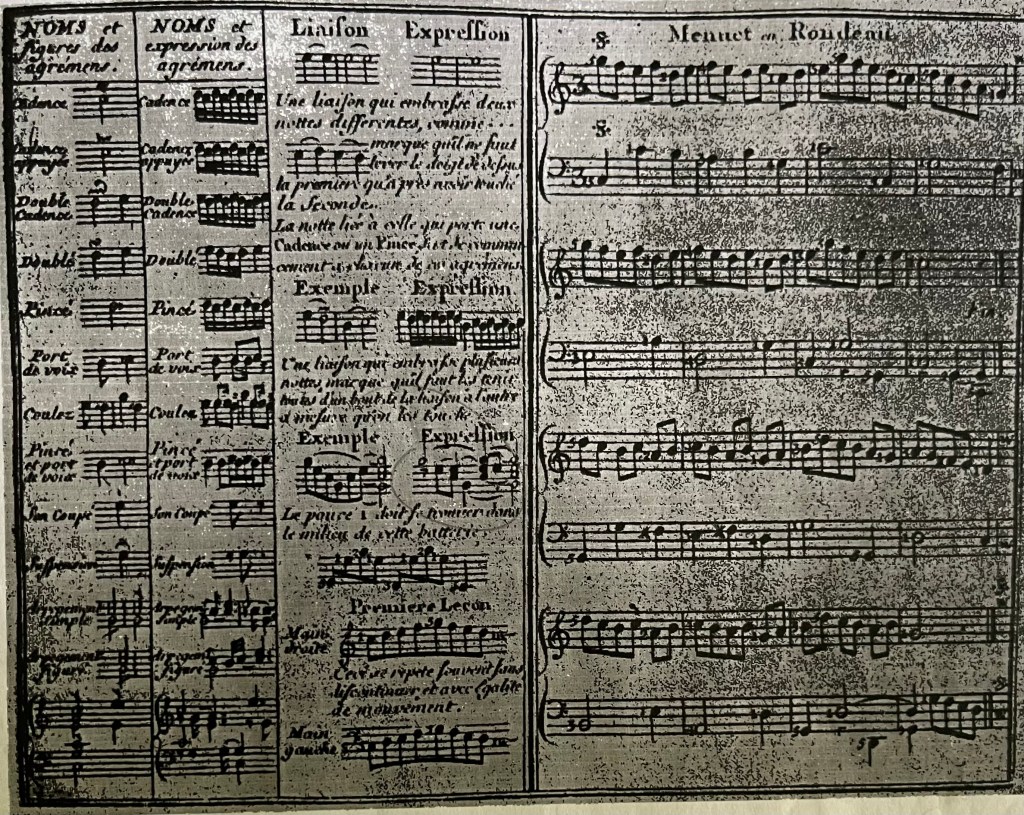
‘ Les triolets’ was a preview of the complete suite by Rameau that Kasparas offered as a thank you after the first concert on Saturday.
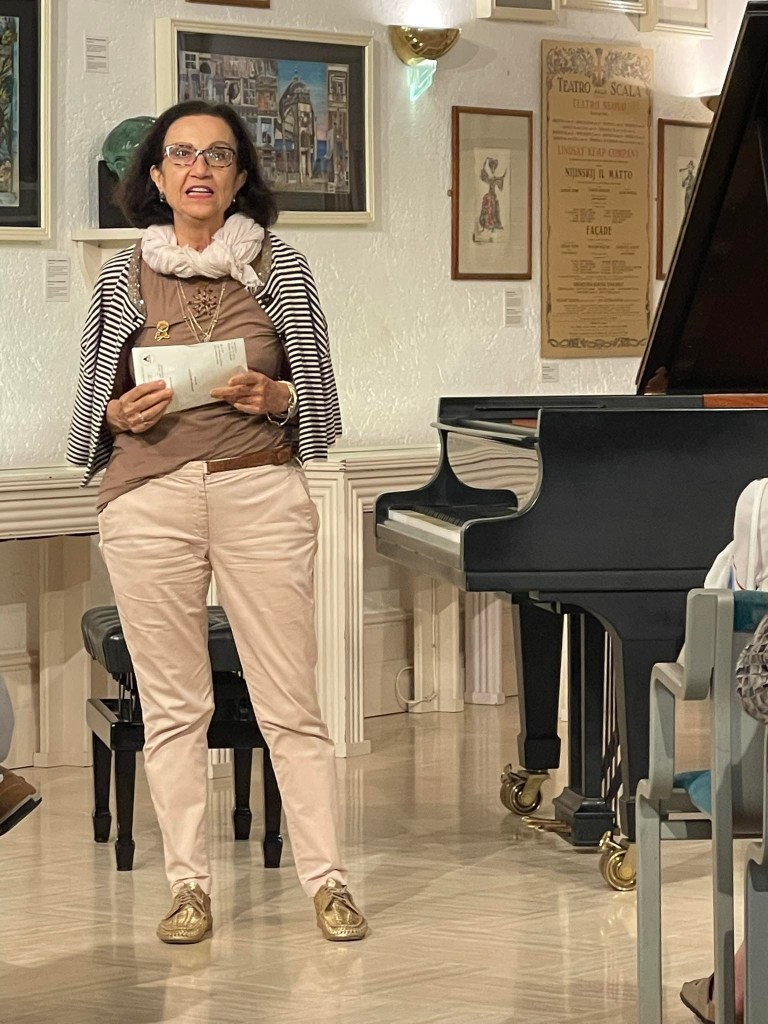
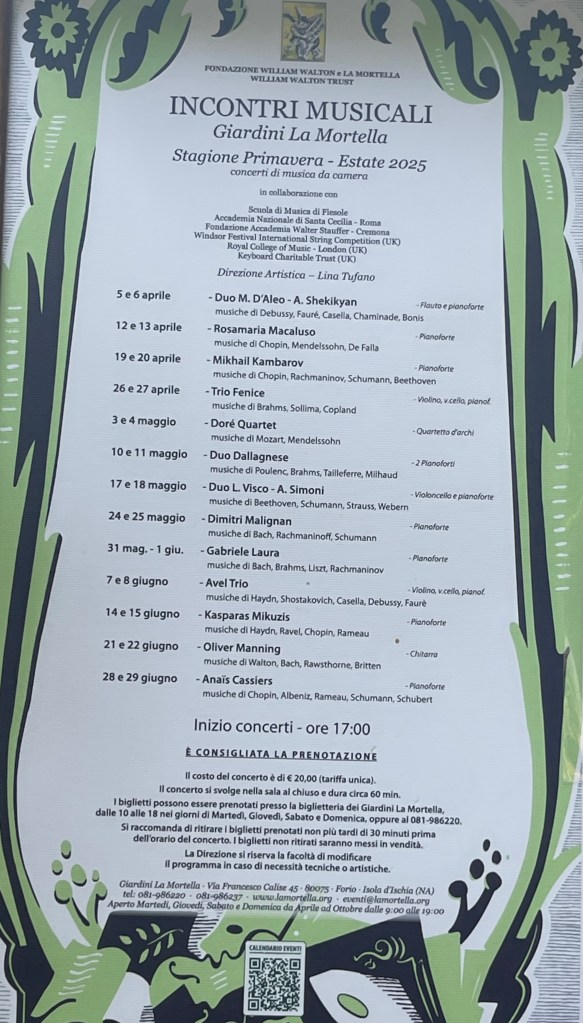
In the second programme in place of the Haydn Sonata Kasparas played the nine pieces that make up Rameau’s G major suite RCT 6. Of course ‘La Poule’ and ‘Les Sauvages’ are favourite encore pieces, in particular of Sokolov, but the other pieces are equally descriptive and refined with crystal clear ornaments that Rameau himself has written into the rather bare looking score. There were glistening ornaments in ‘Les tricotets’ and a beautiful purity to the knotty intricacies of ‘L’Indifférente’ that was played with disarming simplicity.The two ‘Menuets’ were played with refined emotion with a touching lilt to the rhythm of the second. A sparkling brilliance to ‘La Poule’ where Rameau writes into the score some very precise indications giving such whimsical character to his clucking hen. ‘Les Triolets’, Kasparas had played as an encore in the previous programme and it was good to hear the refined glistening beauty of the ornaments in the context of the entire suite. There was a beguiling insistence to ‘Les Sauvages’ with a melodic line of hypnotic beauty. Kasparas brought a gentle refined beauty of a past age to ‘L’Enharmonique’ and a clarity to the unwinding web of notes in the final ‘L’Egyptienne’.
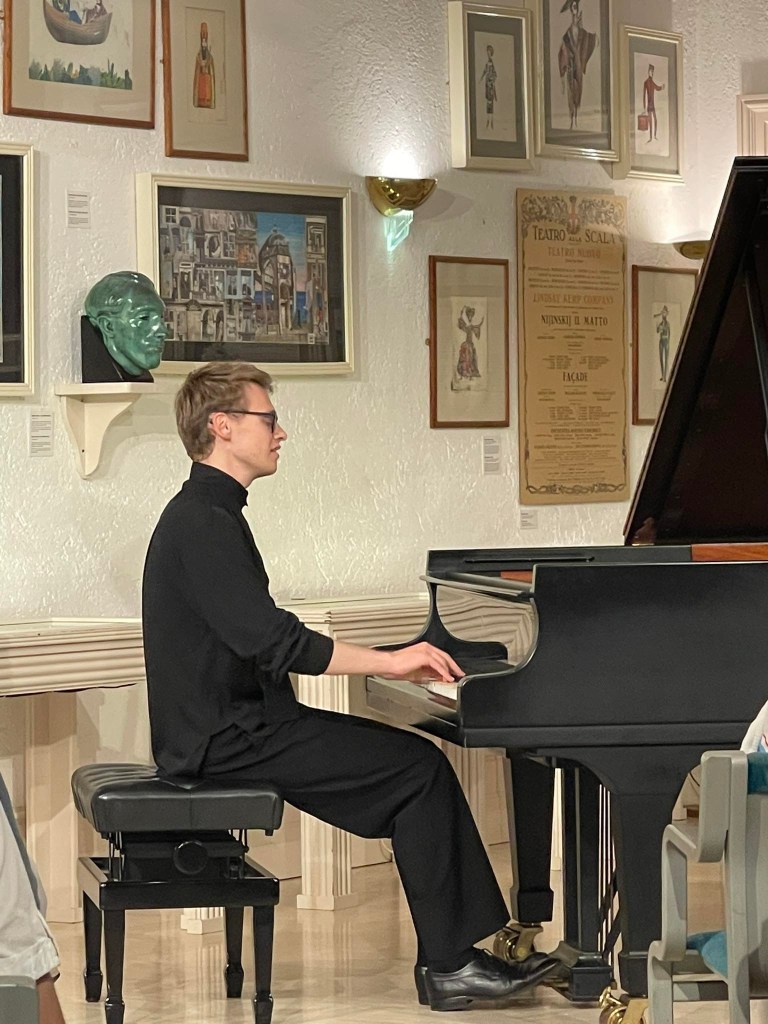
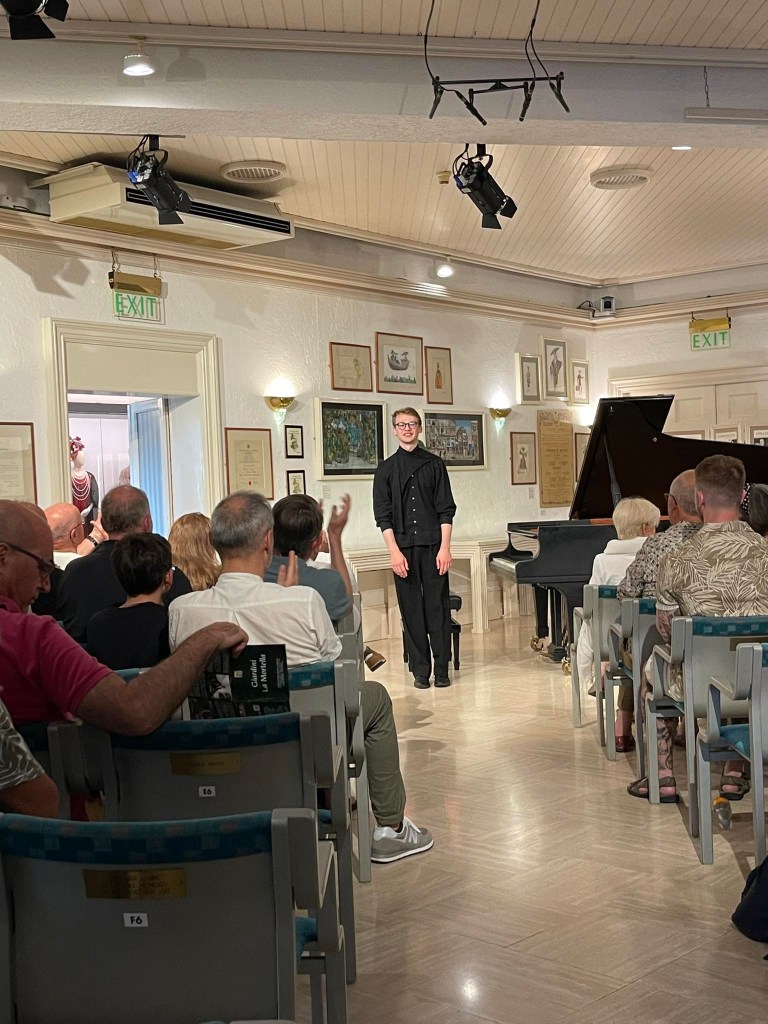
The fourth Scherzo by Chopin was an addition to the previous programme and it was played with fantasy and a featherlight brilliance. Full of poetic beauty with streams of notes glistening like jewels and was thrown off with nonchalant ease.There was a sumptuous beauty to the ‘più lento’ played with the freedom of a bel canto singer of audacious pedigree. Underlying there was always the complexity of Chopin’s seemingly innocent counterpoints and the nobility of the final momentous flourishes.
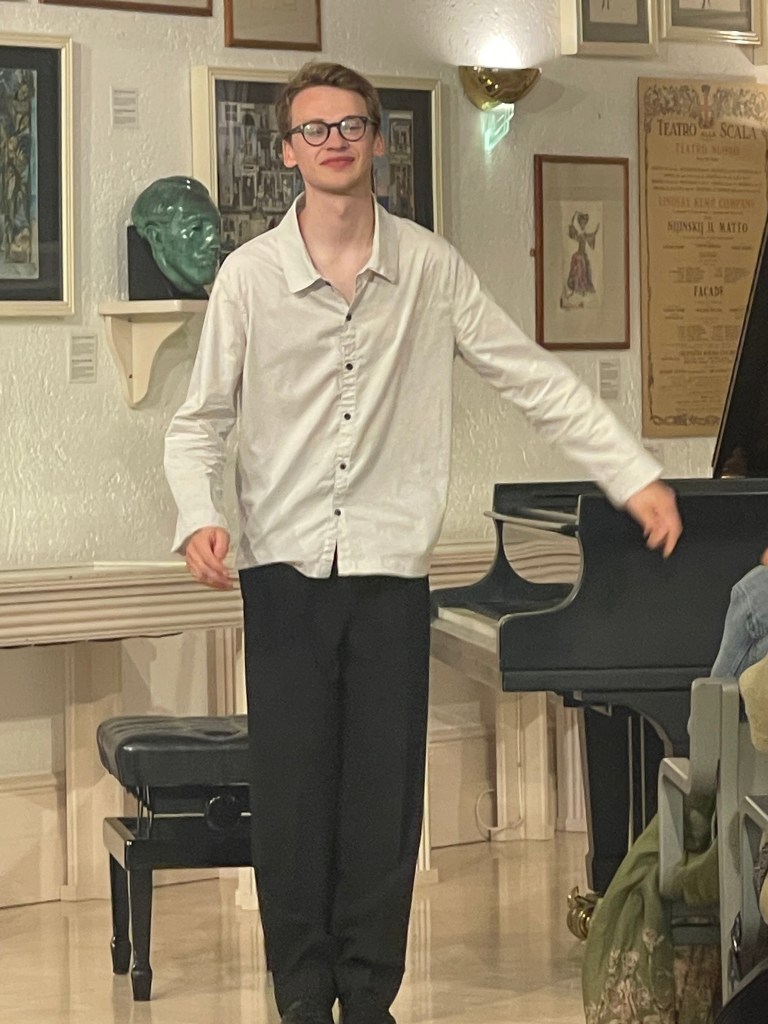
Lithuanian-born pianist Kasparas Mikužis ,born in 2001,has already performed on the stages of prestigious venues such as the Concertgebouw Hall in Amsterdam and the Lithuanian National Philharmonic. He has released his debut CD, with performances televised on Mezzo TV and airplay on Lithuanian national TV, radio, and France’s Radio Classique.
Last February, Kasparas appeared with John Wilson and the Royal Academy of Music Symphony Orchestra, and most recently, in December, he gave his debut recital at Wigmore Hall in London. Since 2024, Kasparas has been a scholar of the Imogen Cooper Music Trust as well as a recital scheme artist of the Countess of
Munster Trust.
Recent engagements include recitals at the Bridgewater Hall in Manchester, UK, and the Krzysztof Penderecki Centre in Lusławice, Poland. In 2023, Kasparas made his debut with the Lithuanian National Symphony Orchestra at the Lithuanian Philharmonic in Vilnius. Later that year, he was invited to perform for the Lithuanian and Polish presidents on Lithuanian Statehood Day at the Presidential Palace. This was followed by Kasparas winning 3rd Prize at the International M. K. Ciurlionis Competition.
Since 2023, Kasparas has been closely working with pianist Gabriela
Montero through ‘O’Academy and was recently invited to extend his studies as part of the 2025 cohort.
Kasparas’ musical talent was first recognized by Michael Sogny when he became a scholar of the SOS Talents Foundation at the age of 10. The foundation helped the young pianist gain exposure and concert experience by inviting him to perform at various venues, including their annual Christmas concerts held on the Champs- Élysées in Paris. Since then, Kasparas has performed at the United Nations Headquarters in Geneva on multiple occasions and at the EMMA for Peace World Summit of Nobel Peace Laureates concert in Warsaw. In 2018, he was invited to the opening concert of the V. Krainev Competition in Kharkiv, where he performed Prokofiev’s Piano Concerto No. 3. Other notable appearances include performances
at the Fazioli Factory Concert Hall in Sacile, Italy, the Purcell Room at Southbank Centre in London, the season-opening concert of the Kharkiv Philharmonic Hall with the Kharkiv Philharmonic Symphony Orchestra under conductor Yuri Yanko, as well as performance at the Eudon Choi show during London Fashion Week 2023.
Over the years Kasparas has received help from various foundations, including the M. Rostropovich Charity & Support Foundation (Lithuania), the SOS Talents Foundation (France), the Harold Craxton Trust (UK), the Hattori Foundation (UK), the Drake Calleja Trust (UK), Keyboard charitable Trust ,the Wayne Sleep Foundation (UK).
Currently, Kasparas is a student at the Royal Academy of Music, where he completed his undergraduate studies with pianist Diana Ketler and is now pursuing his postgraduate studies with professor Christopher Elton. In recognition of his representation of Lithuania on the international stage, Kasparas was honoured with a
letter of gratitude from the President of the Republic of Lithuania.

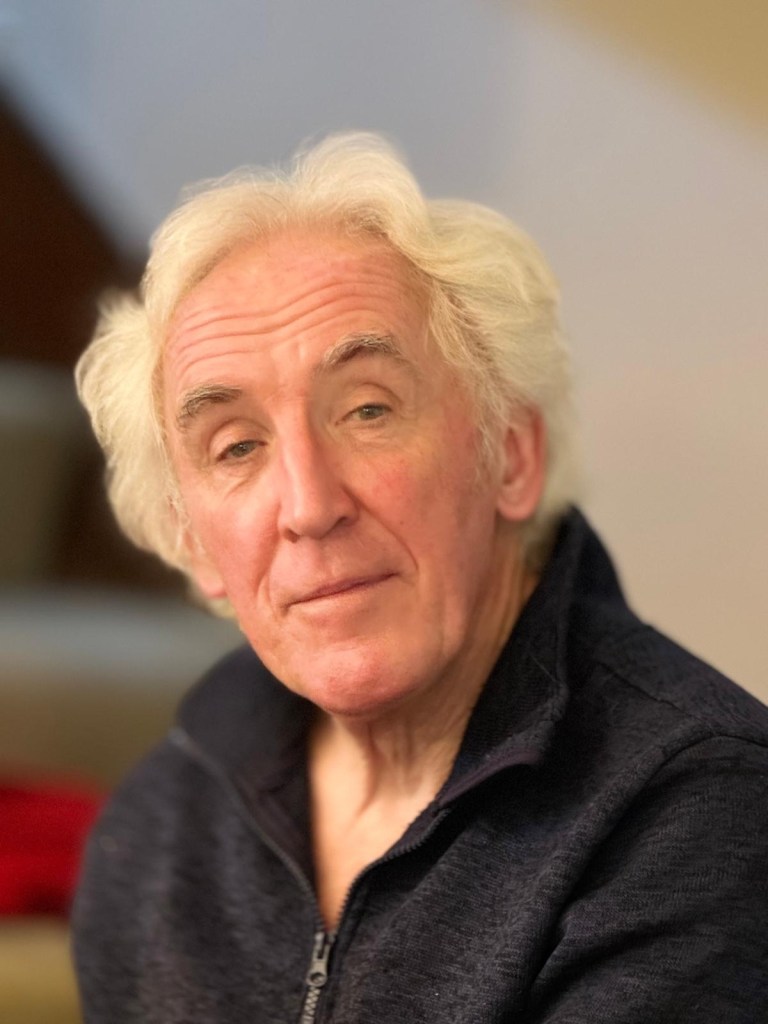
 ChristopherAxworthy-MusicCommentary