D Scarlatti: Sonata in D minor, Kk.213
Ravel: Valses nobles et sentimentales
Liszt: Après une lecture de Dante – Fantasia quasi sonata from Années de pèlerinage
Ligeti: Etude No.13 (L’escalier du diable)
Interval
Eleanor Alberga: Cwicseolfor (Quicksilver)
Chopin: 24 Preludes, Op.28

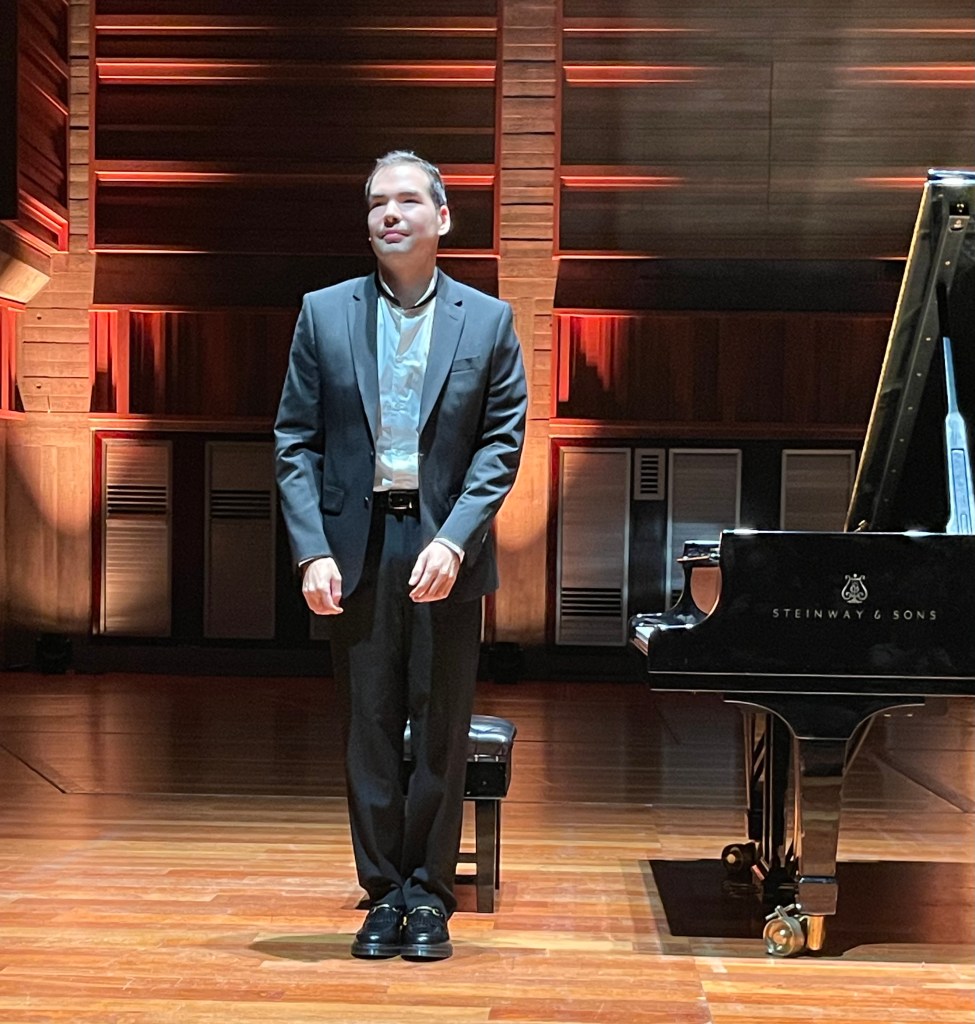
Alim Beisembayev winner of the 2021 Leeds competition and a young pianist I have followed for the past ten years from his studies at the Purcell School in the class of Tessa Nicholson with whom he went on to study at the Royal Academy having already won the Junior Van Cliburn competition in Fort Worth – the final of the Cliburn International by coincidence is tonight ( The winner Aristo Sham another British trained artist from Harrow School )

Transferring to the Royal College where he perfected his studies with another remarkable lady, Vanessa Latarche, going on to win the Gold Medal in Leeds .
His musical integrity and solid musicianship have been the rock on which a remarkably talented young pianist has been given time to mature, and the result was today the appearance of a great pianist of masterly authority with a palette of sounds that I have rarely heard in the concert hall .
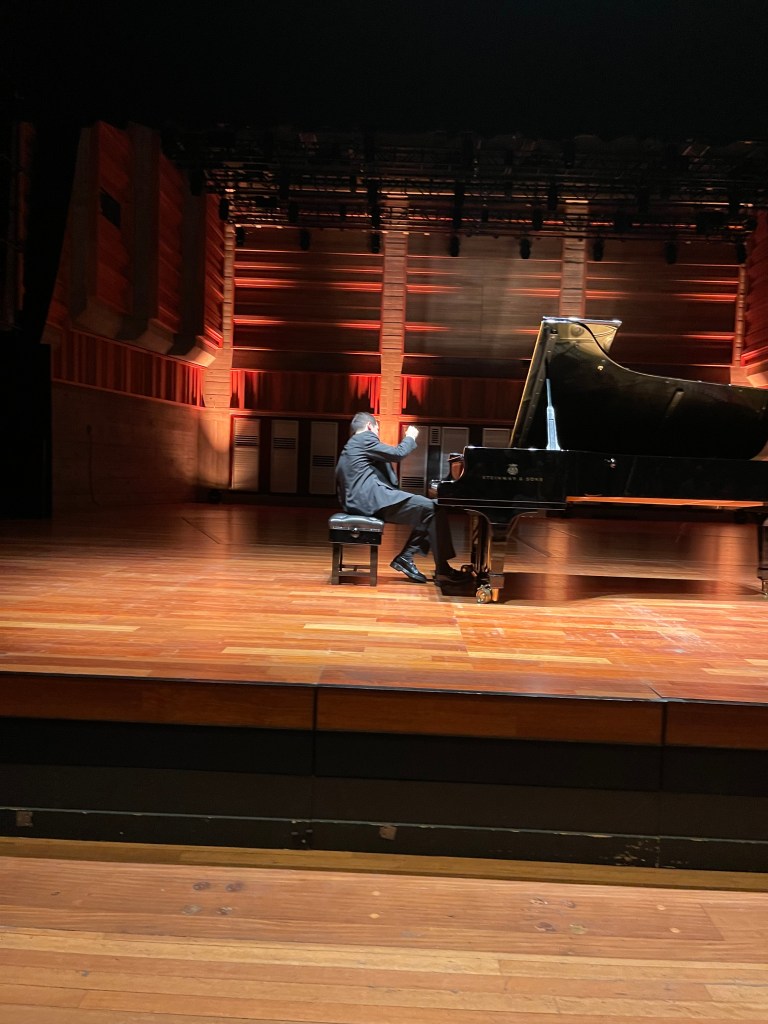
From the opening barely whispered sounds of Scarlatti’s D minor Sonata K 213 which in Alim’s sensitive hands became a tone poem of remarkable emotional poignancy . Whispered sounds that would glisten like jewels as Alim delicately highlighted the genial invention of Scarlatti with a yearning delicacy of poignant emotions. A variety of touch as every note he played was as though there were words on each note. I would say more a lament that a song but a remarkably assured start to his first major recital in London , having filled the Wigmore Hall on many occasions since his victory in Leeds.
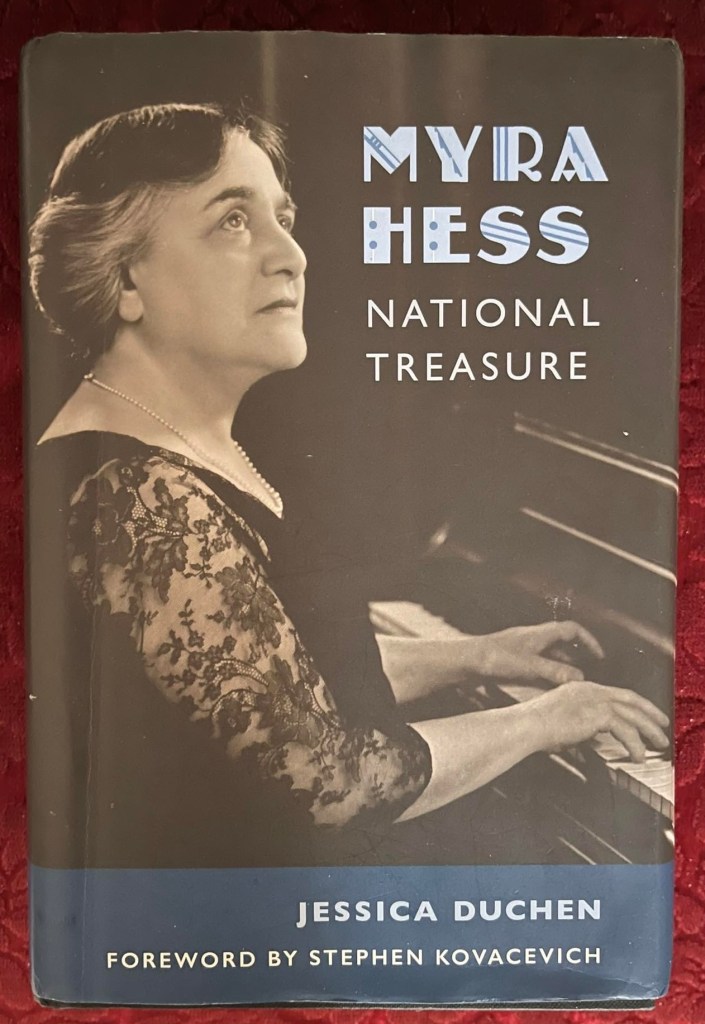
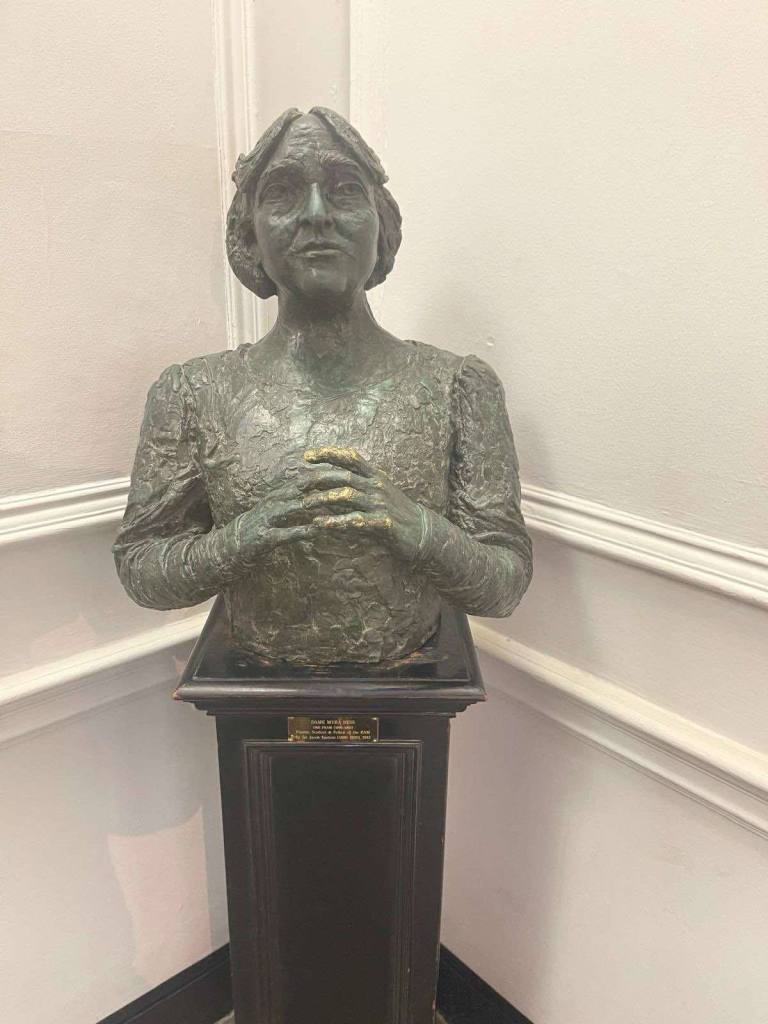
I am reminded of Dame Myra Hess,reading Jessica Duchen’s masterly biography, and of Uncle Tobbs and his search for the hundreds of gradations of sound that can be found in each note.

It is the first time I have heard Ravel’s elusive ‘Valses nobles e sentimentales’ from Alim’s sensitive hands and it was a revelation. Even the choice of the Scarlatti before showed the artistic personality of a true poet of the piano. Ravel writes sentimentales but woe betide those who think it means sentimental instead of noble sentiments of poignant aristocratic beauty.

After the clashing harmonies of the opening we were treated to whispered waltzes of disarming beauty and even childlike simplicity. There was an attempt at grandeur too, as Rubinstein would show us in the penultimate waltz, but which Alim barely suggested, not wanting to break the spell he had created with such a rhetorical outpouring . The final epilogue was played as if in a dream with sounds magically wafted around the piano with breathtaking mastery of control and penetrating poetic intensity.
Liszt Dante Sonata we have heard on so many occasions, mostly from pianistic gymnasts flexing their muscles , instead of the penetrating musicianship that we heard tonight. Every detail of the score had been pondered over and the meaning of the notes understood and incorporated into an interpretation of a symphonic poem of nobility, grandiloquence and breathtaking beauty . But what was so extraordinary was the potency of silence .
I had been struck recently by Alim’s interpretation of Beethoven’s ‘Appassionata’ where the rests were as potent as the notes, because there was energy in that silence that conditioned what came before and what came after. A lesson learnt from Serkin and Arrau and of course above all Guido Agosti for those that were privileged to frequent his studio in Siena .
Alim’s punctuation was impeccable but also his sense of architectural shape .
Rachmaninov always used to say that there was just one point in a composition which was the pivot on which the edifice stands. Alim understood this and when he let rip with his considerable technical arsenal it was even more breathtaking because so unexpected. With Alim there were always reserves of energy to use in crucial moments and not displayed in an egotistical show of muscle at the expense of the poetic meaning . The treacherous leaps towards the end were played with a mellifluous beauty rather than as a technical exercise.

Talking of which Ligeti’s ‘diabolical staircase’ was played with wondrous clarity trying to climb an impossible ladder only to fall back each time. Reaching as far as the keyboard would allow and even further had it been possible ( Victor Borge would have had a ball here ) I remember Shura Cherkassky coming to stay and bringing a crumpled copy from the BBC library and asking us to teach it to him . He chose it, I am sure for the title, as he did another year Copland’s ‘El Salon Mexico’ or Morton Gould’s ‘Boogie Woogie Etude’. An impish sense of humour that Alim still has to demonstrate on stage to complete his artistic personality .
Having said that of course the skittish jewel like perfection of his second encore of Scarlatti would have had even Cherkassky dancing with glee .
It was wonderful to see Ellie Alberga on the programme. We were all students at the Royal Academy together and living in West London . Ellie ,as thin as a rake with long spindly fingers, so talented but like her Jamaican friend David Johns, oh so lazy!
Ellie has become a renowned composer and put on some weight in both senses too! What a revelation her piece is with a ‘tour de force’ of dynamic rhythmic drive with hard driven sounds of chameleonic changes of character. A gently contrasted quasi chorale with ethereal unworldly sounds reverberating with an inner intensity. A performance of searing commitment and remarkable technical mastery .

Alim chose Chopin’s ’24 Preludes’ to end this very special occasion . I have heard him play them many times and I even tipped off the Frankls about his extraordinarily masterly BBC Wigmore performance of these 24 problems ( to quote Fou Ts’ong). Peter was extremely impressed and I just wish he could have heard tonight’s miraculous performance that has matured as only pure vintage can .
A standing ovation and three encores for a young man who has come of age and can join the ranks of one of the finest interpreters of our day .
The encores were Rachmaninov’s wondrous G minor Prelude; one of Scalatti’s 550 sonatas and Liszt’s F minor transcendental study n 10 played with refined breathtaking virtuosity and passionate abandon.
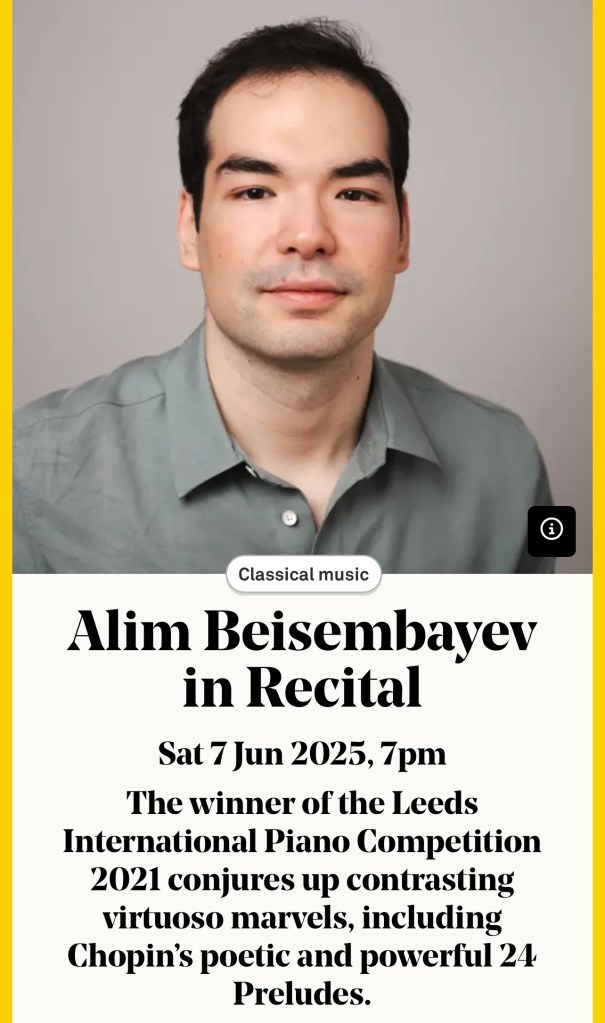
The 27-year-old pianist Alim Beisembayev has planned a magnificent array of music for his recital. Beginning with an energetic sonata by Scarlatti and Ravel’s hypnotically beautiful Valses Nobles et sentimentales, he moves on to Liszt’s powerful evocations of hell and redemption in the fantastical sonata Après une lecture du Dante, plus Ligeti’s most celebrated Etude, ‘The Devil’s Staircase’.The second half begins with Cwicseolfor(Quicksilver), a new work by the Jamaican-British composer Eleanor Alberga, written for Isata Kanneh-Mason and premiered in Budapest as part of a European concert hall tour in 2021. Now, at last, it gets its Southbank Centre premiere under the fingers of Beisembayev, who has become a significant advocate of Alberga’s music. Last year, Beisembayev gave the world premiere of Alberga’s Piano Concerto, which was commissioned for him as part of his prizes at the 2021 Leeds International Piano Competition.The concert sweeps to a close with Chopin’s 24 Preludes, each one a poetic miniature full of visionary imagination.
 ChristopherAxworthy-MusicCommentary