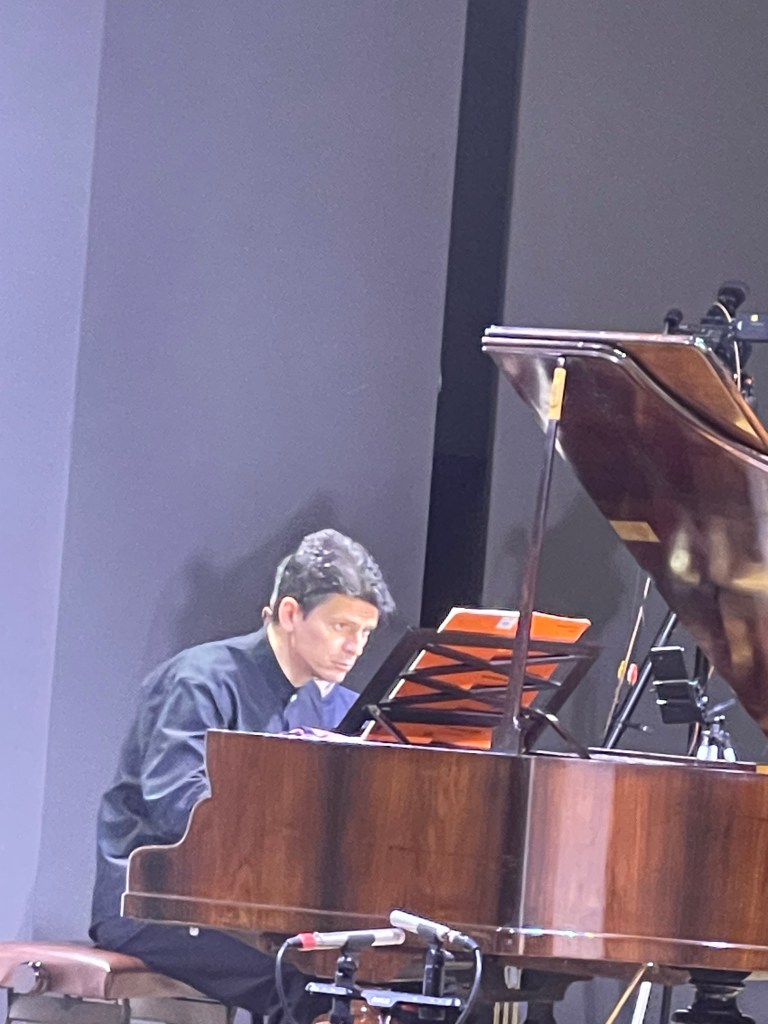
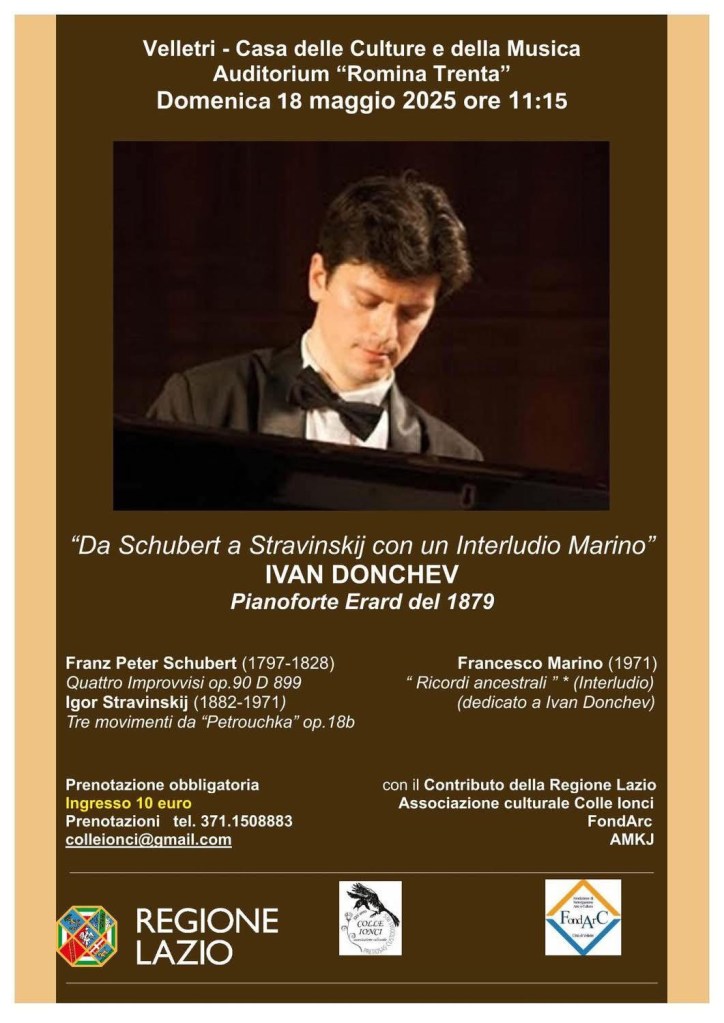
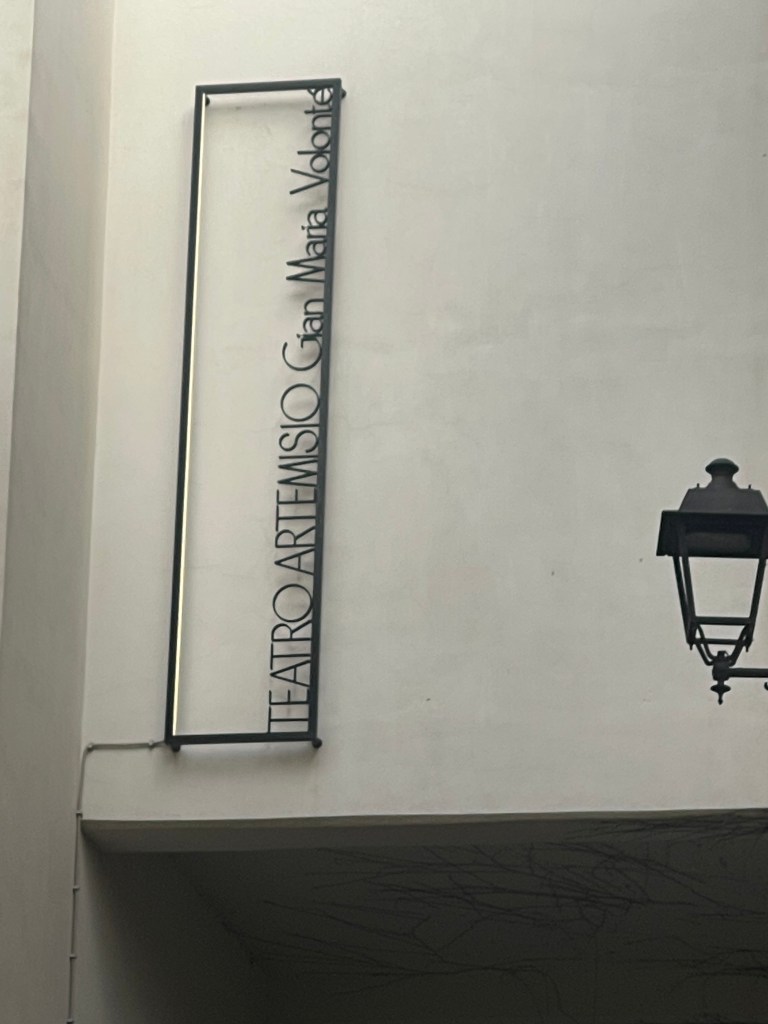
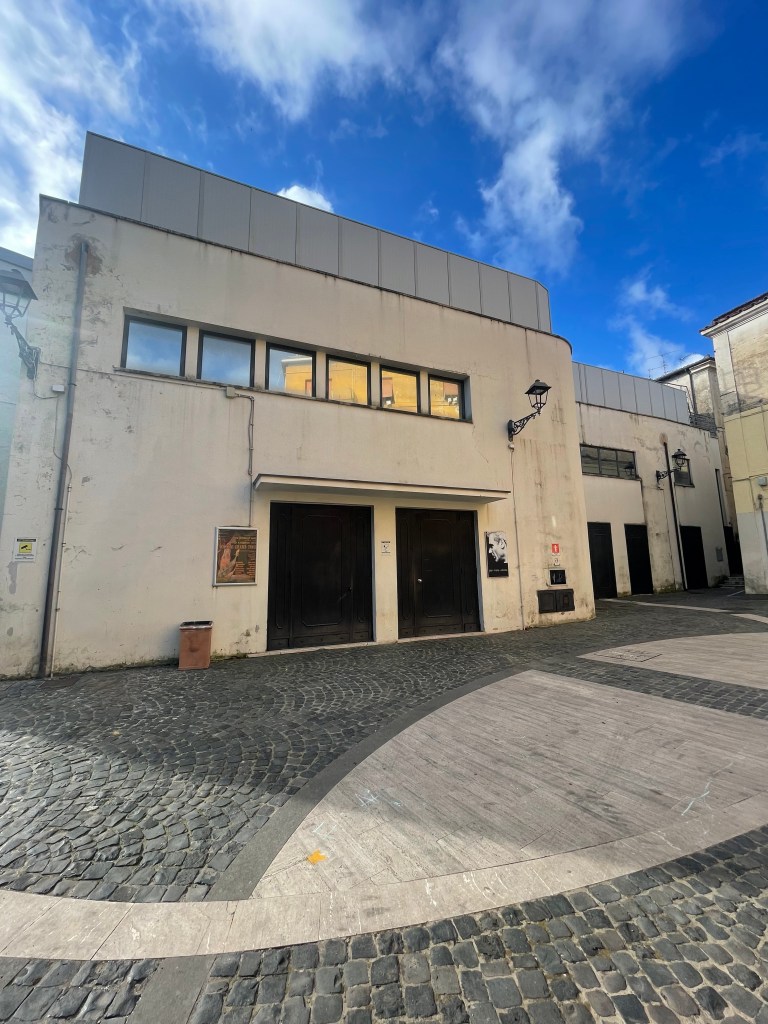
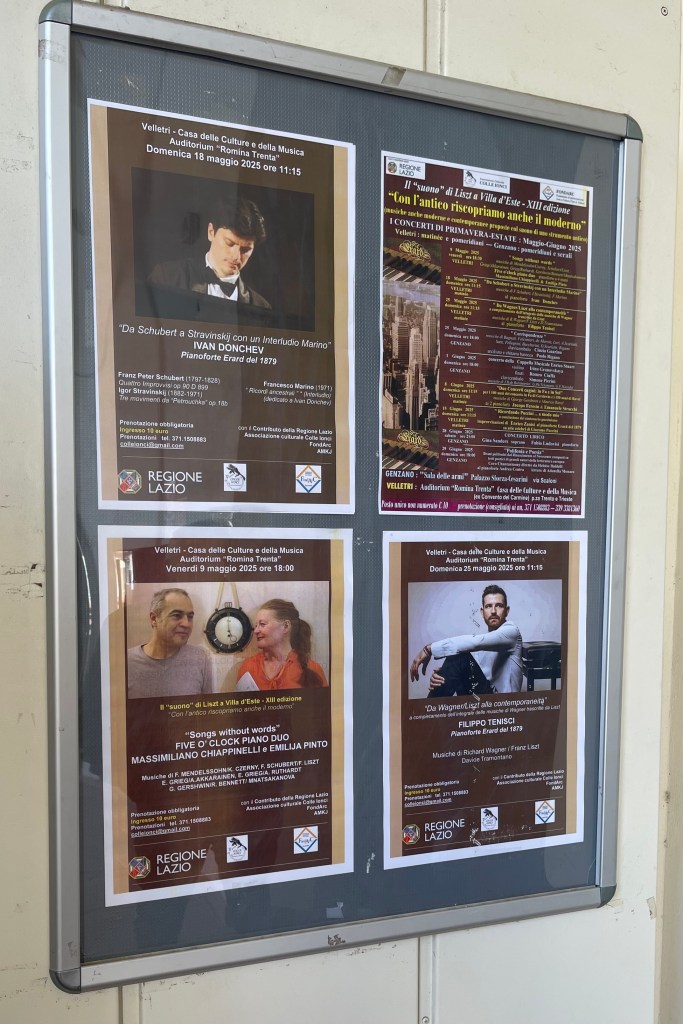
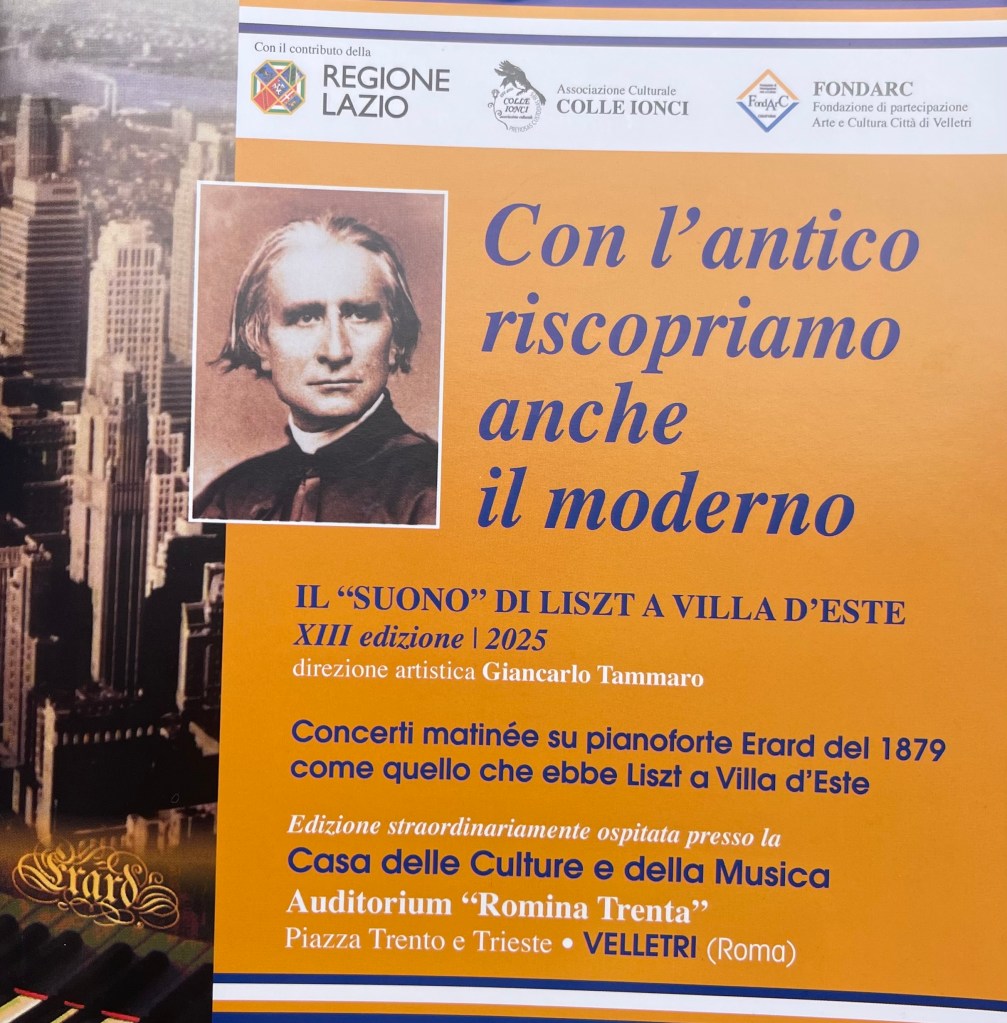
Ivan Donchev performing Schubert and Stravinsky on Ing. Tammaro’s prize Erard of 1879 today in Velletri
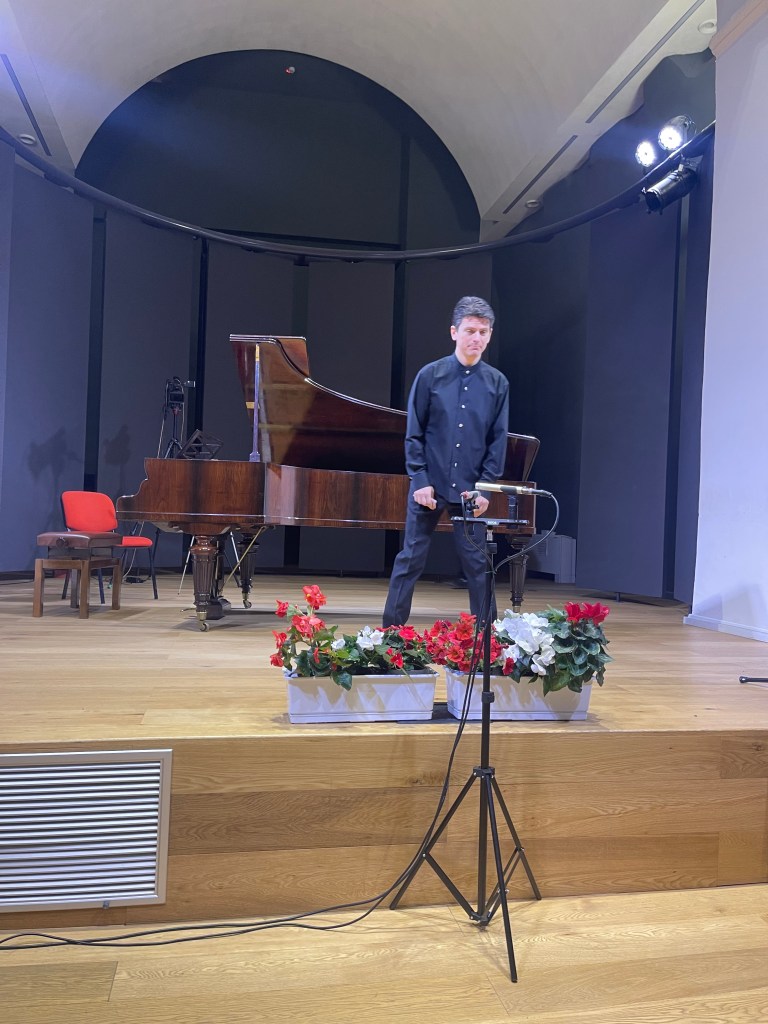
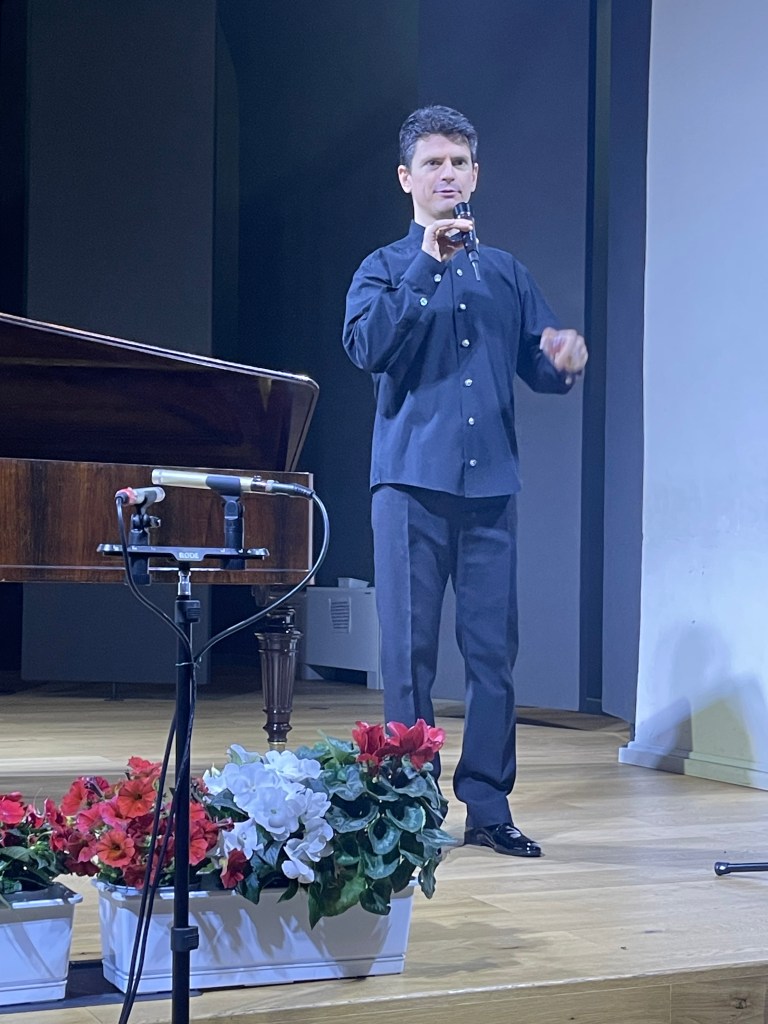
Ivan who is playing two separate complete Beethoven cycles this season, not on Erard though, but had played the ‘Diabelli variations’ on this very instrument a while ago .
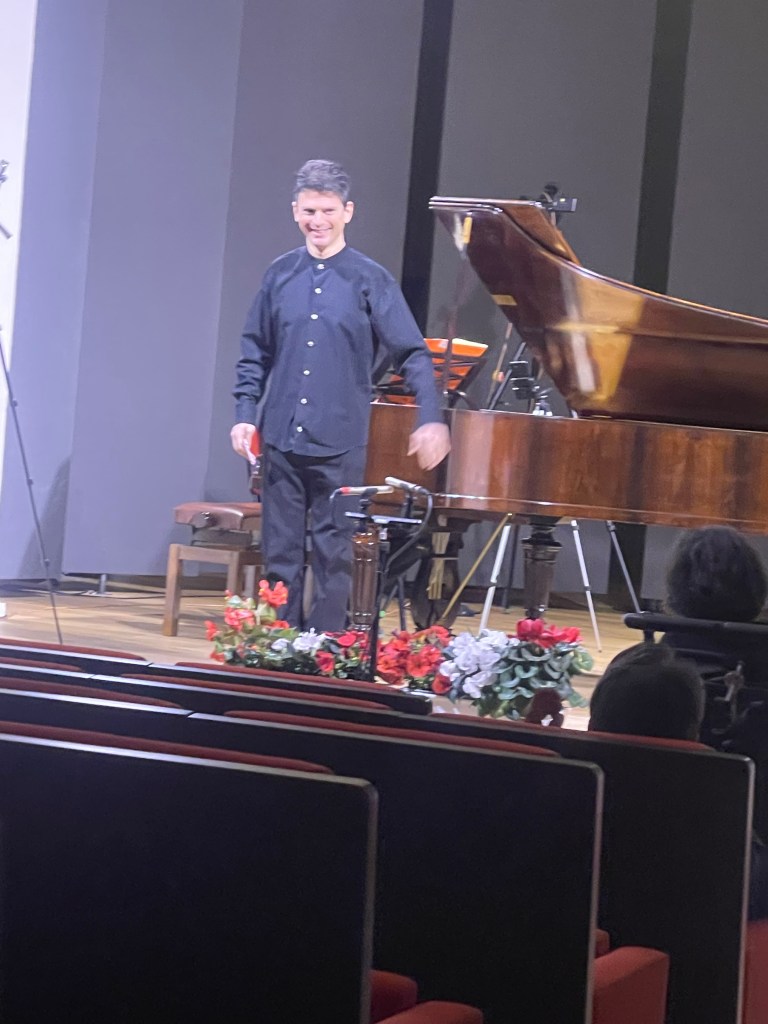
Ivan is a master musician who I have heard many times over the years and admired him for his intelligence , musical integrity and pianistic mastery. Also for his large repertoire, always impeccably prepared and played with an extraordinary mastery. I just missed his ‘Hammerklavier’ last Autumn, but was glad at last to catch up now, even though I was very surprised to see in the programme Stravinsky’s ‘Petrushka.’
It was the work that Stravinsky dedicated to his friend Artur Rubinstein when he had complained that the commissioned work, ‘The Piano Rag Music’, was not music ! Stravinsky and Rubinstein had always disagreed about the piano being a percussive or singing instrument. Rubinstein never played the ‘Piano Rag Music’ that was based on percussion but he loved the ‘Petrushka Suite’ and played it often , but not with the note picking accuracy. Stravinsky wrote the suite knowing that his friend would have to spend many more hours at the piano than usual to master it. Rubinstein played his own version, sanctioned by Stravinsky, that was pure theatre rather than the transcendental note picking that Stravinsky had written. Even the composer admitted it was too difficult for him to play because he had no left hand technique !
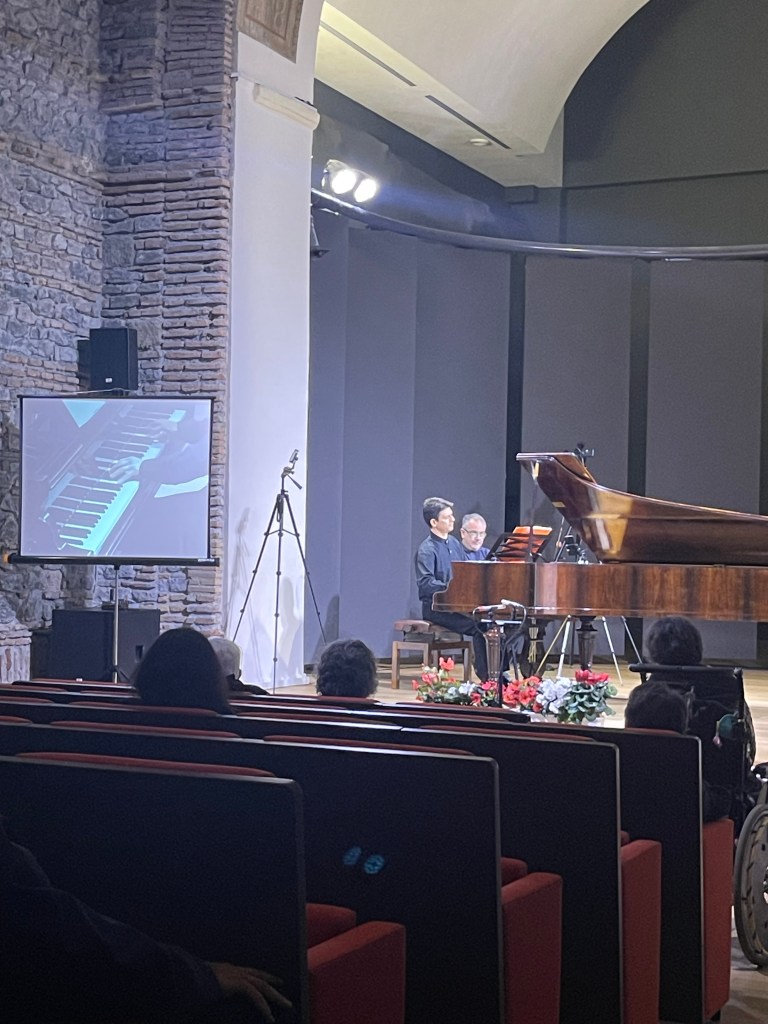
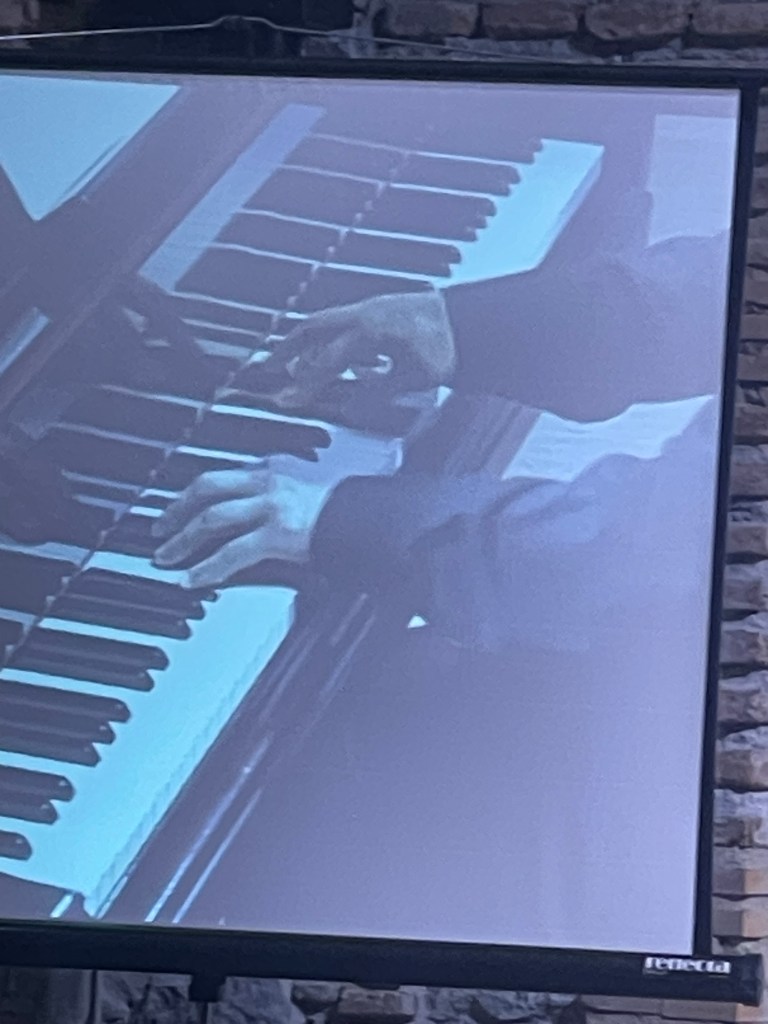
Now here was Ivan not only prepared to add one of the most notorious war horses to his repertoire but to play it on a piano that was certainly not built for such excess. It is a work in progress and with Ivan’s poetic sensibility it highlighted many beautiful moments that are usually glossed over by more zealous virtuosi, anxious to flex their muscles on one of the most difficult works in the piano repertoire. A ‘Danse Russe’ that was a true dance with moments of striking changes of colour in Stravinsky’s extraordinary score commissioned by Diaghilev for his Ballets Russes. ‘Petrushka’s room’ was brought vividly to life with capricious changes of temperament with their sudden outbursts contrasting with glances of bewitching melancholy. ‘The Semaine Grasse’, though, is where fearless abandon and dynamic drive are on the horizon and will be provided by Ivan when he finds a great black box built like a tank at his feet instead of the sweetest most refined piano of another age.
It was though just this sweetness and mellow sound that added such strength and beauty to works that Schubert had miraculously penned in the last years of his short life on this earth.
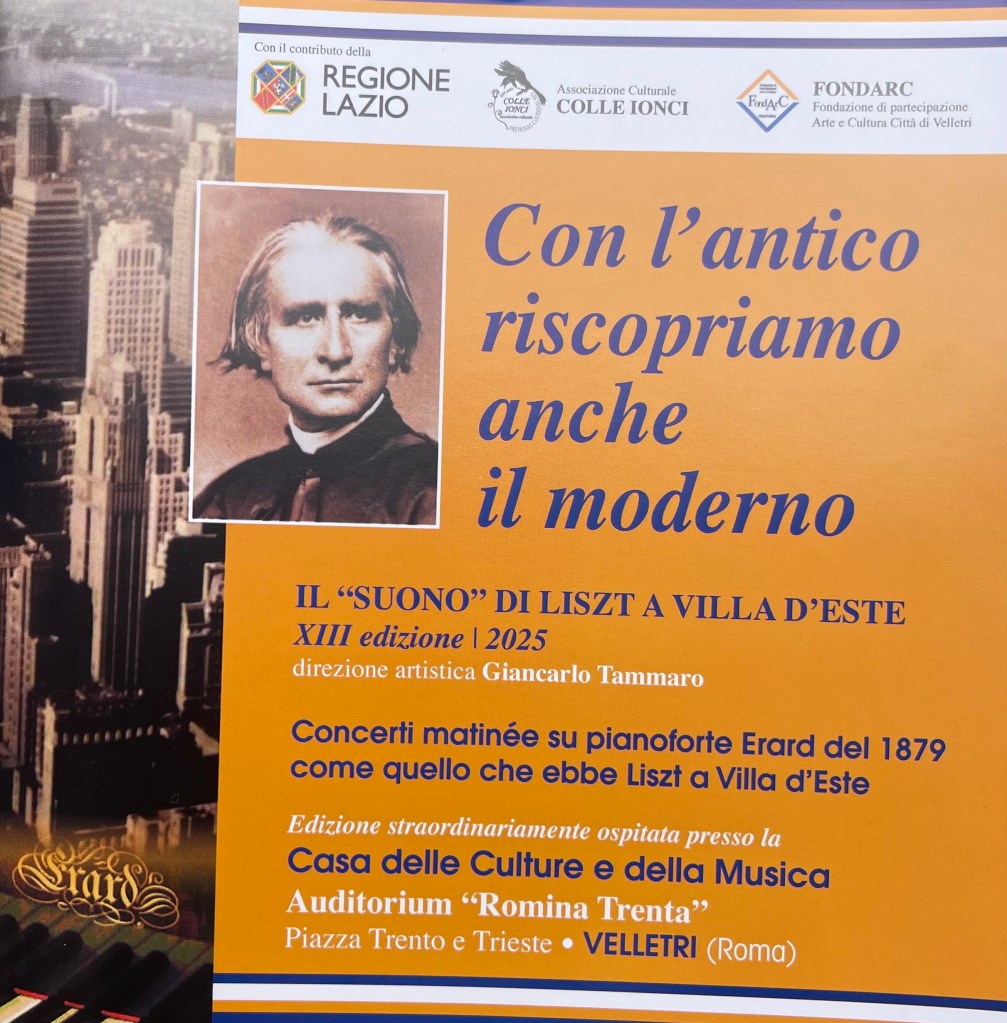
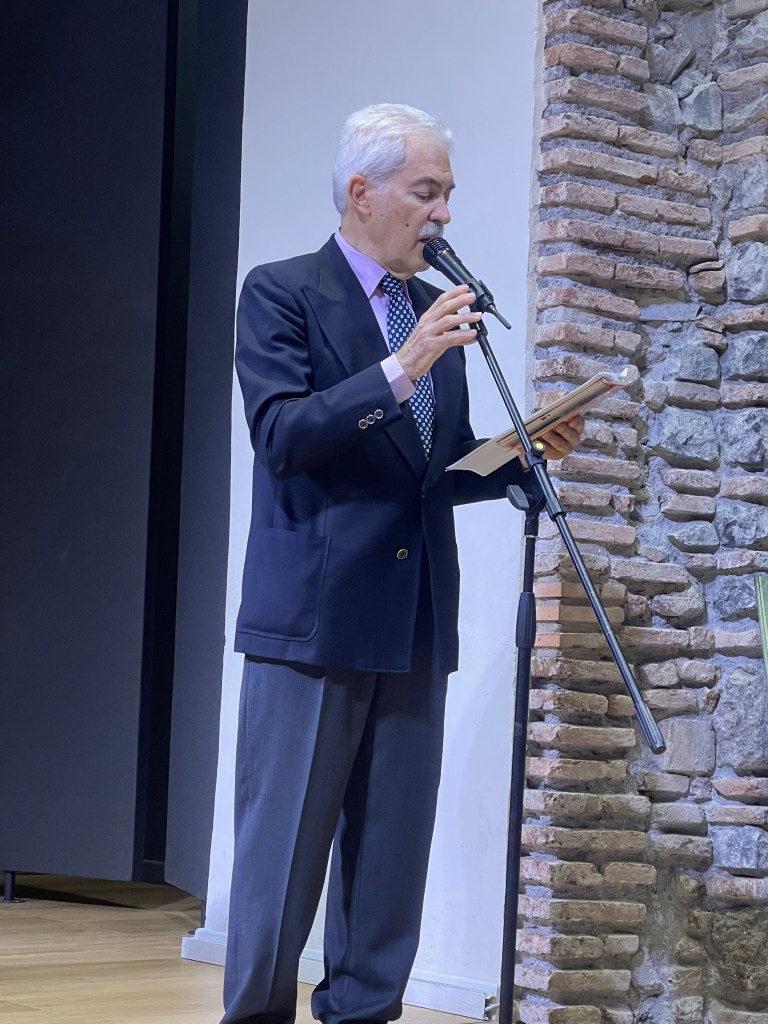
Ing Tammaro prepares a programme for his season that is to be cherished and studied and is full of intelligence and the passionate conviction of a man dedicated to sharing his love with others. Infact it is this dedication that is transmitted as he reads to his public extracts from these volumes that he prepares every year. He reminds me of Mario Carotenuto, though, who used to tell his public off every performance for not being more numerous.
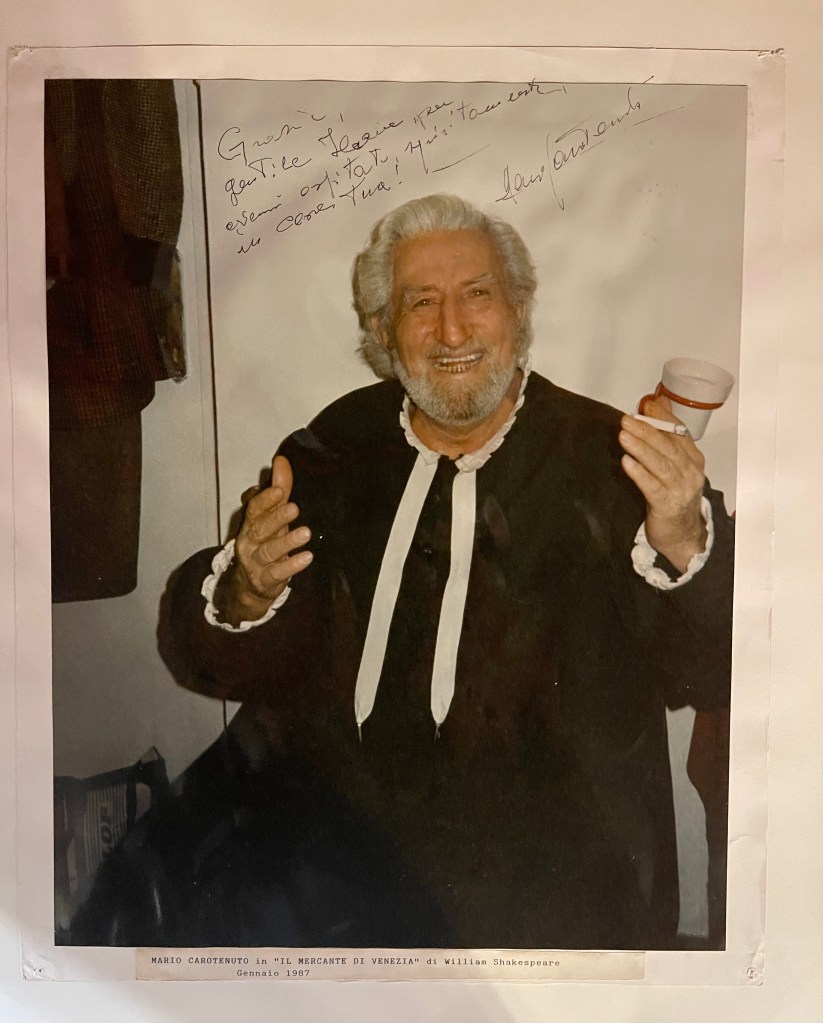
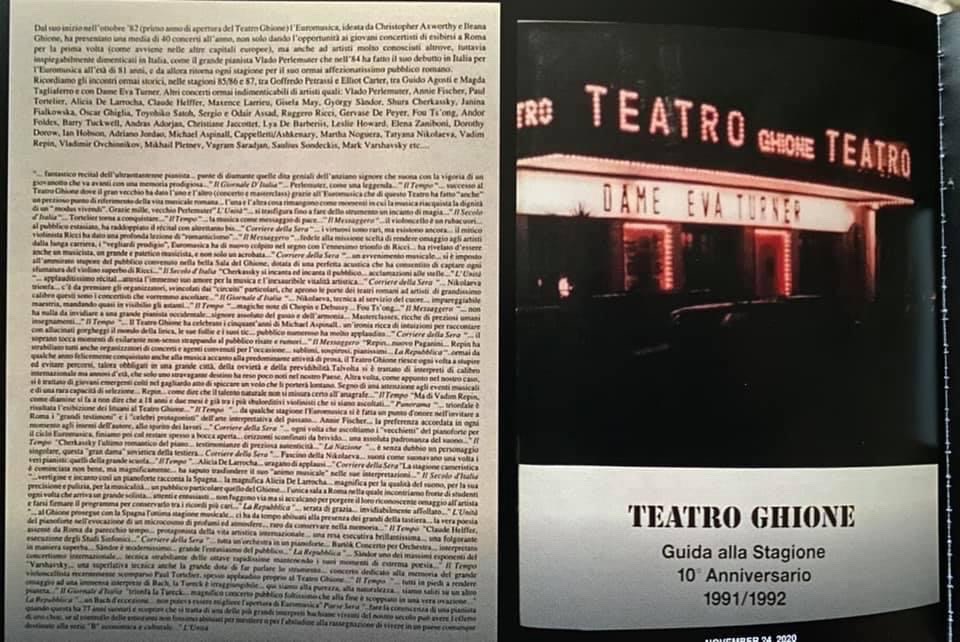
Tammarow too who reprimanded those present saying he would like to see more local citizens involved in this cultural adventure that he brings to their beloved city every Sunday morning for several months a year !
But it was just the few words allowed to an artist of Ivan’s stature ,though, that illuminated many of the things that he was then to demonstrate in poetic performances of visionary simplicity. In particular his pointing to the bell that rings out in the very first impromptu and then is heard in the distance as this miniature tone poem sees the paradise that is awaiting just around the corner for Schubert, ‘for whom the bells was indeed tolling.’ Playing the simple opening octave with a flourish that resounded around the piano and as the vibrations lay exhausted a plaintive voice of poignant simplicity emerged. Transforming this arresting opening into a mellifluous outpouring of emotional impact that under Ivan’s hands and with the sound of a faded postcard, especially poignant the distant tolling bell to be heard in the coda.
I had heard Leonskaja play these very Impromptus in London less than a week ago and she with the same poetic mastery recreated them as Ivan today, but this difference of timbre between a Steinway ‘D’ of the twenty first century manufacture and Erard of the nineteenth added a poignancy today that in London was missing.
The second impromptu just flowed from his fingers with mellifluous simplicity and a sudden change of character that was underplayed. The exhilaration and excitement were kept for the final few bars giving an architectural shape to a work too often played as a Mendelssohnian spinning song. Schubert imbues even this simple flowing ‘brook’, to used Ivan’s words, with melancholy and moments of unexpected beauty as the light catches the bubbling cascade of water in so many different ways.
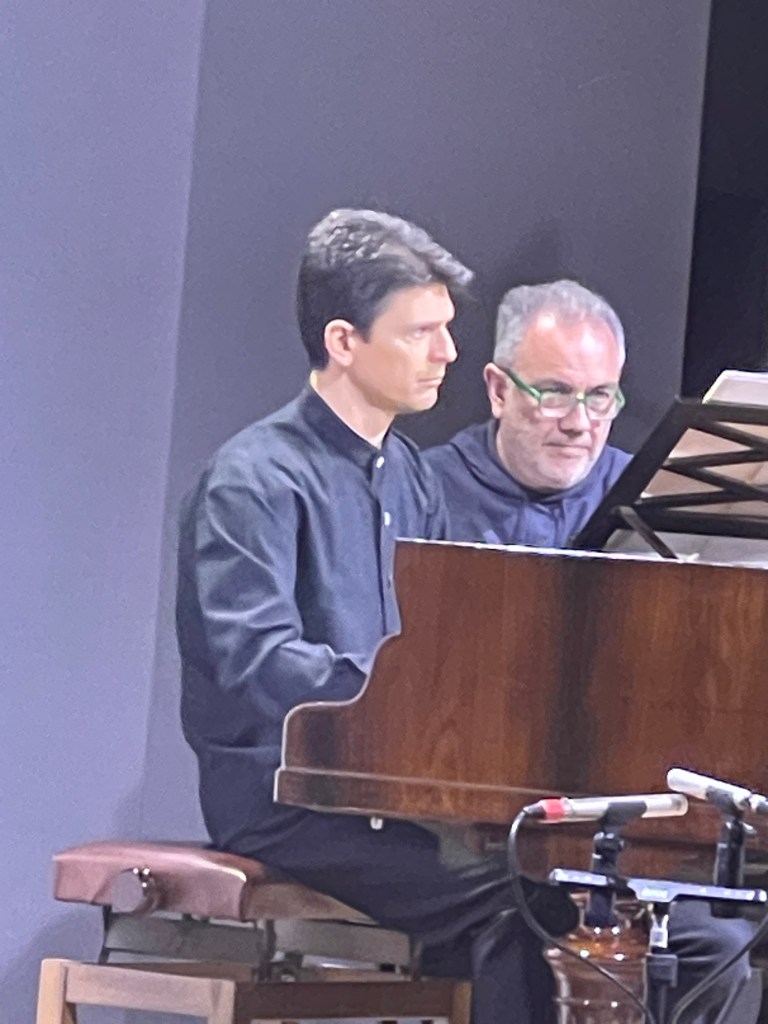
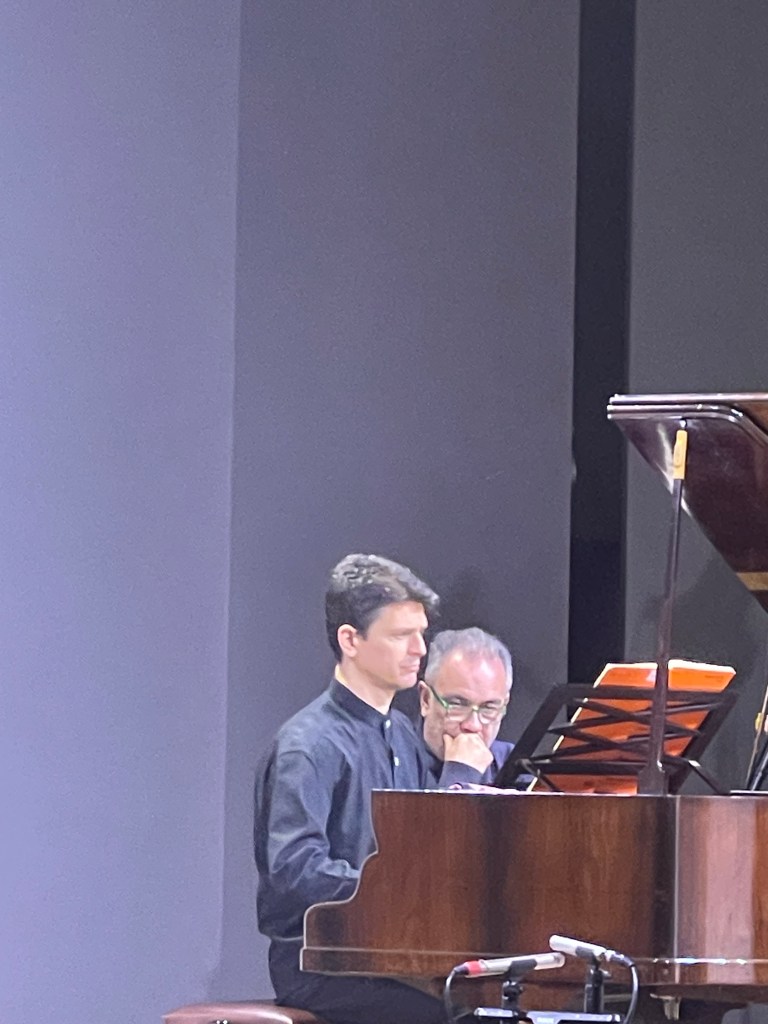
The third impromptu was played not with the usual heart on sleeve cantabile but with an authority and a message that was more of poetic reasoning than conciliatory prayer. It was the quality of these period instruments that they can sing without hardness but with a sound that resembles a photo in brown and white rather than the glossy multicolour of today. Within the notes, as with these daguerreotype photos, there is a hidden message that is not stated openly but it is there for all those with a soul in tune with such subtle messaging. The fourth Impromptu just flowed from Ivan’s hands but where the cascades of notes were of the same sound as the melodic line that they surrounded. On modern instruments these two elements can seem strangely detached form one another but like in Chopin’s third Scherzo there is a chorale that is merely illuminated but the cascades of etherial notes in which it bathes.The dark brooding of the passionate central episode with Ivan’s intense playing combined with the mellow sound of the Erard made and emotional impact that on modern day instruments is completely lost.
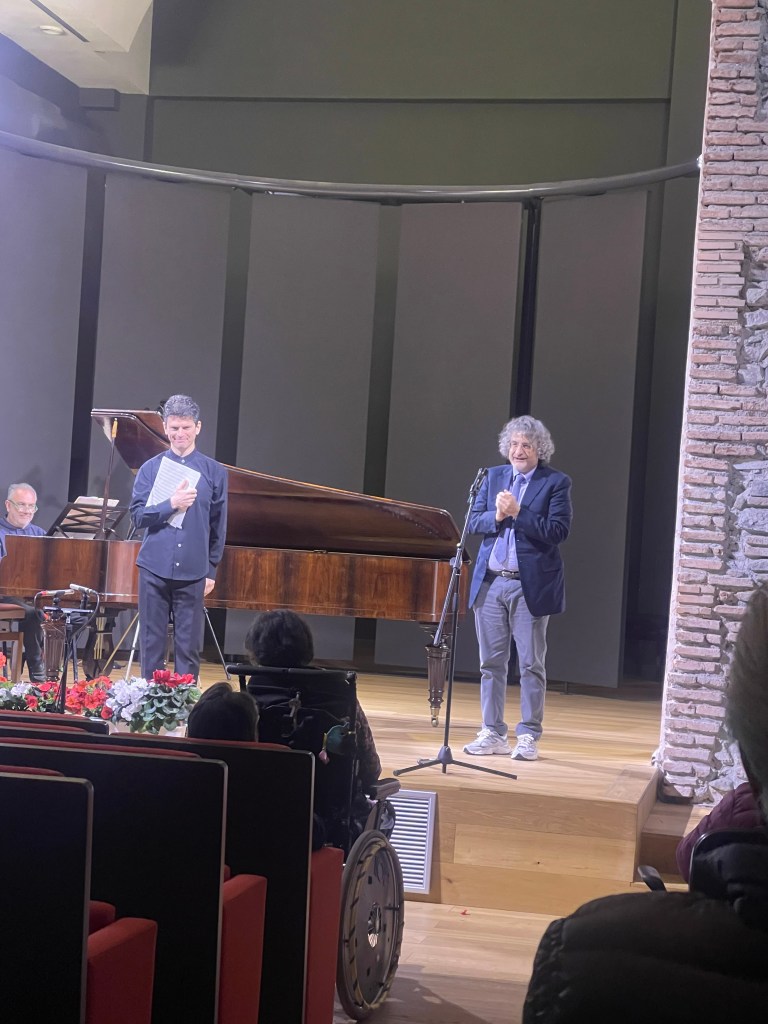
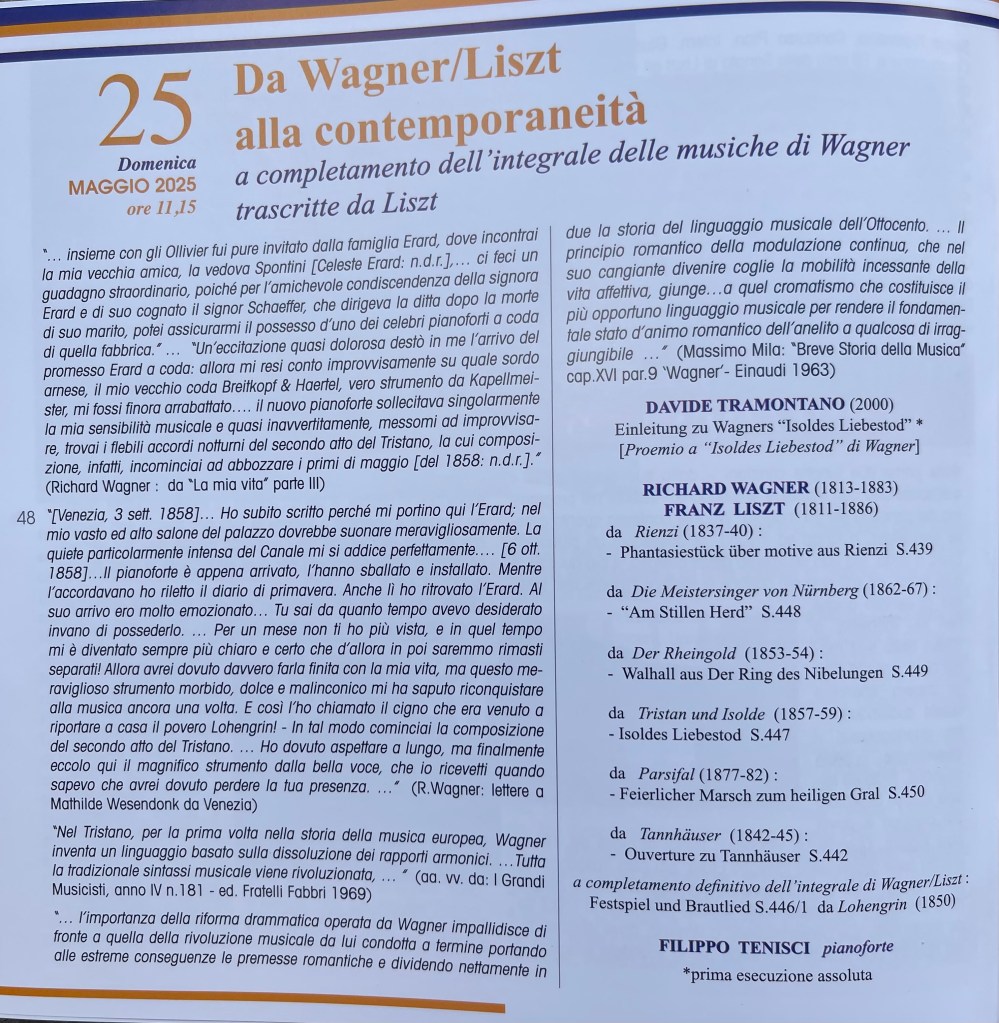
Between these two monumental works, Francesco Marino had dedicated one of his eight Harmonies delle Sfere to the poetic sensibility of Ivan.
Particularly moved by his Liszt playing he had remodelled one of these works ,written between 2018 and 2020 , around the poetic fantasy of such a refined poet of the piano.Today was a world première of a work that owed more to Medtner than Rachmaninov but was of a similar rhapsodic beauty that Ivan shaped with loving thankfulness.

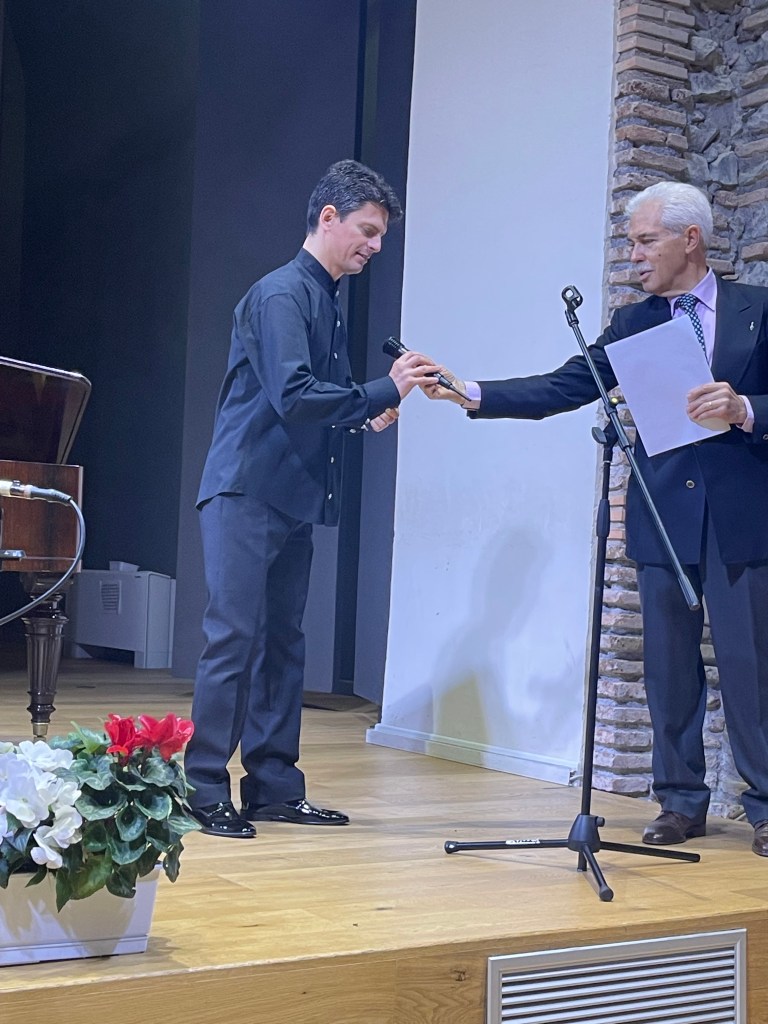
A simple children’s song was an encore that Ivan played to reminds us of the suffering of children in the conflicts around the world where making war makes more financial sense for world powers than making music. A deeply felt message from a poet of the keyboard and the father of three year old Leo and aware of what suffering there is still in a world where our cultural heritage is being ignored and where quantity rather than quality is the ethos.
Ivan writes :
‘Caro Chris, ti ringrazio della bellissima e dettagliata recensione! Grazie davvero!
The reason for my encore (il piccolo montanaro) were they – the children of Palestine .Obviously I love and cherish all children in the world ,but in this moment these are in the worst situation and it is no secret of anyone.
Il motivo del mio bis (ll piccolo montanaro) erano loro – i bambini della Palestina. Ovviamente amo e compatisco tutti i bambini del mondo, ma in questo momento loro sono nella situazione peggiore e questo non è un segreto per nessuno!!
https://www.unicef.it/media/gaza-oltre-950-bambini-uccisi-negli-ultimi-due-mesi/
Obviously the responsibility for what I think and say is just mine ,and no-one elses ( if that should worry you) .But for me it is important that it is stated clearly as I said yesterday on stage. (Naturally I remember that even the young Pollini was not indifferent to humanitarian causes and it is right to cite a great artist)
Potresti aggiungerlo? Anche tra parentesi va bene.
Ovviamente, la responsabilità di ciò che penso e dico è soltanto mia, e di nessun altro (se questo ti preoccupa). Ma per me è importante che sia specificato, così come l’ho detto ieri.
(Naturalmente ricorderai che nemmeno Pollini in gioventù era indifferente alle cause umanitarie giusto per ricordare un grande).
Grazie di cuore
Dear Ivan ,I wanted to add this but was wary as I had not heard completely what you had announced from the platform.You have confirmed what I thought you said .

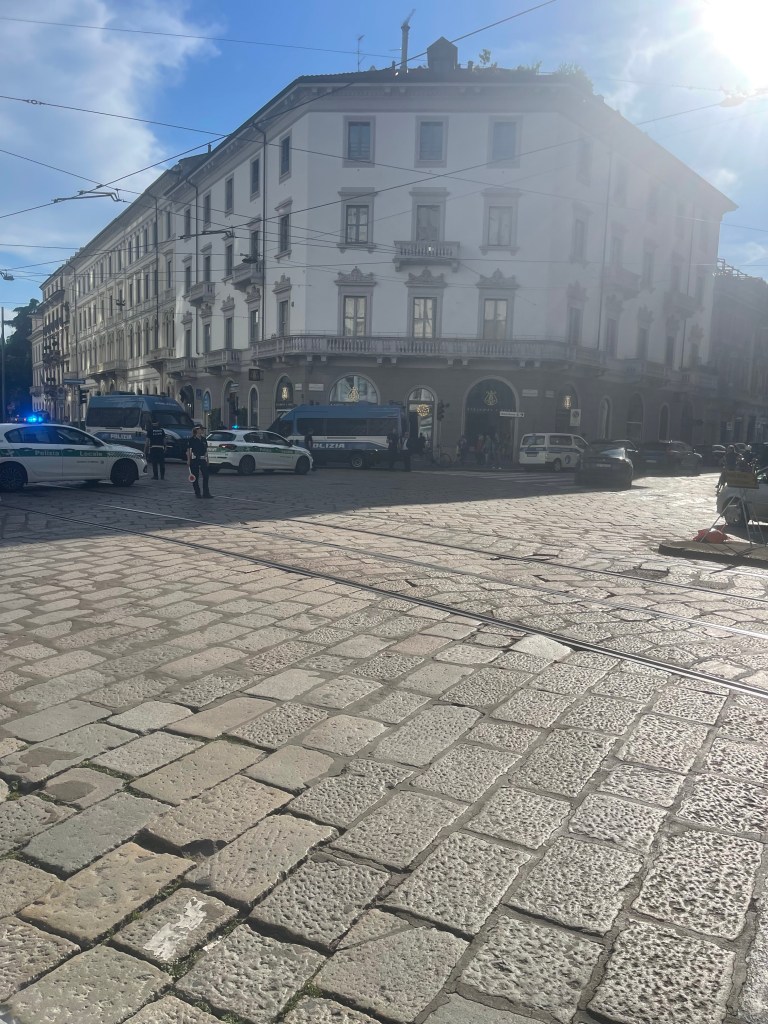
I wanted to add that on Thursday in Milan there was a protest in the square outside Steinway Hall for Palestine for the reasons you have so sincerely outlined. If only more people would have your sensibility and willingness to speak out.You are a great artist and how could you be indifferent ……it is part of greatness that within lies a soul that feels and cares about their neighbour’s suffering.
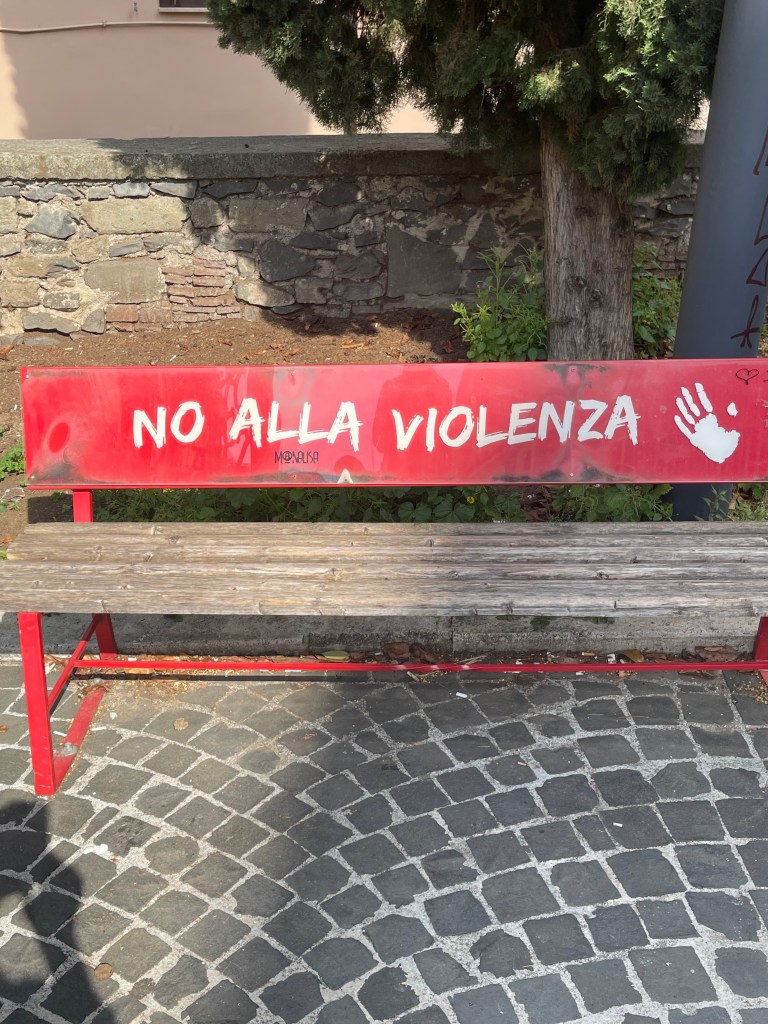
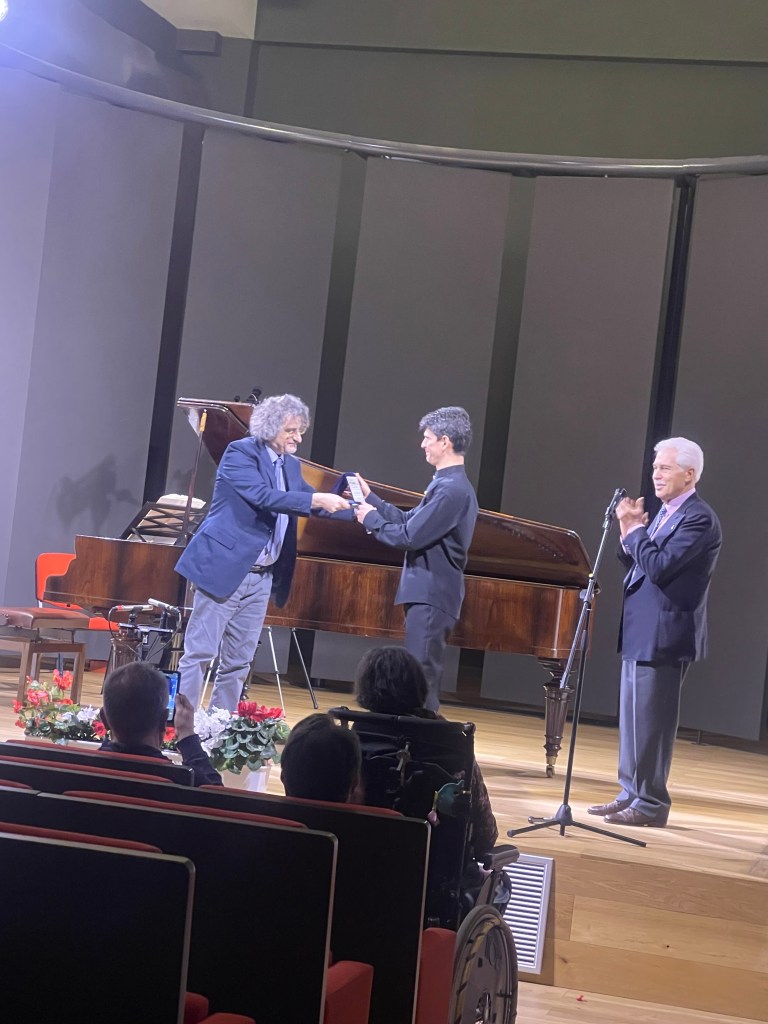
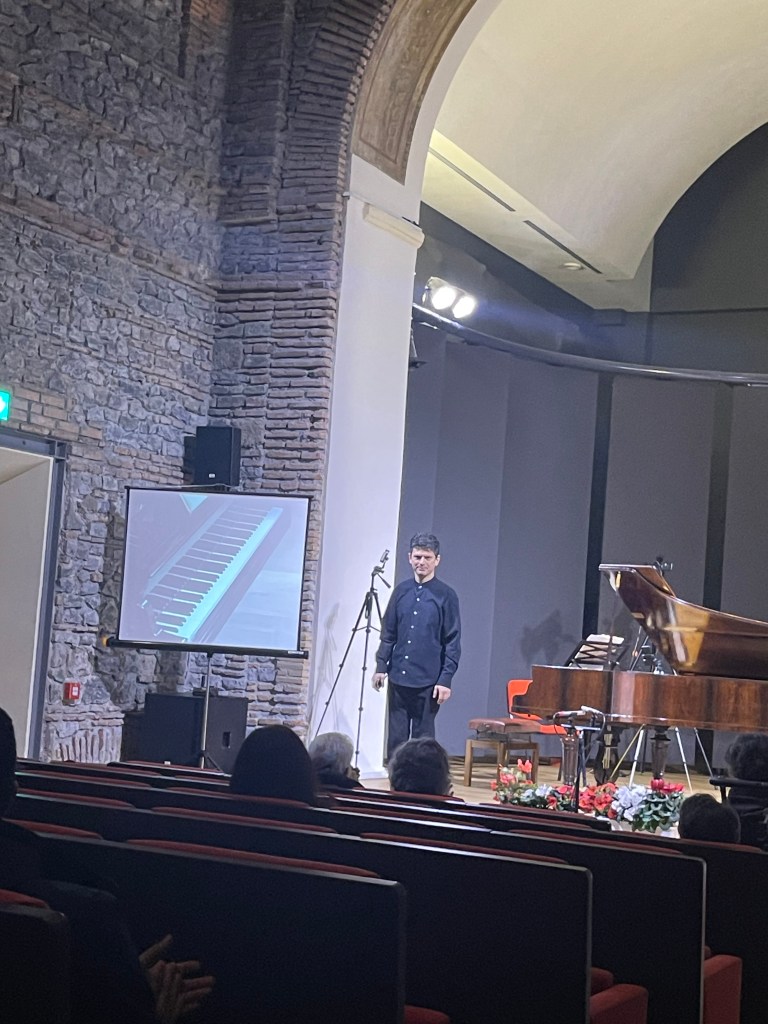
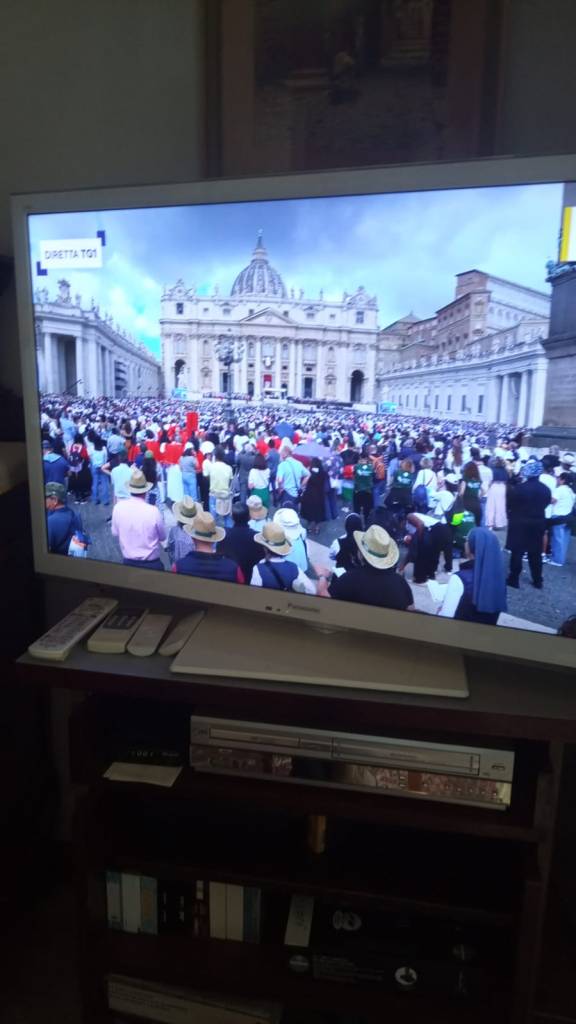
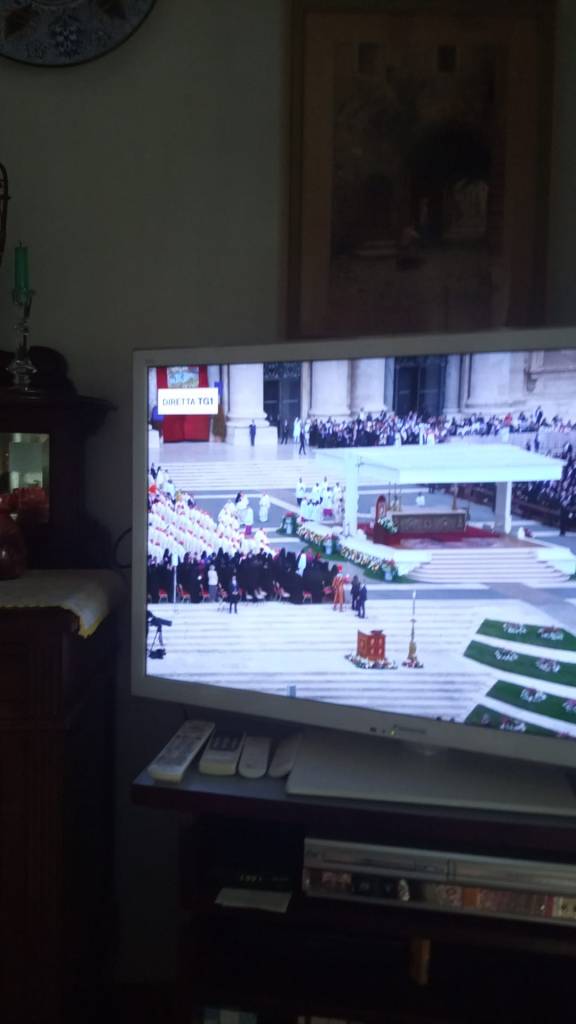
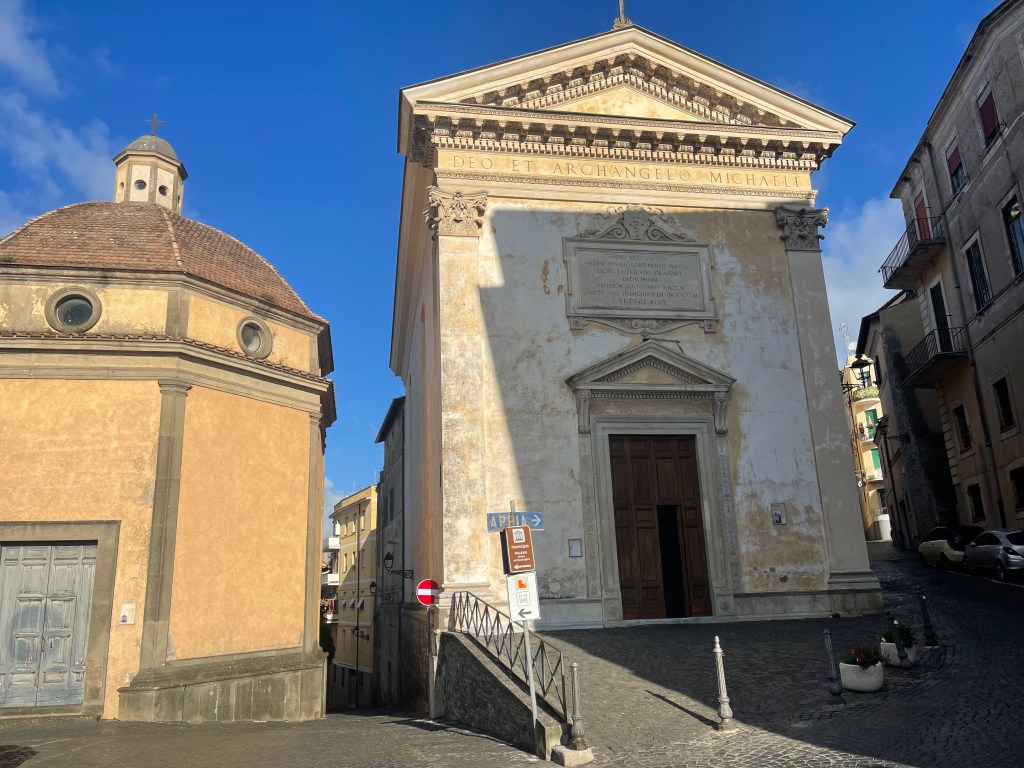
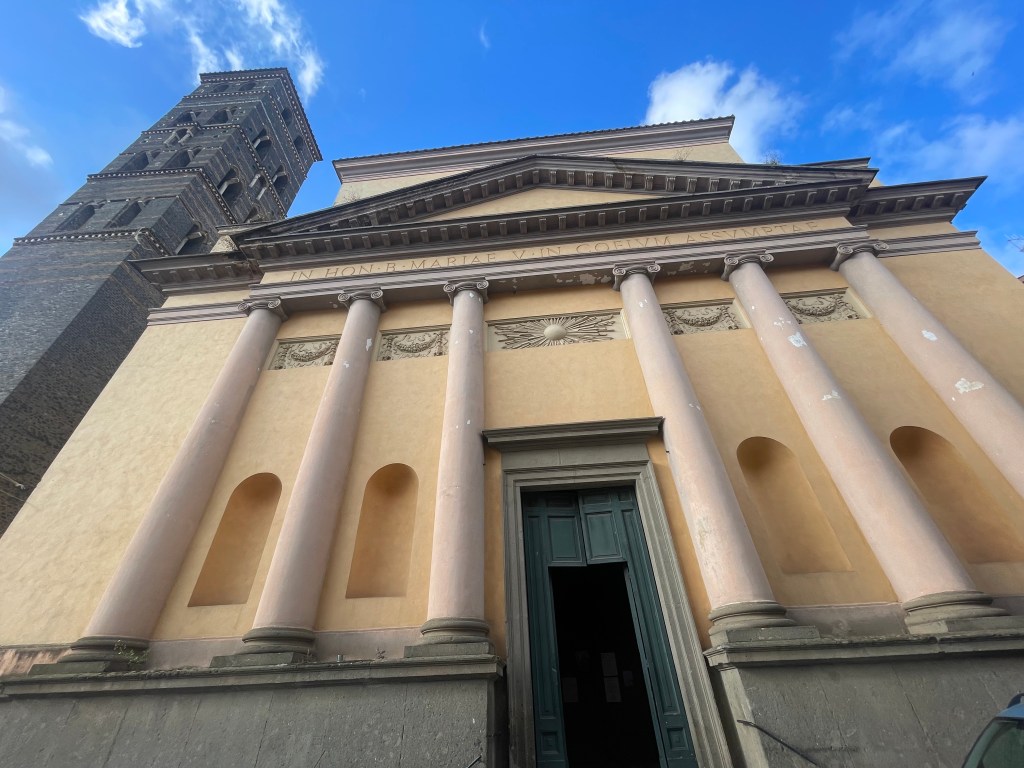
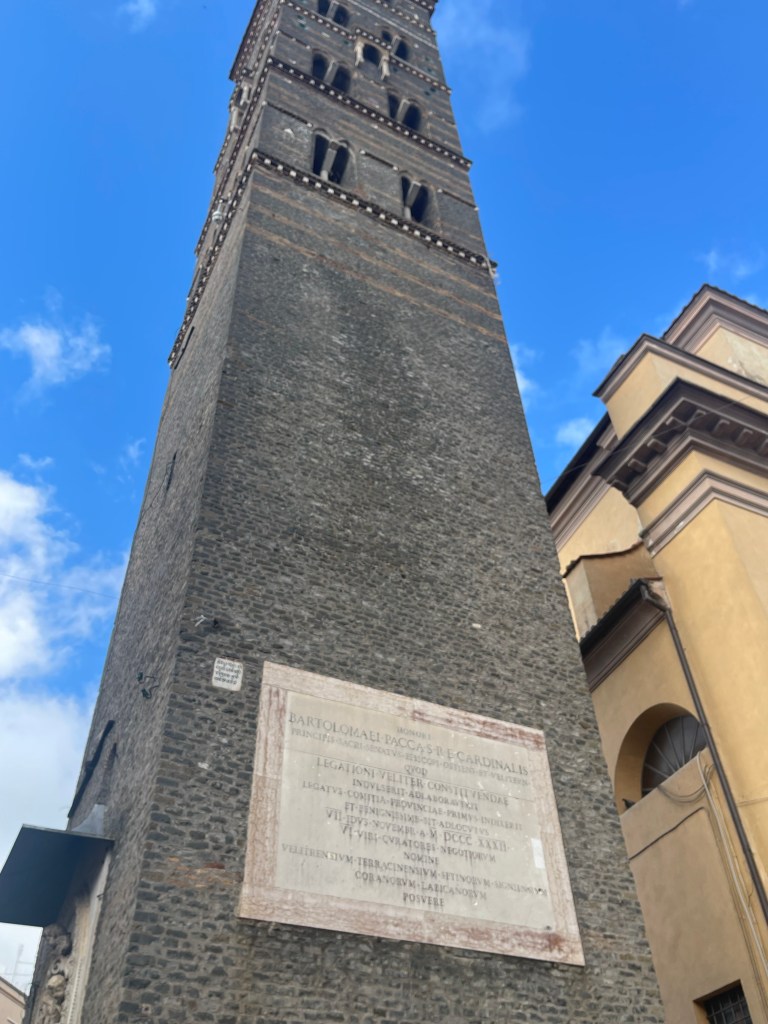
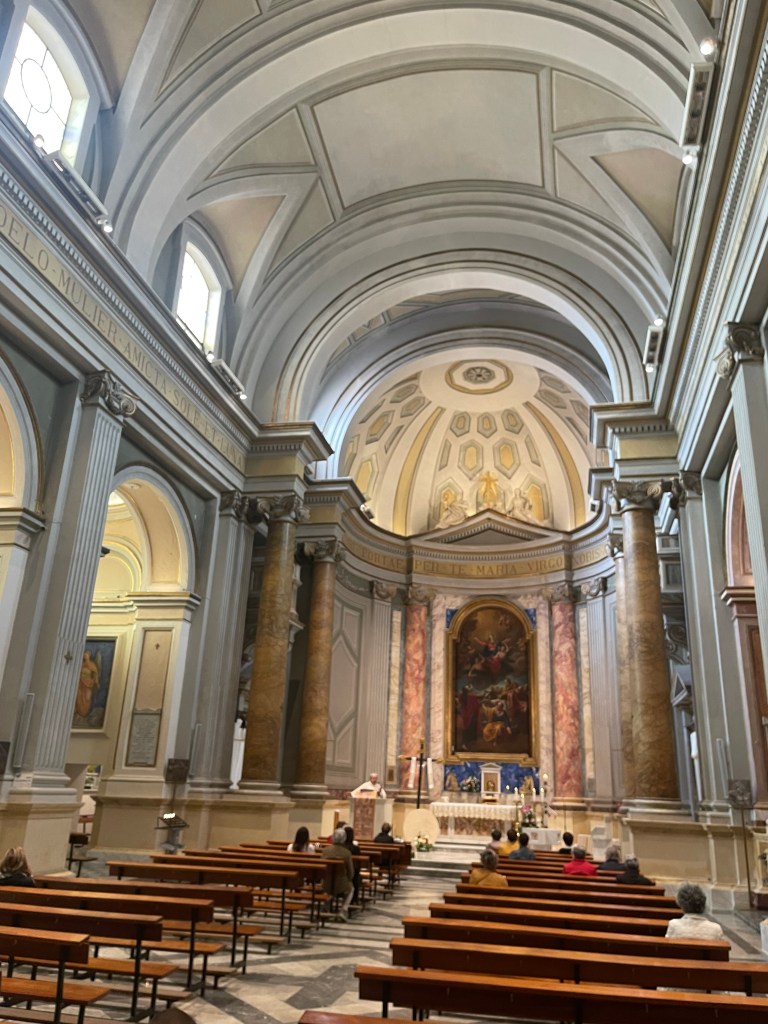
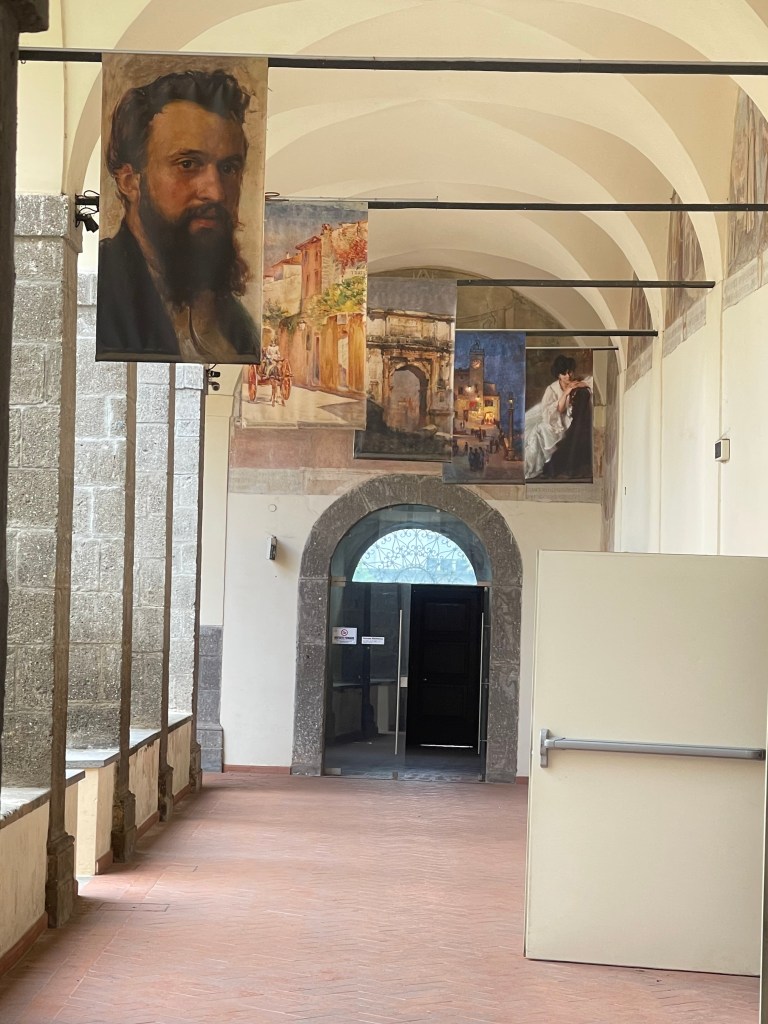
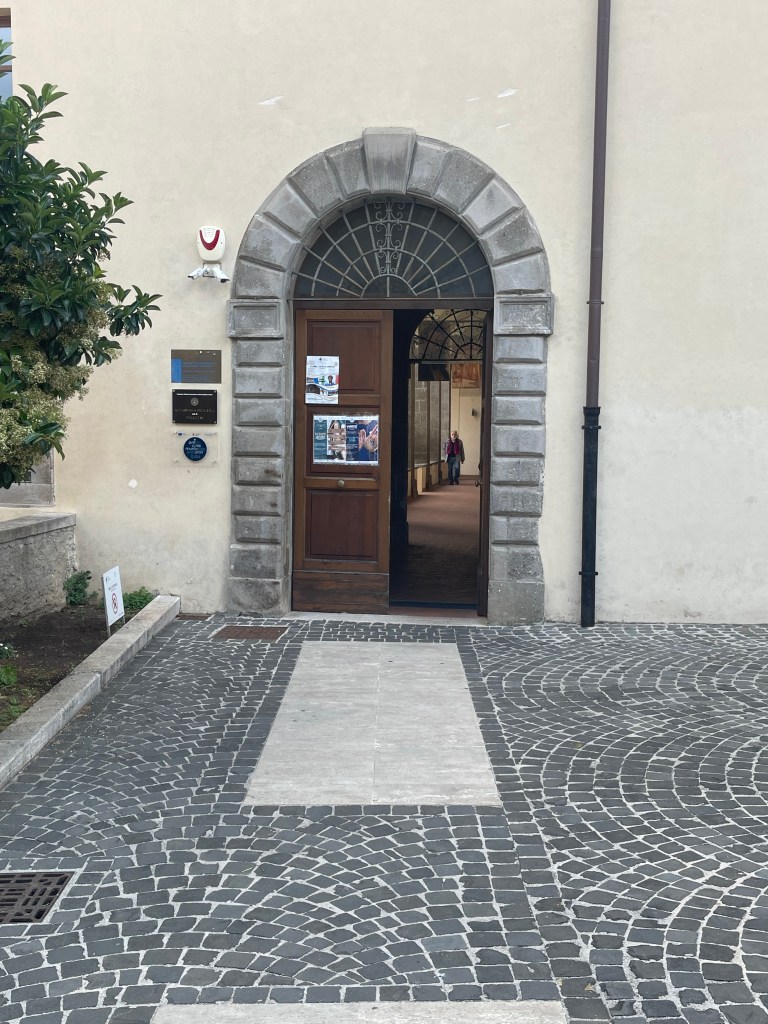
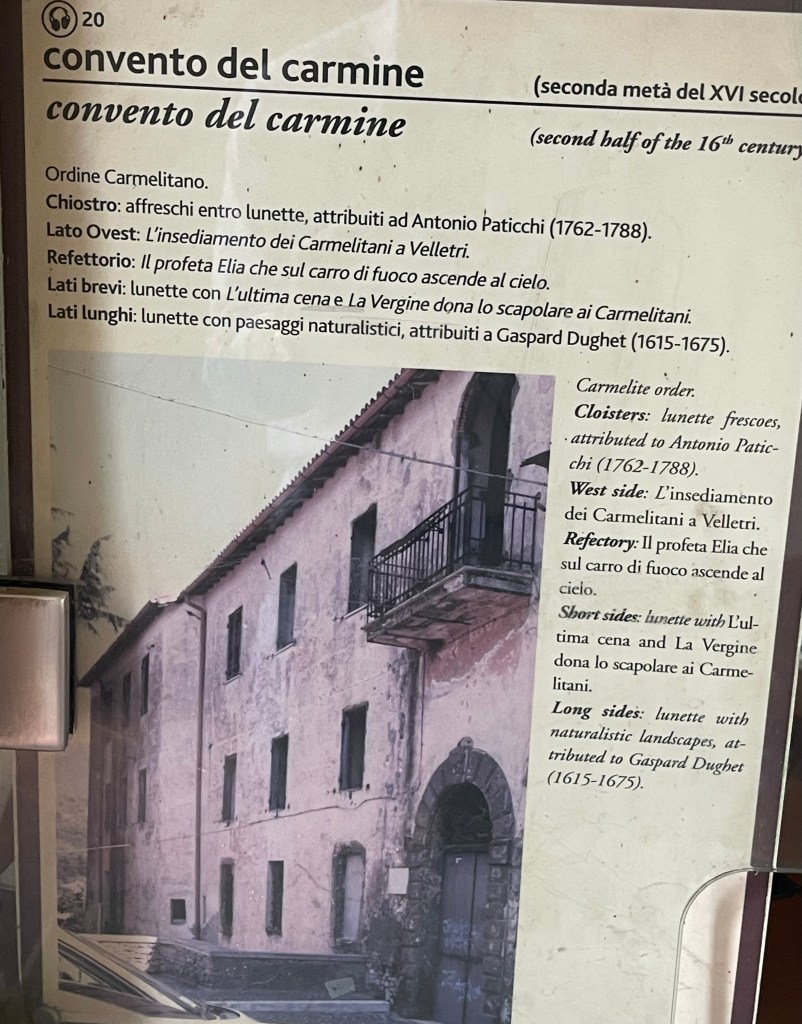
Escaping the confusion in Rome with the coronation of the Pope, I was able to enjoy a voyage of discovery in Velletri this morning .


 ChristopherAxworthy-MusicCommentary