Temple Church Temple, London EC4Y 7BB
Wednesday, 30 April 2025, 1.15-1.45pm

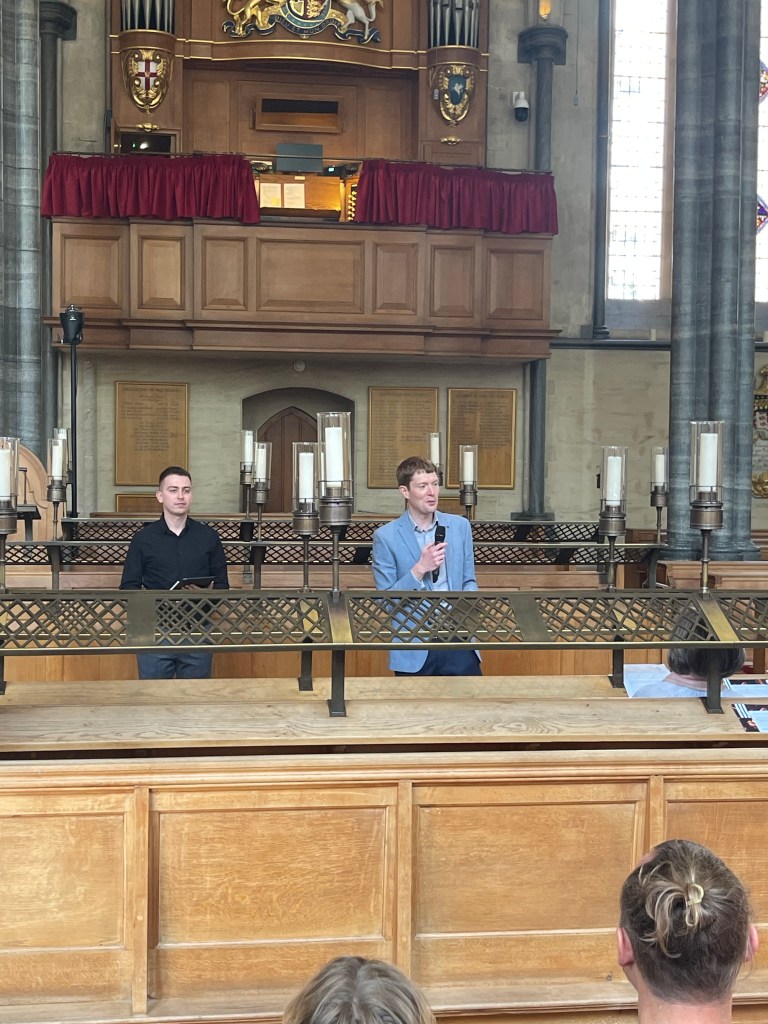


PROGRAMME:
Bach Prelude in E-flat major BWV 552
Čiurlionis Fugue in C minor ‘Kyrie eleison’ Vl 19
Surzyński Capriccio in F sharp minor Op. 36
Mendelssohn (arr. Schmeding) Prelude and Fugue in E minor
https://drive.google.com/file/d/1iumXbsF0f6o3HXofUjbrhGGDNU5_H4kr/view?usp=sharing
COLOUR AND INSPIRATION AT TEMPLE CHURCH

by
ANGELA RANSLEY
Bach Prelude in E-flat major BWV 552
Čiurlionis Fugue in C minor ‘Kyrie eleison’ Vl 19
Surzyński Capriccio in F sharp minor Op. 36
Mendelssohn (arr. Schmeding) Prelude and Fugue in E minor
PIOTR MAZIARZ studied at the Krzysztof Penderecki Academy of Music in Krakow under Prof.
Semeniuk-Podraza. During his studies, he participated in numerous organ competitions taking First
Prizes in Russia and Italy. In 2021 he began his organ studies in Frosinone, Italy, and during his
time there began researching the work of Marco Enrico Bossi. In 2023, he received a scholarship
from the Royal Birmingham Conservatoire and The Nicholas Danby Trust, and began his MMus
studies under the guidance of Daniel Moult and Nicholas Wearne. He has already given concerts in
Slovakia, Hungary, Italy, Russia and the UK.
For his Temple debut, Piotr devised a stimulating programme where all four composers – Bach,
Ciurlionis, Surzynski and Mendelssohn – were influenced by the musical hothouse that is Leipzig.
The link between Mendelssohn and Bach is well known, and Felix later founded the Conservatoire
where the two East European composers received their specialist training,
Piotr showed the breadth of his experience by opening his recital with the famous St Anne Prelude
BWV 552, one of the pinnacles of organ art by J S Bach. It was written in 1735 and published four
years later in the Clavierubung III. This is the third of four repertoire publications by Bach and the
only one dedicated to the organ.
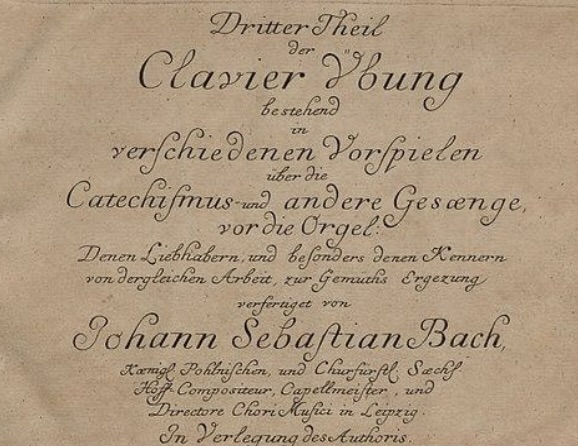
Title page of Clavierubung III
The Prelude in Eb BWV 552 is the longest prelude in Bach’s output and displays the command of
international style required of German composers by the well-travelled nobility. First came the
formal dotted style of the French overture where Piotr displayed well controlled rhythmic precision.
He communicated the Italian dance style – an elegant Gavotte – with appropriately light, playful
registration. For the German style, Bach chose to write a double fugue and despite references to the
other styles, developed this writing to a rousing climax.
Piotr has accumulated wide international experience through his studies in Poland, Italy and now
the UK, and his choice of a bright, north European timbre using the reed potential of the Temple
instrument was entirely convincing. His keen ear was able to create just the right Baroque sound
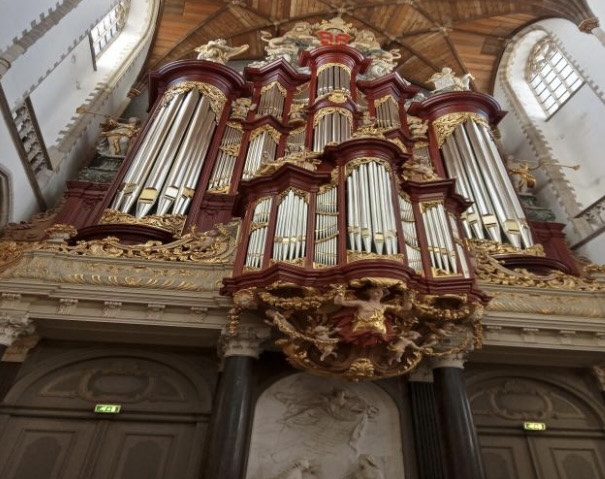
that might be heard on one of the magnificent historic instruments such as the St Bavokerk,
Haarlem, pictured below:
…
St Bavokerk, Haarlem
Mikalojus Konstantinas Ciurlionis (1875 – 1911) is the leading artist of Lithuania where there is a
centre dedicated to him. His influence is also found in a similar centre in Chicago, and there have
been major exhibitions including one at the Dulwich Picture Gallery, London in 2022. He was
equally gifted as a musician and painter and possessed the remarkable faculty of synesthesia, where
musical pitches and keys are associated with colour. Despite a short life of 35 years, he left 400
musical works and 300 paintings.
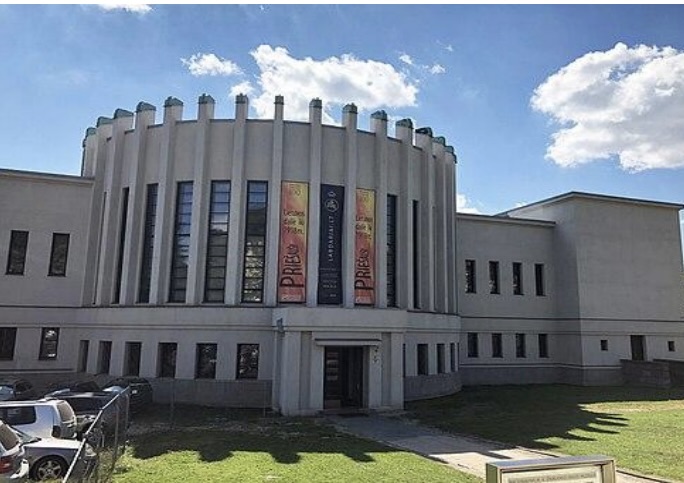
Ciurlionis National Art Museum, Lithuania
The Fugue in C minor Kyrie Eleison is a transcription of a choral piece which sets the Greek text
from the Mass. It has a sinous, introspective quality for which Piotr searched a richly mixed palette
of dark hues, imbued with Romantic unease. This was achieved through a well sustained legato and
impeccable linear clarity.
Mieczyslaw Surzynski (1866-1924) is not a familiar name here but deserves to be better known as
his is a truly international style. In his own country, Poland, he is honoured as the leading concert
organist of his day who also held conducting posts, church positions in Russia and (now) Ukraine,
and became Professor of organ and counterpoint at the Institute of Music in Warsaw.
Capriccio is one of 7 Romantic pieces published in the collection Improvisations Op 36 in 1910.
Like Ciurlionis, Surzynski furthered his education at the Leipzig Conservatoire and in Capriccio,
Mendelssohn fairy music meets 2-bar Polish folk melody. We hear it initially in its delightfully
airborne form which is then repeated in organo pleno. A number of varied repeats follow featuring
triplets and imitation before the semiquavers dance off joyfully. What a brilliant choice, Piotr! After
the athleticism of Bach and brooding Ciurlionis, this was perfectly placed. It also gave many
opportunities to show the symphonic capability of the Temple instrument, making imaginative use
of the woodwind reed stops. Dynamics and rubato were also finely judged so that Piotr revealed
inner secrets one at a time and saved the best for last. Super!
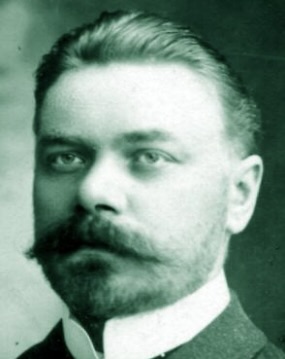
Mieczyslaw Surzynski
The first three composers in this recital owe much to the fourth, Felix Mendelssohn. His influence
extends beyond his own works to being responsible for the rediscovery of J S Bach after a century
of obscurity, and to the founding of the Leipzig Conservatoire in 1843. It subsequently became the
leading centre of musical studies in Europe and where Ciurlionis and Surzynski both furthered their
talents later in the century.
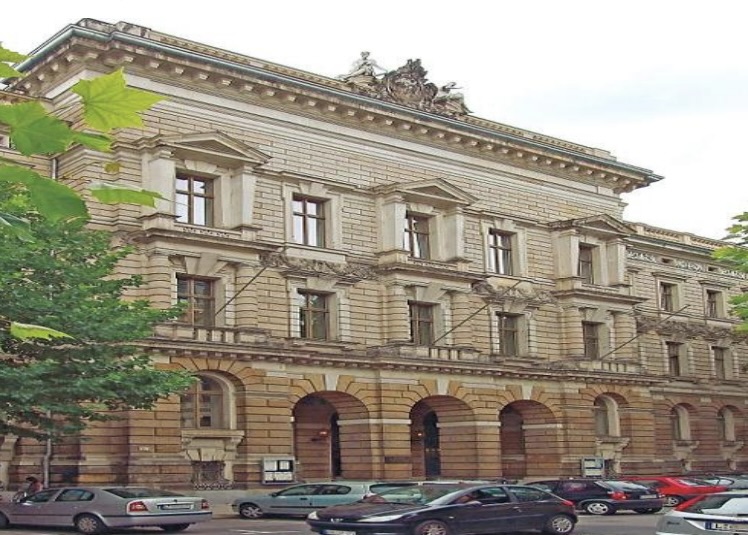
Leipzig Conservatoire
The Prelude and Fugue in E minor were paired later, the Fugue dating from 1827 and the Prelude
from 1841. The Prelude is vintage Mendelssohn. It was written orginally for the piano and
transcribed by a previous Visiting Professor at Birmingham, Martin Schmeding, based at the
Leipzig Conservatoire. Piotr was fortunate to work on this piece with him. It is suited to the organ
in that Felix wrote in a 3-hand technique with the melody in the middle register. However, its tonal
wash relies on the use of the piano’s sustaining pedal and this is not available to the organist.
Another issue is that what the organist hears at the console is not necessarily what is received below
and there were issues of balance and blend on this occasion.
The Fugue stands among Mendelssohn’s most dramatic writing. It coincided with the performance
of Mendelssohn’s only opera in 1827 and anticipates the elemental fury of Fingal‘s Cave, written
two years later. The contrapuntal brilliance owes much to Bach: Felix’s early studies were so
grounded in the earlier composer that by the age of 14, he could play all 48 Preludes and Fugues
from memory. There is also a family connection that is not widely known: Felix’s great aunt, Sara
Levy, studied the harpsichord with J S Bach’s son, Wilhem Friedemann, and she owned a copy of
St Matthew Passion, which she gave to him. Felix became deeply engaged with the score and this
led to the historic recreation in 1829 which fired his interest in Bach’s works and is the reason we
can enjoy today‘s Prelude and Fugue.
Excitement is built into the first two notes of the fugue’s subject, its jagged dissonance cutting
through the complex texture at every re-entry and driving the movement forward relentlessly. There
are powerful musical tools: the descending dotted rhythms, the toccata-like episodes, the piling up
of dissonance. As the drama builds, awe descends as the genius of an 18-year-old invokes a leonine
roar from the King of Instruments. There was power, clarity and assurance here combined with the
unique joy of being able to converse with the gods. Piotr took the audience with him and they
showed their appreciation in heartfelt applause.
The Keyboard Trust offers two major London recitals a year to its rising stars, here at Temple and
also at Westminster Abbey. These venues are appropriate because student is no longer the correct
description: performers such as Piotr are already adult artists who are enabled to develop through
guidance at the highest level at the Royal Birmingham Conservatoire and other music colleges. As
RBC Daniel Moult says: We have become a destination of choice for some of the most gifted
organists in the UK and internationally. At last our reputation will be matched by our resources
and will enable us to educate and inspire in a way previously unimaginable.
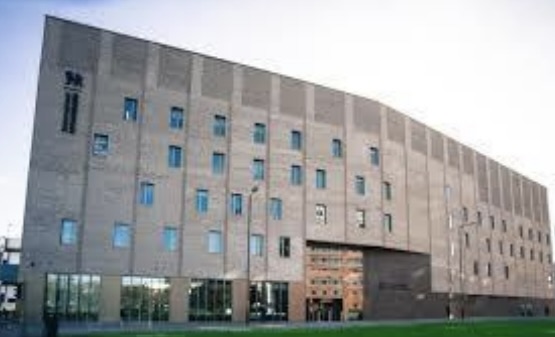
Royal Birmingham Conservatoire
Please understand that life is not easy for today’s young and gifted and think what you might do to
support them at this critical stage. Meanwhile, thank you Temple, thank you Keyboard Trust and
most of all, thank you, Piotr!
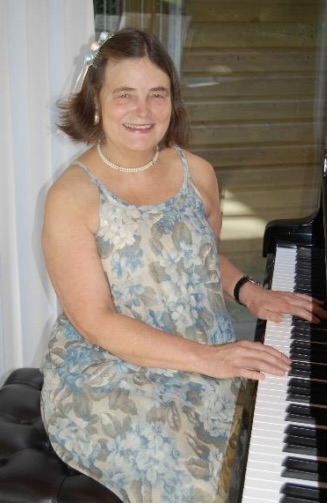
ANGELA RANSLEY is Director of the Harmony School of Pianoforte, writer on musical subjects
and organist. She has collaborated with the Keyboard Trust since 2010.
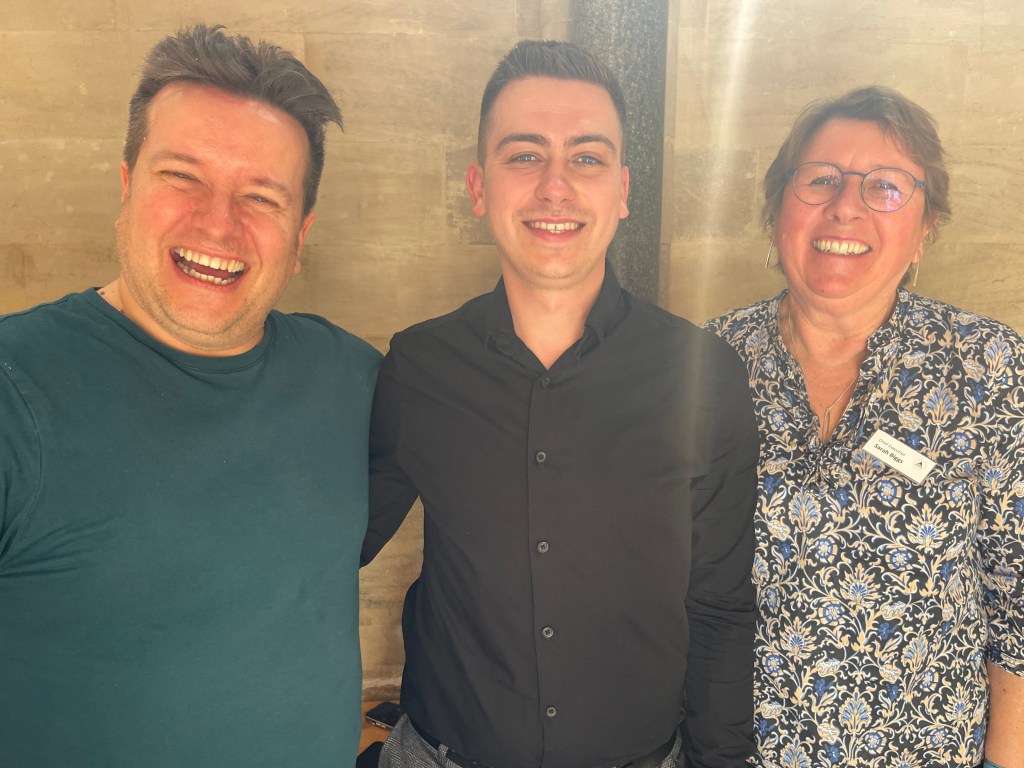

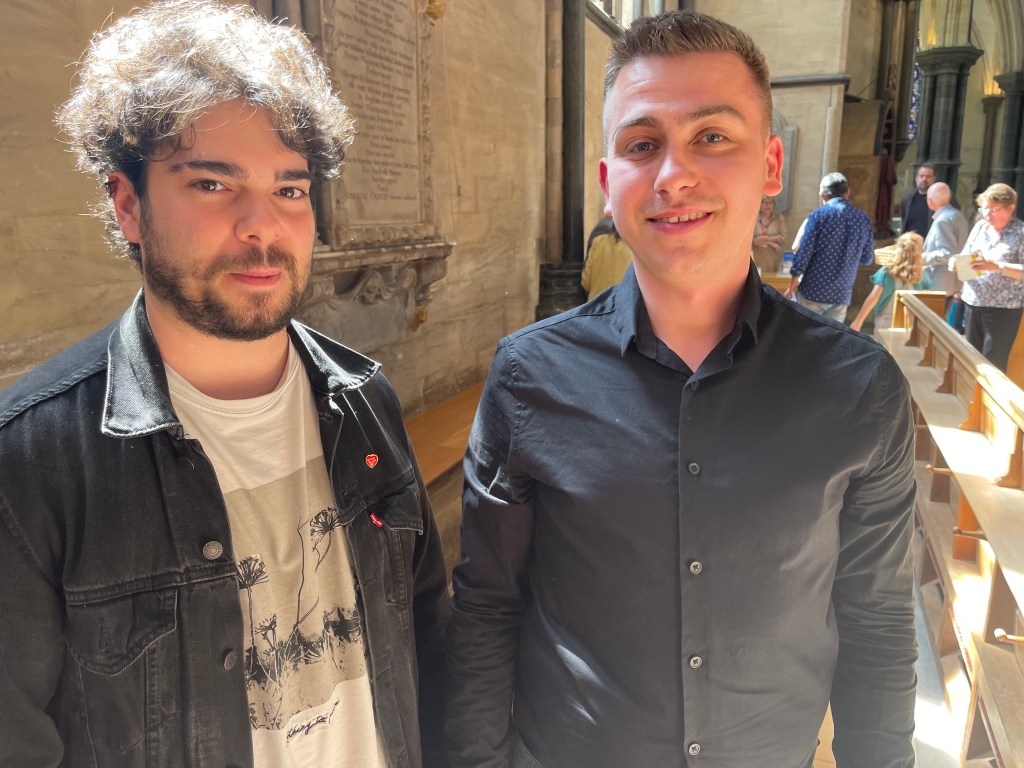

Piotr Maziarz studied the organ at the Krzysztof Penderecki Academy of Music in Krakow under Prof. Mirosław Semeniuk-Podraza. During his studies, he participated in numerous organ competitions taking First Prizes in international organ competitions in Russia (“Vox Polonica Petropolitana” 2019) and in Italy (“Don Vincenzo Vitti” 2021).
In 2021, he began his organ studies in Italy under Prof. Juan Paradell-Sole and Prof. Antonella Tigretti in Frosinone. During his time there he began researching the work of Marco Enrico Bossi, following in his footsteps by playing the instruments the composer performed on and analysing manuscripts. At the end of his Master’s studies in Kraków, he wrote a thesis entitled “Marco Enrico Bossi – in search of romantic patterns”, touching in depth on the problems of registering and interpreting his works.
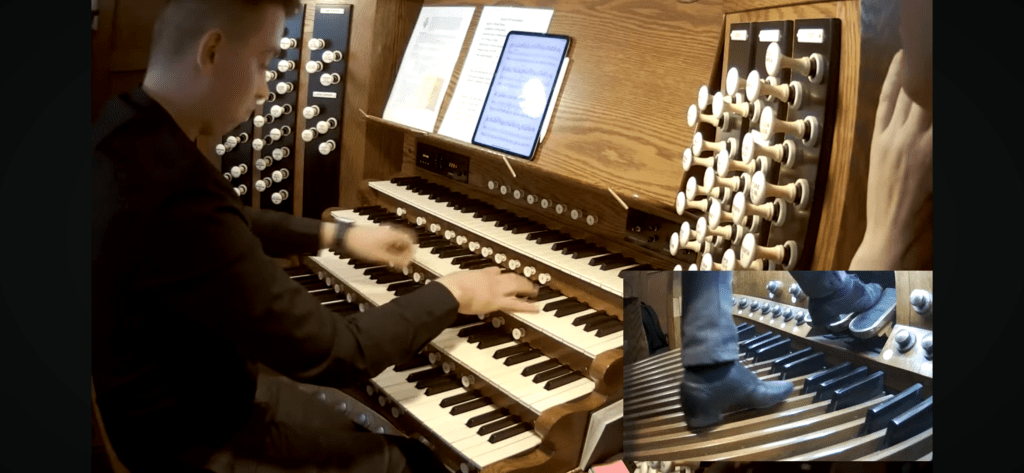
In 2022, he secured an Erasmus+ internship at the Royal Birmingham Conservatoire to study the works of Byrd, Purcell, Elgar and Howells.
In 2023, he received a scholarship from the Royal Birmingham Conservatoire and The Nicolas Danby Trust and began his MMus studies at the Royal Birmingham Conservatoire under Daniel Moult and Nicholas Wearne.
Piotr has been invited to the most important organ festivals in Poland. He has given concerts in Slovakia, Hungary, Italy, Russia and the United Kingdom.

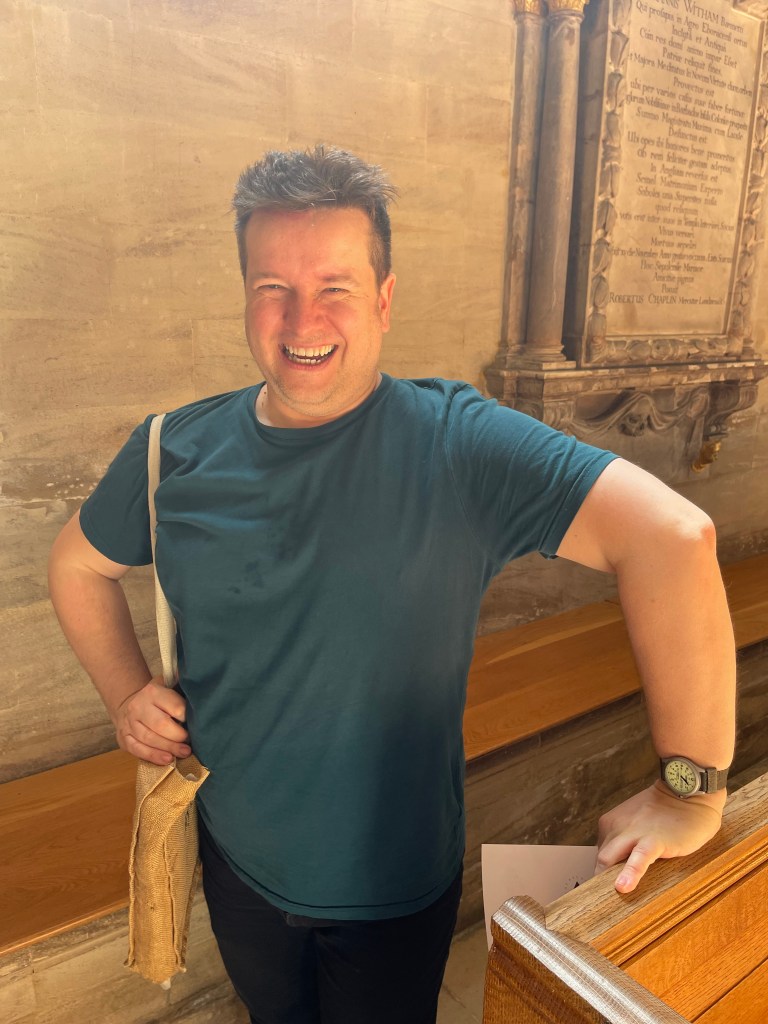

As a Harpsichordist, Thomas is active as a soloist and continuo player, frequently performing with several groups. He is a founding member of the award-winning Ensemble Hesperi, a group known for their inventive programming and for their pioneering approach to 18th century Scottish Baroque repertoire.
Having initially studied music at Oxford University, and then at the Royal College of Music, Thomas was later awarded a scholarship to complete his studies as a harpsichordist on the Artist Diploma programme at the Guildhall School of Music and Drama, studying with James Johnstone and Carole Cerasi. His teachers have included Stephen Farr, William Whitehead, Margaret Phillips and Terence Charlston. In 2016, he was supported by the Eric Thompson Trust to study with Erwin Wiersinga at the Martinikirk in Groningen, and in 2019 he was a Britten Pears young artist, performing a programme of Bach cantatas as a continuo player with Phillipe Herreweghe. Thomas has held posts at Worcester and Magdalen Colleges in Oxford, and at St Marylebone Parish Church.
Thomas is organist of the church of St Mary-le-Bow, Cheapside, where he plays for ceremonies for several of the City of London’s ancient Livery companies. His repertoire interests on this instrument are eclectic, and he has recently made a film, available on You Tube, featuring unjustly forgotten 18th-century composers of City churches.

https://christopheraxworthymusiccommentary.com/2024/12/25/point-and-counterpoint-2024-a-personal-view-by-christopher-axworthy/

 ChristopherAxworthy-MusicCommentary