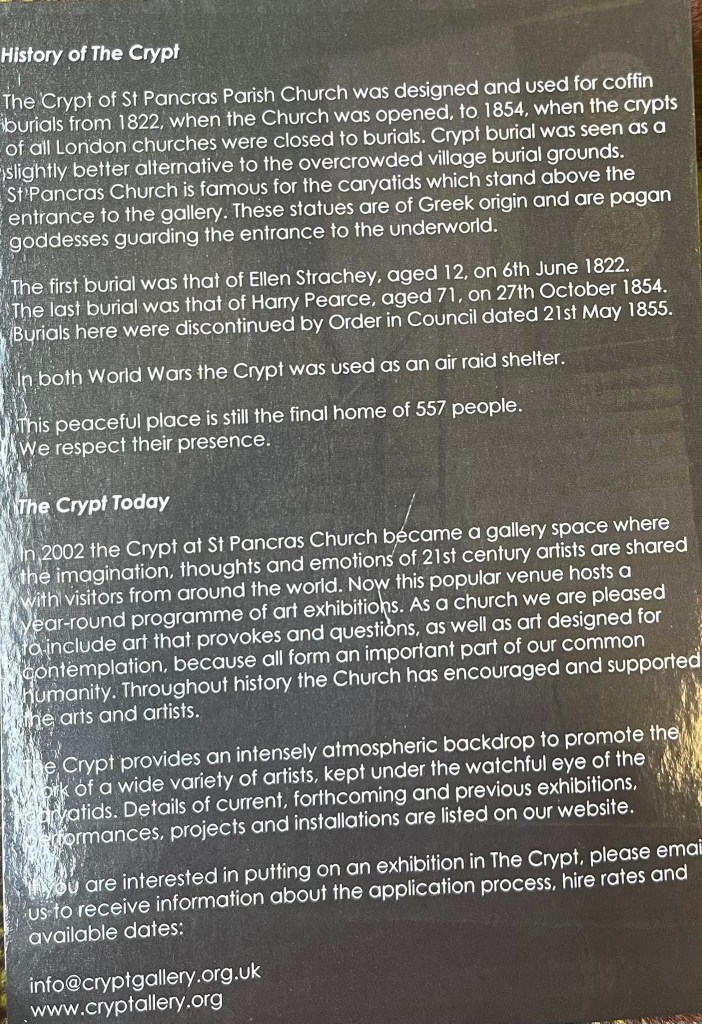
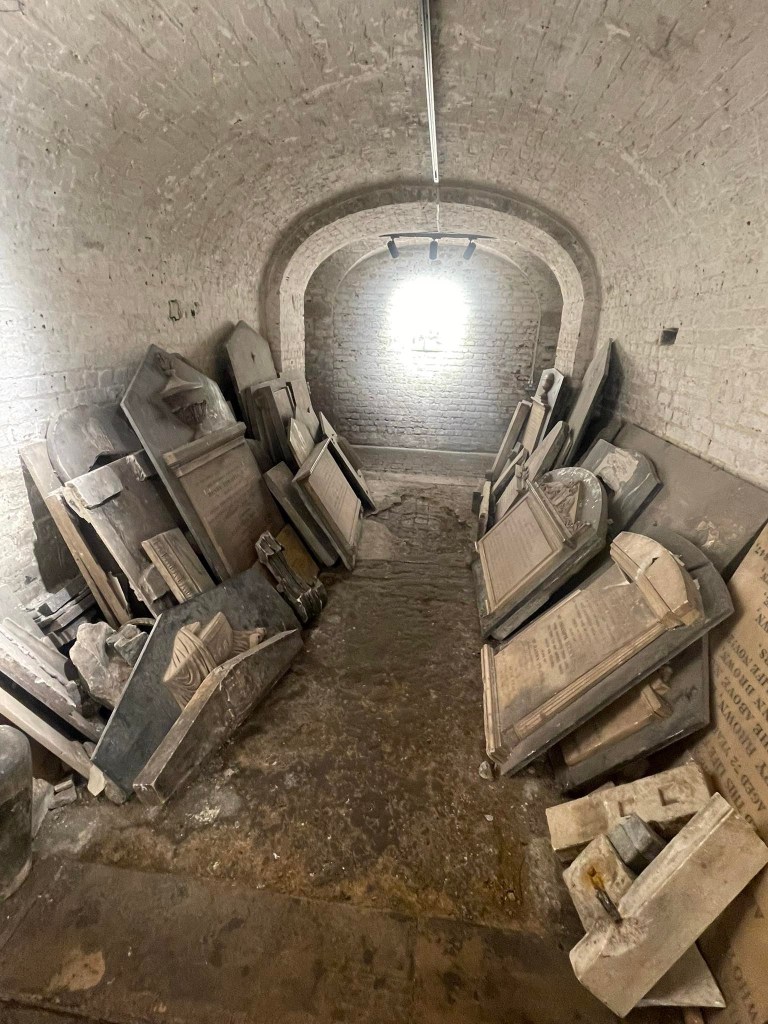
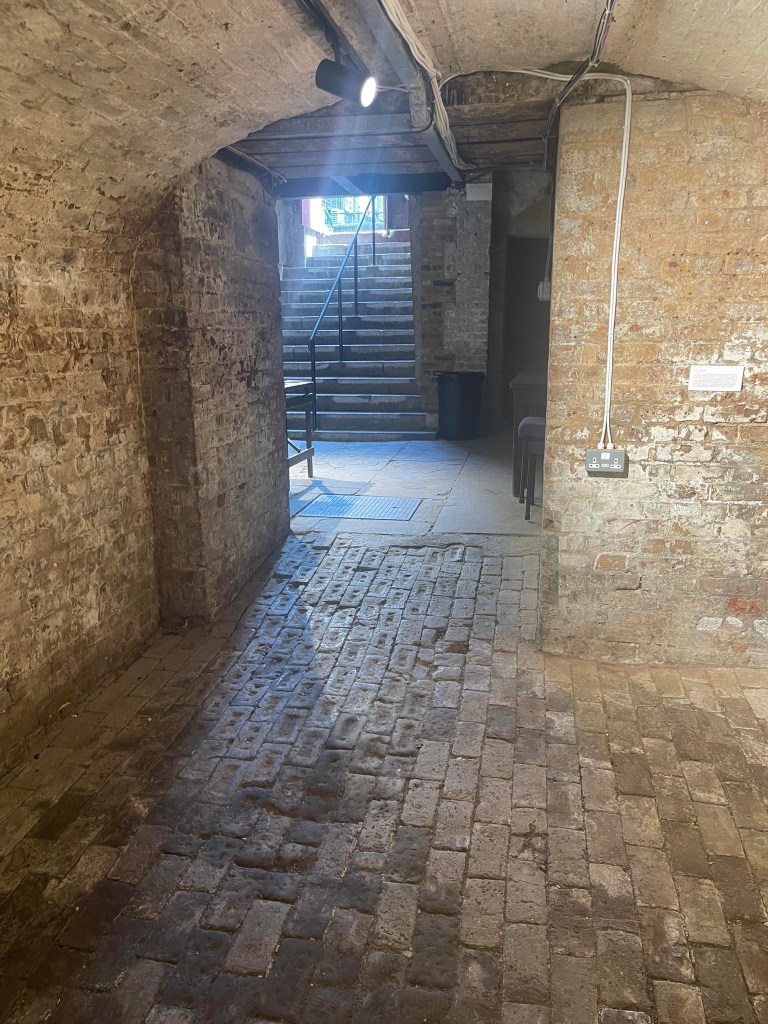
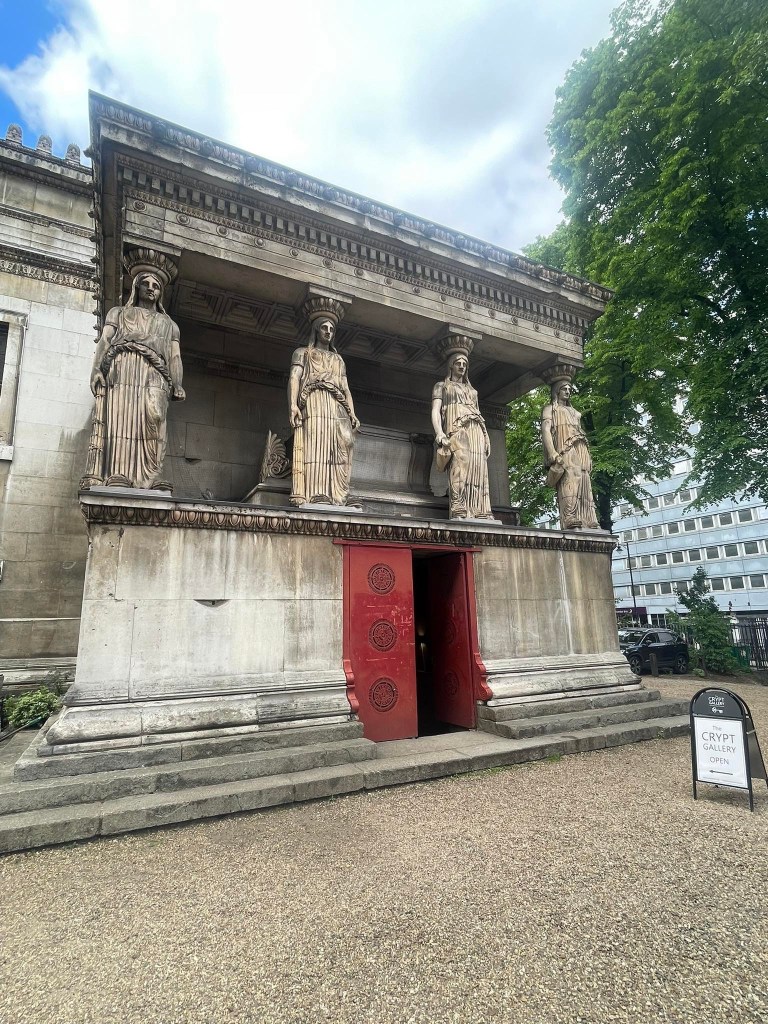
A concert streamed live from this extraordinary church opposite Euston Station. A fascinating discovery inside, outside and underneath and streets that surround it full of fascinating historic buildings and vibrantly active cultural centres.
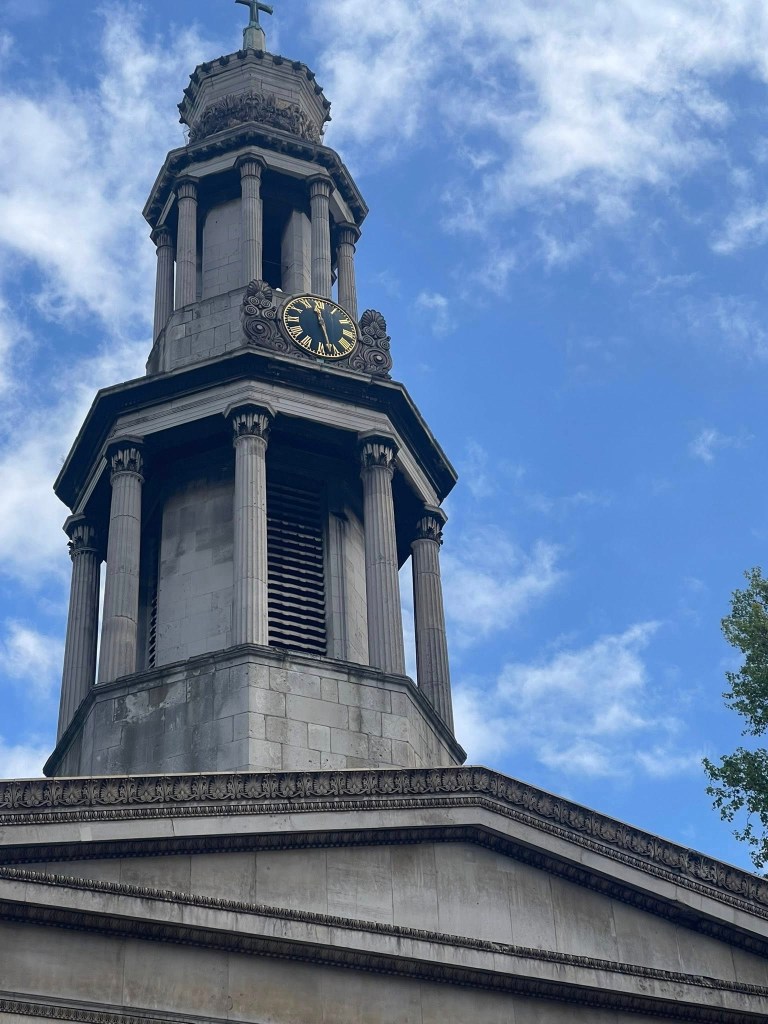
Inside this vast edifice it was the first time that I had been able to listen to Paul Mnatsakanov’s Carnaval.
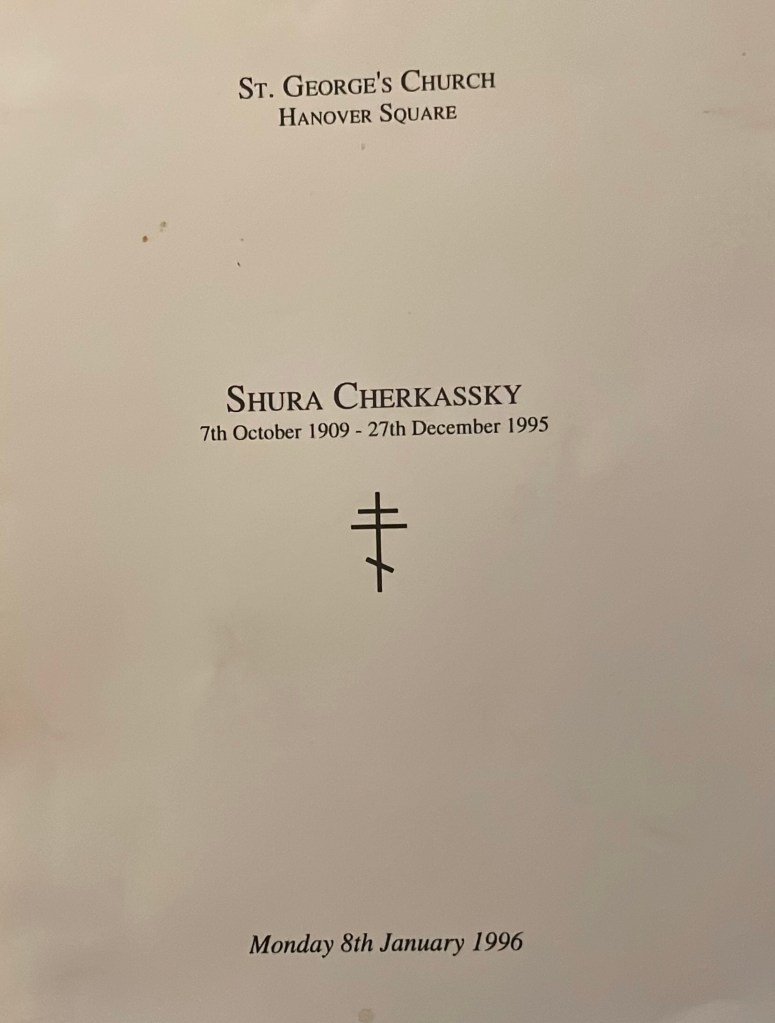
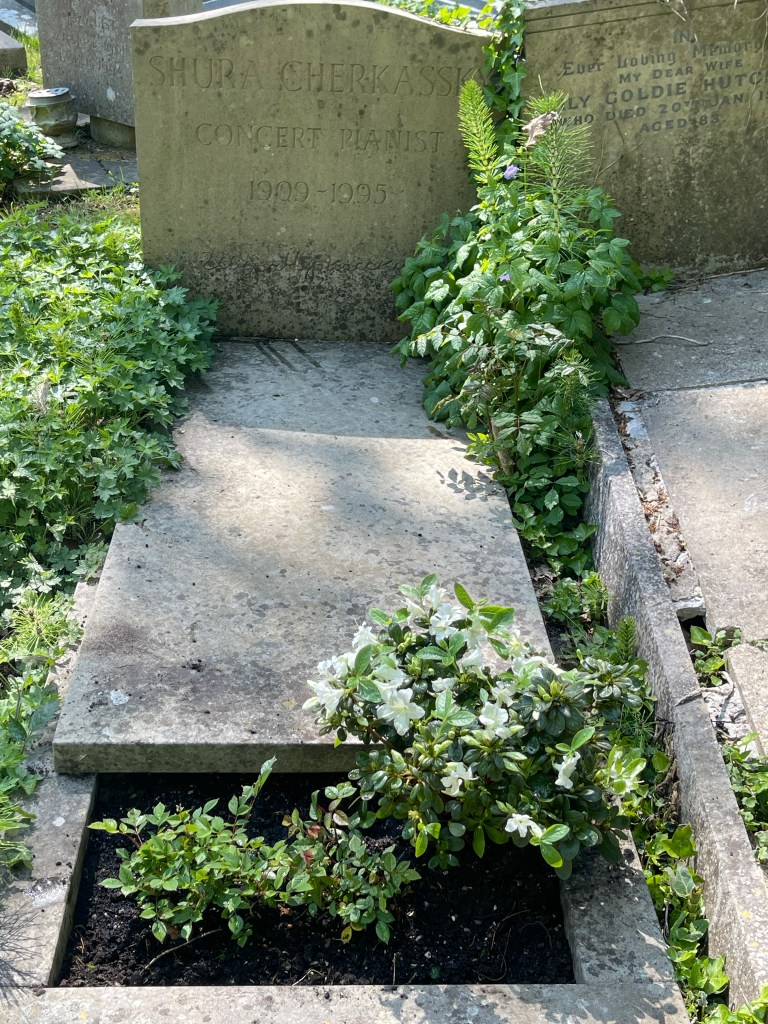
He had played it over three consecutive mornings in St George’s Hannover Square but it was far too early, even for me! I remember Shura Cherkassky’s Funeral there in 1996, but at a more civilised time.
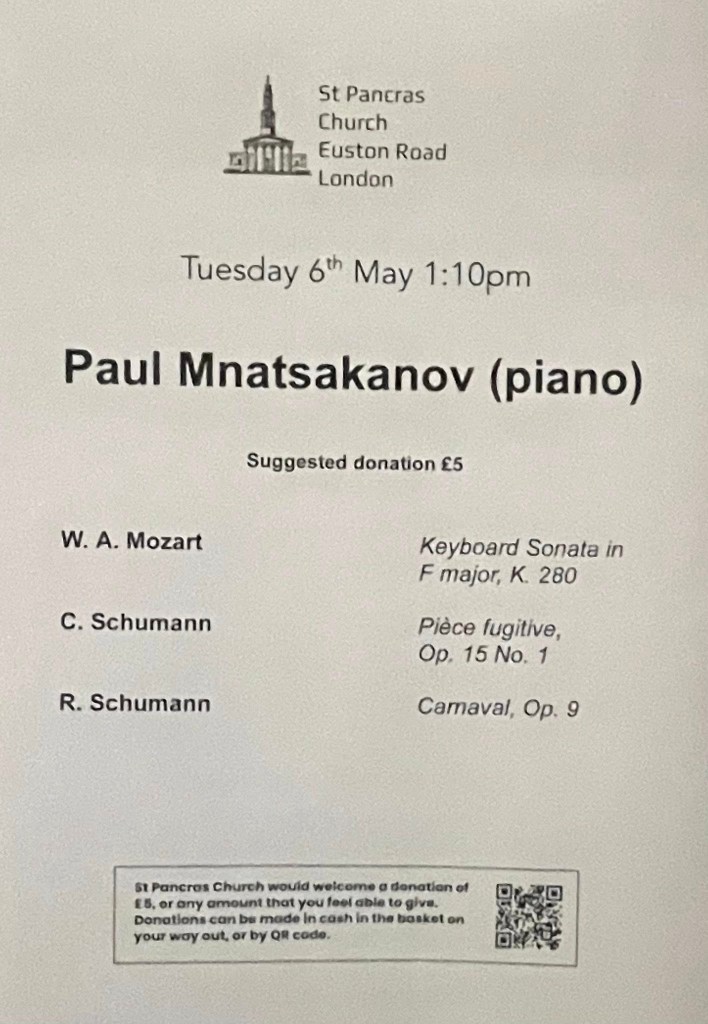
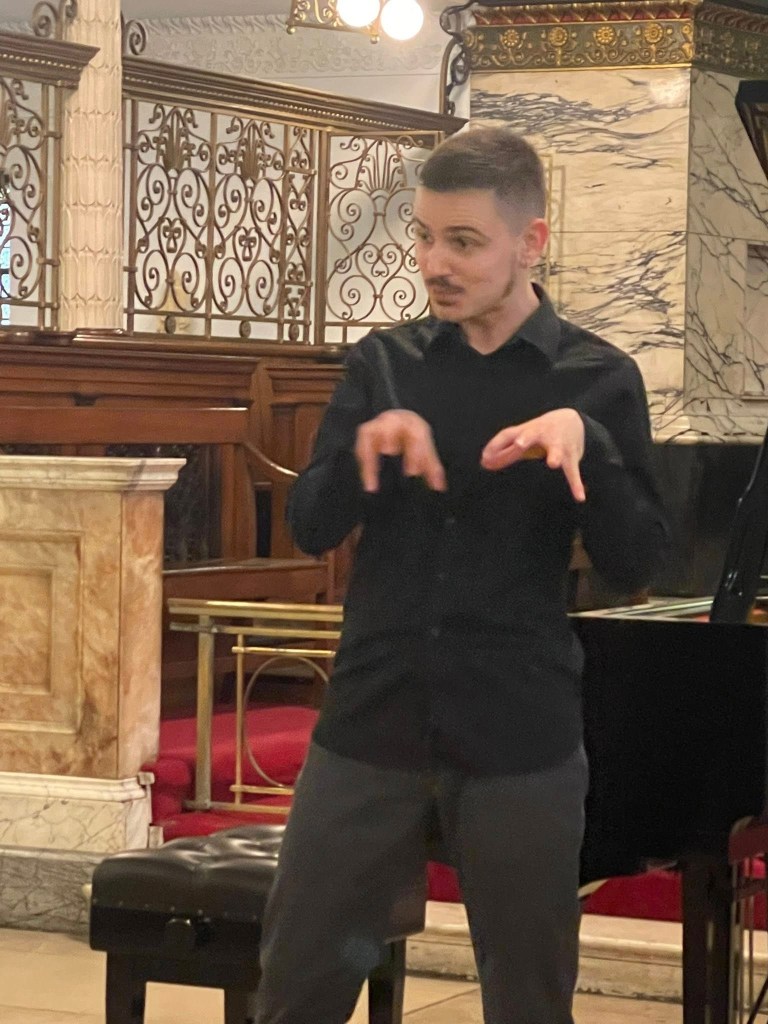
A short lunchtime concert that had opened with Mozart’s early Sonata in F K 280 that was played with crystalline clarity and knowing style. A pianist who also plays historic instruments and whilst bathed in the style of the period he is also a master pianist who can combine the two worlds.
Gracefully ornamented the first movement was beautifully shaped with the dynamic contrasts of its age. A beautiful liquid sound to the slow movement with subtle inflections of great delicacy and poignancy. A teasingly operatic last movement just bursting with characters bubbling over with humour. https://christopheraxworthymusiccommentary.com/2024/05/24/paul-mnatsakanov-graduation-recitals-at-the-royal-college-music/
A charming interlude by Robert’s wife, Clara Schumann, with a beautiful intermezzo under the title, ‘Pièce fugitive’ op 15.n.1, with its etherial melody of charm and the beguiling beauty of its time, allowed to float like a ‘Song without words’ on a mellifluous accompaniment of melting radiance.
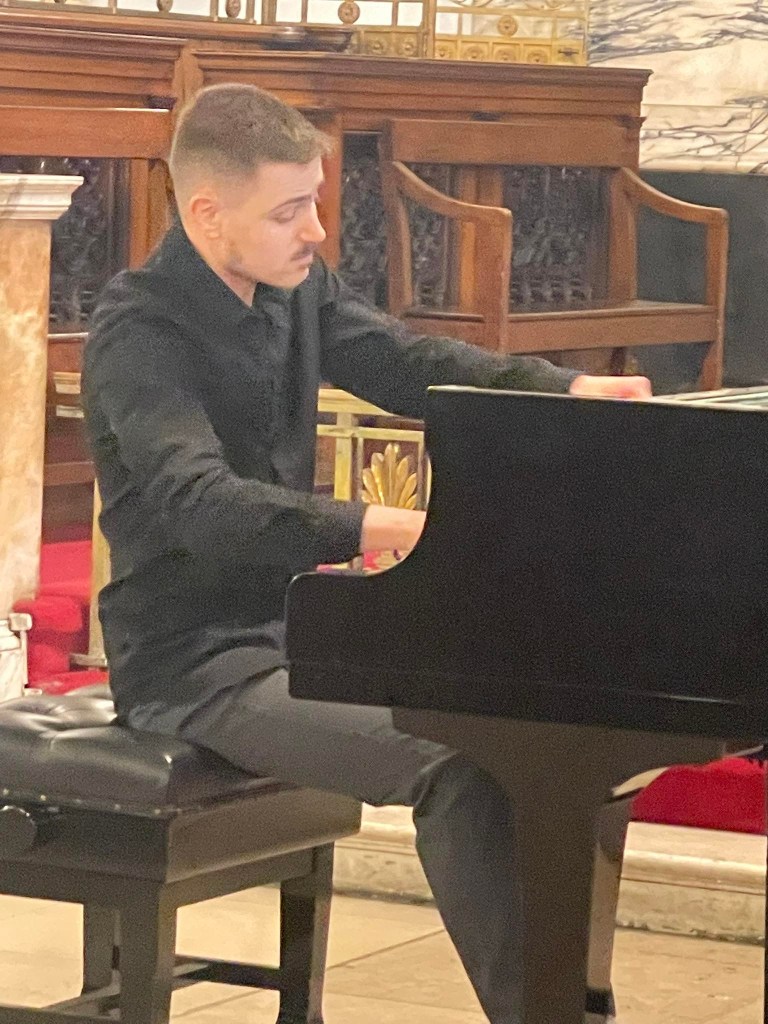
This was the link to an authoritative performance of Robert Schumann’s ‘Carnaval’ op 9 .
The first time I heard Paul was in a monumental performance of Mussorgsky’s ‘Pictures’ played as a curtain raiser for the orchestral version by the RCM Symphony Orchestra. It was such an overwhelming performance that I chose not to stay for the orchestral version directed by Haken Hardenberger having had my plate filled to the full by a sumptuous feast of transcendental mastery.
I had discussed Carnaval with Paul when he was learning it, and I did wonder how someone who plays Mussorgsky so masterly would cope with the subtle world of Florestan and Eusebius.

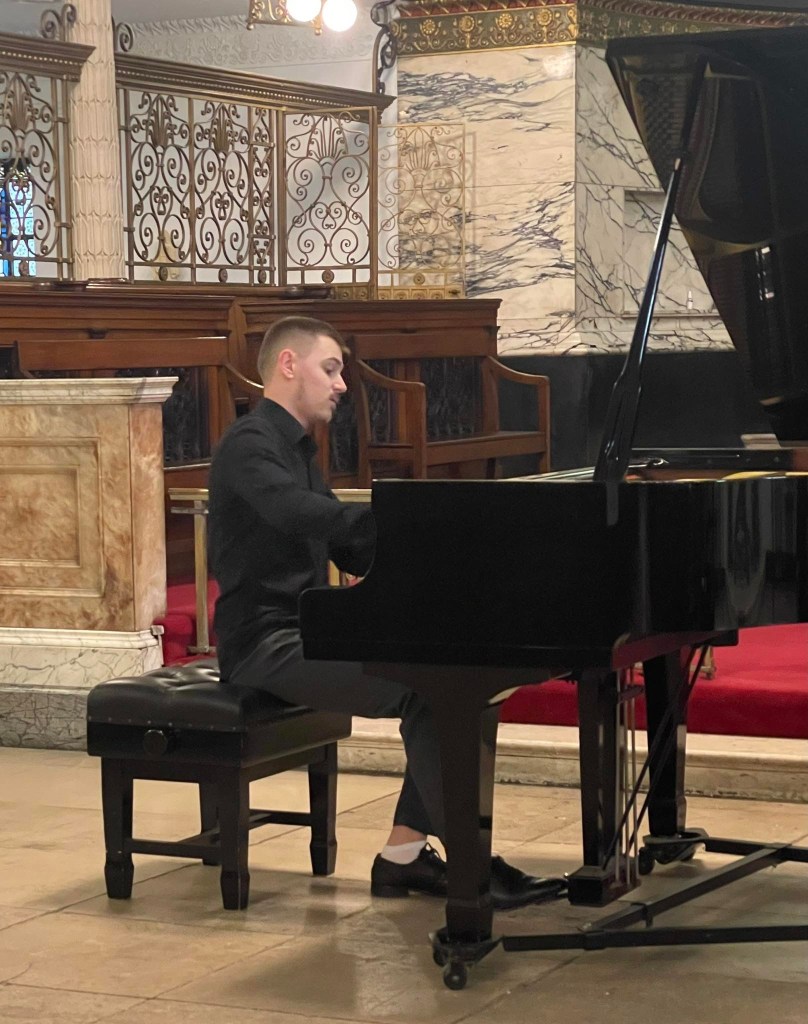
I need not have worried because Paul is a master musician, as today proved, and Carnaval unfolded with extraordinary characterisation and a kaleidoscope not only of colours but of personalities that were depicted with such authority and conviction. A parade of characters that with chameleonic physicality he identified with each one in turn in a most extraordinarily mesmersising way. In fact this was one of the most convincing performances that I have heard since listening to Artur Rubinstein or Nelson Freire not to mention on disc Alfred Cortot and Guiomar Novaes. Yes I certainly know my Carnaval and woe beside anyone who tries to play it like a virtuosistic showpiece!
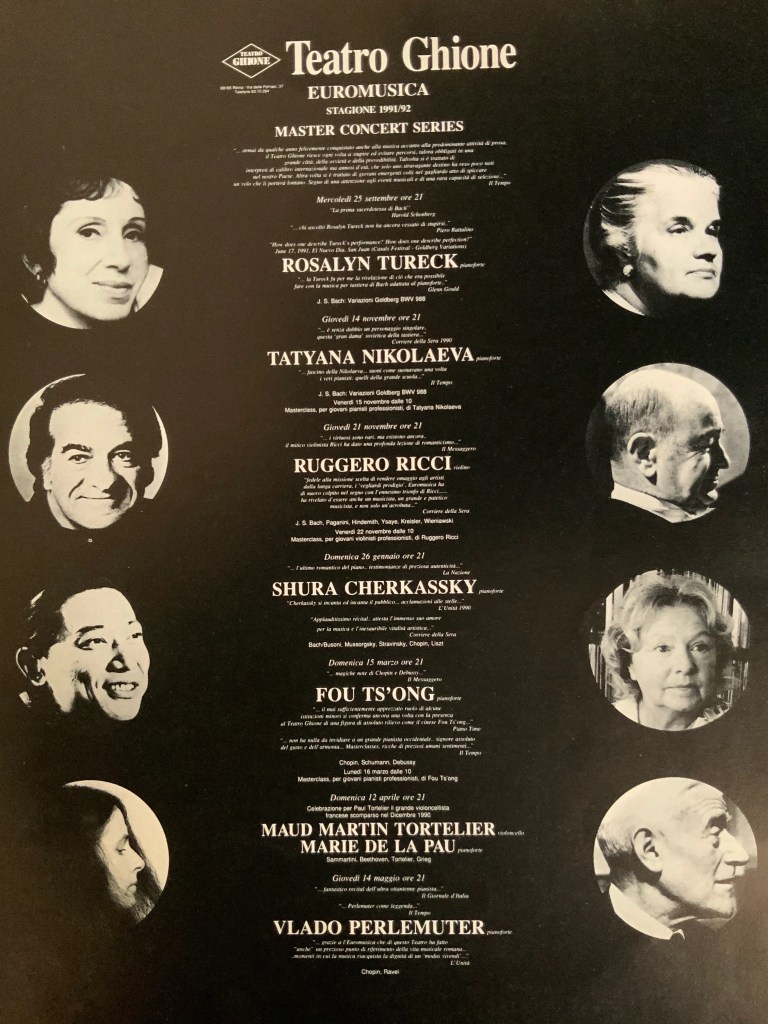
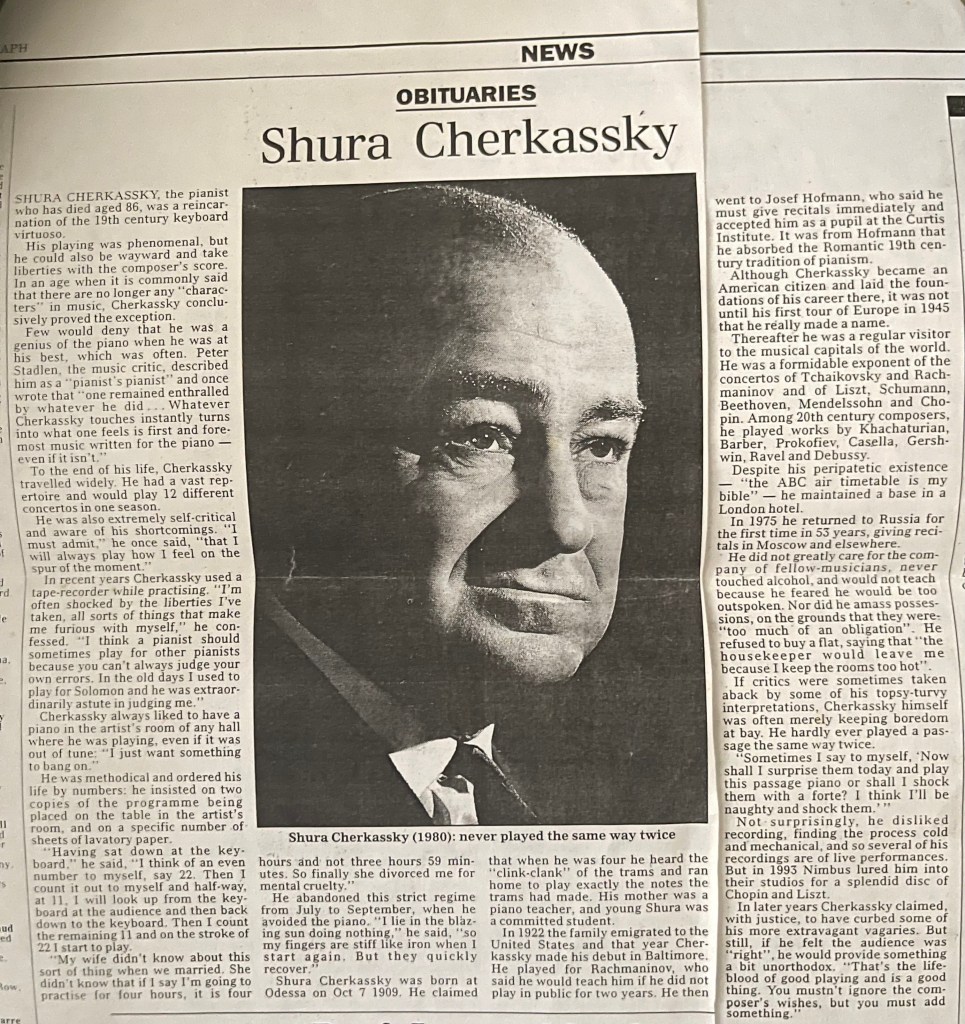
Sorry Shura how could I ever forget your ravishingly beautiful Carnaval for us in Rome in 1987 https://drive.google.com/file/d/1DmdTaZWs7B6bCCJAOaFa2wDDIznr4_rO/view?usp=gmail

Opening with an immediately arresting ‘Préambule’ of nobility and authority, descending into a fleeting dance of ravishing seductive style as the Carnaval is about to begin. ‘Pierrot’ entered with a mellifluous fluidity interrupted by a heavy tread, never overstepping the mark though, as Paul added weight to the inner notes of the melodic line adding an unexpected richness to a character that can sometimes pale into insignificance in lesser hands. ‘Arlequin’ just jumped from his hands as impish pomposity was played with knowing sarcasm only to be interrupted by a ‘Valse’ that was truly ‘noble’ and passionately involved on a wave of emotion. ‘Eusebius’ appeared on the scene with a gentle melodic line of perfect legato shaped with a knowing breathing rubato. ‘Florestan’ suddenly appearing with dynamic energy only calmed by looking back and reminiscing the ‘Papillons’ left seven steps behind! Paul really acted the part of ‘Coquette’ and it was a joy to watch his antics that were translated into sounds of irresistible shyness and charm, even more so with ‘Réplique’.
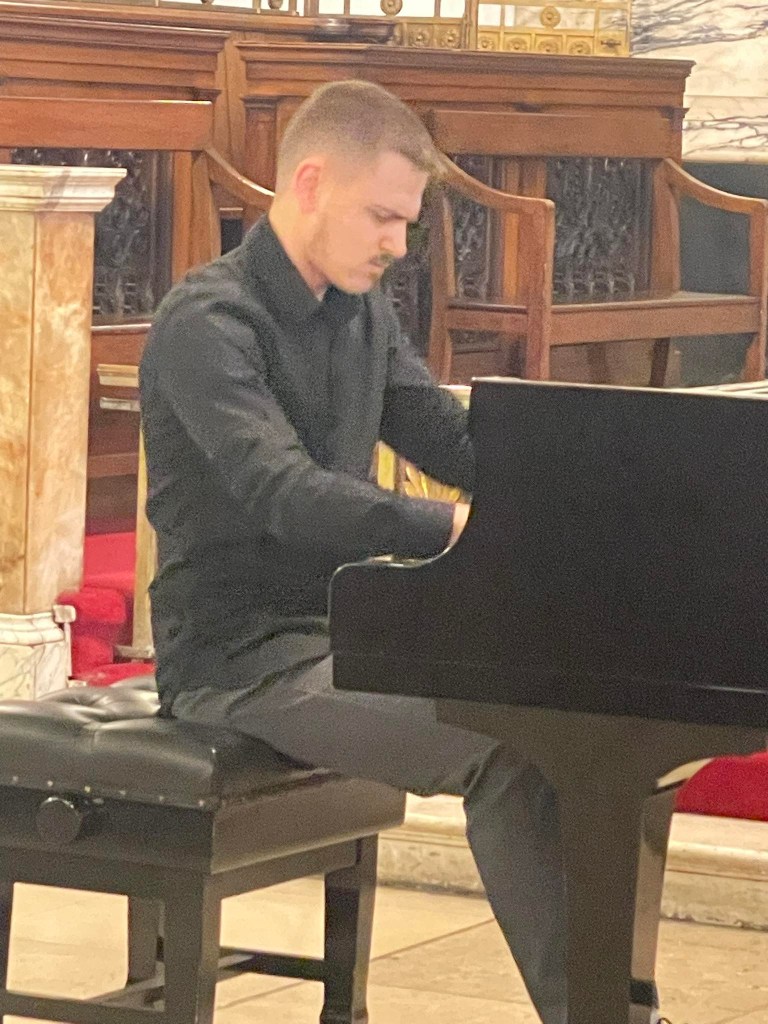
I have never heard the ‘Sphinxes’ played with such fantasy and incorporated so wonderfully into the structure of which they are the ‘nuts and bolts’. Even Rachmaninov could not match what Paul did today. Most other performers leave them out altogether, finding them an unnecessary intrusion. Suddenly the third Sphinx high in the top of the piano was transformed into the opening of ‘Papillons’.
A quite extraordinary discovery from a master musician with an open and questioning mind.
‘Papillons’ was played with dynamic drive and a bustling energy leading to ‘Dancing Letters’ that literally jumped all over the keys with Paul’s athletic participation. A gently passionate outpouring of ‘Chiarina’ building to a sumptuous climax out of which entered ‘Chopin’ with a robust and fervent ‘bel canto’. Paul played with breathtaking style and a rubato that had us following every phrase with baited breath, especially when the whispered repeat was barely audible or at least only to those whose heart was beating at the same pace as Paul’s. ‘Estrella’ entered with determination before the delicate buoyancy of ‘Reconnaissance’ where the duet between the voices reached heights of sublime beauty in the central episode .The busy no compromising chatter between ‘Pantalon’ and ‘Colombine’ was played with fingers of steel as they dissolved into friendly disagreement with a charming nod and a wink . ‘Valse allemande’ was played with all the style of a Viennese waltz and created the framework for Maestro ‘Paganini’ and his diabolical trickery. An extraordinary ‘tour de force’ of dynamic mastery from Paul in a chapter that strikes terror even into the most experienced virtuosi. Whispered beauty of ‘Aveu’ lead to the heart renching nostalgia of the ‘Promenade’ that Paul played with ravishing colour and fantasy. The final ‘March of David against the Philistines’ was played with breathtaking authority and mastery .The same that I had experienced from Paul’s ‘Pictures’, but that here was bathed in the romantic style of the great pianists of a past age.

A quite extraordinary performance and after that only one voice could be heard – that of J.S. Bach. And here another surprise with Paul’s own transcription of the ‘Sicilienne’ from a flute and organ sonata. Simplicity and glowing beauty was Paul’s way of thanking us for listening together with him today, and allow him to fly high on his magic carpet.




 ChristopherAxworthy-MusicCommentary