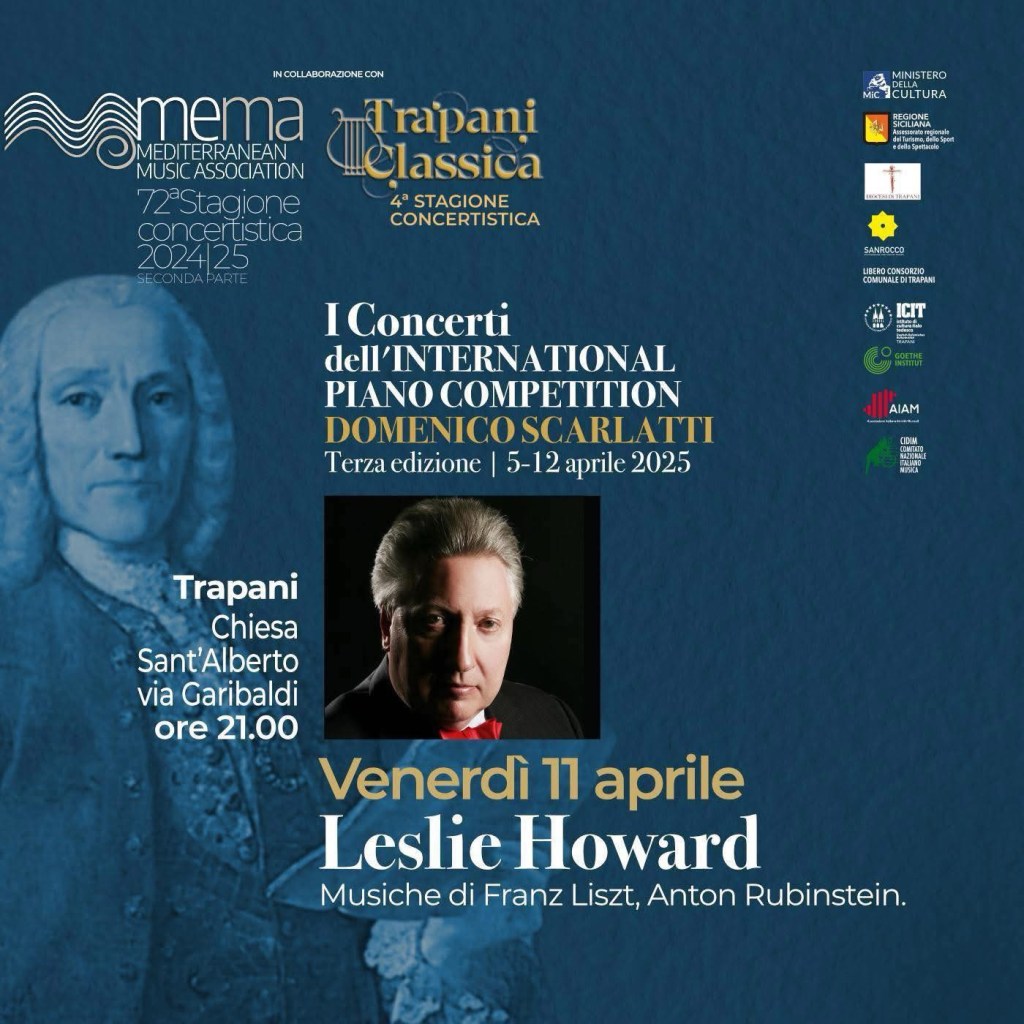
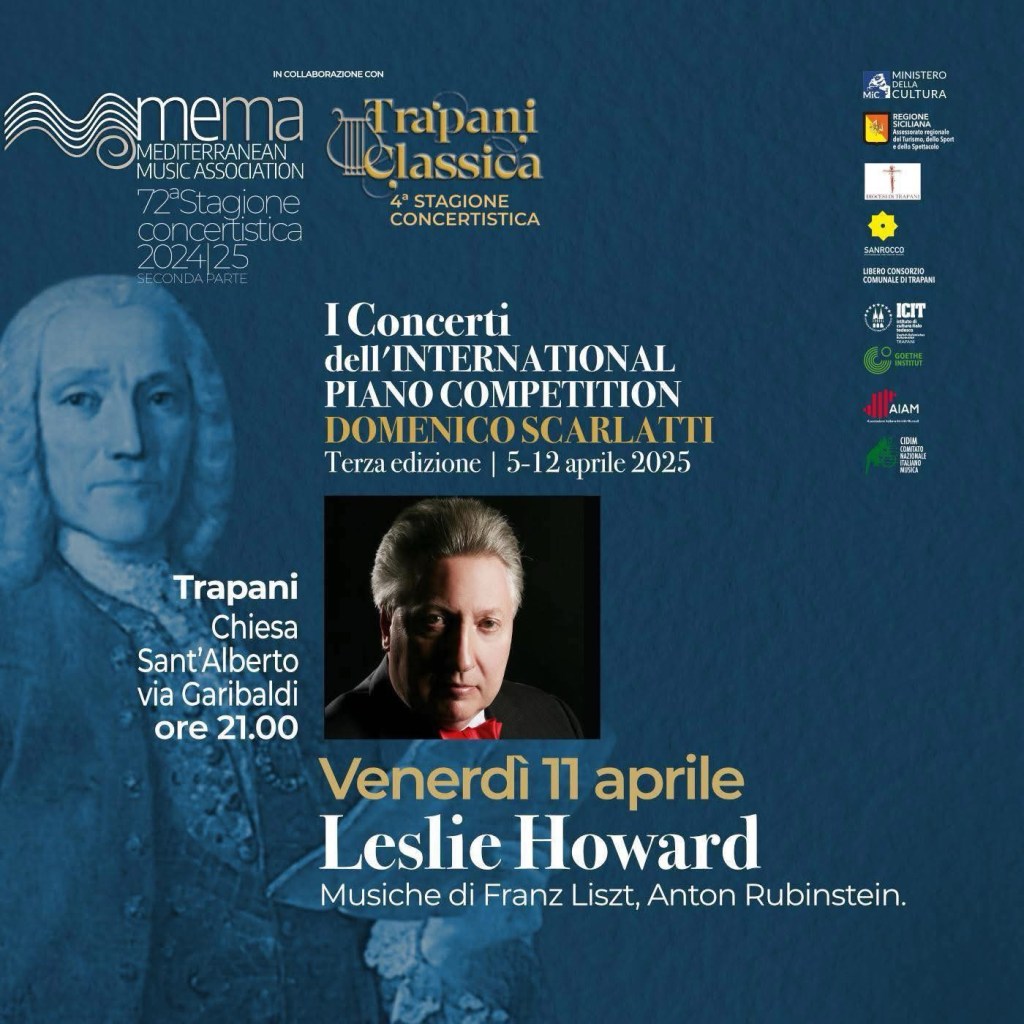
Leslie Howard triumphs in Trapani with the concealed mastery of a pianistic genius.
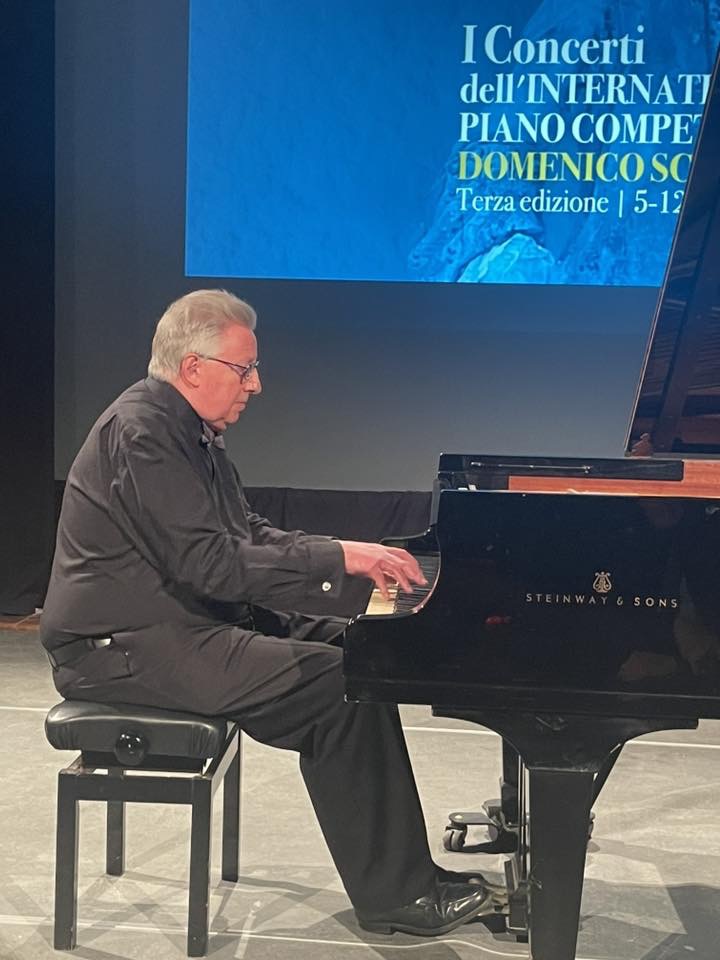
From Anton Rubinstein to Jerome Kern all wrapped up in an English Country Garden.
An eclectic programme from the ‘Professor’ of the piano who looks deeply into the archives and finds hidden treasures that he has spent a lifetime bringing into the concert hall.
Franz Liszt :Harmonies poétiques et religieuses,S 154 and Variations on theme by J.S. Bach :’Weinen,Klagen,Sorgen,Zagen’,S 180 Anton Rubinstein : Sonata n. 1 in E minor op 12
Chairman of the jury of many important International competitions in particular that dedicated to Liszt in Utrecht, where he sets an unknown work by Liszt as the obligatory piece for all those that dare follow in Liszt’s footsteps.
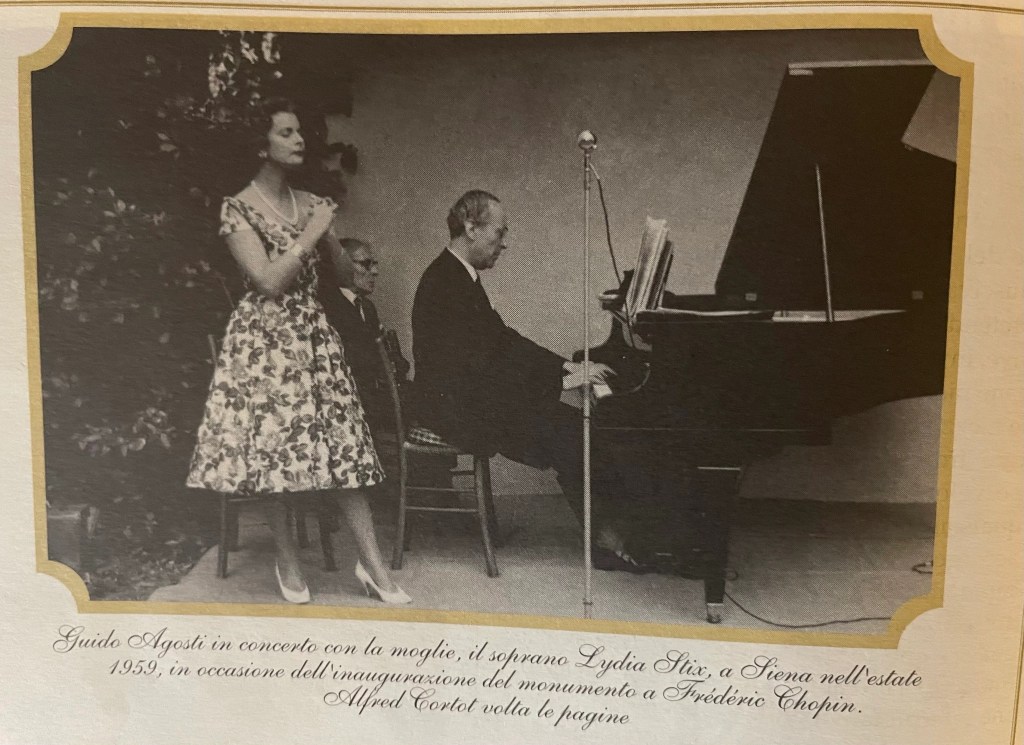
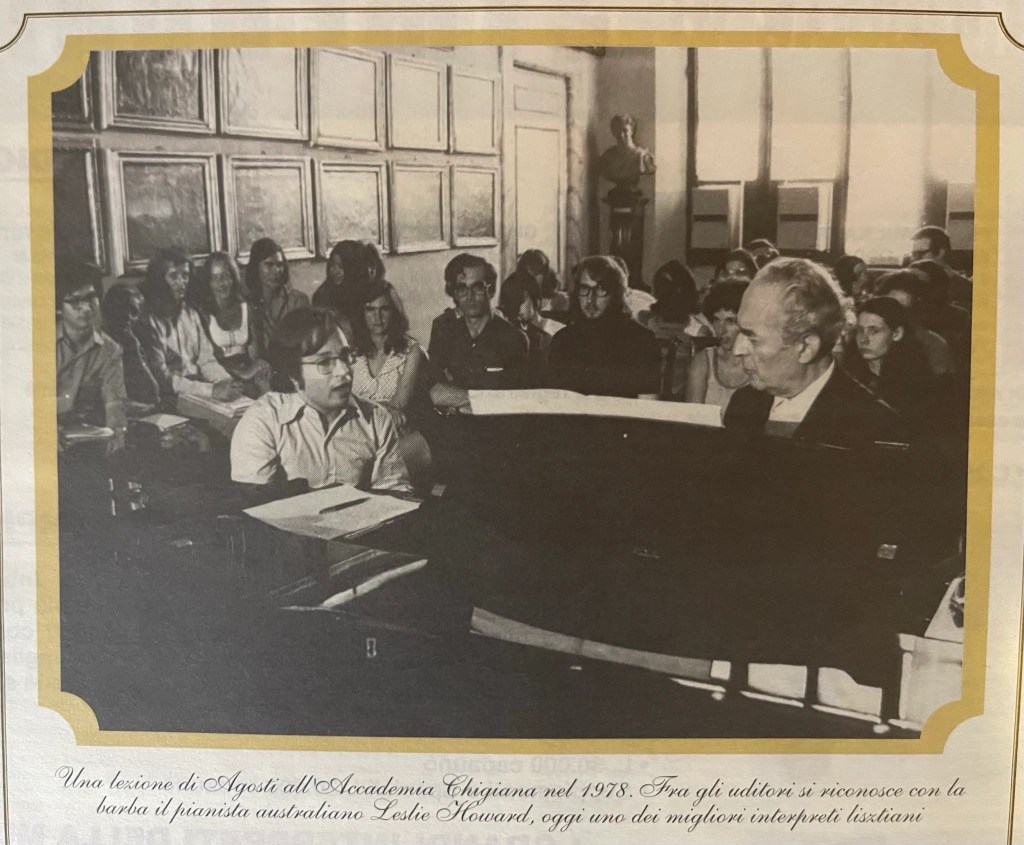
I first encountered Leslie in the hallowed study of Guido Agosti in Siena where all serious musicians would gather each summer to be inspired by one of the last pupils of Busoni.

A young Australian who Agosti immediately recognised as a future heir to his selfless dedication as a servant of the composers that he was entrusted to decifer. Agosti acting merely as a go between of the printed page and the sounds that they could make in dedicated hands. Lydia, Agosti’ s wife, who propped up the maestro and brought a refreshing vivacity and mondanity to such a dedicated man , she too adored this lithe Australian with golden locks and blue eyes !
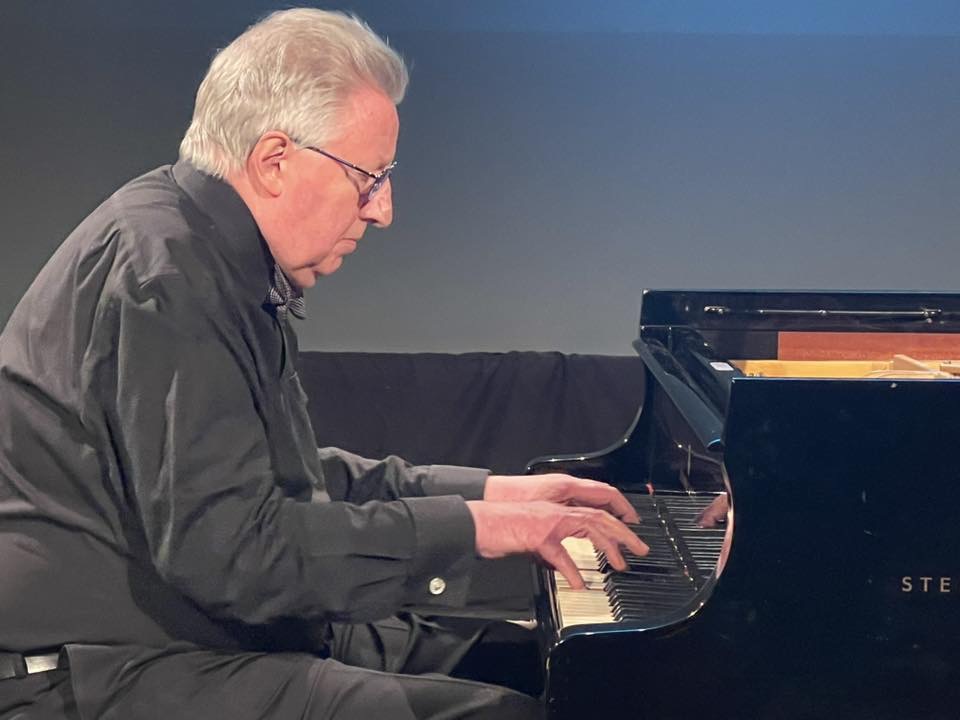
It was just this dedication of Agosti that we were witness to today, with a programme of works by Liszt and his pupil Rubinstein that were new for even Oxana Yablonskaya. In fact she leant over to me after the Rubinstein Sonata to say there was nothing much Russian about that!
Each of the many encores had us ‘pianists’ asking each other what piece it was ! A gently murmured hidden waltz we managed to decifer as late Liszt with the final unresolved chords pointing to the future that Liszt could already forsee.
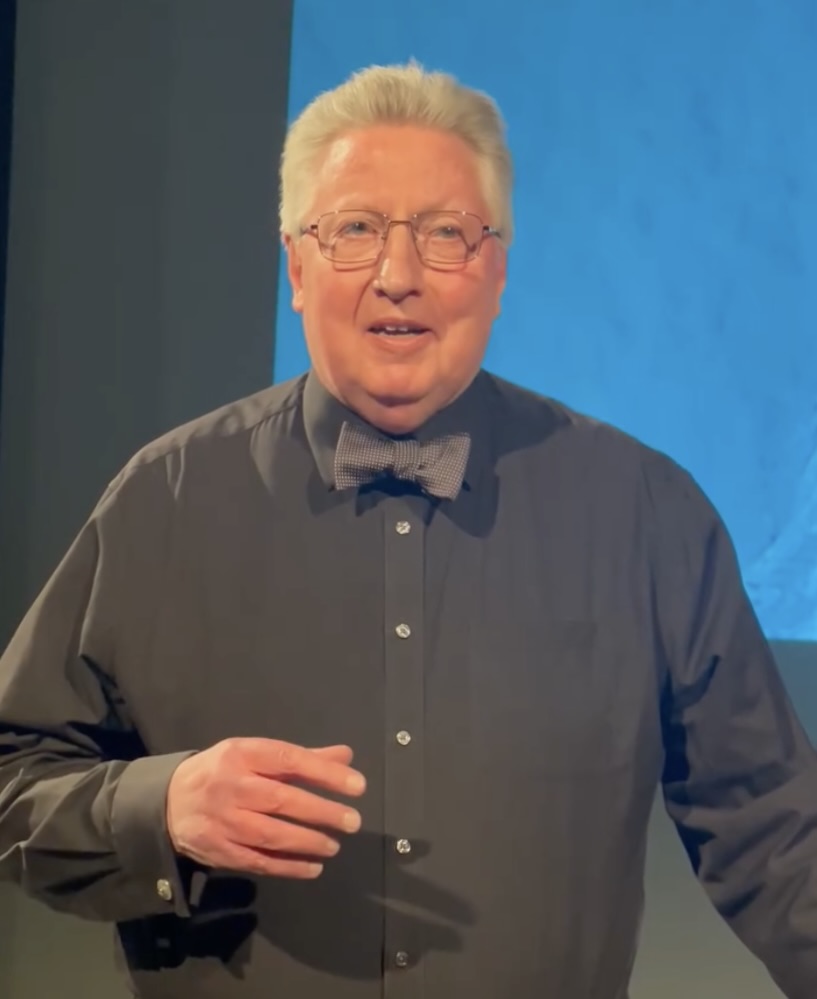
Leslie with his genial nonchalance apologised for not announcing that it was Liszt’s ‘Valse Oubliee’ n 4 ( unjustly forgotten as Leslie demonstrated ) and that he would now play the ‘Valse Caprice’ by Anton Rubinstein.
This was Rubinstein the great pianist who could, like Leslie Howard , let his hair down and put his frightening intellect to one side and tease and beguile us just as the mindless jugglers of notes would do in the Golden era when pianists were first and foremost entertainers.
A performance full of the charm and wizardry of another age .
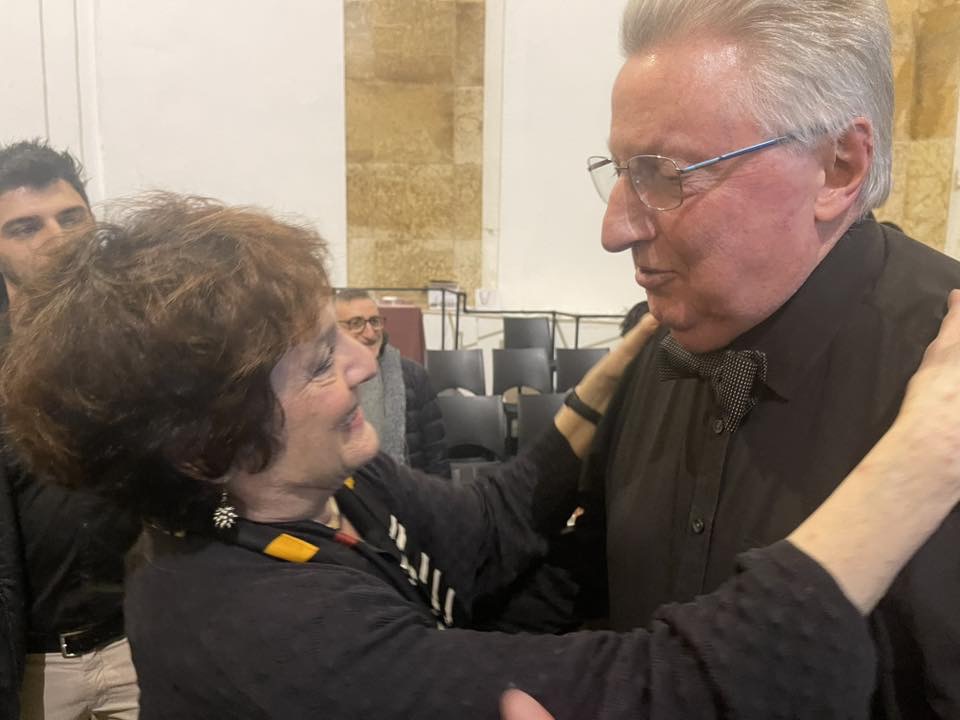
And from now on Leslie the sage, became Leslie the entertainer. Dedicating an improvised fantasy on a much loved song from the shows of Jerome Kern, to his illustrious colleague, Nina Tichman, whose own performance of Bach’s ‘Goldberg Variations’ a few days ago is still resounding around this hall. A performance that thankfully will be repeated on Sunday in Palermo for the Amici della Musica.
Leslie played this well know ‘tune’ with the style and insinuating abandon of a showman in a refined piano bar.
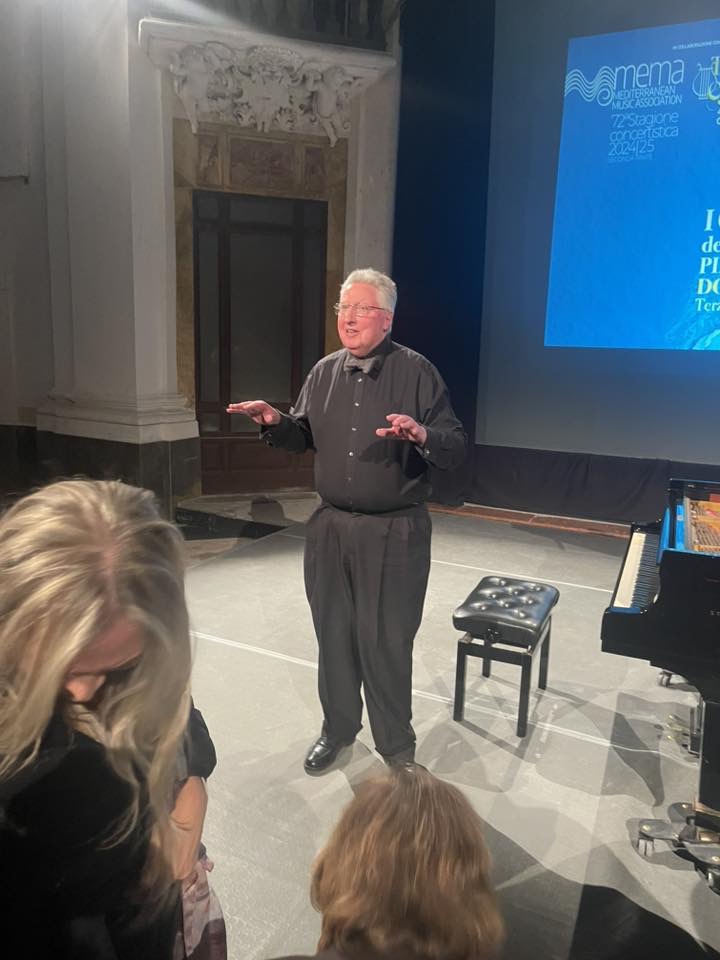
By now Leslie had us all in his hands and as a farewell he took us down an ‘English Country Garden’ path thanks to his genial compatriot Percy Grainger. Played not only with a verve that is part of his antipodean heritage, but with an incredible control of sound that allowed him to produce an echo effect of whispered asides, with a mastery that I have rarely heard in the concert hall before.
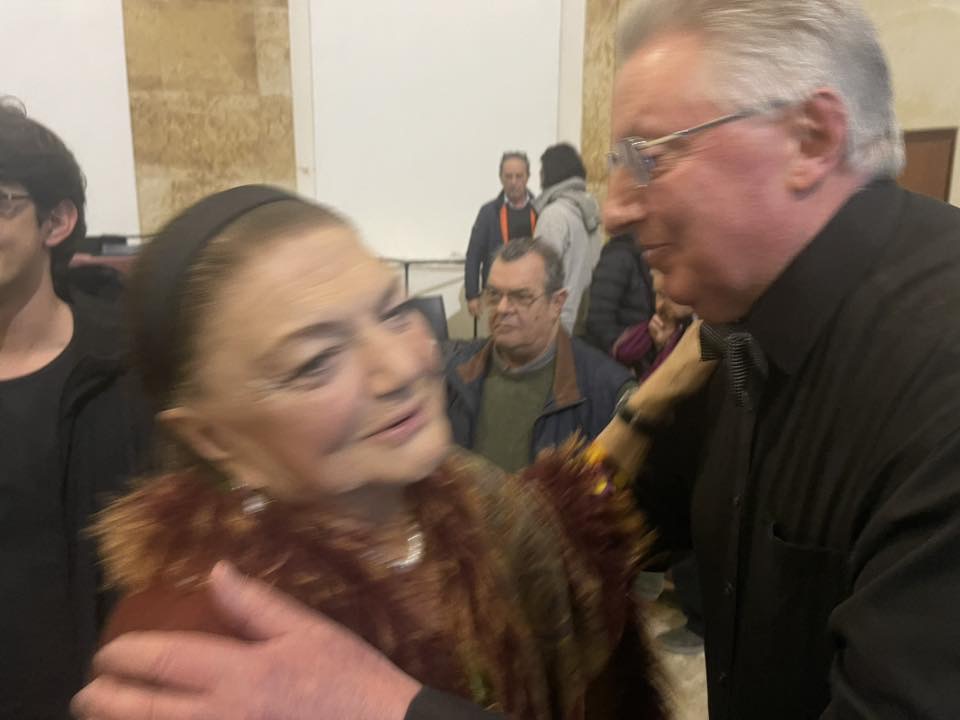
Party time was guaranteed as most of the public came on stage to thank a Maestro of Maestros who had come in their midst of their beautiful city to ‘bewitch, bother and bewilder’ them, as Liszt himself would have done in the Parisian salons of the last century.
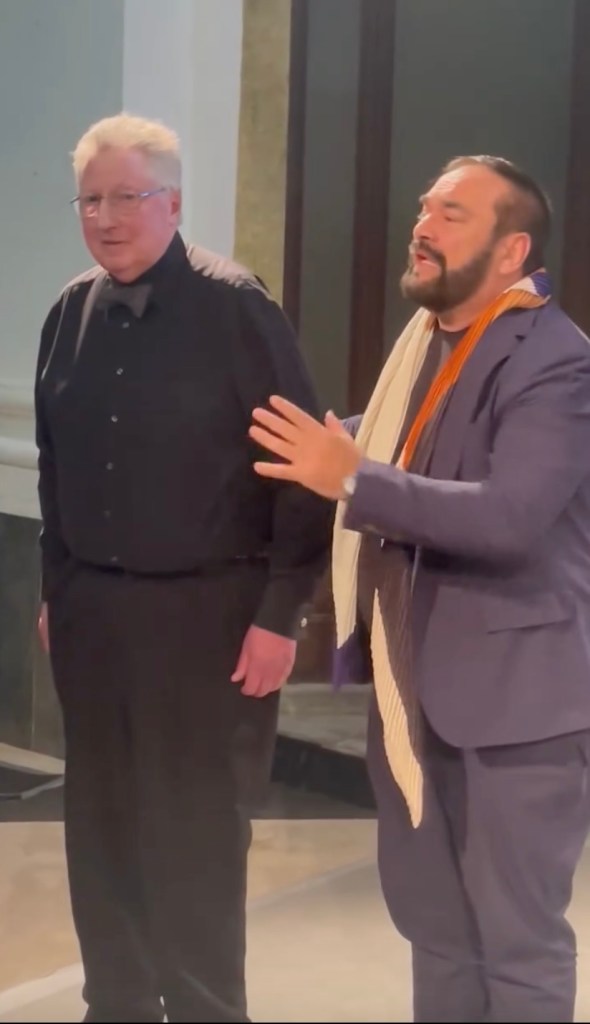
All thanks of course to Vincenzo Marrone d’Alberti and his dedicated team who have had the courage and foresight to bring music to their much loved city. Now in it’s third edition the ‘International Piano Competition Domenico Scarlatti’ has become more than a reality, as it goes from strength to strength celebrating by chance today the artistic director’s second quadrato!
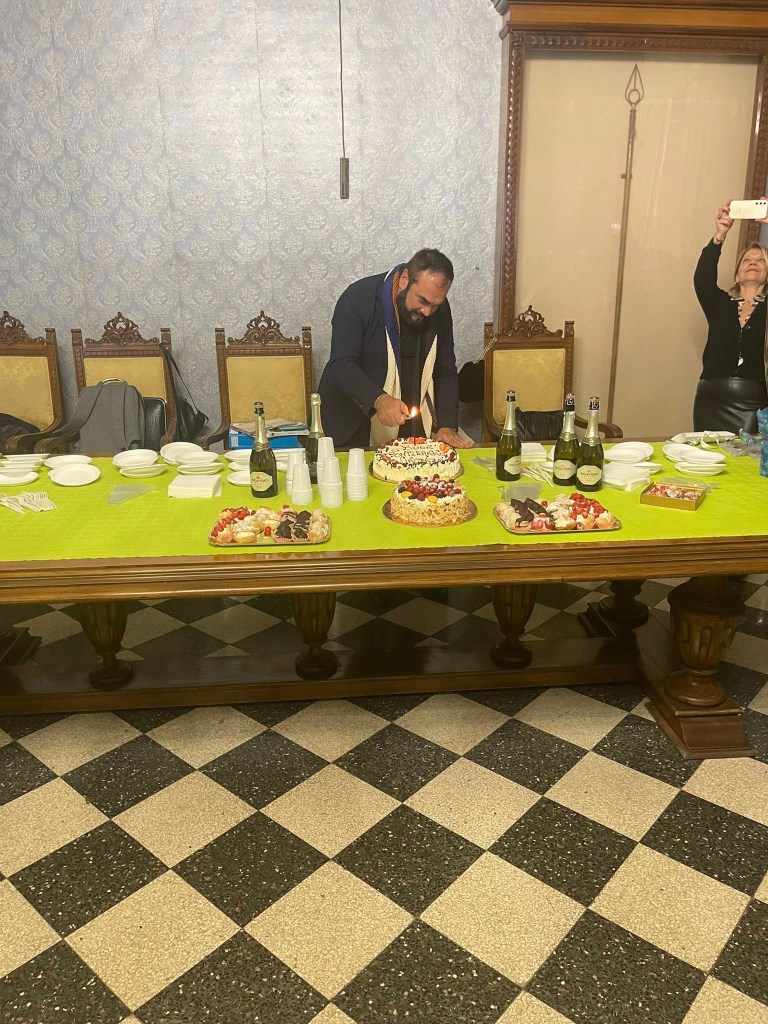

What a way to celebrate ….we could have danced all night …..as some of us surely did.
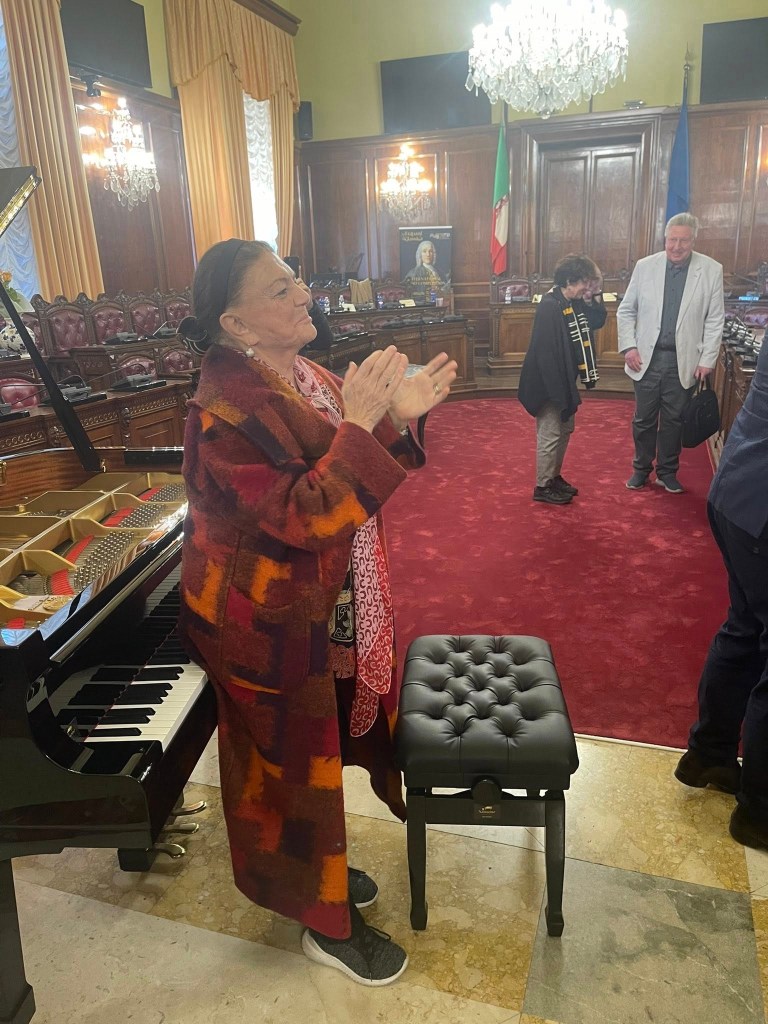
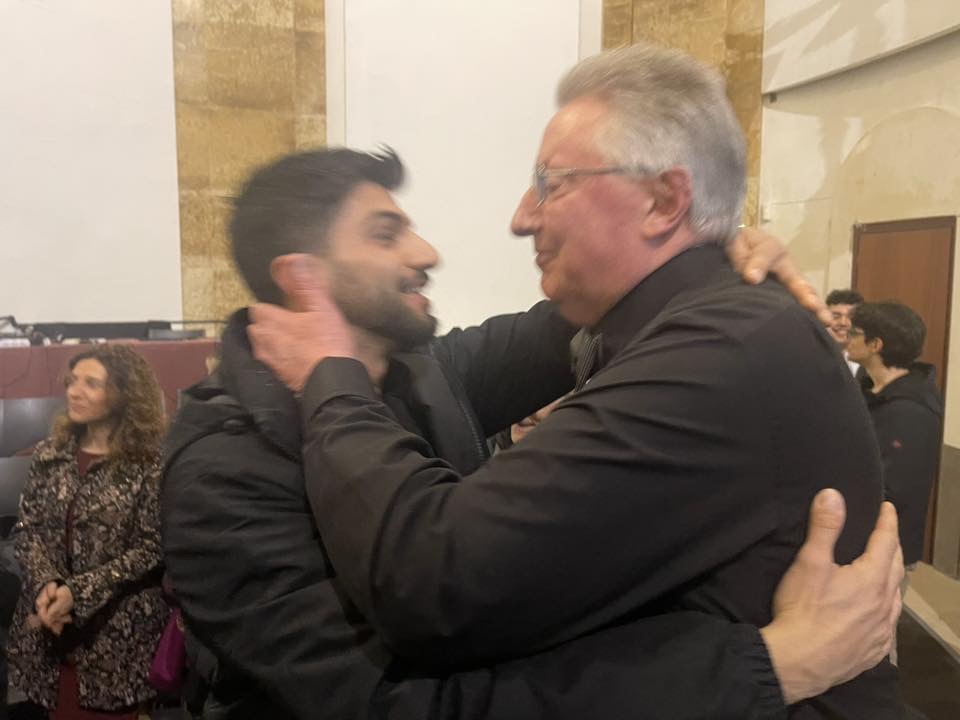
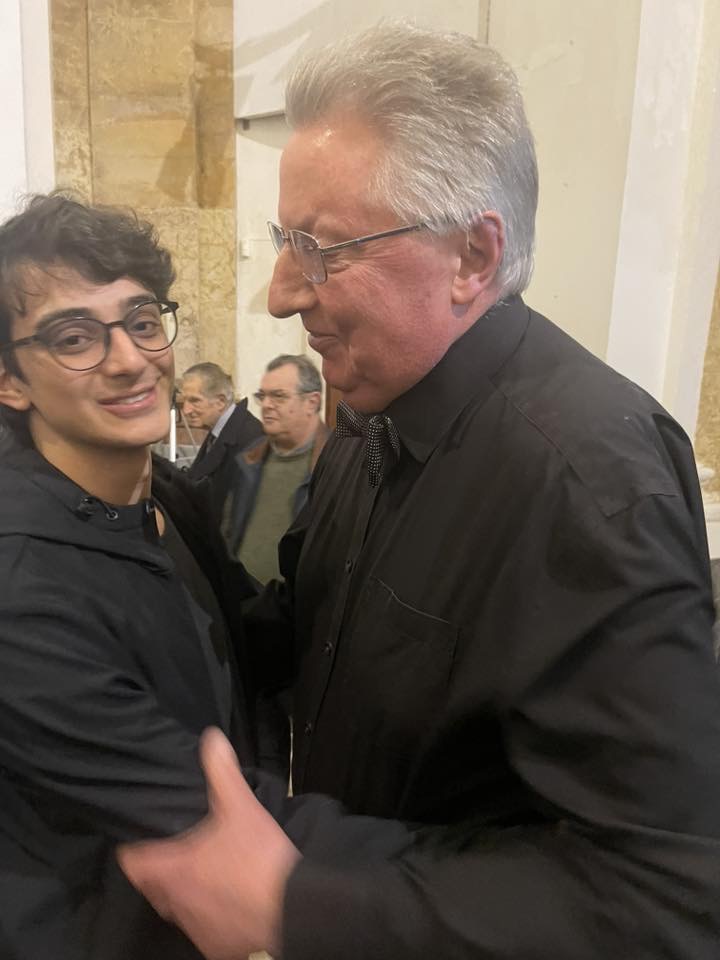
The programme of course will have me studying the archives before I dare comment on such seemingly authoritative performances, but I can comment on the mastery and kaleidoscope of sounds that Leslie demonstrated. An architectural shape to works that took form before our very eyes with the refreshing discovery of works we had rarely if ever heard before.
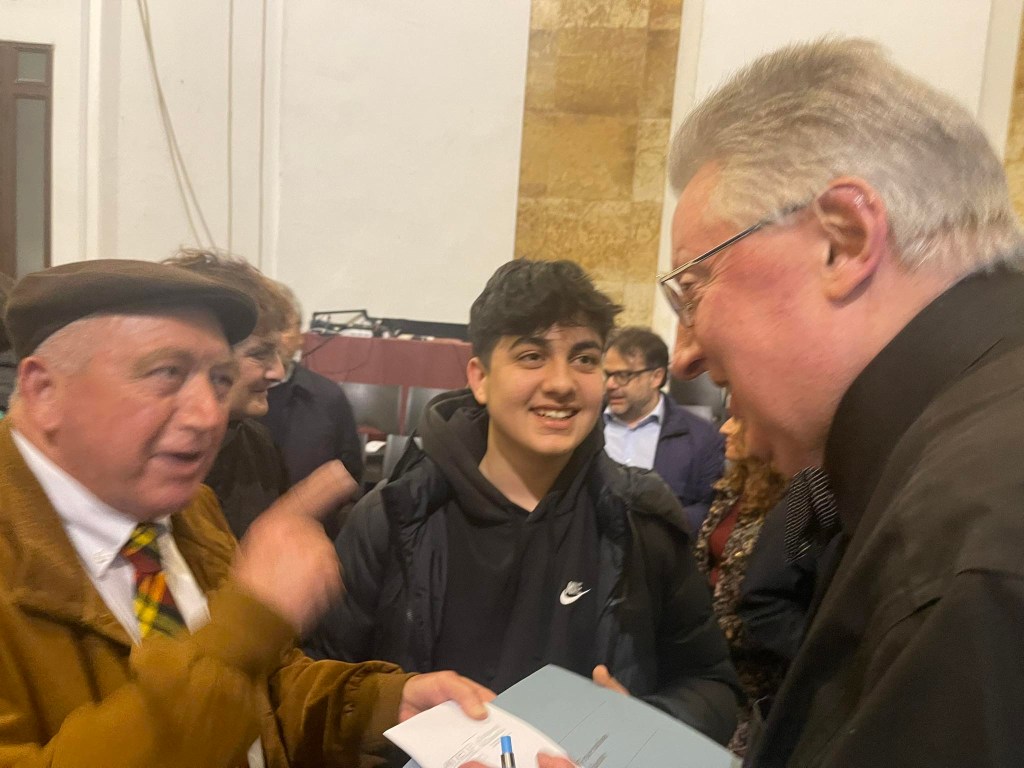
I am reminded of Rubinstein’s last concert when almost totally blind, in the green room afterwards, he declared that he may be blind, but not too blind to know a beautiful lady when she stood in front of him. Lauren Bacall was charmed by this ever gallant Prince of Pianists.
Just to say that I may not know the scores but I can appreciate the transcendental piano playing that we heard tonight.
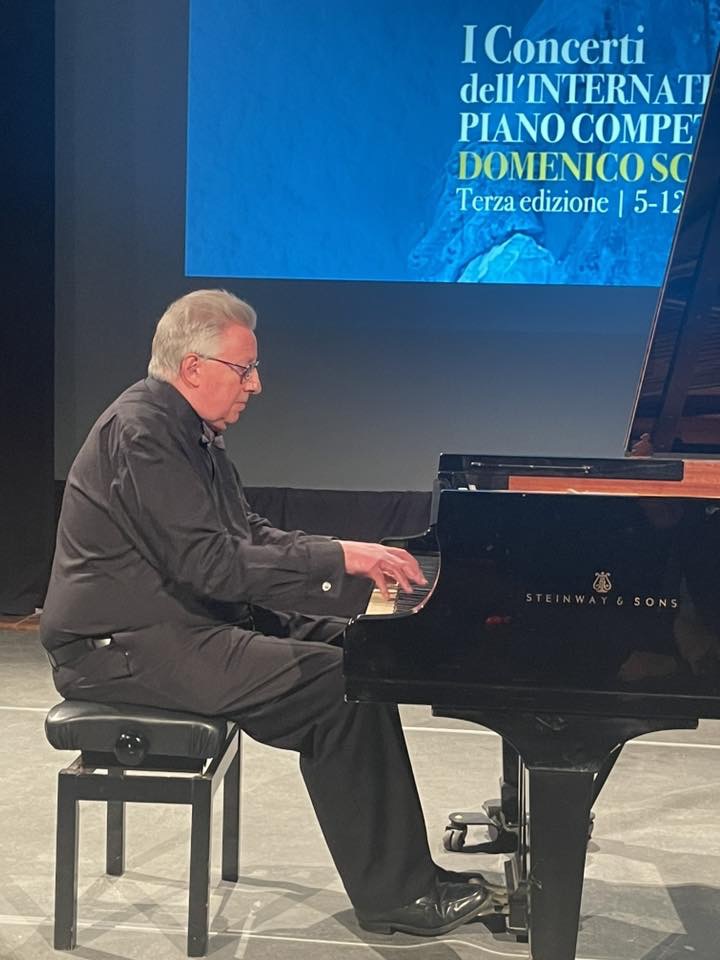
Like Rubinstein ,hardly moving , but listening with a concentration as Leslie sent messages from his mind and soul to his fingers that were the magnificent instrumentalists of a full symphony orchestra.
A technical preparation of the old school where the arch of the hand just supports fingers of steely independence, arms resting as if seated in their favourite chair .
It was in fact Agosti who would rest his hands on mine to show me what real weight means. To lean into the keys never leaving them with verticality but rather horizontally squeezing each key. Agosti would exhort his students ‘troppo forte , troppo forte ‘. He could not abide banging or striking the keys with showmanly exuberance. Fingers of steel but wrists of rubber. This is what we were witness to, today, and it was a great lesson to us all to be reminded of the sublime beauty that can be coaxed out of a black box of hammers and strings in the hands of a true magician .
It was Anton Rubinstein ,too, who exclaimed that the pedal was the ‘soul’ of the piano, and as Leslie showed us not a cover up for the misunderstood technical showmanship that we hear all too often these days.
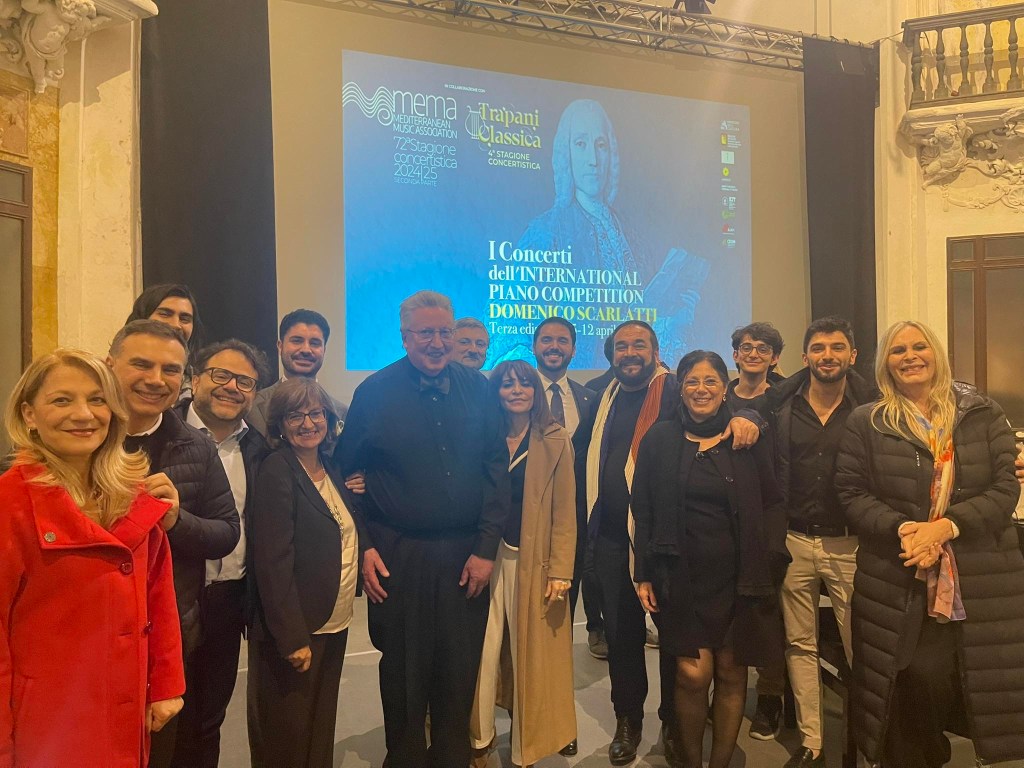
What better example could there be for the young aspiring pianists gathered this week in this jewel that is the magic city of Trapani
Professor Howard will now give us his lesson in words:
Lamartine’s volume of poetry entitled Harmonies poétiques et religieuses inspired fourteen piano pieces by Liszt. The early piece of that title, although later repudiated by Liszt as ‘tronquée et fautive’, remains an astonishingly avant-garde work from a young composer known for competent juvenilia and several brilliant fantasies. Dedicated to Lamartine, the piece begins with no time- or key-signature, marked ‘senza tempo’, to be played with ennui, and develops into a musically wild elaboration of the two ideas heard at the outset. Rhythmic complications prompted Liszt to write in counting numbers within the bars which are basically in 7/4, and there are later regular subdivisions of five notes to the beat. The final section seems more conventional in that a tonality is finally reached, along with time- and key-signatures, but all is dispelled by the desperate outburst at the end. The trailing away into unresolving silence is so characteristic of Liszt’s last years that it is all the more astonishing to find it in a work composed when he was twenty-two.
from notes by Leslie Howard © 1990
‘Howard always seems to know where the music is going, and why’ (Gramophone)
For some reason the New Liszt Edition is issuing the two ‘Weinen, Klagen’ pieces amongst the volumes of transcriptions and fantasies on other composers’ materials, but that has no more sense than to regard, say, Brahms’s ‘Handel’ Variations in a similar way, for these are certainly original compositions in every sense of the word. Both works bear a dedication to Anton Rubinstein, and both are based on the same wonderful theme. The Prelude of 1859 is a dignified and restrained piece with just one dramatic outburst, all within the framework of a passacaglia which unfolds 25 variations on the motif. The Variations are not simply an expansion of the earlier piece, although there are a few fragments in common. The work dates from 1862 and was motivated by the death of Liszt’s elder daughter, Blandine. A fierce introduction leads to the theme and 43 variations, followed by a chromatic development in the shape of a recitative, and then a group of freer, faster variations, culminating with the choral ‘Was Gott tut, das ist wohlgetan’ (which also ends Bach’s cantata) and a brief coda in which the two themes are juxtaposed before F minor finally gives way to an unequivocally optimistic F major.
from notes by Leslie Howard © 1989
The first important fact about this work is simply that it is probably the earliest piano sonata to be composed by a Russian. It dates from around 1847/8 and, as the product of a teenager who must have been quite a pianist already, it is beyond criticism. It has a youthful naivety about it, with echoes of Mendelssohn as well as a certain brashness which Tchaikovsky was to show in his early keyboard works. Typically, Rubinstein uses no Russian folk material, but some pages of this sonata betray an obviously Russian origin. The first movement, Allegro appassionato, is in a brisk 2/4 and the opening builds through a series of grand gestures into a strong repetition of the first theme in triplet octaves. The tremolos and arpeggios which bind the movement together lead to the second subject and testify to Rubinstein’s easy capacity for fluent melody. The development moves to the remote key of F sharp major where the constantly moving accompaniment stops—as it will again when the second subject returns in the recapitulation. The movement ends quietly and seriously after a further reference to the opening phrase.
The Andante largamente is a simple tripartite conception which launches immediately into its long principal melody in C major. The placid mood becomes gradually ruffled during the central section in A minor, where dotted rhythms are contrasted with pulsating triplets. A delicate modulation (German augmented sixth to tonic 6/4, for those who care about such things) ushers in the principal theme over a florid accompaniment, and the last few bars recall the middle section.
The scherzo, Moderato, is a perky piece in A minor with a tastefully ornamented melody which makes much of the alternative possibilities between G sharp and G natural. The second section, which is repeated, spends some time in C major before returning to A minor and a fortissimo change of gear from 3/8 to four bars of 2/8—something which would have delighted Schumann. The little trio in A major subjects its winsome tune to some quite harmless contrapuntal imitation.
The finale, Moderato con fuoco, is the strongest movement. After a preliminary statement of the theme, a grand Russian outburst reintroduces it in octaves with rushing triplet accompaniment. These rhythms dominate the movement, despite the first appearance of the lyrical second subject—an excellent melody by any standards. The entire development section is given over to a fugue on the first theme, but although young Anton Grigoryevich flexes his academic muscles once or twice the fugal manner actually assists the enormous forward propulsion of the movement. When the second theme returns, the irrepressible rhythm of the fugue continues in the bass, to be displaced only by the grandest possible repeat of this theme, with repeated chords and rich arpeggios, leading (through a harmonic progression that would become Tchaikovsky’s favourite method of heralding a climax) to an enthusiastic conclusion.
from notes by Leslie Howard © 1996
Leslie Howard understands Rubinstein’s range of temperament very well indeed and I cannot think of another pianist whose advocacy could have been more persuasive … a notable pianistic achievement whose effect is heightened by Hyperion’s lifelike digital recording’ (Gramophone)
«Howard est à la fois un prodigieux virtuose et un poète capable de faire surgir de délicates visions de l’ivoire. Si l’on ajoute un imparable sens de la construction conférant une solide assise à ces édifices apolliniens, on comprend que ces sonates ont trouvé avec lui leur référence» (Diapason, France)
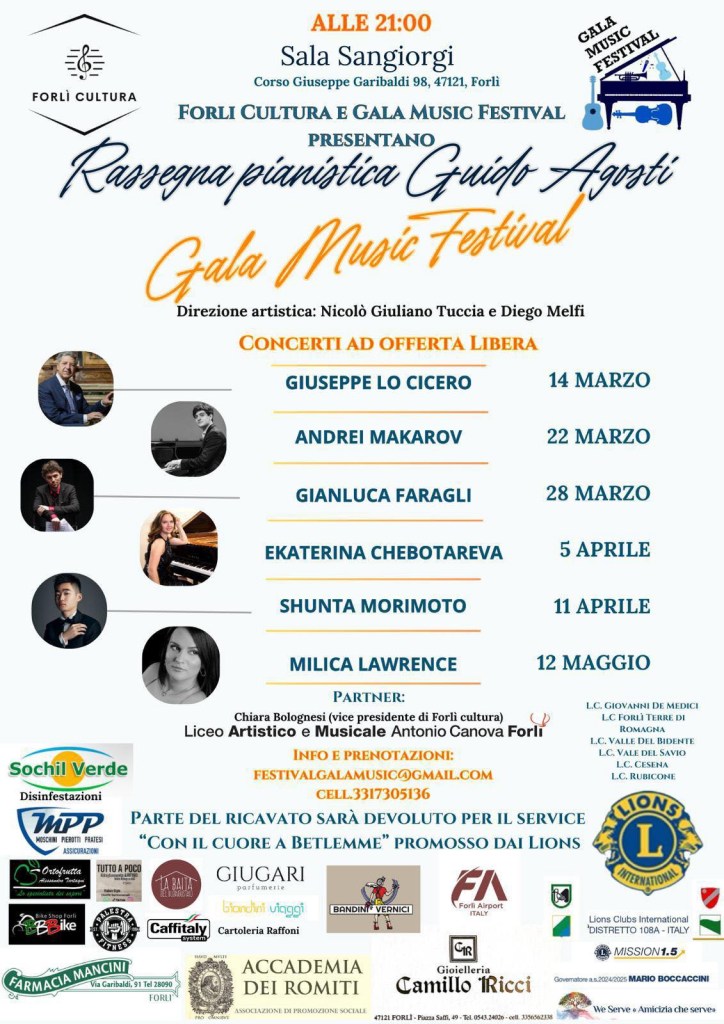
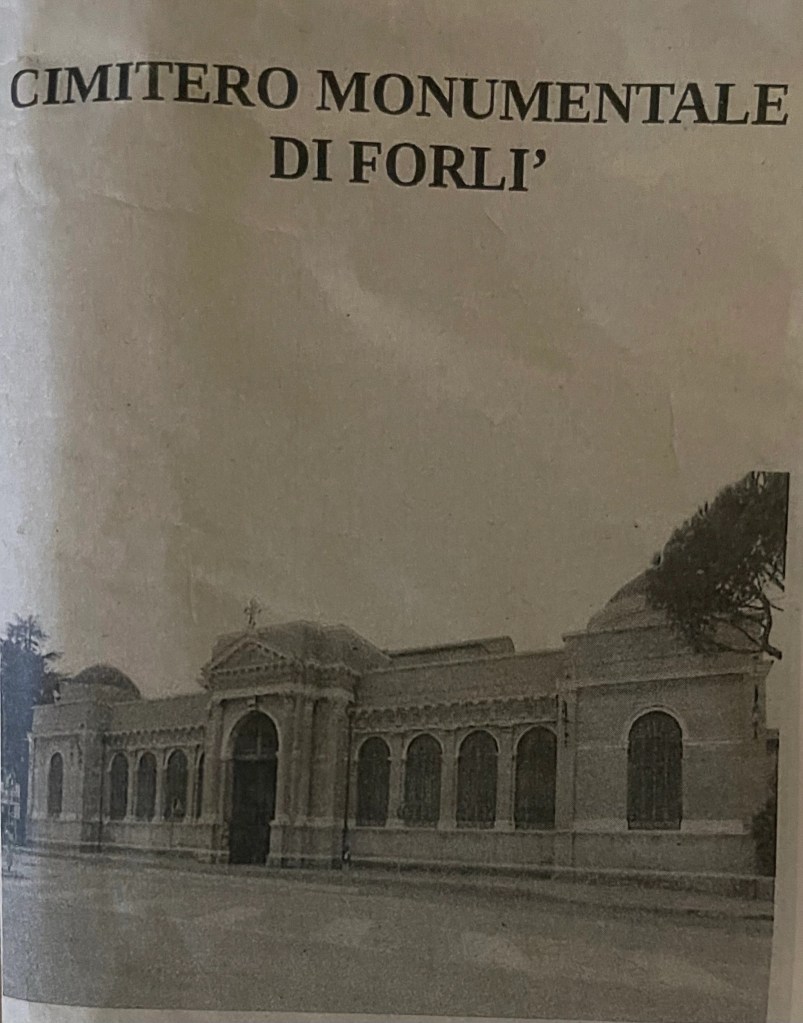
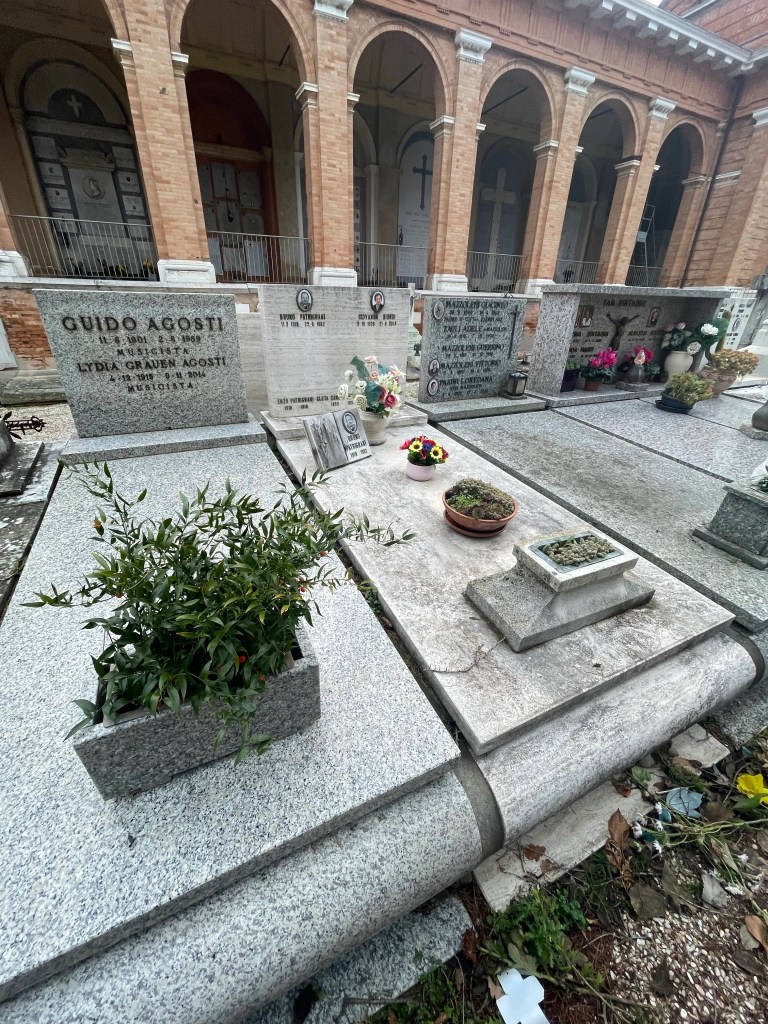
Forlì pays Homage to Guido Agosti
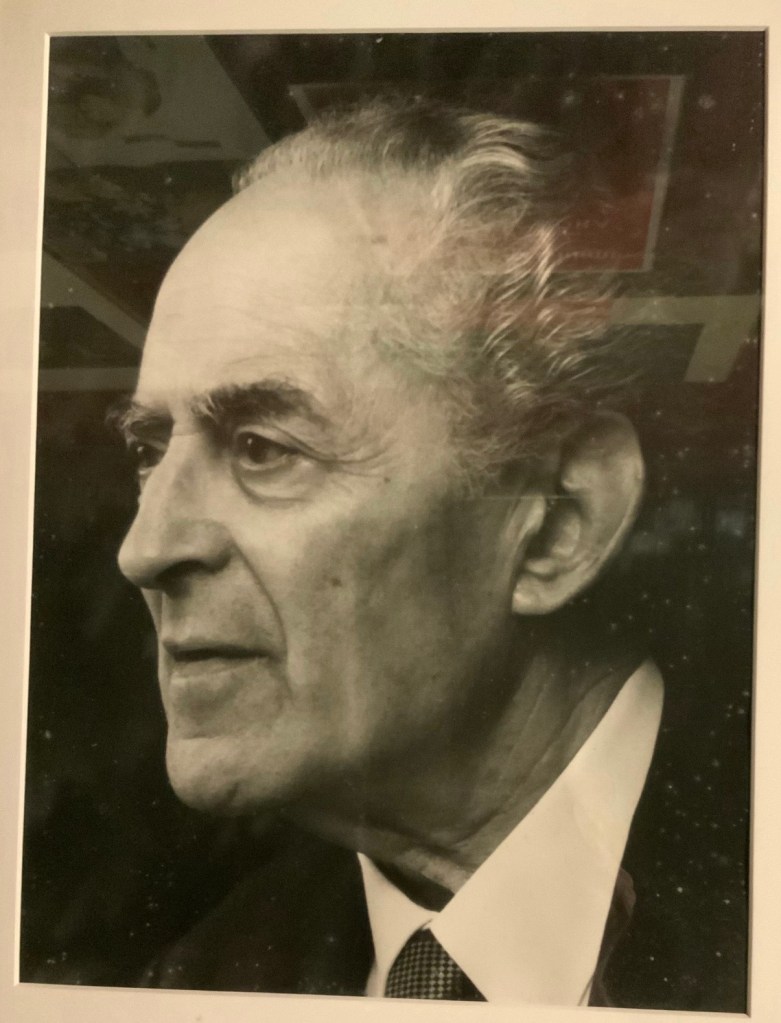


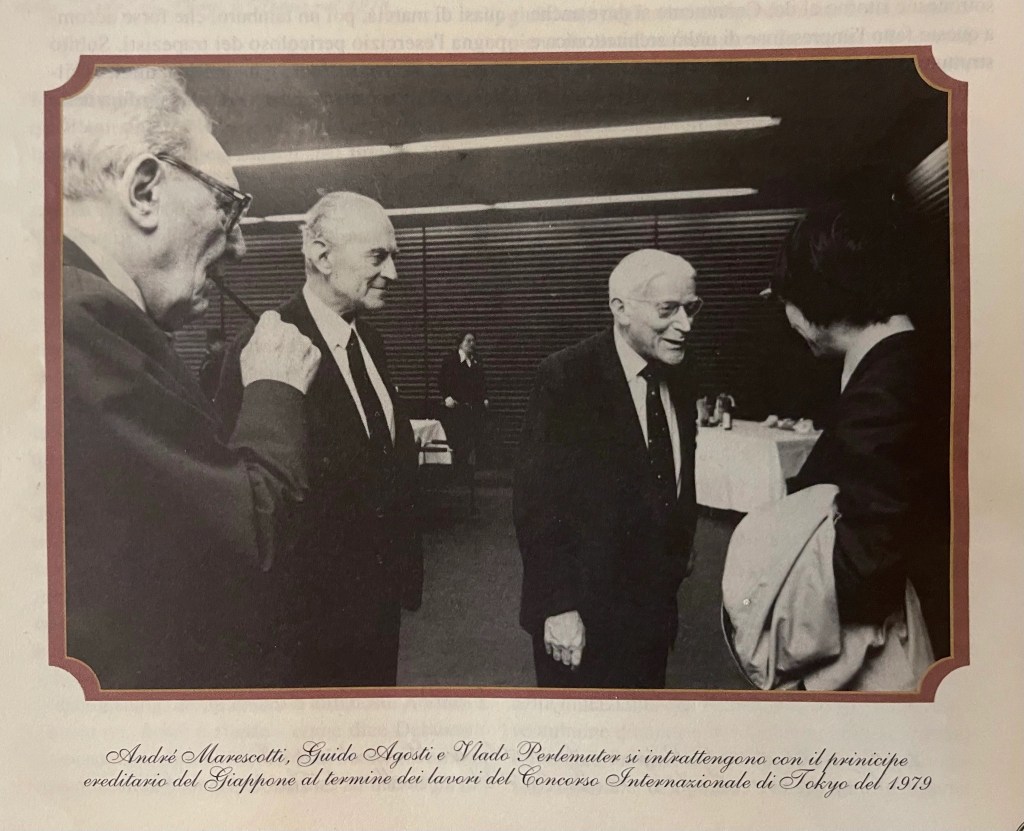
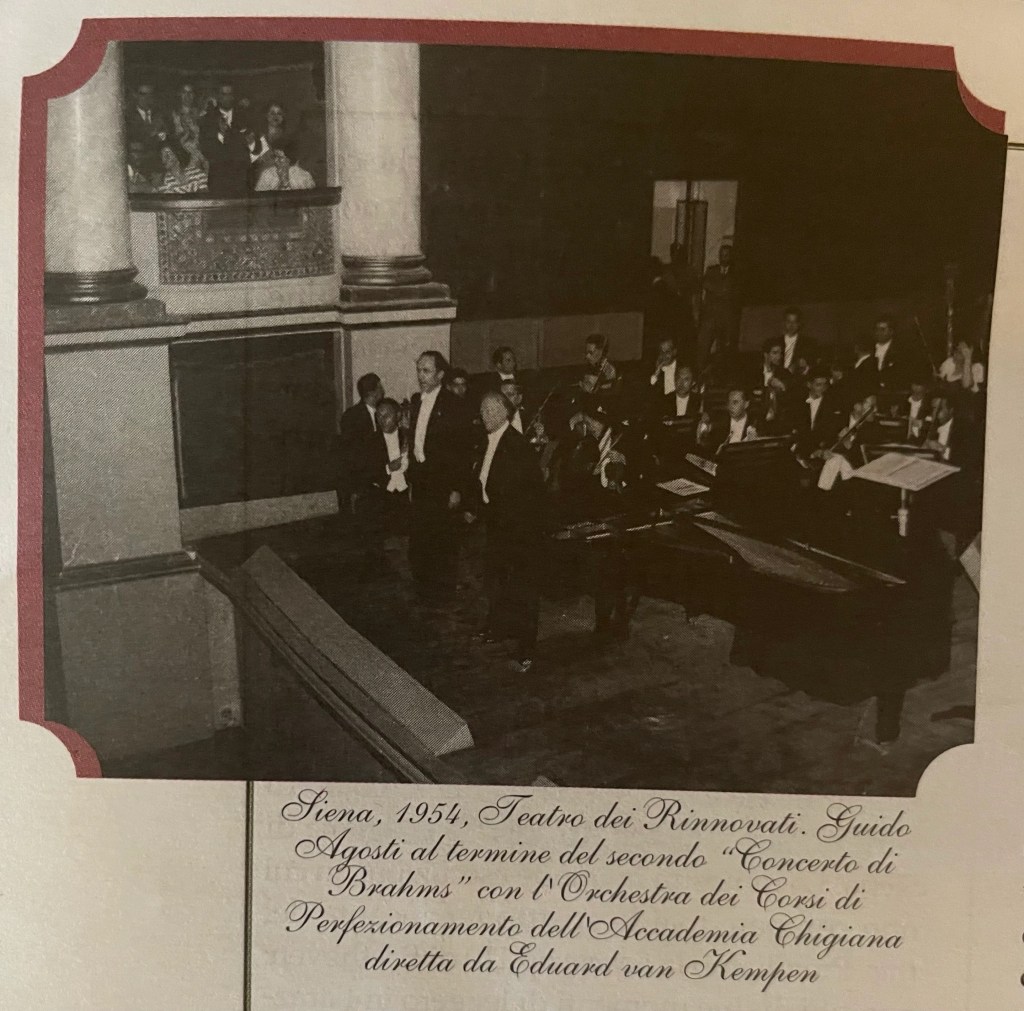
Guido Agosti (11 August 1901 – 2 June 1989) was an Italian pianist and renowned for his yearly summer course in Siena frequented by all the major musicians of the age.It was on the express wish of Alfredo Casella that Agosti took over his class which he did for the next thirty years.Sounds heard in his studio have never been forgotten.
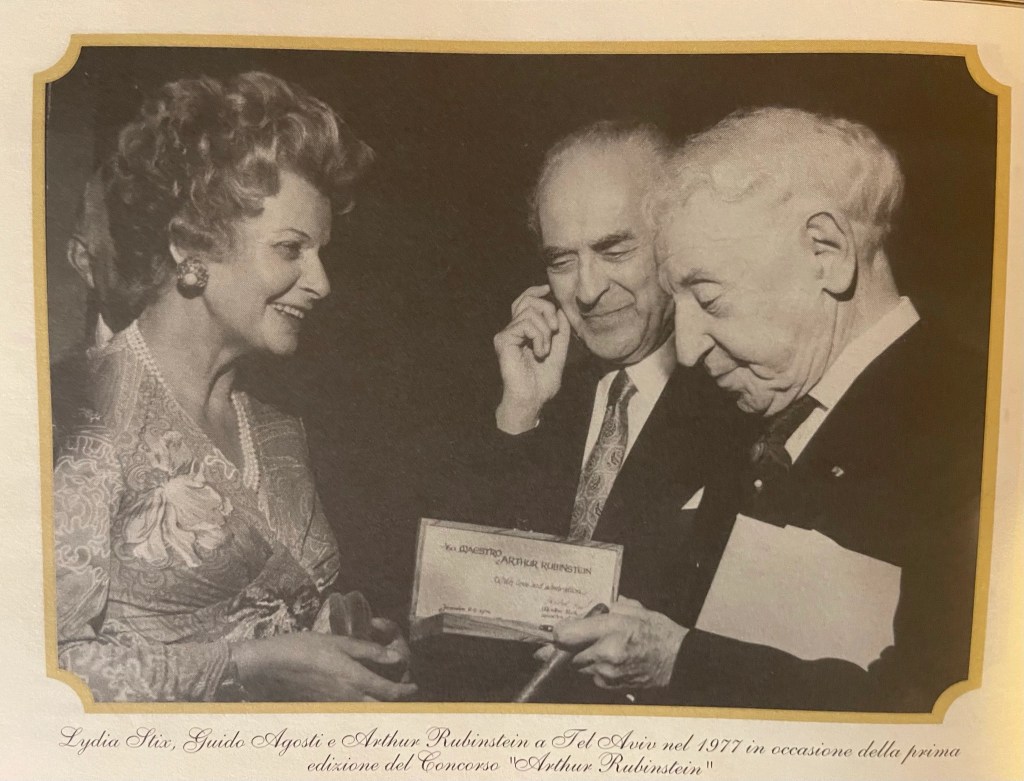
Agosti was born in Forli 1901. He studied piano with Ferruccio Busoni Bruno Mugellini and Filippo Ivaldi and earning his diploma at age 13. He studied counterpoint under Benvenuti and literature at Bologna University. He commenced his professional career as a pianist in 1921. Although he never entirely abandoned concert-giving, nerves made it difficult for him to appear on stage,and he concentrated on teaching. He taught piano at the Venice Conservatoire and at the Santa Cecilia Academy in Rome.In 1947 he was appointed Professor of piano at the Accademia Chigiana Siena .He also taught at Weimar and the Sibelius Academy in Helsinki.
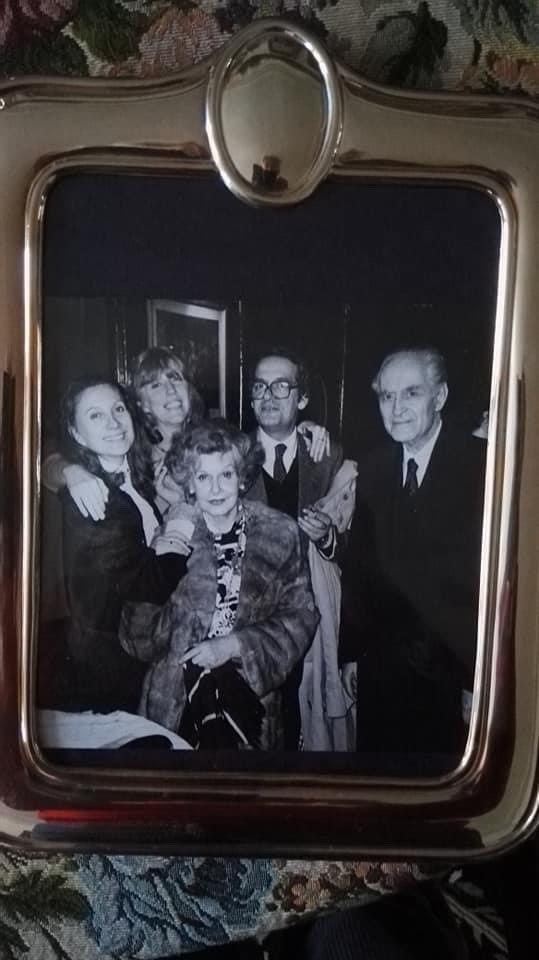
His notable students include Maria Tipo,Yonty Solomon, Leslie Howard,Hamish Milne,Martin Jones,Ian Munro,Dag Achatz,Raymond Lewenthal,Ursula Oppens,Kun- Woo Paik,Peter Bithell. He made very few recordings; there is a recording of op 110 from the Ghione theatre in Rome together with his recording on his 80th birthday concert in Siena of Debussy preludes .

 ChristopherAxworthy-MusicCommentary