By Moritz von Bredow, Hamburg 6 April 2025

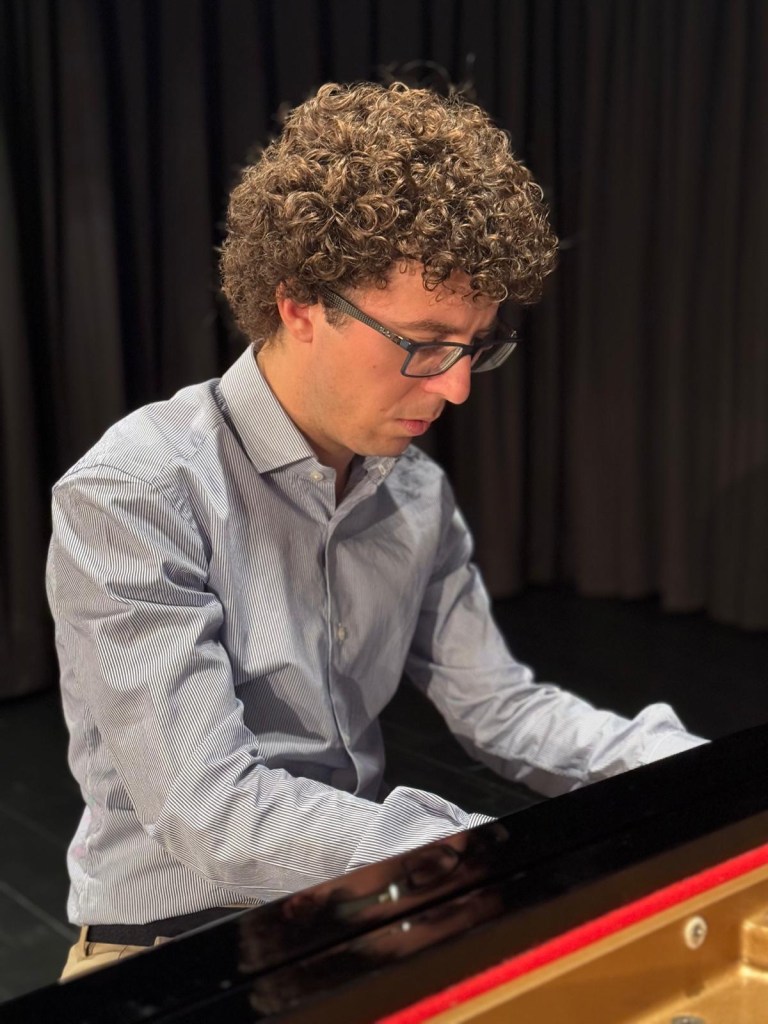
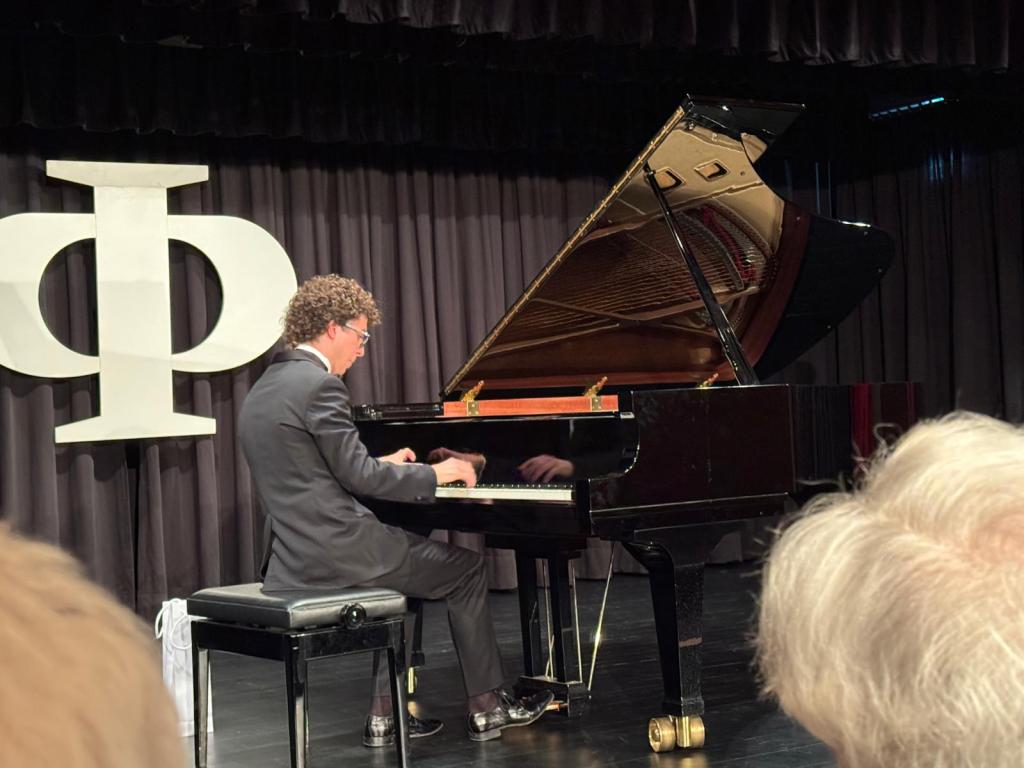
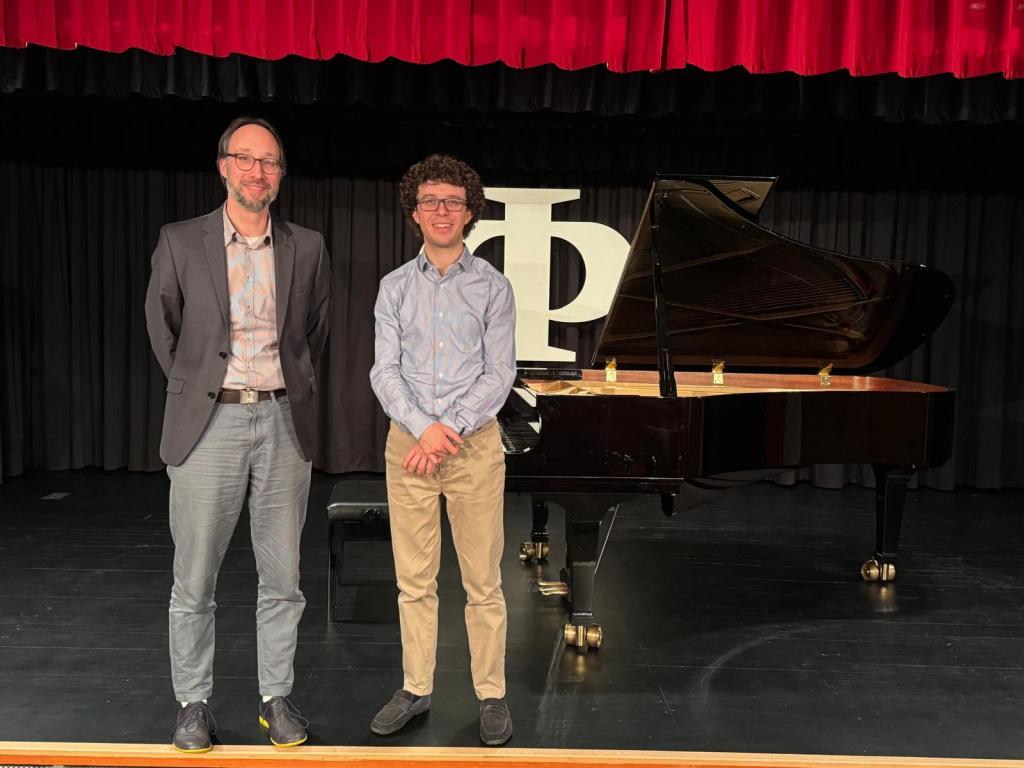
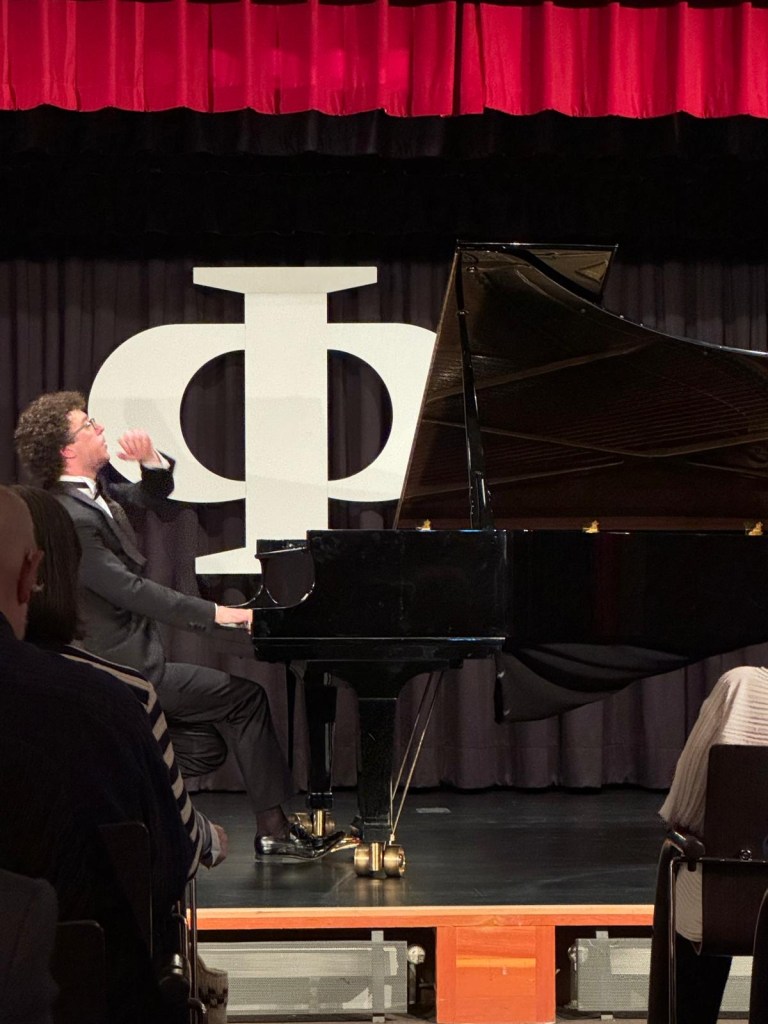
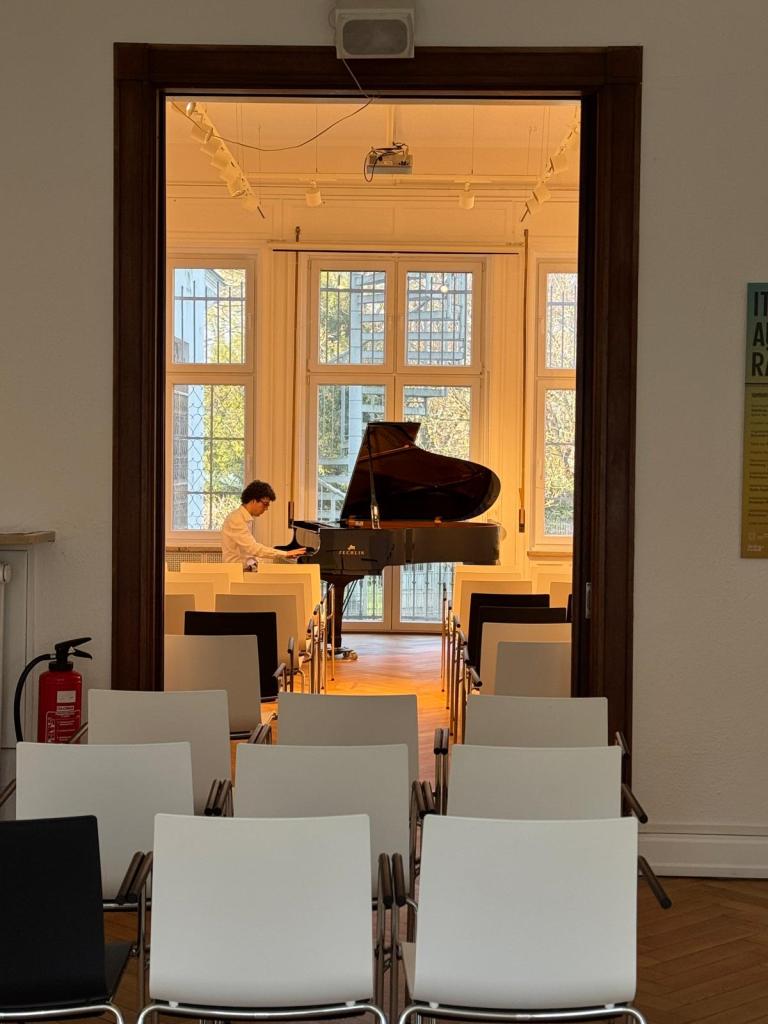
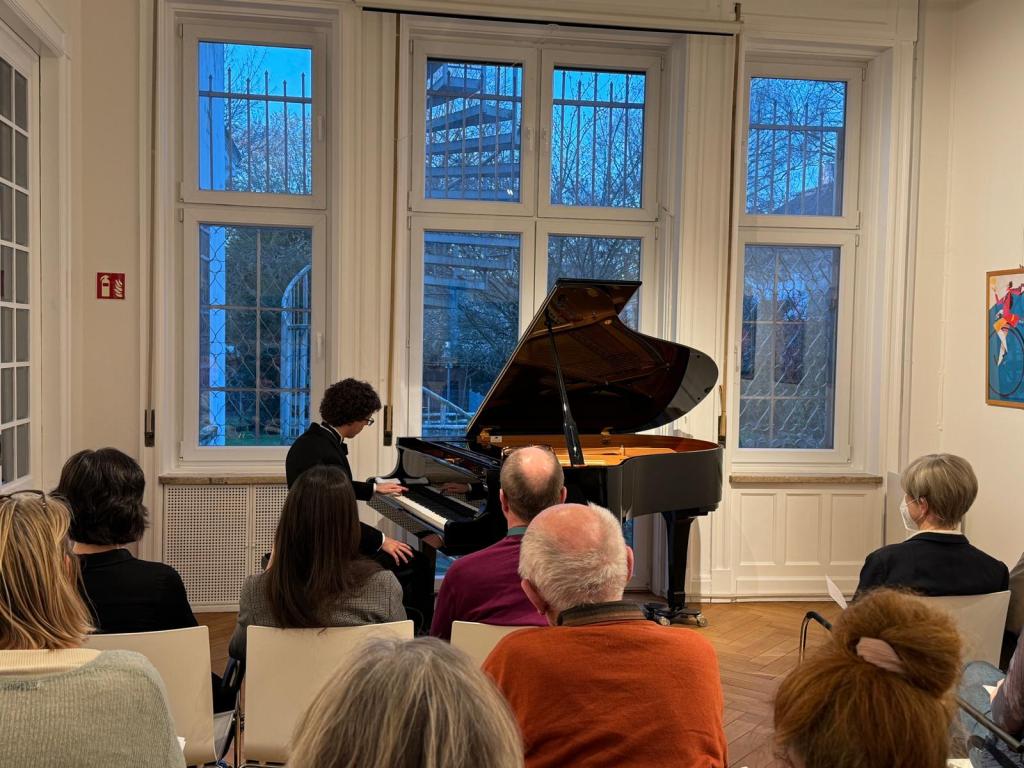
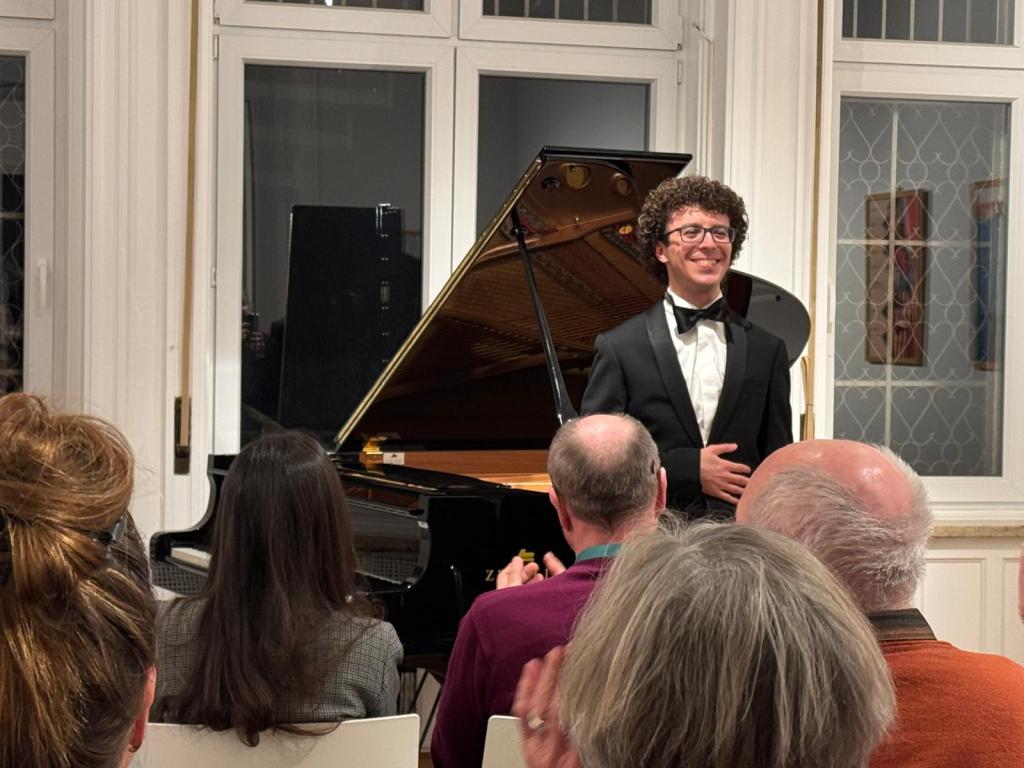
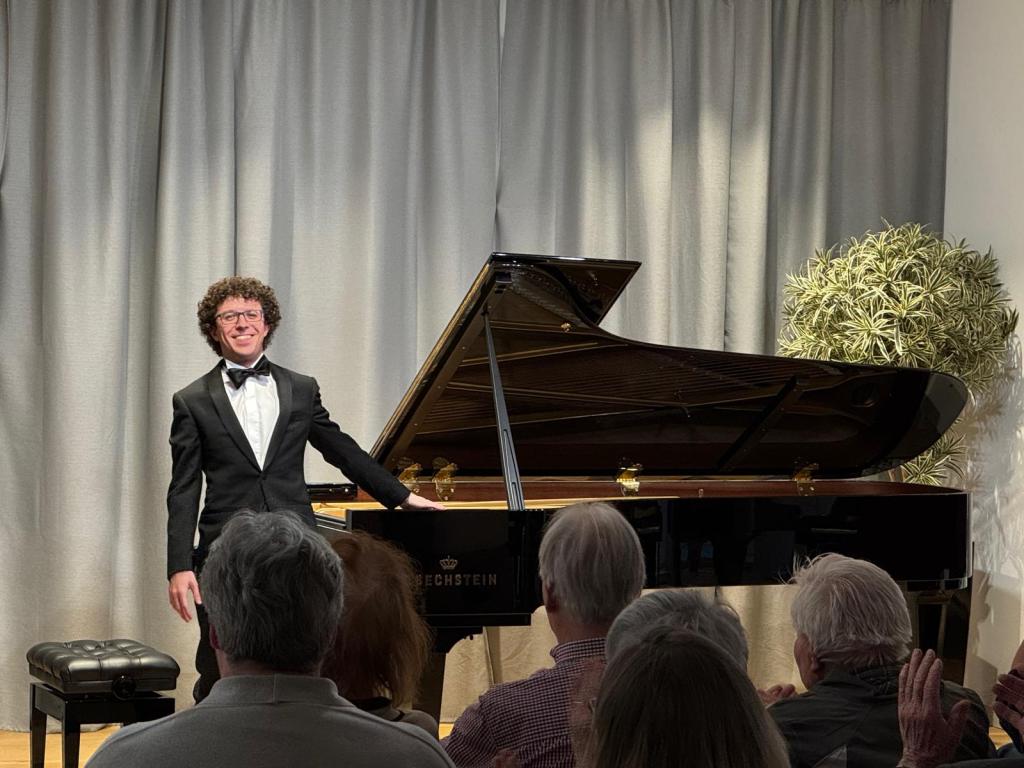
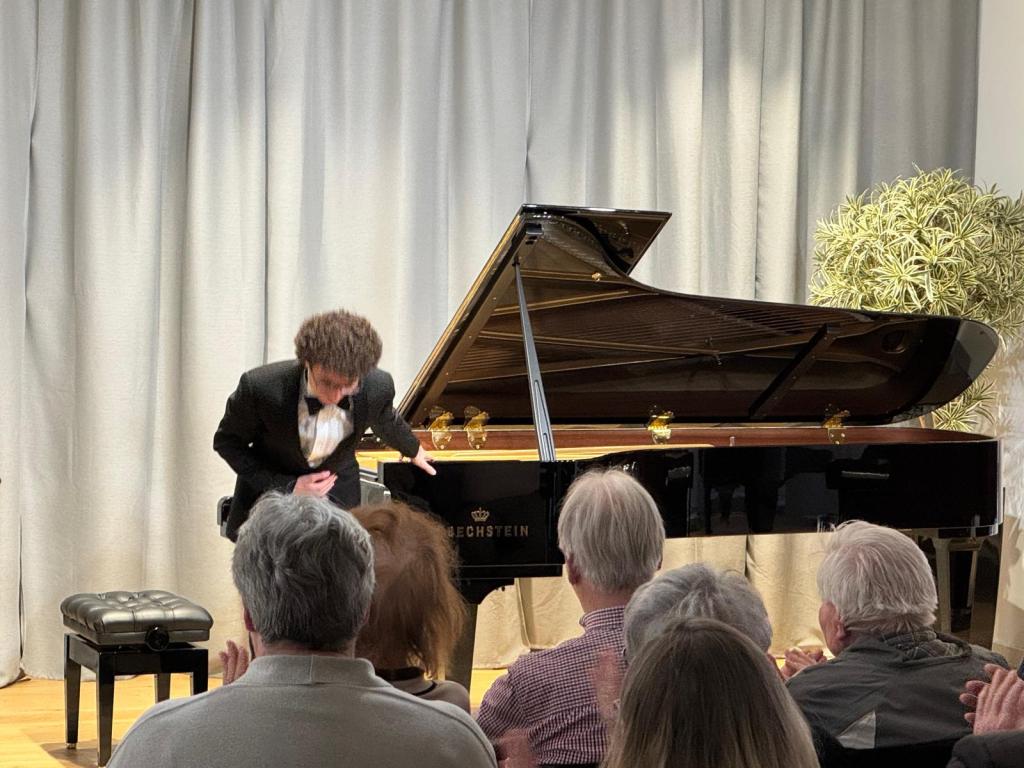
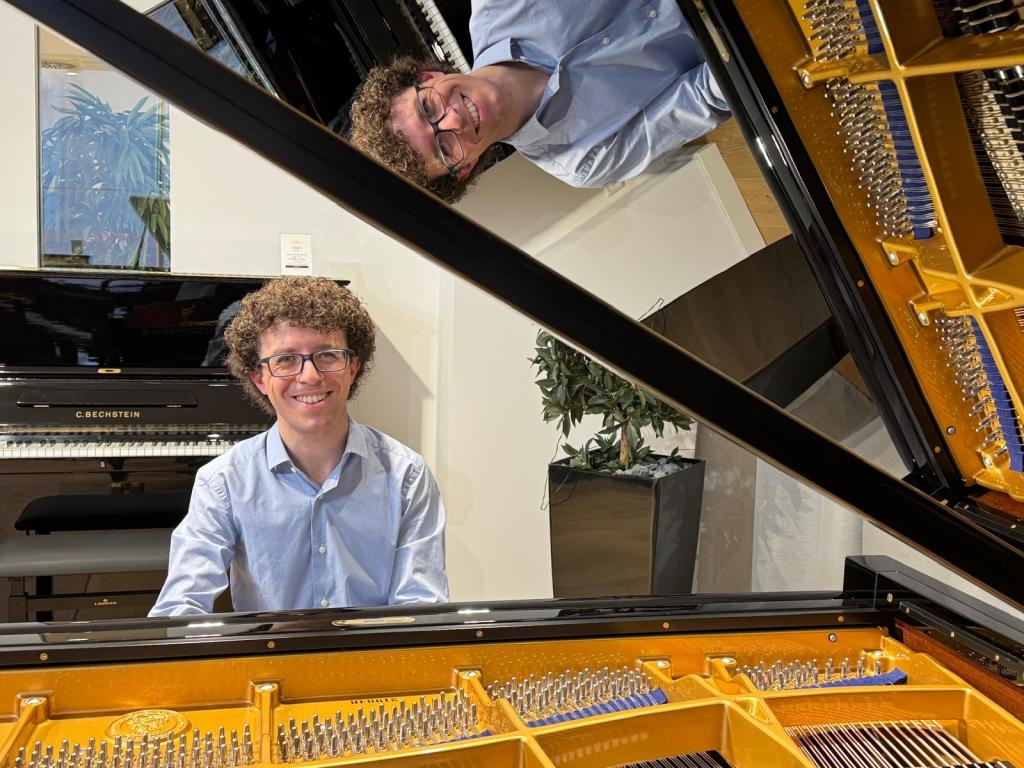
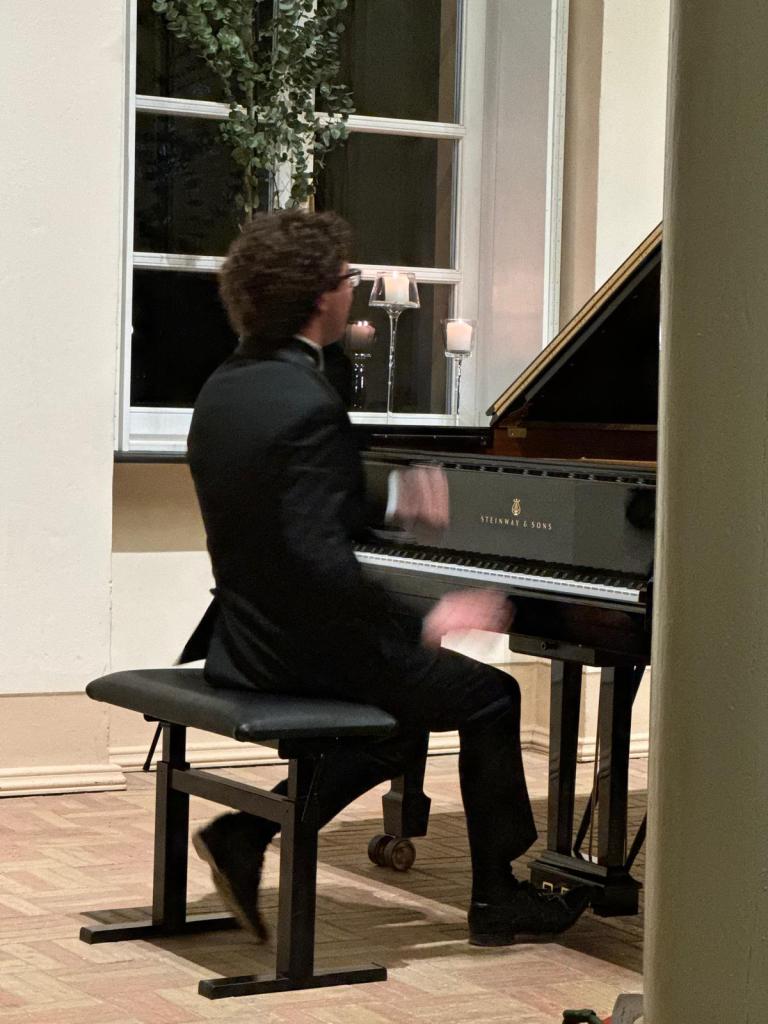
Italian pianist Andrea Molteni, born in 1998 in Como, played four recitals in a row (!) for the London based International piano foundation, The Keyboard Charitable Trust (hereinafter referred to as KT), in Germany. Having completed 3 degrees in Como, Milan and Lugano resp., the latter being a Distinction Master’s degree in advanced piano performance, Molteni is currently a high profile student of the legendary American pedagogue William Grant Naboré’s at the International Piano Academy in Como. This astonishing pianist left a lasting impression on audiences and organisers alike.
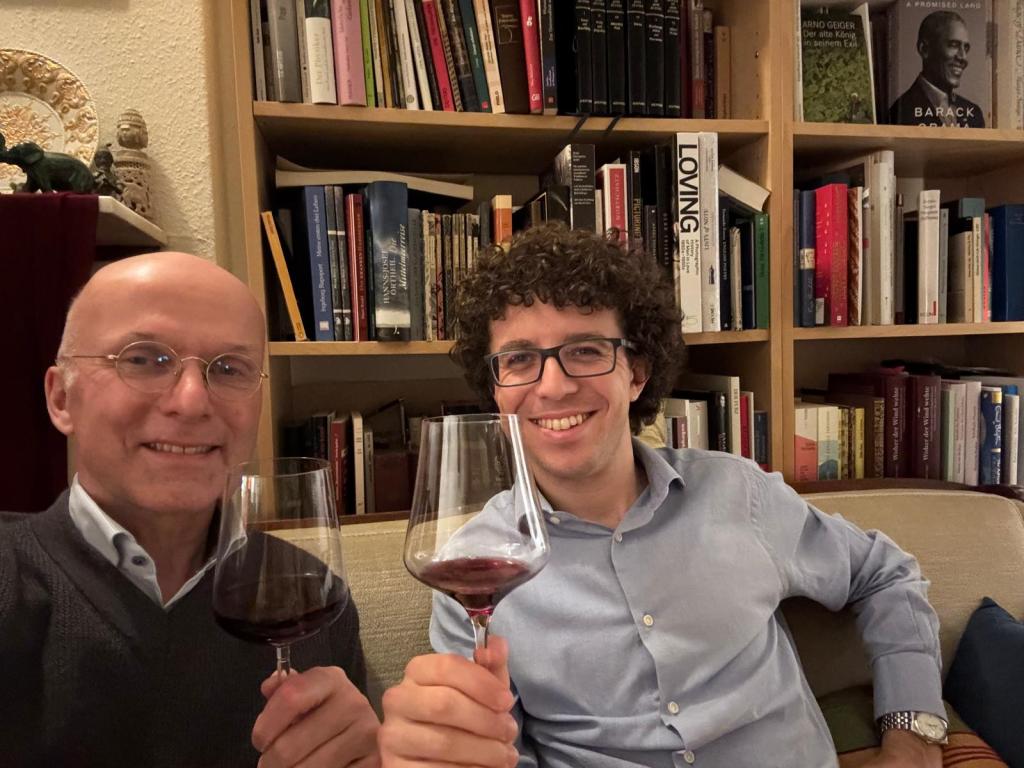
It was the first KT concert tour organised in his native Germany after the death at 99 years of John Leech MBE, the KT’s revered founder. After each of Andrea Molteni’s recitals, trustee Moritz von Bredow from Hamburg remembered John Leech, without whom and without his wife Noretta Conci the KT would not exist. Blessed be his memory.
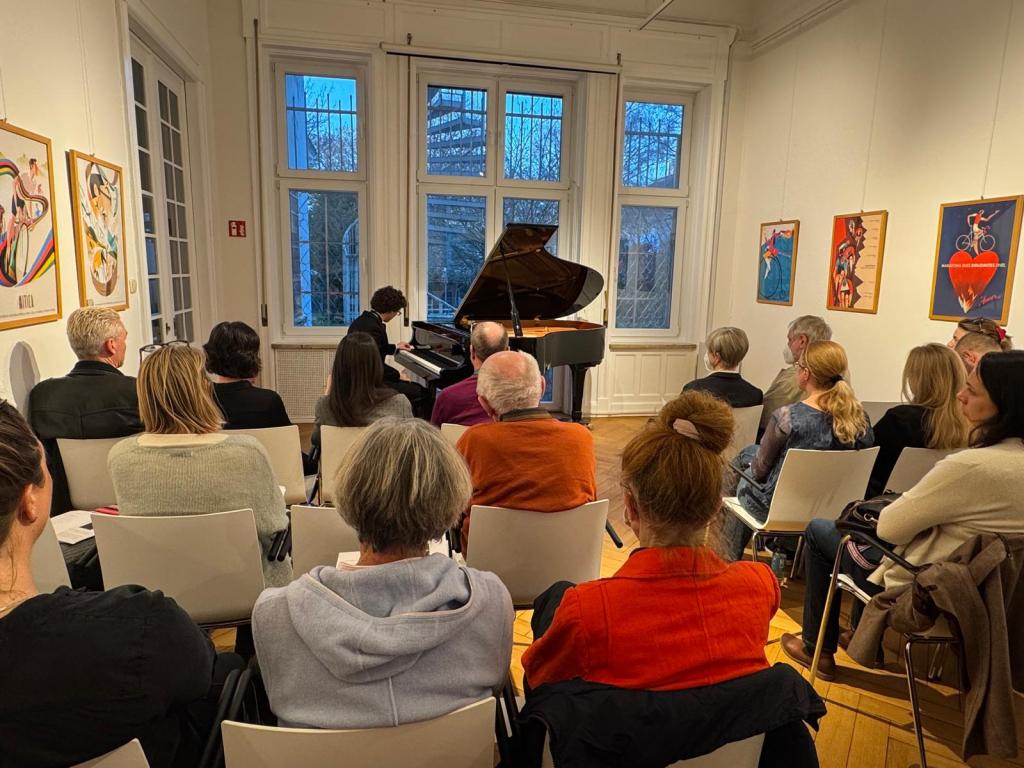
The concert venues were:
1)
Augustinum Hamburg (Very many thanks to Dr. Christian Bendrath and Mr. Malte Frackmann for the wonderful organization, gratitude to Kammersängerin Reri Grist for a long, inspiring conversation)
2)
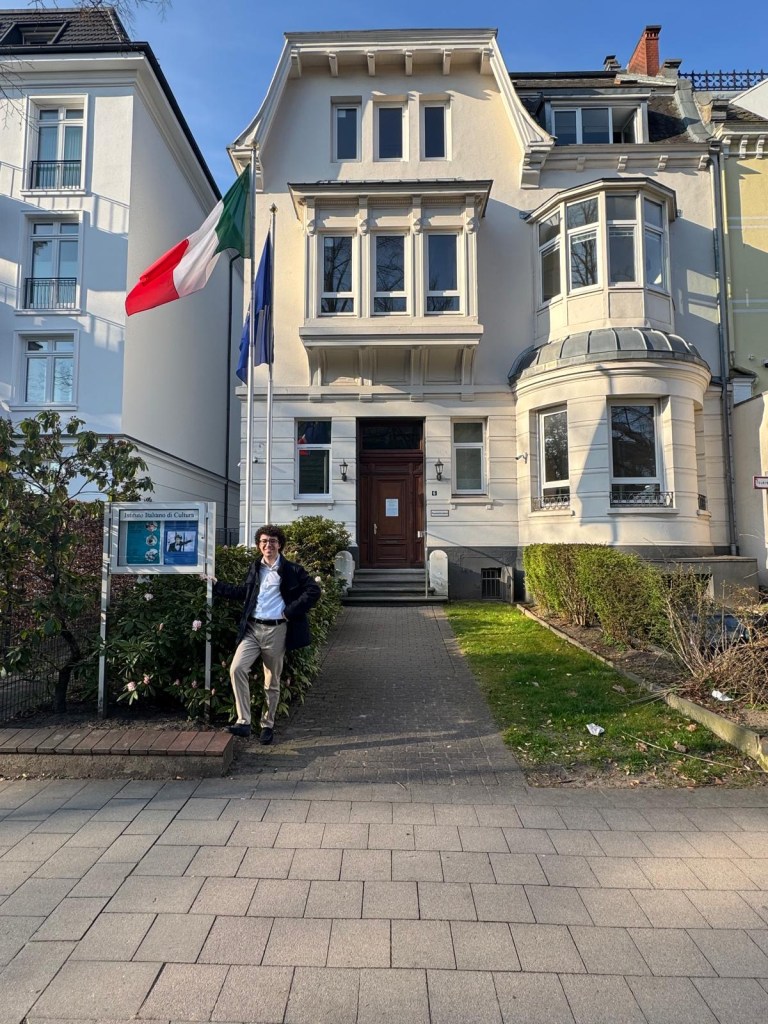
Istituto Italiano di Cultura di Amburgo (Great thanks to Dr. Francesca Fazion and all staff of the Italian Cultural Institute for their meticulous preparation of this recital)
3)
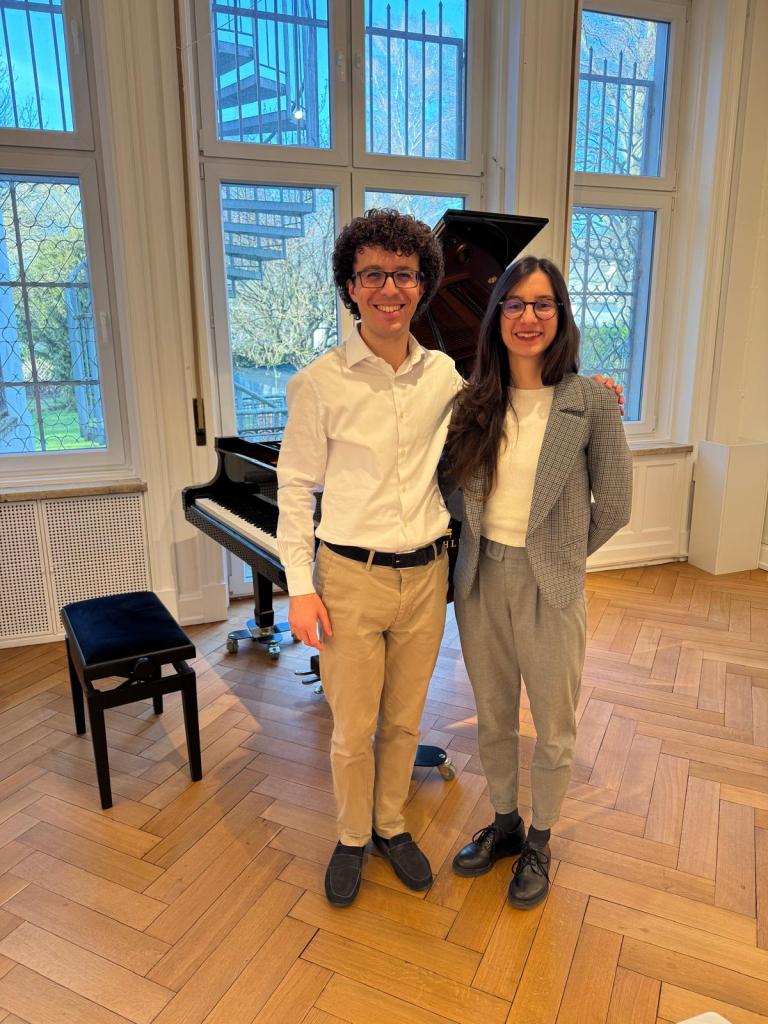
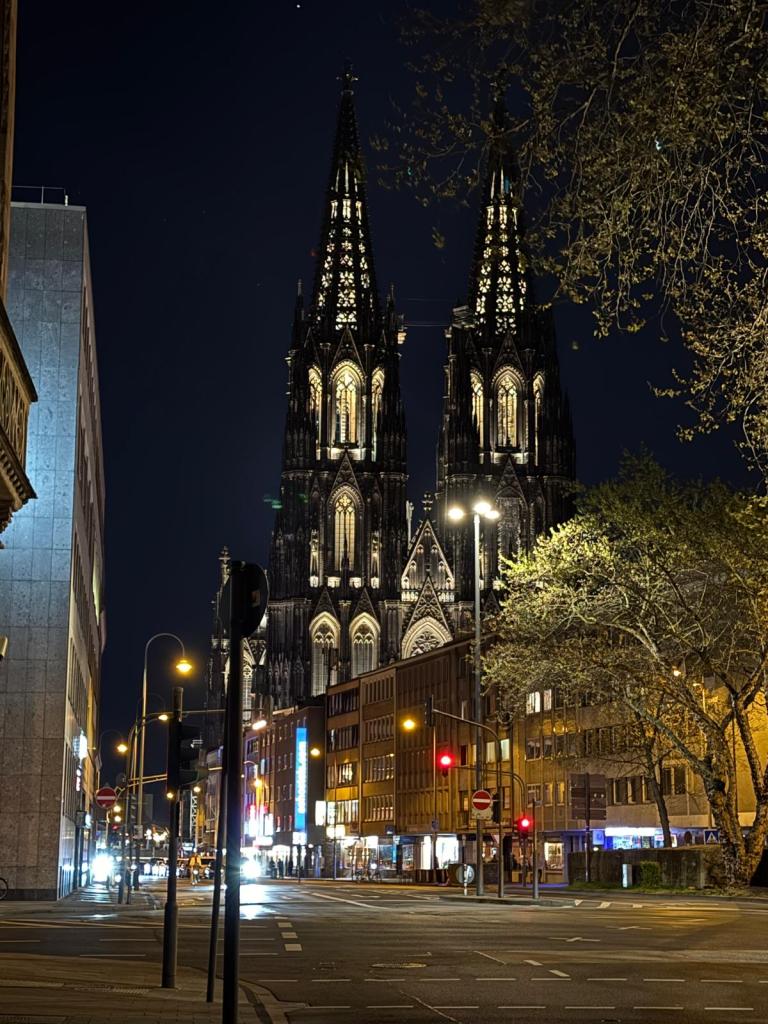
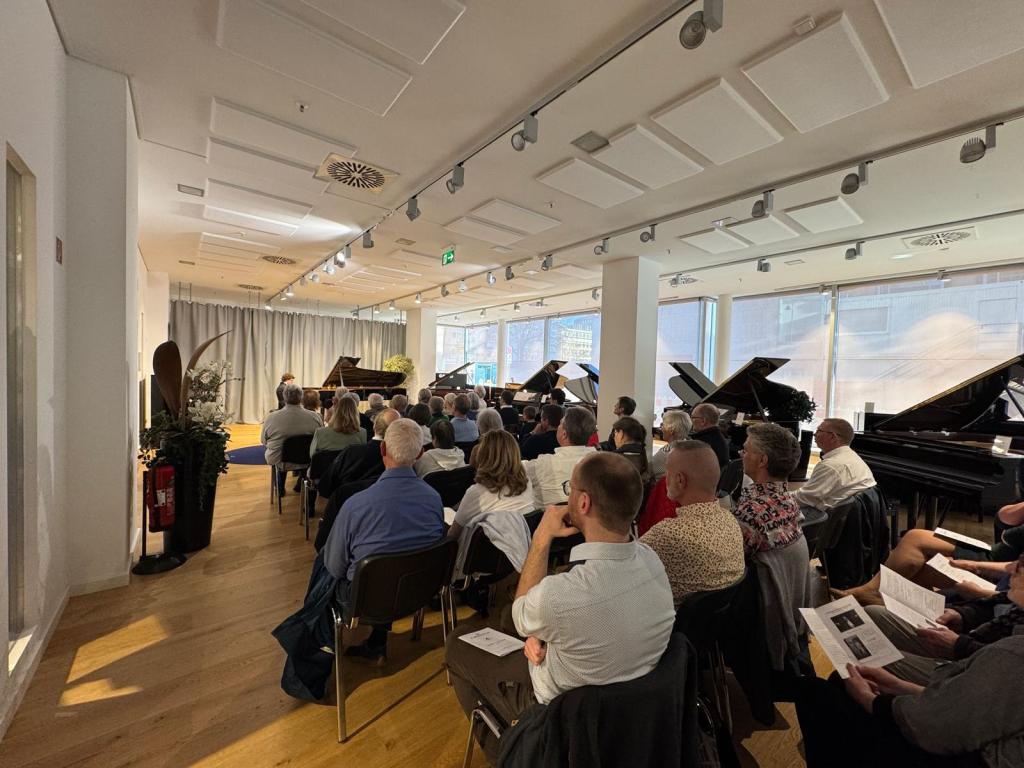
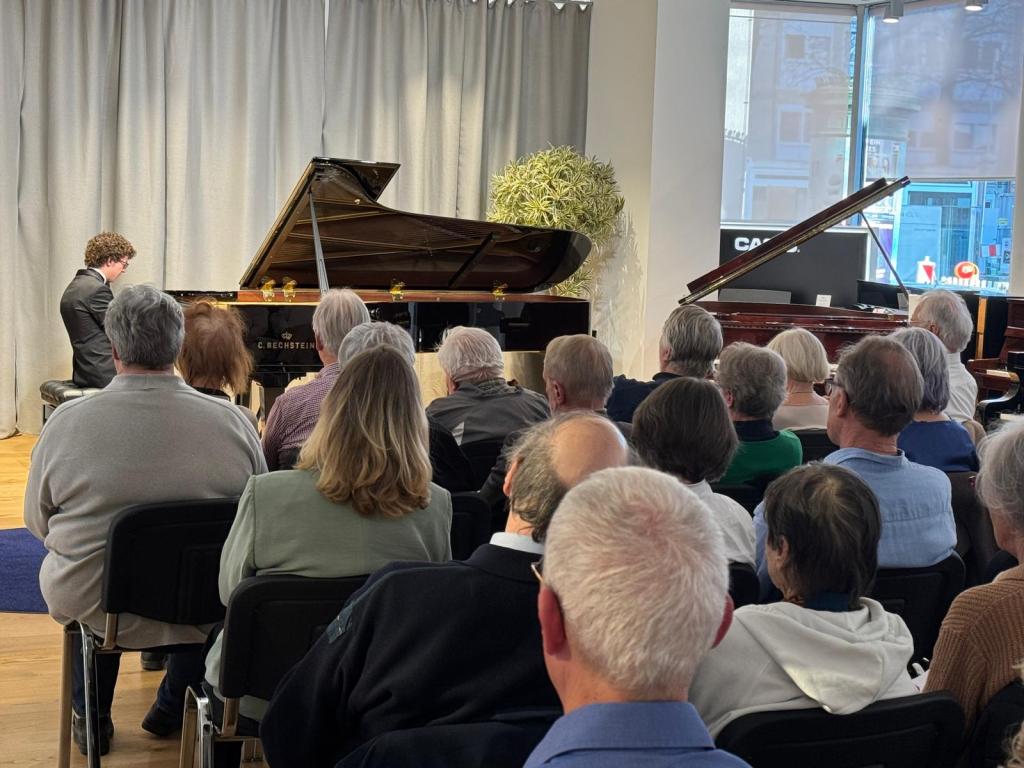
C. Bechstein Center Cologne (Heartful thanks to Ms. Monika Hermans-Krüger and Mr. Torsten Röhre for providing their hall as well as a magnificent, brand new Bechstein D!)
4)
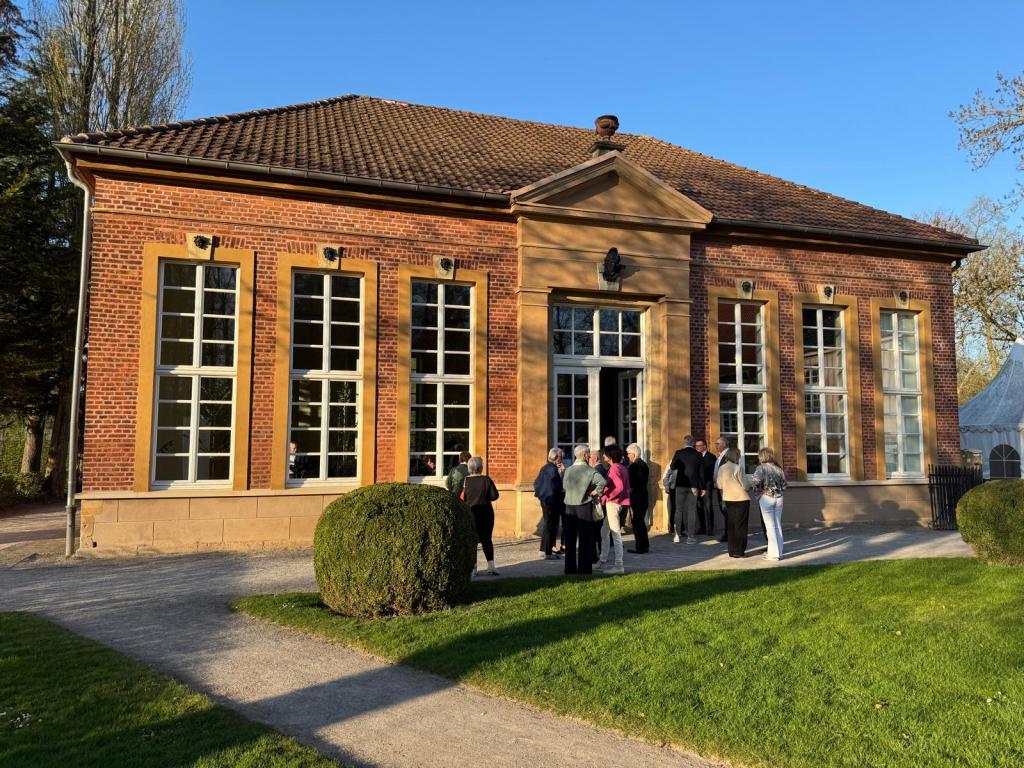
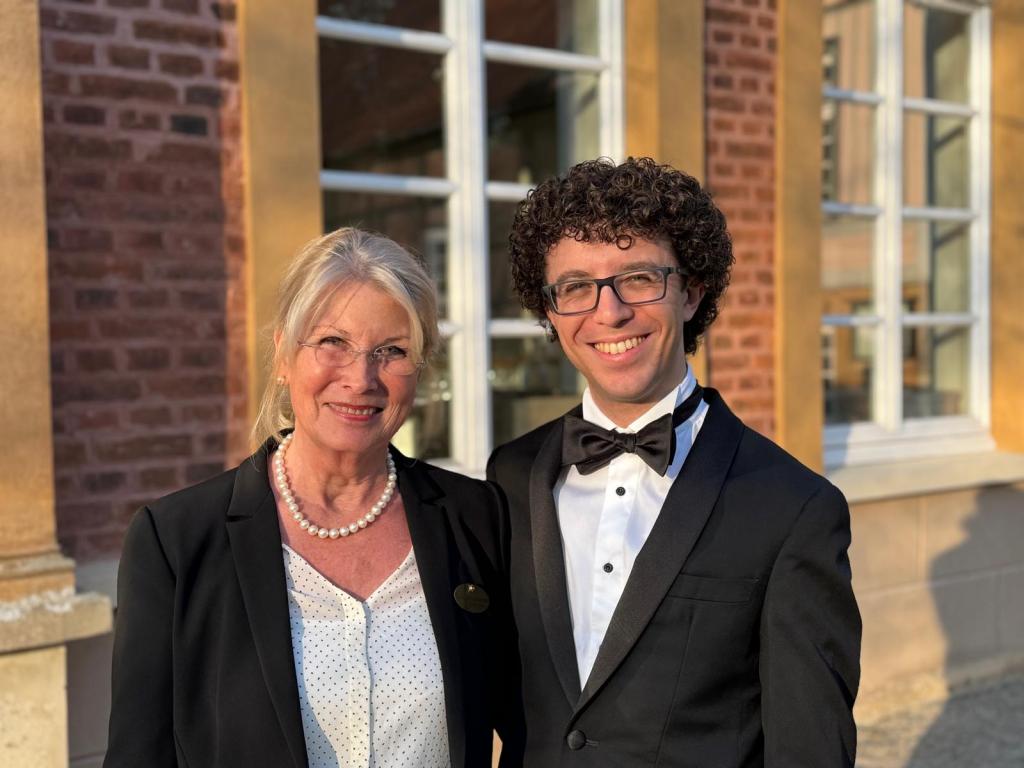
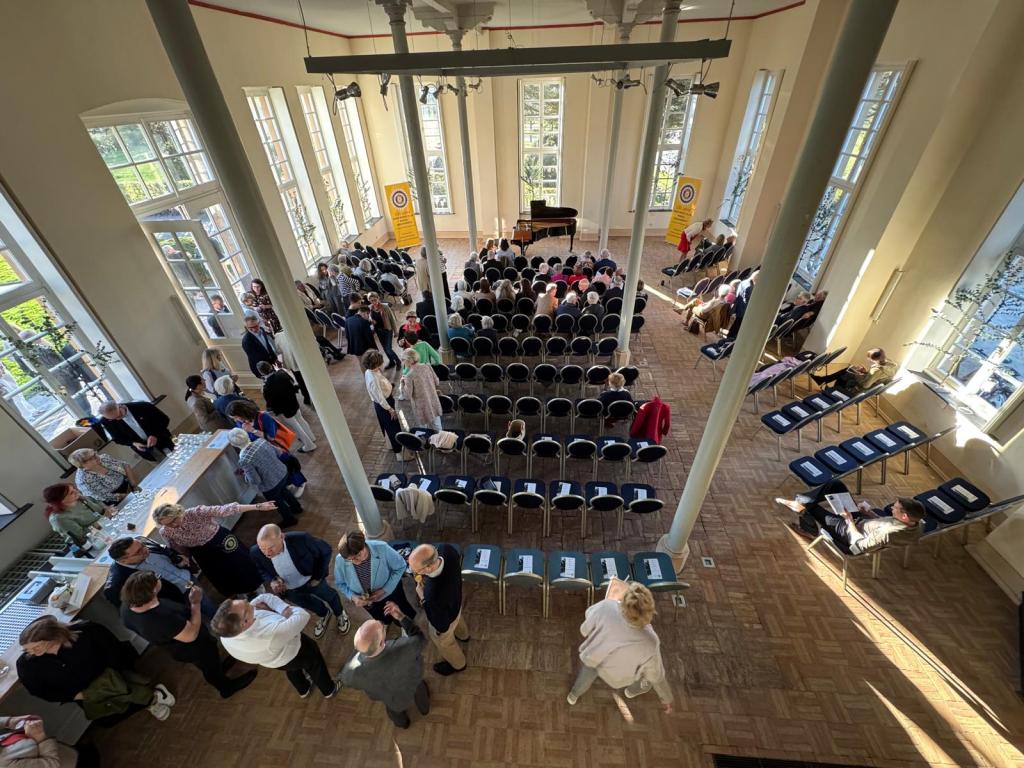
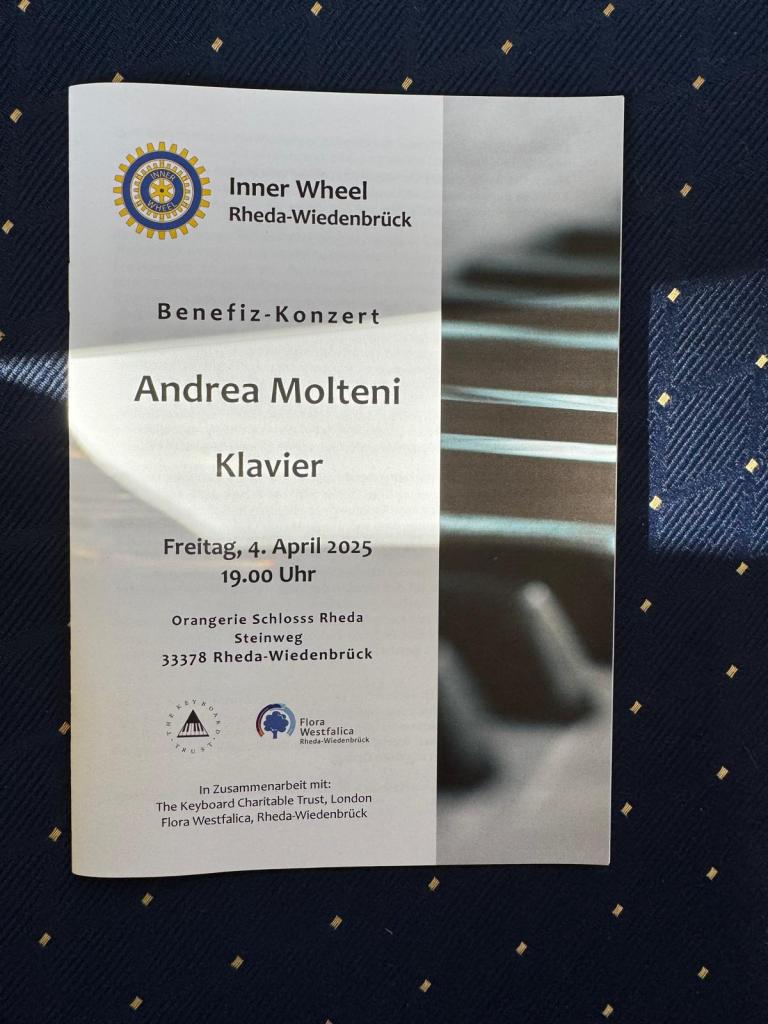
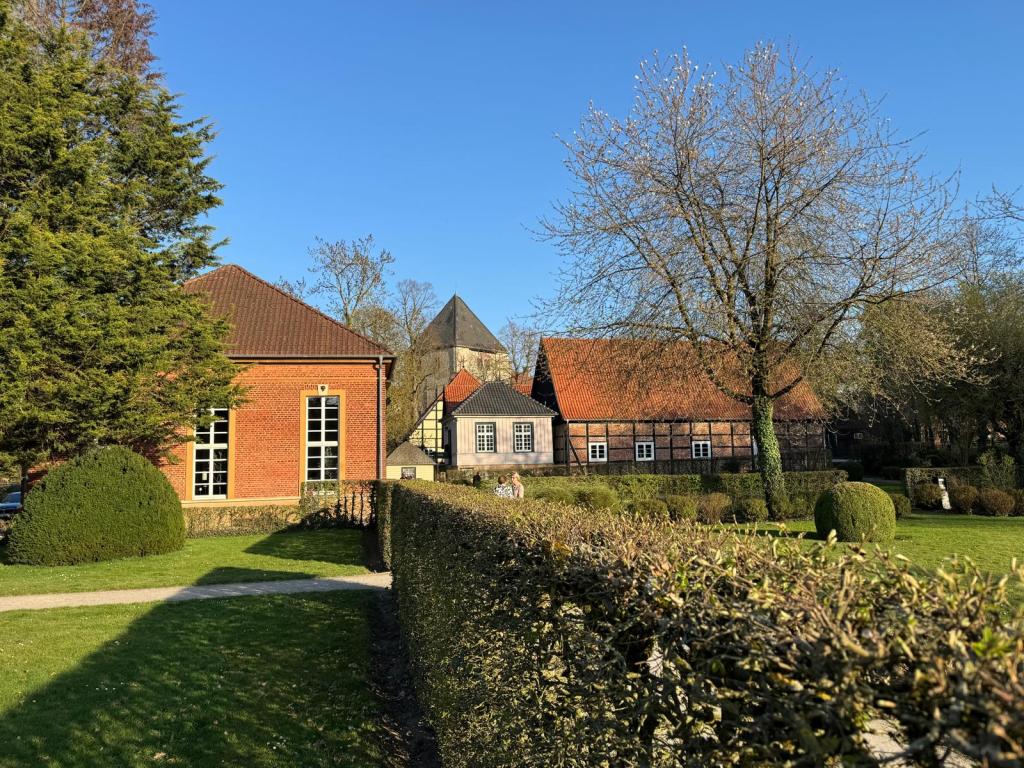
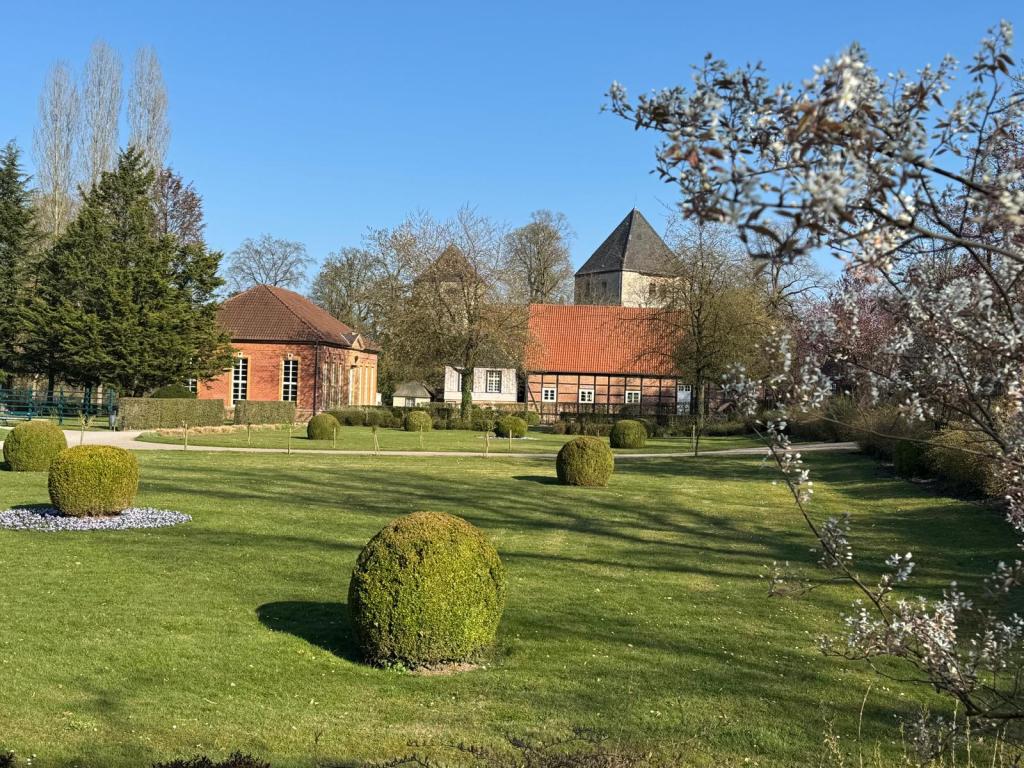
Orangerie Schloss Rheda, Rheda-Wiedenbrück (Profound thanks to Her Serene Highness Princess Marissa zu Bentheim-Tecklenburg, indefinite gratitude to our longstanding friends Inge and Bernd Jostkleigrewe who once again prepared this 13th KT recital over a period of 12 months, and thank you to all the ladies of Inner Wheel Rheda-Wiedenbrück)
Andrea Molteni’s programme for this KT tour was audacious, beautiful and very intelligently chosen. Instead of making himself the centre of interest and showing off some velocity of fingers (as unfortunately many young and often mediocre pianists tend to do), posing with lots of drama and playing only romantic pieces (nothing against Brahms and Liszt, please!), Molteni decided to allow the listeners to travel with him on a musical journey through almost 270 years. Well done, very well done indeed!
Johann Sebastian Bach (1685-1750) composed his Toccata No. 6 in G Minor, BWV 915, between 1707 (when he was 22) and 1713. Written by a still very young Bach, largely almost like an improvisation in character, the toccata culminates in a strict, rhythmic, gigue-like fugue. Molteni was able to deliver both the improvisational atmosphere, almost resembling a fantasy, and the stringency of the fugue in a highly idiomatic way. His piano playing was crisp, transparent and delicate, the fugue metrically enchanting, a profound understanding of baroque polyphony so beautifully displayed. Molteni is a wonderful Bach interpreter! This was already a great achievement, a convincing beginning, but there was much more to come.
Ludwig van Beethoven (1770-1827) wrote his too rarely played Sonata No 28 in A Major, op 101, in 1816 (published in 1817), at a time when he was already nearing complete deafness. Only four more sonatas were to follow. He dedicated this sonata to his pupil Dorothea von Ertmann in Vienna, a German born pianist who never performed in public. The dedication reads: “Receive now what was often intended for you and which may give you proof of my attachment to your artistic talent as well as to your person”.
The four movements are inseparably linked together, although very different in character. The first movement, beginning of the dominant, is very lyrical and poetic, the 2nd movement a vivid March, the third is a very beautiful, pensive Adagio ma non troppo, and the 4th movement brings, after Bach, another fugue, rather a Fugato.
Andrea Molteni succeeded in fully bringing out the exceptionally beautiful, singing, and lyrical character as well as the colossal fugue of this enchanting late Beethoven sonata without any exaggeration or kitsch. He used the left pedal sparingly and only as Beethoven had suggested, so that in the lyrical passages one could hear an extremely cantabile and very even piano playing. The third movement was a divine revelation, purest, meditative silence. The march and fugue were both resolute and compelling—a completely convincing performance from the beginning to the end.
Goffredo Petrassi (1904-2003) was an Italian composer and professor of composition at the Santa Cecilia Conservatory in Rome where her died in 2003 at age 98. Petrasssi’s style began in neoclassicism before he turned to his own tonal and formal language over the years through his encounters with serial and twelve-tone music. Andrea Molteni captured the lyricism as well as the horrendously difficult passages of Petrassi’s music (written between 1933 and 1976), especially in his Toccata (Molteni’s second toccata!), with absolute control and an obvious love for the virtuoso challenges that Petrassi’s music pose.
Johannes Brahms (1833-1897) wrote his Variations on a Theme by George Frederic Handel, Op. 24, in Hamburg in 1861, when he was 28 years old. They are based on a theme that Brahms borrowed from a Suite for harpsichord by Handel (1733). At Richard Wagner’s request, Brahms played these variations for him in Vienna in 1864 during their only encounter, whereupon Wagner paid him the following praise: “One sees what can still be achieved with the old forms when someone comes along who understands how to handle them.” – Brahms dedicated these variations, which stand on equal ground with Bach’s Goldberg Variations and Beethoven’s Diabelli Variations, to Clara Schumann: “I have made you variations for your birthday, which you still have not heard, and which you should have practiced for your concerts long ago.” Clara Schumann would play these variations in Hamburg the same year, in December 1861, even before their publication. – Andrea Molteni, performing this large and challenging piano work in public for the first time in ten years, once again delivered a truly outstanding performance after the interval. His ability to adapt instantly to the diverse characteristics of even the smallest pieces of music, and the variations are such, and to render them with great tonal beauty and technical bravura is unusual. His great pianistic talent was particularly evident in the fugue (already the third fugue that evening!) which poses great challenges not only to the technical mastery of the instrument, but above all to the understanding of the musical context and thus to the musical expression itself. No pianist of Molteni’s age (or of any age!) will be able to easily reach that level of his performance.
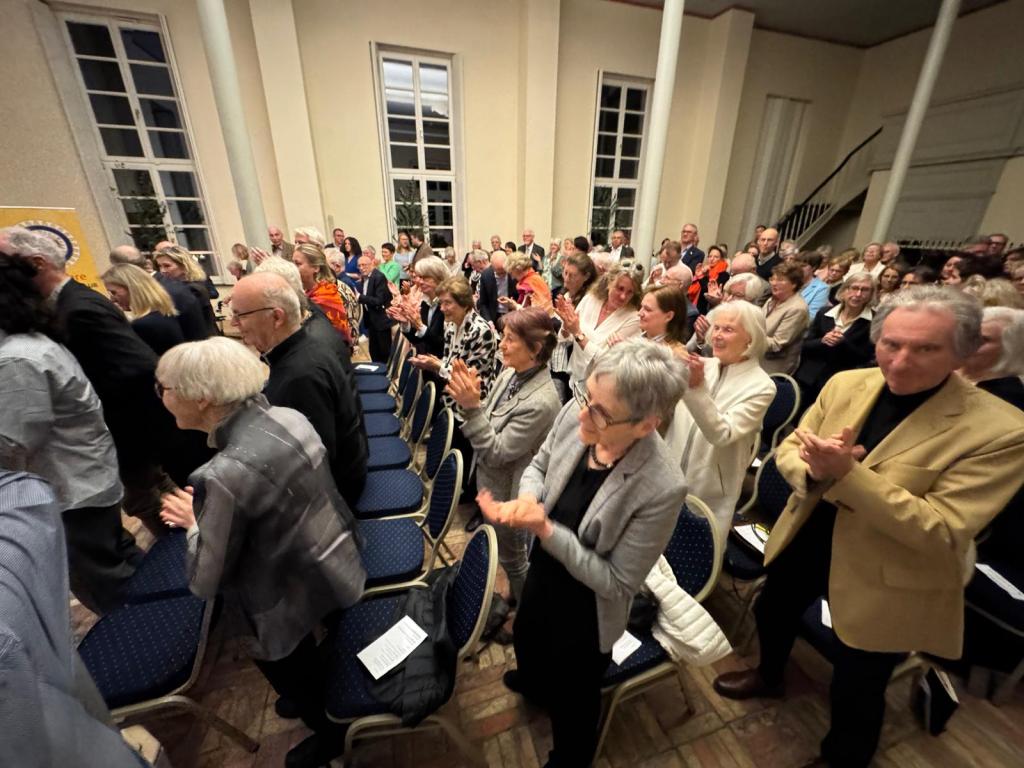
Franz Liszt (1811-1886): Fantasy on Themes from Vincenzo Bellini’s Opera ‘La Sonnambula’ is hardly ever played or recorded. However, the great Australian Liszt champion Leslie Howard has produced a sensational reference recording. Liszt wrote the fantasy on ‘La Sonnambula’ years after Bellini’s untimely death at the age of just 33 in 1835. For his repertoire, Andrea Molteni chose the 3rd and by far most difficult version of this fantasy, written in 1874. Liszt brings together the opera’s three main story lines: Amina, a young, impoverished Swiss peasant girl, falls in love with the rich farmer Elvio, and their wedding is planned. Then rumors arise of Amina’s alleged infidelity, and Elvio abandons his fiancée. Amina is talking of her love for Elvio when sleepwalking and nearly drowns, but is eventually rescued. She is rehabilitated, and Elvio and Amina are ultimately reunited. – The immense drama of the plot is brilliantly realized in Liszt’s third adaptation of Bellini’s opera. However, the horrendous technical difficulties of this piano version are only one aspect of the Sonnambula fantasy – it demands not only great virtuosity and complete mastery of the instrument based on an infallible piano technique, but also a profound musical understanding which is indispensable in order to produce the vitally important musical expression. Andrea Molteni possesses all of these prerequisites to a high degree and played incomparably (yes, he did!!) so that at the end the audience, completely electrified, leaped to their feet to give him a standing ovation that lasted for minutes. Would Amina live today, and had she heard Andrea play this fantasy, she would have immediately left Elvio for him!
Summary
Andrea Molteni is an unusually expressive, technically extremely sophisticated and utterly musical pianist with a strong stage presence and a high level of intelligence. This latter quality is evident not only in conversation, but also in the selection of his fascinating programmes. A certain inherent nervousness is noticeable offstage, but it disappears completely as soon as Andrea Molteni walks up to the piano. His absolute concentration and focus during his performances, combined with great dedication to the composers and fidelity to the grandeur of their works, are deeply impressive. Andrea Molteni is a very distinguished pianist.
The four piano recitals in Germany, performed on four subsequent nights on four different pianos with hour long train travels on the last two of the four concert days have demonstrated Andrea Molteni’s resilience, his capability of handling considerably strenuous demands and that he would not allow these to deter him from the excellence of his piano artistry.
If there were anything to criticise – and it is not so much a criticism but more so a piece of advice – it would be this: the balance of sound, the recognition of the correct tonal language for each respective work, and the ability to empathise with the listener’s perception are the most important prerequisites to play a beautiful recital on any piano or grand piano, whatever size, age and make it may be, and in any hall. The pianist’s ability to adapt the piano tone, timbres, volume, and musical expression to the respective circumstances develops differently for each musician and only over time. These complex skills are something Andrea Molteni will certainly continue to work on. Within just a few days, he has already demonstrated how magnificent his underlying pianistic abilities are in every respect, how fast he understands, learns and adapts, making the last two evenings in particular perfectly balanced, overwhelming experiences.
I hope that Andrea Molteni will have a long, distinguished career ahead of him, in which he will continue to inspire and delight audiences. Above all, may he continue to expand his repertoire and, over the course of his life, become a grand pianist, an artist, and a great musician with something to say, no, with very much to say. He is well on his way, and he has given great honour to the Keyboard Charitable Trust and its goals.
I am sure that John Leech has been watching and listening to Andrea Molteni from heaven during these days with a gentle smile and great happiness in his heart.
Copyright: Moritz von Bredow, Hamburg, April 2025






Below is a report on the KT activities in Germany in 2024 – I am glad I was able to hear three of our best pianists in one year!
1) Gabriele Sutkutė
In April 2024, I had organised 4 recitals for Gabriele Sutkutė. She played at
– Representation of Hamburg in Berlin
– Augustinum Hamburg
– Bechstein Centre, Cologne
– Orangery o Castle Rheda, Rheda-Wiedenbrück
PROGRAMME:
Prokofiev – Piano Sonata No. 4 in C minor, Op. 29:
Haydn – Fantasia in C major, Hob. XVII/4, “Capriccio”
Ravel – “Miroirs”, M. 43: II. Oiseaux tristes
Ravel – La valse, M. 72
I N T E R V A L
Janáček – Piano Sonata “1. X. 1905” (“From the Street”):
Rameau – Suite in D major (Pièces de Clavecin)
Liszt – Venezia e Napoli, Années de pèlerinage II, S.162
Gabrielė is a very mature, highly musical pianist, of deep underdstanding for the works she plays, of insight into the historic background – and she has a magnificent natural stage presence. Her pianistic art is simply beautiful – she can perform works from the Baroque to contemporary music at ease and on the highest musical and technical levels. Her performances were captivating and brought the audiences to their feet. Conversations with Gabrielė were delightful and vibrant.
Gabrielė’s playing is crystal clear, with tremendous technical skills, yet those are always in service of musical expression. Her jeu perlé is breathtaking, and her expression of colours and dynamics, in combination with her phenomenally idiomatic understanding of the works she plays, make her a true artist with a very promising future. Full marks!
2) Giovanni Bertolazzi
In November 2024, I organised 4 recitals for Giovanni Bertolazzi:
Sunday, November 17,
New Living Home, Hamburg
Tuesday, November 19
Augustinum Hamburg
Thursday, November 21
Bechstein Centre, Hamburg
Friday, November 22
Bechstein Centre, Cologne
PROGRAMME:
Bach/Busoni: Chaconne from Partita d Minor for Violin
Beethoven: Sonata N0. 4 E flat Major op. 7
PAUSE
Nicolai/Bach/Busoni:Choral-Prelude “Wachet auf, ruft uns die Stimme”
Beethoven: Sonata No. 21 “Waldstein” C Major op. 53
Giovanni Bertolazzi played a very beautifully and intelligently chosen programme of works only by Bach/Busoni (100 death anniversary) and Beethoven.
Giovanni Bertolazzi is a very elegant and noble pianist, reminding me of Michelangeli in many respects. His command of the piano is astonishing, and his tonal language beautiful and never exaggerating, not even in the tremendous build up during the Chaconne or the Waldstein sonata. HIs Beethoven is reminiscent of Michelangeli’s unparalleled Beethoven performances. A sound full of colours, strict adherence to rhythm and tempo, with the rubato very distinctly chosen. Scarce use of pedals and a strong as well as calm inner centre that would never allow him to lose control. And yet an ever so expressive interpretation of both sonatas. – Bertolazzi’s Busoni interpretations were equally beautiful, never forgetting Bach’s polyphony and allowing to understand what Busoni really wanted: to show Bach’s works as the epitome of music. Bertolazzi most definitely was the perfect pianist to perform this programme. Full marks!
3) Magdalene Ho
On Dec 14, Magdalene Ho played at Laeiszhalle Hamburg (Small Hall)
PROGRAMME:
Beethoven
Six Bagatelles op. 126
Franz Schubert
Sonata G Major D 894
Extraordinary, very idiomatic performance of Beethoven’s Bagatelles op 126 and Schubert’s late sonata in G. Very subtle, amazing colours, the piano always singing, all pianissimi constantly without left pedal. Absolute control of rhythm and phrasing, beautifully chosen rubato, no kitsch, no wrong romanticising of expression, no exaggerations anywhere – very, very impressive. Beethoven had been completely deaf since 1819 (op 126 written in 1824), and his heavy heart which never succumbed to his depression was in Magdalene’s interpretation, and so was Schubert’s melancholy less than 2 years before his death – but he, like Beethoven, would always move on “against all odds”. I spoke to the astonishing pianist Magdalene briefly before and after the recital, thanking her on behalf of the Keyboard Trust. She did not say much, but her eyes said all when I told her my deep impressions afterwards. What an amazing, true artist! So shy, so quiet – and yet (as someone once said about Grete Sultan), at the piano she became a queen!
 ChristopherAxworthy-MusicCommentary