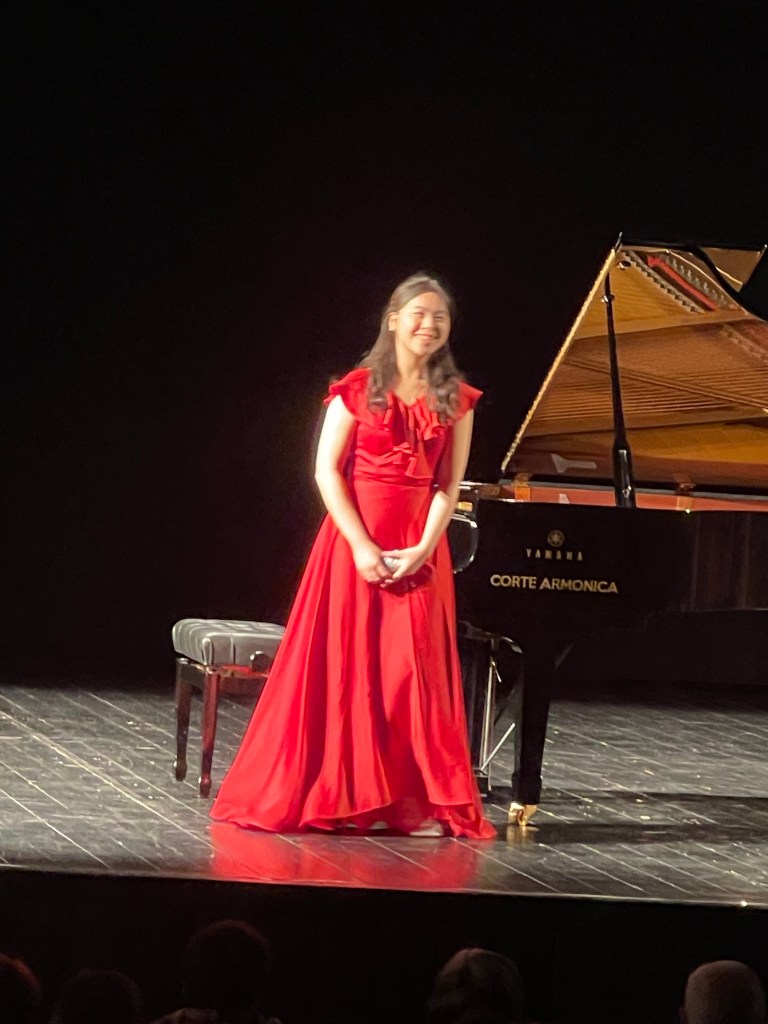
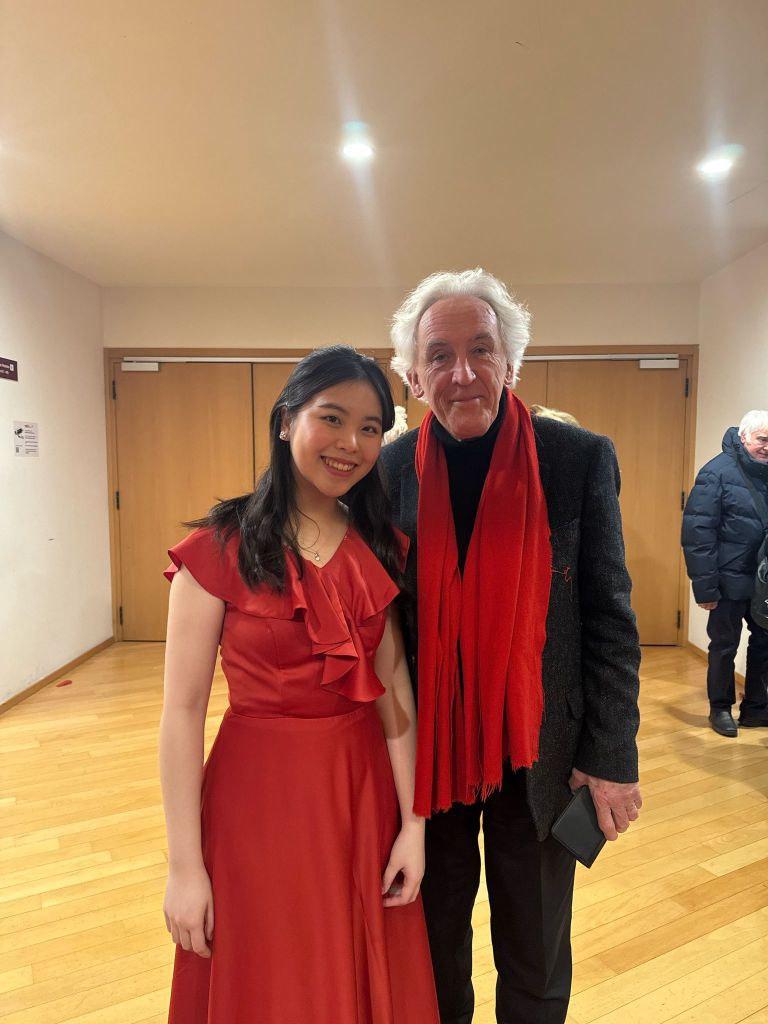
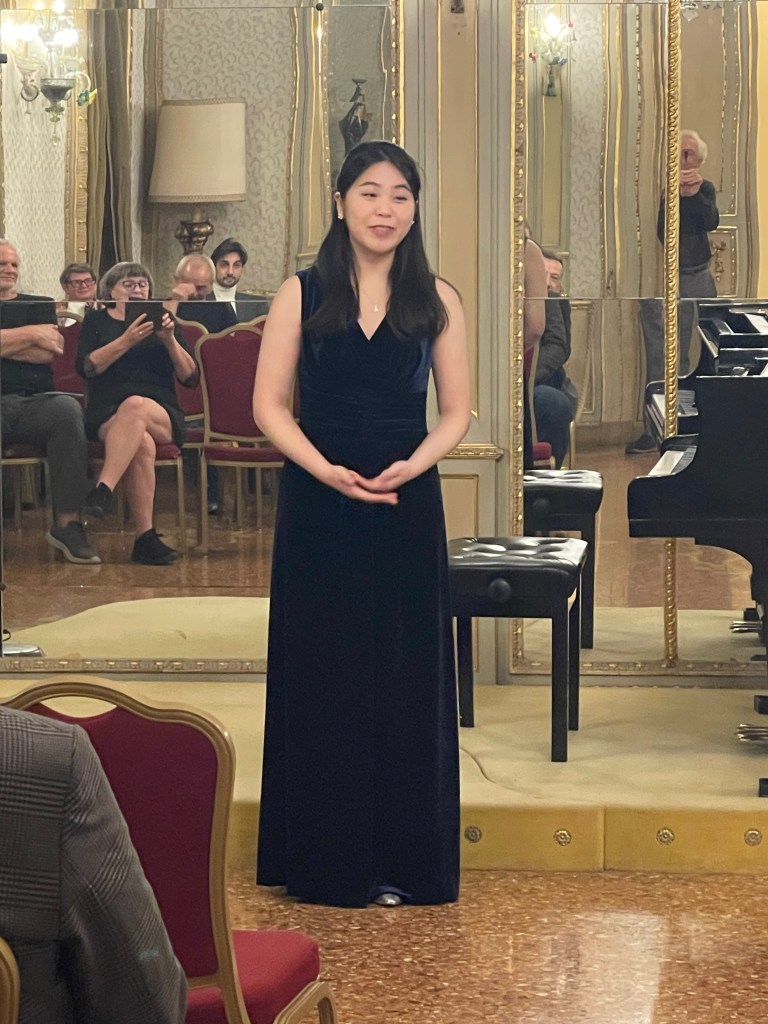
Sherri just two days after playing in London began her Keyboard Trust Italian tour in collaboration with the Robert Turnbull Piano Foundation, with a triumphant appearance in Vicenza.
https://christopheraxworthymusiccommentary.com/2025/03/12/sherri-lun-in-perivale-maturity-and-mastery-of-intelligence-and-refined-poetry/
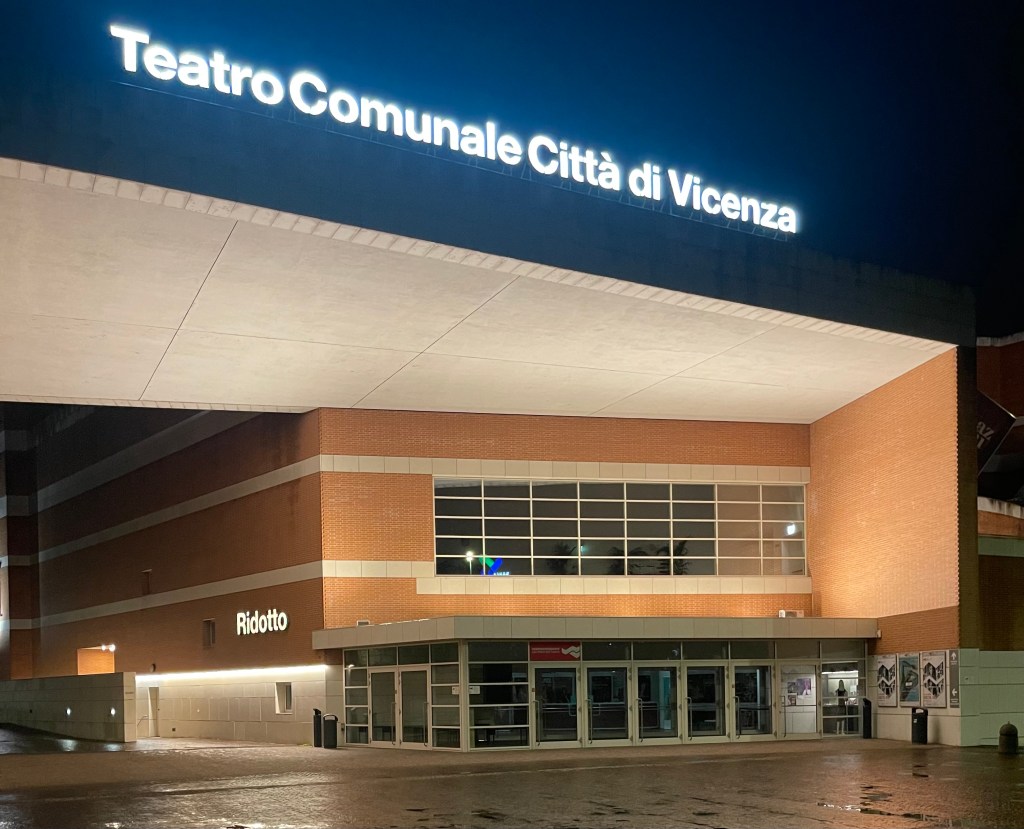
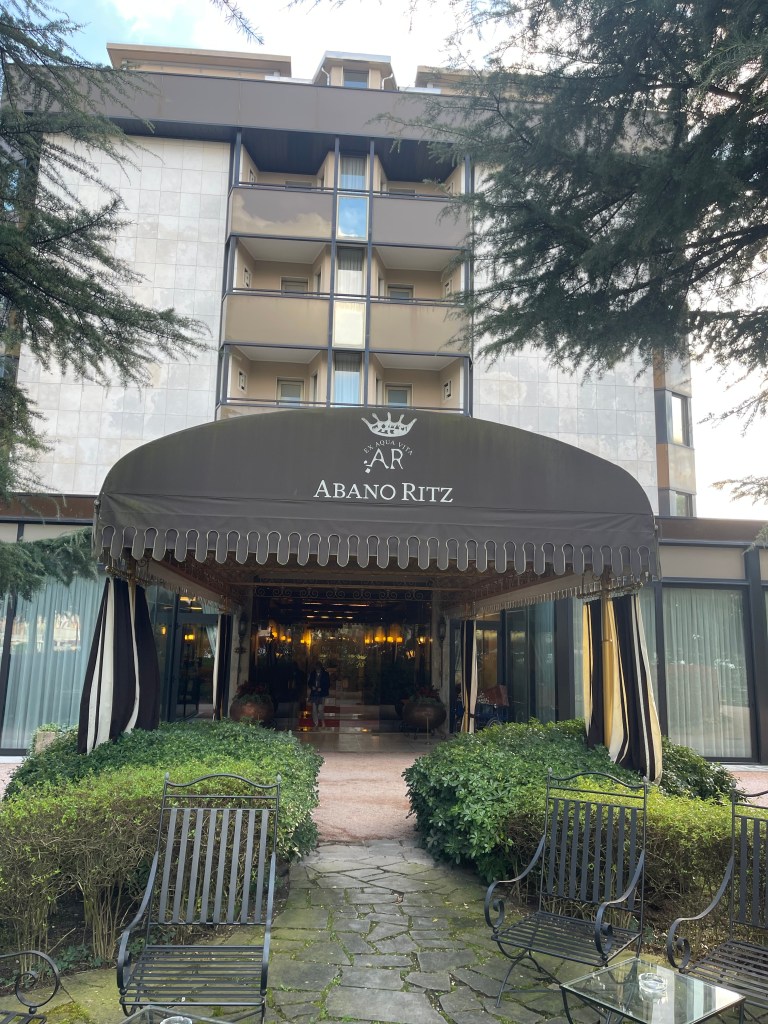
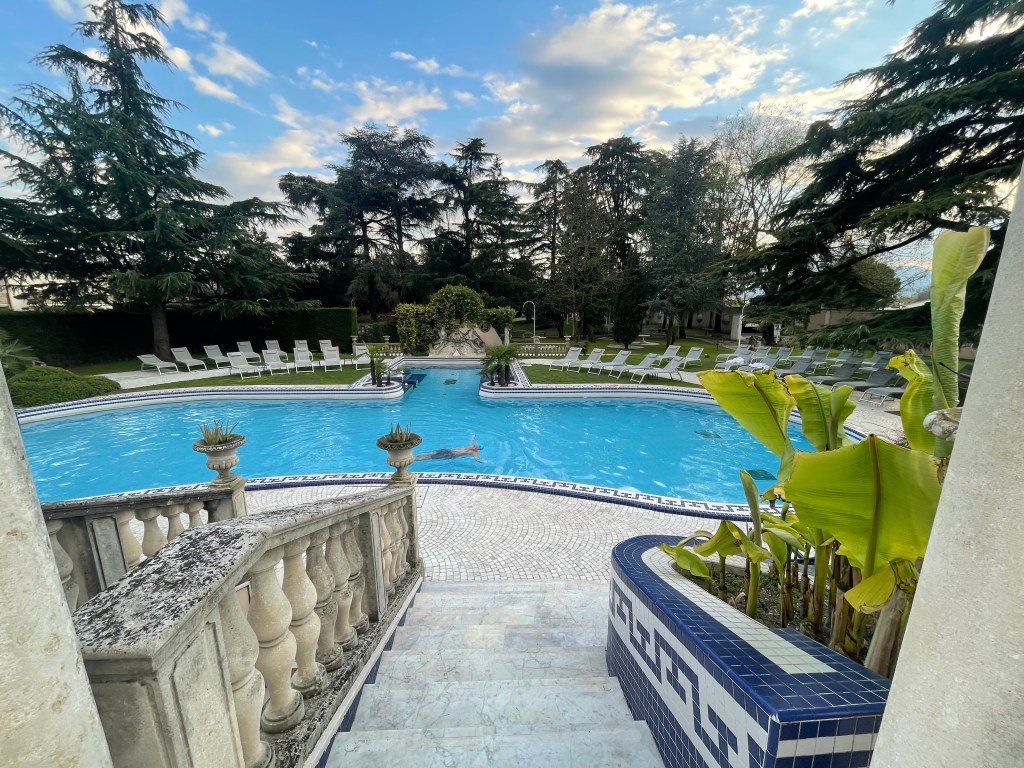
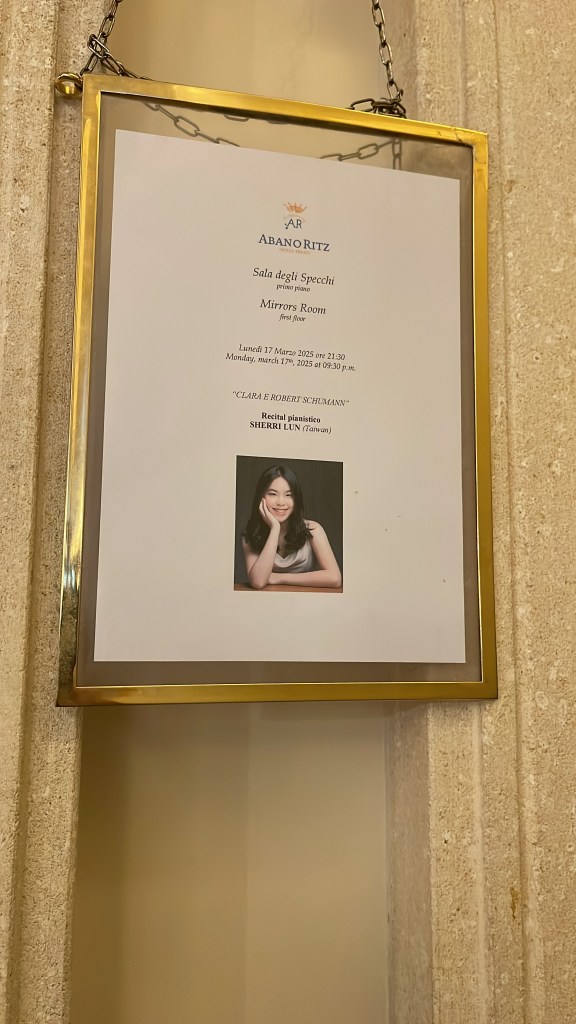
Incontro Sulla Tastiera for young musicians is the series that the tireless Mariantonietta Righetto Sgueglia has been organising for almost fifty years. Now in the magnificent Teatro Comunale this was just the start of a tour that will finish next week in Florence taking in Venice,Padua and The Ritz at Abano Terme
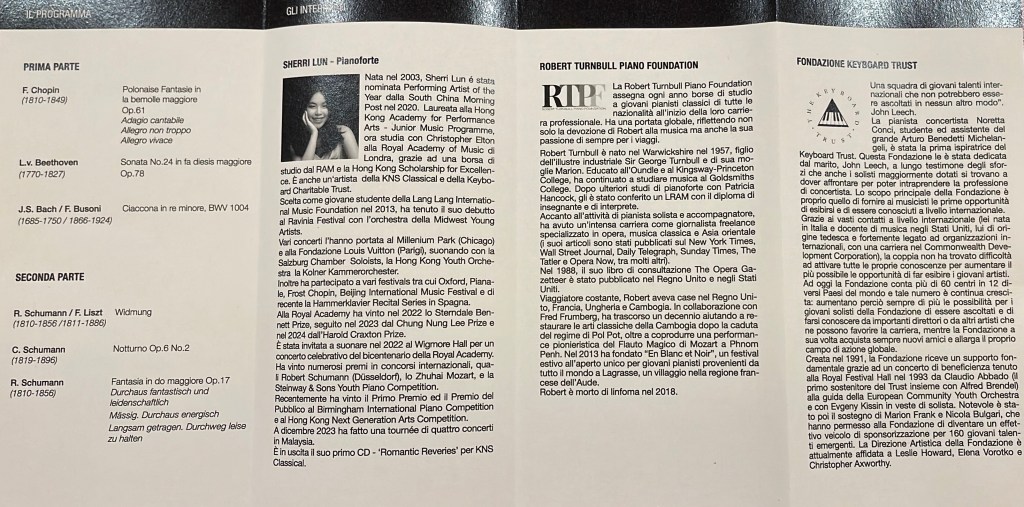
A fascinating programme that starts and finishes with two of the most important works in the Romantic piano repertoire. Chopin’s last great masterpiece the Polonaise- Fantasie where Chopin had created a completely new form that was so revolutionary for it’s time that it was only many years after his death that it was finally recognised for it’s genial invention and poetic beauty. Beethoven’s shortest Sonata but one of the composers favourite for its beauty and simplicity, opening the gate to the composers last period of his thirty two sonatas that spanned his entire life story.
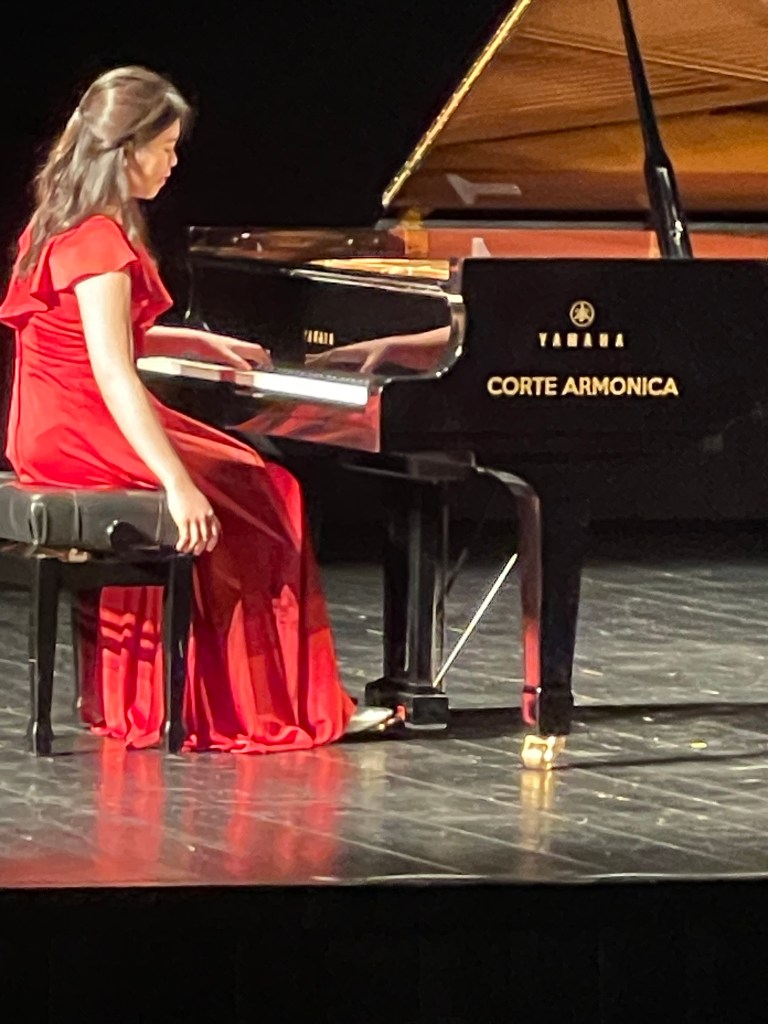
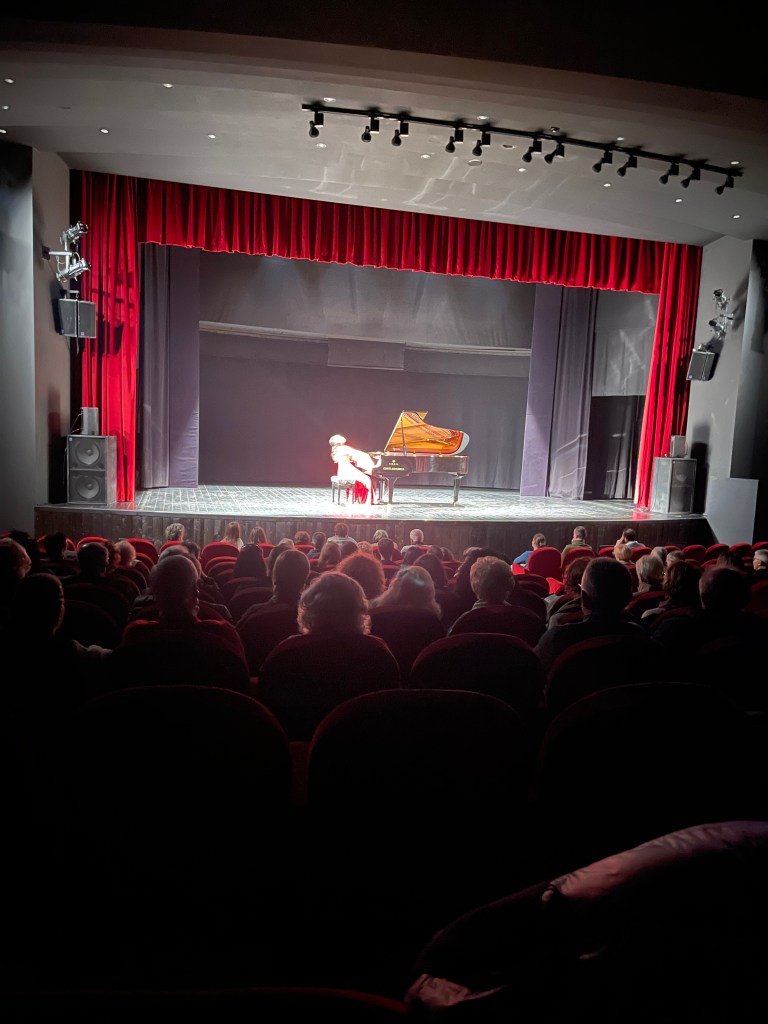
Bach’s mighty Chaconne presented in the famous reworking by Busoni in his centenary year and the rebirth for the piano of one of the greatest of Bach’s works originally written for solo violin. ’Widmung’ and the Fantasie were outpourings of love by Robert Schumann for his future wife Clara .It is fitting that Sherri should include a composition by Clara Schumann too, who apart from being the mother of Robert’s eight children was the first woman virtuoso of the piano and a quite considerable composer in her own right.The Nocturne uses Robert’s theme from the Fantasie and was published in the same year.A secret message between Clara and Robert of one of the greatest love stories of all time.
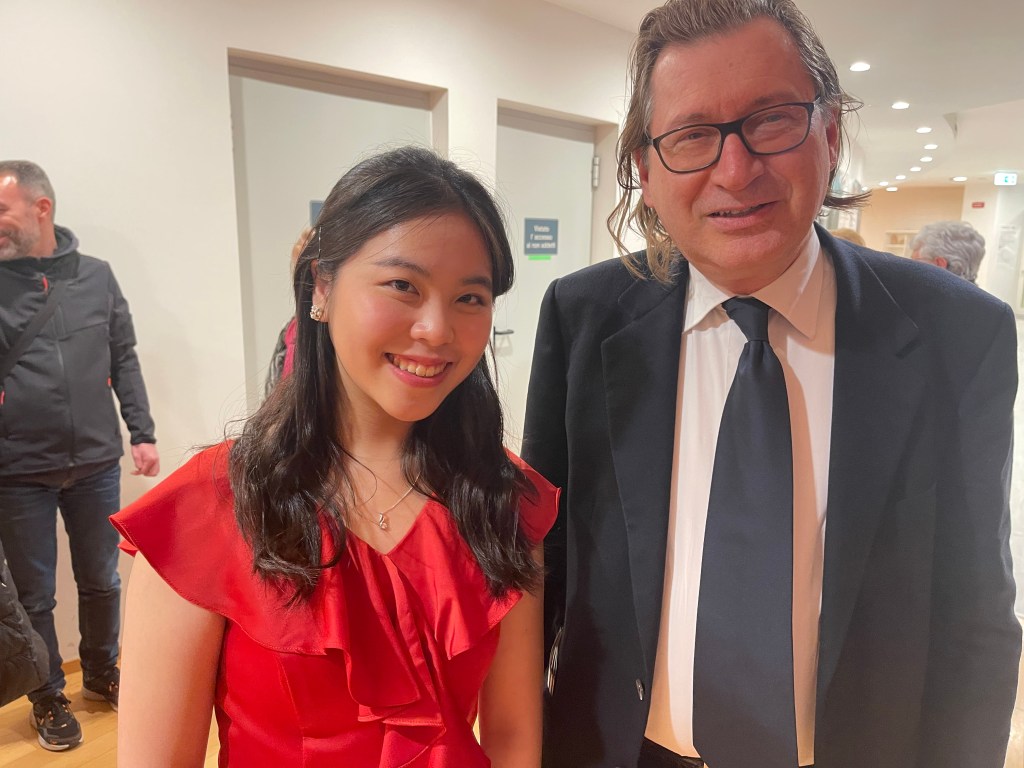
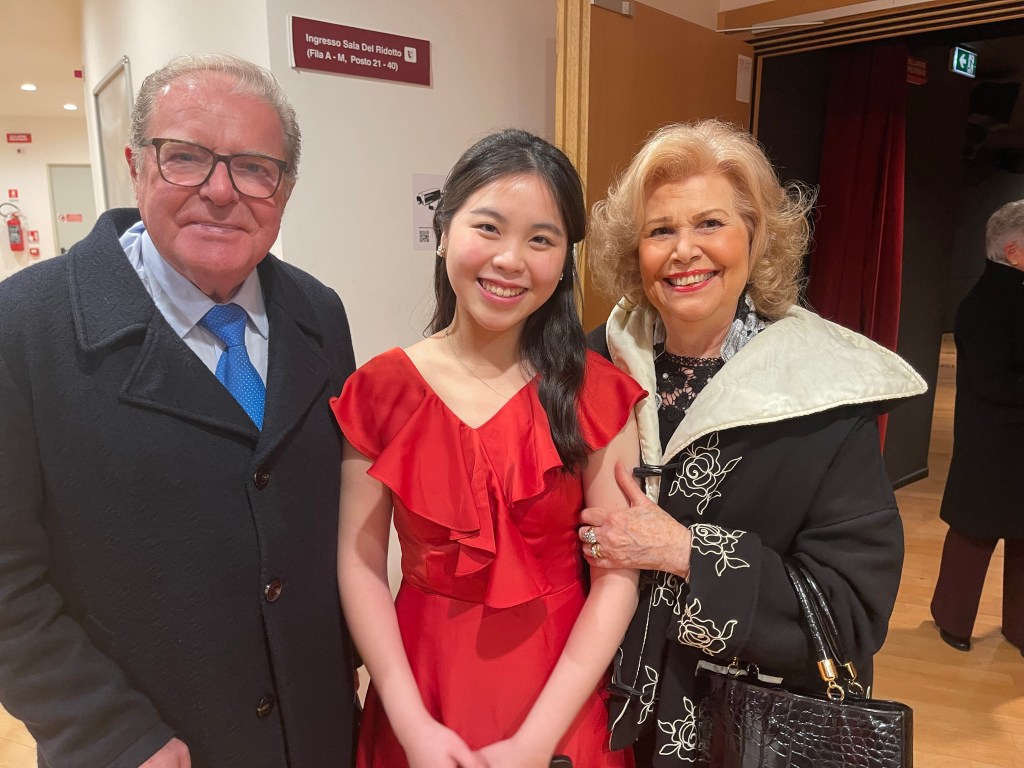
Sherri had played the Chopin and Schumann Fantasies just two days before, in London, and I reviewed them above. What I did not know until Christopher Elton,her teacher, told me, was that it was a new work in her repertoire and so Vicenza was only the second time she had played it in public! It was remarkable in Perivale and as Christopher had so rightly said it is getting even better with every performance! ‘Widmung’ has long been in her repertoire and she played it with phrasing of breathtaking beauty. The exhilaration of Liszt’s embellishments brought the greatest love story ever told onto the concert platform with heartrending sensibility and passionate involvement.Beethoven’s favourite sonata was played with a crystalline clarity and refined musicianship that just illuminated the grace and charm that Beethoven could express for Thérèse who may very well have been the ‘Immortal beloved’ of much speculation. After the glorious opening ‘Adagio cantabile’ of simple unadorned beauty, there was refined phrasing and a constant flowing tempo in the ‘Allegro ma non troppo’ that follows.The ‘Allegro vivace’ was played with a jeux perlé jewel like precision which just flowed from Sherri’s fingers with simple mastery.
Bach’s mighty Chaconne was give a monumental performance of nobility and at times ravishing whispered beauty. Busoni had been able to recreate on the piano one of the greatest works ever conceived. A work that the genius of Bach had envisaged on a solo violin! Sherri brought a kaleidoscope of colour to a work that had so inspired me as a teenager, when I heard a recording of Arturo Benedetti Michelangeli. An unashamed use of the piano and all it’s colours. Sherri brought an architectural understanding to this work which culminated in it’s final glorious declamation of reassertion, played with blazing conviction and enormous sonorities that belied her minute stature .This was the only time we would hear Sherri’s Chaconne on this tour, and it was a just tribute to Sofja Gubaidulina who died the day before and whose Chaconne had obviously been inspired by that of Bach. Sherri had played it in Perivale the day before her sudden death in Hamburg on the 12 March.
After another wonderful performance of the Schumann Fantasy where the coda of the first movement was even more touching than before, and the whispered beauty of the ending led to minutes of aching silence when the audience and the performer could savour together the magic that had been recreated. And magic there was as she played as an encore ‘In Des Abends’ from Schumann’s ‘Fantasiestücke’.Time stood still as I remember it used to for Rubinstein who would play with the same purity and simplicity as Sherri did today, of one of Schumann’s most beautiful creations.
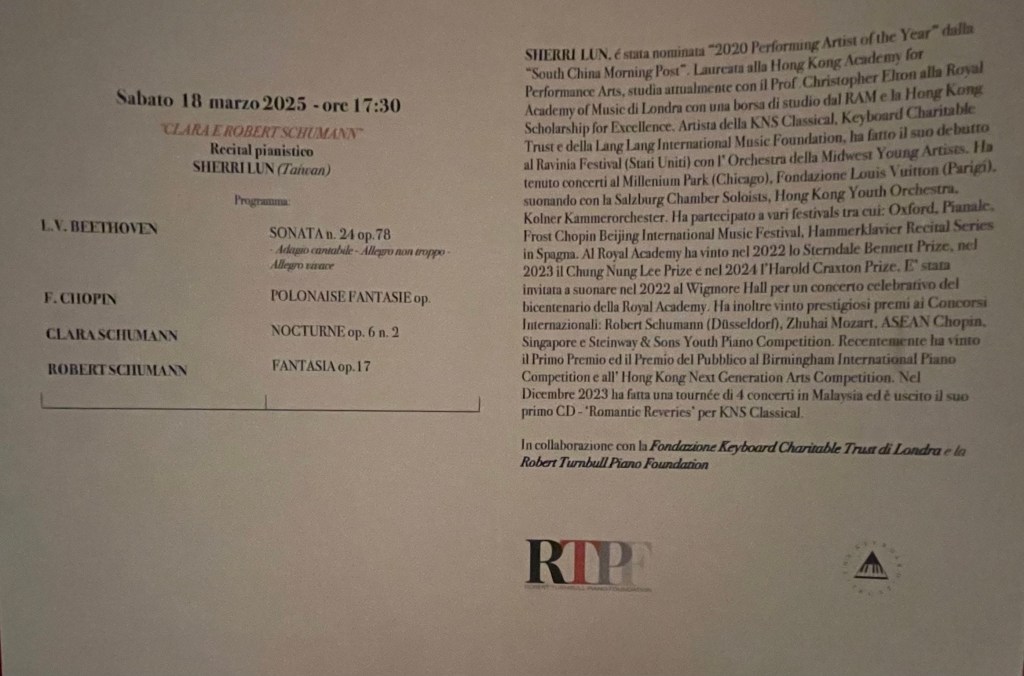
Chopin Polonaise Fantasie in A-flat major, Op.61
Beethoven Sonata No.24 in F-sharp major, Op.78
Bach/Busoni Chaconne in D minor, BWV 1004
—Intermission—
Schumann/Liszt Widmung
Clara Schumann Nocturne Op.6 No.2
Schumann Fantasy in C major, Op.17
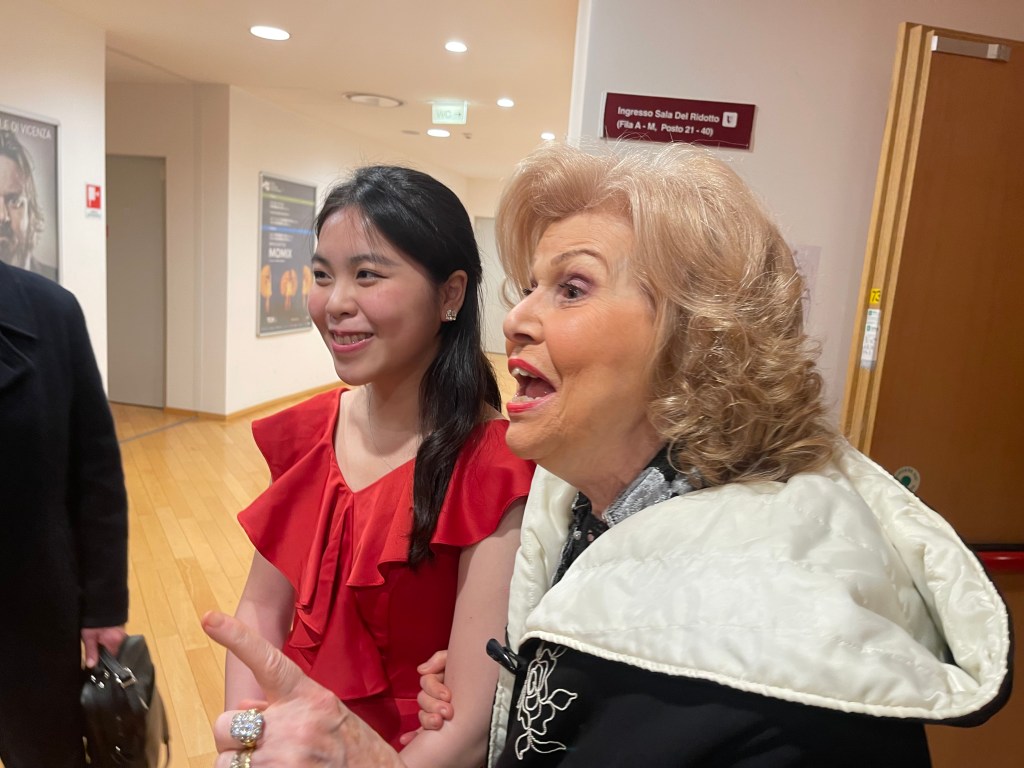
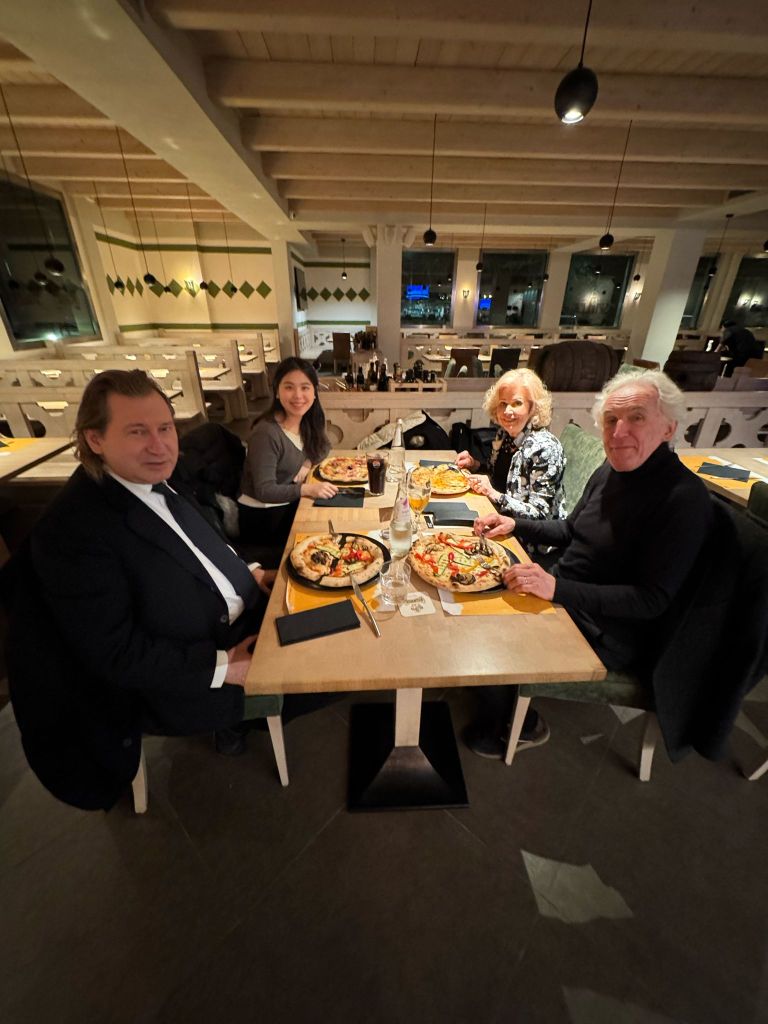
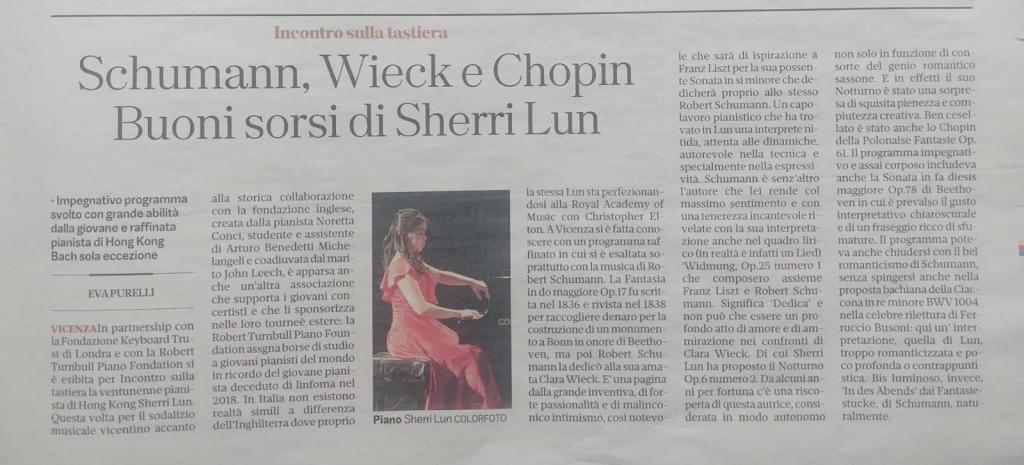
Schumann ,Wieck and Chopin
Good performances of Sherri Lun
Il Giornale di Vicenza 19 March 2025
Eva Purelli
‘Difficult programme played with great ability by the young refined pianist from Hong Kong .With the only exception of Bach.’
‘In partnership with the Keyboard Trust of London and the Robert Turnbull Piano Foundation, the 21 year old pianist from Hong Kong , Sherri Lun, played for the ‘Incontri sulla Tastiera.
This time for the appearance in Vicenza in the historic collaboration with the English Trust,created by Noretta Conci with her husband John Leech, (Noretta had been a student and assistant of Arturo Benedetto Michelangeli) , there appeared another association that sponsors young concert artists on their International tours : The Robert Turnbull Piano Foundation giving scholarships to young pianists from all parts of the world in memory of the young pianist who died of linfoma in 2018.
These realities do not exist in Italy as they do in England where this same pianist, Lun, is perfecting her studies under Christopher Elton at the Royal Academy of Music.
Her visiting card in Vicenza was with a refined programme of above all the music of Robert Schumann. The Fantasie in C op 17 was written in 1836 and revised in 1838 to raise funds for a monument in honour of Beethoven in Bonn, that Robert Schumann dedicated to Liszt, with it’s outpouring of love for Clara Wieck. It is a work of great originality, strong passions and intimate nostalgia of such importance that it became the inspiration for Liszt’s B minor Sonata that he dedicated to Robert Schumann.
A pianistic masterpiece that found in Lun an interpreter of precision with great attention to the dynamics and an authoritative technical command of expressive sensibility .
There can be no doubt that Schumann is the composer that she has most feeling for, with a ravishing tenderness that was revealed also in her performance of his song ( in reality a Lied).
‘Widmung’ op 25 n 1 was composed by Schumann and trascribed for piano by Liszt. It means ‘Dedication’ and is a profound declaration of love and admiration for Clara Wieck. It was her Nocturne op 6 n 2 that Sherri also played. For some years this composer has been rediscovered and admired for herself and not just as the partner of a Romantic German genius. In fact her nocturne was a surprise for its exquisite fullness and creative style.
Well etched also was Chopin’s Polonaise-Fantasie op 61 .
This important and robust programme also included Beethoven’s F sharp Sonata op 78 in which she revealed a kaleidoscope of colour and sensitive phrasing.
The programme could have finished there with the beautiful romanticism of Schumann without bothering to play the Bach Chaconne in D minor BWV 1004 in the famous reworking of Ferruccio Busoni : where Lun’s interpretation was too romantic, lacking in profundity and contrapuntal shape.
On the other hand she played a glowing encore ‘In des Abends ‘ from the ‘Fantasiestücke’ ………by Schumann of course .
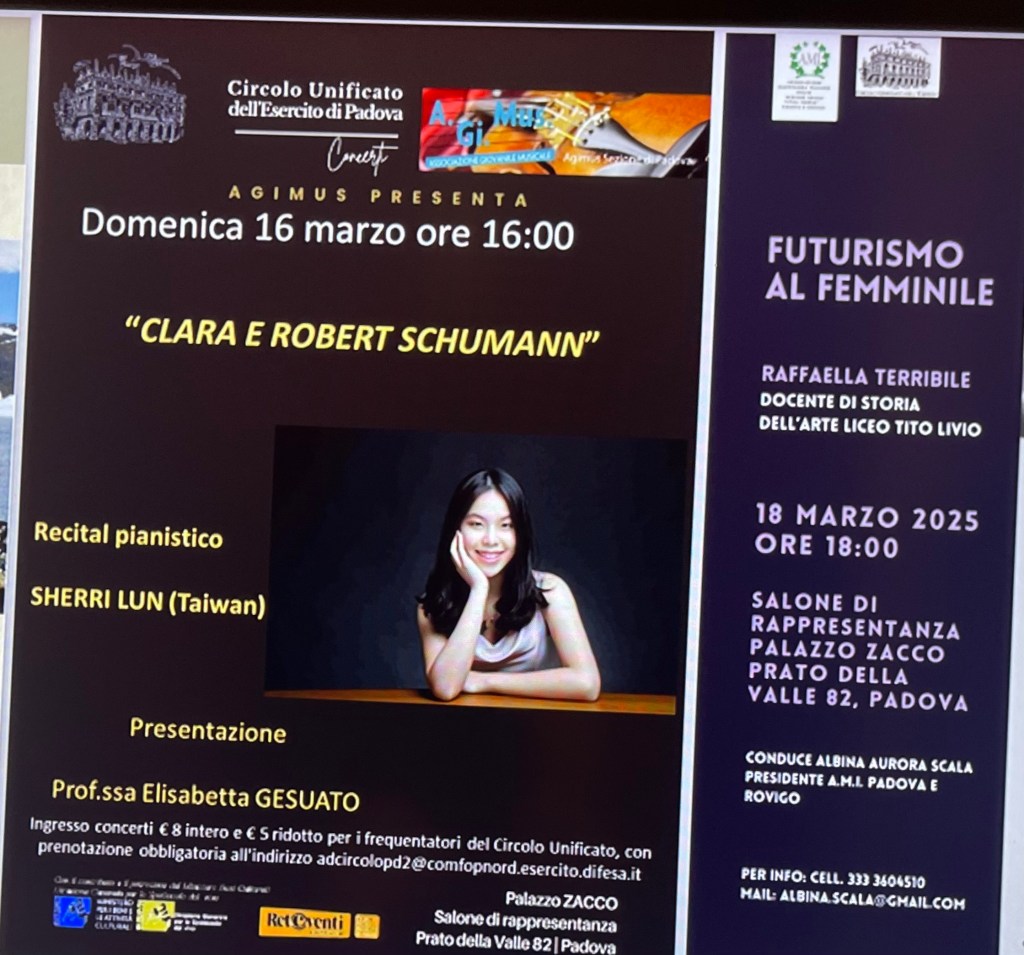
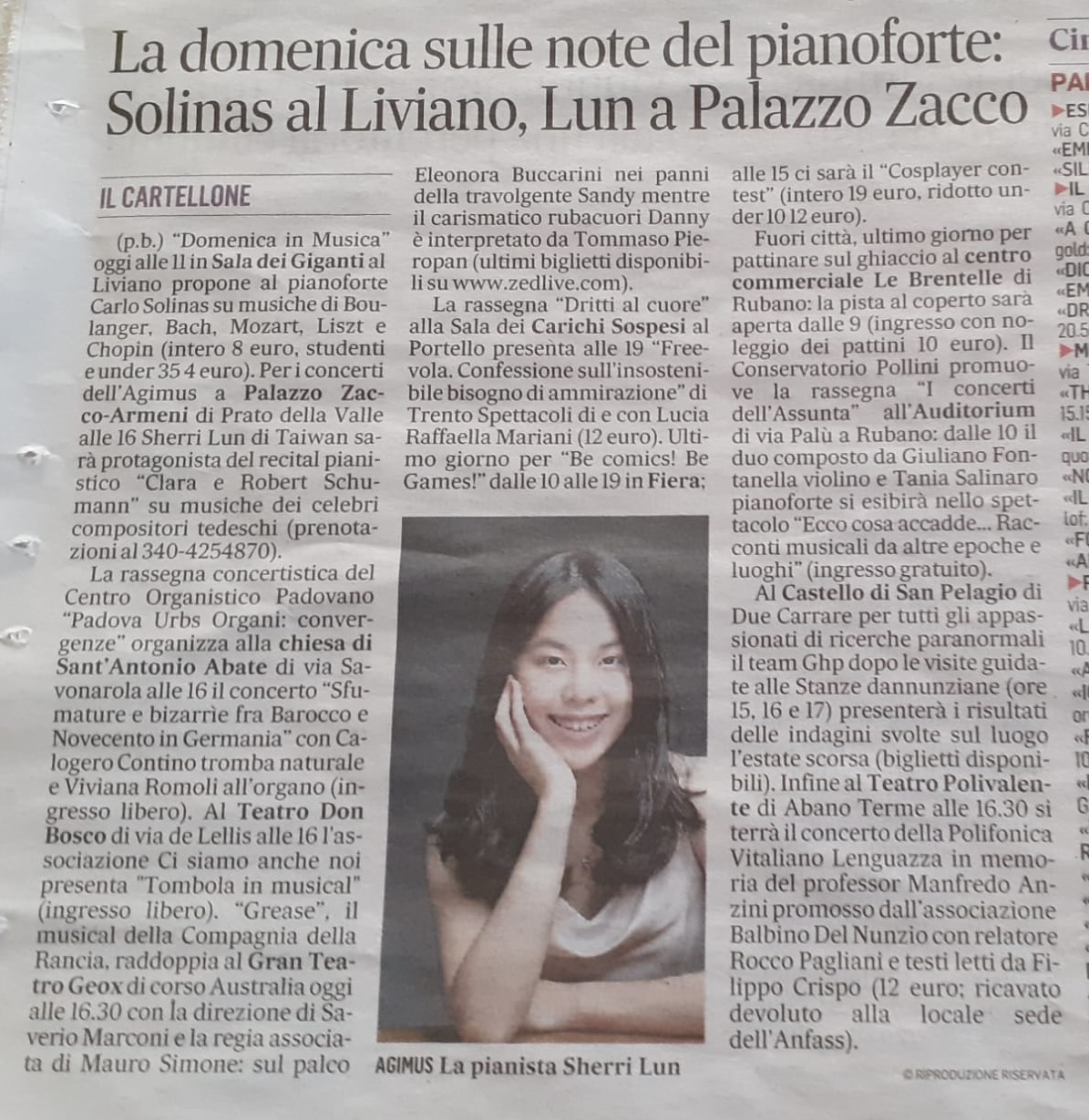
PART 2 Venice – Padua – Abano Terme for Agimus Padua
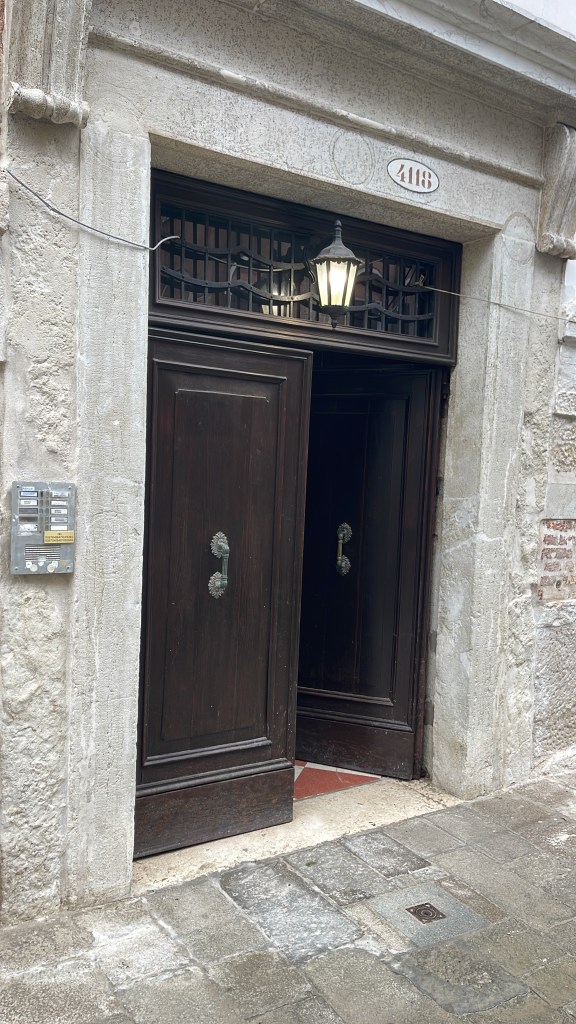
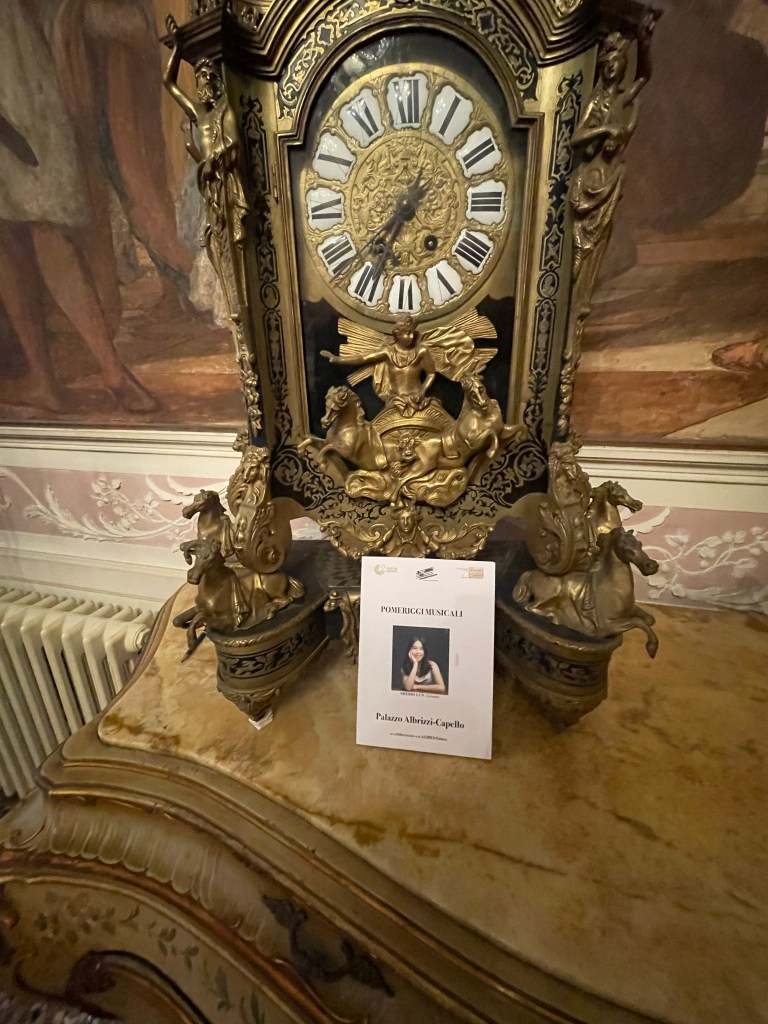
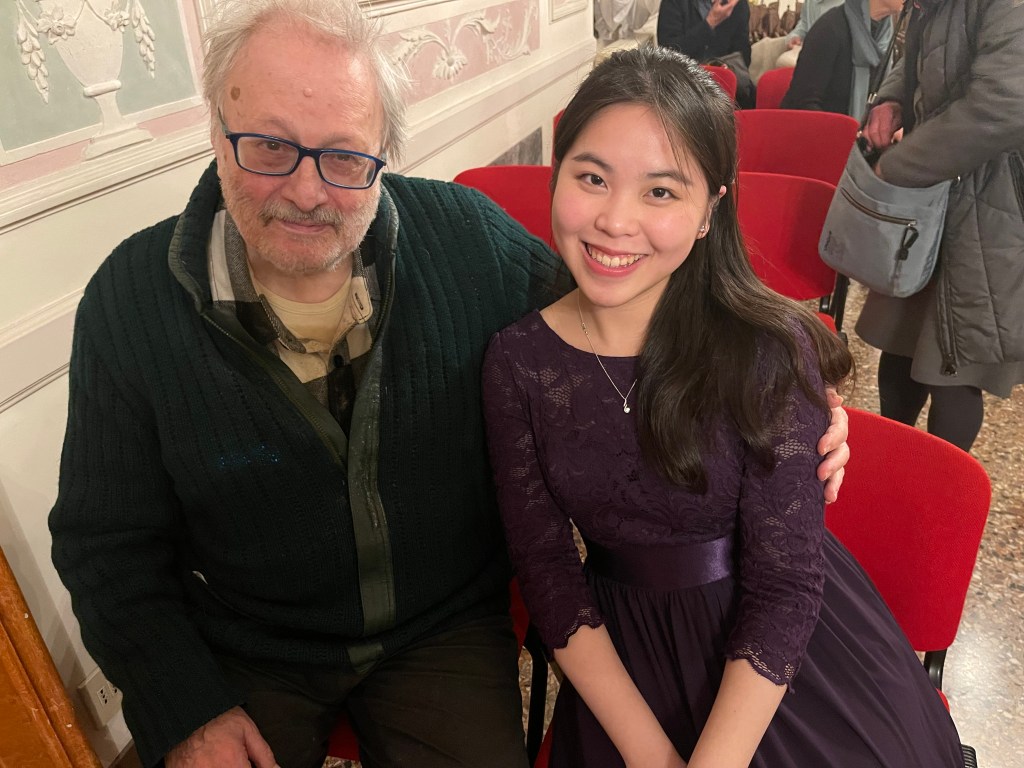
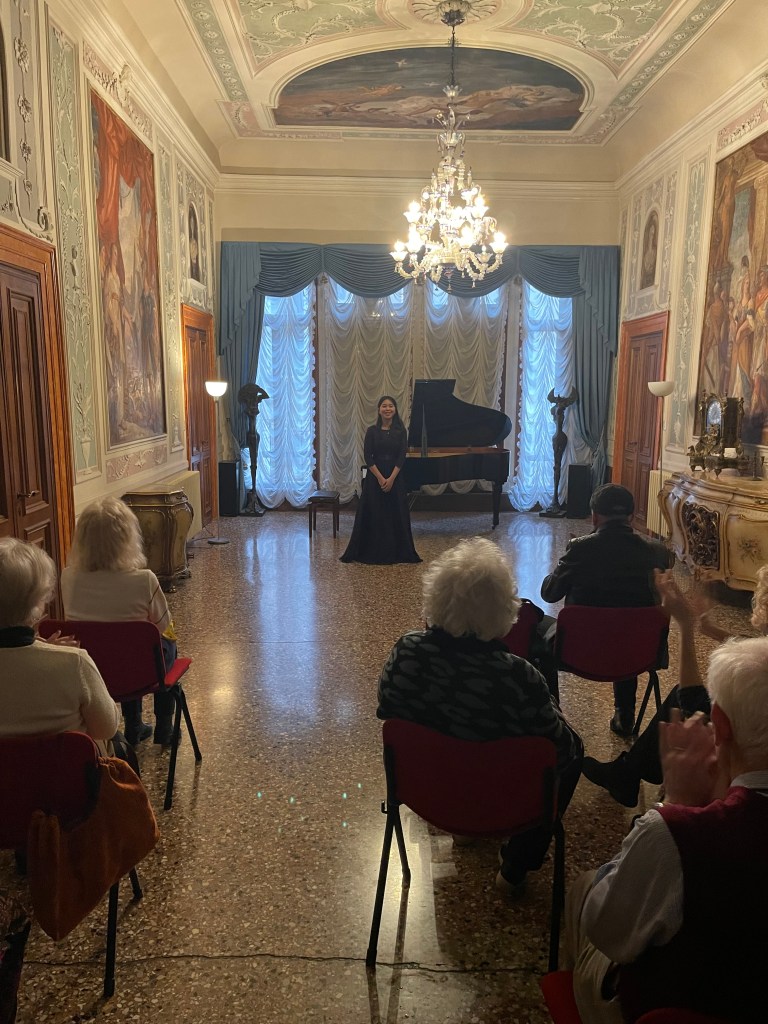
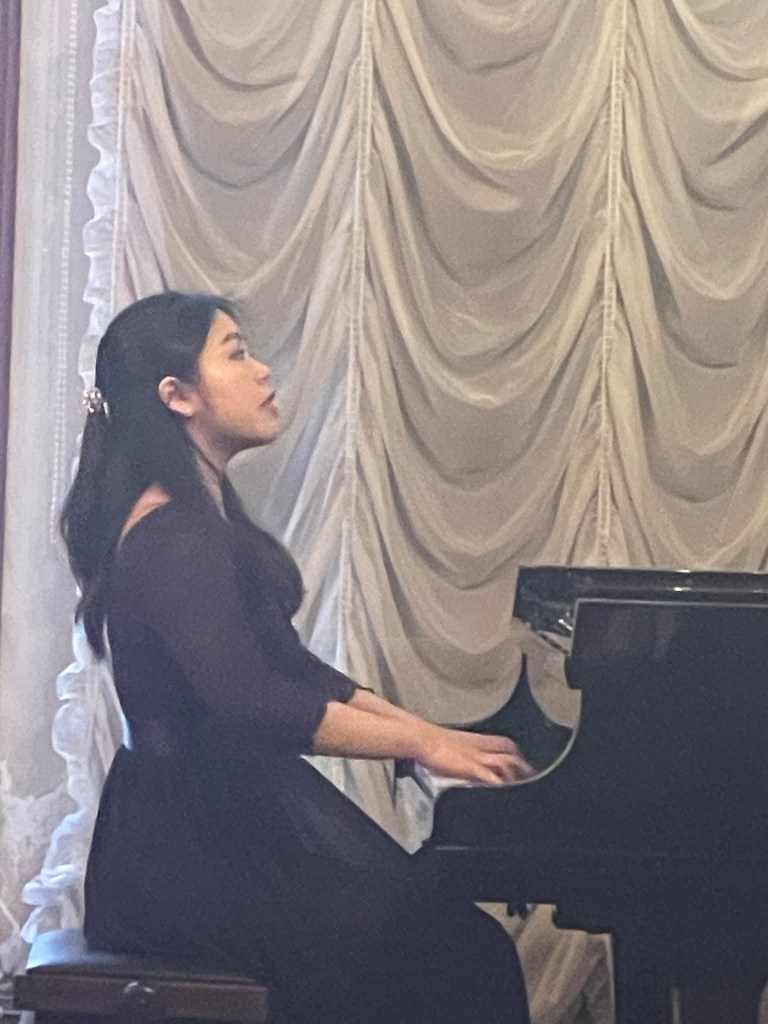
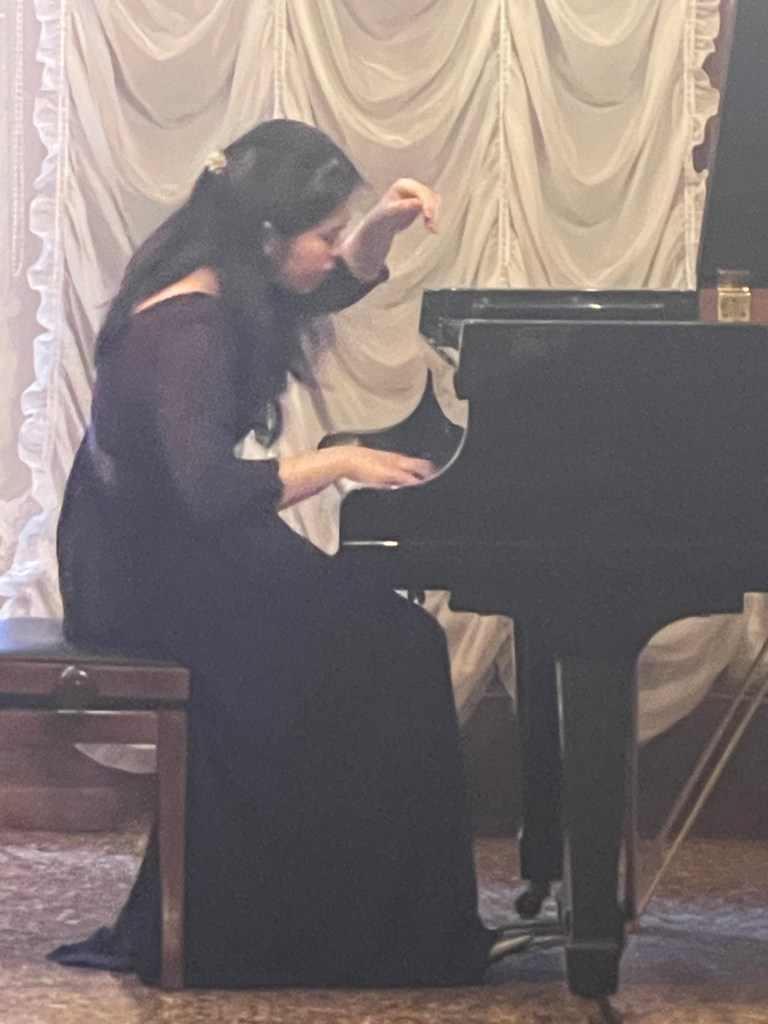
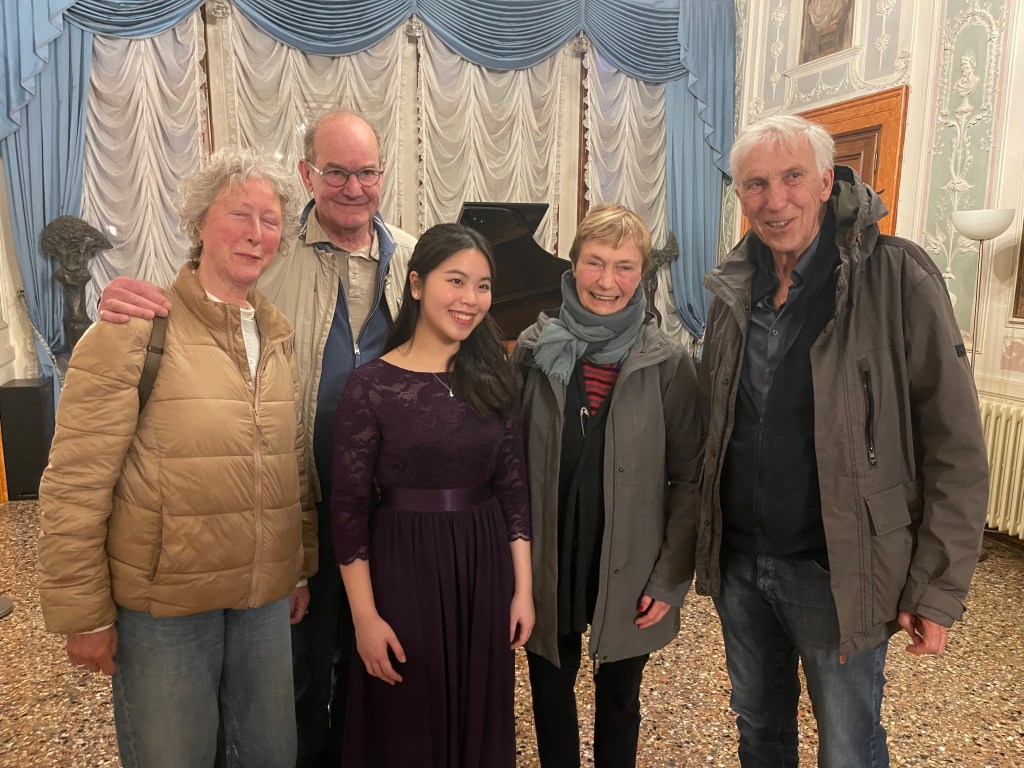
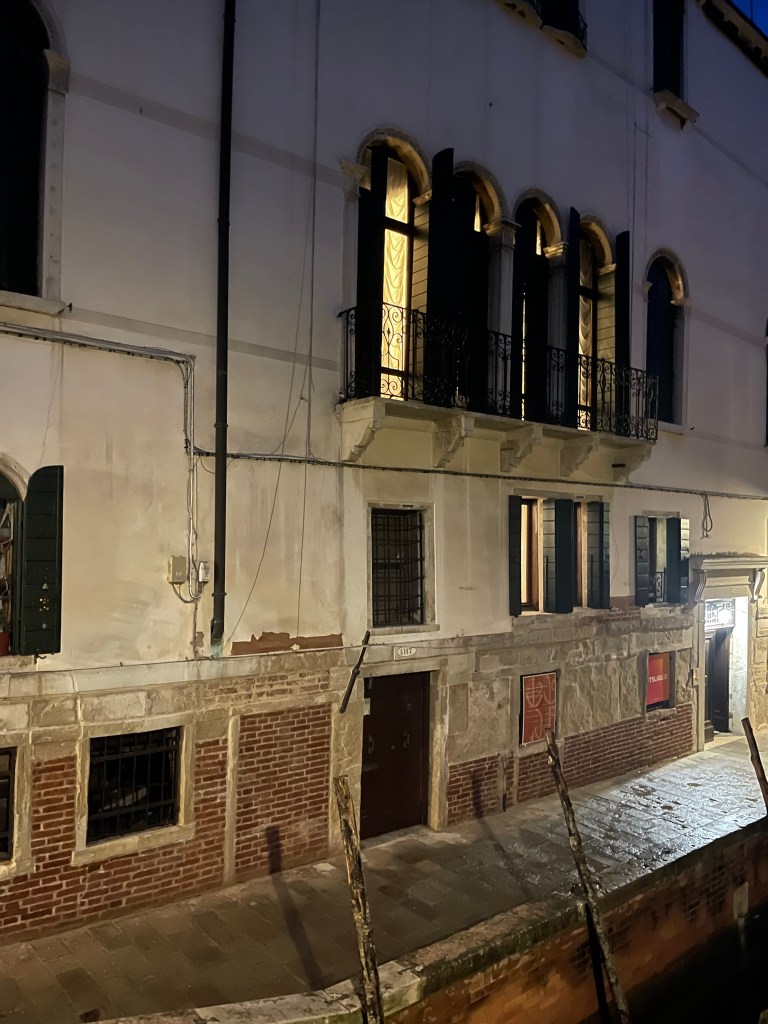
Beauty everywhere and nowhere more than in Palazzo Albrizzi with an inspired Sherri Lun.
https://christopheraxworthymusiccommentary.com/2025/03/17/carlo-solinas-a-giant-amongst-the-giants-with-musicianship-and-mastery-against-the-philistines/
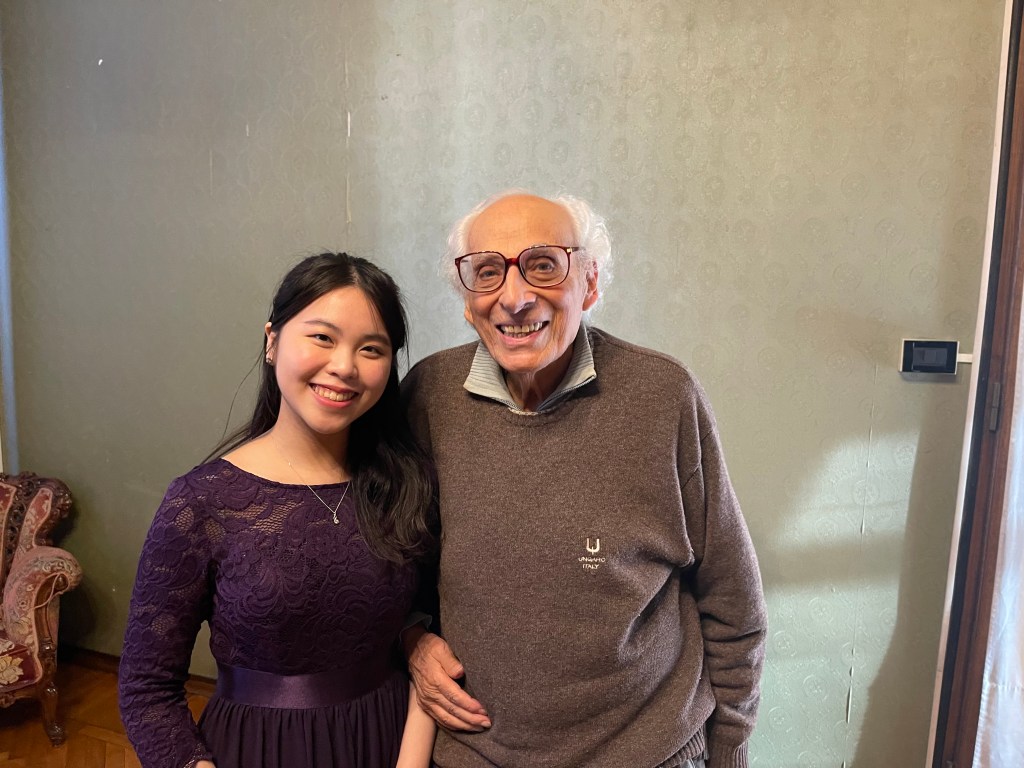
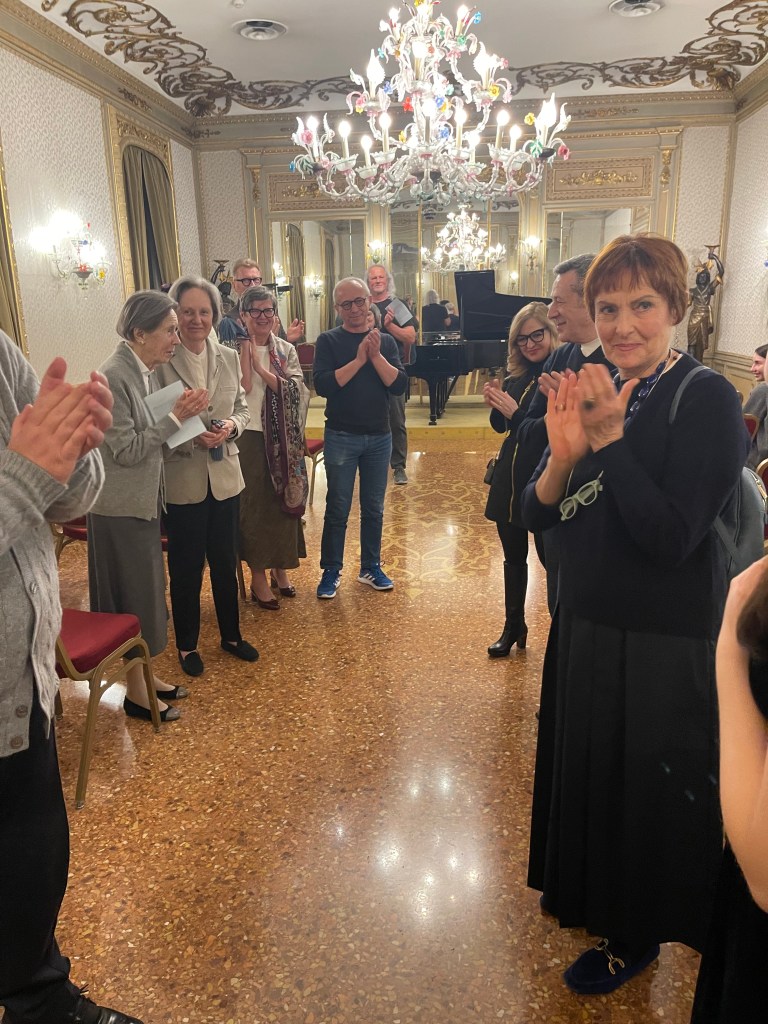
A standing ovation in Padua.
A full hall and as always impeccably introduced by Elisabetta Gesuato . An encore of Schumann’s Widmung played with fire and imagination.
An enthusiastic audience that included our old friend Avv Malipiero a cousin of the renowned composer.
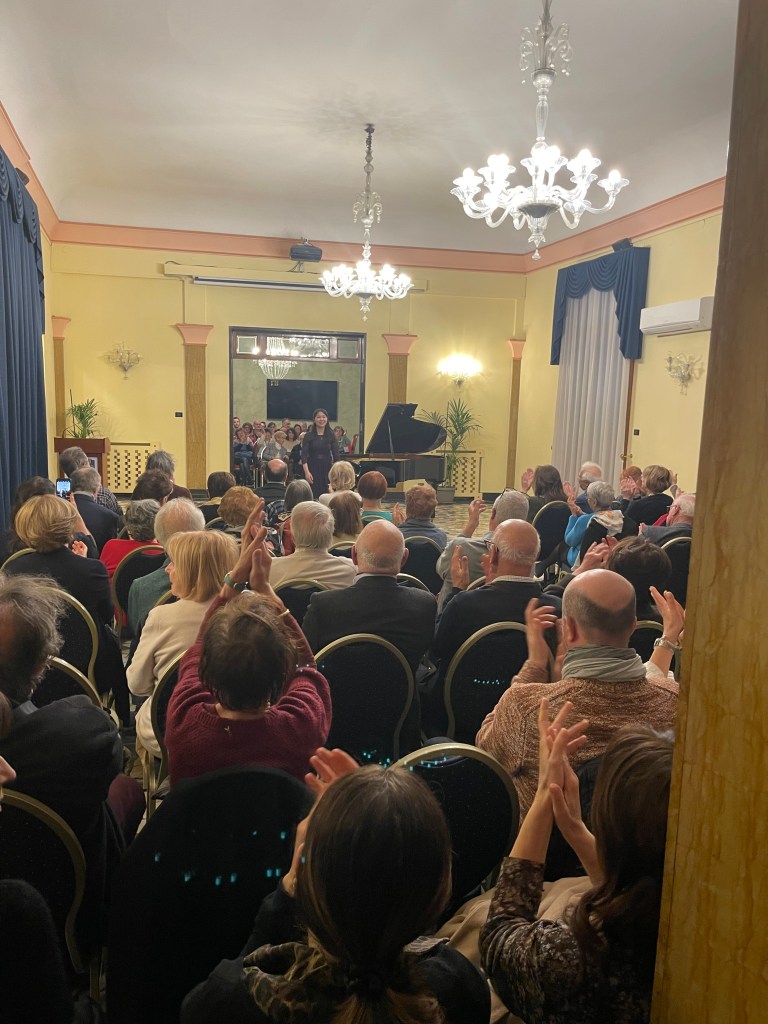
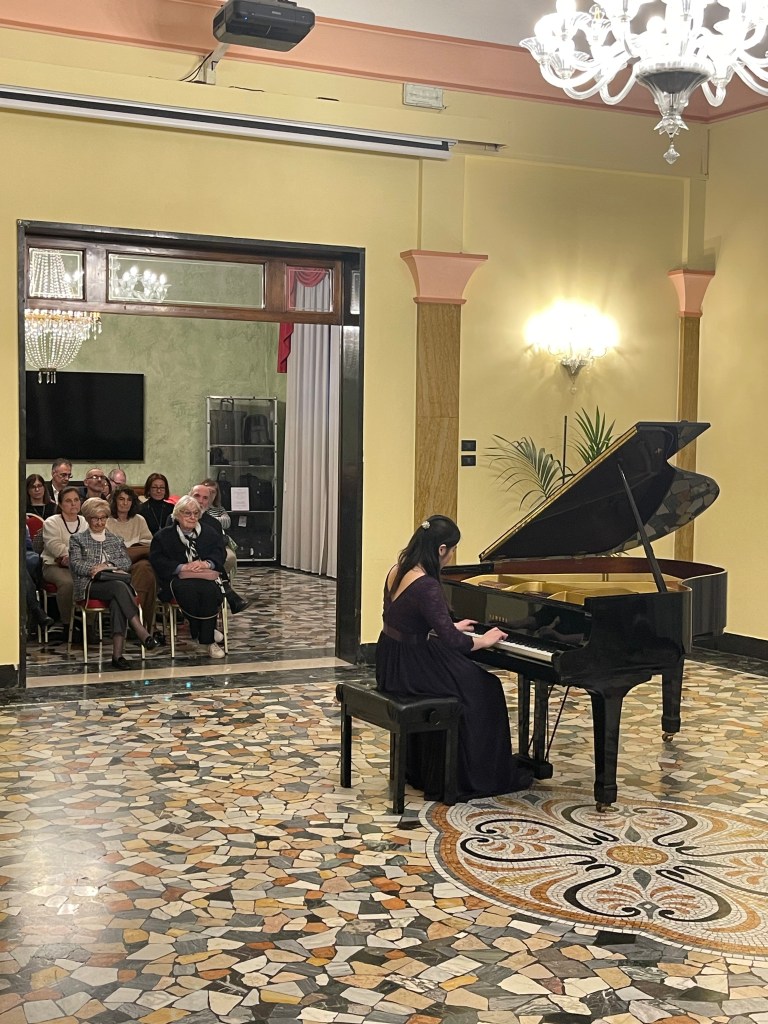
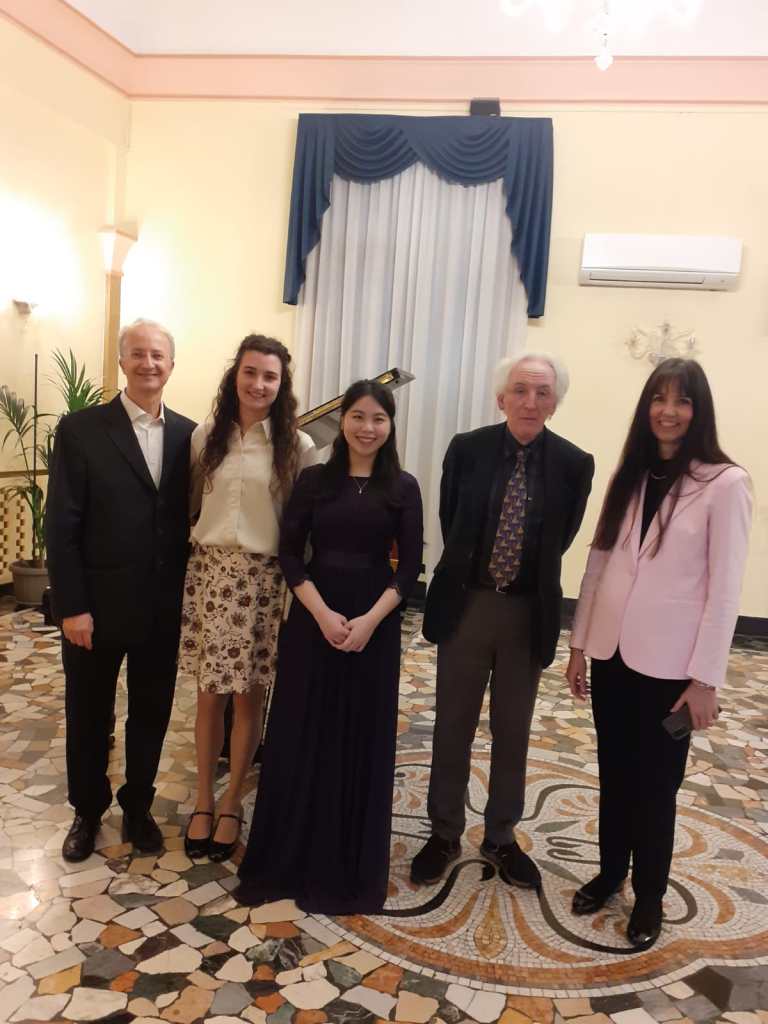
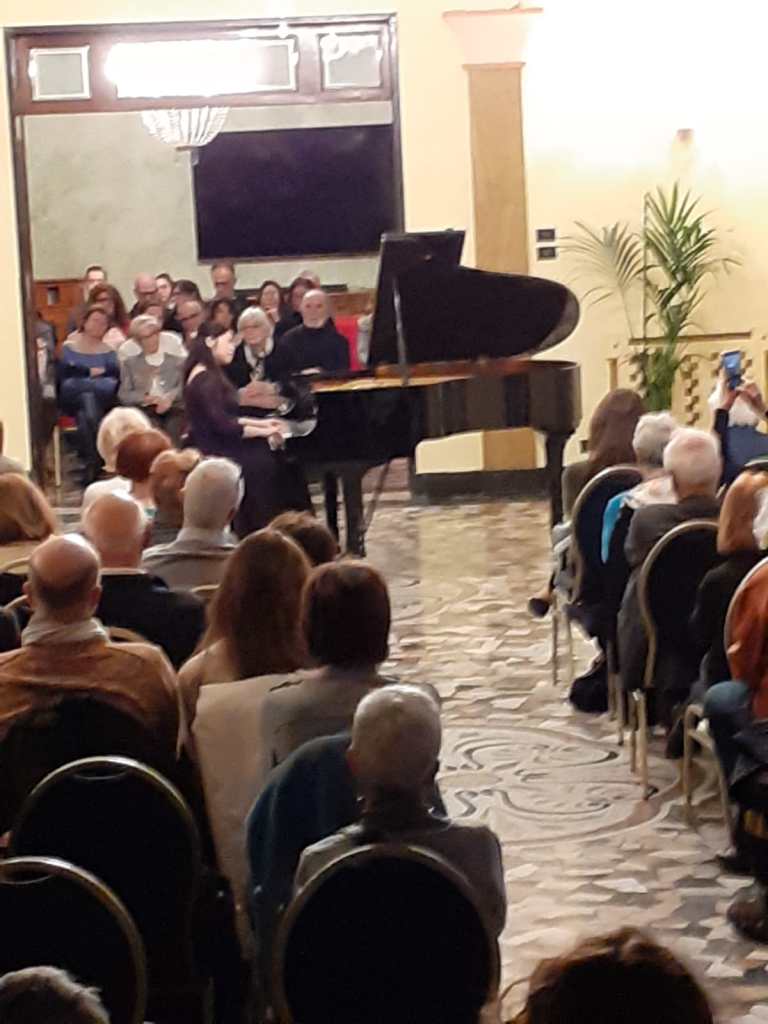
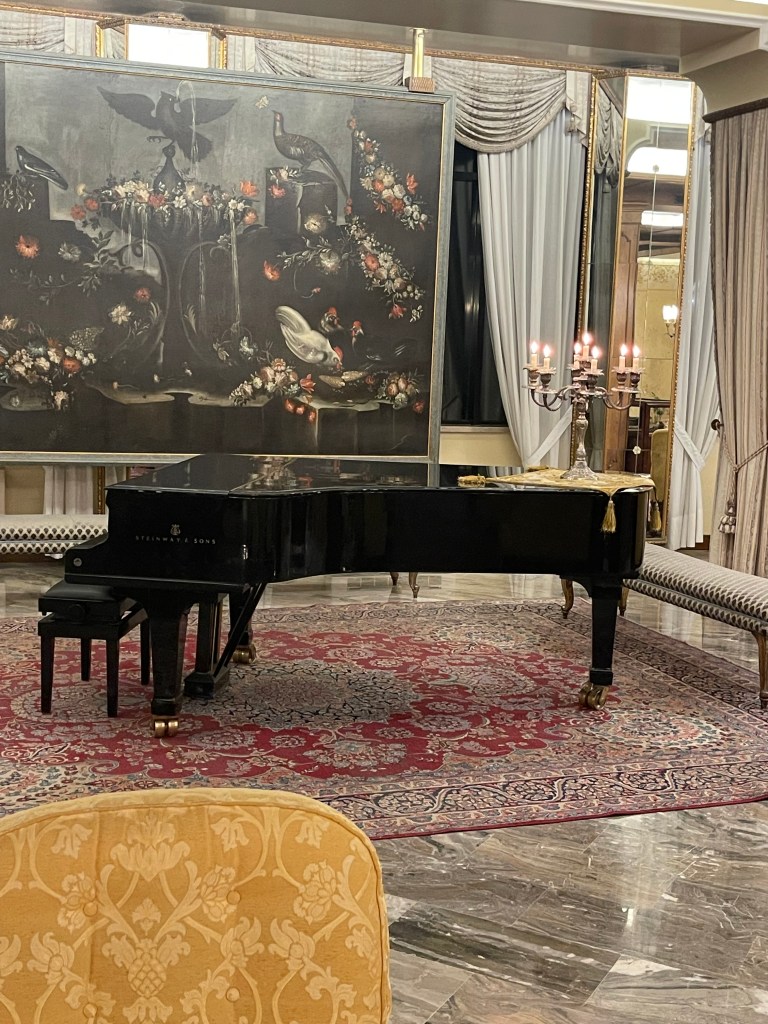
Her own transcription of Shostakovich completed the concert with radiance and charm . Nice to see Massimiliano Grotto who had made the trip especially from Castelfranco Veneto to applaud Sherri in a hall where he has played many times https://christopheraxworthymusiccommentary.com/2025/01/11/massimiliano-grotto-at-roma-3-schubert-of-searing-intensity-and-commanding-authority/
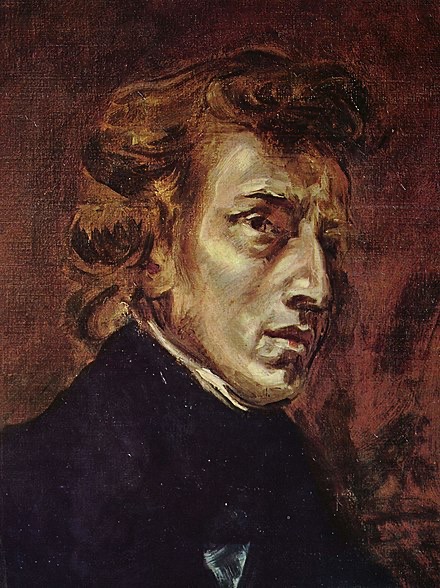
17 October 1849 (aged 39). Paris, France
The Polonaise-Fantaisie in A-flat major, Op. 61 was dedicated to Mme A. Veyret, and written and published in 1846. It was slow to gain favour with musicians, due to its harmonic complexity and intricate form.Its shape and its style caused much consternation and it was quite some time before listeners could come to terms with it as ‘the piano speaks here in a language not previously known’.The “Polonaise-Fantaisie” is among Chopin’s last great piano works, and is a testament to his mastery and maturity. The unusual title betrays the fact that Chopin was uncertain about which genre to assign it to. While the typical rhythm and noble character of the Polonaise repeatedly shine through the notes, the Polonaise-Fantaisie is characterized above all by a great freedom in its thematic and formal aspects. The work brushes through a great variety of keys, moods and motifs, and leads into a grandiose closing apotheosis as if at the end of a long journey.One of the first critics to speak positively of the work was Arthur Hedley,writing in 1947 said that it “works on the hearer’s imagination with a power of suggestion equaled only by the F minor Fantasy or the Fourth Ballade .He suggested that the Polonaise-Fantaisie represents a change in Chopin’s style from ‘late’ to ‘last’.It is suggested that the formal ambiguities of the piece (particularly the unconventional and musically misleading transitions into and out of the lyrical inner section) are the most significant defining qualities of this ‘last style’, which only includes this and one other piece—the F minor Mazurka op 68 n. 4 Chopin’s last composition.”,
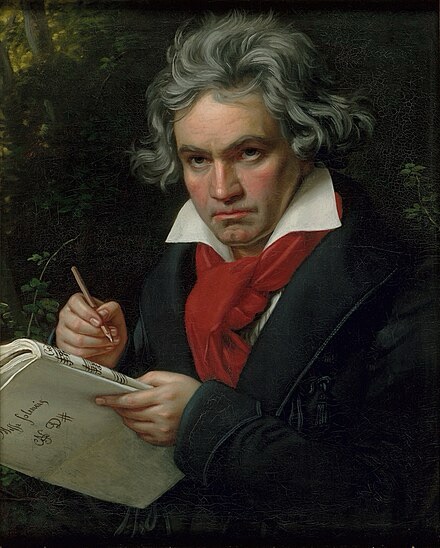
Vienna
The Piano Sonata No. 24 in F sharp major , Op. 78, nicknamed “à Thérèse” (because it was written for Countess Thérèse von Brunswick in 1809.
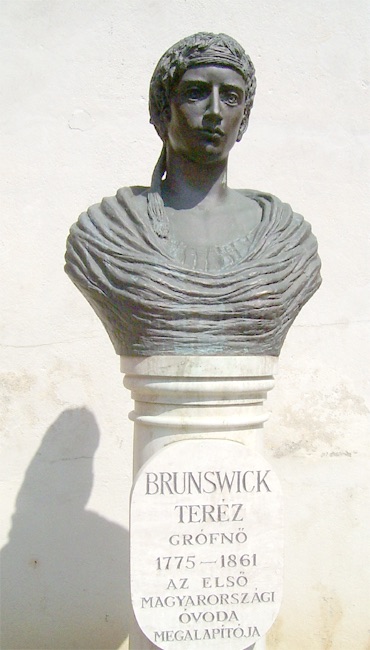
One of Beethoven’s students and some writers speculated that she—not her sister Josephine who is generally accepted as the addressee—may have been the intended recipient of Beethoven’s letter to the “Immortal Beloved”. Her memoirs were first published by La Mara, who subscribed to this theory and her diaries and notes (up to 1813) by Marianne Czeke,both claiming to reveal much about the relations between Beethoven and the Brunsvik family, in particular her sister Josephine.
It consists of two movements:
- Adagio cantabile — Allegro ma non troppo
- Allegro vivace
According to Carl Czerny , Beethoven himself singled out this sonata and the “Appassionata ” Sonata as favourites (once written, the “Hammerklavier “ Sonata” would also become one of Beethoven’s favourites
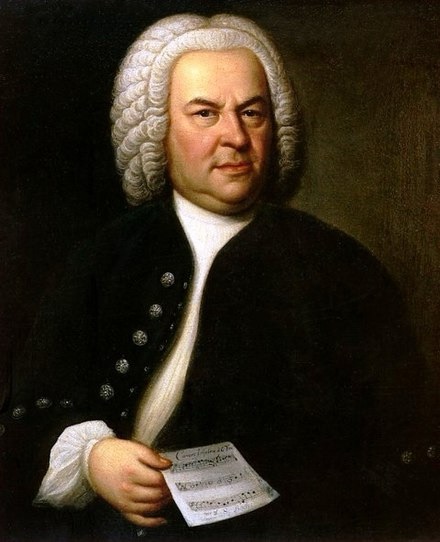
Johann Sebastian Bach. 21 March 1685 Eisenach – 28 July 1750 (aged 65) Leipzig
Who isn’t familiar with Johann Sebastian Bach’s Chaconne, the final movement in his Partita in D minor for Violin solo? Time and again composers have been inspired to make this exceptional piece accessible for other instruments. Perhaps the best-known arrangement is by Ferruccio Busoni.
Without distancing himself too greatly from Bach’s original, he endeavours to transpose the virtuosity of the string writing onto the piano. Thus Busoni wrote for the piano in a way that congenially makes the most of the capabilities of the modern piano.
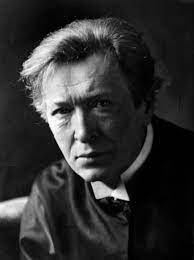
Ferrucio Busoni 1 April 1866, Empoli ,Italy 27 July 1924 (age 58 years), Berlin
Ferrucio Busoni, born in Italy of an Italian father and a German mother, displayed a passion for Bach at an early age. A prodigy who played some of his own compositions in a piano recital in Vienna when he was 10 years old, Busoni made an exhaustive study of Bach’s music and throughout his adult life worked tirelessly at editing and making transcriptions of works by the Baroque master. His philosophical notions of music and the advanced practices of composition that he applied to his own pieces seem now to be at odds with such a bravura, flamboyant piece of work as his transcription for piano of the Chaconne from Bach’s Partita No. 2 for solo violin. The transcription was made sometime in the late 1890s and was dedicated to the pianist Eugene d’Albert; Busoni himself played it frequently in his own blazingly brilliant recitals.
Lest it be thought that Busoni was being irreverent in appropriating the lofty Chaconne for showpiece purposes, one must remember that Brahms made a piano transcription of the selfsame piece, for left hand alone. Wheras Brahms imitates the original as closely as possible, Busoni ventures an arrangement that seems to be a piano realization of a grand orchestral or organ work rather than one for a single violin.In fact, the Chaconne, the final movement of the Partita, is monumental in its original version—a set of more than 60 variations on a simple bass theme. The great Bach scholar Philipp Spitta (1841-1894) gave a description of the Chaconne that might have quickened Busoni’s fascination with it. Wrote Spitta:
“The overpowering wealth of forms displays not only the most perfect knowledge of the technique of the violin, but also the most absolute mastery over an imagination the life of which no composer was ever endowed with… What scenes the small instrument opens to our view!… From the grave majesty of the beginning to the 32nd notes which rush up and down like very demons; from the tremulous arpeggios that hang almost motionless, like veiling clouds above a gloomy ravine, till a strong wind drives them to the tree tops, which groan and toss as they whirl their leaves into the air; to the devotional beauty of the movement in D major, where the evening sun sets in the peaceful valley. The spirit of the master urges the instrument to incredible utterances; at the end of the major section, it sounds like an organ, and sometimes a whole band of violins seems to be playing. [Busoni took this reference seriously.] The Chaconne is a triumph of spirit over matter such as even Bach never repeated in a more brilliant manner.”
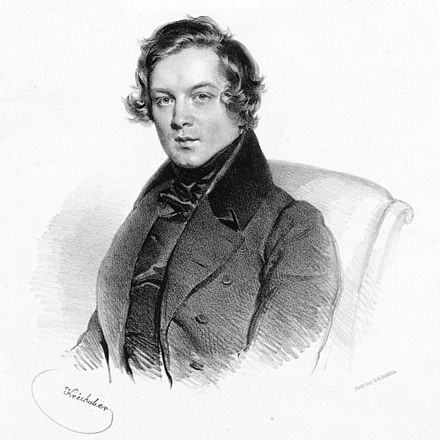
Robert Schumann. 8 June 1810 Zwickau Saxony
29 July 1856 (aged 46) Bonn Germany
The Fantasie in C, Op. 17, was written by Robert Schumann in 1836 and revised prior to publication in 1839, when it was dedicated to Franz Liszt. It is generally described as one of Schumann’s greatest works for solo piano, and is one of the central works of the early Romantic period.
Its three movements are headed:
- Durchaus fantastisch und leidenschaftlich vorzutragen; Im Legenden-Ton
- Mäßig. Durchaus energisch –
- Langsam getragen. Durchweg leise zu halten.
The piece has its origin in early 1836, when Schumann composed a piece entitled Ruines expressing his distress at being parted from his beloved Clara Wieck (later to become his wife). This later became the first movement of the Fantasy.Later that year, he wrote two more movements to create a work intended as a contribution to the appeal for funds to erect a monument to Beethoven in his birthplace, Bonn . Schumann offered the work to the publisher Kirstner, suggesting that 100 presentation copies could be sold to raise money for the monument. Other contributions to the Beethoven monument fund included Mendelssohn’s Variations sérieuses
The original title of Schumann’s work was “Obolen auf Beethovens Monument: Ruinen, Trophaen, Palmen, Grosse Sonate f.d. Piano f. Für Beethovens Denkmal”. Kirstner refused, and Schumann tried offering the piece to Haslinger in January 1837. When Haslinger also refused, he offered it to Breitkopf & Hartel in May 1837. The movements’ subtitles (Ruins, Trophies, Palms) became Ruins, Triumphal Arch, and Constellation, and were then removed altogether before Breitkopf & Härtel eventually issued the Fantasie in May 1839.
The work was dedicated to Franz Liszt , who replied in a letter dated June 5, 1839: “The Fantaisie dedicated to me is a work of the highest kind – and I am really proud of the honour you have done me in dedicating to me so grand a composition. I mean, therefore, to work at it and penetrate it through and through, so as to make the utmost possible effect with it.”
The Beethoven Monument was eventually completed, due mainly to the efforts of Liszt, who paid 2,666 thaler,the largest single contribution. It was unveiled in grand style in 1845, the attendees including Queem Victoria and Prince Albert, and many other dignitaries and composers, but not Schumann, who was ill.
Schumann prefaced the work with a quote from Friedich Schlegel :
Durch alle Töne tönet
Im bunten Erdentraum
Ein leiser Ton gezogen
Für den, der heimlich lauschet.
(“Resounding through all the notes
In the earth’s colorful dream
There sounds a faint long-drawn note
For the one who listens in secret.”)
The musical quotation of a phrase from Beethoven’s song cycle An die ferne Geliebte in the coda of the first movement was not acknowledged by Schumann, and apparently was not spotted until 1910.The text of the passage quoted is: Accept then these songs [beloved, which I sang for you alone]. Both the Schlegel stanza and the Beethoven quotation are appropriate to Schumann’s current situation of separation from Clara Wieck. Schumann wrote to Clara: The first movement may well be the most passionate I have ever composed – a deep lament for you. They still had many tribulations to suffer before they finally married four years later.
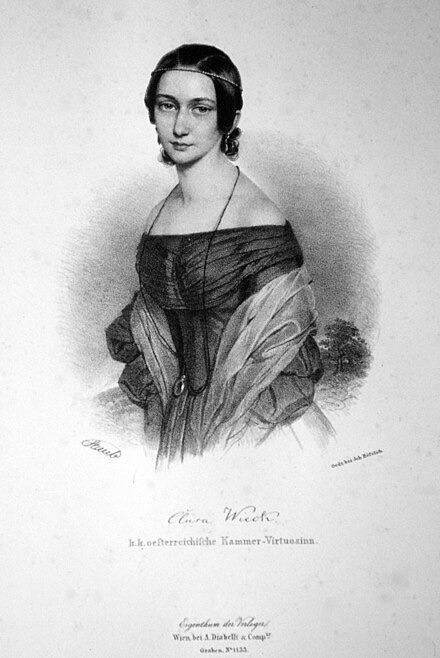
Clara Josephine Wieck
13 September 1819 Leipzig 20 May 1896 (aged 76) Frankfurt
The six Soirees musicales, Op. 6. Robert Schumann himself was appreciative enough of Clara’s romantic ”Notturno”, Op. 6 No. 2, (growing from the five falling-note motif so symbolic for both of them while forbidden all communication by Clara’s father) to quote it as the ”Stimme aus der Ferne” in his last Novellette.
Widmung is much more than a mere showpiece – containing probably the most passionate music writing and most heartfelt feelings. Written in 1840 (this piece was from a set of Lieder called Myrthen, Op.25), this piece was later arranged for piano solo by Liszt . Myrthen was dedicated to Clara Wieck as a wedding gift, as he finally married Clara in September, despite the opposition from Clara’s father (who was also Robert’s piano teacher).
Below is the text of Widmung, with English translation:
Original Text by Friedrich Rückert
Du meine Seele, du mein Herz,
Du meine Wonn’, o du mein Schmerz,
Du meine Welt, in der ich lebe,
Mein Himmel du, darein ich schwebe,
O du mein Grab, in das hinab
Ich ewig meinen Kummer gab!
Du bist die Ruh, du bist der Frieden,
Du bist vom Himmel mir beschieden.
Dass du mich liebst, macht mich mir wert,
Dein Blick hat mich vor mir verklärt,
Du hebst mich liebend über mich,
Mein guter Geist, mein bess’res Ich!
You my soul, you my heart,
You my rapture, O you my pain,
You my world in which I live,
My heaven you, to which I aspire,
O you my grave, into which
My grief forever I’ve consigned!
You are repose, you are peace,
You are bestowed on me from heaven.
Your love for me gives me my worth,
Your eyes transfigure me in mine,
You raise me lovingly above myself,
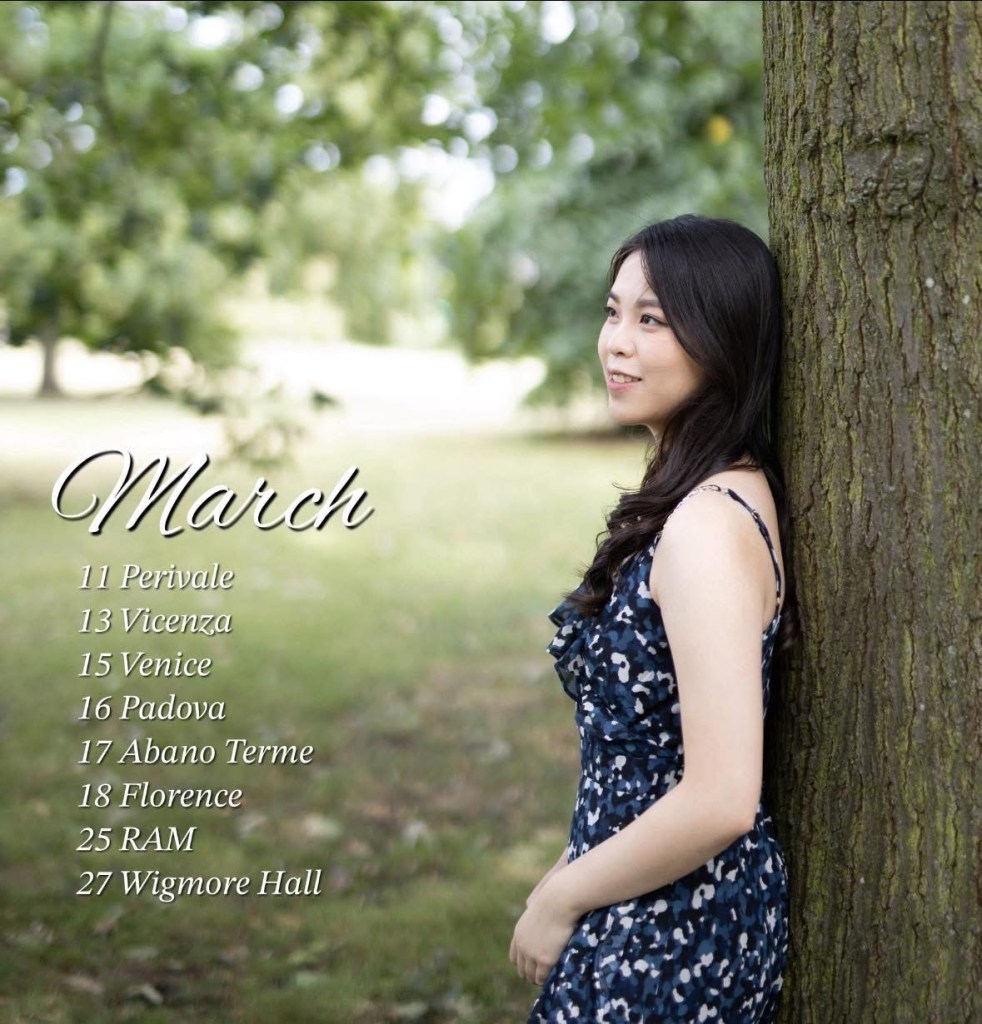
Sherri Lun, named ‘2020 Performing Artist of the Year’ by the South China Morning Post, has garnered acclaim for her “pinpoint clarity and convincing bravura” (Chicago Tribune). Born in Hong Kong and currently based in London, Sherri has swiftly established herself as a rising soloist on the international stage. A Young Scholar of the Lang Lang International Music Foundation, Sherri made her concerto debut at the Ravinia Festival with the Midwest Young Artists at just 10 years old. Since then, she has performed in prestigious venues including Wigmore Hall in London, Fondation Louis Vuitton in Paris, and Millennium Park in Chicago. Her international appearances span the UK, US, France, Germany, Austria, Italy, Spain, Malaysia, and China. Sherri has also collaborated with esteemed ensembles such as the Salzburg Chamber Soloists, Hong Kong Youth Orchestra, and Kölner Kammerorchester. Recent performances include the Hammerklavier International Piano Series in Girona, the Festival Musicale delle Nazioni in Rome, a 4-concert Malaysian tour, recitals in Steinway Hall London and Drapers’ Hall. In December 2023, she released her debut album with KNS Classical, featuring works by Robert Schumann and César Franck. Sherri’s artistry has been recognized with top prizes in numerous national and international competitions. Most recently, she won First Prize and Audience Prize in the 2024 Birmingham International Piano Competition, following her First Prize win at the 2023 Hong Kong Generation Next Arts Competition. Sherri also won top prizes in the Robert Schumann Competition (Du¨sseldorf), Zhuhai International Mozart Competition for Young Musicians, ASEAN International Chopin Piano Competition, Singapore International Piano Competition, and Steinway & Sons Youth Piano Competition, to name a few, and is a quarter-finalist of the 2024 Hamamatsu International Piano Competition. At the Royal Academy, she won consecutively the 2022 Sterndale Bennett Prize, 2023 Chung Nung Lee Prize, and 2024 Harold Craxton Prize. She was also invited to perform in RAM’s 2022 Bicentenary celebration concert in Wigmore Hall. In Hong Kong, she is a frequent winner of local competitions, and her performance has been broadcasted by the Radio Television Hong Kong. Born in 2003, Sherri majored in piano and viola as a junior student of the Hong Kong Academy for Performing Arts. She is currently studying under Prof. Christopher Elton at the Royal Academy of Music on a full scholarship, supported by both the Academy and the Hong Kong Scholarship for Excellence Scheme. She is also an artist with KNS Classical and the Keyboard Charitable Trust. For more information, visit http://www.sherrilun.com.


 ChristopherAxworthy-MusicCommentary