
Anna Fedorova with the triumph of a supreme stylist

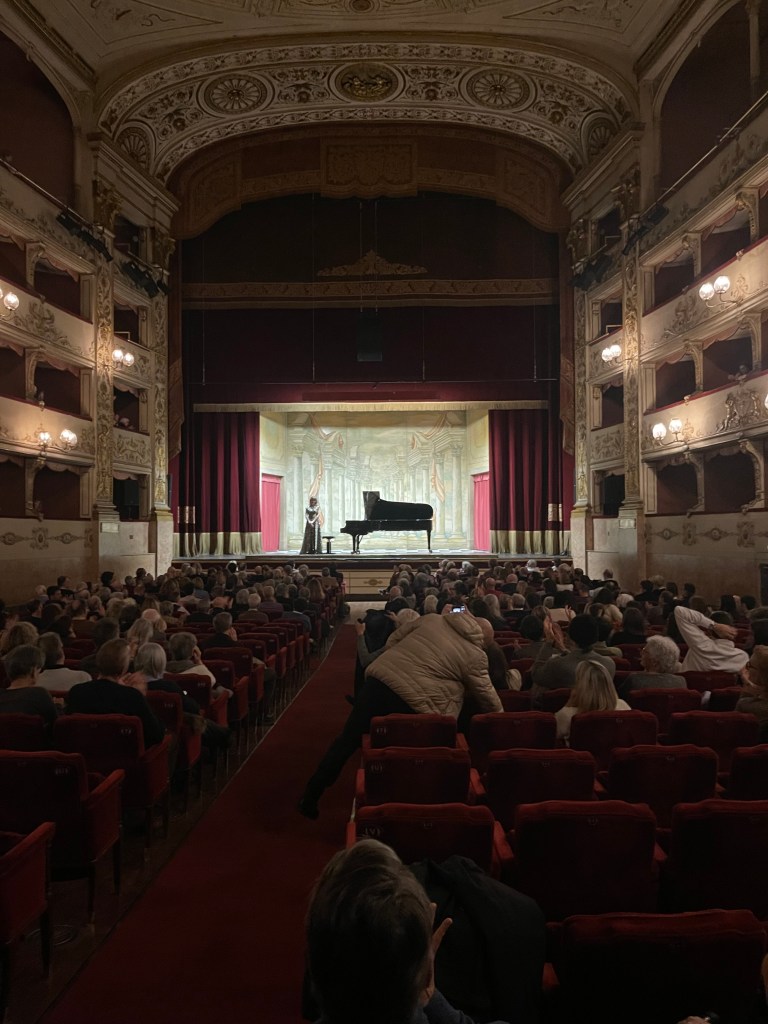
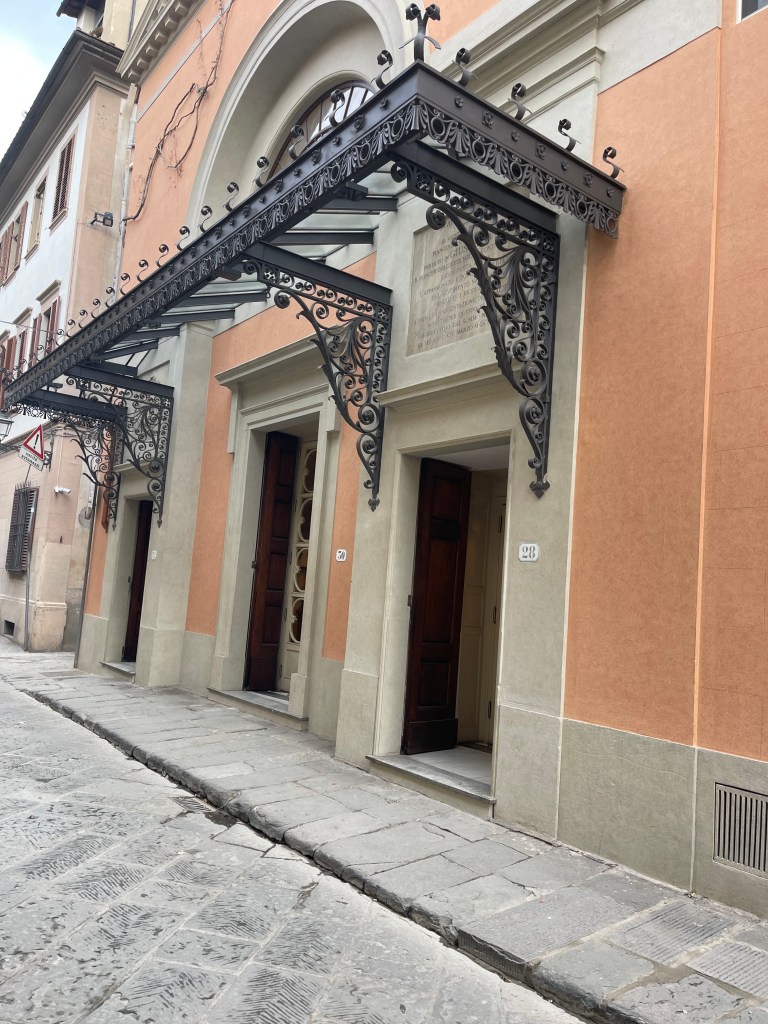
in La Pergola ,the temple of serious music making in Italy.
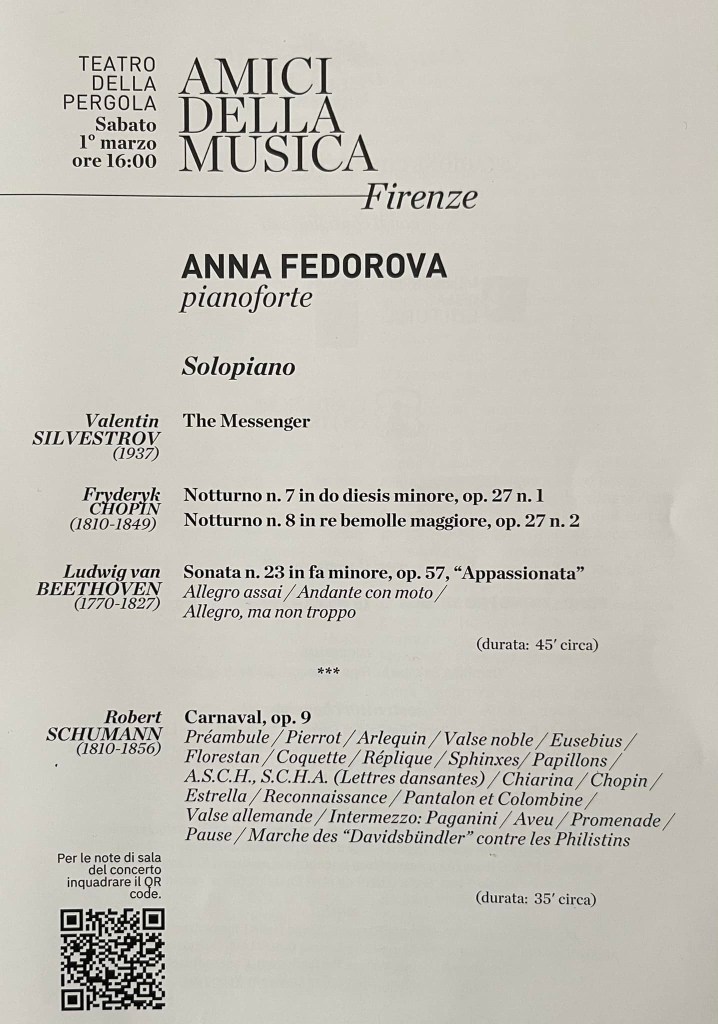
Wondrous whispered sounds of Ukrainian Silvestrov to remind us of what beauty there could be in the world. Anna very much involved with her support for Ukraine opened with these very delicate musings on Mozart, demonstrating Silvestrov’s wish that his music is ‘a response to and an echo of what already exists’. Barely audible sounds gradually taking shape with exquisite glowing beauty immediately showing the delicacy and sensitivity of Anna’s playing. And it was this beautiful world that we heard today, that of a Myra Hess (Tobias Matthay) who could make music speak without resorting to force or speed. Anna Fedorova allowed music to speak louder than any words with a kaleidoscope of colours where each note had an infinite possibility of sounds. Chopin nocturnes op 27 that were a marvel of bel canto and the genial fantasy of Chopin who today was celebrating his 215th birthday.There were deep bass notes barely touched but sustaining the glowing bel canto that grew in intensity in this first almost impressionistic nocturne. The left hand gradually taking on sinister overtones before bursting into a Mazurka played with the lightness of the dance it is, before the solitary glowing beauty of the coda.


I was reminded of Anna’s mentor Menahem Pressler when we we listened together with Peter Frankl to a fantastic performance of Petrushka from a top prize winning pianist. I remember Pressler being impressed by the fantastic technical feats but remarking that it is a dance not a circus act! Anna is first and foremost a musician whose love for the music shines through all she does.Her technical command is remarkable but it is above all her love and musicianship that endear her to audiences, as we saw today. There was a deep warmth and expressiveness to the D flat Nocturne with a questioning of passionate intensity and an answer of beseeching compliance. A timeless beauty as the ornaments were allowed to unfold like Caballé ravishment, nowhere more than in the coda where she took all the time needed to underlined the expressiveness of the acciaccaturas without ever disturbing the overall pulse of the music.This was a true example of tempo rubato which Chopin was to describe to his society lady pupils, a tree with the roots firmly planted in the ground with branches that were free to move as the wind blew through them. Surely this was Chopin describing the secret of all great Bel Canto singers.
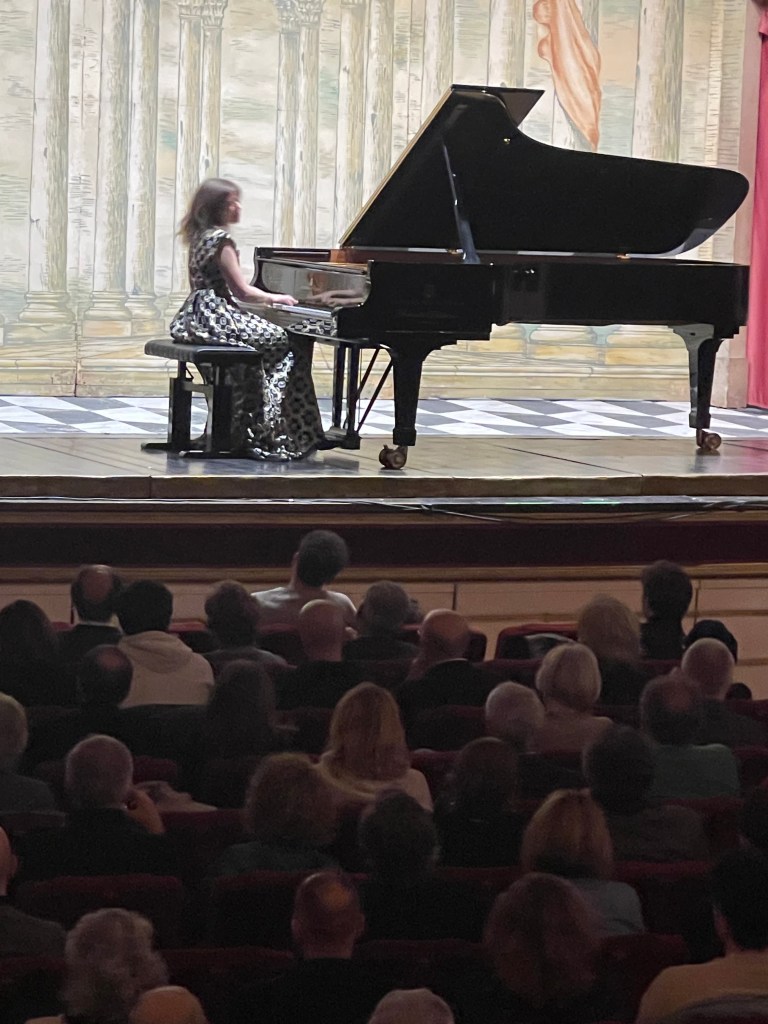
An ‘Appassionata’ where the pedal played such an important part, allowing a fantasy and colour that is rare indeed, but that Beethoven has actually indicated in the score. I was reminded of Myra Hess who would use the pedal to build up sonorities without the percussive ‘fingerfertigkeit’ that we are so often treated to on pianos that are super resilient, and pianists with muscles that they like to flex in public.This was an ‘Appassionata’ that had great impact for the overall architectural shape and the scrupulous attention to the composers indications. It was the rests at the beginning that were so important and kept the opening trills from overstaying their welcome as they were tightly wound springs, gasps before the explosion that marks the true opening of the sonata. There were great contrasts too between legato and staccato with dynamic contrasts where Anna even noted the way Beethoven had written the waves of notes and kept the physical shape that just mirrored the musical one with no ‘pianistic’ simplifications . Beethoven takes great risks and it is this that adds to his genius – it is not play safe music! Beethoven’s irascible tempo could explode quite unexpectedly as it does indeed in his music. Anna brought orchestral sounds to the coda with much pedal, that gave a shape and meaning too often played like an exercise. Beethoven does not mark a rallentando at the end as this great wave of sound lasts to the very last breath. A flowing ‘Andante’ and as Beethoven asks ‘con moto’.This is a procession as the variations are allowed to unfold naturally on its long journey. A deep resonant bass to the first variation gave unusual depth as the second was allowed to glow with a golden fluidity.It moved with even more haste to the startling unexpected final chord which Anna allowed to unwind with trepidation to the final top note, placed with masterly care. Throwing herself into Beethoven’s irascible slamming of the door she allowed the ‘Allegro,ma non troppo’ to unwind with washes of sound rather than individual notes. Of course she played the repeat that Beethoven asks for, but with even more intensity as it lead to the frenzy of a coda where Anna literally threw herself at the piano with lots of pedal adding washes of orchestral sounds tumbling down on us unsuspecting public with overwhelming effect. Who could not be reminded of Rubinstein who made this Sonata very much his own and played it with electric shocks of passionate impulses until his 90th year!
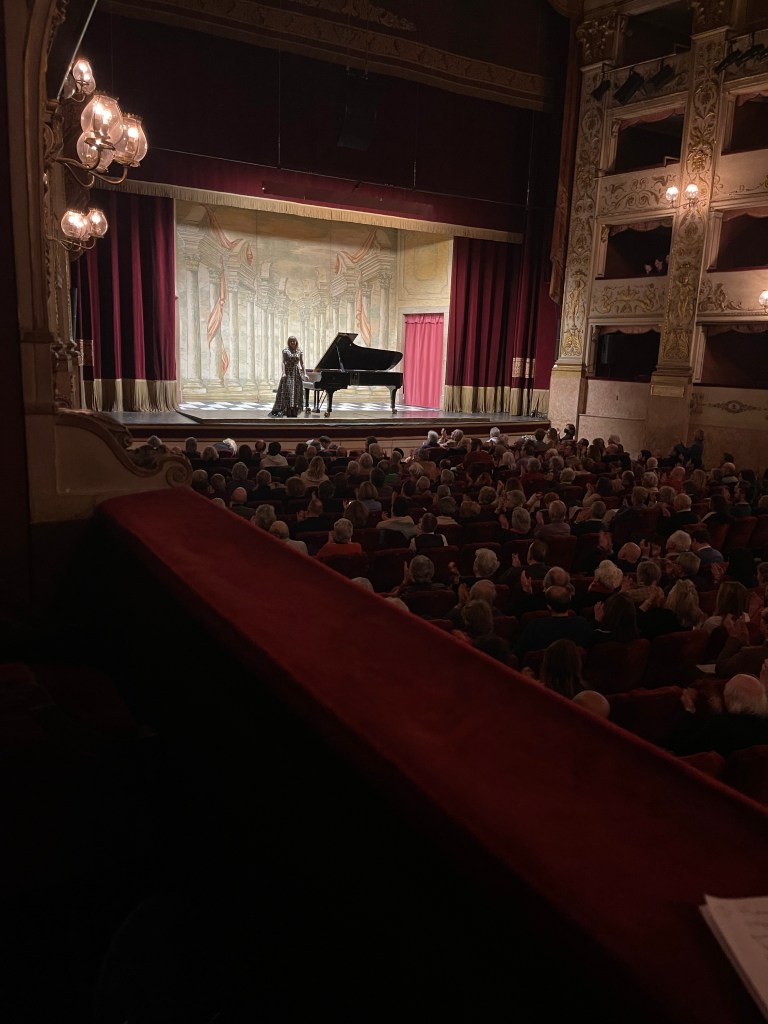
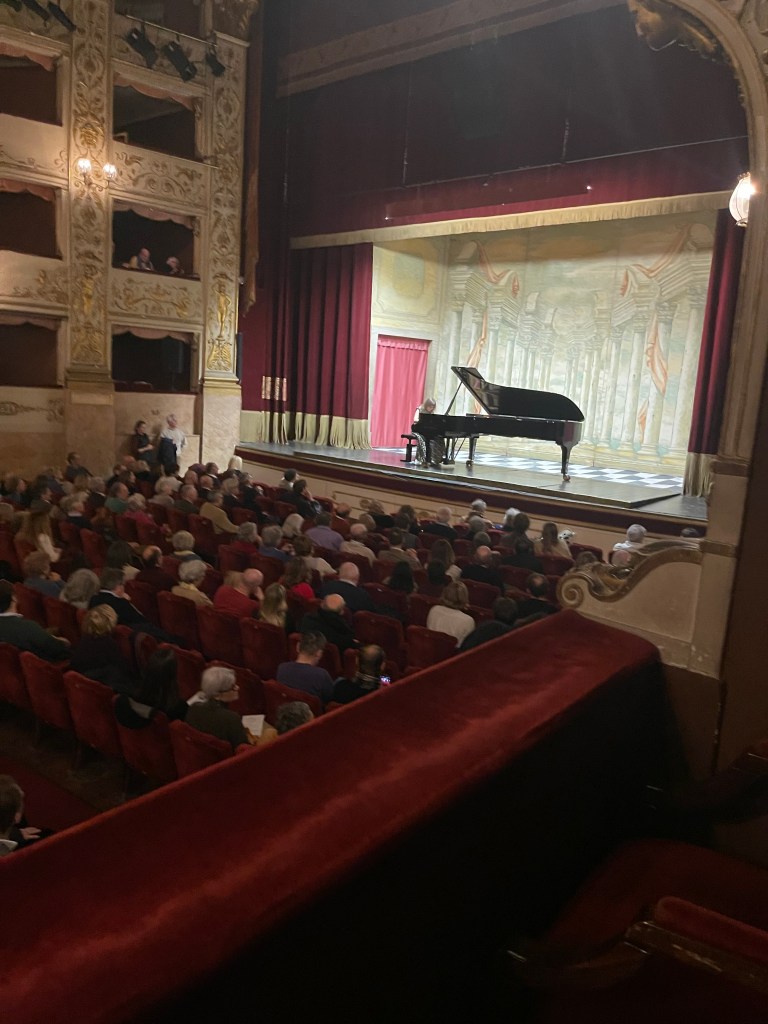
After the interval Anna gave a performance of ‘Carnaval’ that mesmerised the audience with playing of style and a kaleidoscope of colours with chameleonic changes of character. A noble opening of aristocratic grandeur was followed by a short preview of the charm and excitement that was to unfold over the next twenty scenes, in fact it was a ‘Préamble’ like no other ! ‘Pierrot’ appeared with a sense of line, walking a little faster than usual, but Anna pointing to rich tenor notes adding ravishing colour from this very first scene. A gently teasing ‘Arlequin’ lead to a truly noble ‘Valse’ which she suffused with delicate beauty and shaped with whispered tones which fitted well with the sultry delicate beauty she gave to ‘Eusebius’. ‘Florestan’ was allowed to take the stage with radiance and insistence only to be greeted by the delicacy and charm of ‘Coquette’ with her beguiling shades of insinuation looking nostalgically over her shoulder with ‘Réplique’. Anna chose not to play the ‘Sphinxes’, as Rachmaninov did to such overwhelming effect, because they are rarely played by others as they are the outlines of Schumann’s construction and are probably not meant to be included in performance. ‘Papillons’ came flitting onto the scene with a gossamer lightness which burst into ‘Lettres dansantes’ where Anna’s ‘joie de vivre’ was allowed full reign. Finishing with a flourish that announced the entrance of ‘Chiarina’ with all her radiance and shy beauty. Anna brought a subtle rubato to ‘Chopin’ with its exquisitely beautiful outpouring, played with freedom but also simplicity. ‘Estrella’ on the other hand entered with dynamic drive and passion before the beauty of the melodic line in ‘Reconnaissance’.The inner repeated notes and technical difficulties were hardly noticed as a beautifully robust duet between tenor and soprano opened up to fill the central episode. After the opening was repeated ‘Pantalon et Colombine’ could be heard squabbling with a furious debate that Anna played with astonishing precision, allowing these two squabbling characters moments of gentile reflection before finally calling it a day with a quiet aside to finish. What style Anna brought to this episode with the two quiet chords just thrown onto the scene with nonchalant ease! A beautifully insinuating ‘Valse allemande’ was the frame into which Paganini was drawn to astonish and overwhelm.The violinist of the devil and the example that Liszt was to follow and where he learnt that showmanship and mastery could hold a public, and beautiful ladies, in their spell. Anna played this technically challenging episode with admirable command but it was her addition of pedal that showed us the true beauty and shape that Schumann could give to even Paganini! The final crashing chords giving way to an echo effect and a trick of the pedal that Anna showed us with rare perfection, an effect that is usually hit and miss in most performances! The inner counterpoints that she found in the beautiful ‘Aveu’ I have rarely heard played with such loving beauty and it lead into the ‘Promenade’. It was played with a capricious freedom before the ‘Pause’, that was in fact a record amount of notes played at breakneck speed! The triumphant ‘Davidsbündler’ March was played with clipped military indifference and was a call to arms contrasting with a finale of changing moods and an astonishing range of sounds.The final bars were played with bravura and showmanship as she brought this ‘Cirque du solei’ to an exhilarating end.
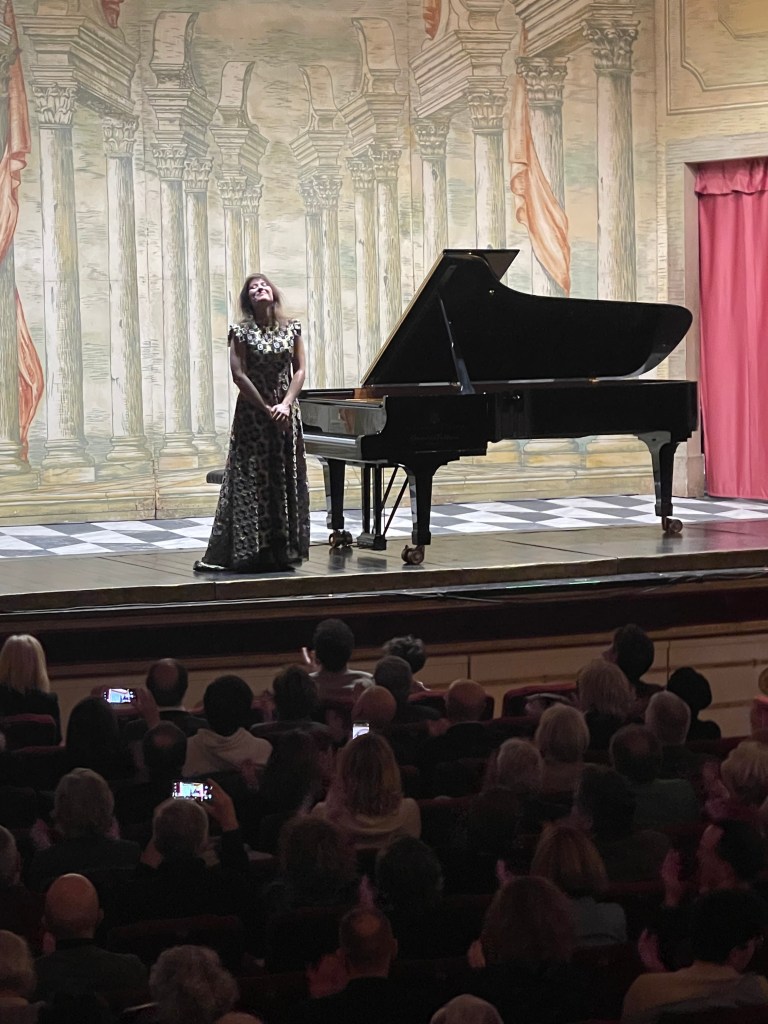
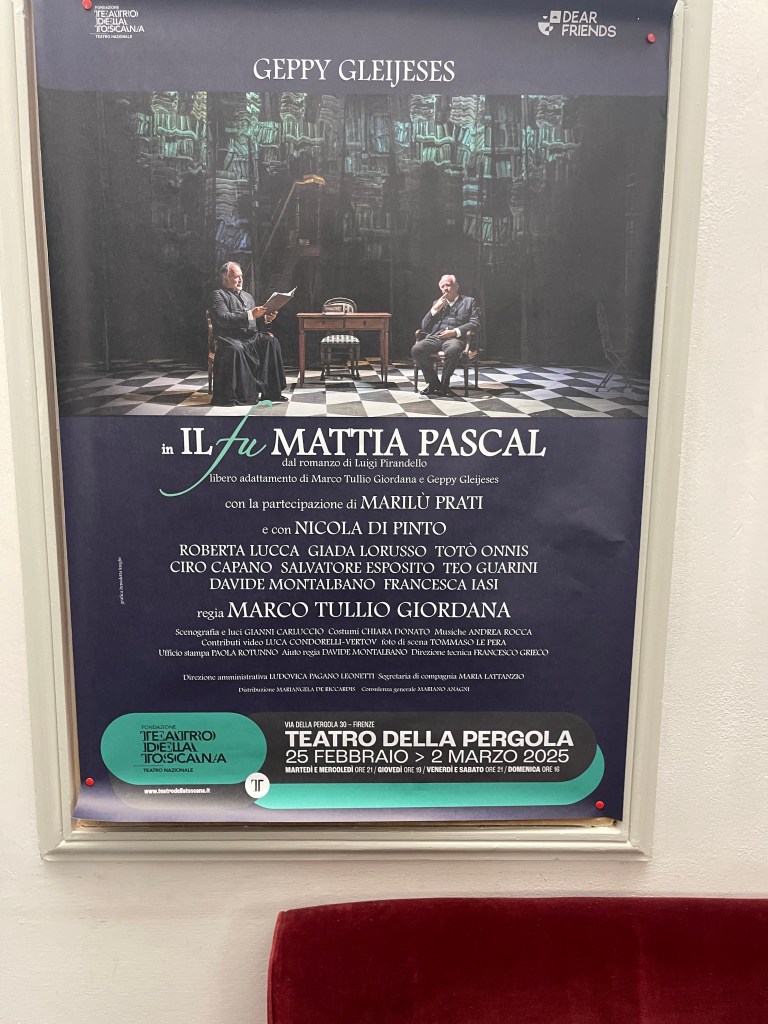
Three encores, and there could have been many more,but alas Pirandello was waiting in the wings for an evening performance in one of the most important theatres in Italy.

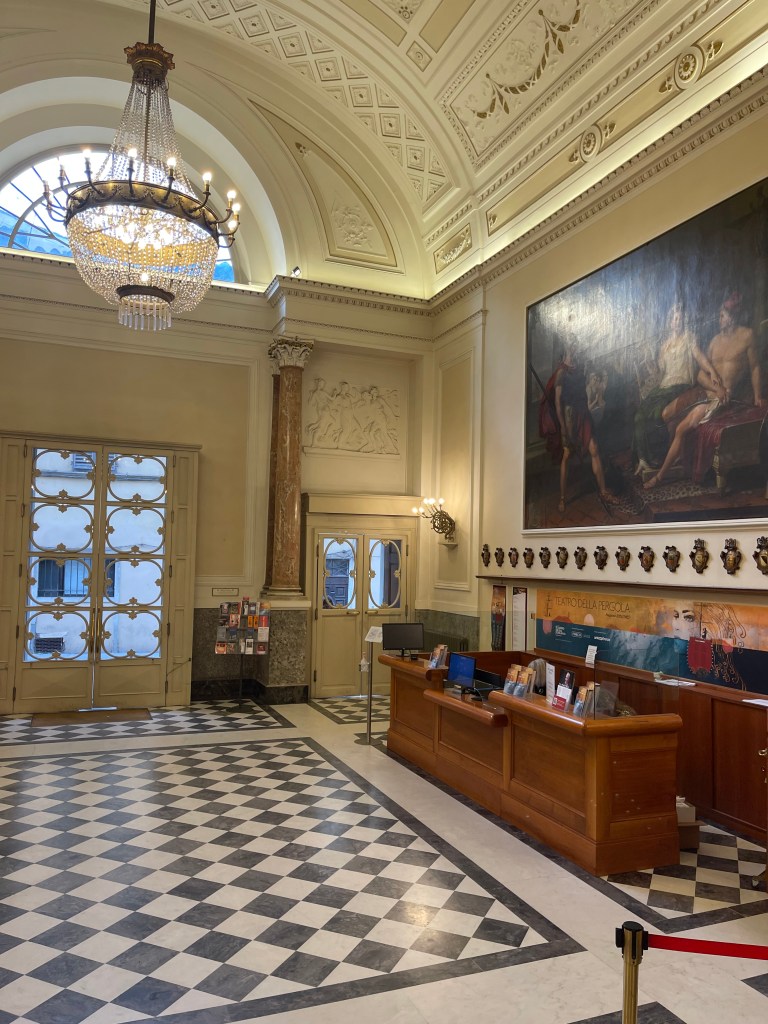

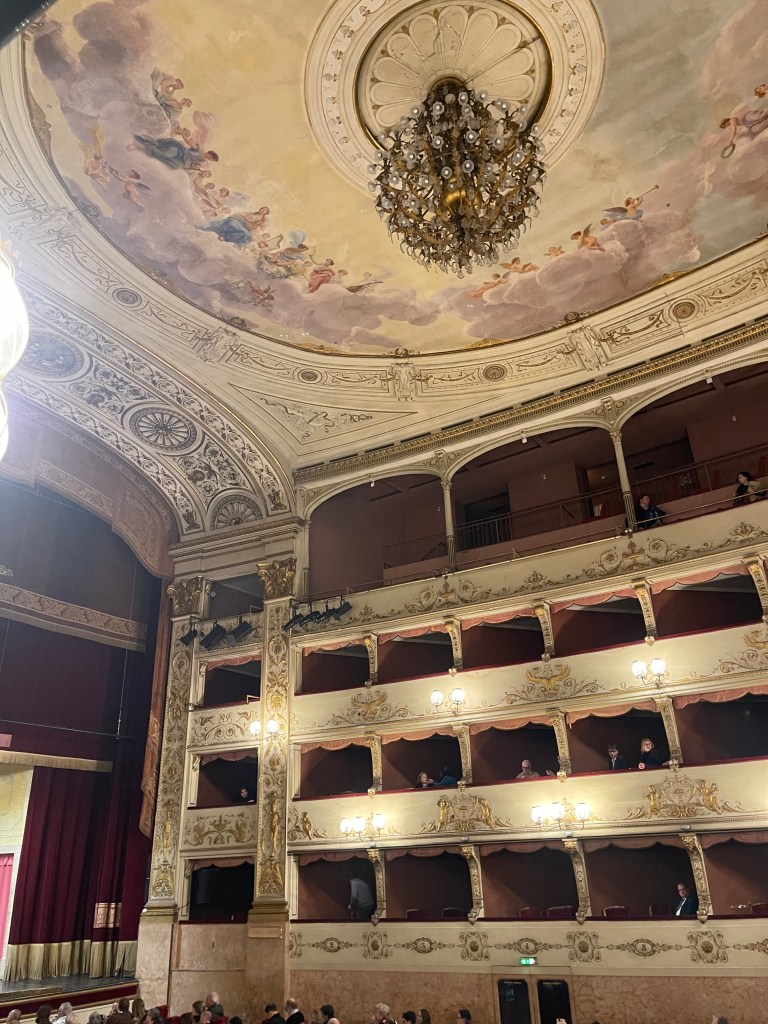
De Falla’s ‘Ritual Fire Dance’ , again bathed in pedal but with a throbbing insistent rhythm over which rose passionate melodic outpourings. Rubinstein was famous for playing this crowd pleasing piece and his performance is renowned for his alternating high flying arms as he played the pungent rhythms with astonishing energy. Anna too followed the great master and afterwards told me that he was quite right because it added an extra sound and rhythmic dimension and it was not just a circus trick! Rachmaninov’s G sharp minor Prelude was played with supreme style and colour and a delicacy that was breathtaking for its audacity. For a final encore Anna decide to play one of the pictures of Mussorgsky’s suite.The ‘Ballet of Unhatched Chicks’ was an ideal and scintillating end to a memorable afternoon of real music making.
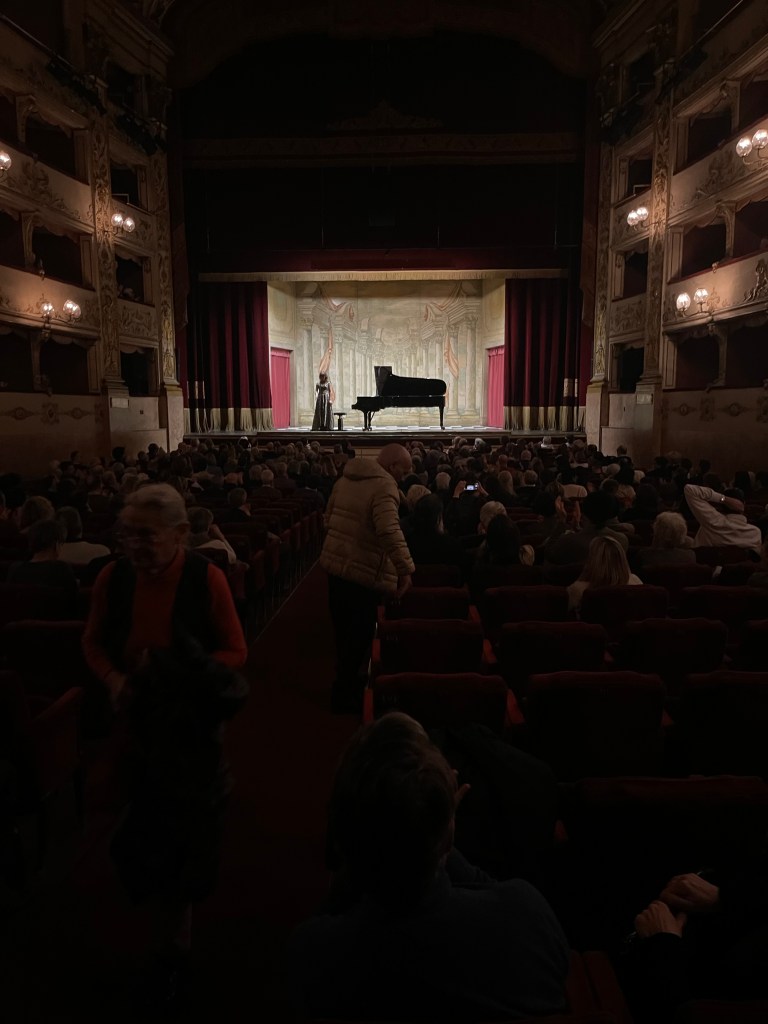
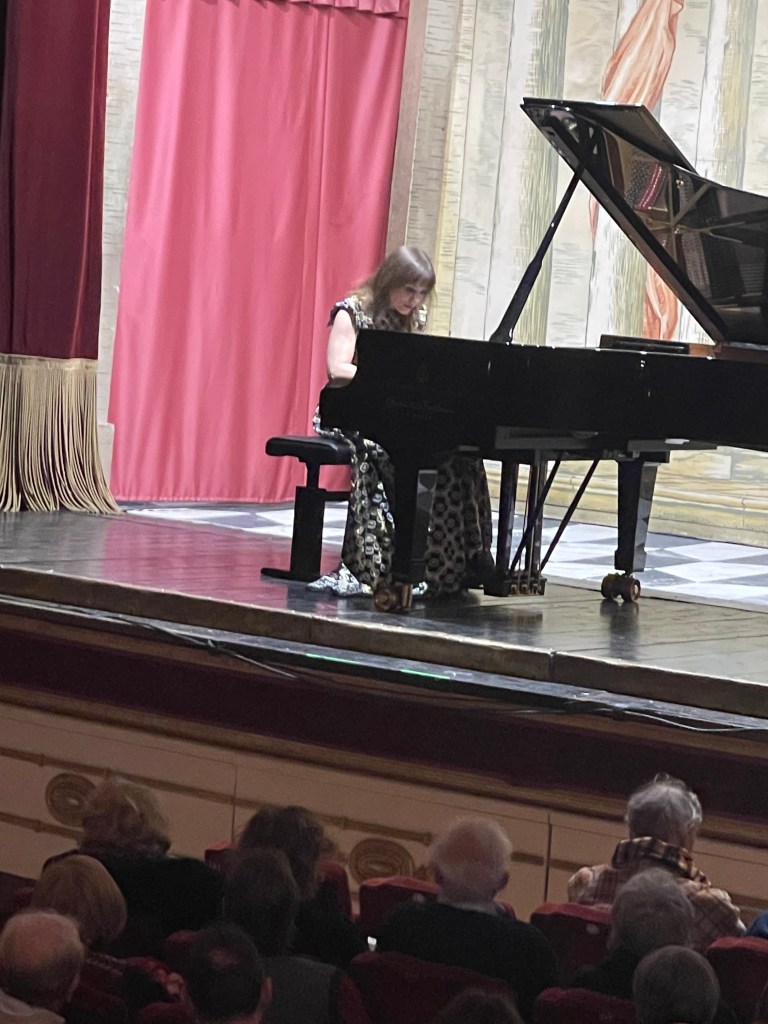
The wonder of what will obviously be the first of many Florentine concerts was with a performance of Carnaval that reminded me of the style of Giuomar Novaes and the simple musicianship of Myra Hess . A supreme stylist who is also a great musician where every one of Schumann’s characters was given a unique voice of its own. Greeted by an ovation she was persuaded to play three encores having flown in only this morning from Madrid where she had been playing Ravels G major concerto.
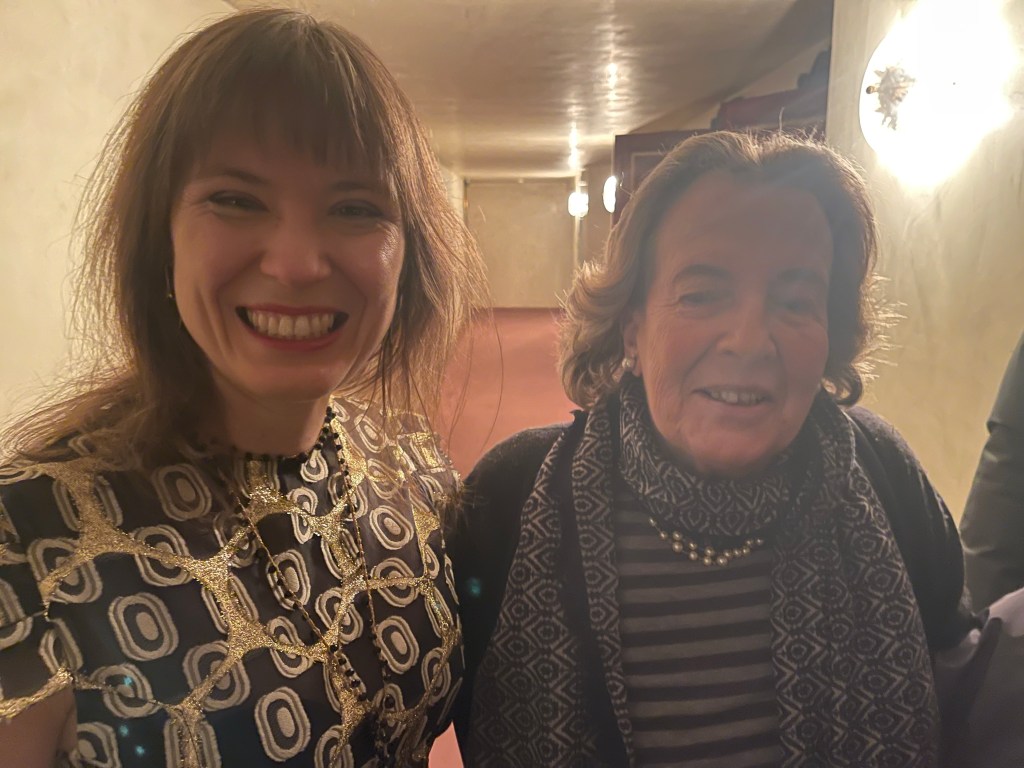
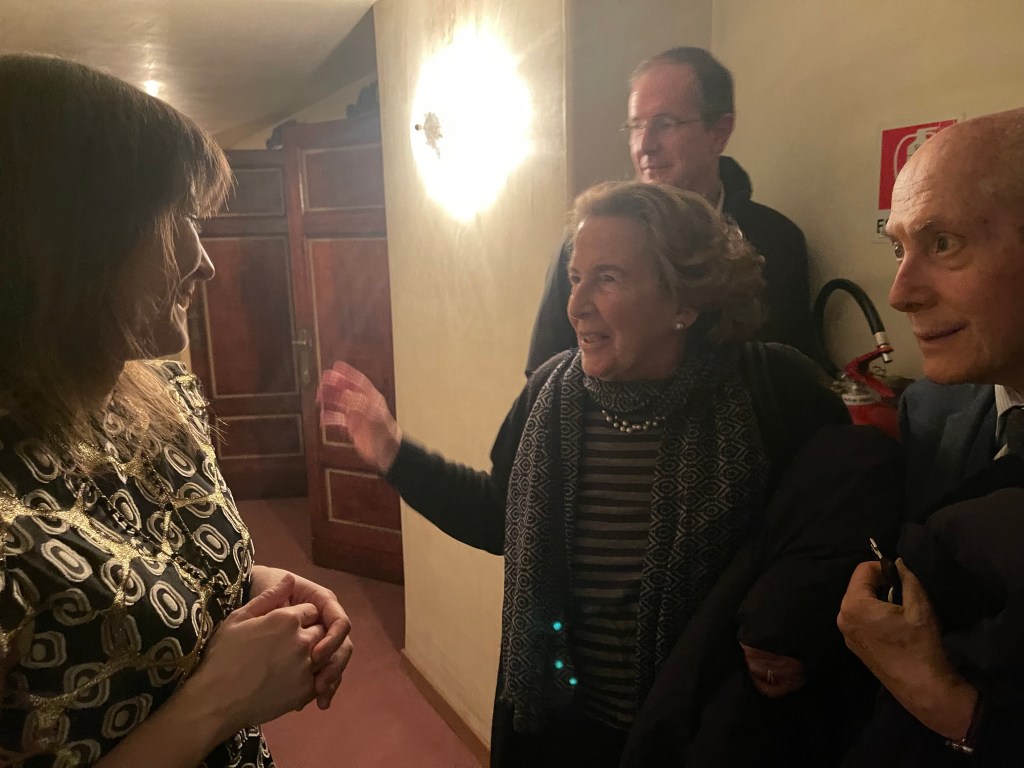

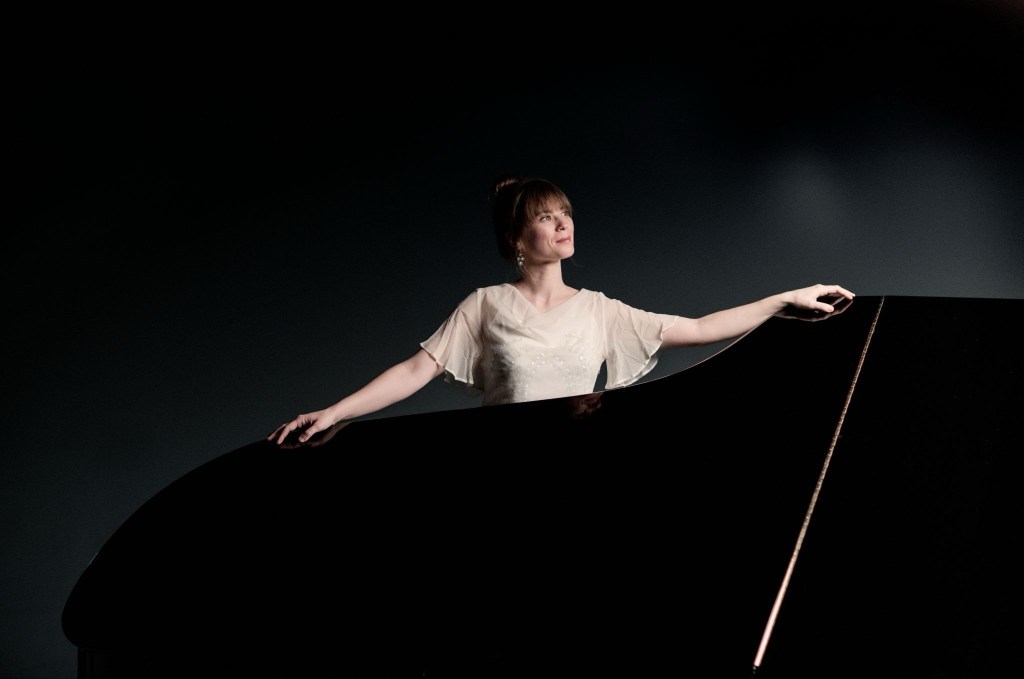
Foto © Marco Borggreve
“Anna Fedorova’s beautiful sound and natural freedom in making music with total technical security makes for one of the finest Chopin performances I have heard in a long, long time.”
– Menahem Pressler, September 2022
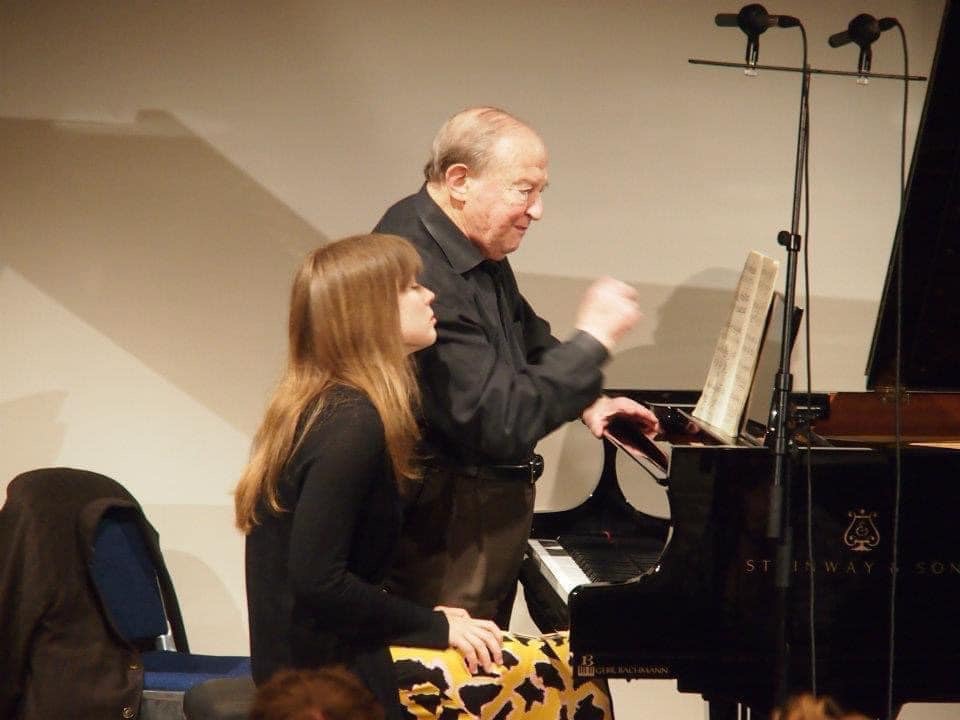
From an early age, the Ukrainian pianist Anna Fedorova showed an innate musical maturity and amazing technical abilities. Her live recording of Rachmaninoff’s 2nd Piano Concerto has over 43 million views on YouTube and is highly acclaimed by critics and world-renowned musicians. She regularly performs at the world’s most prestigious concert halls such as the Concertgebouw in Amsterdam, New York’s Carnegie Hall & Lincoln Center, Palacio de Bellas Artes in Mexico City, Tonhalle Zürich, Théâtre des Champs-Elysées in Paris, Bunka Kaikan in Tokyo, and London’s Barbican Centre & Royal Albert Hall.
As a soloist, Anna Fedorova has performed with many wonderful orchestras such as the Philharmonia Orchestra, Verbier Festival Orchestra, Royal Philharmonic, Tokyo Symphony, Yomiuri Orchestra, Ukrainian Freedom Orchestra, Utah Symphony, Dallas Symphony, Hong Kong Philharmonic, and the Netherlands Philharmonic with conductors such as Daniel Harding, Vasily Petrenko, Gianandrea Noseda, Jaap van Zweden and more. Nicknamed the ‘house pianist’ (Telegraaf) of the Concertgebouw, Anna Fedorova has given over 45 concerts in this prestigious concert hall in Amsterdam, often live broadcasted. She is a regular guest at leading music festivals such as Verbier and Menuhin Festivals in Switzerland, Stift Music Festival in the Netherlands, Festival de Sintra in Portugal, and Ravinia Festival in the US. In July 2022, Anna performed with the Verbier Festival Orchestra under the baton of Gianandrea Noseda at the opening of the Verbier Festival. And a week later, she made her debut at the international piano festival La Roque d’Anthéron with a solo recital, to much acclaim in both local and international press.
On 6 March 2022 she was one of the first to initiate a charity concert to raise money for the victims of the war in Ukraine, together with her musician friends, Interartists Amsterdam and the Concertgebouw. Having raised over 100,000 Euros on that first night, she has continued to perform in benefit concerts for Ukraine ever since. During the summer of 2022, she was the solo pianist with the Ukrainian Freedom Orchestra, performing under the baton of Keri-Lynn Wilson at Teatr Wielki–Polish National Opera, Royal Albert Hall London (televised BBC Proms concert), Munich, Chorégies d’Orange, Konzerthaus Berlin, Edinburgh Festival, Summer at Snape Maltings, Concertgebouw Amsterdam, Elbphilharmonie Hamburg, Lincoln Centre New York (twice) and Kennedy Centre Washington. The New York Times noted that “The pianist Anna Fedorova was a sensitive, poetic soloist in Chopin’s Piano Concerto No. 2, a nod to the Polish support for the Freedom Orchestra project.”
In 2018, Anna Fedorova signed with Channel Classics Records. By the beginning of 2023, she will have released three solo piano albums, four chamber music albums, and all of Rachmaninoff’s Piano Concertos with the Sinfonieorchester St. Gallen under Modestas Pitrenas. BBC Music Magazine gave a 5-star review for the first album with Rachmaninoff’s Piano Concerto No. 1, Preludes, and Rhapsody on a Theme of Paganini. BBC Music Magazine also published a 5-star review for Anna Fedorova’s rendition of Rachmaninoff’s Piano Concertos Nos. 2 & 4, noting that “the clear thinking and feeling behind these Rachmaninoff concerto interpretations are refreshing indeed: this certainly isn’t just yet another ‘Rach 2’.” It was Classic FM’s Album of the Weekend, received Luister Magazine’s 10 star-review, and it became Album of the Week on Scala Radio as it was released in October 2022. Anna Fedorova, Sinfonieorchester St. Gallen and Modestas Pitrenas recorded Rachmaninoff Piano Concerto No. 3 in November 2022, which will complete their Rachmaninoff Piano Concertos cycle in May 2023; the 150th birthday year of the composer.
Anna Fedorova graduated from the Lysenko School of Music in Kyiv with Borys Fedorov and the Accademia Pianistica in Imola, Italy, with Leonid Margarius. She received her Master’s degree and Artist Diploma at the Royal College of Music, London, under the guidance of Norma Fisher. Her mentors include Alfred Brendel, Menahem Pressler, Steven Isserlis, and Sir András Schiff.
In 2022, Anna Fedorova and double bassist Nicholas Santangelo Schwartz founded the Davidsbündler Music Academy in The Hague. Before the Academy’s door officially opened in September 2022, the Davidsbündler Foundation already started to provide top quality musical education to Ukrainian refugees who had fled to the Netherlands. They continue to do so in 2023 and provide full scholarships to young talented pianists and string players from low-income families, among which are 12 young Ukrainian pianists.
Dal più tenera età, la pianista ucraina Anna Fedorova ha dimostrato un’innata maturità musicale e sorprendenti capacità tecniche. La sua registrazione in diretta del Concerto n. 2 per pianoforte e orchestra di Rachmaninov ha superato i 40 milioni di visualizzazioni su YouTube ed è stata molto apprezzata dalla critica e dal pubblico.
Si esibisce regolarmente nelle sale da concerto più prestigiose del mondo, come il Concertgebouw di Amsterdam, la Carnegie Hall e il Lincoln Center di New York, il Palacio de Bellas Artes di Città del Messico, la Tonhalle di Zurigo, il Théâtre des Champs-Elysées di Parigi, il Bunka Kaikan di Tokyo, il Barbican Centre e la Royal Albert Hall di Londra.
Come solista, Anna Fedorova si è esibita con rinomate orchestre come la Philharmonia Orchestra, la Verbier Festival Orchestra, la Royal Philharmonic, la Tokyo Symphony, la Yomiuri Orchestra, la Ukrainian Freedom Orchestra, la Utah Symphony, la Dallas Symphony, la Hong Kong Philharmonic e la Netherlands Philharmonic. È ospite regolare di importanti festival musicali come i Festival di Verbier e Menuhin in Svizzera, lo Stift Music Festival nei Paesi Bassi, il Festival de Sintra in Portogallo e il Ravinia Festival negli Stati Uniti.
Fedorova è stata una delle prime musiciste a proporre l’idea di organizzare concerti di beneficenza per le vittime della guerra in Ucraina. Insieme ad amici e noti musicisti, il 6 marzo 2022 ha raccolto oltre 100.000 euro per le organizzazioni umanitarie al Concertgebouw di Amsterdam. Da allora, si è esibita in oltre 20 concerti di beneficenza nei mesi di marzo e aprile 2022.
Durante l’estate del 2022, è stata la pianista solista dell’Ukrainian Freedom Orchestra, esibendosi sotto la direzione di Keri-Lynn Wilson al Teatr Wielki-Polish National Opera, alla Royal Albert Hall di Londra (concerto trasmesso dalla BBC Proms), a Monaco di Baviera, alle Chorégies d’Orange, alla Konzerthaus di Berlino, al Festival di Edimburgo, al Summer at Snape Maltings, al Concertgebouw di Amsterdam, alla Elbphilharmonie di Amburgo, al Lincoln Centre di New York e al Kennedy Centre di Washington.
Nel 2018 Anna Fedorova ha firmato un contratto con Channel Classics Records per una serie di registrazioni. Ha pubblicato tre album di pianoforte solo, quattro album di musica da camera e tutti i Concerti per pianoforte di Rachmaninov con la Sinfonieorchester di San Gallo. La rivista BBC Music Magazine ha assegnato una recensione a 5+5 stelle al primo album con il Concerto per pianoforte e orchestra n. 1, i Preludi e la Rapsodia su un tema di Paganini di Rachmaninov A novembre 2023 è uscito l’album Fathers & Daughters con Anna e Dana Zemtsov e i loro padri.
Anna Fedorova si è diplomata alla Scuola di Musica “Lysenko” di Kiev con Borys Fedorov e all’Accademia Pianistica di Imola con Leonid Margarius. Ha conseguito il Master e il Diploma di Artista presso il Royal College of Music di Londra, sotto la guida di Norma Fisher. Tra i suoi mentori figurano Alfred Brendel, Menahem Pressler, Steven Isserlis e Sir András Schiff.
Anna Fedorova: il contributo concreto della musica
Nel suo concerto di debutto per gli Amici della Musica di Firenze accosterà opere di Chopin, Beethoven e Schumann a quelle del compositore e pianista ucraino Valentyn Silvestrov. Come ha concepito questo programma?
Nel mio recital presento una raccolta di brani che hanno un significato molto profondo per me. La Sonata Appassionata di Beethoven, che suono fin dall’adolescenza, è una delle mie preferite e rappresenta un viaggio emotivo potente, arricchito dagli insegnamenti di Sir András Schiff. Non smetto mai di stupirmi della straordinaria intensità spirituale che la attraversa. I Notturni di Chopin, tra mistero e luminosità, offrono un contrasto perfetto, mentre il Carnavaldi Schumann, con i suoi ritratti musicali e la celebrazione dello spirito libero, si lega all’ispirazione che mi ha portata alla fondazione della Davidsbündler Music Academy all’Aia, assieme a mio marito. Il recital si apre con The Messenger di Silvestrov, un brano carico di emozione e speranza, nato da un’esperienza di lutto e percepito come un messaggio dall’aldilà. È un programma che esplora intensamente la forza interiore, l’immaginazione e la connessione tra passato e presente.
Ha organizzato concerti benefici e iniziative di raccolta fondi a sostegno del popolo ucraino.
Dall’inizio della guerra nel 2022, per tutto il primo anno mi sono dedicata all’organizzazione e all’esecuzione di concerti di beneficenza. Il primo evento è stato organizzato appena una settimana dopo lo scoppio del conflitto, e in pochi giorni siamo riusciti a realizzare due grandi concerti di raccolta fondi: uno ad Amare, all’Aia, e l’altro nella Sala Grande del Concertgebouw di Amsterdam.
L’energia e il senso di unità tra musicisti e pubblico in quelle occasioni erano indescrivibili. Nonostante la paura e la tristezza del momento, è stato straordinario vedere così tante persone riunite con lo stesso obiettivo.
Più di 20 musicisti di fama internazionale hanno partecipato gratuitamente, alcuni viaggiando persino da altri paesi. Anche alcuni membri dell’Orchestra del Concertgebouw hanno formato un piccolo ensemble per accompagnare le esibizioni. Abbiamo suonato molta musica ucraina e altri brani dal forte valore simbolico.
Grazie a questi due concerti, siamo riusciti a raccogliere oltre 150.000 euro. È stato un risultato incredibile per un evento di musica classica e un’esperienza indimenticabile. Soprattutto, mi ha dato la sensazione di poter contribuire concretamente in un momento così difficile.

Point and Counterpoint 2024 A personal view by Christopher Axworthy
https://christopheraxworthymusiccommentary.com/2024/12/25/point-and-counterpoint-2024-a-personal-view-by-christopher-axworthy/

https://christopheraxworthymusiccommentary.com/2023/06/02/the-gift-of-music-the-keyboard-trust-at-30/
Anna Fedorova ‘Intrigues of the Darkness’ bewitches the Razumovsky Academy at Halloween with her supreme artistry
https://christopheraxworthymusiccommentary.com/2024/10/31/anna-fedorova-intrigues-of-the-darkness-bewitches-the-razumovsky-academy-at-halloween-with-her-supreme-artistry/
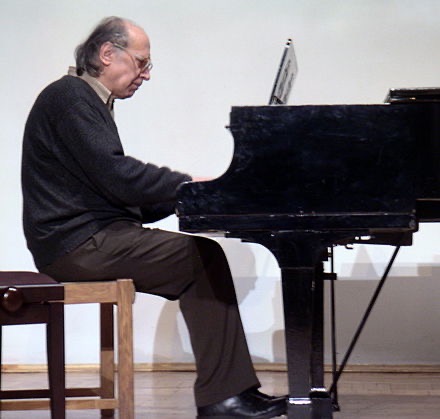
He is perhaps best known for his post-modern musical style; some, if not most, of his works could be considered neoclassical and post-modernist. Using traditional tonal and modal techniques, Silvestrov creates a unique and delicate tapestry of dramatic and emotional textures, qualities which he suggests are otherwise sacrificed in much of contemporary music. “I do not write new music. My music is a response to and an echo of what already exists,” Silvestrov has said.
Silvestrov demands from his performer in the score of The Messenger,that alludes to Mozart , nuances ranging from mp to pppp, and the score is replete with meticulously detailed instructions with Silvestrov’s request to make the piano as muffled and quiet as possible (keeping the lid closed, using soft pedal) The Messenger for synthesizer, piano and string orchestra (1996–1997)Alexei Lubimov provides the most authoritative interpretation available on CD , both of the piano solo version and the one for piano and strings. Here is an artist truly in the service of the composer, acting as his messenger between the here and now and the beyond and bygone.

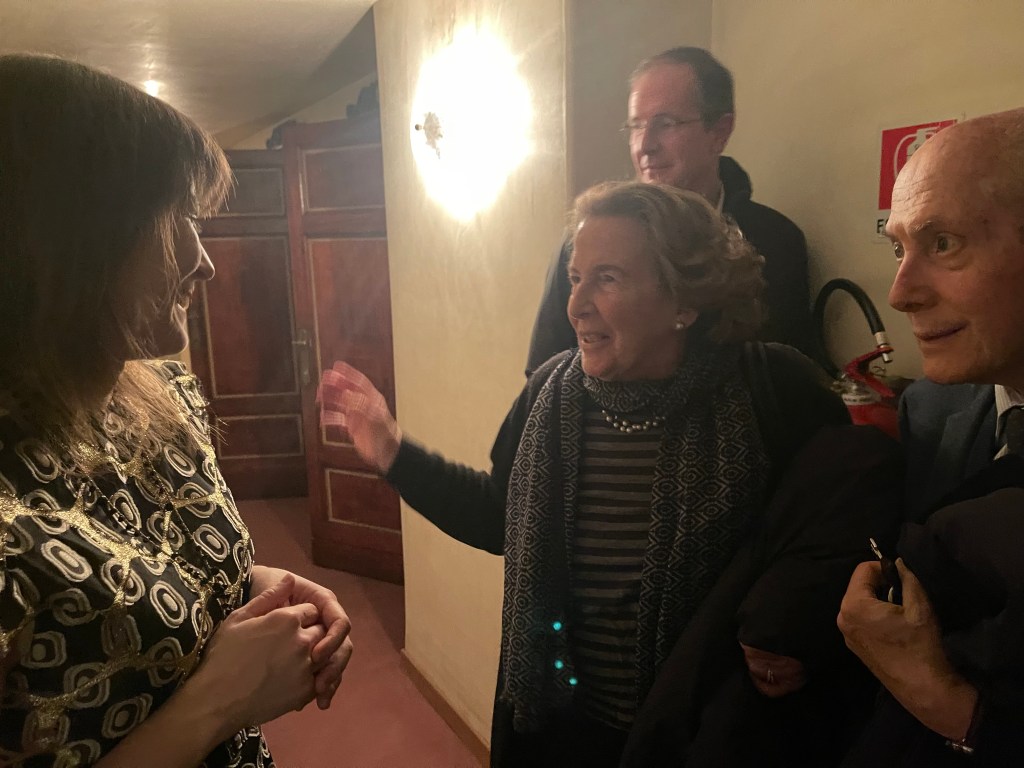
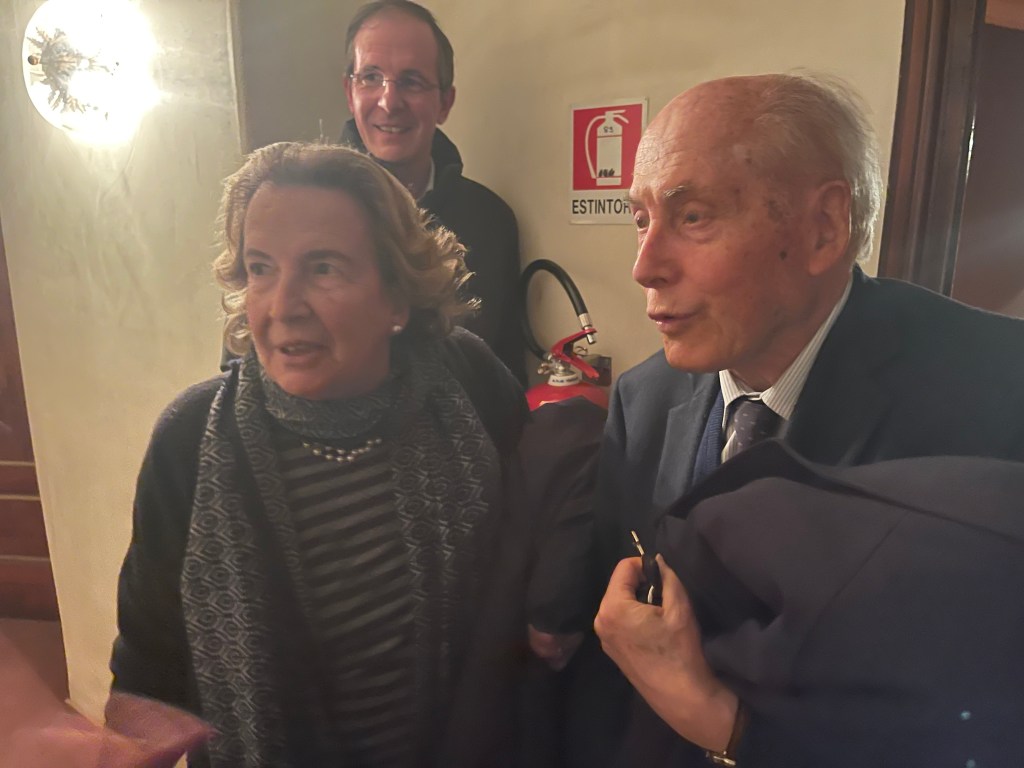

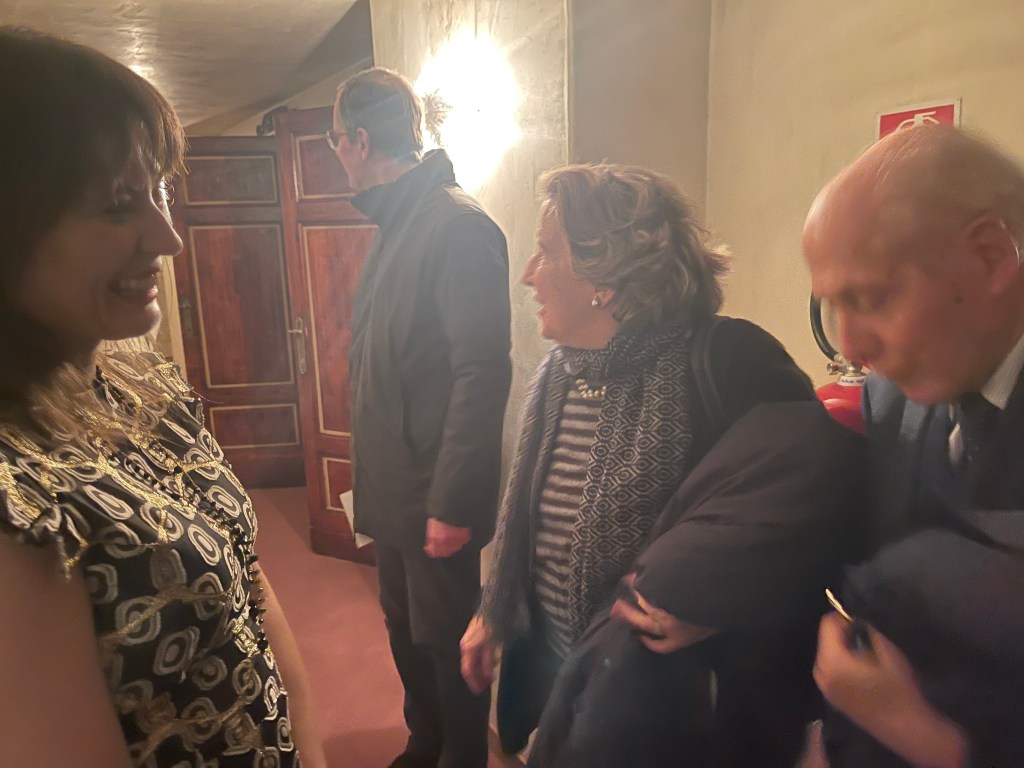
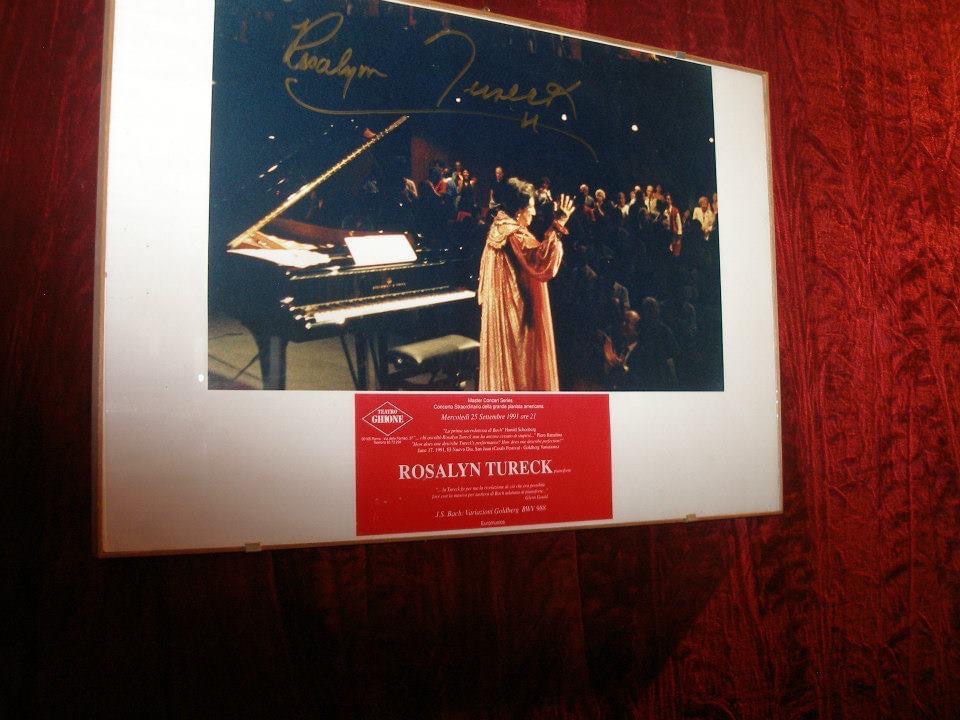
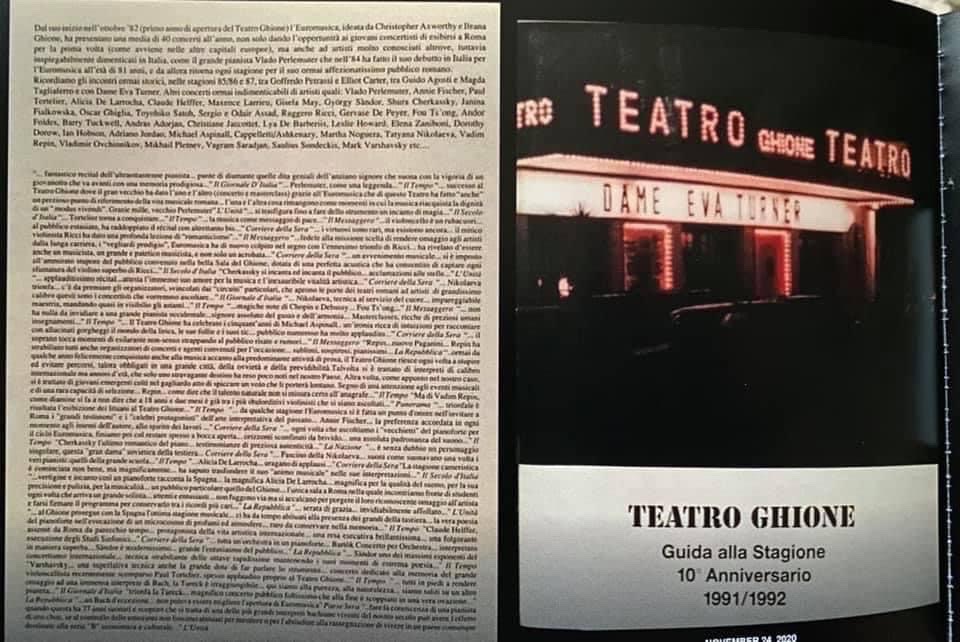
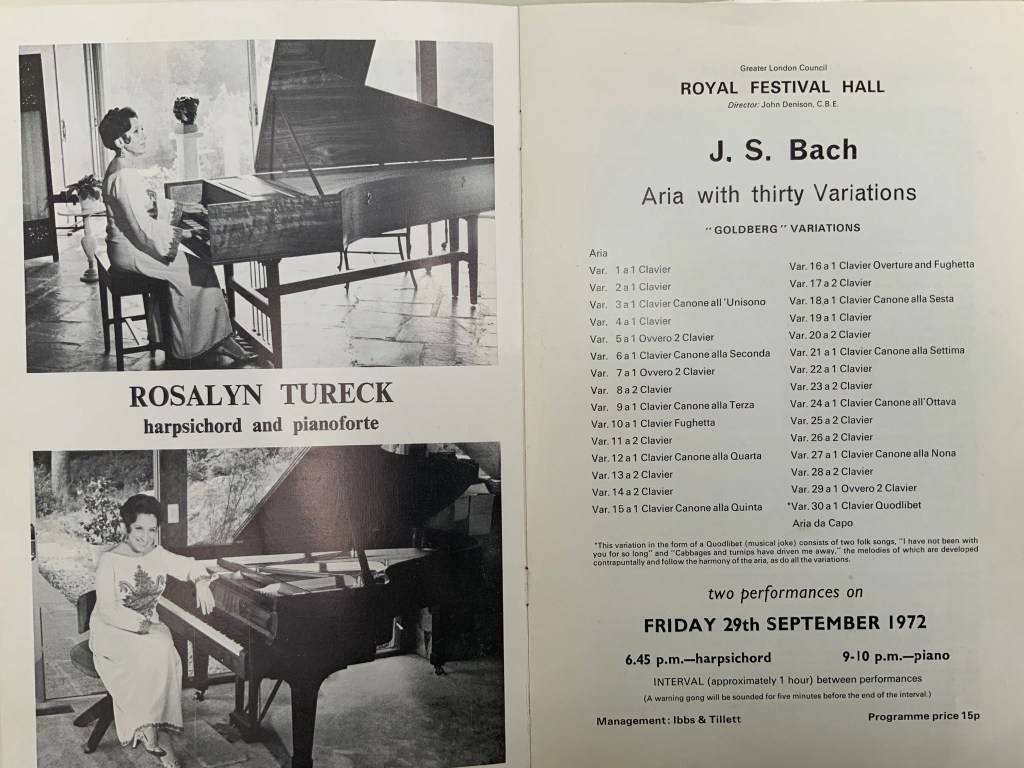
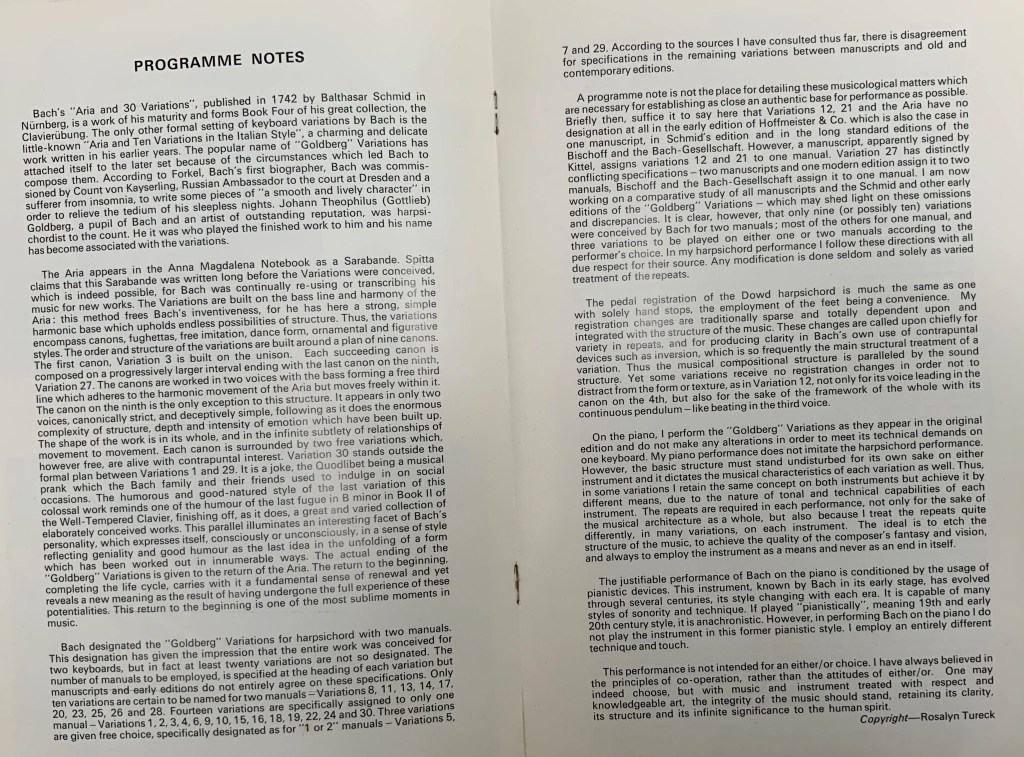
Wonderful to see Domitilla Baldeschi and Stefano Passigli who ARE the Amici della Musica ……..and we recognised each other too. I remember bringing Vlado Perlemuter to substitute for Claudio Arrau in 1985. Vlado already in his 80’s making his debut in Florence ( due to the sudden death of Arrau’s wife who had to cancel the opening concert of the season) and a public who in the interval were so angry that Perlemuter had never been invited before !!!! Rosalyn Tureck too became the Diva of Florence when I brought her here, already in her Indian Summer.She had given a lecture in Florence for Stefano Fiuzzi’s Accademia Bartolomeo Cristofori but had not been invited to play. She played a week later the Goldberg Variations in the Teatro Ghione in Rome and her glorious Indian Summer in Italy,Russia and Argentina began. The High Priestess of Bach whose role has now passed to Angela Hewitt who plays every season in what is still the Temple of classical music.
Domitilla’s role has been passed to Andrea Lucchesini whose teacher, Maria Tipo died just a few months ago. I remember Cherkassky playing in Empoli and Luciano Berio sending a car to bring him to his house to hear Andrea play his Wassermusik . Shura was of course very impressed by this winner of the Dino Ciani competition as we all have been since. Shura even learnt the Berio and played it in his recitals that year. In his Indian summer Shura set himself a goal to learn a new contemporary piece every season to add to his programmes.
Andrea Lucchesini the supreme stylist conquers all in Ninfa
https://christopheraxworthymusiccommentary.com/2023/07/30/andrea-lucchesini-the-supreme-stylist-conquers-all-in-ninfa/
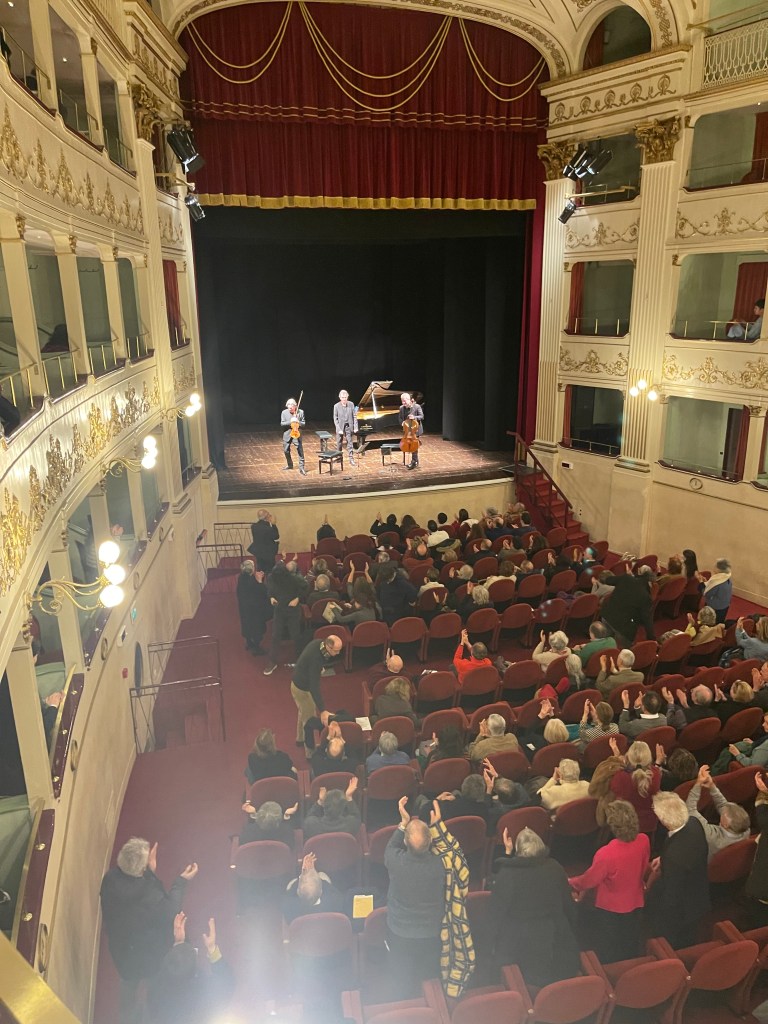
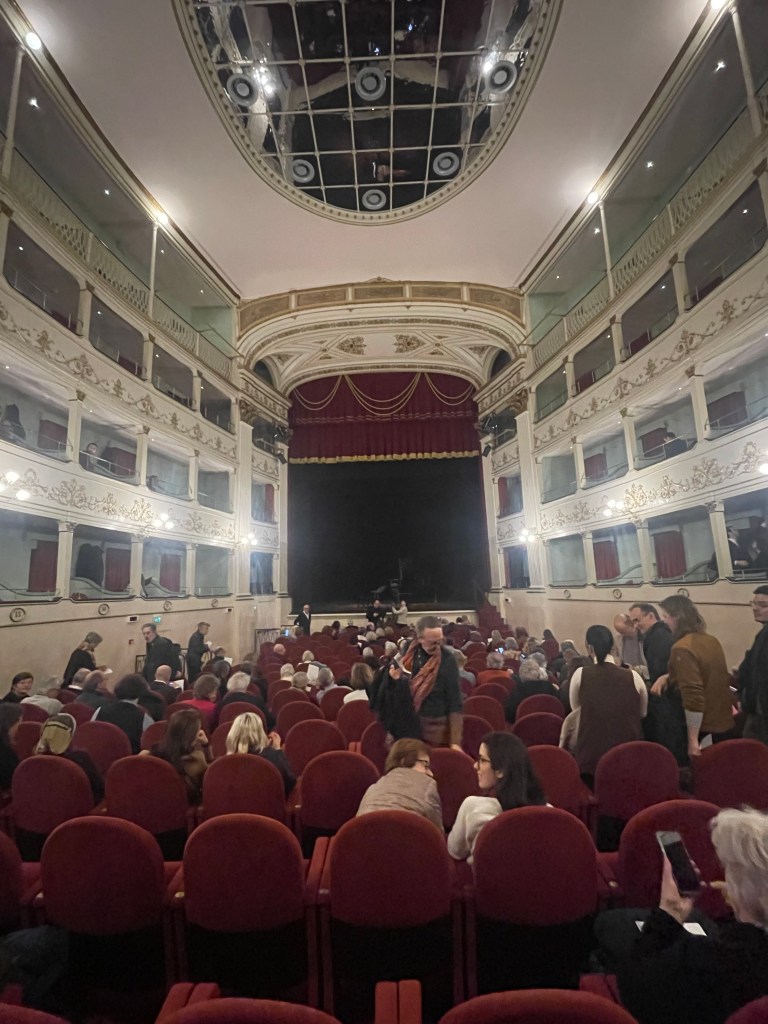
And the day after La Pergola a Schubertiade for the Amici della Musica with the Trio di Parma in the beautifully restored Teatro Nicolini
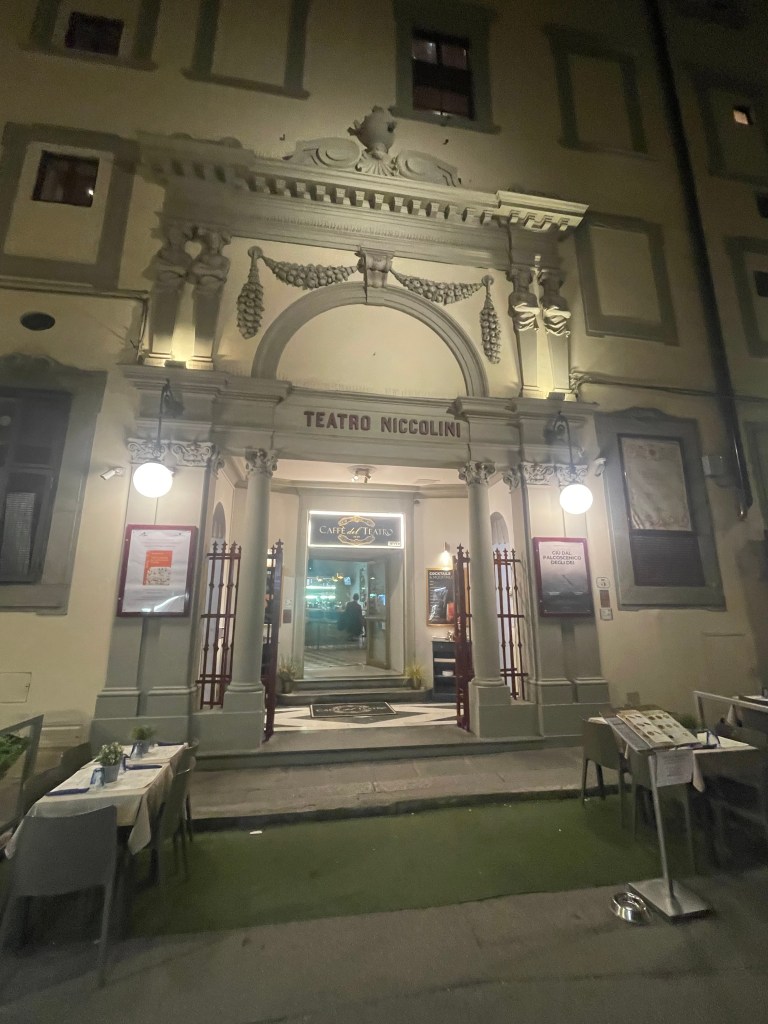
Teatro Niccolini just a stones throw from Santa Maria dei Fiori in the centre of Florence .

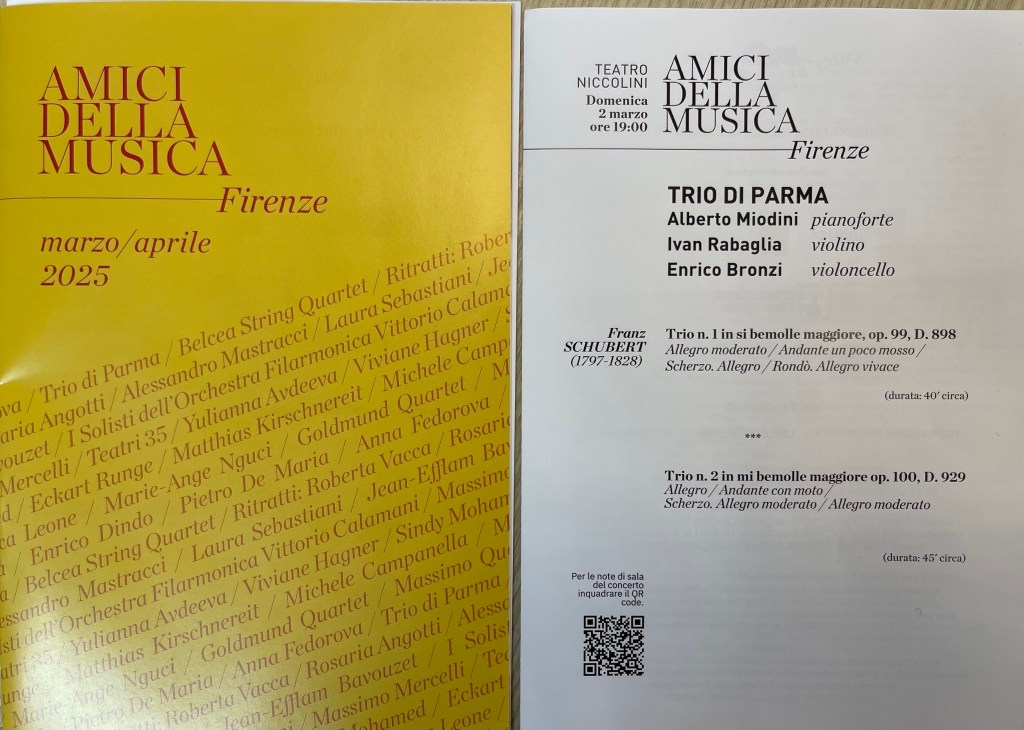
A Schubertiade offered by the Trio di Parma with the two piano trios op 99 and 100.
An outpouring of mellifluous invention and subtle refined music making that was to be Schubert’s swan song before leaving this world for a far better place than we could ever imagine but that he he could already forsee in the not too distant future
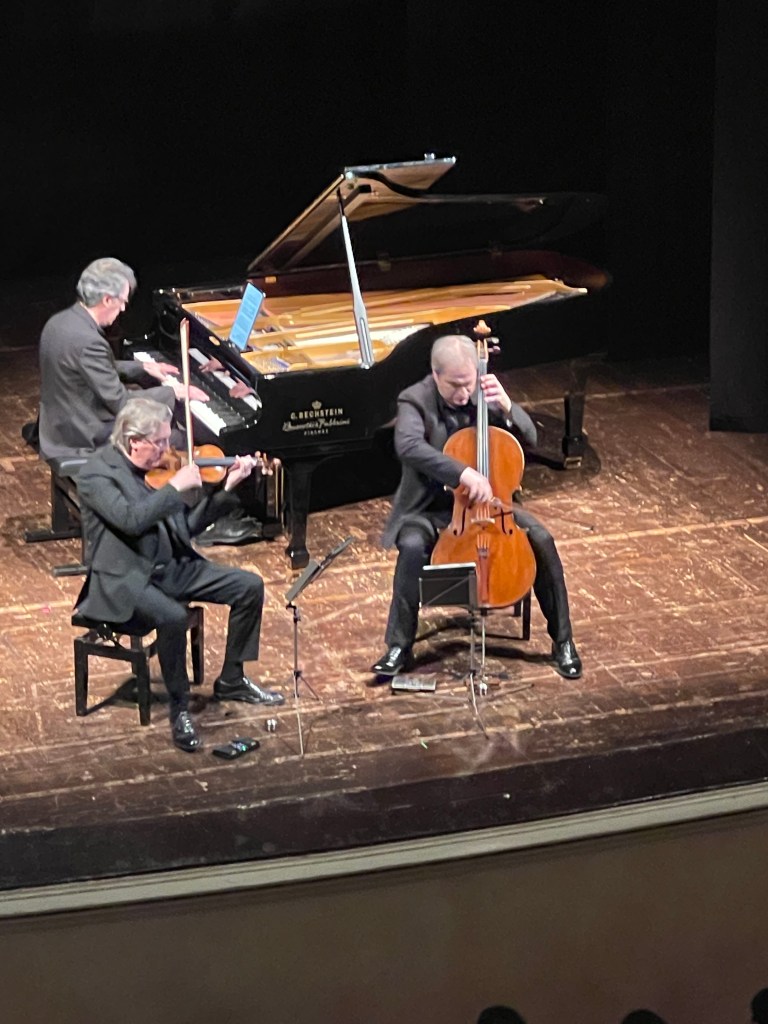
A Trio that after thirty-five years together play as one, with Alberto Miodini piano, the lid fully opened giving a knowing glow to all he did .The violin of Ivan Rabaglia playing with unobtrusive radiance and subtle beauty and the cello of Enrico Bronzi living every moment with the joy and grief that is at the very heart of Schubert.

L’Impero dei Sensi – Angela Hewitt and Enrico Bronzi play Mozart in Perugia
https://christopheraxworthymusiccommentary.com/2021/06/23/limpero-dei-sensi-angela-hewitt-and-enrico-bronzi-play-mozart-in-perugia/


The last concert of his career was in Geneva a few months later and a brief appearance at a memorial concert in the Wigmore Hall together with Larry Adler and Victoria de Los Angeles for Basil Douglas,his agent.
Ileana and Joan 3rd December
https://christopheraxworthymusiccommentary.com/2023/12/05/ileana-and-joan-3rd-december-2023/
 ChristopherAxworthy-MusicCommentary