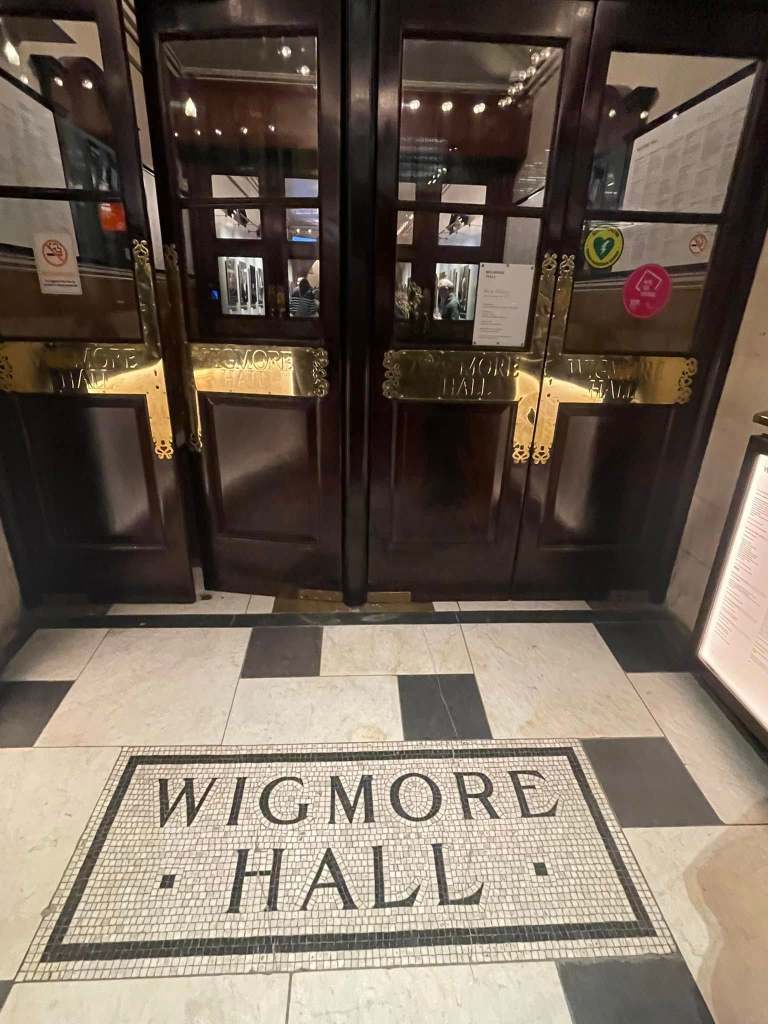
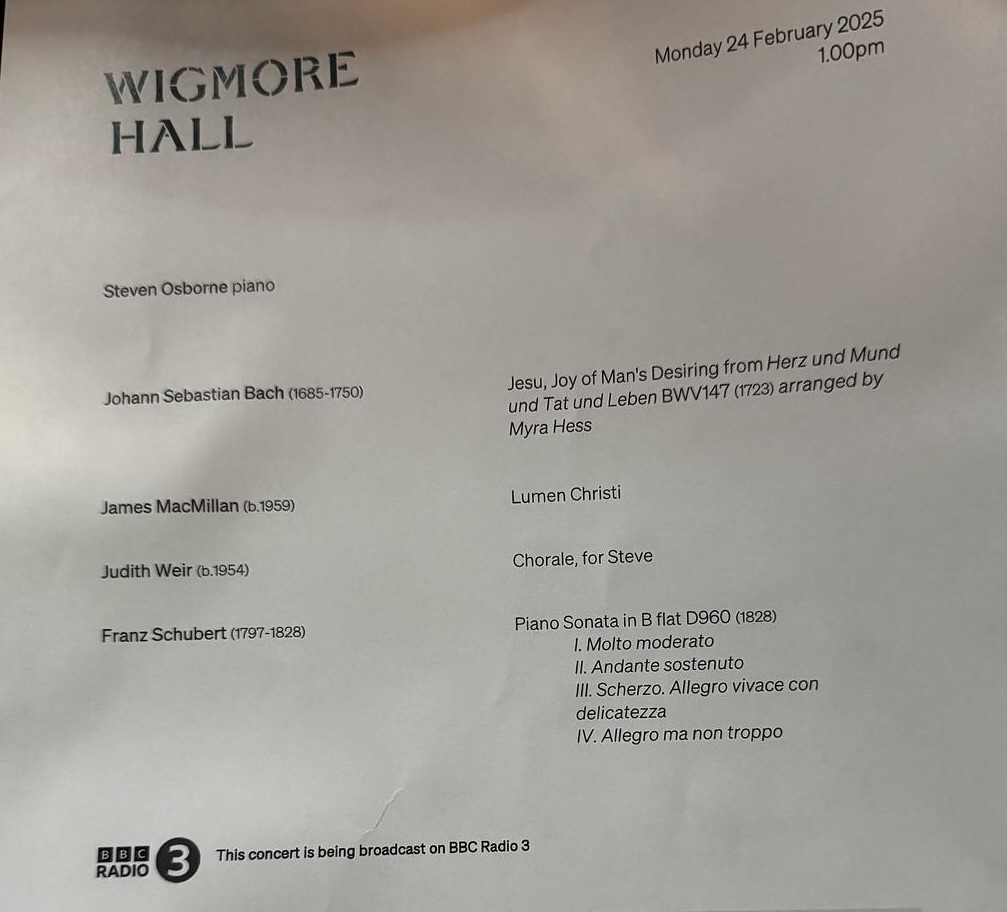
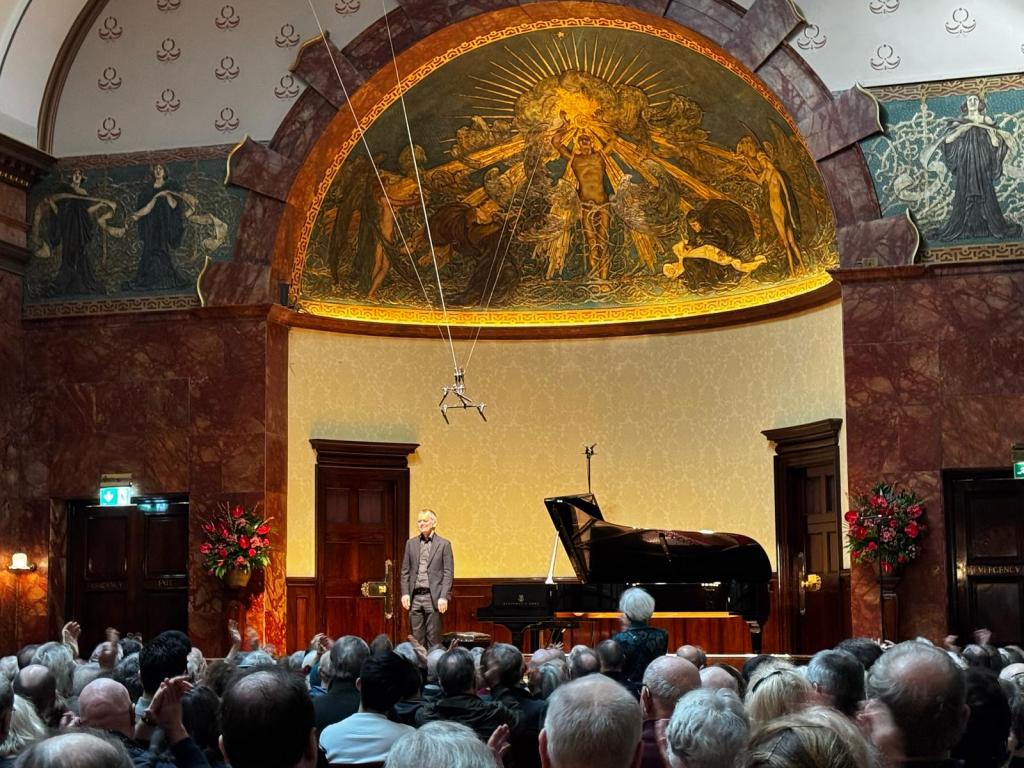
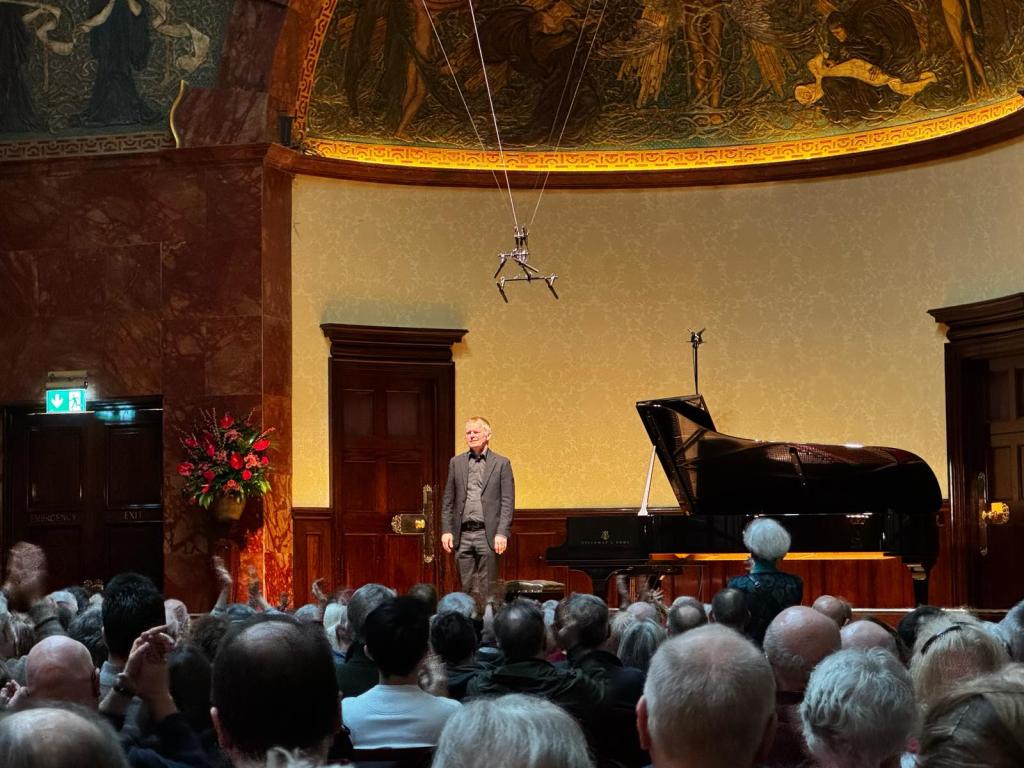
A remarkable recital for the BBC lunchtime series. Steven Osborne was able to seduce a full hall from the very first notes, drawing in the audience to share with him the discovery of whispered glowing sounds rather than projecting the performance out to them.
It was the arrival of Richter in the west whose control of sounds from mezzo forte to pianissimo was so astonishing for us used to hearing pianists project the sound out with a rich concert cantabile. It was this magic world of whispered glowing sounds that made everything Osborne did glow with a luminosity and beauty that with a very sensitive sense of balance created a continuous mellifluous outpouring. No rough hard edges – this was no longer a percussion instrument but he had found the secret, all too rare these days, of making the piano sing. Of course there were contrasts especially in the rumbustuous outbursts of the last movement of the B flat Sonata but there was a sense of line and a relationship between the notes that never exceeded the natural voice limit of the phrase.
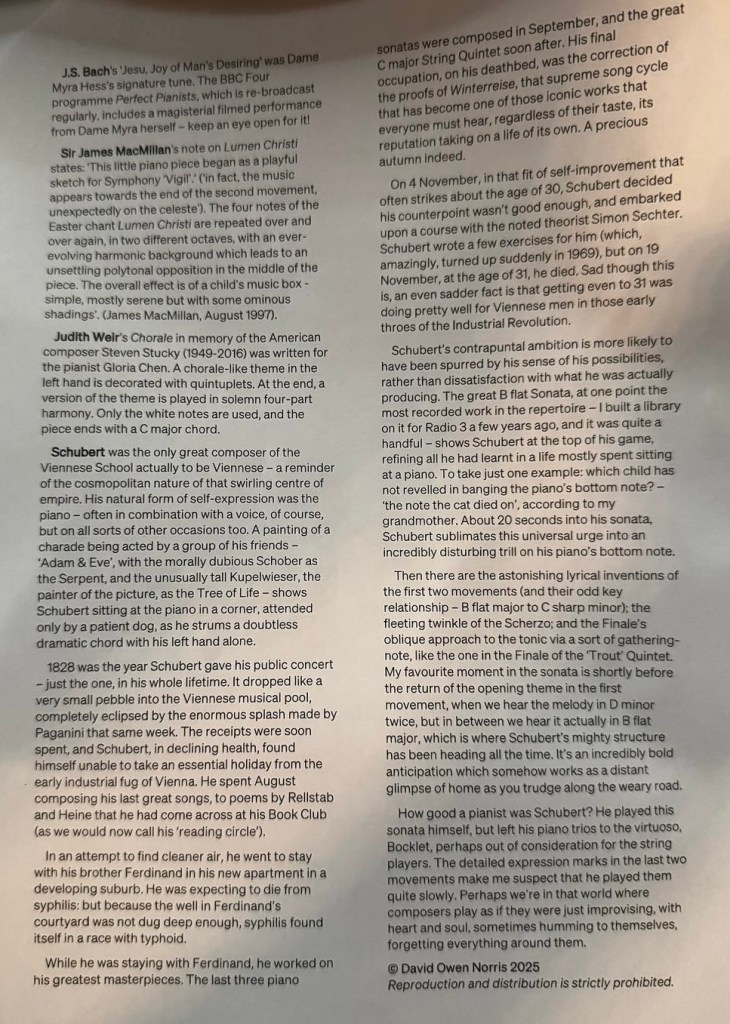
Opening with the Myra Hess transcription of ‘Jesu Joy of Man’s Desiring ‘ and immediately establishing a luminosity of sound and an intimate world of subtlety and beauty. A flowing tempo allowed Bach’s glorious chorale to rise above the continuous accompanying flow of notes with respectful but also seductive beauty.There was a sense of balance that added a timeless beauty to every strand that sang with the fervant conviction of a true believer. A coda of magical bell like sounds interrupted only to make way for the music box folk song simplicity of MacMillan’s ‘Lumen Christi’. Judith Weir’s ‘Chorale for Steve’ was an alluring chattering of questioning sounds and answered by a chorale of poignant simplicity with a beguiling Scottish accent. The scene and the atmosphere was set for one of the most miraculous works ever written for the piano. Could Schubert have known that he had only a few months left on this earth? For this is truly a ‘Song of the Earth’ reaching out as Beethoven was to do in his last Sonatas to share with us their vision of Paradise. It was a pity to have to break the atmosphere that had been created, but the BBC obviously had to leave time for Fiona Talkington to present the sonata to the listeners, like me, at home.
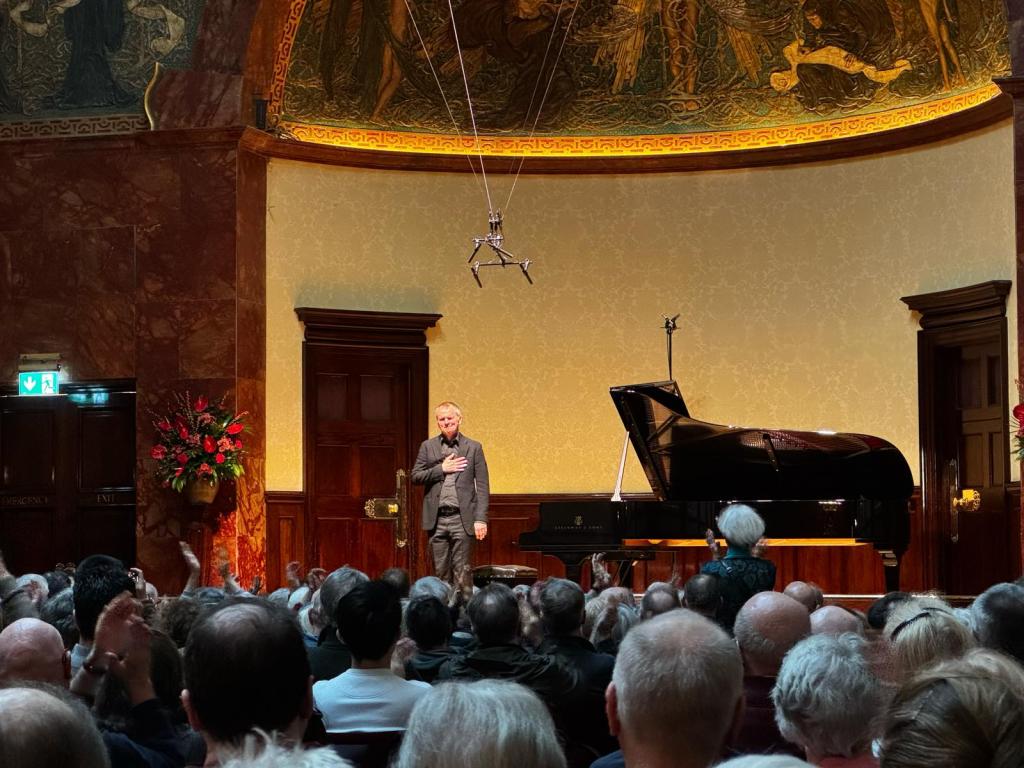
The Schubert B flat Sonata has no real beginning as it has started somewhere else and just passes in front of our eyes like a heavenly vision of glowing beauty. There was a wonderful sense of legato with no rough edges as everything was allowed to sing. Even the playful duet between the hands was shaped with bucolic delicacy and refined restraint. An almost operatic flourish leads momentarily to a moment of assertion immediately defused with rests that became even more meaningful that the notes they separate. What a wonder were the bars leading to the repeat ,how could they ever be disregarded on the pretext of length? In Steven Osborne’s hands they became gasps of questioning until disposed of with a wave of the hand, as the deep rumbling of the bass could be heard in the distance.The sudden change of key for the development was played with breathtaking beauty as the opening melody was transformed into a bel canto of meditative poignancy. A magic land of ravishing beauty that brought us to a well tempered climax and the disarming preparation for the reappearance of the opening. It was very moving to hear how Steven Osborne interpreted ‘forte’ by just slightly giving more weight to the bottom notes of the chords. Time stood still for the ‘Andante sostenuto’ with its deeply moving lament of yearning and searching beauty. The gentle entry of the chorale and the magical change of key was played with subdued passion and when the melodic line was allowed to float above the quivering accompaniment Osborne produced sounds of extraordinary beauty. A bel canto of the voice of a Caballé ,an unforgettable timbre of glowing warmth, produced by a masterly use of the pedals and an extraordinary sense of balance. The ‘Scherzo’ burst onto the scene with a joyous simple outpouring: ‘Allegro vivace con delicatezza’, where the quavers were given their rightful measure of three in a bar and not allowed to run away too lightly. A ‘Trio’ where Schubert’s sforzando markings were merely gasps accompanying the mellifluous chords.There was a gently buoyancy to the ‘Allegro,ma non troppo’, last movement that was played with music box simplicity, interrupted only by an interrogative ‘G’ that just provided a resting place between such joyful playfulness. Schubert bursting into song that was played exquisitely but with a burning forward movement that was to take us to the only really Beethovenian outburst in the whole sonata. It brought us to the triumphant final notes that Osborne played with masterly abandon. An ovation from a public that had been overwhelmed by such mastery and beauty as we too over the air had experienced some of the atmosphere that exploded at the end with a vociferous ovation rarely experienced over the air.
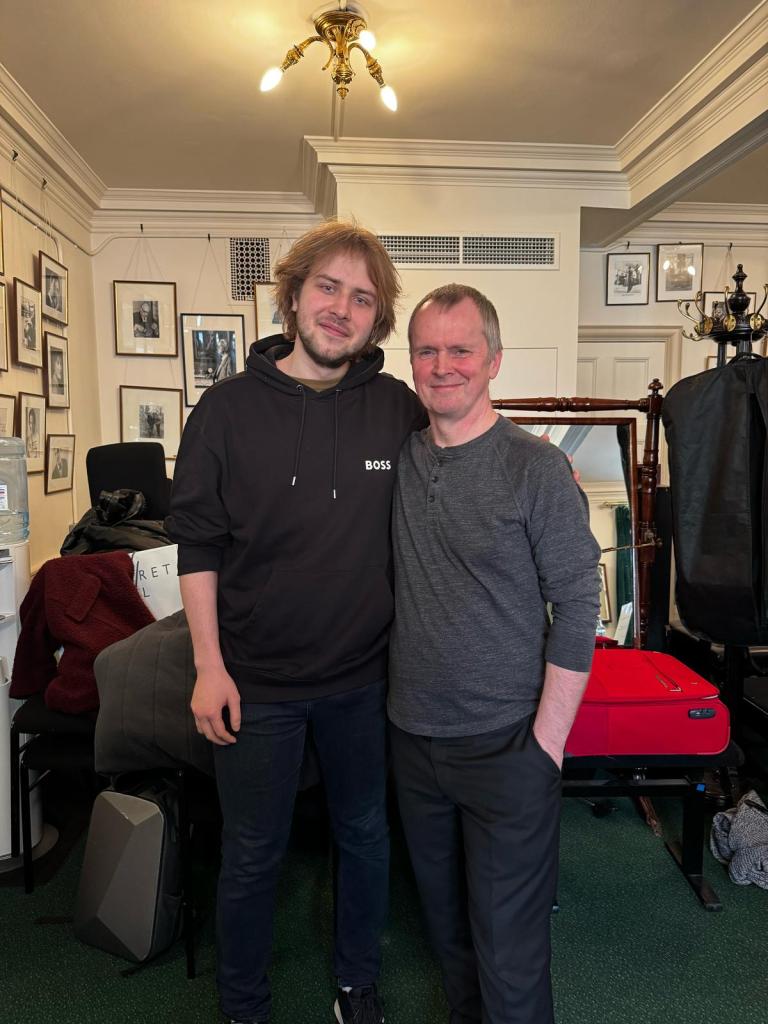
https://christopheraxworthymusiccommentary.com/2025/02/24/nikita-lukinov-conquers-the-bechstein-hall-with-masterly-music-making/
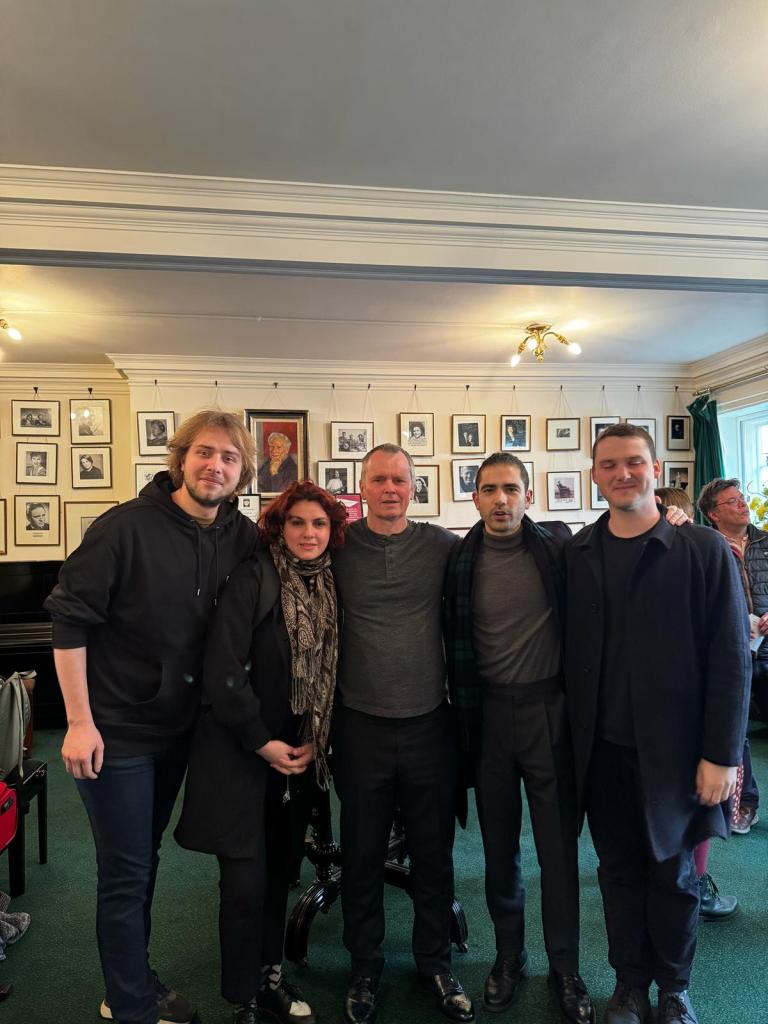
Steven Osborne at the Wigmore Hall – A poet speaks.
https://christopheraxworthymusiccommentary.com/2024/03/13/steven-osborne-at-the-wigmore-hall-a-poet-speaks/
Steven Osborne at the Wigmore Hall – A poet speaks.
https://christopheraxworthymusiccommentary.com/2024/03/13/steven-osborne-at-the-wigmore-hall-a-poet-speaks/
Steven Osborne in the spotlight ‘ The secret world of a supremely sensitive artist’
https://christopheraxworthymusiccommentary.com/2023/11/14/steven-osborne-in-the-spotlight-the-secret-world-of-a-supremely-sensitive-artist/
 ChristopherAxworthy-MusicCommentary