If Music be the food of love ..play on -The historic Alberto Portugheis Masterclasses 2023 and updated to 2024
https://christopheraxworthymusiccommentary.com/2024/10/25/if-music-be-the-food-of-love-play-on-the-historic-alberto-portugheis-masterclasses-2023-and-updated-to-2024/
A birds eye view of a very happy occasion Martha Argerich and Alberto Portugheis Wigmore Hall 75th birthday celebration
https://christopheraxworthymusiccommentary.com/2016/12/13/a-birds-eye-view-of-a-very-happy-occasion-martha-argerich-and-alberto-portugheis-wigmore-hall-75th-birthday-celebration/
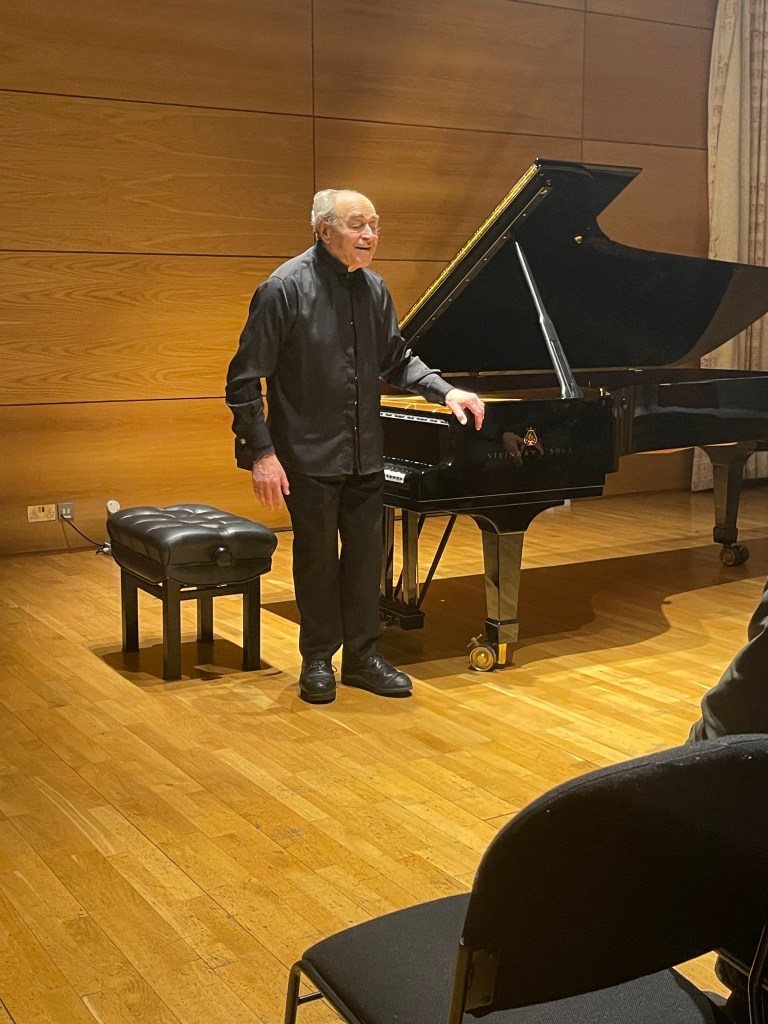
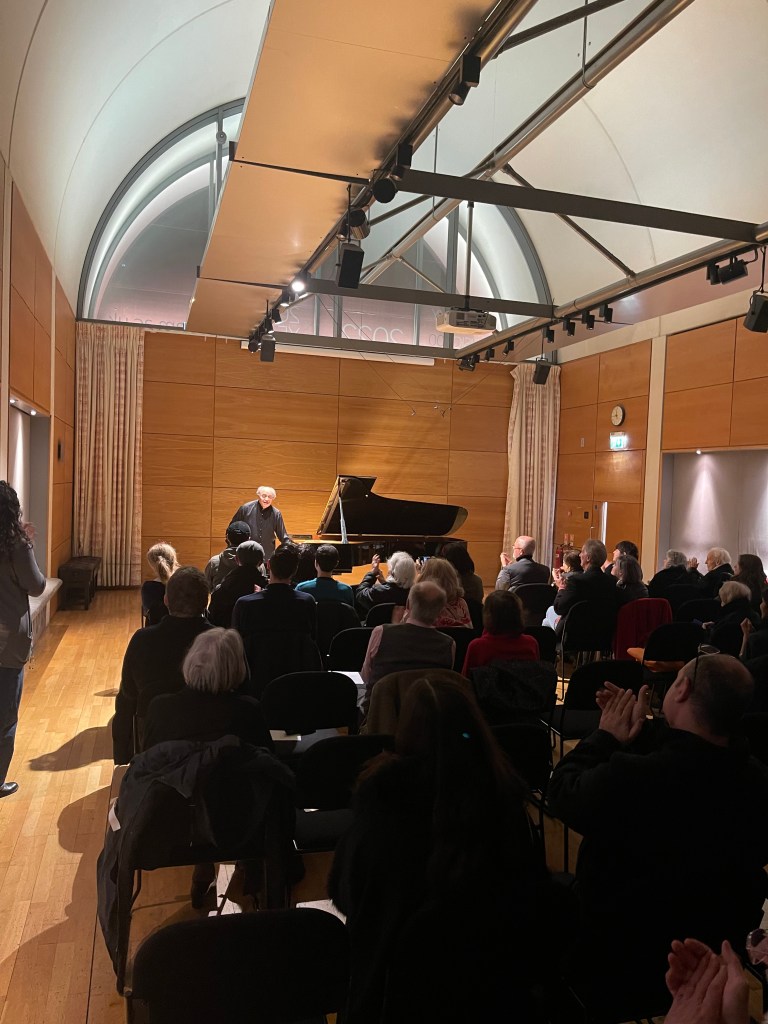
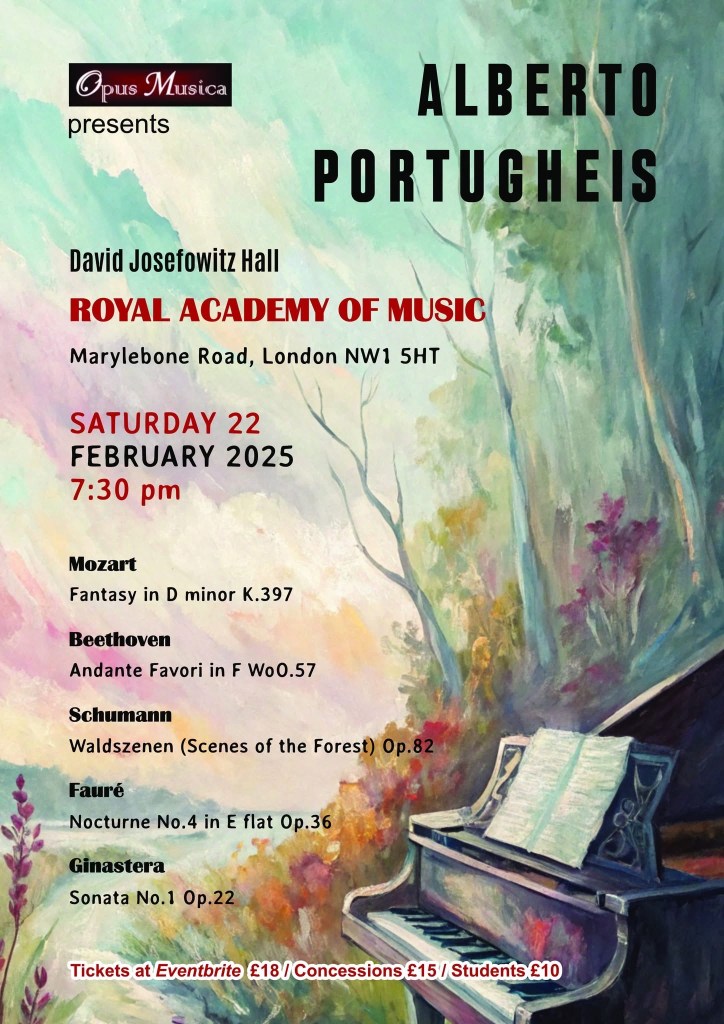
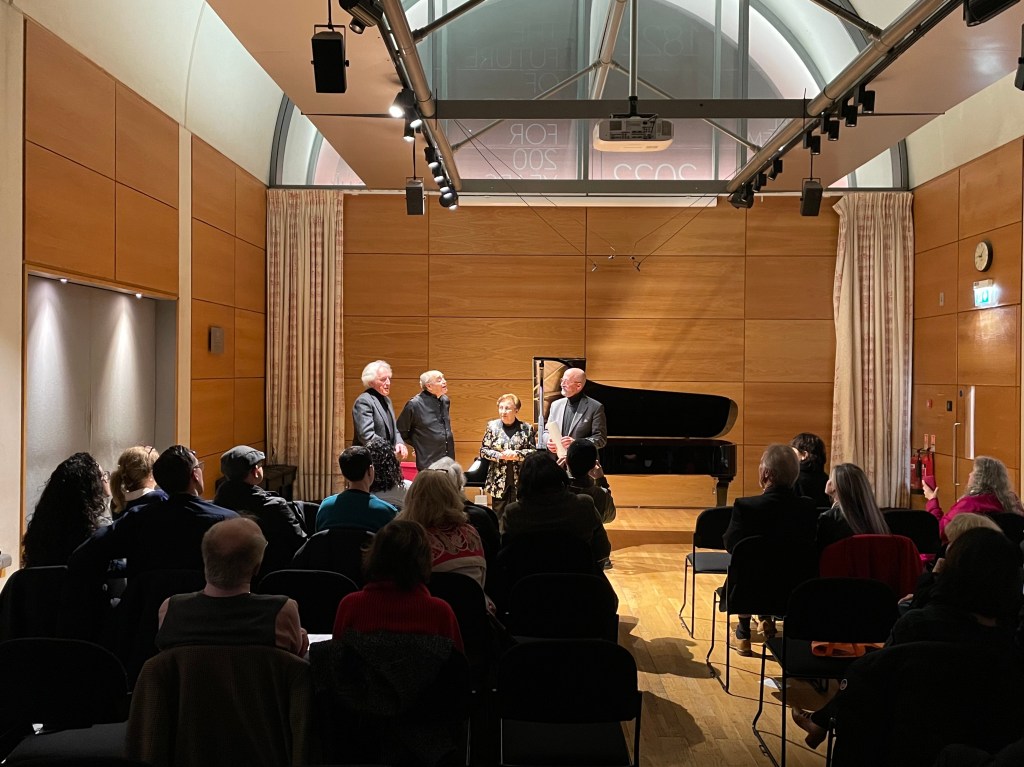
Rarely has the piano been treated to such unabashed emotions as in the hands of 84 year old Alberto Portugheis in his annual recital at the Royal Academy of Music.
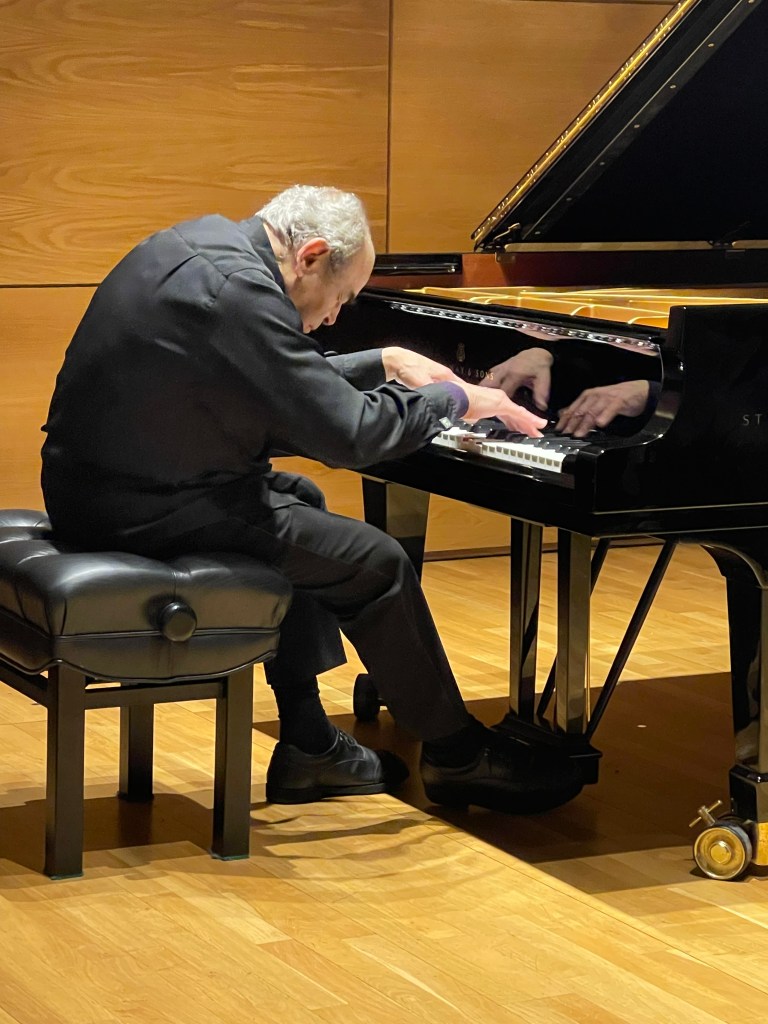
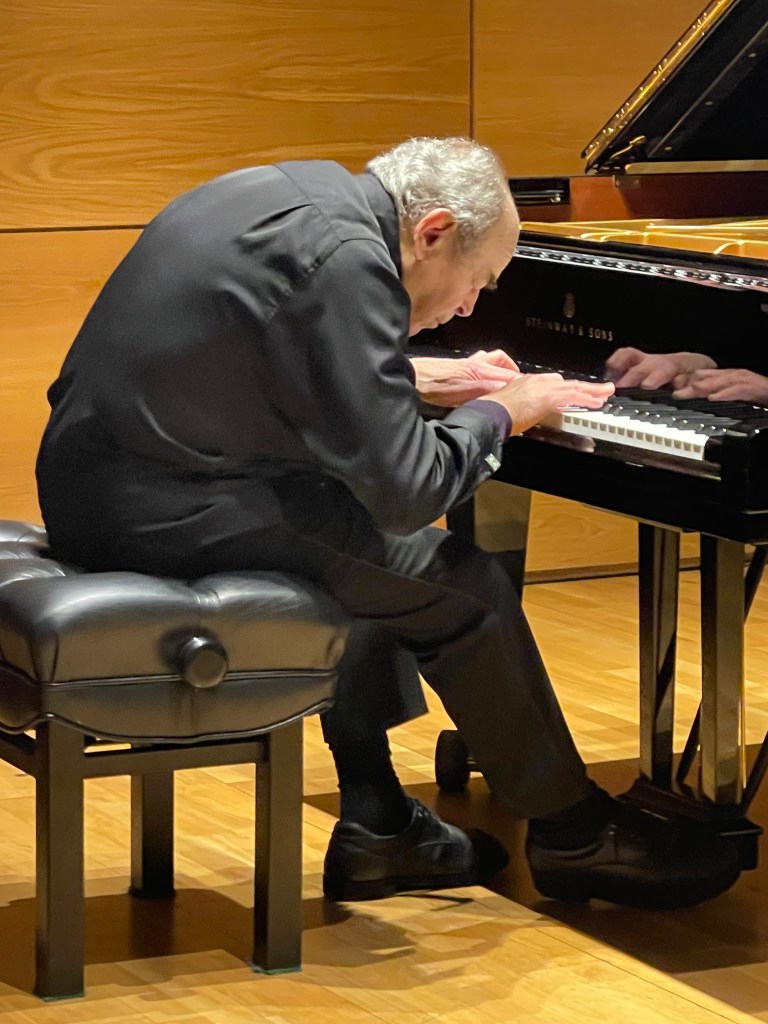
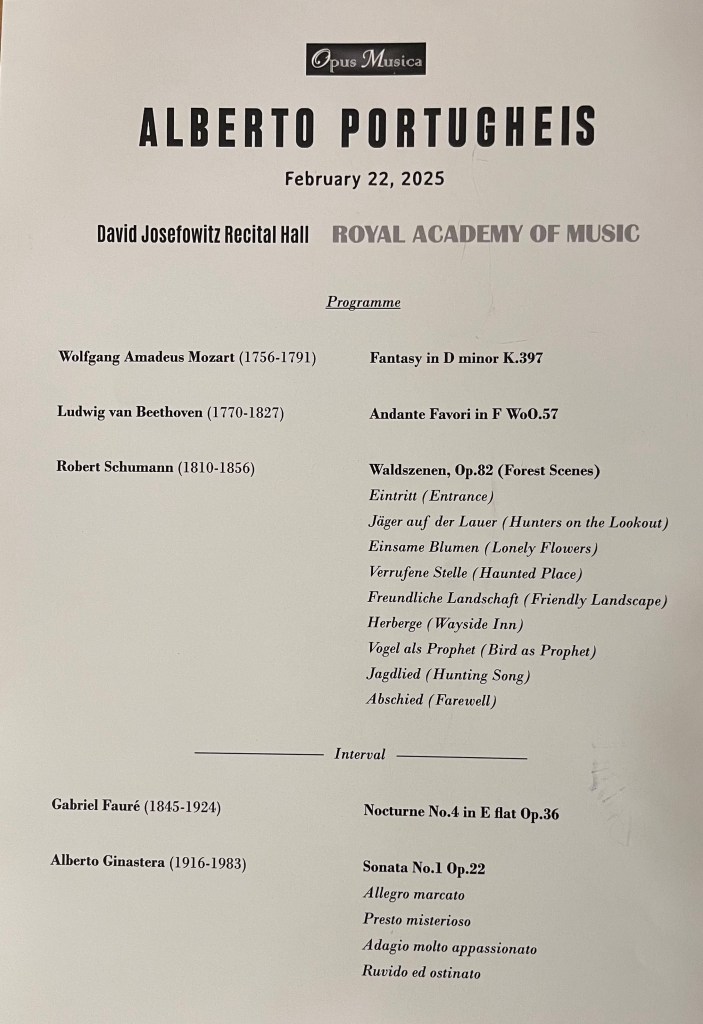
The Mozart D minor Fantasy was truly an operatic experience as one could savour the drama that was being enacted by Alberto’s ten fingers. A mysterious troubling opening where this intense atmosphere was interrupted by disarming simplicity of innocence. And after such drama only the genius of Mozart could defuse it with the eloquence of its pastoral mellifluous ending.
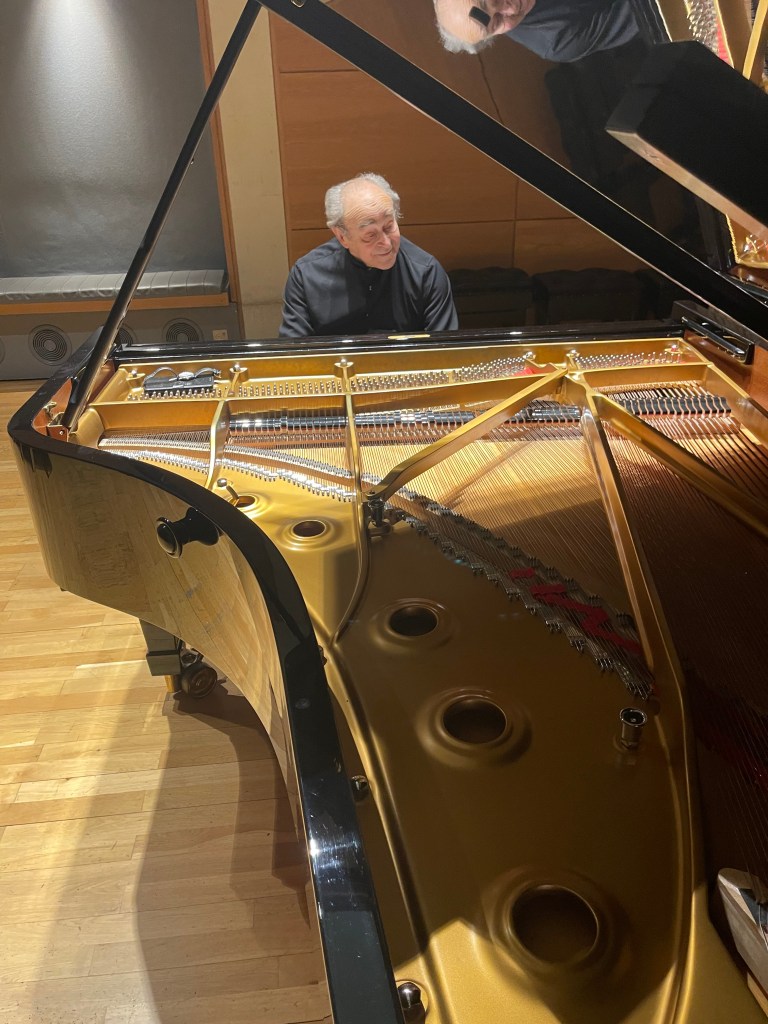
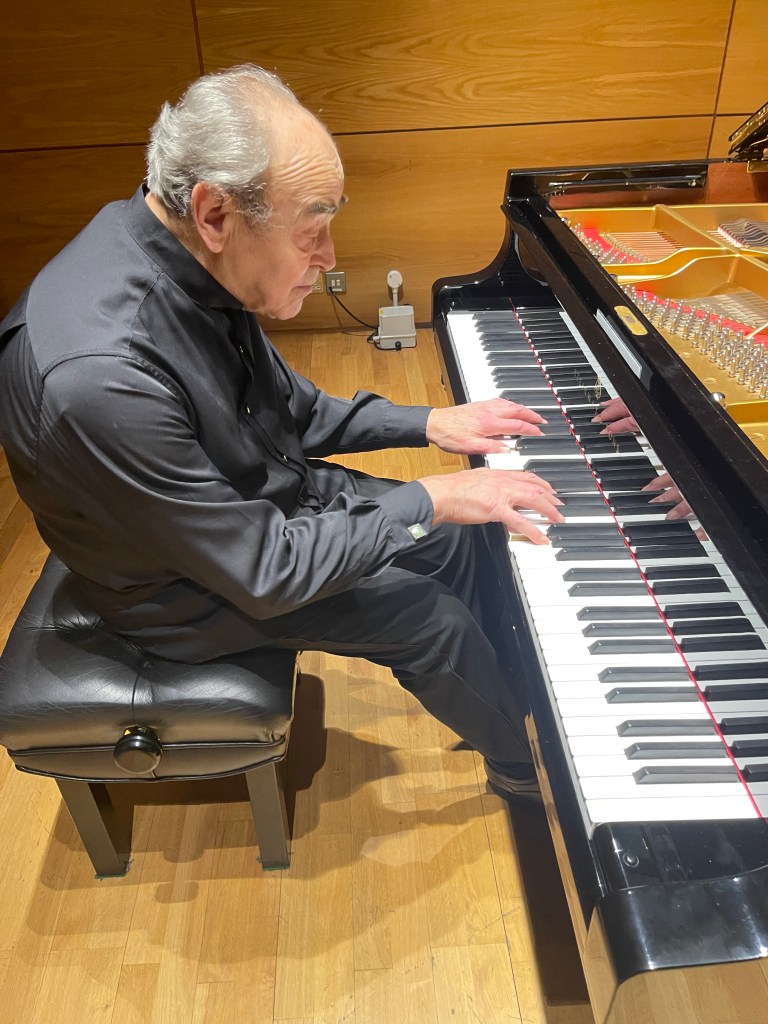
Beethoven’s original slow movement for the ‘Waldstein’ Sonata was the ‘Andante Favorì’, that the composer substituted for a much simpler introduction to the final bell like beauty of the rondó. It is much too an important work which Alberto showed us today and made us understand why Beethoven had realised that his pen had taken him to a work that could only stand on it’s own (as with the poignancy of Mozart’s B minor Adagio). It was played with extraordinary intensity as the opening ‘gasps’ were transformed into a question and answer of dialogue and the extraordinary melodic invention that genius could convey in variations of such varied character. The intensity that Alberto brought to this great work was diffused by the simplicity and haunting beauty of Schumann’s ‘Eintritt’ (Entrance). Played with a feeling of innocence as it is a true Hymn to the exhilaration and joy of being free. Alberto painted each of the nine scenes with vivid characterisation and a weight that reminded me of his childhood friend Martha Argerich. They both spent their early, formative years in Buenos Aires and were given a technical training from Vincenzo Scaramuzza that has seen them through a long and distinguished life in music. It is most noticeable not only for the etched beauty and solidity of their touch but to watch the arch of their hand with wrists kept very low shows us even in their 80’s a mastery that is so natural that age has no relevance.
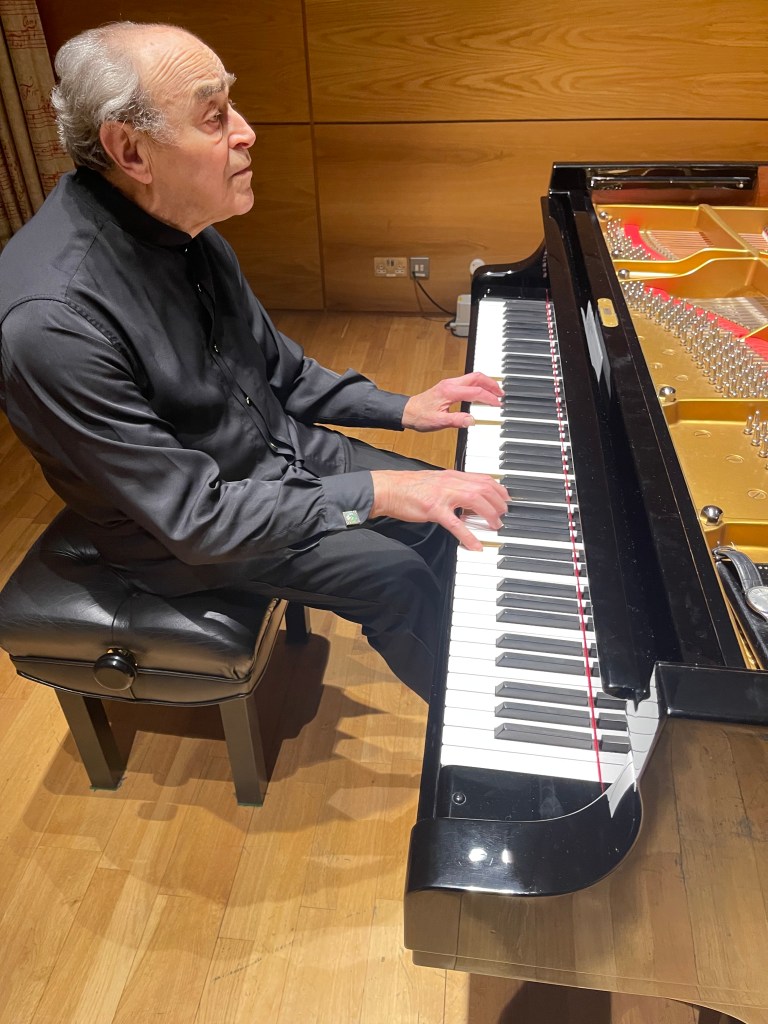
I have heard Martha play the ‘Fantasiestücke’ but never the ‘Waldscenen’ which her friend and colleague beguiled us with today. I imagine that she would have approved of her friend’s performance as Alberto brought his vivid sense of characterisation to each of the scenes that Schumann’s imagination could describe in his Indian summer return to the piano.
There is an element of nostalgia and a feeling of looking back with reminiscences of the youthful impact the beauty and magic of the forest could hold. It was this that shone through Alberto’s performance today. From the whimsical sense of improvisation ‘Jäger auf der Lauer’ (Hunters on the Lookout) with its cheeky ending finishing in a puff of smoke. A beautifully etched ‘Einsame Blumen’ (Lonely Flowers) , where the loneliness of these few lost blooms were depicted with a knowing weight of a lifetime at the keyboard. Projection and communication were one of the most significant features of Alberto’s playing. Not afraid of his emotions as he delved deep into each of these picture postcards to show us the very essence of the music. There was a luminosity to ‘Verrufene Stelle’ (Haunted Place) suddenly bathed in a mist of pedal with Schumann’s dotted rhythms describing the fear and secrets that the forest can hold. A continual forward movement to ‘Freudliche Landschaft’ (Friendly Landscape) where a ray of light suddenly illuminated the keyboard and the nobility that he found on the discovery of ‘Herberge’ (Wayside Inn). There was a tone of melancholy too, but a surprise afterthought brought a smile to Alberto’s vivid enjoyment of this outing in the forest! ‘Vogel also Prophet’ (Bird as Prophet) had a glowing luminosity as this feathered friend flitted from branch to branch with a knowing glance over its shoulder. It could foresee the gloriously warming hymn that was in the distance advancing with Brahmsian richness. A capriciously improvised ‘Jagdlied’ (Hunting Song) lead to the nostalgic beauty of the ‘Abschied’ (Farewell) which Alberto played with deeply felt intensity.
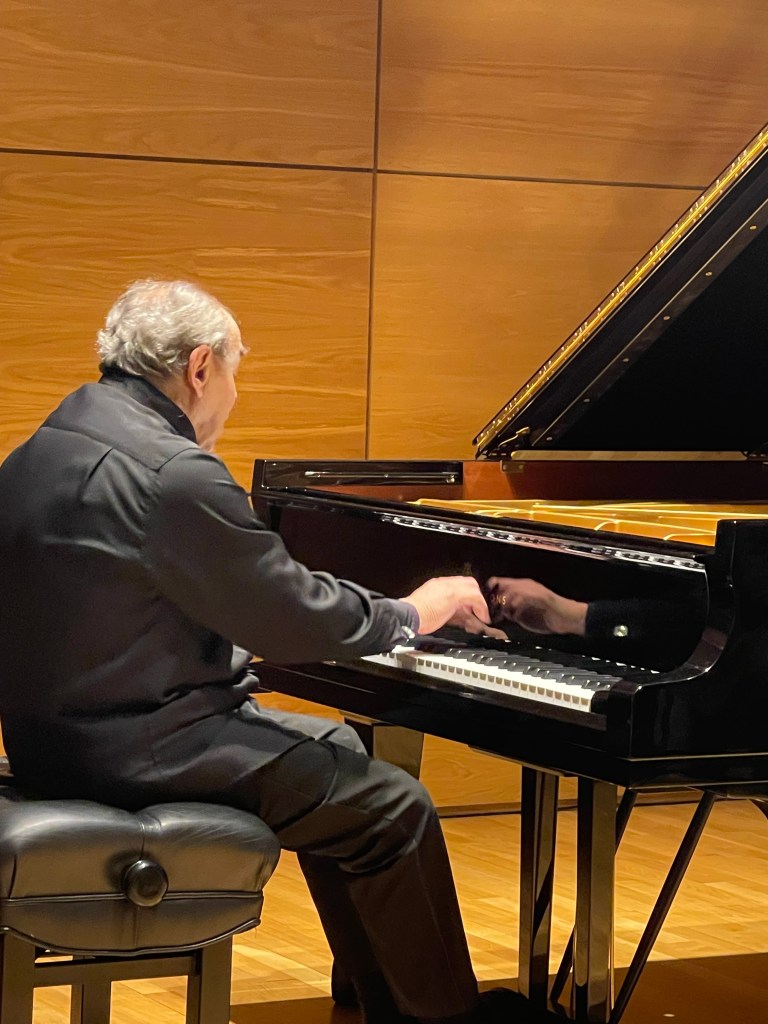
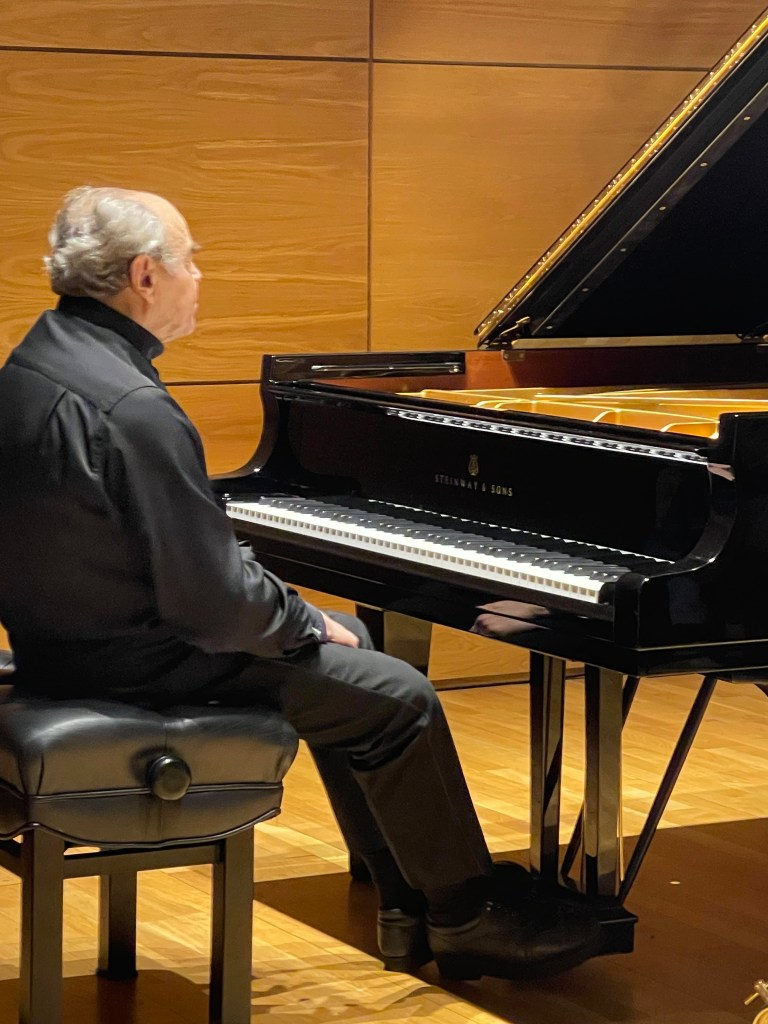
The Fauré nocturne in E flat was played with the aristocratic beauty that Perlemuter used to describe. A composer in whose house he lived and would be the first to try out his compositions when the ink was still wet on the page. Sentiment without sentimentality and scrupulous attention to the composers indications. Alberto has that same rich sound of true weight that Perlemuter had inherited from his teachers Moszkowski and Cortot. It is a weight of fingers that never leave the keys but suck the vital juice from each sound never striking the key from above. Perlemuter’s fingerings were legendary and an example of how he would change fingers while holding the note so as to reposition the hand to the shape of the music. A timeless beauty as Alberto created a miniature tone poem from Fauré’s rich expressive imagination.
The Ginastera Sonata was given a performance of a pianist who had known and worked with the composer. A testament for future generations where above all the intensity and deeply felt emotion that he brought to the ‘Adagio’ was vividly portrayed also on Alberto’s face. An explosion of Latin temperament and quite considerable technical demands brought Alberto’s recital to its climax.
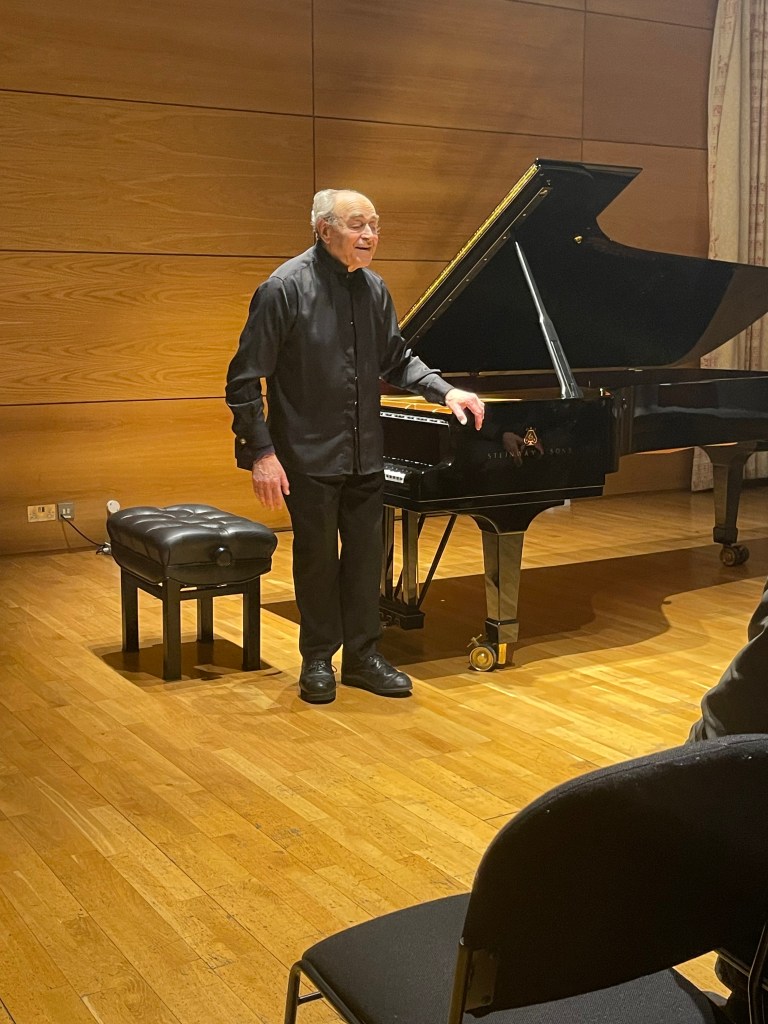
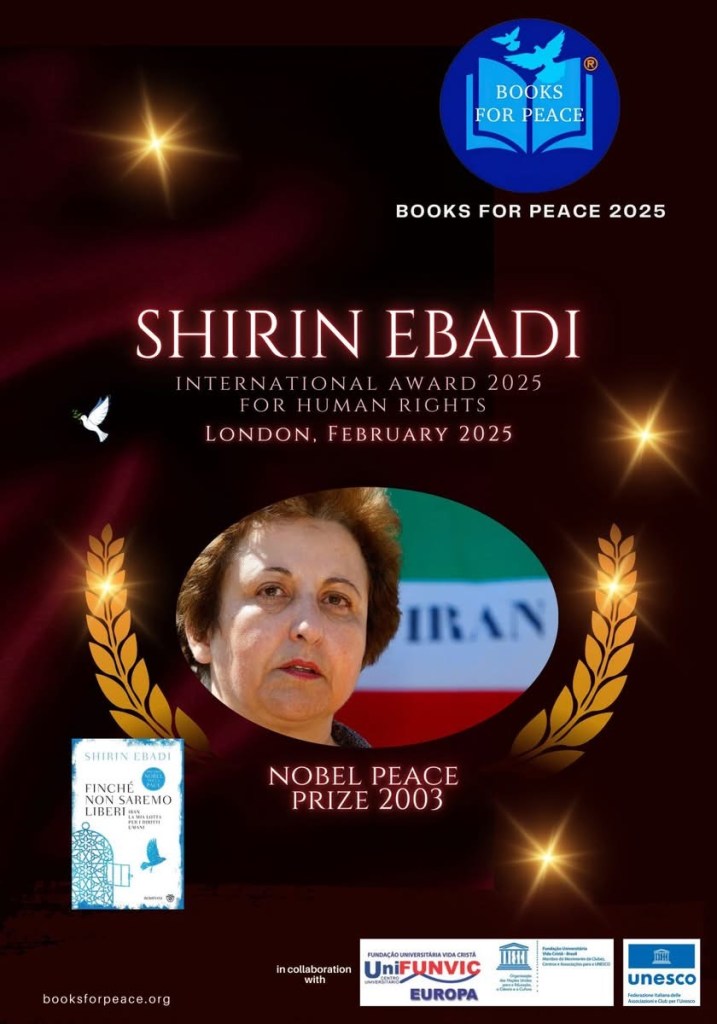
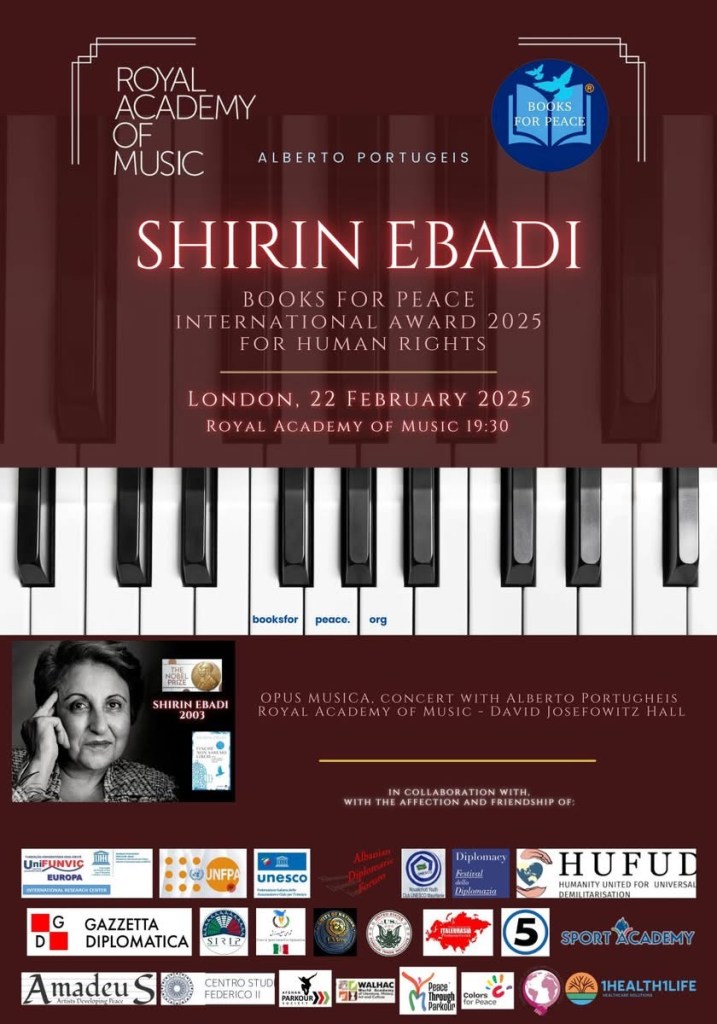
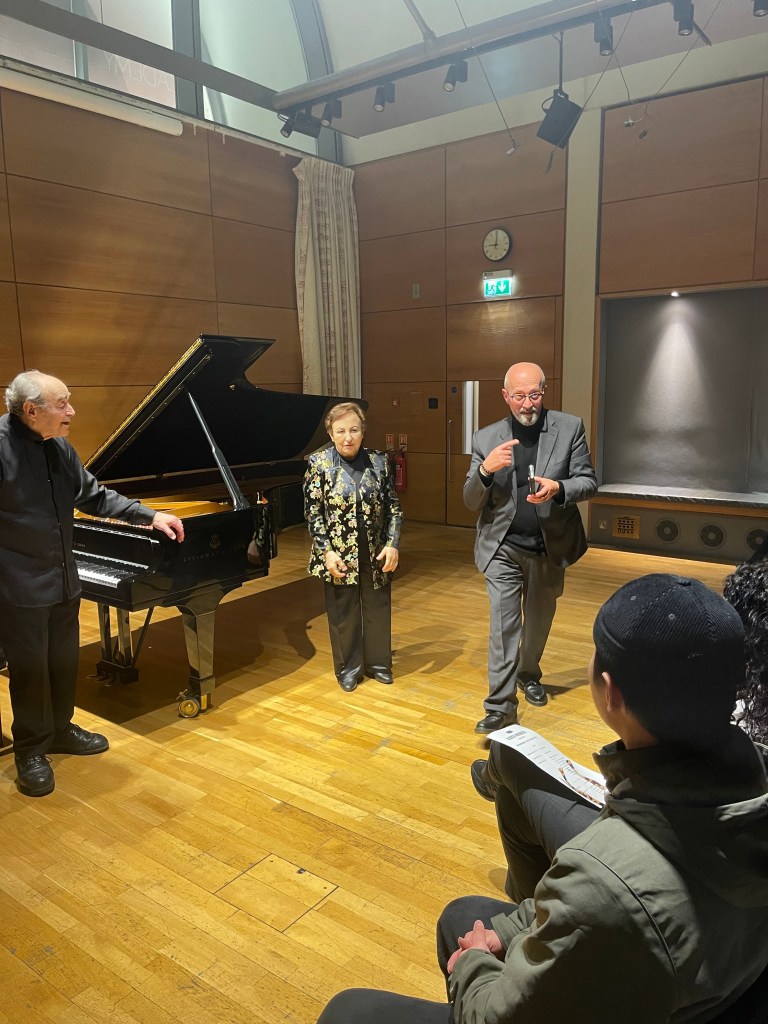
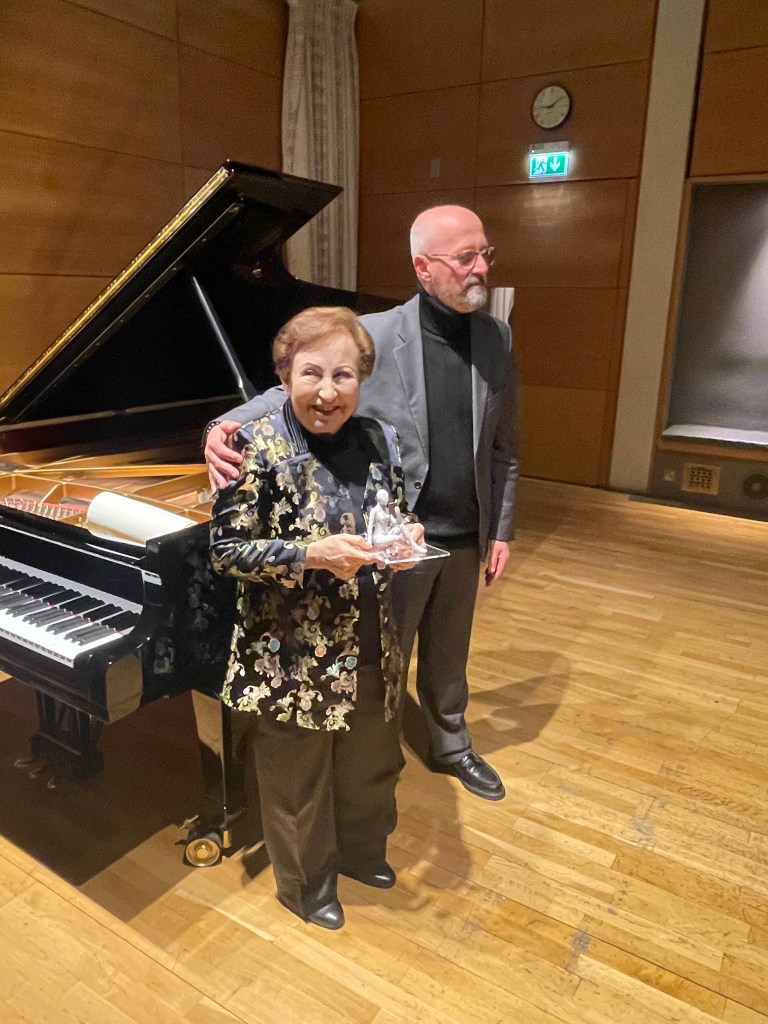
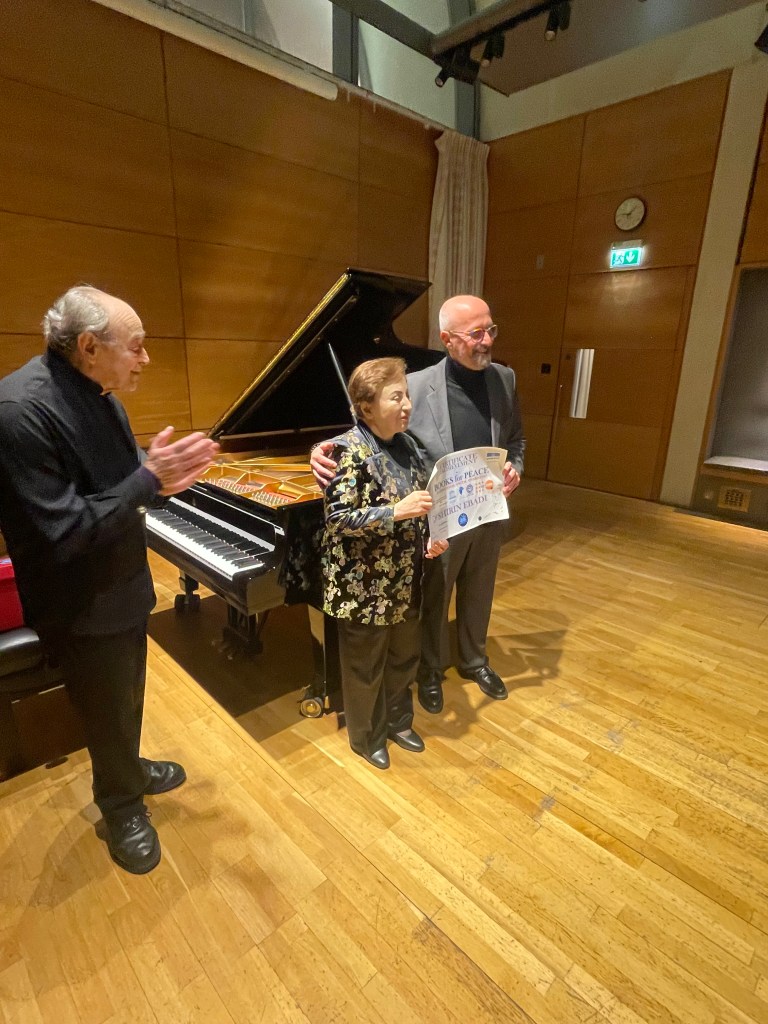
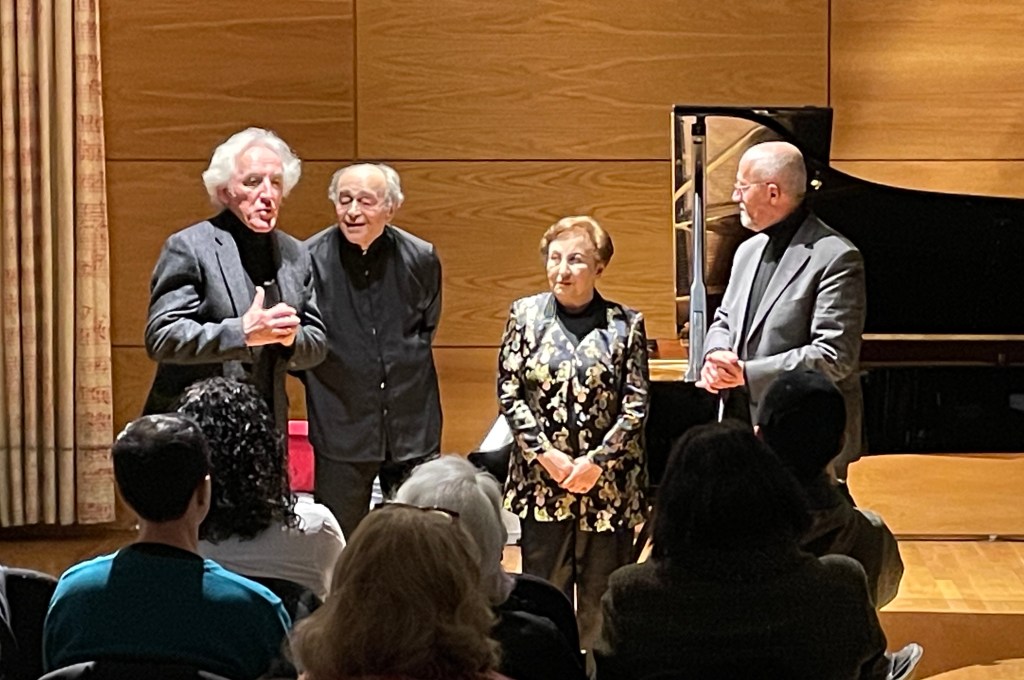
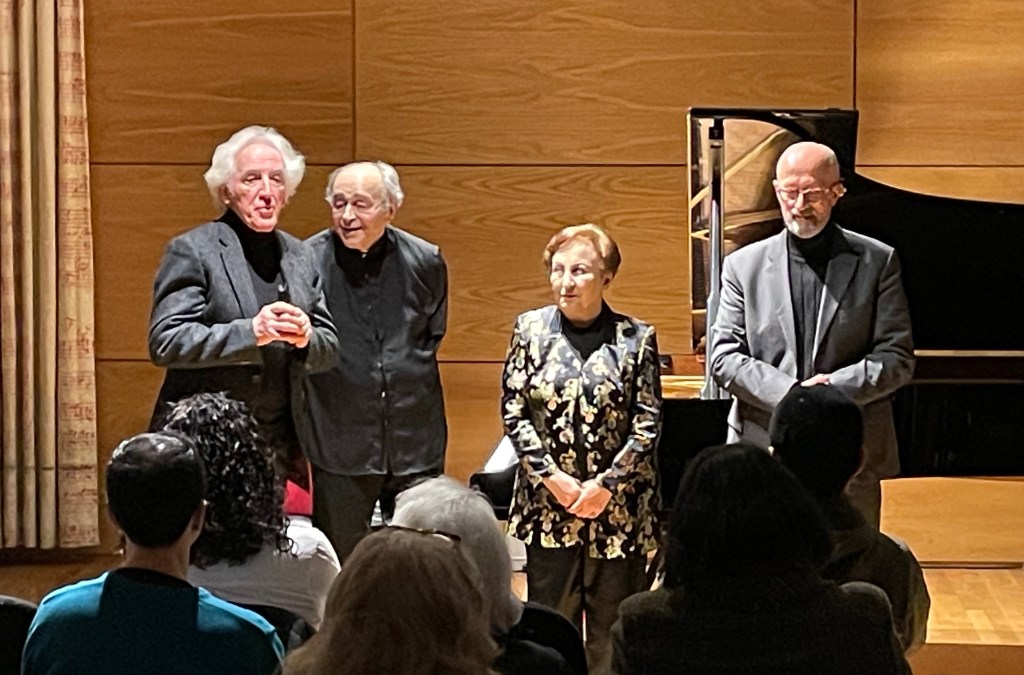
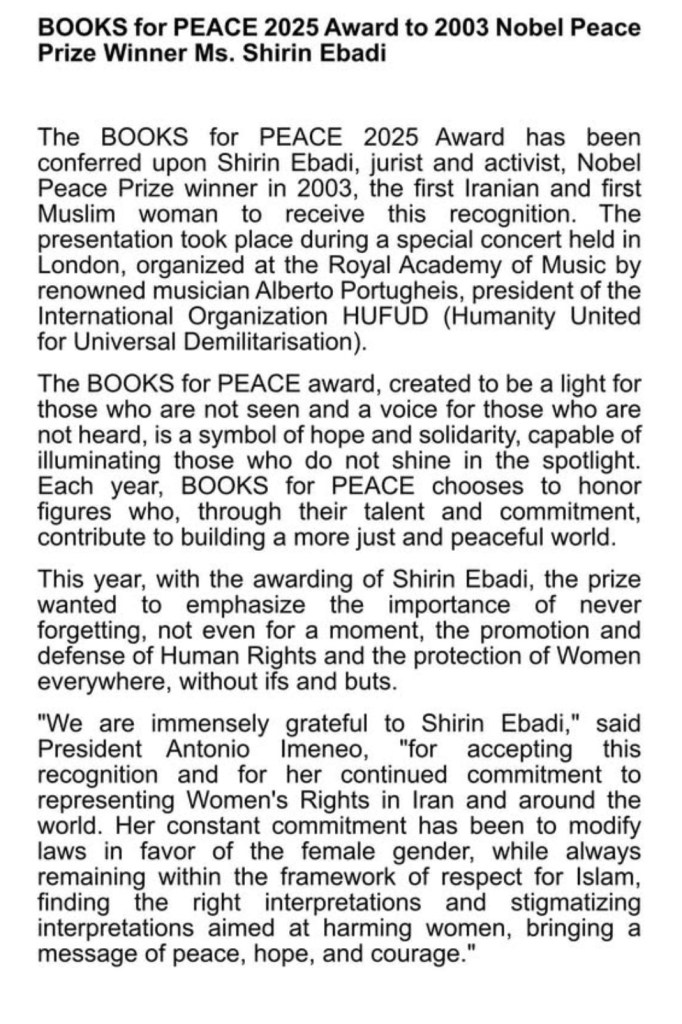
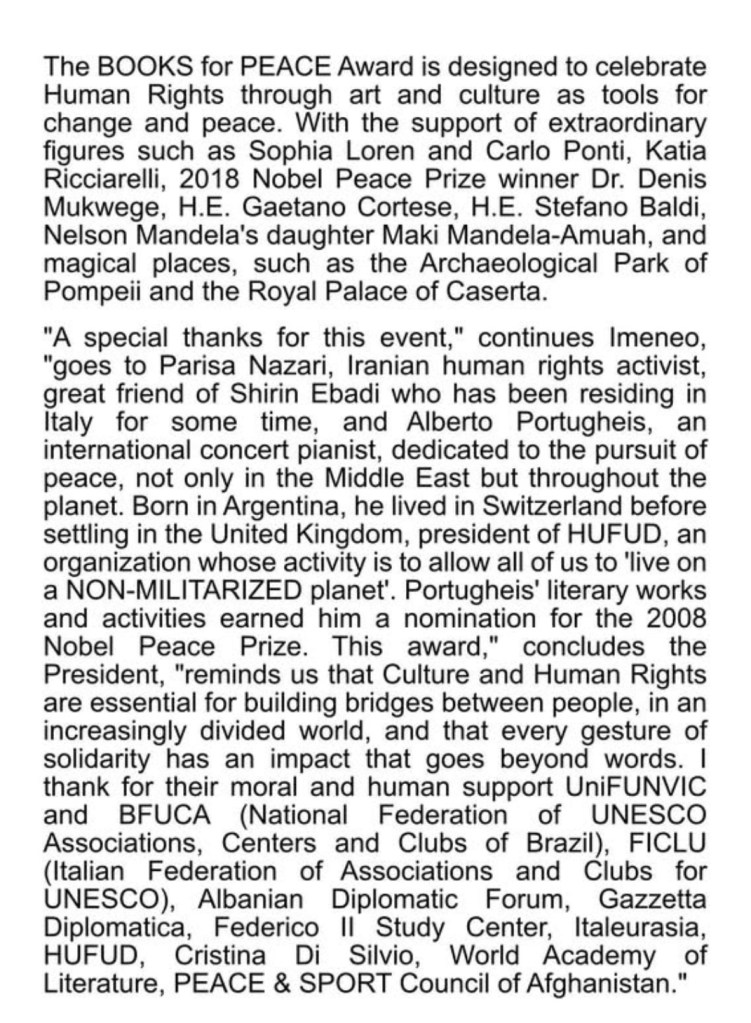
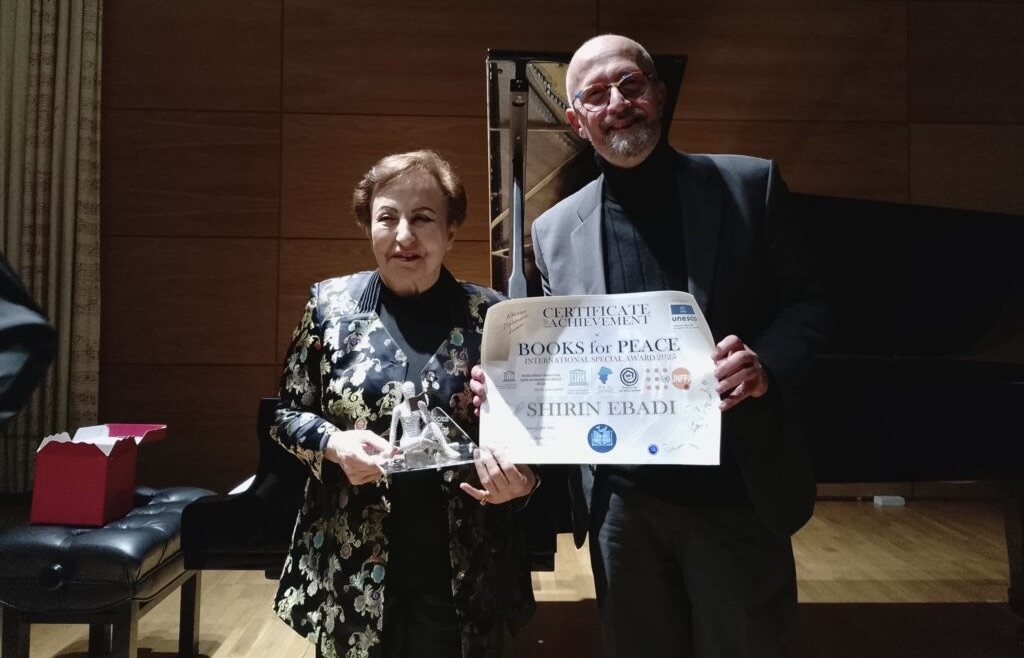
Chopin ‘s shortest Prelude was a peaceful introduction to the Nobel Peace Prize winner Dr Shirin Ebadi who had come to the Royal Academy not only to enjoy Alberto’s concert but also to receive from Professor Antonio Imeneo’s hands the ‘Books for Peace Prize’ for her heroic, tireless work for women’s rights.
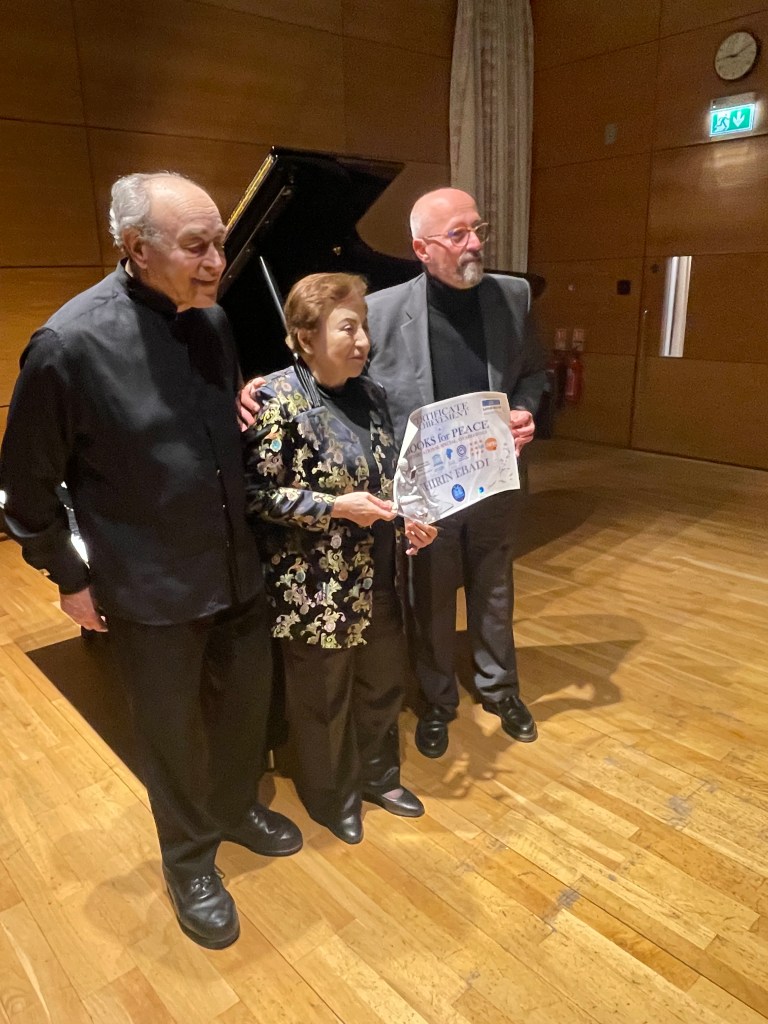
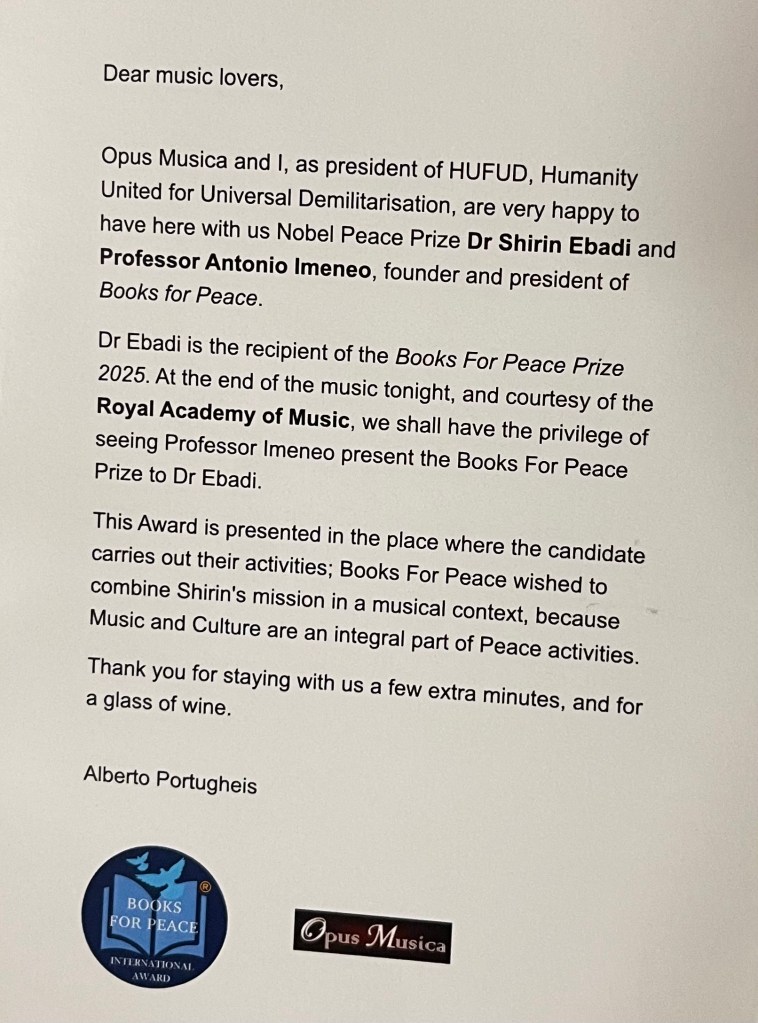
Alberto as president of HUFUD – Humanity United for Universal Demilitarisation – was very honoured to share the platform with such a distinguished guest, who was awarded the Nobel Peace Prize for her pioneering efforts for democracy and women’s, children’s and refugee rights. She was the first Muslim woman and the first Iranian to receive the award and has lived in exile in London since 2009 https://en.wikipedia.org/wiki/Shirin_Ebadi
 ChristopherAxworthy-MusicCommentary