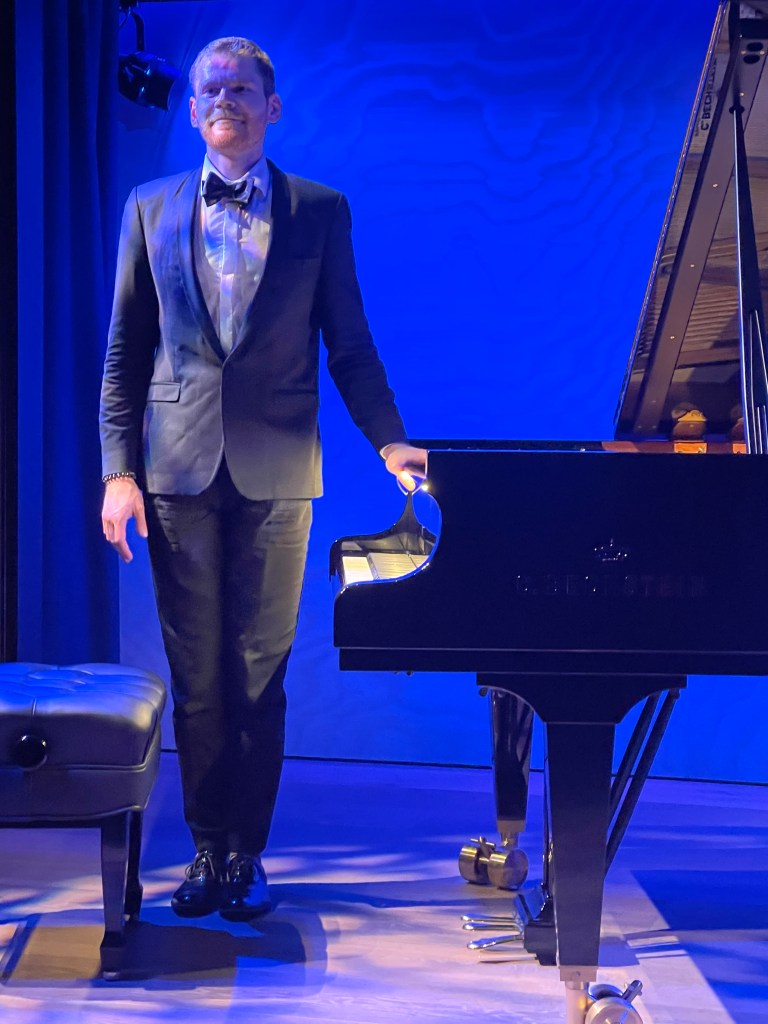
Since winning the prestigious Sydney International Piano Competition Andrey has performed on some of the most prestigious stages in the world, including the Musikverein,Vienna, Konzerthaus, Berlin, Carnegie Hall,New York and the Grand Hall of the Moscow State Conservatory.
BBC Music Magazine Awards chose Andrey as the winner of the Instrumental category for his Shostakovich recording for Hyperion Records.
‘extraordinarily versatile and agile technique, which serves an often inspired musical imagination’ – Gramophone
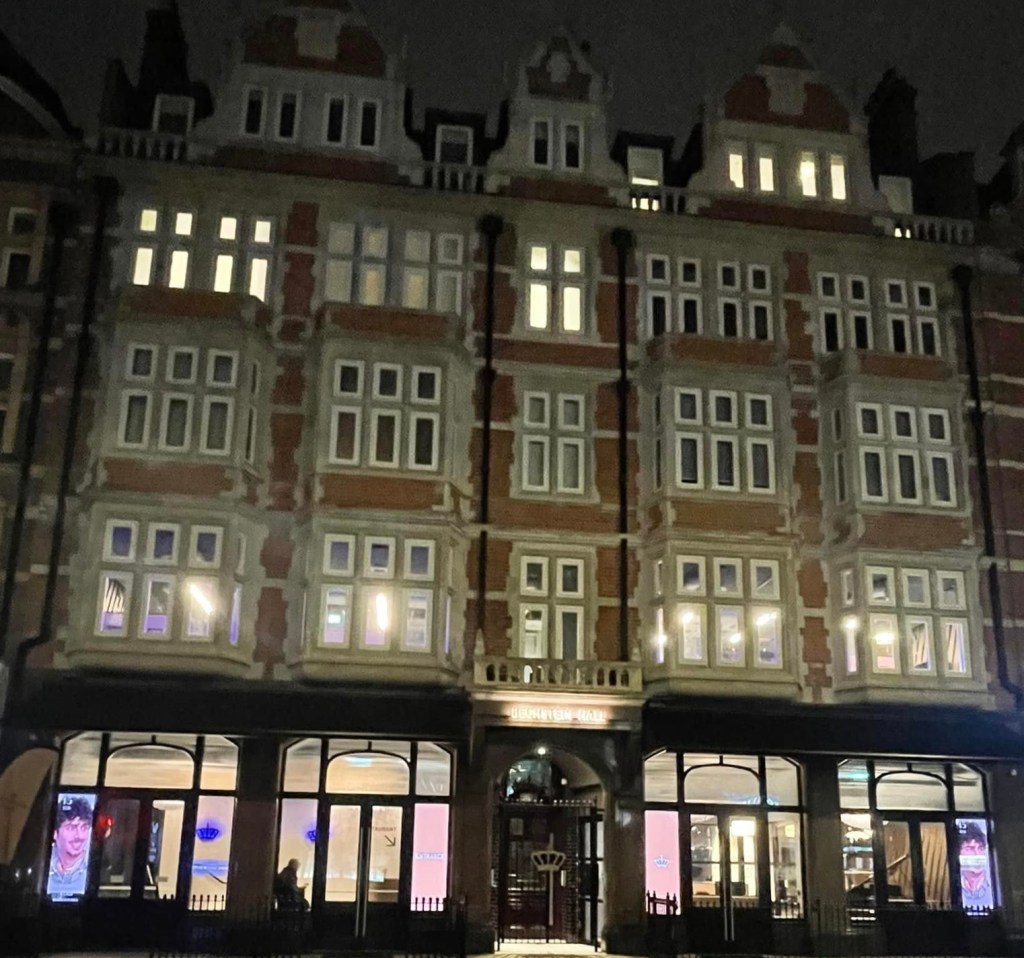
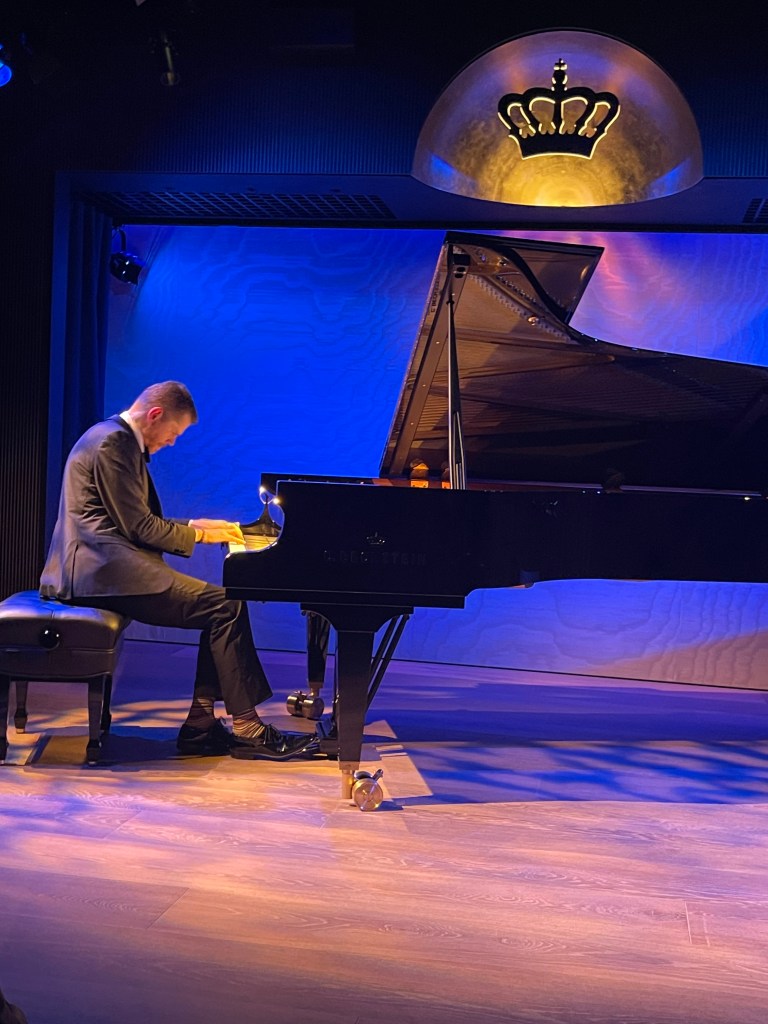
Andrey Gugnin at Bechstein Hall with 48 Chopin Studies !
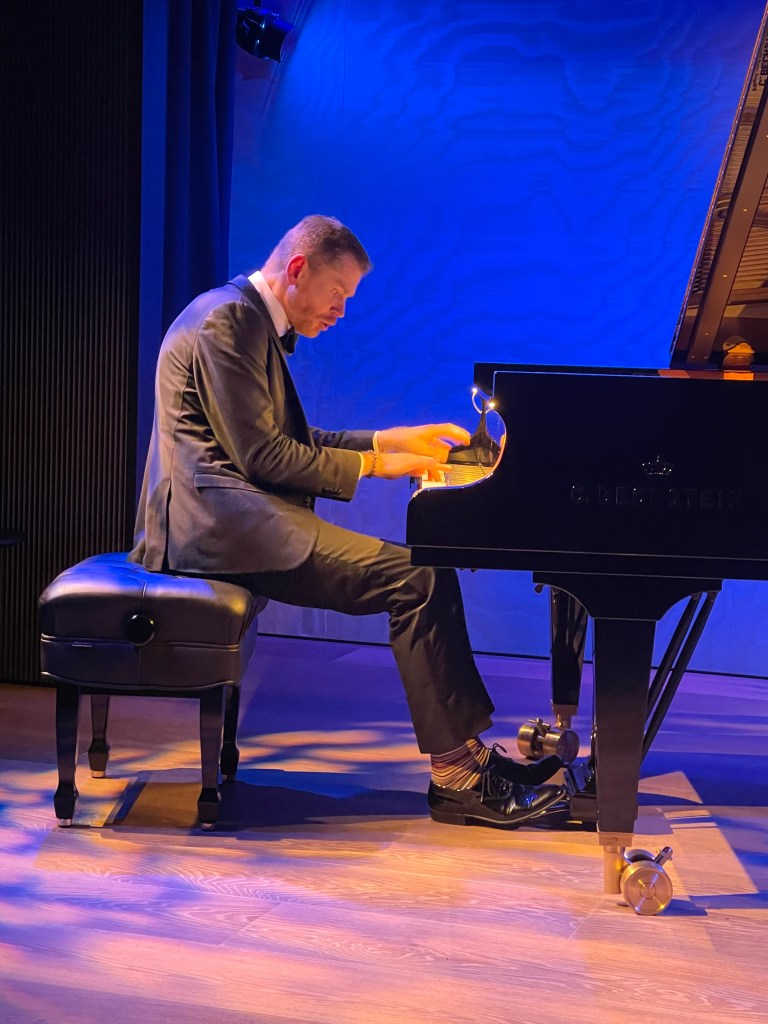
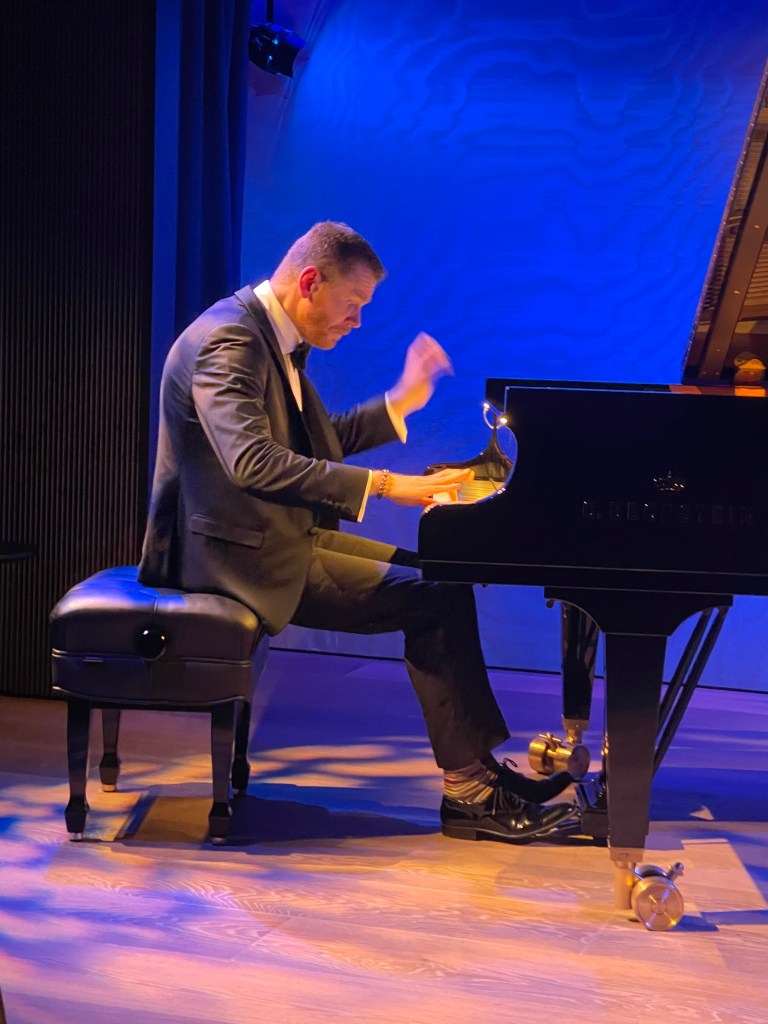
Mastery of a stylist shaping each of the complete studies op 10 and op 25 with loving care and sensitivity where technical hurdles disappeared in a cloud of poetic beauty. Two performances back to back to content the demand in the beautiful intimacy of the New Bechstein Hall. It was nice to see Tasmin Little in the audience and imagine her musical partner Piers Lane the artistic director of the Sydney International Piano Competition ,which Gugnin won ,must be on the other side of the world.
These were masterly performances more in the style of De Pachmann,Novaes,Freire ( dare I mention also Horowitz as a unique supreme stylist ) than Cortot ,Perahia or Perlemuter ( dare I mention Arrau as the unique interpreter of the composers written intentions).
A feat of transcendental piano playing and concentration that he could perform both sets of studies in the same evening with barely a break between the two performances. He also played the two sets without a break. There was absolute clarity and character that he gave to the ‘Revolutionary Study’ op 10 n. 12, played very simply and passionately with the searing intensity of the swirls of notes in the left hand on which Chopin places one of his noblest most heroic outpourings of nationalistic fervour ( similar to his Polonaise Héroique op 53 where the cavalry almost out number the military band!).
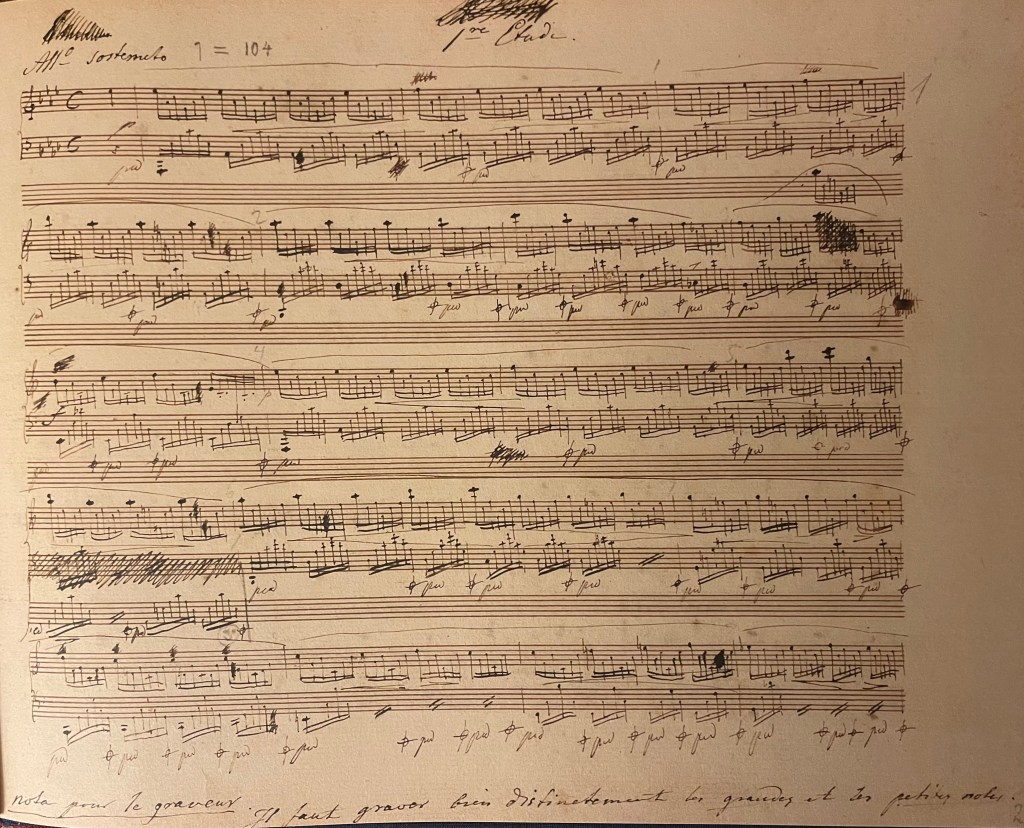
After such a clear and highly characterised performance it was a surprise and even a revelation to hear the gentle almost improvised opening of Chopin’s ‘Aeolian’ Harp op 25 n. 1 gently trying to find its way in a magic mist until the beautiful bel canto that Chopin floats so magically on a wave of changing harmonies took wing and became ever more fervent and passionately involved.These were the improvised inventions of a supreme stylist .A freedom that may not always succeed but when it does it can create imaginary visions of searing beauty. The study op 25 n.2 that followed was played very simply with a stream of jeux perlé sounds that rose and fell with poetic beauty. It was this study that Artur Rubinstein had surprised us with at his very last concert appearance to save the Wigmore Hall ( ex Bechstein Hall -sic) from demolition. Being partially blind he could no longer negotiate his famous B flat minor Scherzo so he stopped and in all honesty said he could not manage the skips but nevertheless proceeded to seduce us with Chopin studies some of which we had never heard him play before in a career that spanned over 70 years. Gugnin played it with the same simplicity and velvet clarity of great fluidity and beauty. Not the fluidity of Geza Anda but a richer more warm sound of reassuring comfort.
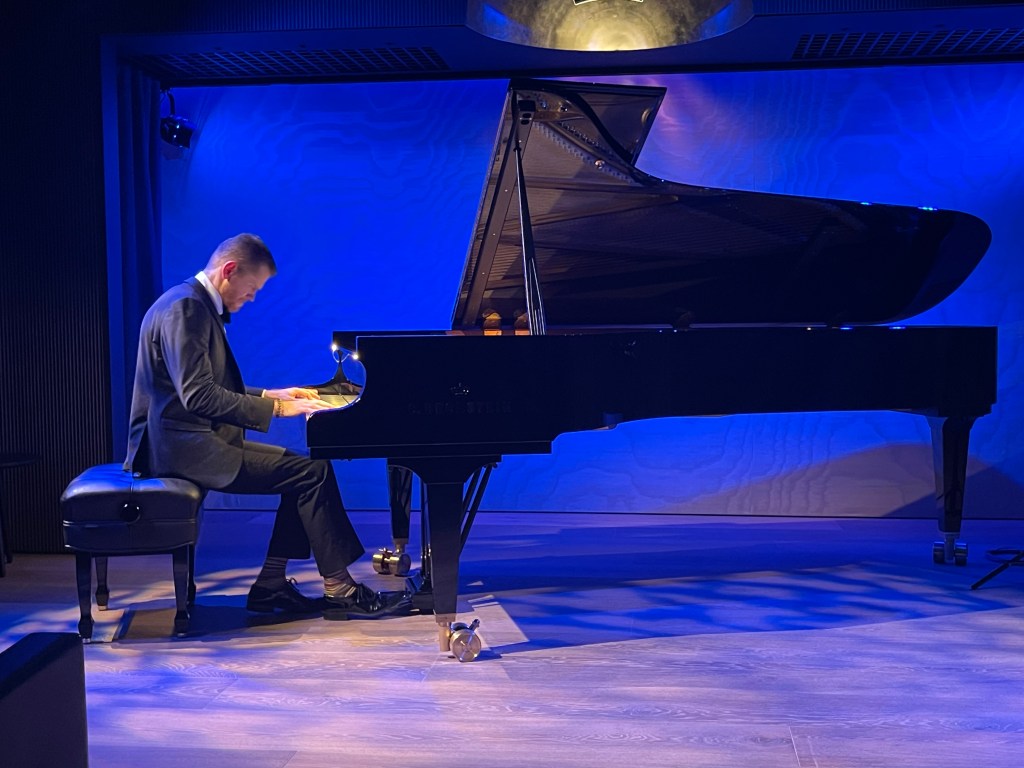
In fact for all the technical wonders that Gugnin demonstrated and shared with us tonight it was the two slow studies from op 10 that will remain with me for a long time. ‘How sweet is my heart’ indeed comes to mind when one hears op 10 n. 3 played with such subtle timeless beauty. Even the second subject was played unusually delicately almost whispered and the alternation between melody and its growing radiance was played with a poetic understanding that rarely I have been aware of. It may be a study but this only underlines Schumann’s words to describe Mazurkas as ‘canons covered in flowers, which could be applied to so many magical moments in Chopin’s works. The same magic web he was to spin in the E flat minor study op 10 n. 6. A breathtaking bel canto that was allowed to breathe with a timeless wonder that I have only been aware of before in Cherkassky’s wondrous performance of Godowsky’s reimagining for the left hand alone.
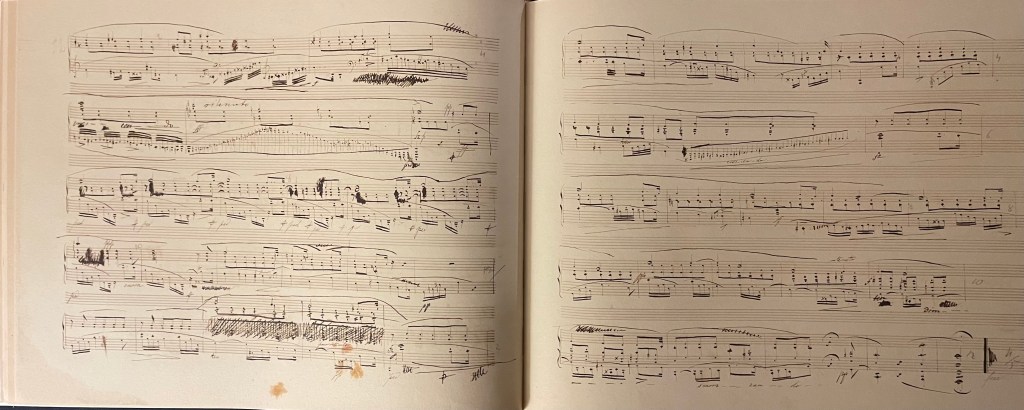
Of course 25 n. 7 was a tone poem of searing intensity and beauty with an architectural line that was like a Gothic Cathedral full of wondrous visions of poignant intense beauty. The studies op 10 n 4 and the ‘Black Key’ study n. 5 ( that Myra Hess used to play with two carrots and an orange which is hard to imagine from the rather matronly appearance of a dedicated musician who also had a sense of humour) and it was exactly the sense of humour and charm that Gugnin brought to this study. A jeux perlé mastery that needed no help from vegetables as his extraordinary fingers could weave a web with the same charm that De Pachmann enchanted generations with. Gugnin did not need to resort to telling the audience how he was doing as we listened with baited breath and could hear and appreciate his mastery for ourselves!
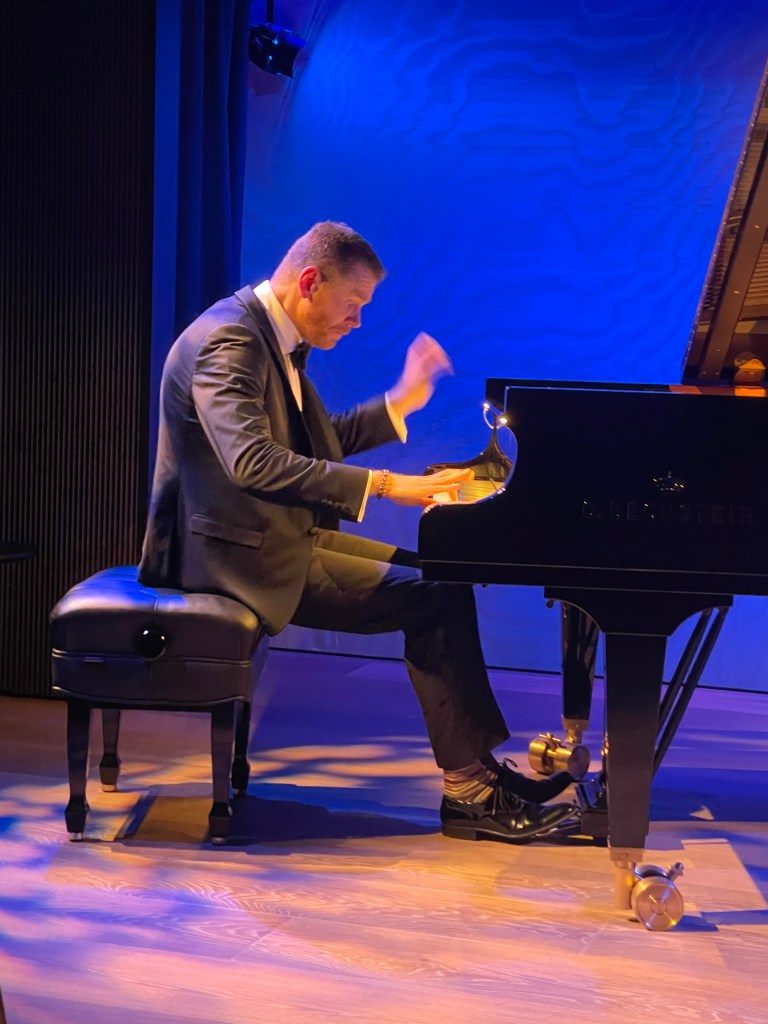
Op 10 n. 4 that Rubinstein often used to play and that he did play on that last occasion too.He would rise up in his seat at the end with the breathtaking effect that Chopin indicates ‘con più fuoco possible’- red rag to a bull for Rubinstein but that Gugnin preferred to play with a crystal clear cleanliness of enviable precision but more of a digital perfection than a blaze of military victory! Op 10 n. 2, the chromatic scale study, showed a technical mastery of art that conceals art as the gentle undulating chromatic scales were played with fingers that are not made to do that without encouragement and hours of early training. Gugnin turned it into a bauble of beguiling charm and lilting grace.Not quite that of Smeterlin who used to highlight inner harmonies much to astonishment of us mortals. After contenting the family with a law degree he had secretly studied with that pianist of pianists Leopold Godowsky who remanaged 57 studies based on Chopin’s 27 sometimes combining two studies together under the title of ‘Badinage’. Gugnin too played the sailing wave of notes of op 10 n. 8 with the same easy grace and drive as Horowitz throwing the ending off with the nonchalant ease of a circus entertainer milking his audience with irresistible charm preferring to finish pianissimo instead of Chopin’s (more prosaic?!) fortissimo. Op 10 n. 9 Gugnin like Rubinstein played as a mysterious tone poem with the magical questioning and whispering answer given all the time necessary to speak with haunting appeal. The ending ( similar to Rachmaninov’s famous Prelude in G sharp minor) was played very slowly and gently creating an ending of whispered magic. Chopin does after all write leggierissimo and smorzando. This was where the stylist Gugnin really convinced, as he was to do later with the central episode of op 25 n.10 the so called ‘Octave’ study. Of course the great passion and drive of octaves held no fear for such a well equipped virtuoso but it was the quiet legato octaves of the central episode that revealed the real poet of the keyboard. A fantasy too as the gentle tiptoed return to the mighty onslaught of octaves was done with a barely audible staccato of great suggestion which was truly memorable even if Chopin had marked it legato!
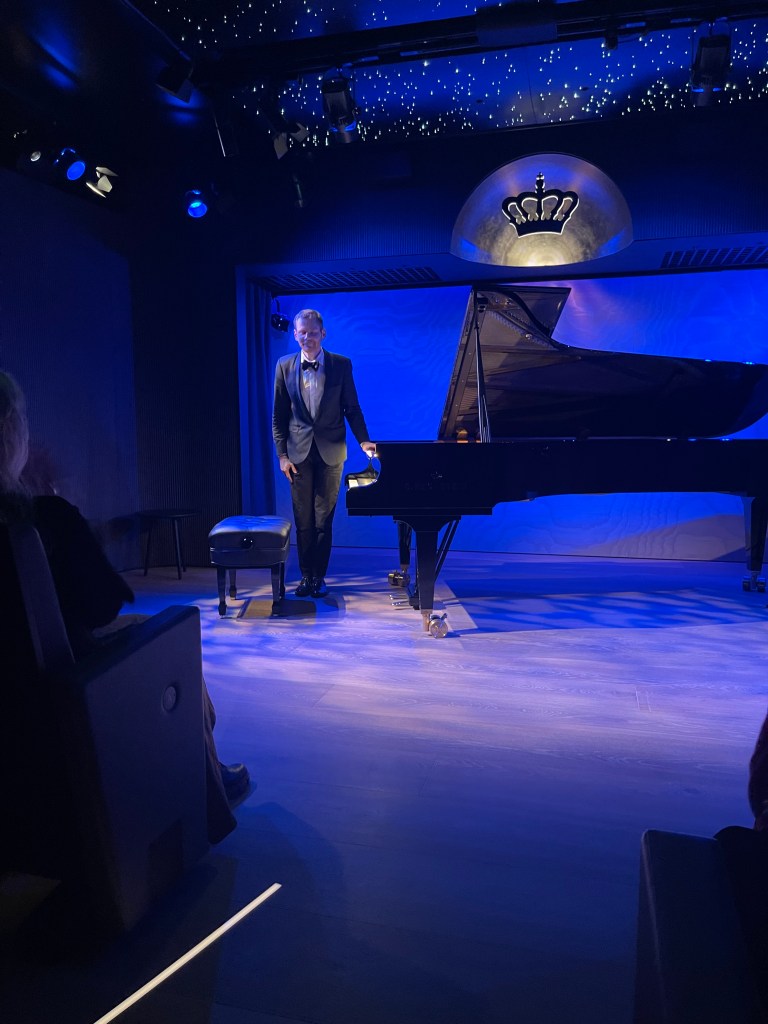
Poetic license can on occasion be inspirational! The barely whispered opening of the ‘Winter Wind’ op 25 n. 11 that followed gave no hint of the cavalry that were about to jump the fence and take over this idyllic opening.Breathtaking playing of nobility and pyrotechnics and a declamation of all the forces together with a final scale that was indeed like the entry of a hurricane onto the scene.
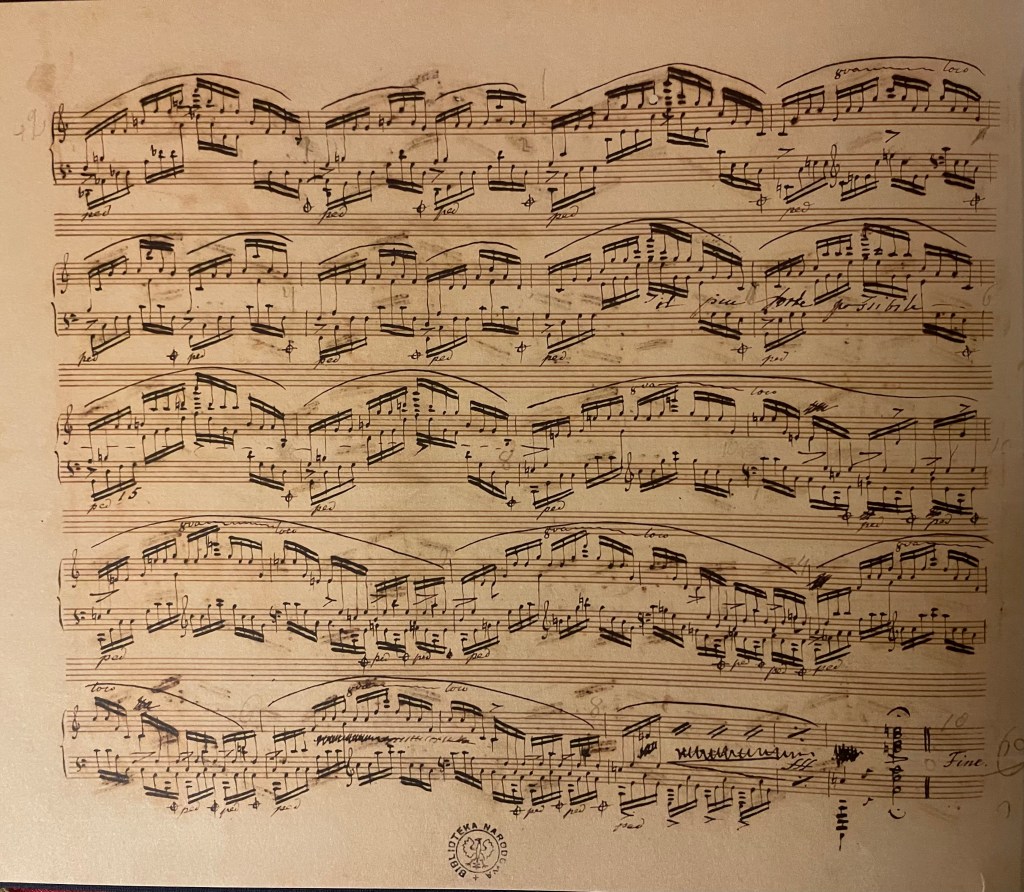
Bursting into the ‘Ocean’ study with dynamic drive and passionate intensity. Not following the usual change of colour or underlining the harmonic changes but preferring to ride out the storm with overwhelming intensity. I must just mention the wonderful song that he was able to spin of alternating sixths and very particular phrasing in op 10 n. 10 that I have only ever heard played with similar legato and staccato mastery from Richter. The arpeggio study just before the ‘Revolutionary’ was played with the same timeless mastery and sense of style as Richter with Gugnin maybe finding even more timeless beauty with the addition of the melodic acciaccaturas. An ending that was thrown off with a timeless charm and grace before the cavalry advanced.
These are just some of the thoughts and memories of a memorable performance of mastery and poetic beauty. Maybe on occasion allowing himself a freedom from the composers very precise instructions but it was done with a poetic integrity of someone who loves the piano deeply. The fact that he could play the two sets consecutively is of course a tour de force of unheard of mastery. I was glad he did not offer an encore after filling this unique space for over two hours with forty-eight jewels of enticing delight and astonishment but above all with radiant beauty and love.
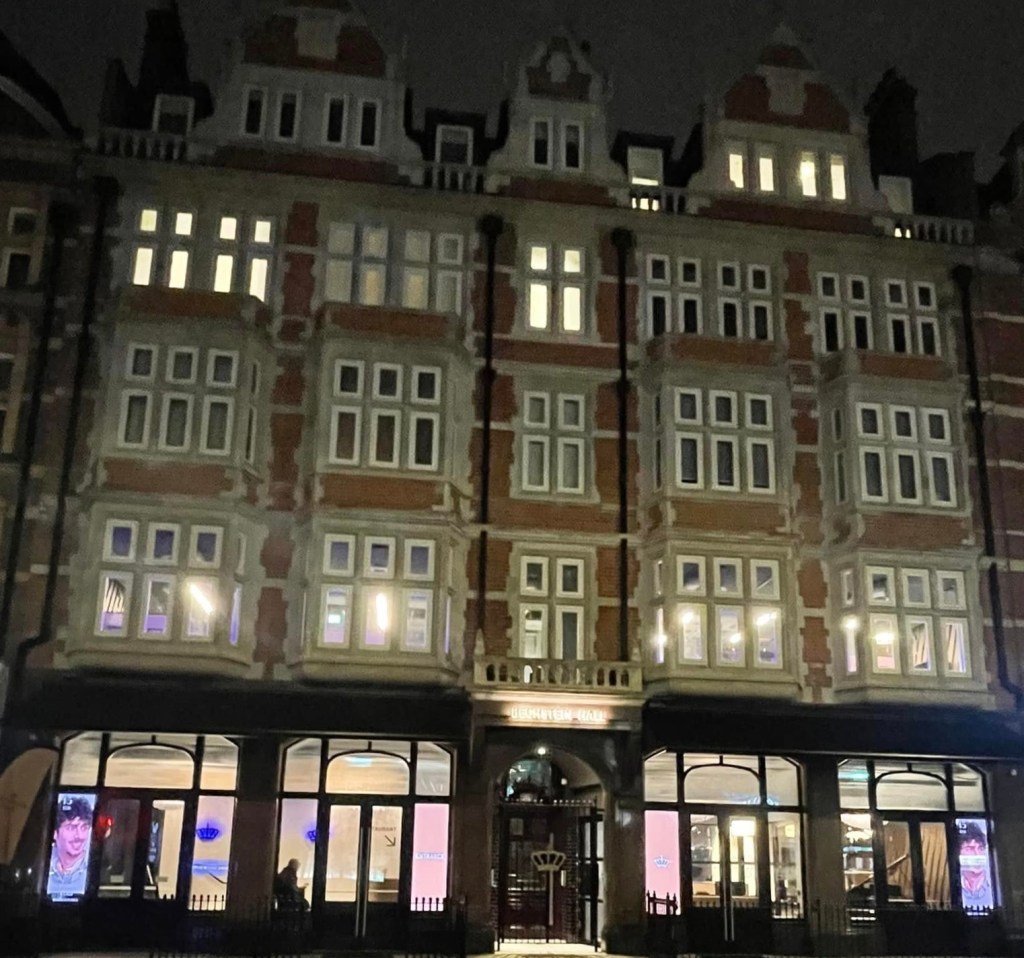
Thomas Masciaga opened the Bechstein Young Artists Series with canons covered in flowers
https://christopheraxworthymusiccommentary.com/2025/02/02/thomas-masciaga-opens-the-bechstein-young-artists-series-with-canons-covered-in-flowers/
Evening concerts starting from 18 pounds and a sumptuous restaurant that is also opening for luncheon.
A beautiful new hall that is just complimenting the magnificence of the Wigmore Hall and the sumptuous salon of Bob Boas.Providing a much need space for the enormous amount of talent that London,the undisputed capital of classical music,must surely try to accommodate
Next week’s roast will be Nikita Lukinov (13.45). Nikita Lukinov at the National Liberal Club ‘A supreme stylist astonishes and seduces’
https://christopheraxworthymusiccommentary.com/2023/11/07/nikita-lukinov-at-the-national-liberal-club-a-supreme-stylist-astonishes-and-seduces/
With hors d’oeuvres Jeremy Chan ( 10.30). Jeremy Chan at Steinway Hall for the Keyboard Trust
https://christopheraxworthymusiccommentary.com/2024/11/14/jeremy-chan-at-steinway-hall-for-the-keyboard-trust/
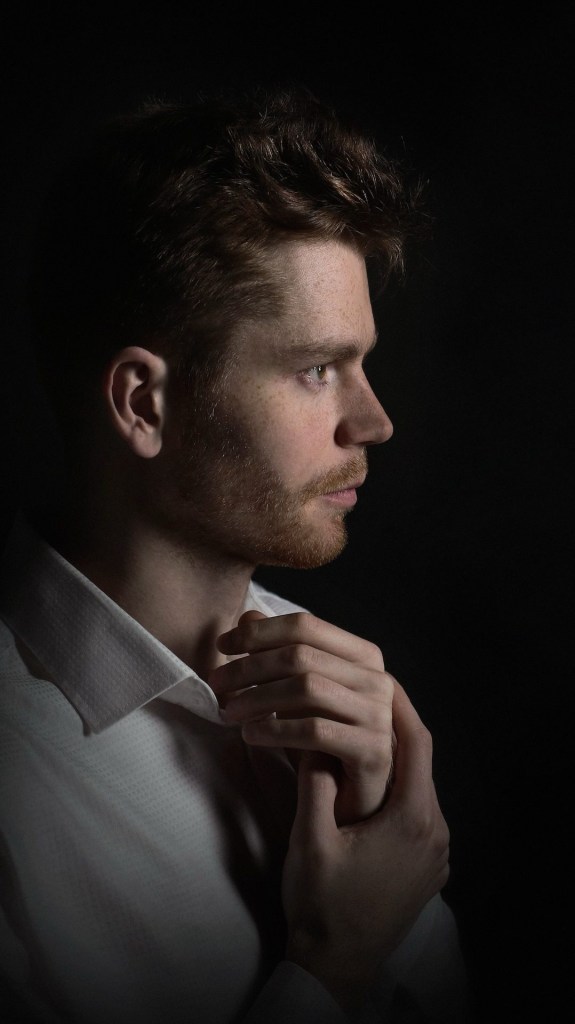
Concert pianist Andrey Gugnin is rapidly gaining international acclaim as a passionately virtuosic performer, who possesses an “extraordinarily versatile and agile technique, which serves an often inspired musical imagination” (Gramophone). One of his recent achievements is winning the prestigious 12th International German Piano Award in 2023. In 2024, Andrey Gugnin won first place at the Classic Piano International Competition in Dubai, claiming the grand prize with a performance of Rachmaninoff’s Piano Concerto No. 3. In 2020, the BBC Music Magazine Awards named Gugnin the winner of the Instrumental Award for his recording Shostakovich: 24 Preludes – Piano Sonatas 1 & 2 (Hyperion). Since winning the prestigious Sydney International Piano Competition in 2016, Gugnin has gone from strength to strength in concerts and recordings which exhibit his impassioned interpretations. In addition to winning in Sydney, Gugnin also received prizes at this illustrious competition for Best Overall Concerto, Best 19th/20th Century Concerto, Best Violin and Piano Sonata, and Best Preliminaries for his first-round recital. He won the Gold Medal and Audience Award at the XCI International Gina Bachauer Piano Competition in 2014, and second prize at the 2013 Beethoven International Piano Competition in Vienna. Increasingly in demand as a concerto soloist, Gugnin has been invited to perform as a guest artist with notable orchestras worldwide, such as the London Philharmonic Orchestra, Danish Radio Orchestra, the Mariinsky Symphony Orchestra, the Netherlands Symphony Orchestra, Utah Symphony, West Australian Symphony Orchestra and the Sydney Symphony, and has performed under the distinguished batons of Maestro Valery Gergiev, Jaap Van Zweden, Reinbert de Leeuw, Daniel Raiskin, Stanislav Kochanovsky and Asher Fisch. He has also collaborated in a more chamber context with the Asko Schönberg ensemble, Orchestre de Chambre de Genève, Jerusalem Camerata and Camerata Salzburg and on several occasions as the duo partner of violinist Tasmin Little. As a recording artist, Gugnin has published a broad scope of repertoire ranging from solo piano to symphonic works. His release of Liszt’s Transcendental Etudes (Piano Classics, 2018) were commended as Editor’s Choice, and distinguished Gugnin as “one to watch” (Gramophone). Other notable recordings include his duo programme with violinist Ioana Cristina Goicea (Atoll Records, 2019), an inspired selection of solo piano suites entitled Pictures (Steinway & Sons, 2016), and a collection of piano duets with Vadim Kholodenko (Delos International, 2010). Andrey has also extensively recorded for TV and radio in Russia, The Netherlands, Croatia, Austria, Australia, Switzerland and the USA.
Currently Gugnin continues his collaboration with Hyperion Records. His latest album of complete Scriabin’s Mazurkas (2022) was awarded the Recording of the Month by Limelight Magazine. In addition to these recordings, Gugnin’s Shostakovich Concertos (Delos International, 2007) were selected to feature on the soundtrack of Steven Speilberg’s Oscar®-winning film Bridge of Spies.
Gugnin’s expanding list of performance venues include Vienna’s Musikverein, Auditorio Nacional in Madrid, Victoria Hall in Geneva, Carnegie Hall in New York, Abravanel Hall in Salt Lake City, Sydney Opera House, the Great Hall of the Moscow State Conservatory, Mariinsky Concert Hall, the Louvre in Paris, Tokyo Metropolitan Art Space and Asahi Hamarikyu Hall. Gugnin has also participated in a plethora of international festivals, including Verbier, Klavier Festival Ruhr, Mariinsky International Festival, Dubrovnik Summer Festival, the Ohrid Summer Festival and the Duszniki Chopin International Festival.
In 2020-21, as allowed by the covid pandemic, Gugnin embarked on performing numerous solo recitals at prestigious venues in Russia. Gugnin joined Tasmin Little in her farewell concert at the Southbank Centre as one of her four favourite pianists to collaborate with, which was broadcast live on BBC Radio 3 and for which Andrey was praised for his ‘emphatic, mesmerising playing’ (Bachtrack).
The 2022/23 season is seeing Gugnin performing solo recitals across Europe, Asia and America, including Lithuanian National Philharmonic Hall in Vilnius and Rose Wagner Performing Arts Center in Salt Lake City, Utah and Seattle recitals as well as in Thailand, Koerner Recital Hall in Vancouver, at the Cziffra Festival in Budapest, at the Bard Music Festival in New York and Leamington Festival as well as in Tel Aviv Museum of Art.
Gugnin is also showcasing a number of piano concertos in the 2022/23 season, including Ravel’s Piano concerto for the left hand with Danish National Symphony Orchestra, Rachmaninoff’s Piano concerto no. 3 with National Symphony Orchestra of Taiwan, Grieg Piano concerto with South Czech Philharmonic Orchestra, Rachmaninoff’s Piano concerto no. 4 with Armenian State Symphony Orchestra, Schumann’s Piano concerto with Tenerife Symphony Orchestra, Rhapsody on a theme of Paganini with Bulgarian National Radio Symphony Orchestra, to name few. As a chamber musician, he is actively performing with Andrei Baranov and Alexey Zhilin in trio, having a recital with Julian Rachlin and Sarah McElravy as well as performances with Roman Simovic, Milena Simovic and Antonio Meneses.
In the season 2023/24, he will be returnin to the Bard Music Festival in New York, Husum Festival in Germany, having a recitals in Salzburg and Linz in Austria, a tour in Japan (recitals in Tokyo, Hiroshima and Takasaki and Rachmaninoff’s Piano concerto no. 2 with Nagoya Phillharmonic Orchestra), in Spain (Beethoven Piano concerto no. 5 with Orquesta Clasica Santa Cecilia in Auditorio Nacional de Musica in Madrid), recitals in Portugal, Singapore, Taiwan and Australia, where he will have a recitals in Sydney and Melbourne and will be acting as an artistic director of the OutWest Piano Fest.
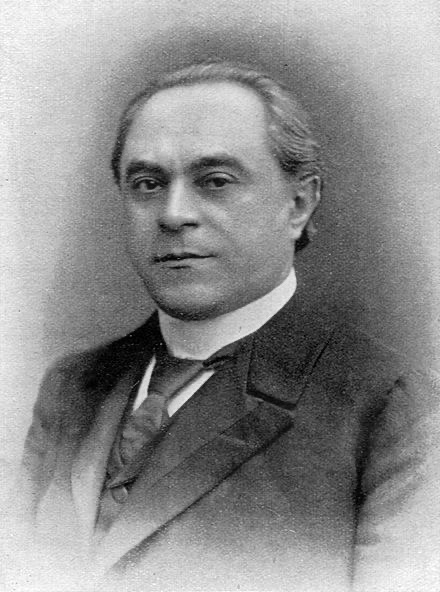
was born in Odesa as Vladimir Pachmann and died in Rome in 1933, aged 84. Von or later De was most probably added to his name by himself to study music at the Vienna Conservatory , studying piano with Josef Dachs (a pupil of Carl Czerny) and theory with Anton Bruckner . He gained the Conservatory’s Gold Medal and made his concert debut in Odesa in 1869, but until 1882 he appeared in public infrequently, spending his time in further study. He then toured throughout Europe and the United States , and was acclaimed as a top player of his era. His programmes consisted almost exclusively of the works of Chopin.
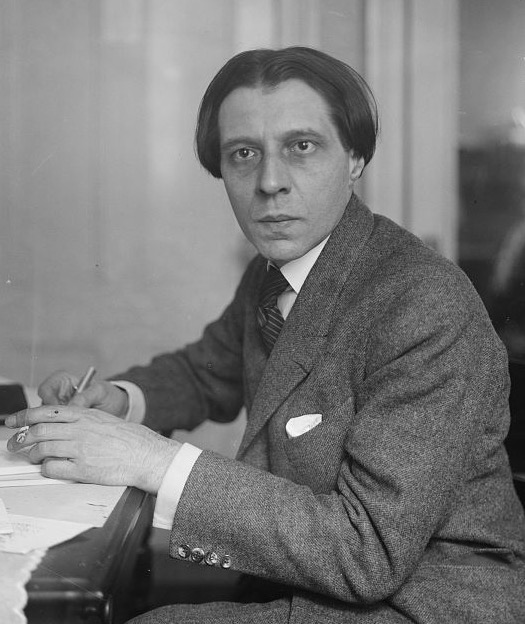
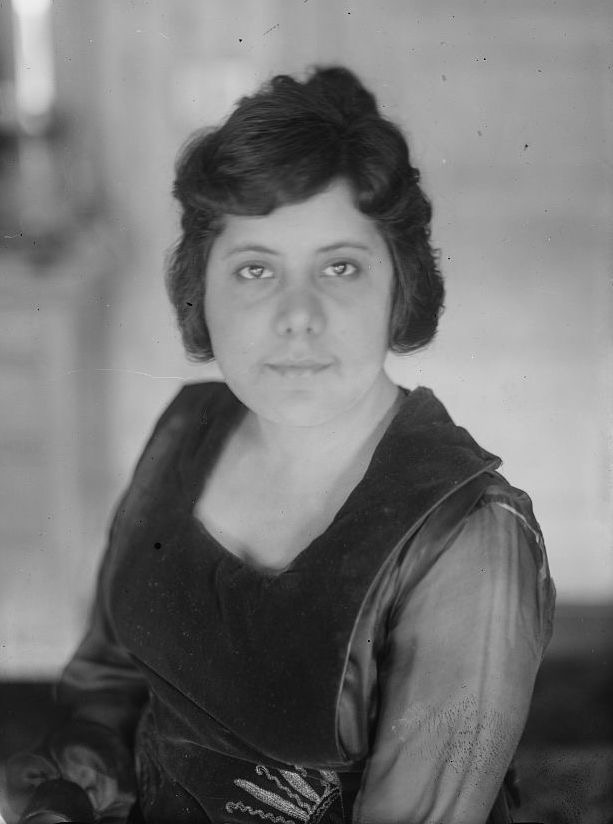
David Dubal writes in The Art of the Piano that her playing was “first and always personalized. She delighted in details, leaving one wondering why others never saw or savored them. Even at capricious moments, she had that marvelous and indispensable trait of a great interpreter — the power to convince. In whatever she touched there was a feeling of intimacy, and it was Chopin she touched most.” Nelson Freire said that he was deeply influenced by Novaes’ recording of Chopin F minor Concerto with Klemperer, which he first heard at age 14 and regards as an ideal to strive for
 ChristopherAxworthy-MusicCommentary