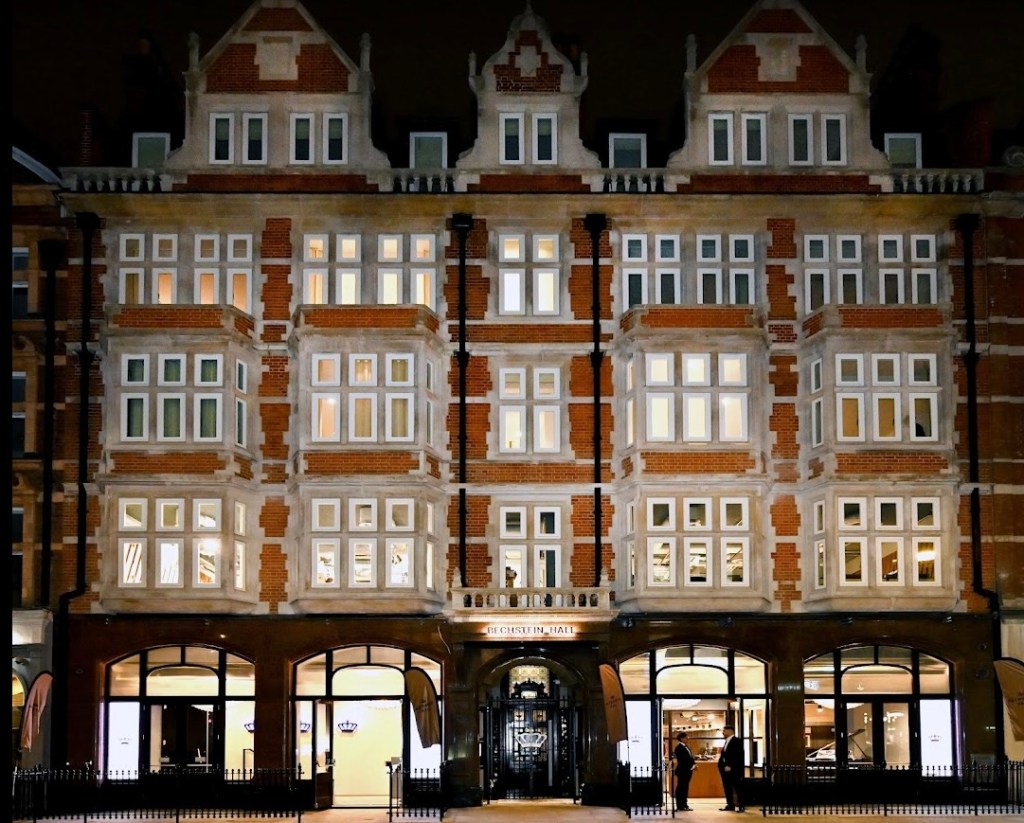
Thomas Masciaga opens the Bechstein Young Artists Series with canons covered in flowers
https://christopheraxworthymusiccommentary.com/2025/02/02/thomas-masciaga-opens-the-bechstein-young-artists-series-with-canons-covered-in-flowers/
Evening concerts starting from 18 pounds and a sumptuous restaurant that is also opening for luncheon.
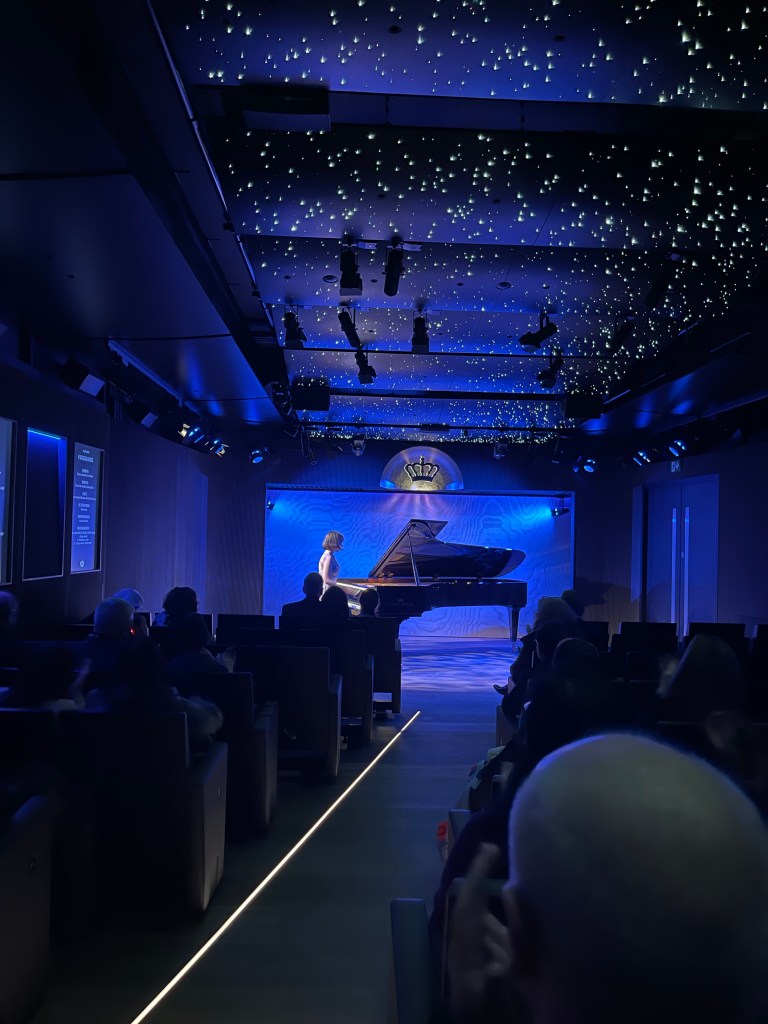
A beautiful new hall that is just complimenting the magnificence of the Wigmore Hall and the sumptuous salon of Bob Boas.Providing a much need space for the enormous amount of talent that London,the undisputed capital of classical music,must surely try to accommodate .
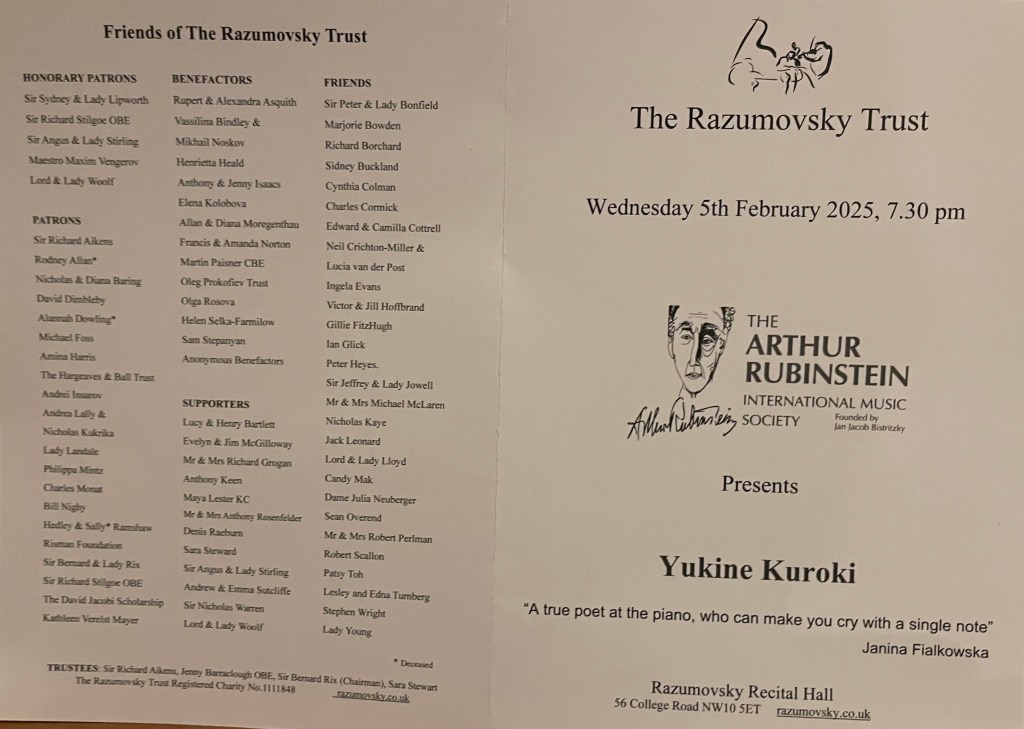
“A true poet at the piano, who can make you cry with a single note” – Janina Fialkowska
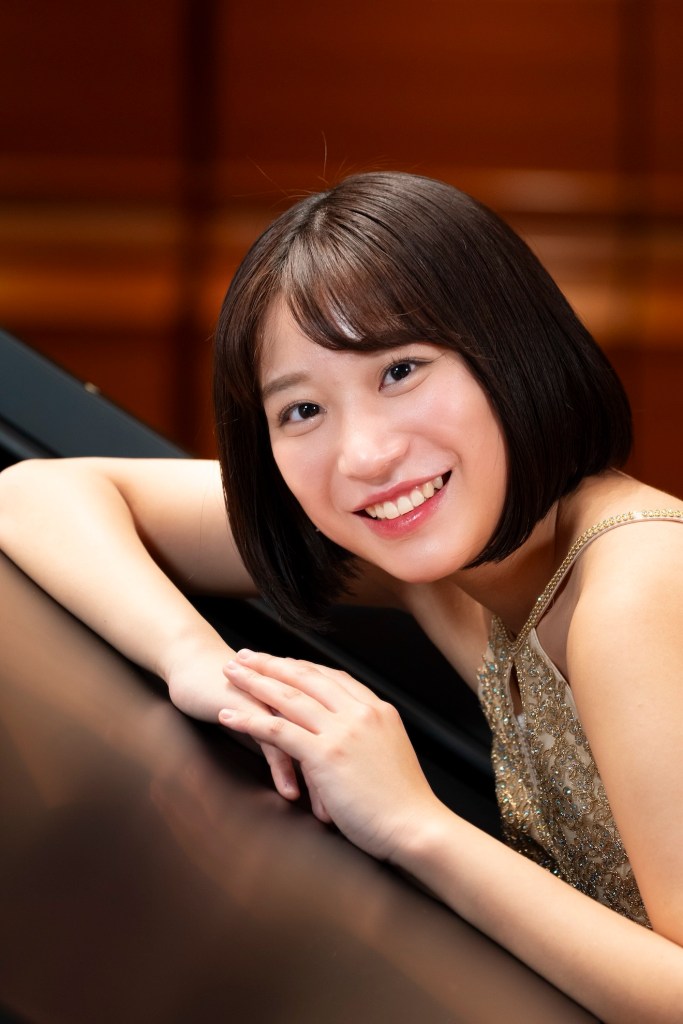
A multi competition winner including laureate of the Rubinstein International, First Prize at the Dublin and First Prize at The Utrecht Liszt which led to her sold out debut at Amsterdam’s Concertgebouw.
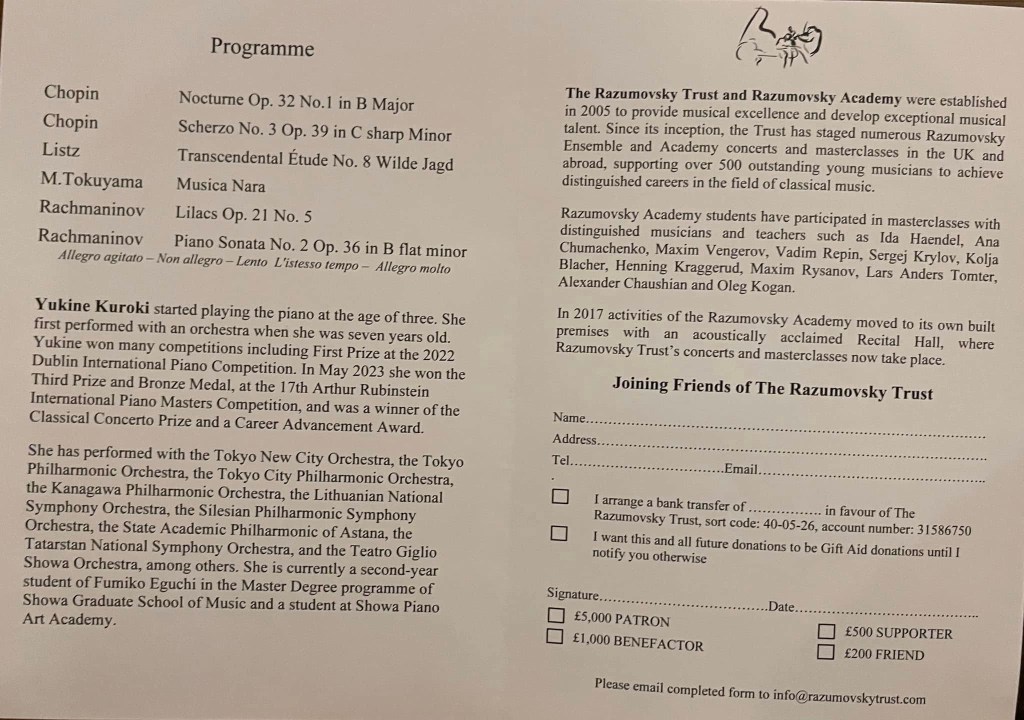
CHOPIN: Nocturne Op.32 No.1 in B Major
CHOPIN: Scherzo No.3 Op.39 in C sharp Minor
LISZT: Transcendental Étude No. 8 S. 139 Wilde Jagd
M.TOKUYAMA: Musica Nara
RACHMANINOV: Lilacs Op.21 No.5
RACHMANINOV: Piano Sonata No.2 Op.36 in B flat minor
I. Allegro agitato
II. Non allegro – Lento
III. L’istesso tempo – Allegro molto
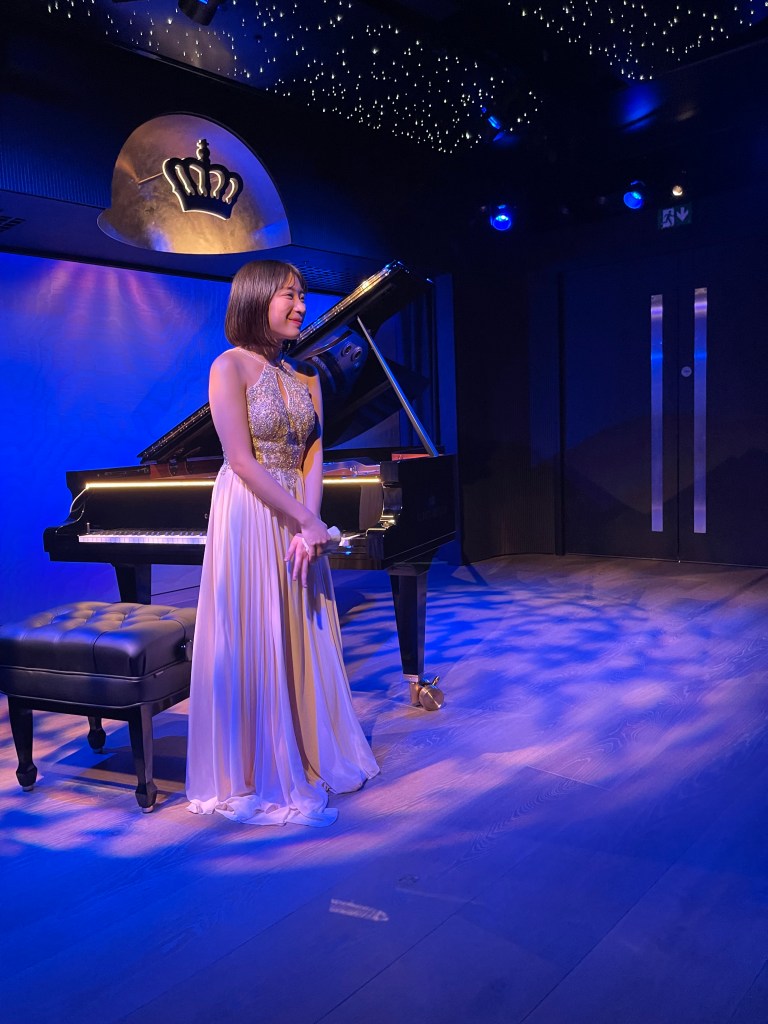
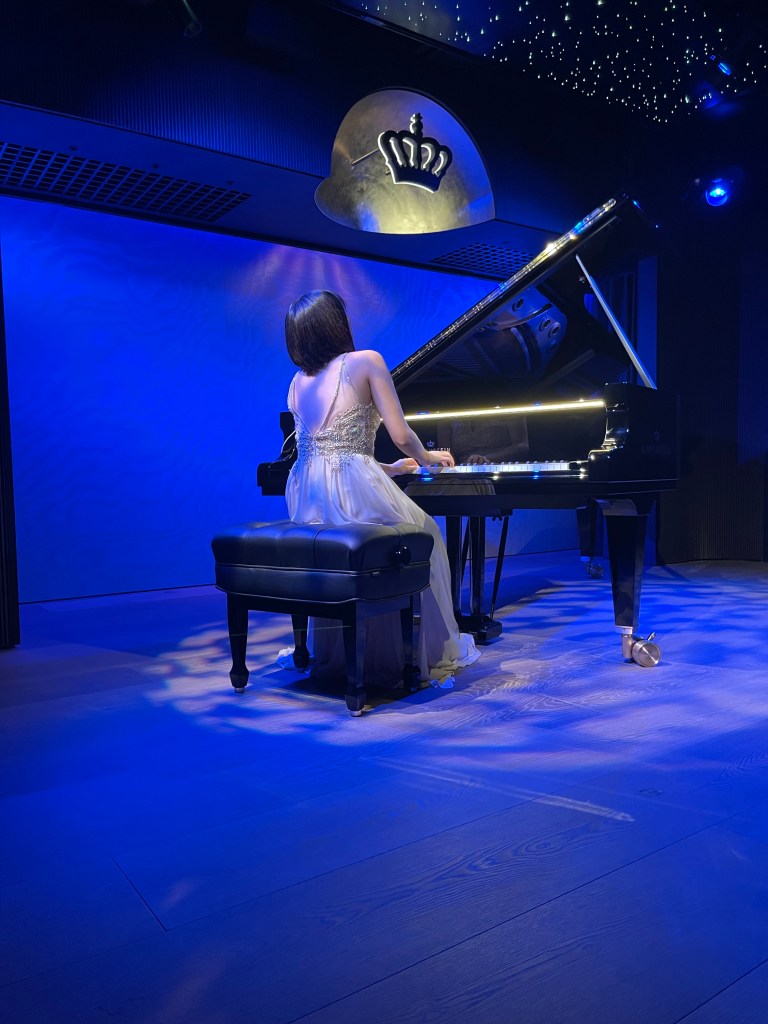
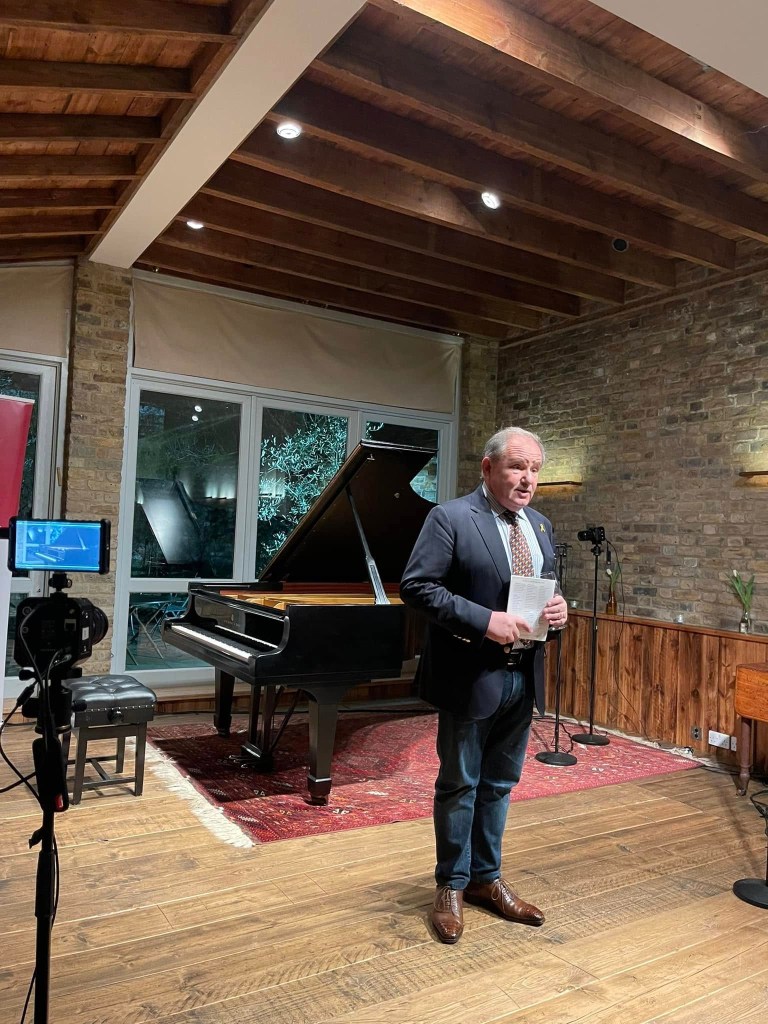
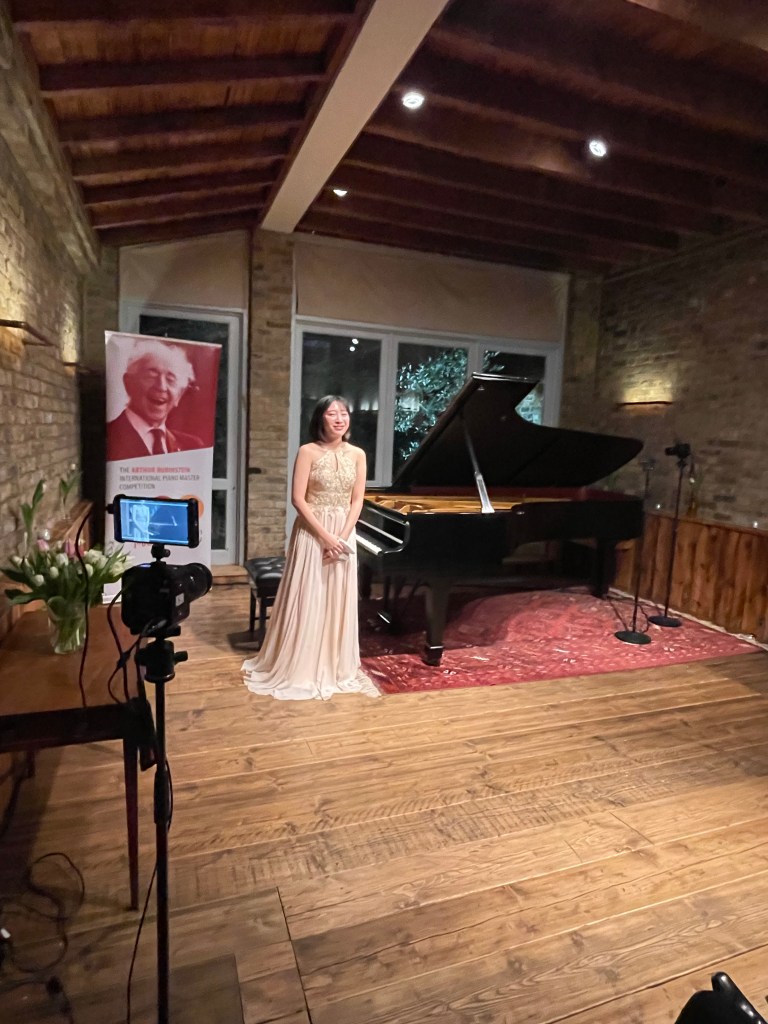
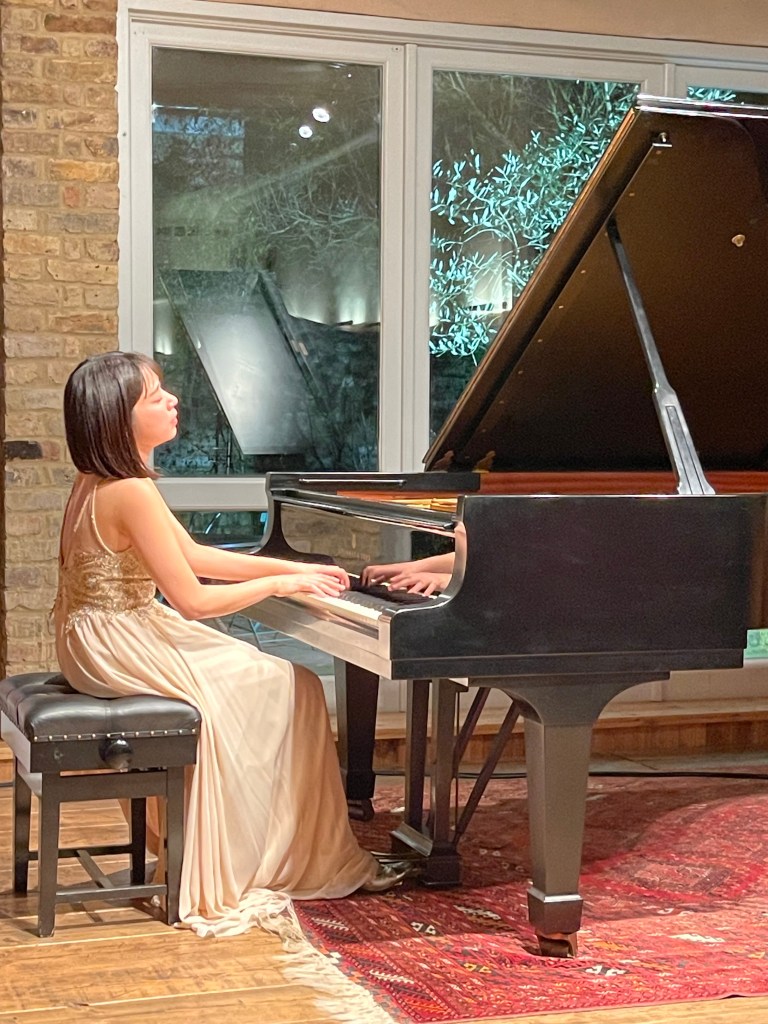
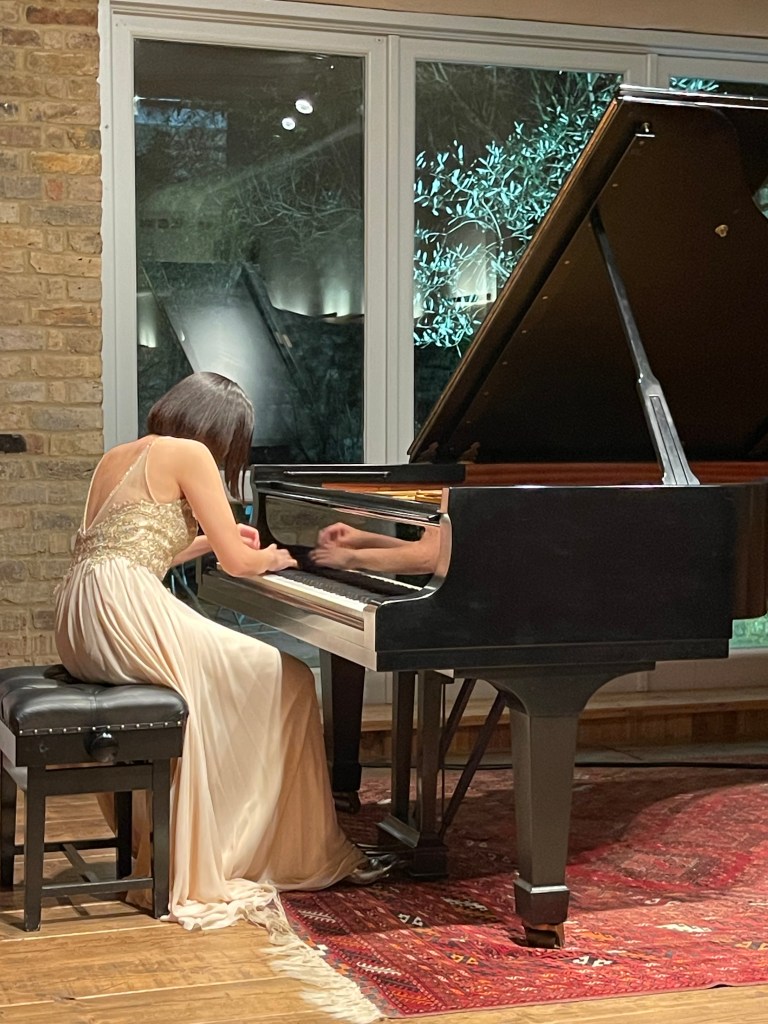
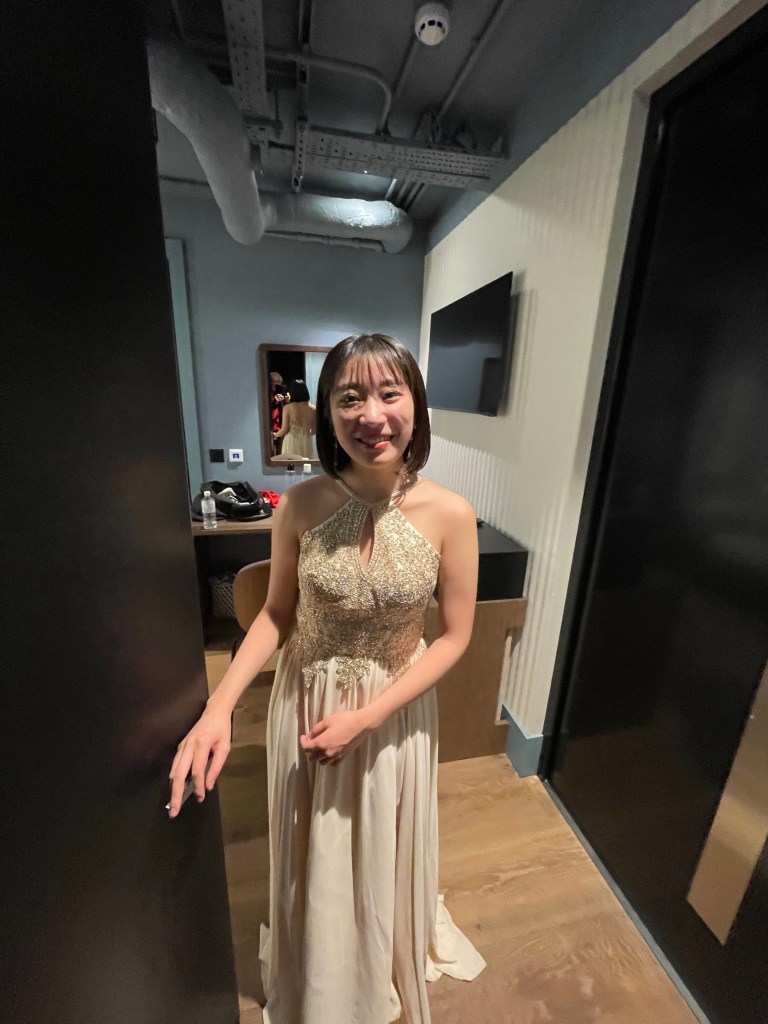
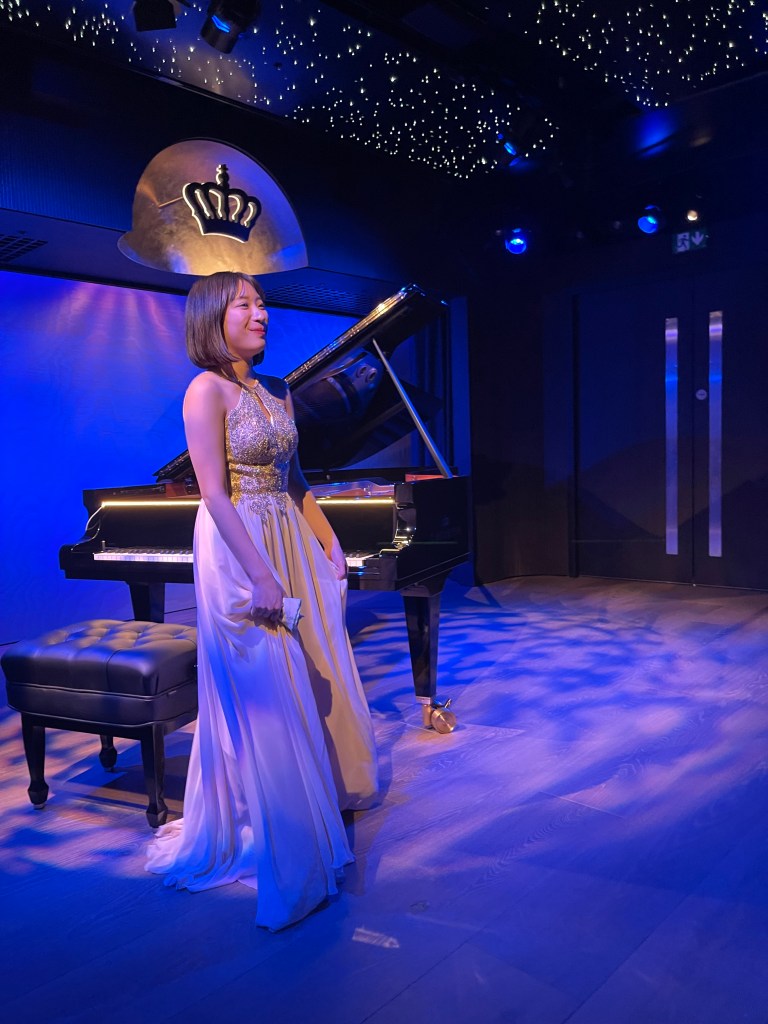
The London debut of Yukine Kuroki in the sumptuous new Bechstein Hall. The directors of both Rubinstein and Utrecht International Piano Competitions had flown in especially to applaud their latest star.
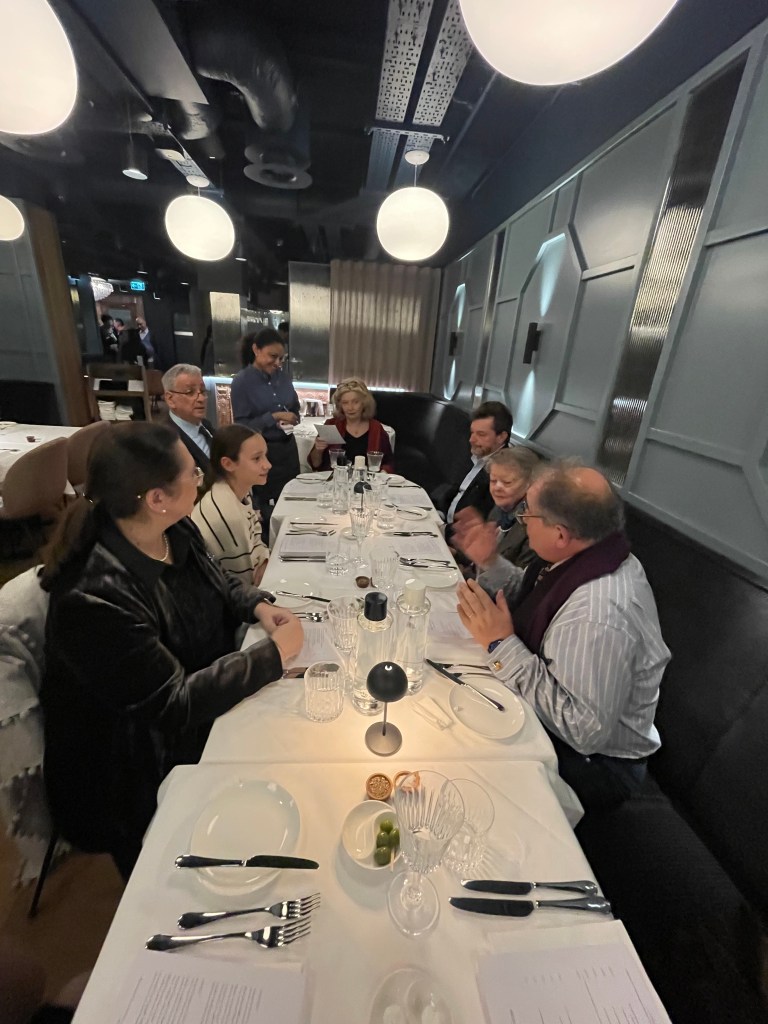
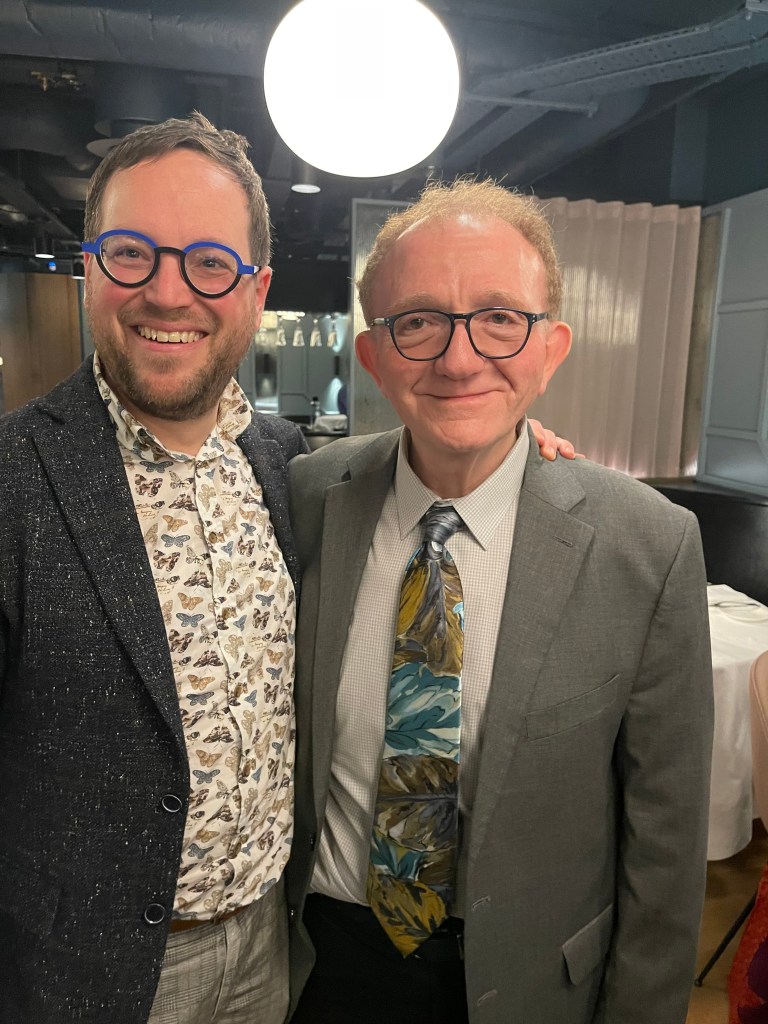
And a star was certainly shining brightly as Janina Fialkowska’s words were brought vividly to life: ‘ A true poet at the piano who can make you cry with a single note ‘
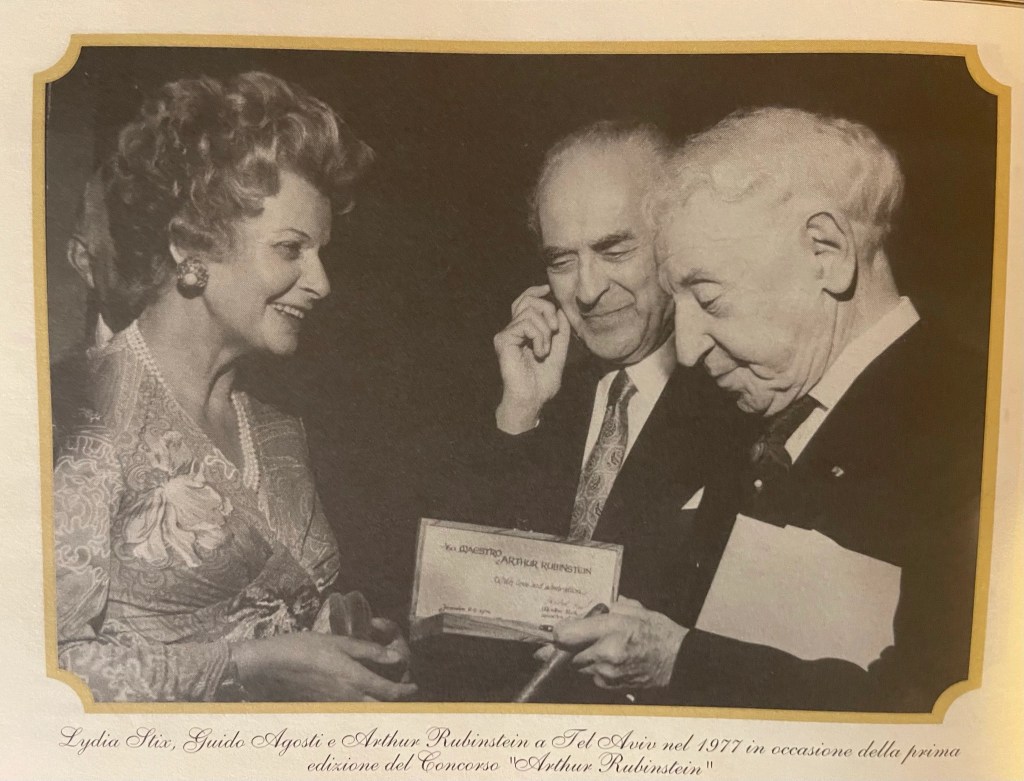
Was it not Rubinstein at his very first competition, nearly 50 years ago, who had said the same of Janina as she played a monumental Liszt Sonata that brought tears to his eyes?
Chopin’s Nocturne op 32 n 1 in B, not one of the most often heard, was given a glowing tone of fluidity and delicacy where the bel canto was allowed to unfold with an ease that allowed the music to breathe so eloquently. Brought to a barely whispered halt as a startling cadenza appeared and was played with arresting nobility and authority. Yukine had perceived this seemingly simple nocturne as a tone poem with a story to tell of great poetic originality. It was her dedication to what the composer had written but seen through a different lense. One that could see things that only a genial poet of the piano could perceive with a palette of colours on a canvas like the greatest pointillist painters.
It was the same voyage of discovery that she brought to the third Scherzo. The words ringing in my ears of my teacher and friend Guido Agosti ( one of the jury members of the first Rubinstein competition ) as he listened in his studio in Siena to aspiring young virtuosi.
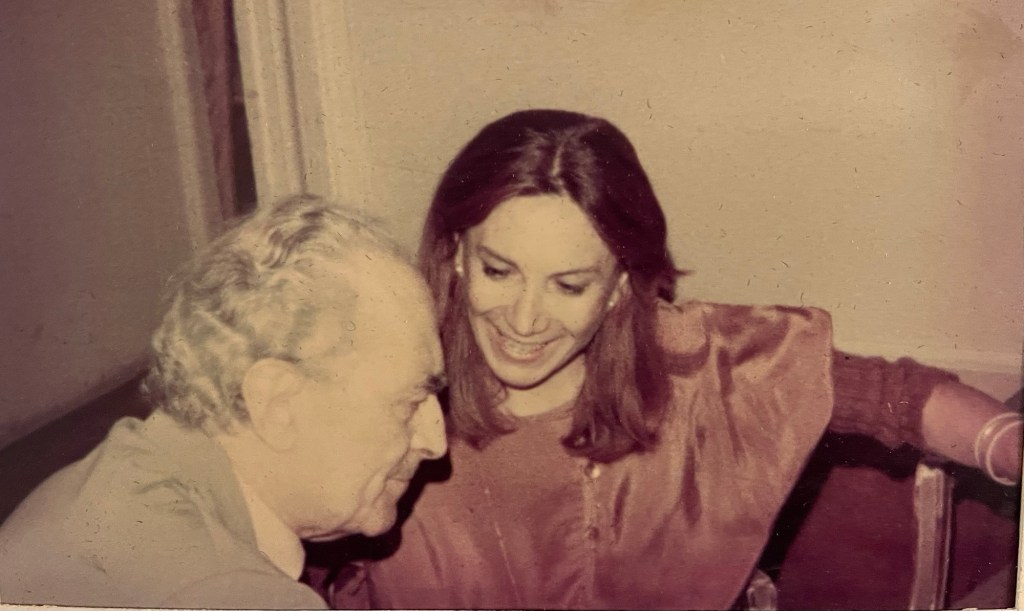
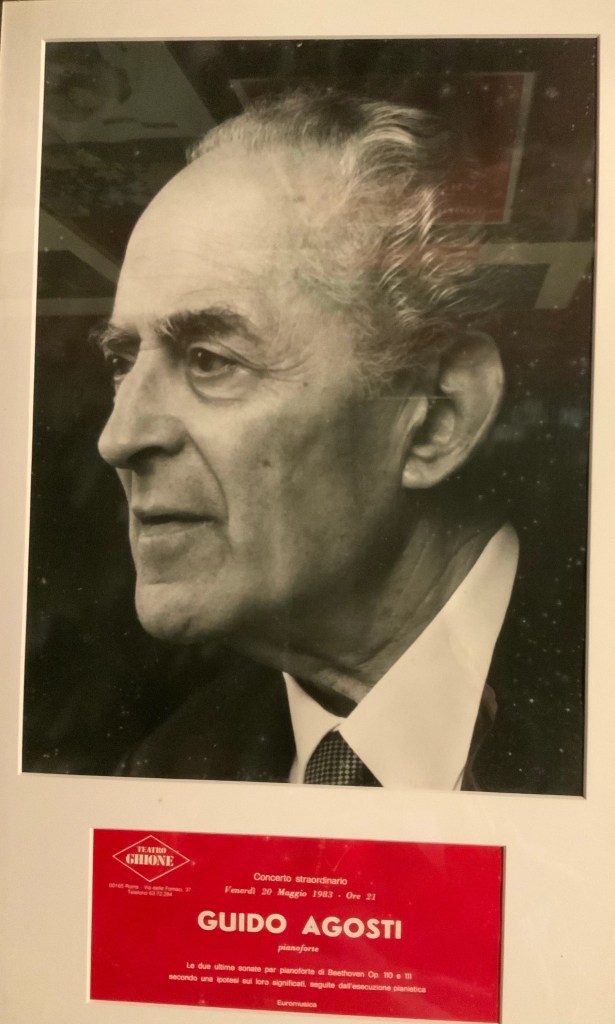
Pianists would flock to this Mecca to hear sounds that would never be forgotten. ‘All that banging’ he would admonish so many young ‘virtuosi’ as he ,one of the last students of Busoni who in turn had been a student of Liszt,knew the real secrets that were hidden within that box of hammers and strings ! The piano should be played horizontally not vertically and as Anton Rubinstein, another disciple of Liszt , exclaimed ‘ the pedals are the real soul of the piano.’ The three handed pianism of Thalberg and Liszt were the ultimate trick of supreme illusionists.
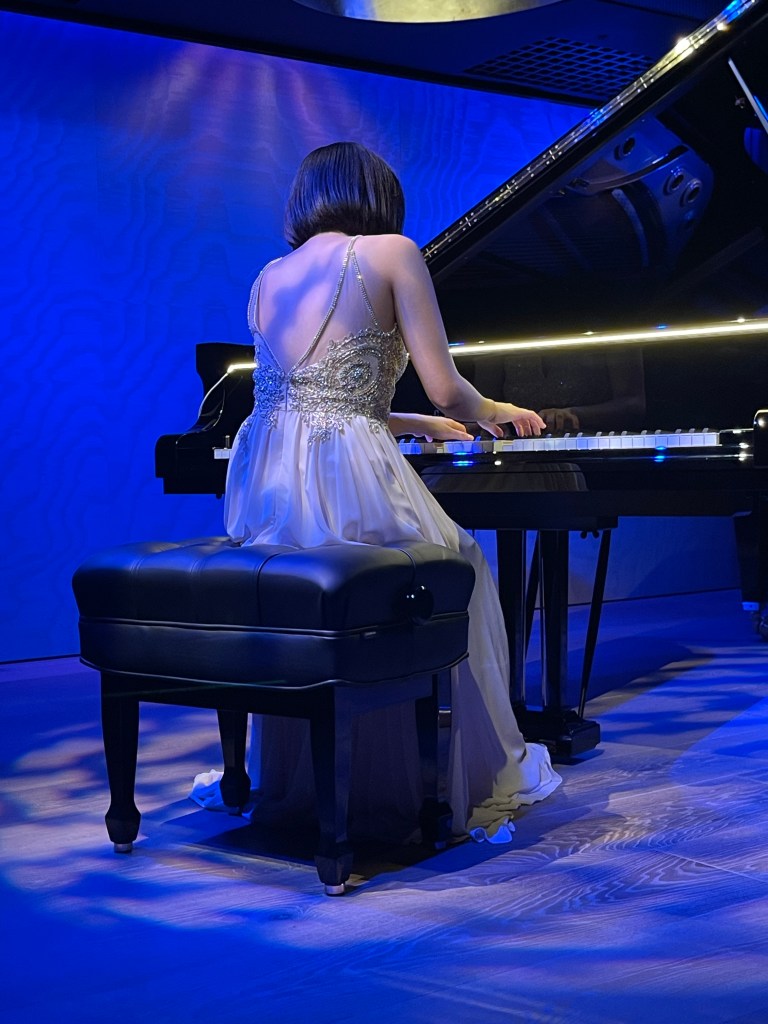
All this came to mind as Yukine opened the third scherzo with a range of colour and an architectural shape that returned this much maligned masterpiece to its original poetic inspiration. Like with so many recitals by Murray Perahia it had me rushing to the score to see where this poetic invention had come from . Because everything Yukine did is there in the score but it takes a poetic sensibility and a magician of sound to turn it into the wondrous originality that was obviously in the composers hands at the moment of creation. The gentle opening gradually leading up to the first ‘fortissimo’ and the real opening of the scherzo: ‘Presto con fuoco’. Here the tumultuous octaves were give a shape and colour and a sense of direction with a definite architectural design. Explosive sounds too, at the moments of maximum culmination of passion, but dying away to the chorale central episode where Yukine’s sense of line and colour were only commented on by the streams of filigree sounds that cascaded like water with shimmering beauty. Each return of the chorale was ever more emphatic with the intervening deep bass just allowing the notes to fly from her fingers like streams of golden sounds of etherial magic.The final return of the chorale ‘sotto voce’,Chopin writes, but could he have ever imagined the mystery and timeless beauty that Yukine could imbue from those words? There was magic in the air on this magnificent Bechstein piano as the gentle heart beat deep in the bass became ever more insistent, reaching for the tumultuous outpouring of octaves and a coda that just sprang from her well lubricated fingers. Even in this coda, that is a tour de force of transcendental piano playing, Yukine could find the real meaning that was the culmination of all that had been created before. Exhilaration and excitement were kept masterfully under control as she reached for the final three chords. An epic journey that rarely have I heard revealed with such poetic mastery.
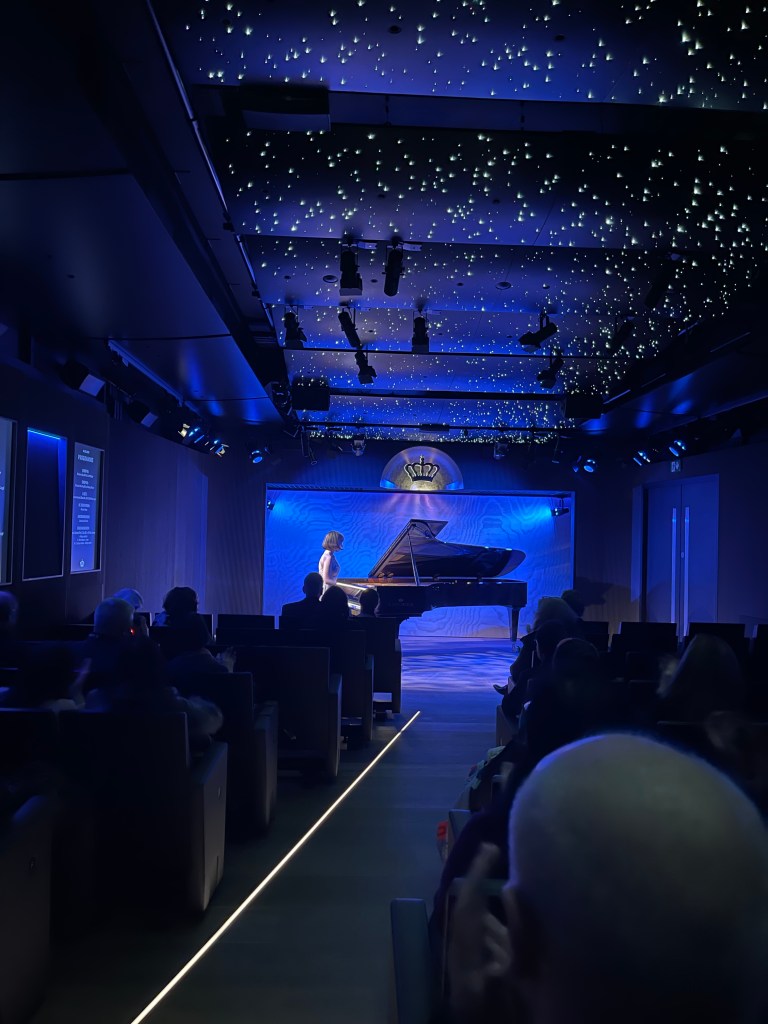
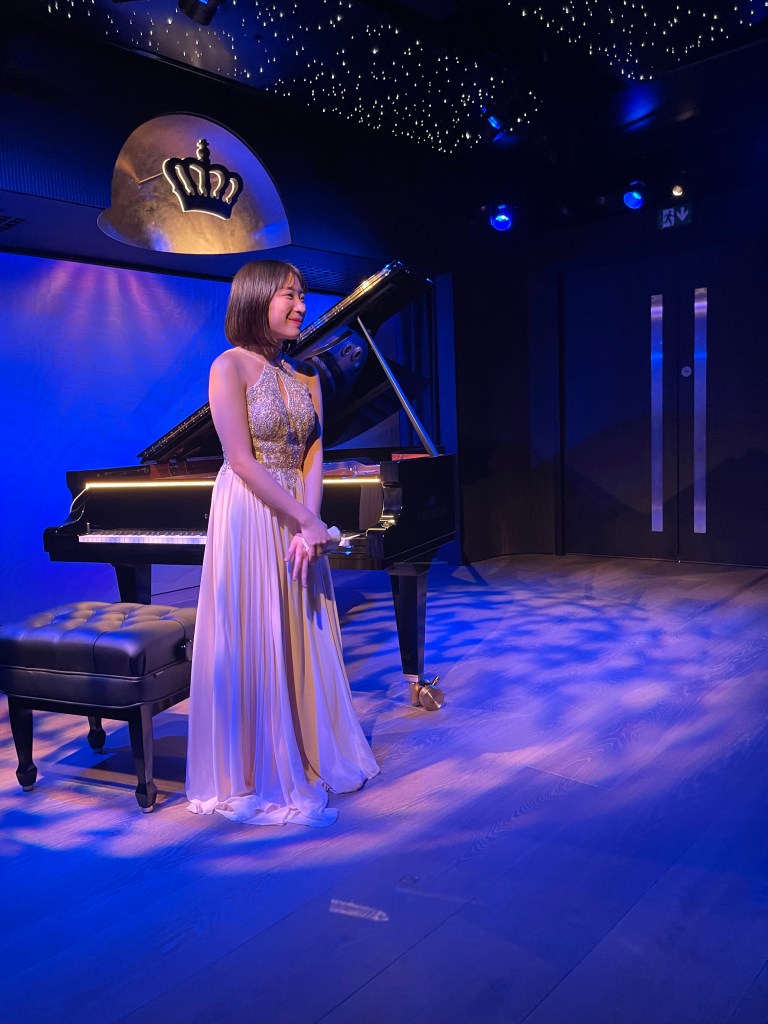
‘Der Wilde Jagd’ unleashed a hurricane of sounds from the very first notes. A superb sense of balance and colour were complimented by an extraordinarily original musicianship.This was Liszt ,no longer the barnstorming virtuoso, but the poet of the piano, as Yukine demonstrated with playing of refined crystalline beauty. A finesse that one is not used to hearing in these transcendental studies. Each one is a miniature tone poem with a story to tell of breathtaking scope and searing beauty. Transcendental mastery of course, but within all these pianistic gymnastics there was the poetic fantasy of a genius. There was unexpected charm to the march played as if in the distance, as it led into a melodious outpouring worthy of Schubert with its sudden ray of light that seemed to appear so out of the blue. An explosion of passion and ravishing beauty that Yukine played with great intensity. The final bars were a cry from the heart of passion and unrestrained beauty. Breathtaking pianistic gymnastics too played like the supreme artist that had won her the Gold medal in Utrecht International Liszt Competition.
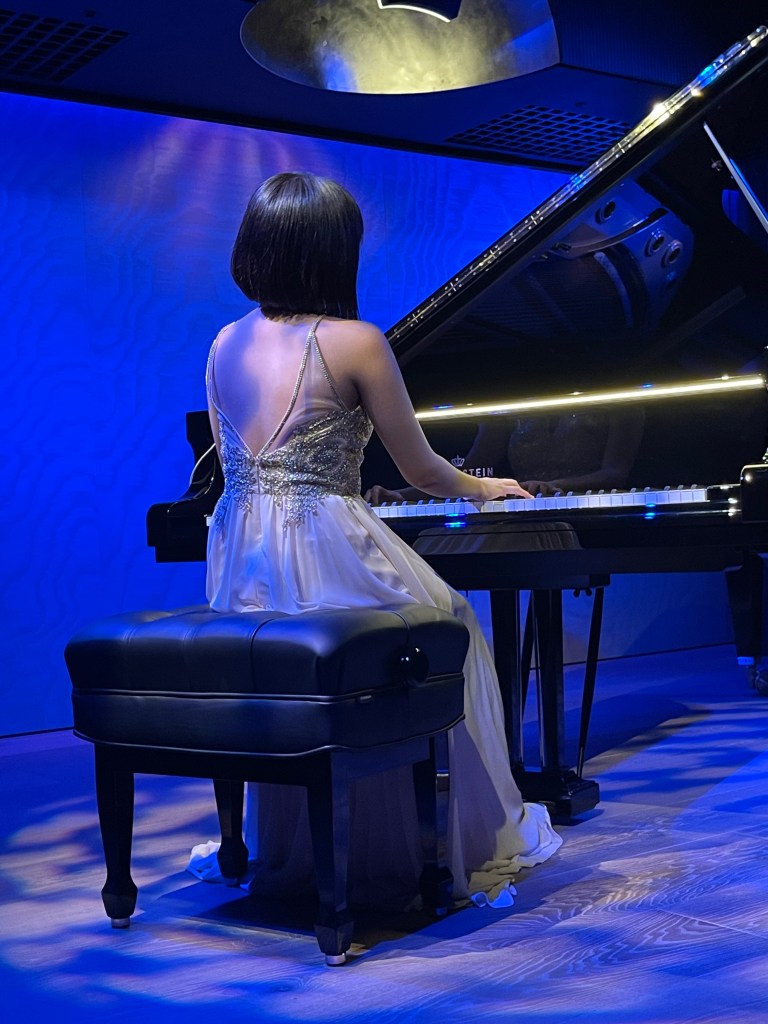
Musica Nara by Minako Tokuyama was like a breath of fresh air after such intense romantic outpouring. A beautifully expressive atmospheric work with a kaleidoscope of sounds of undisputed Japanese tradition. Etherial sounds of delicacy cascading like the gentlest of playful water that Liszt depicts at the Villa d’Este. This time Tokayama depicts a pastoral Japanese landscape that was soon interrupted by the dynamic animal drive of true Jazz style, where Yukine had led us into a dive of Gulda proportions. This was short lived as the gentle return to the idyllic opening landscape allowed this remarkable picture in music to disappear into the heavenly distance.
Lilacs, Op. 21, No. 5 was a song written in 1902, and adapted into a solo piano transcription around 1913 by Rachmaninov himself who often used to play it as an encore in his recitals. It is a languid outpouring of ravishingly beautiful sounds and was played with sumptuous beauty before the explosion of the Second sonata.
The sonata, in the revised 1931 version, was a real ‘tour de force’ of fearless transcendental playing. Cascades of notes this time like streaks of lightning, and a pulsating satanic drive were complimented with playing of the simple nostalgic beauty that imbues so much of Rachmaninov’s works. A leit motif ,like in the first sonata, that links the three movements into an architectural whole. There was total commitment as Yukine, a person bewitched and possessed, as we looked on astonished at the demonic goings on. Ravished by the sumptuous sounds of extreme filigree delicacy contrasting with passionate outpourings of breathtaking romanticism.The final declaration and triumphant radiance of the main melody was played with a Philadelphian richness of sound and quite exhilarating streams of notes of breathtaking daring.
This is the work that Horowitz reintroduced to a new generation and from total neglect it has become the most played piece of aspiring young virtuosi in music academies around the world.(The first sonata, thanks to Kantarow, is fast taking its place!) Yukine showed us a sonata with her intelligent musicianship and sensibility, where the virtuosistic demands were always following the composers very precise indications. Her sense of architectural shape gave great strength to a work that has been much misunderstood and manhandled since the magnificence of the reincarnation that Horowitz offered to the world during his miraculous Indian Summer.
A Jazz study by Kapustin was the exhilarating encore that Yukine offered to a very enthusiastic public.
Letting her hair down with a performance of a true jazz musician, that of an Art Tatum who even Horowitz used to go and admire in the dives of New York.Virtuosity and unashamed showmanship played with the swing and style of its time.
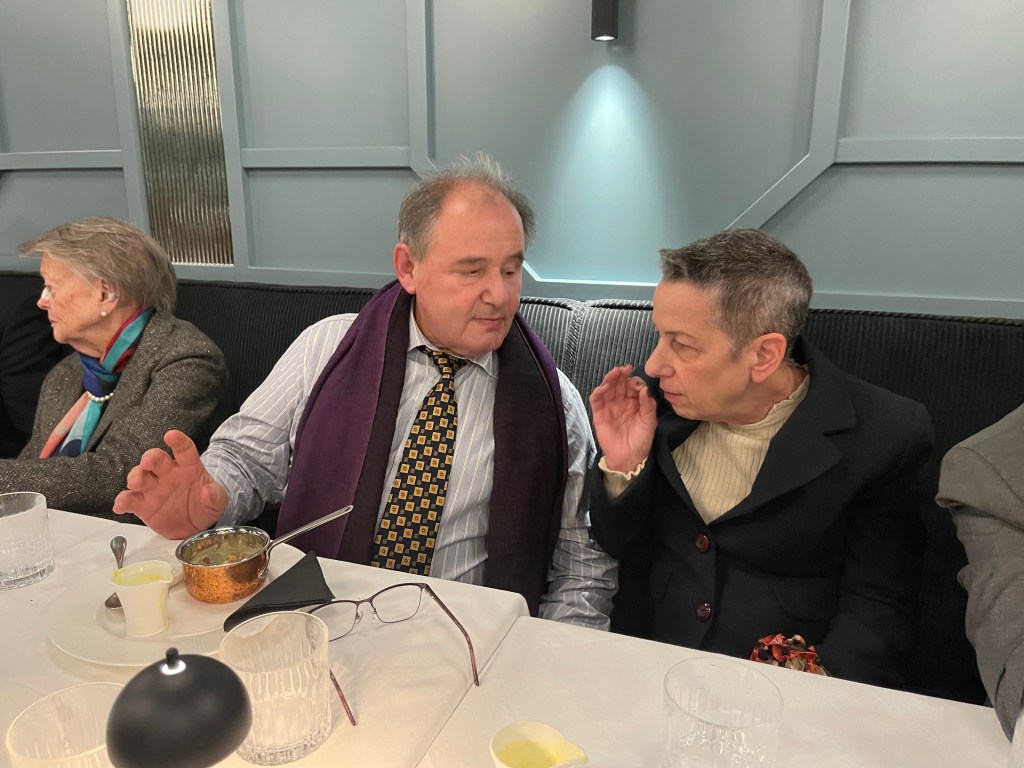
Francois-Frédéric Guy ignites the soul of Fou Ts’ong’s piano at the Razumovsky Academy.
https://christopheraxworthymusiccommentary.com/2022/05/15/francois-frederic-guy-ignites-the-soul-of-fou-tsongs-piano-at-the-razumovsky-academy/
And tomorrow in the refined space of the Razumovsky Academy of Oleg Kogan. She will play on Fou Ts’ong’s Steinway concert grand that now sits proudly in this much loved hall.
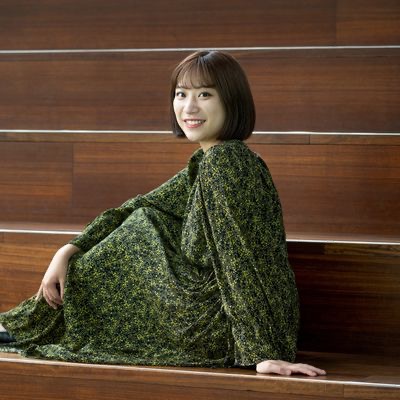
Kuroki started playing the piano at the age of three. She first performed with an orchestra when she was seven years old. She has won many competitions including first award at the Dublin Piano Competition (2022).
She has performed with the Tokyo New City Orchestra, the Tokyo Philharmonic Orchestra, the Tokyo City Philharmonic Orchestra, the Kanagawa Philharmonic Orchestra, the Lithuanian National Symphony Orchestra, the Silesian Philharmonic Symphony Orchestra, the State Academic Philharmonic of Astana, the Tatarstan National Symphony Orchestra, and the Teatro Giglio Showa Orchestra, among others. She is currently a second-year student in the master’s program of Showa Graduate School of Music and a student at Showa Piano Art Academy. She is studying under Fumiko Eguchi.
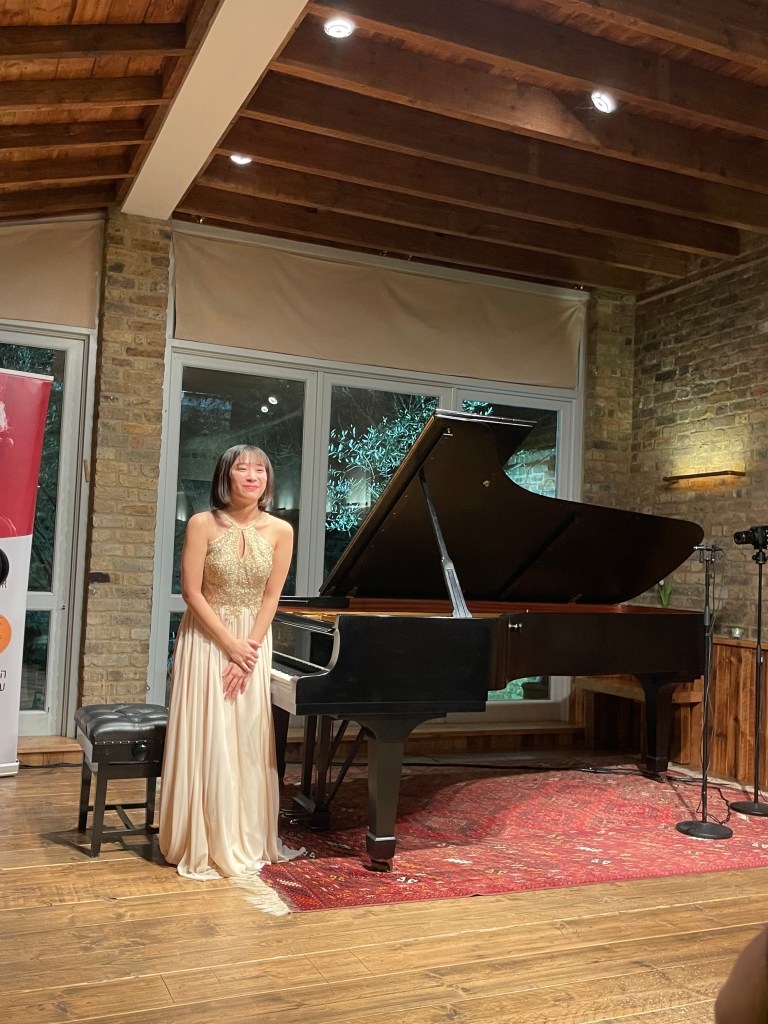

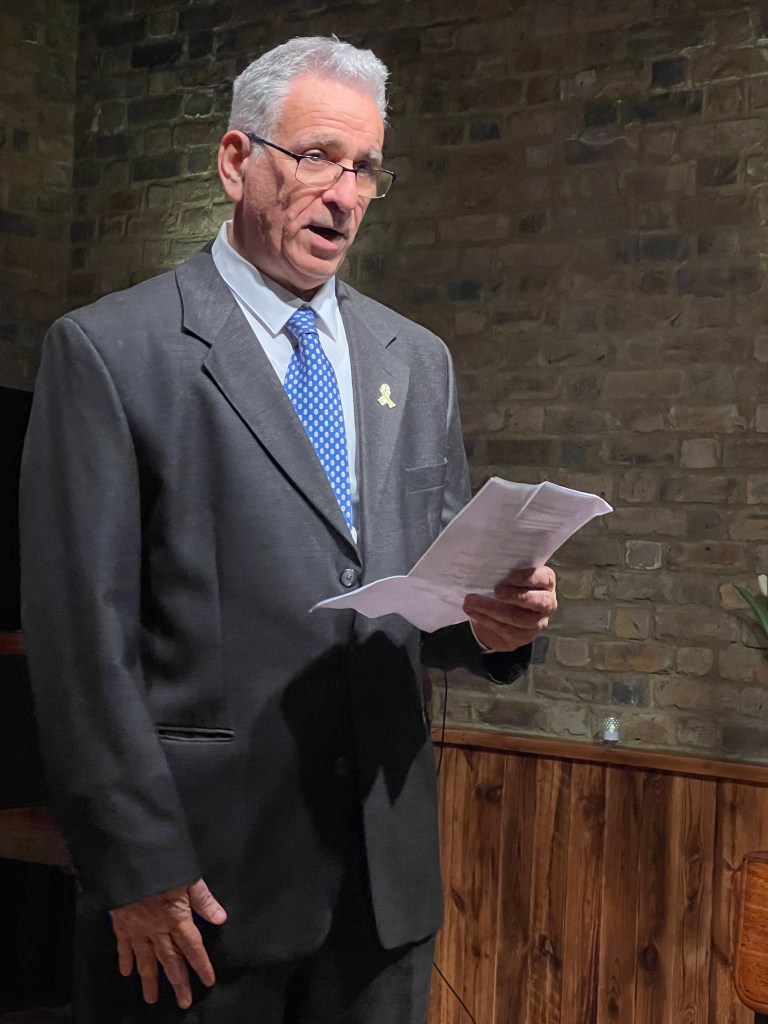
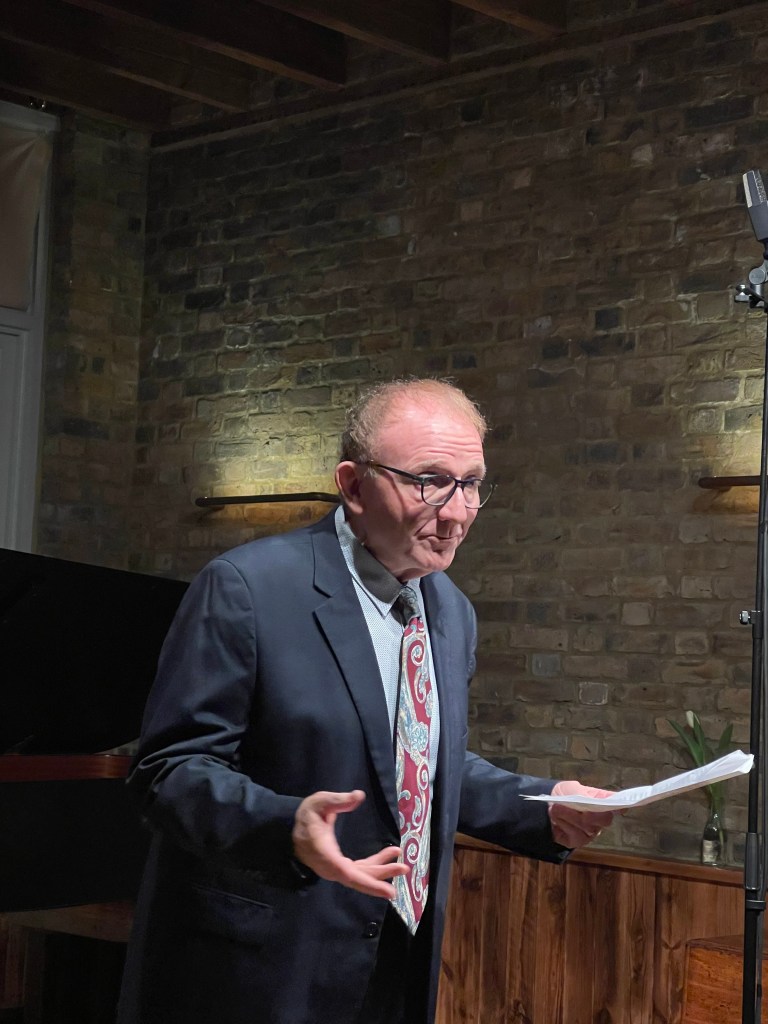

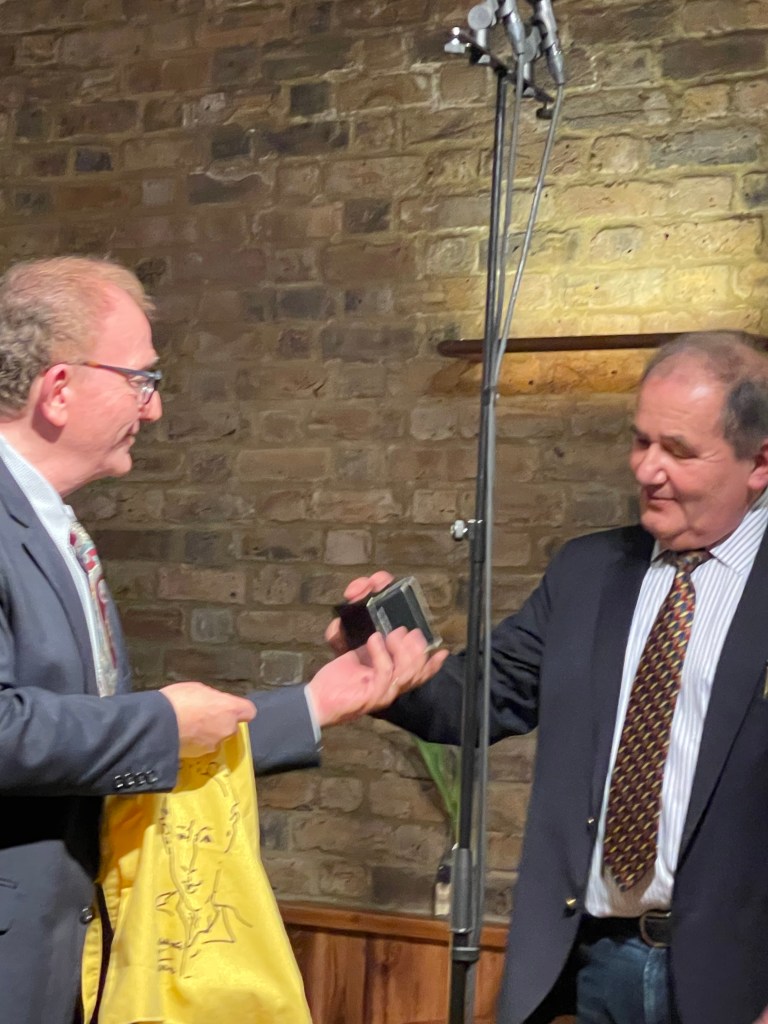
For her last of three recitals on this short tour for the Arthur Rubinstein I.M.C.such was the warmth created with a full hall that Yukine added yet another encore. Encouraged and emboldened by our genial host ( and constructor of this unique hall ) the cellist Oleg Kogan, Yukine ,after a moments thought, played Schubert’s ‘Ave Maria’ ravishingly elaborated by Franz Liszt. A performance that showed off Yukine’s gifts of communicating love and beauty to all she does. What better way to finish these few days than playing on Fou Ts’ongs much loved piano in a hall that has been created especially for ‘hausmusik’ by the Kogan family. As Lady Annabelle Weidenfeld so rightly said a unique hall that exudes the warmth and loving care that is so often missing in our music making these days.
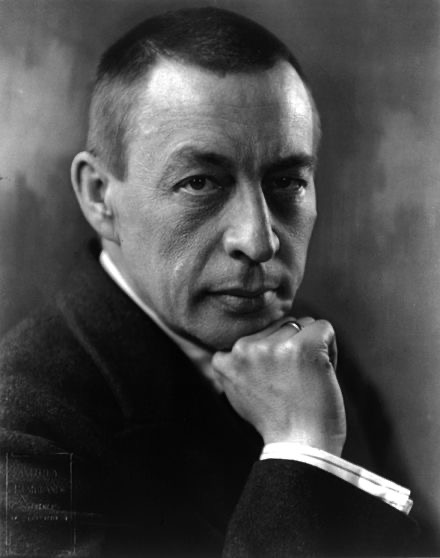
Piano Sonata No. 2 in B flat minor ,op 36 was composed in 1913, who revised it in 1931, with the note, “The new version, revised and reduced by author.” Three years after his third concerto was finished, Rachmaninoff moved with his family to a house in Rome that Tchaikowsky had used. It was during this time in Rome that Rachmaninov started working on his second piano sonata. However, because both of his daughters contracted typhoid fever, he was unable to finish the composition in Rome. Instead, he moved his family on to Berlin in order to consult with doctors.
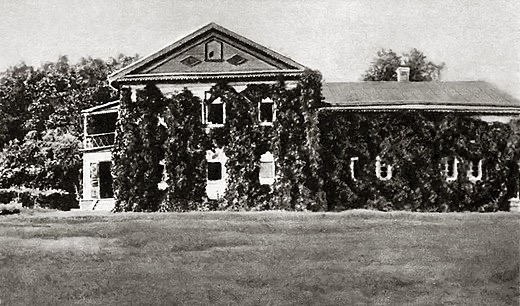
When the girls were well enough, Rachmaninoff travelled with his family back to his Ivanovka country estate, where he finished the second piano sonata. Its premiere took place in Kursk on 18 October 1913
The sonata is in three interrelated movements:
- Allegro agitato
- Non allegro—Lento
- Allegro molto
It is unified by two Non allegro bridges between the movements. The outer movements follow sonata form.
When Rachmaninov performed the piece at its premiere in Moscow, it was well received.However, he was not satisfied with the work and felt that too much in the piece was superfluous. Thus, in 1931, he commenced work on a revision. Major cuts were made to the middle sections of the second and third movements and all three sections of the first movement, and some technically difficult passages were simplified.
A performance of the original version lasts approximately 25 minutes while a performance of the revised version lasts approximately 19 minutes.
In 1940, with the composer’s consent, Vladimir Horowitz created his own edition which combined elements of both the original and revised versions. His edition used more original material than revised throughout all three movements. A performance of the Horowitz revision lasts approximately 22 minutes.

https://christopheraxworthymusiccommentary.com/2024/03/20/christopher-axworthy-dip-ram-aram/
https://christopheraxworthymusiccommentary.com/2023/12/05/ileana-and-joan-3rd-december-2023/

 ChristopherAxworthy-MusicCommentary