
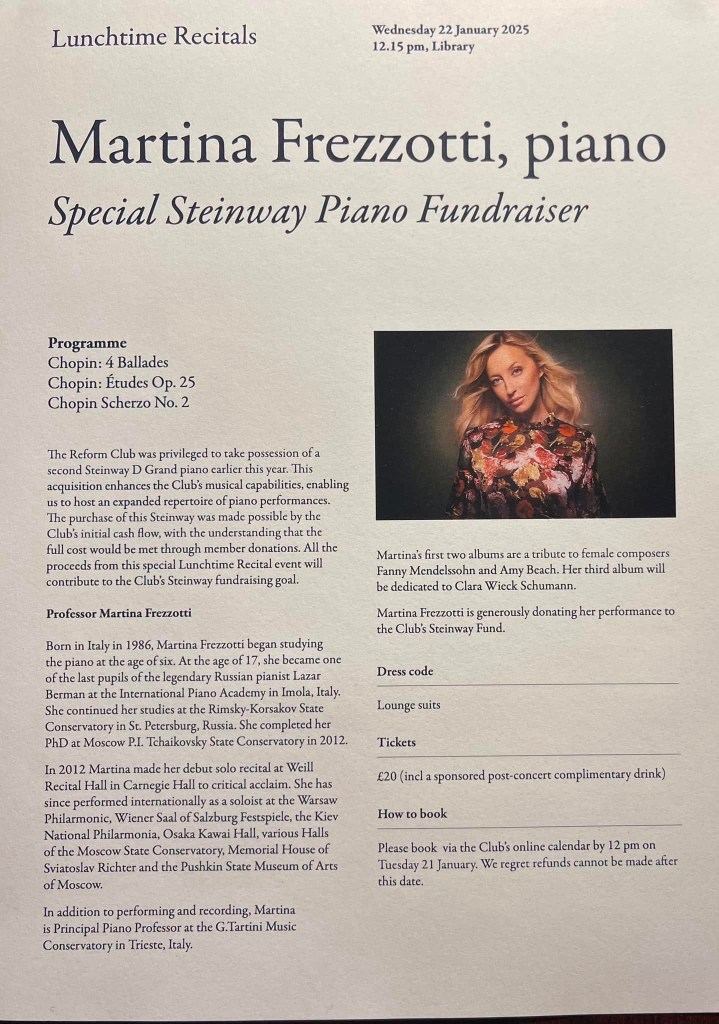
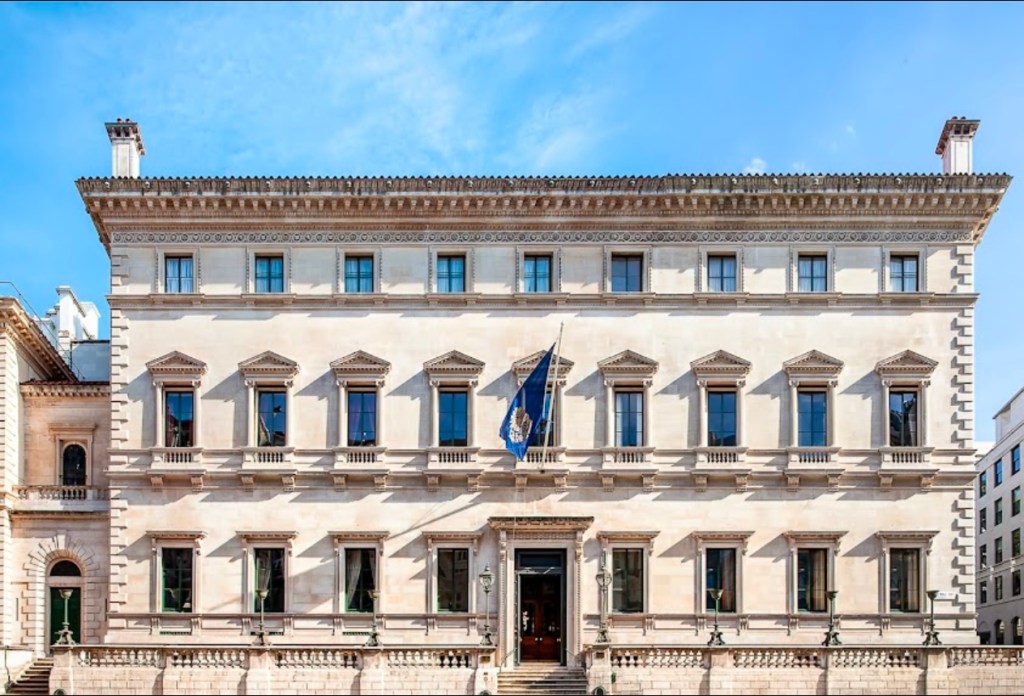
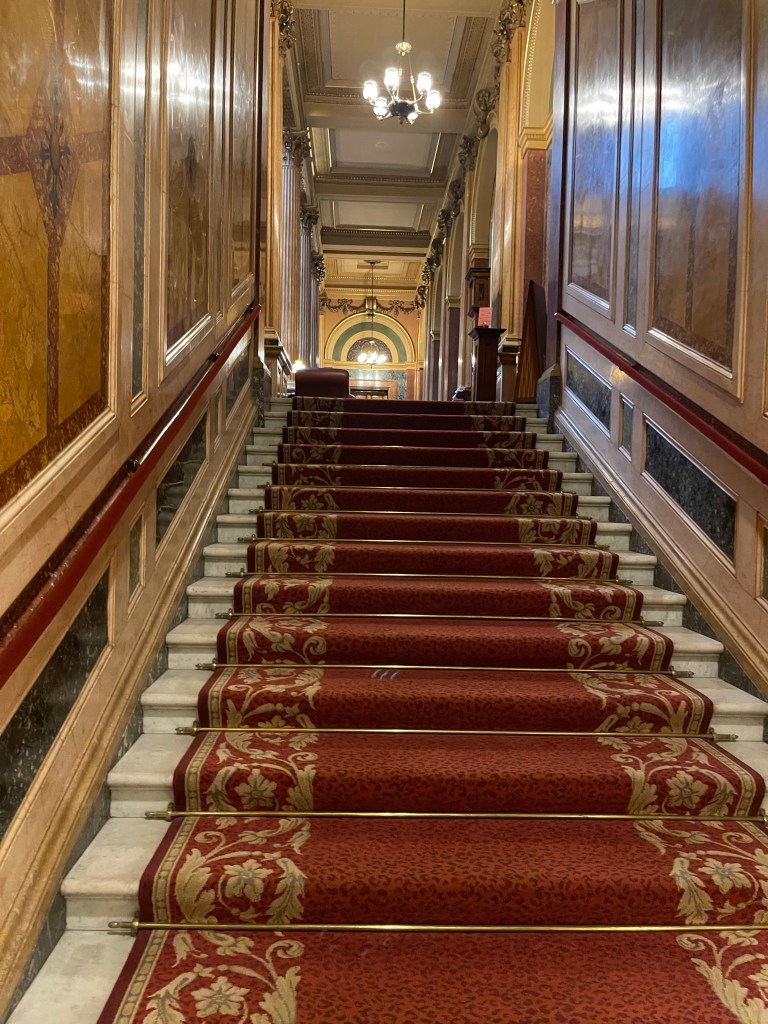
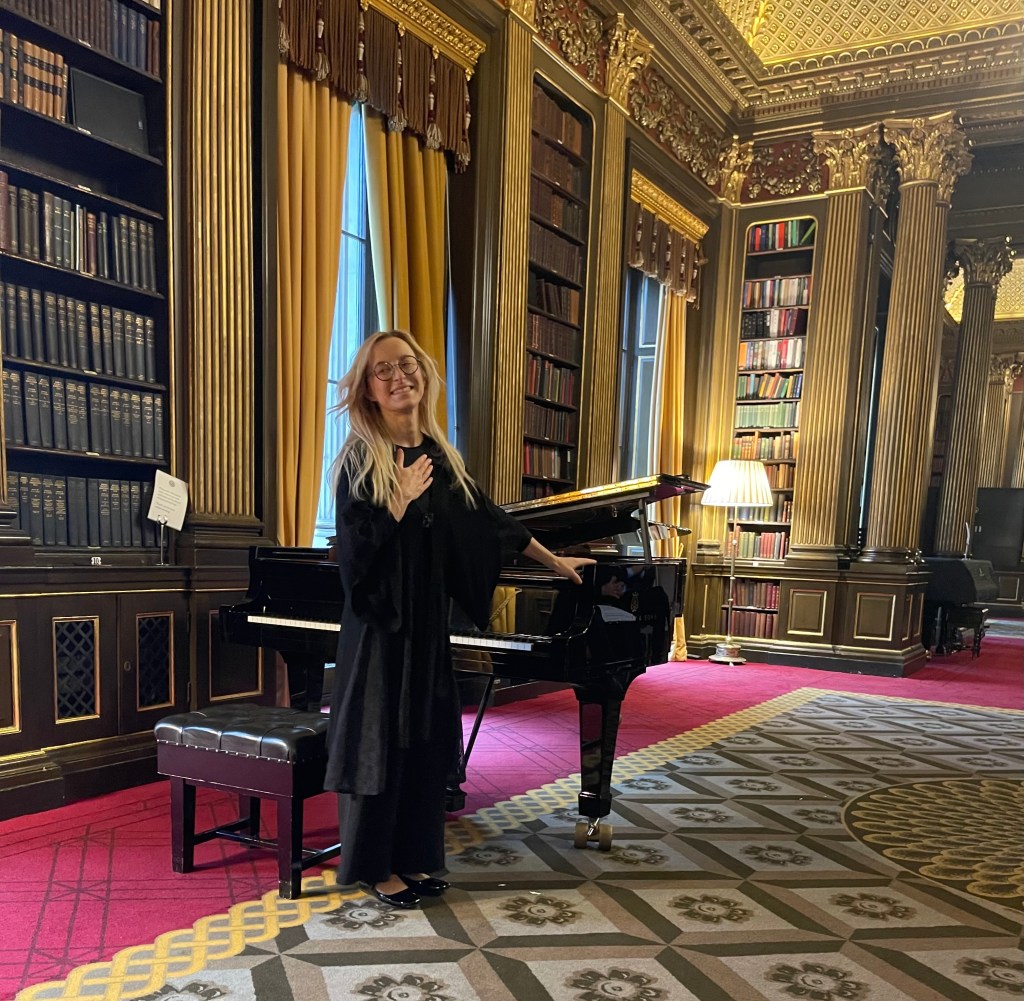
Martina Frezzotti on her way to Carnegie Hall stopped off to give a try out recital at the Reform Club at midday, donating all the proceeds to the Special Steinway Piano Fundraiser that will pay off the sumptuous Concert Grand that she played today.
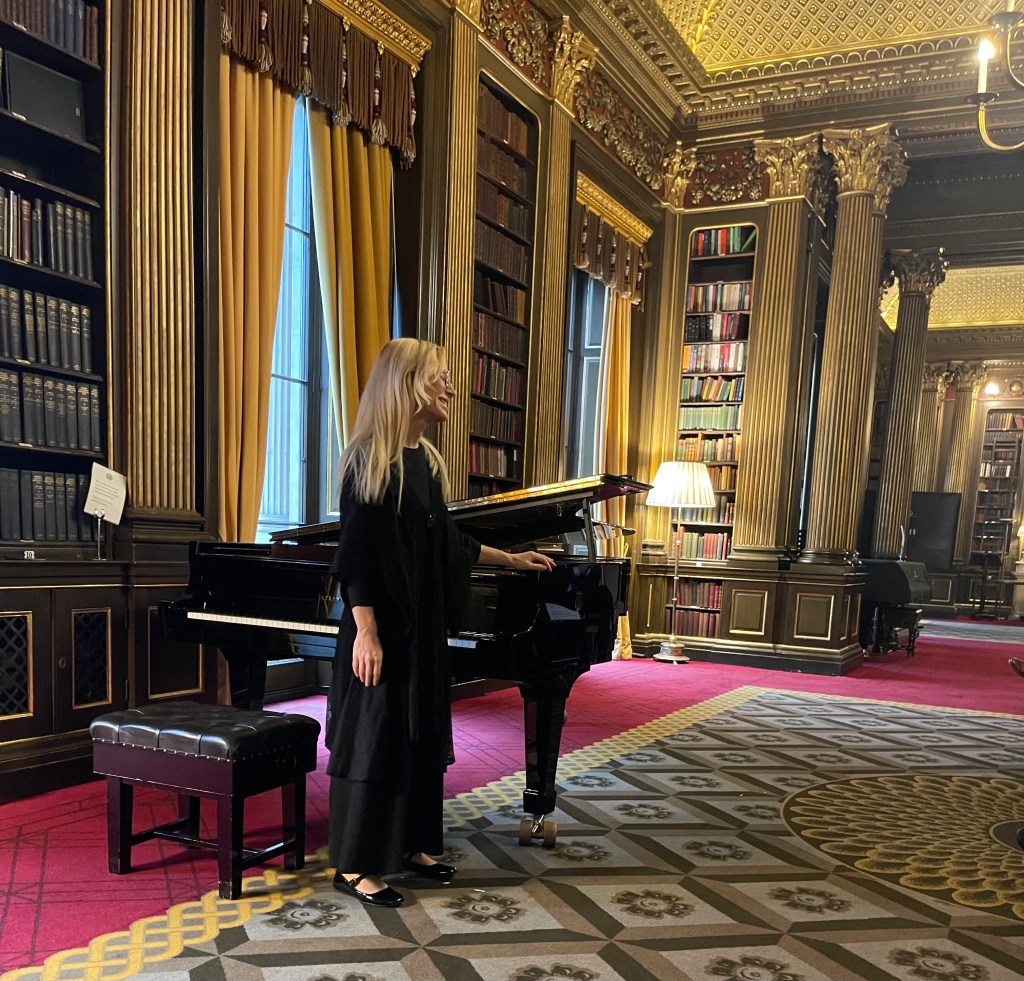
Martina loves the piano and everything she does is made of this love .
More Guiomar Novaes than Yuja Wang but a wonderful stylist playing with aristocratic control.
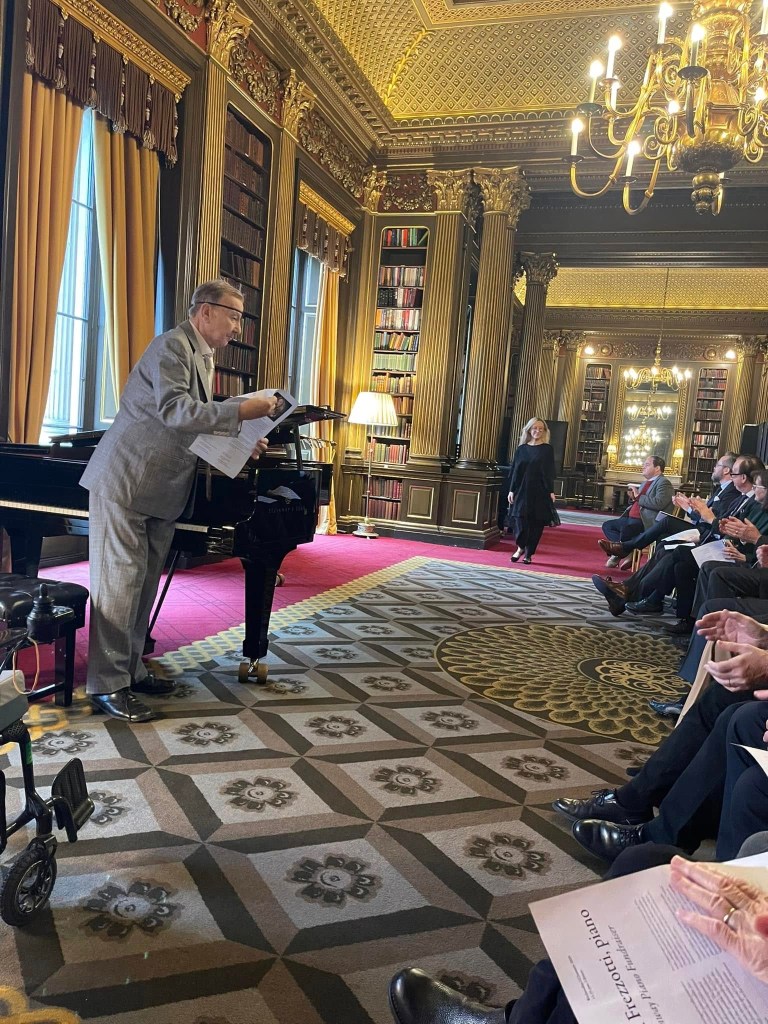
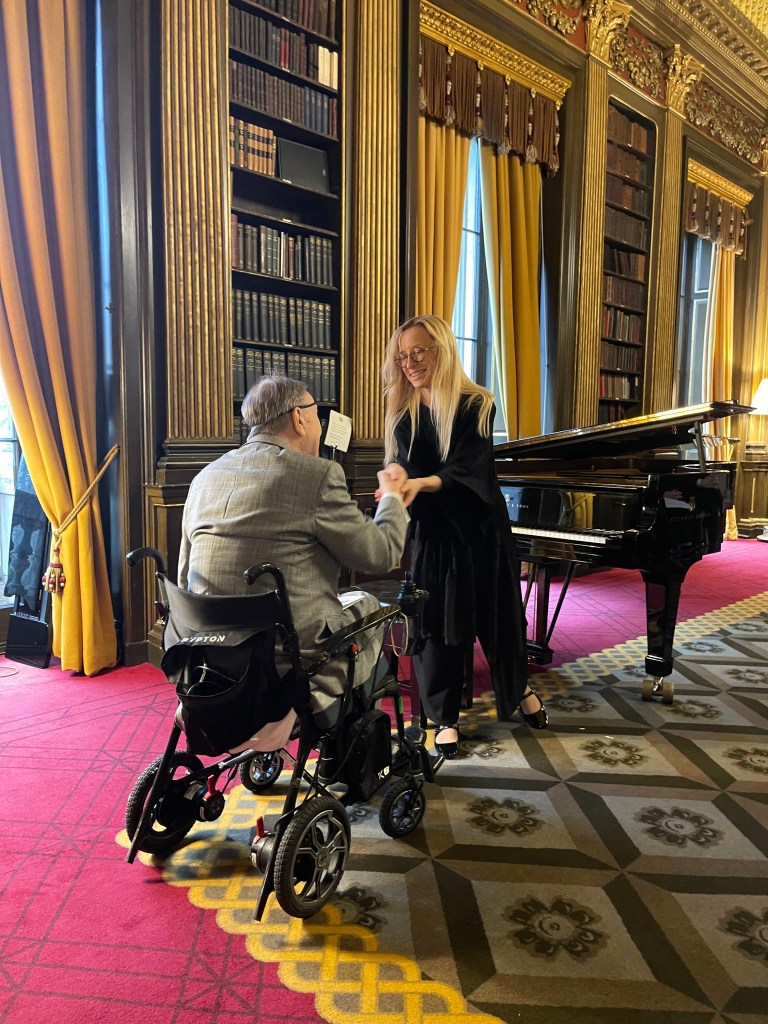
Flying in just a few hours before the recital with a programme that would scare most pianists even in these days of the Lims,Chens and Trifonovs.
All Chopin with his Four Ballades, the Studies op 25 and as if that was not enough the Second Scherzo!
Martina is fearless in the face of technical challenges because they simply do not exist for her as she sees and feels only music. Even her small hands does not impede her in any way as she plays ,feels and transmits the message behind the notes with extraordinary beauty and a ravishing sense of balance.To hear the tender whispered beauty of the first two Ballades one could wonder how she would approach the final trilogy of op 25 or the animal excitement of the coda of the Scherzo. After the ravishing beauty of the slow seventh study and the magic of the double thirds study that was a tone poem of shade and light instead of clocking up a record for speed . There was a famous student of Vincenzo Vitali who would ask his companions at what number they were on with the metronome with Feux Follets ! Well, Martina was like a Lion on the Keys and the final three studies were breathtaking for their sumptuous full sound allied to a dynamic fearless drive.
The ending of the Scherzo I have only heard that sound allied to such excitement from Rubinstein.
Let us not forget that Martina was one of the last students of Lazar Berman. Known as Laser Beam when he first appeared in the west! I remember trying to get out of the Festival Hall in London during his performance of all the Transcendental Studies of Liszt with a bombardment of sounds that offended my sensibility. How could a student of Goldenweiser, the teacher of Tatyana Nikolaeva, play with such disregard for sounds above mezzo forte? It was later ,though ,just when Martina was studying with him in Italy that he gave a recital in Rome that was supposed to be in the Park at the end of our road.The organiser,Teresa Azzaro, had asked me in case of rain if they could bring the artists to our theatre indoors. Well it rained on Berman and he came to the theatre, pale as a ghost, looking as though he was on his way out. He played all the Chopin Polonaises with a beauty of sound and aristocratic sense of style, the exact opposite of the young lion who had come to astonish us in the west thirty years or more previously. It was what I heard that day of Berman in old age that was exactly what he had obviously transmitted to Martina and probably many others in the Piano School in Imola.
The First Ballade one of the most molested of all Chopin’s works where the composers so called intentions are the complete opposite of what he wrote on the page. It is called the ‘Chopin tradition’ and it took Rubinstein followed by Pollini to get us back to what Chopin actually bequeathed to posterity. Martina showed us today the subtle beauty and sense of line allowing everything to sing, even the most florid and technically taxing passages. Always playing with a simplicity and the beauty of the true art of Bel Canto that was to influence and inspire Chopin.The Second Ballade too was delicate and with control and restrained beauty where even the sudden passionate outbursts belonged to the same family, with a sense of line and architectural shape without any abrupt shifts of gear.The Third Ballade the most pastoral of all four and with a grace and charm in which hides a stormy soul trying to get out. Even the acciaccaturas were made to sing with the beauty that she gave to her vision of this box of jewels. ‘Fiortiori’ like streams of gold just dusting the keys with a timeless beauty that gradually was to build to the glorious opening up of the heartstrings with simple unadorned majestic beauty. Her velvet gloves were very much in evidence, too, in the opening of the Fourth Ballade played with restraint and subtle sounds. If she missed the undercurrent that flows beneath the surface she had a vision of a work of searing beauty that was to find its culmination with the passionate outpouring of chords and the reply of the five barely whispered ones before the coda, that is usually played as a transcendental study. Martina played it with mastery and a sense of legato that made this, the culmination of all that had gone before. She had a vision of the Four Ballades as one whole, with sounds that did not shock or excite but seduced and ravished and that created a vision of beauty that is rare indeed!
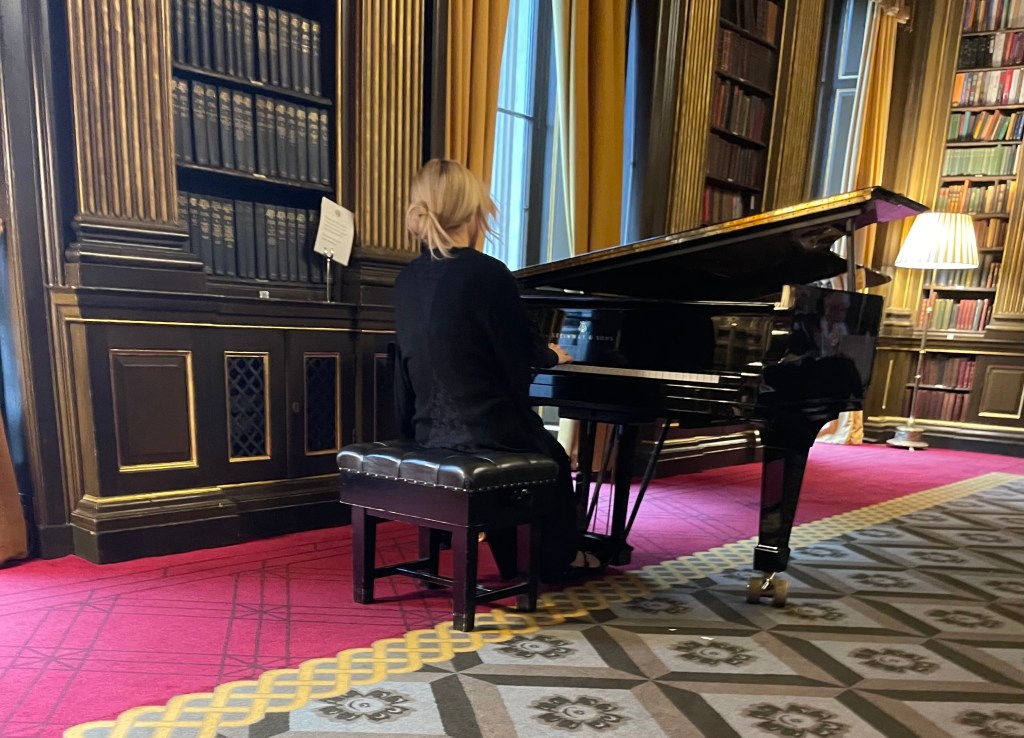
The first study op 25 was played with the beauty of Bel Canto and as Sir Charles Hallée was to note in his diary on hearing Chopin play in Manchester, an Aeolian Harp was heard on which floated the melodic line.The second study too was played with strands of velvet beauty as they rose and fell with beguiling and teasing insinuation.This was the study that Rubinstein in his 90th year was to astonish us with in the last concert of his long career at the Wigmore Hall. He could not see to negotiate the leaps in ‘his’ Second Scherzo, but his heart and fingers were still of a young man. Afterwards in the Green Room Rubinstein declared that he may be almost blind but not so blind as to know when a beautiful lady is standing next to him! Lauren Bacall was enchanted as many before her had been hypnotised by the irresistible charm of the ‘Prince of the Keyboard’. The way that Martina shaped and played the studies reminded me so much of a record of Guiomar Novaes that I had found by chance when I was a student and have never forgotten for its velvet beauty and magisterial artistry.The fifth study was played as a tone poem where the beautifully lyrical central episode seemed to grow out of the outer more rhythmic sounds.The study in sixths too just grew out of the beautiful nocturne study that is the seventh and the ‘Butterfly’ study hovered over the keys with lightness and charm.The final tongue in cheek flick leading straight into the monumental octave study. A study memorable more for the delicacy and beauty of the central episode than the powerful sounds that Martina unleashed on an unsuspecting public.The ‘Winter Wind’ was a whirlwind of sounds of transcendental control and shape as the last so called ‘Ocean’ study was a breathtaking torrent of glorious sounds.
It is at this point that most pianists would have finished the programme with these two major works of transcendental difficulty. But Martina chose to add the Second Scherzo that Rubinstein too would end many of his recitals with. A range of emotions and a kaleidoscope of colour were played with ravishing beauty but it was the animal intensity that she gave to the last few pages that was truly breathtaking in its audacity and brilliance. New York does not know what is waiting for it and I just wish I could be there to hear it all over again.

 ChristopherAxworthy-MusicCommentary