CHOPIN: Polonaise-Fantasie Op.61
SCHUMANN: Humoreske Op.20
I. Einfach – Sehr rasch und cehilt – Noch rascher – Wie im Anfang
II. Hastig – Nach und nach immer ei mi Anfang lebhafter und starker – Wei vorher
III. Einfach und zart – Intermezzo
VI. Innig
V. Sehr lebhaft
VI. Mit einigem Pomp
VII. Zum Beschluss
BARTOK: Piano Sonata SZ.80
I. Allegro Moderato
II. Sostenuto e pesante
III. Allegro Molto
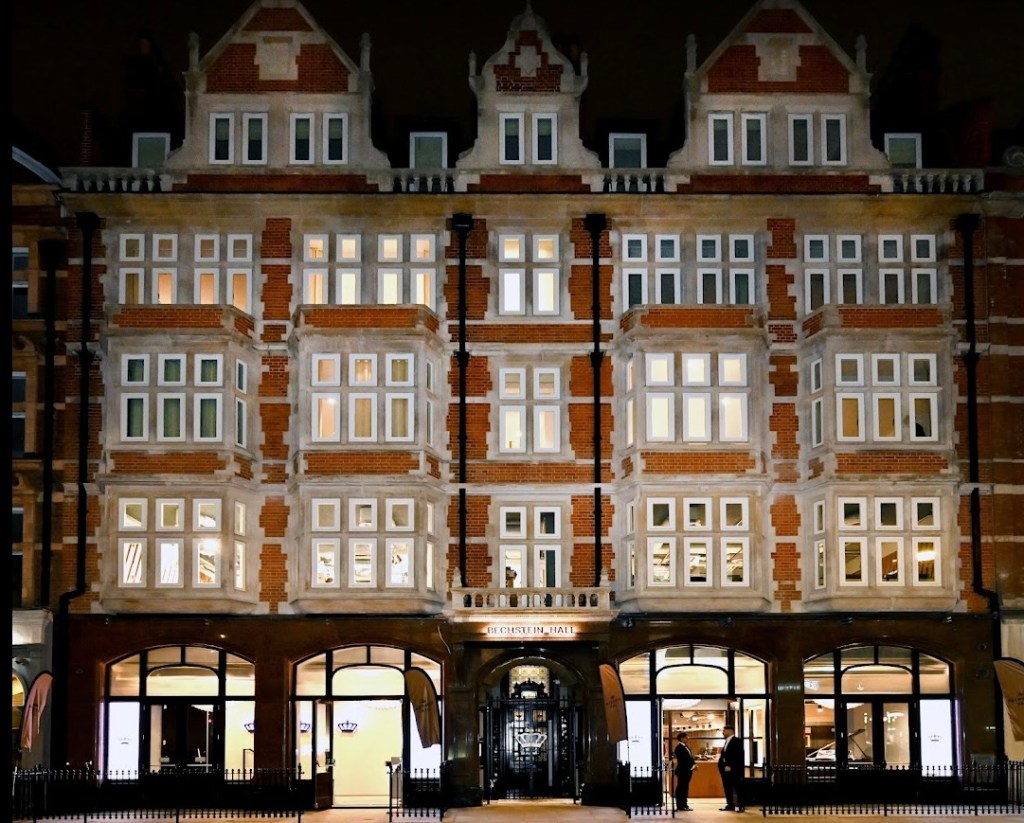
https://christopheraxworthymusiccommentary.com/2024/11/27/axel-trolese-at-bechstein-hall-mastery-and-intelligence-of-a-remarkable-artist/
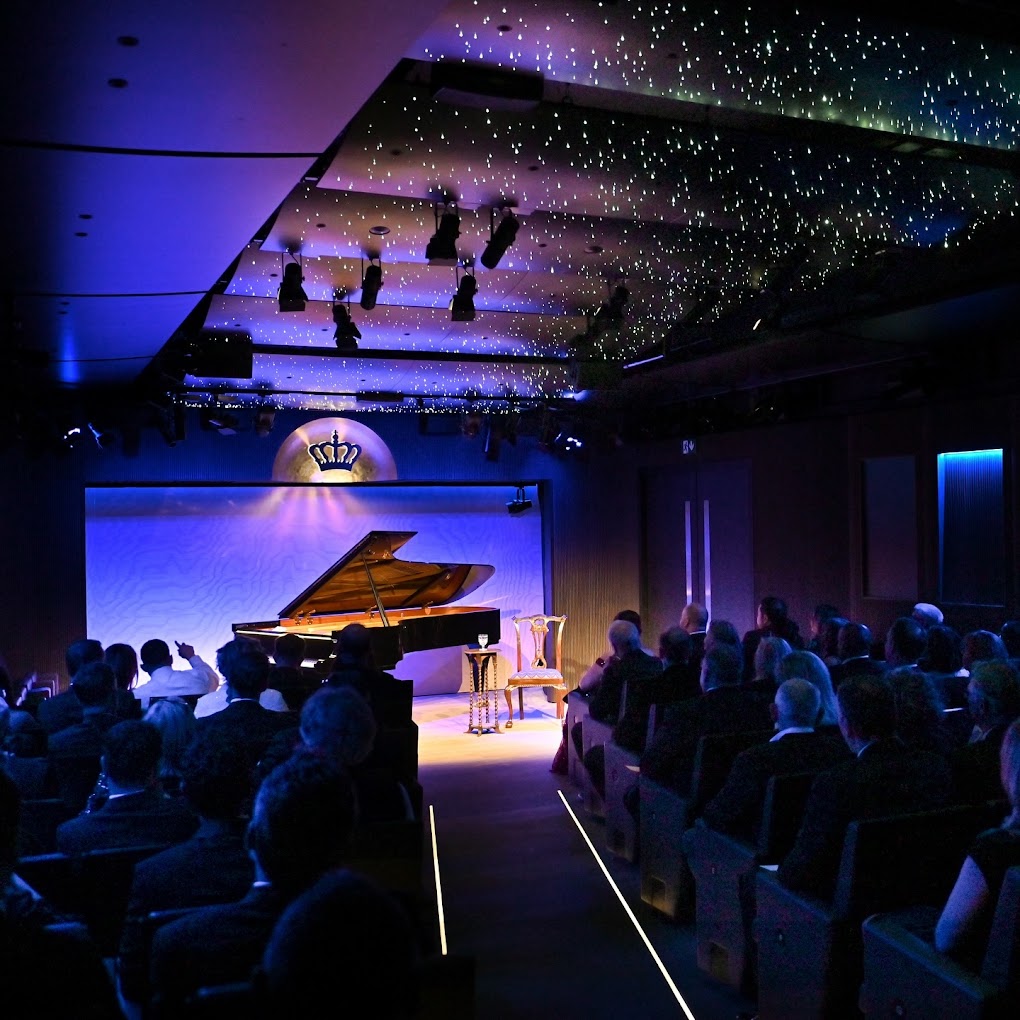
Vedran Janjanin at Bechstein Hall playing of scintillating, sumptuous beauty
https://christopheraxworthymusiccommentary.com/2024/12/02/vedran-janjanin-at-bechstein-hall-playing-of-scintillating-sumptuous-beauty/
Nice to see Terry Lewis in the hall he has fought hard to bring to life, enjoying an aspiring young musician in the refined space that is the new Bechstein Hall.
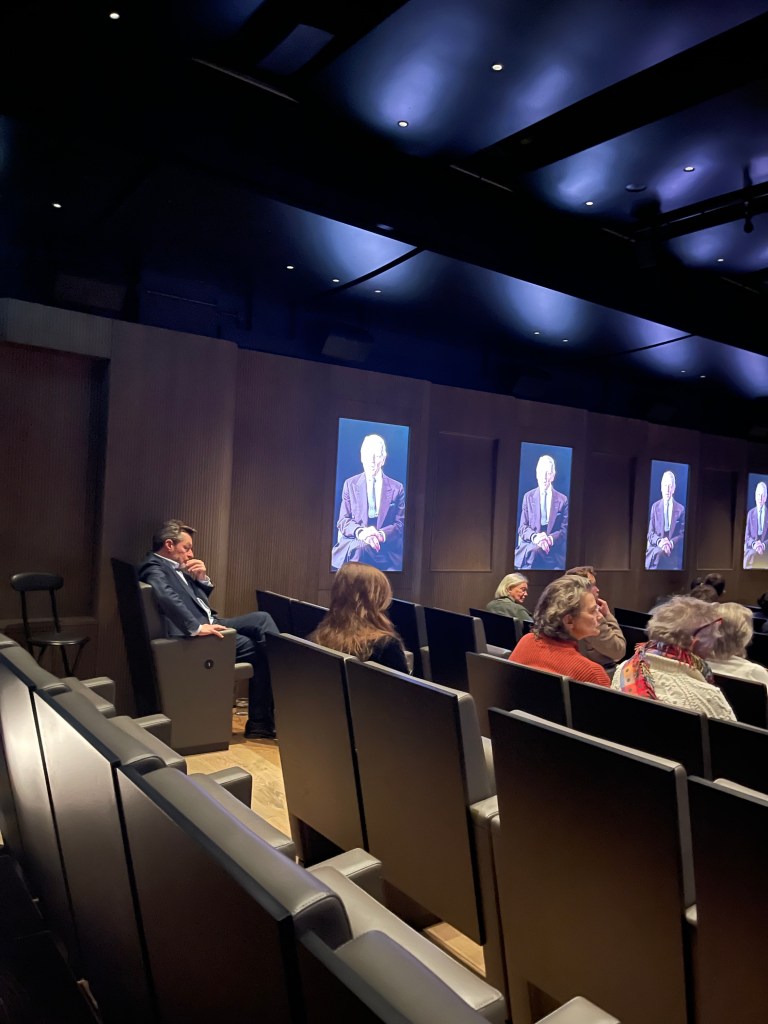
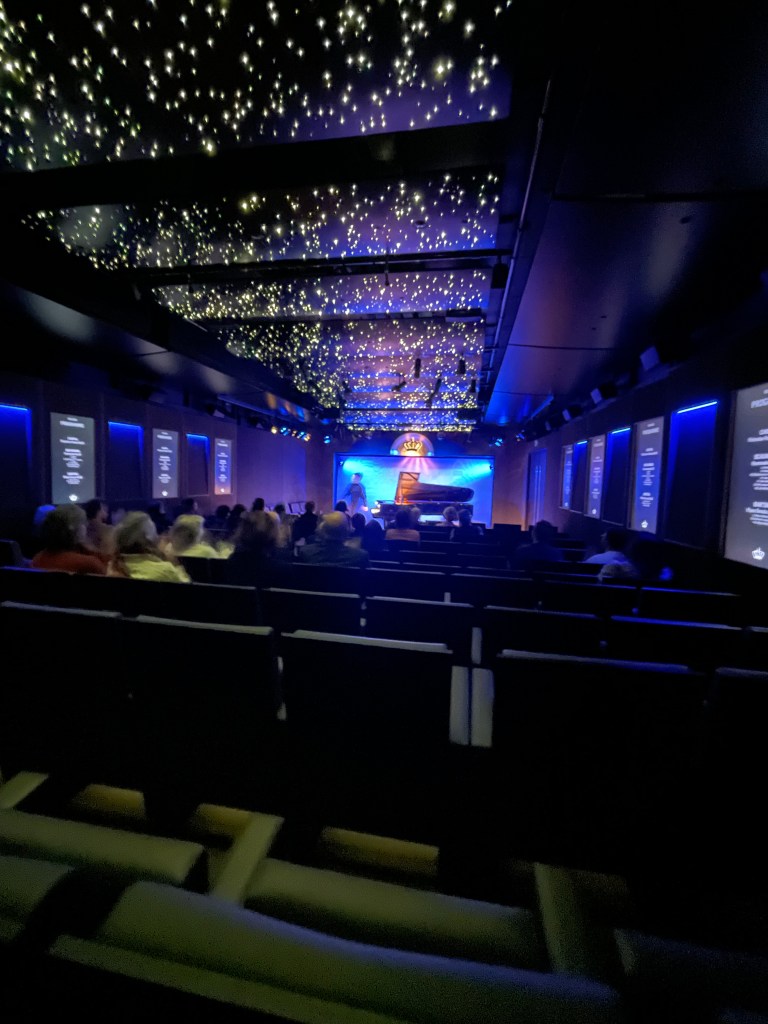
Just a stones throw from the old one that after our victory (!!), in the first World War, was confiscated and rechristened Wigmore.There is also Bob Boas’s sumptuous salon nearby,where regular concerts for a select audience have become very much part of the musical scene .
After the initial pre Christmas lull it is good to see this new hall gladly being accepted by an eclectic public, adding a much needed space to the near capacity audiences of the other two nearby venues.
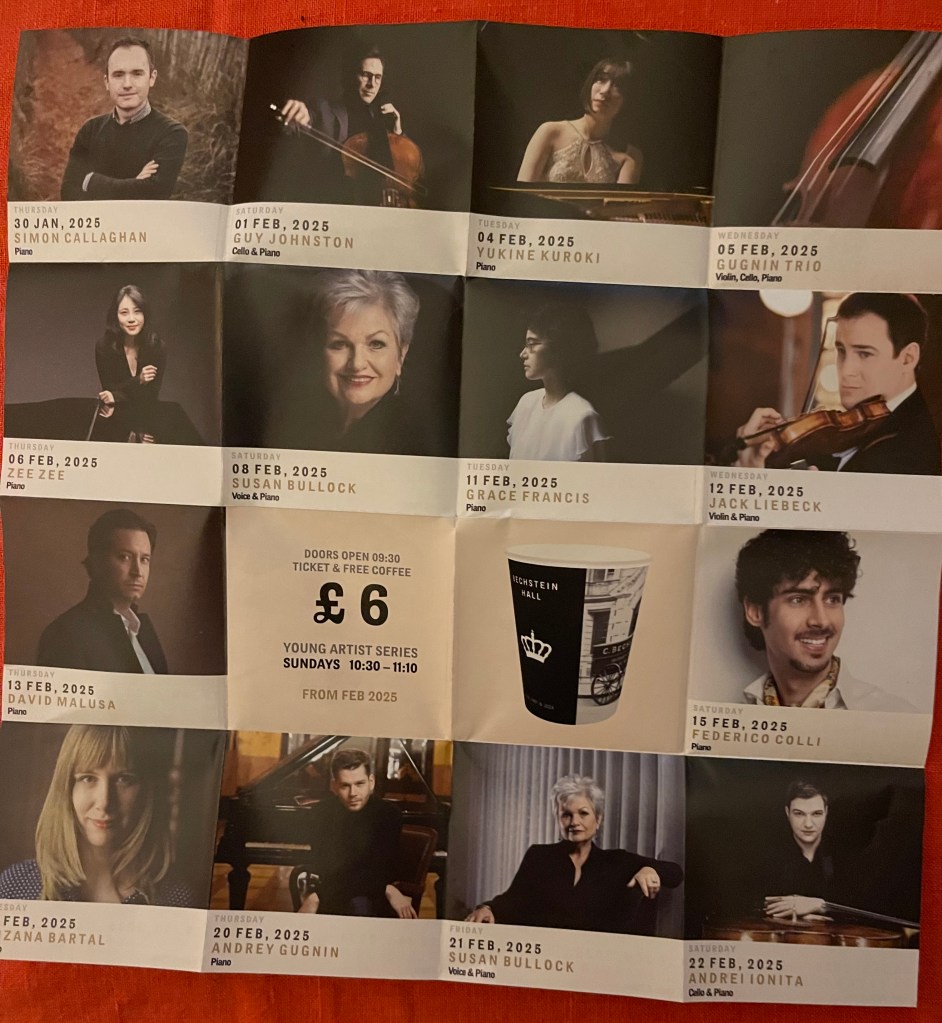
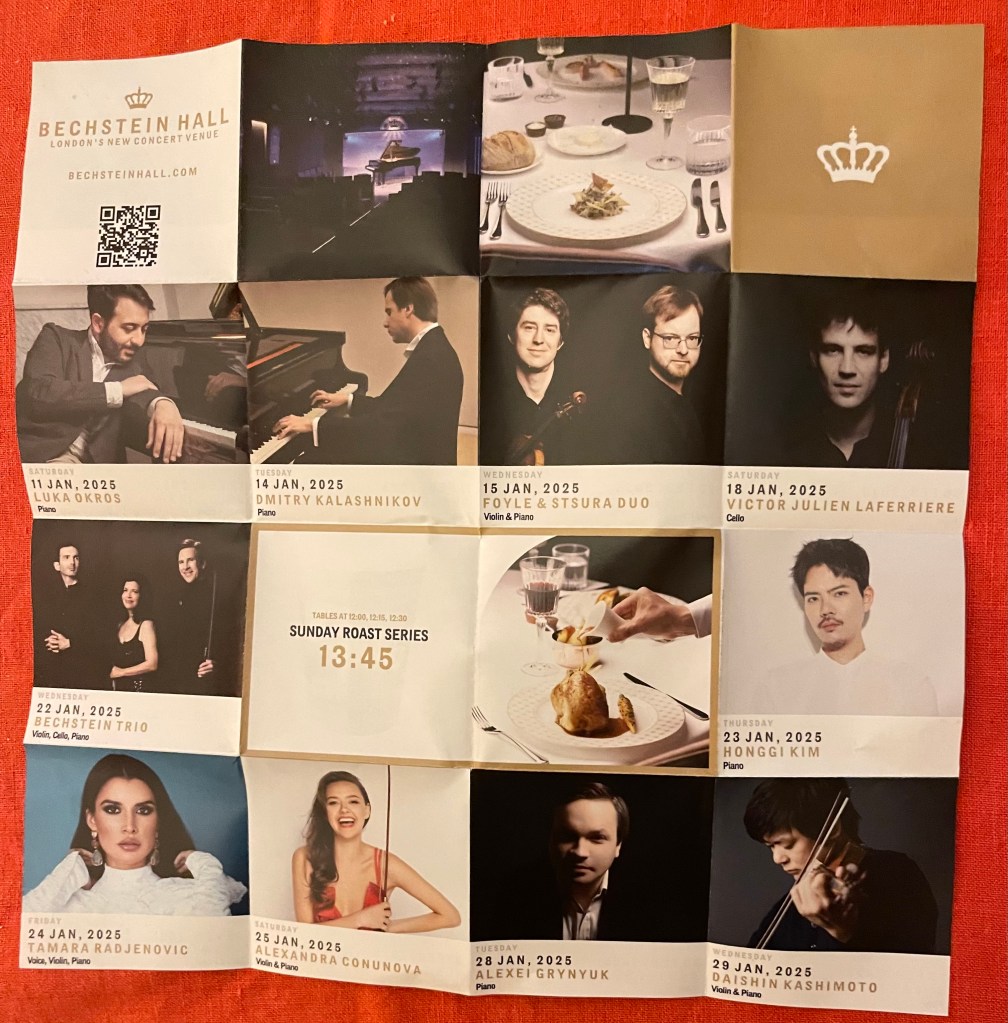
Many artists that are denied a space in the world’s capital of music are now included in this sumptuous new space. It is also opening its doors to the superb young musicians who have dedicated their youth to art and just crave an adequate space where to perform in this wondrous city. An added bonus is,of course, the sumptuous cuisine offered before or after each hour long performance.
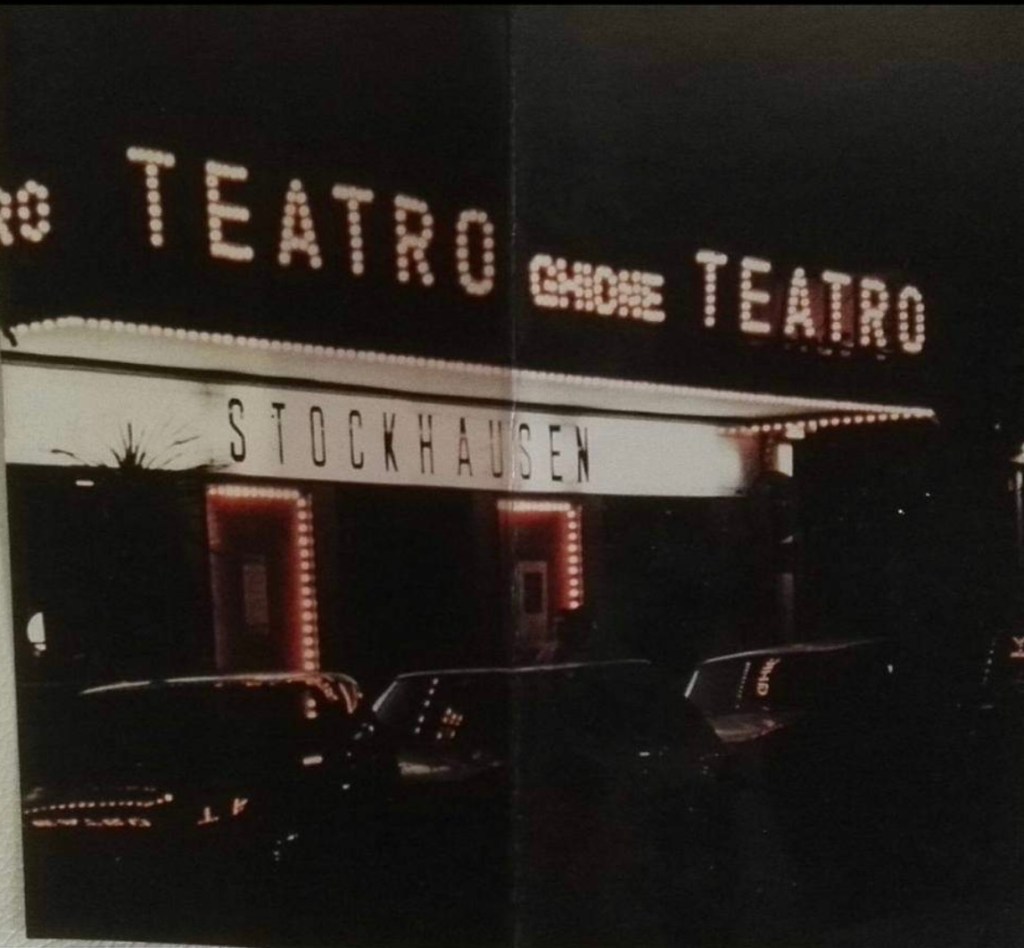
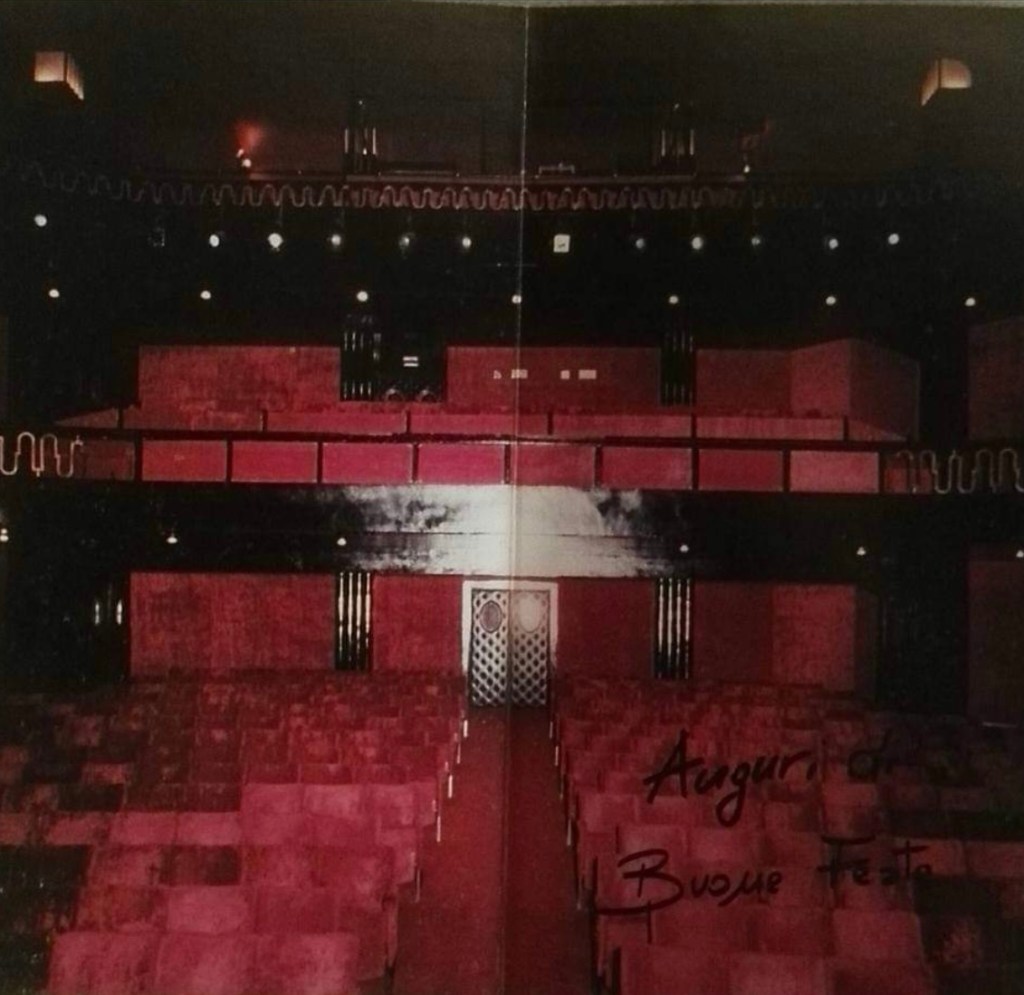
For thirty years I too created a theatre in Rome which was a centre for cultural excellence. Be it the stage direction of authors of the stature of Beckett or the performances and master classes of Stockhausen and many of the greatest musicians of our age.
https://christopheraxworthymusiccommentary.com/2024/03/20/christopher-axworthy-dip-ram-aram/
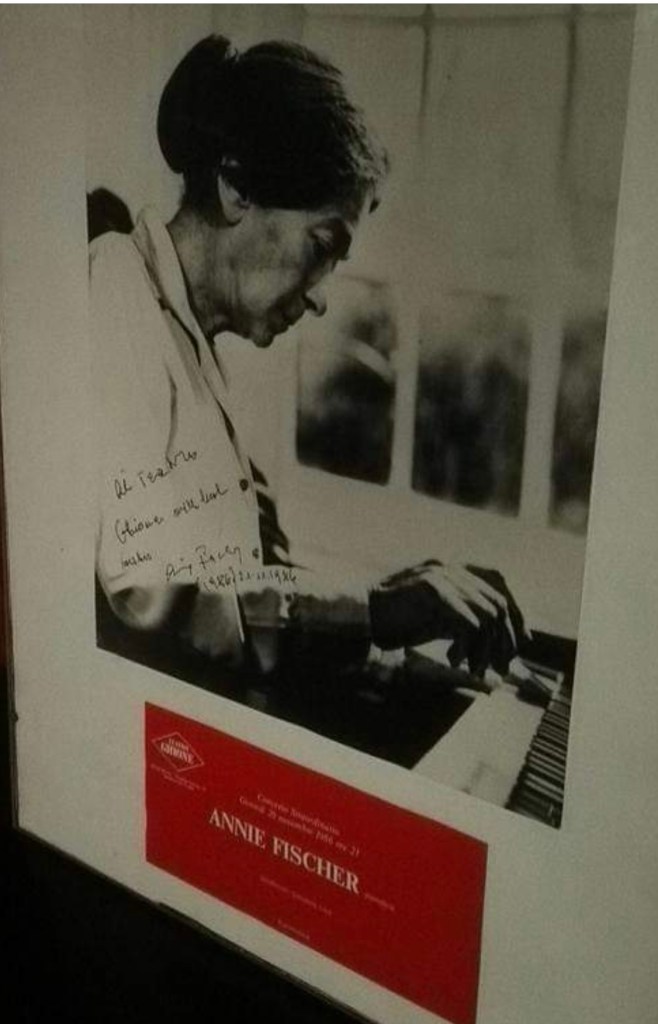
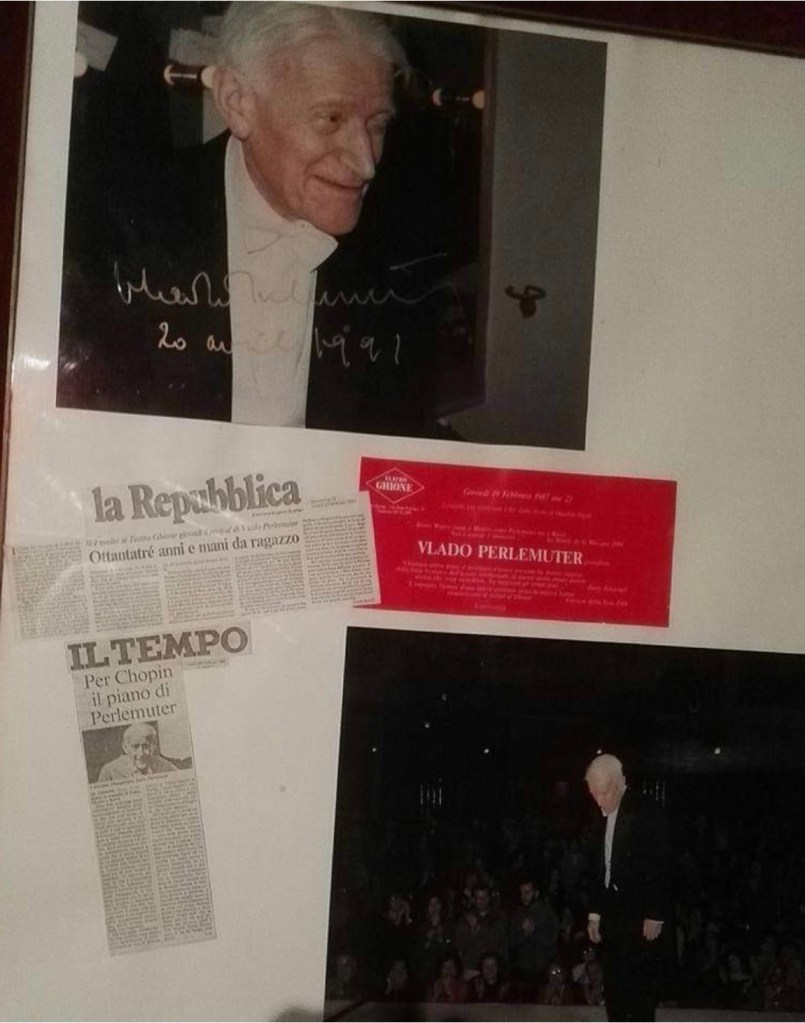
It takes time and selfless commitment to overcome the hurdles of the first few years. Infact my wife and I were much criticised because as most theatres were closing down we were opening up!
Ileana Ghione died on stage acting the part of Hecuba in 2005, but after many years of maintaining high standards, in 2001 was knighted by the President of Italy .’We have become a Dame’, I told my English friends. Rosalyn Tureck who became our dearest friend after her triumphant come back to the concert stage in 1990, praised and admonished us, saying whilst recognition was a great satisfaction it is the work and our mission that counts (the RAM my old Alma mater did give me a special award in recognition of our work promoting music and musicians in Rome, and it came by post to the theatre! )
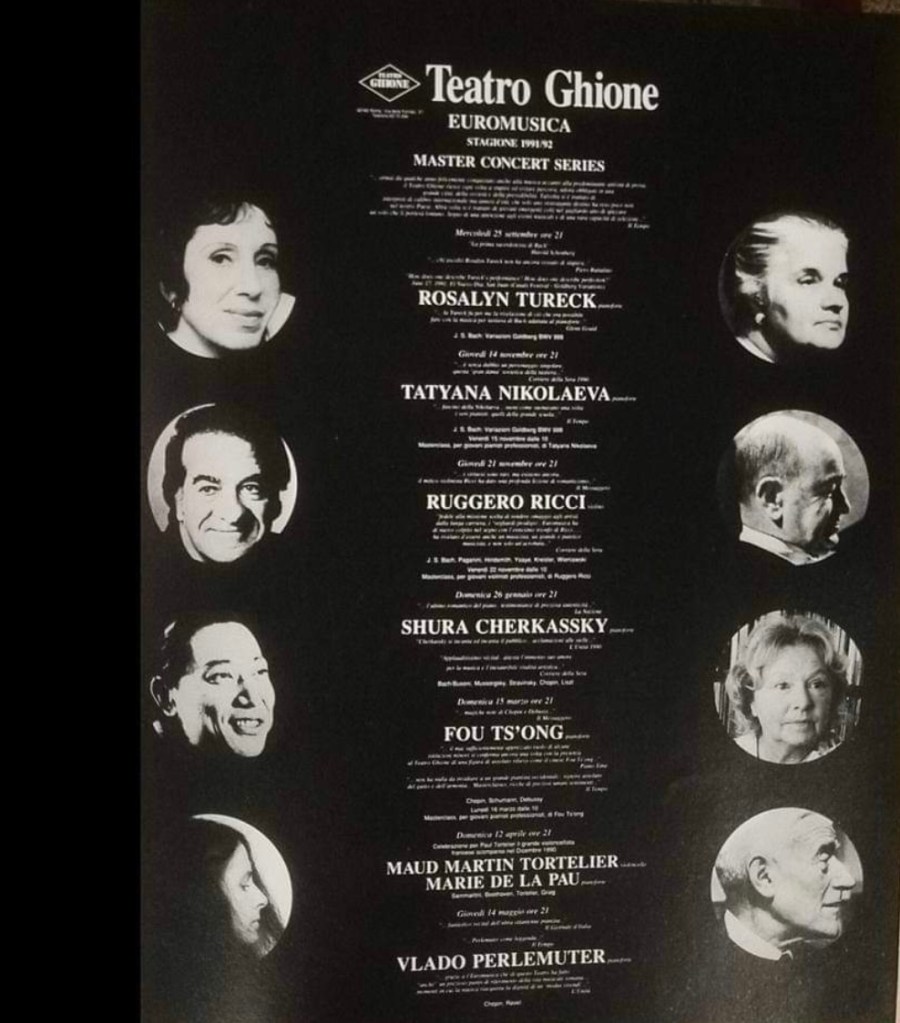
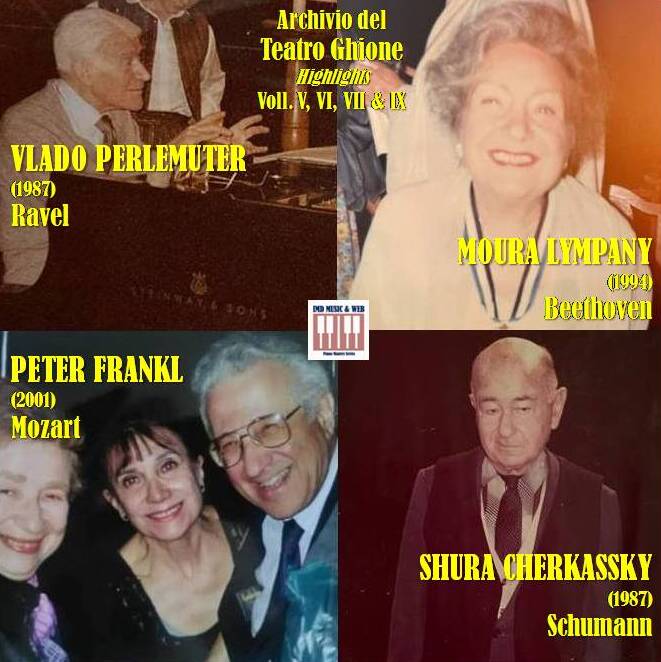
So it was very warming to see our host greeting the public as we were told over the air by Sir Edward Fox to hold onto our seats for take off!
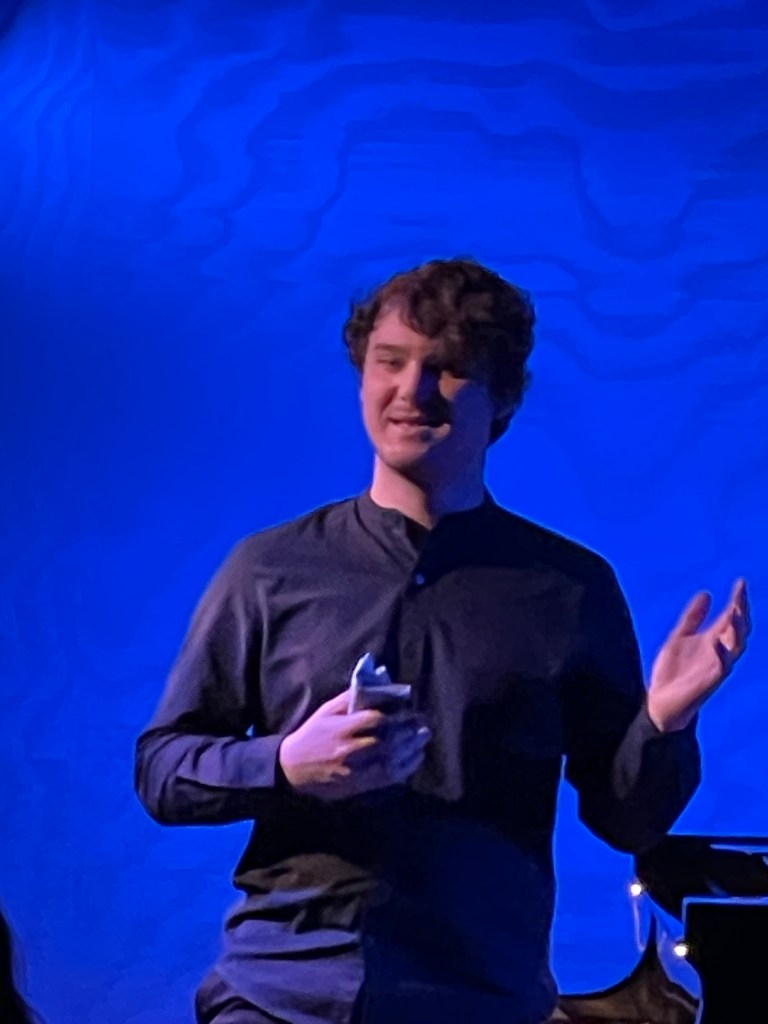
And take off it was with the Polonaise -Fantasie, one of Chopin’s most revolutionary late masterpieces, where in the last year of his life he could marry his beloved polish Polonaise with the fantasy of a true poetic innovator of the keyboard. Fillip played it simply and with one gentle movement of the arm as the opening imperious chords reverberated over the entire keyboard. Sensibility and a kaleidoscope of colours illuminated his playing as the Polonaise rhythm could gradually be seen advancing from afar.There were also pauses for serene poetic reflection as he regained his breath for ever more aristocratic musings, mixed with passionate outpourings of technical mastery. Sometimes, though, he could let go more, and allow the music to pour from his fingers simply, like the streams of liquid gold that Chopin carves out of thin air, throwing off notes that like the opening are but reverberations of sound. A beautifully sung ‘poco più lento’ was allowed to expand with sumptuous beauty before the gradual build up to the passionate climax of exultation and nobility. Leaving the music exhausted and spent as it barely made it through the final whispered bars, drawing to an abrupt close with a final dying gasp.
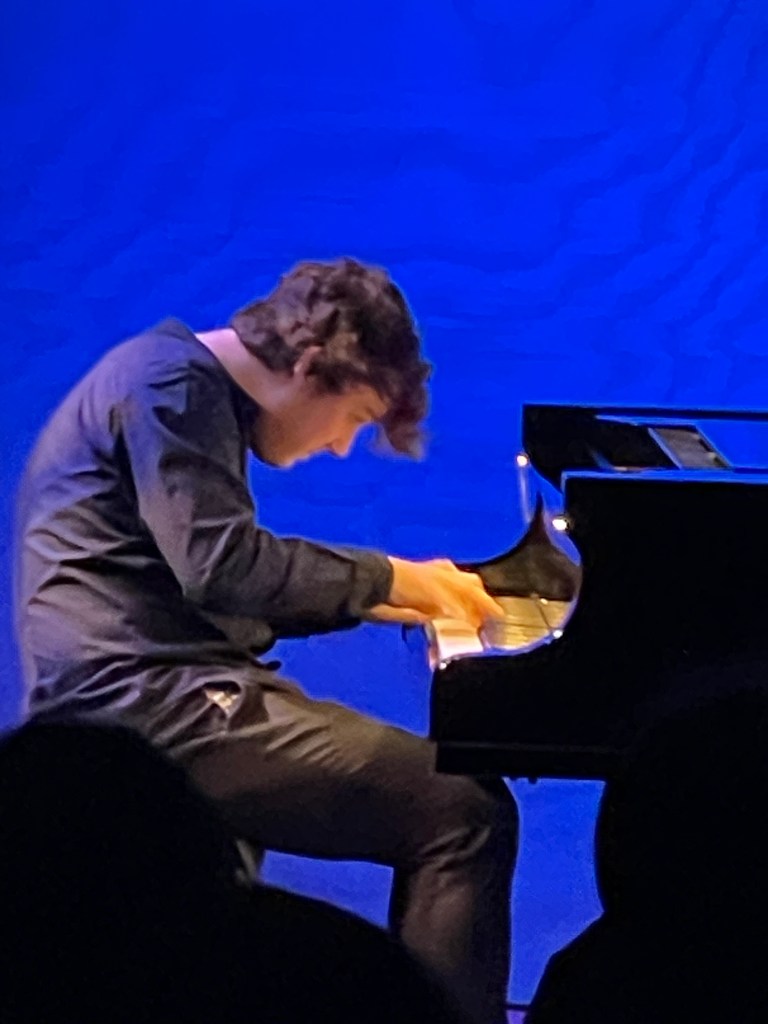
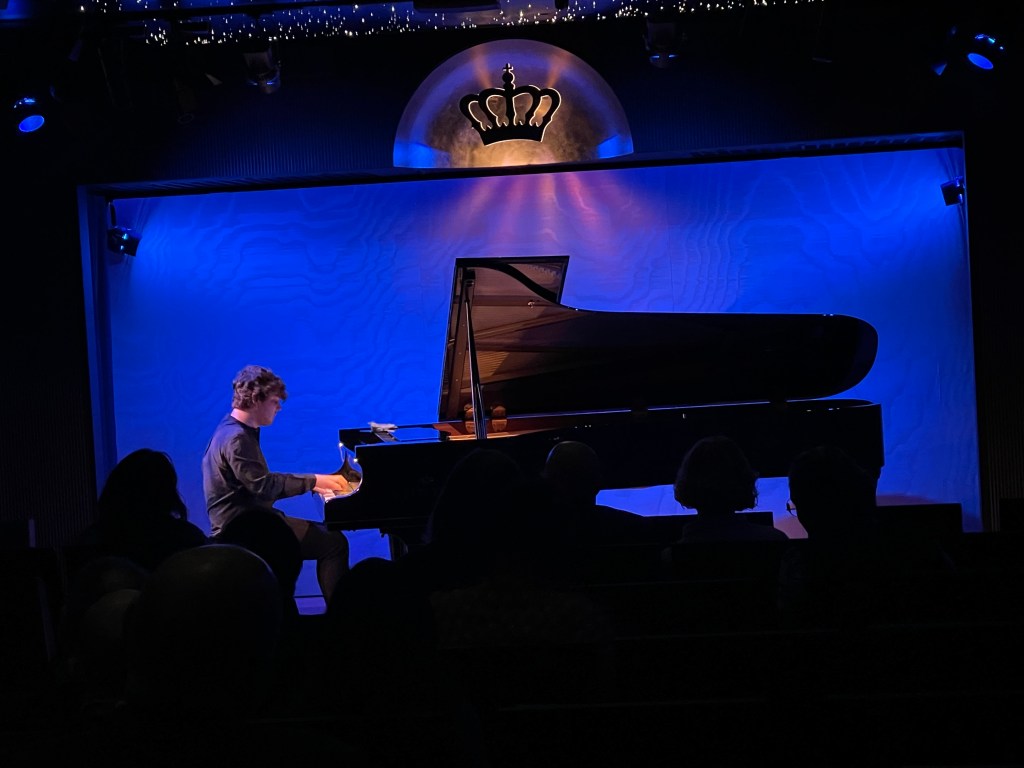
The Schumann Humoresque has only in recent years, thanks to Richter and Horowitz, become as popular as Carnaval or Kreisleriana. It is a very elusive work full of fantasy and sudden quixotic changes of mood that Phillip understood completely.
Opening with a beautifully expansive luminosity, surely one of Schumann’s most beautiful ‘songs without words?’ Leading into a fleetingly wistful passage of driving rhythmic energy with abrupt changes of mood and tempo, before going full circle to the ever more ravishing beauty of the opening: ‘Wie in Anfang’.
‘Hastig and ‘innere Stimme’ ( as described below) followed without a break, where Fillip could have allowed the slowly opening melodic line more timeless weight and simplicity, but the passionate outburst that followed was played with dynamic drive and fearless conviction.
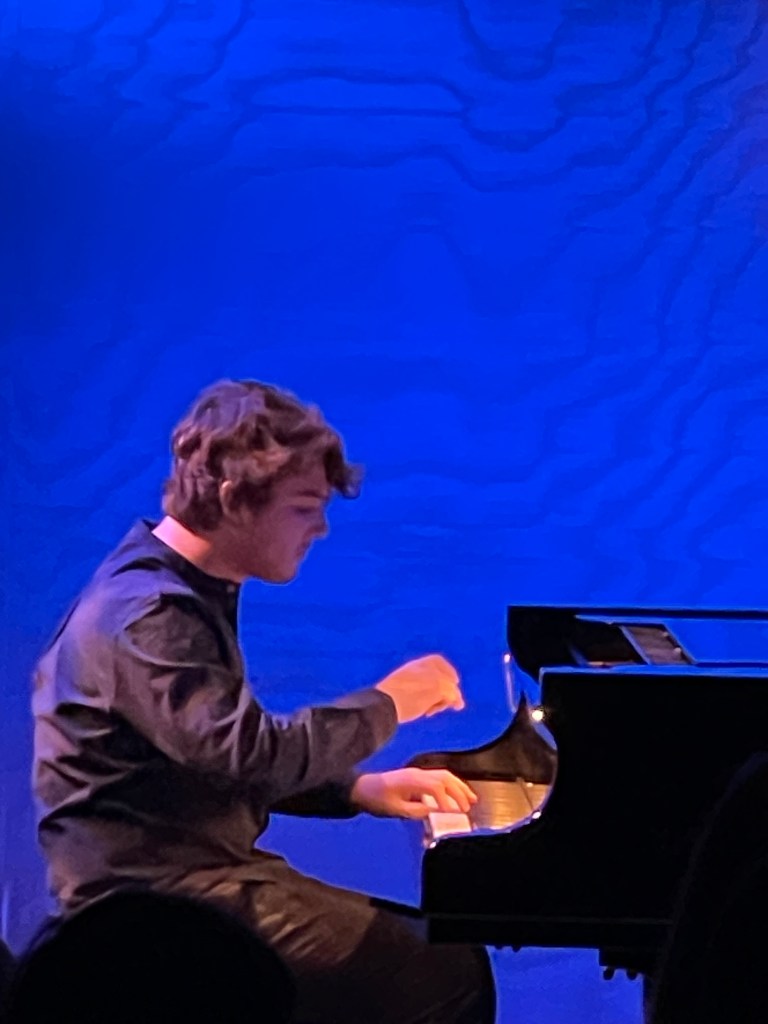
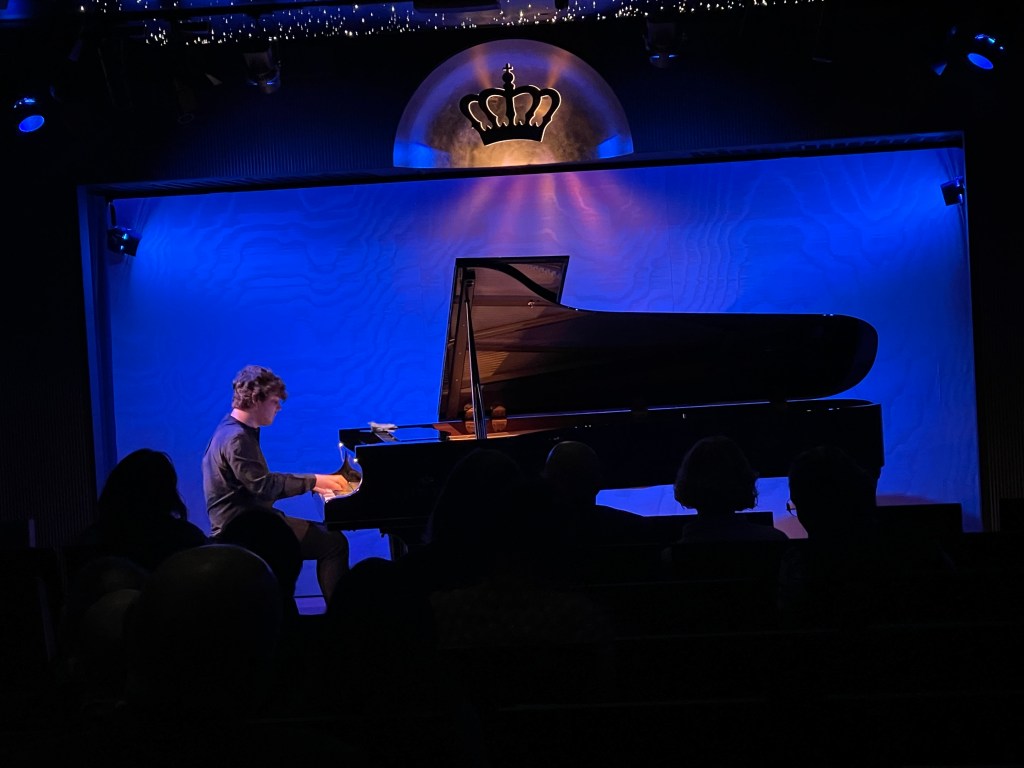
A sedate chordal declaration was interrupted by the sudden changes of harmony that streaked across this march like interlude and brought it to rest on a series of celestial chords, that Fillip played with extraordinary poetic sensibility. A glimpse of the heaven that had taken Schubert ten years previously, and would take Schumann before his fiftieth year. A gloriously lazy ‘Einfach und Zart’ expanded with style and character where Phillip could have indulged even more to enjoy the sumptuous rich sounds of refined lyricism. The eruption of an Intermezzo of knotty twine was held firmly under control and the treacherous octaves were heroically thrown into the fray. The quixotic changes of mood of the ‘Innig’ were played with impish good humour contrasting with rich expansive beauty. The ‘sehr lebhaft’ was a passionate outburst of sumptuous sounds spread over the entire keyboard with mastery and architectural shape. The red hot passion of the climax giving way to a coda of demonic meanderings. ‘Mit einigem Pomp’ is one of those extraordinary passages in Schumann that like the three handed pianist can create two different characters and link them together. Fillip played it with great sensibility but it is the balance here that is so important. It is enough to say that Sokolov did not seem to understand this passage at all, whereas Fillip did, but could have experimented with the pedals more to create this rather special effect.This is a passage that only Richter or Kempff could truly reveal.The final ‘Zum Beschluss’ was played beautifully and expansively with great freedom and fantasy, with the gradual cooling down of the chromatic counterpoints before the eruption of the final triumphant Allegro.
The Bartók Sonata was played with a remarkable musicality, where the percussive outbursts and rugged edges were answered by the traditional dance motifs of Transylvania.
There was a hypnotic insistence to the ‘sostenuto’ as luminous sounds echoed around the magic atmosphere of this hall, with desolation and searing intensity.There followed the driving insistence of the Allegro molto that was played with great urgency but also giving an architectural shape to the final dramatic outbursts.
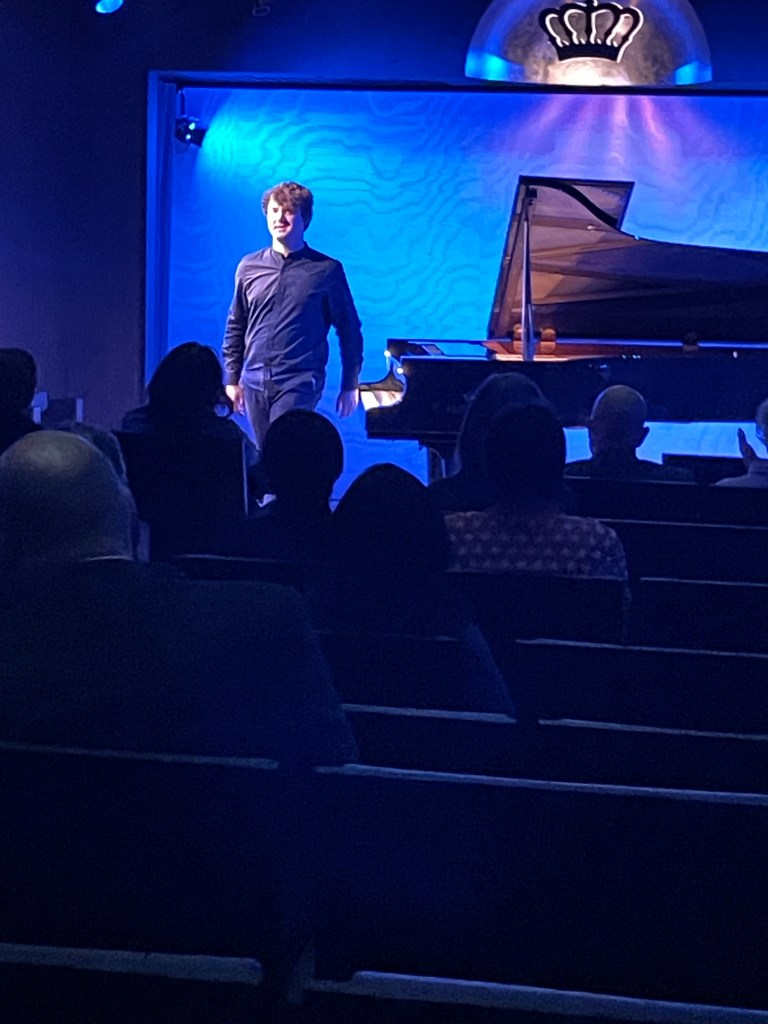
An encore for a very insistent audience was rewarded a romance by the Czech composer Josef Suk : Spring Song op.22a iii.V očekáváni ( Awaiting ), played with great conviction and warmth.
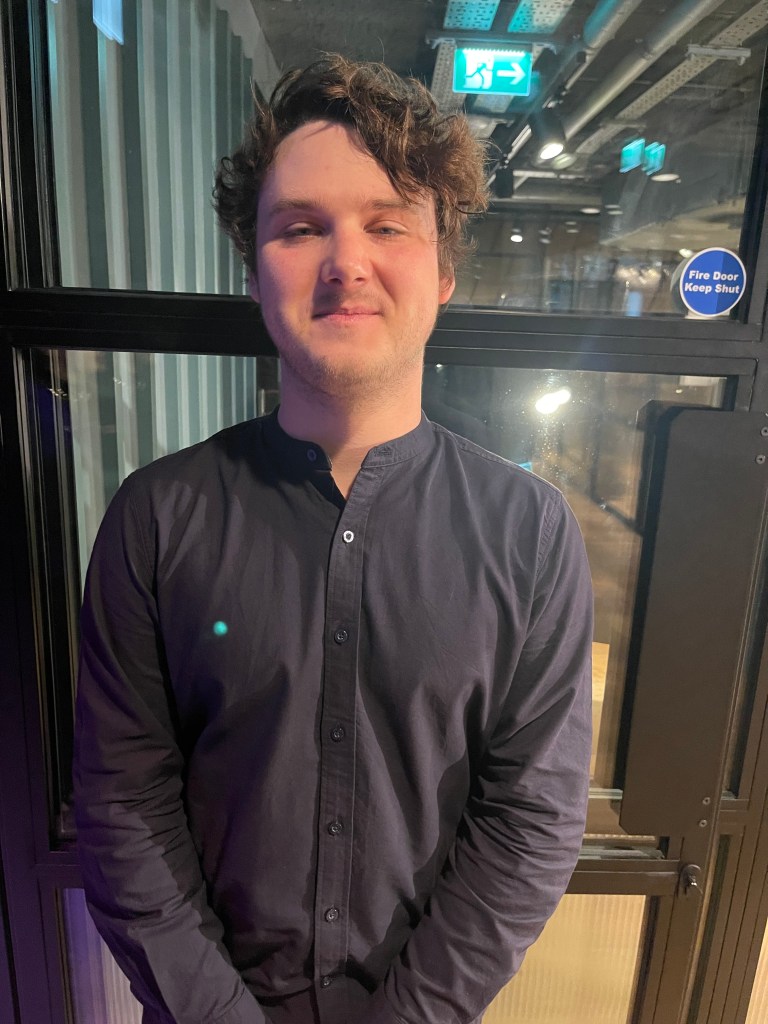
Phillip James Leslie at St Mary’s Perivale ‘On wings of song’ with artistry and integrity
https://christopheraxworthymusiccommentary.com/2024/03/30/phillip-james-leslie-at-st-marys-perivale-on-wings-of-song-with-artistry-and-integrity/
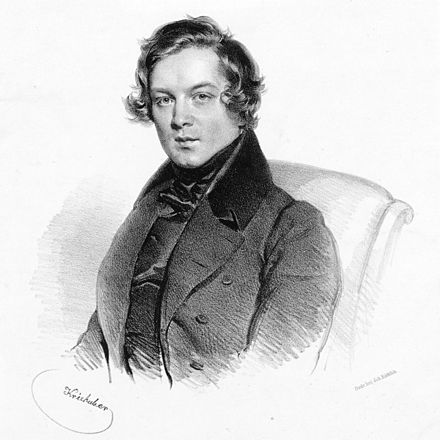
Bonn, Rhine Province, Prussia
“All week I’ve been sitting at the piano and composing and writing and laughing and crying, all at the same time,” wrote Schumann to his beloved Clara Wieck from Vienna in March 1839. “You will find this beautifully illustrated in my Opus 20, the great Humoreske.”
Schumann needed some happy diversion in his life at that particular time: he was very unhappy being separated from Clara but somehow she wasn’t able to heed Robert’s plea for her to come to Vienna to join him. Further, his reason for being in Vienna was to be able to establish in the Austrian capital his journal, Neue Zeitschrift für Musik,which he had founded in Leipzig in 1833. But the city fathers said a resounding “No.” So, what to do other than compose a new keyboard masterwork. In fact, Schumann in 1839 was close to the end of the line of works for the keyboard. His creative life had centered virtually exclusively on music for the piano, the instrument on which he envisioned becoming a virtuoso. This dream, however, was shattered when he injured his hands with a machine he used to strengthen his fingers.. But after his marriage to Clara in 1840 he turned to songs and then symphonies and chamber music.
The conflicting emotions Schumann felt while composing his Humoreske are reflected in the music’s contrasting moods. In a letter of 15 March 1839 to his Belgian follower Simonin de Sire, Schumann provided a hint as to the meaning of the work’s title when he pointed out that the word ‘humoreske’ couldn’t adequately be translated into French. ‘It is a pity’, said Schumann, ‘that there are no good and apt words in the French language for such deeply ingrained characteristics and concepts as Gemütlichkeit, and for humour, which is the happy fusion of the gemütlich and the witty. But it is this that binds the whole character of the two nations together.’ Adding that ‘The human heart sometimes seems strange, and pain and joy are intermingled in wild variegation.’in fact Schumann described humour in music as “a way of looking on the emotions with ironic detachment.”
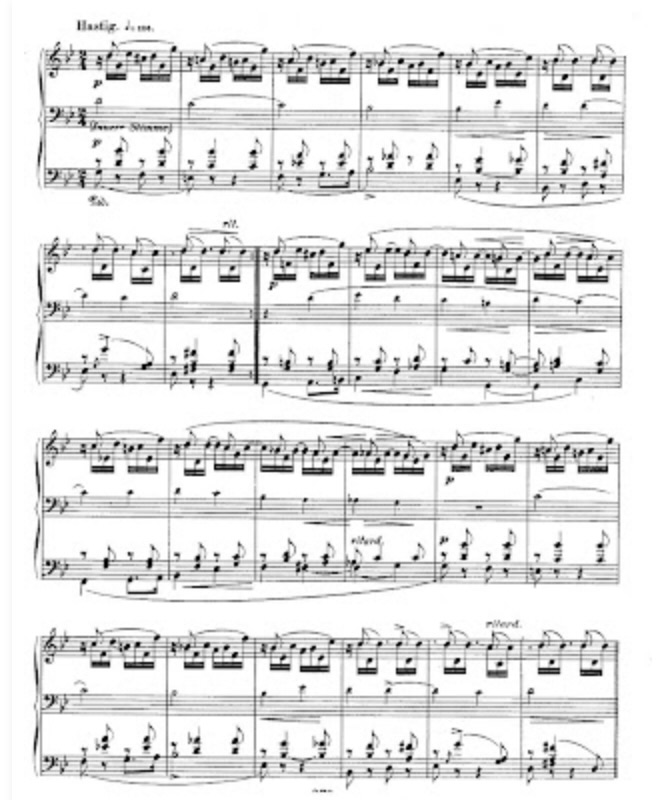
The score features a third line, an ‘inner stimme’ which is not to be played, merely implied, in the accentuations of the two given accompaniment parts. Generally it seems that this move is either taken to be a part of the gradual diminishment of the voice in Schumann’s work (related to his mental illness) or perhaps a tribute to Clara and one of her works. The Humoreske was composed in 1839, and a few years previously the pianist Sigismond Thalberg together with Liszt was considered the most famous pianist in Europe and the impact of Thalberg’s playing largely depended on his ‘three-handed technique’. On the newly established pianos with sustaining pedals the melody could be played by the thumbs in the middle register of the keyboard with ornate arpeggiated figuration in bass and treble, creating the illusion that three hands are required.Could Schumann have been influenced by, or even been referring to this ‘three-handed technique’?
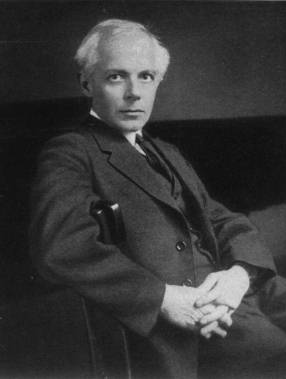
25 March 1881 Nagyszentmiklós Hungary – 26 September 1945 (aged 64) New York
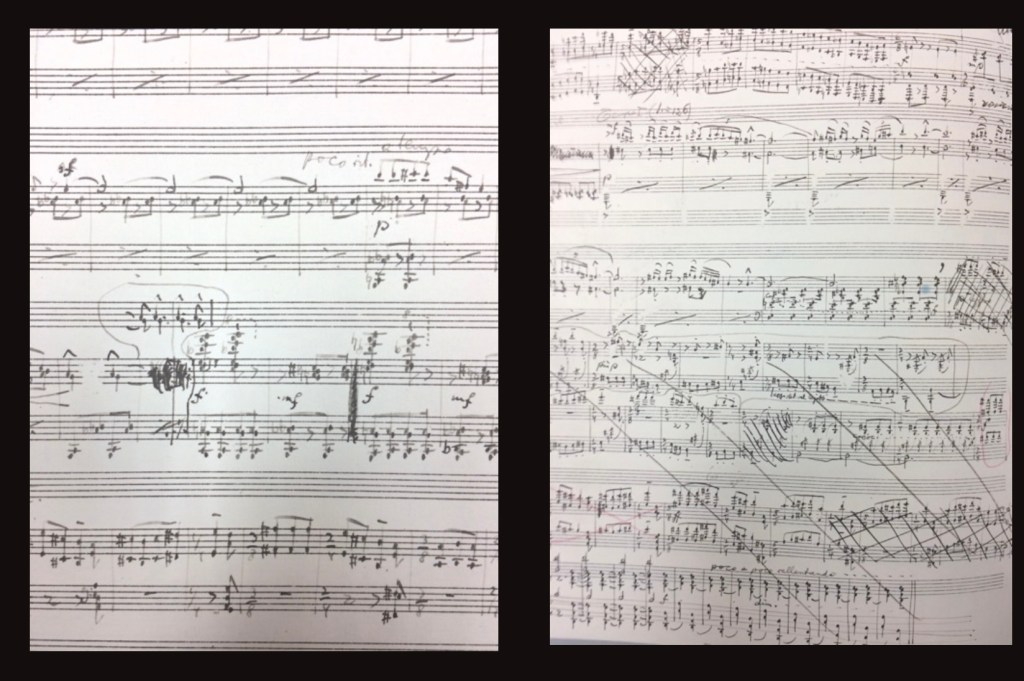
The Bartók’s Piano Sonata, BB 88, Sz. 80, was composed in June 1926 a year that is known to musicologists as Bartók’s “piano year”, when he underwent a creative shift in part from Beethovenian intensity to a more Bachian craftsmanship.It is tonal but highly dissonant and has no key signature , using the piano in a percussive fashion with erratic time signatures . Underneath clusters of repeated notes, the melody is folklike and each movement has a classical structure overall, in character with Bartók’s frequent use of classical forms as vehicles for his most advanced thinking. Dedicated to Ditta Pásztory- Bartók, his second wife, he wrote it with an Imperial Bösendorfer in mind, which has extra keys in the bass (97 keys in total). The second movement calls for these keys to be used (to play G sharp and F).
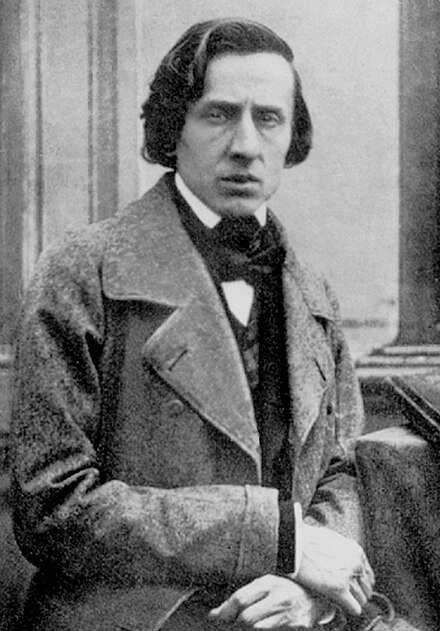
1 March 1810 Żelazowa Wola Poland 17 October 1849 (aged 39) Paris
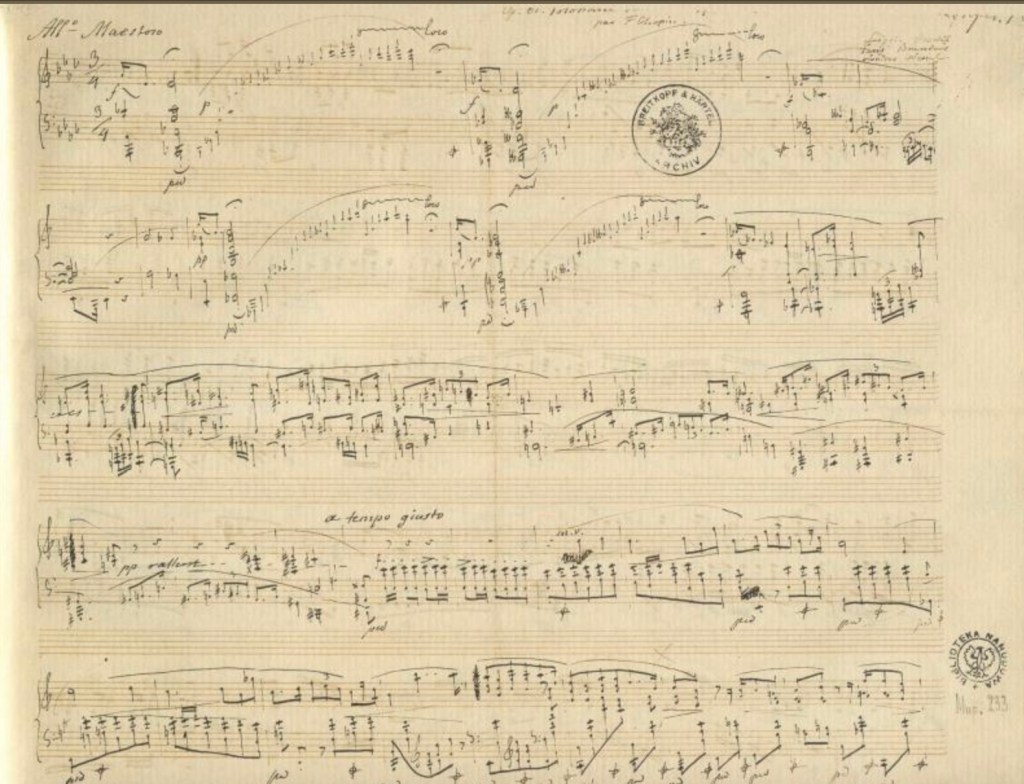
The Polonaise-Fantaisie op. 61, was dedicated to Mme A. Veyret, written and published in 1846.
Although slow to gain favour with musicians, due to its harmonic complexity and intricate form. One of the first critics and a renowned expert on Chopin ,Arthur Hedley, writing in 1947 said that it “works on the hearer’s imagination with a power of suggestion equaled only by the F minor Fantasy or the Fourth Ballade”.It has been suggested that the Polonaise-Fantaisie represents a change in Chopin’s style from ‘late’ to ‘last’ and that the formal ambiguities of the piece (particularly the unconventional and musically misleading transitions into and out of the lyrical inner section) are the most significant defining qualities of this ‘last style’, which only includes this and one other piece—the F minor Mazurka op 68 n. 4, Chopin’s last composition
 ChristopherAxworthy-MusicCommentary