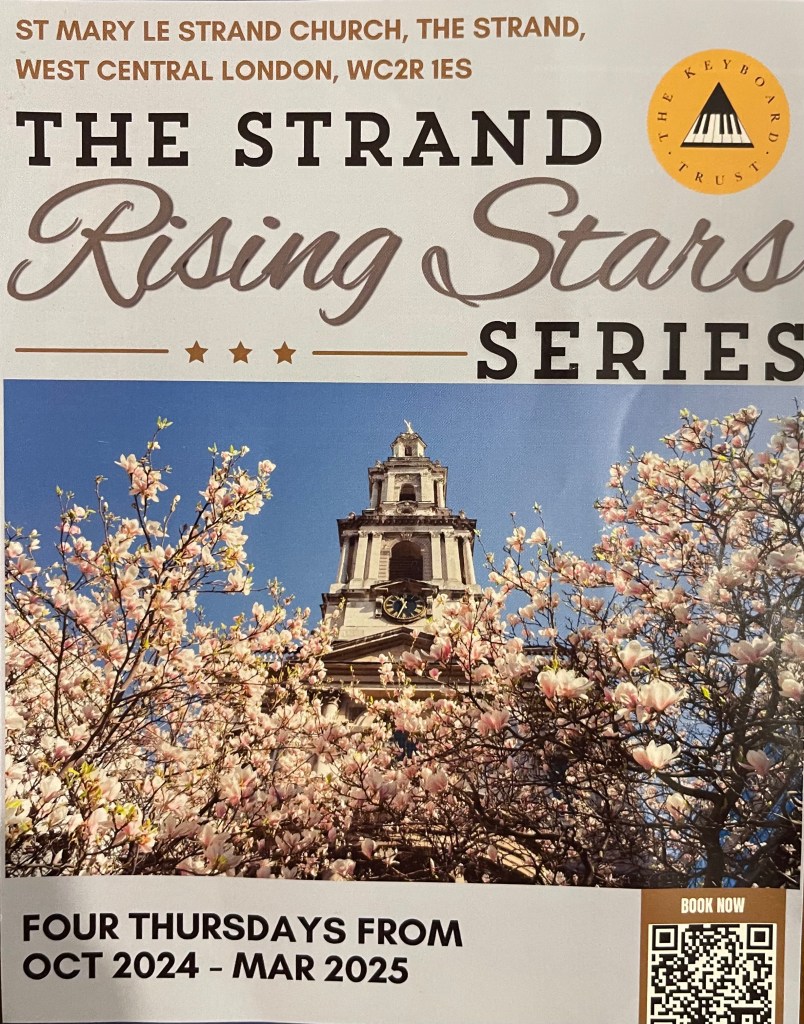
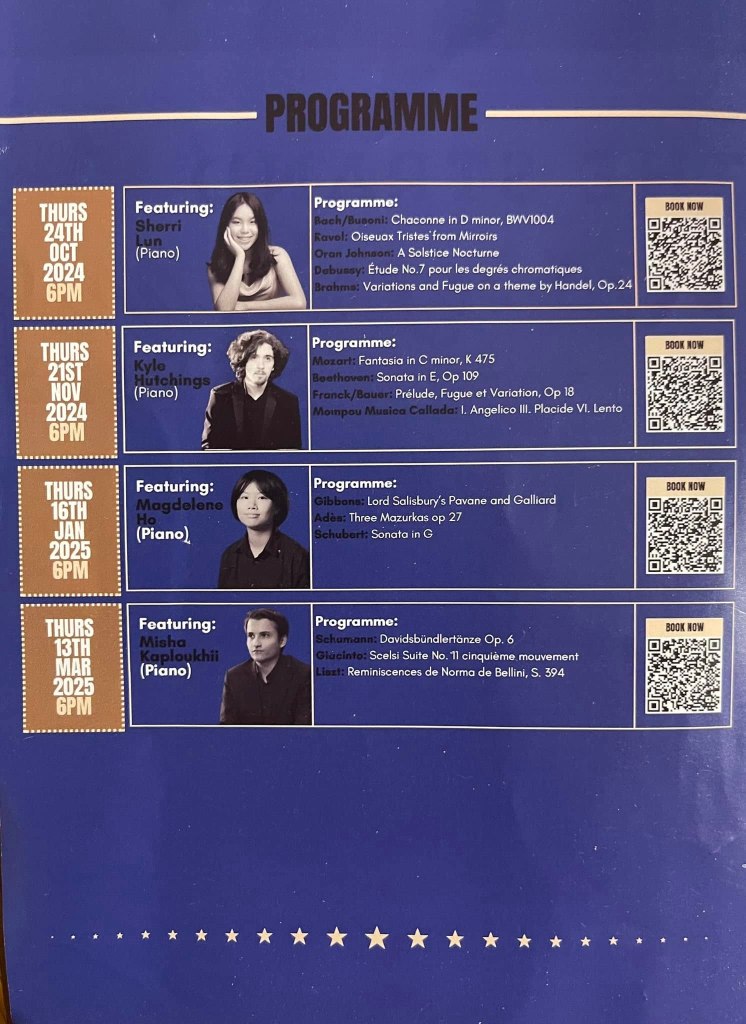
Magdalene Ho, a star shining brightly in the Rising Stars concerts of Warren Mailley Smith’s series at St Mary Le Strand. At only twenty she is already winner of the Clara Haskil and German Artists’ Awards, not to forget the Chappell Gold Medal at the RCM, where she is still in the class of Dmitri Alexeev.
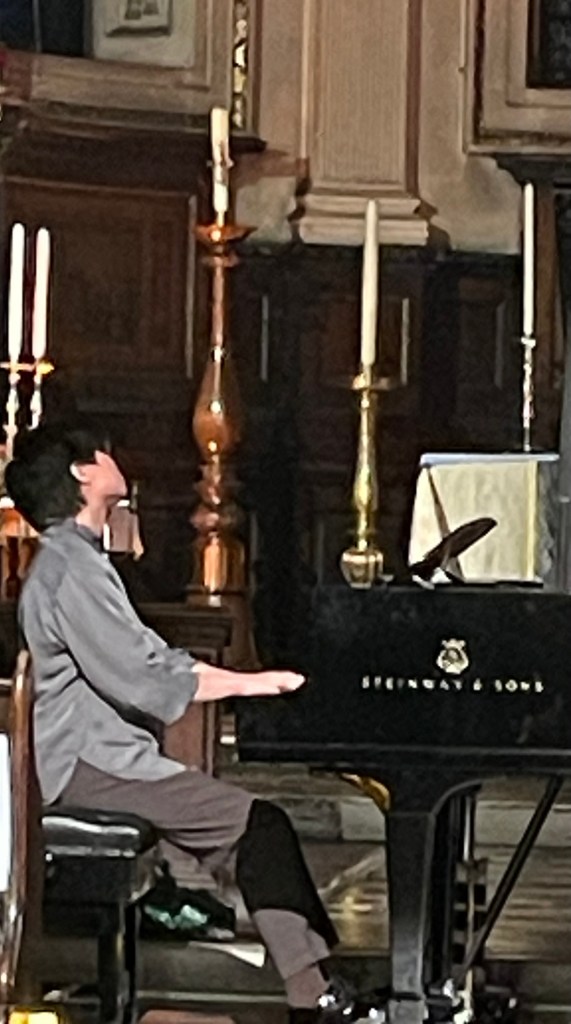
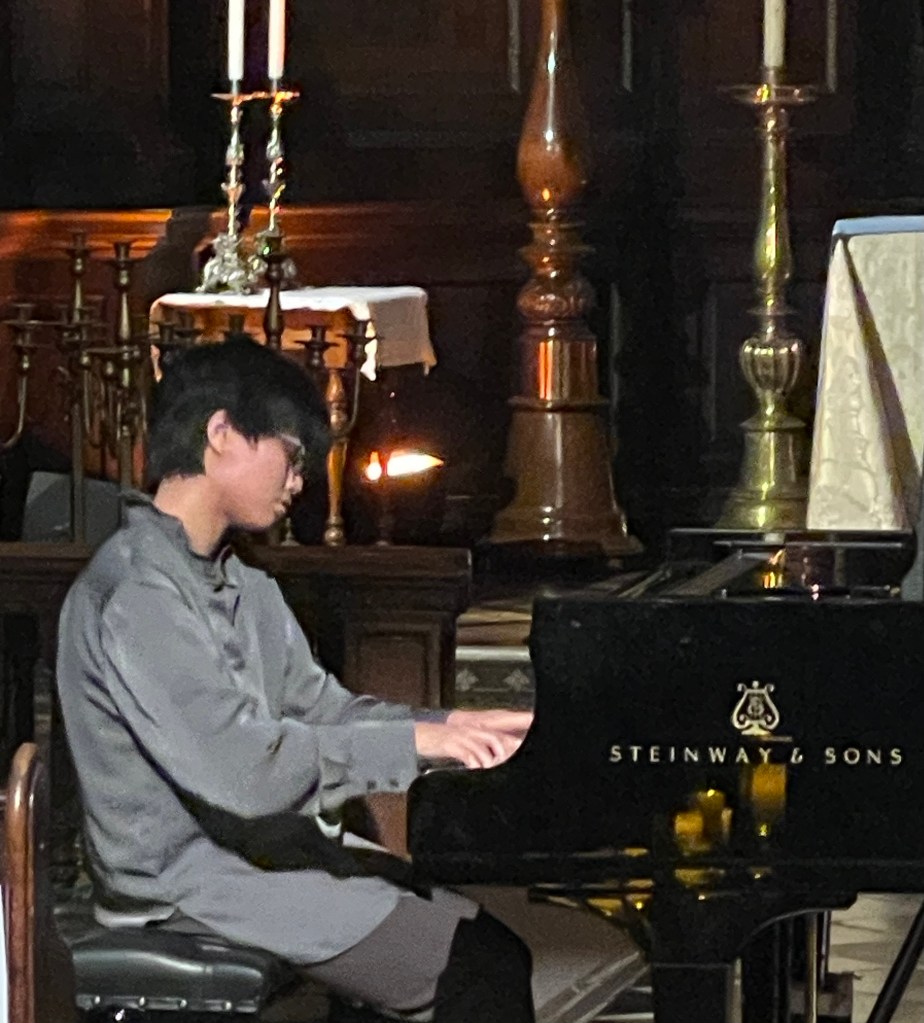
At every appearance she shines more intensely. Never looking at her hands, but listening to every sound and nuance they are carving out. Creating a magic carpet of sounds, never knowing what wonders are to be discovered on a hypnotic voyage together.
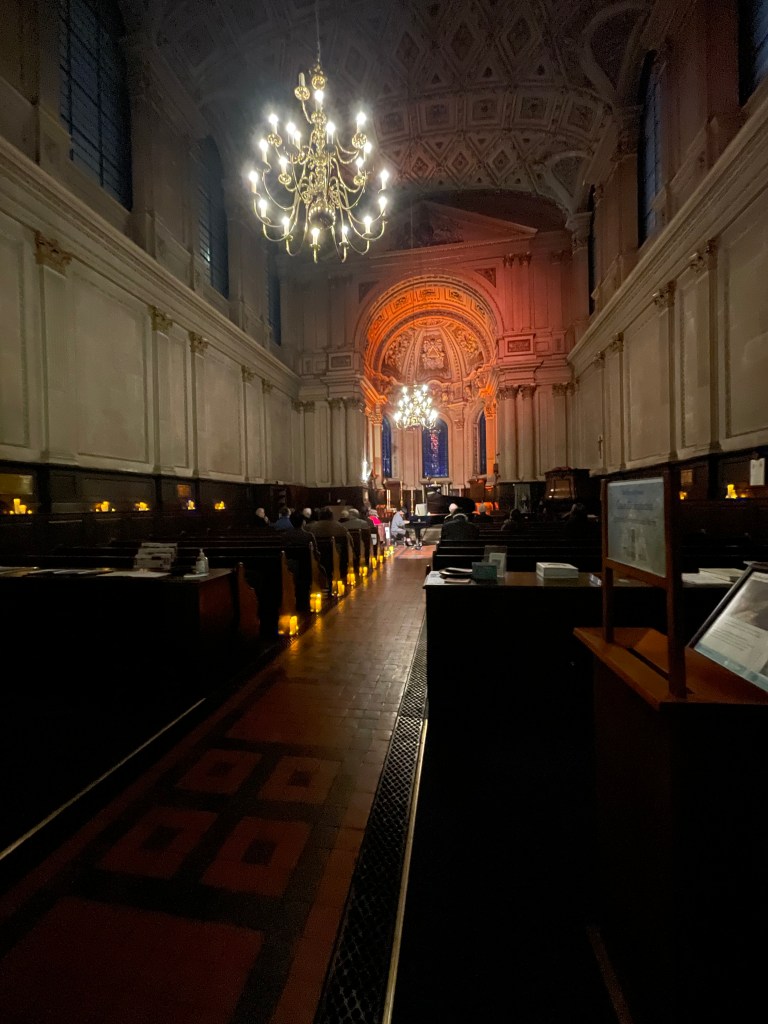
Inspired and inspiring as the warm generous acoustics of this beautiful jewel of St Mary’s, and with Warren’s own Steinway, allowing the music to unfold in a miraculous way. Bar lines disappeared as the music like a choir of celestial angels enveloped us with a reassuring warmth, guided by a masterly interpretative intelligence of simplicity and humility. An artist who thinks more of the music and her role as medium than any self ingratiation. A small insignificance in life but a giant when touching the hallowed notes of the composers of whom she is but a faithful servant.
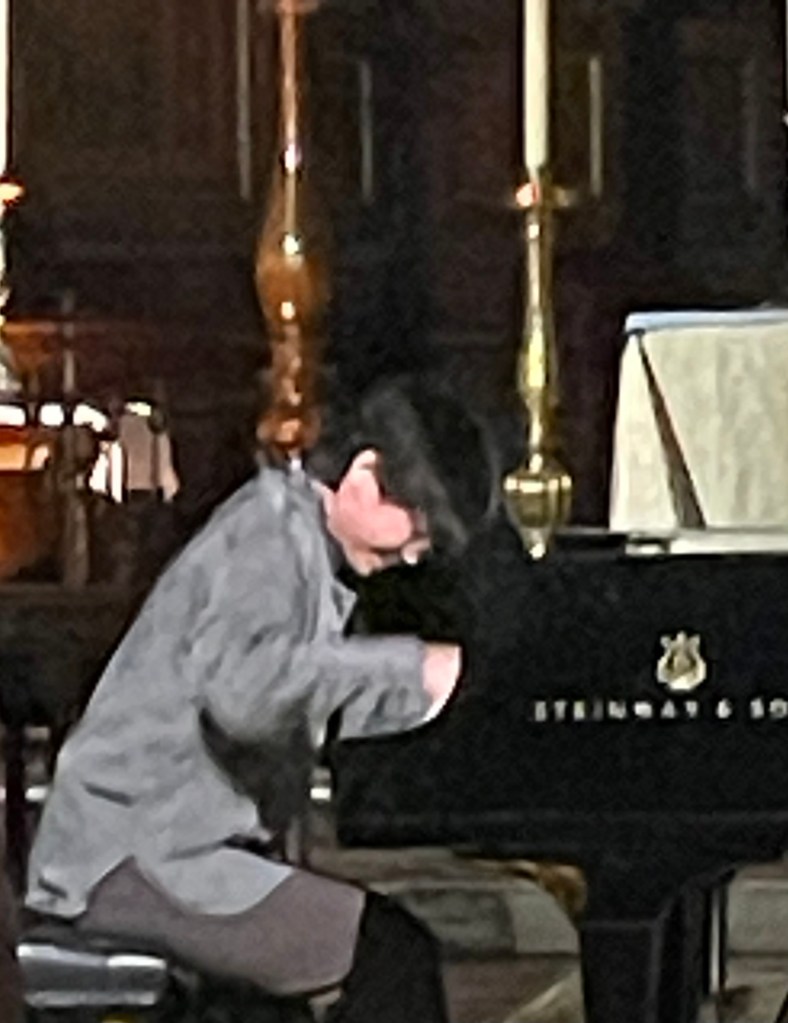
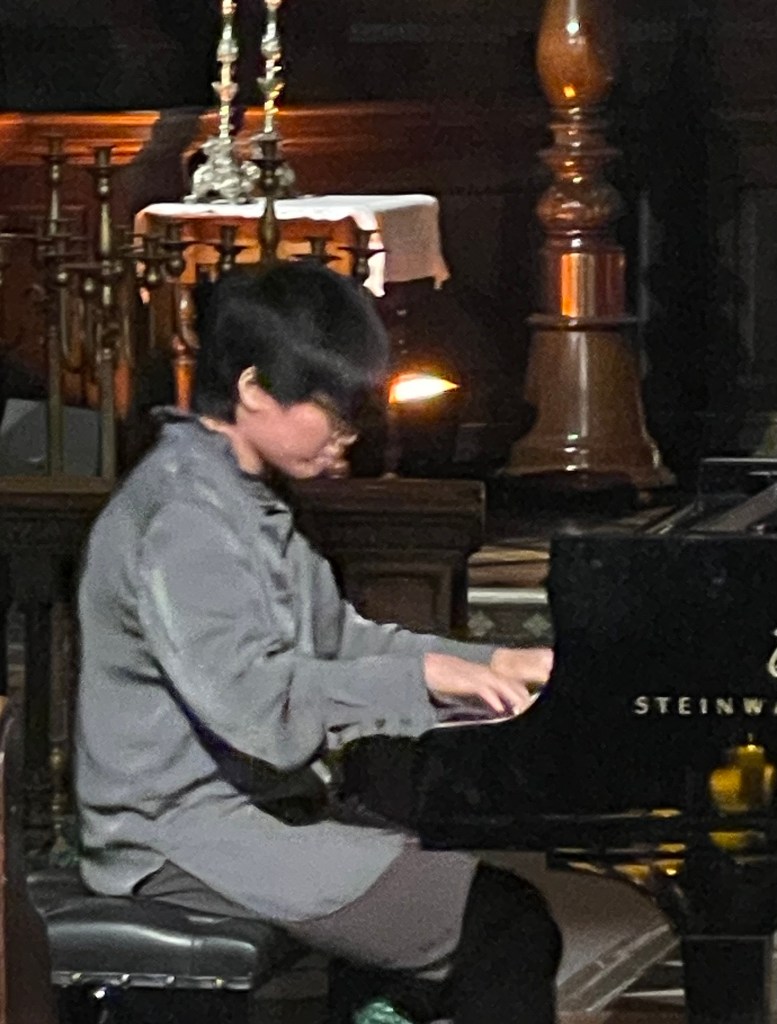
An eclectic programme of Gibbons, Adès and Schubert played almost without a break such was the magic she could create from the very first notes. An audience that included a member of the Adès family; Gibbons and Schubert were obviously listening from afar too, in wonderment of the golden sounds that poured from this tender young waifs miraculous hands !
Performing today, for me and Patsy Fou ( the widow of Fou Ts’ong and her childhood mentor) despite illness, flying off to Switzerland and Holland tomorrow for a series of concerts that includes the Saint – Saens Egyptian Concerto and much else besides.
Gibbons that unfolded on a gentle wave of sounds, but with the grandeur and civilised nobility of a past age. A beautiful subtle movement to the Galliard with its whispered strands of knotty twine.
Three mazurkas by Adès opened our ears in a refreshing way, like a sorbet in a sumptuous meal. Rubinstein, too, would often include the four mazurkas op 50 by his friend Szymanowski, in an all Chopin recital, which would be like a breath of fresh air in a sumptuous feast of masterworks by a fellow countryman. Luminous sounds filled the air of almost jazz improvisation in which the insinuating teasing mazurka rhythm was lurking, ready to emerge within this kaleidoscope of sounds. A magical music box of delicacy and gentle murmurings of great atmosphere.
Nothing, though, could have prepared us for the miracle that was yet to unfold. ‘Fantasy Sonata’, Schubert writes on the score and it was this fantasy and voyage of discovery that created a spell that will long linger in this magnificent Wren edifice. The opening like palpitations of a heart that was to cease beating within a short amount of time. Could Schubert have known that at 31 he would no longer be on this earth? I think the answer, of course, is in the music for all those that have the ears and the sensibility to understand some things where words are just not enough. Beethoven’s final trilogy, too, points in the same celestial direction.
Roberto Prosseda pays tribute to the genius of Chopin and the inspirational figure of Fou Ts’ong
https://christopheraxworthymusiccommentary.com/2021/01/13/roberto-prosseda-pays-tribute-to-the-genius-of-chopin-and-the-inspirational-figure-of-fou-tsong/
What an inspiration Fou Ts’ong was in trying to explain the fact that the soul has no frontiers, and with his searing enthusiasm could inspire so many young musicians and whose message has shaped their lives. The ‘Andante’ was played with gentle mellifluous sounds of refined beauty, with a coda that was of breathtaking etherial wonderment. A dynamic drive to the ‘Menuetto’ with its eloquence and elegance miraculously intact. A haunting pastoral beauty of the barely whispered trio. And finally the questioning beauty of the ‘Allegretto’, where the delicacy and subtle colouring of Magdalene’s playing was nothing short of miraculous. The opening of a ray of sunshine as Schubert’s glorious outpouring of song (like in Mozart’s C major Concerto K. 503 with an unstoppable outpouring of melodious beauty at every corner) was where Magdalene allowed the music to pour like water over a brook, gently and beautifully with simple inevitability.The ending usually played so heavy handedly was exactly like this bubbling pastoral heavenly paradise that Schubert could describe so wonderfully in sounds.
Of course the opening of the G major sonata is impossibly difficult to sustain on the modern piano which thinks more vertically than horizontally. Richter,even at his legendary snail’s pace, could miraculously sustain these palpitations without hardness but with subtle meaning. The miracle of Richter was not how fast or loud he could play, as we all imagined when Gilels told us to wait until we hear who comes to the west after him. It was how slow and quietly he could sustain what is fundamentally a percussion instrument. Fou Ts’ong too would play the opening over and over again, and if he loved the music so much that he could sometime suffocate it, was not asphyxiation for love not a small price to pay for such inspirational dedication?
When I heard Mitsuko Uchida play it in the RFH, I was informed that she was repeating the programme in Perugia and I just had to go to meet the person who could play so miraculously. I remember her reply to us in the green room after this commemoration for Paolo Buitoni. A concert should remain in the memory like a wondrous dream that gets more and more beautiful with the passing of time. Not like a printed photograph that with time fades at the edges.
On Wings of Song – Mitsuko Uchida’s sublime Schubert
https://christopheraxworthymusiccommentary.com/2017/11/29/on-wings-of-song-mitsuko-uchidas-sublime-schubert/
Magdalene Ho A musical genius in Paradise
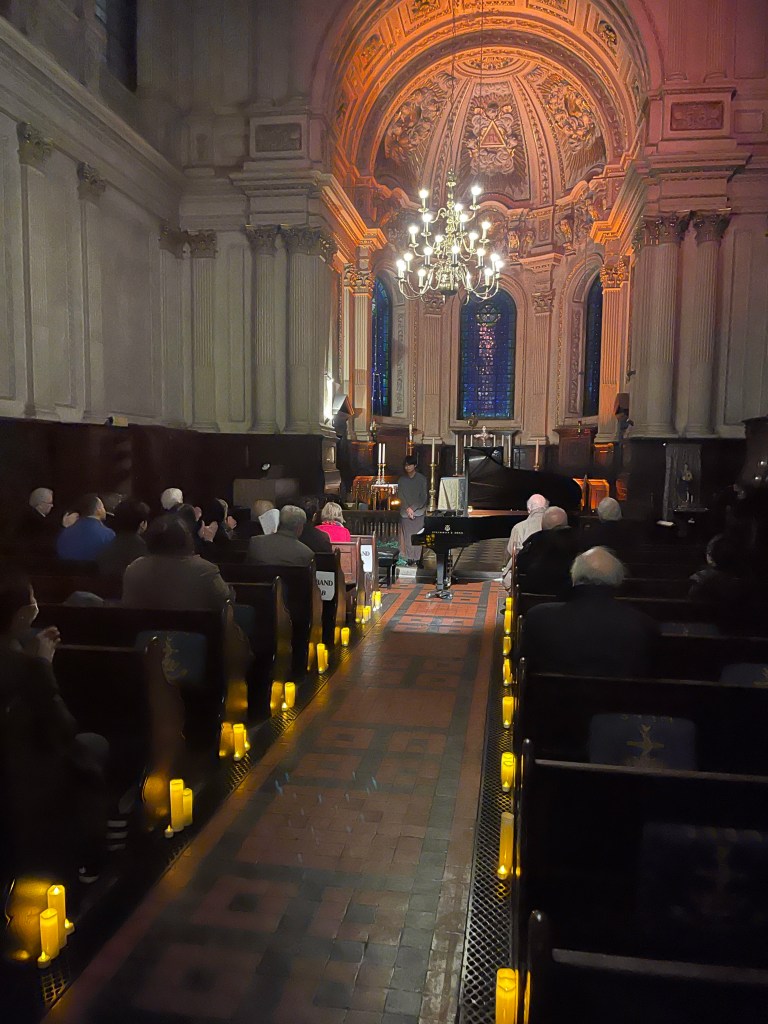
Today Magdalene ,for me, came of age as she joined the ranks of the greatest interpreters and at only 20 will fill so many people’s lives with the joy and wonder of the great masters that pass through her hands.
Chopin reigns at the National Liberal Club and St Mary’s Perivale The triumph of Misha Kaploukhii and Magdalene Ho
Warren Mailley- Smith’s amazing activity with his City Music Promotions, filling these beautiful churches in London, Manchester and Edinburgh with celestial sounds. He himself playing the Archduke Trio just an hour after Magdalene had ignited the atmosphere for him in St Mary’s tonight.
Warren Mailley- Smith A man for all seasons A love of music illuminated by candlelight
https://christopheraxworthymusiccommentary.com/2024/09/21/warren-mailley-smith-a-man-for-all-seasons-a-love-of-music-illuminated-by-candlelight/
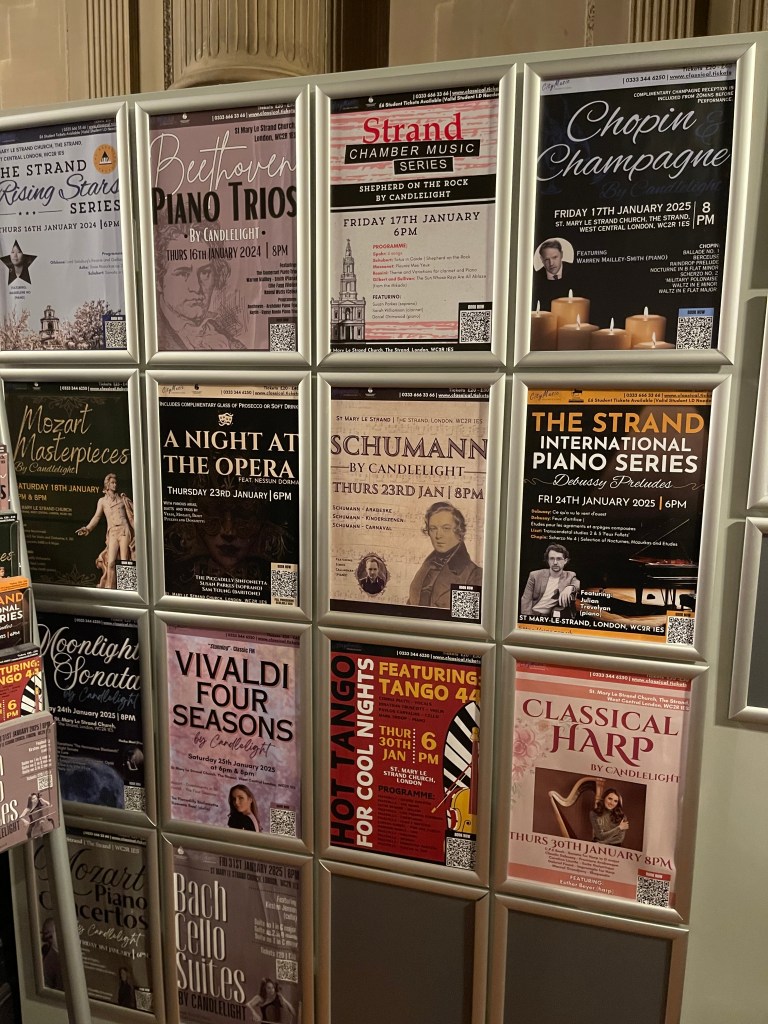
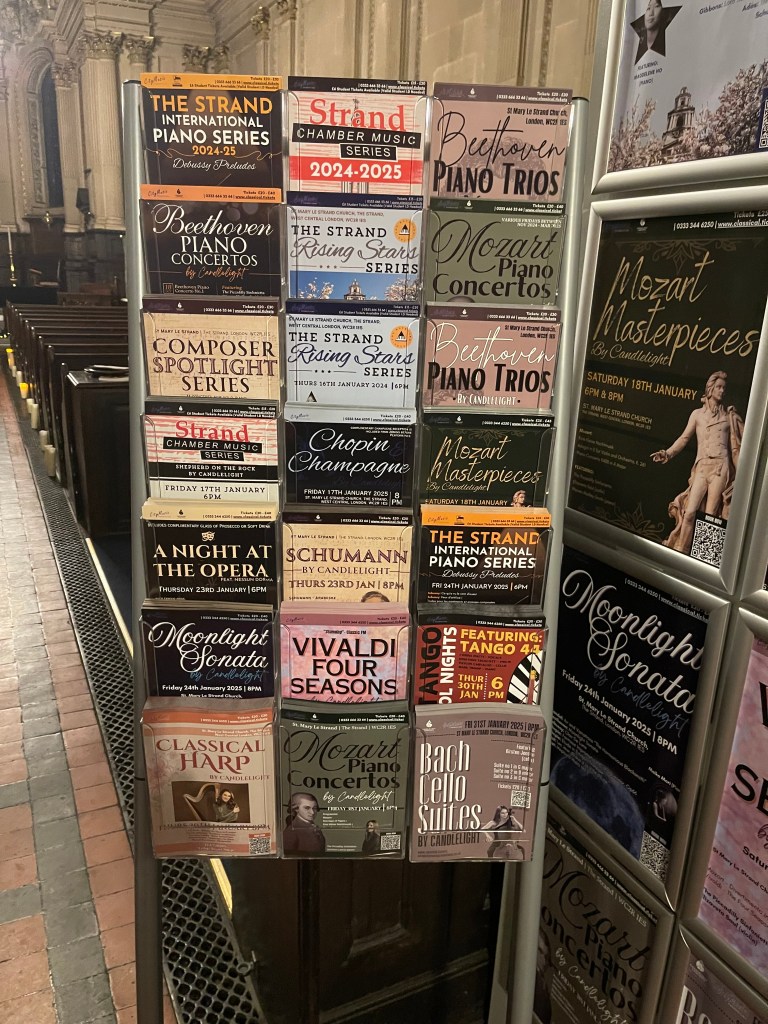
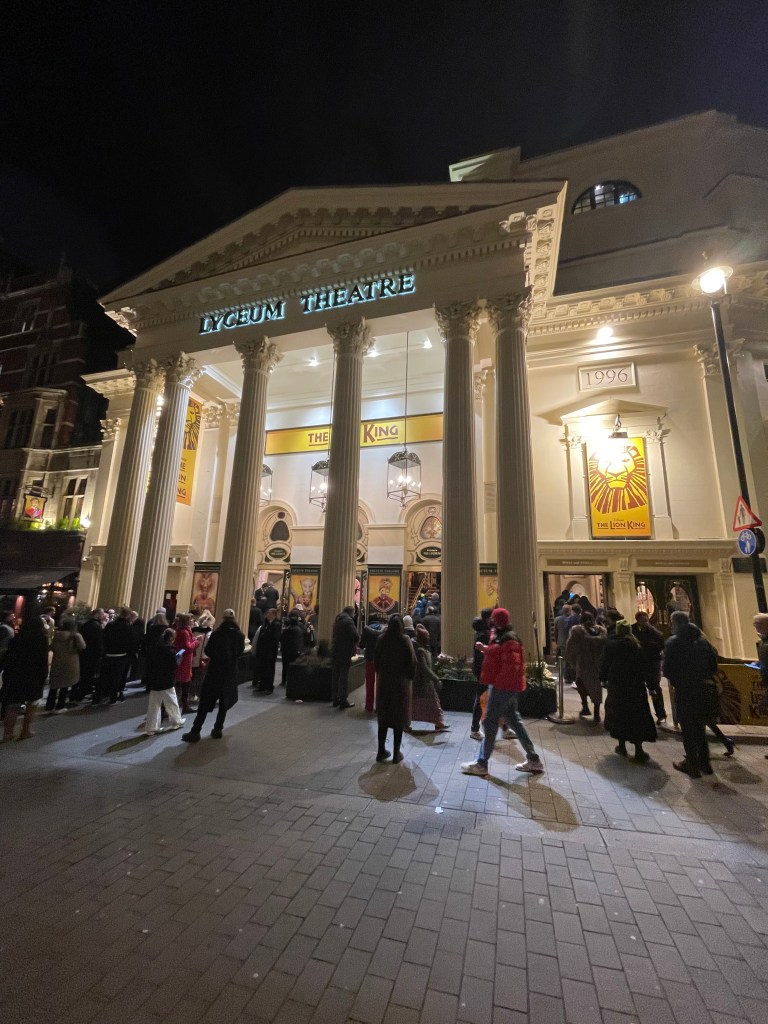
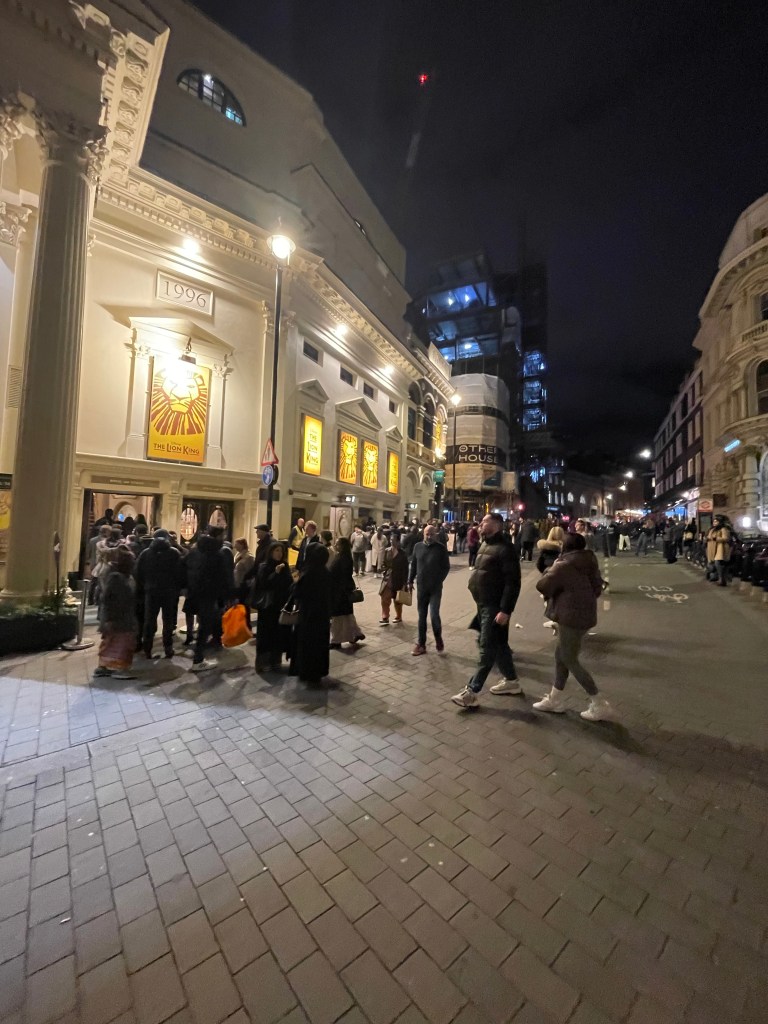
Whilst just next door the Lion King is still packing them in at the Lyceum Theatre,one of the most antique theatres in London.Little could they have imagined what real Lioness was roaring in St Mary’s tonight

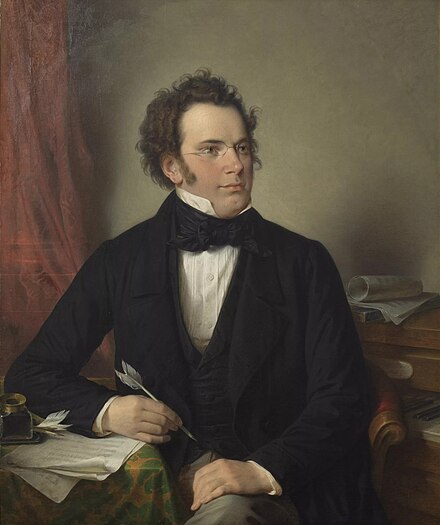
31 January 1797 – 19 November 1828 (aged 31). Vienna
The Piano Sonata in G major D. 894, op. 78 by Franz Schubert completed in October 1826 The work is sometimes called the “Fantasie”, a title which the publisher Tobias Haslinger, rather than Schubert, gave to the first movement of the work. It was the last of Schubert’s sonatas published during his lifetime, and was later described by Robert Schumann as the “most perfect in form and conception” of any of Schubert’s sonatas.
The sonata is in four movements
Molto moderato e cantabile
Andante with two trios.
Menuetto :Allegro moderato – Trio
Allegretto
The original concept for the second movement was quite different from the version known today. Evidence of this can be seen in the score that Schubert sent to his publisher.
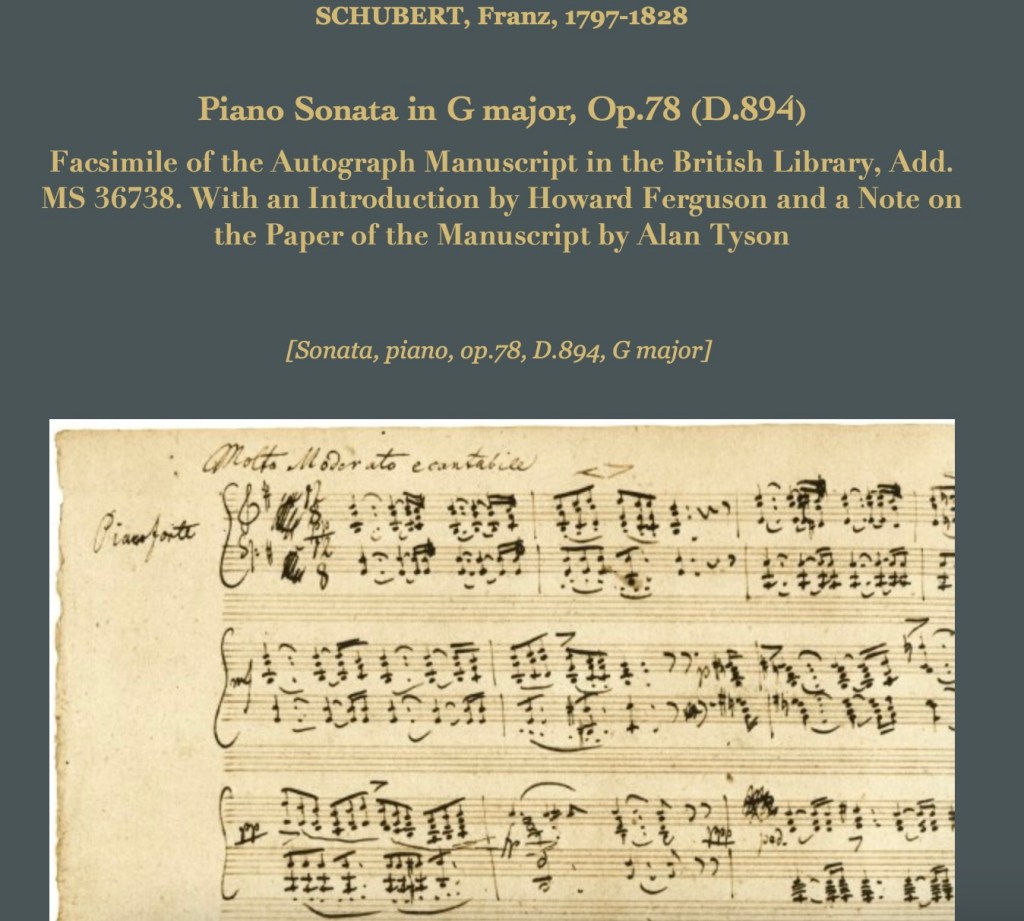
The original manuscript, which has survived and is currently digitized in the archive of the British Library, reveals that after completing the minuet, Schubert decided to rewrite the second movement. He tore out the original version from the manuscript and replaced it with the version we know today. The first and last pages of the original movement remain, containing the end of the first movement and the beginning of the third movement, respectively.
This peculiar aspect of the manuscript offers valuable insight into how the second movement might have originally sounded. The preserved fragment reveals a theme that is rhythmically characteristic of Schubert’s music, though it was ultimately replaced by a more dynamic orchestral episode in the final version. This change allowed for a greater contrast between the first two themes, which was crucial for the movement’s structure and overall impact.
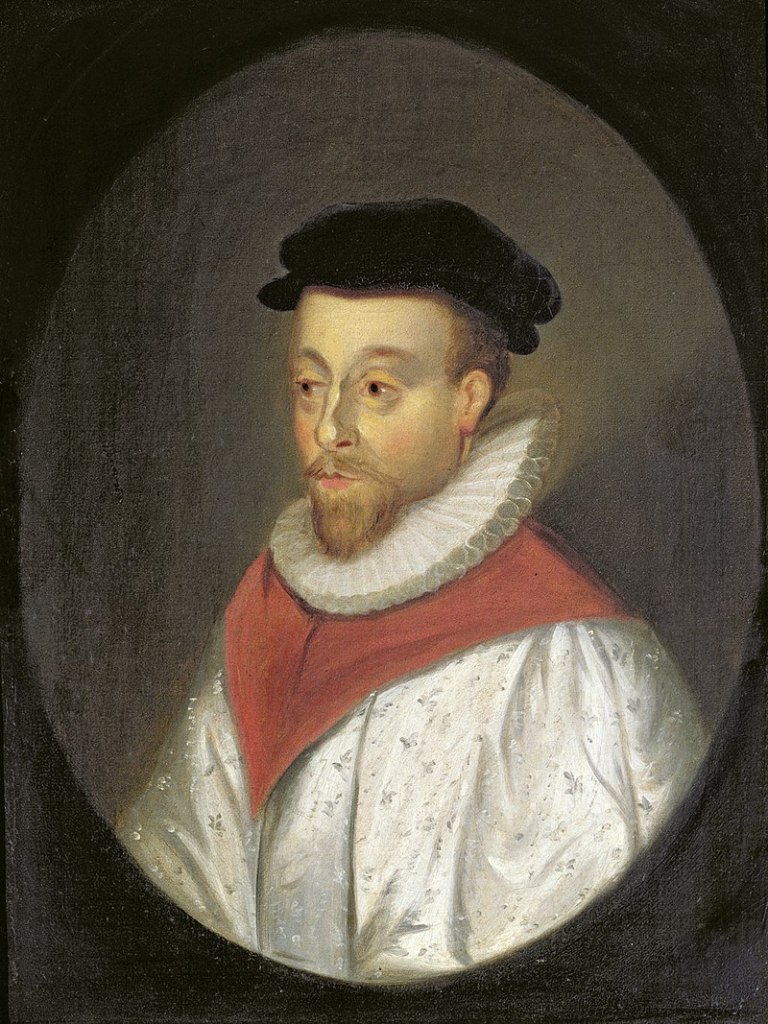
Orlando Gibbons (bapt. 25 December 1583 – 5 June 1625) was an English composer, virginalist and organist who was one of the last masters of the English Madrigal School. By the 1610s he was the leading composer and organist in England, with a career cut short by his sudden death in 1625. As a result, Gibbons’s oeuvre was not as large as that of his contemporaries, like the elder William Byrd, but his compositional versatility led to him having written significant works in virtually every form of his day. He is often seen as a transitional figure from the Renaissance to the Baroque periods.
Throughout his professional career, Gibbons had increasingly good relations with many important people of the English court. King James I and Prince Charles were supportive patrons and others such as Sir Christopher Hatton, even became close friends. Along with Byrd and John Bull, Gibbons was the youngest contributor to the first printed collection of English keyboard music, Parthenia, and published other compositions in his lifetime, notably the First Set of Madrigals and Motets which includes the best known English madrigal: The Silver Swan. Other important compositions include This Is the Record of John, the 8-part full anthem O Clap Your Hands Together and 2 settings of Evensong. The most important position achieved by Gibbons was his appointment in 1623 as the organist at Westminster Abbey which he held for 2 years until his death on the June 5th, 1625.
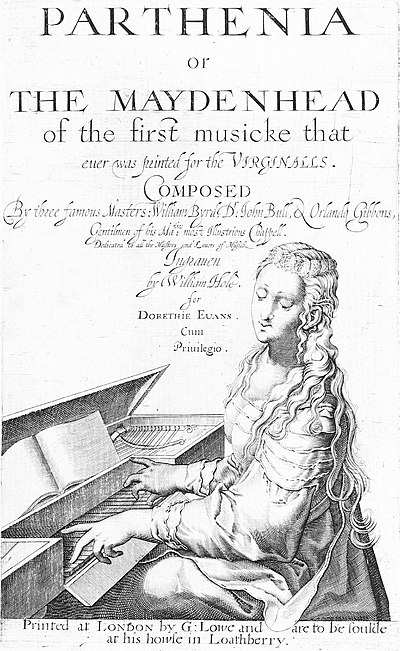
The title Parthenia comes from the Greek parthenos meaning “maiden” or “virgin.” The music is written for the Virginals, the etymology of which is unknown, but may either refer to the young girls who are often shown playing it, or from the Latin virga, which means “stick” or “wand”, possibly referring to part of the mechanism that plucks a string in the harpsichord family of instruments. The “Maydenhead” refers to the maiden voyage or, in this case, the first printing of Parthenia. The dedication to the first edition opens with the phrase: The virgin PARTHENIA (whilst yet I may) I offer up to your virgin Highnesses.
He contributed six pieces to the first printed collection of keyboard music in England, Parthenia (to which he was by far the youngest of the three contributors), published in about 1611. Gibbons’s surviving keyboard output comprises some 45 pieces. The polyphonic fantasia and dance forms are the best represented genres. Gibbons’s writing exhibits a command of three- and four-part counterpoint. Most of the fantasias are complex, multi-sectional pieces, treating multiple subjects imitatively. Gibbons’s approach to melody, in both his fantasias and his dances, features extensive development of simple musical ideas, as for example in Pavane in D minor and Lord Salisbury’s Pavan and Galliard.
Glenn Gould championed Gibbons’s music, comparing Gibbons to Beethoven and Webern:
…despite the requisite quota of scales and shakes in such half-hearted virtuoso vehicles as the Salisbury Galliard, one is never quite able to counter the impression of music of supreme beauty that lacks its ideal means of reproduction. Like Beethoven in his last quartets, or Webern at almost any time, Gibbons is an artist of such intractable commitment that, in the keyboard field, at least, his works work better in one’s memory, or on paper, than they ever can through the intercession of a sounding-board.
He was born in London to art historian Dawn Adès and poet Timothy Adès. His surname is of Syrian Jewish origin. Adès is gay and identified his sexuality closely with the Russian composer Pyotr Ilyich Tchaikovsky in his youth.
In a biographical headline, Thomas Adès is described as ‘composer, pianist, conductor.’ Although he made his earliest success as a pianist, winning second prize in the BBC Young Musician of the Year competition in 1989 (at age 18), he considers composing his primary musical strength. “When you come to see me play the piano,” he has said, “you’re seeing a composer who is a pianist.”
As composer his success has been impressive. The orchestral work Asyla won the Grawemeyer Award for Composition in 2000, making Adès the youngest composer to have won this prize. His operas, orchestral works, chamber music, concertos, and piano music are performed frequently all over the world and have been recorded. He has done an “On Location” residency with the Los Angeles Philharmonic at Walt Disney Concert Hall and next season will be the subject of a festival, “Aspects of Adès.” For a musician not yet 40, his achievements have been extraordinary.
The Three Mazurkas were premiered by Emanuel Ax in February 2009 at Carnegie Hall, one of the co-commissioners of the pieces along with the Los Angeles Philharmonic, the San Francisco Symphony, the Barbican Centre (London), and Het Concertgebouw NV.
After Chopin, composers were understandably satisfied to give that master the final word on the mazurka. Yet Thomas Adès, with his keen interest in early music, has sought to make a contemporary statement on this distinctly historical Polish dance form. The likeness of his Mazurkas to the Chopin model is seen primarily in the matters of rhythm: the three-quarter time signature is most often used, although the time changes in the second mazurka are a stylistic departure; the direction for rubato (the Chopinesque characteristic rhythmic freedom), and the use of the drone, or consecutive-repeated bass that is typical of folk music.
 ChristopherAxworthy-MusicCommentary