
Johann Sebastian Bach (1685-1750)
Chorale Prelude ‘Nun komm der Heiden Heiland’ BWV659 arranged by Ferruccio Busoni
Chorale Prelude ‘Ich ruf zu dir, Herr Jesu Christ’ BWV639 (1708-17) arranged by Ferruccio Busoni
Ignacy Jan Paderewski (1860-1941)
Miscellanea Op. 16 (1886-96)
Nocturne in B flat No. 4 Légende No. 1 in A flat No. 1
Mélodie in G flat No. 2 Thème varié in A No. 3 LégendeNo.2inANo.5 Un moment musical No. 6 Minuet in A No. 7
Johannes Brahms (1833-1897)
Scherzo in E flat minor Op. 4
Interval
Variations on an Original Theme Op. 21 No. 1
Sergey Rachmaninov (1873-1943)
Piano Sonata No. 2 in B flat minor Op. 36 (1913, rev. 1931)
I. Allegro agitato • II. Non allegro – Lento • III. Allegro molto
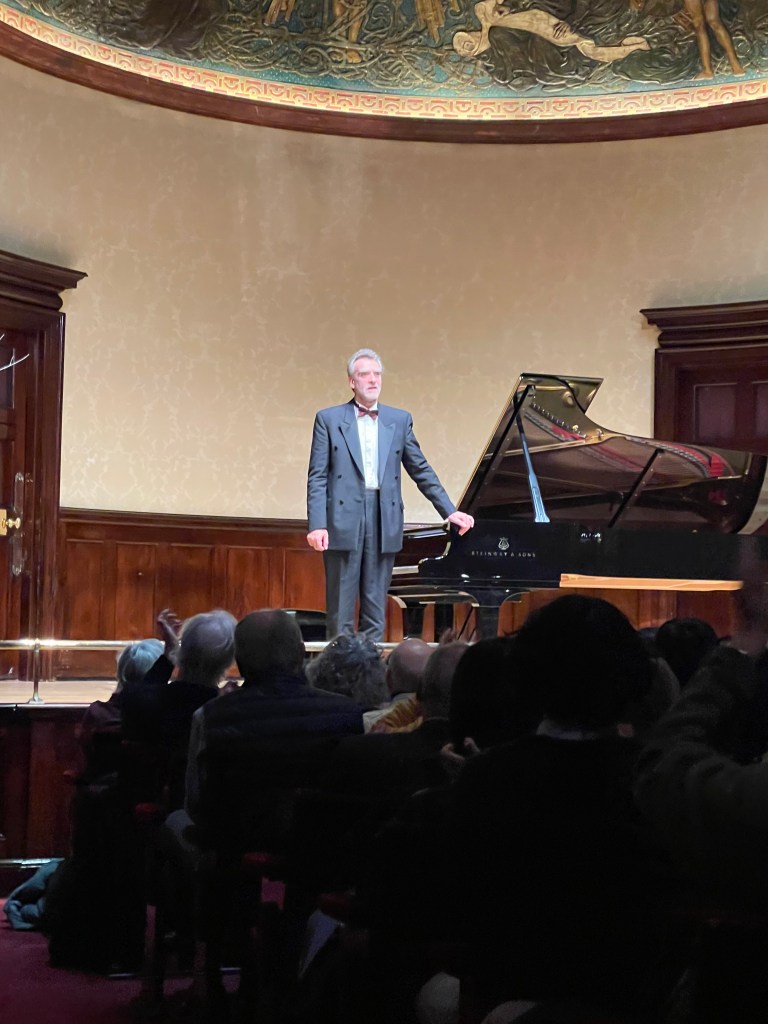
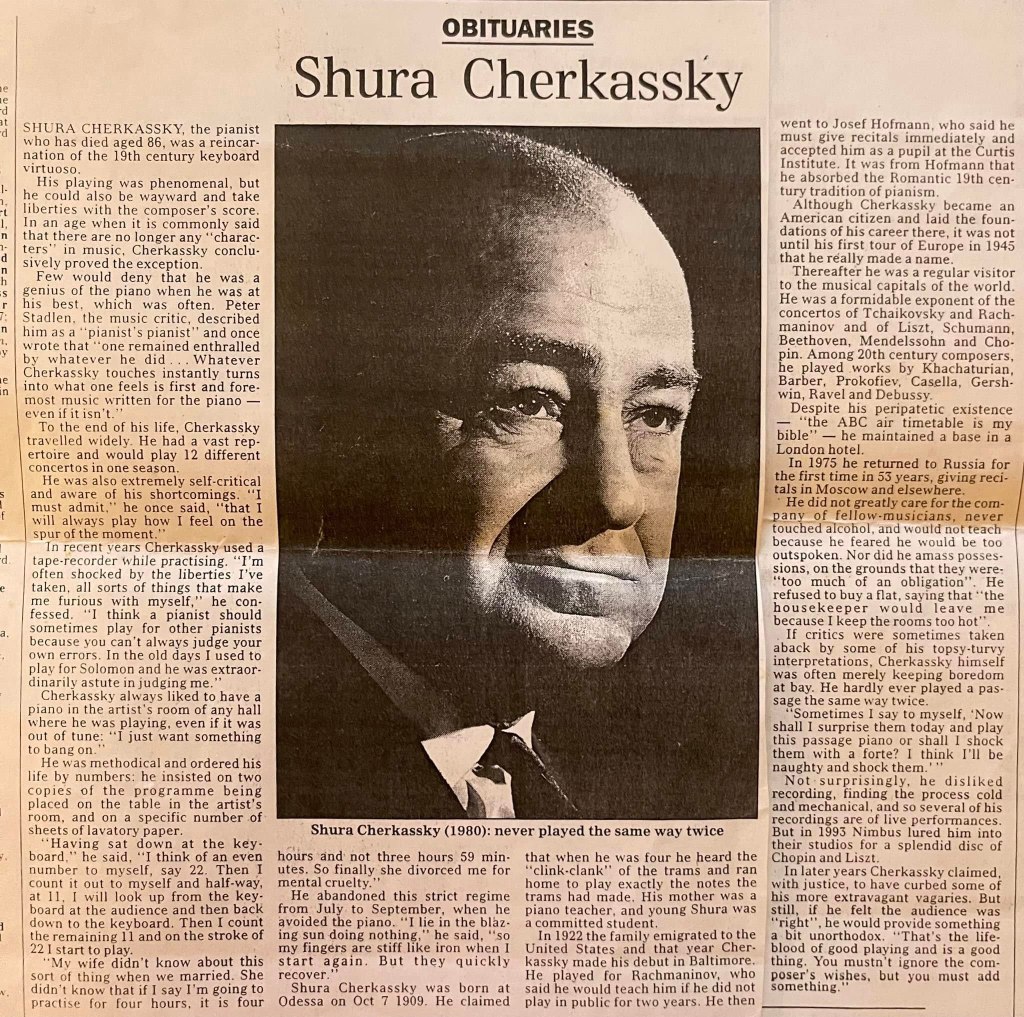
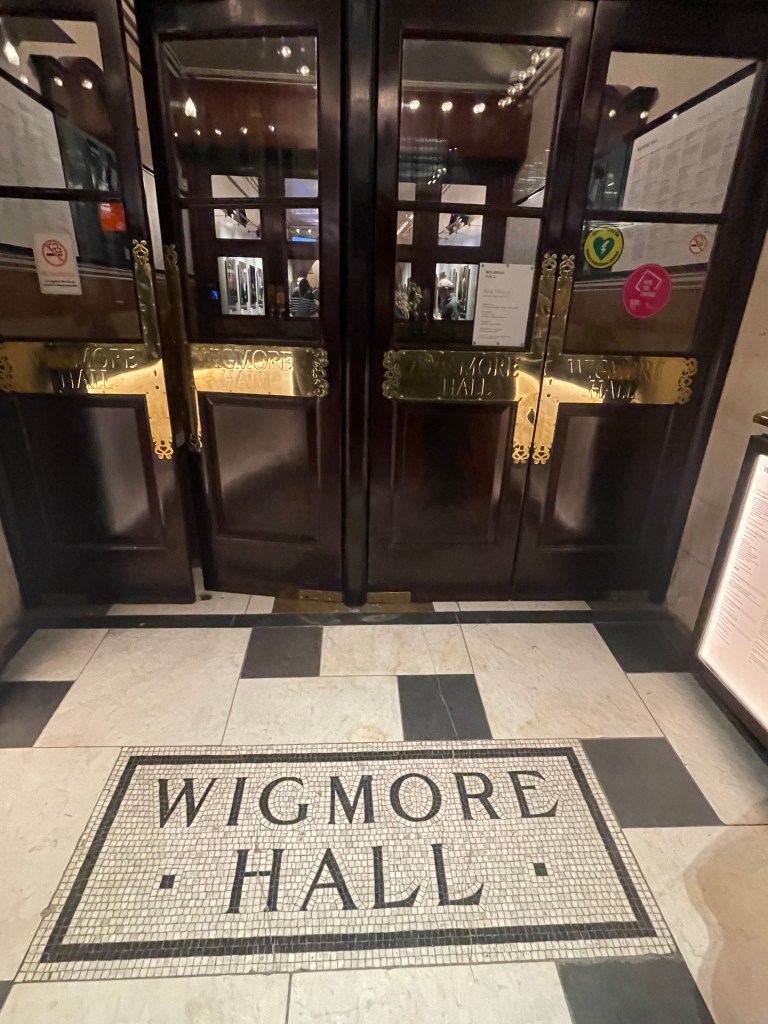
Jonathan Plowright at the Wigmore Hall a pianist I have heard a lot about via the magnificent reviews for his Brahms recordings in particular. A chance to hear the pianist that that eclectic authority on pianists ,Bryce Morrison a fellow Yorkshireman, has long been a great admirer of.
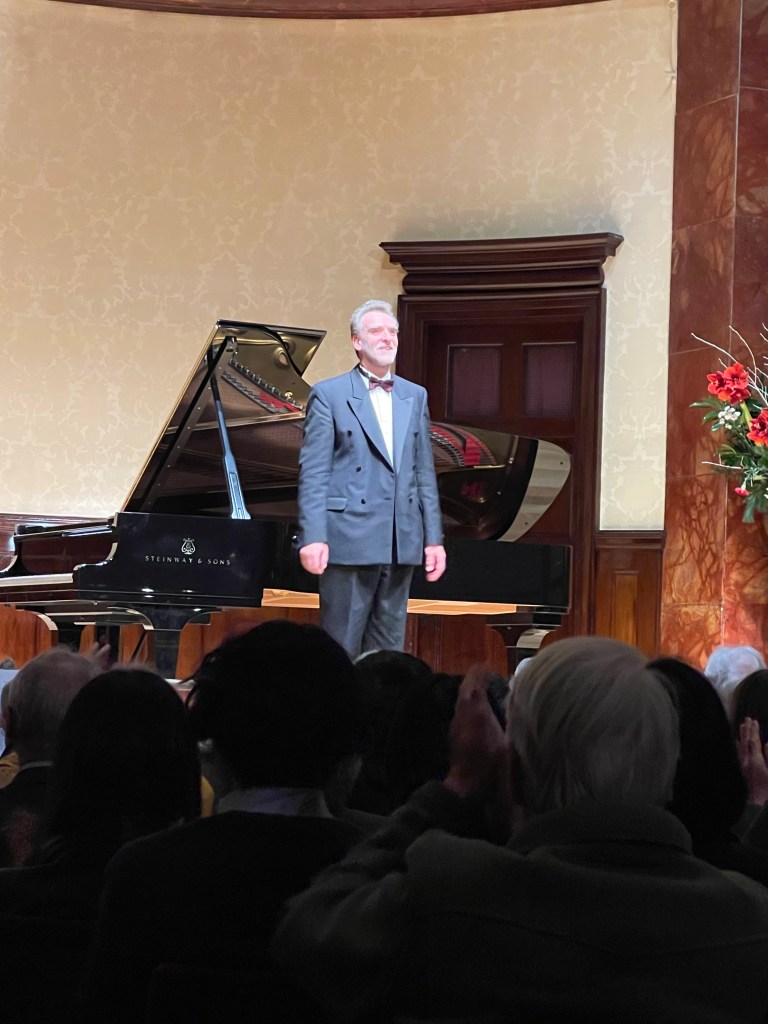
From the very first notes it was apparent that we were in the presence of a very fine musician ,an artist who thinks more of the music than any showmanship or demonstrative outward signs that could take away from his intense concentration of transmitting the composers wishes into sounds.
Two chorale preludes by Bach where Busoni’s sumptuous harmonic base was given precedence over any idea of melody and accompaniment showing us how Bach’s magic could emerge from sounds like the birth of a heavenly being.
Paderewski’s little ‘bon bons’ were indeed the jewels that in the great statesman’s hands could be turned into gems that created a sensation as one of the greatest pianist of all time took the US by storm. Jeux perlé, ravishing delicacy and extraordinary virtuosity went hand in hand with a style of another era as JP brought these long forgotten morsels enticingly to light.
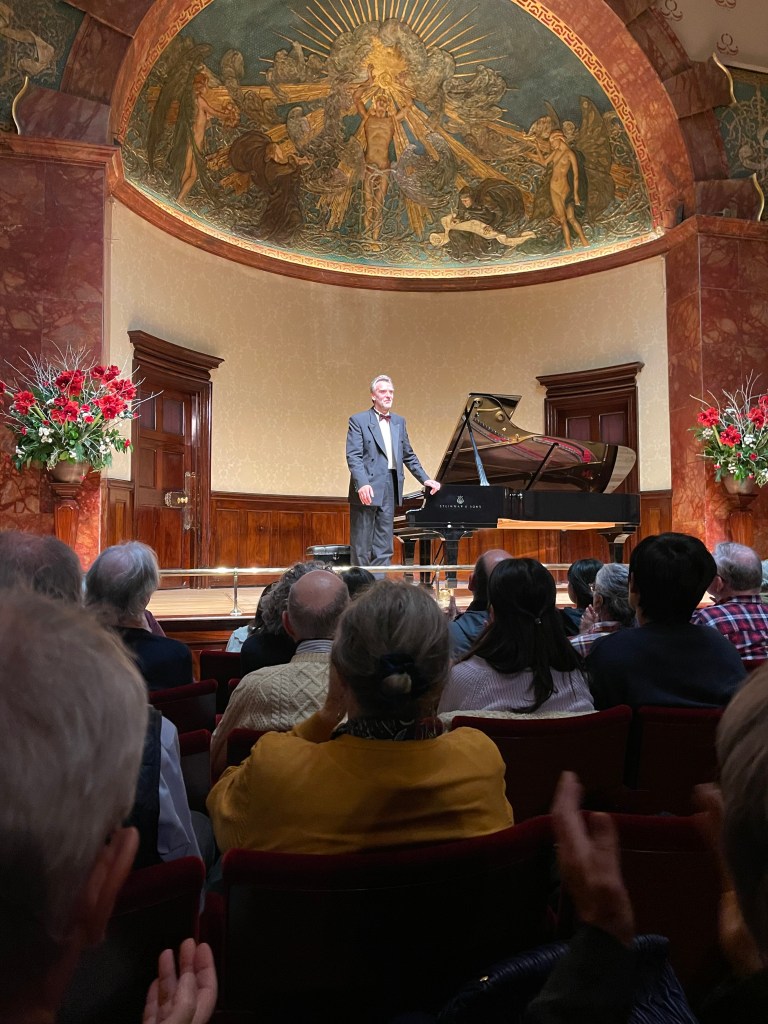
Brahms has long been an important part of JP’s recorded legacy and it was with the early Scherzo in E flat minor that he showed us why.
Precision,beauty,fantasy and brilliance came together in this early work where Brahms was thinking more in pianistic terms than orchestral. Or was he ? JP missed the sumptuous full orchestral sounds in the majestic declamations of dynamic drive – it is written staccato but with what instrument in mind? Food for thought indeed and am sure JP has pondered on this very question, however it was played with intelligence, brilliance and exhilaration.

All doubts were dispelled after the interval when the variations on an original theme were miraculously allowed to evolve in a cauldron of molten gold.Sounds emerged into one another as there seemed to be no full stops but like Joyce one long outpouring of magical ethereal beauty.
It was the same intelligence and beauty he brought to Rachmaninov’s much maligned second sonata. No hystrionics but playing what Rachmaninov himself had penned.Some passages remarkably slow compared to some modern day showmen’s performances.Look at the score and all will be revealed and JP showed us a sonata that we could love without heart driven palpitations or circus like entertainment.There were no cat calls ( as I have heard recently for Kantorow or Lisiecki) but a deep satisfaction that we had been present at a very special occasion where the music was allowed to speak for itself.
A little piece by Mompou of barely whispered ravishing sounds played with mastery and beauty was JP’S way of thanking a very large audience of sharing in his journey of musical discovery .

Some pianists like Frank Merrick (the youngest student of Leschetitsky),Albert Ferber (a student of Rachmaninov) and Sergio Fiorentino (the great Neapolitan school) were happier in the recording studio away from the limelight of the concert platform.They are not born with the charisma or showmanship that a public performer must have as indeed Paderewski did as he took the USA by storm.They do have though all the ingredients that make up a great interpreter :Intelligence,technical mastery, poetic artistry and a memory that can absorb music like a sponge and make it their own without any mechanical means to get between them and the music!
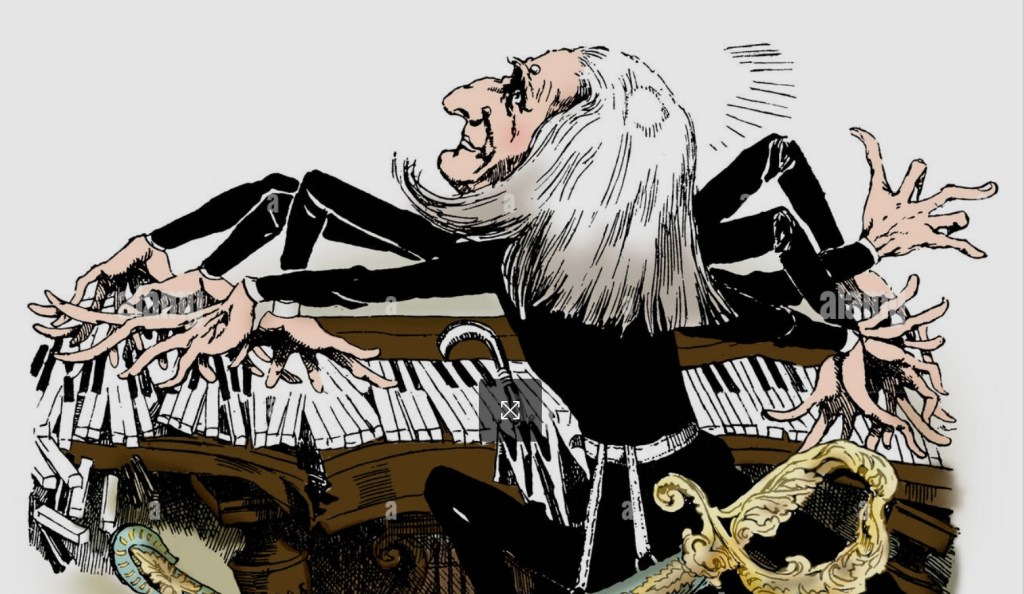
Liszt the greatest showman the world has ever known was born with a demonic gift to seduce and ravish anyone that came into his sights he was also of course a musical genius which as he forsook his outward vices came ever more to the fore .Rubinstein in our time lived to create music with an audience that became his life blood.Perlemuter told me of Rachmaninov coming on stage as though he had swallowed a knife but the moment he touched the keys there were sounds that he had never heard from others.

Glenn Gould of course was unique as he also had showmanship but something in his make up made him give way to his intellectual curiosity rather than the manic showmanship of Bernstein.


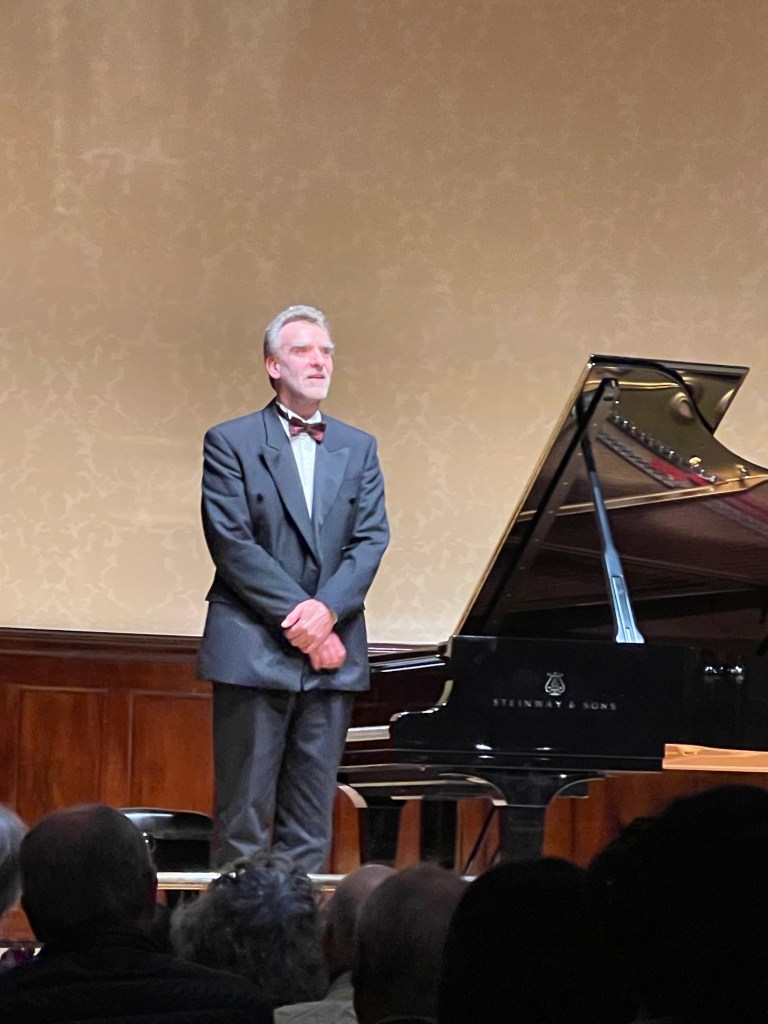
Michael Moran the distinguished critic based in Poland writes
Morning Christopher!’Just to say Johnathan Plowright is highly respected here in Poland as he is intensely concerned with the justified resuscitation of Polish music after the fall of the iron curtain. He gives many recitals here that are booked out’.
Jonathan Plowright was born in Yorkshire in 1959, England. He was educated at Stonyhurst College , in Lancashire . He was a gold medallist at the Royal Academy of Music, London, where his professor was Alexander Kelly . He was also a recipient of a Fulbright Scholarship to study at the Peabody Conservatory in Baltimore with Julio Esteban.He won the Baltimore Symphony Orchestra Award in 1984 and the European Piano Competition in 1989. His USA debut was at Carnegie Hall in 1984 and his UK debut followed in 1985, at Wigmore Hall . Plowright has performed worldwide as recitalist, appeared with leading orchestras and ensembles, made many commercial recordings and appeared on radio and TV broadcasts.He champions neglected music from Polish Romantic composers, including Zygmunt Stojowski, Ignacy Jan Paderewski Juliusz Zarebski,Wladyslaw Želeński,lodomore Różycki,Ignaz Friedman, and Henryk Melcer- Szczawiński, which he has recorded for Hyperion Records and Warner Classics.He gave the world premiere performance of Constant Lambert’s Piano Concerto, and made world premiere recordings of the transcriptions of J.S Bach by Walter Morse Rummel, the ‘Bach Book for Harriet’, the collaborative suite Homage to Paderewski and the “Symphonic Rhapsody” by Stojowski.Between 2012 and 2017 Plowright recorded the complete solo piano works of Johannes Brahms for Bis Records He taught part-time at the Royal Conservatoire of Scotland from 2007 until 2020.
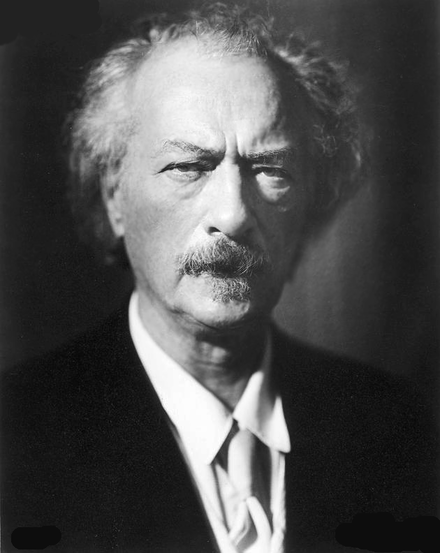
Ignacy Jan Paderewski 18 November 1860 – 29 June 1941) was a Polish pianist, composer and statesman who was a spokesman for Polish independence. In 1919, he was the nation’s prime minister and foreign minister during which time he signed the Treaty of Versailles, which ended World War 1
A favorite of concert audiences around the world, his musical fame gave him access to diplomacy and the media, as well as, possibly, his status as a freemason and the charitable work of his second wife, Helena Paderewska. During World War I, Paderewski advocated for an independent Poland, including by touring the United States, where he met President Woodrow Wilson, who came to support the creation of an independent Poland. Wilson included that aim in his Fourteen Points and argued for it at the 1919 Paris Peace Conference , which drew up the Treaty of Versailles.
Shortly after his resignation from office, Paderewski resumed his concert career to recoup his finances, and rarely visited the politically chaotic Poland thereafter, the last time being in 1924
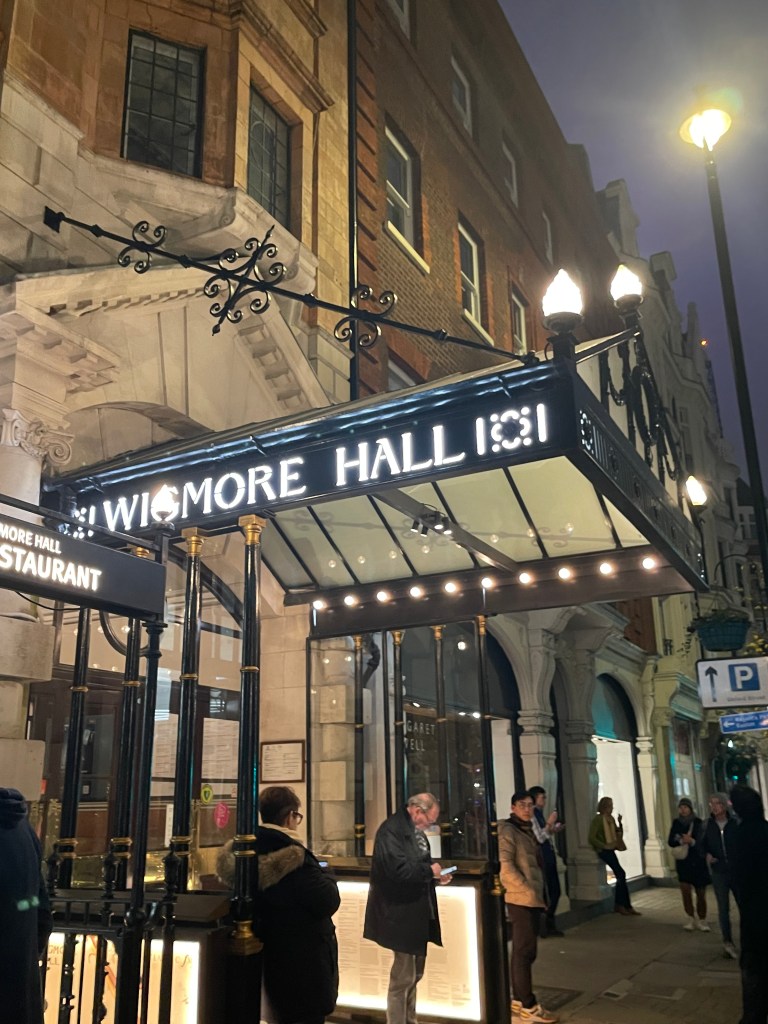
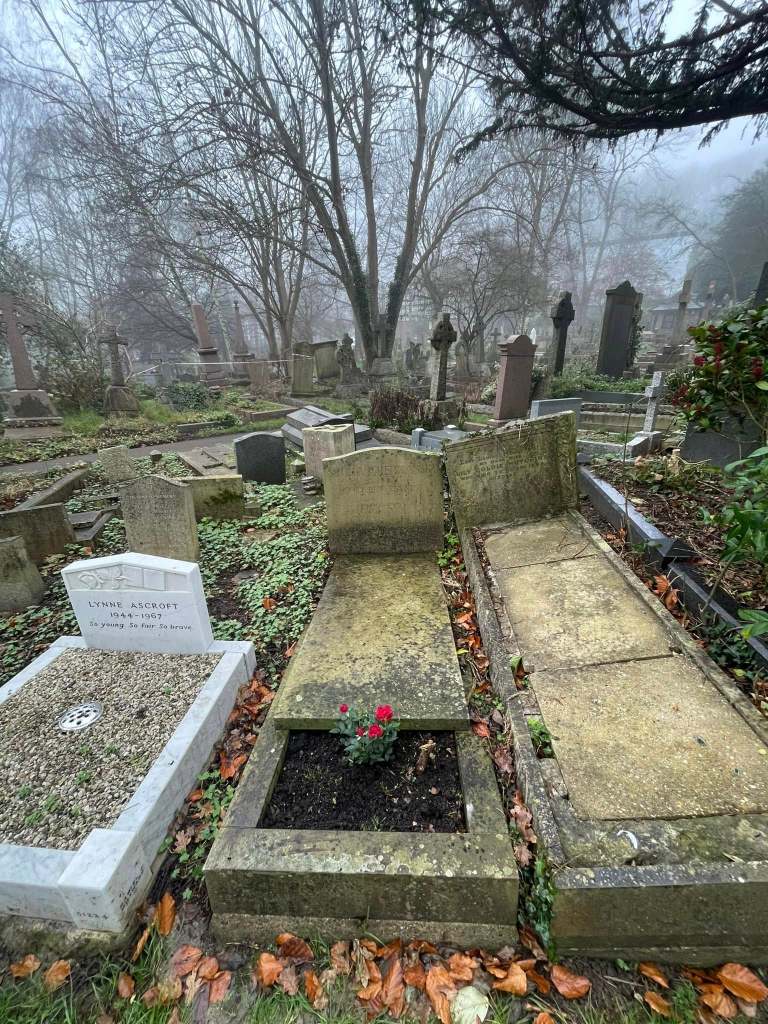
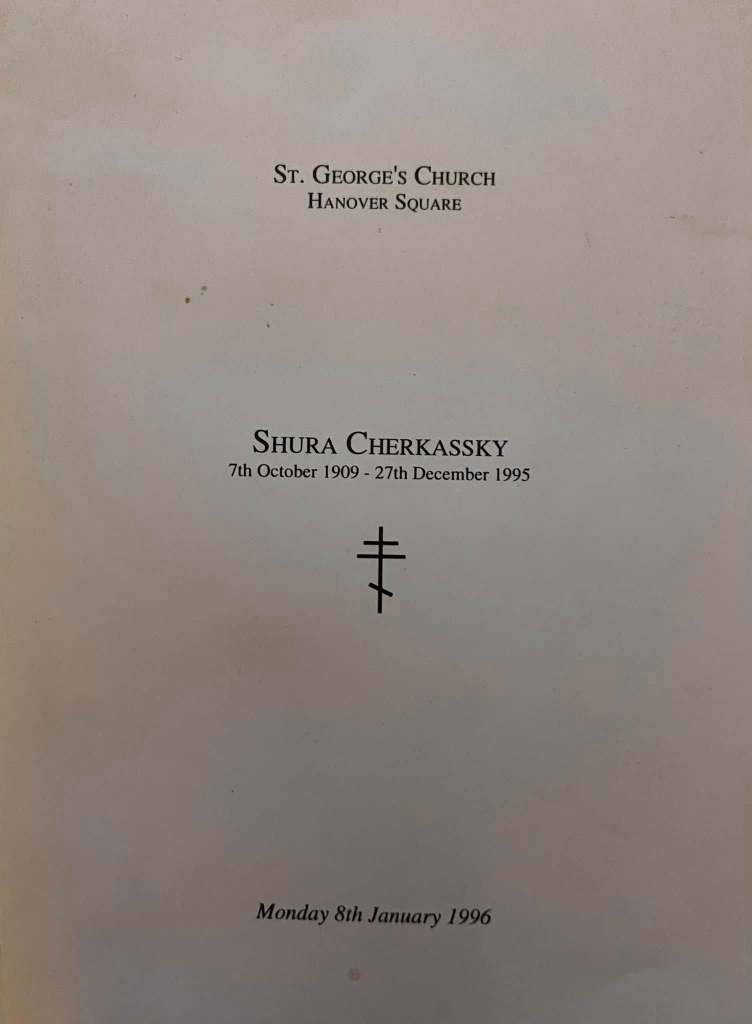
Nice to remember that this day 29 years ago Shura Cherkassky left us. Could it just be coincidence or something deeper that made me choose this very day to tend his grave in Highgate cemetery unknown that it was a day of celebration.


 ChristopherAxworthy-MusicCommentary