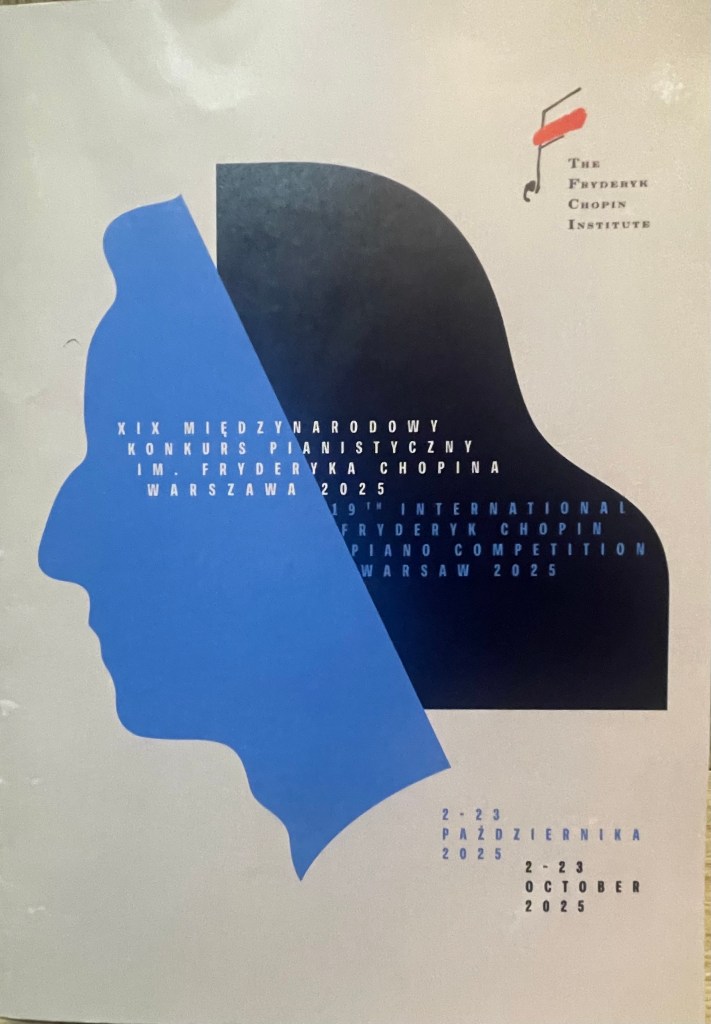
Extraordinary ‘goings on’ at the The Chopin Society UK hosting the launch of the 2025 Chopin Competition in Warsaw.
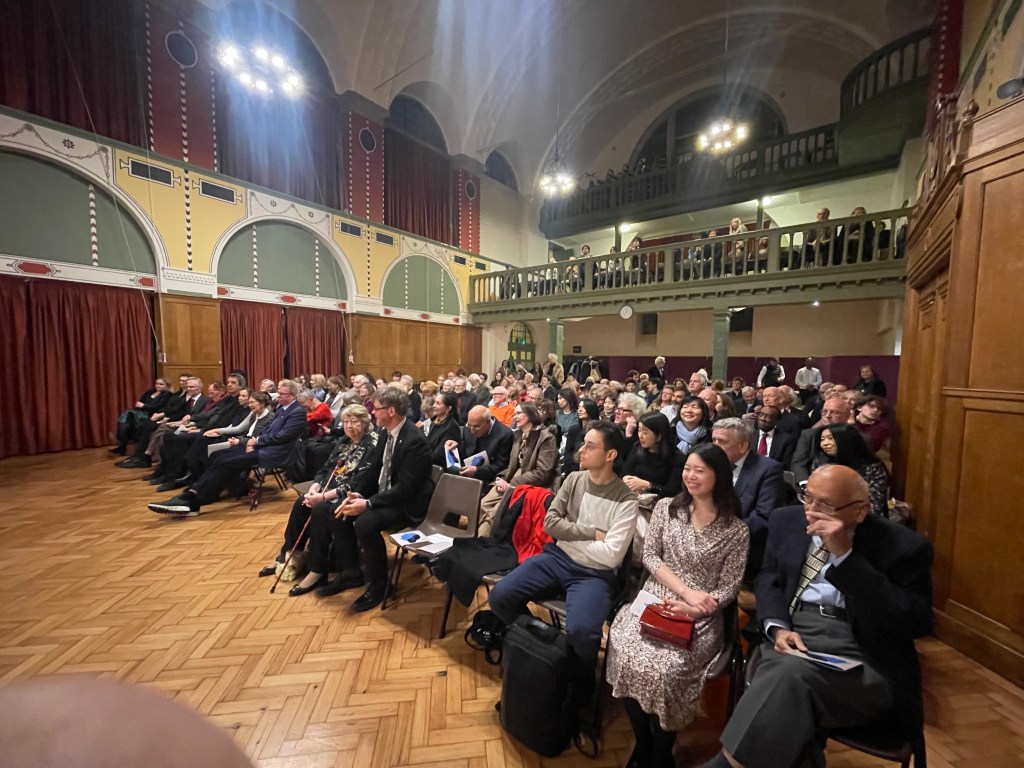
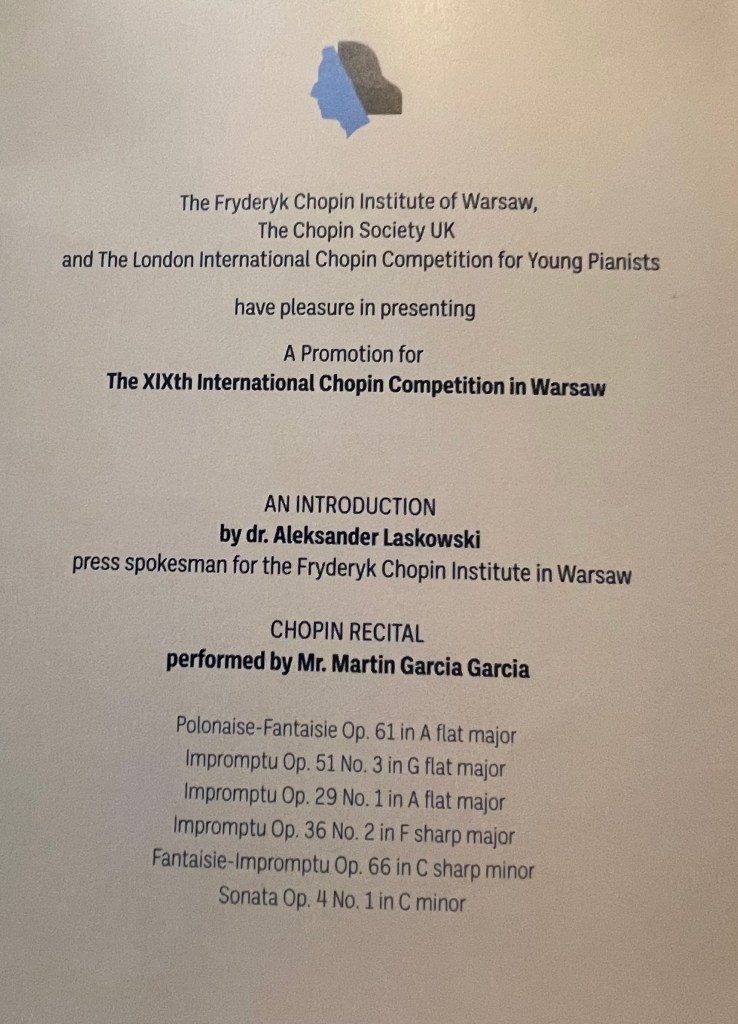
A recital by Martin Garcia Garcia , a top prize winner in the last competition in 2021 ,followed a surprise announcement of a new prize for the best performance of Chopin Ballades donated by the son of Bella Davidovich ( she had been the winner of the first competition after the war in 1949). She was 21 then and is still alive,aged 96, and living in America.
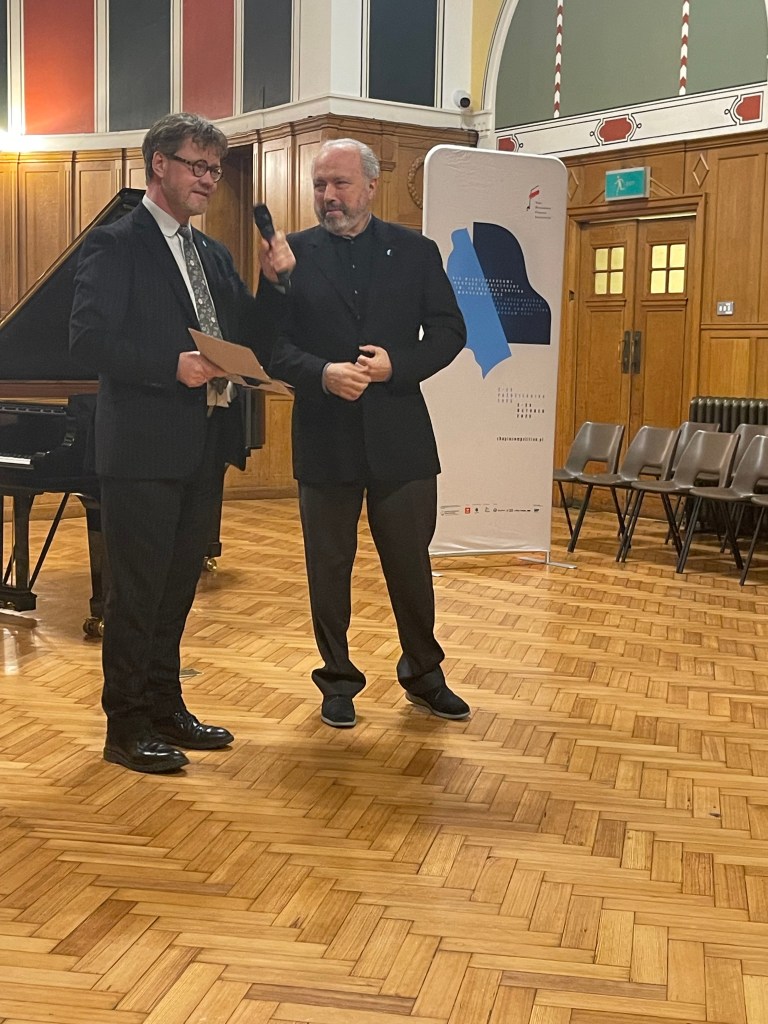
Aleksander Laskowski was proud to announce, with the son of Bella Davidovich, Dmitry Sitkovetsky this important new prize and to introduce Martin Garcia Garcia to a discerning public of critics,pianists,musicologists and lovers of Chopin .
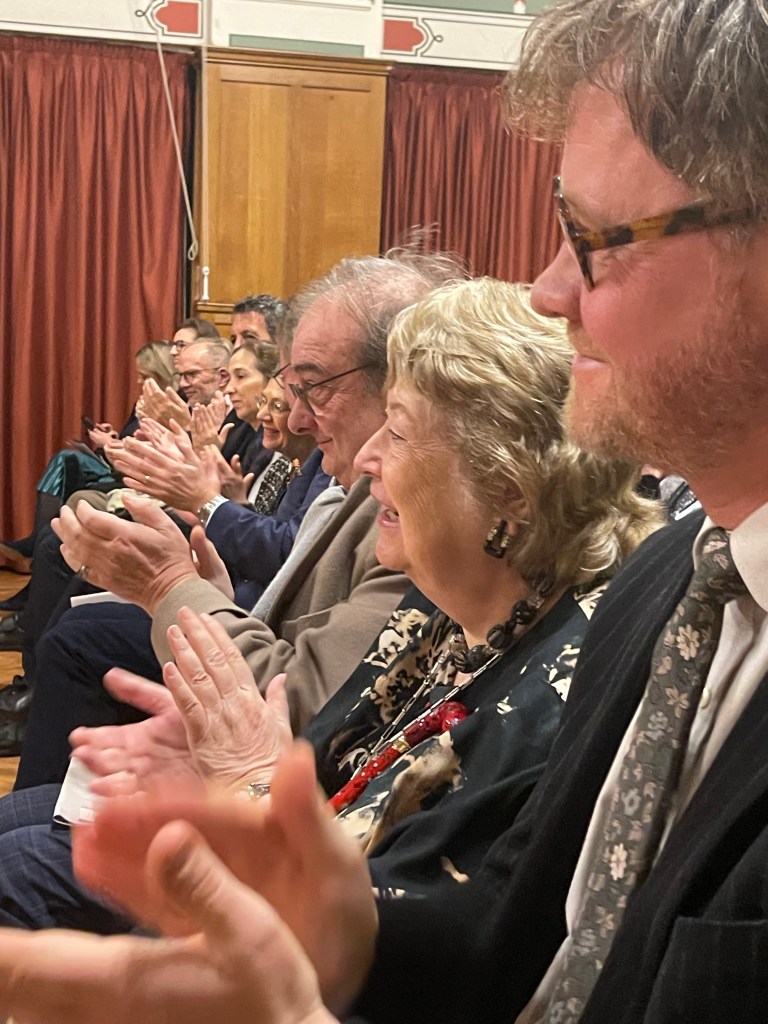
Lady Rose Cholmondely was presiding with the indomitable Gillian Margaret Newman and their many distinguished guests
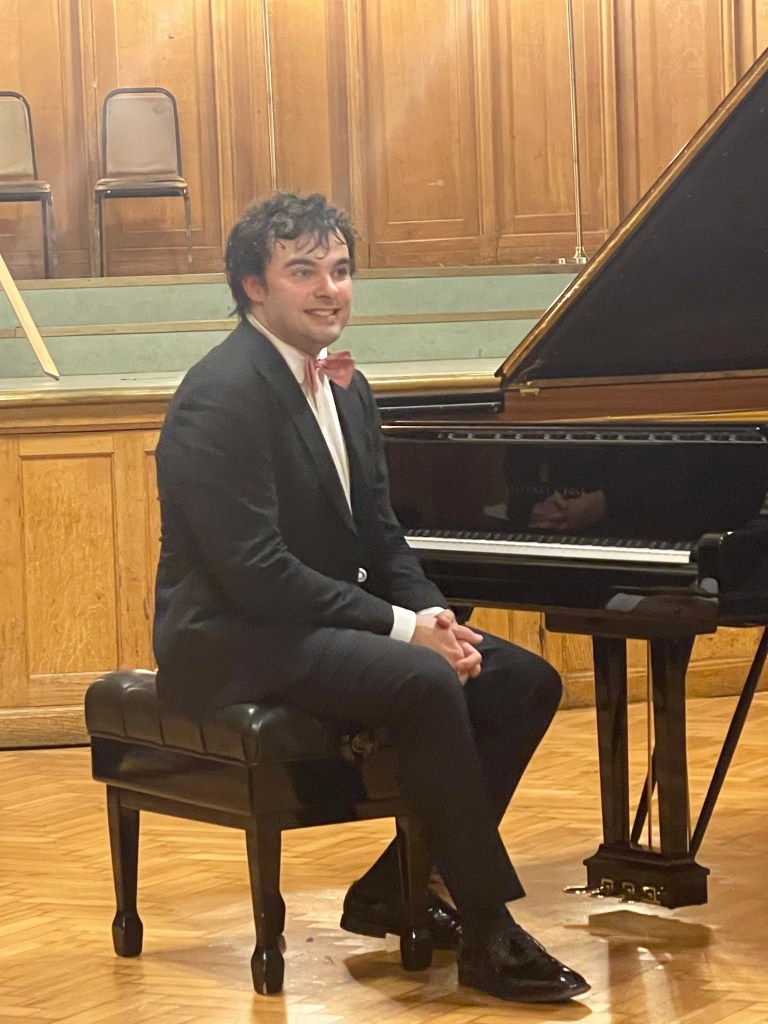
A remarkable recital from a great pianist whose love for the piano and his audience brings back cherished memories of Arthur Rubinstein .https://christopheraxworthymusiccommentary.com/2024/07/05/martin-garcia-garcia-with-the-aristocratic-playing-of-a-great-artist-a-fantasia-of-marvels-in-chopins-birthplace/
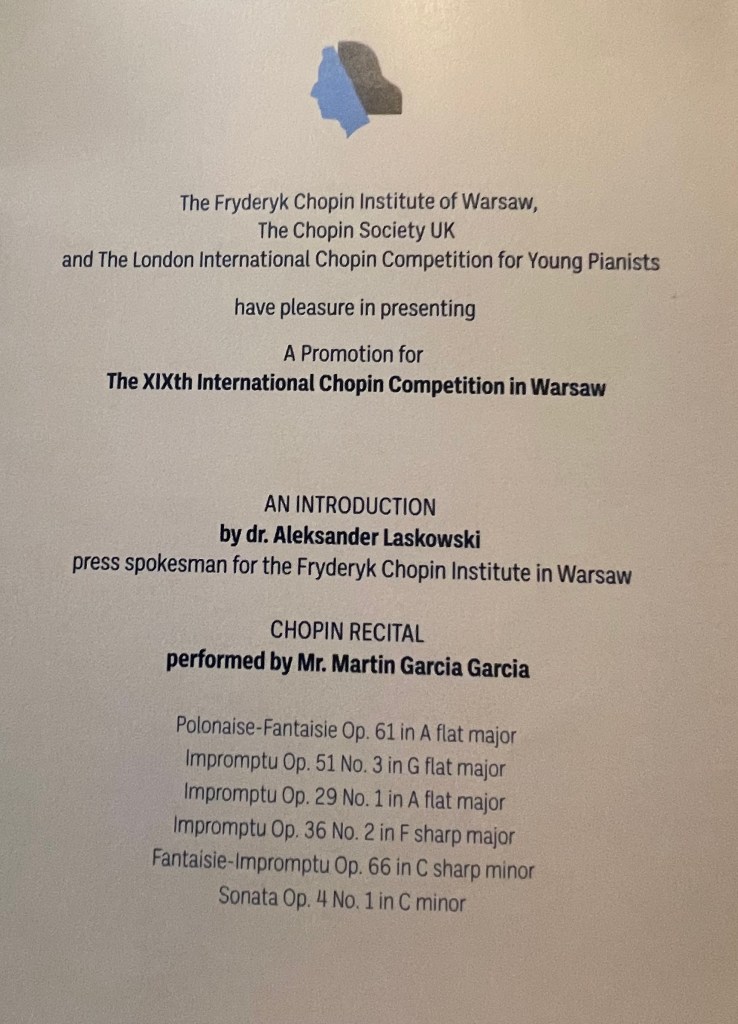
A programme that included a magnificent performance of Chopin’s first sonata op 4. A work that is rarely heard as it takes a great musician to give an architectural shape to this early work full of youthful virtuosity and a tantalising jeux perlé that was to astonish and seduce the Parisian salons more used to swashbuckling virtuosity of showmanship. Here even in this early work there is the refined elegance and scintillating understatement of poetic beauty. A sense of balance that was more of bel canto than canoristic crowd pleasing. Here in this ‘Allegro maestoso’ there is a beguiling mix of virtuosity and Polish tradition. Opening with a delicate fugato that expands into a beautiful second subject ‘espressivo’ as embellishments are thrown off with glistening beauty. Much brilliance of alternating thirds ,sixths and tenths but with a refined elegance that Martin played with a natural ease as his whole body seemed involved in the sounds he was making.A fluidity and mastery that was hypnotic with the beauty that he was able to create with such simplicity.
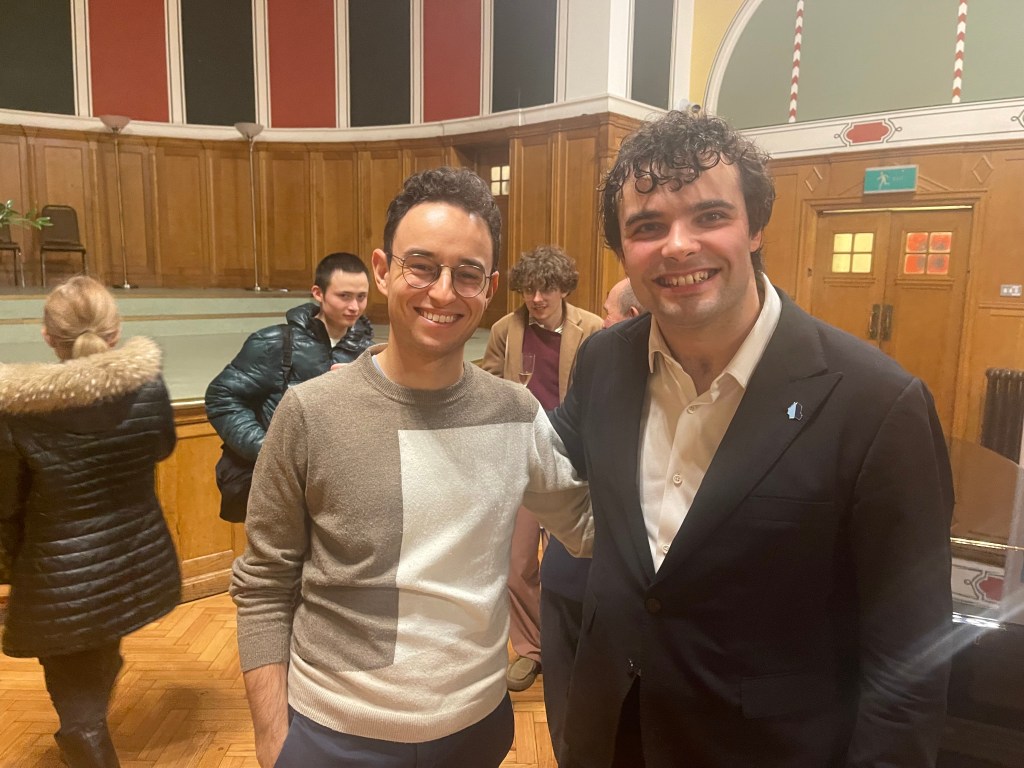
with Axel Trolese. https://christopheraxworthymusiccommentary.com/2024/11/27/axel-trolese-at-bechstein-hall-mastery-and-intelligence-of-a-remarkable-artist/
This was music written to seduce and astonish by an eighteen year old genius ready to take the world by storm. His variations op 2 were greeted by Schumann with ‘Hats off, gentlemen, a genius’ and although this work does not have the weight or maturity of the other two sonatas Martin showed us today that it is unjustly neglected. Of course it requires a virtuoso technique and a musicianship that can see the wood from the trees and give shape and coherence to a work in progress of a composer who was looking for a form in which to express himself.The starting point is the established sonata form ( Haydn had bequeathed to his pupil Beethoven a form that was to be transformed into the miraculous outpouring of the final trilogy) and it is this form that Chopin transforms already in his teens into a work marked with his personality. A charming ‘Minuet’ where the stamp of the Mazurka is already discernible .A beautiful flowing ‘Larghetto’ where Chopin’s mastery of bel canto is already so magically expressed in pianistic terms.A ‘Presto’ Finale as long as the other three movements put together, is a ‘tour de force’ of invention and dynamic virtuosity. Martin seemed to relish the enormous amount of notes that were pouring from his fingers with such ease as he shaped them into streams of sumptuous sounds of exhilaration,excitement and beauty. An astonishing performance and a very persuasive one for a badly neglected work .We talk of finding fragments of nocturnes these days, hidden in the archives of important libraries, but here we have an extraordinary work completely overlooked by the very people who are so excited by album leaves left as gifts to the composer’s lady pupils and admirers!
Listening to Martin I am reminded of the late Nelson Freire whose natural mastery and love of music illuminated our lives for so long after the passing of Arthur Rubinstein.
https://christopheraxworthymusiccommentary.com/2021/11/02/nelson-freire-rip/
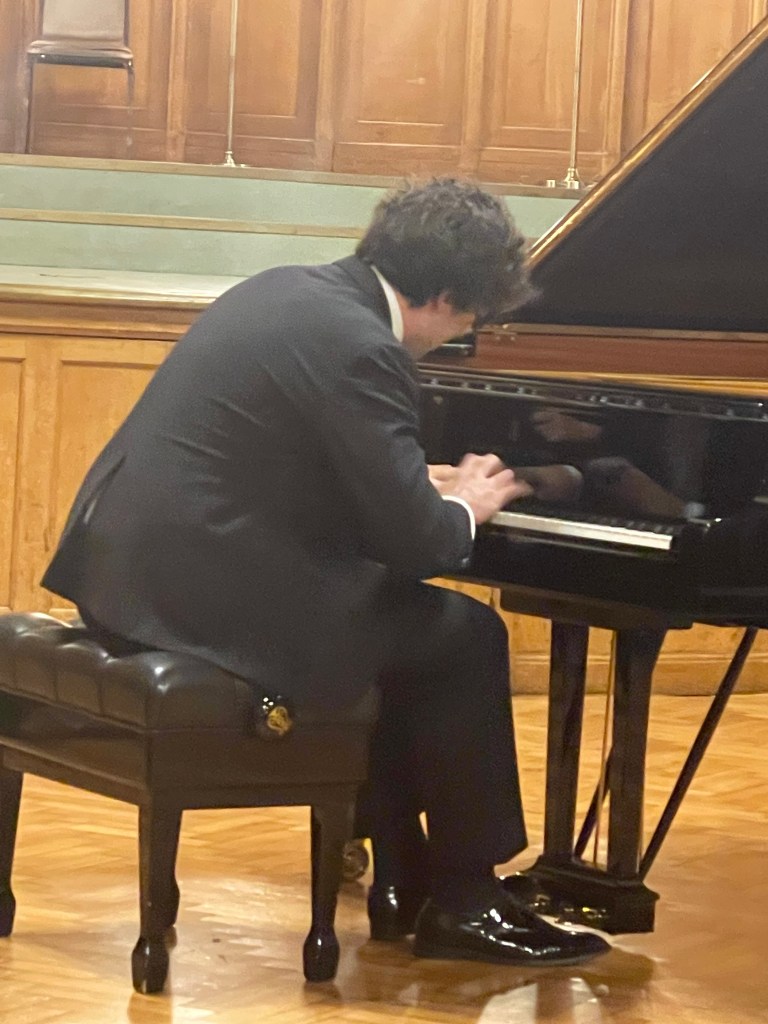
The Polonaise Fantaisie opened this short recital where from the very first notes it was obvious that we were in the presence of a great artist who could play with weight and mastery bringing to life a work as if the ink were still wet on the page. A kaleidoscope of colours as the opening chords reverberated with timeless beauty expanding into a nobility of refined elegance and bitter sweet nostalgia only to disappear on ‘wings of song’. An extraordinary sense of balance of sumptuous beauty even in the most passionate of climaxes where everything in Martin’s hands sang with an evident love for the sumptuous sounds that he was creating.
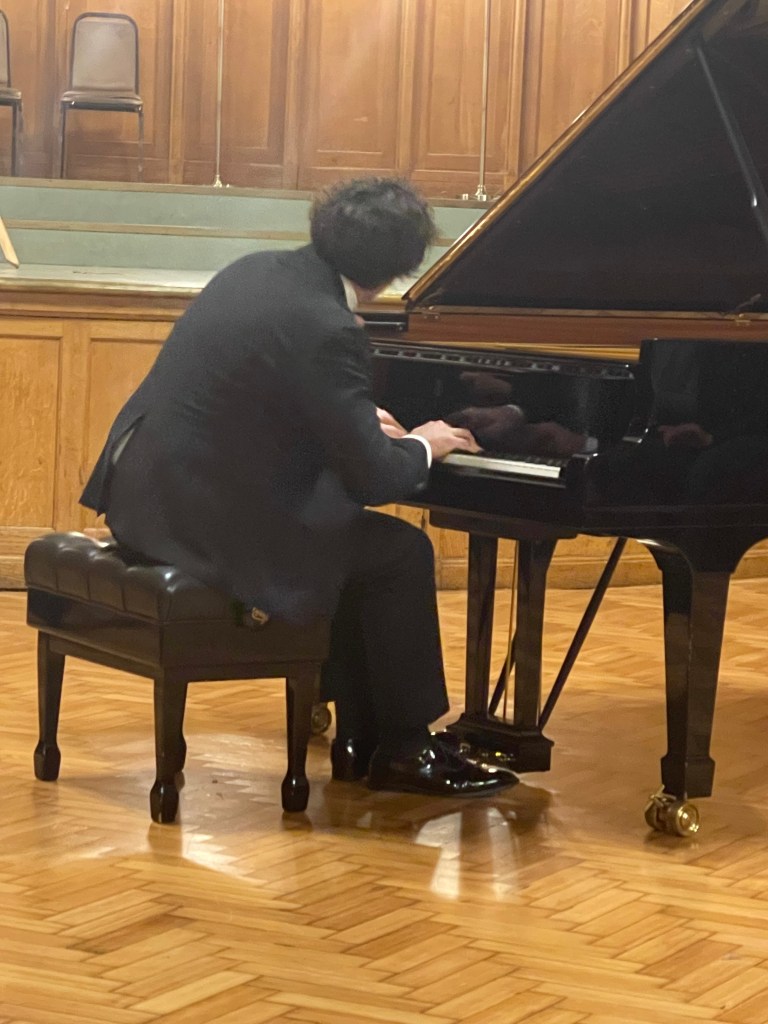
The four Impromptus that followed were played with extraordinary style and beauty .The first appearing as from afar out of the last imperious chord of the Polonaise- Fantaisie. It was played with a beguiling jeux perlé that I have only every heard from Magaloff. The beautiful sostenuto played with real weight and timeless beauty as Martin shaped it with the same simplicity of the wind blowing gently in the branches (to quote Chopin). It was exhilarating,titivating and had one wondering why it is played so rarely in concerts these days. The exquisite charm and beauty of the third was quite different from the aristocratic ‘frenchness’ that was Rubinsteins’.

But it was of chiselled beauty as it wove and breathed with infinite aristocratic charm until the sumptuous tenor melodic outpouring of the ‘sostenuto’. A rubato of great artistry as its was played with freedom but also without ever breaking the long melodic lines. It was immediately followed by the ravishing tone poem of the second where the gentle flowing left hand was just the base on which a beautifully simple melodic line was woven. Delicate embellishments given all the time to breathe by Martin who made them seem so natural and of such gleaming beauty. A central march was played with imperious full sounds before the ingenious two bar modulation that takes us back to the simple beauty of the opening this time accompanied by flowing lines first in the left hand and then magically in the right.From here notes were just thrown off with such ease as streams of golden sounds illuminated the melodic line. Finishing these four Impromptus with a breathtaking performance of the Fantaisie -Impromptu, leaning over to take the opening C sharp with his right hand with such knowing authority as waves of notes filled this beautiful piano with sumptuous sounds of passion and scintillating excitement.The beautiful central Largo we were to hear again later in the encore by Mompou where it is quoted, but here it was played with simple refined beauty of sumptuous richness.
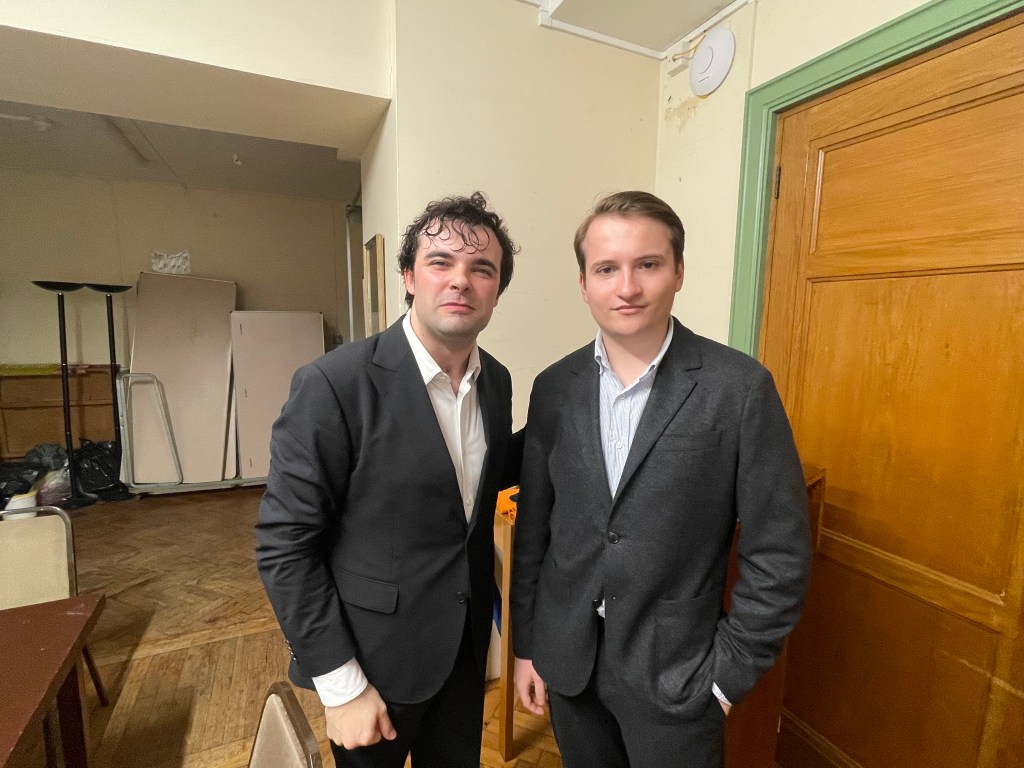
with pianist Misha Kaploukhii https://christopheraxworthymusiccommentary.com/2024/11/14/misha-kaploukhii-in-florence-and-milan-for-the-keyboard-trust-and-robert-turnbull-piano-foundation/
An encore of Schumann’s portrait of Chopin from Carnaval was followed by one of Mompou’s Chopin variations n.10 ,the one based on the Fantaisie -Impromptu.
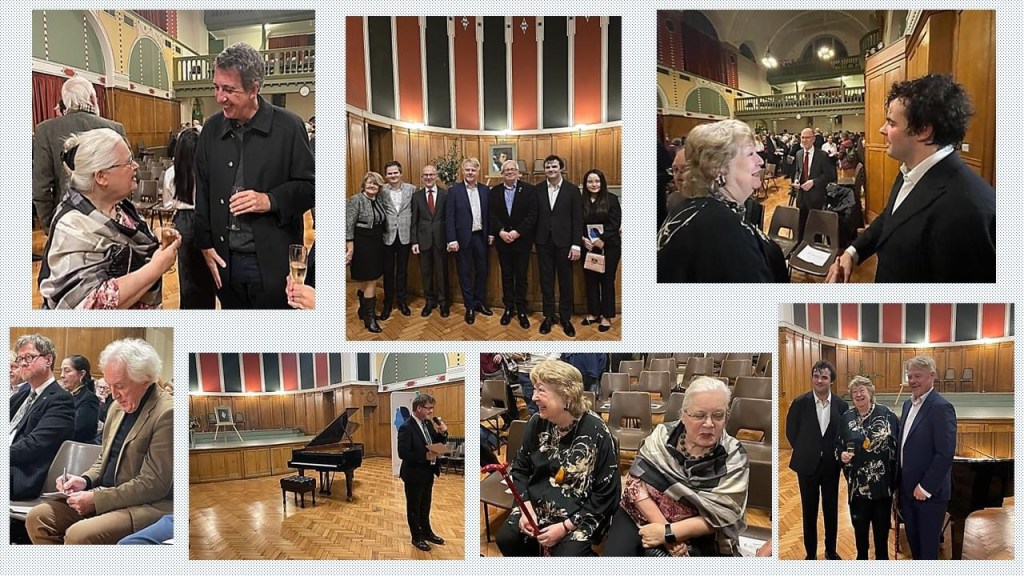
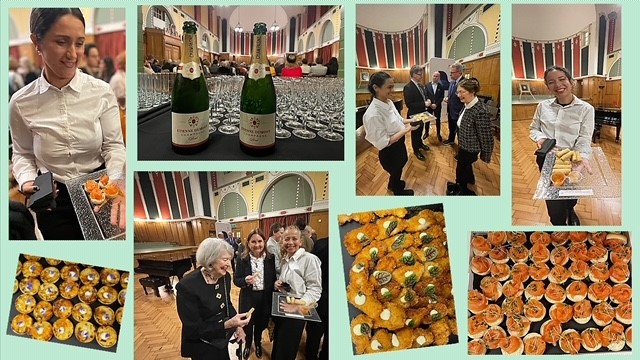
An eclectic choice to close a masterly recital before the champagne so generously flowed with canapés that were obviously inspired by the exquisite playing that we had been treated to by the Chopin Institute in Warsaw .
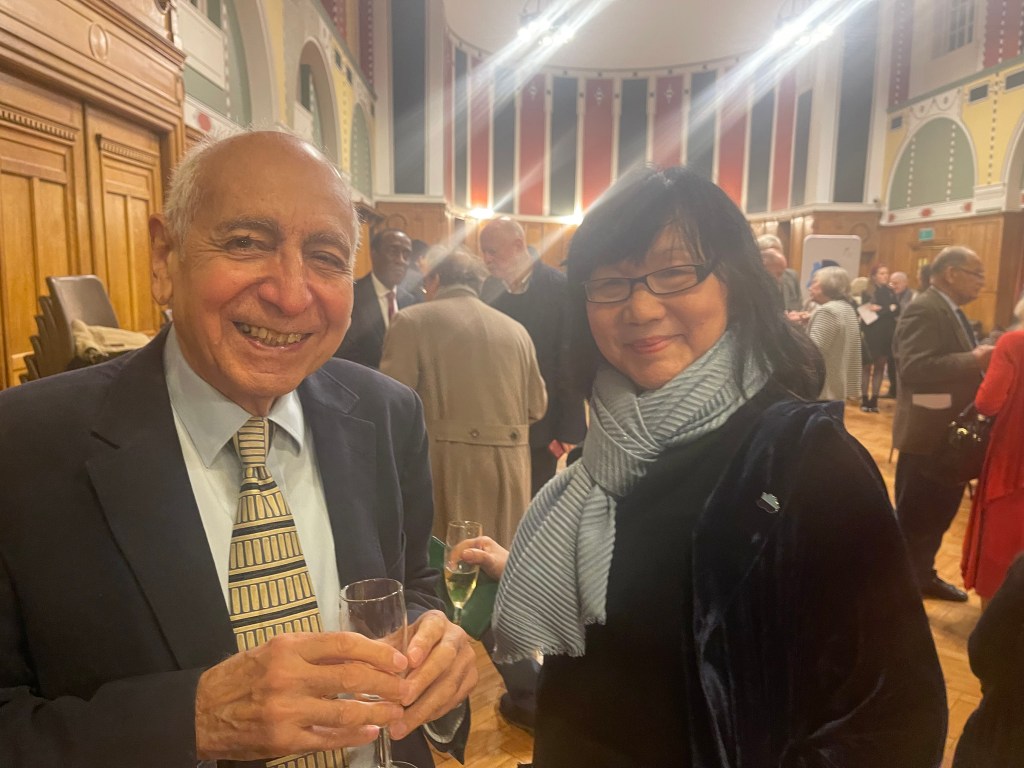
The distinguished pianist Martino Tirimo who had played with his Rosamunde Trio at the Chopin Society last week.With Yisha Xue
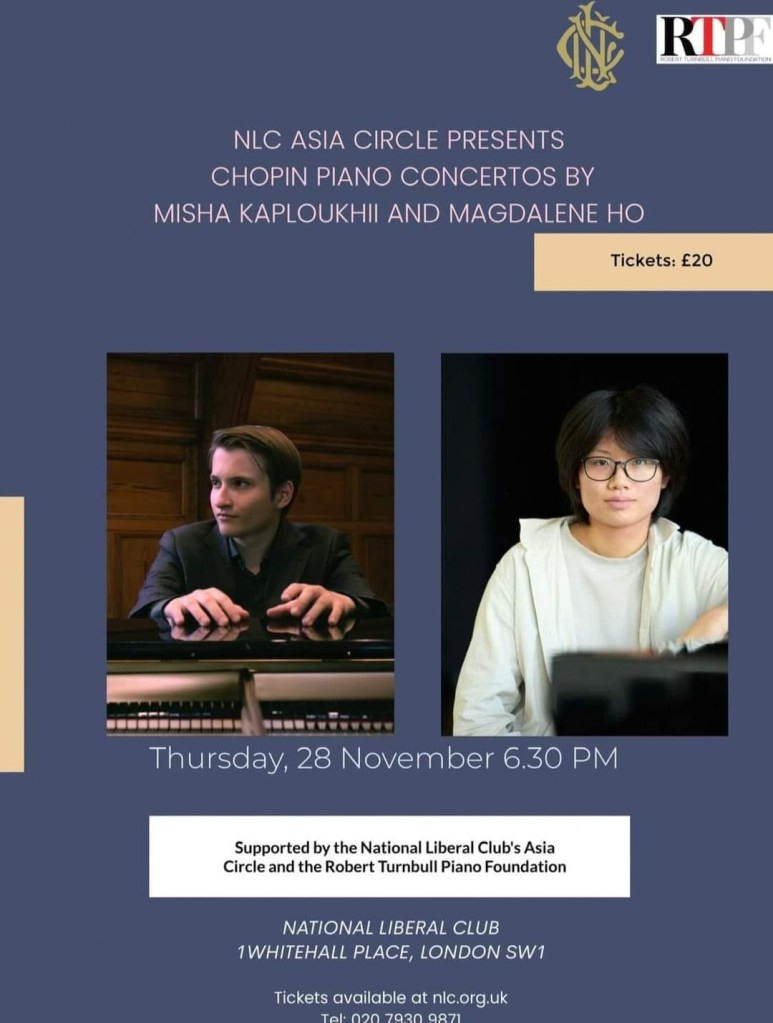
https://christopheraxworthymusiccommentary.com/2024/05/05/misha-kaploukhii-mastery-and-clarity-in-waltons-paradise-where-dreams-become-reality/
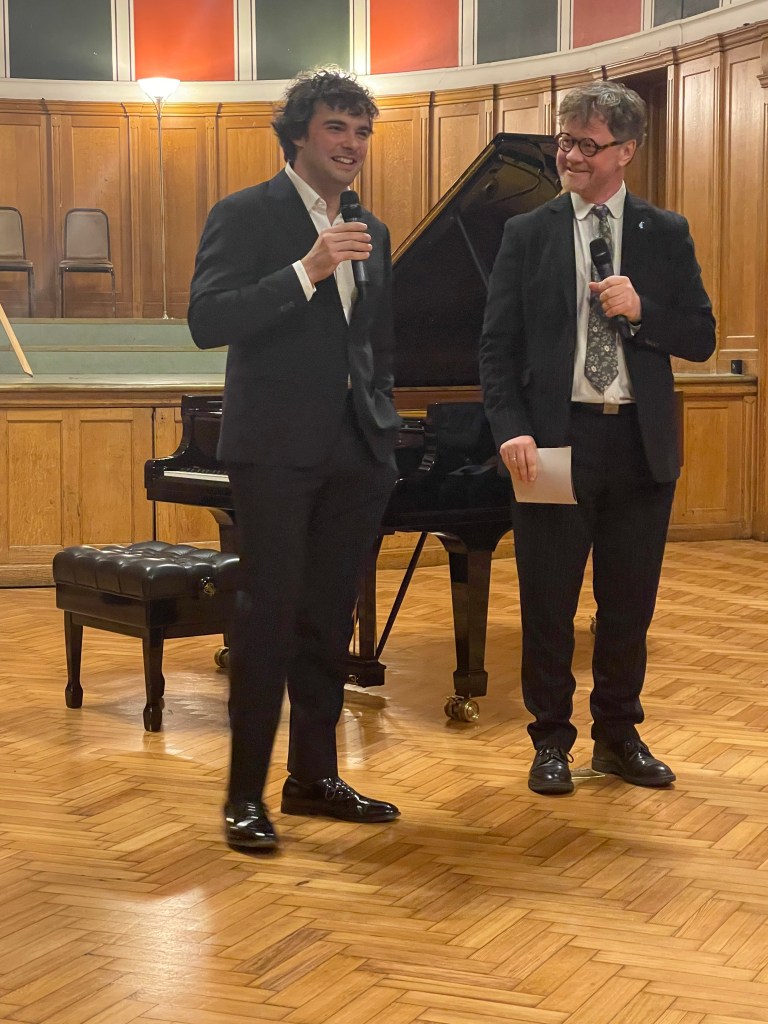
Yisha Xue with Aleksander Laskowski and Christopher Axworthy
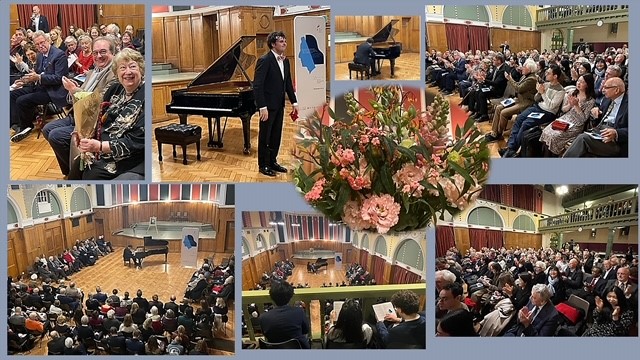
Martin Garcia Garcia A supreme stylist opens the 79th Duszniki Festival 2024 A great artist is born in the shadow of Chopin.
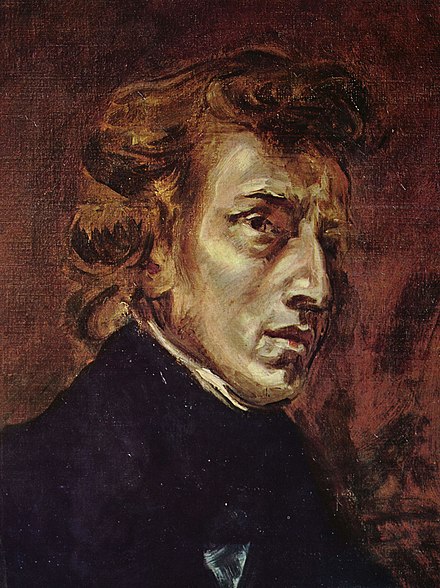
Fryderyk Chopin Źelazowa Wola 1st March 1810 Paris 17th October 1849
The Sonata No. 1 in C minor, Op. 4 was written in 1828 (probably begun around July). It was written during Chopin’s time as a student with Józef Elsner, to whom the sonata is dedicated. Despite having a low opus number, the sonata was not published until 1851 by Tobias Haslinger in Vienna, two years after Chopin’s death. The sonata has four movements. Allegro Maestoso (C minor): The first movement is in sonata form. Only in the aspect of key relations does this movement break from tradition – the second group of themes is based in C minor as much as is the first, so that the dramatic contrast is lost.
Menuetto (E flat ): This is the only minuet that Chopin is known to have written. The central Trio is in E flat minor.
Larghetto ( A flat): in five/four time , which is very unusual for pieces of that era. The third beat of each five-beat bar carries a secondary accent, which is marked explicitly in certain bars. In other places, it can be inferred, and in still other places Chopin seems to defy this convention and not expect this.
Finale: Presto (C minor): A virtuosic finale in C minor and sonata-rondo form. The most difficult and most effective movement of the sonata, it, among the finales of Chopin’s piano sonatas, takes the longest to perform.
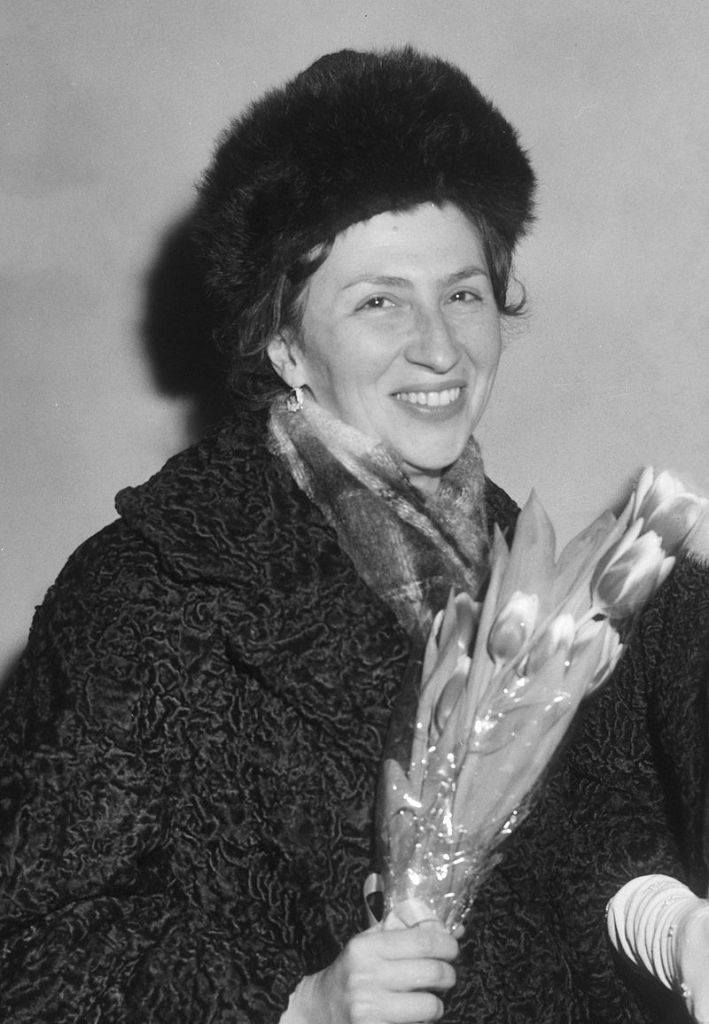
Bella Davidovich was born in Baku, Azerbaijan in 1928, into a Jewish family of musicians and began studying piano when she was six. Three years later, she was the soloist for a performance of Beethoven’s Piano Concerto n. In 1939, she moved to Moscow to continue her musical education. At the age of 18 she entered the Moscow Conservatory where she studied with Kostantin Igumnov and Yakov Flier. In 1949, she shared the first prize with Halina Czerny-Stefańska at the IV International Chopin Competition . This launched her on a career in the Soviet Union and Eastern Europe, in which she appeared with every major Russian conductor and performed as a soloist with the Leningrad Philharmonic Orchestra for 28 consecutive seasons. She also taught at the Moscow Conservatory for sixteen years, and taught at the Juilliard School. She was married to violinist Julian Sitkovetsky. Their son, Dmitry, is a violinist and conductor.
In 1978 she emigrated to the United States, where she became a naturalised citizen . She has taught at the Juilliard School since 1982. With the spirit of perestroika, she became the first Soviet émigré musician to receive an official invitation from the Soviet agency Goskoncert to perform in her native country. She played concertos, a recital with her son Dmitry Sitkovetsky playing the violin, and chamber music with the Borodin String Quartet to sold-out halls.
 ChristopherAxworthy-MusicCommentary