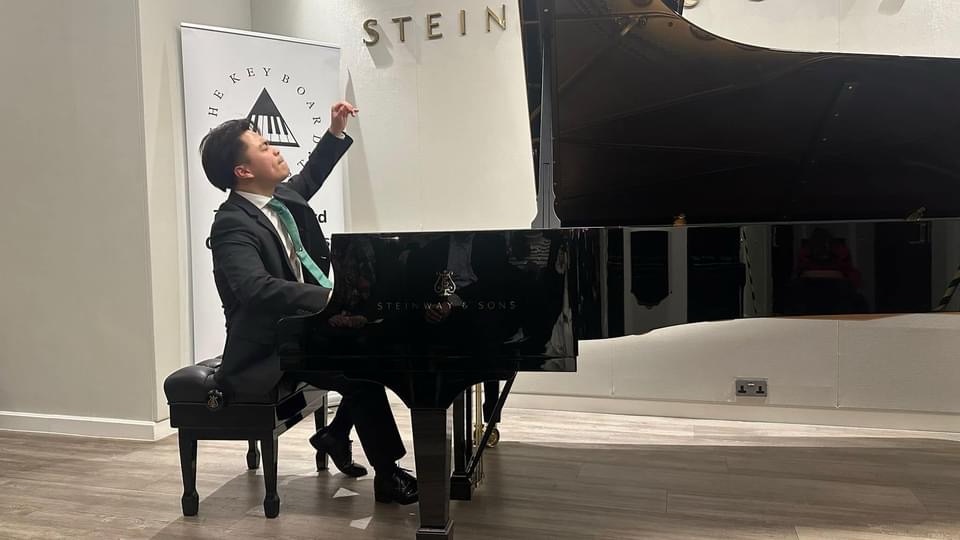
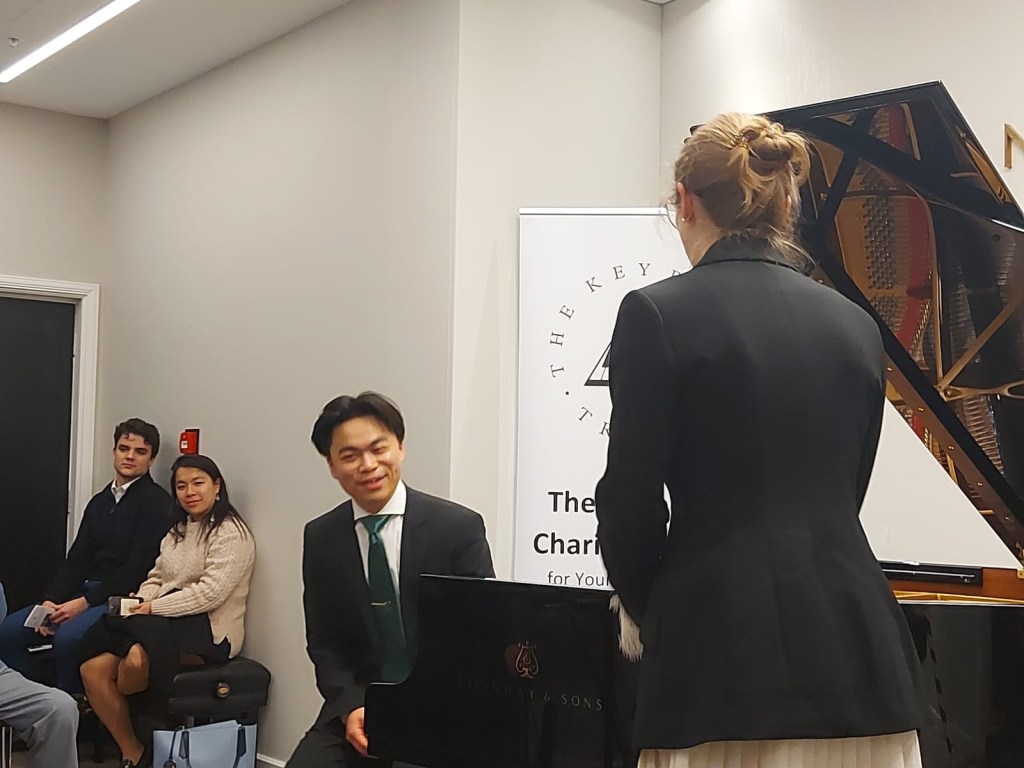
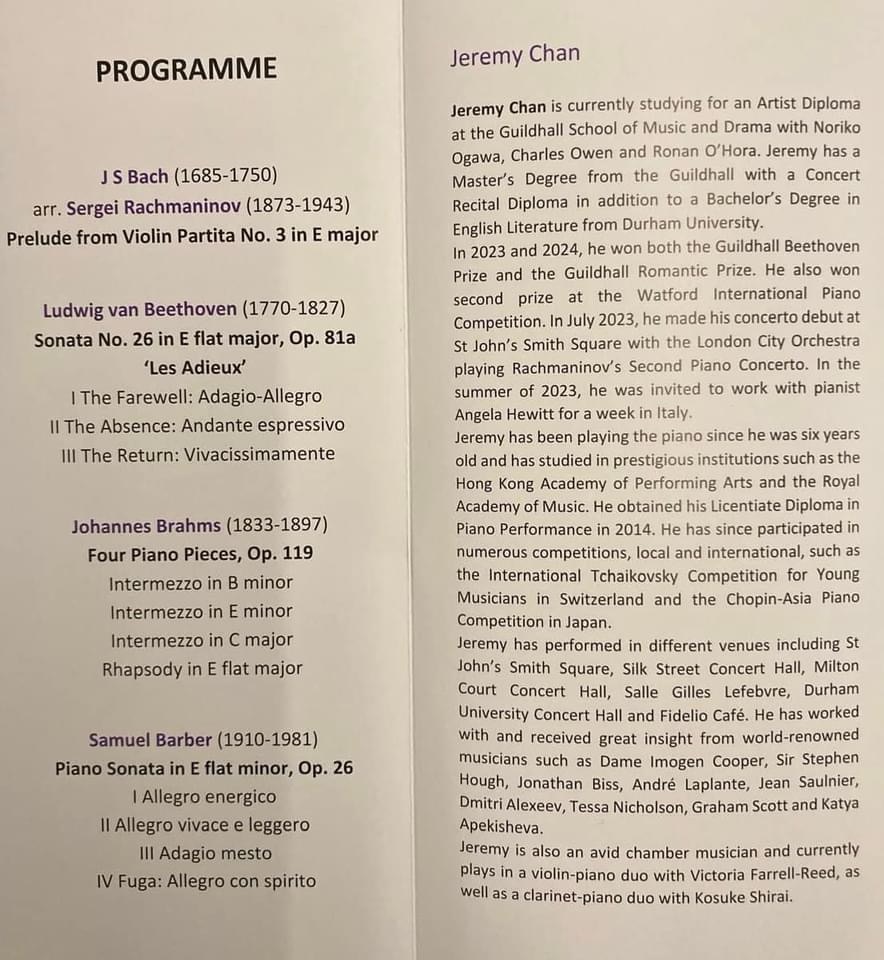
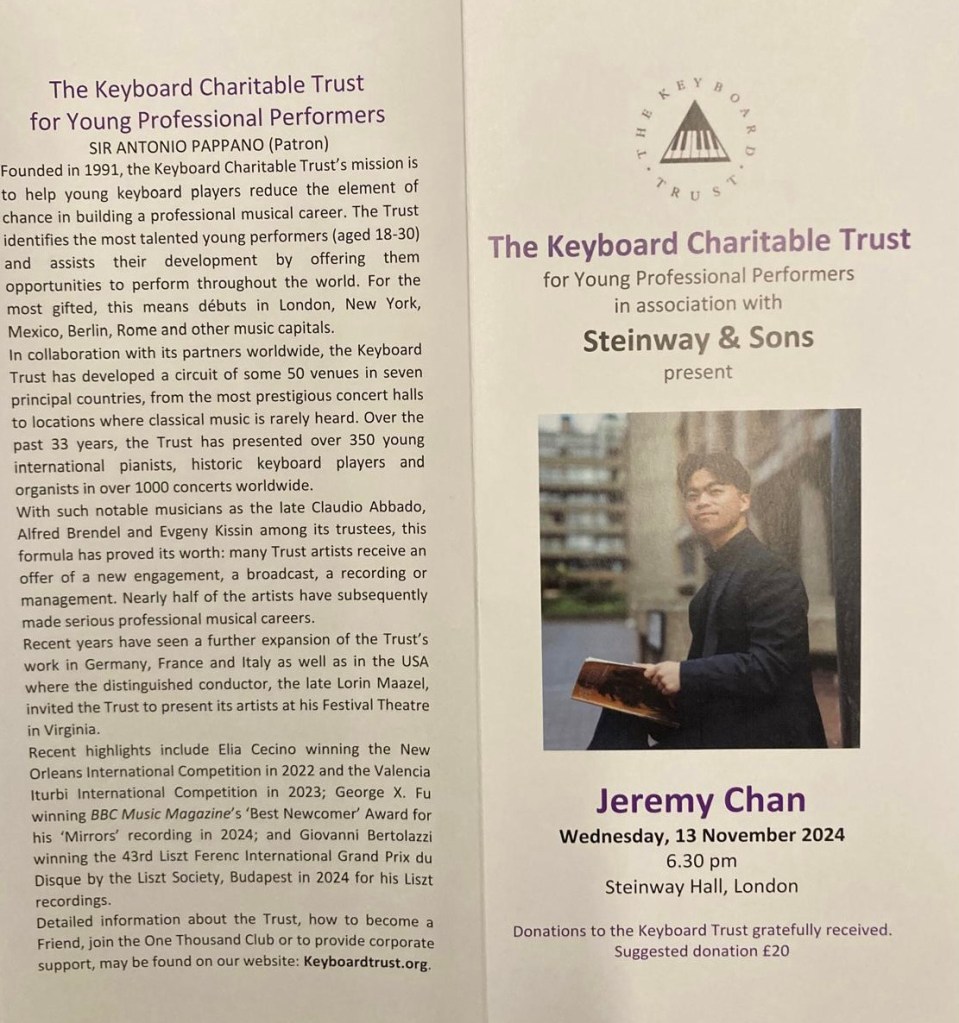
Jeremy Chan at Steinway Hall London for the Keyboard Trust where his eclectic programme of the four Bs made for a box office success: Bach,Beethoven Brahms and Barber!
Bach as seen through the eyes of Rachmaninov and Beethoven particularly genial with the only Sonata that he was happy to add a title to describing a sad departure but also the glad return.
Brahms with four of his most poignantly ethereal and imperious miniature tone poems and Barber with demonic knotty twine that only Horowitz could completely hope to unwind.
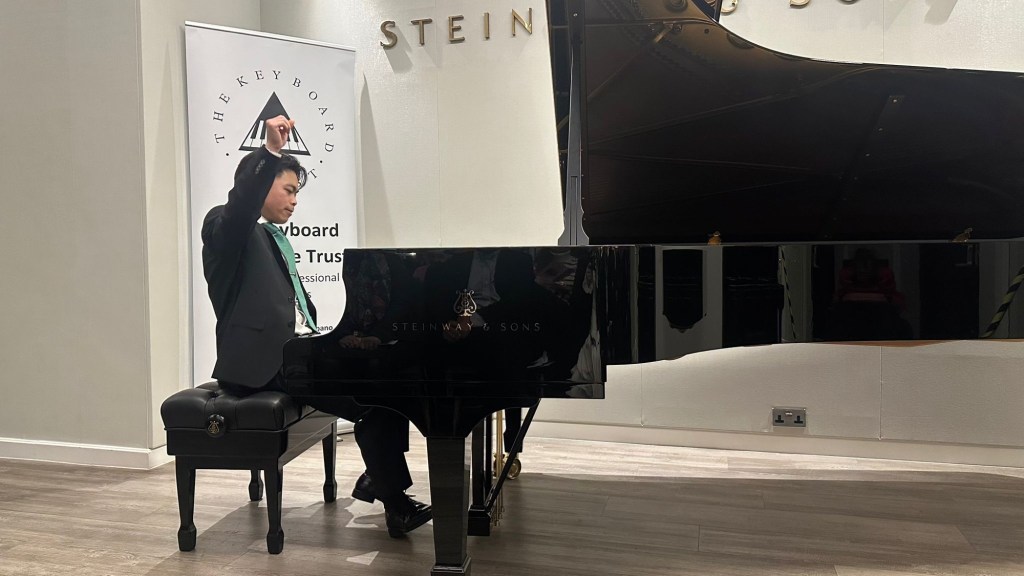
An audience that included two of the KT artistic directors (the third is at Steinways in Milan to present Misha Kaploukhii to the Italian public ) who were happy to interrogate and converse with this young musician who I had heard just a month ago with the same programme:
https://christopheraxworthymusiccommentary.com/2024/09/19/jeremy-chan-at-st-olaves-tower-hill-with-playing-of-commanding-authority-and-towering-musicianship/
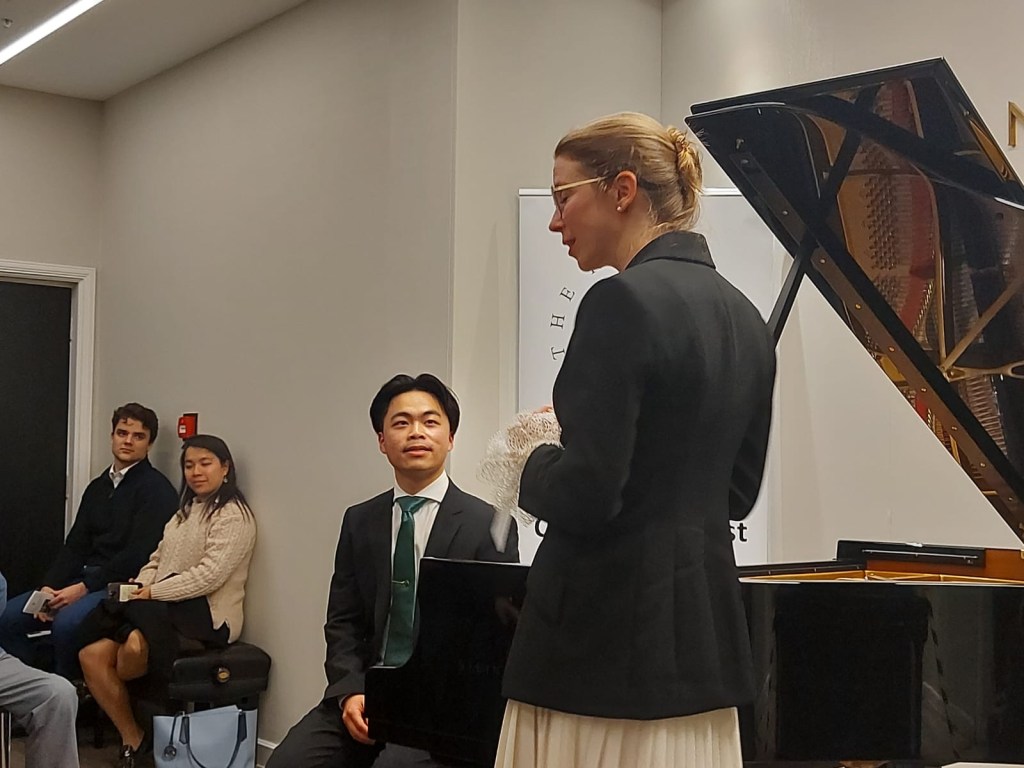
Elena Vorotko writes :’ I thought Jeremy was rather good last night, definitely had something to say and rather beautiful/poetic in all the right places, made a rather hoarse piano sound rather beautiful. I thought he held back the volume skillfully without lacking contrast till he got to Barber and the let loose, rather rightly. I thought there was clarity overall and great attention to articulation and textural detail. I sat in front row with Garo from the Pharos Cultural Centre in Cyprus who really liked Jeremy’s playing ‘

‘The London Steinway Hall was buzzing with anticipation! The audience for this sold out concert included celebrated musicians, concert organisers and critics, taking the temperature up a notch for the evening’s performer- Jeremy Chan.
With the first notes of the Bach/Rachmaninov transcription one could feel Jeremy’s eager involvement in the music. While keeping to traditional norms of rolling beat and articulation, he indulged his public in cleverly voiced, clear tapestry of polyphony, sprinkling new iterations of the theme with new colours. Letting us enjoy Rachmaninov’s signature harmonies here and there, Jeremy created a playful character that was both charming and fun.

The Beethoven ‘Les Adieux’ sonata, so called by the composer himself, appeared like a triptych of related, but strongly contrasting movements. The poised flow of the musical narrative allowed the audience time to be present in the music. Full of colours and characterful articulation, the first movement portrayed worrysome anticipation rather effectively! The second movement was very moving in its simple, immediate and genuine expression. Mournful intonations were contrasted with the joyful episodes not only in volume, but sound quality and balance of textures, creating a fully immersive effect for the audience. Jeremy took us on a journey of dealing with grief, which resolved by transforming into the sound of distant celestial bells. The volume of the third movement was pleasantly well judged, at least for those seated in the front row – only about 2 metres away from the piano! Jeremy opted for bright and light sonorities, never pounding as can be easily done in this exciting piece. It seemed that he kept the general dynamic range relatively narrow, saving the greatest volume for what was to come later in the programme.

If one has not noticed this before, in Brahms it became particularly clear, just how much Jeremy loves music- loves creating beautful sonorities, that merge and transform into one-another while floating in the air. Loves making those phrases speak, loves playing with those textures, loves communicating through sound and making music a vivid reality for his listeners. The B minor intermezzo was beautifully played on the piano, that could easily sound hoarse and forced in the relatively small Steinway Hall. It is a true test for the pianist to be able to tame the glorious beast of a Steinway model D when the audience is breathing down your neck. But nobody was actually breathing, everyone held their breath in anticipation of every new sound Jeremy was creating. He made his soul sing through his fingers in an intimate and direct way and took our souls along with him.
The Barber Sonata was a sparkling kaleidoscope of emotions. With the grand structure thought through and realised, every detail supported the narrative arch and gripped the audience from start to end. When I asked some audience members what they enjoyed the most, quite a lot of them said- “ Barber”! But it was not just loud and fast and impressive, it was interesting, enlightening and beautiful. I loved the attention to textures in all works played by Jeremy that evening. His intellect shone through but did not get in the way of his heart, a rare balance to find in any human, let alone a musician! Bravo, Jeremy!’
I was sorry to miss a chance to hear Jeremy’s concert again but even sorrier to miss the fun and games afterwards.
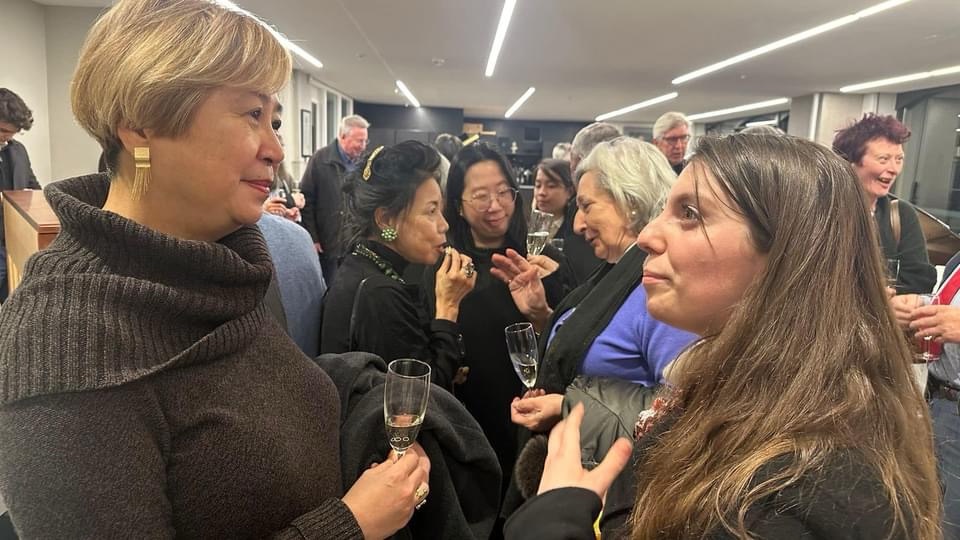
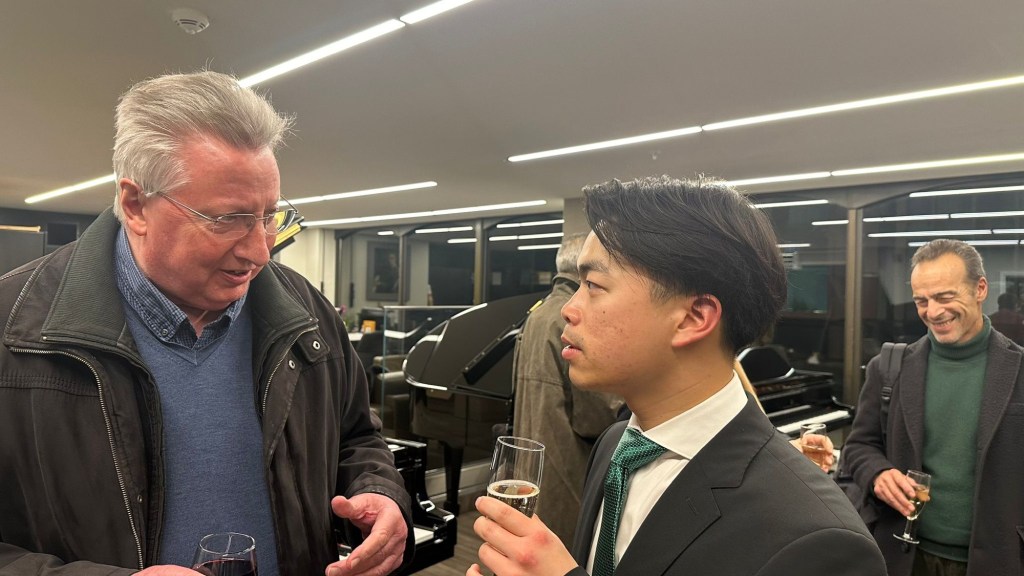
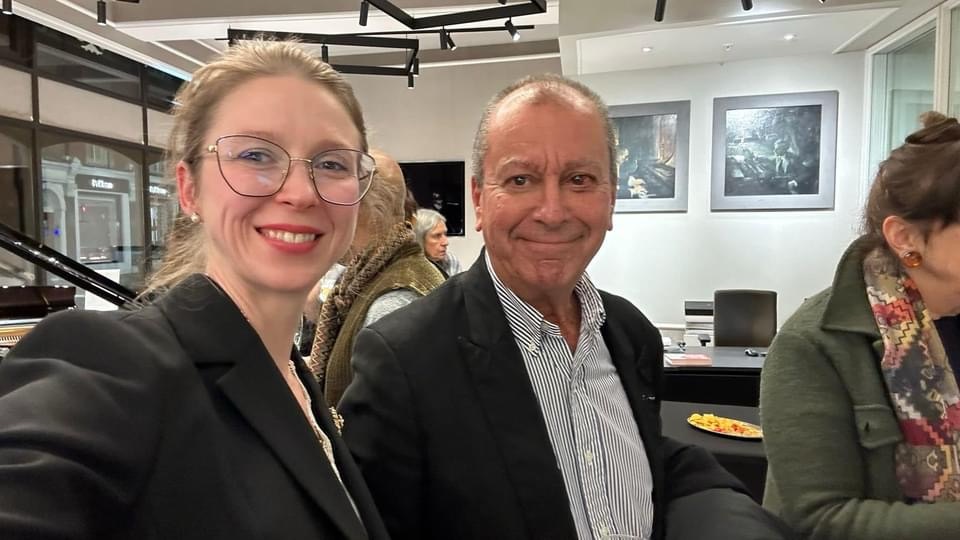
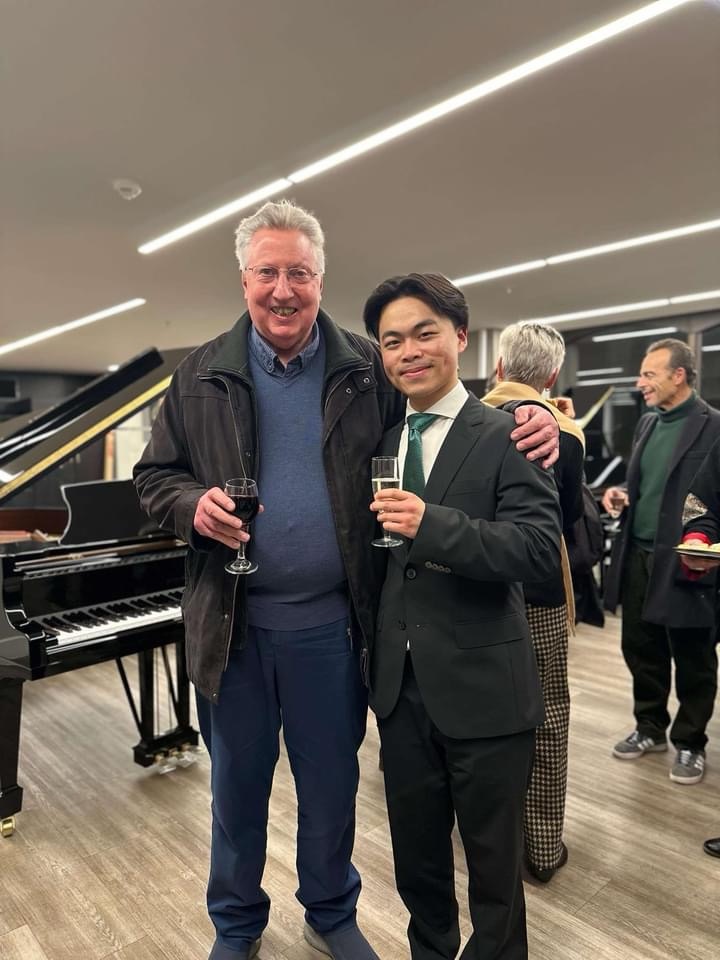
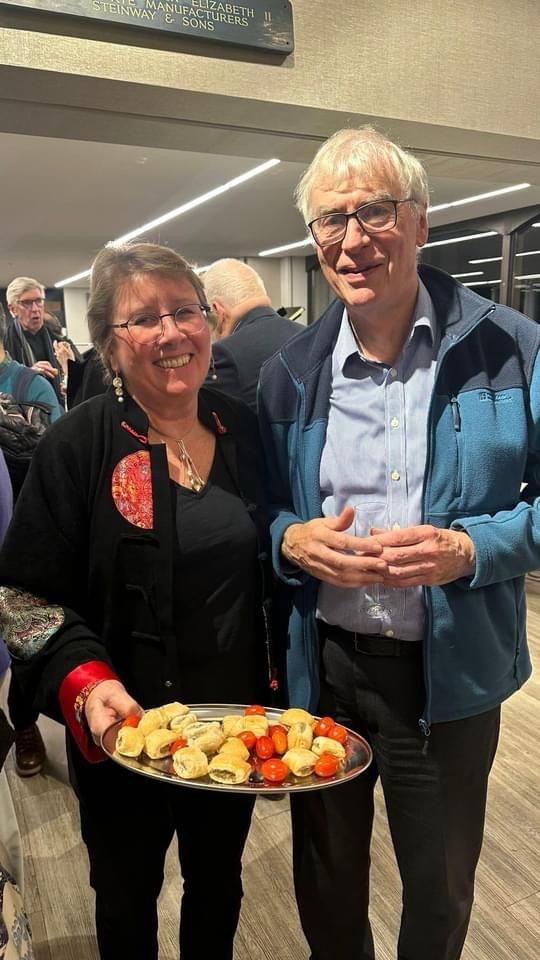
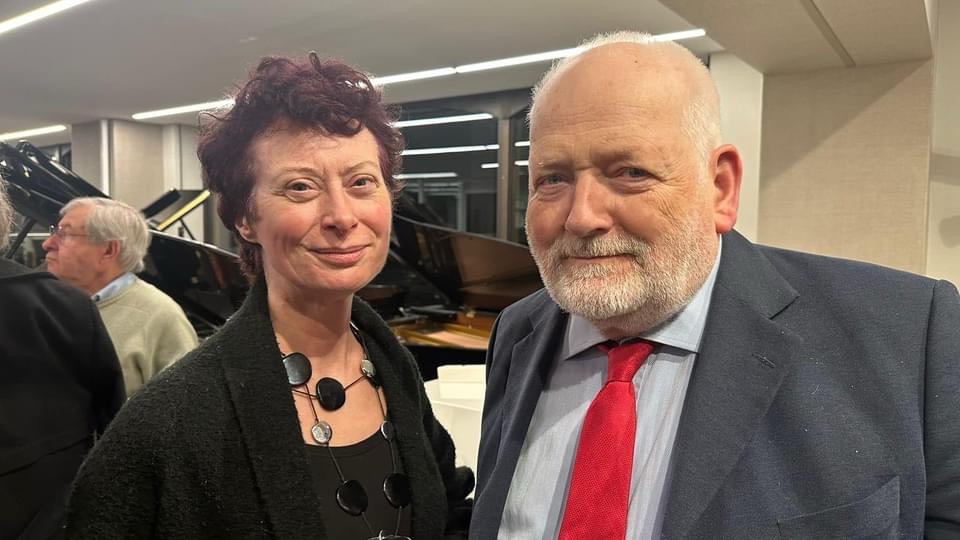
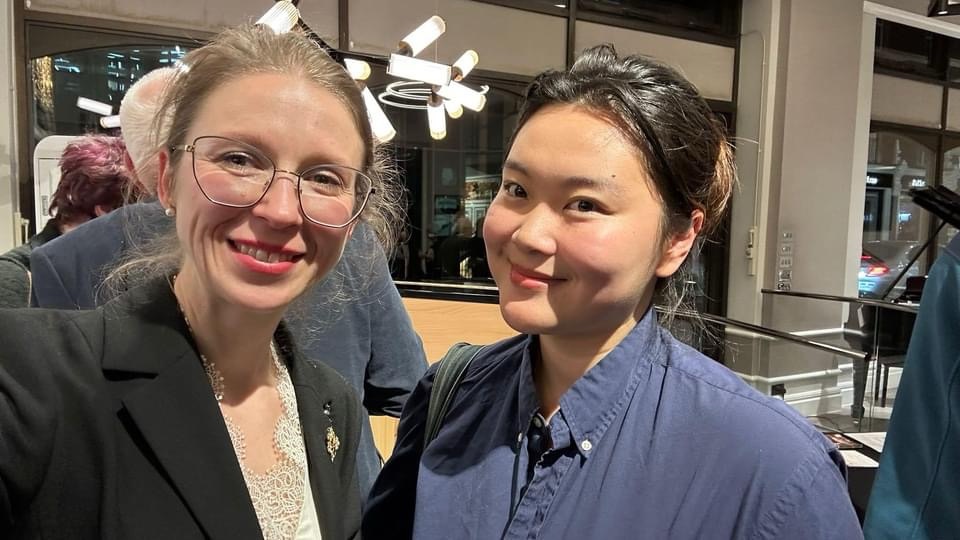
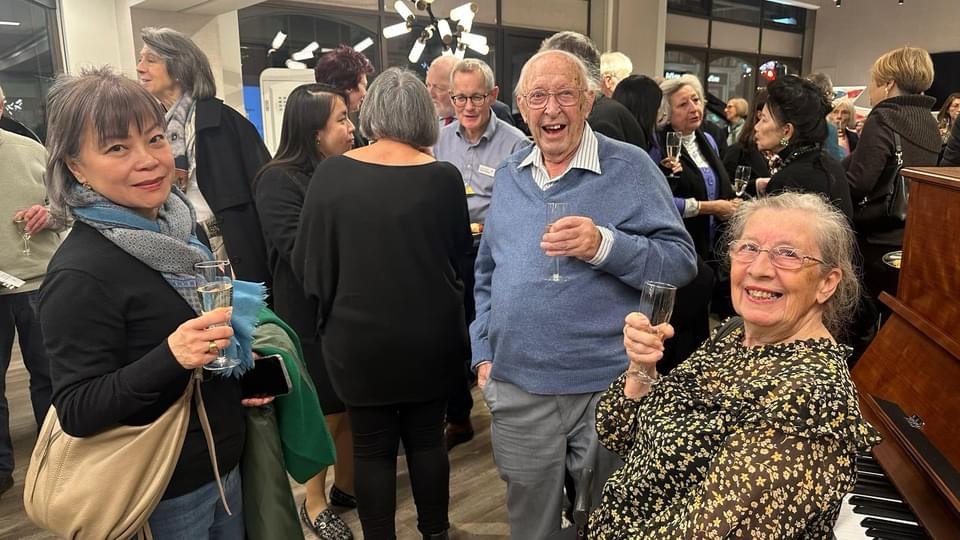
The KT, thanks to the generosity of Steinway’s, encourages the public to mix and get to know some of the strains and struggles of these young musicians as they spend their youth reaching for the stars.
Also a chance to try some of the designer pianos that Steinways are presenting to the world with such success.
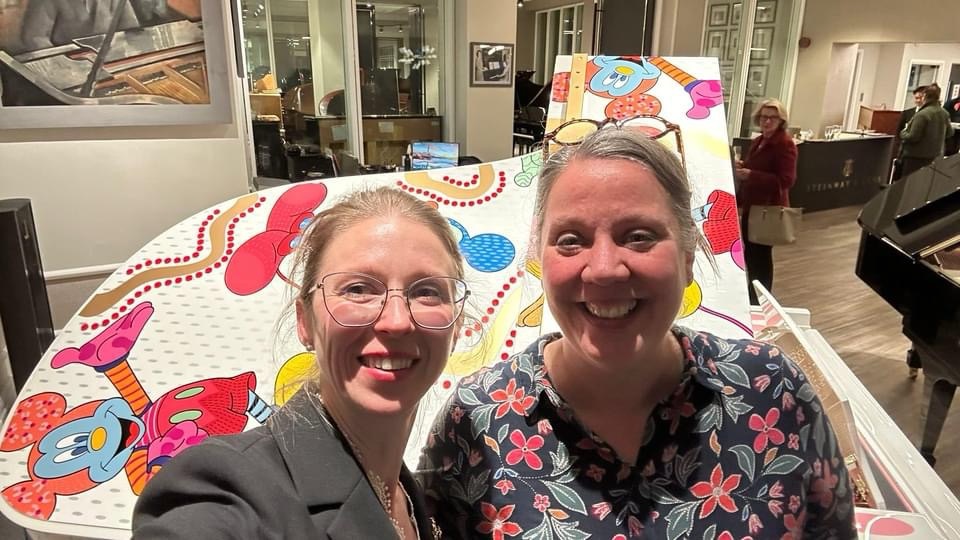
Elena Vorotko was particularly inspired by the Walt Disney piano on display in the shop window.
Let’s not forget that it is thanks to Tom and Jerry who bequeathed the inspiration of Lang Lang to the millions of unsuspecting musicians that we now see emerging from China and more importantly buying pianos.It is the Lang Lang Foundation like the Keyboard Trust that so generously helps young musicians to survive and thrive on those first few steps of a ladder as long and thorny as a beanstalk!


https://en.wikipedia.org/wiki/Tony_Palmer_(director)
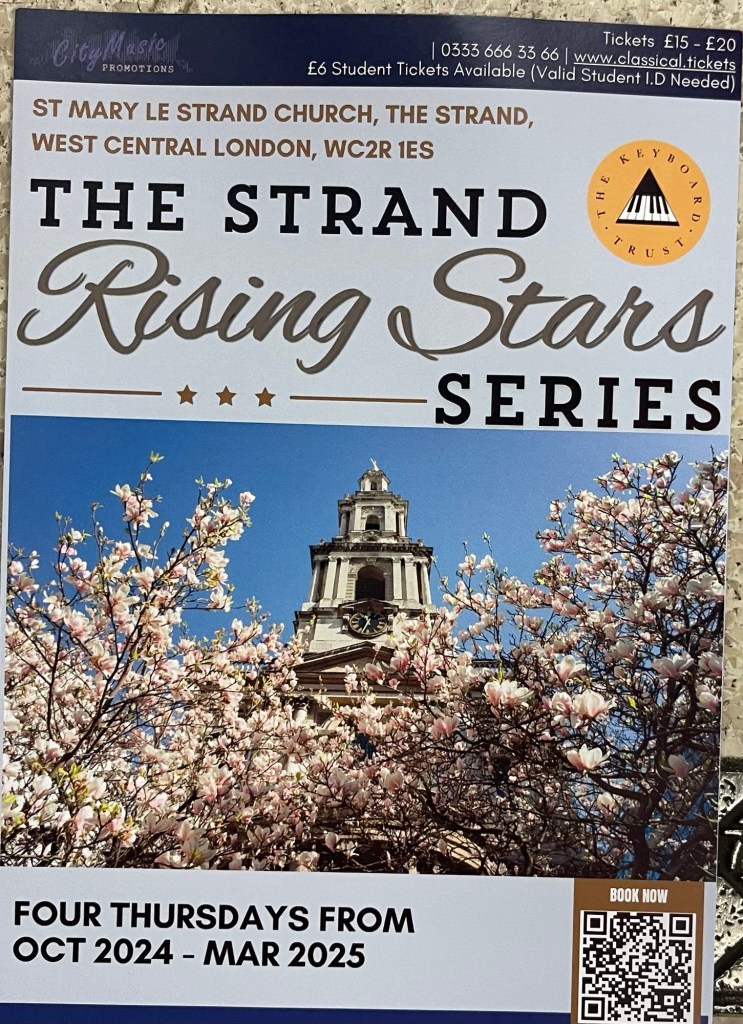
https://christopheraxworthymusiccommentary.com/2024/10/25/the-strand-rising-stars-series-sherri-lun-the-magic-and-artistry-of-a-star-shining-brightly/

 ChristopherAxworthy-MusicCommentary