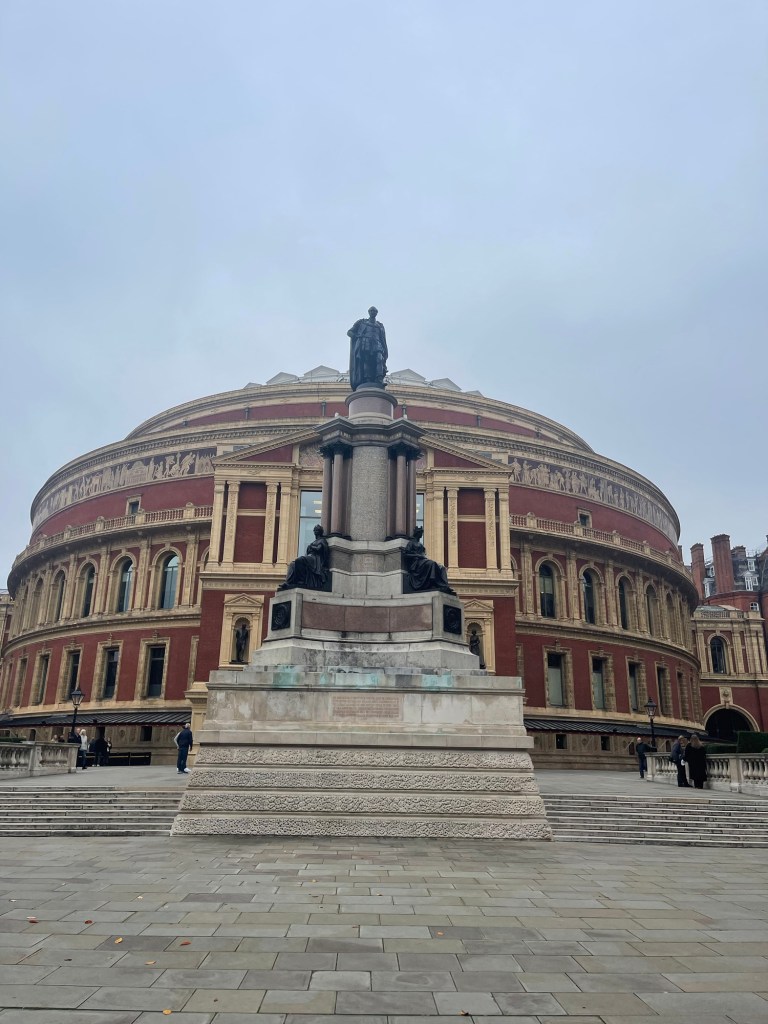
A coffee concert at 10 am due to Harry Potter showing with orchestra at 12.
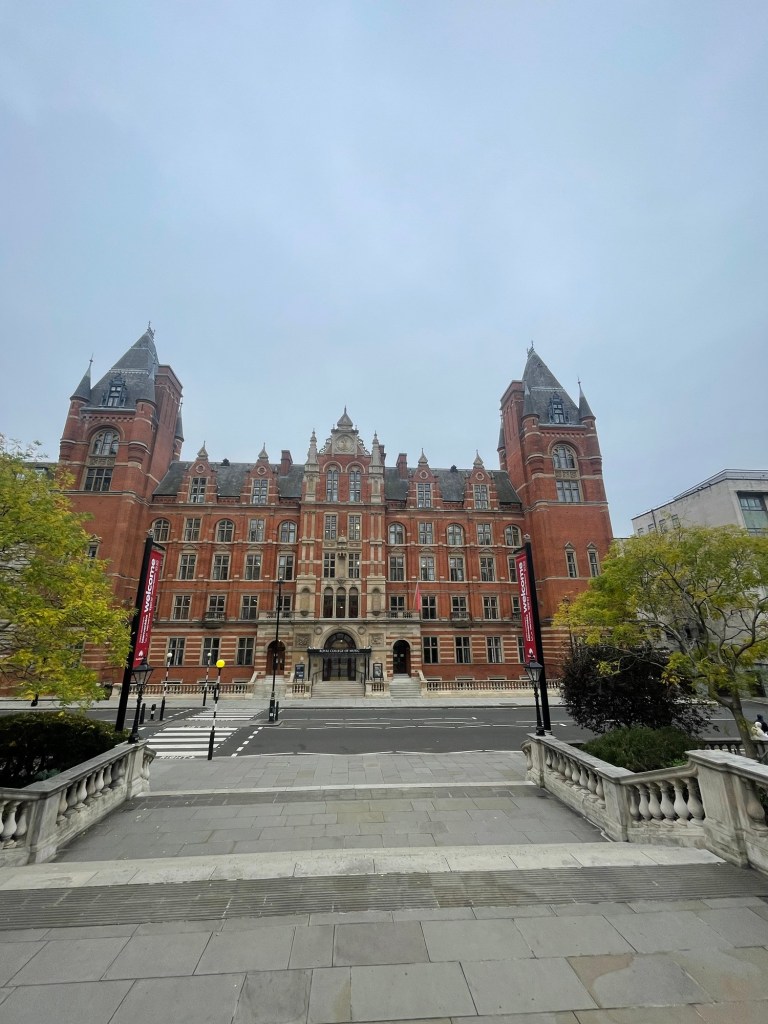
However Louis-Victor Bak filled the Elgar Room with an audience only too pleased to get up at dawn to hear such ravishing playing washed down with a much needed coffee and croissants.
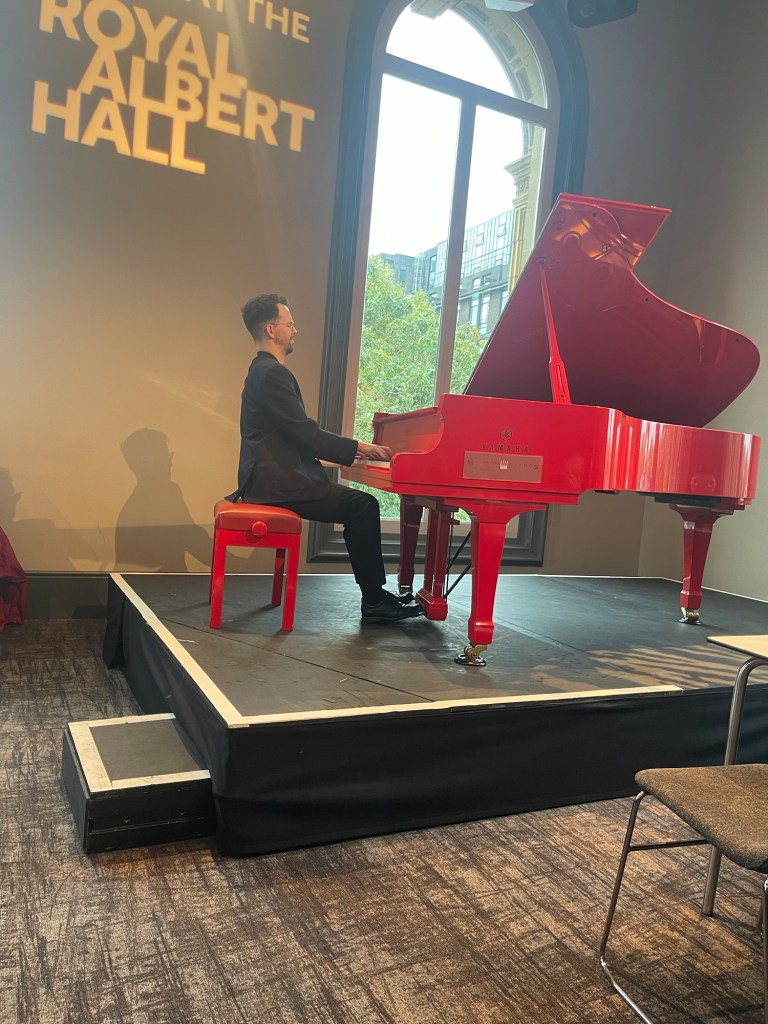
Playing on Elton John’s Red Piano Tour Yamaha , now bequeathed to the Albert Hall for these young musicians concerts from the RCM just a stones throw away.
Elton John had been a student at the RAM and he has shown great sensibility and generosity towards fellow students who may not follow the golden path that has illuminated his showman’s career.
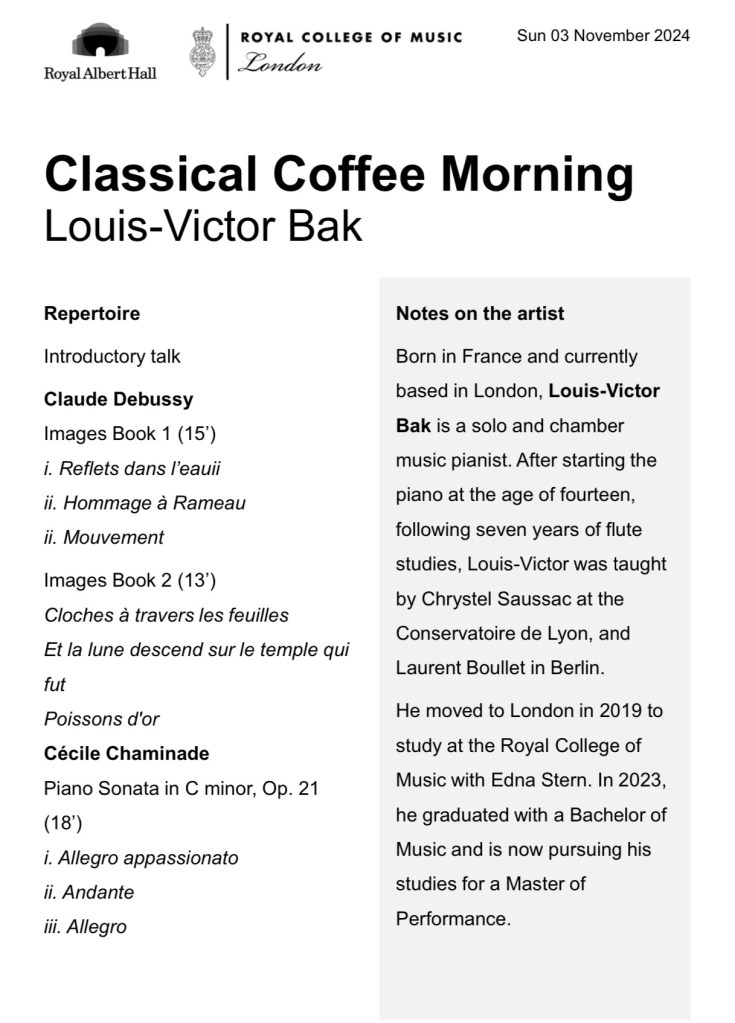
Bak had chosen a French programme which makes up his new CD and includes the two books of Images by Debussy and the almost unknown Sonata by Cecile Chaminade.
The Images showed off Bak’s aristocratic French good taste and a kaleidoscope of refined sounds.
The elegiac outpouring of ‘Homage a Rameau’ was played with an elegance as dramatic outpourings were replied by beseeching outcries of subtle ethereal fluidity. A passionate climax with streams of chords spread over the entire keyboard were played with aristocratic nobility. The dynamic drive of ‘Movements ‘ was notable for the shrouded mist of sounds on which sudden outcries float and melodic lines ,unmistakably French, are allowed to bathe in the glorious mists that were pouring from Bak’s highly cultured hands.
If the ‘Reflections in the water’ had suffered from rather a languid tempo it may have been for a room that had not yet been heated by such sumptuous sounds and someone to switch the heating on at such an unusual hour !
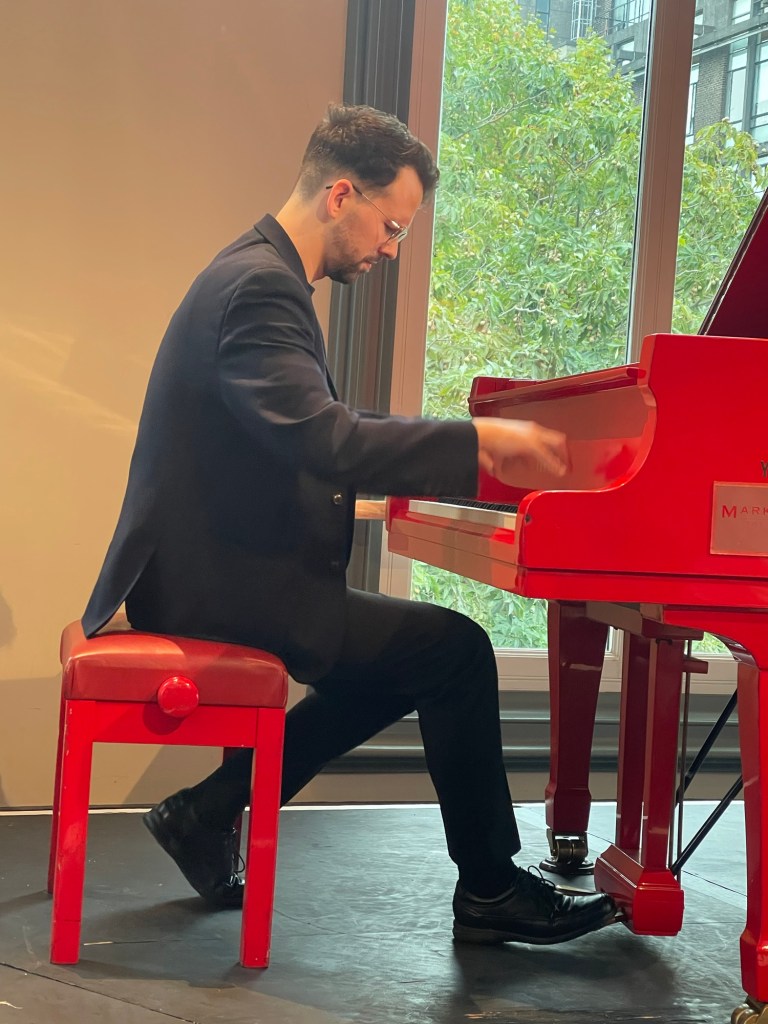
There was now fluidity and luminosity as the second book of Images opened with a mastery of colour and atmosphere .A glorious outpouring of sounds out of which emerged a solitary melodic line of crystalline poignancy as the bells became ever more insistent .
There was the etched melodic line as the noble lines of the ruined temple were bathed in magical moonlit sounds so generously effused in the pedal.
I doubt the Goldfish has ever bathed in such sumptuous sound as it flitted around reaching out with a very french elegance within an atmosphere of decadence too.
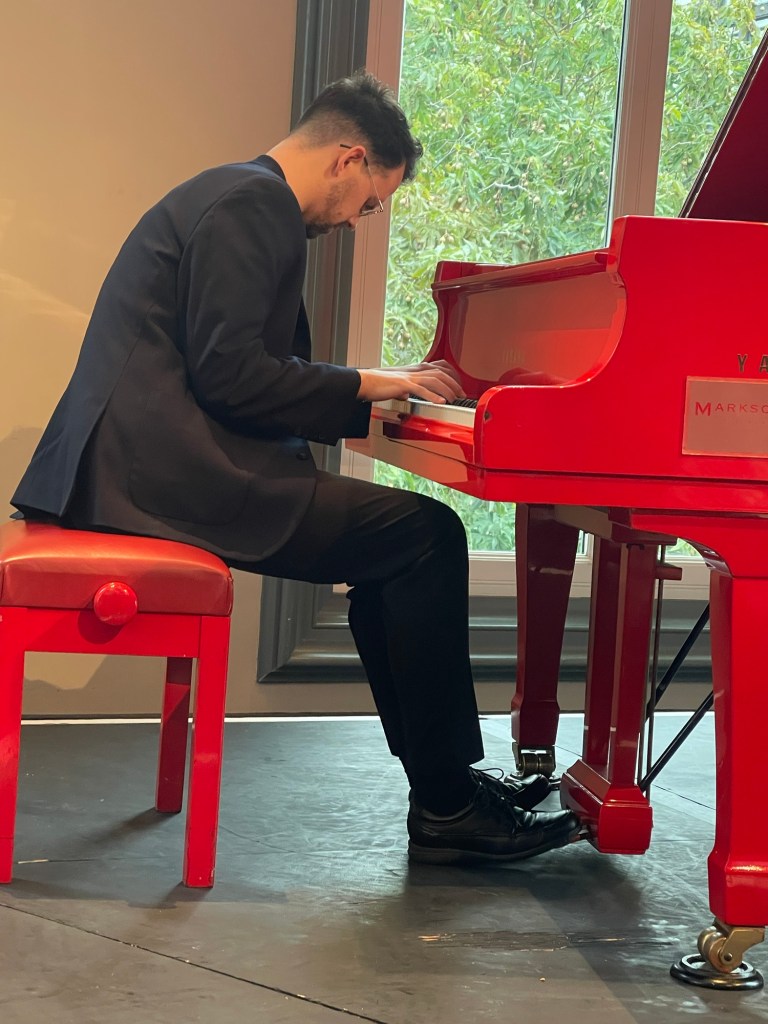
Chaminade’s much neglected Sonata received a masterly performance of persuasive advocacy.
In fact whereas Bak’s Debussy had been exemplary for it’s intellectual and musical understanding ,Chaminade unleashed in Bak a pianist possessed as he moved with so much more freedom allowing the outpouring of Romantic sounds to overcome any intellectual restraint. The first movement opening with a great romantic melody as this French Rachmaninov filled the piano with the sumptuous sounds of someone who was first and foremost a virtuoso pianist. In fact she was one of the first women virtuosi to follow after Clara Schumann.
There was the suave elegance of the Andante of romantic effusions of powerful sentiment with long elegant lines of elegiac melody and an unashamedly rhetorical outpouring of great beauty
The Allegro unleashed a movement of great virtuosity with sumptuous sounds of dynamic exuberance played with mastery and passion by this young French virtuoso.
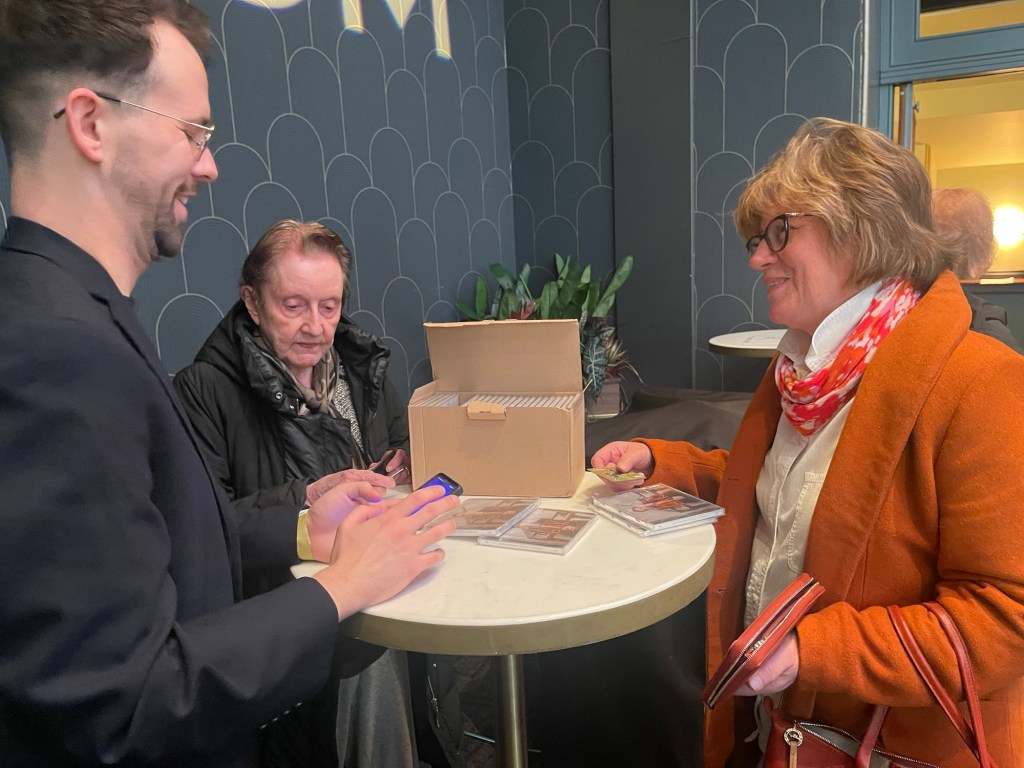
It may have been an early start but by the end of this hour of sumptuous music making there was a queue to acquire Bak’s new CD to take back home to enjoy and digest such discoveries .
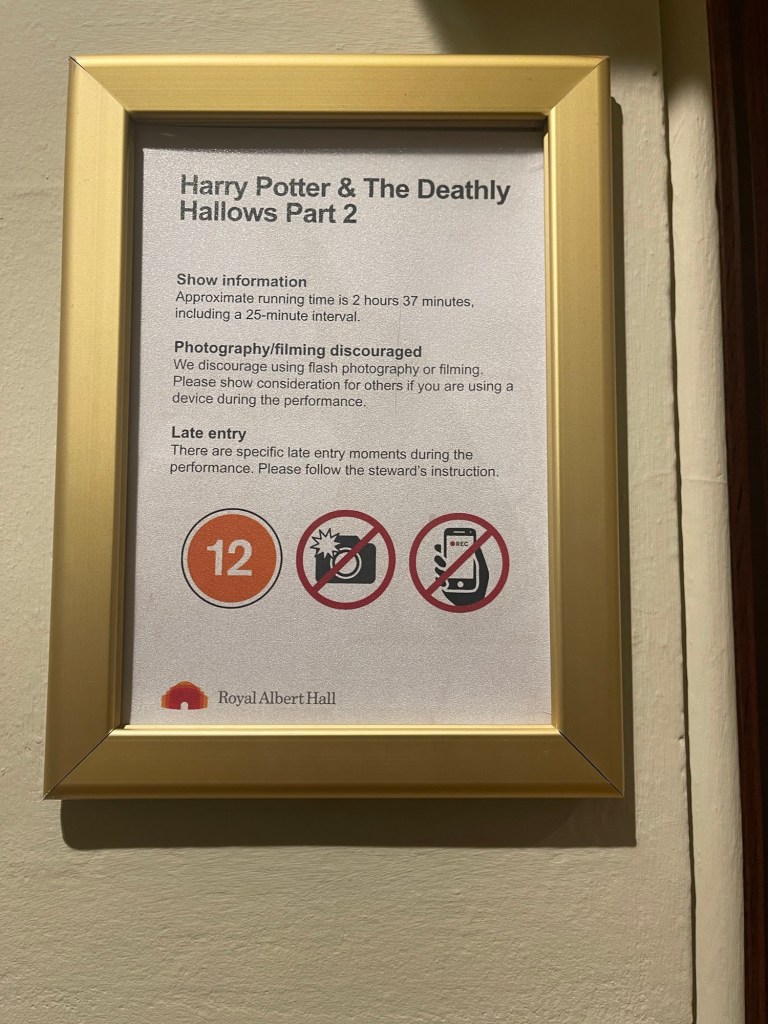
A queue from South Kensington station to the RAH had now formed for Harry Potter at noon .Little did they know what they had missed !
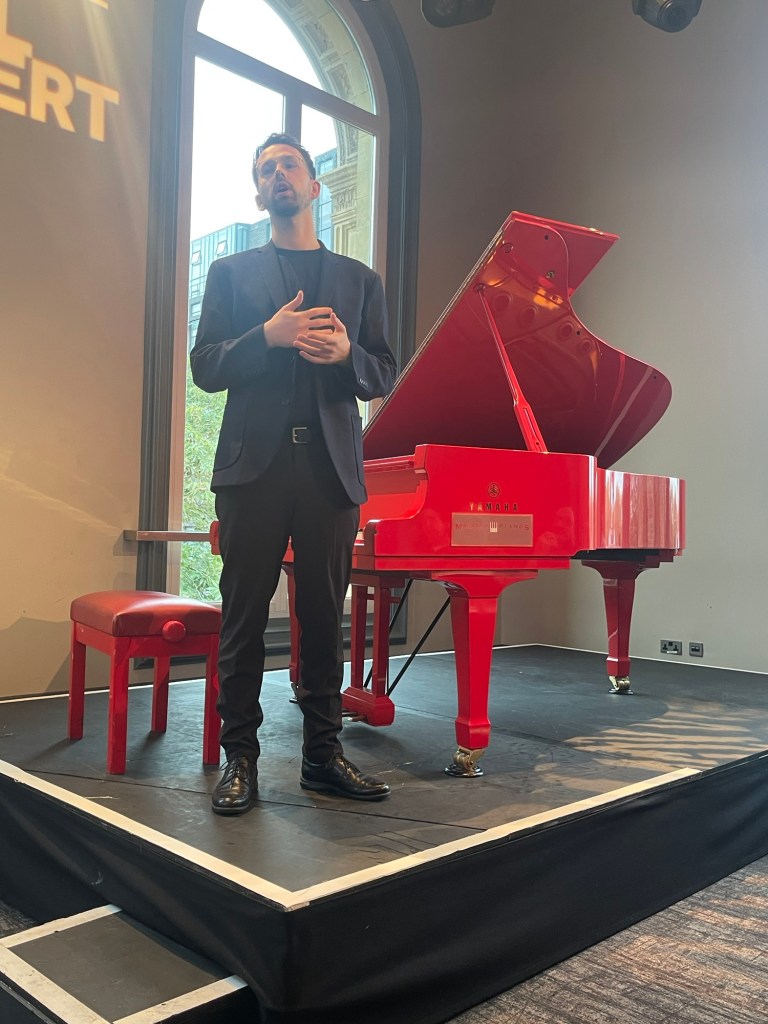
Louis-Victor Bak at St James’s Piccadilly
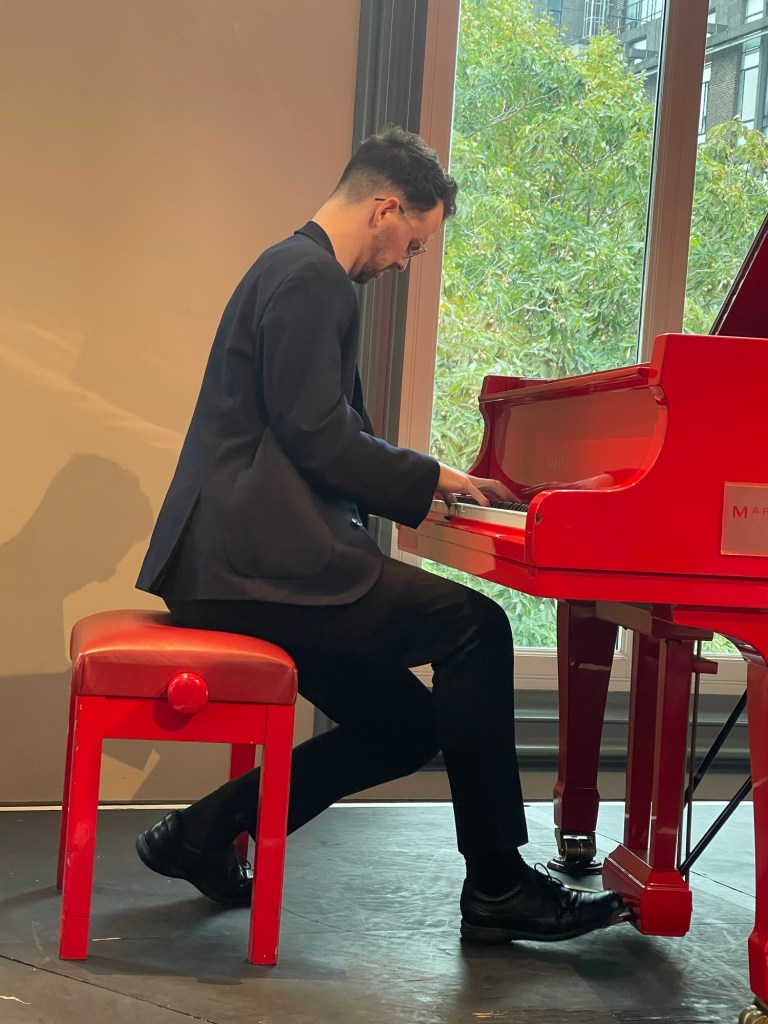
Louis – Victor Bak at Steinway Hall for the Keyboard Trust – A review by Angela Ransley ‘THE FRENCH CONNECTION’
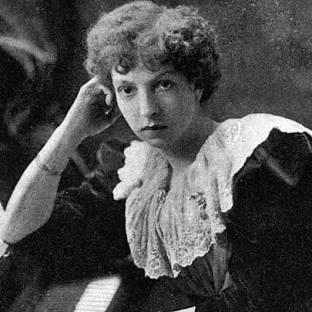
Cécile Louise Stéphanie Chaminade was a French composer and pianist. In 1913, she was awarded the Légion d’Honneur, a first for a female composer. Ambroise Thomas said, “This is not a woman who composes, but a composer who is a woman.”
Born: 8 August 1857, Paris – 13 April 1944 (age 86 years), Monte Carlo Monaco
Cécile Chaminade had two things going against her as a composer. The first was that she was a woman in a man’s world; the second that she produced so many works (around 400) that it’s easy to be taken in by her enormous facility and she was also very long-lived – so her music had fallen out of fashion well before her death in 1944. Her only Piano Sonata was written in 1893 and like most of her larger-scale works, a comparatively early production, from the period when she had to make her mark in the sophisticated musical milieu of Paris. and is dedicated to Moritz Moszkowski who was to become her brother in law.
 ChristopherAxworthy-MusicCommentary