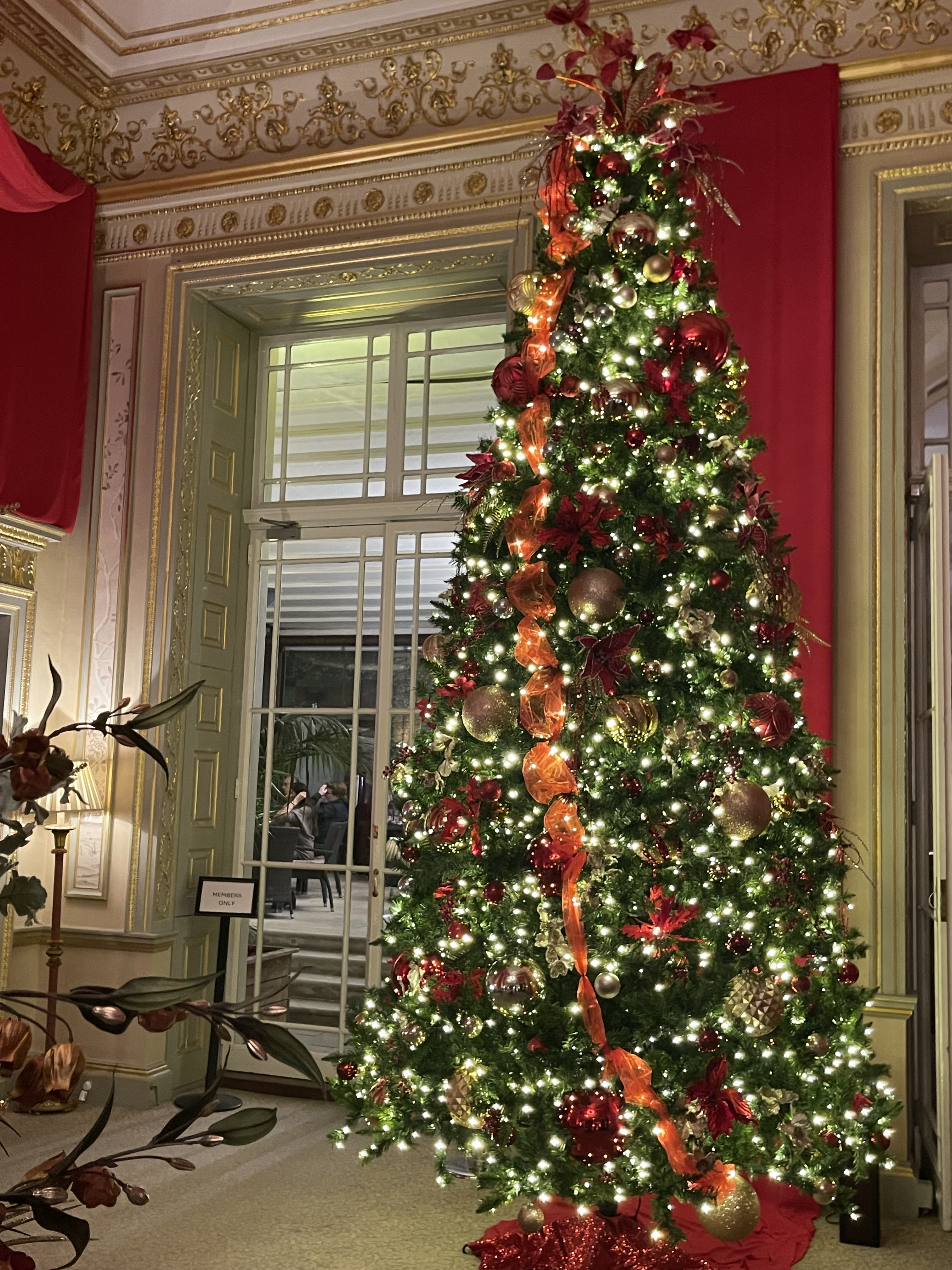
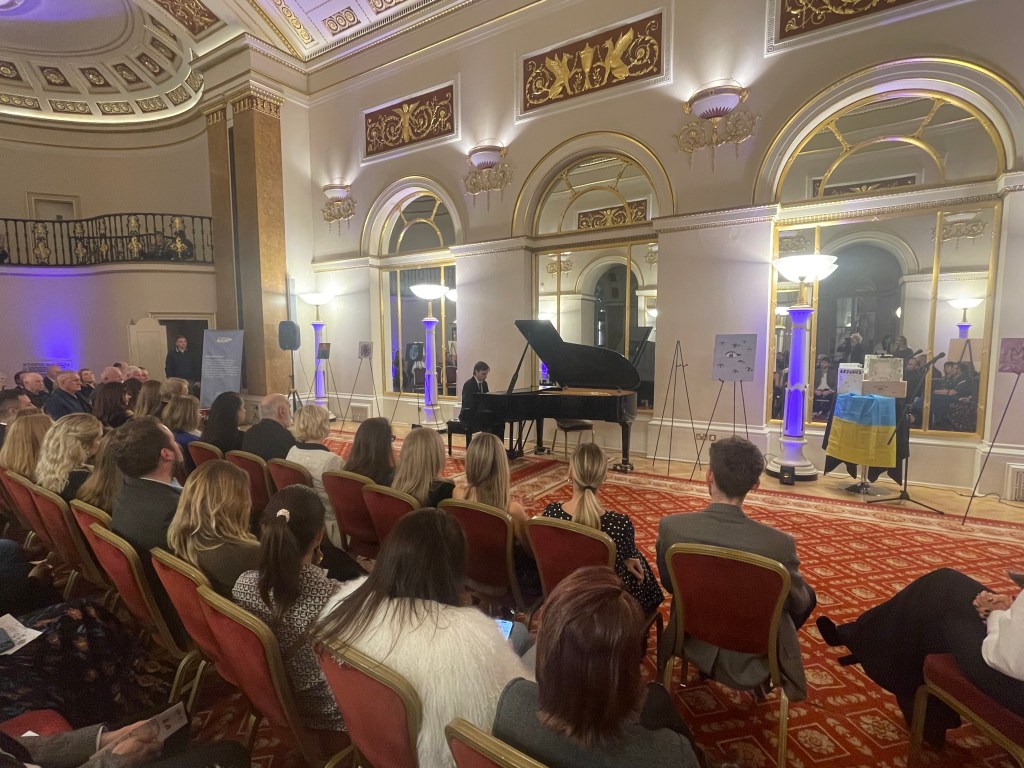
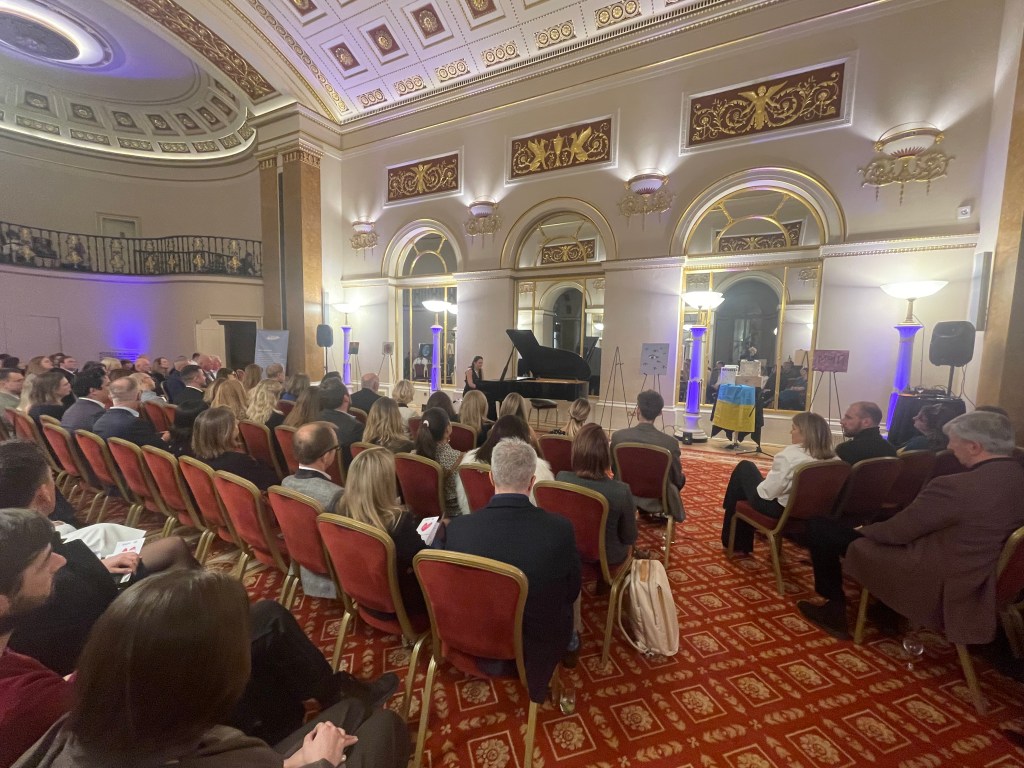
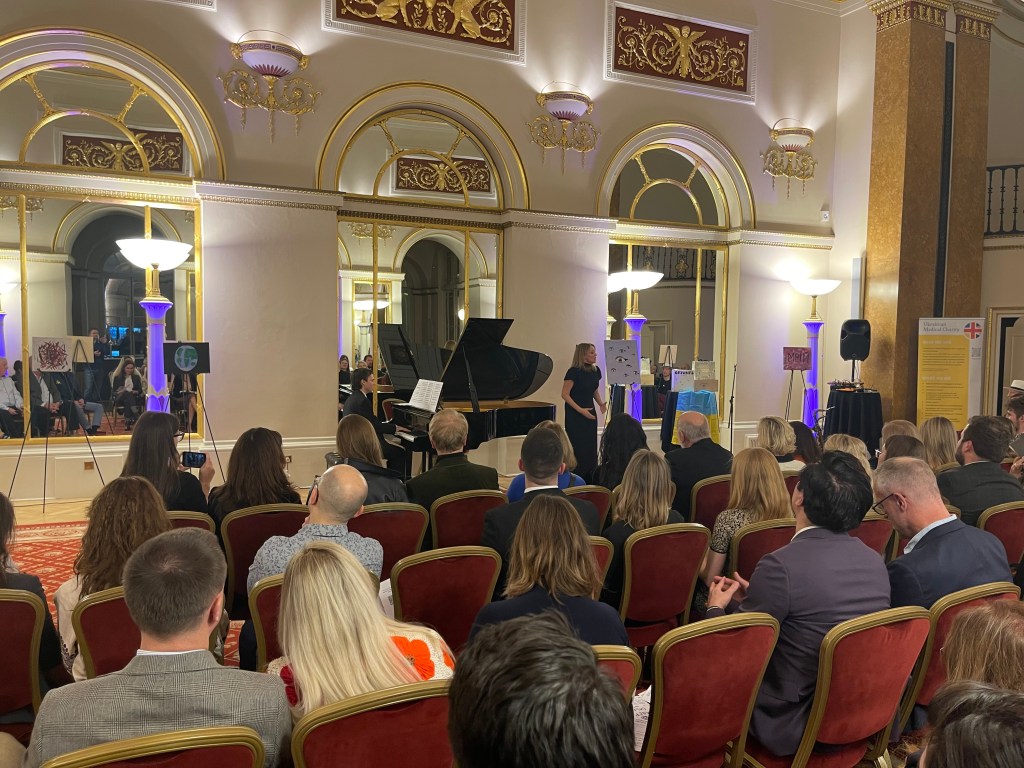
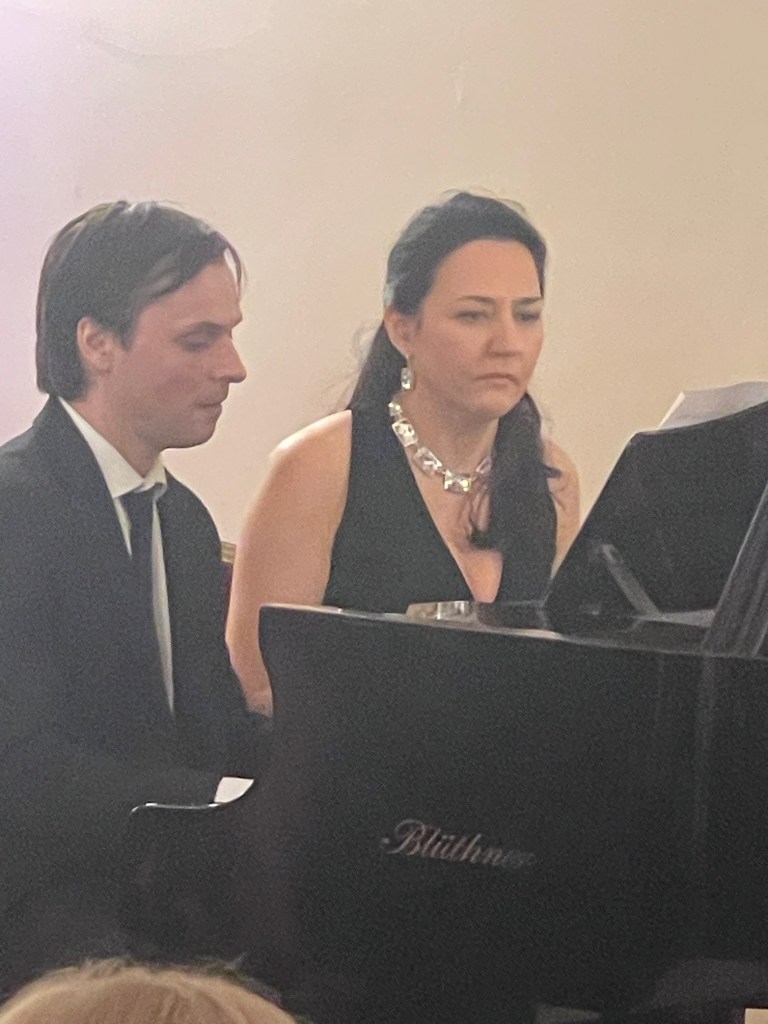
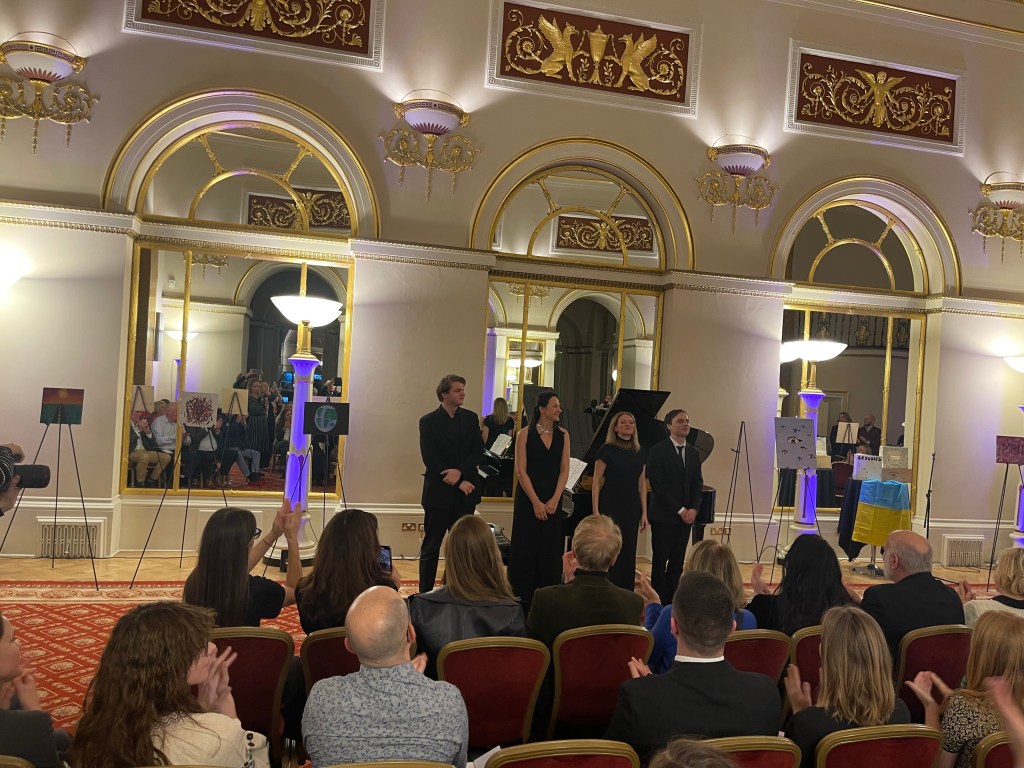
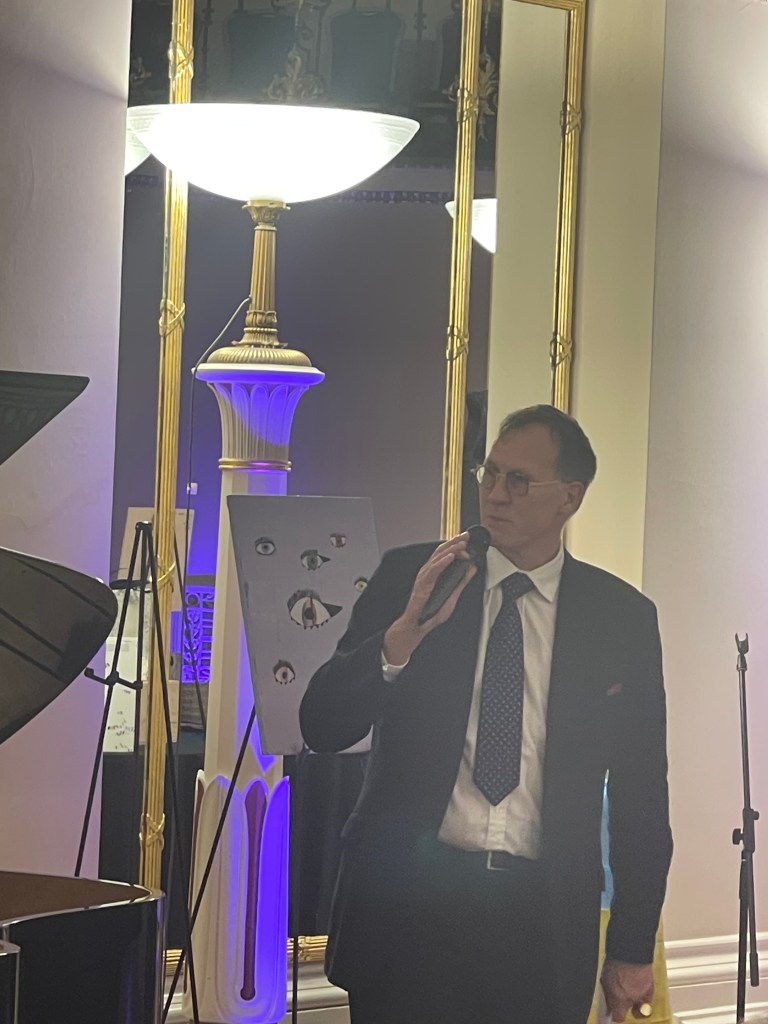
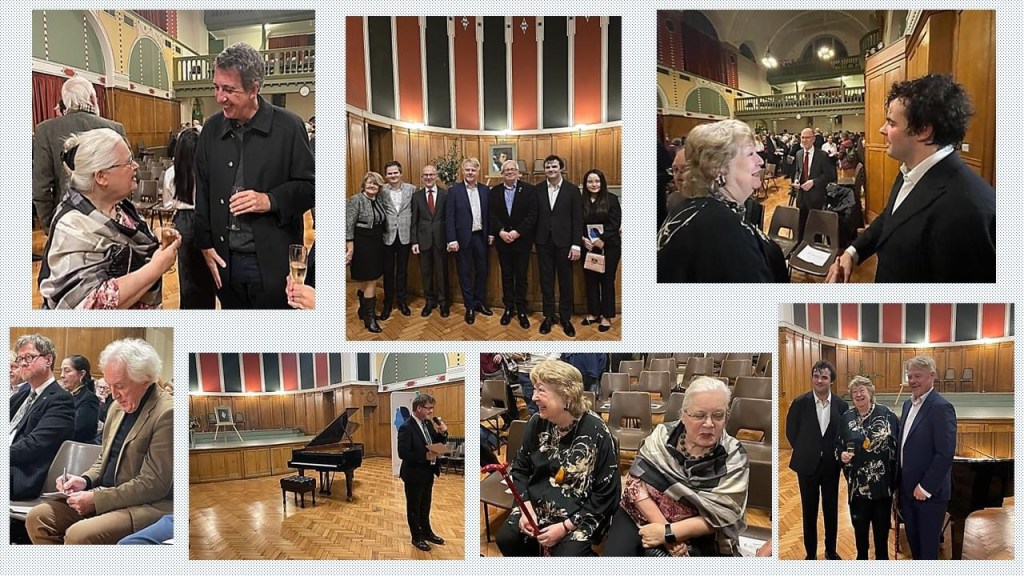
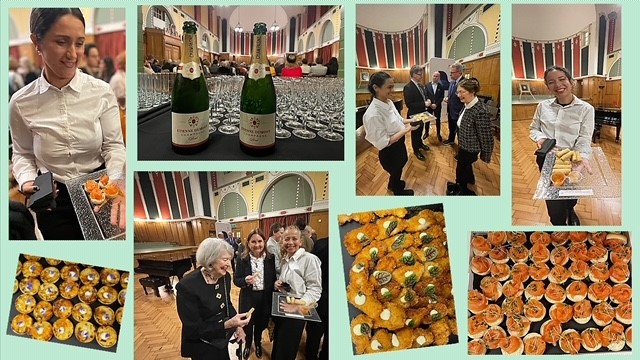
An extraordinary evening in the Lansdowne Club all decked up for Christmas. Here in their sumptuous ballroom we were awakened to the plight of innocent children in Ukraine whose childhood has been robbed by the ignominious war that Putin is waging against their homeland.
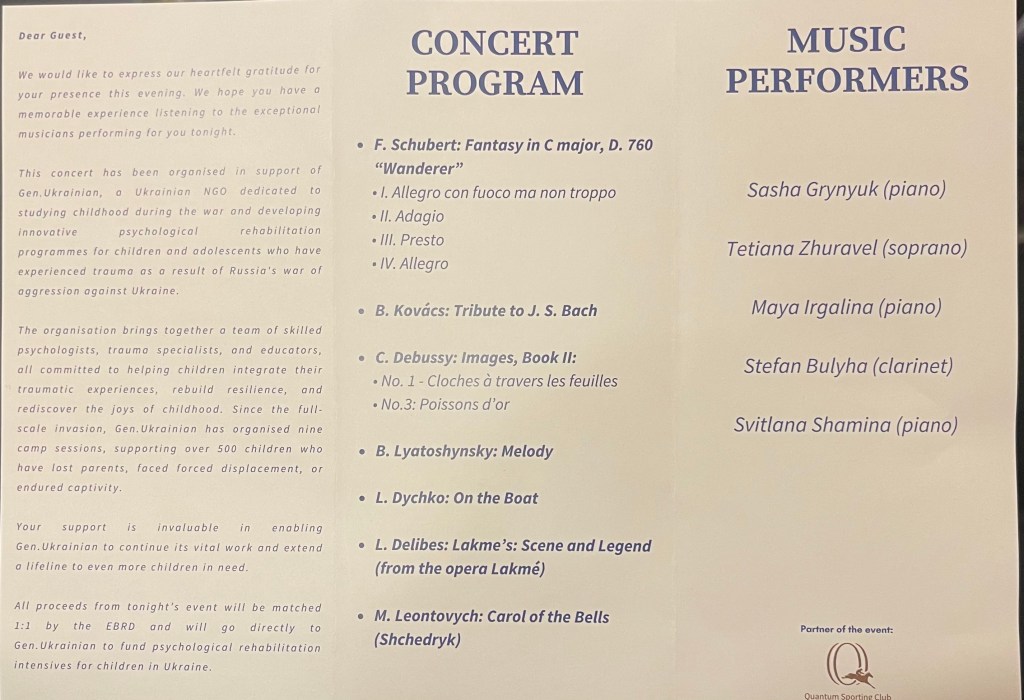
On wings of song, ‘Gen Ukrainian’ or the equivalent of Save the Children were holding a gala Christmas concert to raise funds and awareness of the rape of innocence by an egocentrical dictator.
Sasha Grynuk’s own parents fled his hometown that was in flames and were able to seek refuge the UK.
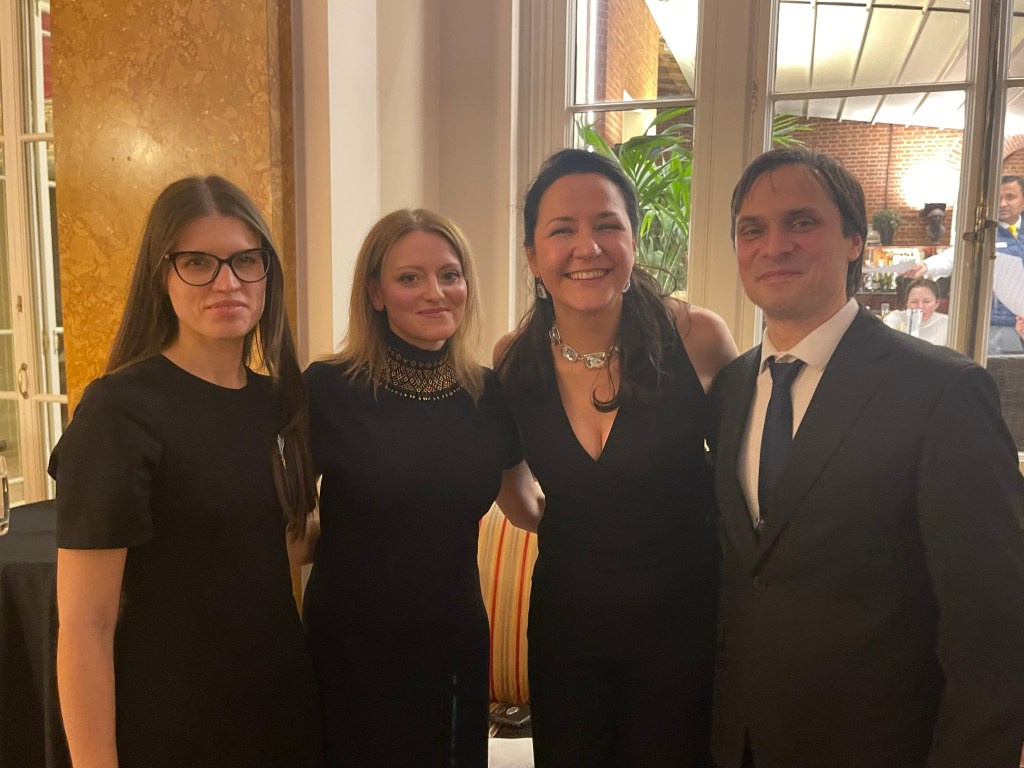
And it is Sasha with his wife and parents together with their Ukrainian friends that have organised concerts to raise funds for the innocent people in their homeland left almost without hope for a peaceful solution to this cruel invasion.
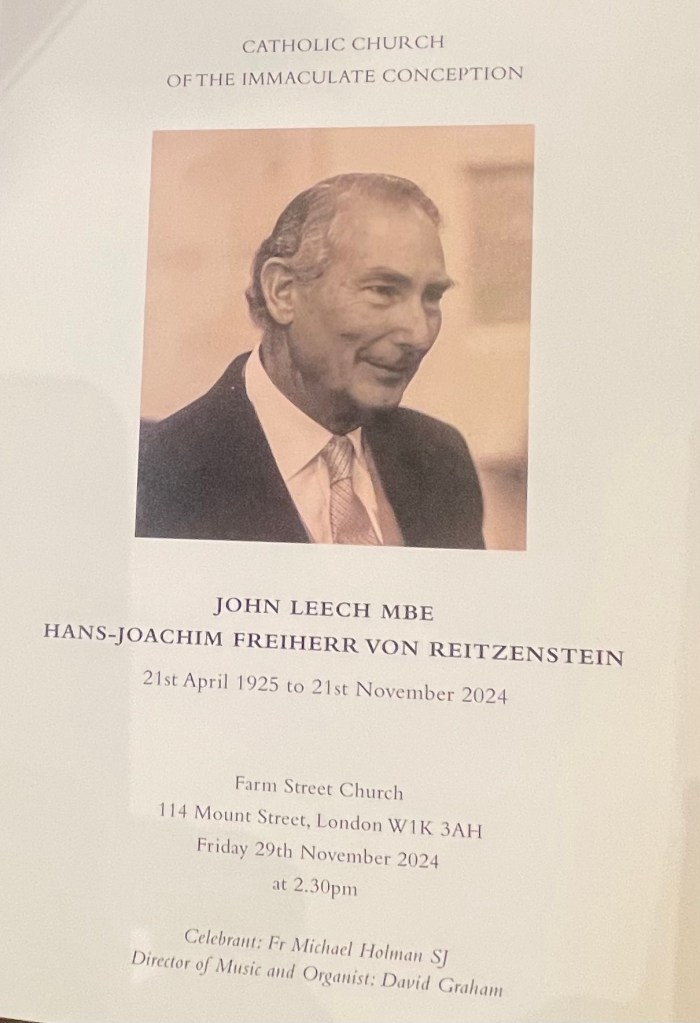
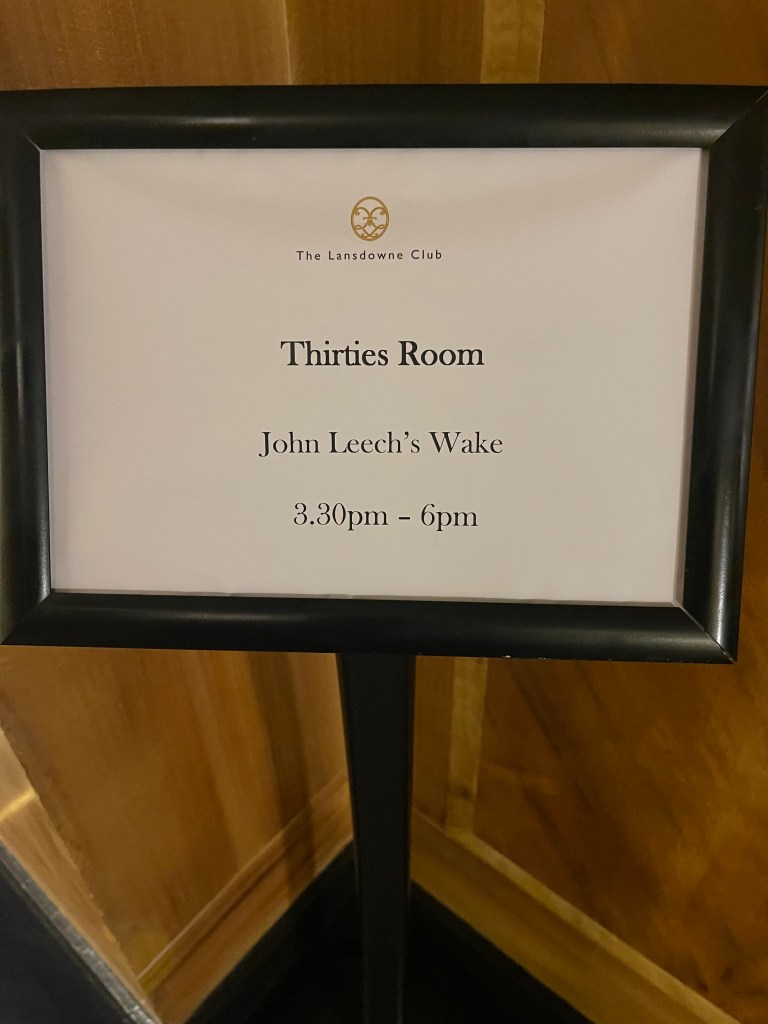
It was by chance that there was another ‘wake’ upstairs to celebrate John Leech the founder of the Keyboard Trust who breathed his last breath a week ago in his 100th year.
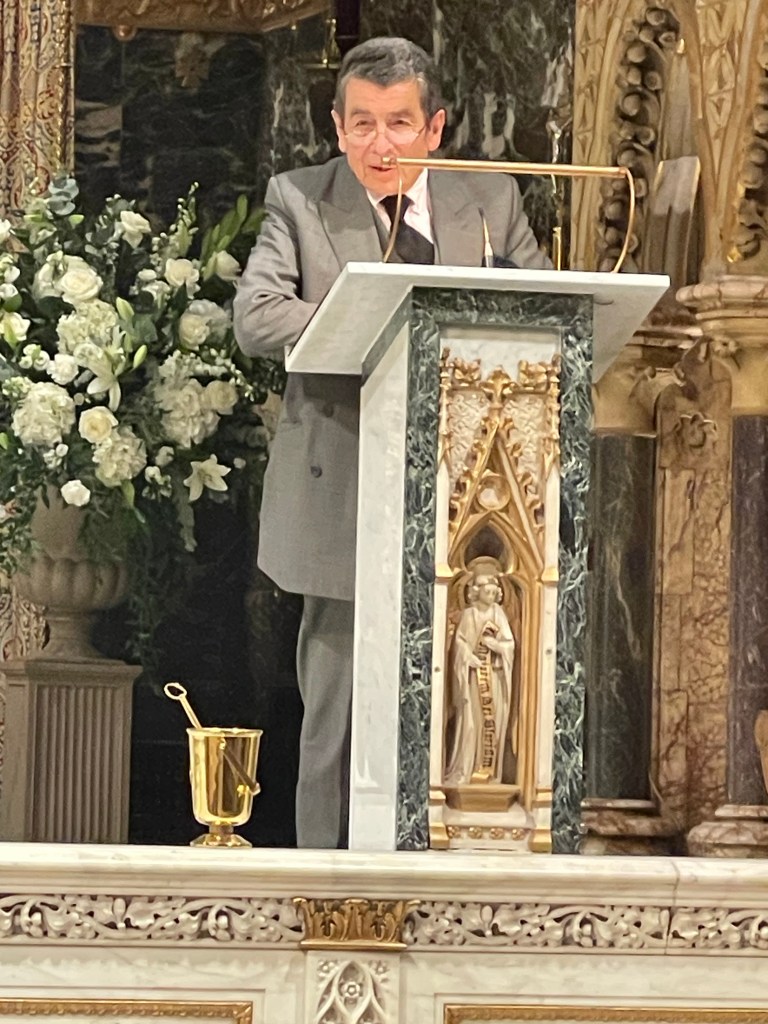
Sir Geoffrey Nice ,the renowned peacemaker barrister ,had spoken of his great friend’s unstinting generosity in helping others, at the family service held in the beautiful Farm Street Catholic Church. A church just a stones’ throw from Berkeley Square where the nightingales have long given up trying to be heard !
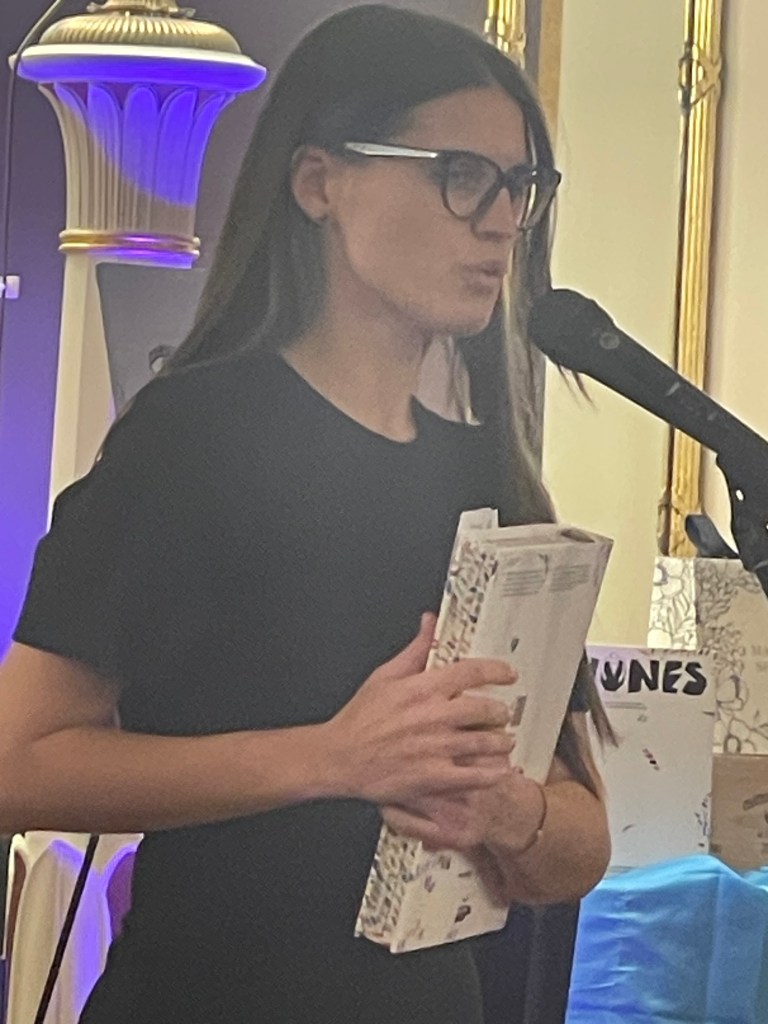
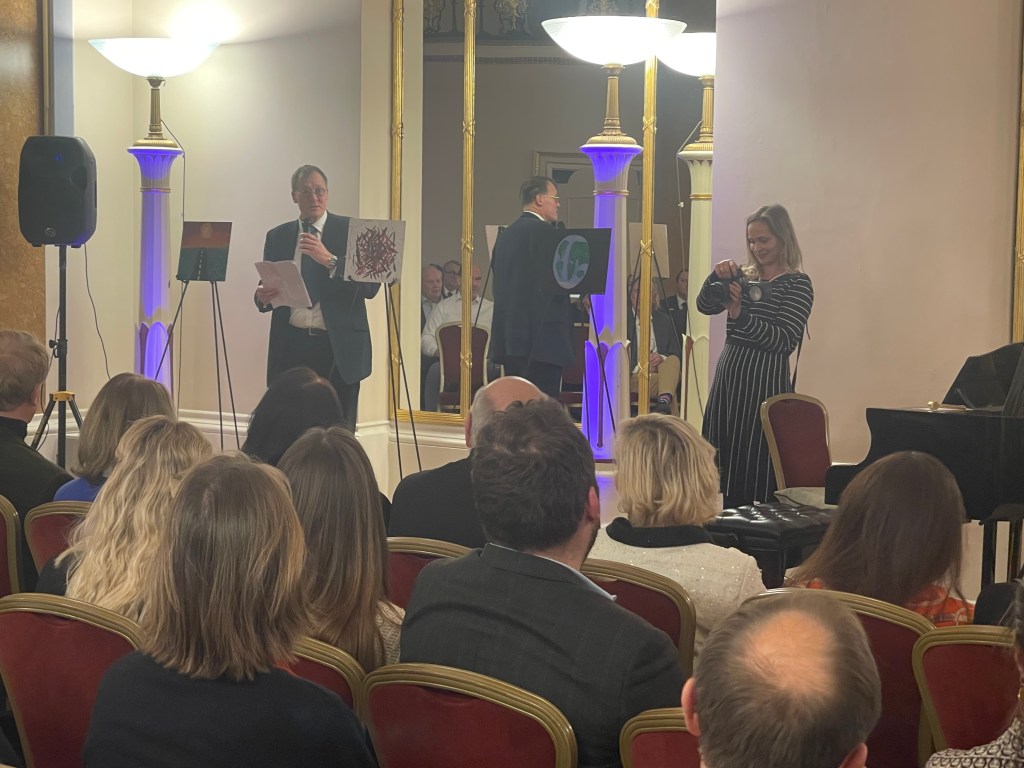
A concert also run by a Ukrainian barrister, Ksenia Iaremych for an organisation that brings together a skilled team of psychologists,trauma specialists,and educators all committed to helping children integrate their traumatic experiences ,rebuild resilience and rediscover the joys of childhood ,many of whom orphaned.
Ksenia Iaremych the Gen.Ukrainian ambassador in the UK
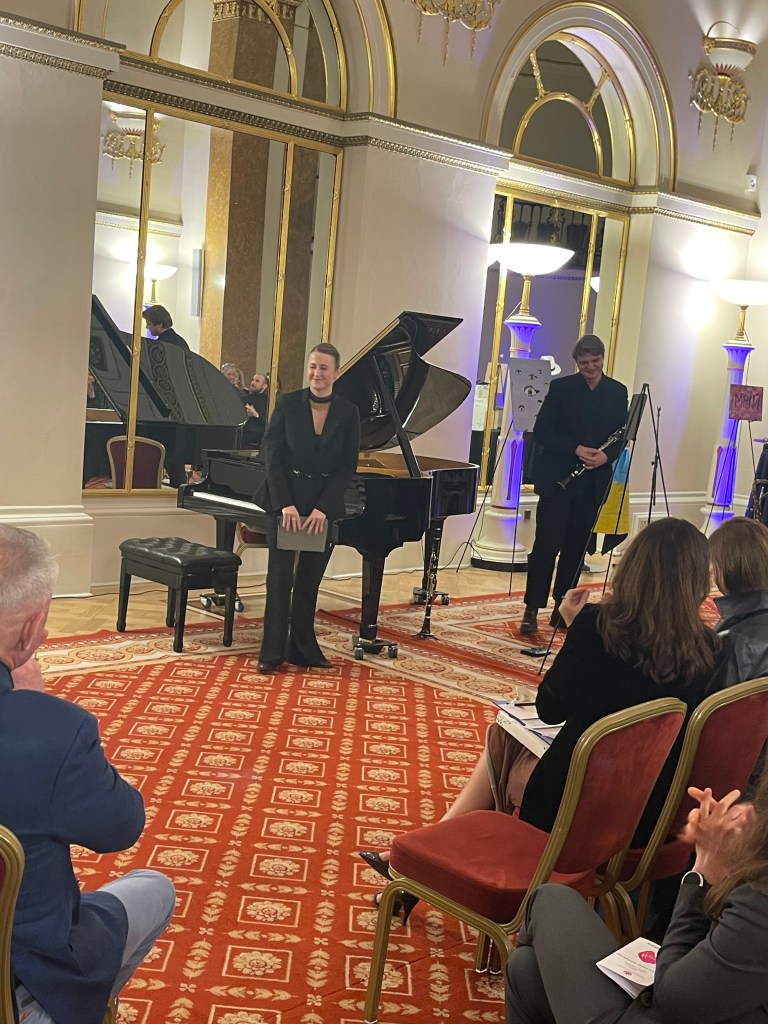
Paintings that these children ,some only 9 or 10 years old were on display and later auctioned after a sumptuous feast of music that had finished with the moving ‘Carol of the Bells’ played by Sasha Grynuk and Maya Irgalina .The Great Gate of Kiev springs to mind as an imaginary symbol of bells that will bring exhilaration, hope and peace.
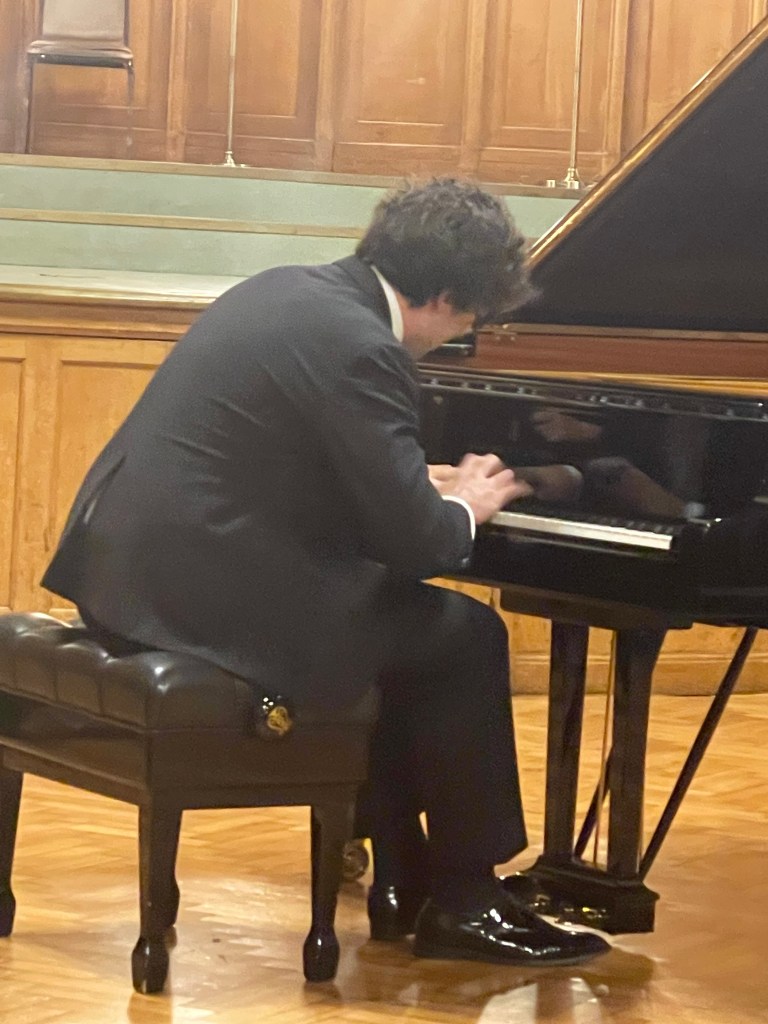
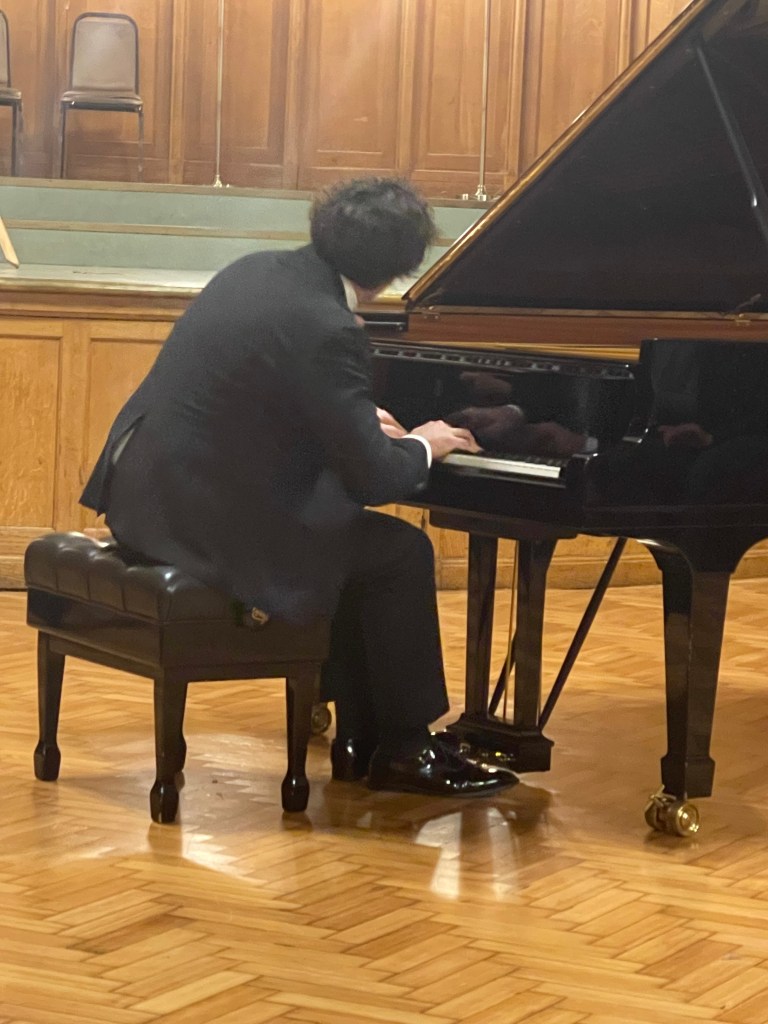
Sasha Grynuk opening the concert with Schubert Wanderer Fantasy
The concert had begun rather late due to the pre- concert celebrations for the sponsors and guests.However when Sasha did sit at the piano silence reigned and music took over where words are just not enough.Sasha playing with passionate conviction and mastery a work by Schubert that was a revolutionary new form as he too was looking forwards not backwards and creating a sublime new world that was to shine a light and create a path for all those that came after.Sasha carrying the torch for his homeland as his hands ignited the fantasy and invention of a genius who had died at the age of barely 31 years .I have written about his performance recently in Florence and Milan for the Keyboard Trust and he plays every week to Noretta Conci Leech,founder with her late husband John Leech of the Keyboard Trust. A disciple of Benedetti Michelangeli who in a give and take exchange of ideas inspires Sasha to the heights that we heard tonight. Rythmic energy,a kaleidoscope of colour allied to a clarity and precision due to a very particular mastery of the pedals.Above all the wonder at the beauty and freshness that they could find in the many masterworks that they have studied together over the past few years.
Maya Irgalina followed Sasha on this beautiful Bluthner piano (Bluthner regularly hold concerts here for aspiring young musicians https://christopheraxworthymusiccommentary.com/2023/09/13/gabriele-sutkute-takes-mayfair-by-storm-passion-and-power-with-impeccable-style/).Some beautiful playing of Debussy from Images Book 2: ‘Cloches à travers les feuilles’ with the bells again that were to close this memorable evening .But these were bells seen through a haze of sounds which from Irgalina’s hands were ravishing and of glowing fluidity as the vision of the bells came more and more into view. A performance of extraordinary sensitivity and radiance that ignited the vision of a Gold Fish that had so inspired Debussy’s imagination.This was a famous piece of Benedetti Michelangeli who played it with a more chiselled clarity but Irgalina chose richer velvety sounds bathed in pedal as Debussy’s genial imagination brought this picture vividly to life miraculously transmitted to us this evening by her ten inspired fingers.
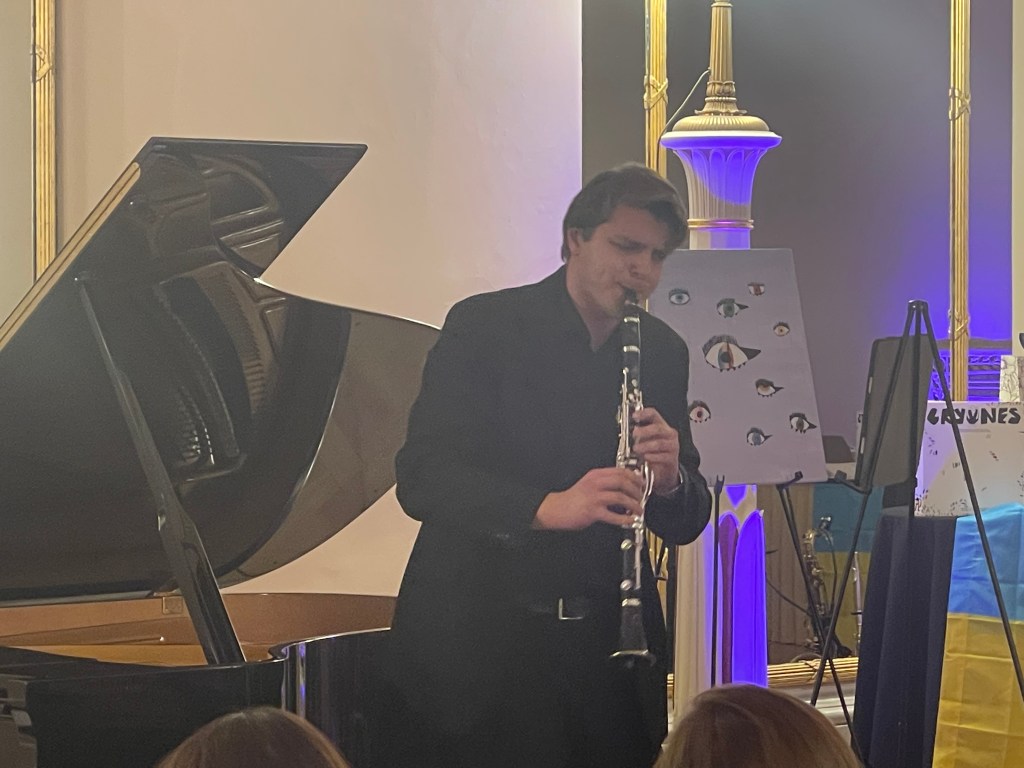
Stefan Bulyha played a piece for solo clarinet with improvised freedom and musicianship: B.Kovács Tribute to J.S. Bach.
He was also united with Svitlana Shamina in a beautifully suggestive performance of the Melody by B.Lyatoshynsky.
A star shining brightly ,too,was the soprano Tetiana Zhuravel,in London for the Tales of Hoffman at Covent Garden ,and was here accompanied by Sasha. Her voice was of such passionate radiance that as she reached for the long top C I feared for the beautiful candelabra in the Lansdowne such was the intensity and perfection of her voice.
Of course the stars of the evening were Sasha Grynuk and Maya Irgalina for playing with such passionate intensity the traditional Ukrainian Hymn to Peace that is the ‘Carol of the Bells’ by M.Leontovych. Playing of passionate intensity that ignited even more the atmosphere and prepared the public for the auction of the paintings of these children so scarred by a useless war for whom we hope the nightingale will return to sing once more in peace in Berkeley Square.
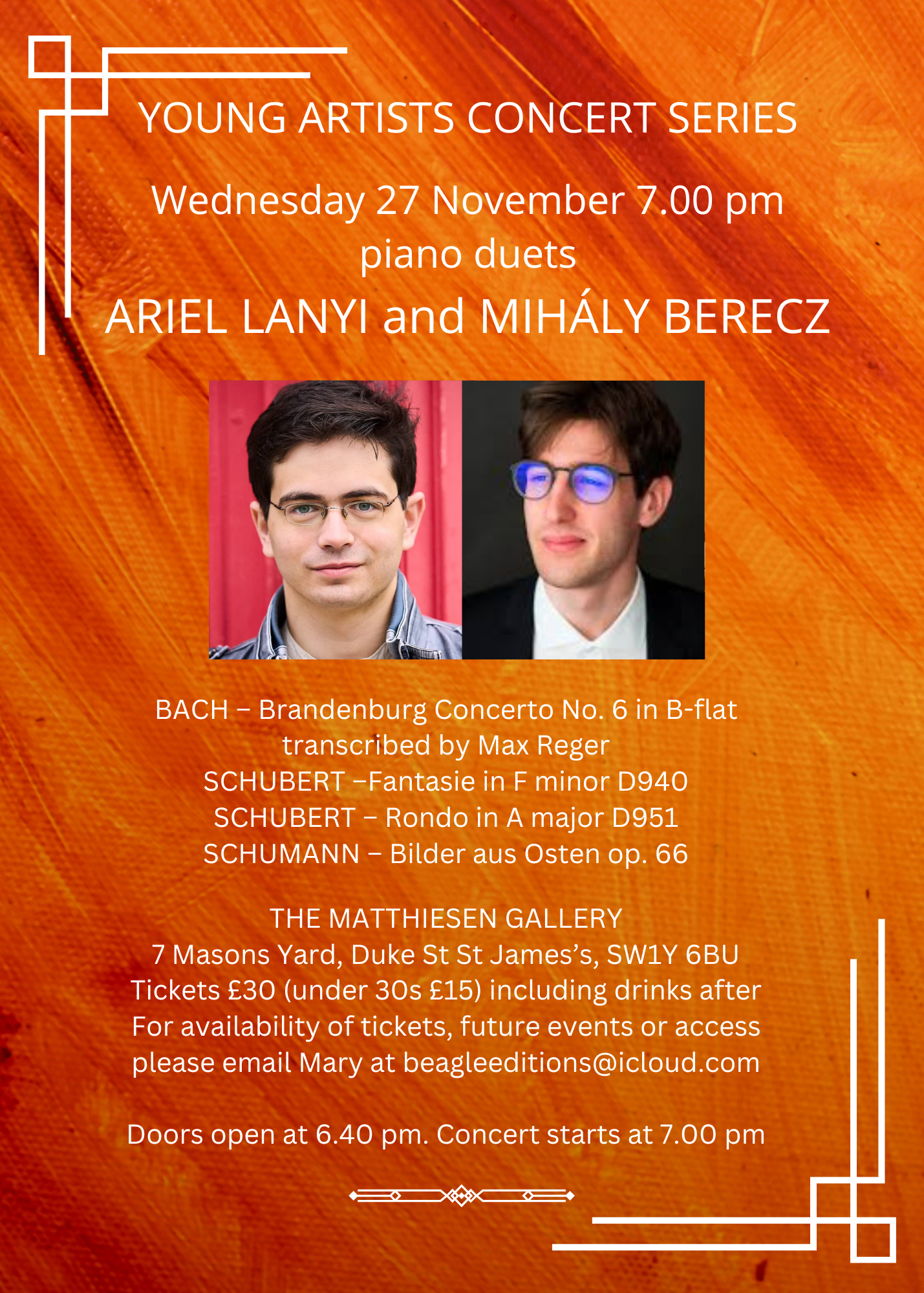
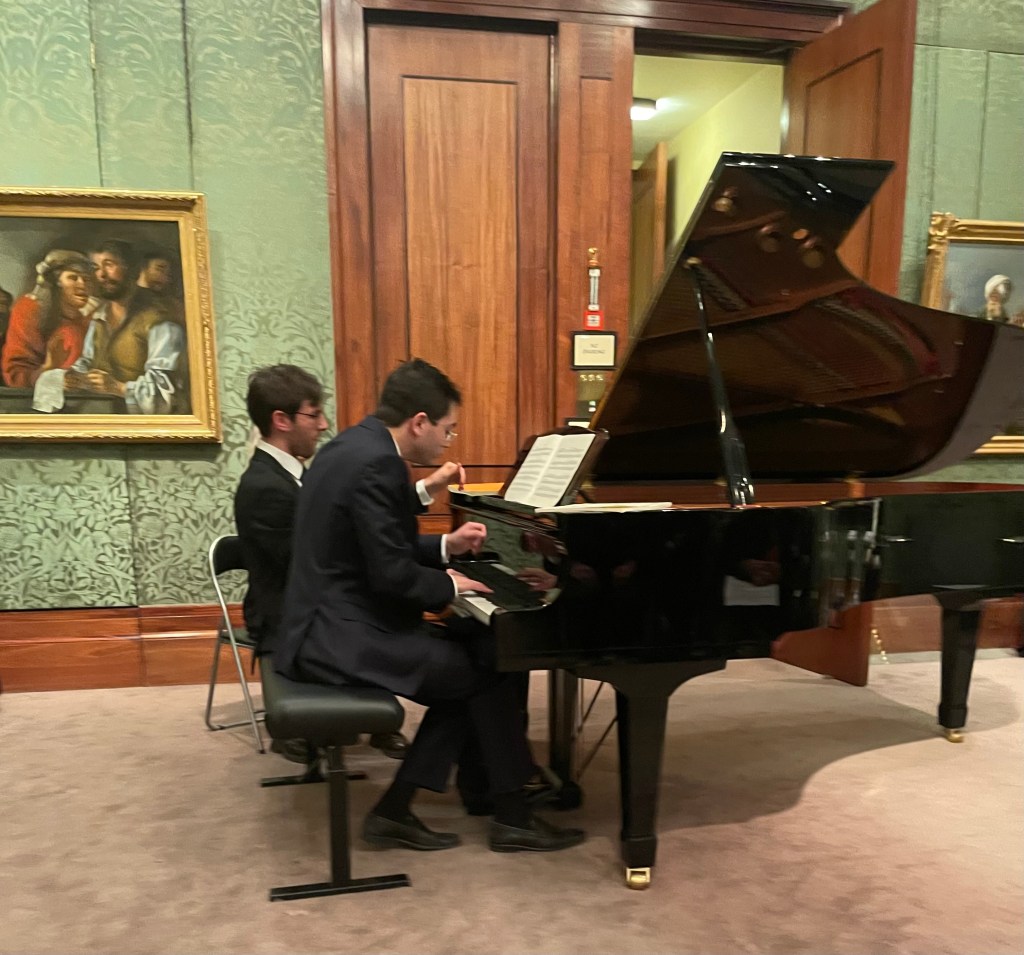
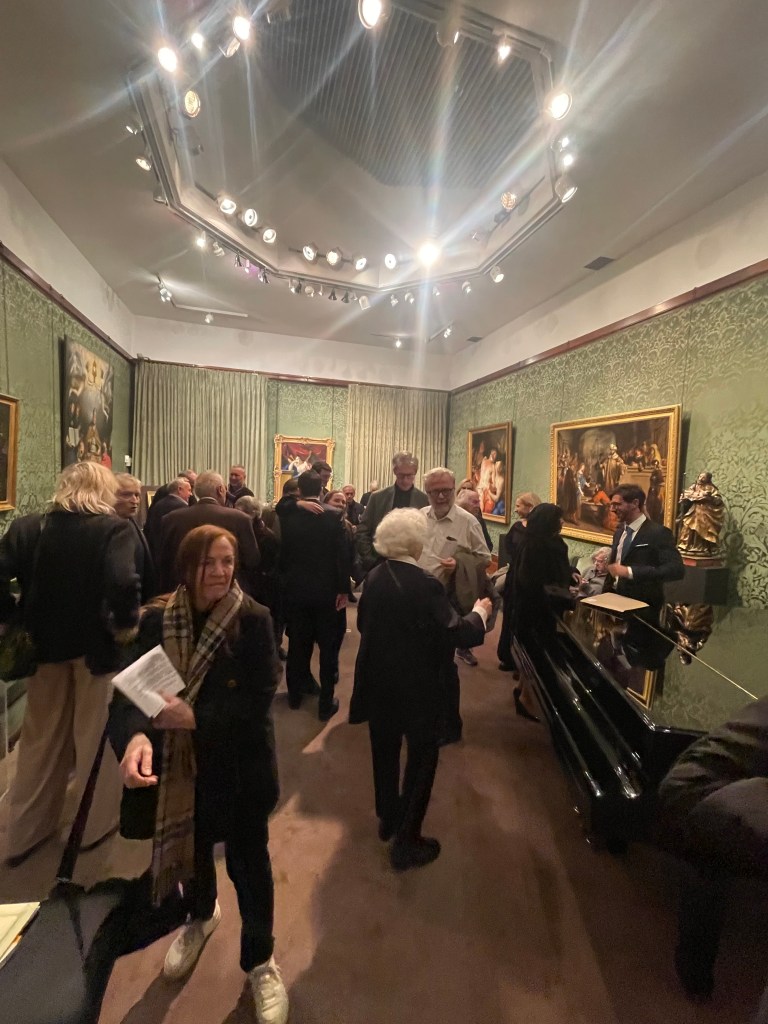
What better way to spend the evening than in the company of two friends making music together in the sumptuous surrounds of the Matthiesen Gallery.
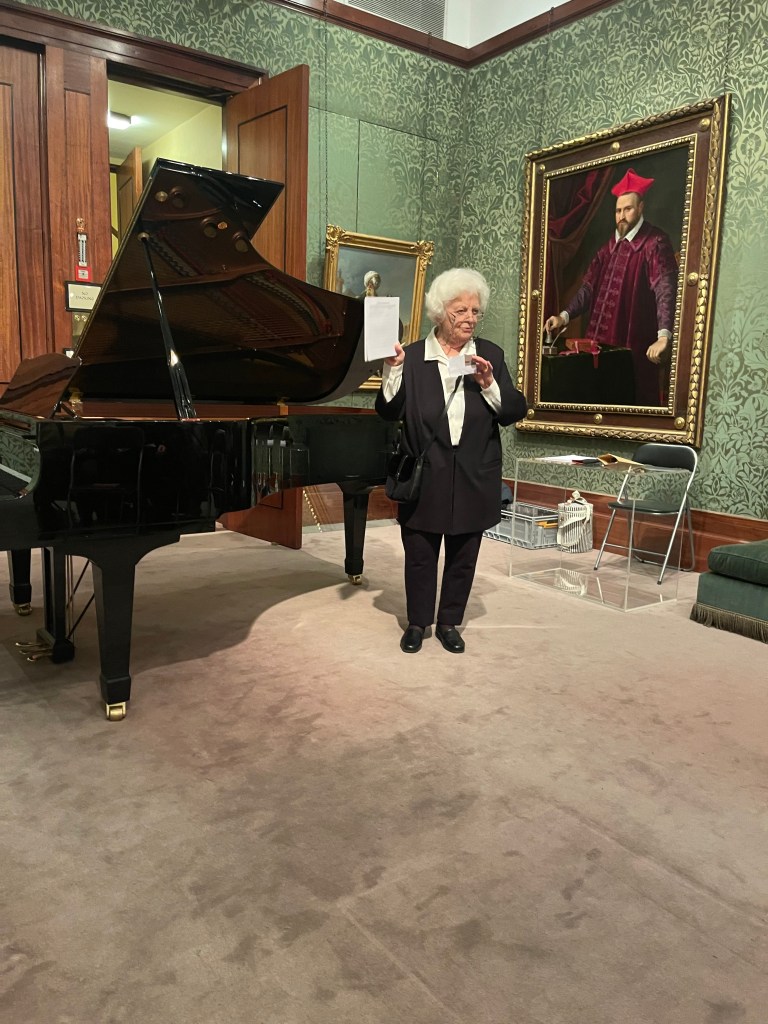
The remarkable Mary Orr presenting her Young Artists Concert Series
The beautiful Yamaha C 7 piano generously loaned by the Imogen Cooper Music Trust which like Patrick Matthiesen and the indomitable Mary Orr are helping exceptionally talented young musicians to take their rightful place in an overcrowded music profession.
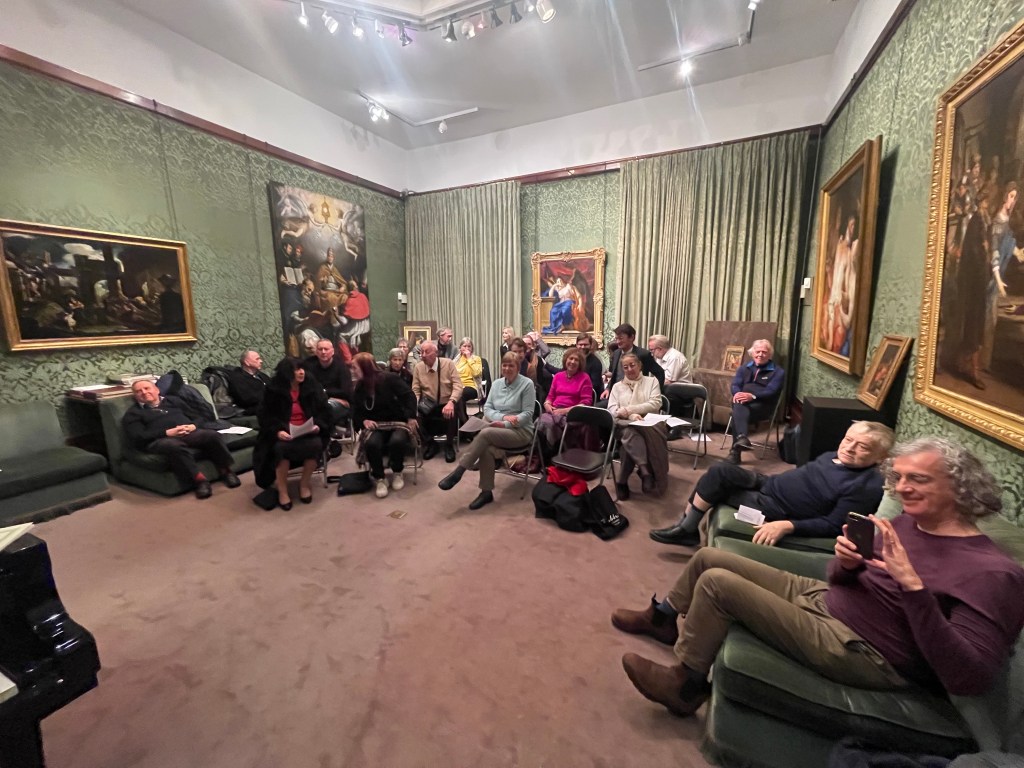
The sumptuous Matthiesen Gallery with silk draped walls and magnificent paintings the ideal setting for ‘Hausmusik’
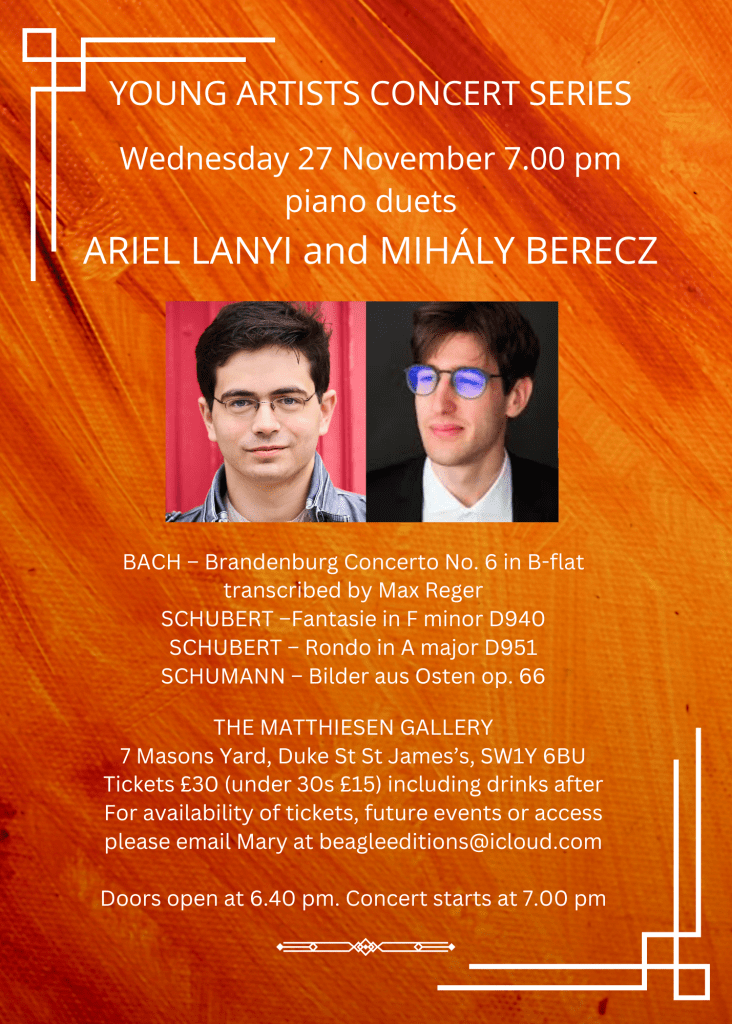
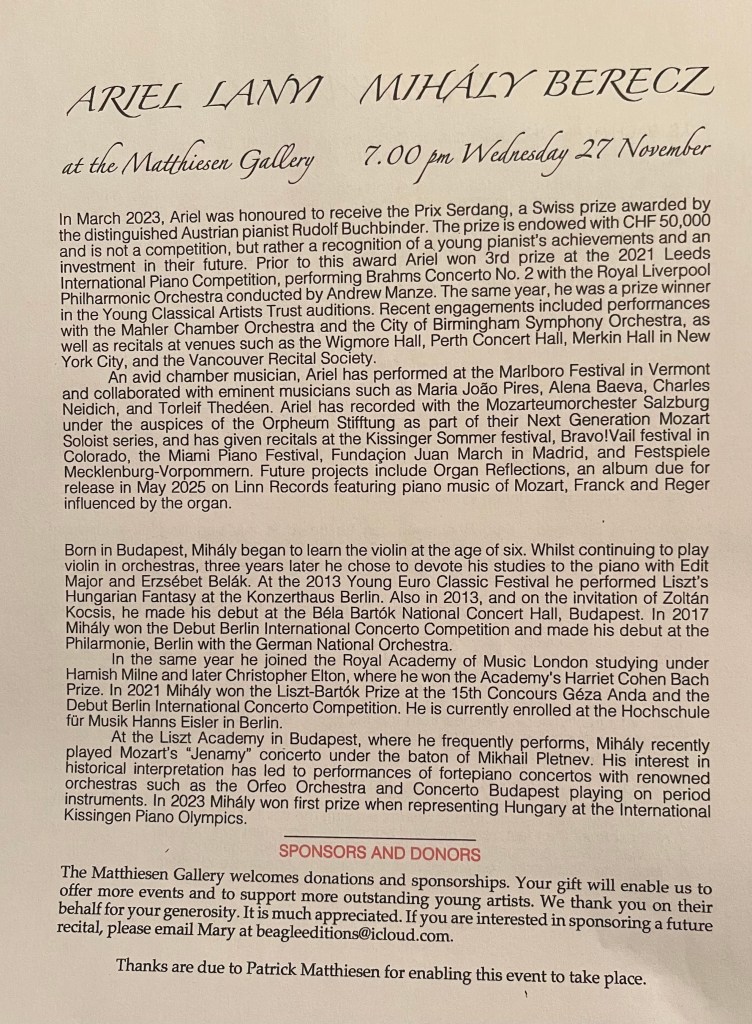
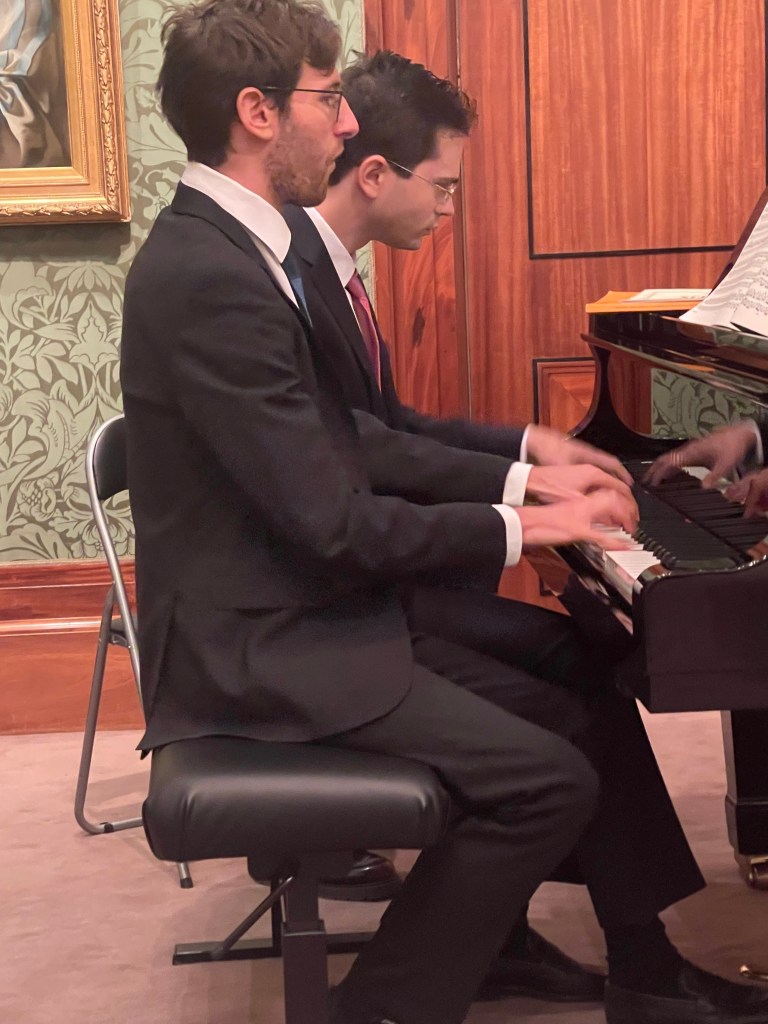
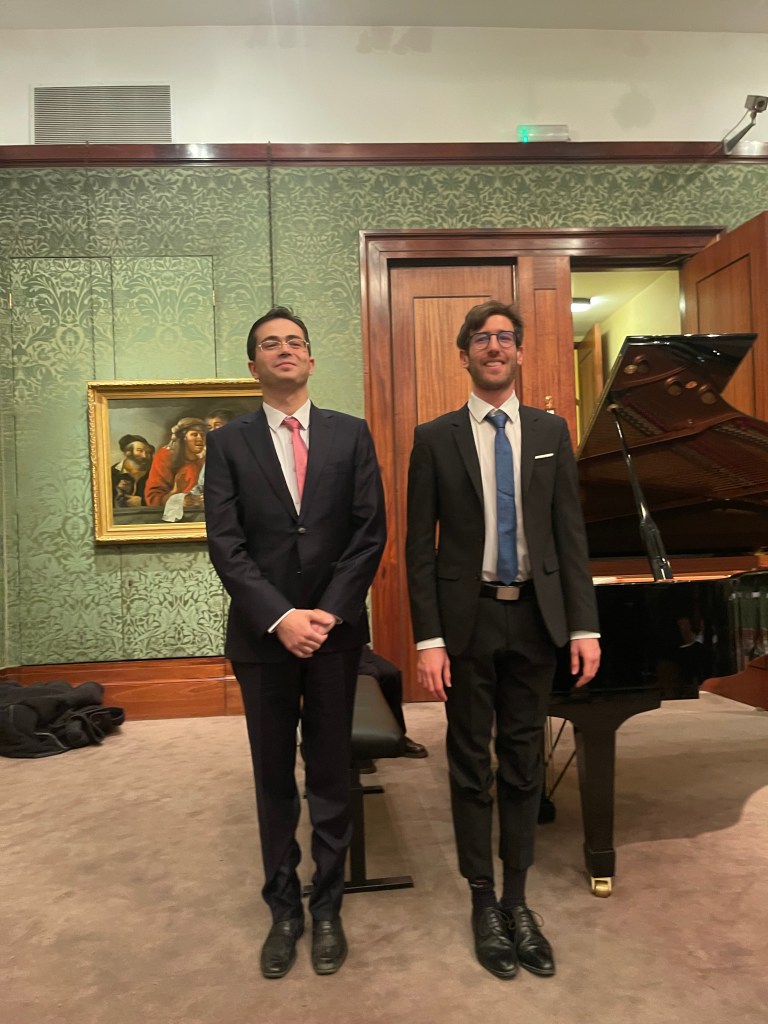
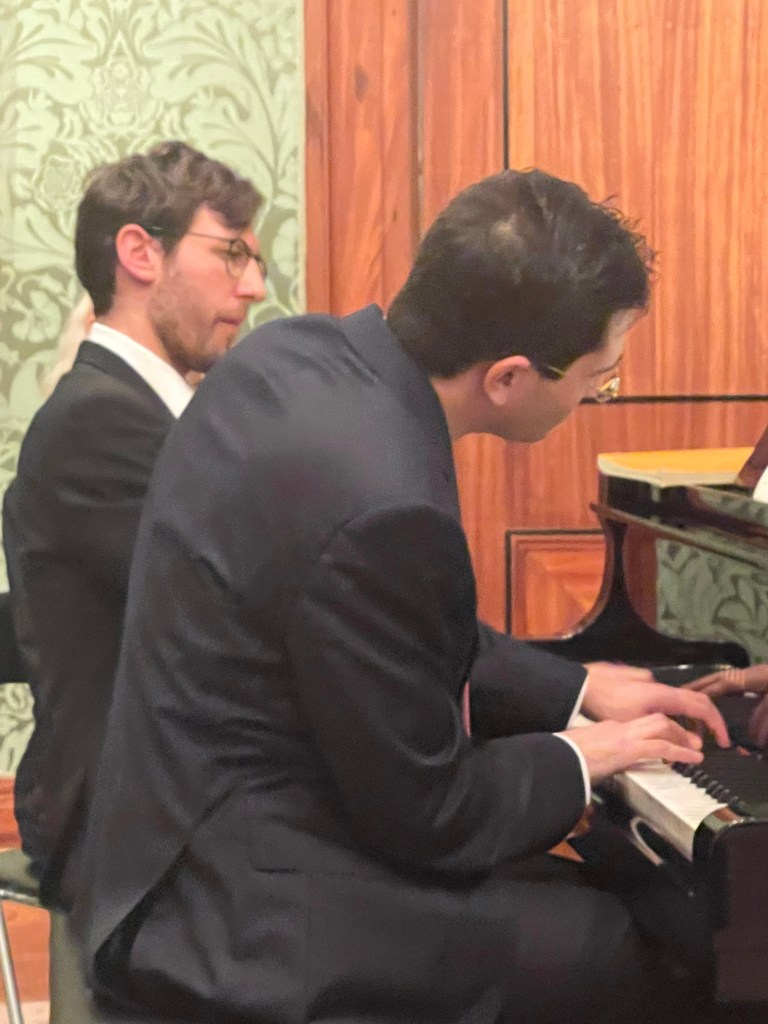
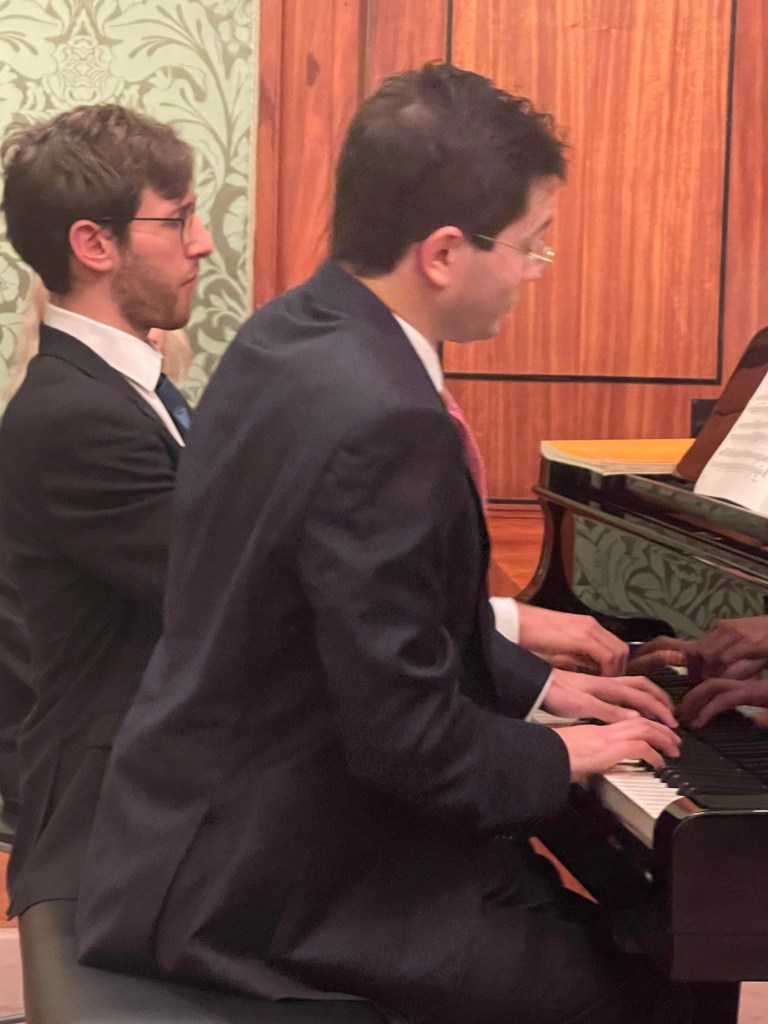
When the two young artists are called Ariel Lanyi and Mihaly Berecz you can expect sparks to be flying as intensity and musical integrity unite.Two major young artists making a name for themselves in the profession after having been friends at the Royal Academy of Music where they were both in the class of Hamish Milne /Ian Fountain.
Of the so-called “Viennese masters,” only Schubert was actually born and raised in that city. Surprisingly, this composer of more than 600 art songs, or Lieder, and numerous sonatas for piano did not, for most of his life, own a piano. A great deal of composing was done at a writing table and revised later at a borrowed piano in the home of a friend.
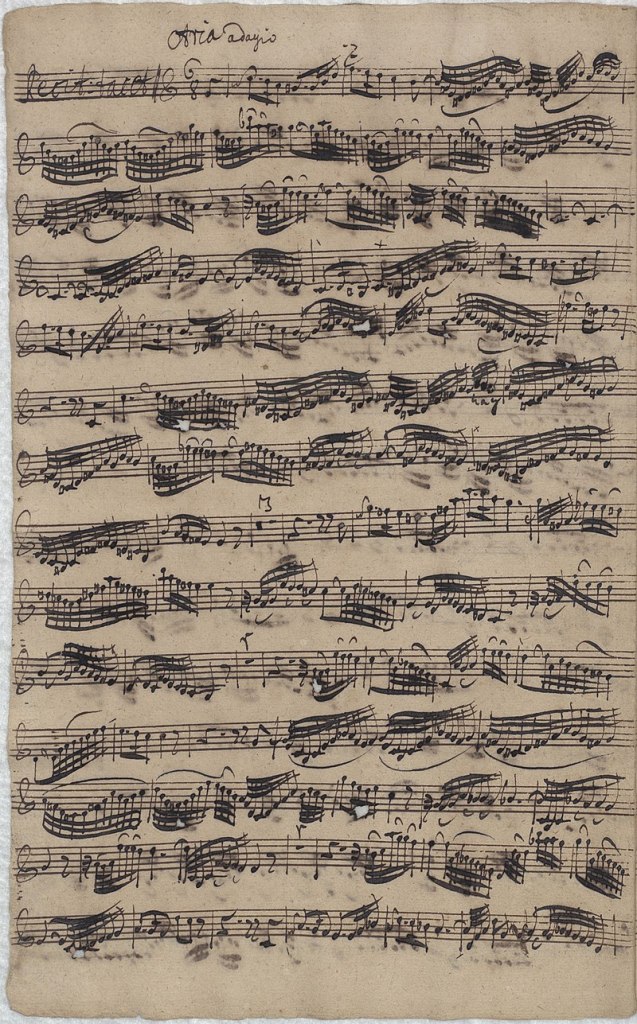
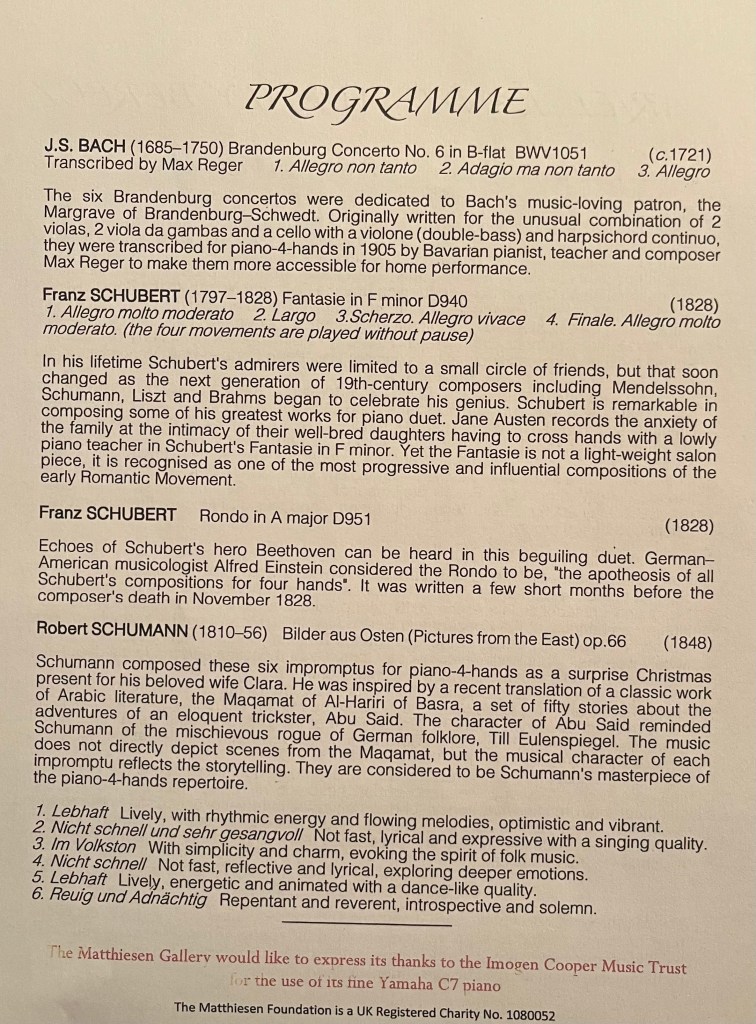
Schubert left the largest number of piano duets and four-hand works of all the great composers. His Rondo, D. 951, dates from 1828, the last year of his life. Schubert began writing the Fantasia also in January 1828 in Vienna. The work was completed in March of that year, and first performed in May. Schubert’s friend Eduard von Bauernfeld recorded in his diary on May 9 that a memorable duet was played, by Schubert and Franz Lachner. The work was dedicated to Caroline Esterházy, with whom Schubert was in (unrequited) love.
Original manuscript of the Fantasy in F minor
Schubert died in November 1828. After his death, his friends and family undertook to have a number of his works published. This work is one of those pieces; it was published by Anton Diabelli in March 1829.
Ariel and Mihaly began the concert with the Reger transcription of the Brandenburg Concerto n. 6 BWV 1051 by J.S. Bach, which had been written to make these master works more accessible to a larger public.It was played with great rhythmic intensity and a superb sense of balance. Ariel in the bass sustaining the joyous outpourings from Mihaly’s inspired fingers with an infectious ‘joie de vivre’ and crystal clear simplicity that the Genius from Kothen could weave with incredible mellifluous invention.There was the austere intensive beauty of the Adagio and the knotty twine of the final Allegro that was played with a buoyancy and hypnotic rhythmic elan.
Ariel Lanyi and Mihály Berecz
The Schubert that followed was played with the same intensity and scrupulous musical integrity of these two major young artists. But playing together in the intimate relationship that four hands on one piano must inevitably be, means that there can be a freedom and flexibility and a sense of searching for colours by means of a chameleonic search for colour together and inevitably an ultra sensitive sense of balance that can only be created with years of working together as a duo.The intensity and musicianship they brought to these two works was remarkable but the etherial magic and breathtaking beauty eluded them.It was obviously their choice to interpret Schubert as Beethoven but the difference is that everything Schubert wrote was of song ,like Chopin ,whereas Beethoven was more orchestral.There were of course many beautiful things where the burning intensity of Ariel took our breath away in the Rondo as the beauty of the theme from the hands of Mihály was beautifully shaped if lacking in fluidity and colour which strangely he found in the final bars when he ventured on high with a final timeless ornament that suddenly opened the heavens.
The Fantasie had Ariel at the helm and Mihály at the steering wheel.A beautiful flowing tempo allowed this magical melody to expand and breathe as the bel canto was a glimpse of the paradise that awaited Schubert in the all too near future.The Largo was played with a rhythmic drive and dynamic seriousness that was more of Beethoven at his most imperious and this was obviously the choice of these two remarkable thinking musicians.It was played with remarkable unity and musical intent and might have been a contrast if the Scherzo could have had more elegance and charm and not been of such Beethovenian seriousness.The final fugato was a tour de force of musicianship and duo playing and here all the dynamic drive and energy were used to overwhelming effect rarely experienced in this much played work.The return of the opening was played with extraordinary sensitivity but just missed the etherial fluidity that could have been such a contrast to the final chords that were of true Beethovenian intensity.
Ariel is a remarkable artist who has been touched by the Gods as has Mihály but they are more in tune with the three B’s than the two S’s.B’s need intellectual intelligence and kapellmeister musicianship .The S’s need charm and lightness even capricious seductiveness that is not part of their genes at the moment.Schumann was played with enviable seriousness and integrity, but was the opening really ‘Lebhaft’ as it progressed ,intense and driven, missing the romantic sweep like the opening of a window to let the intoxicating air in.Instead there was indeed remarkable rhythmic drive but where playful lightness might have created more character.The second was played with beautiful long lines shaped with noble sentiments and a really exquisite featherlight ending.The third ‘Im Volkston ‘ suited these two very intense young musicians with it’s it noble opening bursting into rumbustious dance.
Sir Norman Rosenthal having celebrated his 80th last week in this gallery with music making amongst friends.He has long been an admirer and mentor of Ariel
The fourth ,that by specific request of Sir Norman Rosenthal was repeated as and encore, was beautifully shaped, elegant and flowing.The fifth ‘Lebhaft’ was played rather too seriously, very dramatic where Schumann’s flight of fancy hardly took wing.The final piece flowed beautifully and its triumphant ending brought words of praise from Sir Norman for a work that he confessed he had never heard.These two remarkable young musicians have the makings of a life long duo but it just needs time to share this voyage of discovery together .A world of wonder and ethereal beauty is there waiting for these four extraordinarily talented young hands to delve deep into the heart of the piano and find the sounds that are there for those that seek.
This is Martha Argerich and Daniel Barenboim childhood friends sharing the secrets they have learnt after a lifetime of music making Q.E.D:
Prof Matthiesen had just returned from Florence where he was generously sponsoring a concert of The Beethoven Trilogy with the prestigious Amici della Musica.
The Beethoven trilogy with Anne Queffélec who had encountered a kindred spirit at the Leeds Piano Competition many years ago ,Imogen Cooper, with whom she has formed a formidable long standing piano duet partnership. The music profession may be overcrowded but when you are talking about real dedicated interpreters they are few and far between these days.
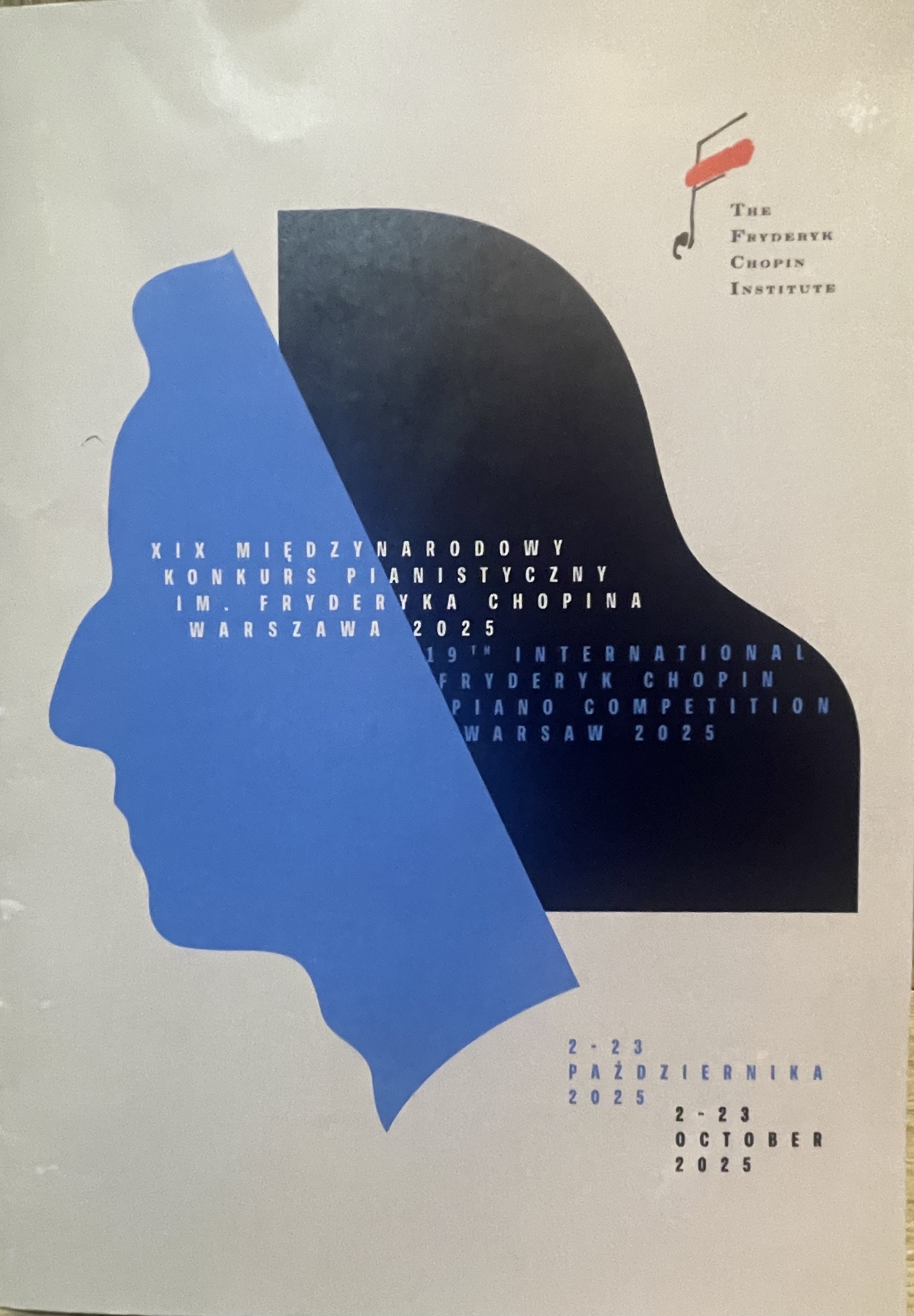
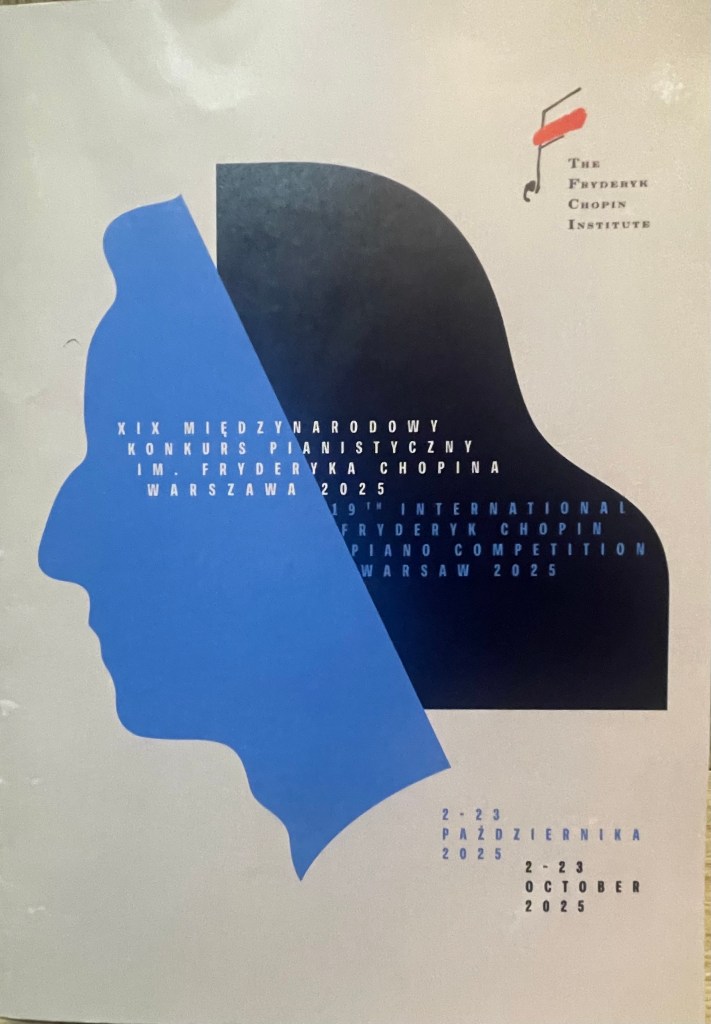
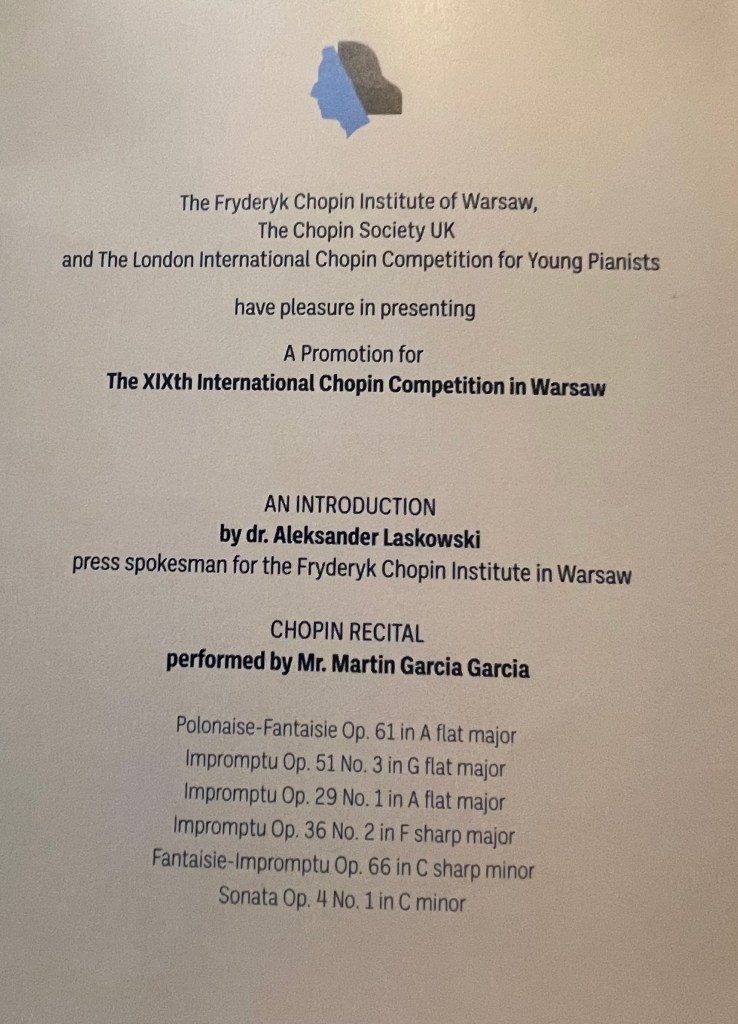
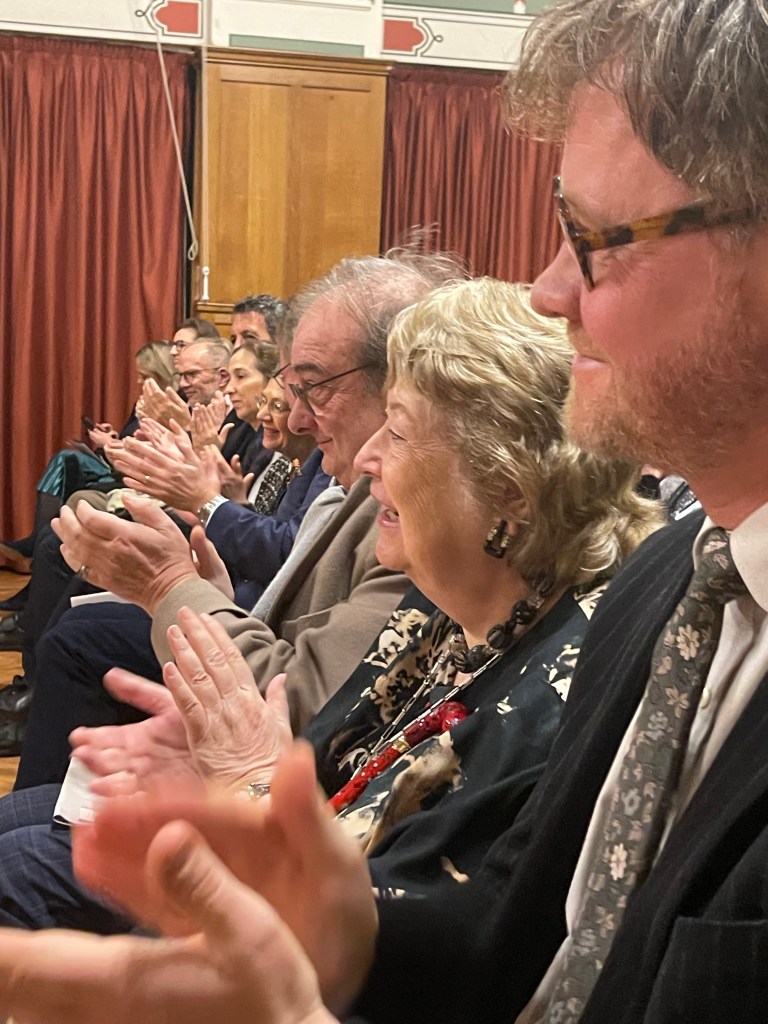
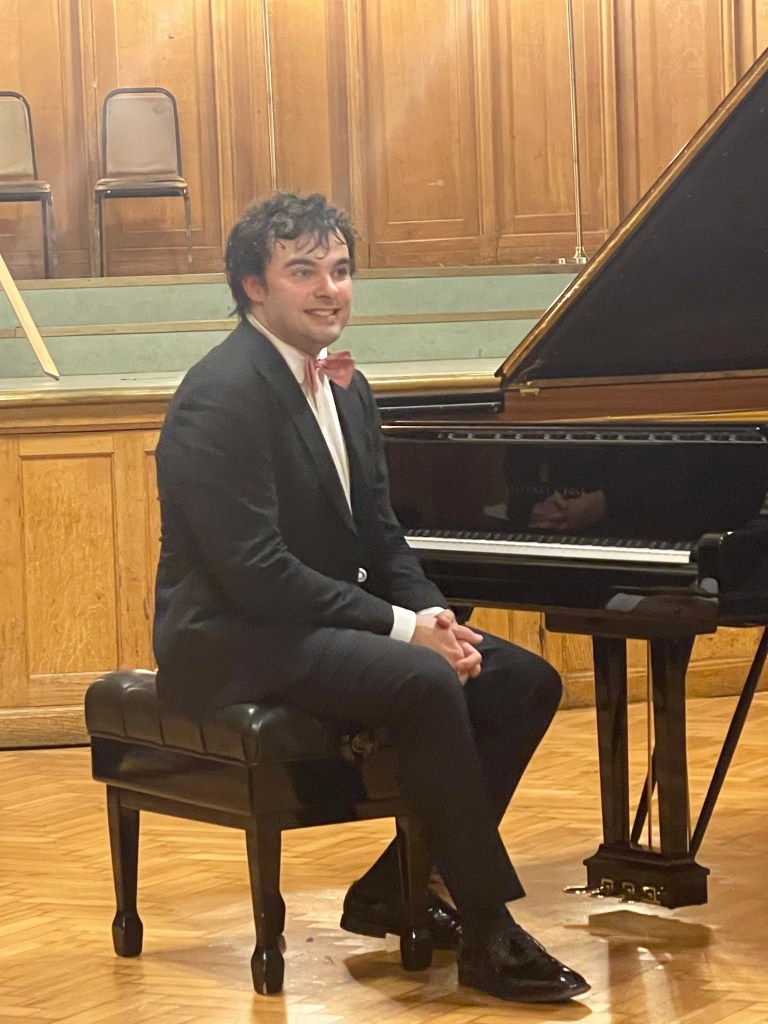
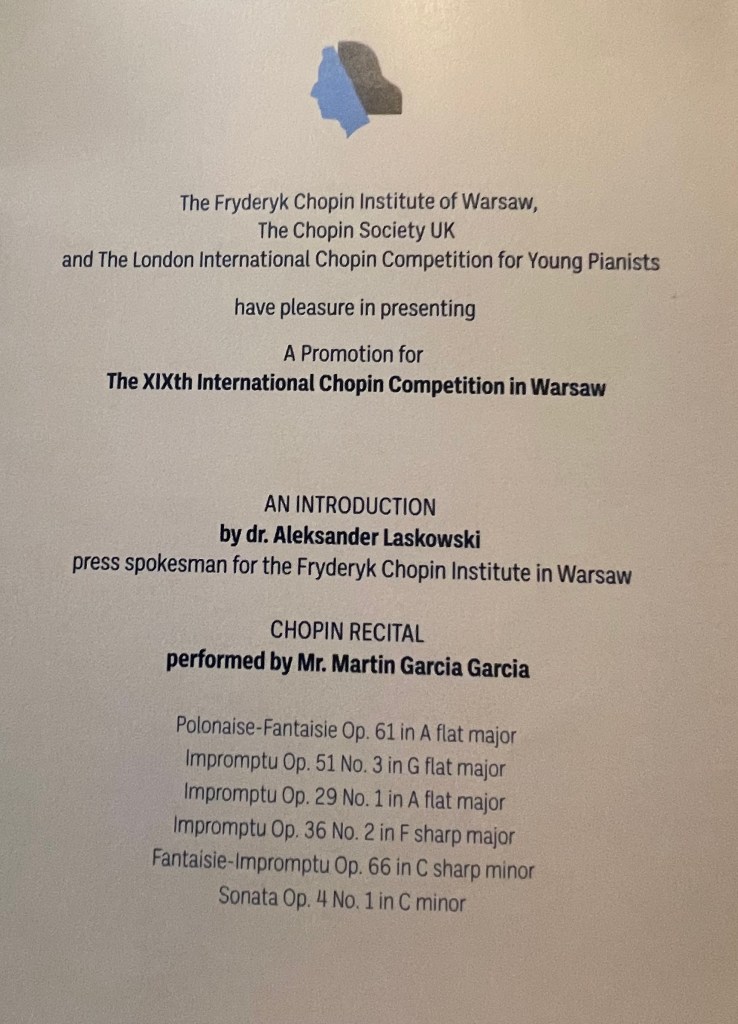
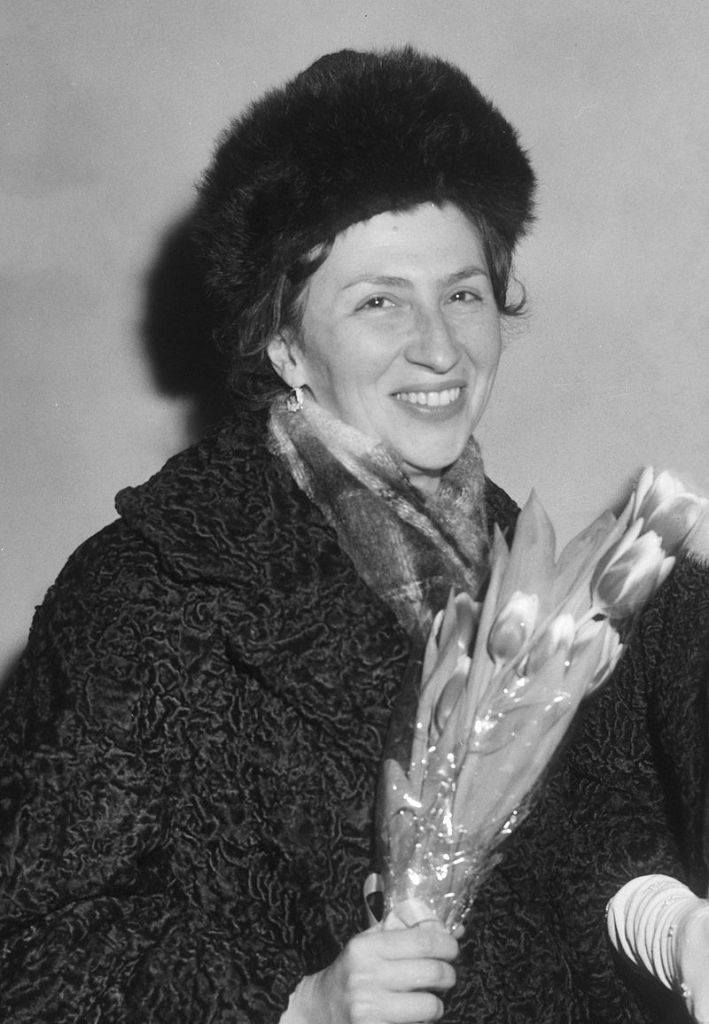
A recital by Martin Garcia Garcia , a top prize winner in the last competition in 2021 ,followed a surprise announcement of a new prize for the best performance of Chopin Ballades donated by the son of Bella Davidovich ( she had been the winner of the first competition after the war in 1949). She was 21 then and is still alive,aged 96, and living in America.
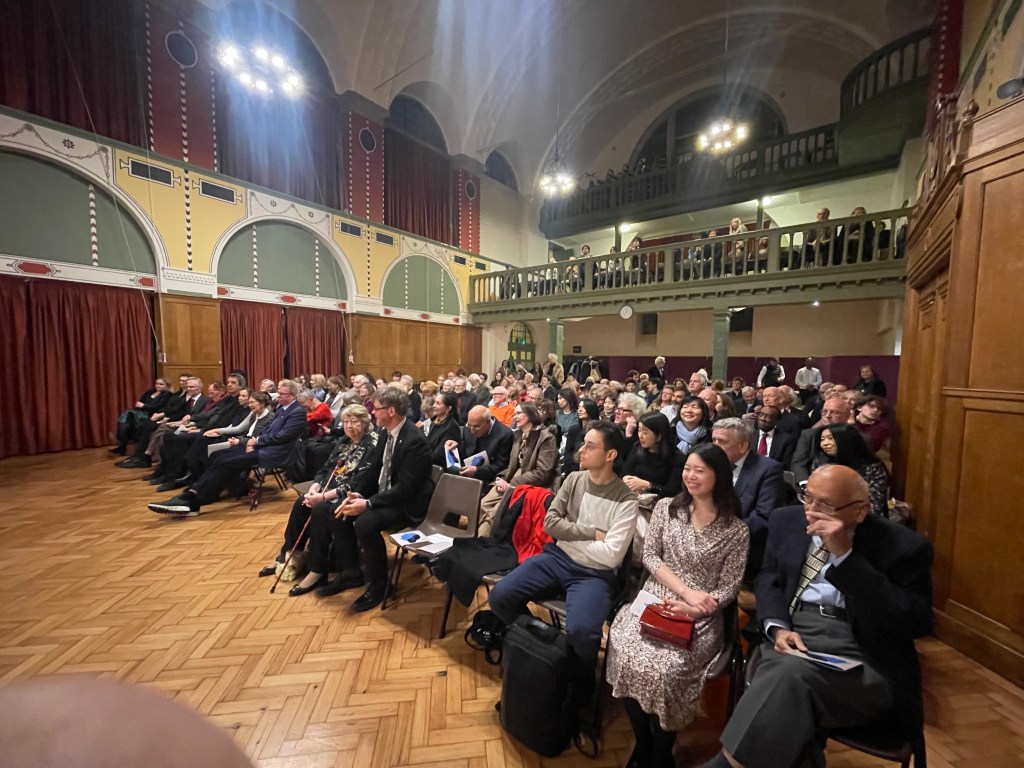
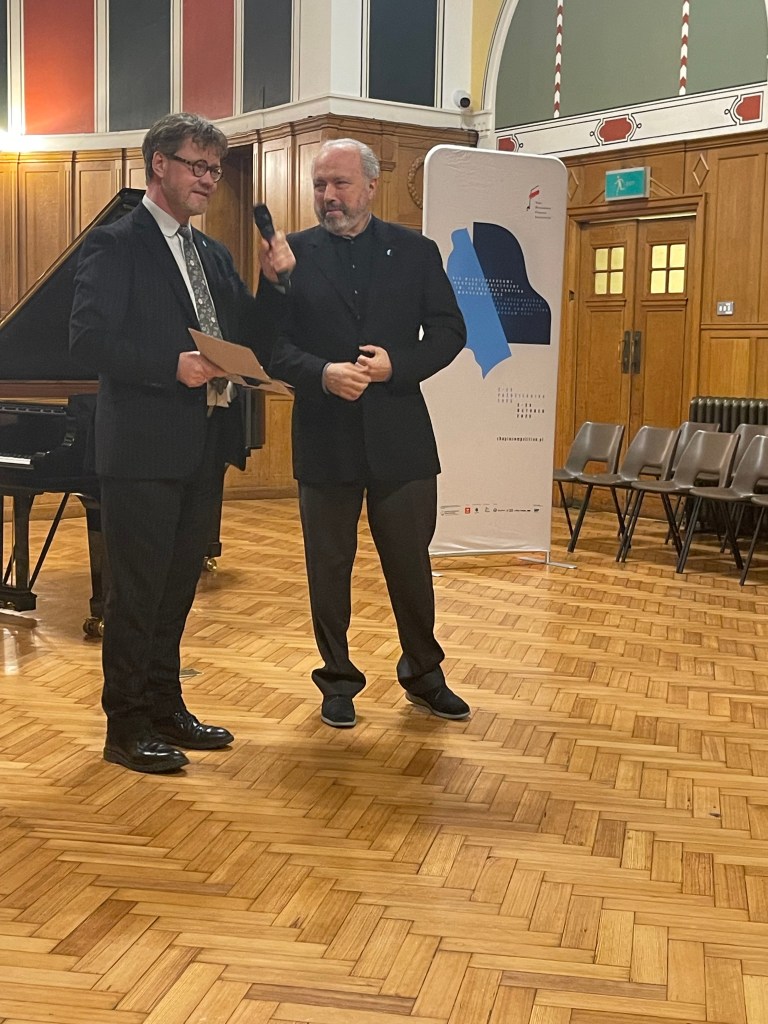
Aleksander Laskowski was proud to announce, with the son of Bella Davidovich, Dmitry Sitkovetsky this important new prize and to introduce Martin Garcia Garcia to a discerning public of critics,pianists,musicologists and lovers of Chopin .
Lady Rose Cholmondely was presiding with the indomitable Gillian Margaret Newman and their many distinguished guests
A programme that included a magnificent performance of Chopin’s first sonata op 4. A work that is rarely heard as it takes a great musician to give an architectural shape to this early work full of youthful virtuosity and a tantalising jeux perlé that was to astonish and seduce the Parisian salons more used to swashbuckling virtuosity of showmanship. Here even in this early work there is the refined elegance and scintillating understatement of poetic beauty. A sense of balance that was more of bel canto than canoristic crowd pleasing. Here in this ‘Allegro maestoso’ there is a beguiling mix of virtuosity and Polish tradition. Opening with a delicate fugato that expands into a beautiful second subject ‘espressivo’ as embellishments are thrown off with glistening beauty. Much brilliance of alternating thirds ,sixths and tenths but with a refined elegance that Martin played with a natural ease as his whole body seemed involved in the sounds he was making.A fluidity and mastery that was hypnotic with the beauty that he was able to create with such simplicity.
This was music written to seduce and astonish by an eighteen year old genius ready to take the world by storm. His variations op 2 were greeted by Schumann with ‘Hats off, gentlemen, a genius’ and although this work does not have the weight or maturity of the other two sonatas Martin showed us today that it is unjustly neglected. Of course it requires a virtuoso technique and a musicianship that can see the wood from the trees and give shape and coherence to a work in progress of a composer who was looking for a form in which to express himself.The starting point is the established sonata form ( Haydn had bequeathed to his pupil Beethoven a form that was to be transformed into the miraculous outpouring of the final trilogy) and it is this form that Chopin transforms already in his teens into a work marked with his personality. A charming ‘Minuet’ where the stamp of the Mazurka is already discernible .A beautiful flowing ‘Larghetto’ where Chopin’s mastery of bel canto is already so magically expressed in pianistic terms.A ‘Presto’ Finale as long as the other three movements put together, is a ‘tour de force’ of invention and dynamic virtuosity. Martin seemed to relish the enormous amount of notes that were pouring from his fingers with such ease as he shaped them into streams of sumptuous sounds of exhilaration,excitement and beauty. An astonishing performance and a very persuasive one for a badly neglected work .We talk of finding fragments of nocturnes these days, hidden in the archives of important libraries, but here we have an extraordinary work completely overlooked by the very people who are so excited by album leaves left as gifts to the composer’s lady pupils and admirers!
Listening to Martin I am reminded of the late Nelson Freire whose natural mastery and love of music illuminated our lives for so long after the passing of Arthur Rubinstein.
The Polonaise Fantaisie opened this short recital where from the very first notes it was obvious that we were in the presence of a great artist who could play with weight and mastery bringing to life a work as if the ink were still wet on the page. A kaleidoscope of colours as the opening chords reverberated with timeless beauty expanding into a nobility of refined elegance and bitter sweet nostalgia only to disappear on ‘wings of song’. An extraordinary sense of balance of sumptuous beauty even in the most passionate of climaxes where everything in Martin’s hands sang with an evident love for the sumptuous sounds that he was creating.
The four Impromptus that followed were played with extraordinary style and beauty .The first appearing as from afar out of the last imperious chord of the Polonaise- Fantaisie. It was played with a beguiling jeux perlé that I have only every heard from Magaloff. The beautiful sostenuto played with real weight and timeless beauty as Martin shaped it with the same simplicity of the wind blowing gently in the branches (to quote Chopin). It was exhilarating,titivating and had one wondering why it is played so rarely in concerts these days. The exquisite charm and beauty of the third was quite different from the aristocratic ‘frenchness’ that was Rubinsteins’.
An unusual photo of Arthur Rubinstein on his return to his birthplace in Poland.His joie de vivre and Love of life will remain an example to us all
But it was of chiselled beauty as it wove and breathed with infinite aristocratic charm until the sumptuous tenor melodic outpouring of the ‘sostenuto’. A rubato of great artistry as its was played with freedom but also without ever breaking the long melodic lines. It was immediately followed by the ravishing tone poem of the second where the gentle flowing left hand was just the base on which a beautifully simple melodic line was woven. Delicate embellishments given all the time to breathe by Martin who made them seem so natural and of such gleaming beauty. A central march was played with imperious full sounds before the ingenious two bar modulation that takes us back to the simple beauty of the opening this time accompanied by flowing lines first in the left hand and then magically in the right.From here notes were just thrown off with such ease as streams of golden sounds illuminated the melodic line. Finishing these four Impromptus with a breathtaking performance of the Fantaisie -Impromptu, leaning over to take the opening C sharp with his right hand with such knowing authority as waves of notes filled this beautiful piano with sumptuous sounds of passion and scintillating excitement.The beautiful central Largo we were to hear again later in the encore by Mompou where it is quoted, but here it was played with simple refined beauty of sumptuous richness.
An encore of Schumann’s portrait of Chopin from Carnaval was followed by one of Mompou’s Chopin variations n.10 ,the one based on the Fantaisie -Impromptu.
photo courtesy of the Chopin Society UK
An eclectic choice to close a masterly recital before the champagne so generously flowed with canapés that were obviously inspired by the exquisite playing that we had been treated to by the Chopin Institute in Warsaw .
The distinguished pianist Martino Tirimo who had played with his Rosamunde Trio at the Chopin Society last week.With Yisha Xue
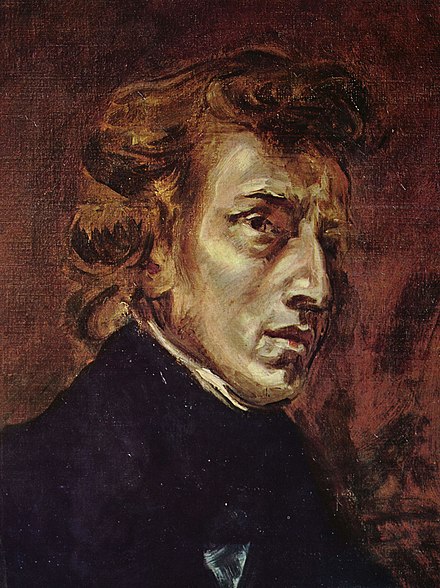
photo courtesy of the Chopin Society UK Chopin in 1838 part of a joint portrait with Georges Sand by Delacroix
Fryderyk Chopin Źelazowa Wola 1st March 1810 Paris 17th October 1849
The Sonata No. 1 in C minor, Op. 4 was written in 1828 (probably begun around July). It was written during Chopin’s time as a student with Józef Elsner, to whom the sonata is dedicated. Despite having a low opus number, the sonata was not published until 1851 by Tobias Haslinger in Vienna, two years after Chopin’s death. The sonata has four movements. Allegro Maestoso (C minor): The first movement is in sonata form. Only in the aspect of key relations does this movement break from tradition – the second group of themes is based in C minor as much as is the first, so that the dramatic contrast is lost.
Menuetto (E flat ): This is the only minuet that Chopin is known to have written. The central Trio is in E flat minor.
Larghetto ( A flat): in five/four time , which is very unusual for pieces of that era. The third beat of each five-beat bar carries a secondary accent, which is marked explicitly in certain bars. In other places, it can be inferred, and in still other places Chopin seems to defy this convention and not expect this.
Finale: Presto (C minor): A virtuosic finale in C minor and sonata-rondo form. The most difficult and most effective movement of the sonata, it, among the finales of Chopin’s piano sonatas, takes the longest to perform.
Bella Davidovich
Bella Davidovich was born in Baku, Azerbaijan in 1928, into a Jewish family of musicians and began studying piano when she was six. Three years later, she was the soloist for a performance of Beethoven’s Piano Concerto n. In 1939, she moved to Moscow to continue her musical education. At the age of 18 she entered the Moscow Conservatory where she studied with Kostantin Igumnov and Yakov Flier. In 1949, she shared the first prize with Halina Czerny-Stefańska at the IV International Chopin Competition . This launched her on a career in the Soviet Union and Eastern Europe, in which she appeared with every major Russian conductor and performed as a soloist with the Leningrad Philharmonic Orchestra for 28 consecutive seasons. She also taught at the Moscow Conservatory for sixteen years, and taught at the Juilliard School. She was married to violinist Julian Sitkovetsky. Their son, Dmitry, is a violinist and conductor.
In 1978 she emigrated to the United States, where she became a naturalised citizen . She has taught at the Juilliard School since 1982. With the spirit of perestroika, she became the first Soviet émigré musician to receive an official invitation from the Soviet agency Goskoncert to perform in her native country. She played concertos, a recital with her son Dmitry Sitkovetsky playing the violin, and chamber music with the Borodin String Quartet to sold-out halls.
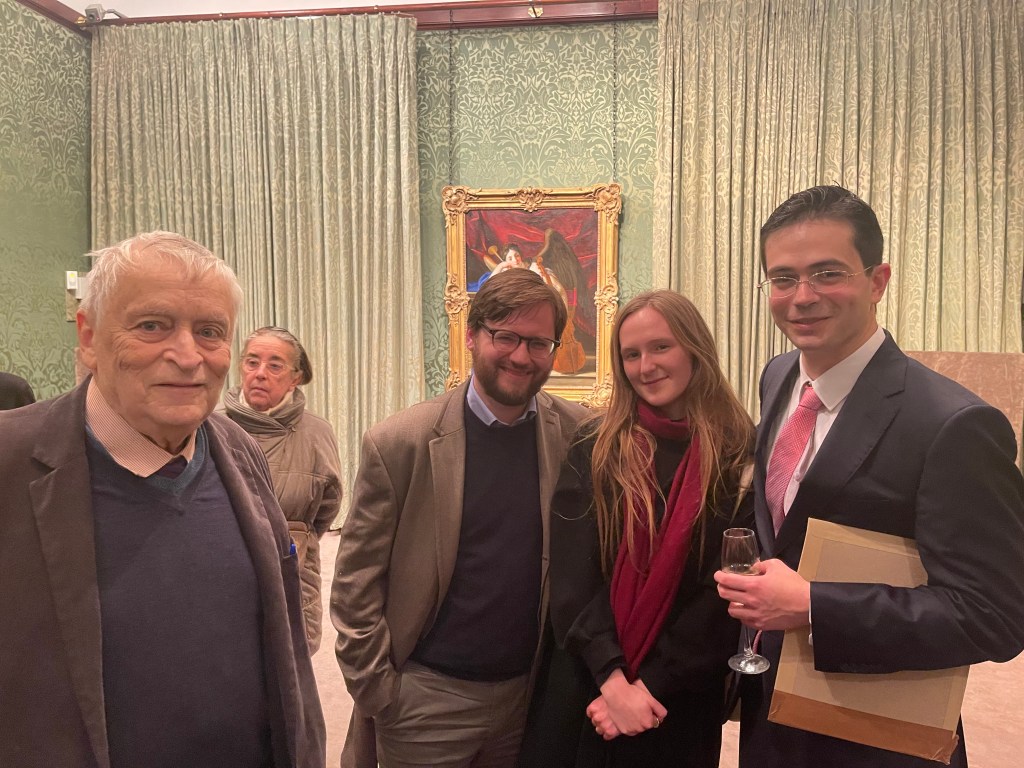
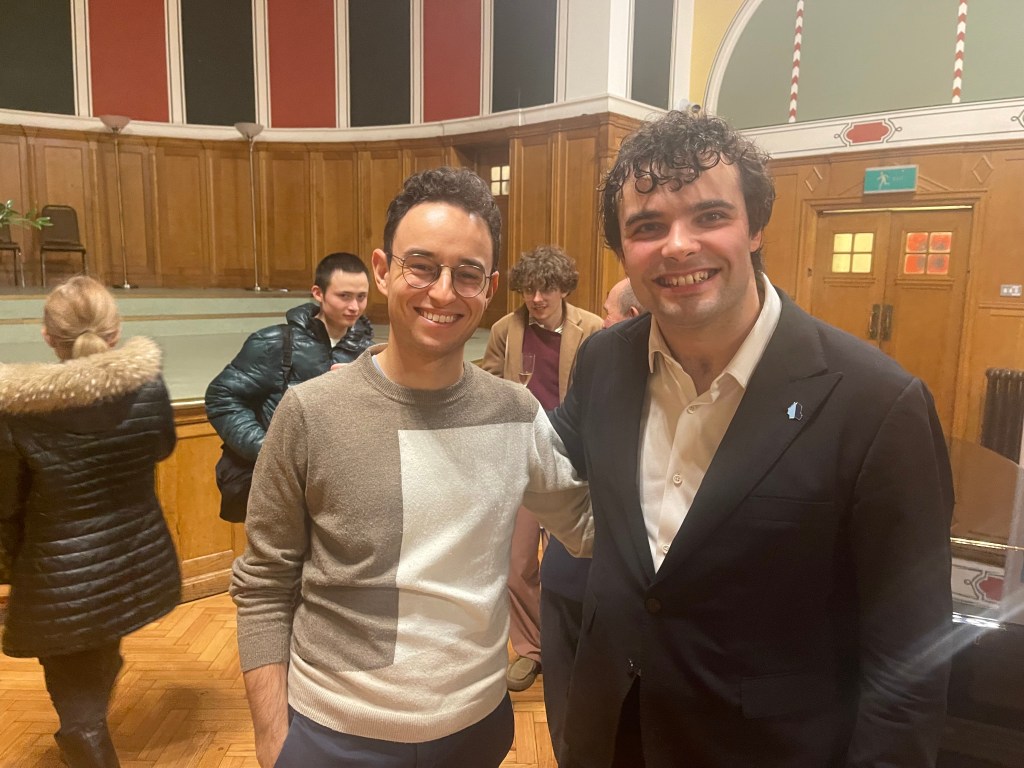
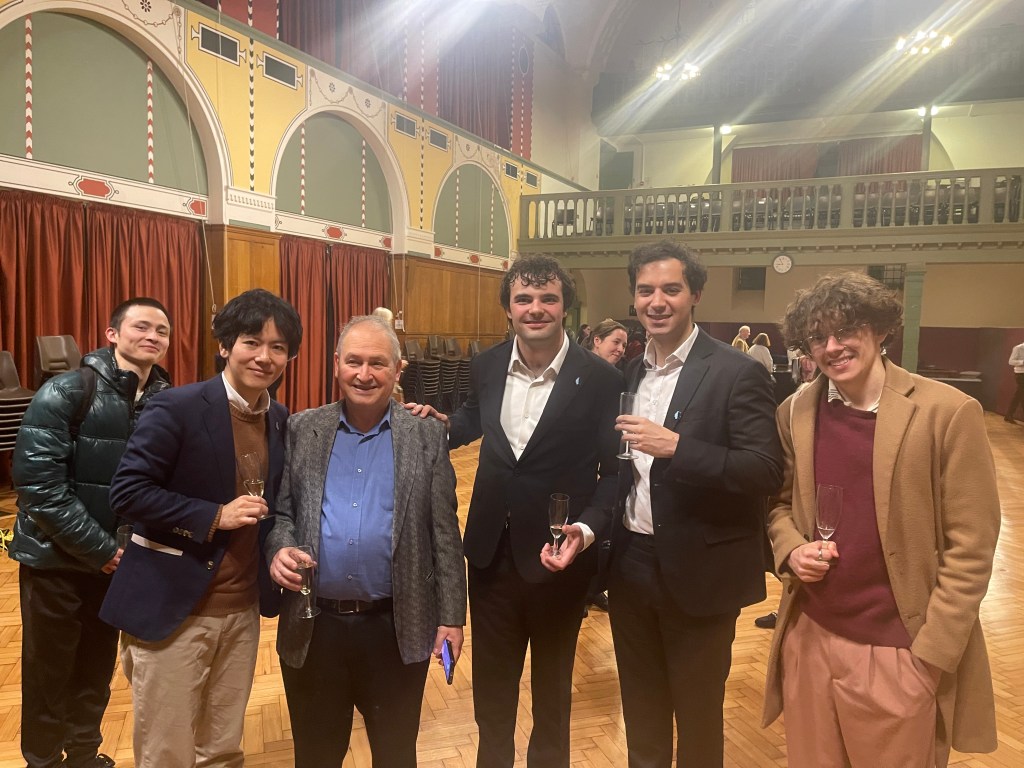
Martin Garcia Garcia with friends and admirers at the after concert reception
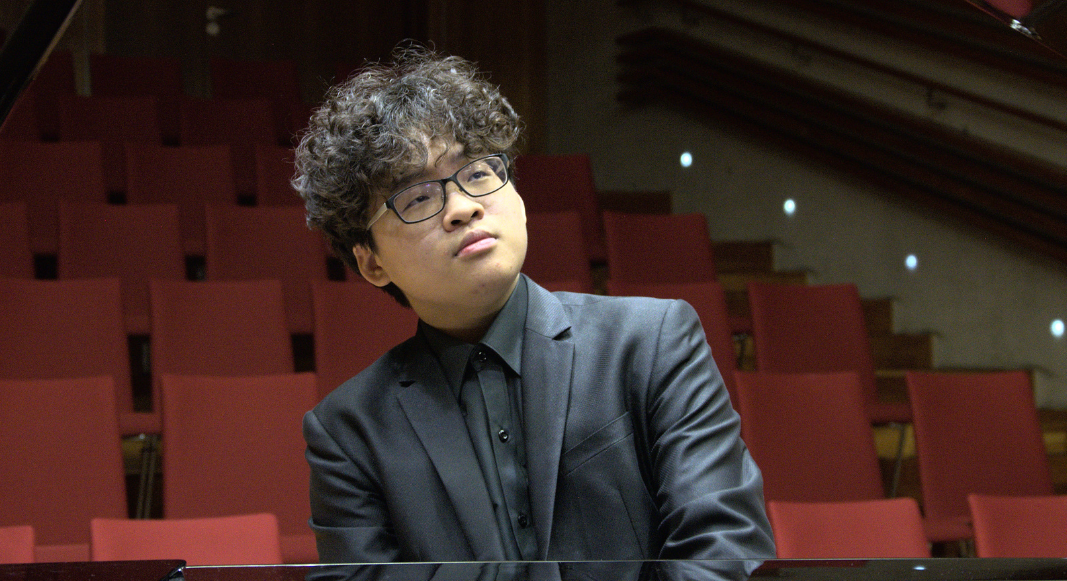
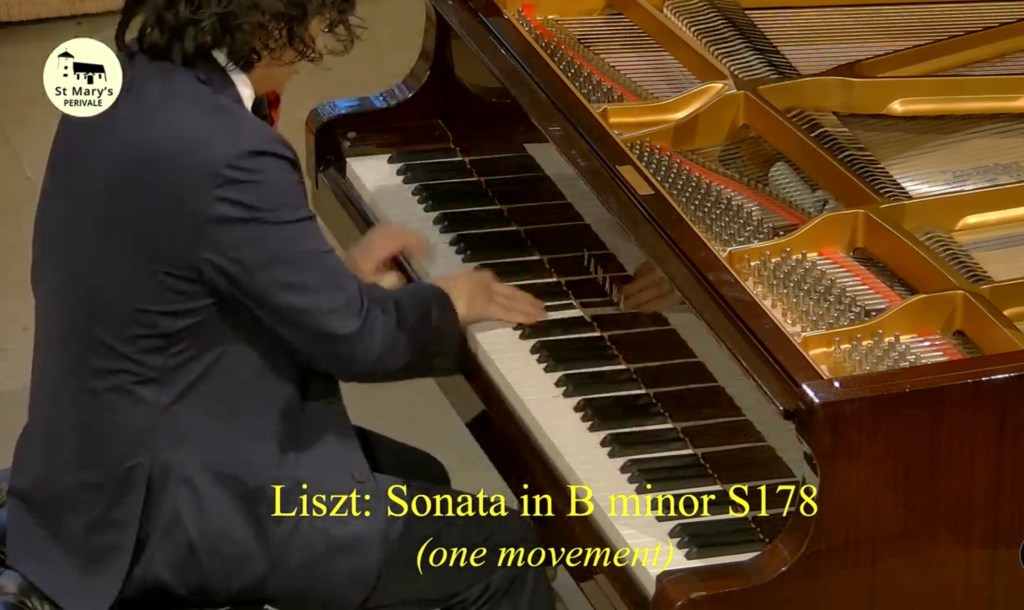
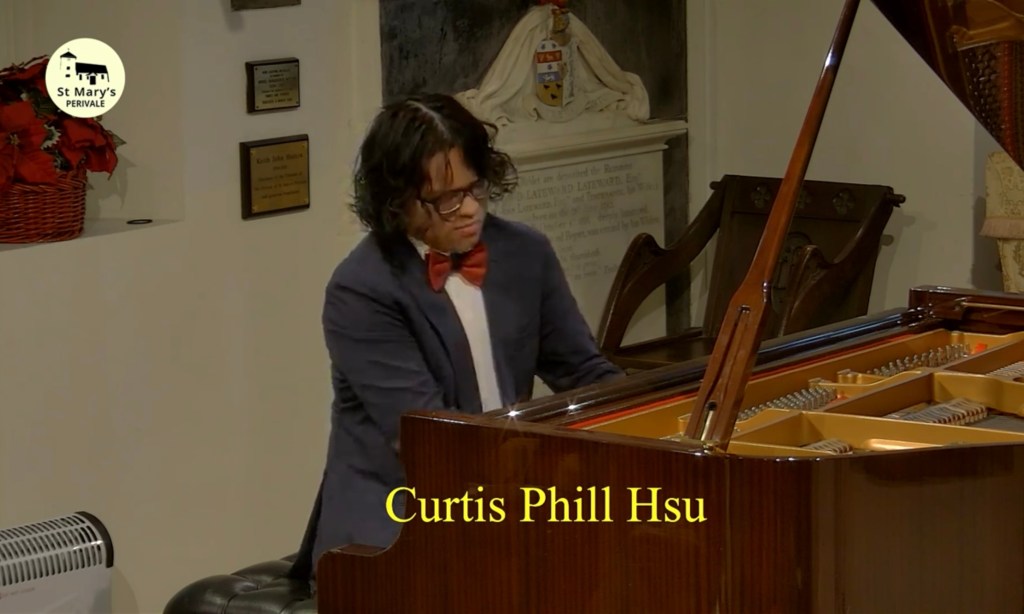
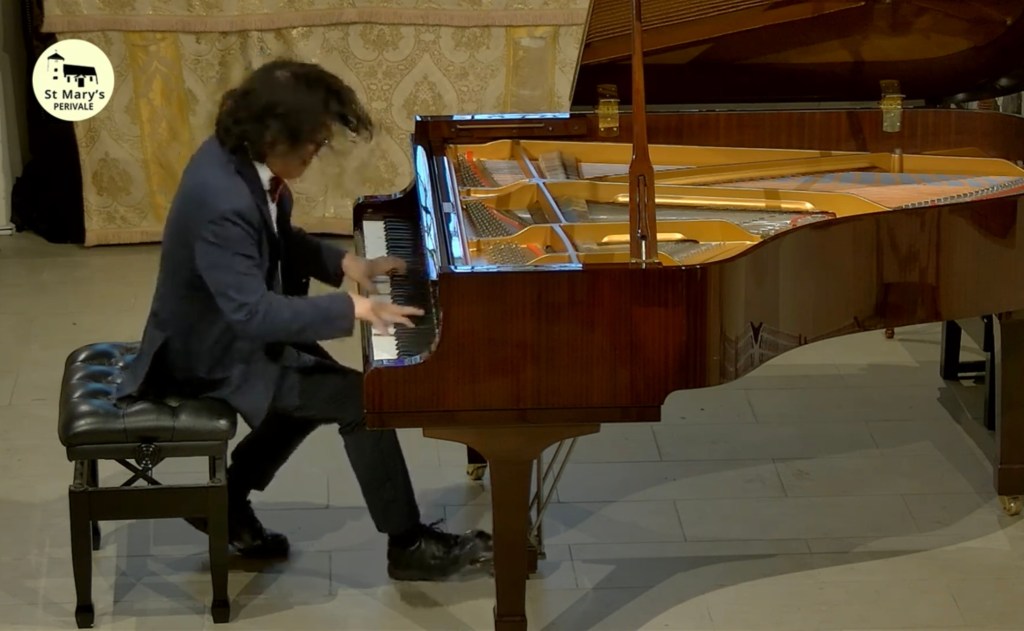
Some remarkable playing from this nineteen year old pianist winner of this years’ Hastings International Piano Competition.Playing of Serkin intensity with impeccable musicianship and technical mastery. Fingers like limpets that were drawn into the keys allied to an intellect and passion that could delve deep into the scores and not only show the architectural shape but also the jewels that are hidden within
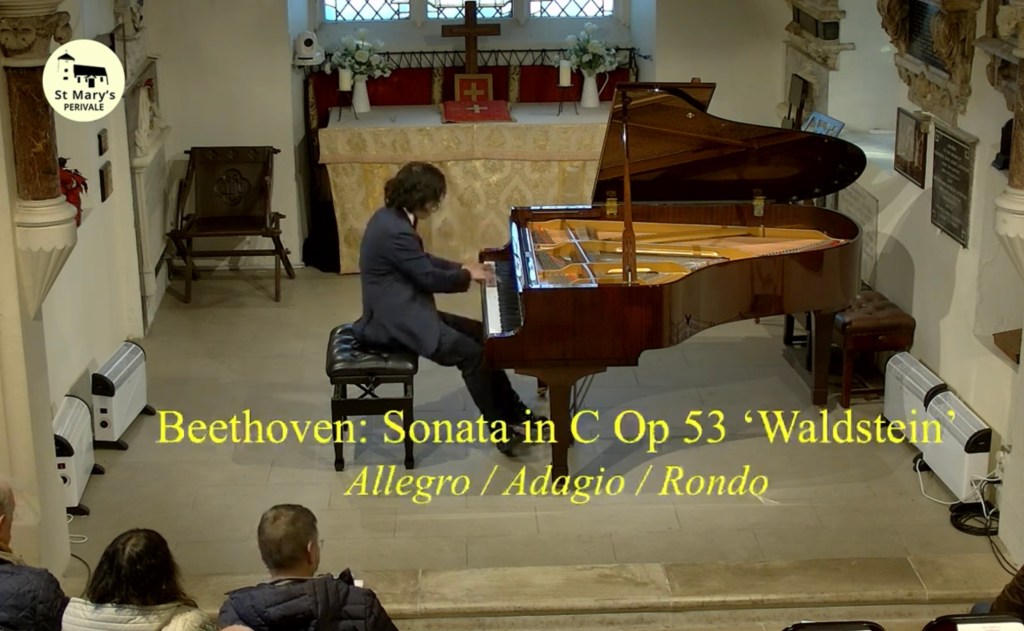
A Waldstein Sonata that was played with a driving rhythmic urgency but that could melt so easily into a mellifluous second subject where beauty and strength were combined.The introduction to the rondo was played with an intensity where every note had a poignant meaning .A simplicity where even the final top G suddenly was reborn as the undulating accompaniment of the rondo appeared as if from afar.The three contrasting episodes ever more explosive and technically challenging were played with remarkable mastery.But it was the poetic beauty of the Rondo that made the most effect as suddenly a gun shot of a luminous C signalled the opening of a music box.’Prestissimo’ as the pace quickened, which Curtis maintained until the end with the famous glissandi played with one and two hands never allowing this energetic force to diminish in any way.
Delius dismissed Beethoven as being all scales and arpeggios and in a way he is right nowhere more than here or in the Emperor Concerto,both written in the same period . But scales and arpeggios at the service of the genius of Beethoven when played with the mastery we heard today is breathtaking and exhilarating.
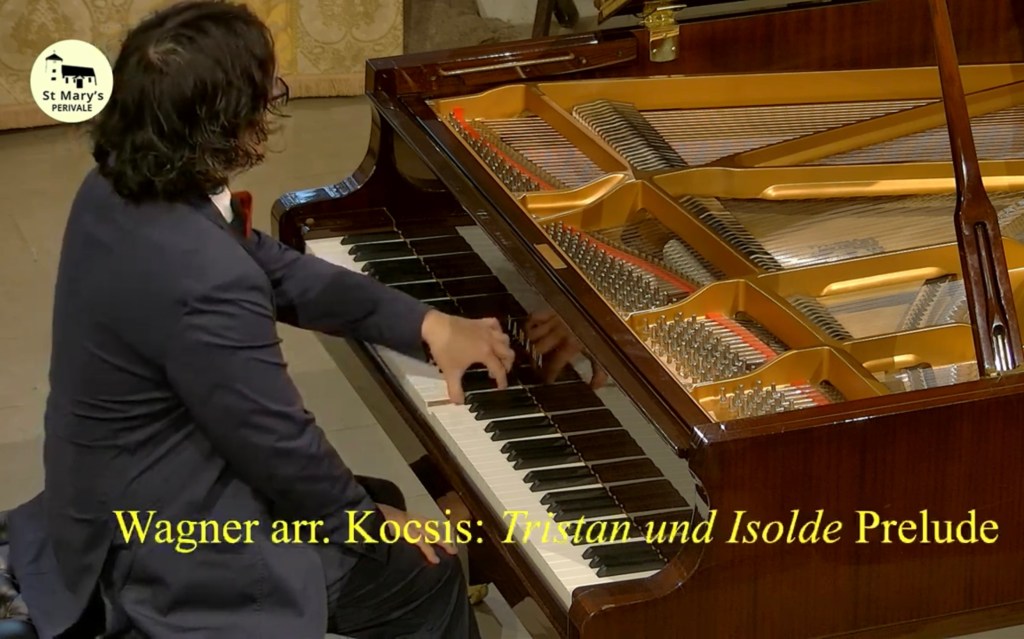
We are so used to listening to Liszt’s transcription of Wagner’s Liebestod that this transcription by Zoltan Kocis of the Prelude took me by surprise. As Hugh Mather said there is five hours of music that separates them and it was the tranquil beauty of these intense counterpoints that lead so beautifully into the Liszt Sonata in B minor.
This was truly a masterly performance the like of which I have only ever heard from Gilels. Not only was it played with passion and ravishing beauty but the intensity and overall architectural shape was maintained from the first to the last note.I have never heard the last three chords played with such luminosity and delicacy each one with it’s own voice.The final B played by the left hand but with the right hand and the whole of Curtis’s body as bystanders.This was a young man who had seen this entire monumental work as a great story that was unfolding.The clarity and precision he brought to the most transcendentally challenging passages was mirrored by the beauty and simplicity that he brought to the many lyrical passages. I had heard Curtis play the ‘Hammerklavier’ just a few months ago with the same intelligence and mastery with which he played the Liszt Sonata today.A musician who questions and ponders the scores before devouring them whole at any age would be a considerable achievement but at 19 one is left without words except perhaps one :Genius!
Born in Alabama, USA, in 2004, Curtis Phill Hsu took up the piano at the age of four. Following his initial participation in the 2014 International Summer Academy, he became fascinated with the city and the Mozarteum University Salzburg. Soon after, he was admitted into the Mozarteum Pre-College in 2016 and has been studying with Prof. Andreas Weber ever since. Within the first semester, Curtis was already nominated for the Leopold Mozart Institute’s High Talent Program (Hochbegabungsförderung). After completing his Bachelor’s degree at the Mozarteum University Salzburg in 2023, Curtis is continuing his Master’s studies at the Hanover University of Music, Drama and Media under Prof. Arie Vardi. In 2024, Curtis won the coveted Sophia Guo First Prize with a performance of Tchaikovsky Piano Concerto No. 1 with the Royal Philharmonic Orchestra under Rory Macdonald at the 17th Hastings International Piano Concerto Competition, including the Sussex Prize, awarded for the best performance in the semi-finals, and the Festival d’Auvers-sur-Oise Prize, offered by Juror Pascal Escande. In addition, Curtis was honoured with The Hastings Fellowship supported by Arts Council England, an artist development and professional coaching package that helps young artists develop and sustain professional careers.
Ian Brignall of Hastings International presenting their Gold Medal Winner 2024
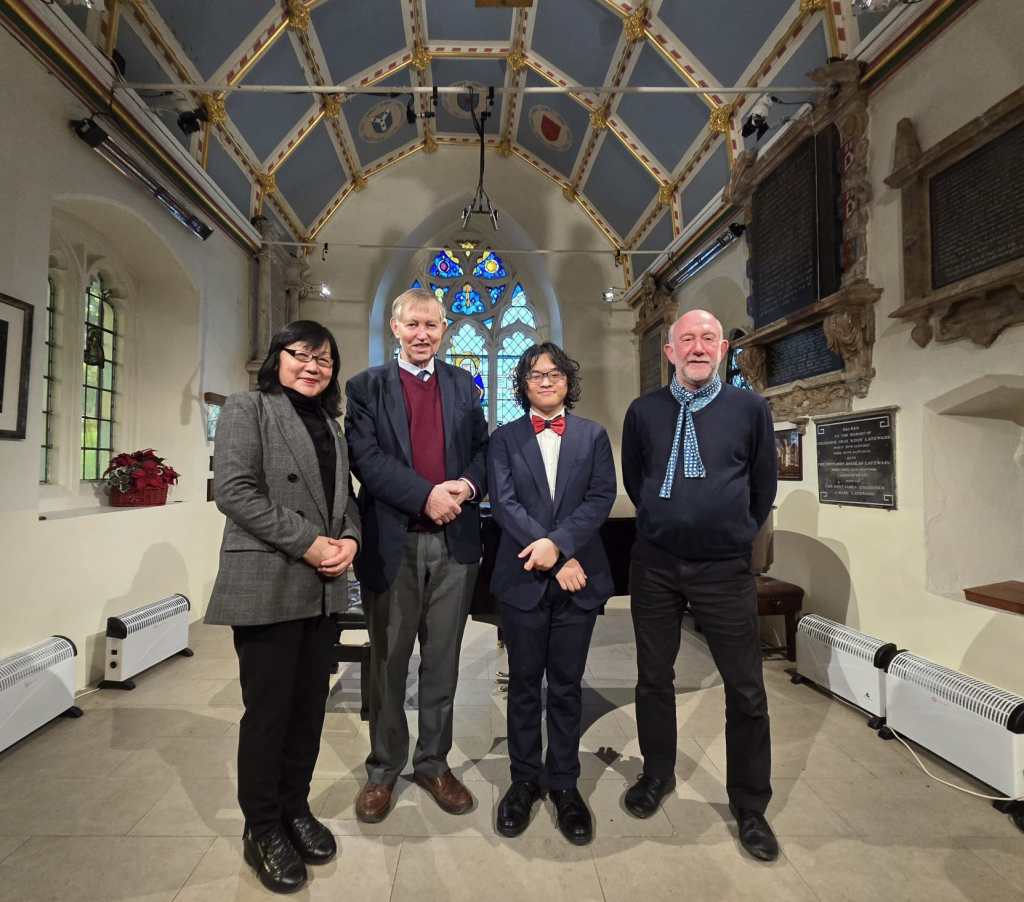
Yisha Xue hosting Curtis in her home on his special trip to mLondon from Hannover where he is studying with Arie Vardi with Dr Mather,Curtis and Ian Brignall,general manager of Hastings International
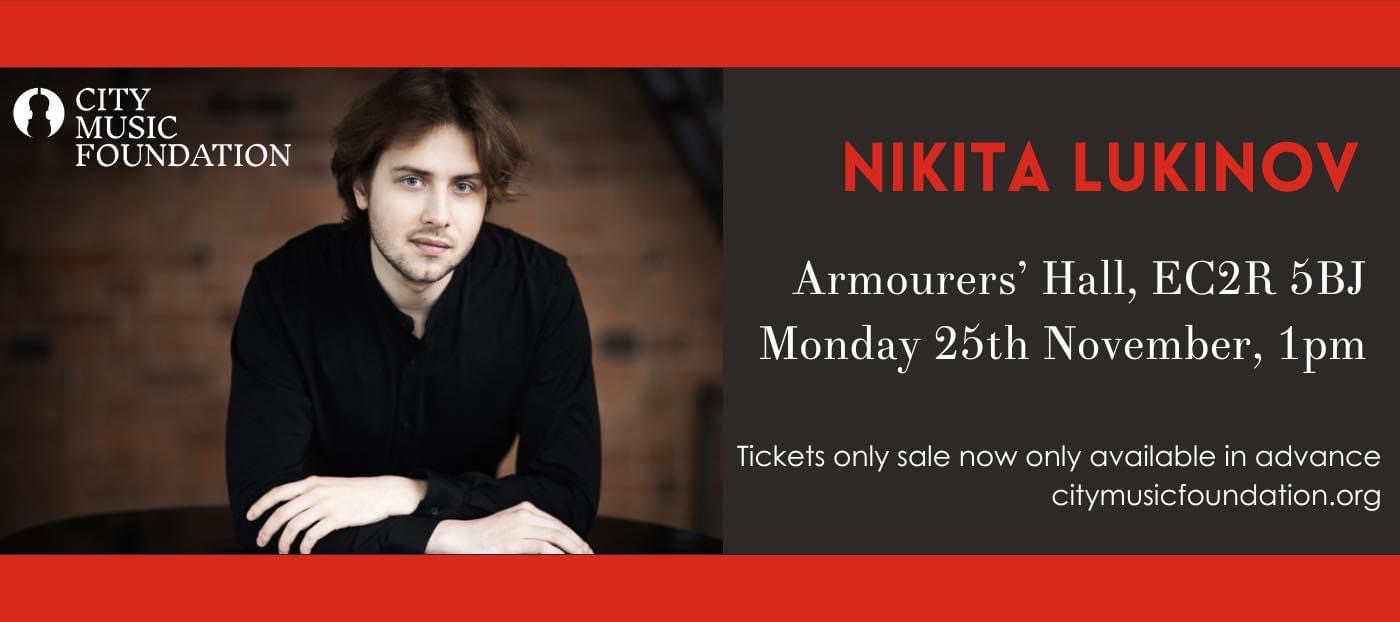
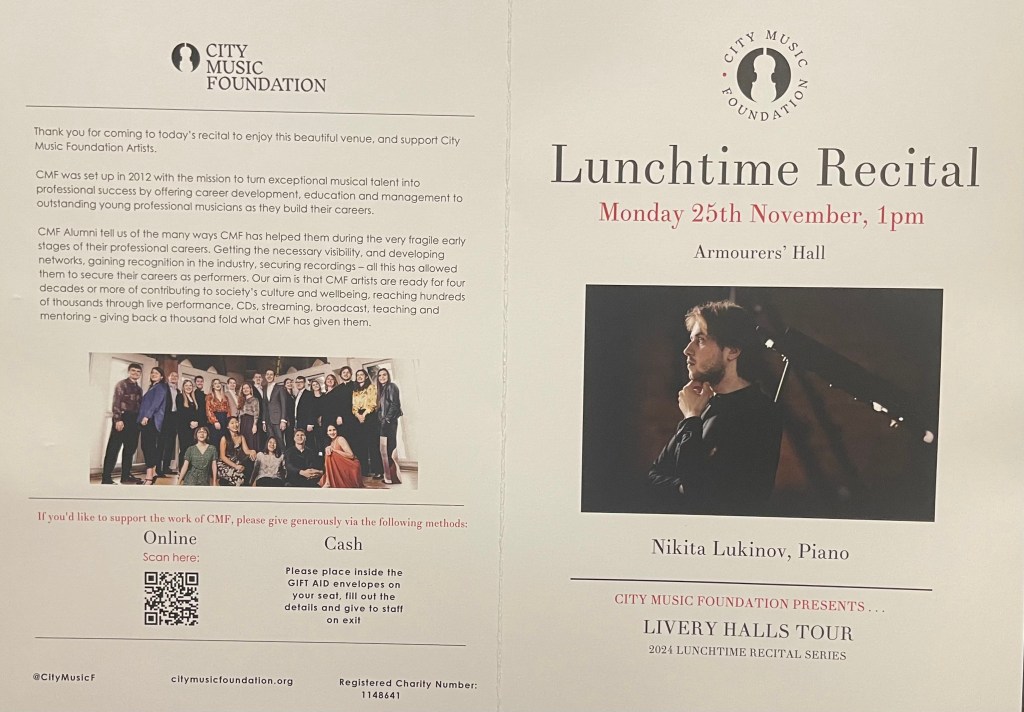
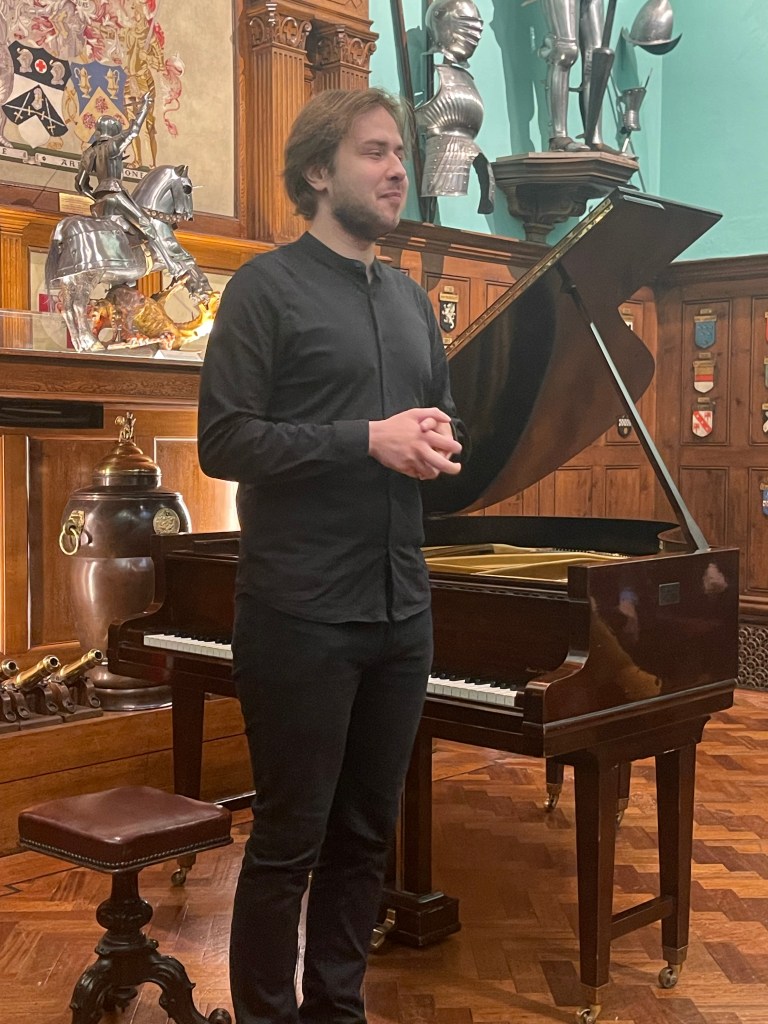
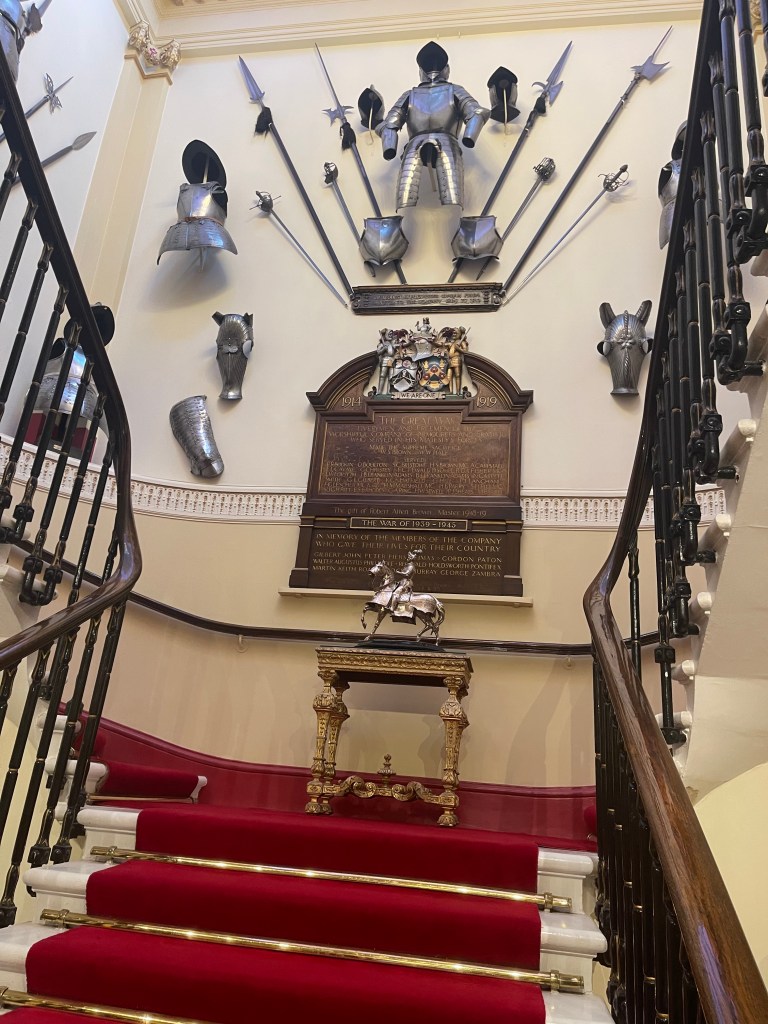
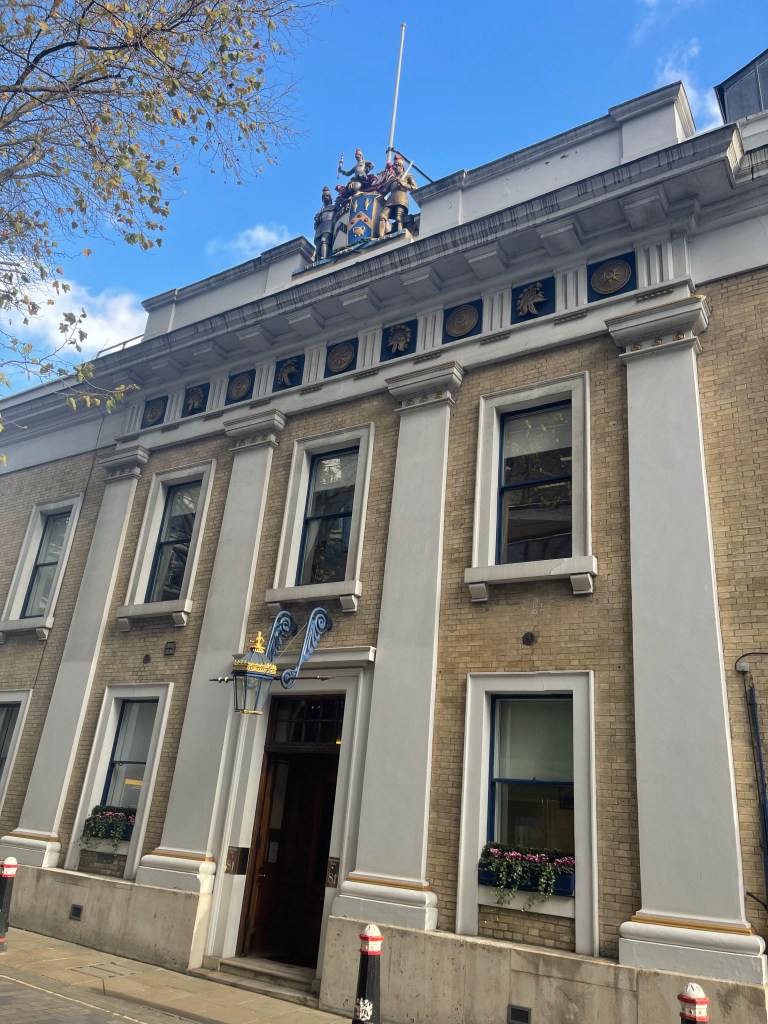
Some superb playing from Nikita Lukinov …what a great cook can do with an old ‘casserole’ was demonstrated yesterday in the magnificence of the Armourers ‘ Hall for the City Music Foundation. A sign of great artistry when a bauble is turned into a gem.
Debussy’s ‘Images’ book one was played with superb rhythmic assurance with fingers like limpets that could delve into the depths of this well worn instrument and find it’s soul and be able to communicate the very essence of the music to a very discerning audience.’Reflets dans l’eau’ was played with dynamic drive and scintillating washes of sound, a climax that resounded around this armoured hall before dying away to the whisper of a faded postcard full of atmosphere and nostalgia.’Homage a Rameau’ had a nobility to the sound and a purity of aristocratic bearing as it reached for the climax with scintillating streams of notes over the entire keyboard.Played with mastery and a sense of improvisation as the magic of Debussy held us in awe of such aristocratic nobility.’Movements’ was a tour de force of scintillating piano playing with a drive and technical mastery that held us spellbound for its fearless abandon.
Mussorgsky’s ‘Pictures at an Exhibition’ suited this hall and the piano well when played with the authority and commanding mastery of this young Russian Prince of the Keyboard. Entering with strident steps into the gallery of the Exhibition of the paintings of an unexpectedly deceased friend. Nikita playing with pointed fingers as ‘Gnomus ‘ was seen with it’s sudden changes of character of devilish intent.An astonishing final flourish was played by Nikita with extraordinary precision and commanding authority.There followed a gentle stroll to the next picture where the ‘Old Castle’ was seen from afar in all its mystery. Played with a sense of balance where the continual heartbeat in the bass was ever present as the beauty of the castle opened up with a vision of refined antiquity. A very strident walk took us to the ‘Tuileries’ with its continuous rumbustious outpouring which Nikita imbued with contrasting character with sudden moments of charm in this busy stream of sounds. ‘Bydlo’ was heard with its lumbering awkwardness and Nikita even managed to find sumptuous rich sounds hidden deep in this piano as it gradually ground to a halt. A walk on tip- toe now to the ‘Ballet of Unhatched Chicks’ that Nikita played with lightweight precision and quixotic charm.The ‘trilling’ chicks played with masterly control and architectural shape.The authoritarian voce of ‘Samuel Goldenberg’ entered without any preamble and the beseeching cry of ‘Schmuyle’ was heard with sounds of subtle refinement by Nikita until a whole orchestra opened up with imperious discussions to follow.
‘The Market Place in Limoges ‘ followed a gentle promenade before this ‘tour de force’ took off with a perpetuum mobile of extraordinary insistence and technical difficulty. Nikita not only was master of the notes but more importantly of the very character that Mussorgsky is able to depict in sound. Enormous volumes of sound and a frenzy of notes was suddenly interrupted by the austerity of the vision of the ‘Catacombs ‘as chords resonated around this magnificent hall with timeless authority, Nikita fearlessly allowing this noble instrument its voice of supreme authority. In the distance a vision is seen ‘con mortis in lingua mortua’ where Nikita with chameleonic sensitivity barely touched the keys as we listened with baited breath to this vision of supreme beauty. A final cadence spread with calm over the entire keyboard was a moment of peace soon dispelled by the appearance of Baba-Yaga.
Nikita attacking the instrument in a frenzy of passionate conviction that I doubt this instrument has ever experienced before! Gradually calming itself to orchestral murmurings and comments from deep in the bass before the final eruption of Baba Yaga again who lead us by force to the vision of the ‘Great Gate of Kiev’. ‘Maestoso con grandezza’, could Mussorgsky have known what we know now as this imaginary vision was depicted in sound with extraordinary nobility and a kaleidoscope of sounds? Bells ringing all around the instrument as the final timeless vision was set before our incredulous eyes.
A remarkable performance and a real ‘tour de force’ for Nikita to dominate this instrument and allow it one last time to ring out as it obviously had done many a year ago.
An ovation from a very enthusiastic audience allowed Nikita to play a scintillating bon bon by Tchaikovsky :’Little red riding hood’ from the Sleeping Beauty suite, in the genial transcription of Mikhail Pletnev.
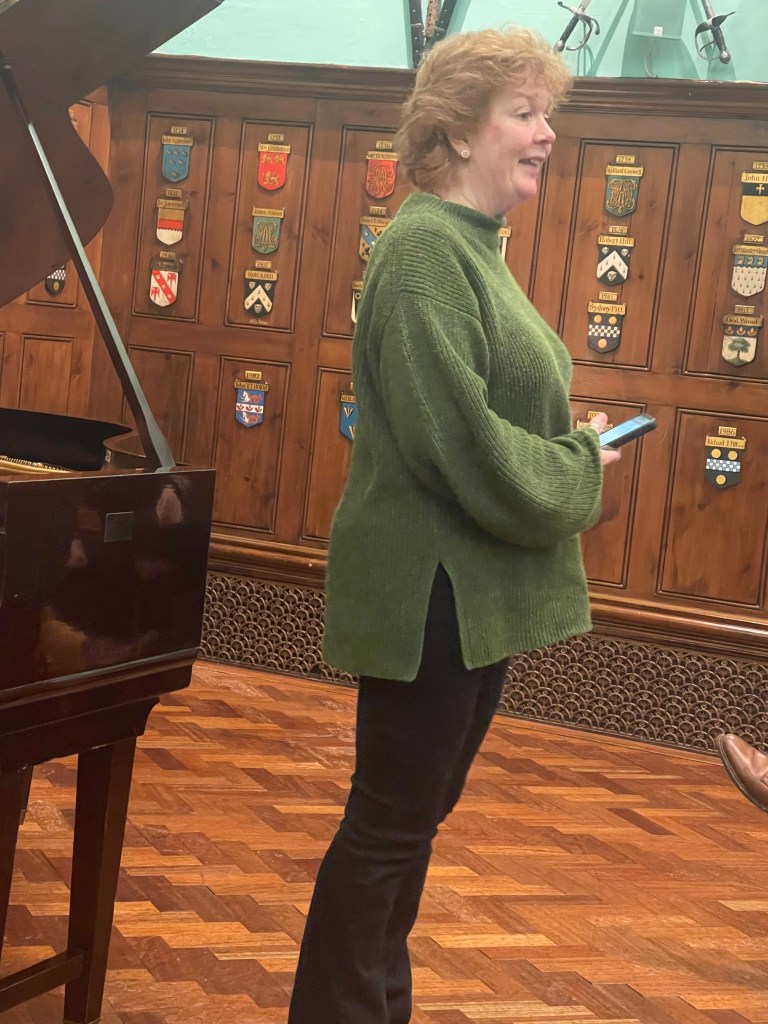
Clare Taylor of the City Music Foundation presenting the concert
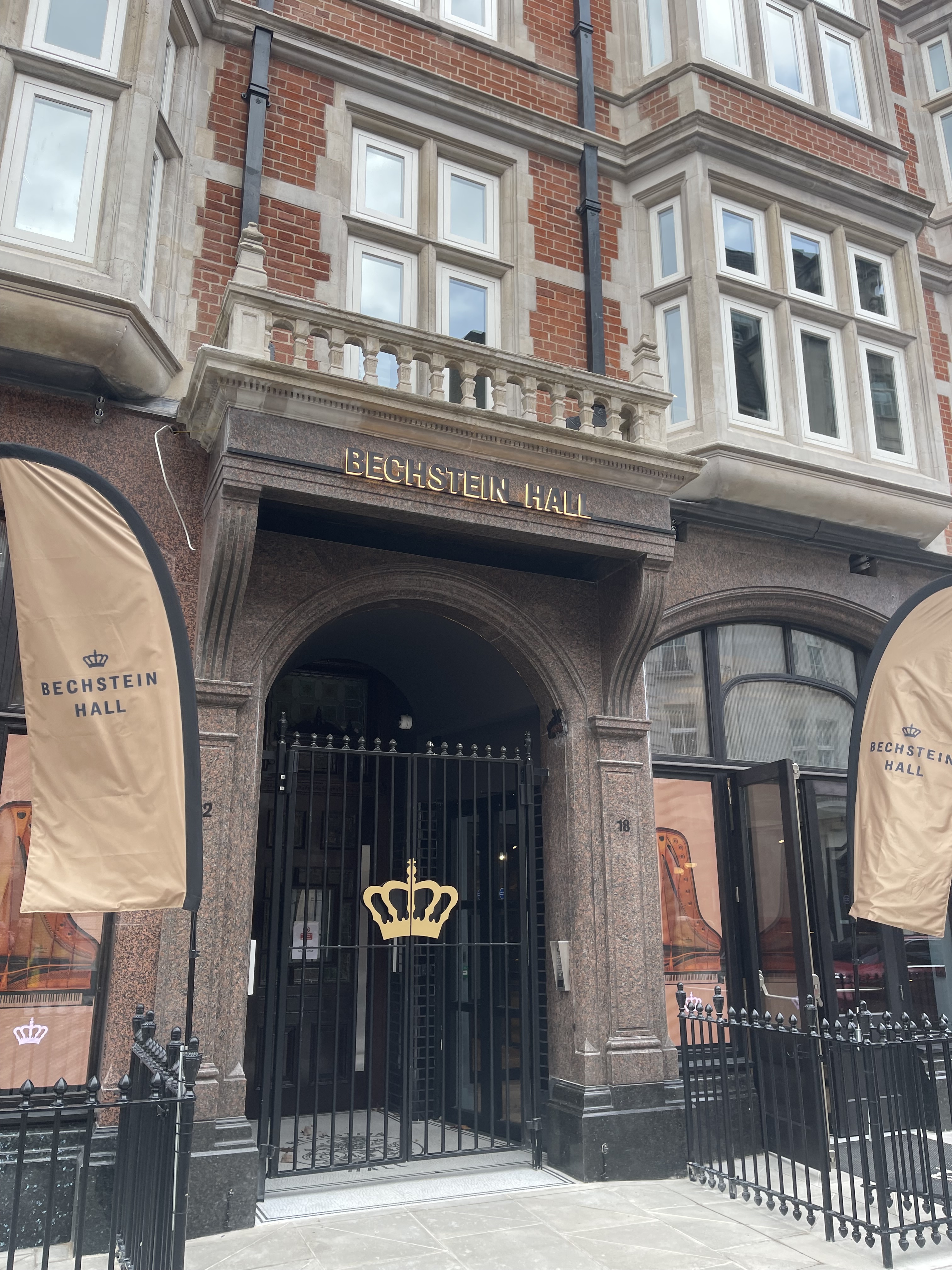
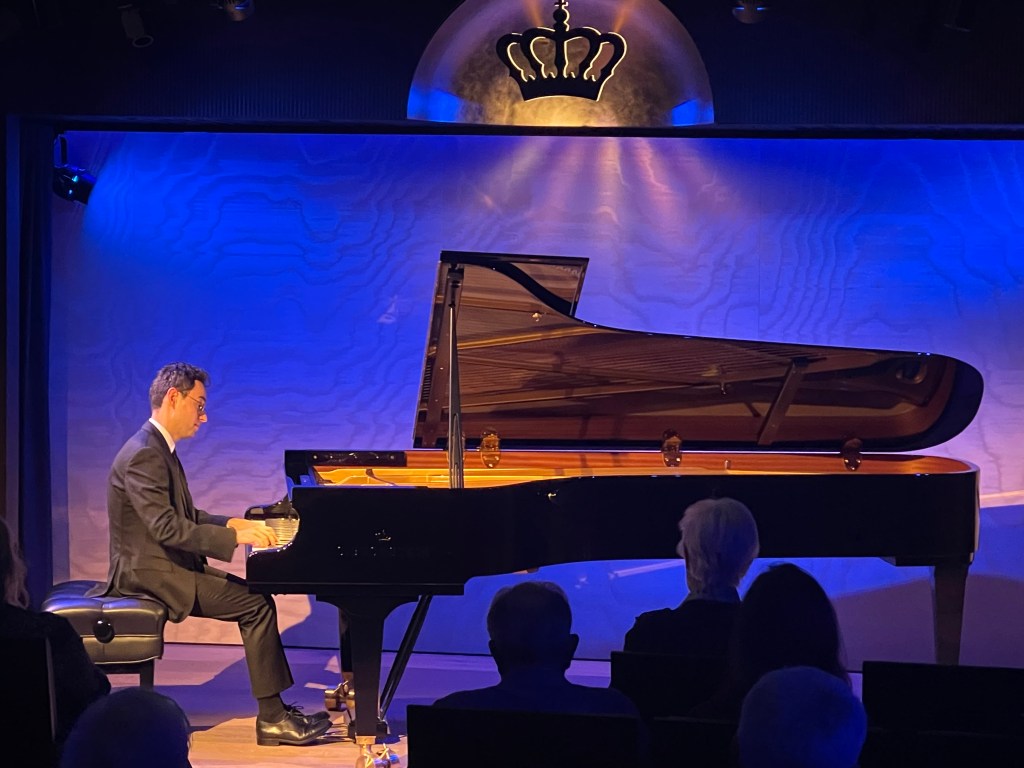
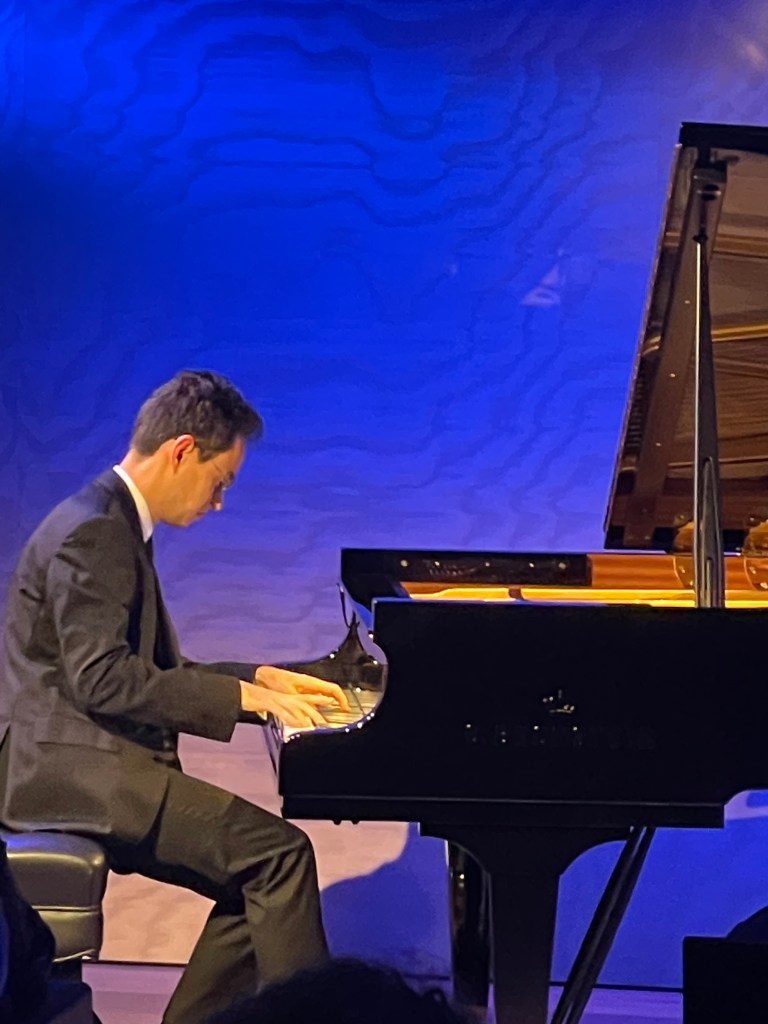
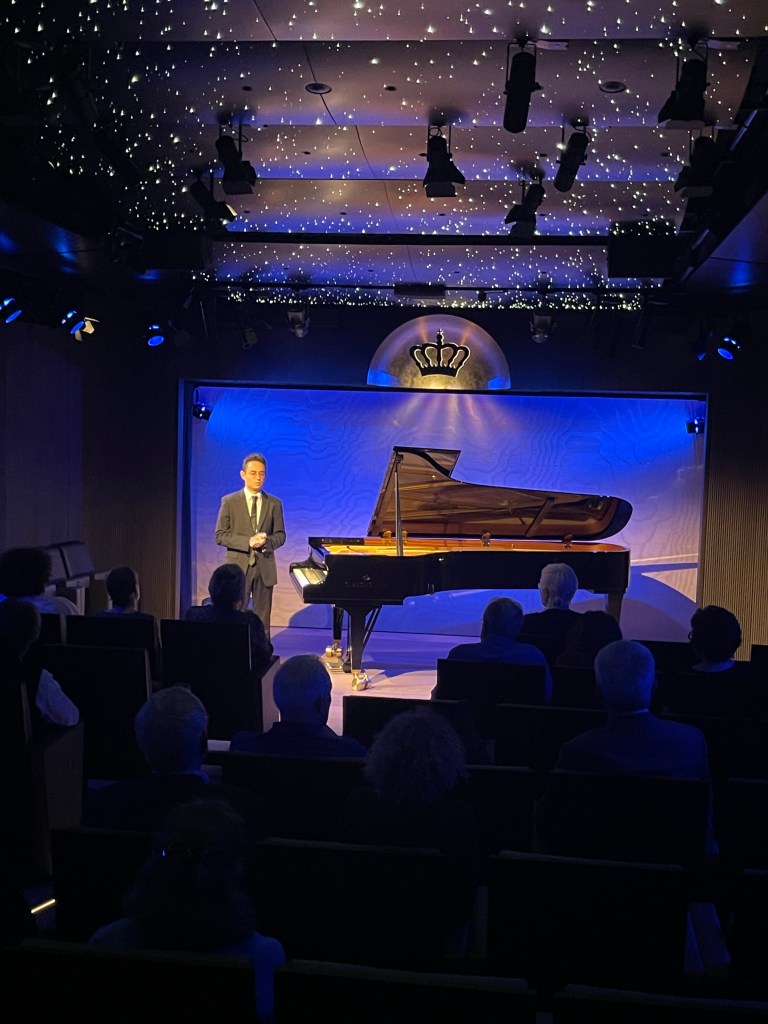
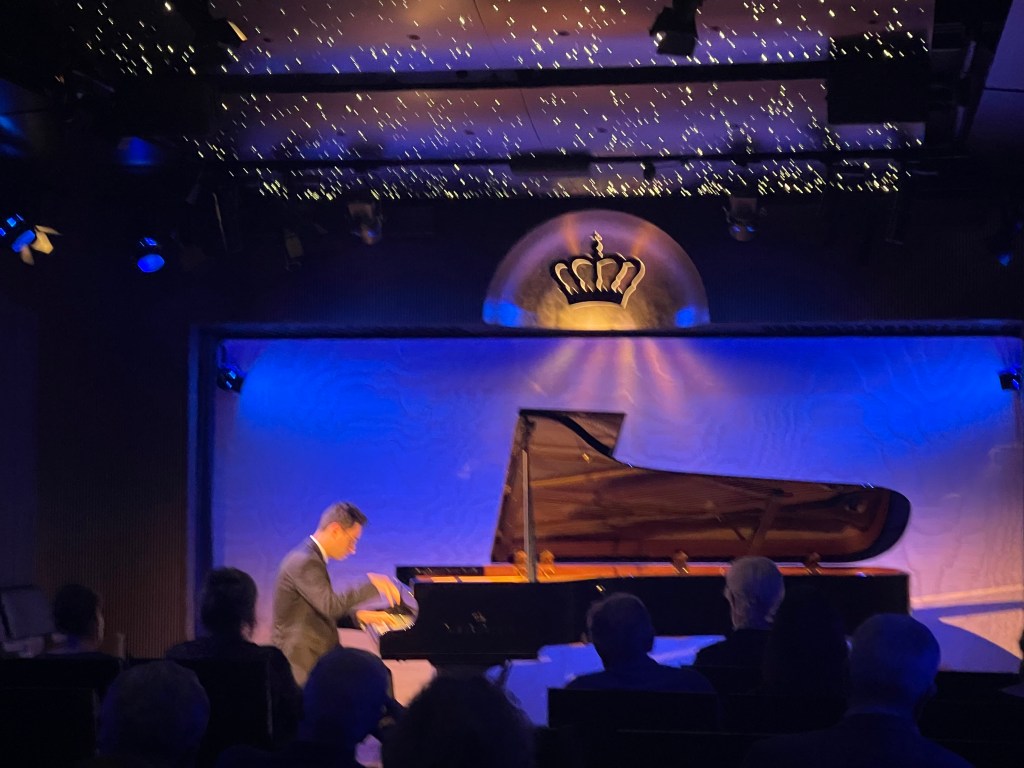
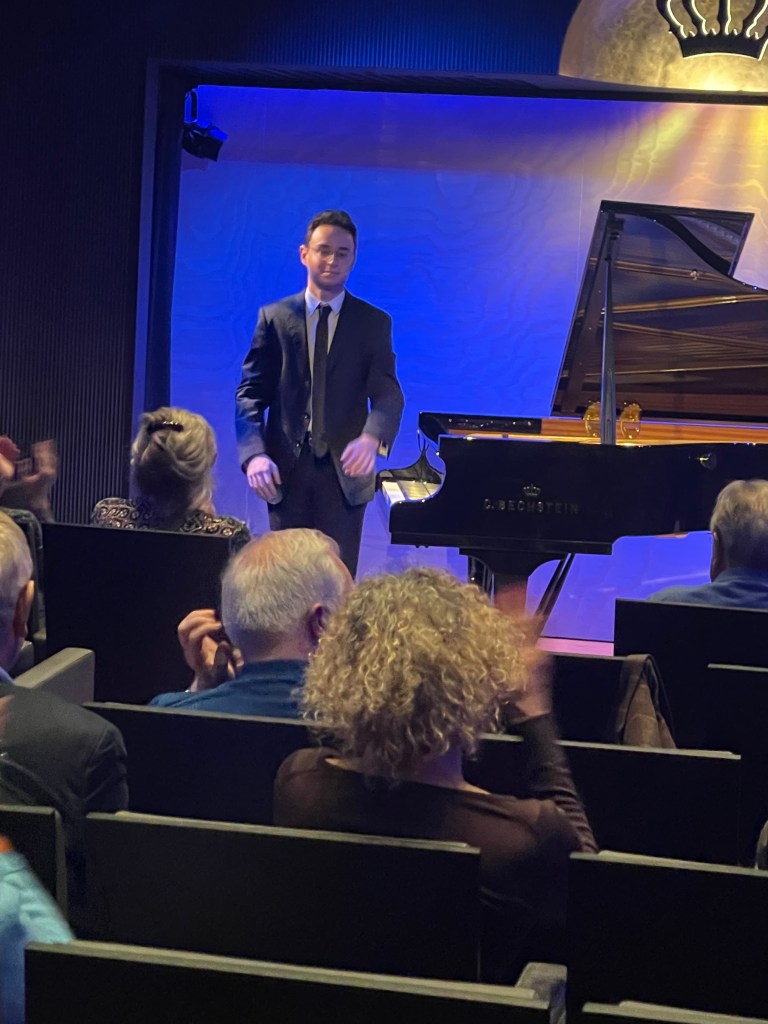
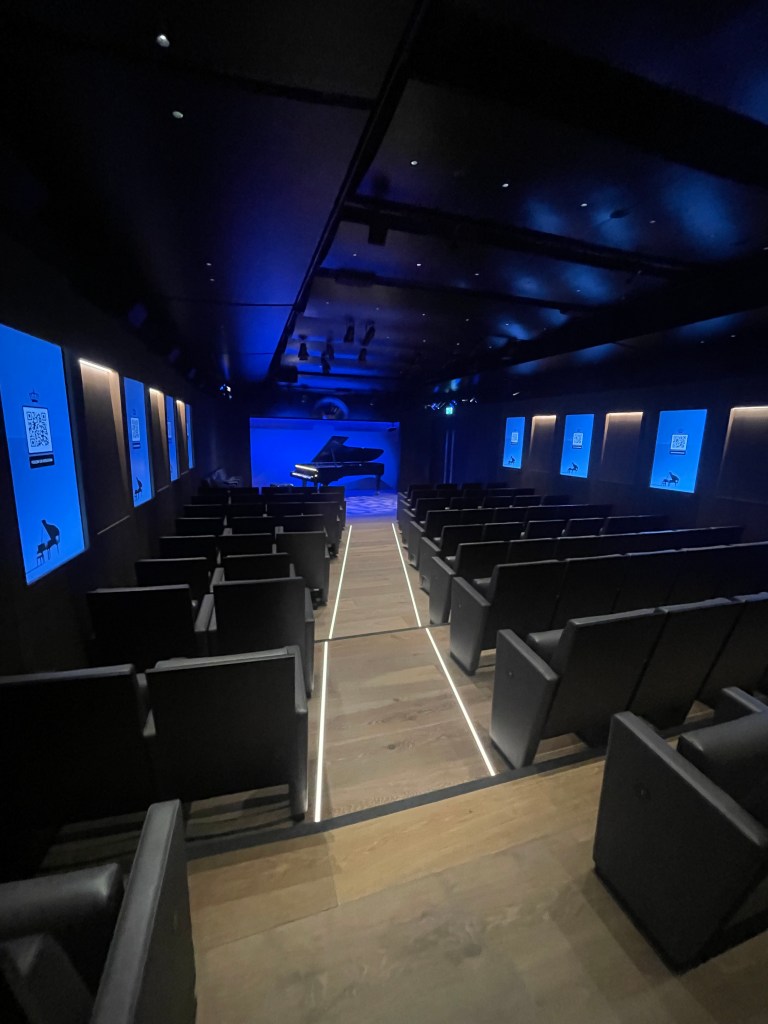
Axel Trolese comes to us via a glowing review from Louis Lortie. Very high praise indeed! Making his London debut in the sumptuous new Bechstein Hall.
Already well known and much admired in Italy he came to this new hall with a programme from Bach to Ravel including shorter pieces by Liszt, Rachmaninov and Albeniz .
It was enough to hear the opening of Bach’s Italian concerto to realise we were in the presence of a real musician with a technical command of the keyboard that could allow him to add ornaments that were like tightly wound springs.But these were subtle ornaments that just highlighted his architectural understanding as the opening movement was played with dynamic rhythmic energy and astonishing clarity. Contrasts of dynamics in layers that were hardly noticeable but illuminated the score with refreshing spontaneity.A slow movement seemingly without pedal as the left hand was a pulsating heartbeat over which expanded the ravishingly simple beauty of Bach’s cantilena.Playing of style and understanding that allowed him to round corners and breathe as a great bel canto singer creating a magical atmosphere of wonder and purity between the two dynamically driven outer movements.The last movement was played with an infectious ‘joie de vivre’ and rhythmic drive with colouring of orchestral proportions.
A performance of exultation and exhilaration and a wake up call after the sumptuous Sunday lunch that was part of the concert package of this beautiful new venue.
An audience caught in an electric shock of piano playing of extraordinary clarity and precision but also of passion and transcendental command as are testimony the gasps that greeted his phenomenal performance of Liszt’s transcendental study in F minor. A performance where the rests and dynamic markings were observed with mastery and the same intelligent musicianship that he had brought to all he played. A use of the pedals not to smudge or hide but to illuminate and astonish.It was the same crystalline clarity that he had brought to the cascades of water of the fountains at the Villa d’Este .Gently cascading drops of water that gradually built to a torrent of turbulance that anyone who has visited Tivoli can testify to. A whole avenue of small fountains that once used to play music as well and at the end of these vast majestic avenues suddenly an enormous fountain reaching high up into the sky. Liszt was able to portray this scene so vividly as he was too in many of the pieces that he wrote on his travels.
Axel brought his fantasy and artistry to weigh, creating a scintillating after lunch stroll in this magic garden.The Rachmaninov Étude -Tableaux op 33 n. 6 was indeed a call to arms with sumptuous full sound and driving rhythmic energy leading to the triumphant final declamations. After these pianistic pyrotechnics it was refreshing to open the window on a world of sunshine and the simple traditional dance of Spain. Axel has recently recorded Albeniz’s complete Iberia and he feels in his veins the Spanish idiom of dance,colour and animal passion.A curious paradox that the best Spanish music ever written was by French men who had never set foot in Spain! Axel played ‘El Puerto’, the second piece from book one of four.His understanding of the colours and passions was clear from the very first notes as we listened enchanted by this sudden ray of sunlight that had entered this rather darkened atmosphere.
Clicking our heels and stamping our feet we were now ready for the main work on the programme that was the suite ‘Gaspard de la Nuit’ by Ravel inspired by the poem of Aloysius Bertrand .Axel gave a spectacular performance ,one of the finest I have ever heard for it’s impeccable perfection but also poetic understanding and at times breathtaking fearless mastery. He has just recorded it and it is obviously destined to be top of the charts for long to come.
‘Ondine’ was played with a sense of line above a continuous outpouring of glistening sounds of quite extraordinary difficulty. Axel always keeping a sense of balance no matter how quietly he played. Loudly too of course as the streams of thirds and sixths were played with remarkable horizontal sounds as they built up to a tumultuous climax where both hands were required to exult the melodic line hidden within it’s midst. ‘Ondine’ exhausted was left adrift with barely enough breath to murmur goodbye and was played with miraculously whispered tones by Axel with a featherlight fluidity of quite extraordinary sensitivity.A gentle rippling wave took our water nymph from us into the distance with a knowing smile on her face which Ravel depicts with such genius.The tolling bell in ‘Le Gibet’ struck terror into our hearts for the desolate landscape that Ravel depicts and which Axel played with visionary beauty.Sumptuous rich harmonies were allowed to ring out with the tolling bell in the distance and a plaintive voice chiselled into the midst of this desolate atmosphere that seemed to have no beginning and no end.
‘Scarbo’ opened deep in the bass of the piano with three notes with an extraordinary diminuendo followed by chords with very fast reverberations of repeated notes.The notes are notoriously difficult but Axel resolved the problem by playing them with the left hand not the right! Bursts of radiant light erupted over the entire keyboard as the music moved inexorably forward with demonic insistence.Axel’s crystal clear precision and scrupulous attention to detail illuminated so many things as this little goblin flitted around the keyboard with demonic transcendental mastery.The final great climax created an overwhelming impact as Axel drew us unto the fray with astonishing mastery with the little goblin after all that rhetoric fitting off with nonchalant ease.
De Falla’s Ritual Fire Dance was the final piece on the programme and was played with true orchestra sounds with blasts of pedal and sudden changes of gear as Axel arrived at the final desperate insistence of repeated chords before the nose dive into the bottom of the keyboard.
An encore from a very enthusiastic audience queuing up at the end to acquire Axel’s latest CD’s of Iberia but not before a little thank you from our guest pianist with the delicately languid song and dance n. 3 by Mompou.
Axel with the distinguished concert manager Lisa Peacock
magnificent pianos and sumptuous hospitality are to be found in the newly opened Bechstein Hall in Wigmore Street
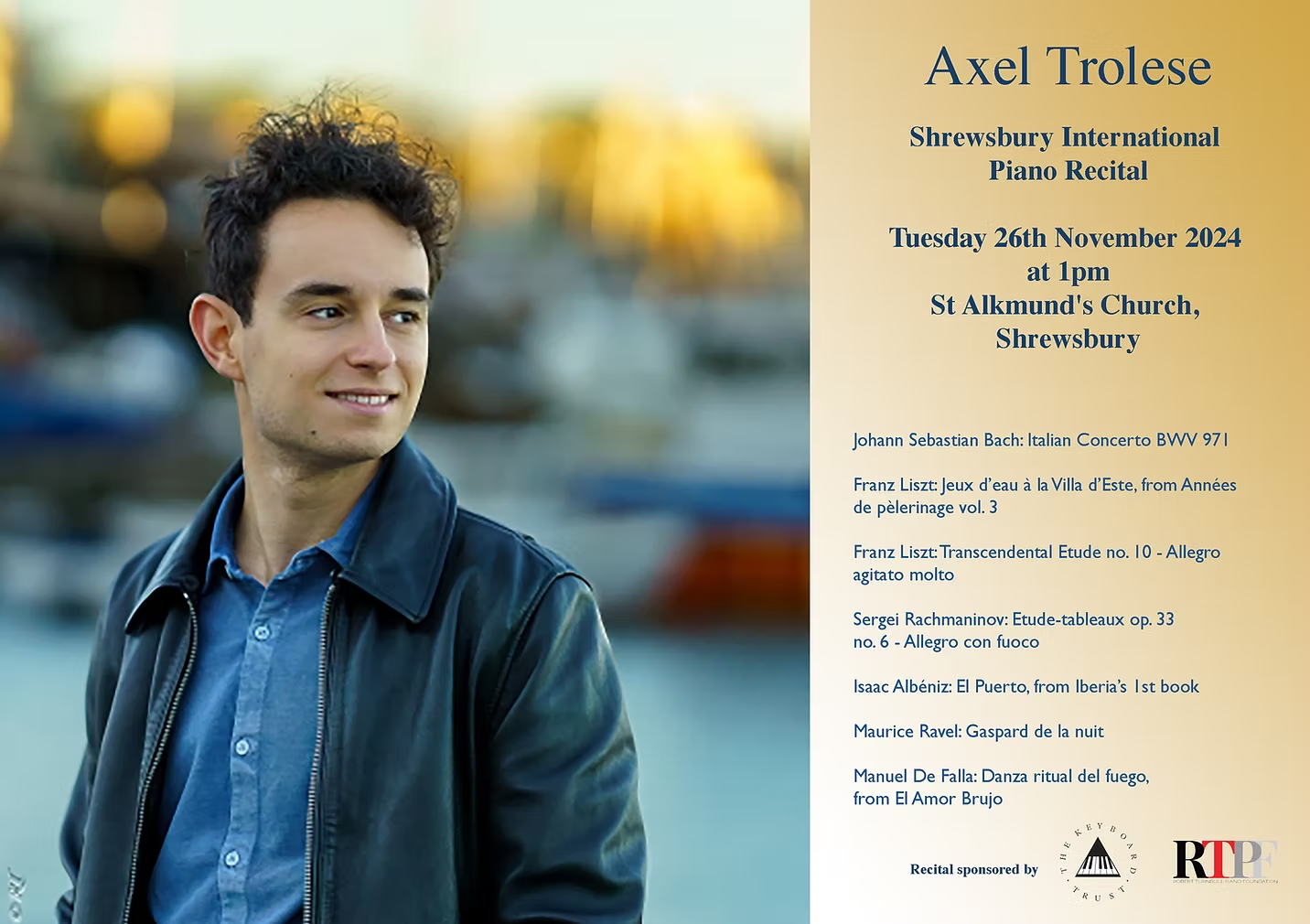
To all who this may concern at the Keyboard Charitable Trust: The concert organisers at St Alkmund’s Church, Shrewsbury are delighted to be able to report that today’s concert, sponsored by the KCT, was a success in every way. More than one hundred people attended the event at the church to hear Axel Trolese perform an exceptional programme of music (see below for details) and receive a standing ovation. He seemed to enjoy his visit too – what a personable chap – sending us a prompt and fulsome thank you on his way back to London. Dear Caroline, Jeremy and Peter, It was a real pleasure meeting you and playing for your warm audience this afternoon. Thank you also for a delicious lunch and, most importantly, a fantastic company and welcome in your beautiful town. Many thanks and have a good evening, Axel
We were pleased to acknowledge the support of the Keyboard Charitable Trust before and after the concert and on our website: ST ALKMUND’S CHURCH, SHREWSBURY TUESDAY 26 TH NOVEMBER
The Italian pianist Axel Trolese visited Shrewsbury on Tuesday 26th November 2024 to perform for the first time in Shropshire, arriving hot-foot from playing his debut recital in London at the new Bechstein Hall. This recital in the Tuesday lunchtime St Alkmund series was the first recital sponsored by The Keyboard Trust and the Robert Turnbull Piano Foundation, who plan to support two Shrewsbury International Piano Recitals per year, in recognition of the welcome given to young international pianists by the town. Axel comes highly recommended from his homeland, where he is a regular recitalist and esteemed teacher. His programme was influenced by his recent achievement of reaching the second round of the Ferruccio Busoni International Piano Competition. Axel explained to the audience that his programme demonstrated how the piano has been used to illustrate different genres of music. He started with J.S. Bach’s Italian Concerto, with the piano acting in orchestral fashion. As the first movement got underway, it was obvious that we were listening to a master of his craft, with immaculate technique, light pedalling and melodies singing from both hands. Repeats were adorned with intricate and subtle ornaments and variations in dynamics that seemed effortless and added to the freshness of his interpretation. The slow movement was achingly beautiful, played in a manner faithful to the period yet full of colour and interest. No surprise, then, to learn that Axel is a keen student of period instruments such as the fortepiano and harpsicord. The final movement was played with infectious enthusiasm, full of joy. What future pleasures await us as Axel delves into the vast treasure trove of Bach’s music for keyboard!Next up, from the baroque we moved to the watery depths of romantic repertoire of Franz Lizst, exploring the beautiful fountains and gardens of the 16th Century Villa D’Este in Tivoli near Rome. There were handfuls of notes pouring out of the piano in cascades of sound, soaking the audience in torrents of notes. Those of us lucky enough to have visited the Villa were reminded of the sculptural beauty of the gardens and fountains, which Liszt visited on three occasions. Axel then switched from the heavenly to the demonic Transcendental study in F minor which he played with seemingly effortless bravado.In my limited experience, it is rare to find a young pianist equally at home with Bach and Rachmaninov but it was the breadth and complexity of Axel’s repertoire that was so impressive in his recital. With technical challenges seemingly brushed aside, he could concentrate on the essence of the music, taking the audience with him on an exhilarating adventure. Rachmaninov Etude-Tableau? No problem.Axel has a deep love of French and Spanish music. He has recorded the complete Iberia by Albeniz and he played a composition based on the life of a busy fishing port, busy with sounds of a fish market and a young girl singing. Why an Italian feels so grounded in the dance and passion of Spanish music is a mystery, but Axel relishes their music and passion.St Alkmunds was not only full of an enthusiastic audience but characteristically bathed in winter sunshine. It was something of a jump of faith to get into the mood of the gothic world of sinking mermaids, hangmen and the night terrors of Ravel’s Gaspard de la Nuit. Ravel is Axel’s favourite composer and he relished disappearing into this spooky sound world, full of foreboding. Finally the recital ended with the flourish of De Falla’s Ritual Fire Dance, played with customary panache and passion. The Shrewsbury audience was on its feet, having enjoyed a world-class performer at the top of his game. The audience has no intention of letting Axel go without an encore and we heard the hauntingly beautifulCanción y danza no 6 by Federico Mompou. The simple beauty of the piece was a perfect end to an outstanding performance from a musician bound for greatness. Thank you Keyboard Trust and Robert Turnbull Piano Foundation for sending such a treasure for Shrewsbury to enjoy.
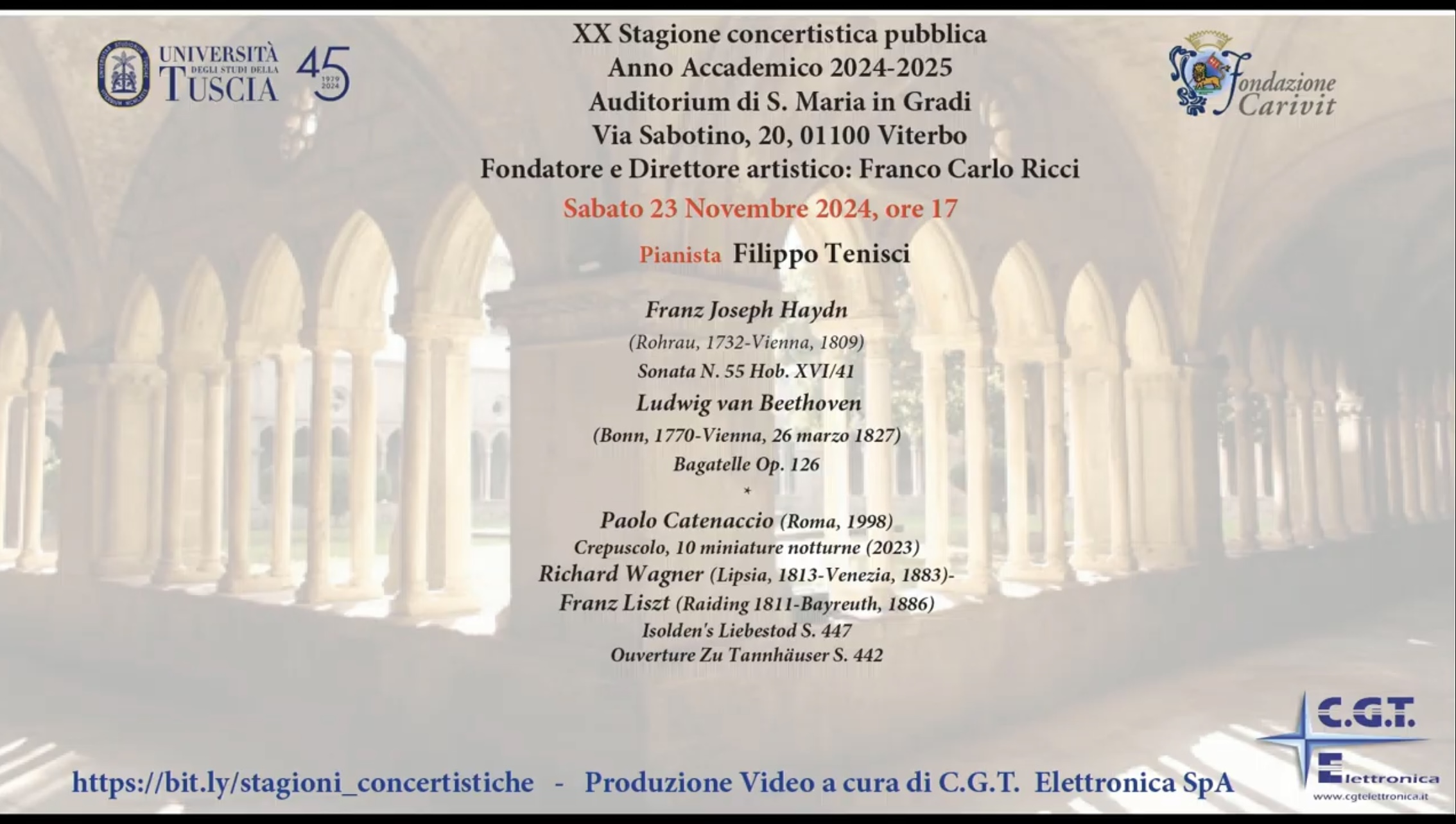
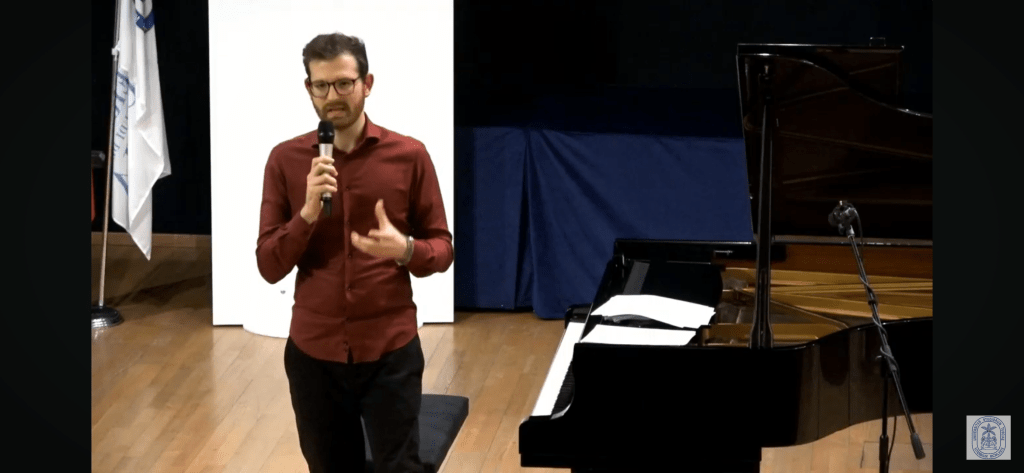
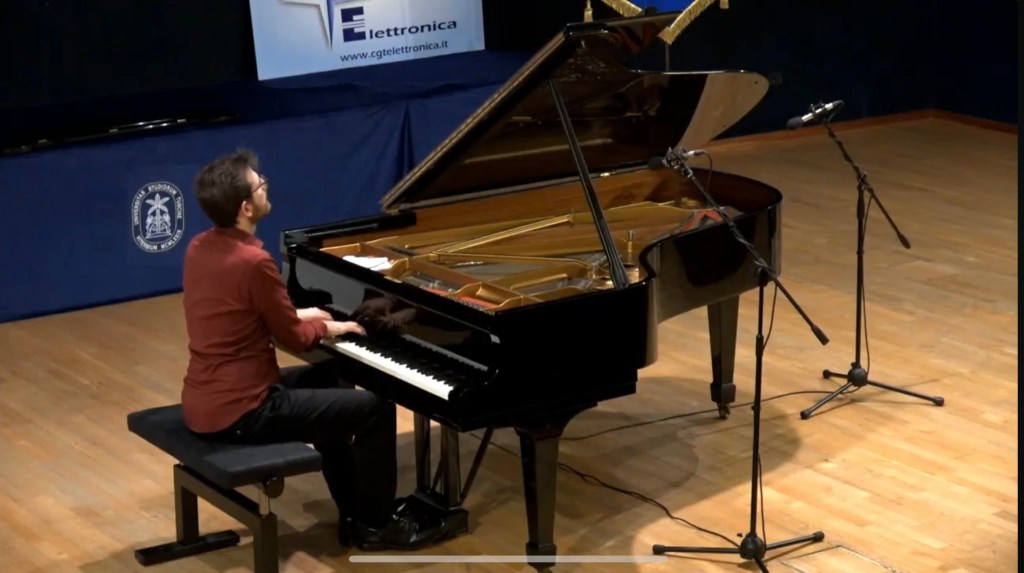
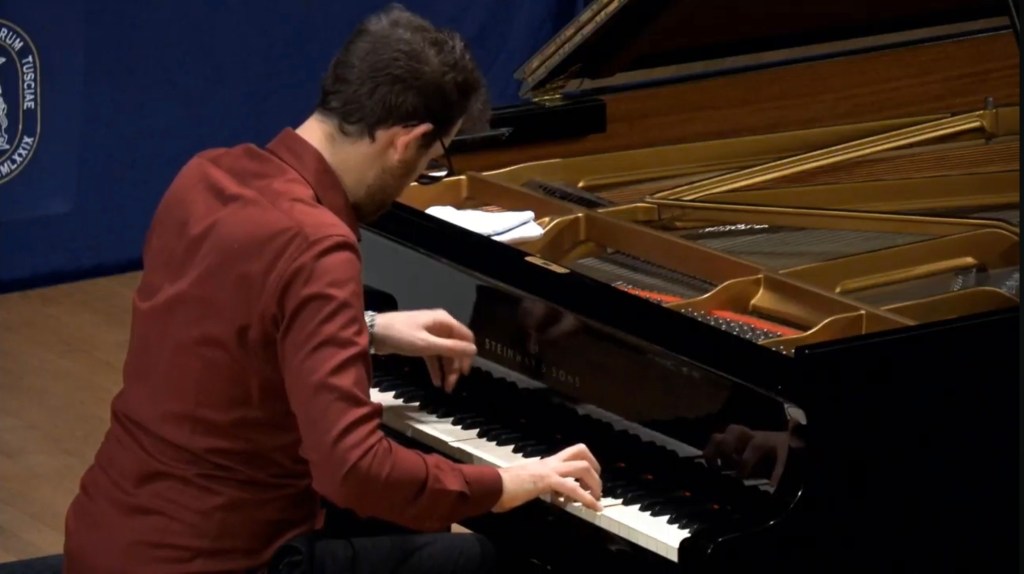
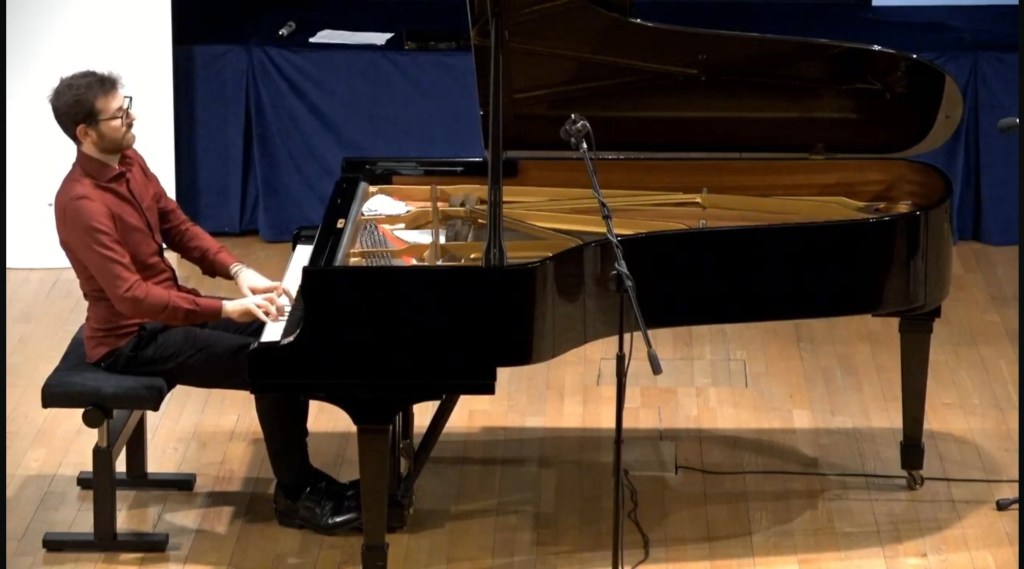
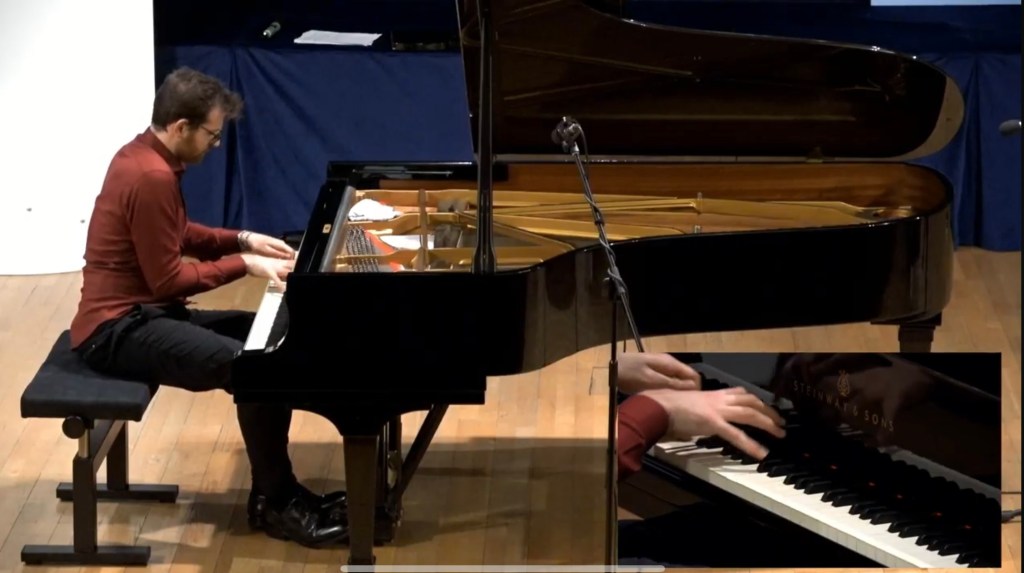
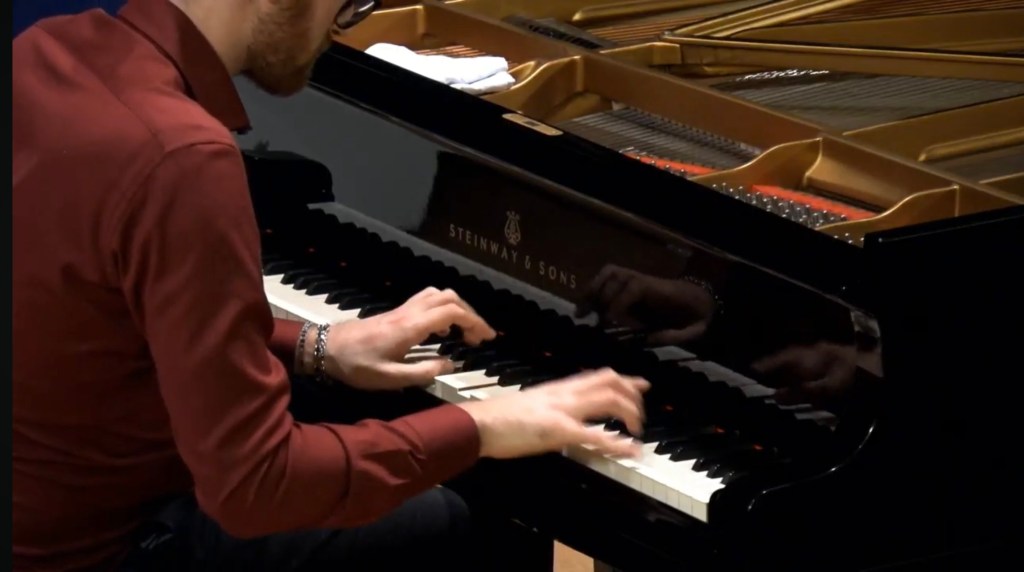
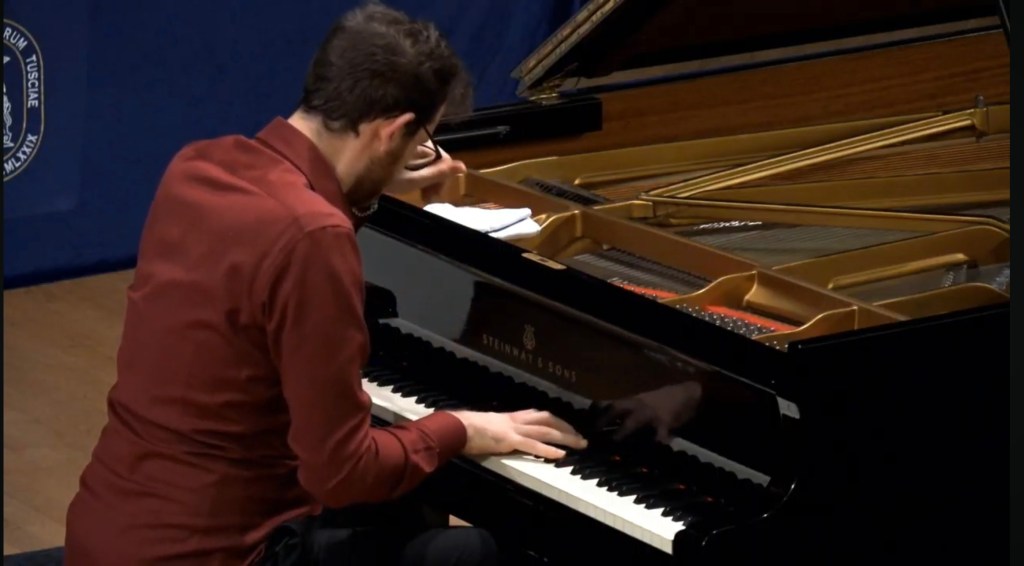
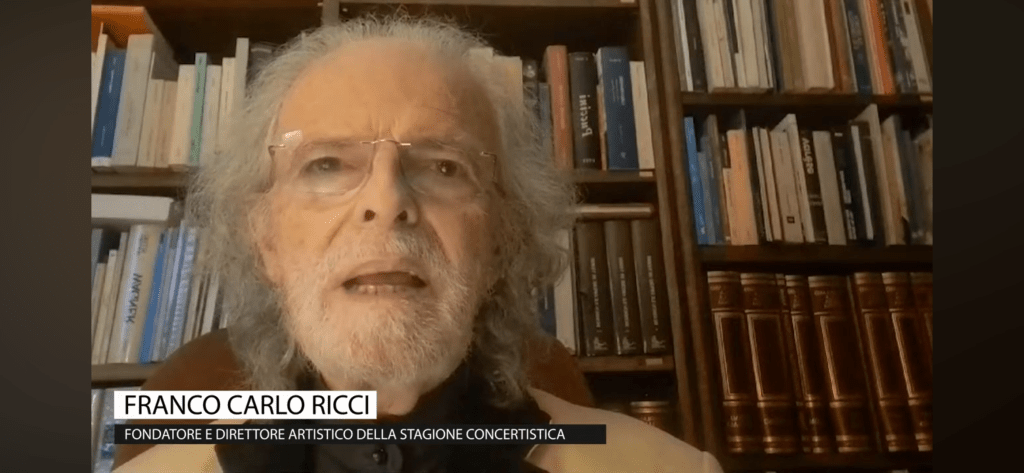
https://christopheraxworthymusiccommentary.com/2023/10/16/filippo-tenisci-opening-concert-at-roma-3-a-musician-of-refined-intelligence-and-mastery/ A recital by Filippo Tenisci for Prof Ricci’s twentieth anniversary season of concerts at the Tuscia University. Not only for the public present in their beautiful auditorium but also streamed live to an audience worldwide. A collaboration with the Keyboard Trust based in London that aims to help exceptionally talented graduate pianists find a public at the start of their professional career. At a certain stage in a musician’s early career it is only through playing in public that one learns from listening critically to oneself . Filippo is fast making a name for himself with his dedication to Wagner and Liszt’s transcriptions or paraphrases. Wagner was married to Liszt’s daughter ,Cosima ,and Liszt spent a good part of his life in Weimar conducting the works of his son in law and composing music that looked to the future.
It is exactly this aspect that Filippo wanted to explain to the public today opening with a work especially written for him by Paolo Catenaccio. ‘Crepuscolo’ is the very Wagnerian title of the 10 Miniature Nocturnes written in 2023. Ten ‘bagatelles’ of luminosity,dissonance and resolution that created an atmosphere for the opening of the concert that also included a rarely played Haydn Sonata in two movements.
A sonata that Filippo played with a classical simplicity and clarity where his crystalline fingers could bring vividly to life the ‘joie de vivre’ and genial invention of the father of the Sonata. Haydn was also Beethoven’s teacher and it was the last work that Beethoven wrote for the piano that closed the first half of Filippo’s recital.These too were bagatelles – six miniature tone poems that like Chopin and the Mazurka contain the very essence of the composers soul. Filippo played them with sterling musicianship and respect but his fantasy and passionate abandon he kept for after the interval with Wagner/ Liszt that ignited the concert with an electric shock of energy and passion.
Beethoven’s ‘cantabile e compiacevole’ indication in the first Bagatelle give a clue to the peace and serenity that the composer at last could experience after the tormented life of an artist. It is in the six miniatures as in the variations of the last two sonatas op 109 and 111 that Beethoven could perceive in his private world of silence with a composer completely deaf to the external sounds that had bewitched him for a good part of his life. The ravishing beauty and simplicity of the first Bagatelle was mirrored in the third still with particular indications of calm and peace – ‘cantabile e grazioso’. The ‘quasi allegretto’ of pastoral calm of the fifth and finally a visionary ‘Andante amable e con moto’ of the sixth .A peace and calm that was only disturbed by the rumbustious outcry of the second,”Allegro’ and the fourth ,’Presto’ but always resolved with gentle peaceful endings. It is only the opening and ending frame of the sixth that Beethoven allows his irascible impatience to come to the fore for the last time. Filippo played this great final monument with classical respect and impeccable musicianship but just missed the visionary sounds of the genius of Bonn who by some miracle could write down the sounds for posterity that only he could hear in his head.
It was after the short interval that Filippo was reborn playing now with passionate abandon and total conviction as he assaulted the piano with the revolutionary opening of Wagner’s ‘Liebestod.’ Golden strands of knotty counterpoint were played with ravishing beauty and a clarity of orchestral proportions where he no longer had just ten fingers but a whole orchestra in his hands.Building to a climax of breathtaking power and passion this music had unleashed in Filippo a key to the Wagnerian world of genial fantasy and mastery.
The ‘Tannhäuser’ Overture has long been a showpiece for virtuoso pianist ,but it held no terror for Filippo who had now entered a world where technical difficulties just did not exist in his determination to transmit the ravishing beauty and sumptuous excesses of Wagners masterworks. An ovation could be heard on the superb streaming ,that I was thankfully able to follow from afar, after a performance of breathtaking majesty and aristocratic mastery. Chopin’s study op 10 n.11 was an encore where arpeggios were played like celestial harps with a sense of style and beauty but with a sound world that Filippo had shared with us in this second part of the recital with refined generosity.
Caro Chris mi fa molto piacere farti sapere che ieri il concerto di Filippo ha riportato un successo veramente strepitoso! grazie ancora per la segnalazione e un abbraccio.
Filippo Tenisci
Classe 1998, Filippo Tenisci ha recentemente curato l’incisione integrale delle trascrizioni Wagner/Liszt per la nota etichetta Da Vinci Publishing.
Ha inoltre registrato la 2° Sinfonia di Beethoven nella trascendentale trascrizione di Franz Liszt per RAI 5 in occasione del Format Televisivo “UT Musica –Il Mascagni a Livorno”.
Pianista attivo in Italia e in tutta Europa, nel 2024 ha esordito in veste di solista negli Stati Uniti d’America su invito della Art of the Piano Festival a San Francisco. Ha recentemente debuttato al Museo Teatrale della Scala a Milano nel 2024 e al Teatro Verdi di Pisa.
Inoltre, in occasione della Festa della Repubblica Italiana 2023, su invito del Console Generale, si è esibito alla City Hall di Hong Kong, riscuotendo successo e approvazione da parte di tutto il pubblico.
Vincitore di prestigiosi concorsi come il “Premio Crescendo” di Firenze, il “Dinu Lipatti” e il Premio “Franz Liszt” di Roma nel 2018, “Riga” Competition in Lettonia nel 2019 etc.
Nel 2021 ha suonato con l’orchestra di Roma Tre eseguendo il Concerto n.15 K.450 di W.A. Mozart, sotto la direzione del M° Sieva Borzak. Sempre con Roma Tre Orchestra, nell’ambito del Baglini Project, ha interpretato con i pianisti Giuseppe Rossi e Maurizio Baglini ill concerto per 3 pianoforti e orchestra di W.A. Mozart.
Si è diplomato nel 2022 presso il Conservatorio “Pietro Mascagni” di Livorno ed è in seguito stato eletto come Miglior Laureato Accademico 2021/22.
Maggiori informazioni sul CV si possono trovare sul sito www.teniscifilippo.it
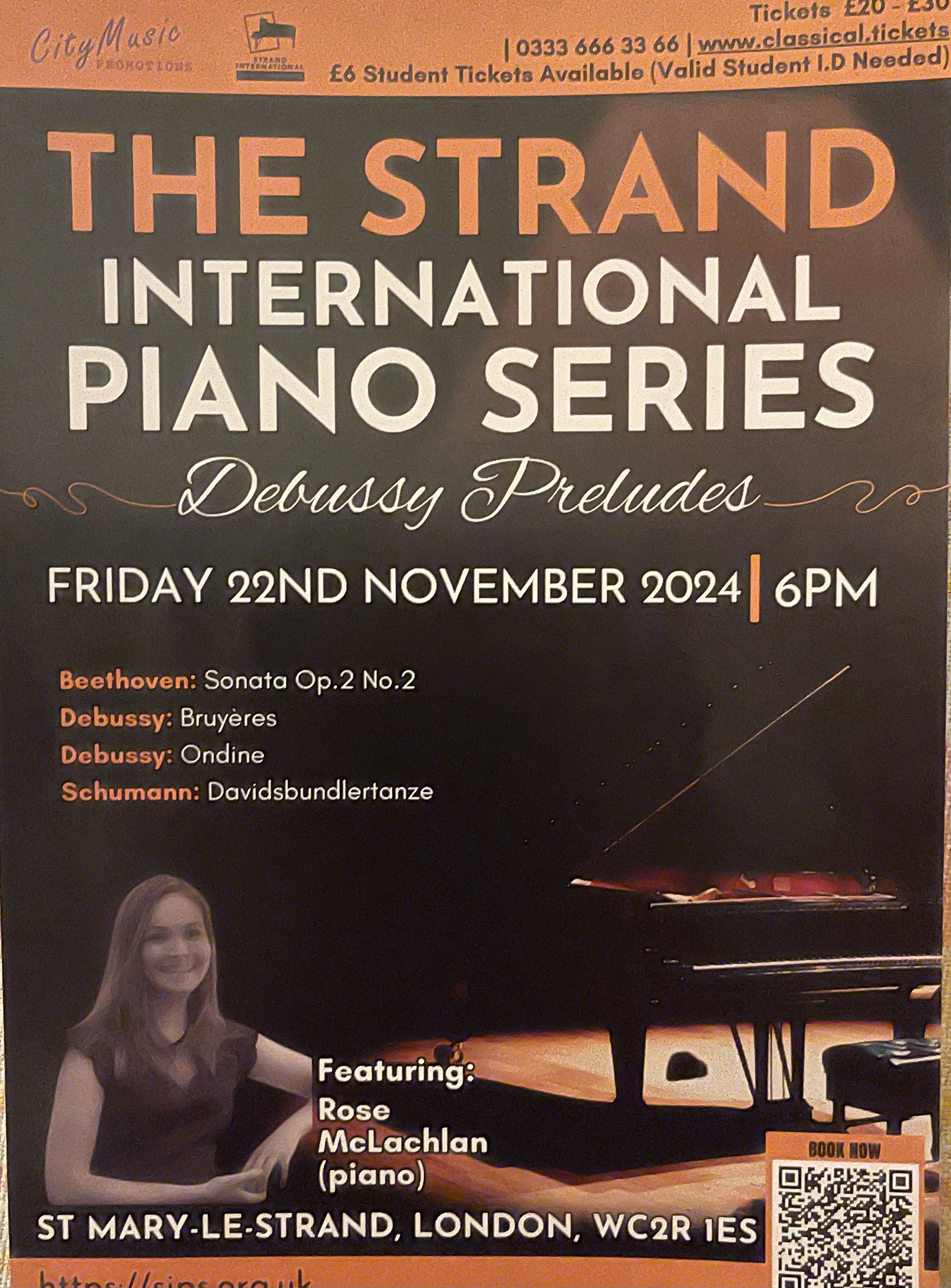
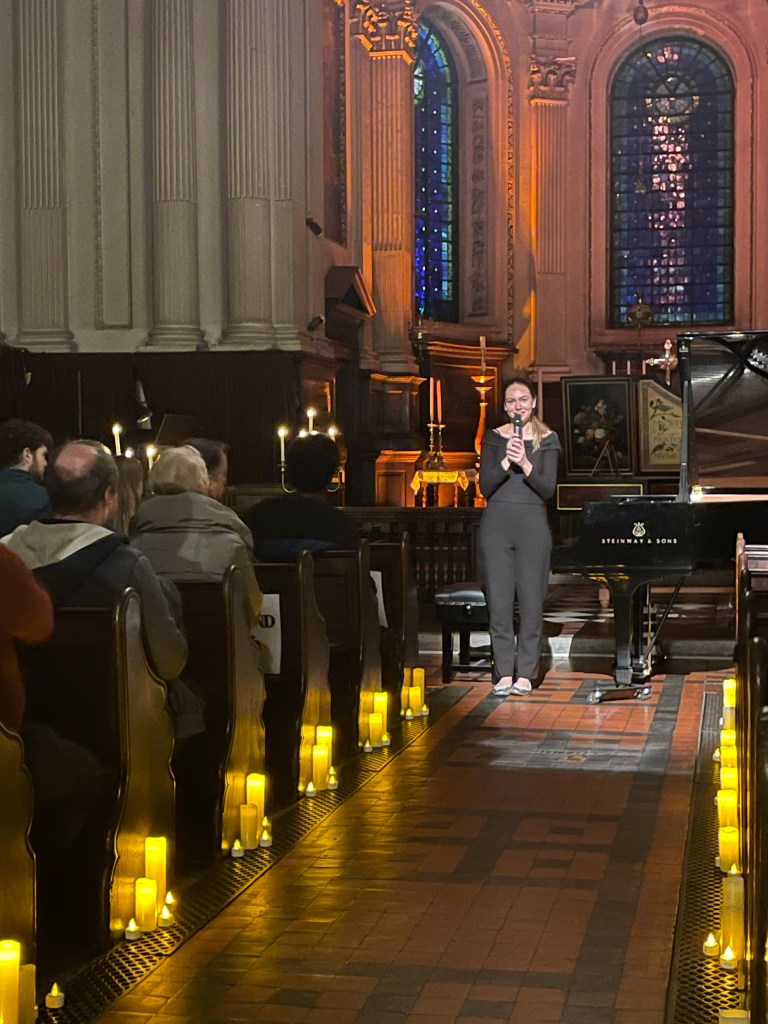
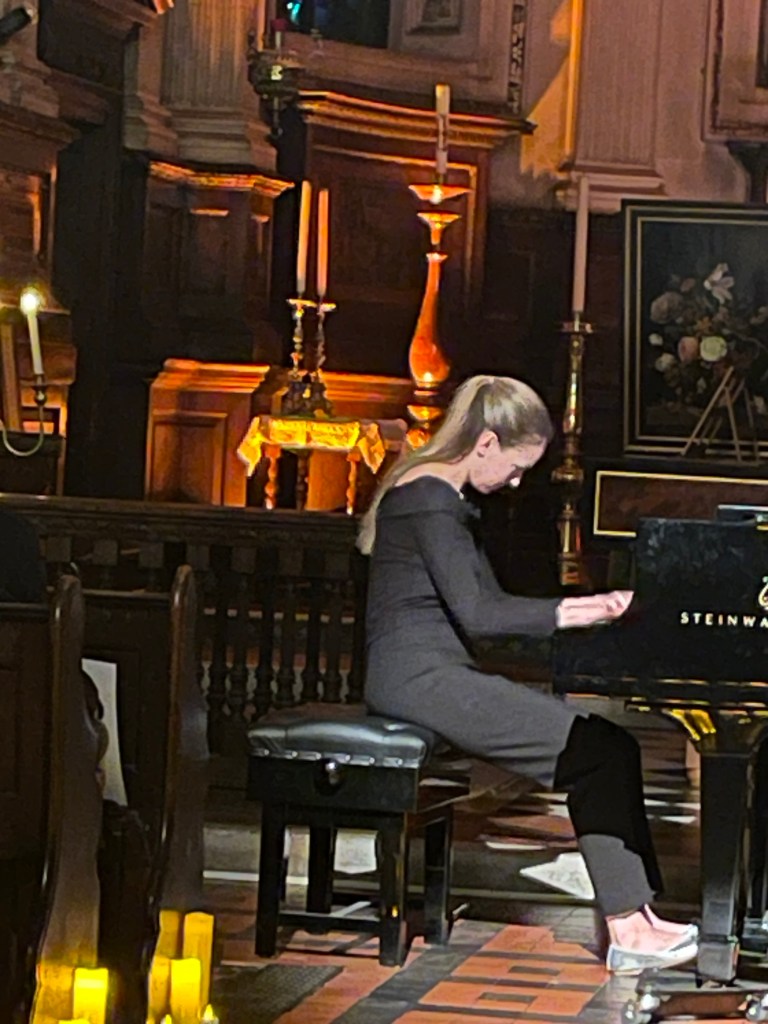
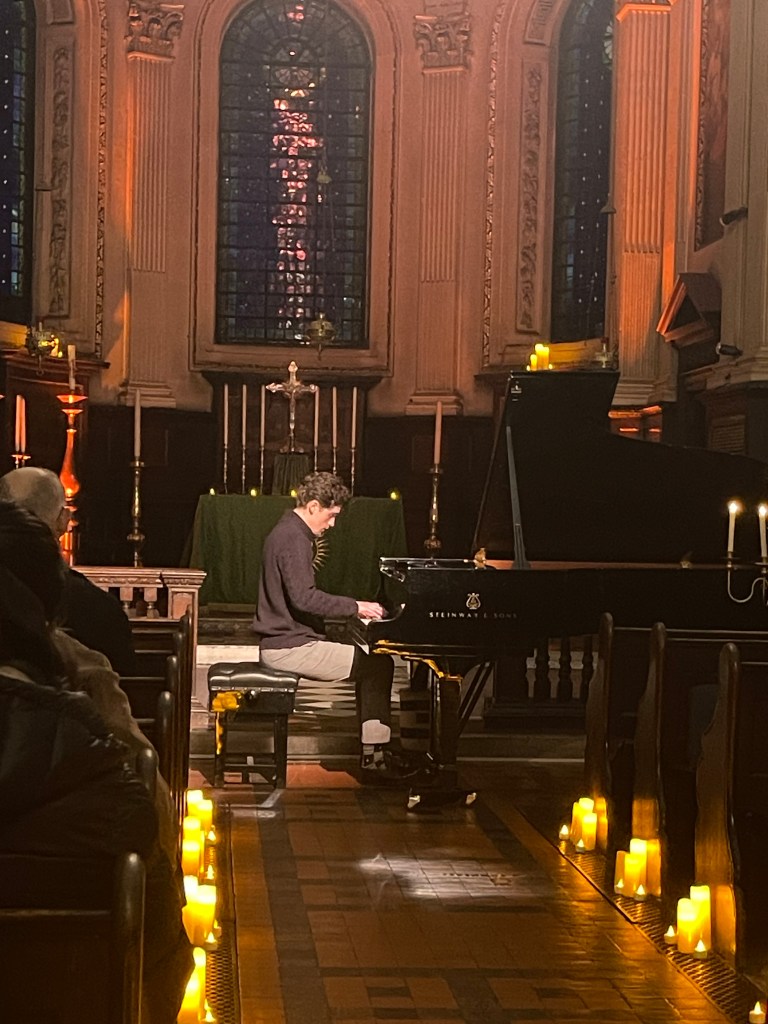
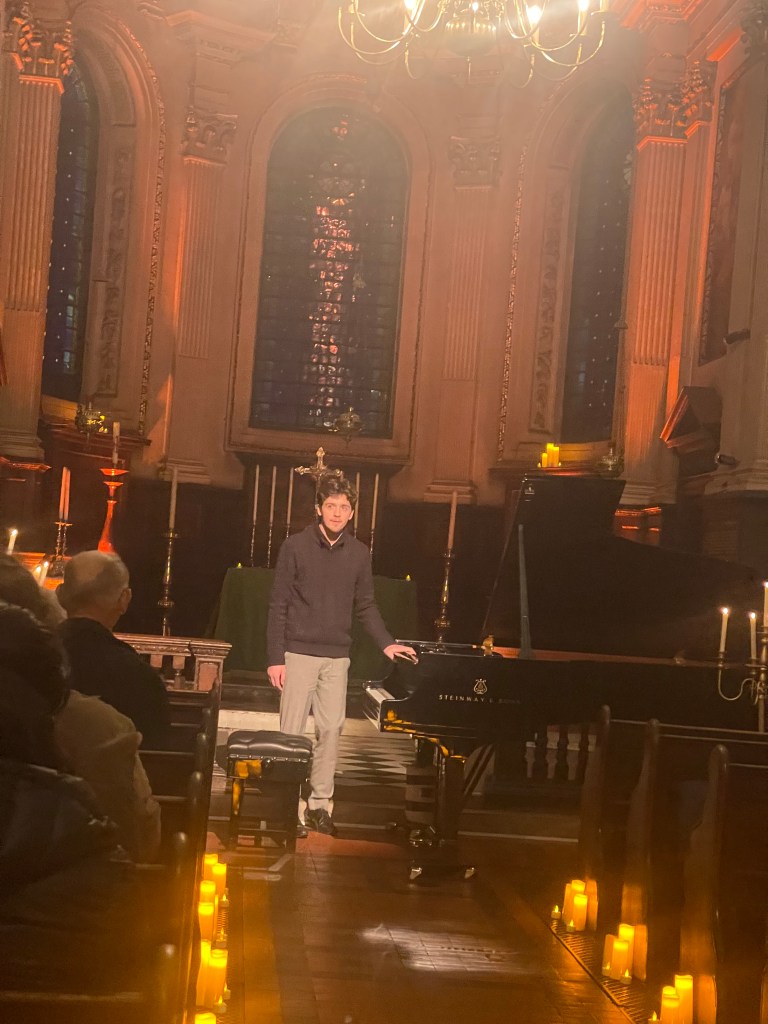
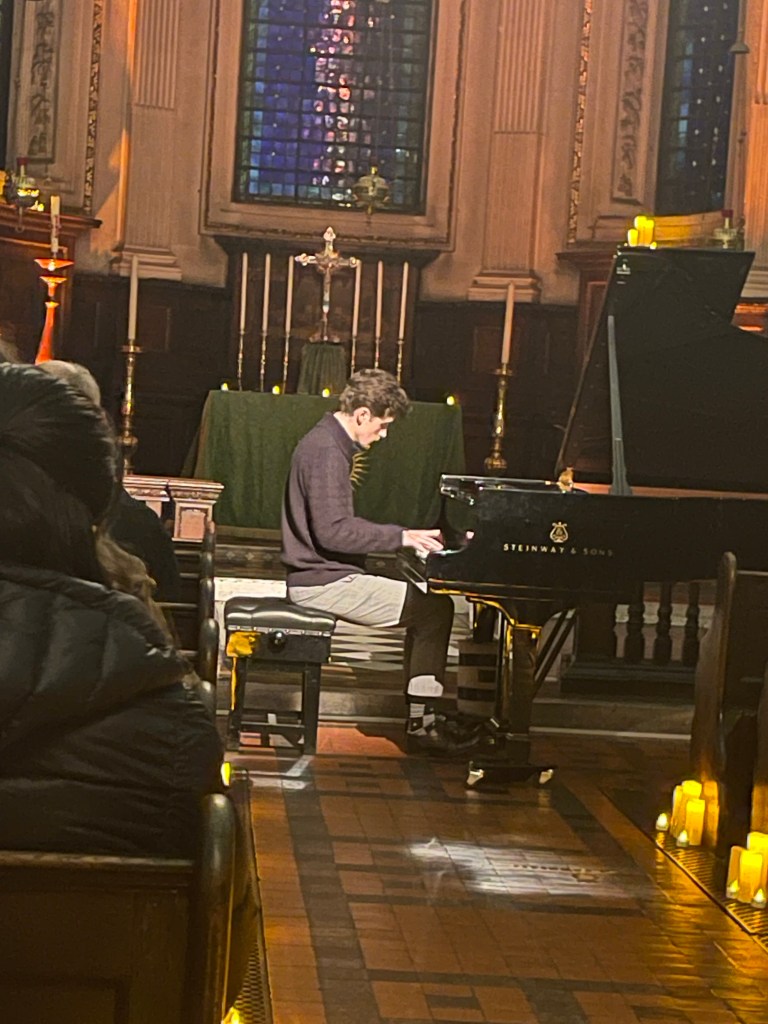
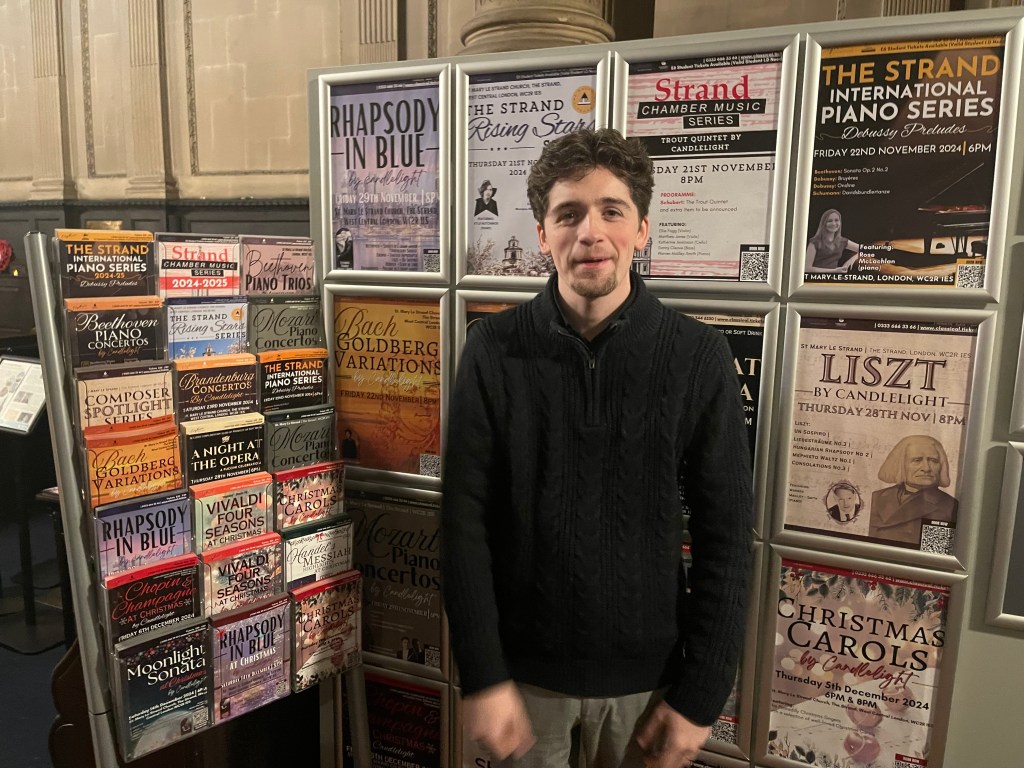
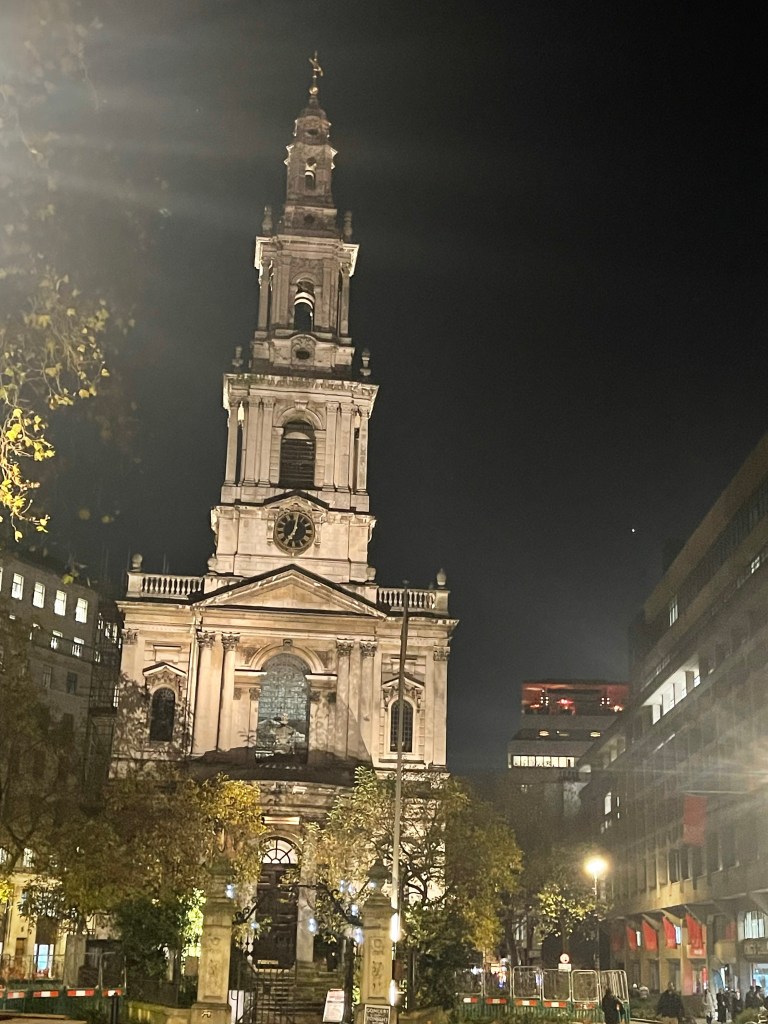
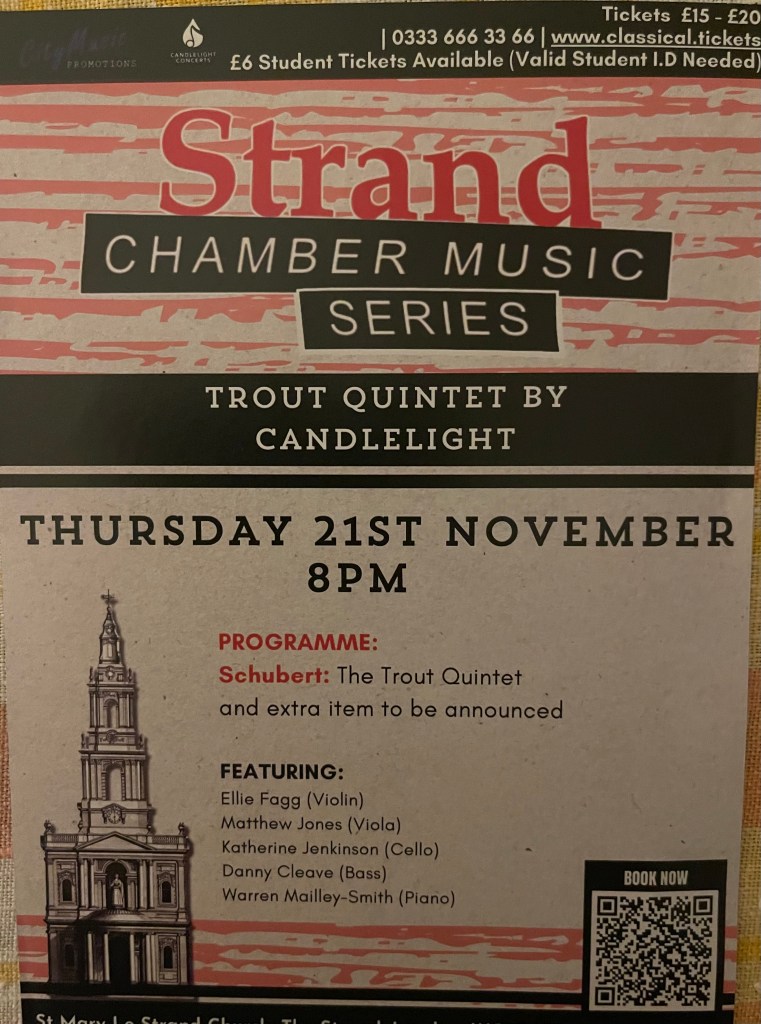
Beethoven,Debussy and Schumann an outpouring of beautiful sounds in a church illuminated by candlelight for yet another concert for Warren Maille-Smith’s City Productions .
Tonight Rose Mc Lachlan was giving a concert for a special occasion that saw the remarkable McLachlan clan in London this weekend to celebrate a very special birthday.
Beethoven’s early op 2 n 2 Sonata dedicated to his teacher Haydn but already stamping his own genius on a now established form. Beethoven imbues this early sonata with remarkable dynamic contrasts and chameleonic changes of character that Rose played with a kaleidoscope of colours , rhythmic drive and technical mastery. From the opening question and answer to the orchestrally conceived slow movement and a Scherzo and trio of whimsical seriousness.The delicacy of the ending of the first movement preparing us for the solemn beauty of the ‘Largo appassionato’ with it’s beautifully held melodic line and the gentle non legato accompaniment played with superb control and of long beautiful lines of poignant significance.It is in the slow movements of these early sonatas that Beethoven shows his originality breaking away from his teacher Haydn and creating an art form of intensity and profundity.The next sonata in this trio of op 2 has a slow movement of enormous proportions as do the sonatas that immediately follow of op 7 and op 10 n. 3 .The elegance and charm that Rose brought to the Scherzo was contrasted with the dynamic drive of the Trio. It was though the last movement where Beethoven paints great elegant lines of charm and originality that Rose played with a superb sense of style as the music was allowed to flow with grace until interrupted by a typical Beethovenian outburst of irascible impatience.Rose played this rumbustious interruption with dynamic drive and rhythmic precision with fleeting finger work of pointed energy until with an elegant wave of the hand Beethoven takes us back to the grace and elegance of the Rondo.The playful question and answer between the left and the right hand that followed was played with bucolic joy as the strident chords returned again creating a brilliant contrast before the gentle ending of refreshing consolation.
Two Debussy Preludes were played with subtle beauty and sensitivity.Rose had chosen two from the second book of 12 Preludes :Bruyères and Ondine in this series where all twenty four will be played by six different pianists.It was simple beauty that she brought to the opening ‘Heather’ with its pastoral feeling of a gentle breeze blowing in a peaceful pastoral scene.The ending was beautifully played with the deep rumbling bass just adding an extra sense of calm to such a ravishing scene.’Ondine’ was a favourite of Artur Rubinstein and is a miniature tone poem of beauty, grace and menace. Rose played it with a kaleidoscope of sounds from the gentle opening and mellifluous waves of sound played with delicacy and improvised freedom as her poetic sensibility was ignited by such ravishing beauty.The gentle murmur that followed was every bit as beautiful as in ‘La Terrace des audiences du Clair de lune’ where Debussy can paint incredible beauty in sound. Rubinstein used to build up to a great swirling outburst at this point ( he had, after all, known the composer who perhaps shared his extrovert interpretation ) but Rose followed Debussy’s very precise instructions and remained in a magic world of glistening ravishing sounds that spread over the keys with featherlight radiance.
It was in Schumann’s Davidsbündler that Rose reached moments of sublime inspiration as she played with passionate abandon and a ravishing sense of balance, bringing this masterpiece vividly to life.The fourteenth,one of the most beautiful melodies that Schumann ever penned, was played with restrained beauty and subtle luminosity: ‘Zart un singend’.Coming after the passionate outpouring of the thirteenth where the central chorale was played with sumptuous full sound before the fleeting lightness and beguiling charm of the ending.The twelfth was thrown off with whimsical mastery and had followed the sublime simple beauty of Schumann at his most enigmatic.The Brahmsian ballade of the tenth was played with passionate orchestral sounds of Philadelphian sumptuousness.Rose had thrown herself into the ninth with fearless abandon where Schumann’s whimsical fancy is a trial for any pianist! The sixth dance was played with a technical mastery where Schumann’s most precise demands were interpreted with dynamic drive and intoxicating ‘joie de vivre’,this was Florestan at his most devilish! As was the passionate outburst of the fourth with a passionate outpouring no doubt with this beloved Clara in mind.The disarming simplicity of the fifth where Eusebius just looks at the beauty that surrounds him with nonchalant innocence.The opening too where Florestan and Eusebius combine with flights of imagination and subtle beauty where Rose played with great artistry and understanding and a technical control that could turn Schumann’s precise indications into such beautiful sounds.The grandiose beauty of the fifteenth was breathtaking in it’s sweep and passionate conviction but even here Rose managed to interpret Schumann’s indications with respectful mastery and musicianship.She even threw herself into the fray ‘Mit gutem Humor’ with masterly playing of precision and a chameleonic sense of character.The heavenly vision that appears on the horizon ‘Wie aus der Ferne’ showed Rose’s quite extraordinary poetic understanding of Schumann’s elusive wonderland.Magic sounds were whispered with glowing beauty in a mist of heavenly sounds as Eusebius returned in a master stroke of a genius before allowing Florestan the last word. The final nostalgic and desolate waltz was so movingly beautiful that the public dared not applaud and break such a magic spell.As Schumann says ‘Quite superfluously Eusebius remarked as follows:but all the time great bliss spoke from his eyes’.
‘A thing of beauty is a joy forever’ and a Rose is always a rose!
There was a radiance to the sound as the dynamic contrasts that Mozart marks were played with a sense of balance and proportion as indeed it must have sounded on a keyboard of that period.There was a softness to the sound where the ‘forte’ seemed to dissolve into ‘piano’ without ever disturbing the musical line.The arabesques played with the same subtle colour as a singer as the music moved forward with some quite exquisite playing of repeated notes that became mere vibrations accompanying the melodic line that could sing so naturally without any forced projection. Even the Allegro was played with restrained sounds where everything was in civilised proportion where ‘forte ‘ had a dramatic effect because the ‘piano’ answer was played with whispered delicacy and always perfectly in proportion with a radiant tone of glowing beauty.A melodic line played with beautiful phrasing and a rarely experienced sensibility. An Andantino that was an oasis of civilised conversation.Streams of notes in the Più Allegro with a disarming recitativo finishing in a miraculous whispered sigh making way for the reappearance of the imperious opening. An extraordinary sound world where everything was perfectly in proportion but without any apparent projection, allowing for the creation of a kaleidoscope of sounds of exquisite glowing purity as this young troubadour revealed the secrets hidden deep in his artistic fantasy world.
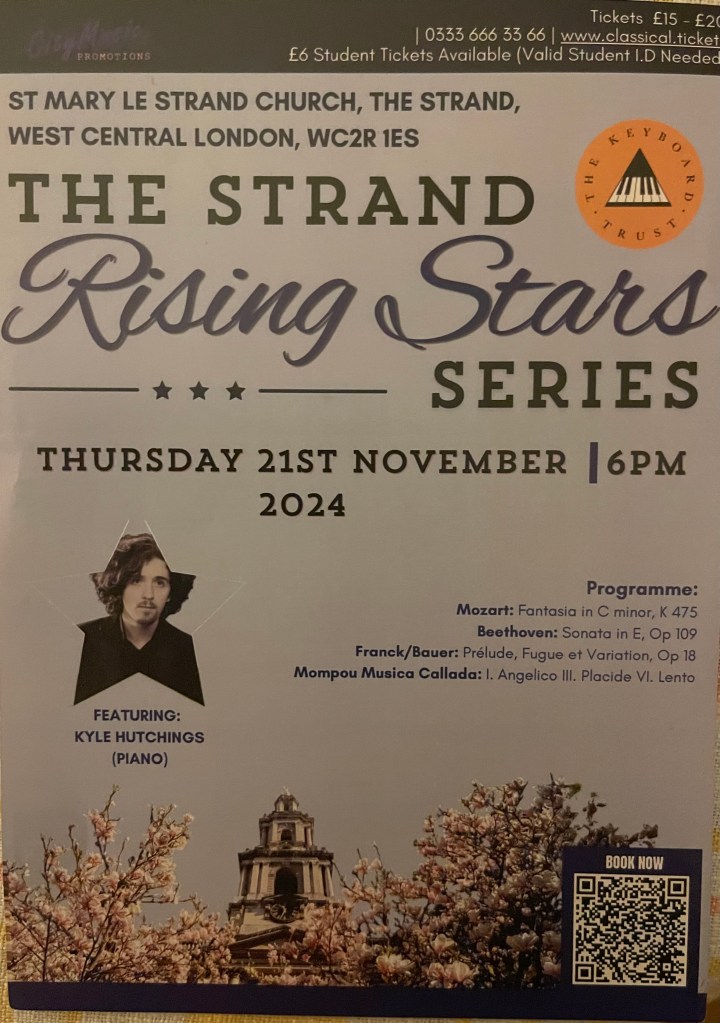
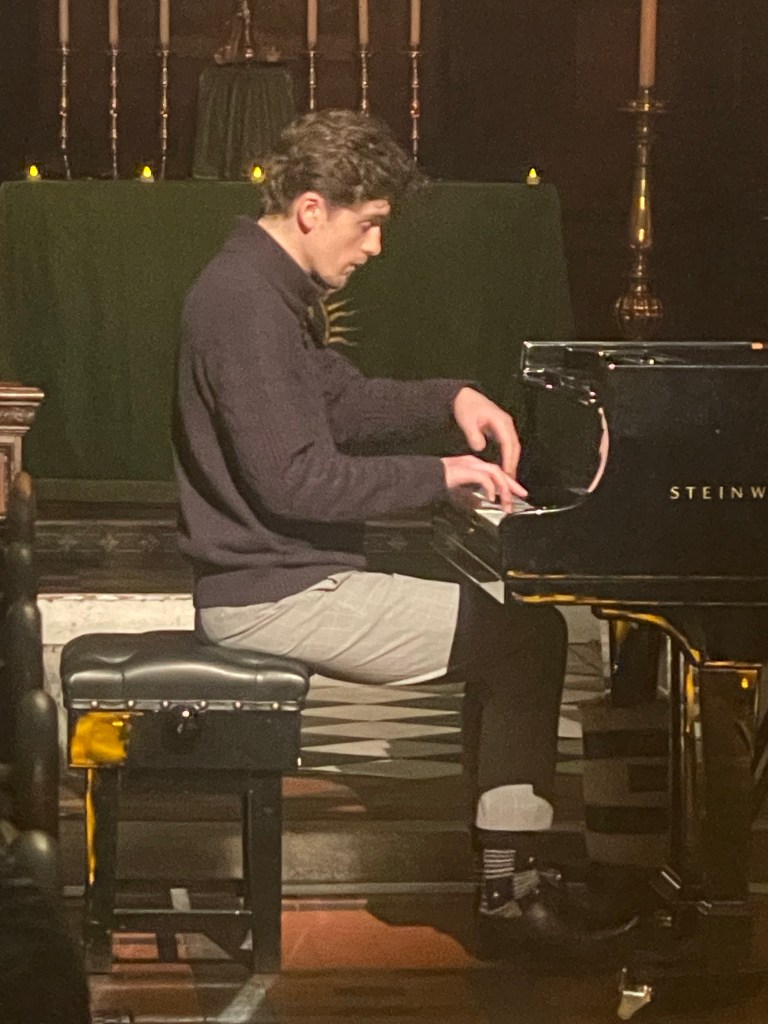
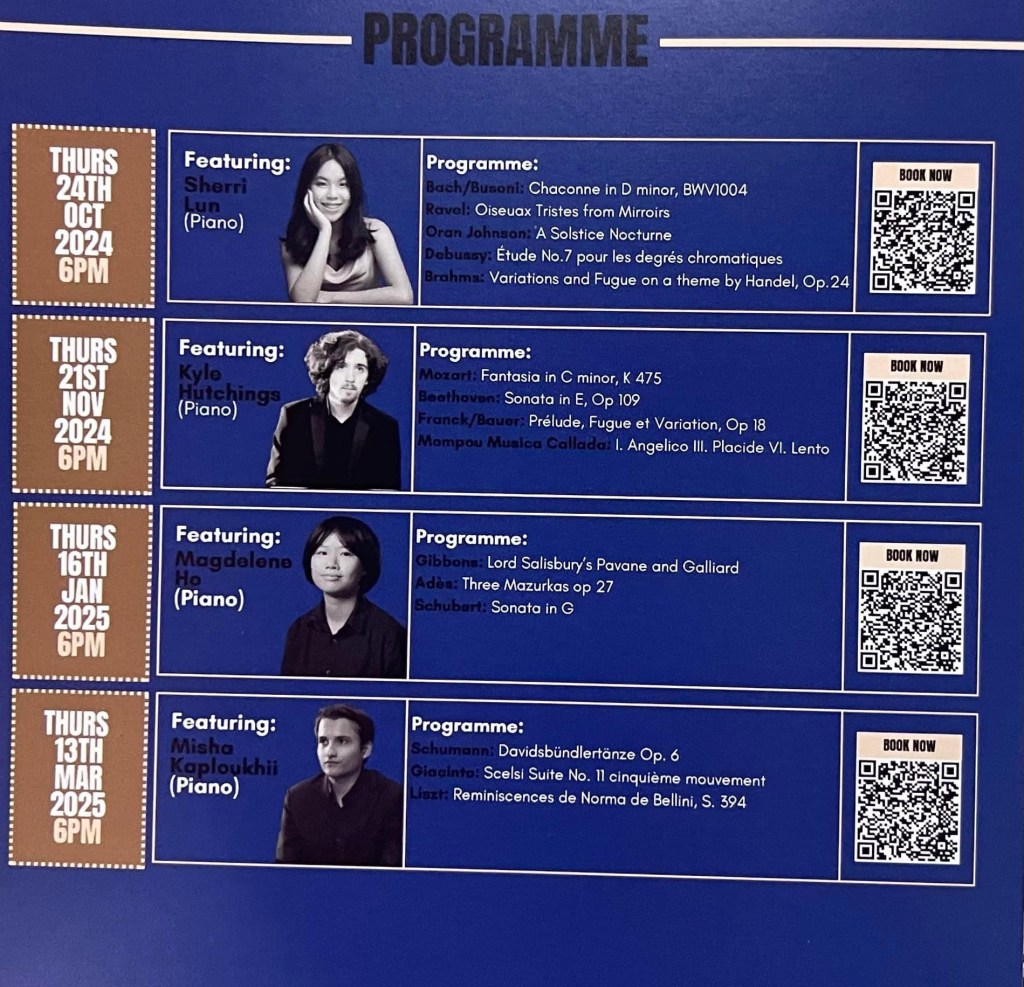
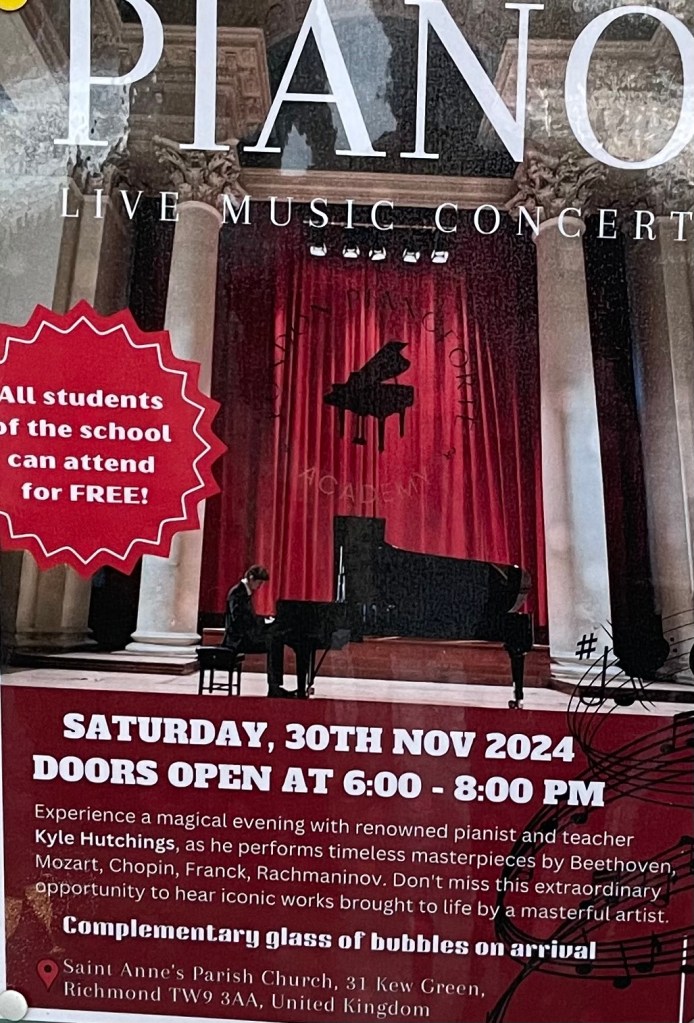
A nobility to Beethoven’s penultimate sonata that was a timeless outpouring of ravishing sounds as the composer reached for the heights with sublime inspiration. An opening of undulating beauty as though it had appeared miraculously from afar where even the ‘Adagio espressivo’ became part of this fluid sound world played with an improvised freedom where the dramatic climaxes were alway within an overall framework of a continuous mellifluous outpouring of exquisite beauty.Streams of gently expressive notes brought us back to the undulating melody that was always present. A ‘Prestissimo’ played fearlessly but also shaped with beauty and clarity. Kyle may have missed the irascible impatience of Beethoven but he filled this movement with the same energy that was also part of Beethoven’s incontrollable temperament.The heart of this work is the last movement :a theme and variations of exquisite beauty and string quartet quality where every strand of the counterpoints has a deep significance.Kyle chose a tempo in which the theme could move with aristocratic nobility and intensity .There was magic in the air as he barely touched the B of the second half of the theme but with a glowing purity that was quite sublime.The first variation was played ‘molto espressivo’ but with a nobility and aristocratic simplicity that contrasted with the feathlight notes of the second. Beethoven bursting unexpectedly into song interrupted by the etherial ‘leggiermente’ as it moved towards the ‘Allegro vivace’ of the fourth variation. Allegro it might have been but with streams of notes alternating between the hands with masterly control and also an unusual fantasy that suddenly was revealed in the fourth variation.Beethoven here miraculously allows the theme to unfold with a continuous wave of sounds that he marks ‘piacevole’.It was indeed a release of tension and a breath of fresh air that blew over the keys as Kyle’s poetic fingers seemed to move on a wave of mellifluous beauty. Interrupted by the fifth which is a rather serious fugato that was played with dynamic drive but also with a superb sense of line and always musically impeccable.The return of the theme with Beethoven’s world of vibrating sounds was played with miraculous mastery and simplicity as it built to the climax or ‘star’ where the theme was allowed to shine brightly above these streams of sounds. All this was played with a simplicity and with head bowed in complete concentration intent on recreating the same visionary beauty that the composer obviously had conceived in his head.What a miracle that the composer,completely deaf could write down the sounds he had in his head for posterity.The ending was played with the same disarming simplicity with which this young poet of the keyboard had shared with us in this penultimate Sonata that was to signal the beginning of the end of the tormented life of the Genius from Bonn.
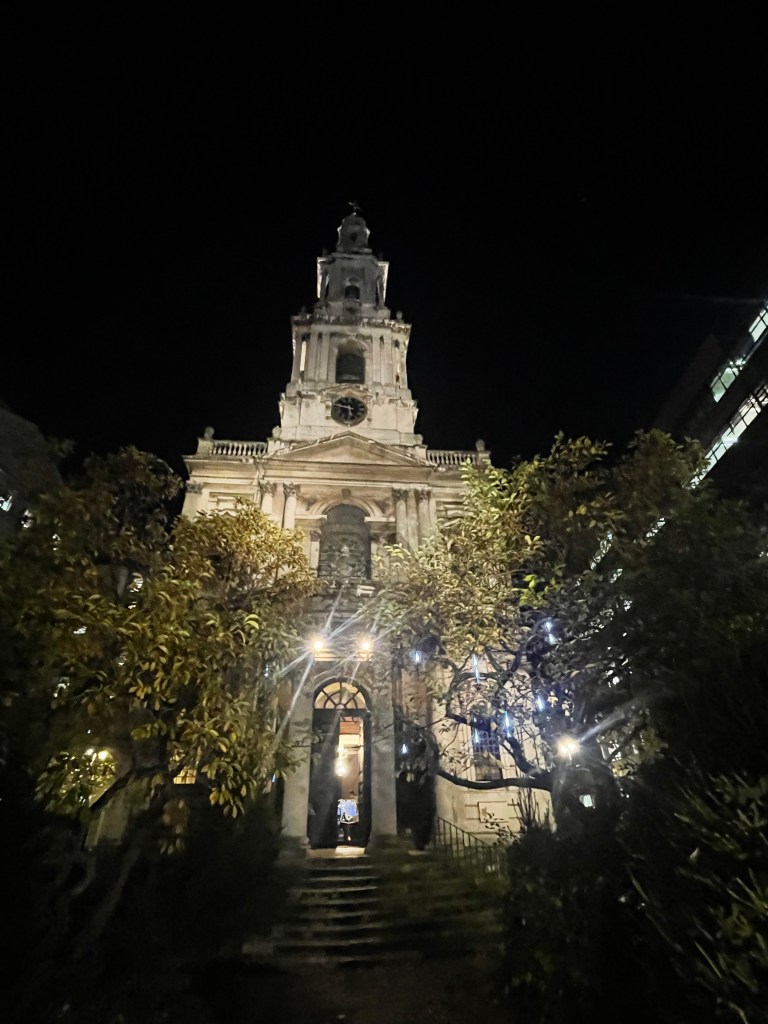
Franck’s haunting Prelude ,Fugue and Variation reverberated around this candlelit church creating a magic that will long be remembered. A transcription by the Scottish pianist Bauer it shows the improvisation quality of this piece written for organ with it’s magical opening theme floating in rarified air as it is transformed and in three movements that are united by the sublime beauty of this hauntingly beautiful melody.Here Kyle’s sense of architectural shape and uniting colouration took us on a wondrous journey where the sounds floated around this beautiful edifice with the same spiritual meaning that inspired Franck in his church of St Clotilde in Paris.
Three atmospheric pieces by Mompou ended the concert and where the glowing fluidity of his playing was filled with a languid beauty only to be relieved by an encore ,by great deman, of Schaefer’s beguiling transcription of a song by Rachmaninov.
An evening in which dreams became reality with music that was truly born on the ‘wings of song’
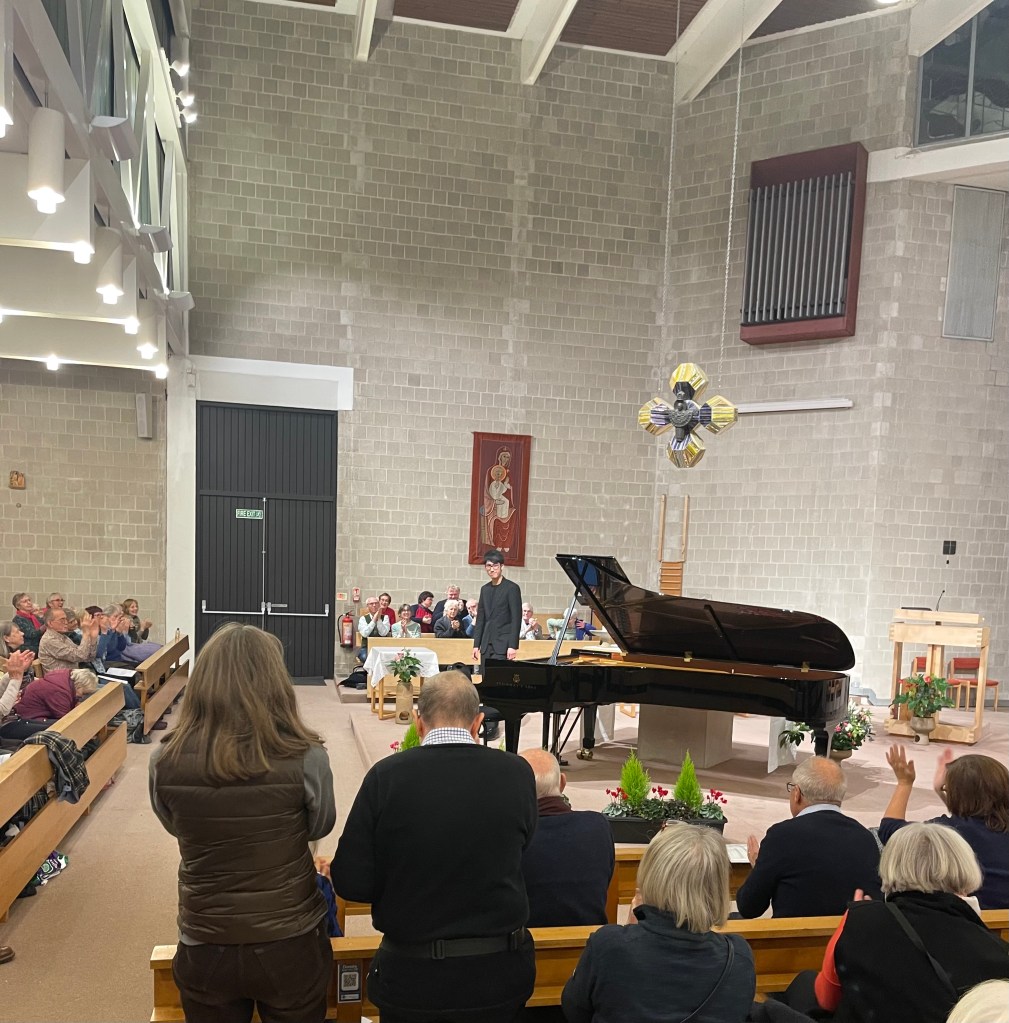
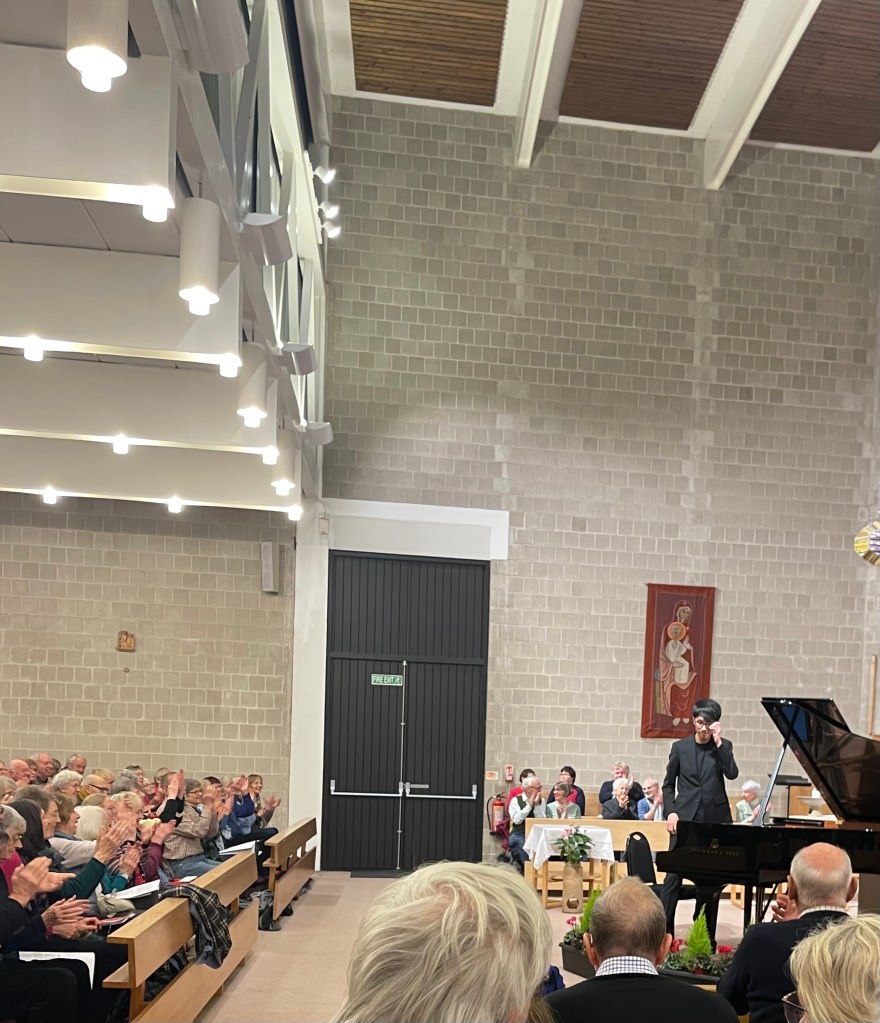
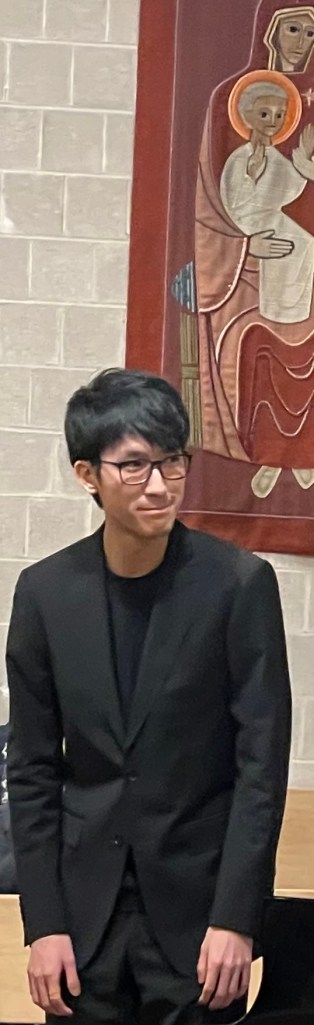
Some extraordinary playing from Eric Lu for the Richmond Concert Society where everything he played was touched with a refined sensibility to sound that made all he played seem so fresh and new.
Even the choice of Chopin’s very mysterious nocturne op 27 n 1 drew us into a secret world of whispered sounds where an extraordinary sense of balance allowed him to reveal rather than project the melodic line .Even the central episode entered from afar as it gradually built up to its polonaise climax .The passionate vehemence he gave to the left hand recitativo was even more overwhelming as so unexpected.Never a hard or ungrateful sound even in the most passionate outpourings and it was this that made his playing of Schubert’s last Impromptus a continuous stream of sublime song.
Everything he did was of the human voice even the operatic opening of the first impromptu that immediately dissolved into a murmur on which floated Schubert’s sublime melodic outpouring .A remarkable way of understating where a lesser artist might be assertive.The ravishing beauty of the cantilena streams of golden sounds was quite breathtaking. The A flat impromptu played with delicacy and poetic beauty as the mellifluous central episode was like a gentle wave that slowly enveloped us in it’s sumptuous warmth, with the opening melody returning as if a memory of a glorious dream.The theme and variations were played with a jeux perlé of golden sounds that just seemed to pour so naturally from this young artist’s refined fingers. The final F minor Impromptu I will never forget the frenzied excitement and breathtaking, fearless abandon of Serkin . Today Eric Lu gave a more poetic view where frenzy was tempered by poetic sensibility .
It was in the three Mazurkas by Chopin that Eric Lu found his world of true wonderment. A fantasy and temperament that brought these ‘canons covered in flowers’ vividly to life with quite extraordinary imagination and it’s insinuating sense of dance linked to the Polish soul laid bare .
The B flat minor Sonata burst onto the scene with aristocratic grandeur and technical mastery. Returning to the opening introduction and repeating the exposition as the development unwound with dynamic contrasts and genial invention. It was though the Funeral March that showed the great artistry of Eric Lu as it unfolded with aristocratic timelessness and monumental simplicity. The last movement was an extraordinary tour de force of poetic and technical mastery. His beautifully stylish ending brought this monumental work to a glorious ending and earned him a standing ovation from a discerning public that had listened in total silence to the fantasy world of this young poet of the keyboard. The best was still to come , though. with the slow movement of the Mozart Sonata K 330 played with quite extraordinary poetic sensibility.The waltz op 42 by Chopin showed his beguiling charm and transcendental virtuosity and his cheeky nonchalant ending was a perfect way to send us out into the freezing cold to catch our last bus home to reality Previous top prize winners in the Leeds invited to Richmond Concert Society http://christopheraxworthymusiccommentary.com/2024/05/22/ariel-lanyi-illuminates-richmond-concert-society-with-the-integrity-and-humility-of-a-great-artist/https://christopheraxworthymusiccommentary.com/2023/03/15/alim-beisembayev-the-poetic-vision-of-a-great-artist/
“Leeds winner Eric Lu showed an astonishing command of keyboard tone and color.. the sign he is already a true artist. It was a spellbinding experience.”– The Guardian
“Lu’s playing is in a rare class – sensitive and emotionally intuitive.” – BBC Music Magazine
Eric Lu won First Prize at The Leeds International Piano Competition in 2018 at the age of 20. The following year, he signed an exclusive contract with Warner Classics, and has since collaborated with some of the world’s most prestigious orchestras, and presented in major recital venues.
Recent and forthcoming orchestral collaborations include the Chicago Symphony Orchestra, London Symphony Orchestra, Boston Symphony Orchestra, Los Angeles Philharmonic, Oslo Philharmonic, Orchestre Philharmonique du Luxembourg, Royal Stockholm Philharmonic, Orchestre National de Lille, Finnish Radio Symphony, Yomiuri Nippon Symphony, Seattle Symphony, Helsinki Philharmonic, Royal Philharmonic, Tokyo Symphony, Shanghai Symphony at the BBC Proms, amongst others. Conductors he collaborates with include Riccardo Muti, Mirga Gražinytė-Tyla, Ryan Bancroft, Marin Alsop, Duncan Ward, Vasily Petrenko, Edward Gardner, Sir Mark Elder, Thomas Dausgaard, Ruth Reinhardt, Earl Lee, Kerem Hasan, Nuno Coehlo, Dinis Sousa, and Martin Frӧst.
Active as a recitalist, he is presented on stages including the Köln Philharmonie, Concertgebouw Amsterdam, Queen Elizabeth Hall London, Elbphilharmonie Hamburg, Leipzig Gewandhaus, San Francisco Davies Hall, BOZAR Brussels, Fondation Louis Vuitton Paris, 92nd St Y, Aspen Music Festival, Seoul Arts Centre, Warsaw Philharmonic Hall, and Sala São Paulo. In 2025, he is appearing for the 7th consecutive year in recital at Wigmore Hall London. He has also been invited for the 7th time to Warsaw’s ‘Chopin and his Europe Festival’ and made his debut at La Roque-d’Anthéron Festival.
Eric’s third album on Warner Classics was released in December 2022, featuring Schubert Sonatas D. 959 and 784. It was met with worldwide critical acclaim, receiving BBC Music Magazine’s Instrumental Choice, writing, “Lu’s place among today’s Schubertians is confirmed”. His previous album of the Chopin 24 Preludes, and Schumann’s Geistervariationen was hailed ‘truly magical’ by International Piano.
Born in Massachusetts in 1997, Eric Lu first came to international attention as a Laureate of the 2015 Chopin International Competition in Warsaw aged just 17. He was also awarded the International German Piano Award in 2017, and Avery Fisher Career Grant in 2021. Eric was a BBC New Generation Artist from 2019-22. He is a graduate of the Curtis Institute of Music, studying with Robert McDonald and Jonathan Biss. He was also a pupil of Dang Thai Son.
































 ChristopherAxworthy-MusicCommentary