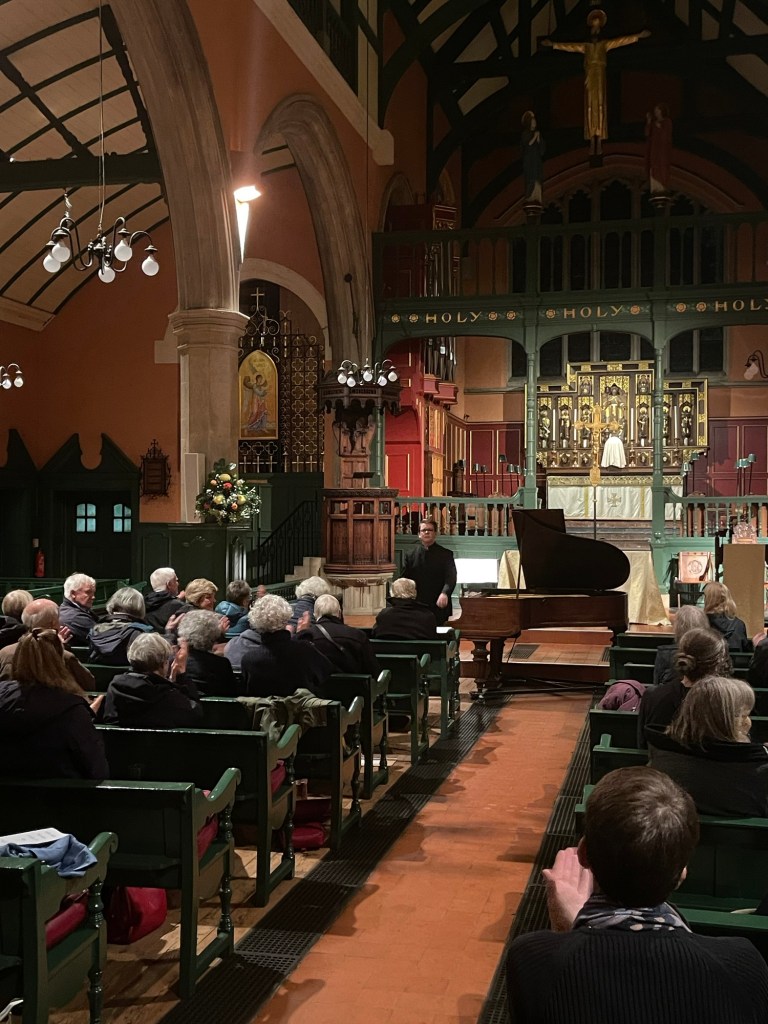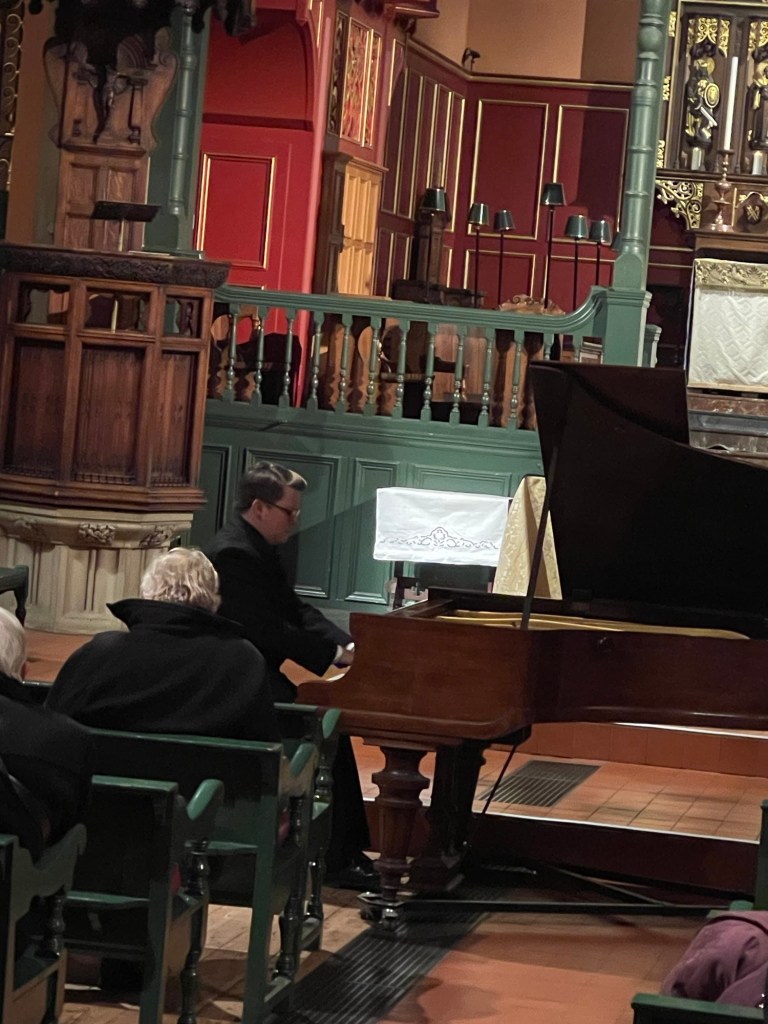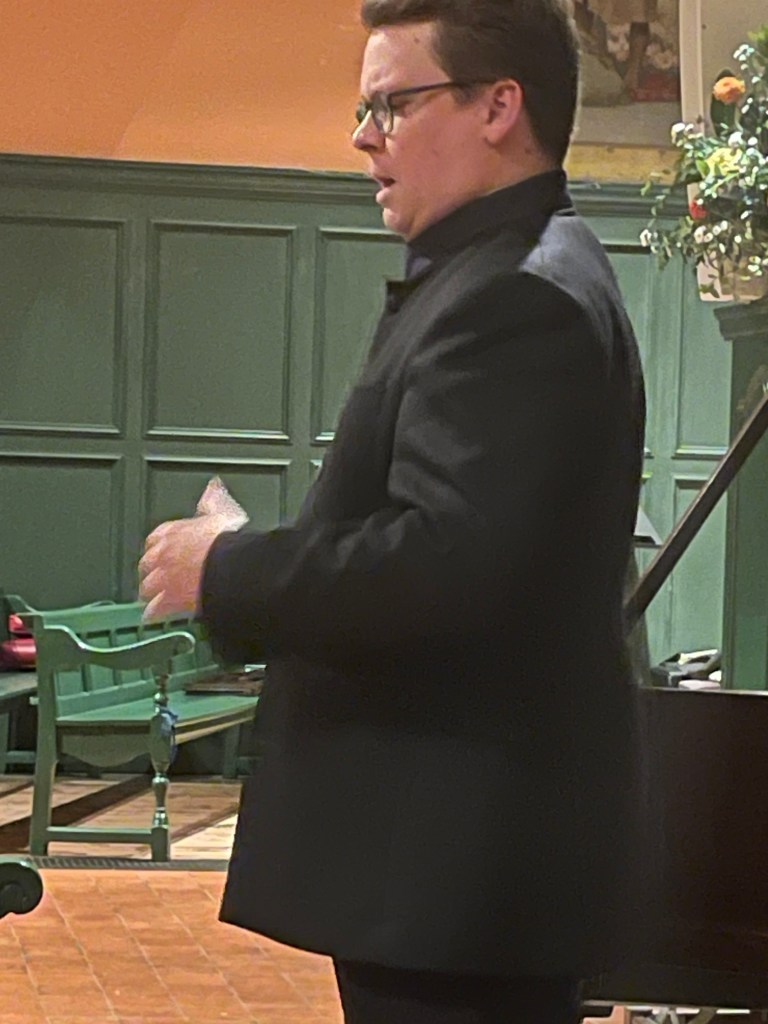
Anderszewski at the Barbican – To be or not to be that is the question!

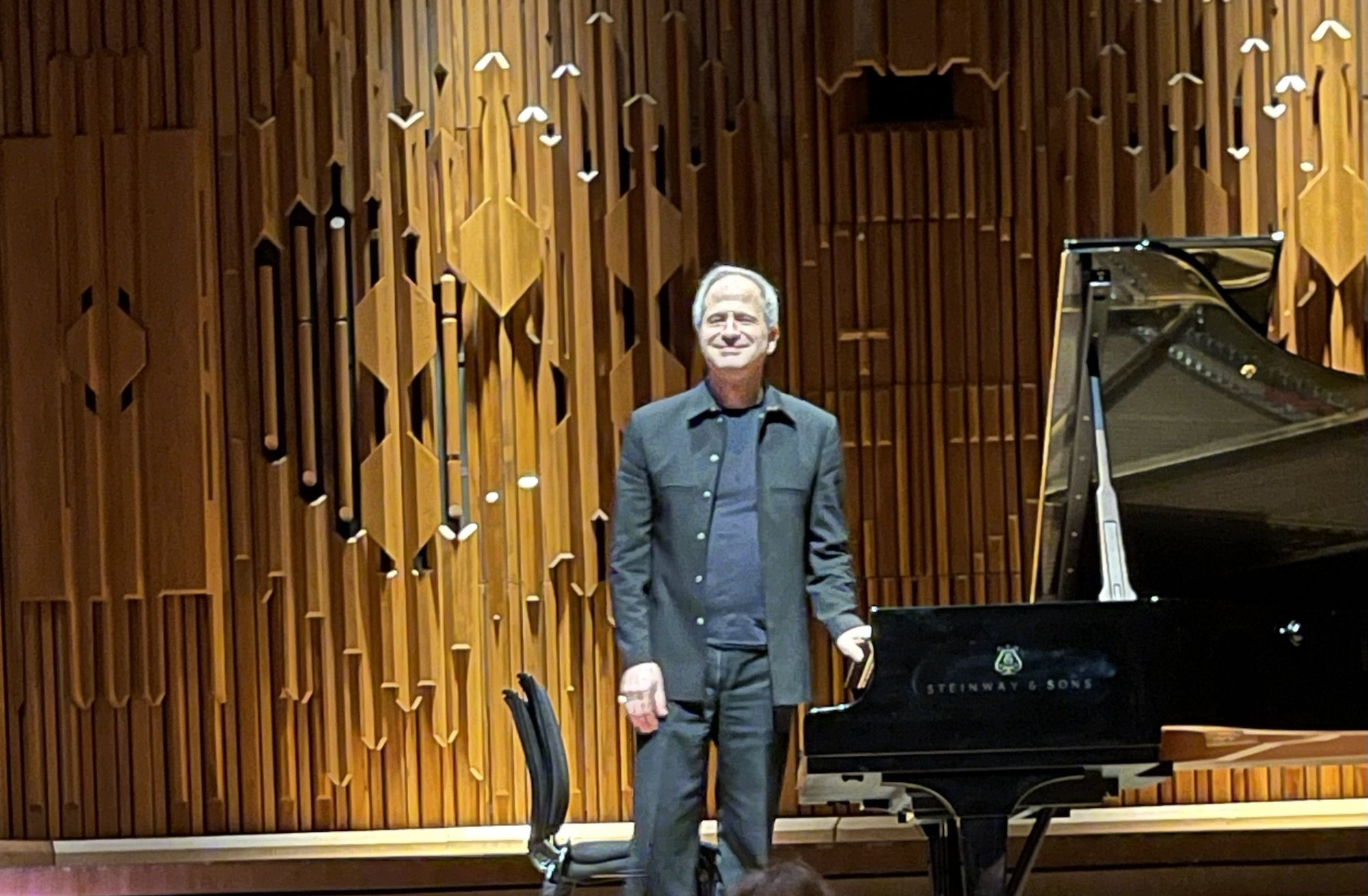
A programme made up of thirty two (thirty three counting the Chopin mazurka encore ) miniatures .Many if not all masterpieces but played with whispered half shades and murmured asides that reminded me of the pianists at turn of the last century.Pianists who would beguile and seduce their audiences with playing of exquisite delicacy and jewel like sounds and were magicians of the keyboard that with the innovation of the pedal were able to seek out the very soul with a kaleidoscopic range of sounds.Some even spoke to the public to let them know how it was all proceeding !


Tonight we were treated to some phenomenal playing of breathtaking beauty and many sounds in the Bartok that I have never heard from the piano before.Brahms too a selection of only Intermezzi that in many ways was masterful as was the Beethoven op 126 Bagatelles.
This is a master pianist and above all a magician of sound .The difficulty is however that without contrast or an architectural shape it is difficult to hold an audience in more than one or two pieces.
Tonight there was undisputed mastery but because of the nature of the programme it became too much of a good thing and I found myself thinking about the marvels that were evolving from this box of hammers and strings rather than being overwhelmed and involved in a musical conversation.


Was it the programme or was it me or was it that this master pianist thought more of the sounds he was producing than what the composer intended?
A controversial artist as many are who have come from the east with phenomenal technical training but lacking the culture of the west The big end or the little end? Controversy is always better than indifference in every walk of life!


I remember Perlemuter being sent a demo of a famously controversial pianist playing Ravel. DG hoping for some words from a disciple of the composer to use in their marketing publicity. “Qu’est-ce que c’est que ca ?’ Innocently enquired the humble master .The pianist after a clamorously unsuccessful competition experience went on to conquer the world and become a cult figure .


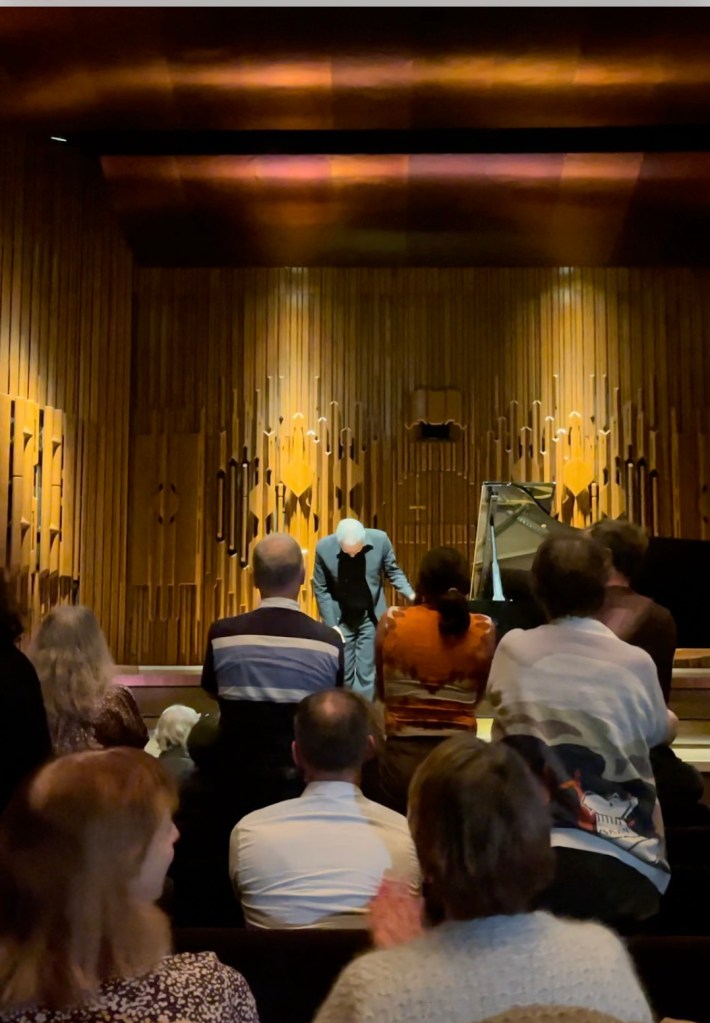
Tonight this master pianist received a standing ovation but rather a poor turn out due again to the choice of programme.


I preferred his performance on his last appearance here with a much more substantial programme.
https://christopheraxworthymusiccommentary.com/2023/11/03/piotr-anderszewski-at-the-barbican-a-world-of-ravishing-beauty-and-refined-whispers/

A beautiful review in the Guardian which I totally agree with except for the Bach but Genius that confronts Genius it is always JSB that wins !As I said Anderszewski is often controversial but there is no doubt that he loves the piano even if for me as on this occasion he smothers it.

https://www.theguardian.com/music/2024/oct/04/piotr-anderszewski-review-barbican-london

Rosen,K.U Schnabel and Fleischer were not always in agreement with his interpretation but strangely it was Fou Ts’ong who loved him………Ts’ong was also deeply in love with music and often would say to me that he knew I preferred his performances from the Chopin Competition in the ‘50’s to his present day performances when he would play and give masterclasses for us in Rome every year. His widow Patsy Toh Fou writes:‘I haven’t heard Piotr for a very long time.Charles Rosen’s comment was rather extreme !!!!!Piotr is controversial but very creative and tends to manipulate the music I think rather than being at the service of the composer’.I remember Ts’ong arriving in Rome to play for us and finding that the day before another controversial figure was playing.He wanted to hear the recital of Mozart and Chopin.After the concert I explained that this pianist ,like Cherkassky tends to manipulate the music rather than following what the composer had indicated in the score . Ts’ong exploded as only he could do :’But Shura loves the piano – this man hates it!’ ………There is no doubt that both Ts’ong and Anderszewski are deeply in love with music.

Roberto Prosseda pays tribute to the genius of Chopin and the inspirational figure of Fou Ts’ong
Mark Viner cooks a dish fit for a King Ravishing beauty,supreme artistry and total mastery served up on a casserole by a cordon bleu maitre.

Ravishing beauty and supreme artistry combined with total mastery of art that conceals art has me searching for superlatives for one of the finest most moving recitals I have been to for years .


Waldszenen that was an outpouring of subtle beauty where every note had a poignant significance .Beethoven’s Pathetique as though I had never heard it before such was the kaleidoscope of sounds and dynamic drive.An ‘Adagio cantabile’ that was a true bel canto that arose out of a sumptuous accompaniment and the central episode like a heart beating -Beethoven’s!
Alkan that was so exquisite it brought tears to my eyes as did the ravishing beauty of Chaminade’s Automne .
Liszt Pesther Carneval was breathtaking , astonishing and at the same time so characterful that it brought smiles to the face just as it brought gasps as phenomenal gymnastics were thrown off with rhetorical mastery …..and all this on what Perlemuter would have generously described as a casserole! ……..much more to come tomorrow when I have got my breath back!

Fascinating programme notes from an eclectic artist who not only plays the notes but enters and relives the world in which they were conceived.

A programme that at first glance seemed interesting if rather conventional. Beethoven’s Pathétique ,Schumann,Alkan,Chaminade and Liszt .It was from the first mighty chord of the Beethoven that one was aware of a piece that was like new and was unfolding before our eyes in a voyage of discovery where clarity and beauty went hand in hand with a pulsating heart of poignant significance. It was the dynamic contrasts that added even more meaning to an opening where I had never been aware before now of it’s grandiloquence combined with searing beauty. Florestan and Eusebius spring to mind or the split personality that could be two things in one. The irascible temperament of Beethoven that could flare up with impatience and frustration but also the serene deep inner soul that was indeed to come to the fore as the composer could see the paradise that awaited him. All these thoughts come to mind, now,thinking about last night’s performance.Technical and professional considerations ( no I pad in sight as the music for this artist was internal not external!) ca va sans dire ,it did not even pass through one’s mind as the music just poured forth in a continuous stream of mellifluous sounds on a piano that miraculously Mark had found it’s soul ( not sole) very deep down in it’s roots.The silences were so poignant too before the chromatic scale, marked and surprisingly played piano without a crescendo,where the sforzando was a shock tactic before the burning intensity of the Allegro di molto ma con brio. A dynamic drive but still the searing beauty of the exchange between voices as the music was driven relentlessly forward.This continual forward movement made the return of the opening call to arms even more of a shock as were the rests between each gasp that were held with breathless courage as long as he dared.This was music making that was recreation and which we the audience were unknowing accomplices.This is the very ‘raison d’etre’ of live music making as opposed to perfectly concocted studio performances. This is ‘X’ certificate stuff not for the uninitiated with fear of the unknown! I was not expecting to be so involved with such a popular work that at first glance I had underestimated.The melting beauty of the diminuendo into the abrupt return of the Allegro will remain with me for a long time as will the reappearance in the coda and the ‘Grave’. A continual stimulation of the senses that I cannot begin to imagine the effect on the public of the day with this revolutionary invasion of their private emotions.

Professor Mark Viner always so concise and informed

The surprise after such upheaval is the heavenly peace of the ‘Adagio cantabile’ that was played with the beauty of Bel Canto (which we were also to appreciate in Alkan later in the programme) of which Mark is a master. Freedom but within certain limits of good taste and style ( Chopin likens it to branches free to move but with the roots firmly fixed in the soil). All sustained by a luscious undercurrent of harmonies that gave such depth to this much loved but often maligned movement. The central episode with it’s pulsating heartbeat ( as in Chopin op 28 n.17) on which the melodic line is answered by the bassoon like bass notes. The gradual pizzicato bass notes played so clearly that the return of the melodic line now incorporated with a reverberating heartbeat was like wallowing in a sumptuous jacuzzi !

The sun suddenly came out and the radiance of the Rondo was exhilarating and rejuvenating with a ‘joie de vivre’ and technical relishment.It made the slow chorale episode even more poignant as a momentary cloud passed over our heads before the lightweight pitter patter to join the fun once again. What a voyage of discovery this was and I can only think back to Serkin’s performance in the Festival Hall for a similar experience.

A visitor from the Liszt Society of UK of which Leslie Howard is the President Mark is a member too but also President of the Alkan Society .
Between them they know more about the works of Liszt and Alkan ,respectively,than anyone alive or dead!

Waldszenen long a favourite of Peter Frankl but long forgotten by the younger pianists generation . That other Mark, Marc-André Hamelin and Viner have much in common. Hamelin being one of the first to include Alkan in his programmes and also physically like ‘our’ Mark does not portray his emotions with unnecessary movements but looks and concentrates on the sounds he is searching for! It was just a few months ago that Hamelin played them in Warsaw , a performance he repeated in Cremona last weekend .My first impression after listening to Hamelin was the same that I had today listening to Mark – Thank God I have lived to hear such beauty!

Marc – André Hamelin – A pied piper and Prince of Pianists.

If Marc-André is the Prince surely Mark Viner ‘c’est le Roi ‘ ( to quote Rostropovich on listening to Perlemuter who he had invited to play in his festival in Evian many years ago ). Every note was made to speak like a lieder singer such was the power of communication and feelings aroused as we too were on a tour in the mysterious woodland of Schumann’s fantasy. Deep nostalgia and beauty as we entered with the rhythmic drive of the hunter following us. Only to be stopped in our tracks by the simplicity and radiant beauty of solitary flowers.The brooding of the left hand gave a real sense of atmosphere to the cursed place that made one realise why Schumann’s beloved Clara refused to include it in her performances! The two final chords lifeless and without expression are enough to strike fear into the heartiest of souls. The joyful singing on finding such a friendly landscape afterwards was quite exhilarating in Mark’s well oiled hands. There was a pastoral beauty as we saw the wayside inn with it’s bass melodic line and gentle harp like flourishes unfolding. There was the radiant solitary beauty of the prophet bird that was of such significance with a solemn celestial beauty to the central chorale as she surveyed the scene in such a leisurely knowing way. It was played quite exquisitely, poetry from a poet’s hands! Rhythmic playfulness of the Hunting song was immediately calmed by the sublime calm and beauty of the farewell. Fluidity and radiance with deep bass notes just adding a richness to the sublime golden streams of sound that were enveloping this old but surely vintage casserole!

Alkan has long been a first love for Mark since he was bewitched by a visit of Ronald Smith to the Purcell School where he was studying with Tessa Nicholson. He asked his teacher to show him how to acquire a technique so that he too could delve into a world that had ignited his imagination. ‘Noblesse oblige’ and Tessa trained him as she has so many other remarkable young musicians including Tyler Hay and Alim Beisembayev. Mark is now embarking on a series of recordings of all the works of Alkan and I believe he has arrived almost half way with CD n. 7 already in the can. On listening to this collection of six ‘songs without words’ that had been inspired by Mendelssohn and that Alkan too had composed in several series of six miniatures . Alkan’s ‘3 Recueil de chants’ op 65 was so exquisite I found myself absorbed and ravished by the subtle beauty, exquisite jeux perlé and astonishing fiortiori that on reliving such beauty I cannot understand why these are never heard in recital or at least on Classical FM ! ‘Vivante’ was a true song and miniature tone poem with the emphatic doubling of the melodic line so reminiscent of Mendelssohn yet with a unique original voice. The ‘Esprits follets’ was a tour de force of Horowitzian bewitchment with featherlight scales disappearing into the bass as the melodic line unwound unperturbed with nonchalant mastery of sound and pedal. There was the simple elegance of the ‘Canon à la 8’ but the most incredible playing was in the ‘Tempo giusto’ which it may have been , but to cram in so many notes so as not to disturb the Tempo giusto is the stuff that legend is made of and that surrounds the mysterious recluse that was Alkan.Sumptuous rich sound for ‘Horace et Lydie’ where I doubt this piano has ever been seduced as Mark did today giving up such riches for two hands and two feet. But Mark also has a soul that was to surface ever more in the Barcarolle that was played with beguiling rarified whispered sadness and a kaleidoscope of sounds that were like jewels sparkling in the radiant beauty of this atmosphere.

Mark may have mentioned that Chaminade has been accused of composing elevated salon music when ‘Le Six ‘ were hard at creating a different world. ‘Automne’ is indeed the work often heard on Classical FM and which used to adorn every home that had a piano and aspidistra. Such a beautiful melody played exquisitely by Mark but I have never heard the central virtuosistic interruptions that of course our Auntie would have ignored! Not Mark who played with fearless brilliance and passionate conviction before lying exhausted as he allowed the ravishing melody to flow from his fingers and lay to rest as a bare whisper but happy at having known such beauty.

The Liszt Hungarian rhapsody is the longest of a collection of 19 and is usually heard in a cut version because lesser mortals than Mark see just technical wizardry and a vehicle to arouse applause and a standing ovation . Of course this is the showman Liszt but as Mark showed us there is much much more to it than just note spinning. Time seemed to stand still as Mark let rip at the keyboard with unbelievable pyrotechnics and an extraordinary range of emotions that kept us enthralled as he spun off the piano seat with a final victorious flourish.

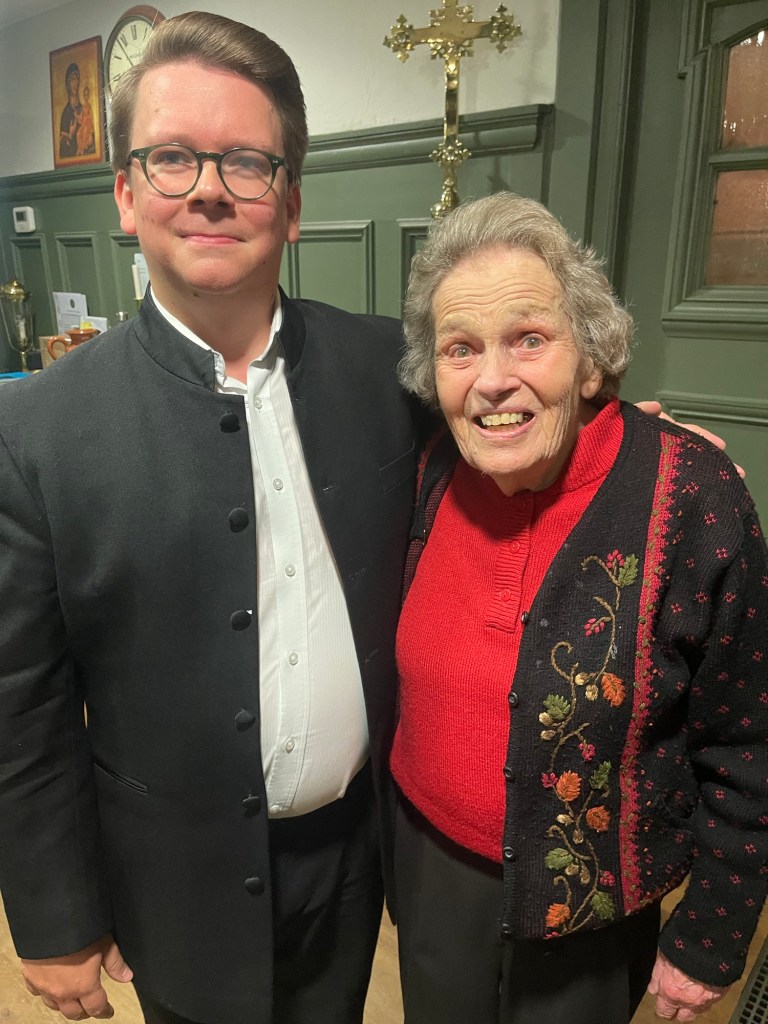
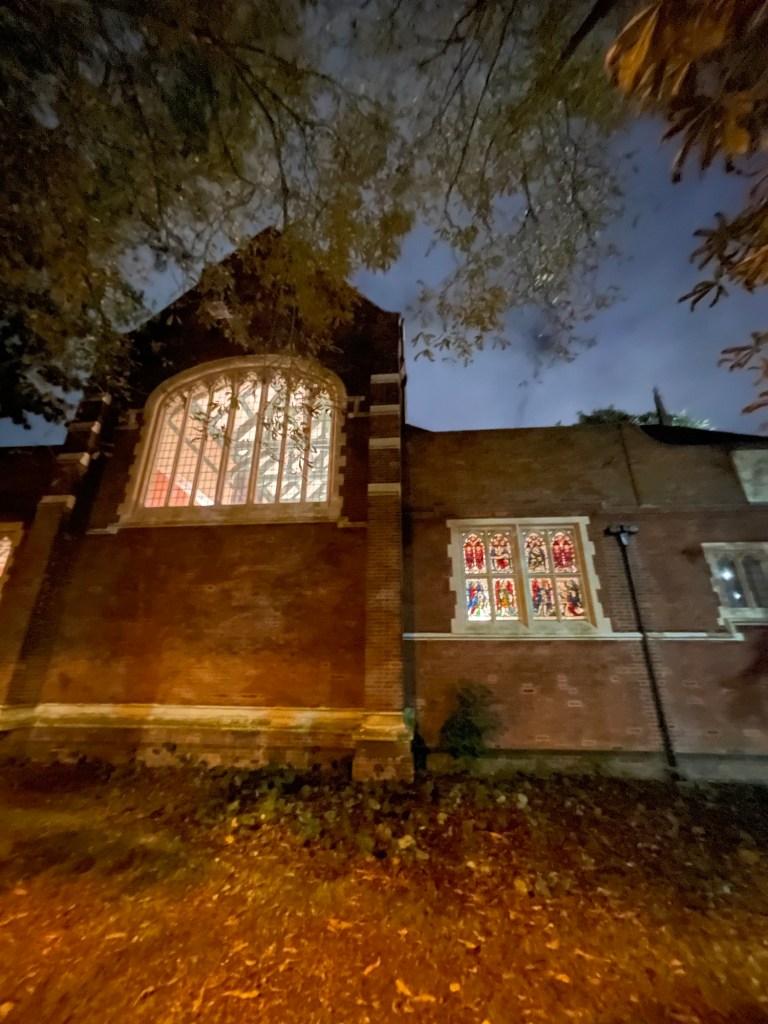
What a night that was in the Church that I had passed for the first 25 years of my life having spent my childhood in Bedford Park in Flanders Mansions. Little could I have imagined what wonders it would still hold for me fifty years on !

Mark Viner at St Mary’s ‘Mastery and mystery of a unique artist and thinking musician.’

Mark Viner at St Mary’s Faustian Struggles and Promethean Prophesies

https://www.theguardian.com/music/2017/dec/13/alkan-12-etudes-op-35-review-viner-rises-to-alkans-extroardinary-challenges

A link to a fascinating discussion about Alkan in Cremona with Marc-André Hamelin last weekend can be heard in this long distance article that I wrote :

A letter from Cremona ,the eternal city of music where dreams become reality.

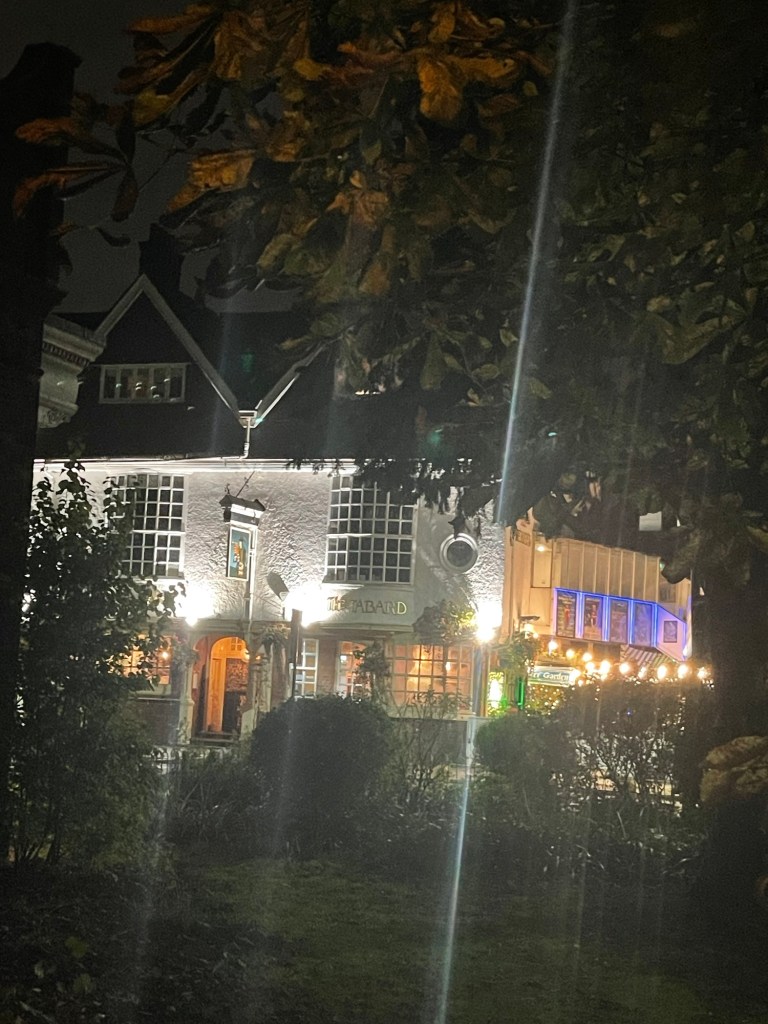
A church with a view and Mark lives next door and officiates every Sunday in St Michael and All Angels. He is also a regular visitor to the Tabard inn.

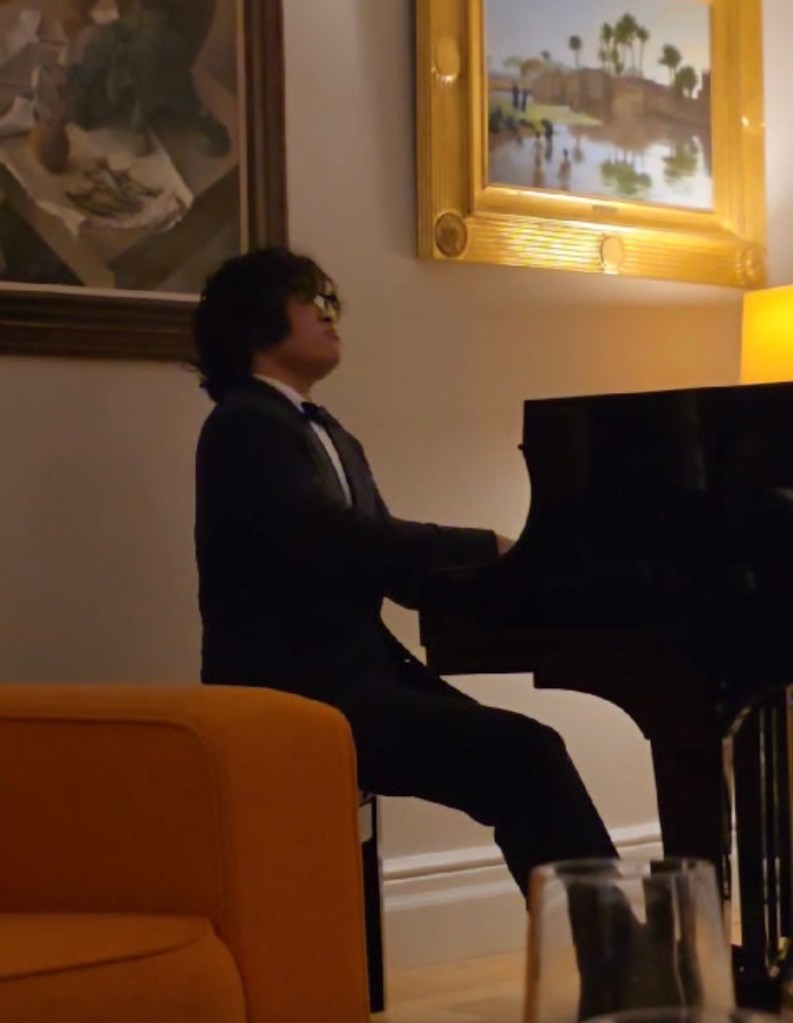
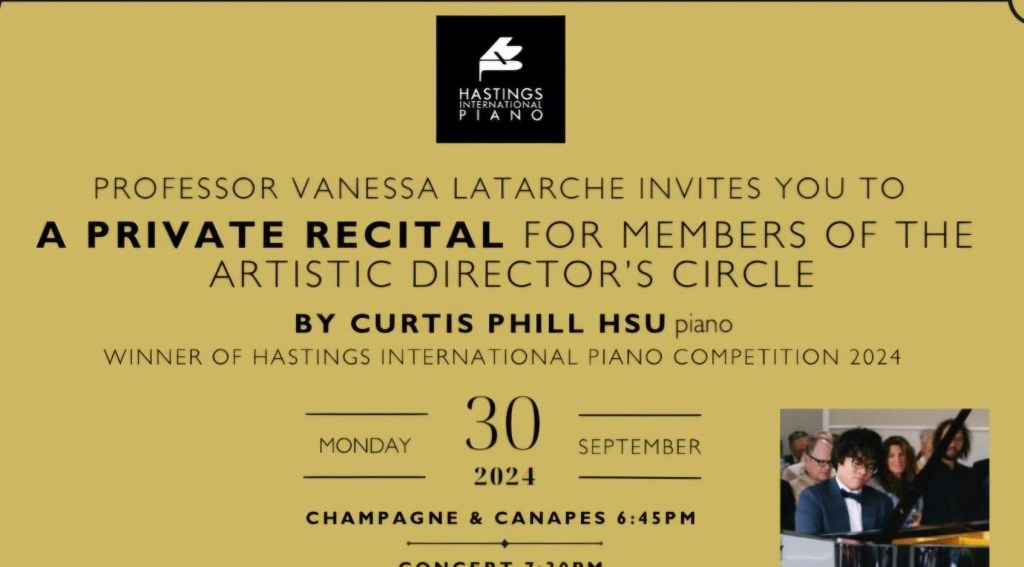
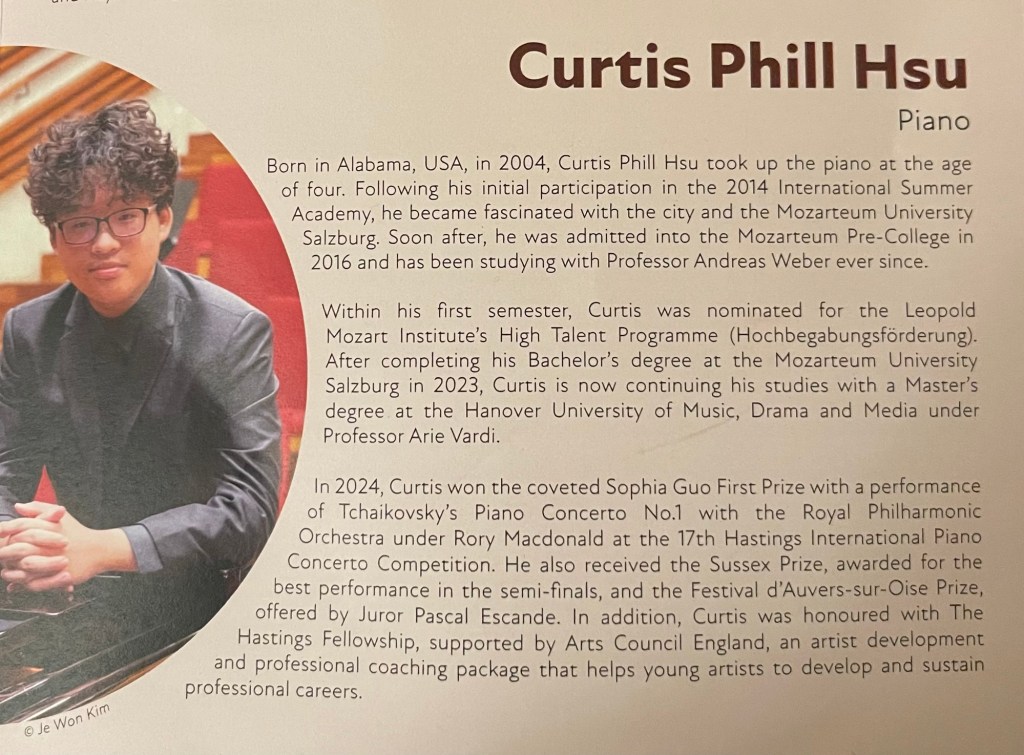
Curtis Phill Hsu mastery and artistry of the 19 year old winner of Hastings International Piano 2024

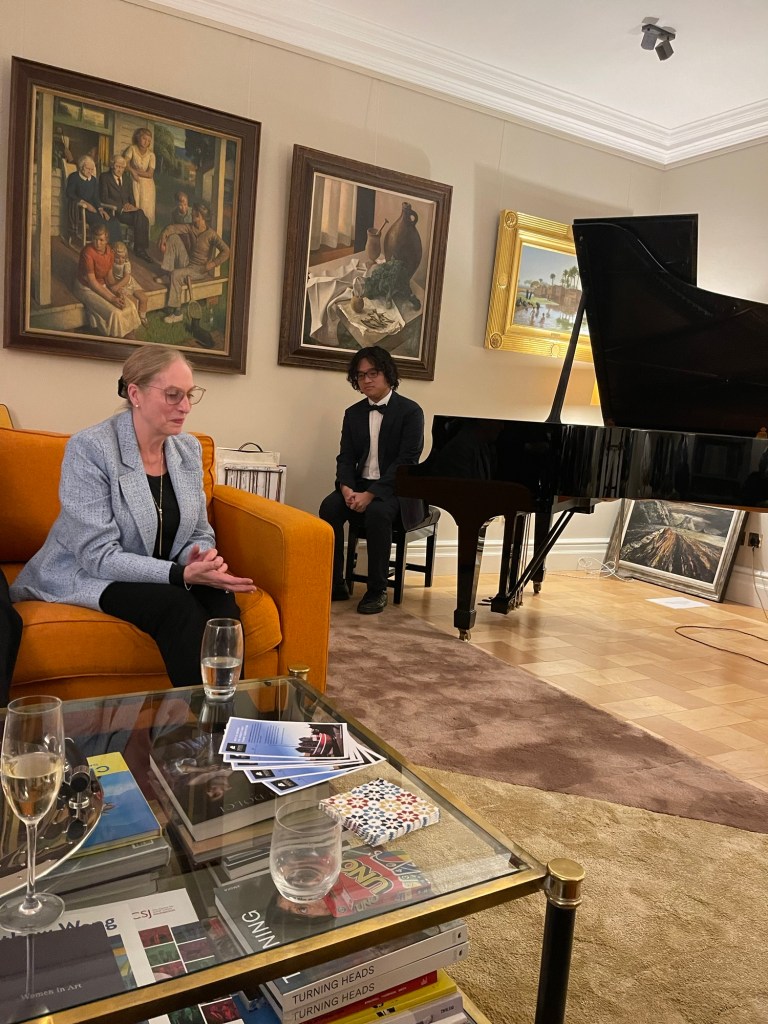
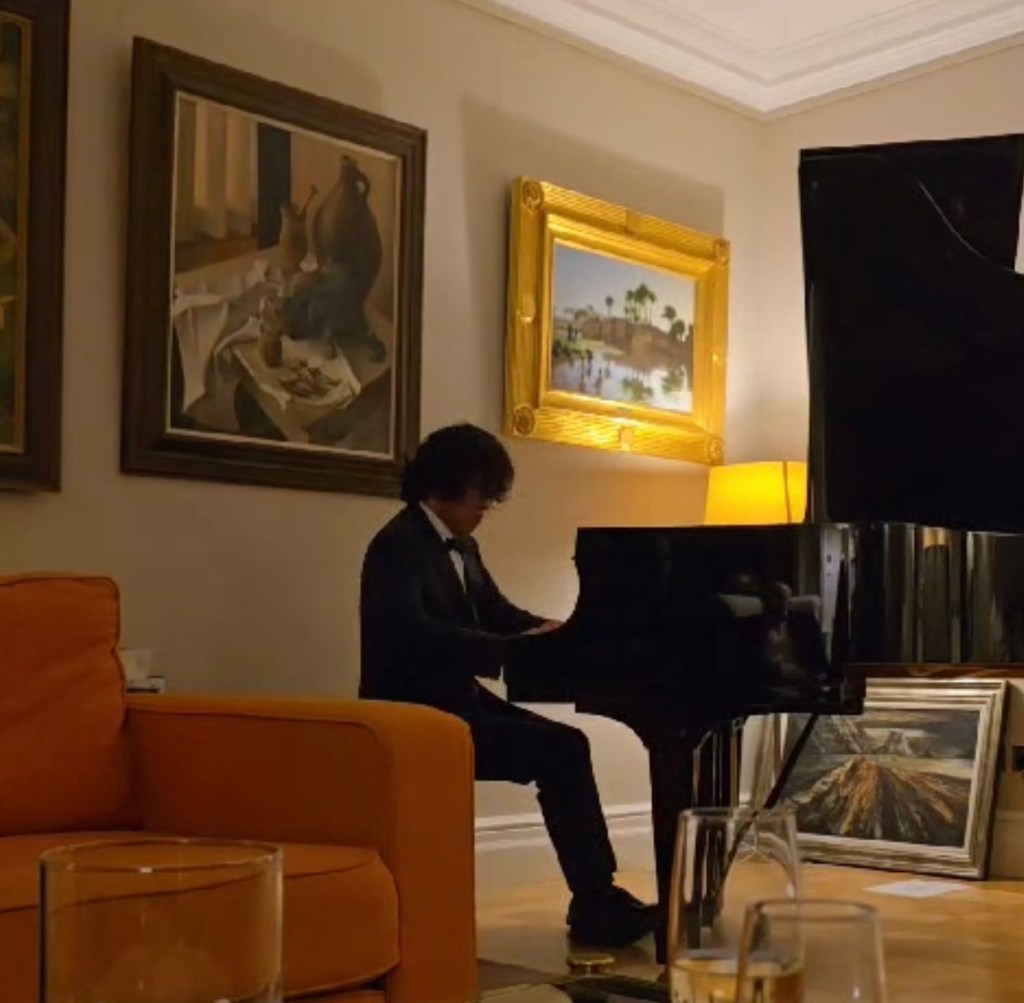
A remarkable private occasion for friends of the Hastings International Piano competition .


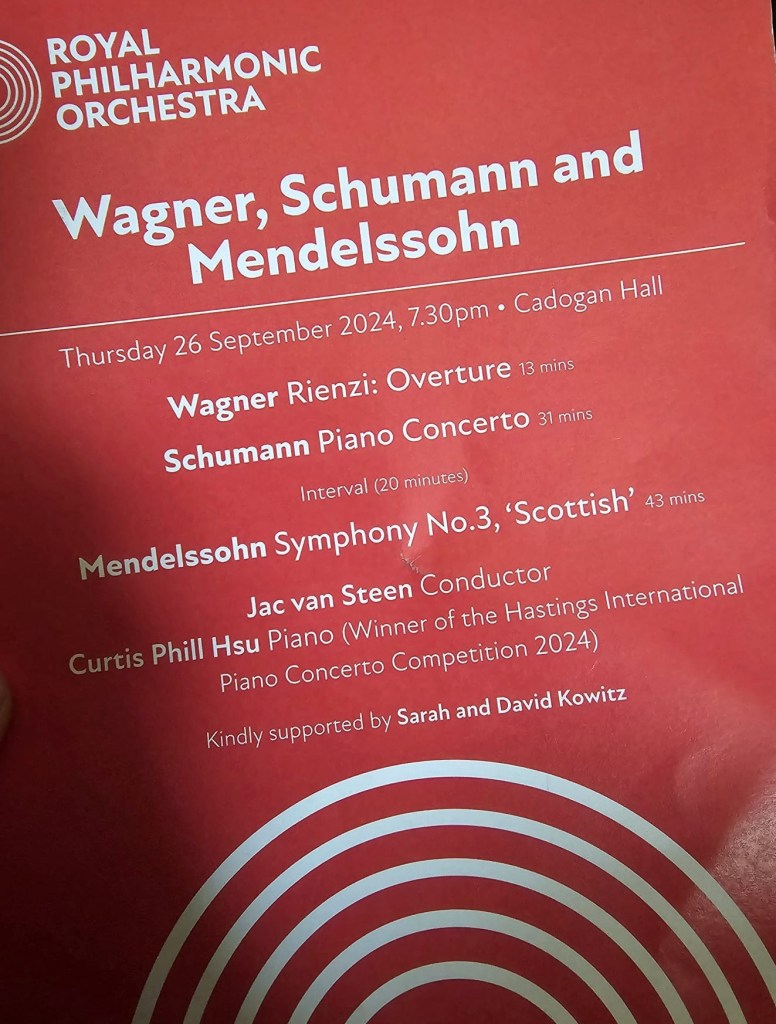
Curtis in London, from Hanover where he now studies with Arie Vardi, playing with the RPO last Thursday in the prize winners London debut concert. A very mature and also highly poetic interpretation of the Schumann piano concerto. It is interesting to note that Shunta Morimoto, the previous Gold medalist, won the competition with the same work but chose Beethoven 4 for his London debut .They both have played the old Tchaikowsky warhorse this year breathing fresh life into such a well known work. Curtis in Hastings and Shunta in Japan ( Shunta will at the end of the month play the Grieg concerto in Hastings)

Shunta Morimoto at Brighton Festival The sublime inspiration of a poet of the piano


Both choices show that the vision of Hastings is for master pianists who are above all else masterly musicians with something to say .
And so it was tonight Champagne and canapés washed down with the ‘Hammerklavier’ Sonata !

Curtis presenting his programme with some very thoughtful insights while Vanessa listened quite moved by such deep thoughts from this teenage artist


At only 19 this was a display of mature musicianship and masterly control. Prefacing it with two of the most important and poignant of Chopin’s nocturnes op 27 n 2 and op 48 n 1.
It was interesting to note that the first note of the D flat nocturne deep in the bass Curtis played with the right hand as he did the first deep bass note at the opening of ‘Hammerklavier’.
It prompted me to ask rather impishly afterwards if he was left or right handed !

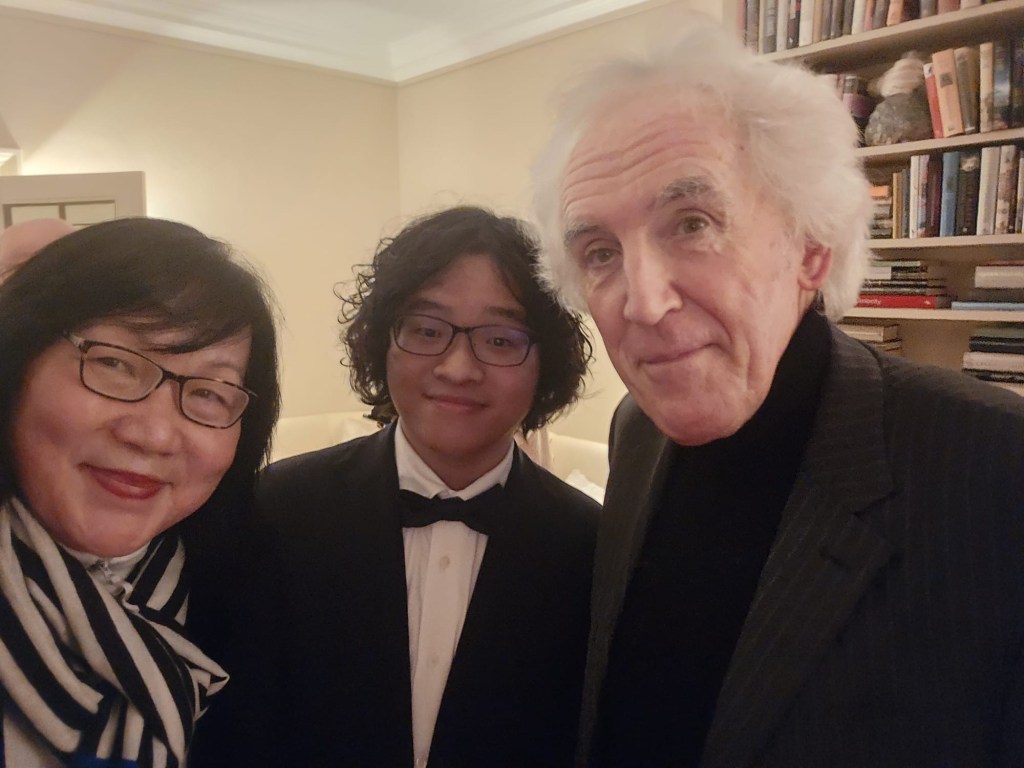
Curtis with Dayu Guo sponsor of the Sophia Guo first prize in Hastings


I know Serkin would have shut the score if anyone dared open op 106 thinking to play safe. But Curtis, like Rana too recently, realised the struggle that this Sonata implies with its heroic call to arms that is not and should not be in a play safe zone.

Beatrice Rana- a tornado ignites the Wigmore Hall


Curtis demonstrated all that was implied by a Beethoven struggling with life, deafness and pianos that were not yet the instruments that his genius could foresee for the future.
An ‘Adagio sostenuto’ with passion but also strength of emotion and a kaleidoscope of sounds was followed by the ‘tour de force’ of a fugue that was written to scare off all but the fearless. The two Chopin Nocturnes were played with ravishing sounds and profound musicianship but where the bel canto could not float as freely as it could have with a slightly more fluid tempo.

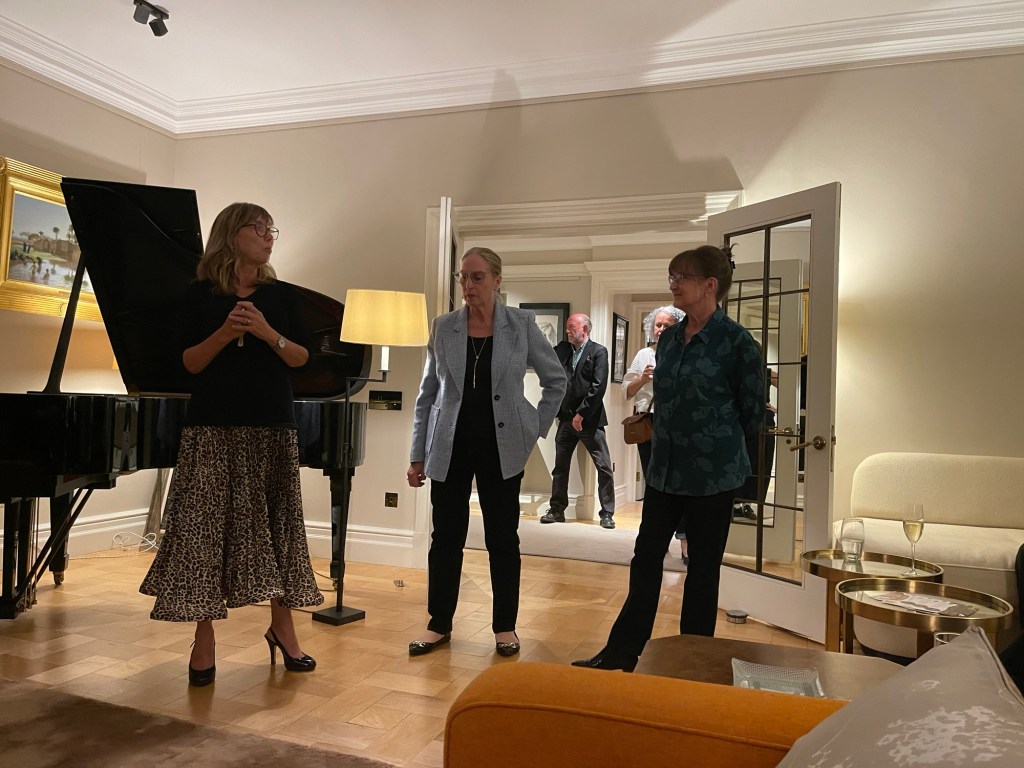
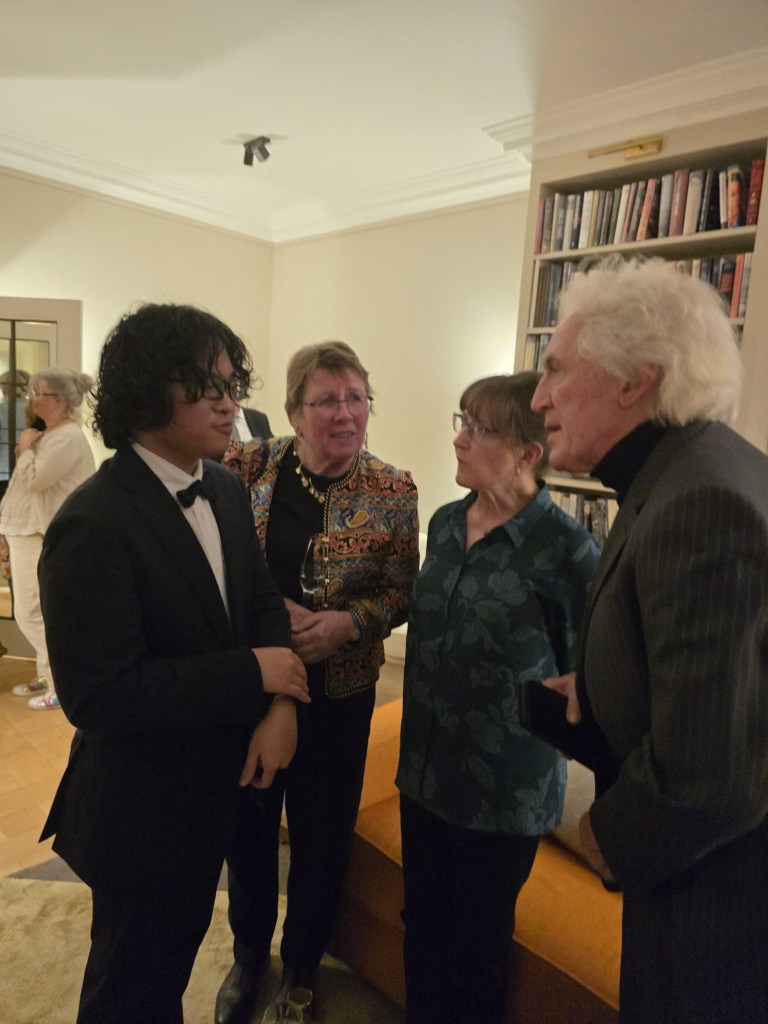
Vanessa Latarche centre presenting Curtis with our hostess Sarah Coop in the beautiful home of Sarah and David Kowitz ,left and Lydia Connolly right mentor and a director of Harrison and Parrott concert agency


Promoted by Vanessa Latarche the enlightened artistic director and deus ex macchina of the Royal College, Hastings International Piano and much else besides, befriending so many extraordinarily talented young musicians as the great artist she is herself but also a sensitive caring figurehead. Already Curtis is receiving sessions from experts in how to deal with both the business and human side of his life at the start of a career.

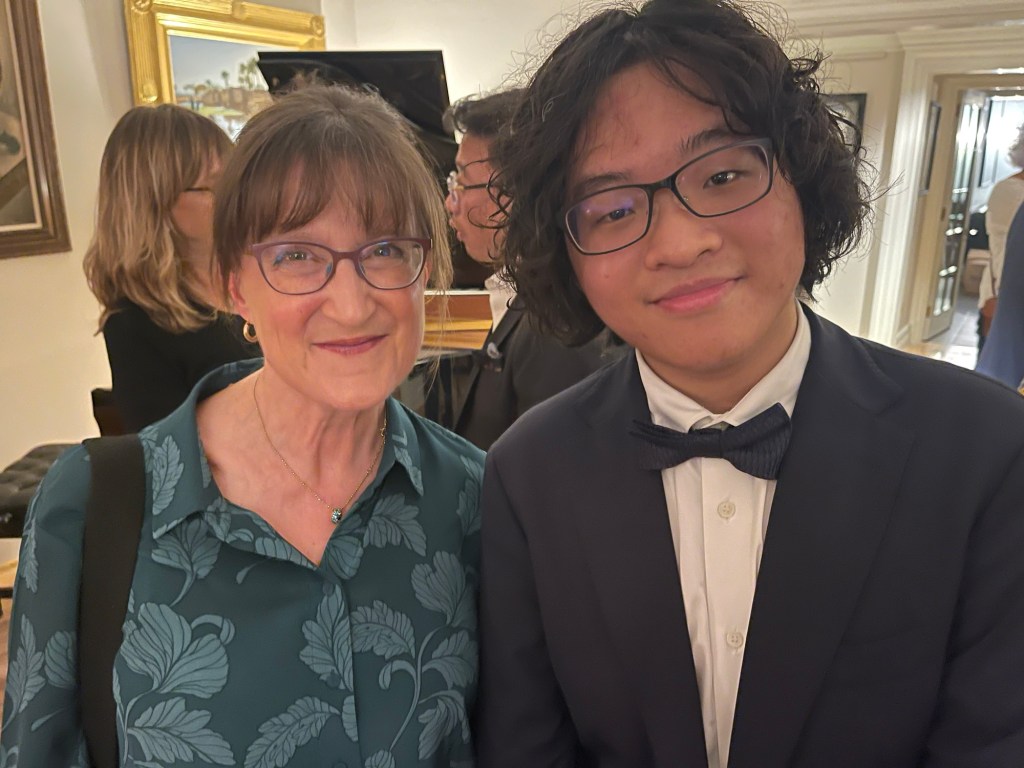
Lydia Connolly with Curtis – who was awarded this year the Hastings Fellowship which deals with the mentoring and coaching by Lydia Connolly and Trudy Wright

Youths that have sacrificed much for their calling but are also young and above all with the prospect of a happy life in front of them doing what they love.


Vanessa even managed to persuade Curtis to play a little ‘bon bon’ – her words not mine – which brought forth an outpouring of passion and virtuosity the same that Schumann felt for his beloved Clara . ‘Widmung’ was indeed breathtaking and overwhelming as one might expect from such a charming young nineteen year old artist with the world at his feet.
An interesting discussion with Roberto Prosseda in Cremona ,recently elected artistic director of the Rina Sala Gallo Competition in Monza just shows with what intelligence and care these gifted young musicians are looked over by their peers https://www.facebook.com/share/v/yBLVYNaujV9Emwpr/?mibextid=KsPBc6

Yisha Xue with Vanessa Latarche

A letter from Cremona ,the eternal city of music where dreams become reality.

P.S. Nadia Boulanger often quoted from Shakespeare in her classes this phrase:’Words without thought no more to heaven go ‘

And I am please to conclude this encounter with an extraordinary young artist by his beautiful and deeply thoughtful few words in response to mine about his performance.

“Dear Christopher, thank you for this warm and touching review and thank you for pointing out the tempo issue in Chopin – I completely agree.

About starting the note with the right hand – it’s just a matter of gesture. In my opinion, there are certain occasions where certain gestures are more or less helpful. A very clear example that comes to mind right now is Chopin first ballade in g. I always prefer to start the hand movement from the knees – make a very long upbeat, and slowly. The first sound I would not make it like paramount pictures the gong, but strings with bassoon – not trombone, not horn.

I believe every motion, every movement we do must be good for the music, for the instrument and for me, myself. If all three – it’s very good. If two of the three – it’s also very good. It should never contradict the interest.

I would gladly like to invite you to my upcoming performance at St. Mary’s Perivale on Tuesday 26th with a probably more experienced program – I’m sure you feel the same as I do that the Hammerklavier needs its time to develop. I haven’t really played in public, but yesterday was a nice place to try it out.

I hope I haven’t written too much or inconvenienced you, but your article inspired me to write this to you.”

All the best
Curtis

Curtis in discussion with Christopher Axworthy .
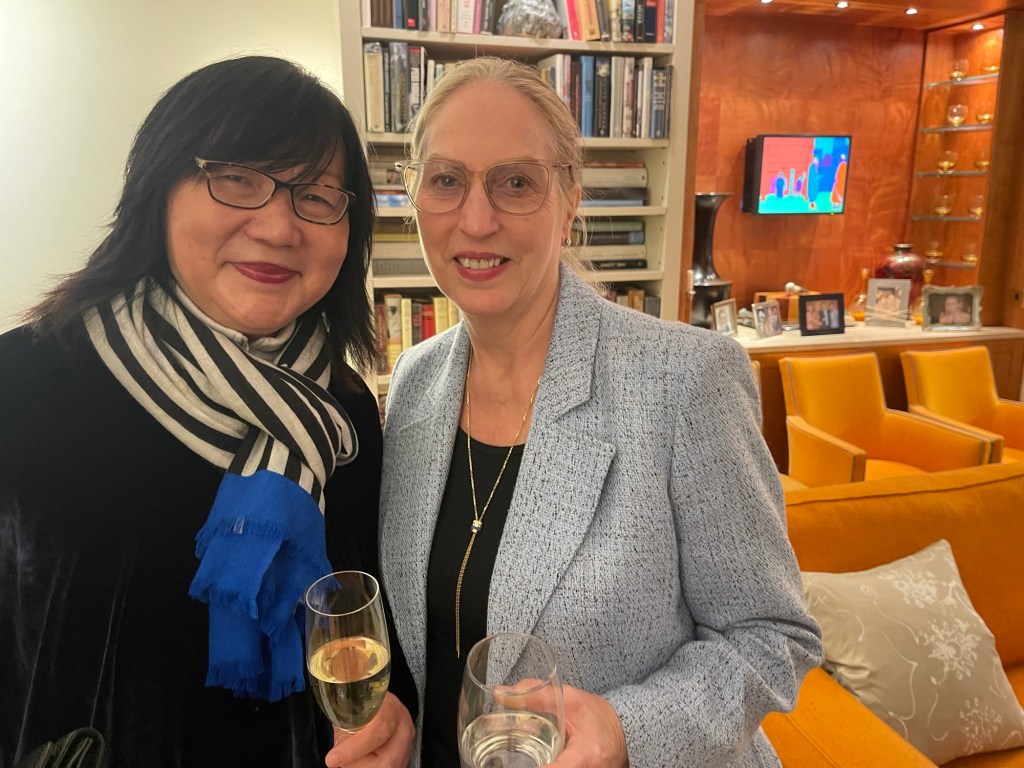
Sarah Biggs CEO of the Keyboard Trust looks on with Lydia Connolly