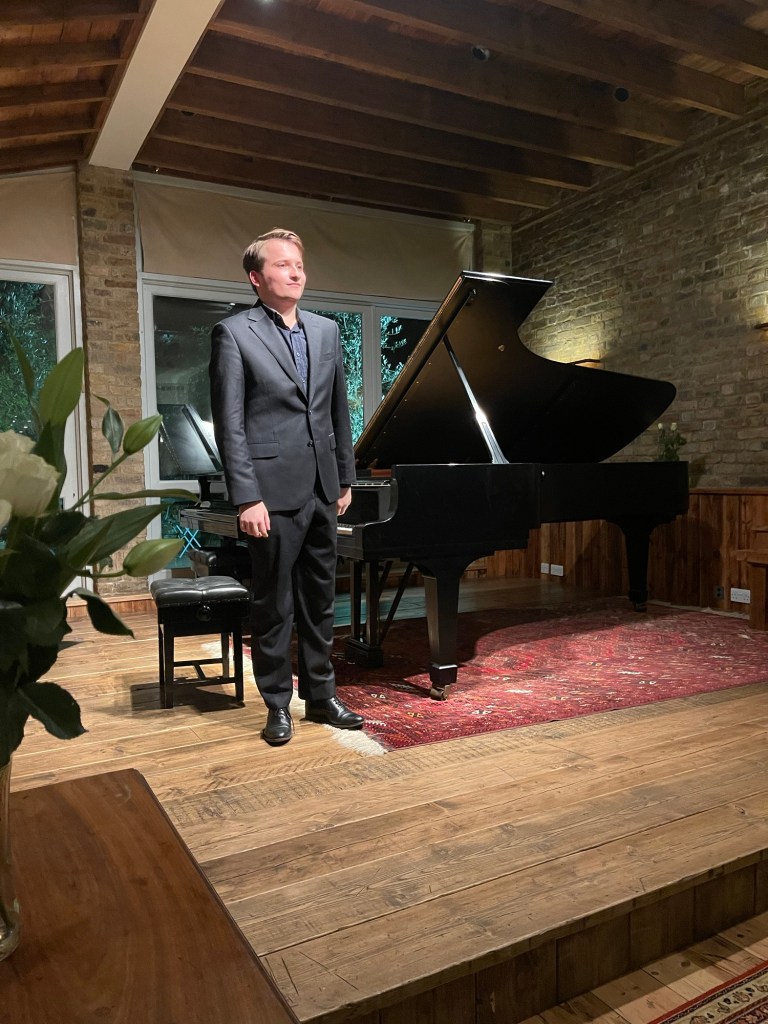
Misha Kaploukhii mastery and clarity in Walton’s paradise where dreams become reality – updated to include the Sheepdrove Competition and graduation recital

Oleg Kogan proud to present this young star and to invite him into his beautiful Razumovsky Academy that he has shaped with his own hands.

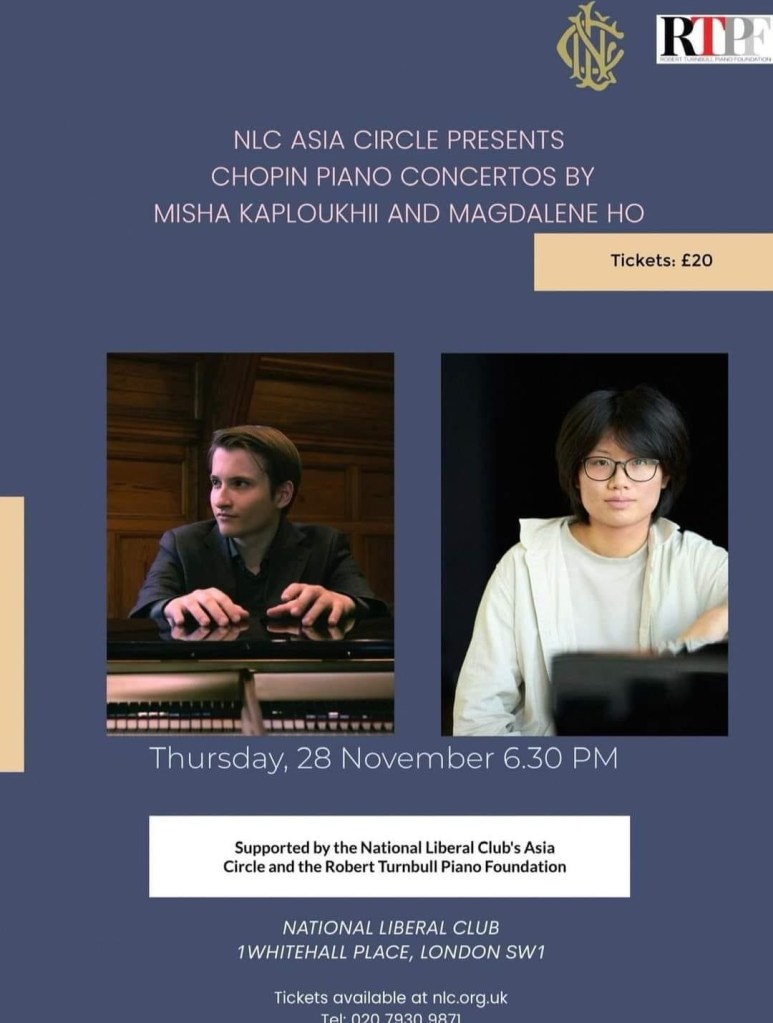
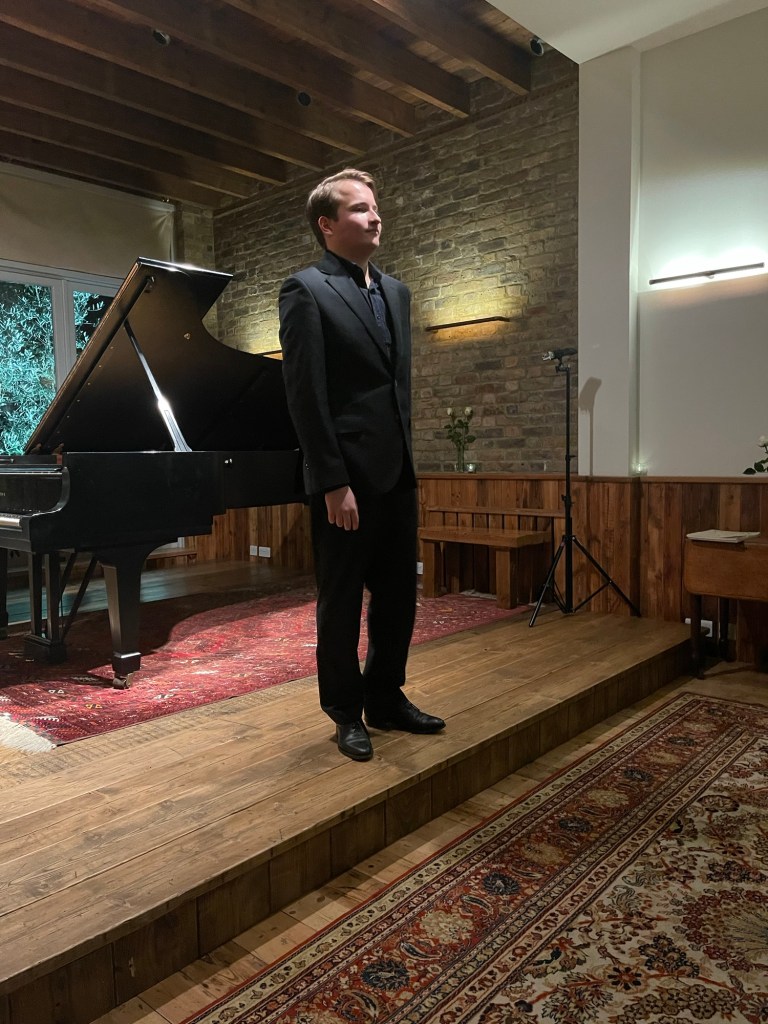
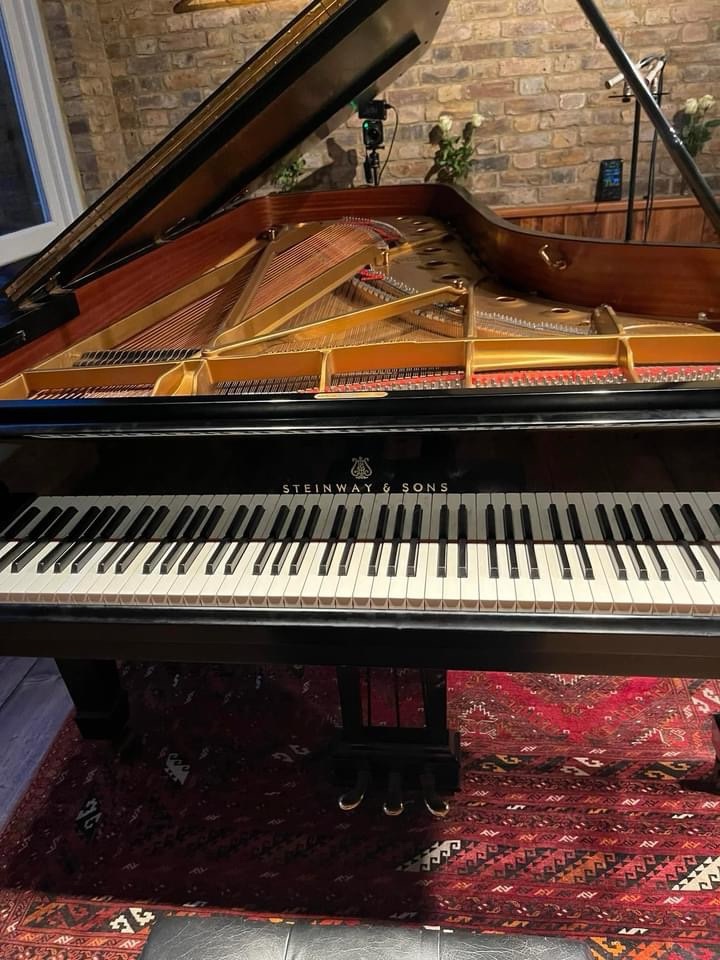
And it is on Fou Ts”ong’s magnificent Steinway D that Misha Kaploukhii kept us enraptured with playing of astonishing assurance , technical mastery and poetic sensitivity.
It was in Messian ,though , that one could feel the presence of Ts’ong as this young man played the pungent heart rending dissonances with a kaleidoscope of colours.This was a kiss blessed by the Gods as the disarming simplicity of the opening was elaborated with sounds that I doubt have been heard on this piano since the most eclectic of poetic masters left us during the Covid epidemic.
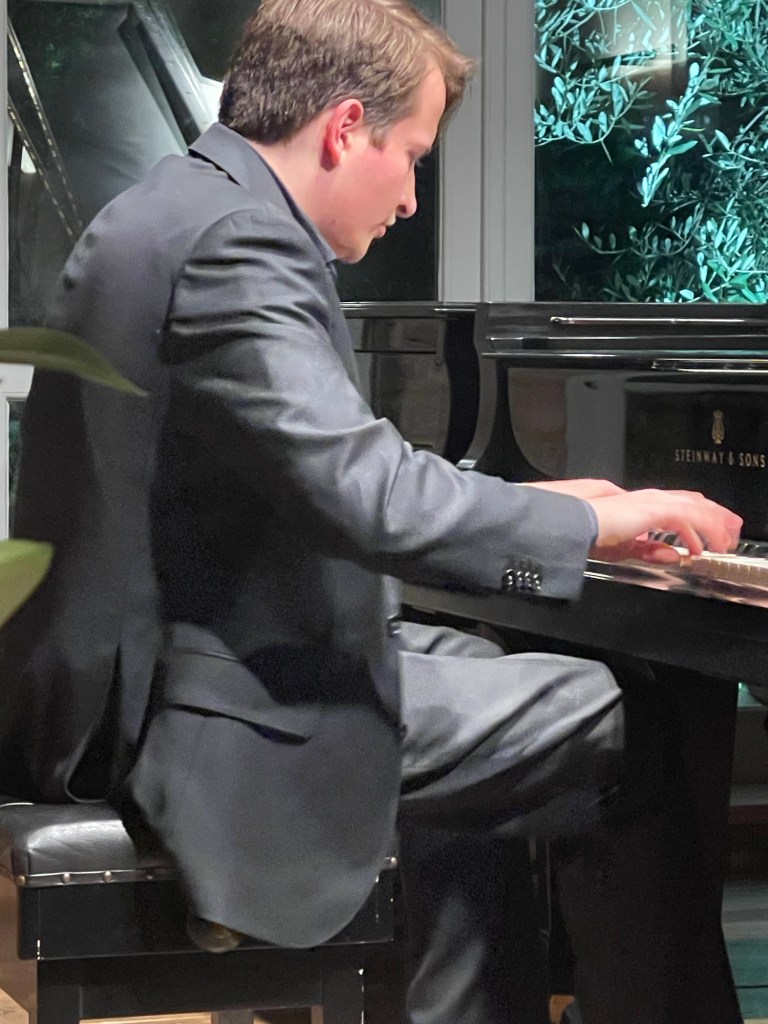
One could almost imagine the presence of Ts’ong as this young man played with a poetic intelligence and mastery as the minutes of aching silence at the end were testimony, savoured but inevitably interrupted by the reaction of a public visibly moved.
I can imagine Ts’ong playing Beethoven’s Eleven Bagatelles op 119 with the same chameleonic change of character but strangely enough it was Brendel and Serkin that could imbue these ‘trifles’ with a kaleidoscope of colours and luminosity as they were intellectual stylists and realised that Beethoven also had a great sense of humour.

Misha gave a masterly performance but as I implored him afterwards why did he not use the same palette of sounds as in the second half. ‘But this is Beethoven not Messian ‘ he quite correctly retorted .A different language ,of course , but an artist must use the palette of colour that are on his brush .Picasso is instantly recognisable in all his very different periods!

https://en.wikipedia.org/wiki/Gabriel_Prokofiev
Prokofiev of course was given a masterly performance much praised by Gabriel Prokofiev who was present in the audience.A slow movement of pungent austere beauty and a final movement that was played with scintillating charm and mastery that just flew with such ease from this young master’s well oiled fingers.
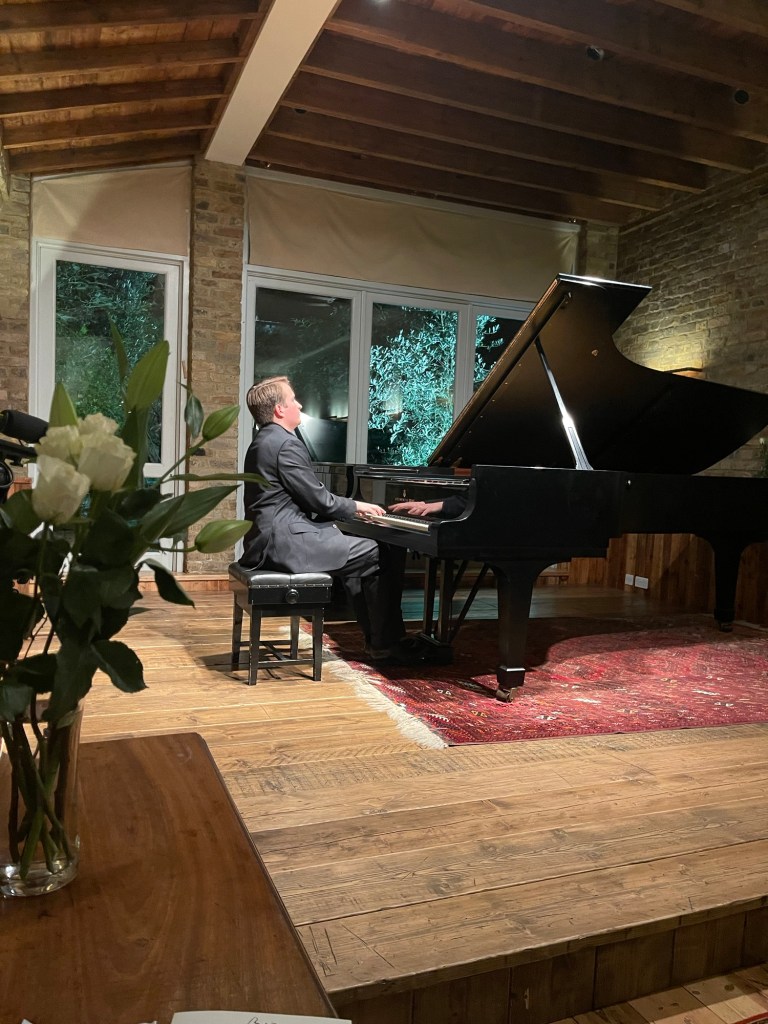
I cannot remember Ts’ong ever playing the Schubert Wanderer Fantasy but know he would have approved of the refined artistry of Misha’s Wanderer, the movement from which this revolutionary work was to take it’s name . The Wanderer and its variations were played with great poise and refined good taste , bathed in enough pedal to allow the piano to sing with ravishing beauty.A stream of golden magical sounds that poured from this young artists sensitive fingers.A Scherzo too that was played with dynamic drive but also with enough respectful charm that made the washes of sound in the Trio such a breathtaking contrast. The call to arms of the first movement was played with great style as he shaped the contrasting episodes with intelligence and sensitivity. The final movement was a ‘tour de force’ of brilliance and exhilaration and also miraculously kept at a constant tempo with a relentless drive.
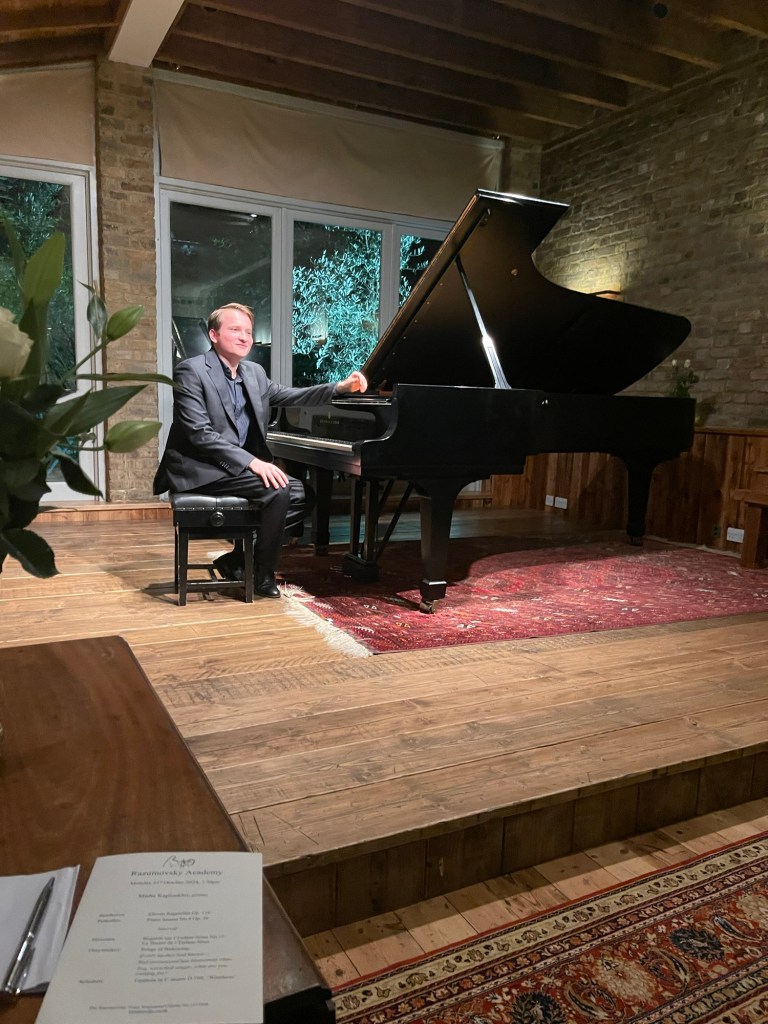
Three songs of Bukovina with very enticing titles, that were not mirrored in their content, but that were thankfully short. Played with great conviction and maybe too seriously if one is to believe their titles. I just wish that Misha could have enlightened us with an introduction as he had so charmingly done with Beethoven and Prokofiev!
I will have to do some homework now !
We even got an extra one as an encore !
But not before Busoni’s Greensleeves (Frauengemach Elegie n 4 ) which revealed Misha’s mastery of jeux perle with the charm and colour of another age .It demonstrated the extraordinary mastery that marks this young man as very special indeed and a name to watch out for in the not too distant future.

https://www.mediculture.co.uk/whats-on/tlb-lunchtime-concert-guys-chapel
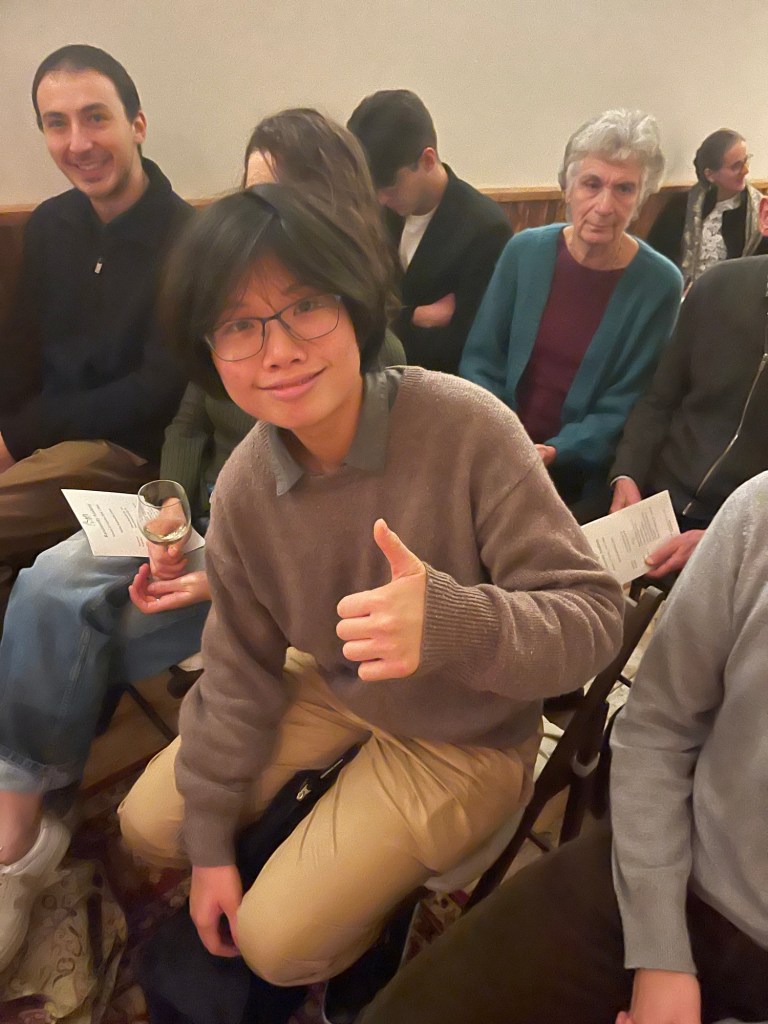
https://christopheraxworthymusiccommentary.com/2024/05/12/magdalene-ho-a-musical-genius-in-paradise/
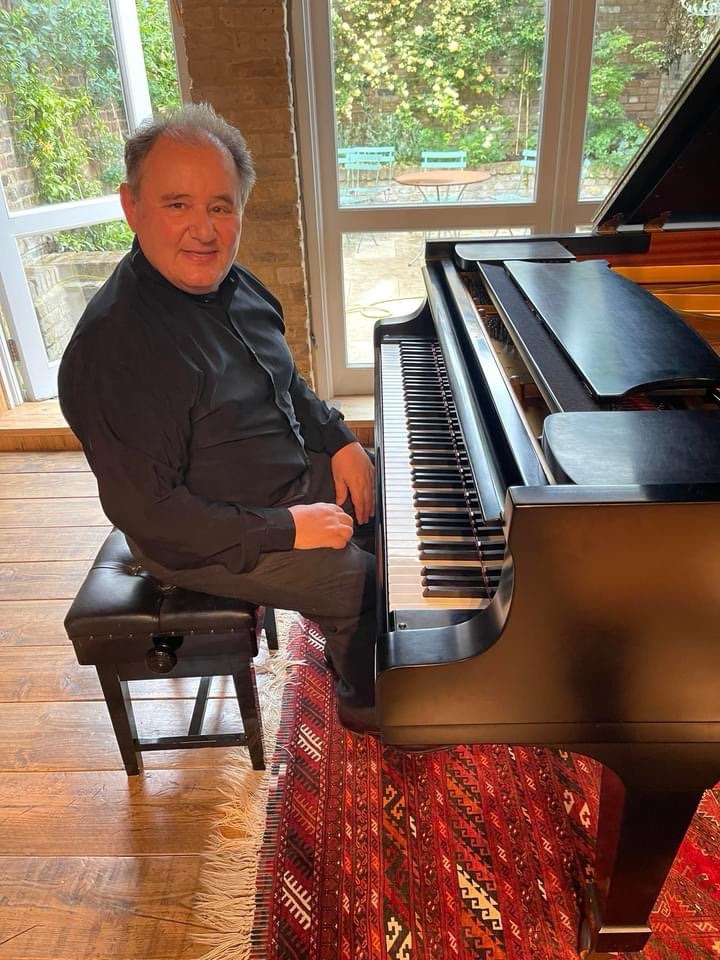
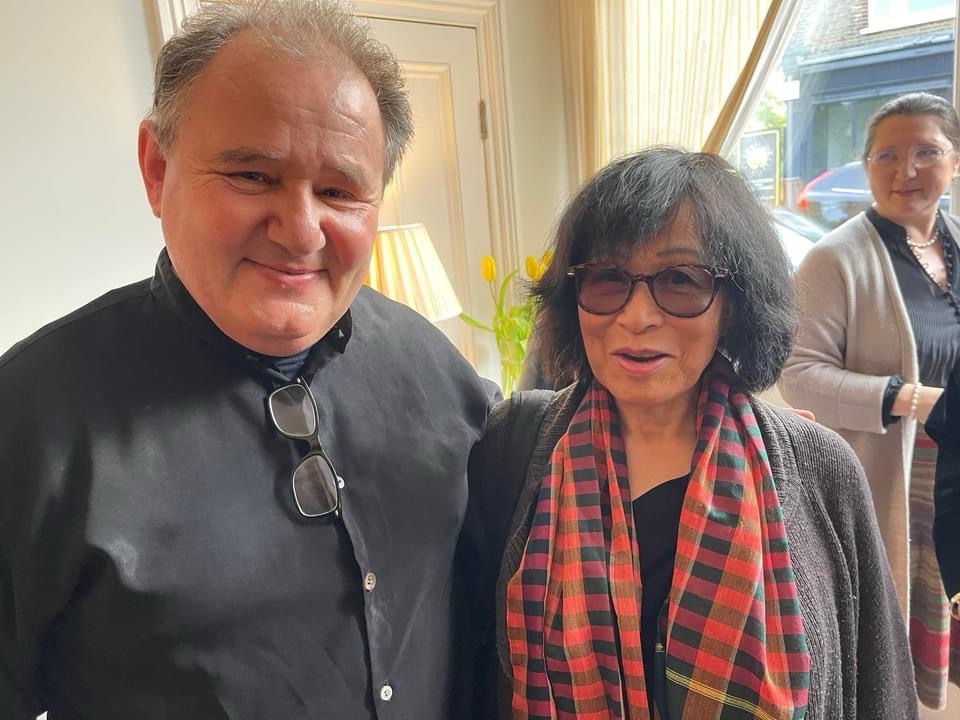
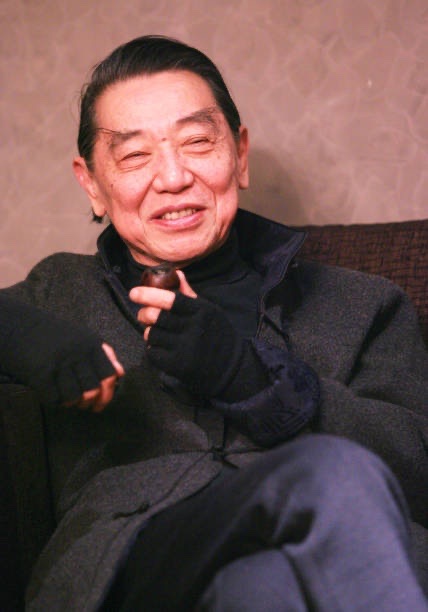
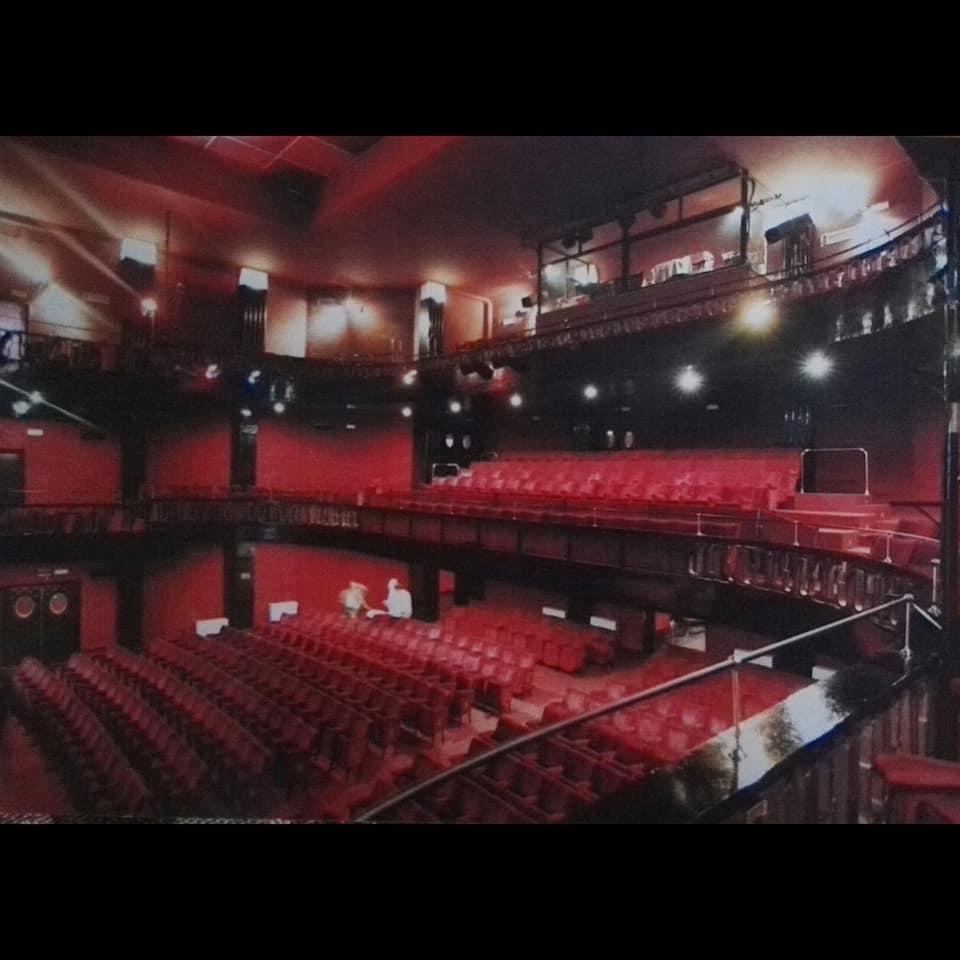
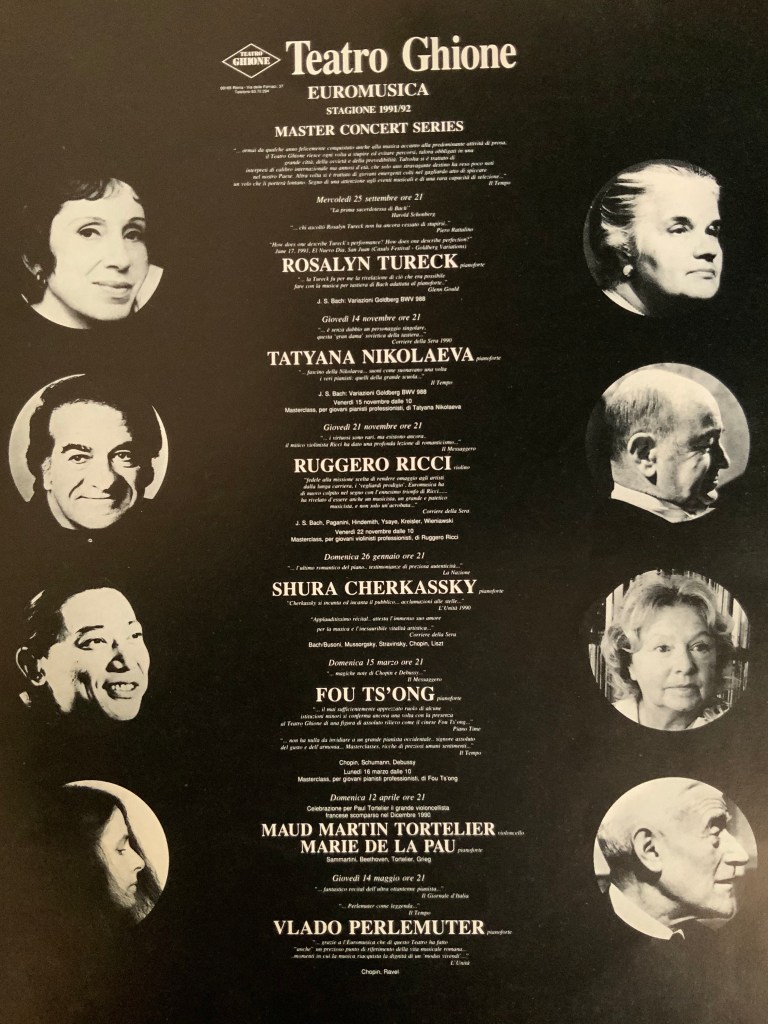
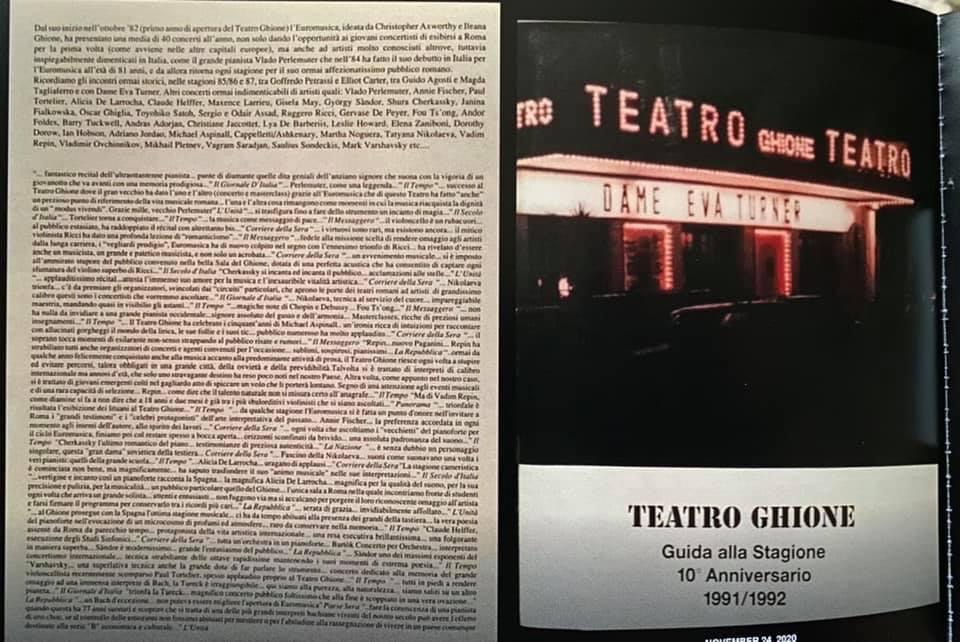
Fou Ts’ong was one of our regular visitors to the Ghione Theatre and came year after year to play and give masterclasses.The theatre had opened in 1982 initially to provide a space for my wife ,the distinguished actress Ileana Ghione ,to produce the plays that she particularly wanted to perform with directors and set designers of great quality.She did not see the point in touring poorer productions and so set up home in an old derelict theatre next to S.Peters Square.Together we transformed it into one of the most intimate and beautiful theatres in Europe.It did not take long for musicians to ask if they could perform there too.My two teachers Guido Agosti and Vlado Perlemuter were the first and then followed a long line of distinguished musicians that through some strange twist of fate had never or rarely been invited to Rome.One of our favourite artists was Fou Ts’ong who would come year after year ,so much so that his wife ,the distinguished pianist Patsy Toh,thanked me for being so faithful.Well it is we that should thank him judging by the number of students who came under his spell and have gone on to distinguished careers.
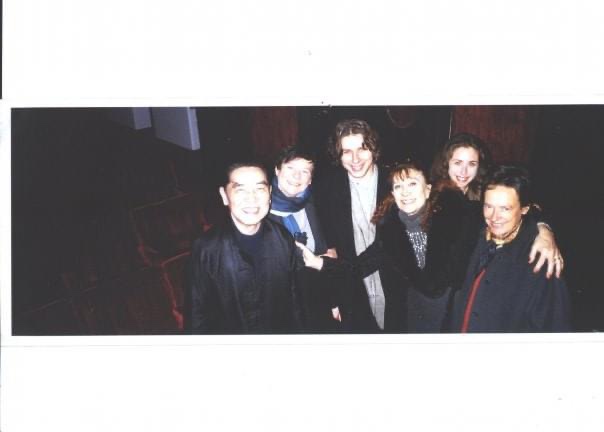
One of these in particular is Roberto Prosedda who a week after Ts’ong’s death dedicated a Chopin recital in Pisa to him (included in an attachment here) and is now producing a book about Ts’ong’s remarkable genius.
Roberto Prosseda pays tribute to the genius of Chopin and the inspirational figure of Fou Ts’ong
Paradoxically the book is being financed by the Chinese government for a PHD student of Roberto .Fou Ts’ong’s parents had committed suicide rather than compromise their principles in the cultural revolution.Fou Ts’ong many years later was persuaded to return to China was reverred as a God and it is why now there is need for a book about his life,background and musical ideals.William Grant Naboré a disciple of Carlo Zecchi in Rome was given the possibility to start his International Piano Academy in Lake Como in 1993 and he asked me if some of our distinguished musicians would like to spend a week together with super talented young musicians to share their experiences and musical ideas in masterclasses.Fou Ts’ong was one of the first to accept the invitation and it was a love affaire that lasted over 20 years .Francois Dumont was one of the lucky students to come under the influence of Fou Ts’ong in Como.Fou Ts’ong after his masterclass in Rome with Danuta Aloisi(Duda),Ileana Ghione and Linda Alberti The Ghione Theatre – S.Pietro Rome
Duda – gone with the wind to a far better place than even she could imagine
Francois-Frédéric Guy ignites the soul of Fou Ts’ong’s piano at the Razumovsky Academy.
Francois Dumont remembering the genius of Fou Ts’ong at the Razumovsky Academy
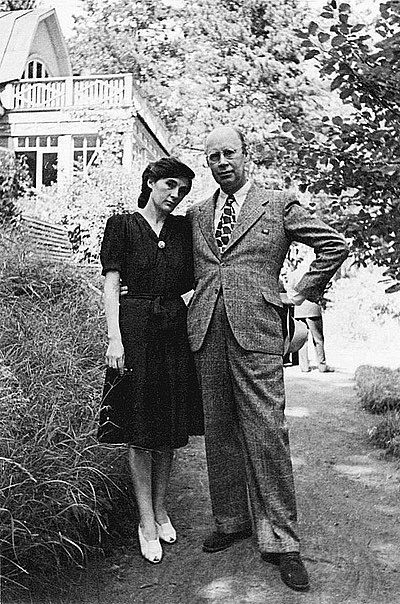
Sergei Prokofiev’s Piano Sonata No. 4 in C minor, Op. 29, subtitled D’après des vieux cahiers, or After Old Notebooks, was composed in 1917 and premiered on April 17 the next year by the composer himself in Petrograd The work was dedicated to Prokofiev’s late friend Maximilian Schmidthof, whose suicide in 1913 had shocked and saddened the composer.
- Allegro molto sostenuto
- Andante assai
- Allegro con brio,ma non leggiero
In his notes accompanying the full set of recordings of Prokofiev’s sonatas by Boris Berman David Fanning states the following:
Whether the restrained, even brooding quality of much of the Fourth Sonata relates in any direct way to Schmidthof’s death is uncertain, but it is certainly striking that the first two movements both start gloomily in the piano’s low register. Allegro molto sostenuto is the intriguing and apt marking for the first, in which a hesitant and uncertain mood prevails – the reverse of Prokofiev’s usual self-confidence. The Andante assai second movement alternates between progressively more elaborate statements of the opening theme and a nostalgic lyrical episode reminiscent of a Rachmaninov Etude-tableau; finally the two themes are heard in combination. With the rumbustious finale Prokofiev seems to be feeling himself again. But for all the gymnastics with which the main theme is varied there is less showiness in this essentially rather introvert work than in any of the other piano sonatas.
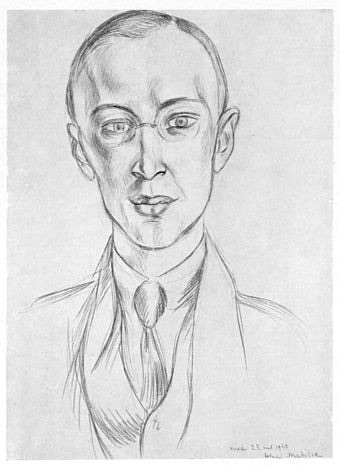
Prokofiev, as drawn by Matisse for the premiere of Chout (1921)
27 April 1891 Sontsovka Russian Empire now Ukraine
5 March 1953 (aged 61)Moscow, Soviet Union
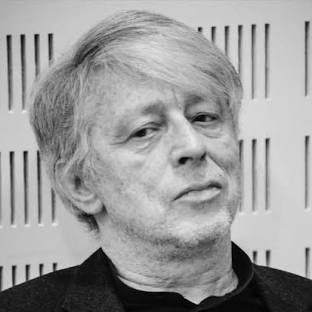
https://en.wikipedia.org/wiki/Leonid_Desyatnikov
 ChristopherAxworthy-MusicCommentary
2 risposte a "Misha Kaploukhii at the Razumovsky Academy with technical mastery and poetic sensitivity"