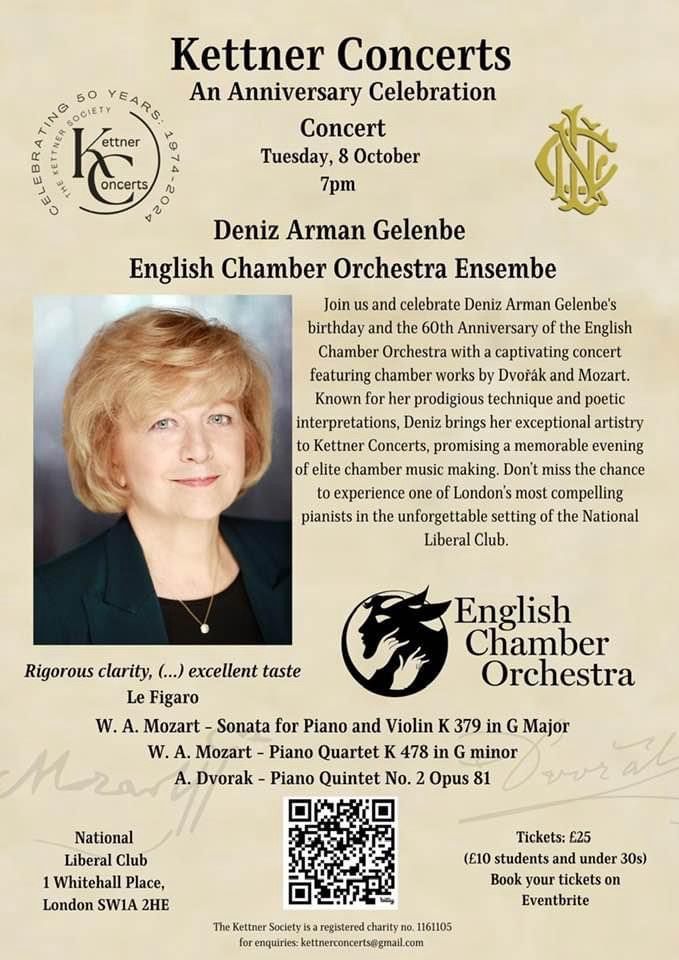
Happy Birthday Deniz Arman Gelenbe.
Say it with music takes on a different significance when a very special occasion is treated to such sumptuous music making.
The simple unadorned beauty of Mozart contrasted with the dynamic drive of Dvorak.
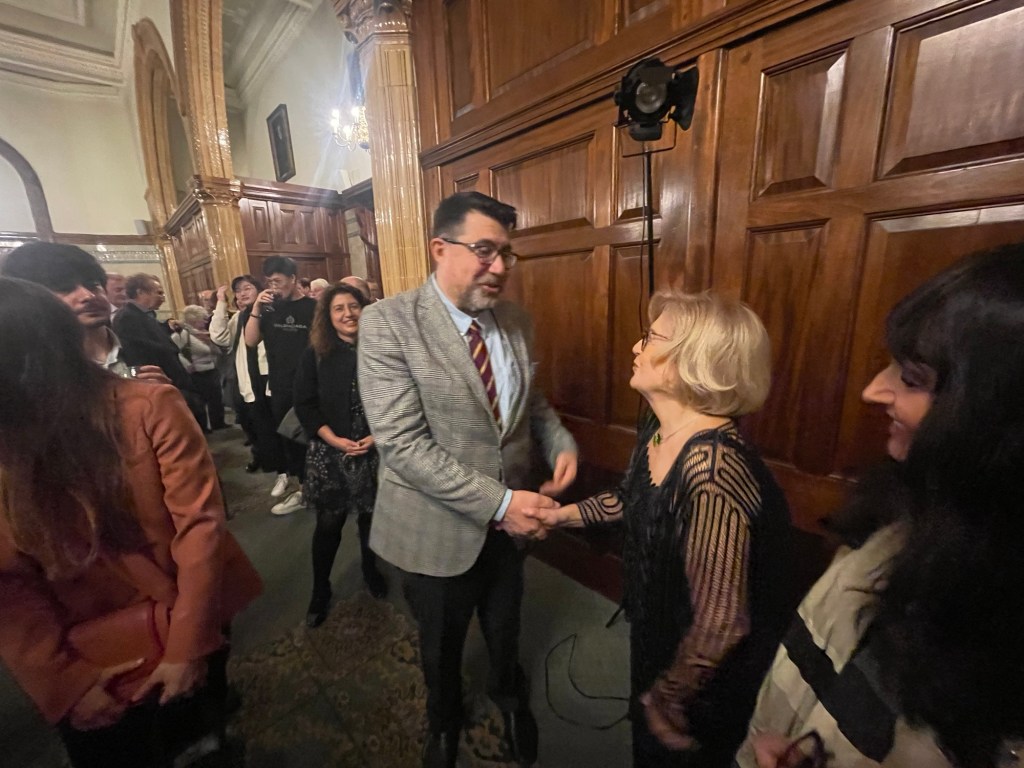
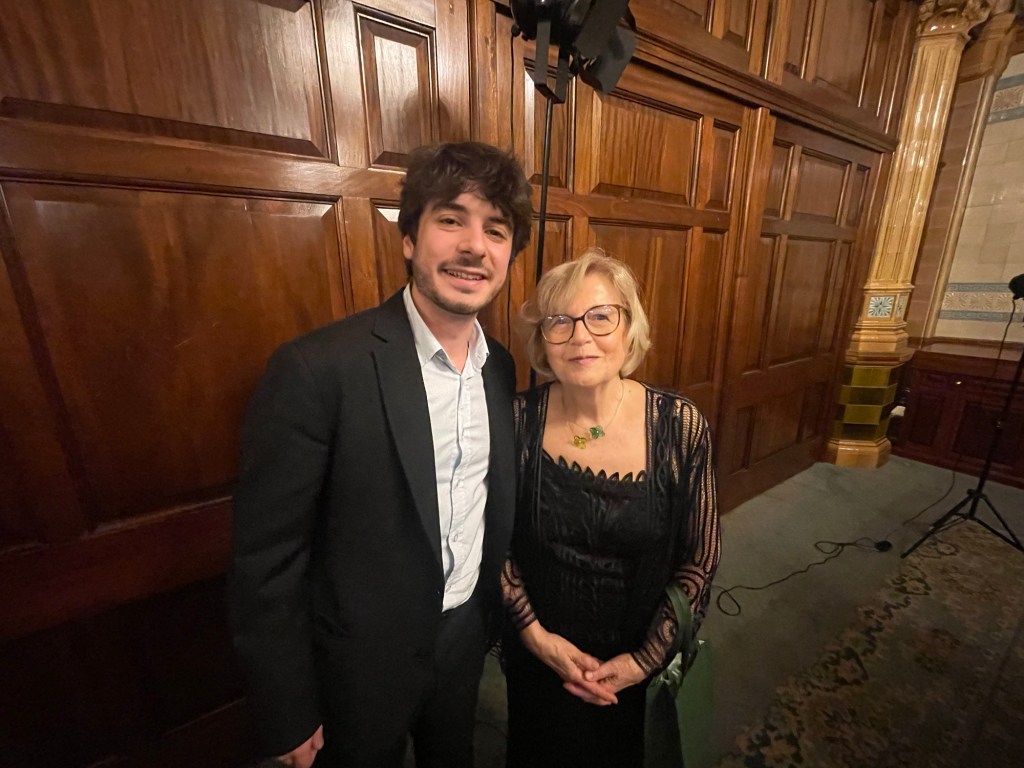
Surrounded by friends and admirers what better way could there be to celebrate for a much loved musician of such stature.
With illustrious colleagues from the English Chamber Orchestra this beautiful Lloyd George Hall in the National Liberal Club resounded with music making of refined elegance in Mozart and Dvorak’s sumptuous homage to his native Bohemia.
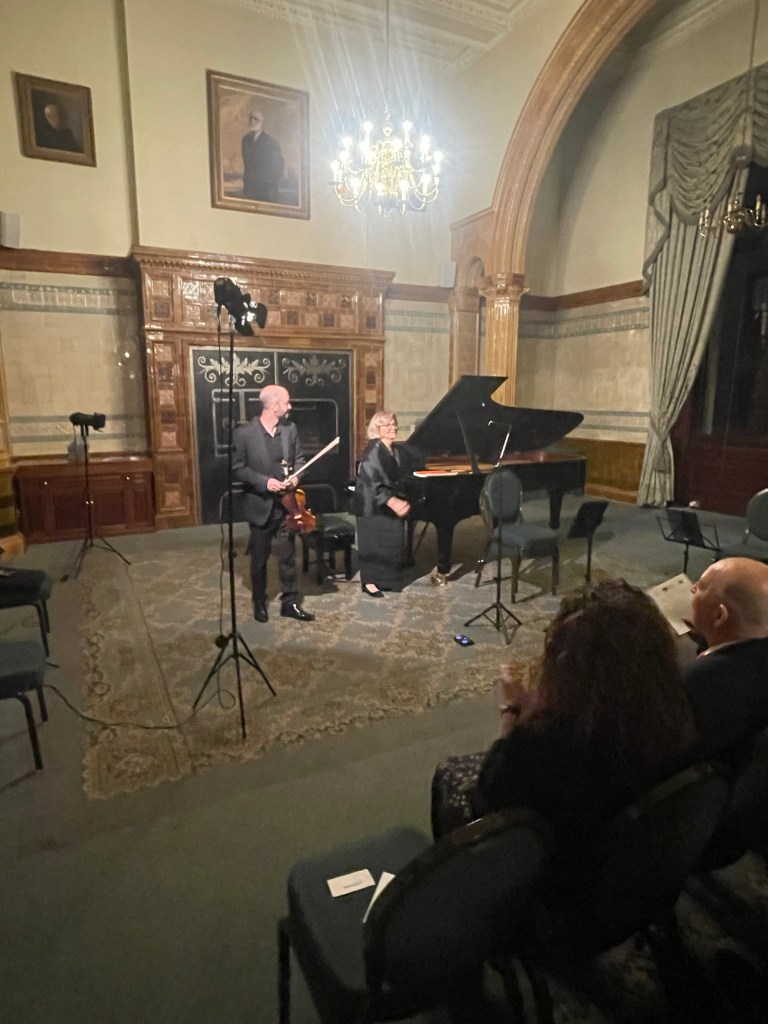
Mozart’s late violin sonata in G opened the concert with almost Beethovenian vehemence but also the refined elegance and genial outpourings that could only be from the age of Mozart. Variations in which the piano shone through with a purity and style as the superb artistry of John Mills allowed our ‘birthday girl’ Mozart’s own spotlight
The G minor Quartet already opens with a Beethovenian call to arms immediately replied by the beseeching sigh from the piano before bursting into outpourings of mellifluous buoyancy.
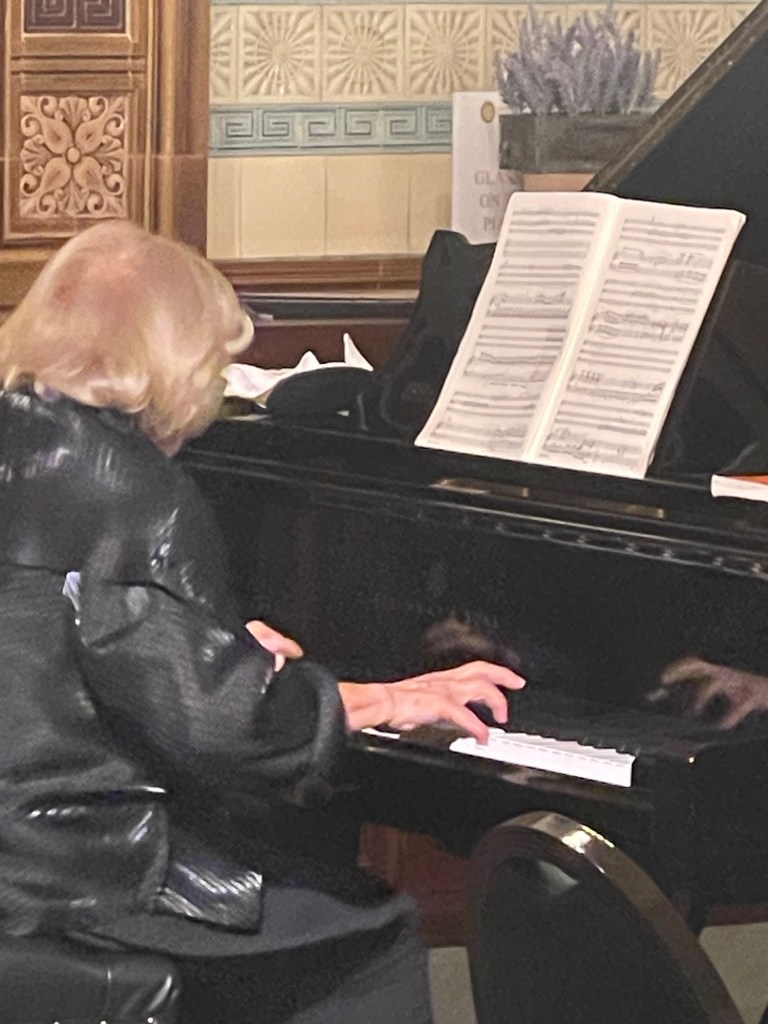
The Andante opening with Deniz’s beautiful simple prayer of thanksgiving was taken up by her superb colleagues with stylish playing of disarming simplicity. If the Rondo could have taken flight more and was a little earthbound for the fun that Mozart allows himself even in G minor it allowed the continual genial outpouring of melodic effusions to sing with unusual clarity and refined good taste.
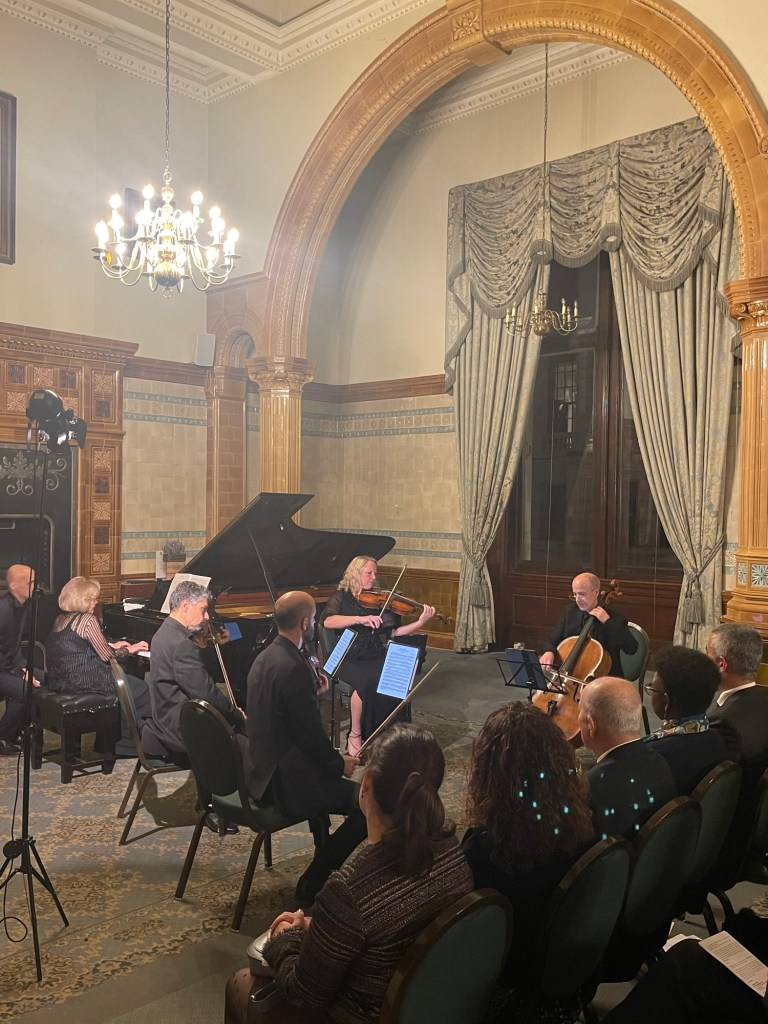
It was in the Dvorak and the addition of the second violin of Ofer Falk that the music making really took wing .
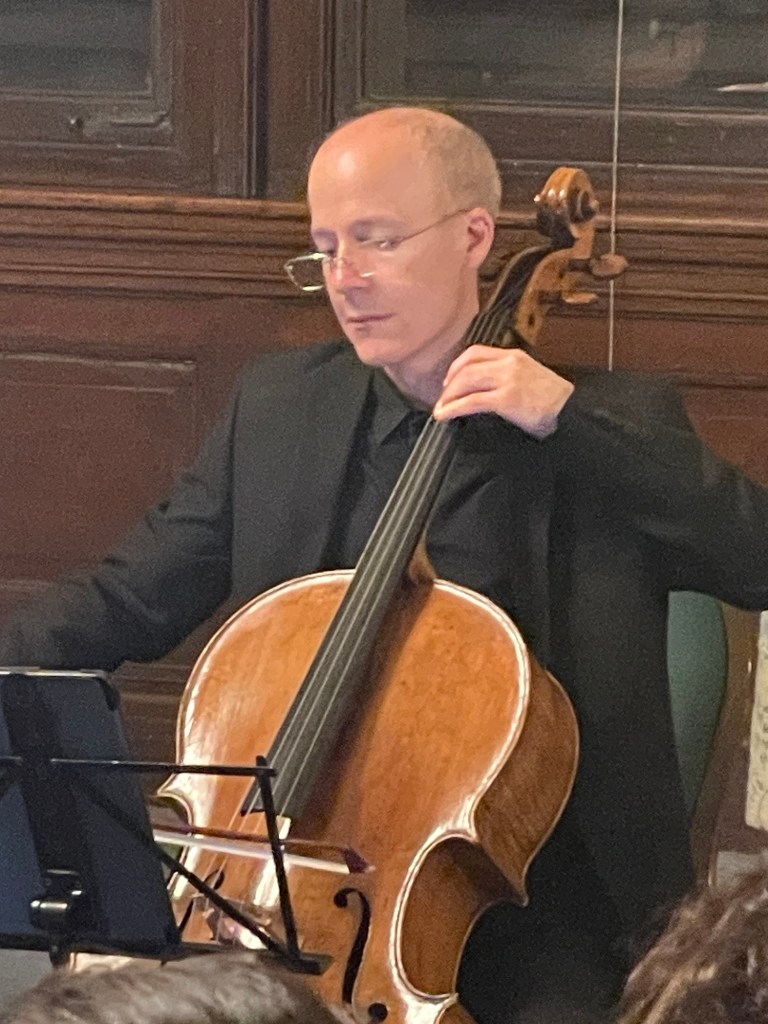
Son of the late Catherine Butler Smith Vukotic, whose aunt is the renowned Rome based actress Milena Vukotic .Star of many of Fellini’s films and recent winner at the age of 85 of ‘Ballando con le Stelle’ the Italian version of ‘Strictly come Dancing’!
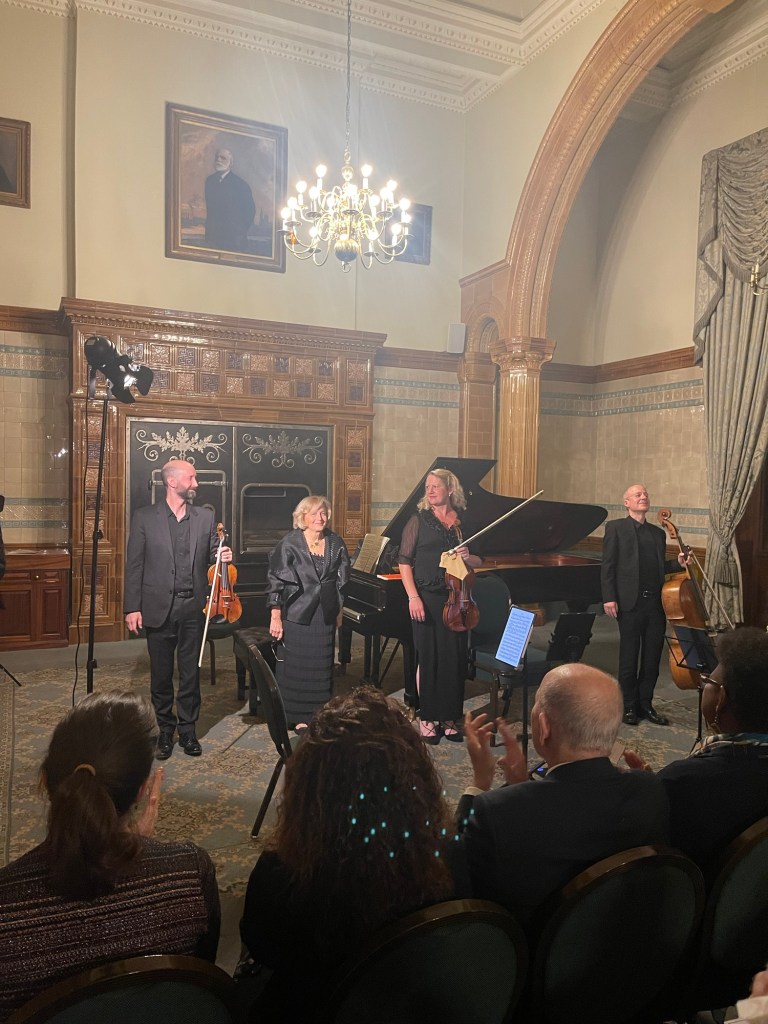
A sumptuous performance enhanced by the ravishing cello playing of Bozidar Vukotic but also the supreme musicianship of Deniz who could weave in an out of the sumptuous string sounds looking and listening ready to pounce and enhance.
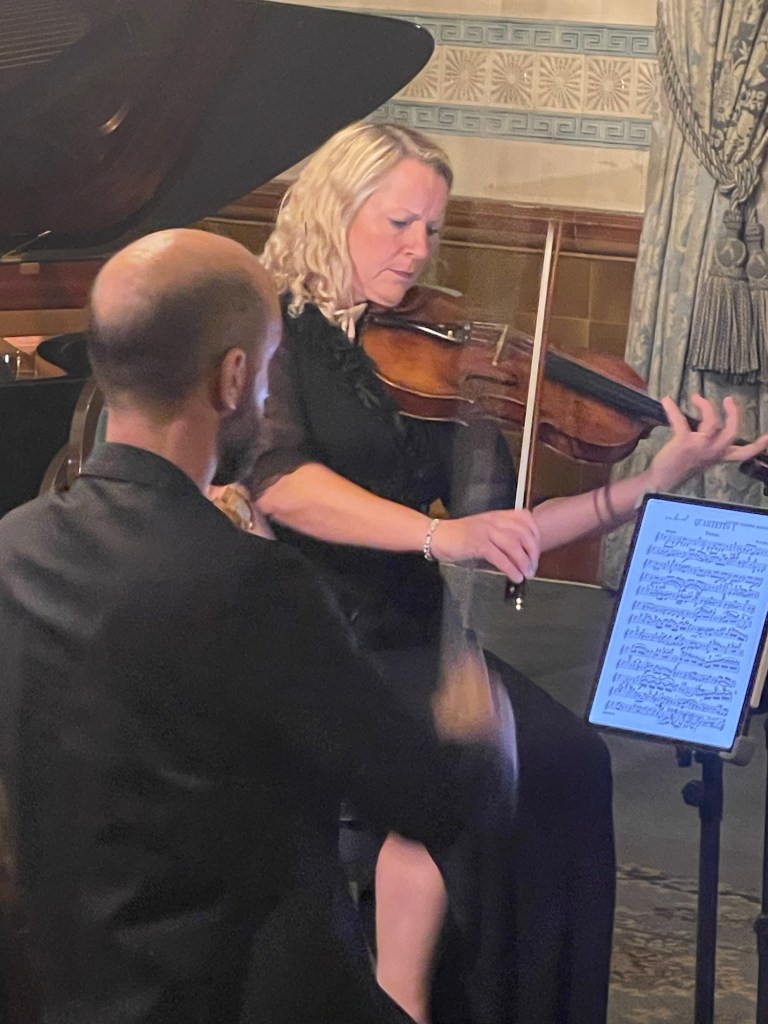
The superb viola of Lydia Lowndes – Northcott looking and waiting as she listened so attentively to her colleagues, completing and supporting the voluptuous sounds from her colleagues. John Mills inspired and inspiring as Deniz played with passionate abandon but also the intelligent mutual anticipation of a seasoned chamber music player.
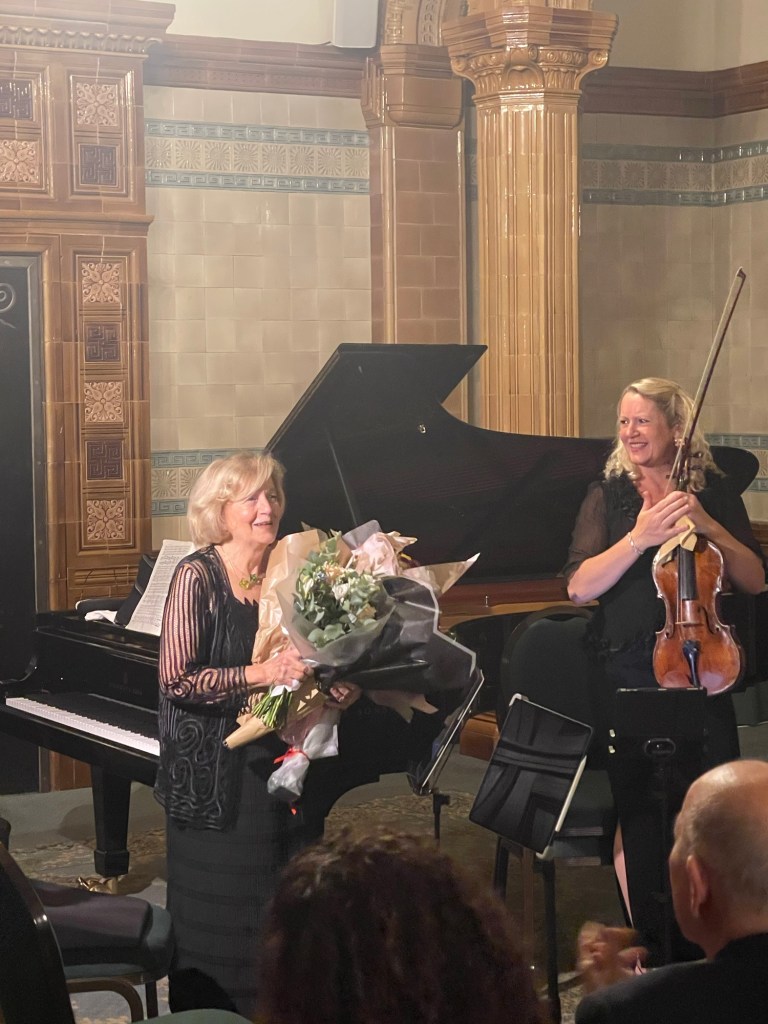
It is nice to remember Gyorgy Sandor the mentor of Deniz and great friend of ours in Rome on such a joyous occasion.
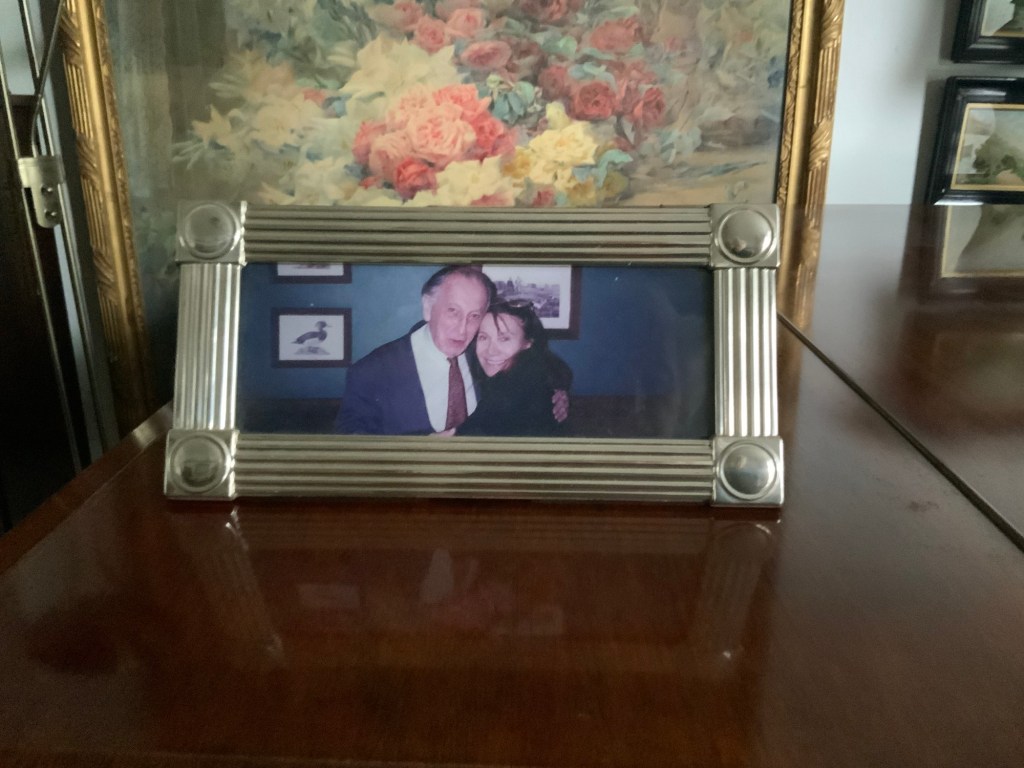
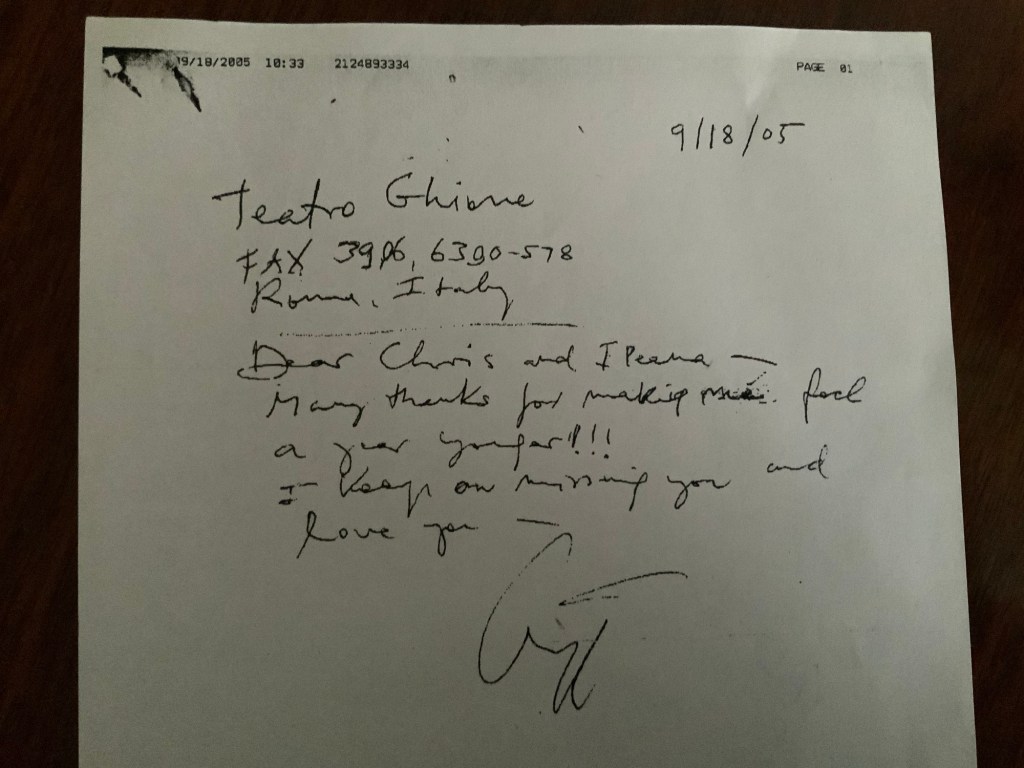
I add this as a birthday present to Deniz who I know like me carries Gyorgy in her heart always .
https://christopheraxworthymusiccommentary.com/2022/03/29/brazil-200-and-keyboard-trust-30-a-collaboration-born-on-wings-of-brazilian-song/
https://christopheraxworthymusiccommentary.com/2022/05/18/giordano-buondonno-at-the-solti-studio-masterly-performances-of-searing-intensity/
https://christopheraxworthymusiccommentary.com/2023/11/05/goldberg-triumphs-in-berlin-dedicated-to-sandu-sandrin-by-his-son-cristian/
https://christopheraxworthymusiccommentary.com/2023/04/26/cristian-sandrin-visions-of-life-dedicated-to-his-father-sandu-sandrin/
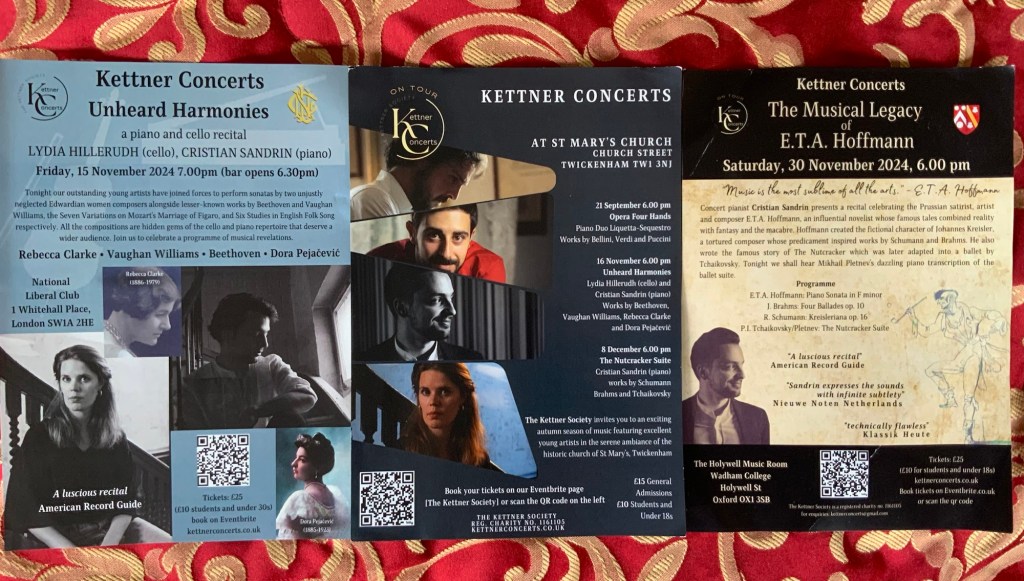
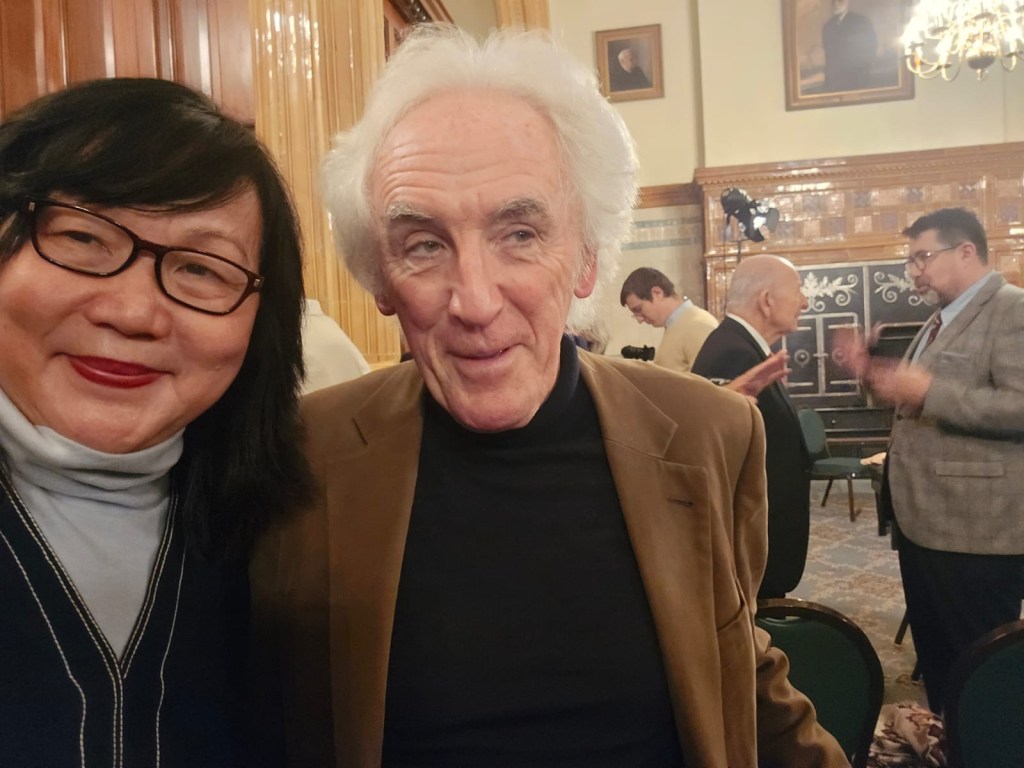
It said if it has not appeared on her social media page it has not existed ……an indefatigable force for culture in her beloved club whose next concert is on the 28th November – Chopin by candlelight- the two piano concertos.
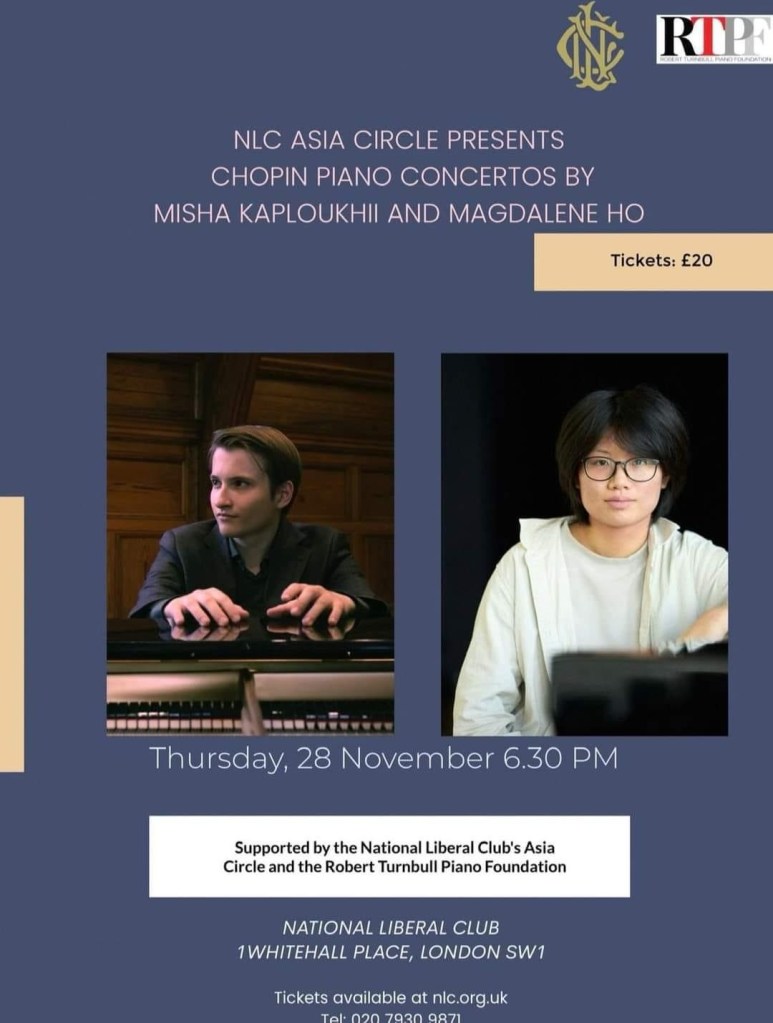
https://christopheraxworthymusiccommentary.com/2024/05/12/magdalene-ho-a-musical-genius-in-paradise/
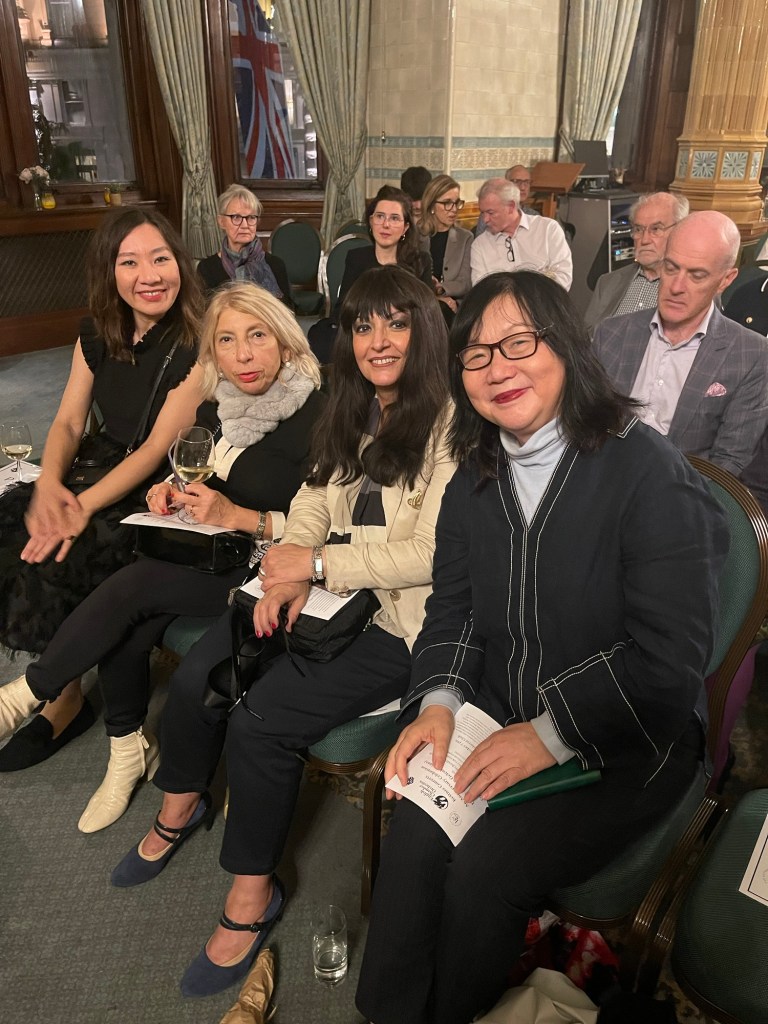
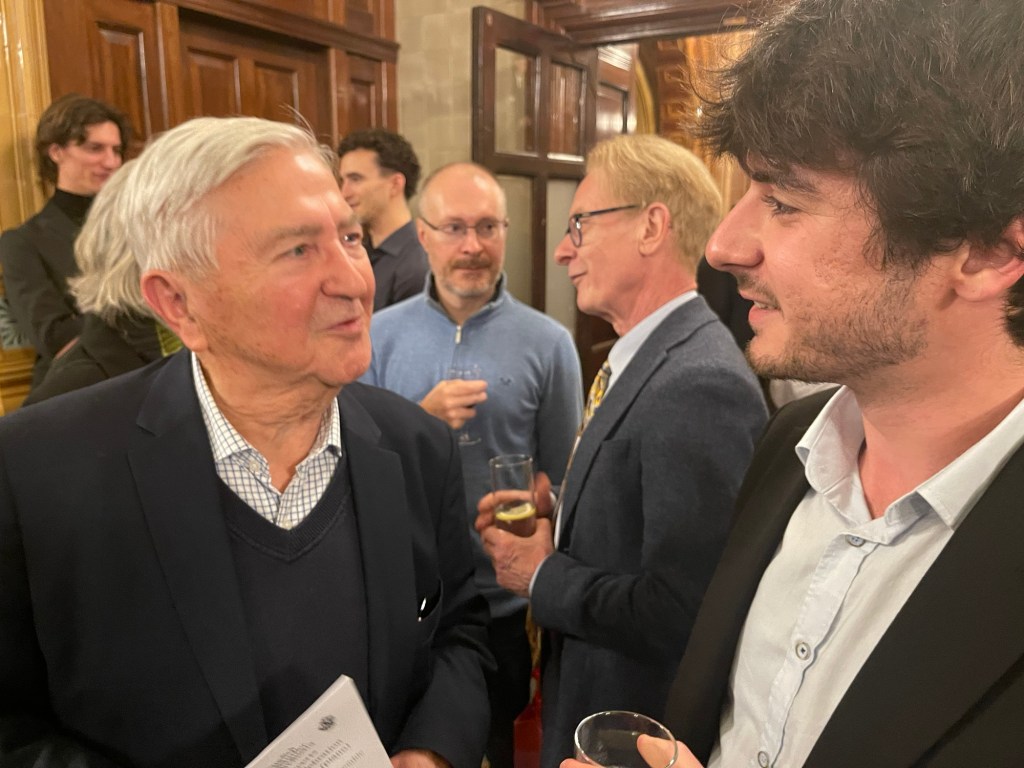
I am sorry to say we did not exchange cards!
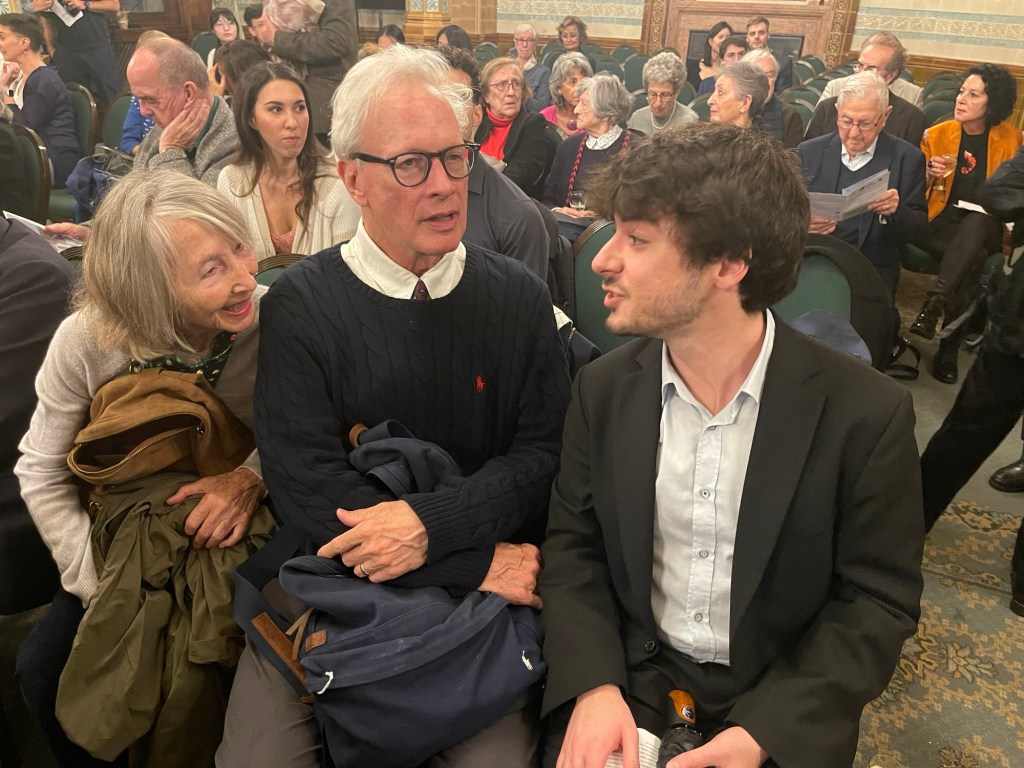
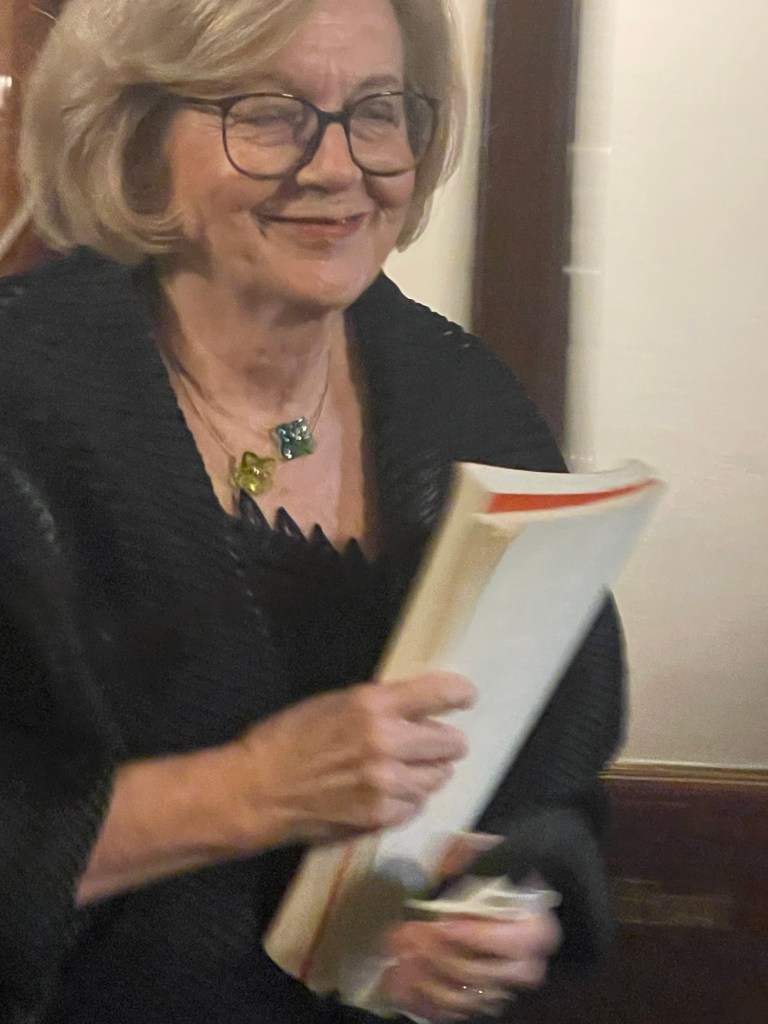
The Arman Trio at the Chopin Society Sublime music making of weight and intimacy to ravish the soul
All About Mozart -Deniz Arman Gelenbe and friends at St John’s Smith Square
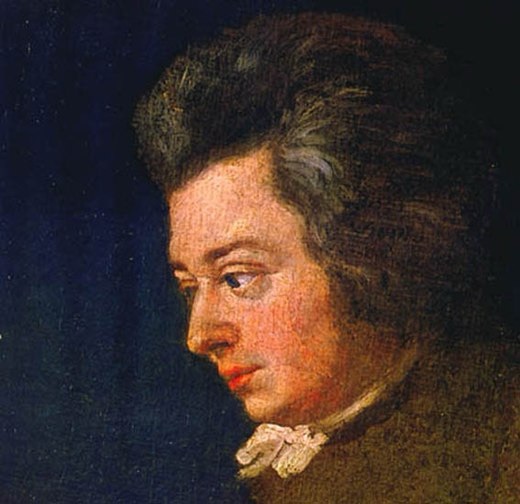
Wolfgang Amadeus Mozart
27 January 1756 Salzburg – 5 December 1791 (aged 35) Vienna
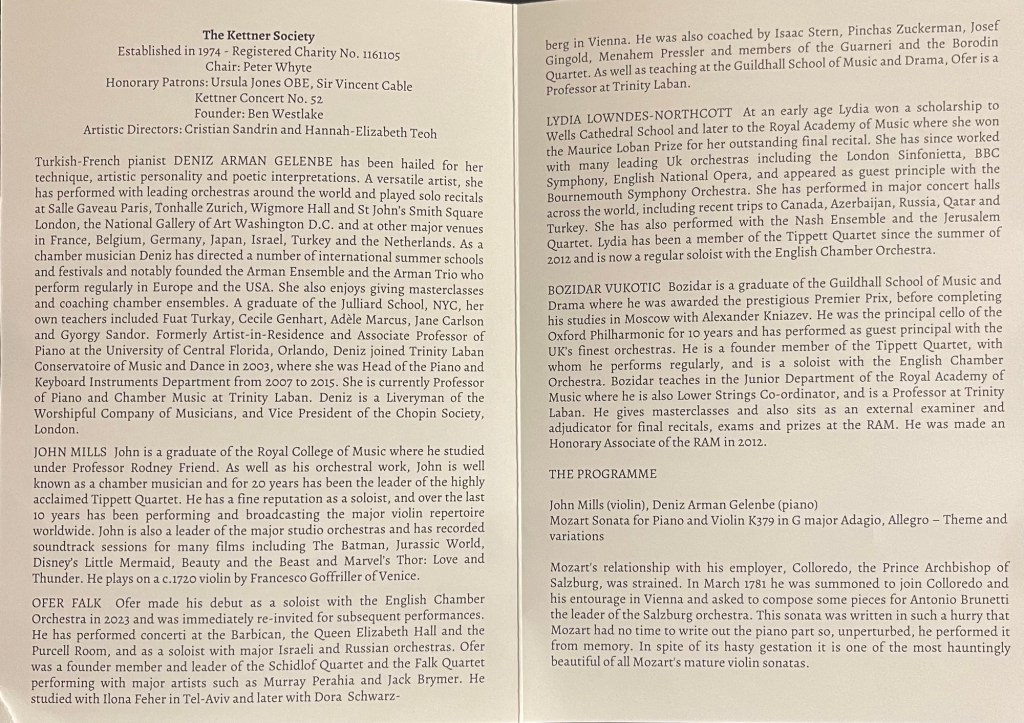
Violin Sonata No. 27 in G K.379/373a)was composed in Vienna in 1781 and first published in the same year.
It consists of two movements.
- Adagio – Allegro
- Theme : Andantino cantabile, with variations :
- Variation 1 (piano without violin)
- Variation 2
- Variation 3
- Variation 4 in
- Variation 5: Adagio
- Allegretto (Thema da capo – Coda)
On 12 March 1781 Mozart was summoned by his employer, the Prince-Archbishop of Salzburg, to join him and his retinue in Vienna, where they were staying during the celebrations marking the accession of the Emperor Joseph II. Mozart had been in Munich since the previous November, preparing for the premiere there of his opera Idomeneo, and he arrived in the Austrian capital on 16 March. That evening he found himself obliged to organize a private concert centred around the talents of some of the Salzburg court musicians. Mozart’s deep resentment towards the Archbishop, who refused to grant him permission to perform in public, can be discerned from his letters of the time to his father.Three weeks after his arrival in Vienna, Mozart had to provide pieces for the leader of the Salzburg orchestra, Antonio Brunetti, for whom he wrote a Rondo for violin and orchestra (K373), and the Sonata in G major, K379. The latter was so hurriedly composed (Mozart claimed to have completed it within the space of a single hour) that there was no time to write out the piano part, and Mozart had to play it out of his head at the work’s premiere the following day. Despite the circumstances in which it was written, this is one of the most beautiful and original of all Mozart’s violin sonatas. It is one that was well known to Schubert, who based his only song in variation form, Im Frühling, D882, on a theme very similar to that of Mozart’s variation finale.
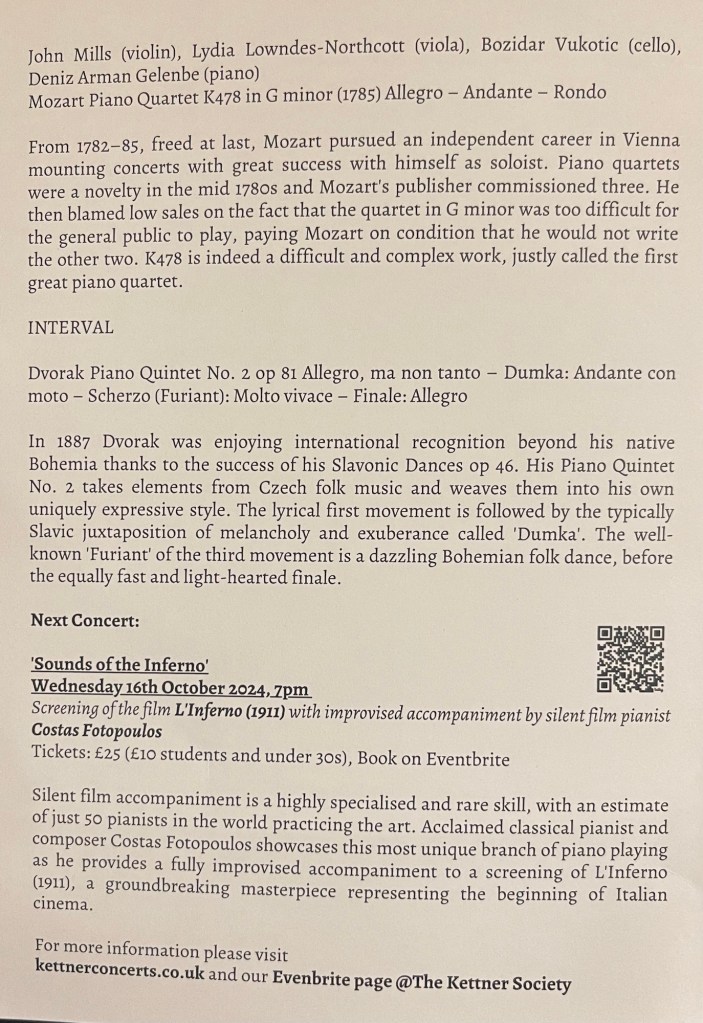
Mozart received a commission for three quartets in 1785 from the publisher Franz Anton Hoffmeister .who thought this quartet was too difficult and that the public would not buy it, so he released Mozart from the obligation of completing the set. (Nine months later, Mozart composed a second quartet anyway, in E flat K. 493).
Hoffmeister’s fear that the work was too difficult for amateurs was borne out by an article in the Journal des Luxus und der Moden published in Weimar in June 1788. The article highly praised Mozart and his work, but expressed dismay over attempts by amateurs to perform it:
“( as performed by amateurs] it could not please: everybody yawned with boredom over the incomprehensible tintamarre of 4 instruments which did not keep together for four bars on end, and whose senseless concentusnever allowed any unity of feeling; but it had to please, it had to be praised! … what a difference when this much-advertised work of art is performed with the highest degree of accuracy by four skilled musicians who have studied it carefully.”
The assessment accords with a view widely held of Mozart in his own lifetime, that of a greatly talented composer who wrote very difficult music.
At the time the piece was written, the harpsichord was still widely used. Although the piece was originally published with the title “Quatuor pour le Clavecin ou Forte Piano, Violon, Tallie [sic] et Basse,” stylistic evidence suggests Mozart intended the piano part for “the ‘Viennese’ fortepiano of the period”
The work is in three movements :
- Allegro
- Andante
- Rondo Allegro
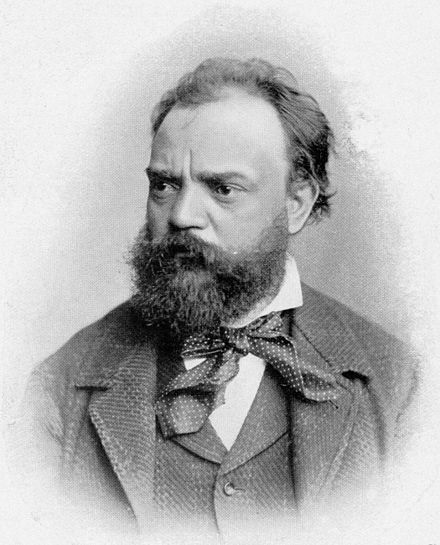
Antonín Dvořák in 1882
8 September 1841 Nelahozeves Austrian Empire 1 May 1904 (aged 62) Prague
Dvorak’s Piano Quintet No. 2 in A op 81 B 155, was composed between August 18 and October 8, 1887, and was premiered in Prague on January 6, 1888.
The work was composed as the result of the composer’s attempt to revise an earlier work, the first Piano Quintet in A Op. 5.Dvořák was dissatisfied with the Op. 5 quintet and destroyed the manuscript not long after its premiere. Fifteen years later, he reconsidered and retrieved a copy of the score from a friend and started making revisions. However, he decided that rather than submitting the revised work for publication, he would compose an entirely new work.The new quintet is a mixture of Dvořák’s personal form of expressive lyricism with elements from Czech folk music. Characteristically, those elements include styles and forms of song and dance, but not actual folk tunes; Dvořák created original melodies in the authentic folk style.
The music has four movements :
- Allegro, ma non tanto
- Dumka : Andante con moto
- Scherzo (Furiant) : Molto vivace
- Finale: Allegro
.
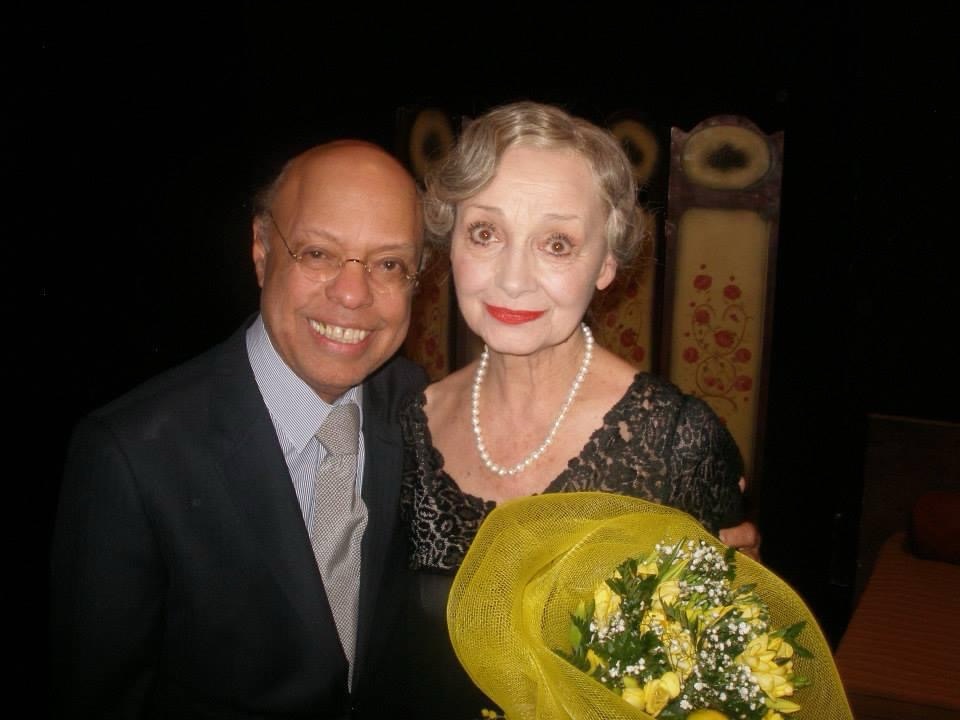
Once upon a time there were performing artists that had a voice that was an instrument.Thanks to a diaphragm trained like a singer had a kaleidoscope of colours and a projection that could point the voice to the last row with the same intensity as the first without mechanical assistance. A memory that like a sponge could absorb a text studied in depth through thirty days of hard work.Seemingly infallibly producing it night after night ever more in depth without the assistance of a mechanical aide memoir. Artists that would arrive in the theatre hours before each performance to check the set ,lighting and repass the text until it became as if freshly minted. These artists were called actors and they are a true rarity these days. One does still exist and at the age of eighty five she astonished,amazed and moved us last night at the Off Off theatre in the historic Via Giulia in the heart of Rome. Her name is Milena Vukotic and may she reign over the stages she graces for many years to come.
 ChristopherAxworthy-MusicCommentary